

Texas is home to an extraordinary variety of wildlife, from desert-adapted mammals and prairie birds to coastal reptiles, freshwater fish, and rare cave species. This guide to the types of animals in Texas highlights 30 notable animals found across the state, including their appearance, habitat, diet, behavior, and identification clues.
What Are the Main Types of Animals in Texas?
The main types of animals in Texas include mammals, birds, reptiles, amphibians, fish, and marine wildlife. Some are widespread, such as white-tailed deer and raccoons, while others have highly restricted ranges, including the Texas blind salamander. Texas’s deserts, prairies, forests, wetlands, rivers, and Gulf Coast support an unusually rich collection of species.
1. White-Tailed Deer
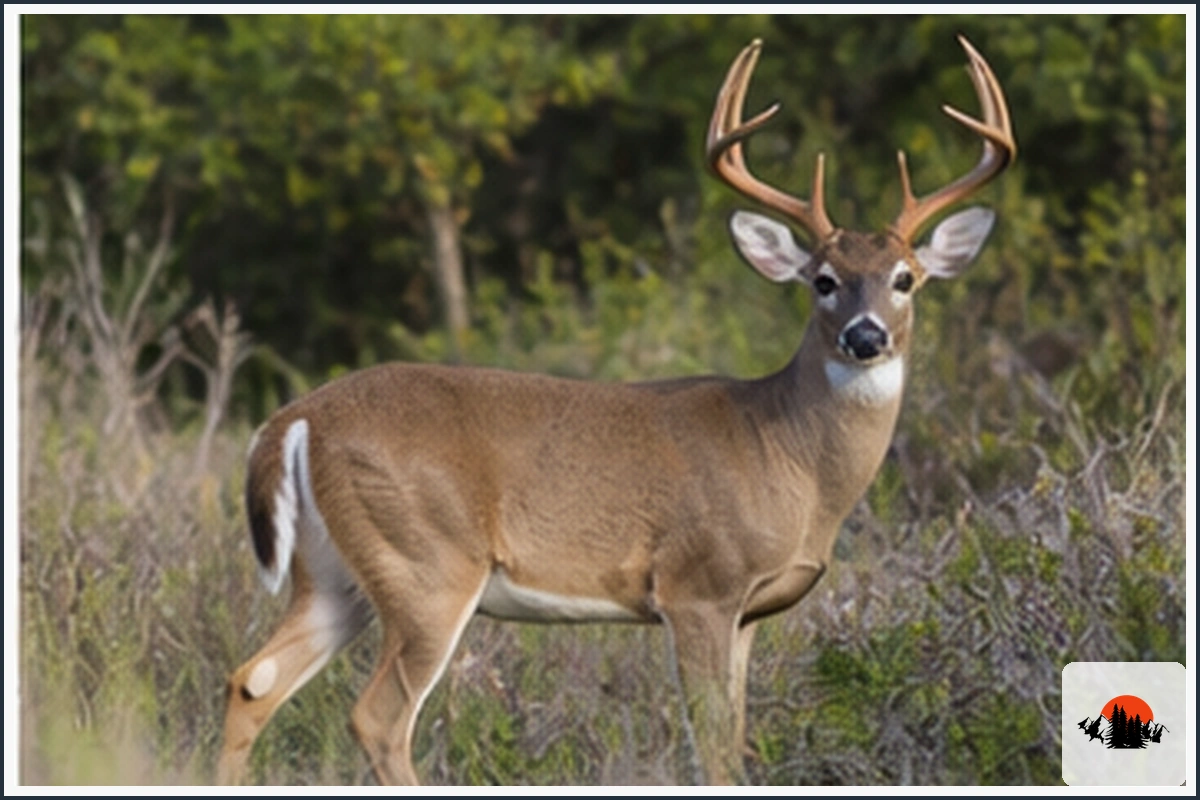
Scientific name: Odocoileus virginianus. The white-tailed deer is one of the most familiar animals in Texas and the state small mammal. It has a reddish-brown to gray-brown coat, slender legs, and a white underside to its tail, which flashes when the deer senses danger. Adults commonly weigh between 100 and 200 pounds, although size varies by region and sex.
White-tailed deer live in forests, brushlands, river bottoms, ranches, and suburban edges throughout much of Texas. They browse leaves, grasses, fruits, twigs, acorns, and agricultural plants. Deer are most active around dawn and dusk. Males grow and shed antlers annually, while females usually live in family groups with their young.
2. Nine-Banded Armadillo
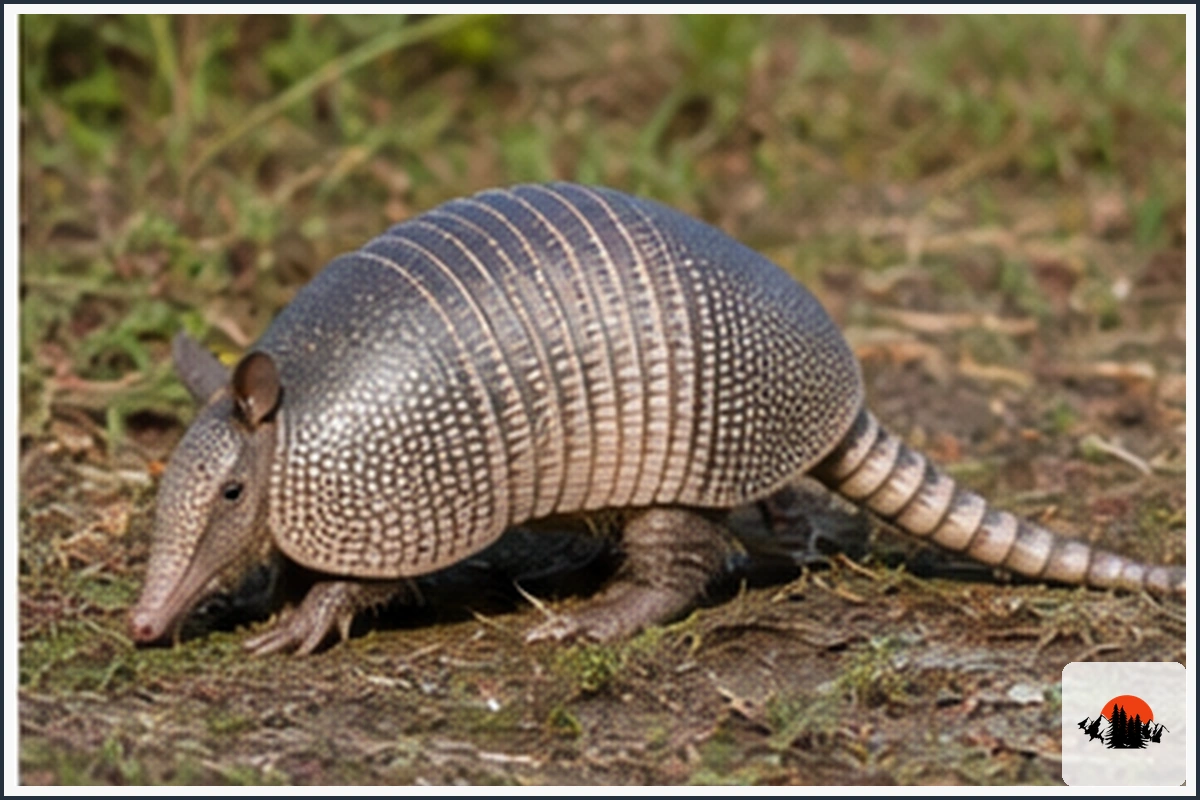
Scientific name: Dasypus novemcinctus. The nine-banded armadillo is recognized by its armored body, pointed snout, large ears, and long tail. Despite its name, individuals may have seven to eleven movable bands. It is roughly the size of a large house cat and is the official small mammal of Texas.
Armadillos occupy woodlands, grasslands, brush country, and urban areas. They dig for beetles, grubs, ants, termites, worms, fungi, and other small food items. Their strong claws create burrows and feeding holes. They are usually active at night during hot weather but may forage during daylight in cooler seasons.
3. Texas Longhorn
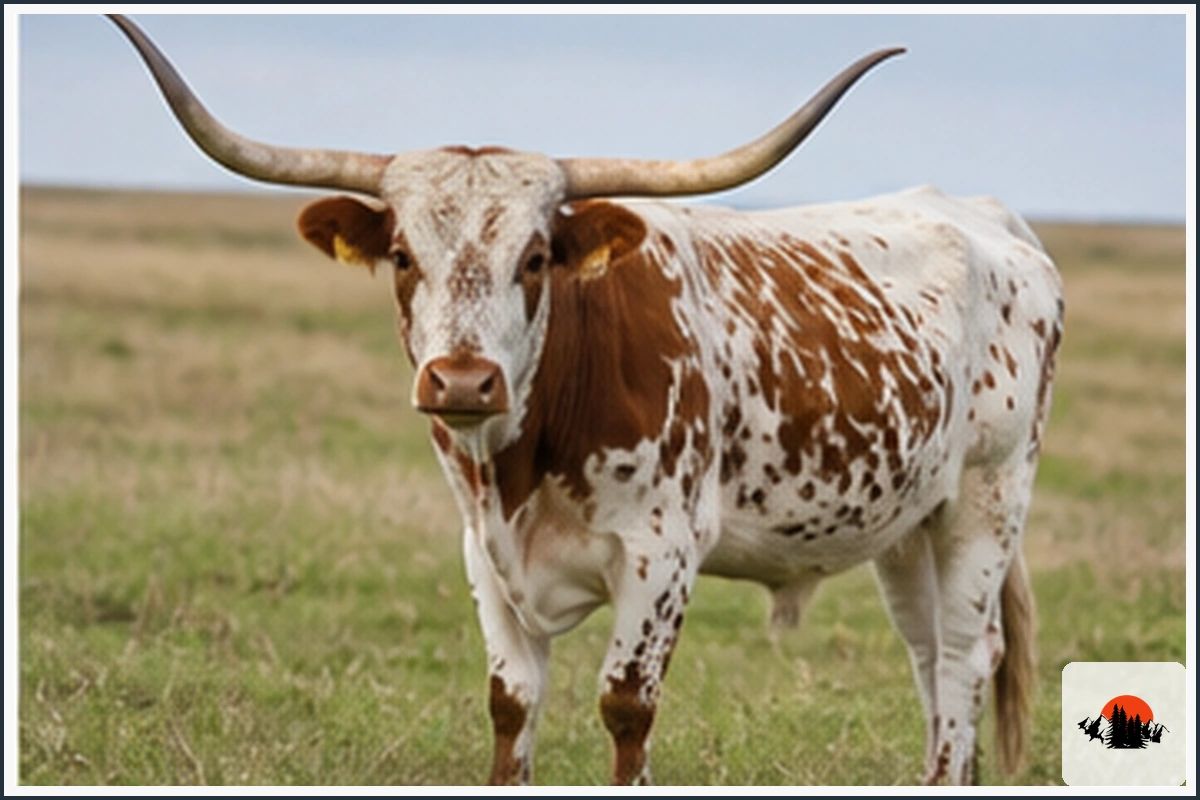
Scientific name: Bos taurus cattle breed. The Texas Longhorn is a domestic cattle breed known for its exceptionally wide horns, varied coat colors, and hardiness. It is the large mammal symbol of Texas, although it is not a wild native species.
Longhorns are raised on ranches and preserved in historic herds. They graze grasses and browse shrubs, tolerate heat well, and can thrive on relatively sparse rangeland. Their horns may span several feet, making them easy to recognize. Visitors should remember that these are powerful livestock animals and should observe them from a safe distance.
4. American Bison
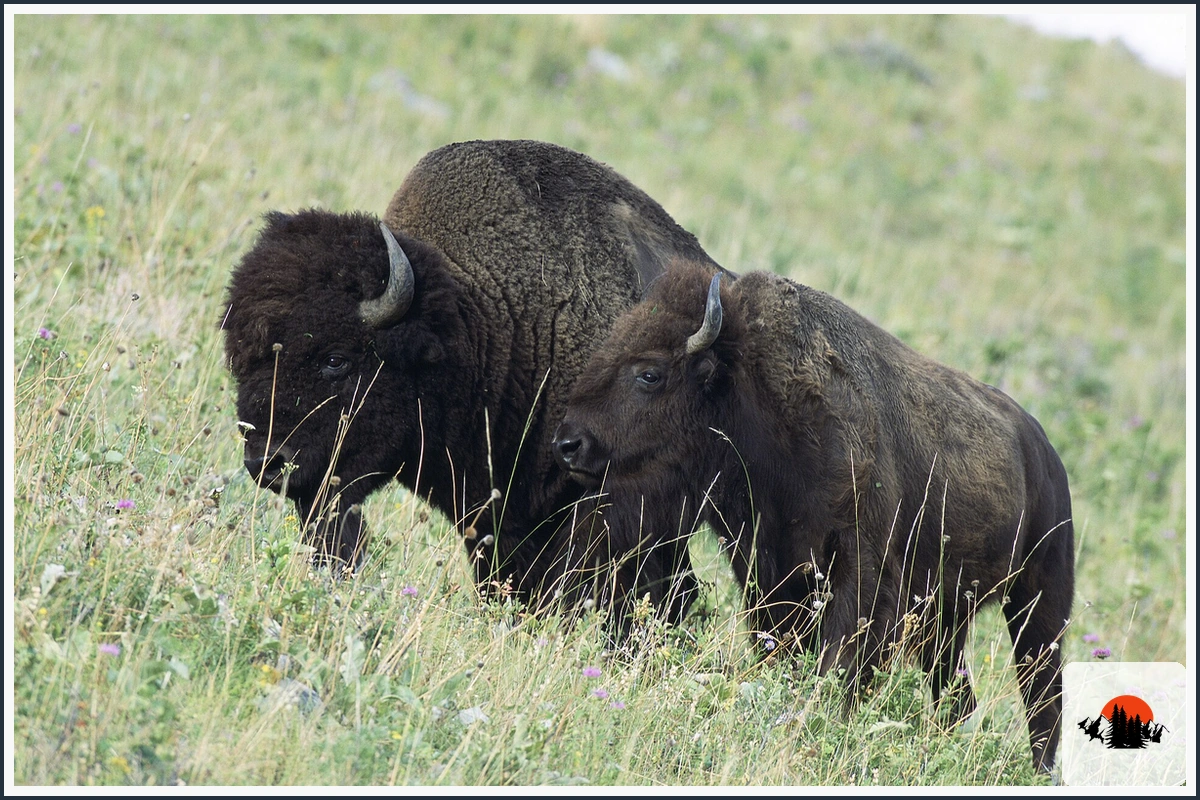
Scientific name: Bison bison. American bison have massive shoulders, a shaggy front coat, short curved horns, and a large head. They once ranged widely across Texas, but hunting and habitat loss caused severe declines. Today, bison occur in managed herds, private ranches, and protected areas.
Bison primarily graze grasses and other low vegetation. They use their heads to push through snow or dry plant material and may wallow in dusty soil. Despite their slow appearance, bison can run quickly and should never be approached in the wild or in a ranch setting.
5. Pronghorn
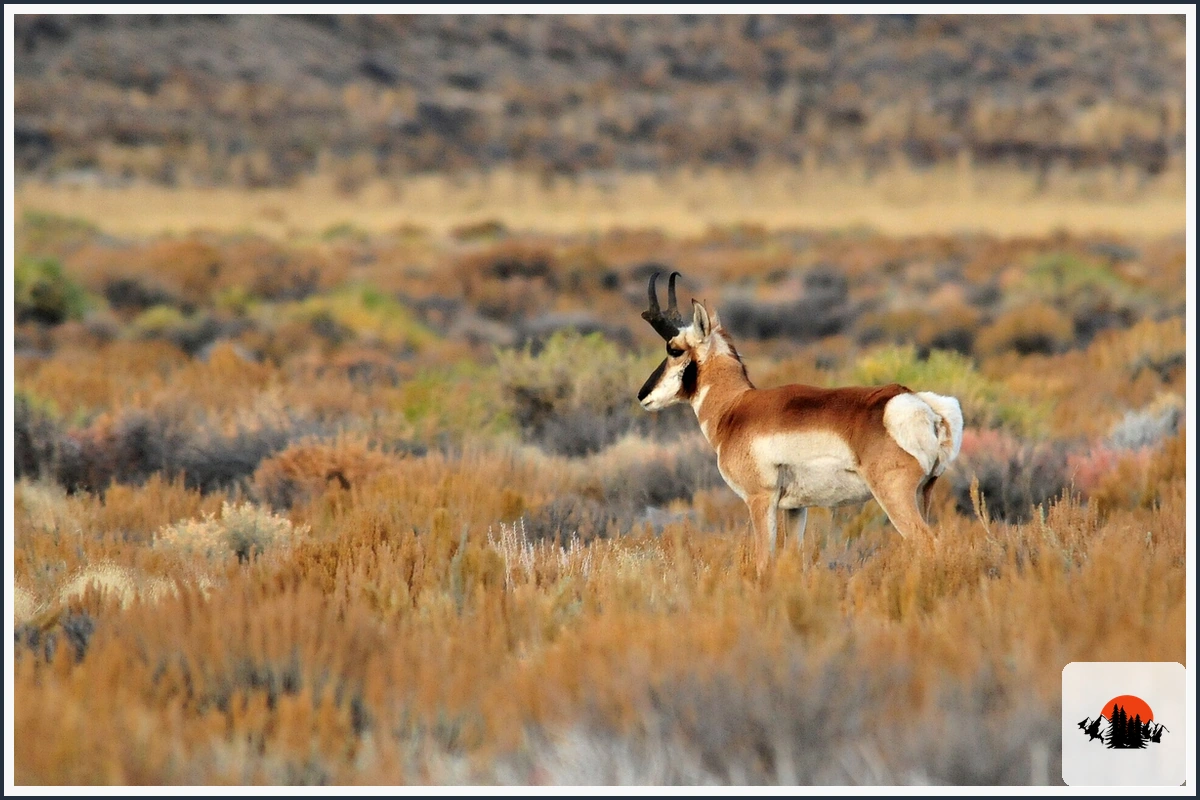
Scientific name: Antilocapra americana. The pronghorn is a slender, fast-running mammal of the Texas Panhandle and western plains. Its tan-and-white coat, dark facial markings, and branched horns help distinguish it from deer and antelope. The pronghorn is not a true antelope; it belongs to its own unique North American family.
Pronghorn eat grasses, herbs, shrubs, and other desert or prairie plants. They prefer broad open country where their excellent eyesight helps detect predators. Habitat fragmentation, fencing, and water availability can affect local populations. Low wildlife-friendly fencing can improve movement through pronghorn range.
6. American Black Bear
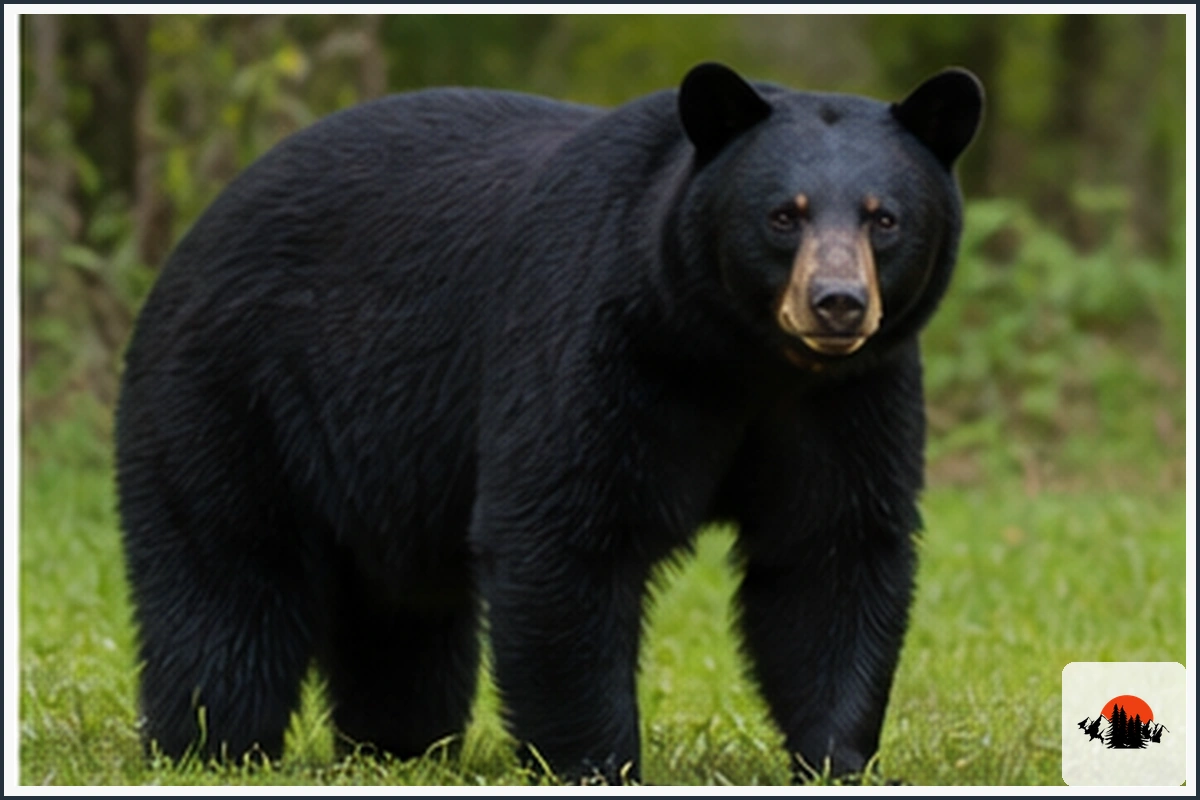
Scientific name: Ursus americanus. American black bears are large mammals with rounded ears, a short tail, and fur that may be black, brown, or cinnamon. Black bears historically lived across Texas but disappeared from most of the state. Occasional individuals now move into western Texas from neighboring populations.
Black bears are omnivores that eat berries, nuts, insects, roots, carrion, and small animals. They are generally shy and avoid people, but food-conditioned bears can become dangerous. Never feed a bear, and secure garbage, pet food, and other attractants in bear country.
7. Bobcat

Scientific name: Lynx rufus. The bobcat is a medium-sized wild cat with spotted or streaked fur, a short “bobbed” tail, pointed ears, and long legs. It is smaller than a mountain lion and can be found across much of Texas in forests, grasslands, deserts, brushlands, and suburban green spaces.
Bobcats hunt rabbits, rodents, birds, reptiles, and occasionally larger prey. They are mostly solitary and often active at night or during low-light hours. Their tracks show four toes without claw marks because the claws retract. Bobcats usually avoid people, but pets should not be allowed to roam near known wildlife habitat.
8. Mountain Lion
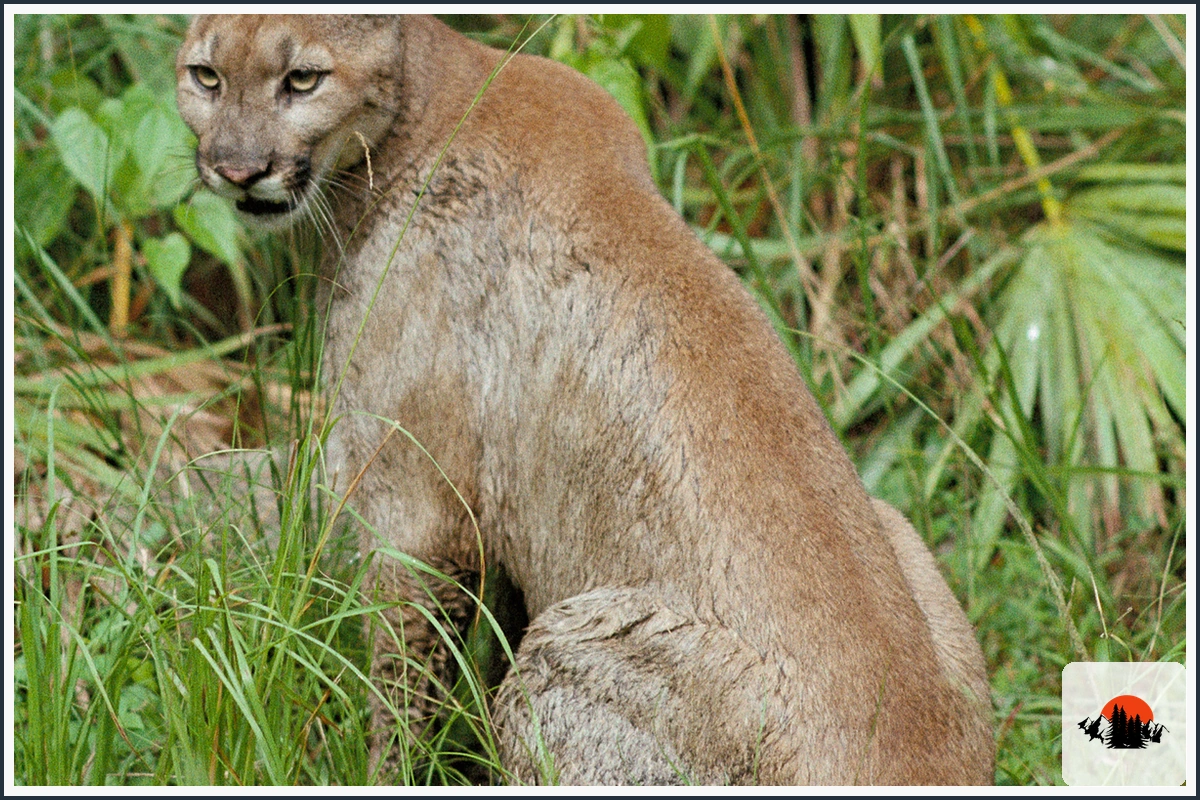
Scientific name: Puma concolor. The mountain lion, also called a cougar or puma, is a large tawny cat with a long tail, rounded ears, and a pale muzzle. In Texas, it is most strongly associated with remote mountainous and brushy areas of West Texas, although individuals can travel long distances.
Mountain lions prey mainly on deer but may also take smaller mammals. They are solitary, secretive, and most active from dusk through dawn. Sightings are uncommon. Anyone who encounters one should remain calm, avoid running, give the animal an escape route, and report unusual behavior to wildlife authorities.
9. Coyote
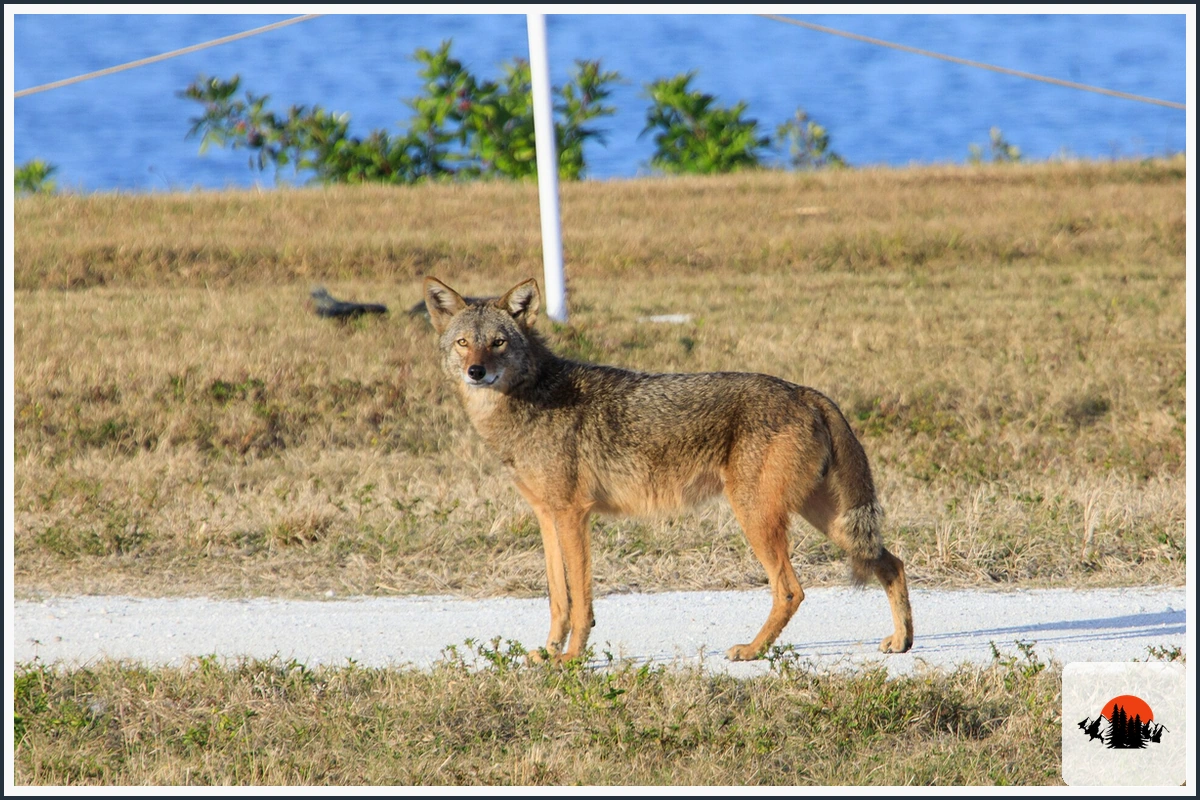
Scientific name: Canis latrans. Coyotes are adaptable wild canids with pointed ears, a narrow muzzle, a bushy tail, and a coat ranging from gray to reddish brown. They live throughout Texas, including deserts, prairies, farms, woodlands, and cities.
Coyotes eat rodents, rabbits, insects, fruit, carrion, and occasionally poultry or livestock. They may hunt alone or in pairs and communicate with yips, howls, and barks. Coyotes help control some prey populations, but residents should secure trash, supervise small pets, and never feed them.
10. Gray Fox
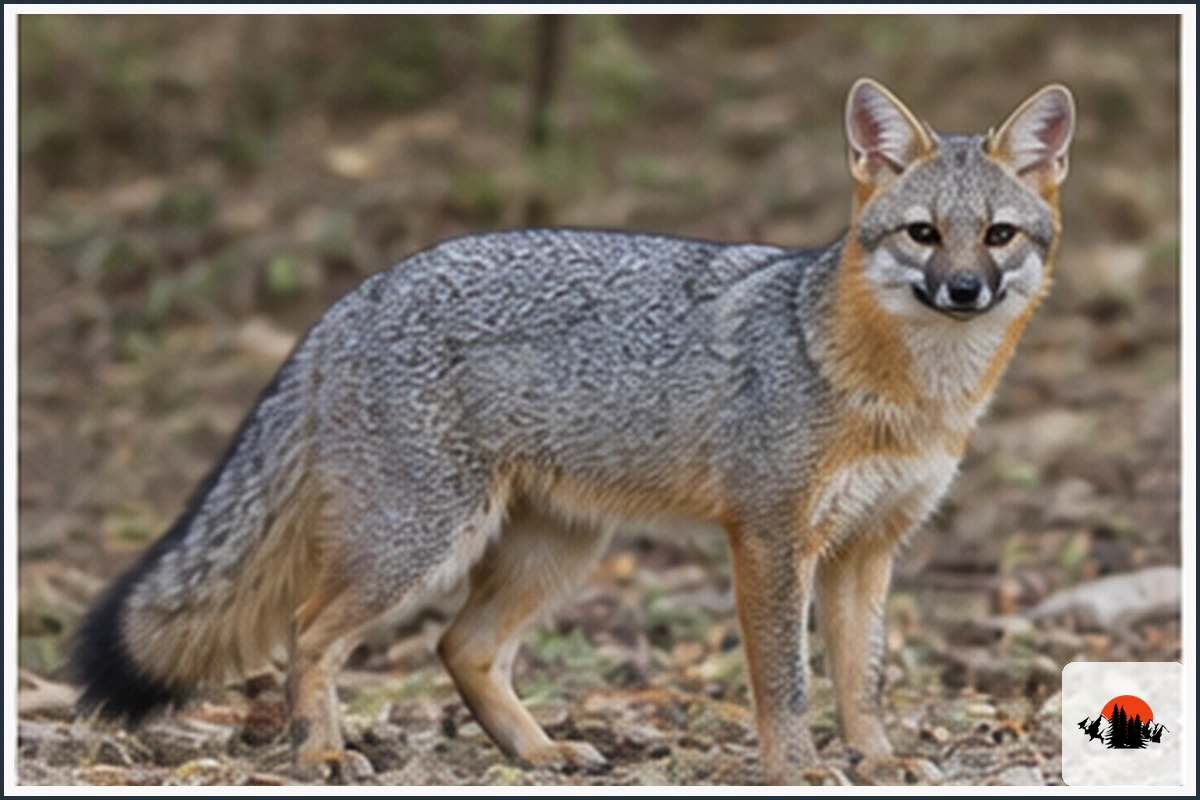
Scientific name: Urocyon cinereoargenteus. The gray fox has grizzled gray fur, rusty coloring on its neck and sides, and a dark stripe along the tail. It is smaller and more compact than a coyote and is one of the few canids that can climb trees.
Gray foxes use forests, brushlands, rocky areas, and suburban edges. Their diet includes rodents, rabbits, birds, insects, fruit, and carrion. They are primarily nocturnal and usually remain hidden during the day. A low, crouched body and black-tipped tail can help distinguish a gray fox from similar species.
11. Raccoon
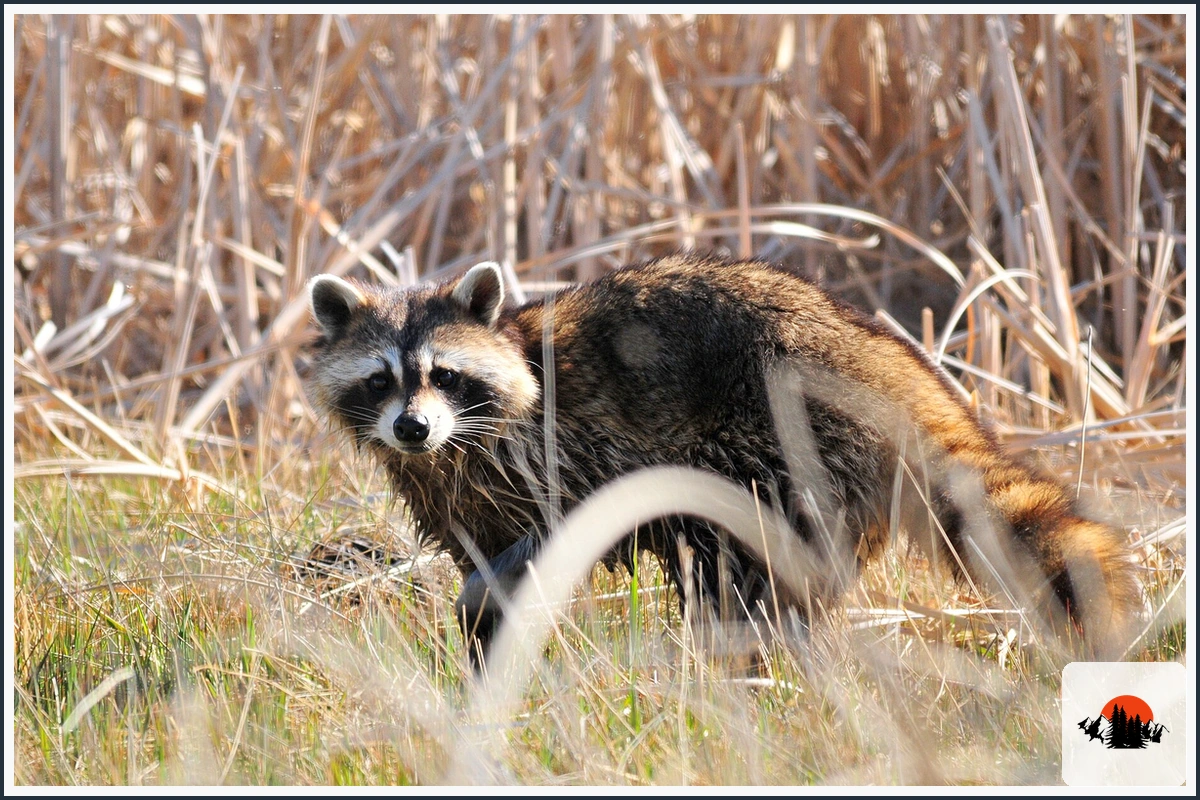
Scientific name: Procyon lotor. Raccoons are recognized by their black facial mask, ringed tail, dexterous front paws, and gray-brown fur. They live in nearly every Texas habitat where food and shelter are available, including forests, wetlands, neighborhoods, and cities.
Raccoons are opportunistic omnivores. They eat insects, crayfish, frogs, eggs, fruit, nuts, garbage, and small animals. Their ability to open containers and explore human structures makes them common urban wildlife. Do not handle raccoons, and avoid contact with any animal acting unusually because raccoons can carry diseases.
12. Striped Skunk
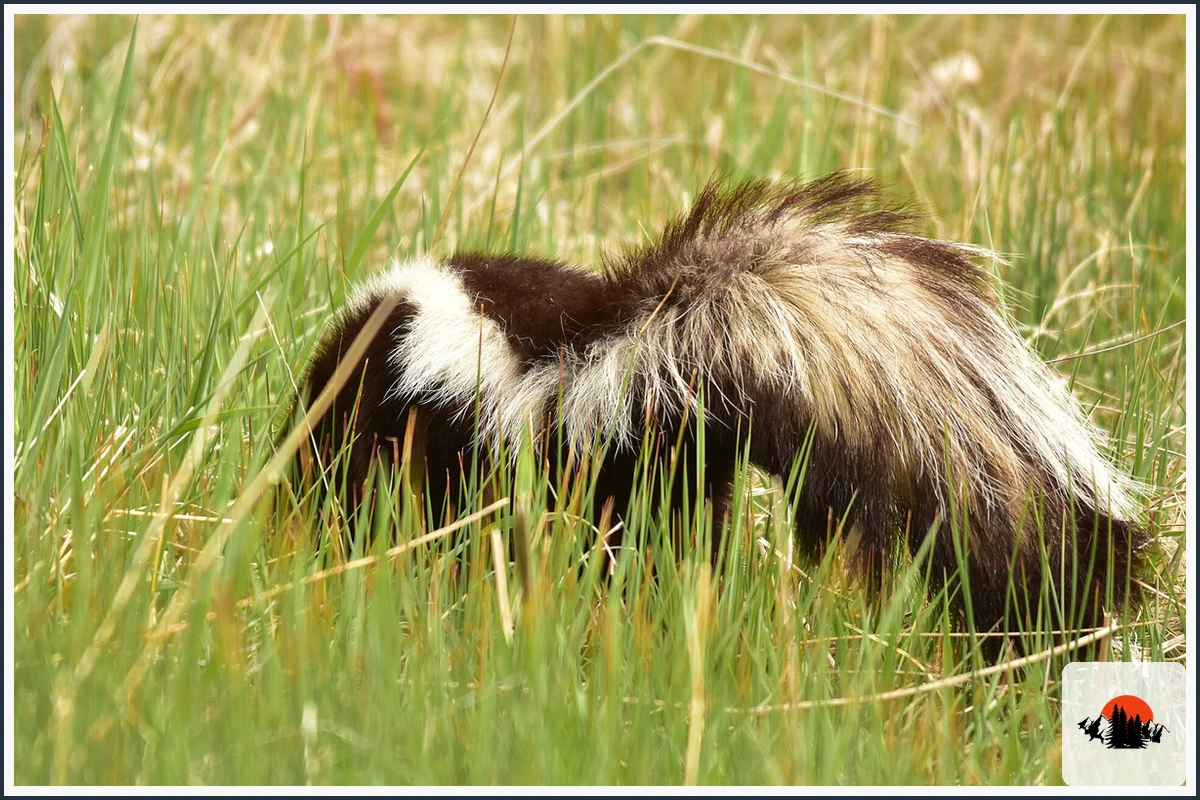
Scientific name: Mephitis mephitis. The striped skunk has black fur with two white stripes that often join near the head or back. It is famous for its strong defensive spray, which it releases when threatened.
Skunks live in grasslands, farms, woodland edges, and urban neighborhoods. They eat insects, grubs, mice, eggs, fruit, and carrion. They are mostly nocturnal and often dig shallow holes while searching for food. Slow movement, stomping, and a raised tail are warning signs to back away.
13. Virginia Opossum
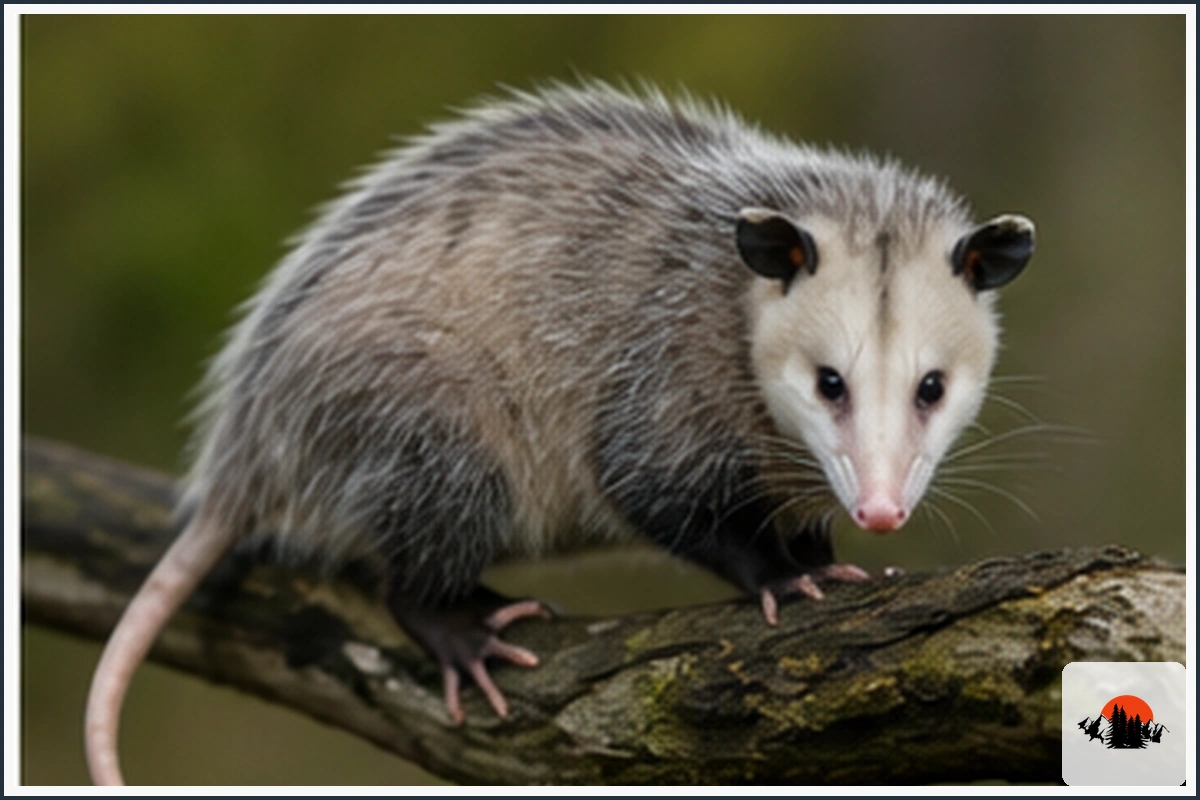
Scientific name: Didelphis virginiana. The Virginia opossum is North America’s only native marsupial. It has a pale face, naked ears, a pointed snout, a mostly hairless tail, and opposable toes on its hind feet.
Opossums live in woodlands, brush, wetlands, farms, and cities. They eat insects, fruit, carrion, eggs, and other available foods. When frightened, one may freeze and appear lifeless, a behavior known as “playing possum.” Opossums are useful scavengers, but they should never be handled by hand.
14. American Beaver
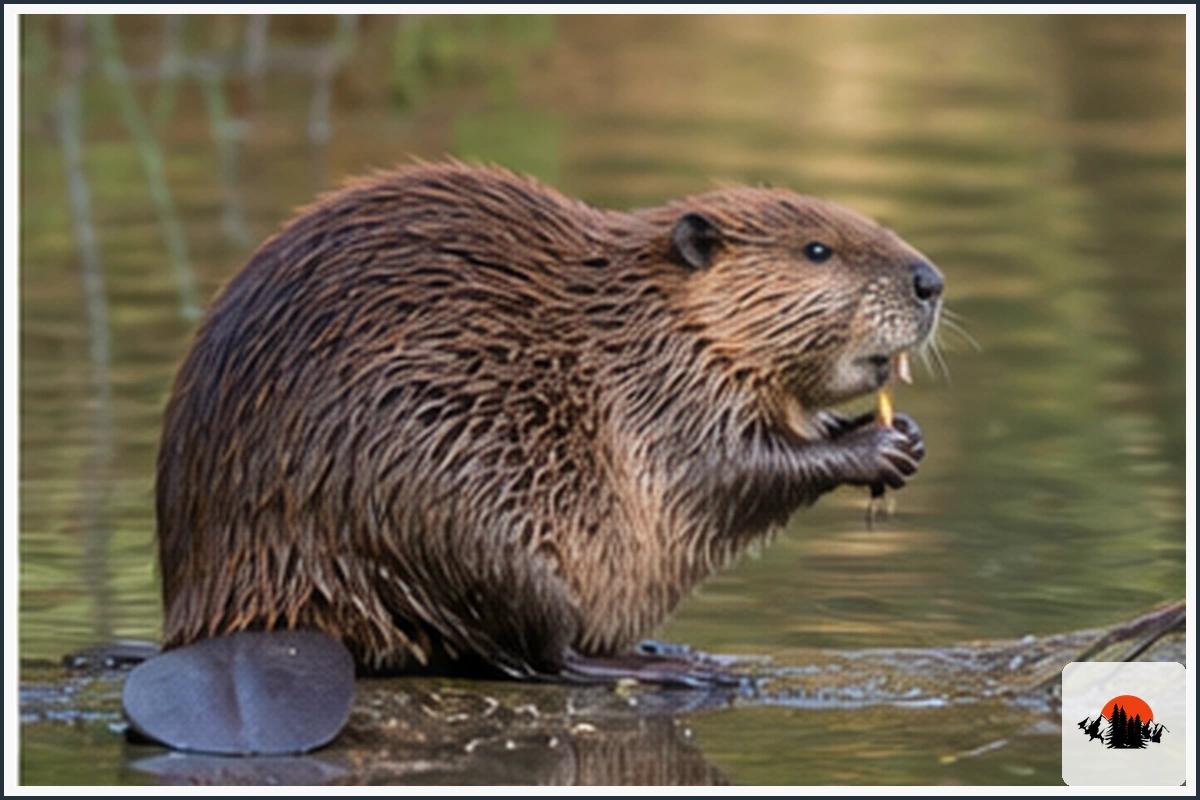
Scientific name: Castor canadensis. American beavers are large aquatic rodents with orange front teeth, webbed hind feet, dense fur, and a broad, flat tail. They live along rivers, streams, ponds, and lakes where woody vegetation is available.
Beavers eat bark, twigs, leaves, aquatic plants, and grasses. Their dams can create wetlands that provide habitat for fish, amphibians, birds, and other wildlife. Although their engineering benefits ecosystems, beavers may sometimes damage roads, trees, or drainage systems near developed areas.
15. American Alligator
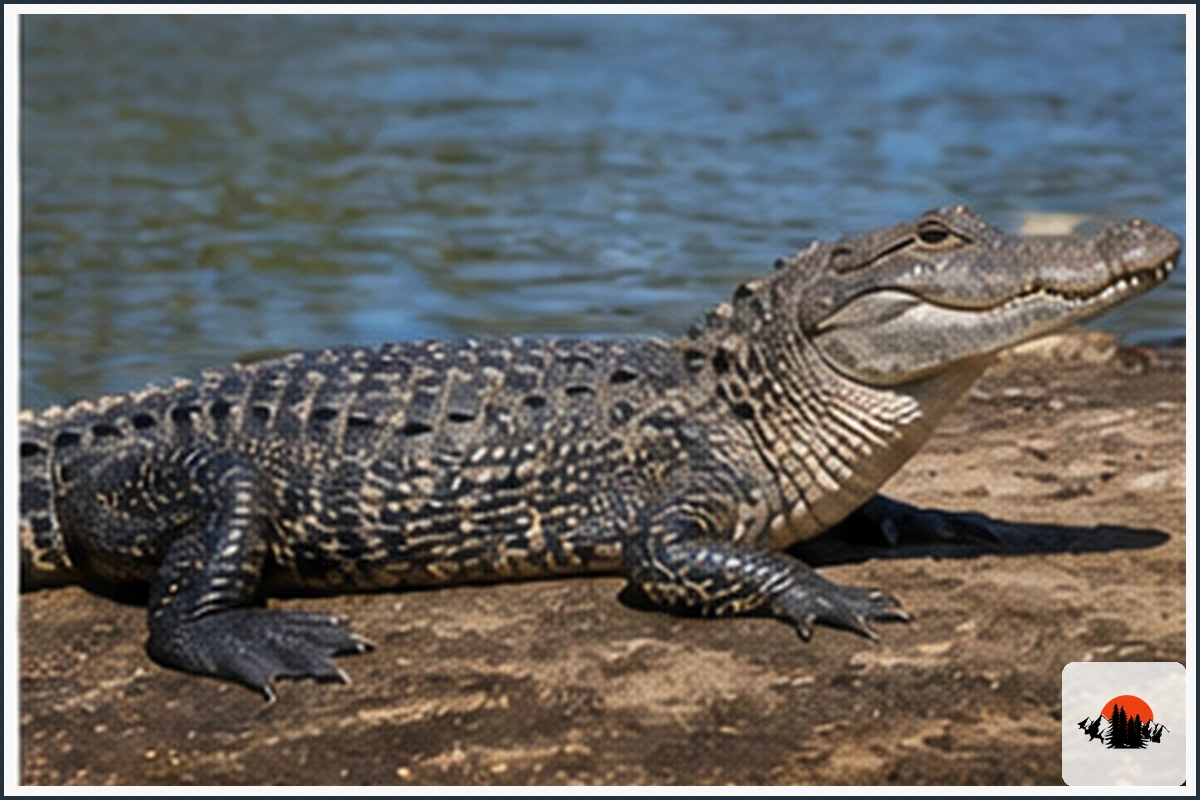
Scientific name: Alligator mississippiensis. The American alligator is a large, dark, broad-snouted reptile found mainly in eastern and southeastern Texas. Its eyes, nostrils, and top of the head remain visible while the animal is mostly submerged.
Alligators eat fish, turtles, birds, mammals, and other prey. They warm themselves by basking and may remain still for long periods. Never feed an alligator, swim near one, or approach a nest or young animal. Keep dogs away from the water’s edge in alligator habitat.
16. Texas Horned Lizard
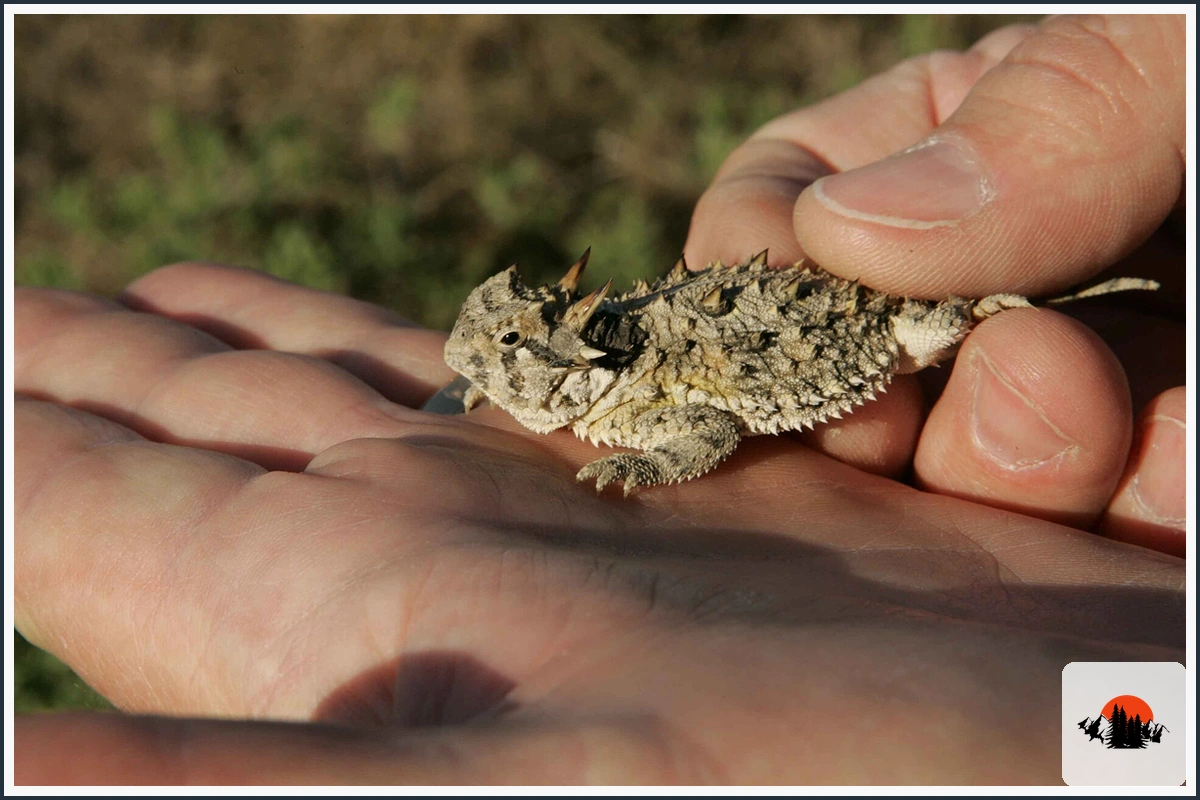
Scientific name: Phrynosoma cornutum. The Texas horned lizard has a flattened body, pointed head horns, a spiny back, and earth-toned coloring that helps it blend into dry ground. It is the state reptile of Texas.
This lizard eats large numbers of ants, especially harvester ants. It lives in open grasslands, sandy areas, shrublands, and semiarid regions. When threatened, it may flatten its body, run briefly, or spray blood from the corners of its eyes. Habitat loss, pesticides, invasive plants, and changes in ant populations can affect it.
17. Western Diamondback Rattlesnake
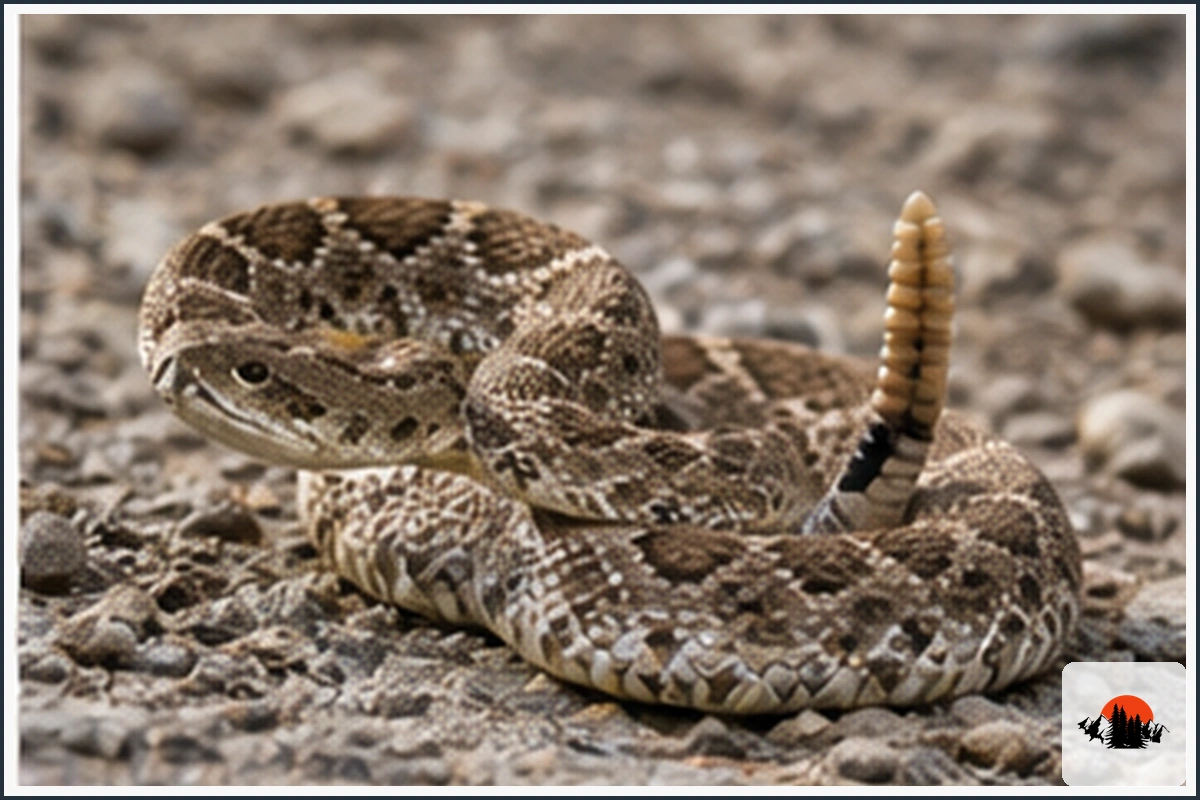
Scientific name: Crotalus atrox. The western diamondback is a heavy-bodied venomous snake with dark diamond patterns, a broad triangular head, and a rattle at the tail tip. It is widespread in Texas and occurs in deserts, grasslands, rocky areas, brush country, and farms.
It eats rodents, rabbits, birds, and other small animals. The snake often relies on camouflage and may remain motionless until approached. Watch where you place hands and feet, especially around rocks, woodpiles, and dense vegetation. Give any rattlesnake a wide path and never attempt to capture it.
18. Texas Rat Snake
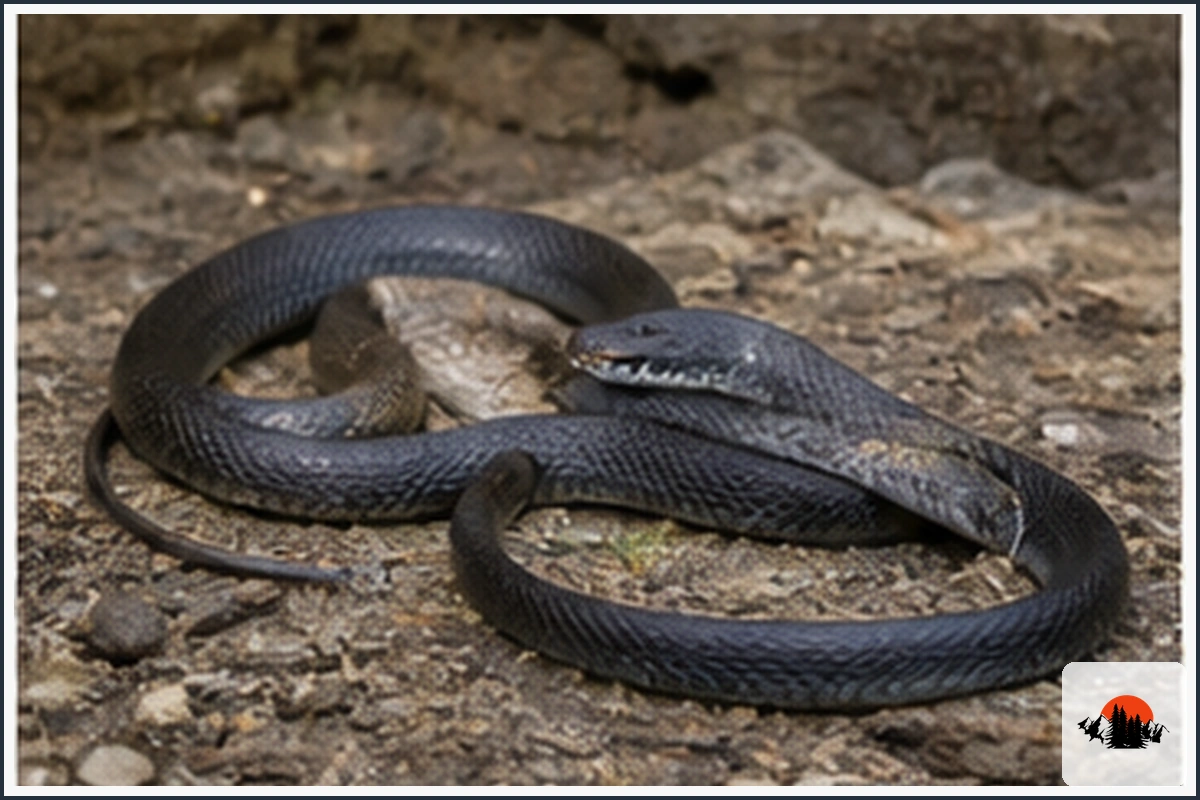
Scientific name: Pantherophis obsoletus lindheimeri. The Texas rat snake is a nonvenomous constrictor with variable colors, often including blotches or dark markings on a gray, tan, or yellowish background. It is an important rodent predator.
These snakes live in forests, farmland, rocky areas, barns, and suburban landscapes. They climb well and may enter buildings while hunting mice or rats. Texas rat snakes are usually defensive when grabbed but pose little danger when left alone. Their long, slender body and lack of a rattle help distinguish them from rattlesnakes.
19. Texas Toad
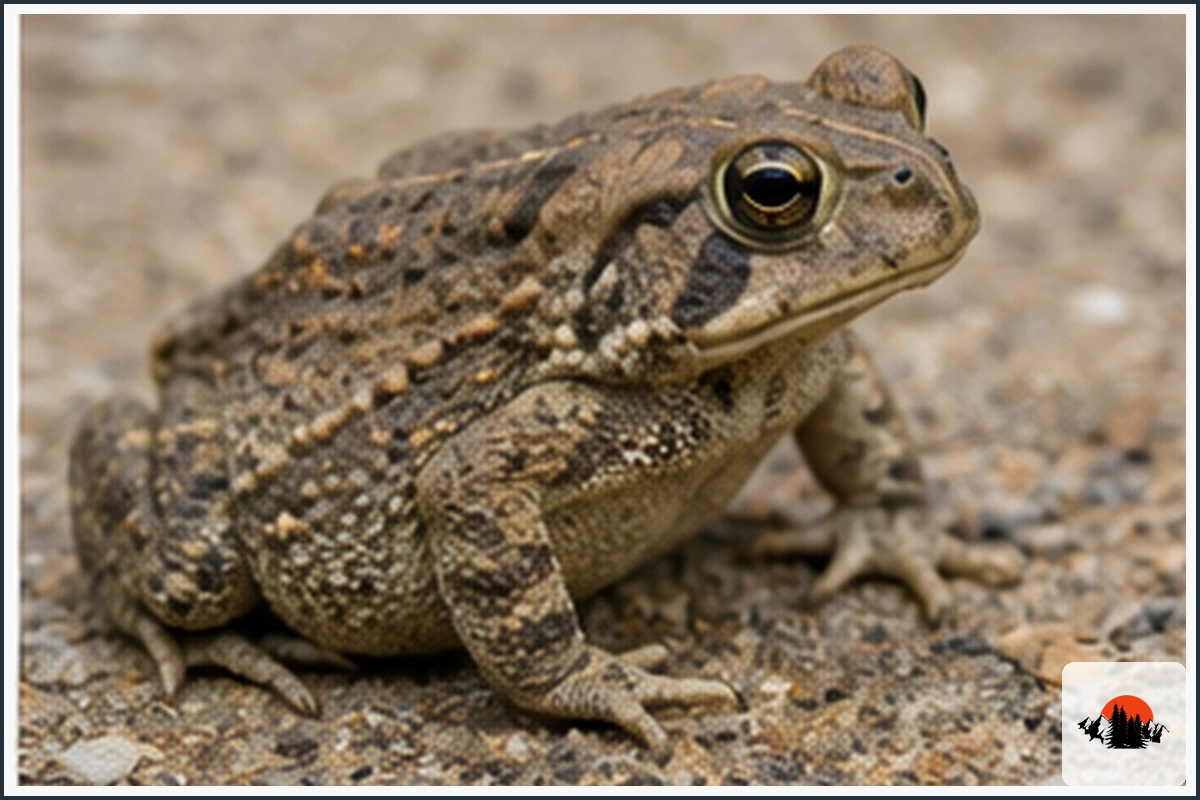
Scientific name: Anaxyrus speciosus. The Texas toad is a stout amphibian with dry, warty skin and variable brown, gray, or reddish coloration. It is the state amphibian of Texas and is especially associated with dry and semiarid regions.
Texas toads spend much of the day sheltered underground or beneath cover. After rainfall, they emerge to feed on insects and reproduce in temporary pools. Their calls may become noticeable on warm, wet nights. Amphibians are sensitive to polluted water, habitat loss, and prolonged drought.
20. Texas Blind Salamander
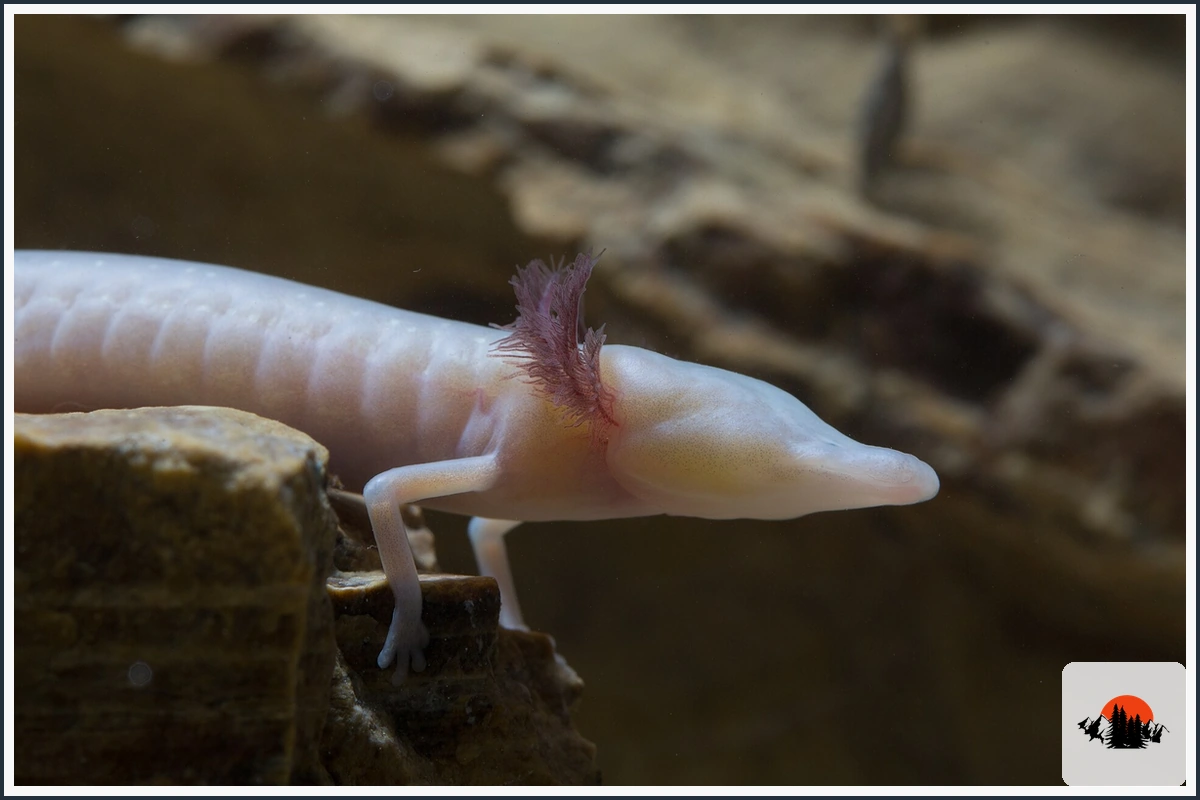
Scientific name: Eurycea rathbuni. The Texas blind salamander is a rare, pale, cave-dwelling amphibian found in the groundwater system around San Marcos. It has reduced eyes, external feathery gills, and a slender body adapted to life in darkness.
It feeds on small aquatic invertebrates and depends on clean, flowing groundwater. Because it has such a restricted range, changes in water quality, groundwater levels, and pollution can threaten its survival. It is rarely seen by the public and is best appreciated through protected habitat and scientific education.
21. Guadalupe Bass
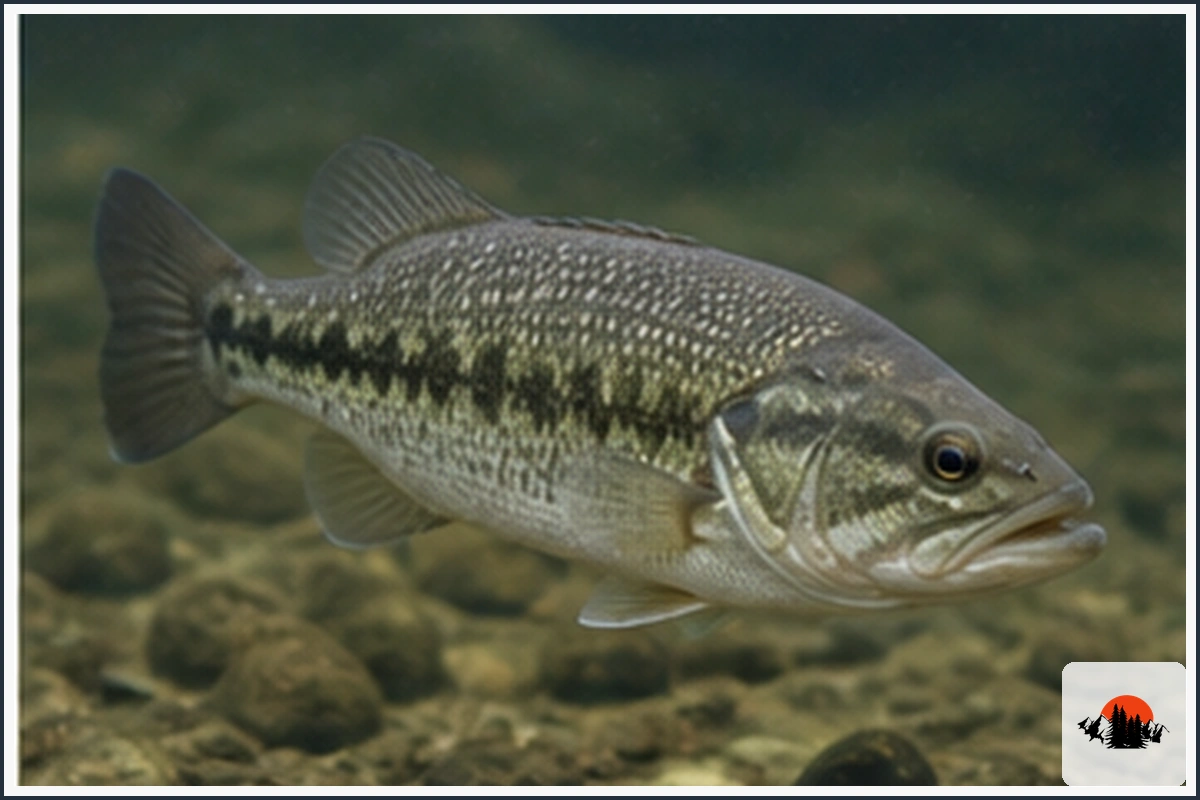
Scientific name: Micropterus treculii. The Guadalupe bass is the official state fish of Texas. It is a small, olive-green member of the black bass family, often marked with dark mottling and a relatively large mouth.
This species is native to clear streams and rivers of central Texas, particularly the Guadalupe, Colorado, Brazos, and San Antonio river systems. It feeds on insects, crayfish, and small fish. Anglers value it as a spirited stream fish. Protecting clean, flowing water and preventing hybridization with introduced black bass are important conservation concerns.
22. Alligator Gar
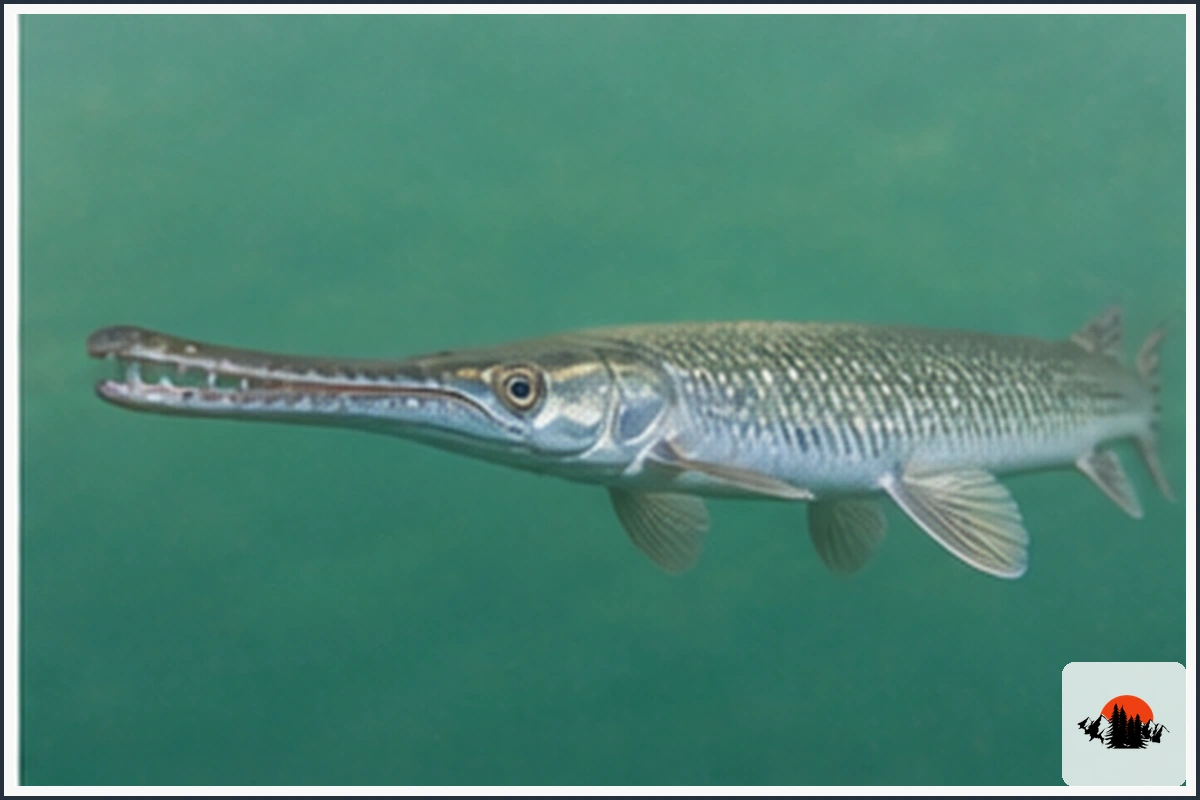
Scientific name: Atractosteus spatula. The alligator gar is one of North America’s largest freshwater fishes. It has a long, cylindrical body, a broad snout filled with needle-like teeth, heavy scales, and a distinctive olive or gray coloration.
Alligator gar live in large rivers, reservoirs, oxbows, and coastal waters. They ambush fish, turtles, waterfowl, and other prey near the surface or bottom. Large individuals can exceed six feet in length. Anglers should follow current regulations because this species has conservation value despite its intimidating appearance.
23. Red Drum
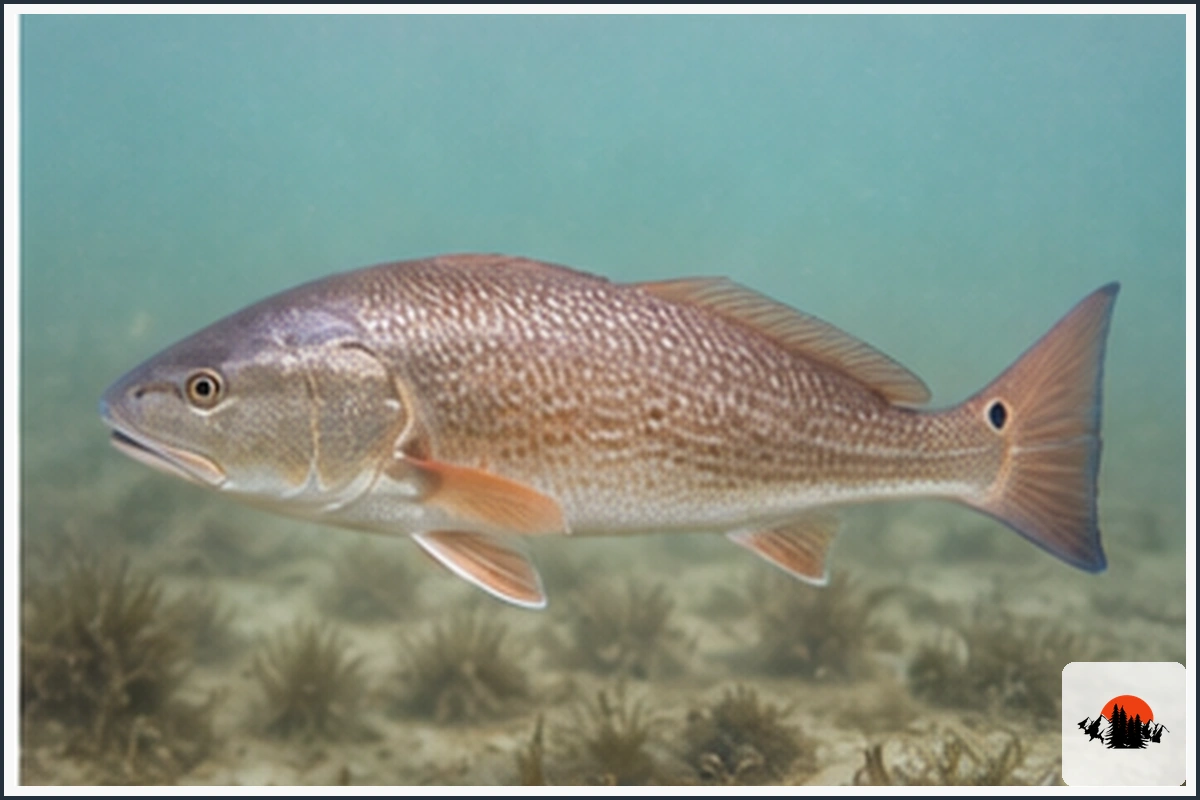
Scientific name: Sciaenops ocellatus. Red drum, also called redfish, have coppery or reddish bodies, a distinct dark spot near the tail, and a streamlined shape. They are among the most popular inshore sport fish along the Texas Gulf Coast.
Young red drum use bays, marshes, and shallow estuaries, while adults may move into nearshore Gulf waters. They eat shrimp, crabs, small fish, and other bottom-dwelling prey. Anglers should check size and bag limits before keeping red drum, as regulations help protect breeding populations.
24. Kemp’s Ridley Sea Turtle
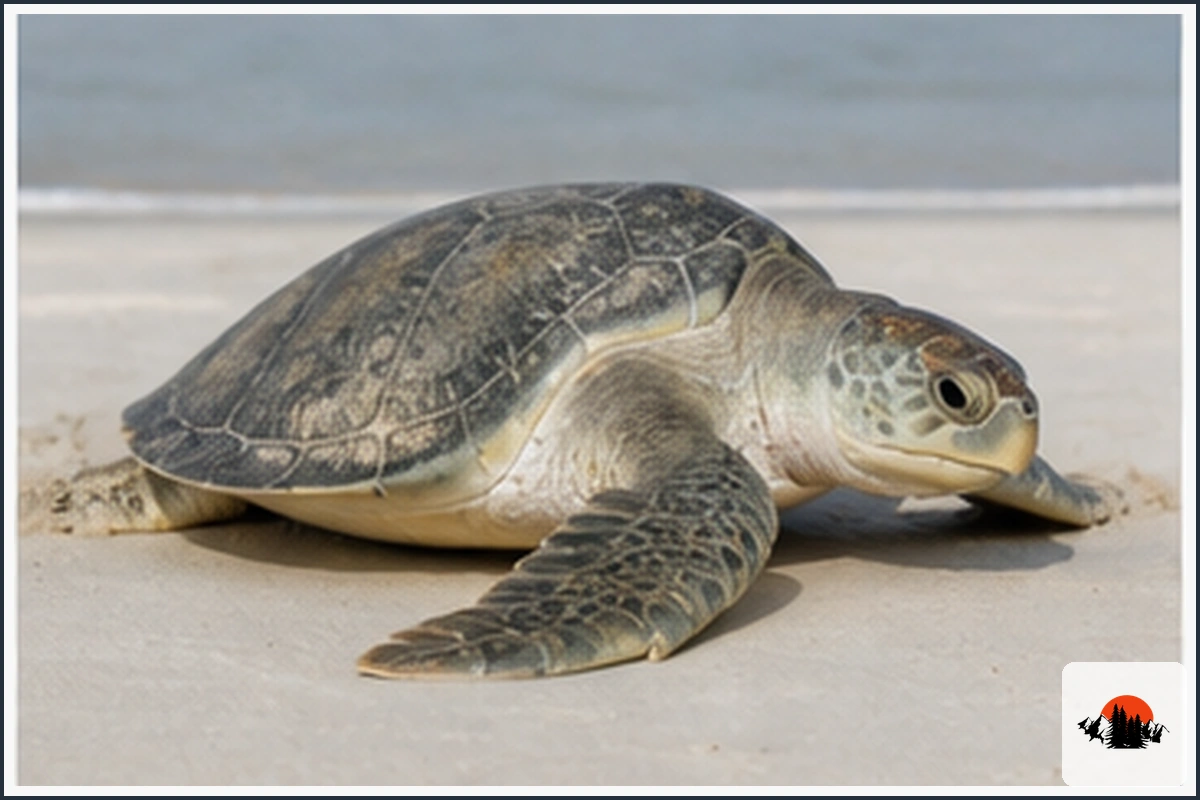
Scientific name: Lepidochelys kempii. Kemp’s ridley is the smallest sea turtle and one of the most endangered marine turtles. It has a rounded gray-green shell and a relatively broad head.
The Texas coast is important nesting habitat, especially around Padre Island. Kemp’s ridleys eat crabs, shrimp, mollusks, and other marine animals. Artificial lighting, fishing gear, plastics, coastal development, and disturbance of nesting beaches can harm them. Beach visitors should keep a safe distance from turtles and report nesting activity to trained authorities.
25. Whooping Crane
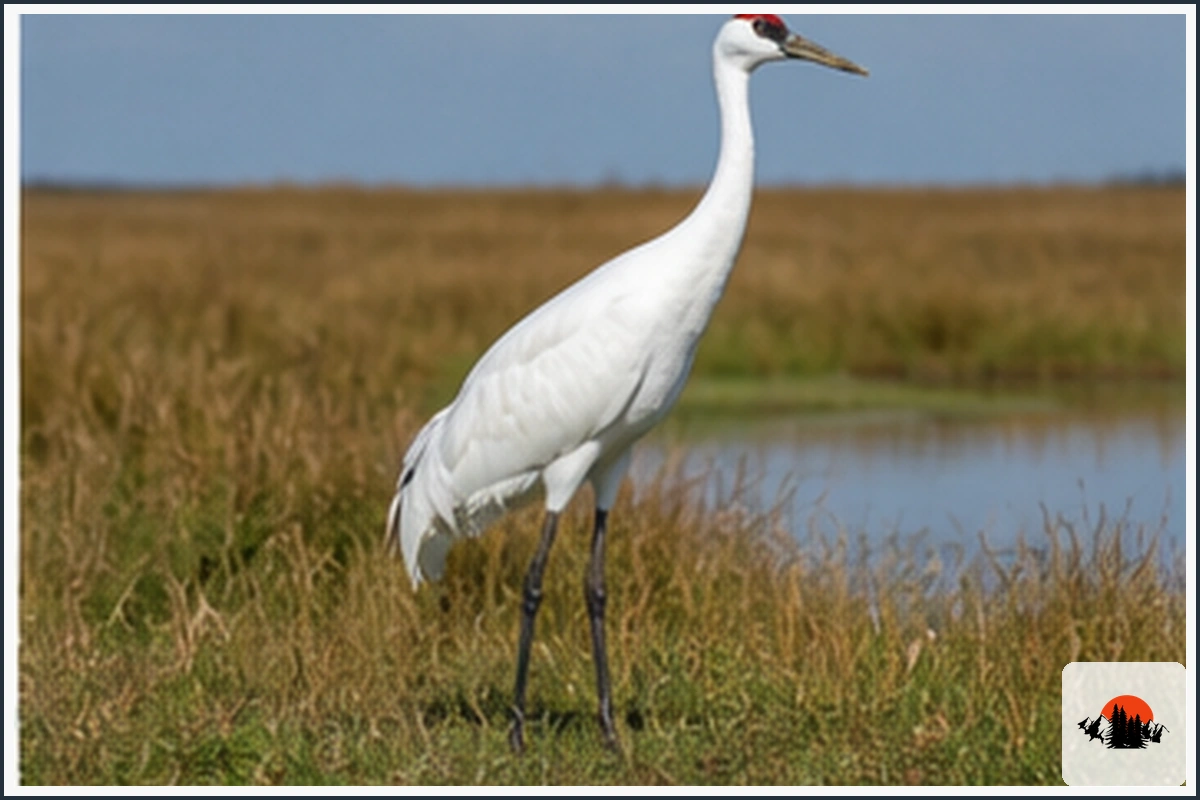
Scientific name: Grus americana. The whooping crane is a very tall white bird with black wing tips, a red crown, and a long bill. The remaining wild population migrates between Canadian breeding grounds and winter habitat at and around the Texas coast’s Aransas National Wildlife Refuge.
Whooping cranes feed on blue crabs, clams, frogs, small mammals, insects, and plants. They form long-term pair bonds and communicate with loud calls. Protecting coastal marshes, freshwater supplies, and migration routes is essential to their recovery.
26. Northern Mockingbird
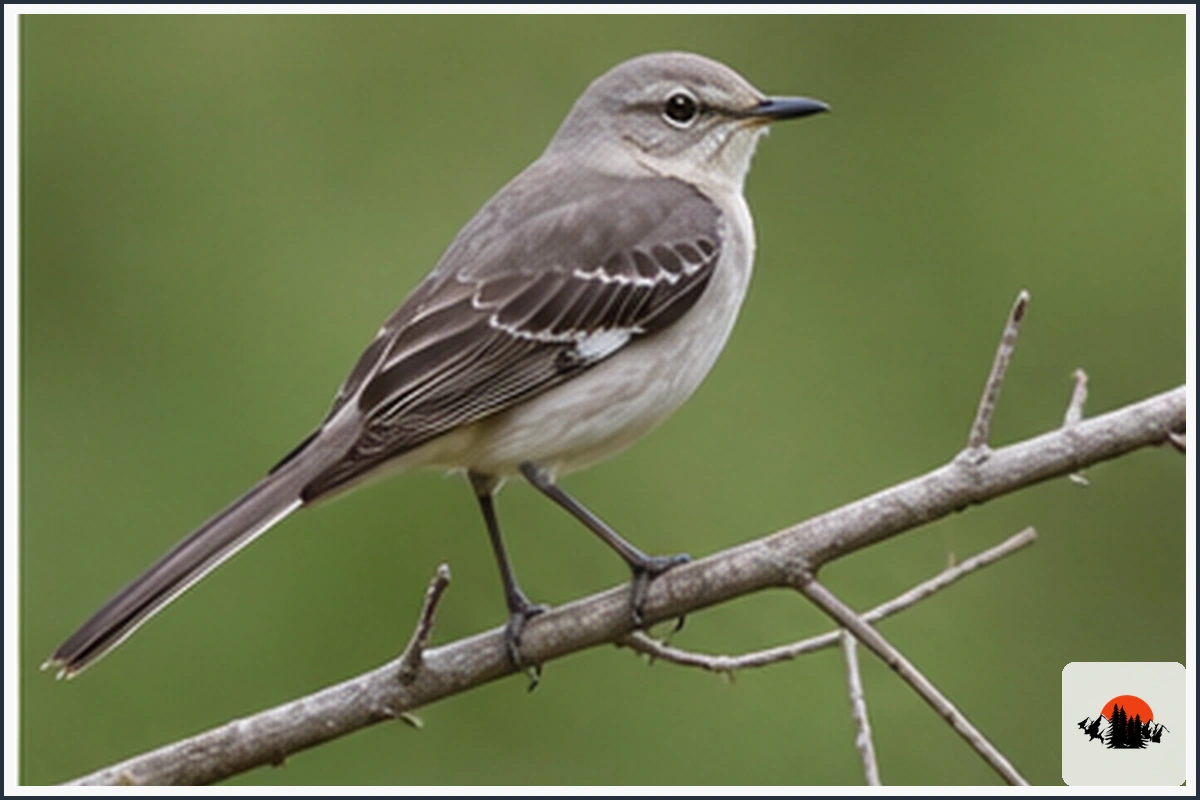
Scientific name: Mimus polyglottos. The northern mockingbird is the state bird of Texas. It is a medium-sized gray-and-white songbird with white wing patches and a long tail.
Mockingbirds eat insects, berries, fruit, and other small food items. Males are famous for copying the songs and calls of many other birds, as well as some mechanical sounds. They defend nesting territories strongly and are common in towns, gardens, brushlands, and open woodland.
27. Greater Roadrunner
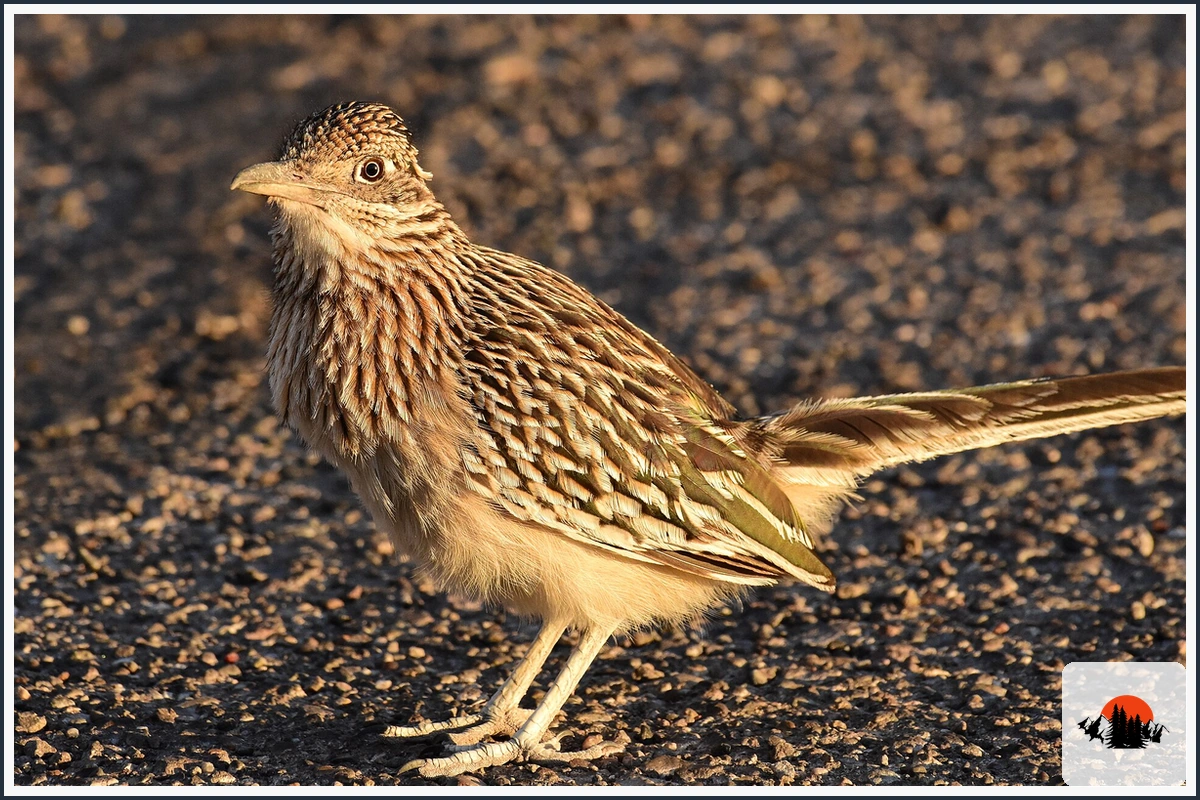
Scientific name: Geococcyx californianus. The greater roadrunner is a long-legged ground bird with a shaggy crest, streaked brown plumage, and a long tail. It is strongly associated with deserts, scrublands, grasslands, and open brush country in western and central Texas.
Roadrunners eat lizards, snakes, insects, spiders, rodents, and small birds. They can run quickly and often hunt on foot rather than flying. Their ability to live in hot, dry landscapes makes them a memorable symbol of Texas desert wildlife.
28. Monarch Butterfly
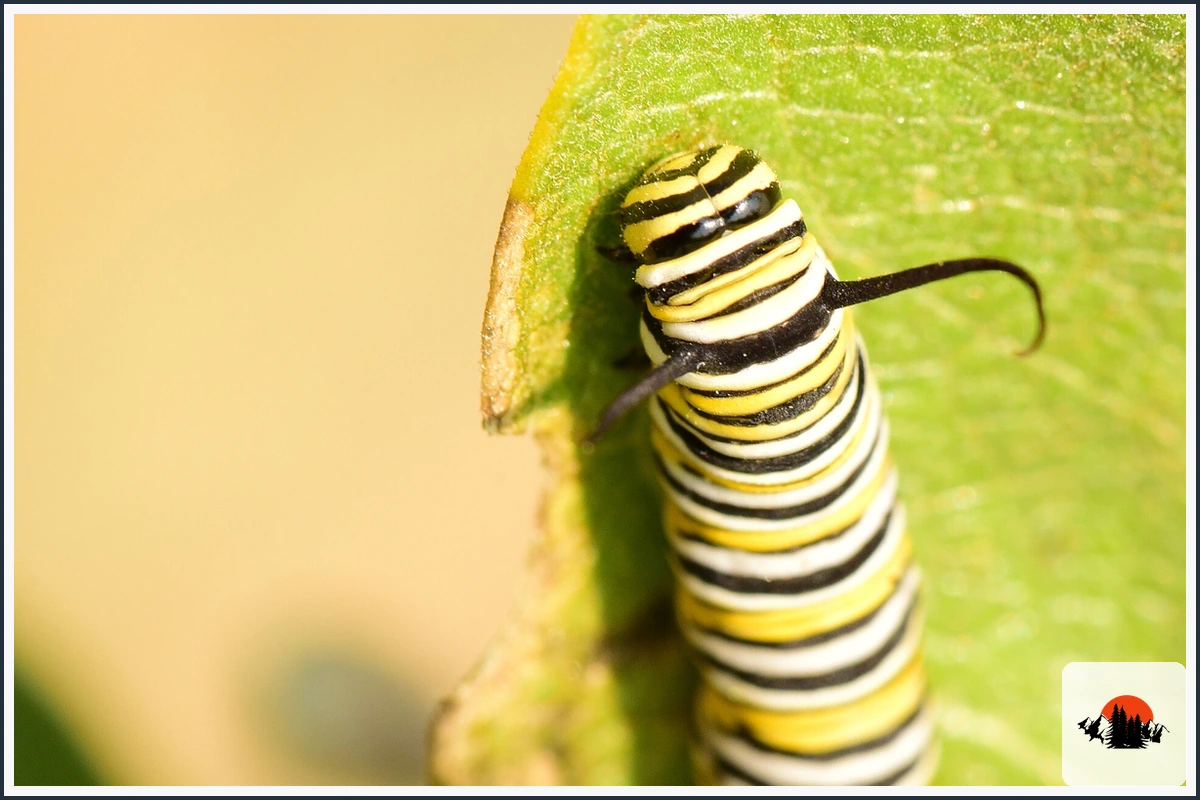
Scientific name: Danaus plexippus. The monarch butterfly has orange wings marked with black veins and white spots. It is the official state insect of Texas and passes through the state during its famous migration.
Monarch caterpillars feed on milkweed, while adults drink nectar from many flowering plants. Texas provides important migration and stopover habitat. Planting native milkweed and fall-blooming nectar plants can help support monarchs, but gardeners should avoid treating milkweed with broad-spectrum pesticides.
29. Gulf Stone Crab
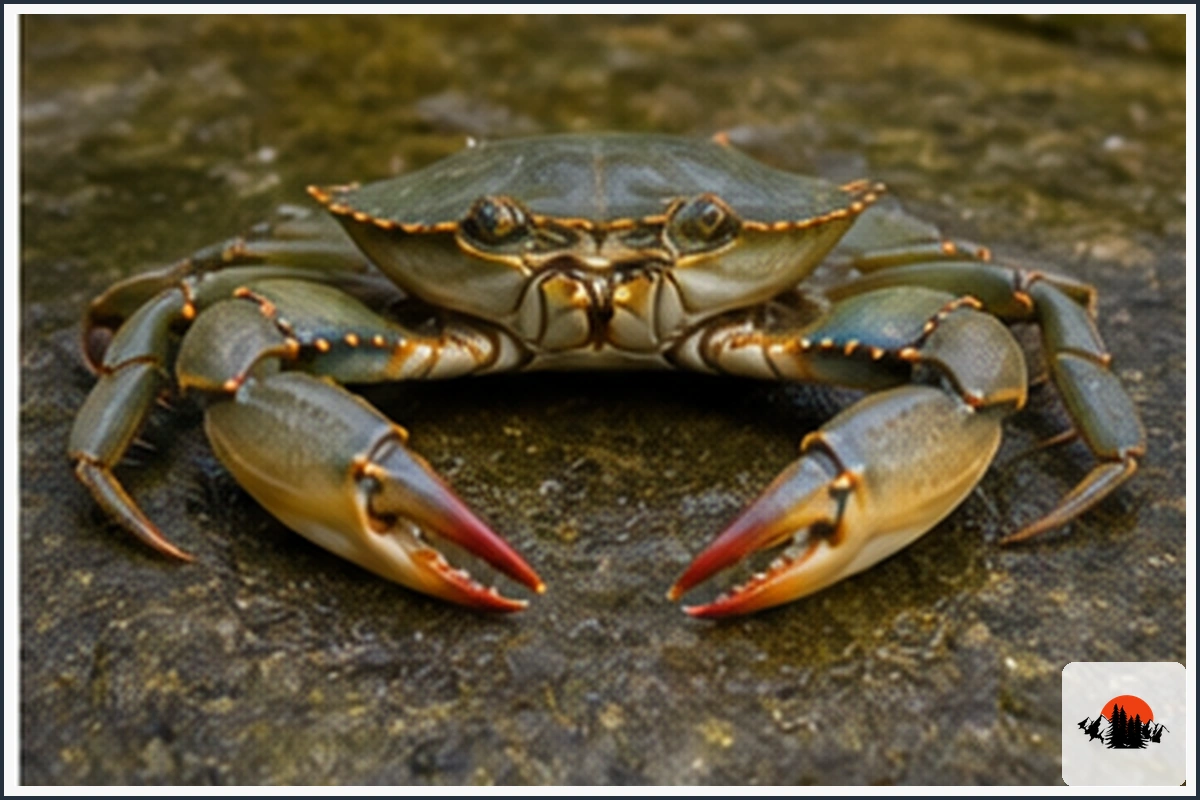
Scientific name: Menippe adina. The Gulf stone crab is a marine crustacean with a broad body and very large claws. It inhabits rocky bottoms, oyster reefs, jetties, passes, and other coastal structures along the Gulf of Mexico.
Stone crabs eat mollusks and other bottom-dwelling prey. Their powerful claws make them effective predators and popular seafood animals. In regulated fisheries, claws may be harvested while the crab is returned alive, allowing it to regrow a lost claw over time. Always follow current Texas coastal regulations.
How Are These Animals Classified?
Texas wildlife can be grouped by major biological classes:
- Mammals: Deer, armadillos, carnivores, bats, rodents, and other animals with hair that nurse their young.
- Birds: Feathered, warm-blooded animals with beaks and wings, including mockingbirds, cranes, and roadrunners.
- Reptiles: Scaled animals such as alligators, lizards, turtles, and snakes.
- Amphibians: Animals such as toads and salamanders that generally depend on moist environments during part of their life cycle.
- Fish: Aquatic vertebrates that use gills, including bass, gar, and red drum.
- Invertebrates: Animals without backbones, including monarch butterflies and Gulf stone crabs.
Where Do These Animals Live?
Texas contains several major wildlife regions:
- Deserts and mountains: Mountain lions, roadrunners, horned lizards, and rattlesnakes.
- Prairies and plains: Pronghorns, coyotes, bison, deer, and grassland birds.
- Forests and brushlands: Bobcats, gray foxes, deer, armadillos, and snakes.
- Rivers, lakes, and wetlands: Beavers, alligators, Guadalupe bass, gar, and amphibians.
- Gulf Coast and bays: Red drum, sea turtles, whooping cranes, stone crabs, and coastal birds.
- Caves and groundwater: Specialized species such as the Texas blind salamander.
What Do Texas Animals Eat?
Texas animals use nearly every available food source. Herbivores such as deer, bison, and pronghorns eat grasses, leaves, shrubs, fruits, and other plants. Carnivores such as bobcats, mountain lions, and rattlesnakes hunt mammals, birds, reptiles, or fish. Omnivores including raccoons, coyotes, and opossums combine plant and animal foods. Insects, shrimp, crabs, and other small invertebrates support many birds, fish, amphibians, reptiles, and marine animals.
How Do Texas Animals Behave?
Behavior varies with climate, habitat, and survival needs. Many desert animals are nocturnal or most active at dawn and dusk to avoid extreme heat. Migratory birds and sea turtles travel long distances between feeding and breeding areas. Beavers alter waterways by building dams, while roadrunners hunt on land and whooping cranes rely on coastal marshes. Solitary predators usually avoid people, but food and habitat changes can bring adaptable species such as coyotes and raccoons closer to homes.
How to Identify Different Animals in Texas
- Start with habitat: Note whether the animal is in a desert, prairie, forest, river, wetland, cave, or coastal area.
- Check body shape: Look for antlers, horns, armor, scales, feathers, a shell, webbed feet, or a long tail.
- Estimate size safely: Compare the animal with nearby vegetation or objects without approaching it.
- Observe color and markings: Diamond patterns, facial masks, white tails, wing patches, and dark spots can be useful clues.
- Notice behavior: Flying, swimming, climbing, burrowing, basking, running, or calling may narrow identification.
- Look for tracks or signs: Burrows, scat, feathers, tracks, chewed trees, and feeding holes can reveal hidden wildlife.
- Listen for sounds: Birdsong, frog calls, coyote howls, and rattles may identify an animal before it is visible.
- Use reliable references: Compare photographs with state wildlife guides and record the location, date, and habitat.
Outdoor Tips for Finding and Observing Texas Wildlife
- Visit parks, refuges, wetlands, rivers, and coastal preserves during early morning or late afternoon.
- Use binoculars and a camera with a zoom lens instead of moving closer.
- Stay on marked trails and avoid nests, dens, burrows, and basking reptiles.
- Keep dogs leashed where wildlife is present.
- Never feed wild animals or leave food and trash accessible.
- Use a red or low-intensity light at night and avoid shining lights directly into an animal’s eyes.
- Check hunting, fishing, boating, and wildlife-viewing regulations before visiting public land.
Safety, Sustainability, and Conservation Notes
Texas wildlife depends on healthy grasslands, clean water, intact forests, functioning wetlands, and protected coastal habitat. Observe animals without chasing, touching, feeding, or collecting them. Give venomous snakes, alligators, bears, mountain lions, and large livestock plenty of space. Anglers should follow current size and bag limits, release protected species carefully, and prevent fishing line from entering waterways.
Do not move wild animals to new locations, release aquarium pets, or abandon exotic species outdoors. Support native plants, reduce pesticide use, keep cats indoors when possible, and report injured or endangered wildlife to qualified wildlife professionals rather than attempting a rescue yourself.
Fun Facts About Animals in Texas
- Texas has recorded more than 540 bird species.
- The nine-banded armadillo is the Texas state small mammal.
- The Texas Longhorn is a domestic cattle breed, not a wild native animal.
- The Guadalupe bass is the official state fish.
- Texas is an important migration route for monarch butterflies.
- The Texas blind salamander spends its life in underground water.
- Greater roadrunners can chase prey on foot.
- Beavers create wetlands that benefit many other species.
- Whooping cranes winter along the Texas Gulf Coast.
- Alligator gar are among the largest freshwater fish in North America.
Final Thoughts on Types of Animals in Texas
Learning about the types of animals in Texas reveals how deserts, prairies, forests, rivers, caves, and coastlines each support different communities of wildlife. Whether you are identifying tracks, watching birds, fishing a river, exploring a state park, or observing coastal species, responsible behavior helps protect these animals and the habitats they need.
Frequently Asked Questions
1. How many types of animals live in Texas?
Texas has thousands of animal species, including hundreds of birds, many mammals, reptiles, amphibians, fish, insects, and marine animals. The exact total depends on whether subspecies, seasonal visitors, and offshore species are included.
2. What is the most common wild animal in Texas?
White-tailed deer, raccoons, coyotes, armadillos, squirrels, opossums, and many bird species are commonly encountered, although abundance varies by region and habitat.
3. What is the state animal of Texas?
The nine-banded armadillo is the official state small mammal, while the longhorn is the official large mammal symbol of Texas.
4. What is the state bird of Texas?
The northern mockingbird is the state bird of Texas.
5. What is the state reptile of Texas?
The Texas horned lizard is the state reptile.
6. What is the state amphibian of Texas?
The Texas toad is the state amphibian.
7. What is the state fish of Texas?
The Guadalupe bass is the official state fish.
8. Are there bears in Texas?
American black bears historically lived across Texas, and occasional individuals now enter western parts of the state from nearby populations. They are not common statewide.
9. Are mountain lions found in Texas?
Yes. Mountain lions are most associated with remote mountainous, desert, and brushy areas of West Texas, though they can travel widely.
10. What big cats live in Texas?
Bobcats and mountain lions are the main native wild cats found in Texas. Jaguars are extremely rare visitors and are not established across the state.
11. What is the most dangerous animal in Texas?
Potentially dangerous animals include venomous snakes, alligators, mountain lions, black bears, and large livestock. Most conflicts can be avoided by keeping distance and never feeding wildlife.
12. Are alligators common in Texas?
Alligators are common in suitable wetlands, rivers, lakes, and coastal areas of eastern and southeastern Texas, but they are not found evenly across the entire state.
13. What should I do if I see a rattlesnake?
Stop, remain calm, move away slowly, and give the snake a wide path. Never attempt to pick it up, kill it, or corner it.
14. What do Texas armadillos eat?
Armadillos mainly eat insects, grubs, ants, termites, worms, fungi, and other small foods found in soil. They may also consume fruit or other opportunistic foods.
15. Do Texas animals hibernate?
Some animals enter periods of reduced activity during cold weather, but true hibernation is uncommon among many Texas species. Black bears may experience winter dormancy, while reptiles and amphibians often become inactive in cold conditions.
16. What animals live in the Texas desert?
Desert wildlife includes roadrunners, horned lizards, rattlesnakes, coyotes, bobcats, pronghorns, jackrabbits, bats, and many specialized insects and birds.
17. What animals live in Texas rivers?
Texas rivers support fish such as Guadalupe bass and alligator gar, along with beavers, turtles, frogs, salamanders, wading birds, and many aquatic invertebrates.
18. What animals live on the Texas coast?
Coastal habitats support red drum, sea turtles, whooping cranes, dolphins, shorebirds, alligators, crabs, shrimp, oysters, and many other marine and estuarine species.
19. Are Texas horned lizards dangerous?
No. Texas horned lizards are harmless to people. Their horns and defensive behaviors help protect them from predators, but they do not pose a threat to humans.
20. Can I keep a wild Texas animal as a pet?
Wild animals should not be kept as pets. Possession may be illegal, and wild species have specialized dietary, medical, and behavioral needs. Contact a licensed wildlife rehabilitator for injured animals.
21. Are coyotes dangerous to people?
Coyotes usually avoid people, but any wild animal can behave unpredictably if sick, cornered, or fed. Secure attractants, supervise pets, and report unusually aggressive behavior.
22. What do Texas coyotes eat?
Coyotes eat rodents, rabbits, insects, fruits, carrion, and other available foods. In some areas they may prey on poultry, small livestock, or unattended pets.
23. Where can I see wildlife in Texas?
Wildlife can be observed in state parks, national wildlife refuges, wildlife management areas, coastal preserves, rivers, wetlands, and nature centers. Choose locations that match the species and season you hope to see.
24. What is the rarest animal in Texas?
Several Texas species are rare or highly restricted, including the Texas blind salamander and whooping crane. Rarity depends on population size, range, and conservation status.
25. Why is the Texas blind salamander important?
It is specially adapted to underground groundwater and serves as an indicator of the health of its limited aquatic ecosystem. Clean groundwater is essential for its survival.
26. Are whooping cranes endangered?
Whooping cranes remain conservation-dependent and have a limited wild population. Protecting their breeding grounds, migration route, and Texas wintering habitat remains important.
27. What is the best time to see Texas wildlife?
Early morning and late afternoon are productive for many mammals and birds. Nocturnal animals are best observed after dark with proper safety practices, while reptiles are often visible basking during suitable weather.
28. Should I feed wild animals in Texas?
No. Feeding wildlife can cause dependence, disease spread, aggressive behavior, and dangerous encounters. It is better to provide native habitat and observe animals naturally.
29. How can I help Texas wildlife?
Protect native plants, keep pets controlled, reduce pesticide use, secure trash, conserve water, avoid disturbing nests, and support habitat restoration or reputable conservation organizations.
30. Can I fish for animals listed in this guide?
Some species, including Guadalupe bass, alligator gar, and red drum, are legally fished under state regulations. Always check current Texas rules, seasons, size limits, and possession limits before fishing.