

Best Hunting Scope Under $300: Practical Reviews and Buying Guide
Choosing a hunting scope on a tight budget can mean balancing clear glass, useful magnification, a forgiving eye box, and dependable adjustments without spending more than $300. The wrong optic may look fine in the store but become frustrating in low light, awkward on a compact rifle, or difficult to zero when a practical shot matters.
This guide to the best hunting scope under $300 compares three distinct options, from the versatile Leupold VX-Freedom to Burris models suited to scout-style rifles and higher-magnification setups. The key trade-off is simple: more magnification can help with distance, while a wider field of view, lighter design, and faster target acquisition may matter more in thick cover or from a moving position.
Use the comparison table and buying advice to match the scope’s optical range, reticle, mounting needs, and handling to your rifle and hunting conditions. Start with the Quick Picks to see which option best fits your setup.
For most general hunting applications, the Leupold VX-Freedom is the strongest overall starting point because of its established hunting focus and practical versatility. Hunters needing more magnification may prefer the Burris Droptine, while compact-rifle users should examine the Scout Scope carefully for mounting compatibility.
As an Amazon Associate I earn from qualifying purchases.
Quick Picks
- Best Overall: Leupold VX-Freedom — A versatile choice for ordinary hunting setups and varied field conditions.
- Best for Variable Magnification: Burris Droptine Riflescope — Offers a useful 4.5-14x range for hunters who want more reach.
- Best for Scout-Rifle Compatibility: Burris Scout Scope — Designed around a compact, forward-mounted optic concept.
Comparison Table
| Product | Best For | Magnification | Objective | Design Focus | Compatibility Note | Check Price |
|---|---|---|---|---|---|---|
| Leupold VX-Freedom | General hunting | Verify selected variation | Verify selected variation | Hunting versatility | Confirm tube and ring requirements | Check Price On Amazon |
| Burris Scout Scope | Scout-style rifles | Verify selected variation | Verify selected variation | Compact forward mounting | Requires a compatible forward rail | Check Price On Amazon |
| Burris Droptine Riflescope | Open-country hunting | 4.5-14x | 42mm | Higher variable magnification | Check ring height and tube specifications | Check Price On Amazon |
How to Choose the Best Hunting Scope Under $300
1. Match Magnification to Terrain
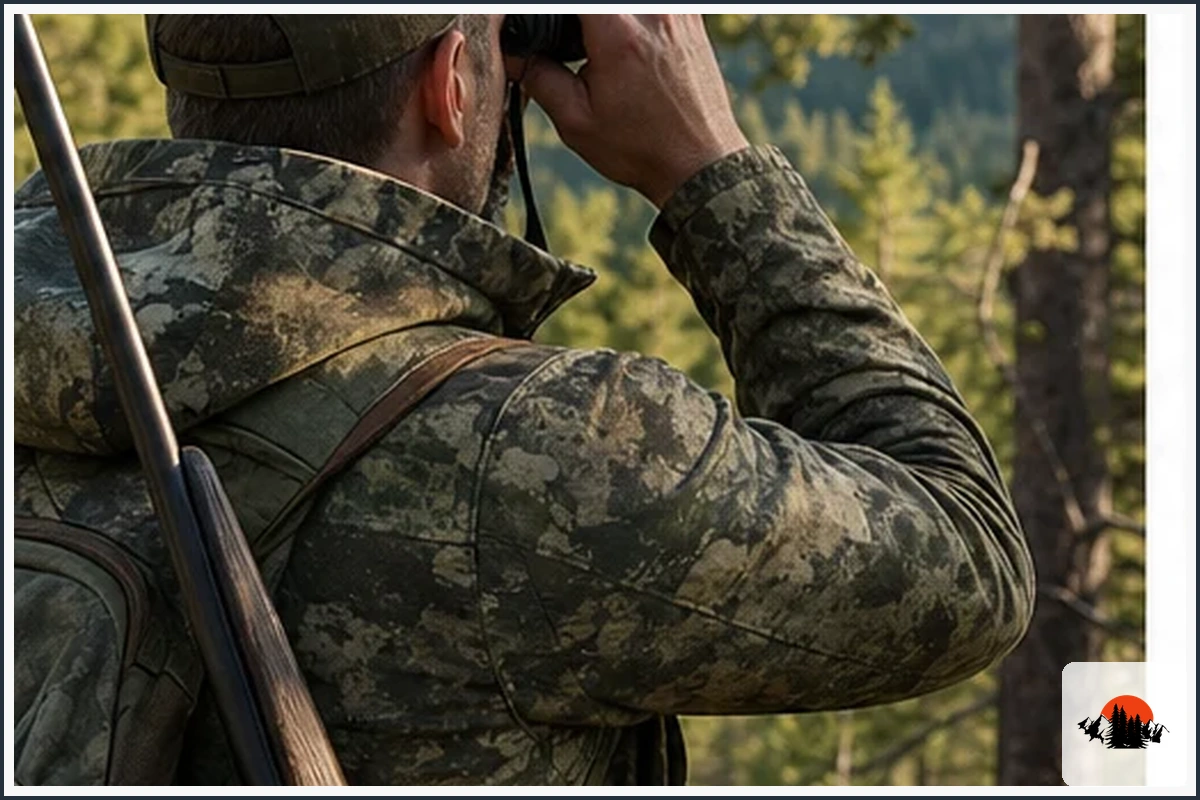
Dense timber usually rewards a wider field of view and moderate magnification. Open farmland, foothills, and western terrain may benefit from additional magnification, but higher power can make target acquisition slower and magnify hand movement.
2. Confirm Rifle and Mount Compatibility
Check tube diameter, mounting system, ring height, rail position, eye relief, and clearance around the bolt handle or charging mechanism. Scout scopes are particularly dependent on a suitable forward mounting location.
3. Prioritize Eye Relief and Field of View
Eye relief affects both comfortable viewing and safe positioning behind a recoiling firearm. A narrow field of view can make moving or suddenly appearing game harder to locate. Follow the manufacturer’s specifications and confirm proper mounting before live use.
4. Consider Reticle and Low-Light Needs
A simple reticle can be quick to use in ordinary hunting conditions. In dim woods or at dawn and dusk, optical clarity and appropriate objective size matter more than maximum magnification alone. Always follow local legal shooting-hour rules.
5. Inspect Adjustments and Construction
Turrets should be understandable and repeatable according to the manufacturer’s design. Check caps, seals, lens surfaces, and tube condition before a hunt. Avoid assuming that a marketing term automatically means the optic is suitable for every weather condition.
1. Best Overall: Leupold VX-Freedom
The Leupold VX-Freedom is the most natural general-purpose choice in this comparison. Its hunting-oriented product family is aimed at practical field use rather than extreme tactical styling, making it a reasonable starting point for deer, hog, and other lawful hunting applications where a balanced optic is more useful than specialized scout compatibility or maximum magnification.
Because the VX-Freedom name covers multiple configurations, buyers should confirm the exact magnification, reticle, objective size, and tube specification on the current listing. Those details affect mounting height, field of view, low-light performance, and how well the scope suits a compact or full-size rifle.
Key Features
- Hunting-focused VX-Freedom product family.
- Multiple configurations may be available, so the selected variation requires verification.
- Designed for conventional hunting-rifle applications.
- Requires confirmation of reticle, tube diameter, and magnification before purchase.
Its main advantage is flexibility. A properly matched configuration can work well for hunters who move between timber edges, fields, and mixed terrain. The main limitation is that the product name alone does not identify every specification; selecting the wrong variation can create avoidable mounting or sight-picture problems.
Pros
- Versatile hunting-oriented design.
- Suitable starting point for conventional rifle setups.
- Leupold offers multiple configuration choices within the product family.
- Good fit for hunters who want a balanced, non-specialized optic.
Cons
- Exact magnification and reticle depend on the selected variation.
- Buyers must verify tube size and ring compatibility.
- May not be the best match for a forward-mounted scout rifle.
Who It’s Best For
This is best for a hunter seeking one practical scope for a conventional rifle and mixed terrain. Verify the exact variation, mount it according to the manufacturer’s instructions, and confirm zero at an appropriate range before hunting.
Keep lens caps on during transport, use only suitable lens-cleaning materials, and inspect the mounting screws periodically. Do not attempt to compensate for an improperly mounted scope by making excessive adjustments.
2. Best for Scout-Style Rifles: Burris Scout Scope, Compact and Slim Optic with Medium Magnification

The Burris Scout Scope, Compact and Slim Optic with Medium Magnification is aimed at a specific setup rather than being a universal hunting-scope recommendation. Its compact, slim design and scout-scope format can suit rifles configured for forward mounting and fast handling.
The critical issue is compatibility. A scout scope generally needs a rifle and rail arrangement that place the optic farther forward than a conventional scope. Before buying, confirm the rifle’s mounting location, ring requirements, eye-relief expectations, and whether the selected optic can provide a comfortable sight picture without forcing an unsafe or awkward position.
Key Features
- Compact and slim scout-scope design.
- Medium-magnification format for general field use.
- Intended for forward-mounted scout-style applications.
- Requires careful verification of rifle and rail compatibility.
Its compact format can help preserve handling balance on a suitable rifle. It is less attractive for a standard receiver-mounted setup where conventional eye relief and mounting geometry are expected. Hunters should not assume that a compact optic will fit every rifle simply because the tube appears small.
Pros
- Compact format can complement a properly configured scout rifle.
- Forward-mounting concept can preserve a more open handling setup.
- Medium magnification suits many ordinary hunting distances.
- Useful specialized alternative to conventional scopes.
Cons
- Not a straightforward fit for every hunting rifle.
- Requires a compatible forward rail and appropriate rings.
- Specialized eye-relief and mounting requirements demand careful setup.
Who It’s Best For
This is best for an experienced buyer with a scout-style rifle or a confirmed forward-mounting platform. It is not the safest choice for a first-time buyer who has not checked the rifle’s rail position and required eye relief.
Inspect the mount, rings, and fasteners before each trip. Confirm that the optic is secure and that the sight picture is comfortable without placing the shooter too close to the rifle during recoil. Have a qualified firearms professional inspect an uncertain installation.
3. Best for Higher Magnification: Burris Hunting Durable Waterproof High-Grade Optical Glass Droptine Riflescope with Ballistic Plex Reticle, 4.5-14x 42mm
The Burris Hunting Durable Waterproof High-Grade Optical Glass Droptine Riflescope with Ballistic Plex Reticle, 4.5-14x 42mm is the most specialized option here for hunters who want a wider magnification range. Its 4.5-14x specification and 42mm objective are more suited to open terrain and deliberate shooting positions than fast-moving, close-range timber hunting.
The higher top-end magnification can help with target observation at longer lawful distances, but it also increases sensitivity to movement and can narrow the field of view. The 42mm objective may require attention to ring height and clearance. The listing’s waterproof wording should be understood as a manufacturer claim, not a guarantee of performance in every storm or immersion scenario.
Key Features
- 4.5-14x variable magnification.
- 42mm objective specification.
- Ballistic Plex reticle design as identified in the supplied listing.
- High-grade optical glass description from the product listing.
- Waterproof durability claim from the product listing.
This scope makes the most sense where hunters have time to identify, steady, and verify a target. It is less convenient when game appears suddenly at short range. Any ballistic references should be treated as aiming guidance only; the rifle, ammunition, environmental conditions, and confirmed zero still determine actual point of impact.
Pros
- Broad 4.5-14x magnification range.
- 42mm objective can support a useful sight picture in suitable conditions.
- Ballistic Plex reticle offers an aiming-reference format.
- Well suited to open-country observation and deliberate shooting positions.
Cons
- Higher magnification can make target acquisition slower at close range.
- 42mm objective may require careful ring-height selection.
- Waterproofing is a listing claim and should not be treated as unlimited protection.
- Ballistic reticle references require verification with the actual rifle and ammunition.
Who It’s Best For
This is best for hunters who regularly hunt open terrain and want more magnification flexibility. It is less suitable for a lightweight, fast-handling rifle intended primarily for dense cover.
Clean lenses with a blower and appropriate optic-cleaning materials rather than clothing or rough fabric. Check turret caps, ring screws, and the rifle’s confirmed zero after transport. Follow all range rules and local hunting regulations.
Safe Setup and Responsible Use
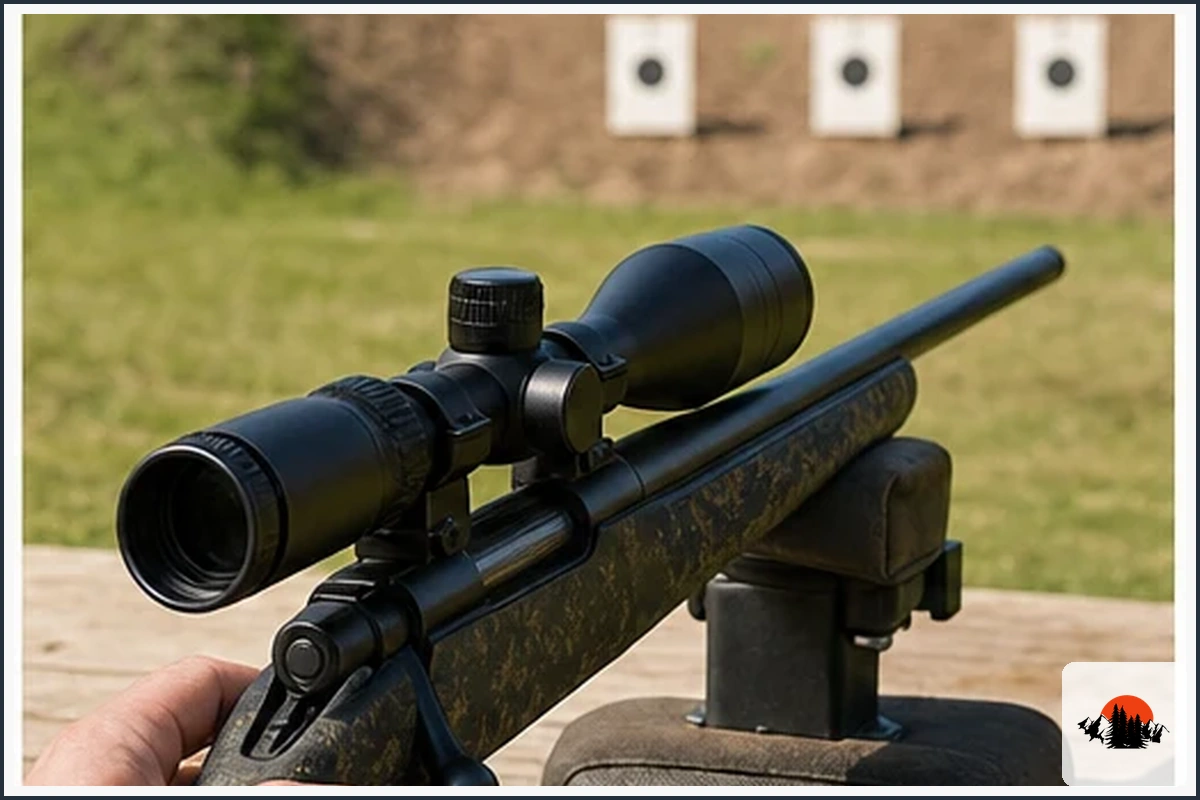
A scope does not replace firearms training, a safe backstop, or careful target identification. Keep the firearm pointed in a safe direction, keep the finger outside the trigger guard until ready to fire, treat every firearm as loaded, and know the target and what lies beyond it. Store firearms and ammunition securely when not in use, transport them lawfully, and follow range rules.
Use qualified instruction for mounting or sighting-in questions. Confirm local seasons, licenses, tags, legal shooting hours, land access, caliber or equipment restrictions, and any required hunter-education rules with the relevant wildlife agency. Never load or climb with a firearm in an elevated stand, and follow the manufacturer’s instructions for every scope, mount, and rifle.
Maintenance and Troubleshooting
Fogging or Hazy Viewing
Move the optic gradually between temperature extremes when practical, keep exterior surfaces dry, and inspect for damage. Persistent internal fogging should be handled through the manufacturer or a qualified service provider rather than by opening the scope.
Scope Movement or Lost Zero
Stop using the setup until the rings, base, screws, and rifle are inspected. Confirm torque requirements from the manufacturers. Re-zero at a safe range after transport, mounting changes, or any suspected impact.
Eye-Relief Problems
Check the scope position at the lowest practical magnification and from a normal shooting position. Scout scopes require especially careful attention to mounting location and eye relief. Seek professional help if the sight picture cannot be obtained comfortably and consistently.
Dirty Lenses
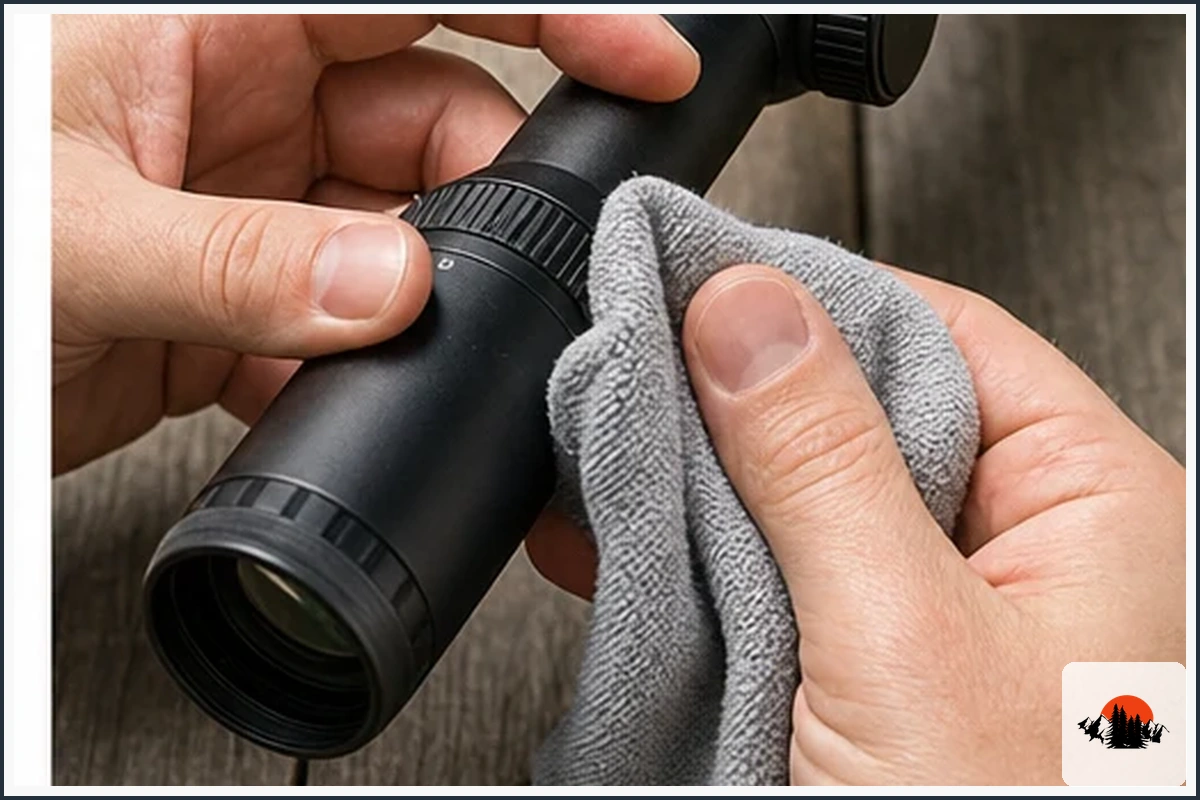
Remove loose grit with a blower, then use lens-safe materials. Avoid household glass cleaner, paper towels, shirt fabric, or aggressive rubbing.
Common Buying Mistakes
- Choosing maximum magnification without considering field of view or hunting distance.
- Buying a scout scope without confirming a forward rail and suitable mounting geometry.
- Ignoring tube diameter and ring height.
- Assuming every product variation has the same reticle or objective size.
- Relying on a ballistic reticle without confirming its relationship to the actual load.
- Skipping a safe zeroing session before hunting.
- Cleaning lenses with abrasive materials.
- Assuming waterproof or durable wording means the optic can be neglected.
Frequently Asked Questions
1. What is the best hunting scope under $300?
The Leupold VX-Freedom is the strongest overall option in this comparison for general hunting, provided the selected configuration matches the rifle and intended terrain.
2. Is the Burris Droptine suitable for deer hunting?
Its variable 4.5-14x range can suit deer hunting, especially in open or mixed terrain, but the appropriate configuration and legal hunting conditions should be confirmed.
3. Is a scout scope compatible with every rifle?
No. Scout scopes generally require a forward mounting position and suitable eye-relief geometry. Check the rifle, rail, rings, and manufacturer guidance before purchasing.
4. Is higher magnification always better?
No. Higher magnification can narrow the field of view, slow target acquisition, and make movement more noticeable. Choose power based on terrain and realistic hunting distances.
5. What magnification is best for hunting in thick woods?
Moderate magnification is often easier to use in thick woods because it provides a broader field of view. The best setting depends on the specific optic and shooting conditions.
6. What magnification is useful in open country?
Open country may justify more magnification, but only when visibility, stability, lawful distance, and target identification support it.
7. Does a 42mm objective automatically perform better?
No. Objective size is only one part of optical performance. Mounting height, glass quality, coatings, pupil position, and available light also matter.
8. What should I verify before ordering a scope?
Verify the exact variation, magnification, reticle, objective size, tube diameter, eye relief, mounting requirements, and current availability.
9. Do I need different rings for every scope?
Not necessarily, but ring diameter and height must match the scope and rifle. Objective clearance, bolt movement, and eye position should also be checked.
10. How high should scope rings be?
Use the lowest practical height that provides objective, bolt, and action clearance while allowing a comfortable cheek position. Follow manufacturer guidance or consult a qualified gunsmith.
11. What is a ballistic reticle?
A ballistic reticle includes additional aiming references intended to assist with trajectory compensation. Its practical relationship to a load must be verified at the range.
12. Can I trust ballistic reticle marks without testing?
No. Ammunition, barrel, velocity, sight height, and environmental conditions affect trajectory. Confirm any references with the actual rifle and load.
13. Is the Leupold VX-Freedom good for beginners?
It can be a practical beginner option when the correct variation is selected and the rifle is mounted and sighted in with qualified instruction.
14. Is the Burris Scout Scope good for beginners?
It may be suitable for a beginner who already has a compatible scout-style rifle, but its specialized mounting requirements make it less forgiving for an unknown setup.
15. Can a hunting scope be used in rain?
Use it only within the manufacturer’s stated guidance. Keep lenses covered when practical, dry the exterior after use, and have persistent internal moisture assessed professionally.
16. What does waterproof mean on a scope listing?
It describes a manufacturer claim about water resistance under specified conditions. It does not guarantee performance after abuse, damage, or prolonged immersion.
17. How do I prevent lens fogging?
Limit rapid temperature changes when possible, keep lens surfaces dry, and avoid breathing directly onto the glass. Internal fogging requires manufacturer service.
18. How often should I check scope mounts?
Inspect them before each hunting trip and after transport or impacts. Use the manufacturer’s torque guidance rather than guessing.
19. Should I remove the scope for transport?
That depends on the rifle case and transport method. Any time the optic or mount is disturbed, confirm zero at a safe range before hunting.
20. How do I clean scope lenses?
Blow away loose grit first, then use lens-safe cleaning materials. Avoid abrasive cloth, paper towels, household cleaners, and excessive pressure.
21. What causes a scope to lose zero?
Possible causes include loose mounts, damaged bases, ring movement, rifle or ammunition changes, impacts, or mechanical problems. Stop and inspect the setup before continuing.
22. Can recoil damage a scope?
Recoil and repeated handling can affect equipment, especially when mounting or product compatibility is poor. Follow manufacturer specifications and inspect for damage.
23. What is eye relief?
Eye relief is the distance between the rear lens and the eye while the full sight picture remains visible. Correct eye relief supports comfortable and safe positioning.
24. Why does eye relief matter on a hunting rifle?
A suitable eye-relief position helps maintain a consistent sight picture and reduces the risk of the optic contacting the shooter during recoil.
25. What is field of view?
Field of view is the visible area through the scope. It generally becomes narrower as magnification increases.
26. Is a compact scope always lighter?
Compact designs may reduce size, but actual weight depends on the complete configuration. Check current specifications for the selected model.
27. Which scope is best for dense timber?
The Leupold VX-Freedom is the most versatile starting point here, using a suitable lower-power configuration. The Burris Droptine’s higher magnification may be less convenient at close range.
28. Which scope is best for open fields?
The Burris Droptine is the most naturally suited to open terrain because of its 4.5-14x range, assuming the rifle and mounting system support it.
29. Can the Burris Scout Scope be used on a standard rifle?
Only if the rifle supports the required mounting position and eye-relief geometry. Confirm compatibility before purchase.
30. Does scope magnification affect aiming stability?
Yes. Higher magnification makes small movement more visible. A stable, safe shooting position remains important at every magnification.
31. Should I use the highest magnification when sighting in?
Use a magnification that provides a clear, stable view of the target while following safe range procedures. Confirm final settings across the realistic range of use.
32. Do I need a sunshade?
A sunshade may help in certain bright or glare-prone conditions, but compatibility and usefulness depend on the exact scope configuration.
33. Can I use scope covers in wet weather?
Yes, compatible covers can help protect lenses during transport and pauses. Remove them before shooting and keep them clean.
34. What should I do if the scope looks blurry?
Confirm eye position, adjust the appropriate focus control according to the manual, and check for dirty lenses. Persistent problems may require manufacturer support.
35. Why is the reticle blurry?
Eye position, focus adjustment, lighting, or vision can contribute. Follow the manual and consult an eye-care professional if the issue persists.
36. Can I mount a scope myself?
Some experienced owners can, but incorrect mounting can create safety and zeroing problems. Use qualified help if you are unsure about torque, alignment, or eye relief.
37. How should I store a hunting scope?
Store it dry, protected from impact, and away from damaging heat or moisture. Keep lenses covered and avoid placing heavy items on the optic.
38. What should I carry when hunting with a scoped rifle?
Carry required licenses, navigation, communication, water, first aid, weather protection, and appropriate lighting. Gear should complement—not replace—planning and training.
39. Can a scope make an unsafe shot safe?
No. A scope cannot correct poor target identification, an unsafe backstop, excessive distance, bad weather judgment, or lack of training.
40. Do hunting scope laws vary?
Yes. Equipment, seasons, shooting hours, land access, and hunting methods can vary by jurisdiction. Check the relevant wildlife agency before hunting.
41. Should I use a scope in low light?
Only when conditions permit safe target identification and local law allows hunting at that time. Optical equipment cannot replace adequate visibility.
42. Can I use a scope for target shooting?
Yes, when the rifle, optic, range, and ammunition are compatible and all range safety rules are followed.
43. What is the main disadvantage of a high-power scope?
It can be heavier, narrower in field of view, slower to acquire with at close range, and more sensitive to visible movement.
44. What is the main advantage of a scout scope?
Its forward-mounted format can support a compact, open-handling rifle configuration when the rifle is designed or adapted for it.
45. Should I buy based only on the brand?
No. Brand reputation matters, but exact variation, compatibility, reticle, eye relief, terrain, and intended use are equally important.
46. What if the selected Amazon variation differs from the review?
Verify the exact title, images, specifications, reticle, and objective size before ordering. Product families can contain substantially different configurations.
47. What should I do if the scope arrives damaged?
Do not mount or fire the rifle with a damaged optic. Photograph the condition, retain packaging, and contact the seller or manufacturer.
48. When should I seek professional help?
Seek a qualified gunsmith, firearms instructor, optics professional, or manufacturer service team for uncertain mounting, damaged equipment, persistent zeroing problems, or safety concerns.
Conclusion
For most hunters comparing the best hunting scope under $300, the Leupold VX-Freedom is the strongest overall choice because its hunting-oriented design can suit a wide range of conventional rifle setups. Its main trade-off is that buyers must verify the exact configuration before ordering.
The Burris Droptine Riflescope is the better fit for hunters who prioritize a 4.5-14x range and open-country use, while the Burris Scout Scope is the specialized option for a compatible forward-mounted rifle.
Verify current specifications, availability, selected variation, mounting requirements, and local hunting laws before ordering or using any optic.