

Cheetahs are one of the most iconic wild cats, celebrated for their unmatched speed and graceful, slender bodies. In this guide, we’ll explore the Types of Cheetahs found across Africa and Asia, highlighting their distinguishing features, habitats, and behaviors. Whether you’re a wildlife enthusiast, student, or simply curious about these majestic cats, this article provides a clear, educational, and engaging review of each cheetah type. By the end, you’ll be able to identify each type at a glance and understand what makes them special.
From the arid landscapes of Iran to the savannahs of Southern Africa, cheetahs adapt to different environments, each displaying unique traits that help them survive in the wild. This guide will focus on seven types of cheetahs, breaking down their appearance, hunting patterns, conservation status, and interesting facts. Let’s dive into the fascinating world of cheetahs and discover the subtle differences that separate one type from another.
1. Southeast African Cheetah (Acinonyx jubatus jubatus)
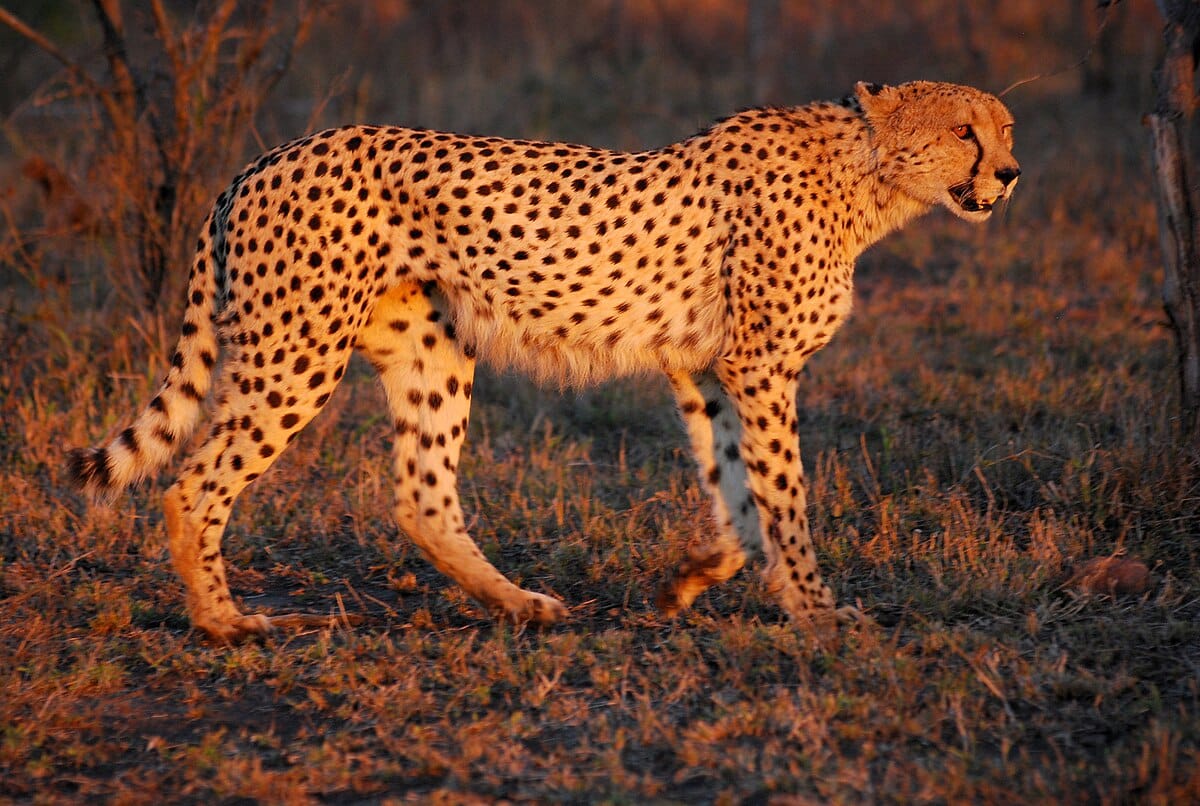
The Southeast African cheetah, often referred to as the South African cheetah, is the most widely recognized cheetah type. Found primarily in countries like South Africa, Namibia, and Botswana, this cheetah thrives in grasslands, savannahs, and open plains where its incredible speed comes in handy for hunting. Unlike some of its cousins, the Southeast African cheetah has a slightly heavier build, which provides more stamina during long chases.
Appearance and Identification
Southeast African cheetahs have a tawny coat dotted with distinct black spots, which act as natural camouflage in the golden grasses of southern Africa. Their tear-mark facial lines, running from the inner corners of their eyes down to the sides of their mouths, help reduce glare from the sun—a practical adaptation for hunting during the bright daylight hours. Adult males are slightly larger than females, and they can weigh between 35 to 65 kilograms.
Behavior and Hunting Patterns
This type of cheetah is diurnal, meaning it is active mainly during the day. It prefers hunting during the early morning or late afternoon when prey such as impalas, springboks, and young wildebeests are most active. Southeast African cheetahs rely on stealth and acceleration rather than brute strength, sprinting in bursts that can reach up to 100 km/h (62 mph) over short distances. After a chase, they often need a brief rest before consuming their prey to avoid attracting larger predators like lions or hyenas.
Conservation Status
The Southeast African cheetah is currently classified as vulnerable. Though relatively more numerous than other cheetah types, they still face threats from habitat loss, human-wildlife conflict, and illegal hunting. Conservation programs in South Africa and Namibia have focused on creating wildlife corridors, anti-poaching initiatives, and community-based projects to ensure these cheetahs continue to thrive.
Interesting Facts
- They are the fastest land animal, capable of accelerating from 0 to 60 mph in just a few seconds.
- Unlike other big cats, they cannot roar but communicate through chirps, purrs, and hisses.
- Some Southeast African cheetahs have been part of successful rewilding programs in conservancies across Namibia.
2. Northeast African Cheetah (Sudan Cheetah, Acinonyx jubatus soemmeringii)
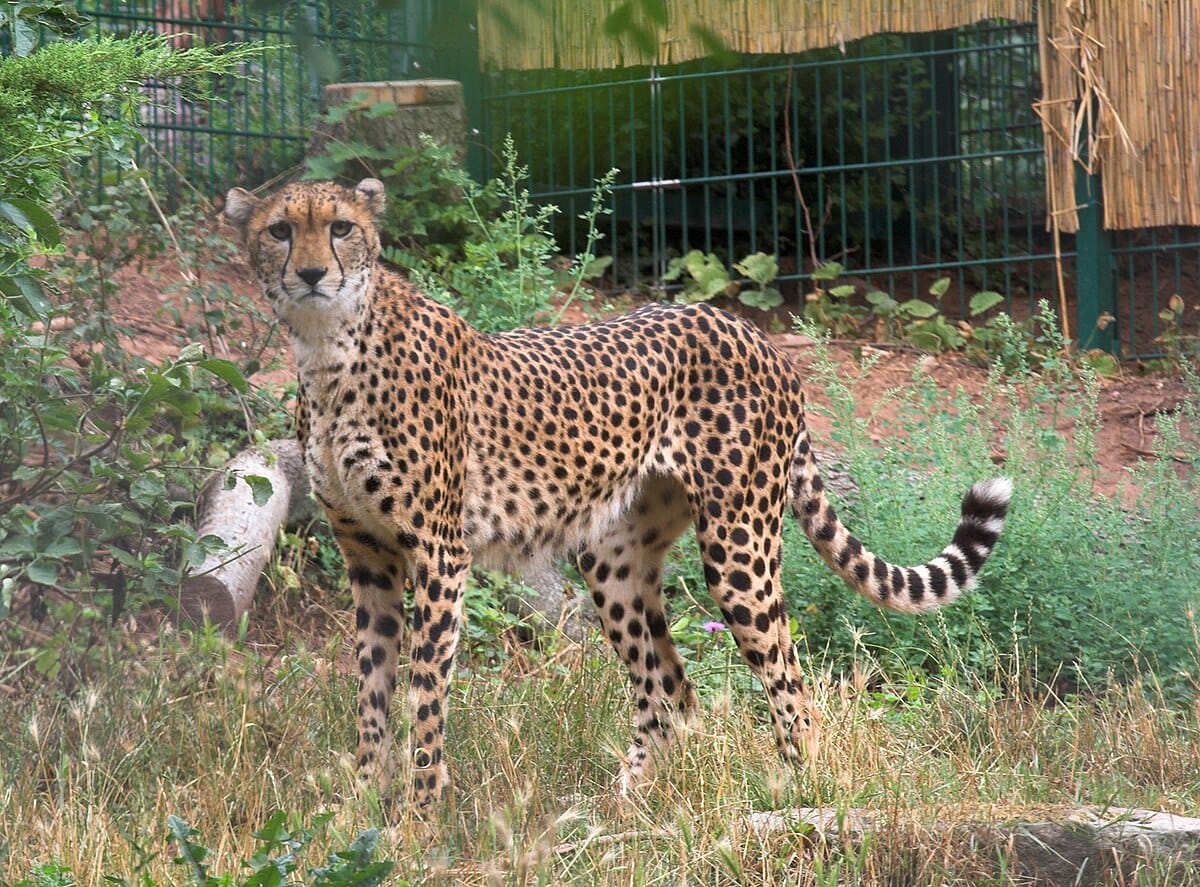
The Northeast African cheetah, also known as the Sudan cheetah, inhabits regions such as Sudan, Ethiopia, and parts of Kenya. Compared to its Southeast African cousin, it is smaller and more lightly built, which allows for greater agility in the rugged terrain it calls home. This cheetah type prefers open scrublands and savannahs interspersed with rocky outcrops where it can hide and observe its prey.
Appearance and Identification
Northeast African cheetahs have a pale, creamy coat with smaller, densely packed spots. Their tails are slightly longer in proportion to their bodies, aiding balance during sharp turns at high speeds. The facial tear lines are slightly thinner than other types, giving them a delicate appearance. Adult males usually weigh between 30 and 50 kilograms, while females are slightly lighter.
Behavior and Hunting Patterns
This type is highly territorial. Males often patrol large areas and use scent markings to ward off intruders. Hunting is similar to the Southeast African cheetah, focusing on early mornings or late afternoons to maximize visibility and reduce the risk of encounters with larger predators. Prey includes gazelles, hares, and occasionally birds. The Sudan cheetah is also noted for its ability to leap and pivot mid-chase, adapting to the more uneven landscapes of its habitat.
Conservation Status
Northeast African cheetahs are classified as vulnerable. Their numbers are lower due to habitat encroachment and competition with humans and livestock. Ongoing conservation efforts focus on protecting habitats and raising awareness among local communities. Some NGOs are working to establish wildlife corridors and reserves in Ethiopia and Sudan, aiming to secure safe zones for this cheetah type.
Interesting Facts
- They are less social than Southeast African cheetahs and often hunt alone.
- Sudan cheetahs are extremely alert and can detect human presence from afar, often retreating before confrontation.
- They play a crucial role in controlling herbivore populations, maintaining the ecological balance in their habitats.
3. Northwest African Cheetah (Saharan Cheetah, Acinonyx jubatus hecki)
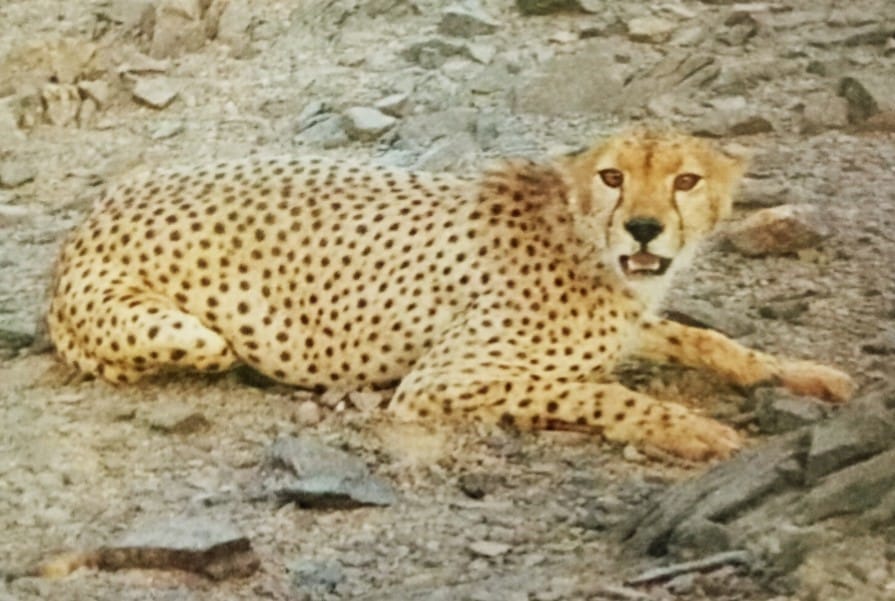
The Northwest African cheetah, or Saharan cheetah, is a rare and elusive type found in the deserts and semi-arid regions of Mali, Niger, and Algeria. Adapted to harsh environments with minimal vegetation, these cheetahs are paler and slightly smaller, which helps them blend with sandy and rocky surroundings. Survival in this environment demands resilience, stealth, and the ability to travel long distances in search of prey.
Appearance and Identification
Saharan cheetahs have a sandy beige coat with sparse, faint spots that provide camouflage against desert sands. Their bodies are lean, with long limbs that enable efficient running over long distances. Tear marks are still present but less pronounced, as hunting under the blazing desert sun often requires strategic patience rather than rapid chases. Adults weigh between 25 and 45 kilograms.
Behavior and Hunting Patterns
This cheetah type is primarily nocturnal, hunting in the cooler night hours to conserve energy and avoid the heat. They feed mainly on small antelopes, rodents, and desert hares. Unlike other cheetahs, Saharan cheetahs often hunt alone and may roam hundreds of kilometers in search of food. Their endurance and cunning are key to surviving in one of the harshest environments on Earth.
Conservation Status
The Northwest African cheetah is critically endangered, with very few individuals left in the wild. Habitat degradation, climate change, and poaching are major threats. International conservation organizations are focusing on habitat restoration, community education, and anti-poaching patrols to prevent extinction. Protecting these cheetahs also safeguards the delicate desert ecosystem they inhabit.
Interesting Facts
- They are the rarest of all cheetah types and can be extremely difficult to spot in the wild.
- Saharan cheetahs have adapted to survive with minimal water, extracting moisture from prey.
- They can travel vast distances—up to 100 km in a single night—in search of food.
4. Asiatic Cheetah (Acinonyx jubatus venaticus)
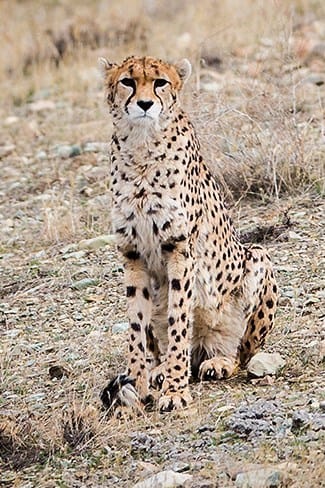
The Asiatic cheetah is one of the rarest big cats in the world, with its last known populations primarily located in Iran. Once widespread across the Middle East and parts of India, these cheetahs have faced dramatic declines due to habitat loss, hunting, and human encroachment. Asiatic cheetahs inhabit open deserts, semi-arid plains, and scrublands where they rely on their keen eyesight and lightning speed to catch prey. Despite being critically endangered, they are a symbol of resilience and adaptation.
Appearance and Identification
Asiatic cheetahs are slightly smaller and paler than their African counterparts, with a fawn-colored coat and smaller, less pronounced black spots. Their tear-like facial markings are subtle but help in reducing sun glare during hunts. Adult males weigh around 35–45 kilograms, while females are slightly lighter. Notably, their tails are long and bushy, providing balance during high-speed chases and sudden turns. Their relatively lean bodies allow them to maintain incredible speeds, even in open desert conditions.
Behavior and Hunting Patterns
Unlike other cheetahs, Asiatic cheetahs are extremely elusive, making sightings rare. They are primarily diurnal hunters but may become more active during cooler periods to avoid the scorching heat of the desert. Their diet includes gazelles, wild goats, and hares. They are solitary hunters, relying on stealth and acceleration rather than brute force. Asiatic cheetahs have a remarkable ability to plan chases over long distances, often sprinting in bursts to capture prey while conserving energy efficiently.
Conservation Status
The Asiatic cheetah is critically endangered, with fewer than 50 individuals estimated to survive in the wild. Conservation programs in Iran focus on habitat protection, anti-poaching measures, and community awareness campaigns. Protecting water sources and prey populations is essential for the survival of this cheetah type. International collaboration has also helped provide technological support for tracking and monitoring their movements.
Interesting Facts
- Asiatic cheetahs are smaller and paler than African cheetahs, blending perfectly into desert environments.
- They can cover over 60 kilometers in a single day while patrolling their territory.
- Efforts are underway to reintroduce Asiatic cheetahs to parts of India, where they were once native.
5. East African Cheetah (Tanzanian/Kenyan Cheetah, Acinonyx jubatus raineyi)
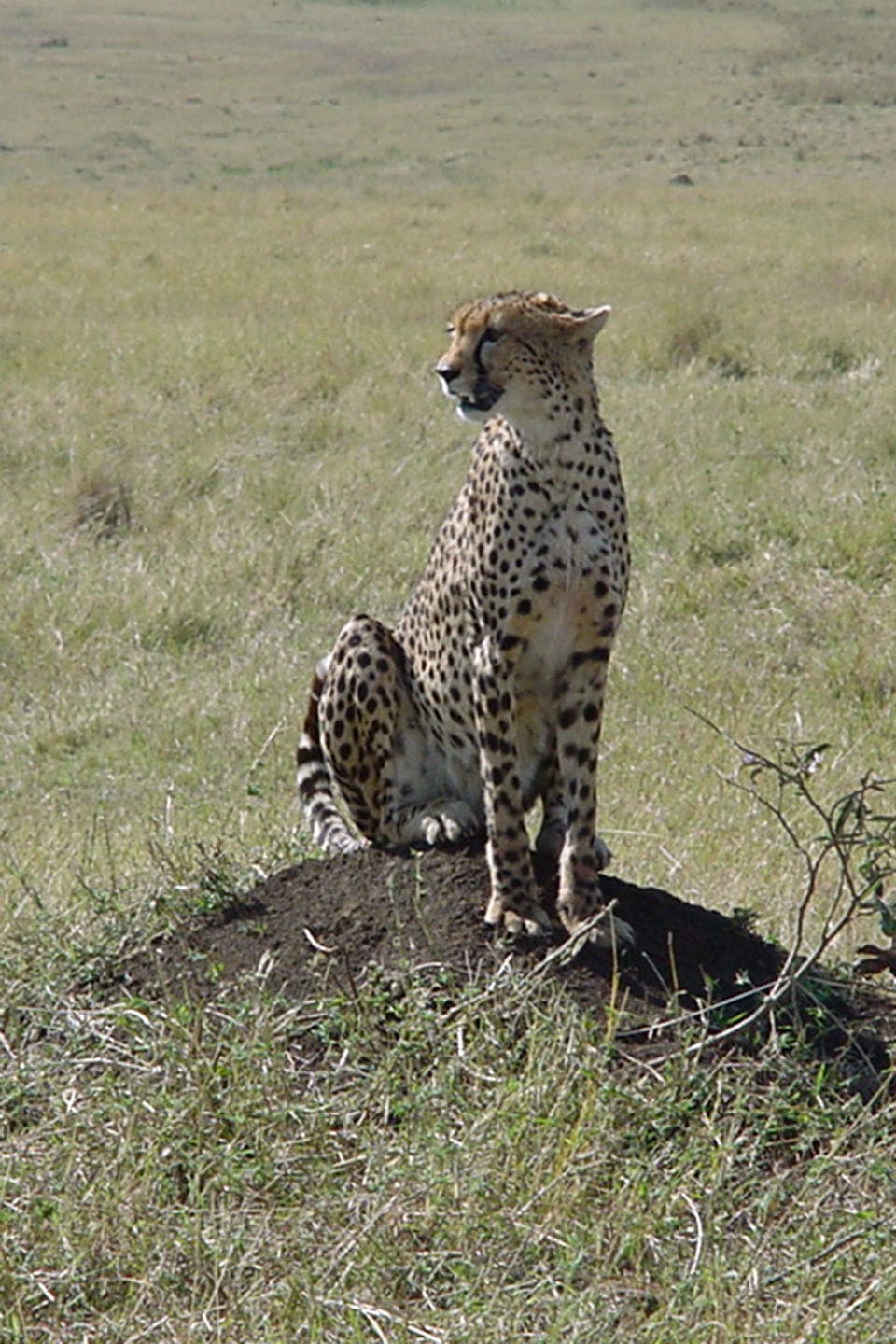
The East African cheetah, commonly found in Kenya and Tanzania, is renowned for its agility and speed. These cheetahs inhabit the iconic savannahs of the Serengeti and Masai Mara, where open landscapes allow them to chase down fleet-footed prey like gazelles and impalas. They are slightly larger than Asiatic cheetahs but more slender than Southeast African types, making them the epitome of aerodynamic hunting machines in the wild.
Appearance and Identification
East African cheetahs have a golden-yellow coat with prominent black spots and well-defined tear marks on their faces. Males are slightly larger, often forming small coalitions of two or three siblings, while females tend to be solitary. Their long legs and flexible spine allow for dramatic acceleration during hunting, and their claws provide extra grip, unlike the fully retractable claws seen in most big cats. Adults typically weigh between 35 and 60 kilograms.
Behavior and Hunting Patterns
These cheetahs are diurnal and highly active during early morning and late afternoon hours. They hunt mainly in open grasslands, utilizing their keen eyesight to spot prey from long distances. Males often patrol territories that can stretch over 100 square kilometers, marking boundaries with scent. Coalition hunting allows East African cheetahs to bring down larger prey and defend kills from scavengers like hyenas. Their ability to make sharp turns at top speed is a hallmark of their hunting prowess.
Conservation Status
The East African cheetah is vulnerable due to habitat fragmentation, human-wildlife conflict, and poaching. Conservation initiatives in Kenya and Tanzania include protected reserves, anti-poaching units, and programs that work with local communities to reduce livestock predation conflicts. Preserving the savannah ecosystem is critical, as it supports both the cheetah and its prey populations.
Interesting Facts
- Males often form coalitions, sometimes with brothers or unrelated males, to improve hunting success.
- They are known for their incredible speed and agility, making them the ultimate sprinters of the African plains.
- East African cheetahs have inspired many wildlife documentaries due to their dramatic hunting techniques and social behavior.
6. South African Cheetah (Acinonyx jubatus jubatus)
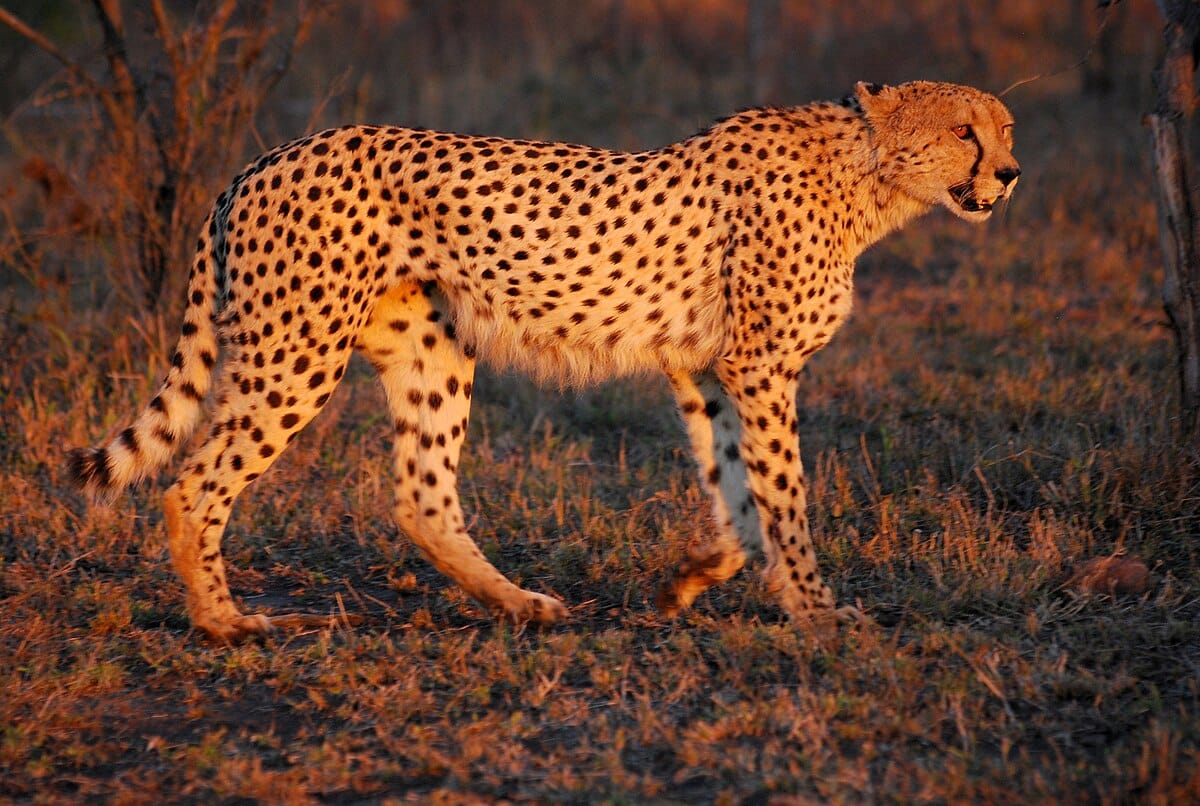
The South African cheetah is often considered a regional variant of the Southeast African type, but it possesses distinct characteristics shaped by the diverse ecosystems of South Africa, Botswana, and Namibia. Preferring open savannahs and grasslands, this cheetah thrives in areas with abundant prey and low human disturbance. Its adaptability to different terrains makes it a resilient hunter capable of surviving in both wild reserves and protected conservancies.
Appearance and Identification
South African cheetahs have a rich golden coat adorned with dense black spots. Their tear marks are pronounced, aiding in long-distance vision during hunts. Males are slightly heavier, providing endurance for long chases, while females maintain a leaner physique optimized for stealth. Adults weigh between 40 and 65 kilograms. The tail, tipped with black rings, serves as a rudder during high-speed pursuits.
Behavior and Hunting Patterns
South African cheetahs are diurnal hunters, typically chasing prey during cooler parts of the day. They favor a mix of stalking and sprinting, often accelerating in short bursts to catch swift antelopes and smaller mammals. Some females may hunt with cubs trailing behind, teaching them essential hunting skills. Unlike lions, South African cheetahs avoid confrontation with larger predators, retreating when necessary to protect themselves and their young.
Conservation Status
While slightly more numerous than other types, South African cheetahs are still classified as vulnerable. Threats include habitat fragmentation, road accidents, and human-wildlife conflict. Conservation efforts focus on establishing wildlife corridors, anti-poaching patrols, and community-based initiatives that encourage coexistence. National parks and private reserves play a critical role in providing safe habitats.
Interesting Facts
- They are fast, yet careful hunters who often rely on strategy rather than brute force.
- South African cheetahs can sprint for short bursts of 20–30 seconds, covering 200–300 meters.
- They are increasingly being reintroduced to fenced reserves to boost population numbers safely.
7. Senegal Cheetah (Northwest African variant)
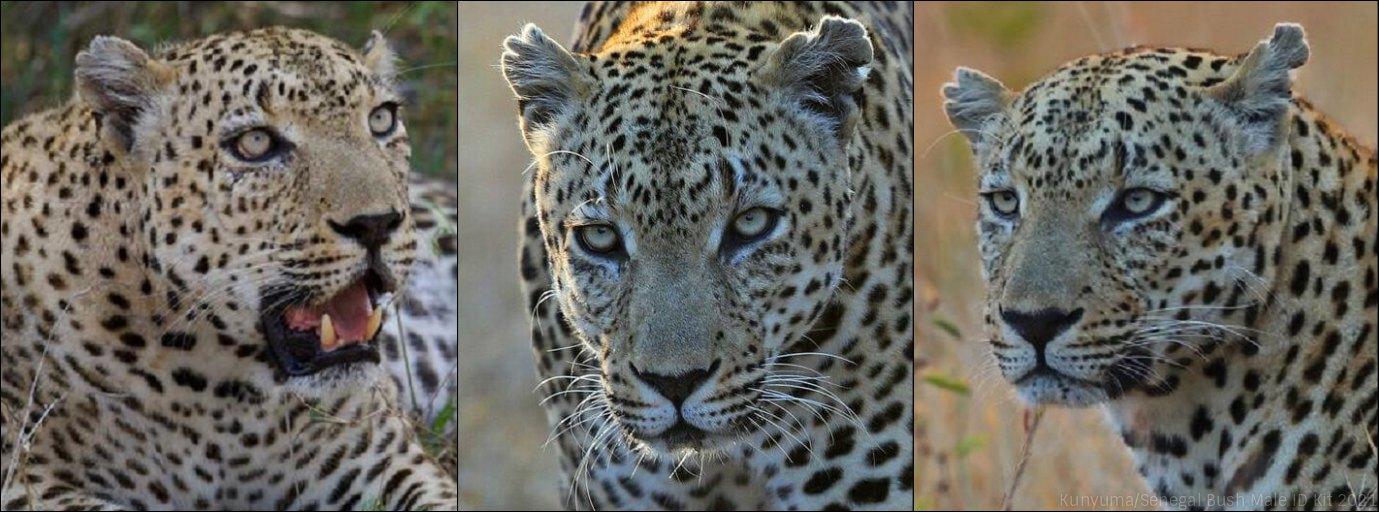
The Senegal cheetah, a variant of the Northwest African cheetah, is primarily found in Senegal and neighboring West African countries. Rare and highly secretive, it inhabits dry savannahs and scrublands where prey is sparse and survival depends on patience and cunning. This cheetah type represents one of the few surviving big cats in West Africa and plays a critical ecological role in controlling small herbivore populations.
Appearance and Identification
Senegal cheetahs have a pale sandy coat with faint black spots that help them blend seamlessly into their arid environment. Their bodies are slightly smaller than other cheetahs, weighing 25–40 kilograms, with long tails that assist in balance during high-speed chases. Tear marks are present but subtle, reflecting adaptations to the hot, sunny conditions of West Africa. This type is exceptionally nimble, able to maneuver quickly across uneven terrain.
Behavior and Hunting Patterns
Senegal cheetahs are primarily nocturnal, hunting at night to avoid heat and conserve energy. Their prey includes small antelopes, hares, and rodents. These cheetahs often travel long distances alone in search of food. Unlike more social cheetah types, they rarely form coalitions, relying instead on their speed, patience, and stealth to survive. Their behavior is a fascinating study in adaptation to harsh and unpredictable environments.
Conservation Status
The Senegal cheetah is critically endangered, with extremely low populations. Threats include habitat loss, poaching, and competition with humans for resources. Conservation efforts include habitat restoration, wildlife reserves, and anti-poaching programs. Protecting this cheetah type also safeguards biodiversity in West Africa, maintaining the balance of fragile ecosystems.
Interesting Facts
- Senegal cheetahs are the rarest West African big cats, often going unnoticed due to their nocturnal habits.
- They have remarkable endurance, covering long distances during hunting expeditions.
- Community-based conservation programs are essential to their survival, integrating local knowledge and protection strategies.
Conclusion
The Types of Cheetahs explored here reveal the diversity, adaptability, and resilience of this extraordinary species. From the arid deserts of Iran to the sweeping savannahs of East and Southern Africa, each type has evolved unique traits that allow it to thrive in its specific environment. Understanding these cheetahs—whether Southeast African, Asiatic, or Senegal variants—helps us appreciate their role in ecosystems and underscores the urgent need for conservation. Protecting these majestic cats ensures the preservation of biodiversity, and it allows future generations to witness the unparalleled speed, grace, and beauty of cheetahs in the wild.
If you’re passionate about wildlife, consider supporting conservation initiatives or visiting protected reserves to learn more about cheetahs. Every effort contributes to safeguarding these iconic predators, keeping the legacy of the world’s fastest land animals alive.
Frequently Asked Questions About Types of Cheetahs
1. What are the different types of cheetahs?
There are seven main types of cheetahs: Southeast African, Northeast African (Sudan), Northwest African (Saharan), Asiatic, East African (Tanzanian/Kenyan), South African, and Senegal cheetah. Each type has unique adaptations to its habitat.
2. Where can Southeast African cheetahs be found?
Southeast African cheetahs are primarily found in South Africa, Namibia, and Botswana, thriving in grasslands and open plains.
3. How fast can cheetahs run?
Cheetahs can reach speeds up to 100 km/h (62 mph) in short bursts, making them the fastest land animals.
4. What is the diet of cheetahs?
Cheetahs mainly hunt small to medium-sized herbivores like gazelles, impalas, hares, and occasionally birds, depending on their habitat.
5. Are cheetahs solitary animals?
Most cheetahs are solitary, especially females. Male cheetahs sometimes form small coalitions for hunting and territory defense.
6. What is the conservation status of Asiatic cheetahs?
Asiatic cheetahs are critically endangered, with fewer than 50 individuals remaining in the wild, primarily in Iran.
7. How do cheetahs use their tail?
Cheetahs use their long, bushy tails as a rudder to maintain balance and make sharp turns while running at high speeds.
8. Why do cheetahs have tear marks on their faces?
The black tear marks reduce sun glare and help cheetahs focus on prey during daylight hunting.
9. Are all cheetahs the same color?
No. While most cheetahs have a golden-yellow coat with black spots, some desert-adapted types like Saharan and Asiatic cheetahs have paler coats for camouflage.
10. How long do cheetahs live?
In the wild, cheetahs live around 10–12 years, while in captivity, they can live up to 17 years.
11. What is the main threat to cheetahs?
Main threats include habitat loss, human-wildlife conflict, poaching, and competition with larger predators like lions and hyenas.
12. Do cheetahs roar like lions?
No, cheetahs cannot roar. They communicate through purrs, chirps, hisses, and growls.
13. How do cheetahs hunt?
Cheetahs rely on stealth and explosive bursts of speed. They often stalk prey quietly before sprinting to capture it.
14. Can cheetahs be found outside Africa?
Yes, Asiatic cheetahs are found in Iran, though historically they ranged across the Middle East and India.
15. How do female cheetahs care for their cubs?
Female cheetahs are attentive mothers, hiding their cubs in dense vegetation and teaching them hunting skills as they grow.
16. What is the weight range of cheetahs?
Cheetahs typically weigh between 25–65 kilograms depending on the type, sex, and habitat.
17. Do cheetahs live in groups?
Female cheetahs usually live alone, while males may form small coalitions of two or three individuals.
18. Why are some cheetahs lighter in color?
Desert-dwelling cheetahs like Saharan and Asiatic types have paler coats for better camouflage in arid environments.
19. Are cheetahs nocturnal or diurnal?
Most cheetahs are diurnal, hunting during early morning and late afternoon. Some desert types, like Saharan cheetahs, are more nocturnal.
20. How do cheetahs survive in harsh environments?
Cheetahs adapt through camouflage, efficient hunting techniques, and by avoiding larger predators, often traveling long distances to find food and water.
21. What is the lifespan of Asiatic cheetahs?
Asiatic cheetahs can live up to 10–12 years in the wild, although few remain due to critical endangerment.
22. How are cheetah populations monitored?
Wildlife researchers use camera traps, GPS collars, and field surveys to track cheetah populations and study their behavior.
23. Can cheetahs climb trees?
Cheetahs can climb small trees and rocks but are not as adept climbers as leopards.
24. How do cheetahs mark their territory?
They use scent markings, urine sprays, and scrape marks to establish and communicate territorial boundaries.
25. Do cheetahs have predators?
Yes. Lions, hyenas, leopards, and humans are major threats. Cubs are especially vulnerable to predation.
26. How do cheetahs differ from leopards?
Cheetahs are slimmer, faster, and have black tear marks on their faces. Leopards are stronger, more muscular, and better climbers.
27. What is the role of cheetahs in the ecosystem?
Cheetahs control herbivore populations, maintain ecological balance, and contribute to biodiversity in savannahs and deserts.
28. Why are East African cheetahs faster?
The open savannahs of East Africa allow these cheetahs to reach top speeds without obstacles, optimizing their hunting efficiency.
29. How do cheetah cubs learn to hunt?
Cubs practice stalking and chasing small prey under the watchful eye of their mothers, gradually building skills needed for independent hunting.
30. Are cheetahs endangered?
Yes, most cheetah types are vulnerable or critically endangered due to habitat loss, poaching, and human conflicts.
31. What adaptations help cheetahs run fast?
Flexible spine, long limbs, large nasal passages for oxygen intake, non-retractable claws, and strong tail for balance.
32. Can cheetahs swim?
Cheetahs can swim if needed, but they generally avoid water unless necessary for survival.
33. What is the population of Northwest African cheetahs?
Northwest African cheetahs are critically endangered, with very few individuals surviving in desert and semi-arid regions.
34. How do cheetahs interact with humans?
Cheetahs generally avoid humans, though conflict can occur if livestock are threatened. Community education programs help reduce such conflicts.
35. Can cheetahs be kept in captivity?
Cheetahs are kept in wildlife reserves and sanctuaries, but they require large spaces and enrichment to thrive.
36. How many cheetah subspecies exist?
There are four to five widely recognized subspecies, though some sources classify seven types based on region and characteristics.
37. What is the hunting success rate of cheetahs?
Cheetahs succeed in roughly 50% of hunts, with success rates varying by habitat, prey availability, and individual skill.
38. Are cheetahs nocturnal hunters in deserts?
Yes, desert-adapted cheetahs like Saharan and Senegal types hunt more at night to avoid daytime heat.
39. How do cheetahs avoid predators?
They use speed, camouflage, and stealth, often fleeing after a kill to avoid lions or hyenas.
40. Do cheetahs mate for life?
No, cheetahs do not form long-term pair bonds. Females are solitary except when raising cubs, while males may form coalitions.
41. How do cheetahs communicate?
Through chirps, purrs, hisses, growls, and scent markings.
42. Why are cheetah spots important?
Spots provide camouflage in grasslands and deserts, helping cheetahs stalk prey undetected.
43. How do Asiatic cheetahs survive with little water?
They obtain moisture from prey and minimize activity during peak heat hours to conserve energy.
44. What are cheetah coalitions?
Groups of male cheetahs, usually brothers, that hunt and defend territory together for increased survival chances.
45. How do conservationists help cheetahs?
Through anti-poaching efforts, wildlife corridors, habitat protection, breeding programs, and community education.
46. Are cheetahs nocturnal or diurnal in Africa?
Most African cheetahs are diurnal, hunting during early morning and late afternoon, while desert types may be nocturnal.
47. How do cheetahs adapt to savannahs?
They have long limbs, spotted coats, and high-speed hunting strategies suited for open grasslands.
48. What makes cheetahs different from other big cats?
Cheetahs are faster, leaner, with non-retractable claws and distinct facial tear marks, unlike lions or leopards.
49. How long can cheetahs sustain top speed?
Cheetahs can sustain their top speed for 20–30 seconds before needing to rest.
50. Are there efforts to reintroduce cheetahs?
Yes, programs in India, Iran, and Africa focus on reintroduction and creating safe habitats for cheetahs.
51. Can cheetahs live with other predators?
Cheetahs avoid direct interaction with larger predators like lions and hyenas, often retreating to remain safe.
52. What is the role of cheetahs in tourism?
Cheetahs attract wildlife tourism, especially in East and Southern Africa, providing economic incentives for conservation.
53. How do cheetah cubs stay safe?
Mothers hide cubs in tall grass or rocky areas to protect them from predators and teach survival skills over months.