

Florida is home to two distinct types of dolphins: the common bottlenose dolphin and the Atlantic spotted dolphin. Although both are marine mammals found in Florida waters, they differ in appearance, habitat, social behavior, and typical range. This guide explains how to identify each species, where they live, what they eat, and how to observe them responsibly.
What Are the Main Types of Dolphins in Florida?
The two main types of dolphins in Florida are the common bottlenose dolphin (Tursiops truncatus) and the Atlantic spotted dolphin (Stenella frontalis). Bottlenose dolphins are widespread in Florida’s bays, estuaries, coastal waters, and offshore areas. Atlantic spotted dolphins are usually more oceanic, especially around Florida’s deeper offshore waters, although they may sometimes approach the coast.
1. Common Bottlenose Dolphin
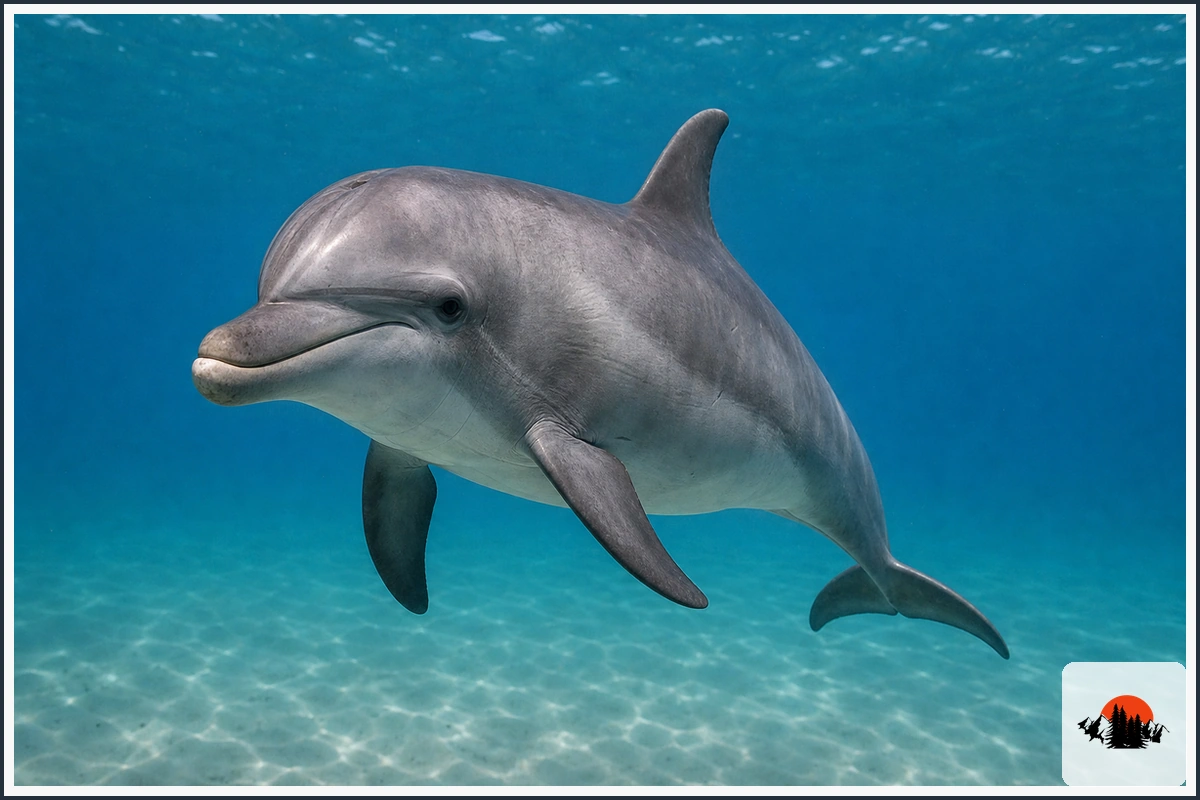
The common bottlenose dolphin, scientifically called Tursiops truncatus, is the most familiar dolphin in Florida. It is regularly seen in bays, lagoons, estuaries, tidal rivers, nearshore waters, and the open Atlantic and Gulf of Mexico. Florida has both coastal and offshore bottlenose dolphin populations, and some groups remain in the same general area for long periods.
These dolphins usually have a rounded forehead, a short and broad beak, a curved dorsal fin, and a streamlined gray body. Their back is often dark gray, while the sides and underside may be lighter. Adults commonly measure about 6 to 12 feet long, although size varies between coastal and offshore populations. Males are generally larger than females.
Bottlenose dolphins eat fish, squid, shrimp, and other small marine animals. Their feeding behavior can include herding fish, chasing prey through shallow water, and using echolocation to locate animals in murky conditions. They are highly social and may travel in small groups, although larger gatherings can form around abundant food.
In Florida, bottlenose dolphins are frequently observed around Sarasota Bay, Tampa Bay, the Indian River Lagoon, Florida Bay, the Keys, and many other coastal areas. Their presence near shore makes them popular with wildlife watchers, but it also exposes them to boat strikes, pollution, fishing gear, habitat loss, and human disturbance.
2. Atlantic Spotted Dolphin
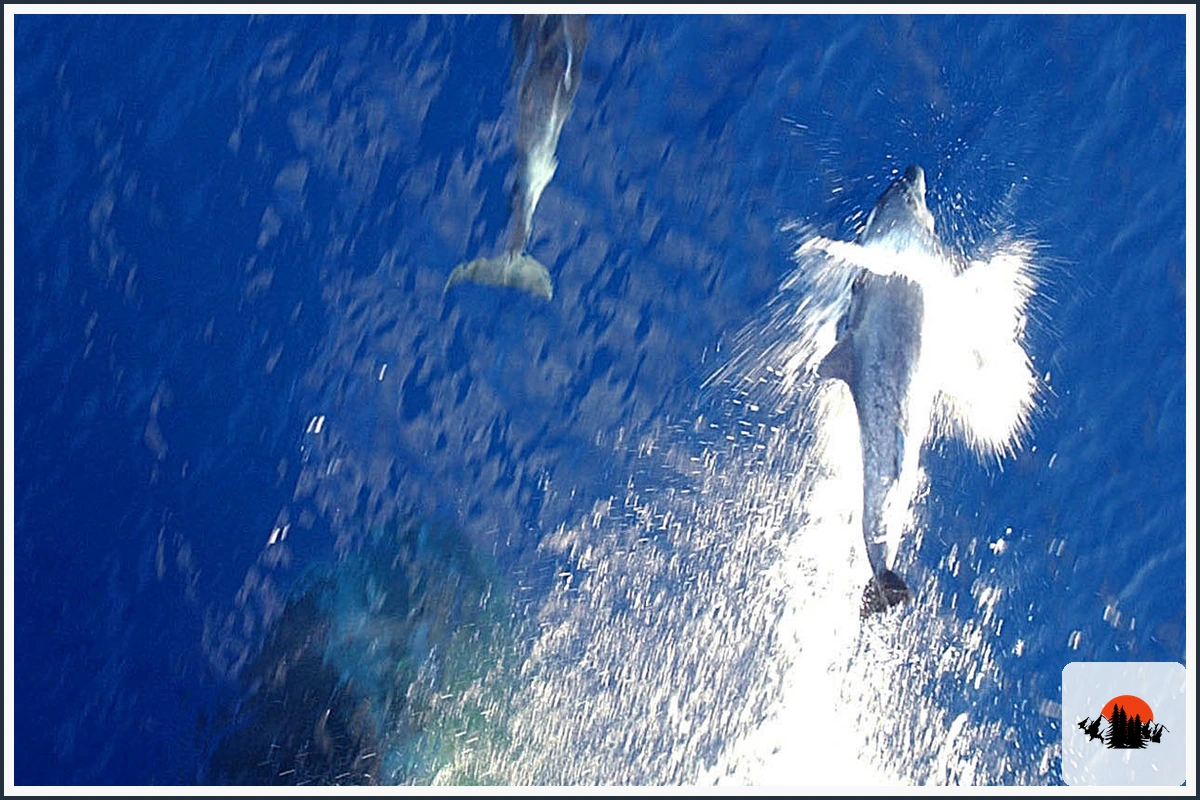
The Atlantic spotted dolphin, Stenella frontalis, is the second major dolphin species found in Florida waters. It is most strongly associated with the warm Atlantic Ocean, the Gulf Stream, the Florida Keys, and offshore waters around the state. Some individuals may be seen closer to shore, but they are generally less predictable from beaches and bays than bottlenose dolphins.
Atlantic spotted dolphins have a slender body, a relatively long beak, and a tall, curved dorsal fin. Adults develop distinctive dark spots on their backs, sides, and bellies. Calves and young dolphins may have few spots or none at all, so age can affect identification. Their body color often appears gray, white, and pinkish-gray in a changing spotted pattern.
Adults commonly reach about 7 to 8 feet in length. These dolphins are active, fast-moving swimmers and often travel in social groups. They may bow-ride near boats, leap from the water, and interact with other dolphins. Their diet includes small schooling fish, squid, and other ocean prey.
Atlantic spotted dolphins are important predators in Florida’s marine food web. Because they spend much of their time offshore, sightings often occur during offshore excursions, research surveys, and responsible dolphin-watching trips. Observers should look for spots, a slimmer shape, and a longer beak when distinguishing them from bottlenose dolphins.
How Are These Dolphins Classified?
Both Florida dolphin species are toothed whales in the order Cetacea and the family Delphinidae. They are mammals, not fish, because they breathe air with lungs, maintain a warm body temperature, give birth to live young, and nurse their calves.
| Species | Scientific Name | Typical Florida Habitat | Key Identification Feature |
|---|---|---|---|
| Common bottlenose dolphin | Tursiops truncatus | Bays, estuaries, lagoons, coastal and offshore waters | Robust body, short beak, usually unspotted gray coloring |
| Atlantic spotted dolphin | Stenella frontalis | Warm offshore Atlantic and Gulf waters | Slender body and spots that increase with age |
Where Do These Dolphins Live?
Florida’s dolphins occupy a wide range of marine environments. Bottlenose dolphins are common in shallow coastal habitats, including bays, lagoons, estuaries, tidal channels, and nearshore waters. Some groups live in relatively enclosed areas, while others move along the coast or into deeper water.
Atlantic spotted dolphins are more often associated with offshore waters, continental shelf edges, warm currents, and the waters surrounding the Florida Keys. Their distribution can change with food availability, water temperature, season, and ocean conditions.
How to Identify Different Types of Dolphins in Florida
- Look at the body shape: Bottlenose dolphins are usually more robust, while Atlantic spotted dolphins look slimmer.
- Check the beak: Bottlenose dolphins have a shorter, broader beak; spotted dolphins generally have a longer, narrower beak.
- Look for spots: Clear spots strongly suggest an adult Atlantic spotted dolphin, but young dolphins may not show many spots.
- Consider the habitat: Dolphins in bays and lagoons are more likely to be bottlenose dolphins.
- Observe the dorsal fin: Both species have curved dorsal fins, so this feature works best when combined with body shape and markings.
- Notice group behavior: Both species can be social and active, so behavior alone is not enough for reliable identification.
- Use location carefully: Offshore sightings around the Keys may include Atlantic spotted dolphins, but location is only a clue.
Outdoor Tips for Finding and Observing These Dolphins
For the best chance of seeing dolphins, visit calm coastal waters early in the day and watch for dorsal fins, splashes, and groups moving in the same direction. Bays, inlets, bridges, tidal channels, and coastal wildlife areas can be productive locations for bottlenose dolphin sightings. Offshore trips provide better opportunities to see Atlantic spotted dolphins.
Use binoculars when possible, scan slowly rather than focusing on one spot, and avoid chasing animals with a boat. A good wildlife encounter allows dolphins to choose whether to approach. Keep a respectful distance and follow local boating and wildlife-viewing rules.
What Do Florida Dolphins Eat?
Florida dolphins eat a variety of marine animals. Their diets commonly include fish, squid, shrimp, and other invertebrates. Bottlenose dolphins may target mullet, pinfish, croaker, and other fish found in shallow or coastal habitats. Atlantic spotted dolphins often feed on small schooling fish and squid in offshore waters.
Dolphins use echolocation by producing clicking sounds and listening for returning echoes. This ability helps them detect prey, navigate, and investigate objects, especially where visibility is poor.
Safety, Sustainability, and Conservation Notes
Never feed wild dolphins or attempt to touch, swim with, or lure them toward a boat. Feeding can change natural behavior and make dolphins dependent on people. Keep boats at a safe distance, reduce speed in areas where dolphins are present, and avoid cutting directly across their path.
Fishing line, hooks, plastic pollution, boat traffic, harmful algal blooms, and habitat degradation can threaten dolphins. Anglers should retrieve broken line and dispose of fishing gear properly. If a dolphin is stranded, injured, or entangled, contact local wildlife authorities or a marine mammal stranding network rather than approaching it.
Fun Facts About Dolphins in Florida
- Bottlenose dolphins are mammals that must surface to breathe air.
- Dolphins can use echolocation to detect objects and prey underwater.
- Atlantic spotted dolphins develop more spots as they mature.
- Florida bottlenose dolphins may live in bays, lagoons, estuaries, or offshore waters.
- Dolphin calves usually remain closely associated with their mothers.
- Dolphins can sleep by resting one half of the brain at a time.
- Both Florida species are members of the toothed-whale group.
- Dolphins communicate with clicks, whistles, and body movements.
- Coastal bottlenose dolphins may show strong familiarity with local waterways.
- Responsible wildlife viewing helps reduce disturbance to wild dolphins.
Final Thoughts on Types of Dolphins in Florida
The two main types of dolphins in Florida are the common bottlenose dolphin and the Atlantic spotted dolphin. Learning their body shape, markings, habitat, and behavior makes identification easier during coastal or offshore wildlife observations. Watch quietly, keep your distance, and help protect the clean, productive waters these remarkable marine mammals need.
Frequently Asked Questions
1. How many types of dolphins are found in Florida?
Two principal dolphin species are commonly associated with Florida waters: the common bottlenose dolphin and the Atlantic spotted dolphin.
2. What is the most common dolphin in Florida?
The common bottlenose dolphin is the most frequently encountered dolphin in Florida’s bays, estuaries, lagoons, and coastal waters.
3. What is the scientific name of the bottlenose dolphin?
The common bottlenose dolphin is scientifically known as Tursiops truncatus.
4. What is the scientific name of the Atlantic spotted dolphin?
The Atlantic spotted dolphin is scientifically known as Stenella frontalis.
5. Are dolphins in Florida fish?
No. Dolphins are air-breathing marine mammals. They breathe with lungs, give birth to live young, and nurse their calves.
6. Where can you see bottlenose dolphins in Florida?
Bottlenose dolphins may be seen in bays, lagoons, estuaries, tidal channels, coastal waters, and offshore areas throughout Florida.
7. Where are Atlantic spotted dolphins found in Florida?
Atlantic spotted dolphins are mainly found in warm offshore waters, including areas around the Florida Keys, the Atlantic coast, and the Gulf Stream.
8. How can you tell a bottlenose dolphin from a spotted dolphin?
Bottlenose dolphins usually have a sturdier body, shorter beak, and mostly unspotted gray coloring. Atlantic spotted dolphins are slimmer and develop spots as they age.
9. Do young Atlantic spotted dolphins have spots?
Young Atlantic spotted dolphins may have few spots or no obvious spots. Markings generally become more noticeable as the dolphin matures.
10. How large are Florida bottlenose dolphins?
Adult bottlenose dolphins commonly measure about 6 to 12 feet long, with size varying between coastal and offshore populations.
11. How large are Atlantic spotted dolphins?
Adult Atlantic spotted dolphins commonly reach about 7 to 8 feet in length.
12. What do dolphins in Florida eat?
They eat fish, squid, shrimp, and other marine animals. Diet varies according to species, habitat, season, and available prey.
13. Do dolphins in Florida live in groups?
Yes. Dolphins are social animals and may travel in small groups or gather in larger numbers where food is plentiful.
14. Do Florida dolphins migrate?
Some dolphins remain in local areas, while others move along the coast or between coastal and offshore habitats. Movement depends on food, water conditions, and population.
15. Can you swim with wild dolphins in Florida?
It is best not to intentionally swim with or approach wild dolphins. Giving them space protects their natural behavior and reduces risks to both people and animals.
16. Is it legal to feed wild dolphins?
Feeding wild dolphins is prohibited under U.S. marine mammal protection rules. It can harm dolphins by encouraging unsafe and unnatural behavior.
17. Can dolphins live in Florida rivers?
Bottlenose dolphins may enter tidal rivers and brackish waterways connected to the coast, but they are marine mammals and do not normally live in freshwater rivers far inland.
18. Do dolphins live in the Florida Keys?
Yes. Bottlenose dolphins and Atlantic spotted dolphins can both occur around the Florida Keys, although habitat use and sighting frequency vary.
19. Are dolphins dangerous to people?
Wild dolphins are powerful animals and should be treated with caution. Do not touch, feed, corner, or attempt to ride them.
20. How do dolphins find prey underwater?
Dolphins use echolocation, producing clicks and interpreting returning echoes to locate prey and objects.
21. Do dolphins have teeth?
Yes. Dolphins have cone-shaped teeth used to grasp prey, but they generally swallow food rather than chewing it.
22. What should boaters do around dolphins?
Slow down, avoid sudden turns, keep a respectful distance, and never pursue or separate dolphins from their group.
23. What time of day is best for seeing dolphins?
Calm mornings can offer good viewing conditions, but dolphins may be active at any time. Local tides, weather, and food availability also influence sightings.
24. Are dolphins protected in Florida?
Florida dolphins are protected under federal marine mammal laws. Harassing, feeding, capturing, or harming wild dolphins is prohibited.
25. What threats do dolphins face in Florida?
Major threats include boat strikes, fishing gear entanglement, pollution, habitat degradation, disease, harmful algal blooms, and disturbance from people.
26. What should you do if you find a stranded dolphin?
Keep people and pets away, do not push the dolphin back into the water, and contact local wildlife authorities or a marine mammal stranding organization.
27. Are bottlenose dolphins endangered?
Conservation status differs among populations and management groups. Even when a species is not globally endangered, local populations can face serious threats.
28. Are Atlantic spotted dolphins endangered?
Atlantic spotted dolphins face threats from fishing interactions, pollution, habitat changes, and other human pressures. Their conservation needs should be considered during marine activities.
29. Can dolphins recognize individual members of their group?
Dolphins use vocalizations, appearance, behavior, and social familiarity to interact with individual members of their communities.
30. What is the easiest dolphin species to identify in Florida?
The bottlenose dolphin is often easiest to identify because it is common near shore and has a robust body, short beak, and generally plain gray coloring.