

Mantis shrimp are among the most fascinating and colorful marine creatures in the ocean. Known for their extraordinary vision, lightning-fast strikes, and vibrant exoskeletons, mantis shrimp are truly remarkable hunters and social animals. In this article, we will explore 20 types of mantis shrimp, highlighting their unique features, habitats, behaviors, and identification tips. Whether you are a marine enthusiast, aquarium hobbyist, or just curious about these underwater warriors, this guide provides everything you need to know about mantis shrimp in a clear, friendly, and educational way.
1. Peacock Mantis Shrimp (Odontodactylus scyllarus)
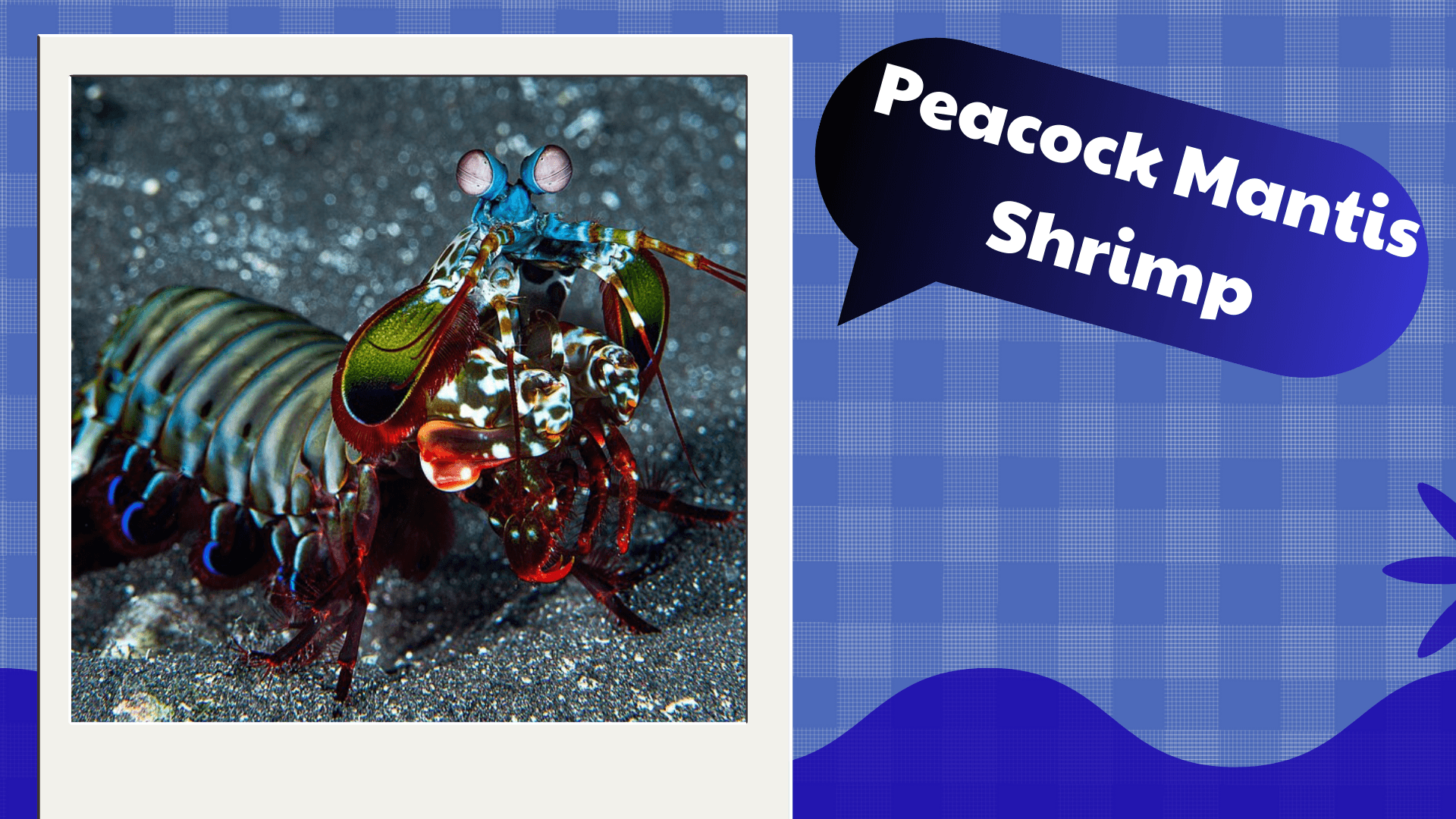
The Peacock Mantis Shrimp is perhaps the most iconic of all mantis shrimp species. Found primarily in the shallow tropical waters of the Indo-Pacific, this species is easily recognized by its vibrant blue, green, and orange colors that shimmer under sunlight. The peacock mantis shrimp is a “smashers” type, meaning it uses its club-like appendages to deliver a powerful, high-speed strike to prey like crabs, mollusks, and other hard-shelled organisms.
One of the most fascinating aspects of this species is its vision. The peacock mantis shrimp has one of the most complex visual systems in the animal kingdom, capable of seeing ultraviolet light and detecting polarized light. This allows it to communicate with other mantis shrimp, find prey, and navigate its reef environment efficiently.
These mantis shrimp are known for their burrowing behavior. They often live in burrows in coral reefs or sandy substrates, which provide protection and a base for ambushing prey. They are highly territorial, and fights between males are common, often resulting in dramatic displays of color and aggression.
For aquarists, the peacock mantis shrimp is both captivating and challenging. Their intelligence, strong claws, and territorial nature require specialized tank setups with deep sand beds and plenty of hiding spaces. Despite their small size, their strike can shatter aquarium glass if not carefully accommodated.
2. Purple Spot Mantis Shrimp (Gonodactylaceus smithii)
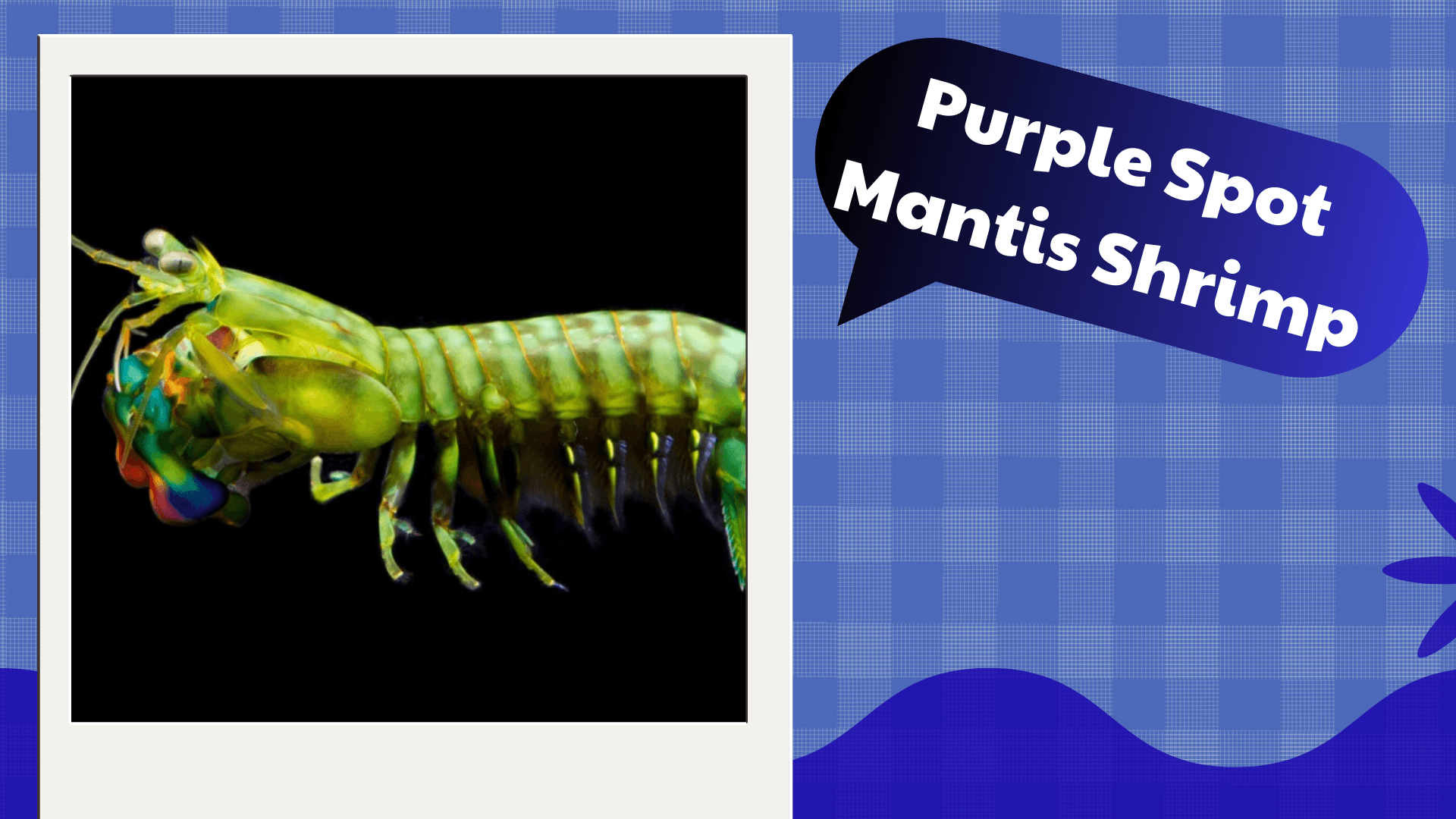
The Purple Spot Mantis Shrimp is a smaller species compared to the peacock, yet no less fascinating. This mantis shrimp is named for the distinctive purple spots on its carapace. Native to the Indian and Pacific Oceans, it favors sandy and rocky reef environments.
Like other mantis shrimp, it belongs to the “smashers” category and is an expert predator. Its strike is so rapid that it can stun or kill prey instantly. Interestingly, the purple spot mantis shrimp uses its claws not only to hunt but also to defend its burrow against intruders.
Behaviorally, this species is less colorful overall but exhibits complex social interactions. They perform a series of dances and postures to warn off rivals or attract mates. These visual signals are enhanced by the mantis shrimp’s extraordinary eyesight, allowing subtle body color changes to communicate effectively.
In captivity, they require careful management due to their aggressive nature. Adequate hiding spaces and separate housing are recommended. Their diet includes shrimp, crabs, and other small crustaceans, making them efficient but demanding predators in home aquariums.
3. Zebra Mantis Shrimp (Lysiosquillina maculata)
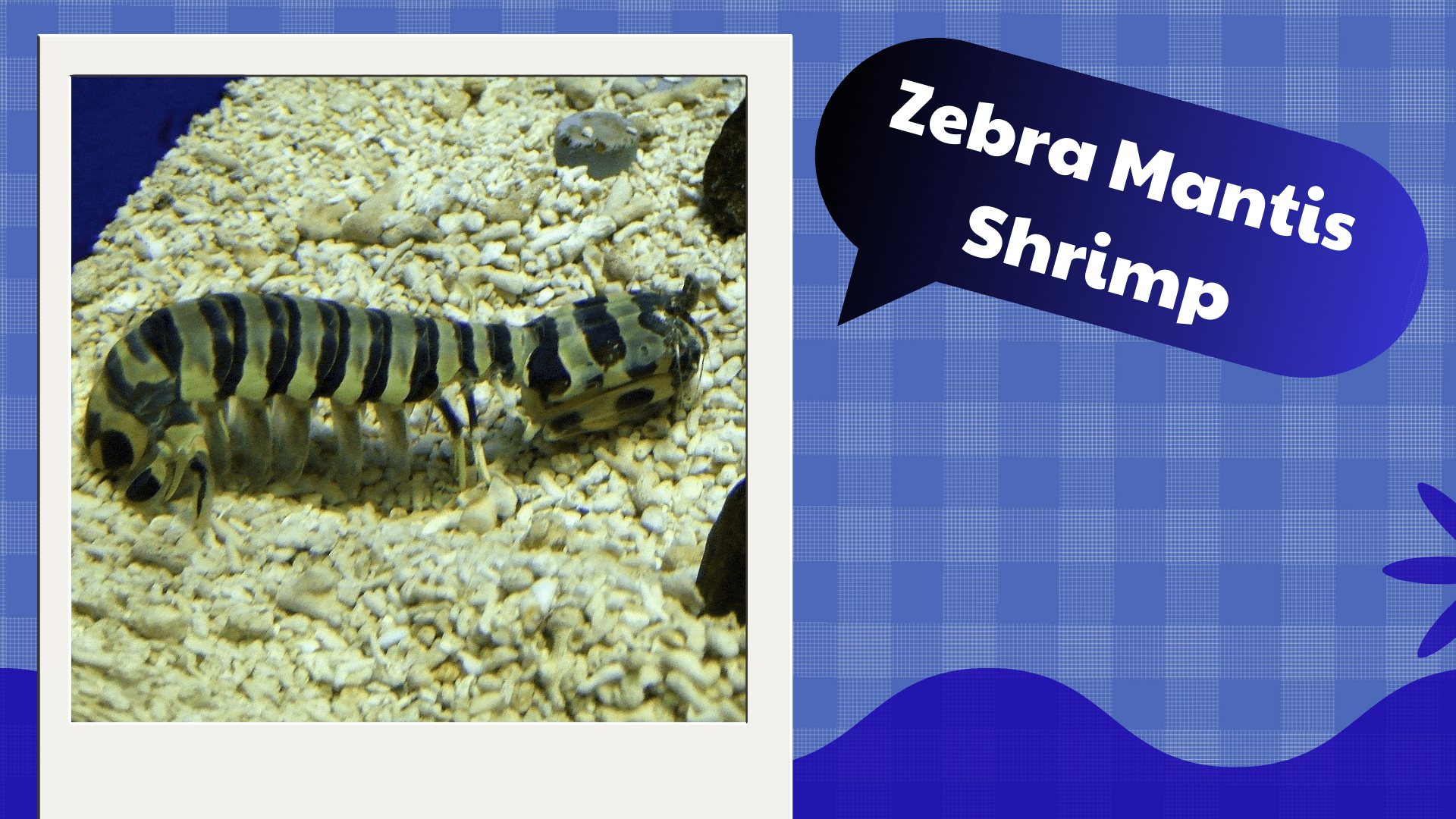
The Zebra Mantis Shrimp is a striking species known for its elongated body and distinctive striped pattern resembling that of a zebra. Found in the Indo-Pacific region, it typically inhabits burrows in sandy substrates near coral reefs.
Unlike smashers, the zebra mantis shrimp is considered a “spearer.” Its specialized raptorial appendages are long and sharp, designed to impale soft-bodied prey like fish. The strike speed and accuracy are incredible, making it one of the ocean’s most efficient hunters.
This species is relatively reclusive. It spends most of its time within its burrow, peeking out to ambush unsuspecting prey. Its camouflage and stripes allow it to blend seamlessly with the sandy ocean floor, which protects it from larger predators.
In terms of human fascination, the zebra mantis shrimp is valued for its hunting technique and stealth. While less colorful than the peacock, it demonstrates an impressive combination of speed, precision, and patience in the wild.
4. Common Mantis Shrimp (Pseudosquilla ciliata)
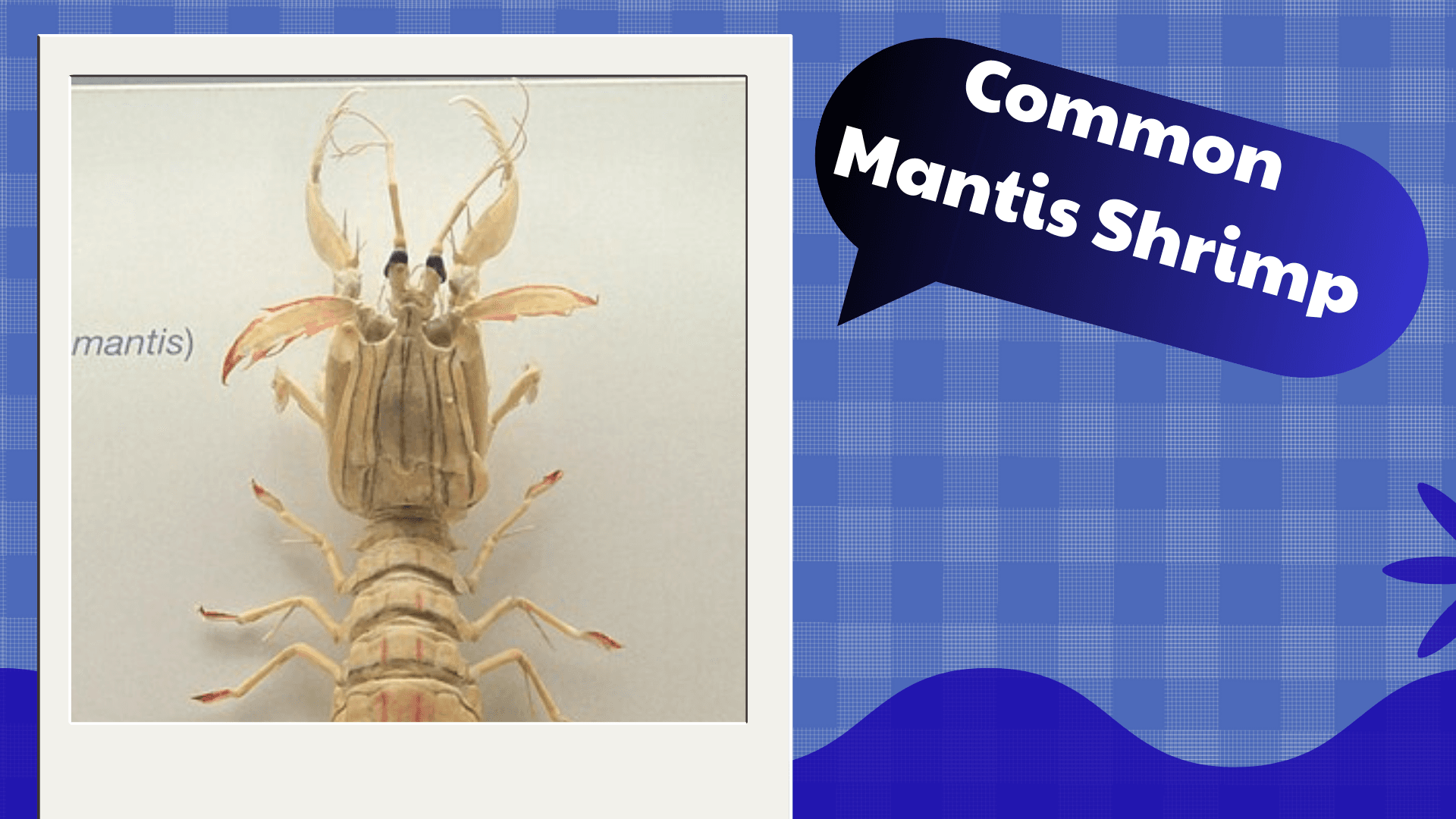
The Common Mantis Shrimp is a widely distributed species found across tropical and subtropical waters. It is adaptable, inhabiting both sandy and rocky areas and sometimes venturing into estuaries. Its name reflects its prevalence rather than lack of intrigue; it is a master hunter with well-developed raptorial claws.
Both spearing and smashing behaviors are observed in this species, though it tends to specialize in crushing prey like mollusks. Its claws strike with such force that they can break shells with ease. The common mantis shrimp is also notable for its burrowing habits, creating intricate tunnel networks for shelter and hunting.
Socially, this species exhibits territoriality similar to its relatives. Encounters between individuals can escalate quickly, but they also display sophisticated courtship rituals, including body color changes and rhythmic movements.
For aquarists, it’s essential to provide a habitat with plenty of sand or rubble for burrowing. Their aggressive and curious nature makes them entertaining but potentially destructive tank mates.
5. Caribbean Striped Mantis Shrimp (Lysiosquillina glabriuscula)
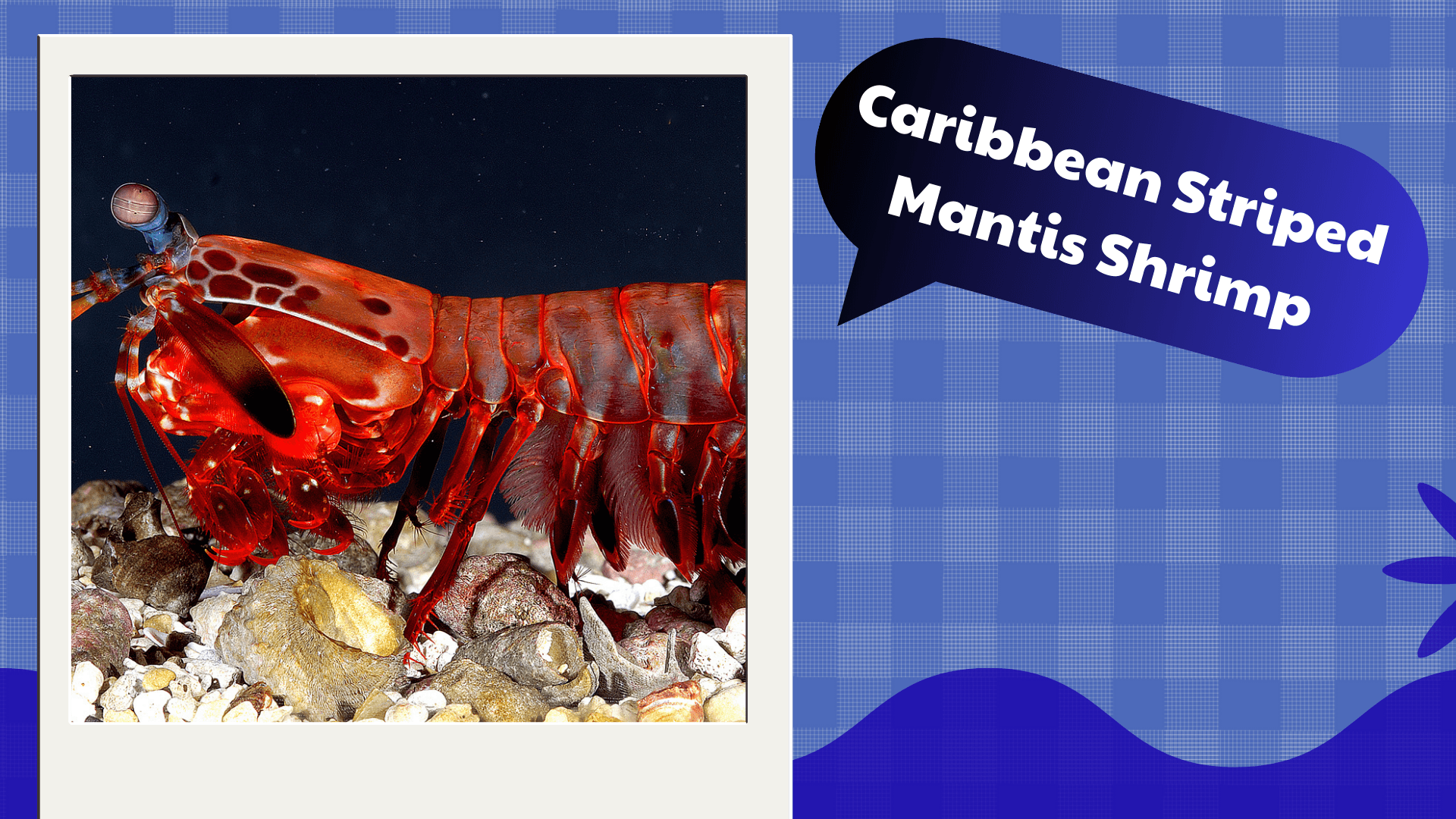
The Caribbean Striped Mantis Shrimp inhabits the warm, shallow waters of the Caribbean Sea. Its striking stripes provide excellent camouflage among sandy bottoms and coral rubble. As a spearer, it uses elongated appendages to impale prey, primarily small fish that swim too close to its burrow entrance.
Behaviorally, this mantis shrimp is nocturnal, emerging at dusk to hunt. Its vision allows it to detect prey and predators in low light conditions. The striped pattern also serves as a communication tool, signaling territory or readiness to mate to other mantis shrimp in the vicinity.
Unlike smashers, the spearer mantis shrimp relies more on stealth and ambush than brute force. It remains partially hidden, striking only when prey is within reach. This behavior makes them fascinating to observe in both the wild and aquariums, where they demonstrate remarkable hunting strategies.
Proper tank care for this species includes deep sandy substrates, hiding spots, and live prey to simulate natural hunting. Their specialized hunting method and striking appearance make them a favorite among marine enthusiasts.
6. Orange Spot Mantis Shrimp (Gonodactylaceus ternatensis)
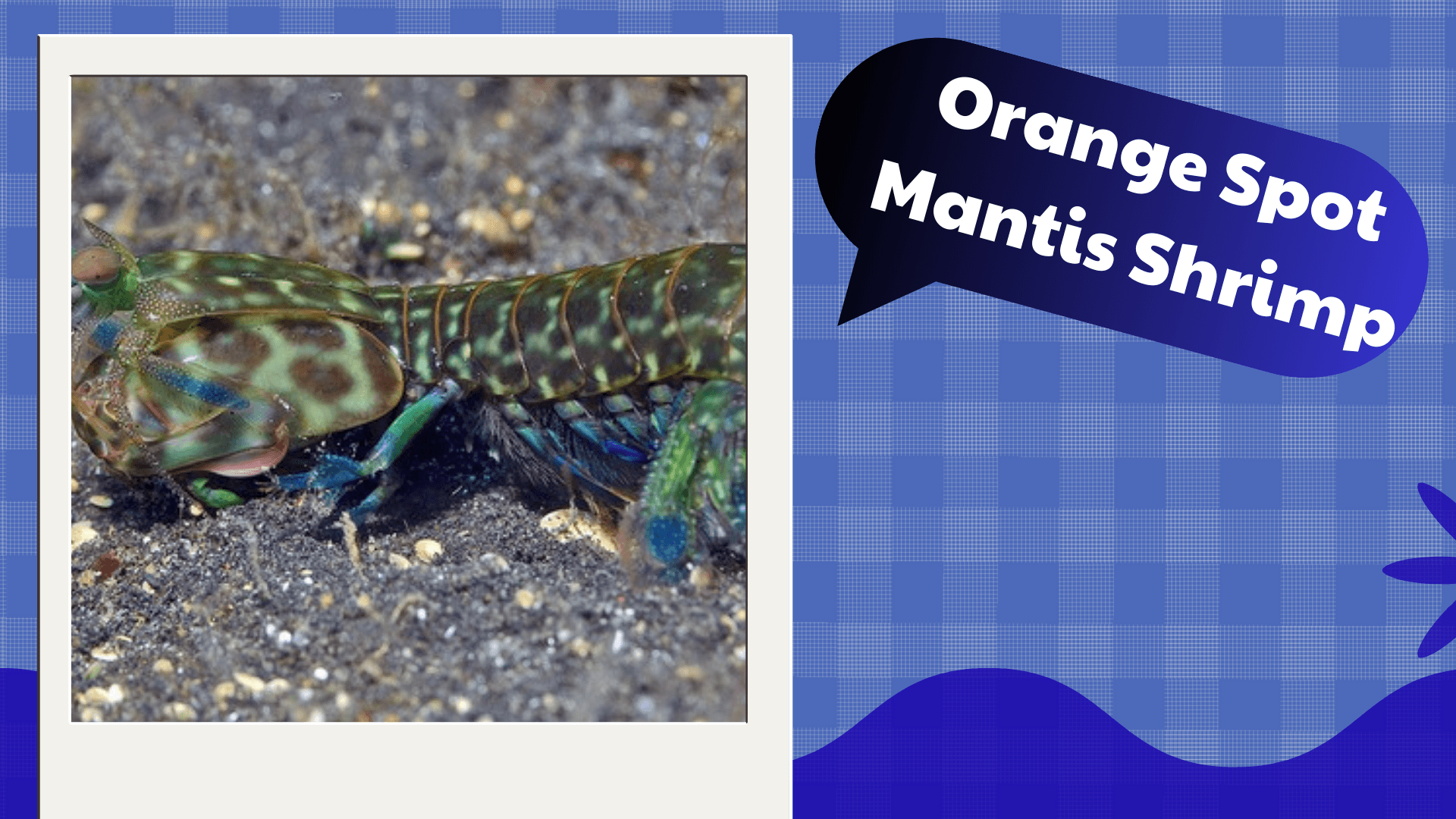
The Orange Spot Mantis Shrimp is a visually striking species native to the Indo-Pacific coral reefs. Named for its vibrant orange spots along its carapace, this mantis shrimp is classified as a “smasher,” capable of delivering incredible blows to prey like crabs and mollusks.
What sets this species apart is its meticulous hunting strategy. Rather than charging blindly, it observes its prey from the safety of its burrow, using its extraordinary vision to gauge distance and timing. Its claw strike is so fast it generates cavitation bubbles, which explode on impact, adding extra force to stun or kill prey.
In the wild, orange spot mantis shrimp maintain territories within reef crevices and sandy areas. They are highly aggressive toward intruders, displaying body color changes and posturing as warning signals. Courtship involves complex rituals of waving and displaying colors to attract mates.
For aquarists, providing a burrow and ample space is essential. Despite their beauty, they are not beginner-friendly due to their powerful strike, which can damage aquarium equipment or injure tankmates.
7. Rock Mantis Shrimp (Neogonodactylus oerstedii)

The Rock Mantis Shrimp is commonly found in shallow, rocky reef environments across the Caribbean Sea. Unlike larger species, it is medium-sized but highly agile, making it a masterful predator. Classified as a “smasher,” it preys primarily on shelled crustaceans.
This mantis shrimp is remarkable for its cognitive abilities. Studies suggest that rock mantis shrimp can recognize individuals, remember their territory, and use strategic hunting techniques. They often dig burrows or occupy natural crevices to ambush unsuspecting prey.
Their colors are less flamboyant than peacock mantis shrimp, typically showing muted greens and browns with subtle stripes or spots, which provide excellent camouflage among rocks. These markings also play a role in communication with other shrimp, signaling aggression or reproductive readiness.
In captivity, rock mantis shrimp require a tank with deep sand beds, plenty of rocks, and hiding places. They are best kept alone or in large, carefully structured aquariums due to their territorial nature.
8. Pink-eared Mantis Shrimp (Odontodactylus latirostris)
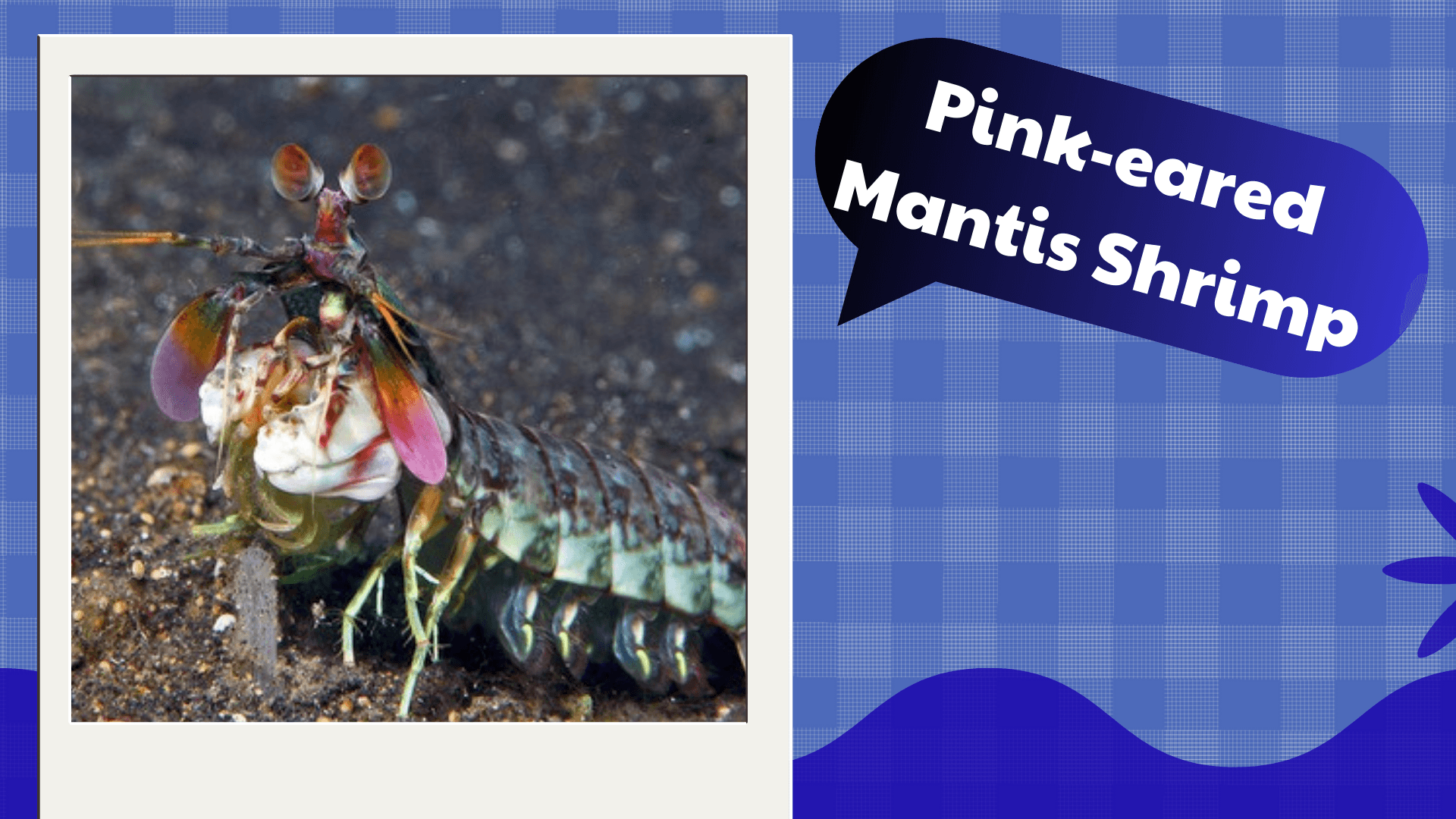
The Pink-eared Mantis Shrimp is renowned for the delicate pink markings near its sensory organs, giving it its common name. Found in Indo-Pacific coral reefs, it is a “smasher” with highly specialized appendages capable of breaking open hard-shelled prey.
What distinguishes this species is its exceptional visual system. Like other mantis shrimp, it can detect polarized light and ultraviolet wavelengths, aiding in hunting and social signaling. Its pink highlights are not just aesthetic—they are also used in mating displays and territorial encounters.
Pink-eared mantis shrimp construct burrows in coral rubble or sandy substrates, retreating to safety when threatened. They are known to be highly aggressive and territorial, often engaging in intense combat with intruders.
In aquariums, this species demands careful handling and tank design. A robust sandy substrate and secure hiding areas are necessary to allow natural behavior and prevent escape or injury to tankmates.
9. Giant Mantis Shrimp (Lysiosquillina lisa)
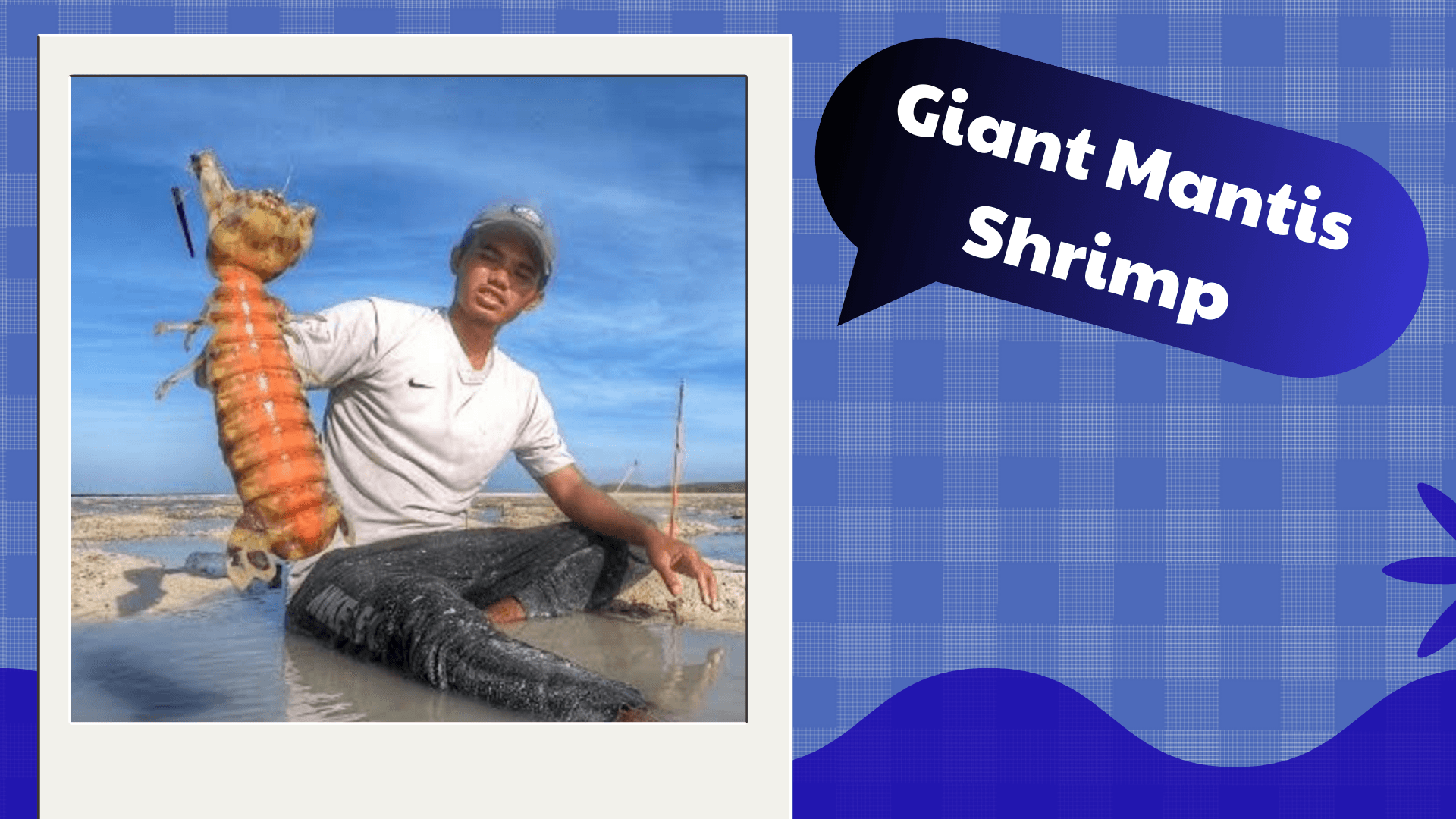
The Giant Mantis Shrimp is one of the largest species, reaching impressive lengths that make it a dominant predator in its habitat. Native to the Indo-Pacific region, it is a spearer, using long, sharp appendages to impale fish and other soft-bodied prey with extraordinary speed and precision.
Unlike smashers, the giant mantis shrimp relies on stealth and ambush. It remains hidden in burrows during the day, emerging mainly at dusk to hunt. Its coloration, typically sandy or mottled brown, helps it blend into the seabed, providing camouflage for both hunting and avoiding predators.
Behaviorally, this species exhibits fascinating patterns of communication. Color changes along its body convey messages about territoriality, mating readiness, or alertness to nearby threats. Such visual signaling, combined with its hunting prowess, makes it one of the most skilled predators among mantis shrimp.
Due to its size and power, the giant mantis shrimp is not suitable for most home aquariums. If kept in captivity, they require extremely large tanks with secure lids and deep substrates to mimic their natural environment.
10. Shortnose Mantis Shrimp (Odontodactylus brevirostris)
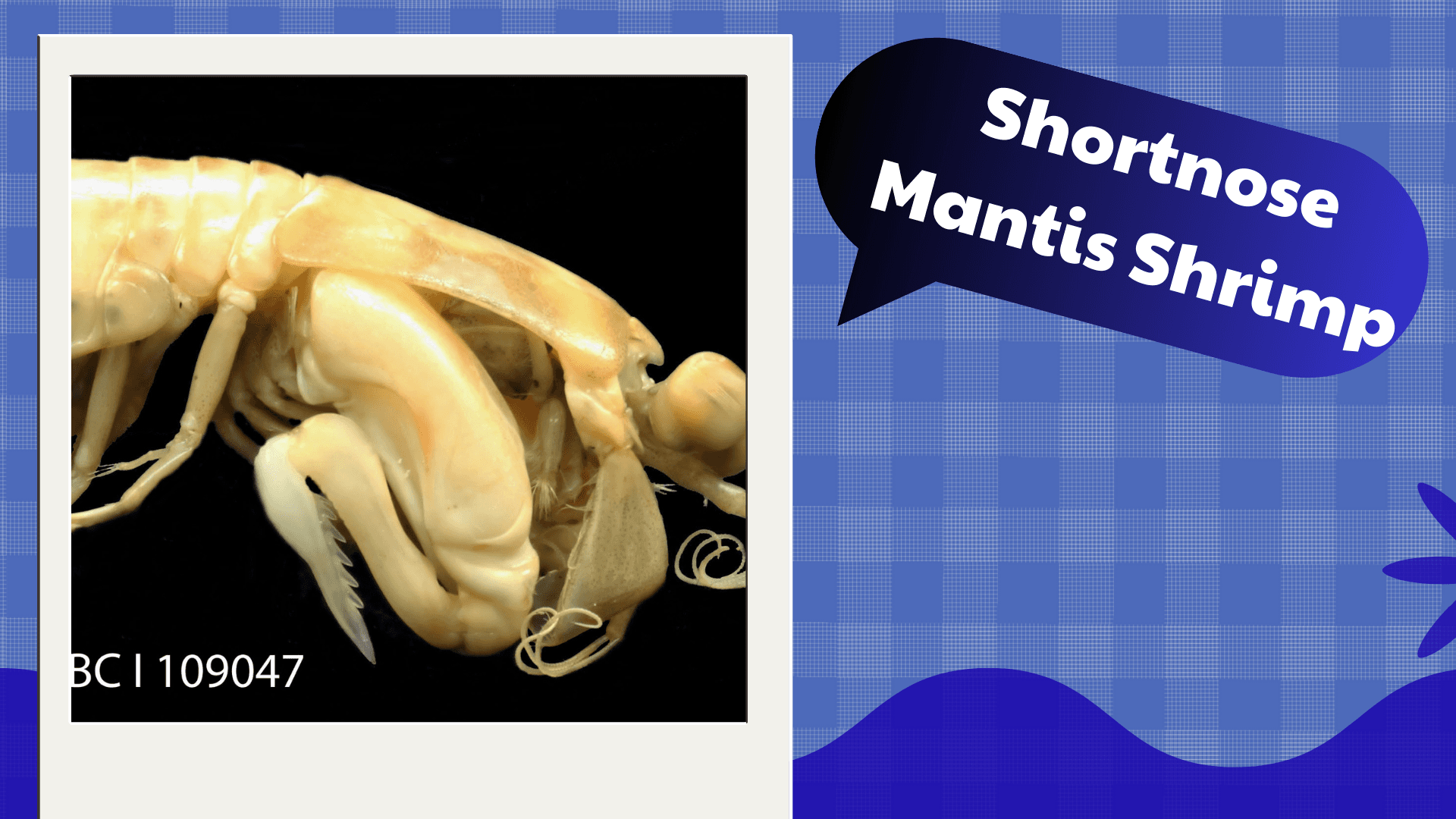
The Shortnose Mantis Shrimp is a compact but powerful species found across coral reefs of the Indo-Pacific. As a smasher, it uses its heavily muscled claws to deliver lightning-fast strikes capable of breaking mollusk shells and small crustaceans.
This species is remarkable for its agility and precision. It can accurately target prey at a distance, adjusting the angle and force of its strike in milliseconds. Its burrow is often reinforced with sand and coral fragments, providing safety from predators and a strategic location for ambushes.
The shortnose mantis shrimp displays complex social behavior. Territorial disputes often involve visual displays, body movements, and rapid claw snapping. During courtship, they perform intricate dances with color changes to attract mates.
In captivity, this species requires deep substrate, hiding spots, and minimal interaction with other tank inhabitants. Their incredible strike speed and territorial instincts make them both fascinating and challenging to maintain.
11. Slender Mantis Shrimp (Lysiosquilla tredecimdentata)
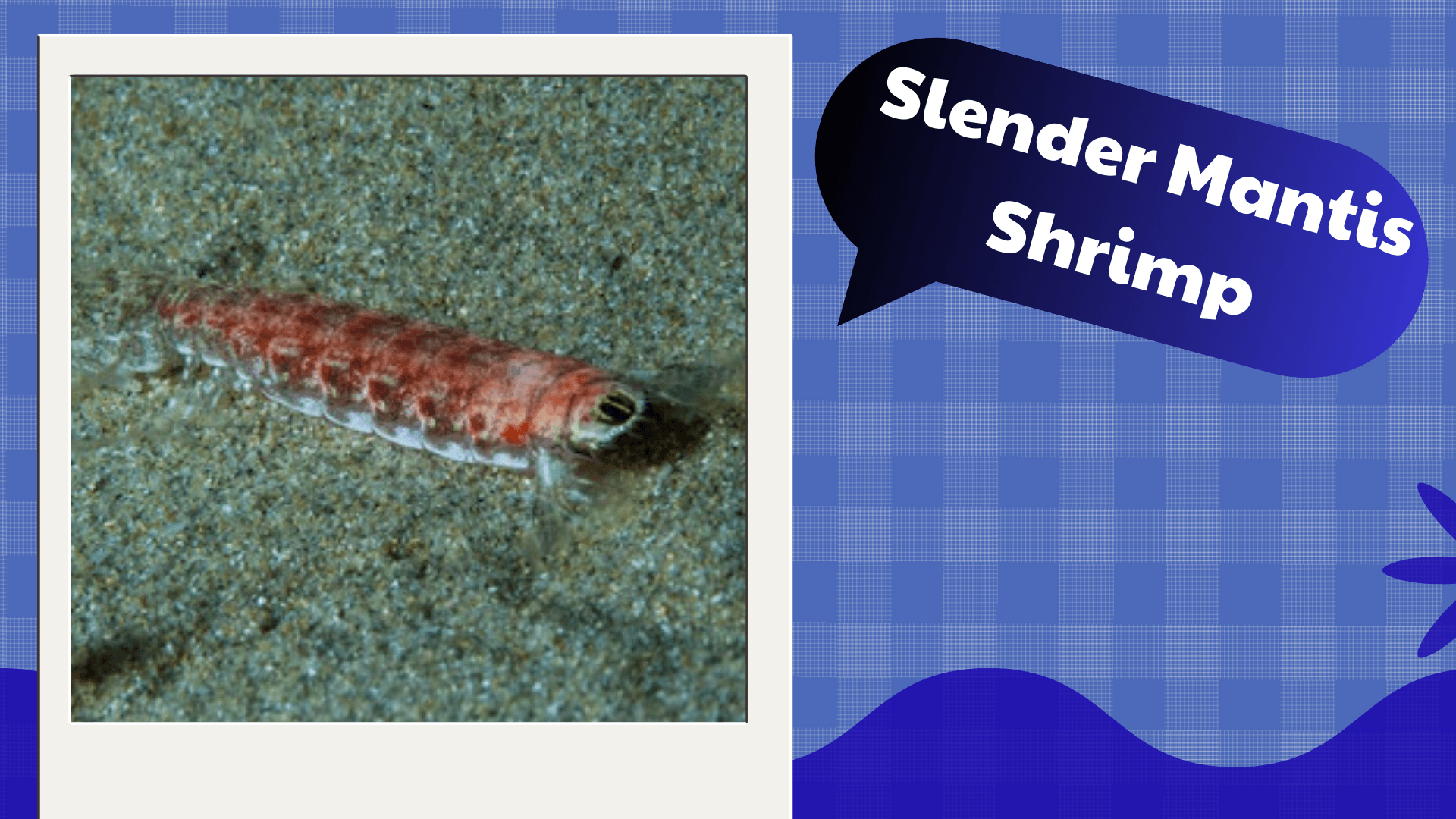
The Slender Mantis Shrimp is a streamlined predator that inhabits sandy and muddy substrates along tropical and subtropical coasts. Unlike the bulkier smashers, this species has a thin, elongated body, allowing it to burrow quickly and emerge to ambush prey with remarkable speed.
Slender mantis shrimp are spearers, equipped with sharp, pointed appendages that can impale fish and other soft-bodied organisms. Their strike is nearly instantaneous, combining precision, velocity, and timing. This makes them highly effective hunters despite their smaller size.
Behaviorally, they are solitary and highly territorial. Burrows are meticulously constructed and often shared with only potential mates during breeding periods. Communication is largely visual, relying on subtle body movements and color patterns to signal aggression or readiness to mate.
In aquariums, they require deep sand beds and secure burrowing areas. Their narrow body and rapid movements make them fascinating to observe, but they demand careful tank management to prevent stress or injury.
12. Rainbow Mantis Shrimp (Odontodactylus scyllarus variant)
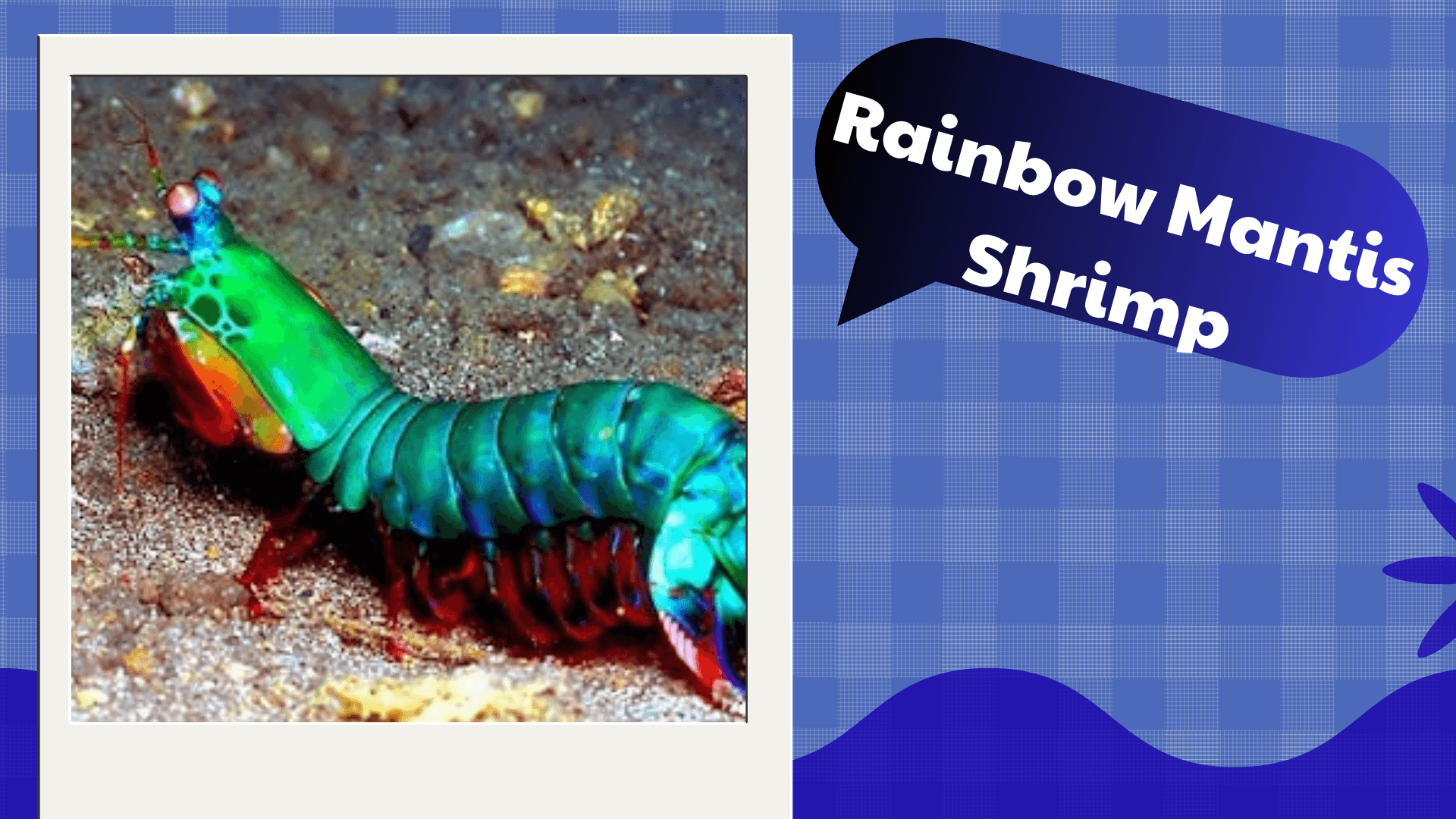
The Rainbow Mantis Shrimp is a variation of the famous peacock mantis shrimp, notable for its extraordinarily vibrant coloration. Found in Indo-Pacific coral reefs, this species is a true visual marvel, with hues of blue, green, orange, and red across its exoskeleton.
As a smasher, the rainbow mantis shrimp delivers one of the most powerful strikes in the animal kingdom. Its clubs can shatter mollusk shells, crush crabs, and even create cavitation bubbles that stun prey. Its burrow serves as both a safe retreat and a launch point for hunting.
Social interactions are complex. Rainbow mantis shrimp use color changes, postures, and rapid movements to communicate with rivals and potential mates. They are highly territorial and will aggressively defend their space against intruders.
For aquarists, this species is captivating but challenging. Its vibrant colors and intelligent behavior require careful housing with deep sand beds and reinforced tank walls to withstand their smashing abilities.
13. Speckled Mantis Shrimp (Gonodactylus smithii variant)
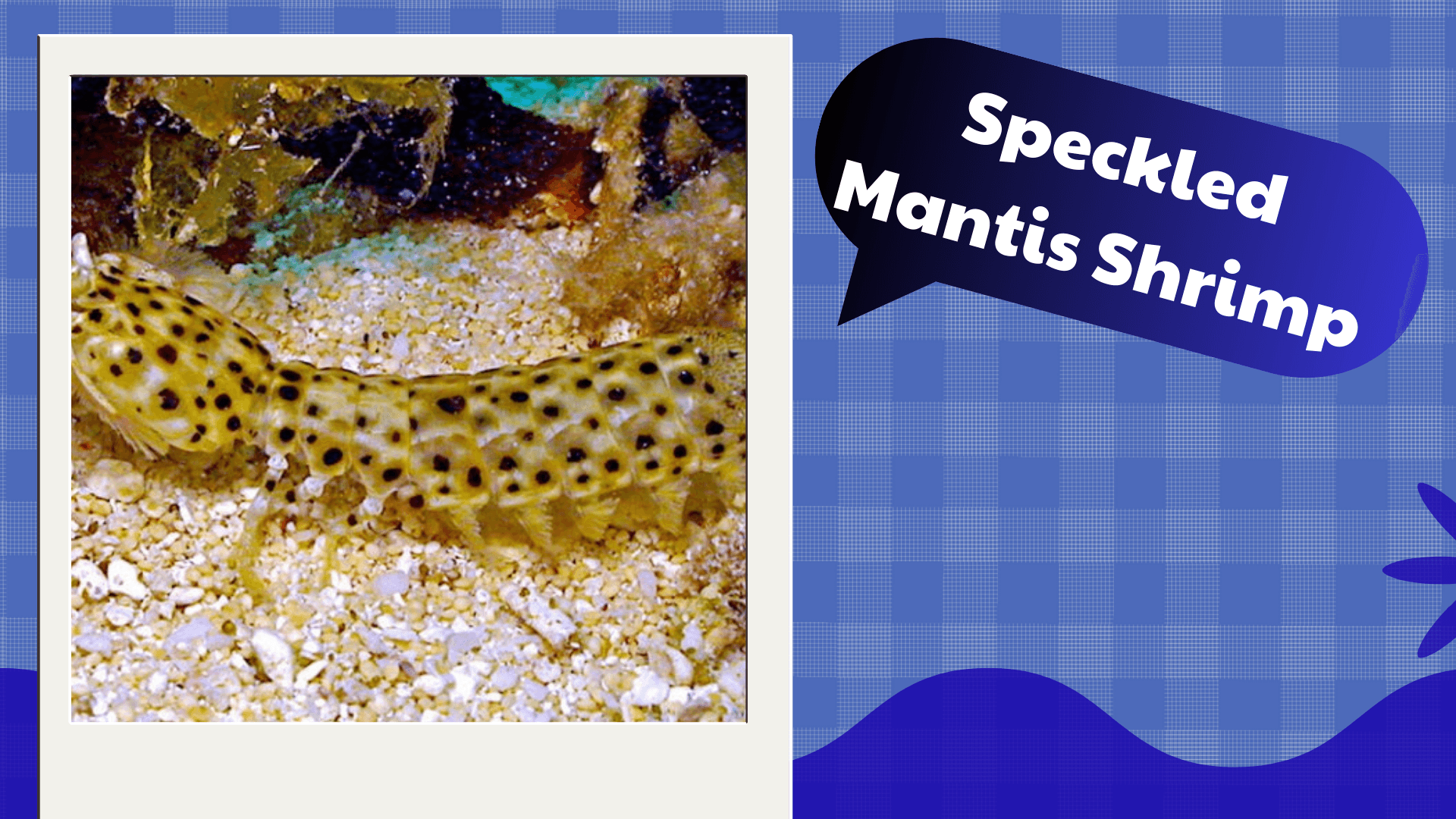
The Speckled Mantis Shrimp is a smaller, visually distinctive species covered in spots and subtle patterns that allow it to blend into sandy and coral-rich environments. This adaptive camouflage makes it an excellent ambush predator.
Classified as a smasher, the speckled mantis shrimp preys on crabs, mollusks, and other small invertebrates. It strikes with remarkable speed, utilizing both strength and accuracy. Its hunting technique involves patiently waiting in its burrow and emerging at the perfect moment to capture prey.
Territorial and solitary by nature, this species communicates with subtle movements and color shifts. These signals warn rivals or indicate reproductive readiness. In the wild, its patterns and colors serve both as camouflage and communication tools.
In aquariums, the speckled mantis shrimp thrives in tanks with sandy substrates and ample hiding spots. Their small size and explosive strikes make them fascinating to observe but potentially destructive to unprotected tankmates.
14. Neon Mantis Shrimp (Odontodactylus sp.)
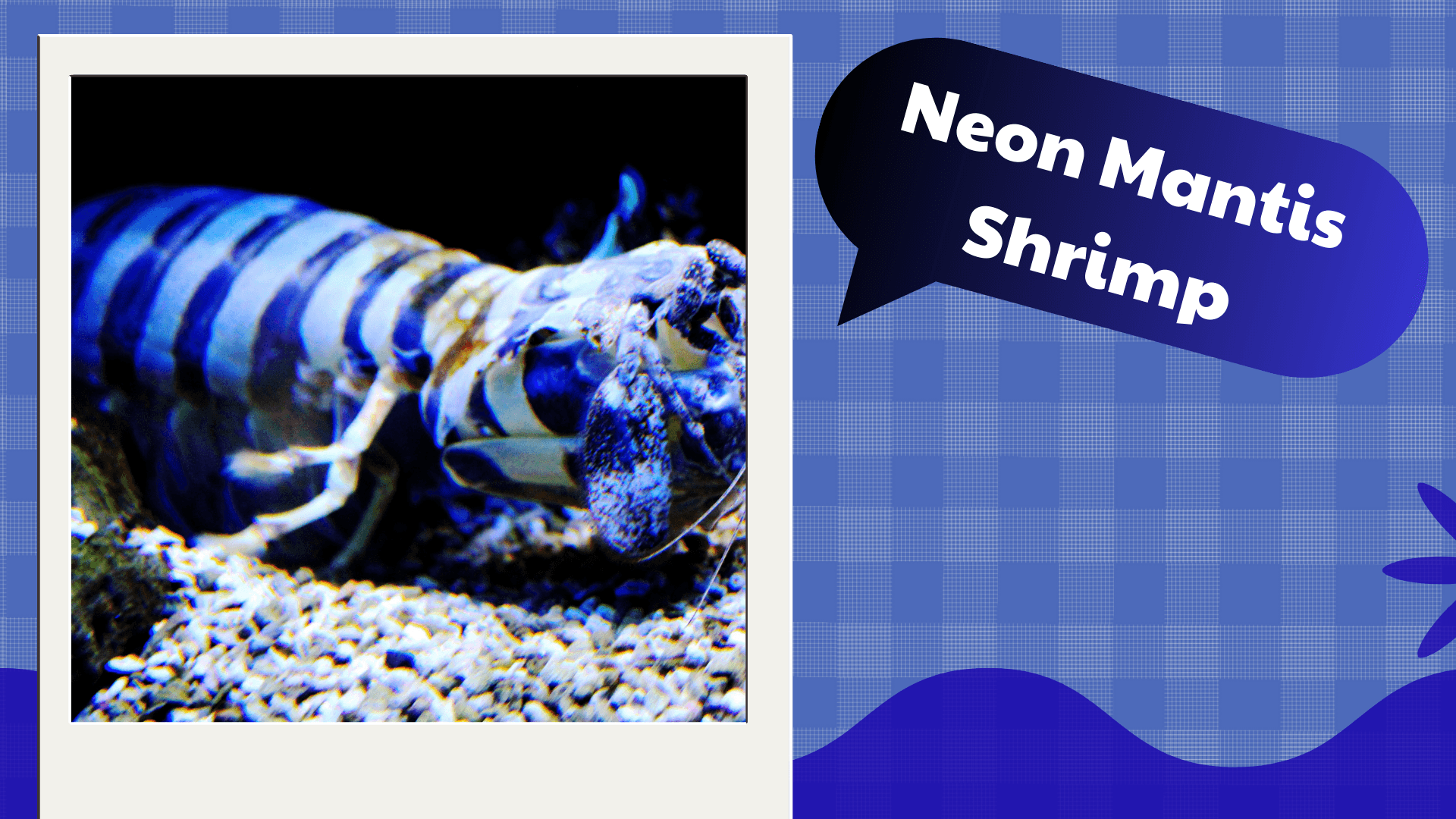
The Neon Mantis Shrimp is a lesser-known but visually captivating species found in shallow coral reefs. Its neon blue and green exoskeleton glows under sunlight, making it a standout among reef dwellers.
This species is a smasher, capable of delivering devastating blows to crush mollusks and other armored prey. Its hunting technique is methodical, combining visual precision and claw velocity. The neon mantis shrimp is also adept at creating burrows for shelter and strategic ambush points.
Behaviorally, they are highly territorial. Color changes and postures play a crucial role in communication, signaling aggression, mating intent, or alertness. These visual displays are enhanced by their exceptional vision, which can detect polarized light and ultraviolet signals.
For aquarists, they require secure tanks with deep sand beds and hiding spaces. Their striking colors and explosive hunting behaviors make them one of the most exciting mantis shrimp to keep for advanced hobbyists.
15. Green Mantis Shrimp (Lysiosquilla scabricauda)
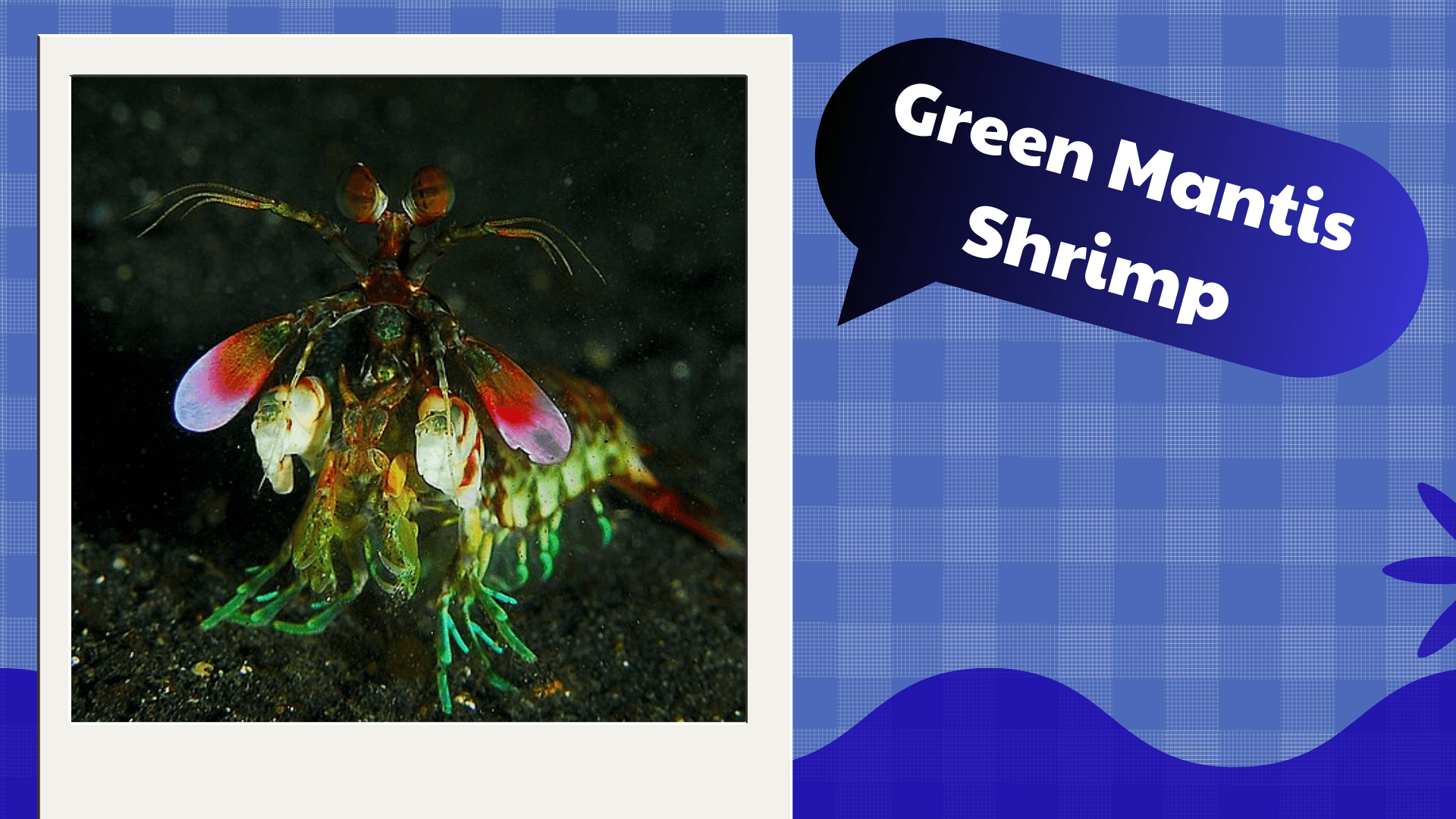
The Green Mantis Shrimp is an elongated, camouflaged species inhabiting sandy and muddy substrates along tropical coastlines. Its muted green coloration allows it to remain undetected by prey and predators alike.
As a spearer, the green mantis shrimp uses long, sharp claws to impale soft-bodied prey such as small fish. It is a patient hunter, waiting partially buried in sand for the perfect moment to strike. Its speed and accuracy make it a formidable predator despite its camouflage.
Territorial by nature, this species exhibits minimal aggression unless provoked. Visual signaling through subtle color shifts and postures helps communicate with conspecifics. Their burrows serve as both protection and strategic hunting positions.
In captivity, green mantis shrimp require deep sand beds and secure hiding areas. While less colorful than peacock or neon variants, their hunting strategy and camouflage make them highly intriguing for marine enthusiasts.
16. Zebra Mantis Shrimp (Lysiosquilla maculata)
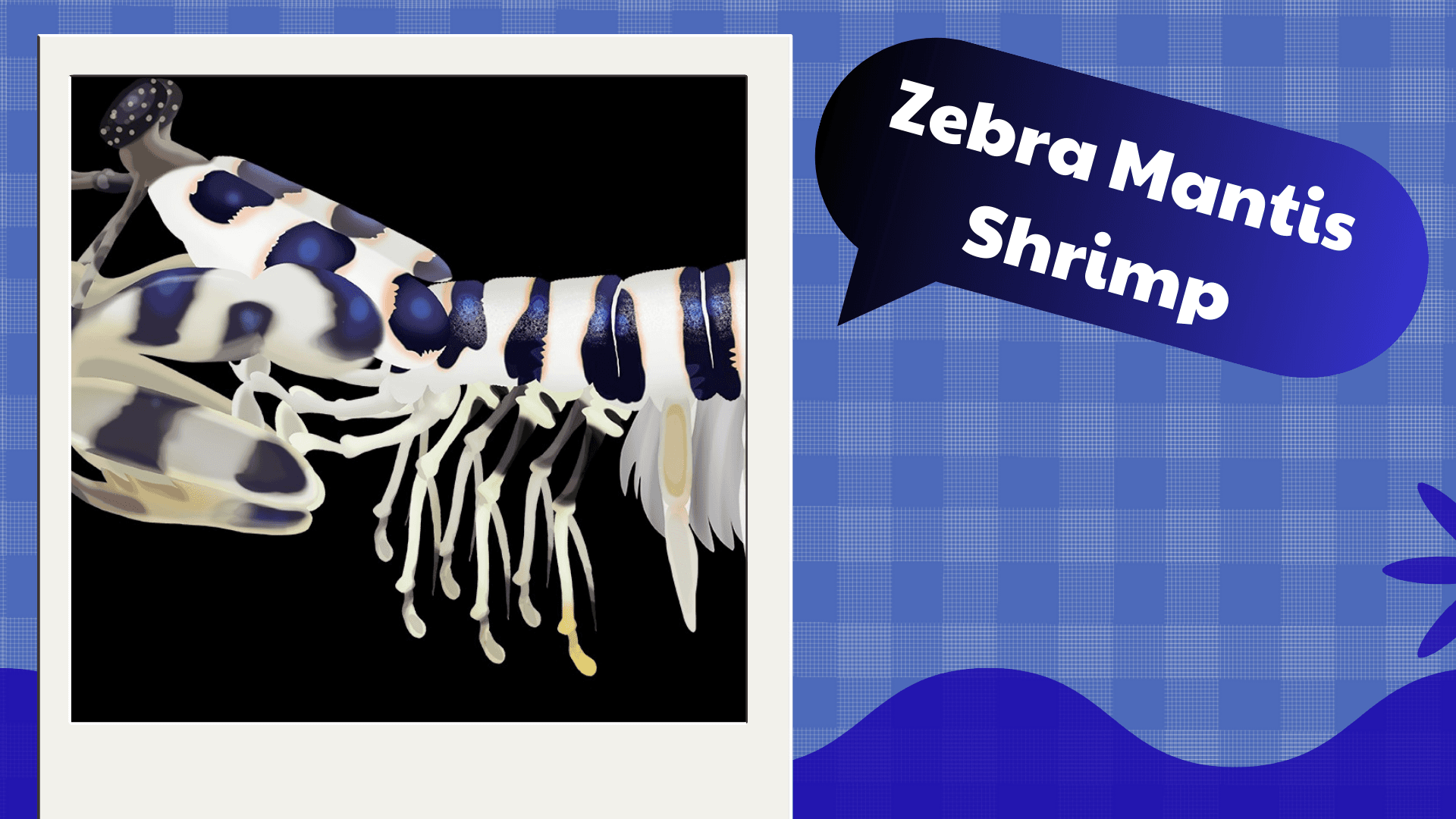
The Zebra Mantis Shrimp is named for its distinctive striped pattern, which resembles the black and white banding of a zebra. Native to Indo-Pacific shallow waters, this species primarily inhabits sandy or silty substrates where it can dig burrows and ambush prey.
As a spearer, the zebra mantis shrimp is highly efficient at capturing fish and other soft-bodied organisms. It lies in wait, partially buried in sand, and strikes with its elongated claws at lightning speed. These precise attacks are aided by its extraordinary vision, allowing it to detect minute movements from prey even in low-light conditions.
Behaviorally, zebra mantis shrimp are territorial and solitary. They rely on subtle body movements and color patterns to communicate, especially during courtship or when defending their burrows. Despite their striking appearance, they blend seamlessly into their sandy habitats, making them excellent ambush predators.
In aquariums, zebra mantis shrimp require deep substrates for burrowing, robust tank walls, and minimal tankmates. Their incredible hunting speed and strength make them a fascinating yet challenging species to keep.
17. Purple-spotted Mantis Shrimp (Odontodactylus scyllarus variant)
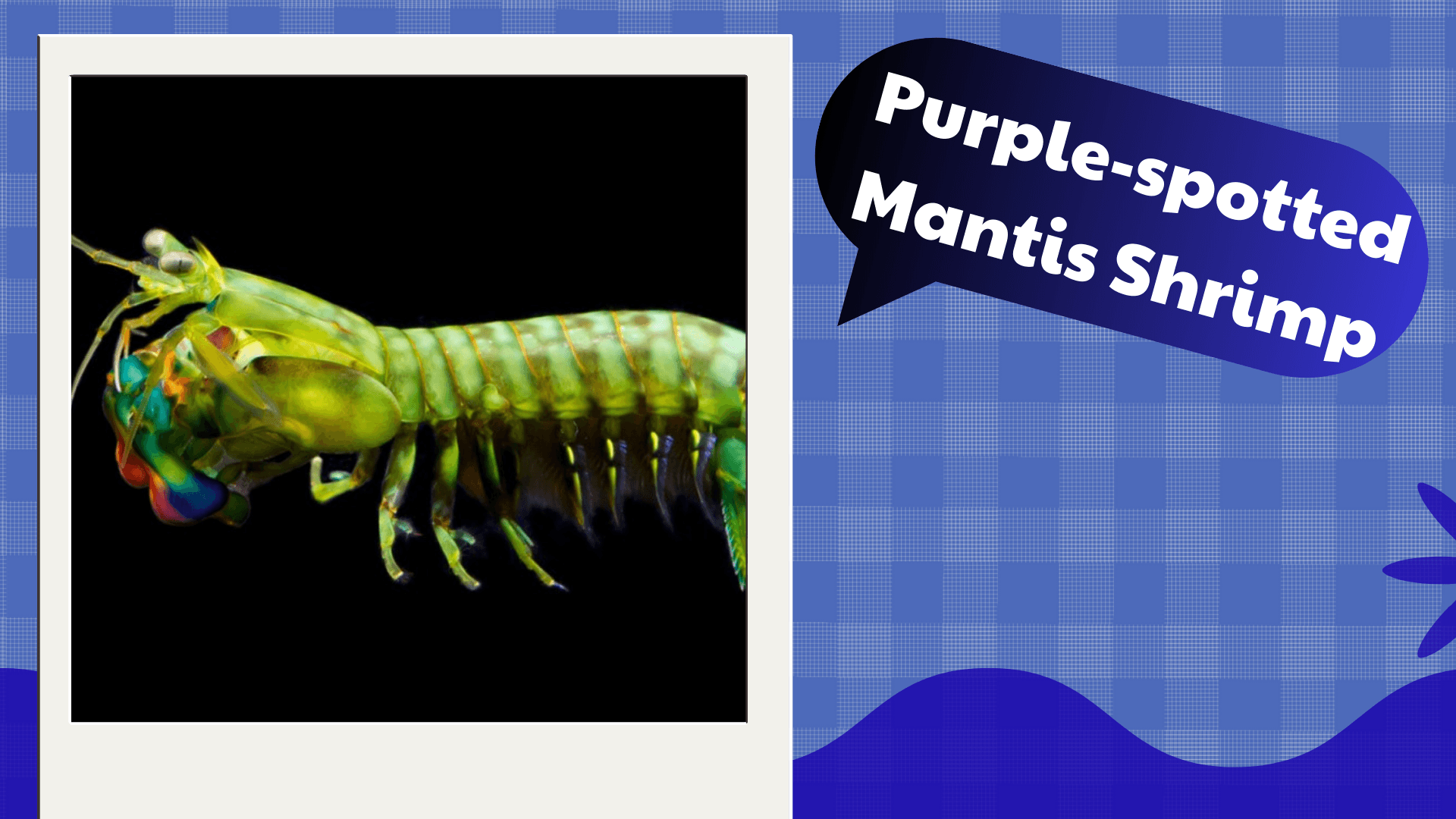
The Purple-spotted Mantis Shrimp is a visually stunning variation of the peacock mantis shrimp, adorned with vivid purple spots across its carapace. Found in the Indo-Pacific, this species is classified as a smasher, capable of obliterating mollusk shells with precision strikes.
Its hunting strategy involves observation and ambush. Using its powerful forelimbs, it delivers explosive strikes that can break shells, stun prey, and even create cavitation bubbles that produce additional force upon impact. This species is also renowned for its intelligence, showing complex behaviors such as tool use and problem-solving in laboratory studies.
Territorial and aggressive, purple-spotted mantis shrimp defend their burrows vigorously. Visual displays, including color changes and posturing, serve as warning signals to intruders and communication during mating rituals.
In captivity, this species requires ample space, deep sand beds, and secure hiding places. Its vivid colors and incredible strike ability make it both a captivating and demanding aquarium inhabitant.
18. Giant Peacock Mantis Shrimp (Odontodactylus scyllarus)
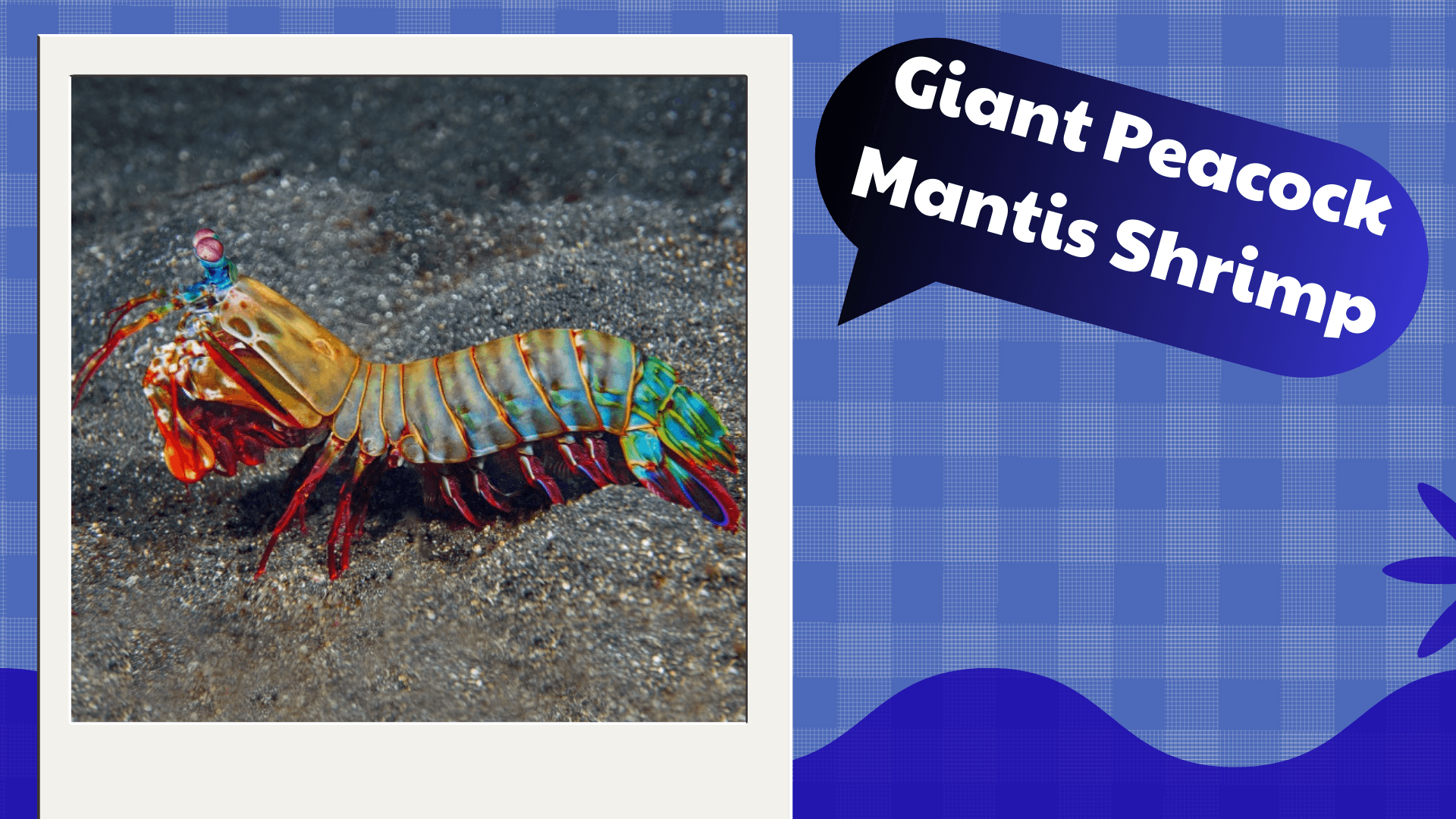
The Giant Peacock Mantis Shrimp is arguably the most famous mantis shrimp species due to its brilliant coloration and impressive predatory capabilities. Native to coral reefs of the Indo-Pacific, this smasher can grow over 7 inches in length and deliver strikes with extraordinary speed and force.
Its rainbow-colored exoskeleton includes shades of blue, green, red, and orange, making it a spectacular visual marvel. Beyond aesthetics, these colors serve critical functions in communication, mating, and territory defense. Its strike is capable of breaking aquarium glass, which is a testament to its immense strength.
Behaviorally, the giant peacock mantis shrimp is highly territorial and intelligent. It constructs complex burrows and actively patrols its domain, displaying both strategic hunting techniques and advanced problem-solving abilities. Courtship involves vibrant visual displays to attract mates and deter rivals.
For aquarists, this species is a highlight due to its colors and behaviors but requires specialized tanks with secure lids and reinforced walls. It thrives best in isolated conditions due to its aggressive nature.
19. Green Peacock Mantis Shrimp (Odontodactylus scyllarus variant)
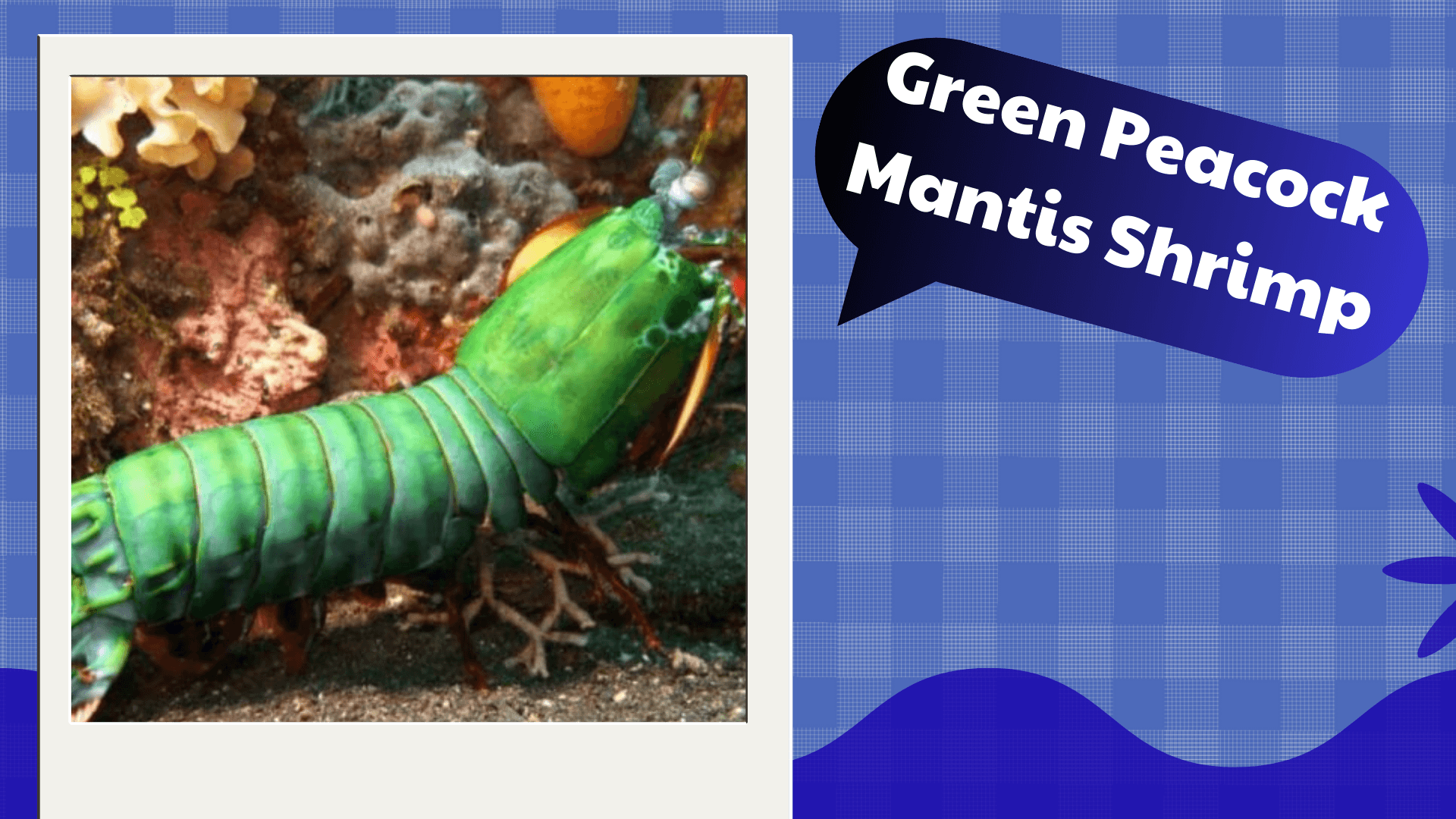
The Green Peacock Mantis Shrimp is a striking variant of the classic peacock species, dominated by green and teal hues. Found in Indo-Pacific coral reefs, it is classified as a smasher and excels at hunting crabs, mollusks, and other hard-shelled prey.
Its hunting strategy is both patient and calculated. By observing prey from the safety of its burrow, it delivers precise strikes with explosive force. Its appendages are not only powerful but also extraordinarily fast, creating shockwaves and cavitation bubbles that enhance hunting efficiency.
Green peacock mantis shrimp are territorial and exhibit complex social behaviors. They use color changes and body postures to communicate, signal aggression, or attract mates. Their vibrant green coloration also plays a role in camouflage among coral and algae-covered rocks.
In captivity, they require a robust tank setup with deep sand, ample hiding spaces, and minimal tankmates. Despite being less flamboyant than the rainbow peacock, their hunting precision and intelligence make them a fascinating species for advanced aquarists.
20. Zebra-striped Peacock Mantis Shrimp (Odontodactylus scyllarus variant)
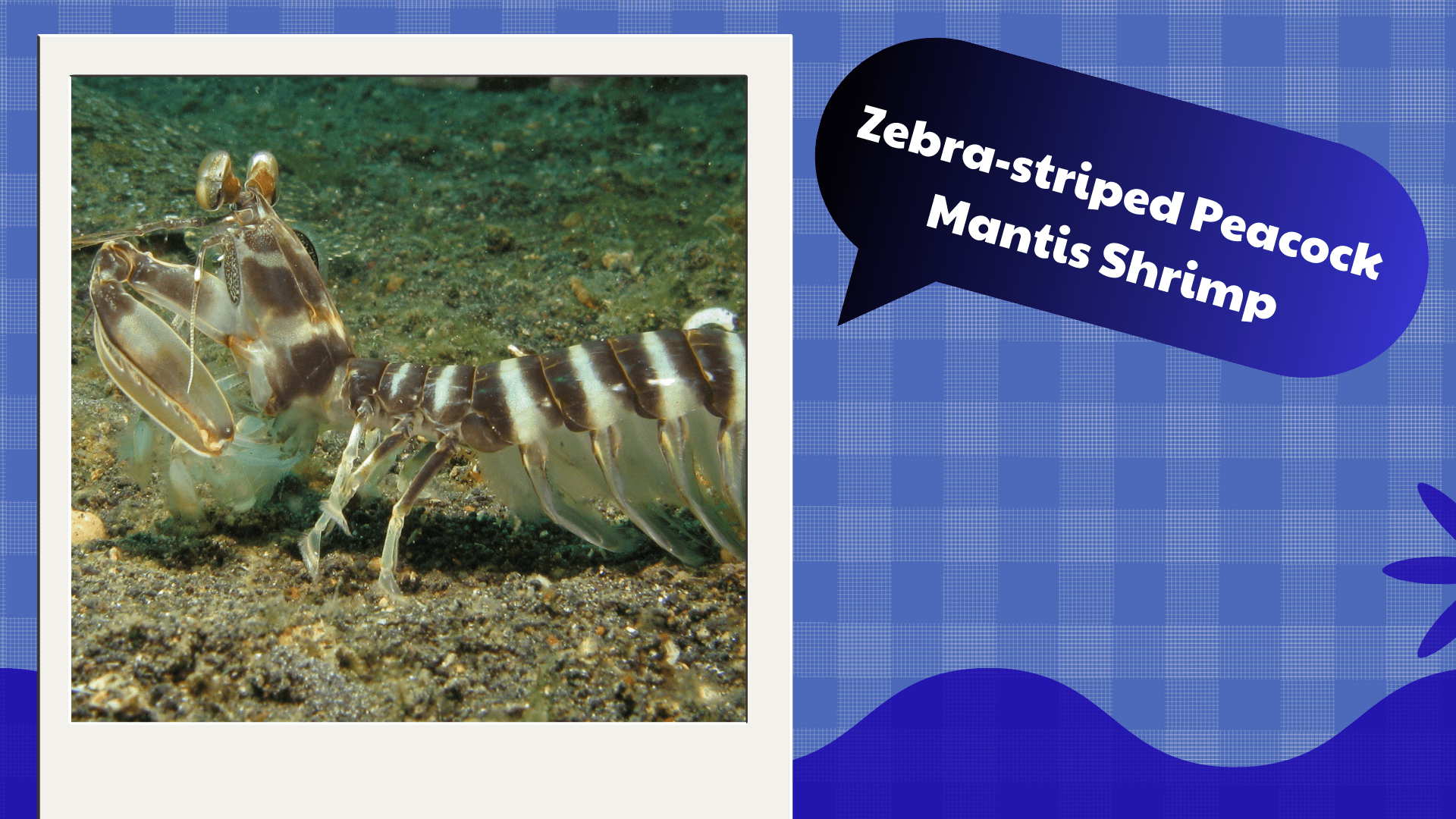
The Zebra-striped Peacock Mantis Shrimp is another captivating variation of the peacock mantis shrimp, distinguished by bold black-and-white stripes overlaying its vibrant body colors. Found in the coral reefs of the Indo-Pacific, this species is a smasher and one of the most visually striking members of the mantis shrimp family.
It relies on its powerful club-like appendages to hunt crabs, mollusks, and other armored prey. Strikes are delivered with lightning speed and pinpoint accuracy, often accompanied by cavitation shockwaves that stun or kill prey. Its behavior demonstrates both intelligence and strategy, making it an exceptional ambush predator.
Socially, zebra-striped mantis shrimp are fiercely territorial. Color patterns and postures serve as visual cues for communication, mating displays, and aggressive encounters. They actively maintain and defend their burrows, which are central to their hunting and survival.
In aquariums, this species requires secure, spacious tanks with deep sand beds and burrows. Their striking appearance and explosive strikes make them a highlight for experienced marine enthusiasts, combining beauty, intelligence, and raw power.
Conclusion: Exploring the Fascinating World of Mantis Shrimp
The diverse world of mantis shrimp is nothing short of extraordinary. From the vividly colored peacock variants to the camouflaged spearers of sandy seabeds, each species demonstrates remarkable adaptations that make them formidable predators and fascinating subjects of study. Their incredible vision, lightning-fast strikes, and complex behaviors highlight the evolutionary ingenuity of these marine arthropods.
Whether observed in the wild or studied in aquariums, mantis shrimp captivate researchers and hobbyists alike. They are not only visually stunning but also exhibit intelligence, territoriality, and intricate communication methods that challenge our understanding of invertebrate behavior.
For enthusiasts, understanding the natural habitats, hunting strategies, and social behaviors of these creatures is essential. Proper care in captivity requires providing appropriate burrowing substrates, secure environments, and opportunities for natural behavior, ensuring these marine marvels thrive while showcasing their spectacular abilities.
In conclusion, the study of Types of Mantis Shrimp offers an unparalleled glimpse into the beauty, power, and complexity of marine life. These extraordinary animals remind us that even the smallest creatures in our oceans can possess astonishing strength, intelligence, and visual brilliance.
Frequently Asked Questions About Mantis Shrimp
1. What is a mantis shrimp?
A mantis shrimp is a marine crustacean known for its powerful claws, vibrant colors, and extraordinary vision.
2. How many types of mantis shrimp are there?
There are over 20 recognized species of mantis shrimp, each with unique colors, behaviors, and hunting strategies.
3. Where do mantis shrimp live?
Mantis shrimp inhabit shallow tropical and subtropical waters, often burrowing in sand, mud, or coral reefs.
4. What do mantis shrimp eat?
Mantis shrimp are carnivorous, feeding on crabs, mollusks, fish, and other small marine animals.
5. How do mantis shrimp hunt?
They use specialized claws either as spearers to impale prey or smashers to crush shells with incredible speed and force.
6. How fast can a mantis shrimp strike?
A mantis shrimp can strike prey at speeds exceeding 50 mph, one of the fastest movements in the animal kingdom.
7. What is the difference between spearer and smasher mantis shrimp?
Spearers have sharp, pointed claws to impale soft-bodied prey, while smashers have club-like claws to break hard shells.
8. How long do mantis shrimp live?
Mantis shrimp can live up to 20 years in the wild, depending on species and environmental conditions.
9. Are mantis shrimp dangerous to humans?
Yes, smashers can break aquarium glass or cause injury with their powerful strikes if handled improperly.
10. Can mantis shrimp change color?
Some species display vivid colors and can change intensity for communication, camouflage, or mating displays.
11. How do mantis shrimp see underwater?
Mantis shrimp have compound eyes capable of detecting polarized light, ultraviolet light, and a broad color spectrum.
12. Are mantis shrimp intelligent?
Yes, they show complex behaviors, including tool use, problem-solving, and strategic hunting techniques.
13. Do mantis shrimp have predators?
Sharks, larger fish, and octopuses are among their natural predators, though mantis shrimp rely on speed, camouflage, and burrows for defense.
14. How big can mantis shrimp grow?
Sizes vary by species, ranging from 2 inches (small spearers) to over 12 inches for large peacock smashers.
15. Can mantis shrimp live in aquariums?
Yes, with proper tank conditions including deep sand beds, secure hiding spots, and isolated housing to prevent injuries.
16. What is the fastest strike of a mantis shrimp?
Some species deliver strikes in less than 2 milliseconds, faster than the human eye can see.
17. How do mantis shrimp communicate?
They use visual signals, color changes, and body movements to communicate aggression, territory, or mating readiness.
18. What colors do mantis shrimp come in?
Mantis shrimp can display colors ranging from blue, green, red, yellow, purple, and combinations in rainbow patterns.
19. How do mantis shrimp make burrows?
They dig with their powerful claws and use burrows as shelters, hunting bases, and protection from predators.
20. Can mantis shrimp see in ultraviolet light?
Yes, their complex eyes allow them to detect ultraviolet light, enhancing hunting, navigation, and communication.
21. What is the difference between rainbow and peacock mantis shrimp?
These are color variants of smasher mantis shrimp, with rainbow types having more multicolored patterns than standard peacock shrimp.
22. How do mantis shrimp reproduce?
Mating occurs in burrows where females lay eggs, and males guard them until hatching to ensure survival.
23. Are mantis shrimp social animals?
Generally, mantis shrimp are solitary and territorial, interacting with others mainly for mating or territorial disputes.
24. Can mantis shrimp regrow lost limbs?
Yes, like many crustaceans, mantis shrimp can regenerate claws or appendages over time through molting.
25. How do mantis shrimp affect the ecosystem?
They control populations of small invertebrates, influence reef dynamics, and provide food for larger predators.
26. What is the most colorful mantis shrimp?
Peacock mantis shrimp and rainbow variants are the most vividly colored, displaying spectacular hues across their exoskeleton.
27. Do mantis shrimp make noise?
Smashers produce low-frequency vibrations or “clicks” when striking prey, which can be detected underwater.
28. How do mantis shrimp burrow in coral reefs?
They use their claws to excavate sand and rubble, often creating intricate tunnel networks beneath rocks and coral.
29. Can mantis shrimp survive in freshwater?
No, mantis shrimp are marine species and require saltwater habitats to survive.
30. Do all mantis shrimp have the same hunting method?
No, some are smashers that crush shells, while others are spearers that impale soft-bodied prey.
31. How many eyes does a mantis shrimp have?
They have two highly specialized eyes, each capable of moving independently and detecting a wide range of light spectra.
32. Can mantis shrimp recognize humans?
They may recognize movement or shadows but are primarily focused on prey and territory rather than human interaction.
33. How do mantis shrimp defend themselves?
They strike with claws, hide in burrows, and use camouflage or rapid retreat to avoid predators.
34. Are mantis shrimp venomous?
No, they rely on mechanical strikes rather than venom to subdue prey or defend themselves.
35. How often do mantis shrimp molt?
Mantis shrimp molt periodically to grow, shedding their exoskeleton and regenerating claws or damaged parts.
36. What is the lifespan of a peacock mantis shrimp?
Peacock mantis shrimp can live up to 20 years in the wild with proper environmental conditions.
37. Can mantis shrimp see polarized light?
Yes, their eyes detect polarized light, which helps in hunting, navigation, and communication.
38. Are mantis shrimp found worldwide?
They are primarily found in tropical and subtropical waters of the Indo-Pacific and Atlantic oceans.
39. Do mantis shrimp eat plants?
No, mantis shrimp are carnivorous and feed mainly on crustaceans, mollusks, and small fish.
40. What makes mantis shrimp unique?
The combination of powerful strikes, complex vision, bright coloration, and intelligence makes them unique among marine animals.
41. How do mantis shrimp communicate visually?
They use body postures, claw movements, and color changes to convey aggression, mating readiness, or warning signals.
42. Can mantis shrimp live with other fish?
Due to their aggressive nature, they are best kept in species-only tanks or with other armored invertebrates.
43. How big is a typical mantis shrimp?
Most species range from 2 to 12 inches, with peacock mantis shrimp being among the largest.
44. What is the fastest movement in the animal kingdom?
The strike of a mantis shrimp is one of the fastest movements known, capable of breaking shells and even glass.
45. Are mantis shrimp important for reefs?
Yes, they maintain ecological balance by controlling prey populations and influencing reef dynamics.
46. Can mantis shrimp recognize prey at a distance?
Yes, their exceptional vision allows them to detect movement, color, and polarized light to locate prey efficiently.
47. How do spearer mantis shrimp catch fish?
Spearers wait in burrows and extend their sharp appendages to impale passing prey with incredible speed.
48. Can mantis shrimp break shells?
Yes, smasher mantis shrimp can crush crab shells and mollusks with their club-like appendages.
49. Are mantis shrimp solitary?
Yes, most mantis shrimp are solitary, except during mating periods or in overlapping territories.
50. How do mantis shrimp reproduce in captivity?
They reproduce in secure burrows, with males guarding eggs until hatching, requiring careful tank management for success.
51. Why are mantis shrimp called “peacock shrimp”?
Because of their vibrant, multicolored exoskeletons resembling the bright feathers of a peacock.
Read more: 30 Types of Sea Urchins (Pictures And Identification)