

The ocean is home to thousands of fascinating organisms, and among them, mussels play one of the most important ecological roles. When studying types of Mussel, we are actually exploring a group of bivalve mollusks that live attached to rocks, coral, and man-made structures in both freshwater and saltwater environments. Mussels are known for their strong ability to filter water, removing plankton, bacteria, and organic particles, which helps maintain clean and healthy aquatic ecosystems. They are also a key food source for fish, birds, and humans in many parts of the world.
In this first part of our guide, we will explore five major species of mussels in detail. Each species has unique characteristics such as shell shape, habitat preference, reproductive behavior, and ecological importance. Understanding these differences helps us appreciate how diverse marine life truly is and why mussels are essential for maintaining balance in aquatic ecosystems.
20 Types of Mussels
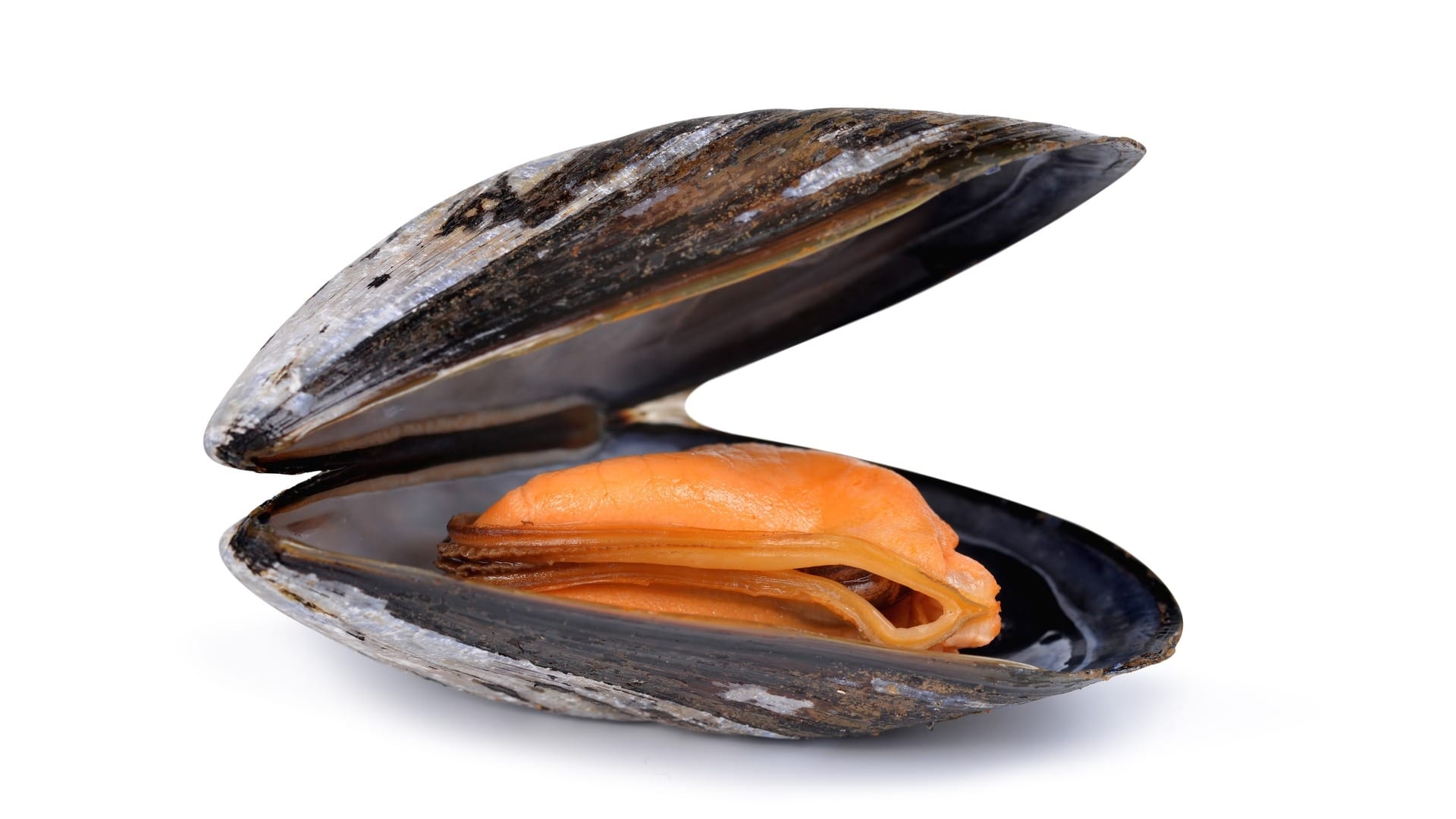
1. Blue Mussel (Mytilus edulis)
The Blue Mussel is one of the most widely distributed types of Mussel in the world, commonly found along the Atlantic coasts of Europe and North America. It is easily recognized by its smooth, elongated shell that ranges in color from deep blue to black with a slightly purple tint. This species thrives in cold and temperate waters, attaching itself firmly to rocks, piers, and even ship hulls using strong byssal threads.
Blue Mussels are highly efficient filter feeders. A single mussel can filter several liters of water per day, removing microscopic organisms and organic debris. This natural filtration process plays a critical role in improving water quality in coastal ecosystems. They form dense colonies known as mussel beds, which provide shelter for small fish, crabs, and other marine organisms.
In terms of reproduction, Blue Mussels release eggs and sperm into the water column, where fertilization occurs externally. Larvae drift in the ocean currents before settling onto a hard surface to begin their adult life. This life cycle allows them to spread widely across coastal regions.
Ecologically and economically, Blue Mussels are extremely important. They are harvested for food in many countries and are considered a sustainable seafood source when managed properly. Their ability to indicate water pollution levels also makes them valuable in environmental monitoring.
2. Mediterranean Mussel (Mytilus galloprovincialis)
The Mediterranean Mussel is another prominent member of the types of Mussel group, native to the Mediterranean Sea but now spread across many global coastal regions due to human activity. It has a slightly larger and more robust shell compared to the Blue Mussel, with a smooth surface and dark blue to black coloration.
This species thrives in warmer waters and is highly adaptable, allowing it to colonize a wide range of coastal environments including rocky shores, harbors, and estuaries. Its ability to compete with other mussel species has made it both ecologically successful and, in some regions, invasive.
Mediterranean Mussels play a similar ecological role to other mussels as filter feeders. They improve water clarity and help maintain ecosystem balance by consuming plankton and organic matter. However, their rapid growth and reproduction can sometimes disrupt local biodiversity when introduced to non-native regions.
In aquaculture, this species is widely cultivated due to its fast growth rate and high commercial value. It is a staple seafood in Mediterranean cuisine and is often farmed on ropes suspended in coastal waters, a method that supports sustainable harvesting.
3. Green-lipped Mussel (Perna canaliculus)
The Green-lipped Mussel is one of the most unique types of Mussel, native to New Zealand. It is named for the distinctive green coloration along the edge of its shell, which contrasts with its dark brown or greenish body. This species is one of the largest mussels in the world and is highly valued both as a food source and for its medicinal properties.
Green-lipped Mussels live in clean coastal waters and attach themselves to rocky surfaces using strong byssal threads. They form dense beds that provide habitat for many marine species, including juvenile fish and invertebrates. Their filtering activity contributes significantly to maintaining water clarity and ecosystem health.
One of the most interesting aspects of this species is its nutritional value. It is rich in omega-3 fatty acids, protein, and minerals. Extracts from Green-lipped Mussels are commonly used in dietary supplements, especially for joint health and inflammation support.
From an ecological perspective, these mussels are sensitive to water pollution, making them useful indicators of environmental change. Their presence often signals clean and healthy marine conditions.
4. Asian Green Mussel (Perna viridis)
The Asian Green Mussel is a tropical species widely distributed across the Indo-Pacific region. It is one of the most adaptable types of Mussel, thriving in warm coastal waters, estuaries, and mangrove environments. Its shell is typically smooth and greenish, sometimes with darker brown tones depending on habitat conditions.
This species is fast-growing and forms dense colonies on submerged structures such as rocks, docks, and boat hulls. While it plays a beneficial ecological role in filtering water and providing habitat, it is also known as an invasive species in some regions due to its rapid spread.
Asian Green Mussels are commonly harvested for food in Southeast Asia. They are an important part of local fisheries and aquaculture industries. Their ability to grow quickly makes them economically valuable, but also requires careful management to prevent ecological imbalance.
In ecosystems, they contribute to nutrient cycling and water purification, helping maintain balance in coastal marine environments.
5. Zebra Mussel (Dreissena polymorpha)
The Zebra Mussel is a small freshwater species that has gained global attention as one of the most invasive types of Mussel. Originally native to Eurasia, it has spread to North America and other regions through ballast water from ships.
It is easily identified by its distinctive striped shell pattern, resembling a zebra. Zebra Mussels attach firmly to hard surfaces in large clusters, often covering pipes, rocks, and infrastructure.
Ecologically, they are powerful filter feeders, capable of dramatically increasing water clarity by removing plankton and suspended particles. However, their rapid reproduction and dense colonization can disrupt local ecosystems by outcompeting native species and altering food chains.
Despite their negative impact in invaded regions, Zebra Mussels remain a fascinating example of how adaptable types of Mussel can be in changing environments. Their study helps scientists understand invasive species dynamics and ecosystem resilience.
6. Quagga Mussel (Dreissena bugensis)
The Quagga Mussel is one of the most ecologically influential freshwater types of Mussel, originally native to the Dnieper River drainage in Eastern Europe. Closely related to the Zebra Mussel, it has become widely known due to its rapid spread in North American waterways. What makes the Quagga Mussel particularly notable is its ability to live in deeper, colder waters compared to many other mussel species, allowing it to occupy ecological niches that are less accessible to competitors.
Its shell is typically fan-shaped with subtle striping or pale coloration, often less distinct than the Zebra Mussel. This species attaches itself to hard surfaces such as rocks, pipes, and submerged infrastructure using strong byssal threads. Once established, Quagga Mussels form dense colonies that can dramatically alter aquatic ecosystems.
Ecologically, Quagga Mussels are powerful filter feeders. They remove large quantities of plankton and suspended particles from the water, which increases water clarity. While this may seem beneficial, it can disrupt food chains by reducing the food available for native fish and other aquatic organisms. This has led to significant ecological shifts in lakes where they have become invasive.
Their adaptability, high reproductive rate, and ability to survive in low-light, deep-water environments make them one of the most resilient types of Mussel in freshwater ecosystems. Scientists continue to study them to understand invasive species control and ecosystem recovery strategies.
7. California Mussel (Mytilus californianus)
The California Mussel is a large and robust marine species found along the Pacific coast of North America. It is one of the most important intertidal types of Mussel, forming thick, tightly packed beds on rocky shorelines that are exposed to strong waves and tidal changes.
This species has a thick, dark shell that helps it withstand harsh physical conditions such as wave impact and drying during low tides. It attaches strongly to rocks using tough byssal threads, allowing it to remain anchored even in turbulent coastal environments.
California Mussels play a vital ecological role by forming complex habitats known as mussel beds. These structures provide shelter and breeding grounds for a wide variety of marine organisms, including small crabs, snails, and juvenile fish. In this way, they act as ecosystem engineers, shaping biodiversity in coastal zones.
They are also important filter feeders, helping maintain water quality by removing plankton and organic debris. In addition, they are a traditional food source for coastal Indigenous communities and are still harvested in some areas today under regulated practices.
Their resilience and ecological importance make California Mussels a key species in understanding intertidal ecosystem dynamics along the Pacific coast.
8. Brown Mussel (Perna perna)
The Brown Mussel is a warm-water marine species widely distributed along the coasts of Africa, South America, and parts of the Caribbean. It is one of the most economically important tropical types of Mussel due to its use in seafood cuisine and aquaculture.
It is easily recognized by its elongated, slightly curved shell with brownish to dark tones. This species thrives in warm, shallow coastal waters and attaches itself to rocks, piers, and artificial structures using strong byssal threads.
Brown Mussels form dense clusters that contribute significantly to coastal ecosystems. Like other mussels, they are filter feeders that help improve water quality by removing suspended particles and plankton. However, their rapid growth can sometimes lead to competition with native species in certain regions.
In aquaculture, Brown Mussels are highly valued because of their fast growth rate and adaptability. They are commonly farmed in tropical and subtropical regions using rope or rack systems. Their role in local economies is significant, especially in coastal communities where seafood is a primary source of income.
Ecologically, they support biodiversity by creating habitat structures and contributing to nutrient cycling in marine environments.
9. Ribbed Mussel (Geukensia demissa)
The Ribbed Mussel is a hardy estuarine species found along the Atlantic coast of North America. It is one of the most specialized brackish-water types of Mussel, thriving in environments where saltwater and freshwater mix, such as salt marshes and estuaries.
Its shell is elongated with distinct radial ribs, which give it a textured appearance. This structural feature helps strengthen the shell against predators and environmental stress.
Ribbed Mussels are important for coastal ecosystems because they help stabilize sediment in salt marshes. Their burrowing and attachment to plant roots, especially cordgrass, reduce erosion and improve habitat stability.
As filter feeders, they contribute to water purification in estuarine environments by removing organic matter and excess nutrients. This helps maintain the health of fragile coastal ecosystems that are often affected by pollution and human activity.
Their ecological role as both water filters and sediment stabilizers makes them a crucial species in coastal conservation studies.
10. Atlantic Ribbed Mussel (Geukensia granosissima)
The Atlantic Ribbed Mussel is closely related to Geukensia demissa and is found in warmer parts of the western Atlantic, including the Gulf of Mexico and Caribbean regions. It is another important member of the brackish-water types of Mussel.
It has a similar ribbed shell structure but is often slightly larger and more adapted to warmer climates. Like its relatives, it thrives in salt marsh environments and attaches to plant roots and sediment surfaces.
This species plays a vital ecological role in stabilizing coastal marsh systems. By anchoring themselves in dense colonies, they help reduce erosion and support the structure of marsh vegetation.
They also function as efficient filter feeders, improving water quality by removing suspended particles and organic material. This makes them essential for maintaining healthy estuarine ecosystems, especially in regions affected by nutrient runoff.
Atlantic Ribbed Mussels are an excellent example of how specialized types of Mussel contribute to both biodiversity and environmental stability in coastal habitats.
6. Quagga Mussel (Dreissena bugensis)
The Quagga Mussel is one of the most ecologically influential freshwater types of Mussel, originally native to the Dnieper River drainage in Eastern Europe. Closely related to the Zebra Mussel, it has become widely known due to its rapid spread in North American waterways. What makes the Quagga Mussel particularly notable is its ability to live in deeper, colder waters compared to many other mussel species, allowing it to occupy ecological niches that are less accessible to competitors.
Its shell is typically fan-shaped with subtle striping or pale coloration, often less distinct than the Zebra Mussel. This species attaches itself to hard surfaces such as rocks, pipes, and submerged infrastructure using strong byssal threads. Once established, Quagga Mussels form dense colonies that can dramatically alter aquatic ecosystems.
Ecologically, Quagga Mussels are powerful filter feeders. They remove large quantities of plankton and suspended particles from the water, which increases water clarity. While this may seem beneficial, it can disrupt food chains by reducing the food available for native fish and other aquatic organisms. This has led to significant ecological shifts in lakes where they have become invasive.
Their adaptability, high reproductive rate, and ability to survive in low-light, deep-water environments make them one of the most resilient types of Mussel in freshwater ecosystems. Scientists continue to study them to understand invasive species control and ecosystem recovery strategies.
7. California Mussel (Mytilus californianus)
The California Mussel is a large and robust marine species found along the Pacific coast of North America. It is one of the most important intertidal types of Mussel, forming thick, tightly packed beds on rocky shorelines that are exposed to strong waves and tidal changes.
This species has a thick, dark shell that helps it withstand harsh physical conditions such as wave impact and drying during low tides. It attaches strongly to rocks using tough byssal threads, allowing it to remain anchored even in turbulent coastal environments.
California Mussels play a vital ecological role by forming complex habitats known as mussel beds. These structures provide shelter and breeding grounds for a wide variety of marine organisms, including small crabs, snails, and juvenile fish. In this way, they act as ecosystem engineers, shaping biodiversity in coastal zones.
They are also important filter feeders, helping maintain water quality by removing plankton and organic debris. In addition, they are a traditional food source for coastal Indigenous communities and are still harvested in some areas today under regulated practices.
Their resilience and ecological importance make California Mussels a key species in understanding intertidal ecosystem dynamics along the Pacific coast.
8. Brown Mussel (Perna perna)
The Brown Mussel is a warm-water marine species widely distributed along the coasts of Africa, South America, and parts of the Caribbean. It is one of the most economically important tropical types of Mussel due to its use in seafood cuisine and aquaculture.
It is easily recognized by its elongated, slightly curved shell with brownish to dark tones. This species thrives in warm, shallow coastal waters and attaches itself to rocks, piers, and artificial structures using strong byssal threads.
Brown Mussels form dense clusters that contribute significantly to coastal ecosystems. Like other mussels, they are filter feeders that help improve water quality by removing suspended particles and plankton. However, their rapid growth can sometimes lead to competition with native species in certain regions.
In aquaculture, Brown Mussels are highly valued because of their fast growth rate and adaptability. They are commonly farmed in tropical and subtropical regions using rope or rack systems. Their role in local economies is significant, especially in coastal communities where seafood is a primary source of income.
Ecologically, they support biodiversity by creating habitat structures and contributing to nutrient cycling in marine environments.
9. Ribbed Mussel (Geukensia demissa)
The Ribbed Mussel is a hardy estuarine species found along the Atlantic coast of North America. It is one of the most specialized brackish-water types of Mussel, thriving in environments where saltwater and freshwater mix, such as salt marshes and estuaries.
Its shell is elongated with distinct radial ribs, which give it a textured appearance. This structural feature helps strengthen the shell against predators and environmental stress.
Ribbed Mussels are important for coastal ecosystems because they help stabilize sediment in salt marshes. Their burrowing and attachment to plant roots, especially cordgrass, reduce erosion and improve habitat stability.
As filter feeders, they contribute to water purification in estuarine environments by removing organic matter and excess nutrients. This helps maintain the health of fragile coastal ecosystems that are often affected by pollution and human activity.
Their ecological role as both water filters and sediment stabilizers makes them a crucial species in coastal conservation studies.
10. Atlantic Ribbed Mussel (Geukensia granosissima)
The Atlantic Ribbed Mussel is closely related to Geukensia demissa and is found in warmer parts of the western Atlantic, including the Gulf of Mexico and Caribbean regions. It is another important member of the brackish-water types of Mussel.
It has a similar ribbed shell structure but is often slightly larger and more adapted to warmer climates. Like its relatives, it thrives in salt marsh environments and attaches to plant roots and sediment surfaces.
This species plays a vital ecological role in stabilizing coastal marsh systems. By anchoring themselves in dense colonies, they help reduce erosion and support the structure of marsh vegetation.
They also function as efficient filter feeders, improving water quality by removing suspended particles and organic material. This makes them essential for maintaining healthy estuarine ecosystems, especially in regions affected by nutrient runoff.
Atlantic Ribbed Mussels are an excellent example of how specialized types of Mussel contribute to both biodiversity and environmental stability in coastal habitats.
16. Tulip Mussel (Modiolus americanus)
The Tulip Mussel is one of the more visually distinctive types of Mussel, commonly found in warm coastal waters of the western Atlantic and Gulf of Mexico. Its name comes from its elongated, slightly flared shell shape, which resembles a tulip flower when viewed from the side. This species prefers sandy or muddy seabeds where it can partially bury itself while still anchoring to stable surfaces.
Unlike mussels that form dense intertidal beds, Tulip Mussels often live in more scattered groups. They attach to shells, rocks, or buried debris using byssal threads, allowing them to remain stable in soft-bottom environments where strong currents or shifting sediments are common.
As filter feeders, they play a role in cleaning coastal waters by consuming plankton and suspended organic particles. This improves water clarity and contributes to nutrient cycling in estuarine ecosystems. Although they are not a major commercial species, they are ecologically important in maintaining balance in shallow marine habitats.
Tulip Mussels also serve as food for crabs, fish, and seabirds, making them an integral part of coastal food webs. Their presence often indicates healthy sedimentary marine environments.
17. Dark Mussel (Mytilus trossulus)
The Dark Mussel is a cold-water species belonging to the complex group of types of Mussel found in northern oceans. It is closely related to the Blue Mussel but is adapted to colder, often more variable environments, including the North Pacific and North Atlantic regions.
Its shell is typically dark blue to almost black, with a smooth surface and elongated shape. This species is highly adaptable and can tolerate a wide range of salinity and temperature conditions, which helps it survive in harsh coastal environments.
Dark Mussels often form mixed populations with other mussel species, leading to hybrid zones in some regions. This makes them particularly interesting for scientific studies on evolution and adaptation.
Ecologically, they function as efficient filter feeders, improving water quality and supporting marine biodiversity. They also provide habitat structure for small organisms that live among mussel beds.
Their resilience makes them a key species for understanding how types of Mussel respond to climate change in colder marine ecosystems.
18. Freshwater Pearl Mussel (Margaritifera margaritifera)
The Freshwater Pearl Mussel is one of the most remarkable freshwater types of Mussel, known for its ability to produce pearls. It is found in clean, fast-flowing rivers across Europe and parts of North America, where water quality is extremely high.
This species has a thick, dark shell and can live for over 100 years, making it one of the longest-living freshwater invertebrates. Its life cycle is closely linked to fish species such as salmon and trout, which are required for larval development.
Freshwater Pearl Mussels are highly sensitive to pollution, sedimentation, and habitat disruption. Because of this, they are considered indicators of pristine freshwater ecosystems. Their decline in many regions has raised significant conservation concerns.
Historically, these mussels were harvested for their pearls, which were highly valued in jewelry. Today, most populations are protected due to their ecological importance and declining numbers.
They play a crucial role in filtering river water and maintaining aquatic ecosystem health.
19. Swan Mussel (Anodonta cygnea)
The Swan Mussel is a large freshwater species commonly found in lakes, ponds, and slow-moving rivers across Europe and parts of Asia. It is one of the more delicate-looking types of Mussel, with a thin, elongated shell that is often light brown or yellowish in color.
Unlike heavily armored marine mussels, Swan Mussels rely on soft sediment habitats where they can partially bury themselves for protection. They are sedentary filter feeders, drawing in water to extract microscopic food particles such as algae and plankton.
This species plays an important role in freshwater ecosystems by improving water clarity and contributing to nutrient cycling. However, it is sensitive to pollution and habitat changes, making it vulnerable in heavily modified waterways.
Swan Mussels also serve as habitat for small aquatic organisms, including larvae and microorganisms that live on or around their shells.
Their presence is often a sign of relatively healthy freshwater ecosystems.
20. Duck Mussel (Anodonta anatina)
The Duck Mussel is another widespread freshwater species and one of the most adaptable types of Mussel in slow-moving aquatic environments. It is commonly found in rivers, lakes, and wetlands across Europe and parts of Asia.
This species has a smooth, oval shell that varies in color from light yellow to dark brown depending on habitat conditions. It prefers muddy or sandy bottoms where it can partially bury itself for stability and protection.
Duck Mussels are filter feeders that help maintain water quality by removing plankton and suspended particles. They are also important in nutrient cycling within freshwater ecosystems.
Although less studied than some other freshwater mussels, they are ecologically significant because they provide habitat for microorganisms and contribute to sediment stability.
They are also prey for fish, birds, and mammals, making them an important link in freshwater food webs.
Conclusion
Exploring the types of Mussel reveals just how important and diverse these simple-looking bivalves really are. From cold northern oceans to tropical coasts and freshwater rivers, mussels have successfully adapted to a wide range of environments. Despite their humble appearance, they play a powerful ecological role in maintaining water quality, supporting marine biodiversity, and stabilizing aquatic habitats.
Across all 20 species covered in this guide, one common trait stands out: mussels are natural filter feeders. By removing plankton, organic matter, and even pollutants from water, they act as living filtration systems that help keep ecosystems clean and balanced. At the same time, they provide food and shelter for countless other organisms, making them a foundation species in many aquatic food webs.
However, mussels are also highly sensitive to environmental changes. Pollution, habitat destruction, invasive species, and climate change can all impact their populations. This makes them not only ecologically important but also valuable indicators of ecosystem health.
Understanding and protecting different types of Mussel is essential for preserving aquatic biodiversity and maintaining healthy oceans, rivers, and lakes. Whether they are forming massive coastal beds or quietly living in freshwater sediments, mussels continue to prove that even the simplest organisms can have a profound impact on the planet’s ecosystems.
As we look deeper into marine life, one final question remains: how many other small but powerful species are quietly shaping the health of our planet’s waters every day?
50+ Frequently Asked Questions (FAQ) About Mussels
1. What are mussels?
Mussels are bivalve mollusks that live in freshwater and saltwater environments and filter food particles from water.
2. What are the main types of Mussel?
Common types of Mussel include blue mussels, green-lipped mussels, zebra mussels, and freshwater pearl mussels.
3. Where do mussels live?
Mussels live in oceans, rivers, lakes, and estuaries, usually attached to rocks or submerged surfaces.
4. How do mussels eat?
They are filter feeders that draw in water and extract plankton and organic particles.
5. Are mussels animals or plants?
Mussels are animals, specifically aquatic invertebrates in the mollusk family.
6. Do mussels move?
Adult mussels are mostly stationary but can slowly reposition using byssal threads.
7. What are byssal threads?
They are strong fibers that mussels use to attach themselves to surfaces.
8. Are all mussels edible?
Not all mussels are safe to eat; only certain cultivated or known edible species should be consumed.
9. What do mussels taste like?
Mussels have a soft, slightly sweet and briny seafood flavor.
10. Are mussels healthy to eat?
Yes, they are rich in protein, omega-3 fatty acids, and essential minerals.
11. How do mussels reproduce?
They release eggs and sperm into water for external fertilization.
12. How long do mussels live?
Some species live a few years, while others like freshwater pearl mussels can live over 100 years.
13. What eats mussels?
Fish, birds, crabs, sea stars, and humans are common predators.
14. Are mussels endangered?
Some freshwater species are endangered due to pollution and habitat loss.
15. What is the largest mussel species?
The Atlantic horse mussel is one of the largest mussel species.
16. What is the smallest mussel?
Zebra mussels are among the smallest freshwater mussels.
17. Are mussels invasive?
Some species like zebra mussels and quagga mussels are invasive in non-native regions.
18. Why are mussels important?
They improve water quality and support aquatic food chains.
19. Do mussels need clean water?
Yes, many species require clean water to survive and thrive.
20. Can mussels clean water?
Yes, they filter and remove particles, improving water clarity.
21. What is a blue mussel?
A common marine mussel found in cold and temperate waters.
22. What is a green-lipped mussel?
A New Zealand species known for its green shell edge and health benefits.
23. What is a zebra mussel?
A freshwater invasive species with striped shells.
24. Where are freshwater mussels found?
They live in rivers, lakes, and ponds with clean water.
25. Do mussels have brains?
No, mussels have a simple nervous system without a brain.
26. Can mussels move quickly?
No, they are slow and mostly stationary organisms.
27. Are mussels related to clams?
Yes, both are bivalve mollusks.
28. Do mussels have shells?
Yes, they have two hinged shells that protect their soft bodies.
29. How do mussels breathe?
They use gills to extract oxygen from water.
30. Can mussels survive out of water?
Some can survive short periods, but most need water to live.
31. What is a pearl mussel?
A freshwater mussel capable of producing pearls.
32. How do pearls form in mussels?
They form when irritants are coated in layers of nacre.
33. Are pearls common in mussels?
No, natural pearls are rare.
34. What is mussel farming?
It is the cultivation of mussels for food production.
35. Is mussel farming sustainable?
Yes, it is considered one of the most sustainable seafood industries.
36. What are marine mussels?
Mussels that live in saltwater environments.
37. What are freshwater mussels?
Mussels that live in rivers and lakes.
38. Do mussels have predators?
Yes, many marine and freshwater animals feed on them.
39. How do mussels protect themselves?
They use hard shells and strong attachment to surfaces.
40. Can mussels be farmed?
Yes, mussels are widely farmed worldwide.
41. What is mussel filtration?
The process of cleaning water by filtering particles.
42. Are mussels affected by pollution?
Yes, pollution can severely impact their survival.
43. Do mussels form colonies?
Yes, many species form dense mussel beds.
44. What is a mussel bed?
A large cluster of mussels attached together on a surface.
45. How do mussels attach to rocks?
They use byssal threads to grip surfaces tightly.
46. Are mussels safe to eat raw?
No, raw mussels may contain harmful bacteria.
47. What is the habitat of mussels?
They live in marine, estuarine, and freshwater environments.
48. Why are mussels sensitive to pollution?
Because they filter water directly and absorb contaminants.
49. Do mussels move during their life cycle?
Only in their larval stage; adults are mostly stationary.
50. What is the lifespan of a mussel?
It varies from a few years to over a century depending on species.
51. Why are mussels used in environmental monitoring?
Because they reflect water quality and pollution levels.
52. Can mussels regenerate shells?
Yes, they can repair minor shell damage over time.
Read more: