

Sea urchins are one of the most fascinating creatures found beneath the waves, offering a unique glimpse into the diversity of marine life. From tropical reefs to rocky coastlines, these spiny echinoderms play an essential role in maintaining healthy ocean ecosystems. In this guide, we will explore Types of Sea Urchins in detail, providing identification tips, ecological insights, and interesting facts for beginners and marine enthusiasts alike. Whether you’re snorkeling, diving, or simply curious about marine wildlife, this review of 30 Types of Sea Urchins will help you recognize, understand, and appreciate these remarkable animals.
Types of Sea Urchins: First 5 Species
1. Caribbean Slate Pencil Urchin

The Caribbean Slate Pencil Urchin is instantly recognizable by its thick, blunt spines, which can reach several inches in length. Unlike the more delicate spines of other sea urchins, these sturdy “pencils” provide a strong defense against predators such as fish and crabs. Found primarily in the shallow reefs of the Caribbean Sea, this species thrives in areas with abundant coral and rocky outcrops, where it can graze on algae without much competition.
Behaviorally, the Caribbean Slate Pencil Urchin is largely nocturnal, spending daylight hours hiding in crevices or under rocks. At night, it emerges to feed, scraping algae and detritus from surfaces with its specialized jaw-like structure known as Aristotle’s lantern. This feeding mechanism consists of five calcium carbonate teeth that work in a coordinated manner to grind down tough plant material. Interestingly, these urchins can also consume coral polyps, contributing to the delicate balance between algae and coral on reefs.
Reproduction in the Caribbean Slate Pencil Urchin occurs through broadcast spawning, where males and females release eggs and sperm into the water column. Fertilization occurs externally, and the larvae drift in plankton for several weeks before settling to the seafloor and transforming into juvenile urchins. This life cycle is critical for maintaining genetic diversity and ensuring resilience against environmental changes.
Despite their spiny armor, these urchins face threats from overfishing, habitat destruction, and climate change. Rising ocean temperatures and acidification can weaken their spines and disrupt reproductive cycles. Conservation efforts, including marine protected areas and reef restoration projects, are essential to safeguard their populations. For snorkelers and divers, the Caribbean Slate Pencil Urchin is a fascinating example of evolutionary adaptation, demonstrating how structure, behavior, and environment converge to create a resilient marine species.
2. Caribbean White Sea Urchin

The Caribbean White Sea Urchin stands out with its bright, chalky white spines that create a striking contrast against the vibrant colors of coral reefs. Unlike its darker relatives, this species relies on its coloration as both camouflage and warning; its pale hue blends with sandy and coral rubble substrates, while the spines deter predation. Native to the Caribbean and parts of the Gulf of Mexico, these urchins occupy shallow waters, often in lagoonal environments or along reef flats.
This species feeds primarily on algae but has been observed grazing on detritus and small invertebrates. Its feeding habits are crucial for reef health, as overgrowth of algae can suffocate corals and reduce biodiversity. By controlling algal populations, the Caribbean White Sea Urchin plays an unsung but vital role in maintaining the delicate equilibrium of reef ecosystems. Snorkelers often spot them moving slowly across the seabed at night, leaving faint trails in the sand.
Reproduction involves synchronized spawning events, usually triggered by lunar cycles. This timing ensures that a maximum number of eggs and sperm meet in the water column, increasing the chances of successful fertilization. Larvae float in plankton for a period of four to six weeks before settling onto the substrate. Juveniles grow slowly, taking several years to reach full size, which makes them vulnerable to environmental disturbances during early life stages.
Conservation of the Caribbean White Sea Urchin includes monitoring reef health and minimizing human impacts such as anchoring and coastal development. For marine enthusiasts, observing these urchins offers an educational opportunity to understand the interconnectedness of reef species and the importance of even the smallest grazers in sustaining vibrant marine habitats.
3. Long-Spined Urchin

The Long-Spined Urchin, as its name suggests, is known for its exceptionally long, thin spines that can extend up to 15 centimeters. These spines serve as both a defense mechanism and a means of locomotion, allowing the urchin to maneuver over uneven surfaces. This species is widely distributed throughout tropical and subtropical waters, inhabiting rocky reefs, coral gardens, and tide pools. Its elongated spines are often tipped with venom, capable of causing painful stings to unwary divers.
Feeding is predominantly herbivorous, with a preference for macroalgae. The Long-Spined Urchin’s grazing can significantly influence reef composition, preventing algal overgrowth that can harm corals. They employ Aristotle’s lantern to scrape and grind algae efficiently, and their nocturnal habits reduce competition for food with other reef grazers. Remarkably, these urchins can also harbor small symbiotic organisms on their spines, including shrimp and tiny fish that find shelter among the sharp projections.
Reproduction occurs via external fertilization, with planktonic larvae drifting for several weeks before settling. This extended larval phase aids in dispersal, allowing populations to colonize new areas. Environmental factors, such as water temperature and acidity, can impact spine growth and larval survival. Rising ocean temperatures have been linked to slower development and reduced reproductive success, highlighting the need for marine conservation.
For snorkelers and divers, the Long-Spined Urchin is a visually impressive species, but caution is advised due to its venomous spines. Observing its role in algae control and reef health provides insight into how even seemingly simple organisms can exert profound ecological influence. Protecting their habitat ensures the continued balance of reef ecosystems across tropical oceans.
4. Reef Urchin
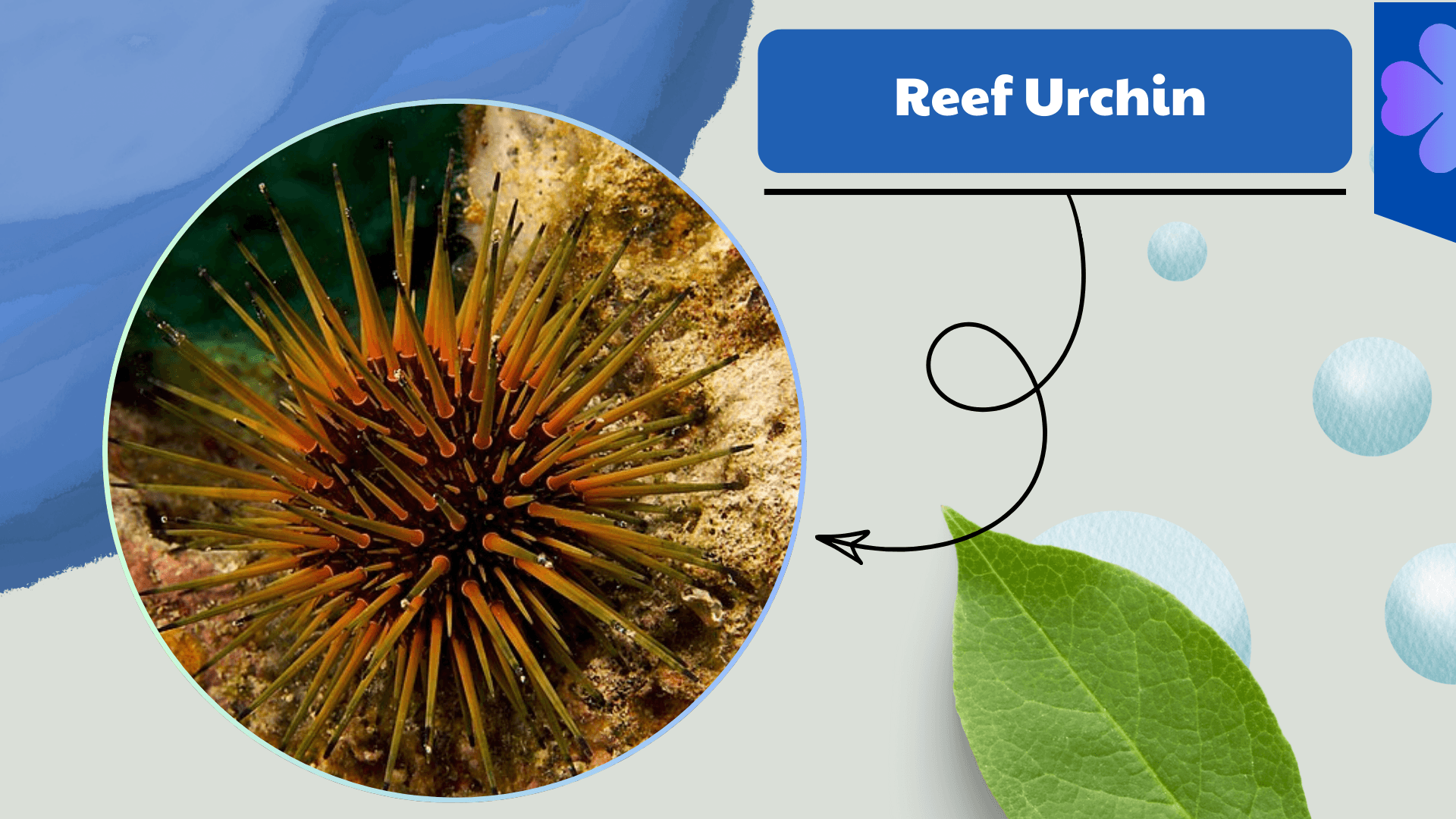
The Reef Urchin is a medium-sized species commonly found across coral reefs worldwide. Its spines are shorter and more uniform than those of long-spined varieties, providing a dense protective barrier against predators. These urchins are often found in crevices and under ledges, emerging at night to graze on algae that might otherwise overgrow delicate corals. Reef Urchins play a vital role in maintaining the visual and biological health of reefs, as unchecked algal growth can smother coral polyps and reduce biodiversity.
Their diet primarily consists of benthic algae, detritus, and occasionally small invertebrates. The interaction between Reef Urchins and corals exemplifies a delicate ecological balance, where grazing prevents coral smothering while avoiding overconsumption of reef-building species. These urchins are particularly sensitive to water quality and temperature fluctuations, making them useful bioindicators for monitoring reef health. Researchers often track their abundance and grazing patterns to assess the resilience of coral ecosystems.
Reproductive behavior involves seasonal spawning, with synchronized release of eggs and sperm. Planktonic larvae drift for several weeks, undergoing morphological changes before settling onto the reef. Juvenile growth rates are influenced by food availability and competition, making healthy reefs essential for successful development. Predation by fish, crabs, and starfish regulates population density, ensuring that Reef Urchins do not overgraze their habitat.
For beginner snorkelers, the Reef Urchin provides a safe and educational observation opportunity. Its calm behavior and predictable nocturnal patterns make it an excellent subject for understanding basic marine ecology. Through responsible snorkeling and reef stewardship, humans can coexist with these essential grazers, preserving the natural balance that sustains vibrant underwater communities.
5. Rock Boring Urchin

The Rock Boring Urchin is a fascinating species known for its ability to excavate holes in rocky substrates. Using specialized teeth on its Aristotle’s lantern, this urchin can grind away at limestone and coral rock, creating protective cavities. These holes serve as shelters during the day, with the urchin emerging at night to feed on algae. This behavior not only provides safety from predators but also contributes to the bioerosion process, slowly shaping reef landscapes over centuries.
Feeding is primarily herbivorous, focused on encrusting algae that grows on hard surfaces. By consuming this algae, Rock Boring Urchins prevent overgrowth and help maintain a balanced ecosystem. Interestingly, the holes they create are later used by other small marine organisms, including shrimps, crabs, and juvenile fish, demonstrating a ripple effect of ecological influence. These urchins are usually found in shallow, well-lit reef flats and rocky shorelines across tropical oceans.
Reproduction is similar to other echinoids, with external fertilization and planktonic larvae. The larvae drift for several weeks, subject to ocean currents, before settling and beginning the boring process. Growth and survival depend on both the availability of suitable rock substrates and the abundance of food. Environmental threats, such as ocean acidification and physical destruction of reefs, can hinder their ability to create protective shelters, making conservation essential.
For marine enthusiasts, observing the Rock Boring Urchin highlights the complex interactions between species and their habitats. This species exemplifies how even small, seemingly simple animals can actively shape their environment, supporting biodiversity and contributing to reef dynamics. Understanding their behavior and ecological role deepens our appreciation for the intricate web of life beneath the waves.
6. Variegated Urchin
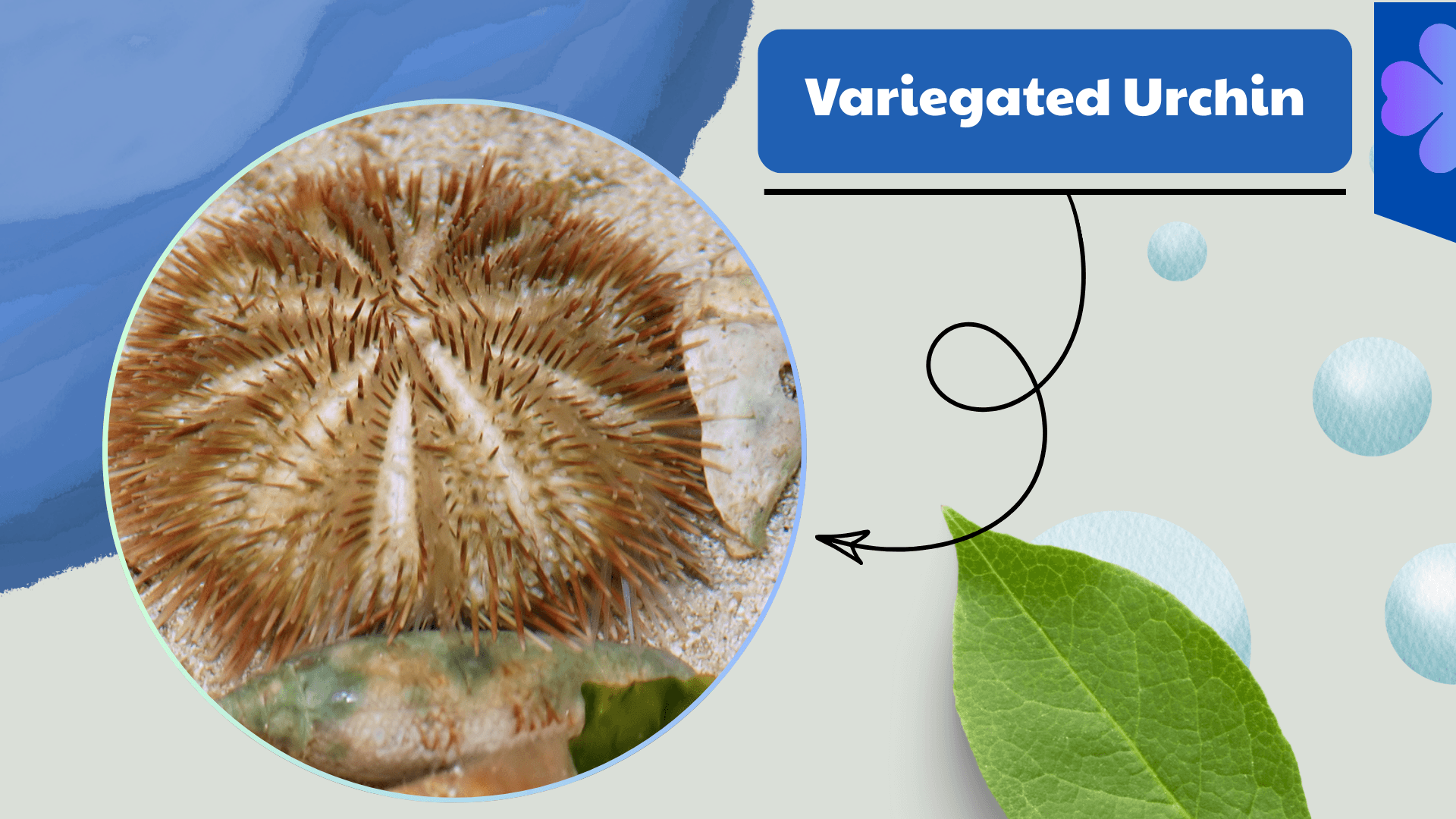
The Variegated Urchin is a visually stunning sea urchin species, known for its multi-colored spines that can range from deep purples and reds to bright yellows and greens. This vibrant coloration serves multiple purposes: camouflage among corals and rocks, and as a warning to potential predators. The Variegated Urchin is commonly found in shallow tropical reefs, particularly in areas with diverse coral formations and moderate wave action.
Behaviorally, Variegated Urchins are primarily nocturnal grazers. They feed on algae and detritus, using their five-toothed Aristotle’s lantern to scrape surfaces efficiently. By controlling algal growth, they play a vital ecological role, maintaining reef health and promoting coral diversity. Interestingly, the patterns on their spines are unique to each individual, much like fingerprints, which makes them fascinating for researchers studying population dynamics and species identification.
Reproduction in Variegated Urchins involves synchronized spawning events, typically linked to lunar cycles. Eggs and sperm are released into the water column, and fertilization occurs externally. Larvae float with plankton for several weeks before settling on the seabed and developing into juvenile urchins. Their early life stages are sensitive to environmental changes such as temperature fluctuations and water acidity, which can impact survival rates.
Variegated Urchins also contribute indirectly to reef biodiversity. Their spines provide shelter for tiny commensal organisms, including juvenile shrimps and small fish. By observing these urchins in their natural habitats, snorkelers and divers can gain insight into the intricate web of interactions that sustain coral reefs. Protecting their habitats from pollution, overfishing, and climate change is essential for the long-term health of reef ecosystems.
7. Inflated Sea Biscuit
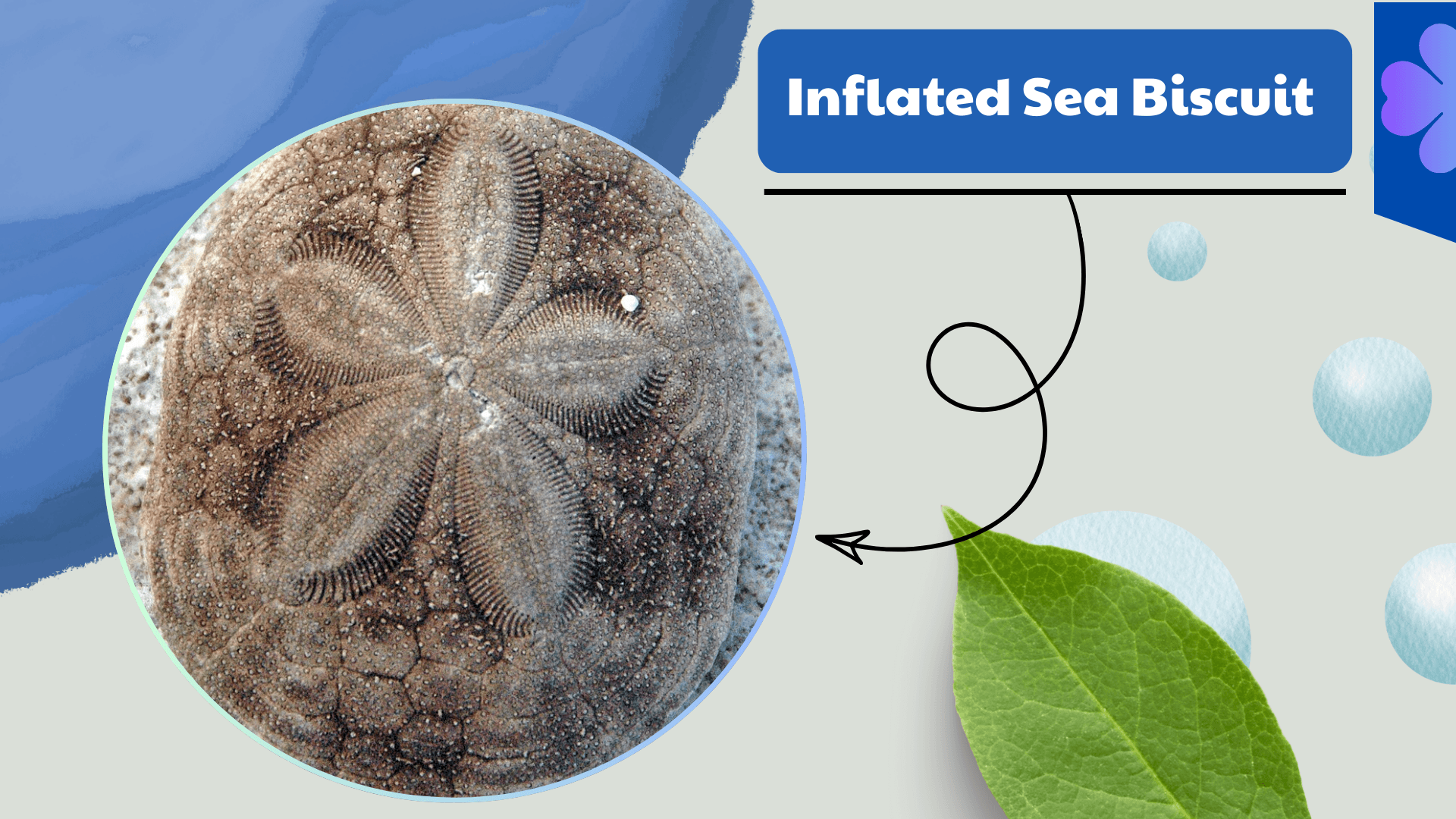
The Inflated Sea Biscuit is a unique member of the echinoid family, distinguished by its rounded, almost balloon-like body and short, stiff spines. Unlike typical spiny urchins, its shape allows it to burrow slightly into sandy or muddy substrates, offering protection from predators and strong currents. This species is most commonly found in shallow coastal waters, where soft sediment provides ideal conditions for its semi-burrowing lifestyle.
Feeding primarily occurs on detritus and microscopic algae within the sand. Using its specialized Aristotle’s lantern, the Inflated Sea Biscuit scrapes and collects organic material, recycling nutrients back into the ecosystem. Its feeding activity contributes significantly to sediment turnover, enhancing nutrient distribution and supporting benthic communities. The species’ nocturnal habits reduce predation risk and allow it to exploit food resources with minimal competition.
Reproduction in Inflated Sea Biscuits is similar to other echinoids. Adults release eggs and sperm into the water column, where external fertilization occurs. Larvae drift in the plankton for weeks before settling and developing their characteristic rounded bodies. Juvenile growth is influenced by food availability and sediment quality, making healthy coastal habitats essential for population survival.
From a human perspective, the Inflated Sea Biscuit serves as an indicator species for sediment health and water quality. Observing their burrowing behavior reveals how even small, seemingly simple animals shape their environments and support ecosystem function. By protecting coastal habitats and reducing sediment pollution, we can ensure the continued ecological role of this remarkable urchin species.
8. Red Pencil Urchin
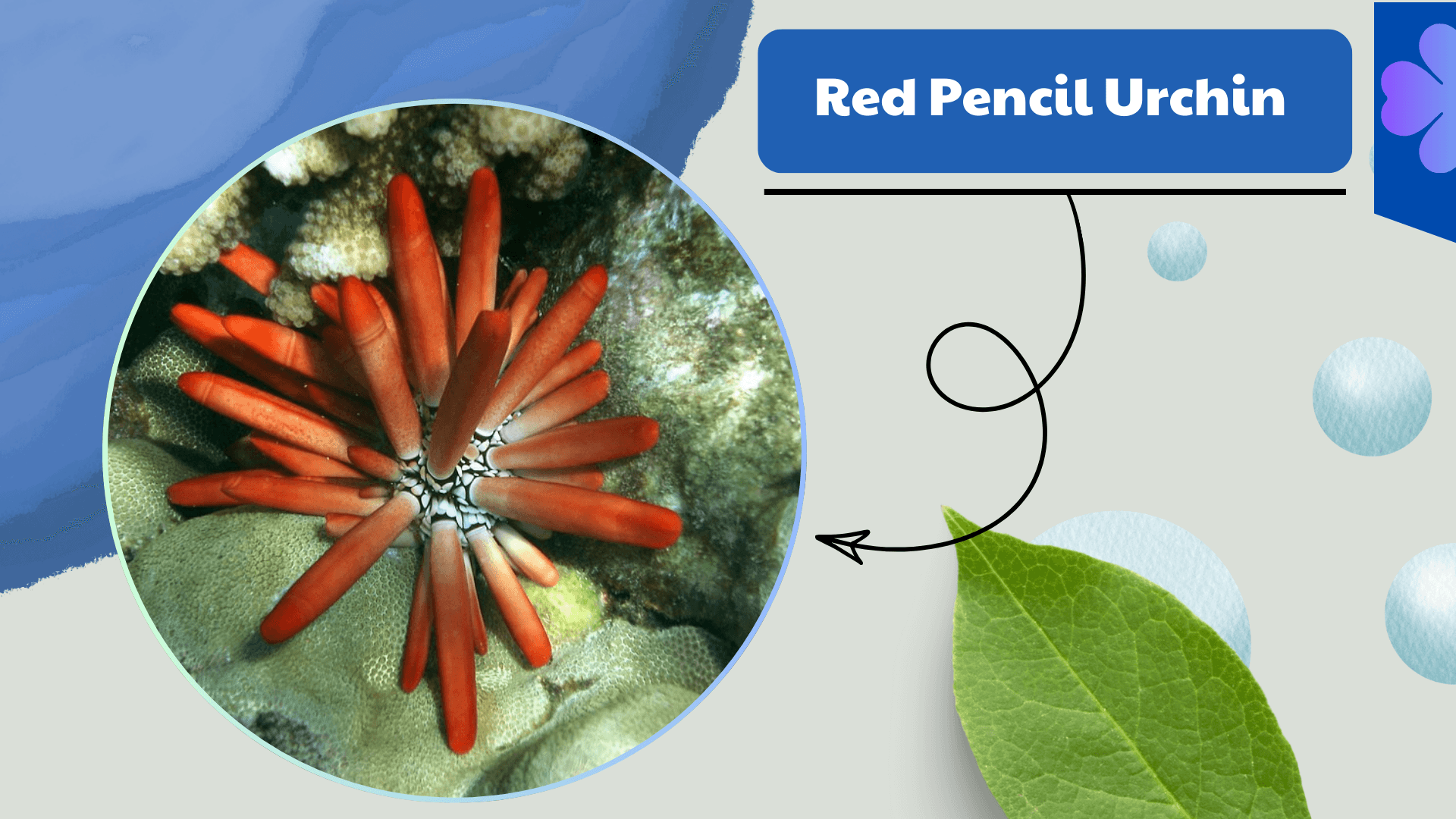
The Red Pencil Urchin is easily recognized by its bright red, thick, pencil-like spines that provide both defense and a striking visual appeal. This species inhabits coral reefs and rocky coastal areas in the Caribbean and adjacent waters. Its robust spines not only deter predators but also aid in mobility, allowing the urchin to navigate complex reef structures with ease.
Feeding primarily involves grazing on algae, which helps maintain coral health by preventing algal overgrowth. The Red Pencil Urchin’s feeding technique uses Aristotle’s lantern to scrape algae efficiently from hard surfaces, playing a crucial role in the reef’s ecological balance. The species is mostly nocturnal, emerging under the cover of darkness to minimize exposure to predators such as fish and octopuses.
Reproductive strategies include broadcast spawning, where multiple individuals release gametes simultaneously to increase fertilization success. Planktonic larvae drift for several weeks before settling, a critical period where survival depends on water quality and predation pressures. Red Pencil Urchins have relatively slow growth rates, making them sensitive to environmental disturbances and overharvesting.
Ecologically, the Red Pencil Urchin supports reef diversity. Its spines often serve as microhabitats for tiny symbiotic organisms, and its grazing behavior controls algae that could otherwise overwhelm corals. For divers and marine enthusiasts, observing these urchins offers a chance to appreciate the delicate balance of coral reef ecosystems. Conservation measures such as reef monitoring, marine protected areas, and limiting human interference are key to sustaining healthy populations.
9. Double Spined Urchin

The Double Spined Urchin is a fascinating species characterized by two distinct types of spines: long, defensive spines and shorter, fine spines that aid in locomotion and camouflage. This combination provides both protection and mobility, making it highly adaptable to different reef environments. Found in tropical and subtropical waters, the Double Spined Urchin prefers coral rubble and rocky substrates where it can forage safely.
Dietarily, it feeds primarily on algae but may also consume detritus and encrusting organisms. The unique spine configuration allows it to balance between defense and feeding efficiency, reducing predation risk while maximizing grazing potential. This species plays a significant ecological role, controlling algal growth and supporting coral health. Their nocturnal activity minimizes competition with other grazers and reduces visibility to predators.
Reproduction occurs via external fertilization. Spawning is often synchronized with lunar or seasonal cycles, optimizing larval survival. Planktonic larvae drift with ocean currents before settling on the reef, where they begin growing their distinctive spines. Juveniles are vulnerable to changes in water quality and habitat degradation, highlighting the importance of conservation initiatives for reef protection.
The Double Spined Urchin also provides habitat for microfauna. Small shrimps and worms often hide among its spines, demonstrating the species’ indirect support of biodiversity. For snorkelers and divers, observing this species is a lesson in evolutionary adaptation, showcasing how morphology, behavior, and ecological roles are intertwined. Protecting their environment ensures that these urchins continue to sustain healthy reef systems.
10. Fire Urchin
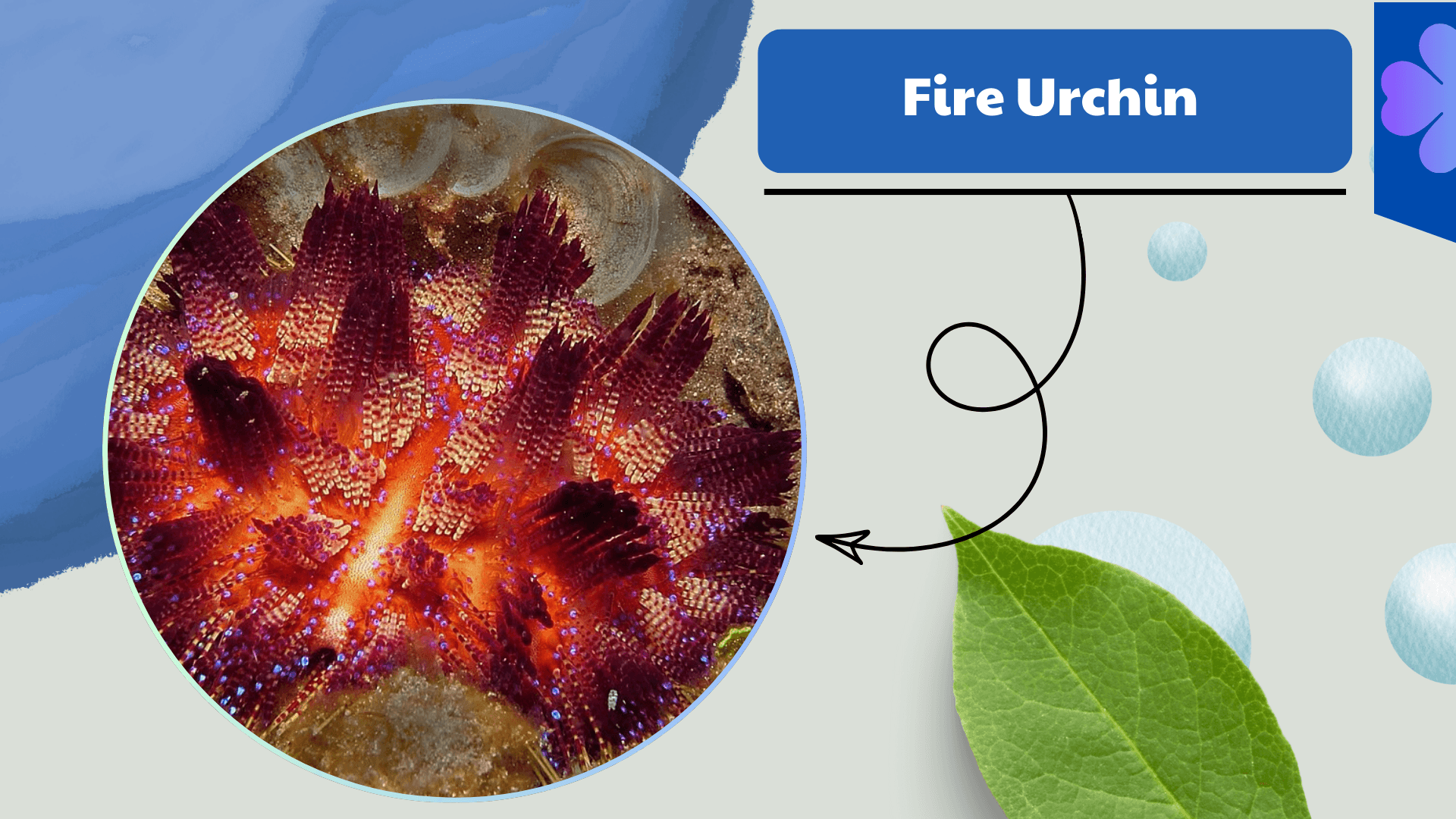
The Fire Urchin is arguably one of the most dramatic and visually striking sea urchins. Its vivid red and orange spines, sometimes tipped with venom, serve as a potent warning to potential predators. Native to tropical reefs in the Indo-Pacific, the Fire Urchin thrives in shallow reef slopes and protected lagoons, where it can graze and reproduce safely. Handling or stepping on this species can cause painful stings, so careful observation from a distance is recommended.
Fire Urchins are primarily herbivorous but will opportunistically consume small invertebrates. Their grazing helps maintain coral health, and their activity contributes to the overall structure of reef ecosystems. The venomous spines provide an excellent example of evolutionary adaptation, deterring predators while allowing the urchin to thrive in high-competition environments.
Reproduction involves broadcast spawning, with gametes released into the water column. Planktonic larvae drift for several weeks, feeding on microscopic plankton, before settling and developing their signature spiny exteriors. Environmental factors such as temperature, salinity, and ocean acidity directly influence larval survival and growth rates. Conservation of Fire Urchins is important not only for ecological reasons but also for human safety and sustainable marine tourism.
For marine enthusiasts, the Fire Urchin offers a striking example of natural defense mechanisms and the beauty of reef biodiversity. Its presence enhances reef health, supports microhabitats, and serves as an educational subject for anyone interested in marine life. Observing Fire Urchins safely allows divers and snorkelers to appreciate the intricate interactions that maintain vibrant coral reef ecosystems.
11. Burrowing Urchin
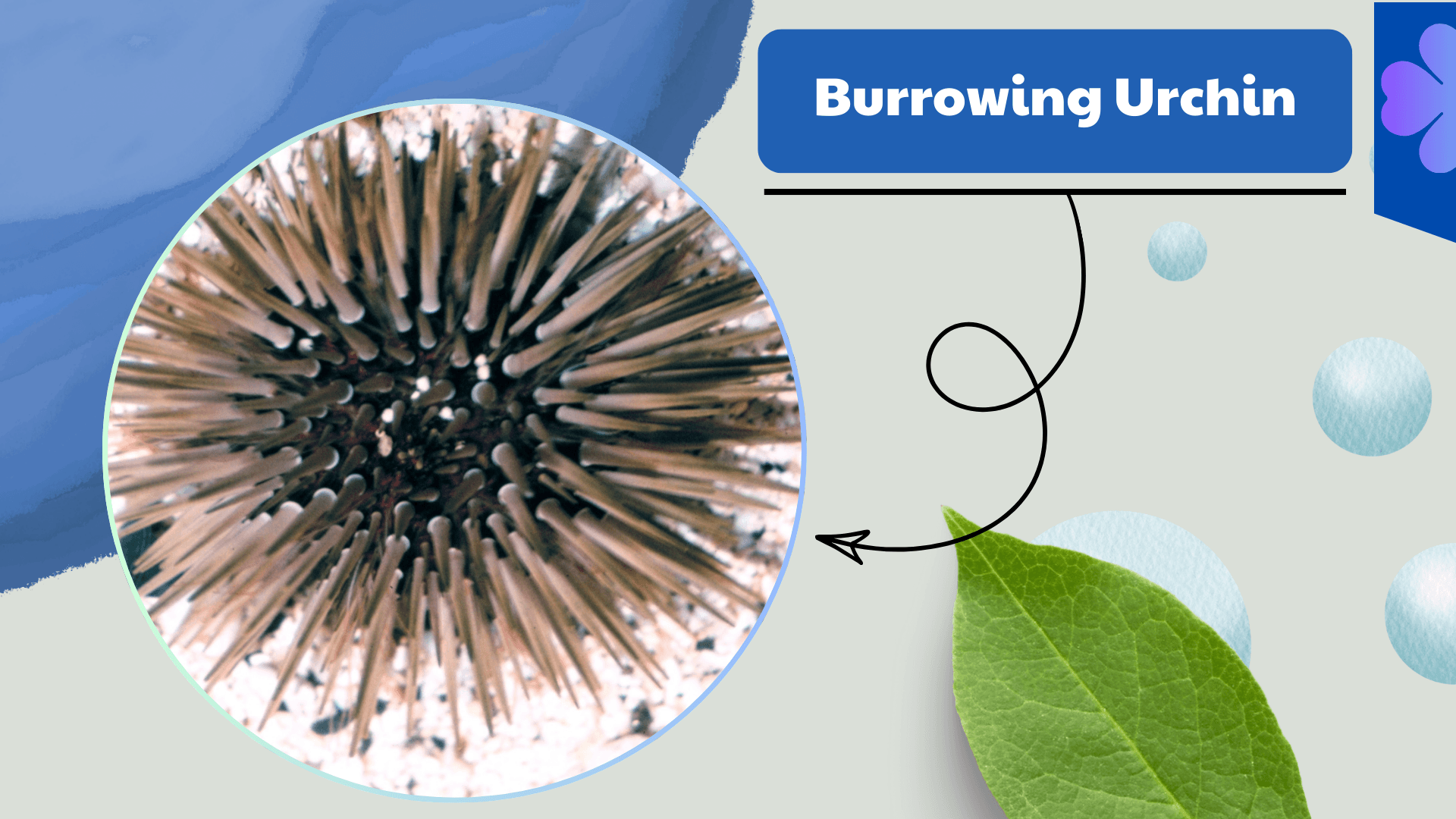
The Burrowing Urchin is a remarkable species that has adapted to life within sandy or soft-bottomed marine environments. Unlike many of its reef-dwelling relatives, it spends much of its time partially buried in sediment, which offers protection from predators and strong currents. Its spines are short but sturdy, allowing it to dig effectively while maintaining stability. Burrowing Urchins are found throughout tropical and subtropical oceans, often near lagoonal areas and shallow sandy flats.
Feeding primarily involves scraping organic matter, algae, and detritus from the sand. The Burrowing Urchin’s feeding activity plays an essential role in nutrient recycling, aerating sediments, and supporting benthic ecosystems. Its nocturnal behavior reduces the risk of predation, and during daylight hours, it remains safely buried. Interestingly, their burrowing behavior also creates microhabitats for smaller organisms, including worms and juvenile crustaceans, enhancing local biodiversity.
Reproduction in Burrowing Urchins occurs through broadcast spawning. Eggs and sperm are released into the water column, and planktonic larvae drift for several weeks before settling in sediment-rich areas. Environmental conditions such as sediment quality, water temperature, and salinity directly influence larval survival and juvenile growth. Protecting these habitats from coastal development and pollution is critical to maintain healthy populations.
For divers and snorkelers, Burrowing Urchins offer an intriguing glimpse into how marine organisms adapt to non-reef environments. Observing their subtle movements and understanding their ecological role underscores the complexity of marine ecosystems. By conserving their habitats, we ensure that these unique urchins continue to support sediment dynamics and biodiversity in shallow coastal waters.
12. Indo‑Pacific Long-Spined Sea Urchin

The Indo-Pacific Long-Spined Sea Urchin is one of the most iconic and widely recognized urchins in tropical waters. Its exceptionally long, needle-like spines can extend several inches and are often venomous, serving as an effective deterrent against predators. This species inhabits coral reefs, rocky coastlines, and lagoonal environments throughout the Indo-Pacific region. Its spines also provide shelter for small commensal organisms such as shrimp and juvenile fish.
Feeding habits are primarily herbivorous, focusing on algae that grow on rocks and coral surfaces. The urchin’s grazing activity is crucial for maintaining coral health by preventing algal overgrowth, which can smother corals and reduce biodiversity. Nocturnal by nature, the Indo-Pacific Long-Spined Sea Urchin emerges at night to feed while minimizing exposure to predators. Its movement is slow and deliberate, guided by tube feet that sense the substrate and aid in navigation.
Reproductive strategies involve broadcast spawning, with gametes released simultaneously to enhance fertilization success. Larvae drift as plankton for several weeks, feeding on microscopic plankton before settling and developing their long spines. Environmental factors such as rising ocean temperatures and acidification can impact spine development and larval survival, highlighting the importance of reef conservation.
For marine enthusiasts, the Indo-Pacific Long-Spined Sea Urchin is a striking example of evolutionary adaptation and ecological significance. Observing its spiny silhouette against coral backdrops illustrates the delicate balance of predator-prey interactions and reef dynamics. Protecting this species ensures continued reef resilience and biodiversity across the Indo-Pacific.
13. Lance Urchin
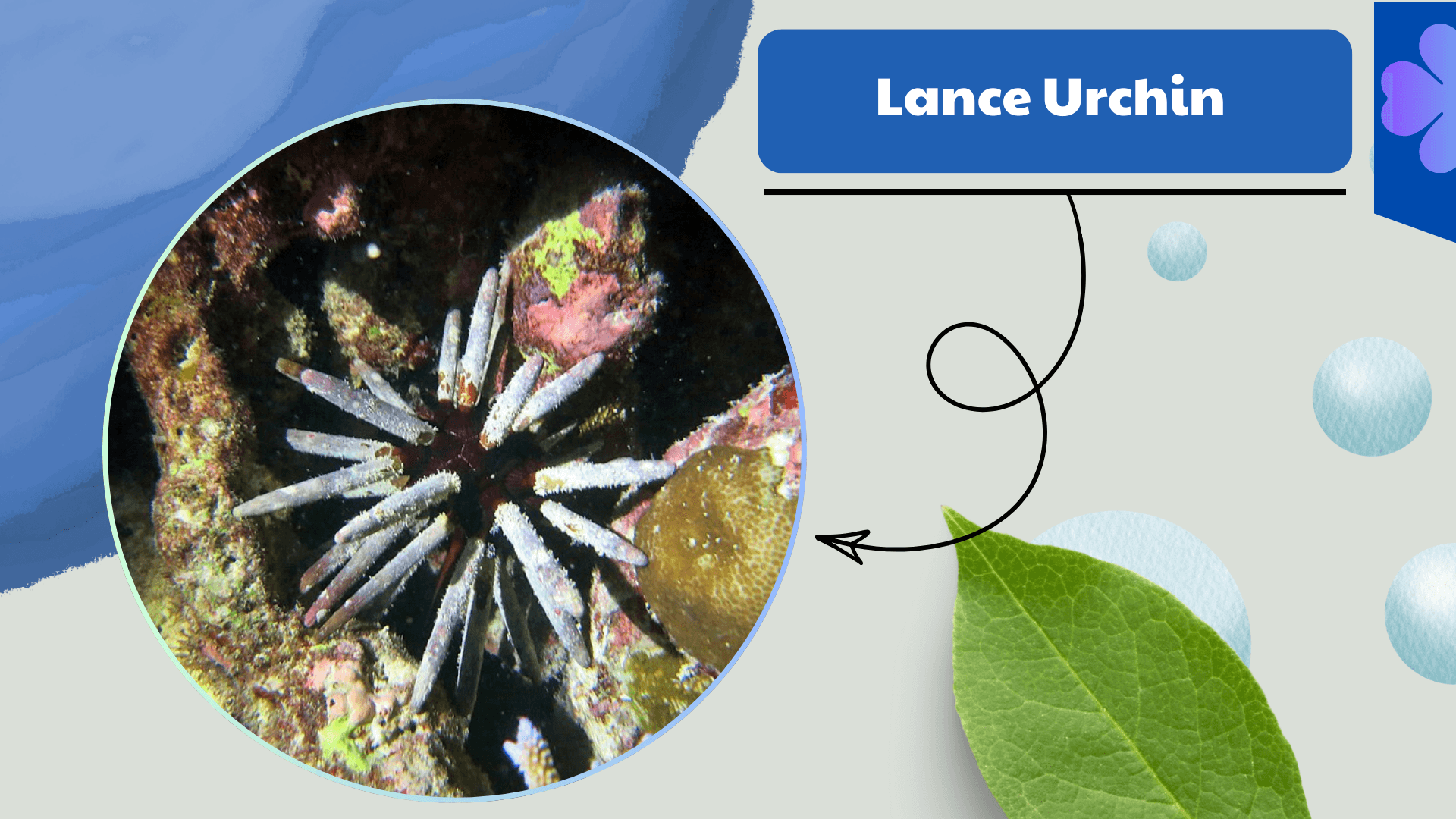
The Lance Urchin is named for its slender, lance-like spines, which are both sharp and flexible. This species inhabits shallow coral reefs and rocky areas in tropical regions, favoring crevices and overhangs that provide shelter during the day. Its spines offer defense against predators, while the tapered shape allows it to wedge into narrow spaces for protection. The Lance Urchin is notable for its elegant appearance and the subtle coloration patterns that help it blend into reef substrates.
Diet consists primarily of algae, though the Lance Urchin may occasionally consume detritus or encrusting organisms. Its grazing plays a crucial role in controlling algal growth, contributing to coral health and reef stability. Like other urchins, it uses Aristotle’s lantern—a specialized jaw with five teeth—to scrape algae from hard surfaces. Nocturnal behavior reduces competition with other grazers and minimizes predation risk.
Reproduction occurs via external fertilization, with planktonic larvae drifting for weeks before settling. Juvenile growth depends on food availability and reef conditions, making healthy coral habitats essential for population survival. Predators include fish, octopuses, and crabs, which help regulate urchin populations and maintain ecological balance.
For divers, the Lance Urchin offers a visually captivating experience. Its delicate spines, subtle coloration, and behavior make it an excellent subject for understanding the interplay between morphology, ecology, and reef dynamics. Conservation efforts, including monitoring and habitat protection, are essential for maintaining healthy Lance Urchin populations and thriving coral ecosystems.
14. Stained Collector Urchin
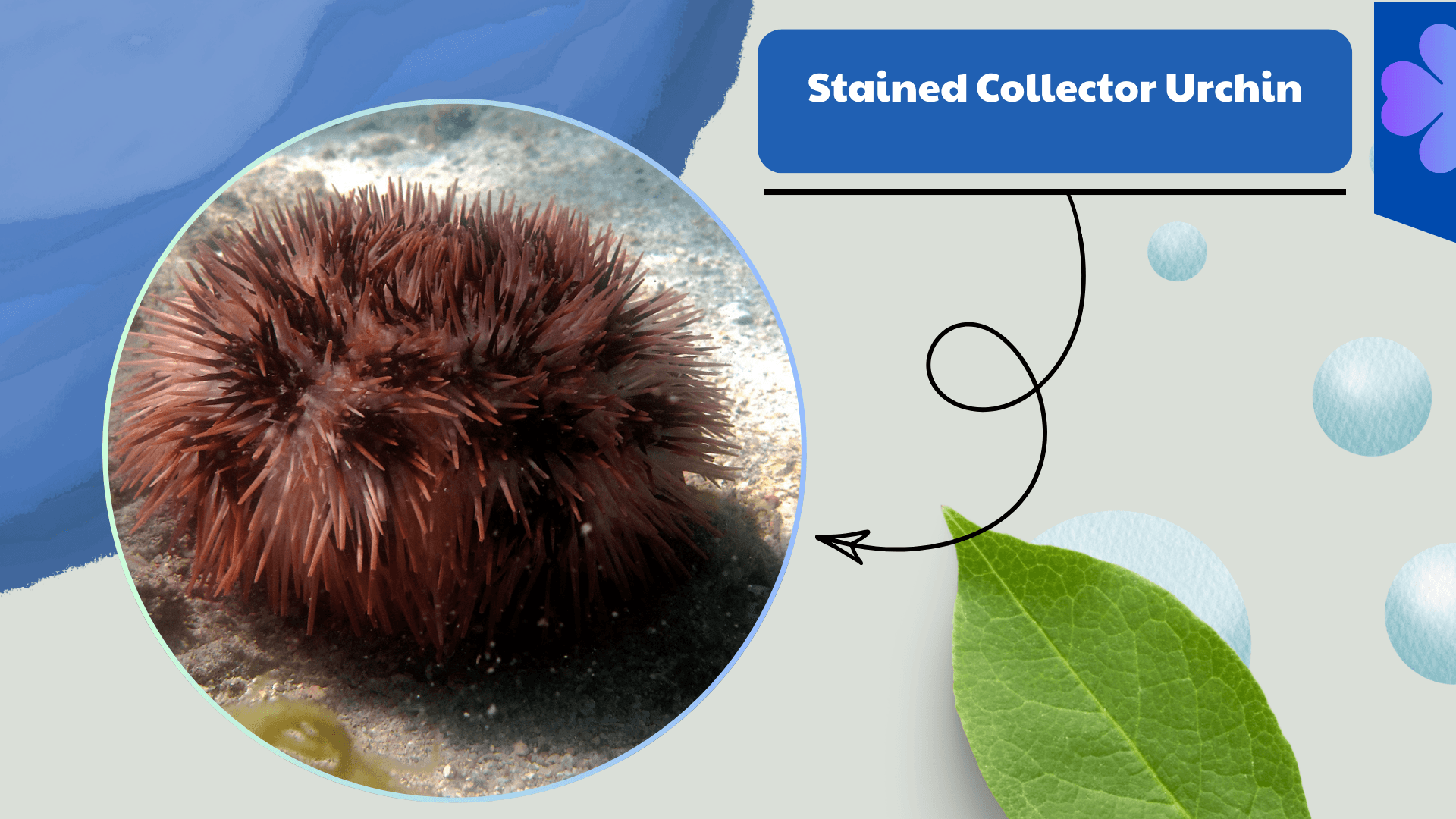
The Stained Collector Urchin is a fascinating species distinguished by its short, robust spines and colorful, patterned body. Found in tropical reefs, this urchin is often observed partially covered with fragments of algae, coral, or shells—a behavior that gives it the name “collector.” This camouflage strategy protects it from predators while blending seamlessly into its reef environment. Its unique appearance makes it a favorite among snorkelers and marine photographers.
Feeding primarily involves scraping algae and detritus from rocks and coral surfaces. By regulating algal growth, the Stained Collector Urchin supports coral health and overall reef biodiversity. The collected debris on its body also serves as a microhabitat for small commensal organisms, including tiny shrimp and worms, which adds to the ecological complexity of its habitat. These urchins are mostly nocturnal, reducing the likelihood of predation during feeding.
Reproductive behavior follows the typical broadcast spawning pattern of echinoids, with planktonic larvae drifting for several weeks before settlement. Juveniles gradually develop their distinctive coloring and debris-collecting habits as they grow. Environmental disturbances, such as coral bleaching and sedimentation, can impact survival rates, highlighting the importance of reef conservation.
Observing the Stained Collector Urchin provides valuable insight into behavioral adaptations and ecological interactions on coral reefs. Its ability to camouflage, graze, and support other organisms underscores the intricate connections within reef ecosystems. Protecting their habitats ensures the continued health and biodiversity of these delicate underwater environments.
15. Collector Urchin
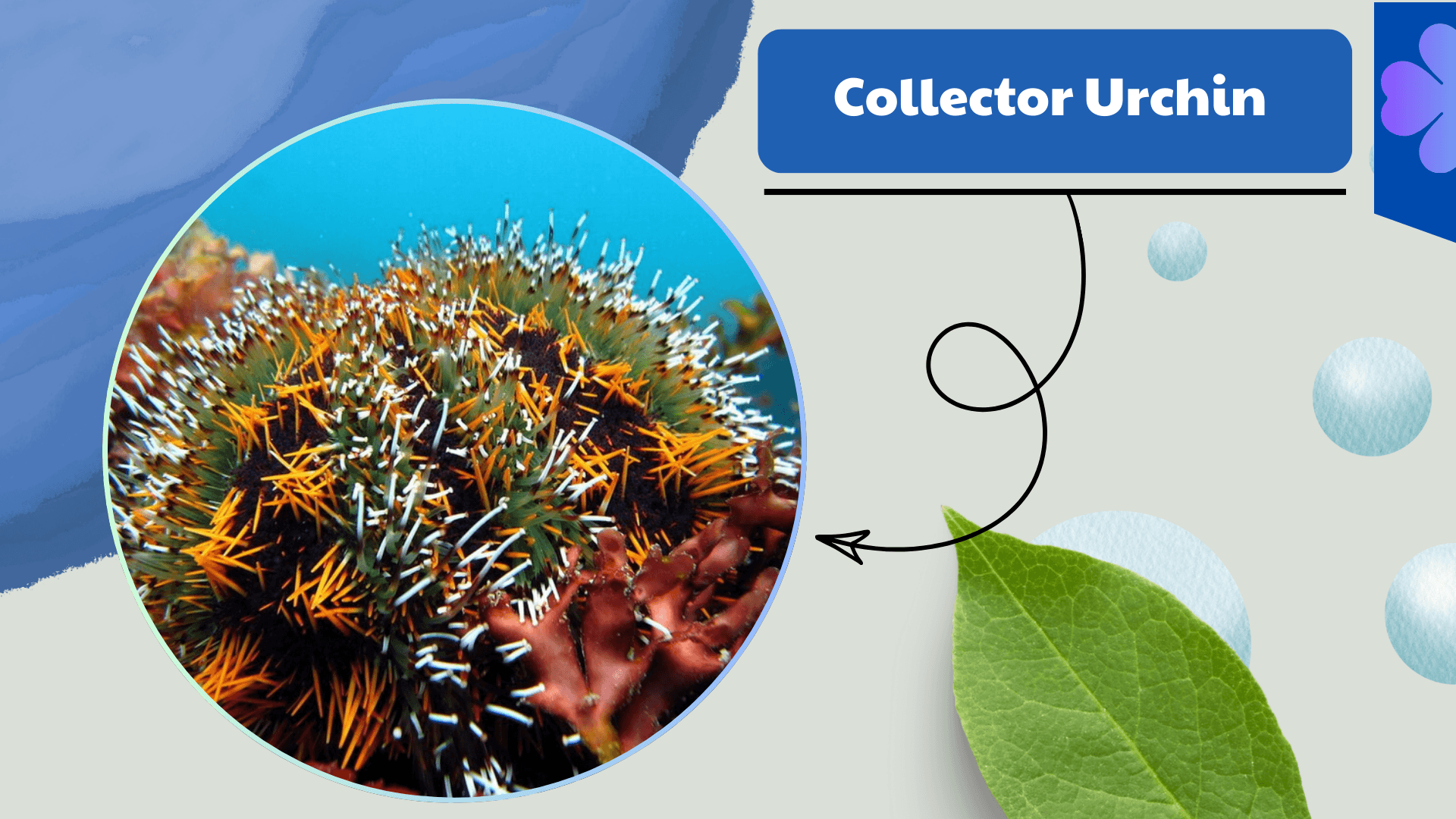
The Collector Urchin is closely related to the Stained Collector Urchin but is distinguished by its slightly smaller size and less pronounced coloration. Like its counterpart, it collects bits of algae, shells, and debris on its spines for camouflage. This unique behavior offers protection from predators and allows it to blend into diverse reef environments. Collector Urchins are commonly found in shallow tropical and subtropical reefs, often in areas with high coral diversity.
Feeding habits are herbivorous, focusing on algae and detritus. Their grazing activity plays a critical role in reef maintenance, preventing algal overgrowth that can suffocate corals. The debris they carry can host small symbiotic organisms, creating a microhabitat and increasing local biodiversity. Collector Urchins are primarily nocturnal, emerging at night to feed while reducing predation risk.
Reproduction follows the standard echinoid pattern of external fertilization. Planktonic larvae drift with currents for several weeks before settling and developing their spiny exteriors. Juveniles gradually adopt debris-collecting behavior, which is vital for survival during early life stages. Environmental pressures such as water pollution and habitat destruction can reduce population density, emphasizing the need for marine conservation.
For divers and marine observers, the Collector Urchin exemplifies the intricate behavioral adaptations of reef species. Watching its careful collection of debris provides a fascinating glimpse into survival strategies in complex marine ecosystems. Protecting these urchins and their habitats ensures ongoing reef health, biodiversity, and the continuation of these remarkable natural behaviors.
16. Red Sea Collector Urchin
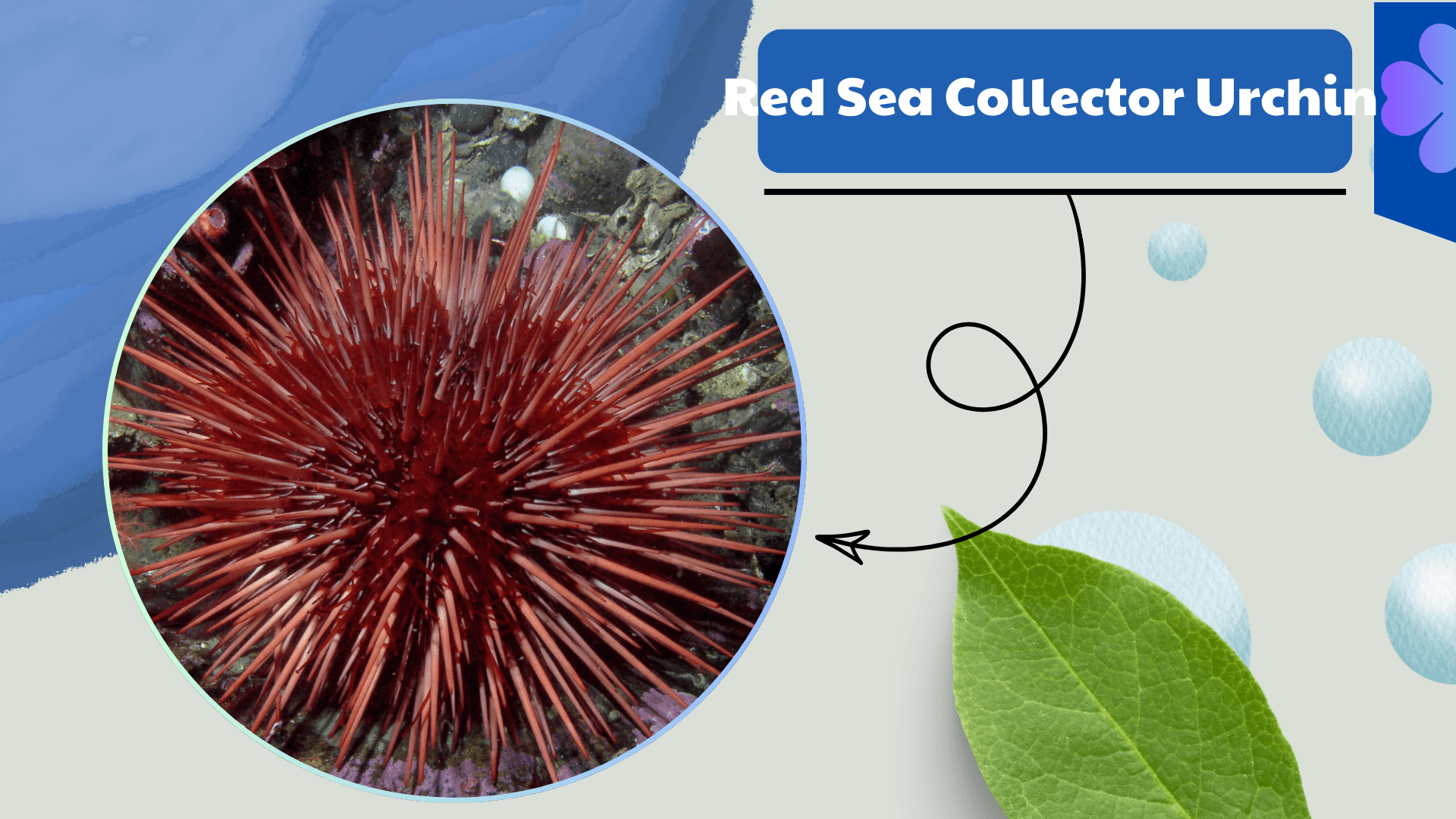
The Red Sea Collector Urchin is a visually captivating species found primarily in the Red Sea and adjacent areas. Its body is covered with short, robust spines that are often tipped with bright red, offering both protection and a striking visual display. Like other collector urchins, it gathers debris—bits of algae, shells, and small coral fragments—onto its spines, creating camouflage that helps evade predators.
Feeding behavior is primarily herbivorous, grazing on algae that grow on rocks and coral surfaces. This grazing prevents algae from overgrowing corals, making the Red Sea Collector Urchin a crucial component of reef health. It is mostly nocturnal, emerging from crevices at night to feed while avoiding predators such as fish and crabs.
Reproduction occurs via broadcast spawning. Gametes are released into the water column, where fertilization occurs. The planktonic larvae drift for several weeks before settling on the reef and developing into juveniles. Early growth is sensitive to environmental factors such as water temperature, salinity, and reef quality. This makes the conservation of Red Sea reefs essential for sustaining populations.
Beyond its ecological role, the Red Sea Collector Urchin provides microhabitats for tiny commensal organisms. Observing its behavior gives snorkelers and marine enthusiasts insight into the intricate interactions that sustain reef biodiversity. Conservation efforts in the Red Sea region, including protected marine areas, help maintain both this urchin species and the broader ecosystem it supports.
17. Flower Urchin

The Flower Urchin is one of the most visually stunning sea urchins, with vibrant red and purple spines radiating from its body in a flower-like arrangement. Found in tropical reef environments, it prefers shallow coral slopes where water flow provides ample nutrients. Its appearance is not only beautiful but also serves as a warning: the Flower Urchin’s spines contain venom that can inflict painful stings on potential predators or careless humans.
Feeding is herbivorous and opportunistic, focusing on algae and encrusting organisms. Its grazing helps maintain reef balance by controlling algal growth. The Flower Urchin is nocturnal, which reduces predation risk and competition with other grazers. Interestingly, the spines may host small commensal species, enhancing local biodiversity.
Reproduction involves external fertilization, with gametes released during synchronized spawning events. Larvae drift as plankton before settling and maturing. Juvenile growth is influenced by reef health, food availability, and environmental conditions. Climate change and habitat degradation can threaten both adult and larval stages, highlighting the importance of marine conservation.
The Flower Urchin is an excellent species for beginners to observe because it demonstrates defense mechanisms, ecological roles, and symbiotic relationships. Protecting reef habitats ensures that Flower Urchins continue to thrive and support the diverse marine ecosystems of tropical oceans.
18. Slate Pencil Urchin
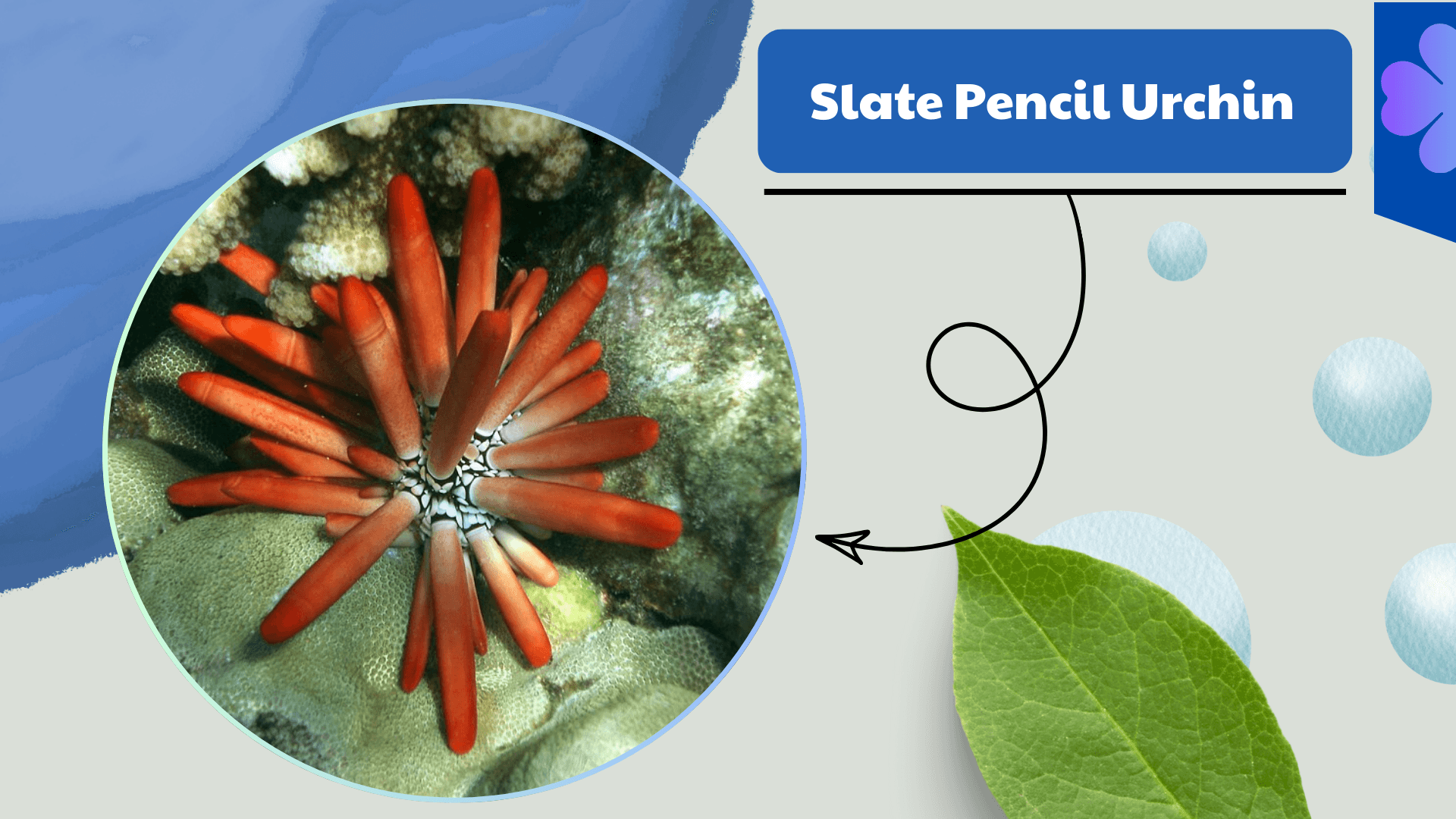
The Slate Pencil Urchin is notable for its thick, cylindrical spines that resemble miniature pencils. These spines can grow quite long and are sturdy, providing excellent protection against predators. Found on Caribbean reefs, this species prefers areas with abundant coral cover where it can graze effectively. The Slate Pencil Urchin is a key herbivore on reefs, controlling algae that could otherwise overtake coral surfaces.
Feeding involves scraping algae with Aristotle’s lantern, a specialized jaw equipped with five teeth. This urchin is mostly nocturnal, emerging at night to feed and returning to crevices during the day. Its grazing helps maintain reef resilience, supporting coral growth and the overall balance of reef ecosystems.
Reproduction occurs through broadcast spawning, with planktonic larvae drifting before settling into suitable habitats. Juveniles grow slowly, making them vulnerable to environmental changes. Predators include fish, crabs, and sea stars, which help regulate populations naturally.
Observing the Slate Pencil Urchin offers insight into the interplay of morphology, behavior, and ecological impact. Conservation of Caribbean reefs ensures the survival of this species and maintains the health of coral ecosystems that rely on its grazing activities.
19. Eastern Pacific White Sea Urchin

The Eastern Pacific White Sea Urchin is characterized by its pale, chalky spines that blend seamlessly with sandy or coral rubble substrates. Found along the coasts of the Eastern Pacific, including Central America, it inhabits shallow waters and reef flats. Its coloration provides camouflage, reducing predation risk from fish and invertebrates.
Diet is primarily herbivorous, focused on algae, detritus, and occasionally small encrusting organisms. By grazing on algae, this urchin maintains reef and seabed health, ensuring a balanced ecosystem. Nocturnal behavior reduces competition and predation while allowing effective feeding.
Reproduction involves broadcast spawning, with planktonic larvae drifting for weeks before settling. Juvenile growth is influenced by food availability and habitat conditions. Environmental threats, such as coastal development and pollution, can negatively affect survival rates, emphasizing the need for marine conservation.
For snorkelers and marine enthusiasts, observing the Eastern Pacific White Sea Urchin offers a chance to understand the role of herbivorous urchins in maintaining healthy reef and seabed ecosystems. Conserving their habitats ensures these delicate creatures continue their ecological functions for future generations.
20. Galápagos Green Sea Urchin
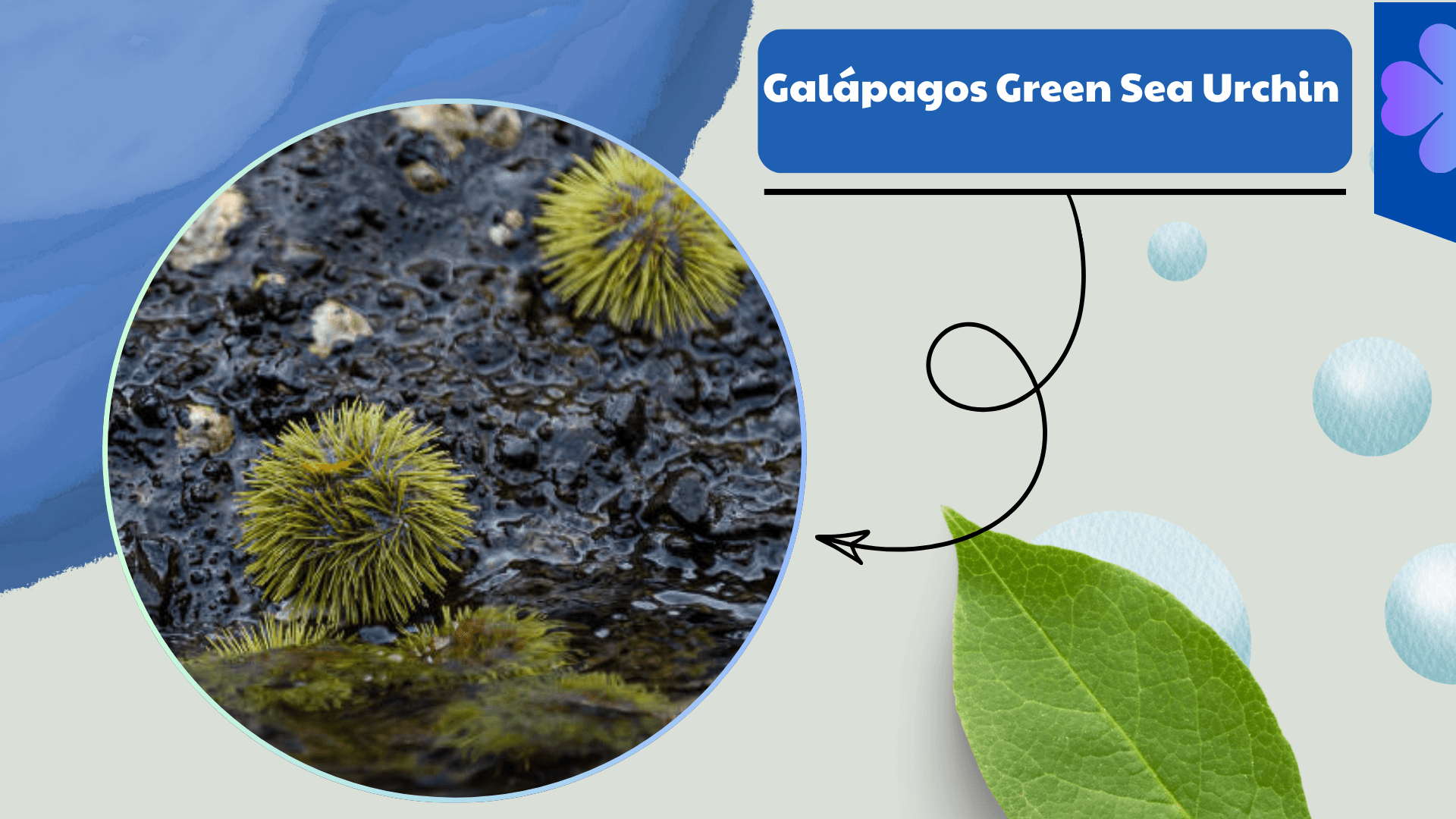
The Galápagos Green Sea Urchin is endemic to the waters surrounding the Galápagos Islands. Its greenish spines provide excellent camouflage against algae-covered rocks and coral reefs. This species thrives in shallow waters and is a key grazer in maintaining the balance between coral and algal growth. Its presence is an indicator of reef health in the Galápagos marine ecosystem.
Feeding behavior focuses primarily on algae and detritus, and the urchin uses Aristotle’s lantern to scrape surfaces efficiently. Nocturnal habits reduce predation risk while allowing efficient grazing. Interestingly, the spines can serve as microhabitats for small crustaceans and fish, enhancing local biodiversity.
Reproduction occurs via external fertilization. Planktonic larvae drift for several weeks before settling, relying on strong currents for dispersal. Juveniles develop slowly, and their survival depends on both food availability and habitat quality. Conservation in the Galápagos Marine Reserve ensures that this species remains an integral part of the ecosystem.
For divers and snorkelers, the Galápagos Green Sea Urchin provides a vivid example of adaptation, camouflage, and ecological importance. Protecting this species supports the overall health of one of the world’s most unique marine environments.
21. Needle Sea Urchin
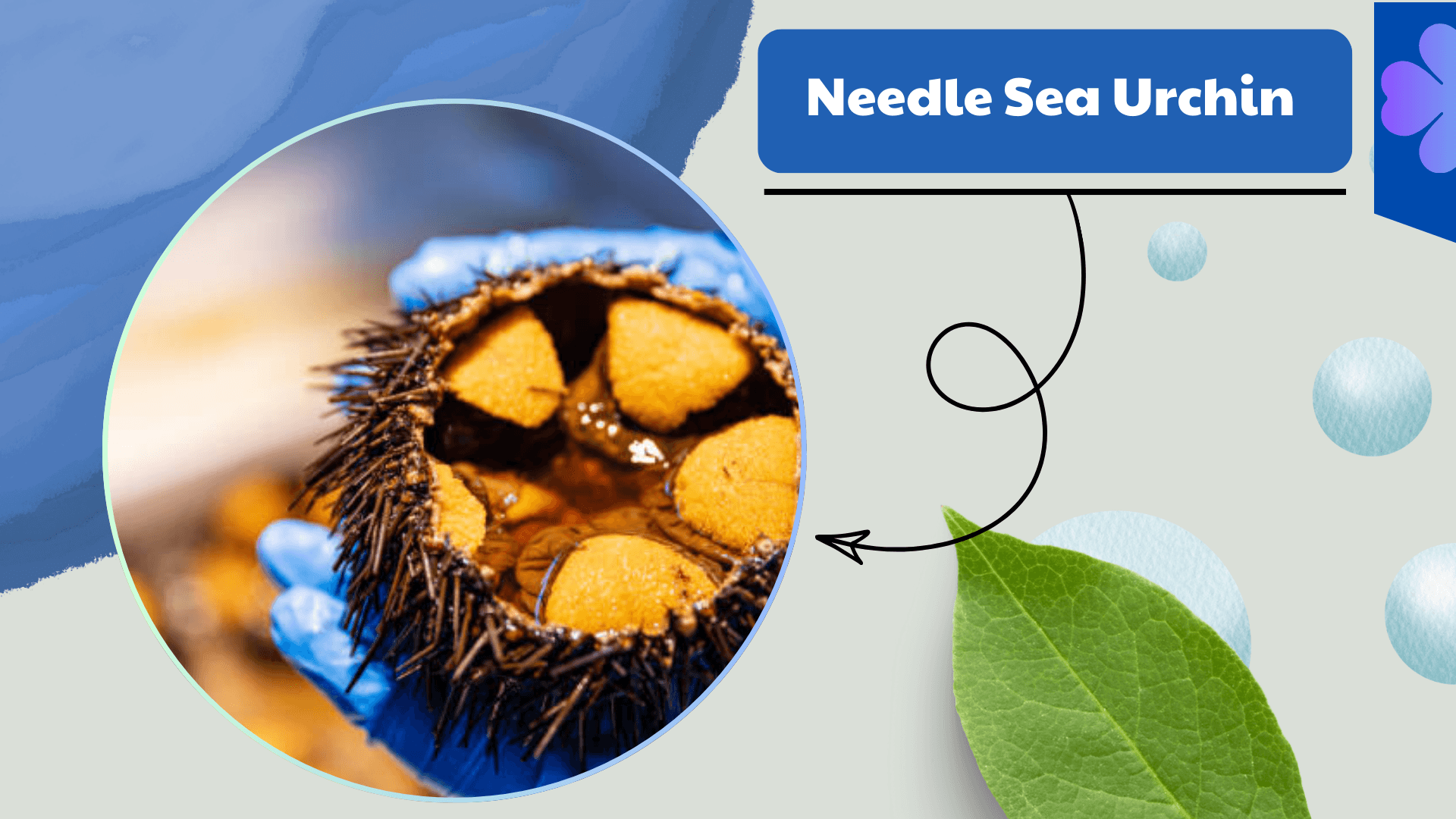
The Needle Sea Urchin is distinguished by its extremely long, sharp spines, resembling needles protruding from its round body. These spines provide formidable protection against predators such as fish and crabs. Needle Sea Urchins are found in tropical and subtropical reefs, often occupying crevices and shaded areas where they can feed safely.
Feeding is primarily herbivorous, focusing on algae and encrusting organisms. Their grazing helps maintain coral health and contributes to the overall balance of reef ecosystems. Nocturnal behavior minimizes predation, and the spines sometimes host small commensal organisms.
Reproduction involves broadcast spawning, with planktonic larvae drifting for weeks before settling. Environmental factors such as water temperature, acidity, and pollution can affect larval survival and juvenile growth. Conservation of reef habitats is essential for maintaining healthy populations.
Needle Sea Urchins are an excellent subject for divers, demonstrating evolutionary adaptations for defense and survival. Their presence indicates healthy reef systems, emphasizing the importance of protecting marine habitats.
22. Central American Rock Boring Urchin

The Central American Rock Boring Urchin is a fascinating species adapted to excavate holes in rocky substrates. Using its Aristotle’s lantern, it grinds away at limestone and coral, creating protective cavities. These shelters provide safety from predators during the day, while the urchin emerges at night to feed on algae.
By burrowing, this species contributes to bioerosion, slowly shaping reef structures and creating habitats for other small marine organisms. Feeding is primarily herbivorous, and the urchin’s activity promotes ecosystem balance. Its nocturnal behavior reduces exposure to predators.
Reproduction follows external fertilization, with planktonic larvae drifting before settling. Juvenile growth is influenced by substrate availability and food resources. Habitat destruction and ocean acidification threaten their survival, making conservation efforts critical.
For marine enthusiasts, the Central American Rock Boring Urchin demonstrates how even small species actively shape their environment, supporting reef complexity and biodiversity.
23. Rose Flower Urchin
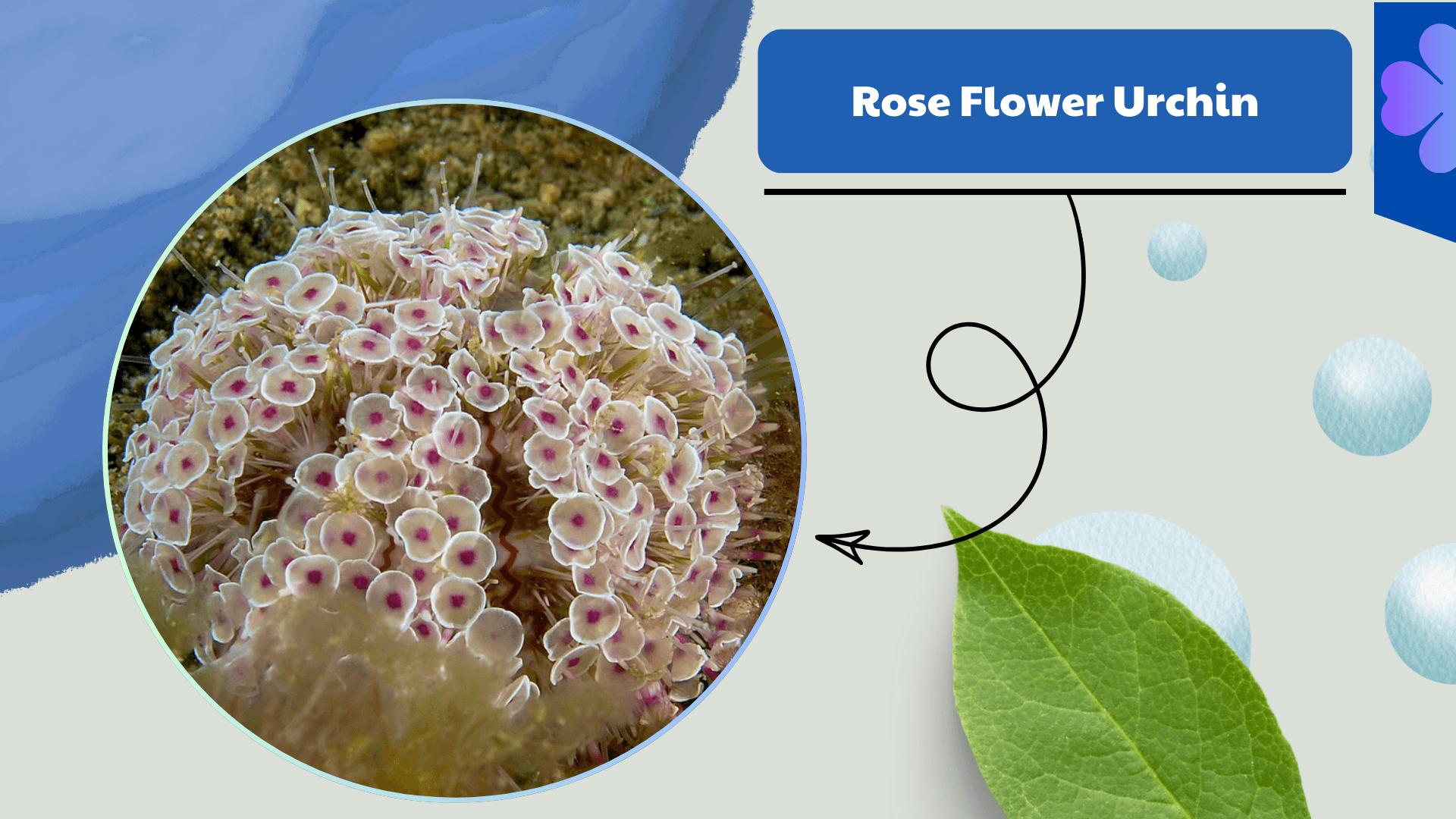
The Rose Flower Urchin is named for its spines that radiate outward in a pattern reminiscent of rose petals. Its colorful, often pinkish-red hues make it visually striking, and its venomous spines provide protection from predators. Found in tropical reefs, it inhabits shallow slopes and sheltered lagoons where algae are abundant.
Feeding is primarily herbivorous, and the urchin plays an important role in preventing algal overgrowth. Nocturnal behavior minimizes predation and competition. Spines may also host tiny commensal species, enhancing reef biodiversity.
Reproduction involves external fertilization, with larvae drifting in the plankton before settling. Juvenile growth depends on food and reef conditions. Conservation of coral reefs is essential to support the survival of this species and maintain reef health.
Observing the Rose Flower Urchin offers insight into defensive strategies, ecological roles, and the interconnectedness of reef species, highlighting the importance of protecting these delicate ecosystems.
24. Black Sea Urchin

The Black Sea Urchin is easily recognized by its deep black spines, which provide excellent camouflage against dark substrates and shadowed reef areas. Found in tropical and subtropical reefs, it occupies crevices and rocky surfaces, emerging primarily at night to feed on algae.
Its grazing behavior helps control algal growth and maintain reef health. Reproduction occurs via broadcast spawning, with planktonic larvae drifting before settling. Juveniles are vulnerable to environmental changes, making habitat protection critical. Predators include fish, crabs, and octopuses.
For divers, the Black Sea Urchin demonstrates effective natural camouflage and the importance of herbivorous urchins in ecosystem maintenance. Conserving reef habitats ensures continued biodiversity and ecological balance.
25. Purple Sea Urchin

The Purple Sea Urchin is one of the most studied urchins due to its striking purple spines and ecological importance. Found in shallow reefs and rocky coastal areas, it feeds primarily on algae and contributes significantly to controlling algal growth on reefs. Its spines offer protection from predators and provide microhabitats for small organisms.
Reproduction follows external fertilization, with planktonic larvae drifting before settlement. Juveniles grow slowly and are sensitive to environmental changes such as ocean temperature and acidity. Conservation of reef habitats is essential to maintain healthy populations of this iconic species.
For marine enthusiasts, the Purple Sea Urchin offers an excellent example of how a single species can influence reef dynamics, showcasing the intricate relationships between morphology, behavior, and ecology in marine environments.
26. Violet Sea Urchin
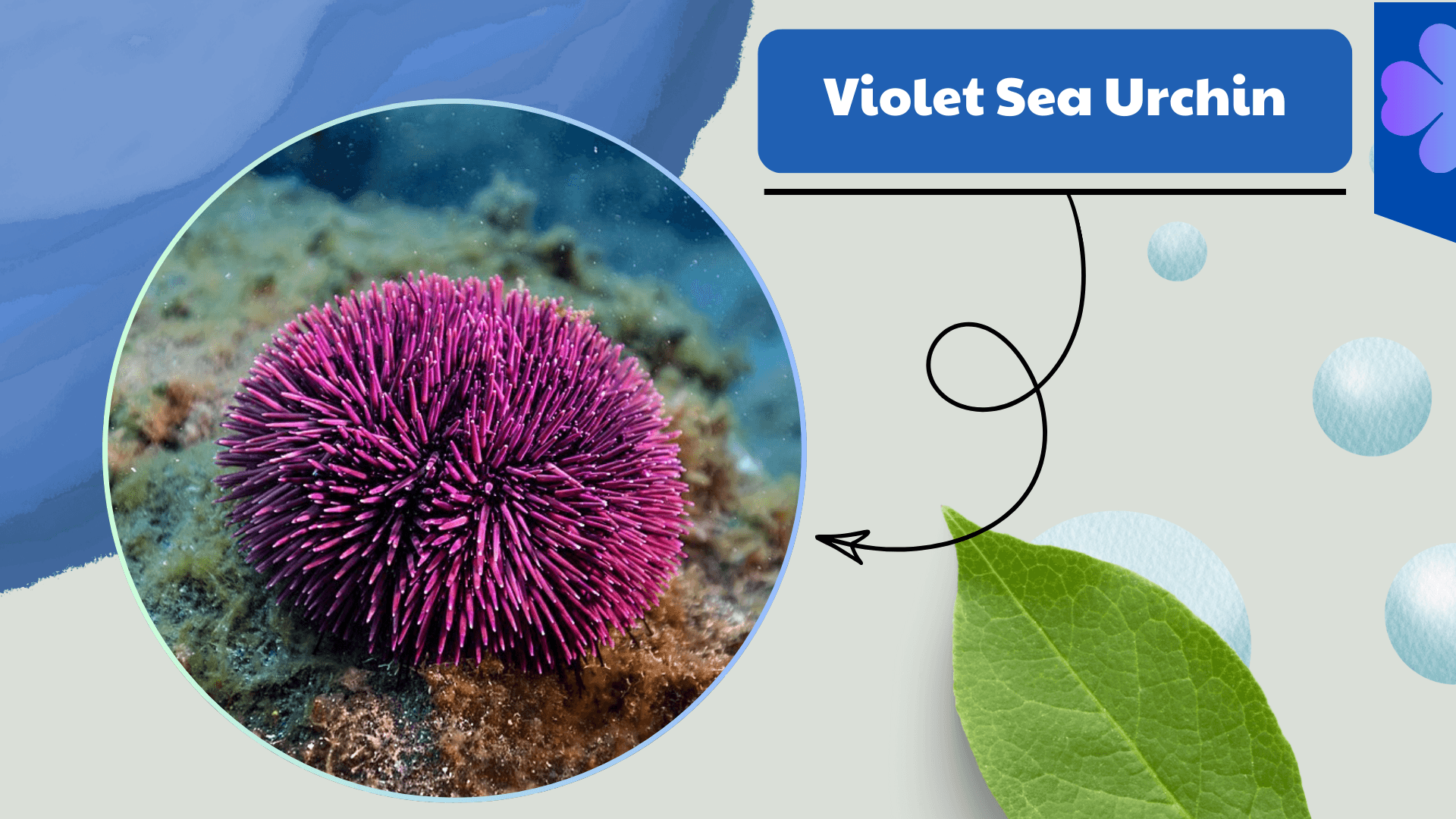
The Violet Sea Urchin is a striking species characterized by deep purple spines that shimmer in sunlight, creating a vivid contrast against coral reefs and rocky seabeds. Found primarily in tropical and subtropical waters, this urchin prefers shallow reefs, rocky ledges, and tide pools. Its coloration serves both as camouflage among colorful reef elements and as a warning to potential predators.
Violet Sea Urchins feed primarily on algae, using Aristotle’s lantern to scrape surfaces efficiently. This grazing behavior is vital for reef health, preventing algal overgrowth that can smother coral. Nocturnal habits reduce predation risk while allowing the urchin to forage effectively. Spines often host small commensal organisms, enhancing local biodiversity.
Reproduction involves external fertilization, with eggs and sperm released during synchronized spawning events. Planktonic larvae drift for several weeks before settling and developing juvenile spines. Juvenile growth is sensitive to water quality and food availability, making healthy reef habitats crucial for population survival.
For divers and snorkelers, the Violet Sea Urchin is visually captivating and ecologically significant. Observing this species provides insight into the roles of herbivorous urchins in maintaining coral reef balance and biodiversity.
27. Hatpin Urchin
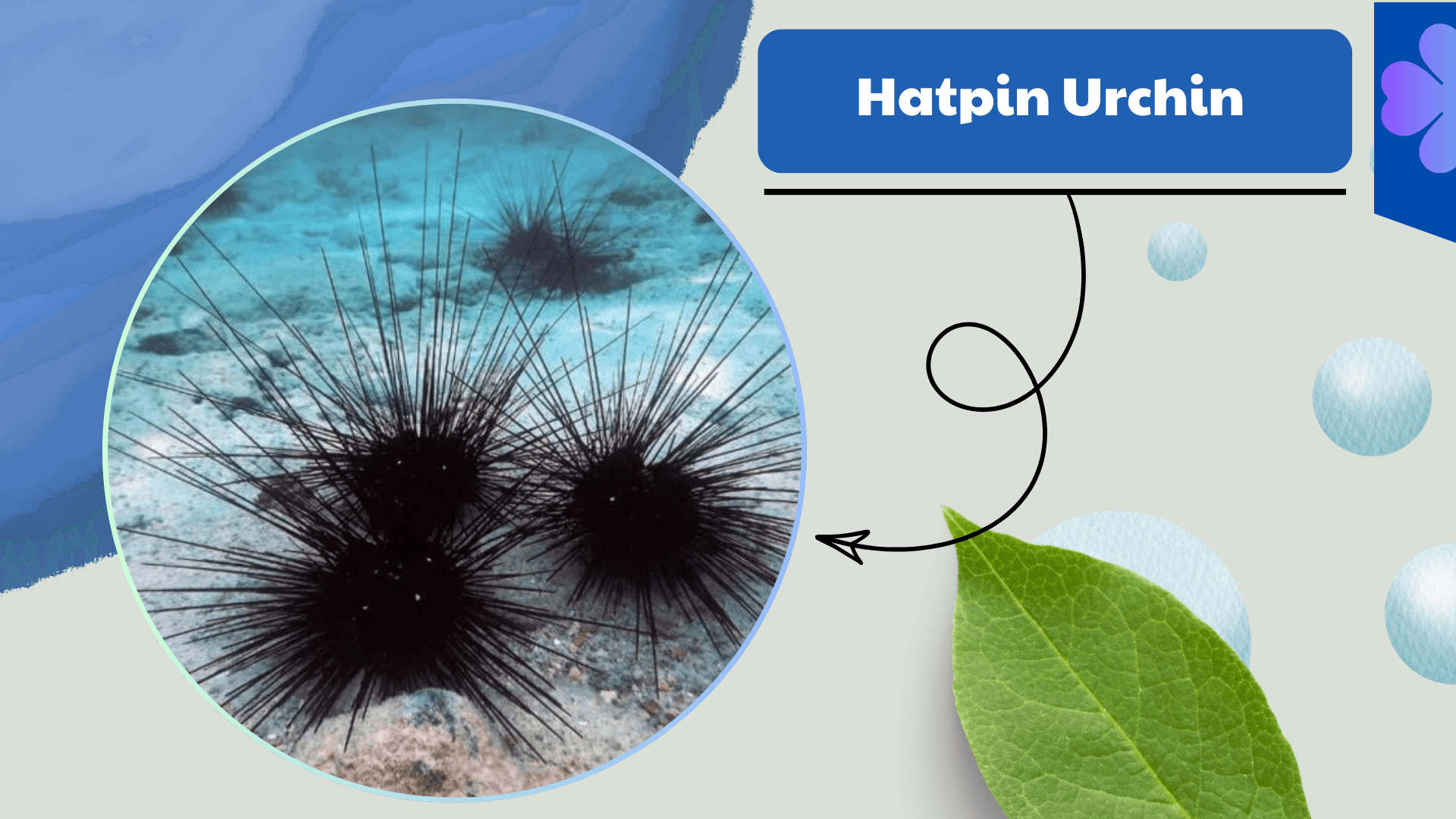
The Hatpin Urchin earns its name from long, thin spines that resemble sewing pins or hatpins. These spines can be venomous, offering protection against predators such as fish and crabs. This species inhabits shallow tropical reefs, where its spiny appearance deters threats while providing shelter for small commensal organisms.
Feeding is primarily herbivorous, focusing on algae and detritus. By controlling algal growth, Hatpin Urchins help maintain healthy coral populations and contribute to reef resilience. Their nocturnal grazing reduces competition and predation risk.
Reproduction occurs via broadcast spawning. Planktonic larvae drift for several weeks before settling into reef habitats and developing long, protective spines. Juvenile survival depends on food availability, reef quality, and environmental stability.
Observing Hatpin Urchins demonstrates natural adaptations for defense and highlights the importance of herbivorous urchins in reef ecosystems. Protecting reef habitats ensures that these spiny grazers continue to support coral health and biodiversity.
28. Common Sand Dollar
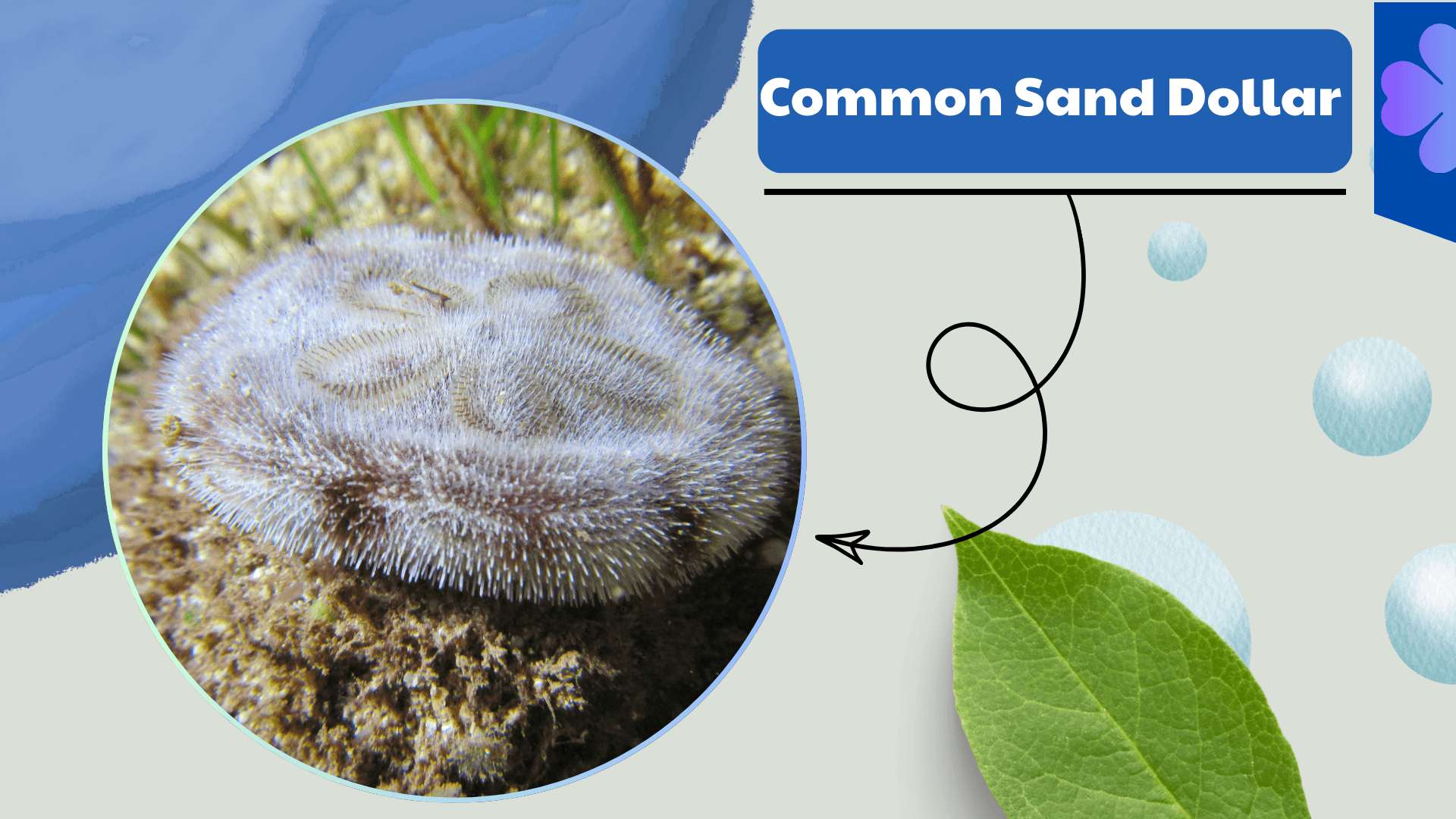
The Common Sand Dollar is a unique type of echinoid with a flattened, disk-like body and short, velvety spines. Unlike typical spiny urchins, sand dollars burrow slightly into sandy substrates, leaving delicate impressions on the seabed. Found in shallow coastal waters and sandy flats, they are often observed partially buried during the day and emerging to feed at night.
Sand dollars feed on microscopic algae, detritus, and plankton, filtering sediment with their spines and specialized feeding structures. This activity aerates the sand and recycles nutrients, supporting benthic ecosystems. Their burrowing behavior also provides shelter for small invertebrates.
Reproduction occurs via external fertilization, with planktonic larvae drifting before settling. Juveniles gradually develop the characteristic flattened shape. Environmental factors such as sediment quality, water clarity, and pollution directly affect survival and growth.
For snorkelers and marine enthusiasts, the Common Sand Dollar offers insight into sediment-dwelling echinoids and their ecological contributions. Observing these creatures highlights the diversity of forms and behaviors within the broader group of sea urchins.
29. Helmet Urchin

The Helmet Urchin is distinguished by its robust, domed body and short, sturdy spines that resemble a helmet. Found in tropical reefs and rocky coastal areas, this urchin prefers sheltered crevices where it can graze safely on algae and detritus. Its spines provide defense against predators and offer microhabitats for commensal organisms.
Feeding involves scraping algae from rocks and coral surfaces using Aristotle’s lantern. By regulating algal growth, Helmet Urchins play a crucial role in maintaining reef health. Their nocturnal habits allow them to forage safely while avoiding predation.
Reproduction follows external fertilization, with planktonic larvae drifting before settlement. Juvenile development depends on food availability and habitat quality. Environmental disturbances such as pollution, coastal development, and reef degradation threaten these populations.
Observing Helmet Urchins provides a clear example of how morphology, feeding behavior, and ecological role are intertwined. Protecting their reef habitats ensures they continue to contribute to the resilience and biodiversity of tropical marine ecosystems.
30. Blue-Lined Long-Spine Urchin

The Blue-Lined Long-Spine Urchin is one of the most visually striking urchins, with long spines accented by vivid blue lines. Found in Indo-Pacific reefs, it thrives on coral slopes and rocky ledges, where its spines deter predators and offer shelter for small commensal species. Its elongated, patterned spines also enhance its camouflage among reef structures.
Feeding is primarily herbivorous, with a focus on algae. The urchin uses Aristotle’s lantern to scrape and grind algae efficiently, contributing to coral health and reef balance. Nocturnal behavior reduces predation risk while allowing effective foraging.
Reproduction involves broadcast spawning, with planktonic larvae drifting for several weeks before settling. Juveniles gradually develop the characteristic blue-lined spines. Environmental threats such as rising sea temperatures, ocean acidification, and habitat degradation can affect survival and growth.
For marine enthusiasts, the Blue-Lined Long-Spine Urchin demonstrates the beauty, adaptability, and ecological significance of sea urchins. Protecting reef habitats ensures the continued health of these remarkable grazers and the ecosystems they support.
Conclusion
Sea urchins are among the most fascinating and ecologically important creatures in marine environments. From the vibrant Flower Urchin and the striking Blue-Lined Long-Spine Urchin to the unique burrowing species like the Common Sand Dollar, each of the 30 Types of Sea Urchins plays a critical role in maintaining the balance of coral reefs, rocky shores, and sandy seabeds. Their grazing helps control algal growth, their spines provide protection and habitats for small organisms, and their reproductive cycles ensure genetic diversity and ecosystem resilience.
Understanding these remarkable urchins offers a window into the complexity of marine life and highlights the interconnectedness of species within reef and coastal ecosystems. By protecting their habitats from pollution, climate change, and human disturbance, we not only conserve the urchins themselves but also support the broader biodiversity that depends on them. Observing, studying, and appreciating Types of Sea Urchins deepens our connection to the ocean and underscores the importance of preserving these extraordinary marine ecosystems for generations to come.
Frequently Asked Questions About Sea Urchins
1. What are sea urchins?
Sea urchins are small, spiny marine animals that belong to the echinoid class. They inhabit oceans worldwide, from shallow coral reefs to deep-sea environments, and play an important ecological role in controlling algae and supporting reef health.
2. How many types of sea urchins are there?
There are hundreds of species of sea urchins globally. This article highlights 30 popular types, including Flower Urchins, Pencil Urchins, and Collector Urchins, each with unique features and ecological roles.
3. What do sea urchins eat?
Most sea urchins are herbivorous, feeding on algae, detritus, and encrusting organisms. Some species are opportunistic and may consume small invertebrates, contributing to ecosystem balance.
4. Are sea urchins dangerous to humans?
Some species, like the Fire Urchin or Hatpin Urchin, have venomous spines that can cause painful stings. It’s best to observe them without touching to avoid injury.
5. Where do sea urchins live?
Sea urchins live in oceans worldwide, preferring coral reefs, rocky shores, sandy flats, and even deep-sea environments. Habitat preferences vary by species.
6. How do sea urchins move?
Sea urchins move using tube feet located on their undersides, which allow them to crawl slowly across the substrate, cling to rocks, and navigate complex reef environments.
7. What is Aristotle’s lantern?
Aristotle’s lantern is a specialized jaw structure found in sea urchins that consists of five teeth. It allows them to scrape algae and detritus from surfaces efficiently.
8. Are all sea urchins spiny?
Most sea urchins have spines, but their length, thickness, and purpose vary. For example, the Common Sand Dollar has short velvety spines, while the Indo-Pacific Long-Spined Urchin has long defensive spines.
9. Do sea urchins have predators?
Yes, common predators include fish, crabs, sea stars, and octopuses. The spines, camouflage, and venomous features of sea urchins help reduce predation risk.
10. How do sea urchins reproduce?
Sea urchins reproduce via external fertilization. Adults release eggs and sperm into the water column, and planktonic larvae drift with currents before settling and maturing.
11. Are sea urchins nocturnal?
Many sea urchin species are nocturnal, emerging at night to feed while avoiding predators. Some species, like burrowing urchins, remain hidden during the day.
12. Can sea urchins harm coral reefs?
Generally, sea urchins help coral reefs by grazing on algae. However, overpopulation of some species, like Purple Sea Urchins, can lead to overgrazing, damaging coral habitats.
13. How long do sea urchins live?
Sea urchin lifespans vary by species. Many live 5–30 years, with some deep-sea species reaching over 100 years under ideal conditions.
14. What colors do sea urchins come in?
Sea urchins display a wide range of colors, including purple, red, green, black, orange, and even multi-colored varieties like the Variegated Urchin.
15. Are sea urchins edible?
Yes, some species are considered delicacies, especially in Japanese cuisine. The edible part is the roe, commonly called uni. However, not all species are safe to eat due to venomous spines.
16. How do sea urchins protect themselves?
Sea urchins use spines, venom, and camouflage to protect themselves from predators. Some species, like the Collector Urchin, attach debris to their bodies for additional protection.
17. What is the ecological role of sea urchins?
Sea urchins help control algal growth, maintain coral reef health, aerate sediments, and provide habitats for small organisms, making them vital to marine ecosystems.
18. Can sea urchins regenerate spines?
Yes, most sea urchins can regenerate lost or damaged spines over time, which helps maintain their defenses and survival.
19. Do sea urchins move fast?
No, sea urchins move slowly using their tube feet. Their movement is deliberate and mostly guided by the search for food and suitable shelter.
20. What is a sand dollar?
Sand dollars are a type of flat, burrowing echinoid. Unlike typical spiny urchins, they live in sandy substrates and feed on detritus and microscopic algae.
21. Why do some sea urchins have venom?
Venom helps deter predators. Species like the Fire Urchin and Hatpin Urchin use venomous spines as a defense mechanism to reduce attacks from fish, crabs, or humans.
22. How do sea urchins affect algae?
Sea urchins are herbivores that graze on algae, preventing algal overgrowth that can harm coral reefs. This grazing supports reef biodiversity and resilience.
23. Do sea urchins have eyes?
Sea urchins don’t have eyes like humans, but they can sense light, shadows, and movement using specialized cells on their spines and tube feet.
24. Are sea urchins social animals?
Sea urchins are mostly solitary, but some species may aggregate in areas with abundant food. Aggregations can offer protection and improve reproductive success.
25. Can sea urchins survive outside water?
No, sea urchins require marine environments to survive. Exposure to air for extended periods can be fatal due to desiccation and inability to breathe.
26. How do sea urchins impact coral reef biodiversity?
By controlling algae, providing habitats with their spines, and contributing to nutrient cycling, sea urchins play a key role in supporting reef biodiversity.
27. Do sea urchins have teeth?
Yes, their teeth are part of Aristotle’s lantern, a jaw-like structure used to scrape algae, detritus, and sometimes encrusting organisms from surfaces.
28. What is the largest sea urchin?
The largest sea urchin is the Red Sea Urchin, which can grow up to 36 cm (14 inches) in diameter, including its spines.
29. Can sea urchins survive in aquariums?
Yes, many species can be kept in marine aquariums if proper care, water quality, and diet are provided. Species like Pencil Urchins and Collector Urchins are popular in reef tanks.
30. How do sea urchins sense danger?
Sea urchins detect changes in light, vibrations, and chemical signals in the water. Spines and tube feet allow them to respond to potential threats.
31. Why do some sea urchins burrow?
Burrowing helps protect the urchin from predators and harsh environmental conditions, like strong waves or sunlight. Species like the Burrowing Urchin and Common Sand Dollar use this behavior.
32. What are the predators of sea urchins?
Predators include fish, sea stars, crabs, lobsters, and humans. Venomous spines and camouflage help sea urchins survive predation pressures.
33. Do sea urchins have a skeleton?
Yes, sea urchins have a hard, calcified internal shell called a test, which supports their body and protects internal organs.
34. Are sea urchins edible for humans?
Yes, the roe of some species is considered a delicacy, but venomous species should be handled carefully. Uni is a popular preparation in Japanese cuisine.
35. How fast do sea urchins reproduce?
Sea urchins have seasonal reproduction. Spawning is often synchronized with lunar cycles, allowing large numbers of eggs and sperm to increase fertilization chances.
36. How do sea urchins survive strong currents?
Spines, tube feet, and burrowing behavior allow sea urchins to cling to surfaces, stabilize themselves, and avoid being swept away by waves.
37. Why do collector urchins attach debris to themselves?
Debris provides camouflage against predators and environmental hazards, helping collector urchins like the Stained Collector Urchin and Red Sea Collector Urchin survive.
38. Are sea urchins important for humans?
Yes, they are important ecologically and economically. Edible species are harvested, and their role in reef maintenance supports fisheries and tourism.
39. Can sea urchins survive in freshwater?
No, sea urchins are marine organisms and cannot survive in freshwater due to differences in salinity and osmotic pressure.
40. How do sea urchins affect sand and sediment?
Burrowing species like sand dollars and burrowing urchins aerate sediment and recycle nutrients, supporting benthic ecosystems.
41. Do sea urchins have brains?
No, sea urchins lack a central brain but have a nerve ring and radial nerves that coordinate movement and sensory responses.
42. How do long-spined urchins defend themselves?
Long-spined species, like the Indo-Pacific Long-Spined Sea Urchin, use their elongated spines and sometimes venom to deter predators effectively.
43. Can sea urchins survive pollution?
Sea urchins are sensitive to pollution, especially changes in water quality and acidity. Pollution can reduce reproductive success and larval survival.
44. Why are purple sea urchins studied so often?
Purple sea urchins are studied for their ecological impact on kelp forests, reef dynamics, and as model organisms in developmental biology research.
45. How do sea urchins support reef biodiversity?
They maintain algal balance, provide shelter for small organisms, and contribute to sediment turnover, all of which enhance overall reef biodiversity.
46. Do all sea urchins have venom?
No, only some species like Fire Urchins and Hatpin Urchins have venomous spines. Others rely on spines, camouflage, or burrowing for protection.
47. How do sand dollars move?
Sand dollars use tiny spines on their underside to crawl through sand and filter food from sediments.
48. Can sea urchins regenerate lost body parts?
Yes, many sea urchins can regenerate spines and damaged tissue over time, which is crucial for survival after predator attacks.
49. What is the smallest sea urchin?
The smallest species, like some burrowing urchins, may measure only a few centimeters in diameter but still play important ecological roles.
50. How can I safely observe sea urchins?
Observe them without touching, especially venomous species. Snorkeling or diving with care allows you to study their behavior and ecology safely.
51. Are sea urchins endangered?
Some species face threats from overfishing, climate change, and habitat loss, but most are not currently endangered. Conservation of reef habitats benefits their populations.
52. Do sea urchins have social interactions?
Sea urchins are mostly solitary but may aggregate for spawning or in areas with abundant food, providing safety in numbers.
53. Can sea urchins survive climate change?
Rising ocean temperatures, acidification, and habitat loss challenge sea urchin survival, emphasizing the importance of reef conservation and sustainable practices.
Read more: 35 Types of Tarantulas (Pictures And Identification)