

Piranhas are fascinating freshwater fish known for their sharp teeth, powerful jaws, and complex social behaviors. Understanding the different types of piranha is not just for thrill-seekers or aquarium enthusiasts; it’s a window into South American aquatic ecosystems where these predators play vital roles. From the famous Red-Bellied Piranha to lesser-known species like Wimple Piranha and Lobetoothed Piranha, each type has unique characteristics, feeding habits, and habitats. This guide will explore 20 types of piranha, providing detailed descriptions, identification tips, and behavioral insights suitable for beginners and wildlife lovers alike.
1. Red-Bellied Piranha (Pygocentrus nattereri)
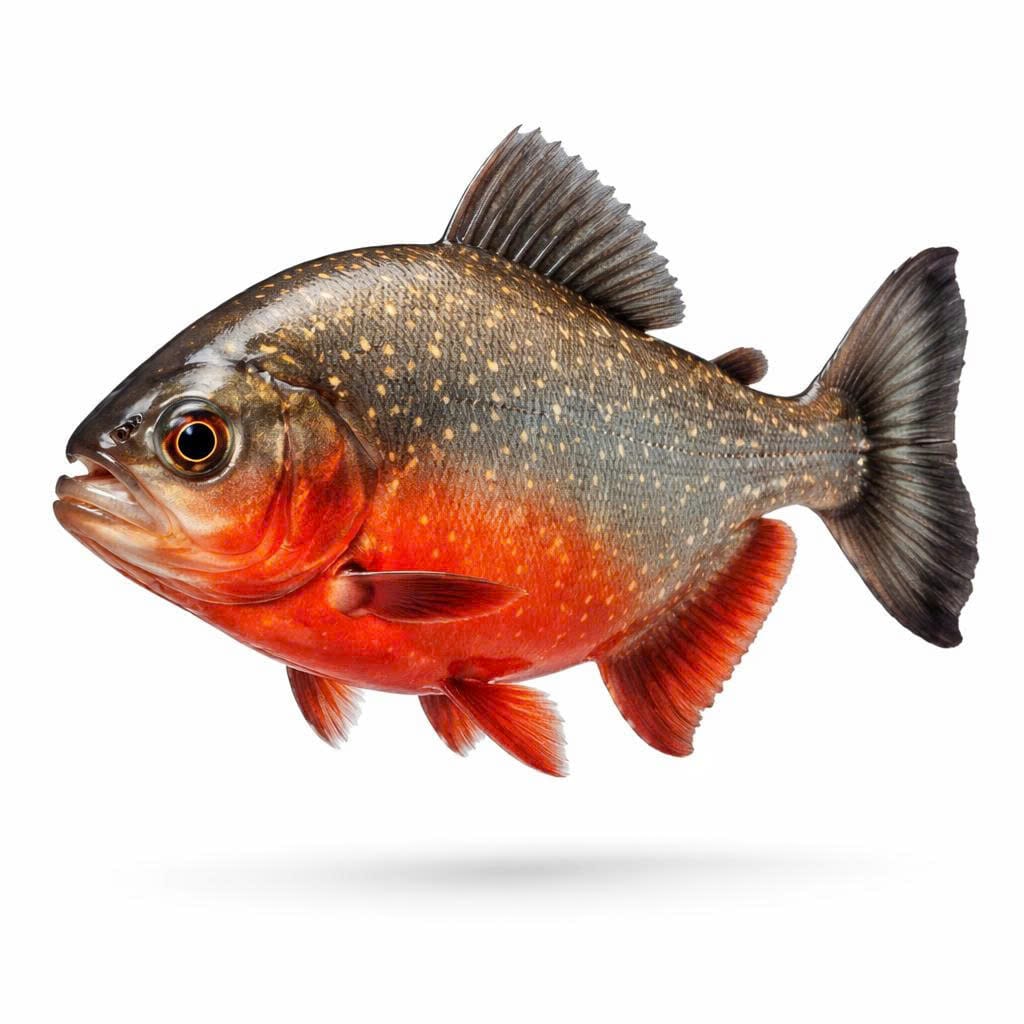
The Red-Bellied Piranha is perhaps the most iconic and widely recognized of all piranhas. Native to the rivers of South America, including the Amazon and Paraná, these fish are famous for their red-orange belly and silvery-gray upper body. Males display brighter red bellies, especially during the breeding season, which is believed to signal fitness to potential mates.
Behaviorally, Red-Bellied Piranhas are shoaling fish, meaning they move in groups that can range from small schools to large gatherings of hundreds. This social behavior is a defensive strategy, deterring predators through sheer numbers, but it also facilitates coordinated hunting. Their diet is omnivorous but heavily carnivorous; they feed on insects, fish, crustaceans, and occasionally fruits or plant matter that falls into the water. Their powerful jaws and triangular teeth are designed to tear flesh efficiently, giving them a fearsome reputation.
In aquariums, Red-Bellied Piranhas require spacious tanks, stable water conditions, and a diet that mimics natural feeding patterns. Observing their social interactions in captivity reveals surprising intelligence, including coordinated movements, hierarchy establishment, and territorial behaviors. Despite their aggressive reputation, these piranhas often only attack in defensive scenarios or when food is scarce.
Red-Bellied Piranhas are a perfect example of the balance between predator efficiency and social cooperation, making them a must-study for anyone fascinated by freshwater wildlife. Their vibrant coloration and complex behaviors continue to captivate both researchers and enthusiasts.
2. Black Spot Piranha (Pygocentrus cariba)
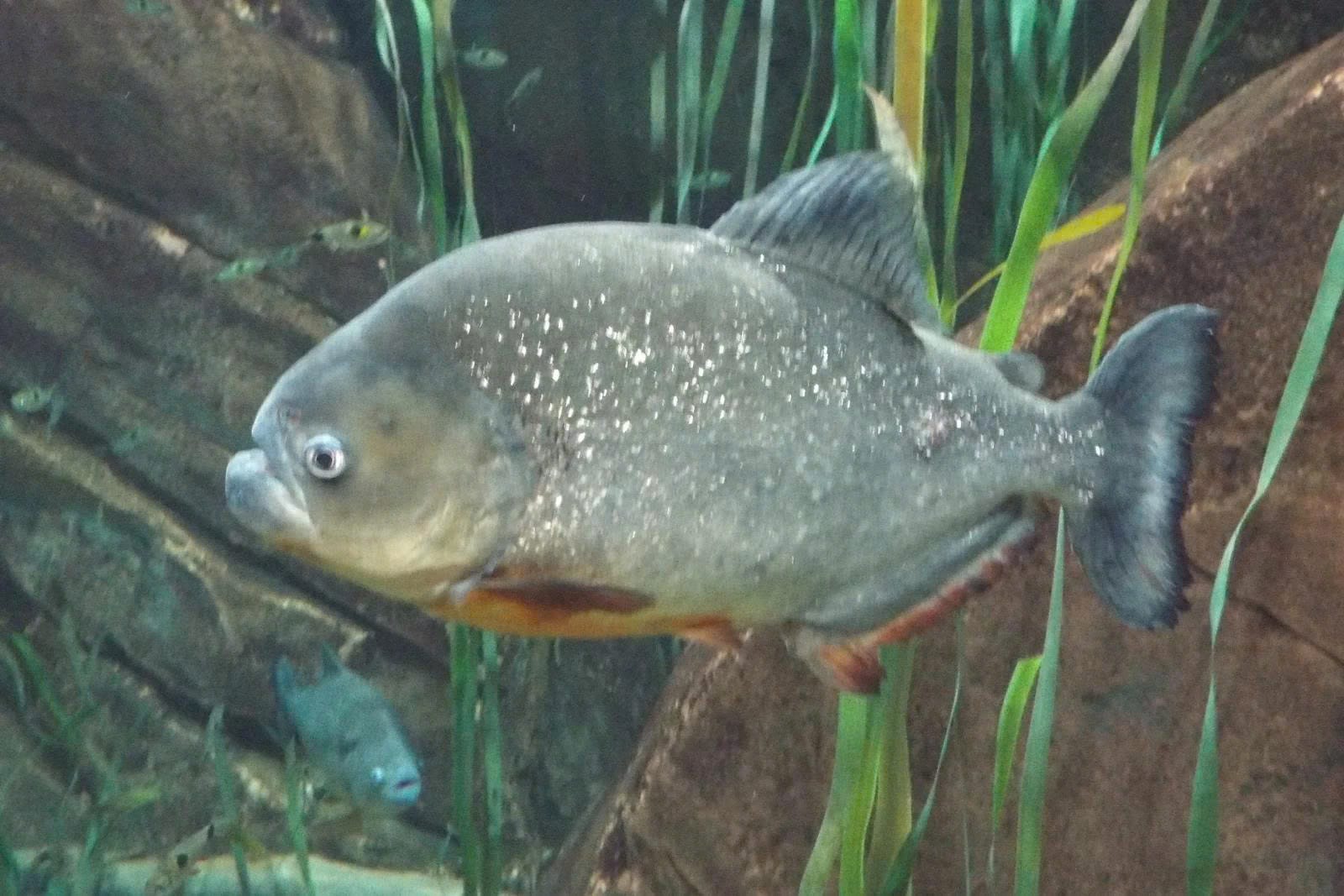
The Black Spot Piranha is a striking freshwater fish native to the rivers of Venezuela, Guyana, and Suriname. True to its name, it features a distinct black spot near the gill cover, contrasting with its silvery or gray body. Males may show slight reddish hues during the breeding season, though less intense than the Red-Bellied Piranha.
These fish are carnivorous hunters, feeding on smaller fish, insects, and invertebrates. They are also shoaling creatures but tend to form smaller schools than Red-Bellied Piranhas. Observations in the wild reveal that Black Spot Piranhas rely heavily on stealth and surprise when hunting, often ambushing prey rather than chasing it over long distances. Their sharp teeth, while smaller than those of their Red-Bellied cousins, are perfectly adapted to slicing through flesh efficiently.
In captivity, these piranhas require a tank that mimics their natural environment, with plenty of hiding spots and controlled water conditions. They are highly territorial and can show aggression toward other tankmates, particularly if overcrowded. Understanding their social and predatory behaviors provides valuable insight into how different piranha species adapt to local ecosystems and available food resources.
The Black Spot Piranha illustrates the diversity among piranhas in both physical traits and hunting strategies, making it a fascinating species for aquatic wildlife enthusiasts.
3. San Francisco Piranha (Pygocentrus piraya)
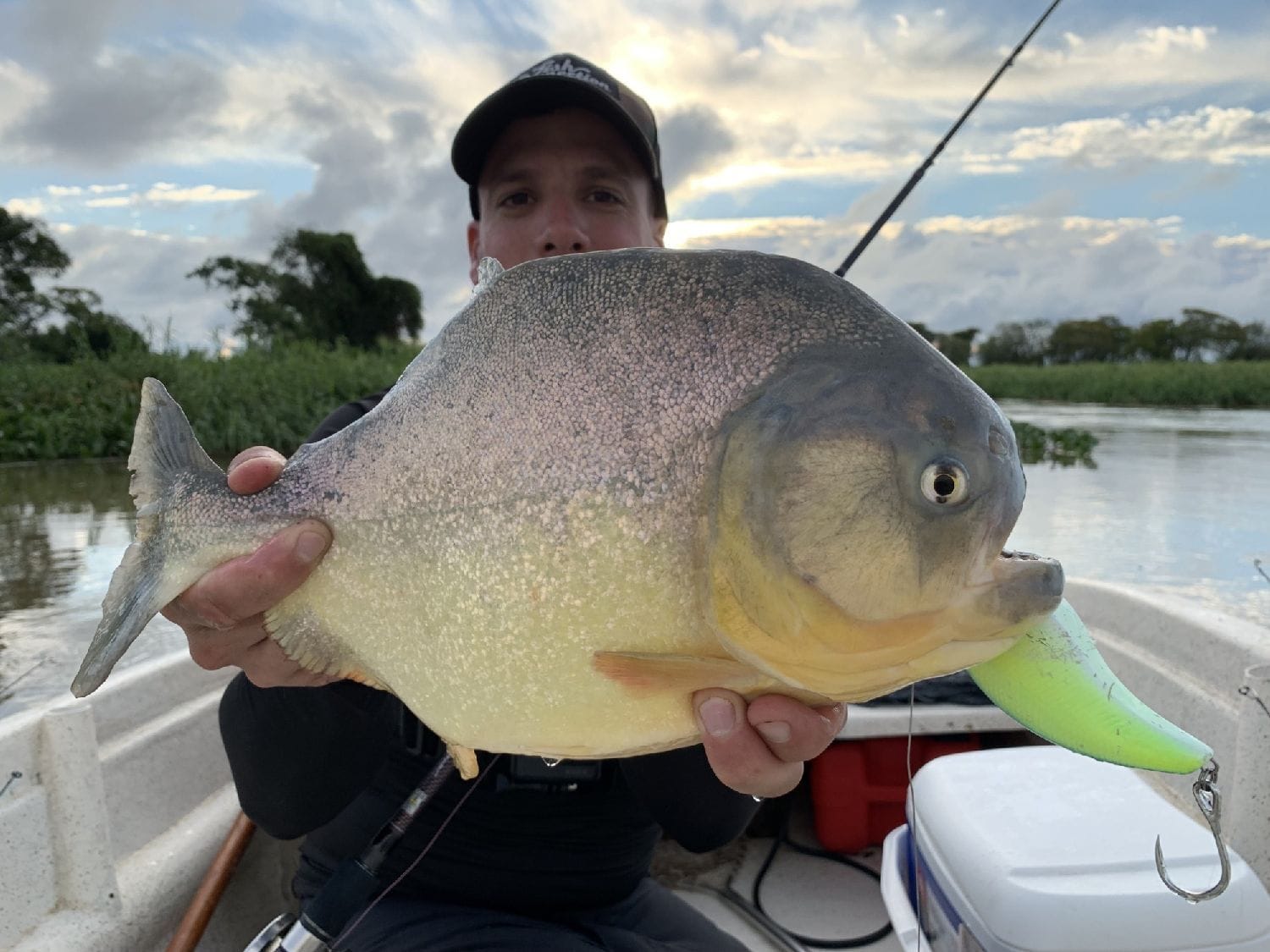
San Francisco Piranhas are among the largest piranha species, sometimes reaching lengths of up to 50 centimeters. Found primarily in Brazilian rivers, this species exhibits silvery-gray scales with subtle red markings along the belly and fins. Unlike other piranhas, the San Francisco Piranha shows pronounced territorial behavior, with individuals staking out feeding and breeding areas in the river.
They are opportunistic carnivores, preying on fish, insects, and occasionally small mammals or birds that fall into the water. Their hunting often involves both ambush and group strategies, where small packs coordinate attacks for efficiency. This complex behavior indicates a high degree of intelligence and social learning among piranhas, often overlooked by casual observers.
In aquariums, San Francisco Piranhas require very large tanks, strong filtration, and ample space to swim and hide. Providing realistic environmental enrichment, such as driftwood and plants, can reduce stress and encourage natural behaviors. Studies of this species highlight their adaptability to changing water levels and seasonal flooding, which influence feeding and reproductive cycles.
San Francisco Piranhas are a testament to how size, strength, and strategy intersect in freshwater predators, offering a vivid glimpse into the dynamic ecosystems of South American rivers.
4. Gold Piranha (Pristobrycon aureus)
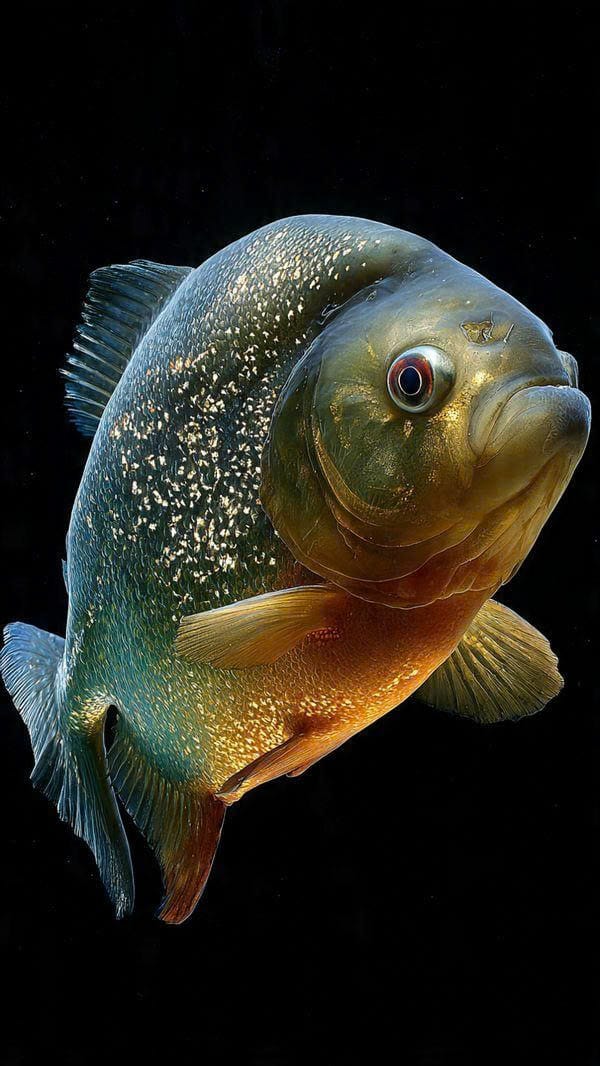
Gold Piranhas are named for their shimmering golden body coloration, which becomes more pronounced as they mature. Native to the Amazon basin, these fish are slightly smaller than Red-Bellied Piranhas but possess equally sharp teeth and impressive jaw strength. The gold coloration may play a role in intraspecies communication, signaling health and reproductive readiness to potential mates.
Their feeding habits include small fish, crustaceans, and occasionally plant material. Gold Piranhas tend to be more solitary than other piranha species but can form temporary schools during abundant food availability or mating season. Observing their hunting behavior reveals an intricate mix of patience and rapid bursts of speed, highlighting the efficiency of their predatory adaptations.
In captivity, Gold Piranhas thrive in tanks with varied hiding spots and a consistent diet that reflects their natural preferences. Their golden coloration and hunting style make them visually and behaviorally intriguing, serving as a reminder of the remarkable diversity within the piranha family.
5. White Piranha (Serrasalmus brandtii)
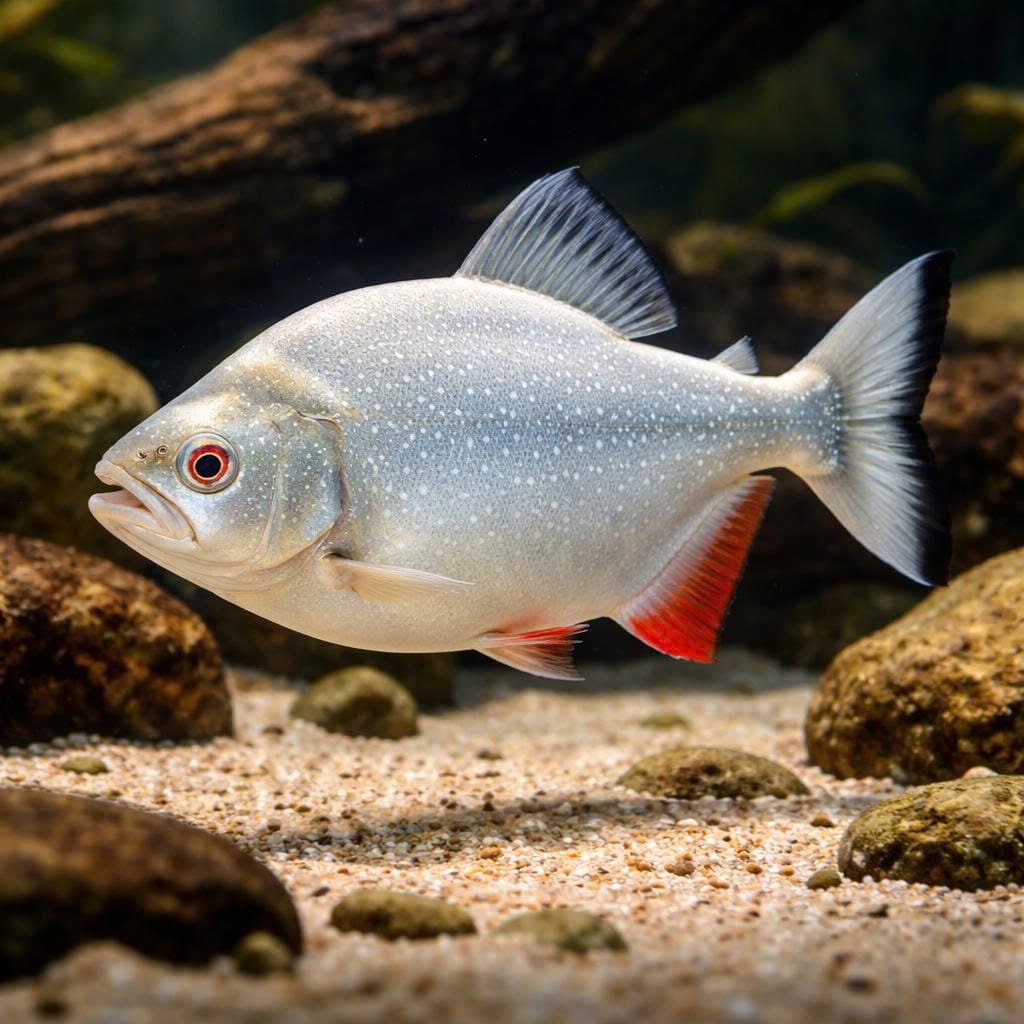
The White Piranha, native to South American river systems, is a medium-sized species characterized by a pale, almost silvery-white body. This coloration provides camouflage in sandy or lighter riverbeds, helping them avoid larger predators while stalking prey.
White Piranhas are highly carnivorous, feeding on smaller fish, crustaceans, and insects. They exhibit aggressive and territorial behavior, often maintaining solitary hunting zones. Their sharp, triangular teeth allow them to efficiently tear flesh, and they can deliver quick strikes when feeding or defending territory.
In aquariums, White Piranhas require careful management due to their aggressive nature. They benefit from realistic riverbed setups with rocks, driftwood, and shaded areas. Their hunting and social behavior provide insight into how coloration and strategy interplay to optimize survival in the wild.
Studying White Piranhas highlights how adaptive camouflage, predation techniques, and territoriality combine to make these fish formidable freshwater predators.
6. Silver Piranha (Serrasalmus manueli)
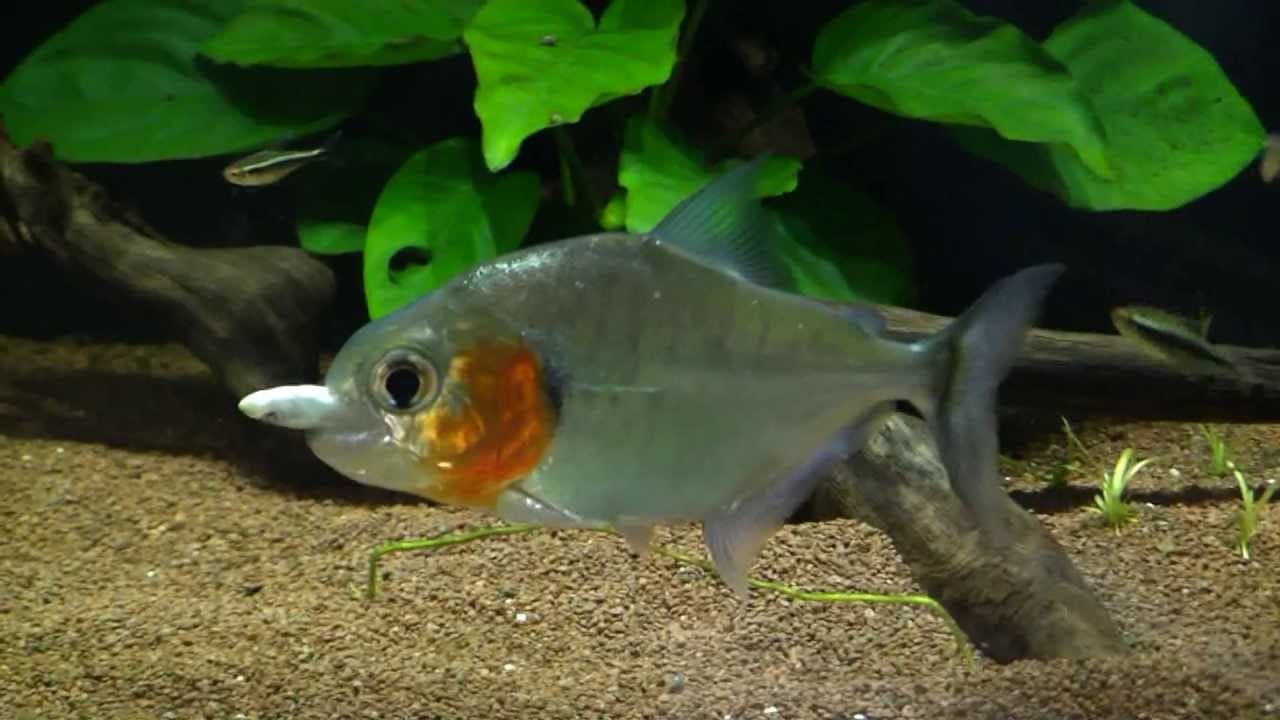
Silver Piranhas are noted for their sleek, metallic silver bodies and streamlined shape, enabling agile movement in fast-flowing rivers. Found in the Amazon and Orinoco basins, they are medium-sized predators, typically reaching 20–30 centimeters in length.
Their diet consists mainly of smaller fish and insects. They are slightly more social than White Piranhas, forming small schools for hunting or protection. Observations indicate that Silver Piranhas use stealth and sudden bursts of speed to catch prey, relying on precision rather than brute force.
In captivity, they require strong water currents to mimic their natural habitats, along with ample space and hiding areas. Silver Piranhas are excellent examples of how body shape and coloration work together to improve predatory efficiency and survival in dynamic river environments.
7. Wimple Piranha (Catoprion mento)
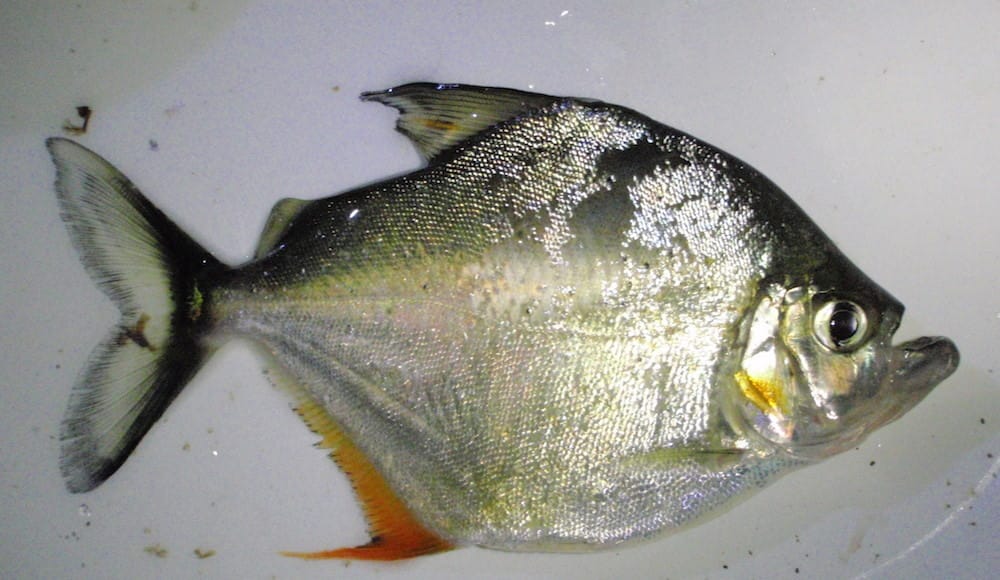
Wimple Piranhas are fascinating due to their specialized feeding strategy: they primarily prey on the scales of other fish, a behavior known as lepidophagy. Their body is silver-gray with red-tinted fins, and they are smaller than many other piranha species.
This unique diet allows them to exploit a niche that few other fish can, reducing direct competition with larger carnivorous piranhas. Wimple Piranhas often operate in small groups, darting swiftly to snip scales from unsuspecting fish without killing them. Their social behavior, feeding strategy, and agility make them particularly interesting to researchers studying ecological specialization.
In aquariums, Wimple Piranhas are challenging to maintain due to their specialized diet, but observing their scale-feeding behavior offers a rare glimpse into unique predatory adaptations within freshwater ecosystems.
8. Lobetoothed Piranha (Pygopristis denticulata)
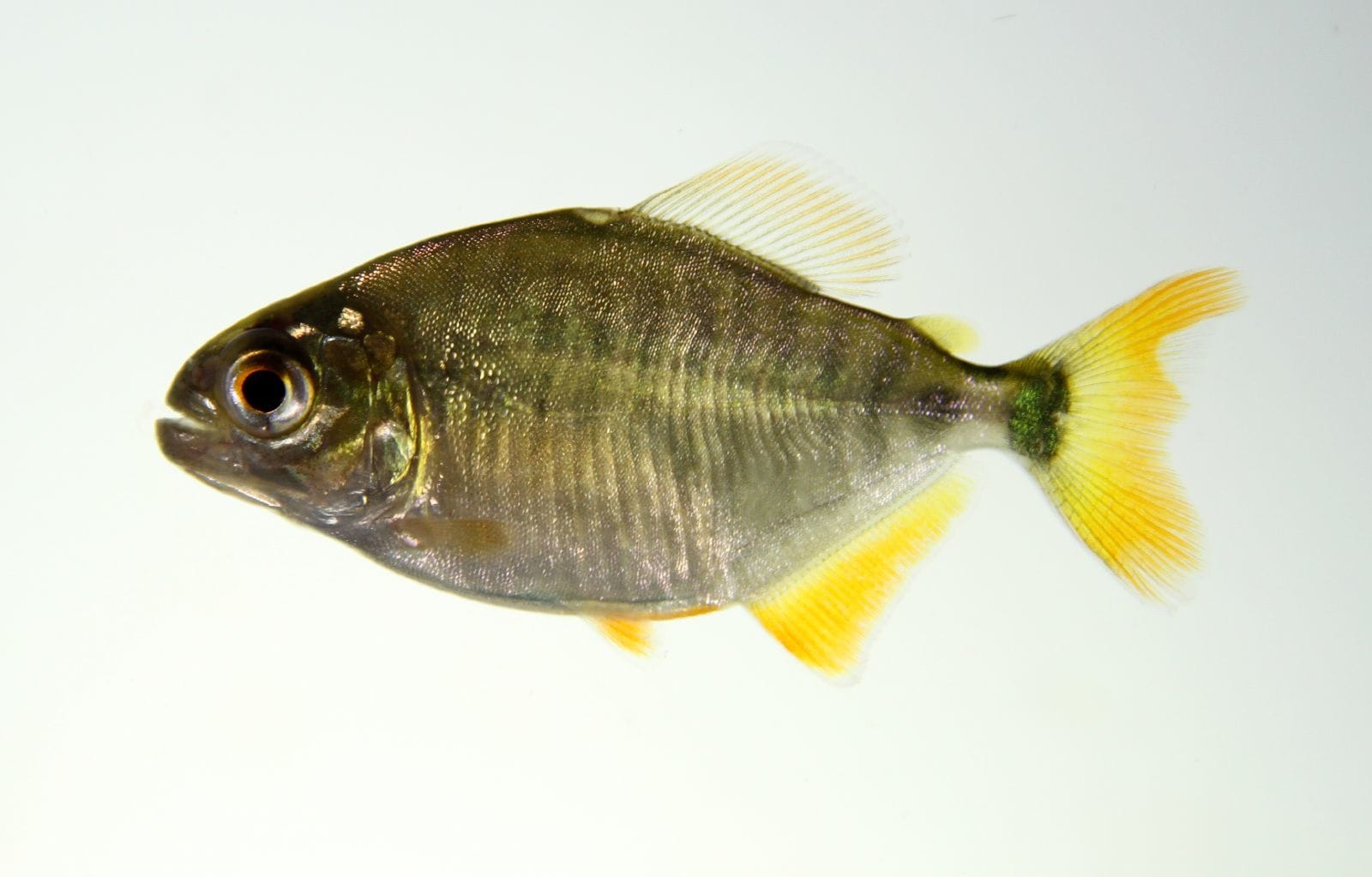
The Lobetoothed Piranha is recognized by its jagged, lobed teeth, which distinguish it from most other species. Native to northern South American rivers, they are medium-sized and often solitary, relying on stealth and ambush tactics for hunting.
Their diet includes smaller fish, insects, and occasional crustaceans. These fish demonstrate remarkable precision in biting and tearing, thanks to the unique shape of their teeth. Unlike schooling piranhas, Lobetoothed Piranhas prioritize camouflage and patient hunting strategies over group defense.
Aquarists interested in this species should provide tanks with subdued lighting, natural substrates, and hiding spaces to mimic river conditions. Observing Lobetoothed Piranhas in both wild and captive settings underscores the variety of predatory adaptations among piranhas.
9. Redeye Piranha (Serrasalmus rhombeus)
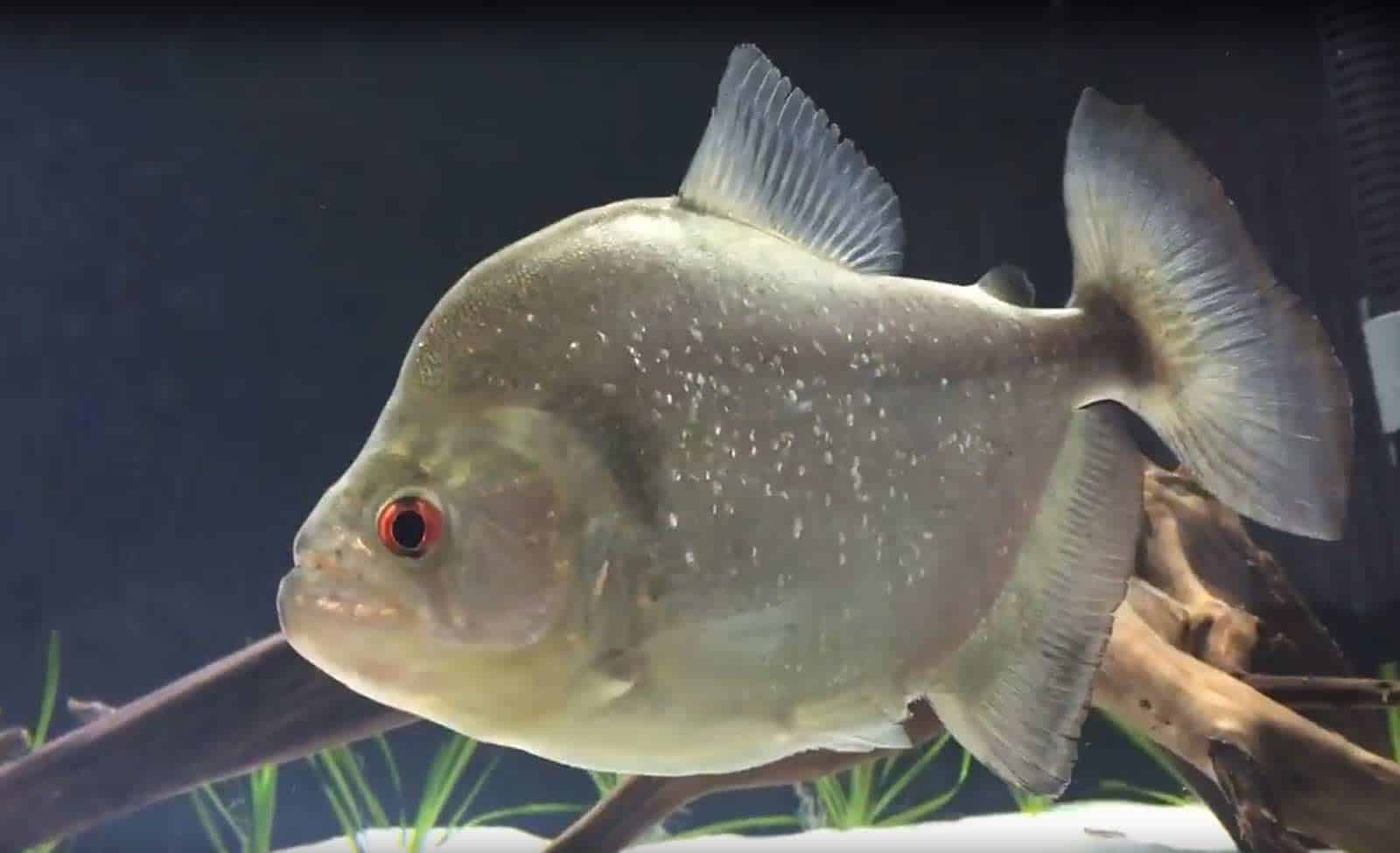
Redeye Piranhas are medium to large species with distinctive red eyes and silvery to grayish bodies. Found widely in South American rivers, they are territorial and aggressive predators.
They feed primarily on fish, insects, and crustaceans. Males and females exhibit similar coloration, with the red eyes serving as a warning signal to potential rivals or threats. Redeye Piranhas often establish feeding territories, which they patrol vigilantly. In aquariums, they require ample space and structured environments to reduce stress and aggression. Their bold red eyes, aggressive demeanor, and hunting precision make them one of the most visually striking piranha species.
10. Pike Piranha (Serrasalmus elongatus)
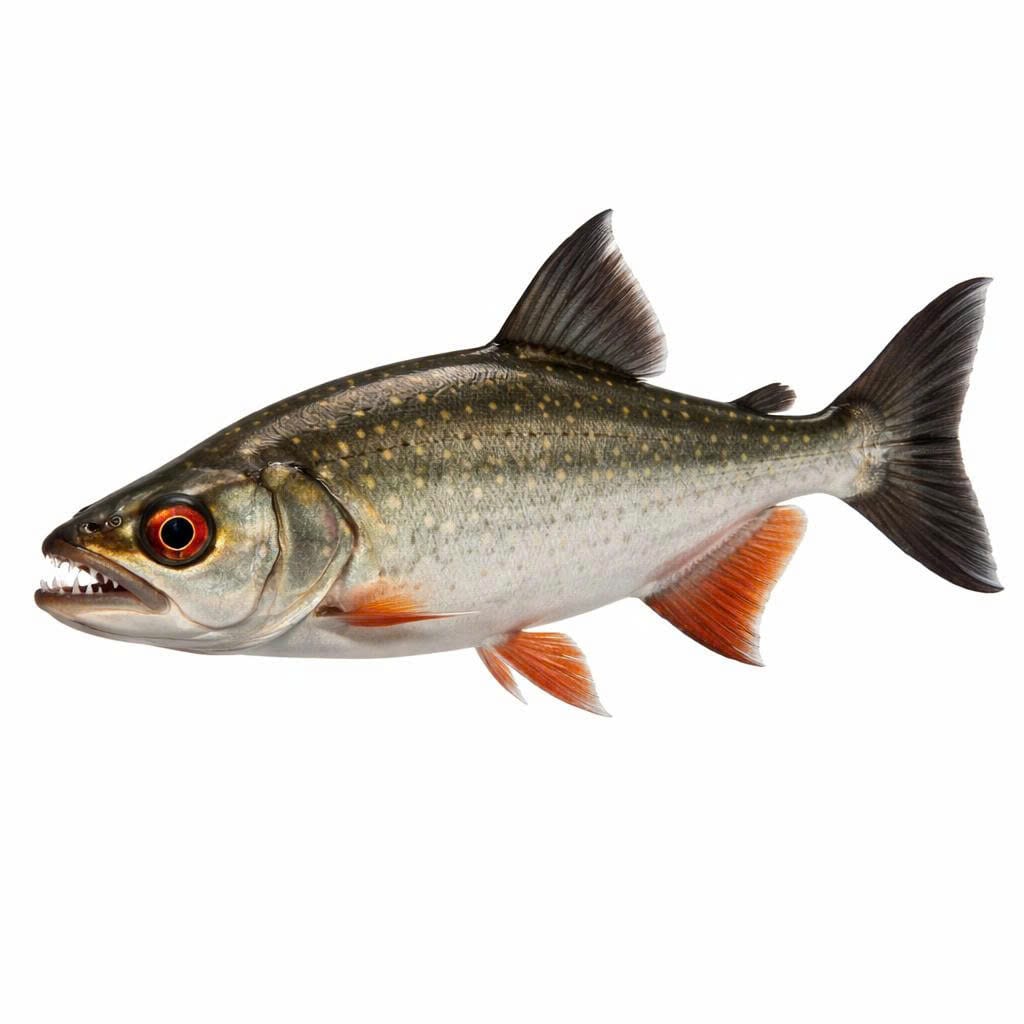
Pike Piranhas, named for their elongated body and pointed snout, resemble freshwater pike in shape but share the sharp teeth and predatory behaviors of other piranhas. They inhabit slow-moving and moderate-flow rivers across northern South America.
Their diet consists of small fish, invertebrates, and occasionally amphibians. They are primarily solitary hunters, using ambush tactics, blending into river substrates, and striking with lightning speed. Pike Piranhas are agile and precise predators, emphasizing how body morphology influences hunting success. In captivity, they require tanks that replicate river currents and hiding places. Observing their stalking and rapid strike behaviors offers insight into the adaptability and predatory diversity within piranha species.
11. Gery’s Piranha (Serrasalmus geryi)
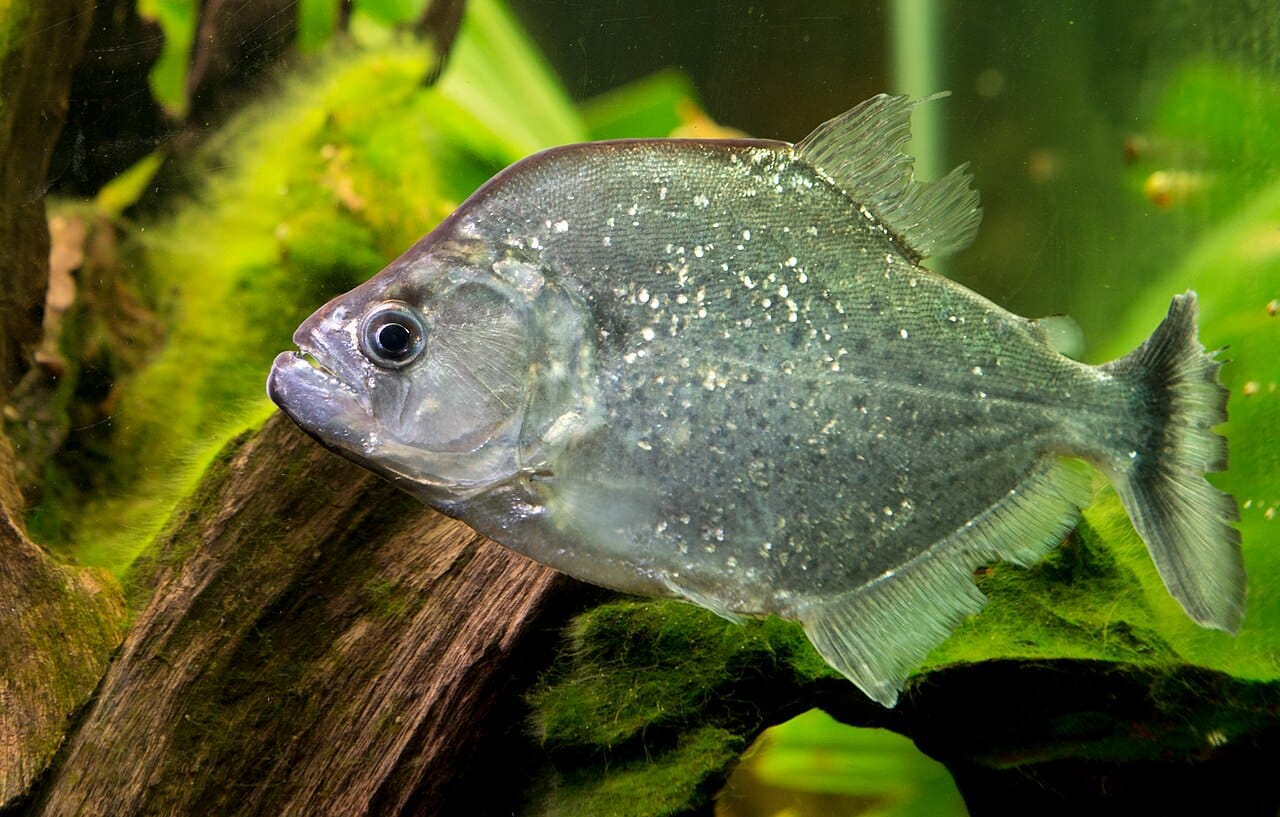
Gery’s Piranha is a medium-sized freshwater predator found primarily in the Amazon Basin. With its silver-gray body and faint red-orange accents along the belly, it displays moderate coloration compared to Red-Bellied Piranhas. Males and females appear similar, but subtle differences emerge during breeding season, when males develop slightly brighter hues.
Behaviorally, Gery’s Piranhas are primarily solitary hunters, though small schools may form when food is abundant. Their diet consists of smaller fish, insects, and occasional crustaceans. Unlike some more aggressive species, Gery’s Piranhas often rely on stealth, camouflage, and sudden bursts of speed to capture prey. Observations in both wild and captive environments reveal intelligent hunting strategies, including waiting near submerged vegetation or driftwood to ambush unsuspecting fish.
In aquariums, these piranhas require ample space, hiding spots, and a diet that mimics their natural feeding patterns. Gery’s Piranha demonstrates the diversity of hunting tactics among piranhas, showing that not all species rely on sheer numbers or aggression to survive.
12. Sanchez’s Piranha (Serrasalmus sanchezi)
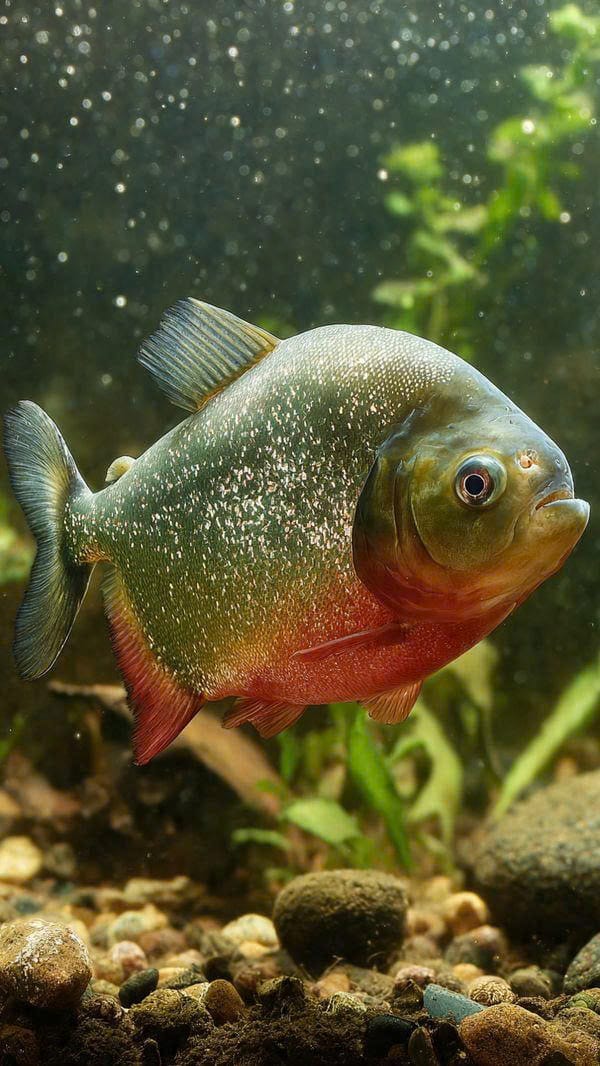
Sanchez’s Piranha is known for its sleek silver body with subtle reddish highlights on the fins. Native to tropical South American rivers, this species is smaller than Red-Bellied Piranhas but exhibits similar predatory behavior.
Sanchez’s Piranhas are mostly carnivorous, feeding on fish, insects, and crustaceans. They are territorial, often staking out specific hunting grounds within their habitat. Their teeth are razor-sharp, perfectly adapted for slicing flesh efficiently. Socially, they can be both solitary and schooling, depending on prey availability.
In aquariums, they require stable water parameters, sufficient hiding spaces, and careful monitoring of tankmates due to their territorial tendencies. Sanchez’s Piranha is an excellent example of how medium-sized piranhas balance hunting efficiency and territorial behavior to thrive in diverse environments.
13. Big Belly Spine Piranha (Serrasalmus altispinis)
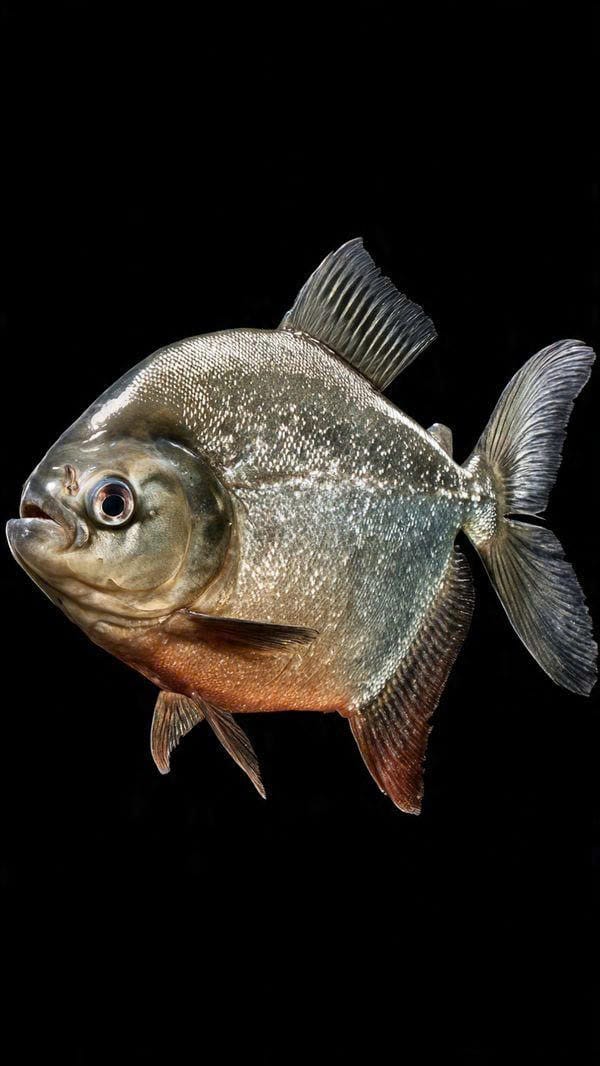
The Big Belly Spine Piranha is notable for its robust body, slightly rounded belly, and pronounced dorsal spines. Found in the Amazon and Orinoco rivers, it is a medium-to-large species known for aggressive hunting and territoriality.
Their diet includes fish, invertebrates, and occasionally amphibians. Big Belly Spine Piranhas often patrol a defined area, using their spiny dorsal fins both defensively and to intimidate rivals. Observations indicate that their hunting style relies on ambush and precision rather than coordinated group attacks.
Aquarium enthusiasts appreciate this species for its dramatic appearance and dynamic behavior, though it requires large tanks, careful feeding, and suitable water conditions to mimic natural habitats. The Big Belly Spine Piranha illustrates the evolutionary balance between aggression, defense, and predatory specialization.
14. Altuvei Piranha (Serrasalmus altuvei)
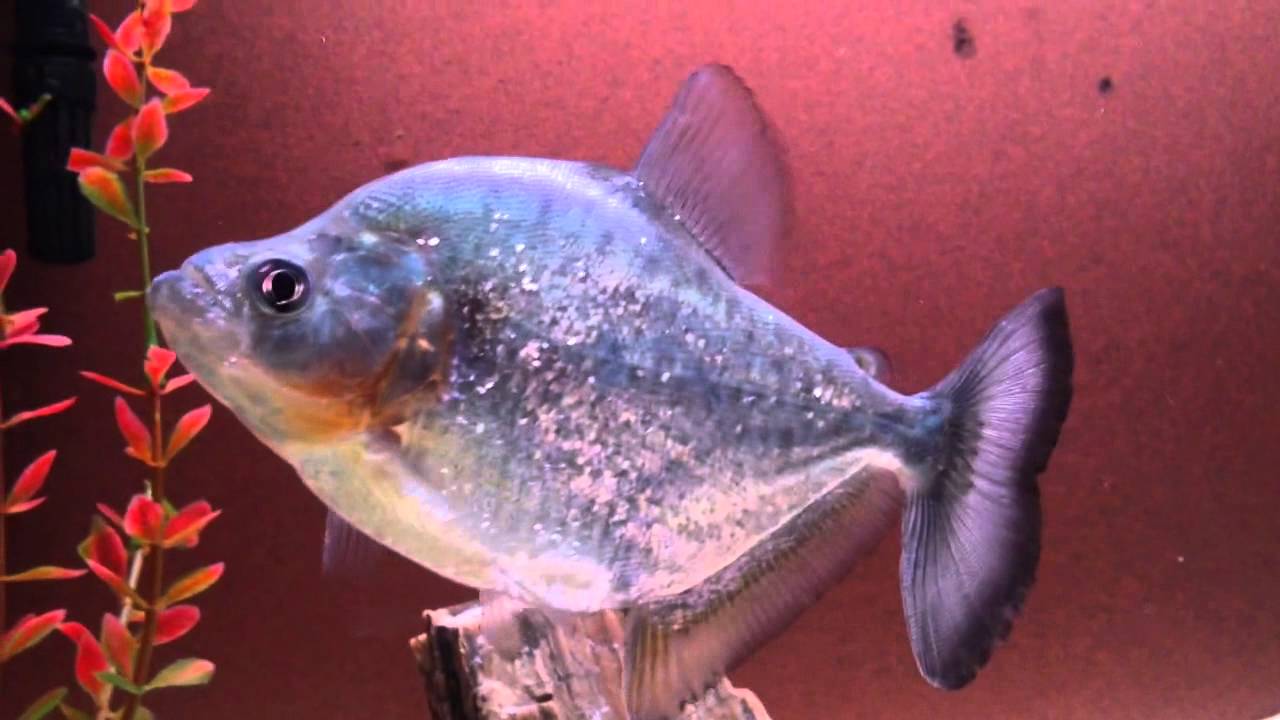
Altuvei Piranhas are distinguished by their slender, elongated bodies and subtle silver-gray coloration with faint red markings along the ventral side. They inhabit rivers and floodplains in northern South America and prefer calm, slow-moving waters.
These piranhas are carnivorous, primarily feeding on smaller fish, crustaceans, and insects. Altuvei Piranhas are mostly solitary hunters but occasionally form temporary schools when food is abundant. Their stealth and precise strikes highlight the adaptability of smaller piranha species, which often rely on speed and surprise rather than brute strength.
In captivity, they require structured tanks with hiding spots and a diet mimicking natural prey. Altuvei Piranhas exemplify how morphological features like slender bodies and streamlined heads enhance predatory efficiency.
15. Spotted Piranha (Serrasalmus maculatus)
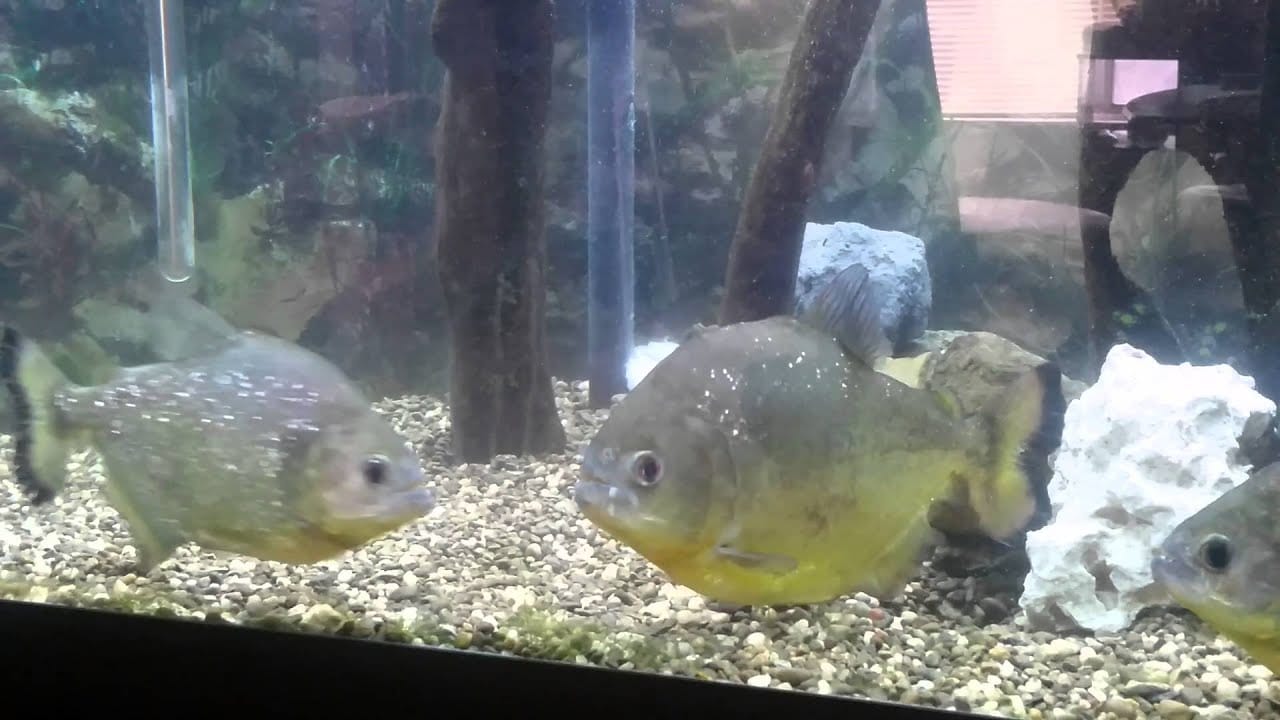
Spotted Piranhas are easily identified by their silver-gray bodies dotted with black spots. They inhabit tropical rivers of South America, often in shallow or vegetated waters. Their striking spotted pattern may serve as camouflage or signaling during social interactions.
Diet consists of small fish, insects, and occasional crustaceans. Spotted Piranhas are semi-solitary, with adults establishing territories that they patrol aggressively. Their hunting strategy blends ambush, precision strikes, and occasional cooperative attacks when prey is plentiful.
In aquariums, they require ample space, naturalistic décor, and careful monitoring due to aggressive tendencies. Studying Spotted Piranhas provides insights into how coloration and patterning influence both predatory efficiency and social behavior.
16. Blue Tiger Piranha (Serrasalmus gouldingi)
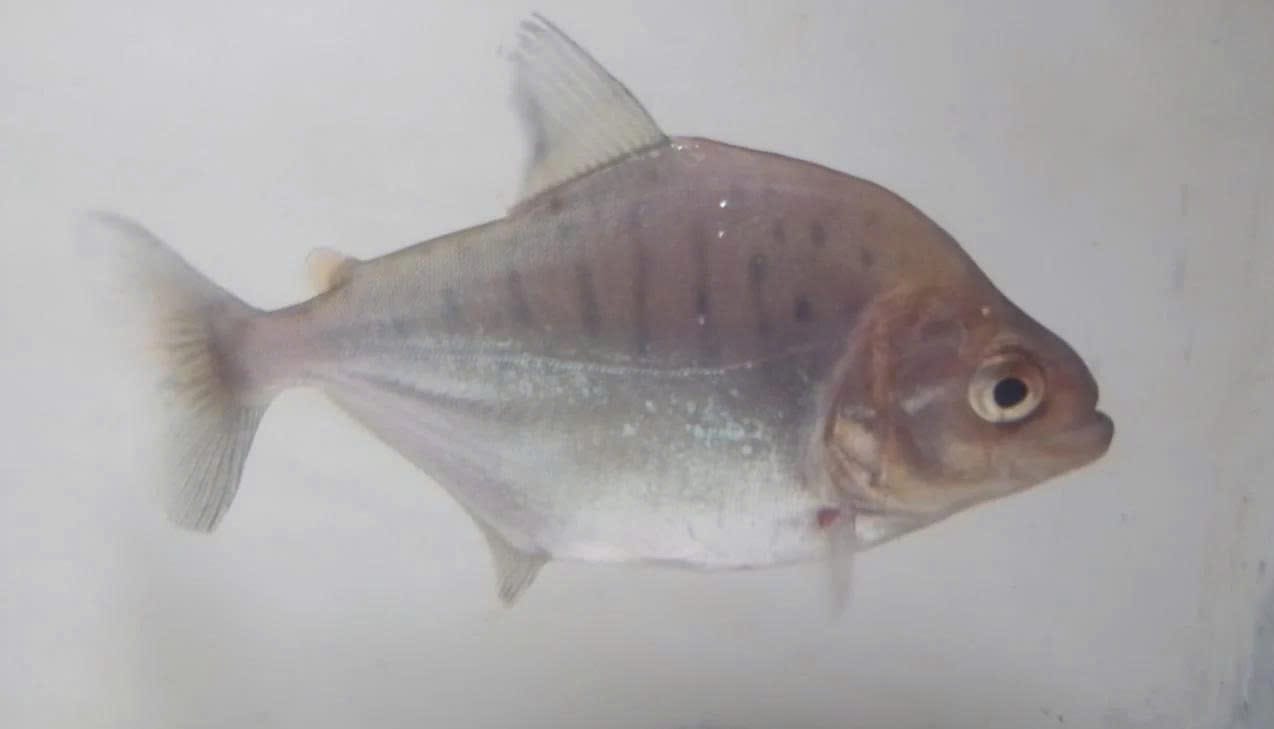
Blue Tiger Piranhas are medium-sized predators with a striking metallic blue body and faint vertical stripes reminiscent of tiger patterns. Native to South American rivers, these piranhas are territorial and visually impressive.
They feed primarily on fish, insects, and small aquatic invertebrates. Blue Tiger Piranhas are generally solitary but may form small groups during feeding events. Their speed, agility, and acute senses make them formidable hunters.
In captivity, they require high-quality water conditions, a spacious tank, and ample hiding areas to exhibit natural behaviors. Observing Blue Tiger Piranhas highlights the interplay between visual signals, territoriality, and hunting efficiency in piranha species.
17. Iridescent Piranha (Serrasalmus irritans)
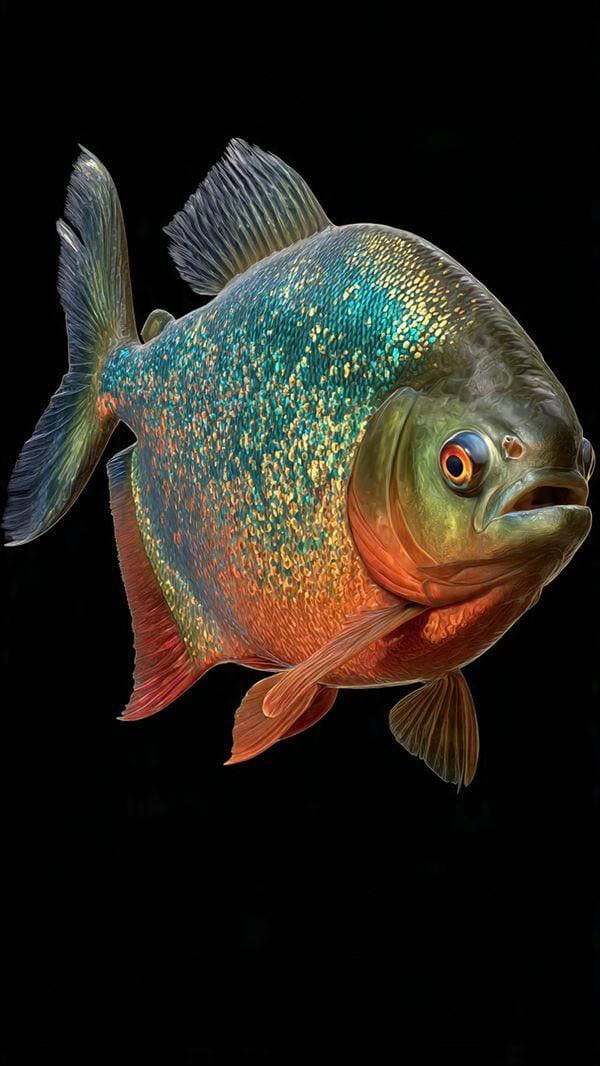
The Iridescent Piranha stands out due to its shimmering scales that reflect hues of blue, green, and silver. Found in the Amazon Basin, this species is moderately sized, carnivorous, and often solitary.
Iridescent Piranhas feed on smaller fish, crustaceans, and insects, relying on stealth and sudden bursts of speed to capture prey. Their iridescent scales may provide both camouflage and communication signals within species-specific interactions.
Maintaining them in aquariums requires careful water quality management and sufficient space to allow natural hunting and hiding behaviors. The Iridescent Piranha exemplifies how visual traits can influence survival and social interactions in freshwater predators.
18. Red-Throat Piranha (Serrasalmus medinai)
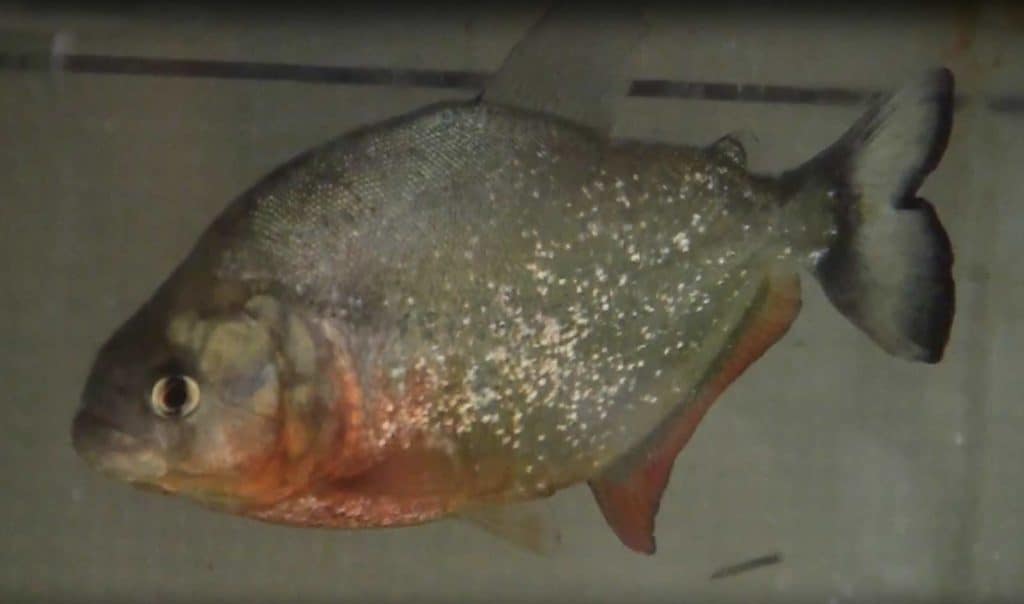
Red-Throat Piranhas are medium-sized species with a silver body and a distinct red coloring around the throat area. Native to Venezuelan and Colombian rivers, they are highly territorial and aggressive hunters.
Their diet includes fish, insects, and crustaceans. Red-Throat Piranhas patrol specific territories, using visual signals, body posturing, and rapid strikes to deter rivals and capture prey. Their vivid red throat serves as both warning and attraction during social and reproductive interactions.
In aquariums, they require spacious tanks with hiding spots and consistent feeding. Studying Red-Throat Piranhas sheds light on how visual traits and aggression shape ecological roles in freshwater habitats.
19. Slender Piranha (Serrasalmus elongatus – alternate form)
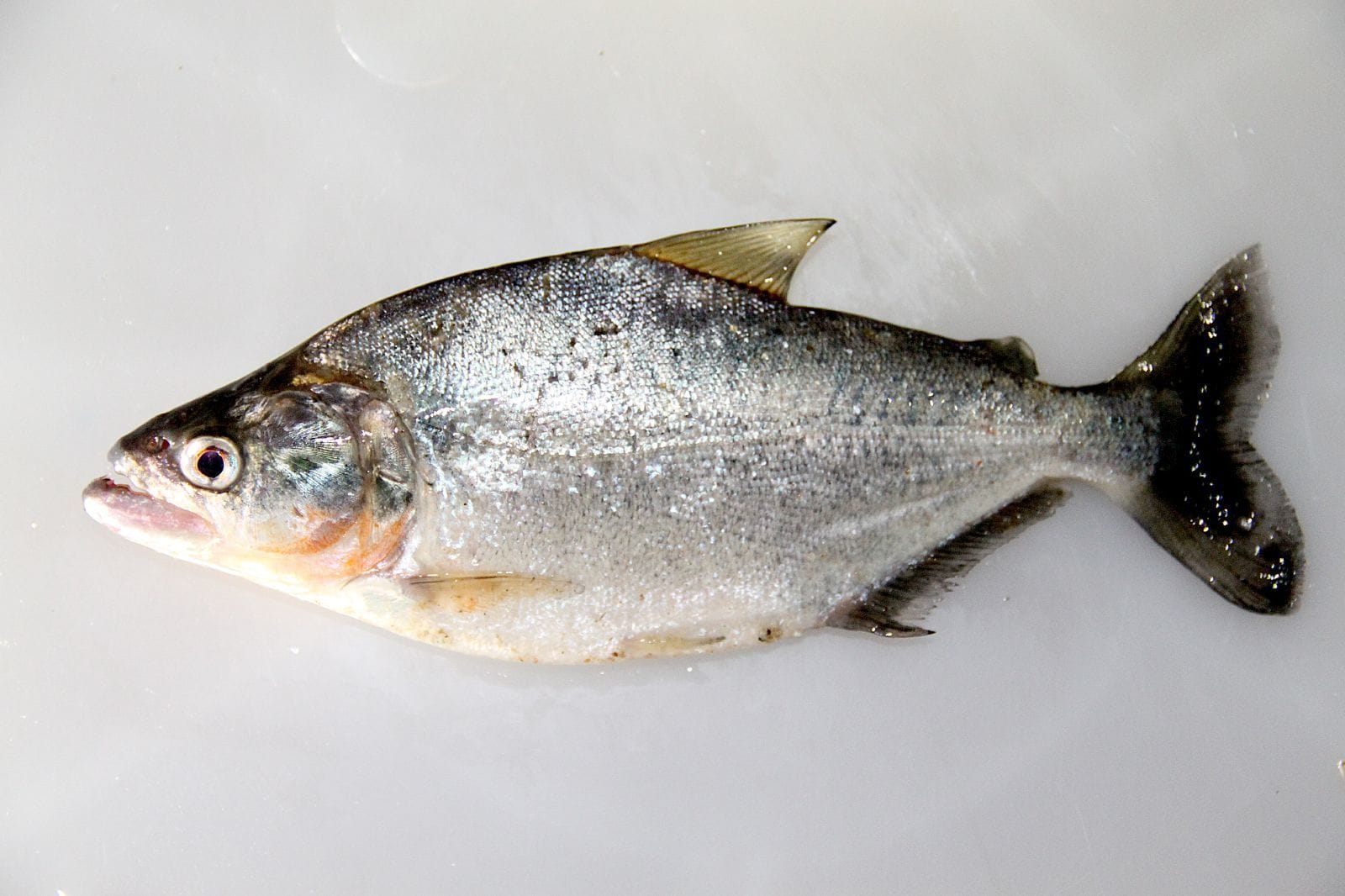
Slender Piranhas are streamlined, elongated predators adapted for swift swimming in river currents. They are smaller than Red-Bellied Piranhas but display precise hunting techniques and aggressive territoriality.
Their diet consists mainly of smaller fish and aquatic invertebrates. Slender Piranhas often use camouflage and ambush techniques, highlighting a predatory strategy distinct from schooling species. In captivity, they require long tanks, stable water parameters, and environmental enrichment to mimic natural habitats.
This species exemplifies how morphology and behavior evolve together to optimize predatory success in dynamic aquatic environments.
20. White-Ear Piranha (Serrasalmus humeralis)
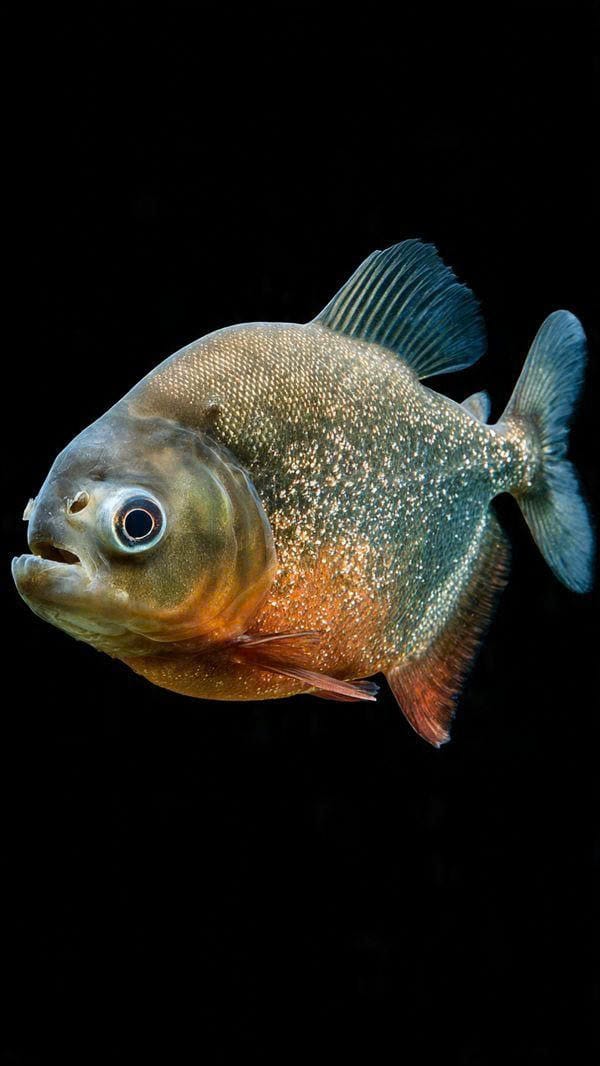
White-Ear Piranhas are medium-sized, easily identified by pale spots near their gill covers resembling “white ears.” Found in Amazonian and Orinoco rivers, they are solitary or form small groups depending on prey abundance.
They are carnivorous, feeding on fish, insects, and crustaceans. White-Ear Piranhas rely on camouflage and ambush strategies, striking with speed and precision. In captivity, they require spacious tanks, hiding spots, and a diet simulating natural prey.
White-Ear Piranhas highlight the diversity of piranha species, demonstrating variations in morphology, hunting style, and social behavior across different river systems.
Conclusion
The 20 types of piranha explored here—from the famous Red-Bellied Piranha to the specialized Wimple and Slender Piranhas—illustrate the remarkable diversity, adaptability, and predatory skills of these freshwater fish. Each species exhibits distinct physical traits, feeding strategies, and social behaviors, reflecting the ecological richness of South American rivers. Whether schooling, ambushing, or specialized feeding, piranhas demonstrate a balance between aggression, efficiency, and environmental adaptation.
Observing and studying piranhas provides insights into freshwater predator dynamics, evolutionary adaptations, and ecological interactions. For aquarists, researchers, and wildlife enthusiasts, understanding these types of piranha enhances appreciation for one of nature’s most fascinating and versatile fish families.
Frequently Asked Questions (FAQ) about Types of Piranha
1. What are piranhas?
Piranhas are freshwater fish native to South America, known for their sharp teeth, strong jaws, and carnivorous diet. They play a crucial role in river ecosystems by controlling prey populations.
2. How many types of piranha exist?
There are over 20 recognized types of piranha, including Red-Bellied, Black Spot, San Francisco, Wimple, and Slender Piranhas. Each type varies in size, behavior, and coloration.
3. What is the most famous type of piranha?
The Red-Bellied Piranha (Pygocentrus nattereri) is the most well-known, recognized for its red-orange belly and aggressive hunting behavior.
4. Are all piranhas dangerous to humans?
Most piranhas are not a threat to humans under normal circumstances. Attacks usually occur only when fish are stressed, food is scarce, or provoked.
5. What do piranhas eat?
Piranhas are primarily carnivorous, feeding on fish, insects, crustaceans, and occasionally fruits or plant material. Diets vary by species and habitat.
6. How do piranhas hunt?
Piranhas use a combination of ambush tactics, precision strikes, and sometimes coordinated group attacks to capture prey efficiently.
7. What is the difference between Red-Bellied and Black Spot Piranhas?
Red-Bellied Piranhas have a vivid red belly, often forming large schools, while Black Spot Piranhas have a distinctive black spot near the gills and tend to form smaller groups.
8. Can piranhas be kept in aquariums?
Yes, many types of piranha can be kept in aquariums if their specific needs, such as space, water quality, diet, and hiding places, are met.
9. How large do piranhas grow?
Sizes vary by species. Red-Bellied Piranhas usually reach 20–30 cm, while San Francisco Piranhas can grow up to 50 cm.
10. Do piranhas live in schools?
Some species, like Red-Bellied Piranhas, are schooling fish, whereas others, such as Lobetoothed or Slender Piranhas, are more solitary or form temporary groups.
11. What are Wimple Piranhas known for?
Wimple Piranhas specialize in eating the scales of other fish, a unique behavior called lepidophagy, which reduces competition with larger predators.
12. Are all piranhas aggressive?
Behavior varies. Some species are highly territorial and aggressive, while others rely on stealth and ambush tactics rather than aggression.
13. Where are piranhas found?
They inhabit rivers and floodplains in South America, including the Amazon, Paraná, Orinoco, and smaller tributaries.
14. What is the lifespan of piranhas?
In the wild, piranhas can live 5–10 years, while in captivity with proper care, some species can live up to 15 years.
15. How do piranhas reproduce?
Piranhas reproduce by laying eggs in nests prepared by males. Breeding behavior often involves territorial defense and group cooperation for protection.
16. Are piranhas social fish?
Some are social, forming schools for protection and hunting, while others are solitary. Social behavior depends on species, size, and habitat.
17. Can piranhas survive outside South America?
Piranhas are highly adapted to tropical freshwater environments and generally cannot survive in non-native habitats without specific care.
18. What is unique about the Lobetoothed Piranha?
It has jagged, lobed teeth adapted for precision biting, making it a specialized predator among piranhas.
19. How fast can piranhas strike?
Piranhas can strike in a fraction of a second, using their sharp teeth and strong jaws to immobilize prey efficiently.
20. Do piranhas eat plants?
While primarily carnivorous, some species may consume fruits or plant matter that falls into the water.
21. How do Redeye Piranhas defend themselves?
Redeye Piranhas establish territories, use visual signals like red eyes, and patrol feeding areas to ward off rivals and predators.
22. What is the largest type of piranha?
The San Francisco Piranha can grow up to 50 cm, making it one of the largest species among piranhas.
23. Are piranhas endangered?
Most piranha species are not endangered, though habitat loss and water pollution can threaten local populations.
24. How do piranhas interact with other fish?
They may coexist with non-predatory species in the wild but often show aggression toward smaller or similar-sized fish that compete for food.
25. Can piranhas live in cold water?
No, they are tropical fish and require warm water temperatures between 24–28°C (75–82°F).
26. How do piranhas detect prey?
Piranhas rely on keen eyesight, lateral line sensors, and chemical cues in the water to locate prey efficiently.
27. What is the role of piranhas in the ecosystem?
Piranhas help regulate fish populations, scavenge dead matter, and maintain the balance in freshwater ecosystems.
28. How do aquarium piranhas differ from wild ones?
In captivity, piranhas are usually smaller, less aggressive, and have diets provided by humans, but they retain natural hunting instincts.
29. What is the lifespan of a Red-Bellied Piranha in captivity?
They can live up to 10–12 years in well-maintained aquariums with proper diet and water conditions.
30. Do piranhas have predators?
Yes, larger fish, birds, caimans, and humans are natural predators of piranhas.
31. How do piranhas communicate?
Piranhas communicate through visual signals, body posture, fin movements, and sometimes sound produced by their swim bladders.
32. What is the smallest piranha species?
The Wimple Piranha is among the smallest species, typically 10–15 cm in length, specializing in scale-eating behavior.
33. How aggressive are Pike Piranhas?
Pike Piranhas are solitary hunters and can be very aggressive toward prey, relying on ambush tactics rather than schooling.
34. Do piranhas eat each other?
Cannibalism can occur, especially during food scarcity or when juveniles are present near adults of the same species.
35. Can piranhas be fed frozen or live food in aquariums?
Yes, feeding live fish, shrimp, or frozen fish provides proper nutrition, but care should be taken to avoid disease transmission.
36. What water conditions do piranhas need?
They require slightly acidic to neutral pH (6.0–7.5), warm tropical temperatures, and clean, oxygen-rich water.
37. Can piranhas jump out of water?
Yes, some species are capable of jumping to escape predators or catch prey, so aquarium lids are necessary.
38. How do piranhas breed in captivity?
Breeding requires simulating seasonal changes, providing nesting areas, and separating breeding pairs from aggressive tankmates.
39. Are piranhas nocturnal?
Some species are more active at night, using reduced light conditions to ambush prey effectively.
40. How do Iridescent Piranhas camouflage?
Their reflective scales blend with shimmering water surfaces, helping them approach prey or avoid predators.
41. Can piranhas coexist with other piranha species?
It depends on size, aggression, and tank space. Smaller, less aggressive species may need separation from larger, dominant piranhas.
42. How fast do piranhas grow?
Growth rates vary by species and diet, but most reach adult size within 1–2 years in the wild or under proper care in aquariums.
43. What is the purpose of red coloring in piranhas?
Red coloration can signal maturity, reproductive fitness, or aggression, depending on the species and context.
44. Do piranhas eat amphibians?
Yes, some larger species, like San Francisco Piranhas, may prey on frogs or small amphibians that enter the water.
45. How do piranhas adapt to seasonal flooding?
Piranhas migrate, expand territories, and form temporary schools during floods, which affects feeding and breeding patterns.
46. What is the defensive behavior of White-Ear Piranhas?
They rely on camouflage, hiding among rocks or vegetation, and quick strikes to defend themselves or catch prey.
47. Can piranhas survive in captivity long-term?
Yes, with proper water conditions, diet, and tank space, many species live well beyond 10 years in captivity.
48. How are Red-Throat Piranhas identified?
By their distinct red throat markings and silver-gray body. Males use the red coloration for signaling during territorial or mating displays.
49. Are piranhas easy to care for?
They require specific water parameters, diet, and tank setups. While manageable for experienced aquarists, they are not beginner-friendly fish.
50. Why study types of piranha?
Understanding different types of piranha helps researchers, aquarists, and wildlife enthusiasts appreciate ecological roles, predatory behavior, and biodiversity in freshwater ecosystems.
51. How do piranhas contribute to river health?
By controlling fish populations and scavenging dead matter, piranhas maintain balanced ecosystems and prevent overpopulation of certain species.