

Toads are fascinating amphibians that belong to the family Bufonidae, thriving in diverse habitats from tropical rainforests to arid deserts. With their warty skin, unique calls, and impressive adaptations, they have intrigued both scientists and wildlife enthusiasts for centuries. In this article, we will explore Types of Toads, providing in-depth identification and insights into their behavior, habitat, and conservation. From North America to Europe, Asia, and Africa, each toad has distinct characteristics that make it special. Whether you are a beginner nature observer or an experienced herpetologist, understanding these remarkable creatures can deepen your appreciation of the natural world.
1. American Toad (Anaxyrus americanus)
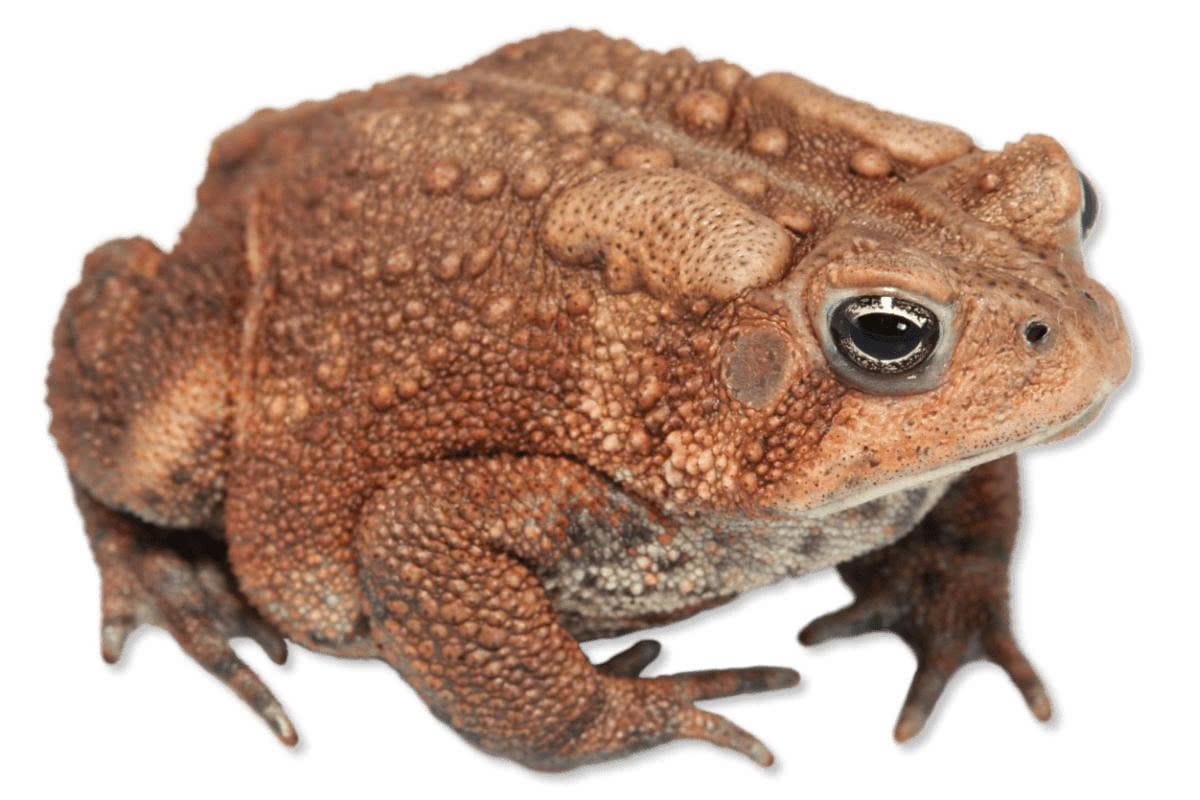
The American Toad is one of the most recognizable species in North America. Measuring between 5 to 9 cm, this medium-sized amphibian has rough, warty skin that ranges from brown to reddish-brown, often with darker spots. These markings help it blend into leaf litter and forest floors, providing camouflage against predators. Its large parotoid glands behind the eyes secrete a mild toxin that deters potential threats.
American Toads are nocturnal, emerging at night to hunt for insects, spiders, and worms. They possess a highly adaptable diet and can thrive in forests, gardens, and even urban areas. Breeding occurs in spring, with males using high-pitched trills to attract females to ponds, lakes, and slow-moving streams. Females lay thousands of eggs in long strings, which hatch into aquatic tadpoles before undergoing metamorphosis.
This species plays a vital ecological role as both predator and prey. They help control insect populations and serve as food for snakes, birds, and mammals. Despite their abundance, habitat loss and pollution can threaten local populations. Conservation efforts focus on protecting breeding habitats and minimizing pesticide use.
2. Fowler’s Toad (Anaxyrus fowleri)
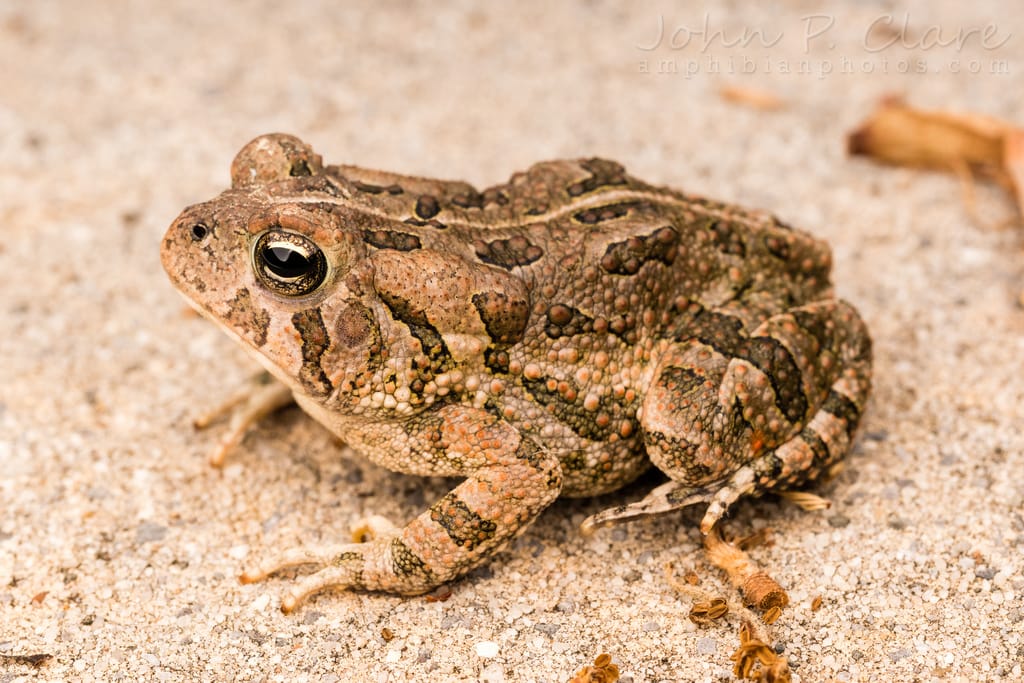
Fowler’s Toad is native to eastern North America and is easily distinguishable by its distinctive vocalizations and dorsal patterns. Adults typically measure 6–9 cm and display a gray, olive, or tan coloration with three or more dark blotches on the back. Each blotch usually contains small warts, a key identifying feature.
This toad prefers sandy or loose-soil habitats, such as dunes, riverbanks, and forest edges, which allow it to burrow and avoid predators. Fowler’s Toads are nocturnal hunters, feeding on ants, beetles, and moths. Their breeding season occurs from late spring to early summer, and males call loudly to attract females. They lay eggs in shallow water, which develop into tadpoles within a few weeks.
Fowler’s Toad is sensitive to environmental changes, particularly water pollution and habitat destruction. Their presence often indicates a healthy ecosystem, and protecting wetland areas is essential for maintaining their populations. Ecotourism and wildlife observation can help raise awareness of their ecological importance.
3. Woodhouse’s Toad (Anaxyrus woodhousii)
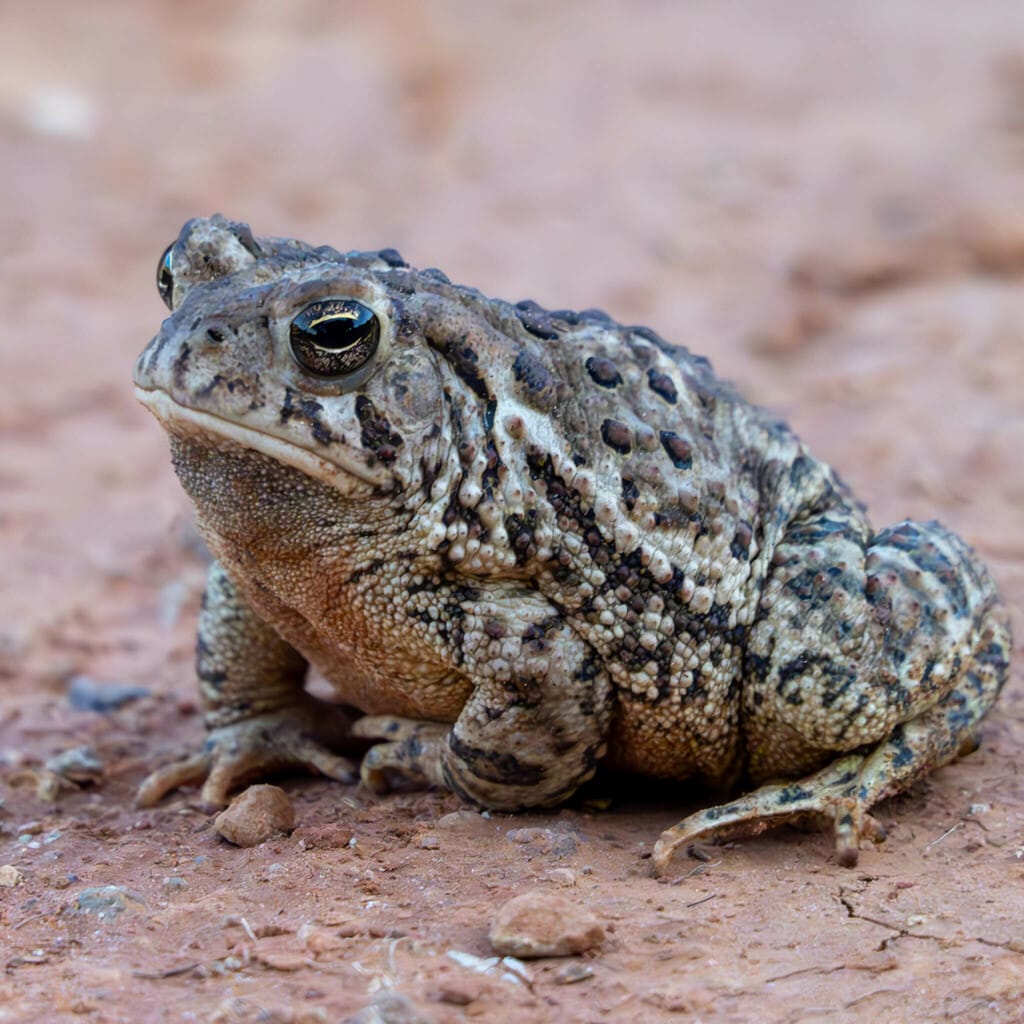
Woodhouse’s Toad is a medium-sized species native to central and western North America. Adults typically reach 6–9 cm, with gray or tan coloring and variable dark spots along the back. They have prominent parotoid glands that secrete toxins for defense. These toads are highly adaptable, inhabiting grasslands, deserts, and suburban areas.
They are primarily nocturnal and consume a wide range of invertebrates. Woodhouse’s Toads breed in shallow temporary pools, ditches, and slow-moving streams. Males produce a high-pitched trill that carries over long distances to attract females. Egg strings hatch into tadpoles, which metamorphose in a few months depending on temperature and water conditions.
Conservation concerns for Woodhouse’s Toad include habitat fragmentation and water pollution. However, their adaptability allows them to persist in disturbed environments. They are an important food source for snakes, birds, and small mammals, and their presence can help control insect populations in agricultural areas.
4. Southern Toad (Anaxyrus terrestris)
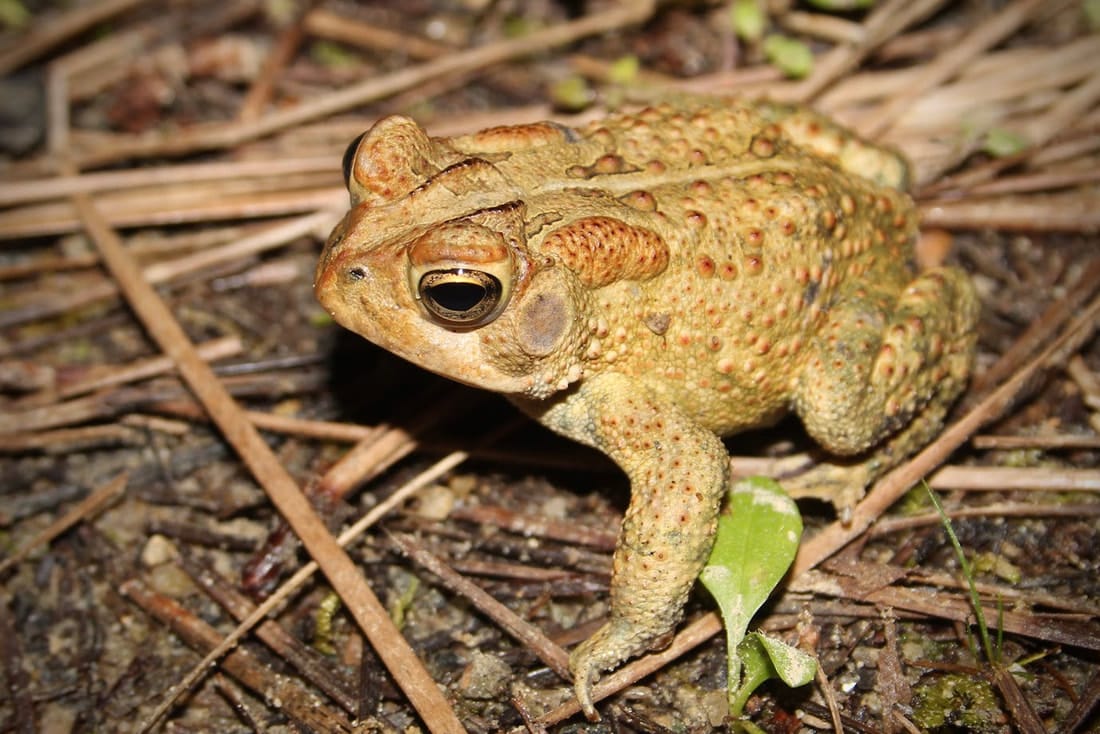
The Southern Toad is commonly found in the southeastern United States, thriving in sandy soils, pine forests, and suburban gardens. Adults grow 5–9 cm in length and have gray, brown, or reddish skin covered in small warts. The parotoid glands are less pronounced than in other species, but still provide chemical protection against predators.
This species is nocturnal and highly secretive, often hiding under logs, leaves, or rocks during the day. Southern Toads are opportunistic feeders, eating insects, spiders, and small invertebrates. Breeding occurs in temporary pools after heavy rains. Males produce short, high-pitched trills to attract females, and egg strings are laid in shallow water where they hatch into tadpoles within a few weeks.
Although Southern Toads are common, they are affected by habitat loss, pollution, and disease such as chytridiomycosis. Protecting wetlands and reducing pesticide use can support stable populations. Their ecological role in controlling insect populations makes them vital contributors to local ecosystems.
5. Oak Toad (Anaxyrus quercicus)
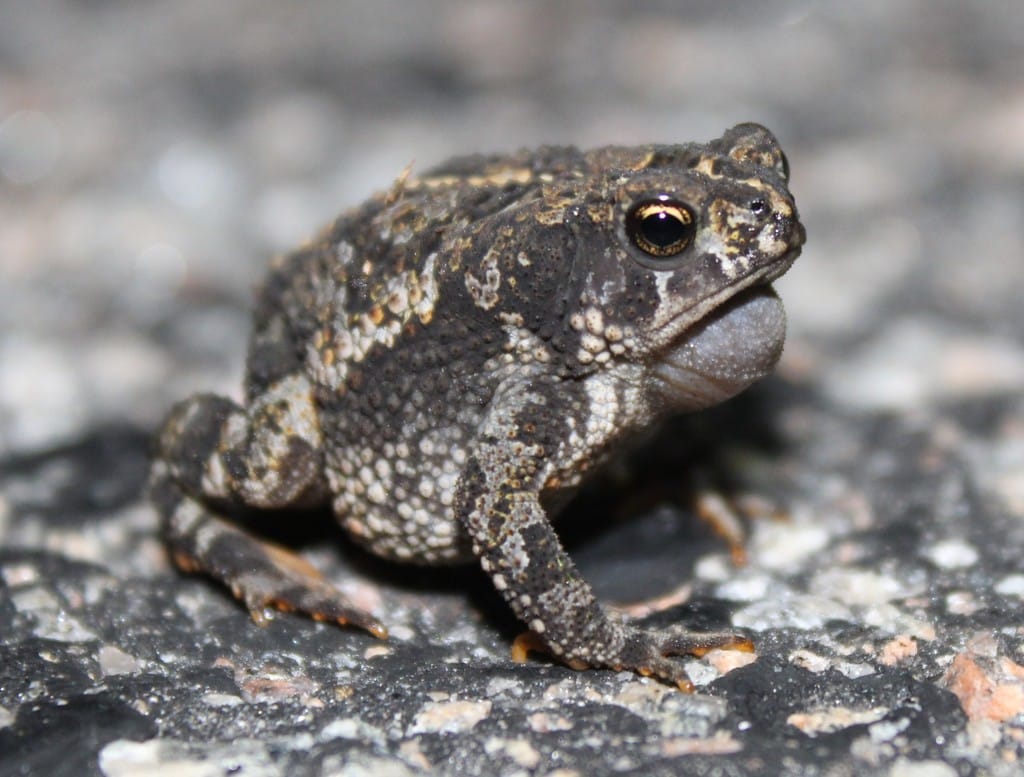
The Oak Toad is one of the smallest North American toads, reaching only 2–4 cm in length. Native to the southeastern United States, they inhabit sandy pine forests and scrublands where their coloration—yellow to reddish-brown—blends with pine needles and leaf litter. Oak Toads have warty skin and small parotoid glands, providing mild chemical defense against predators.
These tiny toads are highly active during warm, rainy nights when they hunt ants, beetles, and small arthropods. Breeding is explosive, occurring in temporary pools and puddles after heavy rains. Males produce short, sharp calls to attract females, and eggs hatch quickly, with rapid tadpole development due to the temporary nature of their aquatic habitats.
Oak Toads are sensitive to habitat disturbance and desiccation. Conservation efforts focus on maintaining pine forest habitats and ephemeral wetlands. Despite their small size, they play an important ecological role in controlling insect populations and serving as prey for snakes, birds, and larger amphibians.
6. Coastal Plain Toad (Anaxyrus nebulifer)
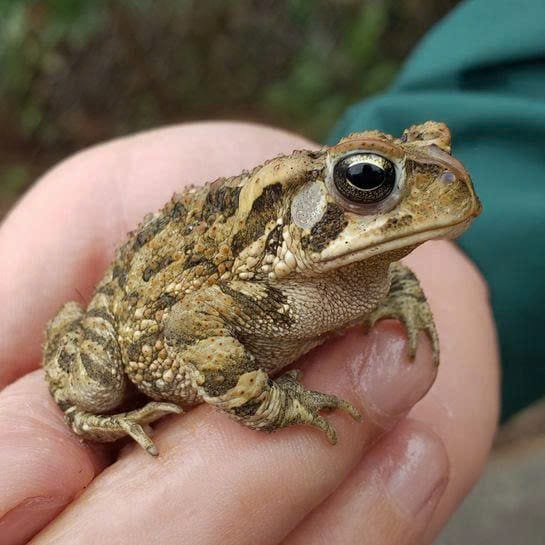
The Coastal Plain Toad is a medium-sized amphibian native to the southeastern United States, particularly along coastal plains of Texas, Louisiana, Mississippi, and Florida. Adults range from 5 to 9 cm and exhibit gray, brown, or olive skin covered in warts. Their parotoid glands, located behind the eyes, secrete toxins that act as a natural defense against predators. Despite their rough appearance, these toads are harmless to humans.
They are nocturnal and highly secretive, often hiding under leaf litter, logs, or rocks during the day. Coastal Plain Toads feed primarily on insects, spiders, and other small invertebrates, making them valuable for controlling pest populations. Breeding typically occurs in spring and early summer when heavy rains create temporary pools. Males produce distinctive trilling calls to attract females, and females lay long strings of eggs in shallow water. The eggs hatch into aquatic tadpoles that metamorphose into juvenile toads within several weeks.
Habitat loss, wetland drainage, and pollution are key threats to Coastal Plain Toad populations. Conservation measures include protecting wetland habitats, reducing pesticide use, and monitoring local populations. These toads are indicators of ecosystem health and contribute significantly to the balance of insect populations in their regions.
7. Great Plains Toad (Anaxyrus cognatus)
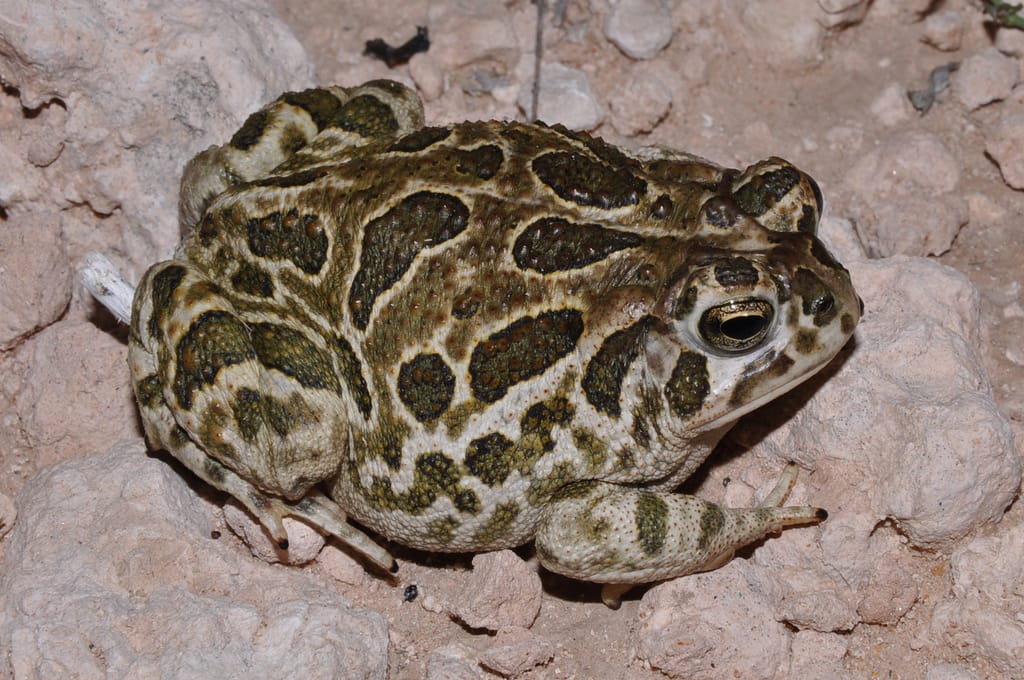
The Great Plains Toad inhabits North America’s central plains, extending from southern Canada through the United States to northern Mexico. It is one of the largest North American toads, measuring 7–12 cm in length. Its grayish-brown body is covered with irregular darker blotches, helping it blend into grasslands and semi-arid environments. The parotoid glands behind its eyes secrete toxins for protection against predators such as snakes and birds.
These toads are primarily nocturnal, emerging at night to hunt ants, beetles, grasshoppers, and other insects. Great Plains Toads are highly adapted to dry environments, capable of burrowing into sandy or loose soil to escape heat and conserve moisture. Breeding occurs in temporary rain-fed pools during spring and summer, with males emitting loud trills to attract females. Their eggs develop into tadpoles in just a few weeks, a rapid adaptation to the ephemeral nature of their breeding habitats.
Though the Great Plains Toad is relatively common, threats include habitat conversion, pesticide use, and climate change. Protecting grasslands and temporary wetlands ensures their survival. As both predator and prey, these toads play an essential role in maintaining ecological balance in the Great Plains.
8. Wyoming Toad (Anaxyrus baxteri)
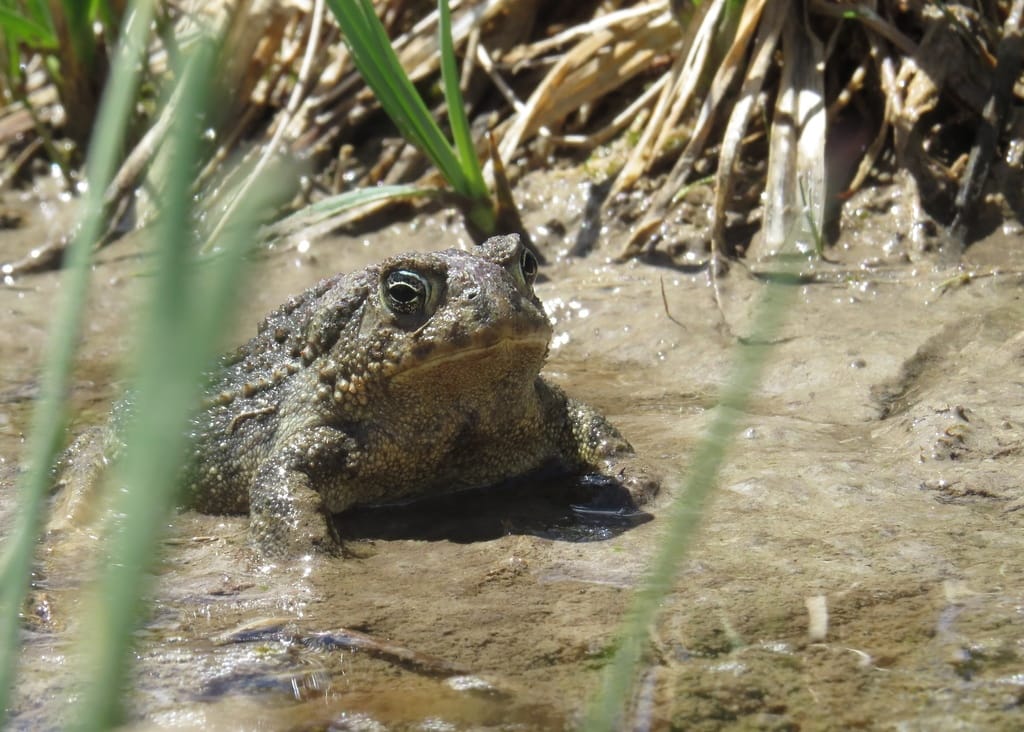
The Wyoming Toad is critically endangered and endemic to southeastern Wyoming. Adults are relatively small, averaging 5–7 cm, with grayish to light brown skin marked by faint darker blotches. Its warty skin contains parotoid glands, which secrete toxins for defense. The species was nearly extinct in the wild due to habitat loss, disease, and environmental pollution.
Wyoming Toads are nocturnal insectivores, feeding on ants, beetles, and other small invertebrates. Breeding occurs in shallow wetlands, ponds, and floodplains, usually in late spring. Conservation efforts include captive breeding programs, habitat restoration, and reintroduction into protected areas. Scientists monitor water quality and disease prevalence, particularly chytrid fungus, which has devastated amphibian populations globally.
Though rare, the Wyoming Toad’s recovery offers hope for endangered amphibians. Protecting and restoring its natural habitat not only helps this species but also supports broader wetland ecosystems critical for many other wildlife species.
9. Red‑spotted Toad (Anaxyrus punctatus)
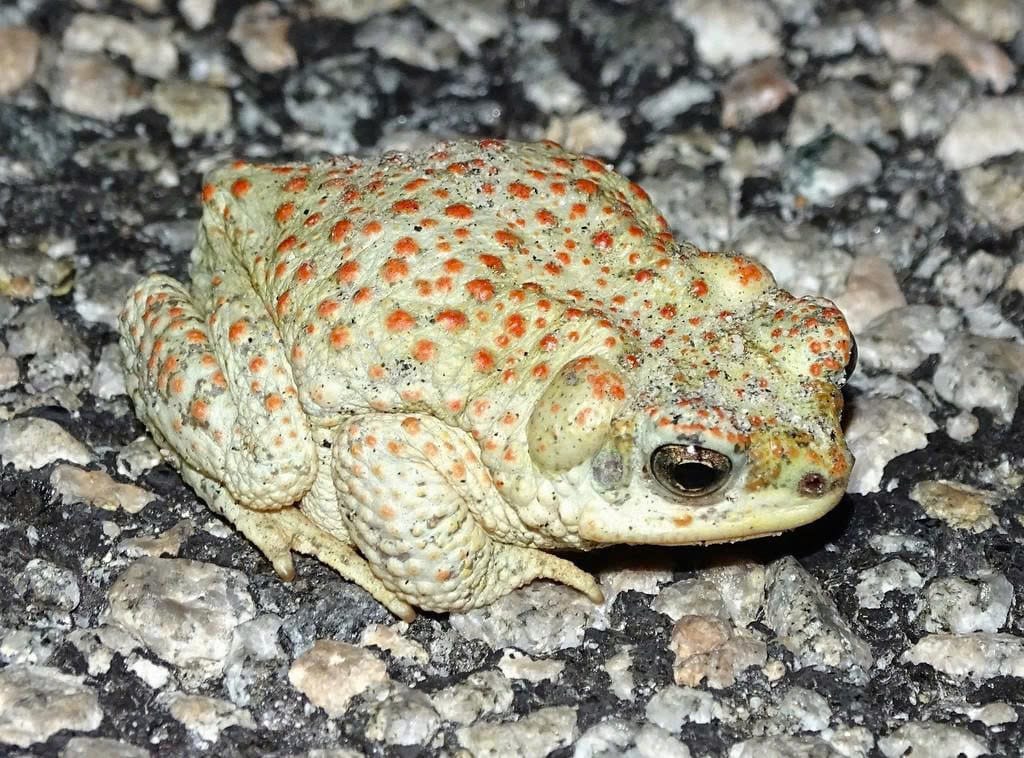
The Red-spotted Toad is native to arid and semi-arid regions of the southwestern United States and northern Mexico. Adults are small to medium-sized, ranging from 5–8 cm, with gray or brown skin adorned with conspicuous red or orange spots. Its rough, warty skin and parotoid glands provide defense against predators. The Red-spotted Toad is well-adapted to desert environments, often found under rocks, shrubs, or burrows during the day to avoid heat.
This toad is primarily nocturnal, emerging after rainfall to hunt insects, spiders, and other small invertebrates. Breeding is opportunistic, occurring in temporary rain pools during the monsoon season. Males produce a short, high-pitched trill to attract females, and eggs hatch into tadpoles that develop rapidly in shallow water before it dries up. Their ability to exploit short-lived water bodies is key to survival in harsh desert climates.
While the Red-spotted Toad is not currently threatened, habitat destruction, pollution, and prolonged droughts pose risks. Protecting desert habitats and monitoring populations are crucial for their long-term survival. Their ecological role in controlling insect populations contributes significantly to the balance of desert ecosystems.
10. Green Toad (Anaxyrus debilis)
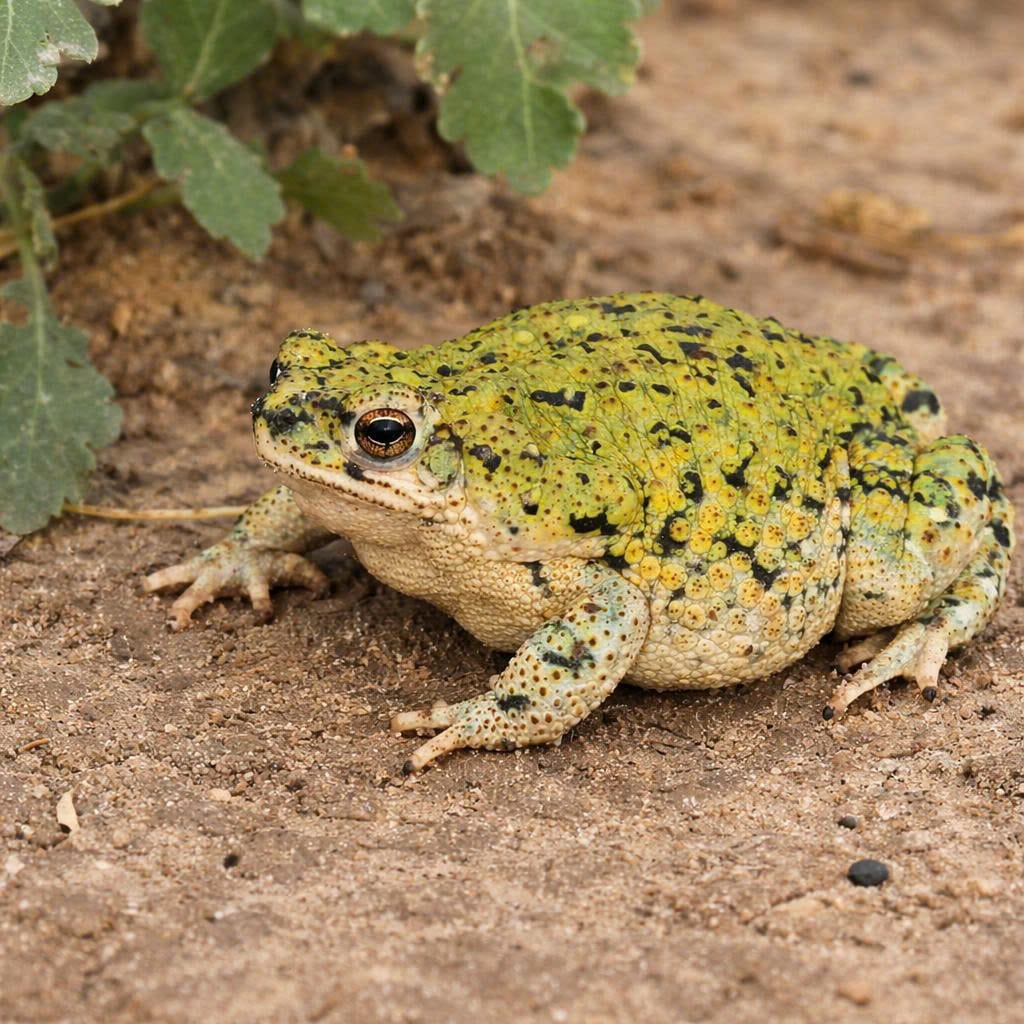
The Green Toad inhabits arid and semi-arid regions of North America, including the southwestern United States and northern Mexico. Adults are small, averaging 4–6 cm, with greenish to grayish skin that provides camouflage against desert soils and vegetation. Its warty skin and parotoid glands serve as a deterrent to predators. Despite their small size, Green Toads are hardy and well-adapted to extreme environmental conditions.
Green Toads are nocturnal and emerge primarily after rainfall to feed on ants, beetles, and other small invertebrates. Breeding is explosive, triggered by seasonal rains, with males producing high-pitched trills to attract females. Eggs hatch quickly, and tadpoles develop in ephemeral pools that may last only a few weeks. Their rapid life cycle is an adaptation to the unpredictability of desert water sources.
Conservation concerns include habitat fragmentation, prolonged droughts, and water pollution. Preserving desert wetlands and monitoring populations are essential for maintaining Green Toad populations. Their presence indicates a healthy desert ecosystem, and they play a vital role in controlling insect populations and supporting predators higher in the food chain.
11. Sonoran Desert Toad (Incilius alvarius)
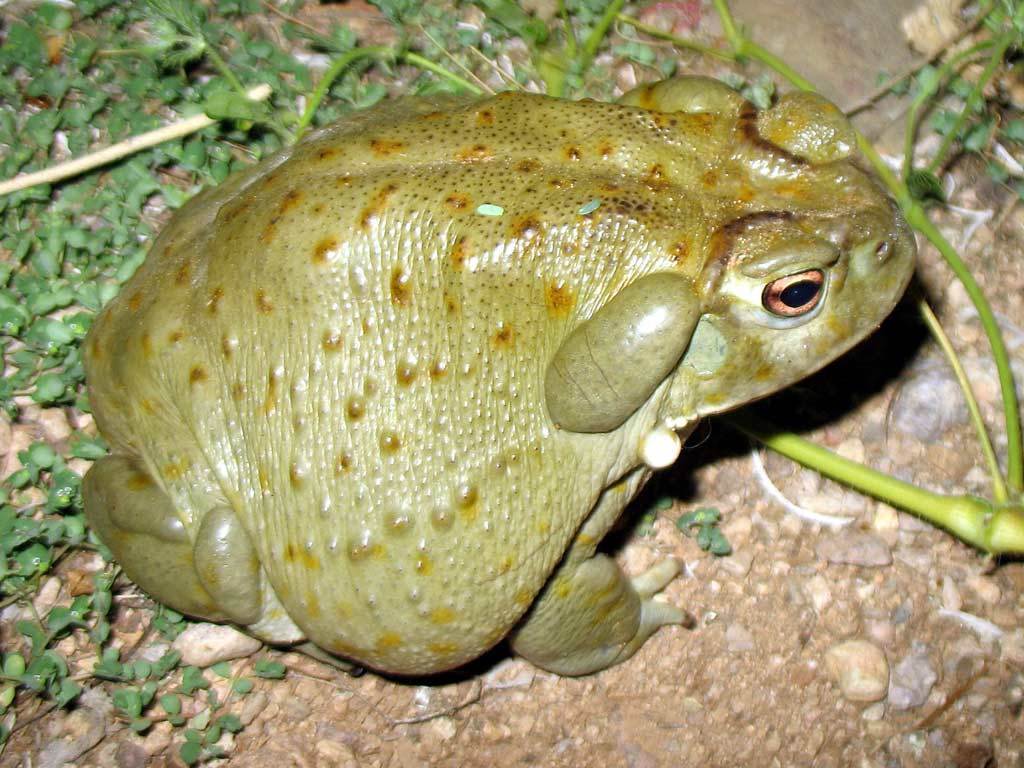
The Sonoran Desert Toad, also known as the Colorado River Toad, is one of the largest North American toads, reaching up to 20 cm in length. Native to the Sonoran Desert of southwestern United States and northwestern Mexico, this toad thrives in arid environments with seasonal water sources. Its olive-brown or grayish skin is covered in warts, and parotoid glands behind the eyes secrete potent toxins as a defense mechanism against predators. Remarkably, these toxins contain powerful compounds that have been studied for medicinal properties, though they are dangerous if ingested or mishandled.
Nocturnal by nature, the Sonoran Desert Toad emerges after rain to hunt insects, spiders, and other invertebrates. It burrows during the day to avoid extreme desert heat and conserve moisture. Breeding occurs in temporary rain pools, with males producing deep, resonant calls to attract females. Eggs hatch into tadpoles that develop rapidly to adapt to the transient availability of water in desert habitats. Conservation efforts focus on habitat preservation, given that urbanization, pollution, and illegal collection for recreational purposes threaten populations. As apex amphibian predators in their ecosystem, Sonoran Desert Toads play an essential role in controlling insect populations and maintaining ecological balance.
12. Arizona Toad (Anaxyrus microscaphus)
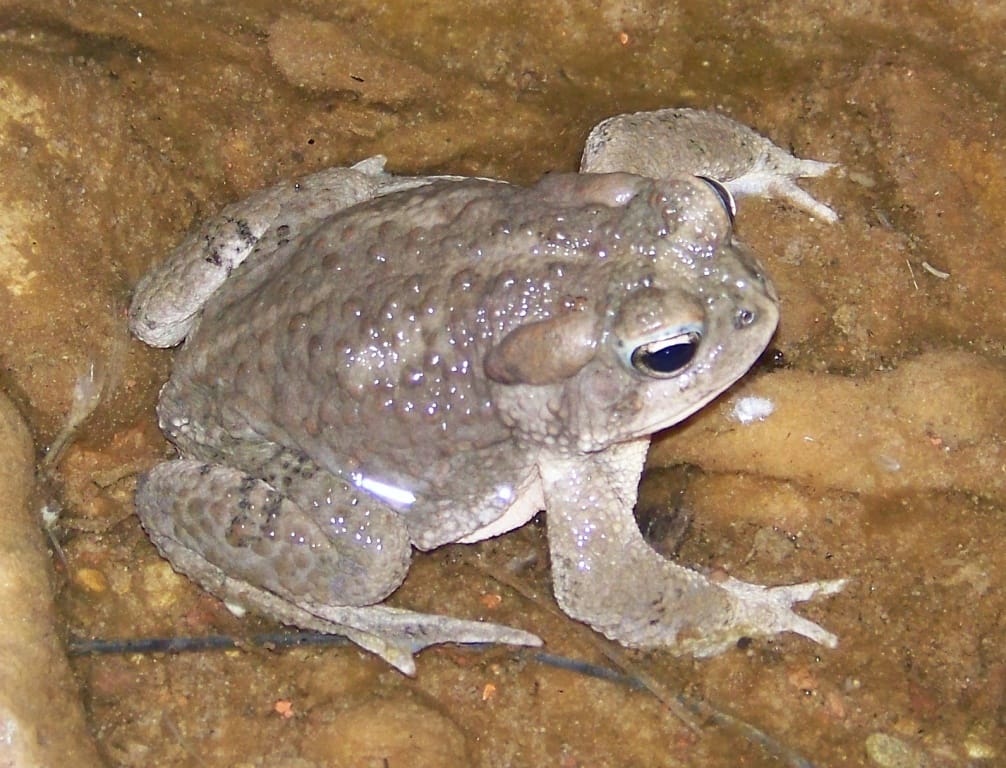
The Arizona Toad is a medium-sized species native to the southwestern United States, particularly Arizona, New Mexico, and northern Mexico. Adults measure between 5–8 cm, with smooth, olive to grayish-brown skin adorned with scattered darker spots. Parotoid glands are present behind the eyes, secreting mild toxins to deter predators. Arizona Toads are highly adaptable to arid grasslands, desert washes, and riparian zones.
Primarily nocturnal, these toads feed on ants, beetles, and small invertebrates. During the day, they seek shelter under rocks, logs, or burrows to avoid heat stress. Breeding is triggered by spring or summer rainfall, when males call from temporary pools to attract females. Eggs hatch quickly, and tadpoles develop in shallow water. Habitat loss due to urban expansion, water diversion, and pollution poses threats to local populations. Conservation initiatives focus on wetland protection, water quality monitoring, and research into population dynamics. Arizona Toads serve as important indicators of ecosystem health and contribute to insect population control in arid environments.
13. Western Toad (Anaxyrus boreas)
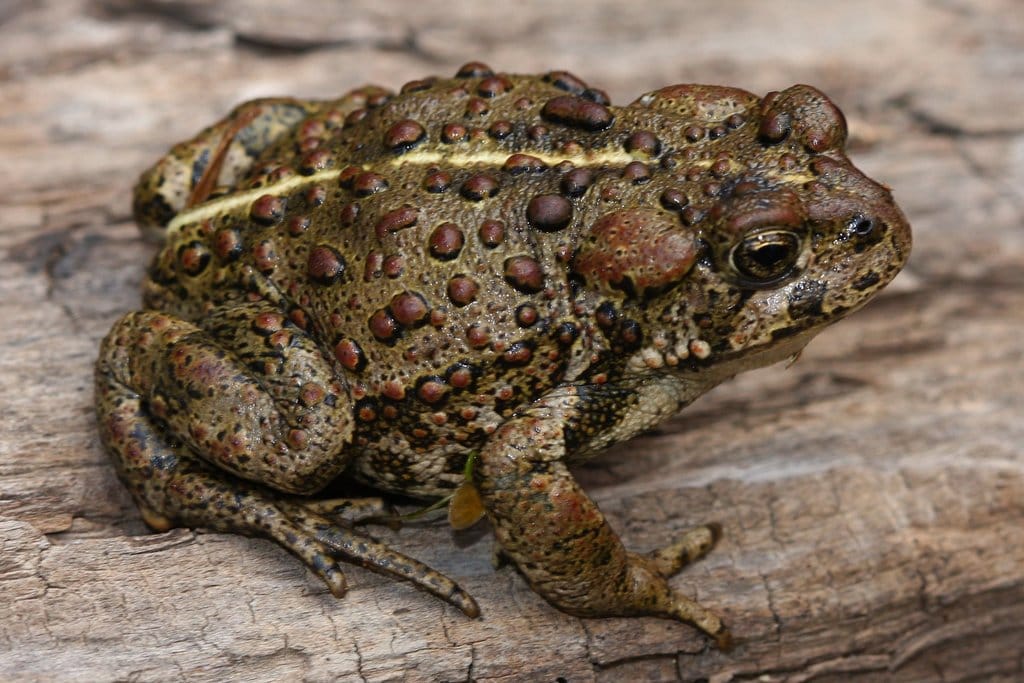
The Western Toad is a large North American toad found along the Pacific Northwest, extending from Alaska down to California. Adults can reach 5–13 cm in length and display gray, olive, or brown dorsal coloration with distinctive dark blotches. Parotoid glands are prominent, providing defense against predators. This species is highly versatile, inhabiting forests, grasslands, wetlands, and mountainous regions. It is active both during the day and night but is primarily nocturnal during hot summer months.
Western Toads feed on insects, spiders, and other invertebrates. They exhibit interesting reproductive behavior: during the breeding season, males congregate near ponds and streams and produce trills or high-pitched calls to attract females. Eggs are laid in long strings in shallow water and develop into aquatic tadpoles, which metamorphose within weeks. Threats include habitat fragmentation, pollution, invasive species, and disease such as chytrid fungus. Conservation programs focus on habitat restoration, monitoring populations, and captive breeding initiatives. Western Toads play a crucial ecological role by regulating invertebrate populations and serving as prey for birds, snakes, and mammals.
14. Amargosa Toad (Anaxyrus nelsoni)
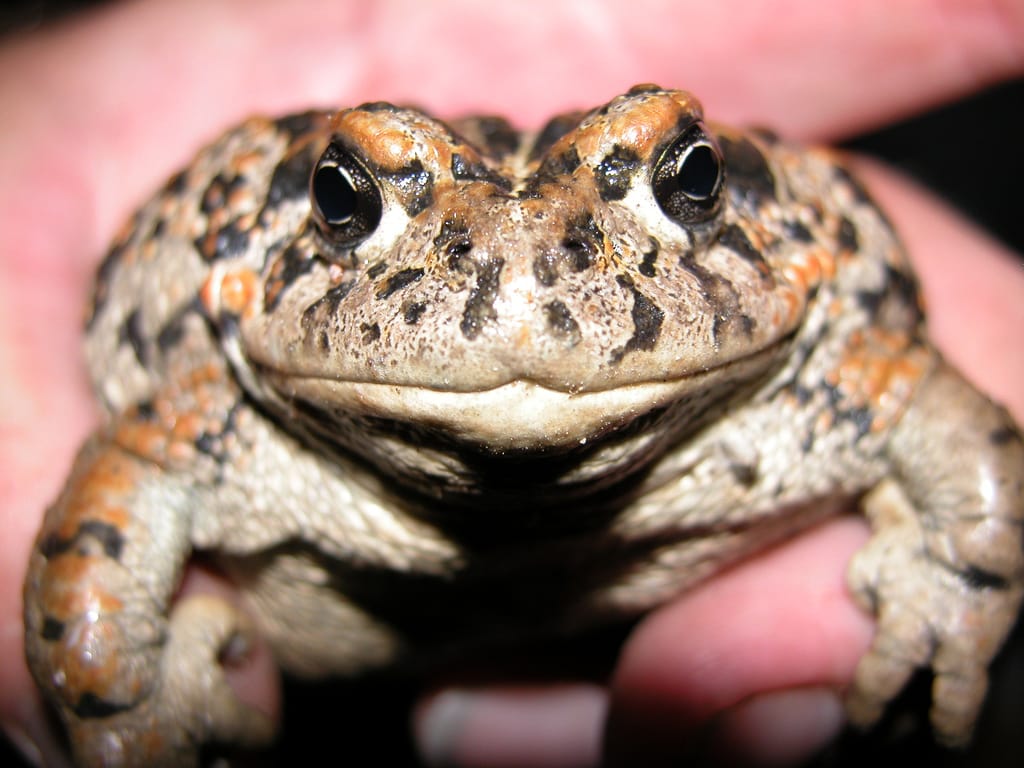
The Amargosa Toad is a critically endangered species endemic to the Mojave Desert in California. Adults measure around 5–7 cm and have grayish or brownish skin with scattered darker markings. Parotoid glands produce toxins as a defense against predators. This toad is highly specialized, restricted to the moist riparian areas along the Amargosa River, making its habitat extremely limited. Due to its restricted range and environmental threats, this species is a key focus for conservationists.
Amargosa Toads are nocturnal, feeding on ants, beetles, and other small insects. Breeding occurs in shallow pools created by seasonal water flow, and males call to attract females. Tadpoles develop quickly to take advantage of ephemeral water availability. The primary threats are habitat destruction, water diversion, pollution, and invasive species. Conservation measures include habitat restoration, creation of artificial breeding pools, and legal protection. The Amargosa Toad is an excellent example of how amphibians can indicate ecosystem health and the importance of protecting specialized habitats.
15. Black Toad (Anaxyrus exsul)
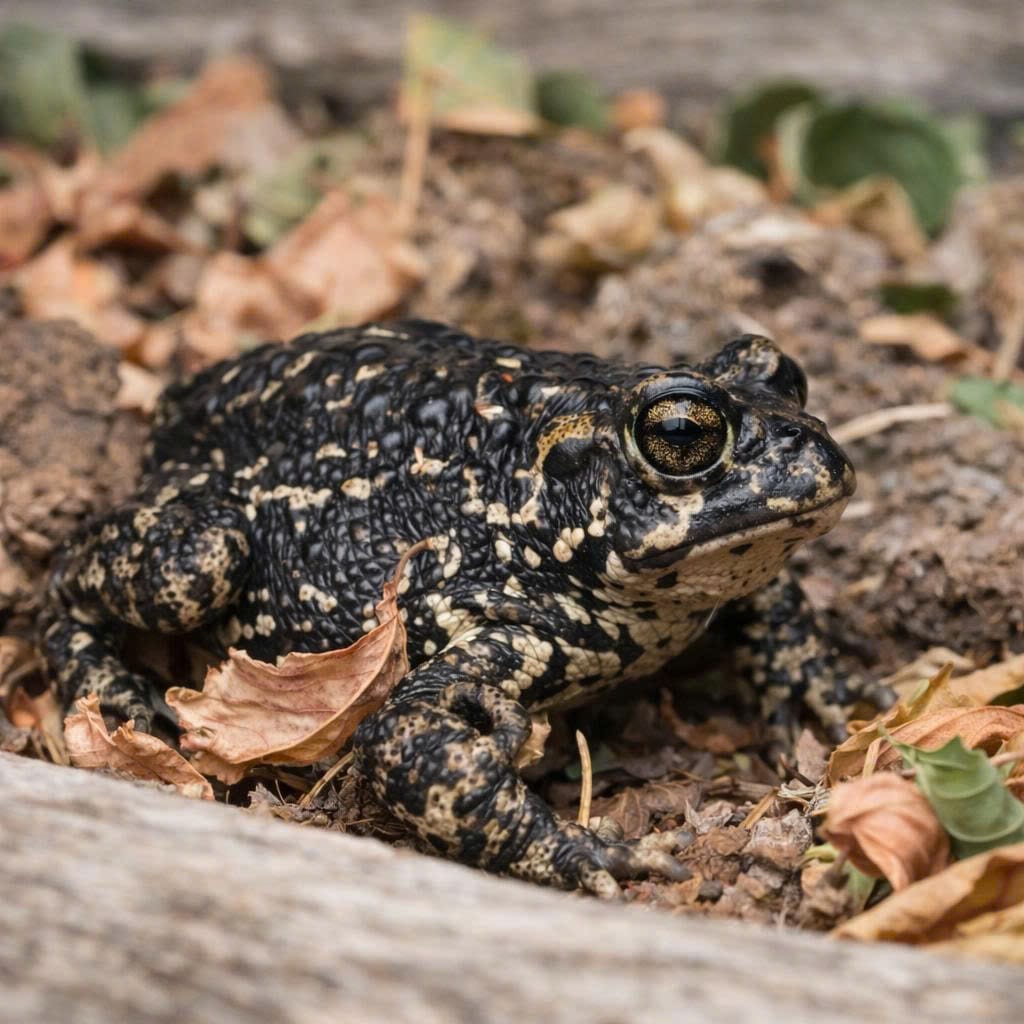
The Black Toad is an extremely rare species endemic to specific regions of California, particularly around isolated desert springs. Adults are medium-sized, typically 5–6 cm, with dark gray to black skin providing excellent camouflage against volcanic rocks and desert terrain. Parotoid glands secrete mild toxins to ward off predators. This species is highly localized and lives in very specific microhabitats, making it vulnerable to environmental change.
Black Toads are nocturnal and emerge mainly after rainfall to hunt insects and small arthropods. During dry periods, they remain hidden in burrows or under rocks. Breeding occurs in permanent or semi-permanent desert springs, where males call to attract females. Tadpoles develop in the relatively stable water sources available in their limited habitat. Threats include habitat loss, water extraction, and climate change. Conservation efforts focus on protecting spring ecosystems, monitoring populations, and minimizing human disturbance. The Black Toad highlights the importance of microhabitats in desert ecosystems and serves as a valuable indicator species for environmental health.
16. Canadian Toad (Anaxyrus hemiophrys)
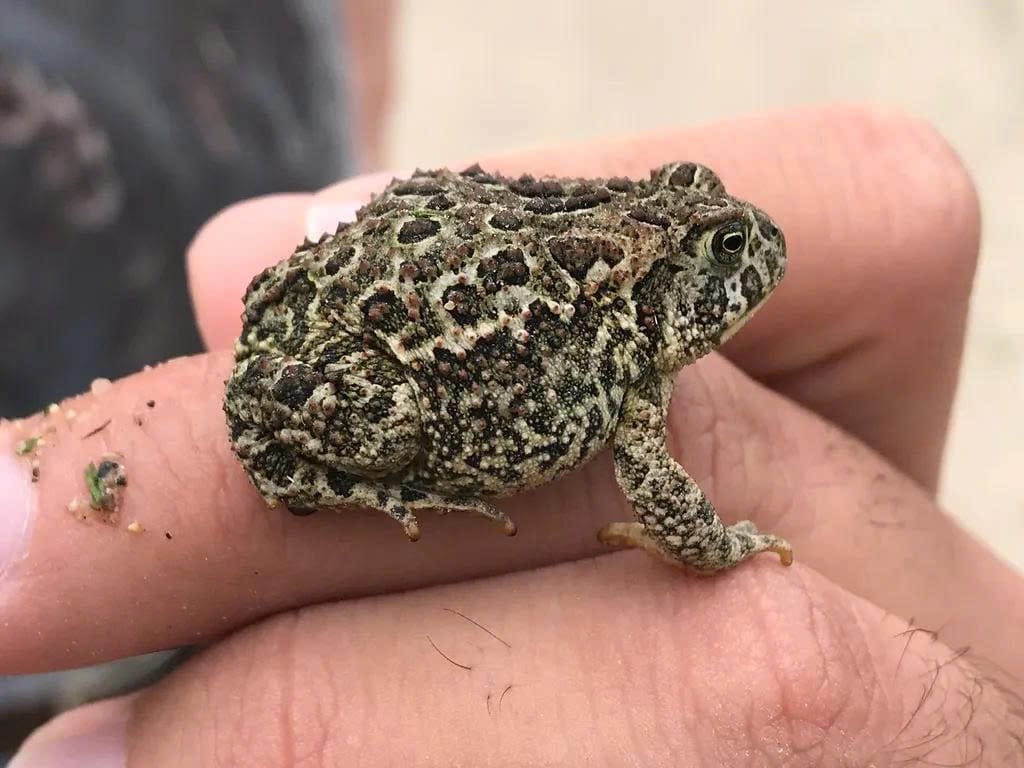
The Canadian Toad is a medium-sized toad found across Canada and parts of the northern United States. Adults range from 5 to 10 cm in length, with gray, brown, or olive skin adorned with darker blotches. Its parotoid glands, located behind the eyes, secrete toxins to ward off predators. Canadian Toads are highly adaptable, inhabiting forests, grasslands, wetlands, and even suburban areas. They are primarily nocturnal but can also be active during damp, overcast days.
Diet consists of insects, spiders, worms, and other small invertebrates. Breeding occurs in the spring, often shortly after snowmelt, when males congregate near shallow ponds or slow-moving streams to call for females. Eggs are laid in long strings, and tadpoles develop over weeks before metamorphosing into juvenile toads. While Canadian Toad populations are generally stable, threats include habitat fragmentation, pollution, and predation by non-native species. As an amphibian, this species is a valuable indicator of environmental health, reflecting the state of wetlands and forest ecosystems in northern North America.
17. Houston Toad (Anaxyrus houstonensis)
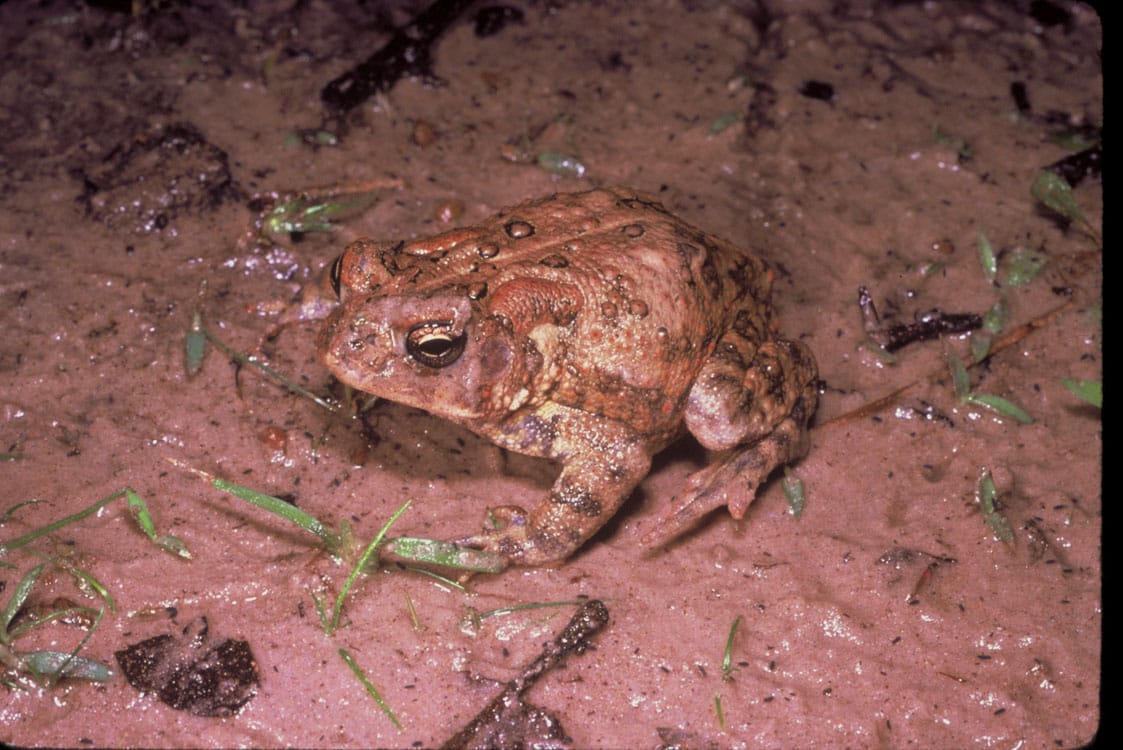
The Houston Toad is a critically endangered toad species endemic to central Texas. Adults grow between 5–8 cm and exhibit grayish-brown skin with scattered darker spots and prominent parotoid glands. This toad prefers sandy soils and grassy areas with seasonal ponds for breeding. Unfortunately, urban development, agriculture, and habitat fragmentation have drastically reduced its range, making conservation efforts crucial for its survival.
Houston Toads are nocturnal and feed mainly on insects and other invertebrates. Males produce long, low-pitched calls to attract females during spring breeding. Eggs are deposited in ephemeral pools, with tadpoles developing quickly to cope with the temporary nature of their habitat. Conservation programs include captive breeding, habitat restoration, and legal protection measures. By understanding and protecting Houston Toads, scientists help maintain biodiversity and the health of Texas’s unique grassland ecosystems.
18. Cane Toad (Rhinella marina)
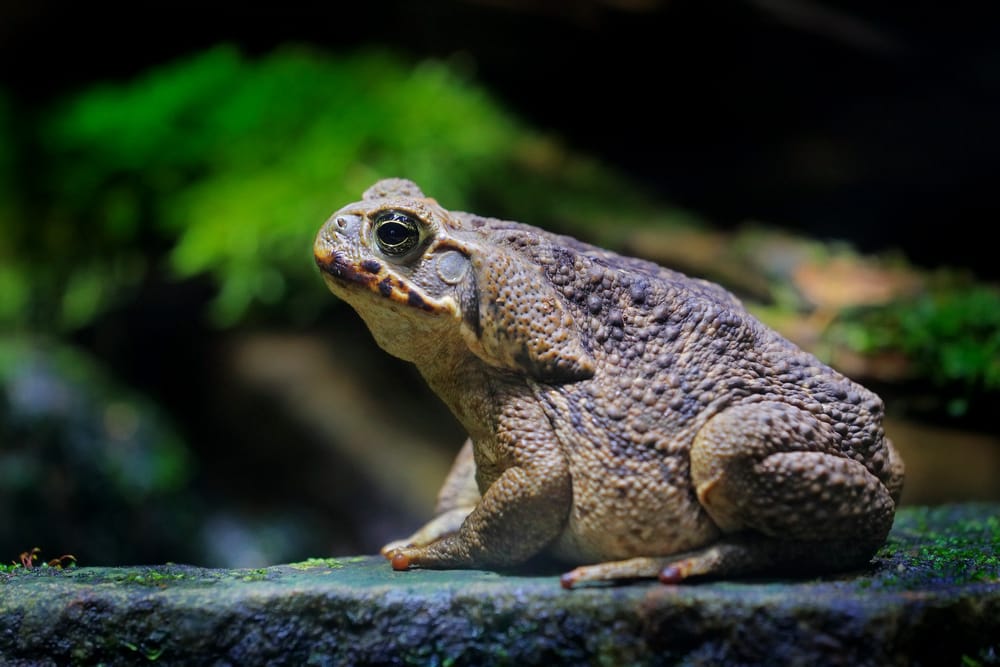
The Cane Toad is one of the largest and most widely recognized toads, native to Central and South America. Adults can grow over 20 cm in length and weigh up to 2 kg, with rough, warty skin colored brown or olive. Its parotoid glands produce potent toxins capable of killing small predators, making this species highly resilient. Cane Toads are notorious as invasive species in many regions, including Australia and parts of the Pacific, where they have significantly impacted local wildlife.
Primarily nocturnal, Cane Toads feed on insects, small mammals, amphibians, and plant matter. They breed prolifically in freshwater habitats, laying thousands of eggs in strings. Tadpoles develop rapidly, which contributes to their invasive potential. Despite their success, in their native habitat, they play an important ecological role by controlling insect populations. Invasive populations are subject to management programs to minimize ecological disruption. Cane Toads demonstrate the importance of careful species introduction and the effects of non-native species on local ecosystems.
19. Common Argentine Toad (Rhinella arenarum)
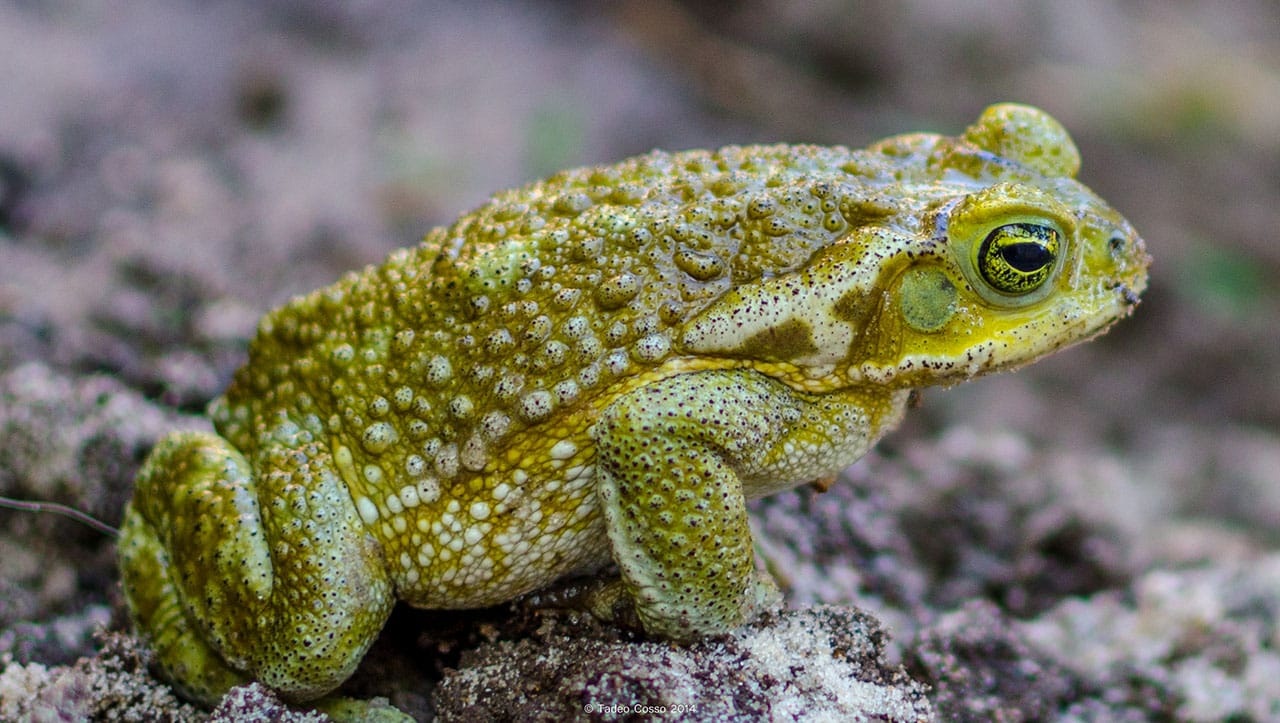
The Common Argentine Toad is a widespread amphibian in South America, particularly Argentina, Uruguay, and surrounding countries. Adults measure between 5–10 cm, with grayish or brown skin covered in warts. Parotoid glands behind the eyes secrete toxins for defense. This species inhabits grasslands, agricultural areas, and wetlands, showcasing remarkable adaptability to human-altered landscapes.
Diet consists mainly of insects, spiders, and small invertebrates. Breeding occurs in shallow water bodies, with males calling to attract females. Eggs are laid in long gelatinous strings, and tadpoles develop over several weeks. While generally common, local threats include pollution, habitat loss, and competition with other amphibians. Conservation efforts focus on wetland preservation and monitoring populations. The Common Argentine Toad is an important predator in its ecosystem, contributing to insect population regulation and overall ecological balance.
20. Rio Chili Toad (Rhinella arequipensis)
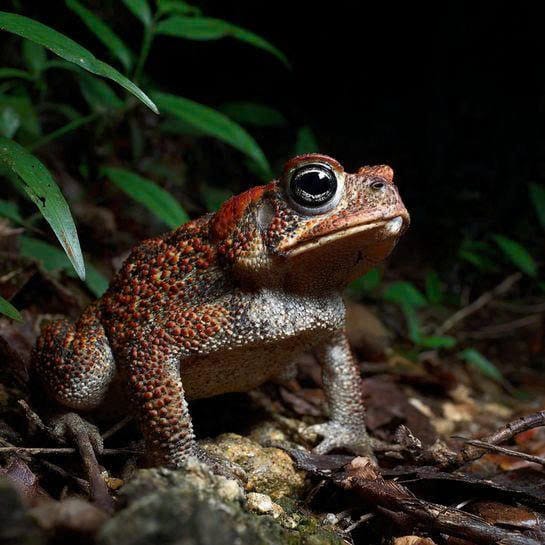
The Rio Chili Toad is native to the arid and semi-arid regions of Peru, particularly around the Rio Chili basin. Adults grow 6–9 cm long, with brown, gray, or olive rough skin and prominent parotoid glands. Adapted to desert and scrub habitats, this toad emerges primarily at night to avoid daytime heat. Its diet includes insects, arachnids, and other small invertebrates.
Breeding occurs in temporary pools or slow-moving streams during the rainy season. Males produce characteristic calls to attract females, and eggs hatch into aquatic tadpoles that metamorphose within weeks. Threats include water scarcity, habitat destruction, and climate change. Conservation initiatives aim to preserve riparian zones and monitor populations. The Rio Chili Toad illustrates the resilience of amphibians in harsh environments and their role in maintaining ecological balance by controlling insect populations.
21. Cerro Mali Beaked Toad (Rhinella acrolopha)
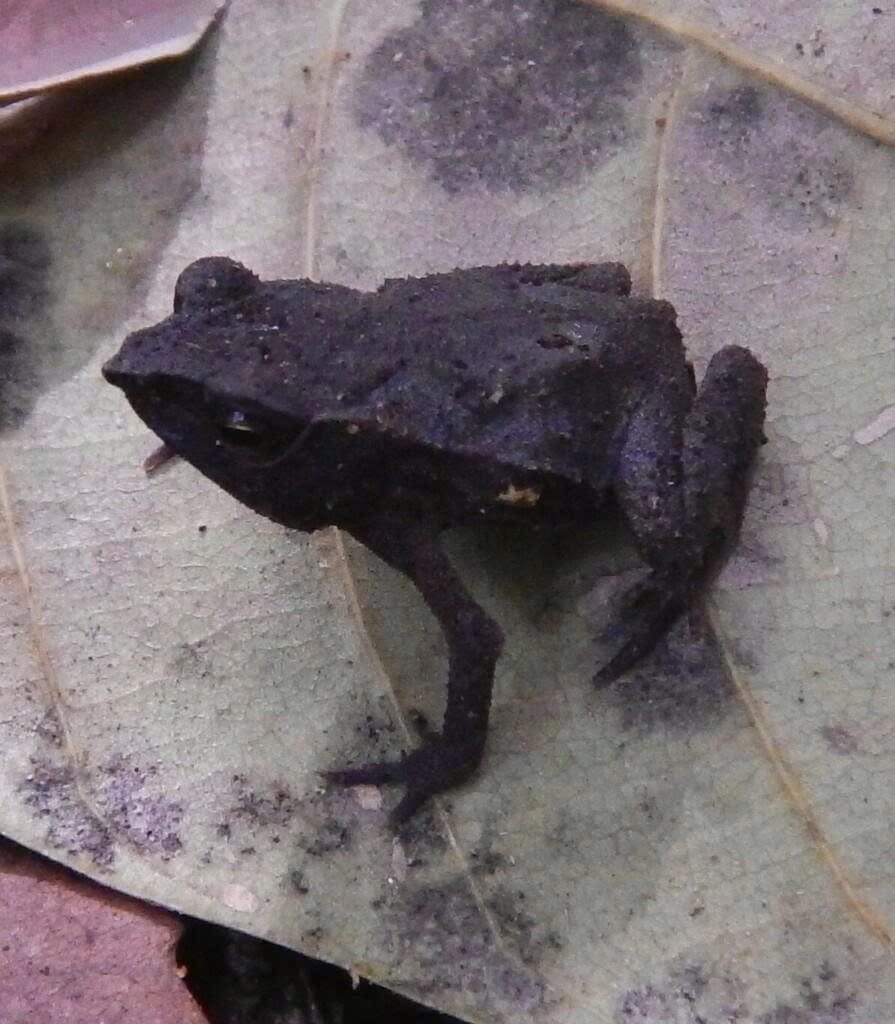
The Cerro Mali Beaked Toad is a fascinating species native to the highlands of Panama. Measuring approximately 5–8 cm in length, this toad is named for its distinctive “beaked” snout, which aids in burrowing and navigating rocky terrain. Its skin is rough and wart-covered, typically brown or olive in color, providing excellent camouflage against the forest floor and mossy rocks. Prominent parotoid glands secrete toxins that deter predators, a common defense mechanism among Rhinella species.
This toad is primarily nocturnal and emerges at night to feed on insects, worms, and small invertebrates. Breeding occurs in seasonal pools or slow-flowing streams during the rainy season. Males produce unique, low-pitched calls to attract females, and eggs are laid in long gelatinous strings that float in the water. Tadpoles develop rapidly, often metamorphosing in a matter of weeks to minimize exposure to predators. Despite its specialized habitat, the Cerro Mali Beaked Toad is vulnerable to habitat loss due to deforestation and human encroachment. Conservation efforts emphasize the protection of Panama’s highland forests to ensure the survival of this remarkable amphibian.
22. Cordoba Toad (Rhinella achalensis)
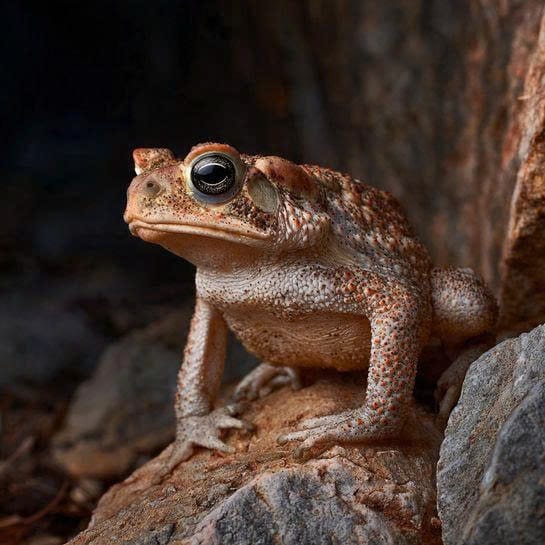
The Cordoba Toad, endemic to the central regions of Argentina, is a medium-sized toad reaching lengths of 6–10 cm. It features a robust, warty body with coloration ranging from grayish-brown to dark olive, often blending seamlessly into the rocky and sandy habitats it prefers. Parotoid glands located behind the eyes produce defensive toxins, a key feature that protects it from predators in the wild.
These toads are predominantly nocturnal, feeding on a variety of insects, spiders, and other small invertebrates. Breeding takes place in temporary pools and streams during the rainy season. Males produce distinctive calls to attract females, and eggs are laid in long gelatinous strings. Tadpoles undergo rapid development, adapting to the ephemeral nature of their aquatic habitats. The Cordoba Toad faces threats from agricultural expansion, urbanization, and pollution. Conservation initiatives focus on habitat preservation and monitoring populations to prevent decline. This species plays an essential ecological role by controlling insect populations and maintaining the balance of its native ecosystems.
23. Arunco Toad (Rhinella arunco)
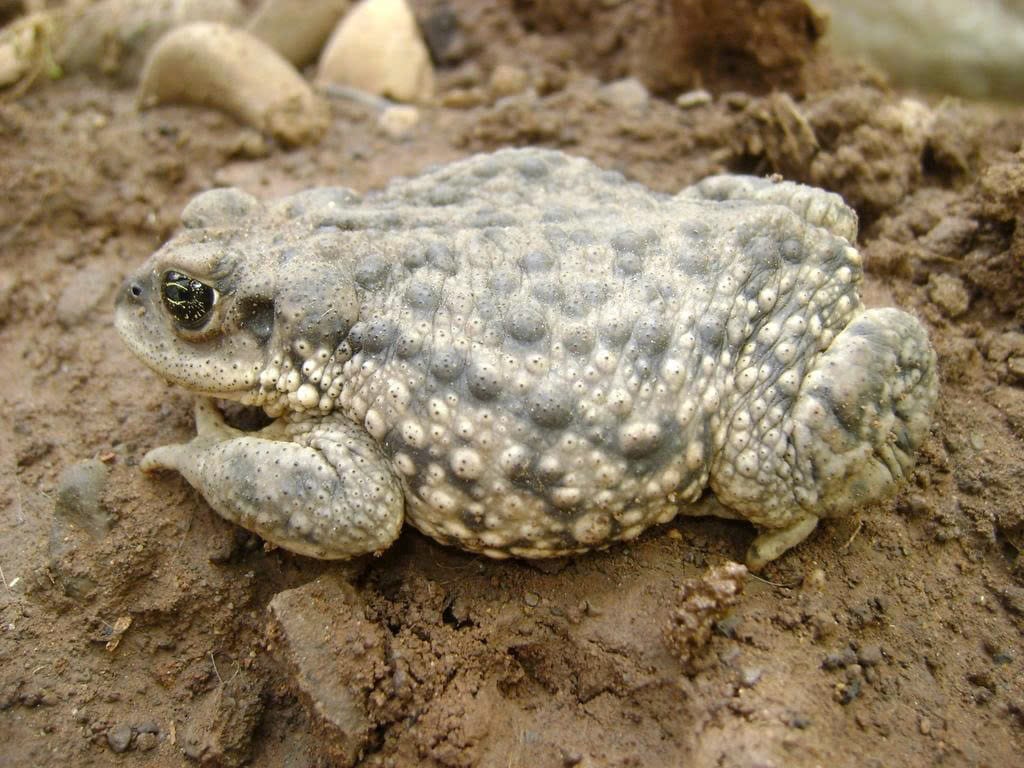
The Arunco Toad is native to Chile, particularly in central and southern regions. Adult toads typically measure 5–9 cm in length, exhibiting rough, wart-covered skin in shades of brown or olive with occasional darker blotches. Its parotoid glands secrete toxins that deter predators, and the species is well adapted to a variety of terrestrial habitats, from forests to shrublands and agricultural areas.
Primarily nocturnal, Arunco Toads emerge at night to hunt insects, worms, and other small invertebrates. Breeding occurs in shallow, temporary water bodies during the rainy season. Males produce long, trilling calls to attract females, and eggs are laid in gelatinous strings. Tadpoles develop quickly to escape drying water sources. Threats include habitat destruction due to agriculture, deforestation, and pollution. Conservation programs focus on preserving natural habitats and monitoring populations. The Arunco Toad contributes to the ecological health of its region by regulating insect populations and supporting biodiversity.
24. Yellow Cururu Toad (Rhinella henseli)
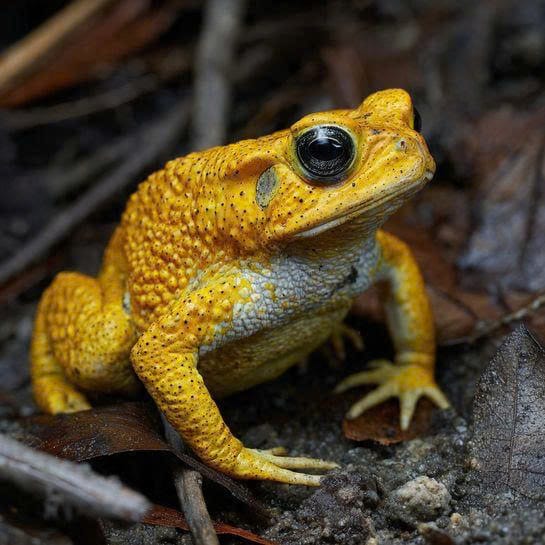
The Yellow Cururu Toad is a striking amphibian native to South America, particularly in southern Brazil. Adults range from 7–12 cm and are easily identified by their yellowish-brown skin with darker markings and warty texture. Like other Rhinella species, it possesses parotoid glands that produce toxic secretions to deter predators. This species is highly adaptable and can be found in grasslands, forests, and near human settlements.
Nocturnal by nature, Yellow Cururu Toads feed on a variety of insects, small arthropods, and other invertebrates. Breeding occurs in ponds, streams, and temporary water bodies during the rainy season. Males produce loud, resonant calls to attract females. Eggs are laid in long strings, and tadpoles metamorphose within weeks. Threats include habitat loss, pollution, and competition from invasive species. Conservation measures emphasize habitat protection, pollution control, and research on population dynamics. By regulating insect populations, the Yellow Cururu Toad plays a vital role in maintaining ecological balance in its habitats.
25. Beaked Toad (Rhinella pombali)
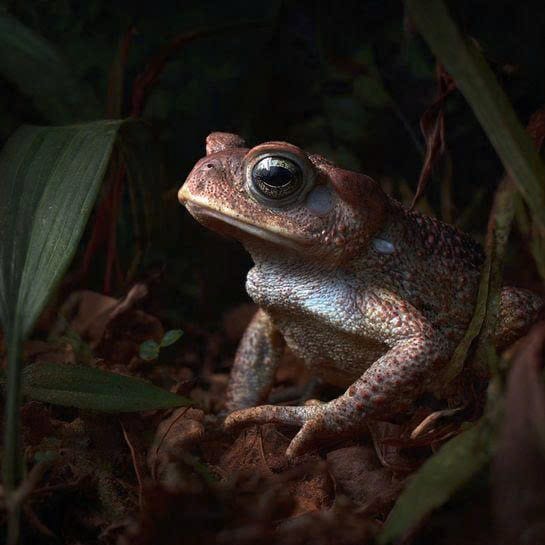
The Beaked Toad, native to regions in South America, is distinguished by its elongated, beak-like snout which assists in burrowing and foraging. Adults grow 6–10 cm in length, with rough, warty skin that is typically brown, olive, or gray, allowing it to blend seamlessly with leaf litter and soil. Parotoid glands located behind the eyes secrete toxins, providing protection against predators.
Primarily nocturnal, Beaked Toads hunt insects, spiders, and other small invertebrates. Breeding occurs in temporary water bodies during the rainy season. Males produce distinctive calls to attract females, and eggs are laid in long, gelatinous strings. Tadpoles develop quickly, often metamorphosing before temporary pools dry up. Threats include deforestation, agricultural expansion, and pollution, which can disrupt breeding sites. Conservation efforts focus on habitat protection and population monitoring. The Beaked Toad plays an essential ecological role by controlling insect populations and contributing to the health of its native ecosystems.
26. Ocellated Toad (Rhinella ornata)
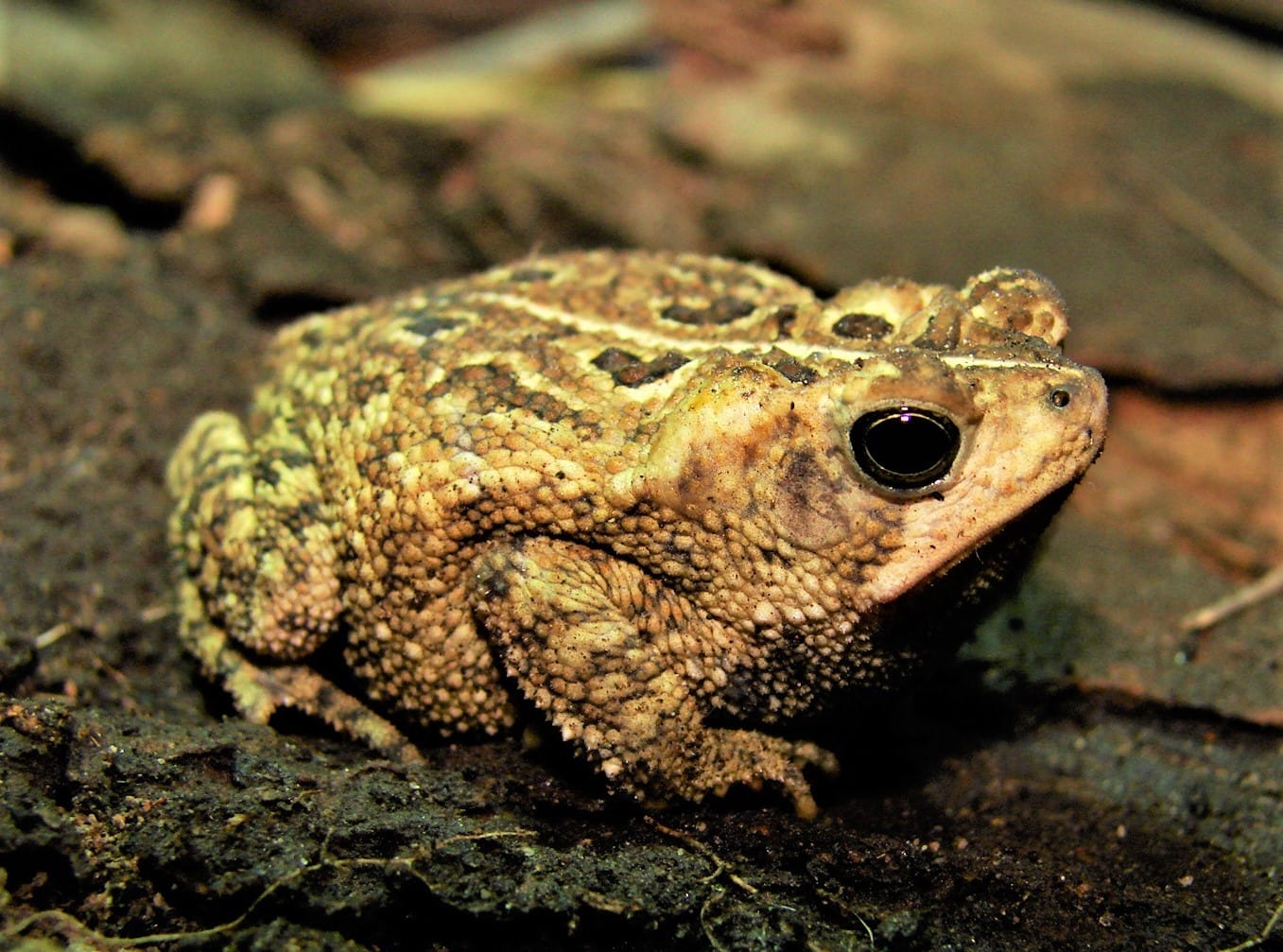
The Ocellated Toad is a striking species native to South America, especially in Brazil and neighboring countries. Adult Ocellated Toads typically measure 7–11 cm in length, featuring distinctive eye-like spots—or “ocelli”—on their skin, which provide camouflage and confuse predators. Their skin is rough and warty, ranging in colors from brown to olive, sometimes with lighter underbellies. Like other Rhinella species, they possess parotoid glands behind the eyes that secrete toxins as a defense mechanism.
Nocturnal by nature, Ocellated Toads feed on insects, spiders, worms, and other small invertebrates. Breeding occurs in temporary pools or slow-moving streams during the rainy season. Males produce low-pitched, repetitive calls to attract females, and eggs are laid in long gelatinous strings. Tadpoles develop quickly, often within weeks, to escape drying water sources. Habitat loss due to agriculture, deforestation, and pollution threatens the species, making conservation efforts for wetlands and natural habitats essential. By controlling insect populations, the Ocellated Toad plays a vital role in maintaining ecological balance in its South American ecosystems.
27. Falcon Toad (Rhinella stanlaii)
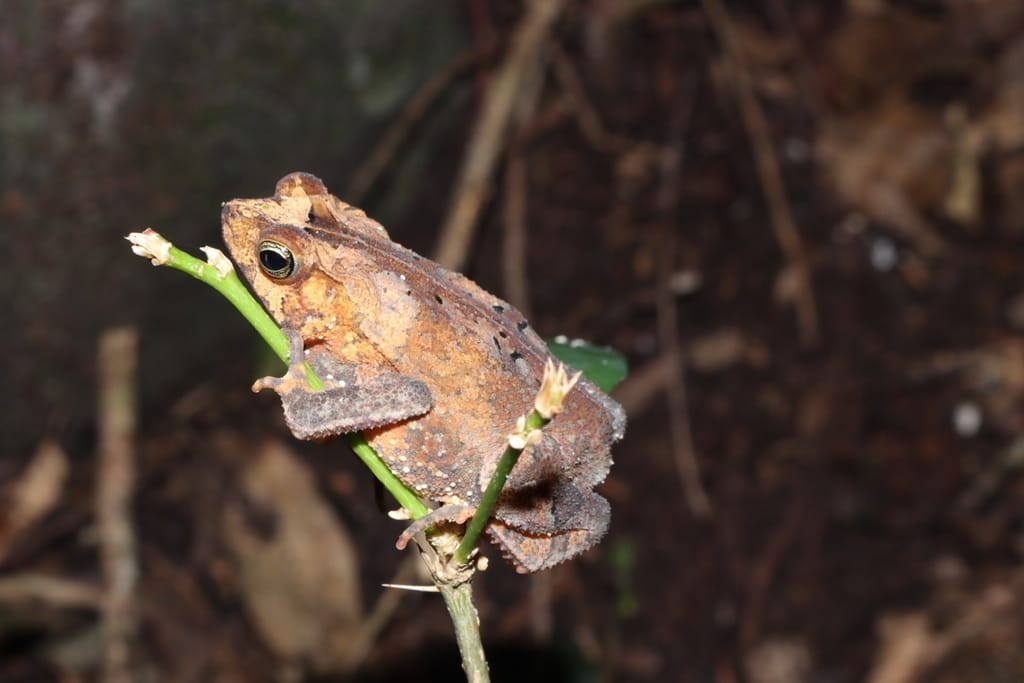
The Falcon Toad is a lesser-known South American species, primarily found in Venezuela and adjacent regions. Adults are medium-sized, measuring 6–10 cm, with rough, wart-covered skin that ranges from brown to olive tones. The species is named after the Falcon region in Venezuela, where it was first documented. Parotoid glands behind the eyes secrete toxins, deterring predators such as snakes and birds.
These toads are nocturnal and emerge at night to feed on insects, spiders, and other small invertebrates. Breeding occurs during the rainy season in temporary pools or shallow streams. Males produce repetitive trilling calls to attract females, and eggs are laid in gelatinous strings in water. Tadpoles develop rapidly to minimize predation and survive in ephemeral pools. Threats include deforestation, habitat fragmentation, and water pollution. Conservation efforts focus on protecting wetlands and maintaining natural habitats to ensure population stability. Falcon Toads are essential for regulating insect populations and maintaining ecosystem health.
28. Common European Toad (Bufo bufo)
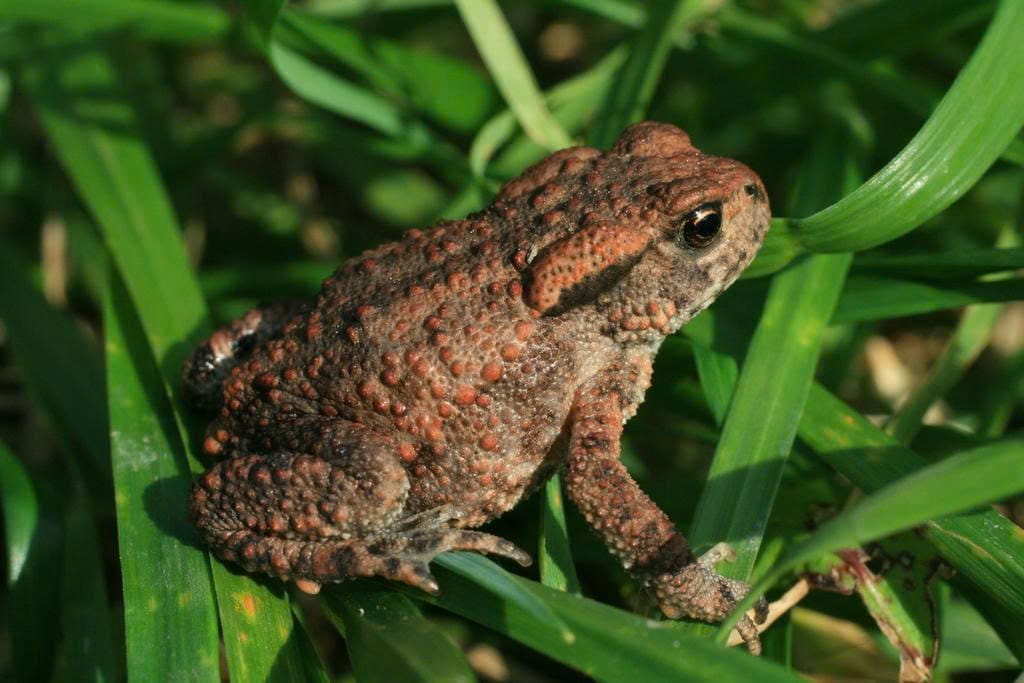
The Common European Toad is one of the most recognizable amphibians across Europe. Adults grow 8–13 cm, with rough, warty skin in shades of brown, olive, or gray, often marked with darker spots. Parotoid glands secrete mild toxins that provide defense against predators. This species thrives in a wide variety of habitats, from forests and meadows to gardens and urban areas.
Active mostly at night, Common European Toads feed on insects, worms, slugs, and other small invertebrates. During spring, they migrate to ponds, lakes, or slow-moving streams to breed. Males call with deep croaks to attract females, and eggs are laid in long strings attached to submerged vegetation. Tadpoles develop over several weeks, metamorphosing into juveniles before leaving the water. Habitat loss, pollution, and climate change threaten some local populations. Conservation strategies emphasize habitat protection, creating wildlife corridors, and reducing pesticide use. The Common European Toad is crucial for controlling garden and forest pests.
29. Natterjack Toad (Epidalea calamita)
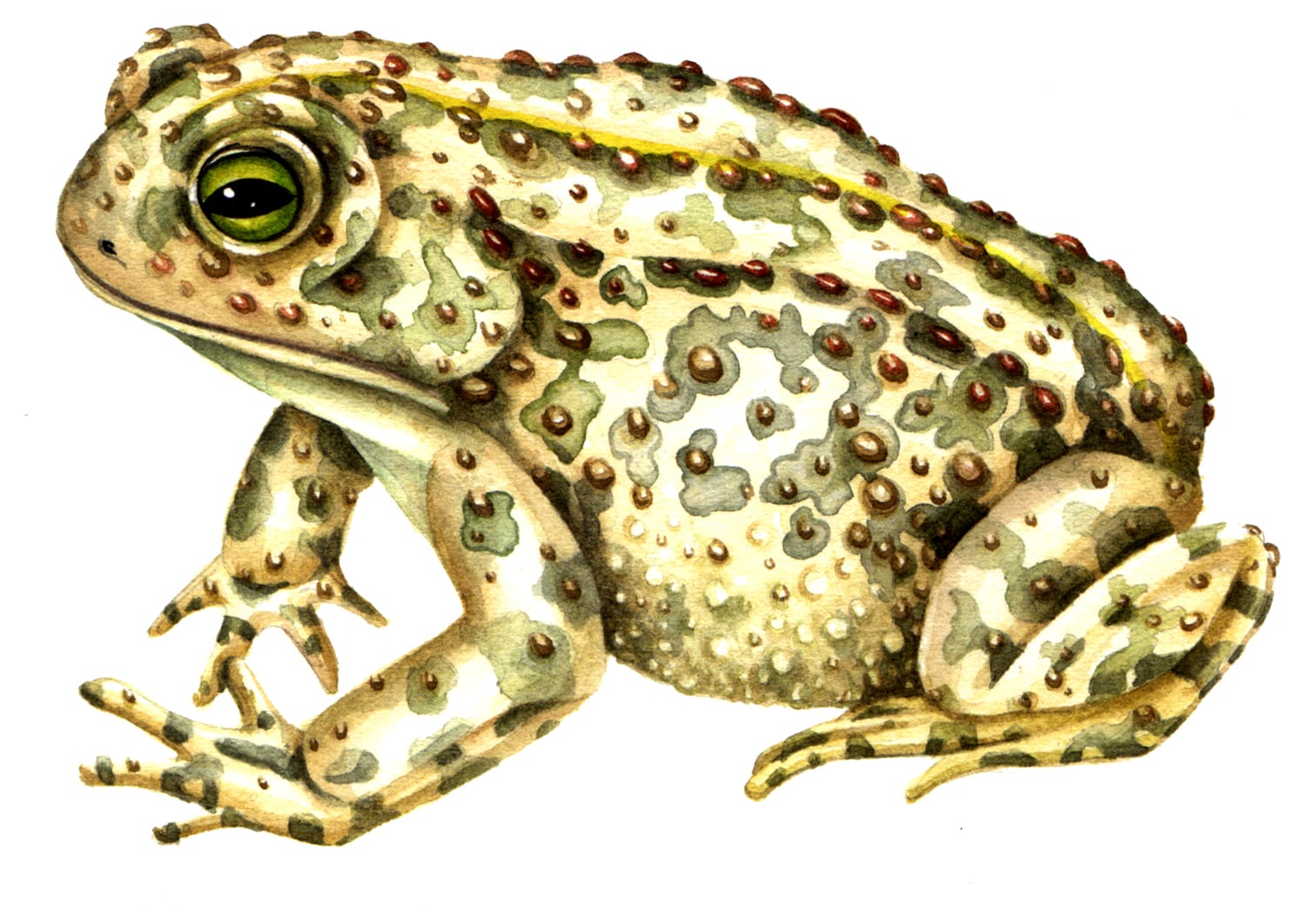
The Natterjack Toad is a distinctive species native to Europe, easily identified by the bright yellow stripe running along its back. Adults are relatively small, measuring 6–9 cm, with rough, warty skin and short legs adapted for quick hopping. Parotoid glands behind the eyes secrete toxins to deter predators. Natterjack Toads favor sandy soils, dunes, heathlands, and shallow temporary pools for breeding.
Nocturnal and insectivorous, Natterjack Toads feed on beetles, ants, worms, and other invertebrates. Breeding occurs in shallow ponds during spring, with males producing loud, repetitive trilling calls to attract females. Eggs are laid in strings, and tadpoles metamorphose rapidly to escape drying water. Habitat degradation, drainage of wetlands, and urban expansion pose threats to their populations. Conservation efforts focus on preserving dune ecosystems and maintaining breeding ponds. Natterjack Toads are important for regulating insect populations in sandy and coastal habitats.
30. European Green Toad (Pseudepidalea viridis)
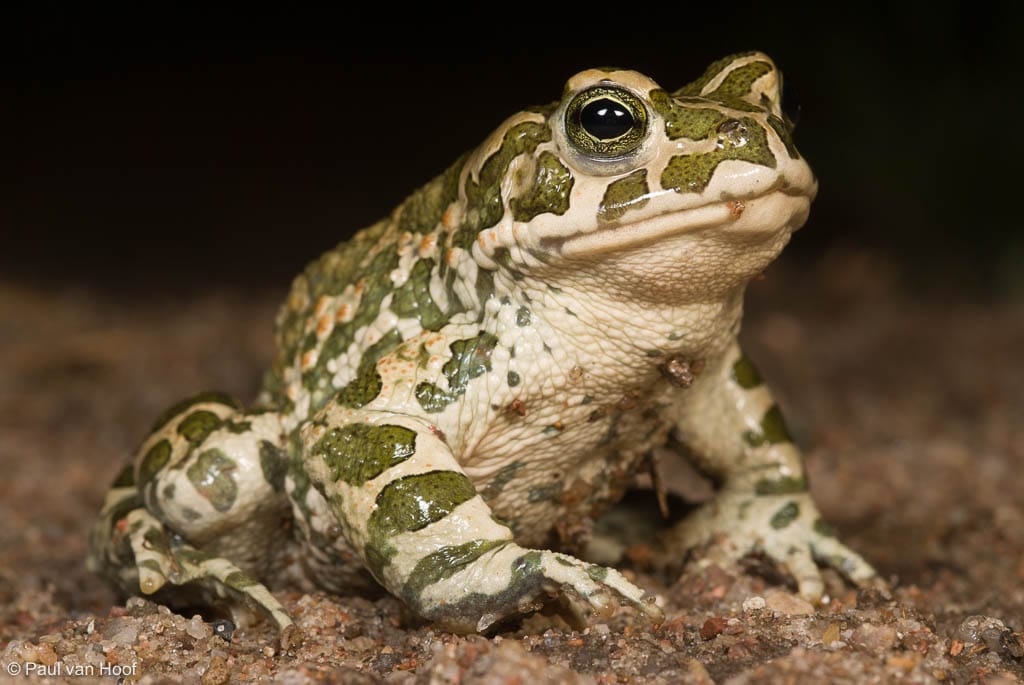
The European Green Toad is a medium-sized toad native to Central and Eastern Europe. Adults range from 6–9 cm and are distinguished by their green and gray mottled skin, which provides effective camouflage in dry, open habitats. Like other members of the family Bufonidae, they possess parotoid glands that secrete toxins to deter predators. This species prefers arid regions, sandy soils, and rocky terrain but can also inhabit urban areas.
Nocturnal and highly insectivorous, European Green Toads feed on beetles, ants, spiders, and other small invertebrates. Breeding occurs in temporary ponds, shallow streams, or artificial water bodies during the spring. Males produce unique trilling calls to attract females, and eggs are laid in gelatinous strings. Tadpoles develop quickly, metamorphosing before water bodies dry out. Threats include habitat loss, pollution, and climate change. Conservation efforts emphasize protecting temporary water habitats, minimizing pesticide use, and monitoring populations. European Green Toads play an important ecological role by controlling insect populations in their native habitats.
31. Iranian Earless Toad (Bufotes surdus)
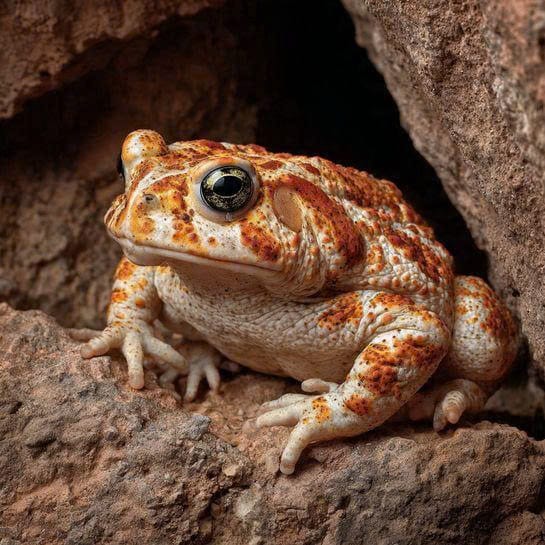
The Iranian Earless Toad is a unique species native to Iran and Pakistan. True to its name, this toad lacks visible external ear openings, an unusual feature among Bufonids. Adults typically measure 6–9 cm in length, with rough, warty skin colored in shades of brown, olive, or gray, often with irregular dark spots. Parotoid glands behind the eyes secrete toxins to deter predators, a common defense mechanism among toads.
This species is mostly nocturnal, feeding on insects, spiders, and other small invertebrates. It favors arid and semi-arid habitats, including rocky hillsides, scrublands, and temporary pools during the rainy season. Breeding occurs in shallow water bodies, where males call to attract females, and eggs are laid in long gelatinous strings. Tadpoles develop in water, often metamorphosing quickly to avoid desiccation. Threats include habitat loss due to agriculture, urbanization, and climate change. Iranian Earless Toads play a critical ecological role in controlling insect populations and maintaining the balance of local ecosystems.
32. European Fire‑bellied Toad (Bombina bombina)
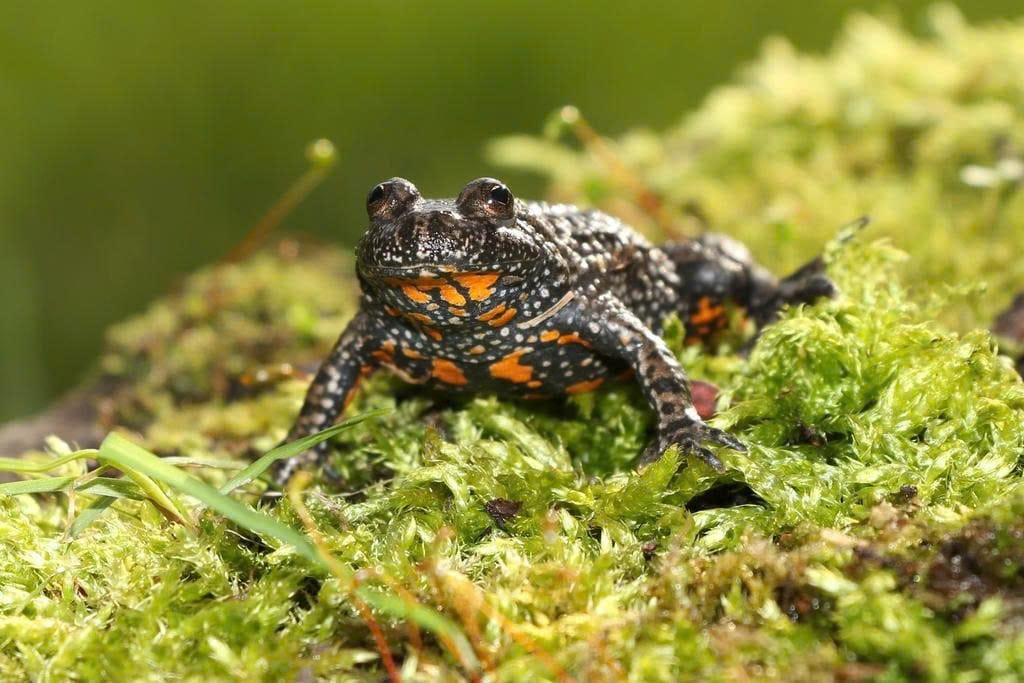
The European Fire‑bellied Toad is native to Central and Eastern Europe and is easily recognizable due to its vibrant red or orange belly with black spots, contrasting sharply with its dark green or brown dorsal surface. Adults grow 4–6 cm and have smooth, slightly warty skin. When threatened, they exhibit a defensive posture called the “unken reflex,” raising their limbs to expose their colorful belly and warn predators of their toxicity.
Nocturnal and insectivorous, these toads feed on insects, worms, and small aquatic invertebrates. They inhabit shallow ponds, marshes, and slow-moving water bodies for breeding, where males call to attract females. Eggs are laid in clusters attached to submerged vegetation. Tadpoles develop over several weeks, metamorphosing into juveniles. Habitat destruction, pollution, and wetland drainage threaten populations, prompting conservation measures such as pond restoration and wetland protection. European Fire‑bellied Toads are vital for maintaining insect populations in their habitats.
33. Oriental Fire‑bellied Toad (Bombina orientalis)
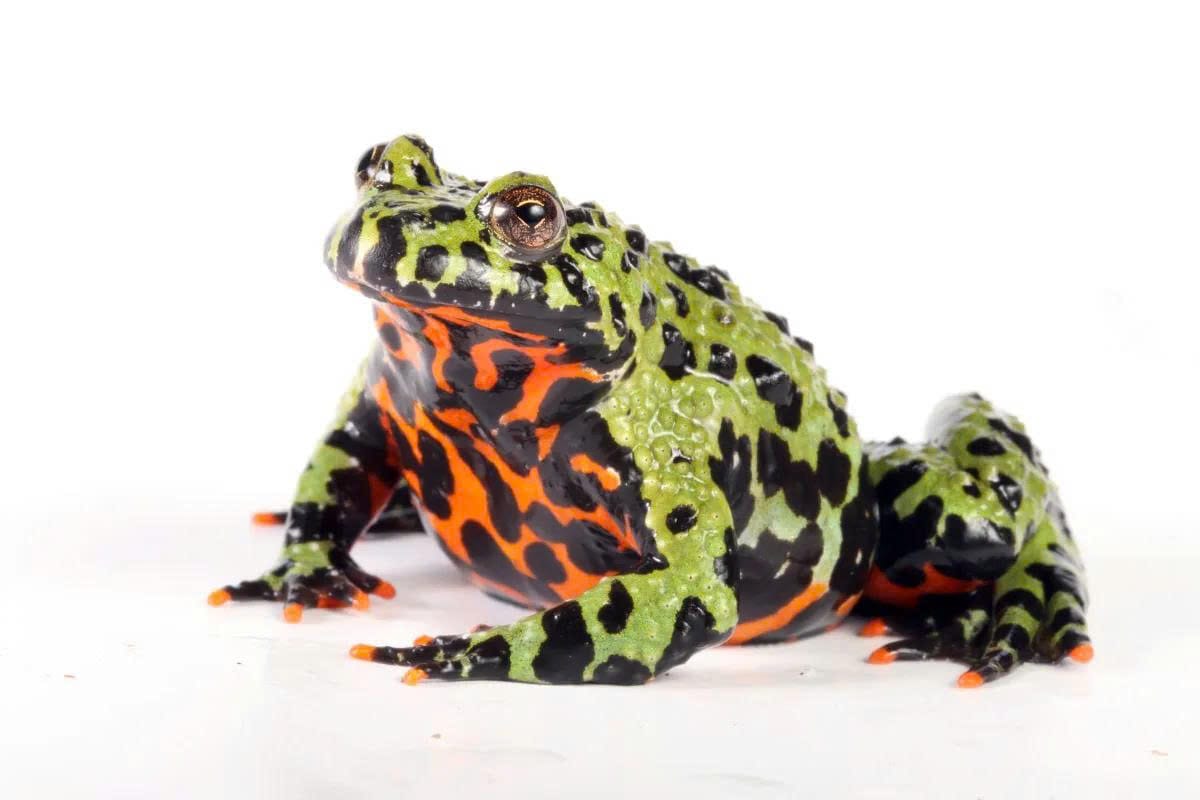
The Oriental Fire‑bellied Toad is native to East Asia, primarily found in China, Korea, and parts of Russia. Adults measure 3–5 cm and have a striking bright red or orange ventral surface with black spots, contrasting with their greenish-brown dorsal side. Like its European counterpart, it displays the “unken reflex” to deter predators. Parotoid glands produce mild toxins, ensuring its safety from most predators.
This species is semi-aquatic, inhabiting shallow ponds, rice paddies, and marshes. Feeding occurs mostly at night, with a diet consisting of insects, small worms, and other invertebrates. Breeding takes place in water bodies during the spring, where males call with high-pitched trills to attract females. Eggs are laid in clusters and develop into tadpoles that metamorphose in several weeks. Urban expansion, pollution, and wetland drainage are primary threats. Oriental Fire‑bellied Toads are essential in regulating insect populations and maintaining wetland ecosystem health.
34. Himalayan Toad (Duttaphrynus himalayanus)
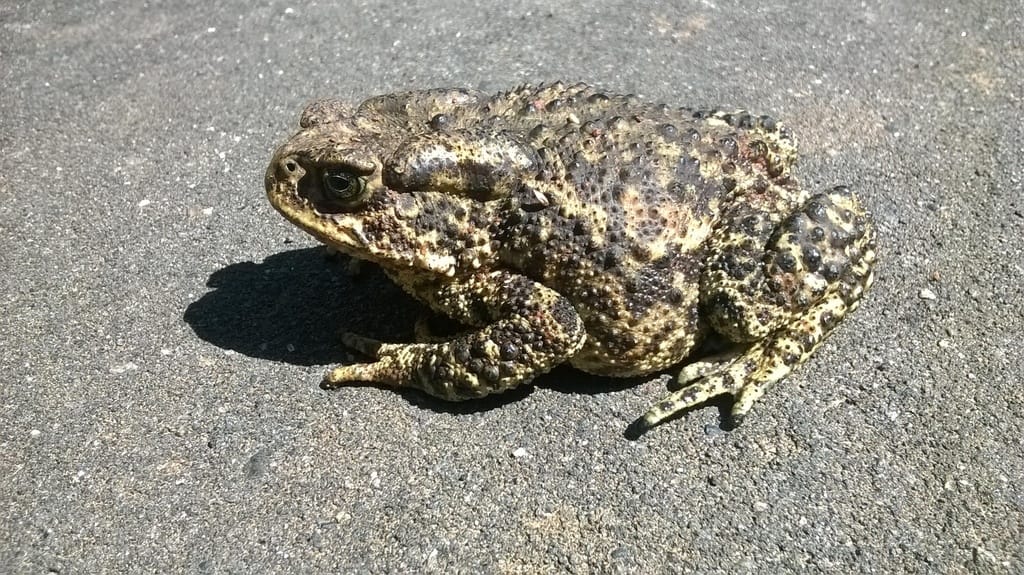
The Himalayan Toad is a large species native to South Asia, particularly in India, Nepal, and Bhutan. Adults can reach 10–12 cm, with rough, warty skin that ranges from brown to grayish-green. Parotoid glands are prominent and secrete toxins for defense. This species is adapted to high-altitude environments, often found in mountainous streams, forest edges, and grasslands.
Himalayan Toads are nocturnal, feeding on insects, small invertebrates, and occasionally small vertebrates. Breeding occurs in slow-moving streams and temporary ponds during the monsoon season. Males produce deep, resonant calls to attract females, and eggs are laid in long strings attached to submerged plants. Tadpoles develop rapidly due to variable water conditions. Habitat loss, deforestation, and climate change pose threats to the species. Himalayan Toads are key predators of insect populations, helping to maintain ecological balance in their mountain habitats.
35. Asian Common Toad (Duttaphrynus melanostictus)
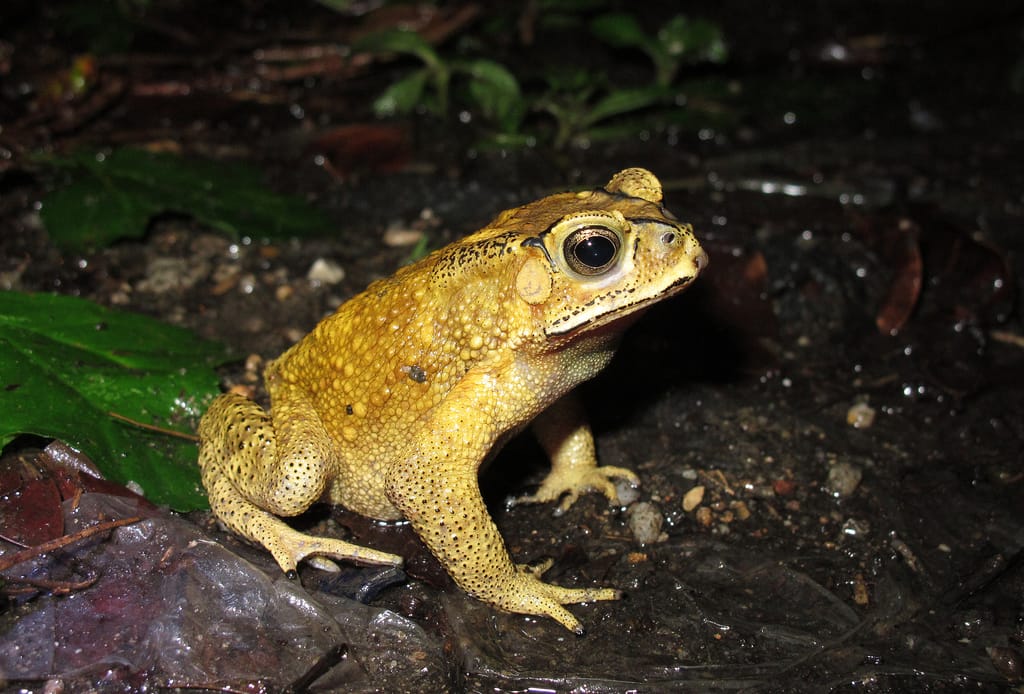
The Asian Common Toad is widespread across South and Southeast Asia, including India, Sri Lanka, and Indonesia. Adults measure 7–10 cm and have rough, warty skin with brown, olive, or gray tones, often with darker markings. Parotoid glands produce toxins that protect against predators. This adaptable species thrives in a wide range of habitats, from forests and agricultural land to urban gardens and ponds.
Primarily nocturnal, Asian Common Toads feed on insects, spiders, worms, and other small invertebrates. Breeding occurs during the rainy season in temporary or permanent water bodies, with males producing distinctive croaking calls. Eggs are laid in long gelatinous strings, and tadpoles metamorphose in weeks. Urbanization, pesticide use, and habitat loss threaten populations in some regions. Conservation focuses on wetland protection and reducing chemical use. Asian Common Toads play a crucial role in controlling insect populations and supporting healthy ecosystems.
36. Kotagama’s Dwarf Toad (Duttaphrynus kotagamai)
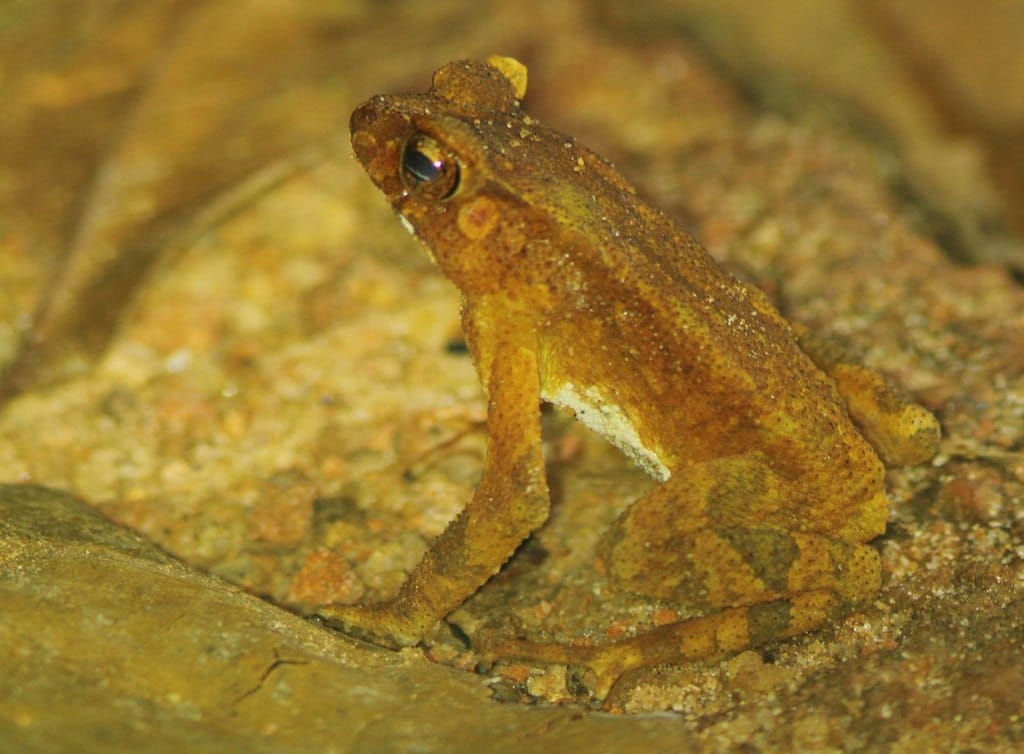
Kotagama’s Dwarf Toad is a rare and endemic species from South Asia, particularly found in Sri Lanka. Measuring only 3–4 cm as adults, it is one of the smaller members of the Duttaphrynus genus. Its skin is rough with brown to dark olive coloration, and it has small but distinct parotoid glands that secrete toxins to protect against predators. This species is primarily nocturnal and feeds on tiny insects and invertebrates found in leaf litter or moist forest floors.
Kotagama’s Dwarf Toad prefers montane and wet zone forests and is often found near streams or damp areas, which are crucial for breeding. Males call softly during the rainy season to attract females, laying eggs in shallow water bodies. Tadpoles are small and develop quickly, adapting to seasonal changes in water availability. Threats include habitat destruction due to deforestation and human encroachment. Conservation of montane forests is essential to protect this unique dwarf toad and maintain the ecological balance in Sri Lankan forests.
37. Southern Hill Toad (Duttaphrynus cf. melanostictus)
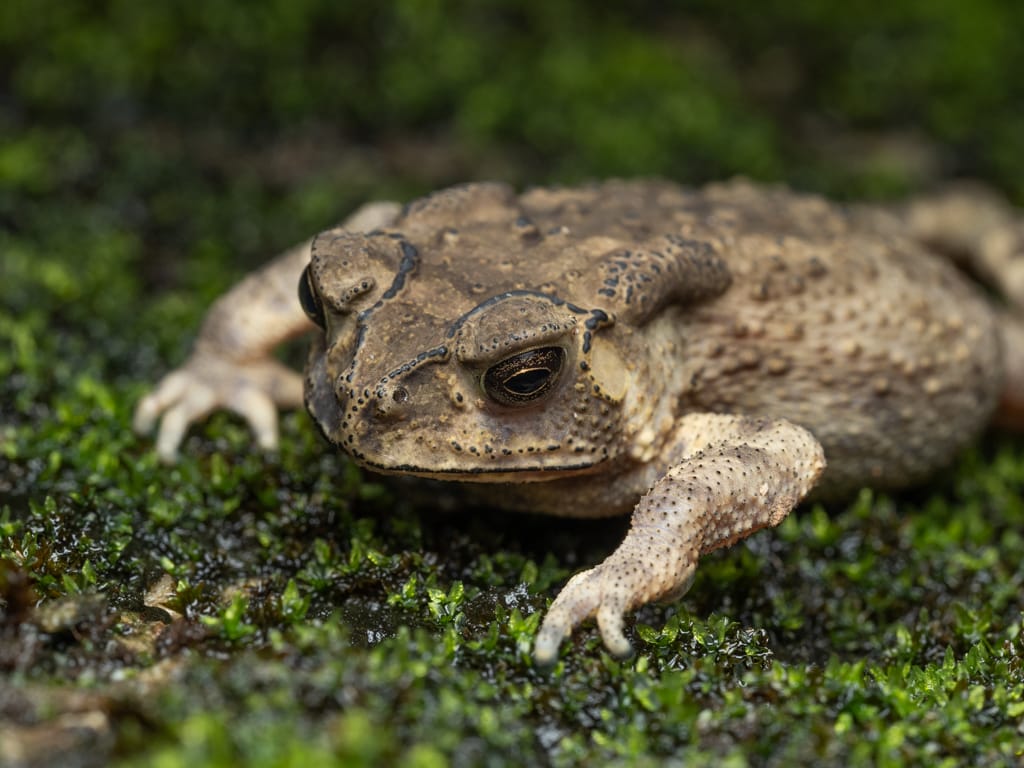
The Southern Hill Toad is native to South Asia, including hilly regions of India and Sri Lanka. This medium-sized toad measures 6–8 cm, with warty brown or olive skin and characteristic dark markings. Parotoid glands produce mild toxins, offering defense against predators. It inhabits forest edges, plantations, and sometimes rural gardens, showing remarkable adaptability to human-altered landscapes.
Primarily nocturnal, the Southern Hill Toad feeds on insects, spiders, and small invertebrates. Breeding occurs in temporary ponds and slow-moving streams during the monsoon season. Males emit low-pitched calls to attract females, and eggs are laid in gelatinous strands. Tadpoles develop rapidly to avoid drying habitats. Human activities like deforestation, pollution, and pesticide use threaten its population. Southern Hill Toads play a crucial ecological role by controlling insect populations and contributing to soil health in hill ecosystems.
38. Cameroon Toad (Amietophrynus camerunensis)
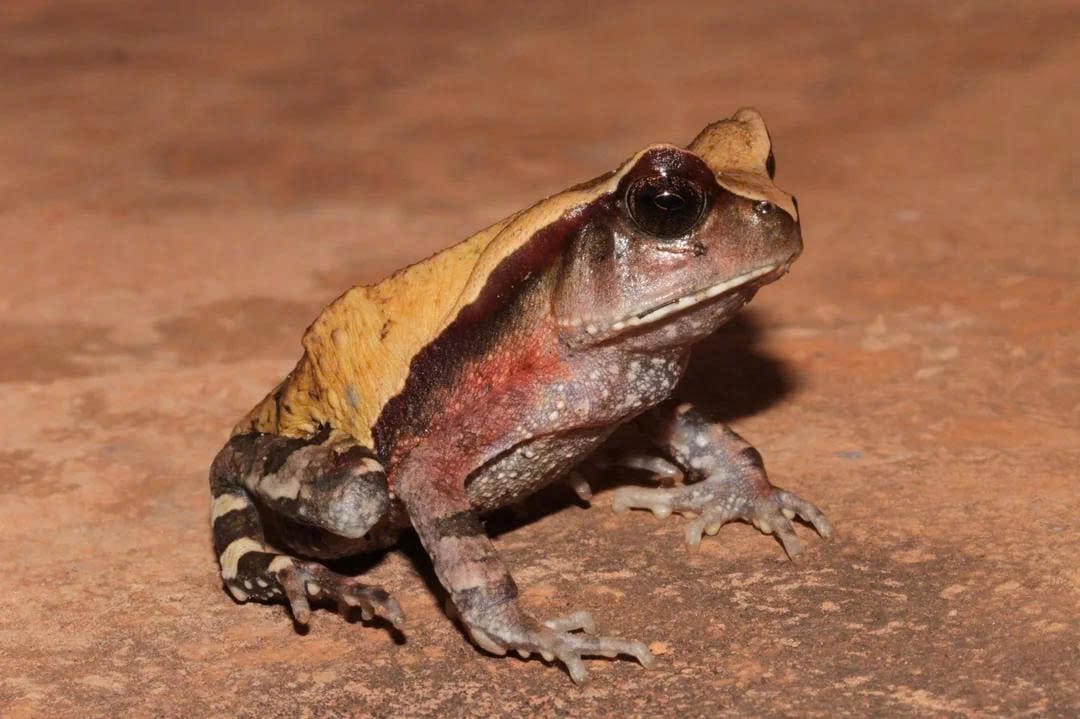
The Cameroon Toad is endemic to Central Africa, particularly in Cameroon and neighboring forest regions. Adults grow 7–10 cm with rough, warty skin colored in brown or gray, often with darker mottling. Large parotoid glands provide protection by secreting toxins that deter predators. This species is primarily nocturnal, foraging on insects, worms, and other invertebrates in dense rainforest leaf litter.
Breeding occurs in temporary pools and small streams during the rainy season. Males call with distinct croaks to attract females, and eggs are laid in clusters. Tadpoles develop in water, metamorphosing into terrestrial juveniles. Habitat destruction due to logging, agriculture, and human settlement threatens this species. Conservation efforts focus on preserving rainforest habitats and water bodies. Cameroon Toads are essential in controlling insect populations and maintaining forest ecosystem health.
39. Braun’s Toad (Amietophrynus brauni)
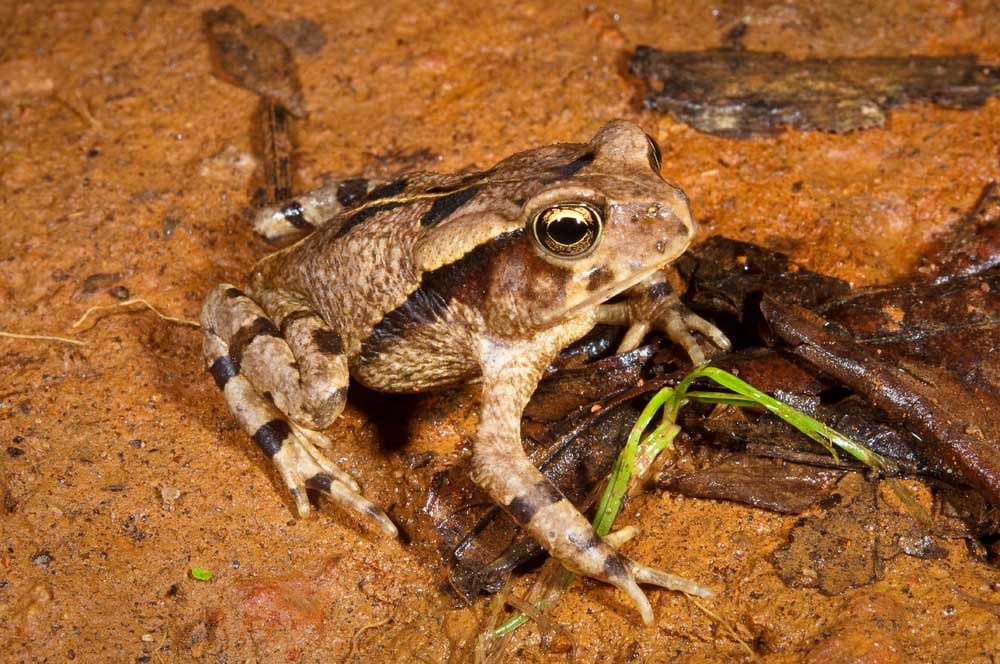
Braun’s Toad is another Central African species found in moist forests of Cameroon and Equatorial Guinea. Adults measure 5–8 cm and have rough, warty skin with brown to gray coloration. Large parotoid glands secrete toxins as a defense mechanism. This nocturnal toad feeds on insects, small arthropods, and worms, actively hunting along forest floors and near water sources.
Breeding occurs in ephemeral pools and forest streams, with males calling to attract mates. Eggs are deposited in gelatinous strands, and tadpoles develop in water, later transforming into juvenile toads. Habitat loss due to deforestation, agricultural expansion, and pollution poses threats to the population. Braun’s Toads contribute to the regulation of insect populations and nutrient cycling within tropical forests, making them a vital component of Central African ecosystems.
40. Forest Toad (Nectophrynoides laticeps)
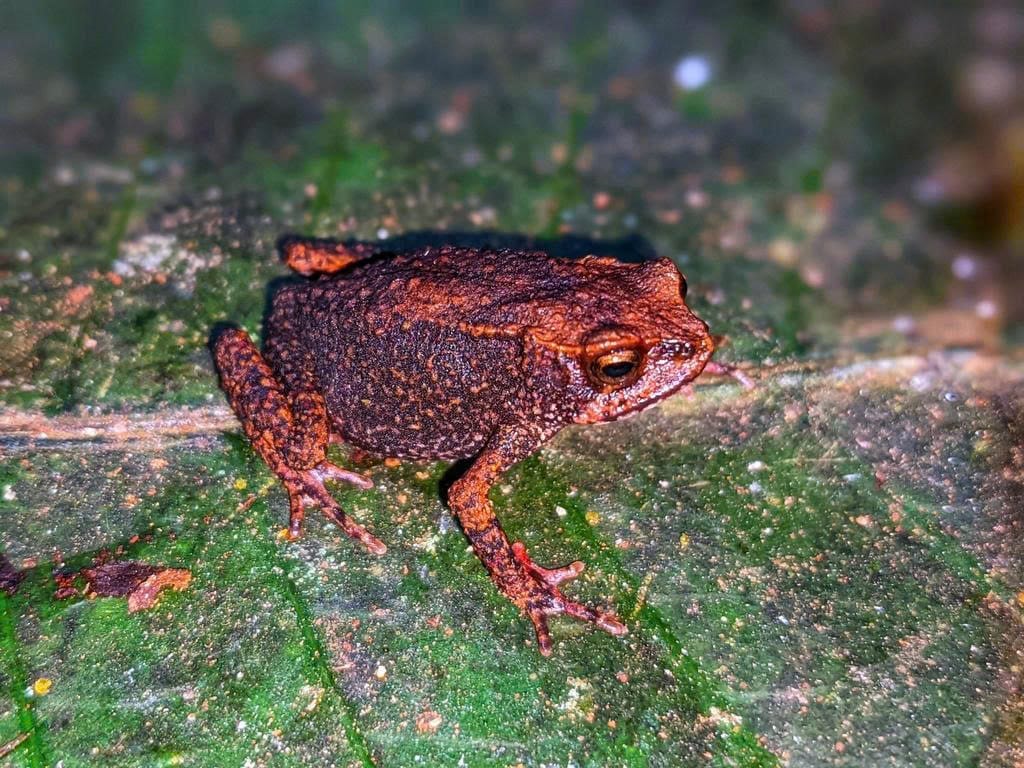
The Forest Toad is endemic to Eastern Africa, particularly in the highland forests of Tanzania. Adults are small, measuring 4–6 cm, with rough skin and coloration ranging from dark brown to olive green. Unique among toads, some Nectophrynoides species are viviparous, giving birth to live young rather than laying eggs. This reproductive strategy is an adaptation to forest floor environments where water bodies are scarce.
Forest Toads are nocturnal and insectivorous, feeding on ants, termites, and small arthropods. They inhabit leaf litter, moist soil, and under logs within dense forests. Habitat destruction, deforestation, and climate change threaten their populations, as they rely heavily on undisturbed forest ecosystems. Conservation of these habitats is critical to the survival of Forest Toads. They play a significant ecological role by controlling insect populations and contributing to nutrient recycling in forest floors.
Conclusion
Exploring the diverse world of toads reveals the incredible adaptability and ecological importance of these amphibians. From the coastal plains of North America to the forests of Africa and the mountains of Asia, types of toads vary widely in size, coloration, and behavior. Some species, like the Cane Toad, thrive even in human-altered landscapes, while others, such as the Wyoming Toad or Cameroon Toad, are highly vulnerable and depend on conservation efforts to survive. Each toad contributes to controlling insect populations, maintaining soil health, and supporting the balance of their ecosystems. Understanding these unique amphibians helps foster appreciation for biodiversity and highlights the need to protect their habitats. By learning about these 40 fascinating types of toads, we gain insight into the remarkable resilience and ecological roles of these extraordinary creatures worldwide.
Frequently Asked Questions About Types of Toads
1. What are the most common types of toads?
Common types of toads include the Common European Toad, Green Toad, and Cane Toad, each found in different regions worldwide.
2. How many types of toads exist globally?
There are over 500 recognized species of toads globally, with diverse types of toads found in North America, Europe, Africa, and Asia.
3. What distinguishes toads from frogs?
Unlike frogs, toads generally have dry, warty skin, shorter legs, and prefer terrestrial habitats, while frogs are smoother and more aquatic.
4. Are all types of toads poisonous?
Many types of toads, such as the Cane Toad, secrete toxins from their skin for defense, but not all are dangerous to humans.
5. What is the lifespan of toads?
Lifespan varies by species; some types of toads live 5–10 years in the wild, while others, like the Cane Toad, can live up to 20 years.
6. Where do toads typically live?
Toads inhabit forests, deserts, wetlands, and grasslands depending on the species, showing remarkable adaptability.
7. Do all types of toads hibernate?
Many types of toads in temperate regions hibernate during winter, burrowing into soil or leaf litter to survive cold months.
8. How do toads reproduce?
Most types of toads reproduce by laying eggs in water, which hatch into tadpoles before transforming into adult toads.
9. What do toads eat?
Toads primarily eat insects, worms, and small invertebrates, helping control pests in their ecosystems.
10. Are toads endangered?
Some types of toads, like the Wyoming Toad, are critically endangered due to habitat loss, pollution, and disease.
11. How can I identify different types of toads?
Identification is based on size, coloration, markings, skin texture, and geographic location among the various types of toads.
12. What is the difference between a toad and a Bufo?
The term “Bufo” refers to a genus of true toads. Many types of toads belong to this genus, characterized by warty skin and parotoid glands.
13. Can toads survive in urban areas?
Yes, some resilient types of toads, like the Cane Toad, adapt to gardens, parks, and urban wetlands.
14. How do toads defend themselves?
Toads use camouflage, toxins, and puffing up their bodies to deter predators, varying by species.
15. Do toads make good pets?
Some types of toads can be kept as pets, such as the Fire-bellied Toad, but require specialized care and proper enclosures.
16. What is the largest type of toad?
The Cane Toad is among the largest types of toads, reaching up to 9 inches in length and weighing over 2 pounds.
17. What is the smallest type of toad?
Small species like the Southern Hill Toad are among the tiniest types of toads, measuring just 1–2 cm in length.
18. Are all types of toads nocturnal?
Most types of toads are nocturnal, actively hunting insects at night and hiding during the day.
19. How do toads communicate?
Toads communicate through croaks, calls, and body language, especially during mating seasons.
20. Can toads climb trees?
Some types of toads, like certain Asian species, are arboreal and capable of climbing small plants, though most are ground-dwellers.
21. Do toads have teeth?
Toads have tiny teeth on the upper jaw, but most types of toads use their sticky tongues rather than teeth to catch prey.
22. How do toads breathe?
Toads breathe through their lungs and can also absorb oxygen through their skin while submerged in water.
23. What is the role of toads in the ecosystem?
Types of toads help control insect populations, act as prey for other animals, and contribute to soil health.
24. Do toads migrate?
Some types of toads migrate short distances to breeding ponds during the rainy season but generally have limited movement ranges.
25. What colors are common in toads?
Toads display colors from green, brown, and gray to bright red or yellow in fire-bellied species, depending on the type.
26. How do toads avoid predators?
Toads use camouflage, poisonous skin secretions, puffing, and hiding under debris to evade predators.
27. Can toads regenerate limbs?
Unlike newts, most types of toads cannot regenerate limbs, though tadpoles can regrow tails.
28. What is the breeding season for toads?
Breeding season varies by species and region, often occurring in spring or during rainy seasons for many types of toads.
29. How do toads lay eggs?
Toads lay eggs in long gelatinous strings in water, which develop into tadpoles before metamorphosing into adult toads.
30. Are toads social animals?
Most types of toads are solitary except during breeding or when congregating in favorable habitats.
31. Can toads survive droughts?
Some types of toads survive drought by burrowing underground and entering a state of dormancy until rains return.
32. What is the most poisonous toad?
The Cane Toad is one of the most poisonous types of toads, with toxins that can be lethal to pets and wildlife.
33. How fast do toads grow?
Growth rates vary; most types of toads reach adulthood within 1–2 years, depending on environment and food availability.
34. Do toads hibernate?
Many types of toads in temperate regions hibernate during winter, buried in soil or under leaf litter.
35. Can toads change color?
Some types of toads can slightly adjust skin coloration for camouflage, though they don’t change colors as dramatically as chameleons.
36. Do toads have predators?
Yes, toads are prey for snakes, birds, mammals, and even larger amphibians, but toxins and camouflage offer protection.
37. Are toads important for agriculture?
Types of toads help control pest populations, reducing the need for chemical insecticides in farmland.
38. How do toads move?
Most types of toads walk or hop using their strong hind legs, while some species can burrow efficiently.
39. Can toads live in water?
While many types of toads are terrestrial, they need water bodies for breeding and tadpole development.
40. Are toads amphibians?
Yes, all types of toads are amphibians, meaning they can live both on land and in water at different life stages.
41. Do toads have vocal sacs?
Many male types of toads have vocal sacs that amplify mating calls to attract females during breeding season.
42. What is the diet of tadpoles?
Tadpoles of types of toads feed on algae, plant matter, and tiny aquatic organisms before metamorphosing into adult toads.
43. Can toads climb walls or trees?
Most types of toads are ground-dwellers, but some species can climb low vegetation or rocky surfaces.
44. How do toads detect danger?
Toads rely on eyesight, vibrations, and environmental cues to sense predators and threats nearby.
45. What are the unique features of toads?
Warty skin, parotoid glands, short legs, and robust bodies are characteristic of many types of toads.
46. How do toads regulate body moisture?
Toads absorb water through their skin and may seek damp environments to prevent dehydration.
47. Do toads migrate long distances?
Most types of toads only move short distances to reach breeding ponds, avoiding long migrations.
48. How do toads impact local ecosystems?
Toads contribute to insect population control, serve as prey, and support nutrient cycling in soil and water habitats.
49. Can toads coexist with humans?
Many types of toads thrive near human habitation, provided they have access to water and safe terrestrial spaces.
50. How can I help protect toads?
Protect wetlands, avoid pesticides, and support conservation programs to safeguard types of toads in their natural habitats.
Read more: 5 Types of Anaconda (Pictures And Identification)