

Wild boars are among the most adaptable wild mammals on Earth, living across forests, grasslands, wetlands, and agricultural landscapes. The term types of wild boar can refer to different species, subspecies, and regional populations within the pig family (Suidae). This guide explores the most recognized wild boar varieties, their appearance, habitats, diets, behaviors, and key identification features.
Understanding the differences between wild boar types helps hunters, wildlife observers, nature enthusiasts, and conservation workers identify these fascinating animals while appreciating their important role in ecosystems.
What Are the Main Types of Wild Boar?
The main types of wild boar include the widespread Eurasian wild boar and several closely related regional forms found throughout Europe, Asia, and Africa. Many populations are classified as subspecies rather than completely separate species because they share similar body structures and evolutionary origins.
| Type | Scientific Name | Main Range | Key Feature |
|---|---|---|---|
| Eurasian Wild Boar | Sus scrofa | Europe and Asia | Most widespread wild pig species |
| Japanese Wild Boar | Sus scrofa leucomystax | Japan | Dark coat and smaller body |
| Indian Wild Boar | Sus scrofa cristatus | South Asia | Large skull and raised mane |
| North African Wild Boar | Sus scrofa algira | North Africa | Adapted to dry habitats |
| Ussuri Wild Boar | Sus scrofa ussuricus | Eastern Russia and China | Large size and thick coat |
1. Eurasian Wild Boar
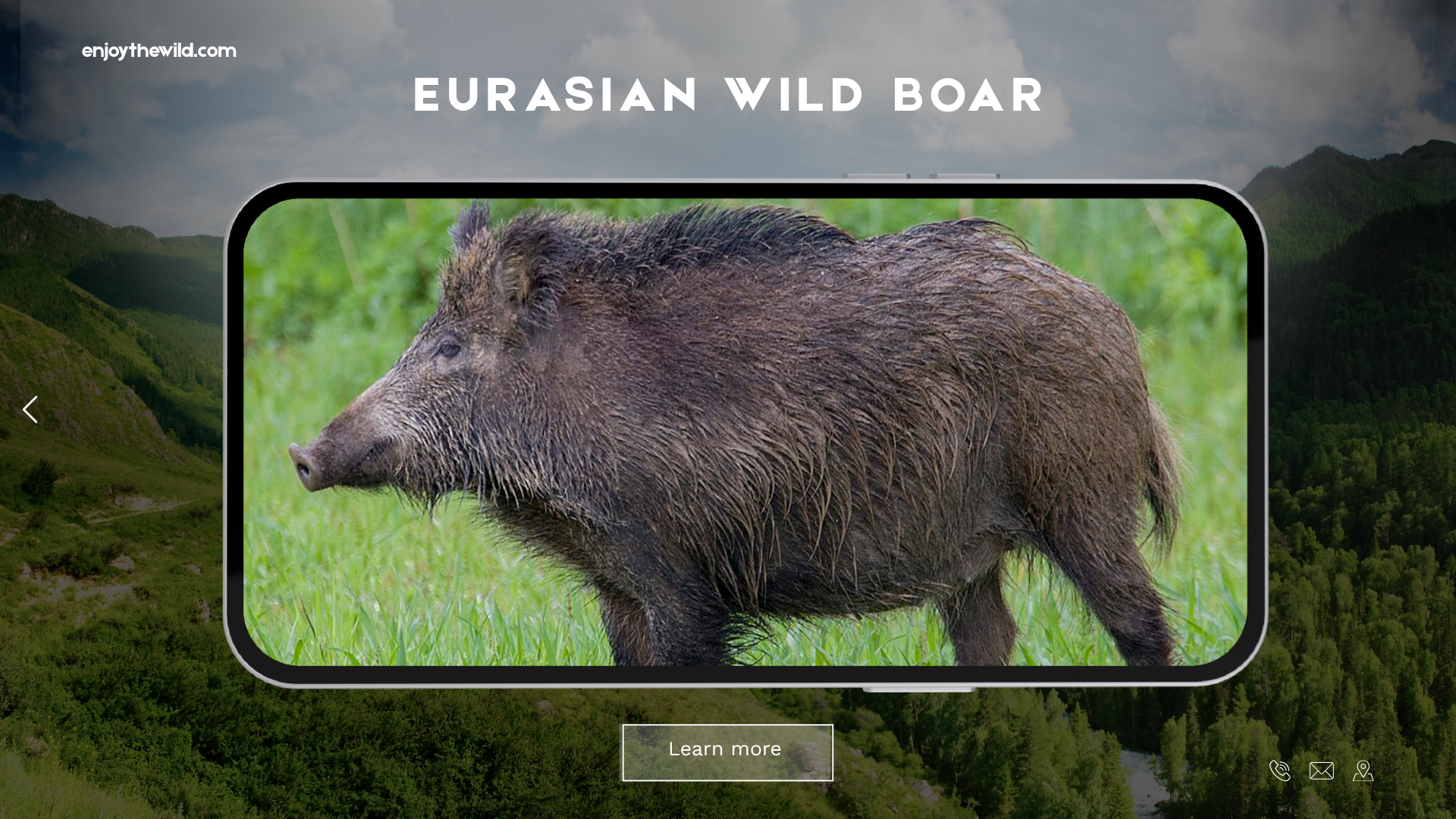
The Eurasian wild boar (Sus scrofa) is the best-known and most widespread type of wild boar. It is native to large areas of Europe and Asia and has also been introduced to other parts of the world.
Adults typically have a strong, muscular body, a long snout, small eyes, and curved tusks. Their coat color varies from brown and gray to almost black depending on age, season, and location.
Eurasian wild boars live in forests, mountains, grasslands, and wetlands. They are highly adaptable animals that can survive in many environments because they eat a wide range of foods, including roots, fruits, seeds, insects, small animals, and agricultural crops.
- Size: Usually 90–200 cm long, with large males weighing over 100 kg in some regions.
- Habitat: Forests, shrublands, wetlands, and farmland edges.
- Diet: Omnivorous, feeding on plants and small animals.
- Identification: Long snout, stocky body, and visible tusks.
2. Japanese Wild Boar
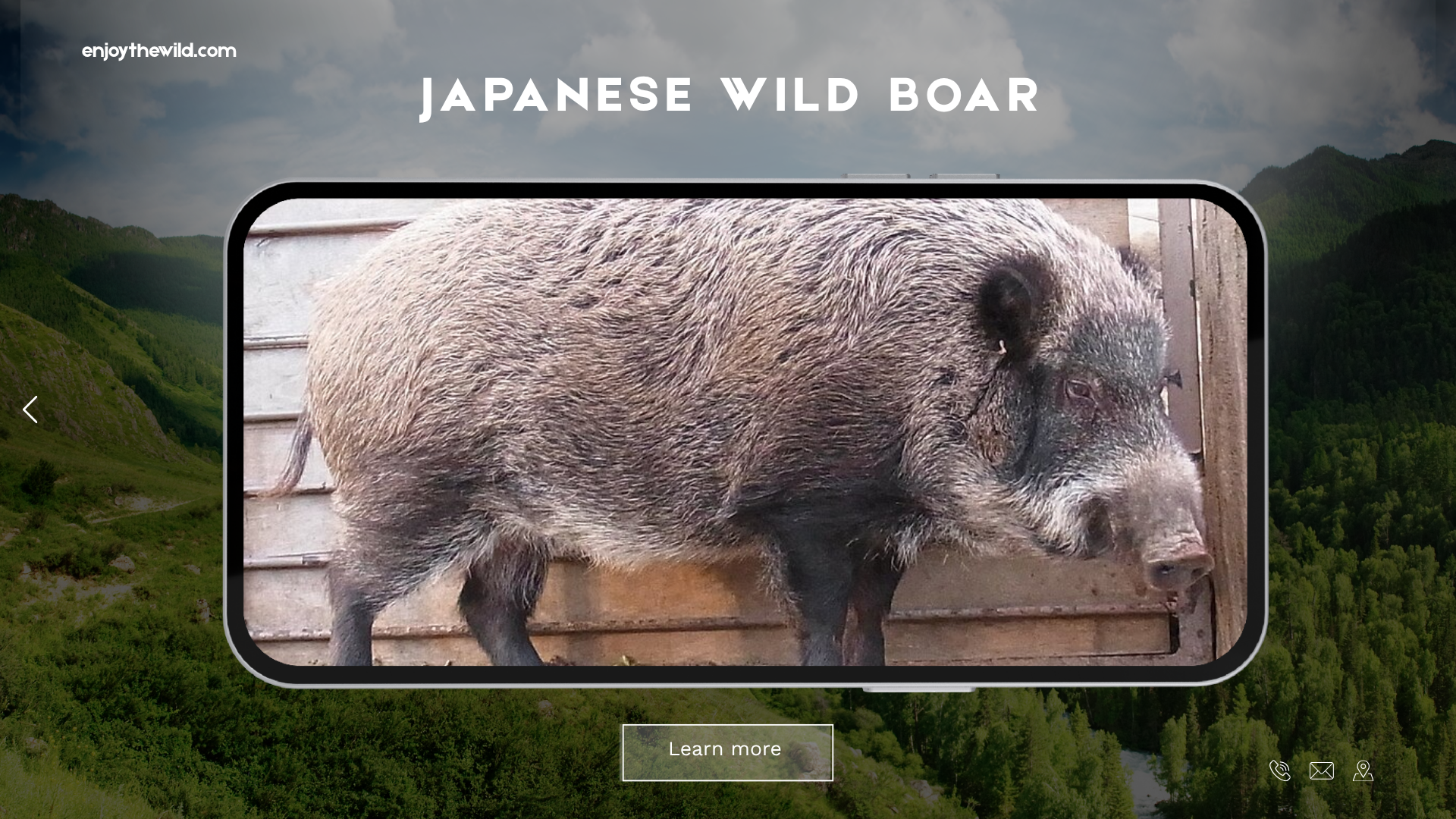
The Japanese wild boar (Sus scrofa leucomystax) is a subspecies found mainly in Japan. It is commonly known as the Japanese boar and plays an important role in Japanese wildlife.
This wild boar usually has a dark brown or black coat, shorter legs, and a compact body compared with some mainland Asian populations. It is commonly found in forests, mountain areas, and rural landscapes.
Japanese wild boars are intelligent and adaptable. They use their strong noses to search for underground roots, insects, and plant material.
- Range: Japan, including several major islands.
- Appearance: Dark coat with a powerful body.
- Behavior: Mostly active during nighttime or early morning.
- Food: Roots, nuts, fruits, insects, and crops.
3. Indian Wild Boar
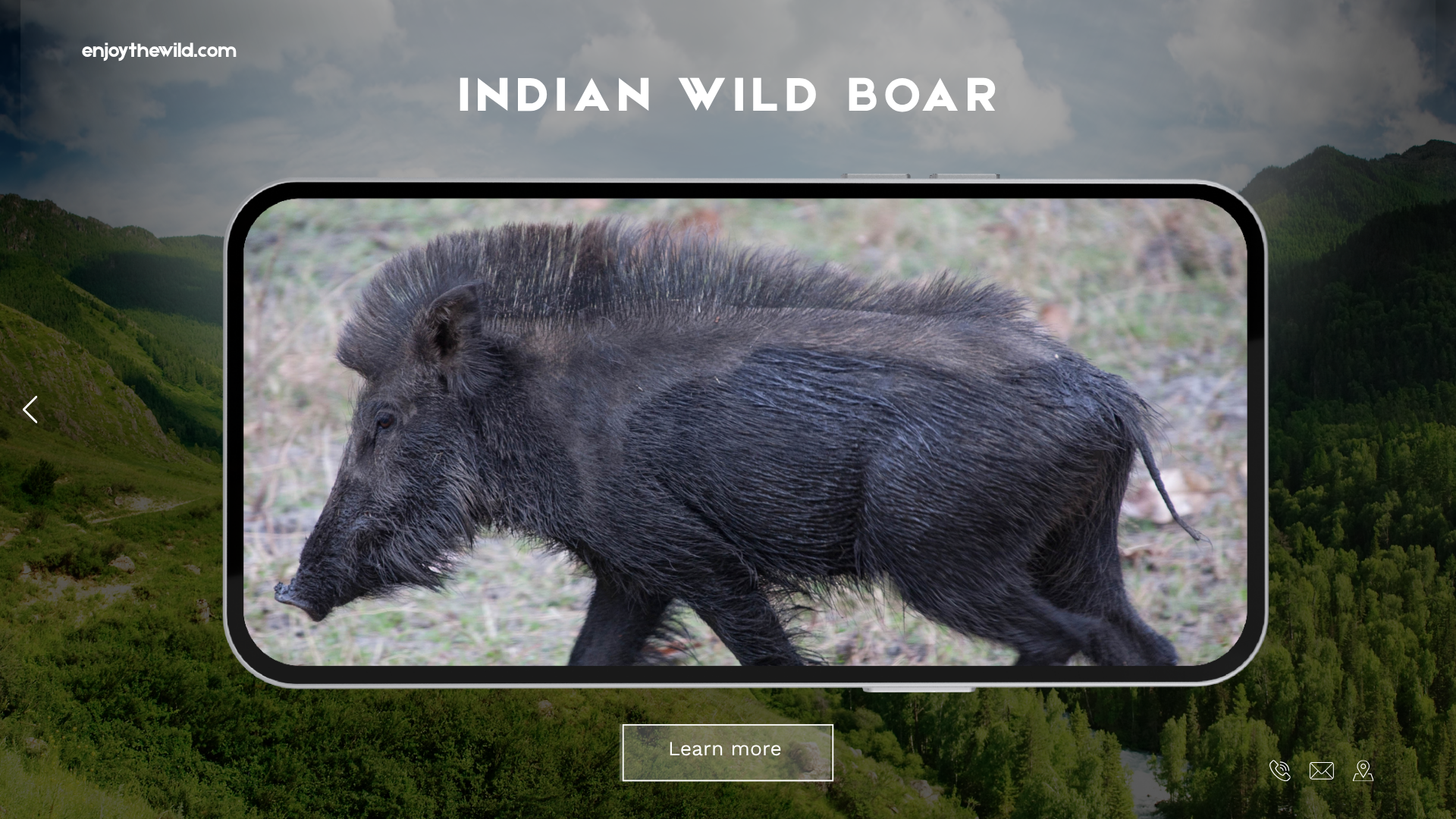
The Indian wild boar (Sus scrofa cristatus) is found throughout parts of South Asia. It is recognized by its large head, strong shoulders, and noticeable mane of longer hair along the back.
This type lives in forests, grasslands, and agricultural areas. It has adapted well to warm climates and can survive in a variety of landscapes.
Indian wild boars are important ecosystem animals because their digging behavior helps disturb soil and spread seeds.
- Range: India, Nepal, Sri Lanka, and surrounding regions.
- Feature: Raised mane and strong facial structure.
- Habitat: Forests, grasslands, and scrub areas.
- Diet: Plants, insects, roots, and crops.
4. North African Wild Boar
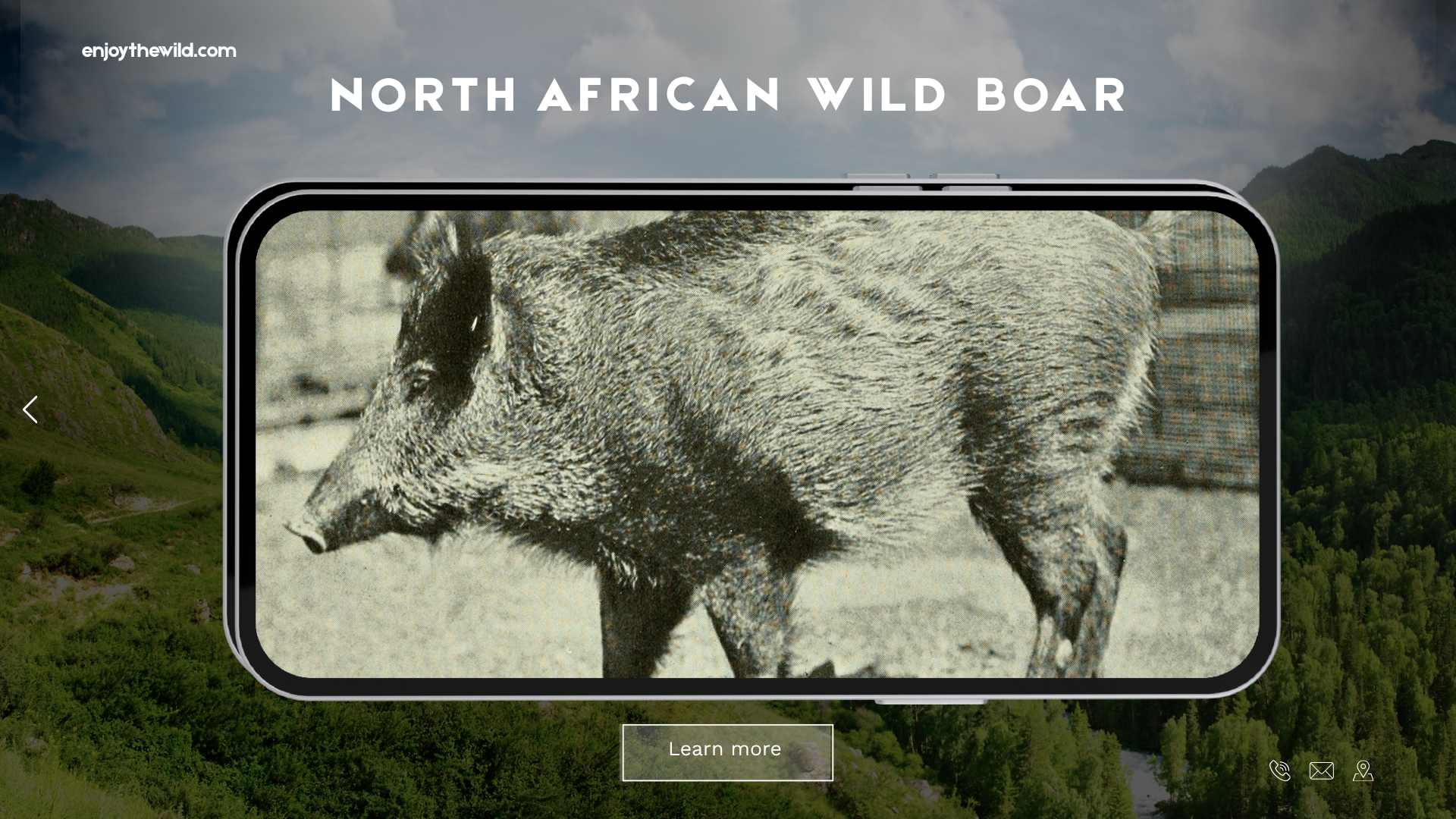
The North African wild boar (Sus scrofa algira) is a regional form adapted to the warmer environments of North Africa.
Compared with northern populations, it generally has a lighter body build and shorter hair suited to warmer climates. It inhabits forests, mountains, and Mediterranean vegetation zones.
- Range: Morocco, Algeria, and Tunisia.
- Adaptation: Tolerates dry and warm conditions.
- Diet: Roots, fruits, seeds, and insects.
5. Ussuri Wild Boar
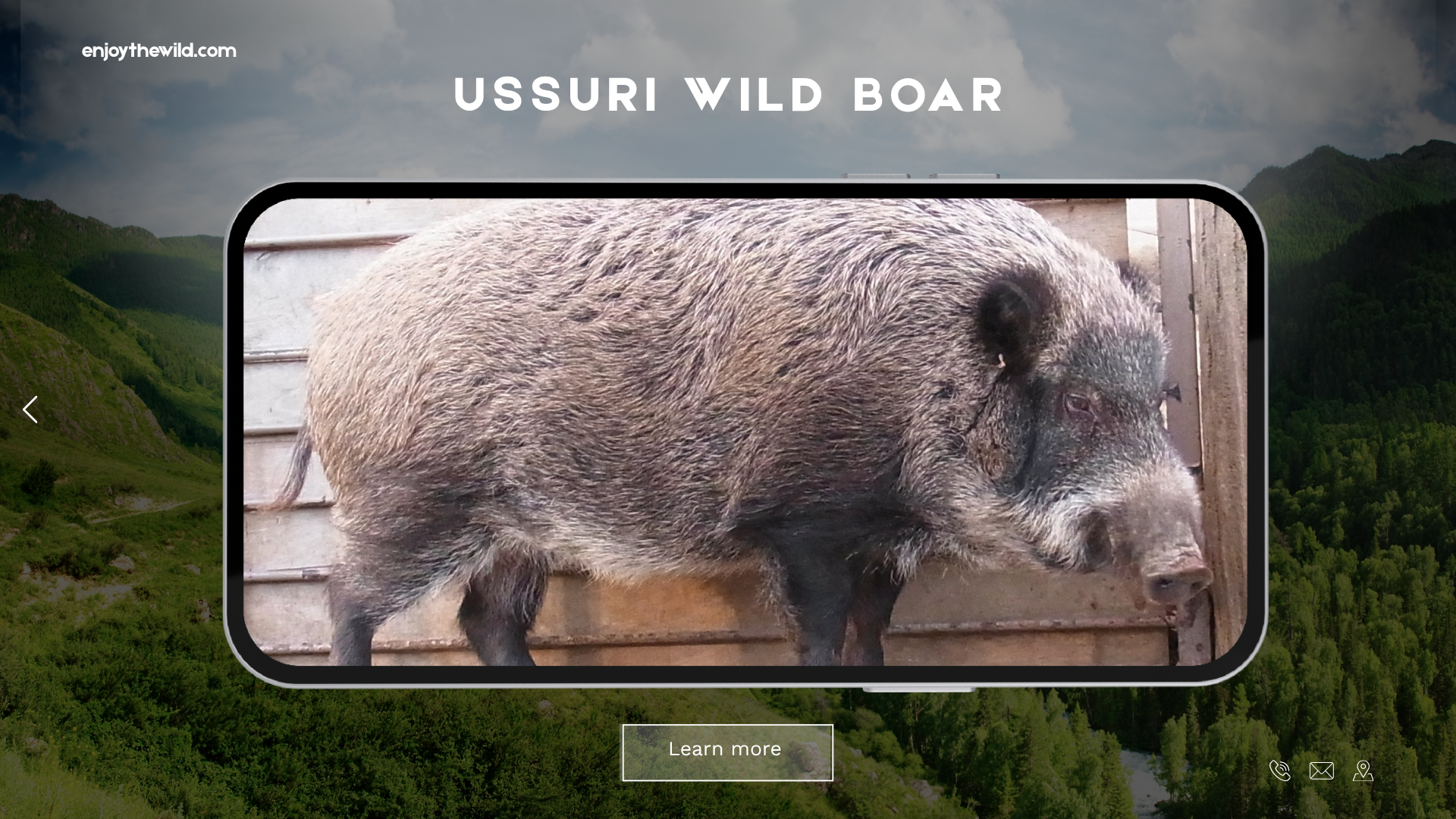
The Ussuri wild boar (Sus scrofa ussuricus) is found in northeastern Asia, including parts of Russia and China. It is considered one of the larger regional forms of wild boar.
Cold climates have influenced its appearance, with thicker fur and a strong body helping it survive harsh winters.
- Range: Russian Far East, northeastern China, and nearby regions.
- Feature: Large body and thick winter coat.
- Habitat: Temperate forests and mountainous areas.
6. Central Asian Wild Boar
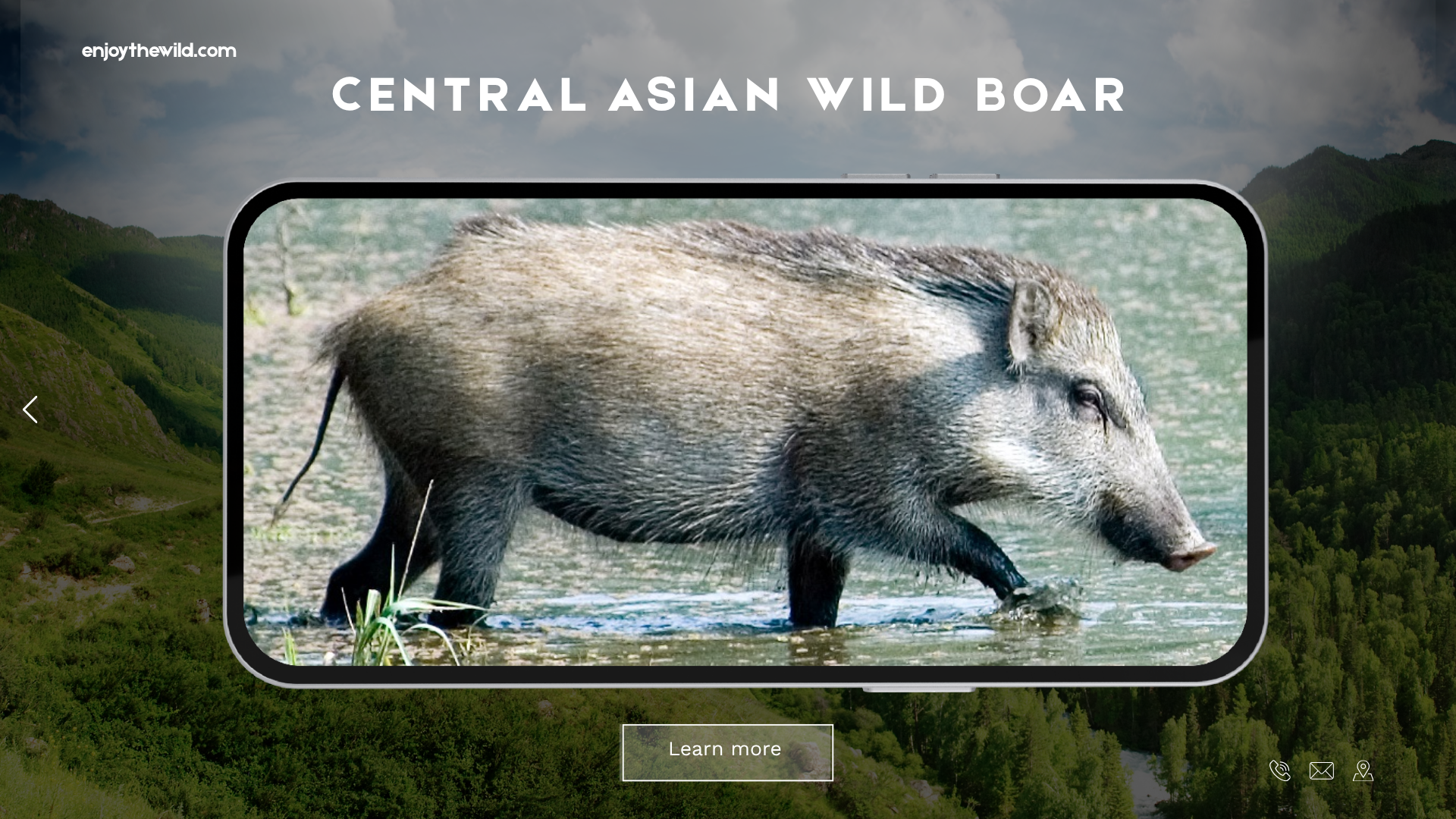
Central Asian wild boar populations live across parts of Central Asia, including mountainous and forested regions. They are adapted to environments ranging from river valleys to dry landscapes.
These animals often have strong legs and excellent endurance, allowing them to travel through difficult terrain.
7. Mediterranean Wild Boar
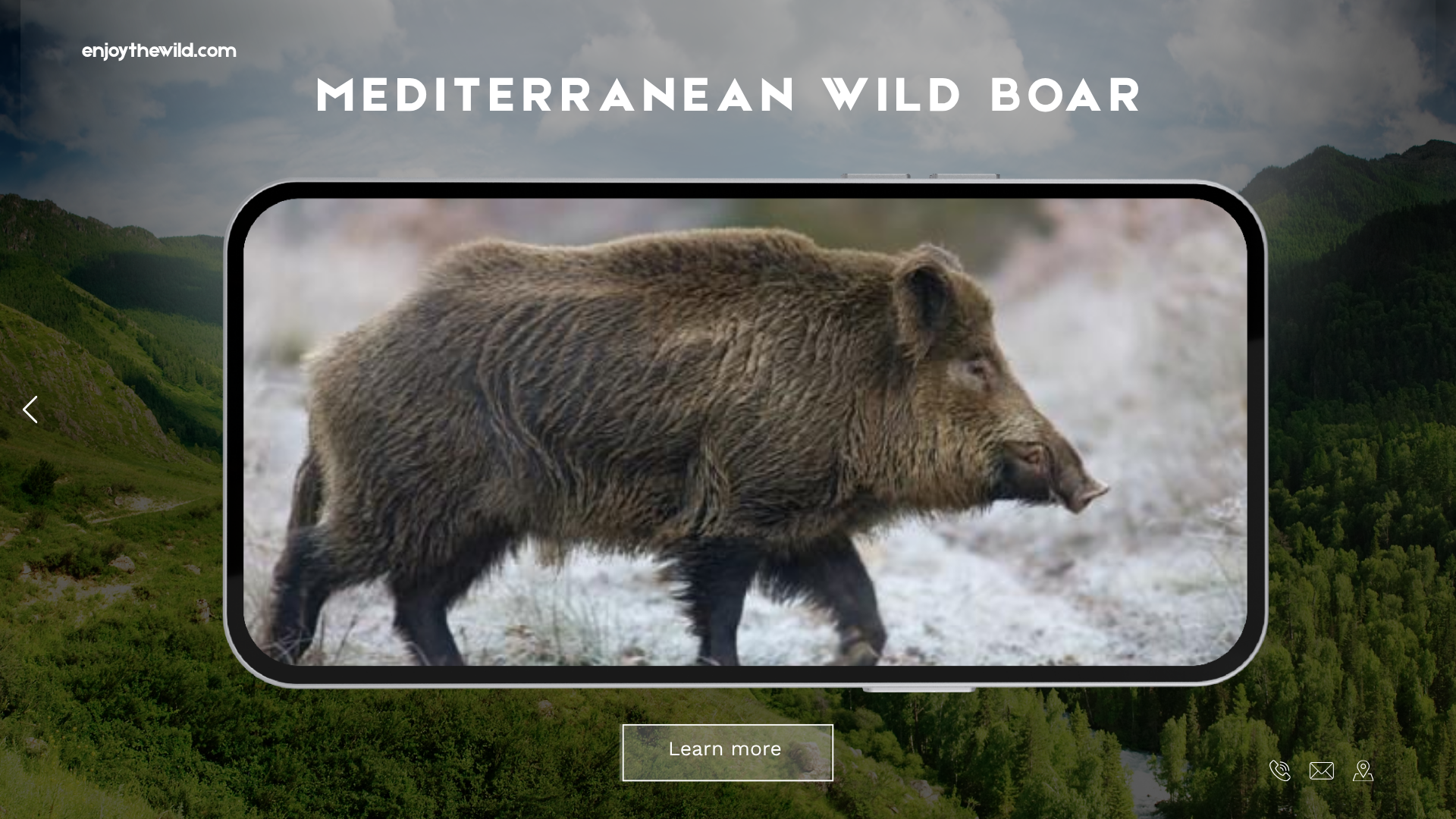
Mediterranean wild boars inhabit southern Europe and areas around the Mediterranean Basin. They are commonly found in oak forests, shrublands, and agricultural landscapes.
They often feed heavily on acorns, which are an important seasonal food source in Mediterranean forests.
8. European Wild Boar
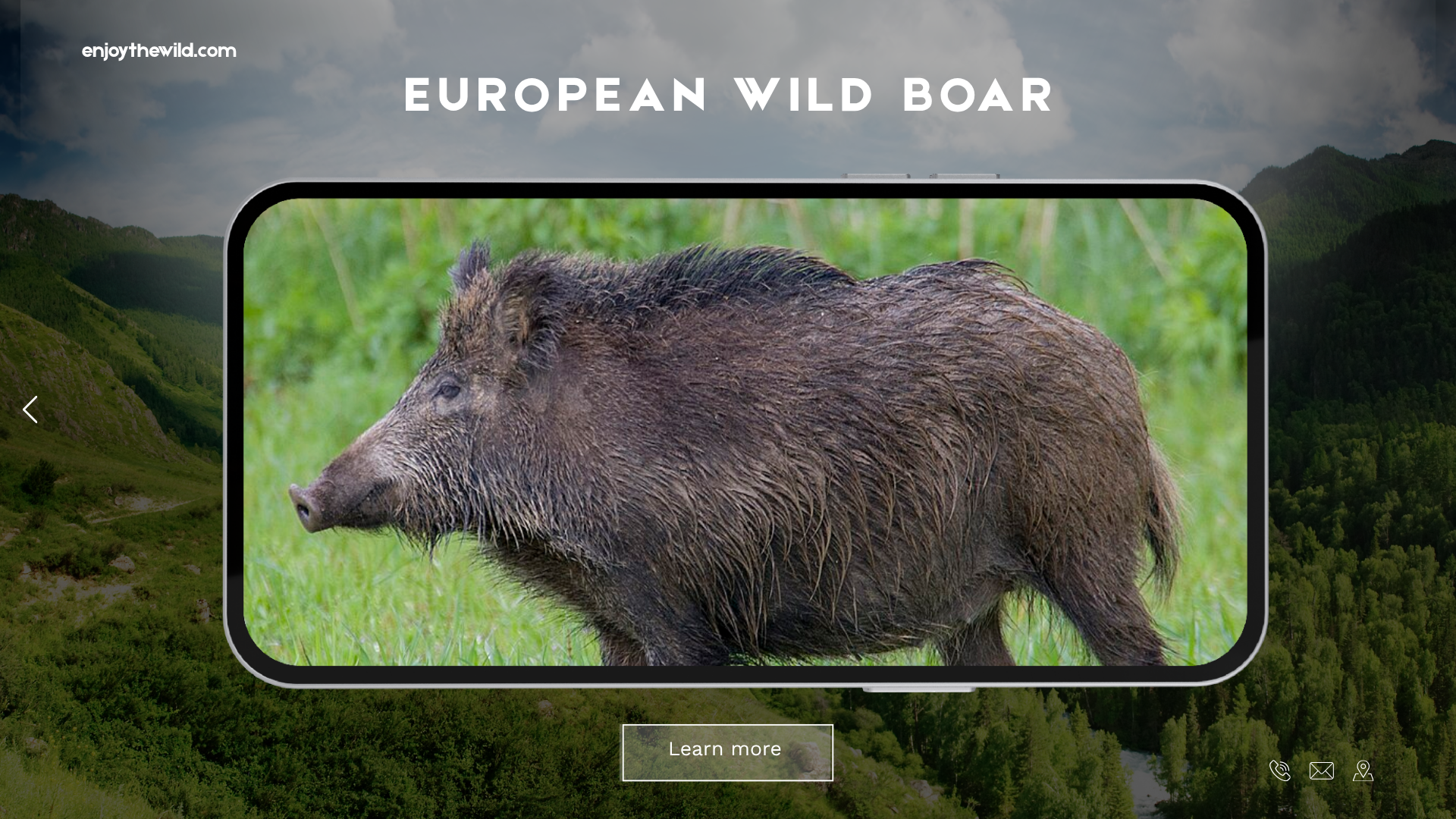
European wild boars are populations of Sus scrofa found throughout Europe. Their size and appearance vary depending on climate and available food.
Northern populations are often larger because colder environments favor bigger bodies, while southern populations may be smaller.
9. Siberian Wild Boar
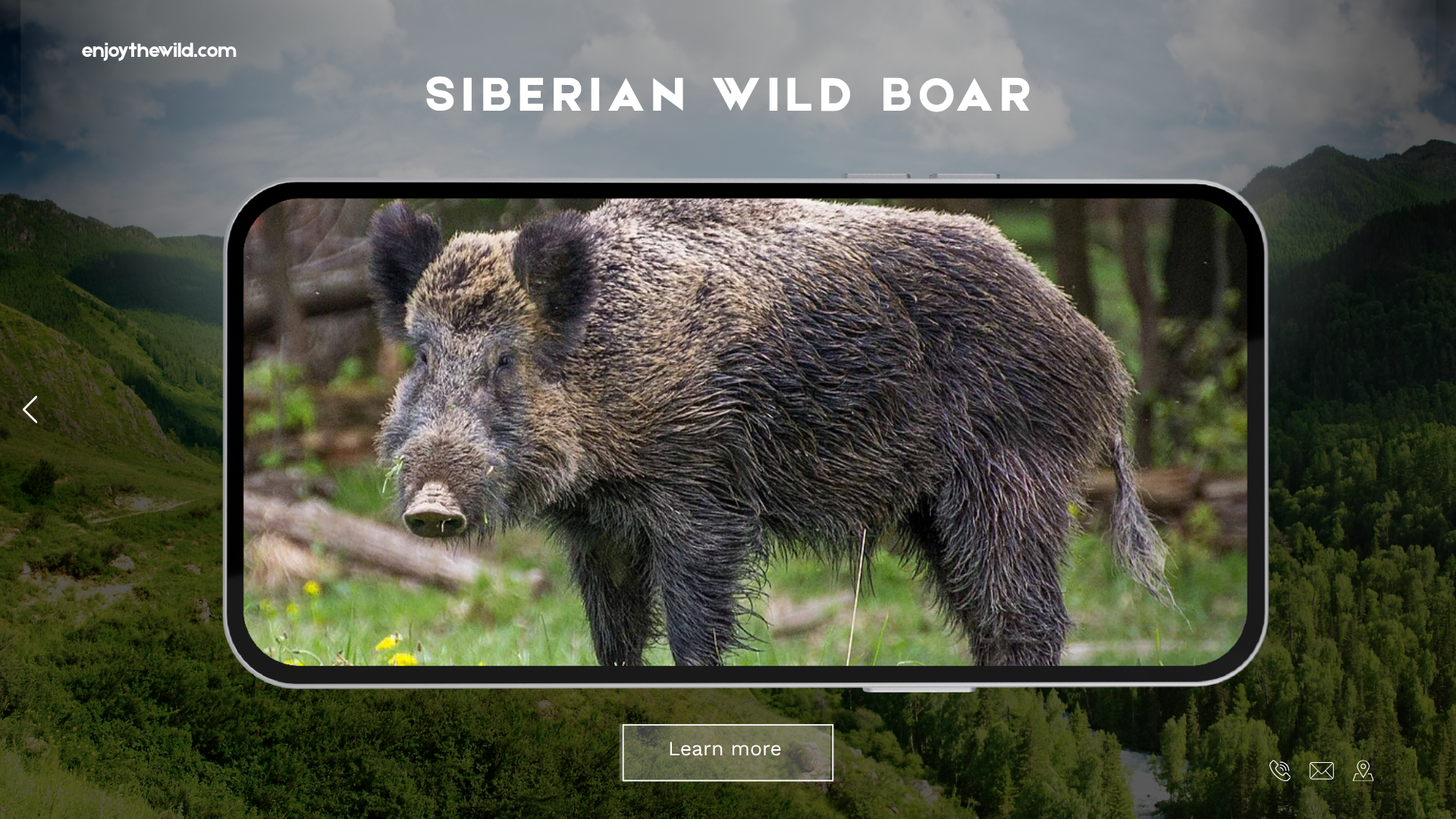
Siberian wild boars live in colder regions of northern Asia. They have adaptations that help them survive freezing temperatures, including dense fur and strong bodies.
They usually prefer forest habitats where food sources such as roots, nuts, and berries are available.
10. Domestic-Wild Hybrid Boar
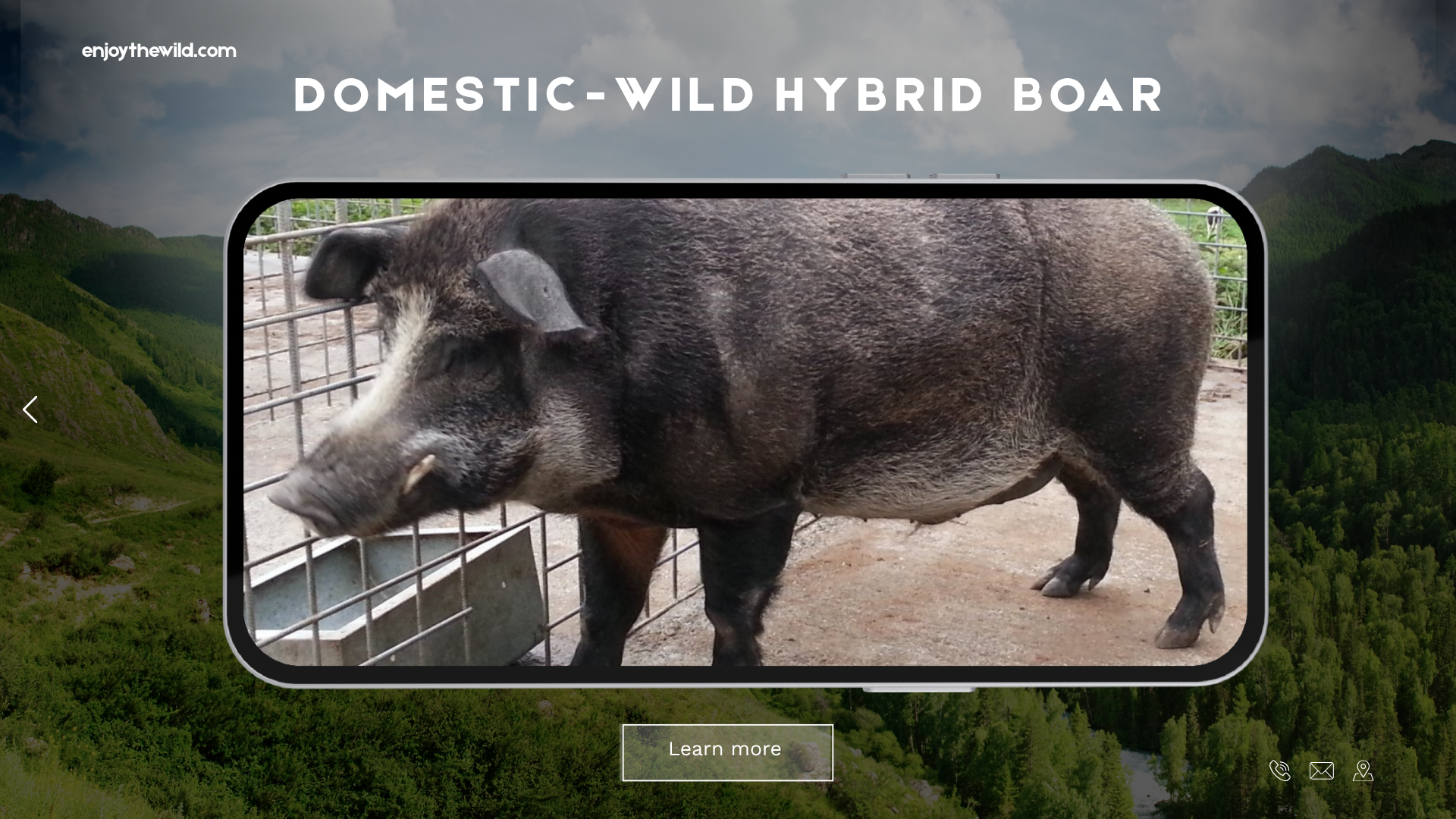
In some regions, wild boars have mixed with escaped or free-ranging domestic pigs. These animals are not a natural wild boar type but are often discussed because they can look different from pure wild populations.
Hybrid animals may have varied colors, body shapes, and behaviors depending on their ancestry.
How Are These Wild Animals Classified?
Wild boars belong to the pig family Suidae. Scientists classify them mainly by genetics, geographic location, physical features, and evolutionary relationships.
- Species: The main species is Sus scrofa.
- Subspecies: Regional populations with unique traits.
- Geographic groups: European, Asian, and African populations.
- Physical traits: Body size, coat color, skull shape, and tusk development.
Where Do These Wild Boars Live?
Wild boars are found across Europe, Asia, and North Africa. They have also been introduced to regions such as North America and Australia.
Common habitats include:
- Dense forests
- Mountain woodlands
- Grasslands
- Wetlands
- Agricultural areas
- River valleys
How to Identify Different Types of Wild Boar
- Body size: Larger types are often found in colder regions.
- Coat color: Ranges from brown and gray to black.
- Snout shape: All wild boars have a strong digging snout.
- Tusks: Adult males usually have more visible tusks.
- Habitat: Location can help identify regional forms.
- Mane: Some Asian populations have stronger back hair.
Outdoor Tips for Finding and Observing These Species
- Look for tracks with two main hoof marks.
- Search near muddy areas where boars wallow.
- Observe feeding signs such as disturbed soil.
- Keep a safe distance because wild boars can be unpredictable.
- Avoid approaching females with young piglets.
Safety, Sustainability, and Conservation Notes
Wild boars are important wildlife species, but populations can create challenges when numbers become too high. Responsible wildlife management helps balance conservation needs with human safety.
- Observe wild boars from a safe distance.
- Do not feed wild populations.
- Respect local hunting and wildlife regulations.
- Protect natural habitats that support native species.
Fun Facts About Wild Boar
- Wild boars have an excellent sense of smell.
- They use their snouts to dig for underground food.
- Young wild boars often have striped coats.
- They can live in many different environments.
- Wild boars are intelligent and highly adaptable.
- Adult males are called boars, while females are called sows.
- They communicate using sounds and scent markings.
- Wild boars are ancestors of domestic pigs.
- Their tusks are modified canine teeth.
- They play a role in soil disturbance and seed movement.
Final Thoughts on Types of Wild Boar
The different types of wild boar show how adaptable the species has become across continents. From the Eurasian wild boar to regional forms in Japan, India, Africa, and northern Asia, each population has unique characteristics shaped by its environment. Learning how to identify wild boars helps nature enthusiasts better understand wildlife and appreciate the diversity of these remarkable animals.
Frequently Asked Questions
1. How many types of wild boar are there?
There is one widely recognized wild boar species, Sus scrofa, with many regional subspecies and populations.
2. What is the most common type of wild boar?
The Eurasian wild boar is the most widespread type.
3. Are wild boars and pigs the same animal?
Domestic pigs and wild boars share the same ancestor and are closely related.
4. What do wild boars eat?
Wild boars are omnivores that eat plants, roots, fruits, insects, and small animals.
5. Where do wild boars live?
They live in forests, grasslands, wetlands, mountains, and farmland areas.
6. Are wild boars dangerous?
Wild boars can be dangerous if threatened, cornered, or protecting young.
7. What is the largest type of wild boar?
Some northern Asian and European populations can grow very large.
8. Do all wild boars have tusks?
Adult males usually have more noticeable tusks, while females have smaller ones.
9. How can you identify wild boar tracks?
Tracks usually show two main hoof marks with smaller side marks sometimes visible.
10. Are wild boars invasive animals?
In some regions where they have been introduced, wild boars can become invasive and affect ecosystems.
11. What is the scientific name of wild boar?
The scientific name is Sus scrofa.
12. What is a baby wild boar called?
A young wild boar is called a piglet.
13. How long do wild boars live?
Lifespan varies depending on habitat, predators, and human pressures.
14. Do wild boars live alone?
Females and young often live in groups called sounders, while males are more solitary.
15. Are wild boars good swimmers?
Yes, wild boars are capable swimmers.
READ MORE:
Type of Aardvark: Species, Habitat, Facts, and Identification Tips