

Aardvarks are one of Africa’s most unusual mammals, known for their long ears, powerful claws, tube-shaped snouts, and specialized diet of ants and termites. When people search for types of aardvarks, they are often looking for different species, varieties, or regional forms of this fascinating animal.
However, unlike many other wildlife groups, aardvarks are not divided into multiple living species. Scientists currently recognize only one living aardvark species: Orycteropus afer. This species has several recognized subspecies that developed different characteristics based on their geographic locations across Africa.
This guide explains the different types of aardvarks, their classification, appearance, habitats, behaviors, identification features, and interesting facts to help wildlife enthusiasts better understand these unique animals.
What Are the Main Types of Aardvarks?
The main types of aardvarks are regional subspecies of the single living species Orycteropus afer. These subspecies are not separate species but represent populations that have developed slight differences in size, coloration, and geographic distribution.
Scientists recognize several aardvark subspecies across sub-Saharan Africa, including forms found in East Africa, Southern Africa, and Central Africa. Each type shares the same basic appearance and behavior but may vary depending on its environment.
| Aardvark Type | Scientific Name | Main Region | Key Characteristics |
|---|---|---|---|
| Southern Aardvark | Orycteropus afer afer | Southern Africa | Common and widespread form |
| East African Aardvark | Orycteropus afer senegalensis | Eastern Africa | Adapted to savannas and grasslands |
| Central African Aardvark | Orycteropus afer observandus | Central Africa | Forest and woodland populations |
| North-Eastern Aardvark Forms | Orycteropus afer regional subspecies | Northeastern Africa | Adapted to varied habitats |
How Are These Aardvarks Classified?
Aardvarks belong to the order Tubulidentata, a unique mammalian group containing only one living family and one living species. Their scientific classification is:
- Kingdom: Animalia
- Class: Mammalia
- Order: Tubulidentata
- Family: Orycteropodidae
- Genus: Orycteropus
- Species: Orycteropus afer
The different “types” of aardvarks are mainly classified by geographic distribution and small physical differences between populations.
1. Southern Aardvark (Orycteropus afer afer)
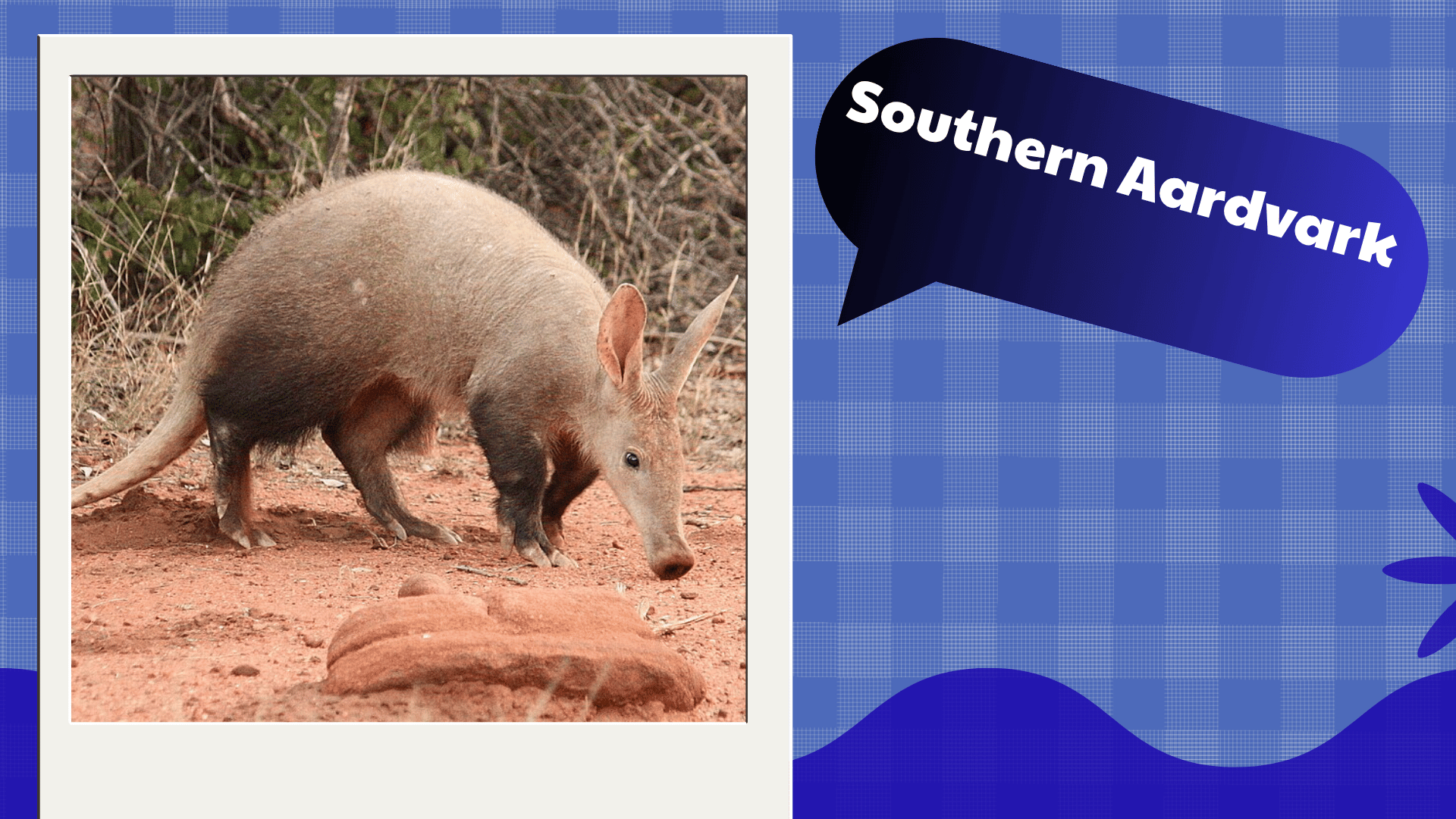
The Southern aardvark is one of the best-known forms of aardvark and is commonly found throughout southern Africa. This type represents the classic image many people imagine when they think of an aardvark.
It has a long, pig-like snout, large upright ears, a strong tail, and powerful front claws designed for digging. Its body is covered with coarse gray-brown hair that helps protect it from soil, insects, and changing temperatures.
Southern aardvarks live in a variety of environments, including grasslands, savannas, dry woodland, and semi-arid regions. They create large underground burrows where they rest during the day and emerge at night to search for food.
Appearance
- Long tubular snout used for detecting insects
- Large ears that improve hearing
- Strong claws for digging termite mounds and burrows
- Long muscular tail
- Grayish-brown body with sparse hair
Habitat
Southern aardvarks are commonly found in countries such as South Africa, Namibia, Botswana, and Zimbabwe. They prefer areas with loose soil where digging is easier and insect colonies are abundant.
Diet and Behavior
Like all aardvarks, the Southern aardvark is an insect specialist. It mainly eats ants and termites, using its powerful claws to break open nests and its sticky tongue to collect insects.
- Diet: Mainly ants and termites
- Activity: Mostly nocturnal
- Behavior: Solitary except during breeding
- Defense: Uses digging ability and strong claws to escape threats
2. East African Aardvark (Orycteropus afer senegalensis)
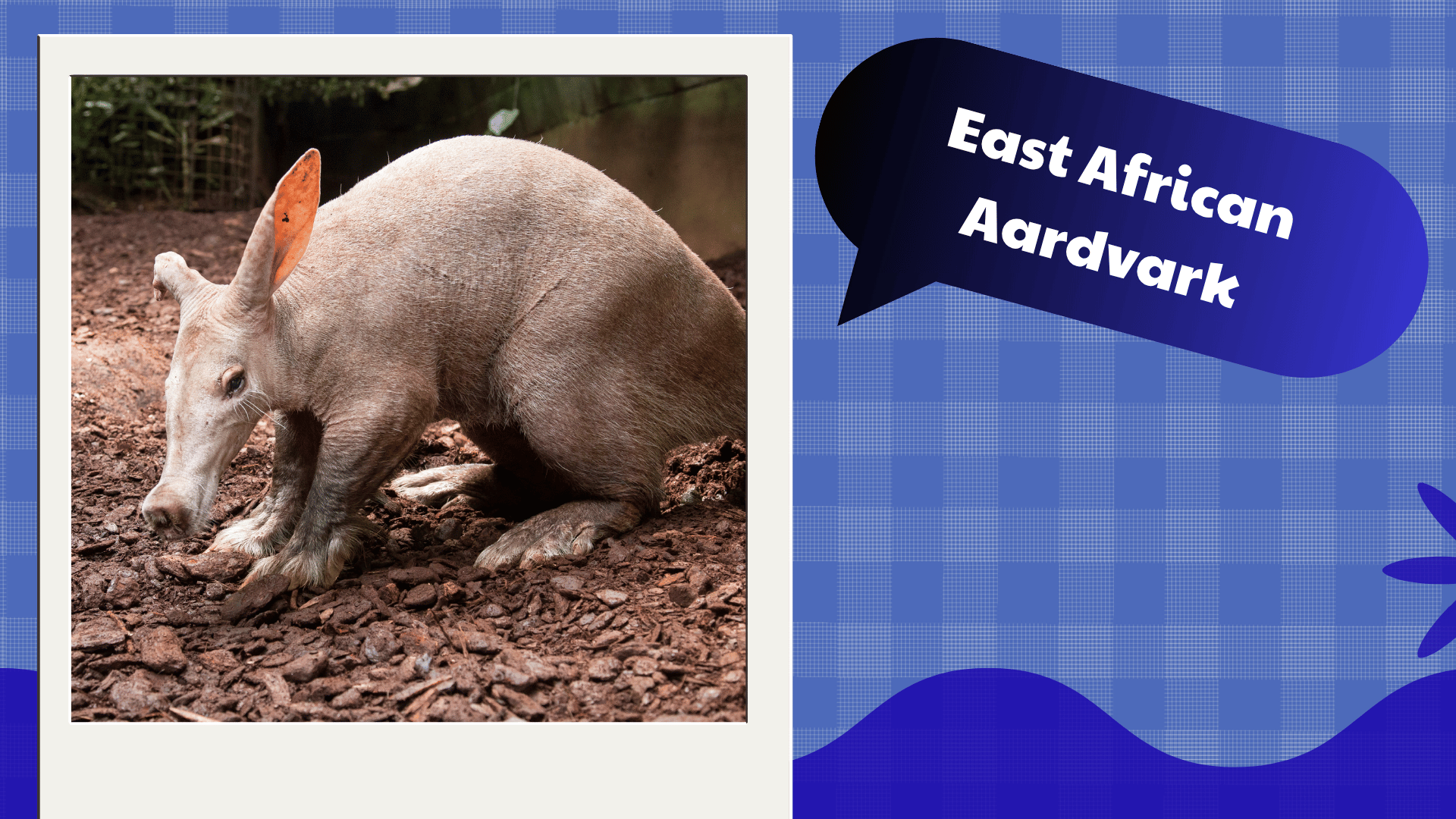
The East African aardvark is a regional form found across parts of eastern Africa. It inhabits savannas, grasslands, and open woodland where termite colonies provide a reliable food source.
This type shares the same basic body structure as other aardvarks but may show differences in body size and coloration depending on local conditions.
Distribution
East African aardvarks occur in countries including Kenya, Tanzania, Uganda, and surrounding regions.
Identification Features
- Large ears and elongated snout
- Strong digging claws
- Brown-gray coat
- Nocturnal movement patterns
Ecological Role
3. Central African Aardvark Forms
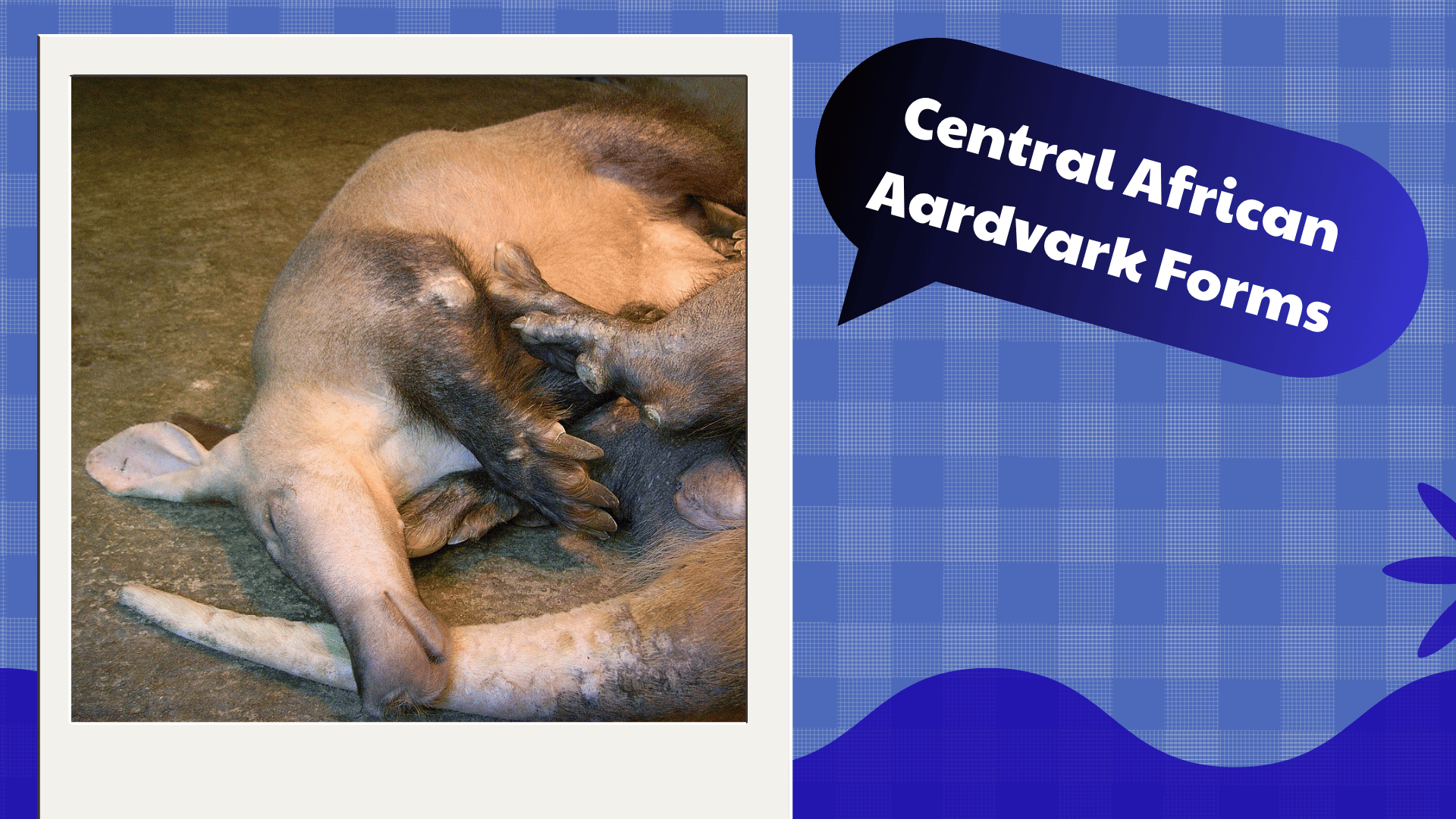
Central African aardvark populations live in parts of central Africa, where forests, woodland areas, and savannas create suitable environments for these specialized insect-eating mammals.
Although they belong to the same species as other aardvarks, Central African populations may show regional differences in body size, coat characteristics, and habitat preferences.
These aardvarks are particularly important in tropical ecosystems because their digging activities improve soil conditions and create shelter opportunities for other wildlife species.
Habitat
- Tropical woodland
- Savanna areas
- Forest edges
- Areas with abundant termite colonies
Diet
Central African aardvarks feed mainly on:
- Termites
- Ants
- Occasionally other small insects
Their long, sticky tongue allows them to collect thousands of insects during a single feeding period.
4. Northeastern African Aardvark Forms
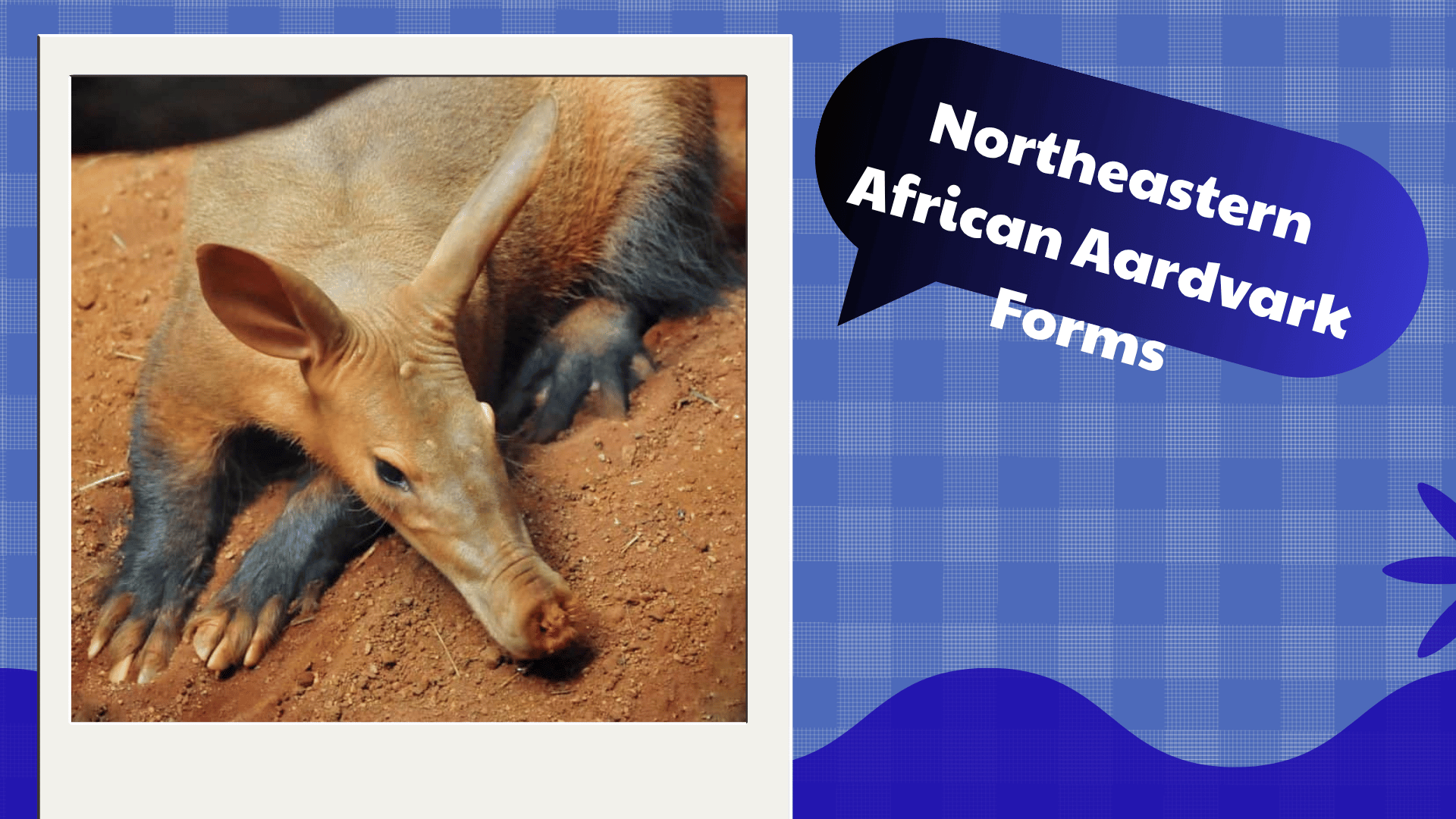
Northeastern African aardvark populations occur in regions where dry landscapes, grasslands, and seasonal environments dominate. These forms demonstrate the remarkable adaptability of aardvarks to different African habitats.
They can survive in areas with changing rainfall patterns because they obtain much of their moisture from their insect diet and remain protected underground during extreme weather conditions.
Key Characteristics
- Strong digging ability
- Excellent sense of smell
- Nocturnal lifestyle
- Ability to travel long distances while searching for food
5. Other Regional Aardvark Populations
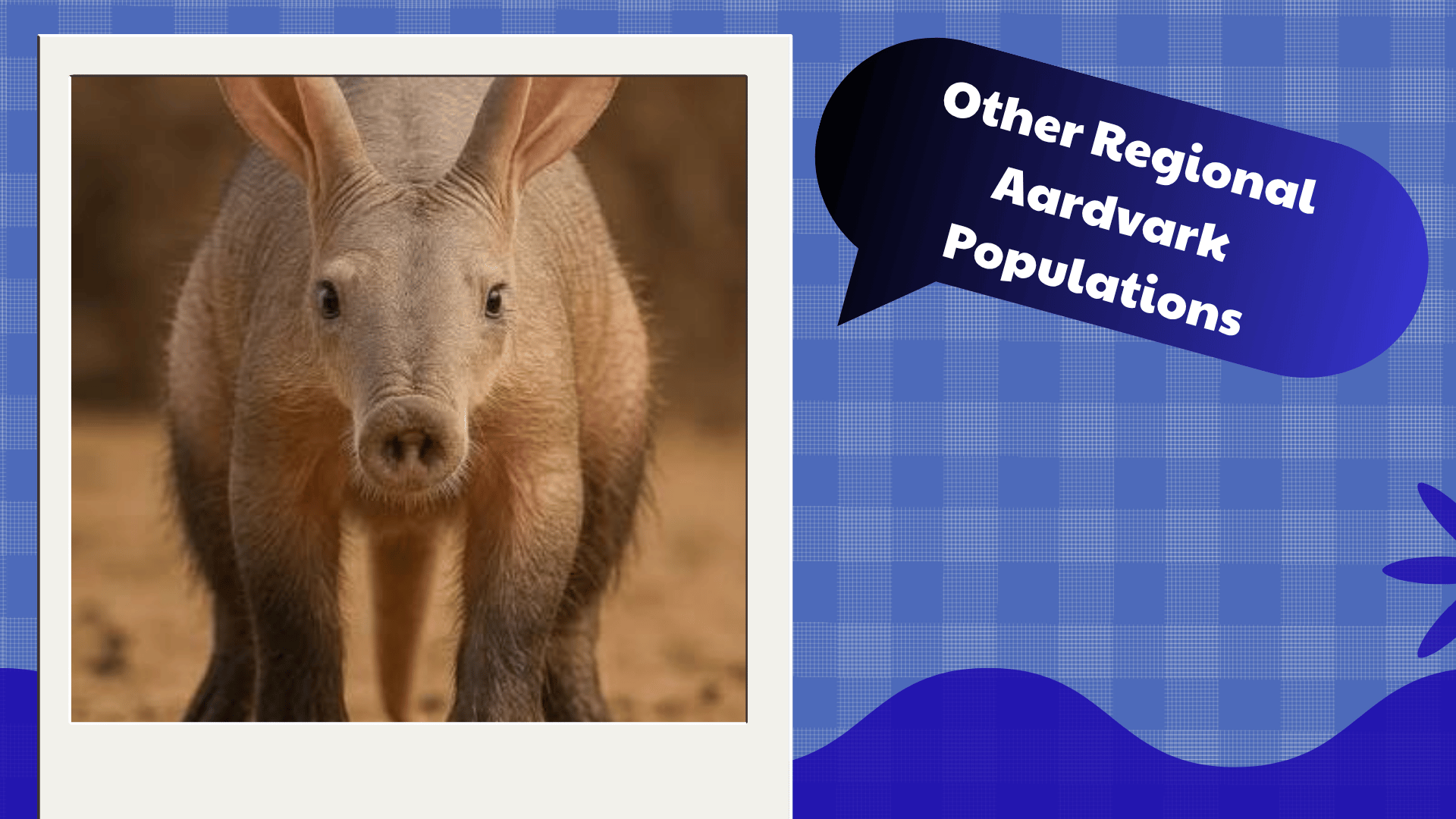
Besides recognized subspecies, scientists have identified various regional populations of Orycteropus afer across Africa. These populations may differ slightly because of geographic isolation, climate, and available food sources.
However, these differences are generally small compared with the major differences seen between separate animal species. All living aardvarks share the same unique adaptations that make them highly specialized termite hunters.
Where Do These Aardvarks Live?
Aardvarks are native to sub-Saharan Africa and can be found in a wide range of environments. Their ability to dig deep underground shelters allows them to survive in habitats with extreme temperatures and seasonal changes.
| Habitat | Why Aardvarks Use It |
|---|---|
| Savannas | Abundant termites and open areas for movement |
| Grasslands | Rich insect populations and soft soil |
| Woodlands | Protection and food availability |
| Semi-arid regions | Ability to avoid heat through burrows |
| Forest edges | Access to insects and shelter |
How to Identify Different Types of Aardvarks
Because all aardvark subspecies look very similar, identification usually depends on location rather than appearance alone. Wildlife observers should consider several features together.
- Body shape: Aardvarks have a large rounded body, short neck, long ears, and a powerful tail.
- Snout: Their long tubular snout is one of their most recognizable features.
- Claws: Large front claws are adapted for digging termite nests and underground tunnels.
- Coat: Hair color ranges from gray-brown to reddish-brown depending on region and soil conditions.
- Behavior: Most aardvarks are active after sunset and spend daylight hours inside burrows.
- Location: Geographic range is the most reliable clue for identifying regional types.
Outdoor Tips for Finding and Observing Aardvarks
Aardvarks are secretive and mostly nocturnal, making them challenging but rewarding animals to observe in the wild.
- Look for fresh digging marks around termite mounds.
- Search for large underground burrow entrances.
- Observe open grasslands during evening hours.
- Use quiet movement when exploring aardvark habitats.
- Never enter aardvark burrows because other wildlife may use them.
Safety, Sustainability, and Conservation Notes
Aardvarks are currently widespread in many parts of Africa, but they face threats from habitat loss, agricultural expansion, and human disturbance.
Protecting natural habitats helps maintain healthy aardvark populations and supports the many other species that depend on their ecosystem role.
- Respect wildlife observation distances.
- Avoid disturbing active burrows.
- Protect grasslands and natural habitats.
- Support responsible wildlife tourism.
- Do not remove animals from the wild for private ownership.
Fun Facts About Aardvarks
- Aardvarks are the only living members of the order Tubulidentata.
- Their name comes from an Afrikaans word meaning “earth pig.”
- Aardvarks can dig extremely quickly using powerful claws.
- They can consume thousands of ants and termites in one night.
- Their ears can move independently to detect sounds.
- Aardvarks have excellent hearing but relatively poor eyesight.
- Their burrows provide shelter for many other African animals.
- They are unrelated to pigs despite their pig-like appearance.
- Aardvarks are mainly solitary animals.
- They are among Africa’s most specialized insect-eating mammals.
East African aardvarks help shape ecosystems through their digging behavior. Their abandoned burrows provide shelter for many other animals, including reptiles, birds, and small mammals.
Final Thoughts on Types of Aardvarks
The different types of aardvarks are best understood as regional forms and subspecies of the single living species Orycteropus afer. Although aardvarks do not have many separate species like some other African mammals, their populations have developed unique characteristics based on geography, climate, and habitat.
From southern African grasslands to eastern savannas and central woodland areas, aardvarks demonstrate incredible adaptations for survival. Their powerful claws, sensitive noses, and specialized insect diet make them one of the most unique mammals in the world.
Learning about aardvark classification, habitat, and identification features helps wildlife lovers better appreciate these unusual animals and understand why protecting African ecosystems is important.
Frequently Asked Questions
1. How many types of aardvarks are there?
There is only one living aardvark species, Orycteropus afer. However, scientists recognize several subspecies and regional populations.
2. Are there different species of aardvarks?
No. Unlike animals such as cats or bears, aardvarks currently have only one living species.
3. What is the scientific name of the aardvark?
The scientific name of the aardvark is Orycteropus afer.
4. What family do aardvarks belong to?
Aardvarks belong to the family Orycteropodidae.
5. What order are aardvarks classified under?
Aardvarks belong to the order Tubulidentata, which contains only one living animal group.
6. Where do aardvarks live?
Aardvarks live throughout sub-Saharan Africa in savannas, grasslands, woodlands, and semi-arid habitats.
7. What is the most common type of aardvark?
The Southern aardvark is one of the most commonly recognized forms because it occurs across large areas of southern Africa.
8. Are aardvarks related to pigs?
No. Despite their name and body shape, aardvarks are not closely related to pigs.
9. Why are aardvarks called earth pigs?
The name comes from the Afrikaans word “aardvark,” meaning earth pig, because of their digging behavior and pig-like snout.
10. What do aardvarks eat?
Aardvarks mainly eat ants and termites using their strong claws and long sticky tongue.
11. Are aardvarks dangerous?
Aardvarks are generally shy and avoid humans. They are not considered aggressive animals.
12. Are aardvarks nocturnal?
Yes. Most aardvarks are active at night and rest inside burrows during the day.
13. How big can aardvarks grow?
Adult aardvarks can reach about 1–1.5 meters in body length, with a long tail adding extra length.
14. Do all aardvarks look the same?
Most aardvarks have a similar appearance, but regional populations may differ slightly in size and coloration.
15. How do aardvarks find food?
They use their excellent sense of smell to locate termite mounds and ant colonies.
16. How fast can an aardvark dig?
Aardvarks are powerful diggers and can create burrows quickly using their strong claws.
17. Why do aardvarks dig burrows?
They dig burrows for shelter, protection from predators, and resting during hot daytime temperatures.
18. Do other animals use aardvark burrows?
Yes. Many smaller animals use abandoned aardvark burrows as shelters.
19. Are aardvarks endangered?
Aardvarks are not currently classified as endangered, but local populations may face threats from habitat loss.
20. What threatens aardvarks?
Main threats include habitat destruction, agricultural expansion, and human disturbance.
21. Do aardvarks live alone?
Yes. Aardvarks are mostly solitary animals except during breeding periods.
22. Do aardvarks have good eyesight?
Aardvarks have relatively poor eyesight but excellent hearing and smell.
23. Why are aardvark ears so large?
Their large ears help them detect sounds from insects, predators, and other animals.
24. How do aardvarks defend themselves?
They usually escape threats by digging quickly or hiding underground.
25. Can aardvarks swim?
Aardvarks are capable swimmers when necessary.
26. Are baby aardvarks called calves?
No. Young aardvarks are usually called pups.
27. How long do aardvarks live?
Their lifespan varies depending on habitat conditions and threats.
28. What makes aardvarks unique?
Their combination of specialized digging abilities, insect-based diet, and unique classification makes them one of Africa’s most unusual mammals.
29. Can aardvarks be kept as pets?
No. Aardvarks are wild animals with specialized needs and are not suitable as household pets.
30. What is the best way to observe aardvarks?
The best way is through responsible wildlife observation, guided tours, and protected natural areas.