
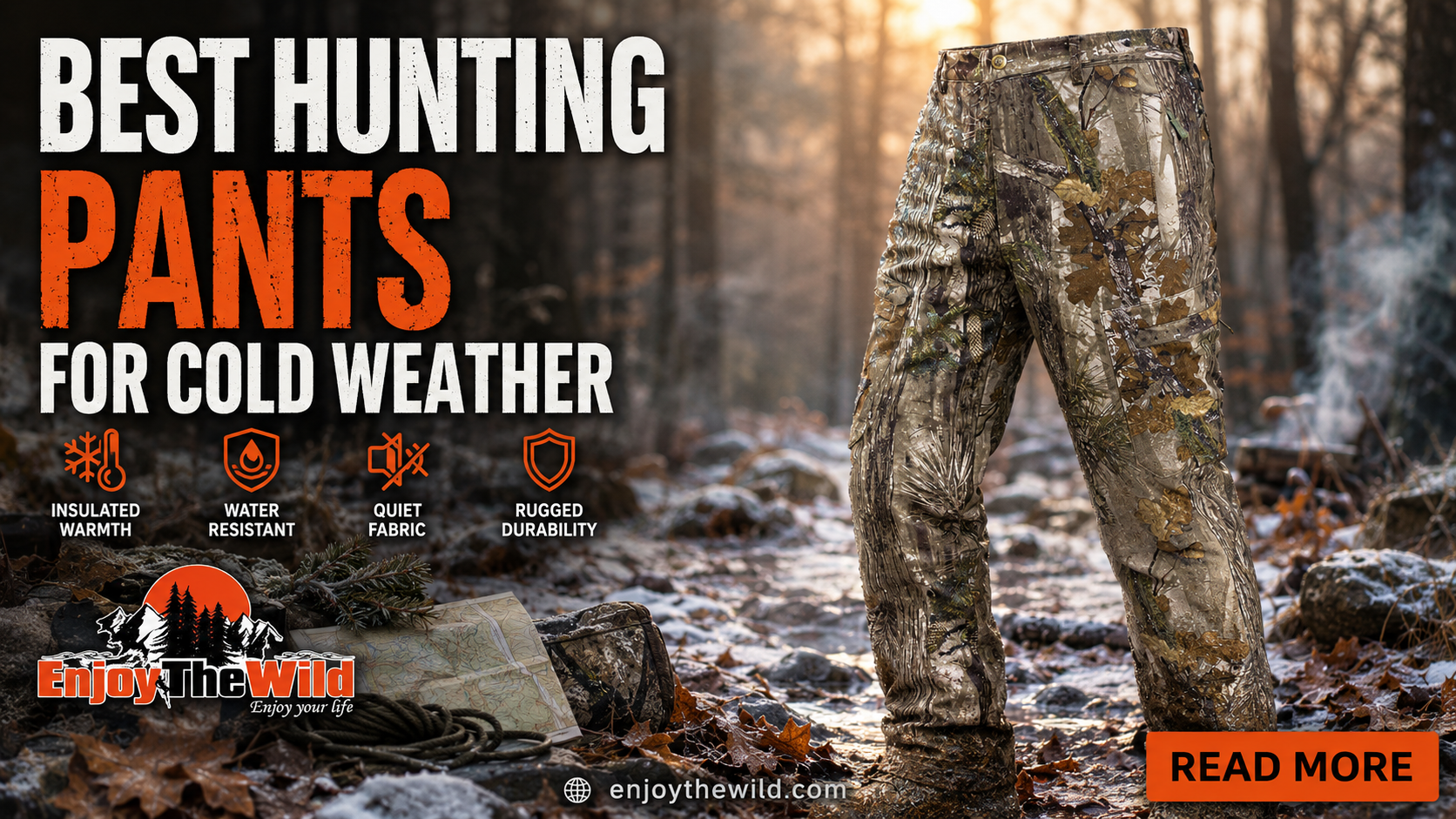
Finding the best hunting pants for cold weather is important because winter hunting can quickly become uncomfortable when your legs are exposed to wind, snow, wet brush, frozen ground, or long hours of still sitting. Cold-weather hunting pants should help you stay warm without making you feel stiff, bulky, or overheated when you need to hike, climb, glass, kneel, or walk through cover.
This guide compares 10 practical cold-weather hunting pants, field pants, and lower-body layering options available on Amazon. Some are technical hunting pants designed for rugged terrain. Some are durable work-style pants that hunters can use for scouting, stand work, camp chores, and dry cold conditions. One bib-style option is included for hunters who want more warmth and coverage in freezing weather.
The products below were compared based on warmth potential, layering room, material quality, mobility, pocket layout, durability, wind resistance, light moisture protection, comfort, brand reputation, and overall value. Always choose hunting clothing based on your local climate, legal season, terrain, and hunting style. Follow all federal, state, and local hunting laws, carry proper licenses and tags, and practice ethical hunting at all times.
Quick Picks:
- Best Overall: Stone Glacier De Havilland Pant on Amazon
- Best Premium Pick: KUIU Guide Pro Pant on Amazon
- Best for Waterfowl Layering: SITKA Gear Grinder Pant on Amazon
- Best Budget Brush Option: Gamehide Woodsman Upland Hunting Jean on Amazon
- Best Insulated Bib-Style Option: Carhartt Loose Fit Firm Duck Insulated Bib Overall on Amazon
Comparison Table: Best Hunting Pants for Cold Weather
| Product | Best For | Material / Build | Warmth Strategy | Key Features | Weather Resistance | Check Price |
|---|---|---|---|---|---|---|
| Stone Glacier De Havilland Pant | Best Overall | Technical stretch field fabric | Cold-weather shell with room for base layers | Adjustable waist, leg vents, articulated knees, cargo storage | Good for rugged cold-weather hunting when layered properly | Check Price on Amazon |
| KUIU Guide Pro Pant | Best Premium Pick | Stretch hunting fabric | Layering-friendly active hunting pant | Wind-resistant design, knee pad compatibility, multiple pockets | Useful for cool to cold active hunts with proper layering | Check Price on Amazon |
| SITKA Gear Grinder Pant | Best for Waterfowl Layering | Stretch polyester field fabric | Low-profile outer or wader-layer pant | Thigh pockets, tapered legs, low-profile waist, water-resistant finish | Good for damp blinds, waders, wet grass, and cool field use | Check Price on Amazon |
| SITKA Gear Harvester Pant | Best Dry-Field Hunting Pant | Durable everyday field fabric | Comfortable outer pant for cool dry weather | Deep pockets, secure leg pocket, field-friendly fit | Best for dry to moderate cold-weather conditions | Check Price on Amazon |
| Arborwear Original Tree Climbers’ Pants | Best Rugged Work-to-Hunt Option | Heavy cotton canvas | Durable cold-weather work pant with base layers | Gusseted crotch, double knees, utility pocket, boot-friendly cuff | Best for dry cold weather, scouting, chores, and woods work | Check Price on Amazon |
| Carhartt Double Front Dungaree | Best Durable Utility Pant | Cotton duck work fabric | Heavy-duty pant for dry cold conditions and layering | Double-front knees, utility pockets, reinforced design | Best for dry woods, stand work, camp chores, and scouting | Check Price on Amazon |
| Carhartt Loose Fit Firm Duck Insulated Bib Overall | Best Insulated Bib-Style Option | Firm duck outer with insulation | Built-in warmth and extra torso coverage | Bib coverage, rugged workwear design, cold-weather insulation | Good for freezing sits, camp work, and harsh cold conditions | Check Price on Amazon |
| Gamehide Woodsman Upland Hunting Jean | Best Budget Brush Option | Cotton hunting jean with brush-facing panels | Traditional field pant with room for light layers | Brush protection, deep pockets, gusseted comfort, riveted stress points | Water-resistant facing helps in grass, brush, and light moisture | Check Price on Amazon |
| Eddie Bauer Guide Pro Pants | Best Outdoor Crossover Pant | Nylon and spandex outdoor fabric | Light shell pant for active cold-weather layering | Stretch comfort, pocket storage, DWR treatment, UPF coverage | Best for mild cold, scouting, hiking, and active outdoor use | Check Price on Amazon |
| SITKA Gear Equinox Guard Pant | Best Shoulder-Season Hunting Pant | Lightweight stretch hunting fabric | Layering-friendly pant for cool early and shoulder seasons | Internal gaiters, vents, secure pockets, insect-focused design | Best for cool brushy hunts, not deep winter by itself | Check Price on Amazon |
The best hunting pants for cold weather are not always the thickest pants. Some hunters need insulated bibs for long stationary sits, while others need breathable technical pants with merino or synthetic base layers underneath. For active hunting, mobility and sweat control matter because damp clothing can make you cold once you stop moving. For stand hunting, warmth, wind protection, and quiet fabric often matter more. For upland, waterfowl, and camp use, durability, pocket layout, and resistance to brush or light moisture become more important.
1. Stone Glacier De Havilland Pant on Amazon
Short Overview
The Stone Glacier De Havilland Pant is the best overall choice for hunters who want a serious cold-weather hunting pant that can handle rugged terrain and changing conditions. It works especially well for mountain hunters, backpack hunters, elk hunters, and late-season hunters who need mobility instead of bulky insulation. The pant is designed more like a durable technical shell than a heavy insulated snow pant, so it pairs well with warm base layers underneath. The adjustable waist helps when you add or remove layers during the season. Articulated knees support climbing, kneeling, hiking, and glassing from awkward positions. Zippered leg vents are helpful when you warm up during steep climbs or long walks. The cargo pocket layout gives you practical storage for gloves, calls, wind checker, tags, or small field tools. For hunters who want the best hunting pants for cold weather without losing range of motion, this is the strongest all-around pick.
Key Features
- Technical stretch field fabric for active hunting
- Adjustable waist for layering changes
- Articulated knees for climbing and kneeling
- Zippered leg vents for temperature control
- Practical cargo storage for field essentials
Pros
- Excellent balance of durability, comfort, and mobility
- Strong choice for cold-weather layering systems
- Useful for mountain, elk, deer, and public-land hunting
- Leg vents help reduce overheating during active movement
Cons
- Not a fully insulated pant by itself
- May be more technical than casual hunters need
- Premium hunting gear can cost more than basic field pants
Who It’s Best For
This pant is best for serious hunters who hike, climb, glass, kneel, and layer for changing winter conditions. It is especially useful for active cold-weather hunts where mobility matters as much as warmth.
2. KUIU Guide Pro Pant on Amazon
Short Overview
The KUIU Guide Pro Pant is a premium option for hunters who want a technical pant that can work across cool, cold, and windy conditions with the right base layers. It is a strong choice for mobile deer hunters, elk hunters, saddle hunters, spot-and-stalk hunters, and anyone who values stretch and wind resistance. The pant is not meant to replace a heavy insulated bib for freezing stationary sits, but it performs well as part of a smart cold-weather layering system. Its athletic design helps reduce bulk under jackets, packs, harnesses, and outer layers. Multiple pockets make it easier to organize small items without carrying everything in a backpack. Knee pad compatibility is useful for hunters who kneel while glassing, setting gear, or working around a tree. The fabric supports active movement better than stiff work pants. If you want one of the best hunting pants for cold weather that still feels agile, this is a high-quality pick.
Key Features
- Stretch hunting fabric for mobility
- Wind-resistant design for cool and exposed terrain
- Multiple pockets for field organization
- Knee pad compatibility for kneeling comfort
- Athletic fit for active hunters
Pros
- Comfortable for hiking, climbing, and saddle hunting
- Good premium choice for active cold-weather hunts
- Works well with base layers
- Less bulky than heavy insulated pants
Cons
- May not be warm enough for long freezing sits without layers
- Athletic fit may not suit everyone
- Premium build may be more than beginners need
Who It’s Best For
This pant is best for active hunters who walk, climb, kneel, and layer rather than sitting motionless all day in extreme cold.
3. SITKA Gear Grinder Pant on Amazon
Short Overview
The SITKA Gear Grinder Pant is a practical cold-weather option for waterfowl hunters, blind hunters, and anyone who needs a low-profile pant that works around waders and damp environments. It is not a deep-winter insulated pant, but it can be useful when paired with thermal base layers or worn under chest waders. The low-profile waist helps reduce bulk under jackets, waders, and layering systems. Stretch fabric makes it easier to move while setting decoys, walking levees, loading gear, or kneeling in a blind. Thigh pockets provide accessible storage for small essentials without overloading the waist area. A water-resistant finish is helpful around wet grass, mud, blinds, and mild moisture. The tapered design helps reduce bunching when worn under waders or outer layers. For hunters who want cold-weather hunting pants that can bridge field use and waterfowl layering, the Grinder Pant is a useful choice.
Key Features
- Stretch polyester field construction
- Low-profile waist for layering and wader use
- Diagonal thigh pockets for small gear storage
- Tapered legs to reduce bulk
- Water-resistant finish for damp field use
Pros
- Good for waterfowl hunters and blind setups
- Works well under waders with proper base layers
- Low-bulk design supports layering
- Useful in cool, damp field conditions
Cons
- Not a heavy insulated winter pant
- Not ideal for thick briars or heavy brush
- May require thermal layers for freezing temperatures
Who It’s Best For
This pant is best for waterfowl hunters, blind hunters, and cold-weather hunters who need a low-profile pant that layers well under waders or outerwear.
4. SITKA Gear Harvester Pant on Amazon
Short Overview
The SITKA Gear Harvester Pant is a comfortable field pant for dry, cool, and moderately cold hunting conditions. It is a good choice for upland hunters, deer-camp users, dog handlers, and outdoor workers who want a practical pant that does not feel overly technical. The fit is familiar enough for everyday wear but still field-friendly enough for walking, kneeling, and handling gear. Deep hand pockets are helpful when carrying gloves, small calls, or basic essentials. A secure leg pocket improves organization without making the pant feel like oversized cargo gear. This pant is best used in dry cold weather or with proper layers underneath. It is not the warmest pant on the list, but it is useful for hunters who want comfort, durability, and everyday versatility. If you need hunting pants for cold weather that can also work around camp and town, this is a sensible crossover pick.
Key Features
- Durable everyday field construction
- Comfortable regular fit
- Deep hand pockets
- Secure leg pocket for small items
- Practical for upland, camp, and dry field use
Pros
- Comfortable enough for long days in the field
- Good for dry cold weather and camp use
- Simple pocket layout is easy to use
- Works beyond hunting season
Cons
- Not a dedicated insulated winter pant
- May need base layers in freezing weather
- Less technical than mountain hunting pants
Who It’s Best For
This pant is best for hunters who want a practical dry-weather field pant for cool mornings, upland cover, camp chores, and moderate cold.
5. Arborwear Original Tree Climbers’ Pants on Amazon
Short Overview
The Arborwear Original Tree Climbers’ Pants are rugged utility pants that work well for hunters who need durability more than technical insulation. They are a strong option for dry cold-weather scouting, stand preparation, firewood work, camp chores, property maintenance, and general woods use. The heavy cotton canvas build gives them a tough feel around brush, timber, and rough work areas. Double knees add durability when kneeling, setting gear, or working on stands. The gusseted crotch helps improve movement compared with stiff traditional work pants. Because they are cotton-based, they are best in dry cold conditions rather than wet snow or freezing rain. They can be worn with thermal base layers for additional warmth. For hunters who want cold-weather hunting pants that can also handle hard outdoor work, these are a dependable utility option.
Key Features
- Heavy cotton canvas construction
- Double knees for extra durability
- Gusseted crotch for improved range of motion
- Utility pocket for small tools or gear
- Boot-friendly cuff design
Pros
- Very durable for dry woods and work use
- Good for scouting and stand setup
- Double knees are useful for kneeling
- Works for hunting, chores, and everyday outdoor wear
Cons
- Cotton can hold moisture in wet cold conditions
- Not as breathable as lightweight technical pants
- No built-in insulation
Who It’s Best For
This pant is best for hunters who need tough cold-weather work pants for dry woods, property chores, scouting, and camp use.
6. Carhartt Double Front Dungaree on Amazon
Short Overview
The Carhartt Double Front Dungaree is a rugged workwear choice for hunters who spend time scouting, cutting brush where legal, setting stands, working around camp, or handling cold-weather chores. It is not a technical hunting pant, but it has the durability many hunters appreciate during real outdoor work. The double-front design improves protection in high-wear areas. Utility pockets provide practical storage for tools, gloves, or small accessories. The roomy fit can allow base layers underneath in cold weather. This pant is best for dry conditions because cotton duck fabric can become uncomfortable if it gets soaked in freezing temperatures. It can be noisier than soft technical hunting pants, so bowhunters and close-range hunters should consider that carefully. For hunters who want dependable cold-weather field pants for work and scouting, this is a strong value option.
Key Features
- Cotton duck work fabric
- Double-front knee area
- Utility pockets and hammer loop
- Reinforced workwear-style construction
- Roomy fit for movement and layering
Pros
- Very durable for camp, scouting, and property work
- Good option for dry cold conditions
- Practical utility pocket layout
- Can be worn beyond hunting season
Cons
- Not waterproof or technical hunting-specific
- Cotton can hold moisture
- May be louder than dedicated hunting pants
Who It’s Best For
This pant is best for hunters who want tough utility pants for cold-weather chores, scouting, stand work, and dry field use.
7. Carhartt Loose Fit Firm Duck Insulated Bib Overall on Amazon
Short Overview
The Carhartt Loose Fit Firm Duck Insulated Bib Overall is included as the best bib-style alternative for hunters who need more warmth than standard pants provide. Bibs are especially useful for freezing treestand sits, late-season blinds, snow work, camp chores, and long periods of low movement. The higher coverage helps protect the lower back and core area from cold air gaps when sitting or bending. The insulated design gives more built-in warmth than most non-insulated hunting pants. The firm duck outer is built for rugged work, which makes it practical around camp, vehicles, farms, and hunting properties. It is bulkier than technical hunting pants, so it is not the best choice for long mountain hikes. It may also be warmer than needed for active hunts. For hunters who prioritize warmth and durability in harsh cold, this bib-style option is worth considering.
Key Features
- Insulated bib-style lower-body coverage
- Firm duck outer construction
- Loose fit for layering and movement
- Useful for freezing sits and camp chores
- Extra torso coverage compared with regular pants
Pros
- Warmer than most standard non-insulated pants
- Good for stationary cold-weather hunting
- Durable for work, camp, and property use
- Helps reduce cold gaps around the waist
Cons
- Bulkier than technical hunting pants
- Can be too warm for active hiking hunts
- Not as quiet or specialized as premium hunting bibs
Who It’s Best For
This bib is best for hunters who sit in cold blinds or stands, work around camp, or need rugged insulated coverage for freezing conditions.
8. Gamehide Woodsman Upland Hunting Jean on Amazon
Short Overview
The Gamehide Woodsman Upland Hunting Jean is a budget-friendly choice for hunters who need brush protection in cool and cold field conditions. It has a traditional jean-style fit, which makes it easy for beginners to wear without adjusting to a technical mountain pant. The brush-facing panels help protect the lower legs when walking through grass, weeds, and light cover. Deep pockets make it easier to carry small items without losing them during long walks. The gusseted design improves comfort compared with stiff basic pants. This pant works best for upland hunting, small-game hunting, field walking, and dry to lightly damp conditions. It is not a deep-winter insulated pant, so base layers may be needed in colder weather. For hunters who want affordable cold-weather hunting pants for brushy field use, this is a practical pick.
Key Features
- Traditional upland hunting jean design
- Brush-facing panels for field protection
- Deep pockets for basic storage
- Gusseted fit for walking comfort
- Riveted stress points for durability
Pros
- Good value for budget-minded hunters
- Useful for upland and small-game hunting
- Familiar fit is beginner-friendly
- Brush panels add practical field protection
Cons
- Not insulated for extreme cold
- Less technical than premium hunting pants
- May be too specific for hunters who avoid brush cover
Who It’s Best For
This pant is best for upland hunters, rabbit hunters, small-game hunters, and budget buyers who need a practical brush pant for cold-weather field walking.
9. Eddie Bauer Guide Pro Pants on Amazon
Short Overview
The Eddie Bauer Guide Pro Pants are outdoor crossover pants that can work for mild cold-weather scouting, hiking, travel, camping, and active field use. They are not dedicated insulated hunting pants, but they can be useful as a light outer layer over base layers in cool conditions. The stretch fabric improves comfort when climbing, kneeling, or walking long distances. A DWR treatment can help with light moisture, but these pants should not replace rain gear or snow pants. The pocket layout is practical for everyday outdoor carry. They are easy to wear beyond hunting season, which makes them a good value for people who want one pant for multiple outdoor activities. In freezing conditions, they need thermal layers underneath. For hunters who want a lightweight scouting and layering option, this pant can be a useful addition to a cold-weather system.
Key Features
- Nylon and spandex stretch fabric
- DWR treatment for light moisture
- Multiple pockets for outdoor carry
- Comfortable trail-to-field fit
- Useful for scouting, hiking, camping, and travel
Pros
- Comfortable for active movement
- Good outdoor crossover value
- Lightweight enough for layering
- Practical for scouting and mild cold weather
Cons
- Not a true insulated hunting pant
- Not ideal for heavy brush or freezing stationary sits
- Needs base layers in colder weather
Who It’s Best For
This pant is best for hunters who need a lightweight outdoor pant for scouting, active movement, hiking access routes, and mild cold-weather layering.
10. SITKA Gear Equinox Guard Pant on Amazon
Short Overview
The SITKA Gear Equinox Guard Pant is best viewed as a shoulder-season hunting pant rather than a deep-winter cold-weather pant. It is useful for hunters who deal with cool mornings, tall grass, brush, ticks, mosquitoes, and changing temperatures. The lightweight stretch fabric helps during active movement, while vents support temperature control when the day warms up. Internal gaiters help keep debris and insects from moving up the legs, which is helpful during early and late transition seasons. Zippered pockets help secure small items while walking, kneeling, or climbing. This pant is not the warmest option on the list, but it can be part of a layering system in mild cold weather. It is especially useful for turkey hunters, early whitetail hunters, and hunters in regions where insects remain active into cooler months. For deep winter, choose a warmer pant or bib instead.
Key Features
- Lightweight stretch hunting fabric
- Internal gaiters for brush and insect control
- Zippered vents for temperature regulation
- Zippered pockets for secure storage
- Useful for shoulder-season hunting
Pros
- Good for cool mornings and active hunts
- Helpful in brushy and buggy areas
- Comfortable, lightweight, and mobile
- Works as part of a mild cold-weather layering system
Cons
- Not designed for deep winter by itself
- Premium build may be more than casual hunters need
- Needs additional layers for cold stationary sits
Who It’s Best For
This pant is best for shoulder-season hunters, turkey hunters, early whitetail hunters, and active hunters who need mobility, insect protection, and light layering flexibility.
Buying Guide: How to Choose the Best Hunting Pants for Cold Weather
Start With Your Hunting Style
The best hunting pants for cold weather depend on how you hunt. A treestand hunter who sits still for hours needs more warmth than a mountain hunter who climbs all morning. A waterfowl hunter may need low-bulk pants that work under waders, while an upland hunter needs brush protection and walking comfort. Before buying, think about whether you will be sitting, hiking, glassing, climbing, kneeling, working around camp, or walking through thick cover.
Understand Insulated vs. Non-Insulated Pants
Insulated pants and bibs are best for stationary cold-weather hunting. They help retain warmth when your body is not generating much heat. Non-insulated technical pants are usually better for active hunting because they breathe better and allow more flexible layering. Many experienced hunters prefer a non-insulated outer pant with merino or synthetic base layers underneath because that system can be adjusted as conditions change.
Choose the Right Layering System
Cold-weather comfort often comes from layering, not just one thick pant. A good base layer moves moisture away from your skin. A mid-layer adds warmth. An outer pant protects against wind, brush, and light moisture. If you hike hard in heavy insulated pants, you may sweat. Once you stop moving, that sweat can make you cold. For active hunting, breathable layers are usually safer and more comfortable.
Pay Attention to Wind Resistance
Wind can make cold weather feel much worse, especially in tree stands, open ridges, fields, and waterfowl blinds. A wind-resistant hunting pant can make a noticeable difference during long sits. If you hunt in open terrain, prioritize wind protection. If you hunt thick timber with less wind exposure, mobility and quietness may matter more.
Do Not Confuse Water Resistance With Waterproofing
Many hunting pants have a water-resistant finish, but that does not make them fully waterproof. Water-resistant pants can help with wet grass, light snow, dew, and brief drizzle. Heavy rain, melting snow, or long exposure may require dedicated rain pants or waterproof bibs. For freezing weather, staying dry is just as important as staying warm.
Think About Fabric Choice
Synthetic fabrics like polyester and nylon blends usually dry faster than cotton and often work better for active cold-weather hunts. Cotton canvas and duck fabric can be very durable, but cotton holds moisture and can become uncomfortable in wet cold conditions. Softshell-style fabrics are popular because they balance stretch, wind resistance, and moderate weather protection. Heavy workwear fabrics are practical for chores and dry woods but may not be ideal for wet snow.
Prioritize Fit and Mobility
Cold-weather pants should fit well over your base layers without feeling tight. If the pants restrict your hips, knees, or stride, they can become frustrating during long hunts. Look for articulated knees, a gusseted crotch, stretch fabric, or a roomy fit depending on your hunting style. Pants that fit poorly can also create cold gaps around the waist or ankles.
Consider Bibs for Extreme Cold
Bibs can be warmer than pants because they add coverage around the lower back and torso. They are especially useful for freezing sits, ground blinds, treestands, ice-cold mornings, and camp chores. The downside is bulk. Bibs can be too warm for high-output hikes and harder to ventilate. If you move a lot, technical pants plus layers may be more comfortable.
Look for Useful Pocket Layout
Cold-weather hunting often means gloves, hand warmers, calls, tags, rangefinders, snacks, and small tools. Good pockets help organize those items. Zippered pockets are useful when climbing, crawling, or sitting. Oversized cargo pockets can be helpful, but they may snag in brush or bounce during long walks. Choose pocket layout based on how much small gear you actually carry.
Noise Control Matters
Cold-weather fabric can become stiff or noisy, especially in freezing conditions. Bowhunters, deer hunters, and turkey hunters should pay close attention to noise. Soft brushed fabrics and hunting-specific designs are usually quieter than heavy work pants. If you hunt at close range, avoid pants that make loud rubbing sounds when you walk or draw a bow.
Match Pants to Terrain
Mountain terrain requires stretch, durability, and breathability. Upland fields require brush protection and walking comfort. Wetlands require low-bulk layering and moisture resistance. Treestands require warmth and quietness. Camp chores require toughness. There is no single perfect pant for every cold-weather hunt, so match the pant to your main use.
Check Boot and Gaiter Compatibility
Cold-weather hunters often wear insulated boots, rubber boots, gaiters, or waders. Make sure the pant cuffs fit your footwear system. Wide cuffs may work better over bulky boots. Tapered cuffs may work better under waders or gaiters. If snow or debris is a problem, internal gaiters or separate gaiters can help.
Think About Safety and Responsible Hunting
Warm clothing helps you stay alert and make better decisions in cold weather. Always carry proper licenses and tags, follow legal seasons, respect private property, and obey blaze orange or visibility requirements where they apply. If firearms are part of your hunt, follow safe handling rules and transport laws. Clothing should support responsible hunting, not encourage risky behavior in unsafe weather.
Balance Budget and Long-Term Value
Budget pants can work well for beginners, upland hunters, and occasional cold-weather hunts. Premium pants may be worth it if you hunt often, hike hard, or need better fit, vents, weather resistance, and durability. The best value is the pant that matches your weather, terrain, and hunting style without forcing you to replace it too soon.
Final Recommendation
The best overall choice is the Stone Glacier De Havilland Pant on Amazon because it offers a strong balance of mobility, durability, adjustable fit, ventilation, and cold-weather layering potential. For a premium active-hunting option, the KUIU Guide Pro Pant on Amazon is a smart pick. For waterfowl hunters and low-profile layering, the SITKA Gear Grinder Pant on Amazon is useful. If you need maximum warmth for freezing sits or camp work, the Carhartt Loose Fit Firm Duck Insulated Bib Overall on Amazon is the best bib-style option in this guide.
Budget buyers should consider the Gamehide Woodsman Upland Hunting Jean on Amazon, while hunters who need rugged work-to-field durability may prefer Arborwear or Carhartt utility pants. Always check current sizes, colors, availability, and return policies on Amazon before buying. Choose based on warmth, comfort, fit, durability, weather conditions, legal hunting requirements, and responsible field use.
FAQs About the Best Hunting Pants for Cold Weather
1. What should I look for in the best hunting pants for cold weather?
Look for warmth, wind resistance, layering room, quiet fabric, mobility, durability, pocket layout, and weather protection. The best cold-weather hunting pants should match your hunting style, whether you sit in a treestand, walk upland fields, hunt waterfowl, or hike mountain terrain.
2. Are insulated hunting pants always better for cold weather?
No, insulated pants are best for stationary hunting, but they can be too warm for active hiking. Many hunters prefer non-insulated technical pants with base layers because that system allows better temperature control.
3. Are bibs better than pants for winter hunting?
Bibs are often warmer because they cover more of your lower back and torso. They are excellent for freezing sits, but they can feel bulky during long hikes or active hunts.
4. Can I wear regular work pants for cold-weather hunting?
Yes, work pants can be useful for dry cold conditions, camp chores, scouting, and stand setup. However, they may be noisier, heavier, and less weather-resistant than technical hunting pants.
5. Are cotton pants good for cold-weather hunting?
Cotton can be durable and comfortable in dry conditions, but it holds moisture. In wet snow, freezing rain, or damp brush, synthetic pants are usually safer and more comfortable.
6. What base layer should I wear under hunting pants?
Merino wool and synthetic thermal base layers are popular because they help manage moisture and add warmth. Avoid cotton base layers in cold weather because they can hold sweat against your skin.
7. Should cold-weather hunting pants be waterproof?
Waterproof pants are useful in rain, wet snow, or marshy conditions, but they may be less breathable. For dry cold weather, wind resistance and layering may matter more than full waterproofing.
8. What does water-resistant mean on hunting pants?
Water-resistant means the fabric can help shed light moisture, dew, or brief drizzle. It does not mean the pants will stay dry during heavy rain or long exposure to wet snow.
9. Are softshell pants good for winter hunting?
Softshell pants can be excellent for active winter hunting because they usually offer stretch, wind resistance, and moderate weather protection. They work best when paired with the right base layer.
10. What pants are best for cold treestand hunting?
Treestand hunters should prioritize warmth, wind protection, quiet fabric, and room for layers. Insulated bibs or heavier pants are often better for long stationary sits than lightweight hiking pants.
11. What pants are best for cold-weather elk hunting?
Elk hunters often need technical stretch pants that breathe well and allow layering. Heavy insulated pants may cause overheating during climbs, so active hunters should focus on mobility and moisture control.
12. What pants are best for late-season deer hunting?
Late-season deer hunters should look for quiet fabric, wind resistance, warmth, and layering room. If sitting for hours, insulated pants or bibs can be more comfortable than lightweight technical pants.
13. What pants are best for cold-weather waterfowl hunting?
Waterfowl hunters often need low-profile pants that fit under waders, manage moisture, and provide warmth with base layers. Avoid bulky pants that bunch inside waders.
14. Do cold-weather hunting pants need vents?
Vents are helpful for active hunters because they allow heat to escape during hikes and climbs. They are less important for hunters who mostly sit still in cold blinds or stands.
15. Are fleece-lined pants good for hunting?
Fleece-lined pants can be warm and comfortable, especially for moderate activity and cold sits. However, they may be too warm during hard hiking and may dry slower depending on the outer fabric.
16. Are hunting pants with knee pads useful?
Knee pads are useful for saddle hunting, glassing, kneeling in snow, setting decoys, and working around trees. They are not required for everyone but can improve comfort in cold terrain.
17. How should cold-weather hunting pants fit?
They should fit comfortably over base layers without restricting movement. Pants that are too tight reduce mobility, while pants that are too loose may snag or create cold air gaps.
18. Should I size up for cold-weather hunting pants?
You may need to size up if you plan to wear thick base layers underneath. Always check the sizing chart and customer feedback before choosing a size.
19. What is the warmest option in this guide?
The Carhartt insulated bib-style option is likely the warmest lower-body choice in this guide because it includes built-in insulation and extra torso coverage. For technical pants, warmth depends heavily on your layering system.
20. What is the best overall cold-weather hunting pant?
The Stone Glacier De Havilland Pant is the best overall pick because it balances durability, mobility, ventilation, adjustable fit, and cold-weather layering potential.
21. Are lightweight pants useful in cold weather?
Lightweight pants can be useful for active cold-weather hunting when worn with warm base layers. They are not ideal for stationary freezing sits unless paired with additional insulation.
22. Can I wear snow pants for hunting?
You can wear snow pants, but many are noisy, bulky, or not designed for hunting movement. Hunting-specific pants usually offer better pocket placement, quietness, and field comfort.
23. What pants are best for hunting in snow?
For snow, choose pants or bibs that manage moisture, block wind, and allow warm base layers. Waterproof or water-resistant outerwear may be needed if the snow is wet.
24. What pants are best for windy hunting conditions?
Wind-resistant softshell pants or insulated bibs are good choices for windy conditions. Wind can drain heat quickly, especially when you are glassing, sitting, or standing in exposed areas.
25. Do I need camo pants for cold-weather hunting?
Camo can help in some situations, but movement control, wind direction, legal visibility requirements, and good setup are often more important. Always follow local blaze orange rules.
26. Are black pants okay for hunting?
Black pants can work in some situations, but they are not ideal for many hunting environments. They may stand out, absorb heat, or conflict with turkey-hunting safety recommendations in some contexts.
27. What pants are best for upland hunting in cold weather?
Upland hunters should look for brush protection, walking comfort, and enough room for base layers. Gamehide Woodsman and durable field pants are practical options for cold-weather upland cover.
28. What pants are best for saddle hunting in cold weather?
Saddle hunters need stretch, quiet fabric, a comfortable waist, and knee comfort. Pants with knee pad compatibility or enough room for layers are useful for long sits in a saddle.
29. Are cargo pockets useful on cold-weather hunting pants?
Cargo pockets are useful for gloves, calls, tags, and small tools. However, oversized pockets can snag in brush or become uncomfortable when sitting.
30. How important is quiet fabric?
Quiet fabric is very important for bowhunting, whitetail hunting, turkey hunting, and close-range situations. Some work pants are durable but may be louder than hunting-specific pants.
31. Can I use cold-weather hunting pants for camping?
Yes, many cold-weather hunting pants work well for camping because they are durable and warm. Just avoid wearing damp cotton pants in freezing weather.
32. Can I use hunting pants for fishing?
Some hunting pants work for cold-weather bank fishing, ice-fishing chores, or wearing under waders. For saltwater or constant wet use, choose faster-drying fabrics and appropriate rain protection.
33. How do I wash cold-weather hunting pants?
Follow the care label from the manufacturer. Avoid harsh detergents, strong fragrances, or high heat if they could damage technical fabric, water-resistant finishes, or insulation.
34. Can I put hunting pants in the dryer?
Some pants can be dried on low heat, while others should be air dried. Always check the care instructions because heat can damage certain fabrics, treatments, or elastic parts.
35. How do I keep hunting pants quiet in cold weather?
Choose soft, brushed, or hunting-specific fabrics and avoid stiff shells that make noise in freezing temperatures. Test the fabric by walking and rubbing the legs together before relying on them for close-range hunts.
36. Do cold-weather hunting pants help with scent control?
Some pants may include odor-focused materials, but no pant guarantees scent control. Wind direction, clean gear habits, proper storage, and smart stand placement are still more important.
37. What is the best budget option?
The Gamehide Woodsman Upland Hunting Jean is a strong budget option for hunters who want brush protection and practical field use without buying a premium technical pant.
38. What is the best premium option?
The KUIU Guide Pro Pant is a strong premium option for active hunters who want mobility, wind resistance, and layering flexibility. Stone Glacier is also a premium-level all-around pick.
39. Are expensive hunting pants worth it?
Expensive hunting pants can be worth it if you hunt often, cover rough terrain, or need better fit, ventilation, and durability. Occasional hunters may be fine with more affordable pants.
40. Should beginners buy insulated bibs or pants?
Beginners should choose based on hunting style. If you sit still in freezing weather, insulated bibs make sense. If you hike often, technical pants with base layers may be better.
41. Are workwear pants good for treestand hunting?
Workwear pants can be good for stand setup and dry conditions, but they may be noisy or less warm than insulated hunting bibs. For long cold sits, warmth and quietness matter most.
42. How many pairs of hunting pants do I need?
Many hunters benefit from at least two pairs: one lighter active pair and one warmer cold-weather pair or bib. This gives more flexibility across seasons and weather conditions.
43. What should I wear under hunting pants in freezing weather?
Wear a moisture-wicking base layer and add an insulating mid-layer if needed. Avoid cotton next to skin because it can hold sweat and make you colder.
44. Are zippered pockets better than open pockets?
Zippered pockets help keep small items secure when climbing, sitting, crawling, or hiking. Open pockets are easier to access but can lose items during active movement.
45. Do hunting pants need reinforced knees?
Reinforced knees are useful for kneeling, glassing, setting decoys, working around stands, and moving through rough terrain. They add durability in high-wear areas.
46. Are cold-weather hunting pants good for hiking?
Some are, especially technical stretch pants with vents. Heavy insulated pants or bibs may be too warm and bulky for long hikes.
47. What pants are best for hunting in freezing rain?
Freezing rain requires serious moisture protection. Use waterproof outerwear or rain pants over insulating layers rather than relying only on water-resistant hunting pants.
48. How do I choose pants for hunting with rubber boots?
Check cuff size and whether the pants fit over or inside your boots. Tapered pants may work better under waders, while wider cuffs may fit better over insulated rubber boots.
49. What pants are best for hunting from a blind?
Blind hunters often need warmth, comfort while sitting, quiet fabric, and pocket access. Insulated bibs or layered softshell pants can both work depending on temperature.
50. Can cold-weather hunting pants prevent hypothermia?
No clothing item can guarantee safety from hypothermia. Proper layering, staying dry, carrying emergency gear, checking weather forecasts, and knowing when to leave are all important.
51. Should I buy hunting pants from Amazon?
Amazon can be convenient because you can compare sizes, colors, availability, and customer feedback. Always check the product page carefully and confirm the return policy before ordering.
52. Why should I check current availability before buying?
Sizes, colors, and sellers can change often. Checking the current Amazon product page helps you avoid unavailable items, wrong sizes, or options that do not match your hunting needs.
53. Are cold-weather hunting pants legal everywhere?
The pants themselves are generally not the issue, but hunting clothing rules vary. Some seasons require blaze orange or other visibility rules, so always check local regulations.
54. What is the most versatile cold-weather hunting pant?
The Stone Glacier De Havilland Pant is the most versatile option in this guide because it can support active hunting, layering, ventilation, and rugged terrain.
55. What is the best choice for extreme cold?
For extreme cold and low movement, an insulated bib-style option is usually warmer than standard pants. For active extreme cold, use technical pants with a strong base-layer and mid-layer system.
READ MORE:
Best Hunting Pants for Women