

India is home to an extraordinary range of wildlife, from snow leopards in the Himalayas and one-horned rhinoceroses in the northeast to Bengal tigers, Asiatic lions, elephants, crocodiles, monkeys, and colorful birds. This guide to the types of animals in India highlights 30 memorable species and explains how to recognize them, where they live, what they eat, and why they matter.
What Are the Main Types of Animals in India?
The main types of animals in India include mammals, reptiles, birds, and aquatic species living across mountains, forests, grasslands, wetlands, deserts, mangroves, and coastal waters. Some are widespread, while others survive in small regional populations. The animals below represent important, distinctive, or especially well-known wildlife found in India.
1. Bengal Tiger
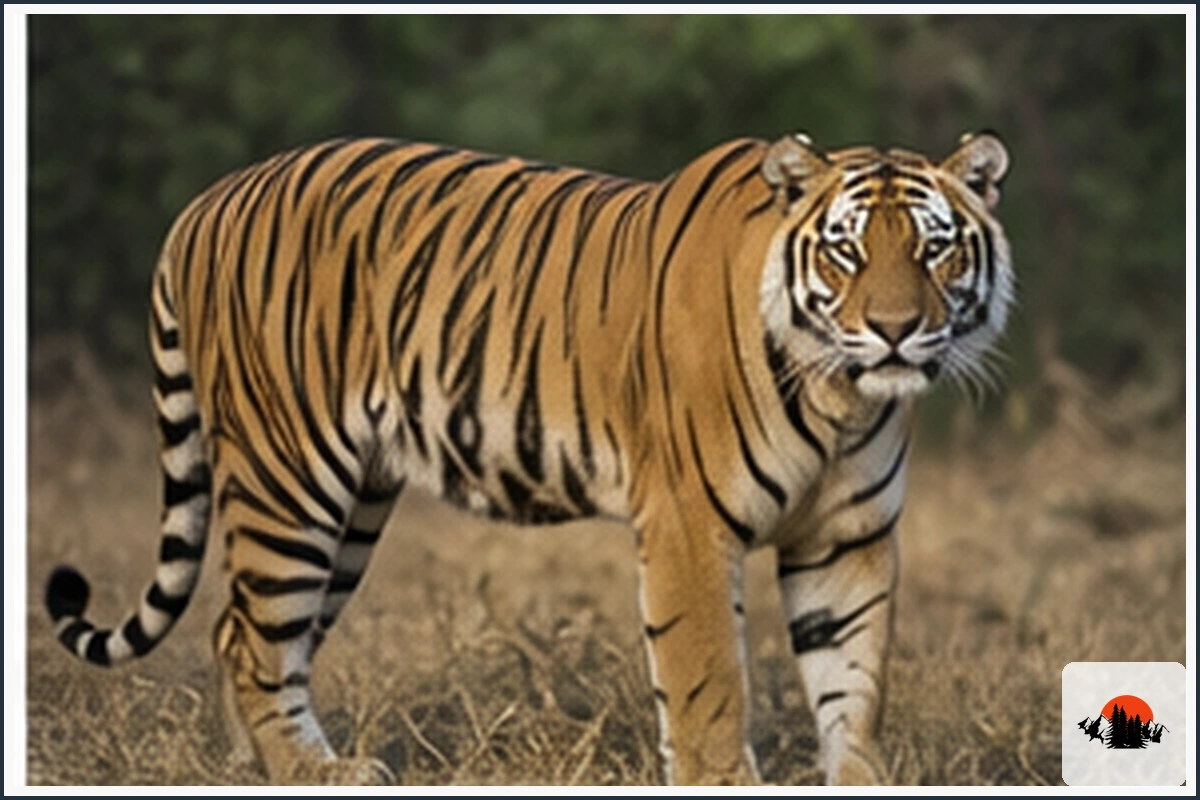
Scientific name: Panthera tigris tigris. The Bengal tiger is India’s most famous large predator. Its orange coat, black stripes, white cheeks, and powerful build make it easy to recognize. Adult males may weigh more than 200 kilograms, although size varies by region.
Bengal tigers live in forests, grasslands, mangroves, and wetlands, including the Sundarbans. They mainly hunt deer, wild pigs, gaur, and other medium to large prey. Tigers are solitary and usually defend large territories. India supports the world’s largest wild tiger population, but habitat loss, conflict, and illegal wildlife trade remain serious concerns.
2. Asiatic Lion
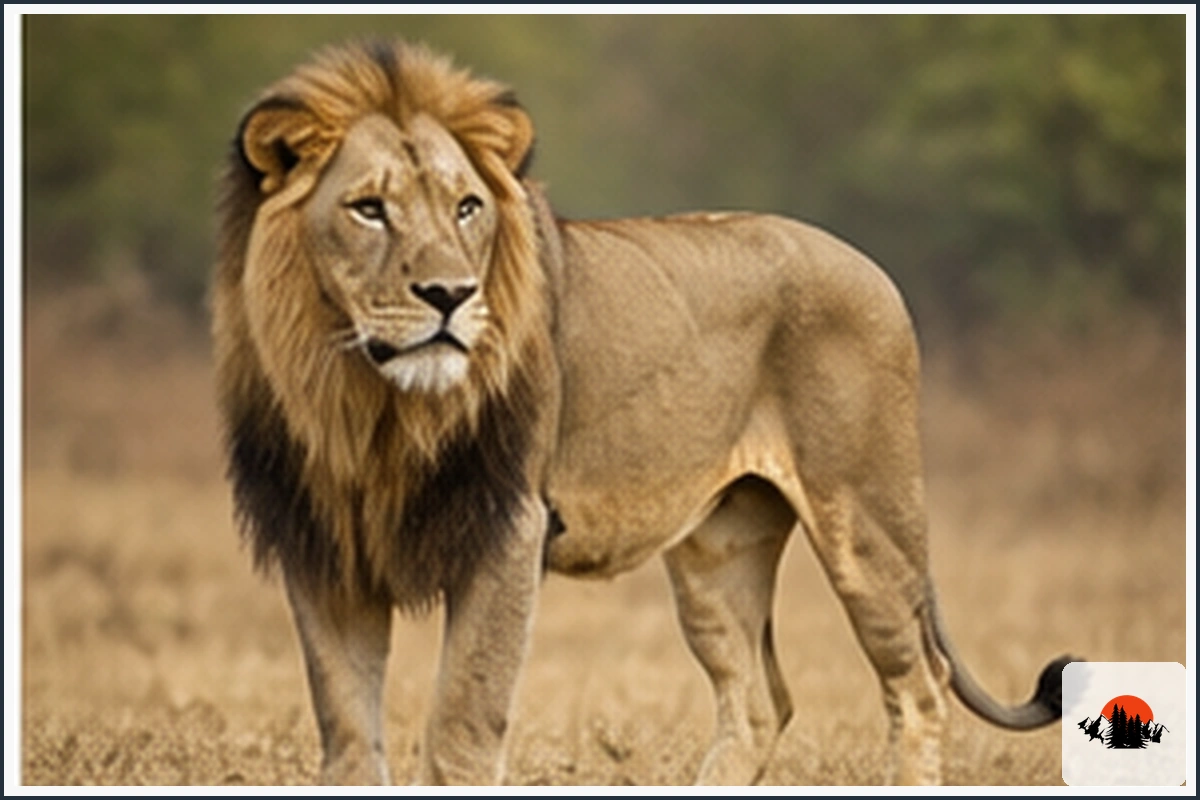
Scientific name: Panthera leo persica. The Asiatic lion is slightly smaller and generally less heavily maned than many African lions. It also has a noticeable skin fold along the belly. Wild Asiatic lions are found primarily in and around Gujarat’s Gir landscape.
These social cats live in prides and hunt deer, antelope, wild pigs, and livestock when natural prey is scarce. Their population has improved through conservation, but the species remains vulnerable because most wild individuals occupy one main region. Protecting habitat and maintaining genetic diversity are important for its future.
3. Indian Elephant
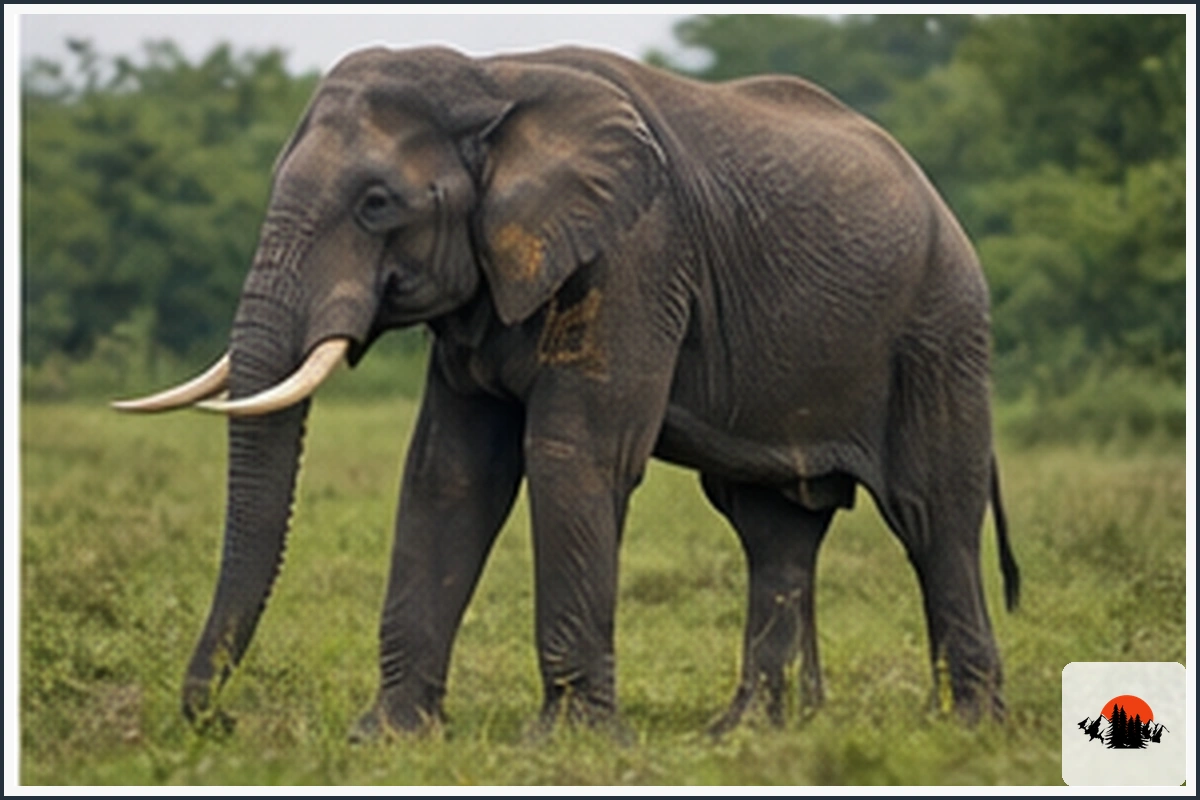
Scientific name: Elephas maximus indicus. The Indian elephant is an Asian elephant subspecies with smaller ears than the African elephant and a rounded back. Males are often larger and more likely to have visible tusks, while many females have short tusks or none.
Indian elephants occur in forests and grasslands across parts of southern, central, northeastern, and northern India. They eat grasses, leaves, bark, fruit, and roots. Herds are usually led by experienced females. Elephants shape forests by dispersing seeds and opening pathways, but encounters with farms and roads can create conflict.
4. Indian Rhinoceros
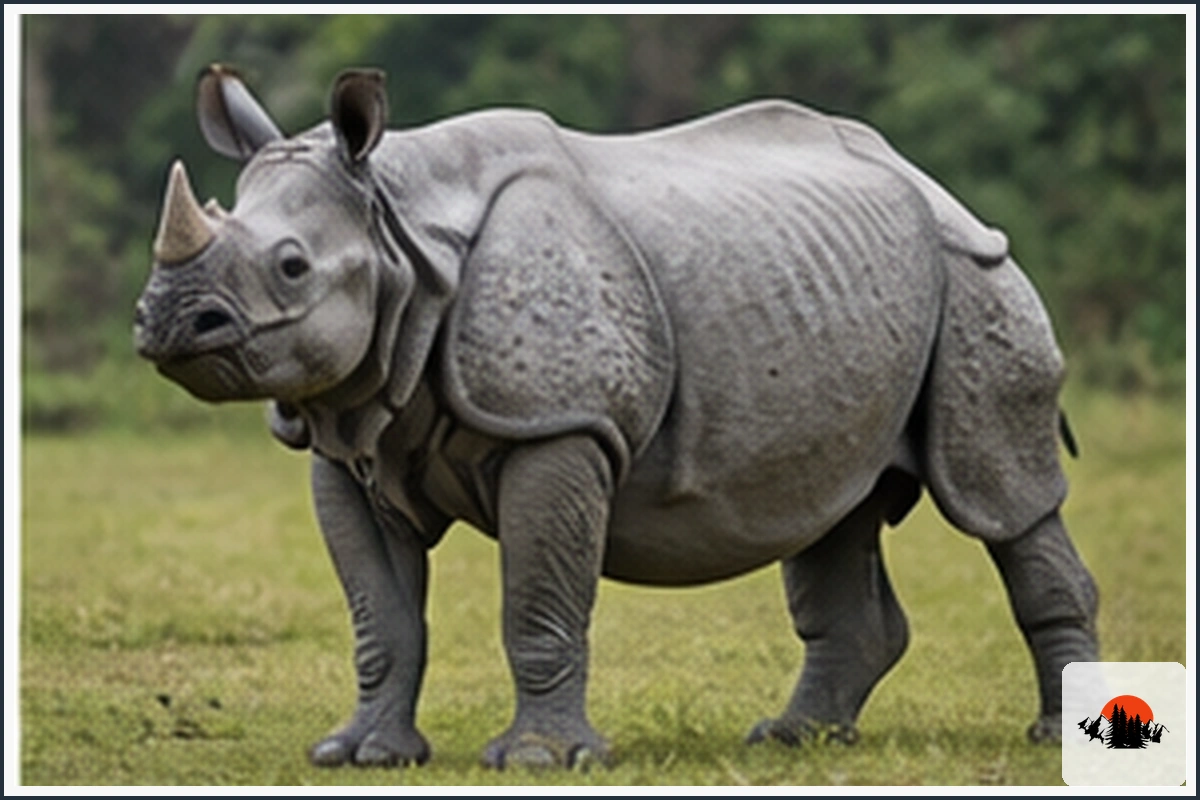
Scientific name: Rhinoceros unicornis. Also called the greater one-horned rhinoceros, this large herbivore has thick, folded skin that resembles armor and a single horn on its nose. It can weigh more than two tonnes.
The Indian rhinoceros prefers floodplain grasslands, swamps, and riverine forests, especially in Assam and northern West Bengal. It grazes on grasses and also eats aquatic plants, fruit, and leaves. Conservation programs have helped its numbers recover, although habitat fragmentation, flooding, and poaching still require attention.
5. Indian Leopard
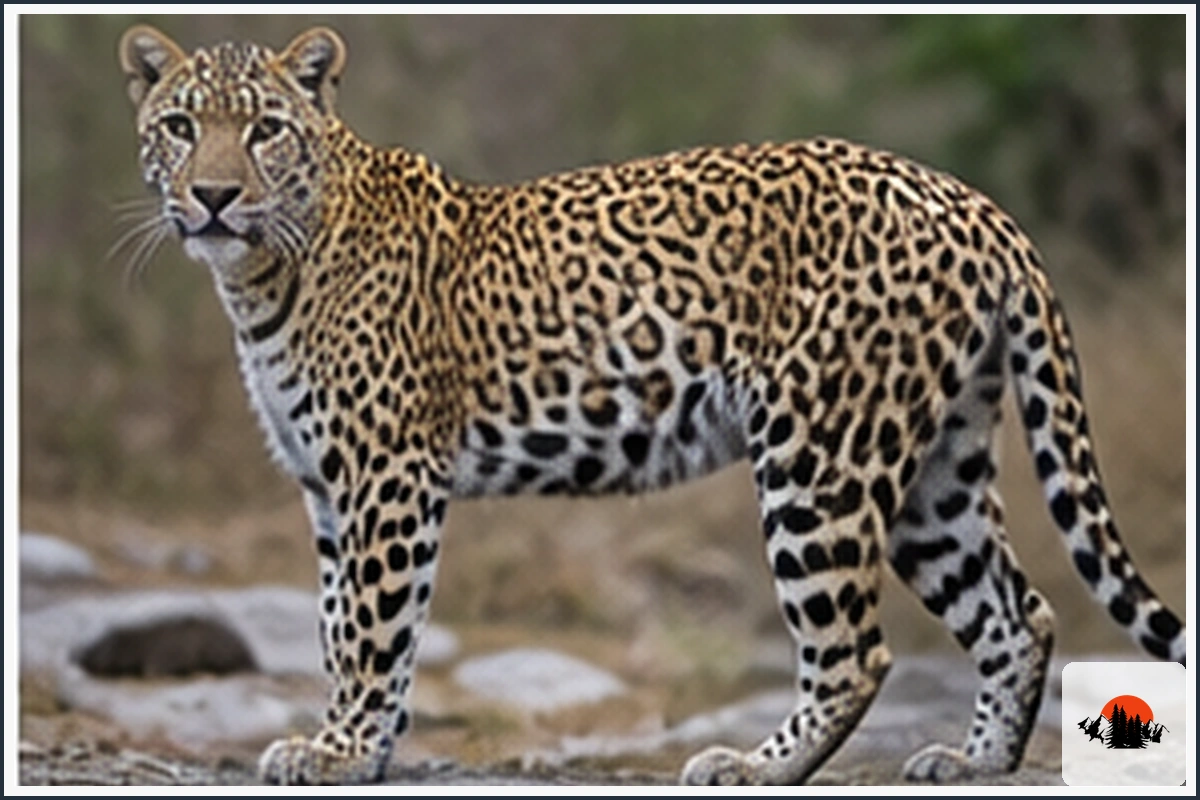
Scientific name: Panthera pardus fusca. The Indian leopard has a golden or tawny coat covered with dark rosettes. It is smaller than a tiger but highly adaptable and can live in forests, scrublands, agricultural landscapes, and areas near towns.
Leopards eat deer, monkeys, wild pigs, birds, reptiles, and smaller mammals. They are skilled climbers and often rest in trees or drag prey into branches. Their ability to live near people can cause conflict, so maintaining safe corridors and avoiding baiting or crowding wild leopards are essential.
6. Snow Leopard
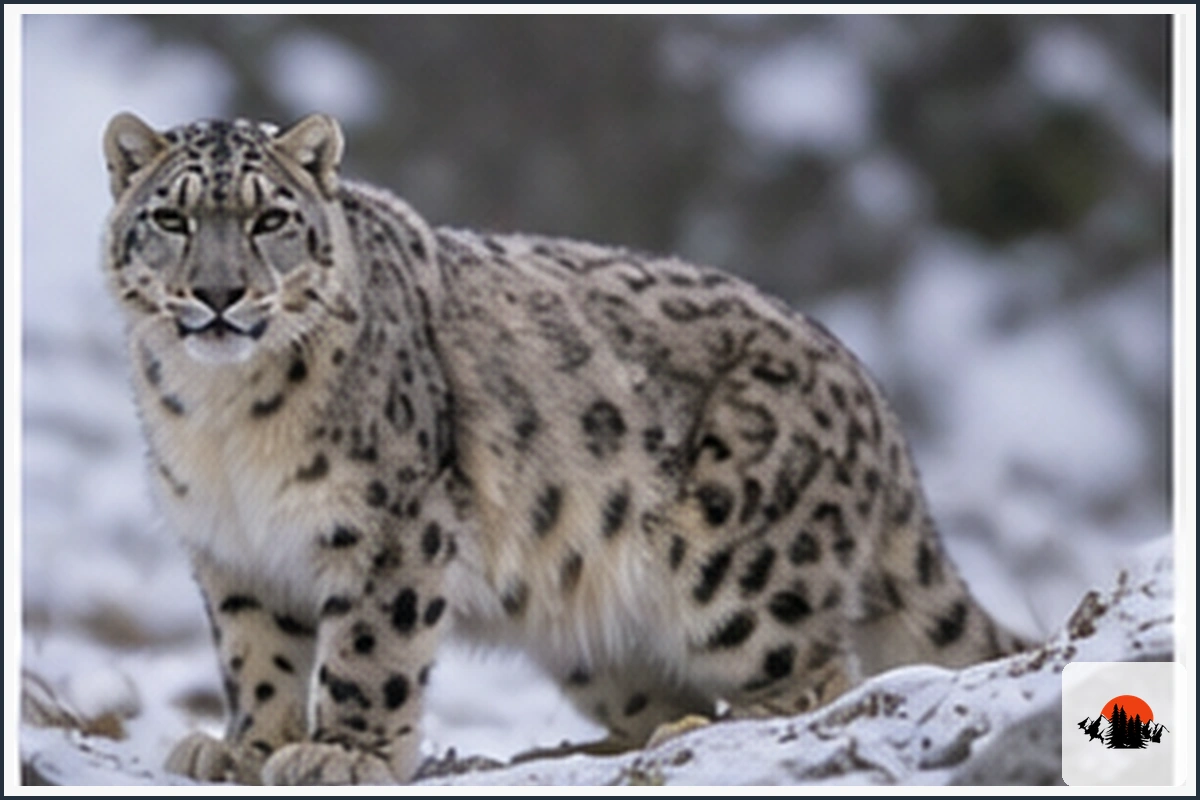
Scientific name: Panthera uncia. The snow leopard has a thick pale-gray coat, dark rosettes, large paws, and a long tail used for balance and warmth. It is built for steep, cold mountain terrain.
In India, snow leopards inhabit the high Himalayas, including Ladakh, Himachal Pradesh, Uttarakhand, Sikkim, and Arunachal Pradesh. Their prey includes blue sheep, Himalayan ibex, marmots, and wild goats. Snow leopards are elusive and mainly active around dawn, dusk, or at night.
7. Sloth Bear
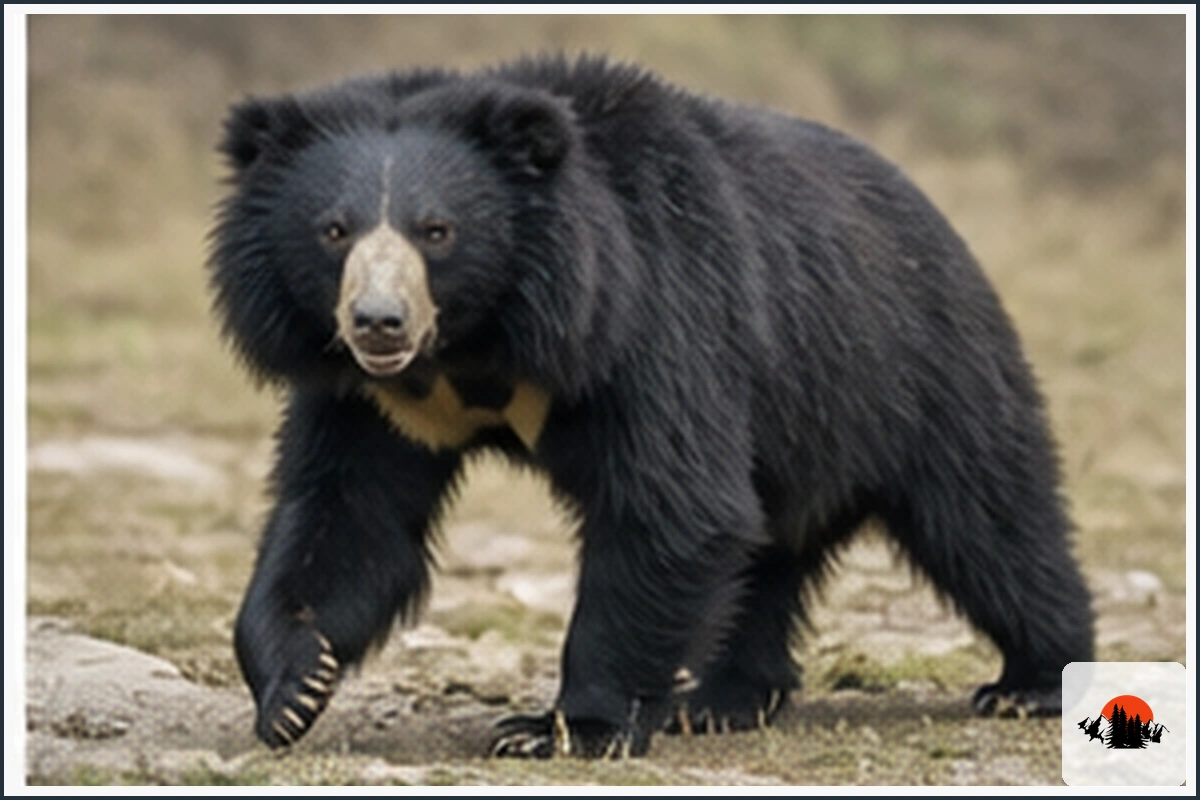
Scientific name: Melursus ursinus. The sloth bear has shaggy black fur, a pale muzzle, long claws, and a flexible lower lip adapted for sucking up insects. Despite its name, it is not closely related to tree sloths.
It lives in dry forests, grasslands, and rocky landscapes across much of India. Termites, ants, fruit, honey, and plant material make up much of its diet. Sloth bears are usually solitary, but mothers carry cubs on their backs. Sudden encounters can be dangerous, so people should never approach or corner one.
8. Gaur
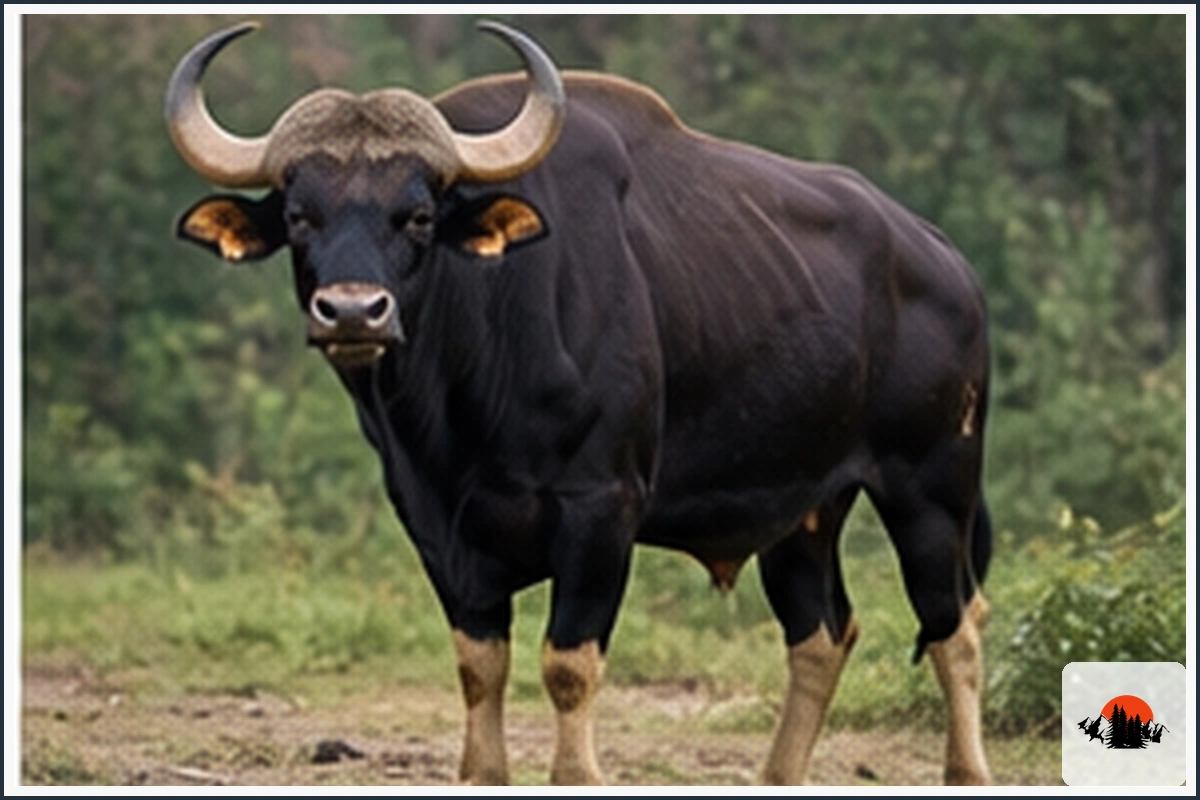
Scientific name: Bos gaurus. The gaur is one of the world’s largest wild cattle. It has a dark muscular body, pale lower legs, a raised ridge between the shoulders, and curved horns in both sexes.
Gaurs occupy forests and forest edges, especially in central, southern, and northeastern India. They graze on grasses and browse on leaves, bamboo, and other vegetation. Herds are often led by females, while mature males may remain alone. Their size makes them an important prey and competitor species in forest ecosystems.
9. Nilgai
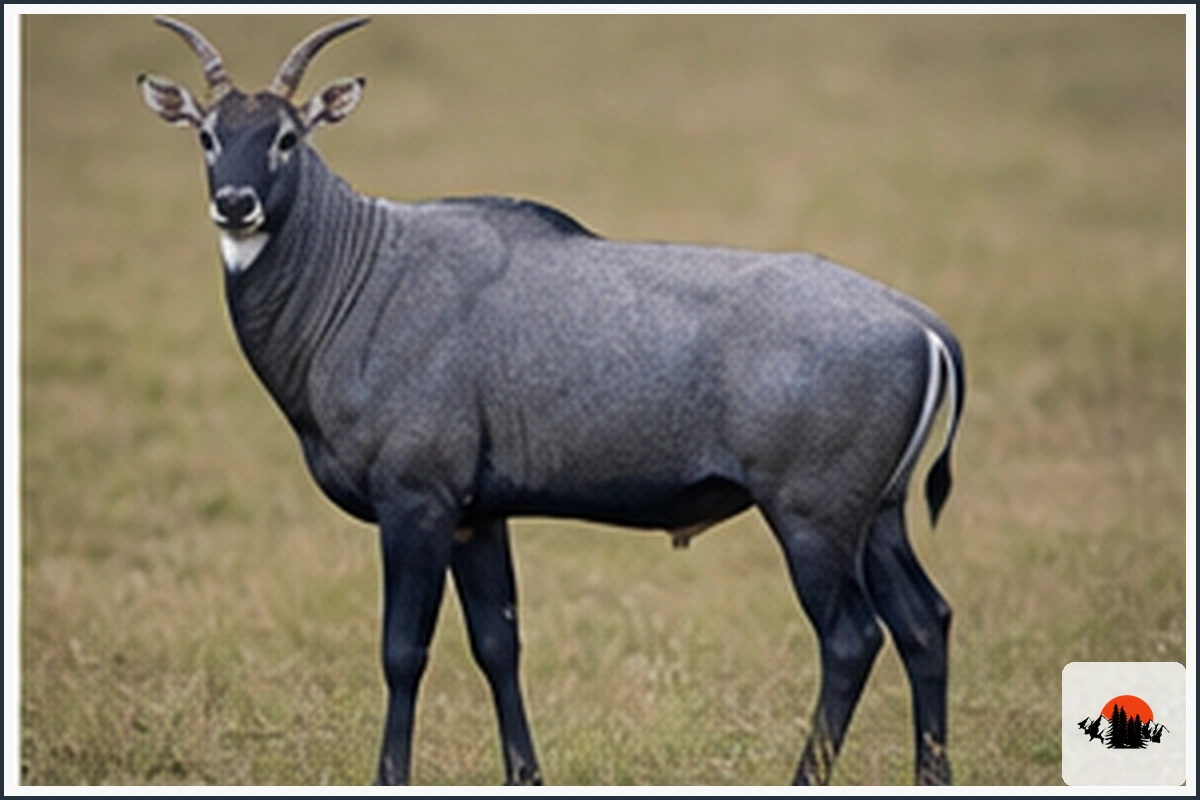
Scientific name: Boselaphus tragocamelus. The nilgai is India’s largest antelope. Adult males are bluish-gray and have short horns, while females are smaller and reddish-brown without horns.
Nilgai live in open woodland, scrub, grassland, and agricultural areas. They browse on shrubs and leaves and also graze on grasses. Their strong legs allow them to run quickly across open ground. In some farming regions, nilgai are considered crop pests, making nonlethal wildlife management important.
10. Blackbuck
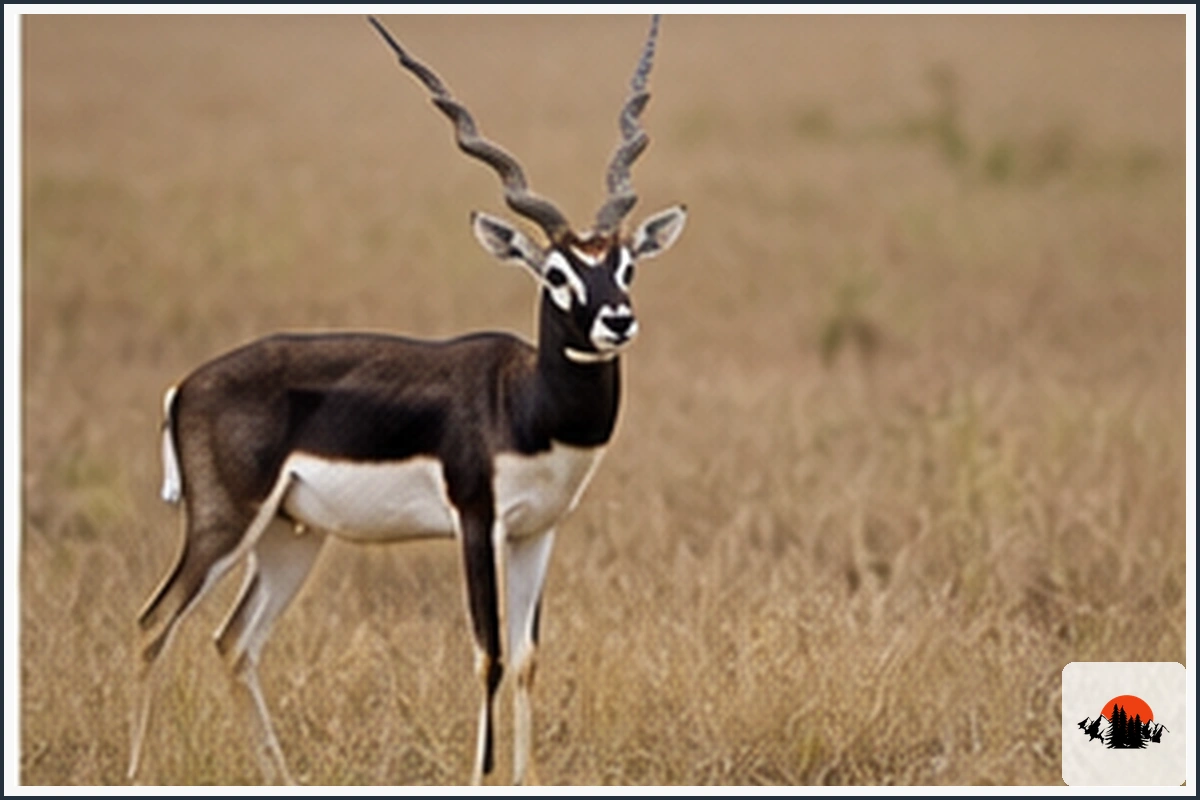
Scientific name: Antilope cervicapra. Male blackbucks have dark brown to black upperparts, white underparts, and long spiral horns. Females are usually tan and lack horns.
Blackbucks prefer open grasslands, dry plains, and scrublands. They eat grasses, herbs, and crops and are known for fast running and spectacular leaps. Habitat conversion and hunting once caused major declines, but protected areas and legal protection have supported recovery in several regions.
11. Chinkara
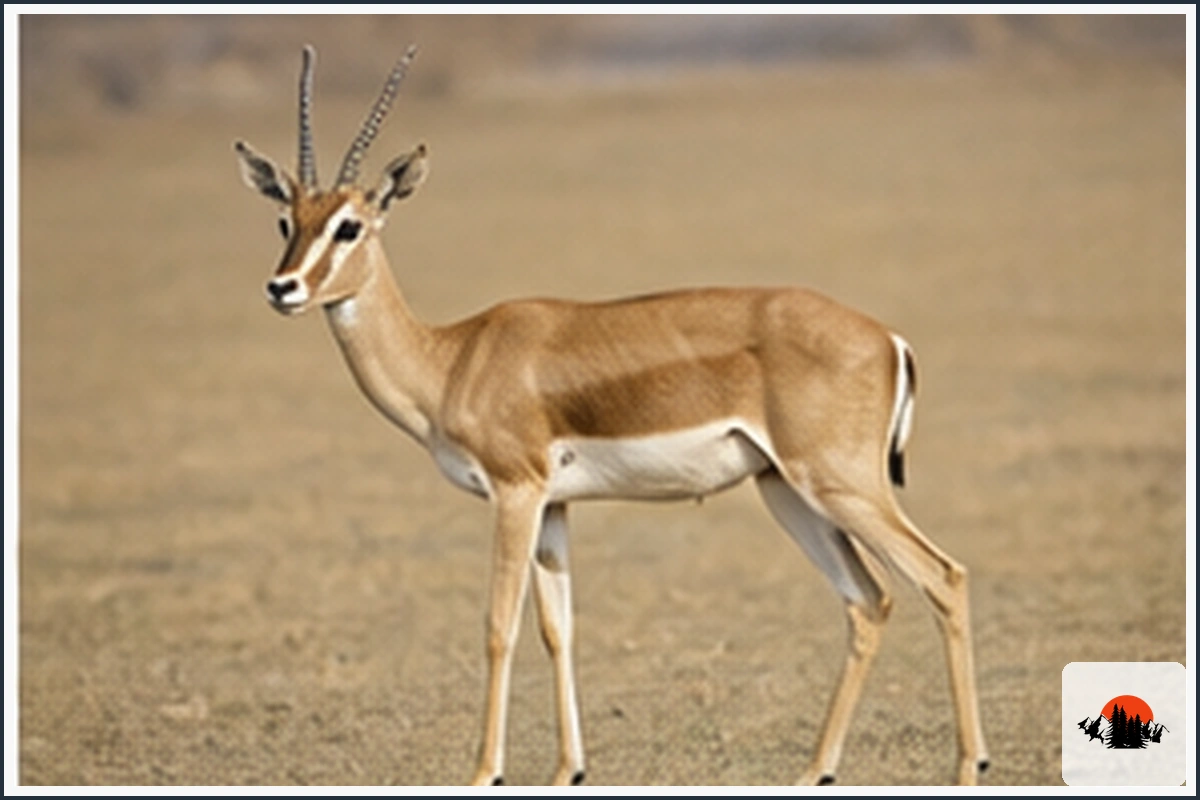
Scientific name: Gazella bennettii. The chinkara, or Indian gazelle, is a slim desert antelope with a sandy-brown coat, white underparts, dark facial markings, and ringed horns in males.
It lives in deserts, dry grasslands, thorn scrub, and rocky areas, especially in western and central India. Chinkaras browse on leaves and eat grasses, flowers, and other plants. They can survive with limited free water by obtaining moisture from food and avoiding the hottest part of the day.
12. Sambar Deer
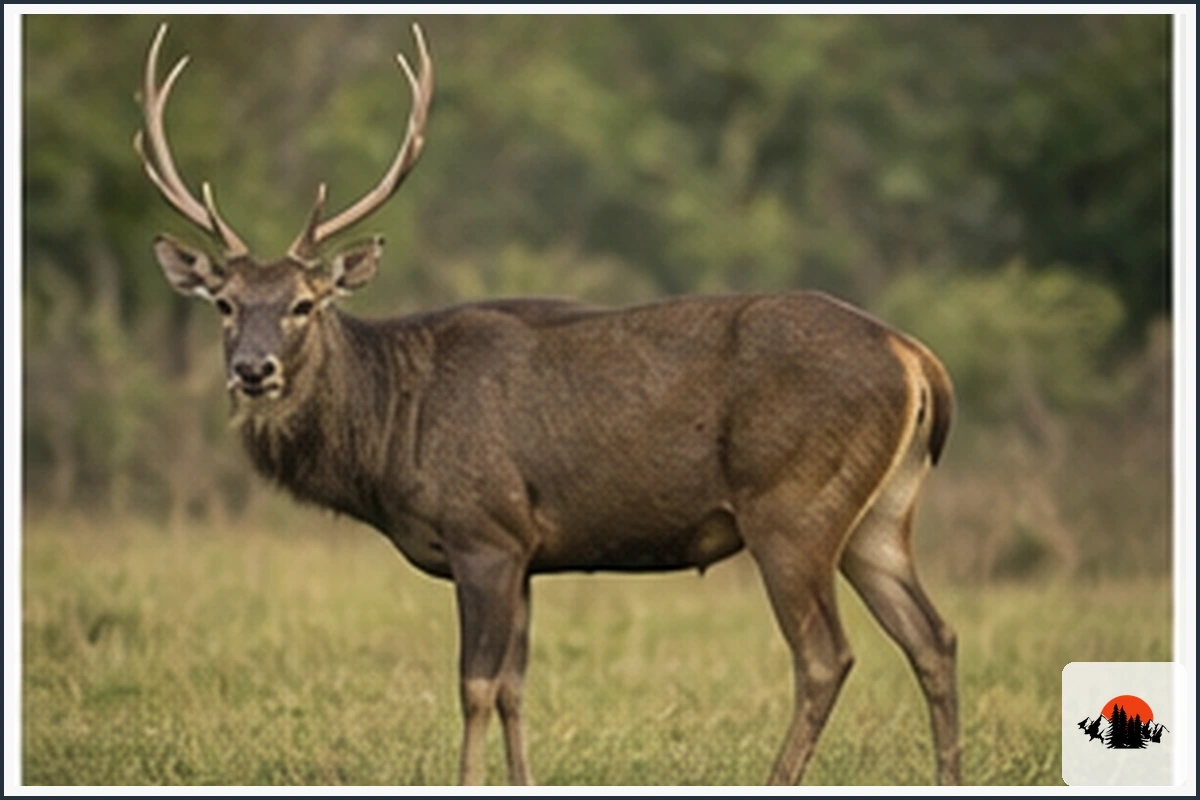
Scientific name: Rusa unicolor. The sambar is India’s largest deer. It has a shaggy brown coat, large ears, and antlers in males. Its dark coloration helps it blend into forests.
Sambar deer live in forests, grasslands near water, and hilly areas. They eat grasses, leaves, fruit, bark, and aquatic plants. They are important prey for tigers, leopards, and wild dogs. Sambar often become active in the evening and at night, especially where human disturbance is high.
13. Chital
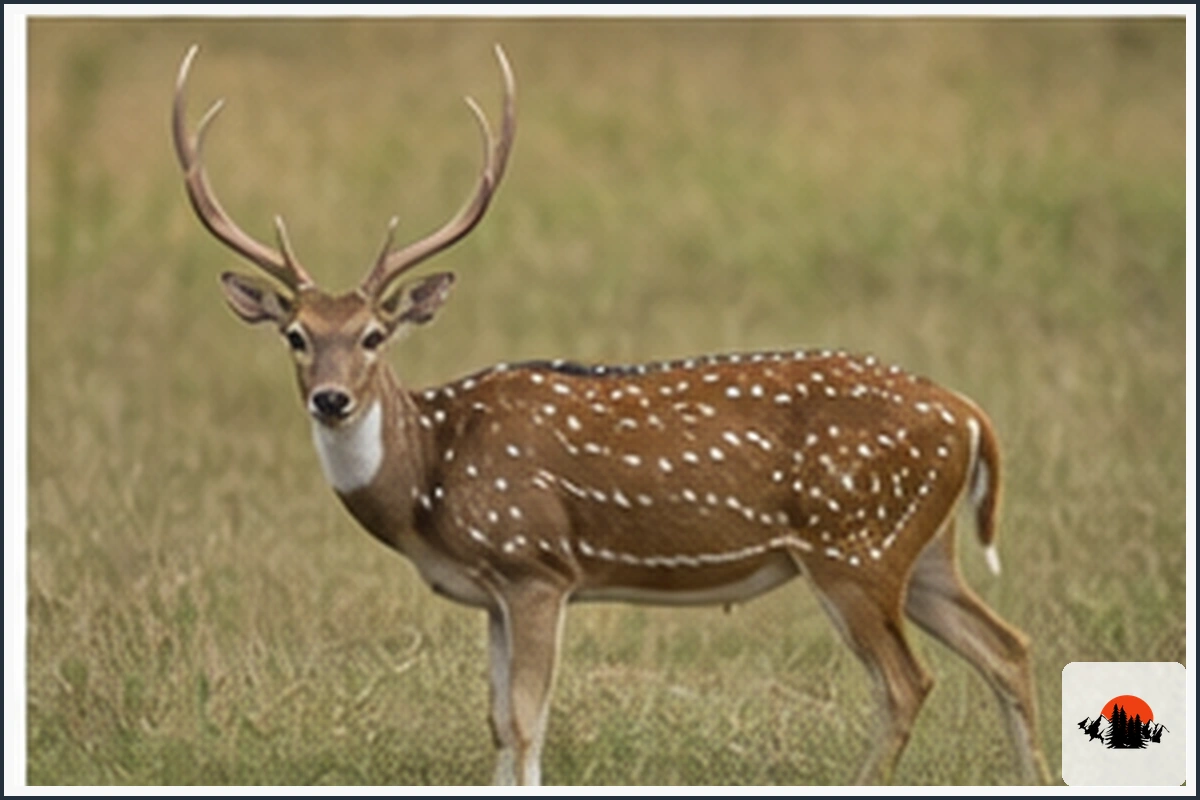
Scientific name: Axis axis. The chital, or spotted deer, is recognized by its reddish-brown coat covered in white spots. Males grow branching antlers and are generally larger than females.
Chital live in forests, woodland clearings, and grasslands, often in herds. They graze on grasses and browse on leaves and fallen fruit. Their alarm calls can warn other animals of predators. Chital are a major prey species for Bengal tigers and leopards.
14. Wild Water Buffalo
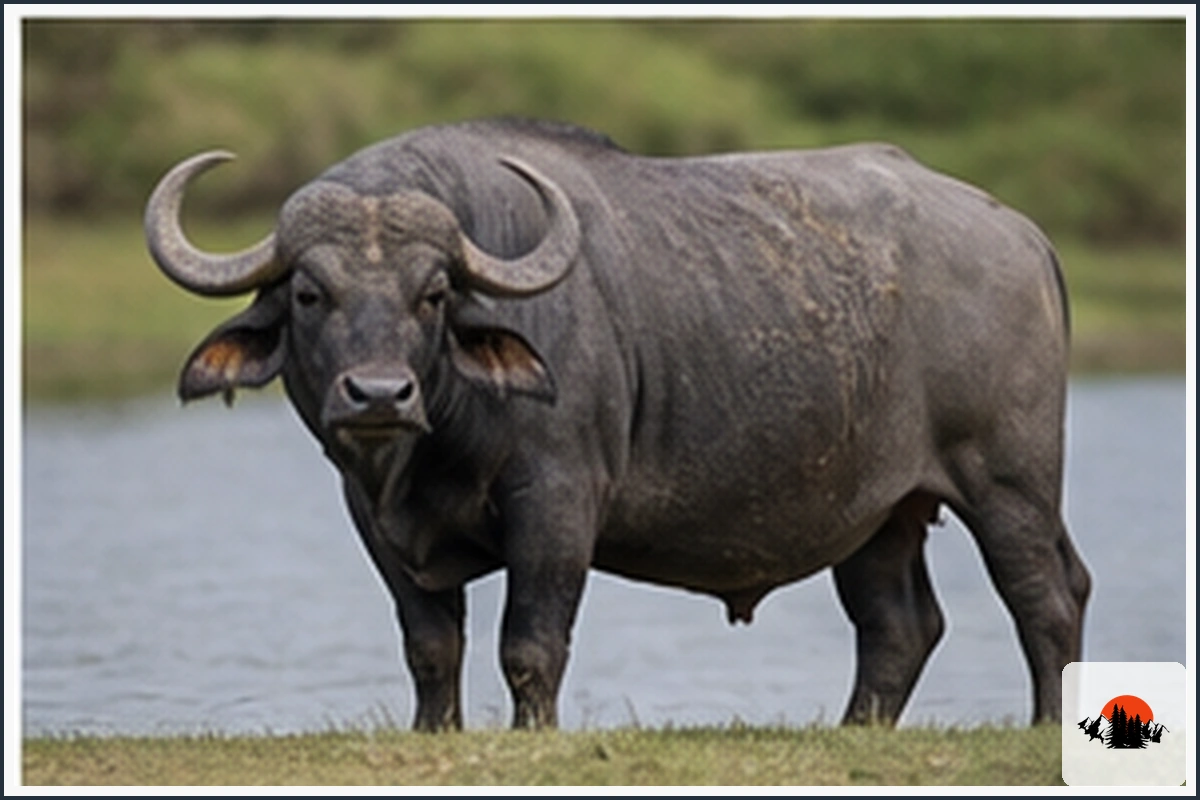
Scientific name: Bubalus arnee. The wild water buffalo is larger and more powerfully built than domestic buffalo. Its enormous crescent-shaped horns are its most striking feature.
It prefers wetlands, river floodplains, marshes, and nearby grasslands. Wild water buffalo graze heavily on grasses and aquatic vegetation. In India, important populations occur in parts of Assam and central India. Interbreeding with domestic buffalo and habitat loss can threaten the genetic identity of wild herds.
15. Indian Wild Dog
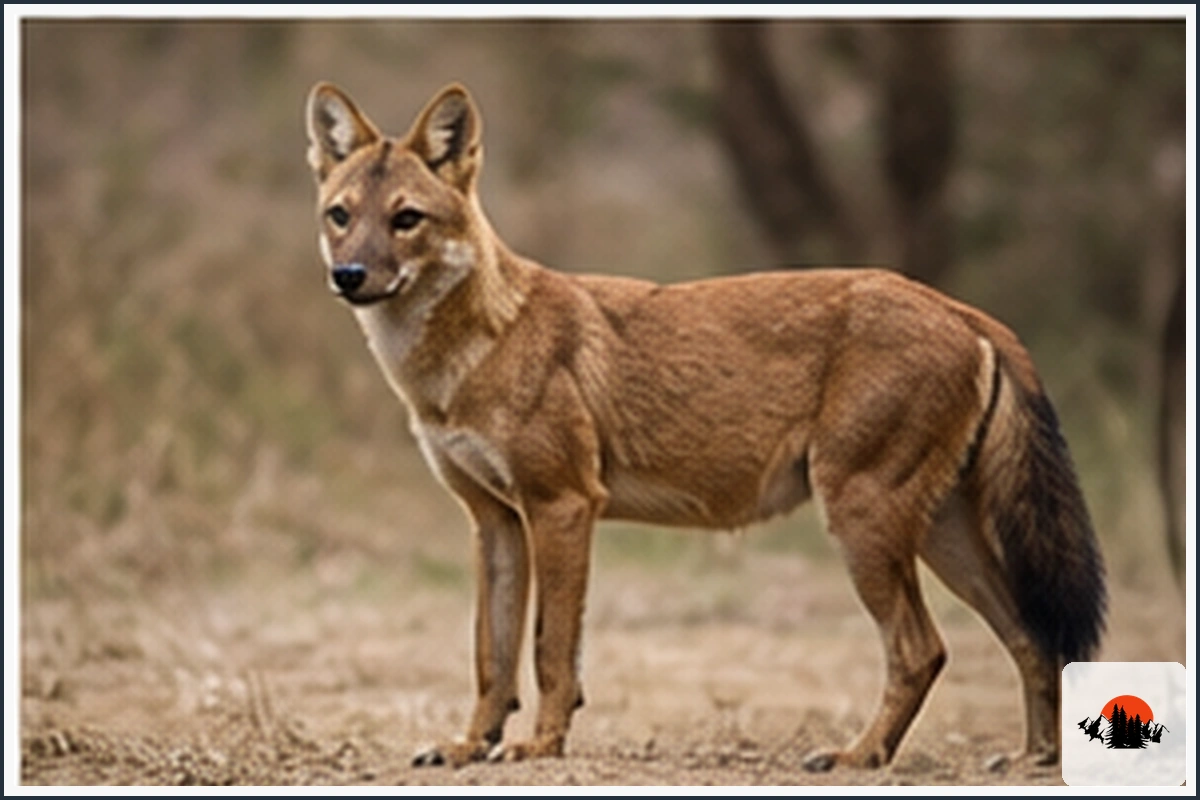
Scientific name: Cuon alpinus. Also called the dhole, the Indian wild dog has a reddish coat, a bushy tail, rounded ears, and a compact body. It is smaller than a wolf but a highly capable hunter.
Dholes live in forest and grassland landscapes and hunt cooperatively in packs. Their prey includes deer, wild pigs, and smaller mammals. They communicate with whistles and other calls. Healthy dhole populations depend on connected habitats with enough wild prey.
16. Golden Jackal
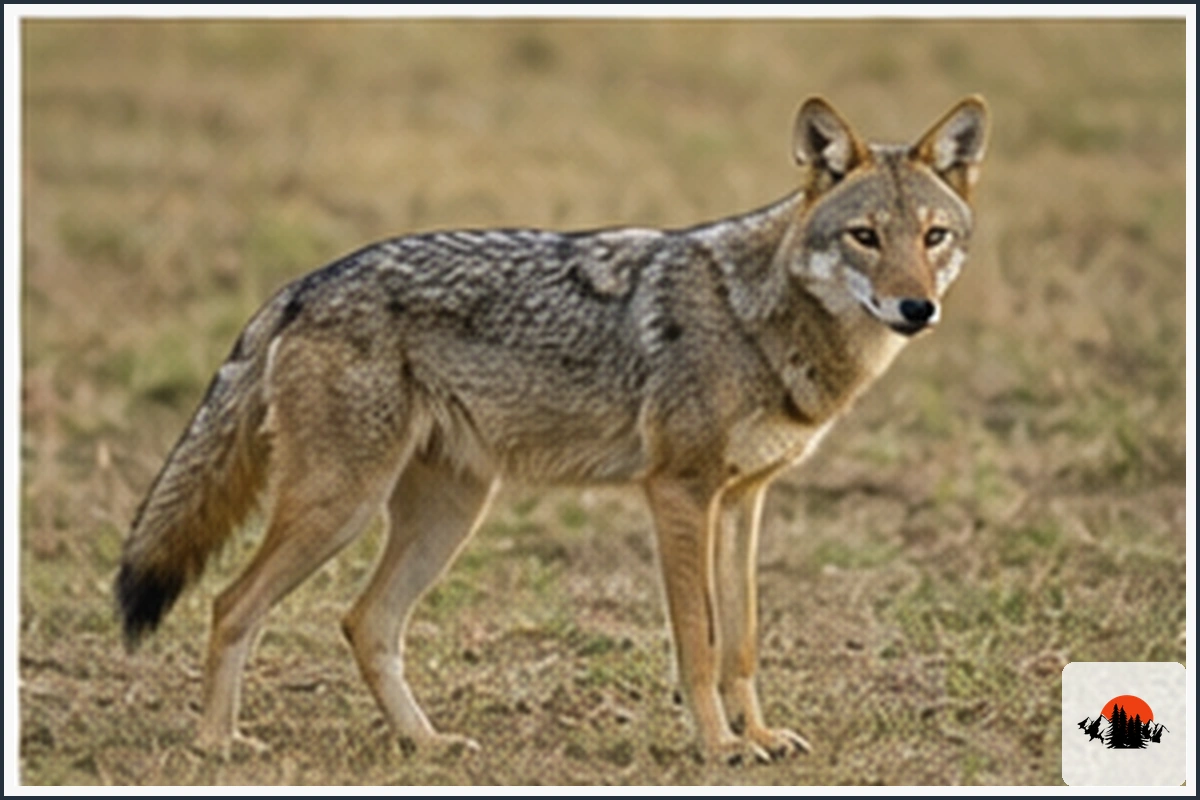
Scientific name: Canis aureus. The golden jackal has a sandy or golden-brown coat, pointed ears, and a bushy tail. It is adaptable and can live in forests, scrub, farmland, wetlands, and semi-urban areas.
Golden jackals are omnivores that eat rodents, insects, fruit, carrion, birds, and human refuse. They may hunt alone, in pairs, or in family groups. Their adaptability helps them survive in changing landscapes, although poor waste management can increase conflict and disease risks.
17. Indian Wolf
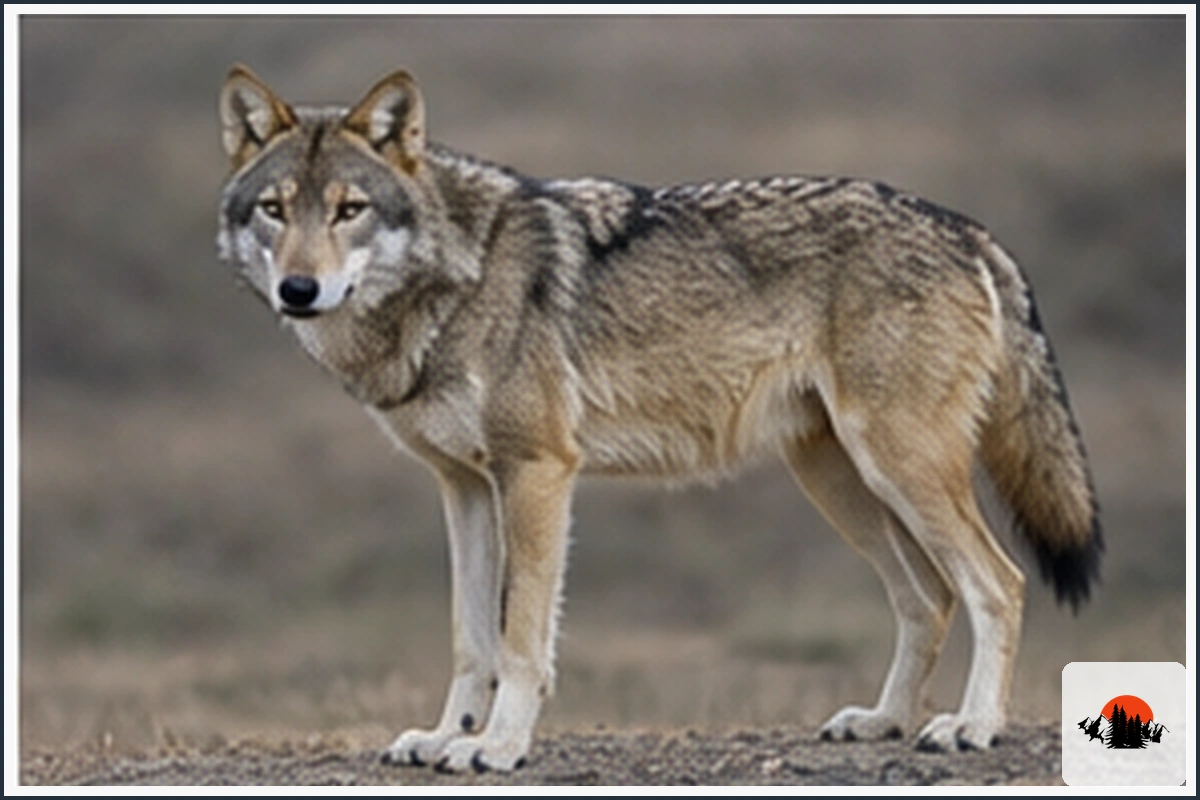
Scientific name: Canis lupus pallipes. The Indian wolf is a relatively small, lightly built wolf with a short sandy coat. It is best adapted to dry grasslands, scrub, and semi-arid plains rather than dense forests.
Indian wolves hunt rodents, hares, blackbuck, and other small or medium-sized prey. Packs are often smaller than those of northern wolves. Grassland loss, persecution, road deaths, and conflict with livestock are major threats to local populations.
18. Lion-Tailed Macaque
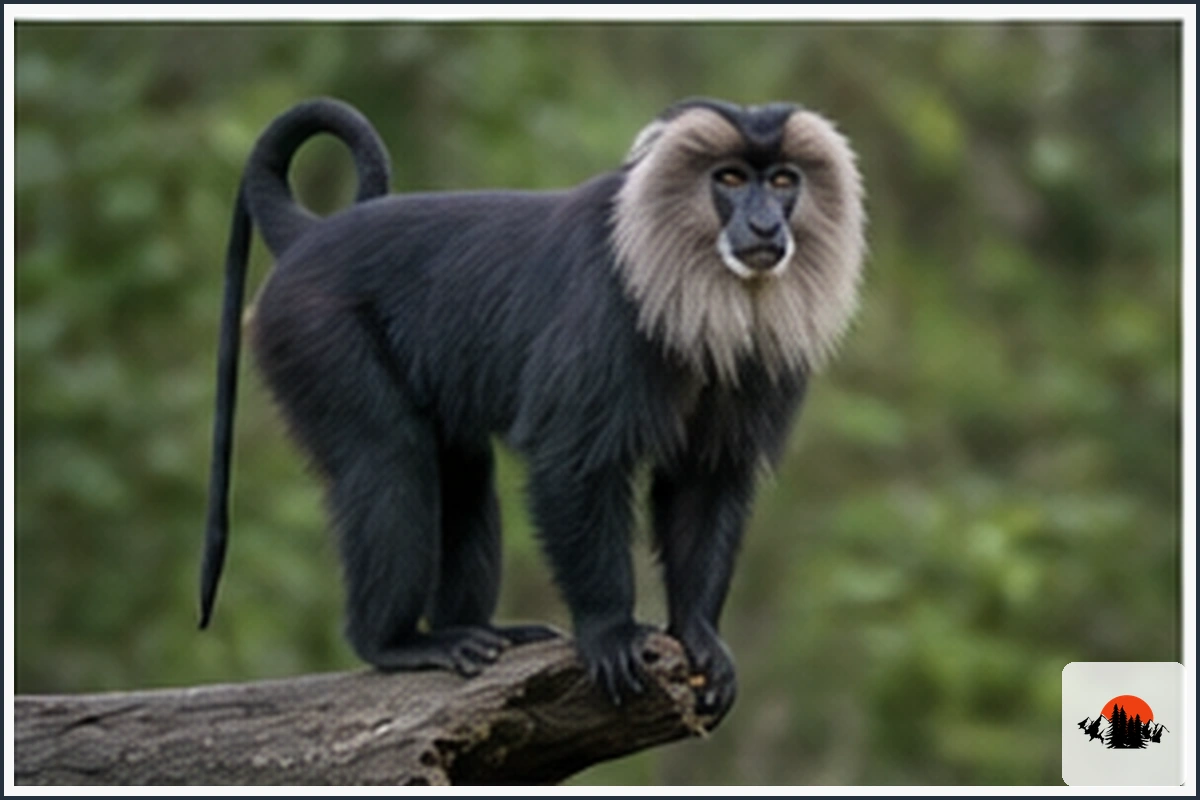
Scientific name: Macaca silenus. This striking primate has black fur, a silver-white mane around its face, and a thin tail ending in a tuft. It is strongly associated with the rainforests of India’s Western Ghats.
Lion-tailed macaques eat fruit, seeds, leaves, insects, and small animals. They spend much of their time in the canopy and live in social groups. Because their rainforest habitat is fragmented, they are among India’s most conservation-dependent primates.
19. Nilgiri Tahr
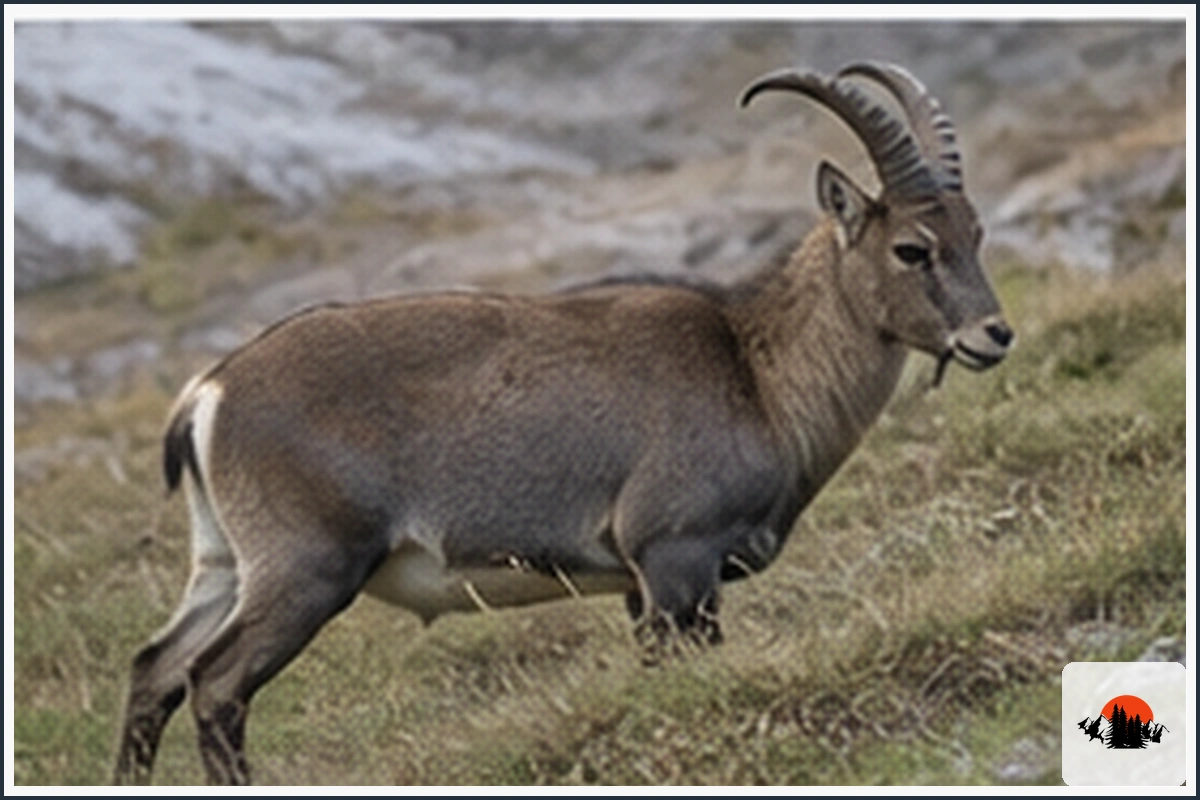
Scientific name: Nilgiritragus hylocrius. The Nilgiri tahr is a stocky mountain ungulate with short curved horns. Mature males develop a dark coat and a pale saddle-like patch across the back.
It inhabits steep grassy cliffs and montane shola-grassland landscapes in the Western Ghats. Nilgiri tahrs graze on grasses and herbs and move confidently across rocky slopes. Habitat change, invasive plants, roads, and disturbance can affect isolated groups.
20. Himalayan Tahr
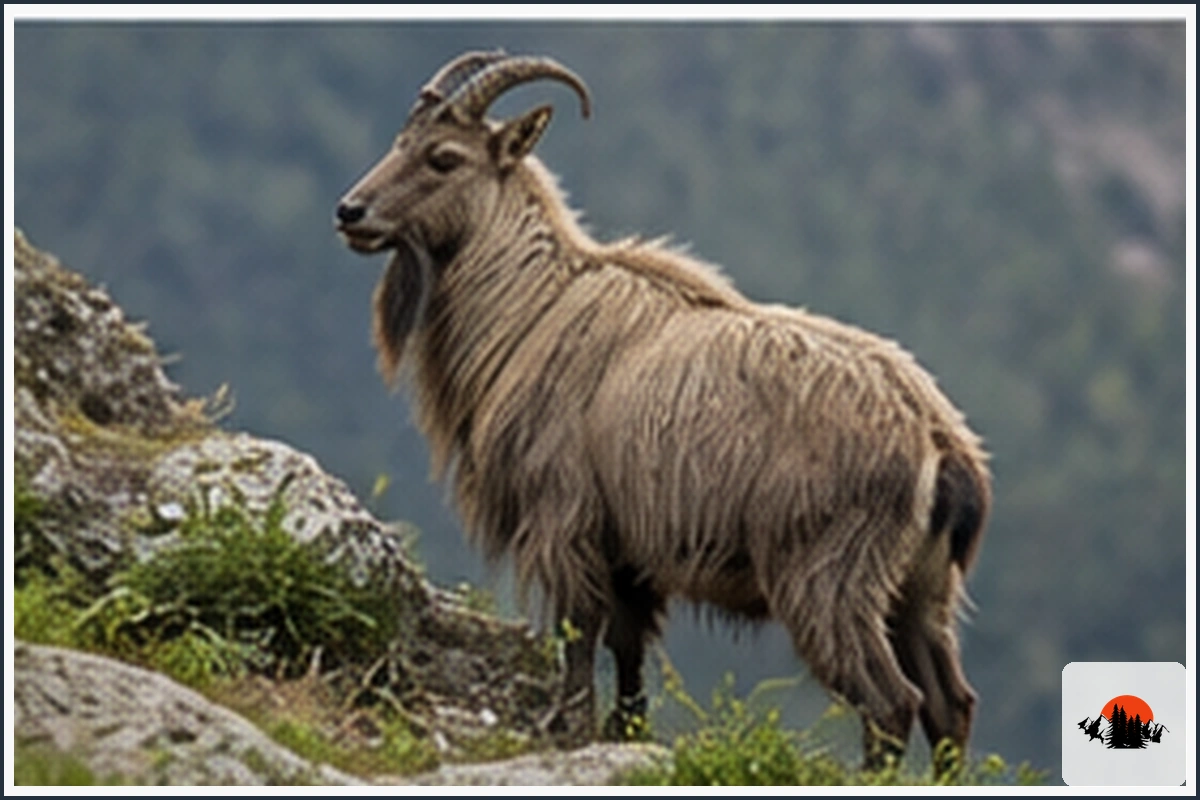
Scientific name: Hemitragus jemlahicus. The Himalayan tahr has a thick reddish-brown coat, a heavy mane in males, and backward-curving horns. It is built for cold, rugged mountain environments.
In India, Himalayan tahrs occur in parts of the Himalayas, including alpine meadows and rocky slopes. They graze on grasses and herbs and often travel in herds. Their sure-footed movement helps them escape predators on steep terrain.
21. Red Panda
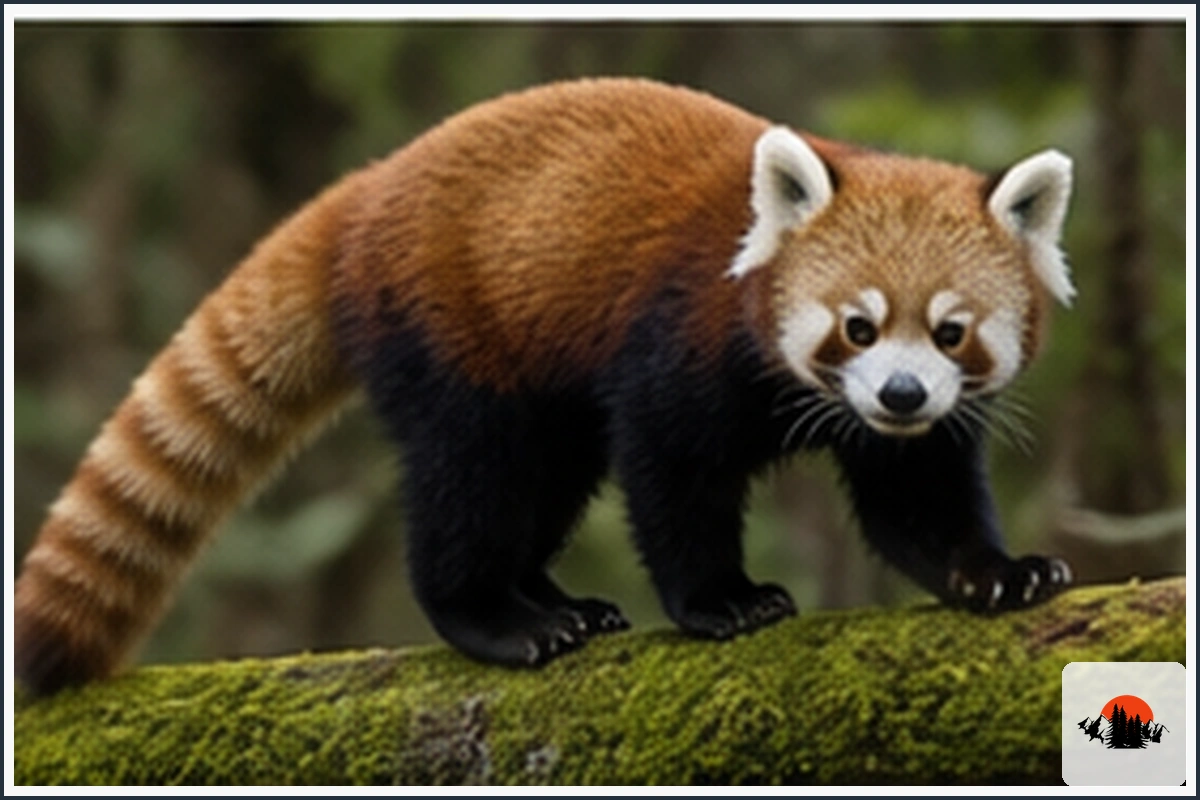
Scientific name: Ailurus fulgens. The red panda is a small tree-dwelling mammal with reddish fur, a ringed tail, white facial markings, and a bear-like body. It is not a close relative of the giant panda.
In India, red pandas live in temperate forests of Sikkim, northern West Bengal, and parts of Arunachal Pradesh. Bamboo forms much of their diet, supplemented by fruit, insects, eggs, and small animals. They are mainly solitary and threatened by forest loss and illegal trapping.
22. Indian Pangolin
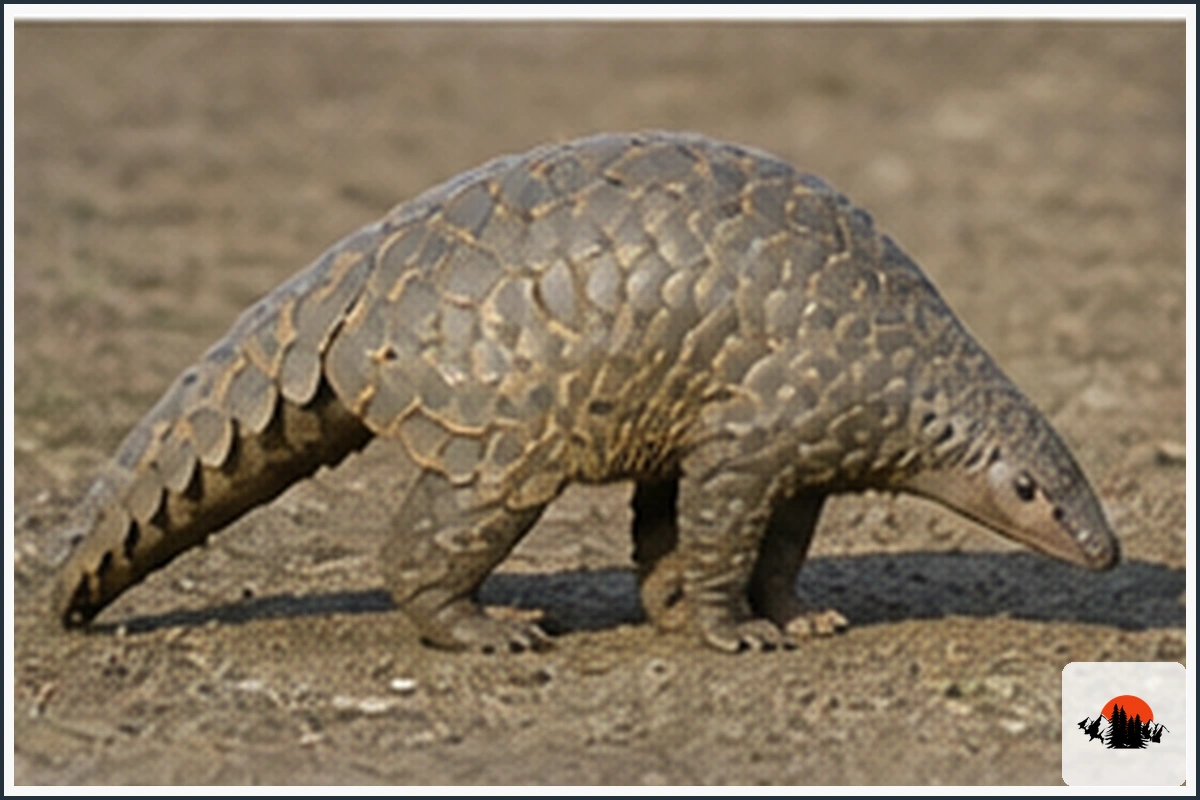
Scientific name: Manis crassicaudata. The Indian pangolin is covered with overlapping protective scales and has a long tail, powerful claws, and a sticky tongue. It curls into a ball when threatened.
It lives in forests, grasslands, farmland, and dry landscapes. Ants and termites make up most of its diet. Pangolins are mostly nocturnal and dig burrows for shelter. Illegal trafficking for scales and meat is one of their greatest threats.
23. Indian Crested Porcupine
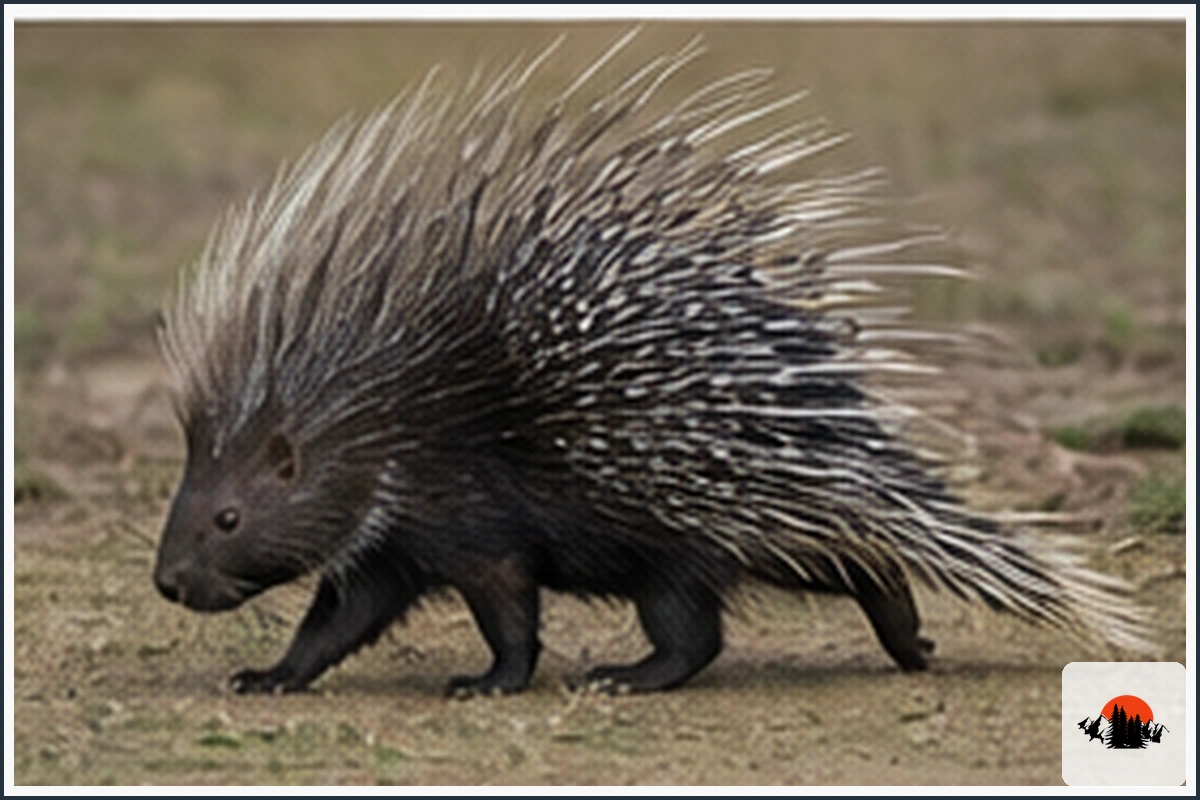
Scientific name: Hystrix indica. This large nocturnal rodent has a dark body covered with long black-and-white quills. The quills are modified hairs, not poisonous weapons, but they can cause serious injury to predators.
Indian crested porcupines occupy forests, scrub, rocky hills, and agricultural areas. They eat roots, tubers, bark, fruit, crops, and other plant material. They use burrows or sheltered crevices during the day and forage after dark.
24. Mugger Crocodile
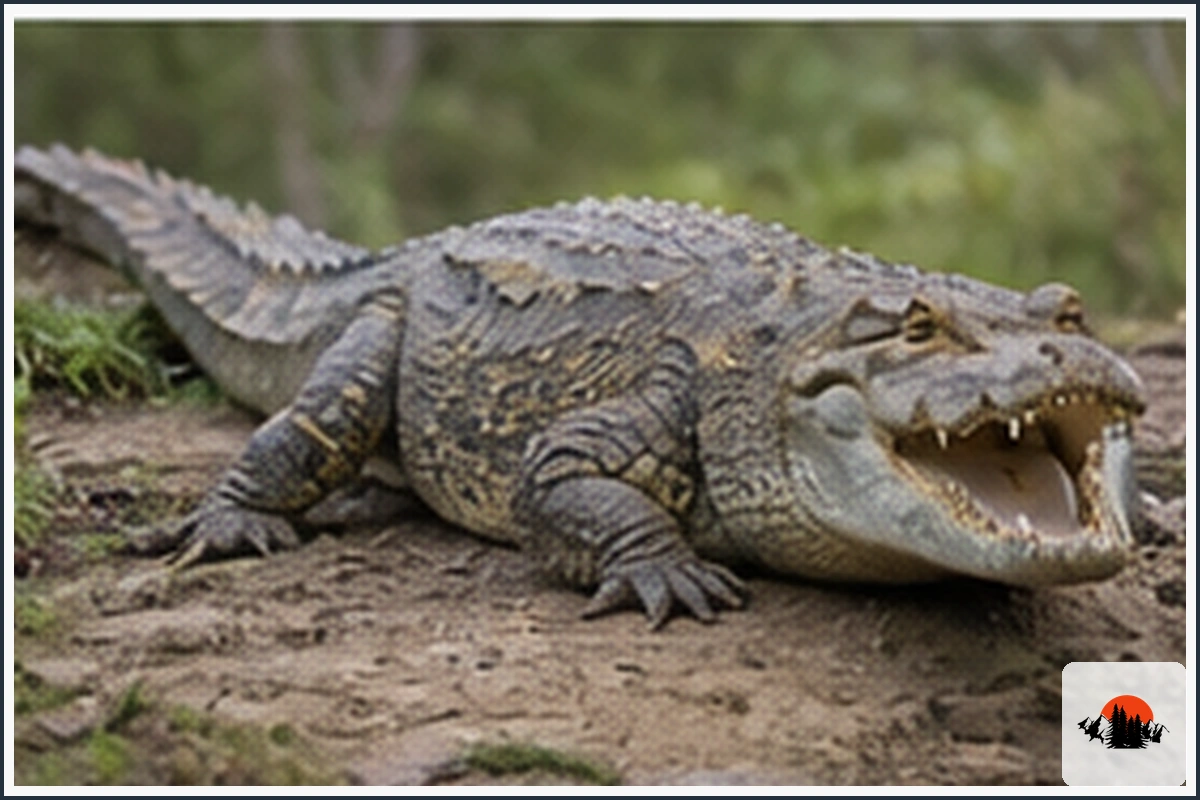
Scientific name: Crocodylus palustris. The mugger crocodile has a broad snout, sturdy body, and rough armored skin. It lives in freshwater lakes, rivers, marshes, reservoirs, and village ponds in parts of India.
Muggers eat fish, amphibians, reptiles, birds, and mammals. They bask on banks and may dig nests in sandy soil. Although protected populations have recovered in some areas, wetland destruction, fishing-line entanglement, and conflict with people remain concerns.
25. Gharial
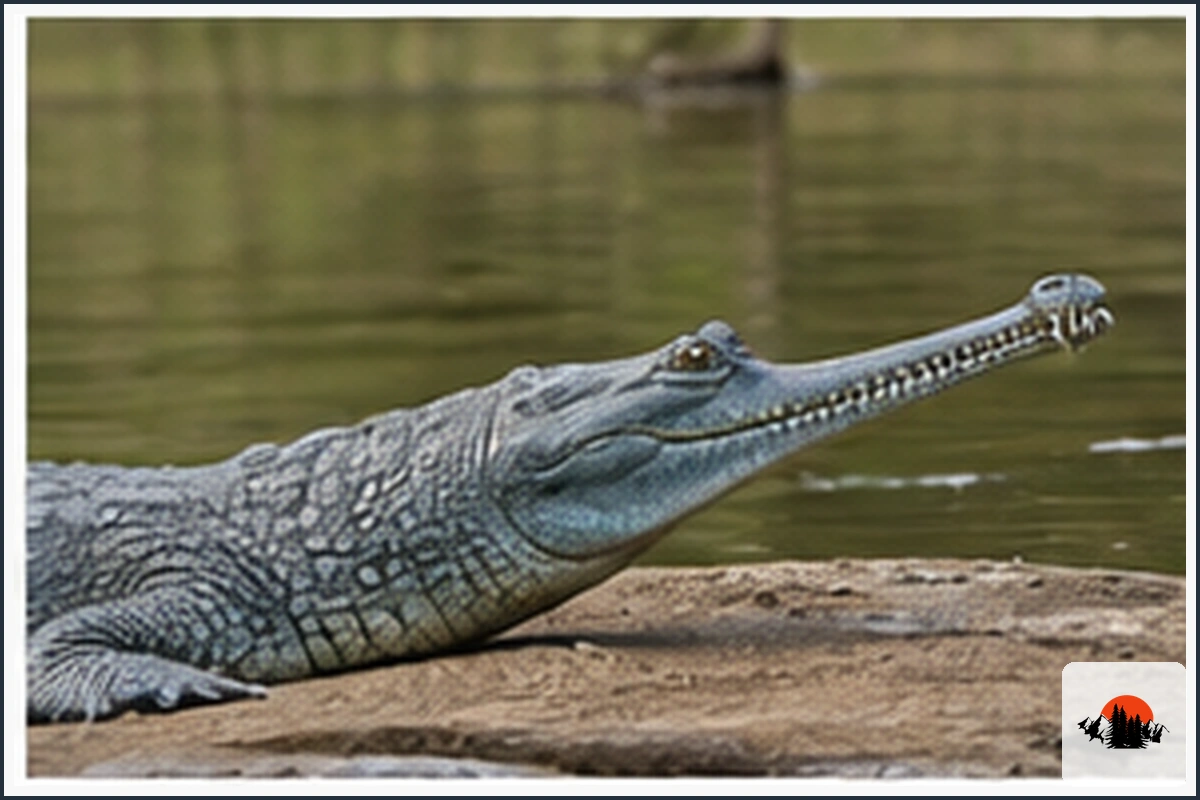
Scientific name: Gavialis gangeticus. The gharial is a specialized river crocodilian with an extremely long, narrow snout designed for catching fish. Adult males develop a rounded growth on the nose called a ghara.
Gharials depend on clean, flowing rivers with sandy nesting banks. Fish make up most of their diet. They are critically endangered because of altered river flows, sand mining, fishing-net entanglement, pollution, and loss of nesting habitat.
26. Indian Cobra
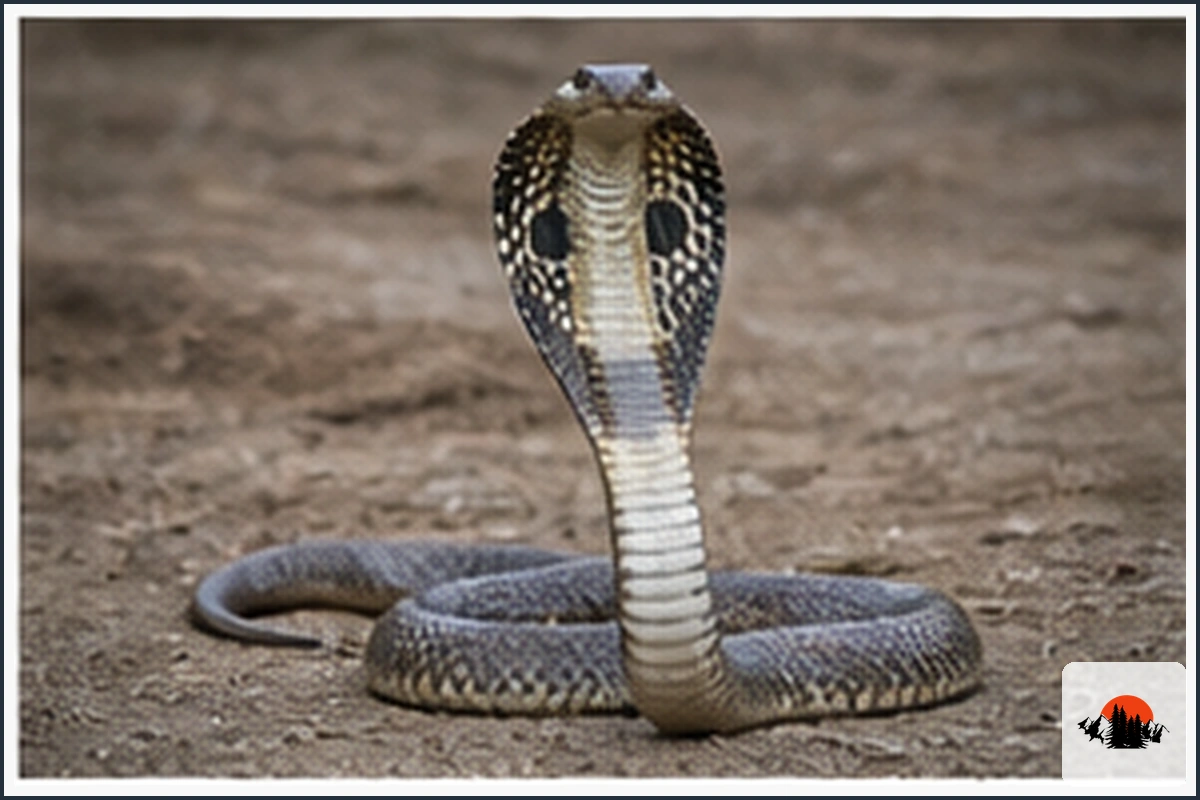
Scientific name: Naja naja. The Indian cobra is recognized by its hood, smooth scales, and variable coloration. The back of the hood may display a spectacle-like marking, although patterns differ among individuals.
It occurs in farmland, forests, grasslands, villages, and urban edges. Indian cobras eat rodents, frogs, lizards, birds, and other snakes. They are venomous and should never be handled. If one enters a building, people should create distance and contact trained wildlife rescuers.
27. King Cobra
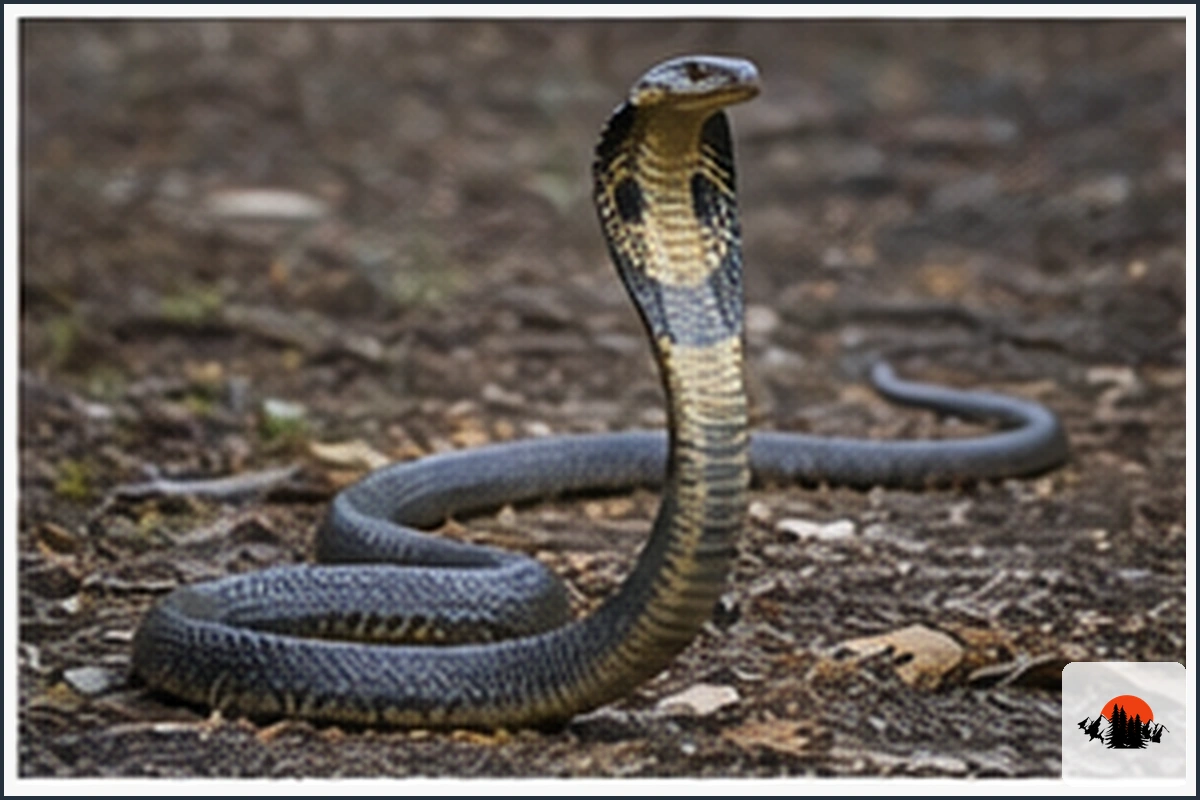
Scientific name: Ophiophagus hannah. The king cobra is the world’s longest venomous snake. It has a narrow hood, olive or brown coloration, and pale bands that vary by region.
It lives mainly in forests, bamboo thickets, wetlands, and hilly landscapes in northeastern and southern India. Its diet consists mostly of other snakes, including venomous species. King cobras are usually shy, but they may defend nests or young with remarkable determination.
28. Indian Peacock
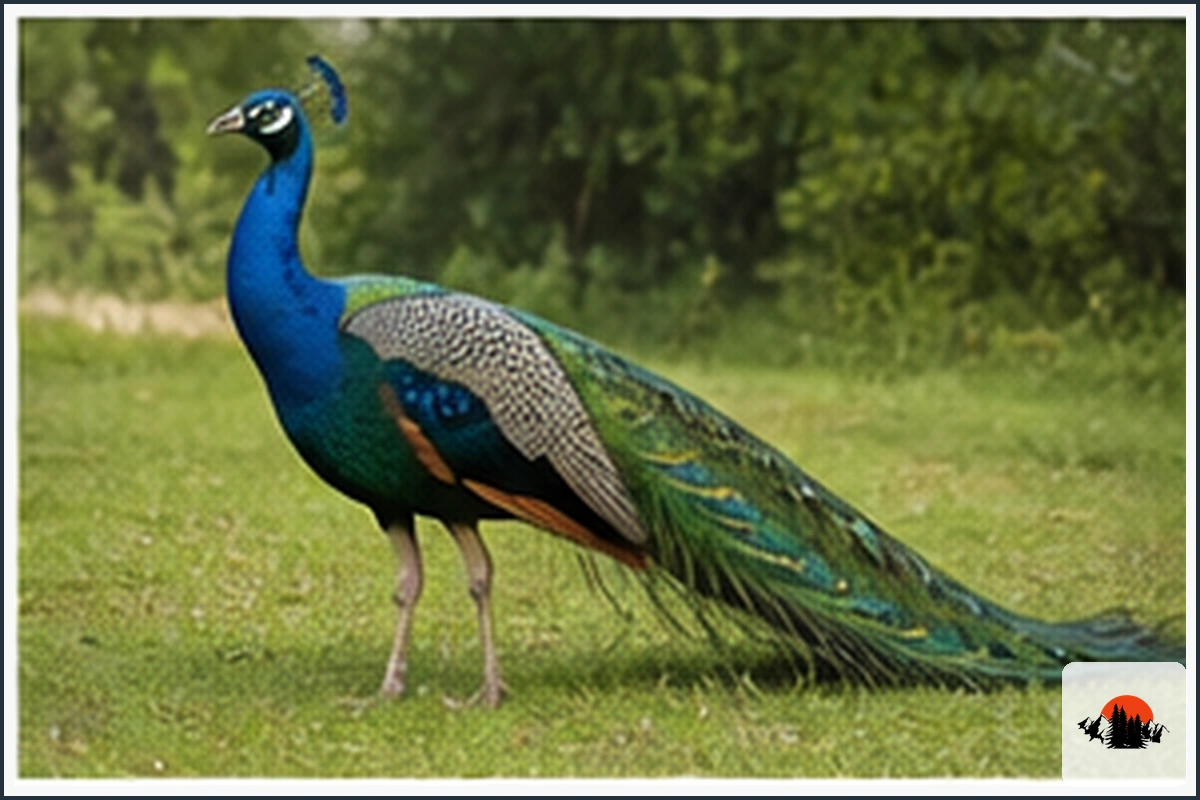
Scientific name: Pavo cristatus. The Indian peacock is India’s national bird. Males have iridescent blue necks and long train feathers with eye-like markings, while females are mostly greenish-brown and lack the long train.
Peafowl live in forests, scrub, farmland, parks, and villages. They eat seeds, fruit, insects, reptiles, and small animals. Males display their trains during courtship, especially during the breeding season. Their loud calls often reveal their presence before they are seen.
29. Sarus Crane
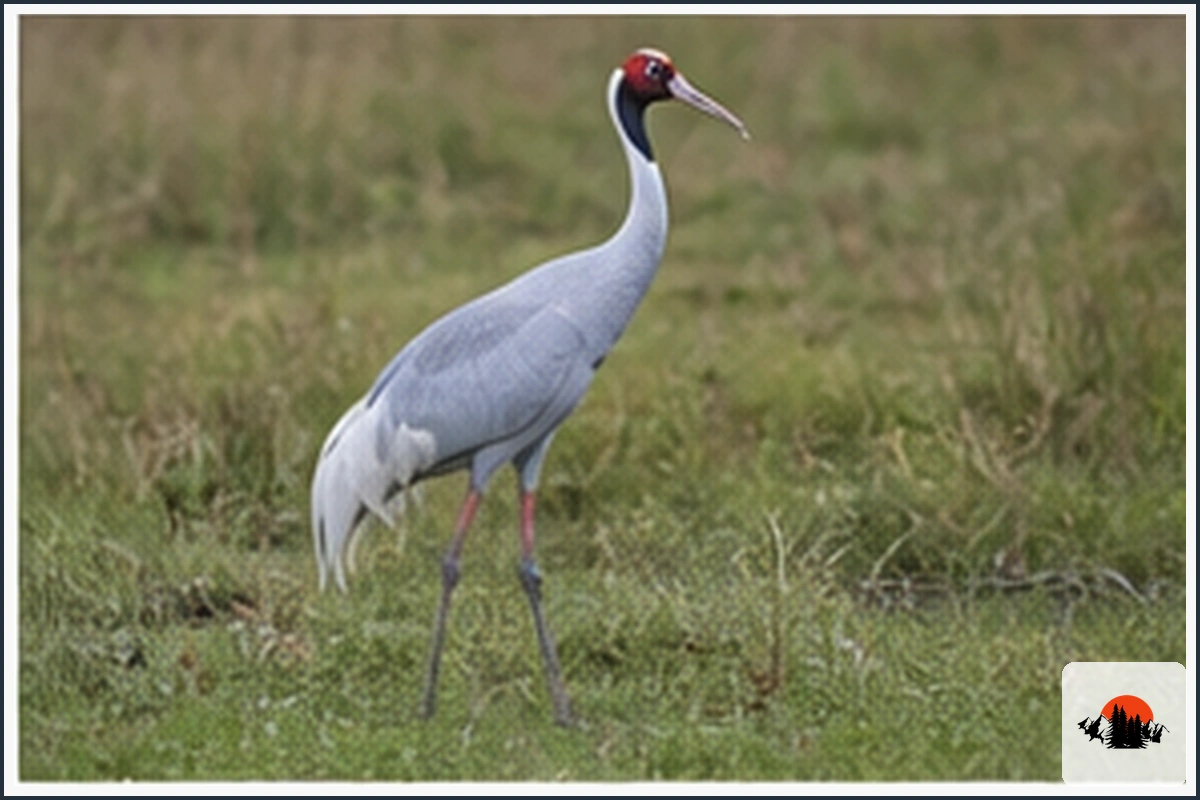
Scientific name: Antigone antigone. The sarus crane is the world’s tallest flying bird. It has long pinkish legs, a gray body, a red head and neck, and a pale crown.
Sarus cranes inhabit wetlands, flooded fields, marshes, and shallow ponds. They eat grains, aquatic plants, insects, frogs, reptiles, and small vertebrates. Pairs often remain together and perform loud, synchronized displays. Wetland drainage and disturbance threaten some populations.
30. Great Indian Bustard
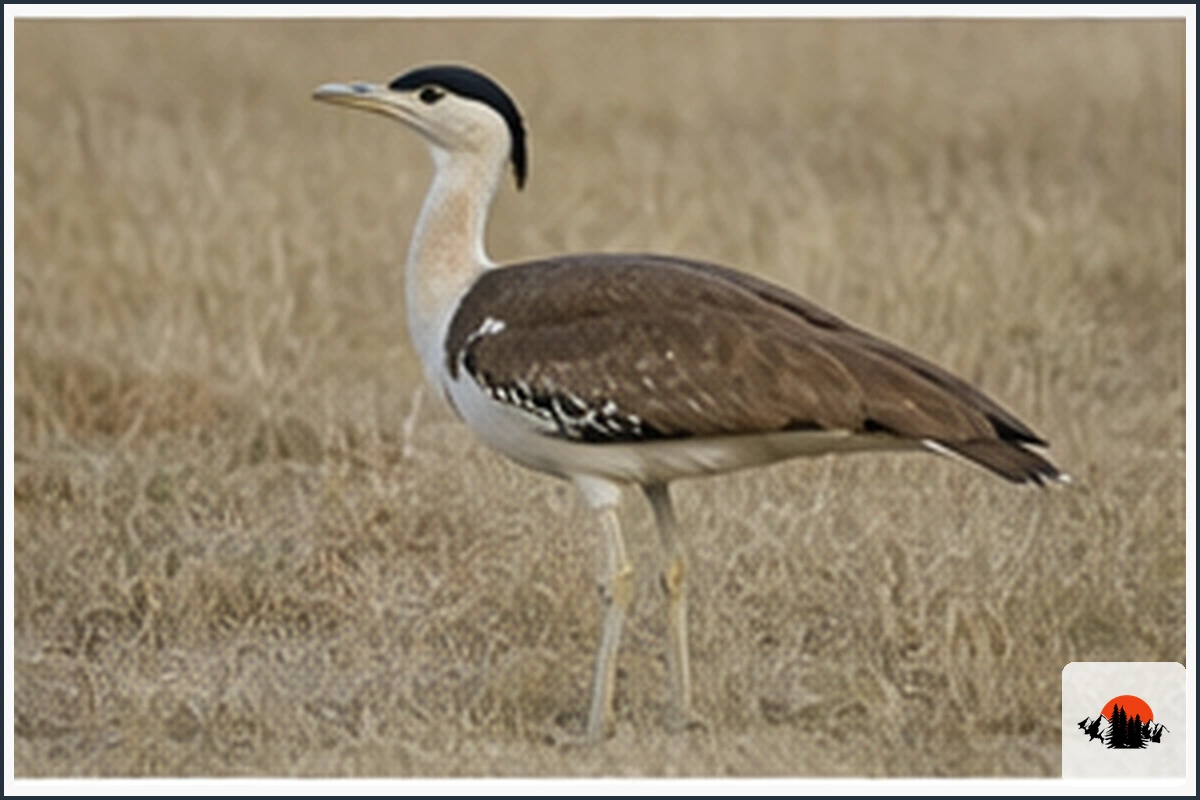
Scientific name: Ardeotis nigriceps. The great Indian bustard is a large ground bird with a black crown, pale neck, brown body, and long legs. It is one of India’s most threatened birds.
It depends on open grasslands, scrub, and semi-arid plains, especially in western India. Great Indian bustards eat seeds, grasses, insects, reptiles, and small mammals. Collisions with power lines, habitat conversion, disturbance, and low breeding success have caused severe declines.
How Are These Animals Classified?
The animals in this guide belong to several major groups:
- Mammals: Tigers, elephants, rhinoceroses, deer, antelopes, primates, pangolins, porcupines, and carnivores.
- Reptiles: Crocodiles, gharials, cobras, and king cobras.
- Birds: Peafowl, cranes, and bustards.
- Predators: Tigers, lions, leopards, wolves, dholes, jackals, and snakes.
- Herbivores: Elephants, rhinoceroses, gaurs, deer, antelopes, and mountain ungulates.
- Wetland species: Gharials, mugger crocodiles, sarus cranes, elephants, rhinoceroses, and wild buffalo.
Where Do These Animals Live?
India’s wildlife is distributed across remarkably different habitats. The Himalayas support snow leopards, red pandas, Himalayan tahrs, and high-altitude birds. The Western Ghats shelter lion-tailed macaques, Nilgiri tahrs, elephants, and many reptiles. Central Indian forests are important for tigers, leopards, sloth bears, gaurs, dholes, and deer.
Dry regions of Rajasthan and Gujarat provide habitat for blackbucks, chinkaras, wolves, great Indian bustards, and Asiatic lions. The Brahmaputra floodplains support rhinoceroses, wild buffalo, and wetland birds. Rivers, mangroves, and marshes are essential for gharials, mugger crocodiles, sarus cranes, and many other species.
What Do Animals in India Eat?
- Carnivores: Tigers, leopards, lions, dholes, wolves, and jackals eat mammals, birds, reptiles, or carrion.
- Herbivores: Elephants, gaurs, rhinoceroses, deer, antelopes, and tahrs feed on grasses, leaves, bark, fruit, or aquatic plants.
- Omnivores: Sloth bears, peafowl, porcupines, and golden jackals eat a mixture of plant and animal foods.
- Insectivores: Pangolins specialize in ants and termites, while some birds and mammals add insects to their diets.
- Aquatic predators: Gharials mainly eat fish, while mugger crocodiles take a broader range of prey.
How Do These Animals Behave?
Indian wildlife displays many lifestyles. Tigers and leopards generally live alone, while elephants, dholes, langurs, deer, and cranes often live in family groups or herds. Many desert animals avoid heat by becoming active at night. Mountain species use steep terrain for shelter, and wetland birds depend on seasonal water levels for feeding and breeding.
Behavior is also shaped by human activity. Some species become more nocturnal near roads or settlements, while others move through wildlife corridors between protected areas. Observing animals quietly from a safe distance provides better natural behavior than approaching, feeding, or calling them.
How to Identify Different Animals in India
- Look at body shape: Long legs may indicate an antelope or crane, while a heavy body and shoulder hump suggest a gaur.
- Study coat patterns: Tiger stripes, leopard rosettes, chital spots, and peafowl eye markings are useful clues.
- Check the habitat: Snowy mountains, dry scrub, riverbanks, wetlands, and rainforest each support different species.
- Notice tracks and signs: Footprints, droppings, claw marks, feathers, quills, and feeding damage can reveal unseen animals.
- Listen for calls: Peafowl, langurs, deer, cranes, and alarm-calling birds may alert observers to nearby predators.
- Consider time of day: Pangolins, porcupines, leopards, and many desert animals are commonly active at night.
- Use size carefully: A large cat, deer, or crocodilian may be identified more accurately by combining size with shape and habitat.
Outdoor Tips for Finding and Observing These Species
- Visit protected areas with licensed naturalists or trained local guides.
- Carry binoculars, water, sun protection, and appropriate clothing.
- Stay on marked routes and obey park rules and seasonal closures.
- Never feed wildlife or use bait, playback, or flash photography irresponsibly.
- Keep quiet and allow animals an escape route.
- Do not approach elephants, bears, big cats, crocodiles, or snakes.
- Record observations carefully without revealing sensitive locations for threatened species.
Safety, Sustainability, and Conservation Notes
India’s wildlife is protected by national and regional laws, but rules differ by species and location. Visitors should follow park regulations, avoid buying products made from wildlife parts, and support responsible tourism. Do not release aquarium animals, pets, or exotic species into Indian waterways or forests.
Habitat protection is equally important. Wildlife corridors connect fragmented forests, while wetlands and grasslands support species that cannot survive in dense woodland. Responsible waste disposal, safe driving near protected areas, sustainable fishing, and respect for local communities all contribute to conservation.
Fun Facts About Animals in India
- The Bengal tiger has individually distinctive stripe patterns, much like fingerprints.
- The Indian elephant uses its trunk for breathing, smelling, drinking, feeding, and communication.
- The gharial’s long snout is especially suited to catching fish.
- The great Indian bustard is one of the world’s heaviest flying birds.
- The Indian peacock is India’s national bird.
- Red pandas use their long tails for balance and warmth.
- Pangolins are the only mammals covered in large overlapping scales.
- Nilgiri tahrs can travel across steep rocky slopes with impressive balance.
- Sloth bears can use their lips to vacuum termites from underground nests.
- Sarus cranes often form long-term pairs and perform synchronized displays.
Final Thoughts on Types of Animals in India
Learning about the types of animals in India reveals how closely wildlife is connected to forests, grasslands, rivers, mountains, wetlands, and local communities. From iconic tigers and elephants to lesser-known pangolins, tahrs, gharials, and bustards, every species has a role in its ecosystem. Responsible wildlife watching and habitat protection help keep India’s remarkable natural heritage alive.
Frequently Asked Questions
1. What are the most famous animals in India?
Bengal tigers, Indian elephants, Asiatic lions, Indian rhinoceroses, Indian leopards, peacocks, and sloth bears are among the best-known animals in India.
2. How many types of animals are found in India?
India has thousands of animal species, including mammals, birds, reptiles, amphibians, fish, and invertebrates. The exact number changes as species are scientifically reviewed.
3. What is India’s national animal?
The Bengal tiger is India’s national animal.
4. What is India’s national bird?
The Indian peacock, specifically the Indian peafowl, is India’s national bird.
5. Which is the largest land animal in India?
The Indian elephant is the largest land animal found in India.
6. Which is the largest wild cattle species in India?
The gaur is the largest wild cattle species in India and one of the largest wild bovines in the world.
7. Where can Bengal tigers be found?
Bengal tigers live in forests, grasslands, mangroves, and wetlands across several parts of India, including central India, the Western Ghats, and the Sundarbans.
8. Where do Asiatic lions live in India?
Wild Asiatic lions are concentrated mainly in and around Gir National Park and connected landscapes in Gujarat.
9. Are Indian elephants endangered?
Asian elephants are endangered globally. Indian elephants face habitat loss, fragmentation, train and road accidents, poaching, and conflict with agriculture.
10. What is the difference between a tiger and a leopard?
Tigers are generally larger and have vertical stripes, while leopards are smaller, more adaptable climbers with rosette-shaped spots.
11. What is the rarest animal in India?
Several Indian species are extremely rare or critically endangered, including the great Indian bustard, gharial, red panda in some regions, and certain highly threatened river and forest species.
12. Which animals live in the Himalayas?
Himalayan wildlife includes snow leopards, red pandas, Himalayan tahrs, Indian wolves, black bears, musk deer, and many mountain birds.
13. Which animals live in the Thar Desert?
Chinkaras, blackbucks, Indian wolves, desert foxes, great Indian bustards, reptiles, and many specialized birds live in or around the Thar Desert.
14. Which animals live in India’s wetlands?
Wetlands support gharials, mugger crocodiles, rhinoceroses, wild buffalo, sarus cranes, storks, ducks, fish, amphibians, and many invertebrates.
15. What do Indian tigers eat?
Indian tigers mainly eat deer, wild pigs, gaur, antelope, and other medium to large animals. Their diet depends on the prey available in their habitat.
16. Are sloth bears dangerous?
Sloth bears can be dangerous if surprised, approached, or cornered. People should never attempt to feed, photograph closely, or provoke one.
17. Are Indian cobras poisonous?
Indian cobras are venomous, not poisonous. Their venom is delivered through a bite, so they should be observed only from a safe distance.
18. What should you do if you see a snake in India?
Move away slowly, keep children and pets back, and contact trained wildlife rescuers or local authorities. Never try to catch or kill the snake.
19. What is the difference between a crocodile and a gharial?
A mugger crocodile has a broad snout and a generalist diet, while a gharial has a very long, narrow snout adapted mainly for catching fish.
20. Which Indian animal has scales?
The Indian pangolin is a mammal covered in overlapping keratin scales.
21. Which Indian animals live in groups?
Elephants, dholes, deer, wild buffalo, primates, peafowl, cranes, and some wolves or jackals may live in groups or family units.
22. Which Indian animals are nocturnal?
Indian pangolins, porcupines, many leopards, sloth bears, jackals, and several desert species are often active at night or during twilight.
23. What is the most threatened bird in India?
The great Indian bustard is among India’s most threatened birds. Collisions with power lines and loss of open grassland are major concerns.
24. Why are Indian grasslands important?
Grasslands provide habitat for blackbucks, chinkaras, wolves, bustards, cranes, hares, insects, and many ground-nesting birds. They are not simply empty or degraded land.
25. Can tourists see snow leopards in India?
Snow leopards are difficult to see because they are rare, camouflaged, and live in remote mountains. Specialized, ethical wildlife tours may provide opportunities, but sightings are never guaranteed.
26. Can wild animals in India be kept as pets?
Native wild animals should not be kept as pets. Capturing, buying, or possessing protected wildlife may be illegal and is harmful to animal welfare and conservation.
27. Why are wildlife corridors important in India?
Corridors allow animals to move between habitat patches to find food, mates, and seasonal resources. They also help maintain genetic diversity and reduce isolation.
28. How can visitors help Indian wildlife?
Visitors can follow park rules, avoid feeding animals, reduce plastic waste, use responsible guides, support conservation programs, and respect local communities.
29. Are all animals in India found in national parks?
No. Many species also live in community forests, grasslands, wetlands, farmland, village edges, and private conservation areas outside national parks.
30. What is the best way to identify an Indian animal?
Use several clues together, including body shape, markings, tracks, habitat, behavior, size, and sound. A local naturalist or reliable field guide can help confirm difficult identifications.