
Alaska is the only U.S. state where three species of bears live in the wild: black bears, brown bears, and polar bears. Although these animals share the same broad family, they differ greatly in size, appearance, habitat, diet, and behavior. This guide to the types of bears in Alaska explains how to recognize each species and how to observe them responsibly.
What Are the Main Types of Bears in Alaska?
Alaska has three wild bear species: the American black bear (Ursus americanus), the brown bear (Ursus arctos), and the polar bear (Ursus maritimus). Brown bears include both coastal brown bears and inland grizzlies. Their ranges overlap in some parts of Alaska, so size, shoulder shape, habitat, and facial features are more reliable than fur color alone.
1. American Black Bear
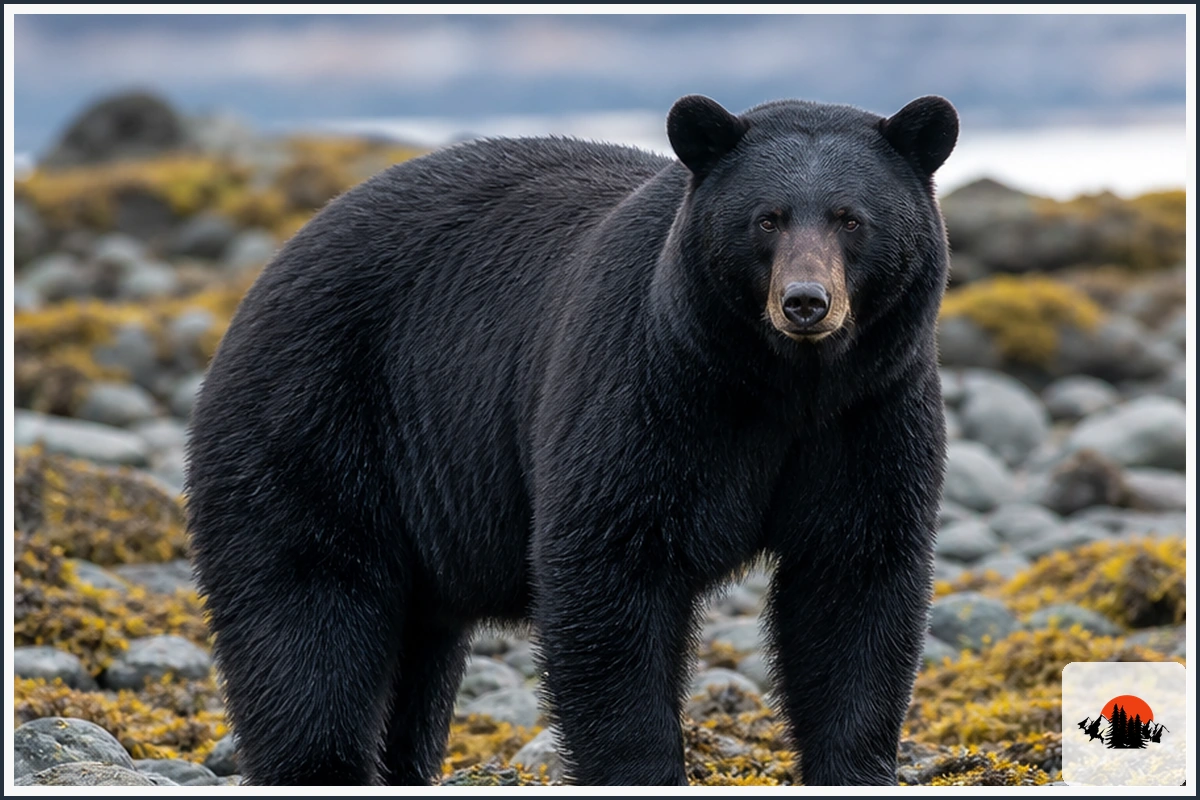
The American black bear (Ursus americanus) is Alaska’s most widely distributed bear. Despite its name, its fur may be black, brown, cinnamon, or even blond. Color varies by region, so a brown-colored bear is not automatically a brown bear.
Black bears usually have a straighter facial profile, taller ears, and no prominent shoulder hump. They are generally smaller and more lightly built than brown bears, although large males can still be powerful animals. Adults commonly weigh between 100 and 600 pounds, with exceptional individuals weighing more.
These bears live in forests, muskeg, mountain foothills, river valleys, and coastal areas. They are common in Southeast Alaska and many forested parts of Southcentral and Interior Alaska. Their flexible diet includes berries, grasses, roots, insects, carrion, fish, and occasionally young mammals.
Black bears are excellent climbers, especially when young. They often avoid people, but they may approach camps, homes, or roads when food is available. Secure food, garbage, pet food, and fish remains are essential when traveling in bear country.
2. Brown Bear
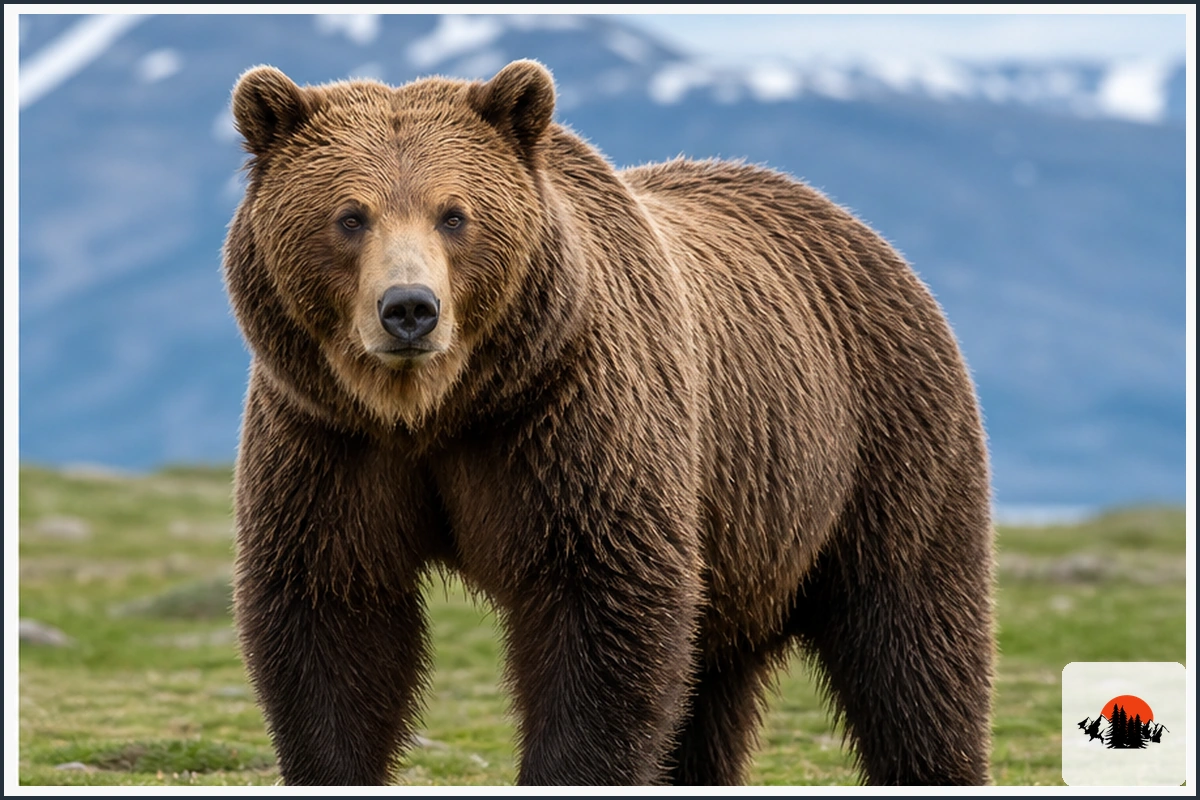
The brown bear (Ursus arctos) includes Alaska’s grizzly bears and its large coastal brown bears. These bears range from blond to dark brown, and some have silver-tipped fur. Fur color alone cannot reliably distinguish them from black bears.
A brown bear usually has a broad, dished face, small rounded ears, long front claws, and a noticeable shoulder hump formed by powerful muscles. Inland grizzlies may weigh several hundred pounds, while coastal brown bears with abundant salmon and plant food can exceed 1,000 pounds. Size varies with sex, season, location, and food supply.
Brown bears occupy a wide range of Alaska habitats, including tundra, alpine slopes, river corridors, coastal meadows, forests, and salmon streams. They eat berries, sedges, roots, insects, fish, carrion, and mammals. Coastal bears often become especially large because of rich seasonal food sources.
Most brown bears prefer to avoid people, but surprise encounters can be dangerous. Give them plenty of space, never approach cubs, and avoid blocking a bear’s path to food or escape. Brown bears are an important part of Alaska’s ecosystems and are protected under carefully managed wildlife regulations.
3. Polar Bear
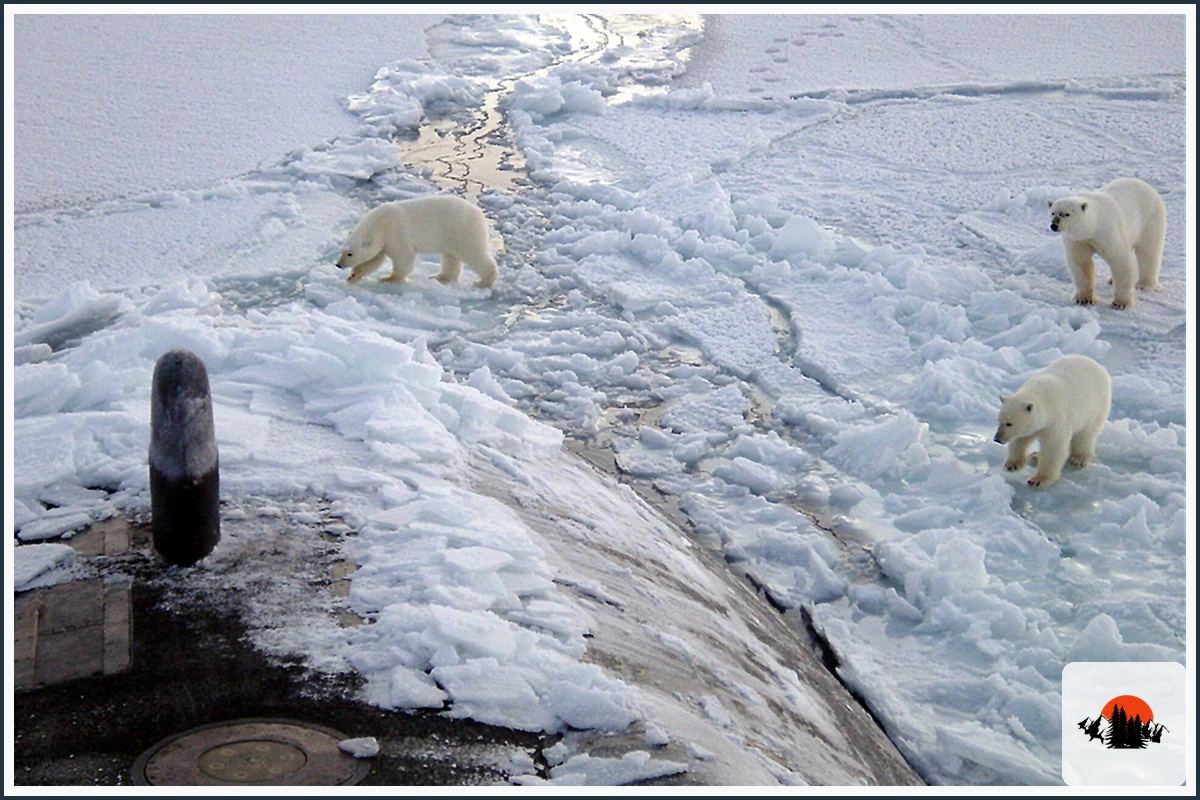
The polar bear (Ursus maritimus) is Alaska’s Arctic bear and the most specialized marine mammal in the group. Its scientific name means “sea bear,” reflecting its dependence on sea ice and marine food webs.
Polar bears have creamy white to yellowish fur, a long neck, a narrow head, small ears, and large paws adapted for walking on ice and swimming. Their black skin helps absorb heat, while a thick layer of fat provides insulation. Adult males are much larger than females and may weigh more than 1,000 pounds.
In Alaska, polar bears are mainly associated with the Arctic coast and sea ice of the Beaufort and Chukchi seas. Their primary prey is ringed seal, although they may also eat bearded seals, carcasses, eggs, birds, and other available foods.
Unlike black and brown bears, polar bears are strongly tied to marine environments. They are powerful swimmers, but they depend on sea ice as a platform for hunting seals. Loss and movement of sea ice can affect their access to food, travel routes, and denning areas.
How Are These Bears Classified?
- Black bear: American black bear, Ursus americanus.
- Brown bear: Brown bear, Ursus arctos, including grizzly bears and coastal brown bears.
- Polar bear: Polar bear, Ursus maritimus.
All three belong to the bear family, Ursidae. Brown bears and polar bears are closely related and can occasionally hybridize where their ranges meet, although this is rare. “Grizzly” generally refers to inland brown bears rather than a separate species.
Where Do These Bears Live?
| Bear | Main Alaska Habitat | Typical Range |
|---|---|---|
| Black bear | Forests, muskeg, river valleys, and mountains | Southeast, Southcentral, and much of Interior Alaska |
| Brown bear | Tundra, mountains, forests, coasts, and salmon streams | Most of mainland Alaska and some islands |
| Polar bear | Arctic coast, sea ice, barrier islands, and coastal tundra | Northern and western Arctic Alaska |
What Do Alaska’s Bears Eat?
- Black bears: berries, grasses, roots, insects, fish, carrion, and small animals.
- Brown bears: berries, sedges, roots, insects, fish, carrion, and mammals.
- Polar bears: primarily seals, especially ringed seals, along with other marine foods when available.
Seasonal food strongly influences bear movements. Salmon runs attract black and brown bears to rivers, while berry patches and sedge meadows can draw bears during late summer. Polar bears follow sea ice and seal habitat rather than inland food sources.
How to Identify Different Bears in Alaska
- Look at the shoulder: a prominent hump usually suggests a brown bear.
- Check the face: brown bears often have a dished profile; black bears usually have a straighter profile.
- Observe the ears: black bears tend to have taller ears, while brown bear ears are shorter and rounded.
- Consider the claws: brown bears have long, powerful front claws; black bear claws are generally shorter and more curved.
- Use habitat carefully: Arctic sea ice suggests a polar bear, but color and habitat alone are not always enough for the other two species.
- Do not rely on fur color: black bears can be brown, and brown bears can be very dark.
Outdoor Tips for Finding and Observing Alaska’s Bears
- Watch bears from a safe distance with binoculars or a telephoto lens.
- Never approach a bear for a photograph.
- Make noise in dense vegetation and near streams where visibility is limited.
- Travel in groups when possible and keep children close.
- Store food, garbage, toiletries, and fishing equipment in bear-resistant containers or approved storage.
- Never feed a bear or leave fish remains near a campsite.
- Follow local land-management rules and posted viewing instructions.
Safety, Sustainability, and Conservation Notes
Bear safety begins with prevention. Keep camps clean, avoid surprising bears, and leave them an escape route. If you encounter a bear, remain calm, identify yourself, and slowly back away without running. If a bear is close or appears defensive, follow current guidance from the Alaska Department of Fish and Game or local land managers.
Polar bears face particular conservation concerns because their survival depends heavily on sea ice. Brown and black bears also depend on healthy forests, salmon streams, tundra, and undisturbed denning areas. Responsible wildlife viewing, secure food storage, and respect for hunting and wildlife laws help protect both bears and people.
Fun Facts About Bears in Alaska
- Alaska is the only U.S. state where black, brown, and polar bears live in the wild.
- Brown bears and grizzly bears are members of the same species.
- Black bears can have cinnamon, brown, blond, or black fur.
- Polar bear fur is not truly white; it is made of translucent hairs that reflect light.
- Black bears are capable climbers, especially when young.
- Coastal brown bears can become much larger than inland grizzlies.
- Salmon can provide an important seasonal food source for Alaska’s brown and black bears.
- Polar bears have large paws that help distribute their weight on snow and ice.
- Bears spend winter in dens or sheltered areas while their metabolism changes dramatically.
- A bear’s habitat and body shape are often more useful for identification than color.
Final Thoughts on Types of Bears in Alaska
The three types of bears in Alaska each have distinctive lifestyles. Black bears are adaptable forest animals, brown bears thrive across a broad range of landscapes, and polar bears depend on Arctic sea ice and marine prey. Learning their differences makes wildlife observation safer, more respectful, and more rewarding.
Frequently Asked Questions
1. How many types of bears live in Alaska?
Three bear species live in Alaska: black bears, brown bears, and polar bears.
2. What is the most common bear in Alaska?
Black bears are widely distributed, while brown bears occupy much of mainland Alaska. Local abundance varies by habitat and region.
3. Are grizzly bears and brown bears the same?
Yes. Grizzly bears are generally inland forms of the brown bear species, Ursus arctos.
4. Are coastal brown bears different from grizzly bears?
They are the same species, but coastal brown bears often grow larger because they have access to rich foods such as salmon.
5. Are black bears always black?
No. Alaska’s black bears may be black, brown, cinnamon, or blond.
6. How can you tell a black bear from a brown bear?
Look at several traits together. Brown bears often have a shoulder hump, long front claws, small rounded ears, and a dished face. Black bears usually have a straighter profile and taller ears.
7. Which Alaska bear is the largest?
Large coastal brown bears are generally the largest Alaska bears on land. Adult male polar bears can also reach exceptional weights.
8. Where do polar bears live in Alaska?
Polar bears mainly live along Alaska’s northern and western Arctic coastlines and nearby sea ice.
9. Do polar bears live in forests?
No. Polar bears are primarily associated with sea ice, coastal areas, and Arctic tundra.
10. What do black bears eat in Alaska?
They eat berries, grasses, roots, insects, fish, carrion, and small animals.
11. What do brown bears eat?
Brown bears eat seasonal foods including berries, sedges, roots, insects, fish, carrion, and mammals.
12. What do polar bears eat?
Polar bears mainly hunt seals, especially ringed seals, from sea ice.
13. Are Alaska’s bears dangerous?
Any wild bear can be dangerous if surprised, approached, fed, or attracted to human food. Proper distance and food storage greatly reduce risk.
14. Should you run from a bear?
No. Running can trigger a chase. Stay calm, avoid sudden movements, and follow current local bear-safety guidance.
15. What should you do if a bear approaches a campsite?
Move people to a secure location, do not approach the bear, and contact local authorities if the bear remains near people or human food.
16. Can black bears climb trees?
Yes. Black bears are strong climbers, particularly when they are young.
17. Can brown bears climb trees?
Brown bears can climb in some situations, but their size, claws, and body structure make climbing more difficult than it is for black bears.
18. Do bears hibernate in Alaska?
Bears enter winter dens and undergo a deep seasonal dormancy. The timing and duration vary by species, sex, age, pregnancy, and local conditions.
19. When are bears most active?
Bears are often active during spring, summer, and fall when food is available. Activity patterns can vary with weather, habitat, and food supplies.
20. Where can visitors see brown bears?
Brown bears may be seen near salmon streams, coastal meadows, tundra, and protected wildlife-viewing areas. Always use an approved viewing site or a qualified guide.
21. Where can visitors see black bears?
Black bears may occur in forested regions, river valleys, and coastal areas, but sightings are never guaranteed and should always be conducted safely.
22. Can visitors see polar bears near towns?
Polar bears may occasionally approach Arctic communities, especially when sea-ice conditions change. Such encounters require immediate attention to local safety instructions.
23. Are bear cubs safe to approach?
No. A mother may be nearby and can defend her cub aggressively. Never approach or photograph cubs at close range.
24. Is bear spray useful in Alaska?
Bear spray can be an important last-resort safety tool when carried legally and used according to training and local guidance. Prevention and distance remain most important.
25. Do bears attack people often?
Serious encounters are uncommon compared with the number of people who visit bear habitat, but risk increases when bears are surprised, fed, cornered, or attracted to unsecured food.
26. Why do bears visit salmon streams?
Salmon provide a rich seasonal source of protein and energy, especially before bears enter winter dens.
27. Are polar bears endangered?
Polar bears are listed as threatened under the U.S. Endangered Species Act. Their conservation is closely connected to sea-ice conditions and Arctic habitat.
28. Are black bears protected in Alaska?
Black bears are managed under Alaska wildlife regulations. Hunting seasons, harvest rules, and regional requirements can change, so check current regulations.
29. Are brown bears protected in Alaska?
Brown bears are managed under state and federal wildlife rules, with regulations varying by region and land status.
30. What is the best way to photograph Alaska’s bears?
Use a long lens, stay in designated viewing areas when available, and never move closer for a better photograph.
31. Can bears smell food from far away?
Bears have an excellent sense of smell and may detect food, garbage, fish, or scented products from considerable distances.
32. Why should campers use bear-resistant storage?
Secure storage prevents bears from learning that campsites contain food. This protects people and reduces the chance that a bear will become food-conditioned.
33. Do all Alaska bears eat fish?
No. Black and brown bears may eat fish when available, but polar bears mainly hunt marine prey such as seals.
34. Can black bears and brown bears share the same habitat?
Yes. Their ranges overlap in many areas, so habitat alone cannot always identify a bear.
35. Are polar bears related to brown bears?
Yes. Polar bears and brown bears are closely related members of the bear family.
36. What is the easiest Alaska bear to identify?
Polar bears are usually easiest to recognize because of their Arctic habitat, pale fur, long neck, and marine lifestyle. Black and brown bears require closer attention to body shape and facial features.
37. Why is fur color unreliable?
Black bears can be brown or cinnamon, while brown bears can be very dark. Color should be combined with shape, habitat, and behavior.
38. Should people feed bears for photographs?
Never. Feeding bears creates dangerous associations with people and can lead to property damage, conflict, or the bear being killed.
39. What should hikers do in bear country?
Make appropriate noise, stay alert, keep food secured, travel in groups when possible, and learn the current safety guidance for the area.
40. Why are bears important to Alaska’s ecosystems?
Bears influence prey populations, move nutrients through the environment, disperse seeds, and connect marine and terrestrial food webs when they carry salmon inland.