

North America is home to three recognized bear species: the American black bear, the brown bear, and the polar bear. Although all three are powerful omnivorous mammals, they differ greatly in appearance, habitat, diet, behavior, and conservation needs. This guide to the types of bears in North America explains how to identify each species and observe them safely in the wild.
What Are the Main Types of Bears in North America?
The three main types of bears in North America are American black bears, brown bears, and polar bears. Brown bears include well-known forms such as grizzly bears and Kodiak bears. Black bears occupy the widest range, brown bears are associated with northern forests and coastal regions, and polar bears are specialized Arctic marine hunters.
1. American Black Bear
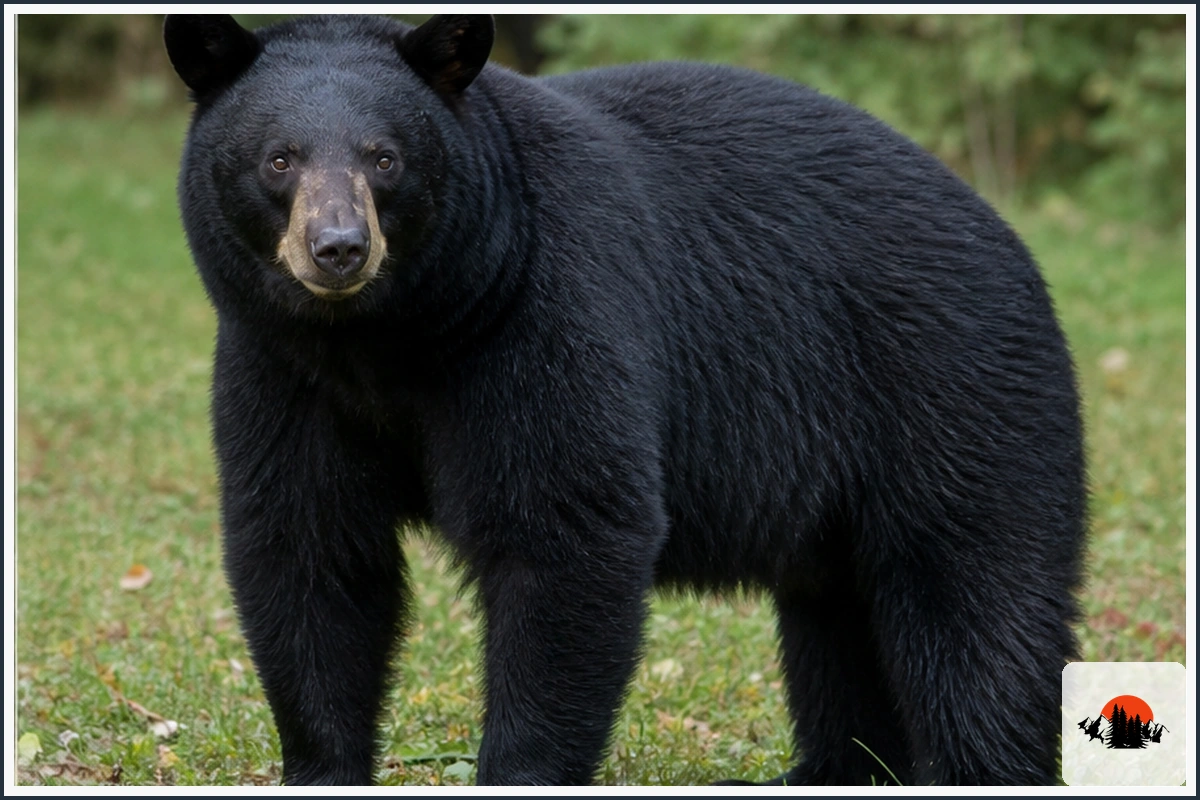
Scientific name: Ursus americanus
The American black bear is the most widespread and commonly encountered bear in North America. Despite its name, its fur may be black, brown, cinnamon, blond, or even a pale cream color. Fur color alone is therefore not a reliable way to identify this species.
Black bears have a relatively straight facial profile, rounded ears, and shorter, less prominent claws than brown bears. They are generally smaller and more lightly built than brown bears, although adult males can still become very large. Their bodies may measure about 4 to 6 feet long, with weight varying widely according to sex, season, food supply, and region.
They live in forests, swamps, mountains, coastal areas, and sometimes grasslands. Their range extends across much of Canada, Alaska, the United States, and parts of northern Mexico. Black bears are excellent climbers, especially when young, and often use trees for escape, rest, or access to food.
Black bears eat berries, nuts, roots, grasses, insects, fish, carrion, and small mammals. In some regions, they also feed on agricultural crops. They usually avoid people, but unsecured garbage, pet food, and camping supplies can attract them and create dangerous food-conditioned behavior.
2. Brown Bear
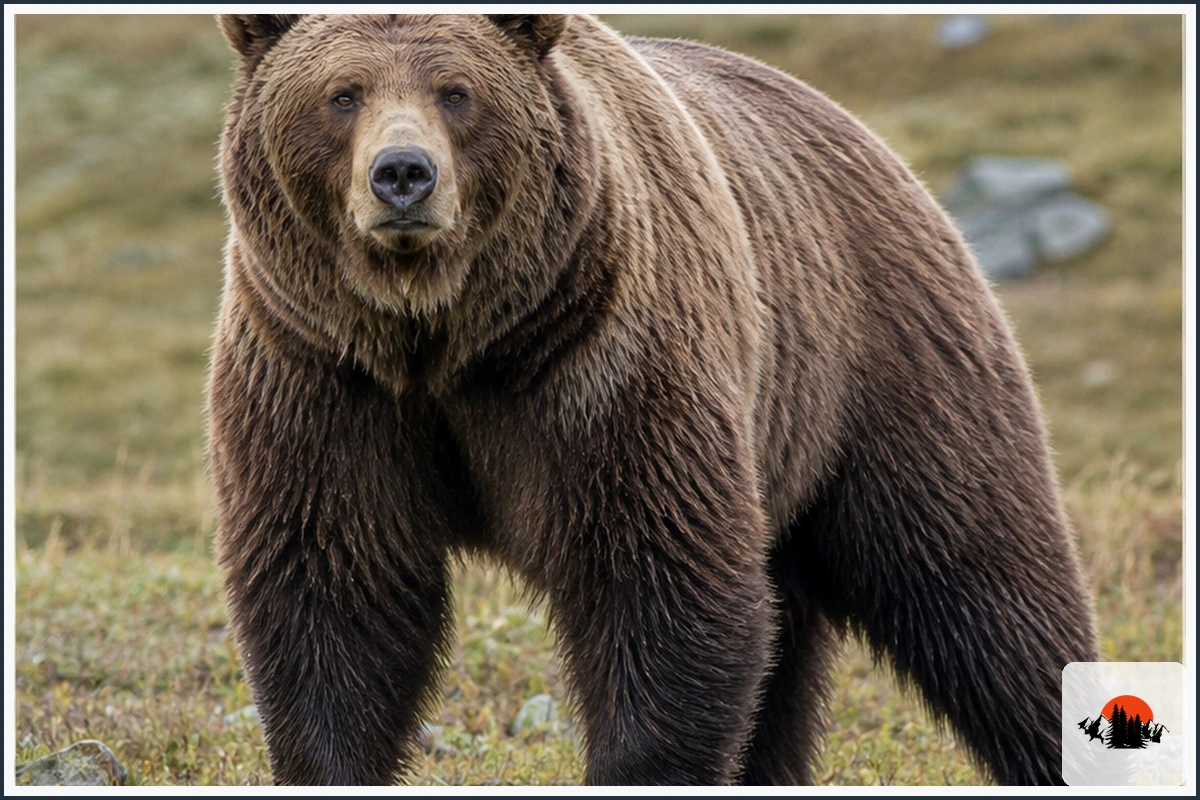
Scientific name: Ursus arctos
The brown bear is a widespread species with several regional forms. In North America, the best-known examples include grizzly bears and Kodiak bears. Grizzly bears occur across parts of Alaska and western Canada, with smaller populations in the northwestern United States. Kodiak bears live on several islands in Alaska and are among the largest brown bears in the world.
Brown bears can range from blond or reddish brown to very dark brown. Grizzlies often have a noticeable shoulder hump, a broad head, long front claws, and a concave facial profile. Their size varies greatly. Coastal brown bears with access to abundant salmon may weigh far more than inland bears.
These bears occupy forests, alpine meadows, tundra, river valleys, and coastal habitats. They are omnivores and may eat berries, roots, grasses, insects, rodents, carrion, deer, moose calves, and spawning fish. Coastal bears often gain substantial weight during salmon runs.
Brown bears typically avoid humans, but they can react defensively when surprised, approached near food, or separated from cubs. Hikers should make noise in dense vegetation, keep food secured, and never approach a bear. Brown bear populations vary by region, and some groups remain vulnerable because of habitat loss, human conflict, and past overhunting.
3. Polar Bear
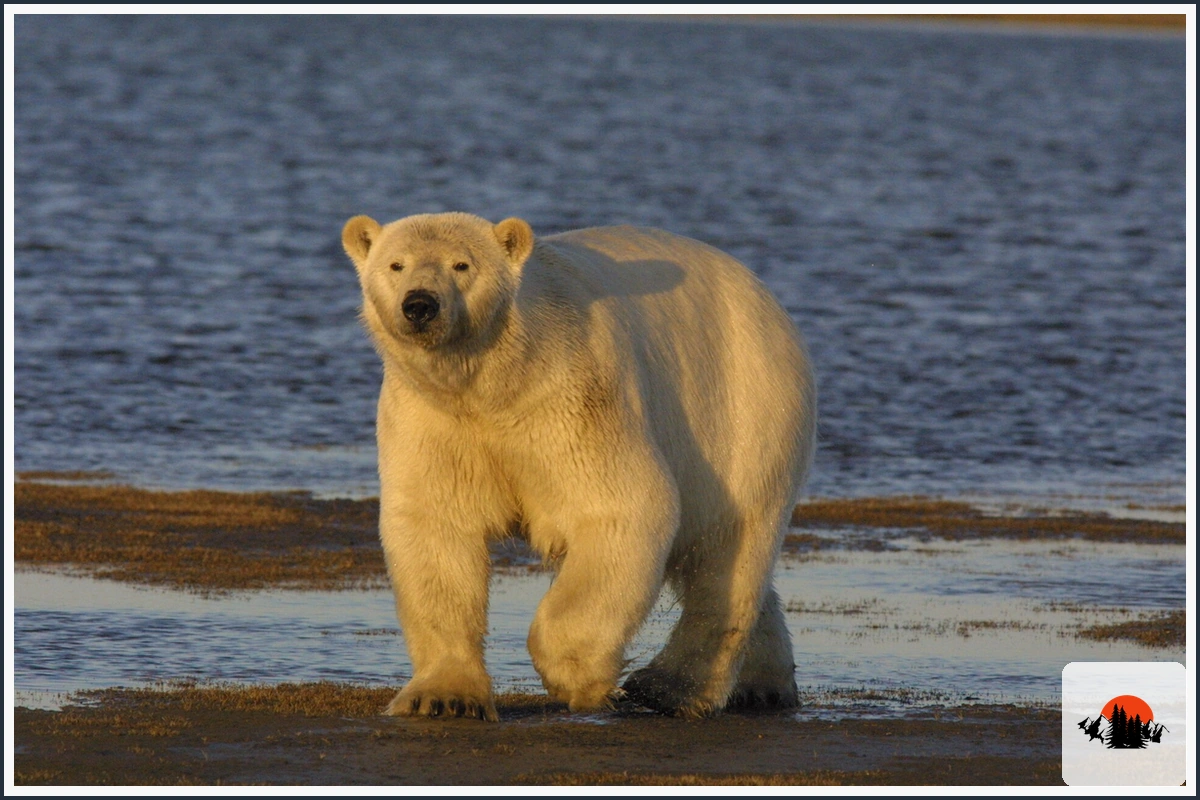
Scientific name: Ursus maritimus
The polar bear is the largest bear species and the most specialized for life in the Arctic. Its creamy white-looking fur provides camouflage on sea ice and snowy shores, while a thick layer of body fat helps insulate it in freezing water and air.
Polar bears have a long neck, narrow head, small rounded ears, large paws, and powerful front limbs. Their broad paws help distribute weight on snow and act like paddles while swimming. Adult males are much larger than females and can weigh several hundred kilograms.
Polar bears live across Arctic regions of Alaska, Canada, Greenland, Russia, and Norway. In North America, they are strongly associated with sea ice, coastal areas, barrier islands, and tundra. Their primary prey is ringed and bearded seals, which they often hunt near breathing holes or seal lairs.
Unlike black and brown bears, polar bears are highly dependent on marine ecosystems. They may swim long distances, travel across sea ice, and fast for extended periods when ice conditions limit access to seals. Declining sea ice is a major conservation concern because it reduces hunting opportunities and increases the distance bears must travel.
How Are These Bears Classified?
All three North American bear species belong to the family Ursidae. They are mammals, carnivores by evolutionary classification, and generally omnivorous in their diets.
- American black bear: A distinct species found across much of North America.
- Brown bear: A widespread species that includes North American forms such as grizzlies and Kodiak bears.
- Polar bear: A highly specialized Arctic species closely related to brown bears.
Regional names can sometimes cause confusion. A grizzly is not a separate species from the brown bear; it is a commonly used name for many inland North American brown bears. Likewise, black bears may have brown or cinnamon fur.
Where Do These Bears Live?
| Bear | Main Habitat | North American Range |
|---|---|---|
| American black bear | Forests, mountains, swamps, and coastal areas | Canada, Alaska, most forested parts of the United States, and northern Mexico |
| Brown bear | Forests, tundra, alpine areas, rivers, and coasts | Alaska, western and northern Canada, and limited areas of the northwestern United States |
| Polar bear | Sea ice, Arctic coasts, islands, and tundra | Alaska and northern Canada, with broader Arctic distribution beyond North America |
What Do North American Bears Eat?
Black bears and brown bears have broad, flexible diets. They may eat plants, fruits, nuts, insects, fish, carrion, and small or large animals when opportunities arise. Their diets often change with the seasons.
Polar bears are more specialized. Seals provide most of their energy, particularly during periods when sea ice offers access to hunting platforms. They may eat other marine animals or birds when available, but these foods usually provide less energy than seals.
How to Identify Different Types of Bears
- Check the shoulder shape: A pronounced shoulder hump suggests a brown bear.
- Look at the face: Black bears often have a straighter profile, while brown bears commonly have a concave profile.
- Observe the ears: Black bears usually have taller, more prominent ears; brown bears have shorter, rounded ears.
- Notice the claws: Brown bears generally have longer front claws suited to digging, while black bear claws are shorter and better suited to climbing.
- Consider the habitat: Sea ice and Arctic coasts strongly suggest a polar bear.
- Do not rely on fur color: Black bears can be brown, and brown bears can be very dark.
- Use tracks carefully: Bear tracks show five toes, but size and claw marks can vary.
Outdoor Tips for Finding and Observing These Bears
- Keep a safe distance and use binoculars or a telephoto lens.
- Never approach cubs, feeding bears, or a bear near a carcass.
- Make conversation-level noise in dense vegetation or near streams.
- Store food, toiletries, and garbage in approved bear-resistant containers.
- Follow local park rules about camping, fishing, and wildlife viewing.
- Stay alert near salmon streams, berry patches, and shoreline habitats.
- Keep dogs leashed where regulations require it.
Safety, Sustainability, and Conservation Notes
Never feed a bear. Human food can make bears lose their natural fear of people, increasing the chance of property damage, conflict, or lethal management. If a bear approaches your campsite, do not run. Follow local wildlife-agency guidance, identify yourself calmly, and slowly create distance.
Conservation also depends on protecting connected habitat, reducing vehicle collisions, managing attractants, and respecting seasonal closures. Polar bears face particular pressure from shrinking sea ice, while some black and brown bear populations face habitat fragmentation, illegal killing, and human-wildlife conflict.
Fun Facts About Bears in North America
- There are three recognized bear species in North America.
- Black bears can have black, brown, cinnamon, blond, or pale fur.
- Grizzly bears are a form of the brown bear, not a separate species.
- Polar bears have large paws that help them swim and travel across snow.
- Black bears are strong climbers, especially when young.
- Brown bears can gain significant weight during salmon runs.
- All three species have five toes on each foot.
- Bear diets can change dramatically with the seasons.
- Polar bears are closely related to brown bears.
- Unsecured garbage can create dangerous food-conditioned behavior in bears.
Final Thoughts on Types of Bears in North America
The three types of bears in North America are the American black bear, brown bear, and polar bear. Learning their differences in body shape, habitat, diet, and behavior makes wildlife identification easier and helps people act responsibly in bear country. Respectful observation, secure food storage, and habitat protection are essential for keeping both bears and people safe.
Frequently Asked Questions
1. How many types of bears live in North America?
Three bear species live in North America: American black bears, brown bears, and polar bears.
2. What is the most common bear in North America?
The American black bear is generally the most widespread and commonly encountered bear species in North America.
3. Are grizzly bears a separate species?
No. Grizzly bears are commonly recognized as inland forms of the brown bear, Ursus arctos.
4. Are Kodiak bears grizzly bears?
Kodiak bears are brown bears that live on islands in Alaska. They are not usually classified as grizzly bears, although both belong to the same species.
5. Can black bears be brown?
Yes. American black bears may have black, brown, cinnamon, blond, or pale-colored fur.
6. How can you tell a black bear from a brown bear?
Look at several features together. Brown bears often have a shoulder hump, longer front claws, smaller rounded ears, and a concave face. Black bears often have a straighter face and taller ears.
7. Which North American bear is the largest?
The polar bear is generally the largest bear species. Large coastal brown bears can also reach exceptional sizes.
8. Where do black bears live?
Black bears live in forests, mountains, wetlands, coastal areas, and other habitats across Canada, Alaska, much of the United States, and northern Mexico.
9. Where do brown bears live in North America?
Brown bears occur mainly in Alaska, western and northern Canada, and small portions of the northwestern United States.
10. Where do polar bears live?
Polar bears live in the Arctic, including sea ice and coastal regions of Alaska and northern Canada.
11. What do black bears eat?
Black bears eat berries, nuts, roots, grasses, insects, fish, carrion, and various small animals. Their diet depends on location and season.
12. What do brown bears eat?
Brown bears eat plants, berries, roots, insects, fish, carrion, rodents, and occasionally larger mammals or young ungulates.
13. What do polar bears eat?
Polar bears primarily hunt seals. They may also eat other marine animals, birds, eggs, or carrion when available.
14. Are all bears omnivores?
Black bears and brown bears are broadly omnivorous. Polar bears are classified as carnivores and rely heavily on marine prey, especially seals.
15. Which bear is the best climber?
American black bears are particularly capable climbers, especially when young. Adult brown bears are less likely to climb because of their size and claw structure.
16. Can bears swim?
Yes. All three species can swim, but polar bears are especially adapted to long-distance swimming in Arctic waters.
17. Do bears hibernate?
Black bears and brown bears enter a winter denning period often called hibernation, although their sleep is generally lighter than that of many small hibernating mammals. Polar bears have different winter patterns, with pregnant females entering dens while most others remain active.
18. Are polar bears found in the United States?
Yes. Polar bears occur in northern and western Alaska, particularly along Arctic coastal areas and sea ice.
19. Are bears dangerous to people?
Bears are powerful wild animals and can be dangerous, but most avoid people. Risk increases when a bear is surprised, defending cubs or food, or attracted to human garbage.
20. What should you do if you see a bear?
Stay calm, do not approach, and give the bear plenty of space. Follow local wildlife guidance, move away slowly, and never run toward or chase the animal.
21. Should you climb a tree to escape a bear?
Do not rely on climbing a tree. Black bears can climb well, and brown bears may be difficult to identify quickly. Use the safety instructions provided by local wildlife authorities.
22. Why should campers secure food?
Food odors can attract bears and teach them to associate people with easy meals. Secure storage protects campers and helps prevent bears from becoming food-conditioned.
23. Do bears eat fish?
Yes. Black bears and brown bears may eat fish, especially during seasonal spawning runs. Fish can be an important source of energy in coastal regions.
24. Which bears live near salmon streams?
Black bears and brown bears may gather near salmon streams when fish are migrating. Brown bears are especially well known for using major salmon runs.
25. Why are polar bears white?
Polar bear fur appears white or cream-colored and helps camouflage the animal in snowy and icy habitats. The fur itself is not truly bright white in every lighting condition.
26. Are black bears always smaller than brown bears?
Black bears are generally smaller, but size varies greatly. A large black bear can outweigh a small brown bear, so size alone is not a reliable identification feature.
27. What is the difference between a grizzly and a black bear?
Grizzlies often have a shoulder hump, longer claws, rounded ears, and a concave face. Black bears commonly have a straighter profile, taller ears, and shorter claws.
28. Are polar bears endangered?
Polar bears face significant conservation challenges, especially habitat loss linked to changing Arctic sea-ice conditions. Their status and protections can vary by jurisdiction.
29. Are black bears endangered?
American black bears are not endangered across their entire range, but some local populations may face habitat loss, illegal killing, road mortality, or conflicts with people.
30. How can people help bears?
People can protect bears by securing garbage, never feeding wildlife, respecting closures, supporting habitat conservation, driving carefully in bear country, and observing animals from a safe distance.