

If you are fascinated by wildlife and curious about the industrious creatures of rivers and streams, learning about the types of beavers is a perfect starting point. Beavers are among the most remarkable mammals in the animal kingdom, celebrated for their dam-building skills, aquatic adaptations, and influence on ecosystems. In this article, we explore two main species of beavers: the North American Beaver (Castor canadensis) and the Eurasian Beaver (Castor fiber), providing detailed insights into their appearance, habitat, behavior, diet, and ecological importance. Whether you are a beginner wildlife enthusiast or simply curious about nature, this guide is designed to give you an in-depth understanding of these fascinating rodents.
North American Beaver (Castor canadensis)
1. Identification and Physical Characteristics
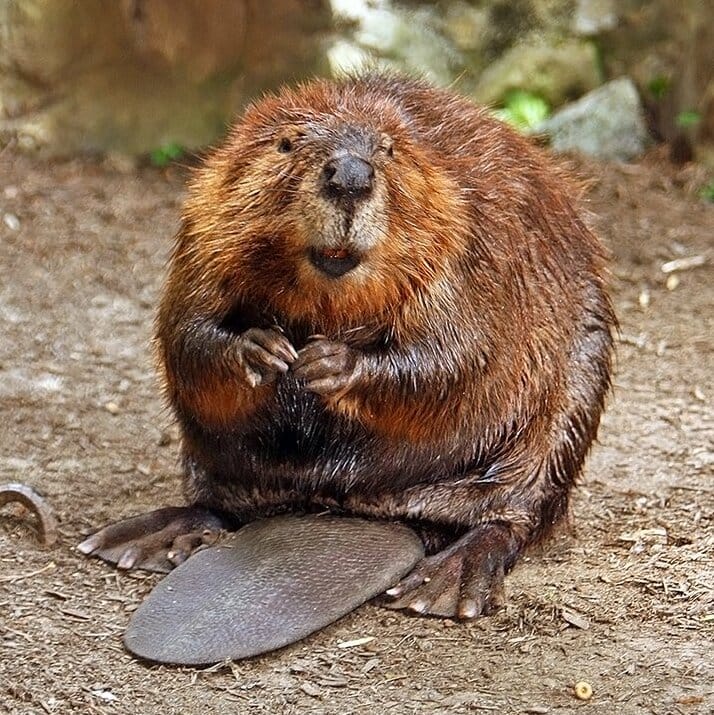
The North American Beaver, scientifically known as Castor canadensis, is a large, semi-aquatic rodent native to North America. Adult beavers typically measure between 74–90 cm (29–35 inches) in body length, with an additional 25–35 cm (10–14 inches) for their flat, paddle-shaped tail. Their weight ranges from 16–30 kg (35–66 pounds), though some exceptional individuals can weigh even more. One of the most recognizable features of the North American Beaver is its broad, scaly tail, which serves multiple purposes including balance when swimming, fat storage, and communication through tail-slapping signals.
The fur of this beaver is dense and water-resistant, ranging from reddish-brown to dark brown, with a glossy appearance that helps insulate against cold water. Their large, orange, chisel-shaped incisors continuously grow throughout their lives and are used for gnawing on wood — a defining behavior of this species. Their webbed hind feet aid in swimming, while their muscular body and flattened tail make them excellent underwater navigators.
2. Habitat and Distribution
North American Beavers are found throughout Canada, the United States, and northern Mexico, favoring freshwater environments such as rivers, streams, ponds, and lakes. They are most commonly associated with wooded areas near water, where they can access trees for both food and building material. Beavers are known as “ecosystem engineers” because of their remarkable ability to alter landscapes: by constructing dams and lodges, they create ponds that provide habitats for numerous other species, from fish to waterfowl.
Their habitat selection is influenced by water depth, availability of trees for gnawing, and absence of predators. Beavers typically prefer areas with slow-moving water where they can build stable dams and lodges. Seasonal migration is minimal, but beavers may relocate locally if resources become scarce or the water source dries up.
3. Behavior and Social Structure
North American Beavers are highly social, living in family units called colonies. A typical colony consists of a monogamous adult pair and their offspring from the current and previous years. Beavers are mostly nocturnal, foraging for food during the night and retreating to their lodges during the day. Their famous dam-building behavior is not merely a construction hobby; it creates a stable aquatic environment that protects them from predators such as wolves, bears, and humans.
Communication within colonies occurs through vocalizations, scent marking, and tail slaps. Tail slapping is a dramatic and effective warning signal, producing a loud splash to alert nearby beavers of danger. Territoriality is strong, with beavers marking the boundaries of their aquatic territory using scent glands located near the base of their tail.
4. Diet and Feeding Habits
The North American Beaver is herbivorous, feeding primarily on the bark, cambium, leaves, and twigs of deciduous trees such as aspen, willow, birch, and maple. During winter months, they rely on stored food caches underwater near their lodges. Beavers have a highly specialized digestive system capable of breaking down cellulose with the help of gut bacteria, allowing them to extract nutrients from woody material that few other animals can digest efficiently.
Beavers are selective feeders, often stripping bark in a way that promotes tree regeneration. Their feeding habits play a significant role in shaping forest composition and the overall health of riparian ecosystems. Additionally, their gnawing activities create new habitats by allowing sunlight to reach the forest floor, encouraging the growth of shrubs and aquatic vegetation.
5. Reproduction and Lifespan
Beavers typically mate for life, forming long-term monogamous pairs. Breeding occurs once a year, usually in late winter or early spring, with a gestation period of about 105–107 days. Litters generally consist of 1–4 kits, which are born fully furred, with open eyes and the ability to swim shortly after birth. Kits remain dependent on their parents for food and protection for the first two years, gradually taking on responsibilities such as dam maintenance and foraging.
The average lifespan of a North American Beaver in the wild is 10–15 years, though some individuals may live up to 20 years under ideal conditions. Mortality is typically caused by predation, disease, or environmental changes such as flooding or habitat destruction. Conservation efforts have been successful in restoring populations in many regions, as historical overtrapping for fur led to severe declines during the 18th and 19th centuries.
6. Ecological Importance
North American Beavers play a crucial ecological role, supporting biodiversity and improving water quality. By building dams, they create wetlands that serve as breeding grounds for fish, amphibians, and aquatic invertebrates. Beaver ponds also help recharge groundwater, reduce soil erosion, and filter sediments and pollutants from water. Their presence promotes a balanced ecosystem, benefiting both plants and animals in their habitat. Scientists often study beaver activity as a natural tool for ecosystem restoration and climate adaptation strategies.
7. Human Interaction and Conservation
Historically, North American Beavers were extensively trapped for their fur, leading to significant population declines. Today, conservation laws, habitat restoration, and regulated trapping practices have helped populations recover. Beavers may sometimes conflict with humans due to flooding or tree damage, but coexistence strategies such as flow devices and tree protection methods are used to mitigate issues. Observing beavers in their natural habitat offers a unique glimpse into the life of these remarkable “engineers of the wilderness.”
8. Fun Facts and Unique Traits
- Beavers have transparent eyelids, allowing them to see underwater while swimming.
- They can stay submerged for up to 15 minutes without surfacing for air.
- Beaver teeth never stop growing, requiring constant gnawing to maintain proper length.
- They communicate using vocalizations, scent markings, and dramatic tail slaps.
- Beavers are considered a keystone species due to their profound impact on ecosystems.
In summary, the North American Beaver (Castor canadensis) is not just an iconic species of North America but also a critical contributor to ecosystem health. Understanding its behavior, diet, and ecological role highlights the importance of preserving these remarkable rodents. Learning about North American Beavers gives us valuable insight into how species interact with their environment and the delicate balance of aquatic ecosystems.
Eurasian Beaver (Castor fiber)
1. Identification and Physical Characteristics
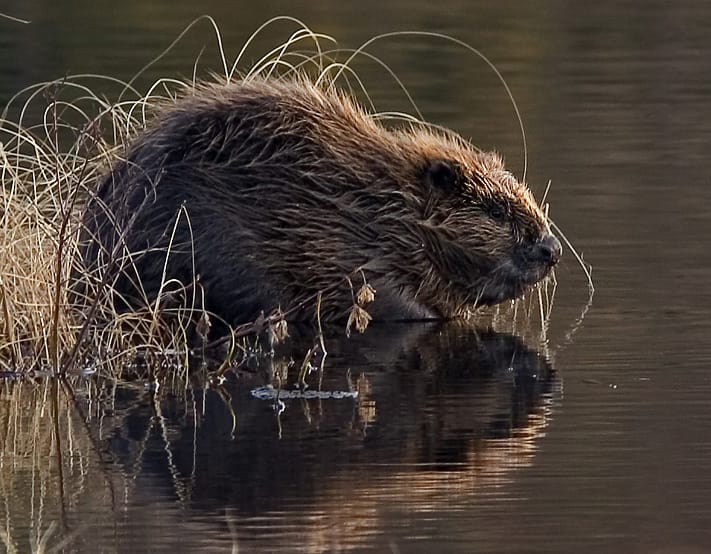
The Eurasian Beaver, or Castor fiber, is the largest rodent native to Europe and parts of Asia, and it shares many similarities with its North American cousin. Adult Eurasian Beavers typically measure 80–100 cm (31–39 inches) in body length, with a 25–35 cm (10–14 inches) tail. They usually weigh between 16–30 kg (35–66 pounds), although exceptionally large individuals can weigh up to 40 kg (88 pounds). The broad, flattened tail, one of the most distinctive features, functions as a rudder for swimming, a fat storage organ, and a warning device for nearby beavers through tail slaps.
The Eurasian Beaver’s fur is thick and water-resistant, usually ranging from dark brown to reddish-brown. This dense coat helps them survive in cold climates and icy waters during winter months. Their large incisors, orange in color, grow continuously throughout their lifetime, enabling them to gnaw through tough bark and timber. Webbed hind feet, muscular bodies, and streamlined heads allow them to swim efficiently, sometimes covering distances of up to 5 km (3 miles) in search of food or building materials.
2. Habitat and Distribution
Eurasian Beavers are widely distributed across Europe and northern Asia, including countries such as Russia, Finland, Germany, Poland, and parts of Central Asia. They favor freshwater habitats with abundant trees and shrubs, including rivers, streams, lakes, and ponds. Much like North American Beavers, Eurasian Beavers are “ecosystem engineers” that alter landscapes by building dams and lodges, creating ponds and wetlands that support diverse species of fish, amphibians, and birds.
Historically, the Eurasian Beaver’s range was much broader, but intensive trapping for fur and habitat destruction reduced populations dramatically in the 19th century. Today, conservation programs and reintroduction efforts have helped restore populations to many regions. Eurasian Beavers prefer slow-moving or calm waters with adequate woody vegetation, ensuring a reliable food supply and materials for dam and lodge construction. They rarely migrate long distances but may expand their territory gradually as local populations grow.
3. Behavior and Social Structure
The Eurasian Beaver is a social animal, living in family groups known as colonies. Each colony typically consists of a monogamous adult pair and their offspring from multiple years. They are primarily nocturnal, spending most of the day in lodges or burrows and emerging at night to forage. Eurasian Beavers are well-known for their dam-building activity, which not only provides protection from predators such as wolves, bears, and lynx but also stabilizes water levels for the colony.
Communication within Eurasian Beaver colonies is sophisticated, involving vocalizations, scent marking with castoreum (secreted from glands near the tail), and tail slaps to warn of danger. Territorial behavior is pronounced, with families marking waterways to prevent intrusions from other beavers. This highly organized social structure allows Eurasian Beavers to cooperate effectively in building and maintaining their aquatic environments, ensuring the safety and survival of the colony.
4. Diet and Feeding Habits
Eurasian Beavers are strict herbivores, feeding primarily on bark, twigs, leaves, and roots of trees and shrubs such as willow, birch, alder, and aspen. During winter, they rely on stored branches submerged near their lodges for survival. Their digestive system is adapted to break down cellulose efficiently, thanks to a symbiotic relationship with gut bacteria that ferment woody material. This ability allows Eurasian Beavers to extract nutrients from food sources that many other herbivores cannot digest.
These beavers are selective in their feeding habits, often targeting tree species that regenerate quickly to ensure a sustainable food supply. Their gnawing behavior also benefits the ecosystem by creating habitats for other species, increasing plant diversity, and maintaining riparian zones. By removing trees and shrubs strategically, Eurasian Beavers contribute to forest regeneration and the creation of open water spaces, supporting a rich variety of aquatic life.
5. Reproduction and Lifespan
Eurasian Beavers are monogamous, forming long-term breeding pairs. The mating season occurs in late winter to early spring, with a gestation period of approximately 107–108 days. Litters usually consist of 1–4 kits, which are born fully furred and with open eyes. Young beavers are capable swimmers shortly after birth and remain dependent on their parents for care, learning essential survival and dam-building skills during their first two years.
The average lifespan of a Eurasian Beaver in the wild is 10–12 years, although some individuals may live up to 20 years under ideal conditions. Predation, disease, habitat destruction, and occasional conflicts with humans affect survival rates. Conservation programs in Europe and Asia have focused on protecting habitats, regulating hunting, and reintroducing beavers to areas where they were once extinct. Today, the Eurasian Beaver is considered a conservation success story, demonstrating the species’ resilience and ecological importance.
6. Ecological Importance
Eurasian Beavers play a vital role in their ecosystems, creating wetlands and ponds that provide habitats for numerous plants and animals. Their dam-building activities help regulate water levels, prevent soil erosion, and improve water quality by trapping sediments and pollutants. Beaver ponds also serve as breeding grounds for amphibians and fish, and they attract birds, mammals, and insects, increasing biodiversity in the area. Scientists often study Eurasian Beavers to understand natural water management and ecosystem restoration techniques.
By shaping landscapes and influencing hydrological processes, Eurasian Beavers contribute significantly to the health and sustainability of riparian and wetland ecosystems. Their role as “keystone species” underscores the importance of conserving these remarkable rodents, as their presence benefits countless other species that share their habitats.
7. Human Interaction and Conservation
Historically, Eurasian Beavers were heavily hunted for their fur, meat, and castoreum, leading to population declines and local extinctions across Europe and Asia. Modern conservation efforts, including habitat protection, reintroduction programs, and regulated hunting, have successfully restored populations in many countries. Human-beaver conflicts occasionally occur, particularly when beavers’ dams cause flooding or damage to property. Mitigation strategies such as flow devices, fencing, and tree guards are commonly employed to balance conservation and human interests.
Ecotourism and wildlife observation have also increased awareness of the Eurasian Beaver’s ecological value. Observing beavers in the wild offers unique insights into the complexity of aquatic ecosystems and the importance of biodiversity conservation. By understanding their behavior and ecological contributions, humans can coexist peacefully with these industrious rodents.
8. Fun Facts and Unique Traits
- Eurasian Beavers are strong swimmers and can stay submerged for up to 15 minutes.
- They have transparent eyelids that allow underwater vision.
- Their continuously growing incisors enable them to gnaw through tough wood efficiently.
- Beavers communicate through vocalizations, scent markings, and dramatic tail slaps.
- As ecosystem engineers, they create wetlands that support countless species of plants and animals.
In conclusion, the Eurasian Beaver (Castor fiber) is a remarkable species that has played an essential role in European and Asian ecosystems for centuries. Understanding its habits, diet, and ecological impact allows us to appreciate the importance of conserving these species. Both the North American and Eurasian Beavers demonstrate how a single species can profoundly influence its environment, highlighting the intricate connections within nature. Learning about types of beavers not only enriches our knowledge of wildlife but also reminds us of the vital role conservation plays in protecting biodiversity for future generations.
Conclusion: Understanding the 2 Types of Beavers
In summary, learning about the types of beavers provides a fascinating glimpse into the lives of two of the most industrious and ecologically important rodents on Earth: the North American Beaver (Castor canadensis) and the Eurasian Beaver (Castor fiber). Both species demonstrate incredible engineering skills, creating dams, lodges, and wetlands that support diverse ecosystems and countless other species. Despite living continents apart, they share similar behaviors, diets, and social structures, yet each has unique adaptations that reflect its environment and evolutionary history.
Understanding beavers helps us appreciate their vital role in maintaining healthy waterways, preventing soil erosion, and supporting biodiversity. Their ability to shape landscapes is unmatched in the animal kingdom, and their presence can indicate the overall health of an ecosystem. Conservation efforts have ensured that these remarkable mammals continue to thrive despite historical overhunting and habitat loss.
By exploring the North American and Eurasian Beavers, we gain insight into how a single species can profoundly impact its environment, illustrating the interconnectedness of nature. Observing, studying, and protecting these creatures allows humans to witness firsthand the ingenuity of wildlife and the importance of preserving it for future generations. Whether you are a wildlife enthusiast, student, or nature lover, understanding the types of beavers deepens our respect for these iconic engineers of rivers and wetlands.
Comparison Table: North American Beaver vs Eurasian Beaver
| Feature | North American Beaver (Castor canadensis) | Eurasian Beaver (Castor fiber) |
|---|---|---|
| Size (Body Length) | 74–90 cm (29–35 inches) | 80–100 cm (31–39 inches) |
| Tail Length | 25–35 cm (10–14 inches) | 25–35 cm (10–14 inches) |
| Weight | 16–30 kg (35–66 pounds) | 16–30 kg (35–66 pounds), occasionally up to 40 kg |
| Fur Color | Reddish-brown to dark brown | Dark brown to reddish-brown |
| Geographic Range | North America (Canada, USA, northern Mexico) | Europe and northern Asia (Russia, Germany, Poland, Central Asia) |
| Habitat | Rivers, streams, ponds, lakes with woody vegetation | Rivers, streams, lakes, ponds with abundant trees and shrubs |
| Social Structure | Monogamous family colonies with parents and offspring | Monogamous family colonies with parents and offspring |
| Diet | Bark, cambium, leaves, twigs, aquatic plants | Bark, cambium, leaves, twigs, aquatic plants |
| Dam-Building | Yes, creates ponds and wetlands for protection and ecosystem health | Yes, creates ponds and wetlands for protection and ecosystem health |
| Predators | Wolves, bears, coyotes, humans | Wolves, bears, lynx, humans |
| Lifespan | 10–15 years (up to 20 in ideal conditions) | 10–12 years (up to 20 in ideal conditions) |
| Behavior | Nocturnal, territorial, communicates with tail slaps and scent marking | Nocturnal, territorial, communicates with tail slaps and scent marking |
| Ecological Role | Keystone species; creates wetlands, supports biodiversity, prevents erosion | Keystone species; creates wetlands, supports biodiversity, prevents erosion |
| Conservation Status | Stable; population recovered after historical overhunting | Stable; reintroduction and protection programs successful |
| Fun Fact | Can stay submerged for up to 15 minutes and has continuously growing orange teeth | Transparent eyelids allow underwater vision; dams support fish and amphibians |
Frequently Asked Questions About Types of Beavers
1. What are the types of beavers?
The main types of beavers are the North American Beaver (Castor canadensis) and the Eurasian Beaver (Castor fiber), both known for their dam-building skills and ecological importance.
2. Where do North American Beavers live?
North American Beavers are native to Canada, the United States, and northern Mexico, typically inhabiting rivers, streams, ponds, and lakes surrounded by trees.
3. Where do Eurasian Beavers live?
Eurasian Beavers are found across Europe and northern Asia, including Russia, Germany, Poland, and parts of Central Asia, favoring freshwater habitats with woody vegetation.
4. How can you identify a North American Beaver?
North American Beavers are reddish-brown, have a large flat tail, webbed hind feet, and orange, chisel-shaped continuously growing teeth.
5. How can you identify a Eurasian Beaver?
Eurasian Beavers are slightly larger, dark brown to reddish-brown, with a broad flat tail, dense water-resistant fur, and large orange incisors for gnawing wood.
6. What do beavers eat?
Beavers are herbivores that feed on the bark, cambium, leaves, and twigs of trees like willow, birch, aspen, and alder. They also eat aquatic plants.
7. Do beavers eat fish?
No, beavers are strictly herbivores and do not consume fish or other animal protein.
8. How long do beavers live?
Beavers generally live 10–15 years in the wild, though some individuals can reach up to 20 years under ideal conditions.
9. Do beavers build dams?
Yes, both North American and Eurasian Beavers are famous for building dams and lodges to create stable ponds for protection and habitat creation.
10. Why do beavers build dams?
Beavers build dams to raise water levels, protect their lodges from predators, and create wetlands that support other wildlife.
11. What is a beaver lodge?
A beaver lodge is a dome-shaped structure made of sticks, mud, and logs that provides shelter and protection for the colony.
12. How big are beavers?
Beavers range from 74–100 cm (29–39 inches) in body length, with tails adding another 25–35 cm, and they typically weigh 16–30 kg (35–66 pounds).
13. Are beavers nocturnal?
Yes, beavers are mostly nocturnal, foraging for food at night and staying in their lodges during the day.
14. Do beavers live alone?
No, beavers live in family colonies, usually consisting of a breeding pair and their offspring from multiple years.
15. Are beavers monogamous?
Yes, beavers form long-term monogamous pairs and often mate for life.
16. How many offspring do beavers have?
Beavers typically have 1–4 kits per litter, which are born fully furred and with open eyes.
17. Can beavers swim underwater?
Yes, beavers are excellent swimmers and can stay submerged for up to 15 minutes using their webbed hind feet and tail for propulsion.
18. What predators eat beavers?
Beavers are preyed upon by wolves, bears, coyotes, lynx, and sometimes humans, although lodges and water protection reduce risk.
19. Are beavers endangered?
Neither the North American nor Eurasian Beaver is currently endangered. Conservation efforts have helped restore populations after historical overhunting.
20. How do beavers communicate?
Beavers communicate using tail slaps, vocalizations, and scent marking with castoreum to warn, attract mates, or mark territory.
21. What is a keystone species?
Beavers are considered a keystone species because their activities, like dam-building, create habitats and support biodiversity in their ecosystems.
22. Do beavers have fur?
Yes, beavers have thick, water-resistant fur that protects them from cold water and keeps them insulated during winter months.
23. Why are beaver teeth orange?
Beaver teeth are orange because of iron deposits in the enamel, which makes them strong and resistant to wear from constant gnawing.
24. How fast do beavers grow?
Beaver kits grow quickly, gaining independence in 2 years, during which they learn to build dams and forage under parental guidance.
25. How far can beavers travel?
Beavers usually stay close to their lodges but may travel a few kilometers along waterways to find food or expand their territory.
26. Can beavers damage trees?
Yes, beavers gnaw on trees to access food and building materials. However, this also helps create habitats for other species.
27. Do beavers hibernate?
No, beavers do not hibernate. They remain active under the ice during winter and rely on stored food caches.
28. How do beavers store food?
Beavers store branches and twigs underwater near their lodges to have access to food during winter months.
29. Are beavers social animals?
Yes, beavers live in colonies and cooperate in building and maintaining dams and lodges, demonstrating complex social behavior.
30. Do beavers make sounds?
Yes, beavers produce various sounds including grunts, whines, and screams to communicate with family members or alert danger.
31. How do beavers mark territory?
Beavers use scent marking with castoreum, a secretion from glands near their tail, to mark the boundaries of their territory.
32. Can beavers climb trees?
Beavers are excellent gnawers but are not climbers. They cut trees from the base and use the wood for building and feeding.
33. What role do beavers play in ecology?
Beavers create wetlands that improve water quality, reduce erosion, provide habitats, and increase biodiversity, making them vital ecological engineers.
34. Do beavers have natural enemies?
Yes, their main predators are wolves, bears, coyotes, and lynx, but water and lodge protection reduce predation risks.
35. Can beavers live in urban areas?
Beavers occasionally inhabit urban waterways if sufficient food and water are available, but they may cause flooding and tree damage.
36. How do beavers adapt to cold weather?
Beavers grow thick fur, build insulated lodges, and store food underwater to survive freezing temperatures during winter.
37. Are beavers dangerous to humans?
Beavers are generally not aggressive but can bite if provoked. Most human-beaver interactions are peaceful or observational.
38. How big is a beaver dam?
Beaver dams vary in size from a few meters to hundreds of meters long, depending on water flow, available materials, and colony size.
39. Can beavers modify landscapes?
Yes, beavers are famous for shaping landscapes, creating wetlands, ponds, and waterways that benefit countless other species.
40. Do beavers have predators in water?
While beavers are skilled swimmers, they can be preyed upon by otters, alligators (in rare southern ranges), and humans during hunting seasons.
41. What is castoreum?
Castoreum is a secretion from glands near a beaver’s tail used for scent marking and communication, sometimes historically used in perfumes.
42. Can beavers swim long distances?
Beavers are strong swimmers and can travel several kilometers along waterways, especially when searching for food or new territory.
43. How do beavers help fish?
Beaver ponds create calm, nutrient-rich waters that provide breeding grounds and shelter for fish species.
44. Do beavers eat aquatic plants?
Yes, in addition to tree bark, beavers feed on various aquatic plants such as cattails, water lilies, and pondweed.
45. How do beavers help prevent erosion?
By building dams and stabilizing water levels, beavers reduce soil erosion along riverbanks and shorelines.
46. Are beavers found worldwide?
No, beavers are native to North America, Europe, and parts of Asia. Other continents do not have native beaver populations.
47. Do beavers have tails for balance?
Yes, a beaver’s flat tail helps balance while swimming, acts as a warning device, and stores fat for energy.
48. Can beavers survive without water?
Beavers are semi-aquatic and rely heavily on water for food storage, protection, and mobility, so they cannot survive far from waterways.
49. How do beavers contribute to biodiversity?
By creating wetlands and ponds, beavers provide habitats for fish, amphibians, birds, insects, and plants, boosting local biodiversity.
50. How can humans coexist with beavers?
Humans can coexist with beavers using flow devices, fencing, tree guards, and by allowing natural wetlands to flourish without disturbance.
51. Are beaver populations increasing?
Yes, conservation efforts and reintroduction programs have successfully increased beaver populations in many parts of North America and Europe.
52. What is the difference between North American and Eurasian Beavers?
The main differences are in size, fur color, habitat, and geographic distribution. Eurasian Beavers are generally larger, darker, and native to Europe and Asia, while North American Beavers are native to North America and slightly smaller with reddish-brown fur.
53. Why are beavers called “ecosystem engineers”?
Because they dramatically alter landscapes by building dams and lodges, creating wetlands, and influencing water flow, which benefits many other species.
Read more: 35 Types of Centipede (Pictures And Identification)