

Chameleons are among the most fascinating reptiles in the world, renowned for their vibrant colors, remarkable ability to change hues, and unique physical adaptations. In this comprehensive guide, we explore types of chameleons that inhabit diverse ecosystems—from dense African forests to isolated islands. Whether you’re a wildlife enthusiast, an aspiring herpetologist, or simply curious about these incredible reptiles, this article introduces you to 80 distinct species of chameleons, their habitats, behaviors, and distinguishing features. Each chameleon is described in detail, offering a clear understanding of what makes them unique in the wild.
By learning about the various chameleons, readers gain insight into their conservation status, ecological roles, and the beauty they contribute to our planet’s biodiversity. Let’s begin our journey through the mesmerizing world of chameleons.
1. Common Chameleon (Chamaeleo chamaeleon)
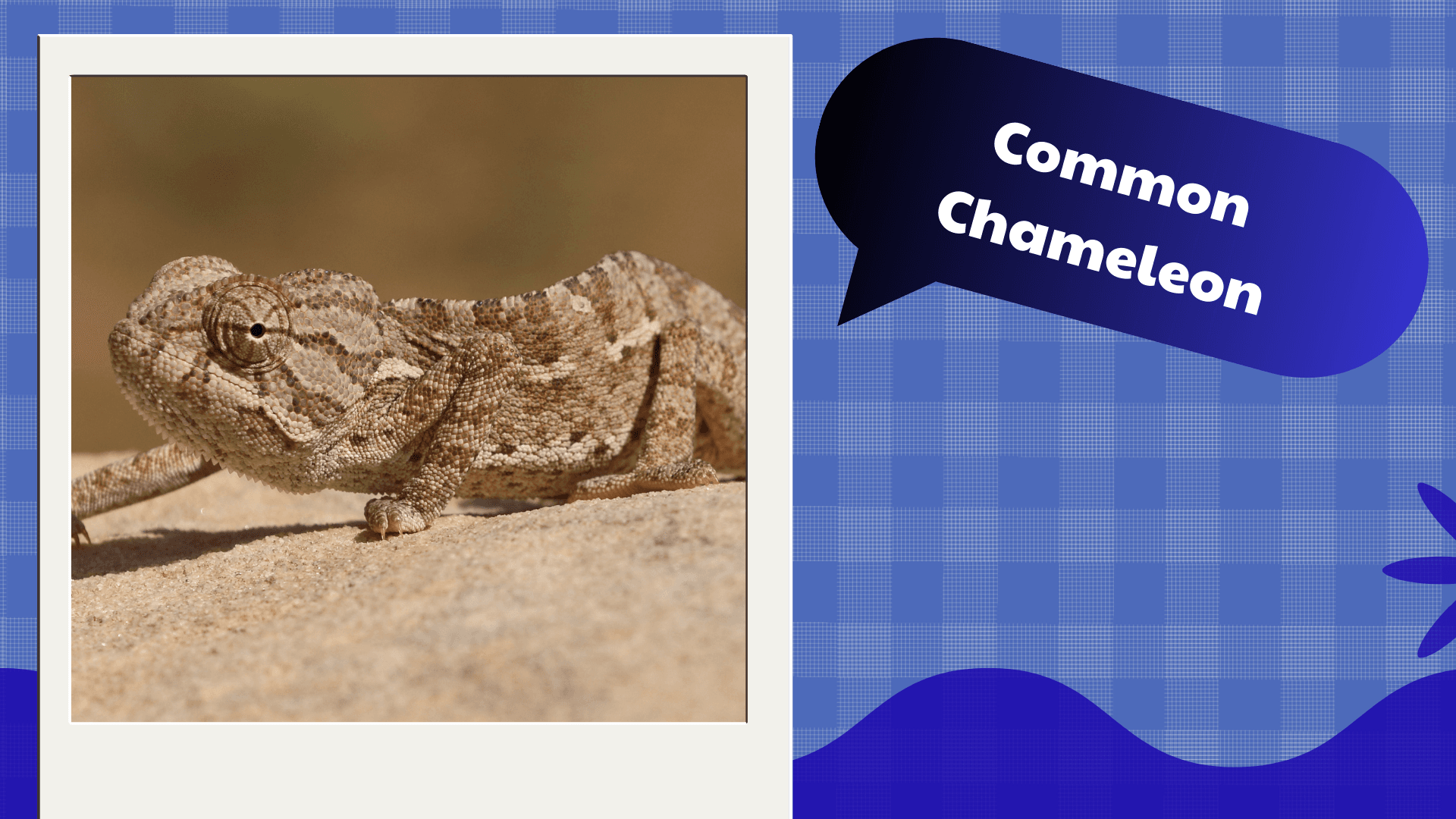
The Common Chameleon, native to southern Europe, northern Africa, and parts of the Middle East, is a small but highly adaptable reptile. Characterized by its prehensile tail, independently moving eyes, and vibrant color changes, this species demonstrates classic chameleon behaviors.
Common Chameleons thrive in a variety of habitats, including forests, shrublands, and gardens. Their diet primarily consists of insects, making them effective natural pest controllers. Males display more vivid colors than females, especially during courtship or territorial disputes, while females tend to remain a muted green or brown for camouflage.
Reproduction involves laying eggs in moist soil, with females typically producing 10–40 eggs per clutch. Hatchlings emerge after several months, fully capable of hunting insects independently. Predators of the Common Chameleon include birds, snakes, and small mammals, making their camouflage and color-changing abilities essential for survival.
Overall, the Common Chameleon represents the foundational species of chameleons, offering a glimpse into their evolutionary adaptations and remarkable survival strategies.
2. Veiled Chameleon (Chamaeleo calyptratus)

Veiled Chameleons are among the largest and most iconic chameleons, native to Yemen and Saudi Arabia. Known for their tall casque—a helmet-like structure on their heads—they use it to display dominance and attract mates. Males often exhibit bright green and yellow hues, while females tend to be more subdued in color.
These chameleons are arboreal, spending most of their lives in trees or shrubs. Their prehensile tails provide balance and support as they navigate branches, while their sticky tongues allow them to catch insects from a distance with astonishing speed. They also exhibit territorial behavior, with males displaying vivid colors when threatened or courting females.
Veiled Chameleons are oviparous, laying up to 200 eggs in sandy soil. Hatchlings are independent immediately, requiring no parental care. While Veiled Chameleons are popular in the pet trade due to their striking appearance, they require specific humidity, temperature, and UVB light conditions to thrive in captivity.
The Veiled Chameleon exemplifies the diversity and beauty of chameleons, combining remarkable physical traits with unique behavioral patterns.
3. Namaqua Chameleon (Chamaeleo namaquensis)

Endemic to the arid regions of Namibia and South Africa, the Namaqua Chameleon is specially adapted to desert life. Unlike many chameleons, it often walks on the hot sand to hunt insects during cooler mornings and evenings. Its body coloration ranges from sandy beige to vibrant green, depending on temperature, mood, and social interactions.
The Namaqua Chameleon has remarkable adaptations for thermoregulation, including the ability to change color to reflect or absorb sunlight. Its eyes move independently, allowing it to scan for predators and prey simultaneously. Predators include snakes, birds, and small mammals, making vigilance critical.
Breeding occurs during the rainy season, with females laying eggs in burrows dug into sand. Hatchlings emerge fully formed and are capable of hunting small insects independently. Conservationists monitor this species closely due to habitat loss from human activities, emphasizing the importance of preserving desert ecosystems.
The Namaqua Chameleon demonstrates how chameleons can thrive in extreme environments, showcasing the evolutionary ingenuity of these reptiles.
4. Senegal Chameleon (Chamaeleo senegalensis)
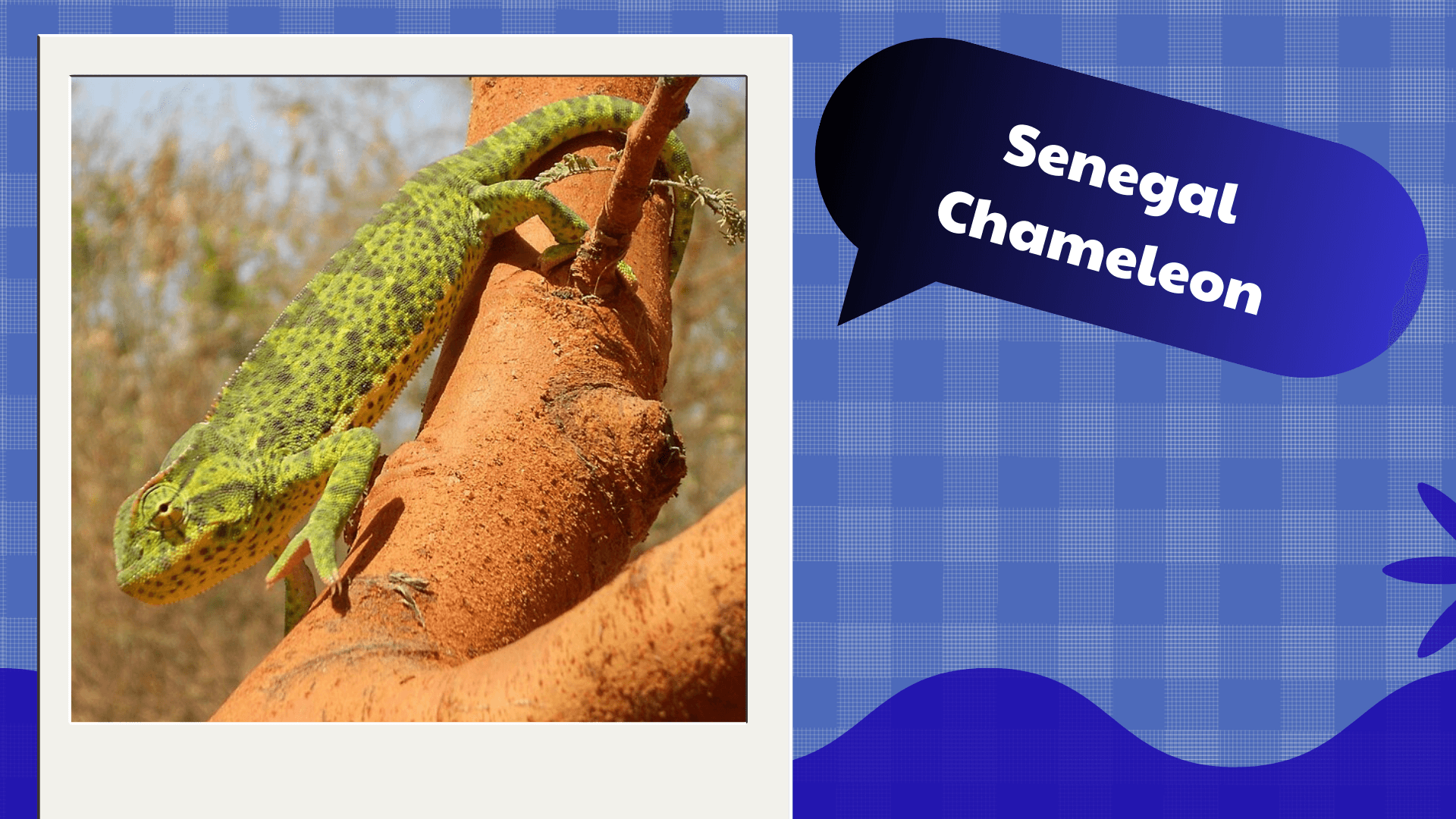
Native to West Africa, the Senegal Chameleon is a small and hardy species often favored by reptile enthusiasts. Measuring up to 8 inches in length, this chameleon exhibits bright green coloration with occasional yellow or brown spots. Its prehensile tail and grasping feet enable it to navigate shrubs and small trees efficiently.
Senegal Chameleons are insectivorous, feeding primarily on crickets, flies, and other small invertebrates. Males display brighter colors than females, particularly during mating or territorial displays. This species is generally solitary, coming together only for reproduction.
Reproduction involves laying 10–30 eggs in moist soil. Hatchlings emerge after approximately six months and quickly begin hunting insects. In captivity, Senegal Chameleons require a well-regulated environment with sufficient humidity and climbing structures to simulate their natural habitat.
Overall, the Senegal Chameleon provides an excellent example of a smaller, adaptable chameleon that thrives in West African habitats while remaining a popular species for study and hobbyists.
5. Jackson’s Chameleon (Trioceros jacksonii)
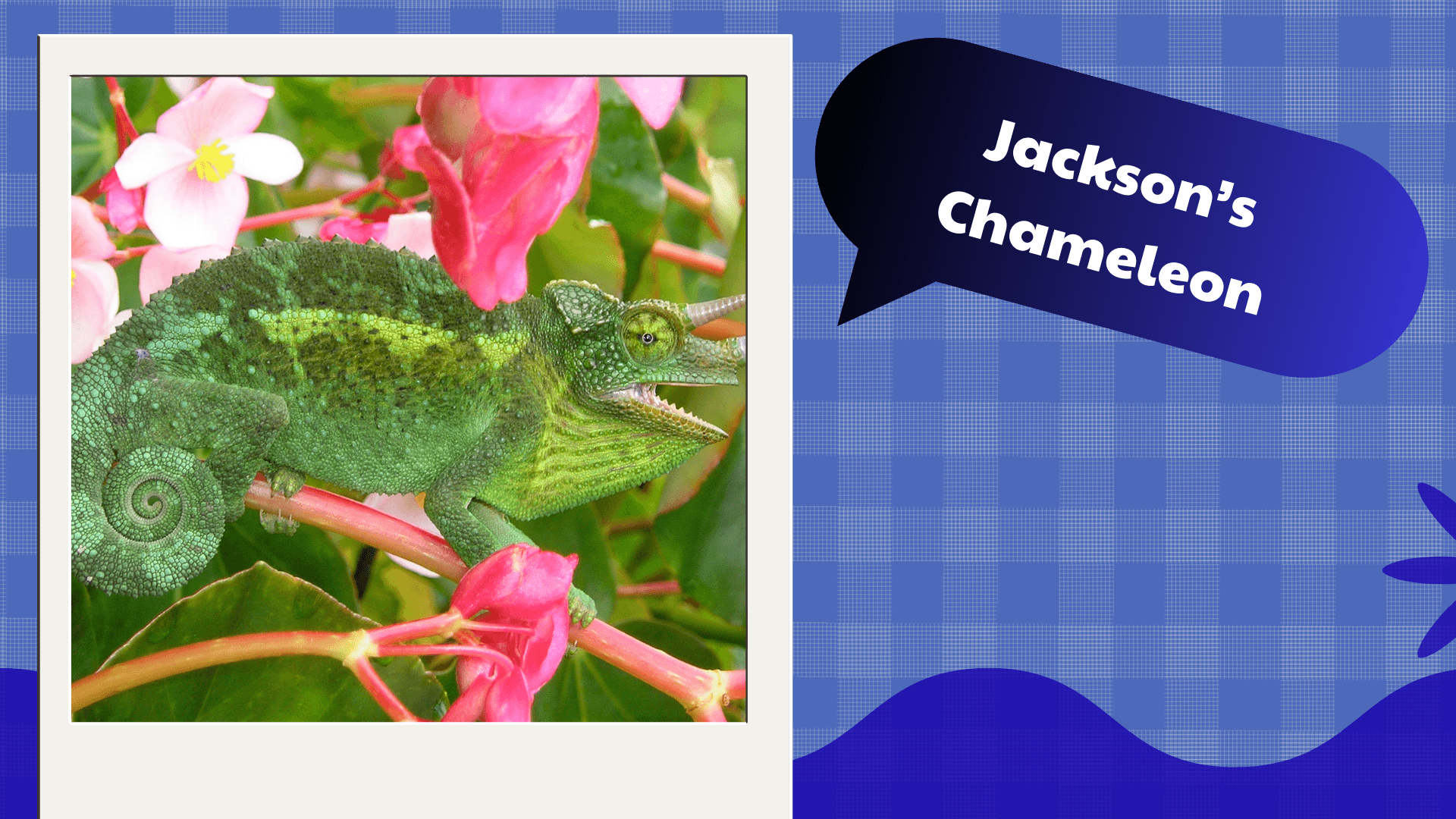
Jackson’s Chameleon, native to East Africa, is renowned for its distinctive horns, particularly in males, which display three prominent horns on the head. These horns are used for combat between males and to attract females during the breeding season. Coloration varies from bright green to darker shades depending on temperature, mood, and health.
Unlike many other chameleons, Jackson’s Chameleons are viviparous, giving birth to live young rather than laying eggs. They are primarily arboreal, living in trees and shrubs, where they use their prehensile tails for balance and mobility. Their diet consists mainly of insects, but they may also consume small vegetation.
Jackson’s Chameleons exhibit complex social interactions, particularly among males competing for territory or mates. They are highly sensitive to environmental conditions, requiring precise humidity and temperature levels to remain healthy.
With their unique horned appearance and live-bearing reproduction, Jackson’s Chameleons illustrate the remarkable diversity and adaptability of types of chameleons across different regions.
6. Meller’s Chameleon (Trioceros melleri)
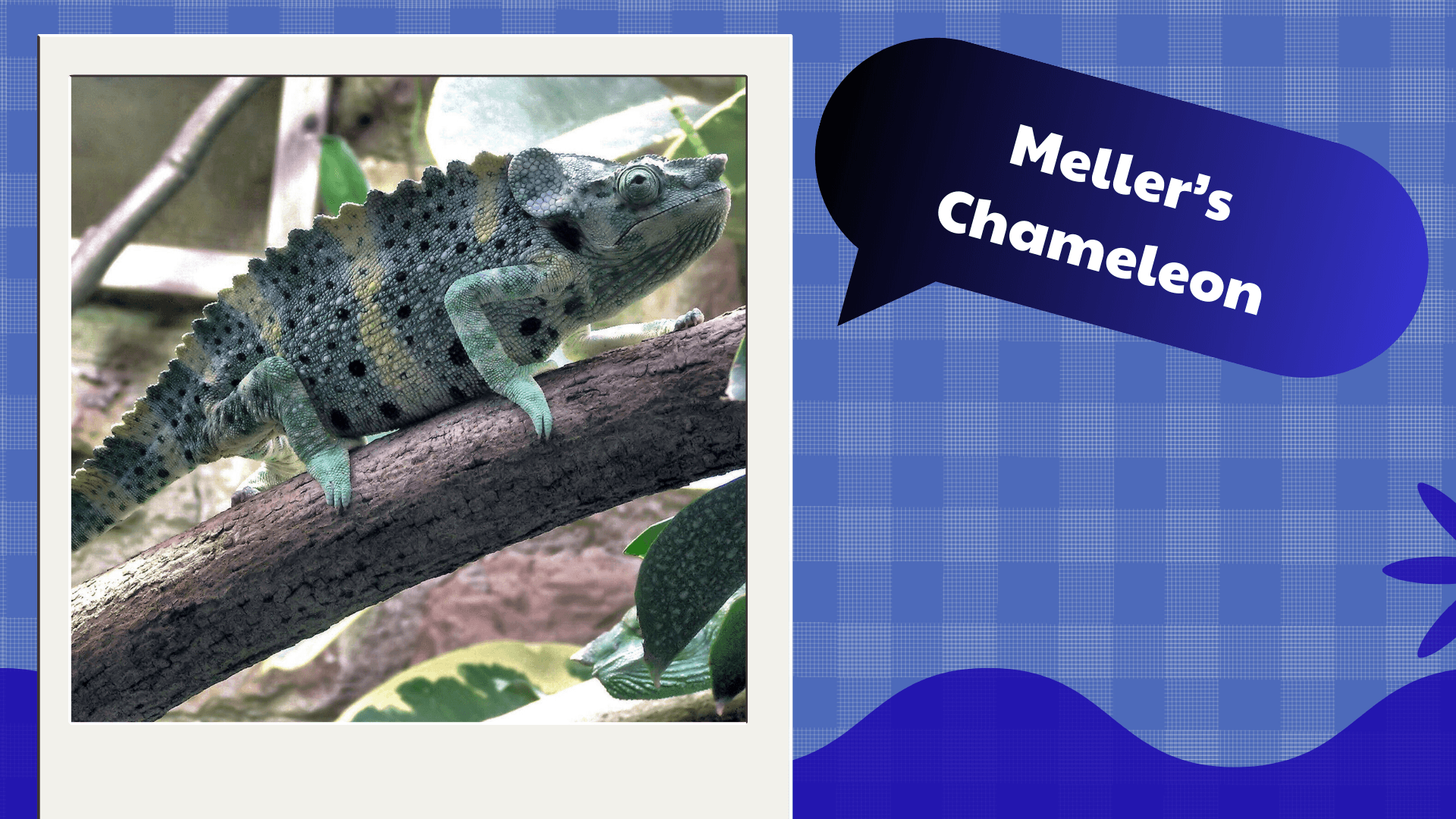
Meller’s Chameleon is one of the largest chameleons in the world, native to the forests of East Africa, particularly in Malawi, Tanzania, and Mozambique. Known for its impressive size, males can reach up to 24 inches in length, including the tail. Its coloration is typically bright green, which may darken during stress or conflict, providing both camouflage and communication cues.
These chameleons are primarily arboreal, inhabiting tall trees where they hunt insects and occasionally small vertebrates. They are solitary creatures, with males establishing territories that they defend vigorously. The prehensile tail and strong, grasping feet allow them to navigate branches effortlessly.
Meller’s Chameleons are oviparous, with females laying eggs in soil burrows. Hatchlings emerge after several months, fully independent and capable of hunting immediately. Their size and striking appearance make them popular among enthusiasts, but they require careful environmental management due to their sensitivity to humidity and temperature changes.
7. Helmeted Chameleon (Trioceros hoehnelii)
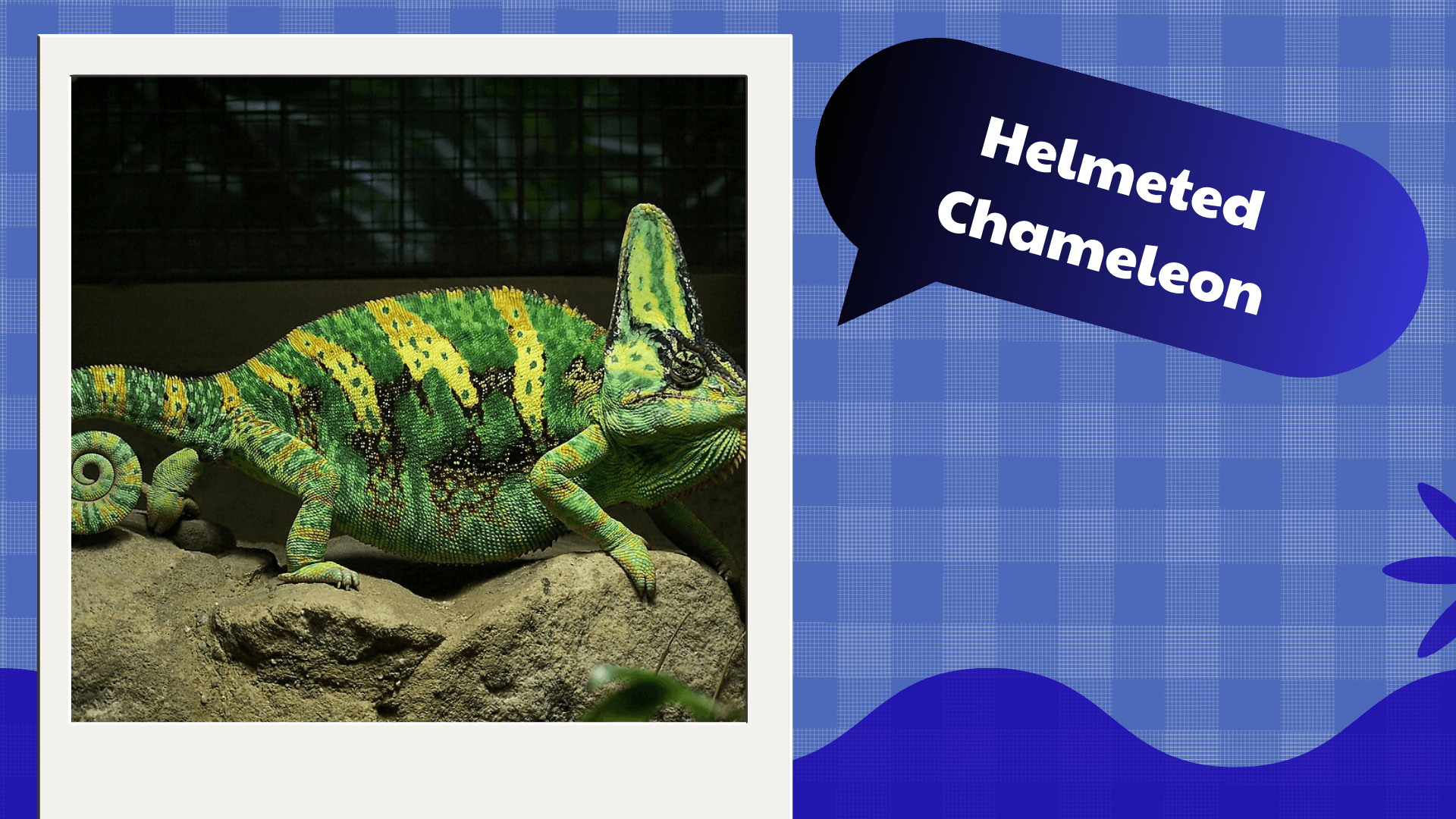
Helmeted Chameleons are native to central African rainforests. Their name comes from the distinctive bony casque on the top of their heads, which males use for display and dominance. They exhibit green to brown coloration, often with small spots or stripes for camouflage among leaves and branches.
These chameleons are insectivorous, feeding primarily on crickets, flies, and caterpillars. Males are more vividly colored than females, especially during mating season. Helmeted Chameleons are territorial, and conflicts between males often involve displays of head-bobbing and color changes.
Reproduction is oviparous, with females laying eggs in soil or leaf litter. Hatchlings are independent immediately and demonstrate strong climbing abilities. The Helmeted Chameleon exemplifies the adaptability and visual communication techniques that chameleons use in dense forest environments.
8. Johnston’s Chameleon (Trioceros johnstoni)

Johnston’s Chameleon, found in the montane forests of East Africa, is smaller than Meller’s Chameleon but equally fascinating. It is known for its slender body, long tail, and vibrant green coloration. Males often develop faint striping during social interactions, while females tend to remain a uniform green for camouflage.
This species is arboreal and thrives in cooler, moist environments. Johnston’s Chameleons hunt insects and small arthropods using their rapid, sticky tongues. Their independently moving eyes allow them to scan for predators and prey simultaneously.
Females lay eggs in shallow burrows or under leaf litter. Hatchlings are miniature versions of adults, fully capable of feeding themselves immediately. Johnston’s Chameleon highlights the delicate balance between camouflage, hunting efficiency, and social signaling among types of chameleons.
9. Crested Chameleon (Trioceros cristatus)

Native to West and Central Africa, the Crested Chameleon is named for the prominent ridge running along its back and neck. Its green coloration helps it blend seamlessly into dense forest foliage, while subtle markings indicate mood or readiness to mate. Males typically display more pronounced crests and brighter colors than females.
Crested Chameleons are insectivores, but their diet may occasionally include plant matter. They are largely solitary and arboreal, relying on camouflage and stealth to avoid predators such as birds and snakes. Prehensile tails and strong grasping feet make navigating branches effortless.
Females lay eggs in soft soil, which hatch several months later. Hatchlings exhibit immediate independence. This species demonstrates the evolutionary creativity of chameleons, blending physical adaptations with behavioral strategies to thrive in rainforest ecosystems.
10. Elliot’s Chameleon (Trioceros ellioti)
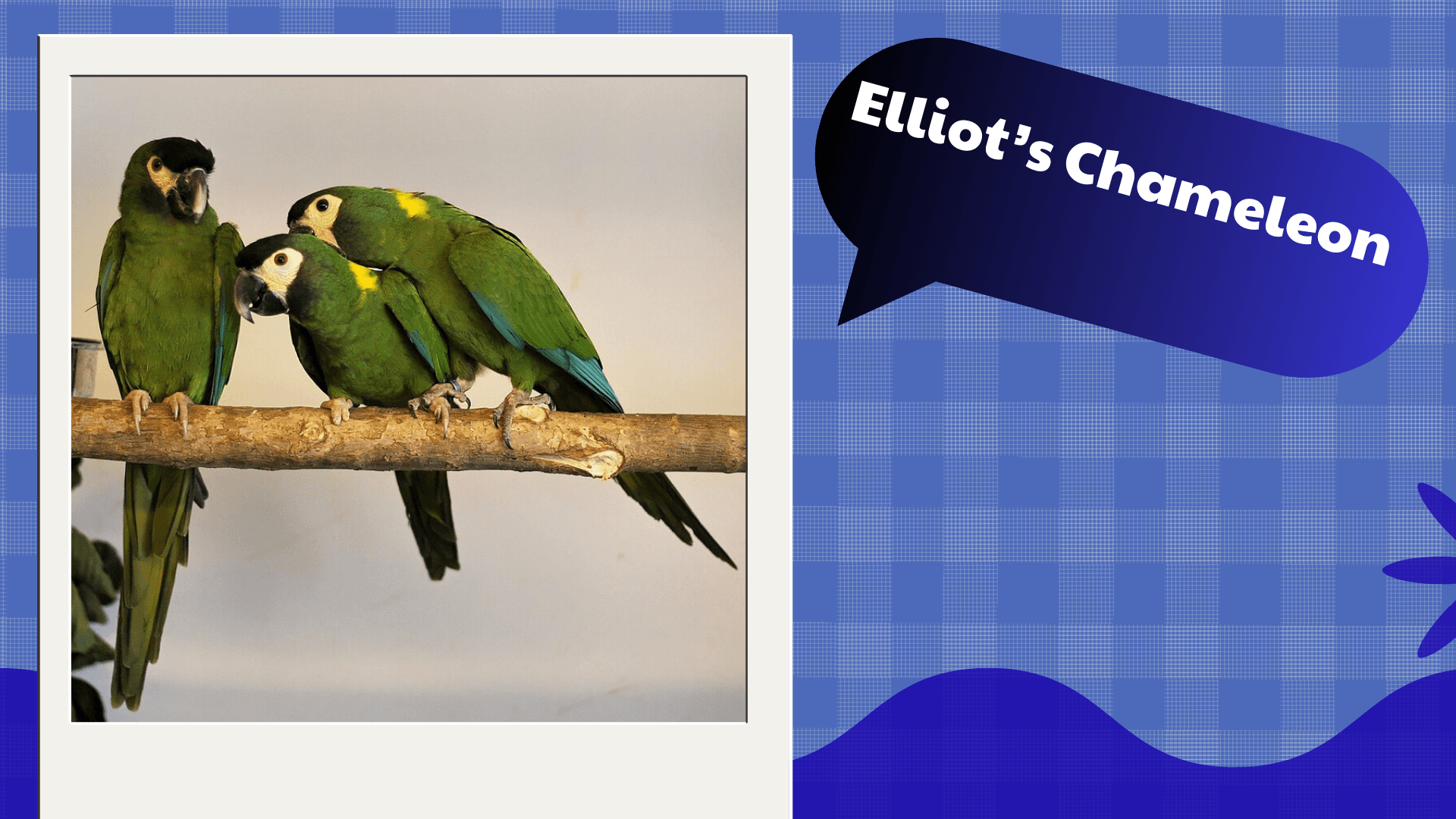
Elliot’s Chameleon inhabits the rainforests and montane regions of Central Africa. It is medium-sized, typically measuring 10–15 inches in length. The coloration is predominantly green, with males exhibiting brighter patches during mating or when threatened. Stripes or spots are occasionally present to break up the outline of the body and enhance camouflage.
This chameleon is primarily insectivorous and arboreal, using its prehensile tail to balance and navigate through trees. Social interactions are limited, with males displaying vivid color changes to establish dominance or court females. Its independently moving eyes allow simultaneous vigilance and hunting, a key survival adaptation.
Reproduction is oviparous, with females laying up to 20 eggs in sandy or loamy soil. Hatchlings are fully independent, displaying the same hunting behaviors as adults. Elliot’s Chameleon showcases the combination of visual communication, physical adaptations, and environmental sensitivity that makes chameleons so remarkable.
11. Side-spined Chameleon (Trioceros laterispinis)

The Side-spined Chameleon, native to the forests of Cameroon, is distinguished by the small spines running along the sides of its body. These spines may serve as a deterrent to predators while adding a unique visual element for social interactions. Coloration ranges from light green to dark brown, depending on mood, temperature, and social context.
This chameleon is primarily arboreal, hunting insects with its rapid, sticky tongue. Males are territorial, using color changes and body posture to assert dominance. Females tend to be less colorful but equally adept at camouflage.
Reproduction is oviparous. Females lay eggs in soil, and the hatchlings emerge fully independent. The Side-spined Chameleon demonstrates how even minor physical traits, like lateral spines, can play an important role in survival and social communication.
12. Werner’s Chameleon (Trioceros werneri)

Werner’s Chameleon, found in the montane forests of Tanzania, is a medium-sized species with bright green coloration and occasional brown spots. Males may develop more vivid hues during territorial displays or mating rituals. This chameleon is highly arboreal, relying on its prehensile tail for stability and balance in the trees.
Diet primarily consists of insects, including crickets, beetles, and caterpillars. Social behavior is limited, with interactions mostly occurring during mating season. Color changes serve as both camouflage and communication, helping Werner’s Chameleon adapt to its forested environment.
Females lay eggs in soft soil, which hatch several months later. Hatchlings are fully capable of hunting insects immediately. Werner’s Chameleon exemplifies the adaptability and visual communication strategies common to many types of chameleons.
13. Cameroon Chameleon (Trioceros camerunensis)
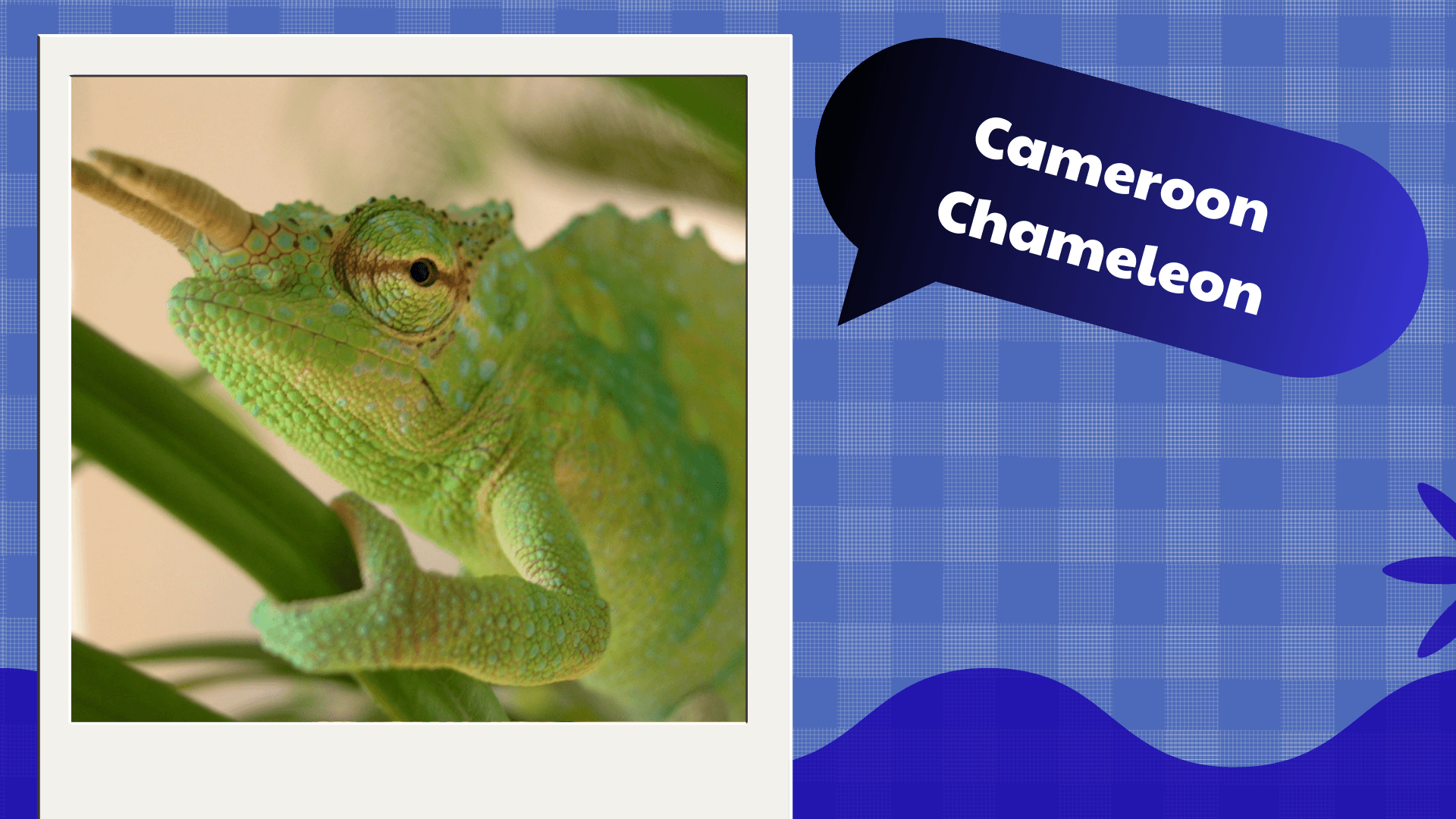
The Cameroon Chameleon inhabits the dense rainforests of Cameroon. Its medium size and bright green coloration allow it to blend into leafy surroundings. Males display more vivid colors during courtship or territorial disputes. Side spines and dorsal ridges help break up its outline, providing extra camouflage.
Cameroon Chameleons are insectivorous, hunting with precision and agility. Males may display aggressive behaviors to defend their territories, including head-bobbing, puffing up, and color changes. Females remain more cryptic to avoid predation.
Reproduction involves laying eggs in soil, with hatchlings emerging fully independent. This species illustrates the balance between striking visual displays and camouflage, demonstrating the complexity of chameleon evolution.
14. Pfeffer’s Chameleon (Trioceros pfefferi)
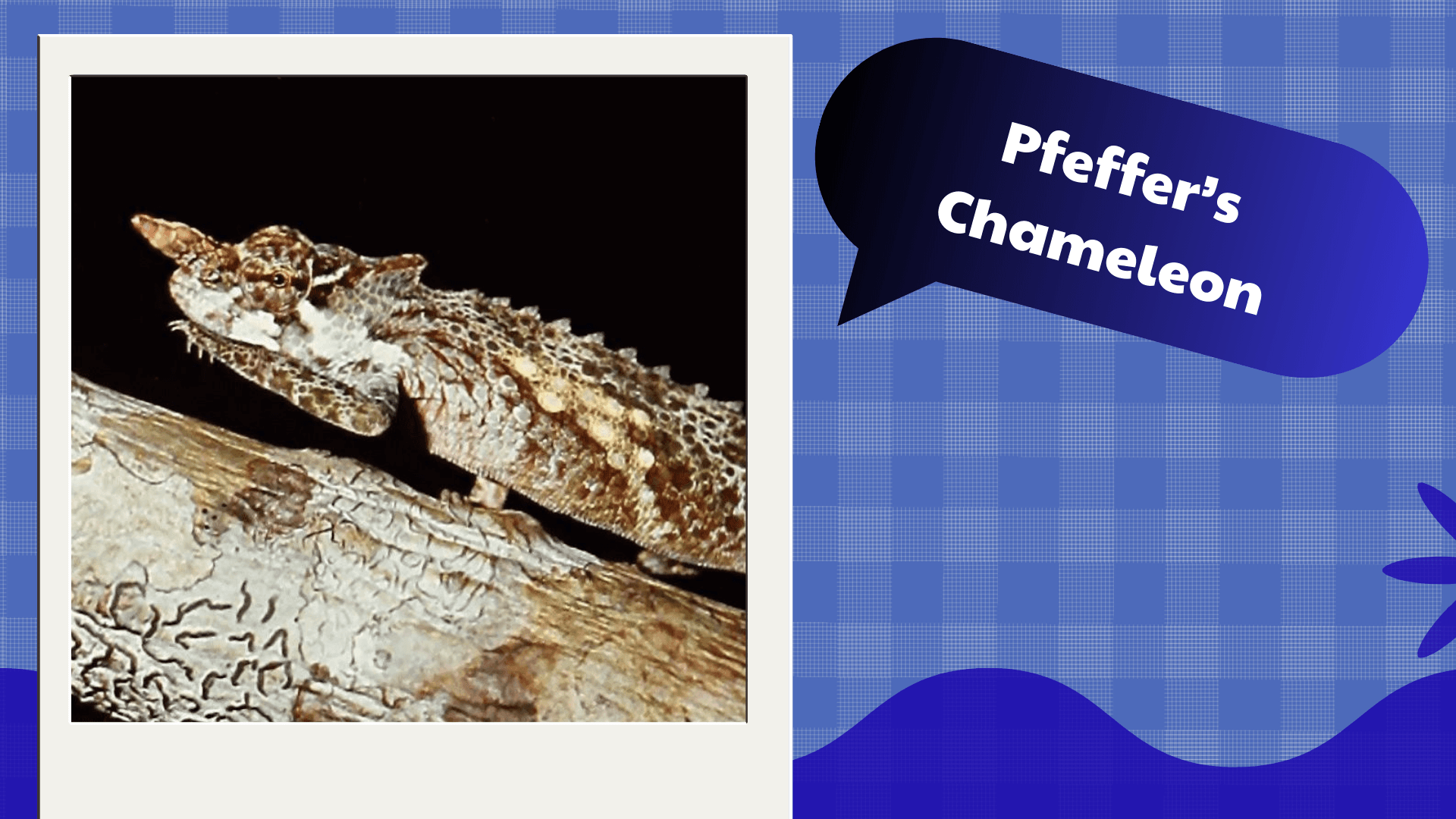
Pfeffer’s Chameleon is endemic to Cameroon and is notable for its relatively small size and brilliant coloration. Males exhibit bright green, yellow, or even bluish hues, while females are typically more subdued. This species uses color changes to communicate mood, readiness to mate, or territorial intent.
They are strictly arboreal, feeding primarily on insects and occasionally small arthropods. Males are territorial, using visual signals and physical displays to ward off rivals. Predators include snakes and birds, making camouflage essential for survival.
Females lay eggs in soil or leaf litter, with hatchlings emerging fully capable of independent hunting. Pfeffer’s Chameleon represents the vivid diversity among types of chameleons, blending aesthetics with functional adaptations for survival in the wild.
15. Four-horned Chameleon (Trioceros quadricornis)

The Four-horned Chameleon, native to Central Africa, is instantly recognizable due to the presence of four prominent horns on the head of adult males. These horns are used for intraspecific combat and display during mating rituals. The species’ color ranges from green to brown, with darker markings appearing in stress or threat situations.
Primarily arboreal, these chameleons feed on insects and occasionally small vertebrates. Males are highly territorial, and color-changing behaviors play a critical role in both communication and camouflage. Their prehensile tails and specialized feet make navigating dense forest canopies efficient and safe.
Reproduction is oviparous, with females laying eggs in soil burrows. Hatchlings emerge fully independent, displaying the same hunting behaviors as adults. The Four-horned Chameleon is a perfect example of the diverse morphological adaptations among types of chameleons that enhance survival, communication, and reproduction in their natural habitats.
16. Serrated Chameleon (Trioceros serratus)
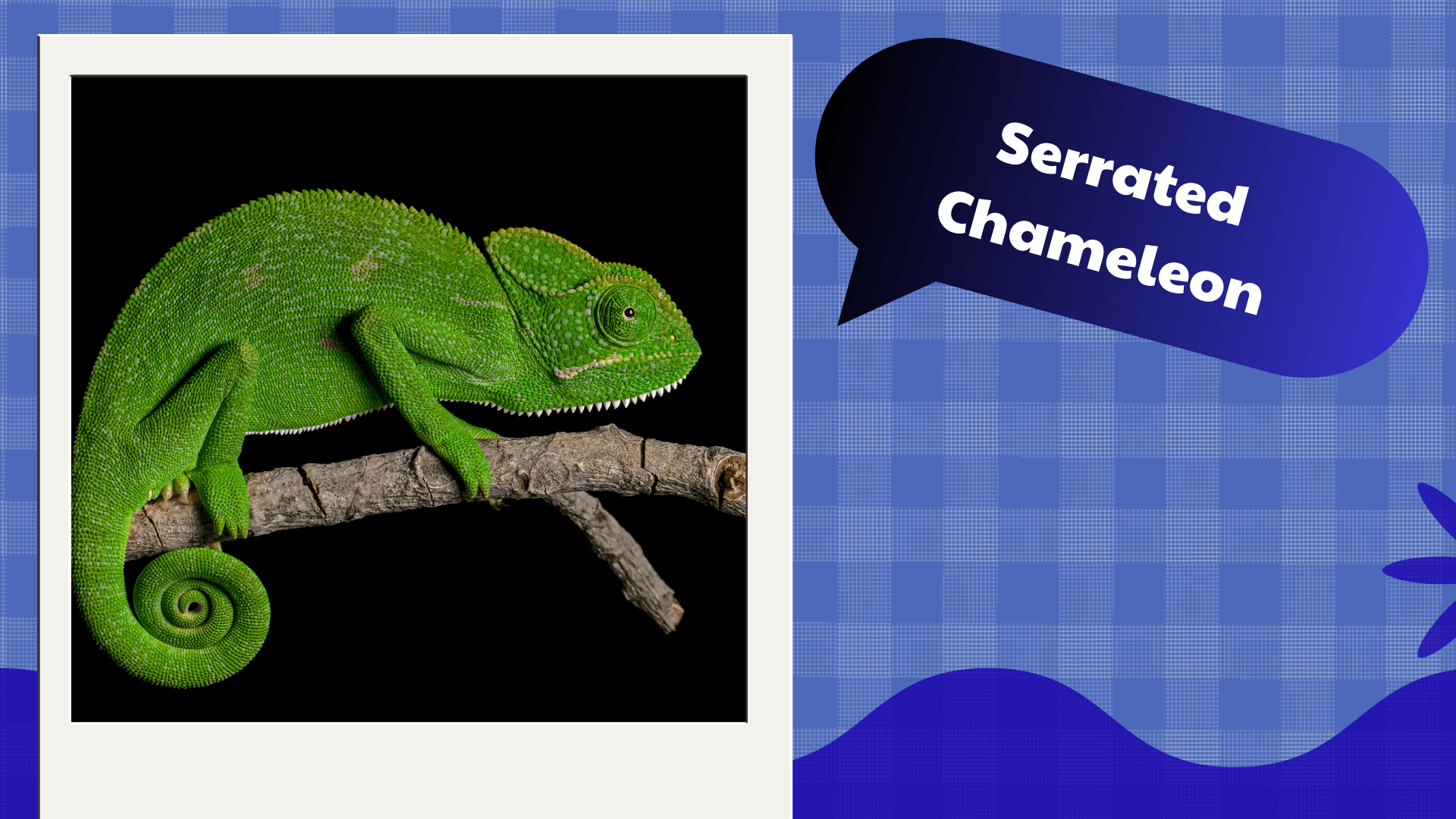
The Serrated Chameleon is native to the forests of Central Africa, particularly Cameroon. Its name derives from the serrated ridge along its back, which gives it a jagged appearance and adds to its camouflage among branches and leaves. This medium-sized chameleon displays a range of green hues that may shift to brown during stress or environmental changes.
Primarily insectivorous, the Serrated Chameleon hunts with precision, using its long, sticky tongue to catch prey from a distance. Males are territorial and display more vivid coloration during courtship or combat, while females remain camouflaged to avoid predation.
Reproduction is oviparous, with females laying eggs in moist soil. Hatchlings emerge fully independent, equipped with the necessary skills for survival. This species exemplifies the delicate balance between visual signaling and stealth that many types of chameleons rely on for survival in dense forests.
17. Fischer’s Chameleon (Kinyongia fischeri)

Fischer’s Chameleon is endemic to the forests and shrublands of Tanzania. It is distinguished by a short, blunt snout and occasional small horn-like protrusions in males. Its coloration varies from bright green to muted browns, depending on its mood, health, and environmental conditions.
Fischer’s Chameleons are arboreal, hunting primarily insects such as crickets, grasshoppers, and caterpillars. Males are highly territorial and use color displays and body posturing to assert dominance or attract females. Predators include birds, snakes, and small mammals.
Females lay eggs in soil or leaf litter, with hatchlings emerging after several months fully capable of independent life. Fischer’s Chameleon demonstrates how subtle physical traits, like horn size and coloration, contribute to social communication and survival strategies among chameleons.
18. Boehme’s Chameleon (Kinyongia bohmei)

Boehme’s Chameleon is a colorful species native to East African montane forests. Males often display bright green coloration with hints of yellow, while females are more subdued in color for camouflage. They possess a moderately elongated body and tail, which aid in climbing and maintaining balance on tree branches.
This species is strictly arboreal, feeding primarily on insects, though they occasionally nibble on soft vegetation. Males use subtle color changes and body posture to ward off rivals and attract mates. Predation threats include birds and snakes, making their ability to change colors critical for survival.
Reproduction is oviparous, with females laying a small clutch of eggs in leaf litter or moist soil. Hatchlings emerge fully independent. Boehme’s Chameleon exemplifies the diversity of size, coloration, and behavior seen in types of chameleons across African forests.
19. Matschie’s Chameleon (Kinyongia matschiei)

Native to Tanzania, Matschie’s Chameleon is a medium-sized species with a flattened, elongated snout in males. Its green coloration, sometimes accented with yellow or blue hues, allows it to blend seamlessly with leaves and branches. Females typically remain a muted green or brown for camouflage.
These chameleons are arboreal hunters, relying on their long, sticky tongues to catch insects. Males are territorial and display color changes to assert dominance, while females use subdued coloration to avoid predation. Their independently moving eyes allow simultaneous hunting and vigilance.
Reproduction is oviparous, with females laying eggs in soil or under leaf litter. Hatchlings are fully capable of independent life from birth. Matschie’s Chameleon demonstrates the intricate balance between coloration, camouflage, and social behavior common in types of chameleons.
20. Strange-nosed Chameleon (Kinyongia xenorhina)

The Strange-nosed Chameleon is one of the most visually striking chameleons, native to the montane forests of Tanzania. Males have a pronounced, forward-projecting nasal appendage used in territorial displays and mating rituals. Coloration ranges from bright green to olive, often with subtle blue or yellow accents.
These chameleons are arboreal, hunting primarily insects such as crickets, flies, and caterpillars. Males are aggressive toward rivals, using their unique nose, body posture, and color displays to establish dominance. Females are more cryptic, blending with foliage to avoid predators.
Reproduction is oviparous, with females laying eggs in soil. Hatchlings emerge fully capable of independent hunting. The Strange-nosed Chameleon showcases how exaggerated physical features can evolve for social signaling while maintaining the chameleon’s survival strategies.
21. Cape Dwarf Chameleon (Bradypodion caffer)

The Cape Dwarf Chameleon, native to South Africa, is a small and highly adaptable species. Males exhibit bright green and yellow tones, while females are typically more muted for camouflage. Their small size allows them to inhabit dense shrublands and gardens with ease.
This species is insectivorous, feeding primarily on small insects. Males are territorial and display vivid coloration during mating or combat, while females remain cryptic. Predators include birds, snakes, and small mammals, making camouflage essential.
Reproduction is oviparous, with females laying eggs in soil or leaf litter. Hatchlings emerge fully independent, ready to hunt insects. Cape Dwarf Chameleons exemplify how smaller chameleons balance visibility for social signaling with the need for stealth in predator-rich environments.
22. Pumila Dwarf Chameleon (Bradypodion pumilum)

Found in southwestern South Africa, the Pumila Dwarf Chameleon is notable for its small size, typically under 6 inches. Males are often brighter than females, exhibiting green and yellow hues. Their small stature allows them to navigate dense underbrush and low shrubs efficiently.
These chameleons are insectivorous and highly territorial. Males engage in head-bobbing, body inflation, and color changes to assert dominance. Females tend to stay camouflaged, avoiding confrontation and predation.
Reproduction is oviparous. Females lay a small clutch of eggs in soil or leaf litter. Hatchlings are immediately independent and capable of hunting insects. The Pumila Dwarf Chameleon highlights how miniature chameleons maintain the same behavioral and ecological strategies as larger species.
23. Ventrale Dwarf Chameleon (Bradypodion ventrale)

The Ventrale Dwarf Chameleon, native to South African forests and fynbos regions, is recognized by its subtle ventral coloration. Males are brighter than females and display vivid green and yellow tones. Arboreal and highly territorial, this species relies on camouflage and color changes to interact socially and avoid predators.
Its diet consists mainly of small insects. Prehensile tails and strong grasping feet allow efficient movement through branches. Males use color shifts and body posturing to defend territories or attract mates.
Females lay eggs in soil, with hatchlings emerging fully capable of survival. The Ventrale Dwarf Chameleon demonstrates the adaptability and visual communication strategies essential for survival among types of chameleons in South Africa.
24. Natal Midlands Dwarf Chameleon (Bradypodion thamnobates)

This species is native to the midlands of KwaZulu-Natal, South Africa. Males exhibit bright green coloration with occasional yellow spots, while females remain more cryptic. Small and arboreal, these chameleons navigate dense shrublands and forests with ease.
They are insectivorous, feeding on a variety of small arthropods. Males display territorial behaviors using color changes and head-bobbing. Females are less conspicuous, relying on camouflage for protection.
Reproduction is oviparous, with females laying eggs in soil or leaf litter. Hatchlings are independent at birth. The Natal Midlands Dwarf Chameleon illustrates the balance between visual display and stealth among smaller chameleons.
25. Atromontane Dwarf Chameleon (Bradypodion atromontanum)

The Atromontane Dwarf Chameleon, endemic to the montane regions of South Africa, is small but vividly colored. Males display bright green and yellow hues, while females are muted for camouflage. This species thrives in forested areas and shrublands, where its prehensile tail aids in climbing and balance.
Diet consists primarily of insects, and males are territorial, using body posture and color changes to communicate. Predators include birds and small mammals, highlighting the importance of camouflage.
Females lay eggs in soil, with hatchlings emerging fully capable of independent survival. The Atromontane Dwarf Chameleon exemplifies the diversity of behavior, coloration, and adaptation among types of chameleons in southern Africa.
26. Blue-throated Dwarf Chameleon (Bradypodion caeruleogula)

The Blue-throated Dwarf Chameleon, native to South Africa, is a small yet striking species. Its most distinguishing feature is the brilliant blue coloration on the throat of males, particularly visible during courtship or territorial displays. Females exhibit more muted greens and browns, blending seamlessly into shrubs and low vegetation.
This chameleon is arboreal, favoring dense shrublands and low forests. Its diet primarily consists of small insects, including ants, beetles, and flies. Males display territorial behavior through color changes, head-bobbing, and body inflation, while females tend to remain inconspicuous to avoid predation.
Reproduction is oviparous, with females laying a clutch of eggs in soil or leaf litter. Hatchlings are immediately independent, capable of hunting and navigating vegetation. The Blue-throated Dwarf Chameleon exemplifies how visual displays and coloration are vital for social signaling among types of chameleons.
27. Ngome Dwarf Chameleon (Bradypodion ngomeense)

Native to the Ngome Forest of South Africa, the Ngome Dwarf Chameleon is small and highly adapted to shrubland environments. Males display vivid green coloration with subtle hints of yellow, while females tend to be more cryptic, often brown or olive-colored to blend with foliage.
These chameleons are strictly insectivorous, hunting small insects and arthropods with precision using their long, sticky tongues. Males are territorial and exhibit color changes and body postures during disputes or mating, while females focus on camouflage for protection.
Reproduction is oviparous, with eggs laid in soil or leaf litter. Hatchlings emerge fully capable of independent hunting. Ngome Dwarf Chameleons demonstrate the delicate balance between small size, environmental adaptation, and social signaling that defines many types of chameleons.
28. Transvaal Dwarf Chameleon (Bradypodion transvaalense)

Found in the Transvaal region of South Africa, this species is small and highly agile. Males often display bright green or yellow patches during social interactions, while females remain cryptically colored to avoid predators. Their prehensile tails and specialized feet allow them to maneuver effortlessly among shrubs and low trees.
The Transvaal Dwarf Chameleon is insectivorous, feeding on small arthropods. Territorial behavior is common among males, who use color changes, head-bobbing, and puffing up to display dominance. Females rely on camouflage and stillness to evade predators.
Oviparous reproduction involves laying eggs in soft soil, with hatchlings emerging fully independent. This species highlights the combination of physical adaptation, camouflage, and social signaling that enables survival among smaller types of chameleons.
29. Micra Leaf Chameleon (Brookesia micra)

The Micra Leaf Chameleon, one of the world’s smallest chameleons, is native to Madagascar. Adults can measure less than 30 mm, making them remarkably tiny. Their coloration is usually a muted brown or olive, perfectly mimicking fallen leaves on the forest floor.
This species is terrestrial, primarily inhabiting leaf litter rather than trees. Its diet consists of tiny insects and other invertebrates. Males are territorial, using subtle movements and body inflation to communicate with rivals. Females are even more cryptic, relying on camouflage for protection.
Reproduction is oviparous, with females laying a very small clutch of eggs. Hatchlings are immediately independent and capable of foraging. Micra Leaf Chameleons illustrate how extreme miniaturization has evolved to exploit specialized ecological niches among types of chameleons.
30. Miniature Leaf Chameleon (Brookesia minima)

Also endemic to Madagascar, the Miniature Leaf Chameleon is tiny, measuring only about 30–40 mm in total length. Its coloration ranges from brown to light tan, blending seamlessly into leaf litter. This camouflage is vital for avoiding predation in its terrestrial habitat.
This species is insectivorous, feeding on small insects like ants and springtails. Males establish small territories on the forest floor and may exhibit minor body inflation or head movements to communicate. Females are cryptic and non-confrontational.
Reproduction is oviparous, with small clutches of eggs buried in soil or leaf litter. Hatchlings emerge fully independent. The Miniature Leaf Chameleon highlights the incredible adaptability of chameleons, thriving in microhabitats that larger species cannot exploit.
31. Antsingy Leaf Chameleon (Brookesia perarmata)
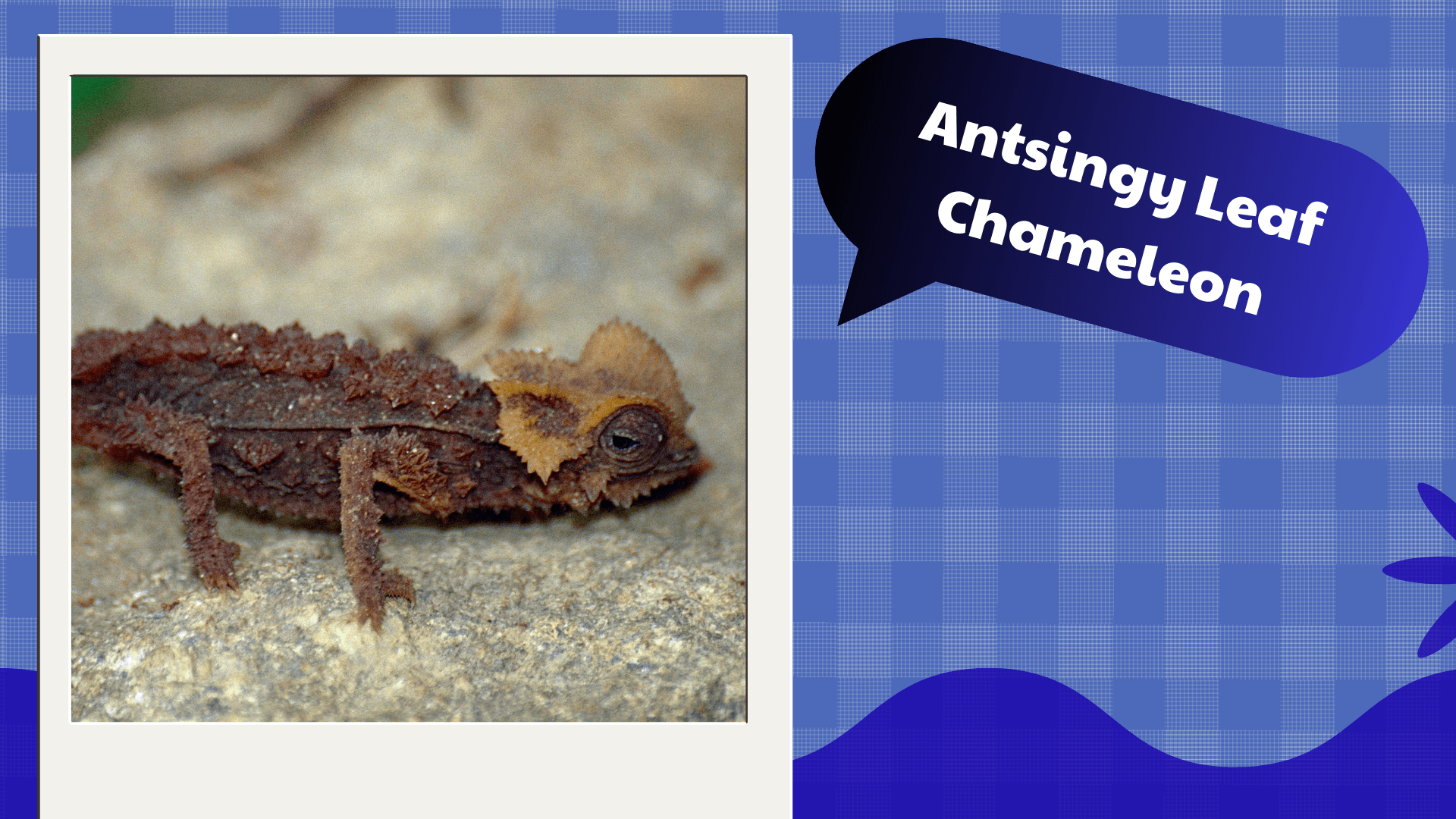
Brookesia perarmata, or the Antsingy Leaf Chameleon, is native to the limestone karst formations of northern Madagascar. Its body is flattened and adorned with small, spiny projections, giving it a rugged, leaf-like appearance that enhances camouflage.
It is terrestrial, living among leaf litter and rocky crevices. Its diet consists of small insects and other invertebrates. Males are territorial, using body inflation and subtle movements to communicate, while females remain cryptic for protection.
Oviparous reproduction involves laying eggs in soil or under leaves. Hatchlings are independent at birth. This species exemplifies how types of chameleons can evolve specialized morphology and behaviors to thrive in unique ecological niches.
32. Brown Leaf Chameleon (Brookesia superciliaris)

Native to Madagascar’s rainforests, the Brown Leaf Chameleon is a small, terrestrial species with muted brown and olive tones. Its body shape and coloration allow it to blend perfectly with leaf litter, making it difficult for predators to detect.
This chameleon feeds primarily on small insects. Males may exhibit minor postural changes or puffing to assert dominance, but their communication is subtle due to their size. Females rely heavily on camouflage for survival.
Reproduction is oviparous. Eggs are laid in soil, and hatchlings are immediately independent. The Brown Leaf Chameleon demonstrates how small chameleons balance size, cryptic coloration, and behavior for survival in forest floors among types of chameleons.
33. Decary’s Leaf Chameleon (Brookesia decaryi)

Decary’s Leaf Chameleon is endemic to Madagascar and is known for its flattened, leaf-like body and cryptic brown coloration. Its small size makes it highly specialized for a life on the forest floor among leaf litter.
Insectivorous by nature, it hunts small insects with quick tongue strikes. Males are territorial, but displays are subtle due to their diminutive size. Females remain cryptic and rarely engage in visible territorial behaviors.
Reproduction is oviparous, with small clutches of eggs laid in leaf litter. Hatchlings are independent immediately. Decary’s Leaf Chameleon highlights how evolution shapes morphology, coloration, and behavior in types of chameleons to adapt to microhabitats.
34. Stumpff’s Leaf Chameleon (Brookesia stumpffi)

Found in the rainforests of Madagascar, Stumpff’s Leaf Chameleon is small and cryptically colored, ranging from brown to dark olive. Its flattened body and subtle projections help it blend with forest floor leaf litter, providing essential camouflage.
This species is insectivorous, feeding on ants, termites, and other tiny arthropods. Males may perform slight movements to establish territory, while females rely entirely on camouflage for protection. Predators include birds and small mammals.
Reproduction is oviparous, with females laying eggs in soil or under leaves. Hatchlings emerge fully independent. Stumpff’s Leaf Chameleon showcases the specialized adaptations that allow tiny chameleons to survive in complex ecosystems among types of chameleons.
35. Karche’s Leaf Chameleon (Brookesia karchei)

Karche’s Leaf Chameleon is endemic to Madagascar, inhabiting lowland rainforests. Its small size and cryptic brown coloration make it almost indistinguishable from leaf litter. This camouflage is critical for avoiding predation from birds and snakes.
Diet consists of tiny insects, and the species is entirely terrestrial. Males may use subtle postural displays to communicate dominance, while females remain hidden. Their small size and cryptic appearance are their primary defense mechanisms.
Reproduction is oviparous, with eggs laid in soil or leaf litter. Hatchlings are fully independent, capable of immediate hunting. Karche’s Leaf Chameleon exemplifies the specialized adaptations and survival strategies among the smaller, terrestrial types of chameleons of Madagascar.
36. Brygoo’s Leaf Chameleon (Brookesia brygooi)

Brygoo’s Leaf Chameleon is a tiny terrestrial species native to Madagascar’s humid forests. Its cryptic brown and olive coloration allows it to blend seamlessly into leaf litter, making it nearly invisible to predators. Despite its small size, this chameleon is highly agile and well-adapted to navigating the forest floor.
This species feeds primarily on small insects, including ants, termites, and springtails. Males exhibit minor body inflation and subtle movements to establish territory, while females remain cryptically camouflaged to avoid detection.
Reproduction is oviparous, with small clutches laid in soil or under leaves. Hatchlings emerge fully independent. Brygoo’s Leaf Chameleon demonstrates how tiny types of chameleons can thrive in specialized niches through camouflage and behavioral adaptations.
37. Lined Leaf Chameleon (Brookesia lineata)

The Lined Leaf Chameleon is another miniature species from Madagascar, recognized for the faint lines along its dorsal surface. Its flattened body and muted brown coloration enhance camouflage among forest floor leaf litter and fallen branches.
Diet consists mainly of small insects. Males establish territories using subtle displays, while females avoid confrontation and rely on camouflage. The species is entirely terrestrial, favoring microhabitats where its tiny size offers a survival advantage.
Reproduction is oviparous. Females lay eggs in soil, and hatchlings are immediately independent. Lined Leaf Chameleons exemplify how morphology and coloration evolve to optimize survival in microhabitats among types of chameleons.
38. Valerie’s Leaf Chameleon (Brookesia valerieae)
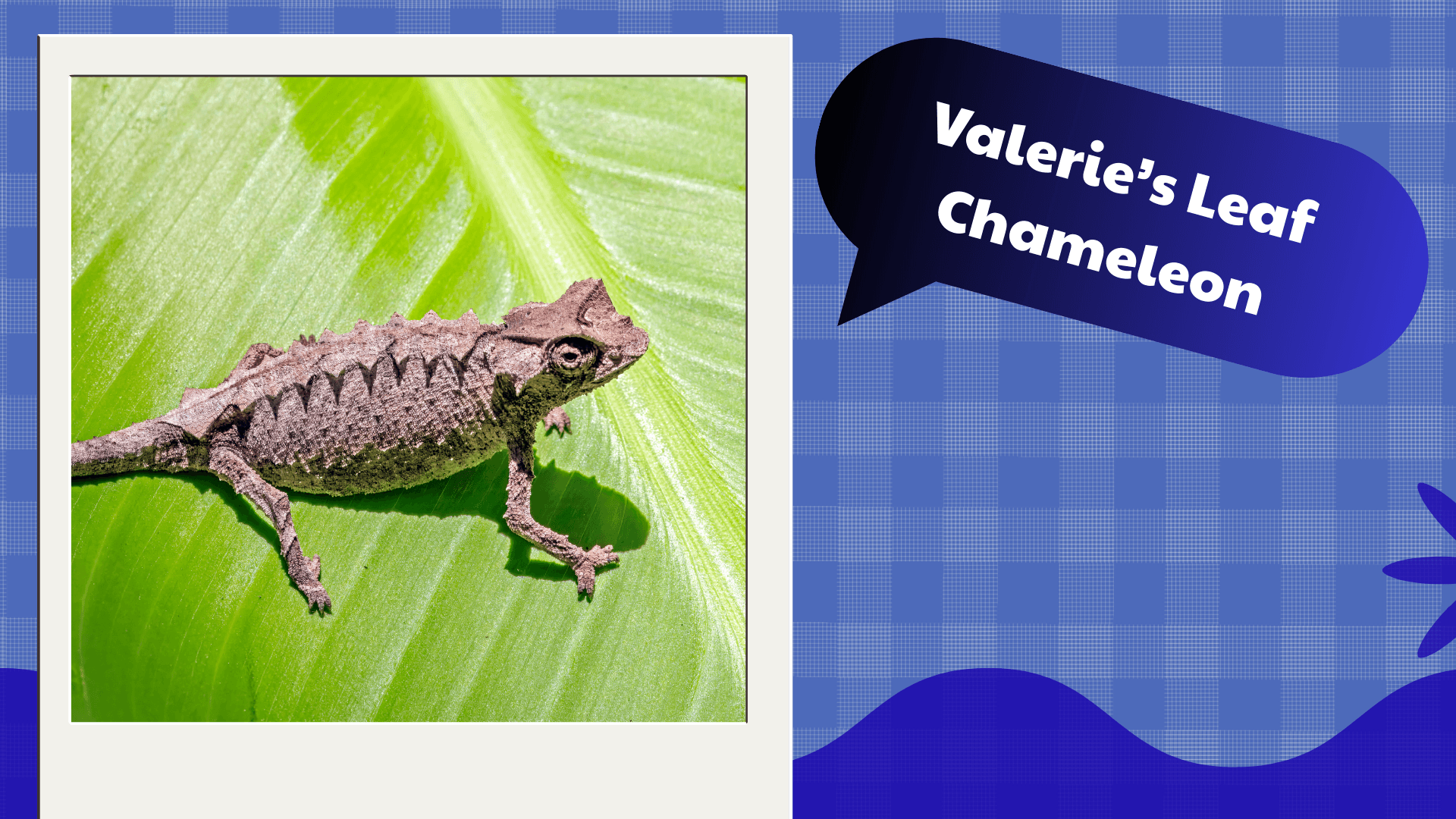
Valerie’s Leaf Chameleon, endemic to Madagascar, is small and cryptically colored in shades of brown and green. Its leaf-like appearance provides essential camouflage against predators, particularly birds and snakes.
It inhabits leaf litter and low vegetation, feeding on tiny insects. Males use subtle movements and body posturing to communicate with rivals. Females remain cryptic, rarely engaging in visible territorial behavior.
Oviparous reproduction involves laying a small clutch of eggs. Hatchlings are fully independent at birth. Valerie’s Leaf Chameleon highlights the importance of camouflage, behavior, and habitat specialization in terrestrial types of chameleons.
39. Confident Leaf Chameleon (Brookesia confidens)

Confident Leaf Chameleon is a small terrestrial species of Madagascar. Its cryptic brown coloration and flattened body allow it to blend perfectly into leaf litter, minimizing predation risk. Despite its diminutive size, it is an active hunter of tiny insects.
Males exhibit minor postural displays to assert dominance, while females remain cryptic to avoid predators. Its diet includes ants, termites, and small arthropods. Predators primarily include birds, snakes, and small mammals.
Reproduction is oviparous, with eggs laid in soil. Hatchlings emerge independent, fully capable of hunting. Confident Leaf Chameleon demonstrates how small chameleons balance visibility for social communication with the need for stealth in predator-rich environments.
40. Tedi’s Leaf Chameleon (Brookesia tedi)

Tedi’s Leaf Chameleon is another miniature species from Madagascar’s rainforests. Its body is flattened, adorned with subtle projections, and colored brown to blend into leaf litter. This cryptic coloration is crucial for avoiding predators and surviving on the forest floor.
Its diet consists of small insects, and males use slight postural changes to communicate with rivals. Females are highly cryptic and rely entirely on camouflage for protection. Tedi’s Leaf Chameleon is entirely terrestrial, favoring leaf litter and low shrubs.
Reproduction is oviparous. Females lay eggs in soil, with hatchlings emerging fully independent. This species highlights the delicate adaptations that allow terrestrial types of chameleons to thrive in specialized niches.
41. Parson’s Chameleon (Calumma parsonii)
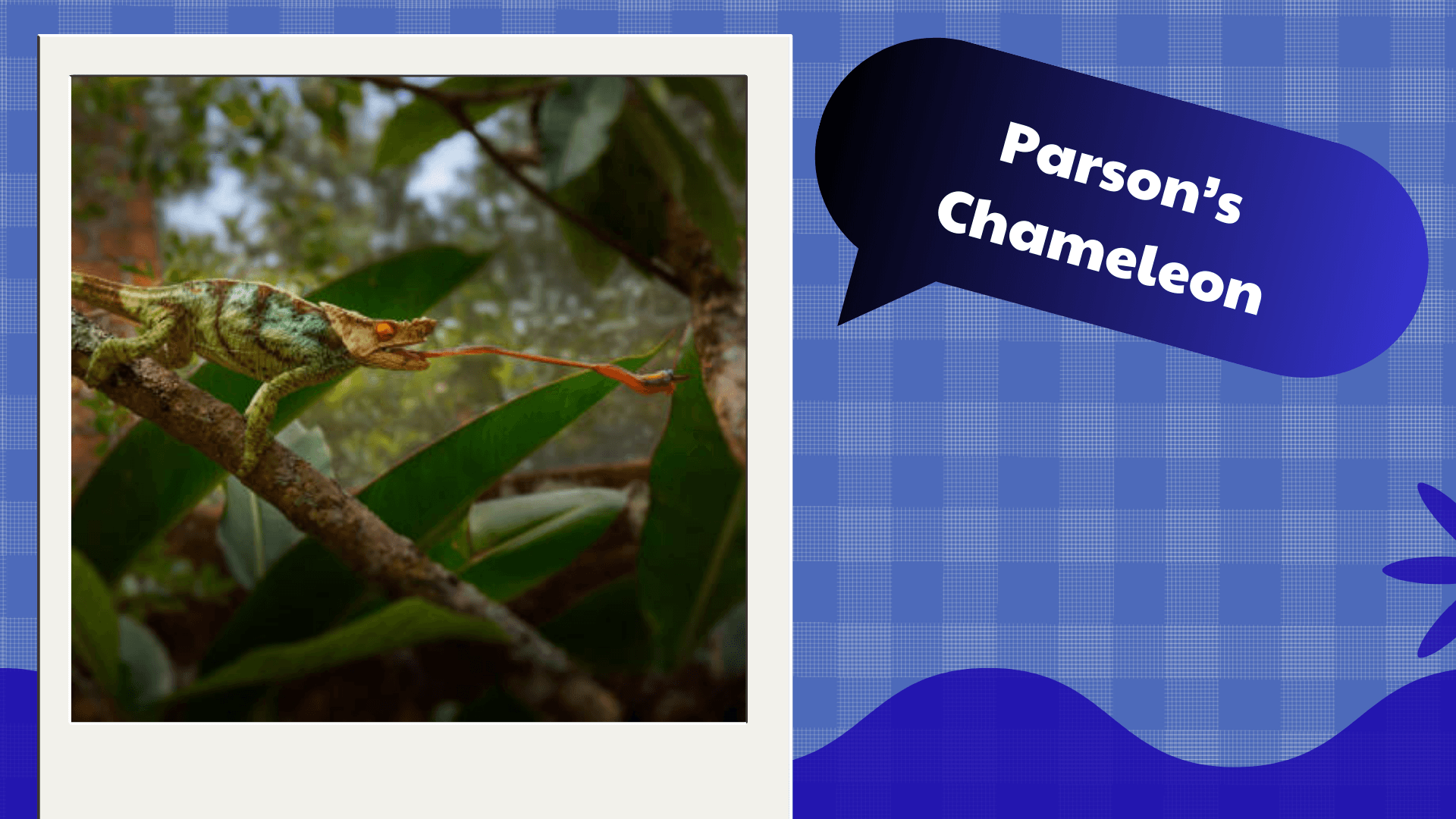
Parson’s Chameleon is among the largest chameleons in the world, native to Madagascar. Males can reach lengths of up to 68 cm. Their coloration ranges from green to blue-green, often with yellow or white highlights. This species is arboreal and highly territorial.
Parson’s Chameleons feed primarily on insects but may occasionally consume small vertebrates. Males display vivid colors and body inflation during territorial disputes or mating displays. Females tend to exhibit more muted colors for camouflage.
Reproduction is oviparous, with females laying large clutches of eggs in moist soil. Hatchlings are fully independent. Parson’s Chameleon exemplifies the dramatic size and social signaling diversity seen among types of chameleons.
42. Nosy Be Chameleon (Calumma nasutum)

Nosy Be Chameleon is a medium-sized species endemic to the island of Nosy Be in Madagascar. It has a distinctive snout in males, which may be slightly horn-like, and coloration ranging from green to light brown. Arboreal by nature, it navigates forest canopies with ease.
Its diet primarily consists of insects and small arthropods. Males display vibrant coloration and head movements to attract females or ward off rivals, while females remain cryptically colored to avoid predation.
Reproduction is oviparous, with eggs laid in soil or leaf litter. Hatchlings are independent upon emergence. The Nosy Be Chameleon illustrates how types of chameleons evolve specialized features for arboreal life and social communication.
43. Short-horned Chameleon (Calumma brevicorne)

Short-horned Chameleon is a small to medium-sized species from Madagascar, with males featuring short, forward-pointing horn-like projections. Its coloration varies from green to brown, depending on mood, health, and environment.
This species is arboreal, feeding on insects, spiders, and other small invertebrates. Males exhibit territorial and courtship behaviors using color displays, posturing, and slight movements. Females are more cryptic, blending into the canopy to avoid predators.
Reproduction is oviparous, with eggs laid in soil or leaf litter. Hatchlings are fully independent. Short-horned Chameleons showcase the balance between visual signaling and camouflage among types of chameleons.
44. Forked Chameleon (Calumma furcifer)

Forked Chameleon, also from Madagascar, is a medium-sized arboreal species. Males feature a bifurcated rostral appendage used in territorial and courtship displays. Their coloration ranges from vibrant green to brown, with the ability to shift tones for camouflage or signaling.
This species hunts insects and small arthropods. Males are territorial and use their forked appendage, body inflation, and vivid coloration to communicate dominance. Females rely on cryptic coloration to evade predators.
Reproduction is oviparous. Females lay eggs in soil, and hatchlings are independent at birth. Forked Chameleons demonstrate the diversity of social signaling and physical adaptations among types of chameleons.
45. Boettger’s Chameleon (Calumma boettgeri)

Boettger’s Chameleon is a medium-sized species endemic to Madagascar, featuring a slender body and subtle cranial ornamentation in males. Its coloration ranges from bright green to muted brown, providing effective camouflage in arboreal habitats.
This species is insectivorous, hunting spiders, insects, and small arthropods. Males display territorial behaviors and vivid coloration during courtship or combat, while females remain cryptically colored to avoid detection.
Reproduction is oviparous. Females lay eggs in soil or leaf litter, with hatchlings emerging fully capable of independent life. Boettger’s Chameleon highlights the rich diversity of form, behavior, and adaptation found in types of chameleons.
46. Capuron’s Chameleon (Calumma capuroni)
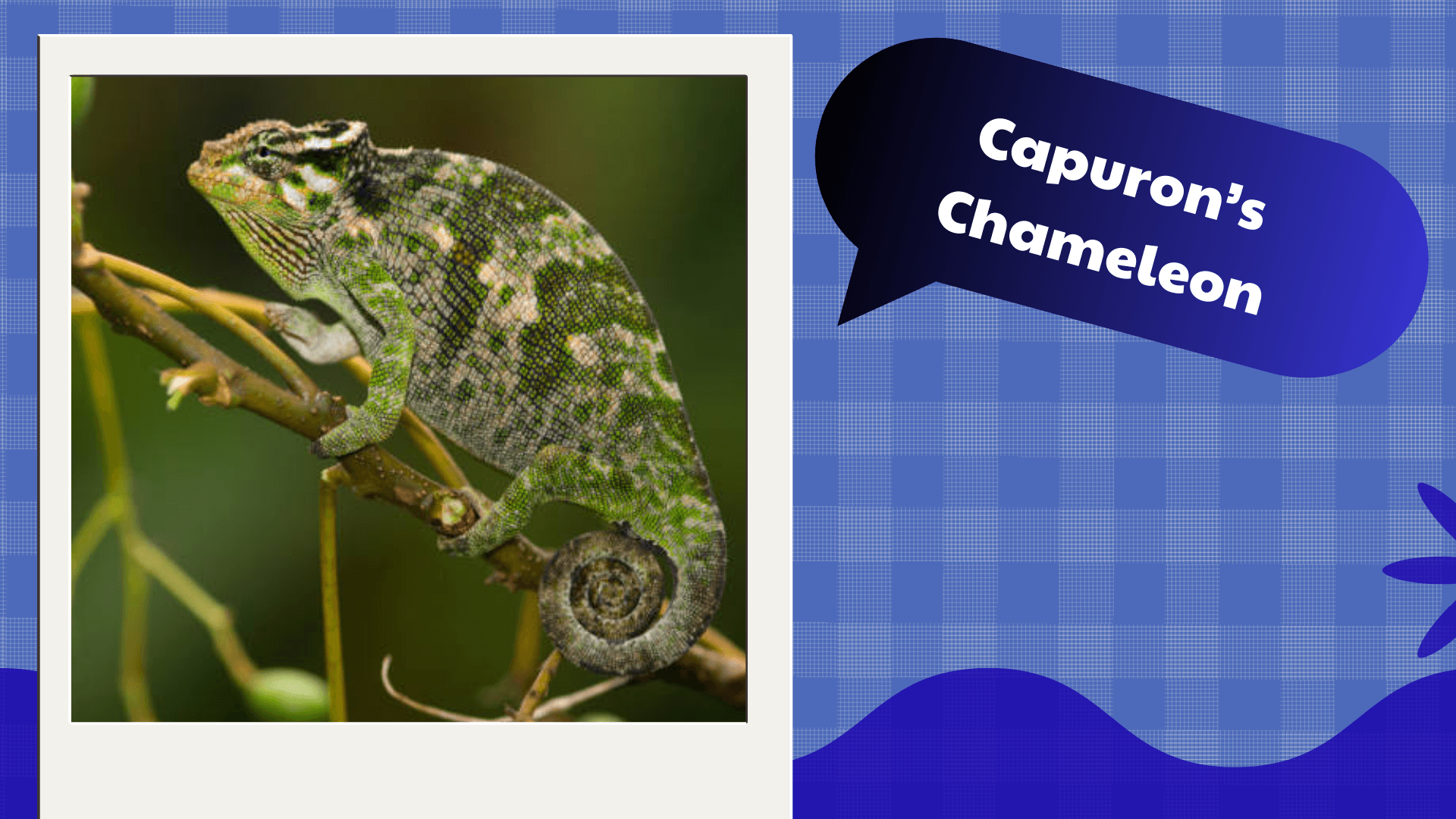
Capuron’s Chameleon is an arboreal species native to Madagascar, known for its slender body and subtle cranial crest in males. Its coloration ranges from green to brown, allowing it to blend seamlessly with the forest canopy. Males may display brighter colors during social interactions, particularly in territorial or courtship contexts.
This species primarily feeds on insects and other small arthropods. Males engage in head-bobbing, color changes, and subtle body movements to assert dominance, while females rely on cryptic coloration for protection. Arboreal adaptations, such as prehensile tails and zygodactyl feet, facilitate navigation through branches and foliage.
Reproduction is oviparous. Females deposit eggs in soft soil or leaf litter, and hatchlings are independent upon emergence. Capuron’s Chameleon exemplifies how social signaling and camouflage coexist in the survival strategies of types of chameleons.
47. Cryptic Chameleon (Calumma crypticum)
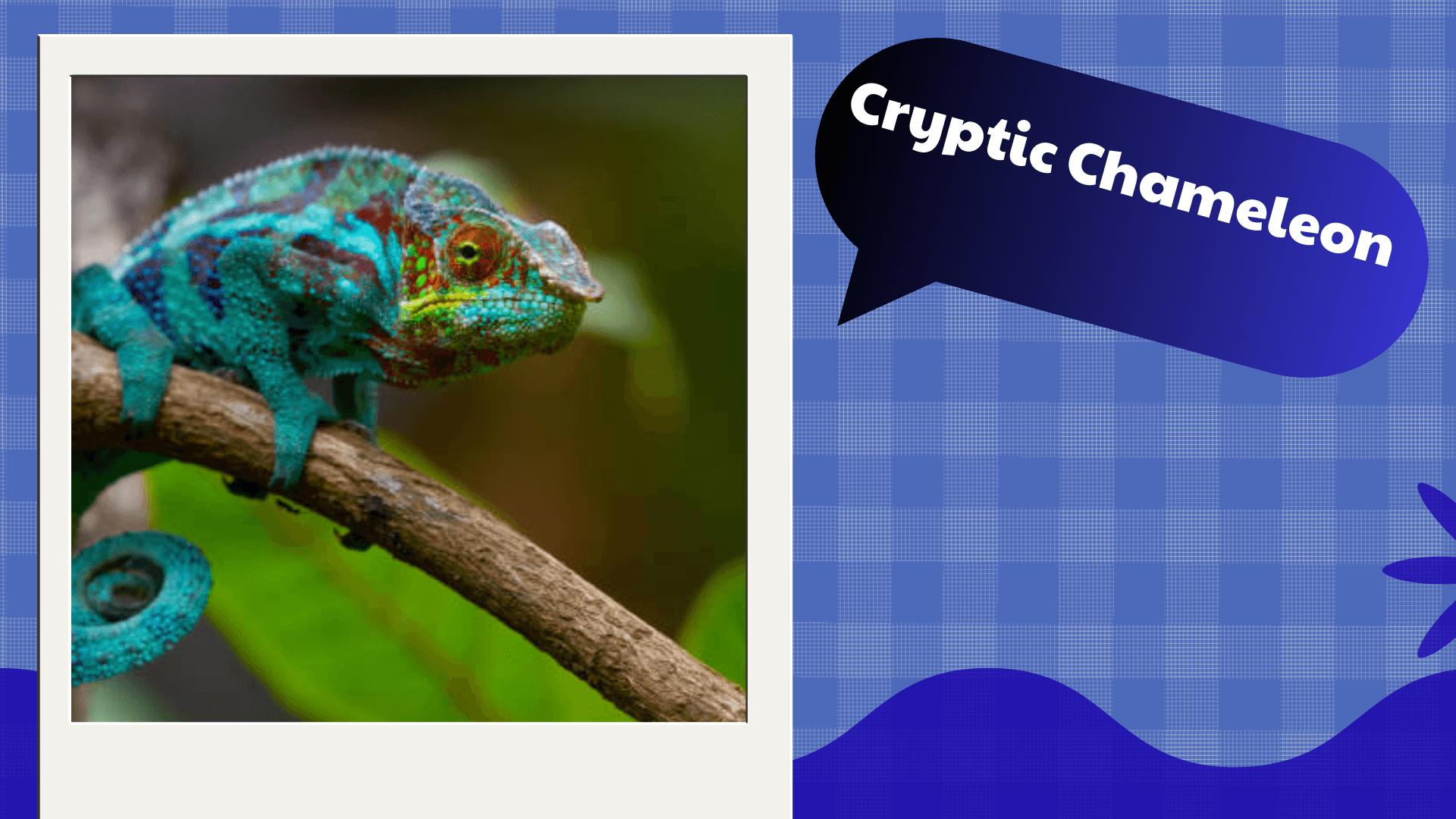
The Cryptic Chameleon is a medium-sized species endemic to Madagascar’s rainforests. True to its name, it is highly camouflaged with shades of green, brown, and gray, making it almost invisible among leaves and branches. Males exhibit more vivid coloration during mating or territorial disputes, while females remain cryptic.
Its diet includes insects, spiders, and other small invertebrates. Males defend territories using color displays, posturing, and head movements, while females rely on camouflage and stillness to avoid predators. The species is arboreal, favoring the lower and mid-canopy layers.
Reproduction is oviparous, with eggs laid in soil or leaf litter. Hatchlings emerge fully capable of independent survival. The Cryptic Chameleon highlights the importance of camouflage, behavioral signaling, and arboreal specialization among types of chameleons.
48. O’Shaughnessy’s Chameleon (Calumma oshaughnessyi)
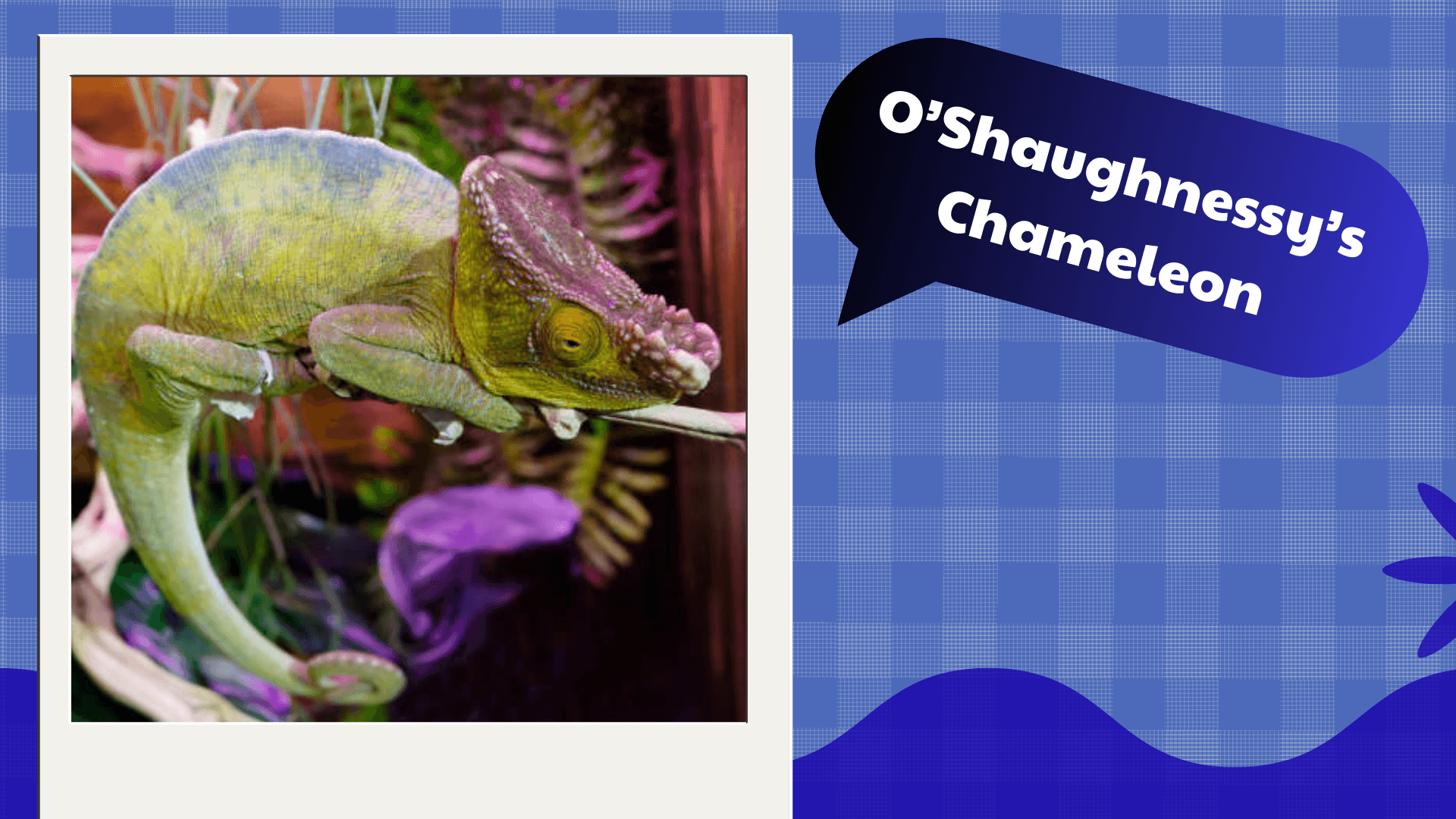
O’Shaughnessy’s Chameleon is native to Madagascar and is characterized by a moderately slender body with males exhibiting small cranial projections. Coloration varies from green to brown, with subtle patterns that enhance camouflage in forested habitats. Arboreal by nature, it is well adapted to life in the canopy.
This species feeds primarily on insects and small invertebrates. Males display territorial behavior using color changes and postural displays, while females rely on camouflage. Prehensile tails and zygodactyl feet enable efficient movement among branches.
Reproduction is oviparous. Females lay eggs in moist soil or leaf litter, with hatchlings independent at birth. O’Shaughnessy’s Chameleon exemplifies the combination of arboreal specialization, social signaling, and camouflage that defines many types of chameleons.
49. Marojezy Chameleon (Calumma marojezense)

Endemic to northern Madagascar, the Marojezy Chameleon inhabits humid forests and exhibits a slender body with subtle cranial ornamentation in males. Its coloration ranges from green to olive, with some individuals showing light brown or yellow highlights for camouflage among foliage.
Diet consists primarily of insects. Males exhibit territorial displays and courtship behaviors using color changes and body posturing, while females remain cryptic and stationary. This arboreal species prefers the mid-canopy layer, using its prehensile tail for balance.
Reproduction is oviparous. Females deposit eggs in soil or leaf litter, and hatchlings are fully independent. The Marojezy Chameleon demonstrates the critical interplay between camouflage, social behavior, and arboreal adaptation among types of chameleons.
50. Tarzan Chameleon (Calumma tarzan)

Tarzan Chameleon is a medium-sized, arboreal species endemic to Madagascar’s forests. Males are known for their elongated snouts and vibrant green coloration, while females are typically more muted in tones of brown and olive to enhance camouflage.
This species feeds on a variety of insects and small arthropods. Males exhibit territorial behavior, including color changes, head-bobbing, and subtle body movements. Females rely on cryptic coloration to remain hidden from predators.
Reproduction is oviparous, with females laying eggs in soil. Hatchlings emerge fully independent and capable of hunting. Tarzan Chameleon highlights the diversity of cranial ornamentation, color signaling, and arboreal specialization in types of chameleons.
51. Peyrieras’ Chameleon (Calumma peyrierasi)

Peyrieras’ Chameleon is endemic to Madagascar and recognized for its medium size, slender body, and moderate cranial projections in males. Its coloration ranges from green to brown, providing camouflage in forest canopies. Arboreal adaptations allow efficient navigation through branches and foliage.
This species feeds mainly on insects, including beetles and ants. Males display vivid colors and engage in head-bobbing and body posturing to establish territory and attract mates, while females remain cryptic.
Reproduction is oviparous. Eggs are laid in soil or leaf litter, with hatchlings fully independent upon emergence. Peyrieras’ Chameleon illustrates how visual signaling, arboreal specialization, and camouflage coexist among types of chameleons.
52. Vatosoa Chameleon (Calumma vatosoa)

Vatosoa Chameleon is a medium-sized arboreal species from Madagascar. Its coloration ranges from green to olive, often with subtle brown highlights. Males have small cranial projections used during social displays, while females remain cryptic for protection.
This species feeds on insects and small invertebrates. Males exhibit territorial and courtship behaviors with color changes and posturing. Females rely on camouflage to avoid predation. The species thrives in the mid to upper canopy of humid forests.
Reproduction is oviparous. Females lay eggs in soil or leaf litter, and hatchlings are independent at birth. Vatosoa Chameleon highlights the importance of camouflage and social signaling in survival among types of chameleons.
53. Uetz’s Chameleon (Calumma uetzi)
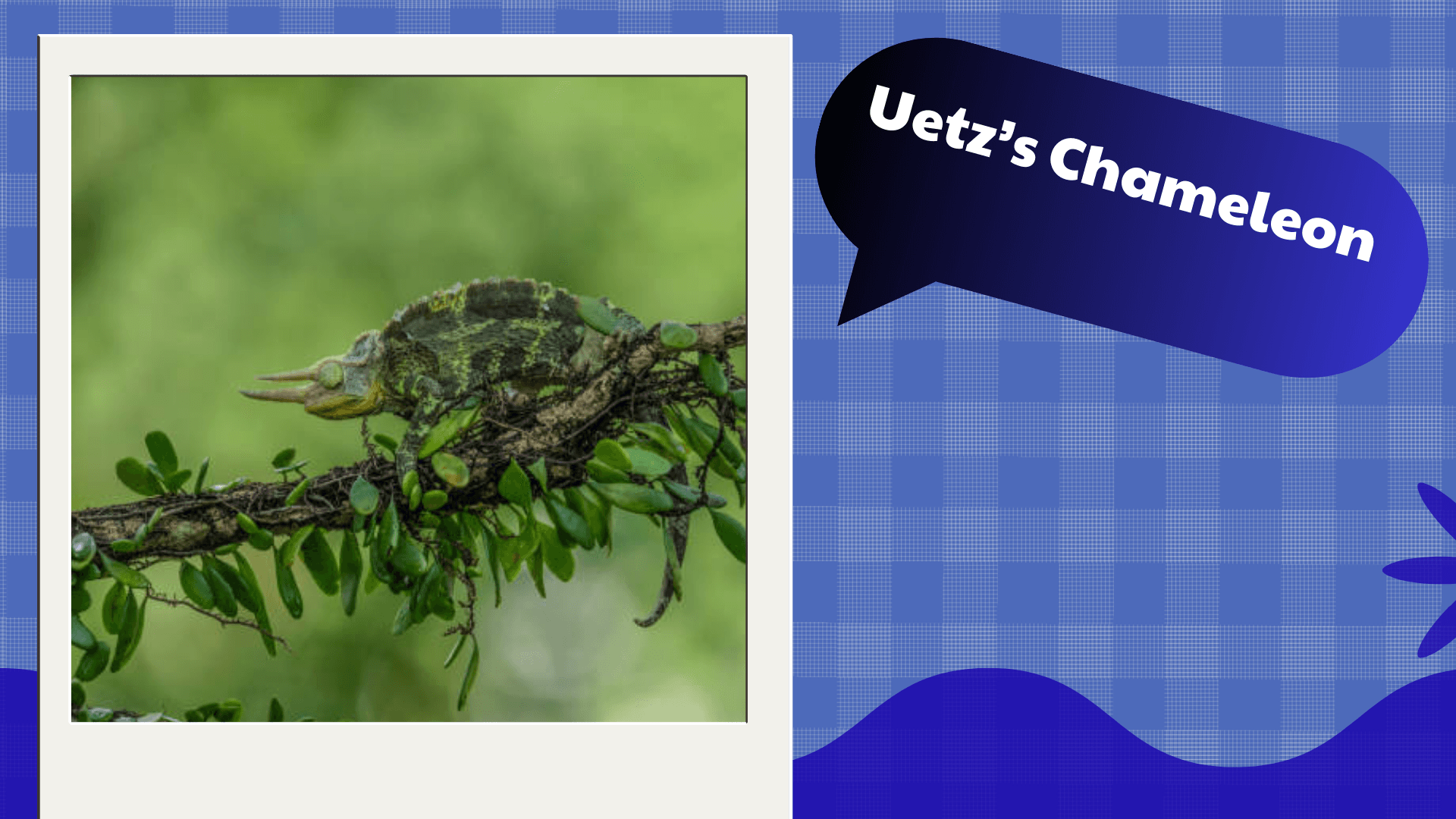
Uetz’s Chameleon is a medium-sized species native to Madagascar, with males exhibiting small cranial ornamentation. Its coloration varies from green to brown, providing excellent camouflage in arboreal habitats. It is predominantly found in mid-canopy levels of humid forests.
Diet consists of insects and small arthropods. Males engage in color changes, head-bobbing, and postural displays to defend territories and attract mates, while females remain cryptic. Arboreal adaptations include prehensile tails and specialized feet for branch navigation.
Reproduction is oviparous. Eggs are laid in soil, and hatchlings are fully independent. Uetz’s Chameleon exemplifies how visual signaling, camouflage, and arboreal specialization work together among types of chameleons.
54. Ambre Chameleon (Calumma ambreense)
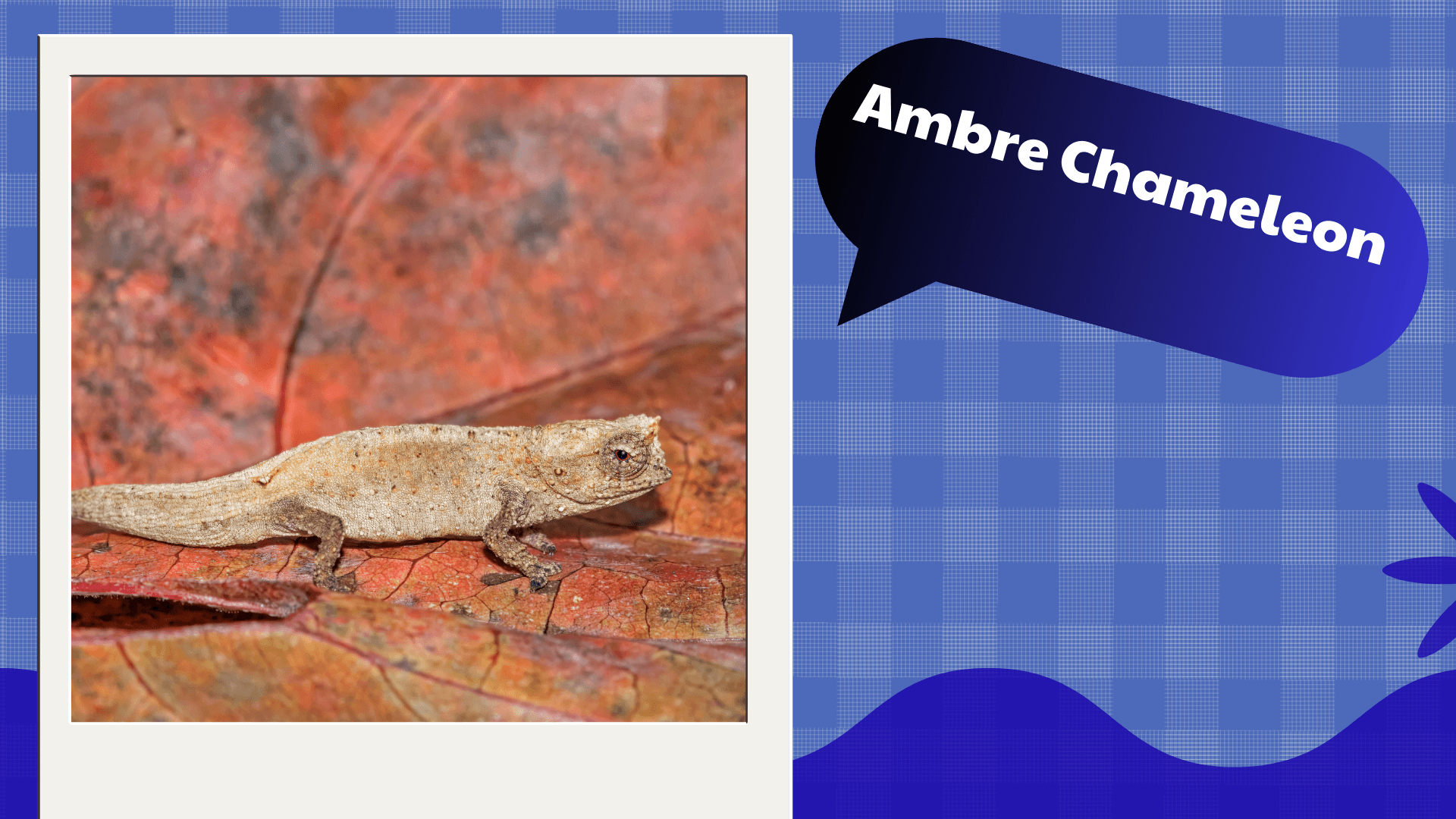
Ambre Chameleon, endemic to northeastern Madagascar, exhibits a medium-sized, slender body. Males have small cranial projections and bright green coloration during social interactions, while females are cryptically colored to avoid predators. Arboreal habits allow them to navigate mid to upper canopy layers with ease.
This species feeds on insects, spiders, and other small arthropods. Males display vivid colors and posturing to defend territories, while females use camouflage as their primary defense mechanism.
Reproduction is oviparous. Females lay eggs in soil, with hatchlings emerging fully independent. Ambre Chameleon highlights the complexity of social signaling, camouflage, and arboreal specialization among types of chameleons.
55. Andringitra Chameleon (Calumma andringitraense)

Andringitra Chameleon is a medium-sized species found in Madagascar’s Andringitra Mountains. Males have moderate cranial projections and bright green coloration, while females exhibit cryptic tones of brown or olive. It is arboreal and prefers mid to upper canopy habitats.
This chameleon feeds on insects, including ants, beetles, and small arthropods. Males engage in territorial and courtship behaviors with color displays and posturing, while females rely on camouflage for survival.
Reproduction is oviparous. Eggs are laid in soil or leaf litter, and hatchlings are fully independent. Andringitra Chameleon exemplifies how arboreal specialization, social signaling, and camouflage converge in survival strategies among types of chameleons.
56. Yellow-green Chameleon (Calumma malthe)

The Yellow-green Chameleon is a medium-sized species native to Madagascar. Its distinctive yellow-green coloration allows it to blend seamlessly with leaves and foliage. Males often display brighter shades during territorial or courtship displays, while females maintain muted colors to avoid predators.
This species feeds primarily on insects, including ants, beetles, and grasshoppers. Arboreal by nature, it uses its prehensile tail and specialized zygodactyl feet to navigate branches with agility. Males demonstrate dominance and attract mates through vivid color changes, head-bobbing, and subtle body posturing.
Reproduction is oviparous. Females lay eggs in soft soil or leaf litter, and hatchlings are independent upon emergence. The Yellow-green Chameleon exemplifies the balance of camouflage, visual signaling, and arboreal specialization among types of chameleons.
57. Ratnasaria’s Chameleon (Calumma ratnasariae)

Ratnasaria’s Chameleon is endemic to Madagascar’s humid forests. This medium-sized species features subtle cranial projections in males, which they use for visual signaling during territorial or courtship interactions. Its coloration varies from green to olive, with females appearing more cryptic than males.
Diet consists primarily of insects and small arthropods. Males employ color changes and head-bobbing to establish dominance, while females rely on stillness and camouflage to avoid predators. Arboreal adaptations, including prehensile tails and zygodactyl feet, enable efficient movement through branches and foliage.
Reproduction is oviparous, with females laying eggs in moist soil. Hatchlings are independent at birth. Ratnasaria’s Chameleon demonstrates the interplay of camouflage, social signaling, and arboreal adaptation that defines many types of chameleons.
58. Panther Chameleon (Furcifer pardalis)

The Panther Chameleon is one of the most famous chameleons due to its vibrant coloration. Native to Madagascar, males display a wide range of bright colors including reds, blues, greens, and oranges, which are used for territorial displays and courtship. Females are generally more muted but can display patterns in response to stress or mating signals.
Its diet consists primarily of insects, such as crickets, flies, and grasshoppers. The Panther Chameleon is strictly arboreal, using its prehensile tail for balance and dexterous feet for gripping branches. Males engage in elaborate visual displays, changing colors rapidly while bobbing their heads to communicate dominance and attract mates.
Reproduction is oviparous. Females dig burrows to deposit eggs, which hatch after several months. Panther Chameleon demonstrates how visual signaling, camouflage, and arboreal specialization coexist in types of chameleons.
59. Carpet Chameleon (Furcifer lateralis)

Carpet Chameleon is a medium-sized species from eastern Madagascar. It is known for intricate, carpet-like patterns on its body, which help with camouflage among foliage. Males are brighter and more patterned, while females tend to be subdued and cryptic.
This chameleon feeds on a variety of insects, employing a sit-and-wait hunting strategy. Males exhibit color changes, head-bobbing, and lateral displays to establish dominance or attract mates. Females rely on cryptic coloration to avoid predation. The species is arboreal, often occupying mid-canopy forest layers.
Reproduction is oviparous, with females laying eggs in soil. Hatchlings are independent immediately. Carpet Chameleon exemplifies the combination of camouflage, social signaling, and arboreal lifestyle seen across types of chameleons.
60. Jeweled Chameleon (Furcifer campani)

Jeweled Chameleon is native to Madagascar and is notable for its bright, jewel-like coloration. Males display vivid blues, greens, and yellows, particularly during mating season, while females remain more subdued. Its small to medium size and slender body facilitate movement in dense foliage.
This species primarily feeds on insects and other small invertebrates. Arboreal by nature, it uses its prehensile tail for stability and specialized feet for gripping branches. Males engage in elaborate displays with color changes and posturing to defend territories and attract mates.
Reproduction is oviparous, with females laying eggs in moist soil. Hatchlings are fully independent upon hatching. Jeweled Chameleon demonstrates how vibrant coloration, camouflage, and arboreal adaptations coexist in types of chameleons.
61. Oustalets’ Chameleon (Furcifer oustaleti)

Oustalets’ Chameleon is one of the largest chameleons in the world, native to Madagascar. Its robust body and large size are complemented by a range of colors, including greens, browns, and occasional blues. Males are more colorful, using these displays for territorial and courtship purposes, while females are cryptic.
The species feeds on large insects, small reptiles, and other arthropods. Arboreal in nature, Oustalets’ Chameleon uses a prehensile tail and strong feet to navigate branches. Males employ vivid coloration and physical posturing to communicate dominance.
Reproduction is oviparous. Females lay eggs in soil, and hatchlings are independent at birth. Oustalets’ Chameleon exemplifies how size, color signaling, and arboreal adaptations work together for survival among types of chameleons.
62. Band-tailed Chameleon (Furcifer balteatus)

Band-tailed Chameleon is native to Madagascar and recognized for the distinctive banding on its tail. Males have prominent coloration for social signaling, including bright greens and reds, while females are more cryptic. Its slender body allows efficient movement among tree branches.
Its diet consists mainly of insects. Males use color changes, head-bobbing, and body displays to establish dominance or attract mates. Females rely on camouflage to avoid predators. Arboreal adaptations include prehensile tails and zygodactyl feet for gripping branches.
Reproduction is oviparous, with females laying eggs in soil or leaf litter. Hatchlings are independent upon emergence. Band-tailed Chameleon highlights the importance of visual signaling, camouflage, and arboreal specialization among types of chameleons.
63. Petter’s Chameleon (Furcifer petteri)

Petter’s Chameleon is a medium-sized, arboreal species from Madagascar. Males exhibit bright green, yellow, and blue coloration, while females are subdued to enhance camouflage. Cranial ornamentation is minimal but sufficient for visual signaling during social interactions.
The species feeds on insects and small arthropods. Males display dominance through color changes, lateral posturing, and head-bobbing, while females remain cryptic. It occupies mid-canopy forest layers and relies on prehensile tails for stability.
Reproduction is oviparous. Females lay eggs in soil, with hatchlings emerging fully capable of independent survival. Petter’s Chameleon illustrates the synergy of camouflage, visual communication, and arboreal life among types of chameleons.
64. Minor Chameleon (Furcifer minor)
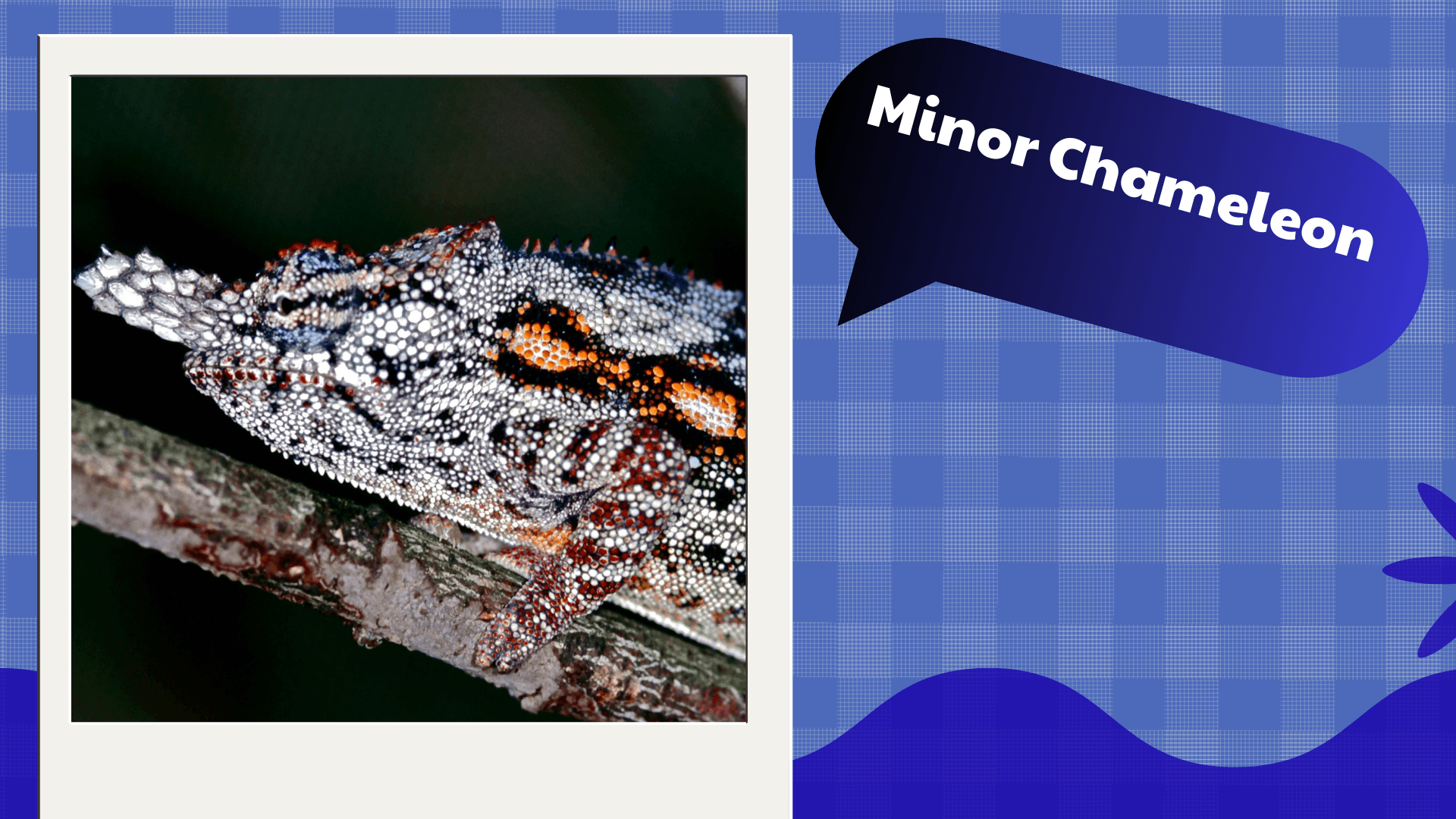
Minor Chameleon is endemic to Madagascar and characterized by its small size and arboreal habits. Males have subtle coloration for displays, while females are cryptically colored to avoid predation. This species primarily inhabits humid forests, navigating efficiently through branches.
Its diet includes insects and small invertebrates. Males use color changes, posturing, and head movements for social signaling, while females remain hidden. Arboreal adaptations, such as a prehensile tail, enhance balance and mobility in complex canopy environments.
Reproduction is oviparous. Females lay eggs in soft soil, and hatchlings are independent. Minor Chameleon demonstrates how size, camouflage, and behavioral signaling are critical survival strategies among types of chameleons.
65. Seychelles Chameleon (Archaius seychellensis)
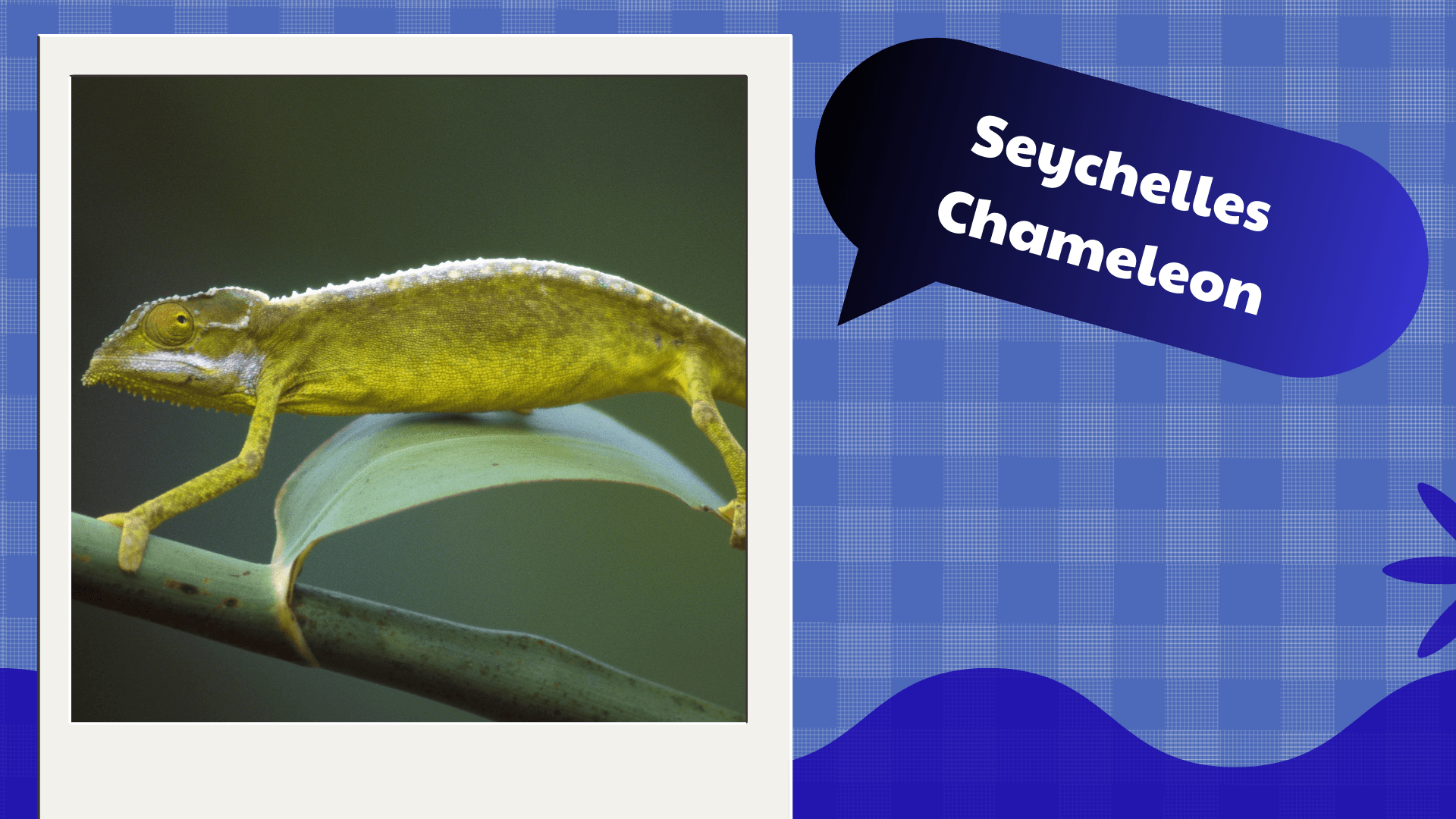
Seychelles Chameleon is endemic to the Seychelles islands and is one of the few chameleons outside Madagascar. Males have bright green and blue coloration for courtship, while females remain cryptic. Its small to medium size and slender body enable movement through shrubs and trees.
This species primarily feeds on insects. Males display dominance and attract mates through color changes and posturing. Females rely on cryptic coloration and stillness to avoid predation. Arboreal habits are supported by prehensile tails and specialized feet.
Reproduction is oviparous. Females lay eggs in soil, with hatchlings emerging independent. Seychelles Chameleon highlights the role of visual signaling, camouflage, and arboreal specialization among types of chameleons.
66. Tiger Chameleon (Archaius tigris)
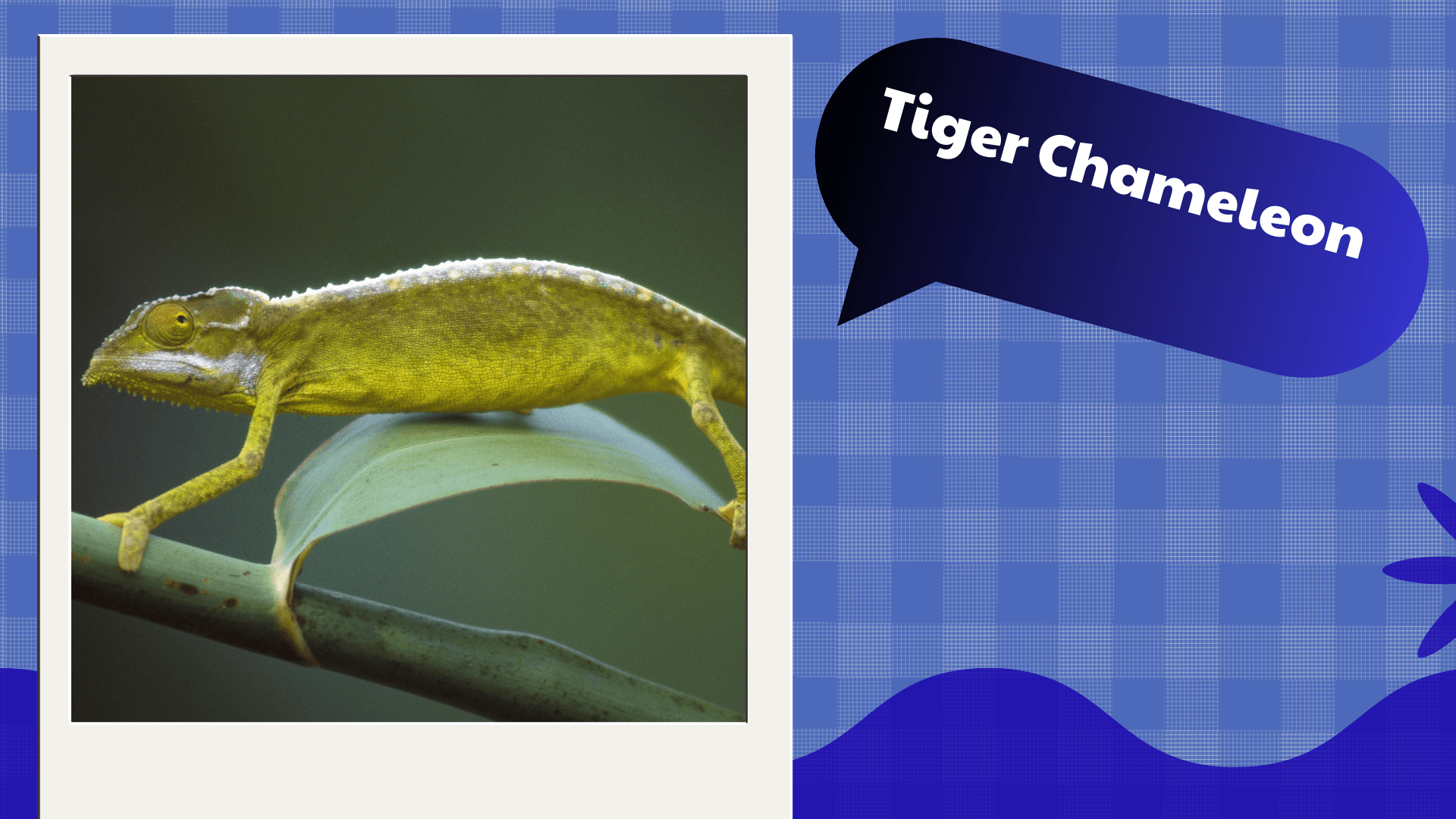
The Tiger Chameleon is native to the Seychelles and is known for its striking striped pattern reminiscent of a tiger’s coat. Males are particularly vivid during courtship, displaying alternating green and yellow stripes, while females have more muted colors to remain camouflaged. This species is relatively small, arboreal, and relies heavily on visual signaling for social interactions.
Diet consists mainly of insects, including crickets, flies, and beetles. Males use color changes, head-bobbing, and body posturing to establish dominance and attract females. Females rely on stillness and cryptic coloration to evade predators.
Reproduction is oviparous. Females lay eggs in moist soil, with hatchlings emerging fully capable of independent survival. The Tiger Chameleon exemplifies how patterning, camouflage, and arboreal agility coexist in types of chameleons.
67. Mount Mlanje Chameleon (Nadzikambia mlanjensis)

Mount Mlanje Chameleon is a small, arboreal species found in the montane forests of Malawi. Its coloration varies from earthy greens to browns, providing excellent camouflage in dense foliage. Males display slightly brighter colors during courtship but remain relatively subtle compared to more flamboyant species.
Its diet consists primarily of insects, including beetles, caterpillars, and grasshoppers. Males perform color shifts, lateral displays, and head-bobbing to signal dominance. Females rely on cryptic coloration and stillness to avoid predation. Arboreal adaptations, including a prehensile tail and zygodactyl feet, allow efficient navigation through dense branches.
Reproduction is oviparous. Females deposit eggs in soft soil, with hatchlings independent upon emergence. Mount Mlanje Chameleon illustrates the delicate balance between camouflage, social signaling, and arboreal adaptation in types of chameleons.
68. Nose Chameleon (Palleon nasus)
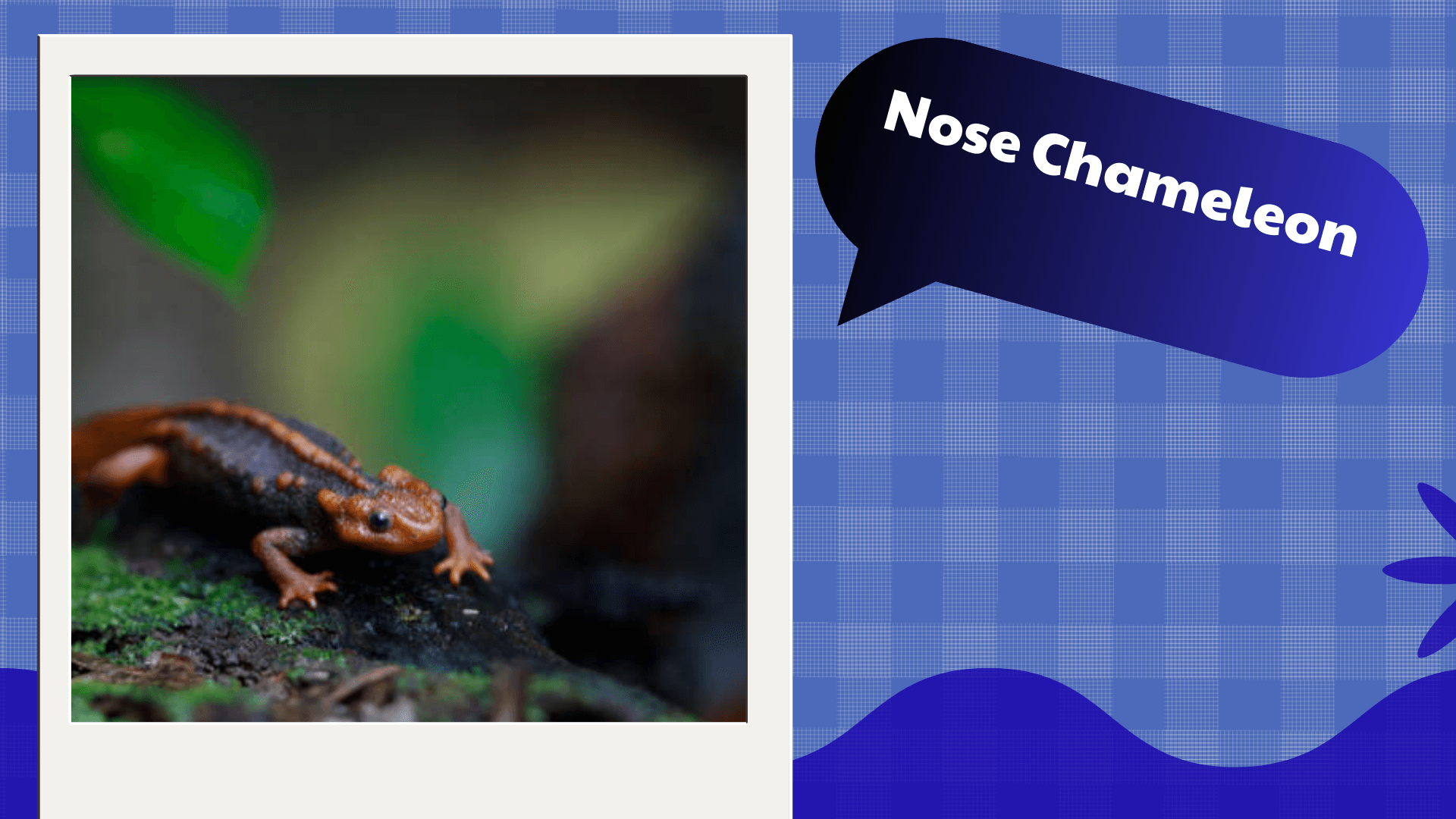
The Nose Chameleon is notable for the distinctive nasal projection found in males, which is used for display and signaling. Endemic to Madagascar, this small species varies in green and brown hues to blend into its forest habitat. Females lack the pronounced nasal appendage and are more cryptically colored.
This chameleon is primarily insectivorous, feeding on a variety of small arthropods. Males employ color changes, posturing, and head-bobbing to establish territories and attract mates, while females rely on camouflage for protection. Arboreal in nature, they use prehensile tails for stability.
Reproduction is oviparous, with eggs laid in soil or leaf litter. Hatchlings are independent. Nose Chameleon showcases the role of morphological traits, camouflage, and arboreal skills in survival among types of chameleons.
69. Spectral Leaf Chameleon (Rhampholeon spectrum)
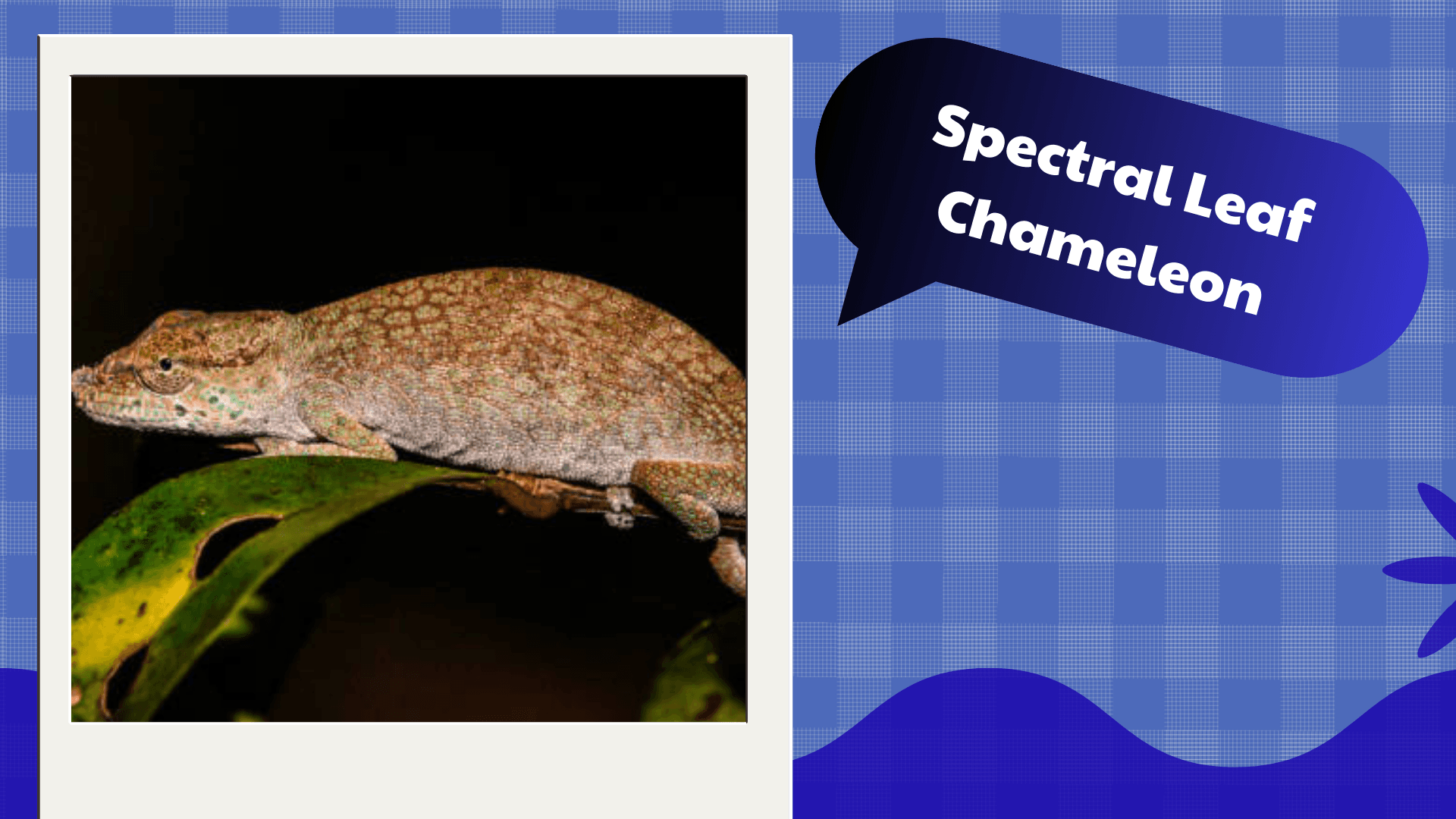
Spectral Leaf Chameleon is a small, cryptic species endemic to the forests of Africa. Its coloration resembles dried leaves, providing exceptional camouflage against predators. Both males and females share this cryptic pattern, with subtle variations for identification.
The species feeds primarily on small insects, including ants and springtails. Arboreal by nature, they move slowly through branches and leaf litter. Color changes are minimal but serve social communication functions, especially in males during mating season. Prehensile tails and specialized feet aid in gripping twigs and leaves.
Reproduction is oviparous, with females laying eggs in soft soil. Hatchlings emerge independent. Spectral Leaf Chameleon demonstrates the power of camouflage and arboreal adaptation in small types of chameleons.
70. Bearded Pygmy Chameleon (Rieppeleon brevicaudatus)
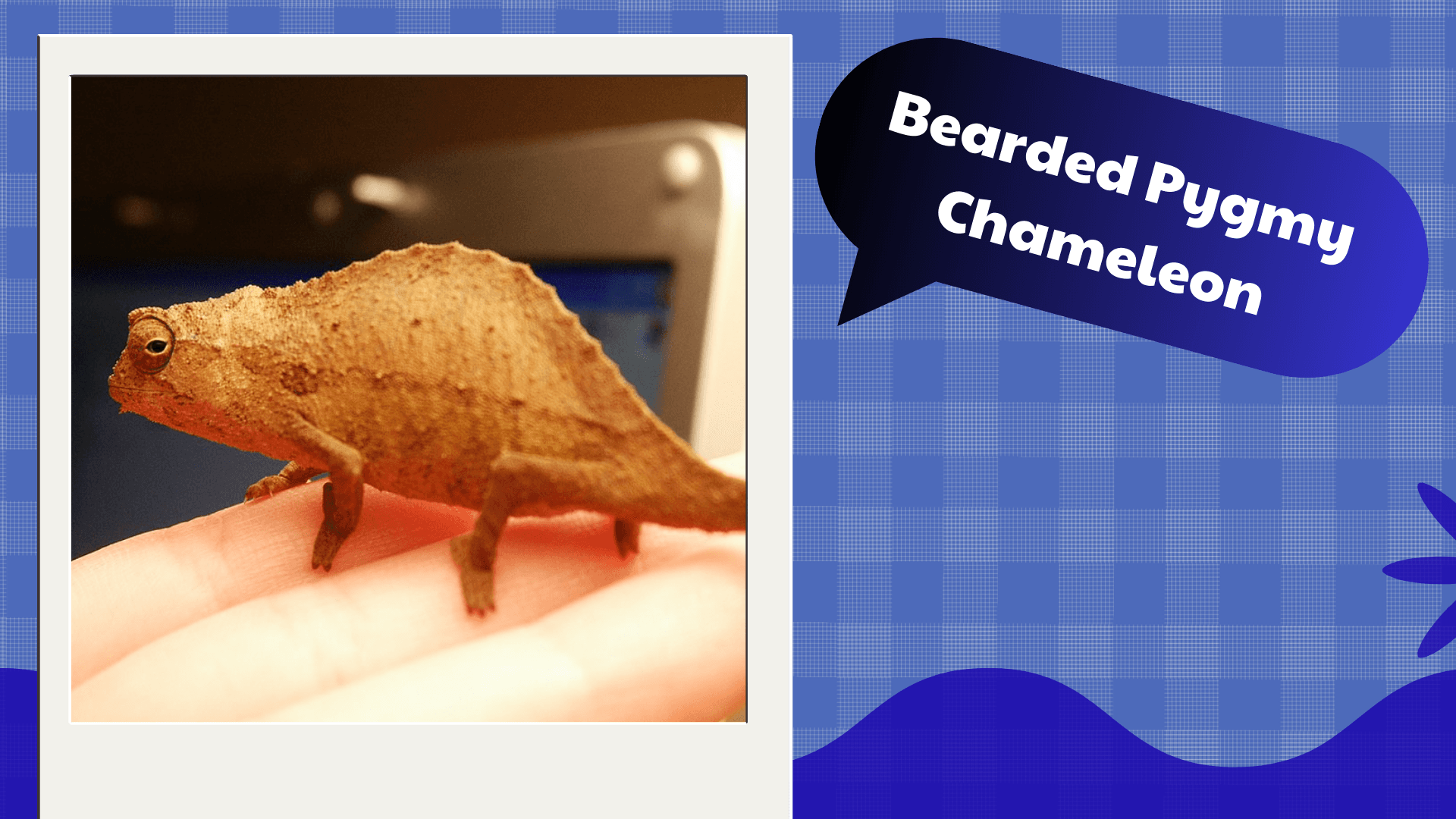
Bearded Pygmy Chameleon is a tiny species native to eastern Africa. True to its name, it possesses small cranial projections that resemble a beard, primarily in males. Its cryptic coloration allows it to blend seamlessly with branches and foliage. This species is one of the smallest chameleons, rarely exceeding a few inches in length.
Its diet is mostly small insects and arachnids. Males signal territory and courtship through subtle color changes and small body movements, while females remain camouflaged. Arboreal adaptations include a prehensile tail and specialized feet for gripping fine branches.
Reproduction is oviparous. Females lay eggs in soft soil or leaf litter. Hatchlings are independent at birth. Bearded Pygmy Chameleon exemplifies how miniature size, cryptic coloration, and arboreal skills enable survival in dense forests among types of chameleons.
71. African Pygmy Chameleon (Rieppeleon kerstenii)
African Pygmy Chameleon is a diminutive species endemic to East Africa. Its cryptic green and brown coloration provides camouflage among leaves and branches. Males exhibit subtle color changes during courtship, while females remain cryptic.
This species feeds on tiny insects and small arthropods. Males use color shifts and body movements for communication, while females rely on camouflage. Arboreal adaptations such as prehensile tails allow precise movement in dense foliage.
Reproduction is oviparous. Females deposit eggs in soil, with hatchlings emerging fully independent. African Pygmy Chameleon illustrates the importance of cryptic coloration, arboreal adaptations, and miniature size for survival in types of chameleons.
72. Cameroon Sailfin Chameleon (Trioceros montium)

Cameroon Sailfin Chameleon is a medium-sized species native to Cameroon’s montane forests. Its males display an impressive sail-like dorsal crest used for visual signaling during territorial disputes and courtship. Coloration varies from green to brown, often with hints of blue.
Diet consists primarily of insects. Males communicate through color changes, lateral displays, and head-bobbing. Females are more cryptic and avoid predators by staying motionless. Arboreal adaptations, including a prehensile tail, allow efficient navigation through high canopy branches.
Reproduction is oviparous. Females lay eggs in soil, with independent hatchlings. Cameroon Sailfin Chameleon showcases how morphological features, color signaling, and arboreal skills combine among types of chameleons.
73. Owen’s Chameleon (Trioceros oweni)

Owen’s Chameleon is a medium-sized species from West African forests. Males have pronounced cranial projections and vivid coloration for dominance and courtship displays, while females are cryptically colored. This species thrives in dense forest canopies.
The diet is insect-based, including beetles, grasshoppers, and ants. Males display color shifts and physical gestures to attract mates and defend territory. Females rely on camouflage and stillness to avoid predation. Arboreal adaptations allow efficient navigation through branches and twigs.
Reproduction is oviparous. Females lay eggs in soft soil, with hatchlings fully independent. Owen’s Chameleon demonstrates the balance between coloration, camouflage, and arboreal specialization in types of chameleons.
74. Crested Chameleon (subspecies) (Trioceros cristatus gracilis)
This subspecies of the Crested Chameleon is endemic to specific montane regions in Africa. Males have elongated cranial crests and brighter coloration than females, which helps in social signaling and territorial displays. Its slender body is perfectly suited for arboreal life.
Diet consists of insects, including crickets, moths, and beetles. Males signal dominance through color changes, lateral displays, and head movements, while females rely on cryptic coloration for camouflage. Prehensile tails and specialized feet provide superior grip on branches.
Reproduction is oviparous, with eggs laid in soil. Hatchlings emerge independent. This subspecies demonstrates how subspecific variation enhances survival strategies among types of chameleons.
75. Conical-nosed Chameleon (Trioceros conirostratus)

The Conical-nosed Chameleon is a medium-sized African species recognized for its pointed cranial projection, used by males during courtship and territorial disputes. Its coloration ranges from green to brown, aiding in camouflage among forest foliage.
Diet includes insects and other small arthropods. Males display color changes, head-bobbing, and lateral postures to assert dominance. Females remain cryptic and motionless to avoid predators. Arboreal adaptations such as prehensile tails and specialized feet ensure stability and mobility.
Reproduction is oviparous, with females laying eggs in soil. Hatchlings are fully independent. Conical-nosed Chameleon exemplifies how morphological adaptations, color signaling, and arboreal skills work together in types of chameleons.
76. Warty Chameleon (Furcifer verrucosus)
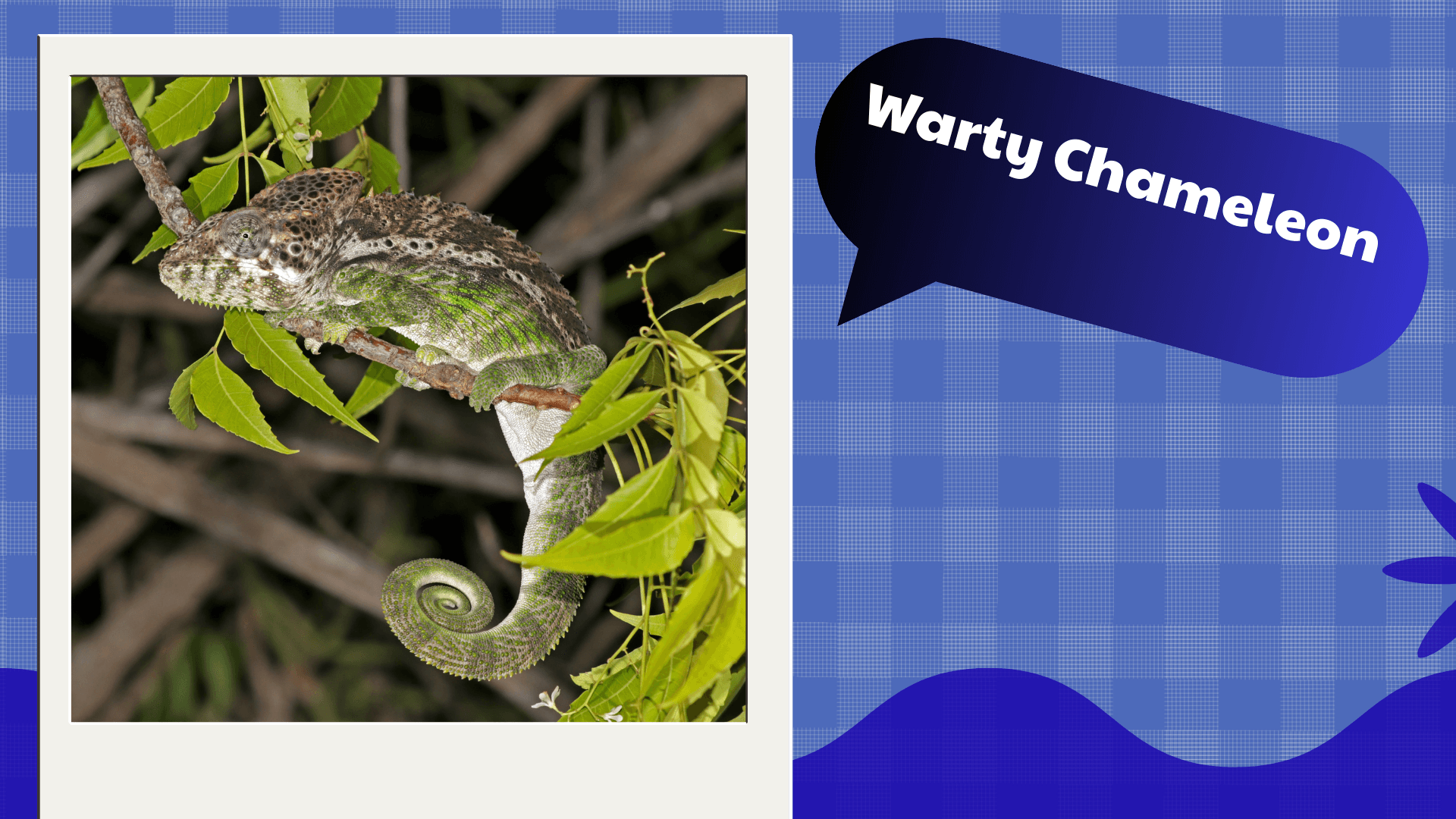
The Warty Chameleon is a striking species native to Madagascar, named for the pronounced tubercles and “warts” covering its body. Males are typically more vividly colored than females, displaying a mixture of green, brown, and yellow hues that change depending on mood, health, and temperature. Females are more cryptic, using their muted tones to blend into foliage and avoid predators.
Its diet primarily consists of insects, including crickets, beetles, and flies, though larger individuals may occasionally take small invertebrates. Males employ color changes, head-bobbing, and lateral displays for social signaling, attracting mates, and asserting dominance. Females rely on camouflage, remaining motionless to evade predators.
Arboreal in nature, Warty Chameleons have prehensile tails and zygodactyl feet that allow precise movement through branches. Reproduction is oviparous, with females laying eggs in soil or leaf litter. Hatchlings are fully independent, demonstrating the combination of camouflage, visual signaling, and arboreal adaptation that defines types of chameleons.
77. Common Flapneck Chameleon (Chamaeleo dilepis)
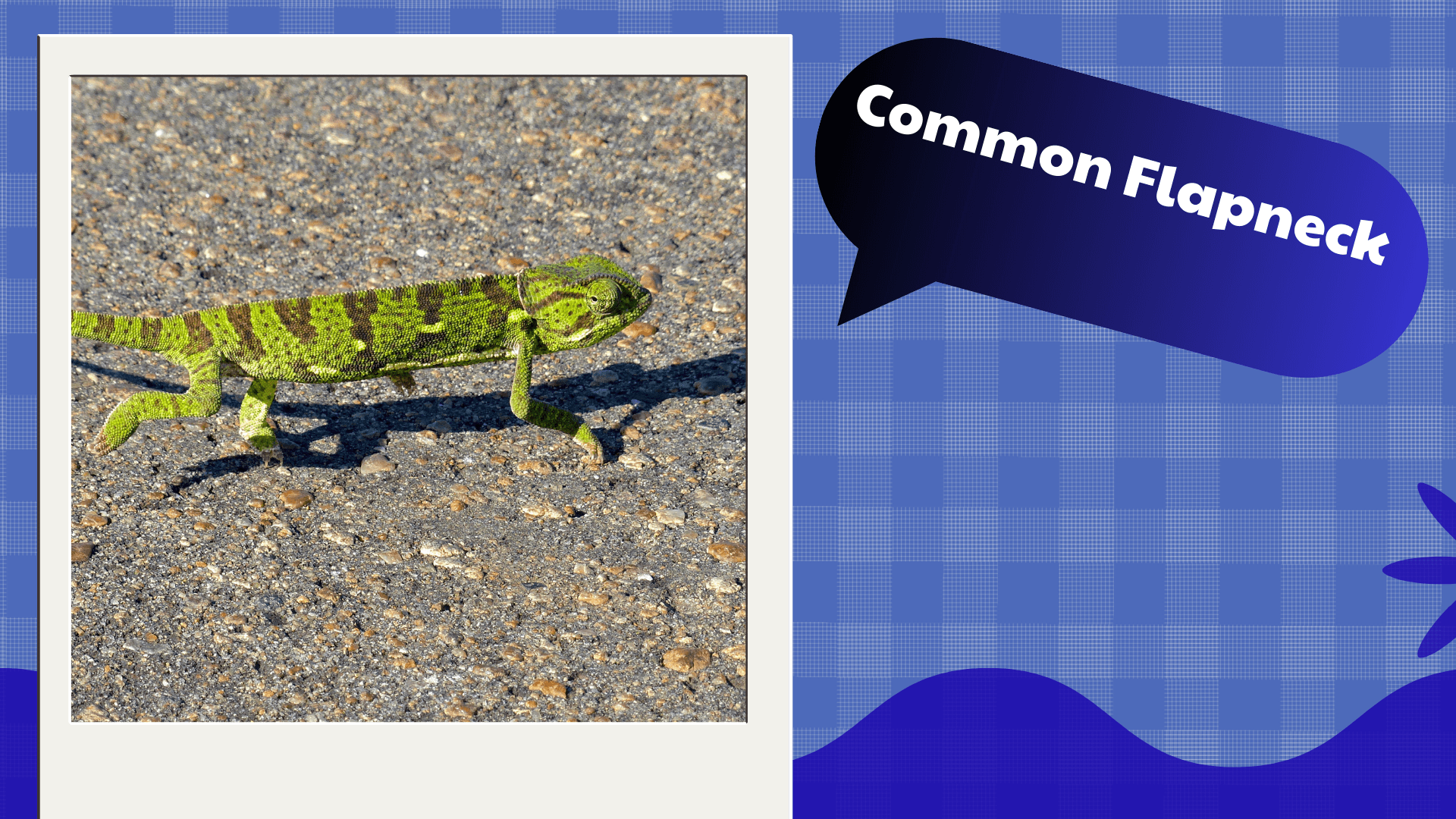
The Common Flapneck Chameleon is widespread across sub-Saharan Africa and is easily recognized by its prominent throat flap and bright green coloration in males. Color patterns may vary to shades of brown, yellow, and even blue depending on environmental conditions. Females are smaller and more muted in color, helping them blend with the surroundings.
This species is insectivorous, feeding on a variety of arthropods. Males display dramatic color changes, head-bobbing, and lateral body displays to communicate with rivals and attract mates. Females use cryptic coloration and stillness for protection against predators.
Arboreal and highly agile, the Common Flapneck Chameleon relies on prehensile tails and specialized feet to navigate dense foliage. Reproduction is oviparous, with females laying clutches of eggs in moist soil. Hatchlings are independent and begin hunting insects immediately. This species exemplifies the balance of visual communication, camouflage, and arboreal agility in types of chameleons.
78. Mountain Two-horned Chameleon (Chamaeleo montium)

The Mountain Two-horned Chameleon is endemic to high-altitude forests in Africa. Males have distinctive paired horns above their eyes used for dominance displays and courtship, while females lack these pronounced features. Coloration ranges from bright greens to earthy browns, helping them blend into mossy branches and foliage.
Diet consists mainly of insects and small arthropods. Males utilize color shifts, horn displays, and head movements to establish dominance and attract females. Females employ camouflage and immobility to avoid predation. The species’ arboreal adaptations, including a prehensile tail and specialized toes, allow secure navigation through forested environments.
Reproduction is oviparous, with eggs laid in soil or leaf litter. Hatchlings are fully independent and capable of immediate survival. Mountain Two-horned Chameleon illustrates how morphological traits, camouflage, and arboreal specialization coexist in types of chameleons.
79. Nano Leaf Chameleon (Brookesia nana)

Brookesia nana, or the Nano Leaf Chameleon, is one of the smallest chameleons in the world and is endemic to Madagascar. Adult males may be less than an inch long, making it a marvel of miniaturization in reptiles. Its cryptic coloration, resembling dead leaves and twigs, provides extraordinary camouflage against predators.
This species primarily feeds on tiny insects and micro-arthropods. Color changes are minimal but serve social and reproductive communication. Arboreal adaptations are subtle due to its small size, and it often moves through leaf litter and low vegetation rather than high canopy branches.
Reproduction is oviparous, with females laying a few tiny eggs in soil. Hatchlings are independent from birth. The Nano Leaf Chameleon demonstrates how extreme miniaturization, camouflage, and specialized diet strategies enable survival among types of chameleons.
80. Fuelleborn’s Chameleon (Trioceros fuelleborni)

Fuelleborn’s Chameleon is a medium-sized species native to the highland forests of East Africa. Males feature small cranial projections and vivid coloration, which become more pronounced during territorial and courtship displays. Females have muted colors for camouflage and protection from predators.
The species primarily feeds on insects such as crickets, beetles, and caterpillars. Males perform color changes, head-bobbing, and lateral posturing to assert dominance and attract mates. Females rely on cryptic coloration and stillness. Arboreal adaptations include prehensile tails and zygodactyl feet for navigating forest branches efficiently.
Reproduction is oviparous, with females laying eggs in moist soil. Hatchlings emerge fully independent. Fuelleborn’s Chameleon highlights the combination of arboreal skill, color signaling, and camouflage that defines the diversity of types of chameleons.
Conclusion
Chameleons are among the most fascinating and diverse reptiles on the planet, showcasing an extraordinary range of colors, shapes, and behaviors. From the tiny Brookesia nana, one of the smallest chameleons in the world, to the impressive Trioceros melleri, the Meller’s Chameleon, these creatures demonstrate remarkable adaptations to their environments. Each species has evolved unique features such as cranial projections, prehensile tails, and intricate color-changing abilities to communicate, hunt, and avoid predators.
The diversity within types of chameleons highlights their evolutionary ingenuity. Many species are arboreal, relying on specialized feet and tails to navigate branches, while others like leaf chameleons have perfected camouflage to blend seamlessly with leaf litter. Reproduction across these species is largely oviparous, with females carefully selecting safe sites for laying eggs, ensuring that hatchlings emerge ready to survive independently.
Understanding the 80 unique species covered in this article provides valuable insights into the incredible variety and ecological importance of chameleons. Whether you are a reptile enthusiast, a student, or simply curious about wildlife, exploring these species emphasizes the beauty and adaptability of chameleons across the globe. The world of types of chameleons is a testament to nature’s creativity and resilience, inspiring both wonder and conservation efforts.
Frequently Asked Questions About Chameleons
1. What are chameleons?
Chameleons are reptiles known for their color-changing abilities, independently rotating eyes, and prehensile tails. They are mostly arboreal and found in Africa, Madagascar, and parts of Asia.
2. How many types of chameleons exist?
There are over 200 recognized species of chameleons worldwide, with 80 unique types highlighted in this article, each with distinctive features and habitats.
3. Why do chameleons change color?
Chameleons change color to communicate, regulate body temperature, and blend with their surroundings for protection from predators.
4. Are all chameleons the same size?
No. Chameleons vary widely in size. The smallest, Brookesia nana, is under 3 cm long, while the largest, Trioceros melleri, can exceed 60 cm in length.
5. What do chameleons eat?
Most chameleons are insectivores, feeding on crickets, flies, beetles, and other small arthropods. Larger species may occasionally eat small vertebrates.
6. Do chameleons make good pets?
Chameleons can be kept as pets, but they require specialized care including proper humidity, temperature, UVB lighting, and diet.
7. How long do chameleons live?
Lifespan varies by species. Small dwarf chameleons live 2–5 years, while larger species like the Meller’s Chameleon can live over 10 years in captivity.
8. How do chameleons reproduce?
Most chameleons are oviparous, laying eggs in soil or leaf litter. Some species are ovoviviparous, giving birth to live young.
9. Can chameleons see in all directions?
Yes. Chameleons have independently moving eyes that allow them to see nearly 360 degrees, which helps them detect prey and predators simultaneously.
10. Are chameleons dangerous to humans?
No. Chameleons are harmless reptiles. They are more likely to flee than attack and do not have venom.
11. What is the largest chameleon?
The Meller’s Chameleon (Trioceros melleri) is the largest species, reaching lengths over 60 cm with a long tail and robust body.
12. What is the smallest chameleon?
The Nano Leaf Chameleon (Brookesia nana) is the smallest, measuring less than 3 cm, making it one of the tiniest reptiles in the world.
13. How do chameleons catch prey?
Chameleons use a long, sticky, projectile tongue to catch insects and small invertebrates with remarkable speed and accuracy.
14. Where do chameleons live?
Chameleons inhabit forests, savannas, and shrublands, mostly in Africa, Madagascar, parts of the Middle East, and southern Europe.
15. Do chameleons hibernate?
Some species may enter periods of reduced activity during colder months or dry seasons, but they do not hibernate in the traditional sense like mammals.
16. Can chameleons change color at will?
Color change is influenced by mood, temperature, light, and social signals, so they do not always change colors on command.
17. How do chameleons communicate?
Chameleons communicate through color changes, body posture, head-bobbing, and sometimes vocalizations during territorial or mating interactions.
18. Are all chameleons arboreal?
Most species are arboreal, living in trees or shrubs, but some leaf chameleons, like Brookesia species, dwell in leaf litter on the forest floor.
19. How many horns do chameleons have?
Horn numbers vary by species. Some, like the Four-horned Chameleon, have multiple cranial horns, while others, like dwarf chameleons, have none.
20. Can chameleons bite?
Yes, but they rarely bite humans. Their small teeth can pinch if provoked but are not dangerous.
21. What are leaf chameleons?
Leaf chameleons, mainly Brookesia species, are tiny, ground-dwelling chameleons that mimic dead leaves to avoid predators.
22. What are dwarf chameleons?
Dwarf chameleons, such as Bradypodion species, are small, slow-moving chameleons found in Africa, often inhabiting shrubs and low trees.
23. What is a panther chameleon?
The Panther Chameleon (Furcifer pardalis) is known for vibrant colors that vary regionally across Madagascar. Males are especially colorful during displays.
24. How do chameleons avoid predators?
Chameleons use camouflage, stillness, sudden movements, and sometimes puffing up their bodies to deter predators.
25. Can chameleons swim?
Most chameleons avoid water and cannot swim well. They rely on agility and camouflage to escape threats instead.
26. What is the lifespan of leaf chameleons?
Leaf chameleons generally live 2–5 years in the wild, depending on predation and environmental conditions.
27. What colors can chameleons display?
Chameleons can display greens, blues, reds, yellows, browns, and even black. Patterns and intensity vary by species and emotional state.
28. Are chameleons endangered?
Many species face habitat loss and illegal pet trade pressures. Some, like the Meller’s and Panther Chameleons, are considered vulnerable or near threatened.
29. How do chameleons grip branches?
Chameleons have zygodactylous feet (two toes forward, two backward) and prehensile tails for secure gripping in trees and shrubs.
30. Can chameleons see color?
Yes. Chameleons have excellent color vision, which helps them detect mates, predators, and prey.
31. What is the Seychelles Chameleon?
The Seychelles Chameleon (Archaius seychellensis) is a rare island species, notable for its unique coloration and restricted habitat.
32. Do chameleons make sounds?
Some chameleons can produce soft hissing or clicking sounds, but communication is mainly visual through colors and displays.
33. How fast can a chameleon move?
Chameleons are generally slow movers, using deliberate, careful steps to blend into foliage and avoid detection.
34. Are all chameleons solitary?
Yes, most chameleons are solitary and territorial, coming together only for mating purposes.
35. How do chameleons drink water?
Chameleons drink water droplets from leaves, rain, or mist, as they rarely drink from standing water.
36. Can chameleons regenerate tails?
No, chameleons cannot regenerate their tails. Damage to the tail is permanent and can affect balance and mobility.
37. What is a casque in chameleons?
A casque is a bony or fleshy crest on the head, often used for species recognition and display, as seen in Trioceros and Calumma species.
38. How do chameleons hunt?
Chameleons rely on slow stalking, exceptional eyesight, and a rapid projectile tongue to capture insects and small prey.
39. Can chameleons see at night?
Chameleons have limited night vision and are primarily diurnal, being active during daylight hours.
40. What is the African Pygmy Chameleon?
Small, ground-dwelling chameleons of the genus Rieppeleon, living in Africa and Madagascar, often camouflaged among leaf litter.
41. How do chameleons mate?
Males display bright colors, push against rivals, and perform head-bobbing and lateral displays to attract females.
42. Do chameleons hibernate in captivity?
Some species may benefit from a cooler rest period to simulate natural seasonal changes, but full hibernation is rare.
43. Can chameleons be aggressive?
Male chameleons can be aggressive toward each other, using color displays, biting, and lunging to establish dominance.
44. How many eggs do chameleons lay?
Clutch size varies by species, ranging from a few eggs in dwarf species to over 50 in larger species like the Meller’s Chameleon.
45. What is a casque chameleon?
Casque chameleons have prominent head crests or casques used in communication, mate attraction, and sometimes thermoregulation.
46. Are chameleons nocturnal?
No. Chameleons are primarily active during the day and rest at night, using camouflage to remain hidden.
47. How do chameleons shed skin?
Chameleons shed in patches, not all at once, and often consume the shed skin to recycle nutrients.
48. Can chameleons live together?
Most species are solitary; housing multiple chameleons together often leads to stress and aggression.
49. Are chameleons cold-blooded?
Yes. Chameleons are ectothermic, relying on sunlight and external heat sources to regulate body temperature.
50. What is unique about chameleon vision?
Chameleons have highly specialized eyes that move independently, allowing them to track prey and scan for predators simultaneously.
Read more: