

Coral reefs are among the most diverse and vital ecosystems on Earth, supporting thousands of marine species and providing essential ecological services. In this guide, we explore the Types of Coral, highlighting their unique characteristics, habitats, and significance. Understanding coral species is crucial for marine enthusiasts, divers, and aquarists seeking to appreciate the intricate beauty of underwater life. From branching staghorn corals to massive brain corals, this article covers 30 captivating corals in detail, ensuring you gain a deep understanding of these marine wonders.
1. Staghorn Coral (Acropora cervicornis)
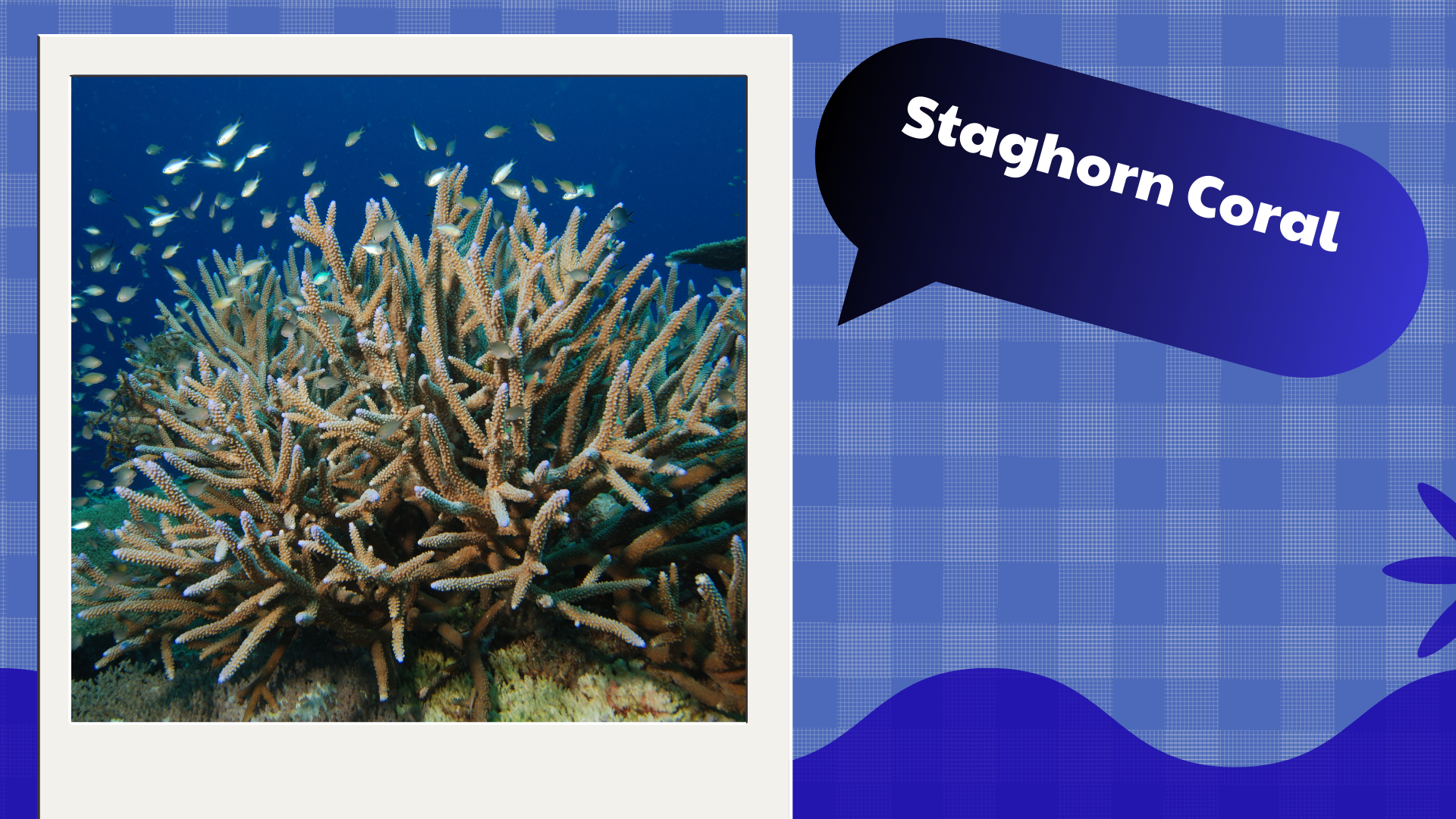
Staghorn Coral is one of the most iconic reef-building corals found primarily in the Caribbean. Known for its antler-like branching structure, it provides essential shelter for countless fish species and invertebrates. Its fast growth rate allows it to recover quickly from disturbances, making it crucial for reef resilience. Staghorn Coral thrives in shallow, sunlit waters where water flow is strong, aiding in nutrient exchange and gas diffusion. Its polyps extend at night to capture plankton, contributing to its sustenance. Conservation efforts for Staghorn Coral include coral nurseries and reef restoration projects, especially after events like hurricanes or bleaching.
The coloration of Staghorn Coral can vary from light brown to pale blue, and healthy colonies exhibit vibrant tips. However, this coral is highly sensitive to water quality, temperature fluctuations, and ocean acidification. Its decline in some areas has significant ecological implications, as it forms dense thickets that are vital for juvenile fish habitat. Divers often seek out Staghorn Coral for underwater photography due to its intricate patterns and structural beauty. Maintaining proper lighting and water flow is essential when keeping Staghorn Coral in aquariums, though it requires experience due to its sensitivity.
Staghorn Coral’s ecological importance cannot be overstated; it contributes to coastal protection, biodiversity, and the overall health of coral reef ecosystems.
2. Elkhorn Coral (Acropora palmata)
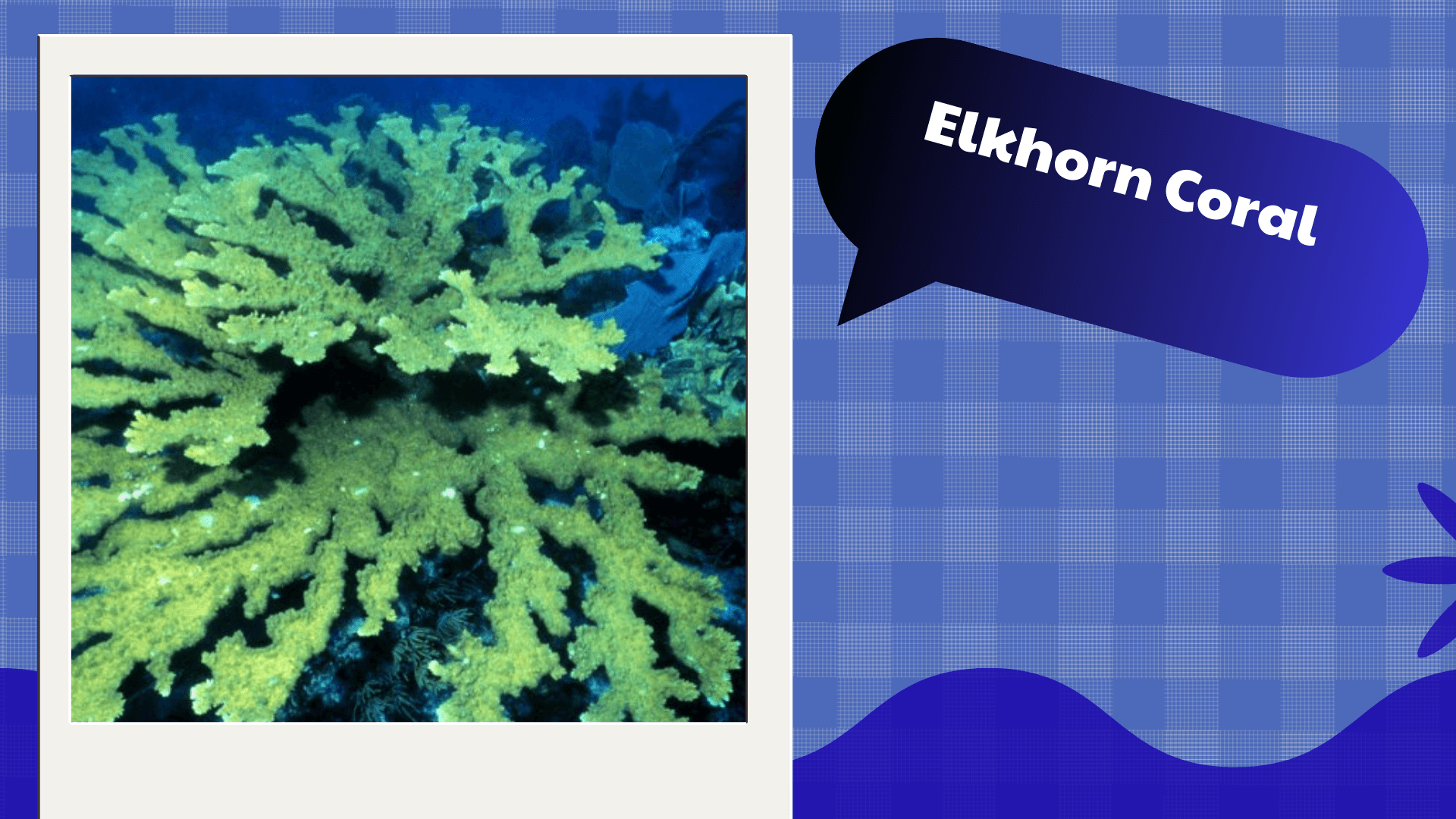
Elkhorn Coral is another prominent reef-building coral, distinguished by its thick, flattened branches resembling elk antlers. It is primarily found in the Caribbean and Gulf of Mexico, often forming dense stands in shallow waters. Its robust structure provides critical habitat and shelter for numerous reef organisms. Elkhorn Coral polyps extend to feed on plankton and organic matter in the water column, supporting the coral’s growth and reproduction. Its rapid growth and branching pattern help in wave energy dissipation, protecting shorelines from erosion.
Conservation programs focus on restoring Elkhorn Coral populations, as it is considered a threatened species due to disease outbreaks, climate change, and human activity. The coral’s color ranges from light brown to greenish hues, with tips often lighter in color. Divers and marine photographers favor Elkhorn Coral for its striking form and essential role in the reef ecosystem. In aquariums, maintaining water quality and moderate flow is crucial for this species, though it is less commonly kept due to its size and growth requirements.
Elkhorn Coral is an ecological keystone, supporting fish populations, preventing erosion, and contributing to reef resilience.
3. Brain Coral (Faviidae family)
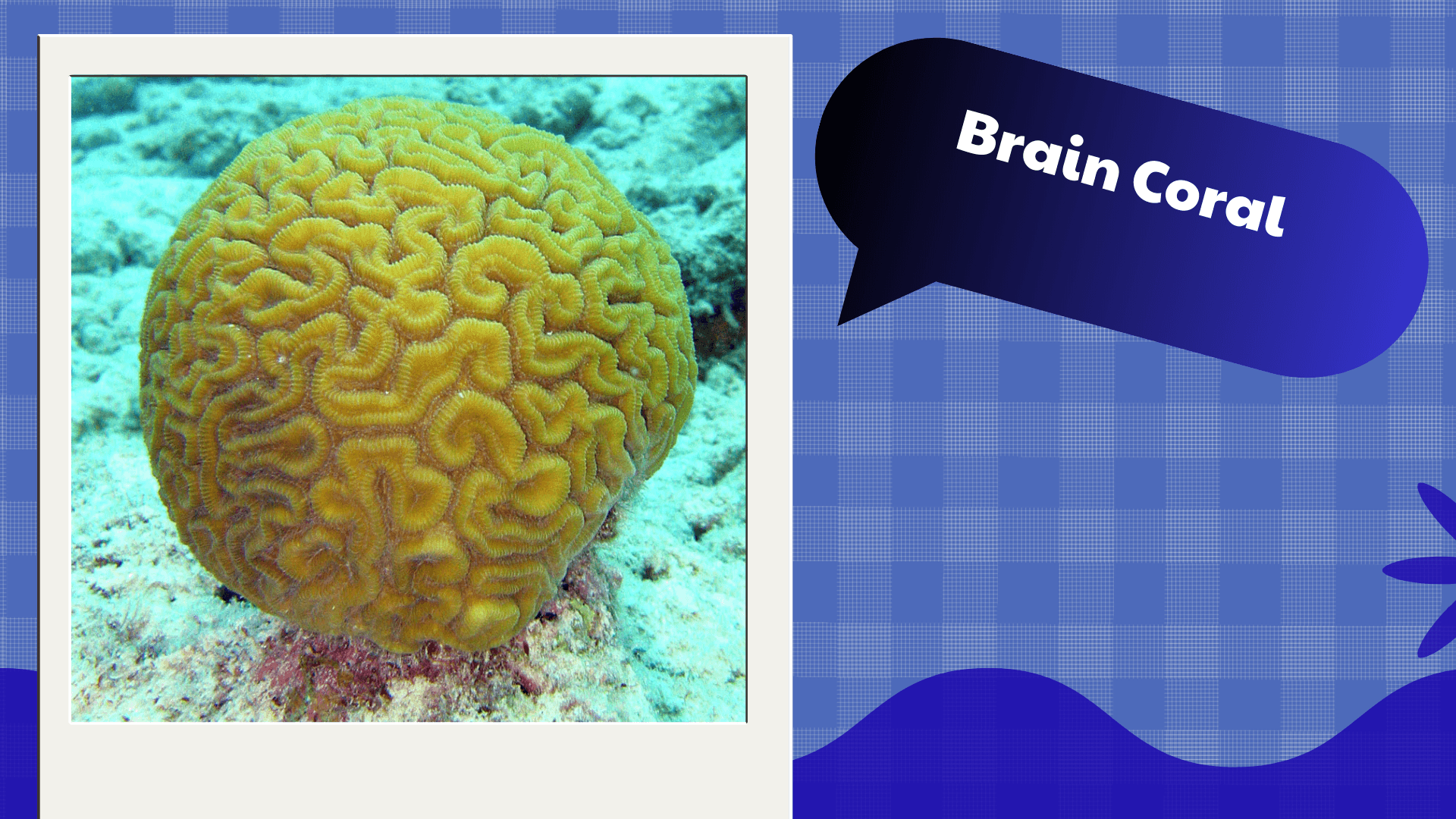
Brain Coral is named for its grooved, maze-like surface, resembling the folds of a brain. Found in tropical and subtropical oceans worldwide, these massive corals grow slowly but can live for hundreds of years. Brain Coral provides essential structure for reefs, supporting a variety of marine life including fish, crustaceans, and other invertebrates. Its polyps extend primarily at night to capture plankton, relying on photosynthetic algae, known as zooxanthellae, for energy during the day. The coral’s intricate surface increases surface area, allowing efficient nutrient exchange and light absorption.
Coloration varies from brown and yellow to green or even blue hues, depending on symbiotic algae and environmental conditions. Brain Coral is highly resilient to moderate wave action but is vulnerable to bleaching during prolonged temperature stress. Its large, rounded forms make it a visually striking and ecologically significant coral. Divers often use Brain Coral as a landmark due to its distinctive appearance. In aquariums, it requires stable lighting, moderate water flow, and calcium-rich water to thrive.
Brain Coral is not only a visual icon of reef ecosystems but also a cornerstone species that contributes to biodiversity and reef stability.
4. Great Star Coral (Montastraea cavernosa)
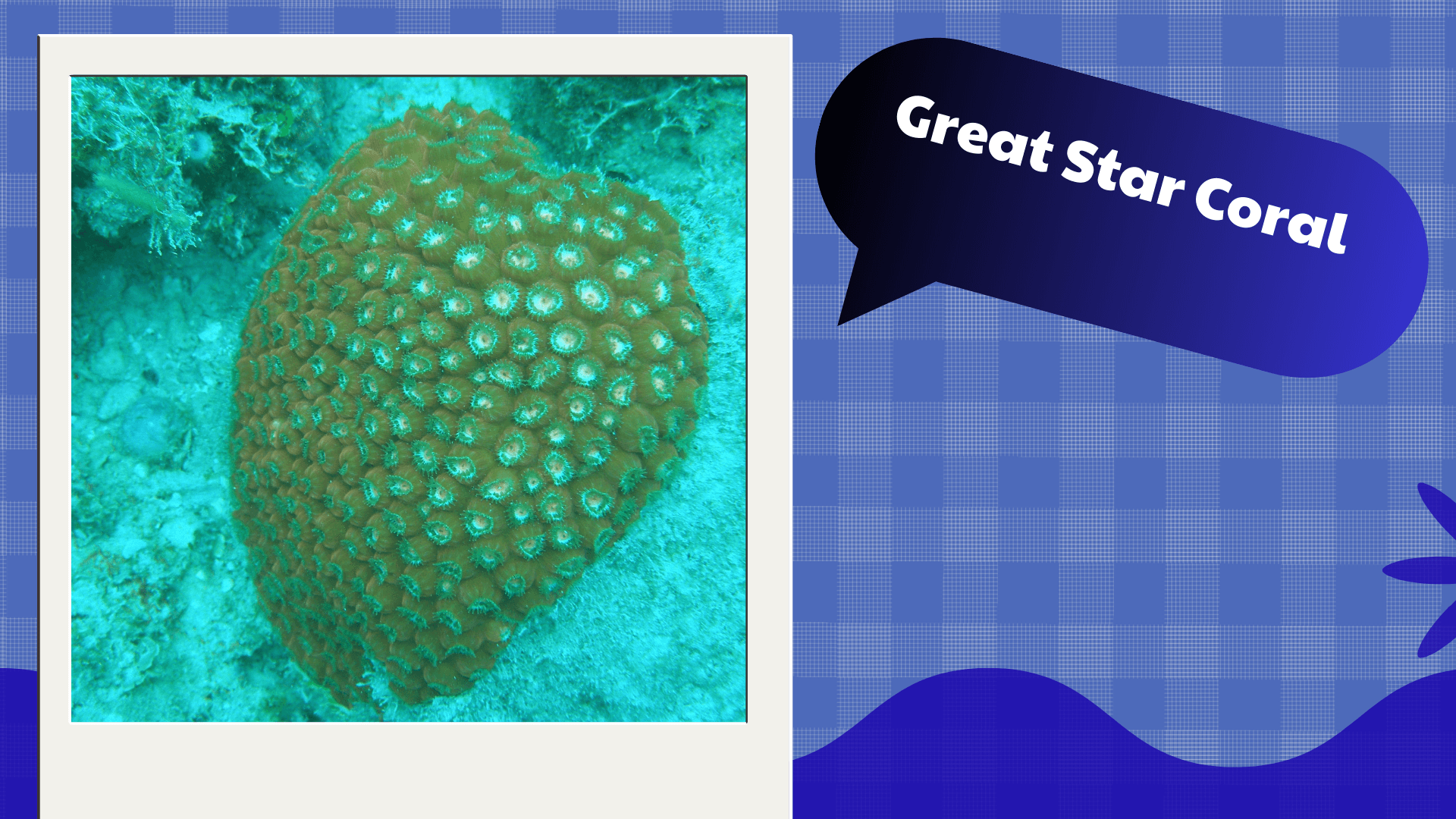
Great Star Coral is a massive boulder coral, forming large domes or plates in shallow to moderately deep reefs. Found mainly in the Caribbean, it supports high biodiversity by creating crevices and shelters for fish and invertebrates. Its polyps are mostly nocturnal, feeding on plankton while relying on symbiotic algae for energy. Great Star Coral reproduces both sexually and asexually, contributing to reef regeneration and resilience. Its growth rate is moderate, but its longevity can reach several decades.
The coral’s coloration ranges from brown to green, often with contrasting tips, making it an attractive subject for underwater photography. Environmental stressors such as temperature fluctuations, disease, and sedimentation affect its growth and health. Conservation programs include monitoring populations and creating protected marine areas. In aquarium settings, it requires moderate lighting and stable water chemistry to maintain its health and vibrant colors.
Great Star Coral plays a crucial ecological role, enhancing reef complexity, supporting biodiversity, and contributing to the structural integrity of coral reefs.
5. Finger Coral (Porites nigrescens)
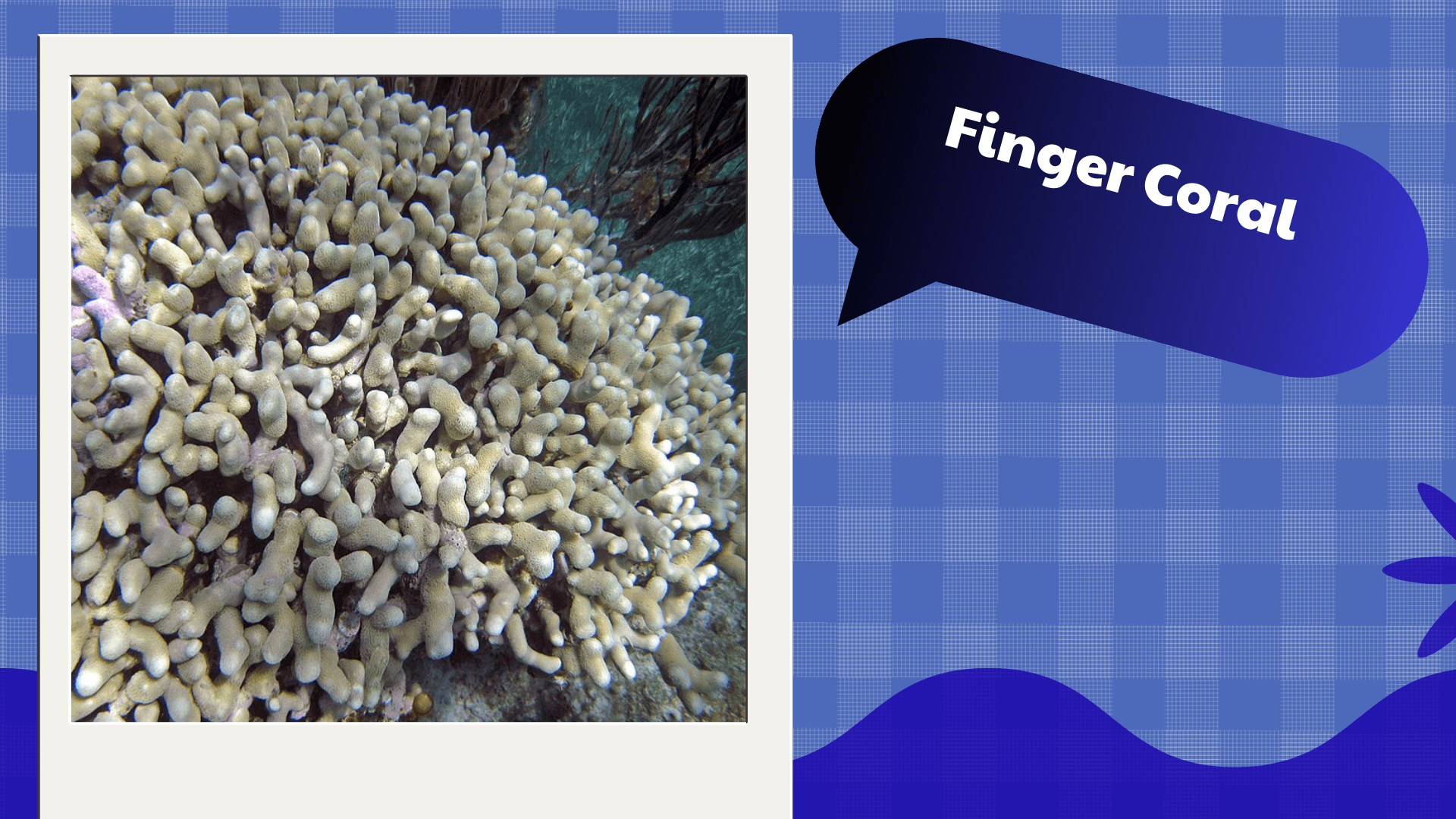
Finger Coral is a small- to medium-sized branching coral with finger-like projections, providing shelter for small reef organisms. It is widely distributed across tropical and subtropical reefs and can tolerate a range of environmental conditions, making it relatively resilient. Finger Coral polyps feed on plankton at night while deriving energy from symbiotic algae. Its compact structure allows it to withstand moderate wave action and contributes to reef building. This coral is slow-growing compared to other branching corals but plays a vital role in reef formation and complexity.
Colors range from pale brown to yellowish hues, sometimes showing greenish tints. It serves as a habitat for juvenile fish, invertebrates, and other marine organisms. Finger Coral is often sought by divers for photography due to its intricate branching pattern and ecological importance. In aquariums, it requires stable water parameters, moderate lighting, and occasional supplementation with plankton or coral food to thrive. Its ecological and aesthetic values make it a popular subject in coral reef studies and conservation programs.
Finger Coral is a resilient and ecologically valuable species, contributing to reef biodiversity, structure, and overall marine ecosystem health.
6. Open Brain Coral (Trachyphyllia geoffroyi)
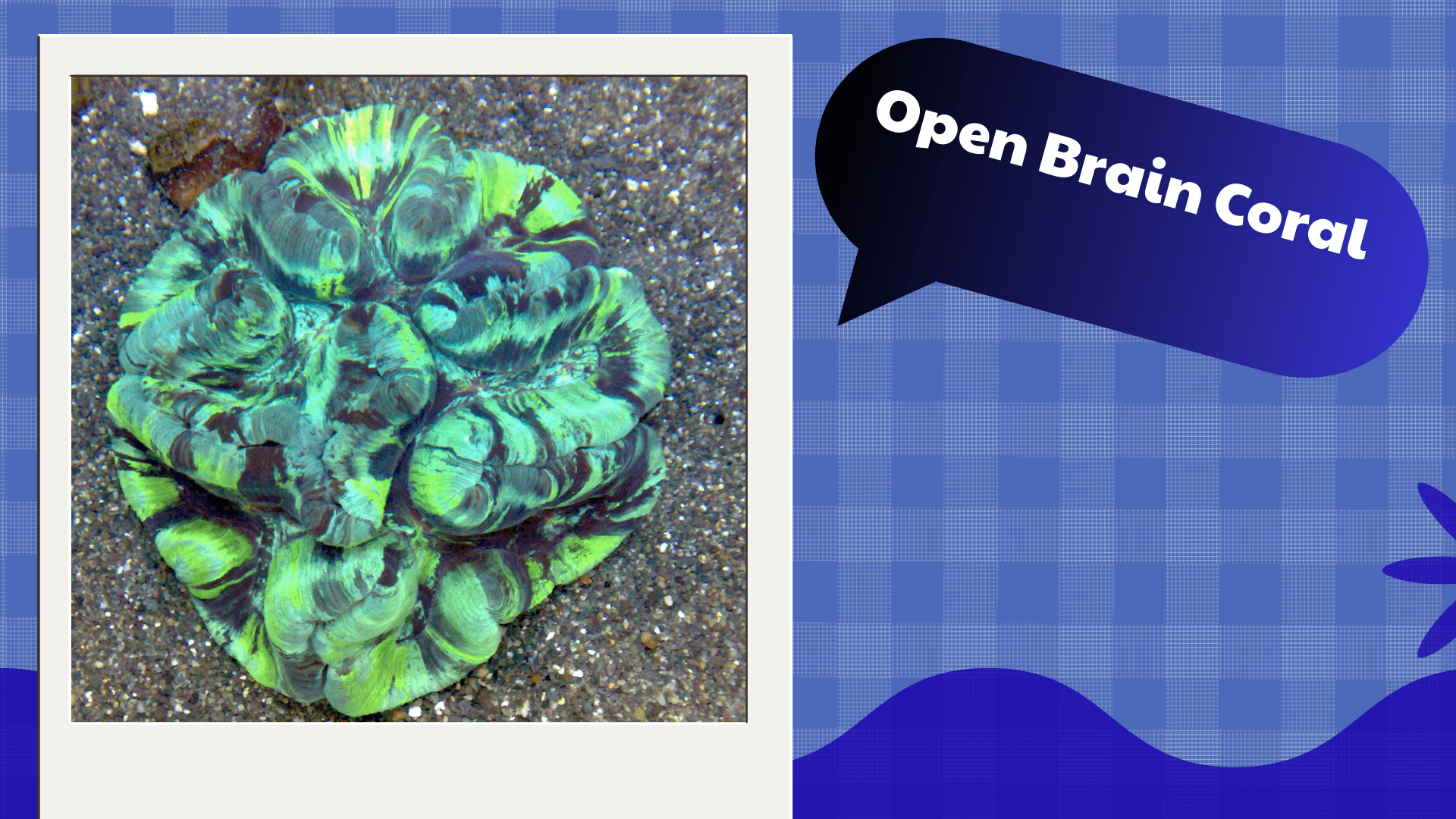
Open Brain Coral is a solitary, large-polyped coral renowned for its vibrant colors and intricate folded surface. Typically found in the Indo-Pacific region, it forms dome-shaped colonies that resemble an open brain. These corals provide shelter for small fish and invertebrates, contributing to reef biodiversity. Polyps extend at night to feed on plankton while relying on symbiotic algae for daytime energy. Their unique structure enhances water flow and nutrient exchange, supporting coral health and reef resilience.
Open Brain Coral exhibits a range of colors from neon green and blue to pink and red, making it a favorite among divers and aquarium enthusiasts. It is moderately sensitive to changes in temperature and water quality, requiring stable environments for optimal growth. Conservation efforts focus on protecting reef habitats and preventing over-collection for the aquarium trade. In marine aquariums, careful attention to lighting, calcium levels, and water movement ensures that this coral thrives. Its ecological role is significant, supporting reef complexity and marine life.
7. Lettuce Coral (Agaricia agaricites)
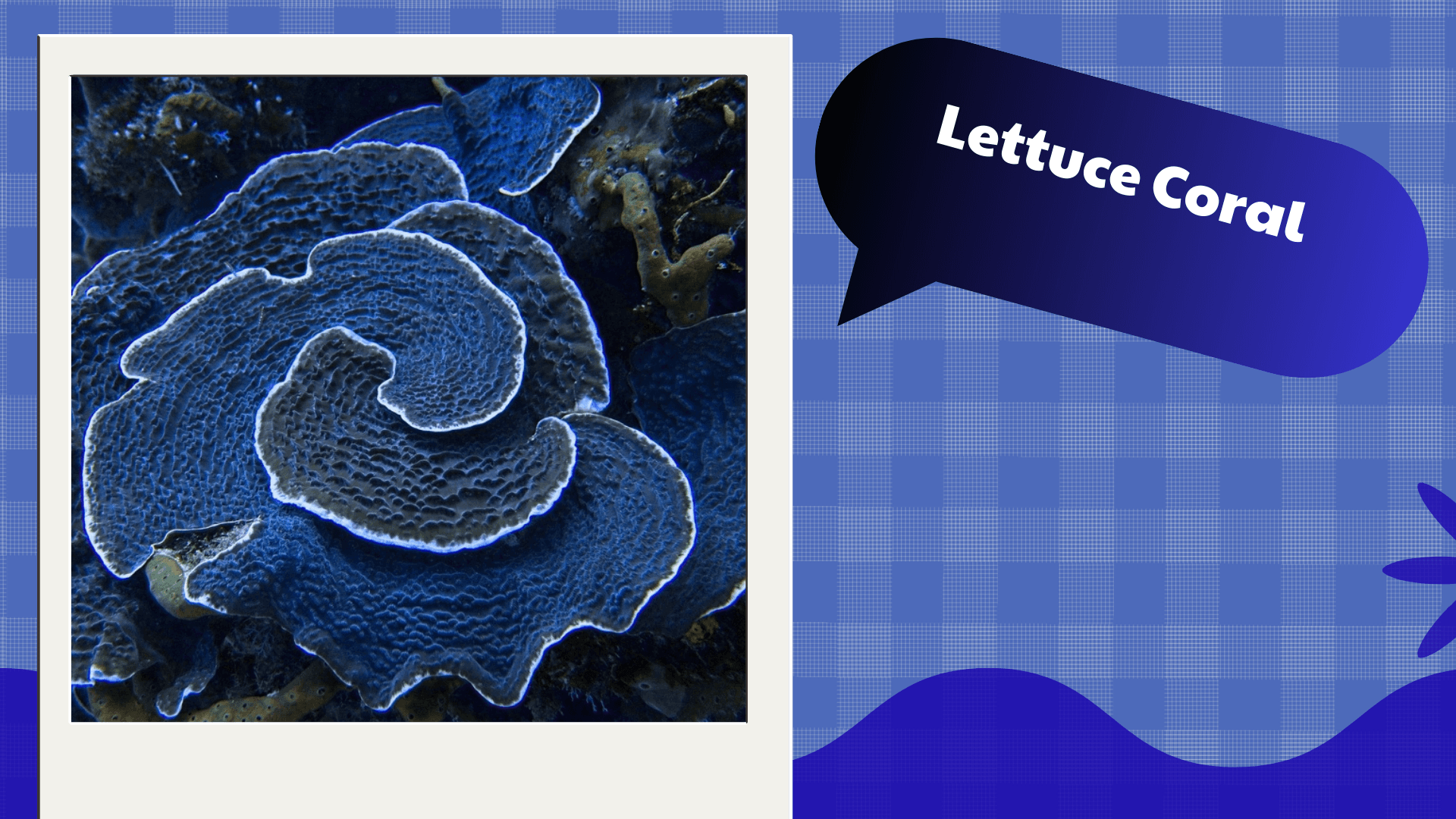
Lettuce Coral is a plating coral named for its leafy, ruffled appearance resembling lettuce leaves. It is widely distributed across shallow Caribbean reefs and grows quickly under ideal conditions. Lettuce Coral forms expansive plates that provide habitats for fish and invertebrates while stabilizing reef structures. Its polyps extend at night to feed on plankton and capture nutrients from water, while daytime energy is obtained from symbiotic algae. Its rapid growth contributes to reef resilience and recovery from disturbances.
Coloration ranges from pale green to brown, with some colonies showing purple or blue edges. It thrives in moderate water flow and light conditions and can tolerate slight variations in water quality. Lettuce Coral is often used in reef restoration programs due to its adaptability and rapid propagation. In aquariums, maintaining stable parameters and providing supplemental feeding promotes growth and vibrant coloration. Its ecological importance lies in providing shelter, supporting biodiversity, and enhancing reef complexity.
8. Organ Pipe Coral (Tubipora musica)
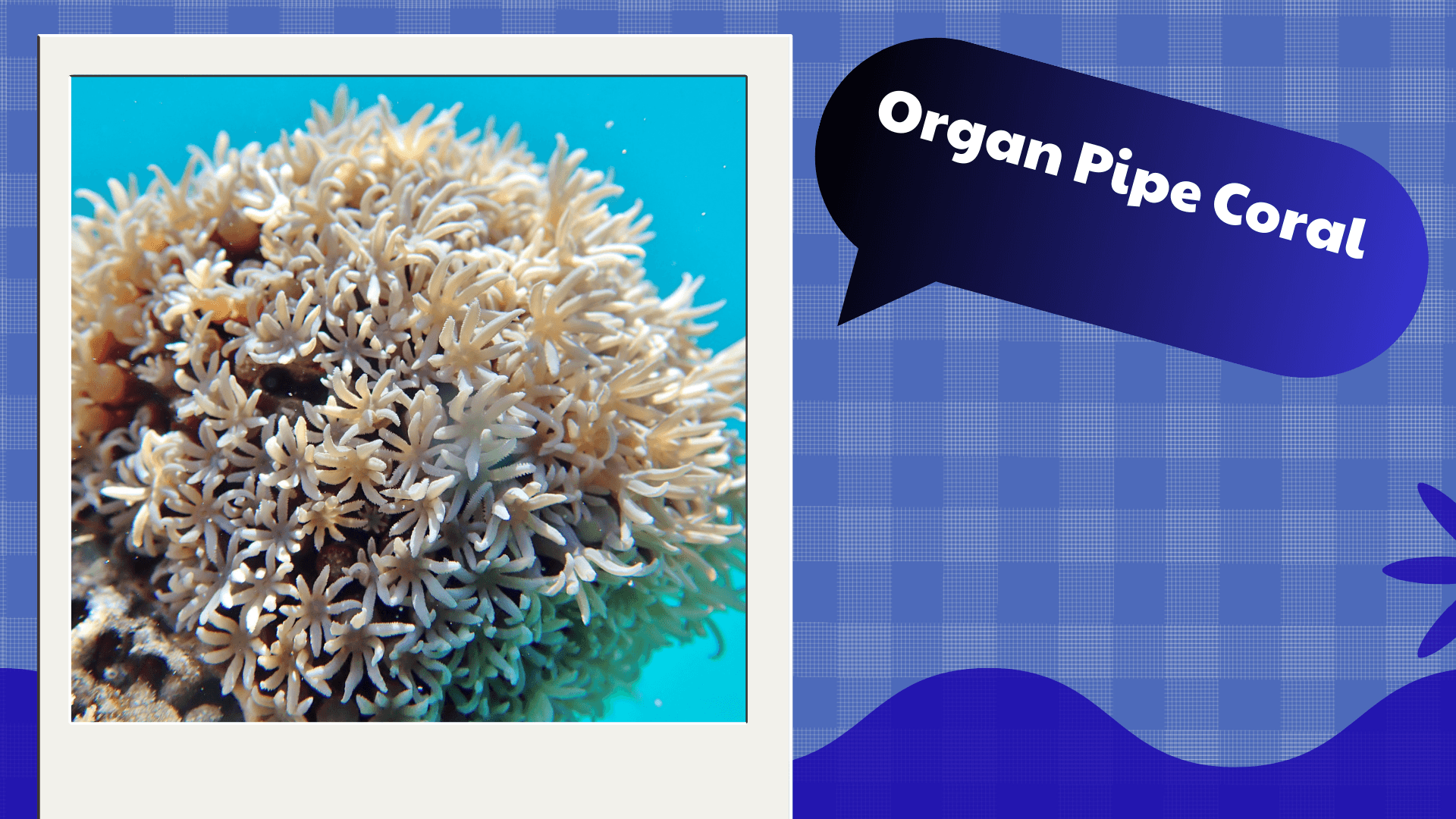
Organ Pipe Coral is a striking, tube-forming coral known for its long, parallel calcareous tubes resembling the pipes of an organ. Native to the Indo-Pacific, it typically forms large colonies that serve as a refuge for small marine animals. Polyps extend from each tube at night to capture plankton and other microscopic food sources. The coral’s red skeleton, visible through transparent polyps, makes it a popular subject for underwater photography and marine research. Its structural form increases surface area for photosynthetic algae, which provide essential energy during the day.
Organ Pipe Coral prefers shallow, sunlit waters with moderate currents and stable water quality. It is relatively slow-growing but resilient to moderate environmental stressors. Conservation programs emphasize protecting reef habitats and limiting collection for the aquarium trade. In aquariums, careful attention to lighting, flow, and water chemistry ensures healthy growth. Organ Pipe Coral plays a critical role in reef ecosystems, providing shelter, stabilizing the substrate, and enhancing biodiversity.
9. Cauliflower Coral (Pocillopora damicornis)
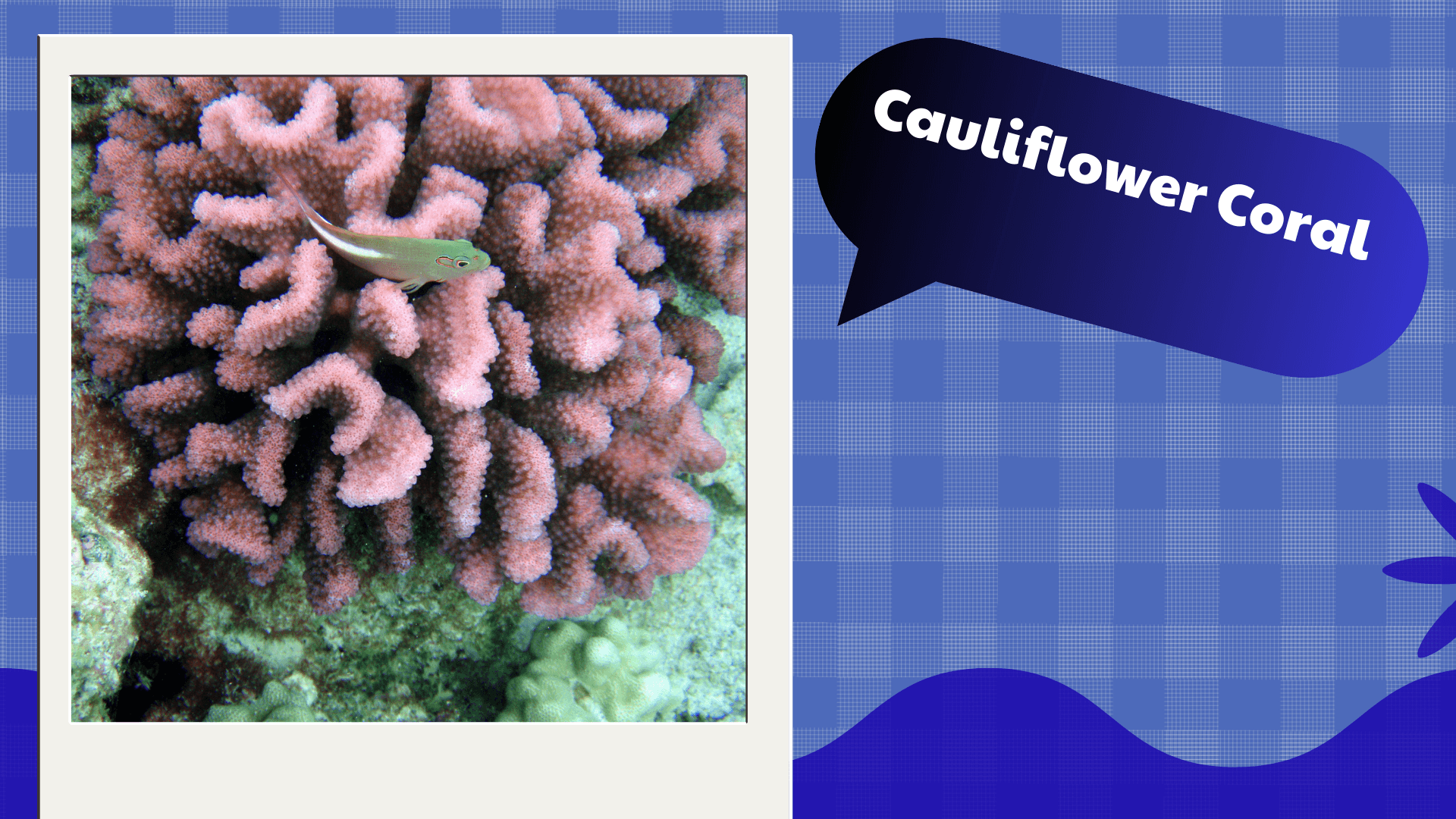
Cauliflower Coral is a small-polyped branching coral common in the Indo-Pacific and Red Sea. Its dense, bushy branches provide excellent shelter for juvenile fish and invertebrates, contributing to reef biodiversity. The coral extends its polyps at night to feed on plankton while relying on symbiotic algae during the day. Its fast growth rate makes it a pioneer species in reef recovery after disturbances such as storms or bleaching events. Its compact, cauliflower-like branches give it both structural strength and aesthetic appeal.
Cauliflower Coral varies in color from greenish-brown to pink and purple, often showing bright tips on healthy colonies. It thrives in moderate water flow and lighting conditions and is relatively hardy compared to other branching corals. Conservation efforts include reef restoration projects and limiting over-collection for aquariums. In marine tanks, careful attention to water quality, lighting, and feeding ensures robust growth. Its ecological importance is significant, providing shelter, supporting reef complexity, and aiding reef recovery.
10. Blue Coral (Heliopora coerulea)
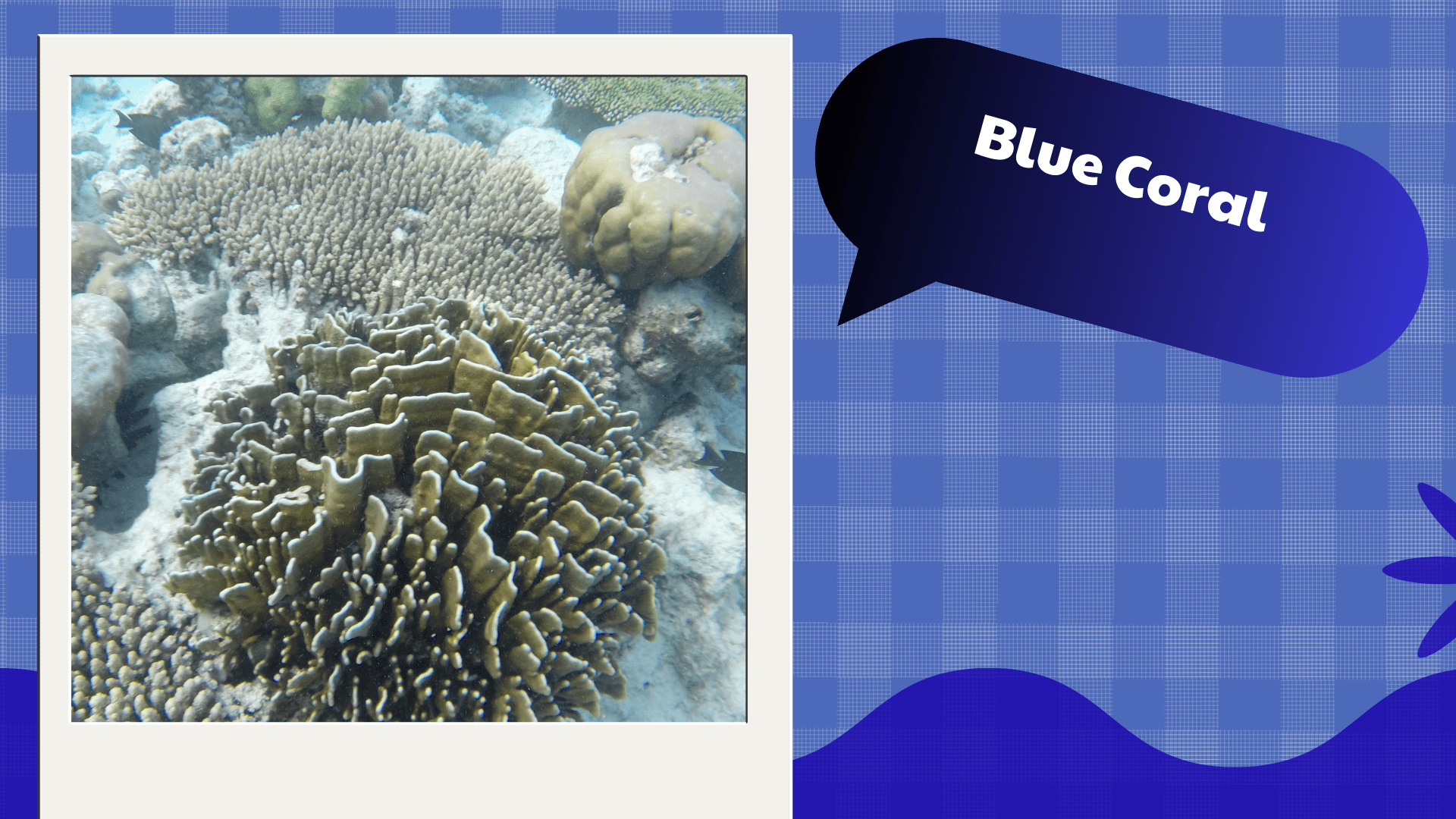
Blue Coral is a unique coral species with a distinctive blue skeleton, found mainly in the Indo-Pacific region. Unlike most corals, it is a massive, encrusting species that grows slowly but can reach impressive sizes over centuries. Its dense structure offers critical habitats for fish, invertebrates, and other reef organisms. Polyps extend at night to feed on plankton while deriving energy from symbiotic algae during daylight. The vivid blue skeleton results from iron salts in its calcium carbonate, making it highly prized in reef aquariums and scientific studies.
Blue Coral prefers shallow, sunlit waters with moderate currents and requires stable water conditions for growth. It is vulnerable to bleaching during prolonged temperature increases but remains relatively resistant to sedimentation and wave action. Conservation efforts emphasize protecting its natural reef habitats and preventing overharvesting. In aquariums, providing stable lighting, calcium-rich water, and moderate water movement is essential. Blue Coral is ecologically valuable, supporting reef biodiversity, stabilizing substrates, and adding visual beauty to marine ecosystems.
11. Table Coral (Acropora hyacinthus)
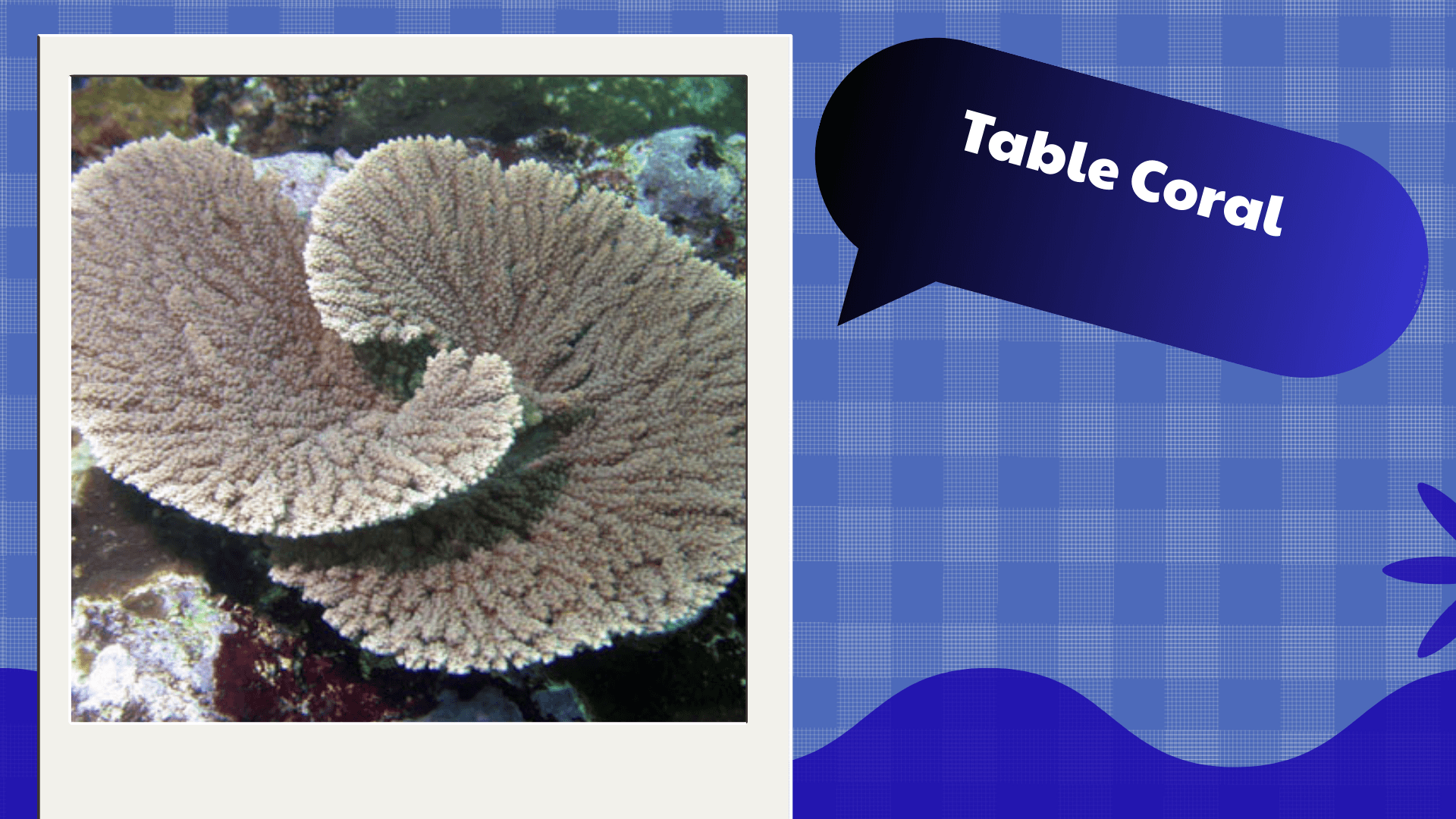
Table Coral is a branching coral species that grows in flat, table-like structures, providing expansive shelter and surfaces for other reef organisms. Found in the Indo-Pacific, it contributes significantly to reef complexity and productivity. Its polyps feed at night while relying on symbiotic algae for daytime energy, supporting rapid growth in shallow, sunlit waters. Table Coral’s horizontal structure reduces sediment accumulation and enhances water circulation over the colony.
The coral exhibits colors ranging from light brown to green or purple, depending on the symbiotic algae and environmental factors. Table Coral is sensitive to temperature changes, water quality, and ocean acidification, making conservation programs vital for maintaining healthy reef populations. In aquariums, stable water chemistry, moderate flow, and proper lighting are essential for growth. Table Coral plays a vital role in reef ecology, providing habitat, reducing erosion, and supporting biodiversity.
12. Pillar Coral (Dendrogyra cylindrus)
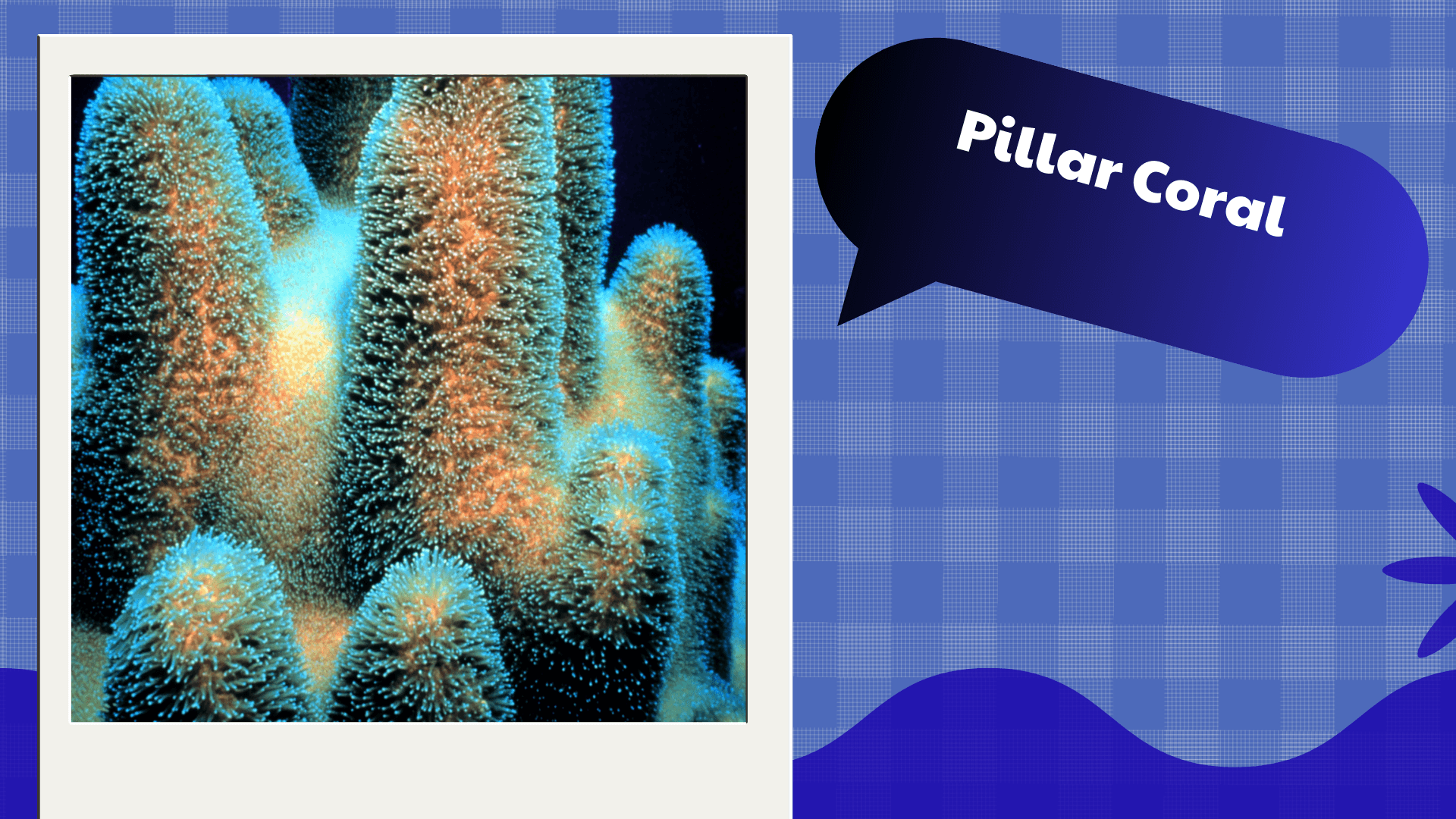
Pillar Coral is a slow-growing, columnar coral species native to the Caribbean. Its upright, pillar-like structures provide shelter for small fish and invertebrates and contribute to reef architectural complexity. Polyps extend at night to feed on plankton, while symbiotic algae supply energy during the day. Its robust form allows it to withstand moderate wave action, although it is sensitive to temperature stress and disease outbreaks.
Pillar Coral typically ranges from pale brown to greenish hues. Its colonies grow slowly, sometimes taking decades to reach substantial sizes, which makes them vulnerable to environmental changes. Conservation initiatives focus on protecting natural habitats and restoring degraded reefs. In aquariums, Pillar Coral requires stable lighting, water chemistry, and flow to thrive. Ecologically, it enhances reef structure, provides shelter, and supports reef biodiversity.
13. Bubble Coral (Plerogyra sinuosa)
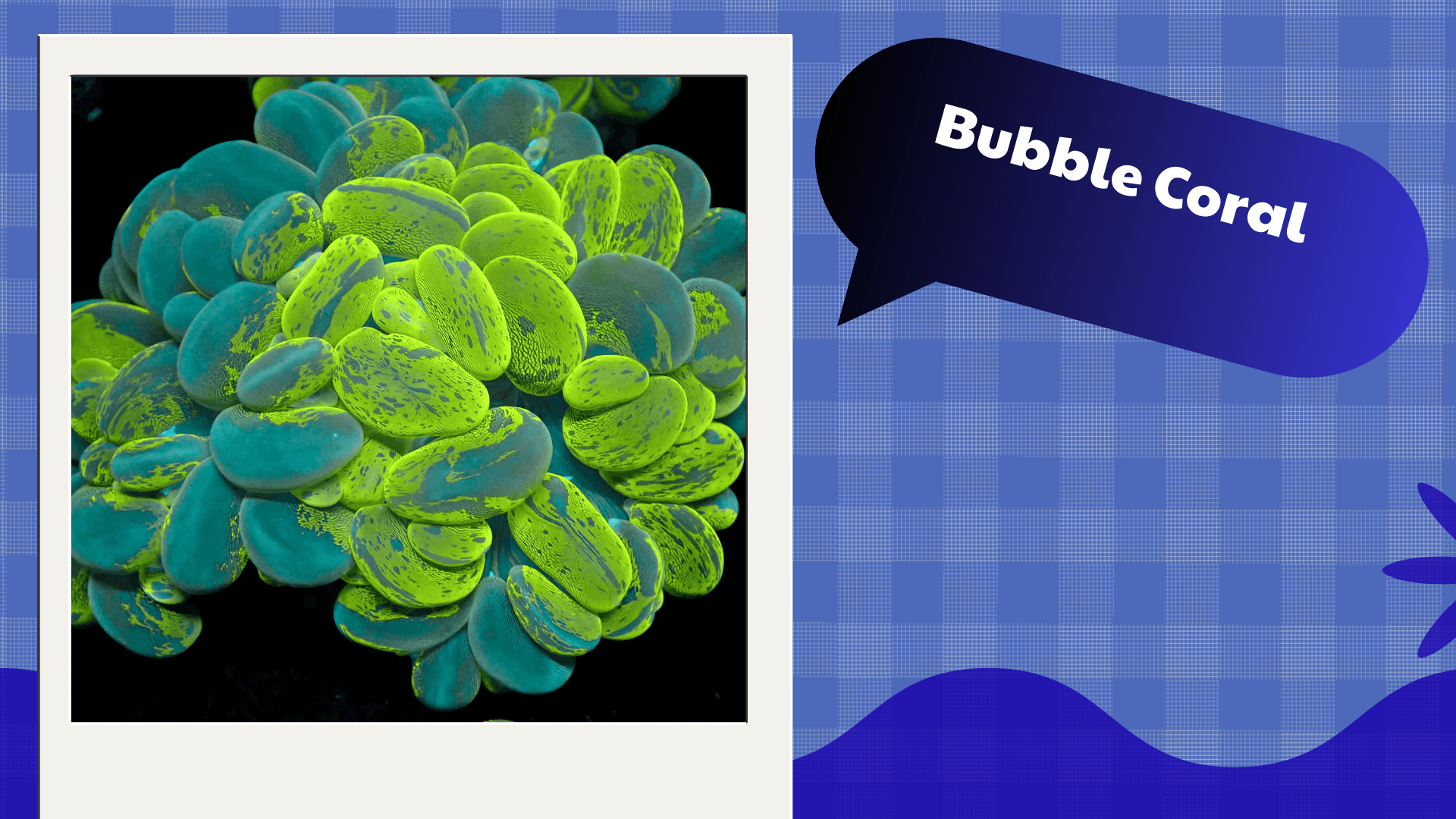
Bubble Coral is a large-polyped coral famous for its inflated, bubble-like vesicles that extend during the day. Found in the Indo-Pacific, it provides habitat for small marine organisms and contributes to reef aesthetics. Polyps expand to capture plankton and other nutrients, while symbiotic algae provide energy from photosynthesis. Bubble Coral is moderately slow-growing but highly valued for its unique morphology and resilience to moderate currents.
Coloration ranges from translucent green to pale beige or pink. It thrives in moderate lighting and gentle water flow, and it is sensitive to sudden environmental changes. Conservation programs emphasize reef protection and careful collection for aquariums. In captive settings, stable water conditions, moderate lighting, and occasional feeding with planktonic foods are essential for health. Bubble Coral supports reef biodiversity and adds visual intrigue to underwater landscapes.
14. Torch Coral (Euphyllia glabrescens)
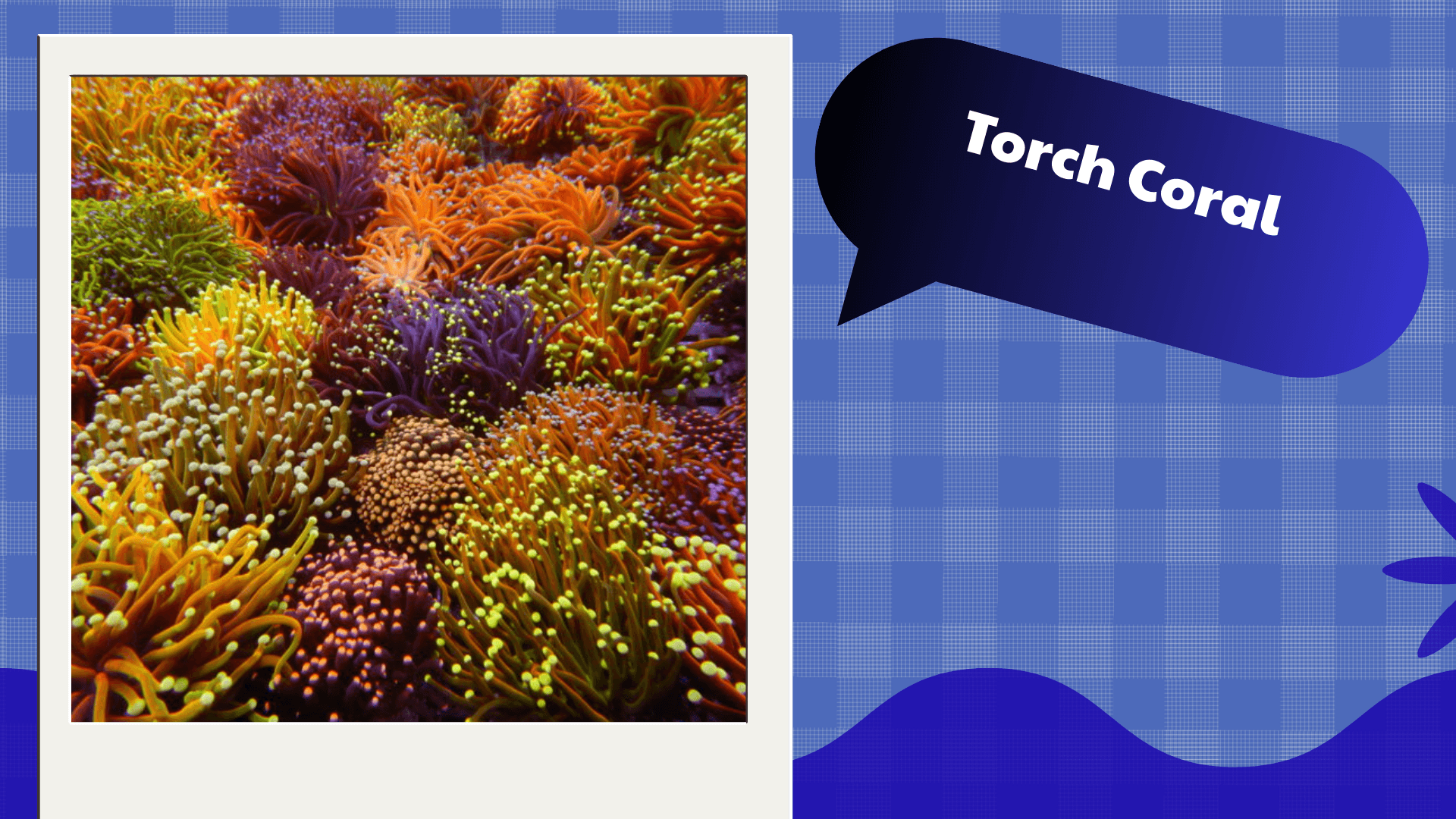
Torch Coral is a large-polyped LPS (Large Polyp Stony) coral with long, flowing tentacles that sway with water currents, resembling a torch flame. It is found primarily in the Indo-Pacific and provides shelter for small reef organisms. Its polyps extend to feed on plankton while gaining additional energy from symbiotic algae. Torch Coral grows moderately fast and forms colonies that enhance reef complexity and biodiversity.
Coloration ranges from brown and green to vibrant neon tips of pink, purple, or yellow. Torch Coral is moderately hardy but requires stable water chemistry, moderate lighting, and gentle to moderate water flow in aquariums. Conservation efforts focus on reef preservation and preventing overharvesting. Torch Coral is an ecologically significant species, enhancing reef structure, supporting marine life, and adding dynamic beauty to coral ecosystems.
15. Hammer Coral (Euphyllia ancora)
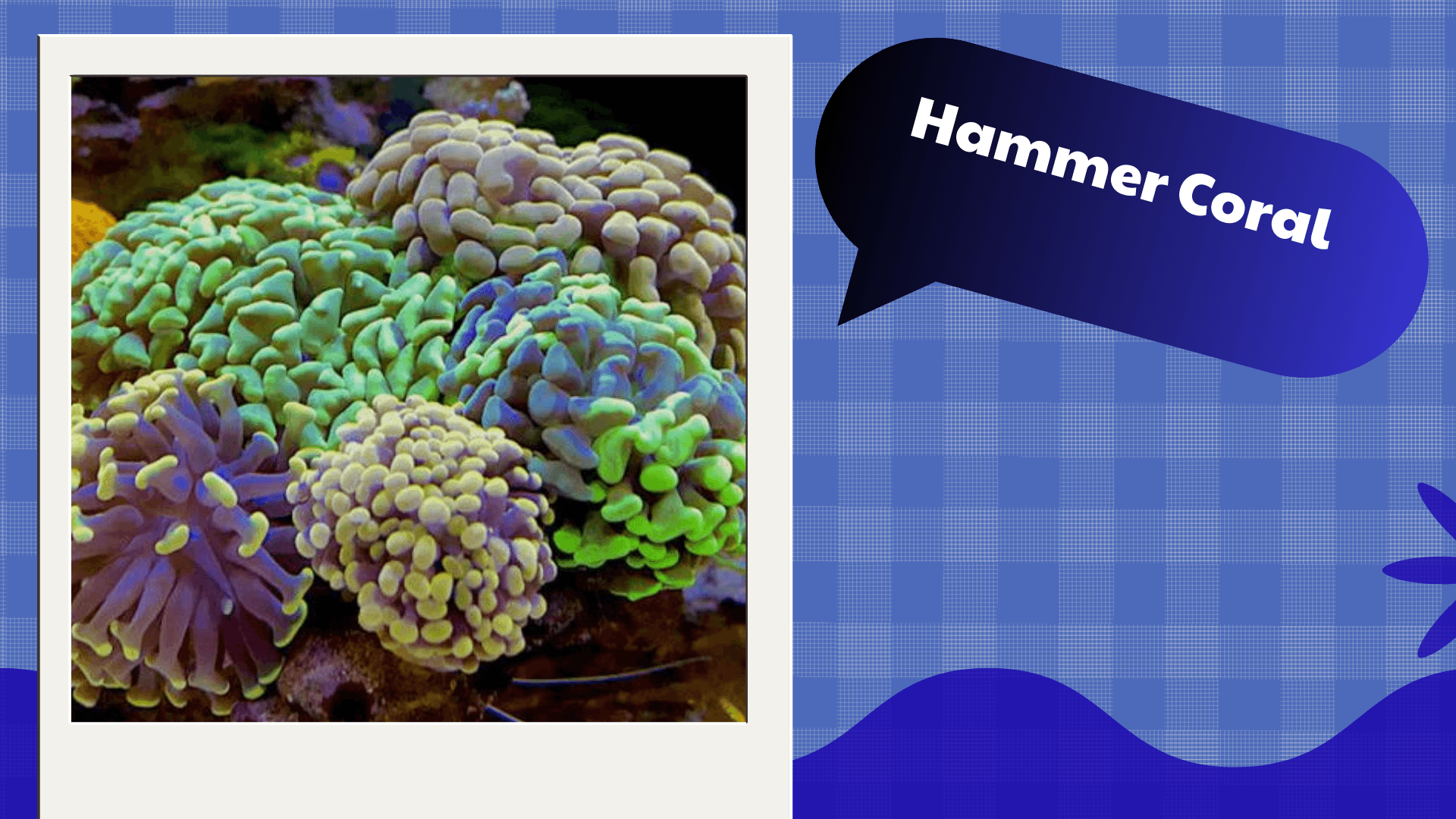
Hammer Coral is named for its hammer-shaped tentacles, which give it a distinctive appearance among LPS corals. Native to the Indo-Pacific, it grows into large, branching colonies that provide shelter for reef inhabitants. Polyps extend to feed on plankton and other microfauna while obtaining energy from symbiotic algae. Hammer Coral contributes to reef structure and complexity, supporting biodiversity and juvenile fish habitats.
Coloration varies widely, from green, brown, and cream to vibrant purple or pink tips. It is moderately sensitive to water conditions, requiring stable chemistry and lighting for growth. Conservation programs emphasize habitat protection and limiting collection for aquariums. In captivity, proper water flow, lighting, and occasional feeding help maintain its health. Hammer Coral is valued both ecologically and aesthetically, playing a crucial role in reef ecosystems.
16. Frogspawn Coral (Euphyllia divisa)
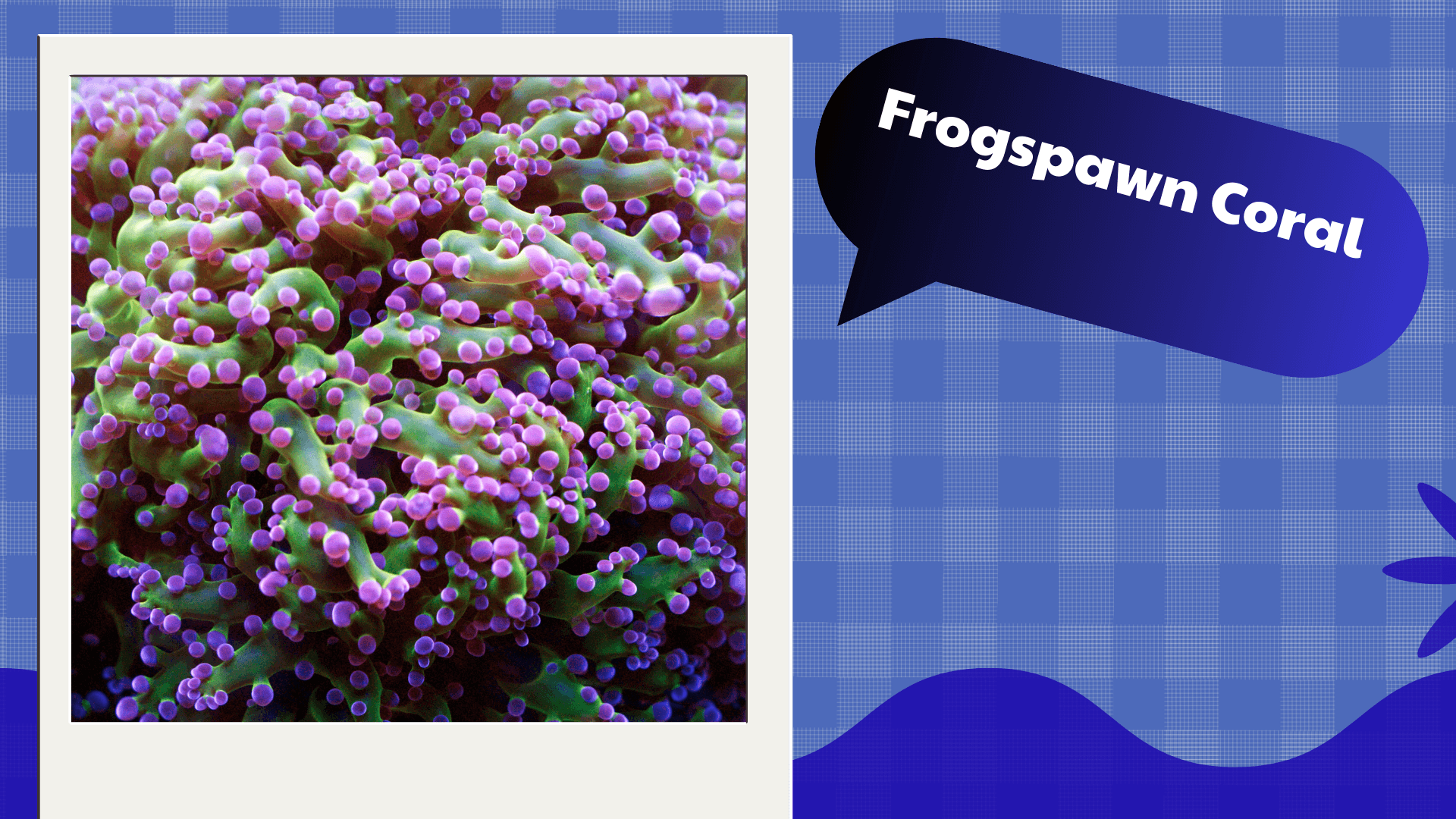
Frogspawn Coral is an LPS (Large Polyp Stony) coral renowned for its bubbly, clustered polyps that resemble a frog’s eggs. Native to the Indo-Pacific reefs, it provides shelter for small fish and invertebrates while enhancing reef complexity. Polyps extend during the day and night to capture plankton, relying on symbiotic algae for photosynthetic energy. Frogspawn Coral is moderately fast-growing and can branch into large colonies under optimal conditions.
Its vibrant coloration ranges from green to brown, with tips often appearing pink or gold. It thrives in moderate lighting and gentle to moderate water flow, making it a favorite in reef aquariums. Conservation efforts emphasize habitat protection, as reef degradation threatens wild populations. Frogspawn Coral contributes to reef biodiversity, sheltering marine life and creating visually dynamic reefscapes. In aquariums, maintaining stable parameters and occasional supplemental feeding ensures its health and color vibrancy.
17. Candy Cane Coral (Caulastraea furcata)
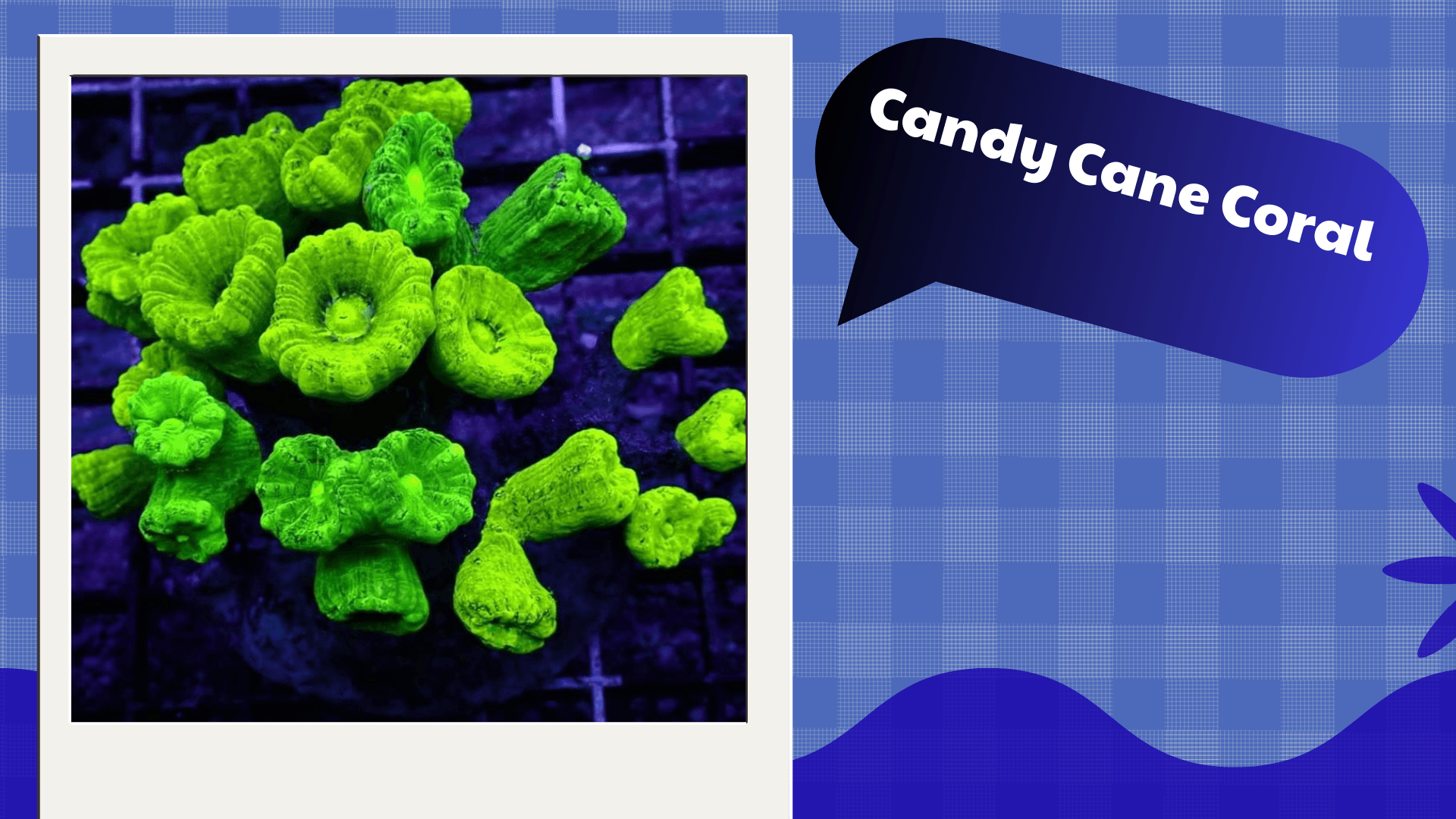
Candy Cane Coral is a charming LPS coral known for its tube-like polyps with a striped appearance resembling candy canes. Found in the Indo-Pacific region, it provides microhabitats for small reef dwellers and contributes to reef stability. Polyps feed primarily at night on plankton while also benefiting from photosynthetic algae during the day. Its dense structure enhances substrate stability and encourages marine biodiversity.
Coloration varies from shades of green and brown to striking neon hues on the polyp tips. Candy Cane Coral thrives in moderate lighting and gentle water flow. It is moderately hardy but sensitive to sudden changes in water chemistry. Conservation programs focus on reef preservation and responsible collection practices. In captivity, providing appropriate lighting, calcium levels, and occasional feeding helps maintain growth and color. Ecologically, Candy Cane Coral enriches reef structure and supports diverse marine life.
18. Zoanthids Coral (Zoanthus spp.)
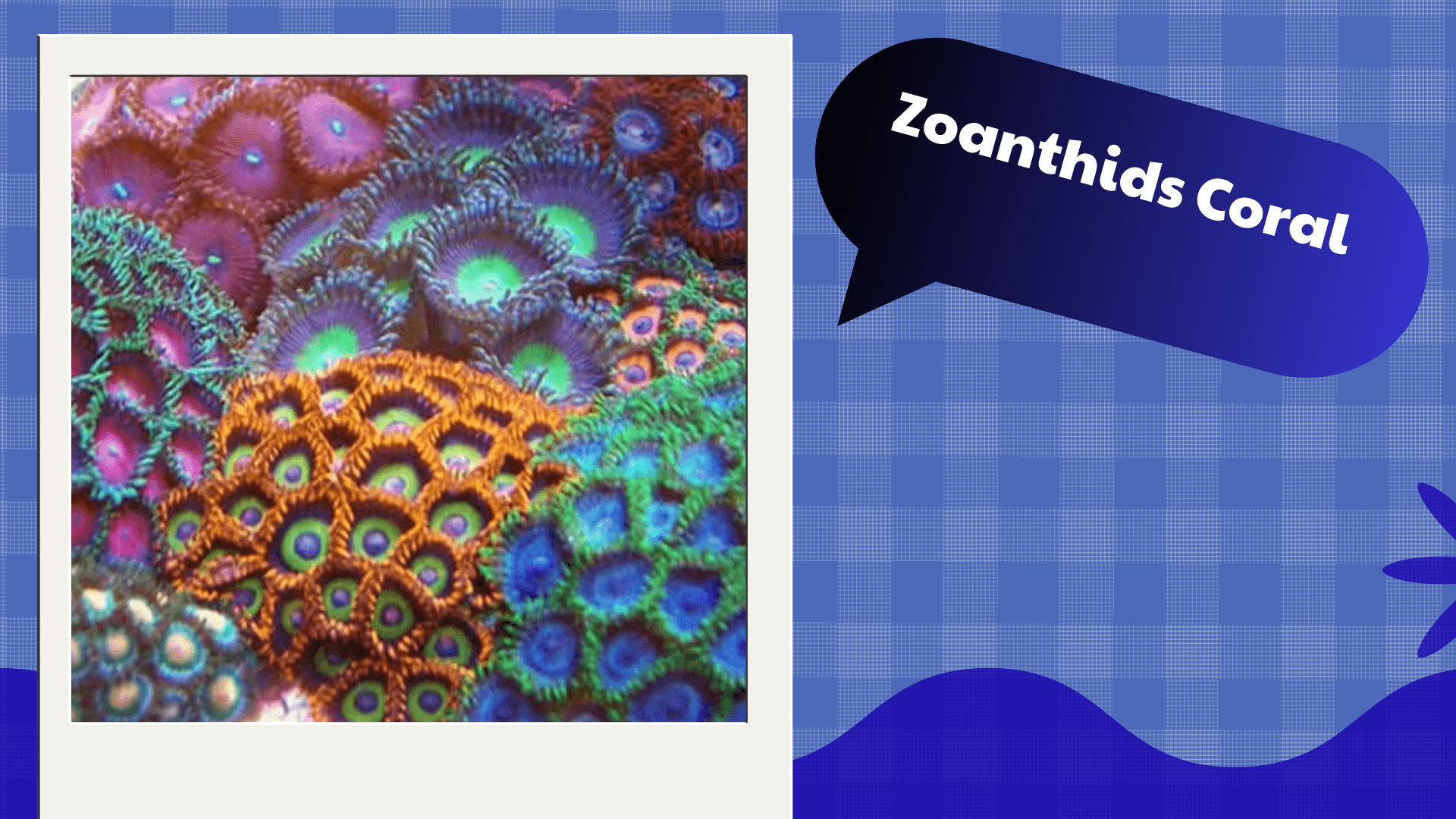
Zoanthids Coral, or “Zoas,” are colonial soft corals widely appreciated for their bright, varied colors and carpet-like growth patterns. They are native to shallow Indo-Pacific and Caribbean reefs and provide essential habitats for small fish, invertebrates, and microorganisms. Polyps extend throughout the day to capture plankton and benefit from symbiotic algae for energy. Their rapid propagation allows Zoanthids to cover large areas, enhancing reef aesthetics and structural complexity.
Zoanthids display an astonishing color range, including green, purple, orange, yellow, and bi-color patterns. They are hardy and adaptable, thriving in moderate to high lighting and gentle to moderate water flow. Conservation emphasizes protecting reef habitats from destruction and over-collection. In aquariums, careful attention to water parameters, feeding, and placement ensures vibrant growth. Zoanthids Coral plays a critical ecological role by offering shelter, contributing to reef biodiversity, and adding visually striking coloration to marine environments.
19. Green Star Polyps (Pachyclavularia spp.)
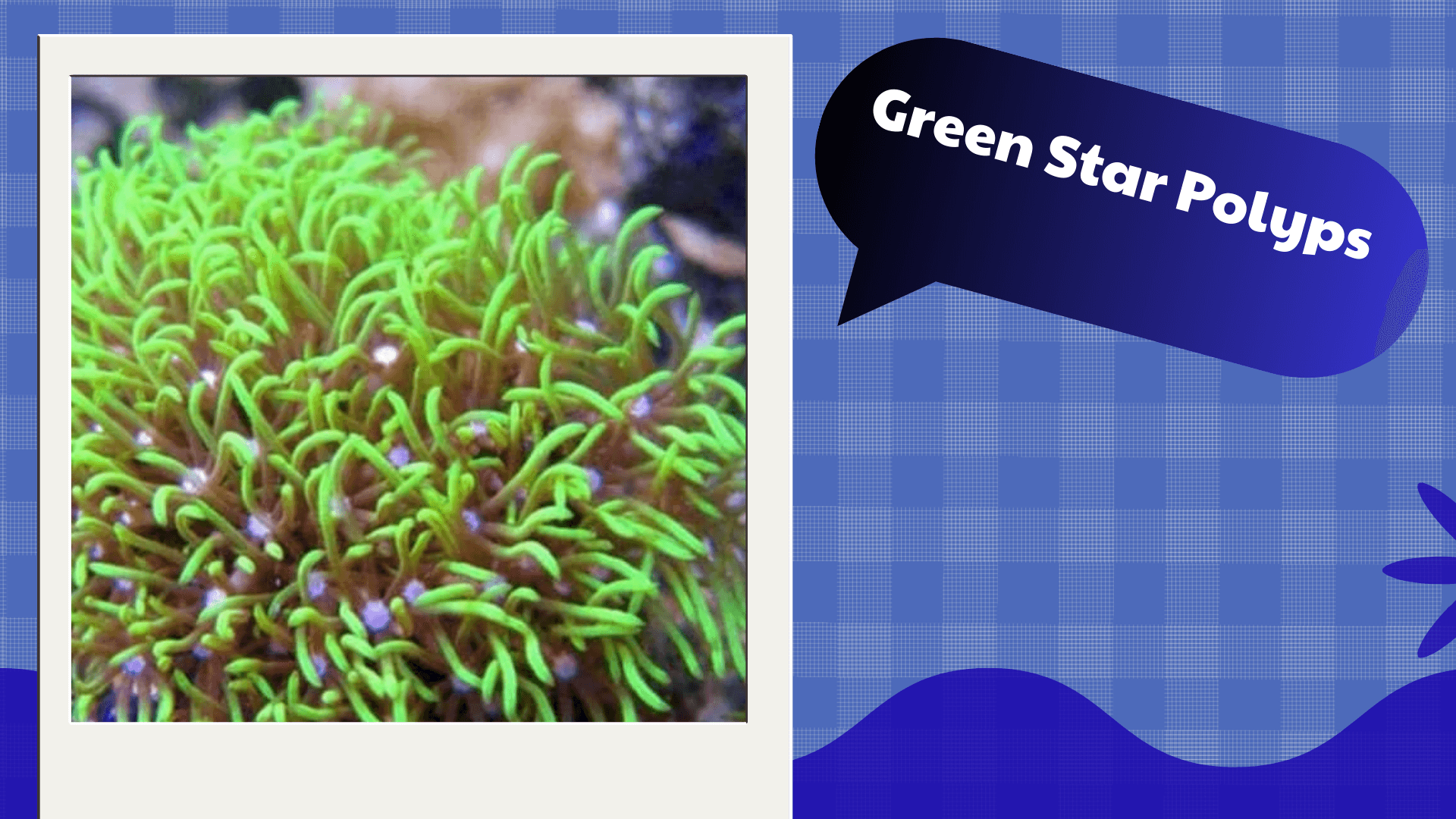
Green Star Polyps (GSP) are fast-growing soft corals known for their vibrant green polyps that extend from a purple or brown mat. Native to the Indo-Pacific region, they provide excellent habitat and shelter for small reef organisms. GSP thrives on live rock surfaces, rapidly spreading to cover substrates and contribute to reef health. Polyps feed on plankton while deriving energy from symbiotic algae during the day. Their rapid growth makes them an ideal species for reef restoration projects.
Coloration ranges from bright neon green to lime, creating a visually stunning effect on reefs. Green Star Polyps are hardy and tolerate moderate lighting and water flow, making them beginner-friendly for aquarists. Conservation focuses on protecting reef habitats and preventing overharvesting for aquarium trade. In captivity, maintaining stable water chemistry, moderate light, and occasional supplemental feeding supports healthy growth. GSP is ecologically significant for reef coverage, habitat provision, and supporting marine biodiversity.
20. Leather Coral (Sarcophyton glaucum)
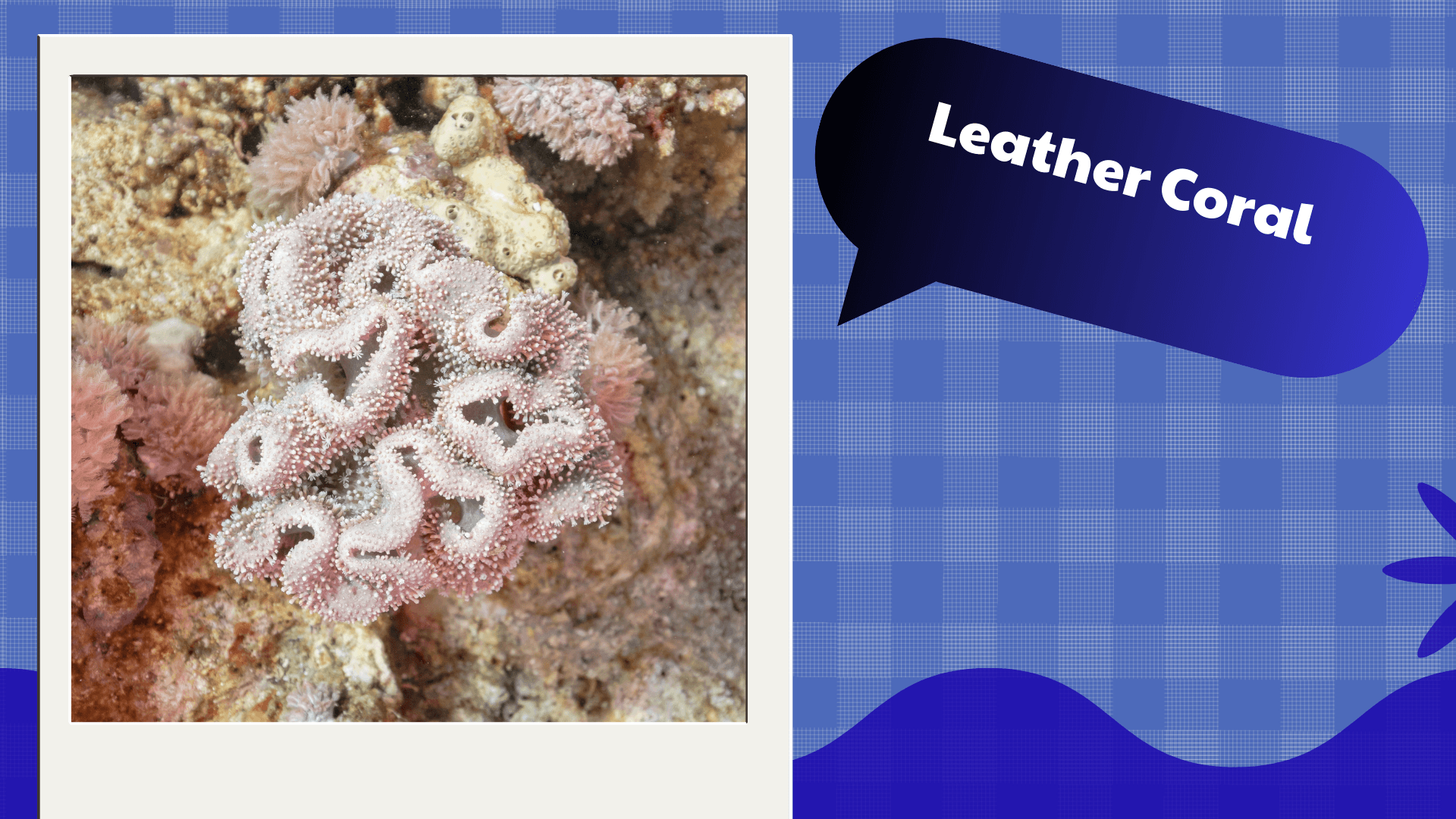
Leather Coral is a large, soft coral species known for its thick, smooth, or textured “leathery” surface. Common in the Indo-Pacific, it provides substantial shelter for reef fish and invertebrates and contributes to reef structure. Polyps extend primarily at night to feed on plankton while symbiotic algae supply energy during the day. Its robust form makes it resilient to moderate water flow and sedimentation.
Leather Coral ranges in color from beige and brown to pale green, sometimes exhibiting subtle fluorescent tips under strong lighting. It thrives under moderate water flow and lighting, making it a hardy coral for marine aquariums. Conservation programs emphasize reef protection and responsible collection. In tanks, stable water parameters, proper lighting, and occasional feeding ensure health and vibrant coloration. Leather Coral plays an essential ecological role by providing shelter, enhancing reef structure, and supporting diverse marine life.
21. Soft Finger Coral (Sinularia spp.)
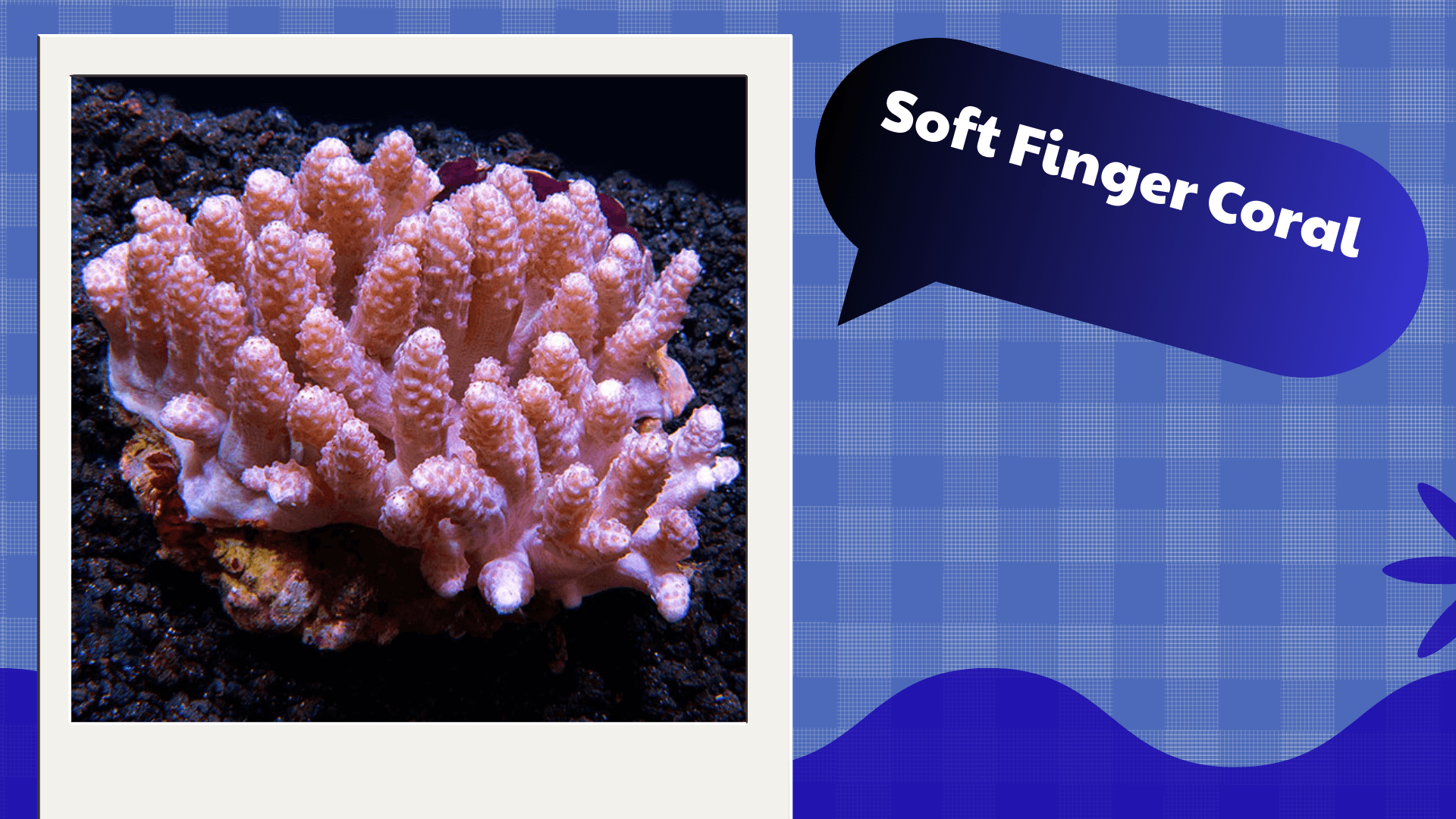
Soft Finger Coral is a flexible, finger-like soft coral found throughout Indo-Pacific reefs. Its elongated polyps sway with currents, creating dynamic movement and providing shelter for small reef organisms. Polyps capture plankton and rely on symbiotic algae for photosynthetic energy. Soft Finger Coral is moderately fast-growing and contributes to reef coverage and resilience against erosion and wave action.
Coloration varies from beige and brown to pale green, sometimes with hints of yellow. It thrives under moderate lighting and water flow conditions. Conservation efforts focus on preserving reef habitats and preventing over-collection. In aquariums, ensuring adequate flow, lighting, and supplemental feeding promotes healthy growth. Soft Finger Coral is ecologically significant, supporting biodiversity, stabilizing reef substrates, and adding aesthetic movement to reef systems.
22. Sun‑burst Soft Coral (Malacacanthus capensis)
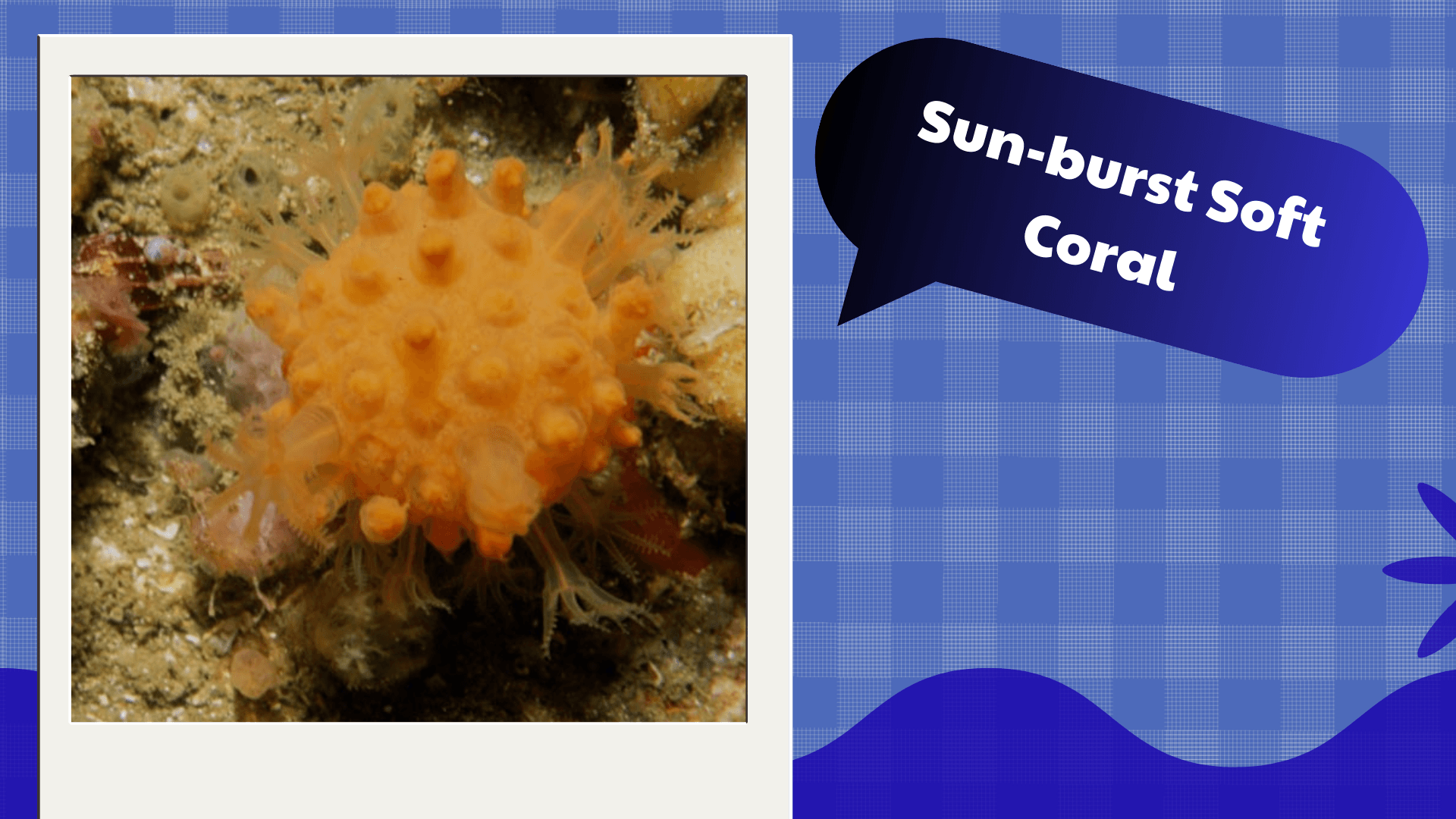
Sun-burst Soft Coral is a striking soft coral species named for its radiating polyp structure, resembling a sunburst. Native to the Indo-Pacific, it provides habitat and shelter for reef fish and invertebrates. Polyps extend at night for plankton capture while utilizing symbiotic algae for daytime energy. Its expansive, radiating form contributes to reef biodiversity and structural complexity.
Coloration ranges from light brown to vibrant orange and yellow, often with fluorescent highlights. Sun-burst Soft Coral thrives in moderate water flow and lighting. Conservation emphasizes reef habitat protection and responsible trade practices. In aquariums, stable water conditions, moderate lighting, and occasional feeding support healthy growth. Ecologically, Sun-burst Soft Coral enhances reef coverage, provides shelter, and contributes to marine biodiversity.
23. Honeycomb Coral (Goniastrea spp.)
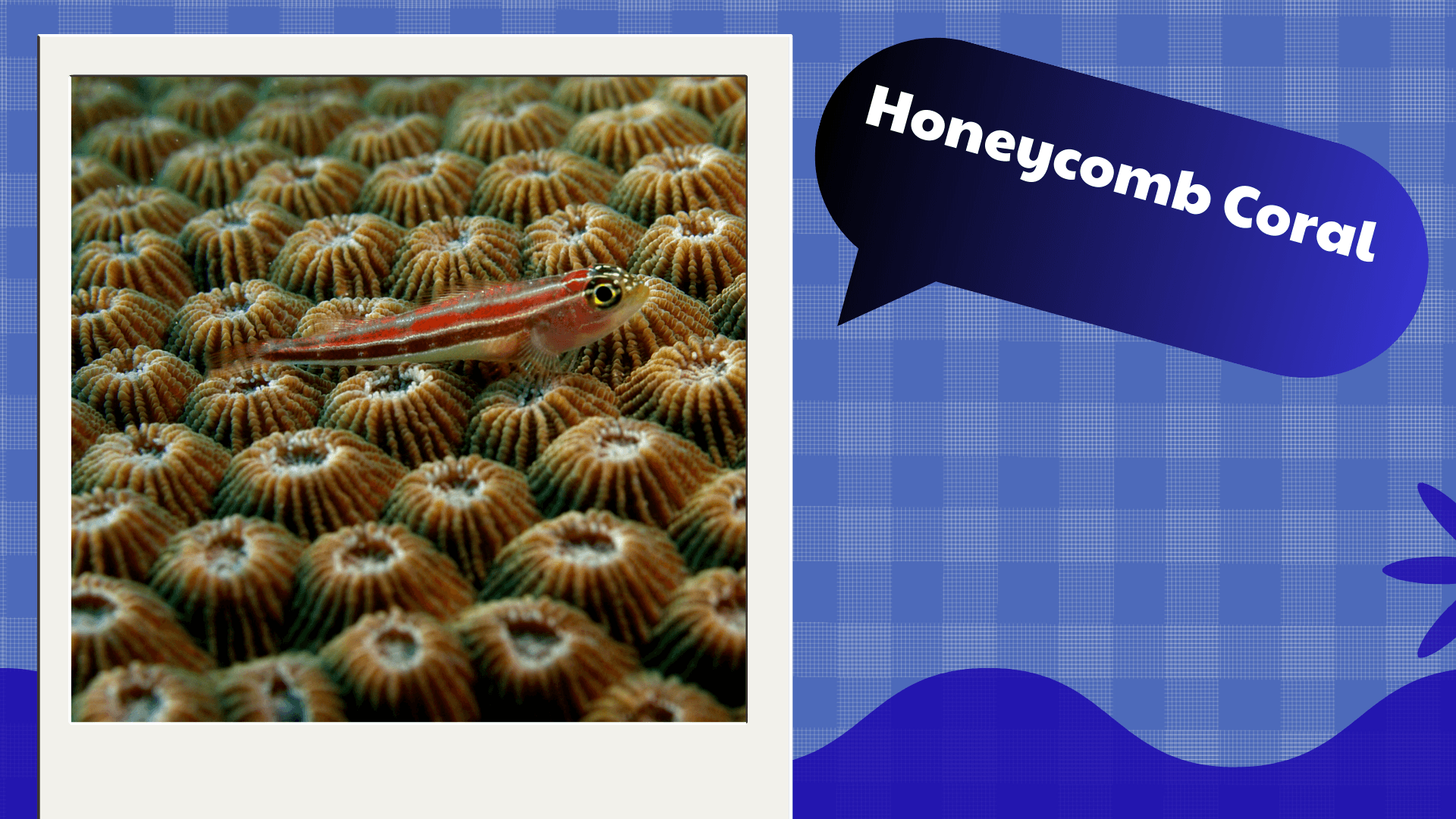
Honeycomb Coral is a massive stony coral named for its hexagonal, honeycomb-like skeletal structures. Found in the Indo-Pacific, it forms dense colonies that provide habitat and shelter for numerous reef organisms. Polyps extend at night to feed while obtaining energy from symbiotic algae during the day. Its massive, robust structure stabilizes reef substrates and encourages biodiversity.
Coloration ranges from brown and green to pink or cream, depending on light exposure and health. Honeycomb Coral grows slowly but contributes significantly to reef architecture. Conservation focuses on habitat protection and minimizing collection. In aquariums, stable water chemistry, lighting, and moderate flow are crucial for health. Ecologically, Honeycomb Coral supports marine life, enhances reef complexity, and helps maintain reef resilience.
24. Moon Coral (Fungia spp.)
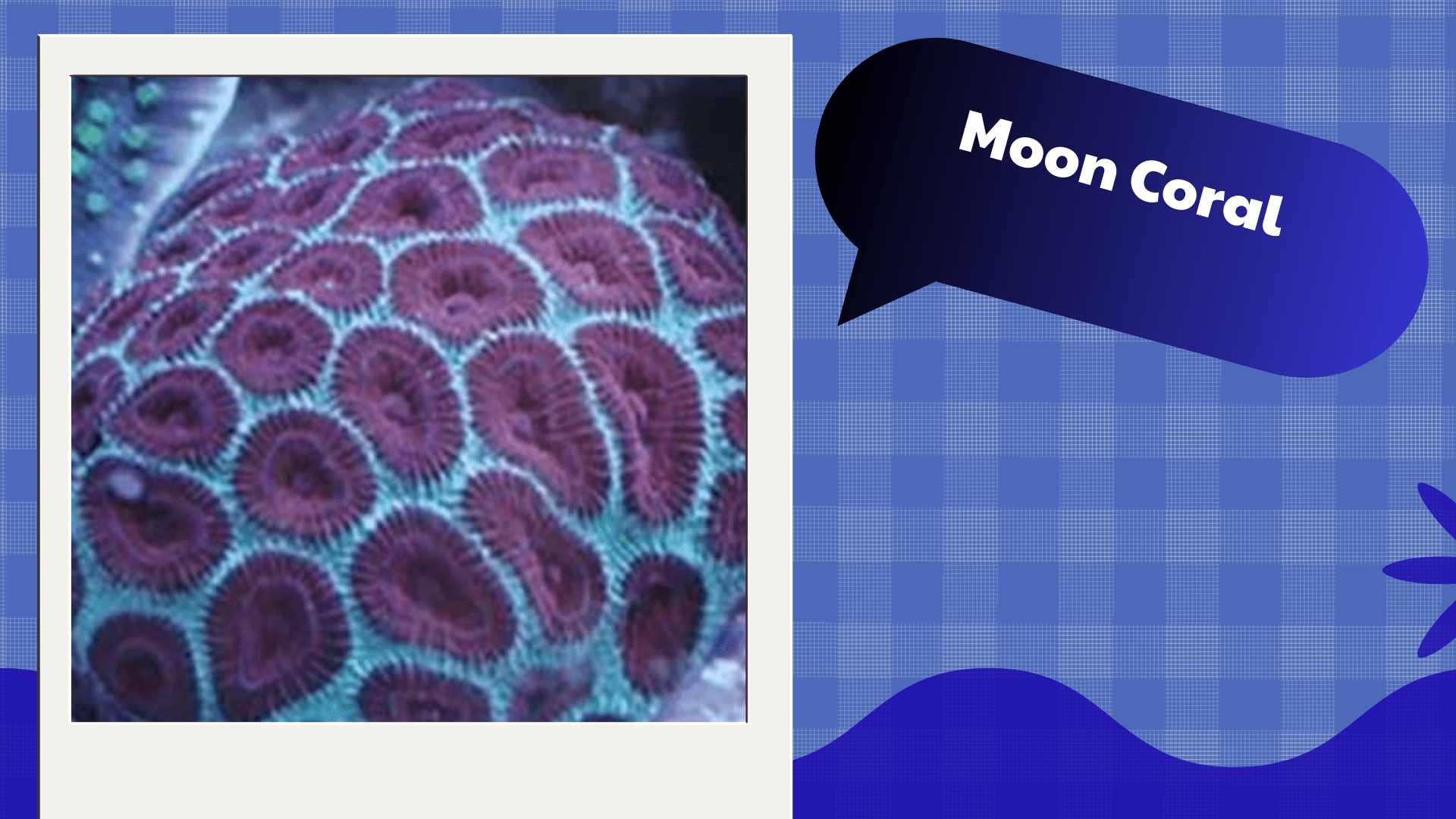
Moon Coral is a solitary, free-living stony coral with a disk-like shape resembling a moon. Found across Indo-Pacific reefs, it provides temporary shelter for small invertebrates and contributes to reef biodiversity. Polyps extend at night to capture plankton while symbiotic algae provide daytime energy. Moon Coral’s unique form allows it to survive independently on the reef floor without attachment to substrates.
Coloration includes shades of green, brown, red, and purple. It thrives in moderate lighting and water flow. Conservation efforts focus on reef preservation and minimizing collection. In aquariums, maintaining water quality, lighting, and calcium levels is essential for health. Moon Coral enhances reef biodiversity, stabilizes loose substrates, and adds unique visual appeal to marine ecosystems.
25. Fox Coral (Nemenzophyllia turbida)
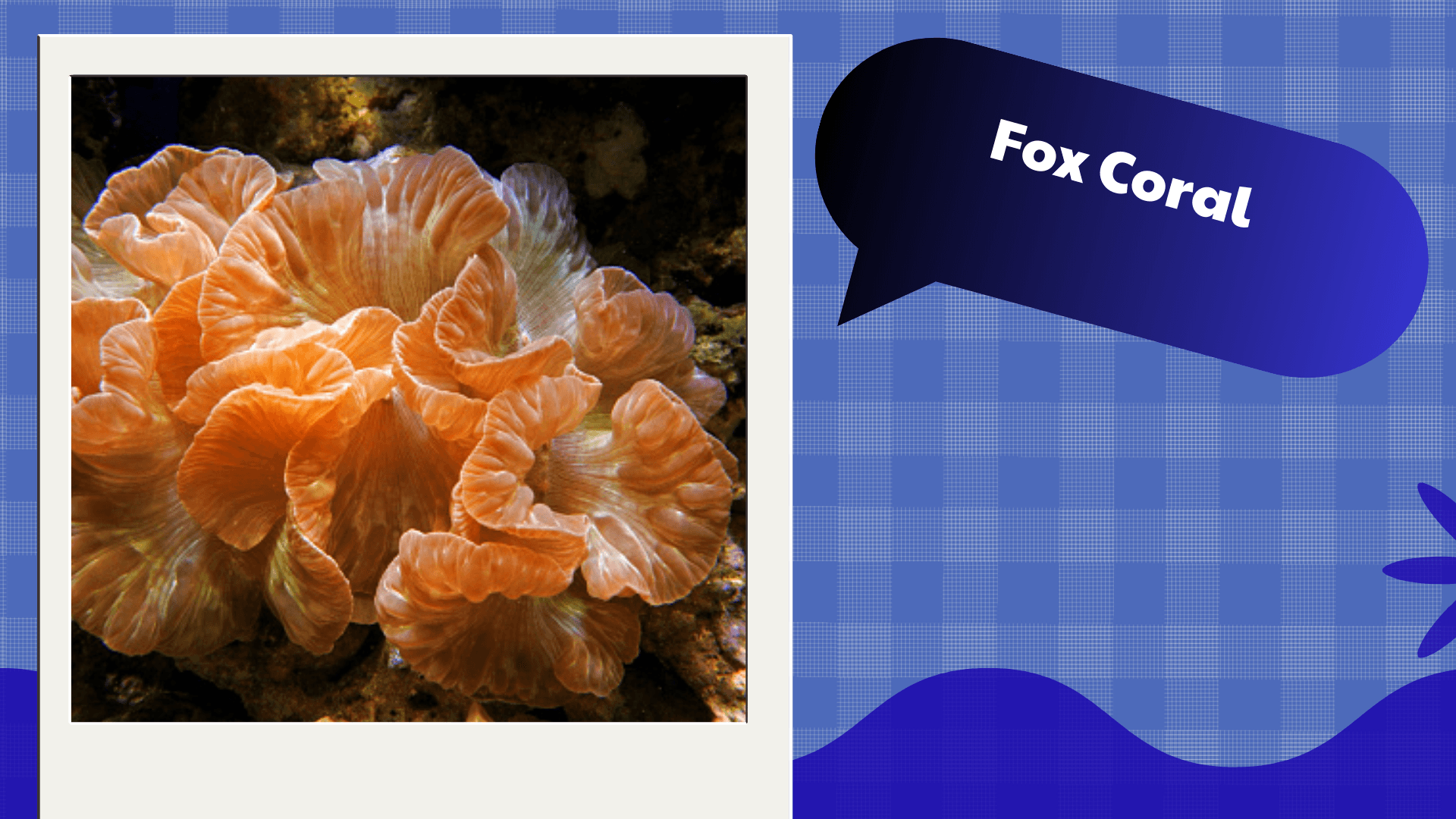
Fox Coral is a soft, branching coral found in Indo-Pacific reefs, characterized by long, flowing polyps that provide shelter for small reef organisms. Polyps feed at night on plankton and rely on symbiotic algae during the day. Fox Coral’s branching form enhances reef complexity, supports biodiversity, and offers hiding spaces for juvenile fish and invertebrates.
Coloration ranges from pale beige to brown, sometimes with green or fluorescent tips. It thrives in moderate water flow and lighting conditions. Conservation programs emphasize reef habitat protection and sustainable collection practices. In aquariums, careful monitoring of water parameters, lighting, and occasional supplemental feeding supports healthy growth. Fox Coral is ecologically important for reef coverage, shelter provision, and enhancing marine biodiversity.
26. Montipora Coral (Montipora spp.)
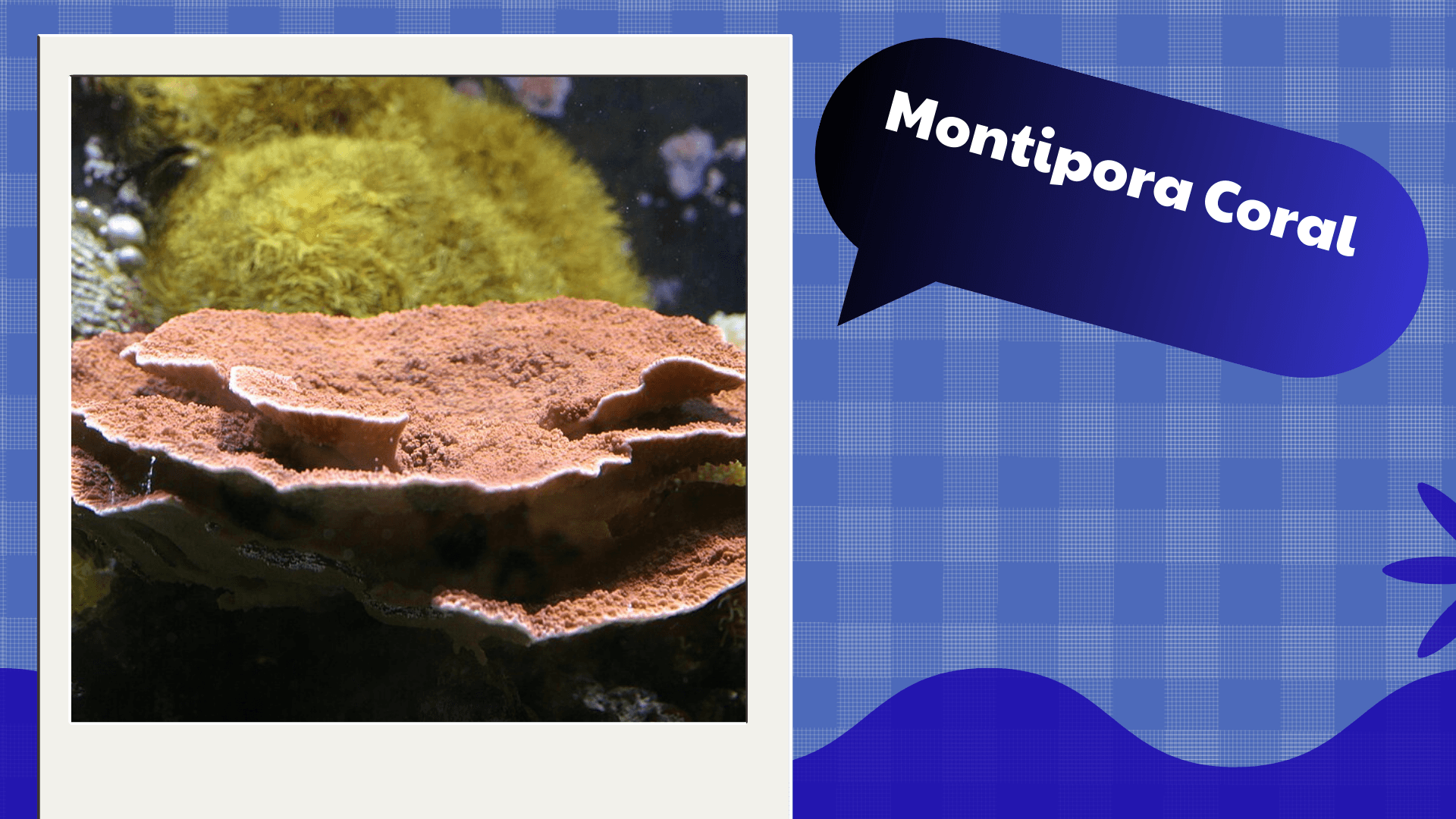
Montipora Coral is a small polyp stony (SPS) coral renowned for its diverse growth forms, ranging from plating and encrusting to branching. Native to the Indo-Pacific, Montipora contributes significantly to reef structure, providing shelter and surfaces for smaller reef organisms. Polyps extend primarily at night to capture plankton, while symbiotic algae (zooxanthellae) supply energy during the day. Its rapid growth under favorable conditions allows it to outcompete algae and enhance reef biodiversity.
Coloration is highly variable, including shades of green, brown, pink, purple, and even fluorescent tones under strong lighting. Montipora thrives under moderate to high lighting and moderate water flow. Conservation emphasizes protecting reef habitats, as Montipora is sensitive to bleaching events. In aquariums, stable water chemistry, strong lighting, and consistent water flow promote healthy growth. Montipora Coral is ecologically vital for reef-building, providing habitat complexity and aesthetic vibrancy.
27. Seriatopora Coral (Seriatopora hystrix)
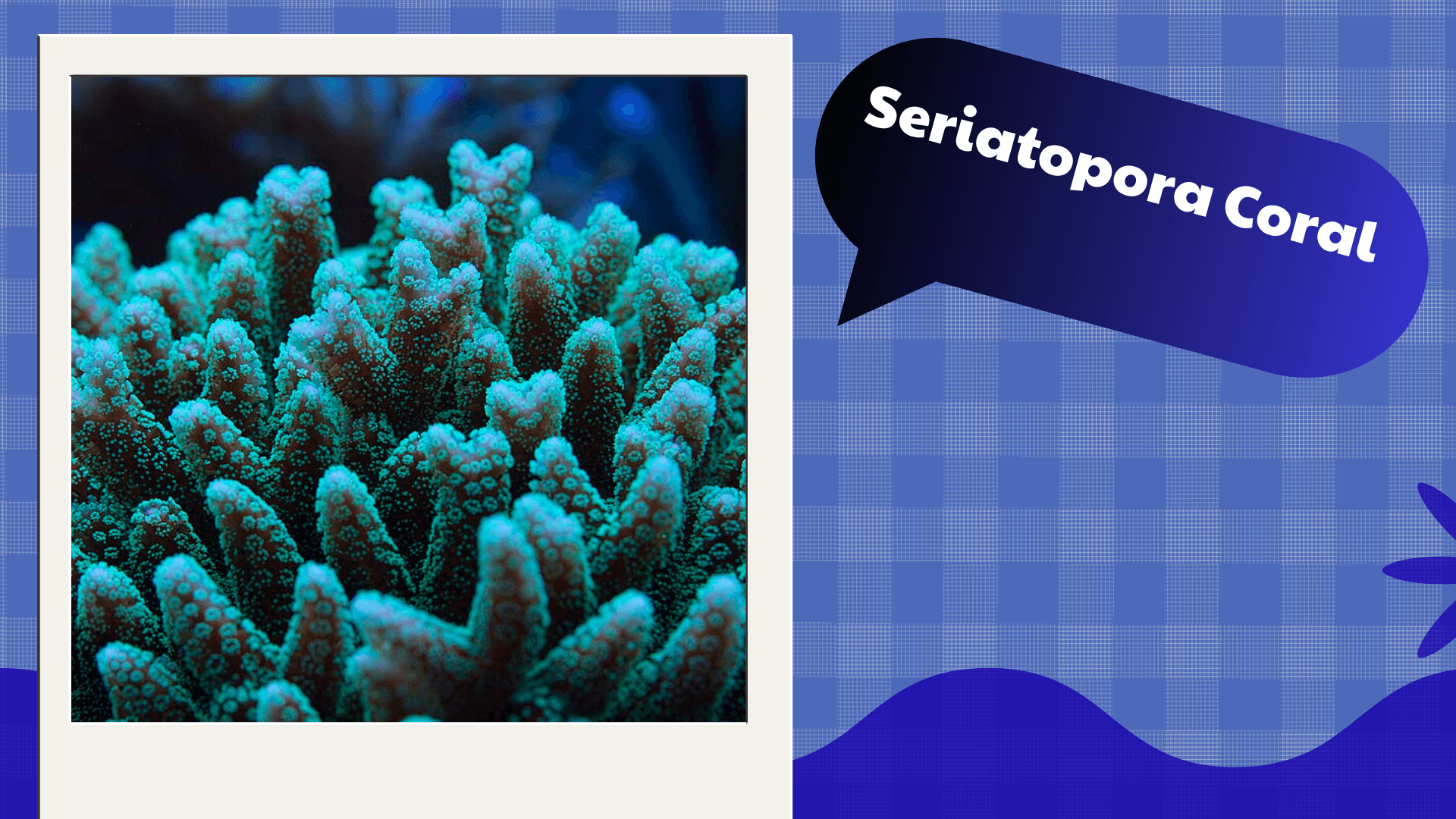
Seriatopora Coral, also known as the “Bird’s Nest Coral,” is a fast-growing SPS coral forming dense, branching colonies. Found throughout Indo-Pacific reefs, it provides shelter for small fish, invertebrates, and other reef organisms. Polyps extend at night to capture plankton while relying on symbiotic algae for photosynthetic energy during the day. Its intricate branches enhance reef complexity and serve as excellent hiding spots for juvenile marine life.
Coloration ranges from tan and brown to green, pink, and even fluorescent hues. Seriatopora thrives in moderate to high lighting and moderate water flow. Conservation efforts focus on reef habitat protection, as its delicate branches are vulnerable to breakage and environmental stress. In aquariums, maintaining stable water parameters, strong lighting, and moderate flow ensures vibrant growth. Ecologically, Seriatopora Coral contributes to reef biodiversity, structural stability, and visual appeal.
28. Stylophora Coral (Stylophora pistillata)
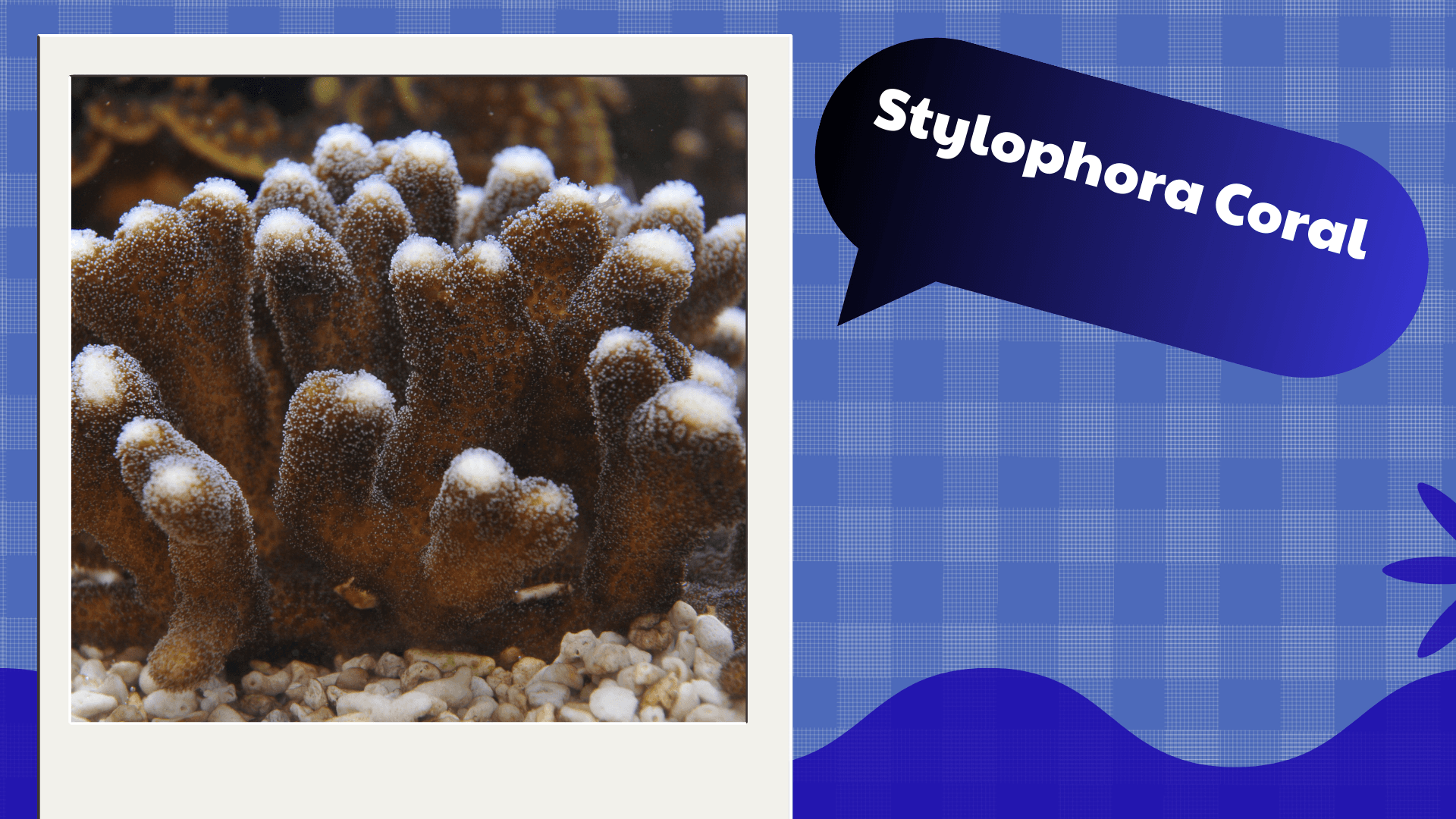
Stylophora Coral, often called “Cat’s Paw Coral,” is an SPS coral with thick, finger-like branches forming dense colonies. Native to Indo-Pacific reefs, Stylophora provides habitats for reef fish and invertebrates while stabilizing reef substrates. Polyps extend mainly at night for plankton feeding and benefit from symbiotic algae during the day. Its resilient structure helps it survive moderate wave action and contributes to reef resilience.
Coloration includes shades of green, brown, pink, and purple, often with fluorescent tips under strong lighting. Stylophora thrives under moderate to high lighting and moderate water flow. Conservation emphasizes reef preservation and protection from over-collection. In marine aquariums, maintaining consistent water parameters, calcium levels, and lighting promotes growth. Stylophora Coral is essential for reef structure, providing shelter, enhancing biodiversity, and contributing vibrant colors to marine ecosystems.
29. Porites Coral (Porites porites)
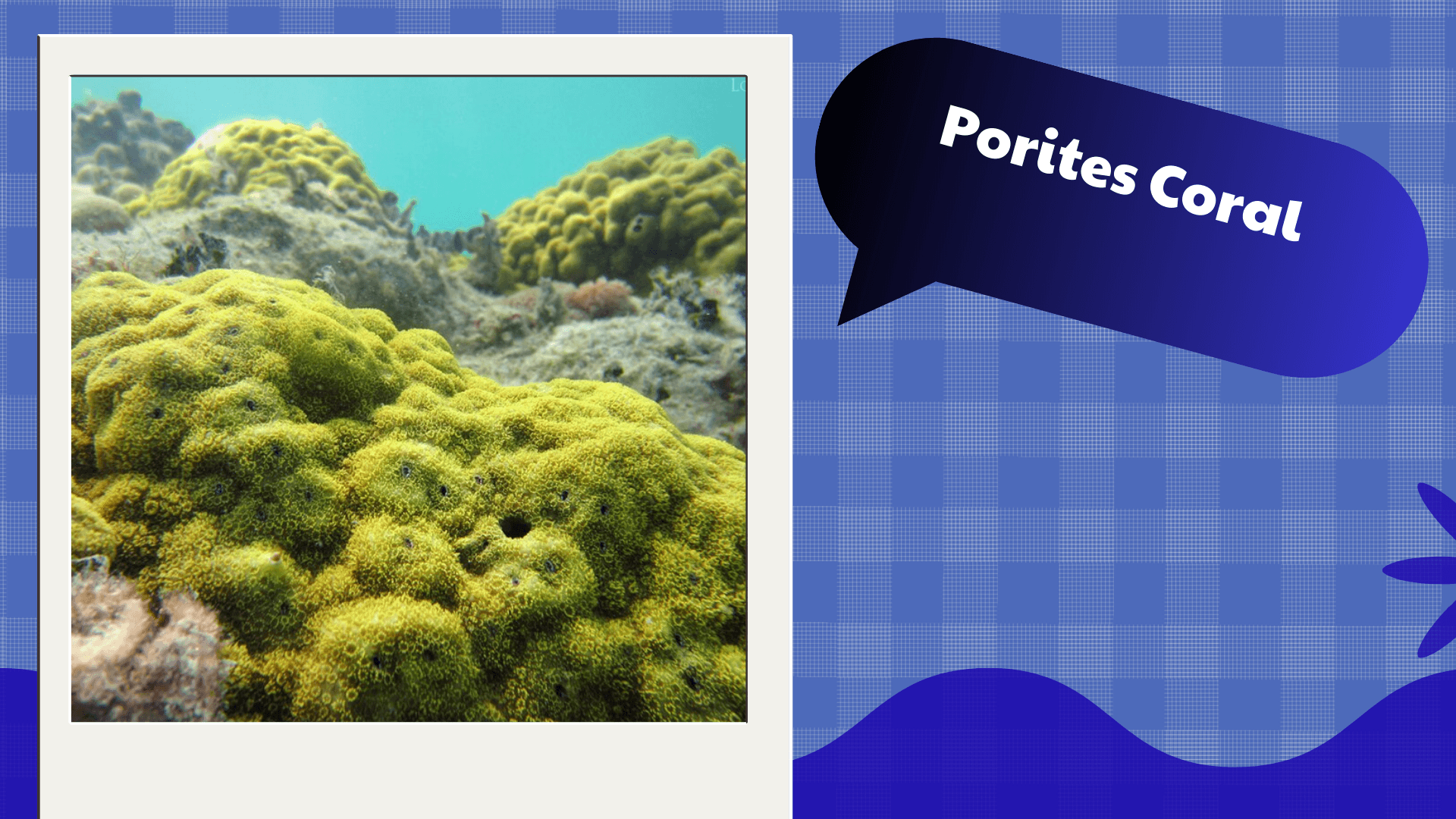
Porites Coral is a massive, slow-growing stony coral forming dome-like colonies or finger-like projections. Common across Indo-Pacific reefs, it provides extensive shelter and substrate for reef-dwelling organisms. Polyps extend at night to feed on plankton and depend on symbiotic algae for daytime energy. Its robust skeleton withstands storms and strong currents, making it a critical reef-builder.
Coloration ranges from beige and brown to pale green, occasionally showing subtle fluorescent highlights. Porites Coral thrives in moderate lighting and water flow, though it is relatively hardy. Conservation efforts focus on protecting reef habitats from bleaching and environmental stress. In aquariums, maintaining stable water conditions, calcium, and alkalinity is essential. Porites Coral contributes to reef resilience, biodiversity, and long-term structural integrity.
30. Siderastrea Coral (Siderastrea siderea)
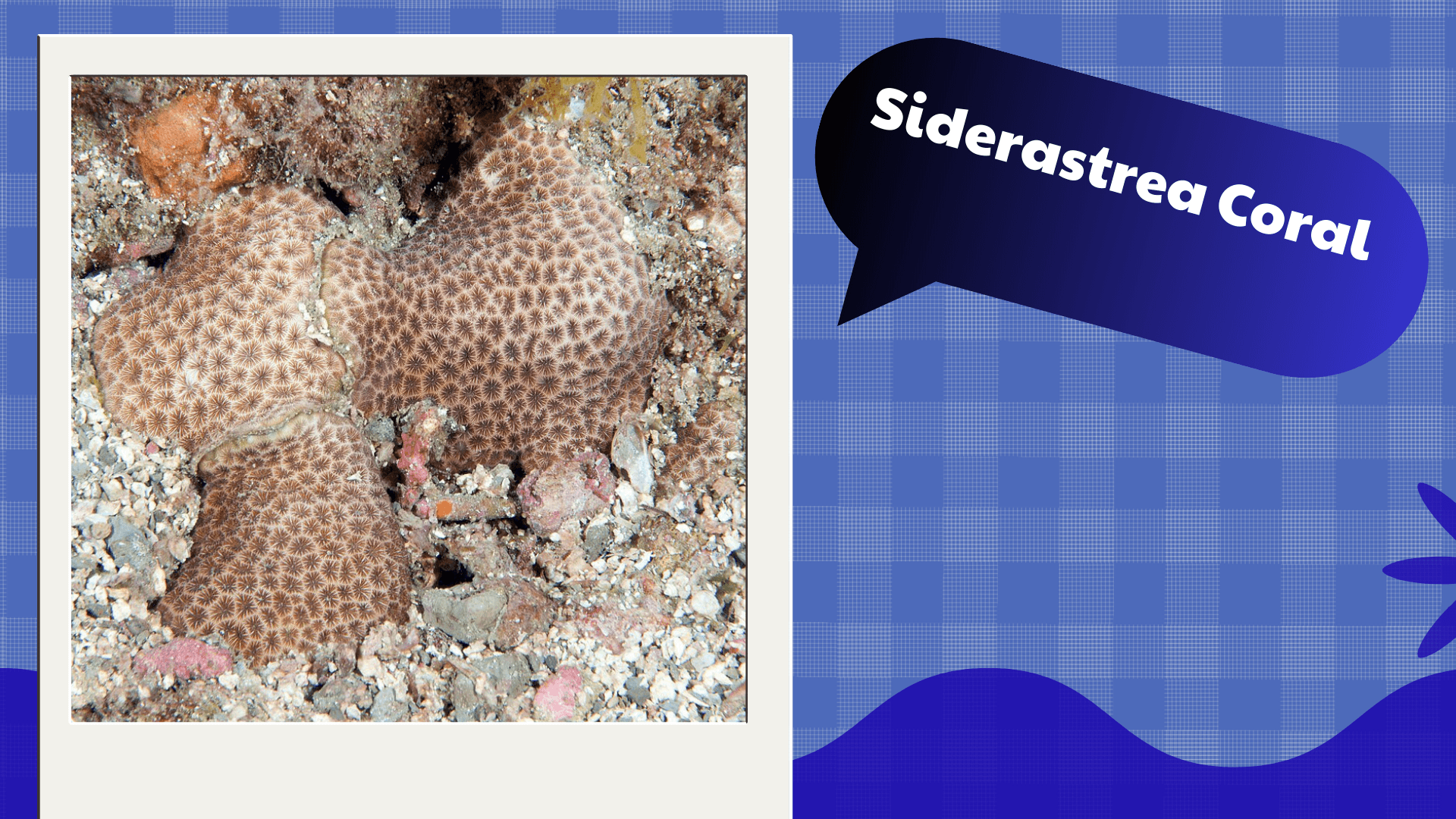
Siderastrea Coral, or “Massive Starlet Coral,” is a slow-growing stony coral known for its hard, compact colonies. Native to the Caribbean and Atlantic reefs, it provides essential shelter and surfaces for small reef organisms. Polyps extend at night to capture plankton while obtaining energy from symbiotic algae during the day. Its dense, massive structure enhances reef stability and resilience to strong currents and storms.
Coloration varies from tan and brown to greenish hues, occasionally showing subtle pinks under ideal conditions. Siderastrea thrives in moderate lighting and water flow. Conservation emphasizes reef preservation and minimizing collection, as it grows slowly and recovers gradually from damage. In aquariums, providing stable water chemistry, lighting, and occasional supplemental feeding ensures healthy growth. Siderastrea Coral is ecologically significant, enhancing reef structure, sheltering marine life, and maintaining biodiversity.
Conclusion
Corals are among the most fascinating and ecologically significant organisms in our oceans. From the intricate branching of Seriatopora Coral to the massive, resilient structures of Porites Coral, each species plays a vital role in building and sustaining vibrant reef ecosystems. These 30 Types of Coral showcased in this guide highlight the incredible diversity, beauty, and ecological importance of corals worldwide.
Many coral species act as shelters for countless marine organisms, protect coastlines from erosion, and support the complex food webs of reef ecosystems. However, corals face numerous threats, including climate change, ocean acidification, pollution, and destructive human activities. Understanding the characteristics, habitats, and care requirements of different Coral species helps raise awareness for conservation and promotes sustainable interactions with these incredible creatures.
Whether you are a marine enthusiast, aquarist, or conservationist, exploring these Types of Coral offers a window into the rich biodiversity of our oceans. By protecting their habitats and supporting reef conservation efforts, we can ensure that these mesmerizing organisms continue to thrive and sustain marine life for generations to come.
FAQ – Types of Coral
1. What are corals?
Corals are marine invertebrates that belong to the phylum Cnidaria. They form colonies of polyps and create reef structures in oceans worldwide.
2. What are the different types of coral?
There are numerous coral types, including stony corals, soft corals, brain corals, mushroom corals, and plate corals. Each has unique shapes, colors, and habitats.
3. What is a stony coral?
Stony corals (SPS and LPS) build hard calcium carbonate skeletons, contributing to reef structures. Examples include Montipora Coral and Porites Coral.
4. What is a soft coral?
Soft corals do not build rigid skeletons and are flexible, like Leather Coral or Finger Soft Coral. They often sway with ocean currents.
5. How do corals get their energy?
Corals have a symbiotic relationship with zooxanthellae algae, which perform photosynthesis and provide nutrients. Polyps can also capture plankton for additional energy.
6. What is a brain coral?
Brain corals are named for their grooved, brain-like appearance. They are stony corals, slow-growing, and provide shelter for reef organisms.
7. What is a mushroom coral?
Mushroom corals are solitary or small colony corals with a flat, disc-like shape, often found on reef floors.
8. How fast do corals grow?
Growth rates vary. Fast-growing corals include branching species like Seriatopora, while massive corals like Porites grow slowly over decades.
9. Why are coral reefs important?
Coral reefs support biodiversity, protect coastlines from erosion, and provide food and livelihoods for millions of people worldwide.
10. What threats do corals face?
Climate change, ocean acidification, pollution, overfishing, and destructive tourism threaten coral health and reef ecosystems.
11. What is coral bleaching?
Coral bleaching occurs when stressed corals expel their symbiotic algae, losing color and essential nutrients. Prolonged bleaching can lead to coral death.
12. Can corals recover from bleaching?
Yes, if stress factors subside in time, corals can regain their algae and recover. However, repeated or prolonged stress reduces recovery chances.
13. What colors do corals come in?
Corals display a variety of colors, including green, pink, red, blue, brown, purple, and fluorescent shades, depending on species and lighting.
14. Are all corals reef-builders?
No. While stony corals like Montipora and Porites build reefs, soft corals provide habitat but do not form large calcium carbonate structures.
15. What is an SPS coral?
SPS (Small Polyp Stony) corals have tiny polyps, form hard skeletons, and require strong lighting and water flow, e.g., Montipora Coral.
16. What is an LPS coral?
LPS (Large Polyp Stony) corals have larger fleshy polyps, slower growth, and moderate lighting needs, e.g., Brain Coral and Bubble Coral.
17. How do corals reproduce?
Corals reproduce sexually via spawning (releasing eggs and sperm) and asexually through budding or fragmentation.
18. Can corals be kept in aquariums?
Yes, with proper water chemistry, lighting, flow, and feeding, many corals like Montipora, Torch Coral, and Zoanthids thrive in aquariums.
19. How do corals communicate?
Corals lack nervous systems but respond to chemical and physical cues, like water movement and the presence of nearby organisms.
20. What is the lifespan of a coral?
Corals can live decades to centuries. Massive stony corals like Porites may live over 500 years in natural reef environments.
21. What is a branching coral?
Branching corals grow upright with tree-like structures, providing excellent habitats for fish and invertebrates. Examples include Seriatopora and Stylophora.
22. What is a plate coral?
Plate corals grow horizontally in flat, plate-like formations, maximizing surface area for sunlight and photosynthesis. Examples include Table Coral.
23. What is bubble coral?
Bubble Coral (Plerogyra sinuosa) has balloon-like vesicles and belongs to LPS corals, thriving in moderate flow and lighting.
24. What is torch coral?
Torch Coral (Euphyllia glabrescens) is an LPS coral with long, flowing polyps and vibrant tips, popular in reef aquariums.
25. Are corals animals or plants?
Corals are animals, though they host photosynthetic algae, giving them plant-like colors and energy production capabilities.
26. How do corals benefit fish?
Corals provide shelter, breeding sites, and food for reef fish, enhancing biodiversity and ecological balance in reefs.
27. What is a leather coral?
Leather Coral (Sarcophyton spp.) is a soft coral with a tough, flexible body, often covering reef surfaces and providing habitats.
28. What are Zoanthids corals?
Zoanthids are colonial soft corals, forming colorful mats with small polyps. They are hardy and popular in reef aquariums.
29. What are Green Star Polyps?
Green Star Polyps (Pachyclavularia spp.) are soft corals with bright green polyps and spreading growth, ideal for reef tanks.
30. How can coral reefs be protected?
Protection includes reducing pollution, supporting marine reserves, sustainable tourism, and mitigating climate change impacts.
31. What is cauliflower coral?
Cauliflower Coral (Pocillopora damicornis) is a branching stony coral, fast-growing, and provides habitats for fish and invertebrates.
32. How do corals interact with other reef organisms?
Corals provide food, shelter, and surfaces for algae, fish, invertebrates, and symbiotic relationships with crustaceans and algae.
33. What is frogspawn coral?
Frogspawn Coral (Euphyllia divisa) has large tentacles with colorful tips, a popular LPS coral in marine aquariums.
34. What is candy cane coral?
Candy Cane Coral (Caulastraea furcata) is an LPS coral with tubular polyps resembling candy canes, known for slow, steady growth.
35. What is torch coral care?
Torch Coral requires moderate flow, stable water parameters, and occasional feeding to maintain vibrant color and polyp extension.
36. Can corals adapt to climate change?
Some corals exhibit resilience to temperature changes, but many are highly sensitive, making reef protection critical for survival.
37. What is a pillar coral?
Pillar Coral (Dendrogyra cylindrus) forms column-like structures, providing habitat and enhancing reef vertical complexity.
38. What are moon corals?
Moon Coral (Fungia spp.) are solitary, free-living corals with disc-shaped bodies, often moving slightly across the reef floor.
39. How are corals classified?
Corals are classified by skeletal type (stony or soft), polyp size (SPS or LPS), and growth form (branching, plating, massive).
40. What is the importance of coral diversity?
Coral diversity supports marine biodiversity, ecosystem resilience, and aesthetic value, crucial for both natural reefs and aquariums.
41. What is bubble coral care?
Bubble Coral needs moderate light and flow, stable water conditions, and occasional supplemental feeding for optimal growth.
42. What is a blue coral?
Blue Coral (Heliopora coerulea) is a hard coral with a unique blue skeleton, slow-growing, and contributes significantly to reef structure.
43. How do corals reproduce asexually?
Asexual reproduction occurs through fragmentation or budding, allowing colonies to expand without sexual reproduction.
44. What is honeycomb coral?
Honeycomb Coral (Goniastrea spp.) is stony, forming large colonies with polygonal corallites resembling a honeycomb pattern.
45. What is a soft finger coral?
Soft Finger Coral (Sinularia spp.) is flexible, branching, and sways in currents, providing shelter and habitat for marine organisms.
46. How do corals compete for space?
Corals compete by rapid growth, extending sweeper tentacles, and producing chemicals to inhibit neighboring species.
47. Can corals recover from storm damage?
Many corals can regenerate from fragments after storms, though recovery depends on species, severity, and environmental conditions.
48. What is torch coral feeding?
Torch Coral benefits from planktonic foods, micro pellets, and occasional target feeding in aquariums for healthy polyp extension.
49. Are corals endangered?
Several coral species are threatened due to climate change, habitat loss, and overcollection. Conservation and marine protected areas are critical.
50. Why should we protect coral reefs?
Protecting reefs preserves biodiversity, coastal protection, fisheries, tourism, and the health of ocean ecosystems globally.