

Florida is home to two recognized types of deer: the widespread white-tailed deer and the smaller Key deer, a subspecies found only in the Florida Keys. This guide explains how to identify each deer, where it lives, what it eats, how it behaves, and why responsible wildlife viewing matters.
What Are the Main Types of Deer in Florida?
The two main types of deer in Florida are the Florida white-tailed deer and the Key deer. Key deer are a smaller subspecies of white-tailed deer, not a completely separate deer species. White-tailed deer live across mainland Florida, while Key deer are restricted mainly to the lower Florida Keys.
1. Florida White-Tailed Deer
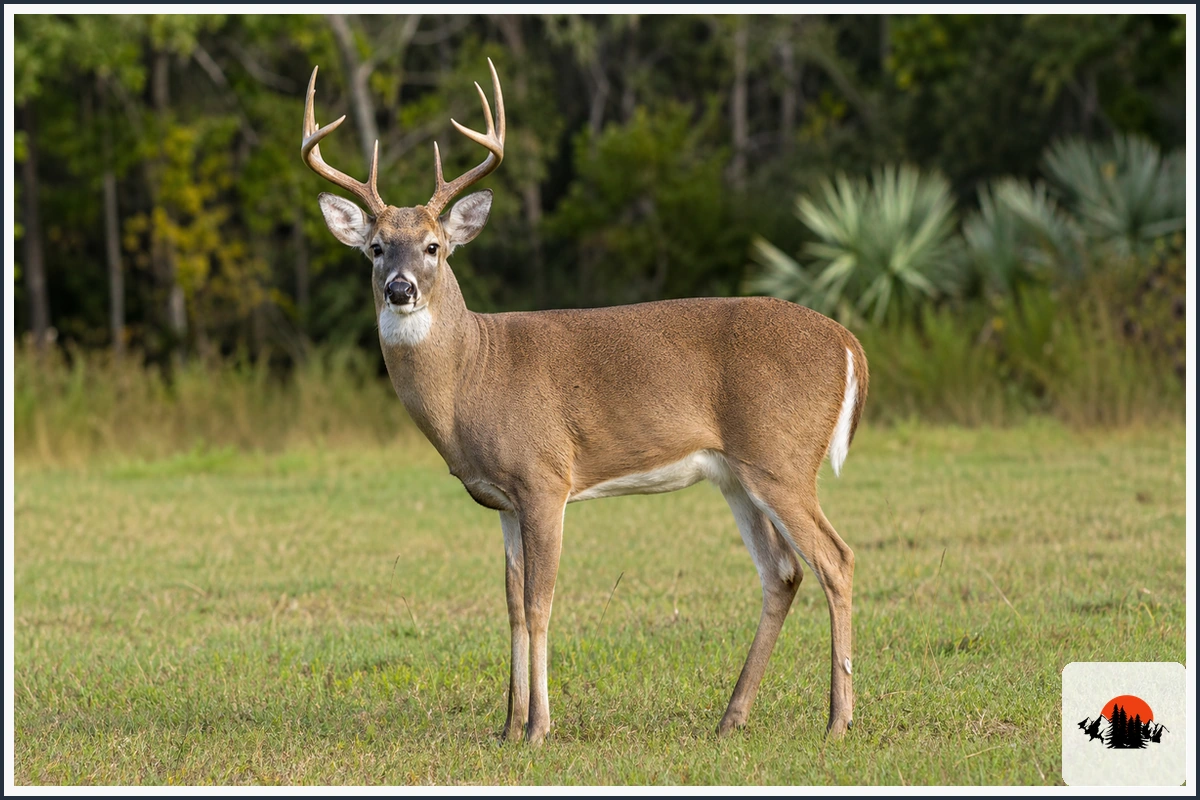
Scientific name: Odocoileus virginianus
Florida white-tailed deer are the most widespread deer in the state. They can be found in forests, wetlands, pine flatwoods, scrub, agricultural edges, and suburban areas where suitable cover and food remain available. Their most recognizable feature is the bright white underside of the tail, which they raise as an alarm signal when fleeing.
Adult deer vary in size depending on sex, age, habitat, and location. Bucks are usually larger than does and grow branched antlers annually. Does do not normally grow antlers. Their coats are generally reddish-brown in summer and gray-brown during cooler months, although Florida’s mild climate can make seasonal changes less dramatic than in northern regions.
Florida white-tailed deer are herbivores. Their diet includes leaves, grasses, shoots, fruits, acorns, flowers, and agricultural crops. They are most active around dawn and dusk, but deer may move at any time, especially where they have become accustomed to people.
White-tailed deer usually live near a mixture of food, water, and protective vegetation. Bucks may live alone or in loose groups, while does often remain with fawns. During the breeding season, bucks compete for access to females. Fawns are born with white spots that help break up their outline in vegetation.
For drivers, deer are especially important because vehicle collisions can occur where roads cross wooded or wetland habitat. Never feed wild deer, and observe them from a safe distance.
2. Key Deer
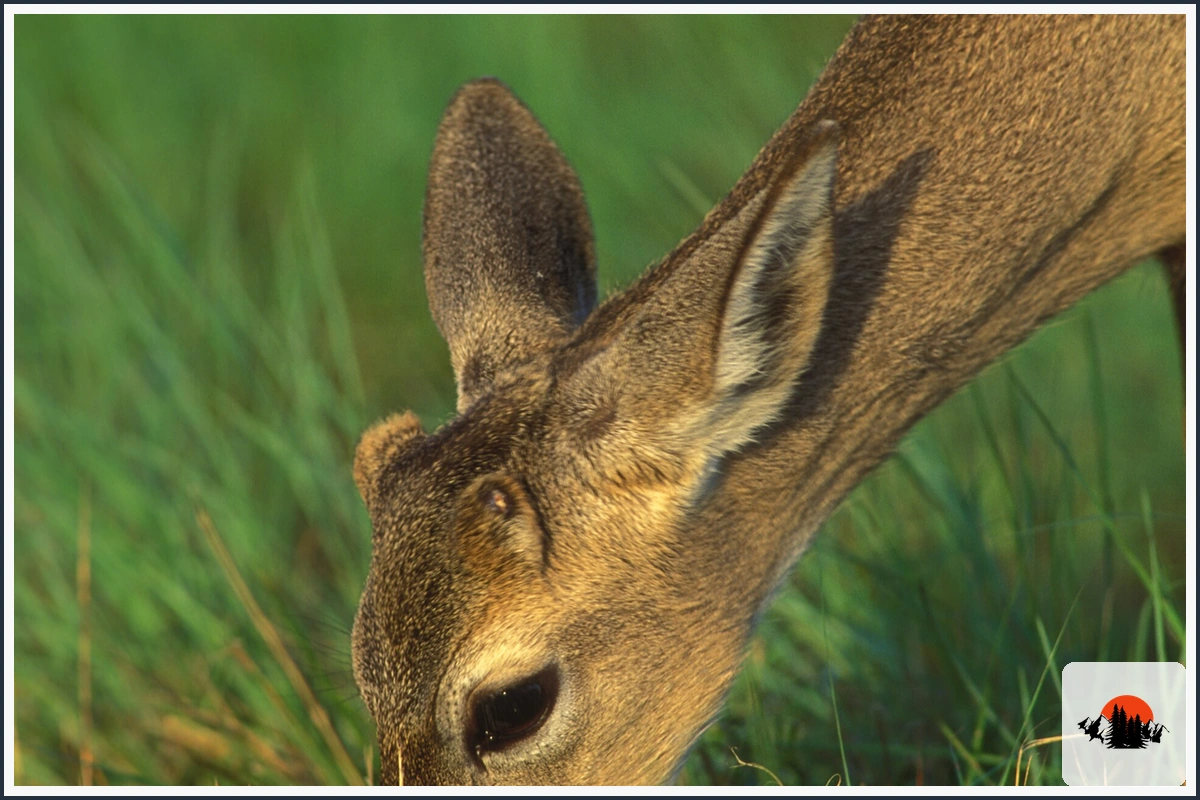
Scientific name: Odocoileus virginianus clavium
Key deer are the smallest subspecies of North American white-tailed deer and are found naturally only in the lower Florida Keys. They are best known from Big Pine Key and nearby islands, although their movements can vary among the connected and neighboring keys.
An adult Key deer may look surprisingly small compared with mainland deer. Their compact body helps them move through island habitats, including pine rocklands, hardwood hammocks, mangroves, coastal areas, and developed neighborhoods. Like other white-tailed deer, they have a white rump and tail that may be raised when alarmed.
Key deer eat a wide variety of native plants, leaves, fruits, flowers, and other vegetation. Access to freshwater is important because island environments can be limited in both food and water. They may enter yards or roadside areas while searching for resources, but feeding them creates serious problems by encouraging road crossings, dependence on people, and aggressive behavior.
Key deer are protected and have faced threats from habitat loss, vehicle collisions, disease, storms, and limited island range. Conservation work includes habitat protection, road-safety efforts, population monitoring, and public education.
When viewing Key deer, remain quiet, keep your distance, and never approach, chase, touch, or feed them. Their small size does not mean they are tame pets.
How Are These Deer Classified?
Both Florida deer belong to the white-tailed deer species, Odocoileus virginianus. The Key deer is a recognized subspecies adapted to the island environment of the lower Florida Keys. The mainland deer commonly called Florida white-tailed deer represents regional populations of the same species rather than a separate species.
| Type | Scientific classification | Main range | Key feature |
|---|---|---|---|
| Florida white-tailed deer | Odocoileus virginianus | Mainland Florida | Medium-sized deer with a raised white tail |
| Key deer | Odocoileus virginianus clavium | Lower Florida Keys | Very small island-adapted white-tailed deer |
Where Do These Deer Live?
Florida white-tailed deer live in many habitats, including pine flatwoods, hardwood forests, cypress areas, marsh edges, scrub, ranchland, and forest borders. Deer often prefer landscapes containing both dense cover for resting and open areas with abundant plants.
Key deer occupy a much smaller geographic area in the lower Florida Keys. Their habitats include pine rocklands, tropical hardwood hammocks, mangrove margins, coastal vegetation, and human-modified areas. Because islands have limited space and resources, habitat changes can affect Key deer quickly.
What Do Florida Deer Eat?
- Leaves and young shoots
- Native grasses and herbs
- Fruits and berries
- Acorns where available
- Flowers and tender stems
- Agricultural and landscape plants
- Native coastal and tropical vegetation for Key deer
Deer are browsers that select many kinds of plants rather than relying on only one food. Their diet changes with the season, rainfall, habitat conditions, and local plant availability. Supplemental feeding is unsafe and unnecessary for wild deer.
How to Identify Different Types of Deer in Florida
- Size: Key deer are much smaller and more compact than typical mainland deer.
- Tail: Both types have a white underside that becomes obvious when the tail is raised.
- Antlers: Adult males may grow branched antlers, while females generally do not.
- Coat: Adults are usually reddish-brown, tan, or gray-brown.
- Location: A very small deer in the lower Florida Keys may be a Key deer; location is essential for identification.
- Tracks: Deer leave paired, pointed hoof prints, although soil and ground cover affect their clarity.
- Behavior: A raised tail usually signals alertness or flight.
Behavior and Daily Activity
Florida deer are commonly most active near sunrise and sunset. They may rest during the hottest part of the day in shaded vegetation. Deer use scent, hearing, and vision to detect danger, and a startled animal may freeze briefly before running away.
Does often remain near fawns, while bucks may become more solitary outside the breeding season. Deer frequently use trails, road edges, field borders, and gaps between habitat patches. These same travel routes can create collision risks, particularly at dawn, dusk, and during periods of increased movement.
Outdoor Tips for Finding and Observing These Species
- Look along forest edges, wetland margins, quiet trails, and openings with fresh vegetation.
- Visit during early morning or late afternoon when deer are often more active.
- Use binoculars instead of approaching closely.
- Stay quiet and avoid sudden movements.
- Do not block trails, roads, or access to water.
- Never feed or lure deer for photographs.
- Follow all park, refuge, and wildlife-area rules.
Safety, Sustainability, and Conservation Notes
Never feed wild deer. Human food and intentional feeding can change natural behavior, attract deer to roads, increase disease concerns, and create conflicts with people. Keep dogs leashed where required and give deer an escape route.
Drivers should slow down in areas marked for deer and remain alert near wooded roads. If one deer crosses, others may follow. Hunters must follow current Florida regulations, seasons, licenses, bag limits, and local restrictions.
Key deer require special conservation attention because their entire natural range is limited to the Florida Keys. Protecting native habitat, reducing vehicle collisions, keeping waterways clean, and reporting injured wildlife to appropriate authorities all support deer conservation.
Fun Facts About Types of Deer in Florida
- Key deer are the smallest subspecies of North American white-tailed deer.
- Both Florida deer types belong to the white-tailed deer species.
- Only male deer normally grow antlers.
- Antlers are shed and regrown each year.
- A raised white tail can warn other deer of danger.
- Fawns are born with spots that provide camouflage.
- Deer are browsers that eat many kinds of plants.
- Deer are often most active near dawn and dusk.
- Key deer depend on freshwater sources within their island range.
- Feeding wild deer can make them less cautious around roads and people.
Final Thoughts on Types of Deer in Florida
The two main types of deer in Florida are mainland white-tailed deer and the smaller Key deer. Learning their size, range, appearance, diet, and behavior makes identification easier and encourages safer wildlife encounters. Whether you explore Florida forests or visit the lower Keys, observe deer responsibly and help protect the habitats they depend on.
Frequently Asked Questions
1. How many types of deer are in Florida?
Florida has two commonly recognized types: mainland Florida white-tailed deer and Key deer, which are a small subspecies of white-tailed deer.
2. What is the most common deer in Florida?
The white-tailed deer is the most common and widely distributed deer in Florida.
3. Are Key deer a separate species?
No. Key deer are a subspecies of white-tailed deer, scientifically known as Odocoileus virginianus clavium.
4. Where can Key deer be found?
Key deer live in the lower Florida Keys, especially around Big Pine Key and nearby islands.
5. How large do Key deer get?
Key deer are considerably smaller than typical mainland white-tailed deer. Their compact size is one of their easiest identifying features.
6. What do deer in Florida eat?
Florida deer eat leaves, shoots, grasses, flowers, fruits, acorns, and other vegetation available in their habitat.
7. Are Florida deer dangerous?
Deer usually avoid people, but any wild animal can react defensively if cornered, startled, or approached too closely.
8. Can you feed deer in Florida?
No. Feeding wild deer is unsafe because it can alter natural behavior, increase road risks, and create conflicts.
9. Do female deer have antlers?
Female white-tailed deer generally do not grow antlers. Antlers are normally grown by males.
10. When do deer grow antlers?
Male deer grow antlers annually. The exact timing varies with age, health, daylight, and local conditions.
11. What does a deer waving its white tail mean?
A raised or flashing white tail commonly signals alarm and may warn nearby deer of danger.
12. What color are Florida deer?
Adults are commonly reddish-brown, tan, or gray-brown. Fawns usually have white spots during their early months.
13. Where do mainland Florida deer live?
They live in forests, pine flatwoods, wetlands, scrub, fields, ranches, and other areas with food and protective cover.
14. Do Florida deer swim?
White-tailed deer can swim when necessary. Swimming may help them cross waterways or move between nearby habitat areas.
15. Are Key deer endangered?
Key deer have faced serious conservation challenges because of their limited island range, habitat loss, vehicle collisions, storms, and disease. Their protected status and management should be checked with current wildlife authorities.
16. What is the difference between Key deer and mainland deer?
The main difference is size and range. Key deer are much smaller and live only in the lower Florida Keys, while mainland white-tailed deer occupy much of Florida.
17. Are deer active during the day?
Yes. Deer can be active at any time, but they are often easiest to see around sunrise and sunset.
18. How can I identify a deer track?
A deer track usually has two pointed hoof marks forming a narrow, split shape. Mud, sand, and vegetation can make tracks appear different.
19. What should I do if a deer approaches me?
Remain calm, avoid touching it, slowly increase your distance, and do not offer food. Give the deer a clear route away from you.
20. Why do deer cross Florida roads?
Roads often cut through travel routes between feeding, resting, and watering areas. Deer may cross more frequently during active movement periods and breeding season.
21. What should drivers do in deer habitat?
Slow down, scan road edges, and be especially careful near dawn, dusk, wooded areas, and wildlife-crossing signs.
22. Do Florida deer live in swamps?
Yes. Deer may use swamp edges, wet flatwoods, hammocks, and other wetlands, especially where dry ground and food are nearby.
23. Do deer eat grass?
They may eat grasses, but white-tailed deer also consume leaves, shoots, fruits, flowers, and many broadleaf plants.
24. Are deer native to Florida?
White-tailed deer are native to Florida. Key deer are a native island subspecies of white-tailed deer.
25. Can deer live near homes?
Yes. Deer may use suburban areas when they provide vegetation, water, and cover, but residents should not feed them.
26. How far away should I stay from wild deer?
Stay far enough away that the deer remains calm and continues normal behavior. Use binoculars or a long camera lens rather than moving closer.
27. Do Florida deer migrate?
Florida deer generally do not make the long seasonal migrations seen in some northern deer populations, although they move locally between habitat areas.
28. What do fawns look like?
Fawns are smaller than adults and commonly have white spots that provide camouflage among vegetation.
29. Can Key deer be kept as pets?
No. Key deer are wild, protected animals and should never be captured or treated as pets.
30. How can people help Florida deer?
Protect natural habitat, drive carefully, avoid feeding wildlife, keep dogs controlled, follow hunting regulations, and report injured animals to qualified wildlife authorities.