

The Amazon River and its connected floodplains, tributaries, lakes, and flooded forests support one of the richest freshwater fish communities on Earth. These types of fish in the Amazon River range from tiny schooling species to enormous air-breathing giants, powerful predators, armored catfish, and fish with unusual electrical or defensive adaptations.
This guide highlights 20 well-known Amazonian fish and explains their appearance, scientific names, habitat, size, diet, behavior, and importance. It is useful for travelers, anglers, aquarium enthusiasts, students, and anyone curious about South American freshwater wildlife.
What Are the Main Types of Fish in the Amazon River?
The main types include arapaima, piranhas, peacock bass, tambaqui, electric eels, freshwater stingrays, large catfish, arowanas, discus, angelfish, tetras, and knifefish. They occupy different parts of the ecosystem, including open channels, river bottoms, quiet floodplain lakes, and seasonally flooded forests. Some are predators, while others eat fruit, seeds, algae, insects, or detritus.
1. Arapaima
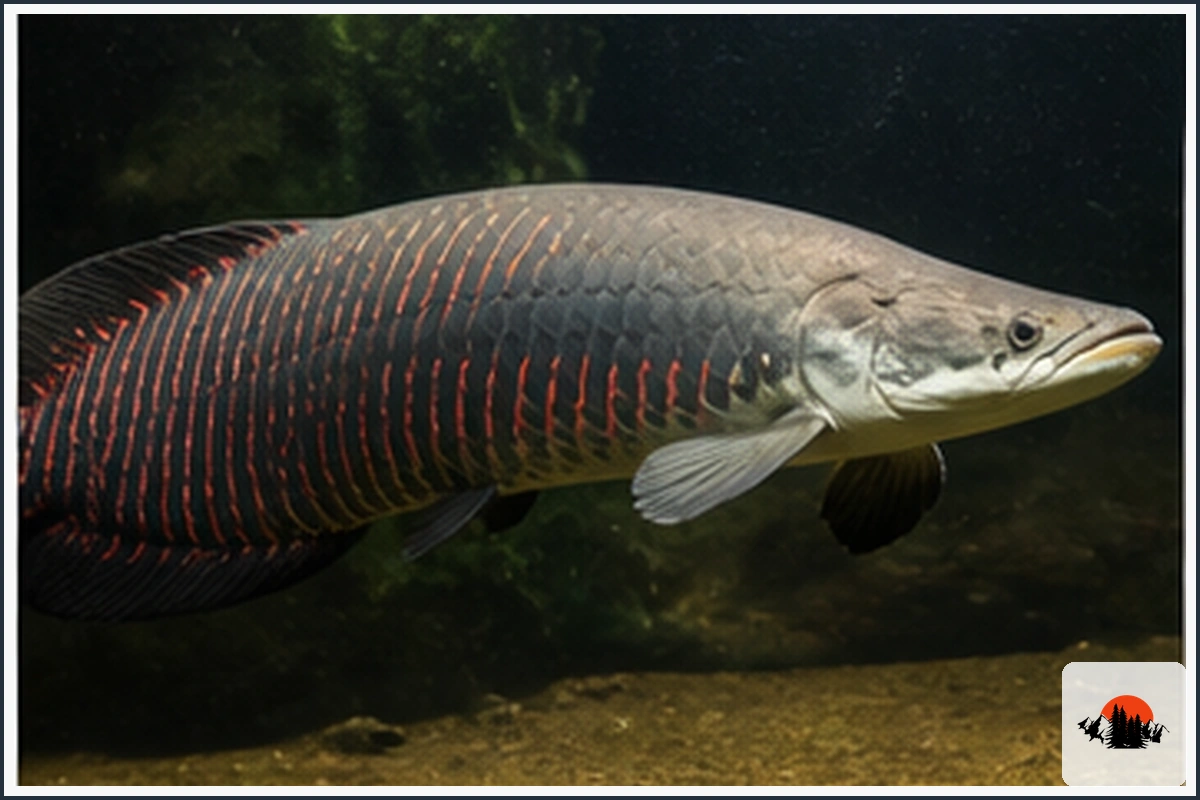
Scientific name: Arapaima gigas and closely related species.
Arapaima are among the largest freshwater fish in the world. They have long, muscular bodies, broad heads, and large overlapping scales that often show dark green, bronze, and reddish tones. Adults can exceed 2 meters in length, although most wild fish are smaller.
These fish live in slow-moving rivers, floodplain lakes, and seasonally flooded forest. Arapaima regularly rise to the surface to breathe atmospheric air, allowing them to survive in warm, oxygen-poor water. They eat fish, crustaceans, and other small aquatic animals. Their large size and vulnerability to overfishing make catch-and-release rules and local regulations especially important.
2. Red-Bellied Piranha
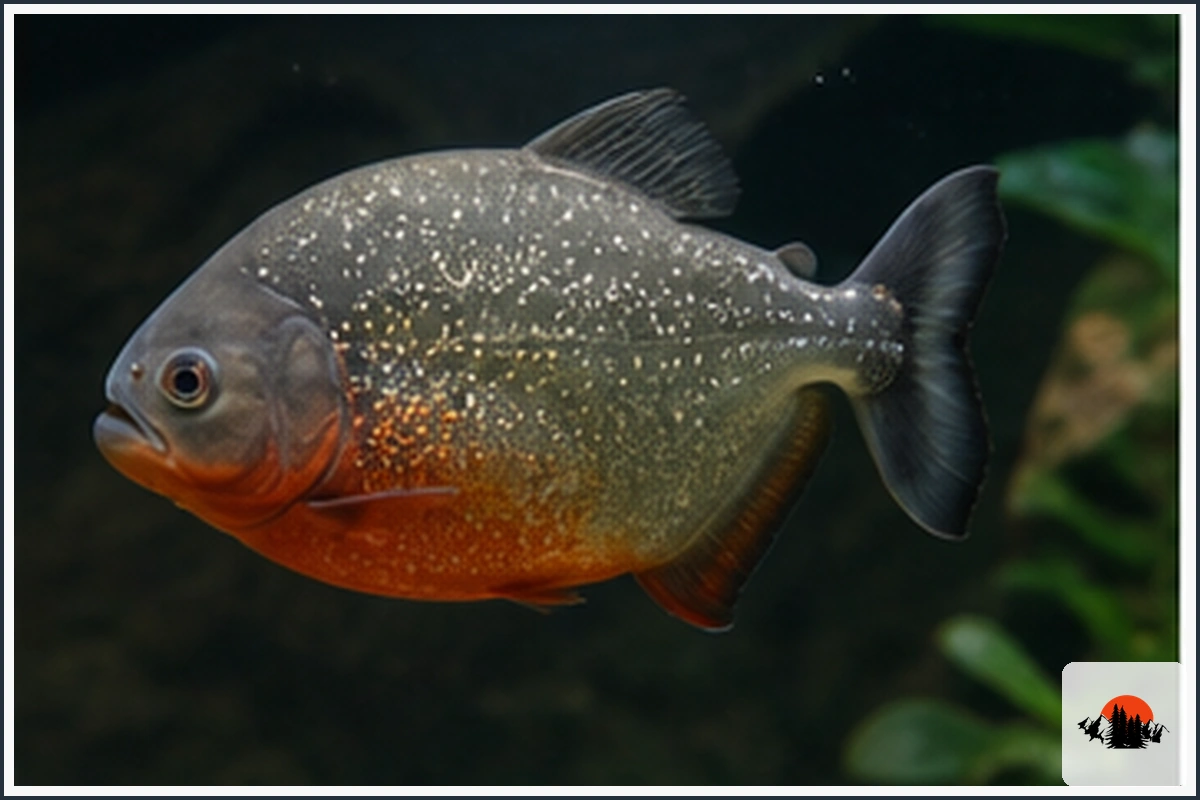
Scientific name: Pygocentrus nattereri.
The red-bellied piranha has a deep, laterally compressed body, silvery sides, a reddish-orange belly, and sharp triangular teeth. It is one of the best-known Amazon fish, but its reputation is often exaggerated. Piranhas are opportunistic feeders that consume fish, insects, crustaceans, carrion, fruits, and plant material.
They commonly form groups in quiet waters, lagoons, and slow tributaries. Their teeth help them cut pieces from food, and their strong jaws make them effective predators and scavengers. They are important members of the food web and should be observed carefully rather than handled.
3. Peacock Bass
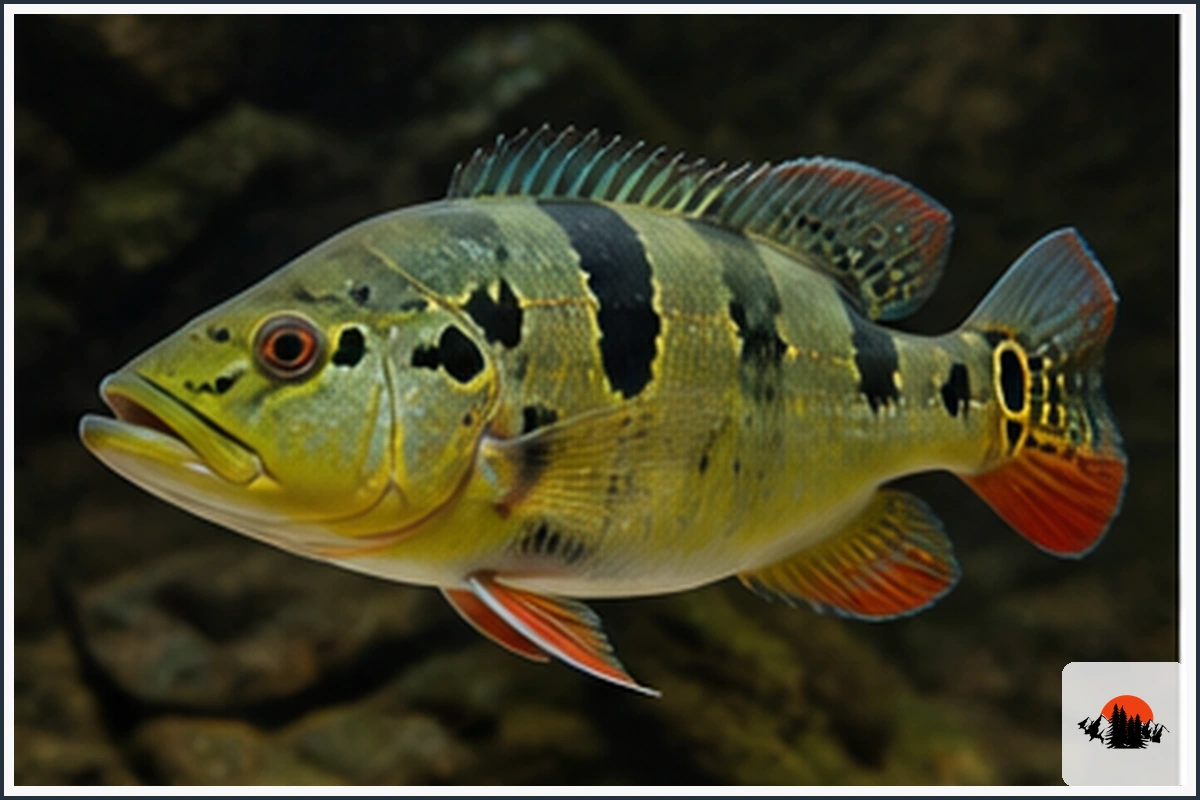
Scientific name: Cichla species.
Peacock bass are large, colorful cichlids prized by anglers. Depending on the species, they may show golden, green, blue, or black markings, often with dark vertical bars and a prominent spot near the tail. Some can grow beyond 70 centimeters.
They prefer warm rivers, floodplain lakes, and backwaters with cover. Peacock bass are aggressive visual predators that eat smaller fish and sometimes crustaceans. Their explosive strikes make them popular sport fish, but responsible anglers should follow local size limits, seasons, and release regulations.
4. Tambaqui
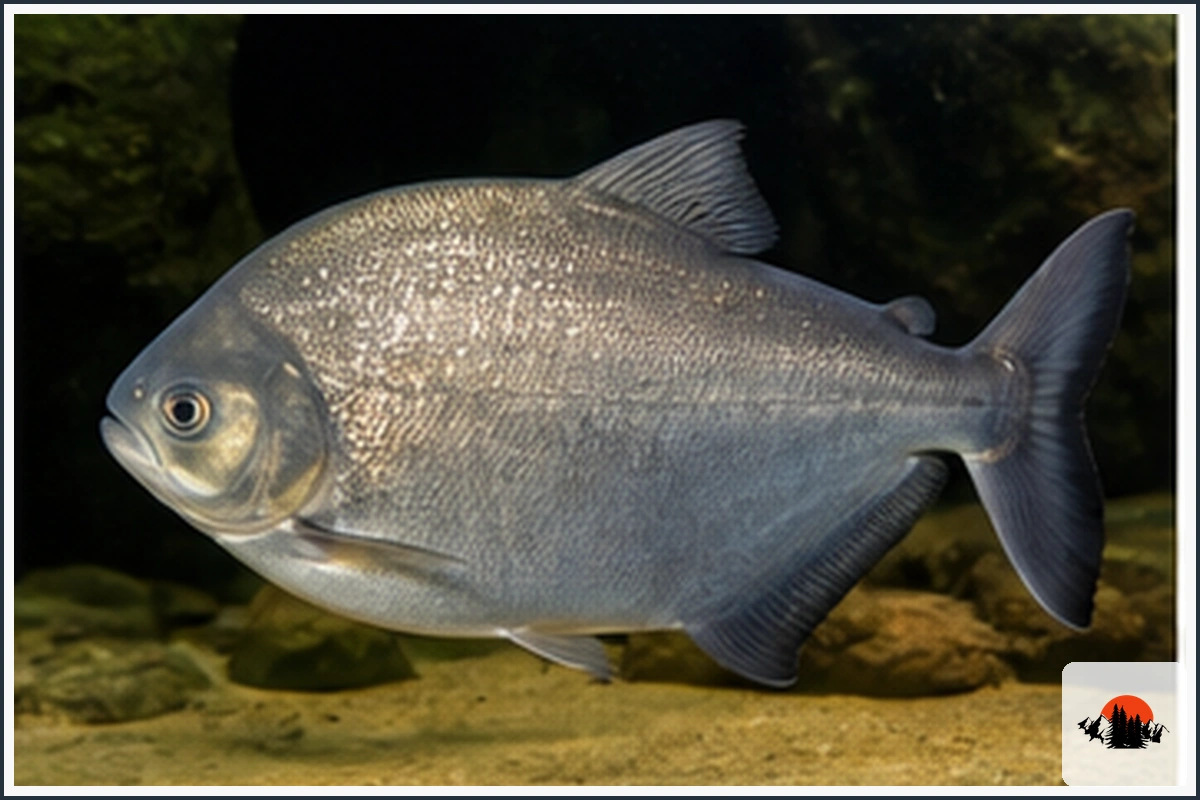
Scientific name: Colossoma macropomum.
Tambaqui are deep-bodied relatives of piranhas, with dark backs, rounded bodies, and strong molar-like teeth adapted for crushing seeds and hard fruit. They can become very large, sometimes reaching more than 80 centimeters and weighing dozens of kilograms.
During flood seasons, tambaqui enter flooded forests and feed on fallen fruits and seeds. They also eat insects, plankton, and other available food. By moving and later releasing seeds, these fish can help connect aquatic and forest ecosystems. Tambaqui are also important food fish in Amazonian communities and aquaculture.
5. Piraíba Catfish
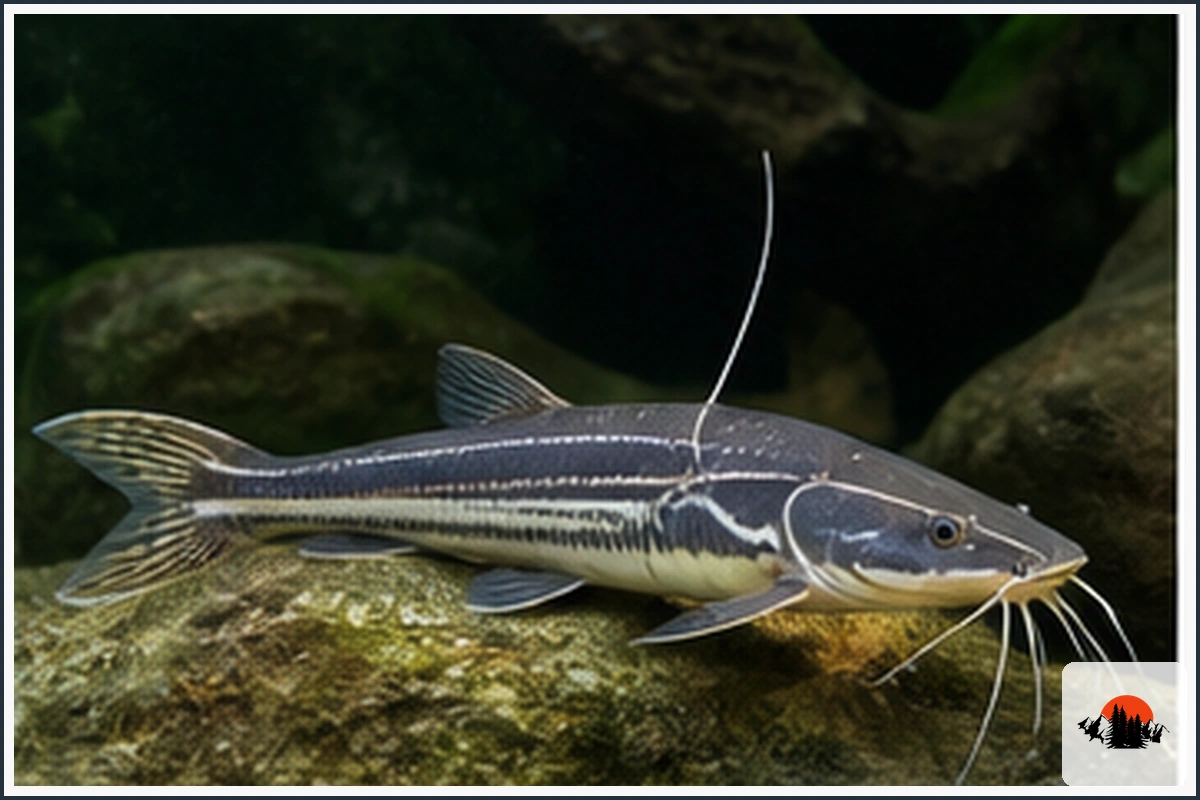
Scientific name: Brachyplatystoma filamentosum.
The piraíba is one of the largest Amazon catfish. It has a long, streamlined body, a broad head, smooth skin, and barbels that help it sense food in dark or muddy water. Large individuals can reach well over 2 meters.
Piraíba live in major channels and deep pools, where they hunt fish and other aquatic animals. Young fish may migrate long distances downstream, while adults are associated with large river systems. Their size, migration, and value as food and game fish make sustainable management essential.
6. Redtail Catfish
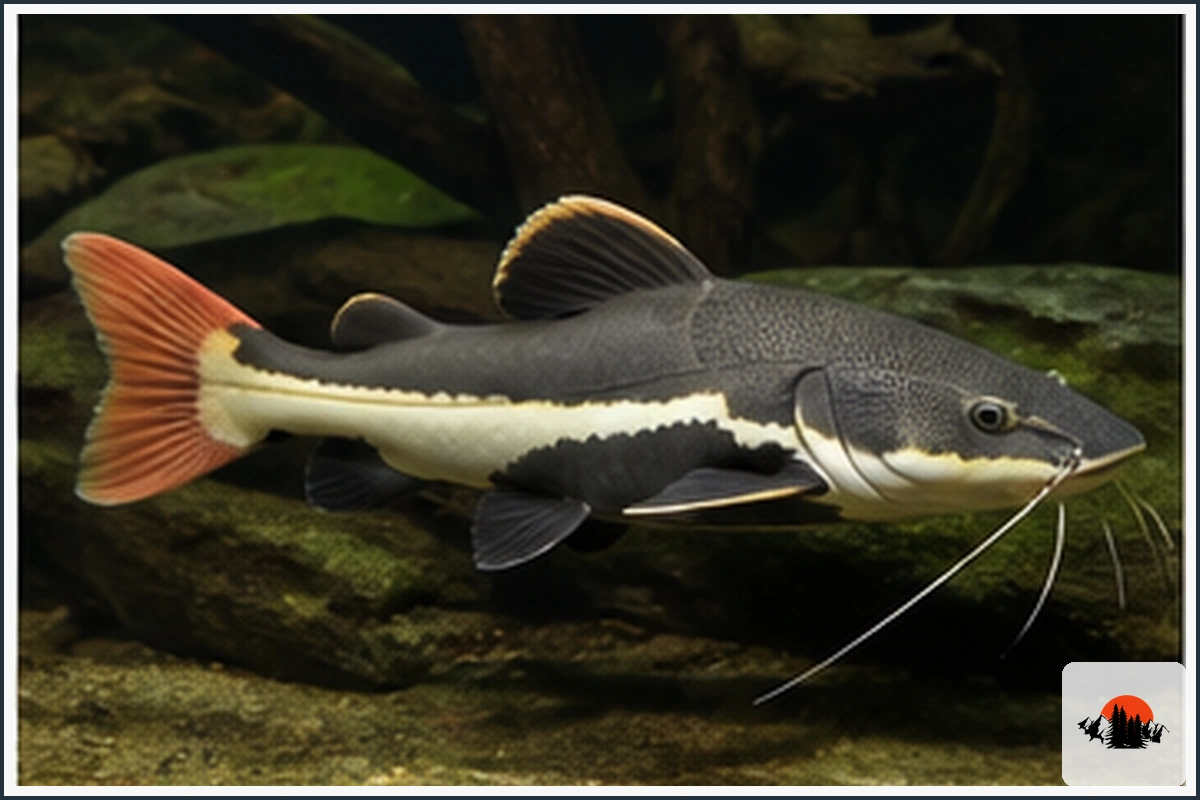
Scientific name: Phractocephalus hemioliopterus.
The redtail catfish is recognized by its broad head, cream or tan body, dark dorsal region, and vivid red-orange tail. It has long barbels around the mouth and can grow to more than a meter in length.
This bottom-oriented predator inhabits rivers, channels, and floodplain waters. It eats fish, crustaceans, and other animals it can swallow. Redtail catfish are popular in public aquariums, but they become far too large for most home tanks. Never release an unwanted aquarium fish into a river.
7. Piraña Negra
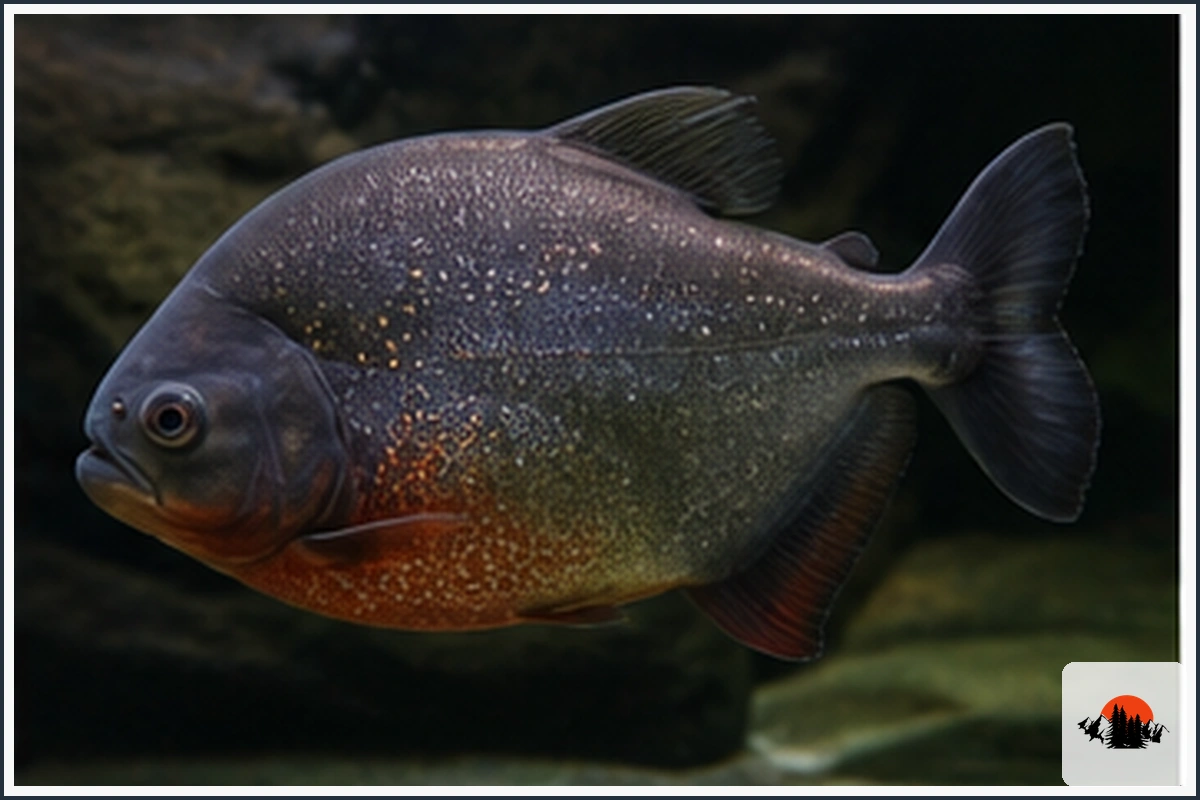
Scientific name: Serrasalmus rhombeus.
Often called the black piranha, this species has a deep body, powerful jaws, and coloration that may range from gray and silver to very dark tones. It is generally more solitary than some schooling piranhas.
Black piranhas are predatory fish that consume smaller fish, pieces of larger animals, and other available prey. Their appearance varies with age, location, and water conditions, so body shape and jaw structure are useful identification clues. They are wild predators, not suitable community aquarium fish.
8. Electric Eel
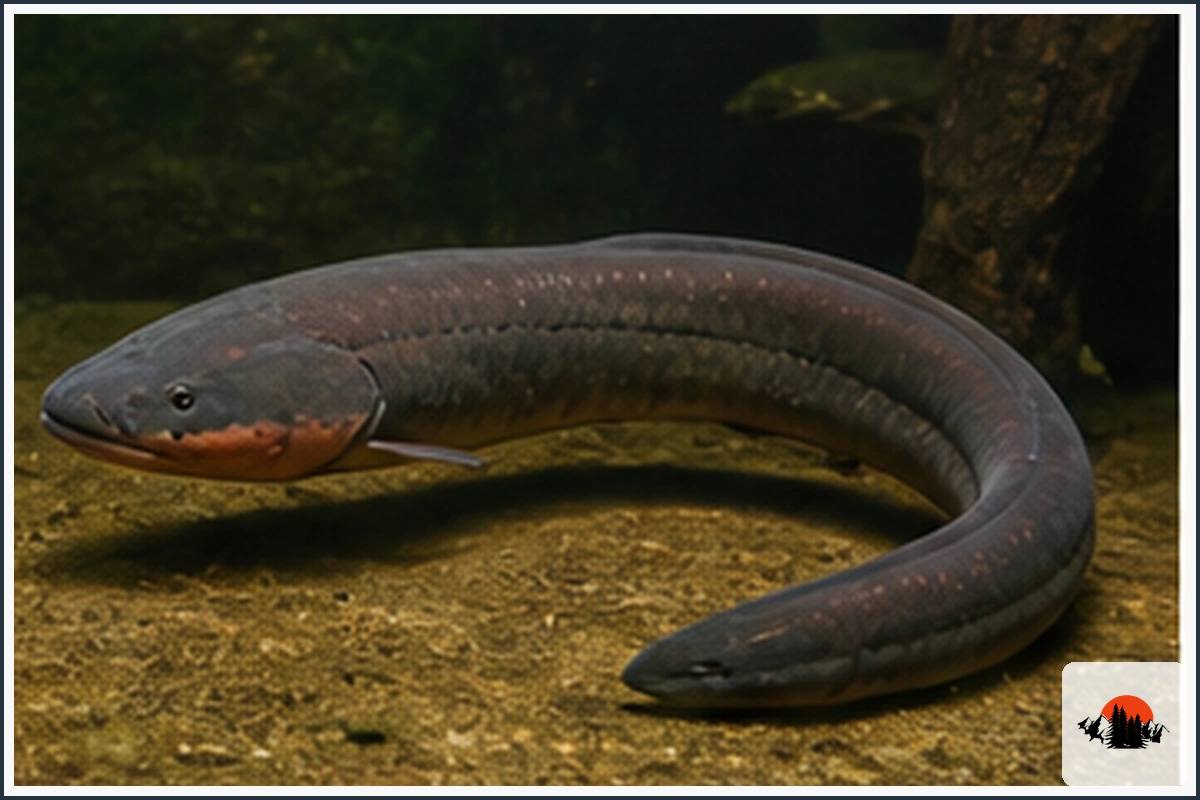
Scientific name: Electrophorus species.
Electric eels are not true eels; they are knifefish relatives with long, flexible bodies and reduced fins. They can produce electrical discharges for navigation, communication, defense, and stunning prey. Some species can generate very high voltages.
They inhabit slow-moving water, flooded forests, swamps, and muddy shallows. Electric eels breathe air and must surface regularly. Their electrical organs are especially useful where visibility is poor. People should never attempt to touch or capture one, particularly in confined water.
9. Giant Freshwater Stingray
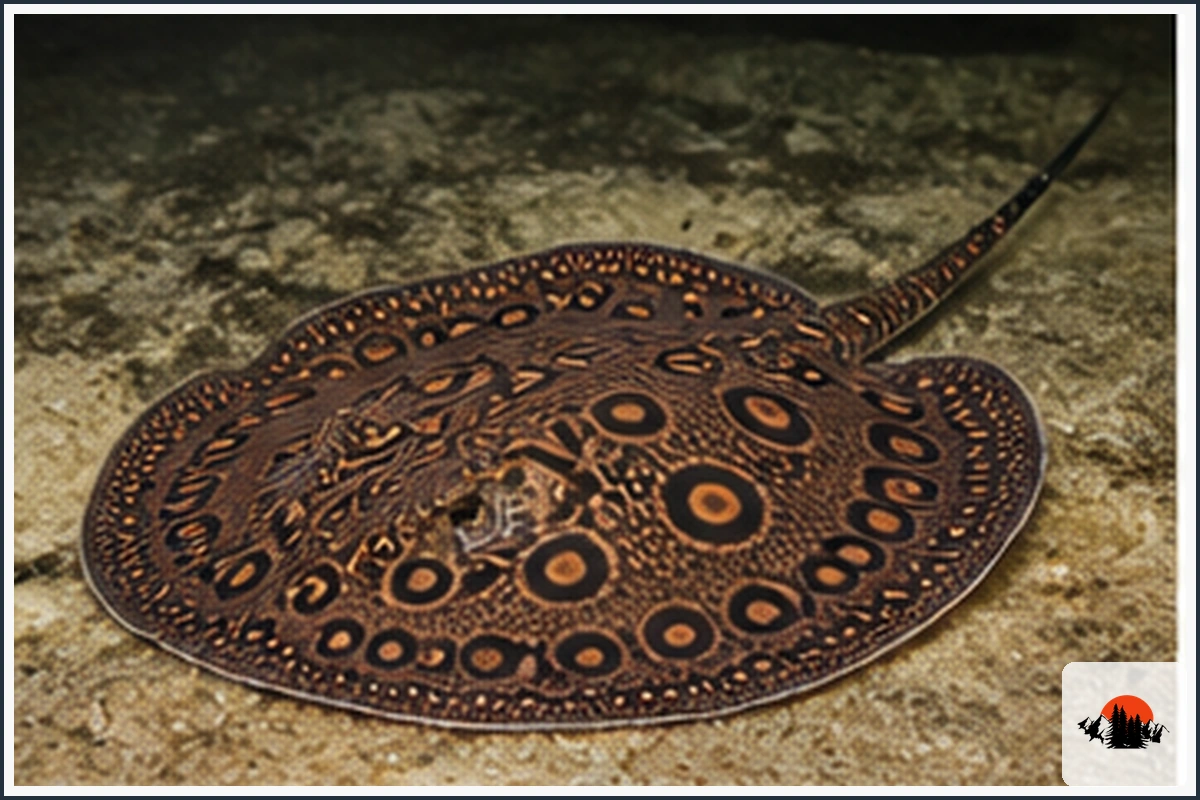
Scientific name: Potamotrygon species, including large species such as Potamotrygon brachyura.
Amazonian freshwater stingrays have flattened disc-shaped bodies, patterned backs, and long tails equipped with one or more venomous spines. Their colors and patterns vary widely among species.
They live on sandy or muddy river bottoms, where they search for fish, worms, crustaceans, and other bottom-dwelling animals. Stingrays are usually not aggressive, but stepping on one can cause a serious injury. Wading in unfamiliar water requires caution and local guidance.
10. Arowana
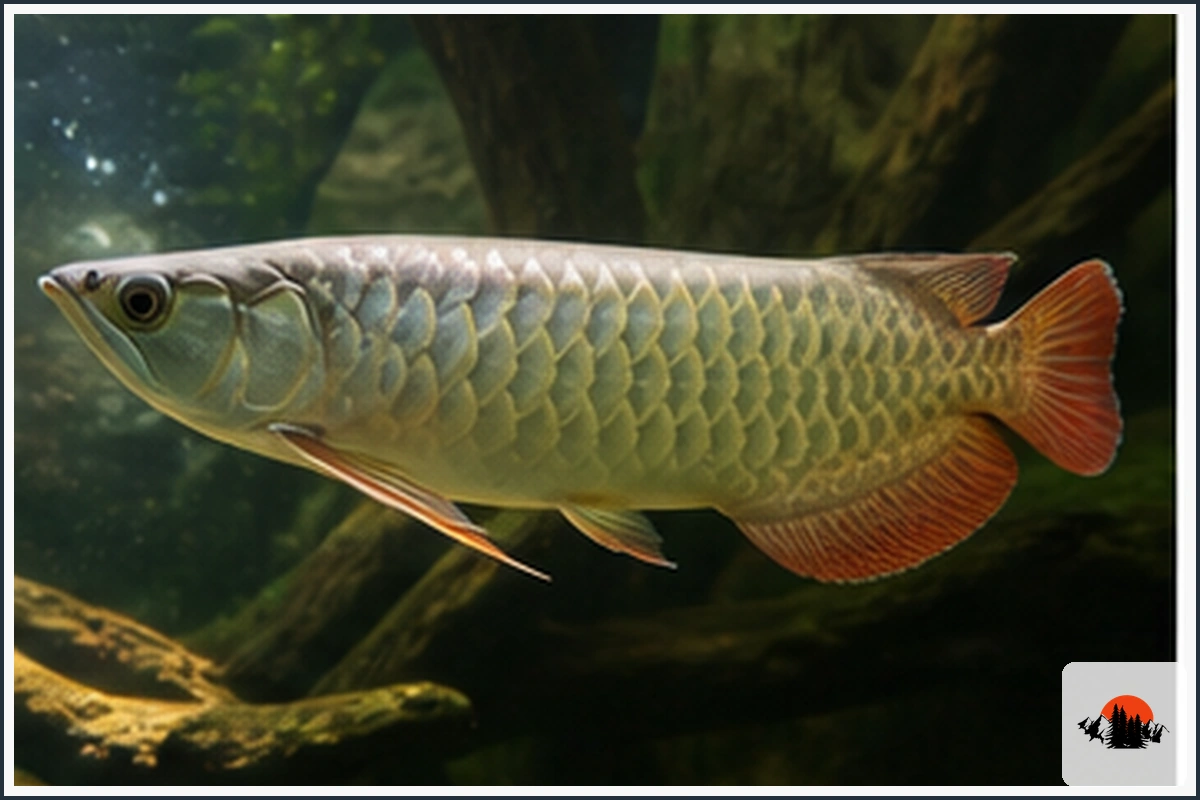
Scientific name: Osteoglossum bicirrhosum.
The silver arowana has a long, laterally compressed body, large metallic scales, an upturned mouth, and two barbels on the lower jaw. It is a surface-oriented predator that can leap from the water to catch insects, small animals, and sometimes birds or other prey near overhanging vegetation.
Arowanas inhabit calm channels, lagoons, and flooded forests. Their powerful swimming and surface-hunting behavior make them distinctive. They are also popular aquarium fish, but their adult size demands very large specialized facilities.
11. Discus
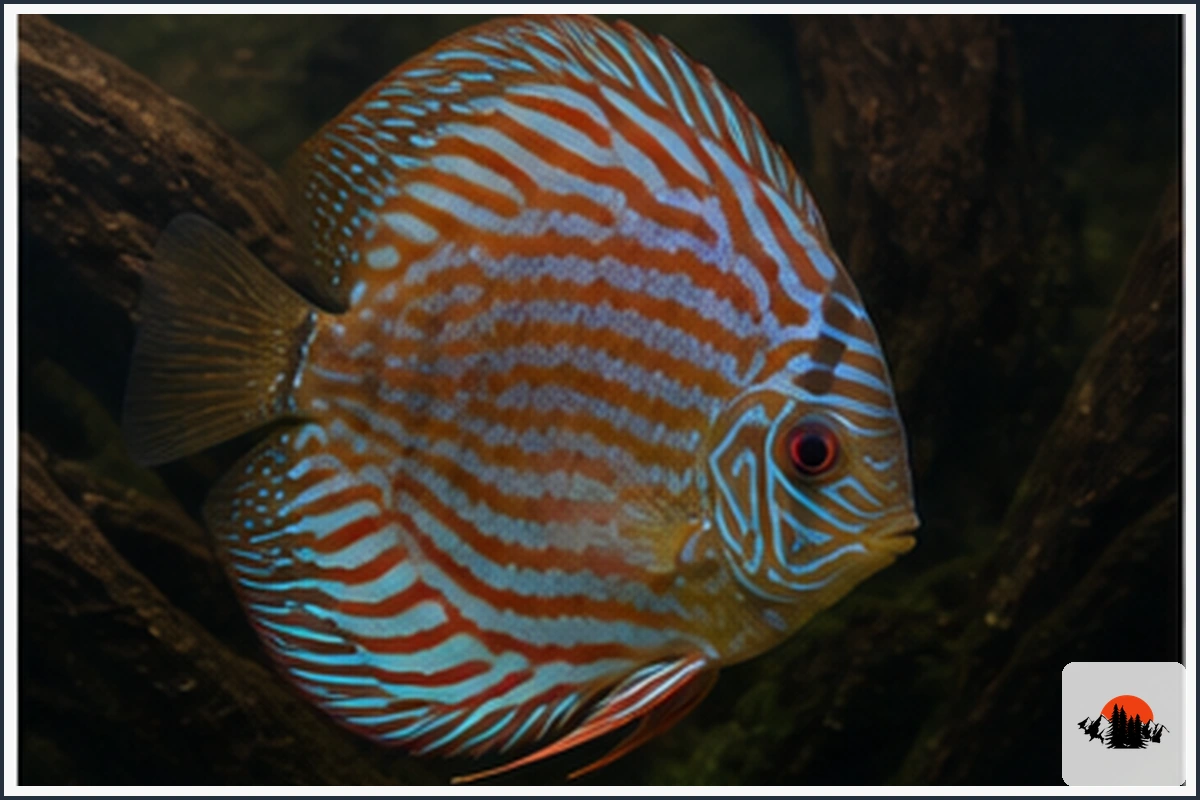
Scientific name: Symphysodon species.
Discus are round, laterally compressed cichlids known for vivid colors, vertical bars, and calm movements. Wild populations occur in different parts of the Amazon Basin, and their patterns vary by species and location.
They prefer warm, slow-moving water with submerged branches, roots, and vegetation. Discus eat small invertebrates, algae, and other tiny food items. Adults famously produce a nutritious skin mucus that their young graze on during early development.
12. Freshwater Angelfish
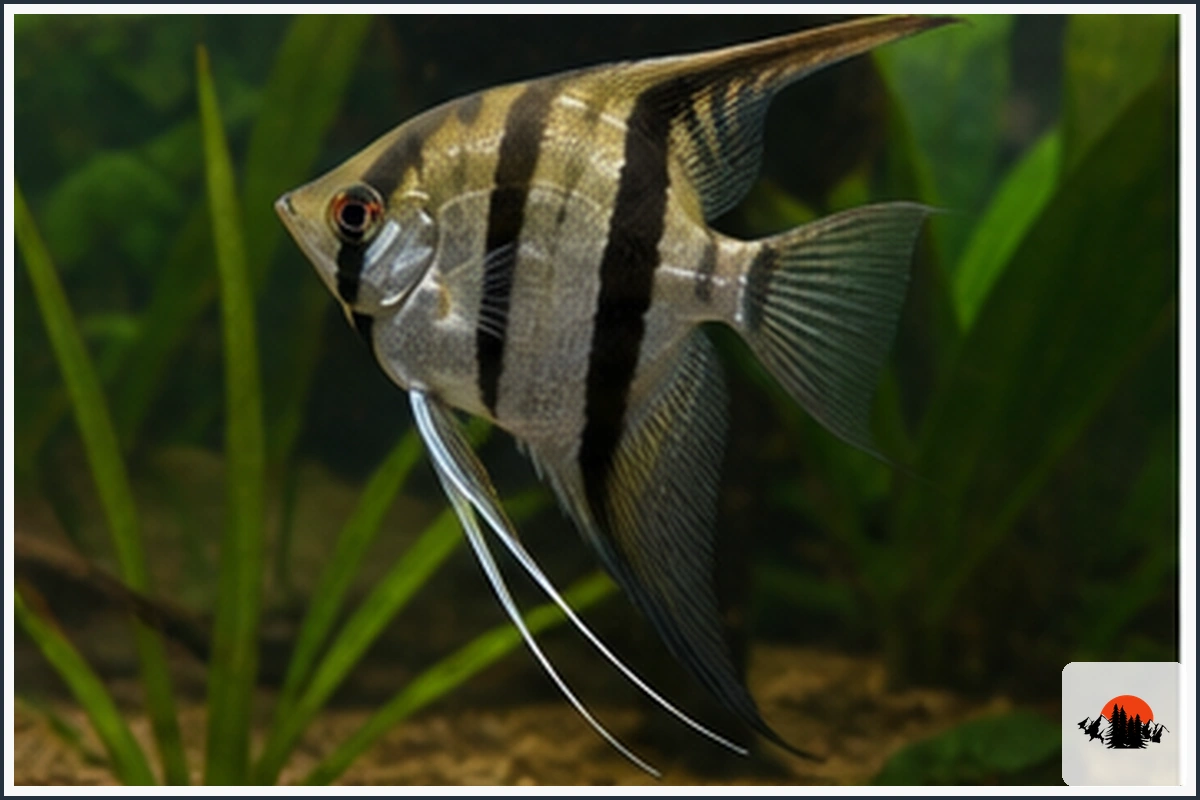
Scientific name: Pterophyllum species.
Freshwater angelfish have tall, laterally compressed bodies, long triangular fins, and vertical markings that help them blend among roots and aquatic plants. They are native to slow rivers, tributaries, and flooded forest habitats.
Angelfish feed on insects, small crustaceans, larvae, and other small organisms. They form pair bonds during breeding and may defend eggs and young. Their graceful appearance has made them common aquarium fish, although captive strains can look different from wild fish.
13. Oscar
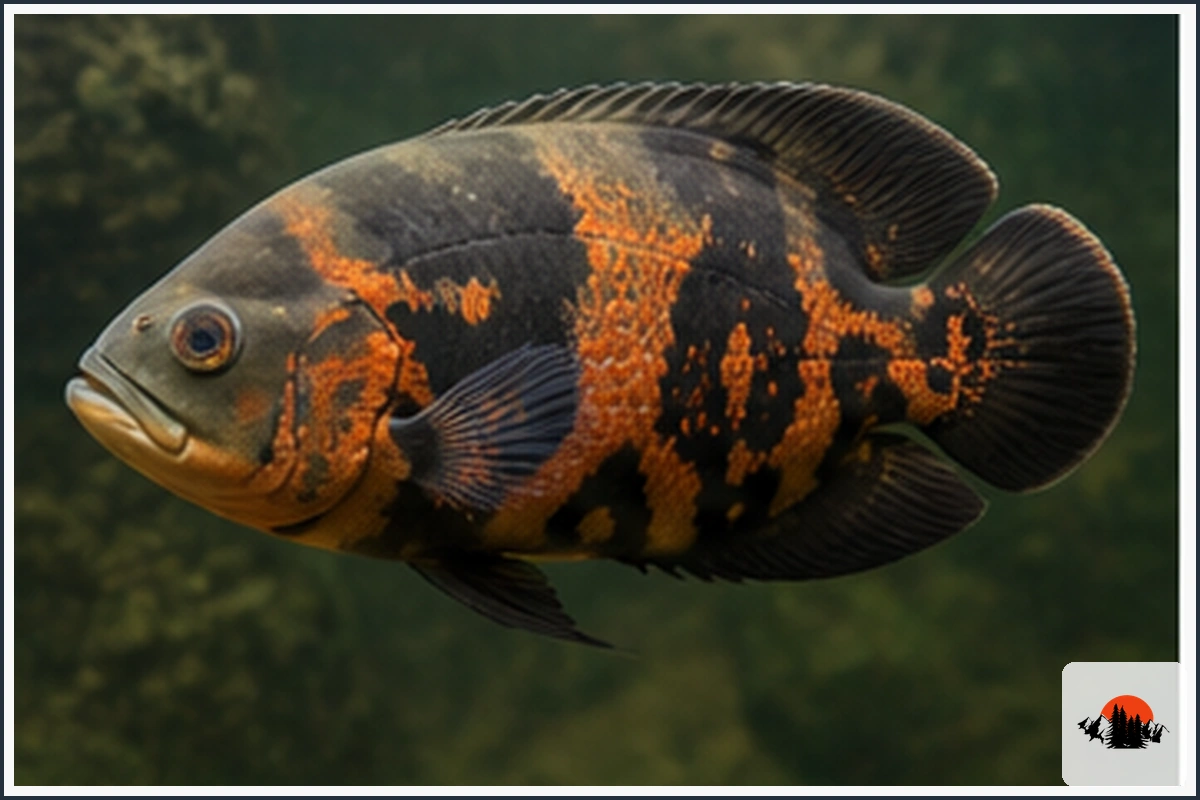
Scientific name: Astronotus ocellatus.
Oscars are robust cichlids with large heads, rounded fins, and variable patterns of dark brown, orange, red, and cream. A distinctive eyespot near the tail may help confuse predators or reduce attacks toward the head.
They live in slow-moving rivers, floodplain lakes, and quiet backwaters. Oscars eat insects, crustaceans, smaller fish, and other animal prey. They are intelligent and interactive aquarium fish, but their size, waste production, and territorial behavior require a large tank.
14. Silver Dollar Fish
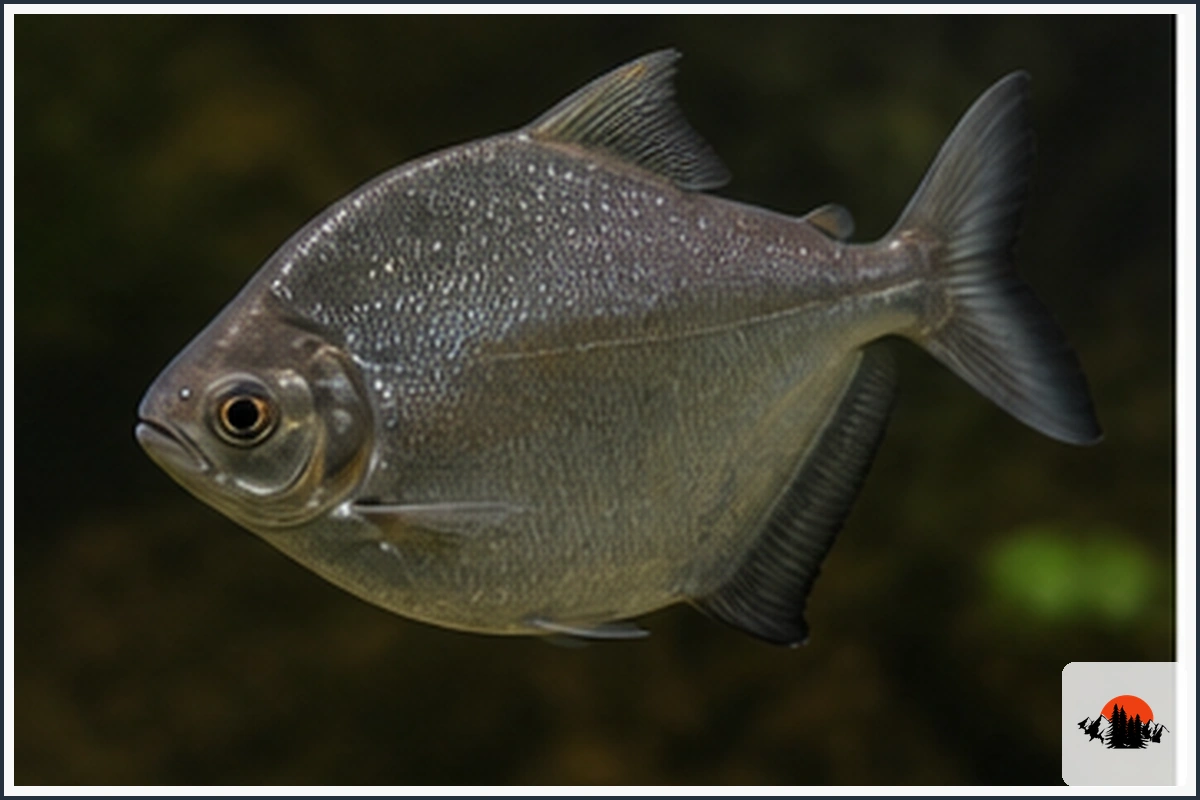
Scientific name: Several species in the genera Metynnis and Myloplus.
Silver dollar fish have round, shiny bodies that resemble coins. Their reflective scales help them blend with flashes of light in open water, while their deep bodies provide maneuverability among vegetation.
Many species eat plant material, fruits, seeds, and occasional small animals. They often travel in groups and prefer warm, oxygen-rich water with room for swimming. Silver dollars are peaceful aquarium fish, but they can grow larger than beginners expect.
15. Hatchetfish
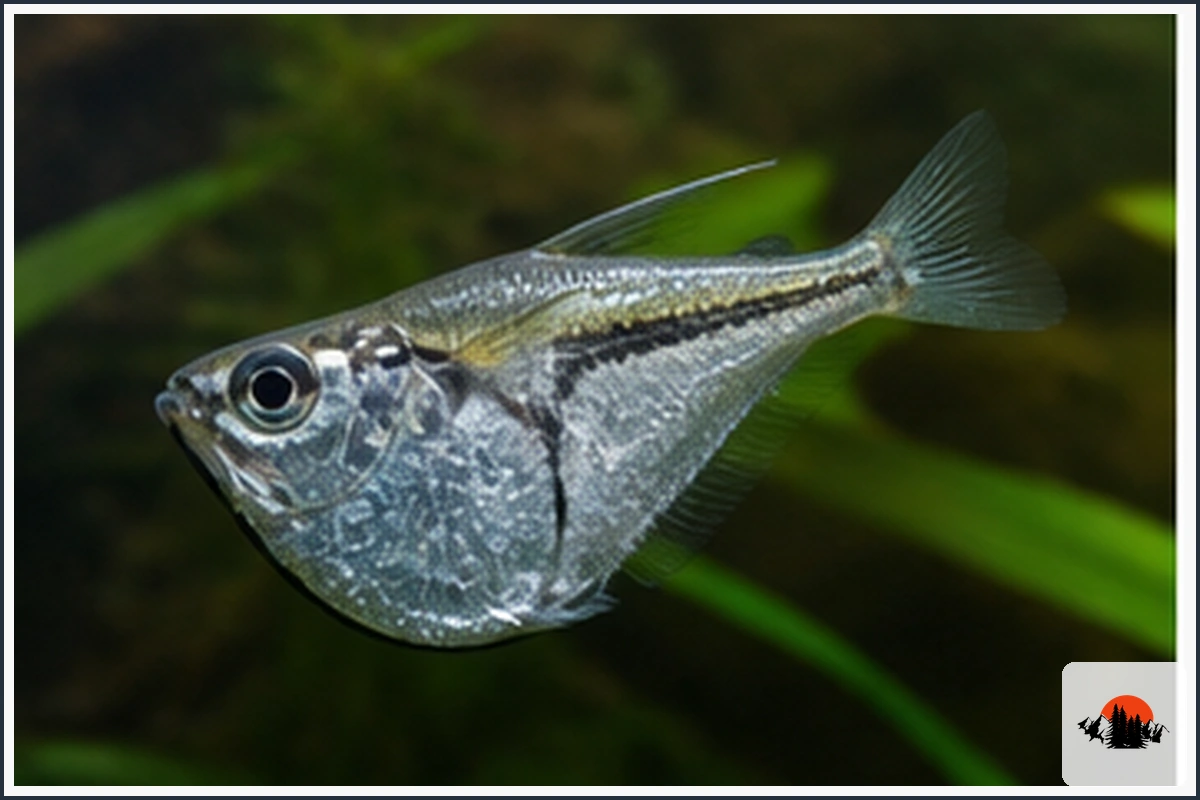
Scientific name: Species in the family Gasteropelecidae.
Hatchetfish are small surface-dwelling fish with deep, hatchet-shaped chests and upward-facing mouths. Their unusual body form helps them feed near the water’s surface.
Some hatchetfish can leap or glide short distances by rapidly beating their enlarged pectoral fins. They eat insects that land on or fall onto the water. In the wild, they are associated with quiet streams, forest margins, and shaded tributaries. Aquarium hatchetfish require secure covers because they are accomplished jumpers.
16. Neon Tetra
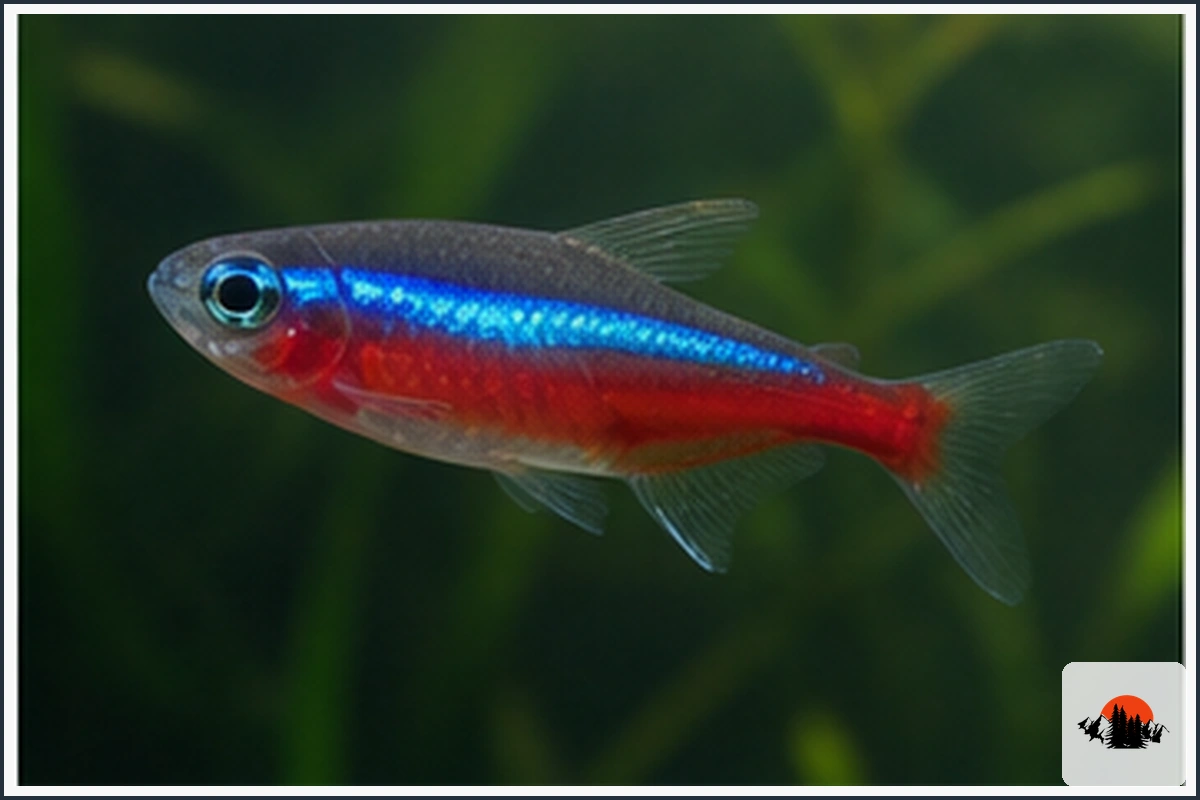
Scientific name: Paracheirodon innesi.
Neon tetras are small schooling fish with a bright blue-green stripe and a red stripe across the rear half of the body. They inhabit clear or tea-colored tributaries and forest streams with subdued light.
These fish feed on tiny insects, larvae, crustaceans, and other small organisms. Their schooling behavior provides safety and makes them visually striking in the water. Although widely bred for aquariums, wild neon tetras are part of the complex food web of Amazonian streams.
17. Candiru
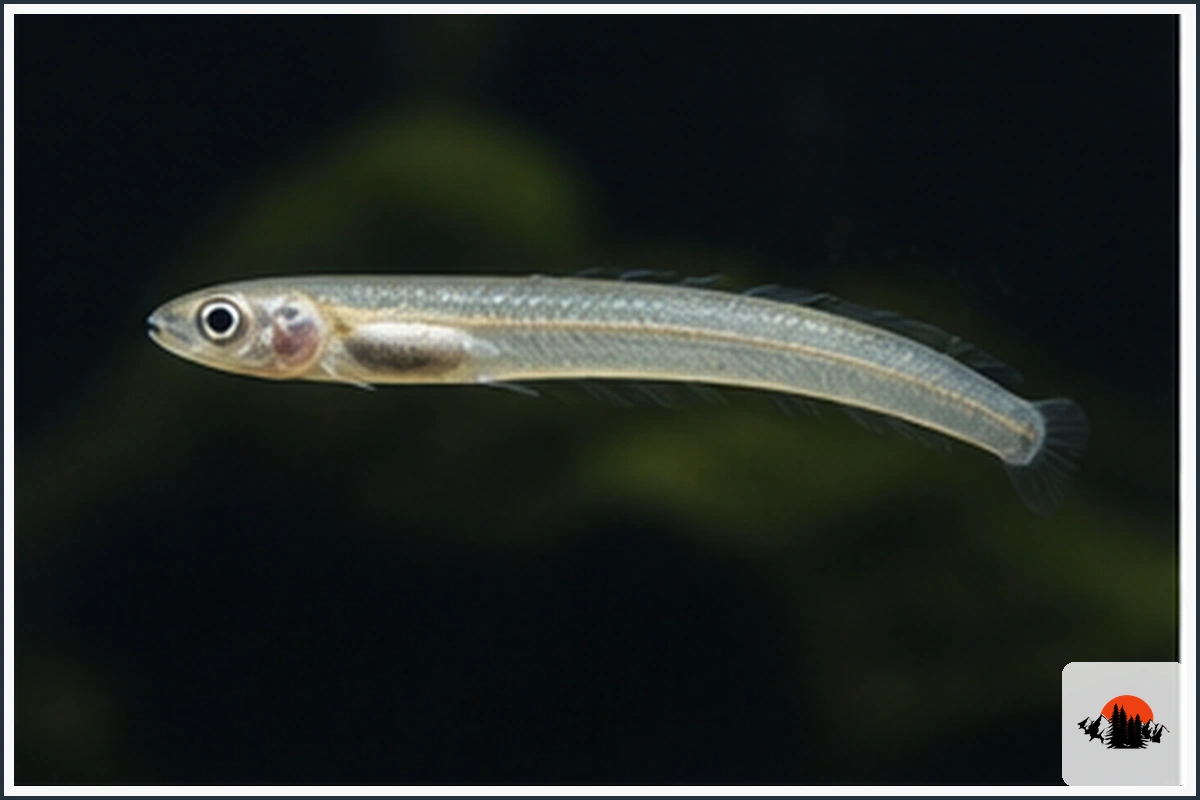
Scientific name: Small parasitic or blood-feeding catfish commonly associated with the genus Vandellia.
Candiru are tiny, slender catfish found in parts of the Amazon Basin. Their bodies are adapted for moving through narrow spaces, and some species feed on blood from larger fish by attaching near the gills.
Stories about candiru entering human bodies are greatly exaggerated and poorly supported as a common danger. Nevertheless, people should avoid swimming in unfamiliar water, follow local advice, and never disturb wild fish. Candiru are ecologically interesting because they show how specialized feeding strategies evolve in river systems.
18. Armored Catfish
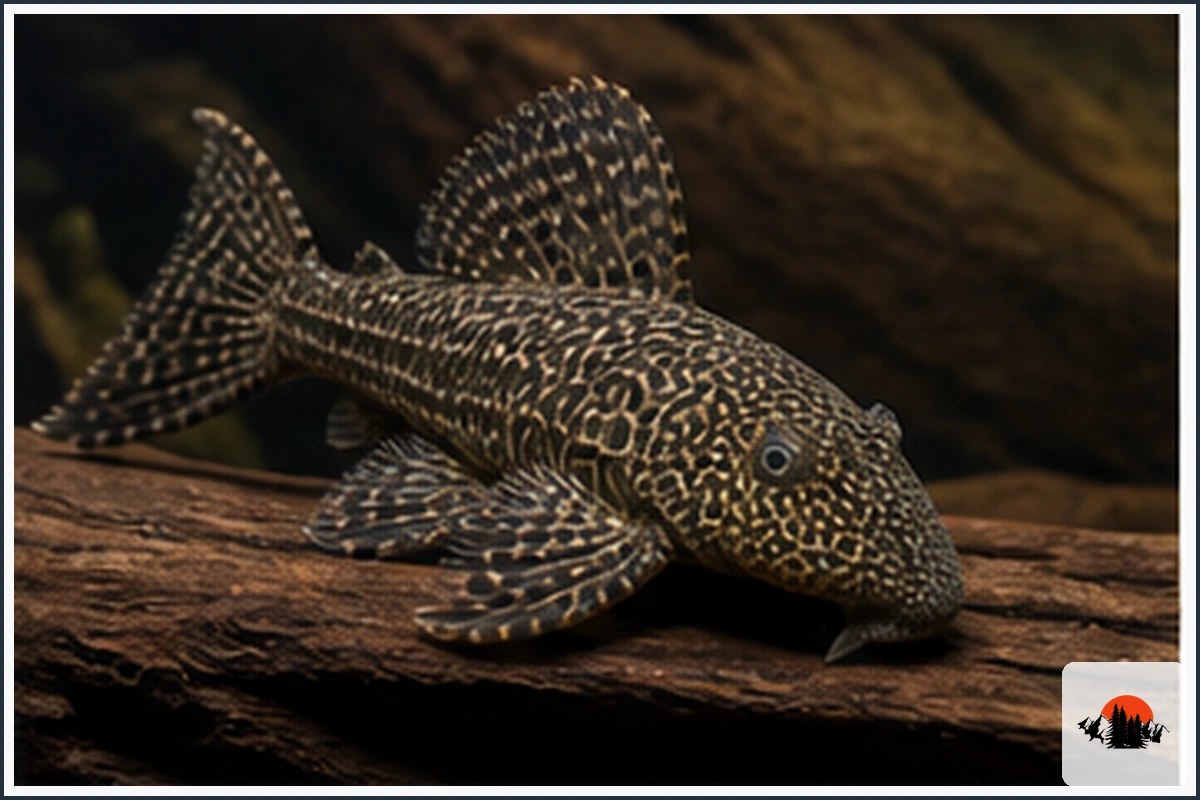
Scientific name: Many species in the family Loricariidae.
Armored catfish, often called plecos or suckermouth catfish, have rows of bony plates, a ventral sucker-like mouth, and specialized fins. Their armor protects them from predators, while the mouth helps them cling to surfaces and scrape food.
They feed on algae, biofilm, plant matter, insects, and detritus, depending on the species. Many live around submerged wood, rocks, and vegetation. Some are popular aquarium fish, but large plecos can outgrow home tanks and become invasive when released into unsuitable waterways.
19. Tiger Shovelnose Catfish
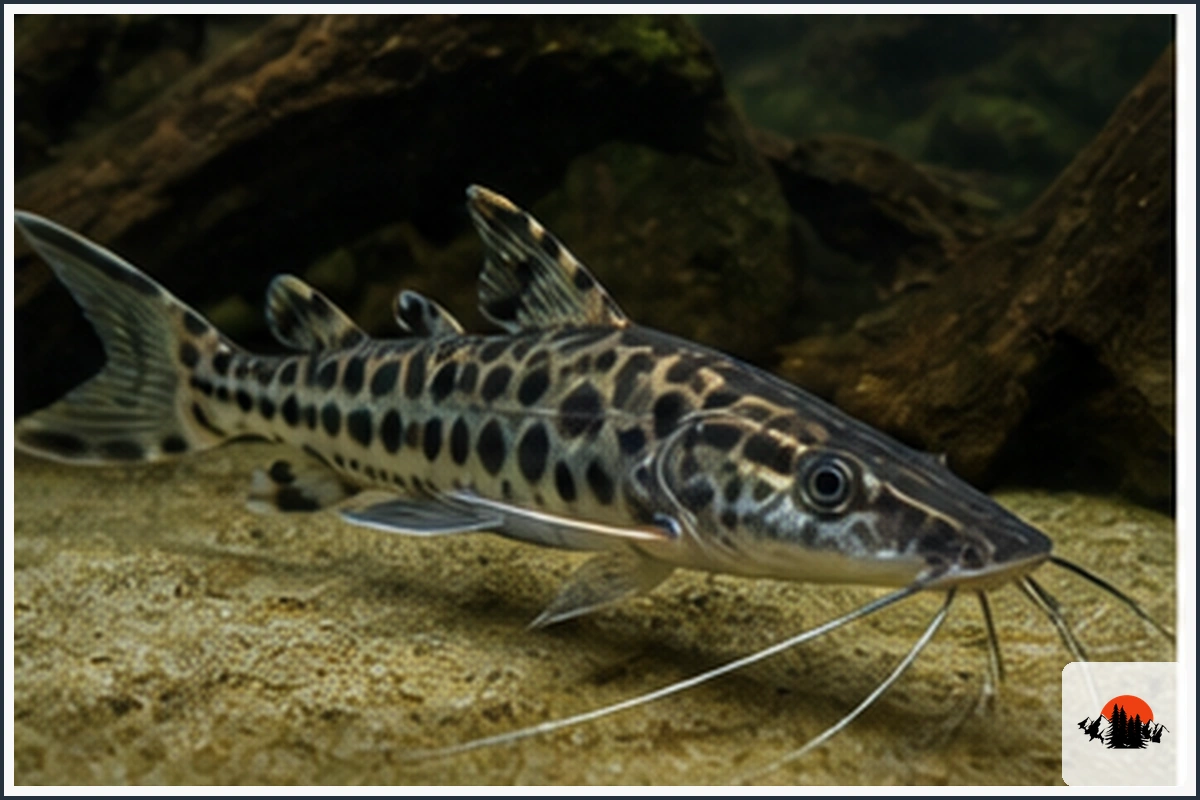
Scientific name: Pseudoplatystoma tigrinum.
The tiger shovelnose catfish has a long body, a flattened shovel-like head, dark vertical bars, and prominent barbels. Its bold pattern helps identify it among the many catfish of the Amazon Basin.
This nocturnal predator hunts fish and other aquatic animals in channels, floodplain lakes, and tributaries. It uses its barbels and sensory systems to locate prey in dark or turbid water. Young specimens are sometimes sold for aquariums, but adults need enormous housing and should never be released.
20. Wolf Fish
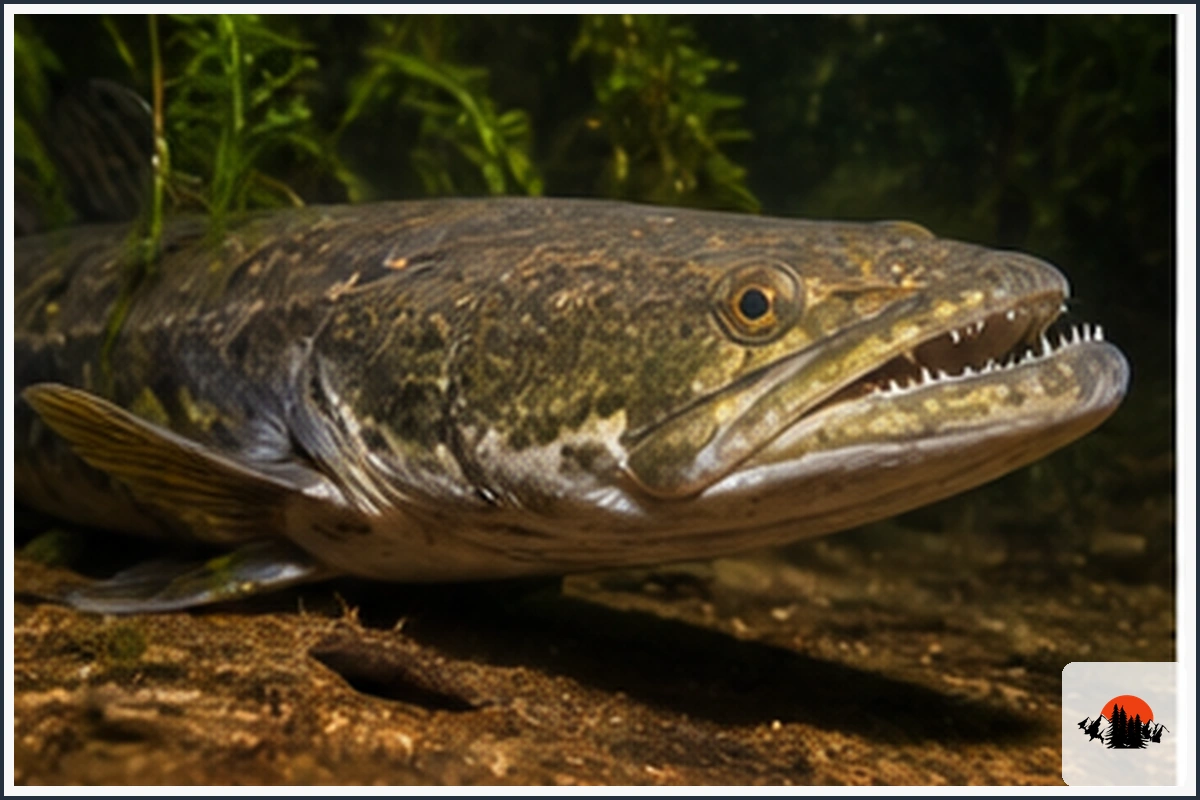
Scientific name: Hoplias malabaricus, commonly known as the traíra.
The wolf fish, or traíra, is a stocky ambush predator with a broad mouth, strong teeth, and mottled brown or olive coloration. Its camouflage helps it remain hidden among vegetation, roots, and leaf litter.
It often waits motionless before lunging at fish, frogs, insects, or other prey. Traíra can tolerate warm, low-oxygen habitats better than many fish and are found in ponds, marshes, streams, and floodplain waters. They are valued locally as food fish and are also targeted by anglers.
How Are These Types of Fish Classified?
Amazon fish can be classified in several practical ways:
- Body structure: Catfish have barbels and often flattened heads, while cichlids usually have deep bodies and strong jaws.
- Feeding zone: Some species feed at the surface, others hunt in open water, and bottom fish search among mud, sand, roots, or submerged wood.
- Diet: Amazon fish may be predators, fruit eaters, seed dispersers, insect feeders, algae grazers, scavengers, or omnivores.
- Breathing adaptations: Arapaima and electric eels can breathe atmospheric air, helping them survive oxygen-poor water.
- Defense: Stingrays use venomous spines, piranhas use teeth, and armored catfish rely partly on bony plates.
Where Do These Fish Live?
Amazon fish occupy a mosaic of habitats rather than one uniform river channel. Major rivers and deep pools support large catfish, arapaima, and schooling fish. Quiet tributaries and shaded forest streams provide habitat for tetras, angelfish, discus, and hatchetfish. Floodplain lakes and seasonally flooded forests become especially important during high water, when fish feed among submerged trees, fruits, seeds, and leaf litter.
The Amazon Basin spans several South American countries, and local fish communities differ according to water chemistry, seasonal flooding, temperature, vegetation, and connection to larger rivers.
What Do Amazon River Fish Eat?
- Large catfish and peacock bass commonly eat fish and crustaceans.
- Piranhas may consume fish, carrion, insects, fruits, and plant material.
- Tambaqui specialize in fruit, seeds, and other seasonal foods.
- Small tetras and hatchetfish feed on insects, larvae, and tiny crustaceans.
- Armored catfish often graze on algae, biofilm, plant matter, and detritus.
- Electric eels eat fish, amphibians, crustaceans, and other small animals.
How to Identify Different Types of Fish in the Amazon River
- Look at body shape: Deep-bodied fish include tambaqui and discus, while piraíba and other large catfish are more streamlined.
- Check the mouth: Upturned mouths suggest surface feeding, while broad jaws and teeth often indicate predation.
- Notice barbels: Whisker-like barbels are characteristic of catfish.
- Study patterns: Tiger shovelnose catfish have bold bars, neon tetras have luminous stripes, and stingrays often show intricate dorsal markings.
- Observe position: Hatchetfish stay near the surface, stingrays rest on the bottom, and many cichlids patrol vegetation or cover.
- Estimate size carefully: Young fish may look very different from adults, especially catfish and arapaima.
- Use location and water type: Clear forest streams, muddy channels, floodplain lakes, and blackwater habitats support different communities.
Fishing and Wildlife Observation Tips
Use local guides when fishing or exploring Amazon waterways. They understand seasonal movements, safe landing techniques, changing water levels, and local regulations. Handle fish as little as possible, wet your hands before touching them, support large fish horizontally, and return them quickly if practicing catch and release.
For observation, use polarized sunglasses when conditions allow, watch shaded edges and submerged cover, and avoid sudden movements near shallow water. Binoculars are useful for surface activity, while underwater viewing should always be done with local safety advice.
Aquarium Care Notes
Several Amazon fish are popular aquarium species, including angelfish, discus, neon tetras, hatchetfish, oscars, and some armored catfish. Their needs differ considerably. Research adult size, temperature, water chemistry, social behavior, diet, and compatibility before purchase.
Large species such as arapaima, redtail catfish, peacock bass, and tiger shovelnose catfish are not appropriate for ordinary home aquariums. Never release aquarium fish, plants, or live food into natural waterways.
Safety, Sustainability, and Conservation Notes
- Follow local fishing seasons, licenses, size limits, and protected-species rules.
- Do not handle electric eels, stingrays, piranhas, or unfamiliar fish.
- Wear suitable footwear and seek local advice before entering rivers or floodplain water.
- Choose legally sourced seafood and support fisheries that protect breeding adults and migration routes.
- Buy aquarium fish from responsible sources and never release unwanted pets.
- Protect wetlands, flooded forests, and riverbank vegetation because fish depend on these habitats.
- Large migratory catfish are especially affected when dams, overfishing, and disrupted river connections limit movement.
Fun Facts About Fish in the Amazon River
- Arapaima can breathe air and must surface regularly.
- Amazonian freshwater stingrays are true fish, even though they look very different from typical bony fish.
- Tambaqui can crush hard seeds with powerful teeth located deep in the mouth.
- Electric eels are knifefish relatives rather than true eels.
- Some catfish migrate enormous distances through connected river systems.
- Hatchetfish can leap from the water to escape predators.
- Discus parents produce skin mucus that young fish consume.
- Many Amazon fish enter flooded forests during seasonal high water.
- Armored catfish have bony plates instead of ordinary soft scales.
- Amazon fish can occupy the surface, middle water, bottom, roots, sand, mud, and submerged forest at different times.
Final Thoughts on Types of Fish in the Amazon River
The types of fish in the Amazon River show how freshwater animals adapt to changing water levels, low oxygen, darkness, seasonal flooding, and intense competition. From enormous arapaima and migratory catfish to tiny tetras and specialized electric eels, each species plays a role in the river ecosystem. Learning to identify them responsibly can make fishing, aquarium keeping, travel, and wildlife observation more rewarding while encouraging better conservation decisions.
Frequently Asked Questions
1. How many fish species live in the Amazon River?
The Amazon Basin contains thousands of freshwater fish species, and scientists continue to describe new species. The exact number changes as research and classification improve.
2. What is the largest fish in the Amazon River?
Arapaima are among the largest fish in the Amazon Basin. Some large catfish, including piraíba, can also reach enormous lengths.
3. Are piranhas common in the Amazon River?
Several piranha species live in the Amazon Basin. They are common in suitable rivers, floodplain lakes, and backwaters, but their abundance varies by habitat and season.
4. Are Amazon River fish dangerous?
Most Amazon fish avoid people. However, electric eels, stingrays, large predators, and fish with sharp teeth require caution. Local safety advice should always be followed.
5. What is the most famous Amazon fish?
Arapaima, piranhas, electric eels, peacock bass, and redtail catfish are among the most famous because of their size, appearance, behavior, or cultural importance.
6. What do arapaima eat?
Arapaima eat fish, crustaceans, and other aquatic animals. They may also take prey near the surface when they rise to breathe.
7. Can arapaima breathe air?
Yes. Arapaima use a specialized, highly vascularized swim bladder to breathe atmospheric air, especially in warm water with low dissolved oxygen.
8. How large can Amazon catfish become?
Some Amazon catfish can exceed 2 meters. Piraíba and other large species are among the most impressive freshwater catfish in the world.
9. What is the best Amazon fish for sport fishing?
Peacock bass are among the most popular sport fish because they strike aggressively and fight strongly. Local laws and responsible release practices are important.
10. Are peacock bass native to the entire Amazon Basin?
No. Different peacock bass species have particular native ranges within South America, and not every part of the Amazon supports the same species.
11. What is the smallest fish in the Amazon River?
The Amazon Basin contains many tiny fish, including small tetras and miniature species. The smallest depends on whether the comparison includes tributaries, seasonal pools, and newly described species.
12. Are neon tetras found in the Amazon River?
Neon tetras are native to parts of the upper Amazon region, especially small forest tributaries and streams with soft, often tea-colored water.
13. Do Amazon fish live in flooded forests?
Yes. Seasonal flooding allows many species to enter forest areas to feed on fruits, seeds, insects, and smaller animals.
14. What fish eat fruit in the Amazon?
Tambaqui are especially well known for eating fallen fruit and seeds. Other fish may also consume plant material when seasonal foods are available.
15. Are discus fish native to the Amazon?
Yes. Wild discus occur in parts of the Amazon Basin, where they live in warm, slow-moving waters with submerged structure and vegetation.
16. Are angelfish from the Amazon River?
Freshwater angelfish are native to South American river systems, including parts of the Amazon Basin and nearby drainage regions.
17. Can Amazon fish live in home aquariums?
Some small species can thrive in suitable aquariums, but large fish such as arapaima, oscars, and redtail catfish require far more space than most homes can provide.
18. Why should aquarium fish never be released?
Released fish may become invasive, spread disease, compete with native species, or fail to survive. Rehome unwanted fish through a responsible aquarium group instead.
19. What is the candiru fish?
Candiru are small catfish, including species associated with the genus Vandellia. Some are specialized parasites or blood feeders of larger fish.
20. Do candiru attack people?
Popular stories greatly overstate the likelihood of candiru entering humans. Nevertheless, swimmers should follow local guidance and avoid disturbing unknown wildlife.
21. Are freshwater stingrays poisonous?
Amazonian freshwater stingrays have venomous tail spines. They are usually defensive rather than aggressive, but stepping on one can cause a serious injury.
22. How can people avoid stingray injuries?
Ask local guides about safe entry points, avoid stepping blindly in shallow sandy water, and shuffle feet carefully when wading where stingrays may occur.
23. What do armored catfish eat?
Many armored catfish graze on algae, biofilm, plant material, and detritus. Their diets differ by species, so the name “pleco” does not describe one single feeding pattern.
24. Are redtail catfish good pets?
They are attractive but become very large, produce substantial waste, and may eat tank mates. They are unsuitable for most ordinary home aquariums.
25. What is the most colorful Amazon fish?
Colorful examples include discus, angelfish, neon tetras, peacock bass, and some cichlids. Color varies with species, age, mood, water conditions, and breeding form.
26. What fish live near the bottom of the Amazon?
Freshwater stingrays, armored catfish, redtail catfish, tiger shovelnose catfish, and many other species spend much of their time near the bottom.
27. What fish live near the surface?
Hatchetfish and arowanas are notable surface-oriented fish. They feed on insects and other prey near the waterline or overhanging vegetation.
28. Do Amazon fish migrate?
Many species migrate seasonally or across long river distances. Large catfish are particularly known for extensive movements connected to spawning and feeding.
29. Why is the Amazon River important for fish?
Its enormous network of channels, tributaries, floodplain lakes, wetlands, and flooded forests creates many habitats and seasonal feeding opportunities.
30. What threatens Amazon River fish?
Major threats include overfishing, habitat loss, pollution, mining impacts, dams, altered flood cycles, invasive species, and climate-related changes in water conditions.
31. How should anglers handle Amazon fish?
Use appropriate tackle, wet hands before handling, support large fish horizontally, avoid touching gills, and return released fish quickly and gently.
32. Is Amazon fish safe to eat?
Some Amazon fish are traditional food species, but safety depends on local water quality, species, preparation, and regional health guidance. Follow local advisories.
33. What is the difference between piranhas and pacu?
Piranhas generally have sharper cutting teeth and a more predatory reputation, while pacu and tambaqui often have broader crushing teeth suited to seeds and fruit. Both groups include omnivorous species.
34. Can electric eels really shock people?
Yes. Strong discharges can be dangerous, especially in water or when a person is close to the animal. They should never be approached or handled.
35. Are all Amazon fish freshwater fish?
The Amazon Basin is primarily a freshwater system, although some connected coastal and estuarine areas may contain fish that tolerate changing salinity.
36. What is the best way to learn Amazon fish identification?
Use a regional field guide, study body shape and markings, note the habitat and location, and learn from experienced local guides or reputable scientific resources.