

Iguanas are among the most fascinating reptiles in the world, captivating both wildlife enthusiasts and casual observers alike. These creatures, known for their unique physical traits, territorial behaviors, and adaptability, are found in diverse habitats ranging from lush tropical forests to arid desert landscapes. In this comprehensive guide, we explore the most remarkable types of iguanas, highlighting their appearance, natural habitats, diet, behavior, and conservation status. Whether you are an aspiring herpetologist or an aquarium hobbyist, this article will provide detailed insights into 40 distinct iguana species, helping you appreciate their diversity and ecological importance.
Understanding iguana species is essential for both conservation efforts and responsible pet ownership. From the iconic green iguana to the critically endangered rhinoceros iguana, each species has unique characteristics that make it special. This guide is organized into sections, with each section reviewing five species in detail. By the end, you’ll gain a deep appreciation for these remarkable reptiles and learn how to identify them in the wild or captivity.
1. Green Iguana (Iguana iguana)
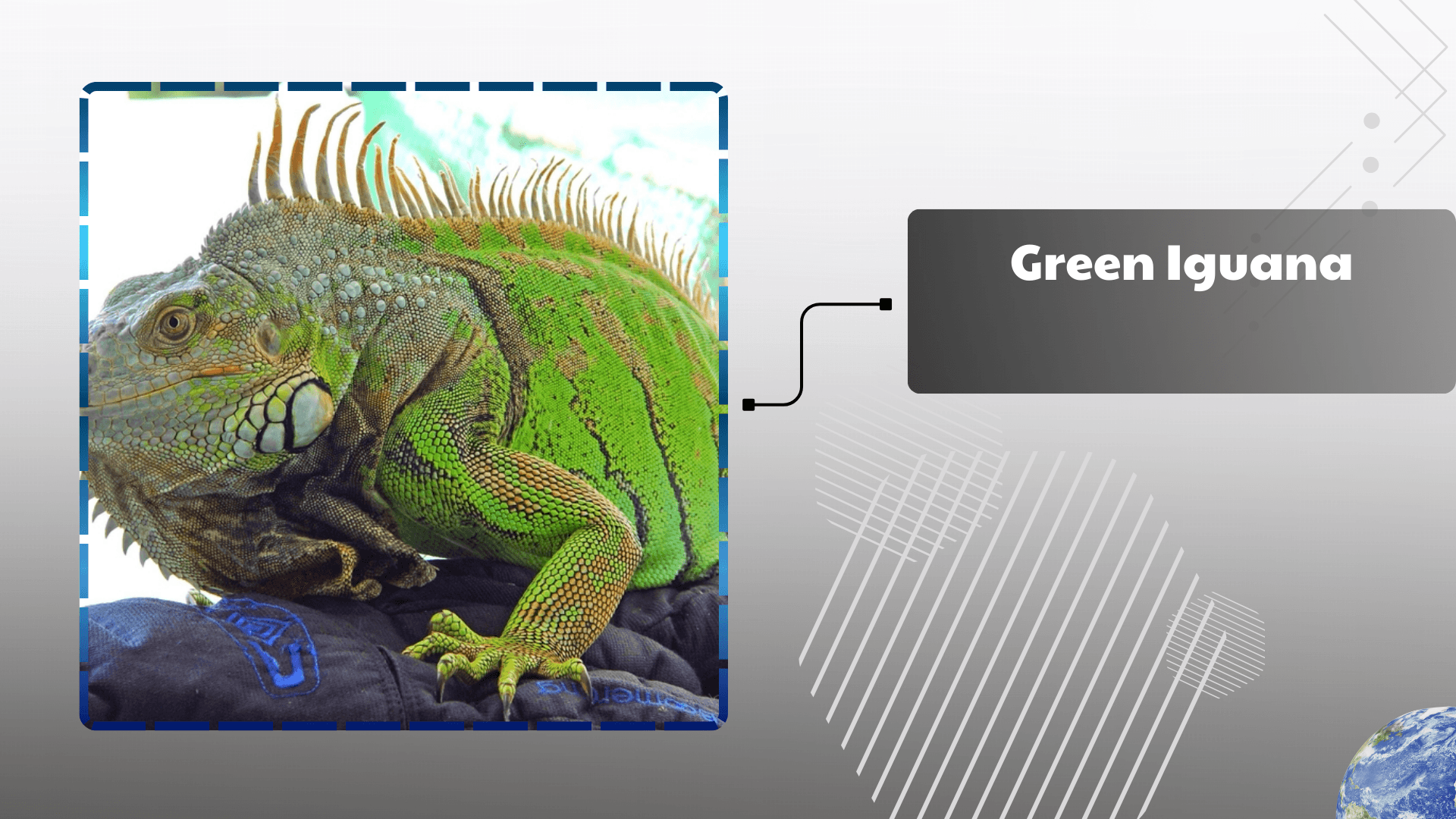
The Green Iguana is perhaps the most recognizable of all iguanas, boasting a vivid green coloration that can vary with age, health, and environmental factors. Native to Central and South America, green iguanas thrive in tropical rainforests, often found perched high in trees near rivers or streams.
Green iguanas are herbivorous, feeding primarily on leaves, flowers, and fruits. Their long, whip-like tails and powerful limbs allow them to navigate treetops with ease, while their sharp claws help them grip branches securely. Adult males develop pronounced dewlap flaps under their necks, which they use in territorial displays and during courtship rituals.
Behaviorally, green iguanas are diurnal and highly social, often seen basking in groups under the sun. They communicate through body language, including head bobbing, tail whipping, and dewlap extension. Predation pressure from birds, mammals, and humans has led to local declines in some populations, highlighting the importance of conservation awareness.
Green iguanas are popular in the pet trade due to their striking appearance, but they require specific care. Maintaining proper temperature gradients, humidity, and a nutrient-rich diet is critical for their health in captivity. Despite being common, responsible ownership and habitat protection remain essential to ensure their long-term survival in the wild.
2. Lesser Antillean Iguana (Iguana delicatissima)
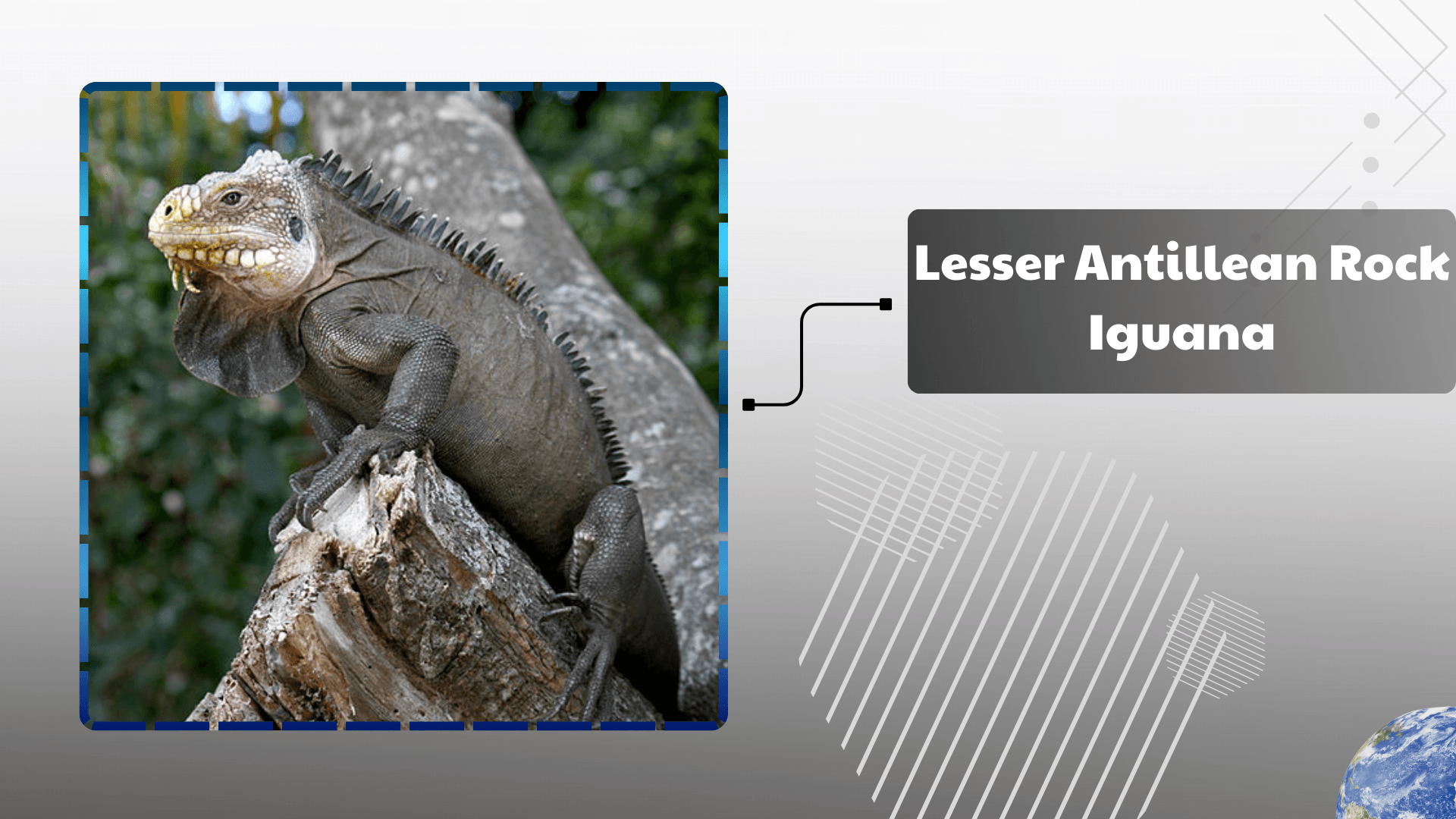
The Lesser Antillean Iguana is a strikingly beautiful species endemic to the Caribbean islands, specifically the Lesser Antilles. Unlike its green cousin, this species exhibits a muted greenish-grey body with subtle patterns that provide excellent camouflage against rocky terrain and foliage.
These iguanas are herbivorous and feed on leaves, flowers, and occasional fruits. They are arboreal but also spend time on the ground for basking and foraging. Social hierarchies are present within populations, with males often establishing territories that they defend vigorously.
One of the most interesting aspects of the Lesser Antillean Iguana is its conservation status. Habitat destruction, invasive species, and hybridization with introduced green iguanas have significantly threatened their populations. Conservation programs are ongoing, with efforts to protect natural habitats and control invasive species.
Despite these challenges, Lesser Antillean Iguanas display resilience and adaptability. Observers note their curious behavior, including the use of high vantage points to survey their surroundings and engage in head-bobbing communication. Their survival depends heavily on continued conservation action and awareness campaigns to protect these iconic Caribbean reptiles.
3. Blue Iguana (Cyclura lewisi)
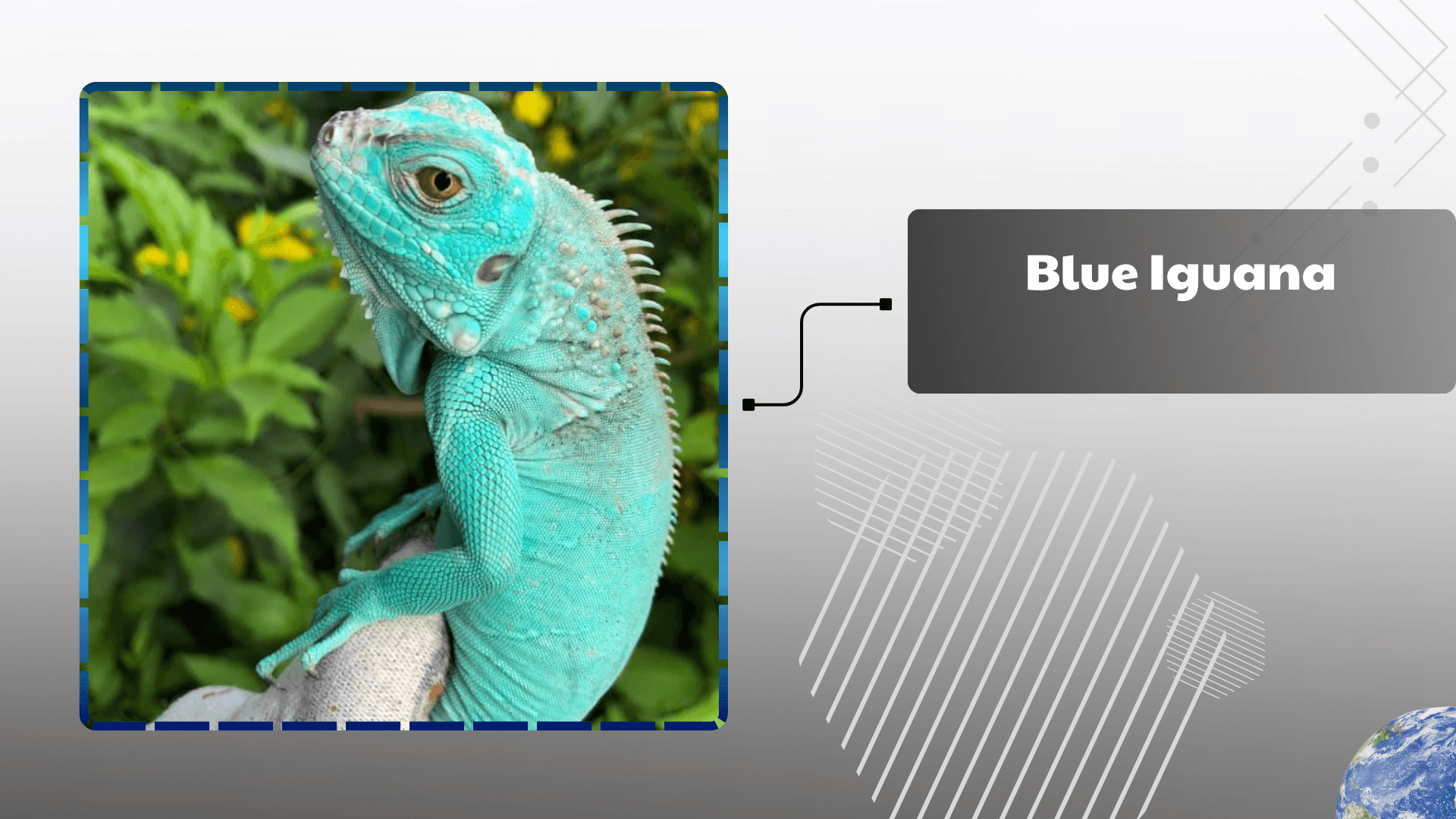
The Blue Iguana is a rare and magnificent species native to the rocky terrains of Grand Cayman Island. True to its name, it exhibits a striking blue coloration, which intensifies with age and sexual maturity, especially in males.
Blue iguanas are terrestrial and semi-arboreal, preferring dry, rocky forests and shrublands. Their diet primarily consists of leaves, flowers, and fruits, but they occasionally consume insects and small invertebrates. These iguanas play a vital ecological role as seed dispersers, helping maintain the health of their native ecosystems.
Blue iguanas are critically endangered, with wild populations once numbering fewer than 50 individuals. Conservation programs, including captive breeding and habitat restoration, have successfully increased numbers, showcasing a model example of species recovery. In captivity, they require ample space, UVB lighting, and specialized diets to thrive.
Behaviorally, Blue Iguanas are territorial and exhibit complex social interactions. Males perform head-bobbing displays and use their spiny crests and tail for defense. Observing them in the wild is a rare privilege, offering insight into one of the Caribbean’s most remarkable reptiles.
4. Rhinoceros Iguana (Cyclura cornuta)

The Rhinoceros Iguana, named for the horn-like scales on its snout, is native to the rocky forests and scrublands of Hispaniola (Haiti and the Dominican Republic). Its coloration ranges from grey to brown, allowing it to blend seamlessly with its arid habitat.
Rhinoceros iguanas are primarily herbivorous, consuming a variety of leaves, fruits, and flowers. They are also opportunistic feeders, occasionally eating insects or carrion. This species is terrestrial, often seen basking on rocks and using burrows for shelter from predators and harsh weather conditions.
One of the most fascinating features of Rhinoceros Iguanas is their social behavior. Males establish and defend territories, often engaging in displays of dominance such as head bobbing, push-ups, and tail whipping. Females lay eggs in burrows, which hatch after about three months, with hatchlings being independent from birth.
Conservation concerns include habitat destruction, hunting, and invasive predators. Multiple conservation programs and protected areas are in place to safeguard their populations, which remain vulnerable but stable in certain regions. Rhinoceros Iguanas are a striking example of adaptation and survival in harsh, rocky environments.
5. Cuban Rock Iguana (Cyclura nubila)
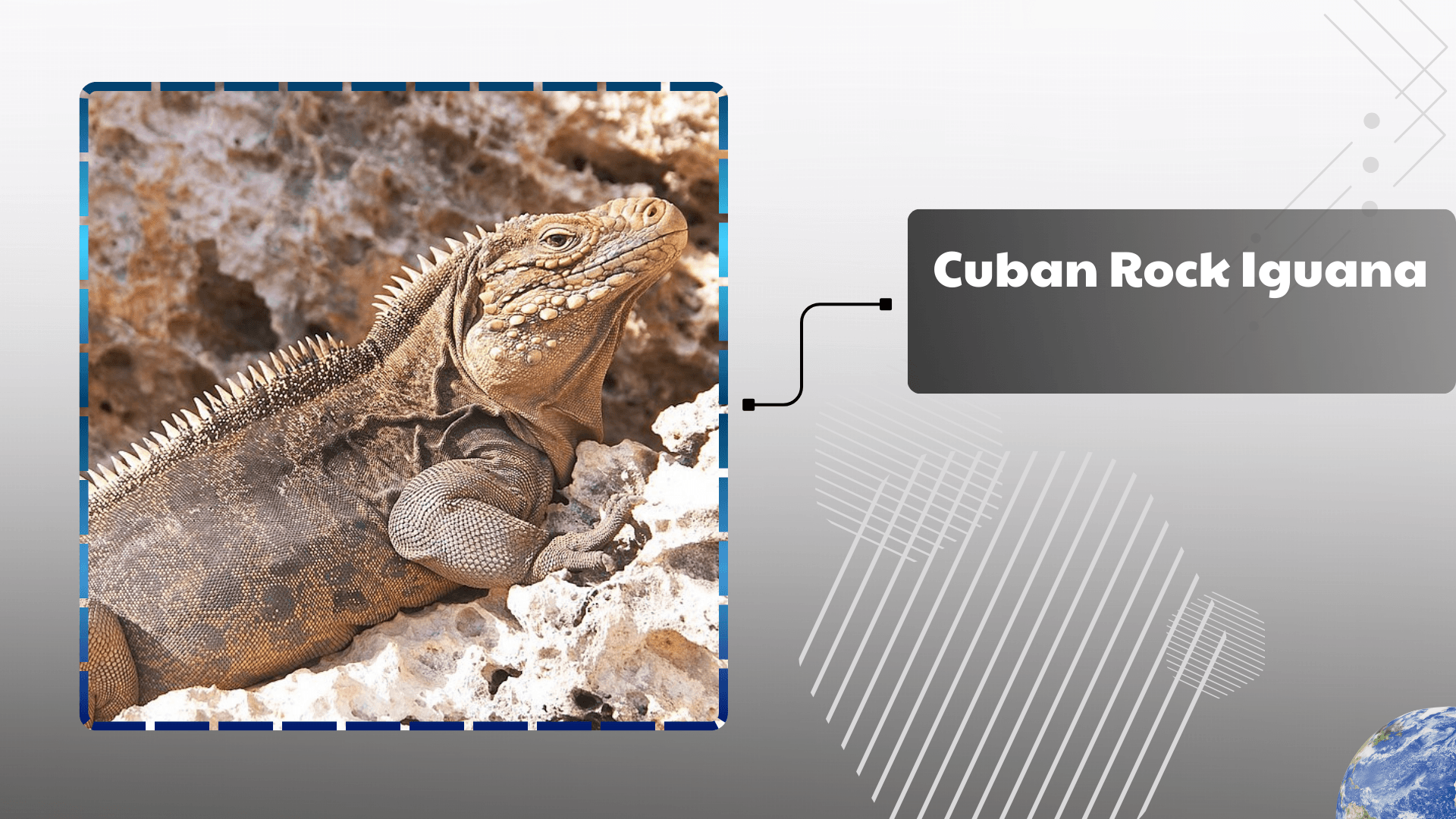
The Cuban Rock Iguana is a robust species native to Cuba and nearby islands, thriving in dry forests, rocky hills, and coastal areas. Its coloration typically includes dark brown or grey tones with lighter markings that provide excellent camouflage in rocky habitats.
These iguanas are primarily herbivorous, feeding on leaves, flowers, and fruits. They are semi-arboreal, climbing trees and rocks, but spend significant time on the ground for foraging and thermoregulation. Their behavior includes basking in the sun and using body movements for communication within social groups.
Cuban Rock Iguanas are an integral part of their ecosystems, contributing to seed dispersal and vegetation dynamics. They face threats from habitat destruction, invasive species, and human interference, though several protected areas have been established to support population stability.
In captivity, Cuban Rock Iguanas require spacious enclosures, UVB lighting, and a diet rich in leafy greens. Observing them in the wild provides valuable insight into their territorial behavior, mating rituals, and adaptive strategies for survival in a challenging environment.
6. Grand Cayman Rock Iguana (Cyclura caymanensis)

The Grand Cayman Rock Iguana is one of the most remarkable reptiles in the Caribbean, native exclusively to Grand Cayman Island. This species is recognized for its stocky body, powerful limbs, and a tail equipped for defense. Its coloration varies from brown to grey, often with subtle orange or yellow markings that provide camouflage among rocks and dry foliage.
Grand Cayman Rock Iguanas are primarily herbivorous, consuming a diverse diet of leaves, flowers, fruits, and occasionally insects or small invertebrates. This varied diet contributes to seed dispersal, playing an essential ecological role in their island habitats. They are also semi-terrestrial, using rocky crevices for shelter and warmth, and sometimes climbing low trees to forage for food.
Behaviorally, these iguanas are territorial, with males defending their spaces vigorously through displays such as head bobbing, push-ups, and tail whipping. Breeding typically occurs during the wet season, with females laying clutches of eggs in carefully dug burrows. Hatchlings are independent at birth, relying on camouflage and speed to evade predators.
Conservation of the Grand Cayman Rock Iguana is critical, as invasive species, habitat degradation, and human activity threaten its survival. Captive breeding programs and habitat restoration initiatives have been instrumental in increasing population numbers. Observing these iguanas in the wild offers a rare glimpse into the life of a species that has adapted perfectly to its island environment.
7. Jamaican Iguana (Cyclura collei)

The Jamaican Iguana is an extraordinary species native to the island of Jamaica, known for its distinctive dark brown to blackish coloration and robust physique. Once thought to be extinct, rediscovery efforts revealed small surviving populations, making conservation efforts a top priority.
These iguanas are strictly herbivorous, feeding on a wide variety of leaves, flowers, and fruits. Their dietary habits make them vital contributors to forest ecology, particularly through seed dispersal. Jamaican Iguanas are semi-terrestrial but also climb low trees and shrubs, especially during foraging or to escape predators.
Male Jamaican Iguanas are highly territorial, often displaying their dominance through head bobbing, body posturing, and tail slaps. Reproduction involves females laying eggs in underground burrows, which hatch independently. Juveniles face high predation risks from birds and introduced mammals, which has historically threatened population recovery.
Conservation programs, including captive breeding and habitat protection, have led to population stabilization. The Jamaican Iguana remains a symbol of successful conservation intervention, highlighting the importance of protecting endemic species from extinction. Observing these iguanas in their natural forested habitats reveals their resilience and adaptability in a changing environment.
8. Anegada Rock Iguana (Cyclura pinguis)

The Anegada Rock Iguana is a critically endangered species found only on the small Caribbean island of Anegada. Recognized for its large, robust body and muted brown-grey coloration, this iguana is one of the heaviest species in the Cyclura genus.
Anegada Rock Iguanas are herbivorous, consuming leaves, flowers, and fruits, with occasional small insects or invertebrates. They are primarily terrestrial, often sheltering under rocks or in burrows to avoid the harsh sun and predators. Their foraging behavior plays a key role in maintaining the ecological balance of the island’s vegetation.
Territorial behavior is pronounced, with males using displays like head bobbing and tail whipping to assert dominance. Breeding occurs seasonally, and females lay clutches in protected underground nests. Hatchlings rely on camouflage to survive the first weeks of life, as predation from birds and feral animals is high.
Conservation efforts have been vital, given that habitat loss and invasive species have severely reduced wild populations. Programs focusing on predator control, habitat protection, and public education aim to ensure the long-term survival of this rare iguana. Studying the Anegada Rock Iguana provides valuable insight into island species adaptation and the challenges of preserving endemic reptiles.
9. Mona Island Iguana (Cyclura stejnegeri)

The Mona Island Iguana is an endemic species to Mona Island, located between Puerto Rico and the Dominican Republic. Known for its sturdy body and grayish-brown coloration, this iguana thrives in dry, rocky environments where vegetation is sparse.
These iguanas are primarily herbivorous, consuming leaves, flowers, fruits, and occasionally cacti. Mona Island Iguanas play a critical role in their ecosystem, dispersing seeds and contributing to the maintenance of plant diversity. They are terrestrial but also exhibit climbing behavior to reach food or bask on elevated rocks.
Behaviorally, male Mona Island Iguanas defend territories using head bobbing, push-ups, and occasional physical confrontations. Females lay eggs in shallow burrows, and hatchlings must quickly adapt to avoid predation by birds and introduced species. Social interactions are complex, with dominance hierarchies influencing access to food and mates.
Conservation of this species is essential, as habitat degradation and invasive predators pose significant threats. Ongoing conservation initiatives include habitat protection, predator control, and monitoring population health. Observing the Mona Island Iguana in the wild showcases the adaptability and survival strategies of island-dwelling iguanas.
10. Turks and Caicos Rock Iguana (Cyclura carinata)

The Turks and Caicos Rock Iguana is a fascinating species native to the Turks and Caicos Islands. This iguana exhibits a robust body, spiny dorsal crest, and coloration ranging from gray to brown, often with subtle hints of orange or yellow. Its thick tail is used for balance and as a defensive weapon against predators.
These iguanas are primarily herbivorous, feeding on leaves, flowers, fruits, and occasionally invertebrates. They are terrestrial and occupy rocky outcrops, scrublands, and coastal areas, where they dig burrows for shelter and nesting. Their diet and burrowing behavior make them crucial contributors to island ecosystems, particularly in maintaining plant diversity and soil aeration.
Turks and Caicos Rock Iguanas are territorial, with males performing head-bobbing, push-ups, and tail thrashes to assert dominance. Breeding involves females laying eggs in protected burrows, which hatch after several weeks. Hatchlings are independent immediately and must navigate predation and environmental challenges to survive.
Conservation efforts are ongoing due to threats from habitat loss, invasive species, and human activity. Initiatives include habitat restoration, captive breeding programs, and public education campaigns. Studying the Turks and Caicos Rock Iguana provides valuable insight into how species adapt to isolated island environments and the importance of proactive conservation strategies.
11. Bahamian Rock Iguana (Cyclura rileyi)

The Bahamian Rock Iguana is a striking reptile endemic to several small islands in the Bahamas. Known for its robust body, spiny dorsal crest, and varied color patterns—ranging from dark brown to gray with orange highlights—this iguana is highly adapted to dry, rocky environments.
Bahamian Rock Iguanas are primarily herbivorous, feeding on leaves, flowers, fruits, and occasionally insects. They are excellent climbers and dig burrows for shelter and thermoregulation. Their feeding habits contribute significantly to seed dispersal and maintaining island vegetation diversity.
Territorial behavior is pronounced in males, who display dominance through head bobbing, push-ups, and tail whipping. Breeding occurs seasonally, with females laying eggs in deep burrows. Hatchlings face predation pressure from birds and feral mammals but utilize their camouflage and agility for survival.
Conservation is critical for this species due to habitat destruction and invasive predators. Protected areas, captive breeding, and public education initiatives are helping stabilize populations. Observing Bahamian Rock Iguanas provides insight into island ecosystem dynamics and the adaptability of iguanas to harsh environments.
12. San Salvador Rock Iguana (Cyclura rileyi cristata)
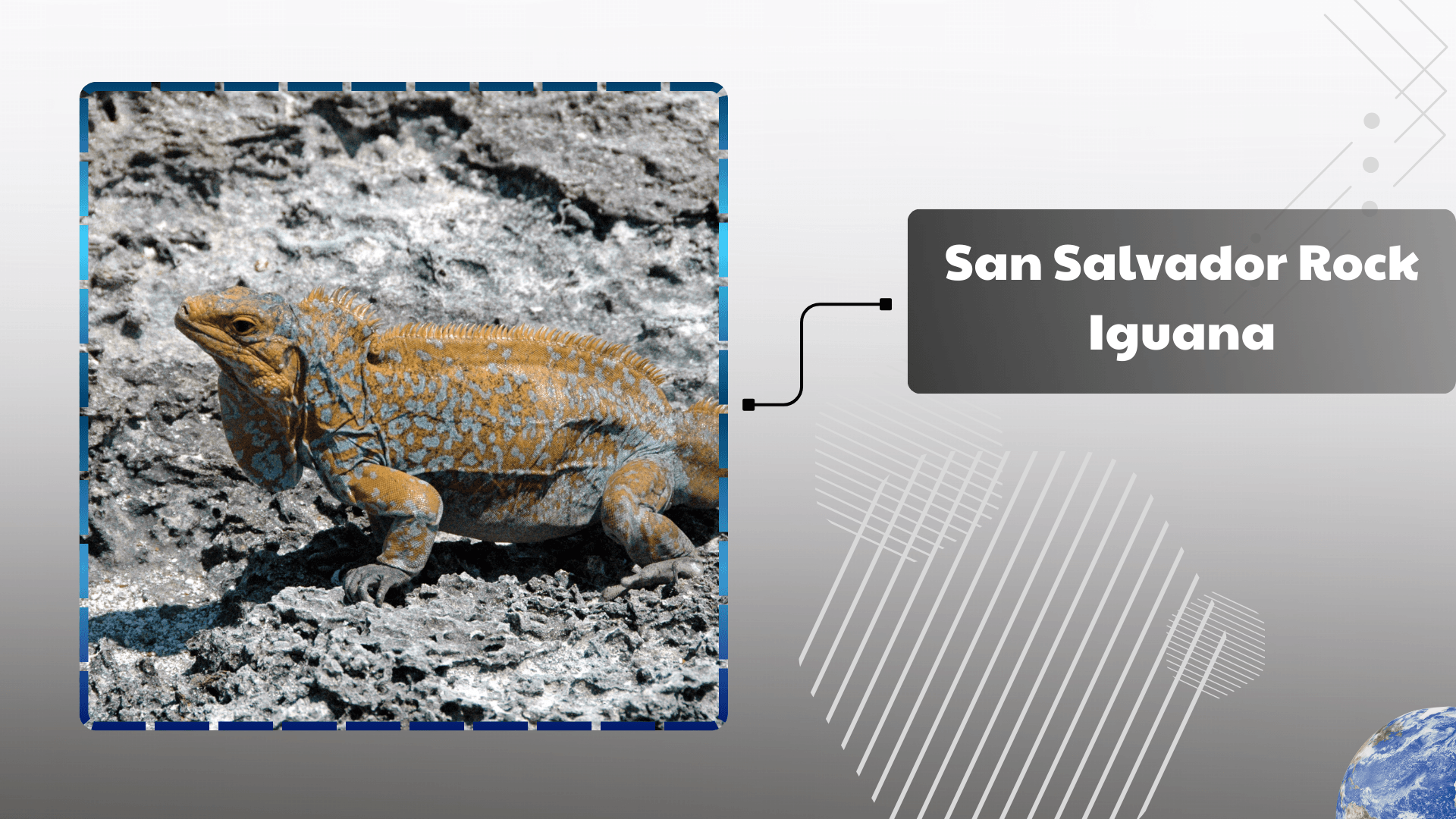
The San Salvador Rock Iguana is a unique subspecies found exclusively on San Salvador Island in the Bahamas. Its body color ranges from gray to dark brown, often with bright orange or yellow markings, making it visually striking. These iguanas are terrestrial but may climb low vegetation to access food.
They are herbivorous, consuming a wide range of leaves, fruits, and flowers, occasionally supplementing their diet with insects. By spreading seeds through their droppings, they play a crucial role in the island’s plant reproduction and ecosystem health.
Male San Salvador Rock Iguanas are highly territorial, using head bobbing, push-ups, and tail displays to defend their space. Breeding involves females laying eggs in burrows, with hatchlings being independent at birth. Juveniles rely on camouflage to avoid predators, especially introduced mammals and birds.
Conservation programs focus on habitat protection, controlling invasive predators, and population monitoring. Thanks to these initiatives, the San Salvador Rock Iguana is slowly recovering, showcasing a successful example of targeted island conservation.
13. White Cay Rock Iguana (Cyclura rileyi nuchalis)
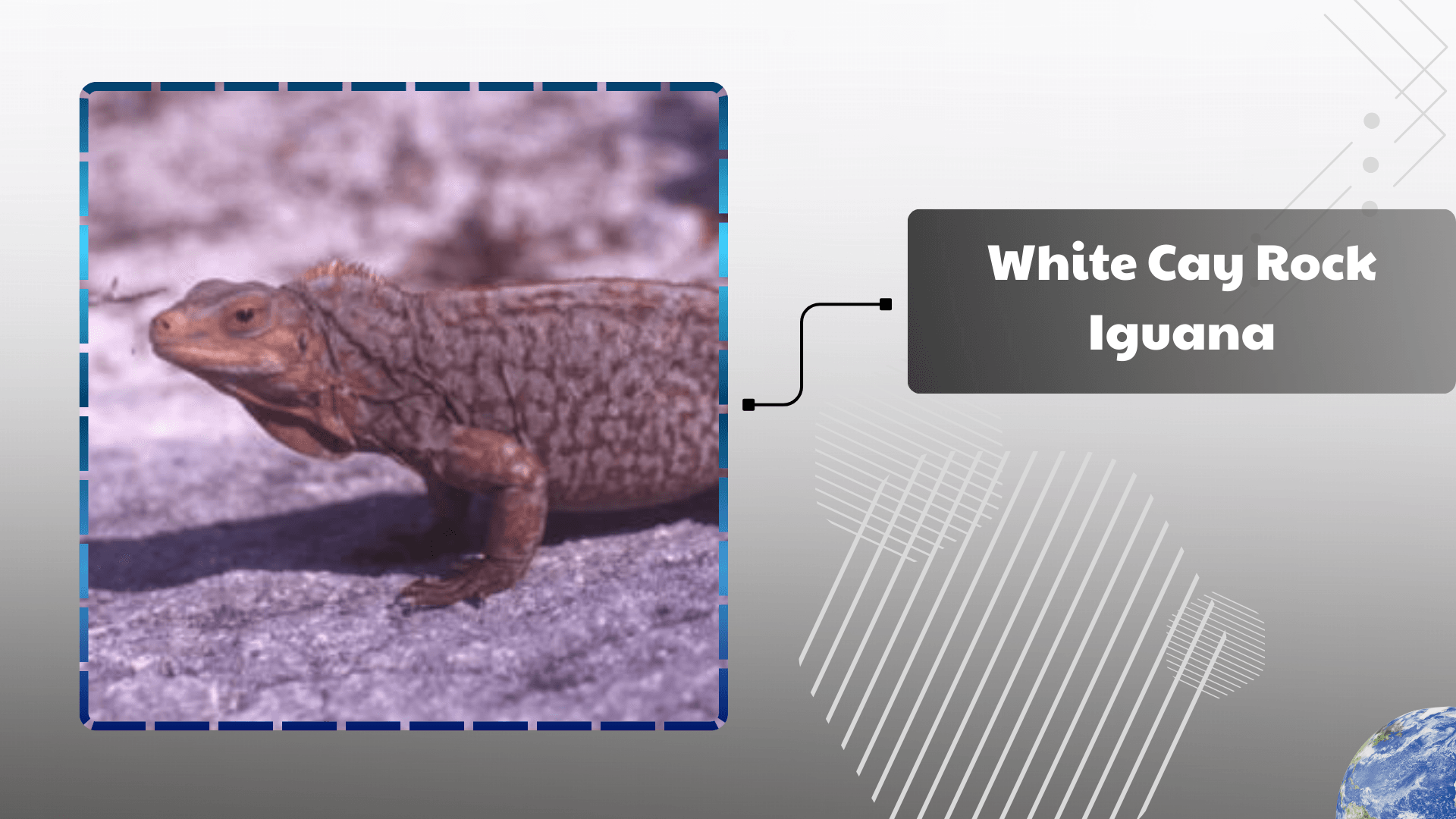
The White Cay Rock Iguana is a rare subspecies inhabiting White Cay Island in the Bahamas. Characterized by its grayish-brown coloration with subtle orange undertones, this iguana is adapted to dry, rocky habitats. It is primarily terrestrial, using crevices and burrows for shelter and protection.
White Cay Rock Iguanas are herbivorous, feeding on leaves, fruits, and flowers. They play a critical ecological role by dispersing seeds and influencing vegetation patterns on the island. Their diet also occasionally includes small insects or invertebrates.
Males exhibit territorial behaviors through displays like head bobbing, push-ups, and tail thrashing. Females lay eggs in burrows, and hatchlings rely on camouflage and speed to survive. Social interactions are subtle but include dominance hierarchies that influence access to resources.
Habitat loss and invasive predators pose significant threats, making conservation crucial. Efforts include habitat restoration, predator control, and public education. Observing White Cay Rock Iguanas in the wild provides insight into how island species adapt to limited resources and environmental challenges.
14. Allen’s Cay Rock Iguana (Cyclura cychlura inornata)
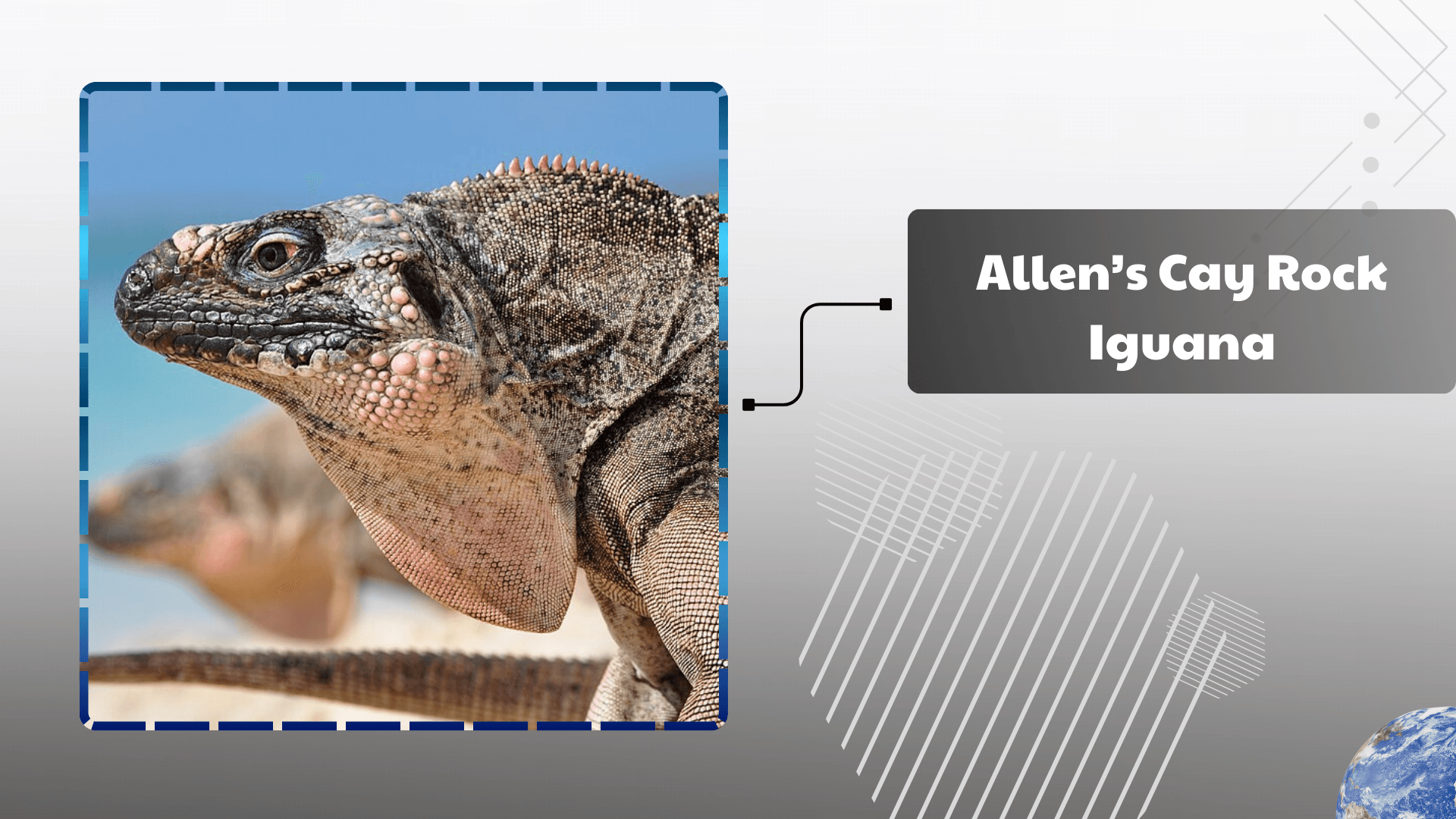
Allen’s Cay Rock Iguana is a critically endangered species restricted to Allen’s Cay in the Bahamas. Known for its dark gray to black coloration and robust body, this iguana is perfectly adapted to the island’s rocky, dry environment.
Diet consists primarily of leaves, fruits, and flowers, making Allen’s Cay Rock Iguanas important seed dispersers. They occasionally consume insects, which supplements their nutritional needs. These iguanas are terrestrial but may climb low shrubs to access food or bask in the sun.
Males are territorial, often displaying dominance through head bobbing, push-ups, and tail whipping. Females lay eggs in secure burrows, with hatchlings being independent at birth. Juveniles rely on camouflage and agility to avoid predation from birds and other potential threats.
Conservation efforts focus on protecting their limited habitat, controlling invasive predators, and monitoring populations. Thanks to dedicated efforts, Allen’s Cay Rock Iguana remains a symbol of the importance of protecting small-island endemic species.
15. Exuma Island Rock Iguana (Cyclura cychlura figginsi)

The Exuma Island Rock Iguana is a fascinating iguana species native to the Exuma Cays in the Bahamas. Its coloration ranges from dark brown to gray with subtle orange or yellow accents, providing excellent camouflage against rocky terrain and sparse vegetation.
These iguanas are primarily herbivorous, feeding on leaves, flowers, and fruits, and occasionally supplementing their diet with insects. They play a key role in maintaining the health of their island ecosystems through seed dispersal.
Exuma Island Rock Iguanas exhibit territorial behavior, with males performing head bobbing, push-ups, and tail displays to establish dominance. Breeding involves females laying eggs in burrows, with hatchlings being independent from birth. Social structures are subtle but include competition for food and mates.
Conservation is crucial due to habitat degradation and predation from invasive species. Programs focusing on habitat protection, predator control, and public awareness aim to maintain stable populations. Observing these iguanas in their natural environment reveals their adaptability and the unique ecological dynamics of small island habitats.
16. Desert Iguana (Dipsosaurus dorsalis)
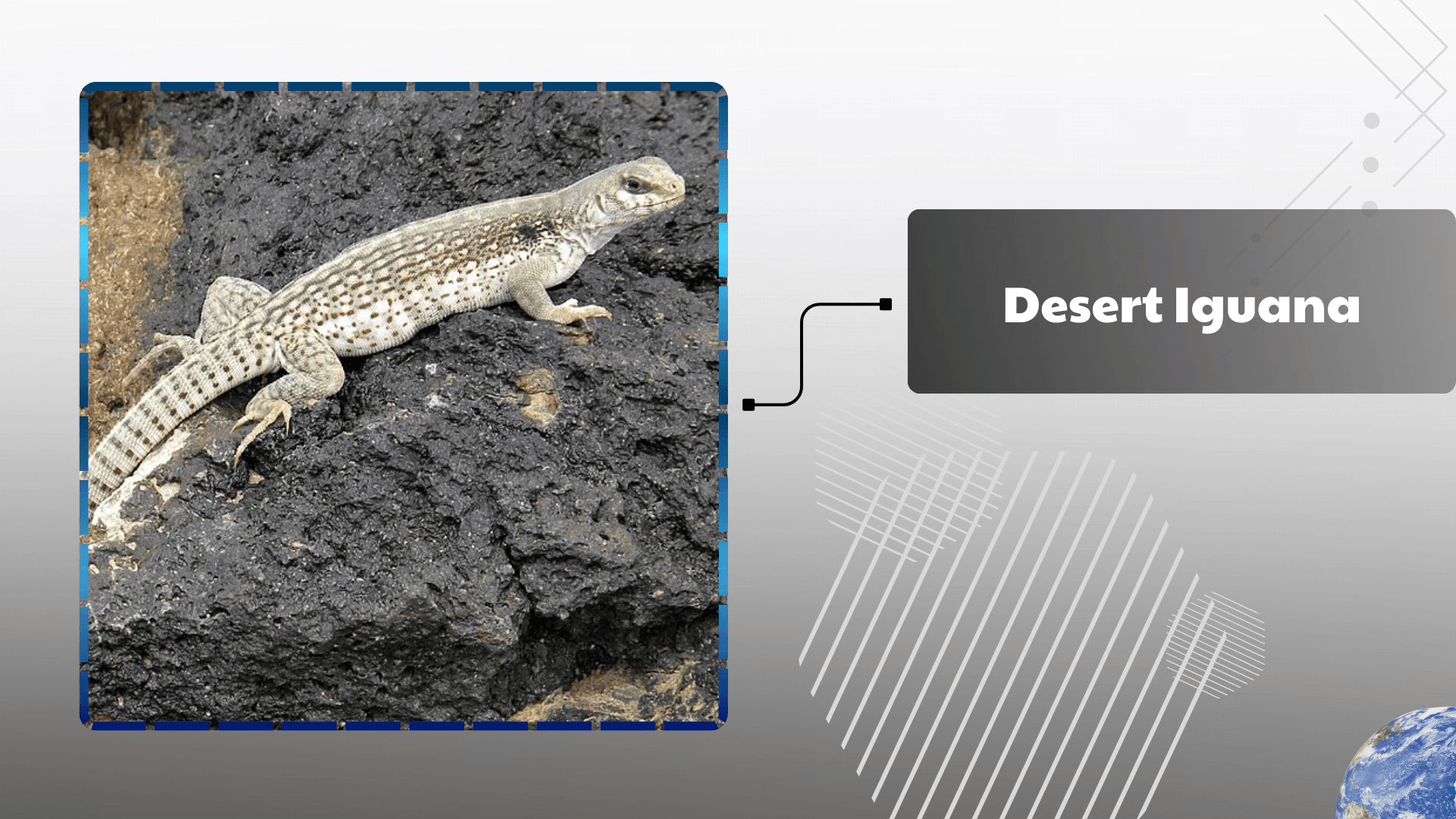
The Desert Iguana is a fascinating species adapted to the harsh, arid environments of the southwestern United States and northern Mexico. This iguana exhibits a pale gray to tan coloration that blends seamlessly with desert sand and rocky terrain, providing excellent camouflage against predators.
Desert Iguanas are herbivorous, primarily feeding on leaves, flowers, and fruits, but they are also known to consume occasional insects. Their diet helps them meet water requirements, as they extract moisture from the plants they consume. They are primarily terrestrial and spend most of their day basking on rocks to regulate body temperature, as they are ectothermic reptiles.
Behaviorally, Desert Iguanas are diurnal and highly active during the cooler morning hours. Males establish territories using head-bobbing displays, push-ups, and tail swings, often competing with rivals for mating opportunities. Females dig burrows in sandy soil for laying eggs, which hatch after several months, with hatchlings being independent from birth.
Conservation concerns for Desert Iguanas are minimal compared to island species, though habitat fragmentation and human activity can affect local populations. Their remarkable adaptations to extreme heat, limited water, and desert terrain make them a key species for understanding desert ecosystem dynamics.
17. Marine Iguana (Amblyrhynchus cristatus)
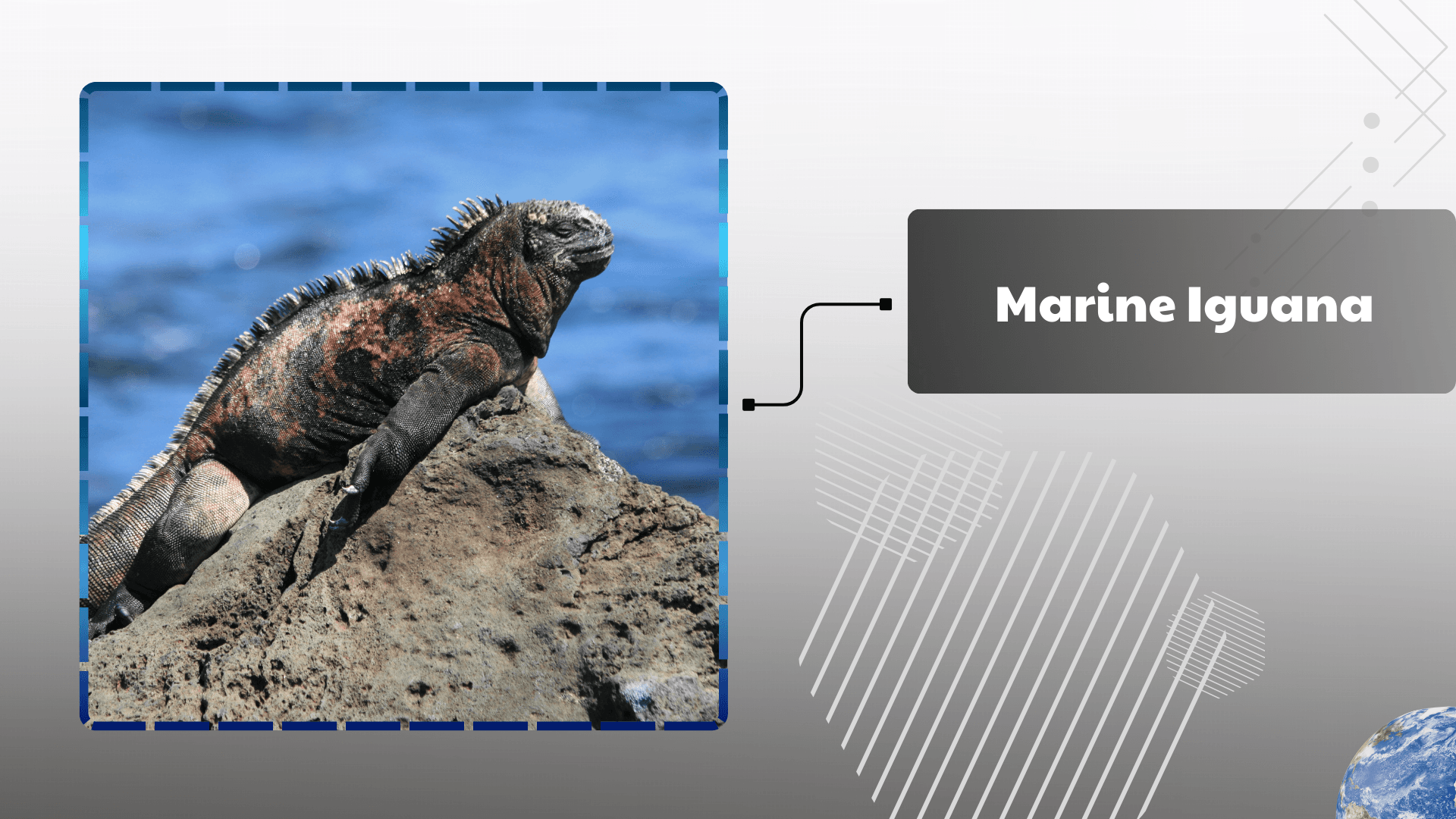
The Marine Iguana is one of the most unique iguana species in the world, found exclusively on the Galápagos Islands. This species is the only iguana capable of foraging in the ocean, feeding on algae and seaweed. Its dark, scaly body, flattened tail, and strong limbs enable efficient swimming and diving in coastal waters.
Marine Iguanas are herbivorous and spend hours grazing on algae, which provides both nutrition and hydration. They can dive over 30 feet underwater, using their strong tails for propulsion. On land, they bask on volcanic rocks to absorb heat, as cold ocean waters can lower their body temperature significantly.
Males are territorial, defending prime basking spots and feeding areas through head bobbing, push-ups, and occasional physical confrontations. Breeding involves females laying eggs in sandy nests, with hatchlings being highly vulnerable to predation from birds and introduced mammals.
Marine Iguanas are a symbol of ecological specialization, showcasing adaptations for life both on land and in the sea. Conservation efforts are critical due to threats from climate change, invasive species, and human activity, making the protection of their unique habitats essential for survival.
18. Fiji Banded Iguana (Brachylophus fasciatus)
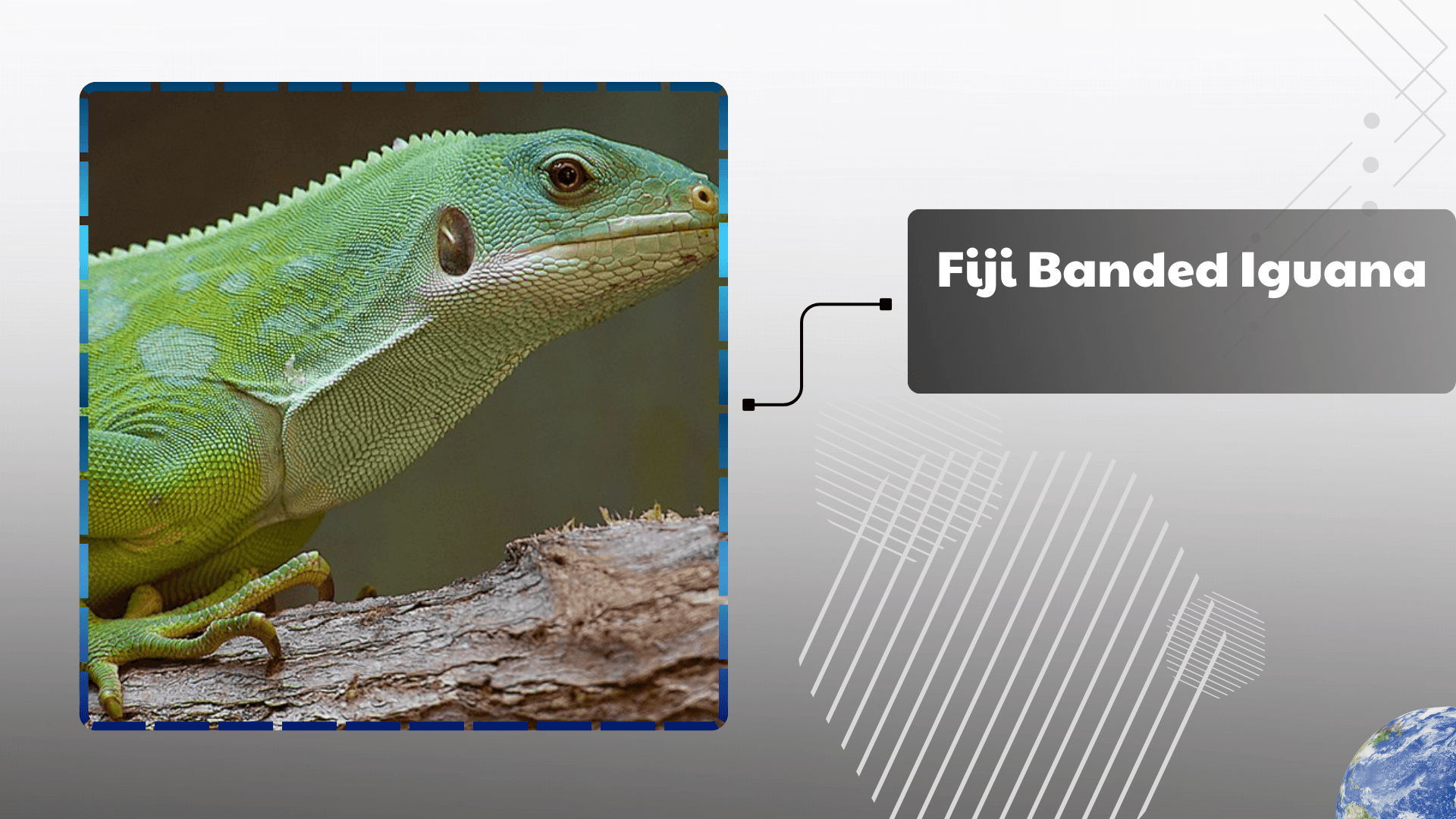
The Fiji Banded Iguana is a striking arboreal species native to the islands of Fiji. Males are known for their vibrant green coloration with light blue or white bands, while females are generally duller green. This sexual dimorphism is important for mating and territorial displays.
These iguanas are primarily herbivorous, feeding on leaves, flowers, and fruits. Their arboreal nature allows them to navigate forest canopies with agility, escaping predators and accessing food sources. Fiji Banded Iguanas are critical for seed dispersal, contributing to forest regeneration and plant diversity.
Males are territorial and display dominance through visual signals such as head bobbing and lateral body posturing. Females lay eggs in carefully chosen burrows or protected areas, and hatchlings are independent from birth. Human activity and invasive species, such as rats and mongoose, pose threats to their populations.
Conservation efforts focus on habitat preservation and control of invasive predators. These iguanas are a vivid example of island biodiversity and adaptation, making them highly prized by wildlife enthusiasts and researchers alike.
19. Fiji Crested Iguana (Brachylophus vitiensis)
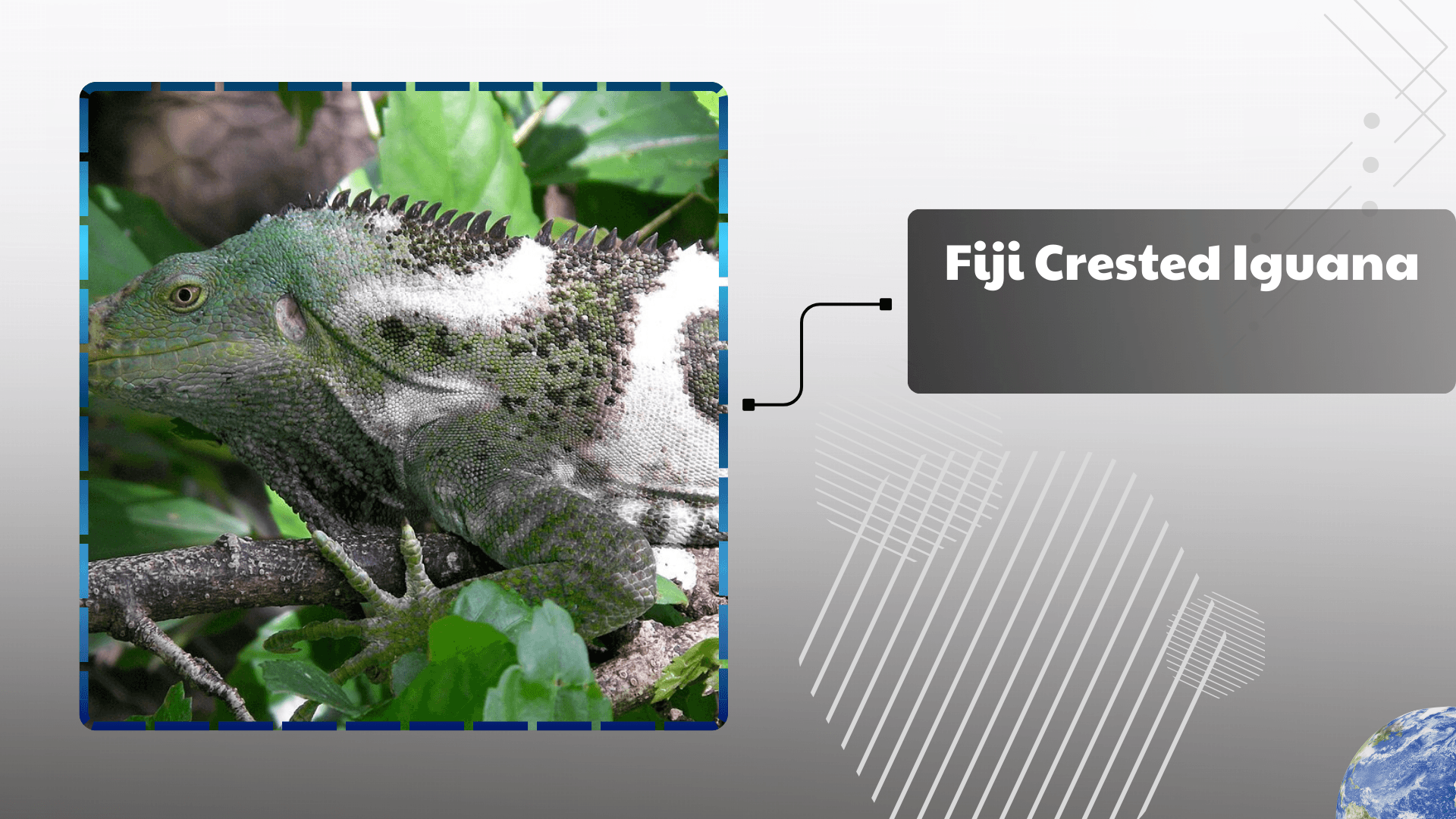
The Fiji Crested Iguana is a critically endangered species endemic to a few small islands in Fiji. Males are characterized by bright green coloration with white or pale stripes, along with a distinctive crest along their back and head. Females tend to be slightly duller in color but share the same crest.
These iguanas are herbivorous, consuming leaves, flowers, and fruits. They are arboreal, spending most of their time in trees to forage and avoid ground predators. Fiji Crested Iguanas are important seed dispersers, maintaining the health and diversity of island forests.
Territorial behavior is common in males, who use visual signals and displays to ward off rivals. Females lay eggs in protected areas, which hatch independently. Population numbers have drastically declined due to habitat loss, introduced predators, and human disturbance, making conservation efforts critical.
Programs involving captive breeding, habitat protection, and predator control are helping to stabilize populations. Studying the Fiji Crested Iguana provides insight into the challenges of preserving small island reptiles in the modern era, highlighting the need for proactive conservation measures.
20. Campeche Spiny‑tailed Iguana (Cachryx alfredschmidti)

The Campeche Spiny‑tailed Iguana is a unique species found in the tropical forests of the Yucatán Peninsula in Mexico. Recognized for its sturdy body, spiny tail, and grayish-brown coloration, it is well adapted to rocky and forested habitats. Its spiny tail serves both as a defensive weapon and a tool for balance while climbing.
These iguanas are primarily herbivorous, feeding on leaves, flowers, and fruits. Their feeding habits help maintain the health of their ecosystems by aiding in seed dispersal. Campeche Spiny‑tailed Iguanas are semi-arboreal, often climbing low trees and rocks to forage or bask in sunlight.
Males are territorial, using head bobbing, push-ups, and tail thrashing to communicate dominance. Females lay eggs in burrows, with hatchlings being independent and immediately facing environmental challenges. Predation and habitat loss remain ongoing threats, emphasizing the need for conservation and habitat protection.
Observing Campeche Spiny‑tailed Iguanas provides insight into how iguanas adapt to forest and rocky environments, combining arboreal and terrestrial behaviors. Conservation efforts, including habitat management and research, are critical to ensure the survival of this unique species.
21. Mexican Spiny‑tailed Iguana (Ctenosaura acanthura)
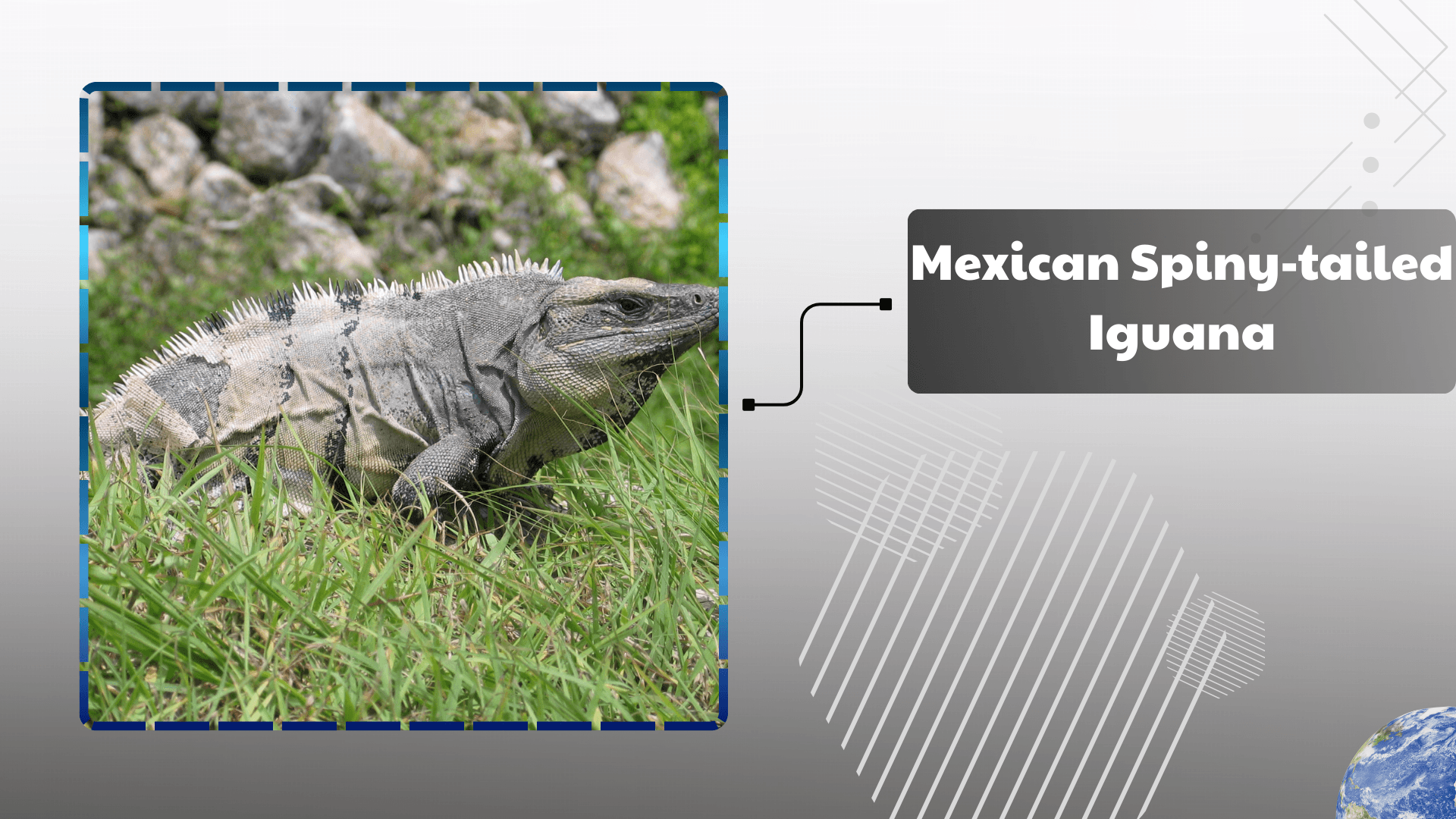
The Mexican Spiny-tailed Iguana, also known as the Black Iguana, is a robust reptile native to Mexico and Central America. It is named for the sharp, spiny scales along its tail, which are used for defense against predators. Its coloration ranges from gray to brown with darker patterns, allowing it to blend seamlessly into rocky and arid habitats.
Mexican Spiny-tailed Iguanas are primarily herbivorous, feeding on leaves, flowers, fruits, and occasionally insects for supplemental protein. They are semi-arboreal, capable of climbing rocks, walls, and trees to access food or escape threats. Their burrowing behavior provides shelter and helps regulate body temperature, especially during hot afternoons.
Territorial males use head-bobbing, push-ups, and tail swings to assert dominance over rivals. During the breeding season, females lay eggs in burrows or sandy soil, with hatchlings being independent at birth. Juveniles rely heavily on camouflage and agility to avoid predation.
Although locally abundant, Mexican Spiny-tailed Iguanas face threats from habitat destruction, hunting, and invasive species. Conservation efforts focus on habitat protection, education programs, and monitoring populations. Observing this iguana in the wild provides insight into the adaptability of reptiles in arid, rocky landscapes.
22. Black‑chested Spiny‑tailed Iguana (Ctenosaura melanosterna)

The Black-chested Spiny-tailed Iguana is a rare and striking species native to Honduras. Recognized for its dark, almost black chest and robust physique, this iguana inhabits rocky outcrops and dry forests. Its spiny tail is a formidable defensive weapon against predators.
These iguanas are primarily herbivorous, feeding on leaves, flowers, and fruits, with occasional insects providing extra nutrition. They are skilled climbers and dig burrows for shelter and nesting. Their ecological role includes seed dispersal and soil aeration.
Males are territorial and use visual displays such as head-bobbing, push-ups, and tail whipping to defend their domain. Females lay eggs in secure burrows, and hatchlings are fully independent. Human encroachment and habitat destruction threaten their populations, making conservation vital.
Protection programs and research initiatives aim to safeguard their habitat and ensure long-term survival. Observing Black-chested Spiny-tailed Iguanas reveals fascinating adaptations for life in dry, rocky environments.
23. Utila Spiny‑tailed Iguana (Ctenosaura bakeri)
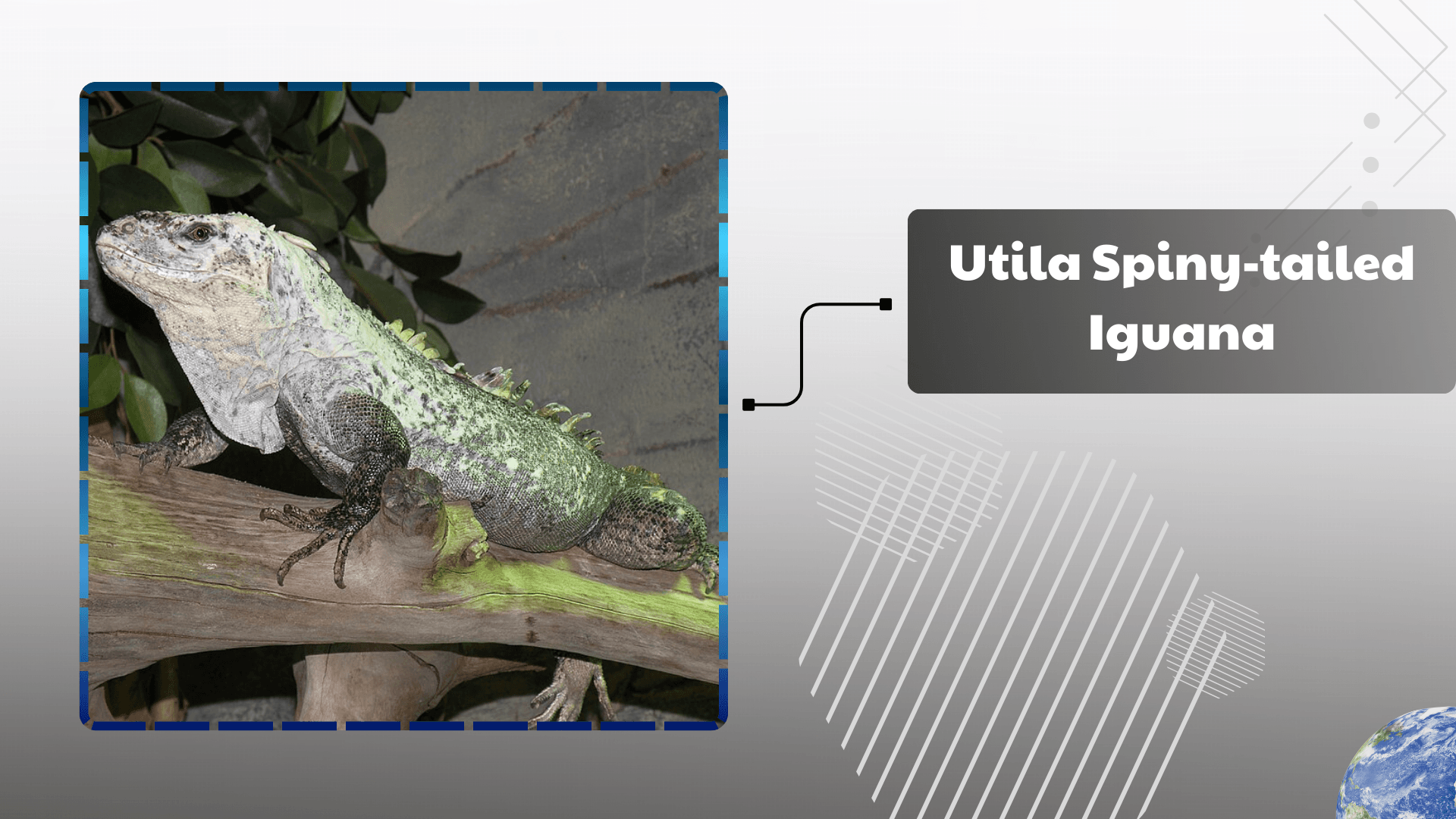
The Utila Spiny-tailed Iguana is critically endangered and endemic to Utila, an island in Honduras. With a medium-sized body, spiny tail, and coloration ranging from gray to brown, this iguana is highly adapted to coastal forests and rocky areas. It is one of the rarest iguana species in the world.
Diet consists primarily of leaves, fruits, and flowers, making it an important seed disperser. Utila Spiny-tailed Iguanas are semi-arboreal and use natural crevices or burrows for shelter. They are active during the day, basking in sunlight to maintain body temperature.
Males are highly territorial and perform displays such as head-bobbing and push-ups. Females lay eggs in protected burrows, and hatchlings are independent. Conservation programs focus on habitat protection, predator control, and captive breeding to increase population numbers.
Studying the Utila Spiny-tailed Iguana provides valuable insight into how isolated island species adapt to limited resources and threats. It also highlights the importance of preserving small habitats for endemic reptiles.
24. Black Spiny‑tailed Iguana (Ctenosaura similis)

The Black Spiny-tailed Iguana, also known as the Black Iguana, is native to Central America, including Mexico, Belize, and Honduras. It is characterized by a large, muscular body, dark coloration, and a tail covered with prominent spines used for defense. Its strong limbs allow it to climb trees, rocks, and walls with ease.
Diet is primarily herbivorous, consisting of leaves, flowers, and fruits, but it also consumes small insects and invertebrates. Black Spiny-tailed Iguanas dig burrows for protection and thermoregulation, and they often bask on rocks to absorb sunlight.
Males are territorial, defending prime basking sites and food sources through head-bobbing, push-ups, and tail thrashing. Females lay eggs in burrows, and hatchlings are independent. Threats include habitat destruction, hunting, and predation from introduced species.
Conservation programs focus on habitat preservation and monitoring populations. The Black Spiny-tailed Iguana is a remarkable example of adaptability and survival in Central American dry forests and rocky terrains.
25. Roatán Spiny‑tailed Iguana (Ctenosaura oedirhina)
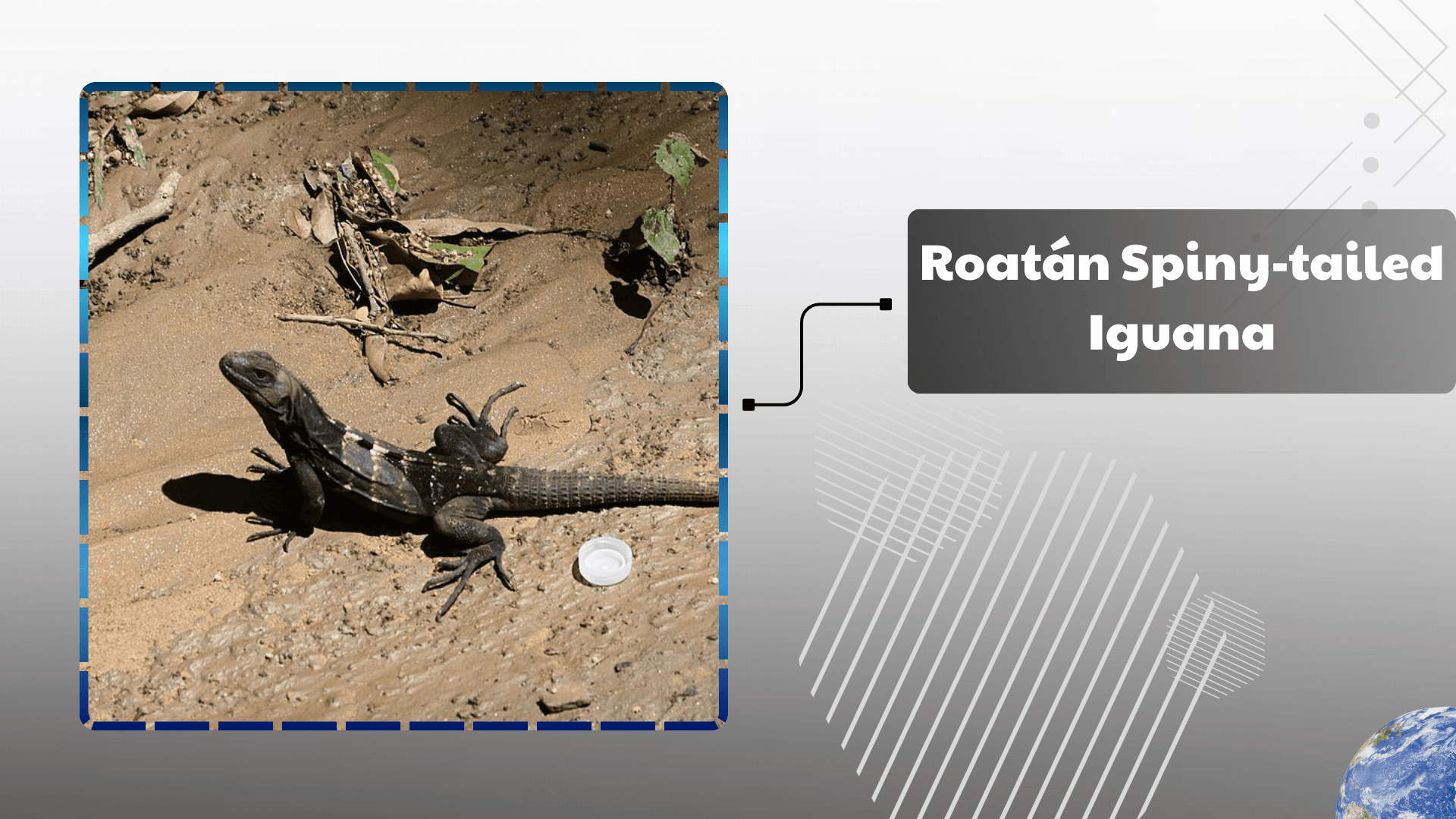
The Roatán Spiny-tailed Iguana is endemic to Roatán Island in Honduras and is critically endangered. It is medium-sized with gray to brown coloration and a distinctive spiny tail used for defense. This iguana inhabits dry forests, scrublands, and rocky outcrops.
Its diet is herbivorous, feeding on leaves, fruits, and flowers, occasionally supplemented by insects. Roatán Spiny-tailed Iguanas are semi-arboreal and dig burrows for shelter, nesting, and protection from predators. Their foraging contributes to seed dispersal, aiding in the health of island vegetation.
Males defend territories using head-bobbing, push-ups, and tail thrashing displays. Breeding involves females laying eggs in secure burrows, with hatchlings being independent. Habitat destruction, invasive species, and human interference have made conservation efforts critical for survival.
Programs focusing on habitat restoration, predator control, and population monitoring aim to protect this rare species. Observing Roatán Spiny-tailed Iguanas provides a glimpse into the challenges faced by small-island endemic reptiles.
26. Mexican Spiny‑tailed Iguana (Ctenosaura pectinata)
The Mexican Spiny-tailed Iguana is a widespread species native to western Mexico, recognized for its gray to brown coloration with darker bands and a long, spiny tail used for defense. It thrives in dry forests, rocky outcrops, and semi-arid regions, demonstrating remarkable adaptability to harsh environments.
Primarily herbivorous, it feeds on leaves, fruits, flowers, and occasionally small insects or invertebrates. Its burrowing behavior provides shelter, nesting sites, and thermoregulation, while its climbing ability allows access to both food and escape routes. This species plays a vital ecological role as a seed disperser, supporting plant diversity in its habitat.
Males are territorial and assert dominance using head-bobbing, push-ups, and tail whipping. Breeding involves females laying eggs in secure burrows, and hatchlings are independent from birth. Threats include habitat loss, hunting, and predation by introduced animals.
Conservation efforts focus on habitat protection and education programs to mitigate human impact. Observing this iguana demonstrates its adaptability and the intricate balance of arid and semi-arid ecosystems in Mexico.
27. Green Spiny‑tailed Iguana (Ctenosaura pectinata variant)
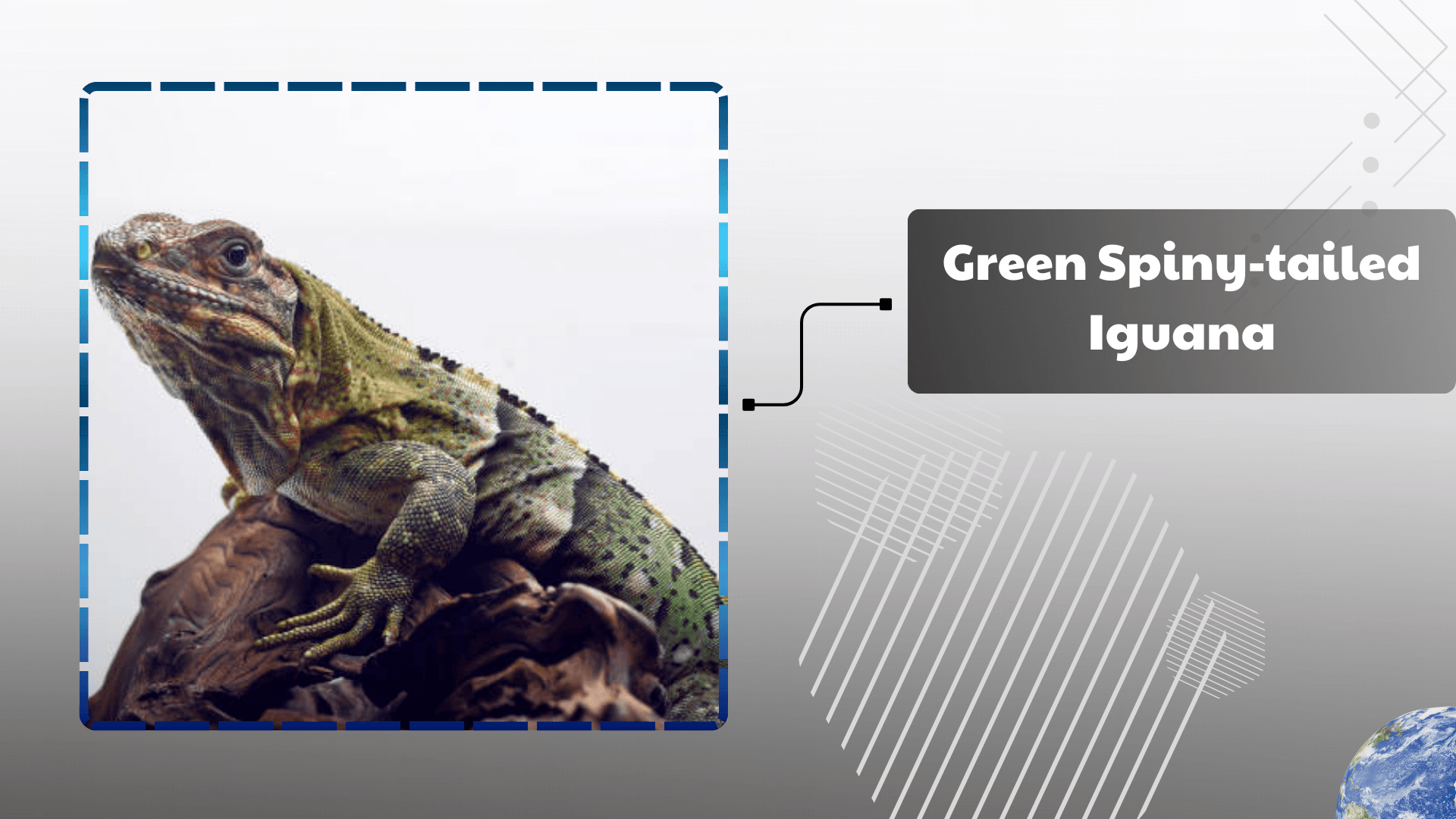
The Green Spiny-tailed Iguana is a vibrant variant of Ctenosaura pectinata, distinguished by its greenish coloration, particularly in males during breeding season. Found in western Mexico, it inhabits dry forests, rocky hillsides, and scrublands, displaying remarkable agility and resilience in challenging habitats.
Diet is primarily herbivorous, including leaves, flowers, fruits, and occasionally insects for protein. Green Spiny-tailed Iguanas are excellent climbers, often seen basking on rocks or tree branches, and they dig burrows for nesting and protection. By consuming fruits, they aid in seed dispersal and forest regeneration.
Males are highly territorial, using visual signals such as head-bobbing, push-ups, and tail swishing to ward off rivals. Females lay eggs in secure burrows, and hatchlings are independent. Conservation threats include habitat destruction and hunting, which have prompted monitoring and protection efforts.
Studying this iguana provides insights into adaptation strategies, coloration advantages, and the vital role reptiles play in maintaining ecological balance in semi-arid environments.
28. Galápagos Land Iguana (Conolophus subcristatus)

The Galápagos Land Iguana is a charismatic and iconic reptile native to the Galápagos Islands. It exhibits yellowish to orange-brown coloration with a robust, spiny body and thick limbs adapted for terrestrial life on volcanic terrain. Its diet is mostly herbivorous, focusing on cacti, leaves, fruits, and flowers.
These iguanas play a critical ecological role by dispersing seeds from consumed fruits, helping maintain island vegetation. They dig burrows for shelter and thermoregulation, essential for surviving harsh island conditions. Basking on volcanic rocks during the day allows them to regulate body temperature effectively.
Males are territorial, performing displays such as head-bobbing, push-ups, and tail flicking to establish dominance. Females lay eggs in burrows, with hatchlings being fully independent. Conservation challenges include invasive species, habitat destruction, and climate change.
Conservation programs, including captive breeding and habitat restoration, have helped stabilize populations. The Galápagos Land Iguana is a living symbol of evolution and adaptation, providing invaluable insights into island ecology and species survival strategies.
29. Pink Galápagos Iguana (Conolophus rosada)
The Pink Galápagos Iguana is a recently described and rare iguana species found on select islands in the Galápagos. It is characterized by its subtle pinkish hue mixed with gray, distinguishing it from its yellowish cousins. This coloration provides camouflage against volcanic and rocky habitats.
Diet is primarily herbivorous, consisting of cactus pads, flowers, fruits, and occasionally insects. Pink Galápagos Iguanas dig burrows for nesting and shelter and spend much of the day basking to maintain optimal body temperature. Their foraging activities aid in seed dispersal, supporting plant regeneration on the islands.
Males exhibit territorial behaviors using head-bobbing, push-ups, and tail displays to communicate dominance. Females lay eggs in burrows, and hatchlings are independent. Threats include invasive species, habitat degradation, and human disturbance.
Conservation efforts focus on habitat protection, research, and monitoring populations. Studying the Pink Galápagos Iguana helps scientists understand adaptation, island endemism, and the importance of preserving unique evolutionary lineages.
30. San Cristóbal Land Iguana (Conolophus pallidus)

The San Cristóbal Land Iguana is an endemic species restricted to San Cristóbal Island in the Galápagos. It is characterized by pale yellow to tan coloration and a strong, spiny body adapted to volcanic terrain. This iguana is primarily terrestrial, spending most of its life on the ground, feeding, basking, and seeking shelter in burrows.
Its diet is mostly herbivorous, including cactus pads, leaves, flowers, and fruits. By consuming fruits and spreading seeds, it contributes to the island’s ecological balance. Basking on sunlit rocks helps regulate body temperature, critical for this ectothermic reptile.
Males are territorial, using head-bobbing, push-ups, and tail movements to display dominance. Females lay eggs in burrows, and hatchlings are independent. Conservation threats include habitat loss, invasive species, and climate-related challenges.
Conservation programs aim to protect habitat, manage invasive predators, and monitor populations to ensure the survival of this unique species. The San Cristóbal Land Iguana provides a fascinating example of island adaptation and the resilience of reptiles in isolated ecosystems.
31. Lesser Antillean Rock Iguana (Iguana delicatissima populations)
The Lesser Antillean Rock Iguana is native to the islands of the Lesser Antilles in the Caribbean. These iguanas exhibit varying coloration depending on the island population, typically gray, brown, or green, and they possess a strong, spiny tail for defense against predators. They inhabit dry forests, scrublands, and rocky coastal areas.
Diet is primarily herbivorous, including leaves, fruits, and flowers. Some populations also consume occasional insects. Their feeding habits contribute to seed dispersal, supporting plant regeneration on the islands. They are mostly terrestrial but can climb small trees or rocks to forage or escape predators.
Males are highly territorial, using head-bobbing, push-ups, and tail thrashing to communicate dominance. Females lay eggs in secure burrows, and hatchlings are independent from birth. Human encroachment and invasive species like rats and feral goats have significantly threatened their populations.
Conservation programs focus on habitat protection, captive breeding, and control of invasive species. The Lesser Antillean Rock Iguana is a vivid example of island endemism and the challenges faced by reptiles in small, isolated ecosystems.
32. Bahamian Blue Iguana (Cyclura lewisi variant)

The Bahamian Blue Iguana is one of the rarest and most iconic iguanas, endemic to Grand Bahama Island. Males exhibit a stunning blue coloration, particularly during the breeding season, while females are more muted. This iguana inhabits dry forests, limestone outcrops, and open scrubland.
Diet is herbivorous, feeding on leaves, fruits, and flowers, making them important seed dispersers for native plants. They are primarily terrestrial but use burrows for shelter, nesting, and thermoregulation. Bahamian Blue Iguanas are diurnal, basking on sunlit rocks to regulate body temperature.
Males defend territories with head-bobbing, push-ups, and tail displays. Females lay eggs in burrows, and hatchlings must avoid predators such as feral cats and birds. Conservation programs, including captive breeding and habitat restoration, have helped increase their population after near extinction.
This species exemplifies successful conservation efforts and highlights the importance of habitat preservation for island-endemic reptiles.
33. Northern Spiny-tailed Iguana (Ctenosaura nelsoni)
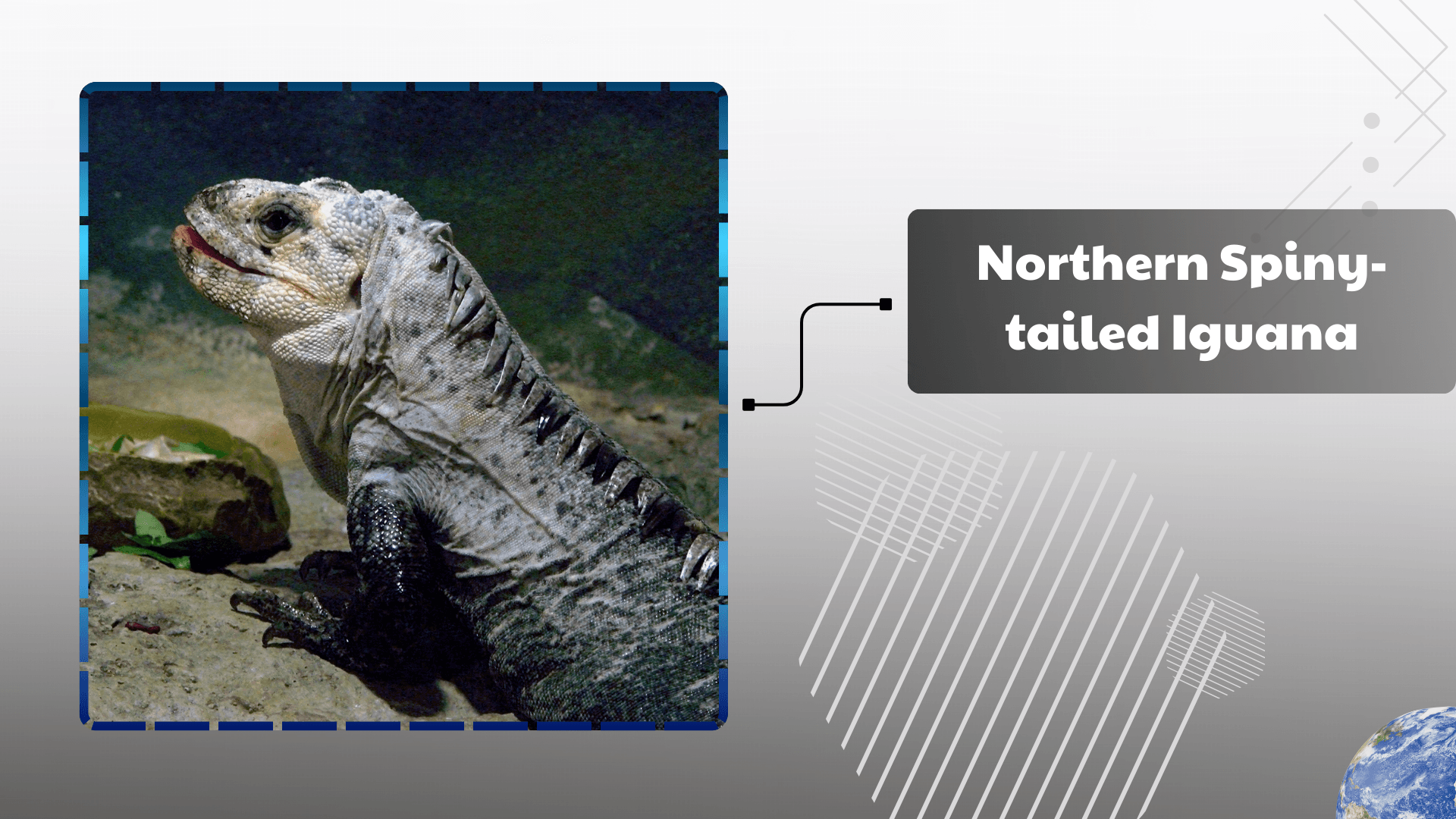
The Northern Spiny-tailed Iguana is native to the Pacific coast of Mexico and is recognized by its robust body, spiny tail, and gray-brown coloration. Adapted to arid and rocky environments, this iguana is both terrestrial and semi-arboreal.
Its diet consists mainly of leaves, flowers, fruits, and occasional insects. These iguanas are essential for seed dispersal and maintaining ecosystem balance. They dig burrows for shelter and thermoregulation and can climb rocks or trees when threatened.
Males are territorial, using visual displays and tail whipping to ward off rivals. Females lay eggs in burrows, and hatchlings are independent from birth. Threats include habitat fragmentation and predation from introduced species, emphasizing the need for conservation measures.
Studying the Northern Spiny-tailed Iguana provides insight into adaptation strategies for arid habitats and the role of reptiles in ecosystem stability.
34. Central American Spiny‑tailed Iguana (Ctenosaura similis subgroup)

The Central American Spiny-tailed Iguana is a widely distributed species in Mexico and Central America. It features a muscular body, gray-brown coloration, and a prominent spiny tail used for defense. It thrives in dry forests, rocky terrains, and even urban areas.
Diet is primarily herbivorous, including leaves, fruits, flowers, and occasional insects. Semi-arboreal behavior allows these iguanas to climb walls, rocks, and low trees. Burrows provide shelter, nesting sites, and protection from predators.
Males defend territories with head-bobbing, push-ups, and tail displays. Females lay eggs in burrows, and hatchlings are independent. Human activity, habitat destruction, and hunting threaten populations, though this species remains one of the more resilient iguanas.
Conservation efforts focus on habitat management, research, and public education. Observing this species offers insight into adaptation and survival strategies in human-impacted landscapes.
35. Smooth-backed Spiny Iguana (Ctenosaura hemilopha)
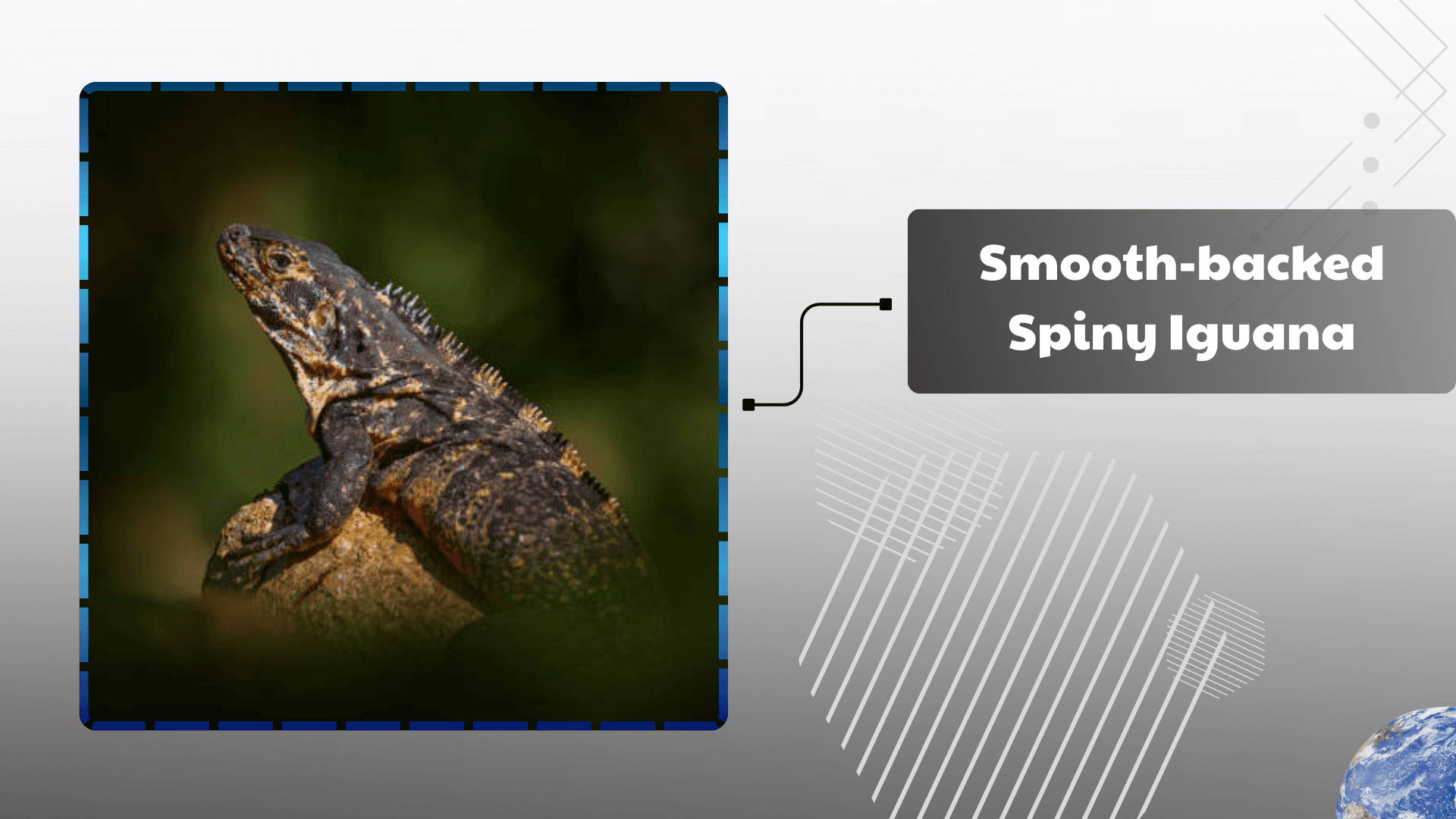
The Smooth-backed Spiny Iguana is a medium-sized iguana native to arid regions of Mexico, particularly Baja California and nearby islands. Its smooth dorsal scales differentiate it from other spiny-tailed iguanas, although its tail retains defensive spines. Coloration ranges from gray to brown, providing camouflage in rocky desert habitats.
Diet consists mainly of leaves, fruits, and flowers, with occasional insects for protein. These iguanas dig burrows for shelter and nesting and are capable climbers when escaping threats or seeking food. Their foraging contributes to seed dispersal, aiding ecosystem regeneration.
Males are territorial and display dominance through head-bobbing, push-ups, and tail thrashing. Females lay eggs in burrows, and hatchlings are independent. Habitat loss, invasive species, and climate change pose threats to local populations.
Studying the Smooth-backed Spiny Iguana highlights adaptations to arid and rocky environments and the importance of burrowing for thermoregulation and reproduction.
36. Multicarinated Spiny Iguana (Ctenosaura quinquecarinata)
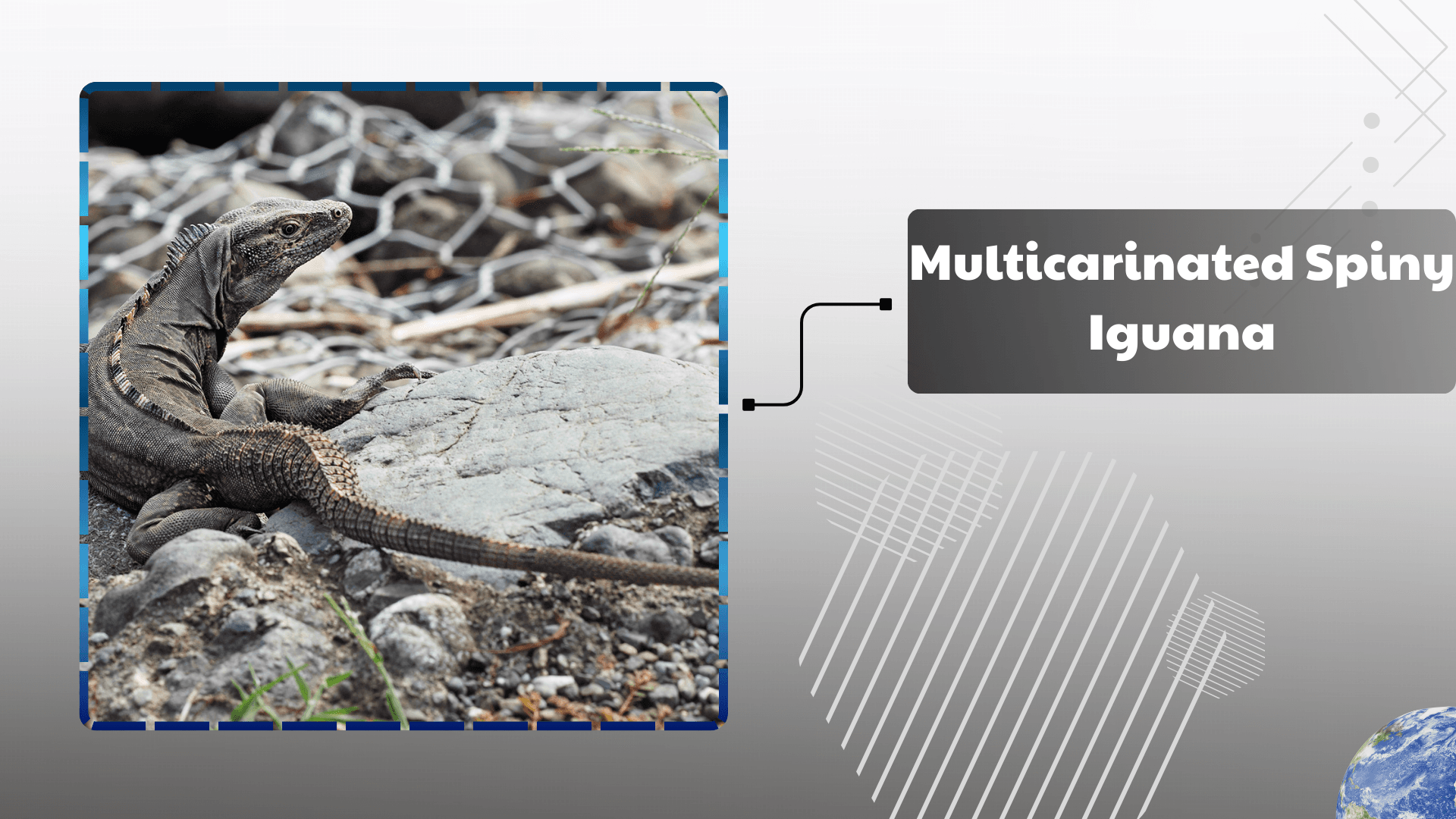
The Multicarinated Spiny Iguana is a fascinating reptile native to Central America, particularly in Honduras and Nicaragua. Its name derives from the multiple keels or ridges along its back and tail, which serve as a defense mechanism against predators. Coloration typically ranges from gray to brown, allowing it to blend seamlessly into rocky and semi-arid environments.
These iguanas are primarily herbivorous, feeding on leaves, flowers, and fruits, although insects are occasionally consumed to supplement their diet. They are adept climbers and dig burrows for protection, nesting, and thermoregulation. By dispersing seeds from consumed fruits, they play an essential role in maintaining plant diversity and ecosystem health.
Males are territorial and assert dominance through visual displays, including head-bobbing, push-ups, and tail flicking. Breeding involves females laying eggs in burrows, with hatchlings being independent immediately after hatching. Threats include habitat loss, hunting, and predation from introduced species.
Conservation initiatives focus on habitat preservation, research, and monitoring of wild populations. The Multicarinated Spiny Iguana provides a compelling example of survival adaptations in arid, rocky landscapes.
37. Worcest’s Iguana (Cyclura carinata subgroup)
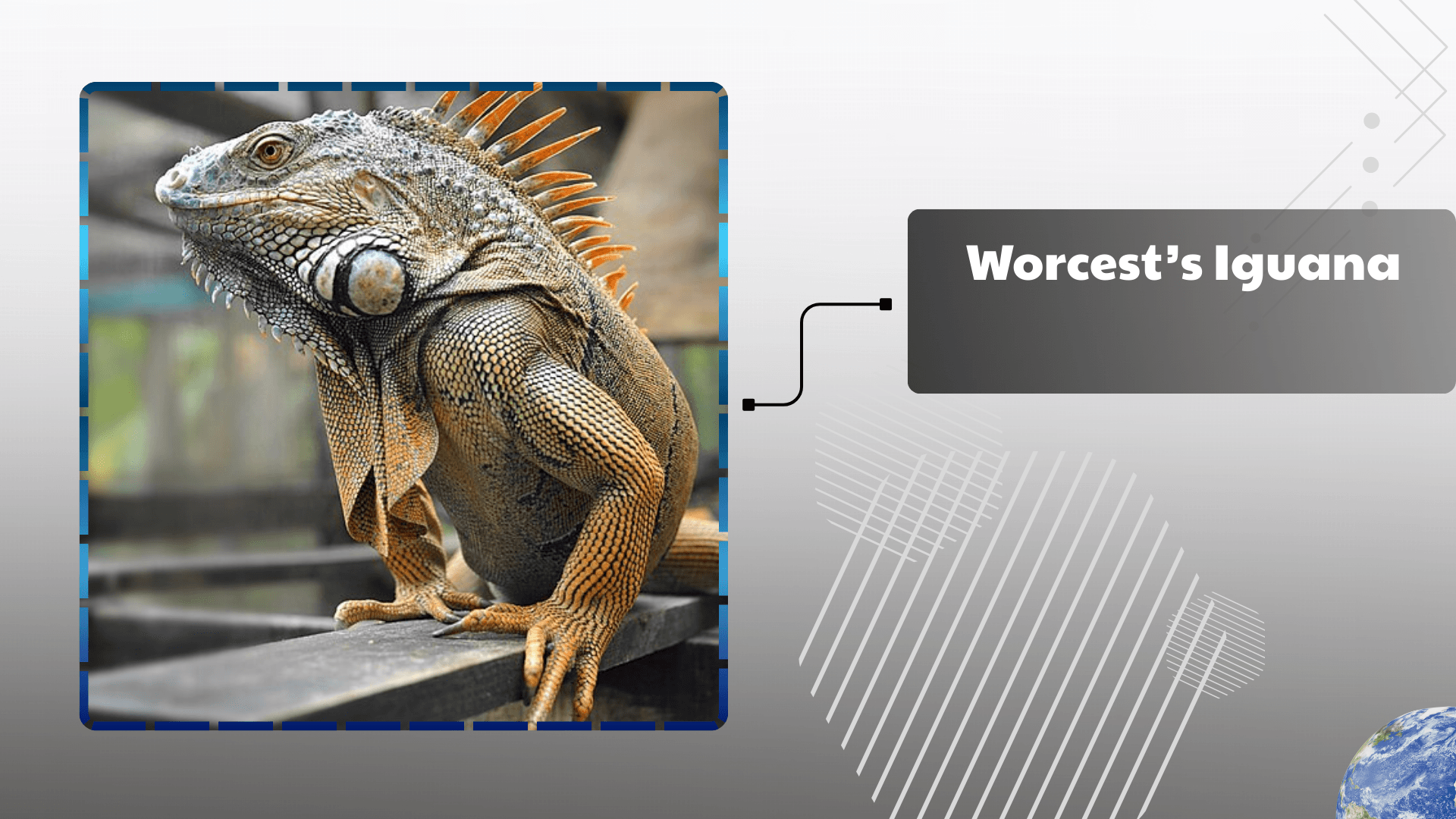
Worcest’s Iguana, a member of the Cyclura carinata subgroup, is native to select Caribbean islands and is notable for its spiny, robust body and muted gray to brown coloration. It inhabits dry forests, scrublands, and rocky coastal areas, demonstrating adaptability to harsh and fragmented habitats.
Diet is largely herbivorous, including leaves, fruits, and flowers. This iguana contributes to seed dispersal, supporting local flora. It uses burrows for nesting, shelter, and thermoregulation, while climbing rocks and shrubs to evade predators or access food.
Males display territorial behaviors through head-bobbing, push-ups, and tail swinging. Females lay eggs in secure burrows, and hatchlings are independent from birth. Habitat destruction, human disturbance, and introduced predators pose ongoing threats.
Conservation programs aim to protect habitats, control invasive species, and monitor populations. Observing Worcest’s Iguana highlights the resilience and adaptability of island reptiles and their ecological importance.
38. Subdesert Banded Iguana (Brachylophus vitiensis form)
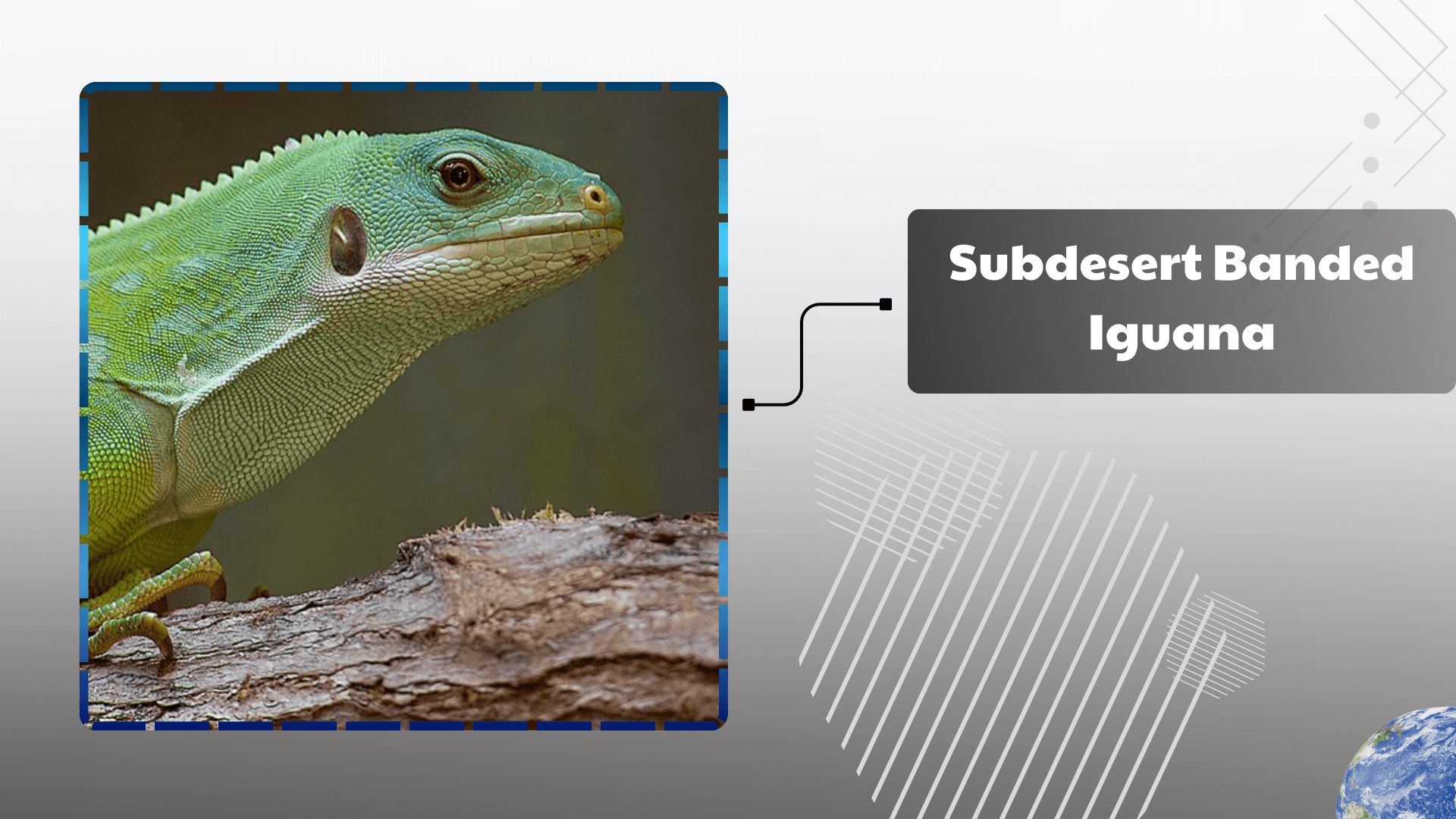
The Subdesert Banded Iguana is a variant of the Fiji Banded Iguana, adapted to drier regions of the islands. This iguana exhibits vibrant green coloration with distinctive blue or white bands along its body, especially prominent in males. It inhabits scrub forests, rocky hillsides, and open areas with sparse vegetation.
Diet consists mainly of leaves, flowers, and fruits. They are arboreal and terrestrial, climbing trees and shrubs to access food or avoid predators. Burrows and rock crevices provide shelter and thermoregulation. By consuming fruits, they play a vital role in seed dispersal and forest regeneration.
Males are territorial, using head-bobbing, push-ups, and tail displays to defend their area. Females lay eggs in protected burrows, and hatchlings are independent. Habitat loss and invasive predators such as rats threaten populations, making conservation efforts critical.
Studying the Subdesert Banded Iguana provides insight into the adaptations of island species to varied habitats and the importance of protecting endemic wildlife.
39. Grand Cayman Blue Iguana (Cyclura lewisi variant)

The Grand Cayman Blue Iguana is a striking, endemic species native to Grand Cayman Island. Males exhibit brilliant blue coloration, particularly during breeding, while females are more muted. This iguana inhabits dry forests, limestone outcrops, and scrublands, showcasing both terrestrial and semi-arboreal habits.
Diet is primarily herbivorous, consisting of leaves, fruits, flowers, and occasional insects. These iguanas dig burrows for nesting, shelter, and thermoregulation, and their foraging behavior aids seed dispersal, maintaining island vegetation. They are active during the day, basking to regulate body temperature.
Males are highly territorial and use head-bobbing, push-ups, and tail thrashing to establish dominance. Females lay eggs in secure burrows, and hatchlings are independent. Threats include habitat destruction, invasive species, and human interference, but conservation programs, including captive breeding, have successfully increased population numbers.
The Grand Cayman Blue Iguana is a flagship species for conservation, demonstrating how protective efforts can restore endangered reptile populations and preserve island ecosystems.
40. Caribbean Spiny Rock Iguana (general Cyclura group)

The Caribbean Spiny Rock Iguana represents a group of Cyclura species found throughout the Caribbean islands. These iguanas are medium to large in size, with robust bodies, spiny tails, and coloration ranging from gray to brown or green depending on the species. They inhabit dry forests, rocky outcrops, and coastal scrublands.
Diet is primarily herbivorous, including leaves, fruits, flowers, and occasionally insects. By consuming fruits, they contribute to seed dispersal and the maintenance of island flora. These iguanas dig burrows for protection, thermoregulation, and nesting, and are also adept climbers.
Males are territorial, displaying head-bobbing, push-ups, and tail flicks to assert dominance. Females lay eggs in burrows, and hatchlings are fully independent. Conservation challenges include habitat destruction, invasive species, and hunting pressures, prompting initiatives for habitat protection and population monitoring.
The Caribbean Spiny Rock Iguana group highlights the diversity and adaptability of iguanas in island ecosystems, emphasizing the importance of conservation and ecological balance.
Conclusion
Exploring the fascinating world of iguana species reveals the incredible diversity and adaptability of these remarkable reptiles. From the vibrant Bahamian Blue Iguana to the resilient Caribbean Spiny Rock Iguana, each species has unique traits, behaviors, and ecological roles that make them indispensable to their native habitats. Many iguanas thrive in arid, rocky environments, while others have adapted to lush tropical forests and island ecosystems, demonstrating nature’s versatility and ingenuity.
Most iguanas are primarily herbivorous, feeding on leaves, flowers, and fruits, which allows them to play a crucial role as seed dispersers, supporting plant diversity and ecosystem health. Burrowing and basking behaviors are essential for thermoregulation, protection, and reproduction, highlighting how well these reptiles have evolved to survive in challenging habitats.
Unfortunately, habitat loss, invasive species, hunting, and climate change threaten several iguana species. Conservation programs, such as habitat restoration, captive breeding, and invasive species control, have proven successful for some populations, like the Grand Cayman Blue Iguana and Bahamian Blue Iguana. Protecting these reptiles is not only vital for maintaining ecological balance but also for preserving the unique evolutionary lineages that make iguanas so captivating.
Whether you are a wildlife enthusiast, a student, or someone simply curious about reptiles, understanding the diversity of types of iguanas provides insight into evolution, adaptation, and the importance of conservation. By appreciating and protecting these species, we ensure that future generations can witness the awe-inspiring beauty and ecological significance of iguanas in the wild.
Frequently Asked Questions (FAQs) About Iguanas
1. What are iguanas?
Iguanas are a group of reptiles belonging to the family Iguanidae. They are primarily herbivorous and are found across Central America, the Caribbean, South America, and some Pacific islands. Iguanas vary widely in size, coloration, and habitat preferences.
2. How many types of iguanas are there?
There are dozens of iguana species, including rock iguanas, spiny-tailed iguanas, green iguanas, and island-specific iguanas. In this article, we reviewed 40 unique types of iguanas.
3. Where do iguanas live?
Iguanas inhabit diverse environments, from dry forests and rocky outcrops to tropical rainforests and island ecosystems. Some species are arboreal, climbing trees and shrubs, while others are mainly terrestrial, living on the ground or in burrows.
4. What do iguanas eat?
Most iguanas are herbivorous, consuming leaves, fruits, flowers, and occasionally small insects. Their feeding habits make them important seed dispersers in their ecosystems.
5. Are iguanas dangerous to humans?
Iguanas are generally not dangerous. They may bite or use their spiny tails in self-defense if threatened, but they rarely attack humans.
6. How do iguanas defend themselves?
Many iguanas use their tails as a whip, display aggressive body postures, or hide in burrows to evade predators. Some species also use camouflage to blend into their surroundings.
7. What is the lifespan of an iguana?
Iguanas can live anywhere from 10 to 20 years in the wild, depending on the species. Some island iguanas, like the Grand Cayman Blue Iguana, can live even longer with proper conservation care.
8. How big do iguanas get?
Size varies by species. Spiny-tailed iguanas can reach over 1.5 meters (5 feet) including their tail, while smaller species like the Fiji Banded Iguana may grow to about 40–60 cm (16–24 inches).
9. Are all iguanas herbivores?
Most iguanas are herbivorous, but some species occasionally eat insects or small animals to supplement protein intake. Their diet is mostly plant-based.
10. How do iguanas reproduce?
Male iguanas are territorial and attract females with head-bobbing, push-ups, and tail displays. Females lay eggs in burrows, which hatch independently. Breeding behavior varies slightly among species.
11. What is the difference between a rock iguana and a spiny-tailed iguana?
Rock iguanas, like the Grand Cayman Blue Iguana, tend to have robust bodies adapted for rocky terrains, while spiny-tailed iguanas have long, spiny tails used for defense and are often more agile climbers.
12. Can iguanas swim?
Yes, some species like the Marine Iguana are excellent swimmers and even feed underwater. Other species may swim occasionally to escape predators or navigate between habitats.
13. Why are Marine Iguanas unique?
Marine Iguanas, found only in the Galápagos Islands, are the only iguanas adapted to forage in the ocean. They feed primarily on algae and are excellent swimmers.
14. How do iguanas regulate their body temperature?
As ectotherms, iguanas bask in the sun to raise their body temperature and seek shade or burrows to cool down. Thermoregulation is essential for digestion, metabolism, and activity.
15. What are some endangered iguana species?
Several iguanas are endangered due to habitat loss, hunting, and invasive species. Examples include the Bahamian Blue Iguana, Grand Cayman Blue Iguana, and Lesser Antillean Rock Iguana.
16. Are iguanas good pets?
Iguanas can be kept as pets, particularly Green Iguanas, but they require specialized care, large enclosures, a proper diet, and attention to temperature and humidity. They are not beginner-friendly pets.
17. How fast can iguanas move?
Iguanas can run quickly when threatened. Some species can sprint up to 21 km/h (13 mph) over short distances to escape predators.
18. Do iguanas climb trees?
Many iguana species are excellent climbers. Tree-dwelling species like the Fiji Banded Iguana spend most of their time in the canopy, while rock and spiny-tailed iguanas may climb shrubs or rocky ledges.
19. What is the role of iguanas in ecosystems?
Iguanas are crucial for ecosystems as seed dispersers, herbivores, and prey for predators. They help maintain plant diversity and contribute to the food web.
20. How do iguanas communicate?
Iguanas use visual signals such as head-bobbing, push-ups, tail displays, and color changes to communicate territorial claims, mating readiness, or stress.
21. Can iguanas change color?
Some iguanas can slightly change their coloration for thermoregulation or during social interactions, although they are not true chameleons. Color changes can indicate stress, mood, or breeding readiness.
22. What are burrows used for?
Burrows provide shelter from predators, protection from extreme temperatures, and safe nesting sites for eggs. Many iguana species spend considerable time in burrows during the hottest or coldest parts of the day.
23. How do iguanas survive on islands?
Island iguanas have adapted to limited resources, predators, and harsh climates. They often develop unique coloration, behavior, or dietary habits to survive and maintain ecological balance.
24. What is the difference between a Green Iguana and a Rock Iguana?
Green Iguanas are arboreal and primarily found in rainforests, with vibrant green coloration, while Rock Iguanas are terrestrial, robust, and often have muted gray-brown colors to blend with rocky habitats.
25. How do iguanas protect themselves from predators?
Defense mechanisms include running, climbing, tail whipping, biting, burrowing, and camouflage. Some species, like spiny-tailed iguanas, rely heavily on their tail as a deterrent.
26. Do iguanas hibernate?
Some iguana species enter a state of dormancy in colder climates, reducing activity and metabolism to survive periods of low temperatures or scarce food.
27. What are some of the largest iguana species?
The largest iguanas include the Green Iguana and the Grand Cayman Blue Iguana. They can reach over 1.5 meters (5 feet) in total length, including their tails.
28. How do iguanas reproduce?
Mating involves territorial males attracting females with visual displays. Females lay eggs in burrows, and hatchlings are independent immediately. Some species show seasonal breeding patterns.
29. Can iguanas coexist with humans?
In some areas, iguanas have adapted to human-modified environments, including gardens and urban areas. However, habitat destruction and hunting still threaten many populations.
30. How do island iguanas differ from mainland iguanas?
Island iguanas often show unique coloration, size, and behavior due to isolation. Examples include the Bahamian Blue Iguana and Galápagos Land Iguanas, which have evolved traits specific to their islands.
31. How do iguanas contribute to seed dispersal?
By consuming fruits and passing seeds through their digestive system, iguanas help plants propagate across their habitats, maintaining forest and scrubland ecosystems.
32. Do iguanas eat meat?
While primarily herbivorous, some iguanas may consume insects or small animals, especially juveniles, to obtain additional protein for growth.
33. How do iguanas bask in the sun?
Basking allows iguanas to regulate their body temperature. They often choose sun-exposed rocks, tree branches, or open ground during early morning or midday.
34. What is the diet of Marine Iguanas?
Marine Iguanas feed almost exclusively on algae growing on rocks in tidal zones. Their flattened tails and strong limbs make them efficient swimmers and divers.
35. Why are spiny tails important?
Spiny tails are used as a defense mechanism, helping iguanas ward off predators. The tail can deliver painful, whip-like strikes when threatened.
36. How do iguanas find mates?
Males use visual displays, including color changes, head-bobbing, and push-ups, to attract females. Territorial displays help reduce conflict and establish dominance.
37. Can iguanas survive in deserts?
Some species, like the Desert Iguana and Spiny-tailed Iguanas, have adapted to arid environments by burrowing and conserving water, feeding on sparse vegetation.
38. Are iguanas social animals?
Iguanas are generally solitary, especially adult males, but they may bask in groups or aggregate around food sources. Territorial behavior is common among males.
39. How do iguanas communicate danger?
Iguanas use visual signals like tail whipping, head-bobbing, and rapid movements to alert other iguanas of nearby threats or predators.
40. How do iguanas adapt to human presence?
Some iguanas have become habituated to humans, especially in gardens or parks, though they still require natural habitats for breeding and shelter.
41. Do iguanas have predators?
Yes, iguanas are preyed upon by birds of prey, mammals, snakes, and humans. Hatchlings are particularly vulnerable to predation.
42. How long does it take for iguana eggs to hatch?
Incubation varies by species and environmental conditions but generally ranges from 60 to 120 days. Temperature plays a crucial role in development.
43. Are iguanas endangered?
Several iguana species are endangered due to habitat loss, hunting, and invasive species. Conservation programs aim to restore populations and protect habitats.
44. How do iguanas survive on small islands?
Island iguanas adapt by exploiting available food sources, avoiding predators, and sometimes developing unique traits such as coloration or size.
45. Do iguanas hibernate in winter?
In cooler climates, iguanas may enter a state of dormancy or brumation to conserve energy when temperatures drop.
46. What is the largest iguana in the world?
The Green Iguana (Iguana iguana) is among the largest species, reaching lengths of over 2 meters (6.5 feet) including the tail.
47. How do iguanas help ecosystems?
They help disperse seeds, control plant growth, provide prey for predators, and contribute to nutrient cycling through their feeding and burrowing behaviors.
48. Can iguanas live in captivity?
Yes, with proper care, large enclosures, UV lighting, and a balanced diet, some species like Green Iguanas can thrive in captivity, though wild species require special permits.
49. How do iguanas avoid overheating?
They retreat to shade, burrows, or cooler microhabitats during the hottest parts of the day to maintain safe body temperatures.
50. Are iguanas important to culture?
Yes, iguanas have cultural significance in Caribbean, Central American, and Pacific island communities, often appearing in folklore, cuisine, and as symbols of biodiversity.
51. Can iguanas coexist with other reptiles?
In the wild, iguanas often share habitats with other reptiles but maintain their own territories. In captivity, care must be taken to avoid aggression or competition.
52. How do iguanas affect island vegetation?
By feeding on leaves and fruits, iguanas help prune vegetation, disperse seeds, and maintain the ecological balance of island habitats.