

Dragonflies are among the most captivating insects in freshwater ecosystems. With their vibrant colors, agile flight, and predatory skills, they intrigue both casual observers and seasoned naturalists. In this guide, we explore 35 Types of Dragonflies, providing identification tips, behavioral insights, and interesting facts. From the shimmering Common Green Darner to the elusive Black Emperor, each species offers a unique glimpse into aquatic biodiversity. Whether you are a backyard enthusiast, a diver exploring ponds and rivers, or simply curious about the marvels of entomology, this article will help you understand, recognize, and appreciate these fascinating insects.
Types of Dragonflies
1. Common Green Darner (Anax junius)

Fun fact: The Common Green Darner migrates long distances across North America, sometimes up to 2,500 km in a season. Its vibrant green thorax and blue abdomen make it easy to spot against water surfaces. Typically, they inhabit ponds, lakes, and slow-moving streams, where their diet includes mosquitoes, flies, and other small insects. Males patrol territories, displaying rapid, agile flight patterns, while females lay eggs in submerged vegetation. Observers often note their steady, purposeful flight, resembling a miniature helicopter. These dragonflies are also indicators of healthy freshwater ecosystems due to their sensitivity to water quality.
2. Blue Dasher (Pachydiplax longipennis)

Fun fact: Blue Dashers are often seen basking on reeds or low vegetation near water. The males are characterized by powdery blue abdomens and striking black thorax stripes, while females display brownish tones with subtle blue hints. Found commonly in North America, they thrive in ponds, marshes, and slow rivers. Their hunting strategy involves perching and darting to capture prey mid-flight. Blue Dashers are known for territorial behavior, often engaging in aerial displays to ward off rivals. Their presence indicates both a well-balanced ecosystem and abundant prey availability.
3. Eastern Pondhawk (Erythemis simplicicollis)
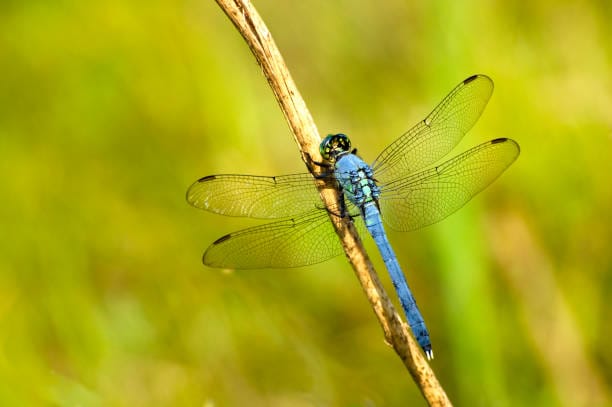
Fun fact: Named for their affinity for calm freshwater habitats, Eastern Pondhawks exhibit remarkable sexual dimorphism. Males display bright blue abdomens, while females range from green to brown with pale markings. Commonly found across the eastern United States, they are agile predators feeding on small insects. These dragonflies perch low on vegetation, scanning for passing prey, and sometimes engage in brief aerial combat to maintain territory. Eastern Pondhawks also contribute to controlling mosquito populations, making them beneficial for human environments.
4. Widow Skimmer (Libellula luctuosa)
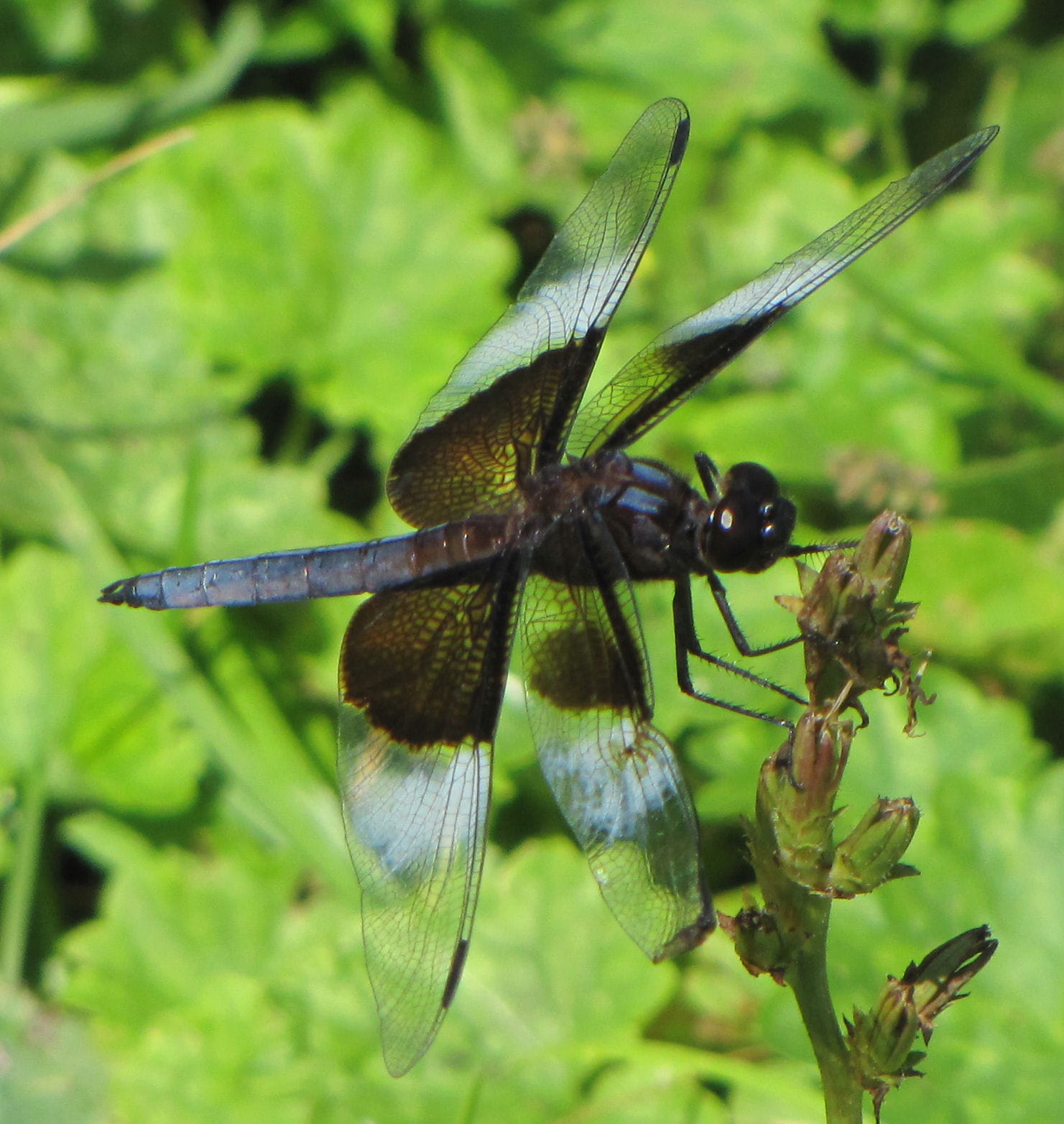
Fun fact: Widow Skimmers are easily recognized by the white patches on male wings, contrasting with dark wing bands. Females are more subdued in color but exhibit intricate wing venation. These dragonflies inhabit ponds, lakes, and slow rivers, often hovering over open water or perching conspicuously on reeds. They hunt flying insects, relying on rapid acceleration and sharp turns. Males are highly territorial, using their visual signals to deter rivals and attract mates. Observing them during mid-morning reveals impressive aerial acrobatics.
5. American Emerald (Cordulia shurtleffii)
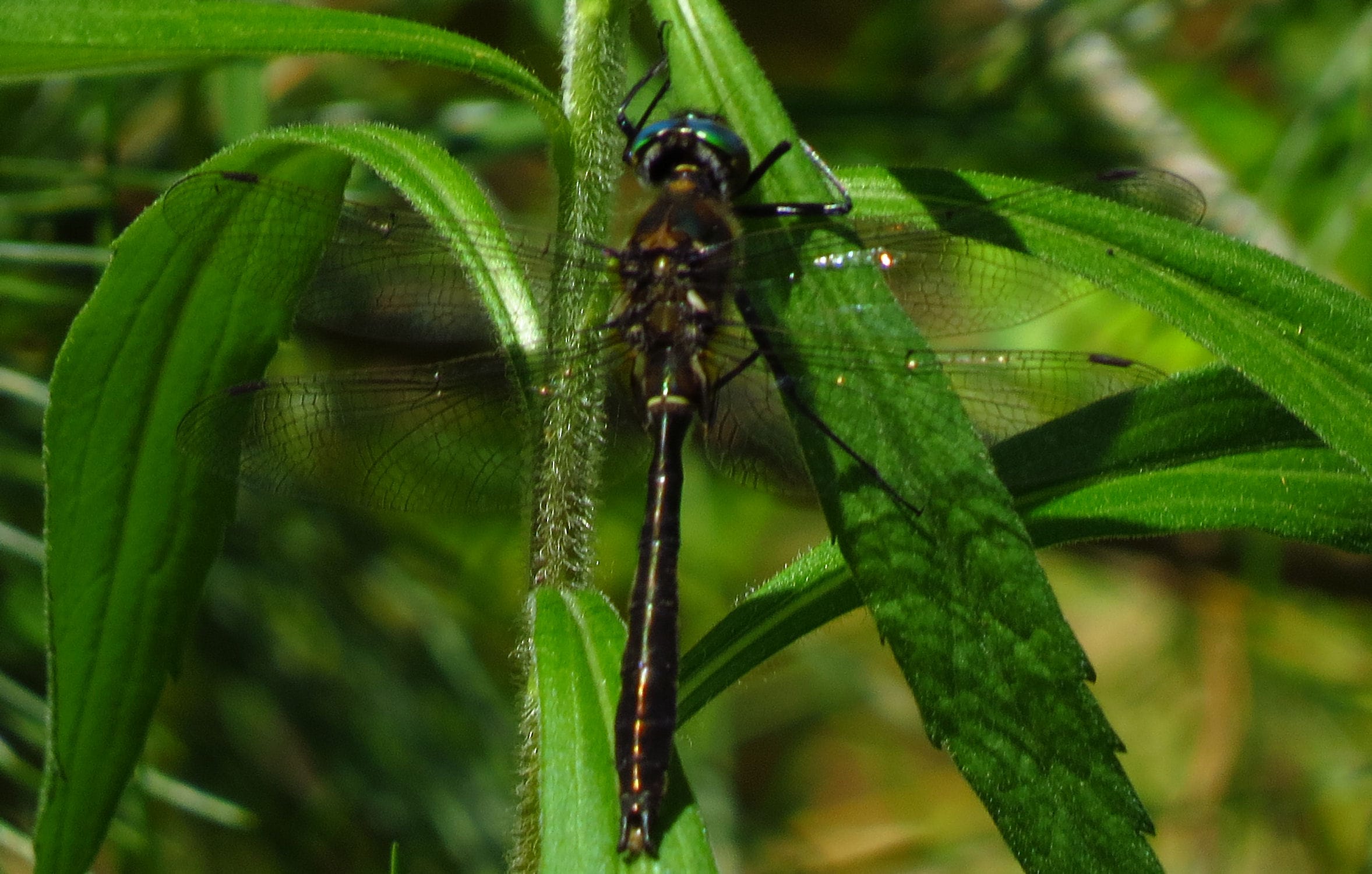
Fun fact: American Emeralds are a medium-sized species with metallic green eyes and bronze-colored bodies. They prefer shaded, forested streams and ponds, making them less visible than more colorful species. Adults patrol over water and nearby vegetation, capturing small insects on the wing. Their flight is steady but agile, and they often perch with wings held slightly downward. American Emeralds are indicators of pristine freshwater habitats, and their presence suggests healthy riparian zones with minimal disturbance.
6. Crimson Marsh Glider (Trithemis aurora)
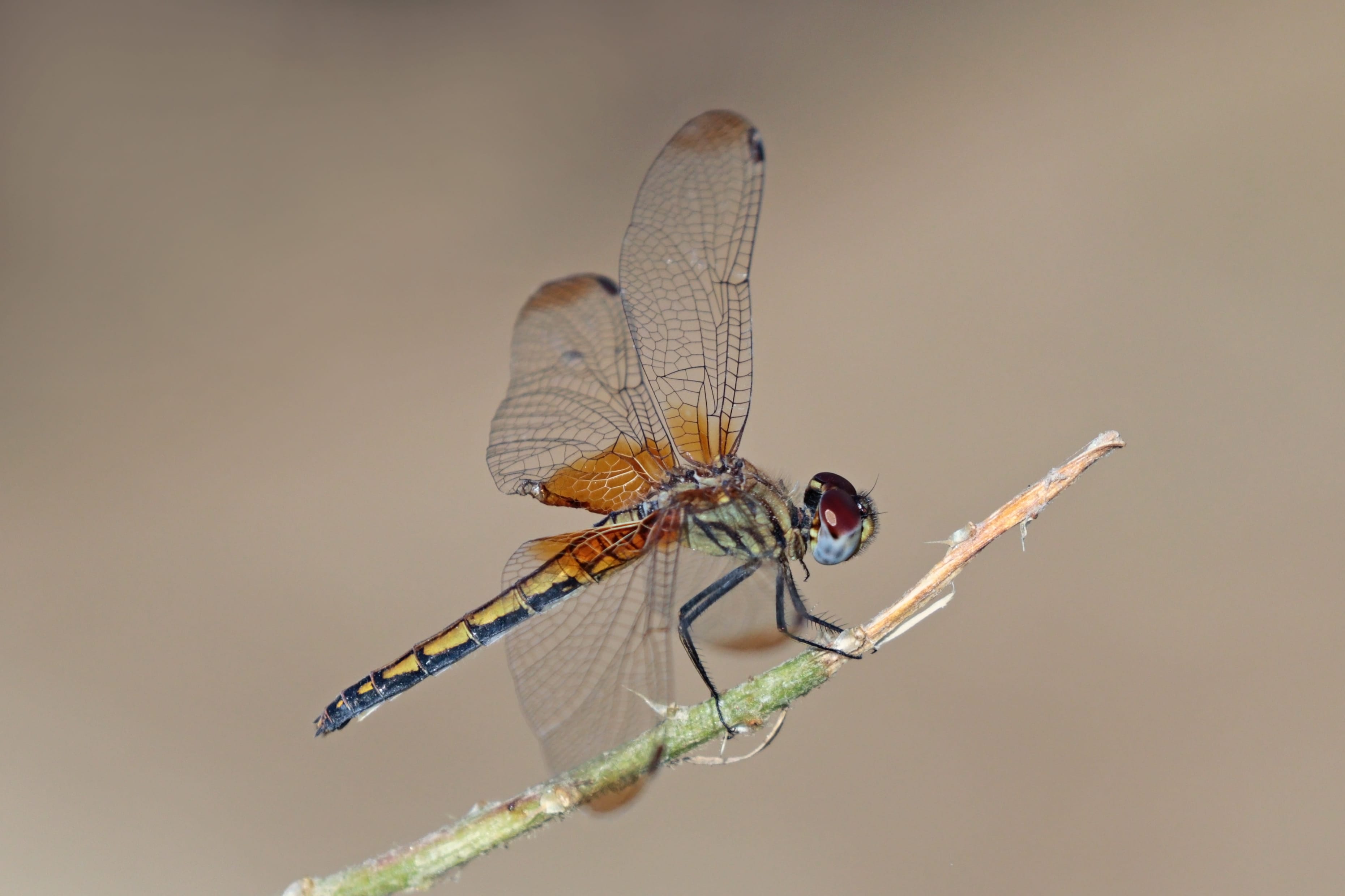
Fun fact: This striking species dazzles observers with its deep crimson coloration, particularly in males. Widely distributed in Asia, Crimson Marsh Gliders frequent marshes, ponds, and slow streams. They are active hunters, using a combination of hovering and rapid darting to capture prey. Their perching behavior is characteristic: wings held partially open while surveying the surrounding area. Females are more subdued, displaying brownish or orange tones. Seasonal movements may occur in response to water levels and food availability.
7. Roseate Skimmer (Orthemis ferruginea)
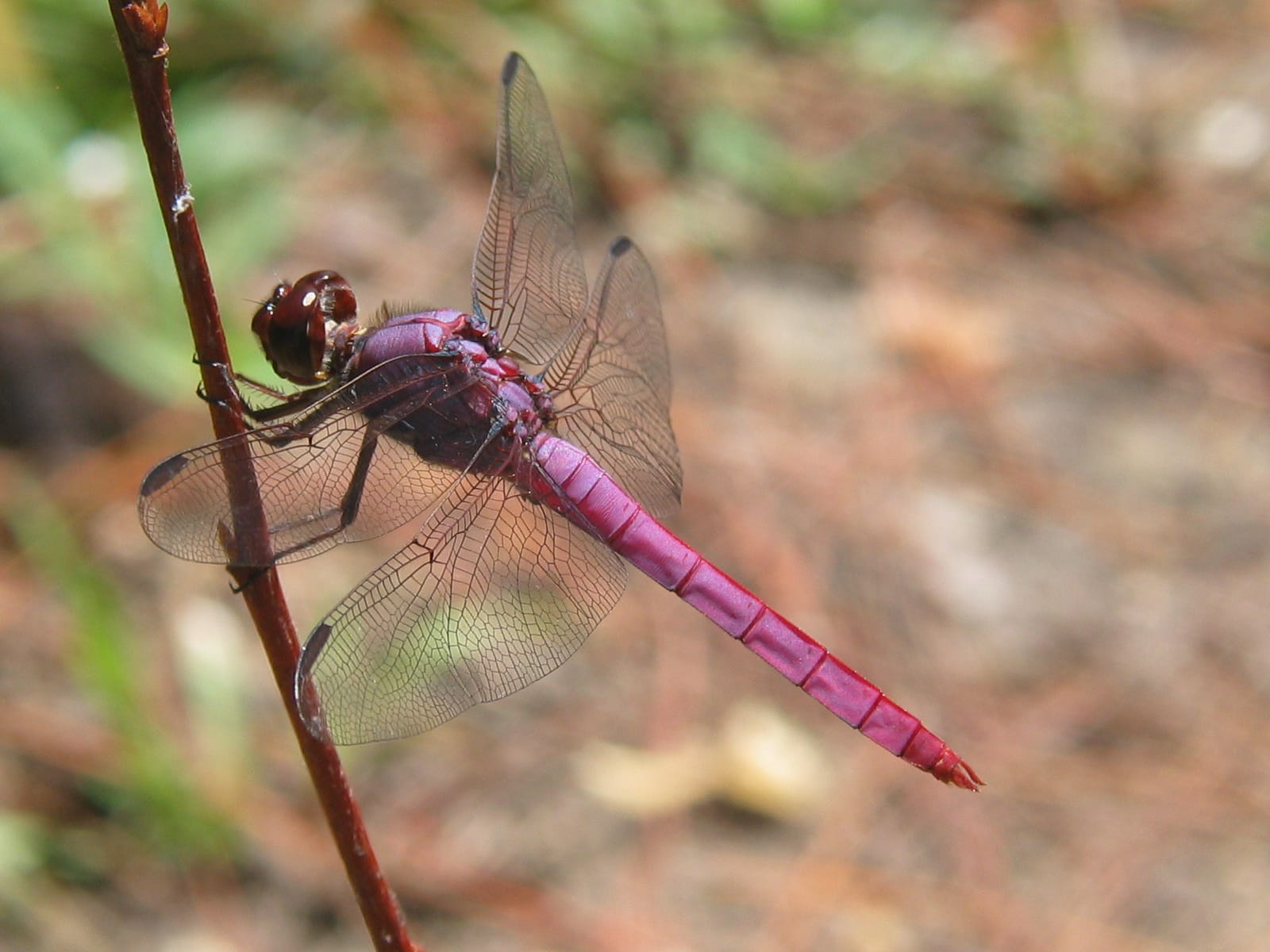
Fun fact: Named for their rosy-pink abdomen, Roseate Skimmers are commonly seen in southern North America and the Caribbean. Males exhibit bright coloration, whereas females are light brown with subtle markings. These dragonflies thrive in warm, sunlit waters such as ponds, lagoons, and marshes. Their hunting technique involves short flights from perches, capturing flying insects. Roseate Skimmers are also known for aggressive territorial displays, often chasing away smaller competitors.
8. Black Saddlebags (Tramea lacerata)
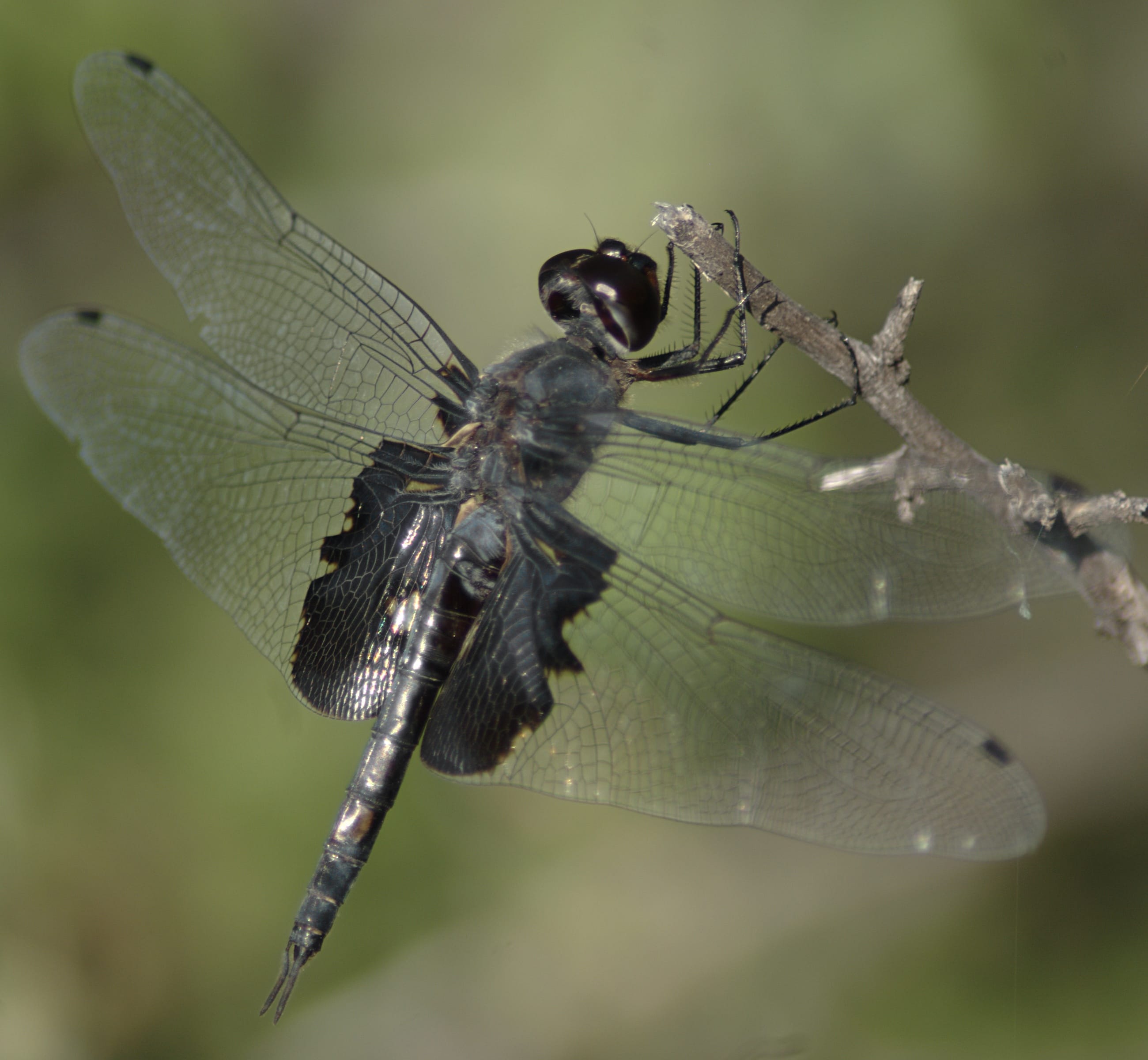
Fun fact: The “saddlebags” name comes from the distinctive dark patches on their hind wings. Black Saddlebags prefer lakes, ponds, and marshes, often flying in open spaces while hunting mosquitoes and flies. Adults are strong fliers, capable of long-distance dispersal and patrolling territories. Males perform aerial displays to attract females and deter rivals. Their presence in a habitat indicates abundant prey and a relatively undisturbed environment.
9. Hine’s Emerald (Somatochlora hineana)
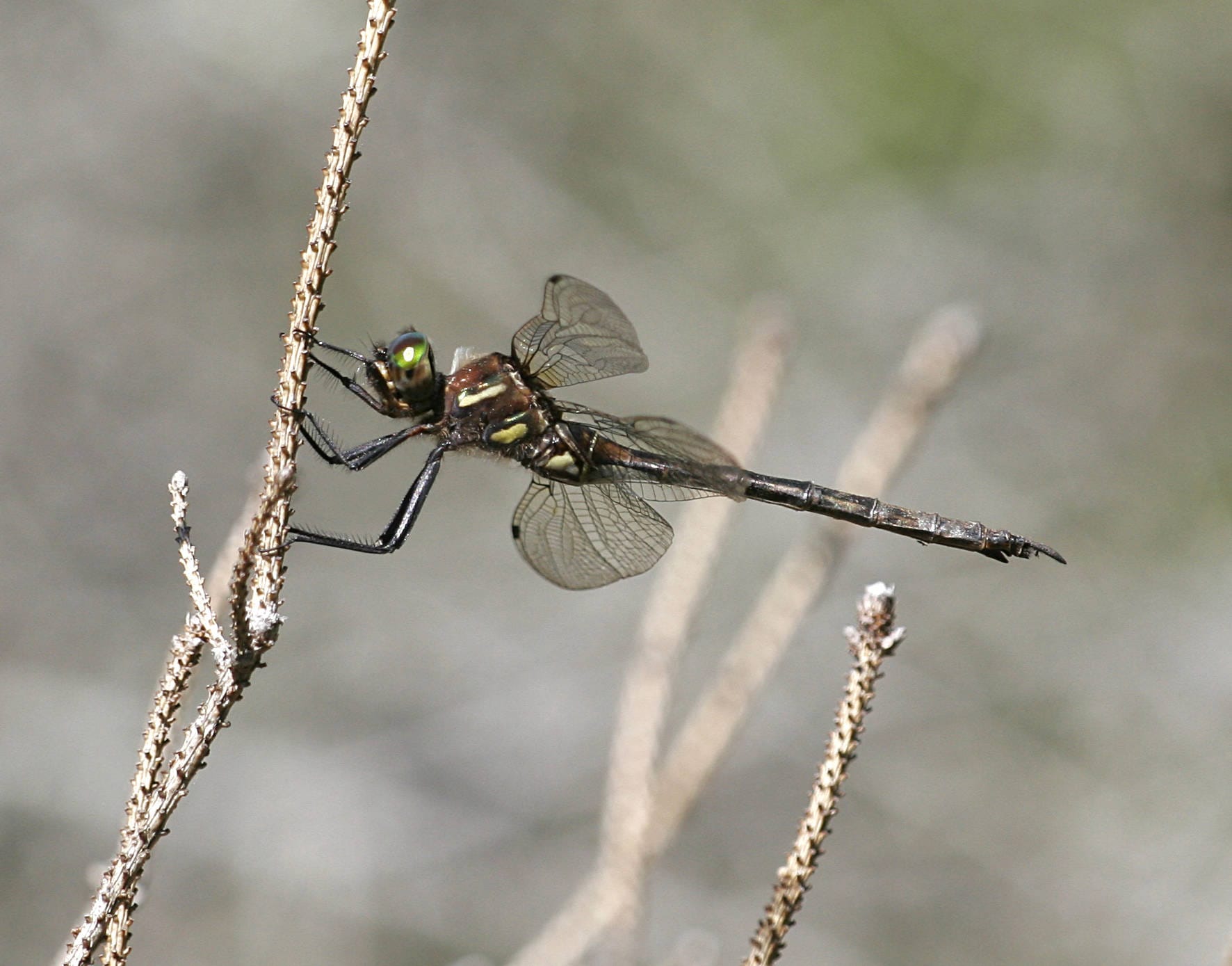
Fun fact: Hine’s Emeralds are rare, endangered dragonflies native to the Midwest United States. Recognizable by their metallic green bodies and emerald eyes, they inhabit fens and marshes with pristine water quality. They are agile predators, feeding on small insects while maintaining territories over wetlands. Conservation efforts focus on protecting fen habitats and monitoring populations, as habitat loss remains a primary threat. Observing Hine’s Emeralds requires patience due to their elusive nature.
10. Halloween Pennant (Celithemis eponina)
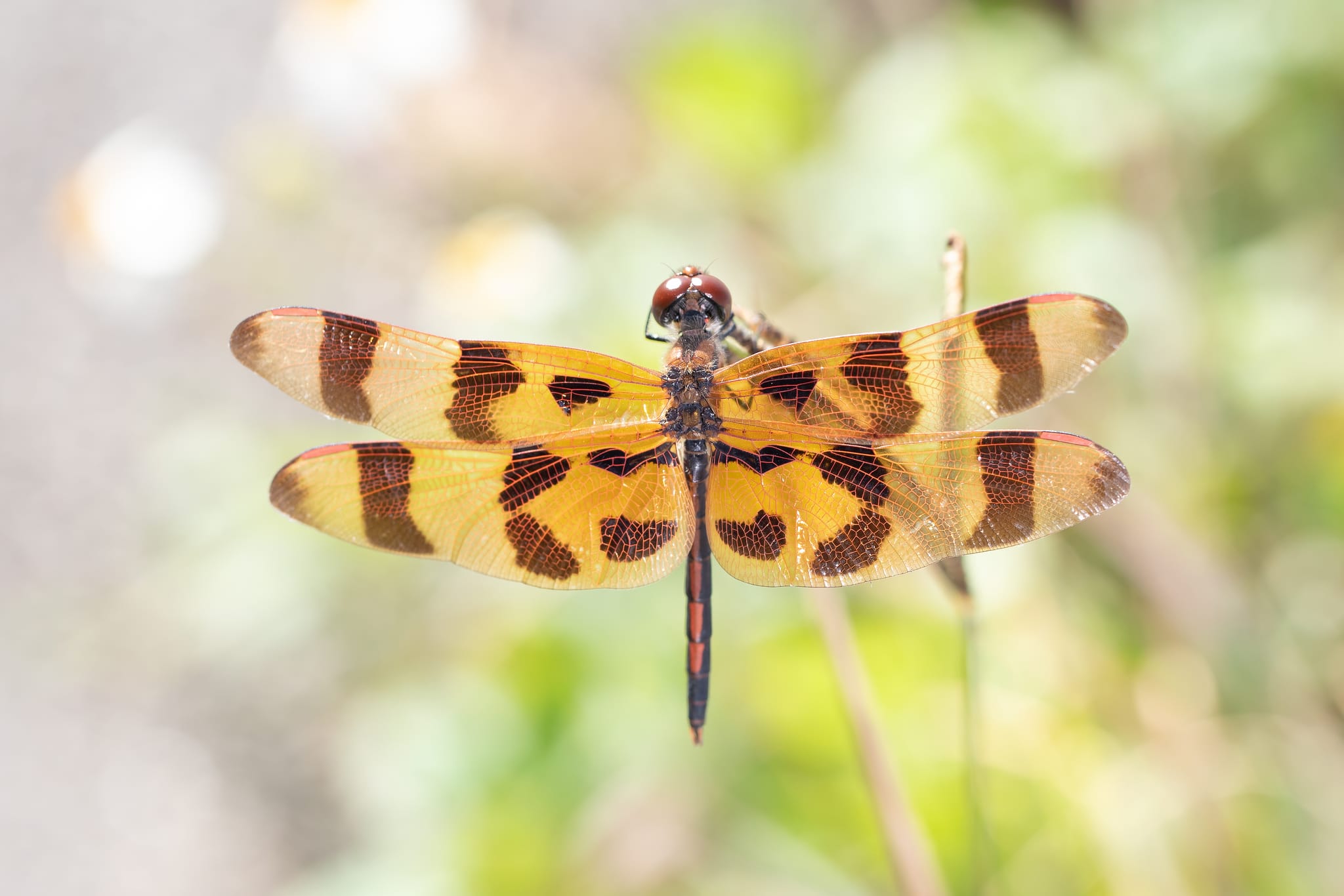
Fun fact: Halloween Pennants exhibit orange and black wings resembling the colors of the holiday. They favor ponds, lakes, and marshy wetlands in North America. These dragonflies perch on tall grasses, waving in the breeze like tiny flags. They hunt flying insects and display pronounced territorial behavior, often engaging in short aerial duels. Their name and striking pattern make them popular among wildlife photographers and enthusiasts.
11. Broad-striped Forceptail (Aphylla angustifolia)

Fun fact: Broad-striped Forceptails are distinguished by the dark stripes along their thorax and forceptail-shaped terminal appendages. Native to Central and South America, they inhabit slow streams and shaded ponds. Their hunting involves short, precise flights from low perches. Males defend territories vigorously, while females tend to remain close to oviposition sites. Their presence contributes to insect population control in tropical freshwater ecosystems.
12. Orange Shadowdragon (Neurocordulia xanthosoma)

Fun fact: Named for their translucent orange hues, Orange Shadowdragons are active at dusk, giving them a mysterious presence over lakes and rivers. Adults feed on flying insects during low light, making them crepuscular predators. They favor calm waters with abundant vegetation for laying eggs. Their subtle coloration allows camouflage from predators, and observing them provides insight into the diverse hunting strategies of dragonflies.
13. Mottled Darner (Aeshna clepsydra)
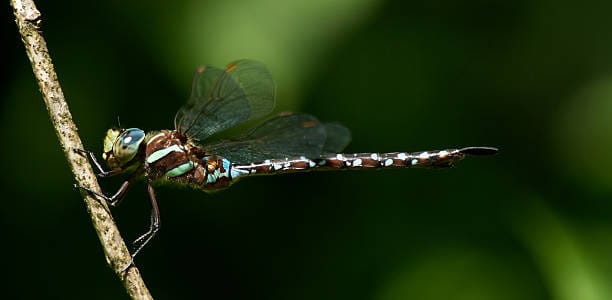
Fun fact: Mottled Darners display intricate brown and green mottled patterns, blending into forested streams. Common in North America, they prefer shaded habitats with clear water. Adults hunt flying insects along stream margins and show territorial behavior. Their coloration provides camouflage while perched, making them challenging to spot. Studying their flight patterns reveals an extraordinary combination of precision and agility.
14. Northern Emerald (Somatochlora arctica)

Fun fact: Northern Emeralds inhabit cold, northern wetlands across Europe and North America. Metallic green eyes and elongated bodies give them an unmistakable appearance. They patrol small ponds and marshes, feeding on midges and small flies. Males defend territories, often hovering in place while scanning for rivals. Conservation of northern wetlands is critical for the survival of these dragonflies, which rely on specific aquatic vegetation.
15. Common Whitetail (Libellula lydia)

Fun fact: Named for the white segment at the tail of males, Common Whitetails are widespread in North America. They favor sunny ponds and slow-moving waters. Males defend territories aggressively, performing aerial displays, while females lay eggs in shallow water. Their diet consists mainly of mosquitoes and small flying insects. Observing their perching behavior provides a close-up look at intricate wing patterns and coloration.
16. Clubtail Dragonfly (Family Gomphidae)
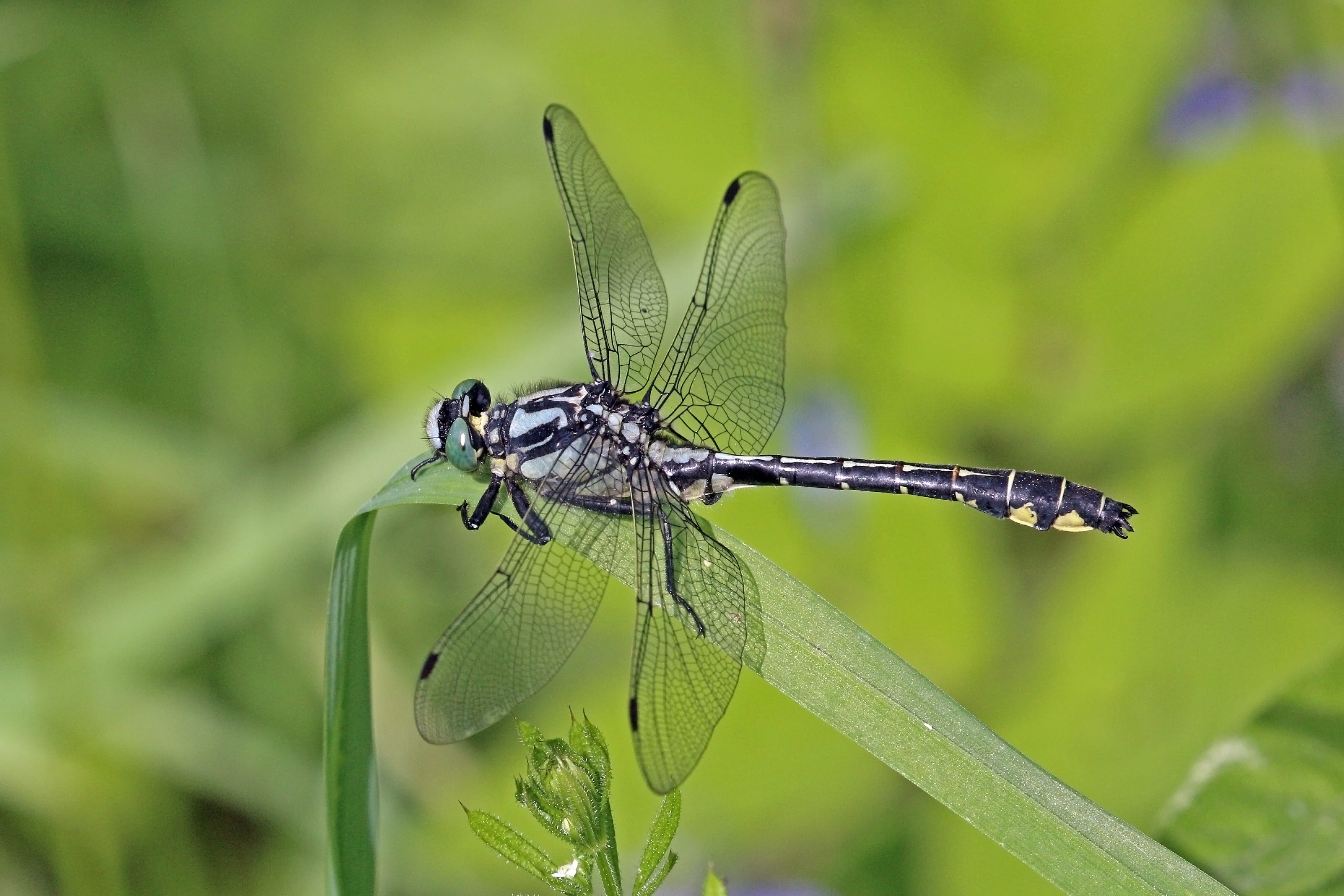
Fun fact: Clubtail dragonflies are named for the distinctive widening at the end of their abdomens, resembling a club. These dragonflies are widely distributed across North America, Europe, and Asia, inhabiting clean rivers, streams, and lakes. The adults are generally medium-sized and display muted green, brown, or yellow coloration, which helps them blend into riparian vegetation. Clubtails are sit-and-wait predators, often perching low on stones, plant stems, or riverbanks, darting out to capture passing insects. Their diet primarily consists of small flying insects, including midges, mosquitoes, and flies, contributing to pest control in their habitats. Males establish and defend territories along water edges, performing aerial displays to ward off competitors while attracting females. Clubtails are also indicators of high-quality water, as their larvae are sensitive to pollution and sedimentation. The larvae, called nymphs, live submerged for one to three years depending on the species, burrowing into riverbeds and feeding on small invertebrates. Nymphal development is fascinating because they undergo multiple molts before emerging as adults, a process often synchronized with seasonal cues. Observing a clubtail dragonfly in the wild requires patience, as their cryptic coloration and deliberate hunting style make them easy to overlook despite their prevalence. These dragonflies are a testament to the importance of conserving freshwater ecosystems and maintaining clean, flowing waters to support diverse insect life.
17. Darner Dragonfly (Family Aeshnidae)
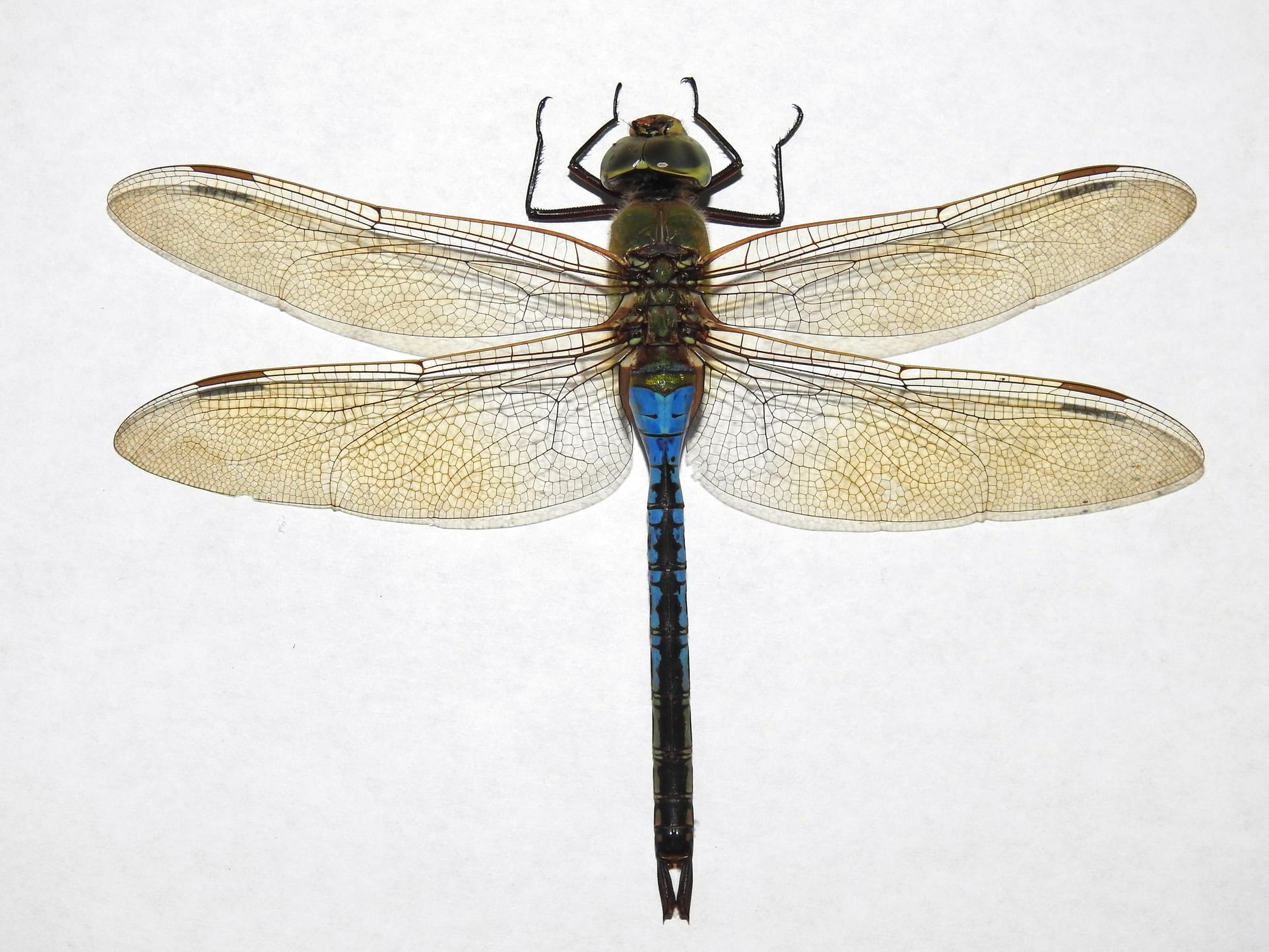
Fun fact: Darners are among the largest and most agile dragonflies, often referred to as the “helicopters of the insect world.” Found on every continent except Antarctica, they inhabit ponds, lakes, and marshes with abundant aquatic vegetation. Males are highly territorial, patrolling large areas with powerful, sustained flight, while females tend to remain closer to oviposition sites. The species exhibit bright blue, green, or brown coloration with characteristic thorax stripes, making identification relatively straightforward for enthusiasts. Darners are formidable predators, capturing mosquitoes, midges, and even smaller dragonflies midair. Their mating rituals involve complex aerial maneuvers, where the male clasps the female behind the head while she curves her abdomen to receive sperm, forming the classic “wheel” position. Larvae live in aquatic environments for one to five years, depending on species, and are efficient ambush predators in themselves, feeding on mosquito larvae, small crustaceans, and other aquatic invertebrates. Adult darners provide important ecosystem services by controlling insect populations, while their sensitivity to pollution makes them useful bioindicators. Watching a darner in action is impressive; their precision, speed, and ability to hover or dart in tight spaces highlight the extraordinary adaptations that have evolved in this family over millions of years. Conservation of wetlands and clean freshwater habitats ensures these dragonflies remain a visible and vital part of natural landscapes.
18. Emerald Dragonfly (Family Corduliidae)

Fun fact: Emerald dragonflies are aptly named for their metallic green eyes and shimmering body colors. These medium-sized dragonflies prefer open ponds, marshes, and slow rivers with minimal disturbance. Adult emeralds patrol their territories, hunting midges, mosquitoes, and small flying insects with a combination of hovering and short bursts of flight. The males’ iridescent thorax and abdomen make them particularly striking under sunlight, while females tend to have duller tones for better camouflage. Larvae are aquatic, often hiding among submerged vegetation and feeding on tiny invertebrates. Emerald dragonflies are important predators in freshwater food webs, balancing insect populations and supporting bird species that rely on them as prey. Their life cycles often span one to two years, with emergence timed to seasonal cues to optimize mating and feeding opportunities. Observing emeralds requires a keen eye, as they can disappear suddenly into reeds or tree shadows. For naturalists, these dragonflies provide insight into habitat quality and ecosystem integrity, and they remain a favorite subject for photography due to their vivid coloring and graceful flight patterns.
19. Gliders (Pantala flavescens)

Fun fact: Gliders are known for their extraordinary migratory abilities, sometimes covering thousands of kilometers across continents. They are medium-sized, golden or yellowish dragonflies that inhabit ponds, lakes, and temporary pools in tropical and temperate regions worldwide. Gliders hunt small flying insects on the wing and are capable of sustained flight for hours without landing, a rare trait among dragonflies. Their long-distance migrations often coincide with seasonal rains, enabling them to exploit newly formed water bodies for breeding. Males and females engage in mid-air mating, and females lay eggs on the water surface, where larvae develop rapidly to take advantage of ephemeral habitats. Their ecological role is significant, as they control insect populations in both natural and agricultural landscapes. Gliders’ global distribution and impressive endurance make them a symbol of insect resilience and adaptability. Observing these dragonflies in the wild is a reminder of the interconnectedness of ecosystems, as individuals may originate from distant regions, traveling across oceans and continents to complete their life cycles.
20. Golden-ringed Dragonfly (Cordulegaster boltonii)

Fun fact: The Golden-ringed Dragonfly is Europe’s largest dragonfly species, identifiable by its striking black and yellow rings along the abdomen. Inhabiting clean, fast-flowing streams, this dragonfly is a predator both in its aquatic larval stage and as an adult. Nymphs live for several years in sandy or silty riverbeds, feeding on aquatic invertebrates, while adults capture flies, midges, and smaller dragonflies. Males patrol stretches of streams to secure territory and attract mates, displaying bold flight maneuvers and occasional confrontations with rivals. Females lay eggs directly into the water or submerged vegetation. This species requires high-quality freshwater habitats, and their presence is a reliable indicator of clean water and well-managed riparian zones. Naturalists often enjoy observing Golden-ringed Dragonflies because of their size, vivid coloration, and rapid hunting flights, which are both impressive and photogenic. Maintaining unpolluted rivers and streams ensures their continued survival in Europe’s diverse aquatic landscapes.
21. Hawker Dragonfly (Large Aeshnidae)
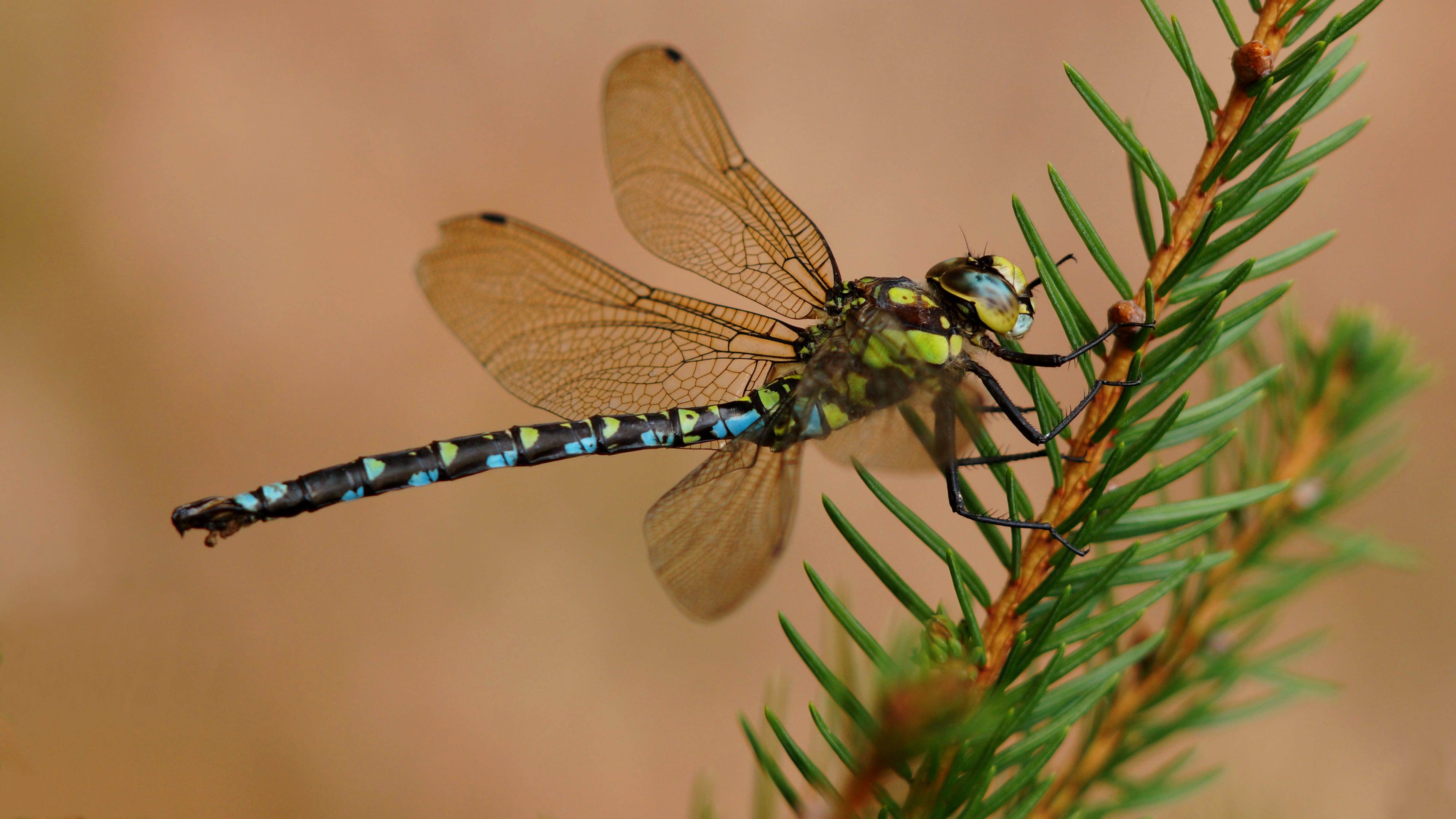
Fun fact: Hawkers are fast, large dragonflies recognized for their long-distance patrolling behavior. They inhabit lakes, rivers, and marshes with abundant vegetation. Adults display vibrant blue, green, or brown coloring with distinctive thoracic stripes. Hawker males defend territories, often flying tirelessly for hours while females remain near oviposition sites. They are skilled hunters, capturing flying insects with exceptional precision. Larvae are aquatic, feeding on small invertebrates and sometimes tadpoles. Emergence occurs seasonally, and adults are most active during sunny, calm conditions. Hawkers contribute to ecological balance by regulating insect populations and are sensitive to habitat changes, making them bioindicators of freshwater quality. Observing a hawker dragonfly in action demonstrates the evolutionary refinement of flight mechanics and hunting strategy among large Odonates.
22. Keeled Skimmer (Orthetrum coerulescens)

Fun fact: Keeled Skimmers are small to medium-sized dragonflies distinguished by the longitudinal keel-like ridge along the abdomen. Found across Europe, Asia, and North Africa, they inhabit ponds, lakes, and slow-moving rivers. Males are blue with darker thoracic markings, whereas females are brown with yellowish stripes. Keeled Skimmers perch conspicuously on rocks or plant stems, launching quick sprints to capture midges and other insects. Their territorial behavior is moderate, with occasional disputes over prime hunting spots. Larvae live in sediment-rich bottoms of ponds and streams, where they remain concealed while ambushing prey. This species’ adaptability allows it to thrive in slightly disturbed habitats, but clean water remains essential for successful reproduction and larval survival. Observing Keeled Skimmers offers insight into how dragonflies balance predation, mating, and territoriality within freshwater ecosystems.
23. Neopetalia punctata (Neopetaliidae)
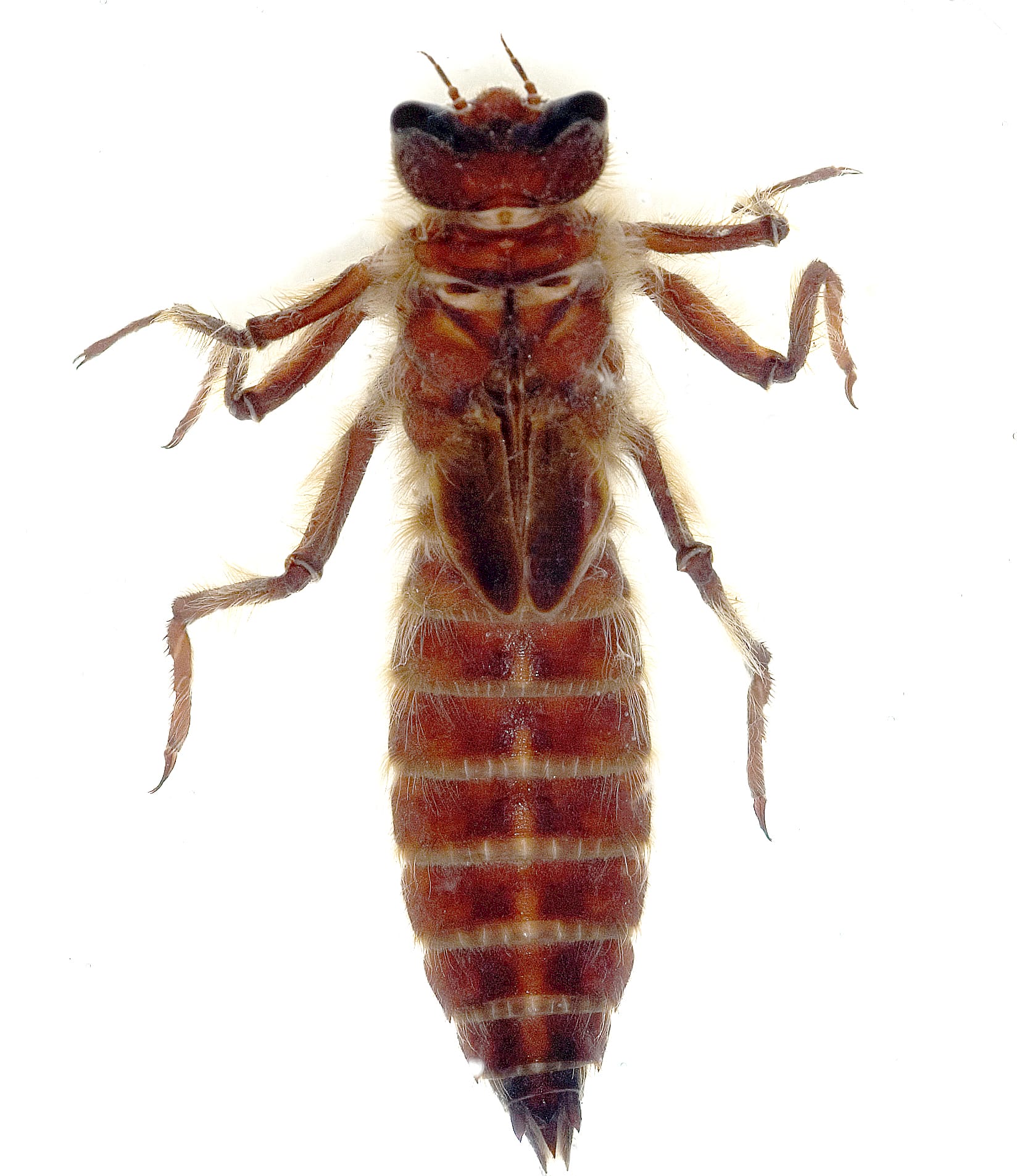
Fun fact: Neopetalia punctata is a rare South American dragonfly, notable for its slender body and distinctive wing venation. Adults prefer pristine rivers with well-oxygenated water, where they hunt midges, mosquitoes, and small flies. Their behavior includes patrolling stretches of streams and perching on rocks or low vegetation to ambush prey. Larvae are aquatic and highly sensitive to water quality, feeding on invertebrates within the river substrate. Mating involves mid-air coupling, with females laying eggs directly into running water. Observing this species is challenging due to its cryptic habits and limited distribution, making it a prized find for entomologists and nature photographers. Protecting their habitats from pollution and human disturbance is crucial for the continued existence of Neopetalia punctata in South America.
24. Petaltail Dragonfly (Family Petaluridae)

Fun fact: Petaltail dragonflies are ancient, large dragonflies often referred to as “living fossils.” Found in Australia and parts of North America, they inhabit forest streams and wetlands with dense vegetation. Adults are powerful fliers, preying on midges and smaller insects, while larvae occupy burrows along stream margins, ambushing prey that passes by. The family is characterized by elongated bodies and distinctive wing venation. Petaltail adults exhibit territorial behavior, patrolling areas along streams to ward off competitors and attract mates. Their slow population growth and habitat specificity make them vulnerable to environmental changes. Observing petaltail dragonflies offers a glimpse into evolutionary history, as they retain features that have persisted for millions of years. They are key indicators of intact forested freshwater ecosystems.
25. River Cruiser Dragonfly (Family Macromiidae)

Fun fact: River Cruiser dragonflies are named for their habit of cruising steadily along riverbanks, scanning for prey. They inhabit rivers, streams, and adjacent wetlands with clean water. Adults are medium to large in size, with metallic green or blue bodies and long, narrow abdomens. Their flight is powerful and direct, covering long distances along watercourses. Males establish and defend territories, performing aerial chases to ward off intruders. Larvae are aquatic, feeding on invertebrates and small fish in stream beds. River Cruisers play an essential ecological role by controlling insect populations, while their dependence on clean, flowing water makes them sensitive indicators of river health. Observing these dragonflies provides insight into the complex interactions between predators, prey, and habitat integrity in freshwater ecosystems.
26. Saddlebag Dragonfly (Genus Tramea)

Fun fact: Saddlebag dragonflies get their name from the dark patches at the base of their hind wings, resembling saddlebags. They are found in tropical and subtropical regions worldwide, frequenting ponds, lakes, and marshes. Adults are strong fliers, hunting midges, mosquitoes, and other small flying insects. Males patrol territories aggressively, performing aerial displays to attract females. Larvae inhabit shallow waters, camouflaging among sediment and aquatic plants while ambushing prey. Seasonal migrations may occur in response to rainfall and temperature changes, allowing them to exploit temporary water bodies. Their striking coloration and bold flight patterns make them a favorite subject for wildlife photographers. Saddlebag dragonflies contribute to insect population regulation and indicate healthy freshwater ecosystems.
27. Skimmer Dragonfly (Family Libellulidae)
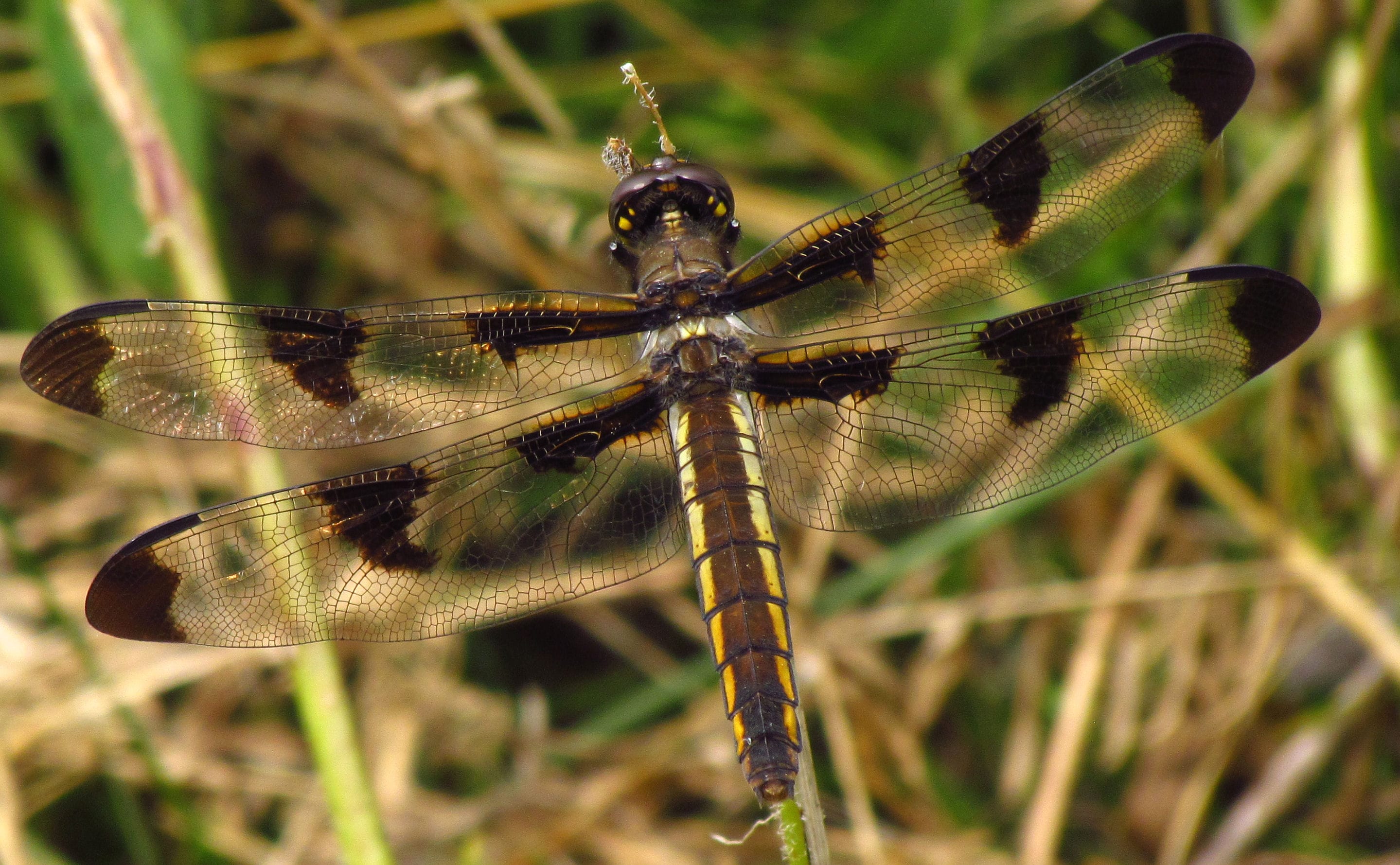
Fun fact: Skimmer dragonflies are among the most diverse and widespread dragonflies, easily recognizable by their broad wings and vivid patterns. They inhabit ponds, lakes, marshes, and slow-moving streams across the globe. Males are often brightly colored, with red, blue, or yellow abdomens, while females are more subdued, aiding in camouflage. Skimmers are active hunters, perching prominently and darting out to capture flying insects. Their larvae, called nymphs, live in the water for one to two years, preying on mosquito larvae, small crustaceans, and other aquatic invertebrates. Skimmers play an important role in controlling insect populations and serve as indicators of water quality. Their behavior includes territorial displays and aerial courtship rituals. Observing skimmers offers a glimpse into the complexity of freshwater ecosystems and the evolutionary adaptations of agile predators.
28. Spiketail Dragonfly (Family Cordulegastridae)
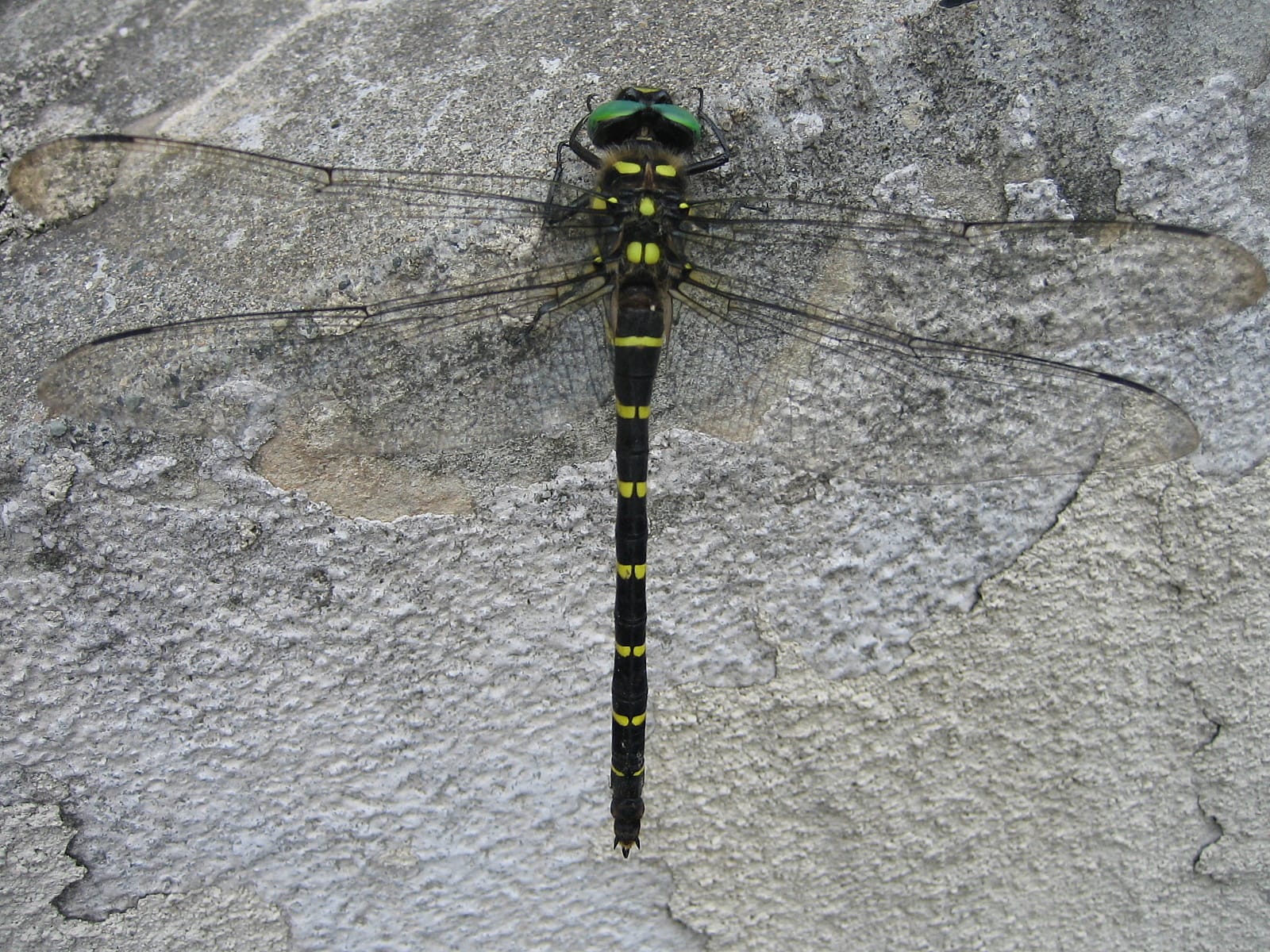
Fun fact: Spiketail dragonflies are named for the sharp, spine-like appendages at the end of their abdomen. They inhabit clean, flowing streams and rivers, often perching on rocks or low vegetation along the water’s edge. Adults are medium to large, with black and yellow markings, and they hunt midges, mosquitoes, and smaller insects with precision. Males defend territories aggressively, flying tirelessly along stream banks, while females lay eggs directly into the water. Larvae are burrowers, camouflaging themselves in sand or mud while ambushing prey. Their presence is a reliable indicator of pristine freshwater habitats. Watching spiketails patrol their territories is both mesmerizing and educational, highlighting the complex behaviors evolved for survival in lotic environments.
29. Blue-tailed Forest Hawk (Orthetrum triangulare)

Fun fact: The Blue-tailed Forest Hawk is a small to medium-sized dragonfly with a striking blue abdomen that contrasts beautifully against its darker thorax. Found in forested streams and ponds in Asia, it prefers shaded waters with abundant vegetation. Adults are agile hunters, capturing flying insects with rapid bursts of speed. Males patrol territories near water, while females lay eggs in calm, shallow areas. Larvae develop in clean water, feeding on aquatic invertebrates. The species’ preference for shaded habitats provides insight into its adaptations to low-light environments. Observing Blue-tailed Forest Hawks offers opportunities to study predator-prey interactions and the subtle ecological roles dragonflies play in tropical forest streams.
30. Stellate Riverhawk (Onychothemis testacea)

Fun fact: Stellate Riverhawks are medium-sized dragonflies notable for their reddish-brown thorax and transparent wings with subtle markings. Native to Southeast Asia, they inhabit clear rivers and streams with moderate flow. Adults patrol along banks, capturing mosquitoes, midges, and other small insects, while males defend linear territories. Larvae live in riverbeds, burrowing into sand and preying on aquatic invertebrates. Their presence indicates high water quality, and they contribute to the ecological balance by controlling insect populations. Stellate Riverhawks are fascinating to observe because of their steady, purposeful flight and precise hunting techniques, making them a model species for studying the behavior of riverine dragonflies.
31. Anax Indicus (Anax indicus)
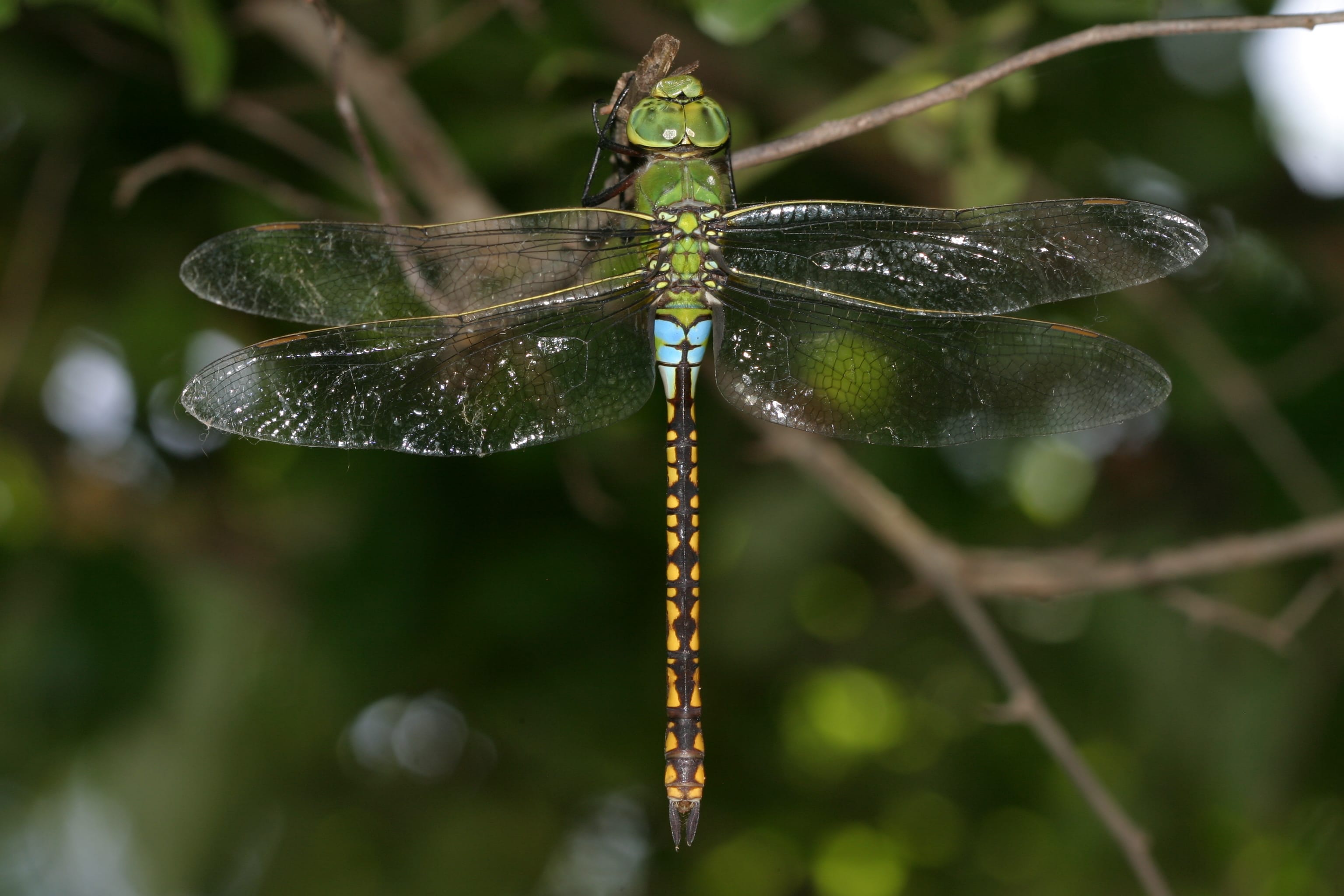
Fun fact: Anax Indicus is a large dragonfly species found in South and Southeast Asia, known for its striking green thorax and long blue abdomen. It frequents lakes, ponds, and slow rivers, often flying continuously in search of prey. Males establish territories over water, performing rapid, agile maneuvers to ward off rivals and attract females. Adults feed on mosquitoes, flies, and smaller dragonflies, while aquatic larvae are voracious predators. Their size and vibrant coloration make them highly noticeable, and they are often used in ecological studies to assess freshwater habitat quality. Observing Anax Indicus demonstrates the balance between territoriality, hunting efficiency, and reproductive strategy in large dragonfly species.
32. Common Thorntail (Ceratogomphus pictus)
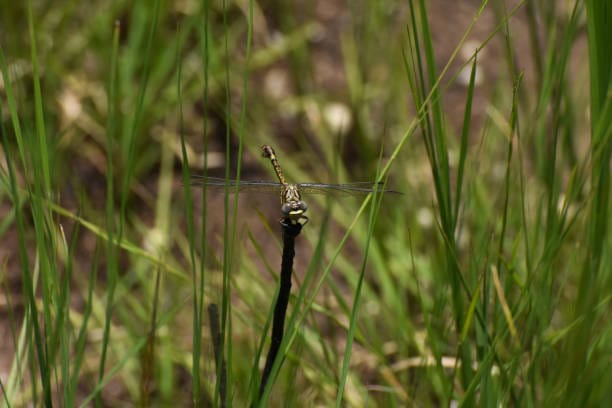
Fun fact: Common Thorntails are distinctive for their pointed abdomen tips and yellow-black patterns. Native to Southern Africa, they inhabit rivers and streams with sandy or gravelly beds. Adults hunt small flying insects from perches or in low-hovering flights, while males establish territories along water edges. Larvae burrow into riverbeds and feed on aquatic invertebrates. Their coloration provides camouflage against predators, and their presence reflects well-managed, clean freshwater ecosystems. Common Thorntails also demonstrate fascinating aerial courtship behaviors, including tandem flights and oviposition following copulation. They are an excellent species for observing predator-prey dynamics and reproductive strategies in dragonflies.
33. Fulvous Forest Skimmer (Neurothemis fulvia)

Fun fact: Fulvous Forest Skimmers are tropical dragonflies found in Southeast Asian forests. Adults have a warm reddish-brown or fulvous coloration and broad wings, often perching on shrubs near water. Males defend territories, while females remain near oviposition sites. Hunting involves short, precise flights capturing midges, mosquitoes, and other small insects. Larvae inhabit shallow, vegetated waters, feeding on aquatic invertebrates. Their behavior includes territorial displays and subtle aerial maneuvers to avoid predators. The Fulvous Forest Skimmer plays an important ecological role in tropical freshwater systems, controlling insect populations while serving as prey for birds and fish. Observing these dragonflies provides insight into the delicate balance of tropical stream and pond ecosystems.
34. Black Emperor (Anax tristis)
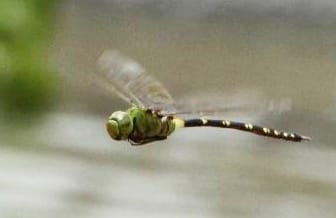
Fun fact: Black Emperors are large dragonflies with deep black abdomens and iridescent green thoraces. Found across Africa, they inhabit lakes, rivers, and marshes with abundant vegetation. Adults patrol territories aggressively, capturing flying insects mid-air, while males establish prominent perches near water. Larvae live in the sediment at pond bottoms, preying on aquatic invertebrates and small fish. The species’ size and color make it striking in flight, and their presence is a strong indicator of healthy freshwater ecosystems. Black Emperors demonstrate advanced hunting techniques, including rapid acceleration, hovering, and sharp turns, showcasing the evolutionary adaptations of apex insect predators.
35. Ruddy Darter (Sympetrum sanguineum)
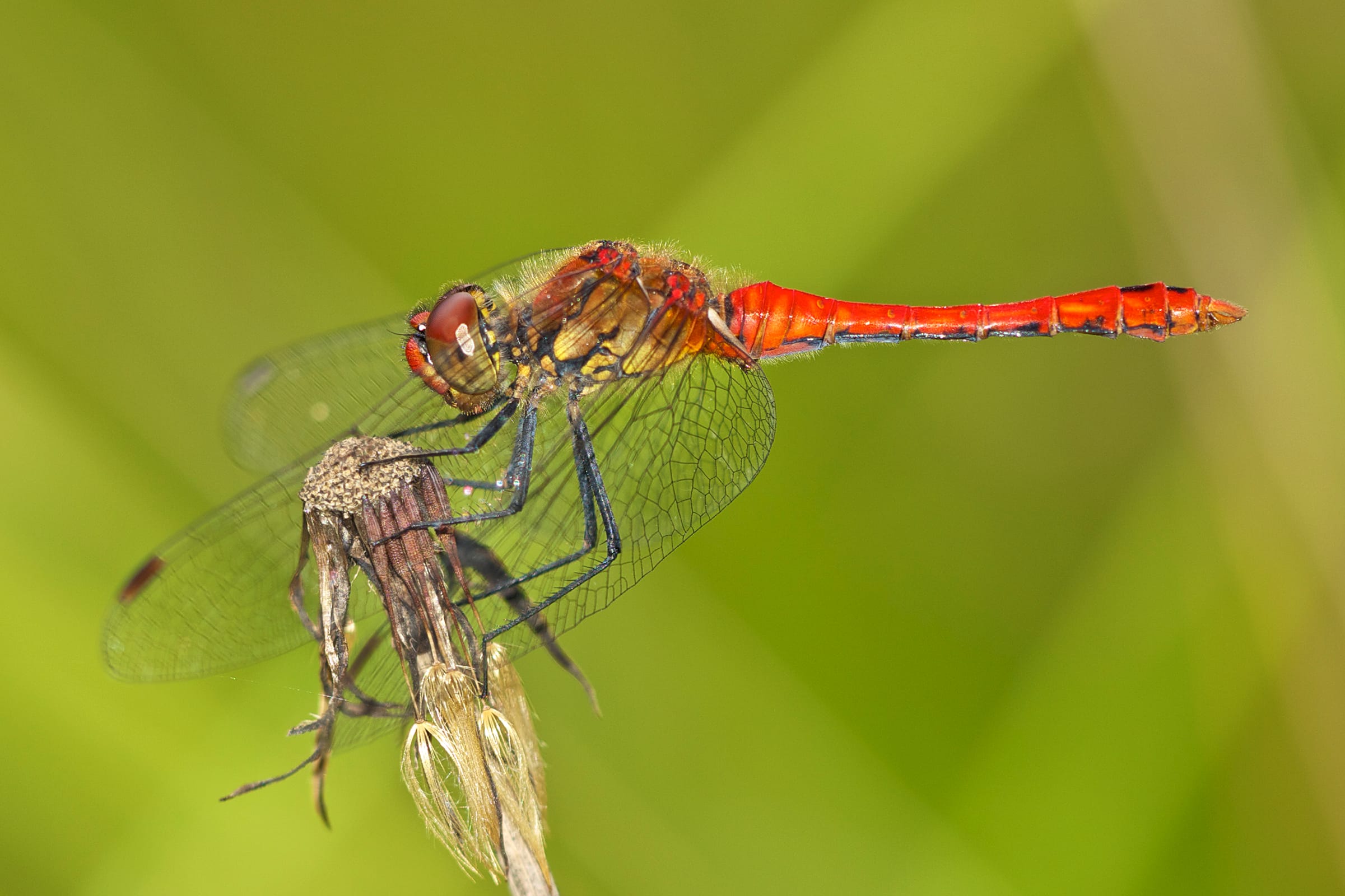
Fun fact: Ruddy Darters are medium-sized dragonflies with bright red abdomens in males and golden-brown tones in females. They inhabit ponds, marshes, and slow streams in Europe and Asia. Adults hunt small flying insects, often hovering low over water or perching on reeds. Males are territorial, defending prime perching sites and displaying vibrant colors to attract females. Larvae live in sediment-rich pond bottoms, preying on aquatic invertebrates. Ruddy Darters are indicators of well-vegetated freshwater habitats and play a key role in controlling insect populations. Observing them reveals a combination of hunting prowess, territoriality, and mating strategies characteristic of temperate freshwater dragonflies.
Conclusion
Dragonflies are some of the most fascinating and ecologically important insects in freshwater ecosystems. From the widespread Common Green Darner to the rare Neopetalia punctata, each of the 35 Types of Dragonflies exhibits unique adaptations, hunting strategies, and life cycles. They serve as effective predators, helping control mosquito and insect populations, and act as bioindicators of clean and healthy aquatic habitats. Observing dragonflies in the wild provides insight into the delicate balance of ecosystems, the complexity of predator-prey interactions, and the remarkable diversity of form and behavior among Odonata. Protecting their habitats ensures these agile, vibrant insects continue to thrive and enchant naturalists worldwide. Whether you are a casual observer or a seasoned entomologist, dragonflies offer endless opportunities for learning, appreciation, and connection to the natural world.
“`html
Frequently Asked Questions About Dragonflies
1. What are dragonflies?
Dragonflies are flying insects belonging to the order Odonata. They are known for their elongated bodies, large multifaceted eyes, and two pairs of strong, transparent wings.
2. How many types of dragonflies exist?
There are thousands of species of dragonflies worldwide, but this article focuses on 35 notable types for identification and study.
3. Where do dragonflies live?
Dragonflies inhabit freshwater habitats such as ponds, lakes, rivers, streams, and marshes. Some species prefer shaded areas, while others thrive in open water.
4. What do dragonflies eat?
Dragonflies are carnivorous and feed on flying insects, including mosquitoes, flies, midges, and smaller dragonflies.
5. How do dragonflies hunt?
Dragonflies hunt using swift, agile flights. Many species perch and launch short dashes to catch prey, while others patrol territories continuously.
6. Are dragonflies beneficial?
Yes, dragonflies help control mosquito and insect populations, making them valuable for both ecosystems and human habitats.
7. What is the lifespan of a dragonfly?
Dragonflies can live from several months to a few years. Most of their life is spent in the aquatic larval stage, with adults living only a few weeks.
8. How do dragonflies reproduce?
Dragonflies mate in mid-air, forming a wheel position. Females lay eggs in water or on aquatic vegetation, where larvae develop.
9. What are dragonfly larvae?
Dragonfly larvae, called nymphs, live underwater for one to several years, preying on small invertebrates and fish before emerging as adults.
10. Can dragonflies fly backward?
Yes, dragonflies can fly forward, backward, hover, and even glide, thanks to their strong, independently controlled wings.
11. Are dragonflies fast?
Dragonflies are among the fastest insects, capable of reaching speeds up to 35 miles per hour in some species.
12. Why are dragonflies brightly colored?
Bright colors help in territorial displays, attracting mates, and sometimes camouflage against predators and vegetation.
13. Do dragonflies bite humans?
No, dragonflies do not bite humans. They are harmless and focus solely on hunting insects.
14. How can I identify a dragonfly species?
Identification depends on coloration, size, wing patterns, body shape, and habitat preferences. Field guides or photography can help.
15. What is the difference between dragonflies and damselflies?
Dragonflies have broader hind wings and hold them open at rest, while damselflies are smaller, with wings held together above the body.
16. Are dragonflies endangered?
Some species, like Hine’s Emerald, are endangered due to habitat loss, pollution, and waterway changes.
17. What time of year are dragonflies most active?
Dragonflies are most active during warm months, especially late spring and summer, when insects are abundant.
18. Can dragonflies migrate?
Yes, species like the Common Green Darner and Gliders undertake long migrations, sometimes covering thousands of kilometers.
19. How do dragonflies help ecosystems?
Dragonflies are predators that control insect populations, and their larvae contribute to aquatic food webs, supporting fish and birds.
20. Do dragonflies have predators?
Yes, birds, frogs, fish, spiders, and other larger insects prey on dragonflies.
21. How do dragonflies survive winter?
Many species overwinter as eggs or larvae, while adults may die off, leaving the next generation to emerge in spring.
22. Are dragonflies territorial?
Yes, many species, especially males, defend territories near water to attract females and secure feeding grounds.
23. How long do dragonfly larvae live underwater?
Dragonfly larvae can live from several months to a few years underwater, depending on species and environmental conditions.
24. Can dragonflies hover?
Yes, dragonflies can hover in place to hunt or patrol their territory, thanks to their independently moving wings.
25. Why are dragonflies attracted to water?
Water provides habitat for egg-laying, larval development, and abundant prey for both larvae and adult dragonflies.
26. How do dragonflies reproduce in flight?
Males grasp females behind the head with claspers, forming a mating wheel while the female curves her abdomen to receive sperm.
27. Are dragonflies social?
Dragonflies are mostly solitary except during mating, migration, or in areas with high prey density.
28. Can dragonflies bite or sting humans?
No, dragonflies cannot sting or harm humans; they only bite very rarely if handled.
29. What is the largest dragonfly?
The Giant Petaltail and Golden-ringed Dragonfly are among the largest, with wingspans reaching up to 12 cm or more.
30. How do dragonflies capture prey?
They use their legs to form a basket to scoop up flying insects during agile, precise flight maneuvers.
31. What is the smallest dragonfly?
Some Pygmy Dragonflies measure less than 2.5 cm in length, with delicate wings and subtle coloration.
32. Why do dragonflies change color?
Color changes can occur with maturity, seasonal variation, or sexual differentiation, aiding in mate recognition and camouflage.
33. Are dragonflies good indicators of water quality?
Yes, because their larvae are sensitive to pollution, the presence of diverse species often signals healthy freshwater ecosystems.
34. Do dragonflies sleep?
Dragonflies enter a state of rest during cool or low-light periods but do not sleep in the same way mammals do.
35. How fast can dragonflies fly?
Some species can reach speeds of 30–35 miles per hour, making them among the fastest insects in flight.
36. Can dragonflies see in all directions?
Yes, their large, compound eyes provide nearly 360-degree vision, allowing them to detect prey and predators efficiently.
37. How do dragonflies avoid predators?
Their speed, agility, camouflage, and erratic flight patterns help dragonflies evade birds, frogs, and other predators.
38. Do dragonflies communicate?
Dragonflies primarily use visual signals for territorial disputes and mating displays rather than vocalizations.
39. Can dragonflies live in polluted water?
Most species are sensitive to pollution, especially larvae, so heavily polluted water often reduces their populations.
40. How do dragonflies impact humans?
They benefit humans by controlling mosquito populations, serving as bioindicators, and inspiring scientific and aesthetic interest.
41. Are dragonflies attracted to light?
Unlike moths, dragonflies are not strongly attracted to artificial lights, relying instead on prey activity and water cues for movement.
42. Can dragonflies interbreed?
Interbreeding generally occurs only within species. Different species are reproductively isolated despite similar habitats.
43. Do dragonflies migrate in groups?
Some species, like the Gliders, migrate in swarms or loose aggregations, often taking advantage of wind currents for long-distance travel.
44. How do dragonflies develop from larvae?
After spending months or years as aquatic larvae, dragonflies emerge through a process called metamorphosis, shedding their exoskeleton and expanding wings to become adults.
Read more: 5 Types of Walruses (Pictures And Identification)