

New Jersey hosts a variety of wild rabbits that play important roles in local ecosystems. From backyard gardens to forests and meadows, these species provide insight into the region’s wildlife diversity. In this guide, we explore the types of wild rabbits in New Jersey, highlighting their physical features, behaviors, diets, habitats, and interactions with humans. Whether you’re a nature enthusiast or a casual observer, understanding these rabbits can help identify them in the wild while appreciating their ecological importance.
1. Eastern Cottontail (Sylvilagus floridanus)
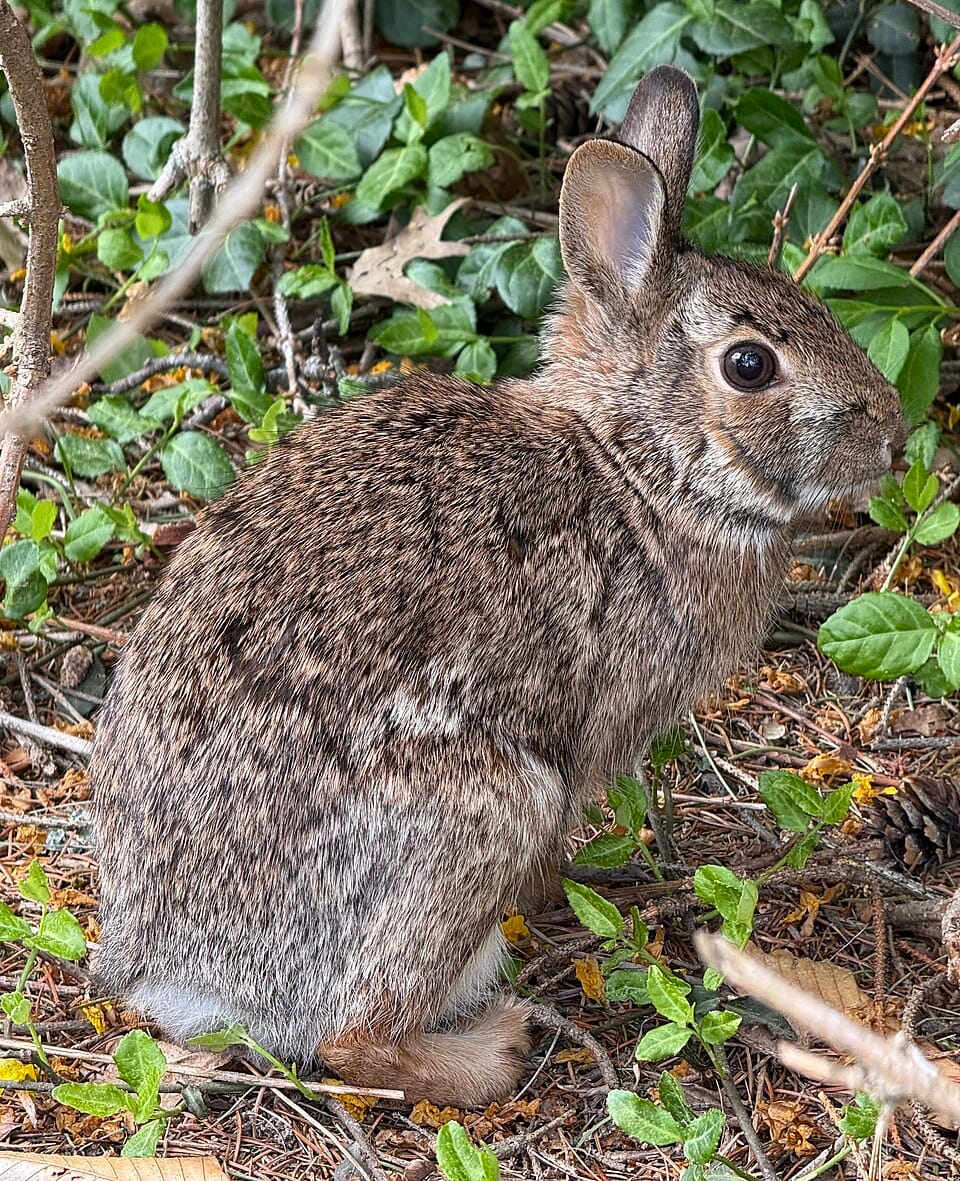
Physical Characteristics & Identification Tips
The Eastern Cottontail is the most common rabbit in New Jersey. Adults weigh 2–4 pounds and are about 15–19 inches long. Their fur is reddish-brown or grayish-brown, with a noticeable white “cotton ball” tail. They have short ears, large eyes, and powerful hind legs for quick escapes. The body is compact, making it well-suited for both open fields and suburban areas.
Behavior
Eastern Cottontails are crepuscular, mainly active at dawn and dusk. They are cautious and rely on speed and zigzag running patterns to evade predators. While generally solitary, you might see them sharing feeding areas in suburban yards. They communicate by thumping hind legs to warn others of danger.
Habitat and Range
This species thrives in New Jersey across open fields, gardens, parks, and woodland edges. They prefer areas with cover like shrubs or brush piles to hide from predators. They are highly adaptable to human-altered landscapes.
Diet
Eastern Cottontails are herbivores that feed on grasses, clover, garden vegetables, and shrubs. In winter, they may consume twigs, bark, and buds. Their foraging helps control plant growth and contributes to ecosystem balance.
Reproduction and Life Cycle
Breeding occurs from early spring to fall, with 2–5 litters per year. Each litter contains 3–6 kits. Young are born blind and hairless but develop quickly. Adults have relatively small home ranges but remain vigilant for predators.
Fun Facts / Unique Traits
They can run up to 18 mph and leap up to 10 feet in a single bound. Their white tails are a signal to other rabbits when danger is near. Eastern Cottontails are known for being bold in suburban environments.
Human Interaction
Gardeners may notice them eating vegetables, but they also provide entertainment and educational opportunities. Installing protective fencing or planting rabbit-resistant species helps manage conflicts.
2. New England Cottontail (Sylvilagus transitionalis)
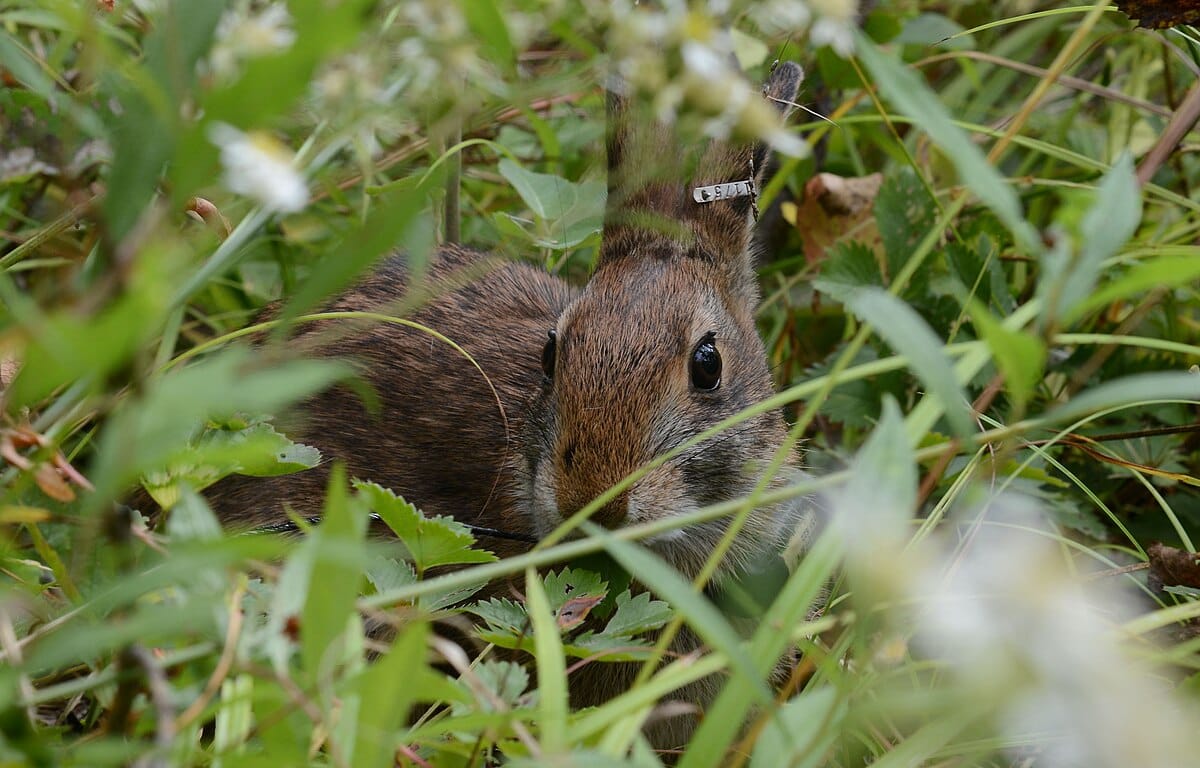
Physical Characteristics & Identification Tips
The New England Cottontail resembles the Eastern Cottontail but is slightly smaller and has shorter ears. Its coat is a darker gray-brown, providing camouflage in dense brush. The white tail is less conspicuous, and it has a stockier body with strong hind legs.
Behavior
These rabbits are shy and secretive. They prefer dense shrubs and thickets, making them harder to spot. Like other cottontails, they are most active at dawn and dusk and rely on quick bursts of speed to escape predators.
Habitat and Range
The New England Cottontail primarily inhabits dense brush, forest edges, and overgrown fields. It requires thick vegetation for protection and nesting. Populations have declined in New Jersey due to habitat loss and competition with Eastern Cottontails.
Diet
They feed on grasses, herbs, buds, twigs, and bark. In winter, they depend heavily on woody plants. Their feeding behavior helps manage plant growth and provides prey for predators.
Reproduction and Life Cycle
Breeding occurs from spring to late summer, with usually 1–3 litters per year. Each litter has 3–5 kits. Juveniles are mobile early but remain under cover to avoid predation. Adults maintain smaller home ranges than Eastern Cottontails due to dense habitat requirements.
Fun Facts / Unique Traits
The New England Cottontail’s grayish coat blends perfectly into brushy habitats. They are highly sensitive to human disturbance and rarely venture into open areas, making them a challenging species to observe.
Human Interaction
Conservation efforts focus on habitat restoration. Backyard observations are rare, but protecting shrubs and native plants helps these rabbits thrive. They are an important species for biodiversity in New Jersey.
3. Appalachian Cottontail (Sylvilagus obscurus)
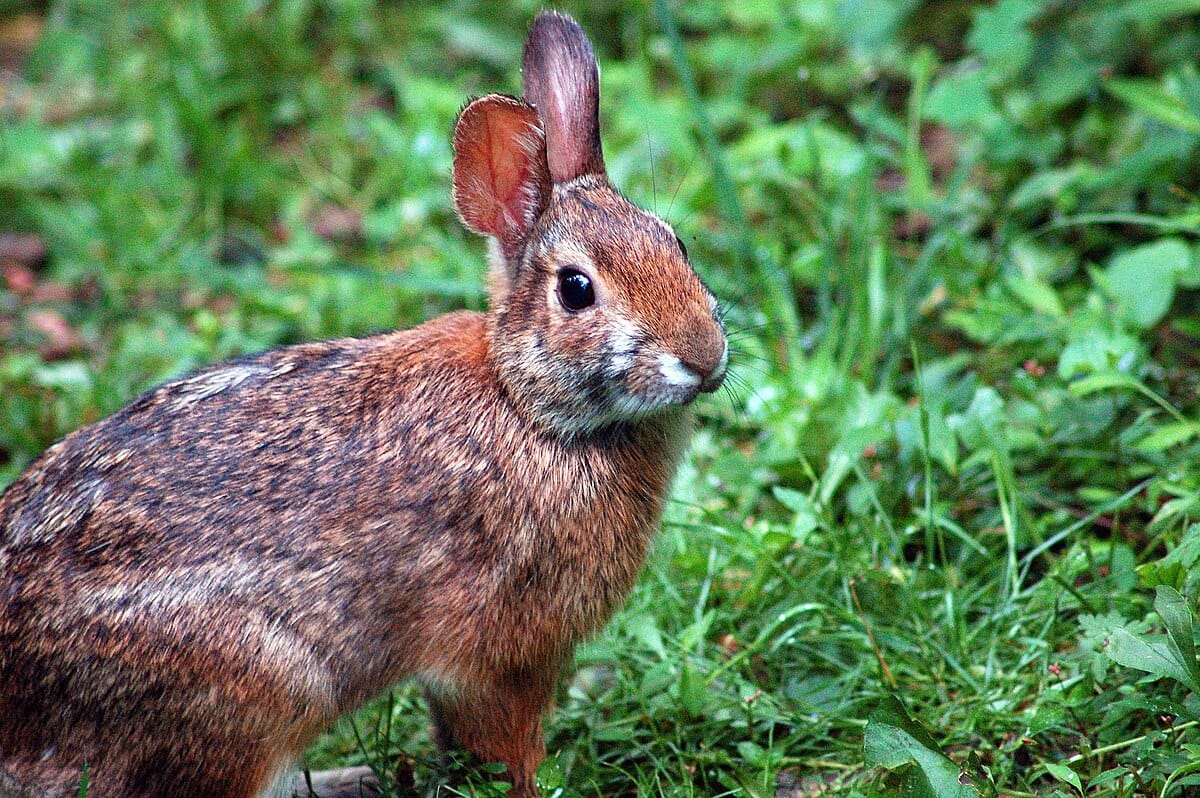
Physical Characteristics & Identification Tips
The Appalachian Cottontail is slightly smaller than its Eastern cousin. Its fur is dark gray-brown, often with a reddish tint on the back. It has a small white tail and short ears. Its compact body and coloration help it remain hidden in dense forests and mountainous areas.
Behavior
Appalachian Cottontails are mostly nocturnal. They are cautious, solitary, and rarely venture into open areas. When threatened, they use short, rapid dashes into thick vegetation for protection.
Habitat and Range
Found mainly in northern and northwestern New Jersey, this species prefers mountainous and heavily forested areas with dense undergrowth. Brushy clearings are also used for feeding. Suitable habitat is crucial due to their secretive nature.
Diet
They feed on grasses, herbs, shrubs, twigs, and bark. Seasonal changes affect their diet, with woody plants becoming important in winter. Their feeding helps maintain forest understory diversity.
Reproduction and Life Cycle
Breeding occurs from early spring to late summer, usually producing 1–2 litters per year. Litter size ranges from 2–4 kits. Young are born in dense cover to avoid predation. Adults rarely leave their preferred habitat, maintaining small home ranges.
Fun Facts / Unique Traits
This species is highly secretive and rarely seen, even by experienced wildlife watchers. Its small size and camouflaged coat make it nearly invisible in dense forest understory.
Human Interaction
Human contact is minimal. Conservationists focus on preserving forest habitats and preventing fragmentation. Observing Appalachian Cottontails is mostly limited to guided wildlife studies and camera traps.
4. Eastern Snowshoe Hare (Lepus americanus)

Physical Characteristics & Identification Tips
The Eastern Snowshoe Hare is larger than cottontails, weighing 3–5 pounds with a body length of 16–22 inches. Its most distinctive feature is its seasonal coat: brown in summer for blending with earth and vegetation, and white in winter to hide in snow. It has large hind feet, adapted for running on snow and soft terrain, and long ears that help detect predators. Its tail is small and inconspicuous compared to cottontails.
Behavior
Snowshoe Hares are primarily nocturnal but may be active during daylight in snowy conditions. They are solitary and extremely cautious, using camouflage and sudden, rapid movements to escape predators. Unlike cottontails, they are more likely to freeze when a predator approaches before fleeing in a zigzag pattern.
Habitat and Range
In New Jersey, they are mostly found in northern forests, wetland edges, and areas with dense undergrowth. Snowshoe Hares prefer cool, moist environments with plenty of cover. Their range overlaps with mountainous or hilly regions where snow persists in winter.
Diet
Their diet changes seasonally. In summer, they eat grasses, herbs, and leafy vegetation. In winter, they rely on bark, twigs, buds, and conifer needles. This flexibility allows them to survive harsh conditions while supporting forest ecosystem dynamics.
Reproduction and Life Cycle
Breeding occurs from early spring to late summer, producing 2–3 litters per year. Litter sizes range from 2–6 leverets. Young are born fully furred with open eyes, allowing them to move and hide shortly after birth. Adults maintain small territories but will expand their range if food is scarce.
Fun Facts / Unique Traits
Snowshoe Hares can jump up to 10 feet in a single bound. Their large hind feet act like snowshoes, preventing them from sinking in snow. Seasonal coat color change is a clever adaptation to avoid predators like foxes, bobcats, and owls.
Human Interaction
These hares are seldom seen due to their secretive nature. They may occasionally enter backyards in northern New Jersey during harsh winters. They are an important species for wildlife enthusiasts and contribute to biodiversity in forest ecosystems.
5. Black-tailed Jackrabbit (Lepus californicus)
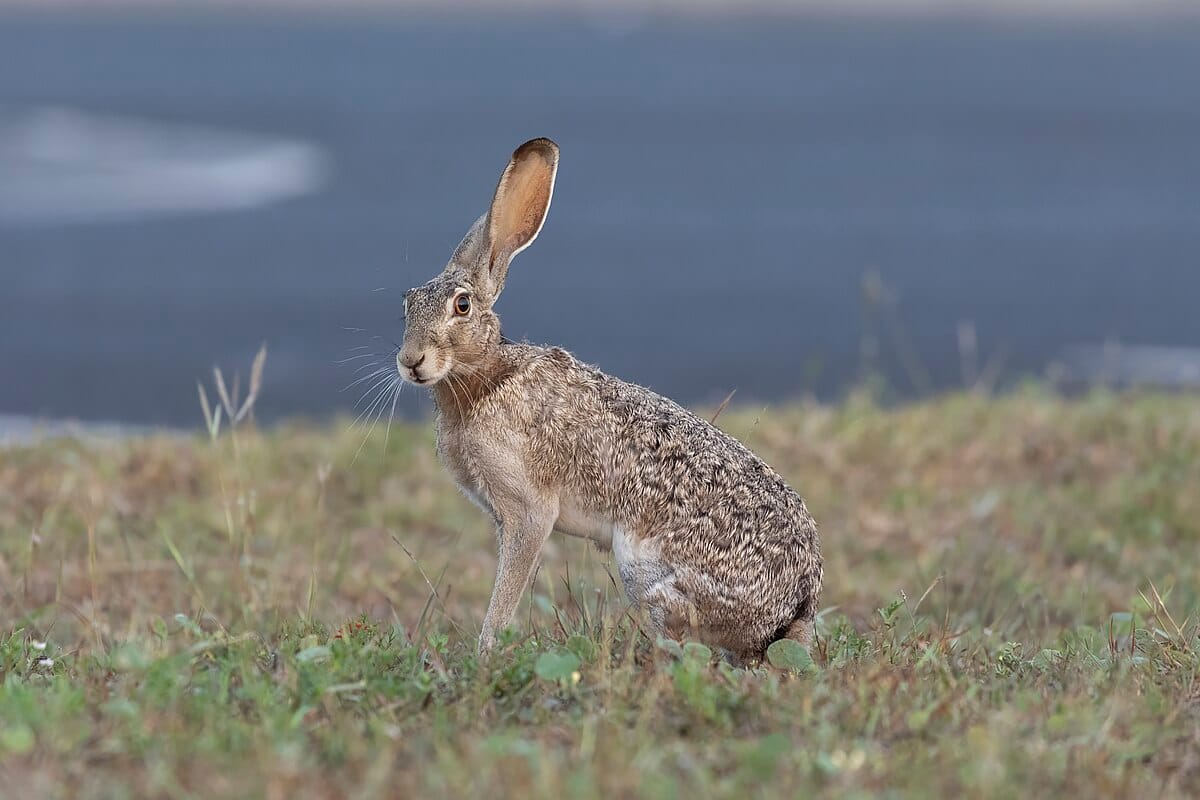
Physical Characteristics & Identification Tips
The Black-tailed Jackrabbit is the largest rabbit species found in New Jersey, though sightings are rare. Adults weigh 4–6 pounds and reach 18–24 inches in length. Their fur is grayish-brown with black-tipped ears and a distinct black stripe along the top of their tail. Long ears and powerful hind legs are key identification features.
Behavior
Black-tailed Jackrabbits are crepuscular to nocturnal and very wary of humans. They rely on high-speed running and zigzag movements to escape predators. Solitary by nature, they cover large areas while foraging and are rarely seen in groups.
Habitat and Range
In New Jersey, they are not common but can be found in open fields, grasslands, and scrub areas. Historically introduced, their populations are limited and scattered. They prefer dry, open terrain with cover for hiding from predators.
Diet
Their diet consists of grasses, shrubs, leaves, and twigs. In winter, they feed on woody vegetation. Their selective feeding can influence plant community composition in grasslands and open habitats.
Reproduction and Life Cycle
Breeding occurs from early spring to late summer. Females can produce multiple litters per year, with 3–5 leverets per litter. Young are born with fur and open eyes, allowing quick movement and hiding from predators. Adults maintain large territories due to their solitary behavior and food needs.
Fun Facts / Unique Traits
Black-tailed Jackrabbits are among the fastest rabbits in North America, capable of short bursts up to 35 mph. Their long ears help detect distant sounds, making them alert to potential danger. Despite their rarity in New Jersey, they are iconic in open landscapes where they are more common.
Human Interaction
Because they are rare, interactions are limited. They are primarily observed by wildlife enthusiasts and researchers. Habitat protection and awareness are important to maintaining their presence in suitable areas.
Comparison of 5 Types of Wild Rabbits in New Jersey
| Species | Size & Weight | Fur Color / Coat | Habitat | Behavior | Rarity in New Jersey |
|---|---|---|---|---|---|
| Eastern Cottontail | 2–4 lbs, 15–19 in | Reddish-brown or gray-brown, white tail | Gardens, parks, fields, edges of forests | Crepuscular, solitary, quick zigzag running | Common, widespread |
| New England Cottontail | 1.5–3 lbs, 14–17 in | Gray-brown, less white on tail | Dense brush, forest edges, overgrown fields | Secretive, shy, uses thick cover | Uncommon, species of concern |
| Appalachian Cottontail | 1.8–3.5 lbs, 15–18 in | Dark gray-brown with reddish tint, small white tail | Forests and mountainous areas, dense understory | Nocturnal, solitary, elusive | Rare, mostly northern NJ |
| Eastern Snowshoe Hare | 3–5 lbs, 16–22 in | Brown in summer, white in winter, large feet | Northern forests, wetlands, areas with dense undergrowth | Nocturnal/crepuscular, solitary, freezes before fleeing | Uncommon, seasonal northern regions |
| Black-tailed Jackrabbit | 4–6 lbs, 18–24 in | Gray-brown, black-tipped ears, black tail stripe | Open fields, grasslands, scrub areas | Crepuscular/nocturnal, solitary, very fast runner | Rare, introduced species |
Conclusion
New Jersey hosts a fascinating diversity of wild rabbits, each with distinct traits, behaviors, and habitats. From the common Eastern Cottontail in backyards to the elusive New England and Appalachian Cottontails in dense forests, and the seasonal snow-colored Snowshoe Hare in northern woods, to the rare Black-tailed Jackrabbit in open fields, understanding these species helps foster appreciation and conservation. Observing wild rabbits in New Jersey can be rewarding and educational for both casual nature lovers and dedicated wildlife enthusiasts. Protecting their habitats, planting native vegetation, and respecting their space ensures these rabbits continue to thrive across the state.
Frequently Asked Questions About Wild Rabbits in New Jersey
1. What types of wild rabbits live in New Jersey?
New Jersey hosts five main types: Eastern Cottontail, New England Cottontail, Appalachian Cottontail, Eastern Snowshoe Hare, and Black-tailed Jackrabbit. Each species has unique features and habitats.
2. Which wild rabbit is most common in New Jersey?
The Eastern Cottontail is the most common and widespread species, often seen in gardens, parks, and suburban areas.
3. Are New England Cottontails endangered in New Jersey?
Yes, they are considered a species of concern due to habitat loss and competition with Eastern Cottontails.
4. How can I tell an Eastern Cottontail from a New England Cottontail?
Eastern Cottontails are larger, with reddish-brown fur and a prominent white tail. New England Cottontails are smaller, darker gray-brown, and more secretive.
5. Do Snowshoe Hares change color in New Jersey?
Yes, they have brown summer coats and turn white in winter to blend with snow and avoid predators.
6. Are Black-tailed Jackrabbits native to New Jersey?
They are not native but were historically introduced. Populations are limited and mostly found in open fields and scrub areas.
7. What do wild rabbits eat in New Jersey?
They are herbivores, feeding on grasses, herbs, garden vegetables, buds, twigs, bark, and seasonal vegetation depending on species and season.
8. Are wild rabbits active during the day?
Most are crepuscular, active at dawn and dusk. Snowshoe Hares can be nocturnal but sometimes forage during daylight, especially in winter.
9. Can rabbits damage gardens in New Jersey?
Yes, Eastern and New England Cottontails may nibble vegetables and ornamental plants. Protective fencing or planting rabbit-resistant species can help.
10. How do wild rabbits avoid predators?
They rely on camouflage, quick zigzag running, freezing behavior, and dense cover to hide from predators like foxes, hawks, and owls.
11. Where do New England Cottontails live in New Jersey?
They prefer dense brush, forest edges, and overgrown fields. Habitat loss has reduced their range in the state.
12. How fast can wild rabbits run?
Eastern Cottontails can run up to 18 mph, while Black-tailed Jackrabbits can reach 35 mph in short bursts.
13. How many litters do wild rabbits have per year?
Cottontails usually have 2–5 litters per year, Snowshoe Hares have 2–3, and Jackrabbits produce multiple litters depending on food availability.
14. How long do wild rabbits live?
Most wild rabbits live 1–3 years due to predation, though some can reach 5 years in safe habitats.
15. Can rabbits swim?
Yes, most rabbits can swim if needed, though they usually prefer to flee on land.
16. Do wild rabbits carry diseases in New Jersey?
They can carry parasites and, rarely, diseases like tularemia. Direct contact should be avoided, but casual observation is safe.
17. How do rabbits communicate?
They use body signals such as thumping hind legs, vocalizations, and scent marking to communicate danger or territory boundaries.
18. Are Snowshoe Hares easy to spot?
No, they are highly camouflaged and shy, making them difficult to observe in forests and snowy areas.
19. Do wild rabbits dig burrows in New Jersey?
Cottontails typically use shallow depressions called “forms” under cover instead of deep burrows. Snowshoe Hares and Jackrabbits do not burrow extensively.
20. Can I feed wild rabbits in my backyard?
It is not recommended to feed wild rabbits as it may alter their natural behavior and increase predator risk.
21. How can I attract rabbits safely for observation?
Plant native shrubs, grasses, and cover plants. Avoid pesticides and maintain natural brush piles for shelter.
22. Are Appalachian Cottontails found statewide?
No, they are mostly in northern and northwestern New Jersey forests with dense undergrowth.
23. What is the main difference between Cottontails and Hares?
Hares, like Snowshoe Hares and Jackrabbits, are larger, born fully furred with open eyes, and have longer legs for running. Cottontails are smaller, born blind and hairless.
24. Do wild rabbits hibernate?
No, they remain active year-round, relying on camouflage and dense cover during winter months.
25. How do rabbits impact ecosystems?
They help control plant growth, disperse seeds, and serve as prey for many predators, maintaining food web balance.
26. Can I domesticate wild rabbits?
It is not advisable. Wild rabbits are not used to humans and may become stressed or carry diseases.
27. Are any rabbits in New Jersey threatened by climate change?
Snowshoe Hares are sensitive to snow cover. Changes in winter snow patterns may impact camouflage and survival. Habitat loss also affects cottontail populations.
28. How do I identify a Black-tailed Jackrabbit in New Jersey?
Look for large size, long ears, grayish-brown fur, black-tipped tail, and long hind legs. They are rare and mostly in open fields.
29. Do rabbits have natural predators in New Jersey?
Yes, common predators include foxes, hawks, owls, coyotes, bobcats, and domestic cats and dogs.
30. How can I support wild rabbit conservation in New Jersey?
Protect and plant native vegetation, maintain brushy cover, avoid habitat destruction, and educate others about their importance.
31. Are wild rabbits nocturnal or diurnal?
Most are crepuscular (dawn and dusk), but activity patterns vary by species and season. Snowshoe Hares are more nocturnal.
32. Do rabbits leave droppings I can use to identify them?
Yes, small, round pellets indicate cottontails, while larger, oblong droppings may belong to hares or jackrabbits.
Read more: 4 Types of Wild Rabbits in Georgia: Species, Identification, and Photos