

This guide compares respectful floral options by appearance, color, season, and cultural context. Funeral customs vary, so family wishes and local traditions always come first.
Which Flowers Are Commonly Used for Funerals?
Common choices include Lily, Rose, Carnation, Chrysanthemum, Orchid, Gladiolus, Hydrangea, Calla Lily. The best final choice depends on the recipient, setting, season, local availability, and safety considerations.
Quick Comparison
| Flower | Colors | Typical Season | Key Feature |
|---|---|---|---|
| Lily | white, pink, orange, yellow, red | summer; florist-grown beyond season | large trumpet or recurved bloom |
| Rose | red, pink, white, yellow, peach, lavender | spring–fall; florist-grown year-round | layered rounded petals |
| Carnation | pink, red, white, yellow, purple | year-round commercially | ruffled flowers on sturdy stems |
| Chrysanthemum | white, yellow, bronze, pink, purple, green | late summer–fall; florist-grown year-round | daisy, pompon, spider and decorative forms |
| Orchid | white, pink, purple, yellow, green | varies; many florist types year-round | architectural bloom with a distinctive lip |
| Gladiolus | white, pink, red, orange, yellow, purple | summer | tall sword-like flower spikes |
| Hydrangea | white, green, pink, blue, purple | summer–fall | large rounded or conical flower clusters |
| Calla Lily | white, yellow, pink, orange, purple | spring–summer; florist-grown year-round | smooth funnel-shaped spathe |
| Lisianthus | white, pink, lavender, purple, green | summer; widely sold as a cut flower | ruffled rose-like blooms on branching stems |
| Delphinium | blue, purple, white, pink | late spring–summer | tall flower spikes |
| Snapdragon | white, yellow, peach, pink, red, purple | cool seasons–spring | upright spikes of two-lipped flowers |
| Stock | white, cream, pink, purple, lavender | cool seasons–spring | upright spikes of ruffled blooms |
| Iris | purple, blue, white, yellow | late winter–spring | upright standards and drooping falls |
| Tulip | red, pink, white, yellow, purple, orange | late winter–spring | smooth cup-shaped bloom |
| Daisy | white, pink, red-toned | spring–summer | simple ray petals around a yellow disk |
| Baby’s Breath | white, pale pink | summer; florist-grown year-round | clouds of tiny branching flowers |
| Alstroemeria | white, yellow, orange, pink, red, purple | year-round commercially | lily-like streaked flowers |
| Daffodil | yellow, white, cream, orange-centered | late winter–spring | six tepals around a trumpet or cup |
| Freesia | white, yellow, pink, red, purple, orange | late winter–spring | arching sprays of funnel flowers |
| Gardenia | creamy white | late spring–summer | waxy rosette-like bloom |
| Camellia | white, pink, red, striped | fall–spring depending on type | waxy layered or single bloom |
| Lotus | pink, white | summer | large aquatic bloom with seed receptacle |
| Sunflower | yellow, gold, bronze, red-brown | summer–early fall | large ray flowers around a central disk |
| Forget-Me-Not | blue, pink, white | spring | tiny five-petaled flowers with yellow eyes |
| Gerbera | red, orange, yellow, pink, white | year-round commercially | large daisy-like bloom |
1. Lily
Scientific name: Lilium spp.
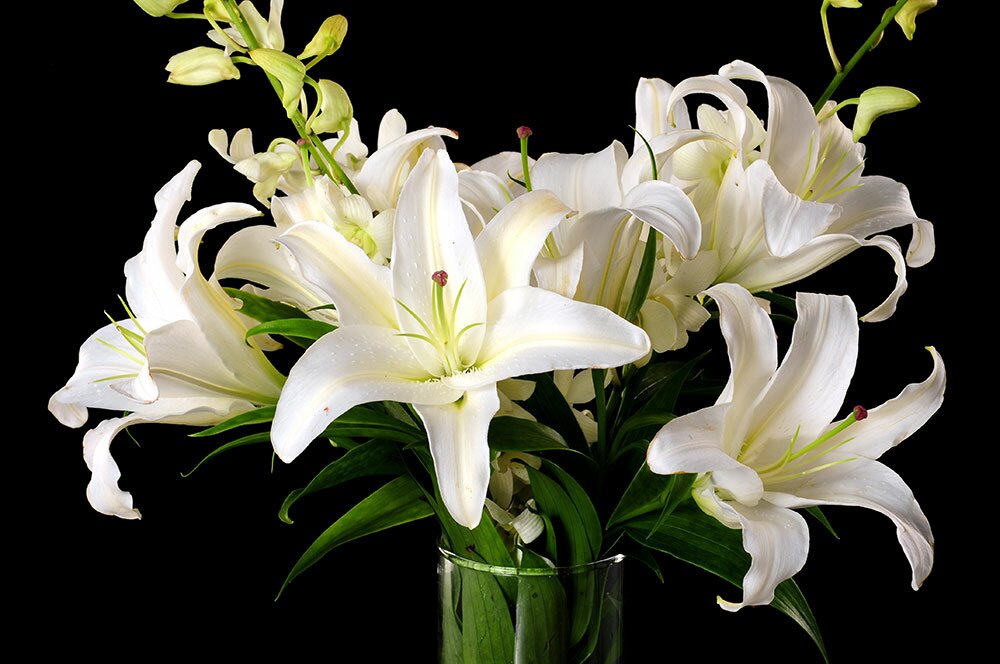
Lily can be used in memorial and sympathy designs because its large trumpet or recurved bloom can look formal, gentle, or expressive depending on color and arrangement. Common colors include white, pink, orange, yellow, red; availability is generally summer; florist-grown beyond season.
Etiquette: True lilies are extremely toxic to cats. Flower meanings are cultural rather than universal, so family preference, faith, country, service style, and the deceased’s favorite colors matter more than a rigid symbolism chart.
2. Rose
Scientific name: Rosa spp.

Rose can be used in memorial and sympathy designs because its layered rounded petals can look formal, gentle, or expressive depending on color and arrangement. Common colors include red, pink, white, yellow, peach, lavender; availability is generally spring–fall; florist-grown year-round.
Etiquette: Meanings vary by color and culture. Flower meanings are cultural rather than universal, so family preference, faith, country, service style, and the deceased’s favorite colors matter more than a rigid symbolism chart.
3. Carnation
Scientific name: Dianthus caryophyllus

Carnation can be used in memorial and sympathy designs because its ruffled flowers on sturdy stems can look formal, gentle, or expressive depending on color and arrangement. Common colors include pink, red, white, yellow, purple; availability is generally year-round commercially.
Etiquette: Long-lasting and strongly linked with affection and remembrance. Flower meanings are cultural rather than universal, so family preference, faith, country, service style, and the deceased’s favorite colors matter more than a rigid symbolism chart.
4. Chrysanthemum
Scientific name: Chrysanthemum × morifolium

Chrysanthemum can be used in memorial and sympathy designs because its daisy, pompon, spider and decorative forms can look formal, gentle, or expressive depending on color and arrangement. Common colors include white, yellow, bronze, pink, purple, green; availability is generally late summer–fall; florist-grown year-round.
Etiquette: Funeral and celebration meanings differ by culture. Flower meanings are cultural rather than universal, so family preference, faith, country, service style, and the deceased’s favorite colors matter more than a rigid symbolism chart.
5. Orchid
Scientific name: Orchidaceae
Orchid can be used in memorial and sympathy designs because its architectural bloom with a distinctive lip can look formal, gentle, or expressive depending on color and arrangement. Common colors include white, pink, purple, yellow, green; availability is generally varies; many florist types year-round.
Etiquette: Often associated with refinement and admiration. Flower meanings are cultural rather than universal, so family preference, faith, country, service style, and the deceased’s favorite colors matter more than a rigid symbolism chart.
6. Gladiolus
Scientific name: Gladiolus × hortulanus

Gladiolus can be used in memorial and sympathy designs because its tall sword-like flower spikes can look formal, gentle, or expressive depending on color and arrangement. Common colors include white, pink, red, orange, yellow, purple; availability is generally summer.
Etiquette: Adds height and formality. Flower meanings are cultural rather than universal, so family preference, faith, country, service style, and the deceased’s favorite colors matter more than a rigid symbolism chart.
7. Hydrangea
Scientific name: Hydrangea spp.
Hydrangea can be used in memorial and sympathy designs because its large rounded or conical flower clusters can look formal, gentle, or expressive depending on color and arrangement. Common colors include white, green, pink, blue, purple; availability is generally summer–fall.
Etiquette: Very thirsty as a cut flower. Flower meanings are cultural rather than universal, so family preference, faith, country, service style, and the deceased’s favorite colors matter more than a rigid symbolism chart.
8. Calla Lily
Scientific name: Zantedeschia spp.
Calla Lily can be used in memorial and sympathy designs because its smooth funnel-shaped spathe can look formal, gentle, or expressive depending on color and arrangement. Common colors include white, yellow, pink, orange, purple; availability is generally spring–summer; florist-grown year-round.
Etiquette: Not a true lily; irritating if eaten. Flower meanings are cultural rather than universal, so family preference, faith, country, service style, and the deceased’s favorite colors matter more than a rigid symbolism chart.
9. Lisianthus
Scientific name: Eustoma grandiflorum

Lisianthus can be used in memorial and sympathy designs because its ruffled rose-like blooms on branching stems can look formal, gentle, or expressive depending on color and arrangement. Common colors include white, pink, lavender, purple, green; availability is generally summer; widely sold as a cut flower.
Etiquette: Useful for soft garden-style bouquets. Flower meanings are cultural rather than universal, so family preference, faith, country, service style, and the deceased’s favorite colors matter more than a rigid symbolism chart.
10. Delphinium
Scientific name: Delphinium spp.
Delphinium can be used in memorial and sympathy designs because its tall flower spikes can look formal, gentle, or expressive depending on color and arrangement. Common colors include blue, purple, white, pink; availability is generally late spring–summer.
Etiquette: All parts are toxic if eaten. Flower meanings are cultural rather than universal, so family preference, faith, country, service style, and the deceased’s favorite colors matter more than a rigid symbolism chart.
11. Snapdragon
Scientific name: Antirrhinum majus

Snapdragon can be used in memorial and sympathy designs because its upright spikes of two-lipped flowers can look formal, gentle, or expressive depending on color and arrangement. Common colors include white, yellow, peach, pink, red, purple; availability is generally cool seasons–spring.
Etiquette: A strong line flower. Flower meanings are cultural rather than universal, so family preference, faith, country, service style, and the deceased’s favorite colors matter more than a rigid symbolism chart.
12. Stock
Scientific name: Matthiola incana
Stock can be used in memorial and sympathy designs because its upright spikes of ruffled blooms can look formal, gentle, or expressive depending on color and arrangement. Common colors include white, cream, pink, purple, lavender; availability is generally cool seasons–spring.
Etiquette: Known for strong spicy fragrance. Flower meanings are cultural rather than universal, so family preference, faith, country, service style, and the deceased’s favorite colors matter more than a rigid symbolism chart.
13. Iris
Scientific name: Iris spp.
Iris can be used in memorial and sympathy designs because its upright standards and drooping falls can look formal, gentle, or expressive depending on color and arrangement. Common colors include purple, blue, white, yellow; availability is generally late winter–spring.
Etiquette: Distinctive form works well for identification and art. Flower meanings are cultural rather than universal, so family preference, faith, country, service style, and the deceased’s favorite colors matter more than a rigid symbolism chart.
14. Tulip
Scientific name: Tulipa spp.
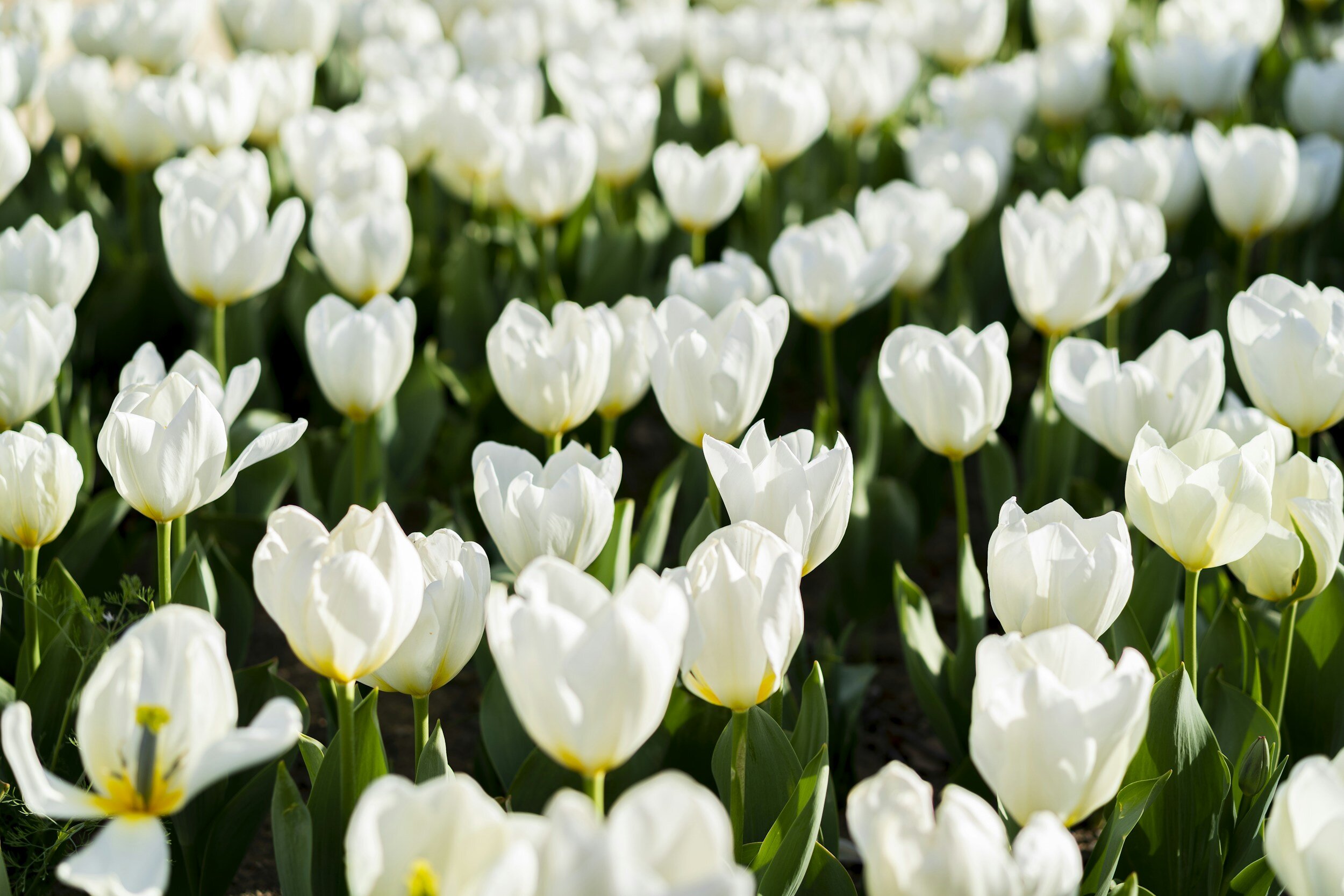
Tulip can be used in memorial and sympathy designs because its smooth cup-shaped bloom can look formal, gentle, or expressive depending on color and arrangement. Common colors include red, pink, white, yellow, purple, orange; availability is generally late winter–spring.
Etiquette: Cut stems continue to bend and lengthen in water. Flower meanings are cultural rather than universal, so family preference, faith, country, service style, and the deceased’s favorite colors matter more than a rigid symbolism chart.
15. Daisy
Scientific name: Bellis perennis and related daisies
Daisy can be used in memorial and sympathy designs because its simple ray petals around a yellow disk can look formal, gentle, or expressive depending on color and arrangement. Common colors include white, pink, red-toned; availability is generally spring–summer.
Etiquette: Daisy is a common name used for several genera. Flower meanings are cultural rather than universal, so family preference, faith, country, service style, and the deceased’s favorite colors matter more than a rigid symbolism chart.
16. Baby’s Breath
Scientific name: Gypsophila paniculata
Baby’s Breath can be used in memorial and sympathy designs because its clouds of tiny branching flowers can look formal, gentle, or expressive depending on color and arrangement. Common colors include white, pale pink; availability is generally summer; florist-grown year-round.
Etiquette: Classic filler flower. Flower meanings are cultural rather than universal, so family preference, faith, country, service style, and the deceased’s favorite colors matter more than a rigid symbolism chart.
17. Alstroemeria
Scientific name: Alstroemeria hybrids
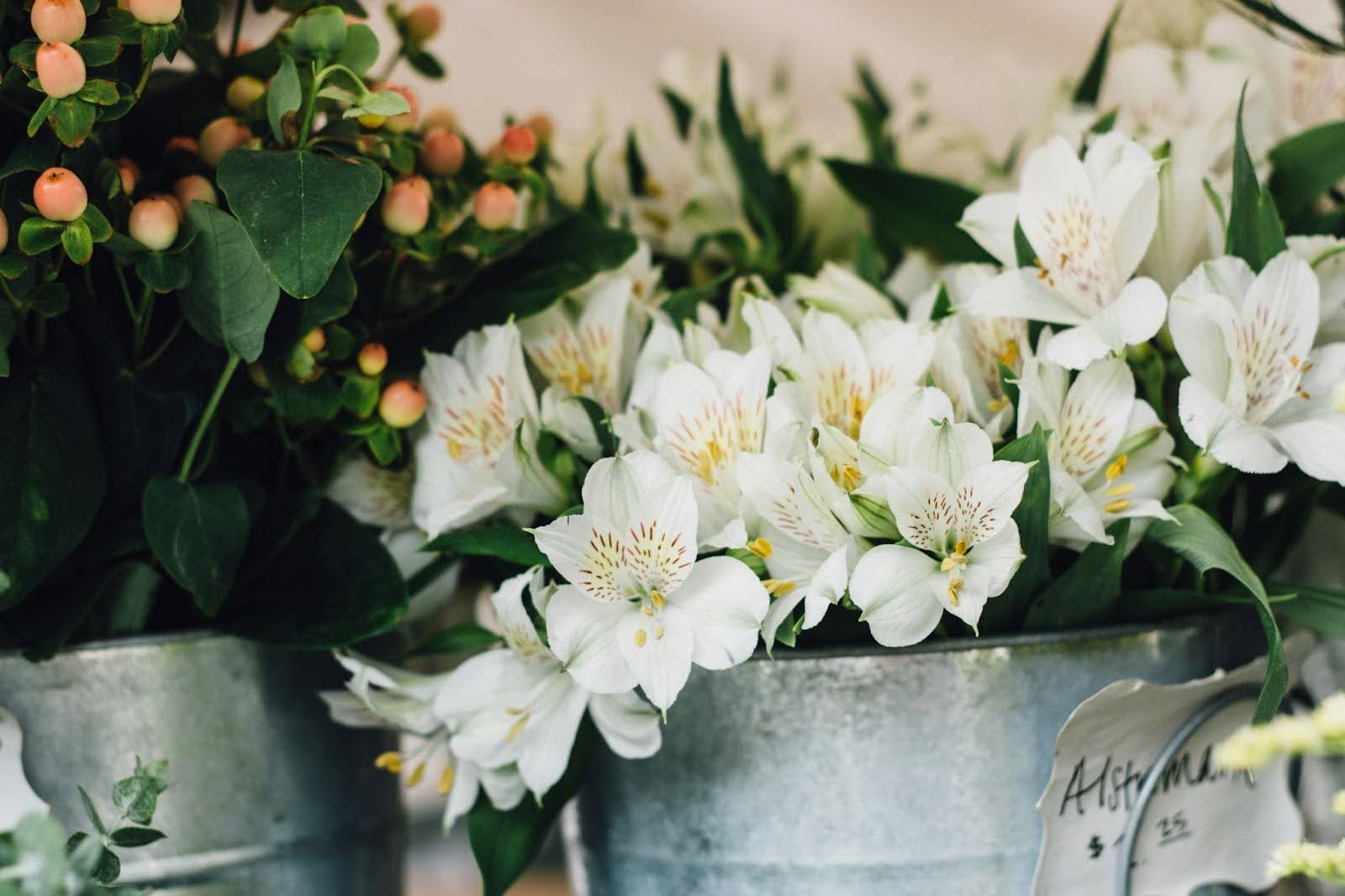
Alstroemeria can be used in memorial and sympathy designs because its lily-like streaked flowers can look formal, gentle, or expressive depending on color and arrangement. Common colors include white, yellow, orange, pink, red, purple; availability is generally year-round commercially.
Etiquette: Durable supporting cut flower. Flower meanings are cultural rather than universal, so family preference, faith, country, service style, and the deceased’s favorite colors matter more than a rigid symbolism chart.
18. Daffodil
Scientific name: Narcissus spp.
Daffodil can be used in memorial and sympathy designs because its six tepals around a trumpet or cup can look formal, gentle, or expressive depending on color and arrangement. Common colors include yellow, white, cream, orange-centered; availability is generally late winter–spring.
Etiquette: Bulbs are toxic if eaten. Flower meanings are cultural rather than universal, so family preference, faith, country, service style, and the deceased’s favorite colors matter more than a rigid symbolism chart.
19. Freesia
Scientific name: Freesia hybrids
Freesia can be used in memorial and sympathy designs because its arching sprays of funnel flowers can look formal, gentle, or expressive depending on color and arrangement. Common colors include white, yellow, pink, red, purple, orange; availability is generally late winter–spring.
Etiquette: Sweet fragrance and graceful stem. Flower meanings are cultural rather than universal, so family preference, faith, country, service style, and the deceased’s favorite colors matter more than a rigid symbolism chart.
20. Gardenia
Scientific name: Gardenia jasminoides
Gardenia can be used in memorial and sympathy designs because its waxy rosette-like bloom can look formal, gentle, or expressive depending on color and arrangement. Common colors include creamy white; availability is generally late spring–summer.
Etiquette: Highly fragrant and delicate when cut. Flower meanings are cultural rather than universal, so family preference, faith, country, service style, and the deceased’s favorite colors matter more than a rigid symbolism chart.
21. Camellia
Scientific name: Camellia japonica and C. sasanqua
Camellia can be used in memorial and sympathy designs because its waxy layered or single bloom can look formal, gentle, or expressive depending on color and arrangement. Common colors include white, pink, red, striped; availability is generally fall–spring depending on type.
Etiquette: Important mild-winter flowering shrub. Flower meanings are cultural rather than universal, so family preference, faith, country, service style, and the deceased’s favorite colors matter more than a rigid symbolism chart.
22. Lotus
Scientific name: Nelumbo nucifera
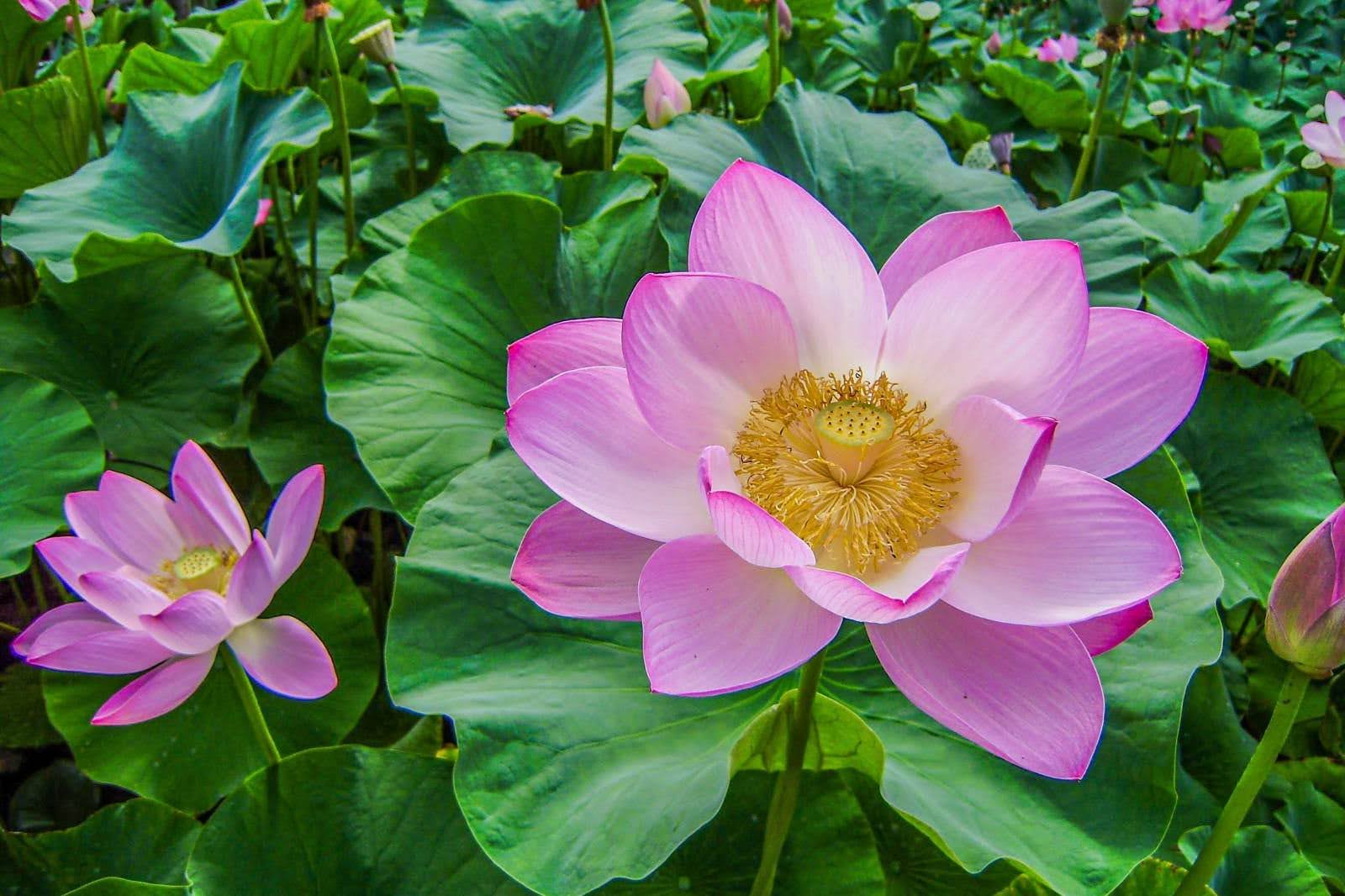
Lotus can be used in memorial and sympathy designs because its large aquatic bloom with seed receptacle can look formal, gentle, or expressive depending on color and arrangement. Common colors include pink, white; availability is generally summer.
Etiquette: Carries important Buddhist and Asian cultural meanings. Flower meanings are cultural rather than universal, so family preference, faith, country, service style, and the deceased’s favorite colors matter more than a rigid symbolism chart.
23. Sunflower
Scientific name: Helianthus annuus
Sunflower can be used in memorial and sympathy designs because its large ray flowers around a central disk can look formal, gentle, or expressive depending on color and arrangement. Common colors include yellow, gold, bronze, red-brown; availability is generally summer–early fall.
Etiquette: Easy to recognize and useful for beginner observation. Flower meanings are cultural rather than universal, so family preference, faith, country, service style, and the deceased’s favorite colors matter more than a rigid symbolism chart.
24. Forget-Me-Not
Scientific name: Myosotis spp.
Forget-Me-Not can be used in memorial and sympathy designs because its tiny five-petaled flowers with yellow eyes can look formal, gentle, or expressive depending on color and arrangement. Common colors include blue, pink, white; availability is generally spring.
Etiquette: Often linked with remembrance. Flower meanings are cultural rather than universal, so family preference, faith, country, service style, and the deceased’s favorite colors matter more than a rigid symbolism chart.
25. Gerbera
Scientific name: Gerbera jamesonii hybrids
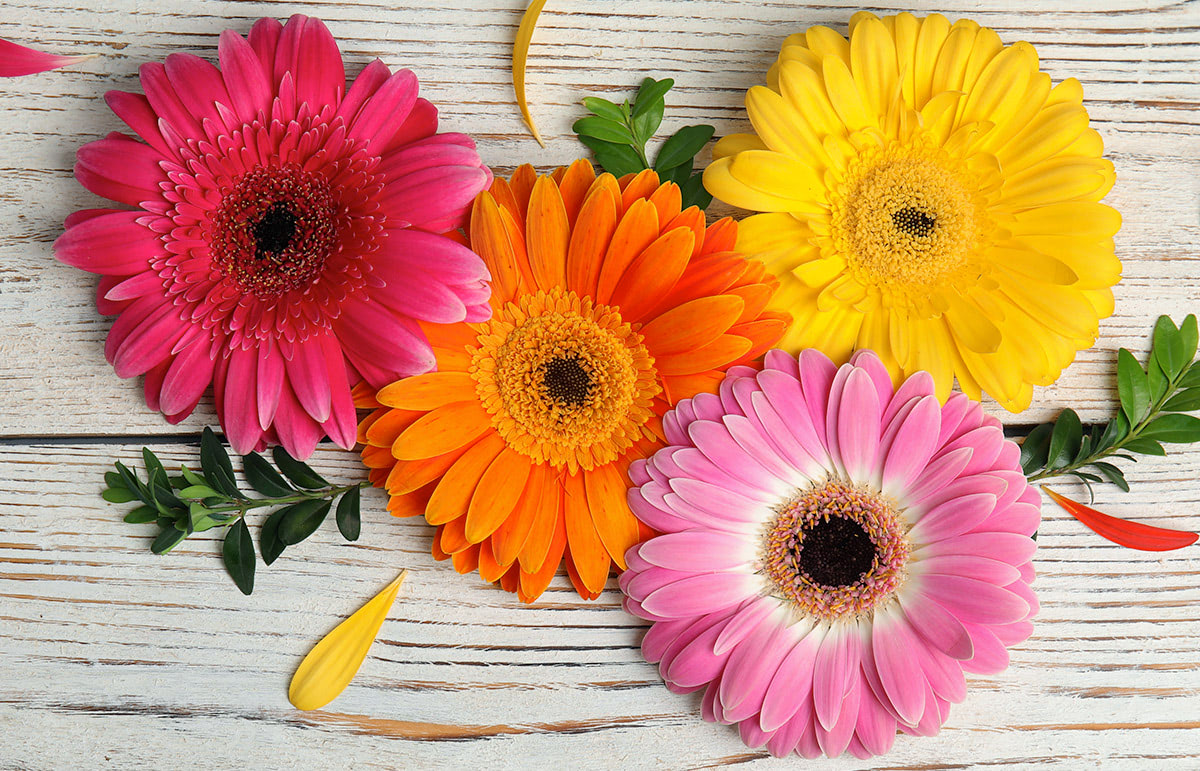
Gerbera can be used in memorial and sympathy designs because its large daisy-like bloom can look formal, gentle, or expressive depending on color and arrangement. Common colors include red, orange, yellow, pink, white; availability is generally year-round commercially.
Etiquette: Soft hollow stems benefit from clean water and support. Flower meanings are cultural rather than universal, so family preference, faith, country, service style, and the deceased’s favorite colors matter more than a rigid symbolism chart.
How to Choose Funeral Flowers Respectfully
- Start with the family’s wishes.
- Consider religion and culture before generic symbolism.
- Choose arrangement scale for the destination.
- Consider fragrance sensitivity.
- Check pet safety for flowers delivered to a home.
Cultural and Safety Notes
White is common but not universal. Chrysanthemums and red flowers have very different meanings across cultures. True lilies are extremely dangerous to cats.
Final Thoughts on Types Of Flowers For Funerals
The strongest choices match the real purpose of the article: the person, design, season, climate, culture, and safety context matter more than a generic list. Use this curated selection as a practical starting point, then refine it for the specific setting.
Frequently Asked Questions
1. What flowers are most common at funerals?
Lilies, roses, carnations, chrysanthemums, orchids, gladiolus, hydrangeas, and lisianthus are widely used.
2. Are white flowers required?
No. White is common, but family preference and cultural custom come first.
3. What is the difference between funeral and sympathy flowers?
Funeral flowers usually go to the service; sympathy flowers often go to the family’s home.
4. Are red roses appropriate?
They can be, but color meanings vary by culture and relationship.
5. Can I send a potted plant?
Yes, if the family would appreciate caring for it and pet safety is considered.
6. What flowers suggest remembrance?
Forget-me-nots, poppies, roses, and chrysanthemums have remembrance associations in some traditions.
7. Are lilies safe around cats?
No. True lilies can be extremely dangerous to cats.
8. Should funeral flowers be fragrant?
Strong fragrance may be unwelcome in small spaces or around scent-sensitive guests.
9. How do I choose flowers for another culture?
Ask the family, funeral director, faith community, or an experienced local florist.
10. Can bright colors be used?
Yes, especially for celebration-of-life services or when requested by the family.
11. How should I keep cut flowers fresh?
Use a clean vase, fresh water, clean cuts, and remove leaves below the water line.
12. Should I use flower food?
Commercial flower food can help when mixed according to the label.
13. Can I mix different flower types?
Yes, if their proportions, colors, and handling needs work together.
14. How do I choose colors?
Start with the recipient, setting, or design goal and use a limited palette for cohesion.
15. Are flower meanings scientific facts?
No. They come from cultural and historical traditions.
16. Why do common names cause confusion?
One common name can refer to several species or even unrelated plants.
17. Do flowers have the same season everywhere?
No. Outdoor timing changes by climate and commercial supply extends availability.
18. Are imported flowers always less fresh?
No. Harvest timing and cold-chain handling matter more than distance alone.
19. Can fragrance be a problem?
Yes. Strong scent can bother people with allergies, migraines, or sensitivities.
20. How do I avoid pollen stains?
Choose low-pollen flowers or remove mature lily anthers before pollen sheds.
21. Are all ornamental flowers edible?
No. Never eat a flower without positive identification and food-safe handling.
22. Should I buy flowers fully open?
Often a mix of open blooms and firm buds gives immediate display plus continued opening.
23. Why do flowers wilt?
Water stress, bacteria, heat, bruising, and natural vase-life differences all matter.
24. Can flowers be refrigerated?
Cool storage can help many cut flowers, but ordinary refrigerators may be too dry or contain ethylene-producing fruit.
25. How should flowers be transported?
Keep stems hydrated, support delicate heads, and avoid hot cars or crushing.
26. Should damaged petals be removed?
Yes, when they can be removed without harming the bloom.
27. What is a focal flower?
A focal flower is the visually dominant bloom in an arrangement.
28. What is a filler flower?
Filler flowers connect larger blooms with small texture.
29. What is a line flower?
Line flowers create height, direction, and movement.
30. How can I make flower choices personal?
Use favorite colors, family memories, birth flowers, or flowers from meaningful places.