

24 Types of Morning Flowers That Open or Shine Early can mean different things to gardeners, florists, and plant lovers. This guide presents 24 useful, distinct choices and explains how to recognize them, where they fit, and what to check before growing or arranging them. Scientific names clarify identity, while the notes separate species, hybrids, cultivars, and informal horticultural groups.
Which Flowers Are Best Seen in the Morning?
The best-known choices are those with a clear visual connection to the topic, reliable horticultural availability, and a practical use in gardens or floral work. No single plant suits every climate. Treat bloom season and hardiness as local questions, and verify invasive status and toxicity before planting.
Quick Comparison of Types Of Morning Flowers
| Common name | Scientific name | Key identification feature | Best use |
|---|---|---|---|
| Common morning glory | Ipomoea purpurea | funnel-shaped flowers that commonly open near dawn | quick annual coverage on a trellis |
| Heavenly blue morning glory | Ipomoea tricolor ‘Heavenly Blue’ | sky-blue trumpets with pale throats | a classic sunny fence vine |
| Japanese morning glory | Ipomoea nil | large trumpets in intricate colors and patterns | containers and display trellises |
| Moonflower | Ipomoea alba | large fragrant white trumpets that remain open into early morning | night-to-dawn gardens |
| Blue dawn flower | Ipomoea indica | clusters of blue-purple trumpets on a vigorous perennial vine | warm-climate screening with careful control |
| Bush morning glory | Ipomoea carnea | pink trumpet flowers on a woody shrub | warm landscapes where it is permitted |
| Dwarf morning glory | Evolvulus glomeratus | small clear-blue funnels on a low mound | sunny containers and edging |
| Field bindweed | Convolvulus arvensis | small white-pink trumpets on twining stems | identification only because it is a serious weed |
| California morning glory | Calystegia macrostegia | white to pale-pink funnels on a native western vine | habitat gardens within its range |
| Chicory | Cichorium intybus | clear blue daisies that often close later in the day | roadsides and informal herb gardens |
| Spiderwort | Tradescantia virginiana | three-petaled blue-violet flowers freshest in morning | moist perennial borders |
| Dayflower | Commelina communis | two prominent blue petals above a small white petal | morning identification and naturalized habitats |
| Prickly pear cactus | Opuntia spp. | silky yellow, orange, or pink cups that open in daylight | dry gardens and native habitat plantings |
| California poppy | Eschscholzia californica | orange cups opening as light and warmth increase | sunny low-water meadows |
| Gazania | Gazania rigens | striped daisies that open in strong sunlight | hot, dry edging |
| Portulaca | Portulaca grandiflora | jewel-colored rosettes opening under bright sun | shallow containers and rock gardens |
| Lotus | Nelumbo nucifera | large flowers opening above the water over successive mornings | full-sun ponds |
| Water lily | Nymphaea hybrids | floating cups that open and close on a daily schedule | ponds selected by day-blooming cultivar |
| Blue water lily | Nymphaea caerulea | blue petals around a gold center opening by day | heated water gardens |
| Daylily | Hemerocallis hybrids | individual trumpet flowers often opening for a single day | easy sunny borders |
| Dandelion | Taraxacum officinale | yellow heads that respond to daylight and weather | a familiar example of daily flower movement |
| English daisy | Bellis perennis | small white-pink daisies opening in daylight | cool lawns and edging where noninvasive |
| African daisy | Osteospermum hybrids | bold daisies opening best under sun | cool-season containers |
| Flax | Linum grandiflorum | delicate five-petaled blooms that look freshest early | airy annual drifts |
1. Common morning glory
Scientific name: Ipomoea purpurea
Common morning glory is recognized by funnel-shaped flowers that commonly open near dawn. It earns a place in this guide because it is especially useful for quick annual coverage on a trellis. Confirm the requirements of the exact species or named cultivar: light, moisture, winter hardiness, mature size, and bloom timing can differ substantially within a genus.
2. Heavenly blue morning glory
Scientific name: Ipomoea tricolor ‘Heavenly Blue’

Heavenly blue morning glory is recognized by sky-blue trumpets with pale throats. It earns a place in this guide because it is especially useful for a classic sunny fence vine. Confirm the requirements of the exact species or named cultivar: light, moisture, winter hardiness, mature size, and bloom timing can differ substantially within a genus.
3. Japanese morning glory
Scientific name: Ipomoea nil
Japanese morning glory is recognized by large trumpets in intricate colors and patterns. It earns a place in this guide because it is especially useful for containers and display trellises. Confirm the requirements of the exact species or named cultivar: light, moisture, winter hardiness, mature size, and bloom timing can differ substantially within a genus.
4. Moonflower
Scientific name: Ipomoea alba
Moonflower is recognized by large fragrant white trumpets that remain open into early morning. It earns a place in this guide because it is especially useful for night-to-dawn gardens. Confirm the requirements of the exact species or named cultivar: light, moisture, winter hardiness, mature size, and bloom timing can differ substantially within a genus.
5. Blue dawn flower
Scientific name: Ipomoea indica
Blue dawn flower is recognized by clusters of blue-purple trumpets on a vigorous perennial vine. It earns a place in this guide because it is especially useful for warm-climate screening with careful control. Confirm the requirements of the exact species or named cultivar: light, moisture, winter hardiness, mature size, and bloom timing can differ substantially within a genus.
6. Bush morning glory
Scientific name: Ipomoea carnea
Bush morning glory is recognized by pink trumpet flowers on a woody shrub. It earns a place in this guide because it is especially useful for warm landscapes where it is permitted. Confirm the requirements of the exact species or named cultivar: light, moisture, winter hardiness, mature size, and bloom timing can differ substantially within a genus.
7. Dwarf morning glory
Scientific name: Evolvulus glomeratus
Dwarf morning glory is recognized by small clear-blue funnels on a low mound. It earns a place in this guide because it is especially useful for sunny containers and edging. Confirm the requirements of the exact species or named cultivar: light, moisture, winter hardiness, mature size, and bloom timing can differ substantially within a genus.
8. Field bindweed
Scientific name: Convolvulus arvensis
:max_bytes(150000):strip_icc()/controlling-and-preventing-bindweed-2540090-hero-9209ac53971941398b8bf900582a1b0c.jpg)
Field bindweed is recognized by small white-pink trumpets on twining stems. It earns a place in this guide because it is especially useful for identification only because it is a serious weed. Confirm the requirements of the exact species or named cultivar: light, moisture, winter hardiness, mature size, and bloom timing can differ substantially within a genus.
9. California morning glory
Scientific name: Calystegia macrostegia
California morning glory is recognized by white to pale-pink funnels on a native western vine. It earns a place in this guide because it is especially useful for habitat gardens within its range. Confirm the requirements of the exact species or named cultivar: light, moisture, winter hardiness, mature size, and bloom timing can differ substantially within a genus.
10. Chicory
Scientific name: Cichorium intybus
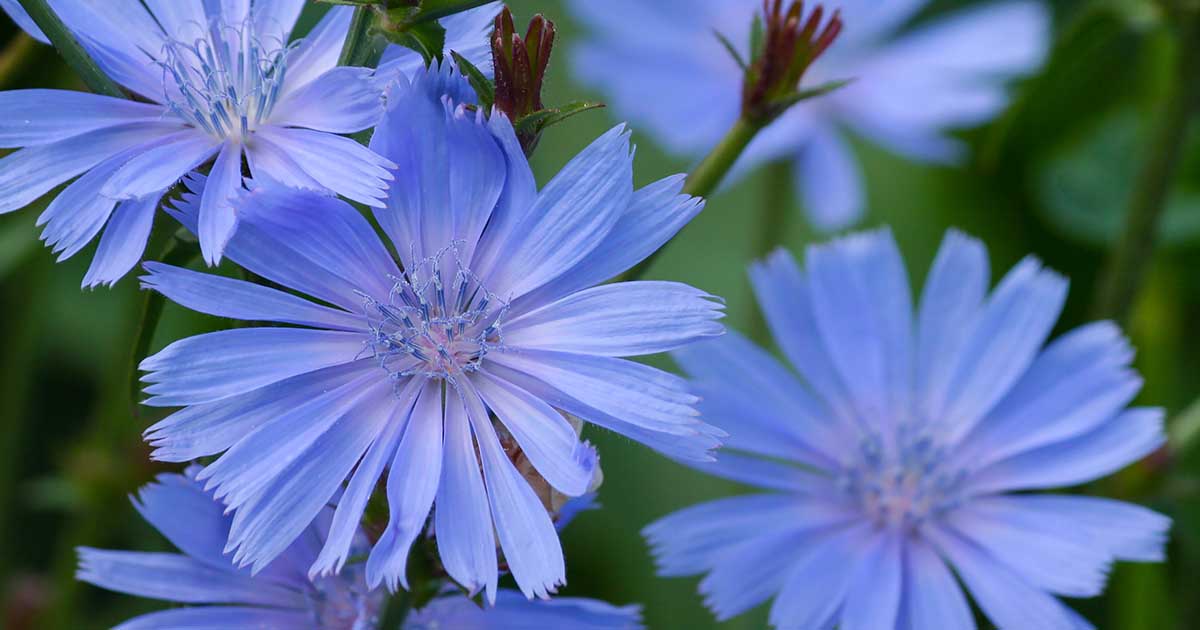
Chicory is recognized by clear blue daisies that often close later in the day. It earns a place in this guide because it is especially useful for roadsides and informal herb gardens. Confirm the requirements of the exact species or named cultivar: light, moisture, winter hardiness, mature size, and bloom timing can differ substantially within a genus.
11. Spiderwort
Scientific name: Tradescantia virginiana
Spiderwort is recognized by three-petaled blue-violet flowers freshest in morning. It earns a place in this guide because it is especially useful for moist perennial borders. Confirm the requirements of the exact species or named cultivar: light, moisture, winter hardiness, mature size, and bloom timing can differ substantially within a genus.
12. Dayflower
Scientific name: Commelina communis
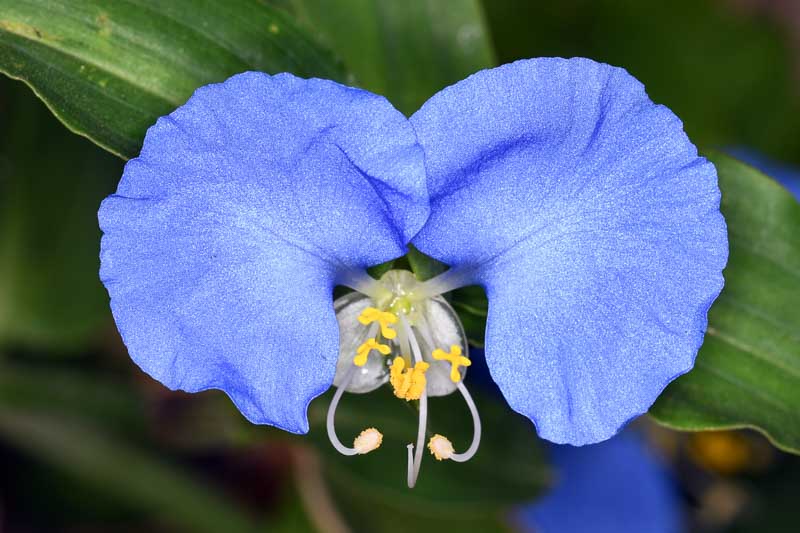
Dayflower is recognized by two prominent blue petals above a small white petal. It earns a place in this guide because it is especially useful for morning identification and naturalized habitats. Confirm the requirements of the exact species or named cultivar: light, moisture, winter hardiness, mature size, and bloom timing can differ substantially within a genus.
13. Prickly pear cactus
Scientific name: Opuntia spp.
Prickly pear cactus is recognized by silky yellow, orange, or pink cups that open in daylight. It earns a place in this guide because it is especially useful for dry gardens and native habitat plantings. Confirm the requirements of the exact species or named cultivar: light, moisture, winter hardiness, mature size, and bloom timing can differ substantially within a genus.
14. California poppy
Scientific name: Eschscholzia californica

California poppy is recognized by orange cups opening as light and warmth increase. It earns a place in this guide because it is especially useful for sunny low-water meadows. Confirm the requirements of the exact species or named cultivar: light, moisture, winter hardiness, mature size, and bloom timing can differ substantially within a genus.
15. Gazania
Scientific name: Gazania rigens
Gazania is recognized by striped daisies that open in strong sunlight. It earns a place in this guide because it is especially useful for hot, dry edging. Confirm the requirements of the exact species or named cultivar: light, moisture, winter hardiness, mature size, and bloom timing can differ substantially within a genus.
16. Portulaca
Scientific name: Portulaca grandiflora
:max_bytes(150000):strip_icc()/GettyImages-1410717327-0e543cd4cf114a9689434ad3732458ee.jpg)
Portulaca is recognized by jewel-colored rosettes opening under bright sun. It earns a place in this guide because it is especially useful for shallow containers and rock gardens. Confirm the requirements of the exact species or named cultivar: light, moisture, winter hardiness, mature size, and bloom timing can differ substantially within a genus.
17. Lotus
Scientific name: Nelumbo nucifera
Lotus is recognized by large flowers opening above the water over successive mornings. It earns a place in this guide because it is especially useful for full-sun ponds. Confirm the requirements of the exact species or named cultivar: light, moisture, winter hardiness, mature size, and bloom timing can differ substantially within a genus.
18. Water lily
Scientific name: Nymphaea hybrids
:max_bytes(150000):strip_icc()/the-incomparable-waterlily-and-lotus-1403525-22-dc91986882b6494e96c142144817fff5.jpg)
Water lily is recognized by floating cups that open and close on a daily schedule. It earns a place in this guide because it is especially useful for ponds selected by day-blooming cultivar. Confirm the requirements of the exact species or named cultivar: light, moisture, winter hardiness, mature size, and bloom timing can differ substantially within a genus.
19. Blue water lily
Scientific name: Nymphaea caerulea
Blue water lily is recognized by blue petals around a gold center opening by day. It earns a place in this guide because it is especially useful for heated water gardens. Confirm the requirements of the exact species or named cultivar: light, moisture, winter hardiness, mature size, and bloom timing can differ substantially within a genus.
20. Daylily
Scientific name: Hemerocallis hybrids

Daylily is recognized by individual trumpet flowers often opening for a single day. It earns a place in this guide because it is especially useful for easy sunny borders. Confirm the requirements of the exact species or named cultivar: light, moisture, winter hardiness, mature size, and bloom timing can differ substantially within a genus.
21. Dandelion
Scientific name: Taraxacum officinale
Dandelion is recognized by yellow heads that respond to daylight and weather. It earns a place in this guide because it is especially useful for a familiar example of daily flower movement. Confirm the requirements of the exact species or named cultivar: light, moisture, winter hardiness, mature size, and bloom timing can differ substantially within a genus.
22. English daisy
Scientific name: Bellis perennis
:max_bytes(150000):strip_icc()/english-daisy-plant-overview-4767251_01-1d5214b297d7411393e38e9370459db2.jpg)
English daisy is recognized by small white-pink daisies opening in daylight. It earns a place in this guide because it is especially useful for cool lawns and edging where noninvasive. Confirm the requirements of the exact species or named cultivar: light, moisture, winter hardiness, mature size, and bloom timing can differ substantially within a genus.
23. African daisy
Scientific name: Osteospermum hybrids
African daisy is recognized by bold daisies opening best under sun. It earns a place in this guide because it is especially useful for cool-season containers. Confirm the requirements of the exact species or named cultivar: light, moisture, winter hardiness, mature size, and bloom timing can differ substantially within a genus.
24. Flax
Scientific name: Linum grandiflorum
:max_bytes(150000):strip_icc()/flax-flower-plant-care-and-growing-guide-5080961-01-8789bdb9d0ed49308a6290d304b7cb8a.jpg)
Flax is recognized by delicate five-petaled blooms that look freshest early. It earns a place in this guide because it is especially useful for airy annual drifts. Confirm the requirements of the exact species or named cultivar: light, moisture, winter hardiness, mature size, and bloom timing can differ substantially within a genus.
Why Some Flowers Open in the Morning
Daily flower opening is called anthesis. Light, temperature, humidity, and an internal circadian rhythm can influence it. “Morning flower” is therefore an ecological description rather than one botanical family. Cloudy or cool weather may delay opening, and some night flowers remain open only briefly after sunrise.
How to Identify These Flowers
Start with overall plant habit: tree, shrub, vine, rosette, clump, or upright spike. Then compare flower symmetry, petal or tepal arrangement, the shape of the flower cluster, leaf arrangement, stem texture, fragrance, fruit, bloom time, and habitat. Color alone is unreliable because it changes with cultivar, age, light, temperature, and soil chemistry. Use regional floras or extension resources when an identification affects edibility, toxicity, conservation, or weed control.
How to Choose and Grow Them
- Match light first: count direct-sun hours in the growing season, not in winter.
- Check drainage: root and corm rots are common where water remains around crowns.
- Plan mature size: allow airflow and support tall spikes or vigorous vines.
- Use climate-appropriate plants: USDA zones describe average winter cold in the United States, not heat, humidity, or rainfall.
- Build seasonal succession: combine plants that flower at different times.
- Protect pollinators: avoid spraying open flowers and use targeted controls only after identifying the problem.
Safety, Toxicity, and Ecological Notes
“Natural” does not mean edible or pet-safe. Lilies are especially dangerous to cats, while other ornamentals may irritate skin or cause illness if eaten. Keep labels, supervise children and animals, and contact an appropriate medical, veterinary, or poison-control professional after suspected exposure. Invasive status is regional; check current state or local lists. Never collect rare plants from the wild, and source protected or native species from reputable propagators.
Common Mistakes to Avoid
- Buying by a vague common name without confirming the botanical identity.
- Assuming a florist plant is hardy outdoors in the local climate.
- Using color as the only identification feature.
- Planting vigorous nonnative species without checking local restrictions.
- Overwatering poorly drained soil or fertilizing before diagnosing weak growth.
- Calling every named selection a separate species.
Fun Facts About Types Of Morning Flowers
- What gardeners call petals may actually be sepals, tepals, or showy bracts.
- Many flowers change color as they age or after pollination.
- Fragrance often peaks when a flower’s primary pollinator is active.
- Some flower heads are made of dozens or hundreds of tiny individual florets.
- A cultivar name identifies a maintained selection, not its place of origin.
- Cut-flower breeding may prioritize stem strength and vase performance over garden habit.
- Morning, evening, and night bloomers occupy different pollination niches.
- Local native plants often support specialized insects that exotic ornamentals cannot replace.
Final Thoughts on Types Of Morning Flowers
The most rewarding types of morning flowers are not simply the showiest choices; they are the ones correctly identified and matched to the intended garden, climate, arrangement, and maintenance level. Use the comparison table to build a shortlist, then confirm local hardiness, bloom timing, sourcing, and safety before purchasing.
Frequently Asked Questions
1. Are these flowers annuals or perennials?
The list may include annuals, herbaceous perennials, bulbs, vines, shrubs, and tropical plants. Check the habit of the exact species or cultivar before buying.
2. Do bloom times stay the same everywhere?
No. Blooming shifts with temperature, elevation, rainfall, day length, and hemisphere. Local extension calendars are more reliable than a universal month.
3. How much sun do flowering plants need?
Many bloom best with six or more hours of direct sun, but woodland and tropical understory species may prefer filtered light. Match the plant to the site.
4. What soil is best for flowers?
Most garden flowers favor soil that drains well while retaining some moisture. Bog, alpine, desert, and epiphytic plants are important exceptions.
5. Can these flowers grow in containers?
Many can, provided the container has drainage and enough root room. Large vines, shrubs, and tall spikes need bigger pots and physical support.
6. How often should flowers be watered?
Water according to soil moisture rather than a fixed calendar. New plants need closer attention; established drought-adapted plants need less frequent irrigation.
7. Should I deadhead faded flowers?
Deadheading often improves appearance and can extend bloom, but leaving some seed heads provides food and habitat and allows desired self-sowing.
8. Are all of these flowers safe for pets?
No. Toxicity differs by plant and animal. Verify the exact botanical name with a veterinary poison resource and keep unknown plants out of reach.
9. Can I eat any flower on the list?
Do not assume a flower is edible. Eat only a positively identified edible species grown without unsafe pesticides, and verify which plant parts are suitable.
10. Why are scientific names included?
Common names vary by place and can identify several unrelated plants. A scientific name helps confirm the exact plant and avoid care or safety mistakes.
11. What is the difference between a species and a cultivar?
A species is a botanical taxon found in nature, while a cultivar is a selected plant maintained in cultivation and written with a name in single quotation marks.
12. How do I choose flowers for pollinators?
Favor regionally native, pesticide-free plants with varied flower shapes and overlapping bloom periods. Include host plants as well as nectar sources.
13. Can invasive flowers still be sold?
Yes. Retail availability does not prove ecological suitability. Check state invasive-plant lists and local guidance before planting vigorous nonnative species.
14. When is the best time to plant?
Planting depends on plant type and climate. Hardy perennials are often set out in spring or fall, while frost-tender plants go outside after cold risk passes.
15. What does full sun mean?
Full sun usually means at least six hours of direct light. In very hot climates, some plants benefit from afternoon shade even when labeled for sun.
16. Why does a plant have leaves but no flowers?
Common causes include insufficient light, excess nitrogen, immature plants, pruning at the wrong time, drought stress, or unsuitable winter temperatures.
17. How can I extend the flowering season?
Combine early, middle, and late bloomers, plant more than one cultivar, deadhead suitable plants, and maintain consistent water without waterlogging roots.
18. Are double flowers good for bees?
Some double cultivars hide or replace pollen-bearing structures, making access difficult. Mix decorative doubles with open, single flowers.
19. Can I collect these flowers from the wild?
Avoid wild collection. Plants may be protected, rare, or growing on private land. Buy responsibly propagated material and observe wild plants without disturbance.
20. How do I prevent fungal diseases?
Provide appropriate spacing, air movement, drainage, and morning irrigation at soil level. Remove diseased material and avoid routine pesticide use without diagnosis.
21. What is a bulb versus a corm?
A true bulb contains layered storage leaves; a corm is a swollen solid stem base. Gardeners often call both bulbs, but gladiolus grows from corms.
22. Will deer avoid these flowers?
No flower is completely deer-proof. Browsing changes with hunger and local populations, so use barriers around valuable plants.
23. How should cut flowers be harvested?
Use clean tools, cut during the cool part of the day, place stems in clean water promptly, and harvest at the opening stage recommended for that species.
24. Do flower meanings have universal definitions?
No. Symbolism changes by culture, religion, era, flower color, and personal experience. Treat meanings as traditions, not botanical facts.
25. Can tropical flowers survive frost?
Most tropical species are damaged by frost. In cold climates, grow them as annuals, overwinter them indoors, or use a heated greenhouse.
26. How do I identify a flower accurately?
Compare flowers together with leaf arrangement, stem, fruit, plant habit, habitat, bloom time, and range. One visual feature is rarely enough.
27. Should I fertilize flowers heavily?
Not usually. Excess fertilizer can produce weak leafy growth and fewer flowers. Base amendments on plant needs and, ideally, a soil test.
28. What mulch is best around flowers?
A moderate layer of organic mulch conserves moisture and suppresses weeds. Keep it away from crowns and stems to reduce rot.
29. Can flowers be started from seed?
Many can, but hybrids may not come true from seed and some species need cold stratification or other pretreatment. Bulbs and named cultivars are often propagated vegetatively.
30. Where should beginners start?
Choose plants already proven in your local climate, then group them by similar light and water needs. A small well-matched planting succeeds more reliably than a large mixed collection.