

24 Types of Green Flowers can mean different things to gardeners, florists, and plant lovers. This guide presents 24 useful, distinct choices and explains how to recognize them, where they fit, and what to check before growing or arranging them. Scientific names clarify identity, while the notes separate species, hybrids, cultivars, and informal horticultural groups.
Which Flowers Are Naturally Green?
The best-known choices are those with a clear visual connection to the topic, reliable horticultural availability, and a practical use in gardens or floral work. No single plant suits every climate. Treat bloom season and hardiness as local questions, and verify invasive status and toxicity before planting.
Quick Comparison of Types Of Green Flowers
| Common name | Scientific name | Key identification feature | Best use |
|---|---|---|---|
| Bells of Ireland | Moluccella laevis | tall stems lined with apple-green bell-like calyces | fresh and dried line material |
| Green hellebore | Helleborus viridis | nodding green cups over divided foliage | woodland gardens |
| Corsican hellebore | Helleborus argutifolius | clusters of pale green flowers above leathery leaves | architectural shade planting |
| Green trick dianthus | Dianthus barbatus ‘Green Trick’ | round mossy-looking heads made of fine green bracts | textural bouquets |
| Green ball chrysanthemum | Chrysanthemum ‘Feeling Green’ | tight spherical pompons in fresh green | long-lasting mass flowers |
| Green zinnia | Zinnia elegans ‘Envy’ | semi-double chartreuse flower heads | annual beds and cutting gardens |
| Green rose | Rosa chinensis ‘Viridiflora’ | leaf-like green sepals replacing showy petals | novelty gardens and botanical collections |
| Green hydrangea | Hydrangea macrophylla cultivars | mophead clusters that mature through lime green | large-scale bouquet volume |
| Green gladiolus | Gladiolus ‘Green Star’ | ruffled lime-green florets on tall spikes | vertical cut-flower designs |
| Green tulip | Tulipa ‘Spring Green’ | ivory petals brushed with green flames | late-spring borders and bouquets |
| Green daffodil | Narcissus ‘Green Pearl’ | white segments around a green-toned cup | collector bulb beds |
| Green orchid | Cymbidium hybrids | waxy green flowers on long arching spikes | formal arrangements and cool conservatories |
| Lady’s slipper orchid | Paphiopedilum Maudiae hybrids | green-striped dorsal sepals and slipper-shaped lips | bright indoor orchid collections |
| Green calla lily | Zantedeschia ‘Green Goddess’ | white spathes washed heavily with green | containers and sculptural bouquets |
| Green anthurium | Anthurium andraeanum hybrids | glossy green spathes surrounding slender spadices | tropical interiors and cut stems |
| Green amaranth | Amaranthus caudatus ‘Viridis’ | long cascading tassels of green flowers | dramatic annual arrangements |
| Green celosia | Celosia argentea cultivars | lime plumes or crested flower heads | hot-weather beds and dried work |
| Green nicotiana | Nicotiana langsdorffii | airy sprays of nodding chartreuse tubes | cottage gardens and evening displays |
| Green flowering tobacco | Nicotiana alata ‘Lime Green’ | starry lime trumpets with evening fragrance | annual borders near seating |
| Green coneflower | Echinacea purpurea ‘Green Jewel’ | green ray petals around a darker green cone | sunny perennial borders |
| Mediterranean spurge | Euphorbia characias | large lime flower heads composed mainly of bracts | dry, architectural plantings |
| Lady’s mantle | Alchemilla mollis | clouds of tiny chartreuse flowers above scalloped leaves | edging and bouquet filler |
| Green-flowered clematis | Clematis florida ‘Alba Plena’ | double creamy-green flowers on a climber | trellises and sheltered walls |
| Green daylily | Hemerocallis ‘Green Flutter’ | yellow-green trumpet flowers with narrow tepals | summer perennial borders |
1. Bells of Ireland
Scientific name: Moluccella laevis
Bells of Ireland is recognized by tall stems lined with apple-green bell-like calyces. It earns a place in this guide because it is especially useful for fresh and dried line material. Confirm the requirements of the exact species or named cultivar: light, moisture, winter hardiness, mature size, and bloom timing can differ substantially within a genus.
2. Green hellebore
Scientific name: Helleborus viridis

Green hellebore is recognized by nodding green cups over divided foliage. It earns a place in this guide because it is especially useful for woodland gardens. Confirm the requirements of the exact species or named cultivar: light, moisture, winter hardiness, mature size, and bloom timing can differ substantially within a genus.
3. Corsican hellebore
Scientific name: Helleborus argutifolius
Corsican hellebore is recognized by clusters of pale green flowers above leathery leaves. It earns a place in this guide because it is especially useful for architectural shade planting. Confirm the requirements of the exact species or named cultivar: light, moisture, winter hardiness, mature size, and bloom timing can differ substantially within a genus.
4. Green trick dianthus
Scientific name: Dianthus barbatus ‘Green Trick’

Green trick dianthus is recognized by round mossy-looking heads made of fine green bracts. It earns a place in this guide because it is especially useful for textural bouquets. Confirm the requirements of the exact species or named cultivar: light, moisture, winter hardiness, mature size, and bloom timing can differ substantially within a genus.
5. Green ball chrysanthemum
Scientific name: Chrysanthemum ‘Feeling Green’
Green ball chrysanthemum is recognized by tight spherical pompons in fresh green. It earns a place in this guide because it is especially useful for long-lasting mass flowers. Confirm the requirements of the exact species or named cultivar: light, moisture, winter hardiness, mature size, and bloom timing can differ substantially within a genus.
6. Green zinnia
Scientific name: Zinnia elegans ‘Envy’

Green zinnia is recognized by semi-double chartreuse flower heads. It earns a place in this guide because it is especially useful for annual beds and cutting gardens. Confirm the requirements of the exact species or named cultivar: light, moisture, winter hardiness, mature size, and bloom timing can differ substantially within a genus.
7. Green rose
Scientific name: Rosa chinensis ‘Viridiflora’
Green rose is recognized by leaf-like green sepals replacing showy petals. It earns a place in this guide because it is especially useful for novelty gardens and botanical collections. Confirm the requirements of the exact species or named cultivar: light, moisture, winter hardiness, mature size, and bloom timing can differ substantially within a genus.
8. Green hydrangea
Scientific name: Hydrangea macrophylla cultivars
Green hydrangea is recognized by mophead clusters that mature through lime green. It earns a place in this guide because it is especially useful for large-scale bouquet volume. Confirm the requirements of the exact species or named cultivar: light, moisture, winter hardiness, mature size, and bloom timing can differ substantially within a genus.
9. Green gladiolus
Scientific name: Gladiolus ‘Green Star’
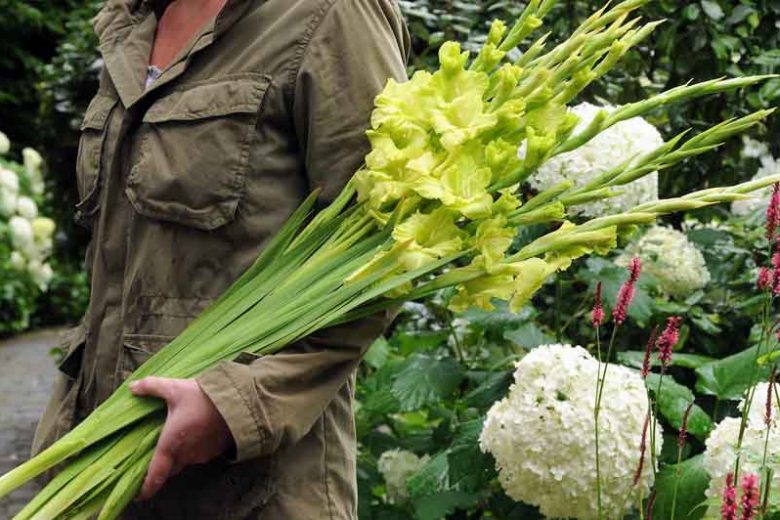
Green gladiolus is recognized by ruffled lime-green florets on tall spikes. It earns a place in this guide because it is especially useful for vertical cut-flower designs. Confirm the requirements of the exact species or named cultivar: light, moisture, winter hardiness, mature size, and bloom timing can differ substantially within a genus.
10. Green tulip
Scientific name: Tulipa ‘Spring Green’
Green tulip is recognized by ivory petals brushed with green flames. It earns a place in this guide because it is especially useful for late-spring borders and bouquets. Confirm the requirements of the exact species or named cultivar: light, moisture, winter hardiness, mature size, and bloom timing can differ substantially within a genus.
11. Green daffodil
Scientific name: Narcissus ‘Green Pearl’
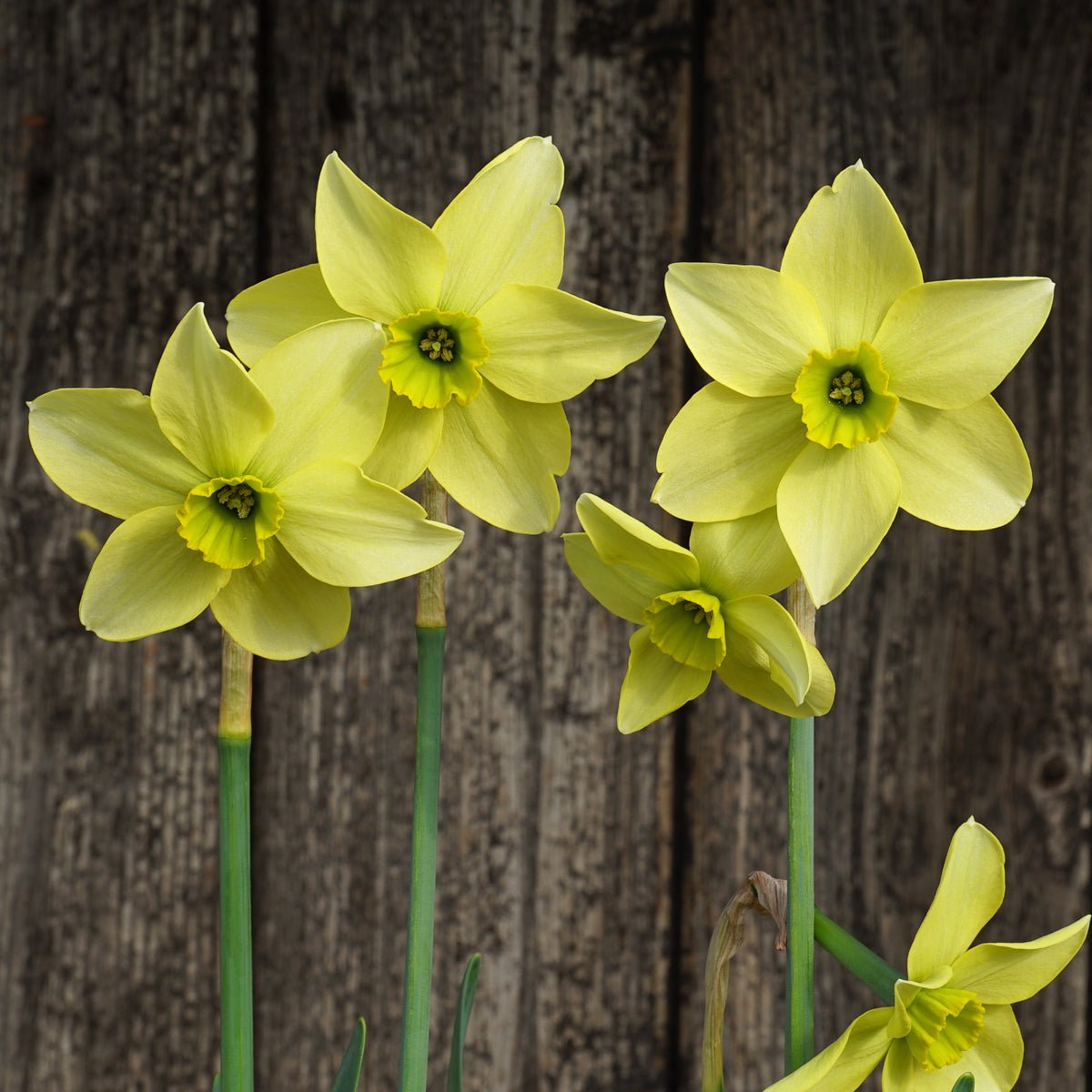
Green daffodil is recognized by white segments around a green-toned cup. It earns a place in this guide because it is especially useful for collector bulb beds. Confirm the requirements of the exact species or named cultivar: light, moisture, winter hardiness, mature size, and bloom timing can differ substantially within a genus.
12. Green orchid
Scientific name: Cymbidium hybrids
Green orchid is recognized by waxy green flowers on long arching spikes. It earns a place in this guide because it is especially useful for formal arrangements and cool conservatories. Confirm the requirements of the exact species or named cultivar: light, moisture, winter hardiness, mature size, and bloom timing can differ substantially within a genus.
13. Lady’s slipper orchid
Scientific name: Paphiopedilum Maudiae hybrids

Lady’s slipper orchid is recognized by green-striped dorsal sepals and slipper-shaped lips. It earns a place in this guide because it is especially useful for bright indoor orchid collections. Confirm the requirements of the exact species or named cultivar: light, moisture, winter hardiness, mature size, and bloom timing can differ substantially within a genus.
14. Green calla lily
Scientific name: Zantedeschia ‘Green Goddess’
Green calla lily is recognized by white spathes washed heavily with green. It earns a place in this guide because it is especially useful for containers and sculptural bouquets. Confirm the requirements of the exact species or named cultivar: light, moisture, winter hardiness, mature size, and bloom timing can differ substantially within a genus.
15. Green anthurium
Scientific name: Anthurium andraeanum hybrids
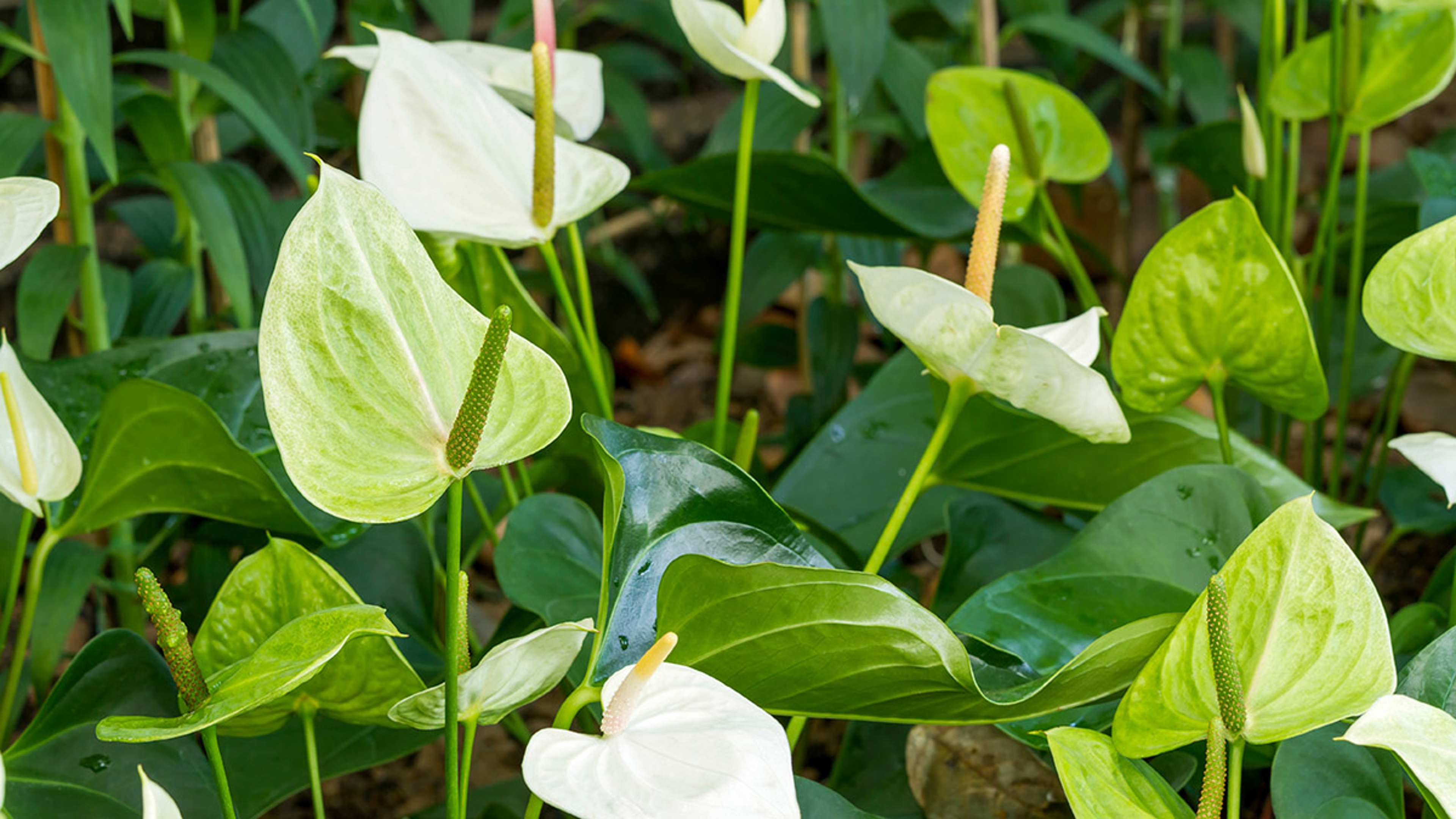
Green anthurium is recognized by glossy green spathes surrounding slender spadices. It earns a place in this guide because it is especially useful for tropical interiors and cut stems. Confirm the requirements of the exact species or named cultivar: light, moisture, winter hardiness, mature size, and bloom timing can differ substantially within a genus.
16. Green amaranth
Scientific name: Amaranthus caudatus ‘Viridis’
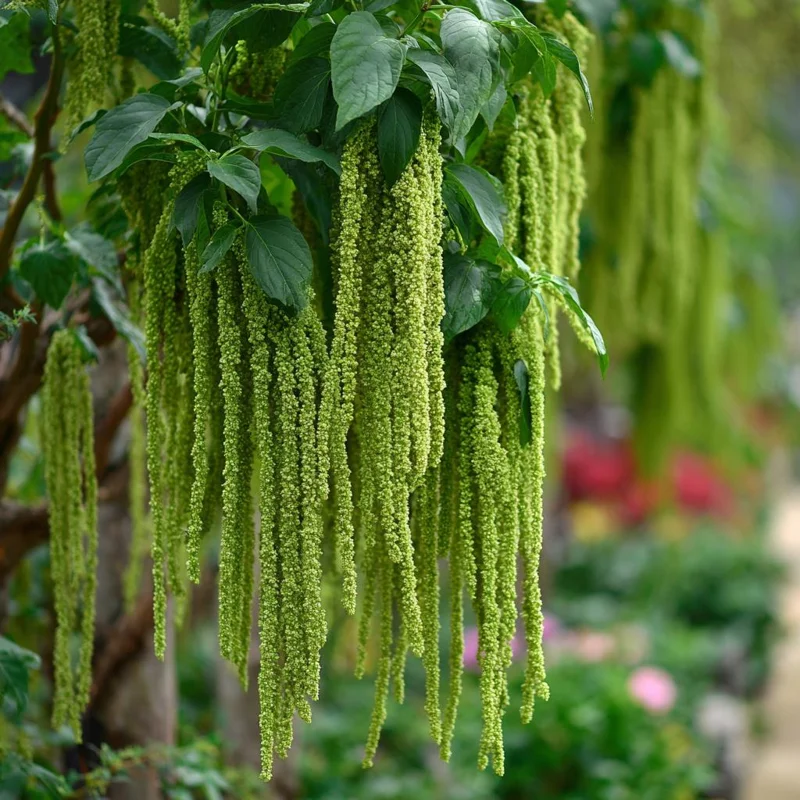
Green amaranth is recognized by long cascading tassels of green flowers. It earns a place in this guide because it is especially useful for dramatic annual arrangements. Confirm the requirements of the exact species or named cultivar: light, moisture, winter hardiness, mature size, and bloom timing can differ substantially within a genus.
17. Green celosia
Scientific name: Celosia argentea cultivars

Green celosia is recognized by lime plumes or crested flower heads. It earns a place in this guide because it is especially useful for hot-weather beds and dried work. Confirm the requirements of the exact species or named cultivar: light, moisture, winter hardiness, mature size, and bloom timing can differ substantially within a genus.
18. Green nicotiana
Scientific name: Nicotiana langsdorffii
Green nicotiana is recognized by airy sprays of nodding chartreuse tubes. It earns a place in this guide because it is especially useful for cottage gardens and evening displays. Confirm the requirements of the exact species or named cultivar: light, moisture, winter hardiness, mature size, and bloom timing can differ substantially within a genus.
19. Green flowering tobacco
Scientific name: Nicotiana alata ‘Lime Green’
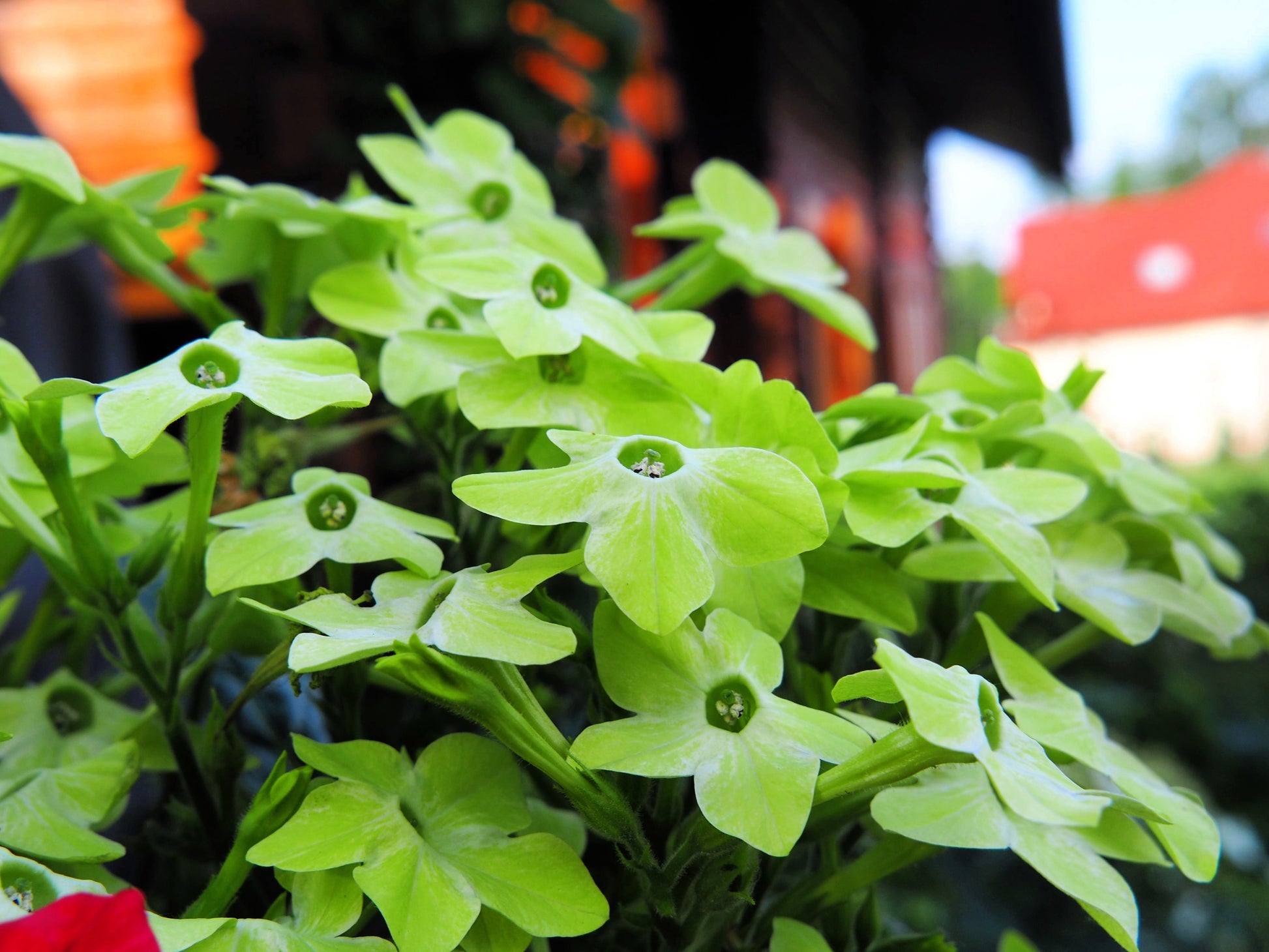
Green flowering tobacco is recognized by starry lime trumpets with evening fragrance. It earns a place in this guide because it is especially useful for annual borders near seating. Confirm the requirements of the exact species or named cultivar: light, moisture, winter hardiness, mature size, and bloom timing can differ substantially within a genus.
20. Green coneflower
Scientific name: Echinacea purpurea ‘Green Jewel’
Green coneflower is recognized by green ray petals around a darker green cone. It earns a place in this guide because it is especially useful for sunny perennial borders. Confirm the requirements of the exact species or named cultivar: light, moisture, winter hardiness, mature size, and bloom timing can differ substantially within a genus.
21. Mediterranean spurge
Scientific name: Euphorbia characias

Mediterranean spurge is recognized by large lime flower heads composed mainly of bracts. It earns a place in this guide because it is especially useful for dry, architectural plantings. Confirm the requirements of the exact species or named cultivar: light, moisture, winter hardiness, mature size, and bloom timing can differ substantially within a genus.
22. Lady’s mantle
Scientific name: Alchemilla mollis
Lady’s mantle is recognized by clouds of tiny chartreuse flowers above scalloped leaves. It earns a place in this guide because it is especially useful for edging and bouquet filler. Confirm the requirements of the exact species or named cultivar: light, moisture, winter hardiness, mature size, and bloom timing can differ substantially within a genus.
23. Green-flowered clematis
Scientific name: Clematis florida ‘Alba Plena’
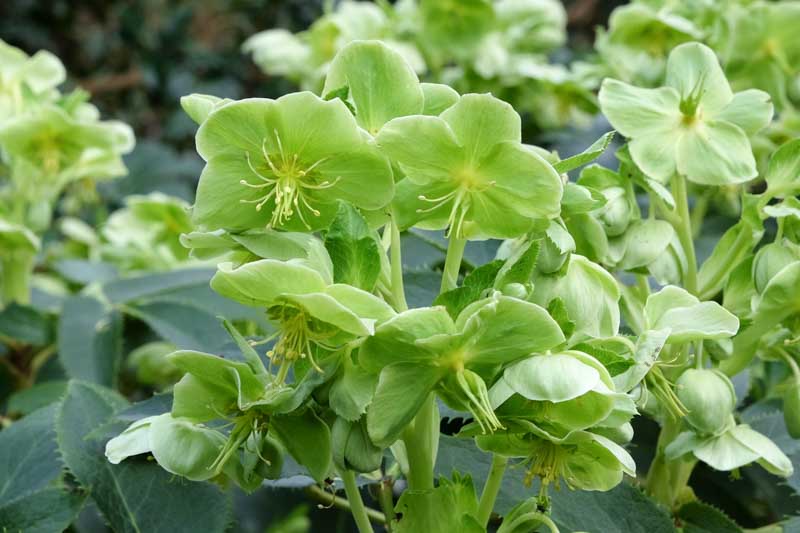
Green-flowered clematis is recognized by double creamy-green flowers on a climber. It earns a place in this guide because it is especially useful for trellises and sheltered walls. Confirm the requirements of the exact species or named cultivar: light, moisture, winter hardiness, mature size, and bloom timing can differ substantially within a genus.
24. Green daylily
Scientific name: Hemerocallis ‘Green Flutter’
Green daylily is recognized by yellow-green trumpet flowers with narrow tepals. It earns a place in this guide because it is especially useful for summer perennial borders. Confirm the requirements of the exact species or named cultivar: light, moisture, winter hardiness, mature size, and bloom timing can differ substantially within a genus.
How These Flowers Are Classified
This is a practical horticultural selection, not a claim that every entry belongs to one botanical group. Some are species, some are hybrids, and names in single quotation marks are cultivars. The shared feature is the color, appearance, origin, or garden role described by the search term.
How to Identify These Flowers
Start with overall plant habit: tree, shrub, vine, rosette, clump, or upright spike. Then compare flower symmetry, petal or tepal arrangement, the shape of the flower cluster, leaf arrangement, stem texture, fragrance, fruit, bloom time, and habitat. Color alone is unreliable because it changes with cultivar, age, light, temperature, and soil chemistry. Use regional floras or extension resources when an identification affects edibility, toxicity, conservation, or weed control.
How to Choose and Grow Them
- Match light first: count direct-sun hours in the growing season, not in winter.
- Check drainage: root and corm rots are common where water remains around crowns.
- Plan mature size: allow airflow and support tall spikes or vigorous vines.
- Use climate-appropriate plants: USDA zones describe average winter cold in the United States, not heat, humidity, or rainfall.
- Build seasonal succession: combine plants that flower at different times.
- Protect pollinators: avoid spraying open flowers and use targeted controls only after identifying the problem.
Safety, Toxicity, and Ecological Notes
“Natural” does not mean edible or pet-safe. Lilies are especially dangerous to cats, while other ornamentals may irritate skin or cause illness if eaten. Keep labels, supervise children and animals, and contact an appropriate medical, veterinary, or poison-control professional after suspected exposure. Invasive status is regional; check current state or local lists. Never collect rare plants from the wild, and source protected or native species from reputable propagators.
Common Mistakes to Avoid
- Buying by a vague common name without confirming the botanical identity.
- Assuming a florist plant is hardy outdoors in the local climate.
- Using color as the only identification feature.
- Planting vigorous nonnative species without checking local restrictions.
- Overwatering poorly drained soil or fertilizing before diagnosing weak growth.
- Calling every named selection a separate species.
Fun Facts About Types Of Green Flowers
- What gardeners call petals may actually be sepals, tepals, or showy bracts.
- Many flowers change color as they age or after pollination.
- Fragrance often peaks when a flower’s primary pollinator is active.
- Some flower heads are made of dozens or hundreds of tiny individual florets.
- A cultivar name identifies a maintained selection, not its place of origin.
- Cut-flower breeding may prioritize stem strength and vase performance over garden habit.
- Morning, evening, and night bloomers occupy different pollination niches.
- Local native plants often support specialized insects that exotic ornamentals cannot replace.
Final Thoughts on Types Of Green Flowers
The most rewarding types of green flowers are not simply the showiest choices; they are the ones correctly identified and matched to the intended garden, climate, arrangement, and maintenance level. Use the comparison table to build a shortlist, then confirm local hardiness, bloom timing, sourcing, and safety before purchasing.
Frequently Asked Questions
1. Are these flowers annuals or perennials?
The list may include annuals, herbaceous perennials, bulbs, vines, shrubs, and tropical plants. Check the habit of the exact species or cultivar before buying.
2. Do bloom times stay the same everywhere?
No. Blooming shifts with temperature, elevation, rainfall, day length, and hemisphere. Local extension calendars are more reliable than a universal month.
3. How much sun do flowering plants need?
Many bloom best with six or more hours of direct sun, but woodland and tropical understory species may prefer filtered light. Match the plant to the site.
4. What soil is best for flowers?
Most garden flowers favor soil that drains well while retaining some moisture. Bog, alpine, desert, and epiphytic plants are important exceptions.
5. Can these flowers grow in containers?
Many can, provided the container has drainage and enough root room. Large vines, shrubs, and tall spikes need bigger pots and physical support.
6. How often should flowers be watered?
Water according to soil moisture rather than a fixed calendar. New plants need closer attention; established drought-adapted plants need less frequent irrigation.
7. Should I deadhead faded flowers?
Deadheading often improves appearance and can extend bloom, but leaving some seed heads provides food and habitat and allows desired self-sowing.
8. Are all of these flowers safe for pets?
No. Toxicity differs by plant and animal. Verify the exact botanical name with a veterinary poison resource and keep unknown plants out of reach.
9. Can I eat any flower on the list?
Do not assume a flower is edible. Eat only a positively identified edible species grown without unsafe pesticides, and verify which plant parts are suitable.
10. Why are scientific names included?
Common names vary by place and can identify several unrelated plants. A scientific name helps confirm the exact plant and avoid care or safety mistakes.
11. What is the difference between a species and a cultivar?
A species is a botanical taxon found in nature, while a cultivar is a selected plant maintained in cultivation and written with a name in single quotation marks.
12. How do I choose flowers for pollinators?
Favor regionally native, pesticide-free plants with varied flower shapes and overlapping bloom periods. Include host plants as well as nectar sources.
13. Can invasive flowers still be sold?
Yes. Retail availability does not prove ecological suitability. Check state invasive-plant lists and local guidance before planting vigorous nonnative species.
14. When is the best time to plant?
Planting depends on plant type and climate. Hardy perennials are often set out in spring or fall, while frost-tender plants go outside after cold risk passes.
15. What does full sun mean?
Full sun usually means at least six hours of direct light. In very hot climates, some plants benefit from afternoon shade even when labeled for sun.
16. Why does a plant have leaves but no flowers?
Common causes include insufficient light, excess nitrogen, immature plants, pruning at the wrong time, drought stress, or unsuitable winter temperatures.
17. How can I extend the flowering season?
Combine early, middle, and late bloomers, plant more than one cultivar, deadhead suitable plants, and maintain consistent water without waterlogging roots.
18. Are double flowers good for bees?
Some double cultivars hide or replace pollen-bearing structures, making access difficult. Mix decorative doubles with open, single flowers.
19. Can I collect these flowers from the wild?
Avoid wild collection. Plants may be protected, rare, or growing on private land. Buy responsibly propagated material and observe wild plants without disturbance.
20. How do I prevent fungal diseases?
Provide appropriate spacing, air movement, drainage, and morning irrigation at soil level. Remove diseased material and avoid routine pesticide use without diagnosis.
21. What is a bulb versus a corm?
A true bulb contains layered storage leaves; a corm is a swollen solid stem base. Gardeners often call both bulbs, but gladiolus grows from corms.
22. Will deer avoid these flowers?
No flower is completely deer-proof. Browsing changes with hunger and local populations, so use barriers around valuable plants.
23. How should cut flowers be harvested?
Use clean tools, cut during the cool part of the day, place stems in clean water promptly, and harvest at the opening stage recommended for that species.
24. Do flower meanings have universal definitions?
No. Symbolism changes by culture, religion, era, flower color, and personal experience. Treat meanings as traditions, not botanical facts.
25. Can tropical flowers survive frost?
Most tropical species are damaged by frost. In cold climates, grow them as annuals, overwinter them indoors, or use a heated greenhouse.
26. How do I identify a flower accurately?
Compare flowers together with leaf arrangement, stem, fruit, plant habit, habitat, bloom time, and range. One visual feature is rarely enough.
27. Should I fertilize flowers heavily?
Not usually. Excess fertilizer can produce weak leafy growth and fewer flowers. Base amendments on plant needs and, ideally, a soil test.
28. What mulch is best around flowers?
A moderate layer of organic mulch conserves moisture and suppresses weeds. Keep it away from crowns and stems to reduce rot.
29. Can flowers be started from seed?
Many can, but hybrids may not come true from seed and some species need cold stratification or other pretreatment. Bulbs and named cultivars are often propagated vegetatively.
30. Where should beginners start?
Choose plants already proven in your local climate, then group them by similar light and water needs. A small well-matched planting succeeds more reliably than a large mixed collection.