

Leopards are among the most fascinating big cats in the wild — sleek, powerful, and incredibly adaptable. Found across Africa and Asia, these majestic felines belong to the species Panthera pardus and come in a variety of subspecies and regional forms. From the snowy mountains of Russia to the tropical forests of Sri Lanka, each leopard has its own unique story, physical traits, and survival strategies. In this guide, we’ll explore 30 different types of leopards, how to identify them, and what makes each one special. Whether you’re a wildlife enthusiast, photographer, or student of nature, this list will help you appreciate the beauty and diversity of the world’s most elusive big cat.
1. African Leopard (Panthera pardus pardus)

Physical Characteristics
The African Leopard is the most widespread of all leopard subspecies. It has a muscular body, long tail, and a golden-yellow coat with distinctive black rosettes. Males can weigh up to 90 kg (200 lbs), while females are smaller, around 60 kg. Their coat color and pattern vary depending on their environment, from pale yellow in savannas to darker shades in dense forests.
Behavior
Solitary and nocturnal, African leopards are stealthy hunters known for dragging their prey up trees to avoid scavengers. They are highly adaptable, capable of surviving in deserts, forests, and mountains. Each individual maintains a large territory marked with scent and scratch marks on trees.
Habitat and Range
They are found throughout sub-Saharan Africa — from South Africa and Kenya to the Congo Basin. Their ability to live in both arid and tropical regions makes them the most geographically diverse leopard subspecies.
Diet
African leopards are opportunistic carnivores, feeding on impalas, antelopes, warthogs, monkeys, and sometimes even fish or birds. They are ambush predators that rely on stealth rather than speed.
Reproduction and Life Cycle
Females usually give birth to 2–3 cubs after a gestation period of around 3 months. Cubs remain hidden for the first few weeks before following their mother to learn hunting skills. They reach independence at around 2 years old.
Fun Facts / Unique Traits
Some African leopards display a melanistic (black) coat, often called “black panthers.” Despite their dark fur, the rosettes are still visible under sunlight.
Human Interaction
Leopards occasionally come into conflict with humans due to livestock predation. However, they also attract eco-tourism, playing a key role in African safari conservation.
2. Indian Leopard (Panthera pardus fusca)

Physical Characteristics
The Indian Leopard is known for its rich golden-orange coat and large, well-defined rosettes. It is slightly smaller than its African cousin but equally powerful and agile. Males can reach up to 77 kg (170 lbs), while females are lighter.
Behavior
Highly elusive and mostly nocturnal, the Indian Leopard has adapted to living near human settlements. It is known to prey on livestock and stray dogs when wild prey is scarce. Despite increasing urbanization, it thrives in fragmented forests across India.
Habitat and Range
Found across the Indian subcontinent, including Nepal, Bhutan, and Bangladesh. It inhabits tropical forests, grasslands, and dry scrublands.
Diet
Deer species such as chital and sambar make up much of their diet, though they also consume smaller mammals and birds. Their ability to adapt dietarily helps them survive in human-dominated landscapes.
Reproduction and Life Cycle
Mating occurs year-round, and females give birth to 1–3 cubs. Cubs remain with their mother for up to two years, learning essential hunting techniques.
Fun Facts / Unique Traits
Indian leopards are excellent climbers and swimmers. Some individuals have been spotted using abandoned wells and caves as resting dens.
Human Interaction
They frequently appear in Indian villages, leading to occasional conflicts. However, they’re protected under India’s Wildlife Protection Act and often relocated instead of killed.
3. Amur Leopard (Panthera pardus orientalis)
Physical Characteristics
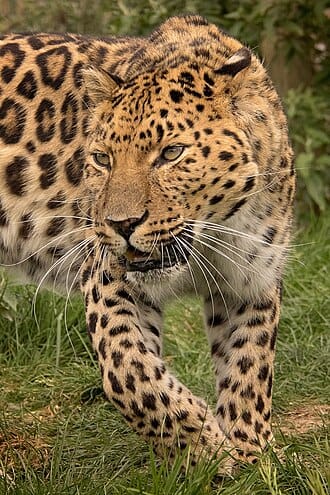
The Amur Leopard, native to the Russian Far East, is one of the rarest big cats on Earth. Its coat is pale cream with widely spaced black rosettes — an adaptation for camouflage in snowy environments. It’s smaller than other subspecies, weighing about 50–60 kg (110–130 lbs).
Behavior
This leopard is solitary, territorial, and extremely cautious. It hunts primarily at night, stalking prey such as deer and hares through the cold taiga forests. Its long legs help it move efficiently through snow.
Habitat and Range
Restricted to the Primorye region of southeastern Russia and northeastern China. Its population is estimated at fewer than 120 individuals, making it critically endangered.
Diet
Deer species such as sika and roe deer are primary prey. The Amur Leopard caches kills under snow to preserve them for days.
Reproduction and Life Cycle
Breeding occurs in late winter. Females give birth to 1–4 cubs, which stay with her for about 18–24 months before dispersing.
Fun Facts / Unique Traits
It can leap over 6 meters horizontally — one of the farthest jumps of any leopard.
Human Interaction
Once nearly extinct due to poaching and deforestation, its numbers are now slowly increasing thanks to conservation projects in Russia and China.
4. Javan Leopard (Panthera pardus melas)
Physical Characteristics
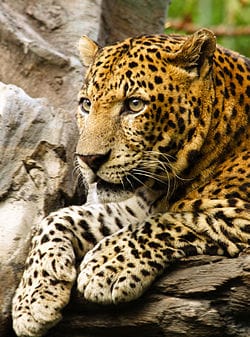
This small but fierce subspecies is endemic to Java, Indonesia. It has a deep golden coat with closely packed rosettes and is smaller than mainland leopards. Some individuals are melanistic (black), blending perfectly into rainforest shadows.
Behavior
Javan leopards are mostly nocturnal and elusive. They hunt birds, small mammals, and monkeys, using dense vegetation as cover.
Habitat and Range
Confined to the island of Java, mainly in national parks like Meru Betiri and Gunung Halimun. Their population is critically endangered due to deforestation and poaching.
Diet
They primarily feed on small ungulates and primates, occasionally preying on livestock when habitats shrink.
Reproduction and Life Cycle
Gestation lasts about 100 days, producing 2–3 cubs. Juveniles depend heavily on their mothers for survival during their first year.
Fun Facts / Unique Traits
It’s one of the few leopard subspecies where melanism is common — nearly half of all Javan leopards are black.
Human Interaction
Habitat loss from palm oil plantations has drastically reduced their range. Conservation programs are focusing on reforestation and anti-poaching patrols.
5. Arabian Leopard (Panthera pardus nimr)

Physical Characteristics
The smallest of all leopard subspecies, the Arabian Leopard has a pale coat with smaller rosettes and short fur to withstand desert heat. Males rarely exceed 30 kg (66 lbs).
Behavior
Solitary and territorial, they hunt mainly at night, conserving energy in the scorching daytime temperatures. They are known for their exceptional climbing ability, often resting on cliffs or rocky outcrops.
Habitat and Range
Once widespread across the Arabian Peninsula, now confined to remote mountain ranges in Oman, Yemen, and Saudi Arabia. The population is estimated at fewer than 200 individuals.
Diet
Feeds on mountain gazelles, ibex, hares, and birds. They have adapted to survive with minimal water intake by obtaining moisture from prey.
Reproduction and Life Cycle
Breeding peaks in winter; females give birth to 1–3 cubs. Cubs become independent at around 18 months.
Fun Facts / Unique Traits
This leopard can survive extreme aridity and is capable of traveling long distances in search of food.
Human Interaction
Threatened by habitat fragmentation and poaching, but protected under regional conservation initiatives like the Arabian Leopard Conservation Program.
7. Persian Leopard (Panthera pardus tulliana)
Physical Characteristics
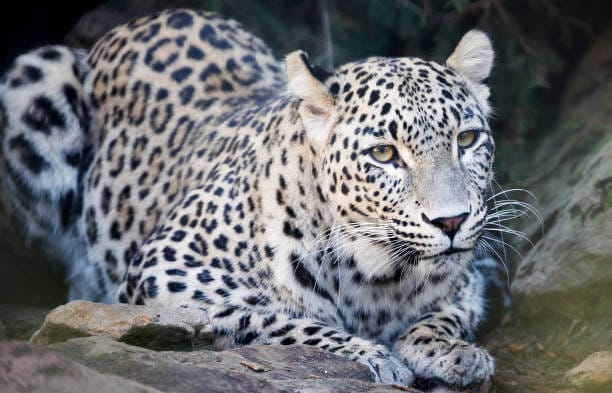
The Persian Leopard, also known as the Caucasian Leopard, is one of the largest leopard subspecies. Males can weigh up to 90 kg (200 lbs), while females are generally smaller at around 60 kg (130 lbs). Its fur is pale golden or creamy with large, irregular rosettes spread across the body — an adaptation to its mountainous terrain. Compared to African leopards, it has a thicker coat and longer limbs to help navigate snowy slopes.
Behavior
Persian Leopards are solitary and territorial, with males often occupying ranges that overlap those of several females. They are nocturnal hunters, preferring to move quietly through rocky outcrops. While elusive, camera traps have shown their surprising adaptability and strong memory — they often revisit the same hunting spots and resting caves for years.
Habitat and Range
This leopard is primarily found in the rugged mountains of Iran, Turkmenistan, the Caucasus region, and parts of Turkey. It thrives in both dry forested slopes and rocky alpine environments, where it can remain concealed while stalking prey. The Persian Leopard’s range once extended across Western Asia but has significantly reduced due to human encroachment.
Diet
Its diet mainly includes wild goats, mouflon, deer, and smaller mammals such as hares. In more remote mountain regions, they also hunt wild boar and occasionally livestock, leading to conflicts with herders.
Reproduction and Life Cycle
Breeding can occur any time of the year, though peaks are noted in late winter. After a gestation of around 100 days, the female gives birth to 2–3 cubs in a hidden den. Cubs stay with their mother for up to two years before venturing out independently.
Fun Facts / Unique Traits
The Persian Leopard is the largest leopard subspecies in the world. Despite harsh conditions, it exhibits exceptional agility — capable of jumping 3 meters vertically and up to 6 meters horizontally.
Human Interaction
Once widespread, it’s now listed as *Endangered*. Conservation programs in Iran and the Caucasus are focusing on rewilding efforts and conflict mitigation with local shepherds.
________________________________________
8. Indochinese Leopard (Panthera pardus delacouri)
Physical Characteristics
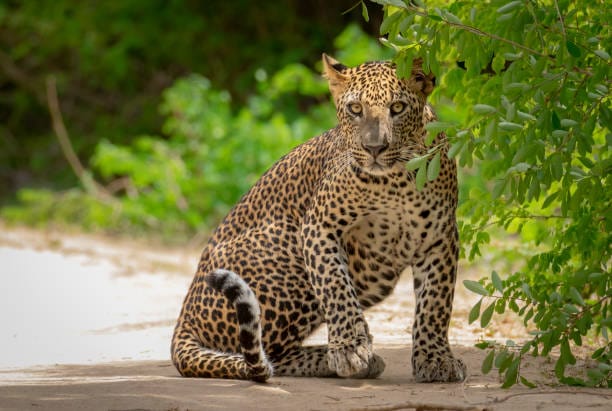
The Indochinese Leopard is known for its sleek black and golden coat, often with dense rosette patterns. Melanism (black coloration) is more common in this subspecies than most others — a useful adaptation for life in dense Southeast Asian forests. Adults weigh between 40–60 kg (88–132 lbs).
Behavior
Secretive and highly adaptable, Indochinese Leopards are mainly nocturnal and arboreal, spending much time resting or stalking prey in trees. They are efficient climbers, often carrying their kills high into branches to avoid scavengers.
Habitat and Range
They inhabit regions across Thailand, Cambodia, Laos, Myanmar, and Vietnam. Their preferred environments are tropical forests, evergreen woodlands, and mountainous jungles — though habitat loss has severely fragmented their population.
Diet
This leopard primarily feeds on sambar deer, muntjac, monkeys, and wild pigs. They also opportunistically consume birds and smaller mammals.
Reproduction and Life Cycle
Mating behavior is mostly observed in the dry season. The female gives birth to 2–4 cubs, which are raised in concealed dens for several months before becoming independent.
Fun Facts / Unique Traits
Melanistic individuals (often called “black panthers”) dominate in some areas — up to 90% of sightings in Thailand’s rainforests are black leopards.
Human Interaction
Poaching for pelts and body parts remains a significant threat. Protected areas like Kaeng Krachan National Park in Thailand are among the last strongholds of this mysterious cat.
________________________________________
9. North Chinese Leopard (Panthera pardus japonensis)
Physical Characteristics
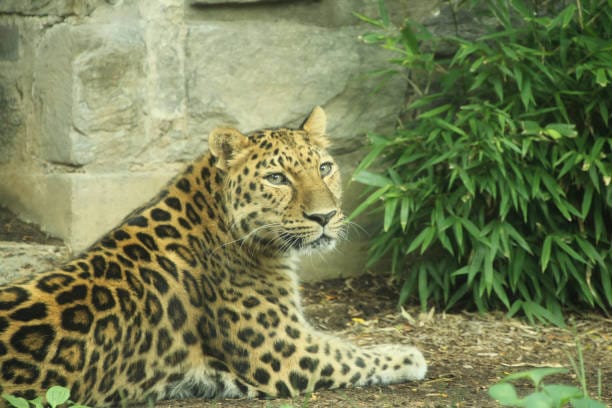
This subspecies has thick, pale-yellow fur with widely spaced rosettes, suited for cold northern climates. It is stockier than tropical leopards, weighing 50–75 kg (110–165 lbs). Its powerful limbs allow it to navigate snow-covered hills and forests efficiently.
Behavior
Like most leopards, it is solitary and territorial. It spends much of its time resting in trees or caves and hunts primarily during twilight. It has a calm and stealthy hunting strategy, often ambushing prey with remarkable patience.
Habitat and Range
The North Chinese Leopard inhabits the mountainous forests of northern China and parts of Korea. It prefers mixed forests and scrublands with rocky areas for cover.
Diet
Its diet includes hares, pheasants, and small deer species. During food shortages, it scavenges or hunts livestock, bringing it into occasional conflict with rural farmers.
Reproduction and Life Cycle
Breeding occurs from January to March, with cubs born in early summer. The female raises her cubs alone for up to 18 months.
Fun Facts / Unique Traits
This leopard’s coat changes color with the seasons — darker in winter and lighter in summer — providing year-round camouflage.
Human Interaction
Due to deforestation and hunting, it is now critically endangered in the wild. China’s protected reserves are vital to the survival of this subspecies.
________________________________________
10. Zanzibar Leopard (Panthera pardus adersi)
Physical Characteristics
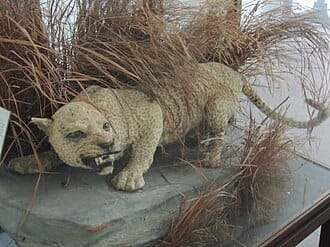
The Zanzibar Leopard, native to the island of Unguja (Zanzibar), is smaller than most mainland leopards, with a short golden coat and densely packed black rosettes. It developed unique traits due to island isolation, such as a slightly longer tail and smaller skull.
Behavior
This elusive leopard was mostly nocturnal, avoiding human contact. It was an apex predator on the island, controlling populations of monkeys and small antelopes.
Habitat and Range
Historically found across Zanzibar’s forests and thickets, it preferred dense underbrush for ambushing prey. However, habitat destruction and persecution led to its presumed extinction by the late 20th century.
Diet
Its diet included bush pigs, monkeys, small antelopes, and birds. It was a skilled ambush hunter, capable of stalking prey silently through the thick island vegetation.
Reproduction and Life Cycle
Little is known about its breeding, but it likely followed similar patterns to other leopards — mating year-round, with litters of 2–3 cubs.
Fun Facts / Unique Traits
For decades, local legends claimed the Zanzibar Leopard was a mythical creature used in witchcraft. Recent reports and camera traps in 2018 hinted that a few individuals might still survive.
Human Interaction
The species was hunted to near extinction due to fear and superstition. Conservation groups now advocate for renewed surveys to confirm whether the Zanzibar Leopard still exists today.
11. Madagascar Leopard (Panthera pardus madagascariensis)
Physical Characteristics
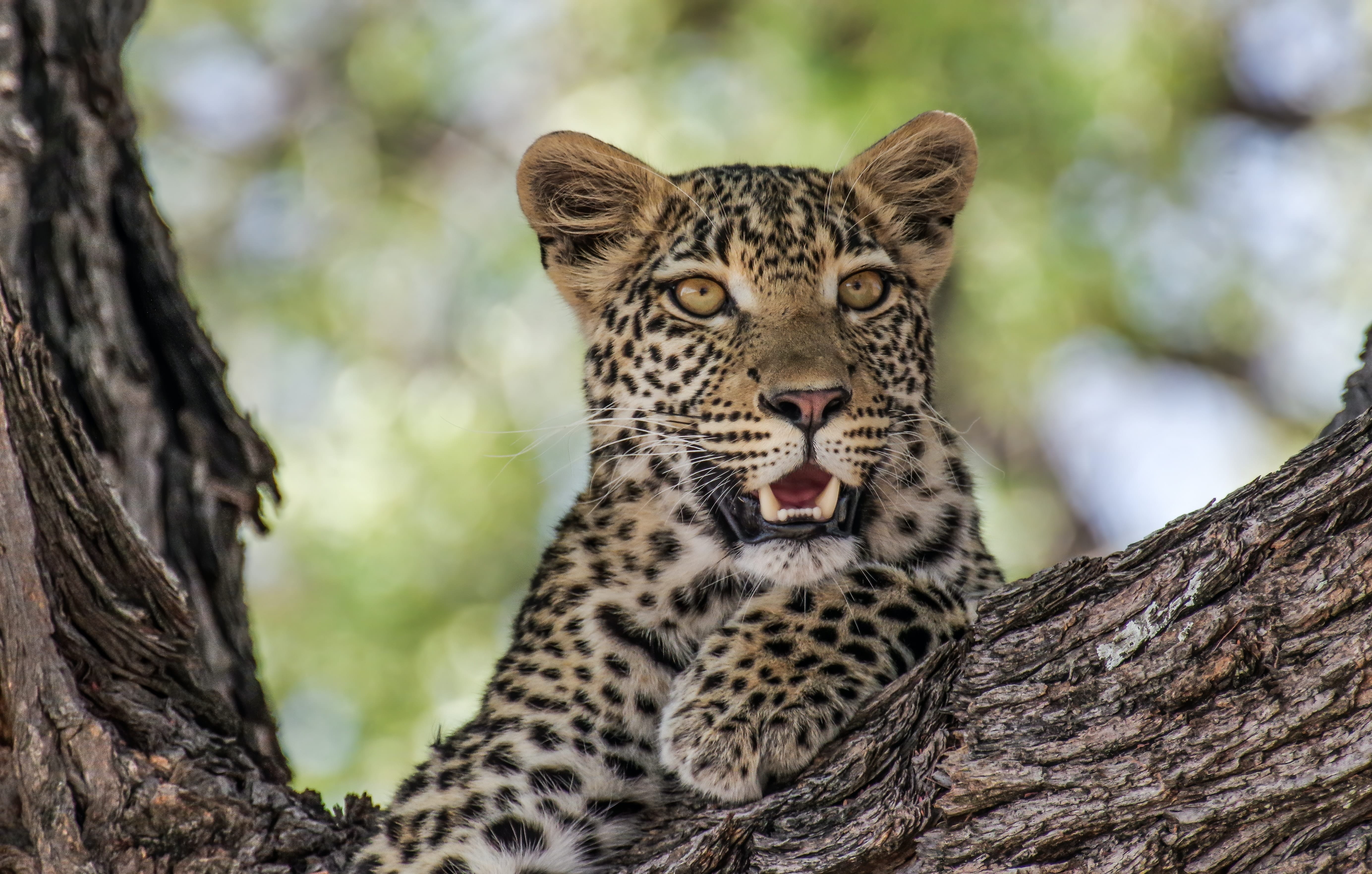
The Madagascar Leopard is one of the most mysterious leopard forms ever mentioned in wildlife literature. Although no confirmed living specimens exist today, descriptions and folklore suggest a medium-sized leopard with a dark golden coat and dense black rosettes. It may have evolved a slightly smaller body compared to mainland African leopards due to island dwarfism — a common adaptation in isolated environments.
Behavior
Historical accounts suggest it was a stealthy and nocturnal predator, often hunting in dense forests. Its agility, keen senses, and climbing ability would have made it a versatile hunter capable of ambushing arboreal and ground-dwelling prey alike.
Habitat and Range
If it truly existed, the Madagascar Leopard likely occupied the island’s eastern rainforests and central highlands. These habitats are rich in lemurs and small mammals — potential prey sources. However, many zoologists now consider it either mythical or an introduced subspecies that didn’t survive long after arrival.
Diet
It likely fed on lemurs, rodents, birds, and reptiles. The island’s prey diversity would have required a highly adaptable diet, similar to that of other island predators.
Reproduction and Life Cycle
Information on its breeding patterns remains speculative. However, like other leopards, females probably gave birth to 2–3 cubs, raising them in concealed dens within rocky crevices or thick vegetation.
Fun Facts / Unique Traits
Some folklore in Madagascar speaks of a “ghost leopard” haunting the highlands, which may have originated from ancient encounters with this elusive cat. Genetic studies have yet to confirm its historical presence.
Human Interaction
Local legends portray it as both feared and revered. Today, the Madagascar Leopard serves more as a cultural symbol than a confirmed biological species — a reminder of how myth and wildlife often intertwine.
________________________________________
12. Ethiopian Leopard (Panthera pardus archaica)
Physical Characteristics
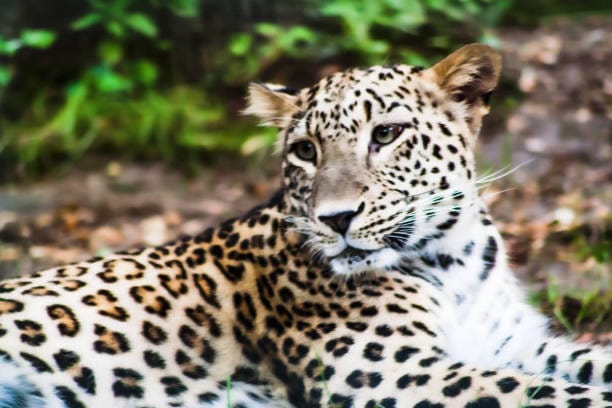
The Ethiopian Leopard stands out for its striking coat — a warm golden hue with deep black rosettes and white underparts. It’s slightly smaller than the African Leopard but more robust and muscular, an adaptation to Ethiopia’s rugged highlands. Males can weigh up to 70 kg (154 lbs), while females average around 50 kg (110 lbs).
Behavior
This leopard is primarily nocturnal, hunting under the cover of darkness to avoid larger predators and human disturbance. It is a patient ambush hunter, often watching its prey for hours before attacking.
Habitat and Range
Native to the Ethiopian highlands, it occupies rocky escarpments, montane forests, and savannah edges. Its camouflage allows it to blend seamlessly with the reddish-brown earth of the Ethiopian landscape.
Diet
Its diet consists mainly of hyraxes, monkeys, dik-diks, and small antelopes. Occasionally, it scavenges carcasses left by lions or hyenas.
Reproduction and Life Cycle
Breeding occurs year-round, with a gestation period of about 100 days. Females raise 2–3 cubs in secluded rocky dens, protecting them fiercely from predators and rival leopards.
Fun Facts / Unique Traits
The Ethiopian Leopard’s coat pattern is among the most visually distinct — some individuals show nearly solid black spots, giving them a “shadowed” appearance.
Human Interaction
Once widespread, this subspecies now faces severe habitat loss due to agriculture and logging. Fortunately, several protected regions, such as Bale Mountains National Park, still provide refuge for the remaining individuals.
________________________________________
13. Arabian Desert Leopard (Panthera pardus sauveli)
Physical Characteristics
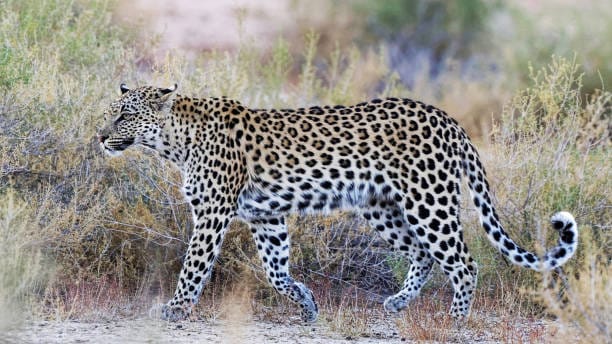
The Arabian Desert Leopard is one of the smallest leopard subspecies, weighing only 30–40 kg (66–88 lbs). Its coat is pale cream to light tan, with fewer and fainter rosettes — perfect for blending into desert rock and sand. It has long limbs, a narrow face, and a short, thin tail compared to its forest-dwelling relatives.
Behavior
This leopard is an expert in survival under extreme desert conditions. It’s solitary and extremely elusive, mostly active at night to avoid the daytime heat. It relies heavily on stealth, moving silently across rocky outcrops.
Habitat and Range
Found in Oman, Yemen, and parts of Saudi Arabia, it prefers rugged mountains and dry valleys (wadis). Its range is fragmented, with only a few dozen individuals estimated to remain in the wild.
Diet
It feeds on hyraxes, mountain gazelles, hares, and birds. In times of scarcity, it scavenges carrion or preys on feral goats.
Reproduction and Life Cycle
Breeding can occur year-round, but most cubs are born during cooler months. Females typically give birth to 1–2 cubs in sheltered caves or rocky crevices.
Fun Facts / Unique Traits
This leopard can survive for long periods without direct access to water, obtaining moisture from prey and dew. Its desert adaptation is a marvel of natural evolution.
Human Interaction
Classified as *Critically Endangered*, the Arabian Desert Leopard is on the brink of extinction. Conservation efforts in Oman’s Dhofar Mountains have shown promise in stabilizing small populations through strict protection and community engagement.
________________________________________
14. Anatolian Leopard (Panthera pardus ciscaucasica)
Physical Characteristics
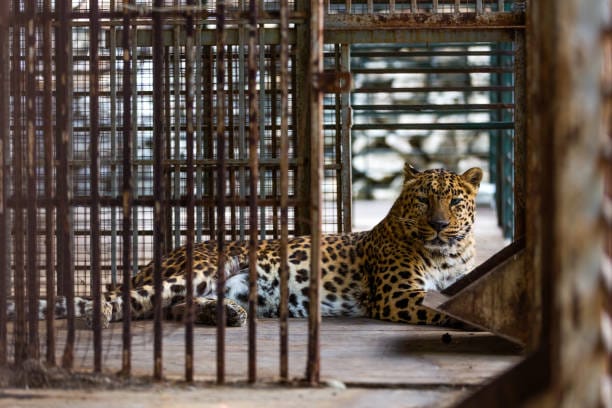
The Anatolian Leopard is a powerful and agile subspecies native to Turkey. It has a pale yellow coat with well-defined rosettes, short ears, and a muscular body built for mountainous terrain. Adult males can weigh up to 80 kg (176 lbs).
Behavior
These leopards are highly secretive and mostly nocturnal. They use their keen eyesight and hearing to ambush prey along rocky ridges and forest edges.
Habitat and Range
Once widespread across Anatolia, this leopard now survives in small pockets within the Taurus and Pontic Mountains of Turkey. It prefers rugged landscapes, caves, and wooded hillsides where it can remain undetected.
Diet
It preys on wild goats, deer, hares, and sometimes domestic livestock. The abundance of wild ungulates in certain Turkish regions provides a steady food source.
Reproduction and Life Cycle
Females give birth to 2–3 cubs after a 3-month gestation period. Cubs remain hidden for the first two months before following their mother on hunts.
Fun Facts / Unique Traits
For decades, the Anatolian Leopard was thought to be extinct until camera traps captured live individuals in western Turkey in 2013. It’s now recognized as a distinct subspecies, reviving hope for leopard conservation in the region.
Human Interaction
Conflicts with herders and habitat loss remain ongoing issues. However, the Turkish government has implemented strict anti-poaching laws and awareness campaigns to protect the few remaining leopards.
________________________________________
15. Cape Leopard (Panthera pardus melas)
Physical Characteristics
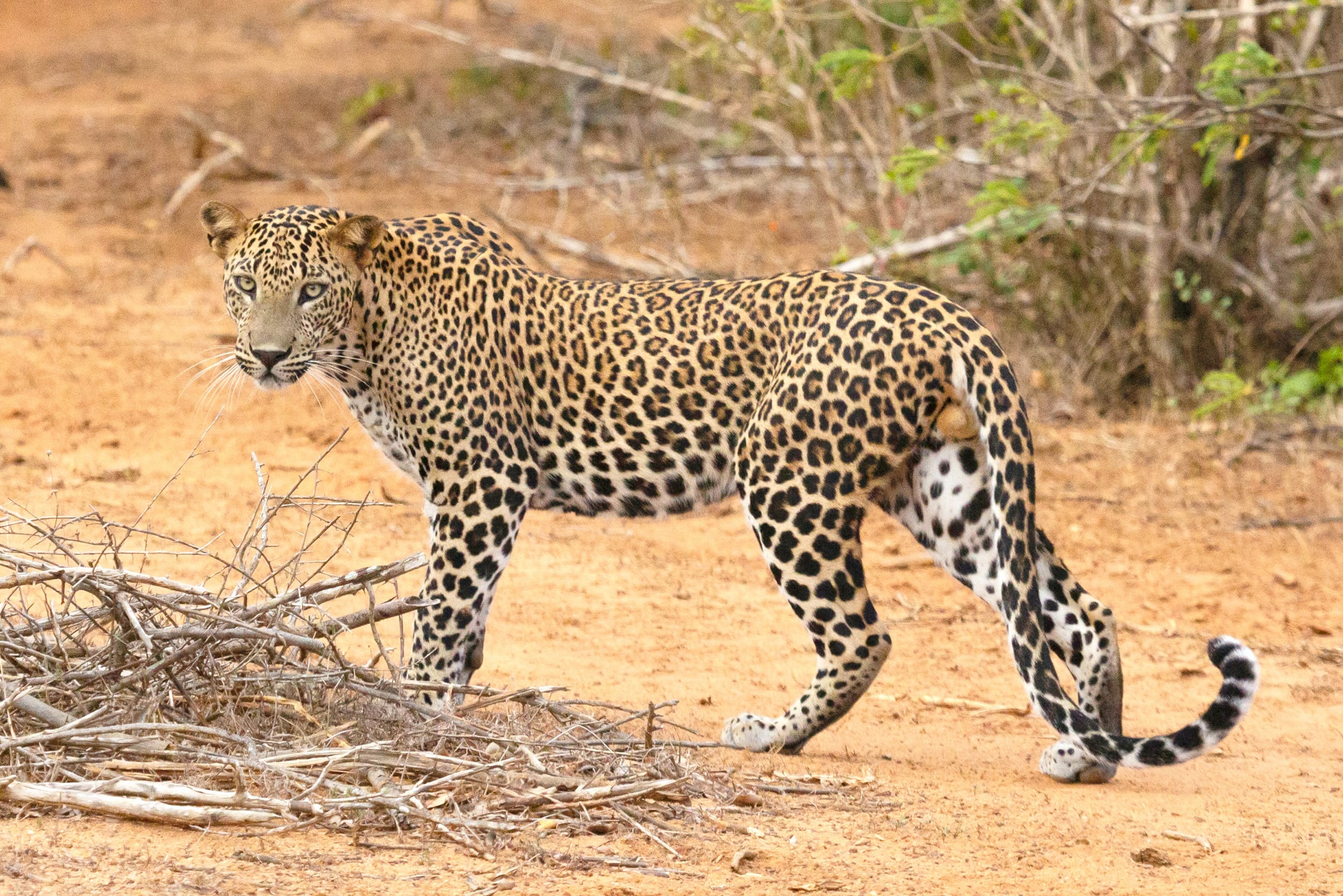
The Cape Leopard, found in South Africa’s mountainous Cape region, is smaller and lighter than most African leopards. Adults typically weigh between 20–35 kg (44–77 lbs). Its coat is pale yellow with widely spaced rosettes and short fur adapted to drier climates.
Behavior
This leopard is a master of stealth and endurance, often traveling vast distances across rugged terrain in search of prey. It’s largely nocturnal and avoids humans whenever possible.
Habitat and Range
It inhabits the Cederberg Mountains, Western Cape, and parts of the Karoo. Unlike other leopards, it has adapted to survive in semi-arid areas with minimal cover.
Diet
Its diet includes rock hyraxes, small antelope, and porcupines. In areas with human settlements, it occasionally preys on livestock, which has historically caused conflict with farmers.
Reproduction and Life Cycle
Cubs are born year-round, typically two per litter. Females fiercely guard their young and teach them hunting skills within the first few months.
Fun Facts / Unique Traits
The Cape Leopard has proportionally longer legs and a leaner body, which helps it traverse mountainous terrain efficiently. Each leopard’s rosette pattern is unique, acting as a natural fingerprint.
Human Interaction
Conservation groups like the *Cape Leopard Trust* have made significant progress in studying and protecting these cats using camera traps and community outreach. Local farmers are now participating in coexistence programs to reduce conflicts.
16. West African Leopard (Panthera pardus panthera)
Physical Characteristics
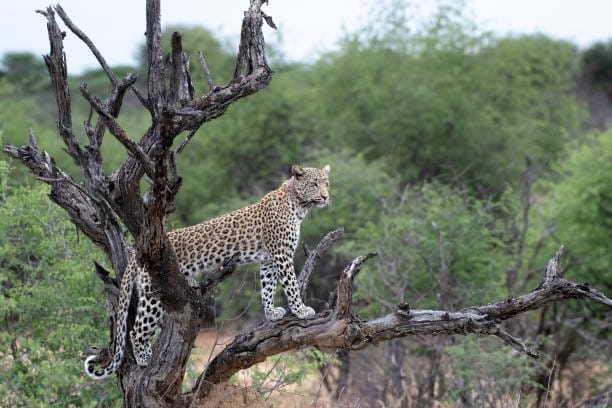
The West African Leopard, native to the dense forests and savannas of western Africa, is smaller and more lightly built than its central and eastern African relatives. Its coat ranges from golden yellow to reddish-gold, adorned with medium-sized black rosettes and a lighter underbelly. The shorter, sleeker fur helps it adapt to hot, humid environments. Males typically weigh between 40–65 kg (88–143 lbs), while females are lighter at around 35–45 kg (77–99 lbs).
Behavior
Highly elusive and predominantly nocturnal, this leopard rarely reveals itself to humans. It is solitary, marking vast territories with scent markings and claw scratches. Its stealth and patience make it one of the most efficient ambush hunters in Africa, capable of taking down prey several times its weight.
Habitat and Range
This leopard occupies a wide range — from Senegal and Guinea through Nigeria to northern Cameroon. It thrives in forests, savannas, and occasionally near human settlements, as long as there’s sufficient prey and cover.
Diet
Its diet includes antelopes, monkeys, warthogs, rodents, and birds. In agricultural areas, it may prey on goats or sheep, sometimes leading to conflict with farmers.
Reproduction and Life Cycle
Breeding occurs year-round, though most cubs are born during the rainy season when prey is abundant. Females give birth to 1–3 cubs after a 90–100 day gestation. Cubs stay with their mother for up to 18 months before becoming independent.
Fun Facts / Unique Traits
The West African Leopard is one of the least studied subspecies, with new research showing it has distinct genetic markers from other African populations.
Human Interaction
Severe habitat loss, poaching, and bushmeat hunting threaten this subspecies. Conservation efforts by local NGOs focus on community-based coexistence programs and anti-poaching patrols in West African reserves.
________________________________________
17. Kashmir Leopard (Panthera pardus kashmirensis)
Physical Characteristics
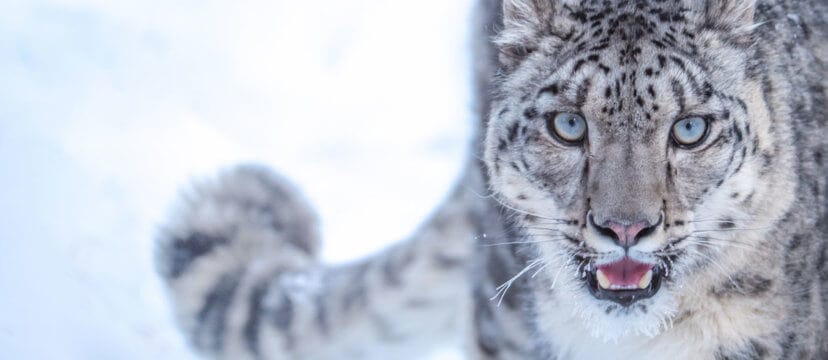
The Kashmir Leopard is a stunning subspecies adapted to the rugged Himalayan foothills. It has a thick, long fur coat ranging from golden brown to pale cream, helping it survive the region’s cold winters. The rosettes are larger and widely spaced, giving it a regal appearance. Males can reach up to 80 kg (176 lbs).
Behavior
Solitary and territorial, the Kashmir Leopard is most active during dawn and dusk. It’s known for its remarkable climbing ability, using trees and rocky ledges as vantage points to stalk prey.
Habitat and Range
Found mainly in northern India, Pakistan, and parts of Nepal, this leopard prefers temperate forests and alpine scrublands at elevations between 1,200–3,500 meters (3,900–11,500 ft).
Diet
Its diet consists primarily of langurs, goats, sheep, and musk deer. It occasionally scavenges carcasses left by snow leopards or tigers.
Reproduction and Life Cycle
Females breed once every two years, producing 2–3 cubs per litter. The cubs are weaned at 3 months but remain dependent on their mother for hunting skills until about 18 months old.
Fun Facts / Unique Traits
Because of its thick coat and high-altitude adaptations, the Kashmir Leopard is sometimes mistaken for the snow leopard by locals.
Human Interaction
Human-leopard conflict is increasing in the region due to shrinking forest habitats. Conservation programs are now working to establish wildlife corridors to reduce encounters with livestock.
________________________________________
18. Baluchistan Leopard (Panthera pardus balochistani)
Physical Characteristics
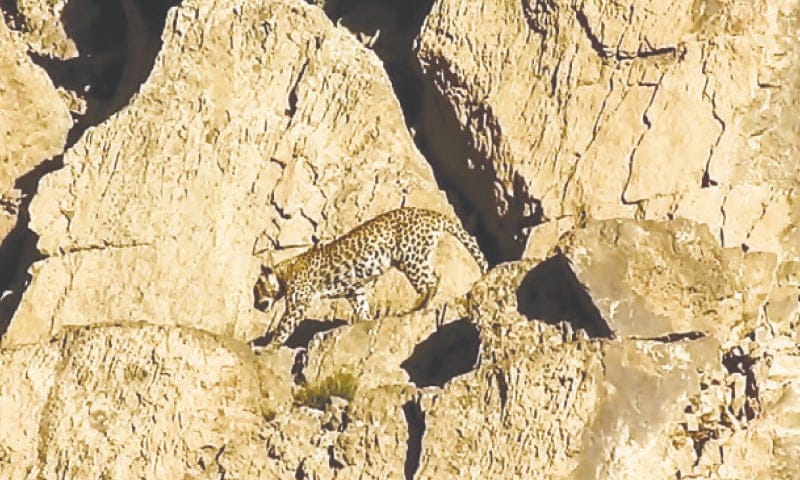
The Baluchistan Leopard, native to the arid landscapes of southwestern Pakistan and eastern Iran, has a sandy-colored coat with faded rosettes. Its lighter coloration provides perfect camouflage in rocky desert terrain. Adults weigh between 50–70 kg (110–155 lbs).
Behavior
Highly adaptable, this leopard is both nocturnal and crepuscular (active at dawn and dusk). It exhibits a strong climbing and leaping ability, allowing it to ambush prey from cliffs or large boulders.
Habitat and Range
Found across the Baluchistan Plateau and the Makran mountain ranges, it inhabits dry valleys, rocky outcrops, and sparse scrubland where vegetation is limited.
Diet
It feeds primarily on wild goats, hares, rodents, and sometimes domestic livestock. Its adaptability allows it to survive even in food-scarce regions.
Reproduction and Life Cycle
The Baluchistan Leopard’s breeding cycle peaks during cooler months. Females give birth to 2–3 cubs, which they raise alone in rocky crevices away from predators.
Fun Facts / Unique Traits
Locals believe this leopard can “vanish” into the landscape — a reference to its exceptional camouflage and stealth.
Human Interaction
It’s considered *Endangered* due to persecution by herders and habitat fragmentation. Conservationists are working to identify its remaining strongholds through camera traps and genetic sampling.
________________________________________
19. Nilgiri Leopard (Panthera pardus nimr? / Panthera pardus kotiya hybrid)
Physical Characteristics
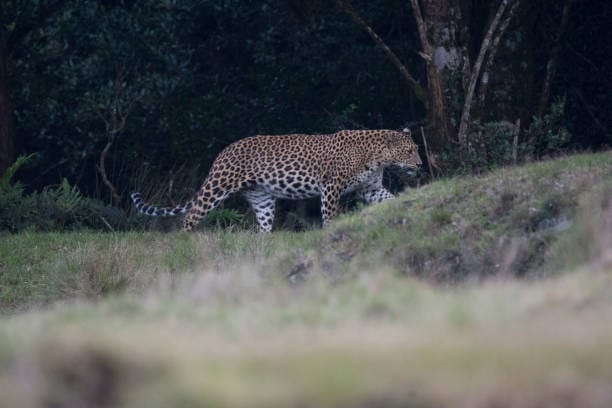
The Nilgiri Leopard, believed to be a hybrid between the Sri Lankan Leopard (*P. p. kotiya*) and Arabian Leopard (*P. p. nimr*), exhibits an intermediate appearance — golden brown with distinct, closely packed rosettes and a lighter underbelly. It’s medium-sized, with males averaging 60 kg (132 lbs).
Behavior
Known for its calm and cautious nature, the Nilgiri Leopard often patrols its territory silently, using thick foliage for cover. It’s both arboreal and terrestrial, depending on prey availability.
Habitat and Range
Found mainly in the Nilgiri Hills of southern India, it prefers moist evergreen forests and grassland valleys, though its exact taxonomic status remains debated.
Diet
This leopard’s diet includes monkeys, deer, wild boars, and occasionally livestock. Its opportunistic feeding habits help it thrive across various habitats.
Reproduction and Life Cycle
Cubs are born in dense undergrowth, with mothers fiercely protective of their young. Maturity is reached at around 2 years.
Fun Facts / Unique Traits
Because of its ambiguous classification, the Nilgiri Leopard is often a focus of genetic and conservation research — possibly representing a hybrid lineage that has persisted in isolation.
Human Interaction
Local farmers sometimes view it as a threat, but its population is too small to cause widespread conflict. Efforts to confirm its genetic identity continue through DNA sampling.
________________________________________
20. Sunda Leopard (Panthera pardus sunda)
Physical Characteristics
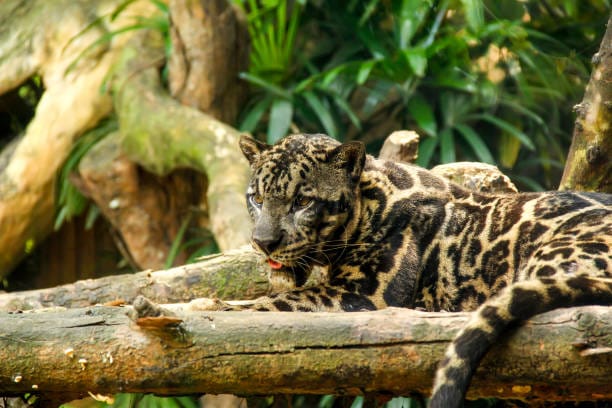
The Sunda Leopard, believed to have once inhabited parts of the Indonesian archipelago, is often associated with the now-extinct Javan and Bali Leopards. It had a dark, almost black coat with faint rosettes — a common trait among leopards in dense tropical environments.
Behavior
This elusive predator was primarily nocturnal, moving silently through dense rainforest undergrowth. It relied heavily on stealth and arboreal hunting tactics.
Habitat and Range
Historically, it lived in Java, Bali, and possibly Sumatra. Today, its lineage survives through isolated Javan Leopard populations, though the exact classification of “Sunda Leopard” remains debated.
Diet
Its prey included macaques, civets, wild pigs, and birds. In dense forests, it may have also hunted small reptiles and amphibians.
Reproduction and Life Cycle
Like other tropical leopards, females likely gave birth to 2–3 cubs in hidden forest dens. Cubs learned to hunt by observing their mothers.
Fun Facts / Unique Traits
The Sunda Leopard’s dark coloration is an excellent example of *melanism* — a genetic trait that gives leopards a near-black coat, improving camouflage in dense vegetation.
Human Interaction
Once abundant, it faced extinction due to habitat destruction and hunting during colonial times. The surviving Javan Leopard populations are now *Critically Endangered* and represent the last trace of the Sunda lineage.
21. Melanistic Leopard (Variant – Often Known as the “Black Panther”)
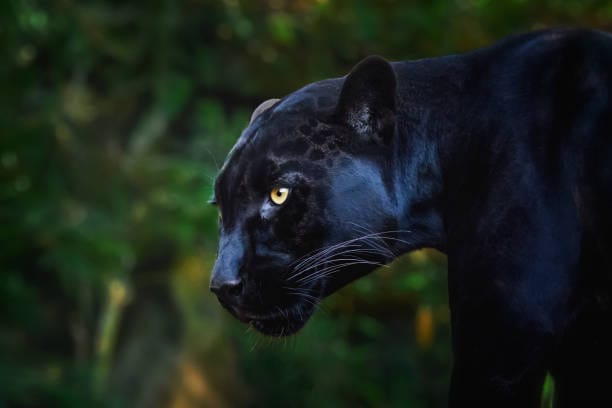
Physical Characteristics
The Melanistic Leopard, commonly known as the Black Panther, is not a separate species but a color variant of the leopard (Panthera pardus). Its most striking feature is its dark black coat, caused by a genetic condition known as melanism — an overproduction of pigment melanin. While the coat appears completely black in low light, in sunlight, you can still faintly see the leopard’s characteristic rosette markings. Adults are muscular, agile, and typically weigh between 60–90 kilograms depending on sex and location.
Behavior
Melanistic Leopards are known for their nocturnal and elusive nature. They prefer hunting under cover of darkness, blending seamlessly into dense forests. This adaptation provides an advantage in ambush predation. They are solitary cats, fiercely territorial, and communicate mainly through scent marking and occasional vocalizations like growls or cough-like calls.
Habitat and Range
These leopards are most often found in Southeast Asia, parts of India, and tropical Africa, particularly in humid rainforests. The dark coat offers excellent camouflage in shadowy understories and dense foliage.
Diet
Their diet is extremely adaptable — they prey on monkeys, deer, wild pigs, and sometimes birds or smaller mammals. In human-dominated landscapes, they occasionally hunt livestock, leading to conflict.
Reproduction and Life Cycle
Breeding occurs year-round, with females giving birth to 1–3 cubs after a 90–105-day gestation. Cubs stay with their mother for up to two years, learning to hunt before becoming independent.
Fun Facts / Unique Traits
• The melanistic gene is dominant in leopards, meaning two spotted parents can still produce a black cub.
• The term “Black Panther” can refer to both leopards in Asia/Africa and jaguars in South America.
Human Interaction
Cultural fascination surrounds these cats — they appear in folklore, mythology, and popular media as symbols of mystery and power. Sadly, deforestation and hunting threaten their habitats, making sightings increasingly rare.
________________________________________
22. Trans-Himalayan Leopard (Panthera pardus sinhal?)
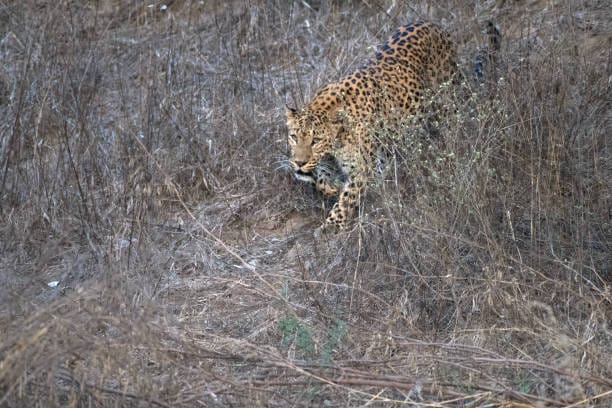
Physical Characteristics
The Trans-Himalayan Leopard is a rugged, thick-coated subspecies adapted to the cold, dry climates of the Himalayan mountain range. Its coat is dense and pale golden, with large rosettes designed for high-altitude camouflage among rocky outcrops. It’s slightly smaller than African leopards but more muscular and resilient.
Behavior
A master of stealth, this leopard is mostly crepuscular, hunting at dawn or dusk. It uses the rugged terrain to ambush prey such as Himalayan blue sheep, musk deer, and hares. Solitary and territorial, it occupies vast ranges due to the scarcity of food.
Habitat and Range
It ranges from northern India, Nepal, and Bhutan, up to elevations exceeding 4,000 meters. The leopard shares habitat boundaries with the elusive snow leopard, though the two species rarely compete directly.
Diet
Highly opportunistic, feeding on mammals, birds, and even carrion when prey is scarce. Its ability to adapt dietarily allows survival in the harshest alpine conditions.
Reproduction and Life Cycle
Breeding usually occurs in late winter, with cubs born in secluded caves or rocky dens. Females are highly protective, and cub mortality is high due to predators and environmental hardship.
Fun Facts / Unique Traits
• This leopard may intergrade genetically with snow leopards in overlapping ranges.
• Its pale coat and thick fur represent one of nature’s best cold-weather adaptations among big cats.
Human Interaction
Habitat loss and retaliatory killings by herders remain serious threats. However, recent conservation projects in Ladakh and Nepal aim to protect corridors connecting leopard populations.
________________________________________
23. African Forest Leopard (Panthera pardus africana)
Physical Characteristics
Smaller and stockier than its savanna relatives, the African Forest Leopard has a short, dense coat with deep golden tones and bold rosettes. Its tail is longer relative to body length, aiding balance in dense foliage.
Behavior
Primarily nocturnal and arboreal, it spends much of its life in trees, where it hunts monkeys, duikers, and birds. It is one of the most secretive leopards, often avoiding detection for years even in well-studied reserves.
Habitat and Range
Found in Central and West African rainforests, from the Congo Basin to coastal Gabon and Cameroon. Prefers lowland tropical forests with thick canopy cover and minimal human disturbance.
Diet
Feeds on forest antelope, monkeys, and occasionally reptiles. Its hunting strategy is ambush-based, using stealth and patience before a sudden pounce.
Reproduction and Life Cycle
Females breed year-round, giving birth to cubs hidden in tree hollows. Cubs develop strong climbing abilities early — essential for avoiding predators and following their mothers through the canopy.
Fun Facts / Unique Traits
• Known for exceptional climbing ability; can carry prey twice its weight up trees.
• DNA studies suggest this leopard plays a key evolutionary link between East and West African populations.
Human Interaction
Illegal bushmeat hunting and deforestation pose major threats. Conservation groups are now using camera traps and genetic analysis to estimate population numbers, which remain dangerously low.
________________________________________
24. Arabian Red Leopard (Local Variant)
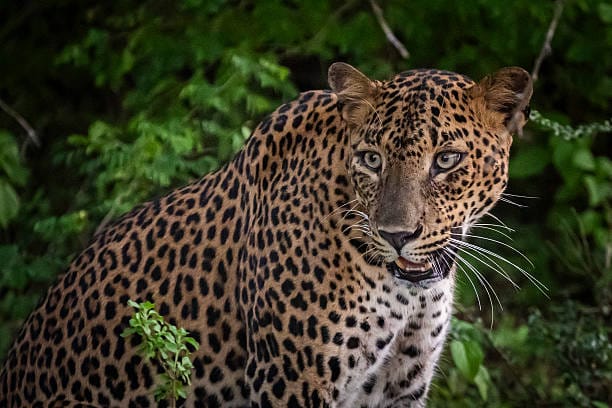
Physical Characteristics
This stunning variant of the Arabian Leopard displays a reddish-gold coat, smaller rosettes, and lighter build — ideal for desert mountain survival. Weighing 25–35 kg, it’s one of the smallest leopards in the world.
Behavior
It’s highly territorial and active mostly during twilight hours. The reddish coat blends with the rocky desert environment, providing excellent camouflage.
Habitat and Range
Found in southern Saudi Arabia, Oman, and Yemen, in arid mountain ranges and wadis where temperatures soar by day and plunge at night.
Diet
Hunts ibex, hyraxes, hares, and birds. When prey is scarce, it scavenges or targets smaller mammals — a survival tactic crucial in desert ecosystems.
Reproduction and Life Cycle
Breeding is irregular, often linked to prey availability. Females raise cubs in rocky dens with limited resources, showcasing remarkable parental resilience.
Fun Facts / Unique Traits
• The reddish tint of the coat reflects a local adaptation to desert light and soil tones.
• Considered a regional legend, often appearing in Bedouin tales of stealth and survival.
Human Interaction
Critically endangered — fewer than 200 individuals remain. Conservation efforts by Oman’s government and Arabian Leopard Trust include breeding and rewilding programs.
________________________________________
25. Persian Tiger-Leopard Hybrid Variant (Historical Description)
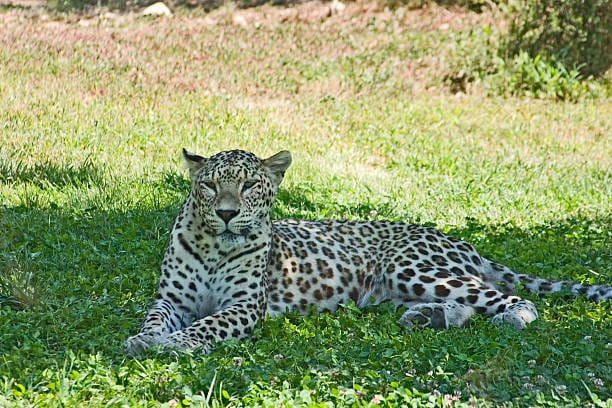
Physical Characteristics
This rare and possibly extinct hybrid, historically reported in Persia and Central Asia, was believed to be the result of crossbreeding between Persian leopards and tigers in captivity. The hybrid had a massive frame like a tiger but bore rosettes instead of stripes, blending both parents’ traits.
Behavior
Little confirmed behavior is known, but early zoological reports suggest a more dominant and less agile predator, less adapted for climbing but powerful on the ground.
Habitat and Range
No verified wild populations exist today. Historical notes describe sightings near old menageries and royal enclosures in Iran and Central Asia during the 19th century.
Diet
Likely similar to its parent species — deer, boar, and medium-sized ungulates.
Reproduction and Life Cycle
Most hybrids were sterile, preventing population establishment. The cross was mostly human-engineered curiosity rather than natural occurrence.
Fun Facts / Unique Traits
• Sometimes referred to as the “Leoger” (Leopard–Tiger hybrid).
• A rare reminder of human fascination with creating hybrid big cats before modern ethical standards.
Human Interaction
While not naturally occurring, such hybrids contributed to early studies of genetics and species compatibility. Today, breeding of hybrids is discouraged for ethical and conservation reasons.
26. East African Leopard (Panthera pardus — Melanistic Variant)
Physical Characteristics
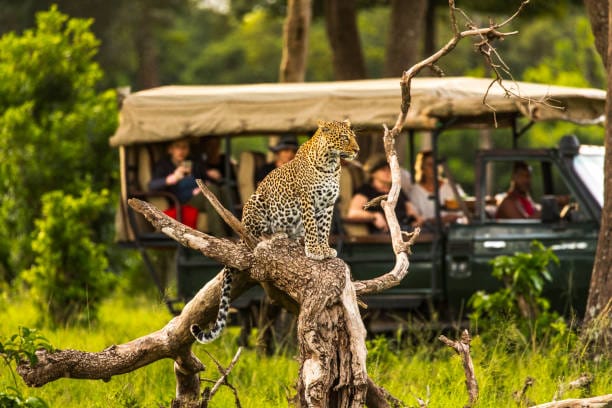
The East African Leopard is a powerful and agile predator found across Kenya, Tanzania, and Uganda. While most individuals have golden coats with striking black rosettes, melanistic variants (black leopards) are occasionally observed in the dense forests of Mount Kenya and the Aberdare Range. Adults weigh between 50–90 kg, with males being notably larger. Their long tails and muscular limbs allow exceptional climbing and leaping ability.
Behavior
These leopards are solitary ambush hunters, relying on stealth rather than speed. They often drag their kills up trees to avoid scavengers like hyenas. Though generally nocturnal, they adapt their activity to local prey patterns and human presence.
Habitat and Range
East African Leopards inhabit savannas, forests, and rocky highlands, showing remarkable adaptability. The melanistic form thrives in shaded, dense forests where its dark coat provides camouflage.
Diet
Their diet includes antelope, bushbuck, hares, and birds. They are also known to prey on domestic animals near human settlements, leading to occasional conflict.
Reproduction and Life Cycle
Breeding occurs year-round. Females give birth to 2–3 cubs, hidden in caves or thickets. Cubs begin hunting at about one year old, achieving independence by 18–24 months.
Fun Facts / Unique Traits
• East Africa’s “black leopards” gained fame after recent photographic confirmation near Laikipia, Kenya.
• Their spotted pattern remains visible under strong sunlight — a hallmark of true melanism.
Human Interaction
They coexist with Maasai and local pastoralist communities, though livestock predation can cause tension. Ecotourism and photographic safaris have become vital tools in protecting their habitats.
________________________________________
27. West Asian Leopard (Panthera pardus saxicolor?)
Physical Characteristics
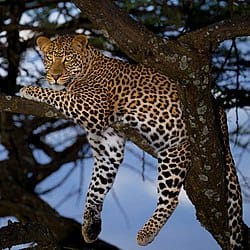
The West Asian Leopard, sometimes considered part of the Persian subspecies, is one of the largest leopards globally. It features a pale yellow coat, sparse rosettes, and thick fur adapted for cold, dry regions. Males can reach 100 kg in the wild, with robust frames suited to mountainous terrain.
Behavior
An exceptionally secretive predator, it’s mainly nocturnal and highly territorial. Known for patience, it can stalk prey for hours before a swift ambush. It’s a strong climber and often drags prey onto ledges to consume safely.
Habitat and Range
Inhabiting Iran, Armenia, Turkmenistan, and parts of Azerbaijan, it thrives in rocky slopes and temperate woodlands. These regions face extreme temperatures — from snowy winters to arid summers.
Diet
Its diet includes ibex, wild sheep, boar, and small mammals. In agricultural zones, it occasionally preys on livestock, resulting in conflict with herders.
Reproduction and Life Cycle
Females usually give birth in caves, where cubs remain hidden for several weeks. The species is long-lived, with lifespans reaching 15–20 years in the wild.
Fun Facts / Unique Traits
• DNA studies reveal it’s one of the oldest surviving genetic lineages among leopards.
• Adapted to both snowy mountains and desert plateaus, it exemplifies leopard versatility.
Human Interaction
Once widespread, this leopard is now critically endangered due to habitat loss and hunting. Iran leads regional conservation through protected reserves and anti-poaching patrols.
________________________________________
28. Kabul Leopard (Regional Variant of the Persian Leopard)
Physical Characteristics
The Kabul Leopard, a regional variant of the Persian Leopard, inhabits Afghanistan’s rugged highlands. It has a thick, creamy-golden coat with large, widely spaced rosettes. This build provides warmth and camouflage among rocky outcrops and sparse vegetation.
Behavior
These leopards are incredibly elusive, seldom seen even by locals. They use mountainous terrain to ambush prey, showing remarkable stamina and intelligence. Often crepuscular, they hunt at dawn and dusk.
Habitat and Range
Found around Kabul Province, Nuristan, and the Hindu Kush Range, their habitat overlaps with that of snow leopards, though at lower elevations. Steep cliffs and narrow valleys provide both shelter and vantage points for hunting.
Diet
Prey includes wild goats, deer, and smaller mammals. Their ability to survive on minimal prey makes them apex survivors in harsh landscapes.
Reproduction and Life Cycle
Cubs are born in hidden dens after about three months of gestation. Females raise them alone, teaching hunting techniques essential for survival in isolated terrain.
Fun Facts / Unique Traits
• Sightings are so rare that many Afghans considered it mythical until recent camera-trap evidence confirmed its presence.
• Its coat lightens seasonally, offering natural camouflage year-round.
Human Interaction
Decades of conflict, poaching, and deforestation have devastated its population. Conservation groups like the Wildlife Conservation Society are working with local communities to protect the species.
________________________________________
29. South China Leopard (Panthera pardus chinensis)
Physical Characteristics
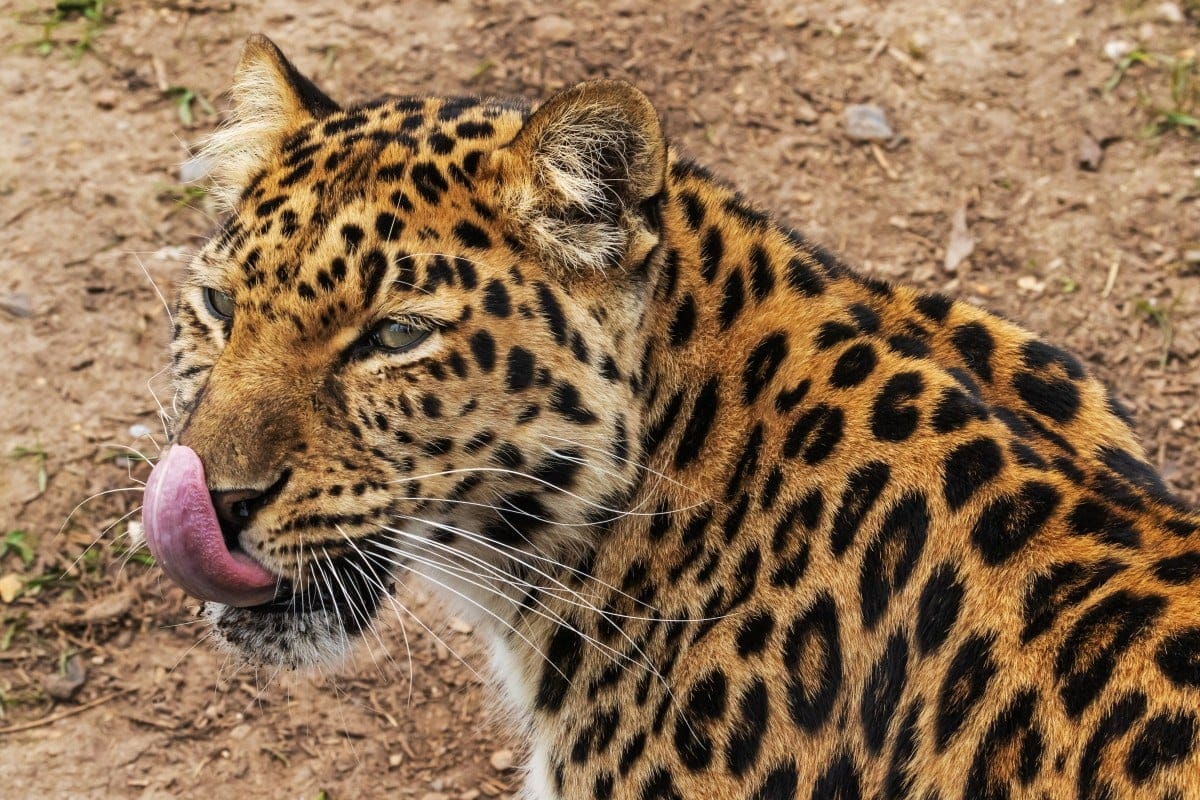
The South China Leopard is smaller and lighter than its northern relatives. Its short, bright orange coat and dense black rosettes distinguish it from other subspecies. Its long, sleek frame and shorter fur are perfect for humid subtropical climates.
Behavior
Agile and territorial, it’s an opportunistic hunter, stalking from cover before delivering a powerful neck bite. Its stealth allows it to coexist in human-dominated landscapes where few other big cats survive.
Habitat and Range
Historically ranged across southern China, Vietnam, and Laos, now restricted to isolated reserves due to deforestation. Prefers mixed forests, river valleys, and hilly regions.
Diet
Feeds mainly on deer, wild boar, and small mammals. It’s a strong swimmer, often hunting near rivers or wetlands.
Reproduction and Life Cycle
Breeding can occur year-round. Females rear cubs alone, and juveniles disperse after about two years to establish their own territories.
Fun Facts / Unique Traits
• Genetic evidence shows close relation to the Amur leopard, though smaller and more tropical in adaptation.
• Known locally as the “southern shadow cat” due to its stealth.
Human Interaction
Severely threatened by poaching and habitat loss. Conservationists are exploring cross-breeding with Amur leopards to preserve genetic diversity while reintroducing them to southern China’s forests.
________________________________________
30. Sunda Island Leopard (Panthera pardus insularis)
Physical Characteristics
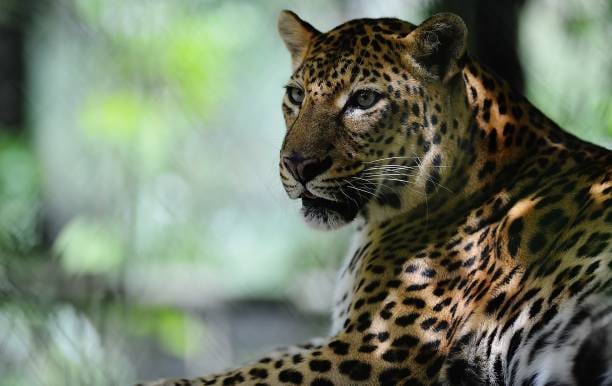
The Sunda Island Leopard, also known as the Javan or Bali variant, represents island adaptations of mainland leopards. Smaller in size, with a dark, glossy coat and reduced rosette contrast, it exhibits features favorable for dense tropical jungles. Its limbs are strong yet compact for navigating tangled vegetation.
Behavior
Highly secretive, this leopard is mostly nocturnal and arboreal. It’s capable of stalking silently through thick foliage, pouncing on prey with unmatched precision. Like other island predators, it maintains smaller territories due to limited prey.
Habitat and Range
Endemic to Java and potentially parts of Bali, the Sunda Leopard inhabits lowland rainforests, volcanic foothills, and mountain forests. These islands’ fragmentation has led to isolated populations with unique genetic traits.
Diet
Preys on macaques, jungle fowl, monitor lizards, and small deer. Its opportunism allows survival even near cultivated zones.
Reproduction and Life Cycle
Gestation lasts around 100 days, producing 2–3 cubs. Due to the island’s isolation, inbreeding risk is high, and population recovery is slow.
Fun Facts / Unique Traits
• The Sunda Leopard may represent a distinct island evolutionary branch.
• Its darker coloration and smaller size are classic island dwarfism adaptations.
Human Interaction
Deforestation and human encroachment have drastically reduced its habitat. Conservation efforts in Ujung Kulon National Park and Meru Betiri aim to protect remaining individuals. Ecotourism awareness is helping turn local communities into guardians of this elusive cat.
Conclusion
Leopards are among the most remarkable big cats on Earth — adaptable, mysterious, and undeniably beautiful. From the misty rainforests of Sri Lanka to the dry cliffs of Iran, from the savannas of Africa to the remote islands of Indonesia, each subspecies tells a different story of survival and evolution.
Despite their wide distribution, leopards face growing threats. Habitat destruction, poaching, and human-wildlife conflict have dramatically reduced their numbers in recent decades. Many subspecies — like the Amur, Arabian, and Javan Leopards — now teeter on the edge of extinction, existing only in small, fragmented populations.
Yet, their resilience offers hope. Leopards have adapted to live in mountains, deserts, forests, and even near urban areas — proof of their incredible versatility. Conservationists worldwide are joining forces to protect these magnificent predators through habitat restoration, anti-poaching patrols, and community education.
As we learn more about each type of leopard — their habitats, diets, and unique traits — we gain a deeper appreciation for the complex web of life they represent. Whether golden-spotted or midnight-black, every leopard reminds us why protecting the wild matters: because every ecosystem is stronger when its predators still prowl.
So the next time you hear a rustle in the tall grass or glimpse a shadow on a moonlit branch, remember — it might just be one of the world’s most elusive and extraordinary cats, still guarding the balance of nature.
Frequently Asked Questions About Leopards
1. What are the 9 types of leopards?
The 9 recognized subspecies of leopards are: African Leopard, Indian Leopard, Sri Lankan Leopard, Javan Leopard, Arabian Leopard, Persian Leopard, Amur Leopard, North Chinese Leopard, and Indochinese Leopard.
2. What are the 7 classifications of a leopard?
This often refers to seven main recognized subspecies based on geographic distribution: African, Indian, Sri Lankan, Javan, Persian, Amur, and Arabian leopards.
3. What is the rarest type of leopard?
The Amur Leopard (Panthera pardus orientalis) is considered the rarest leopard, with only around 150 individuals left in the wild.
4. What is the most common type of leopard?
The African Leopard (Panthera pardus pardus) is the most common, widely distributed across sub-Saharan Africa.
5. What is the deadliest leopard in history?
There is no formal record, but certain man-eating leopards in India, such as the Leopard of Rudraprayag, have historically been infamous for killing humans.
6. What is a black leopard called?
A black leopard is called a melanistic leopard. It has excess black pigmentation but is otherwise the same species as regular leopards.
7. Which type of leopard is the biggest?
The Amur Leopard is the largest subspecies in terms of body length and size, although African Leopards can also grow large in some regions.
8. Is a leopard a type of jaguar?
No, leopards (Panthera pardus) and jaguars (Panthera onca) are separate species within the Panthera genus.
9. What is a ghost leopard?
A “ghost leopard” is a nickname for melanistic leopards or very elusive leopards rarely seen, often appearing only in camera trap footage.
10. Which is the fastest leopard?
Leopards can run up to 58 km/h (36 mph) in short bursts, making them one of the fastest cats for their size.
11. What are the 9 species of leopards?
Technically, leopards have nine subspecies rather than species. These include African, Indian, Sri Lankan, Javan, Arabian, Persian, Amur, North Chinese, and Indochinese leopards.
12. What is the most advanced leopard?
This could refer to the Amur Leopard due to its exceptional adaptations for cold climates, climbing, and hunting in difficult terrains.
13. What kind of leopard is Luna the panther?
Luna is usually referred to as a melanistic leopard or black panther. “Panther” is a general term for black-coated leopards and jaguars.
14. Is black panther bulletproof?
No, black panthers (melanistic leopards) are not bulletproof. They are simply leopards or jaguars with black fur due to melanism.
15. How rare is a melanistic leopard?
Melanistic leopards are uncommon but not extremely rare. They are most frequently found in dense forests of Southeast Asia.
16. What is the Zulu name for leopard?
In Zulu, a leopard is called “Ingwe.”
17. What is a German leopard?
This may refer to armored fighting vehicles named “Leopard,” but there is no native German leopard species.
18. Are leopards only female?
No, leopards are male and female like all mammals. The term “leopard” refers to the species, not gender.
19. What eats a jaguar?
Adult jaguars have almost no natural predators, but humans pose the biggest threat. Young jaguars may fall prey to anacondas or large caimans.
20. Is black panther a leopard?
Yes, in Asia and Africa, a black panther is a melanistic leopard. In the Americas, a black panther may be a melanistic jaguar.
21. Why is Puma not a big cat?
Pumas, also called cougars, are not classified as “big cats” (Panthera genus) because they cannot roar. They belong to the genus Puma.
22. Are Sri Lankan leopards the biggest?
No, Sri Lankan leopards are smaller than Amur or African leopards. They are well-adapted to the island’s environment.
23. Do Barbary leopards still exist?
The Barbary leopard, once found in North Africa, is likely extinct in the wild.
24. Are ghost leopards real?
Yes, ghost leopards are real but extremely elusive melanistic or nocturnal leopards rarely seen by humans.
25. What is the rarest color of leopard?
Albino or very pale leopards are the rarest color morphs, far less common than melanistic (black) leopards.
26. Do grey leopards exist?
Grey leopards are not a separate species. Sometimes melanistic leopards or lighting effects can make fur appear grey.
27. How many aura leopards are left?
If “aura leopard” refers to Amur Leopards, around 150 individuals exist in the wild today.
28. What kind of leopard is Bagheera?
Bagheera, from The Jungle Book, is depicted as a black panther, which in reality would be a melanistic leopard.
29. Can a jaguar give birth to a black panther?
Yes, in the Americas, a black panther can be a melanistic jaguar. Jaguars and leopards do not interbreed naturally.
30. What is the newest leopard?
The newest recognized subspecies is often debated, but taxonomists continue refining classifications based on genetics and geography.
31. Why are leopards called silent killers?
Leopards are called silent killers because of their stealth, ability to stalk prey silently, and deliver quick, lethal attacks.
32. Are pink leopards real?
No, pink leopards do not exist in nature. Pink color would only appear in artistic representations or rare lighting effects.
33. What are the 4 big cats?
The “big cats” generally include lions, tigers, leopards, and jaguars, all belonging to the Panthera genus.
34. What is a red leopard?
Red leopards are not a recognized species. Any red appearance would likely be due to lighting or rare genetic pigmentation.
35. What is a snow leopard called?
The snow leopard’s scientific name is Panthera uncia. It is native to Central and South Asia and adapted to high-altitude mountain habitats.
Read more: