

Asia is home to an extraordinary variety of monkeys, from snow-loving langurs in the Himalayas to colorful leaf monkeys, clever macaques, and the unusual proboscis monkey of Borneo. This guide to the types of monkeys in Asia highlights 25 real species and species groups that are especially important, distinctive, or useful for wildlife identification.
You will learn their scientific names, appearance, size, range, habitat, diet, behavior, and conservation concerns. Some are widespread and adaptable, while others survive only in small forest fragments or isolated islands.
What Are the Main Types of Monkeys in Asia?
The main types of monkeys in Asia include macaques, langurs, lutungs, snub-nosed monkeys, leaf monkeys, proboscis monkeys, and colobus-like doucs. Asia also has several highly specialized species, including the golden snub-nosed monkey, lion-tailed macaque, Gee’s golden langur, and François’ langur. Most are Old World monkeys, meaning they generally have downward-facing nostrils and do not possess the fully prehensile tails common in many American monkeys.
1. Rhesus Macaque

Scientific name: Macaca mulatta
The rhesus macaque is one of Asia’s most widespread monkeys. It has a pinkish face, brown or gray-brown fur, and a medium-length tail. Adults commonly weigh between 5 and 12 kilograms, with males usually larger than females.
These adaptable monkeys occur across northern and central India, Nepal, Pakistan, Bangladesh, Myanmar, southern China, and nearby regions. They live in forests, grasslands, farmland, towns, and temple areas. Their diet includes fruit, seeds, leaves, insects, crops, and discarded human food.
Rhesus macaques are intelligent, social, and comfortable around people, but feeding them can encourage aggressive behavior and disease transmission. They live in complex groups with strict social relationships.
2. Long-Tailed Macaque
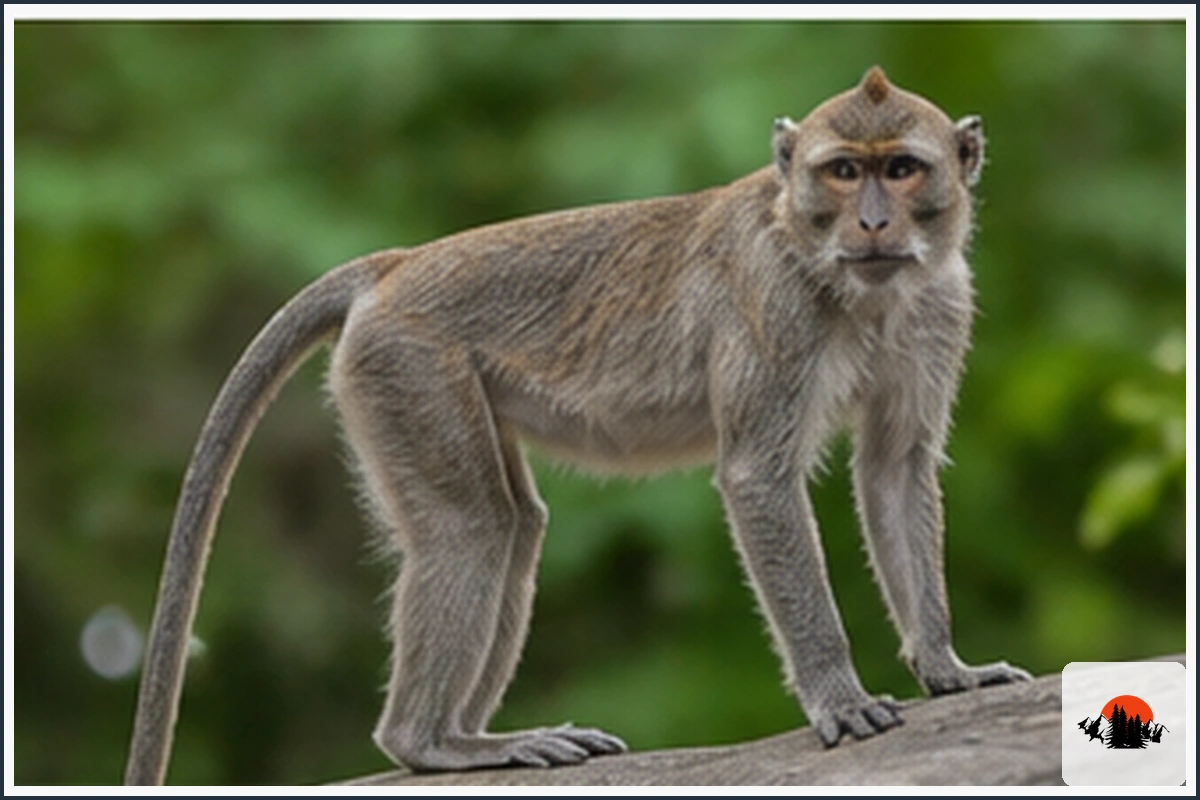
Scientific name: Macaca fascicularis
Also called the crab-eating macaque, the long-tailed macaque has a slender body and a notably long tail. Its gray-brown coat, pale underside, and expressive face make it one of the most recognizable monkeys in Southeast Asia.
It ranges from Myanmar and Thailand through Malaysia, Indonesia, the Philippines, and parts of mainland Southeast Asia. It is common in mangroves, lowland rainforest, coastal forests, plantations, towns, and tourist sites. Despite its common name, it eats a broad range of foods, including fruit, leaves, insects, eggs, crabs, and crops.
Long-tailed macaques are excellent swimmers and climbers. They may become bold around people, so wildlife watchers should never offer food or approach infants and protective adults.
3. Japanese Macaque
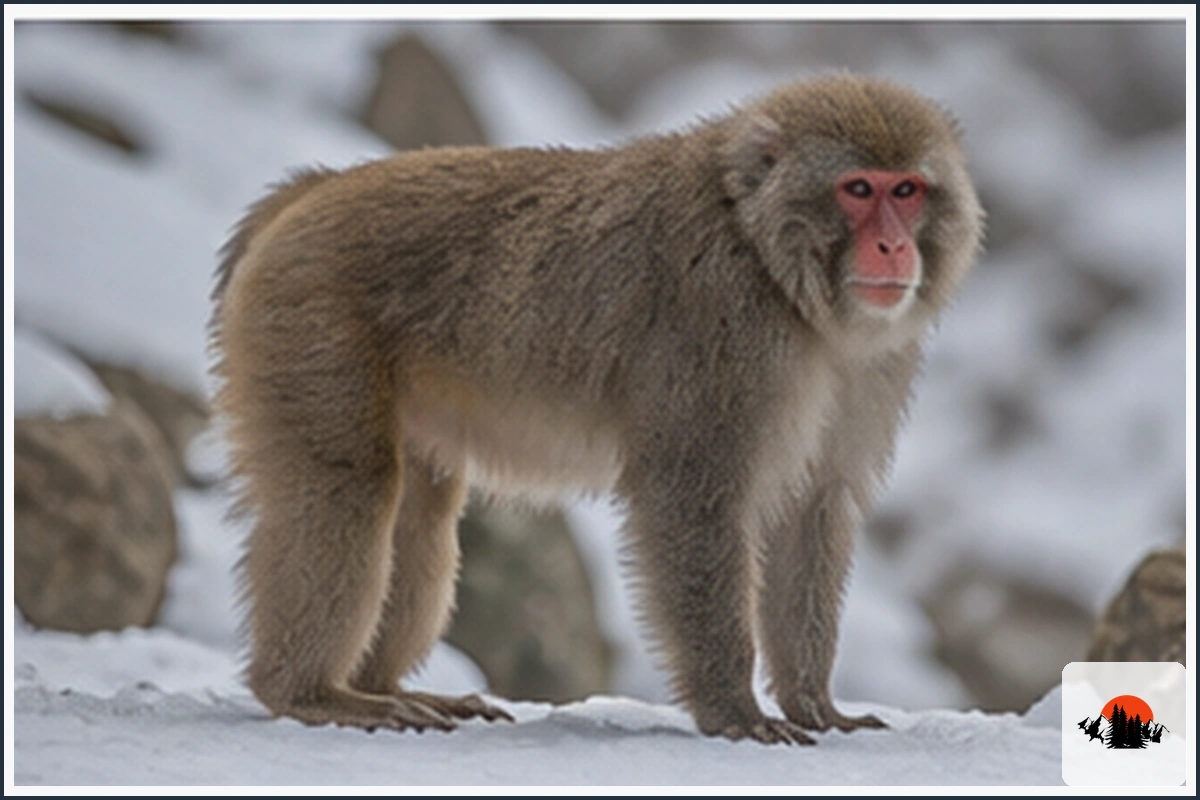
Scientific name: Macaca fuscata
The Japanese macaque, or snow monkey, is famous for living in cold northern forests and relaxing in natural hot springs. It has thick brown-gray fur, a pink or red face, and a short tail.
This species is native to Japan, where it occupies forests ranging from subtropical islands to snowy mountain regions. Its diet changes with the seasons and includes fruit, seeds, leaves, bark, insects, and small animals.
Japanese macaques form organized troops and learn behaviors from one another. Their winter survival depends on dense fur, social grooming, sheltering behavior, and the ability to locate seasonal food. Visitors should observe them quietly and avoid touching or feeding them.
4. Lion-Tailed Macaque

Scientific name: Macaca silenus
The lion-tailed macaque is easily identified by its black coat, pale silver mane around the face, and tufted tail. Adults are usually about 40 to 60 centimeters long, not counting the tail.
It lives in the evergreen rainforests of India’s Western Ghats. Unlike adaptable urban macaques, this species depends heavily on mature forest canopy. It eats fruit, seeds, flowers, leaves, insects, and small vertebrates.
Small family groups travel through the treetops and use their strong hands and feet for climbing. Habitat fragmentation, roads, plantations, and forest loss have reduced populations. Protecting connected rainforest corridors is essential for its future.
5. Assamese Macaque
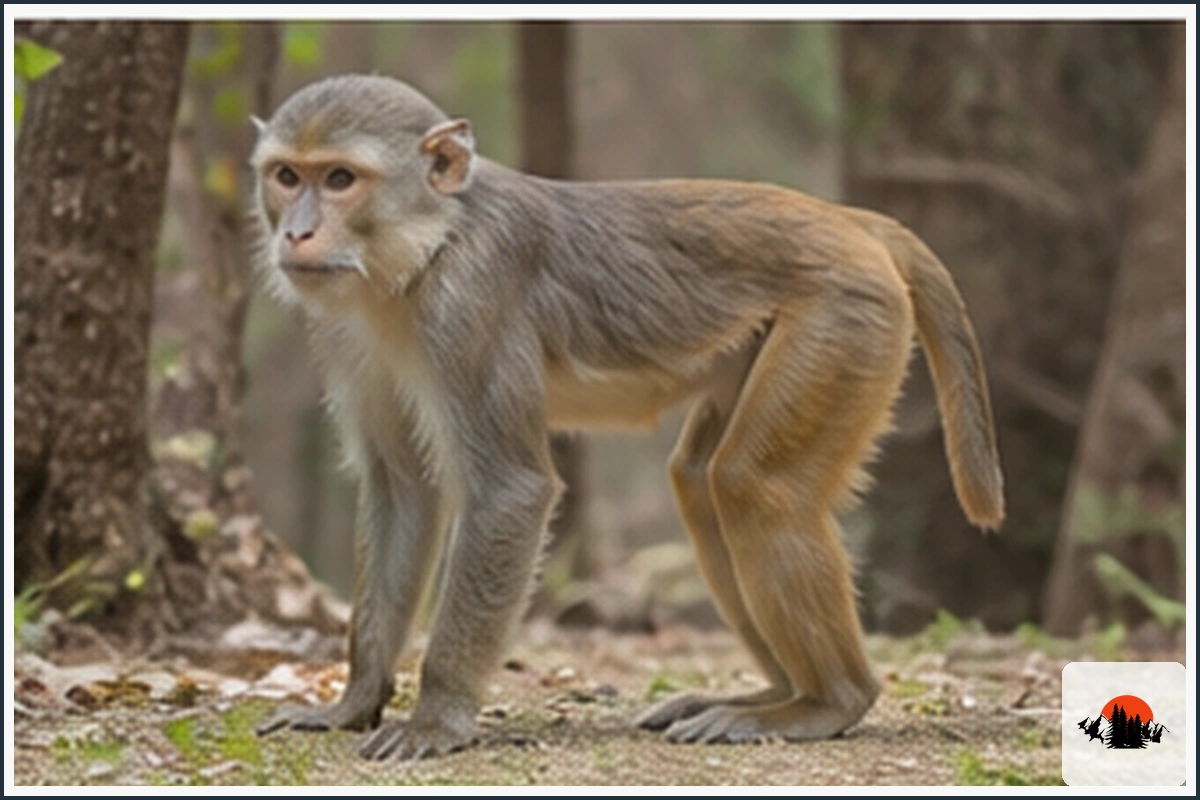
Scientific name: Macaca assamensis
The Assamese macaque has a sturdy body, brownish coat, and relatively short tail. It occurs in parts of the eastern Himalayas and mainland Southeast Asia, including northeastern India, Nepal, Bhutan, Myanmar, Thailand, Laos, Vietnam, and southern China.
It lives in subtropical and temperate forests, often at higher elevations than many other macaques. Its diet consists of fruit, leaves, seeds, flowers, insects, and other small food items.
Assamese macaques are cautious and mostly active during the day. They are less commonly seen in heavily developed places than some related species, although habitat disturbance and hunting remain serious concerns in parts of their range.
6. Pig-Tailed Macaque

Scientific name: Macaca nemestrina
The southern pig-tailed macaque has a muscular body, brown fur, and a short tail that curves upward like a pig’s tail. It is native to the Malay Peninsula, Sumatra, Borneo, and nearby islands.
These monkeys use lowland rainforests, peat swamps, plantations, and secondary forests. They eat fruit, seeds, roots, leaves, fungi, insects, and small animals. Their strong build allows them to move confidently on the ground and in trees.
Pig-tailed macaques live in social groups and are known for their active foraging behavior. Forest conversion for agriculture and palm oil production has reduced suitable habitat in several areas.
7. Booted Macaque

Scientific name: Macaca ochreata
The booted macaque is a slender, dark-furred monkey with pale lower legs that resemble boots. It is found mainly on Sulawesi and nearby Indonesian islands.
It occupies lowland and hill forests, including disturbed woodland and areas near cultivation. Fruit, leaves, seeds, flowers, insects, and other small foods make up its varied diet.
Booted macaques spend substantial time in trees but may forage on the ground. Their island distribution makes them vulnerable to habitat loss, hunting, and population isolation. Identifying them correctly is important because Sulawesi supports several closely related macaque species.
8. Celebes Crested Macaque
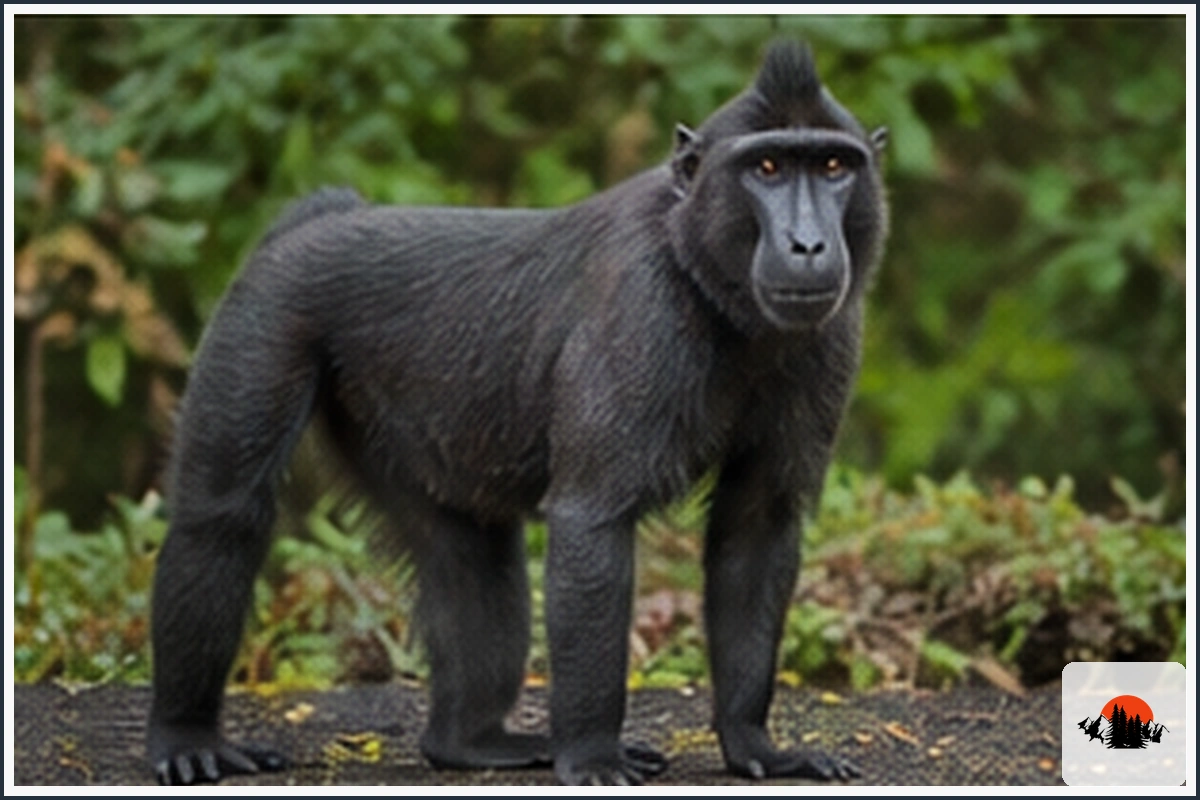
Scientific name: Macaca nigra
The Celebes crested macaque, also called the crested black macaque, has entirely dark fur, a bare pinkish rump, and a distinctive upright crest of hair on the head. It is native to northern Sulawesi and nearby islands in Indonesia.
These monkeys live in tropical forests and eat fruit, leaves, seeds, insects, and occasional small animals. They are active, social, and highly expressive, using facial movements, calls, and body postures to communicate.
Severe habitat loss and hunting have placed this species at serious conservation risk. Responsible ecotourism and protection of remaining forest are especially important for its survival.
9. Southern Pig-Tailed Macaque

Scientific name: Macaca leonina
The northern pig-tailed macaque, sometimes called the northern pigtail macaque, has brown-gray fur, a short curled tail, and a robust body. It occurs in parts of Myanmar, Thailand, Laos, Vietnam, Bangladesh, northeastern India, and southern China.
It inhabits evergreen forests, bamboo stands, mixed woodland, and secondary growth. Its food includes fruit, seeds, leaves, roots, insects, and cultivated crops.
This adaptable macaque may travel on the ground while moving between feeding areas. Habitat conversion and hunting affect some populations, while human conflict can occur where troops raid farms.
10. Hanuman Langur

Scientific name: Semnopithecus entellus
The Hanuman langur, also called the northern plains gray langur, has gray or buff-gray fur, a black face, and a long tail. It is widespread across much of northern and central India.
These monkeys live in dry forests, river corridors, grasslands, farmland, villages, and cities. They eat leaves, flowers, fruit, seeds, and other plant material, although they may also consume insects or human-provided food.
Hanuman langurs are often seen sitting on rooftops, temple walls, or roadside trees. Their adaptability has helped them persist near people, but feeding and habitat conflict can create problems for both monkeys and communities.
11. Nilgiri Langur

Scientific name: Semnopithecus johnii
The Nilgiri langur is a dark, glossy-furred monkey with a golden-brown or rusty crown and cheeks. It is endemic to the Western Ghats of southern India.
It prefers evergreen and montane forests, where it feeds mainly on leaves, fruit, flowers, and shoots. Its long tail helps with balance while moving through the canopy.
Nilgiri langurs are generally shy and spend much of their time in trees. Forest fragmentation, road construction, and hunting threaten some populations, especially where connected habitat has been reduced.
12. Gee’s Golden Langur
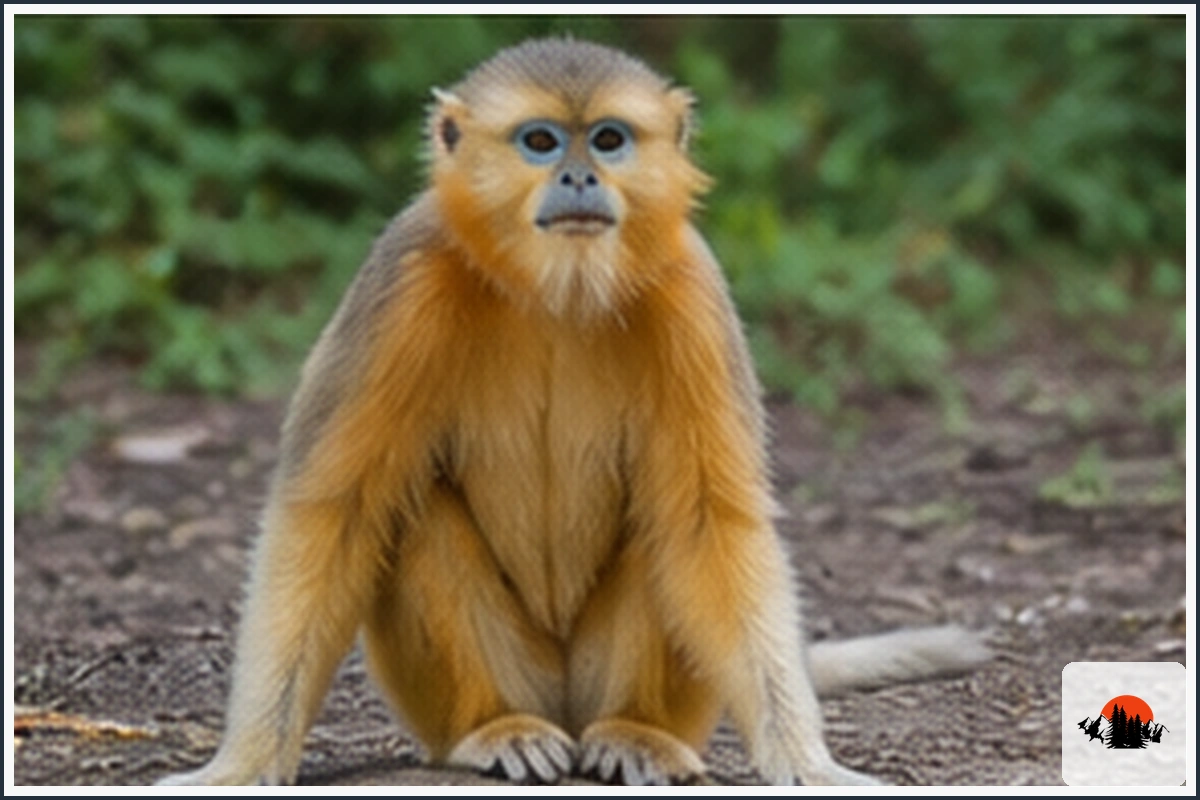
Scientific name: Trachypithecus geei
Gee’s golden langur is known for its striking cream, golden, or pale buff coat and dark face. Young animals are often lighter or more contrasting in color than adults.
It is found mainly in Assam and neighboring parts of Bhutan, where it lives in riverine forests, evergreen woodland, and bamboo-rich habitat. Its diet consists largely of leaves, fruit, seeds, and flowers.
This shy canopy specialist rarely travels far from forest cover. Roads, agriculture, logging, and habitat fragmentation have divided populations. Wildlife corridors are important because isolated groups may struggle to maintain genetic diversity.
13. François’ Langur

Scientific name: Trachypithecus francoisi
François’ langur has mostly black fur, white cheek whiskers, and a distinctive crest-like hairstyle. It is native to limestone karst regions of southern China and northern Vietnam.
These monkeys often use steep limestone cliffs, caves, and forested slopes that provide shelter from predators and people. They eat leaves, fruit, seeds, flowers, and bark.
François’ langurs live in family groups and are agile climbers. Quarrying, hunting, forest loss, and disturbance of karst landscapes have reduced their habitat.
14. Dusky Leaf Monkey
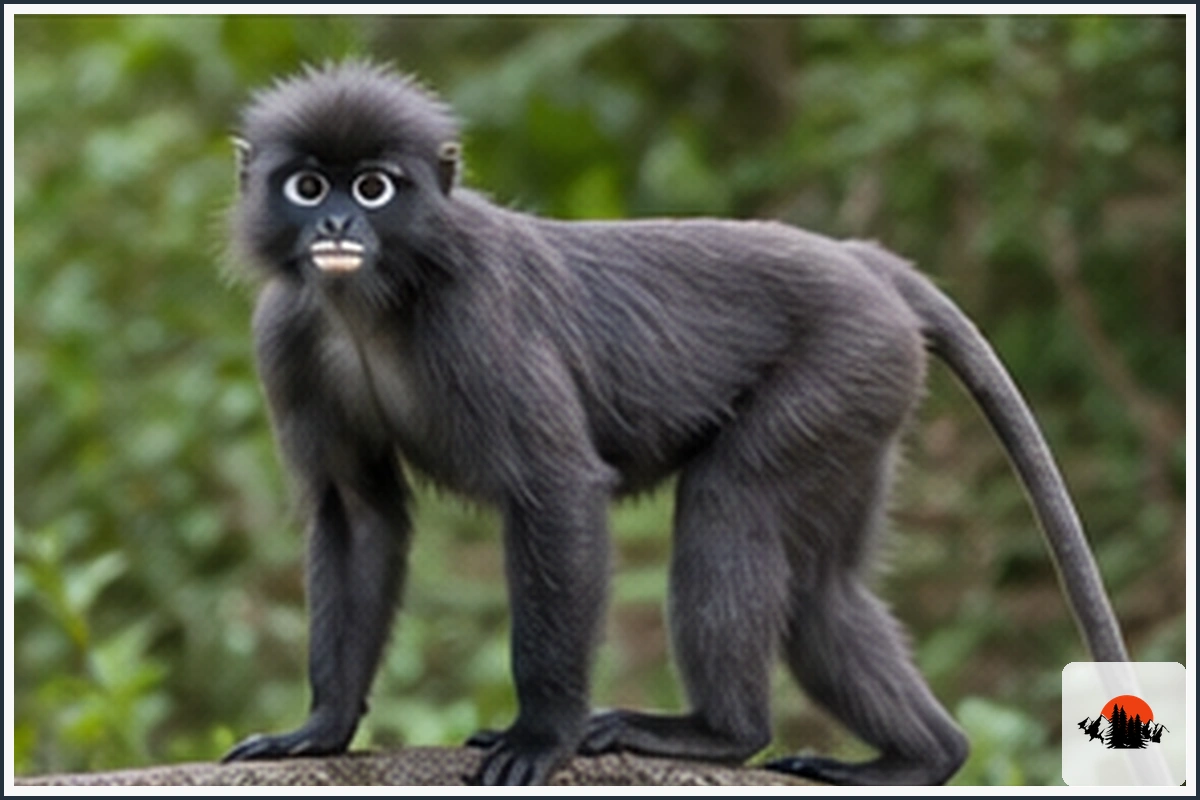
Scientific name: Trachypithecus obscurus
The dusky leaf monkey, or spectacled langur, has dark gray or brown fur with pale rings around the eyes and a light belly. It is native to southern Thailand, Malaysia, and parts of Myanmar.
It lives in lowland and hill forests, mangroves, and secondary woodland. Leaves make up much of its diet, supported by fruit, seeds, flowers, and young shoots.
Dusky leaf monkeys are active in the canopy and usually avoid open ground. Their specialized leafy diet requires a functioning forest with a steady supply of mature foliage.
15. Silvered Leaf Monkey
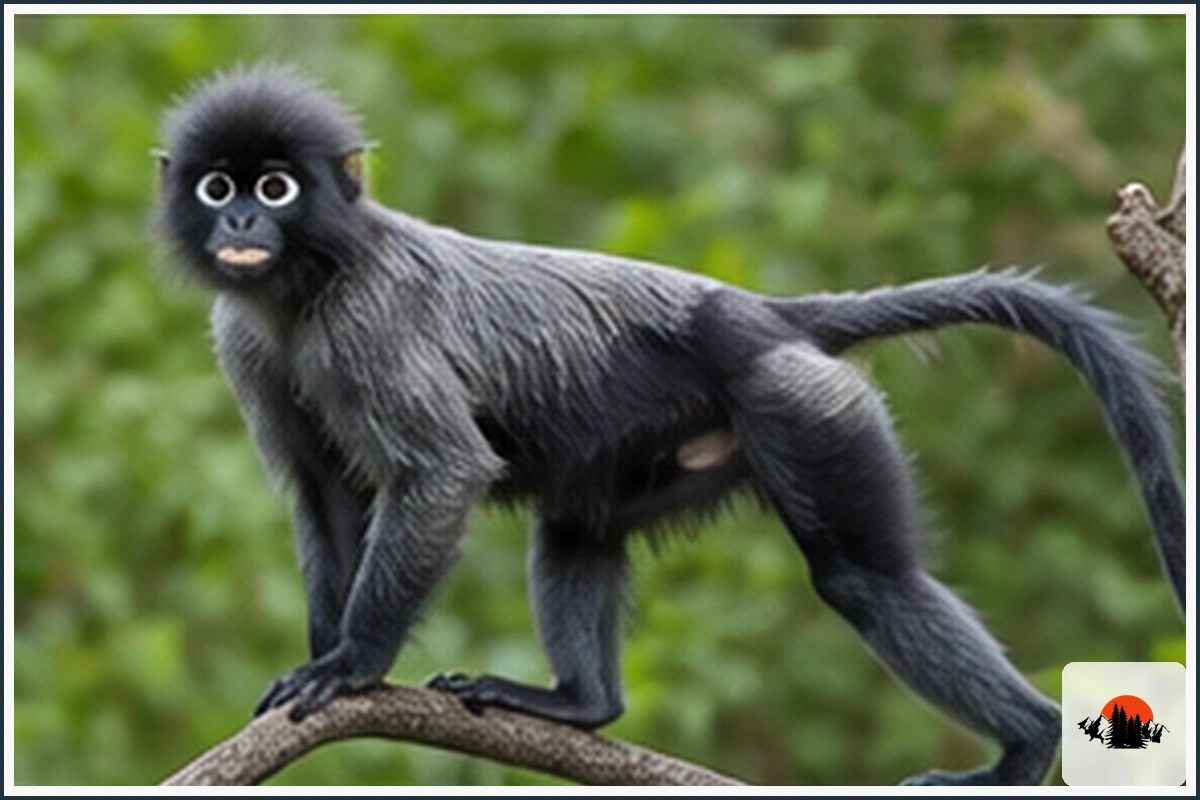
Scientific name: Trachypithecus cristatus
The silvered leaf monkey has dark skin and silvery-gray fur, with a prominent crest of hair on its head. Infants are often bright orange, making them easy to distinguish from adults.
It occurs in Malaysia, Indonesia, Brunei, and nearby islands. Mangroves, coastal forests, peat swamps, and lowland rainforest provide its main habitats.
Leaves, flowers, fruit, seeds, and shoots form its diet. Silvered leaf monkeys are usually calm but may become stressed when surrounded by tourists or fed by visitors. Protecting coastal forest is important because these habitats are rapidly altered.
16. Purple-Faced Langur
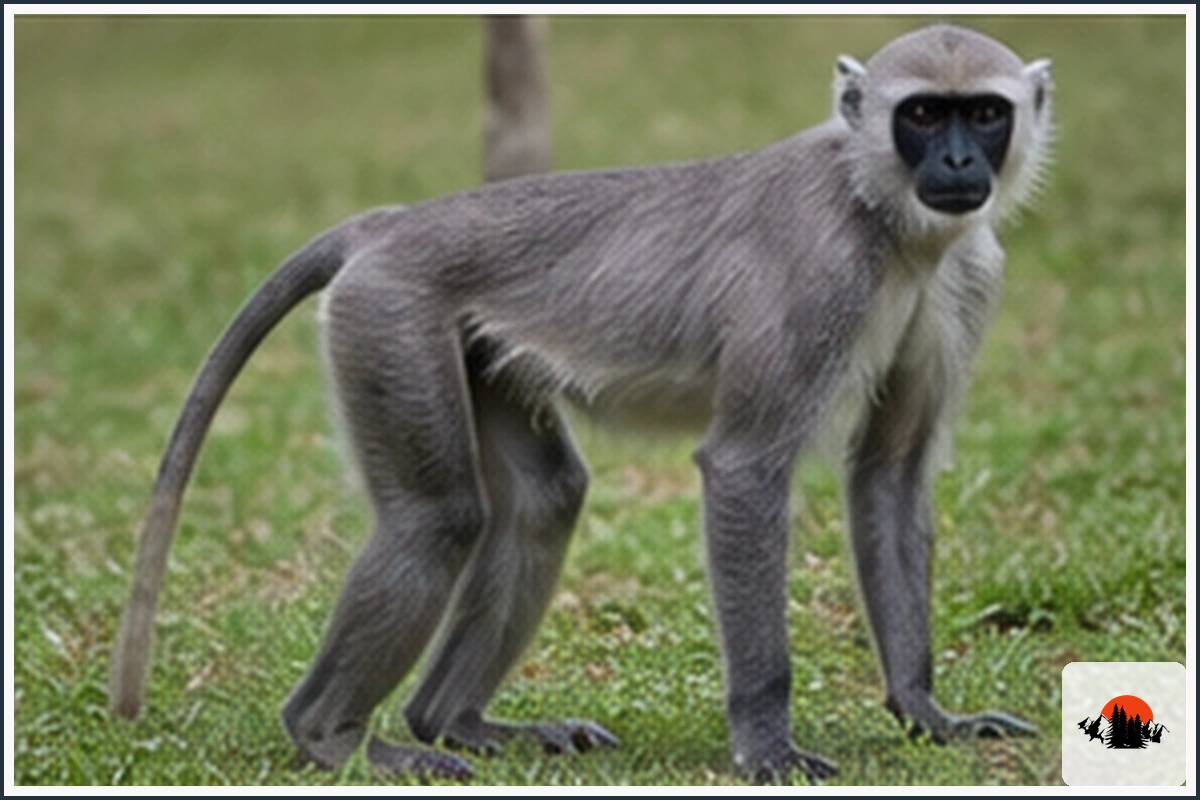
Scientific name: Semnopithecus vetulus
The purple-faced langur is a dark brown or blackish monkey with a purplish facial complexion and a long tail. It is endemic to Sri Lanka.
Different populations occupy wet-zone rainforests, dry forests, home gardens, and cultivated landscapes. Its diet is mainly leaves, fruit, flowers, and shoots.
This species is an important seed disperser in Sri Lankan forests. Habitat fragmentation and conflict near farms and homes are major concerns, especially where natural food trees have disappeared.
17. Dusky Langur

Scientific name: Trachypithecus obscurus
The dusky langur is a medium-sized leaf monkey with dark gray fur, pale facial markings, and a long tail. In some field guides, the common name overlaps with “dusky leaf monkey,” so location and scientific name are useful for accurate identification.
It inhabits forests of the Malay Peninsula and nearby areas. Its diet is based mainly on young leaves, mature foliage, fruit, flowers, and seeds.
These monkeys are adapted to life in the canopy and have specialized digestive systems for processing fibrous plant foods. Forest clearing and road development can isolate groups.
18. Proboscis Monkey

Scientific name: Nasalis larvatus
The proboscis monkey is one of Asia’s most unusual primates. Adult males have a large, pendulous nose, reddish-brown body fur, a pale belly, and a long white-tipped tail. Females and young males have smaller noses.
This species is endemic to Borneo and is strongly associated with mangroves, riverbanks, peat swamps, and coastal forests. It eats leaves, fruit, seeds, and flowers.
Proboscis monkeys are capable swimmers and may leap into rivers to escape danger. Their specialized stomachs help digest tough plant foods, but habitat loss from logging, agriculture, fires, and wetland conversion remains a serious threat.
19. Silvered Langur
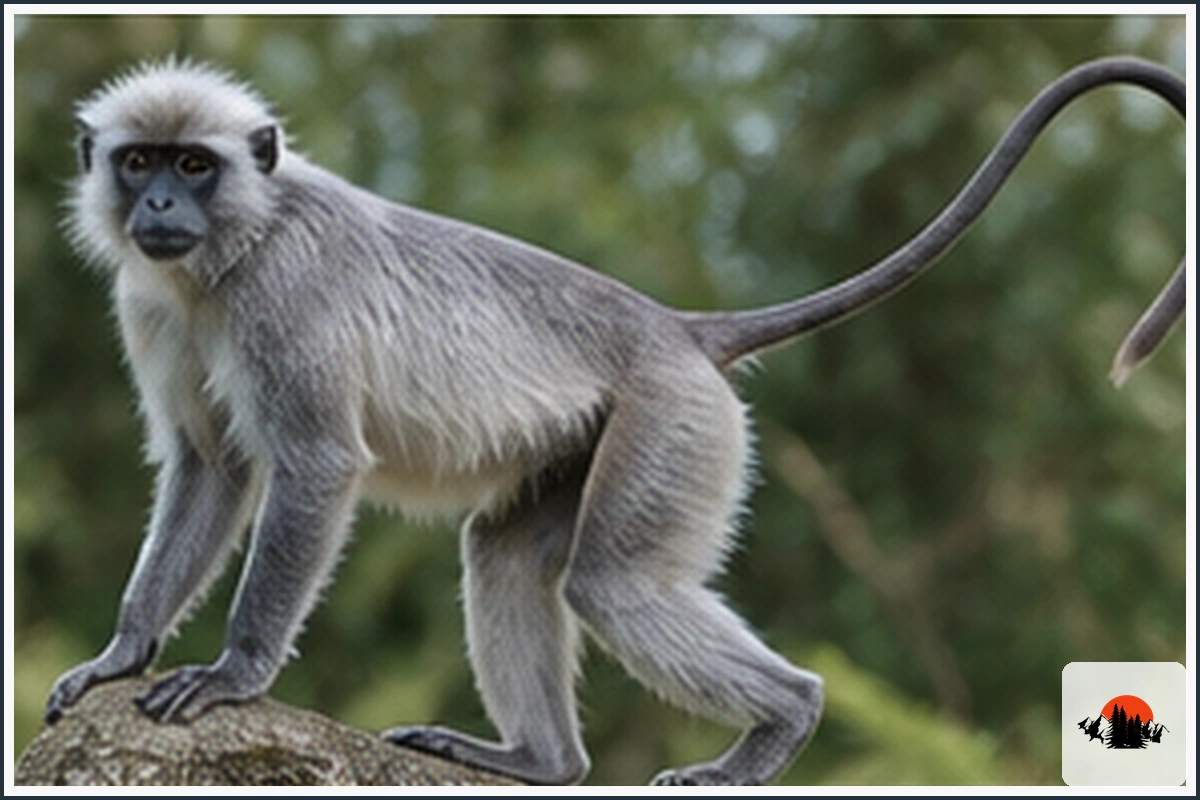
Scientific name: Trachypithecus cristatus
The silvered langur is a dark-bodied leaf monkey covered in gray-silver fur. It has a rounded head crest, a long tail, and expressive eyes. Infants are commonly orange or golden before developing adult coloration.
It lives in coastal forests, mangroves, peat swamps, and lowland rainforest across parts of Southeast Asia. Its plant-based diet includes leaves, flowers, fruit, and seeds.
Silvered langurs are important seed dispersers. Their populations are affected by wetland drainage, coastal development, forest fires, and illegal hunting.
20. Golden Snub-Nosed Monkey

Scientific name: Rhinopithecus roxellana
The golden snub-nosed monkey has bright golden-orange fur, a pale blue nose, and a compact, upturned facial profile. It is adapted to cold mountain forests in central China.
It lives at high elevations where coniferous, mixed, and deciduous forests provide seasonal food. Its diet includes leaves, buds, fruit, bark, lichen, and insects.
Large groups may contain many family units and hundreds of individuals. Heavy winter snow makes food availability challenging, so intact forest and protected mountain habitat are essential.
21. Black Snub-Nosed Monkey

Scientific name: Rhinopithecus bieti
The black snub-nosed monkey has mostly black fur, a pale face, and a short, upturned nose. It is one of the world’s highest-altitude primates.
This rare species occurs in remote mountain forests of southwestern China and northern Myanmar. It feeds on leaves, lichens, mosses, fruit, and other plant material.
Black snub-nosed monkeys are highly social and can form large groups. Their limited range, habitat fragmentation, hunting history, and sensitivity to climate change make them a major conservation priority.
22. Tonkin Snub-Nosed Monkey
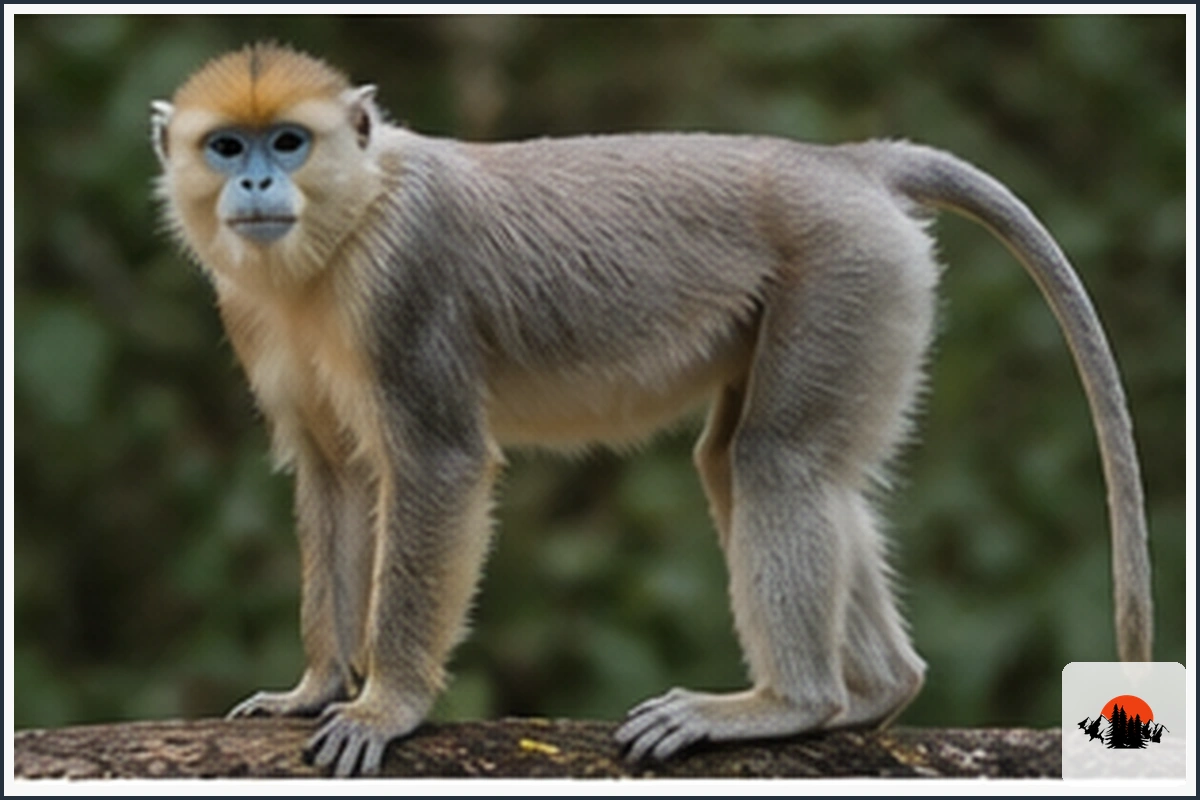
Scientific name: Rhinopithecus avunculus
The Tonkin snub-nosed monkey is a rare gray-and-black primate with a pale face and upturned nose. It is found only in a few forest areas of northern Vietnam.
It lives in limestone forests and steep karst landscapes. Its diet includes young leaves, fruit, flowers, and other plant foods.
Small population size and restricted distribution make this species extremely vulnerable. Hunting, logging, agriculture, and road construction can quickly affect the isolated forests it needs.
23. Douc Langur
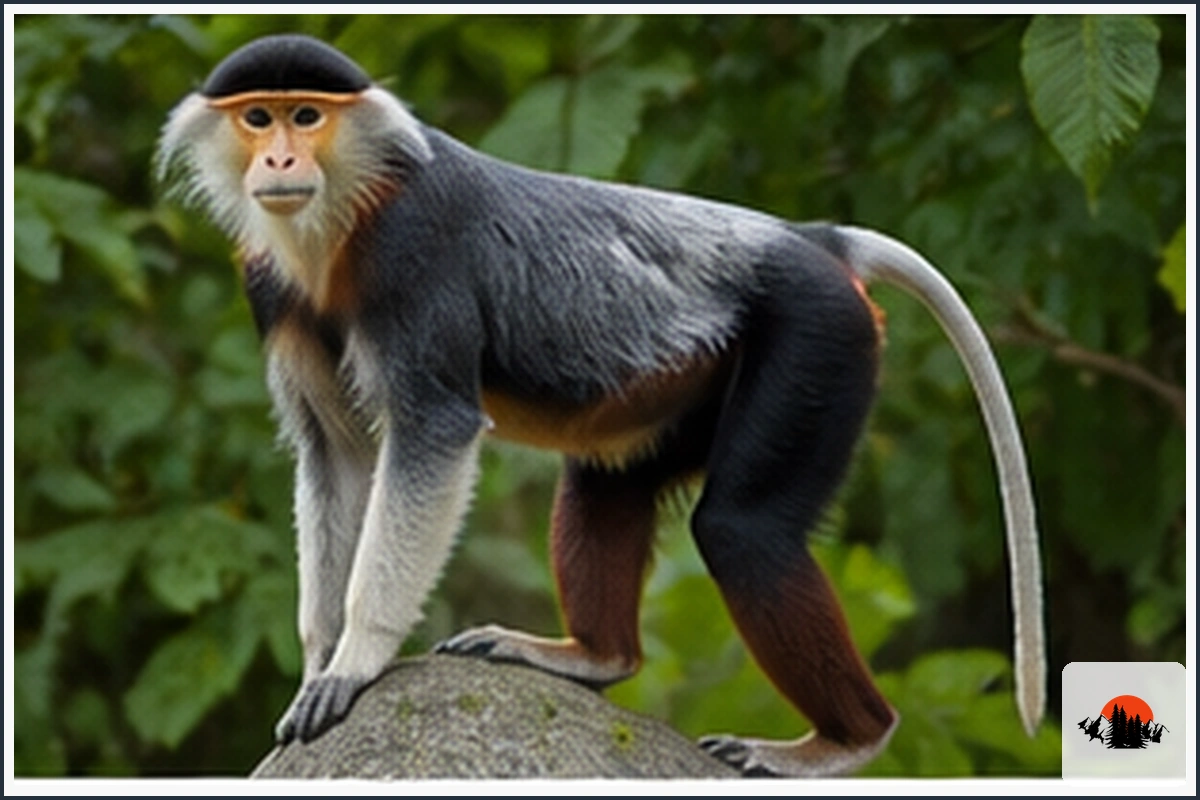
Scientific name: Pygathrix species
Douc langurs are among Asia’s most colorful monkeys. Depending on the species, they may have gray bodies, bright red or maroon lower legs, white facial whiskers, and golden or orange facial markings.
They occur in forests of Vietnam, Laos, and Cambodia. Doucs are primarily arboreal and eat leaves, fruit, seeds, flowers, and young shoots.
Douc langurs are quiet, agile canopy travelers that often move through mature forest. Hunting and habitat loss have severely affected several species, including the red-shanked and gray-shanked douc langurs.
24. Lutung
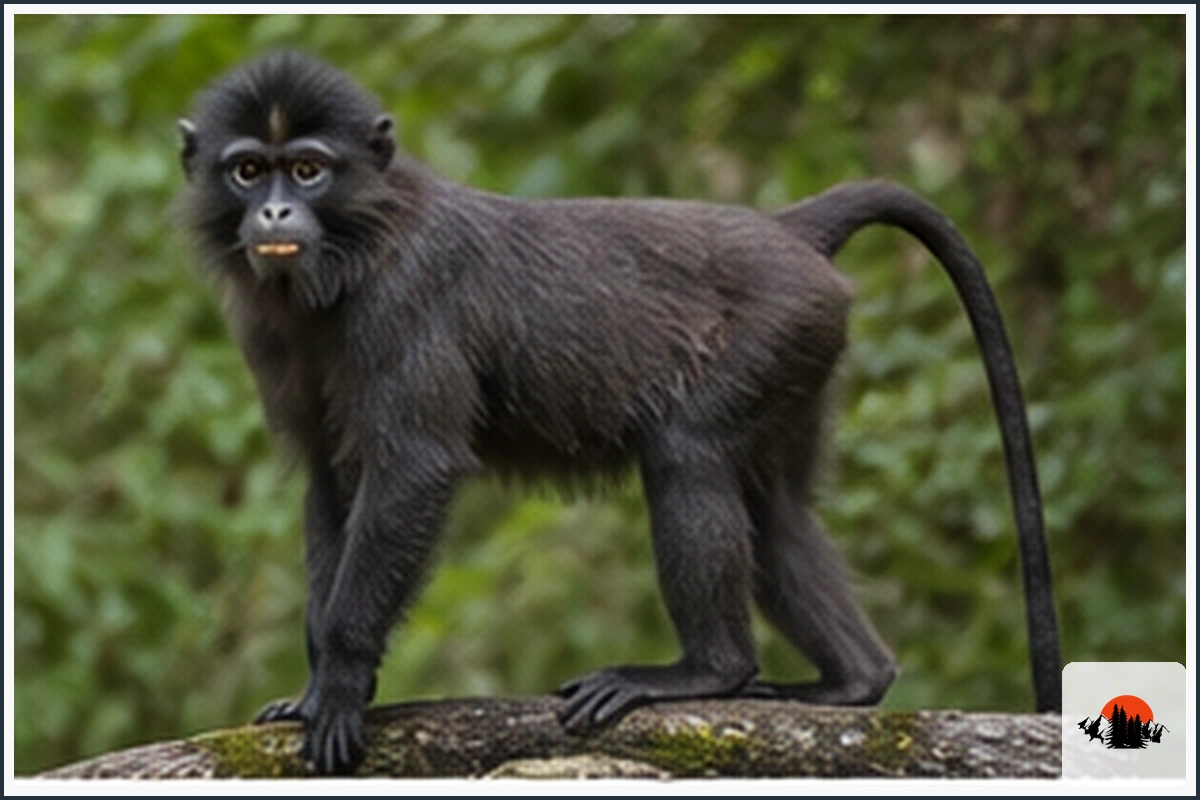
Scientific name: Trachypithecus species
Lutung is a common name used for several Asian leaf monkeys, including the Javan lutung and related species. Their appearance varies, but many have dark fur, long tails, head crests, and pale facial markings.
Lutungs occur across South and Southeast Asia in rainforests, mangroves, river forests, plantations, and secondary woodland. They feed mainly on leaves, fruit, flowers, seeds, and shoots.
Young lutungs may have contrasting orange or golden coats. Because the name covers multiple species, geographic location is important when making an identification.
25. Tarsier

Scientific name: Tarsius species
Tarsiers are tiny nocturnal primates found mainly on islands of Southeast Asia, especially the Philippines, Sulawesi, and nearby Indonesian islands. Although often called monkeys in casual conversation, they belong to a separate primate lineage.
They have enormous forward-facing eyes, long ankle bones, soft fur, and the ability to rotate their heads far to either side. Tarsiers eat insects, spiders, lizards, and other small animals.
Most tarsiers live in forest understory and are active after dark. Their small ranges and dependence on intact vegetation make them vulnerable to deforestation, capture, and disturbance.
How Are These Types of Monkeys Classified?
Most Asian monkeys are Old World monkeys in the family Cercopithecidae. They are commonly divided into two broad groups:
- Cercopithecines: This group includes macaques and other generally omnivorous monkeys with cheek pouches or adaptable diets.
- Colobines: This group includes langurs, lutungs, doucs, proboscis monkeys, and snub-nosed monkeys. Many are specialized leaf eaters with complex digestive systems.
Tarsiers are not true Old World monkeys. They are haplorhine primates, but their small size and Asian distribution often cause them to appear in general lists about Asian monkeys.
Where Do These Monkeys Live?
Asian monkeys occupy an impressive range of habitats, including:
- Tropical rainforests in Indonesia, Malaysia, Borneo, and mainland Southeast Asia
- Mangroves, peat swamps, riverbanks, and coastal forests
- Dry forests, grasslands, farmland, and urban edges in South Asia
- Mountain forests of India, China, Nepal, Bhutan, Vietnam, and Myanmar
- Limestone karst landscapes and forested cliffs
- Island habitats in the Philippines, Indonesia, Sri Lanka, and Japan
Macaques usually tolerate a wider range of conditions than specialized leaf monkeys. Proboscis monkeys need wetlands and river forests, while snub-nosed monkeys depend on high-elevation woodland. Habitat type is often the fastest clue when identifying an unfamiliar species.
What Do Asian Monkeys Eat?
Diet varies widely. Macaques are flexible omnivores that eat fruit, seeds, leaves, insects, eggs, crabs, crops, and other foods. Langurs, lutungs, doucs, and snub-nosed monkeys are more strongly associated with leaves, flowers, shoots, bark, and fruit. Tarsiers are primarily insectivorous and hunt at night.
Never feed wild monkeys. Human food can cause nutritional problems, aggressive behavior, dependence, and conflict with local communities.
How Do Asian Monkeys Behave?
- Social living: Most species live in troops, family groups, or multi-family communities.
- Grooming: Grooming helps remove parasites and strengthens social bonds.
- Communication: Calls, facial expressions, body postures, and touch carry important messages.
- Canopy movement: Leaf monkeys and doucs usually spend much of their time in trees.
- Ground travel: Many macaques regularly forage on the ground.
- Swimming: Proboscis monkeys and long-tailed macaques can cross water confidently.
- Night activity: Tarsiers are mainly nocturnal, unlike most monkeys in this guide.
How to Identify Different Types of Monkeys in Asia
- Look at the face: A large nose suggests a proboscis monkey, while an upturned nose suggests a snub-nosed monkey.
- Check the tail: Long tails, short tails, curled tails, and tufted tails help separate macaques and langurs.
- Study the coat: Golden, silver, black, orange, and multicolored patterns can be highly distinctive.
- Notice the habitat: Mangroves suggest proboscis monkeys; snowy mountains suggest Japanese macaques or snub-nosed monkeys.
- Observe size: Tarsiers are tiny, while macaques and langurs are medium-sized.
- Watch behavior: A monkey diving into a river may be a proboscis monkey, while a small nocturnal hunter may be a tarsier.
- Consider geography: Island species often have very limited ranges and should not be identified from appearance alone.
Outdoor Tips for Finding and Observing These Monkeys
- Use binoculars and maintain a respectful distance.
- Stay on marked trails and follow park instructions.
- Never feed monkeys or leave food behind.
- Secure snacks and bags around macaques.
- Avoid direct staring, sudden movements, and attempts to touch animals.
- Do not approach infants, sleeping animals, or monkeys showing warning behavior.
- Visit early in the morning when many species are actively feeding.
- Record the location, habitat, size, color, and behavior rather than relying on one feature.
Safety, Sustainability, and Conservation Notes
Wild monkeys can bite or scratch, and close contact may expose people or animals to infections. Keep a safe distance and seek medical advice promptly after any bite or scratch. Local laws may prohibit feeding, touching, photographing with, or possessing wild primates.
Many Asian monkeys face forest loss, hunting, road construction, tourism pressure, and illegal wildlife trade. Choose responsible wildlife tours, support protected areas, avoid purchasing primate products, and never keep a wild monkey as a pet. Protecting forest corridors, wetlands, mangroves, and mountain habitat benefits both monkeys and the wider ecosystem.
Fun Facts About Monkeys in Asia
- Japanese macaques are famous for using natural hot springs during cold weather.
- Proboscis monkeys are excellent swimmers and may leap into rivers to escape danger.
- Infant silvered leaf monkeys are often orange or golden before gaining adult colors.
- Tarsiers can rotate their heads unusually far to scan the darkness.
- Golden snub-nosed monkeys can survive in snowy mountain forests.
- Many langurs have specialized stomachs for digesting fibrous leaves.
- Long-tailed macaques are among the most widespread monkeys in Southeast Asia.
- Lion-tailed macaques depend heavily on evergreen forest canopy.
- Some macaques use coastal habitats, including mangroves and tidal forests.
- Several Asian monkey species are found only on one island or in a small mountain region.
Final Thoughts on Types of Monkeys in Asia
The types of monkeys in Asia range from adaptable macaques and leaf-eating langurs to colorful doucs, river-loving proboscis monkeys, high-altitude snub-nosed monkeys, and tiny nocturnal tarsiers. Learning their appearance, habitat, diet, and behavior makes wildlife encounters more meaningful and helps observers recognize why habitat protection matters. Watch responsibly, avoid feeding wild animals, and continue exploring the remarkable diversity of Asian primates.
Frequently Asked Questions
1. How many types of monkeys are found in Asia?
Asia contains dozens of monkey species, including macaques, langurs, lutungs, doucs, snub-nosed monkeys, proboscis monkeys, and other regional groups. The exact number depends on taxonomy and whether tarsiers are included in general wildlife lists.
2. What is the most common monkey in Asia?
Macaques are among the most widespread and commonly encountered monkeys in Asia. Rhesus macaques and long-tailed macaques are especially adaptable.
3. What is the largest monkey in Asia?
Size varies by species and sex, but some adult male proboscis monkeys, pig-tailed macaques, and large langurs are among the heaviest Asian monkeys.
4. What is the smallest monkey-like primate in Asia?
Tarsiers are among the smallest primates commonly included in discussions of Asian monkeys. They are not true monkeys but are closely related primates.
5. Are tarsiers monkeys?
No. Tarsiers are primates but belong to a separate evolutionary group from Old World monkeys. They are often included in popular lists because they live in Asia and resemble small monkey-like animals.
6. Which Asian monkey has the largest nose?
The proboscis monkey has the most prominent nose. Adult males have especially large, pendulous noses.
7. Where do proboscis monkeys live?
Proboscis monkeys are found on Borneo, especially in mangroves, river forests, peat swamps, and coastal wetlands.
8. Which Asian monkey lives in snowy areas?
Japanese macaques live in snowy regions of Japan. Golden and black snub-nosed monkeys also occupy cold, high-elevation mountain forests.
9. What do monkeys in Asia eat?
Many eat fruit, leaves, flowers, seeds, insects, bark, roots, eggs, or small animals. Macaques usually have the broadest diets, while langurs and doucs often specialize more heavily in plant foods.
10. Are Asian monkeys dangerous?
Wild monkeys usually avoid people, but they can bite or scratch when threatened, cornered, or fed. Keeping distance is the safest approach.
11. Should tourists feed monkeys?
No. Feeding can cause aggression, poor nutrition, disease transmission, dependency, and conflict with local communities.
12. Which monkeys are commonly seen near temples?
Rhesus macaques and long-tailed macaques are frequently seen near temples, tourist sites, and towns in parts of Asia.
13. What is the difference between a macaque and a langur?
Macaques generally have sturdier bodies, shorter or medium-length tails, and flexible omnivorous diets. Langurs are often more slender, longer-tailed, and adapted to eating leaves.
14. What is a leaf monkey?
Leaf monkey is a general name for several Asian colobine monkeys, including langurs and lutungs. Many eat large amounts of leaves and have specialized digestion.
15. Are proboscis monkeys good swimmers?
Yes. Proboscis monkeys can swim across rivers and may enter water to escape predators or travel between feeding areas.
16. Which Asian monkeys are colorful?
Douc langurs are especially colorful, with combinations of gray, red, white, orange, and black. Golden snub-nosed monkeys also have striking golden-orange fur.
17. Where do golden snub-nosed monkeys live?
They live in mountain forests of central China, often at elevations where winters are cold and snowy.
18. Are lion-tailed macaques endangered?
Lion-tailed macaques are threatened by habitat loss and fragmentation. They depend on mature evergreen forests in India’s Western Ghats.
19. What is the rarest monkey in Asia?
Several Asian monkeys are extremely rare, including the Tonkin snub-nosed monkey and some douc and snub-nosed species. Rarity depends on population estimates and conservation assessments.
20. Can Asian monkeys live in cities?
Some macaques can live successfully in cities, towns, farms, and temple areas. Most specialized leaf monkeys and forest monkeys require more natural habitat.
21. How can I identify a monkey in the field?
Record its location, habitat, body size, tail length, face shape, coat color, group behavior, and feeding habits. Geography is often essential because several related species look similar.
22. Are monkeys in Asia protected by law?
Many species are protected by national wildlife laws and international agreements. Rules vary by country, so visitors should follow local park regulations and never capture or buy wild primates.
23. What threatens Asian monkeys?
Major threats include deforestation, road building, agriculture, hunting, illegal wildlife trade, tourism disturbance, fires, pollution, and climate change.
24. Do Asian monkeys live in groups?
Yes. Most species are social and live in troops, family groups, or multi-family communities. Tarsiers may live in smaller family units.
25. Are monkeys important to forests?
Yes. Many monkeys disperse seeds, pollinate flowers, influence vegetation growth, and serve as indicators of forest health.
26. Can monkeys be kept as pets?
Wild monkeys are poor pets because they have complex social, dietary, behavioral, and space requirements. Keeping them may also be illegal and harmful to their welfare.
27. What is the difference between a monkey and an ape?
Monkeys generally have tails, while apes do not have external tails. Apes also tend to have different shoulder structures and larger brains relative to body size.
28. Are macaques native to every part of Asia?
No. Macaques occur across many parts of Asia, but their ranges differ by species. Some are widespread, while others are limited to one island or region.
29. Why are some baby langurs orange?
Bright infant coloration may help adults recognize and monitor young animals within a social group. The color usually fades as the animal matures.
30. What is the best way to photograph Asian monkeys?
Use a telephoto lens, remain quiet, avoid flash at close range, and never lure animals with food. Ethical photography prioritizes the animal’s safety and natural behavior.