

The Pacific Ocean is home to an extraordinary variety of sharks, from enormous plankton-feeding whale sharks to deep-sea predators rarely seen by people. This guide to the types of sharks in the Pacific Ocean covers 20 notable species, including their appearance, size, habitat, diet, behavior, and conservation concerns.
What Are the Main Types of Sharks in the Pacific Ocean?
Pacific sharks include coastal reef species, open-ocean hunters, deep-sea sharks, and highly migratory species. Some are warm-water animals found around tropical islands, while others live in cold northern or deep offshore waters. Their diets range from plankton and small fish to seals, sea turtles, squid, and other marine animals.
1. Whale Shark
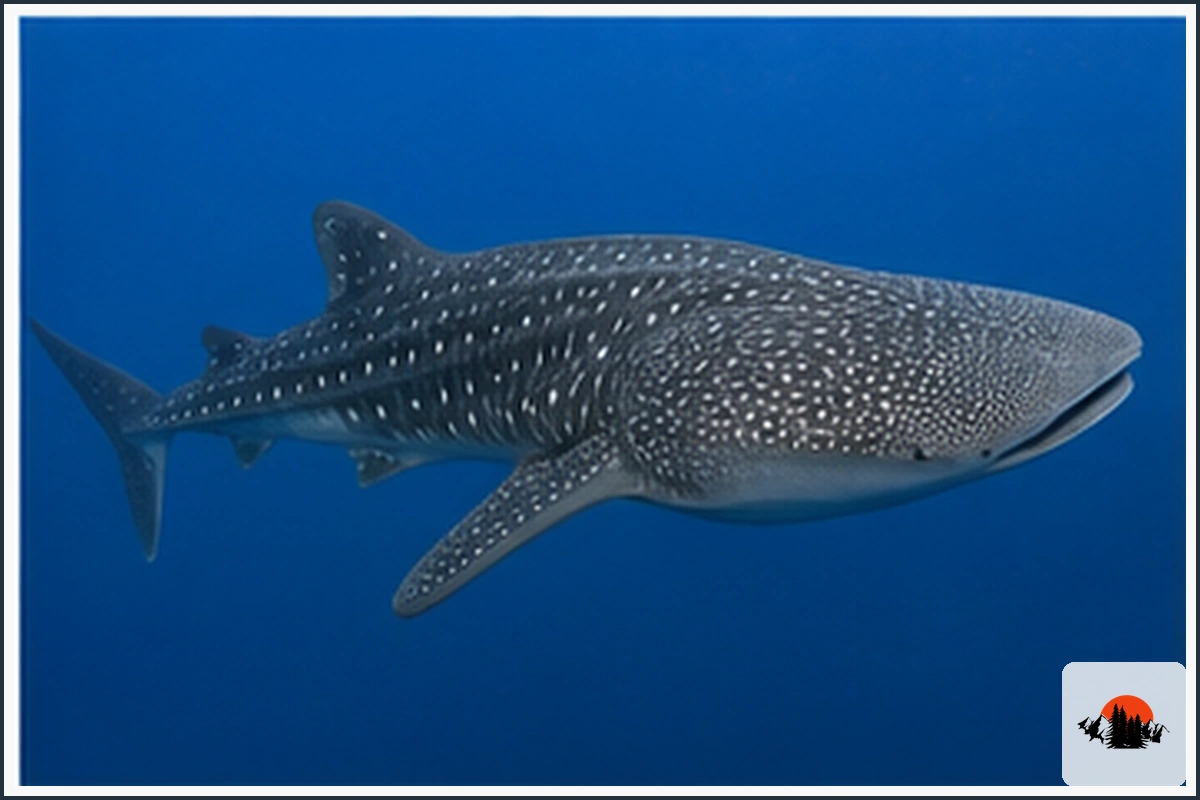
Scientific name: Rhincodon typus
The whale shark is the largest living fish and one of the most recognizable sharks in the Pacific. It has a broad, flattened head, a huge terminal mouth, and a dark body covered with pale spots and lines. Adults commonly reach 25 to 40 feet, although larger individuals have been recorded.
Whale sharks inhabit warm tropical and subtropical waters, often visiting coastal areas, reefs, offshore banks, and seasonal feeding grounds. They are gentle filter feeders that consume plankton, krill, fish eggs, and small fish. Despite their size, they pose little threat to divers and snorkelers. Responsible tourism should never involve touching, chasing, or blocking these animals.
2. Great White Shark
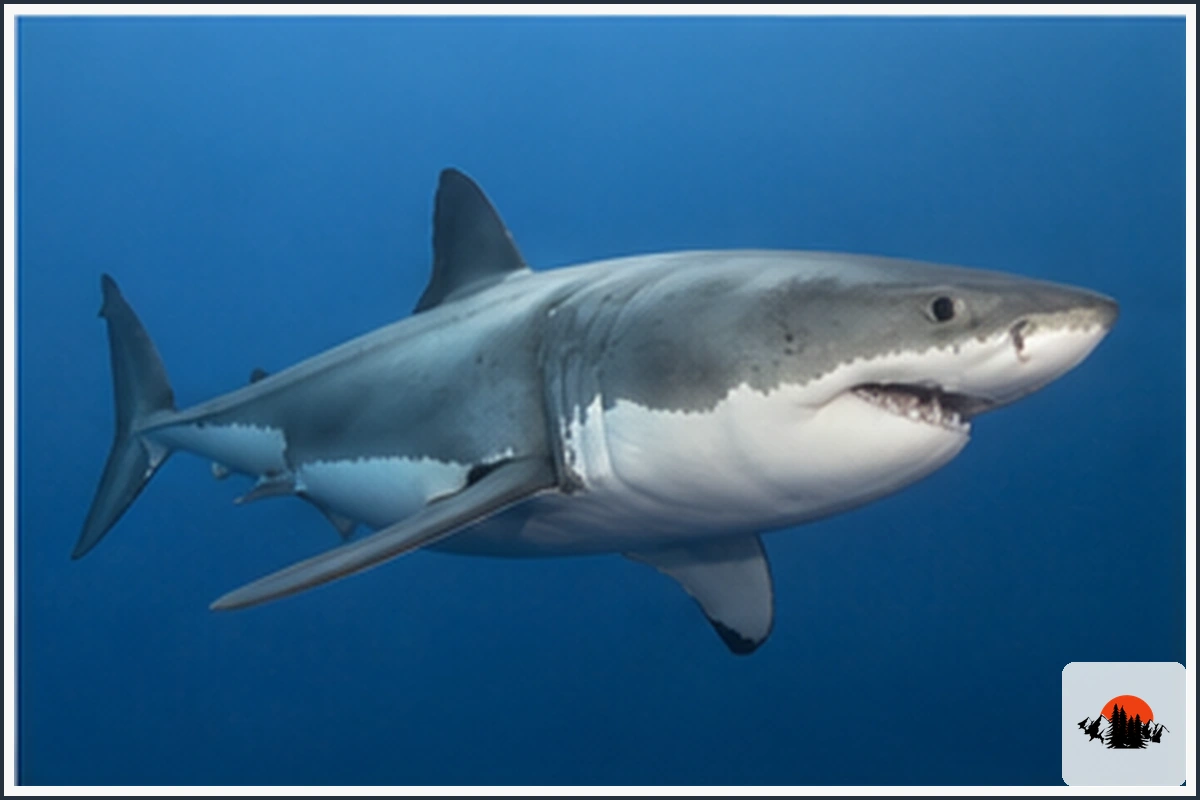
Scientific name: Carcharodon carcharias
The great white shark is a powerful coastal predator found throughout temperate Pacific waters. It has a gray upper body, white underside, pointed snout, triangular serrated teeth, and a tall triangular dorsal fin. Large individuals may exceed 20 feet in length.
Great whites occur near California, Mexico, Japan, Australia, New Zealand, and other Pacific regions. They feed on fish, rays, squid, seabirds, sea turtles, seals, and sea lions. Juveniles often remain closer to shore and eat fish, while adults may travel long distances between coastal feeding and breeding areas. Their reputation is fearsome, but attacks on humans are uncommon compared with the vast number of people using Pacific waters.
3. Tiger Shark
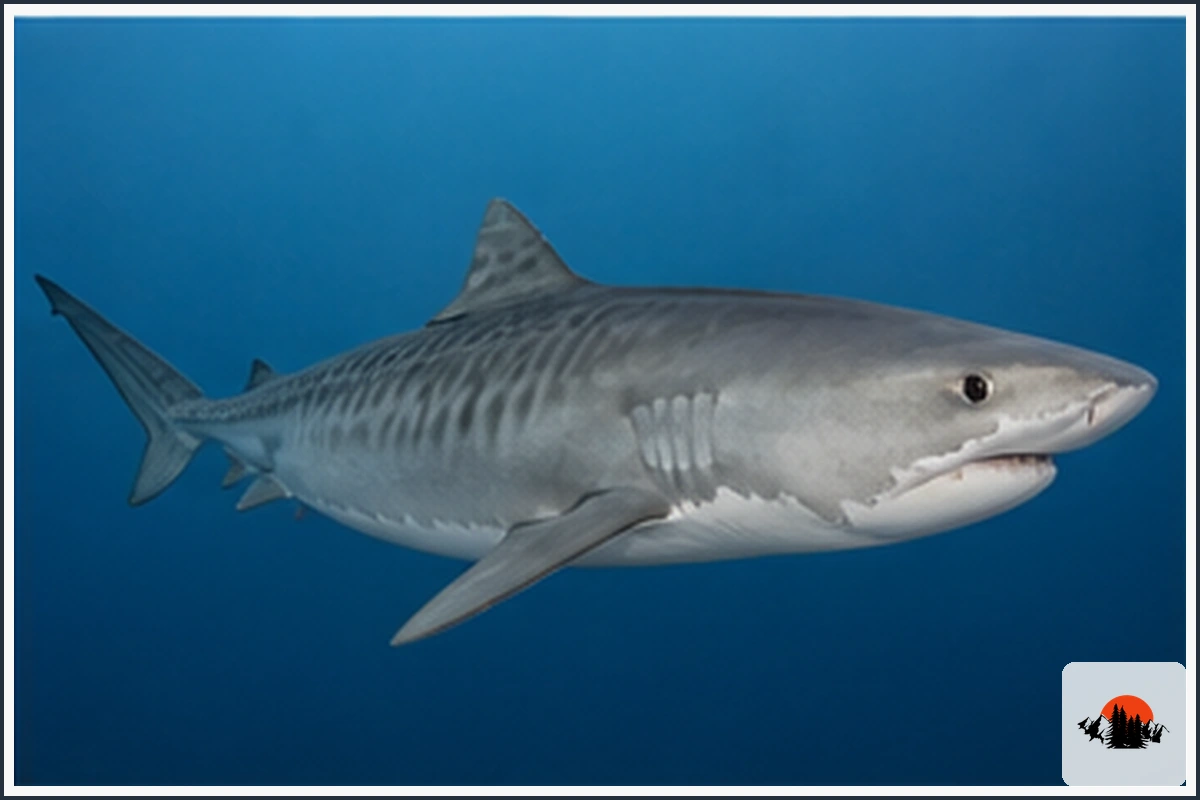
Scientific name: Galeocerdo cuvier
Tiger sharks are large, broad-headed sharks of tropical and warm-temperate Pacific waters. Adults may reach approximately 18 feet, and their dark vertical body bars are usually more visible in younger sharks. They also have broad, curved teeth capable of cutting through hard materials.
This adaptable predator lives around islands, reefs, continental shelves, bays, and offshore waters. Its opportunistic diet includes fish, rays, sea turtles, seabirds, marine mammals, crustaceans, and carrion. Tiger sharks are important predators, but their flexible feeding habits can bring them close to beaches, fishing areas, and harbors.
4. Scalloped Hammerhead
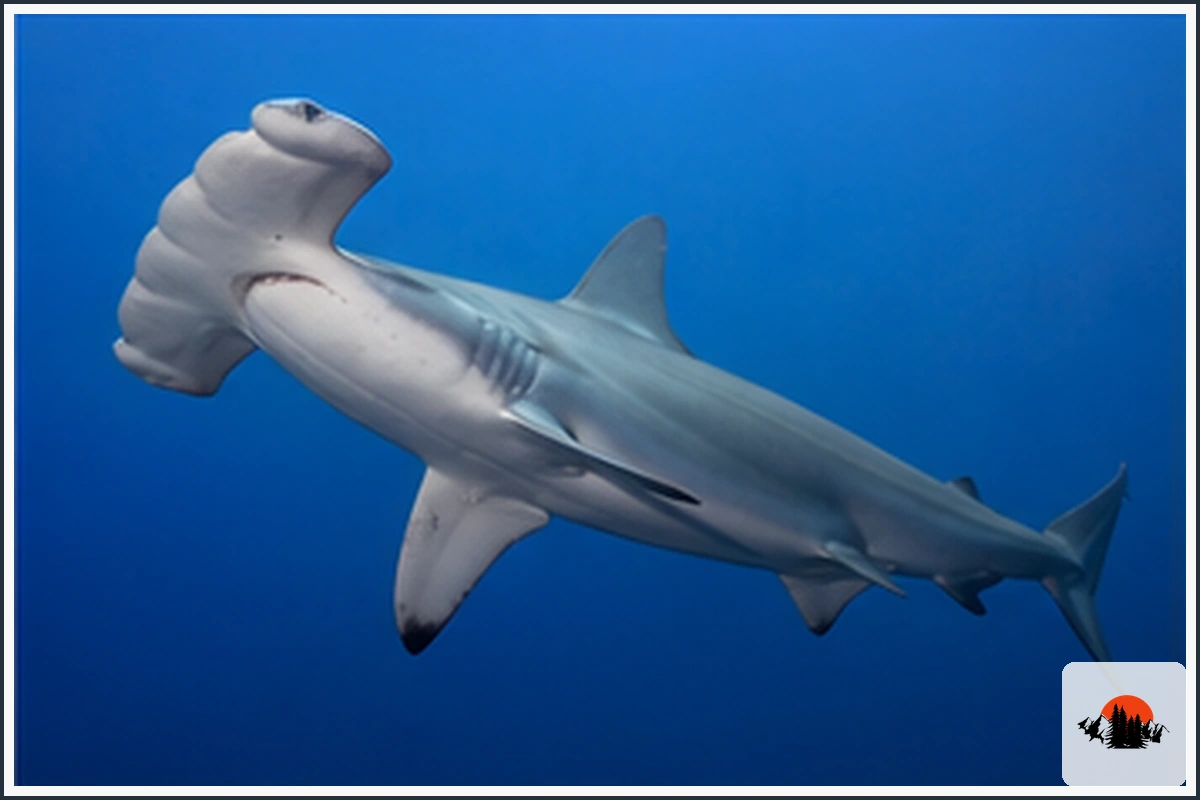
Scientific name: Sphyrna lewini
The scalloped hammerhead is identified by its wide hammer-shaped head, which has a curved front edge and a central indentation. It commonly reaches 6 to 10 feet, although larger specimens occur. Its unusual head may improve sensory detection and maneuverability.
This shark occurs in warm Pacific waters near coastlines, reefs, islands, offshore banks, and continental shelves. Young sharks often use protected coastal habitats, while adults may gather around seamounts and offshore areas. They eat fish, squid, rays, crustaceans, and other marine animals. Scalloped hammerheads are vulnerable to overfishing because they mature slowly and often form predictable schools.
5. Great Hammerhead
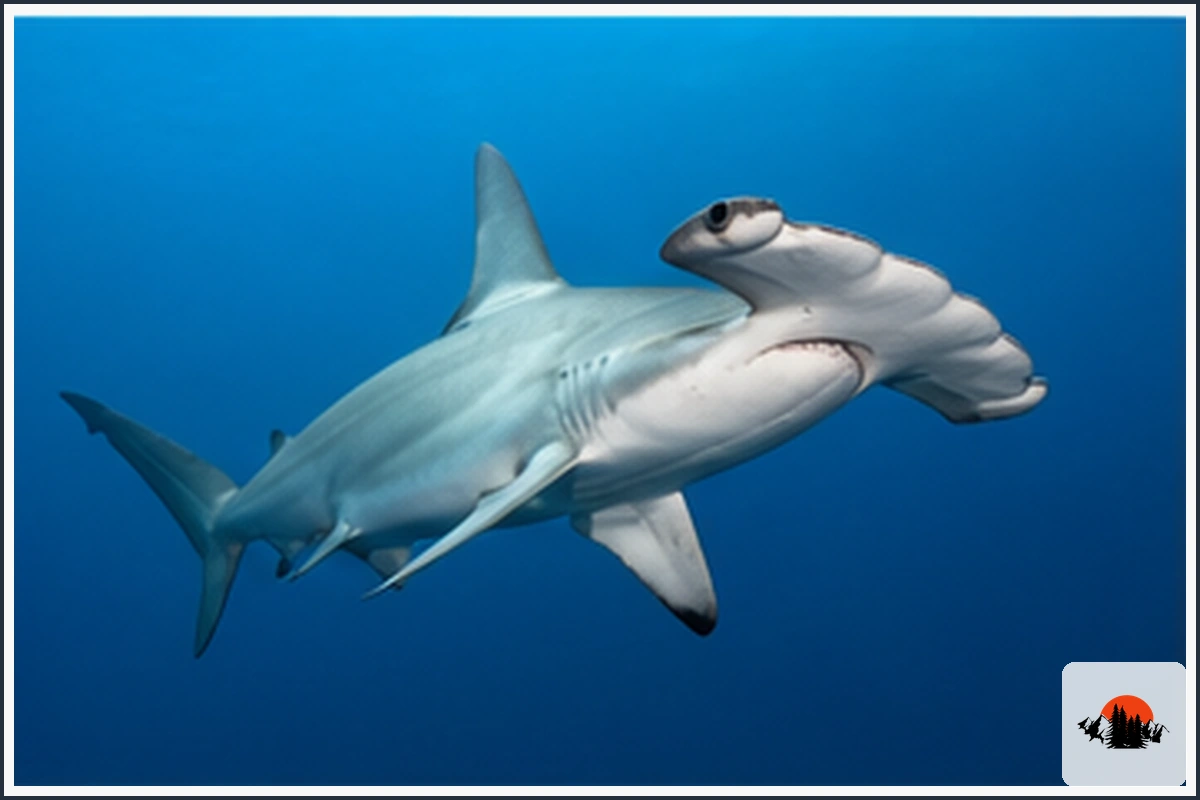
Scientific name: Sphyrna mokarran
The great hammerhead is the largest hammerhead shark. It has a nearly straight front edge on its broad head, a tall dorsal fin, and a strongly tapered body. Large individuals can reach about 20 feet, though most are smaller.
Great hammerheads inhabit tropical and warm-temperate Pacific waters around continental shelves, islands, reefs, bays, and offshore areas. Their diet includes rays, fish, squid, crustaceans, and smaller sharks. The wide head may help them pin rays against the seafloor and detect electrical signals from buried prey. They are considered vulnerable because of fishing pressure and their relatively slow reproduction.
6. Smooth Hammerhead

Scientific name: Sphyrna zygaena
The smooth hammerhead has a broad, smooth-edged hammer-shaped head without the central notch seen in some related species. It can grow to more than 10 feet and is usually gray, olive-gray, or brownish above with a pale underside.
This species occurs in temperate and tropical Pacific waters, often along continental margins and around islands. It eats fish, squid, rays, and crustaceans. Smooth hammerheads may travel through coastal and offshore waters and can tolerate cooler conditions than several tropical hammerhead species.
7. Shortfin Mako Shark
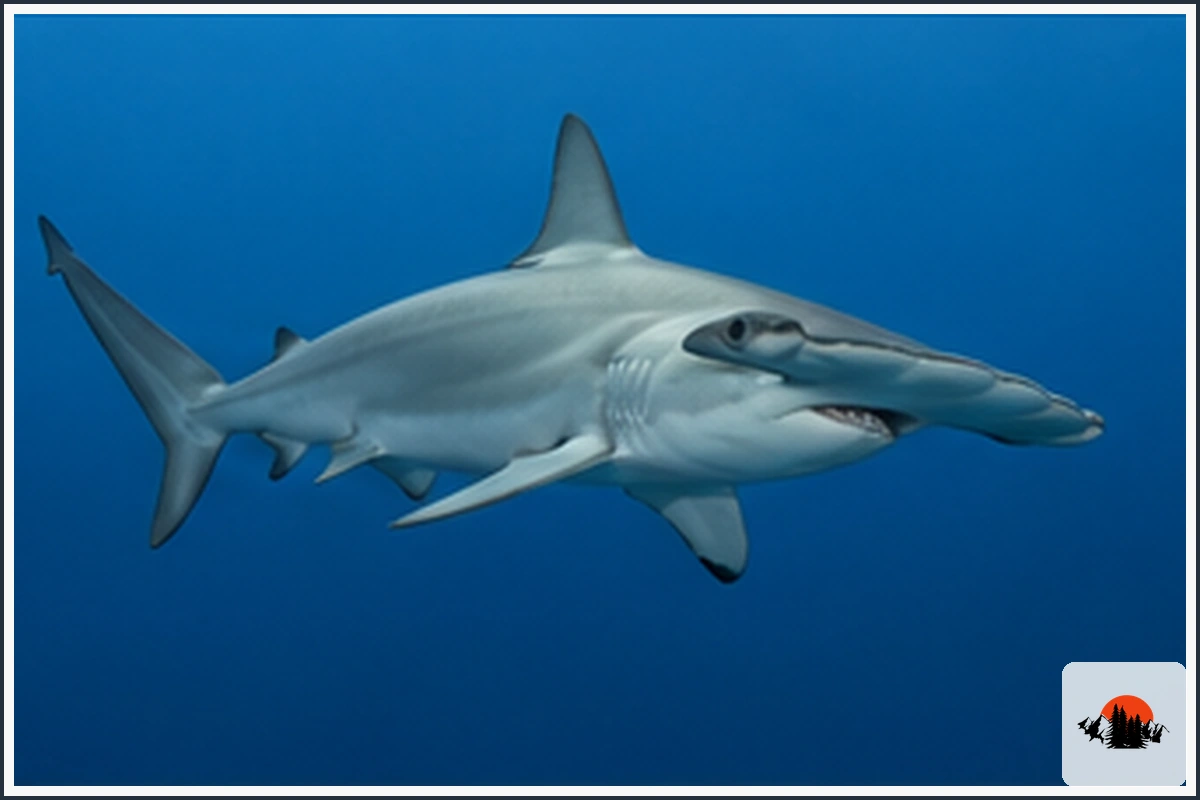
Scientific name: Isurus oxyrinchus
The shortfin mako is a streamlined, blue-backed shark built for speed. It has a pointed snout, long gill slits, a crescent-shaped tail, and a metallic blue-gray back. It commonly reaches 10 to 12 feet and is one of the fastest sharks in the ocean.
Shortfin makos are open-ocean predators found across much of the Pacific. They pursue tuna, mackerel, bonito, squid, and other fast-moving prey. Their warm-bodied swimming muscles help them remain active in cool offshore waters. The species is heavily affected by longline and other fisheries because it is often caught unintentionally or targeted for its valuable fins and meat.
8. Blue Shark
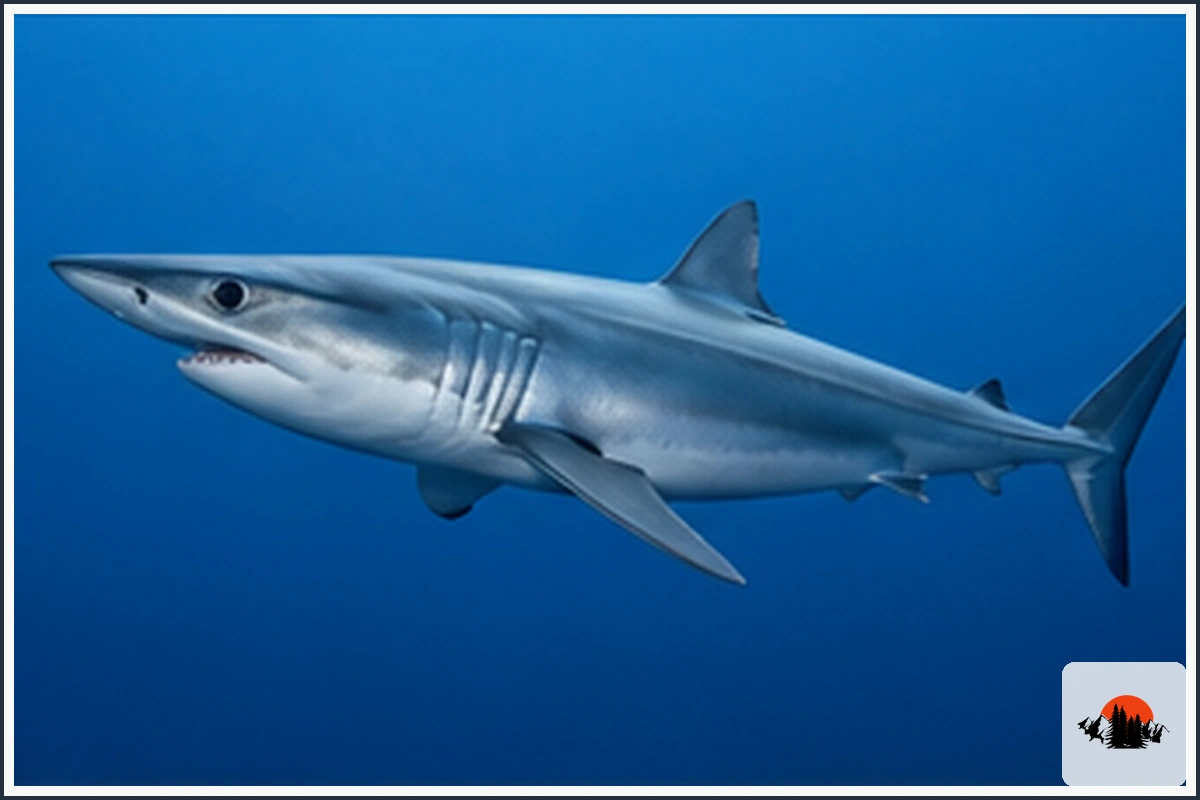
Scientific name: Prionace glauca
The blue shark is slender and easily recognized by its deep blue back, long pointed snout, and narrow pectoral fins. Most adults measure roughly 6 to 10 feet. It is one of the most widely distributed sharks in the Pacific.
Blue sharks prefer open ocean but may approach continental slopes and islands. They feed on squid, small fish, seabirds, and occasional carrion. Some undertake long migrations across entire ocean basins. Their abundance and wide range make them important pelagic predators, although fishing mortality remains a major concern.
9. Oceanic Whitetip Shark
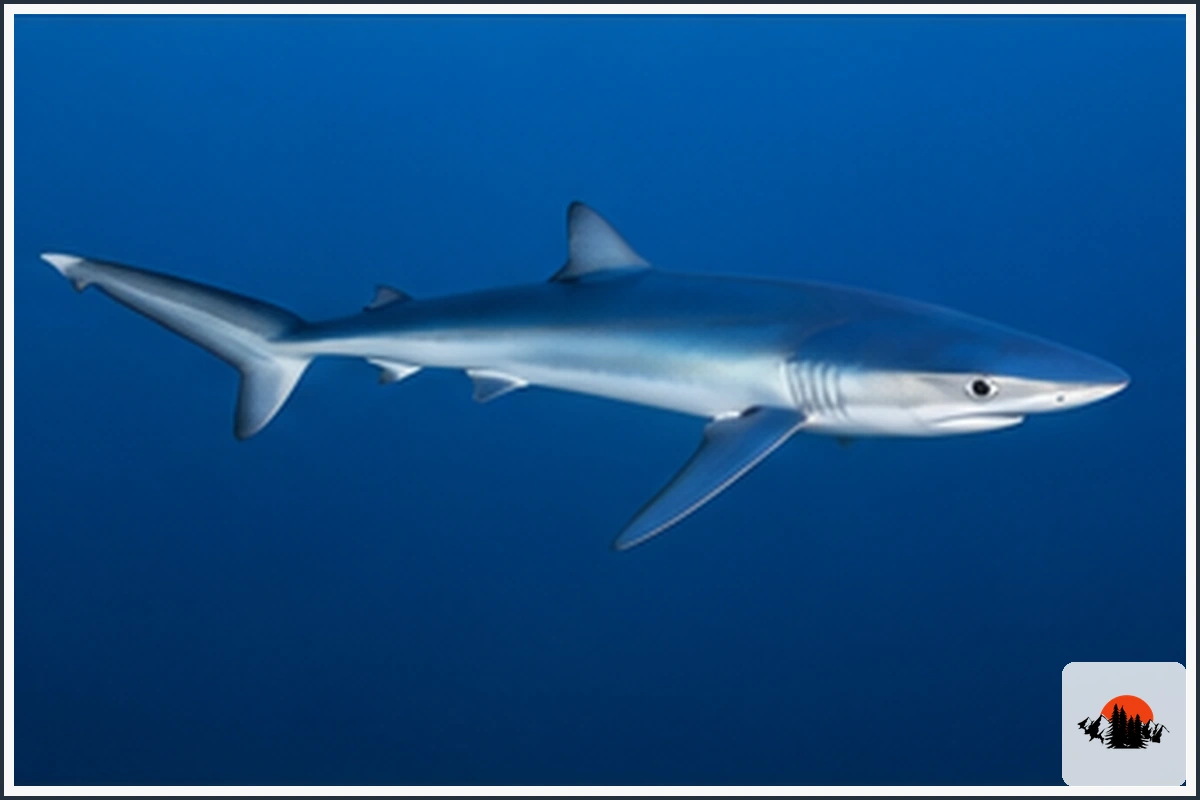
Scientific name: Carcharhinus longimanus
The oceanic whitetip is a stocky offshore shark with rounded fins often marked by conspicuous white tips. It usually grows to 8 to 10 feet. Its broad, rounded pectoral fins help it glide efficiently through the open ocean.
This shark is found in warm Pacific waters far from shore, although it may approach islands and offshore structures. It eats fish, squid, seabirds, sea turtles, marine mammals, and floating carrion. Oceanic whitetips are curious, persistent hunters but have declined in many regions because of commercial fishing and finning.
10. Silky Shark
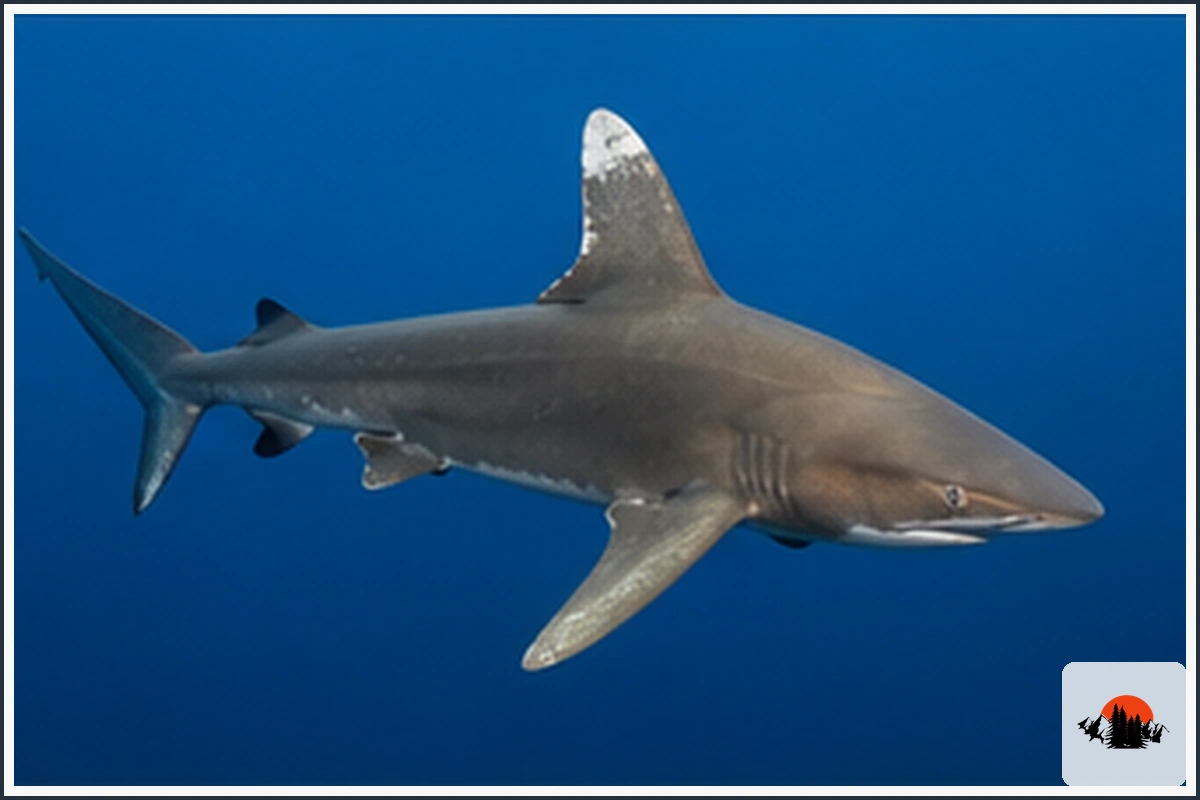
Scientific name: Carcharhinus falciformis
Silky sharks have slender bodies, smooth-looking skin, long pectoral fins, and a dusky or bronze-gray coloration. Adults generally reach 7 to 9 feet. They are especially associated with warm offshore waters.
In the Pacific, silky sharks occur around islands, reefs, seamounts, and open-ocean habitats. They eat tuna, mackerel, squid, crabs, and other fish. Young silky sharks may shelter near floating debris or coastal areas. Their association with tuna schools sometimes causes them to be captured in purse seines and other fisheries.
11. Galápagos Shark
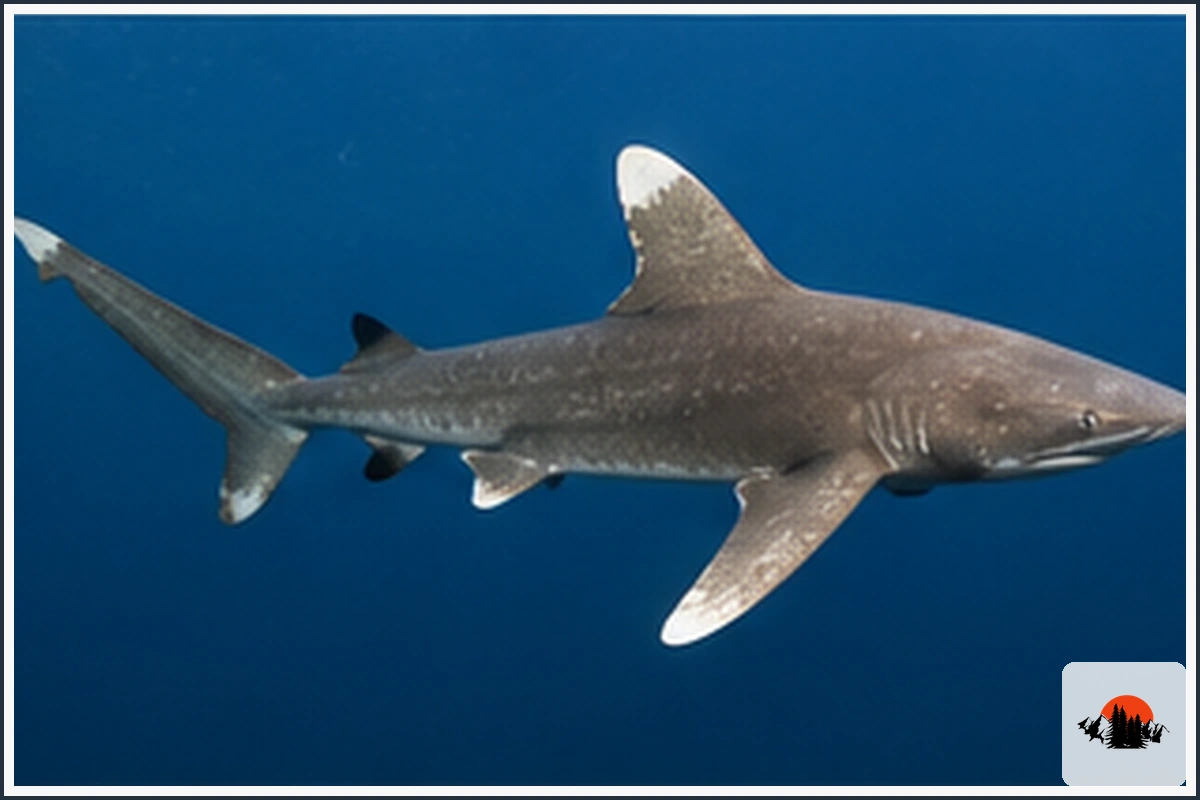
Scientific name: Carcharhinus galapagensis
The Galápagos shark is a robust gray shark with a rounded snout, broad pectoral fins, and a tall dorsal fin. It often reaches 8 to 10 feet. Although its name comes from the Galápagos Islands, it also occurs around many tropical and subtropical Pacific islands.
It favors rocky reefs, drop-offs, islands, and continental shelves. Its diet includes reef fish, squid, octopuses, rays, and crustaceans. Galápagos sharks are curious and may investigate divers, especially where food has been present. They are important reef predators and should be observed without feeding or provoking them.
12. Silvertip Shark
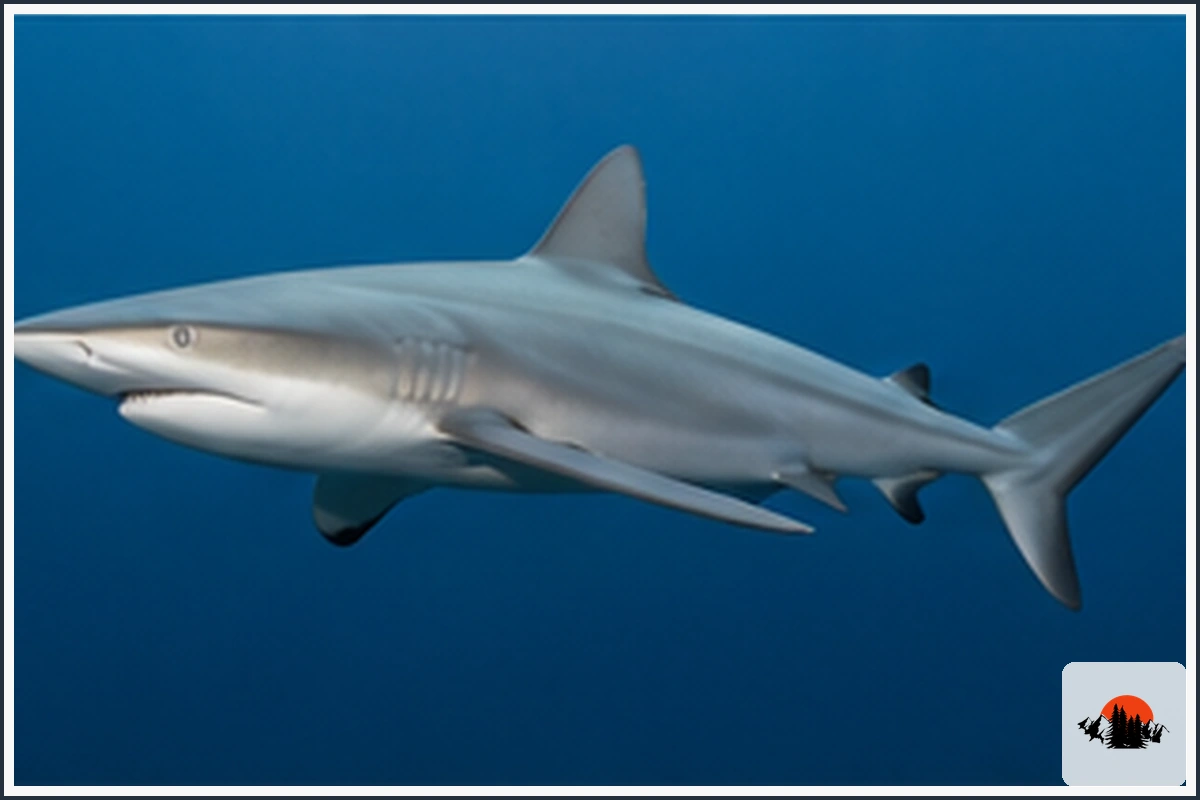
Scientific name: Carcharhinus albimarginatus
The silvertip shark is named for the striking pale or white margins on its fins. It has a broad, muscular body and commonly grows to 6 to 8 feet. The markings are particularly useful for identifying it around clear tropical reefs.
Silvertip sharks inhabit reef edges, drop-offs, atolls, and offshore islands in the Pacific. They eat reef fish, tuna, squid, rays, and crustaceans. Usually solitary or found in small groups, they can be bold around divers and are best viewed calmly from a respectful distance.
13. Blacktip Reef Shark
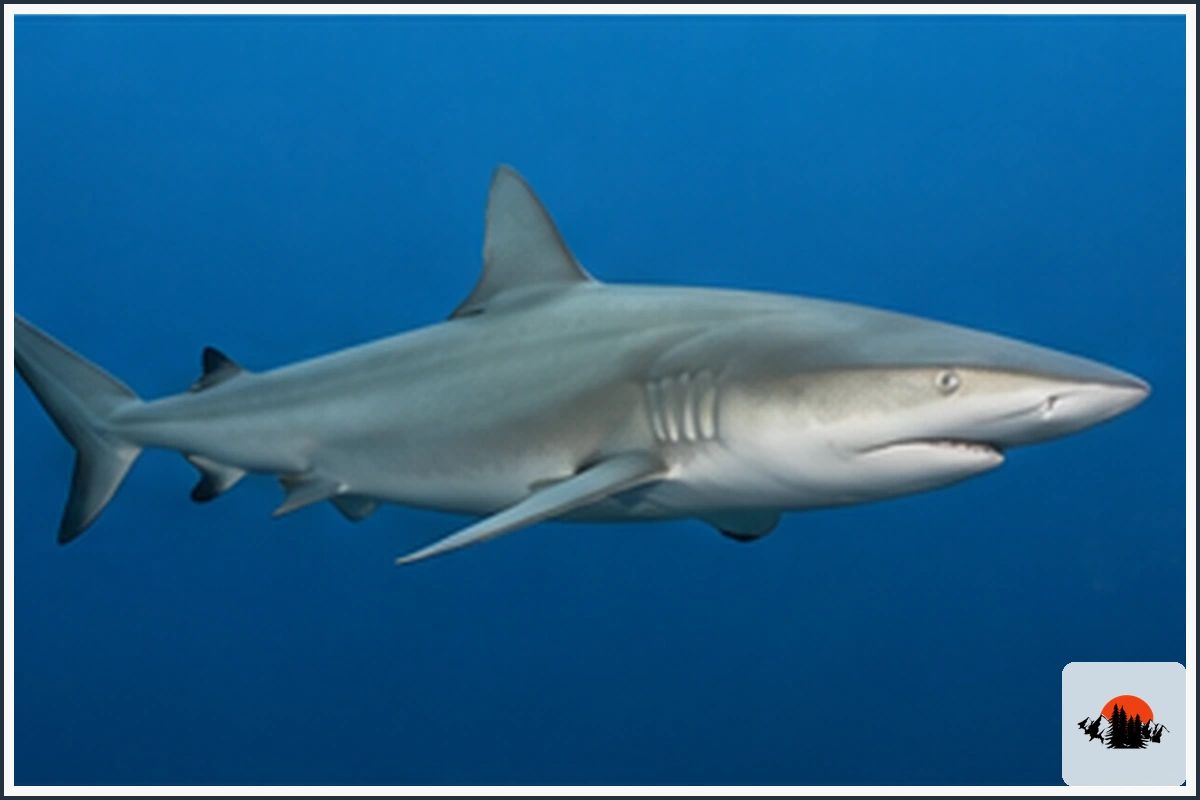
Scientific name: Carcharhinus melanopterus
The blacktip reef shark is a familiar shallow-water shark with distinct black markings on the tips of its dorsal and pectoral fins. It generally reaches about 5 feet, making it smaller than many open-ocean sharks.
It lives around coral reefs, lagoons, sand flats, mangroves, and shallow island waters across the tropical Pacific. Its diet consists mainly of small fish, crustaceans, and cephalopods. Blacktip reef sharks are often visible in clear water and usually avoid people, although they may become aggressive when food is present.
14. Nurse Shark
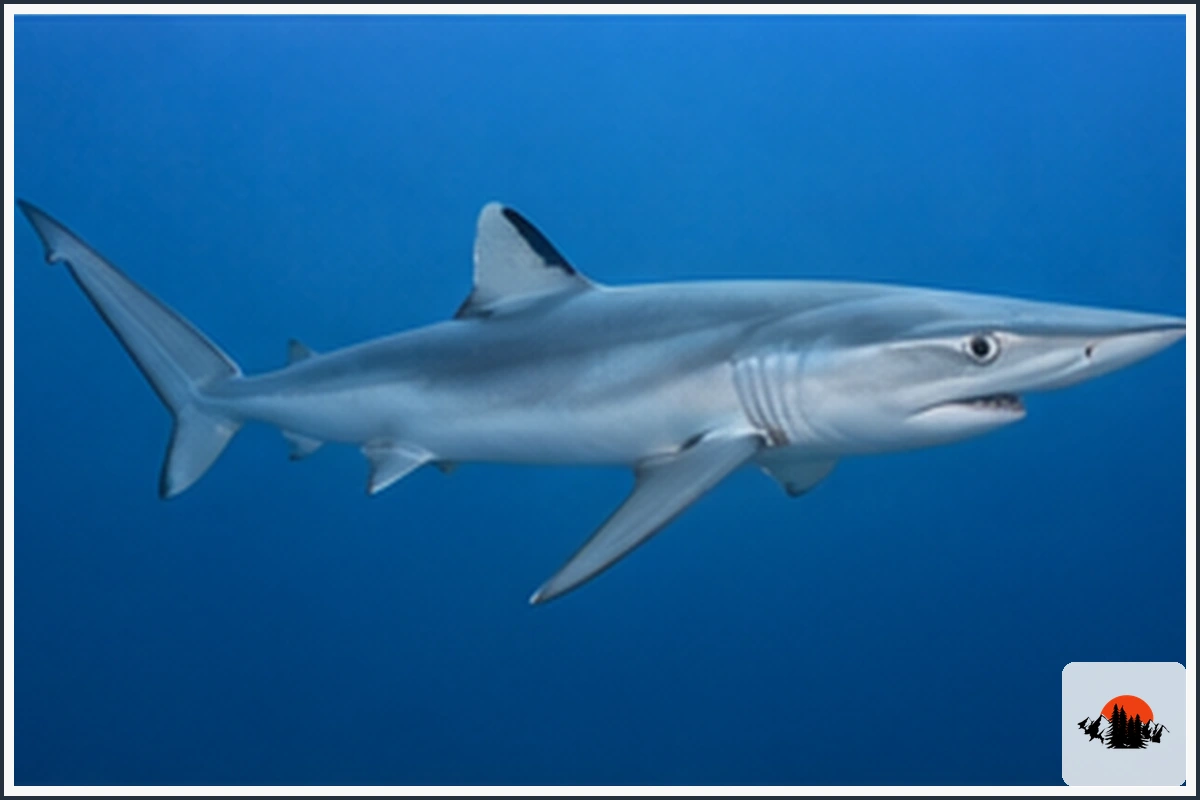
Scientific name: Ginglymostoma cirratum
Nurse sharks have broad heads, small eyes, barbels near the mouth, and a slow, bottom-oriented swimming style. They can reach around 10 feet. Their brown or gray bodies provide camouflage on sandy and rocky seafloors.
In the Pacific, nurse sharks are primarily associated with the eastern tropical Pacific, including reefs, caves, ledges, and shallow coastal habitats. They feed by suction, drawing in fish, squid, shrimp, crabs, and other bottom animals. Although they appear docile, touching or attempting to ride a resting nurse shark is unsafe and unethical.
15. Spiny Dogfish

Scientific name: Squalus acanthias
The spiny dogfish is a small, slender shark with sharp spines in front of its dorsal fins. It is usually gray or brown above with pale spots and commonly grows to 3 or 4 feet. These sharks are often found in groups.
Spiny dogfish occupy temperate Pacific waters, especially along continental shelves and slopes. They eat small fish, squid, shrimp, and other invertebrates. They can live for several decades and reproduce slowly, so local populations may take time to recover from heavy fishing.
16. Pacific Sleeper Shark
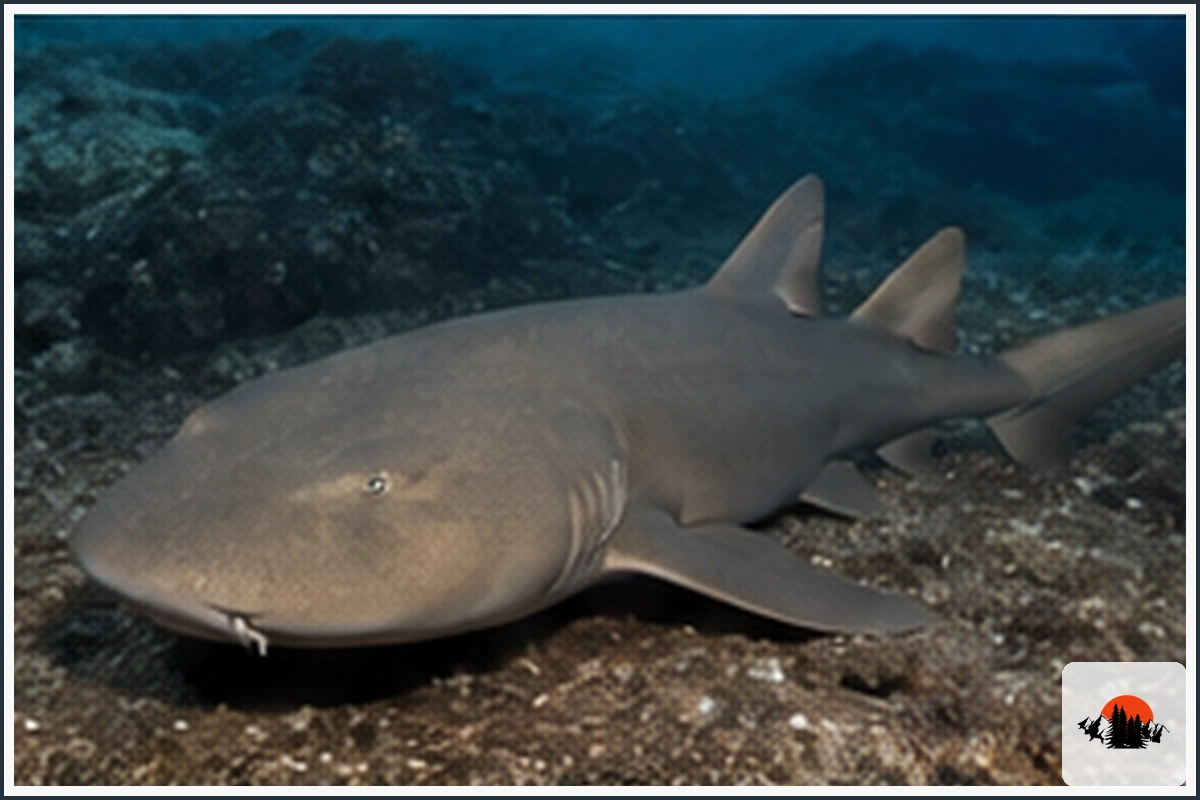
Scientific name: Somniosus pacificus
The Pacific sleeper shark is a large, slow-moving deep-water shark with a cylindrical body, small eyes, and subdued gray or brown coloration. It may exceed 12 feet and possibly grow considerably larger. Its biology remains difficult to study because it lives in cold, dark habitats.
This shark occurs across the North Pacific, including deep continental slopes, seamounts, fjords, and offshore waters. It feeds on fish, squid, octopuses, carrion, and possibly marine mammals. Its slow metabolism and deep-water lifestyle allow it to conserve energy in an environment where meals may be unpredictable.
17. Broadnose Sevengill Shark
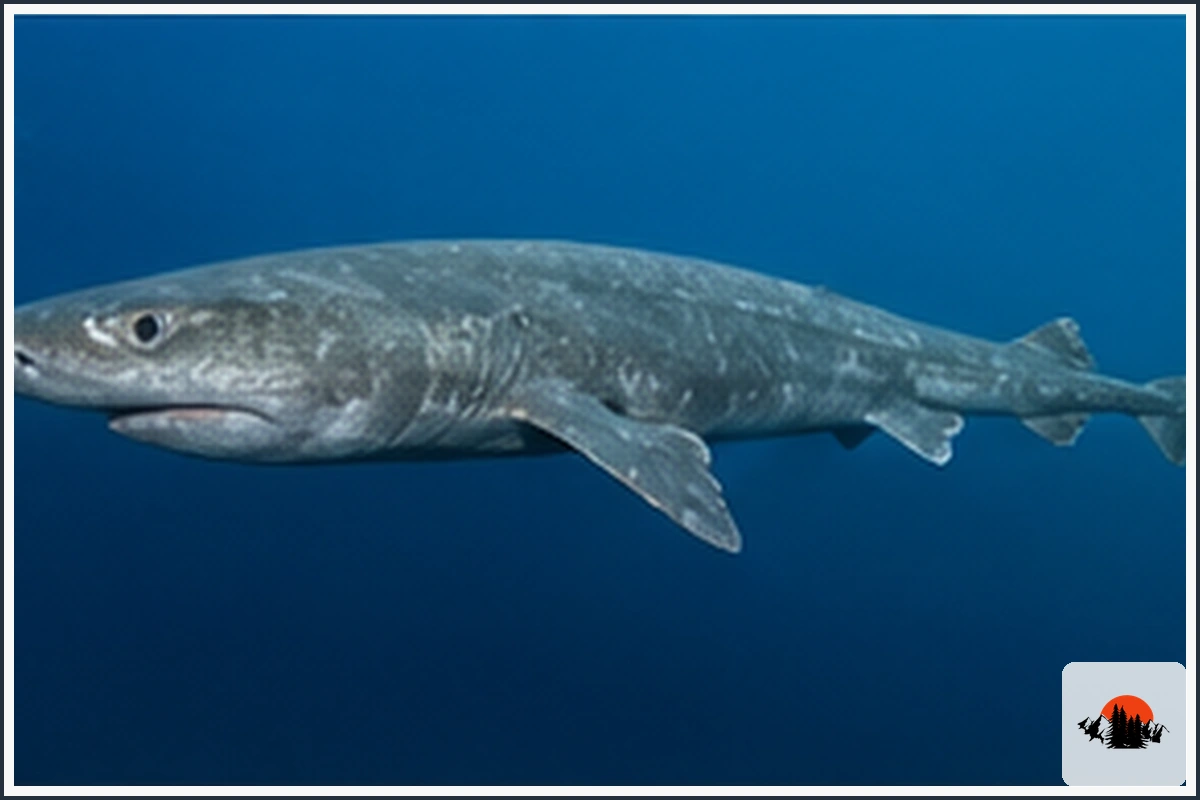
Scientific name: Notorynchus cepedianus
The broadnose sevengill shark is named for its broad snout and seven pairs of gill openings, while most sharks have five. It has a heavy body, blunt head, and often features small pale spots. Adults may reach 9 to 10 feet.
It is found in temperate Pacific waters around rocky reefs, kelp forests, bays, and continental shelves. This adaptable predator eats fish, rays, sharks, seals, sea lions, and carrion. It often moves near the seafloor and may use coastal habitats as feeding or nursery areas.
18. Megamouth Shark
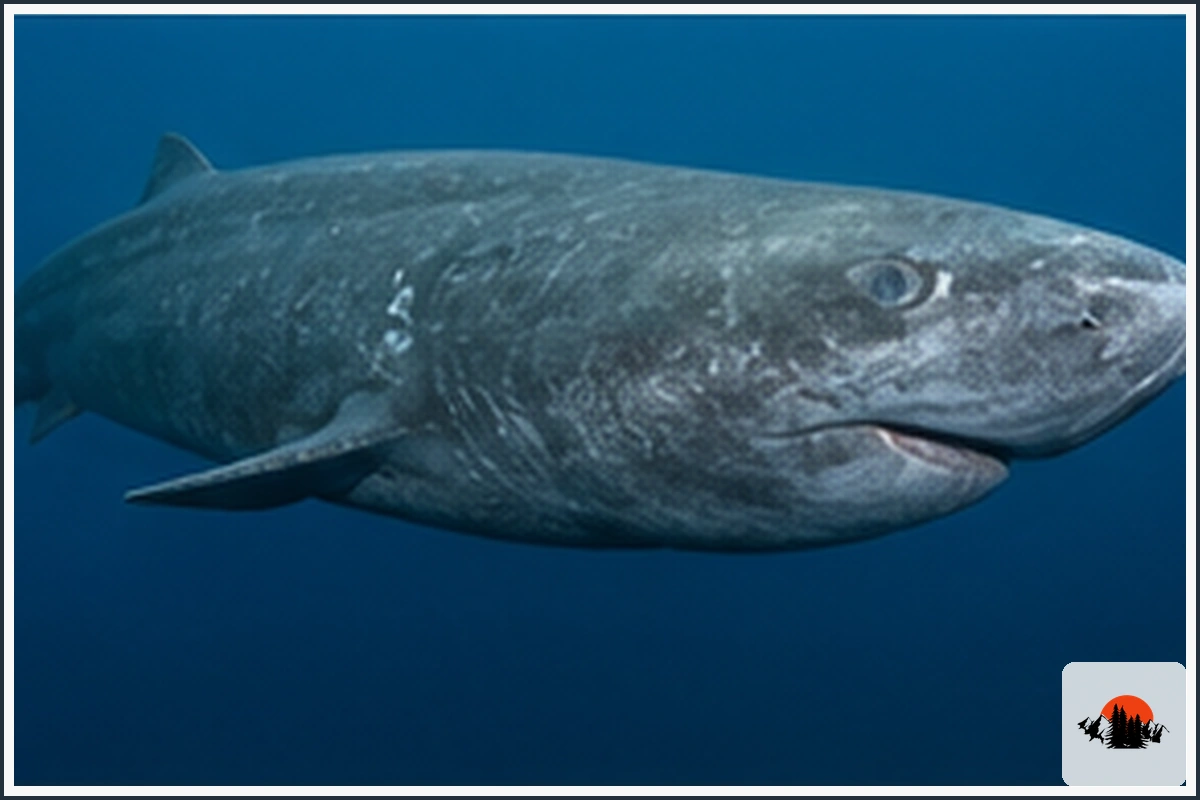
Scientific name: Megachasma pelagios
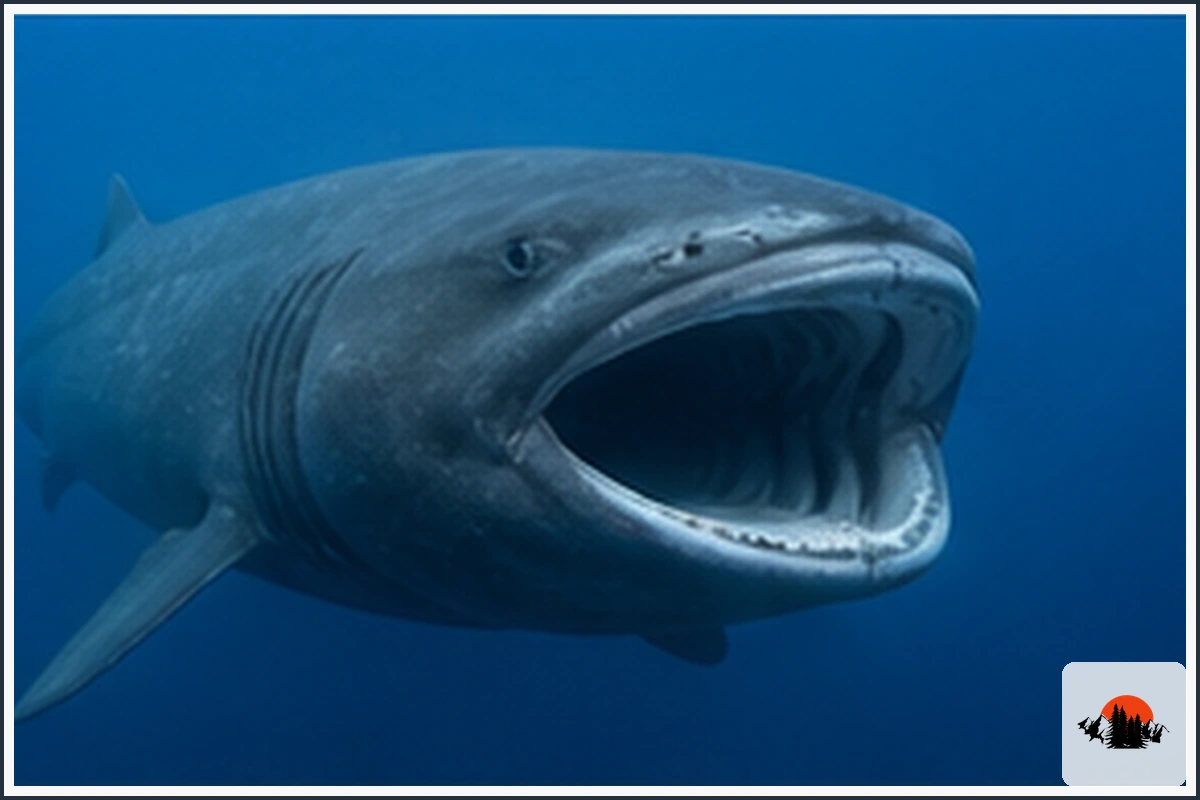
The megamouth shark is a rare filter-feeding shark with an enormous rounded mouth, soft body, and dark upper coloration. It can reach approximately 18 feet. Its mouth is lined with structures that help strain plankton and small organisms from the water.
Megamouth sharks have been recorded in several Pacific regions, including tropical and temperate waters. They may migrate vertically, feeding near the surface at night and moving deeper during the day. Because sightings are uncommon, scientists still have much to learn about their migration, reproduction, and population size.
19. Mexican Hornshark
Scientific name: Heterodontus mexicanus
The Mexican hornshark is a small bottom-dwelling shark with a blunt head, ridges above the eyes, and dorsal spines. It usually reaches about 2 to 3 feet. Its patterned body helps it blend into rocky reef habitats.
This species occurs in the eastern Pacific, especially along rocky coastal areas and reefs from the Gulf of California southward. It feeds on crabs, sea urchins, mollusks, and other hard-bodied prey, using strong crushing teeth. Mexican hornsharks are generally secretive and spend much of their time close to the seafloor.
20. Horn Shark
Scientific name: Heterodontus francisci
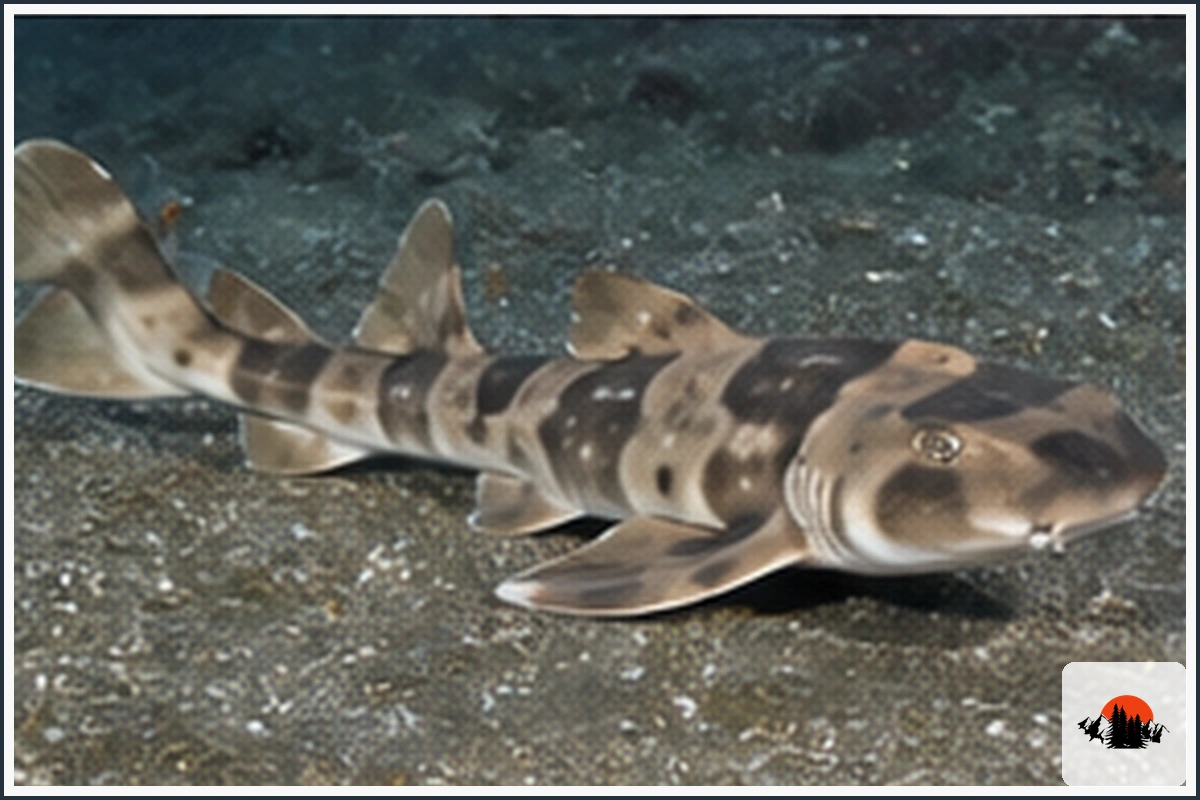
The horn shark is a small, sturdy shark with a blunt snout, prominent brow ridges, and sharp dorsal spines. It commonly grows to about 3 feet. Dark spots and bands help camouflage it among rocks, kelp, and sandy bottoms.
Horn sharks live along the eastern Pacific coast, especially around southern California and Baja California. They are nocturnal and often hide in crevices during the day. Their diet includes sea urchins, crabs, mollusks, and small fish. Their powerful jaws allow them to crush hard prey that many other sharks cannot handle.
How Are These Types of Sharks Classified?
Pacific sharks can be grouped in several practical ways:
- Filter-feeding sharks: Whale sharks and megamouth sharks strain plankton and tiny organisms from the water.
- Pelagic sharks: Blue sharks, makos, oceanic whitetips, and silky sharks spend much of their lives in open ocean.
- Coastal predators: Great whites, tiger sharks, hammerheads, and sevengill sharks often use continental shelves, bays, reefs, or island habitats.
- Reef sharks: Blacktip reef, silvertip, and Galápagos sharks are closely associated with tropical reefs and island systems.
- Deep-water sharks: Pacific sleeper sharks and some dogfish occupy cold, dark waters along slopes and deep basins.
- Bottom-dwelling sharks: Hornsharks and nurse sharks spend much of their time near the seafloor.
Where Do These Sharks Live?
Pacific sharks occupy nearly every marine zone, from warm lagoons and coral reefs to cold northern shelves and deep seamounts. Tropical species are common around Pacific islands, atolls, reefs, and coastal bays. Temperate sharks often follow productive continental shelves where fish, squid, seals, and other prey are abundant.
Open-ocean species such as blue sharks and shortfin makos may travel thousands of miles. Deep-water species, including sleeper sharks, remain near slopes, fjords, seamounts, and deep offshore habitats. Some sharks migrate seasonally in response to temperature, breeding opportunities, or concentrations of prey.
What Do Pacific Sharks Eat?
- Plankton, krill, and fish eggs
- Small schooling fish such as sardines and mackerel
- Tuna, bonito, and other fast-moving fish
- Squid and octopuses
- Rays and smaller sharks
- Crabs, shrimp, and other crustaceans
- Sea turtles and seabirds
- Seals, sea lions, and marine carrion
Feeding habits vary greatly. Whale sharks and megamouth sharks filter tiny prey, while great whites, tiger sharks, and makos actively pursue large or fast-moving animals. Reef sharks often eat fish and crustaceans close to the seafloor.
How to Identify Different Types of Sharks
- Look at the head: Hammer-shaped heads, blunt snouts, or broad rounded heads can quickly narrow identification.
- Check the fins: White or black fin tips, tall dorsal fins, and long pectoral fins are useful clues.
- Notice the body shape: Streamlined bodies suggest fast pelagic species, while thick bodies often belong to bottom-oriented sharks.
- Observe coloration: Blue backs, tiger-like bars, white spots, and pale fin margins can be distinctive.
- Consider habitat: A shark in a shallow lagoon may be a reef species, while one far offshore may be pelagic.
- Estimate size carefully: Size helps, but perspective underwater can be misleading.
- Watch behavior: Schooling, bottom resting, circling, and rapid open-water movement may provide additional clues.
- Count gill slits when possible: Sevengill sharks have seven pairs instead of the usual five.
Outdoor Tips for Finding and Observing Pacific Sharks
- Use reputable wildlife guides and follow local marine regulations.
- Keep a respectful distance and never touch, chase, corner, or feed a shark.
- Avoid entering the water near active fishing, bait, or large schools of distressed fish.
- Use a buddy system when snorkeling, diving, surfing, or kayaking.
- Stay calm and leave the area smoothly if a shark approaches.
- Record location, depth, appearance, and behavior instead of relying only on photographs.
- Do not remove shark teeth, eggs, or other marine items from protected areas.
Safety, Sustainability, and Conservation Notes
Sharks are generally more threatened by human activities than humans are by sharks. Bycatch, targeted fishing, habitat loss, pollution, and the demand for fins and meat affect many Pacific species. Slow-growing sharks with few young are especially vulnerable to population declines.
Choose seafood from responsible sources, support shark-protection measures, and follow local fishing rules. Never release an invasive aquarium animal into the ocean. Divers and swimmers should avoid provoking sharks, and all wildlife encounters should remain passive and respectful.
Fun Facts About Sharks in the Pacific Ocean
- The whale shark is the largest living fish, not a whale.
- Megamouth sharks were unknown to science until the 1970s.
- Hammerhead sharks use their wide heads to improve sensory detection and maneuverability.
- Great white sharks can maintain warmer body temperatures than the surrounding water.
- Sevengill sharks have seven pairs of gill openings.
- Horn sharks crush sea urchins and mollusks with powerful jaws.
- Blue sharks may migrate across entire ocean basins.
- Some spiny dogfish can live for several decades.
- Tiger sharks have broad teeth suited to cutting hard prey.
- Many sharks replace worn or lost teeth throughout their lives.
Final Thoughts on Types of Sharks in the Pacific Ocean
The types of sharks in the Pacific Ocean range from gentle filter feeders and colorful reef sharks to powerful coastal predators and mysterious deep-sea species. Learning their body shapes, habitats, diets, and behaviors makes identification easier and encourages safer, more responsible ocean exploration. Protecting healthy marine habitats is essential for the future of these remarkable animals.
Frequently Asked Questions
1. How many types of sharks live in the Pacific Ocean?
The Pacific Ocean supports dozens of confirmed shark species, including coastal, reef, open-ocean, and deep-water sharks. The exact number depends on geographic boundaries and whether closely related regional species are included.
2. What is the largest shark in the Pacific Ocean?
The whale shark is the largest shark and the largest living fish. Some individuals grow beyond 30 feet, although many adults are smaller.
3. What is the fastest shark in the Pacific?
The shortfin mako is widely regarded as the fastest shark. Its streamlined body and powerful muscles allow rapid bursts of speed when chasing fish and squid.
4. Are great white sharks found in the Pacific Ocean?
Yes. Great white sharks live in temperate Pacific waters, including areas near California, Mexico, Japan, Australia, and New Zealand.
5. Are whale sharks dangerous to humans?
Whale sharks are generally peaceful filter feeders and are not considered a significant danger to people. However, swimmers should avoid touching or blocking them.
6. Which Pacific sharks live near coral reefs?
Blacktip reef sharks, silvertip sharks, Galápagos sharks, nurse sharks, and several hammerhead species may use coral reefs or nearby reef habitats.
7. Which sharks live in deep Pacific waters?
Pacific sleeper sharks, spiny dogfish, and some other dogfish species are associated with deep slopes, basins, seamounts, and cold offshore habitats.
8. Are tiger sharks found in the Pacific Ocean?
Yes. Tiger sharks occur throughout many tropical and warm-temperate Pacific regions, especially near islands, reefs, bays, and continental shelves.
9. What do Pacific sharks eat?
Their diets include plankton, fish, squid, crustaceans, rays, sea turtles, seabirds, marine mammals, and carrion. Feeding habits vary by species.
10. Which Pacific sharks eat plankton?
Whale sharks and megamouth sharks are the best-known plankton-feeding sharks in the Pacific. They filter tiny organisms from large volumes of seawater.
11. Are hammerhead sharks common in the Pacific?
Several hammerhead species occur in the Pacific, including scalloped, great, and smooth hammerheads. Their abundance varies by region and species.
12. How can I identify a hammerhead shark?
Hammerheads have a laterally expanded head. The shape of the front edge, the presence of a central notch, body size, and habitat can help distinguish species.
13. What is the smallest shark in this guide?
The Mexican hornshark and horn shark are among the smallest species listed, usually reaching about 2 to 3 feet.
14. Do sharks live near Pacific beaches?
Some species do. Great whites, tiger sharks, blacktip reef sharks, nurse sharks, and other coastal species may approach beaches, bays, lagoons, or nearshore waters.
15. Are Pacific sharks endangered?
Some Pacific shark species are threatened or declining, while others have healthier populations. Fishing pressure, bycatch, slow reproduction, and habitat changes are major concerns.
16. Why are sharks important to the Pacific ecosystem?
As predators, sharks help shape food webs and influence the abundance and behavior of prey species. Their presence can contribute to balanced marine communities.
17. Should divers feed sharks?
Feeding wild sharks can alter their behavior, create dangerous associations with people, and disrupt natural feeding patterns. Divers should observe without feeding.
18. Are blue sharks dangerous?
Blue sharks are wild predators and should be treated respectfully, but encounters with people are uncommon. Never handle or provoke one.
19. How large can a great white shark become?
Great white sharks can exceed 20 feet, although most individuals observed by researchers are smaller than that.
20. What is the difference between a shark and a ray?
Both are cartilaginous fish, but sharks generally have torpedo-shaped bodies with gill slits on the sides, while rays have flattened bodies and enlarged pectoral fins.
21. Do all sharks need to keep swimming?
No. Some sharks must swim continuously to move water across their gills, while others can rest on the seafloor and actively pump water through their mouths and gills.
22. Which Pacific shark has seven gill slits?
The broadnose sevengill shark has seven pairs of gill openings, unlike the five pairs found in most sharks.
23. What is a sleeper shark?
A sleeper shark is a slow-moving deep-water shark adapted to cold, dark environments. The Pacific sleeper shark is one of the largest members of this group.
24. Do Pacific sharks migrate?
Many do. Blue sharks, makos, great whites, whale sharks, and other species may travel long distances in response to food, temperature, reproduction, or seasonal conditions.
25. Are nurse sharks found in the Pacific Ocean?
Nurse sharks are primarily associated with the eastern tropical Pacific within the Pacific region. They rest near reefs, ledges, caves, and sandy bottoms.
26. What is the rarest shark in this list?
The megamouth shark is among the rarest and least frequently observed species. Its deep-water lifestyle makes it difficult to study.
27. Can sharks see well underwater?
Sharks have effective vision, especially in low light, but they also rely on smell, pressure detection, hearing, and electroreception to locate prey and navigate.
28. Do sharks have bones?
Sharks do not have skeletons made of true bone. Their internal skeletons are primarily cartilage, which is lighter and more flexible.
29. Are shark attacks common in the Pacific?
Shark attacks are uncommon relative to the number of people who enter Pacific waters. Risk varies by location and conditions, so swimmers should follow local warnings.
30. How should I behave if I see a shark?
Stay calm, avoid splashing, do not chase or touch the animal, and leave the water smoothly when practical. Follow lifeguard or local wildlife guidance.
31. What is shark finning?
Shark finning is the removal of fins, often followed by discarding the body. It is wasteful and has contributed to serious declines in many shark populations.
32. Can sharks be kept as aquarium pets?
Most sharks are unsuitable for home aquariums because they require enormous space, specialized filtration, and expert care. Removing wild sharks for private ownership is also harmful to conservation.
33. What is the best way to photograph Pacific sharks?
Use a long lens or maintain distance underwater, avoid flash when it may disturb wildlife, and never bait or corner a shark for a photograph.
34. Why do some sharks have white fin tips?
White fin tips are natural markings in species such as silvertip and oceanic whitetip sharks. They may help researchers and divers identify them.
35. Which Pacific sharks are most commonly seen by divers?
Depending on location, divers may see reef sharks, nurse sharks, Galápagos sharks, hammerheads, or whitetip species. Visibility and local abundance vary greatly.