

Florida is home to an extraordinary variety of fish, from largemouth bass and bluegill in inland lakes to tarpon, snook, grouper, and sailfish along the coast. This guide to the types of fish in Florida highlights popular freshwater and saltwater species, their identifying features, habitats, diets, behavior, and importance to anglers and wildlife observers.
What Are the Main Types of Fish in Florida?
The main types of fish in Florida include freshwater species such as largemouth bass, bluegill, crappie, catfish, and gar, as well as saltwater fish such as tarpon, snook, red drum, spotted seatrout, grouper, snapper, and coastal sharks. Florida’s fish live in lakes, rivers, springs, estuaries, mangroves, bays, reefs, and offshore waters. Some species are valued as game fish, while others are important predators, prey, or reef residents.
1. Largemouth Bass
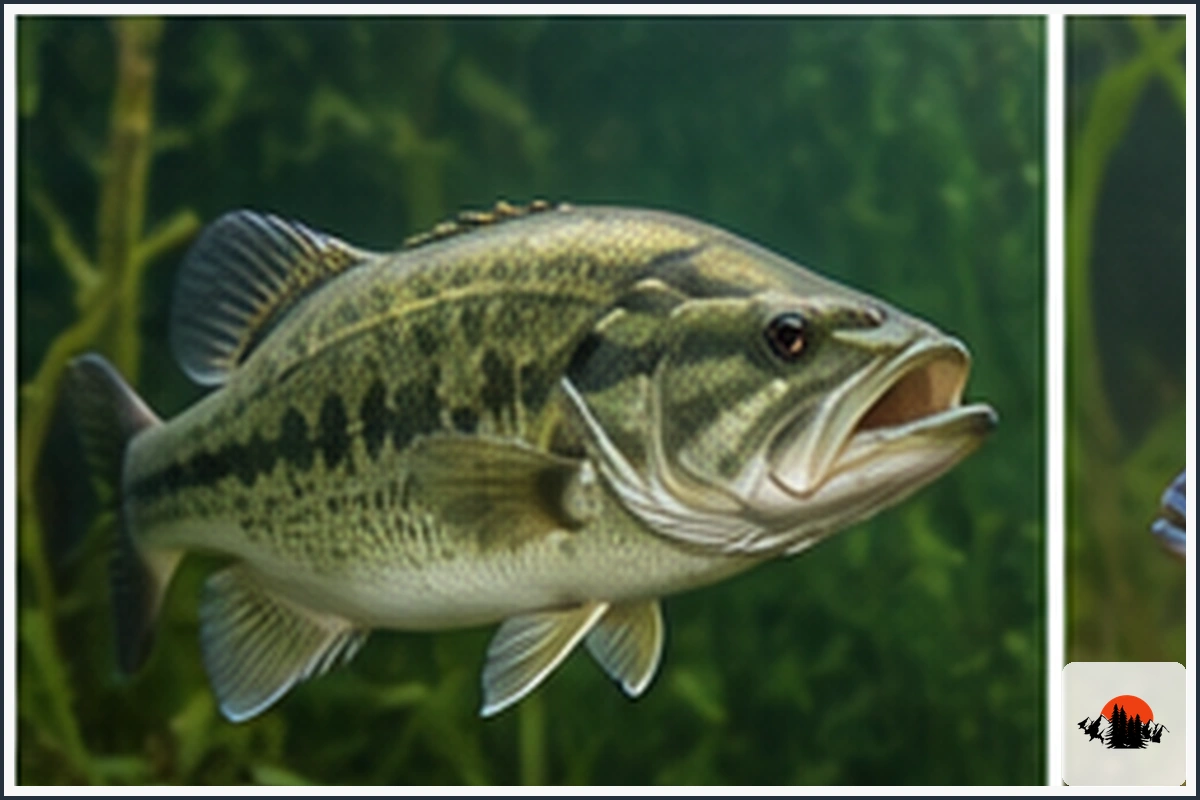
Scientific name: Micropterus salmoides
Largemouth bass are Florida’s best-known freshwater sport fish. They have a broad mouth extending behind the eye, a green to olive body, and a dark horizontal stripe along the side. They commonly live in lakes, ponds, canals, slow rivers, and reservoirs with vegetation or submerged cover.
Adult bass often reach 15 to 24 inches, although Florida’s warm climate can support larger fish. They eat insects, crayfish, frogs, small fish, and occasionally young birds or other small animals. Bass are ambush predators and often hide near grass, lily pads, docks, fallen trees, and weed edges.
2. Bluegill
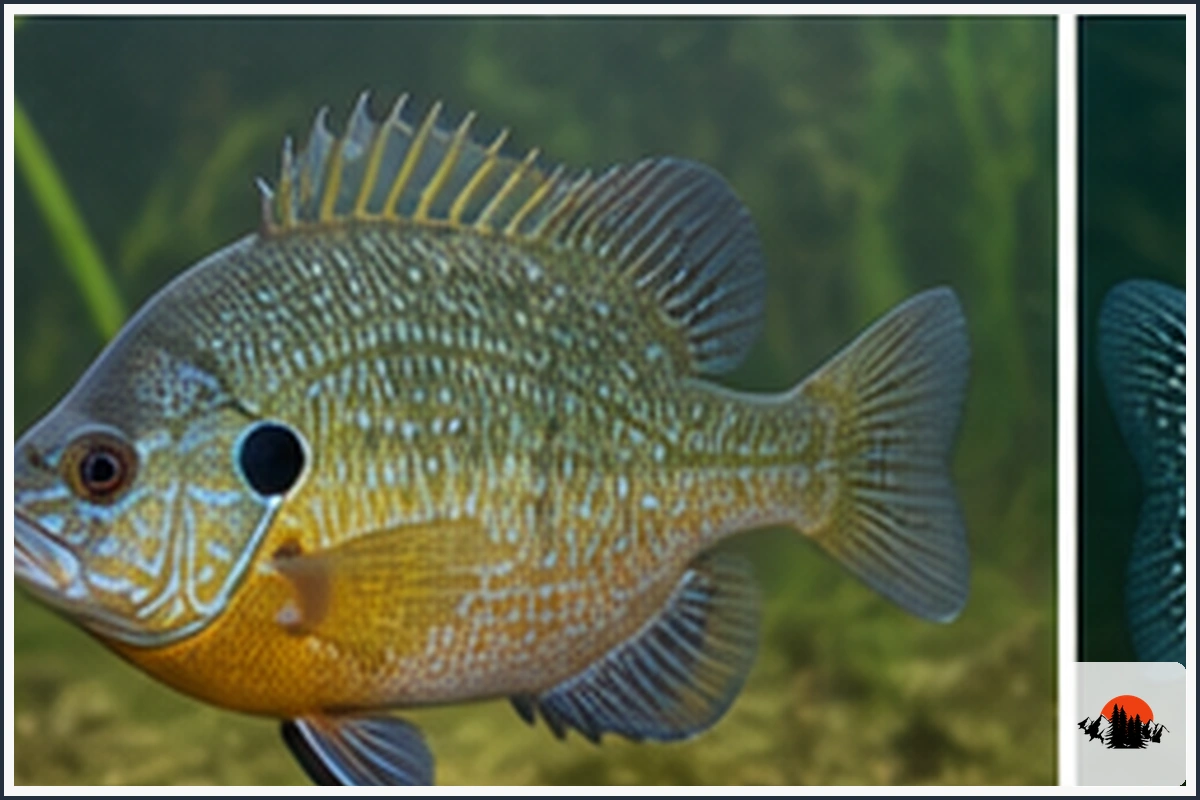
Scientific name: Lepomis macrochirus
Bluegill are colorful sunfish with a deep, rounded body, blue markings on the cheek, and a dark spot near the rear of the dorsal fin. They are abundant in Florida ponds, lakes, canals, and slow-moving waterways.
Most bluegill measure 4 to 10 inches. They feed on insects, larvae, small crustaceans, plankton, and plant material. Bluegill gather around vegetation and shallow spawning beds, making them popular with beginning anglers and an important food source for larger bass.
3. Black Crappie
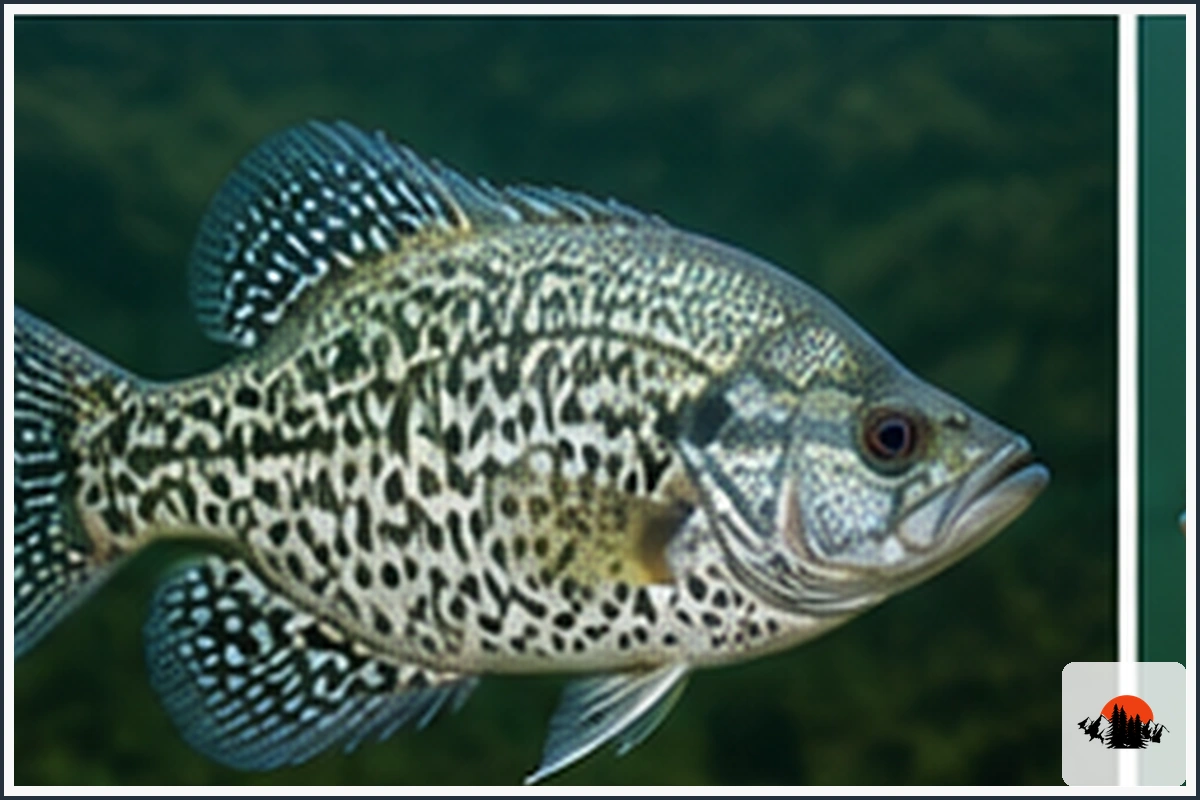
Scientific name: Pomoxis nigromaculatus
Black crappie, often called speckled perch, have a silvery body covered with irregular dark spots. Their bodies are deeper than those of many other panfish, and they have seven or eight dorsal spines.
They prefer clear lakes, rivers, canals, and reservoirs with submerged brush or vegetation. Black crappie eat small fish, insects, and crustaceans. They are especially popular during cooler months and are commonly caught around brush piles, bridge supports, and deep structure.
4. Redear Sunfish
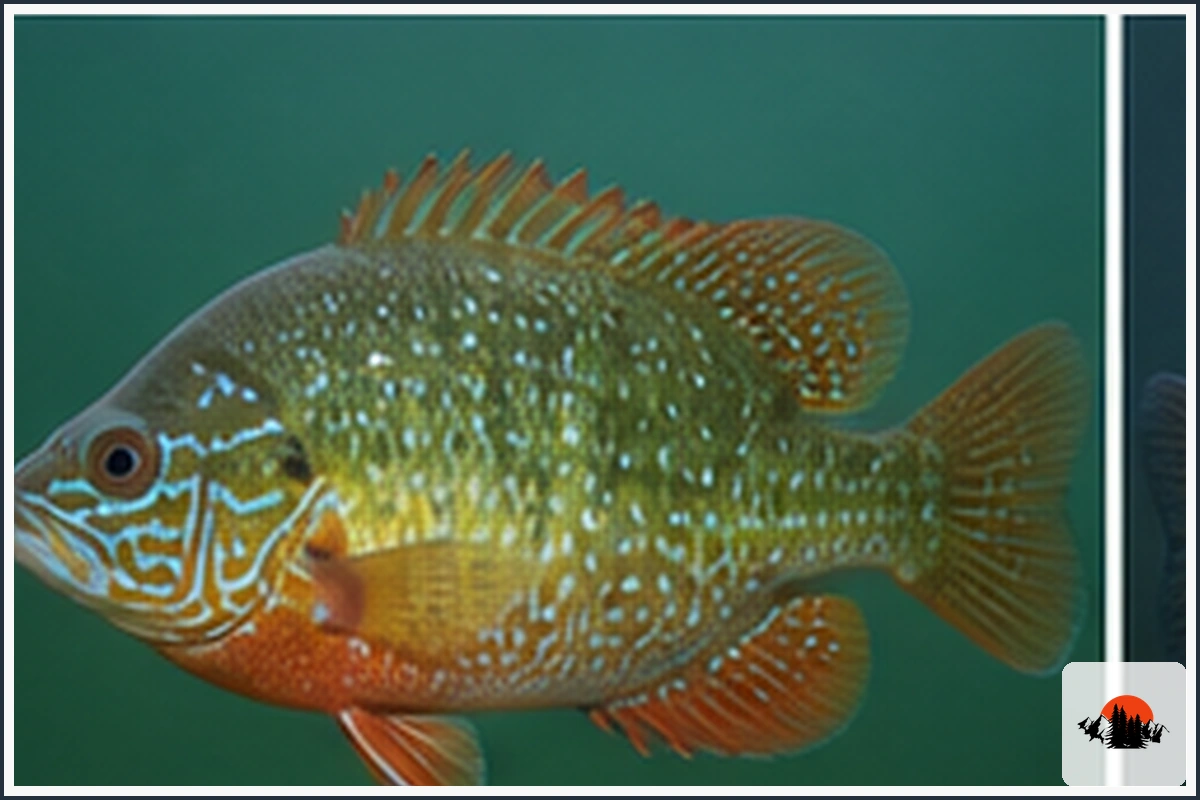
Scientific name: Lepomis microlophus
Redear sunfish are recognized by the red or orange edge on the gill cover, particularly in mature males. They have a thick, olive to bronze body and a relatively small mouth.
These freshwater fish prefer warm lakes, ponds, canals, and slow rivers with sandy or firm bottoms. Their strong pharyngeal teeth allow them to crush snails and other hard-shelled prey. Redear sunfish are sometimes called shellcrackers because of this feeding habit.
5. Warmouth
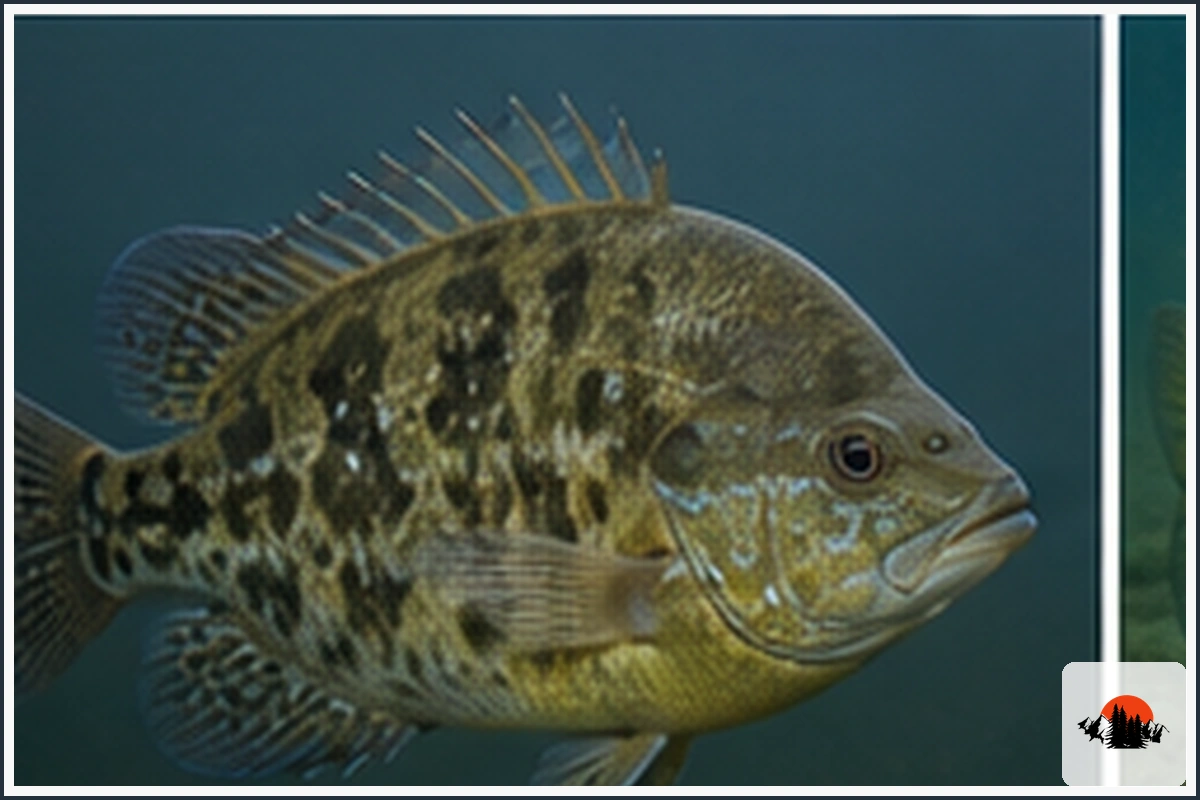
Scientific name: Lepomis gulosus
Warmouth are stout sunfish with a large mouth, reddish-brown body, and dark markings around the face. They often live in swamps, muddy ponds, slow rivers, and vegetated lakes.
They eat crayfish, insects, small fish, and other aquatic animals. Warmouth frequently shelter near logs, roots, vegetation, and shaded banks. Their large mouth can make them look somewhat like small bass, but their facial markings and stockier body help distinguish them.
6. Mayan Cichlid
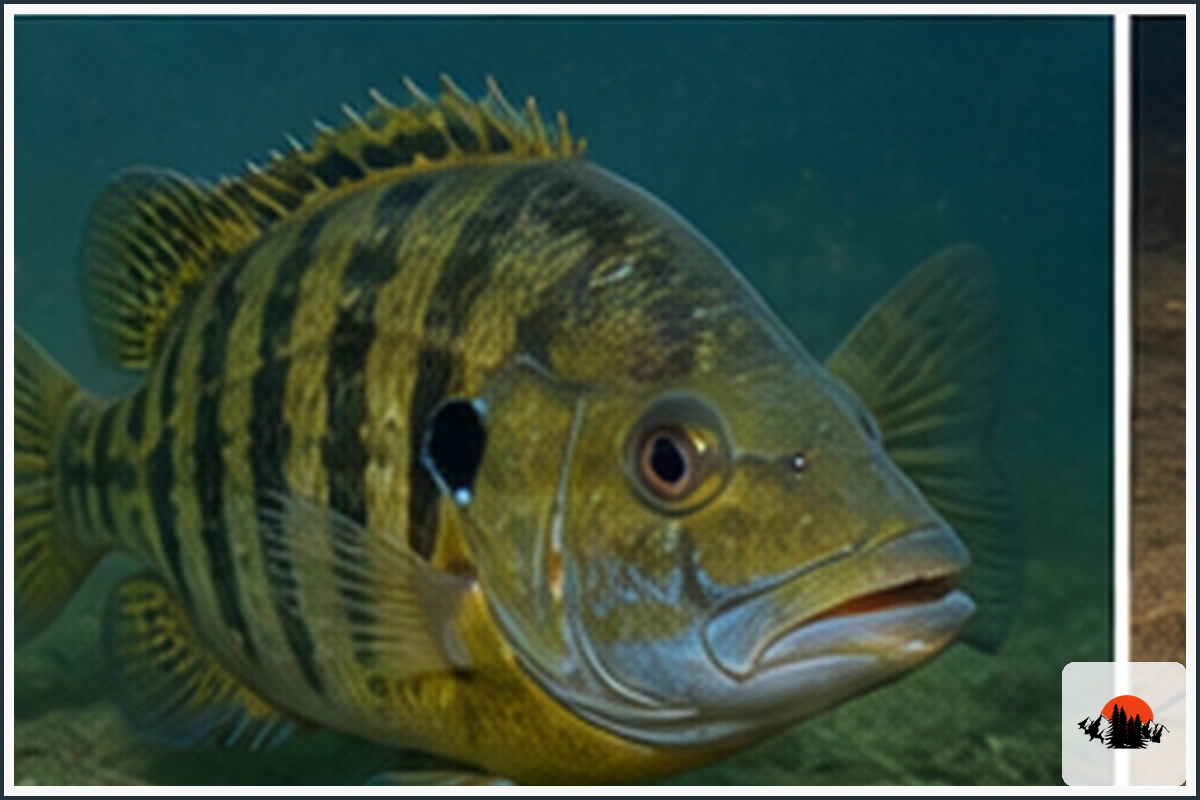
Scientific name: Mayaheros urophthalmus
Mayan cichlids are nonnative freshwater fish established in parts of southern Florida. They have a deep body, olive or gray coloration, vertical bars, and a distinctive dark spot near the tail.
They tolerate warm, slightly brackish water and occur in canals, marshes, rivers, and coastal wetlands. Mayan cichlids eat plants, insects, crustaceans, and small fish. Because they are introduced, anglers should follow local regulations and never release aquarium fish into the wild.
7. Walking Catfish
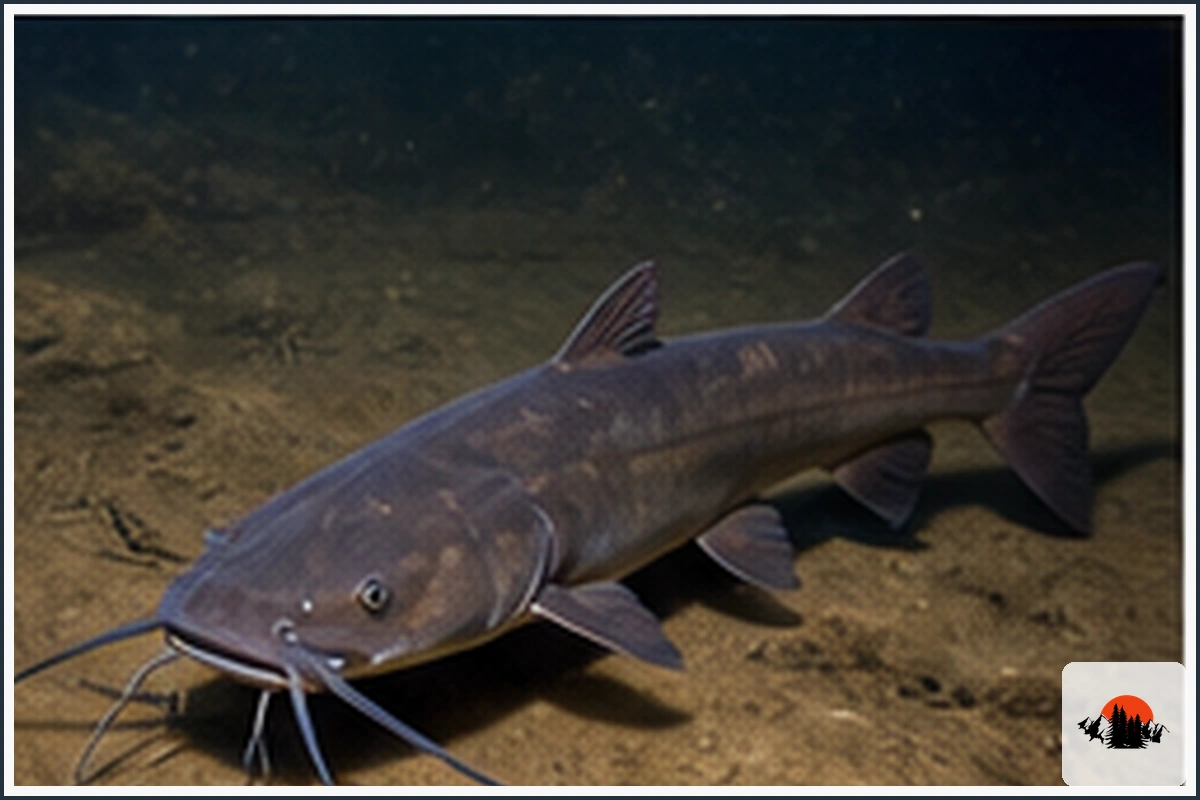
Scientific name: Clarias batrachus
Walking catfish are introduced air-breathing fish with long whiskers, a smooth body, and stout pectoral spines. They can gulp air and move short distances across wet ground, especially during rainy conditions.
They inhabit canals, ponds, ditches, and wetlands in parts of southern Florida. Their ability to survive low-oxygen conditions makes them hardy, but they can compete with native wildlife. They should never be moved or released into new waterways.
8. Channel Catfish
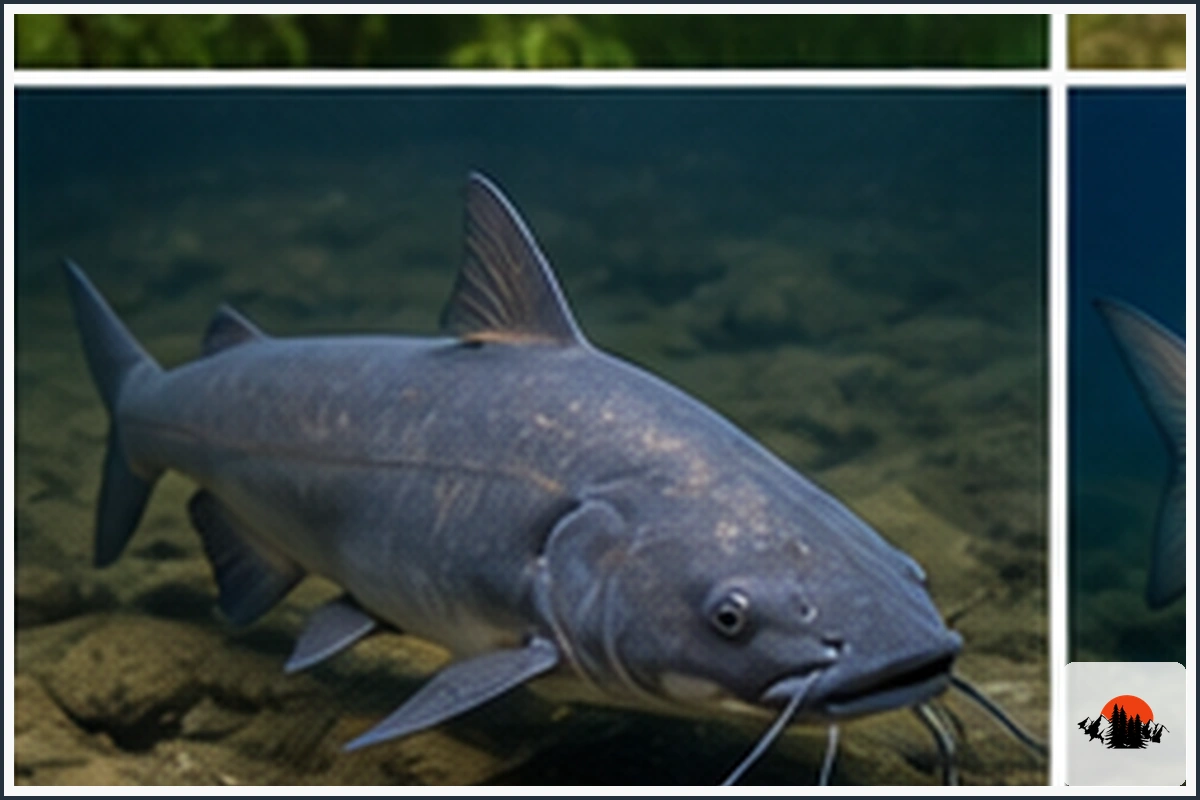
Scientific name: Ictalurus punctatus
Channel catfish have a forked tail, smooth skin, whisker-like barbels, and small dark spots that are more visible in young fish. They live in lakes, rivers, reservoirs, canals, and larger ponds.
They feed along the bottom on insects, crayfish, small fish, plant material, and carrion. Channel catfish are valued as sport and food fish. They often respond to strong-smelling baits and prefer areas near deep holes, current breaks, or submerged structure.
9. Blue Catfish
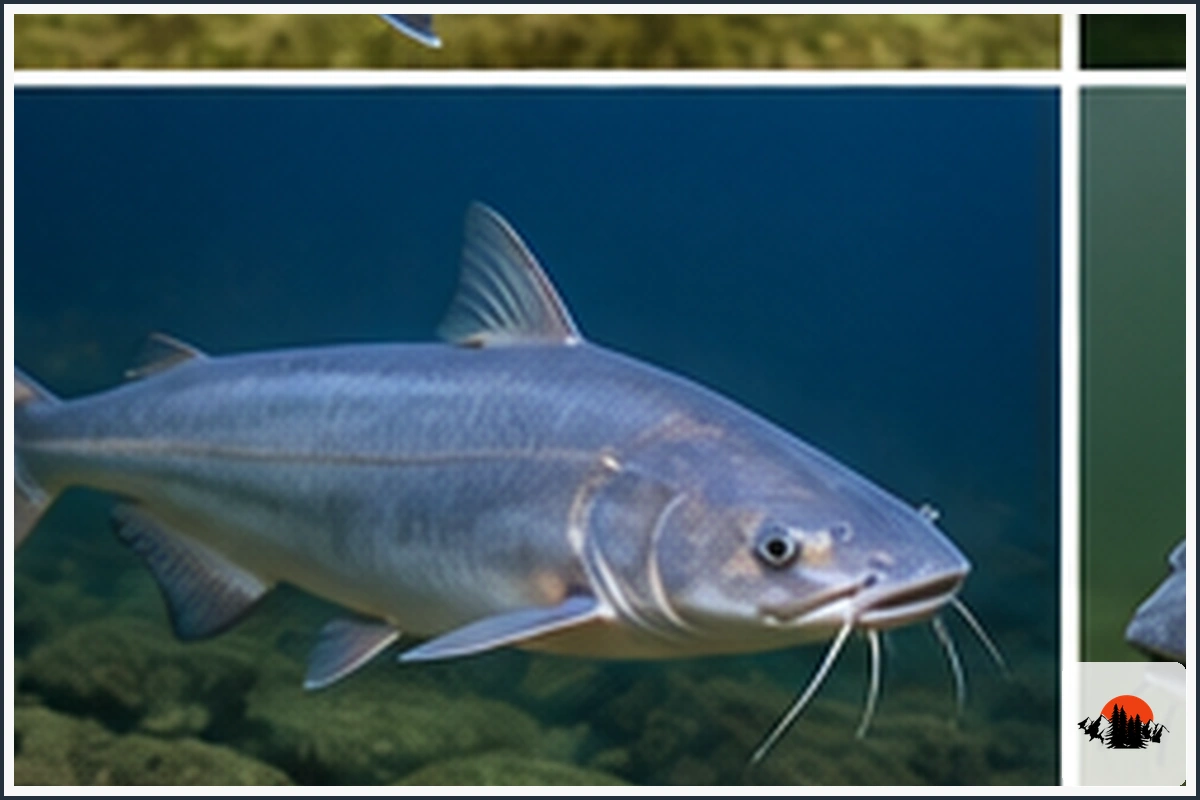
Scientific name: Ictalurus furcatus
Blue catfish are large freshwater fish with a slate-blue back, silvery sides, deeply forked tail, and smooth, scaleless skin. They prefer rivers, reservoirs, and deep channels.
They eat fish, mussels, crayfish, and other aquatic animals. Blue catfish can grow much larger than most Florida freshwater species. Anglers should check local size and harvest rules because regulations may vary between waters.
10. Flathead Catfish
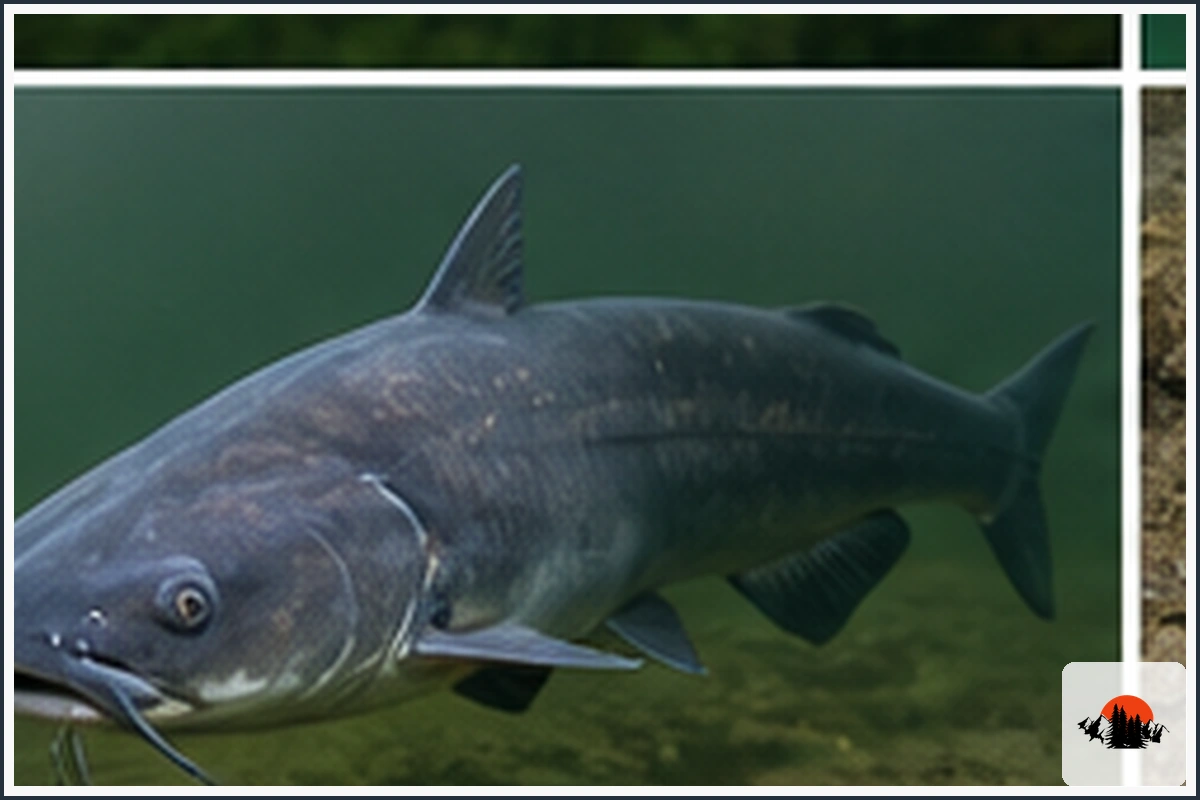
Scientific name: Pylodictis olivaris
Flathead catfish have a broad, flattened head, protruding lower jaw, mottled brown or yellow body, and rounded tail. They favor deep rivers, reservoirs, and areas with cover such as logs and undercut banks.
Unlike many catfish, flatheads primarily eat live fish as adults. They are powerful predators and can reach substantial sizes. Their appearance is easiest to distinguish from channel and blue catfish by the broad head and less deeply forked tail.
11. Florida Gar
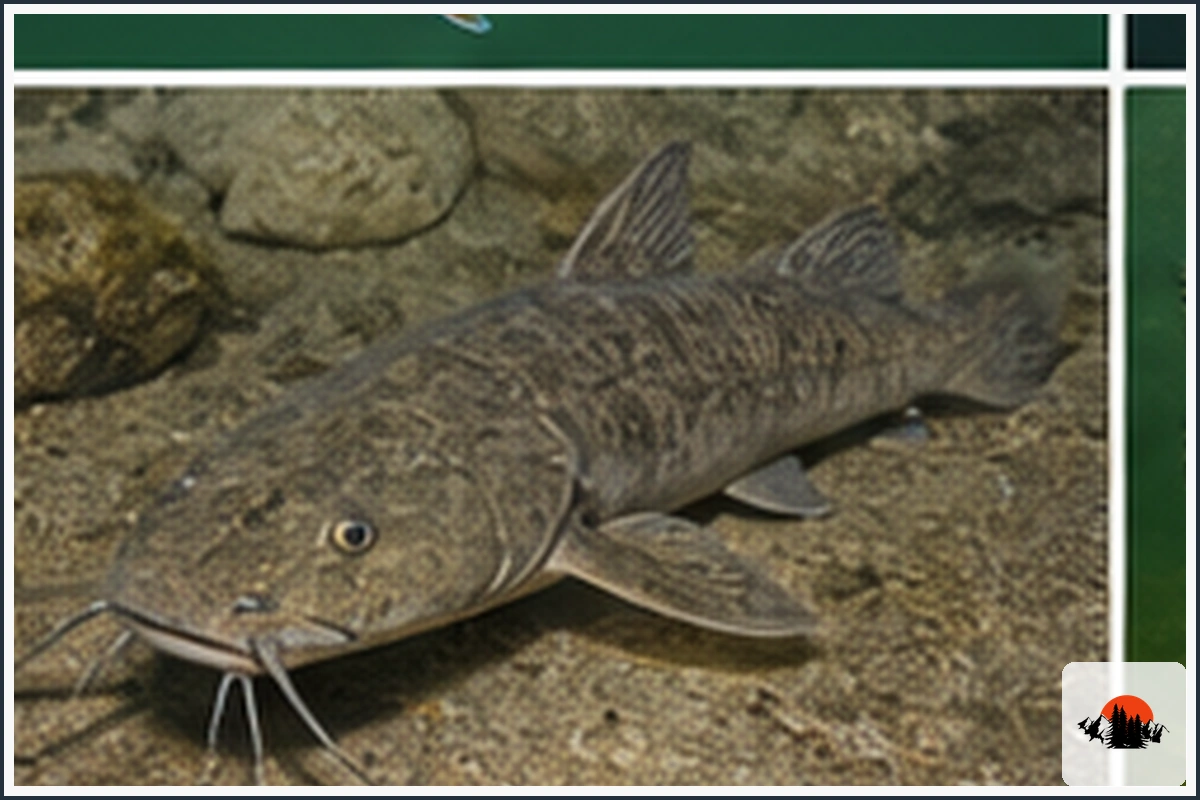
Scientific name: Lepisosteus platyrhincus
Florida gar are long, cylindrical fish with an elongated snout, needlelike teeth, diamond-shaped scales, and a dark spot pattern. They occur in lakes, swamps, canals, and slow rivers across much of the state.
They ambush small fish and other aquatic animals near vegetation or woody cover. Florida gar often surface to gulp air, which helps them survive in warm, oxygen-poor water. Their armor-like scales make them one of Florida’s most distinctive freshwater fish.
12. Bowfin
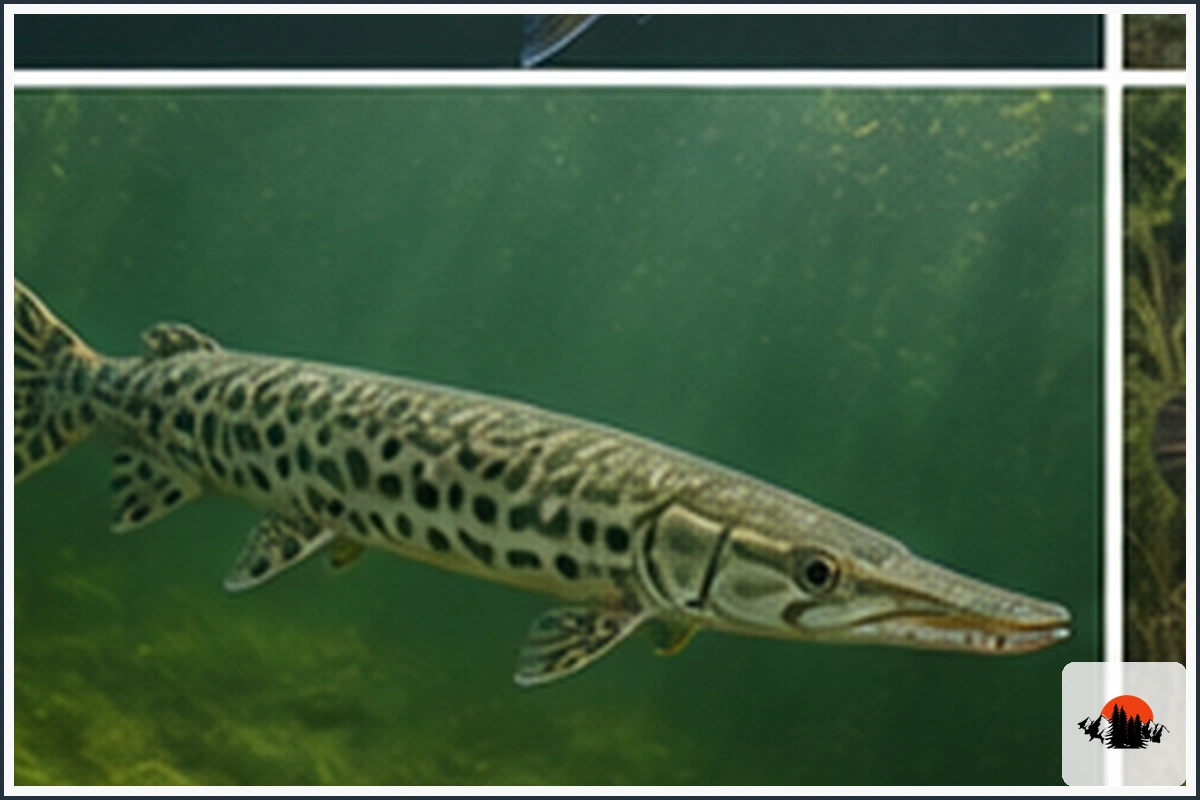
Scientific name: Amia calva
Bowfin are ancient freshwater predators with a long dorsal fin, rounded tail, and powerful jaws. Males often have a dark eyespot near the tail, while females are generally larger and lack a prominent spot.
They live in swamps, vegetated lakes, backwaters, and slow rivers. Bowfin eat fish, crayfish, frogs, and other animals. They can breathe atmospheric air and tolerate warm, stagnant water, making them well adapted to Florida wetlands.
13. Chain Pickerel
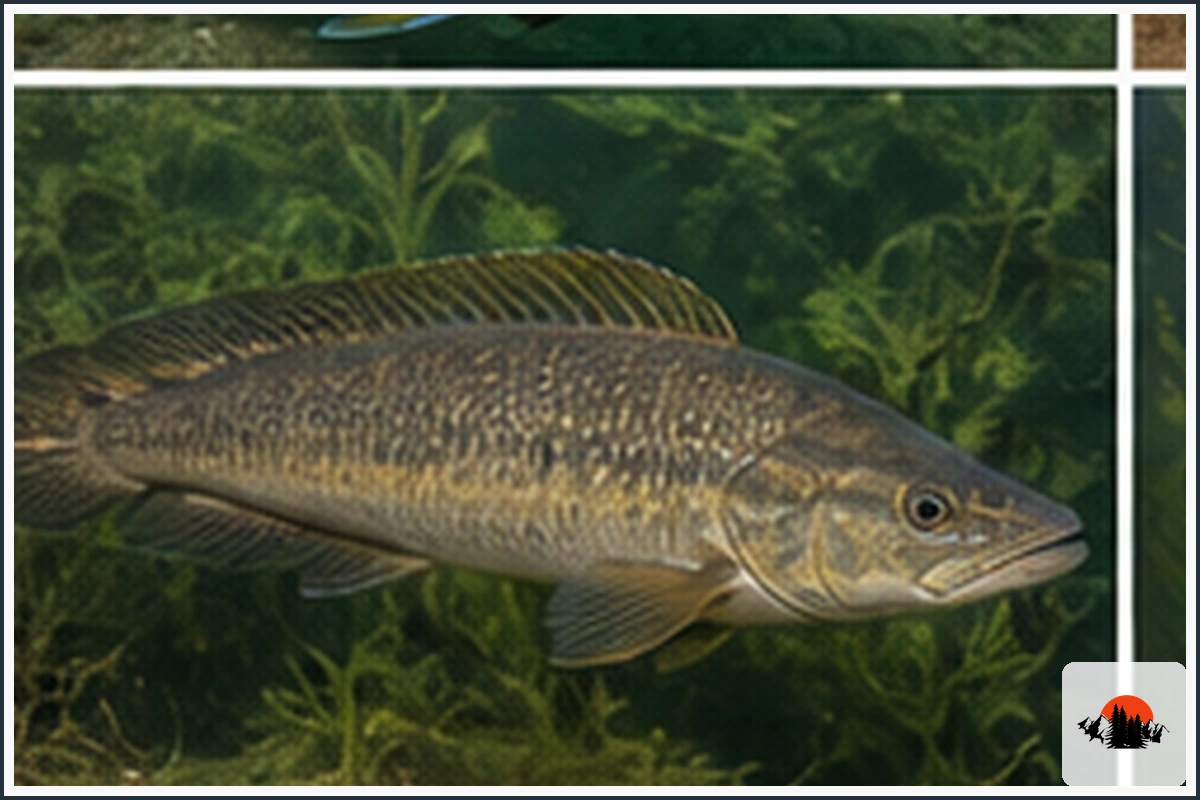
Scientific name: Esox niger
Chain pickerel have a slender body covered in a chainlike pattern, a long snout, and sharp teeth. They inhabit vegetation-rich lakes, ponds, canals, and slow rivers.
These ambush predators feed on small fish, frogs, insects, and crustaceans. They often remain motionless among grass or submerged plants before making a quick strike. Their distinctive chain pattern is the easiest field identification feature.
14. Sunshine Bass
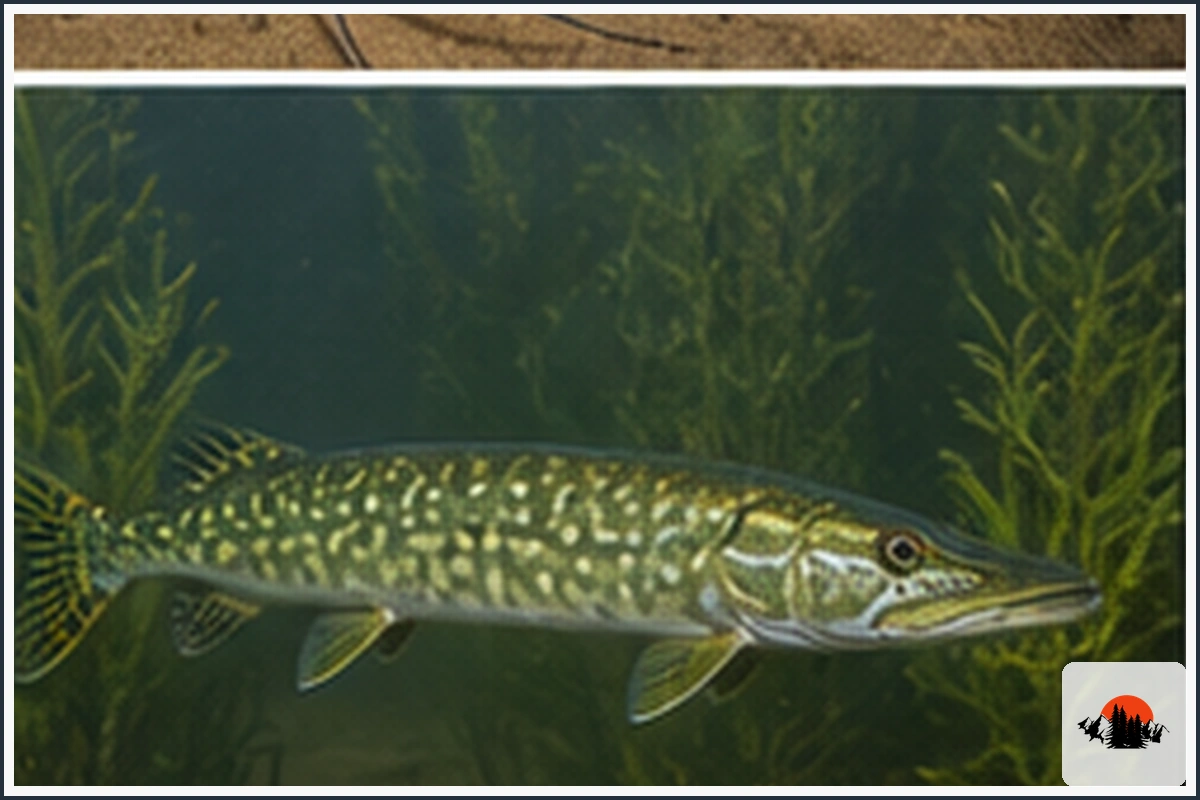
Scientific name: Hybrid striped bass
Sunshine bass are hybrids produced by crossing striped bass with white bass. They have a silvery body, broken horizontal stripes, and a deeper shape than many native Florida bass.
They are stocked in selected lakes and reservoirs and are valued for strong fighting ability and good table quality. Sunshine bass prefer open water and often chase schools of baitfish. Their exact appearance can vary because they are hybrids.
15. Tarpon
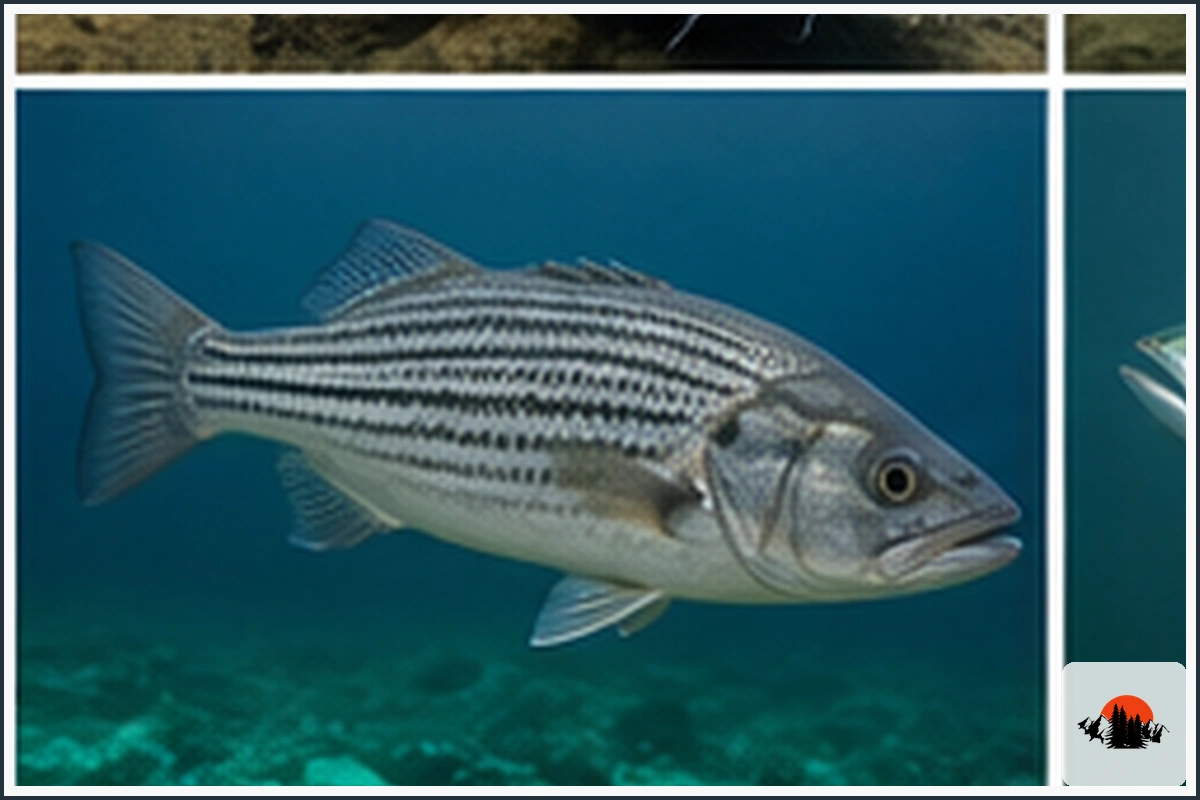
Scientific name: Megalops atlanticus
Tarpon are among Florida’s most famous game fish. They have a long, silver body, huge scales, a deeply upward-turned mouth, and a large, powerful tail. Adults may exceed 100 pounds, while juvenile tarpon occur in backwaters, canals, and mangrove creeks.
Tarpon eat fish, shrimp, and crabs. They can gulp air using a modified swim bladder, allowing them to survive in oxygen-poor water. Large tarpon migrate through coastal waters, passes, bays, and beaches, especially during warmer months.
16. Common Snook
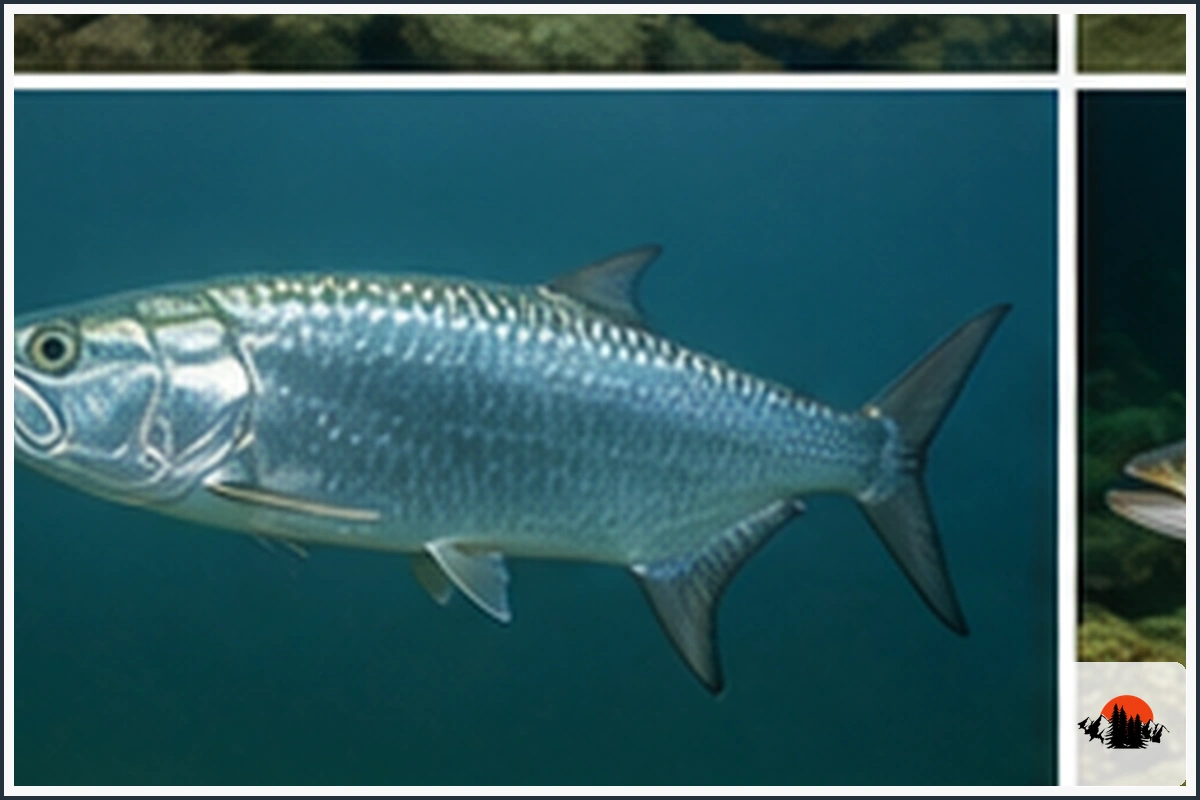
Scientific name: Centropomus undecimalis
Common snook have a sloping forehead, yellow lower fins, and a strong black lateral line extending from head to tail. They live around mangroves, bridges, seawalls, passes, beaches, rivers, and estuaries.
Snook are ambush predators that eat baitfish, shrimp, and crabs. They use current breaks and structure to conserve energy while waiting for prey. Cold snaps can harm snook, so seasonal regulations and careful handling are especially important.
17. Spotted Seatrout
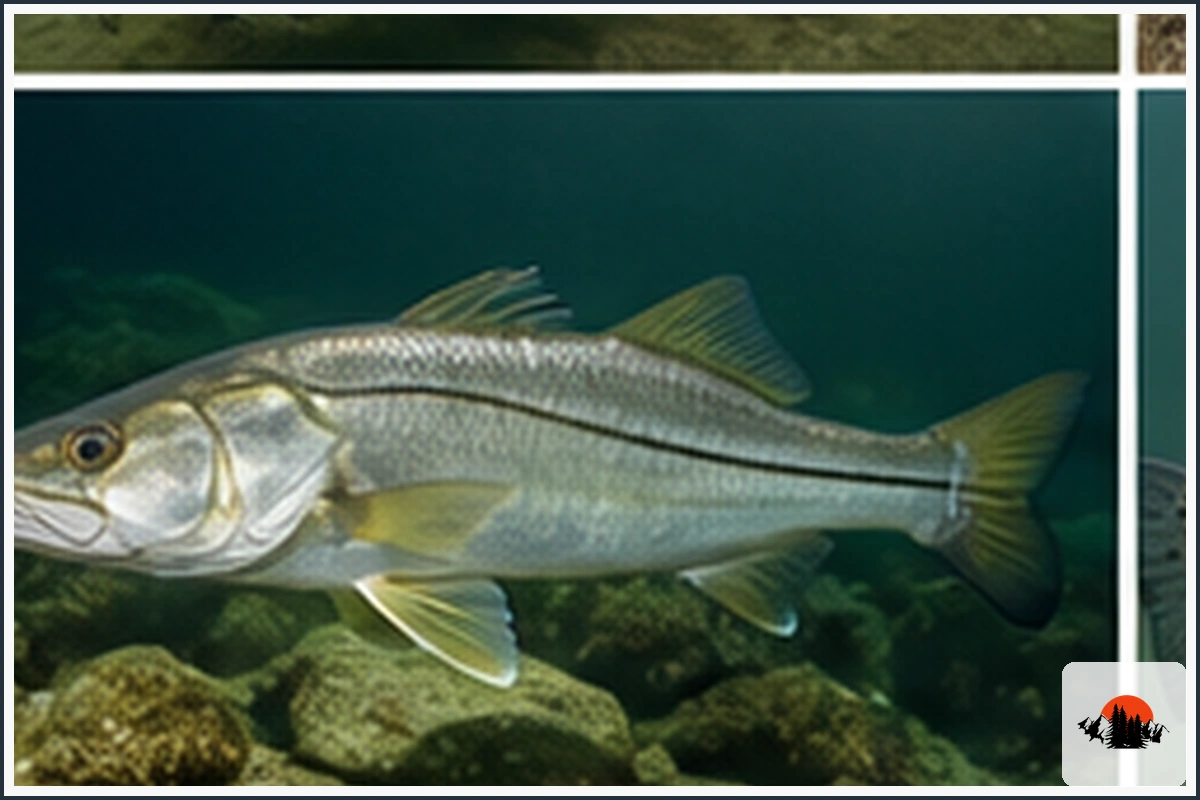
Scientific name: Cynoscion nebulosus
Spotted seatrout have a silvery to yellowish body covered with dark round spots, especially along the back and upper sides. Their prominent canine teeth help distinguish them from several similar estuarine fish.
They live in shallow bays, grass flats, oyster areas, channels, and coastal lagoons. Spotted seatrout eat shrimp, small fish, and crabs. They are important recreational fish and often feed during low-light periods around moving water.
18. Red Drum
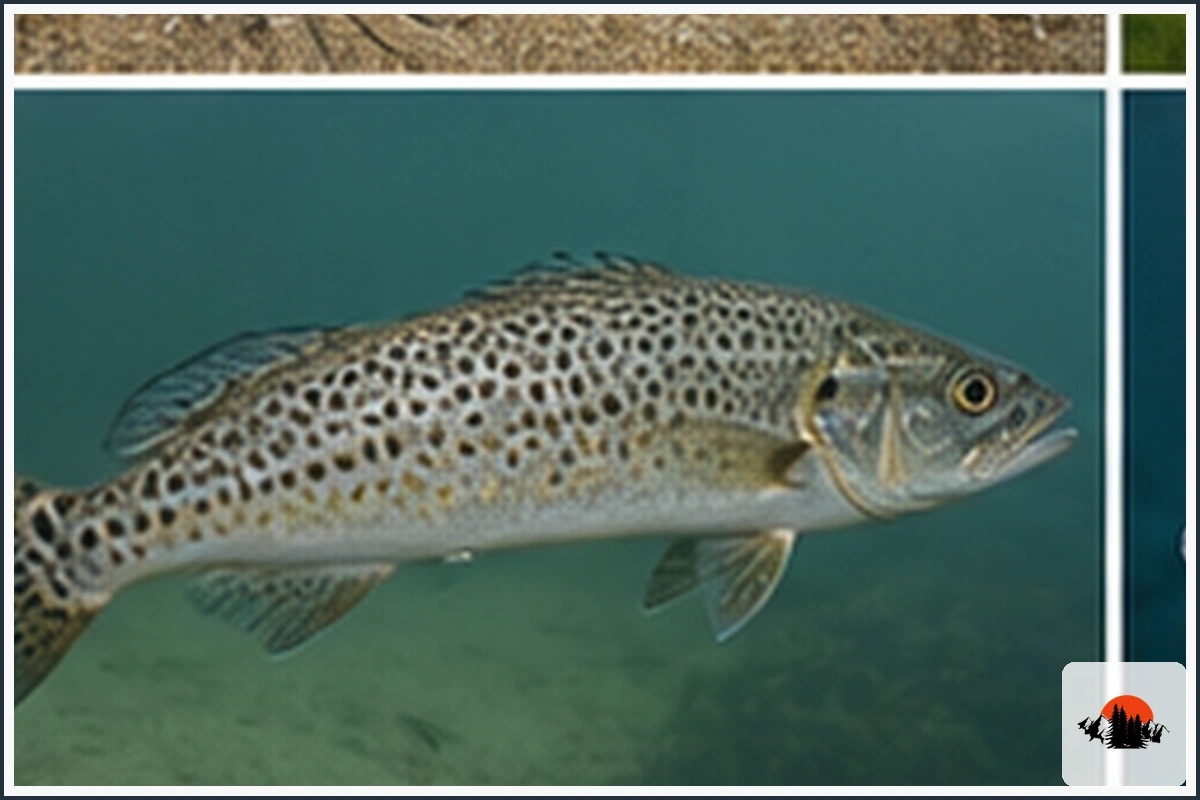
Scientific name: Sciaenops ocellatus
Red drum, also called redfish, have a copper, bronze, or reddish body and usually one or more dark spots near the tail. A single large spot is especially common and may confuse predators by resembling an eye.
Young red drum use shallow estuaries, marshes, and grass flats, while adults may move along beaches and nearshore waters. They eat crabs, shrimp, mullet, and other fish. Regulations often protect larger breeding fish.
19. Black Drum
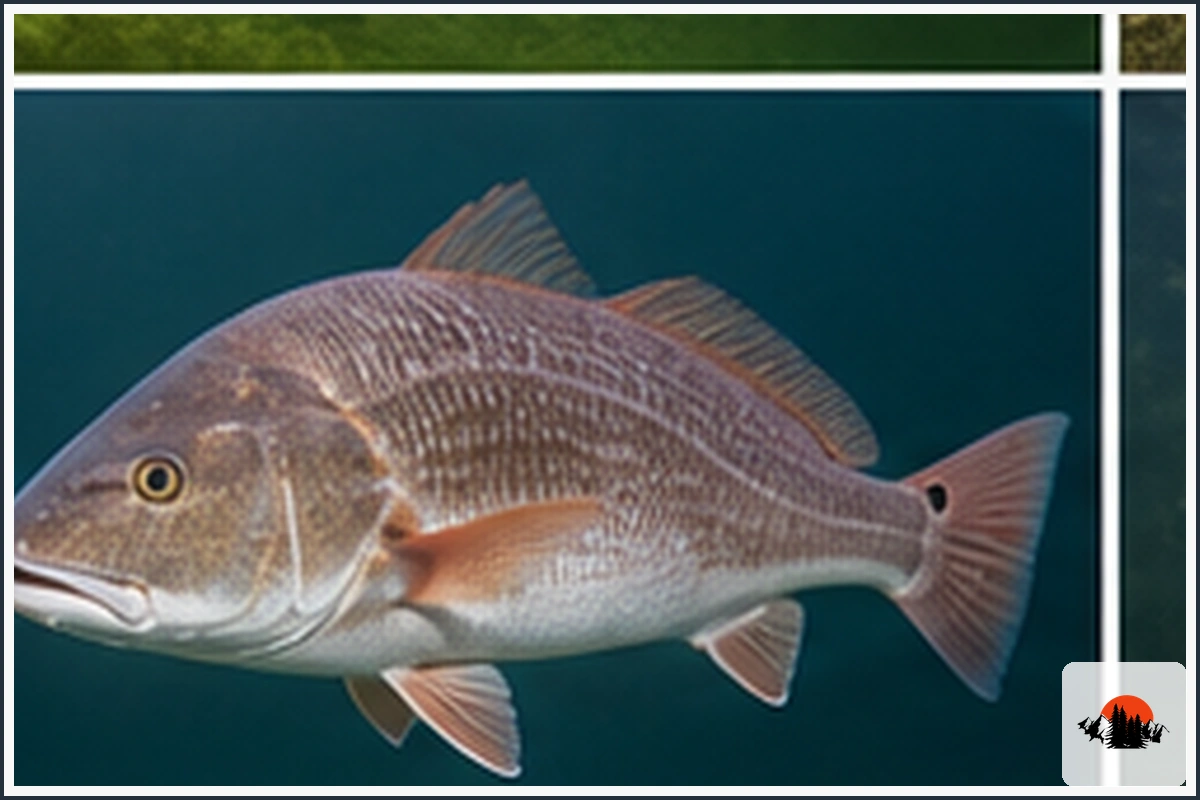
Scientific name: Pogonias cromis
Black drum are heavy-bodied fish with dark gray to black coloration, large scales, and chin barbels. Large individuals can become very heavy and are often found near bridges, channels, oyster beds, and passes.
They crush crabs, clams, oysters, and other hard-shelled prey with powerful throat teeth. Black drum produce a drumming sound using muscles associated with their swim bladder, especially during spawning periods.
20. Sheepshead
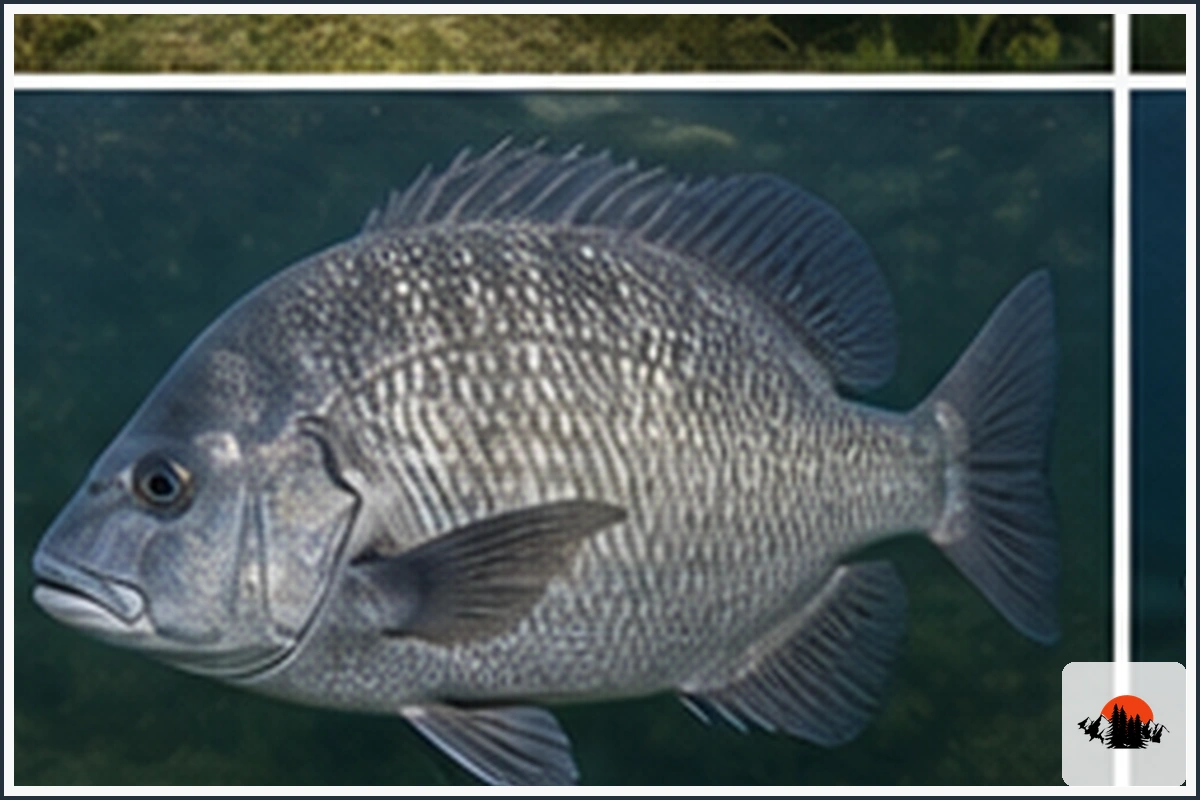
Scientific name: Archosargus probatocephalus
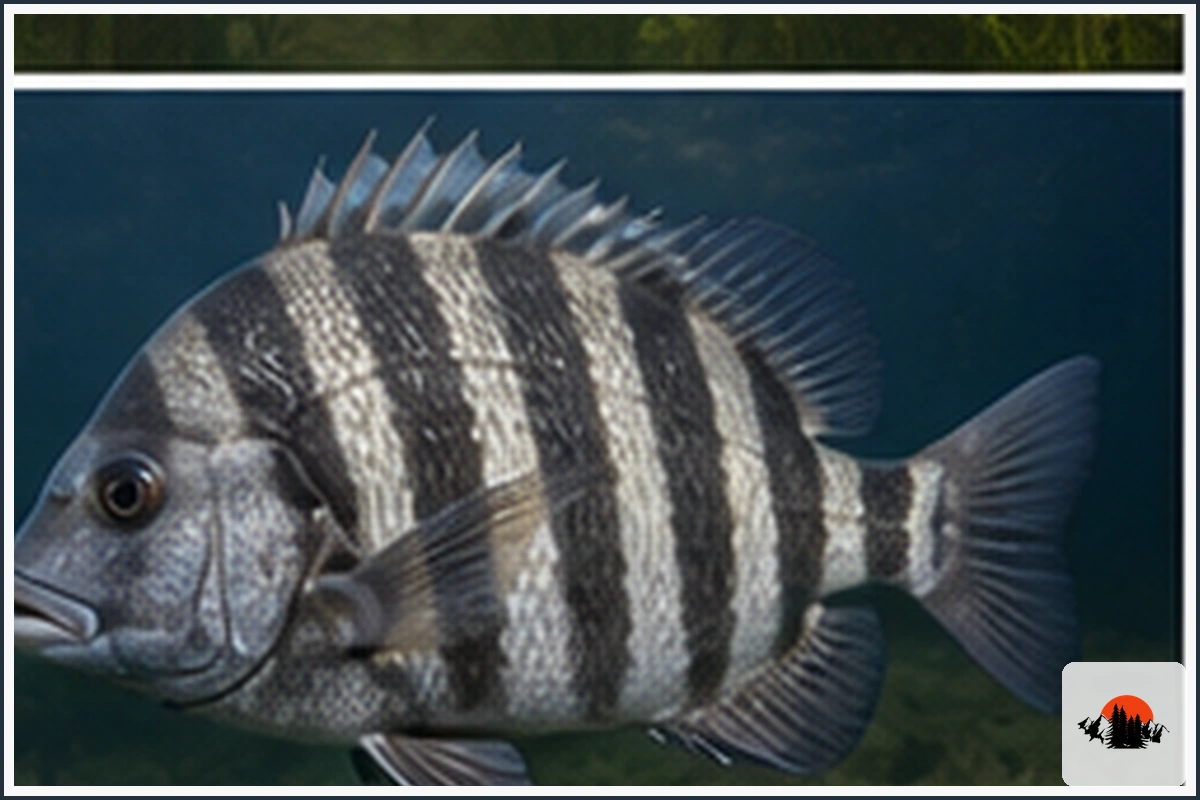
Sheepshead are recognizable by their silver body, several dark vertical bars, and humanlike front teeth. They live around bridges, jetties, pilings, oyster reefs, seawalls, and rocky structure.
Their teeth are adapted for crushing barnacles, crabs, oysters, and other shelled prey. Sheepshead are cautious feeders and are often caught near structure in cooler months. Their sharp dorsal spines require careful handling.
21. Snappers
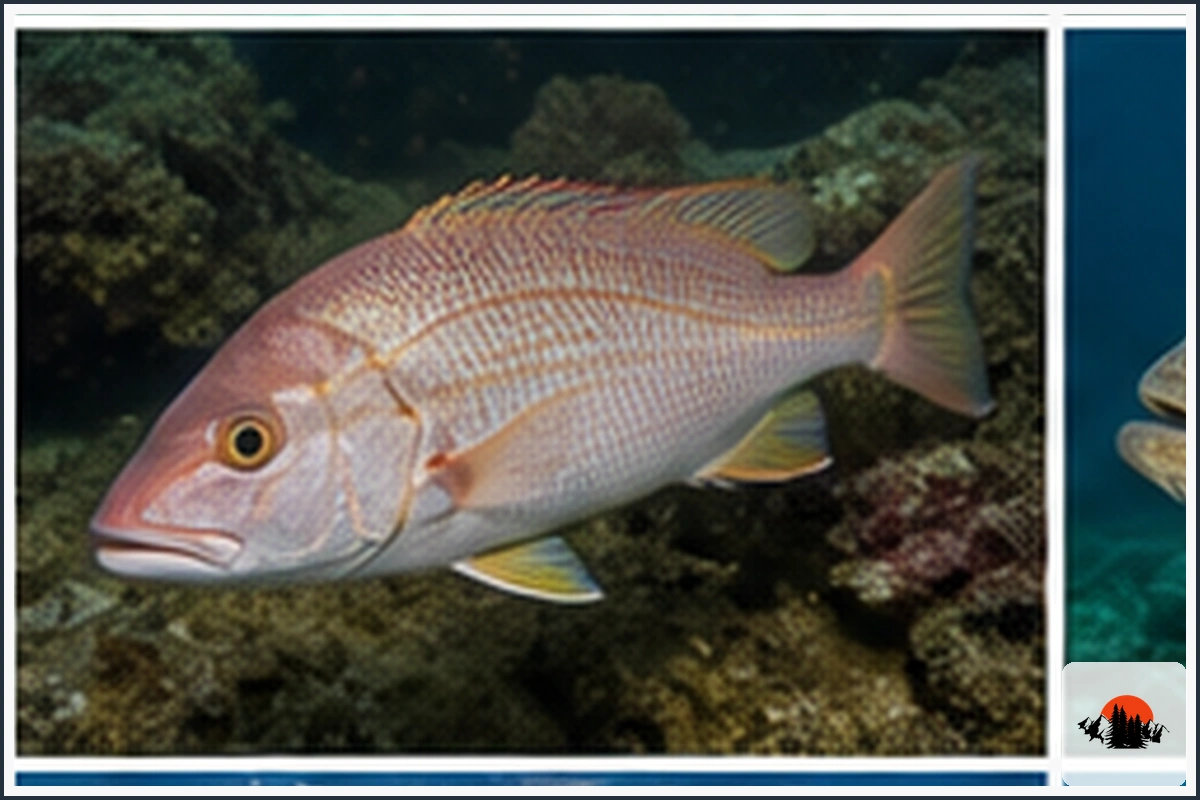
Common Florida species: Red snapper, mangrove snapper, lane snapper, and yellowtail snapper
Snappers are a diverse group of reef and coastal fish with sharp canine teeth, streamlined bodies, and strong jaws. Red snapper live around offshore reefs and structures, while mangrove snapper commonly occur around estuaries, mangroves, bridges, and inshore cover.
They eat fish, shrimp, crabs, and other reef animals. Color, body shape, habitat, and tail markings help distinguish species. Because regulations differ by species and location, anglers should identify each fish carefully before harvest.
22. Gag Grouper
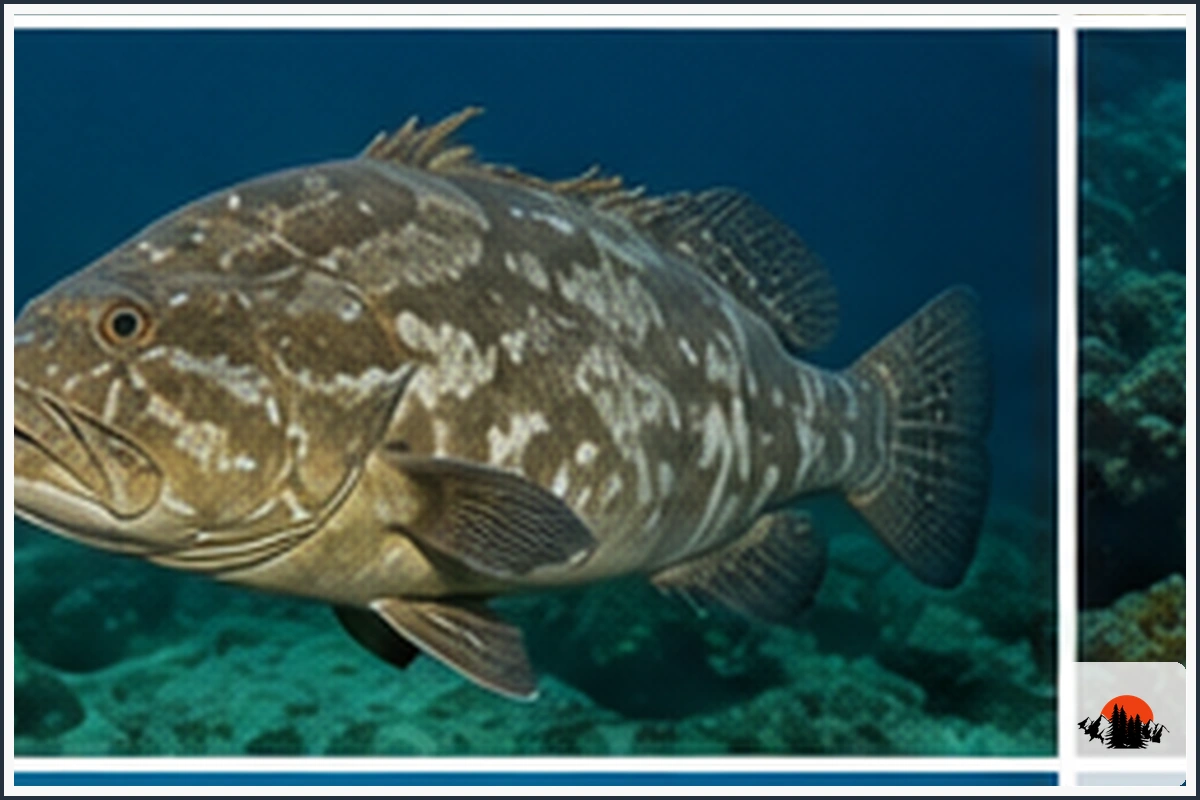
Scientific name: Mycteroperca microlepis
Gag grouper have a mottled gray, brown, or olive body with irregular markings and a large mouth. They inhabit reefs, wrecks, ledges, rock piles, and other offshore structure.
Gag grouper are ambush predators that swallow fish, crabs, and squid. They often retreat into cover after striking prey. Their coloration can change subtly with surroundings and mood, so body pattern and habitat are useful identification clues.
23. Red Grouper
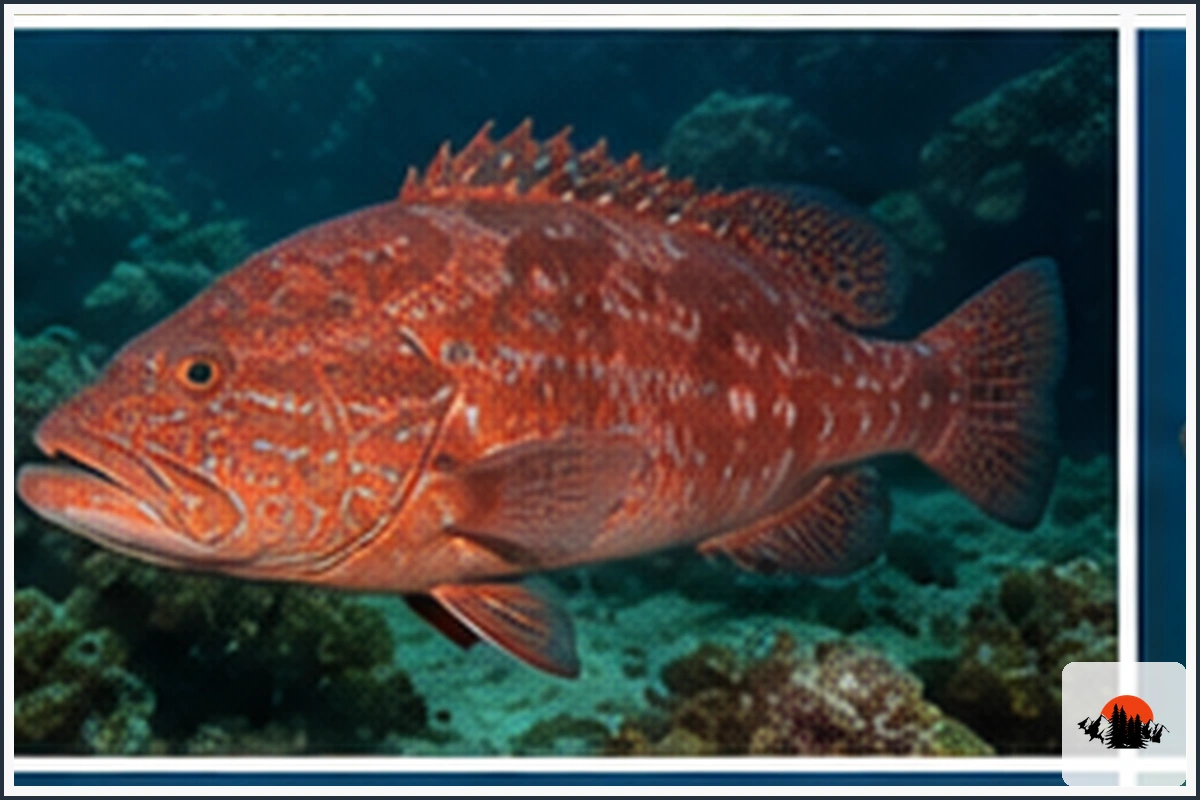
Scientific name: Epinephelus morio
Red grouper have a reddish-brown body, pale spots, a large mouth, and a robust shape. They are common around hard-bottom habitat, reefs, ledges, and offshore structure in the Gulf of Mexico and Atlantic waters.
They eat fish, crabs, shrimp, and other bottom-dwelling animals. Red grouper may excavate or maintain holes in the seafloor, creating shelter that can be used by other marine animals.
24. Black Grouper
Scientific name: Mycteroperca bonaci
Black grouper are large reef predators with a dark olive to gray body, faint rectangular markings, and a powerful jaw. They are usually associated with offshore reefs, wrecks, ledges, and rocky habitat.
They feed on fish and crustaceans and often use structure as both shelter and hunting territory. Black grouper can be confused with other large groupers, so local regulations and identification guides should be consulted before harvest.
25. Cobia
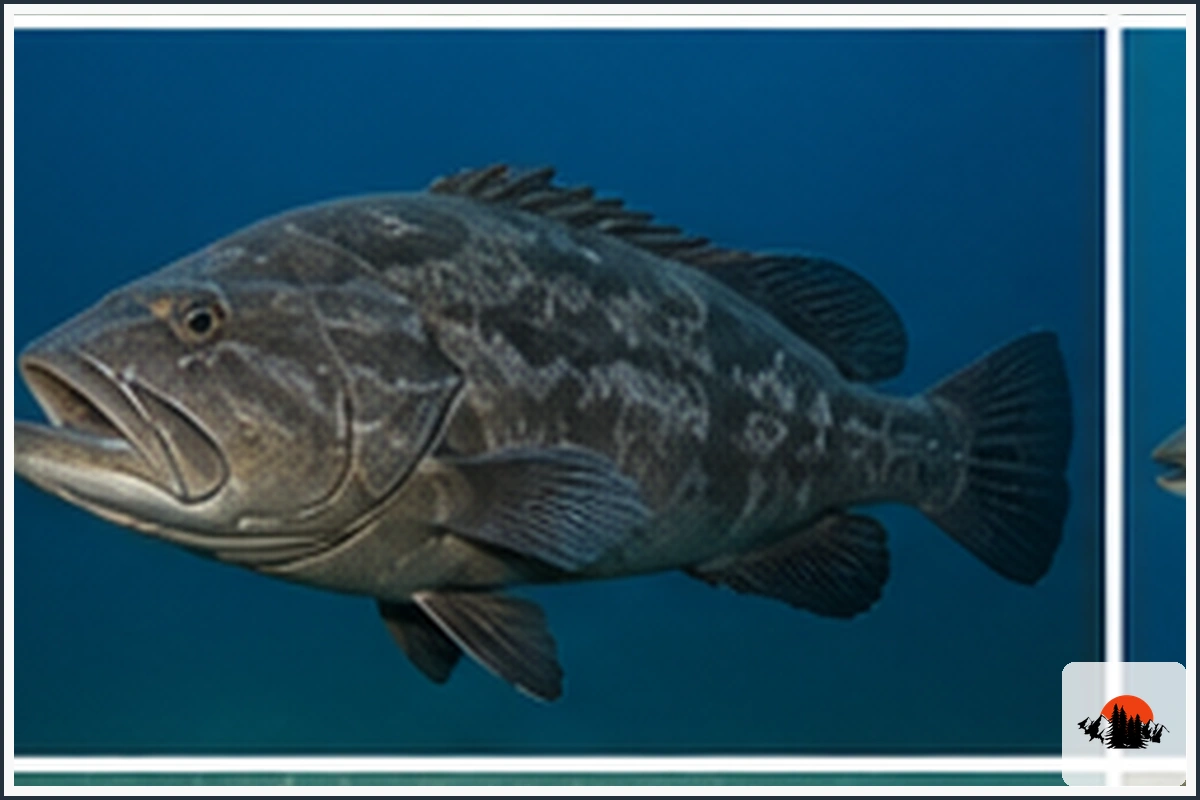
Scientific name: Rachycentron canadum
Cobia are long, dark brown fish with a broad flattened head and one or two lighter horizontal stripes. They are often seen near buoys, wrecks, bridges, rays, turtles, floating debris, and boats.
Cobia eat crabs, squid, shrimp, and fish. They may travel alone or in small groups and are known for following larger animals. Their curious behavior makes them exciting to observe, but they are powerful fish that require careful handling.
26. King Mackerel
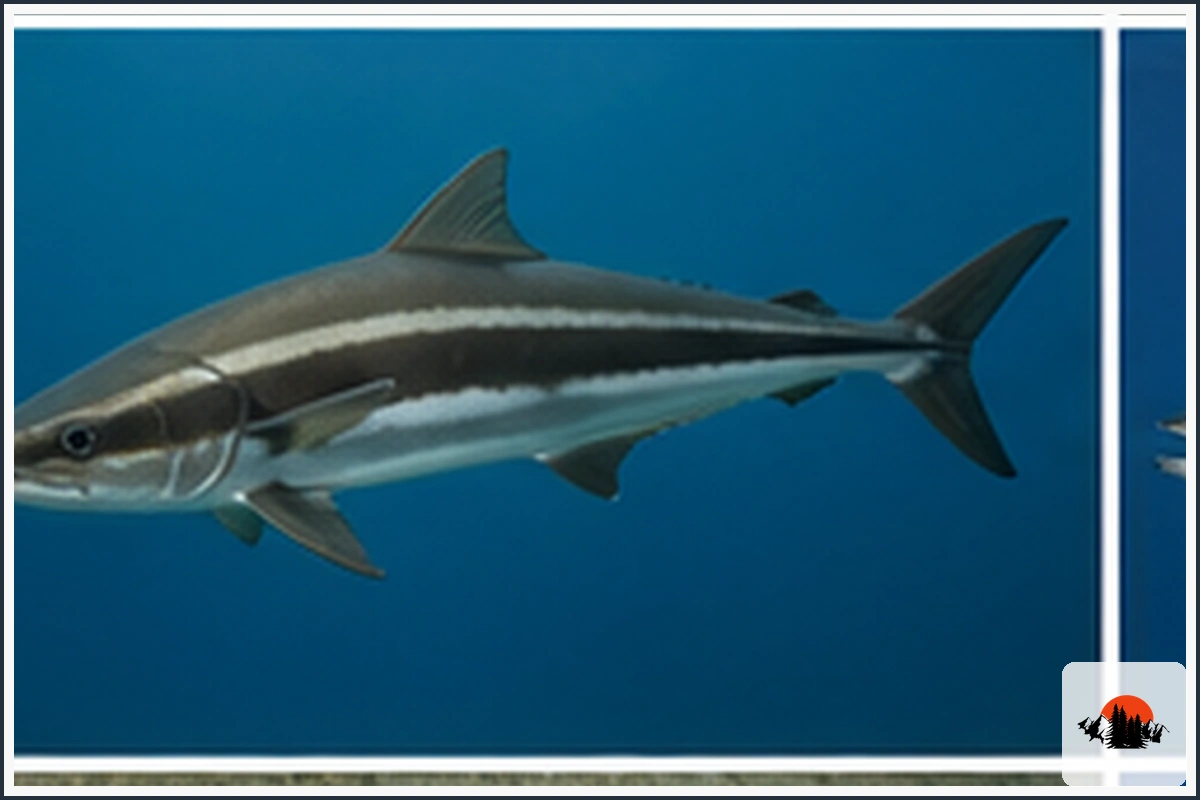
Scientific name: Scomberomorus cavalla
King mackerel are streamlined, fast-swimming predators with a pointed head, deeply forked tail, and sharp teeth. Their backs are blue-gray and their sides are silvery, sometimes with darker markings.
They patrol nearshore and offshore waters, feeding on sardines, menhaden, mullet, squid, and other fish. King mackerel are popular sport fish, but large individuals may require special consumption guidance because of mercury concerns.
27. Spanish Mackerel
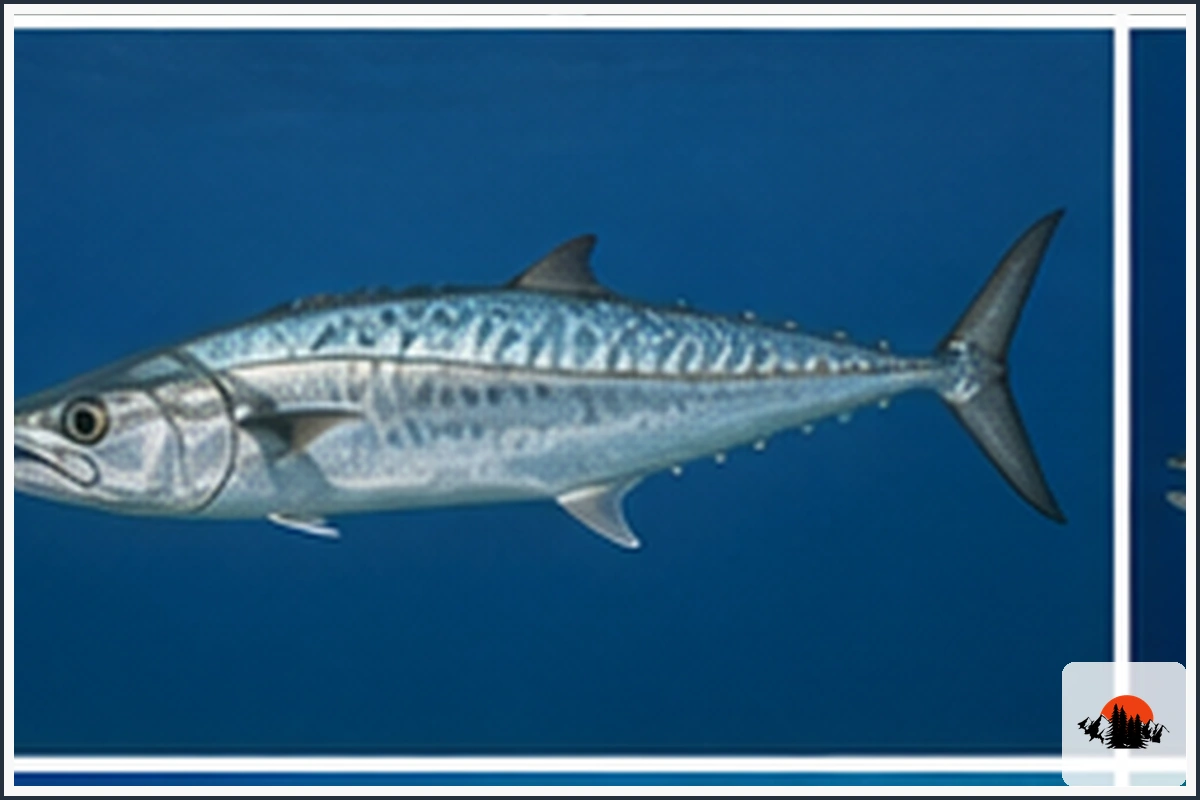
Scientific name: Scomberomorus maculatus
Spanish mackerel are smaller and more slender than king mackerel. They have a blue-green back, silver sides, and numerous yellow or bronze spots.
They form fast-moving schools near beaches, passes, bays, and coastal structure. Spanish mackerel chase small baitfish and can be identified by their narrow body, spots, and sharp teeth. Their fast runs make them popular with coastal anglers.
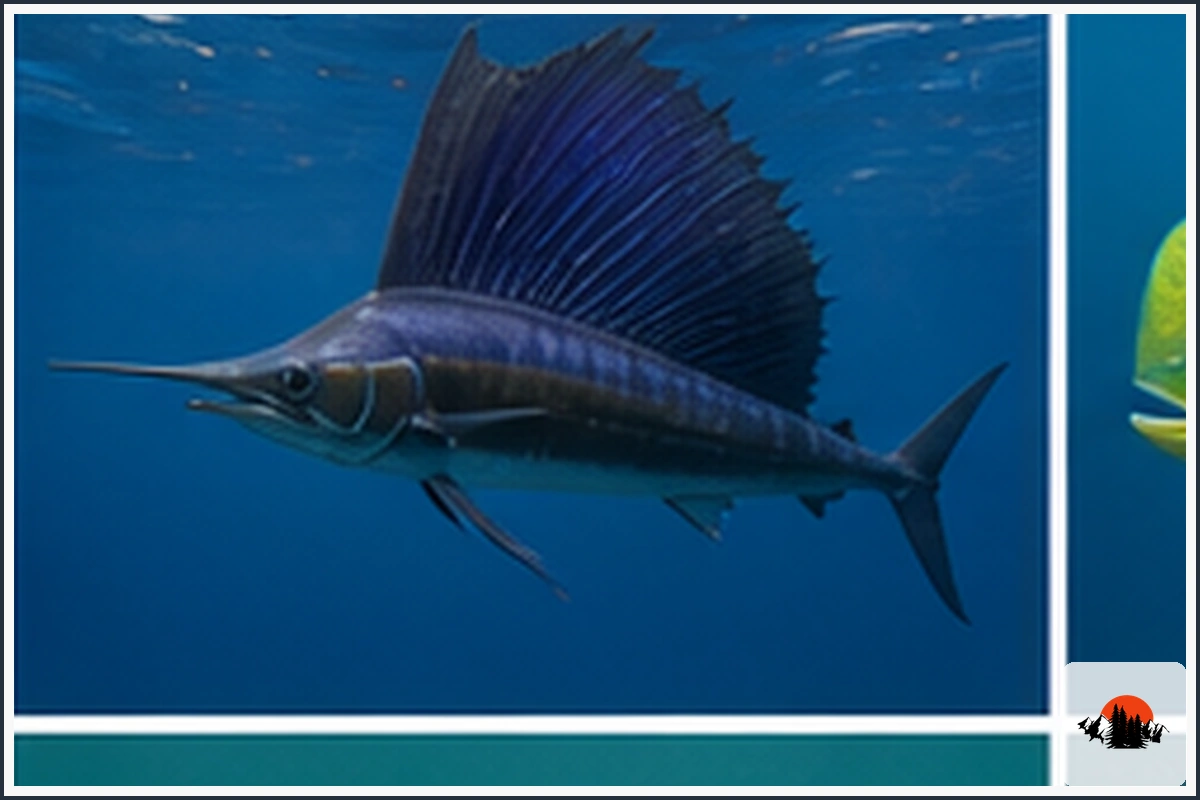
28. Sailfish
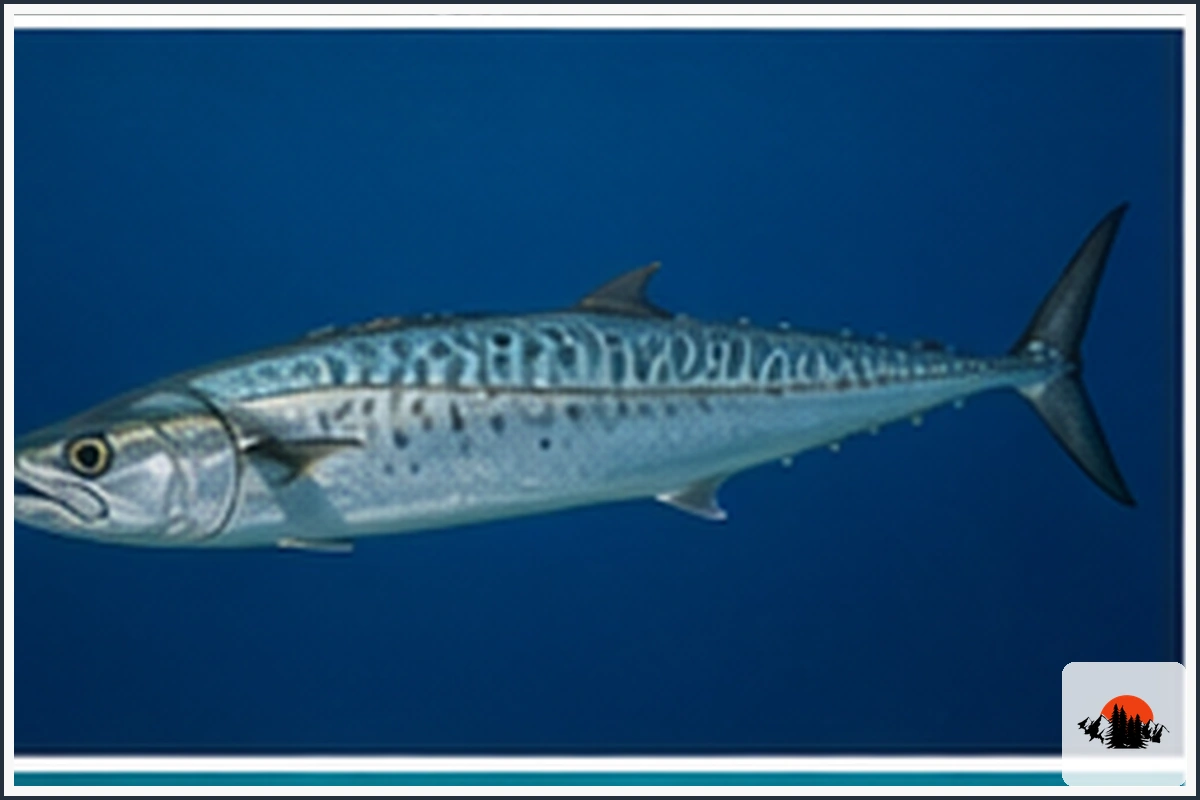
Scientific name: Istiophorus platypterus
Sailfish are famous for their tall dorsal fin, long bill, blue-black back, and silver sides. The dorsal fin can be raised like a sail, particularly when the fish is excited or herding prey.
They live in warm offshore waters and feed on sardines, mackerel, squid, and other schooling animals. Sailfish are among Florida’s most prized big-game fish and are commonly released after capture.
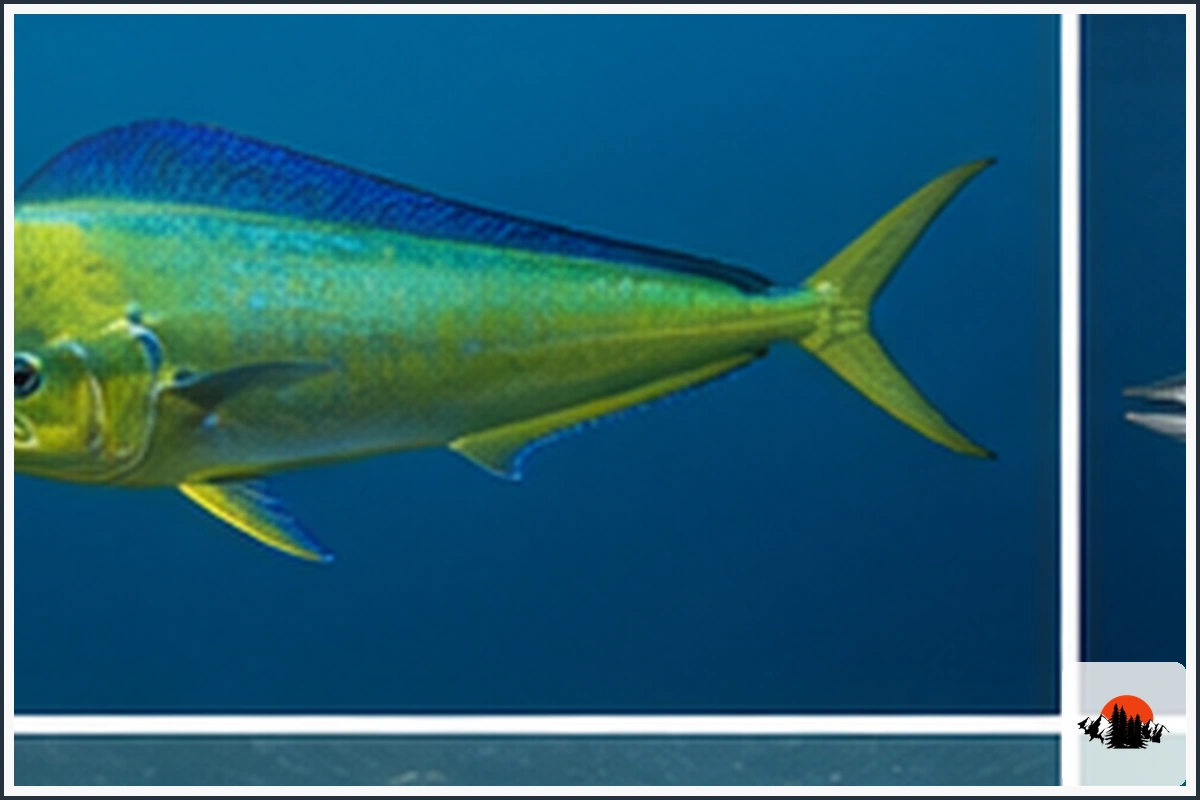
29. Mahi-Mahi
Scientific name: Coryphaena hippurus
Mahi-mahi, also called dolphinfish, have brilliant green, blue, yellow, and gold coloration when alive. Males often develop a steep forehead, while females have a more rounded head.
They live in warm offshore waters and gather around floating debris, weed lines, and drifting objects where small prey concentrate. Mahi-mahi grow quickly, eat fish and squid, and are important recreational and commercial seafood species.
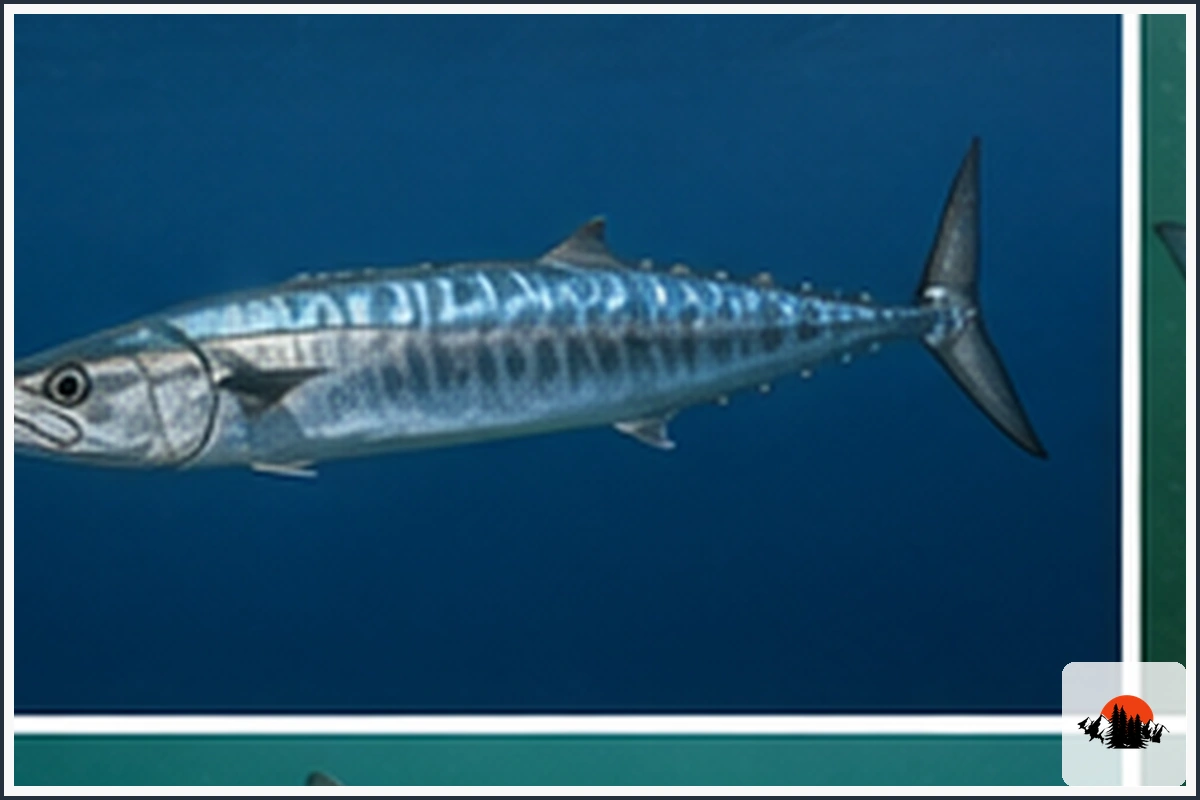
30. Wahoo
Scientific name: Acanthocybium solandri
Wahoo are exceptionally fast, slender predators with a long pointed snout, sharp teeth, and striking blue-green vertical bars. They inhabit warm offshore waters and often travel alone or in small groups.
They eat tuna, flying fish, squid, and other swift prey. Wahoo are valued for speed, strength, and firm white meat. Their razorlike teeth require extreme care during handling.
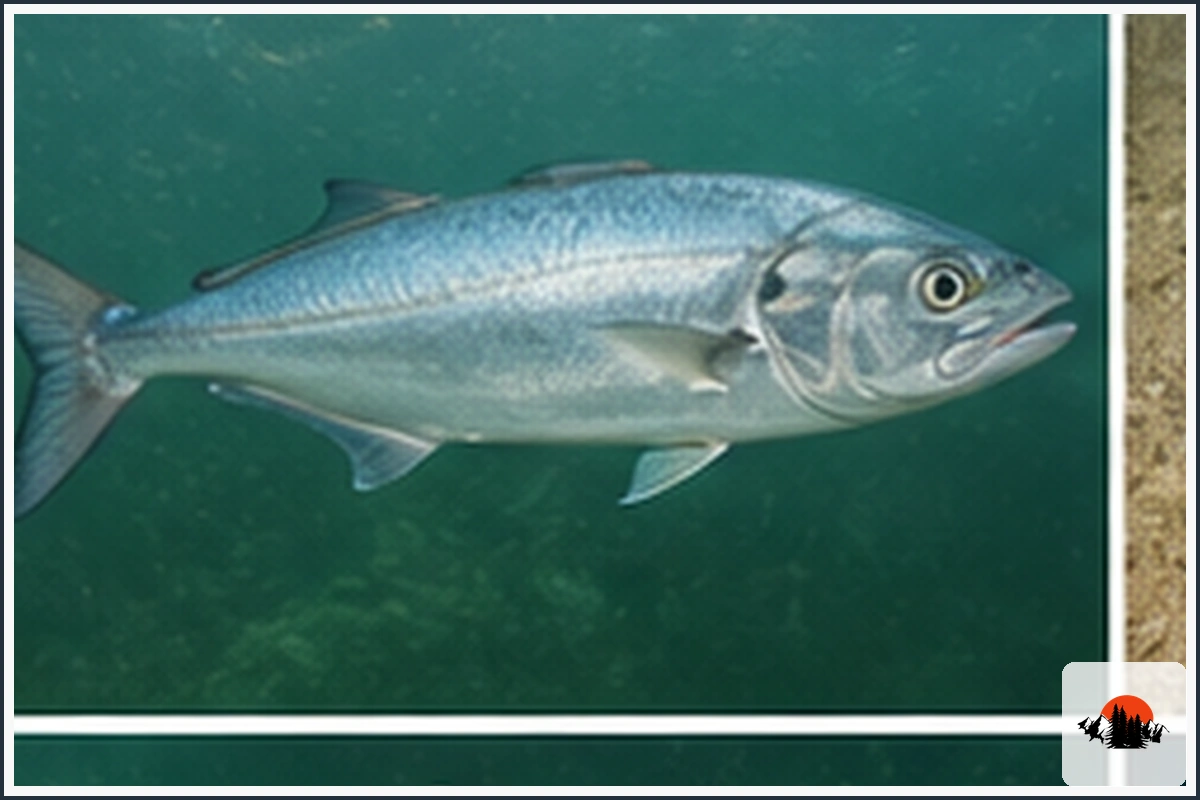
31. Bluefish
Scientific name: Pomatomus saltatrix
Bluefish have a streamlined body, blue-green back, silvery sides, and strong jaws filled with sharp teeth. They may enter Florida’s coastal waters seasonally and are often associated with moving schools of baitfish.
They are aggressive predators that feed on menhaden, mullet, anchovies, and other fish. Bluefish can be active around passes, beaches, inlets, and nearshore structure.
32. Flounder
Common Florida species: Southern flounder and gulf flounder
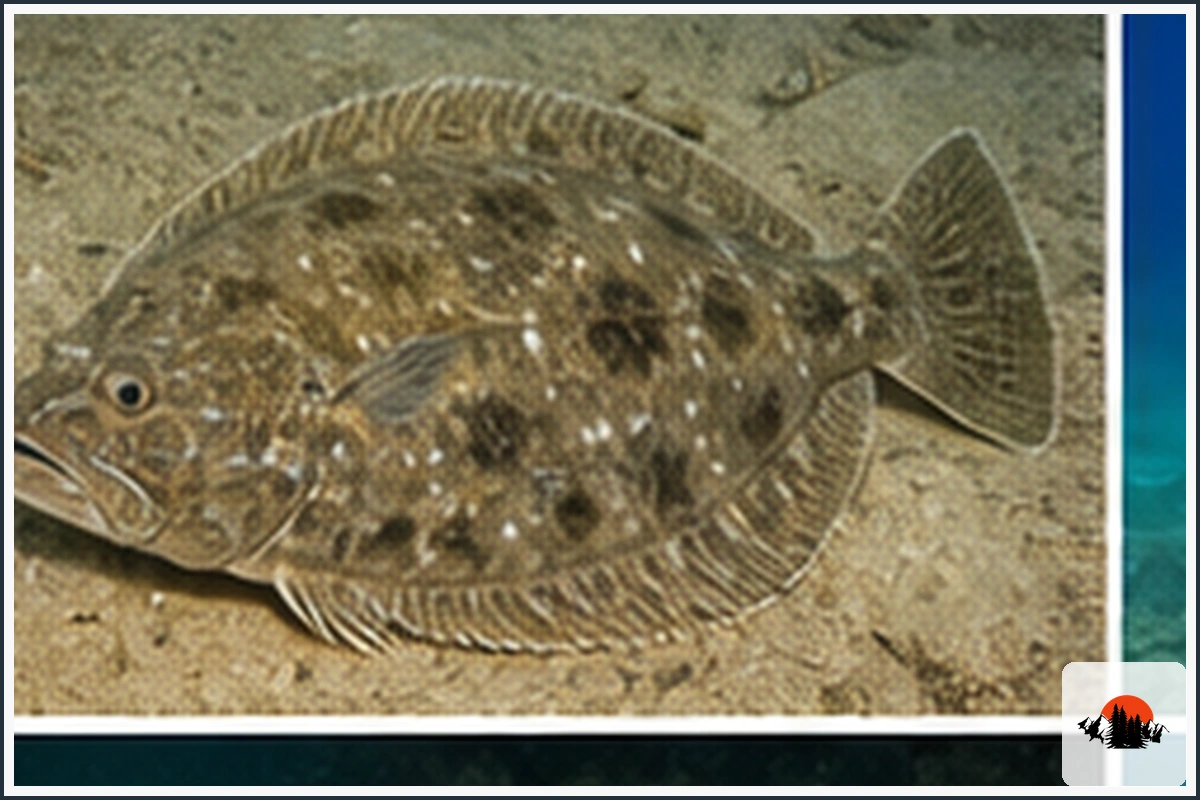
Flounders are flatfish that rest on the seafloor with both eyes positioned on one side of the head. They are usually brown, olive, or mottled, allowing them to blend with sand, mud, shell, and seagrass.
They live in bays, estuaries, passes, rivers, and nearshore waters. Flounder ambush shrimp and small fish from the bottom. Their flat shape and side-facing swimming style make them easy to distinguish from round-bodied fish.
33. Pompano
Scientific name: Trachinotus carolinus
Florida pompano are deep-bodied, silvery fish with yellowish fins and a short blunt head. They commonly occur along sandy beaches, passes, bays, surf zones, and shallow coastal flats.
They feed on sand fleas, shrimp, crabs, and other bottom-dwelling prey. Pompano are prized as food fish because of their firm, flavorful meat. Their compact body and forked tail help separate them from similar jacks.
34. Permit
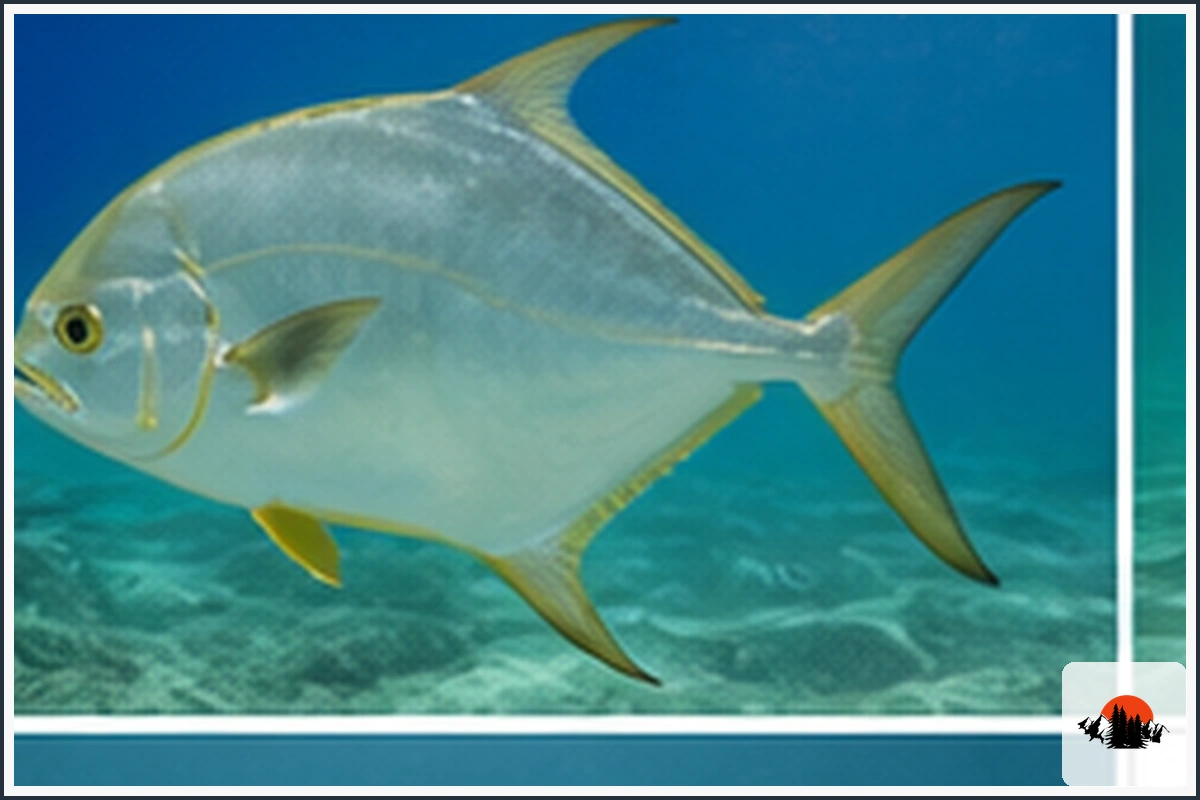
Scientific name: Trachinotus falcatus
Permit are large, powerful members of the jack family with a silvery body, tall dorsal and anal fins, and deeply forked tail. They are especially associated with Florida flats, channels, reefs, wrecks, and tropical coastal habitats.
Permit feed mainly on crabs, shrimp, and other crustaceans. They are wary and strong, making them a challenging sight-fishing target. Young permit may show darker markings than adults.
35. Jack Crevalle
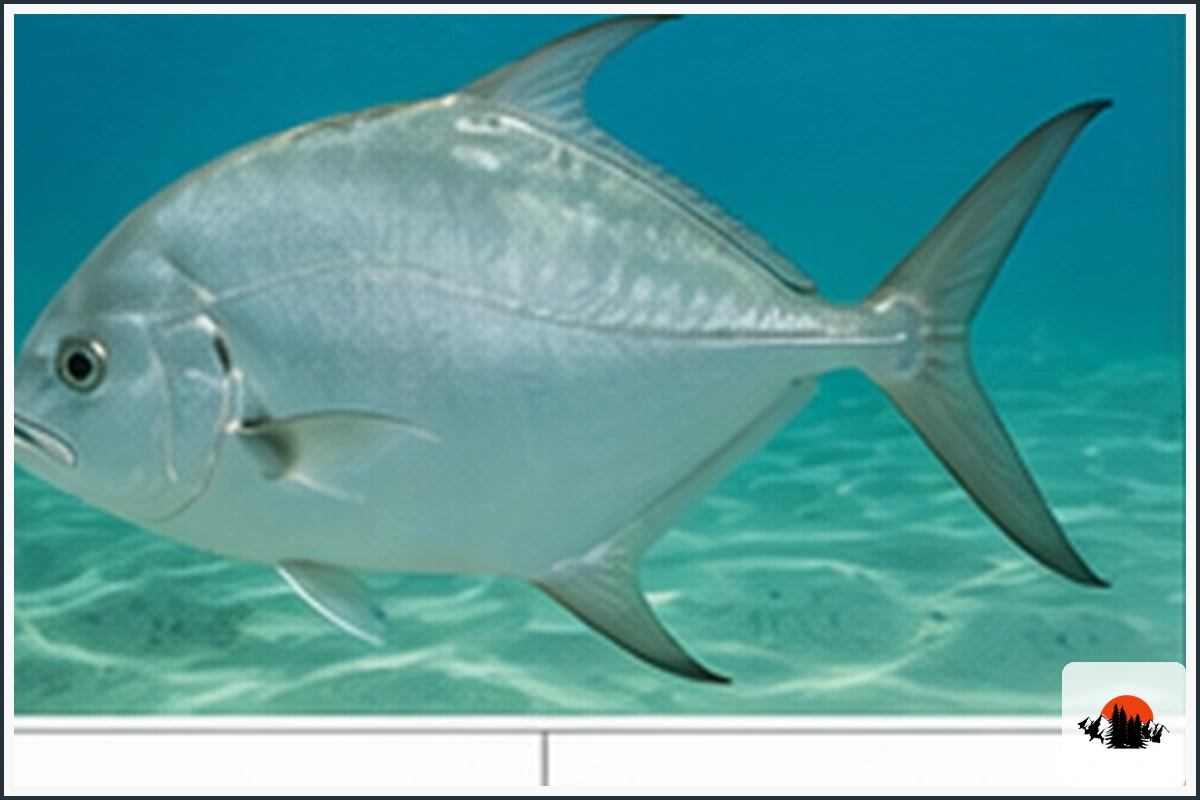
Scientific name: Caranx hippos
Jack crevalle are muscular, deep-bodied fish with a blunt head, dark spot near the gill cover, and powerful forked tail. They patrol bays, inlets, beaches, passes, and coastal rivers.
They chase schooling baitfish and are known for aggressive strikes and long, strong runs. Jack crevalle are important predators but are generally valued more for sport than for table quality.
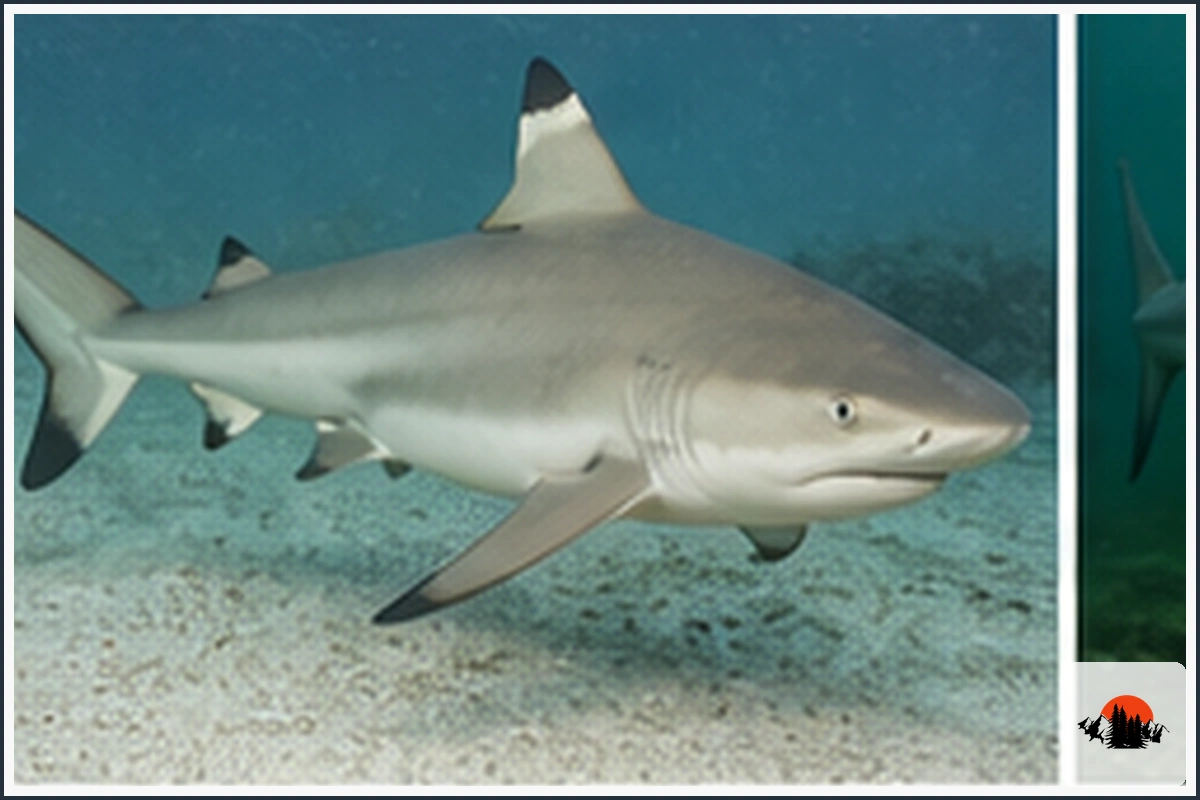
36. Blacktip Shark
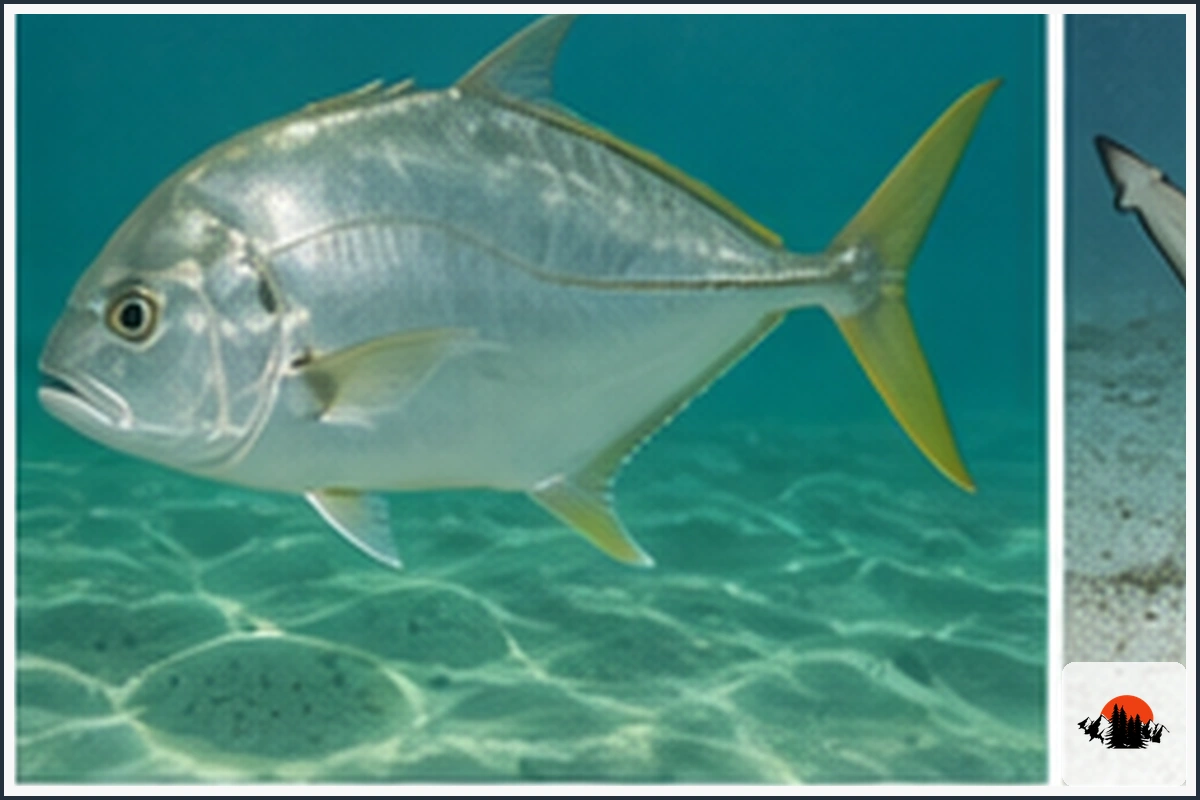
Scientific name: Carcharhinus limbatus
Blacktip sharks are slender coastal sharks with dark markings on the fin tips, especially the first dorsal and pectoral fins. They inhabit nearshore waters, bays, beaches, and estuaries.
They eat fish, rays, squid, and crustaceans. Blacktips often follow schools of baitfish and may leap from the water while feeding. They should always be observed from a safe distance.
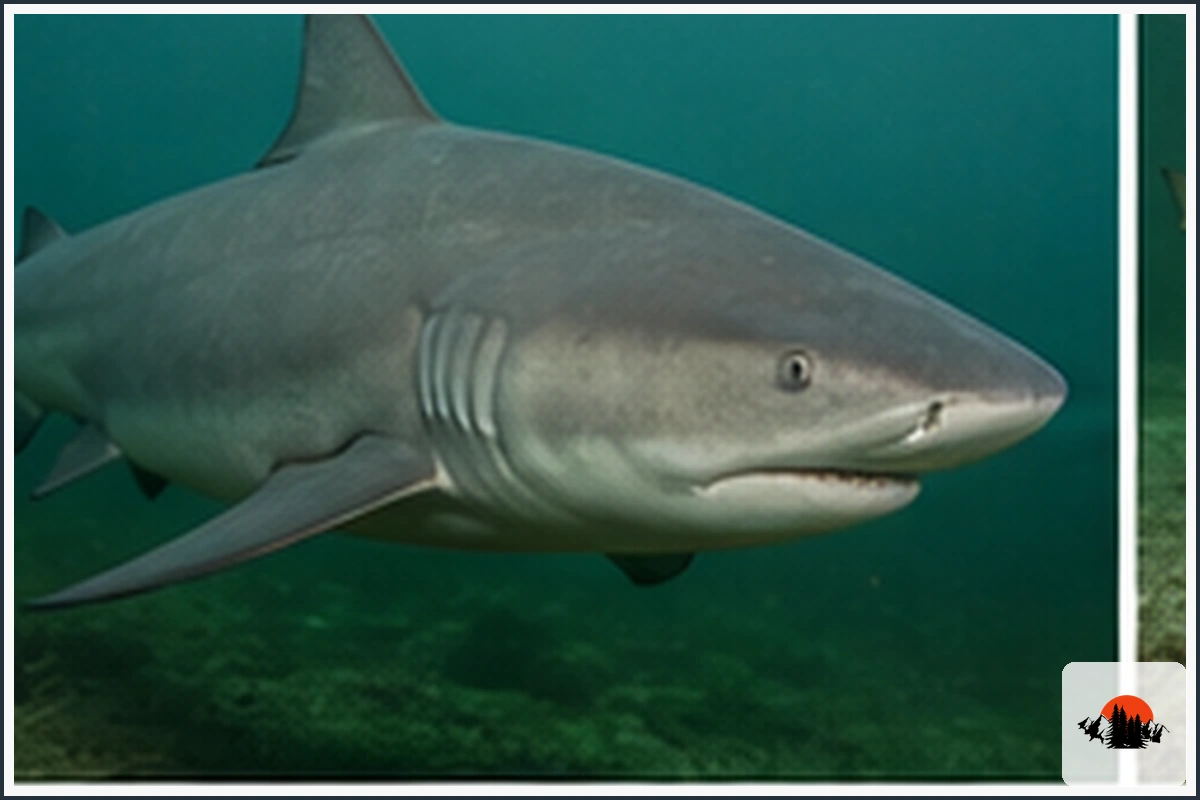
37. Bull Shark
Scientific name: Carcharhinus leucas
Bull sharks have a broad, blunt snout, stout body, and gray coloration. They tolerate low-salinity water and may travel into estuaries, coastal rivers, lagoons, and freshwater areas.
They eat fish, rays, turtles, birds, and other animals. Because bull sharks are powerful predators, swimmers and anglers should avoid handling them and follow local shark-safety guidance.
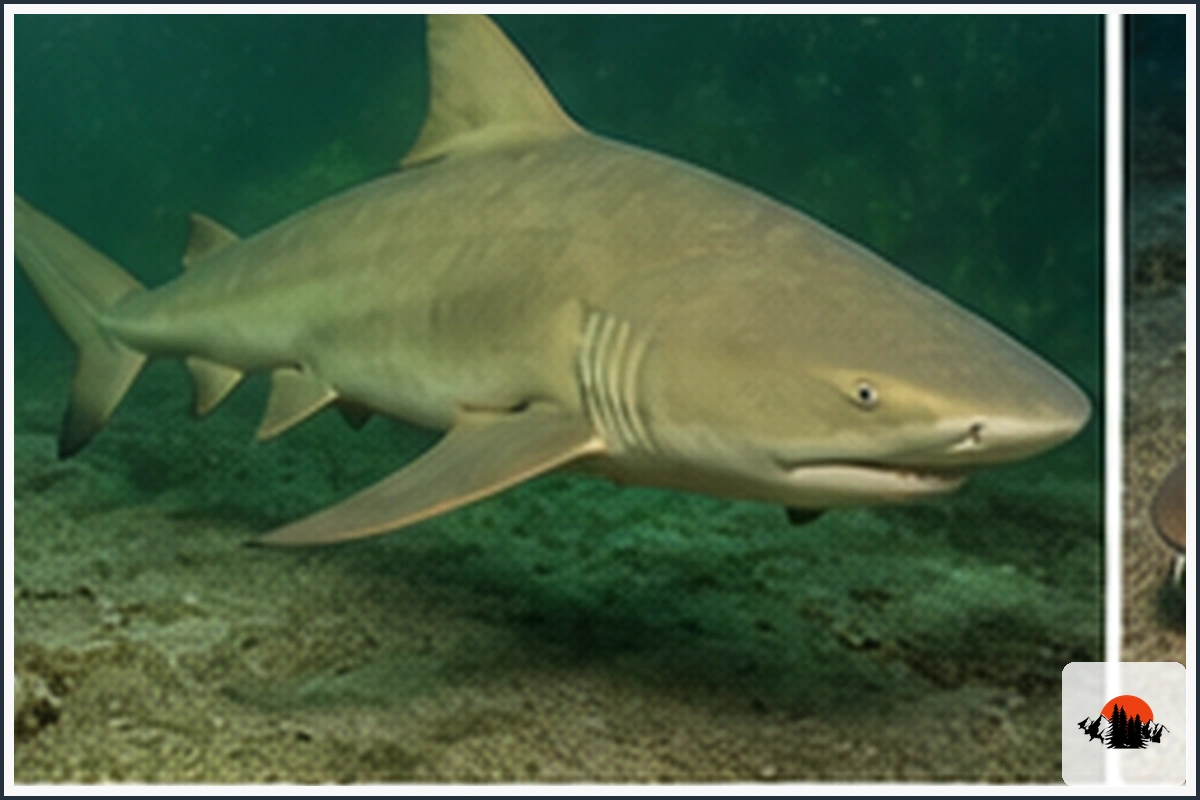
38. Lemon Shark
Scientific name: Negaprion brevirostris
Lemon sharks have a yellowish or olive-brown color, broad head, and two similarly sized dorsal fins. They commonly occur in shallow coastal waters, mangrove edges, bays, and sandy areas.
They feed on fish, rays, crustaceans, and other marine animals. Juveniles often use shallow nursery habitats, including mangrove-lined waters, where cover helps reduce predation.
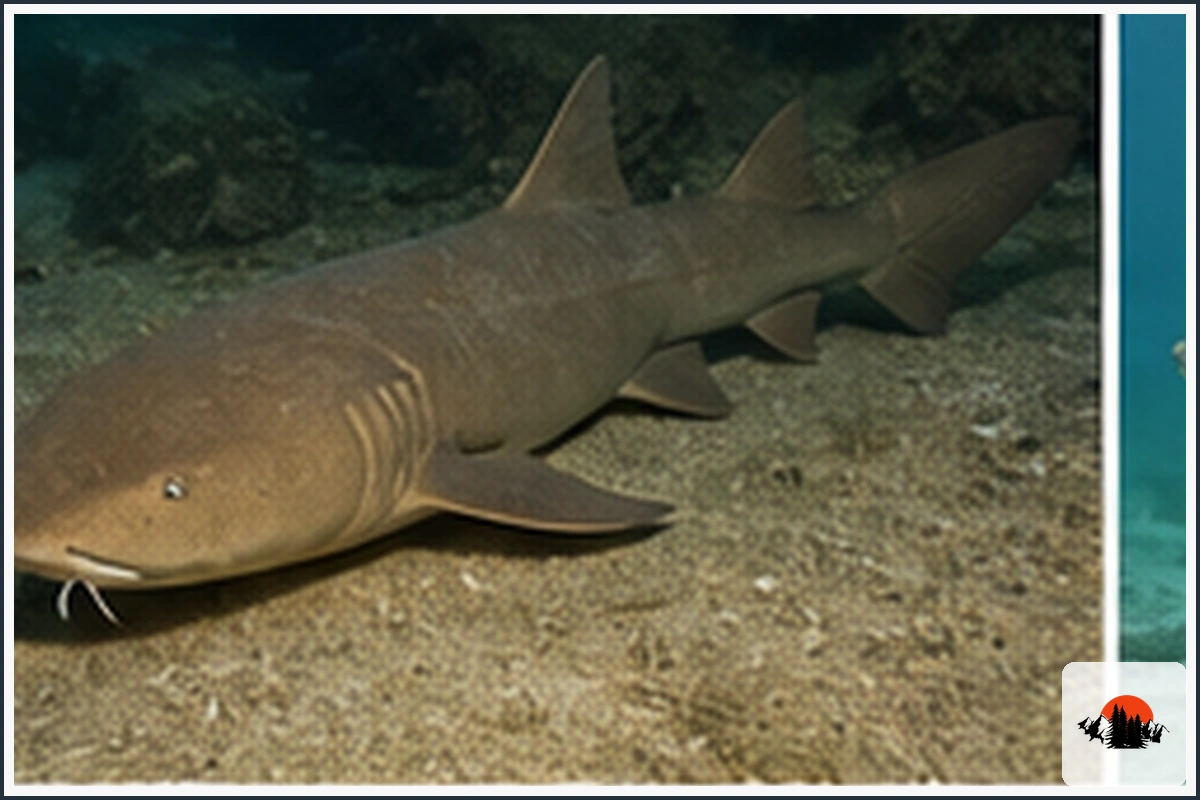
39. Nurse Shark
Scientific name: Ginglymostoma cirratum
Nurse sharks are bottom-dwelling sharks with a broad head, small eyes, fleshy barbels, and a brown or gray body. They rest under ledges, near reefs, around wrecks, and on sandy bottoms.
They use suction to pull in fish, squid, shrimp, and other prey. Nurse sharks are generally slow-moving, but they are wild animals and should never be touched, fed, or crowded by divers.
40. Bonnethead
Scientific name: Sphyrna tiburo
Bonnetheads are small hammerhead sharks with a smooth, shovel-shaped head. They inhabit shallow bays, estuaries, grass flats, and coastal waters around Florida.
They eat crabs, shrimp, small fish, and other bottom prey. Bonnetheads are among the smaller hammerhead sharks and are often seen over sandy or grassy seafloors. Their unusually shaped head improves sensory awareness while searching for prey.
How Are These Types of Fish Classified?
Florida fish can be classified by habitat, body structure, evolutionary relationships, and how they use their environment.
- Freshwater fish: Live mainly in lakes, rivers, springs, ponds, canals, and swamps.
- Saltwater fish: Live in the Atlantic Ocean, Gulf of Mexico, offshore reefs, beaches, and coastal waters.
- Estuarine fish: Tolerate changing salinity in bays, lagoons, mangroves, tidal creeks, and river mouths.
- Predators: Include bass, tarpon, snook, grouper, mackerel, and sharks.
- Bottom feeders: Include catfish, drum, sheepshead, flounder, and many rays and reef fish.
- Pelagic fish: Swim in open water, including sailfish, mahi-mahi, wahoo, and king mackerel.
- Panfish: Small to medium freshwater sunfish and crappie commonly caught for food or sport.
Where Do These Fish Live?
Florida’s freshwater fish live in inland lakes, spring runs, rivers, canals, reservoirs, cypress swamps, ponds, and drainage systems. Vegetation, submerged timber, rock, docks, and deep channels provide food and shelter.
Saltwater fish occupy several coastal zones. Mangroves and seagrass beds serve as nursery habitat for young fish. Beaches, passes, inlets, oyster reefs, bridges, and jetties attract feeding fish. Offshore reefs, wrecks, ledges, and open-water current lines support grouper, snapper, mackerel, sailfish, mahi-mahi, and other ocean species.
What Do Florida Fish Eat?
Florida fish diets vary by species and habitat. Freshwater bass and pickerel eat smaller fish, frogs, insects, and crayfish. Bluegill and other sunfish consume insects, larvae, plankton, and small crustaceans. Catfish feed along the bottom on aquatic animals and organic material.
Coastal fish eat shrimp, crabs, squid, shellfish, baitfish, and other marine animals. Sharks, tarpon, snook, mackerel, jacks, and billfish are primarily predators. Sheepshead, black drum, and many snappers use specialized teeth or jaws to crush hard-shelled prey.
How to Identify Different Types of Fish in Florida
- Check the habitat: Note whether the fish is in freshwater, brackish water, a grass flat, reef, beach, river, or offshore area.
- Study the body shape: Long, deep, flat, cylindrical, and streamlined bodies suggest different groups.
- Look at the mouth: Large jaws, protruding teeth, barbels, or a downward-facing mouth can be important clues.
- Notice markings: Spots, stripes, dark tail patches, vertical bars, and fin markings often separate similar species.
- Examine the fins: A tall dorsal fin, deeply forked tail, long dorsal base, or sharp spines may be distinctive.
- Estimate size carefully: Size helps identification but should not be used alone because young fish often look different from adults.
- Observe behavior: Schooling, bottom feeding, ambushing, surface rolling, or following floating objects can provide useful context.
- Use a current field guide: Confirm identification before keeping a fish or handling a potentially dangerous species.
Fishing Tips and Notes
- Match your approach to the habitat: vegetation for bass, structure for grouper and snapper, and moving water for snook and redfish.
- Use live bait, artificial lures, or flies appropriate for the target species and local regulations.
- Check Florida fishing seasons, bag limits, size limits, licensing rules, and protected areas before fishing.
- Handle released fish with wet hands, support the body, and return them quickly to the water.
- Use heavy leaders and specialized tools when fishing around toothy fish, sharks, or sharp-spined species.
- Do not assume a fish is legal to keep simply because it is common. Species identification is your responsibility.
Safety, Sustainability, and Conservation Notes
Florida’s fish depend on healthy wetlands, springs, seagrass beds, mangroves, oyster reefs, rivers, and offshore habitat. Anglers can help by following regulations, avoiding unnecessary fish handling, disposing of line properly, and releasing unwanted bait instead of dumping it into waterways.
Never release aquarium fish, nonnative species, or live bait into a new water body. Avoid touching sharks, rays, moray eels, and fish with sharp teeth or spines. Follow local swimming and boating advisories, and check seafood consumption guidelines for species that may contain elevated mercury.
Fun Facts About Types of Fish in Florida
- Florida has both freshwater springs and tropical marine habitats within the same state.
- Tarpon can gulp air using a specialized swim bladder.
- Bowfin and gar are ancient fish lineages with unusual adaptations for low-oxygen water.
- Sheepshead have strong teeth that resemble human teeth.
- Bonnetheads are small hammerhead sharks with shovel-shaped heads.
- Some snappers and groupers can change color or pattern intensity.
- Many young fish use mangrove roots and seagrass beds as nursery habitat.
- Mahi-mahi can grow quickly and are among the fastest-growing popular offshore fish.
- Black drum can produce a drumming sound using muscles near the swim bladder.
- Florida’s canals connect many habitats, but they can also help invasive species spread.
Final Thoughts on Types of Fish in Florida
The types of fish in Florida range from small freshwater sunfish to powerful offshore predators. Learning their body shapes, markings, habitats, diets, and behaviors makes fishing and wildlife observation more rewarding. Always identify fish carefully, follow current regulations, protect aquatic habitat, and enjoy Florida’s remarkable waters responsibly.
Frequently Asked Questions
1. How many types of fish are found in Florida?
Florida has hundreds of native, introduced, freshwater, estuarine, and marine fish species. This guide presents 40 notable and commonly recognized examples rather than a complete scientific catalog.
2. What is the most popular freshwater fish in Florida?
Largemouth bass is generally considered Florida’s most popular freshwater sport fish. Bluegill, crappie, catfish, and redear sunfish are also widely sought.
3. What is the most famous saltwater fish in Florida?
Tarpon is one of Florida’s most famous saltwater fish because of its size, silver scales, powerful jumps, and challenging fights.
4. What fish can be found in Florida lakes?
Common lake fish include largemouth bass, bluegill, redear sunfish, black crappie, catfish, bowfin, gar, and pickerel.
5. What fish live in Florida rivers?
Florida rivers may contain bass, sunfish, catfish, gar, bowfin, snook, mullet, red drum, and other species depending on salinity and location.
6. What fish live in Florida springs?
Springs may support sunfish, bass, catfish, gar, minnows, mullet, and other freshwater species. Species vary according to the spring system and nearby river connections.
7. What fish live around Florida mangroves?
Mangrove habitats support juvenile snook, tarpon, red drum, snapper, jack crevalle, sheepshead, sharks, and many smaller prey fish.
8. What is Florida’s state freshwater fish?
The largemouth bass is Florida’s official state freshwater fish.
9. What is the best fish to catch in Florida?
The best target depends on your goal. Largemouth bass are popular inland, while snook, tarpon, redfish, spotted seatrout, grouper, snapper, and sailfish attract saltwater anglers.
10. What Florida fish are good to eat?
Species commonly valued as food include pompano, snapper, grouper, flounder, sheepshead, black drum, and properly regulated bass or panfish. Always follow current advisories and regulations.
11. What is the biggest fish in Florida waters?
Several species can become extremely large, including tarpon, sharks, billfish, large grouper, and some freshwater catfish. The largest depends on whether freshwater, inshore, or offshore species are being compared.
12. Are tarpon good to eat?
Tarpon are generally pursued as sport fish rather than food because their flesh contains many small bones. Regulations commonly emphasize careful release, but anglers should verify current rules.
13. Are snook freshwater or saltwater fish?
Snook are primarily coastal and estuarine fish, but they can travel into rivers, canals, and low-salinity water, especially during warmer conditions.
14. How can you identify a redfish?
Redfish usually have a copper or bronze body and one or more dark spots near the tail. Their appearance varies with habitat, so body shape and local range should also be considered.
15. How can you identify spotted seatrout?
Spotted seatrout have a silvery body with numerous dark spots and noticeable canine teeth. They are commonly found in bays, grass flats, and estuaries.
16. What fish has teeth like a human in Florida?
Sheepshead have prominent front teeth that look similar to human teeth. They use them to scrape and crush barnacles, oysters, crabs, and other hard prey.
17. What Florida fish has a black spot near its tail?
Red drum commonly have a dark spot near the tail. Peacock bass and several other species may also have tail spots, so habitat and body shape are important.
18. What Florida fish has a long snout and armored scales?
Florida gar have a long narrow snout, sharp teeth, and hard diamond-shaped scales.
19. What Florida fish can breathe air?
Tarpon, bowfin, gar, and walking catfish have adaptations that allow them to obtain oxygen from air or tolerate oxygen-poor water.
20. Are walking catfish native to Florida?
No. Walking catfish are introduced fish in Florida. They should not be transported or released into new waterways.
21. Are Mayan cichlids invasive in Florida?
Mayan cichlids are nonnative and established in parts of Florida. They may compete with native species, so anglers should follow local rules regarding possession and release.
22. What fish are found in Florida canals?
Canals may contain bass, bluegill, crappie, gar, catfish, Mayan cichlids, snook, tarpon, and other species depending on whether the canal is freshwater or connected to the coast.
23. What fish live in Florida saltwater?
Saltwater species include tarpon, snook, red drum, spotted seatrout, pompano, permit, snapper, grouper, mackerel, sailfish, mahi-mahi, sharks, and many others.
24. What fish live in Florida bays?
Florida bays commonly support redfish, spotted seatrout, snook, flounder, pompano, sheepshead, snapper, jack crevalle, sharks, and many baitfish.
25. What fish live around Florida reefs?
Reefs support grouper, snapper, amberjack, grunts, triggerfish, wrasse, parrotfish, moray eels, and many smaller reef species.
26. What are Florida panfish?
Panfish are generally smaller freshwater fish suitable for catching and eating. Florida examples include bluegill, redear sunfish, warmouth, and black crappie.
27. Are Florida fish safe to eat?
Many Florida fish are safe when legally harvested, properly handled, and prepared. Follow official local consumption advisories because guidance can vary by species, water body, and sensitive groups.
28. Which Florida fish may have mercury concerns?
Larger, older predatory fish such as some sharks, king mackerel, barracuda, and large offshore species may have higher mercury levels. Check current state and federal advisories before eating them.
29. What should you do if you catch an unfamiliar fish?
Keep it in the water when possible, avoid touching spines or teeth, take a clear photograph, and use a current fish identification guide or ask a local fisheries authority.
30. Can you keep any fish caught in Florida?
No. Florida has species-specific rules covering licenses, seasons, size limits, bag limits, gear, and protected areas. Check current regulations before fishing.
31. Are sharks common in Florida?
Sharks are common in Florida’s coastal waters, although their abundance varies by species, season, habitat, and location. Most sharks avoid people, but safe wildlife-viewing practices are essential.
32. What is the difference between a grouper and a snapper?
Groupers are usually deeper-bodied fish with large mouths and robust bodies, while snappers tend to be more streamlined with sharper canine teeth. Several species require careful identification because colors can overlap.
33. What is the difference between a bluefish and a mackerel?
Bluefish have a robust body and prominent canine teeth. Spanish and king mackerel are generally more streamlined, with pointed snouts and distinctive body markings.
34. What fish are easiest for beginners to catch?
Bluegill, redear sunfish, channel catfish, and largemouth bass are common beginner targets in freshwater. Spotted seatrout, whiting, pompano, and sheepshead can be approachable saltwater targets with suitable local guidance.
35. How should you release a Florida fish?
Wet your hands, avoid squeezing the body, support the fish horizontally, remove the hook carefully, and return it to the water promptly. Use dehooking tools for species with teeth or spines.
36. Can aquarium fish be released in Florida waters?
No. Releasing aquarium fish can introduce disease, predators, and invasive species. Contact a pet retailer, rescue group, or wildlife agency if you can no longer keep a fish.
37. What is the best way to learn Florida fish identification?
Use a current regional field guide, fisheries website, clear photographs, and habitat notes. Compare several features instead of relying on color alone.
38. Do Florida fish migrate?
Many do. Tarpon, snook, red drum, mackerel, sailfish, and other species move seasonally in response to temperature, spawning, food, and water conditions.
39. Why are seagrass beds important to Florida fish?
Seagrass beds provide feeding areas, shelter, and nursery habitat for young fish, shrimp, crabs, and other marine animals. Boaters should avoid damaging them with anchors or propellers.
40. Why are mangroves important for fish?
Mangrove roots protect shorelines and create complex nursery habitat. Many juvenile fish use mangroves to hide from predators and find abundant food.