

Hawaii’s warm, deep ocean waters attract several whale species, although some are far more commonly seen than others. Learning the different types of whales in Hawaii can make a whale-watching trip more rewarding and help you recognize animals by size, body shape, behavior, and season. This guide covers eight whale species and groups reported in Hawaiian waters, including their habitat, diet, appearance, migration patterns, and conservation importance.
What Are the Main Types of Whales in Hawaii?
The most familiar whale in Hawaii is the humpback whale, which migrates to the islands each winter to breed and give birth. Other whales may be seen offshore year-round, including sperm whales, short-finned pilot whales, false killer whales, melon-headed whales, and several beaked whale species. Blue whales and fin whales are possible but uncommon visitors. Sightings depend heavily on season, location, ocean conditions, and distance from shore.
1. Humpback Whale
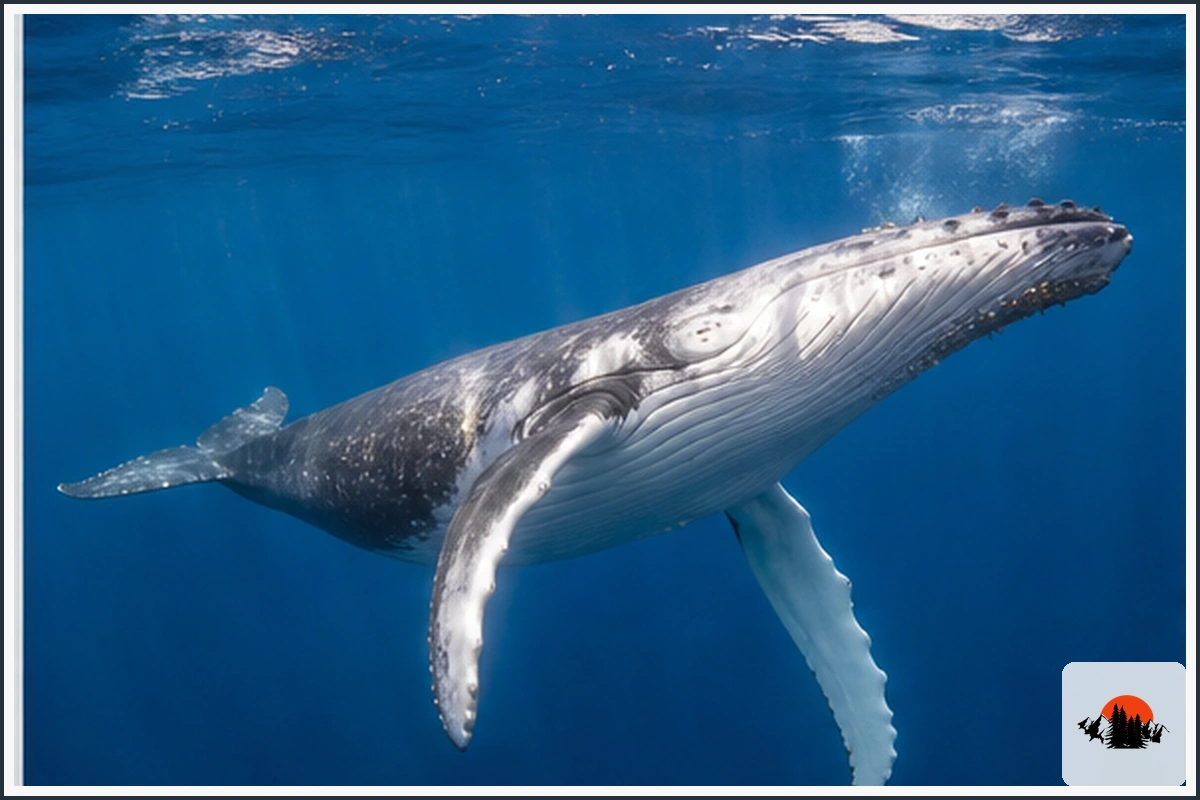
Scientific name: Megaptera novaeangliae
The humpback whale is Hawaii’s best-known whale and the species most visitors hope to see. Thousands of humpbacks migrate from feeding grounds in Alaska and the North Pacific to Hawaiian waters, especially from December through April. The peak viewing period is generally January through March.
Humpbacks are recognized by their long white-edged pectoral fins, dark backs, knobby heads, and powerful tail flukes. Adults commonly measure 40 to 50 feet long. They usually arrive in Hawaii to mate, give birth, and care for calves rather than feed heavily. Their main feeding occurs in colder northern waters, where they eat krill and small schooling fish.
Breaching, tail slapping, pectoral-fin waving, and repeated blows are common behaviors. Calves often remain close to their mothers in shallow, protected areas. Humpback whales are protected under United States law, and whale-watching vessels must follow minimum-distance rules.
2. Sperm Whale
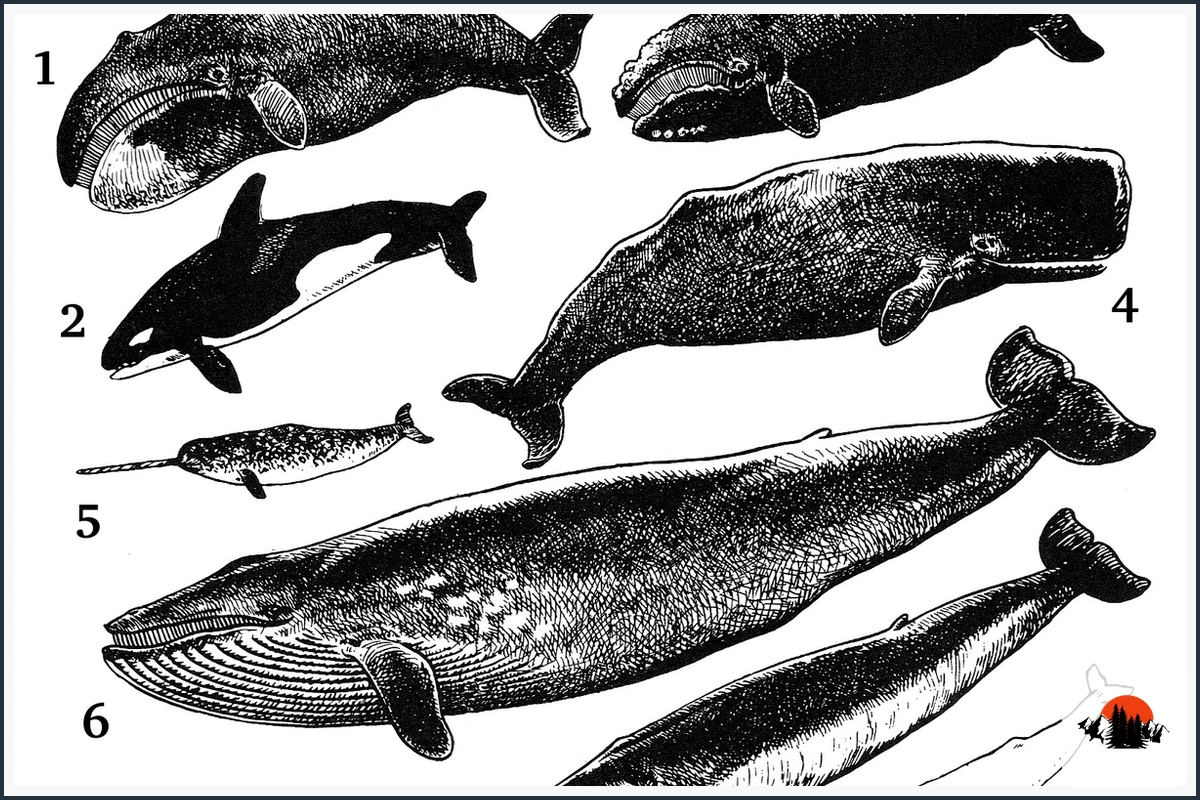
Scientific name: Physeter macrocephalus
Sperm whales are deep-diving toothed whales found in Hawaii’s offshore waters. They are among the largest toothed whales, with adult males reaching roughly 50 to 60 feet. Their enormous, block-shaped heads make them easier to distinguish from most other whales.
Sperm whales spend much of their time in deep ocean habitats, where they hunt squid, fish, and other animals. They can make exceptionally long and deep dives, sometimes remaining underwater for more than an hour. Their blow is often angled forward and to the left, a useful clue for experienced observers.
They are not seen as regularly as humpbacks because they generally remain far offshore. Sperm whales often travel in social groups, particularly females and young animals, while mature males may be more solitary. Their echolocation clicks are among the loudest sounds produced by any animal.
3. Short-Finned Pilot Whale
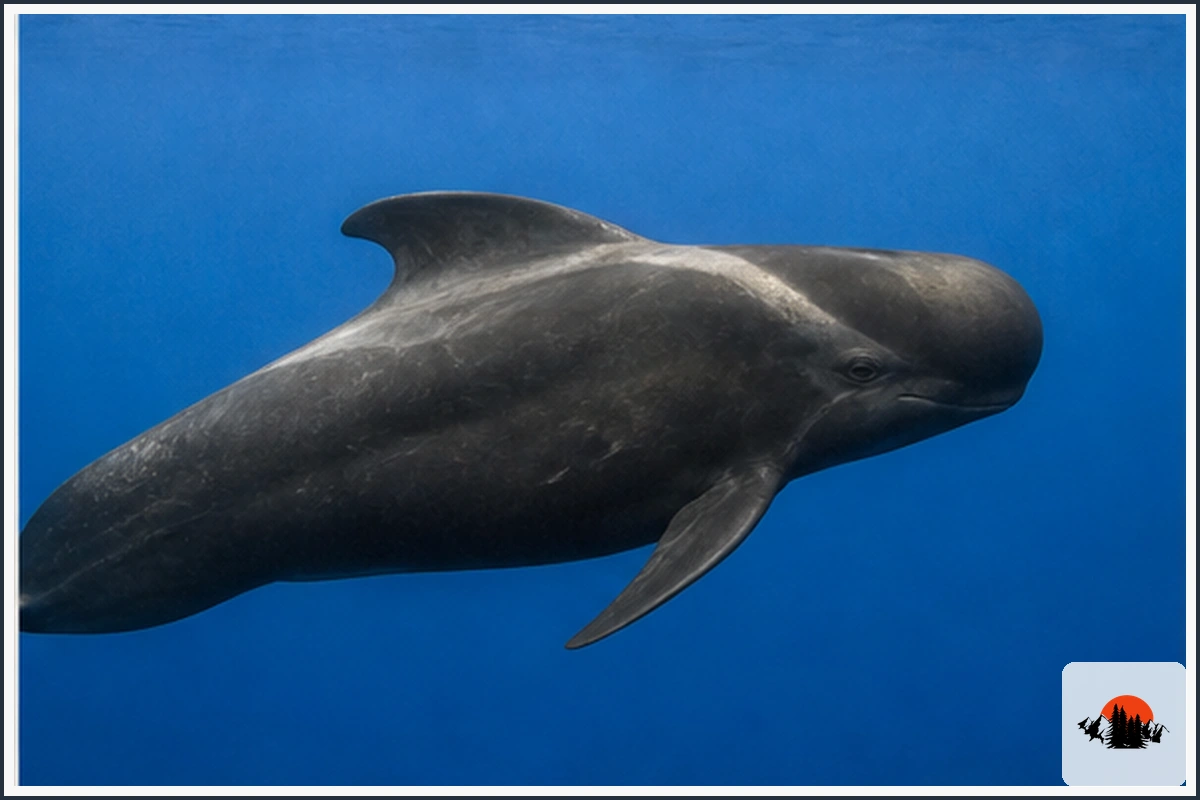
Scientific name: Globicephala macrorhynchus
Short-finned pilot whales are highly social toothed whales that live in groups called pods. They have rounded foreheads, narrow pointed flippers, dark bodies, and a low dorsal fin. Adults may reach about 18 to 24 feet, with males generally larger than females.
These whales are found in warm and temperate offshore waters around Hawaii. Their diet includes squid and fish, and their hunting behavior is supported by strong social cooperation and echolocation. Pilot whales often surface in coordinated groups, creating multiple blows close together.
They can be confused with false killer whales, but pilot whales usually have a more bulbous forehead and a more robust body. Because they are social and often travel in sizable groups, a distant pod can look like a line of dark shapes repeatedly surfacing and diving.
4. False Killer Whale
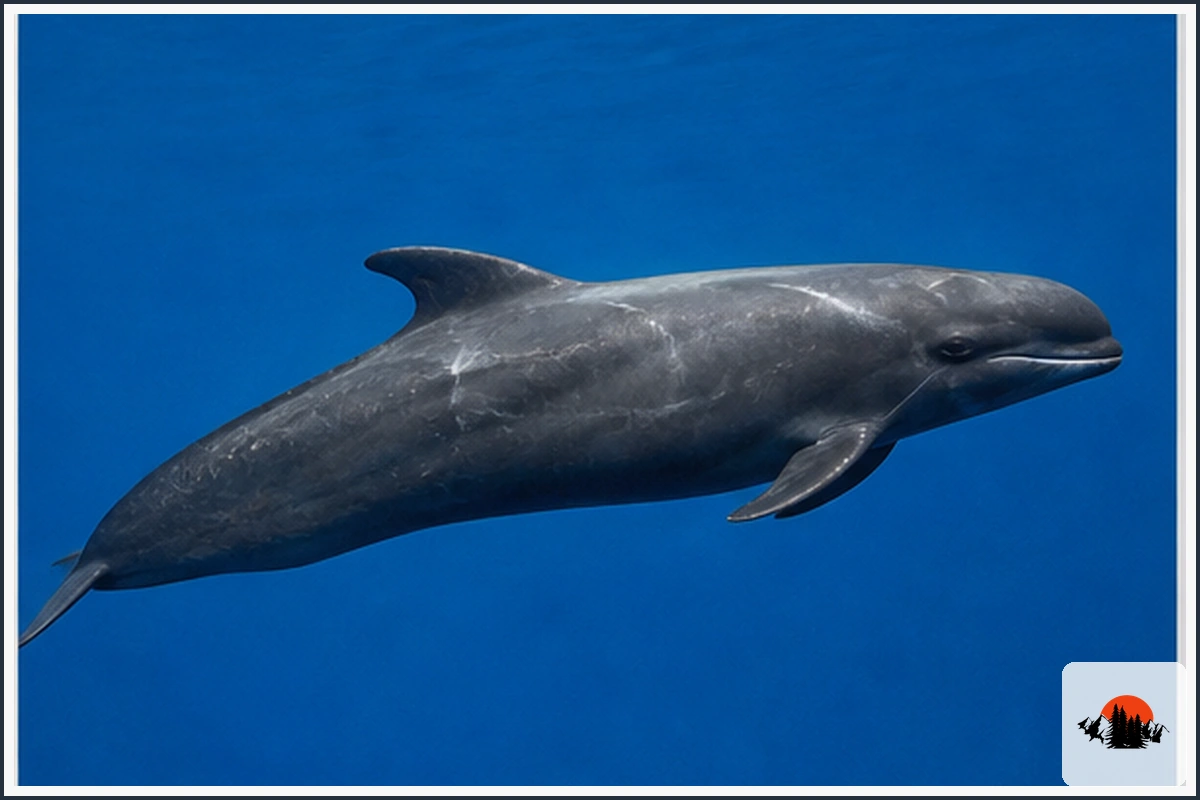
Scientific name: Pseudorca crassidens
The false killer whale is a large, slender member of the dolphin family despite its common name. It has a dark gray or black body, a rounded forehead, long pointed flippers, and a tall dorsal fin. Adults can reach approximately 15 to 20 feet.
False killer whales often travel in stable social groups and are known for coordinated hunting. They eat fish and squid and may sometimes interact with dolphins or other cetaceans. Their behavior can include fast travel, bow riding, and close group movement.
Hawaii supports an important population of false killer whales, including a population associated with the main Hawaiian Islands. This population faces conservation concerns related to limited range, accidental fishing interactions, and reduced numbers. Sightings should be reported responsibly without approaching or attempting to attract the animals.
5. Melon-Headed Whale
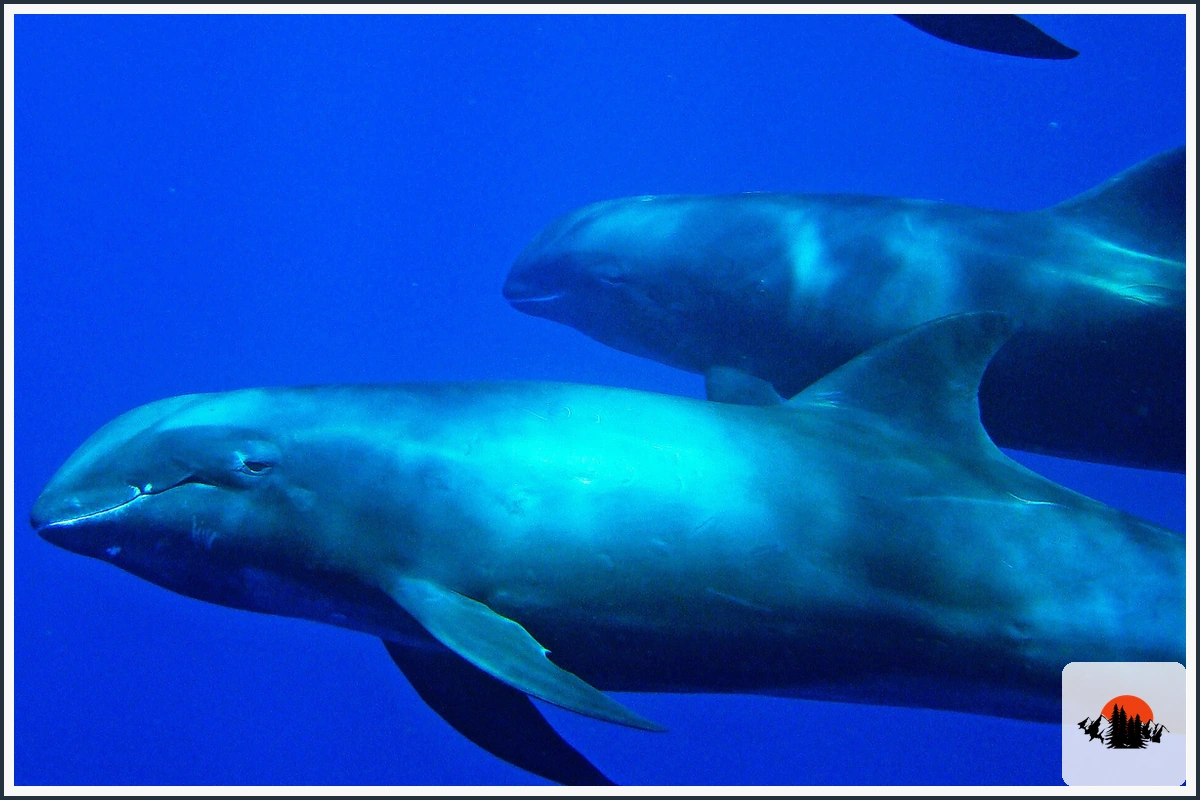
Scientific name: Peponocephala electra
Melon-headed whales are small, streamlined toothed whales with dark bodies, sharply sloping faces, and rounded melon-shaped foreheads. They are closely related to pilot whales and often travel in large, fast-moving groups.
Adults usually grow to about 8 to 10 feet. Their diet consists mainly of squid and small fish captured during offshore dives. Around Hawaii, they may be seen in deep water, sometimes in groups numbering hundreds or more.
At a distance, melon-headed whales may be mistaken for rough-toothed dolphins or small pilot whales. Their compact bodies, pointed flippers, and sharply tapered heads are useful identification features. Large coordinated groups and rapid surface movement are also characteristic.
6. Cuvier’s Beaked Whale
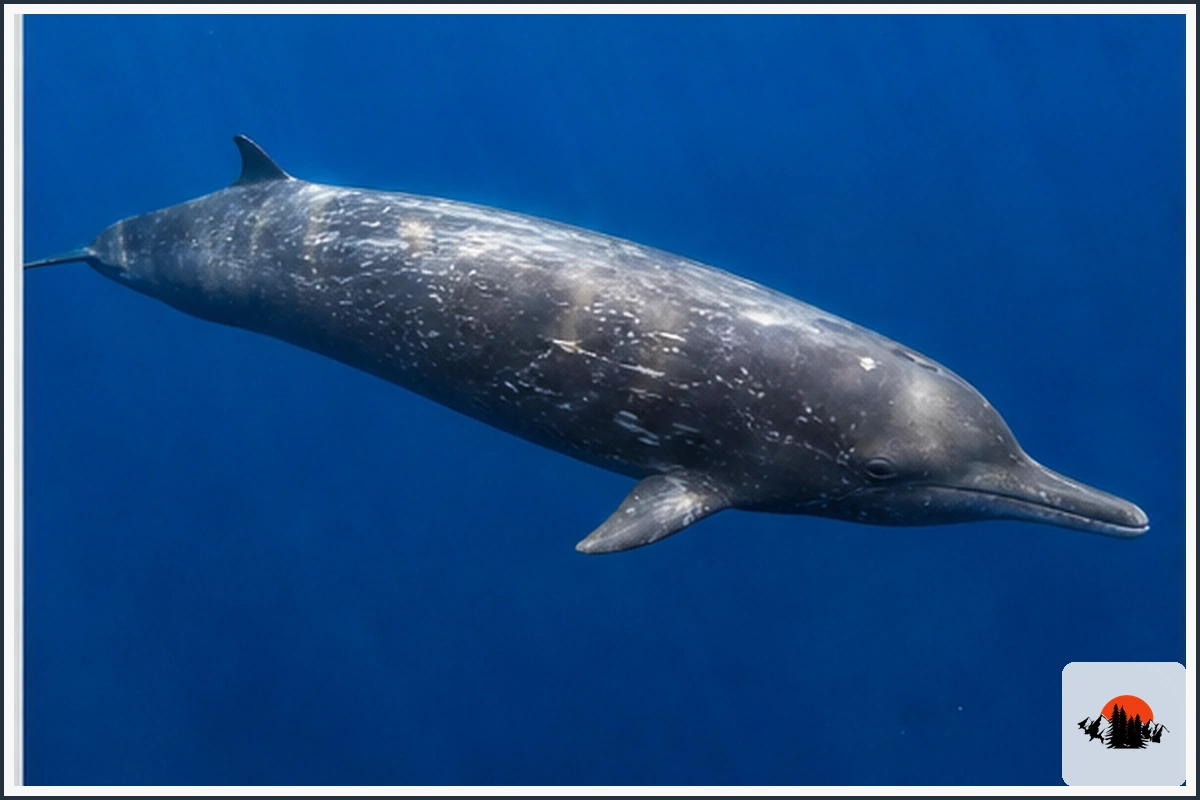
Scientific name: Ziphius cavirostris
Cuvier’s beaked whale is one of the most widespread beaked whales and occurs in deep waters around Hawaii. It has a stocky body, a small beak, a sloping forehead, and a relatively small dorsal fin positioned far back on the body. Adults commonly measure 15 to 23 feet.
This species is a remarkable deep diver that feeds primarily on squid and deep-sea fish. It usually surfaces quietly and briefly, so sightings can be difficult. Its body may appear brown, gray, or pale, and older animals often show scars from encounters with other males.
Cuvier’s beaked whales are usually found well offshore near steep underwater slopes and deep channels. Their quiet surfacing style means that observers may see only a short blow followed by a long disappearance beneath the surface.
7. Blainville’s Beaked Whale
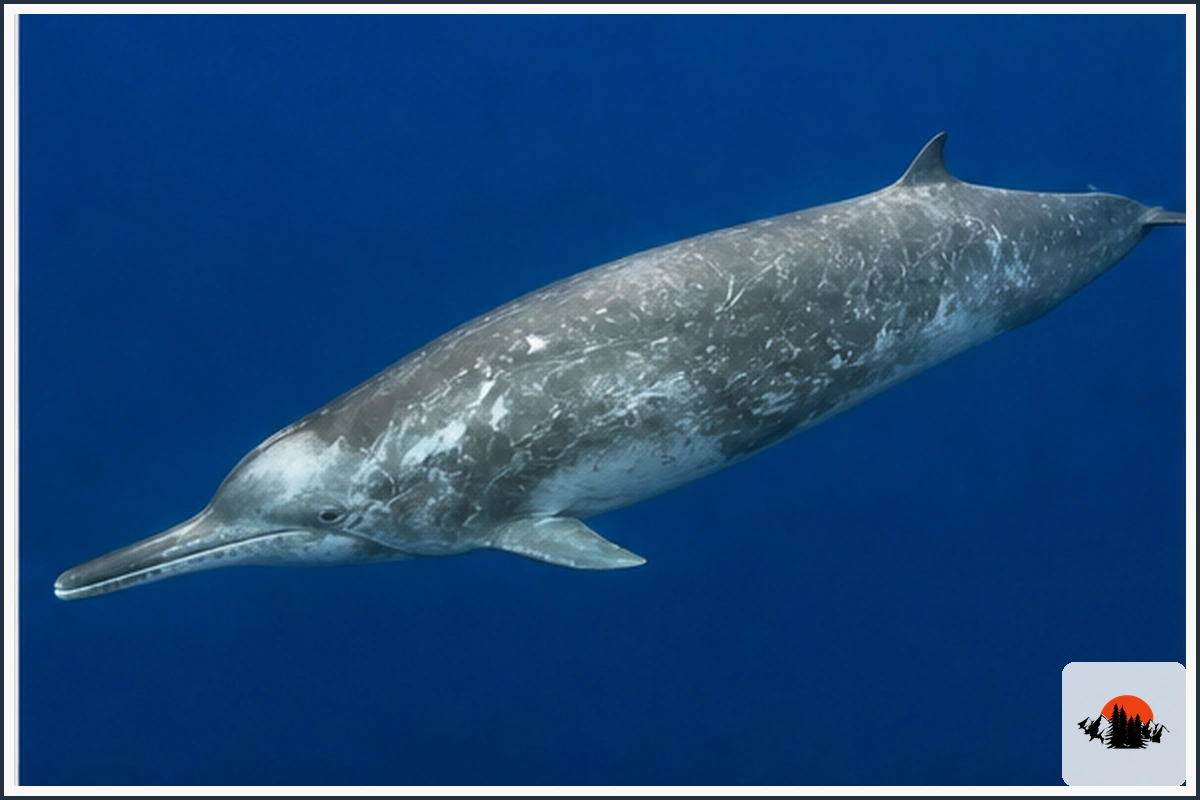
Scientific name: Mesoplodon densirostris
Blainville’s beaked whale is another deep-diving species found in the Hawaiian region. It has a long, narrow beak, a strongly sloping forehead, and a dark gray body that may become lighter underneath. Adult whales generally reach about 14 to 16 feet.
These whales feed on squid and deep-water fish using suction feeding rather than grabbing prey with a large mouthful of water. They are typically shy and difficult to identify at sea because they spend long periods underwater and surface quietly.
Males have prominent teeth that can protrude from the lower jaw, while females generally lack visible teeth. Like other beaked whales, this species is associated with deep offshore habitats and is rarely observed from ordinary coastal viewpoints.
8. Blue Whale
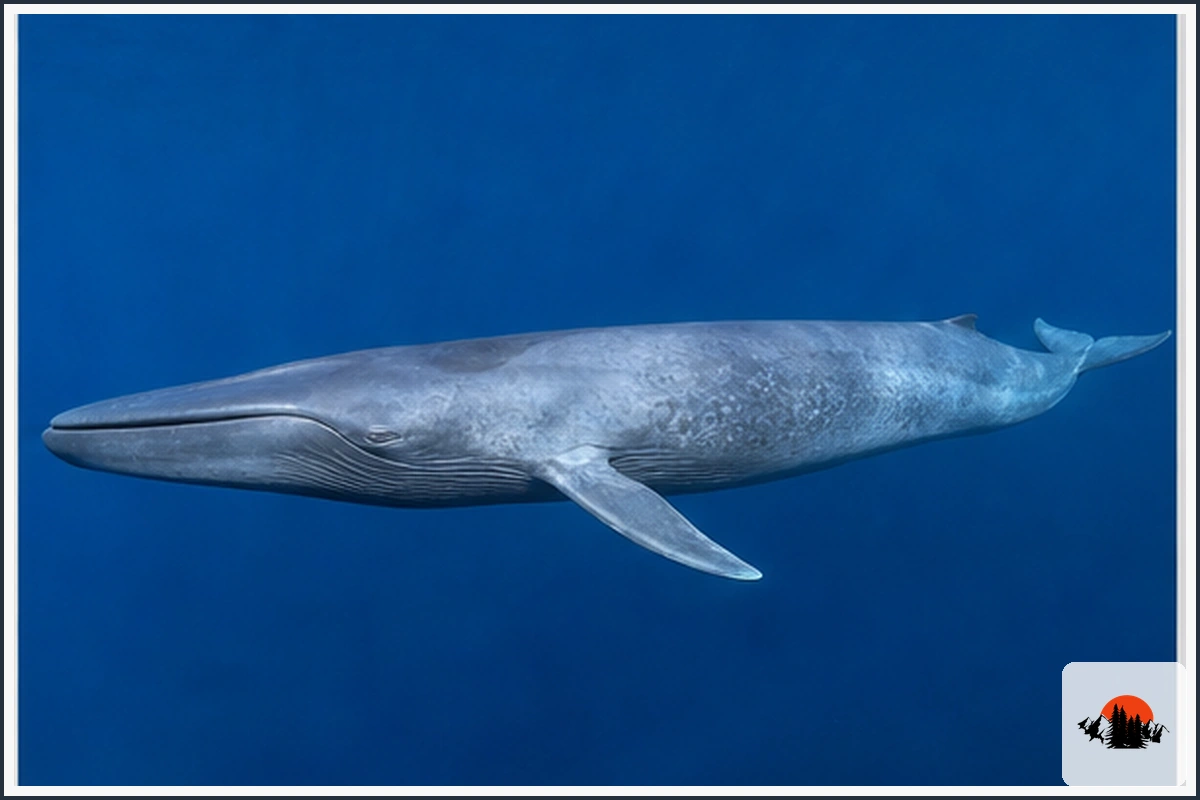
Scientific name: Balaenoptera musculus
Blue whales are the largest animals known to have lived on Earth, but they are uncommon visitors to Hawaiian waters. Their long, streamlined bodies are blue-gray, often appearing mottled when viewed at the surface. Adults can exceed 80 feet in length.
Blue whales are baleen whales that filter tiny krill from the ocean. Their tall blow, enormous size, and long body can help distinguish them from humpbacks, although sightings are usually distant and brief.
They generally spend more time in productive feeding areas than in Hawaii’s warm tropical waters. A confirmed blue whale sighting around the islands is therefore an exciting and relatively unusual event. Observers should avoid assuming every large whale is a blue whale; humpbacks are much more common in Hawaiian waters.
How Are These Whales Classified?
Hawaiian whales belong to two major groups. Baleen whales, including humpback and blue whales, have baleen plates instead of functional teeth and filter small prey from seawater. Toothed whales, including sperm whales, pilot whales, false killer whales, melon-headed whales, and beaked whales, use teeth or suction feeding to capture fish and squid.
They can also be grouped by lifestyle. Some species migrate seasonally, some remain offshore throughout the year, and others specialize in deep-water diving. Body shape, blow pattern, dorsal-fin position, group size, and diving behavior are useful field clues.
Where Do These Whales Live?
Humpback whales are commonly seen around the main Hawaiian Islands during winter, especially near Maui, Lanai, Molokai, Oahu, Kauai, and Hawaii Island. Shallow, sheltered waters are important for mothers and calves.
Most other whales prefer deeper offshore habitats. Sperm whales, beaked whales, pilot whales, false killer whales, and melon-headed whales may occur near underwater slopes, channels, seamounts, and deep ocean basins. Sightings are often more likely from boats that travel beyond the nearshore zone.
Whale distribution changes with water temperature, prey availability, breeding behavior, migration, and weather. Not seeing whales does not mean they are absent; many species spend most of their lives below the surface.
How to Identify Different Types of Whales in Hawaii
- Look at body size: Humpbacks are large and robust, while melon-headed whales are much smaller and slimmer.
- Study the dorsal fin: Its size, shape, and position can separate pilot whales, dolphins, humpbacks, and beaked whales.
- Watch the blow: Humpbacks produce a broad, visible blow; sperm whales often blow forward and to the left.
- Notice the group: Large coordinated groups may indicate melon-headed whales or pilot whales.
- Check the behavior: Breaching and tail slapping are strongly associated with humpbacks, while beaked whales often surface quietly.
- Consider the season: Humpbacks are most likely from winter through spring, while many offshore toothed whales can appear year-round.
- Use location: Deep offshore water favors sperm whales, beaked whales, and other deep-diving species.
- Take photographs responsibly: A distant dorsal fin or blow may be easier to identify later than a rushed guess.
Whale-Watching Tips in Hawaii
The best general season for humpback whale watching is December through April, with especially strong opportunities from January through March. Early morning trips may offer calmer seas, but sightings depend on weather and animal behavior.
- Choose a licensed operator that follows Hawaiian and federal wildlife-viewing rules.
- Bring sun protection, water, light layers, and motion-sickness preparation if needed.
- Scan slowly across the horizon for blows, splashes, dorsal fins, and birds gathering over feeding activity.
- Give whales plenty of space and never attempt to touch, feed, chase, or swim toward them.
- Keep voices moderate and follow the crew’s instructions near whales.
- Do not use drones, flash photography, or other methods that may disturb wildlife.
Safety, Sustainability, and Conservation Notes
All whales in Hawaiian waters are wild marine mammals and should be observed without interference. Federal and state rules protect whales from harassment, including unsafe approaches and disruptive vessel behavior.
False killer whales associated with Hawaii face particular conservation challenges, including interactions with fishing gear and a relatively restricted range. Ocean noise, marine debris, vessel strikes, and climate-related changes in prey can affect whales more broadly.
Visitors can help by choosing responsible tour operators, keeping plastic and fishing line out of the ocean, following approach regulations, and reporting entangled or injured whales to the appropriate local authorities. Never attempt a rescue yourself.
Fun Facts About Whales in Hawaii
- Humpback whales migrate to Hawaii primarily for breeding and calving.
- Humpback calves are born in warm tropical waters and nurse from their mothers.
- Sperm whales are the largest toothed whales in the world.
- Blue whales are the largest animals known to have existed.
- Many Hawaiian whales depend on deep offshore habitats.
- Beaked whales can remain underwater for long periods while hunting.
- False killer whales are actually members of the dolphin family.
- Melon-headed whales may form very large social groups.
- Whale blows can help experienced observers distinguish species.
- A calm ocean surface makes distant whale activity easier to detect.
Final Thoughts on Types of Whales in Hawaii
The types of whales in Hawaii range from familiar winter humpbacks to elusive deep-diving beaked whales and offshore toothed whales. Learning their shapes, behaviors, habitats, and seasonal patterns makes every ocean outing more meaningful. Whether you are watching from shore or joining a responsible tour, give these animals space and enjoy observing them as wild residents of Hawaii’s remarkable marine environment.
Frequently Asked Questions
1. What is the most common whale in Hawaii?
The humpback whale is the most commonly observed whale around Hawaii, especially during the winter migration season.
2. What types of whales in Hawaii are easiest to see?
Humpback whales are generally easiest to see because they migrate close to the islands and often display visible behaviors such as breaching and tail slapping.
3. When is whale season in Hawaii?
Humpback whale season usually runs from December through April, with peak activity often occurring between January and March.
4. Can you see whales in Hawaii during summer?
Some offshore whale species may be present in summer, but humpback sightings are much less likely because most have returned to northern feeding grounds.
5. Are humpback whales native to Hawaii?
Humpbacks migrate to Hawaii seasonally. They breed and give birth around the islands but generally feed in colder northern waters.
6. Where is the best place to see humpback whales in Hawaii?
Maui, Lanai, Molokai, Oahu, Kauai, and Hawaii Island can all offer sightings. Sheltered channels and coastal waters are especially popular during winter.
7. Are sperm whales found around Hawaii?
Yes. Sperm whales occur in deep offshore waters around Hawaii, although they are less commonly seen than humpbacks.
8. Are there orcas in Hawaii?
Orcas can occasionally pass through Hawaiian waters, but they are uncommon visitors and are not considered a regular whale-watching species around the islands.
9. Are blue whales found in Hawaii?
Blue whales may occasionally be recorded in Hawaiian waters, but they are unusual sightings compared with humpback whales.
10. What is the largest whale seen in Hawaii?
The blue whale is the largest species that may occur in Hawaiian waters, although confirmed sightings are uncommon.
11. How big are humpback whales in Hawaii?
Adult humpback whales commonly measure about 40 to 50 feet long, while calves are considerably smaller at birth.
12. What do humpback whales eat?
Humpback whales eat krill and small schooling fish. They do most of their feeding in colder northern waters rather than during their Hawaiian breeding season.
13. What do sperm whales eat?
Sperm whales primarily eat squid and deep-water fish, which they locate during long dives using echolocation.
14. Do whales feed in Hawaii?
Some toothed whales feed in Hawaiian waters, but migrating humpbacks generally focus on breeding and caring for calves rather than intensive feeding.
15. How can you tell a humpback whale from a sperm whale?
Humpbacks have long pectoral fins and often show their flukes when diving. Sperm whales have enormous block-shaped heads and a blow that usually angles forward and left.
16. How can you identify a pilot whale?
Pilot whales have rounded foreheads, dark bodies, and broad social groups. They are usually smaller and more compact than sperm whales.
17. What is the difference between a pilot whale and a false killer whale?
Pilot whales generally have a more bulbous forehead and heavier body. False killer whales are more slender, with long pointed flippers and a tall dorsal fin.
18. Are false killer whales actually whales?
They are commonly called whales, but false killer whales are technically large members of the dolphin family.
19. Are beaked whales common in Hawaii?
Beaked whales occur in Hawaiian waters but are difficult to see because they live offshore, dive deeply, and surface quietly.
20. What do beaked whales eat?
Beaked whales mainly eat squid and deep-water fish captured during deep dives.
21. How long can Hawaiian whales stay underwater?
Dive times vary by species. Beaked whales and sperm whales can remain underwater for long periods, while humpbacks generally make shorter, more visible dives.
22. Do whales come close to shore in Hawaii?
Humpbacks may approach relatively shallow coastal areas, particularly mothers with calves. Most deep-diving species are more strongly associated with offshore water.
23. Can you see whales from land in Hawaii?
Yes. Humpbacks can sometimes be seen from elevated coastal viewpoints, beaches, parks, and overlooks during the winter season.
24. Is it safe to swim with whales in Hawaii?
People should not attempt to swim with or approach whales. Close encounters can disturb the animals and create serious safety risks.
25. How close can boats get to whales?
Vessels must follow current federal and state approach rules. Tour operators are responsible for maintaining legal distances and avoiding harassment.
26. What should you do if you see an entangled whale?
Keep a safe distance, record the location and details if possible, and contact the appropriate local marine wildlife authorities. Do not attempt to cut fishing gear yourself.
27. Do whales breach in Hawaii?
Humpback whales are known for breaching, pectoral-fin slapping, and tail slapping. These behaviors are exciting to watch but cannot be predicted reliably.
28. Why do whales migrate to Hawaii?
Humpbacks migrate to Hawaii to breed, give birth, and care for calves in warm tropical waters.
29. Do whale songs occur in Hawaii?
Male humpback whales sing complex songs during the breeding season. The songs travel through water and may change over time.
30. Are whales endangered?
Conservation status varies by species and population. Some whale populations have recovered from historic hunting pressure, while others remain threatened by fishing interactions, ship strikes, noise, and habitat changes.
31. What is the best time of day for whale watching?
Morning trips often benefit from calmer conditions, but whales can be seen throughout the day. Weather and animal activity matter more than a guaranteed hour.
32. What equipment helps with whale watching?
Binoculars, sun protection, a camera with a zoom lens, water, and light layers are useful. Avoid equipment or behavior that disturbs wildlife.
33. Can beginners identify whales in Hawaii?
Yes. Start with size, blow shape, dorsal-fin position, group size, season, and behavior. A field guide or tour naturalist can improve your confidence.
34. Why are whale sightings not guaranteed?
Whales spend much of their lives underwater and move freely through a large ocean area. Wind, waves, visibility, migration timing, and animal behavior all affect sightings.
35. What is the rarest whale to see in Hawaii?
Rare sightings may include blue whales and several beaked whale species. Exact rarity varies by location, season, survey effort, and identification certainty.
36. Are whales protected in Hawaii?
Whales are protected by federal laws and regulations that prohibit harassment, hunting, and unsafe approaches.
37. How can tourists help whales?
Choose responsible operators, follow viewing rules, reduce plastic use, dispose of fishing line properly, and never feed or touch marine wildlife.
38. What is the difference between baleen and toothed whales?
Baleen whales filter small prey through baleen plates, while toothed whales use teeth, echolocation, or suction feeding to capture prey.
39. Which Hawaiian whales are social?
Pilot whales, false killer whales, melon-headed whales, and many dolphins are highly social and often travel in groups. Humpbacks may be more solitary outside mother-calf pairs.
40. Can whales be seen on every Hawaiian island?
Humpbacks can be seen around all of the main Hawaiian Islands during the proper season, although local conditions and viewing opportunities differ.