

Recipes often call for “any mild white fish,” but the types of white flaky fish at a seafood counter are not interchangeable in every situation. Some produce thin, delicate flakes; others are thick, firm, and better for grilling. This guide compares 30 popular choices by flavor, texture, cooking method, buying considerations, and sustainability.
White fish is a culinary description, not one scientific family. It generally refers to pale-fleshed fish that are milder and less oily than salmon, sardines, or mackerel. A fish can still contain useful nutrients and some fat while fitting the culinary category.
What Are the Main Types of White Flaky Fish?
Cod, haddock, pollock, hake, whiting, tilapia, flounder, sole, halibut, snapper, grouper, sea bass, mahi-mahi, rockfish, walleye, perch, and lake whitefish are common examples. For a tender baked dish, choose cod, haddock, hake, or halibut. For quick pan cooking, use thin flounder, sole, whiting, or perch; for grilling, choose firmer fish such as mahi-mahi, grouper, barramundi, or halibut.
| Fish | Flavor | Texture | Best methods |
|---|---|---|---|
| Atlantic Cod | Mild and clean | Large, tender flakes | Baking, poaching, chowder, fish and chips |
| Pacific Cod | Mild, slightly savory | Moist, medium-to-large flakes | Roasting, frying, tacos, steaming |
| Haddock | Mild with a faint sweetness | Fine, delicate flakes | Smoking, baking, frying, chowder |
| Alaska Pollock | Very mild | Soft, fine flakes | Fish sandwiches, baked fillets, surimi, tacos |
| Saithe (Coley) | More pronounced than cod | Firm, broad flakes | Curries, pies, pan-roasting, fish cakes |
| Whiting | Delicate and mild | Soft, fine flakes | Quick frying, baking, steaming |
| European Hake | Mild and slightly sweet | Moist, tender flakes | Poaching, roasting, stews |
| Pacific Hake | Mild | Soft, fine flakes | Fish cakes, baking, soups |
| Hoki (Blue Grenadier) | Clean and mild | Moist, medium flakes | Oven baking, crumbed fillets, fish burgers |
| Ling | Mild and slightly sweet | Firm, large flakes | Roasting, stewing, grilling |
| Tilapia | Very mild | Small, tender flakes | Pan-searing, baking, tacos |
| Pangasius (Basa) | Neutral and mild | Soft, fine flakes | Baking, steaming, lightly frying |
| Channel Catfish | Mild to gently earthy | Moist, medium flakes | Cornmeal frying, blackening, baking |
| Pacific Halibut | Mild and slightly sweet | Large, firm flakes | Roasting, grilling, pan-searing |
| Atlantic Halibut | Mild and meaty | Large, firm flakes | Roasting, steaming, pan-searing |
| Flounder | Very mild | Thin, delicate flakes | Sautéing, stuffing, baking |
| Dover Sole | Delicate and buttery | Fine, soft flakes | Pan-frying, meunière, steaming |
| Plaice | Mild and slightly sweet | Tender flakes | Baking whole, frying fillets |
| Turbot | Rich for a white fish | Firm, succulent flakes | Roasting, poaching, grilling |
| Red Snapper | Mild and lightly sweet | Moist, medium flakes | Roasting whole, grilling, ceviche-style preparations |
| Yellowtail Snapper | Delicate and sweet | Fine, moist flakes | Pan-searing, grilling, baking |
| Grouper | Mild and slightly sweet | Firm, chunky flakes | Grilling, blackening, stews |
| Mahi-Mahi | Mild, slightly sweet | Firm, broad flakes | Grilling, tacos, broiling |
| Barramundi | Mild and buttery | Moist, medium-to-large flakes | Pan-searing, roasting, steaming |
| Black Sea Bass | Mild and clean | Fine, tender flakes | Roasting whole, steaming, pan-searing |
| European Sea Bass (Branzino) | Delicate and lightly sweet | Moist, fine flakes | Roasting whole, grilling, salt-baking |
| Pacific Rockfish | Mild to moderately savory | Firm, medium flakes | Tacos, chowder, pan-frying |
| Walleye | Clean and mildly sweet | Fine, tender flakes | Pan-frying, baking, shore lunch |
| Yellow Perch | Mild and sweet | Small, delicate flakes | Light frying, sautéing |
| Lake Whitefish | Mild and gently rich | Medium, moist flakes | Smoking, baking, pan-frying |
1. Atlantic Cod
Atlantic Cod has a mild and clean flavor and large, tender flakes. That texture makes it especially useful for baking, poaching, chowder, fish and chips. It can usually replace another white fish of similar thickness, but cooking time should be based on the actual fillet rather than the recipe’s original species.

Check origin and fishery; availability and management differ by region. Look for flesh that is firm, moist-looking, and clean-smelling. Frozen portions should be solidly frozen with intact packaging and minimal heavy ice buildup. After thawing in the refrigerator, pat the fish dry so it browns rather than steaming.
2. Pacific Cod
Pacific Cod has a mild, slightly savory flavor and moist, medium-to-large flakes. That texture makes it especially useful for roasting, frying, tacos, steaming. It can usually replace another white fish of similar thickness, but cooking time should be based on the actual fillet rather than the recipe’s original species.
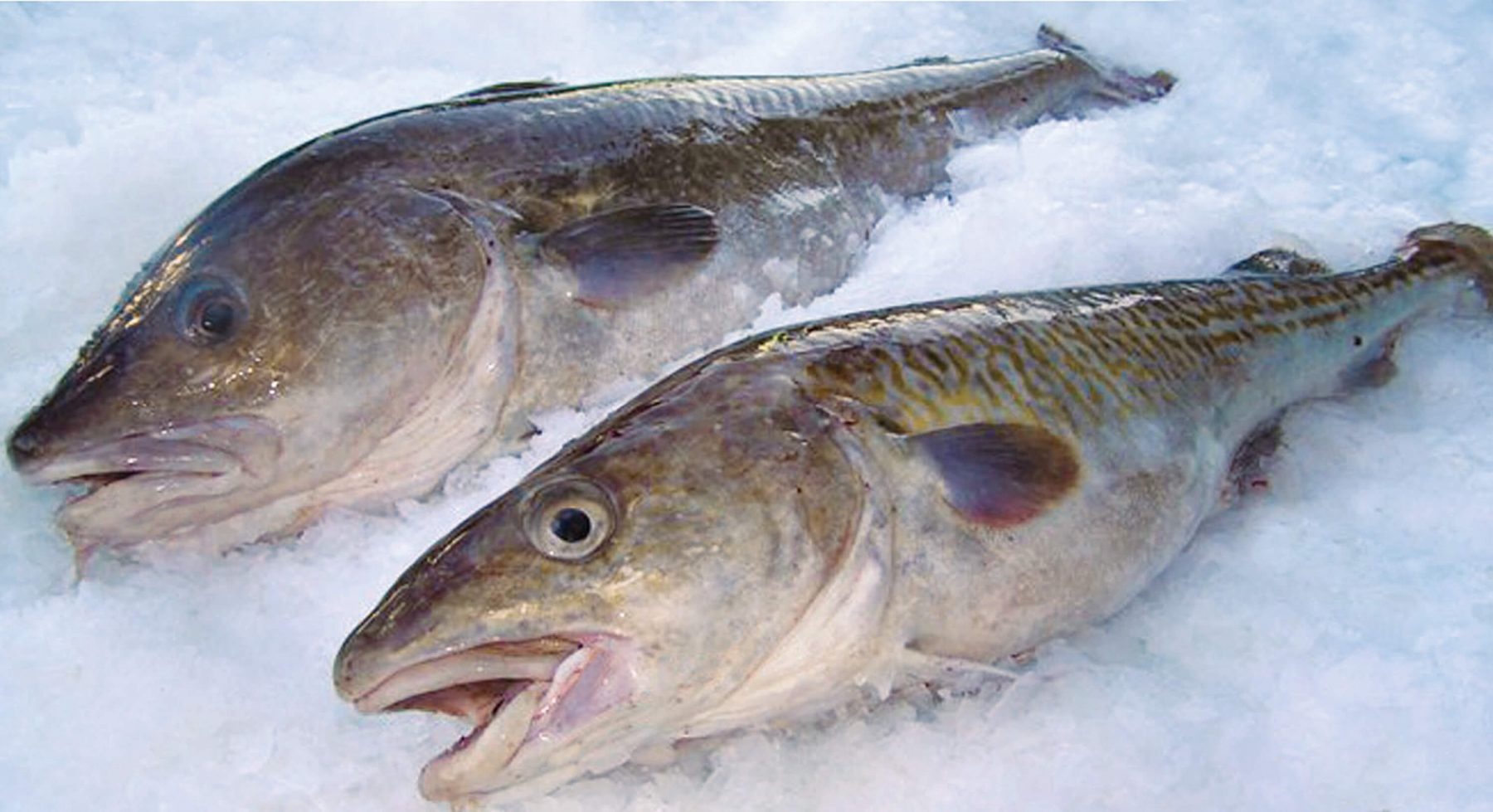
A versatile substitute for Atlantic cod in many recipes. Look for flesh that is firm, moist-looking, and clean-smelling. Frozen portions should be solidly frozen with intact packaging and minimal heavy ice buildup. After thawing in the refrigerator, pat the fish dry so it browns rather than steaming.
3. Haddock
Haddock has a mild with a faint sweetness flavor and fine, delicate flakes. That texture makes it especially useful for smoking, baking, frying, chowder. It can usually replace another white fish of similar thickness, but cooking time should be based on the actual fillet rather than the recipe’s original species.
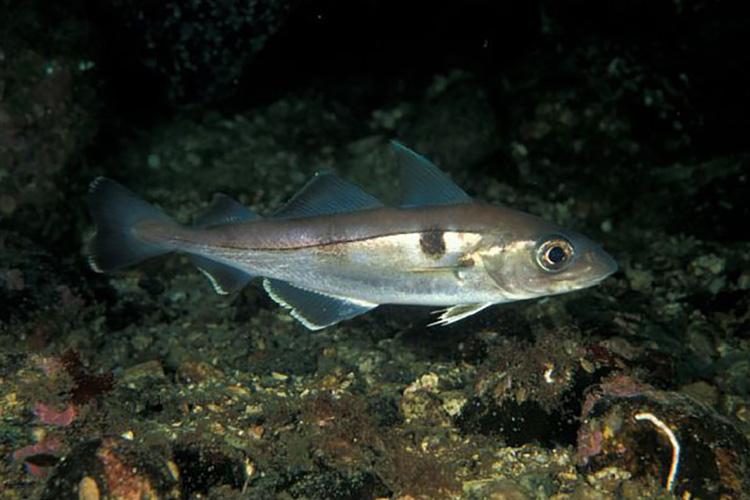
Traditional in fish and chips and smoked preparations. Look for flesh that is firm, moist-looking, and clean-smelling. Frozen portions should be solidly frozen with intact packaging and minimal heavy ice buildup. After thawing in the refrigerator, pat the fish dry so it browns rather than steaming.
4. Alaska Pollock
Alaska Pollock has a very mild flavor and soft, fine flakes. That texture makes it especially useful for fish sandwiches, baked fillets, surimi, tacos. It can usually replace another white fish of similar thickness, but cooking time should be based on the actual fillet rather than the recipe’s original species.

Widely used in processed seafood; buy clearly labeled products. Look for flesh that is firm, moist-looking, and clean-smelling. Frozen portions should be solidly frozen with intact packaging and minimal heavy ice buildup. After thawing in the refrigerator, pat the fish dry so it browns rather than steaming.
5. Saithe (Coley)
Saithe (Coley) has a more pronounced than cod flavor and firm, broad flakes. That texture makes it especially useful for curries, pies, pan-roasting, fish cakes. It can usually replace another white fish of similar thickness, but cooking time should be based on the actual fillet rather than the recipe’s original species.
Often good in strongly seasoned dishes. Look for flesh that is firm, moist-looking, and clean-smelling. Frozen portions should be solidly frozen with intact packaging and minimal heavy ice buildup. After thawing in the refrigerator, pat the fish dry so it browns rather than steaming.
6. Whiting
Whiting has a delicate and mild flavor and soft, fine flakes. That texture makes it especially useful for quick frying, baking, steaming. It can usually replace another white fish of similar thickness, but cooking time should be based on the actual fillet rather than the recipe’s original species.

Thin fillets cook rapidly and need gentle handling. Look for flesh that is firm, moist-looking, and clean-smelling. Frozen portions should be solidly frozen with intact packaging and minimal heavy ice buildup. After thawing in the refrigerator, pat the fish dry so it browns rather than steaming.
7. European Hake
European Hake has a mild and slightly sweet flavor and moist, tender flakes. That texture makes it especially useful for poaching, roasting, stews. It can usually replace another white fish of similar thickness, but cooking time should be based on the actual fillet rather than the recipe’s original species.
Often sold as thick steaks or fillets. Look for flesh that is firm, moist-looking, and clean-smelling. Frozen portions should be solidly frozen with intact packaging and minimal heavy ice buildup. After thawing in the refrigerator, pat the fish dry so it browns rather than steaming.
8. Pacific Hake
Pacific Hake has a mild flavor and soft, fine flakes. That texture makes it especially useful for fish cakes, baking, soups. It can usually replace another white fish of similar thickness, but cooking time should be based on the actual fillet rather than the recipe’s original species.

Best kept very cold because delicate flesh loses quality quickly. Look for flesh that is firm, moist-looking, and clean-smelling. Frozen portions should be solidly frozen with intact packaging and minimal heavy ice buildup. After thawing in the refrigerator, pat the fish dry so it browns rather than steaming.
9. Hoki (Blue Grenadier)
Hoki (Blue Grenadier) has a clean and mild flavor and moist, medium flakes. That texture makes it especially useful for oven baking, crumbed fillets, fish burgers. It can usually replace another white fish of similar thickness, but cooking time should be based on the actual fillet rather than the recipe’s original species.
Common in frozen portions; sustainability depends on source. Look for flesh that is firm, moist-looking, and clean-smelling. Frozen portions should be solidly frozen with intact packaging and minimal heavy ice buildup. After thawing in the refrigerator, pat the fish dry so it browns rather than steaming.
10. Ling
Ling has a mild and slightly sweet flavor and firm, large flakes. That texture makes it especially useful for roasting, stewing, grilling. It can usually replace another white fish of similar thickness, but cooking time should be based on the actual fillet rather than the recipe’s original species.
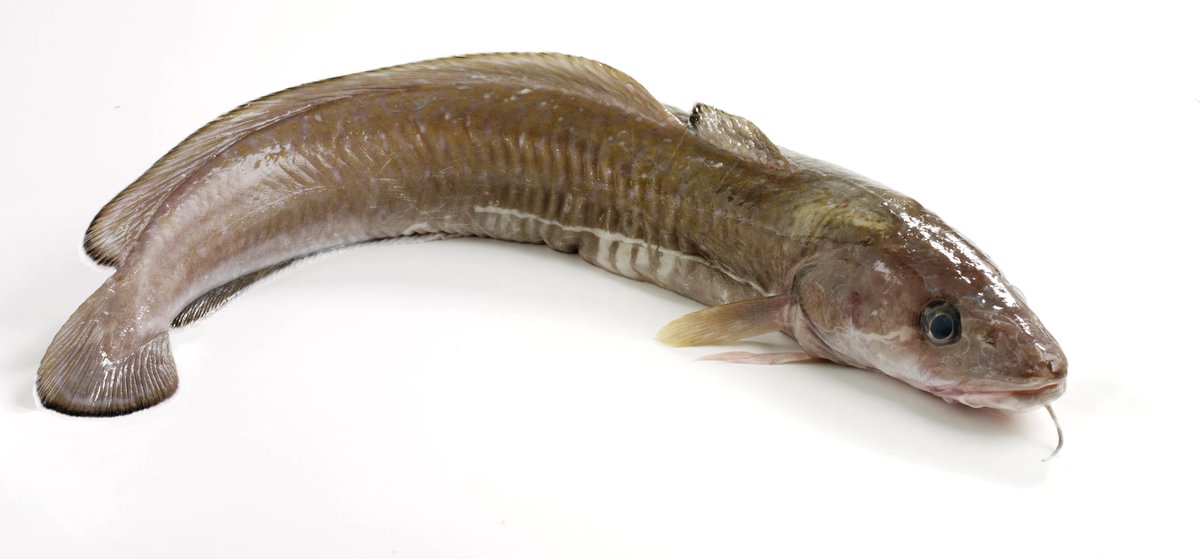
Holds together better than very delicate flatfish. Look for flesh that is firm, moist-looking, and clean-smelling. Frozen portions should be solidly frozen with intact packaging and minimal heavy ice buildup. After thawing in the refrigerator, pat the fish dry so it browns rather than steaming.
11. Tilapia
Tilapia has a very mild flavor and small, tender flakes. That texture makes it especially useful for pan-searing, baking, tacos. It can usually replace another white fish of similar thickness, but cooking time should be based on the actual fillet rather than the recipe’s original species.
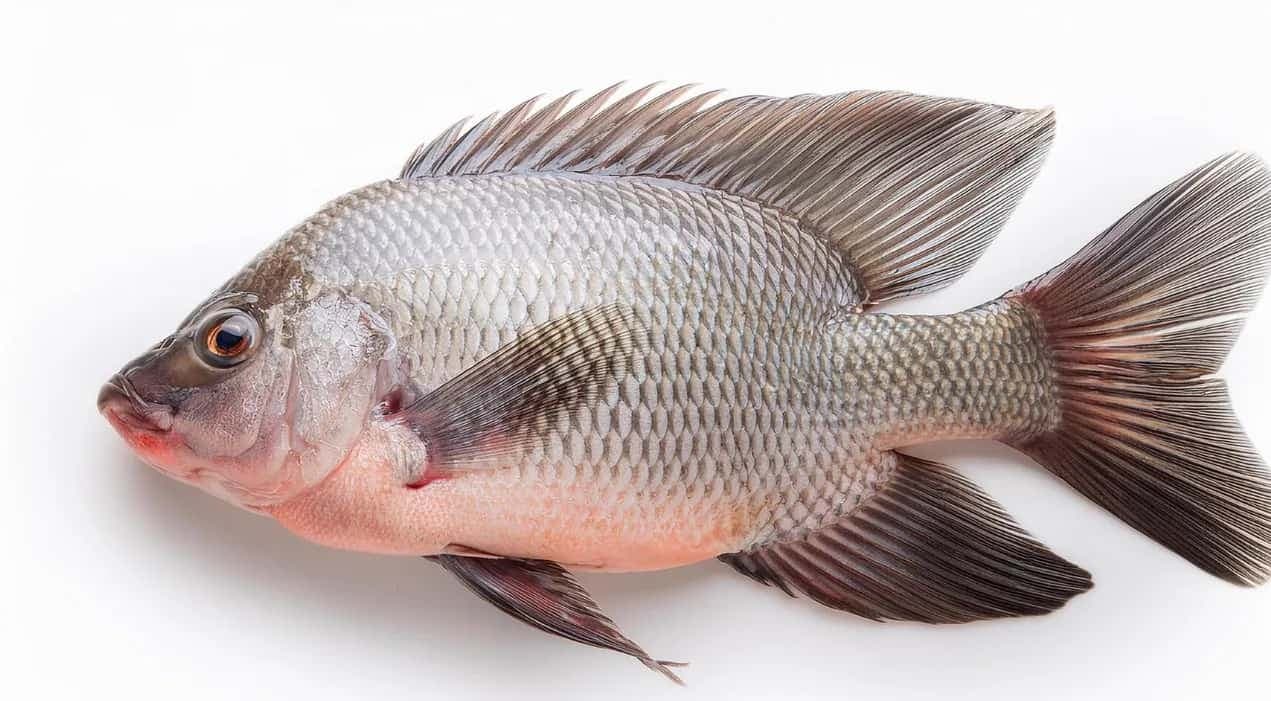
Flavor depends greatly on freshness and farming quality. Look for flesh that is firm, moist-looking, and clean-smelling. Frozen portions should be solidly frozen with intact packaging and minimal heavy ice buildup. After thawing in the refrigerator, pat the fish dry so it browns rather than steaming.
12. Pangasius (Basa)
Pangasius (Basa) has a neutral and mild flavor and soft, fine flakes. That texture makes it especially useful for baking, steaming, lightly frying. It can usually replace another white fish of similar thickness, but cooking time should be based on the actual fillet rather than the recipe’s original species.

Often sold frozen; thaw and dry well before cooking. Look for flesh that is firm, moist-looking, and clean-smelling. Frozen portions should be solidly frozen with intact packaging and minimal heavy ice buildup. After thawing in the refrigerator, pat the fish dry so it browns rather than steaming.
13. Channel Catfish
Channel Catfish has a mild to gently earthy flavor and moist, medium flakes. That texture makes it especially useful for cornmeal frying, blackening, baking. It can usually replace another white fish of similar thickness, but cooking time should be based on the actual fillet rather than the recipe’s original species.

Farm-raised fish usually have a consistent, clean flavor. Look for flesh that is firm, moist-looking, and clean-smelling. Frozen portions should be solidly frozen with intact packaging and minimal heavy ice buildup. After thawing in the refrigerator, pat the fish dry so it browns rather than steaming.
14. Pacific Halibut
Pacific Halibut has a mild and slightly sweet flavor and large, firm flakes. That texture makes it especially useful for roasting, grilling, pan-searing. It can usually replace another white fish of similar thickness, but cooking time should be based on the actual fillet rather than the recipe’s original species.
Lean flesh can dry out if overcooked. Look for flesh that is firm, moist-looking, and clean-smelling. Frozen portions should be solidly frozen with intact packaging and minimal heavy ice buildup. After thawing in the refrigerator, pat the fish dry so it browns rather than steaming.
15. Atlantic Halibut
Atlantic Halibut has a mild and meaty flavor and large, firm flakes. That texture makes it especially useful for roasting, steaming, pan-searing. It can usually replace another white fish of similar thickness, but cooking time should be based on the actual fillet rather than the recipe’s original species.
Buy from legal, well-managed sources because status varies. Look for flesh that is firm, moist-looking, and clean-smelling. Frozen portions should be solidly frozen with intact packaging and minimal heavy ice buildup. After thawing in the refrigerator, pat the fish dry so it browns rather than steaming.
16. Flounder
Flounder has a very mild flavor and thin, delicate flakes. That texture makes it especially useful for sautéing, stuffing, baking. It can usually replace another white fish of similar thickness, but cooking time should be based on the actual fillet rather than the recipe’s original species.
Thin fillets cook quickly and tear easily. Look for flesh that is firm, moist-looking, and clean-smelling. Frozen portions should be solidly frozen with intact packaging and minimal heavy ice buildup. After thawing in the refrigerator, pat the fish dry so it browns rather than steaming.
17. Dover Sole
Dover Sole has a delicate and buttery flavor and fine, soft flakes. That texture makes it especially useful for pan-frying, meunière, steaming. It can usually replace another white fish of similar thickness, but cooking time should be based on the actual fillet rather than the recipe’s original species.

Market name can refer to different species in Europe and North America. Look for flesh that is firm, moist-looking, and clean-smelling. Frozen portions should be solidly frozen with intact packaging and minimal heavy ice buildup. After thawing in the refrigerator, pat the fish dry so it browns rather than steaming.
18. Plaice
Plaice has a mild and slightly sweet flavor and tender flakes. That texture makes it especially useful for baking whole, frying fillets. It can usually replace another white fish of similar thickness, but cooking time should be based on the actual fillet rather than the recipe’s original species.
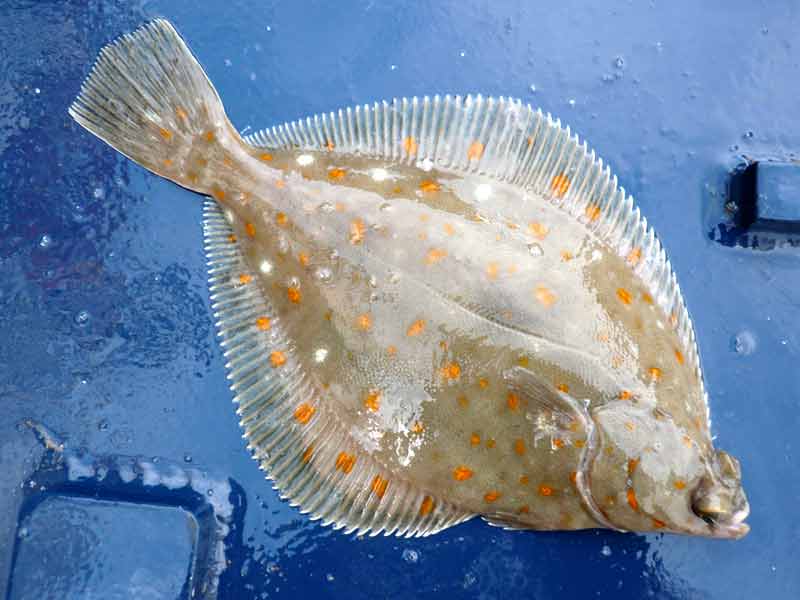
The orange-spotted European species is a classic food fish. Look for flesh that is firm, moist-looking, and clean-smelling. Frozen portions should be solidly frozen with intact packaging and minimal heavy ice buildup. After thawing in the refrigerator, pat the fish dry so it browns rather than steaming.
19. Turbot
Turbot has a rich for a white fish flavor and firm, succulent flakes. That texture makes it especially useful for roasting, poaching, grilling. It can usually replace another white fish of similar thickness, but cooking time should be based on the actual fillet rather than the recipe’s original species.
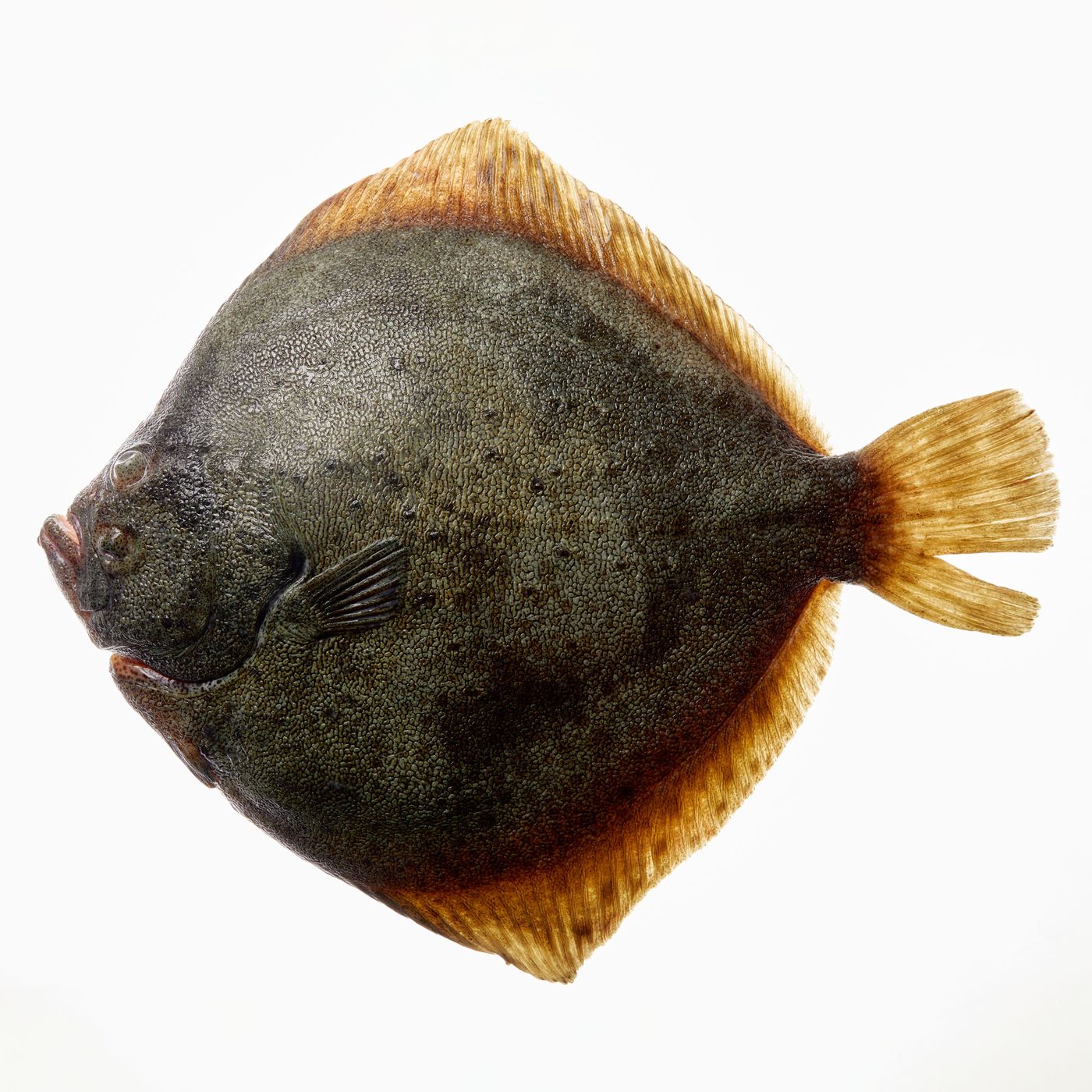
A thick-bodied flatfish that tolerates stronger cooking methods. Look for flesh that is firm, moist-looking, and clean-smelling. Frozen portions should be solidly frozen with intact packaging and minimal heavy ice buildup. After thawing in the refrigerator, pat the fish dry so it browns rather than steaming.
20. Red Snapper
Red Snapper has a mild and lightly sweet flavor and moist, medium flakes. That texture makes it especially useful for roasting whole, grilling, ceviche-style preparations. It can usually replace another white fish of similar thickness, but cooking time should be based on the actual fillet rather than the recipe’s original species.
Confirm species identity because “snapper” labels can be broad. Look for flesh that is firm, moist-looking, and clean-smelling. Frozen portions should be solidly frozen with intact packaging and minimal heavy ice buildup. After thawing in the refrigerator, pat the fish dry so it browns rather than steaming.
21. Yellowtail Snapper
Yellowtail Snapper has a delicate and sweet flavor and fine, moist flakes. That texture makes it especially useful for pan-searing, grilling, baking. It can usually replace another white fish of similar thickness, but cooking time should be based on the actual fillet rather than the recipe’s original species.
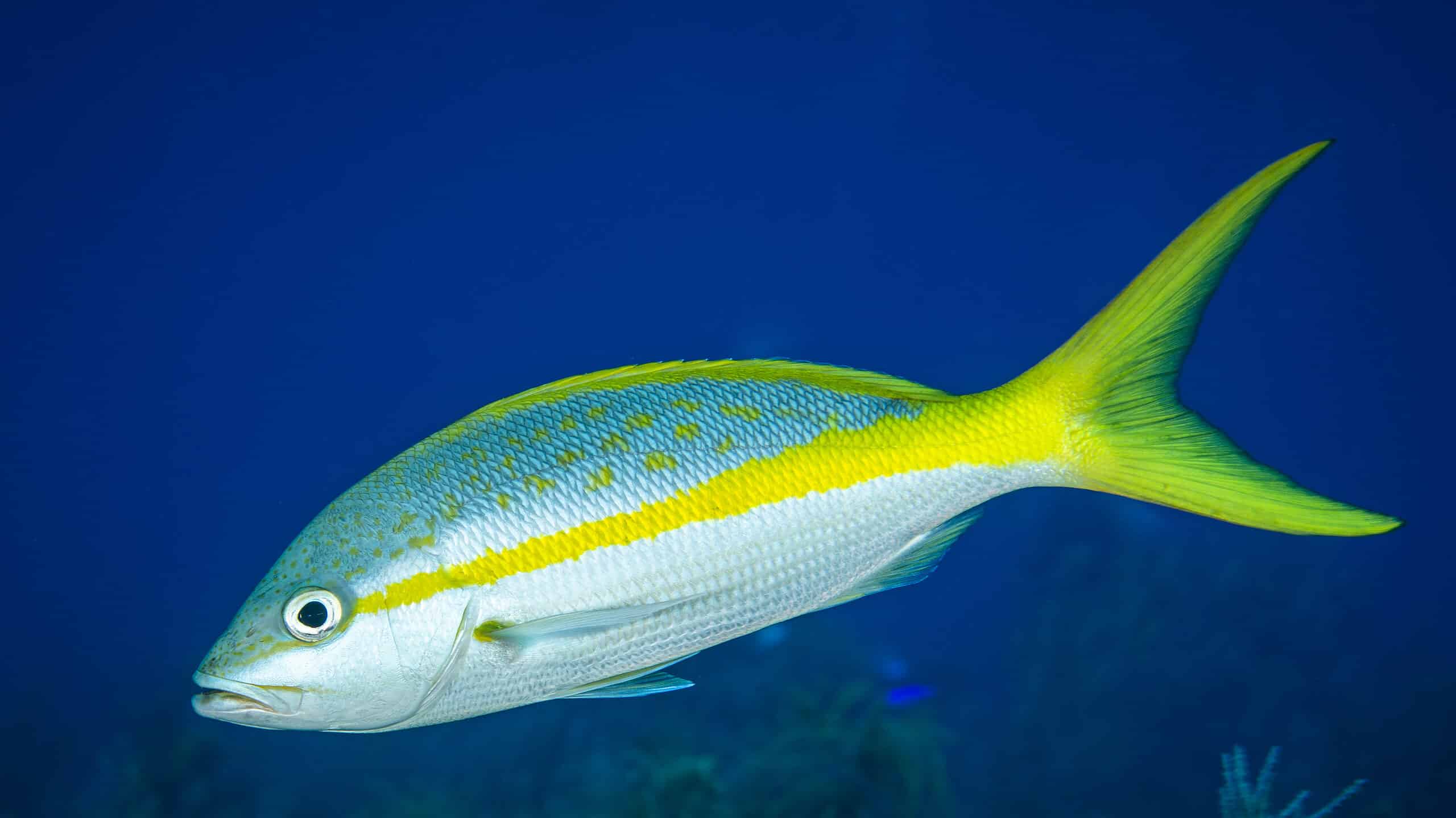
Often suited to simple preparations that preserve its light flavor. Look for flesh that is firm, moist-looking, and clean-smelling. Frozen portions should be solidly frozen with intact packaging and minimal heavy ice buildup. After thawing in the refrigerator, pat the fish dry so it browns rather than steaming.
22. Grouper
Grouper has a mild and slightly sweet flavor and firm, chunky flakes. That texture makes it especially useful for grilling, blackening, stews. It can usually replace another white fish of similar thickness, but cooking time should be based on the actual fillet rather than the recipe’s original species.
Species and harvest rules vary; verify legal and sustainable sourcing. Look for flesh that is firm, moist-looking, and clean-smelling. Frozen portions should be solidly frozen with intact packaging and minimal heavy ice buildup. After thawing in the refrigerator, pat the fish dry so it browns rather than steaming.
23. Mahi-Mahi
Mahi-Mahi has a mild, slightly sweet flavor and firm, broad flakes. That texture makes it especially useful for grilling, tacos, broiling. It can usually replace another white fish of similar thickness, but cooking time should be based on the actual fillet rather than the recipe’s original species.
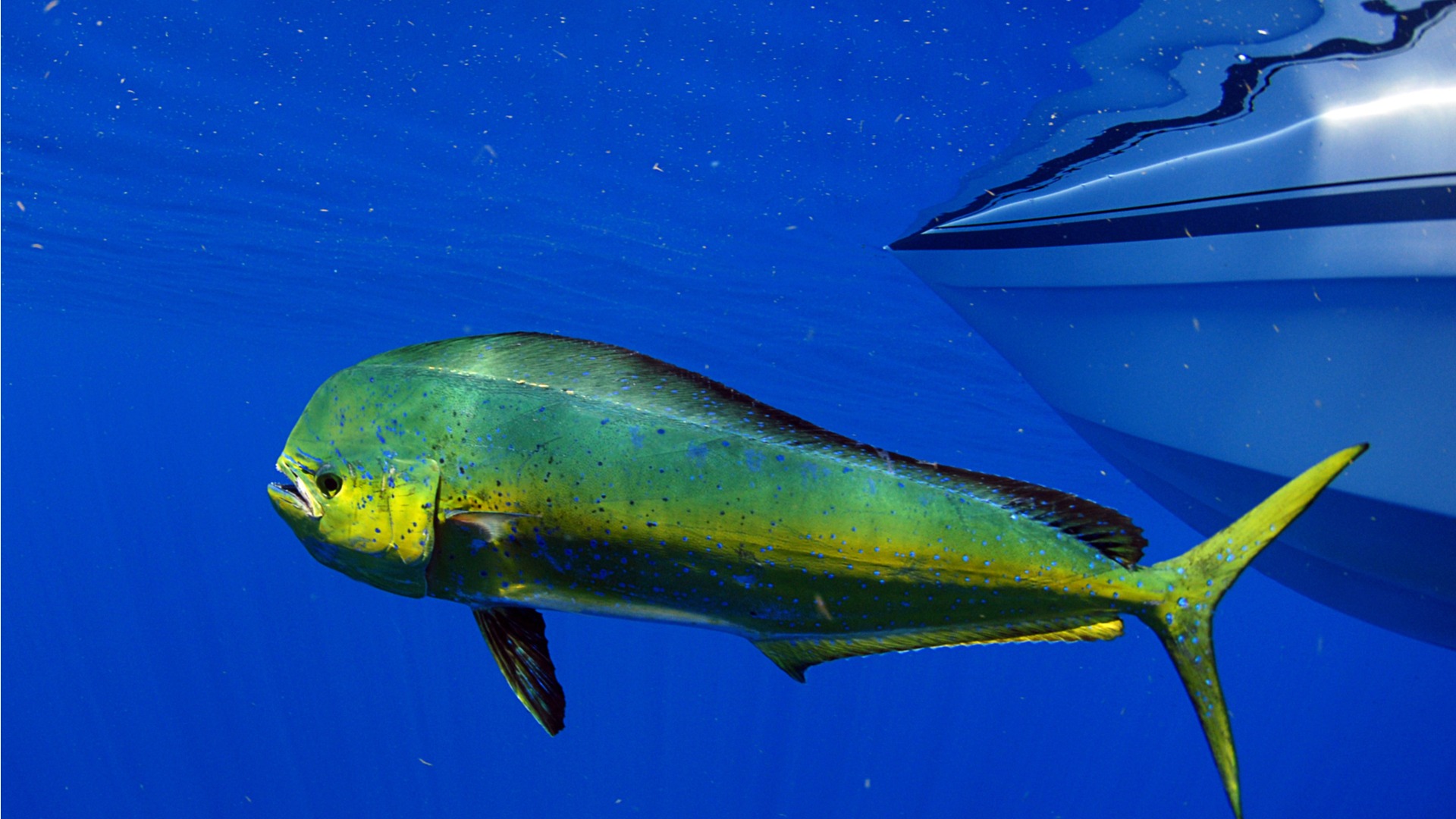
Thicker portions handle high heat well. Look for flesh that is firm, moist-looking, and clean-smelling. Frozen portions should be solidly frozen with intact packaging and minimal heavy ice buildup. After thawing in the refrigerator, pat the fish dry so it browns rather than steaming.
24. Barramundi
Barramundi has a mild and buttery flavor and moist, medium-to-large flakes. That texture makes it especially useful for pan-searing, roasting, steaming. It can usually replace another white fish of similar thickness, but cooking time should be based on the actual fillet rather than the recipe’s original species.

Available wild and farmed; production method affects sourcing choices. Look for flesh that is firm, moist-looking, and clean-smelling. Frozen portions should be solidly frozen with intact packaging and minimal heavy ice buildup. After thawing in the refrigerator, pat the fish dry so it browns rather than steaming.
25. Black Sea Bass
Black Sea Bass has a mild and clean flavor and fine, tender flakes. That texture makes it especially useful for roasting whole, steaming, pan-searing. It can usually replace another white fish of similar thickness, but cooking time should be based on the actual fillet rather than the recipe’s original species.
Small fillets benefit from skin-on cooking. Look for flesh that is firm, moist-looking, and clean-smelling. Frozen portions should be solidly frozen with intact packaging and minimal heavy ice buildup. After thawing in the refrigerator, pat the fish dry so it browns rather than steaming.
26. European Sea Bass (Branzino)
European Sea Bass (Branzino) has a delicate and lightly sweet flavor and moist, fine flakes. That texture makes it especially useful for roasting whole, grilling, salt-baking. It can usually replace another white fish of similar thickness, but cooking time should be based on the actual fillet rather than the recipe’s original species.
Often sold whole and works well with herbs and citrus. Look for flesh that is firm, moist-looking, and clean-smelling. Frozen portions should be solidly frozen with intact packaging and minimal heavy ice buildup. After thawing in the refrigerator, pat the fish dry so it browns rather than steaming.
27. Pacific Rockfish
Pacific Rockfish has a mild to moderately savory flavor and firm, medium flakes. That texture makes it especially useful for tacos, chowder, pan-frying. It can usually replace another white fish of similar thickness, but cooking time should be based on the actual fillet rather than the recipe’s original species.
“Rockfish” covers many species, so labels should be specific. Look for flesh that is firm, moist-looking, and clean-smelling. Frozen portions should be solidly frozen with intact packaging and minimal heavy ice buildup. After thawing in the refrigerator, pat the fish dry so it browns rather than steaming.
28. Walleye
Walleye has a clean and mildly sweet flavor and fine, tender flakes. That texture makes it especially useful for pan-frying, baking, shore lunch. It can usually replace another white fish of similar thickness, but cooking time should be based on the actual fillet rather than the recipe’s original species.

Check local consumption advisories for self-caught fish. Look for flesh that is firm, moist-looking, and clean-smelling. Frozen portions should be solidly frozen with intact packaging and minimal heavy ice buildup. After thawing in the refrigerator, pat the fish dry so it browns rather than steaming.
29. Yellow Perch
Yellow Perch has a mild and sweet flavor and small, delicate flakes. That texture makes it especially useful for light frying, sautéing. It can usually replace another white fish of similar thickness, but cooking time should be based on the actual fillet rather than the recipe’s original species.

Small fillets cook in minutes. Look for flesh that is firm, moist-looking, and clean-smelling. Frozen portions should be solidly frozen with intact packaging and minimal heavy ice buildup. After thawing in the refrigerator, pat the fish dry so it browns rather than steaming.
30. Lake Whitefish
Lake Whitefish has a mild and gently rich flavor and medium, moist flakes. That texture makes it especially useful for smoking, baking, pan-frying. It can usually replace another white fish of similar thickness, but cooking time should be based on the actual fillet rather than the recipe’s original species.
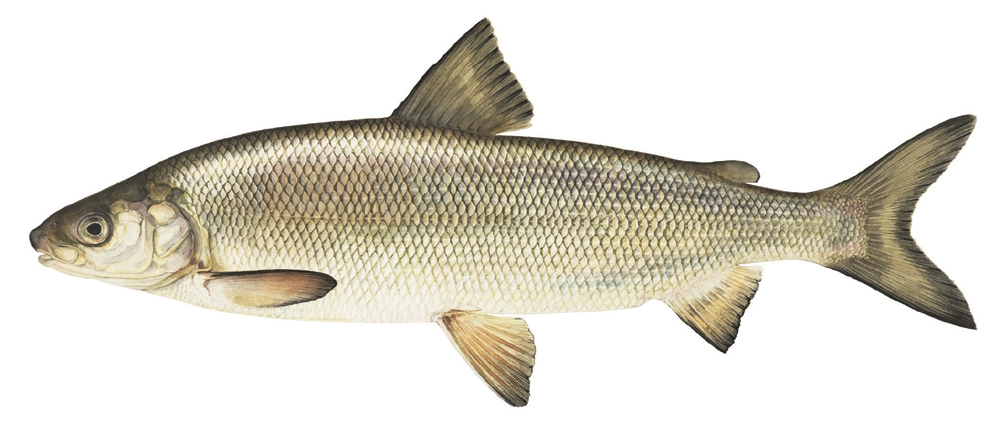
Despite its name, it is a specific freshwater fish, not the whole white-fish category. Look for flesh that is firm, moist-looking, and clean-smelling. Frozen portions should be solidly frozen with intact packaging and minimal heavy ice buildup. After thawing in the refrigerator, pat the fish dry so it browns rather than steaming.
How Are These Types of Fish Classified?
| Cooking group | Examples | Best use |
|---|---|---|
| Delicate flatfish | Flounder, sole, plaice | Fast sautéing, gentle baking, rolling, or stuffing. |
| Classic lean groundfish | Cod, haddock, pollock, hake, whiting | Fish and chips, chowder, roasting, poaching, fish cakes. |
| Firm white fish | Halibut, grouper, mahi-mahi, barramundi | Grilling, broiling, skewers, thick steaks, hearty sauces. |
| Mild farmed fish | Tilapia, pangasius, farmed catfish | Affordable weeknight baking, frying, tacos, and curries. |
| Freshwater white fish | Walleye, perch, lake whitefish | Pan-frying, smoking, baking, and regional dishes. |
Where Are These Food Fish Commonly Used?
White flaky fish appear in fish and chips, tacos, curries, chowders, fish pies, stews, sandwiches, ceviche-style dishes, steamed preparations, and whole roasted fish. Regional traditions often use the freshest local species, so a recipe written for cod may work equally well with haddock, hake, pollock, or another similar fillet.
How to Identify Good White Fish at the Market
- Smell: choose fish with a mild, clean scent; avoid sour or ammonia-like odors.
- Surface: fresh fillets should look moist and slightly translucent, not dry, chalky, or slimy.
- Texture: flesh should spring back rather than leaving a deep fingerprint.
- Packaging: frozen fish should be sealed with no tears, thawed liquid, or severe freezer burn.
- Label: look for the species, harvest area, wild or farmed status, and producer information.
- Thickness: match the cut to the method; thin fillets suit fast cooking, while thick portions handle roasting or grilling.
Cooking and Buying Tips
- Thaw frozen fish overnight in the refrigerator, not on the counter.
- Pat fillets dry before seasoning to improve browning.
- Use a thin spatula for delicate flatfish and avoid excessive flipping.
- Cook thick fish gently enough that the outside does not dry before the center is done.
- Judge doneness by opacity, easy separation into flakes, and a food thermometer when needed.
- Keep raw seafood cold and prevent contact with ready-to-eat foods.
- Choose substitutions based on thickness, fat level, and firmness rather than color alone.
Safety, Sustainability, and Conservation Notes
Seafood safety and sustainability depend on species, harvest area, fishery, farm, season, and consumer. Follow current government advice for mercury and contaminants, especially for pregnancy, breastfeeding, young children, and frequent fish consumers. Check local advisories before eating self-caught freshwater or coastal fish. For sustainability, use current seafood guides and favor products with transparent species and origin labeling.
Fun Facts About White Flaky Fish
- “White fish” is a cooking category, while “lake whitefish” is a specific freshwater species.
- Cod and haddock often produce larger flakes than sole or perch.
- Thin flatfish can finish cooking in only a few minutes.
- Firm fish such as mahi-mahi and halibut are easier to grill than delicate flounder.
- Alaska pollock is widely used in fish sandwiches and surimi.
- Smoking is traditional for haddock and lake whitefish.
- Many market names cover several species, so the label matters.
- Lean fish dry out faster than oily fish when overcooked.
- Frozen-at-sea fish can be excellent quality when handled properly.
- A mild fish can carry bold sauces, spices, herbs, and marinades without overpowering them.
Final Thoughts on Types of White Flaky Fish
The best types of white flaky fish depend on the dish. Choose delicate sole or flounder for quick pan cooking, cod or haddock for classic flaky texture, and halibut, grouper, mahi-mahi, or barramundi when you need a firmer piece. Buy by species and source, keep seafood cold, and adjust cooking time to fillet thickness.
Frequently Asked Questions
1. What is white flaky fish?
It is a culinary category for pale-fleshed fish that separates into flakes when cooked and is usually milder and less oily than salmon or mackerel.
2. Which white fish is the flakiest?
Cod, haddock, hake, and halibut are known for clear flakes, while sole and flounder produce finer, more delicate flakes.
3. What is the mildest white fish?
Tilapia, pangasius, pollock, flounder, and many sole species are usually very mild.
4. Which white fish is best for fish and chips?
Cod, haddock, pollock, hake, and whiting are common choices because they flake well and work with batter.
5. Which white fish is best for grilling?
Firm options such as mahi-mahi, halibut, grouper, barramundi, and thick sea bass portions hold together well.
6. Which white fish is best for tacos?
Cod, pollock, tilapia, mahi-mahi, rockfish, and snapper all work, depending on whether you fry, grill, or bake them.
7. Can I substitute haddock for cod?
Yes. They are similar enough for most baked, fried, poached, and chowder recipes, although haddock can be slightly more delicate.
8. Can I substitute tilapia for flounder?
Often yes, especially in thin baked or pan-cooked recipes, but the fillet thickness and flavor will differ.
9. Is halibut a flaky white fish?
Yes. It has white flesh and large, firm flakes.
10. Is mahi-mahi a white fish?
In culinary use, yes. Its flesh is pale and mild, but it is firmer than cod or sole.
11. Is catfish considered white fish?
Yes in culinary terms. It has pale flesh and a moist, flaky texture.
12. Is lake whitefish the same as white fish?
No. Lake whitefish is one specific freshwater species; white fish is a broad culinary category.
13. Why does fish fall apart when cooked?
Heat changes muscle proteins and connective tissue, allowing the flesh to separate along natural flakes. Overhandling can make delicate fish break.
14. How do I stop fish from sticking to the pan?
Dry the fish, preheat the pan, add enough cooking fat, and wait until a crust forms before trying to turn it.
15. Should I cook fish from frozen?
Some thin or portioned fish can be cooked from frozen, but thawing usually gives more even seasoning and browning.
16. What is the safest way to thaw fish?
Thaw it in the refrigerator in a covered container. A sealed package may also be thawed under cold running water when immediate cooking follows.
17. How can I tell when white fish is done?
The flesh becomes opaque and separates easily into moist flakes. A food thermometer provides the most reliable check.
18. Why is my white fish dry?
It was likely cooked too long, at excessive heat, or without enough moisture or fat.
19. What sauce goes with mild white fish?
Lemon-butter, herb sauces, tomato sauces, coconut curry, salsa, garlic, capers, and light cream sauces all work well.
20. Which white fish is good for chowder?
Cod, haddock, pollock, hake, and firm chunks of halibut are dependable choices.
21. Which fish is best for steaming?
Sea bass, snapper, cod, hake, barramundi, sole, and tilapia steam well.
22. Can white fish be used in curry?
Yes. Choose cod, haddock, pollock, hake, tilapia, catfish, or another fish that matches the desired firmness.
23. Is frozen white fish lower quality?
Not necessarily. Rapidly frozen fish can be excellent, especially when the cold chain remains intact.
24. What causes freezer burn on fish?
Air exposure removes moisture from the surface. Tight wrapping and stable freezer temperatures reduce it.
25. How long should raw fish stay at room temperature?
Keep it out only as long as needed for preparation and return it to refrigeration promptly.
26. Do all white fish have low mercury?
No. Mercury varies by species and size, so follow current official consumption advice rather than relying on flesh color.
27. Is wild fish always more sustainable than farmed fish?
No. Sustainability depends on the specific fishery or farming system, not simply whether the fish is wild or farmed.
28. How do I choose sustainable white fish?
Check the exact species, harvest area, fishing method or farm, and a current independent or government seafood guide.
29. Can children eat white fish?
Many species can be appropriate, but portions and species should follow current official advice for age and mercury exposure.
30. What is the best beginner fish to cook?
Thicker cod, haddock, tilapia, or barramundi portions are forgiving and easier to handle than very thin sole.