

The world of types of dried fish is much broader than salt cod or fish jerky. Coastal communities have long preserved fish with sun, wind, salt, smoke, cold air, and controlled fermentation, creating ingredients that range from delicate broth fish to intensely savory table fish. This guide explains 40 practical dried-fish products and styles, including what fish they use, how they taste, how they are cooked, and whether they require soaking, refrigeration, or extra care when buying.
What Are the Main Types of Dried Fish?
The main categories are unsalted air-dried fish, salted and dried fish, smoked-dried fish, semi-dried fish, fermented dried fish, and modern fish jerky. Stockfish is a classic unsalted air-dried product, while bacalhau and klippfisk are salted before drying. Asian products such as katsuobushi, niboshi, daing, bugeo, and gwamegi show how drying can be combined with boiling, smoking, freezing, fermentation, or marination to create very different flavors and textures.
Quick Comparison of 40 Types of Dried Fish
| No. | Type | Common Fish | Key Character |
|---|---|---|---|
| 1 | Stockfish | Cod, haddock, ling, or saithe | Unsalted fish dried by cold air and wind until hard and lightweight. |
| 2 | Salt Cod (Bacalhau) | Atlantic cod and related whitefish | Firm, intensely savory, and salty because the fish is cured with salt before drying. |
| 3 | Baccalà | Usually salt-cured cod; regional usage may also include stockfish | Dense white flesh with a clean marine flavor after soaking. |
| 4 | Klippfisk | Cod, saithe, ling, tusk, or haddock | Salted fish traditionally dried on coastal rocks or modern drying racks. |
| 5 | Boknafisk | Most often cod | Partially air-dried fish that remains softer and moister than stockfish. |
| 6 | Bokkoms | Small mullet | Whole fish are heavily salted and air-dried, producing a concentrated, chewy, strongly savory snack. |
| 7 | Katsuobushi | Skipjack tuna | Fish is cooked, smoked repeatedly, dried, and often fermented into hard blocks with deep smoky umami. |
| 8 | Niboshi | Small sardines or anchovy-like fish | Small fish are boiled and dried, creating a clean but pronounced marine flavor. |
| 9 | Tatami Iwashi | Baby sardines | Tiny fish are pressed and dried into thin sheets resembling woven mats. |
| 10 | Himono | Mackerel, horse mackerel, saury, sardine, or other fish | Butterflied, lightly salted fish dried until the surface firms while the interior remains relatively moist. |
| 11 | Bugeo | Alaska pollock | Fully dried pollock with pale, fibrous flesh and mild flavor. |
| 12 | Hwangtae | Alaska pollock | Pollock repeatedly freezes and thaws in cold mountain air, producing a light, porous texture. |
| 13 | Gwamegi | Pacific herring or Pacific saury | Semi-dried winter fish with rich oil, chewy flesh, and a pronounced flavor. |
| 14 | Daing | Many species, including rabbitfish, milkfish, and small coastal fish | A broad category of salted and sun-dried fish, ranging from lightly dried to very firm. |
| 15 | Tuyo | Small herring, sardine, or similar fish | Small whole fish dried with salt until compact, crisp-edged, and strongly flavored. |
| 16 | Danggit | Rabbitfish | Butterflied rabbitfish dried with salt, known for thin flesh and crisp texture after frying. |
| 17 | Labtingaw | Varied small fish | A lightly salted, briefly dried form of daing that retains more moisture and meatiness. |
| 18 | Dried Anchovies | Anchovies | Small fish dried whole or after salting; flavor ranges from clean and nutty to intensely salty. |
| 19 | Dried Sardines | Sardines and related small clupeids | Oily flesh becomes concentrated, savory, and sometimes crisp when fully dried. |
| 20 | Dried Herring | Herring | Rich, oily fish that may be hard-dried, semi-dried, salted, or smoked before drying. |
| 21 | Dried Mackerel | Mackerel species | Bold flavor and high oil content give dried mackerel a rich taste but also make it sensitive to oxidation. |
| 22 | Dried Pollock Strips | Alaska pollock | Mild, lean flesh dried into fibrous strips that are easy to season. |
| 23 | Dried Salmon | Salmon | Firm strips or fillets with concentrated salmon flavor; products may be plain, salted, smoked, or sweetened. |
| 24 | Salmon Jerky | Salmon | A seasoned, chewy dried product that is often sweeter and softer than traditional hard-dried fish. |
| 25 | Dried Tuna | Tuna or bonito | Lean, dense flesh with strong umami; it may be dried as steaks, strips, flakes, or smoked pieces. |
| 26 | Dried Flying Fish | Flying fish | Lean fish dried whole or split, with a clean marine taste and firm texture. |
| 27 | Ago-bushi | Flying fish | A dried and often smoked flying-fish product valued for a refined, slightly sweet broth. |
| 28 | Bombay Duck | Harpadon nehereus, a lizardfish | Despite the name, it is a soft-bodied fish commonly salted and sun-dried until pungent and crispable. |
| 29 | Dried Ribbonfish | Cutlassfish or ribbonfish | Long silver fish cut into sections and dried; the flesh is savory, relatively lean, and can be bony. |
| 30 | Dried Croaker | Croakers and drum fish | Firm white flesh takes salt and drying well, producing a meaty texture and concentrated flavor. |
| 31 | Dried Threadfin | Threadfin fish | White flesh dries into firm flakes with a mild-to-moderate marine taste. |
| 32 | Dried Milkfish | Milkfish | Rich white flesh with many fine bones; it may be split, deboned, marinated, and dried. |
| 33 | Dried Tilapia | Tilapia | A practical use for farmed or wild tilapia, usually salted and sun-dried whole or split. |
| 34 | Dried Catfish | Freshwater or marine catfish | Dense flesh and smoke-friendly skin create a robust ingredient for soups and stews. |
| 35 | Eja Kika | Often catfish or other locally available fish | A smoked-dried fish product with deep aroma used to season soups, sauces, and stews. |
| 36 | Kapenta | Small freshwater clupeid fish | Tiny fish dried whole, offering a concentrated savory flavor and a crisp or chewy texture depending on cooking. |
| 37 | Dried Whitebait | Juvenile small fish from several species | Very small fish dried whole; they may be delicate, crunchy, or chewy and are usually eaten with bones intact. |
| 38 | Dried Eel | Freshwater or marine eel | Oily, dense flesh becomes intensely savory and chewy when dried. |
| 39 | Dried Shark | Various shark species | Processing ranges from simple salted drying to fermentation; flavor, odor, and safety vary greatly. |
| 40 | Fish Jerky | Salmon, tuna, pollock, cod, trout, or mixed fish | Seasoned strips dried to a chewy texture, often with smoke, sugar, chili, or soy flavors. |
1. Stockfish
Common region: Norway and the North Atlantic. Fish commonly used: Cod, haddock, ling, or saithe. Unsalted fish dried by cold air and wind until hard and lightweight.
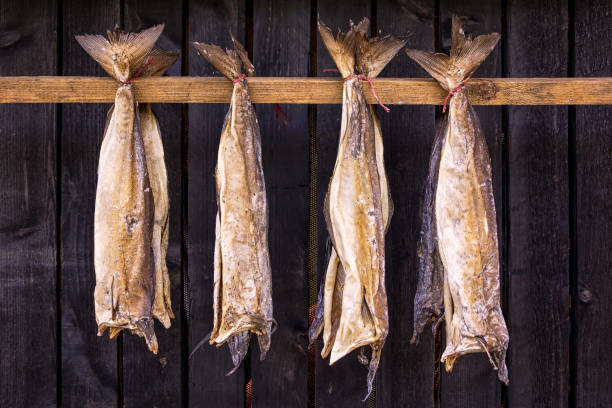
How to use it: Soak for one to several days, changing the water, then simmer in stews, soups, or tomato-based sauces. Dried fish can vary dramatically in salt level and moisture, even under the same name, so the package directions and local preparation method matter more than appearance alone. When buying, look for clean, species-appropriate aroma, even drying, intact packaging, and no visible mold, insects, sticky leakage, or unexplained discoloration.
2. Salt Cod (Bacalhau)
Common region: Portugal, Spain, the Caribbean, and Latin America. Fish commonly used: Atlantic cod and related whitefish. Firm, intensely savory, and salty because the fish is cured with salt before drying.

How to use it: Desalt by soaking under refrigeration, then bake, poach, fry, shred into fritters, or combine with potatoes and olive oil. Dried fish can vary dramatically in salt level and moisture, even under the same name, so the package directions and local preparation method matter more than appearance alone. When buying, look for clean, species-appropriate aroma, even drying, intact packaging, and no visible mold, insects, sticky leakage, or unexplained discoloration.
3. Baccalà
Common region: Italy. Fish commonly used: Usually salt-cured cod; regional usage may also include stockfish. Dense white flesh with a clean marine flavor after soaking.
How to use it: Used in Christmas dishes, tomato stews, fried fillets, and creamy spreads; confirm whether a recipe means salt cod or unsalted stockfish. Dried fish can vary dramatically in salt level and moisture, even under the same name, so the package directions and local preparation method matter more than appearance alone. When buying, look for clean, species-appropriate aroma, even drying, intact packaging, and no visible mold, insects, sticky leakage, or unexplained discoloration.
4. Klippfisk
Common region: Norway and export markets. Fish commonly used: Cod, saithe, ling, tusk, or haddock. Salted fish traditionally dried on coastal rocks or modern drying racks.
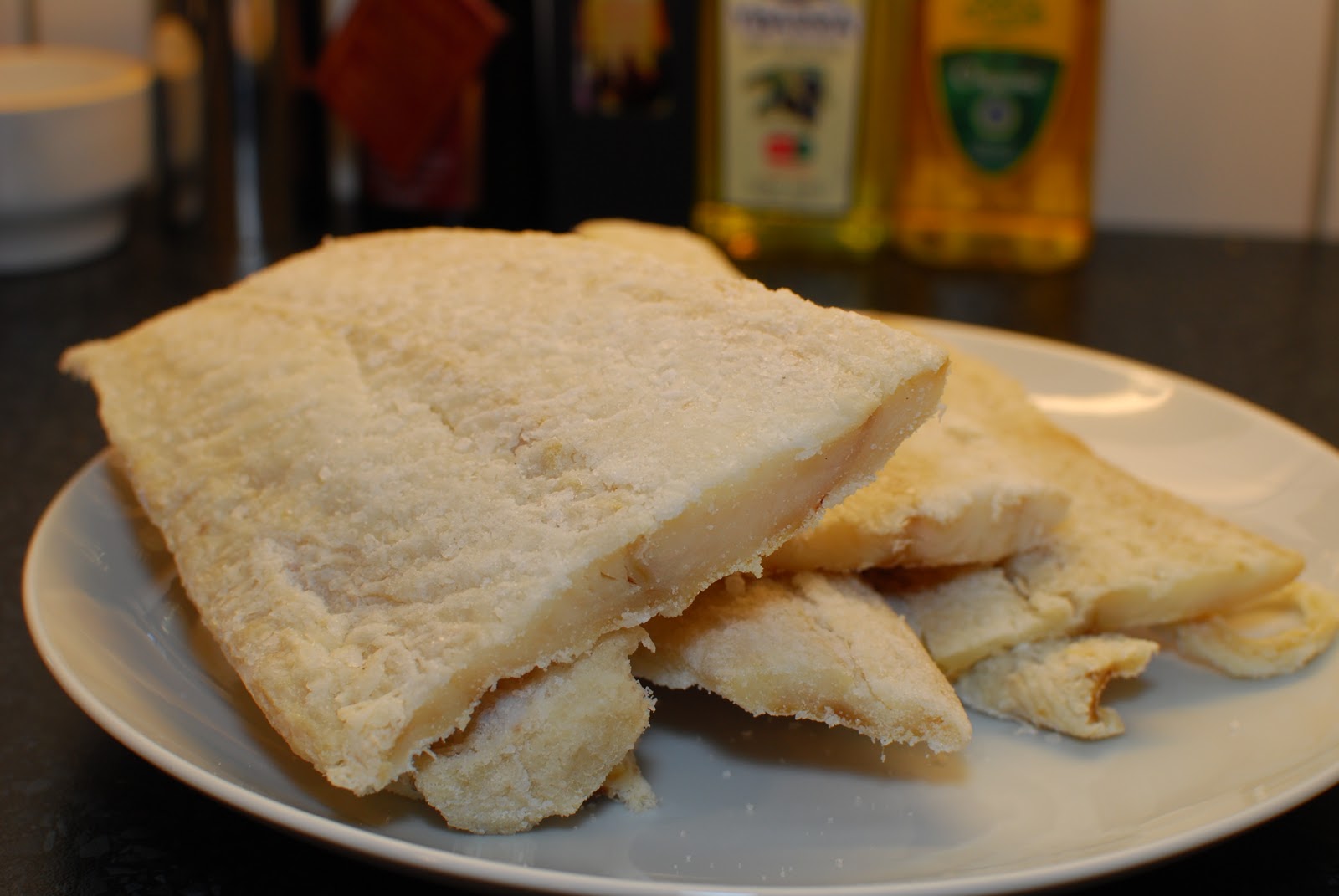
How to use it: Rehydrate and desalinate before cooking; its sturdy flakes work well in casseroles, soups, and pan-fried dishes. Dried fish can vary dramatically in salt level and moisture, even under the same name, so the package directions and local preparation method matter more than appearance alone. When buying, look for clean, species-appropriate aroma, even drying, intact packaging, and no visible mold, insects, sticky leakage, or unexplained discoloration.
5. Boknafisk
Common region: Northern Norway. Fish commonly used: Most often cod. Partially air-dried fish that remains softer and moister than stockfish.
How to use it: Usually cooked gently and served with potatoes, bacon, peas, or a simple white sauce. Dried fish can vary dramatically in salt level and moisture, even under the same name, so the package directions and local preparation method matter more than appearance alone. When buying, look for clean, species-appropriate aroma, even drying, intact packaging, and no visible mold, insects, sticky leakage, or unexplained discoloration.
6. Bokkoms
Common region: South Africa. Fish commonly used: Small mullet. Whole fish are heavily salted and air-dried, producing a concentrated, chewy, strongly savory snack.
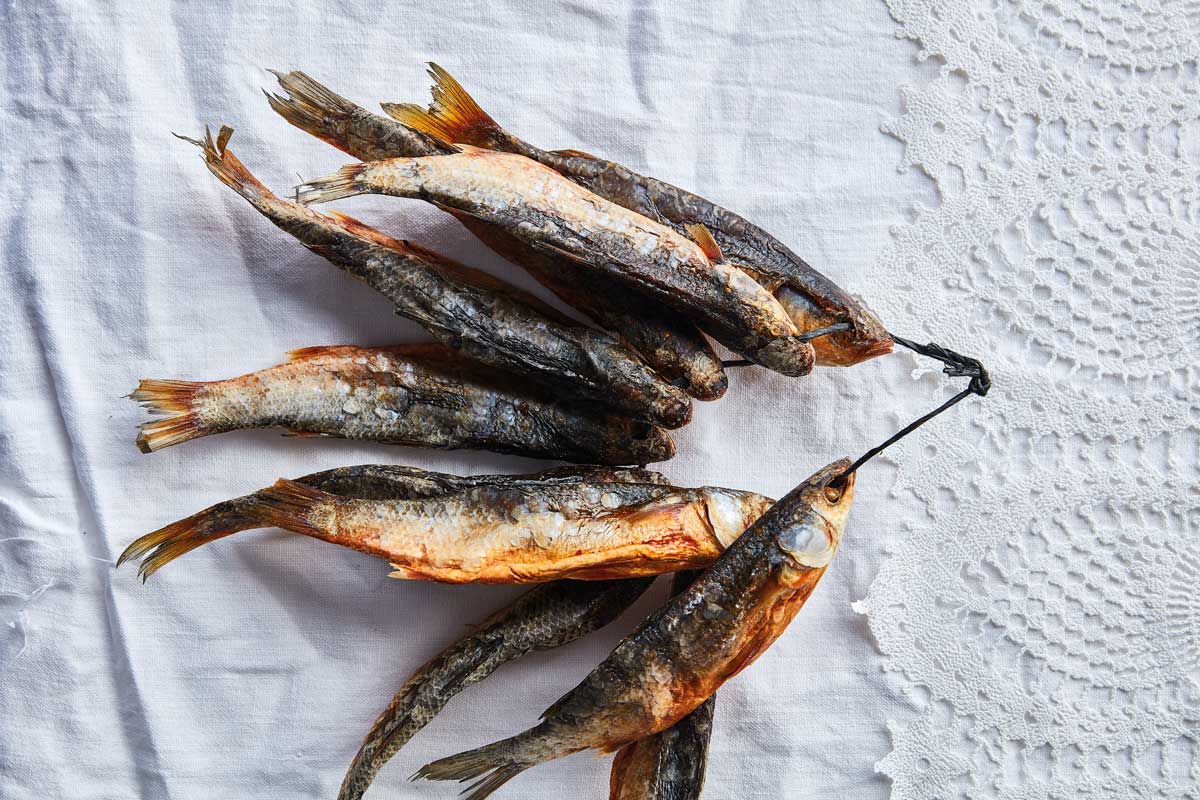
How to use it: Peel away skin and bones before eating, or flake small amounts into bread, salads, relishes, and cooked dishes. Dried fish can vary dramatically in salt level and moisture, even under the same name, so the package directions and local preparation method matter more than appearance alone. When buying, look for clean, species-appropriate aroma, even drying, intact packaging, and no visible mold, insects, sticky leakage, or unexplained discoloration.
7. Katsuobushi
Common region: Japan. Fish commonly used: Skipjack tuna. Fish is cooked, smoked repeatedly, dried, and often fermented into hard blocks with deep smoky umami.

How to use it: Shave into flakes for dashi, okonomiyaki, tofu, rice, noodles, and vegetable dishes; keep flakes dry and tightly sealed. Dried fish can vary dramatically in salt level and moisture, even under the same name, so the package directions and local preparation method matter more than appearance alone. When buying, look for clean, species-appropriate aroma, even drying, intact packaging, and no visible mold, insects, sticky leakage, or unexplained discoloration.
8. Niboshi
Common region: Japan. Fish commonly used: Small sardines or anchovy-like fish. Small fish are boiled and dried, creating a clean but pronounced marine flavor.
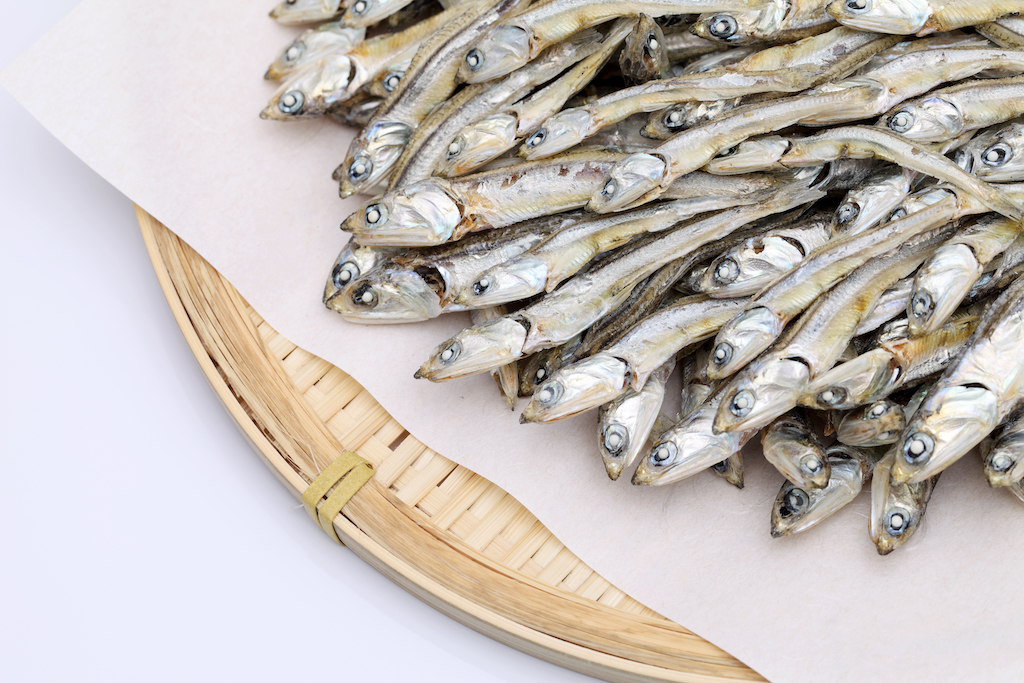
How to use it: Use whole or split to make broth; removing heads and dark innards can reduce bitterness in delicate soups. Dried fish can vary dramatically in salt level and moisture, even under the same name, so the package directions and local preparation method matter more than appearance alone. When buying, look for clean, species-appropriate aroma, even drying, intact packaging, and no visible mold, insects, sticky leakage, or unexplained discoloration.
9. Tatami Iwashi
Common region: Japan. Fish commonly used: Baby sardines. Tiny fish are pressed and dried into thin sheets resembling woven mats.
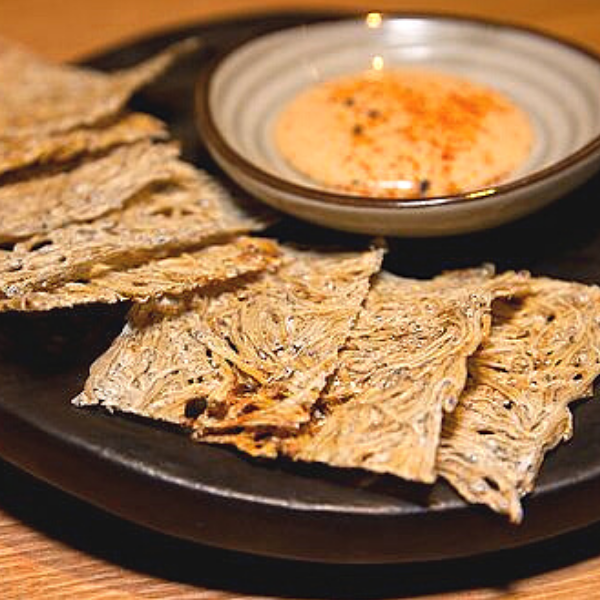
How to use it: Toast briefly and eat as a crisp snack, or crumble over rice, noodles, and salads. Dried fish can vary dramatically in salt level and moisture, even under the same name, so the package directions and local preparation method matter more than appearance alone. When buying, look for clean, species-appropriate aroma, even drying, intact packaging, and no visible mold, insects, sticky leakage, or unexplained discoloration.
10. Himono
Common region: Japan. Fish commonly used: Mackerel, horse mackerel, saury, sardine, or other fish. Butterflied, lightly salted fish dried until the surface firms while the interior remains relatively moist.
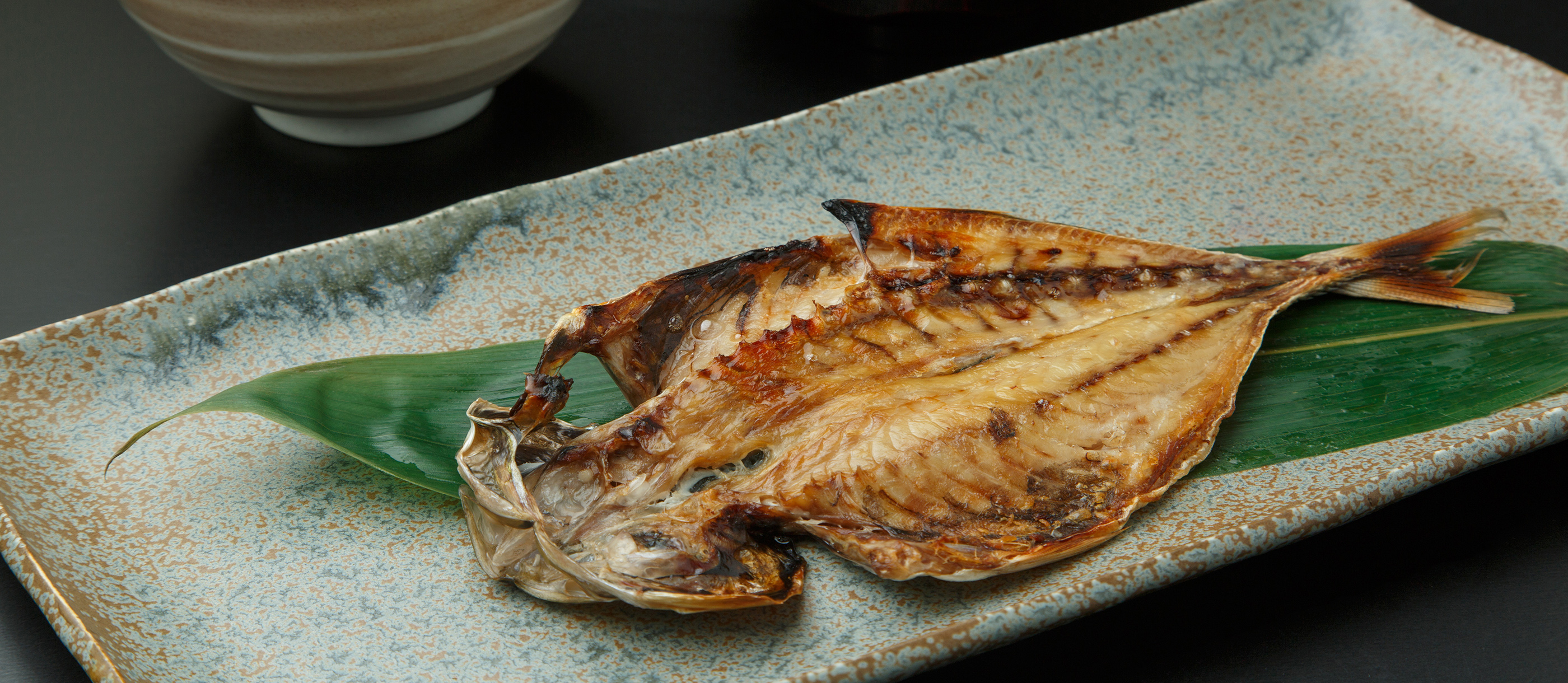
How to use it: Grill or broil from chilled or frozen; cook thoroughly and serve with rice, grated daikon, and citrus. Dried fish can vary dramatically in salt level and moisture, even under the same name, so the package directions and local preparation method matter more than appearance alone. When buying, look for clean, species-appropriate aroma, even drying, intact packaging, and no visible mold, insects, sticky leakage, or unexplained discoloration.
11. Bugeo
Common region: Korea. Fish commonly used: Alaska pollock. Fully dried pollock with pale, fibrous flesh and mild flavor.
How to use it: Shred or tear for soups, seasoned side dishes, and snacks; brief soaking softens very dry pieces. Dried fish can vary dramatically in salt level and moisture, even under the same name, so the package directions and local preparation method matter more than appearance alone. When buying, look for clean, species-appropriate aroma, even drying, intact packaging, and no visible mold, insects, sticky leakage, or unexplained discoloration.
12. Hwangtae
Common region: Korea. Fish commonly used: Alaska pollock. Pollock repeatedly freezes and thaws in cold mountain air, producing a light, porous texture.

How to use it: Popular in hangover soup, grilled preparations, and seasoned strips; it absorbs broth and marinades readily. Dried fish can vary dramatically in salt level and moisture, even under the same name, so the package directions and local preparation method matter more than appearance alone. When buying, look for clean, species-appropriate aroma, even drying, intact packaging, and no visible mold, insects, sticky leakage, or unexplained discoloration.
13. Gwamegi
Common region: Korea. Fish commonly used: Pacific herring or Pacific saury. Semi-dried winter fish with rich oil, chewy flesh, and a pronounced flavor.

How to use it: Eat in small slices with seaweed, garlic, chives, vegetables, and dipping sauce; keep refrigerated because it is not fully shelf-stable. Dried fish can vary dramatically in salt level and moisture, even under the same name, so the package directions and local preparation method matter more than appearance alone. When buying, look for clean, species-appropriate aroma, even drying, intact packaging, and no visible mold, insects, sticky leakage, or unexplained discoloration.
14. Daing
Common region: Philippines. Fish commonly used: Many species, including rabbitfish, milkfish, and small coastal fish. A broad category of salted and sun-dried fish, ranging from lightly dried to very firm.
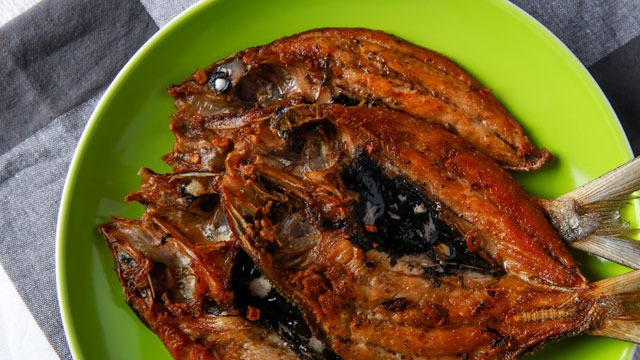
How to use it: Usually pan-fried and served with rice, tomatoes, eggs, vinegar, or garlic; ventilation helps manage strong cooking aromas. Dried fish can vary dramatically in salt level and moisture, even under the same name, so the package directions and local preparation method matter more than appearance alone. When buying, look for clean, species-appropriate aroma, even drying, intact packaging, and no visible mold, insects, sticky leakage, or unexplained discoloration.
15. Tuyo
Common region: Philippines. Fish commonly used: Small herring, sardine, or similar fish. Small whole fish dried with salt until compact, crisp-edged, and strongly flavored.
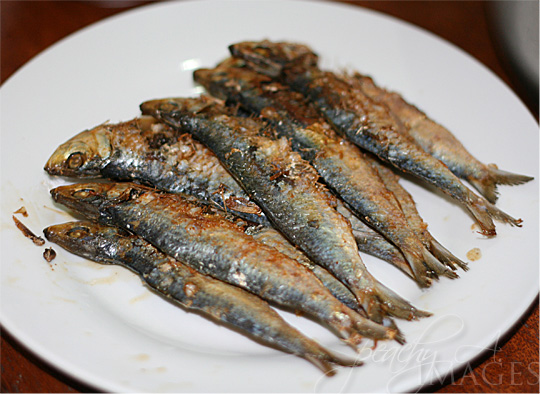
How to use it: Fry briefly and serve with rice, vinegar, tomatoes, or eggs; remove bones carefully when serving children. Dried fish can vary dramatically in salt level and moisture, even under the same name, so the package directions and local preparation method matter more than appearance alone. When buying, look for clean, species-appropriate aroma, even drying, intact packaging, and no visible mold, insects, sticky leakage, or unexplained discoloration.
16. Danggit
Common region: Philippines. Fish commonly used: Rabbitfish. Butterflied rabbitfish dried with salt, known for thin flesh and crisp texture after frying.
How to use it: Cook quickly over moderate heat because the thin pieces can burn; pair with vinegar and rice. Dried fish can vary dramatically in salt level and moisture, even under the same name, so the package directions and local preparation method matter more than appearance alone. When buying, look for clean, species-appropriate aroma, even drying, intact packaging, and no visible mold, insects, sticky leakage, or unexplained discoloration.
17. Labtingaw
Common region: Philippines. Fish commonly used: Varied small fish. A lightly salted, briefly dried form of daing that retains more moisture and meatiness.

How to use it: Refrigerate or freeze rather than treating it as a pantry product, and cook thoroughly before eating. Dried fish can vary dramatically in salt level and moisture, even under the same name, so the package directions and local preparation method matter more than appearance alone. When buying, look for clean, species-appropriate aroma, even drying, intact packaging, and no visible mold, insects, sticky leakage, or unexplained discoloration.
18. Dried Anchovies
Common region: Mediterranean, East Asian, and Southeast Asian cuisines. Fish commonly used: Anchovies. Small fish dried whole or after salting; flavor ranges from clean and nutty to intensely salty.
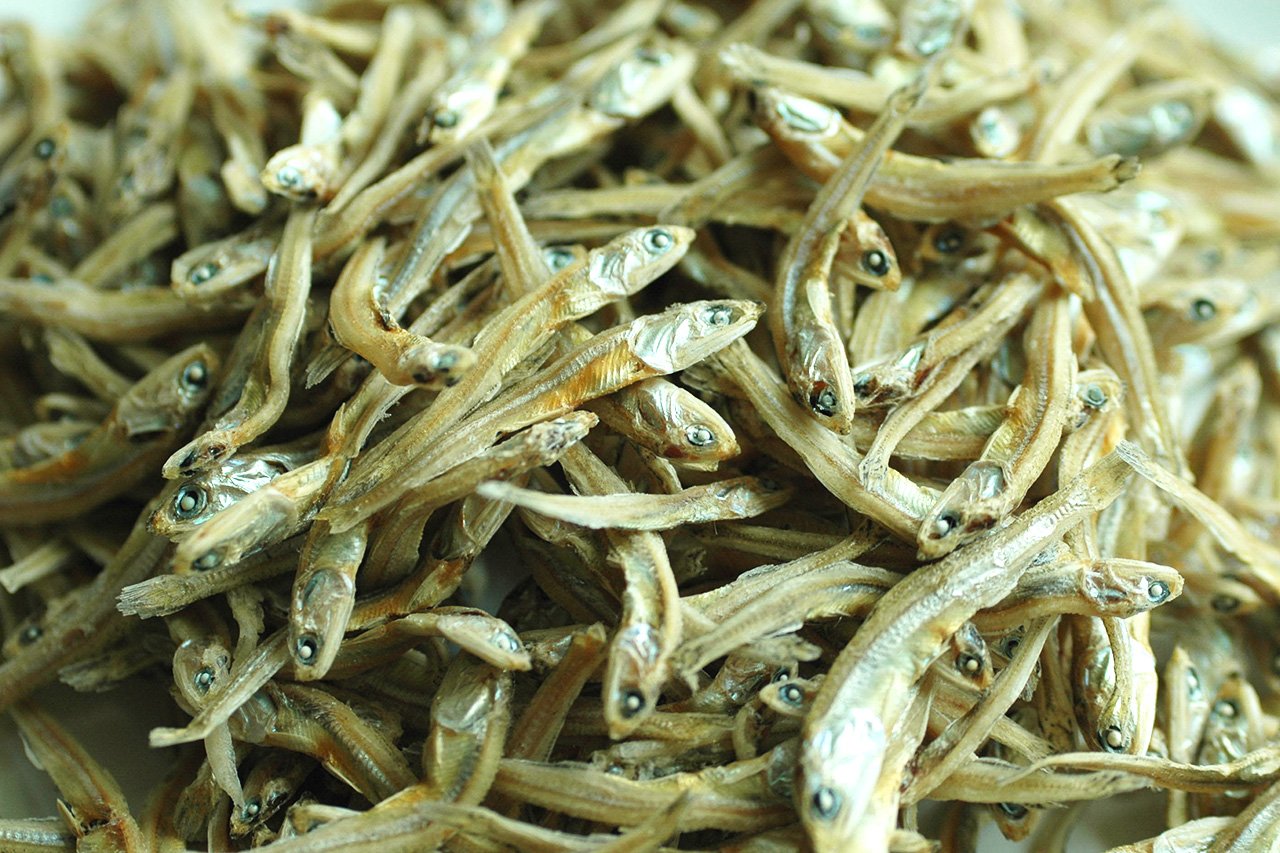
How to use it: Use for broth, stir-fries, rice dishes, sambals, snacks, or seasoning; toast gently to deepen aroma. Dried fish can vary dramatically in salt level and moisture, even under the same name, so the package directions and local preparation method matter more than appearance alone. When buying, look for clean, species-appropriate aroma, even drying, intact packaging, and no visible mold, insects, sticky leakage, or unexplained discoloration.
19. Dried Sardines
Common region: Coastal cuisines worldwide. Fish commonly used: Sardines and related small clupeids. Oily flesh becomes concentrated, savory, and sometimes crisp when fully dried.

How to use it: Grill, fry, simmer in sauces, or use in broths; choose products without rancid or paint-like odors. Dried fish can vary dramatically in salt level and moisture, even under the same name, so the package directions and local preparation method matter more than appearance alone. When buying, look for clean, species-appropriate aroma, even drying, intact packaging, and no visible mold, insects, sticky leakage, or unexplained discoloration.
20. Dried Herring
Common region: Northern Europe, Korea, and coastal regions. Fish commonly used: Herring. Rich, oily fish that may be hard-dried, semi-dried, salted, or smoked before drying.

How to use it: Preparation varies widely, so follow the label: some products need soaking, while semi-dried herring should stay refrigerated. Dried fish can vary dramatically in salt level and moisture, even under the same name, so the package directions and local preparation method matter more than appearance alone. When buying, look for clean, species-appropriate aroma, even drying, intact packaging, and no visible mold, insects, sticky leakage, or unexplained discoloration.
21. Dried Mackerel
Common region: Asia, Africa, and island cuisines. Fish commonly used: Mackerel species. Bold flavor and high oil content give dried mackerel a rich taste but also make it sensitive to oxidation.

How to use it: Buy from a high-turnover seller, store cold when advised, and cook by grilling, frying, or simmering in a spicy sauce. Dried fish can vary dramatically in salt level and moisture, even under the same name, so the package directions and local preparation method matter more than appearance alone. When buying, look for clean, species-appropriate aroma, even drying, intact packaging, and no visible mold, insects, sticky leakage, or unexplained discoloration.
22. Dried Pollock Strips
Common region: Korea, Russia, and snack markets. Fish commonly used: Alaska pollock. Mild, lean flesh dried into fibrous strips that are easy to season.
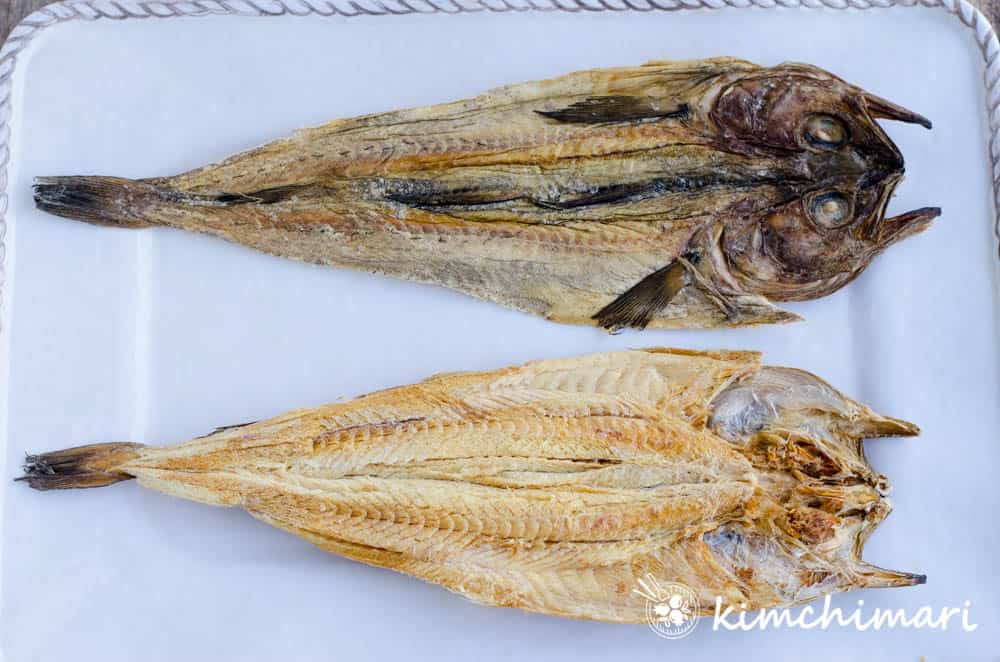
How to use it: Eat as a snack, soften in soups, or season with chili paste, sesame oil, and a little sweetness. Dried fish can vary dramatically in salt level and moisture, even under the same name, so the package directions and local preparation method matter more than appearance alone. When buying, look for clean, species-appropriate aroma, even drying, intact packaging, and no visible mold, insects, sticky leakage, or unexplained discoloration.
23. Dried Salmon
Common region: Northern regions and modern specialty markets. Fish commonly used: Salmon. Firm strips or fillets with concentrated salmon flavor; products may be plain, salted, smoked, or sweetened.
How to use it: Use as trail food, shred into chowders, or serve in small portions; refrigerate after opening when the package directs. Dried fish can vary dramatically in salt level and moisture, even under the same name, so the package directions and local preparation method matter more than appearance alone. When buying, look for clean, species-appropriate aroma, even drying, intact packaging, and no visible mold, insects, sticky leakage, or unexplained discoloration.
24. Salmon Jerky
Common region: North America and commercial snack markets. Fish commonly used: Salmon. A seasoned, chewy dried product that is often sweeter and softer than traditional hard-dried fish.

How to use it: Check sodium and added sugar, reseal promptly, and refrigerate after opening if the product is moist. Dried fish can vary dramatically in salt level and moisture, even under the same name, so the package directions and local preparation method matter more than appearance alone. When buying, look for clean, species-appropriate aroma, even drying, intact packaging, and no visible mold, insects, sticky leakage, or unexplained discoloration.
25. Dried Tuna
Common region: Indian Ocean, Southeast Asia, and specialty markets. Fish commonly used: Tuna or bonito. Lean, dense flesh with strong umami; it may be dried as steaks, strips, flakes, or smoked pieces.
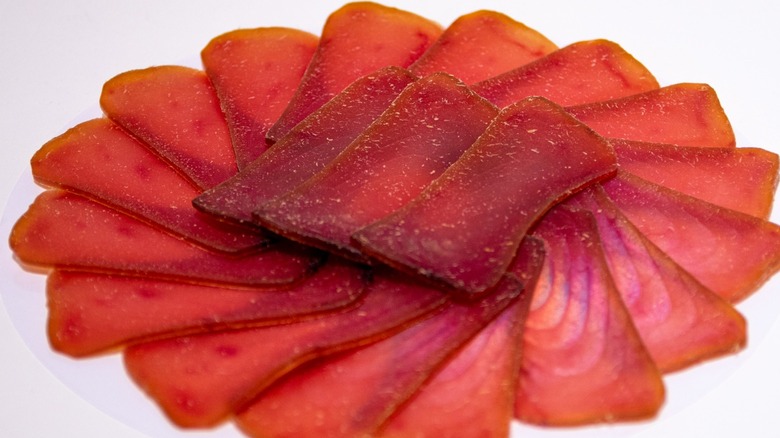
How to use it: Shred into curries, sambals, rice, and soups, or eat as jerky; avoid overcooking because lean dried tuna can become tough. Dried fish can vary dramatically in salt level and moisture, even under the same name, so the package directions and local preparation method matter more than appearance alone. When buying, look for clean, species-appropriate aroma, even drying, intact packaging, and no visible mold, insects, sticky leakage, or unexplained discoloration.
26. Dried Flying Fish
Common region: Japan, the Caribbean, and island communities. Fish commonly used: Flying fish. Lean fish dried whole or split, with a clean marine taste and firm texture.
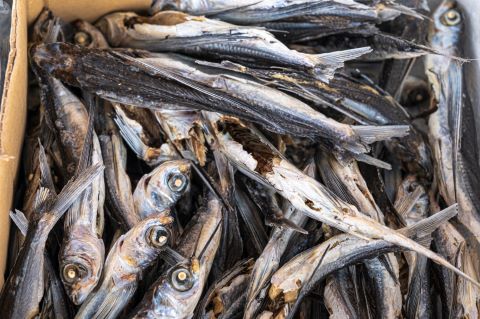
How to use it: Grill, make broth, or rehydrate for stews; Japanese ago-dashi uses dried flying fish for a fragrant stock. Dried fish can vary dramatically in salt level and moisture, even under the same name, so the package directions and local preparation method matter more than appearance alone. When buying, look for clean, species-appropriate aroma, even drying, intact packaging, and no visible mold, insects, sticky leakage, or unexplained discoloration.
27. Ago-bushi
Common region: Japan. Fish commonly used: Flying fish. A dried and often smoked flying-fish product valued for a refined, slightly sweet broth.
How to use it: Simmer briefly for noodle and soup stock, then strain; excessive boiling may make the broth harsh. Dried fish can vary dramatically in salt level and moisture, even under the same name, so the package directions and local preparation method matter more than appearance alone. When buying, look for clean, species-appropriate aroma, even drying, intact packaging, and no visible mold, insects, sticky leakage, or unexplained discoloration.
28. Bombay Duck
Common region: India and South Asia. Fish commonly used: Harpadon nehereus, a lizardfish. Despite the name, it is a soft-bodied fish commonly salted and sun-dried until pungent and crispable.
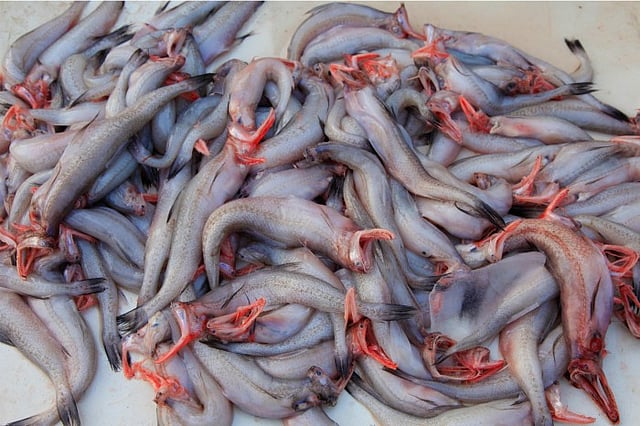
How to use it: Fry, roast, or cook in curries; store tightly sealed because the aroma is powerful and the product absorbs moisture. Dried fish can vary dramatically in salt level and moisture, even under the same name, so the package directions and local preparation method matter more than appearance alone. When buying, look for clean, species-appropriate aroma, even drying, intact packaging, and no visible mold, insects, sticky leakage, or unexplained discoloration.
29. Dried Ribbonfish
Common region: China, Korea, Southeast Asia, and coastal markets. Fish commonly used: Cutlassfish or ribbonfish. Long silver fish cut into sections and dried; the flesh is savory, relatively lean, and can be bony.
How to use it: Steam, fry, or braise after a brief rinse or soak; inspect carefully for sharp bones. Dried fish can vary dramatically in salt level and moisture, even under the same name, so the package directions and local preparation method matter more than appearance alone. When buying, look for clean, species-appropriate aroma, even drying, intact packaging, and no visible mold, insects, sticky leakage, or unexplained discoloration.
30. Dried Croaker
Common region: East Asia, West Africa, and other coastal cuisines. Fish commonly used: Croakers and drum fish. Firm white flesh takes salt and drying well, producing a meaty texture and concentrated flavor.

How to use it: Soak if heavily salted, then steam, fry, grill, or add small pieces to soups and rice dishes. Dried fish can vary dramatically in salt level and moisture, even under the same name, so the package directions and local preparation method matter more than appearance alone. When buying, look for clean, species-appropriate aroma, even drying, intact packaging, and no visible mold, insects, sticky leakage, or unexplained discoloration.
31. Dried Threadfin
Common region: South and Southeast Asia. Fish commonly used: Threadfin fish. White flesh dries into firm flakes with a mild-to-moderate marine taste.
How to use it: Use in curries, sambals, and soups; remove the fine bones before serving. Dried fish can vary dramatically in salt level and moisture, even under the same name, so the package directions and local preparation method matter more than appearance alone. When buying, look for clean, species-appropriate aroma, even drying, intact packaging, and no visible mold, insects, sticky leakage, or unexplained discoloration.
32. Dried Milkfish
Common region: Philippines and Southeast Asia. Fish commonly used: Milkfish. Rich white flesh with many fine bones; it may be split, deboned, marinated, and dried.

How to use it: Pan-fry or grill and serve with vinegar-based condiments; deboned products are easier for beginners. Dried fish can vary dramatically in salt level and moisture, even under the same name, so the package directions and local preparation method matter more than appearance alone. When buying, look for clean, species-appropriate aroma, even drying, intact packaging, and no visible mold, insects, sticky leakage, or unexplained discoloration.
33. Dried Tilapia
Common region: Africa, Asia, and inland fish-producing regions. Fish commonly used: Tilapia. A practical use for farmed or wild tilapia, usually salted and sun-dried whole or split.
How to use it: Soak when very salty, then fry, grill, or simmer; buy evenly dried fish without damp pockets. Dried fish can vary dramatically in salt level and moisture, even under the same name, so the package directions and local preparation method matter more than appearance alone. When buying, look for clean, species-appropriate aroma, even drying, intact packaging, and no visible mold, insects, sticky leakage, or unexplained discoloration.
34. Dried Catfish
Common region: West Africa, Southeast Asia, and the southern United States. Fish commonly used: Freshwater or marine catfish. Dense flesh and smoke-friendly skin create a robust ingredient for soups and stews.
How to use it: Rinse or soak to remove surface salt and smoke residue, then simmer until tender; check for remaining spines. Dried fish can vary dramatically in salt level and moisture, even under the same name, so the package directions and local preparation method matter more than appearance alone. When buying, look for clean, species-appropriate aroma, even drying, intact packaging, and no visible mold, insects, sticky leakage, or unexplained discoloration.
35. Eja Kika
Common region: Nigeria and Yoruba cuisine. Fish commonly used: Often catfish or other locally available fish. A smoked-dried fish product with deep aroma used to season soups, sauces, and stews.

How to use it: Use moderate amounts, rinse when dusty or salty, and simmer long enough to soften the flesh. Dried fish can vary dramatically in salt level and moisture, even under the same name, so the package directions and local preparation method matter more than appearance alone. When buying, look for clean, species-appropriate aroma, even drying, intact packaging, and no visible mold, insects, sticky leakage, or unexplained discoloration.
36. Kapenta
Common region: Southern Africa. Fish commonly used: Small freshwater clupeid fish. Tiny fish dried whole, offering a concentrated savory flavor and a crisp or chewy texture depending on cooking.
![The Remarkable Kapenta Fish Is Rich In Nutrients [2026 Info]](https://karibahouseboatsafaris.com/wp-content/uploads/2022/01/kapenta.jpg)
How to use it: Fry with onion and tomato, simmer in relish, or grind into seasoning; sort and rinse before cooking. Dried fish can vary dramatically in salt level and moisture, even under the same name, so the package directions and local preparation method matter more than appearance alone. When buying, look for clean, species-appropriate aroma, even drying, intact packaging, and no visible mold, insects, sticky leakage, or unexplained discoloration.
37. Dried Whitebait
Common region: Europe, Asia, and Oceania. Fish commonly used: Juvenile small fish from several species. Very small fish dried whole; they may be delicate, crunchy, or chewy and are usually eaten with bones intact.
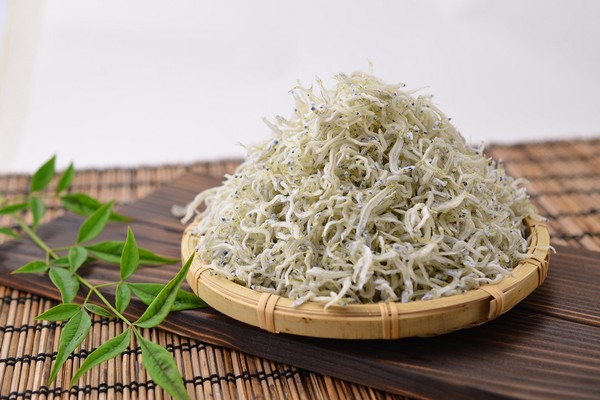
How to use it: Toast, fry, or add to omelets and rice; verify that the product is intended for human consumption rather than pet food. Dried fish can vary dramatically in salt level and moisture, even under the same name, so the package directions and local preparation method matter more than appearance alone. When buying, look for clean, species-appropriate aroma, even drying, intact packaging, and no visible mold, insects, sticky leakage, or unexplained discoloration.
38. Dried Eel
Common region: East Asia and specialty markets. Fish commonly used: Freshwater or marine eel. Oily, dense flesh becomes intensely savory and chewy when dried.
How to use it: Rehydrate or grill according to the product style; keep oily dried eel cool and protected from light. Dried fish can vary dramatically in salt level and moisture, even under the same name, so the package directions and local preparation method matter more than appearance alone. When buying, look for clean, species-appropriate aroma, even drying, intact packaging, and no visible mold, insects, sticky leakage, or unexplained discoloration.
39. Dried Shark
Common region: Iceland, South Asia, Africa, and coastal regions. Fish commonly used: Various shark species. Processing ranges from simple salted drying to fermentation; flavor, odor, and safety vary greatly.
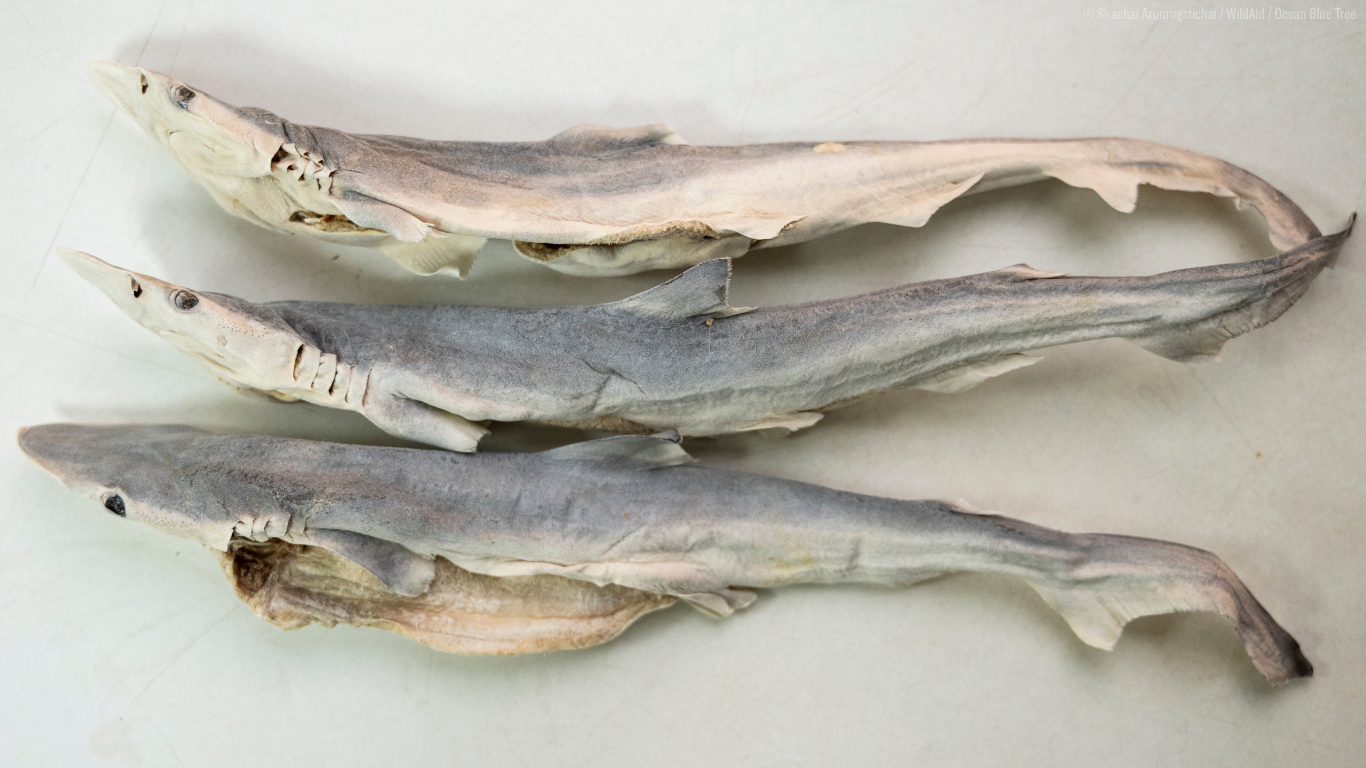
How to use it: Buy only legally sourced, professionally processed products, follow preparation directions, and consider conservation concerns. Dried fish can vary dramatically in salt level and moisture, even under the same name, so the package directions and local preparation method matter more than appearance alone. When buying, look for clean, species-appropriate aroma, even drying, intact packaging, and no visible mold, insects, sticky leakage, or unexplained discoloration.
40. Fish Jerky
Common region: Global commercial snack category. Fish commonly used: Salmon, tuna, pollock, cod, trout, or mixed fish. Seasoned strips dried to a chewy texture, often with smoke, sugar, chili, or soy flavors.
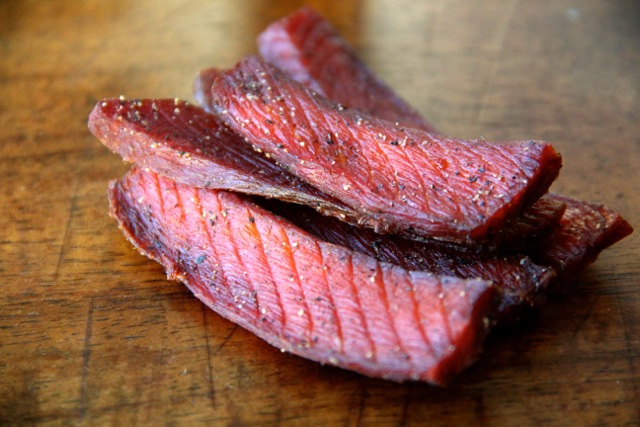
How to use it: Choose intact packaging, check sodium, refrigerate moist products after opening, and avoid bags with condensation. Dried fish can vary dramatically in salt level and moisture, even under the same name, so the package directions and local preparation method matter more than appearance alone. When buying, look for clean, species-appropriate aroma, even drying, intact packaging, and no visible mold, insects, sticky leakage, or unexplained discoloration.
How Are Types of Dried Fish Classified?
Dried fish can be classified by both the fish species and the preservation method. Air-dried products lose moisture without heavy salting. Salt-dried products use salt to draw out water and slow microbial growth. Smoked-dried fish combines heat or smoke with dehydration, while semi-dried fish retains enough moisture to require refrigeration. Fermented and dried products develop additional flavor through controlled microbial or enzymatic activity. Modern jerky usually adds seasoning and controlled mechanical drying.
Where Are Dried Fish Commonly Used?
Dried fish is important in northern Europe, the Mediterranean, West and East Africa, South and Southeast Asia, East Asia, the Caribbean, Latin America, and many island communities. In places with seasonal catches or limited historical refrigeration, drying turned short fishing seasons into year-round food. Today, dried fish remains useful for soups, stews, rice dishes, broths, sauces, snacks, camping meals, and pantry cooking, but storage requirements differ by product.
How to Identify Good-Quality Dried Fish
- The surface should look deliberately dry or semi-dry, not wet from leaking liquid or condensation.
- A strong fish aroma can be normal, but sour, ammonia-like, rancid, chemical, or moldy odors are warning signs.
- Salt crystals may be normal on salt fish; fuzzy growth, colored mold, or soft spreading patches are not.
- Pieces should be free from insects, webbing, excessive dust, and torn packaging.
- Oily fish should not smell like old paint, crayons, or stale nuts, which may indicate oxidation.
- For semi-dried products, confirm that the cold chain has been maintained.
- Choose clear labeling that identifies the fish, ingredients, processor, storage method, and use-by information.
Cooking and Buying Tips
- Soak heavily salted fish under refrigeration, not on a warm counter.
- Change soaking water several times and taste a small cooked piece before adding extra salt to a recipe.
- Use separate utensils for raw or partially processed fish and ready-to-eat foods.
- Cook products that are sold as raw, semi-dried, or cooking ingredients unless the label clearly says ready to eat.
- Store opened products in airtight packaging to control moisture, odor, and cross-contamination.
- Freeze surplus semi-dried fish in meal-size portions when the label permits.
- Buy threatened or slow-growing species only from legal, traceable, responsibly managed sources.
Safety, Sustainability, and Storage Notes
Drying reduces water activity, but it does not make every product indefinitely shelf-stable. Moisture level, salt concentration, packaging, handling, and whether the fish was cooked all affect safety. Follow the manufacturer’s storage directions, refrigerate semi-dried and moist jerky products, and discard fish with mold, swelling packages, slime, or abnormal odors. People limiting sodium should treat heavily salted dried fish as a concentrated seasoning rather than a large serving. Sustainability also matters: favor traceable fisheries, legal species, appropriate size limits, and products that clearly identify the fish rather than using a vague mixed-fish label.
Fun Facts About Dried Fish
- Stockfish can be dried without salt in cold, windy coastal climates.
- Katsuobushi is so hard that it is traditionally shaved with a special wooden plane.
- Some semi-dried fish must be refrigerated even though the surface looks dry.
- The word daing describes a preparation style rather than one fish species.
- Small dried fish are often eaten with bones, adding crunch and minerals.
- Dried fish frequently functions as both protein and seasoning.
- Oily fish usually develops rancid flavors faster than lean whitefish.
- Soaking removes salt but can also soften very hard dried flesh.
- Dried fish traditions often follow seasonal wind, temperature, and humidity.
- The same market name can refer to different fish in different countries.
Final Thoughts on Types of Dried Fish
Exploring the many types of dried fish is an easy way to understand how climate, fishing seasons, and local cooking traditions shape food. Start with a clearly labeled product, learn whether it is hard-dried, salt-dried, smoked, fermented, or semi-dried, and follow the correct soaking and storage method. Once prepared properly, dried fish can add concentrated flavor, useful protein, and a strong sense of place to soups, stews, rice, noodles, sauces, and outdoor meals.
Frequently Asked Questions
1. What is dried fish?
Dried fish is fish preserved by removing moisture through sun, wind, heated air, smoke, freezing and thawing, or a combination of methods. Salt, fermentation, boiling, or seasoning may also be used.
2. What is the difference between stockfish and salt cod?
Stockfish is traditionally unsalted fish dried by cold air and wind. Salt cod is cured with salt before or during drying and normally requires soaking to remove excess salt.
3. Does all dried fish need to be soaked?
No. Hard stockfish and heavily salted fish usually need soaking, while thin snacks, niboshi, katsuobushi flakes, and many ready-to-cook semi-dried products may not. Follow the label or traditional recipe.
4. How long should salt fish be soaked?
The time depends on thickness and salt level. Many pieces need 12 to 48 hours under refrigeration with several water changes, while very thick pieces may take longer.
5. Can dried fish be eaten without cooking?
Only products labeled ready to eat should be eaten directly. Raw, semi-dried, traditionally dried, or unpackaged fish may require cooking for safety and better texture.
6. Is dried fish shelf-stable?
Some hard-dried or commercially sealed products are shelf-stable before opening, but semi-dried, fatty, vacuum-packed, or moist products may require refrigeration. Storage instructions take priority.
7. Why is dried fish so salty?
Salt removes water, slows spoilage, firms the flesh, and adds flavor. Traditional products may contain much more sodium than fresh fish.
8. How can I reduce salt in dried fish?
Soak it in cold water under refrigeration, change the water, and cook a small test piece. Do not add salt to the main dish until the fish has been tasted.
9. What does bad dried fish smell like?
A strong marine smell may be normal, but sour, ammonia-like, rancid, moldy, or chemical odors suggest spoilage or oxidation.
10. Can dried fish grow mold?
Yes, especially when exposed to humidity. Fuzzy growth, spreading colored spots, dampness, or a musty smell are reasons to discard the product.
11. How should opened dried fish be stored?
Reseal it in an airtight container or bag, protect it from heat and light, and refrigerate or freeze when directed. Keep strong-smelling products separate from foods that absorb odors.
12. Can I freeze dried fish?
Many dried and semi-dried fish products freeze well, particularly after opening. Divide them into small portions and use moisture-resistant packaging.
13. What is semi-dried fish?
Semi-dried fish has lost some moisture but remains softer than fully dried fish. Because more water remains, it commonly needs refrigeration and has a shorter storage life.
14. What is the best dried fish for broth?
Niboshi, ago-bushi, dried anchovies, dried pollock, and katsuobushi are common broth ingredients. Each gives a different balance of sweetness, smoke, and marine intensity.
15. What dried fish is easiest for beginners?
Mild pollock strips, lightly seasoned fish jerky, katsuobushi flakes, and properly desalted cod are approachable because their texture and use are predictable.
16. Is dried fish nutritious?
It can provide concentrated protein and, depending on the species, omega-3 fats and minerals. Salted products may also be very high in sodium, so portions matter.
17. Does drying destroy omega-3 fats?
Drying does not remove all omega-3 fats, but heat, oxygen, light, and long storage can oxidize oils. Fresh packaging and cool storage are especially important for fatty fish.
18. Can children eat dried fish?
They can eat suitable cooked products in age-appropriate portions, but adults should remove sharp bones and consider sodium, chewiness, and allergy risk.
19. Are dried anchovies eaten with the bones?
Small dried anchovies are often eaten whole, including the softened or crisp bones. Larger fish should be checked and deboned as needed.
20. Why does dried fish become tough?
Water loss concentrates proteins and firms the muscle. Soaking, slow simmering, steaming, or choosing a semi-dried product can produce a softer texture.
21. What is the difference between dried fish and smoked fish?
Dried fish is defined mainly by moisture removal. Smoked fish is exposed to smoke for flavor or preservation and may remain moist unless it is also dried.
22. What is the difference between fish jerky and traditional dried fish?
Jerky is usually cut into strips, seasoned, and dried under controlled commercial conditions. Traditional dried fish may be whole, split, salted, fermented, smoked, or air-dried.
23. Can dried fish be used for camping?
Shelf-stable, sealed fish jerky and hard-dried products can be useful, but choose items that do not require refrigeration and protect them from heat and moisture.
24. How do I cook very hard stockfish?
Soak it for an extended period under refrigeration until flexible, change the water, then simmer slowly in soup, stew, or sauce until tender.
25. Why is some dried fish yellow?
Color can come from the species, fat, smoke, oxidation, seasoning, or the drying method. A normal color should be consistent with the product and not accompanied by rancid odor or slime.
26. Is vacuum-packed dried fish always safe at room temperature?
No. Vacuum packaging does not automatically make a moist fish product shelf-stable. Follow the printed refrigeration and use-by directions.
27. How can I keep dried fish odor from spreading?
Use airtight double packaging, refrigerate strong-smelling products, ventilate while cooking, and clean pans and surfaces promptly.
28. What are sustainable dried fish choices?
Look for clearly identified species, legal harvest, traceable origin, well-managed fisheries, and credible sustainability information. Small fast-growing species can be good options when responsibly caught.
29. Should dried shark be avoided?
Many sharks grow slowly and are vulnerable to overfishing. Buy only legal, traceable products from responsibly managed sources, or choose a more abundant fish.
30. Can dried fish be rehydrated in hot water?
Hot water is faster but may cook the surface, trap salt, or encourage unsafe handling if held warm. Cold soaking under refrigeration is generally more controlled for thick salted fish.
31. Why do recipes use only a small amount of dried fish?
Drying concentrates salt, protein, smoke, and umami, so a small piece can season an entire pot of soup, stew, sauce, or rice.
Read more:
40 Types of Drum Fish: Species and Identification