
Wild betta fish are far more varied than many people expect. Most folks only know the colorful aquarium strains, but the wild types have their own charm: subtler colors, calmer behavior, and traits shaped by real survival, not selective breeding. If you want to learn about different types of wild betta fish, this guide breaks everything down in plain language. You’ll find simple explanations, real behavior notes, and details that help you spot each species in the field. These are the fish as they appear in their natural homes—no exaggeration and no confusing scientific words.
And yes, this article keeps things friendly, clear, and honest. By the end, you’ll know how each species looks, acts, and survives. This first section covers three well-known wild bettas: Betta splendens, Betta imbellis, and Betta smaragdina.
1. Betta splendens (Wild Siamese Fighting Fish)
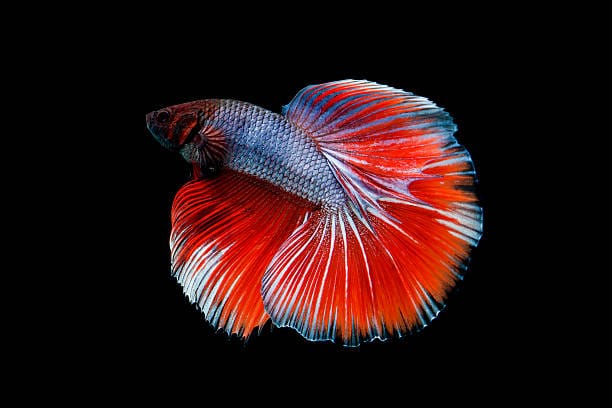
Physical Characteristics & Identification Tips
If you’ve only seen the fancy bettas sold in stores, the wild Betta splendens may surprise you. It doesn’t look like the big-finned, flashy fish people keep in bowls. The wild form is slimmer, shorter-finned, and far more subtle in color. Males usually show earthy brown shades with dark horizontal bars on the body. When the light hits just right, you’ll see hints of green or blue.
The females look similar but with softer shades and smaller fins. Both sexes have that classic betta face: a slight underbite and a sharp, alert expression. Wild splendens also have a torpedo-shaped body, which makes them better swimmers than domestic strains.
A quick way to tell this species apart: a deep brown base color, darker head, and a strong, bold line across the body when the fish becomes stressed or excited. The gill covers often flash electric green when the fish flares, even if its body stays mostly brown.
Behavior
It’s no secret that Betta splendens males can be aggressive. In the wild, they defend small territories filled with leaf litter and plant roots. Their goal is simple: protect the bubble nest. Males don’t pick fights all day, though—they patrol, watch for rivals, and avoid unnecessary battles.
Females move in small loose groups, keeping out of trouble while searching for food. During breeding season, both males and females display brighter colors and more confidence.
Wild splendens aren’t as flashy or energetic as their captive-bred cousins. They act more cautiously. They hide often, peek from roots or branches, and only dart out when they feel safe. That cautious nature is part of their charm.
Habitat and Range
Wild Betta splendens come from Thailand, Cambodia, Laos, and parts of Vietnam. They occupy shallow puddles, rice fields, flooded forests, and roadside pools. If you can step into it without getting your knees wet, there’s a chance a wild betta has lived there at some point.
These waters often have slow flow, thick plants, and low oxygen. That’s why wild splendens evolved their labyrinth organ—it lets them breathe air straight from the surface. That simple advantage gives them access to habitats where many other fish would suffocate.
Diet
Wild Betta splendens eat whatever moves and fits into their mouth. Their menu includes insect larvae, tiny worms, plankton, and freshwater micro-crustaceans. In the wild, food comes and goes in waves. After heavy rain, insects fall into ponds in huge numbers. During dry periods, they rely on scavenging.
They rarely pass up a meal. Their metabolism rewards them for grabbing food whenever they see it.
Reproduction and Life Cycle
The species follows the classic bubble-nest breeding system. The male builds a nest under a leaf or floating debris and then performs a ritual dance to attract a female. After spawning, the male wraps the female in a gentle embrace so the eggs fall upward.
Once the eggs reach the nest, the male becomes the caretaker. He guards the site, repairs the nest, and collects any eggs that fall. The fry hatch in one to two days. After that, the male keeps watch until the fry can swim on their own.
These fish grow quickly. Within a few months, juveniles resemble smaller versions of adults.
Fun Facts / Unique Traits
• Their “fight” reputation comes from natural territorial instincts, not from some wild desire to brawl.
• Wild males can flare, but the display is far more controlled and less dramatic than domestic strains.
• Their color deepens during storms, especially when insects start dropping onto the water.
Human Interaction
Betta splendens have lived beside human farming areas for hundreds of years. Rice farmers recognized them early on as mosquito-eaters. Later, people began breeding them for contests, which eventually led to the modern flashy aquarium strains.
Today, wild populations face habitat loss. Many original wetlands have turned into farmland, roads, or construction zones. Yet small pockets of wild fish remain—hidden, quiet, and unchanged.
2. Betta imbellis (Peaceful Betta)
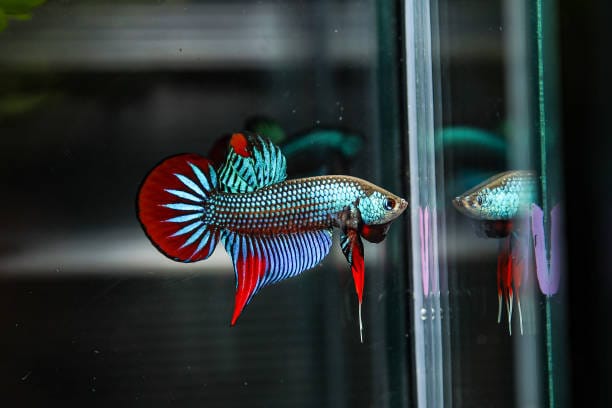
Physical Characteristics & Identification Tips
Betta imbellis lives up to its nickname: the Peaceful Betta. Compared with splendens, imbellis has a slimmer head, a darker body, and a beautiful set of metallic green or blue stripes along the face and gill covers. The tail often has a thin red outer ring, like someone traced it with a red pencil.
Males display deeper colors with more shine, while females are muted but still carry the same clean pattern. One clear way to tell imbellis apart: look for the dark base color with three clear features—green cheeks, red tail edges, and a narrow, tidy body shape.
Their eyes also appear slightly brighter and rounder than splendens, giving them a more curious look.
Behavior
This is one of the calmest wild bettas. Males defend territory but rarely fight to exhaustion. They flare briefly, judge the opponent, and pull back if they think the risk isn’t worth it.
In their natural home, you may see several imbellis males living in the same area, separated only by plants, roots, or a few inches of space. They prefer short bursts of activity, followed by long periods of rest under a leaf.
Their gentle nature makes them popular among wild betta keepers.
Habitat and Range
Betta imbellis lives in southern Thailand, Malaysia, and some parts of Indonesia. They prefer blackwater streams and forest pools with soft, acidic water. Their habitats are usually shaded by tall trees, which block sunlight and create cool, calm waters.
These pools contain leaf litter, branches, and mud bottoms. You often see imbellis hovering near plant stems, ready to dart away at any vibration.
Diet
Their food sources include mosquito larvae, small crustaceans, worms, and floating insects. They often swim closer to the surface than other wild species because that’s where insect larvae gather.
They eat quickly but not chaotically. Instead of chasing food around, they wait and strike with a clean, controlled motion.
Reproduction and Life Cycle
Like splendens, imbellis are bubble-nest builders. Their courtship, however, looks calmer. The male circles the female slowly and flares only enough to show he’s healthy.
The embrace is gentle. After spawning, the male takes full control. He guards the nest, moves eggs around, and checks on the fry every hour.
Fry grow steadily, and within a few weeks they begin showing that signature green cheek marking.
Fun Facts / Unique Traits
• Known as the “Peaceful Betta” because it avoids long fights.
• One of the easiest wild bettas to identify thanks to its green cheeks and red tail.
• prefers shaded water more than many related species.
Human Interaction
Betta imbellis lives near villages, plantations, and rice fields. People often spot them in ditch pools during rainy season.
Hybridization with domestic splendens is a growing concern. As more people release captive fish into the wild, some populations lose their distinct look. Still, healthy pockets of true imbellis remain.
3. Betta smaragdina (Emerald Betta)
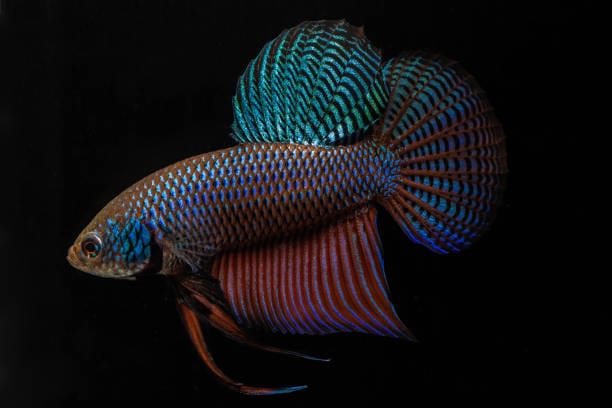
Physical Characteristics & Identification Tips
Betta smaragdina is easy to notice thanks to its bright turquoise or emerald-blue scales. The color flashes like glass when sunlight hits it. The body base is dark brown or black, which makes the blue shine even more.
Males show heavier metallic scaling, especially around the head and top of the body. Their fins are long but not exaggerated. The tail often has a round shape with green or blue rays spreading outward. Females share the same structure but with softer tones.
A quick identification trick: look for the metallic “helmet” on the head and the thick emerald streaks along the sides. Few wild bettas glow the way smaragdina does.
Behavior
Smaragdina males defend small territories but behave with surprising coordination. Instead of charging immediately, they size up rivals. Their flaring shows wide, open gill covers with shimmering scales that seem to change color.
They spend long periods resting under leaves and dart upward for air. Despite their strong coloring, they’re shy fish. Sudden shadows send them into hiding.
In groups, they keep a respectful distance, especially during breeding season.
Habitat and Range
They come from northeast Thailand and parts of Laos. Their waters are clear to slightly murky, often shallow, and filled with reeds. Many areas dry up during hot months, so these fish adapt to low water and low oxygen.
Their habitat includes rice paddies, side streams, marshes, and floodplains. These spots often turn into isolated puddles during dry season, yet the fish survive thanks to their ability to breathe air.
Diet
Smaragdina adults eat mosquito larvae, aquatic insects, and small worms. They’re active hunters and often chase prey in short bursts.
Unlike some bettas that stay near the surface, smaragdina will search for food through plants and roots. They examine every corner of their territory.
Reproduction and Life Cycle
They use bubble-nest breeding like most species in the complex. The male selects a spot under a floating leaf or grass stalk. His nest is usually thick and compact.
During courtship, the male displays full emerald scaling. The embrace is quick, and both partners work smoothly together.
After spawning, the male guards the nest until the fry swim freely. Young smaragdina show traces of metallic scales early, making them easy to identify.
Fun Facts / Unique Traits
• Their color is one of the brightest among wild bettas.
• They flare with a full “helmet” of metallic green around the head.
• They are strong jumpers and often leap when startled.
Human Interaction
Local people recognize smaragdina as a common wet-season fish. Many villages see them in floodplain pools after heavy rain.
Though still widespread, habitat changes threaten some populations. Concrete canals replace natural pools, and pesticide runoff alters water quality. Conservation groups now monitor several wild populations.
4. Betta mahachaiensis — Mahachai Betta
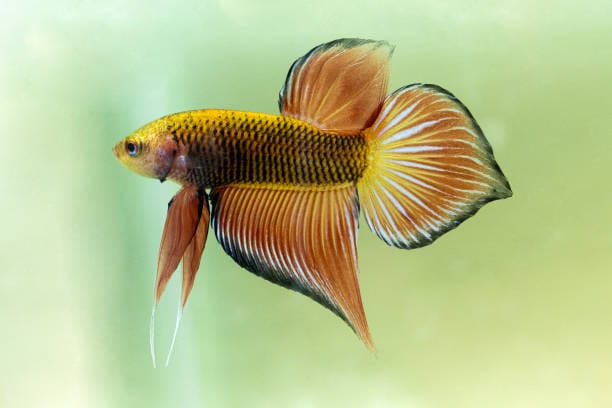
Physical Characteristics & Identification Tips
Betta mahachaiensis stands out instantly thanks to its bright green-and-blue scales that shine even in dim light. The body base is dark brown, which makes the metallic colors look even brighter. The males often carry long, neat fins with blue edging. The tail is usually round and carries strong, symmetrical rays. Females share the same pattern but stay lighter and slimmer.
One reliable way to identify this species is by looking at the cheeks: mahachaiensis usually has noticeable green patches on the gill covers. The scales are thicker than those on many other wild bettas, giving the fish a solid, armored look. Their eyes are dark and glossy, which helps them blend into shaded, murky water.
Behavior
This species is bold but not reckless. Males defend their small patch of water and respond quickly to movement, especially if it enters their bubble-nest zone. Unlike Betta splendens, they don’t launch into long battles. They flare sharply, judge the risk, and retreat if needed.
Mahachai bettas are curious fish. They often swim toward shadows or ripples to check for food, rivals, or anything new. They rest under thick plant cover but return to patrol their area often. They also flare at crabs and snails, which share their habitat more often than most people expect.
Habitat and Range
This species is native to Thailand, particularly the Mahachai region near Bangkok. Their home is unusual: brackish water. While most wild bettas live in fresh water, mahachaiensis tolerates mild salt levels found near coastal coconut plantations.
Their environment includes shaded ditches, mangrove edges, coconut husk pits, and shallow flood pools. They hide among nipa palms, using the tangled roots and fronds as shelter.
Diet
Their diet consists of aquatic insects, tiny crustaceans, worms, and mosquito larvae. Because they come from brackish water, they also eat tiny salt-tolerant creatures that other bettas never encounter.
They grab prey quickly and return to cover instead of chasing for long distances.
Reproduction and Life Cycle
Like many bettas, they build bubble nests. The male usually places his nest beneath nipa palm leaves. Their courtship behavior is firm but gentle: slow circles, controlled flares, and soft nudges.
The male guards the nest with steady attention and collects falling eggs. Fry develop quickly, especially in warm brackish conditions. Juveniles show faint metallic colors early in life.
Fun Facts
• One of the few wild bettas that thrives in brackish water.
• Known for strong jumping ability.
• Often seen living beside crabs, which is rare for betta species.
Human Interaction
Mahachai bettas live in places where people harvest coconut husks and saltwater plants. Because of coastal development, many of their habitats have disappeared. Local groups and betta enthusiasts have stepped in to help protect remaining populations.
Collectors admire mahachaiensis because it keeps its wild colors even in captivity.
5. Betta macrostoma — The Brunei Beauty
Physical Characteristics & Identification Tips
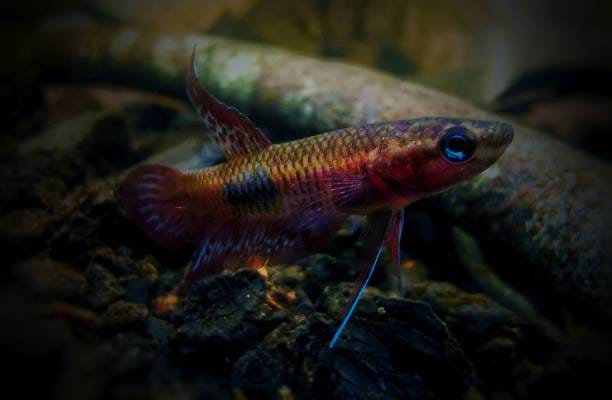
Betta macrostoma looks different from most wild bettas. Instead of metallic colors, they carry earthy tones—orange, brown, copper, and gold. The most famous feature is the large mouth, which gives them the name “macrostoma,” meaning “big mouth.” Their fins are long and flow smoothly, often edged in black.
The males glow with deep orange on the body and throat. A tall black stripe appears on the tail base, making identification easy. Females have slimmer bodies, clear fins, and light brown markings.
Their eyes sit high on the head, giving them a sharp hunting posture.
Behavior
Macrostomas are calm and quiet. They patrol slowly and rarely flare unless threatened. They prefer staying close to shelter and watching for prey from a distance.
When startled, they dart into the nearest corner. Their behavior is more similar to small jungle predators than other bettas. They also show social awareness, especially between bonded pairs.
Habitat and Range
This species comes from the clean, shaded streams of Brunei and nearby areas of Borneo. Their water is clear and cool, usually flowing gently over leaf litter. They prefer places with shallow depth, slow current, and a sandy bottom.
The streams are lined with overhanging trees, which drop leaves and branches into the water. Those materials create pockets and tunnels where macrostomas hide.
Diet
They feed on insects, worms, small shrimp, and tiny fish fry. Their hunting method is slow and precise: they watch, wait, and strike with the big mouth for fast suction.
They eat less frequently than many bettas due to their slow metabolism.
Reproduction and Life Cycle
Macrostomas are mouthbrooders. The male holds eggs in his mouth until they hatch, keeping them safe from predators.
During courtship, pairs perform gentle gliding motions. The female releases eggs, the male fertilizes them, and then he collects them immediately.
The fry emerge fully formed because they spent more time developing in the male’s mouth compared to bubble-nest species.
Fun Facts
• One of the largest wild bettas.
• Known for exceptional jumping ability.
• Their “big mouth” protects eggs instead of intimidating rivals.
Human Interaction
Betta macrostoma is considered a treasure among fish keepers. Unfortunately, their numbers in the wild are shrinking due to habitat loss. Many governments now control collection to protect natural populations.
Captive breeding programs help reduce pressure on wild groups.
6. Betta albimarginata — White-Edged Betta
Physical Characteristics & Identification Tips
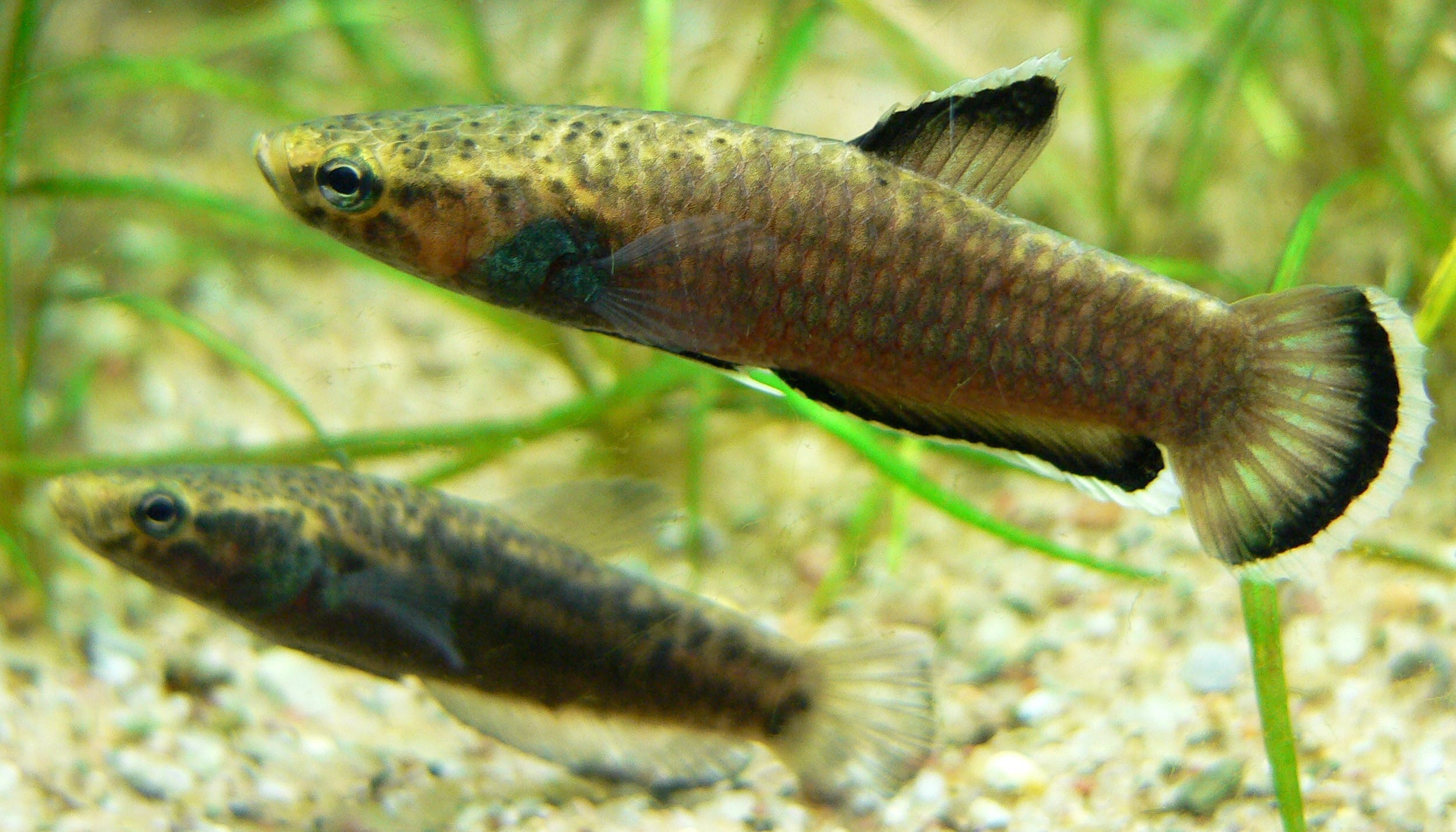
Betta albimarginata is a slim-bodied species with a reddish-brown base color. The name means “white-edged,” referring to the bright white tips on the male’s dorsal, anal, and tail fins. The females stay smaller and plainer in color, usually brown with soft red shading.
Their bodies are sleek, and their movement is graceful. You can spot them by the clean white fin edges and the thin black line across the tail.
Behavior
Albimarginata live in small groups and enjoy the comfort of nearby cover. They are active swimmers and inspect roots, fallen branches, and rock pockets.
Males display calmly toward rivals. Flaring is short and controlled. They defend smaller territories compared to most bettas.
Habitat and Range
They come from East Kalimantan in Borneo. Their water is shallow, warm, and full of leaf litter. The streams are narrow and slow-flowing, often filled with algae and roots.
These fish stay close to the bottom and hide among leaves or stems when they feel unsafe.
Diet
They feed on small insects, larvae, and micro-worms. Their hunting style is fast—they strike quickly and pull back immediately.
They also grab insects that fall from overhanging vegetation.
Reproduction and Life Cycle
Albimarginata is another mouthbrooding species. The male carries the eggs, protecting them until the fry are ready to swim freely.
Courtship involves bright colors, side-by-side gliding, and gentle nudging. After spawning, the female guards the area while the male retreats with the eggs in his mouth.
The fry emerge robust and active, already shaped like miniature adults.
Fun Facts
• Named for the bright white fin edges.
• One of the easiest mouthbrooders to identify.
• Their groups behave like small family clusters in the wild.
Human Interaction
Albimarginata appear in the aquarium hobby, but wild populations remain fragile. Logging and mining activities in their region threaten their habitat.
Conservation groups encourage breeding programs to preserve the species.
7. Betta brownorum — Brownorum Betta
Physical Characteristics & Identification Tips
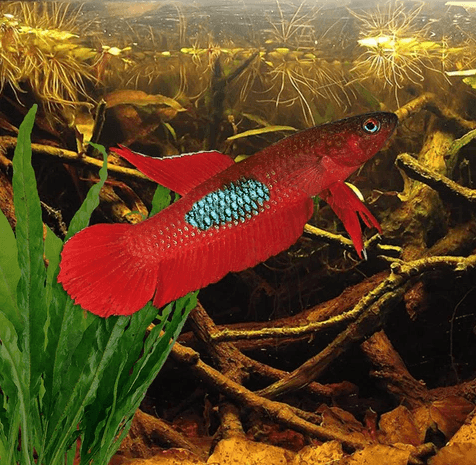
Betta brownorum is one of the smallest wild bettas. They carry a dark reddish-brown body with a bright red patch near the center of each side. That patch looks almost like a tiny glowing dot when the fish moves. Males have slightly longer fins and deeper colors. Females stay small and soft-toned.
This species has a thin body, a narrow head, and clear fins. Their eyes shine a little in low light, giving them a jewel-like appearance.
Behavior
Brownorum are shy and quick to hide. They swim in short bursts and stay close to dense cover. You’ll often find them underneath leaf piles or between exposed roots.
They use gentle body signals to communicate with mates and show mild territorial behavior.
Habitat and Range
They come from peat swamps in Borneo. These waters are dark, acidic, and filled with decomposing plant material. The bottom is soft and spongy, and visibility is low.
Brownorum thrive in these quiet, still waters where few predators travel.
Diet
Their small mouths limit them to tiny prey: mosquito larvae, copepods, and micro-worms. They snap at food with surprising speed.
Reproduction and Life Cycle
This species is a paternal mouthbrooder. The male holds eggs for several days while the female guards the territory. When the fry are released, they already swim confidently.
The pair often stays close, a behavior uncommon in many bettas.
Fun Facts
• One of the tiniest wild bettas.
• Known for the glowing red patch on each side.
• Lives in peat swamps with almost no light.
Human Interaction
Their swamp habitats are under threat from palm plantations. Conservationists monitor local populations and encourage captive breeding to protect the species.
8. Betta channoides — Snakehead Betta
Physical Characteristics & Identification Tips
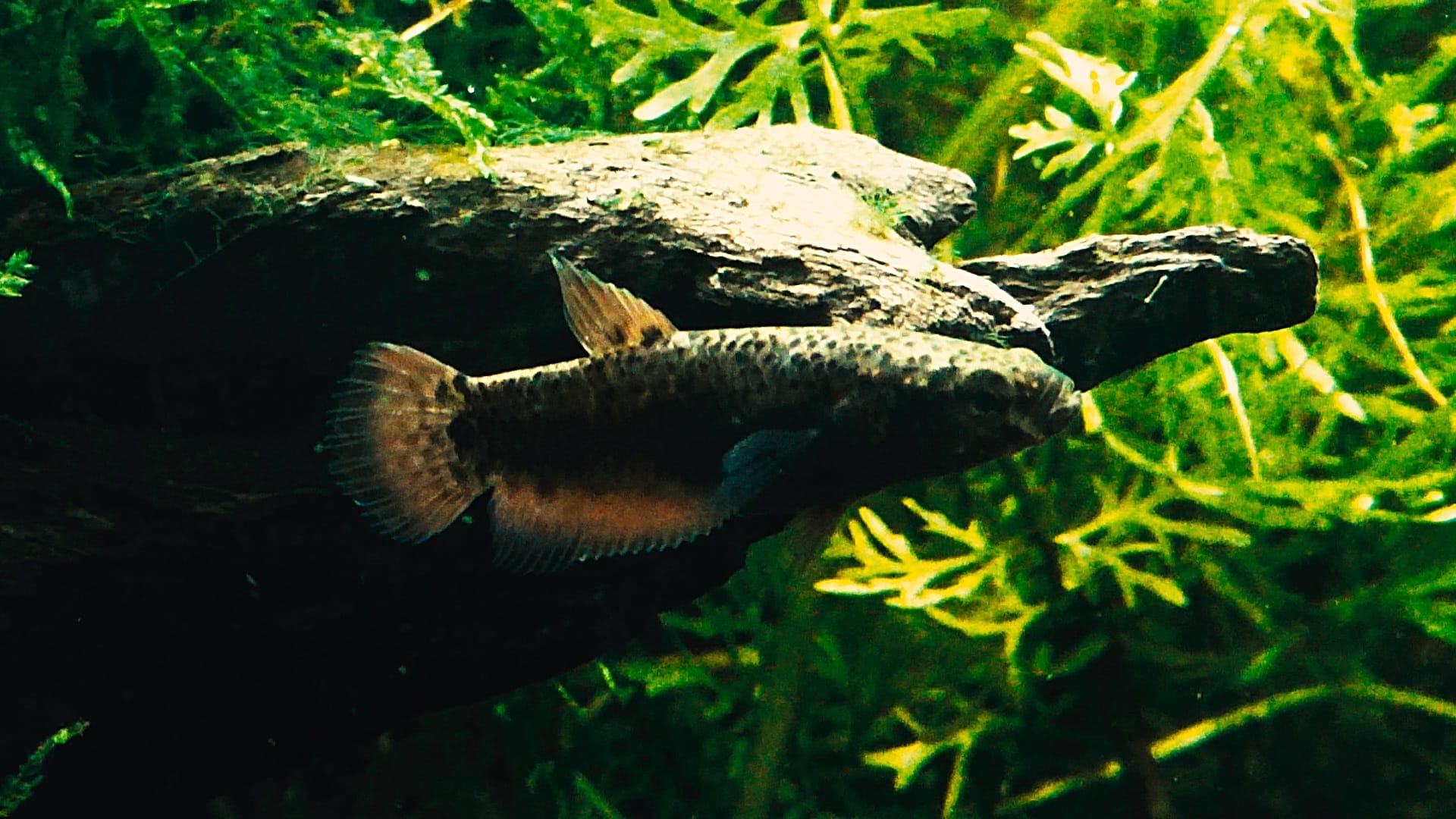
Betta channoides gets its name from the snakehead-like shape of the head. The body is slim with warm orange and red tones. Males show bright orange on the face, paired with black fins tipped in red. Females are lighter, usually yellowish-brown with clear fins.
Their eyes are large for their size, giving them a watchful look. The tail fin forms a neat rounded triangle.
Behavior
Channoides are active but polite fish. They explore every corner of their territory, weaving through roots and plants. Males show strong pair bonding and rarely leave their partners during breeding season.
They flare gently and avoid prolonged fights.
Habitat and Range
This species is from Borneo, living in slow forest streams. The water is warm and full of leaf litter, with plenty of cover from fallen branches.
They prefer shallow edges where the current is weakest.
Diet
Their diet includes brine-shrimp-sized creatures, insect larvae, and small worms. They enjoy hunting among leaf piles and grabbing prey that clings to submerged wood.
Reproduction and Life Cycle
Betta channoides is a mouthbrooding species. The male carries the eggs for about one to two weeks.
The pair performs a short dance, touching fins gently before spawning. Fry emerge fully developed and start feeding on tiny insects.
Fun Facts
• Known for strong pair bonding.
• One of the brightest red mouthbrooders.
• Head shape strongly resembles small snakeheads.
Human Interaction
This species is treasured by enthusiasts due to its calm behavior and bright colors. Wild populations remain limited, and habitat decline continues to be a concern.
9. Betta coccina – The “Red Cherry” Wild Betta
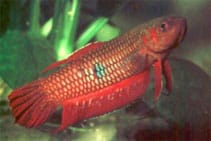
Physical Characteristics & Identification Tips
Betta coccina is one of the most eye-catching wild bettas because of its deep red color. Many aquarists call it the “red cherry” betta. It’s a small species, usually around 1.5–2 inches long, with a slim body and slightly rounded fins. The red tone varies from brick red to dark crimson. A faint dark spot often shows near the gill plate. Males look more vivid, while females tend to be softer in color. This species is often confused with Betta brownorum, but coccina usually has a more solid red body and less patterning.
Behavior
Despite their bold coloring, Betta coccina are shy. They often hide under leaves and inside tight spaces. They prefer dim water and don’t enjoy open areas. Males flare, but not as dramatically as domestic bettas. Their disputes are short and less aggressive.
Habitat and Range
Betta coccina lives in peat swamps and blackwater pools in Peninsular Malaysia and Sumatra. The water is stained dark from leaf litter, with a soft texture and very low mineral content. Their natural habitat is quiet, warm, and very still.
Diet
In the wild, they hunt tiny crustaceans, worms, insect larvae, and micro-organisms in leaf piles. In captivity, they adapt to frozen foods like daphnia and small worms, but live food keeps them healthier.
Reproduction and Life Cycle
Betta coccina is a bubble-nest builder. Males gather bubbles under leaves and guard the nest. Females approach slowly, and spawning usually takes place under a leaf. The male protects the eggs until they hatch, usually within 24–48 hours.
Fun Facts / Unique Traits
• They’re one of the smallest red wild bettas. • Their color intensifies when kept over dark substrate. • They almost disappear in leaf litter because the red blends with decayed leaves.
Human Interaction
Betta coccina is popular among collectors of wild betta fish. They aren’t bred in large numbers, so they’re harder to find. Most keepers focus on preserving their natural traits rather than enhancing colors like domestic bettas.
10. Betta uberis
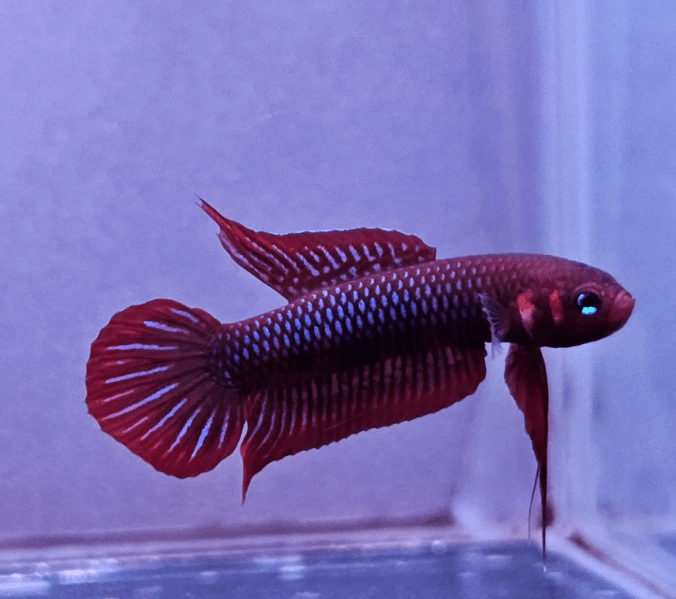
Physical Characteristics & Identification Tips
Betta uberis is tiny—usually under 1.5 inches. It appears dark brown or maroon with subtle red highlights. Its most recognizable trait is the distinct spot pattern on the dorsal fin. Males have more contrast and sharper coloration. Because of its size, it’s often mistaken for juvenile versions of other species, but the fin spotting gives it away.
Behavior
This species is gentle and calm. They rarely chase each other and instead move slowly through leaf piles. Betta uberis hides often and prefers tanks with thick botanicals. Males do flare, though the displays look soft.
Habitat and Range
Native to swamp forests in Borneo, Betta uberis lives in acidic blackwater streams. These waters are extremely shallow—sometimes just a few inches deep.
Diet
Their small size means they chase micro-prey such as copepods, mosquito larvae, and tiny worms. They accept crushed live foods in aquariums.
Reproduction and Life Cycle
Betta uberis is a bubble-nester. Males build small nests under leaves. They guard the eggs until the fry are free-swimming, which usually takes three days.
Fun Facts / Unique Traits
• One of the smallest members of the coccina group. • Needs extremely soft water because of its peat swamp origins. • Surprisingly bold once it feels safe.
Human Interaction
Betta uberis is kept mostly by experienced hobbyists. Because it needs very specific water, beginners often struggle with long-term care.
11. Betta pugnax (One of the First Wild Bettas Described)
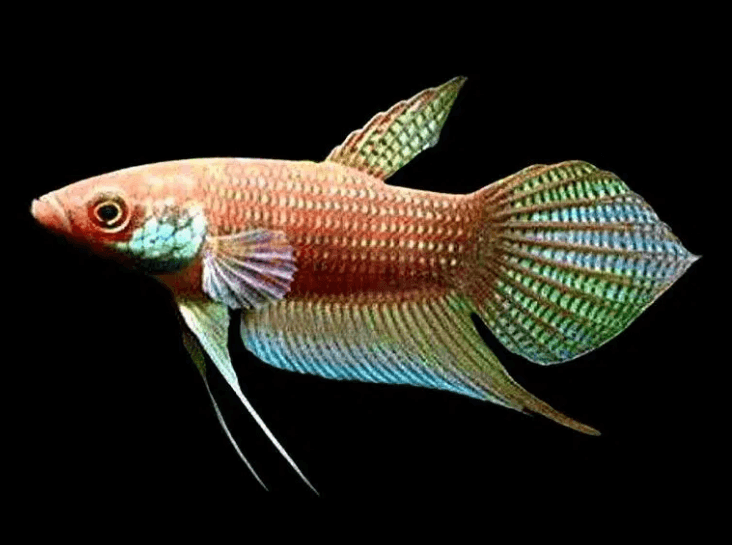
Physical Characteristics & Identification Tips
Betta pugnax is larger than many wild species—often reaching 4–5 inches. The body is long and slender with earthy brown coloring. Males develop blue or green shine on their fins. It can be confused with Betta stigmosa or Betta pulchra, but pugnax tends to look slimmer and longer.
Behavior
This species is active and confident. They swim more often than coccina-group bettas and explore open areas. Despite their size, they aren’t aggressive. Males spar briefly but rarely injure one another.
Habitat and Range
Betta pugnax lives in flowing forest streams in Malaysia and Thailand. The water is cool compared to most bettas and often oxygen-rich.
Diet
Their diet includes insects, worms, small crustaceans, and anything that fits in their mouth. Because of their size, they can take larger prey than smaller wild species.
Reproduction and Life Cycle
Betta pugnax is a mouthbrooder. Males carry the eggs for 10–14 days. The fry emerge larger and stronger than bubble-nest species.
Fun Facts / Unique Traits
• One of the earliest wild bettas documented by scientists. • Males guard eggs in their mouth—a reliable parenting method. • They adapt to slightly cooler temperatures.
Human Interaction
This species is favored by wild betta breeders who enjoy mouthbrooders. Because they’re hardy, they’re easier for beginners than many blackwater bettas.
12. Betta miniopinna
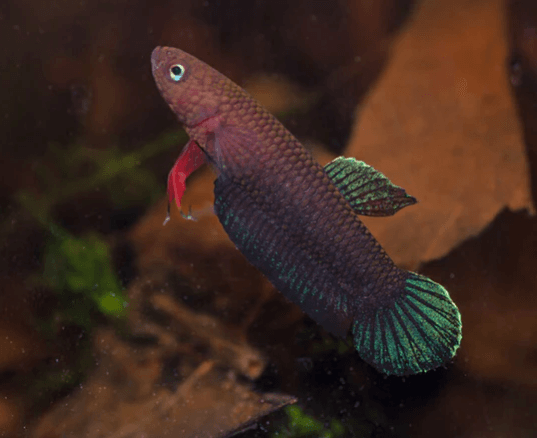
Physical Characteristics & Identification Tips
Betta miniopinna lives up to its name—its fins are tiny compared to its body. It’s dark brown with light red shading. Males have slightly longer anal fins with faint striping. This species looks similar to Betta persephone but stays darker and less colorful.
Behavior
They move carefully and spend most of their time buried in leaf litter. They’re peaceful and avoid confrontation.
Habitat and Range
Found in peat swamp regions of Sumatra, Betta miniopinna occupies shallow pools with heavy tannins. These waters can get extremely acidic.
Diet
They feed on tiny worms, seed shrimp, insect larvae, and micro-invertebrates. Because of their small mouths, they need tiny food portions.
Reproduction and Life Cycle
Betta miniopinna is a bubble-nesting species. Nests are small and usually hidden under plants or bark. Males guard the eggs closely and hide at the first sign of danger.
Fun Facts / Unique Traits
• One of the smallest wild bettas with one of the smallest fin sets. • Needs dense leaf litter to feel comfortable.
Human Interaction
This species is highly sought after by hobbyists who enjoy rare small bettas. They’re sensitive, so they suit patient keepers.
13. Betta ocellata

Physical Characteristics & Identification Tips
Betta ocellata has a pale golden-brown body with bluish-green highlights on the fins. Its most famous feature is the “eye spot” (ocellus) near the tail—hence the name. Males appear brighter and sometimes display soft turquoise shimmer.
Behavior
They’re active swimmers and more social than most wild bettas. Groups can co-exist with fewer issues than many other species.
Habitat and Range
Betta ocellata comes from streams in Borneo with clean, clear water. The water flow is gentle but steady.
Diet
They hunt insects, worms, and crustaceans. Their jaws are strong, letting them take bigger prey than their size suggests.
Reproduction and Life Cycle
Betta ocellata is a mouthbrooder. Males incubate the eggs for around two weeks. The fry hatch quite large and can eat live baby foods quickly.
Fun Facts / Unique Traits
• One of the easiest wild mouthbrooders to keep. • They display strong parental care and defend fry for a short time.
Human Interaction
Aquarists enjoy this species because it is hardy and forgiving. They adapt well to community setups with peaceful species.
14. Betta pallifina
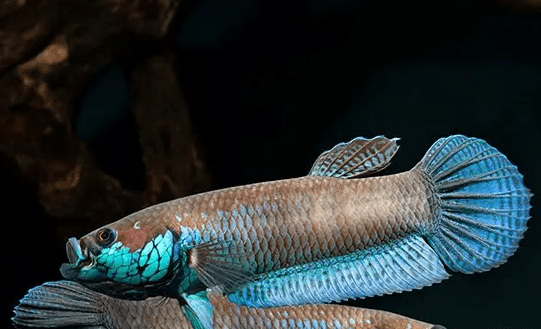
Physical Characteristics & Identification Tips
Betta pallifina is one of the most beautiful wild bettas. Males show soft blue-green coloration with orange edging on the fins. The body is long and streamlined. Females lack strong color but have a simple charm. If you look closely, males often show faint barring when excited.
Behavior
They’re peaceful, curious, and move with steady confidence. Pallifina often swims out in the open, especially in shaded waters.
Habitat and Range
Native to Kalimantan (Borneo), Betta pallifina lives in forest streams with soft sandy bottoms. The water is slightly acidic with noticeable leaf litter.
Diet
They feed on worms, insect larvae, small crustaceans, and other tiny animals. They take frozen foods readily in captivity.
Reproduction and Life Cycle
Betta pallifina is a mouthbrooder. Males hold eggs for 12–18 days depending on temperature. The fry emerge strong and colorful.
Fun Facts / Unique Traits
• Known for its soft blue-green shine. • One of the calmer wild betta types. • Often recommended for newcomers to wild bettas.
Human Interaction
Because of their beauty and gentle nature, Betta pallifina has become popular world-wide. Breeders maintain stable lines, and the fish is a favorite among photographers.
15. Betta rubra
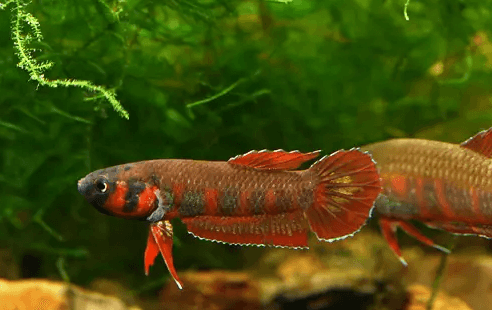
Physical Characteristics & Identification Tips
Betta rubra is a small, red-striped species with a dark body and red vertical bars along its sides. Males show brighter tones, and females have a softer pattern. A pale stripe often shows on the face, especially during breeding. Its marking makes it easy to recognize even among similar species.
Behavior
Betta rubra is active and often swims near mid-water. Males flare often but settle down quickly. They handle groups fairly well compared to aggression-heavy species.
Habitat and Range
Betta rubra is native to Aceh in northern Sumatra. The waters are dark and acidic with lots of leaf debris.
Diet
Their diet includes insects, tiny crustaceans, and worms. They enjoy live food the most but accept frozen options too.
Reproduction and Life Cycle
Like many Sumatran species, Betta rubra is a mouthbrooder. Males carry eggs for around 10–12 days. Fry grow quickly and begin showing red stripes early.
Fun Facts / Unique Traits
• One of the prettiest red-striped wild bettas. • Very active for its size. • Fry develop color sooner than most wild species.
Human Interaction
Betta rubra is popular among beginners because it’s hardy and adaptable. Its red pattern also appeals to hobbyists who enjoy colorful wild betta fish.
16. Betta hipposideros

Physical Characteristics & Identification Tips
Betta hipposideros is small, typically reaching 1.5–2 inches. Its body is olive-brown with faint blue or green reflections on the dorsal and caudal fins. The males have slightly longer anal fins with tiny iridescent spots that are absent in females. The overall look is subtle compared to brighter bettas but still attractive for collectors. This species is often confused with Betta miniopinna, but hipposideros usually has more pronounced iridescent markings on the fins.
Behavior
Betta hipposideros is shy and prefers to stay under leaf litter or dense vegetation. They move cautiously and rarely interact aggressively with other males. Males display occasional flaring, but it’s mild and quick. They thrive in well-planted aquariums or natural blackwater environments.
Habitat and Range
This species is found in peat swamp forests of Borneo, usually in shallow, slow-moving streams. The water is soft, acidic, and heavily stained by decaying leaves. They avoid open waters and prefer tight spaces.
Diet
In the wild, Betta hipposideros hunts small crustaceans, insect larvae, and tiny worms. In captivity, they accept frozen foods such as daphnia and microworms, which help maintain their vibrant fin colors.
Reproduction and Life Cycle
Betta hipposideros is a bubble-nester. Males build small bubble clusters under leaves. After mating, the male guards the eggs carefully until the fry hatch, which usually takes 2–3 days.
Fun Facts / Unique Traits
• This species shows subtle but shimmering fin colors, especially in dim lighting. • Their small size makes them ideal for nano aquariums. • They are excellent at blending into leaf litter, which makes observing them in the wild a challenge.
Human Interaction
Betta hipposideros is popular among collectors of rare wild bettas. They require precise water conditions, so they’re recommended for experienced hobbyists.
17. Betta hendra
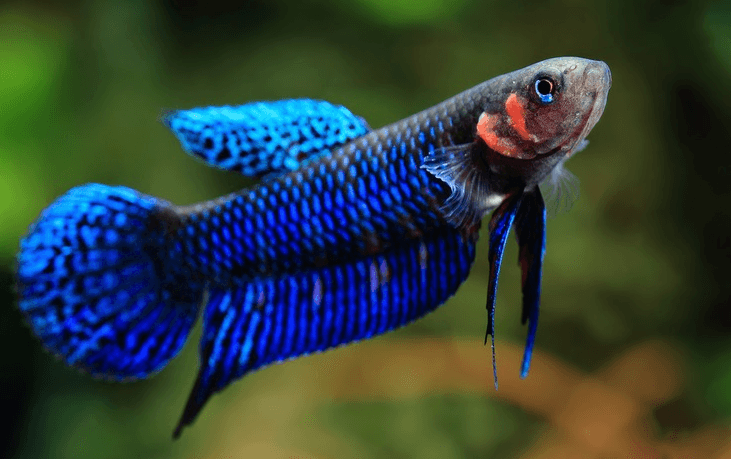
Physical Characteristics & Identification Tips
Betta hendra is moderately sized, around 2 inches. It features a dark brown to olive body with blue-green iridescent highlights on the fins. Males have elongated anal fins with delicate speckling, while females are smaller and less colorful. This species can be distinguished from Betta hipposideros by its slightly more elongated body and brighter fin reflections.
Behavior
Betta hendra is curious but cautious. It moves slowly through leaf litter and plants. Males flare at rivals, but fights are brief and non-injurious. They prefer hiding spots and shaded areas.
Habitat and Range
Native to peat swamps of Peninsular Malaysia, Betta hendra inhabits shallow, slow-moving blackwater streams. They thrive in soft, acidic water with lots of submerged leaves and branches.
Diet
Their diet consists of tiny insects, crustaceans, and worms. In aquariums, they respond well to live foods and finely crushed frozen options.
Reproduction and Life Cycle
Betta hendra is a bubble-nester. Males form small nests under leaves. They aggressively guard the eggs until hatching occurs, usually within 2–3 days. Fry grow quickly in nutrient-rich conditions.
Fun Facts / Unique Traits
• This species is slightly more active than other blackwater bettas. • Males show subtle color flashes when interacting with rivals or during courtship. • Ideal for aquarists who enjoy observing natural betta behaviors.
Human Interaction
Betta hendra is sought after by enthusiasts for its shimmering fins and calm demeanor. They are moderately hardy but require attention to water acidity and temperature.
18. Betta anabatoides
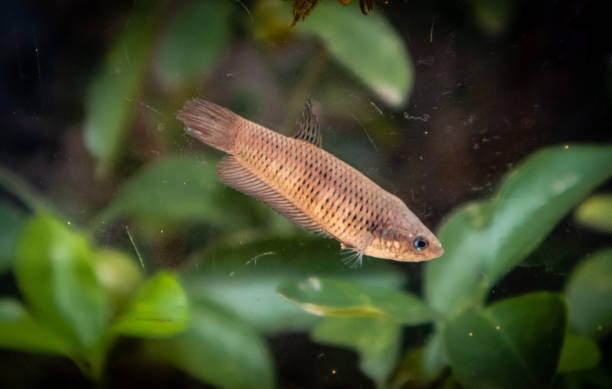
Physical Characteristics & Identification Tips
Betta anabatoides is slightly larger than most small wild bettas, reaching 2–2.5 inches. It has an olive-brown body with subtle red highlights on the anal fin and a faint metallic sheen on the dorsal fin. Males have longer, pointed anal fins compared to the rounded fins of females.
Behavior
They are shy and prefer densely planted areas. Males occasionally flare but avoid prolonged fights. They move slowly and observe their surroundings before approaching other fish.
Habitat and Range
Native to Peninsular Malaysia, they inhabit shallow forest streams with tannin-rich water. They prefer leaf-covered floors and quiet water conditions.
Diet
Their diet consists mainly of micro-crustaceans, insect larvae, and worms. In captivity, they adapt well to live and frozen foods but rarely take pellets.
Reproduction and Life Cycle
Betta anabatoides is a bubble-nester. Males craft small nests under overhanging leaves. Eggs hatch in 48–72 hours, and males guard them until fry are free-swimming.
Fun Facts / Unique Traits
• They have faint metallic colors visible only in certain lighting. • The species thrives in shaded aquariums with dark substrates. • They exhibit gentle, natural behavior ideal for observation.
Human Interaction
Collectors enjoy them for their subtle beauty. They require care with water conditions, making them suitable for dedicated hobbyists.
19. Betta prima

Physical Characteristics & Identification Tips
Betta prima reaches 2 inches in length and has an olive-green body with a subtle reddish hue along the fins. Males show longer anal fins and slightly iridescent dorsal fins. Females are shorter and less colorful. It is sometimes mistaken for Betta anabatoides, but prima has more vivid dorsal iridescence.
Behavior
This species is calm and non-aggressive. Males flare lightly, usually in response to rivals or during courtship. They explore their habitat slowly, preferring shaded areas.
Habitat and Range
Found in shallow streams and swamps of Malaysia, Betta prima prefers water with leaf litter and decayed vegetation. They thrive in soft, acidic blackwater with minimal flow.
Diet
Betta prima feeds on small invertebrates such as insect larvae, worms, and micro-crustaceans. They accept live and frozen foods in captivity.
Reproduction and Life Cycle
A bubble-nesting species, Betta prima males create and guard nests under leaves. Fry hatch in 2–3 days and are protected by the male until they can swim freely.
Fun Facts / Unique Traits
• Males show iridescent colors under sunlight or aquarium lighting. • They are highly adaptable in planted blackwater setups. • They blend seamlessly with dark, leaf-laden substrates.
Human Interaction
Betta prima is popular among collectors for its adaptability and subtle colors. They thrive in small, well-planted tanks designed to mimic their natural habitat.
20. Betta burdigala

Physical Characteristics & Identification Tips
Betta burdigala is small, around 1.5–2 inches. It has a dark brown body with faint red highlights along the anal and caudal fins. Males have slightly longer fins with subtle spotting. Females are plainer. Their compact body and short fins distinguish them from other coccina-group bettas.
Behavior
They are shy and spend most of their time hidden among leaf litter. Males display brief flaring during territorial disputes but quickly retreat.
Habitat and Range
Native to Sumatra, they inhabit peat swamp forests with highly acidic, dark waters. They prefer quiet, shallow areas with dense vegetation.
Diet
Their diet consists of small worms, larvae, and micro-crustaceans. In aquariums, live food encourages vibrant fin coloration.
Reproduction and Life Cycle
Burdigala is a bubble-nester. Males carefully guard the small nests under leaves. Eggs hatch in 2–3 days, and males continue protection until fry can swim freely.
Fun Facts / Unique Traits
• Extremely shy, often hiding for hours at a time. • Their red highlights become more visible under dark substrate. • Ideal for natural blackwater aquarium setups.
Human Interaction
Betta burdigala is highly prized among blackwater aquarium enthusiasts. They are delicate and need stable, acidic water to thrive.
21. Betta rutilans
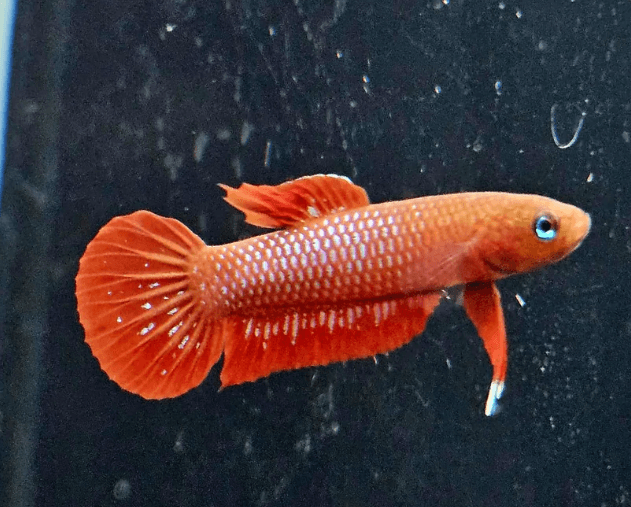
Physical Characteristics & Identification Tips
Betta rutilans is small, about 1.5 inches, with a dark reddish-brown body. Males show brighter red highlights along the fins, while females are more muted. It is sometimes called the “rusty betta” because of the red-brown coloration.
Behavior
Shy but active, Betta rutilans swims cautiously among leaves and plants. Males flare occasionally, but aggression is minimal. They prefer dense vegetation and shaded areas.
Habitat and Range
Found in Sumatra’s peat swamps, Betta rutilans prefers shallow, acidic blackwater pools with heavy leaf litter. The waters are soft, warm, and low in minerals.
Diet
Their diet consists of tiny crustaceans, insect larvae, and worms. In captivity, live foods like daphnia or microworms encourage healthy growth and coloration.
Reproduction and Life Cycle
Betta rutilans is a bubble-nesting species. Males craft small nests under leaves and guard the eggs until they hatch in 2–3 days. Fry are tiny but grow quickly when provided with live micro-food.
Fun Facts / Unique Traits
• Their reddish-brown coloration camouflages them in leaf-stained waters. • Active mostly at dusk or under shaded conditions. • Popular among hobbyists for natural blackwater aquarium setups.
Human Interaction
Betta rutilans is valued for its subtle beauty and adaptability. They are suitable for experienced hobbyists who maintain proper blackwater conditions.
22. Betta persephone
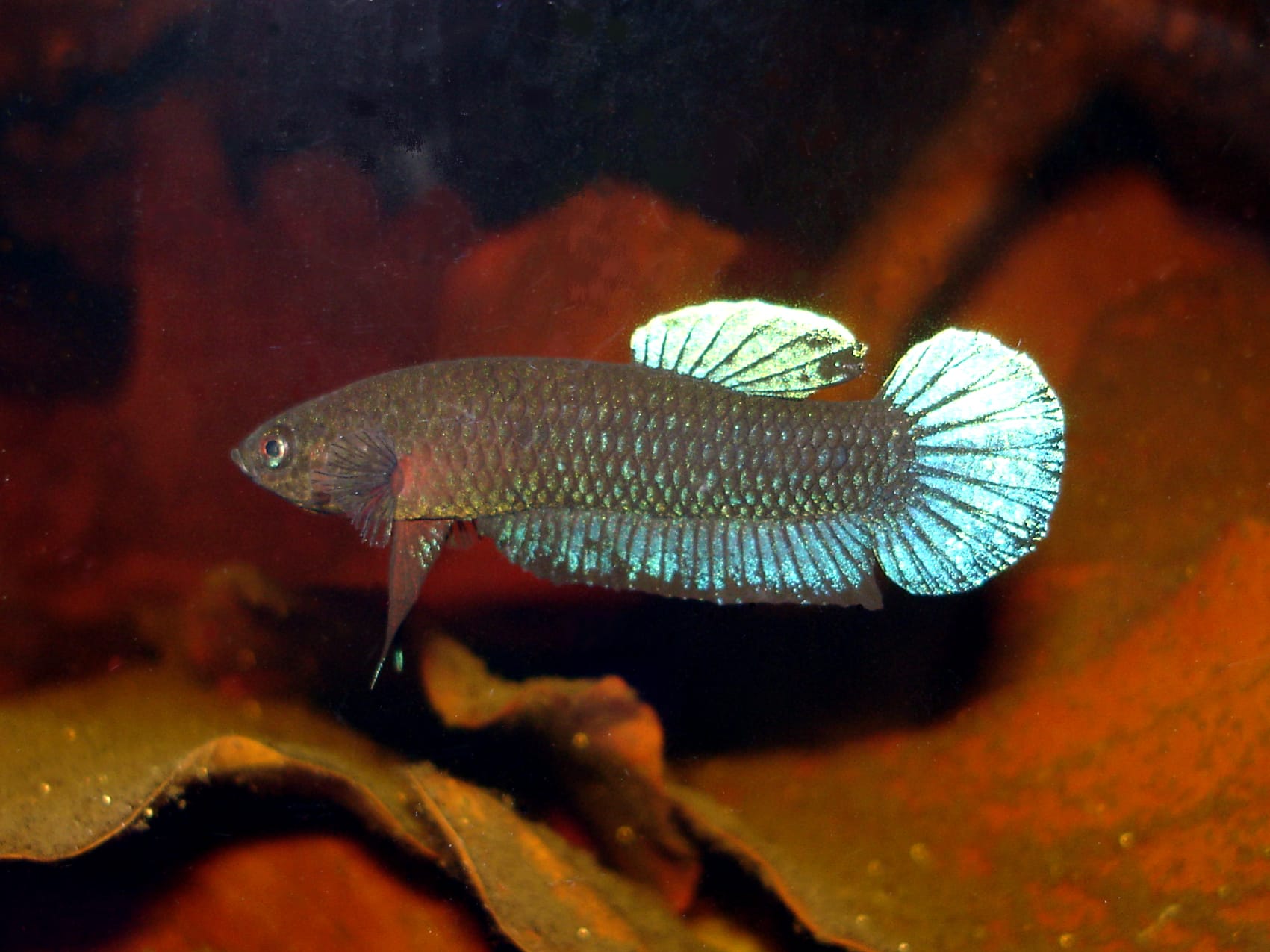
Physical Characteristics & Identification Tips
Betta persephone is a striking species with a deep, dark body and hints of metallic blue or green on the dorsal and caudal fins. Males are slightly larger than females, typically 2–2.5 inches, and display longer, pointed anal fins. Females are smaller and more subdued in color. This species can be distinguished from similar dark bettas by its intense, almost black coloration and subtle iridescent fin edges.
Behavior
Betta persephone is shy and prefers staying hidden under leaf litter or in dense aquatic vegetation. Males are territorial but rarely engage in prolonged fights. They flare briefly to assert dominance, then retreat. They are active mostly during dawn and dusk, making them crepuscular in behavior.
Habitat and Range
Native to Malaysia, Betta persephone inhabits peat swamp forests with acidic, tannin-rich water. They thrive in shallow, slow-flowing streams with dense vegetation and leaf-stained water.
Diet
In the wild, their diet includes tiny crustaceans, insect larvae, and worms. In captivity, they accept live foods such as microworms and daphnia, which promote healthy growth and coloration.
Reproduction and Life Cycle
Betta persephone is a bubble-nesting species. Males build nests under floating leaves or plant surfaces and guard the eggs diligently. Hatching occurs in 2–3 days, and the male protects the fry until they can swim freely.
Fun Facts / Unique Traits
• The dark coloration helps them blend perfectly into shaded blackwater environments. • Males can show flashes of metallic blue when interacting with rivals. • They are highly sought after by collectors for their dramatic, almost gothic appearance.
Human Interaction
Betta persephone is prized by hobbyists with experience in maintaining soft, acidic water conditions. They require careful attention to water quality but thrive in well-planted, blackwater aquariums.
23. Betta fusca
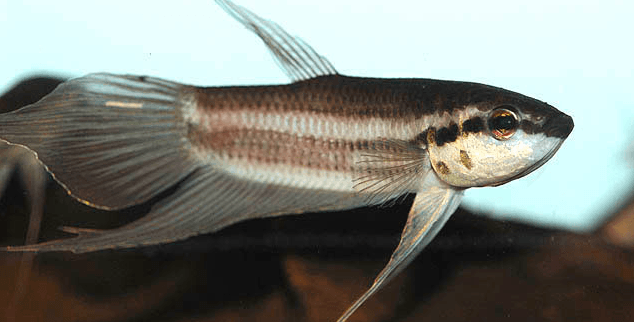
Physical Characteristics & Identification Tips
Betta fusca has a brownish-black body with subtle green iridescence along the dorsal fin. Males typically reach 2–2.5 inches, with longer, tapered anal fins, while females are smaller and less vivid. The species is recognized by its smooth, dark coloration and relatively short, rounded dorsal fins.
Behavior
They are calm but shy, often remaining hidden under debris or plants. Males will occasionally flare, but aggression is mild. They enjoy slow, exploratory movements through shaded areas.
Habitat and Range
Native to Borneo and Sumatra, Betta fusca inhabits shallow blackwater streams in peat swamp forests. They prefer quiet waters rich in decaying vegetation and tannins, which provide natural camouflage.
Diet
Betta fusca feeds on small crustaceans, insect larvae, and worms. In aquariums, they adapt well to live foods and finely crushed frozen options.
Reproduction and Life Cycle
This species is a bubble-nester. Males create small nests under leaves or other floating structures. They guard eggs and fry diligently until the young are free-swimming, usually within 3–4 days.
Fun Facts / Unique Traits
• Their dark coloration provides excellent camouflage in peat-stained waters. • Betta fusca is more tolerant of slightly stronger water currents than other blackwater species. • They are fascinating to observe in naturalistic planted tanks.
Human Interaction
Betta fusca is popular among blackwater aquarium enthusiasts. They require stable, acidic water and thrive in shaded, planted aquariums.
24. Betta livida
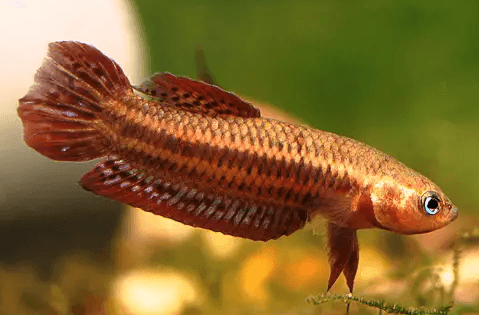
Physical Characteristics & Identification Tips
Betta livida has a dark, olive-brown body with hints of blue along the fins. Males reach about 2 inches, with elongated anal fins and slightly pointed dorsal fins. Females are smaller and plainer. They are sometimes confused with Betta fusca but can be distinguished by a slightly more pronounced metallic sheen.
Behavior
Betta livida is shy and tends to stay under leaf litter. Males display occasional flaring when rivals are nearby but are generally non-aggressive. They prefer calm, slow-moving waters and dense cover for protection.
Habitat and Range
Native to Sumatra, Betta livida inhabits peat swamp forests and shallow blackwater streams. They prefer soft, acidic waters with abundant leaf litter and natural hiding spots.
Diet
Their diet includes micro-crustaceans, insect larvae, and tiny worms. In aquariums, live foods like daphnia and microworms encourage healthy growth and color.
Reproduction and Life Cycle
Betta livida is a bubble-nester. Males craft small bubble clusters under leaves and guard the eggs until hatching. Fry become free-swimming within 3 days.
Fun Facts / Unique Traits
• They are especially active during dim lighting or twilight hours. • Metallic highlights appear more vivid under soft light. • Their subtle beauty makes them ideal for naturalistic blackwater setups.
Human Interaction
Betta livida is favored by hobbyists who maintain blackwater aquariums. They require consistent water conditions but are otherwise easy to observe and enjoy.
25. Betta pinguis
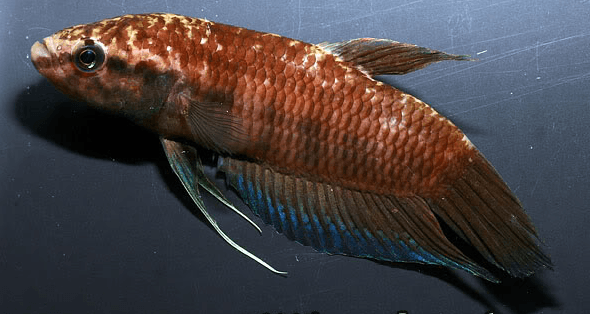
Physical Characteristics & Identification Tips
Betta pinguis is slightly larger, reaching 2–2.5 inches. It has a dark brown body with faint greenish-blue hints along the dorsal and caudal fins. Males have longer, pointed anal fins, while females are smaller and less colorful.
Behavior
Betta pinguis is shy, hiding among leaf litter and plants. Males occasionally flare at intruders but avoid confrontation. They are slow-moving and prefer shaded, calm areas.
Habitat and Range
This species is native to Malaysia, inhabiting peat swamp streams with acidic, tannin-rich water. They prefer shallow, slow-moving waters with dense vegetation.
Diet
In the wild, they eat small crustaceans, insect larvae, and worms. In captivity, they thrive on live foods like microworms and daphnia.
Reproduction and Life Cycle
Betta pinguis is a bubble-nester. Males create nests under leaves and guard the eggs until they hatch. Fry become free-swimming within 3 days.
Fun Facts / Unique Traits
• Their coloration blends perfectly with peat-stained waters. • Subtle metallic hints appear when the fish is active or during courtship. • Ideal for blackwater aquarium enthusiasts seeking smaller, low-maintenance species.
Human Interaction
Betta pinguis is popular among experienced hobbyists. They require stable, soft, acidic water but are fascinating to observe in planted tanks.
26. Betta schalleri
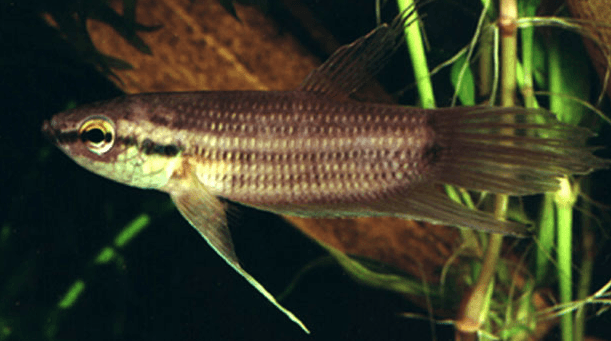
Physical Characteristics & Identification Tips
Betta schalleri is small, usually around 2 inches, with a dark brown to reddish-brown body. Males display subtle blue-green iridescence on the dorsal fin, while females are duller. It is recognized by its slightly stocky body and short, rounded fins.
Behavior
Shy and reclusive, Betta schalleri spends most of its time hidden among plants and leaf litter. Males flare occasionally but are non-aggressive and retreat quickly.
Habitat and Range
Native to Borneo, this species inhabits slow-flowing, shallow streams in peat swamp forests. Water is soft, acidic, and heavily stained with decayed vegetation.
Diet
Betta schalleri feeds on small invertebrates, insect larvae, and micro-crustaceans. In captivity, they accept live and frozen foods.
Reproduction and Life Cycle
A bubble-nester, males build nests under leaves and guard eggs until fry hatch. Fry are protected for 2–3 days before becoming free-swimming.
Fun Facts / Unique Traits
• Their dark coloration offers excellent camouflage. • Males show faint iridescence under proper lighting. • Perfect for aquarists who enjoy observing natural betta behaviors.
Human Interaction
Betta schalleri is sought by blackwater aquarium hobbyists. They require careful attention to water conditions and thrive in planted setups.
27. Betta simorum
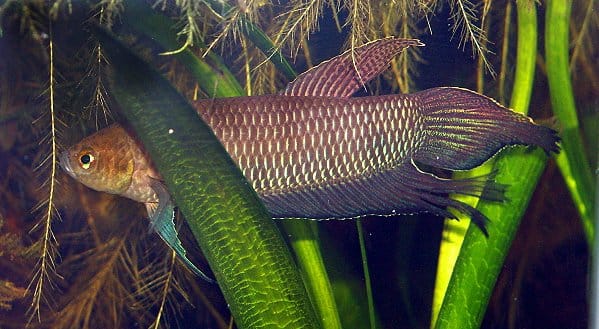
Physical Characteristics & Identification Tips
Betta simorum is a medium-sized species, reaching about 2–2.5 inches. It features a dark olive to brown body with subtle metallic highlights on the dorsal and caudal fins. Males have elongated anal fins and slightly pointed dorsal fins, while females are smaller and plainer. This species can be distinguished by its smooth body coloration and occasional bluish iridescence under soft light.
Behavior
Betta simorum is shy and tends to stay close to cover in leaf litter or dense vegetation. Males are territorial but rarely engage in prolonged fights, flaring briefly to warn rivals. They are crepuscular, most active during dawn and dusk.
Habitat and Range
Native to Borneo, Betta simorum inhabits slow-flowing blackwater streams and peat swamps. They prefer shallow, shaded areas with plenty of leaf litter and decomposing vegetation.
Diet
In the wild, they feed on micro-crustaceans, insect larvae, and small worms. In aquariums, live foods like microworms, daphnia, and baby brine shrimp are ideal.
Reproduction and Life Cycle
Betta simorum is a bubble-nesting species. Males build nests under floating leaves or plant surfaces. They protect the eggs and fry until the young are free-swimming, usually within 3 days.
Fun Facts / Unique Traits
• Their subtle iridescence is more noticeable during courtship. • Excellent for observing natural betta behaviors in a well-planted aquarium. • They blend perfectly into blackwater environments.
Human Interaction
Betta simorum is popular among experienced aquarists. They require soft, acidic water and careful attention to temperature and pH levels.
28. Betta spartita
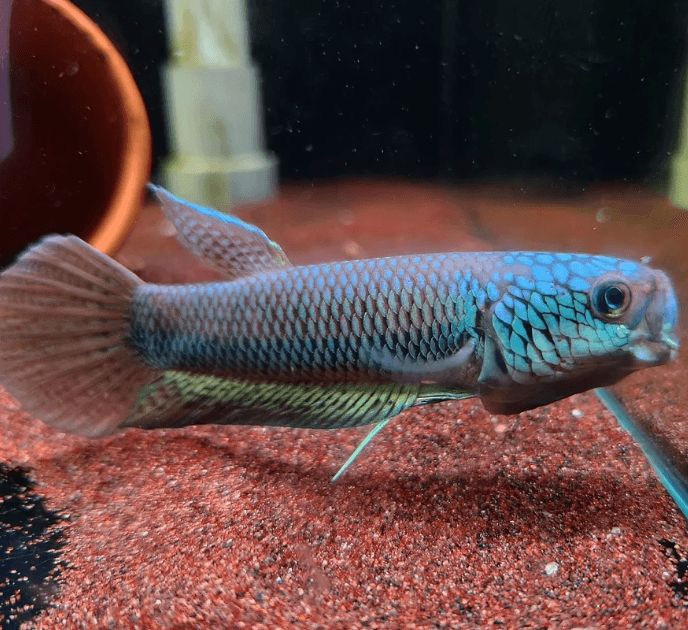
Physical Characteristics & Identification Tips
Betta spartita is small, typically 2 inches in length. Its body is brownish with faint greenish-blue highlights on the fins. Males have elongated anal fins with slightly pointed dorsal fins, while females are smaller and less colorful. It is recognized by its stocky build and subtle metallic sheen along the dorsal area.
Behavior
Shy and reclusive, Betta spartita spends most of its time hidden in leaf litter or under plants. Males show occasional flaring but avoid confrontation, preferring to retreat. They are active during dawn and dusk, exploring their environment slowly.
Habitat and Range
Native to Borneo, Betta spartita inhabits shallow, slow-moving blackwater streams. They thrive in areas rich in decomposing leaves, providing natural cover and camouflage.
Diet
Their diet includes small invertebrates, insect larvae, and tiny crustaceans. In captivity, they readily accept live foods such as microworms and daphnia.
Reproduction and Life Cycle
Betta spartita is a bubble-nester. Males create small bubble clusters under leaves or floating plants. They guard eggs and fry until the young become free-swimming, typically within 3 days.
Fun Facts / Unique Traits
• Their subtle metallic highlights make them fascinating to observe. • Perfect for naturalistic blackwater aquarium setups. • Shy nature makes them an interesting species for patient hobbyists.
Human Interaction
Betta spartita is valued by aquarists who enjoy blackwater species. They require stable soft water and moderate temperatures to thrive in captivity.
29. Betta picta (Spotted Betta)
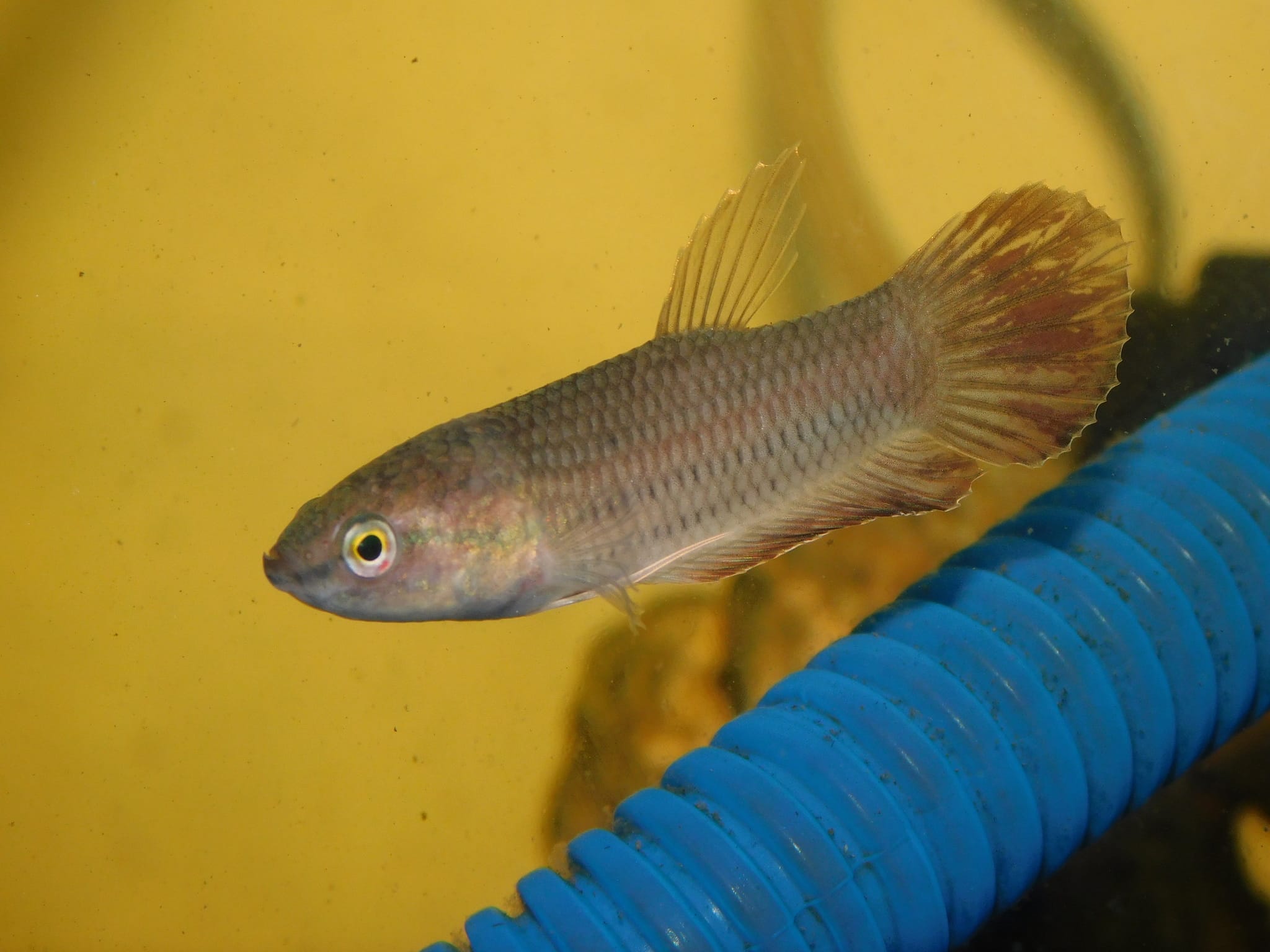
Physical Characteristics & Identification Tips
Betta picta, commonly called the Spotted Betta, grows up to 2.5 inches. It has a brownish body adorned with dark spots along the sides, with males displaying slightly longer fins. Females are smaller and have more subdued markings. This spotted pattern helps differentiate it from other small wild bettas.
Behavior
Shy and secretive, Betta picta often hides among roots and plants. Males flare occasionally, but aggression is minimal. They enjoy calm, slow-moving water and dense vegetation.
Habitat and Range
Native to Sumatra, Betta picta inhabits blackwater streams and peat swamp forests. They prefer areas with abundant leaf litter and shaded waters.
Diet
They feed on insect larvae, micro-crustaceans, and tiny worms. In aquariums, live foods and finely crushed frozen options are ideal.
Reproduction and Life Cycle
A bubble-nesting species, males build nests under floating leaves and guard eggs until fry hatch. Fry are free-swimming within 3 days, and males remain protective during this period.
Fun Facts / Unique Traits
• Dark spots help camouflage the fish in leaf-littered waters. • Their pattern makes them attractive to hobbyists and collectors. • They are more tolerant of slightly variable water conditions than other blackwater bettas.
Human Interaction
Betta picta is popular for planted blackwater aquariums. They require careful maintenance of water parameters but are hardy and rewarding to observe.
30. Betta raja
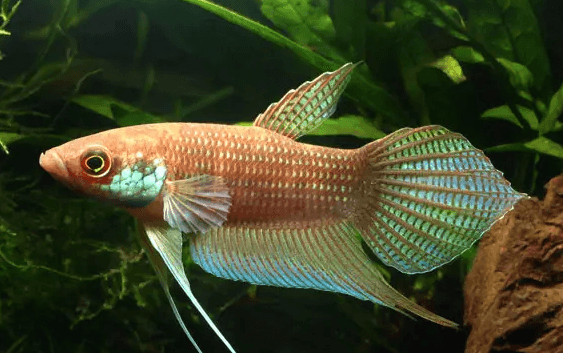
Physical Characteristics & Identification Tips
Betta raja is a small, slender betta reaching up to 2.5 inches. Its body is olive-brown with faint metallic green or blue highlights on the fins. Males have longer anal fins and slightly pointed dorsal fins, while females are smaller and plainer. This species is recognized by its elegant fin shape and subtle metallic sheen.
Behavior
Betta raja is shy and prefers hiding among plants or leaf litter. Males are territorial but rarely fight. They are mostly active during low light periods and enjoy exploring their environment slowly.
Habitat and Range
Native to Borneo, Betta raja inhabits shallow blackwater streams and peat swamps. They thrive in areas rich in decaying leaves, providing natural camouflage and shelter.
Diet
Their diet includes micro-crustaceans, insect larvae, and worms. In captivity, they accept live foods like daphnia, microworms, and baby brine shrimp.
Reproduction and Life Cycle
Betta raja is a bubble-nester. Males construct nests under floating leaves and guard eggs until fry hatch. Fry become free-swimming in about 3 days.
Fun Facts / Unique Traits
• Subtle metallic colors appear during courtship. • Excellent for blackwater or naturalistic aquariums. • Their shy nature makes them intriguing for patient hobbyists.
Human Interaction
Betta raja is favored by aquarists maintaining soft, acidic water. They require careful monitoring of water quality but are captivating to watch in planted tanks.
Conclusion
Wild Betta fish are an extraordinary group of freshwater species, each with its own personality, appearance, and natural habitat. From the classic Betta splendens to lesser-known species like Betta raja, they demonstrate fascinating behaviors, intricate breeding habits, and incredible adaptations to blackwater and peat swamp environments. Observing them in their natural habitats or in well-maintained aquariums offers a glimpse into the delicate balance of freshwater ecosystems.
For hobbyists and wildlife enthusiasts, understanding the physical characteristics, behavior, and care requirements of each species is key to enjoying and conserving these unique fish. Whether you’re captivated by the vibrant colors of Betta smaragdina or the subtle elegance of Betta fusca, these wild Betta fish provide endless opportunities for study and appreciation.
Maintaining their natural environment in aquariums, respecting their behaviors, and supporting conservation efforts are essential steps to ensure these species thrive. By learning about types of wild Betta fish and observing them responsibly, we can celebrate the beauty and diversity of aquatic life while promoting sustainable fishkeeping practices.
Explore the world of wild Betta fish, observe their unique traits, and appreciate the subtle artistry nature has painted in these tiny yet remarkable creatures. Every species has a story, and every story is worth understanding.
Frequently Asked Questions about Wild Betta Fish
1. What are wild Betta fish?
Wild Betta fish are naturally occurring species found in Southeast Asia, living in streams, rivers, and peat swamps, unlike selectively bred aquarium varieties.
2. How many types of wild Betta fish exist?
There are over 30 recognized types of wild Betta fish, each with unique colors, sizes, and behaviors.
3. Where are wild Betta fish found?
Wild Betta fish are native to countries like Indonesia, Malaysia, and Thailand, inhabiting blackwater streams, rivers, and peat swamp forests.
4. What is the difference between wild and domestic Betta fish?
Wild Betta fish are naturally occurring and often smaller, with more subdued colors, while domestic Betta splendens have been selectively bred for vibrant colors and long fins.
5. Are wild Betta fish aggressive?
Many wild Betta species are territorial, especially males, but most are shy and less aggressive than their domestic counterparts.
6. Can wild Betta fish live with other fish?
It depends on the species; some can coexist in peaceful tanks, while territorial males may attack other males or similar-looking fish.
7. What do wild Betta fish eat?
They primarily feed on small invertebrates, insect larvae, micro-crustaceans, and worms in their natural habitats.
8. How do wild Betta fish reproduce?
Most wild Betta species are bubble-nesters, with males building nests and guarding eggs until fry become free-swimming.
9. Are all wild Betta fish bubble-nesters?
Almost all wild Betta species are bubble-nesting, though a few rare species may exhibit mouthbrooding behaviors.
10. How big do wild Betta fish grow?
They usually range from 1.5 to 2.5 inches, depending on the species.
11. Do wild Betta fish change color?
Yes, males often display brighter metallic or iridescent colors during courtship or when threatened.
12. How long do wild Betta fish live?
On average, wild Betta fish live 3–5 years in proper conditions, though some species may live longer in captivity.
13. Are wild Betta fish endangered?
Some species are threatened due to habitat destruction, pollution, and overcollection for the aquarium trade.
14. Can wild Betta fish be kept in home aquariums?
Yes, with proper blackwater conditions, soft acidic water, and careful attention to tank mates and temperature.
15. What water conditions do wild Betta fish prefer?
They prefer soft, acidic water with a pH between 5.0–6.5, low hardness, and temperatures between 75–82°F (24–28°C).
16. How do I care for wild Betta fry?
Provide fine live foods like microworms or baby brine shrimp, maintain clean water, and avoid strong currents.
17. Can wild Betta fish be hybridized?
While possible, hybridization is generally discouraged to preserve natural traits and species integrity.
18. Do wild Betta fish require a lot of space?
Most small wild species do well in 10–15 gallon tanks with dense vegetation and hiding spots.
19. Are wild Betta fish good for beginners?
Some species are suitable for beginners, but many require careful water quality management and may be shy.
20. How can I identify a wild Betta species?
Identification is based on body shape, fin structure, coloration, markings, and geographic origin.
21. Do wild Betta fish build bubble nests?
Yes, males of most species build bubble nests and guard the eggs diligently.
22. How do wild Betta fish behave in captivity?
They may be shy, hide often, or display flaring behavior; proper tank setup encourages natural activity.
23. Are wild Betta fish compatible with plants?
Yes, live plants provide hiding spots and help mimic natural blackwater habitats.
24. What makes wild Betta fish unique?
Their natural coloration, behaviors, and adaptability to specific blackwater environments set them apart from domestic breeds.
25. Can wild Betta fish tolerate tap water?
No, they require soft, acidic water. Tap water should be treated or adjusted to mimic natural conditions.
26. How do wild Betta fish interact with each other?
Males are territorial and may flare at rivals, while females are generally more social and passive.
27. Are wild Betta fish sensitive to light?
They prefer dim lighting that mimics their shaded natural habitats in blackwater streams.
28. Can wild Betta fish adapt to community tanks?
Some peaceful species can, but territorial males may attack similar-looking fish.
29. How often should wild Betta fish be fed?
Feed small amounts 1–2 times daily, using live or frozen foods to mimic natural hunting behavior.
30. Are wild Betta fish important for conservation?
Yes, studying and preserving wild Betta species helps protect biodiversity and natural freshwater ecosystems.
31. Can wild Betta fish change behavior in captivity?
Yes, they may become more active or display increased coloration under stable water conditions and proper care.
Read more: