

Wild rodents are among the most diverse and adaptable mammals on Earth. From the tiniest harvest mouse to the mighty capybara, they thrive in forests, grasslands, deserts, and wetlands. This guide explores 50 types of wild rodents, helping you identify, understand, and appreciate these fascinating creatures. We’ll cover their habitats, diets, behaviors, and unique adaptations. Whether you’re a wildlife enthusiast or a beginner, this article provides clear and friendly insights into the world of wild rodents. Learn how these species impact ecosystems and why they are important for biodiversity.
1. Capybara (Hydrochoerus hydrochaeris)
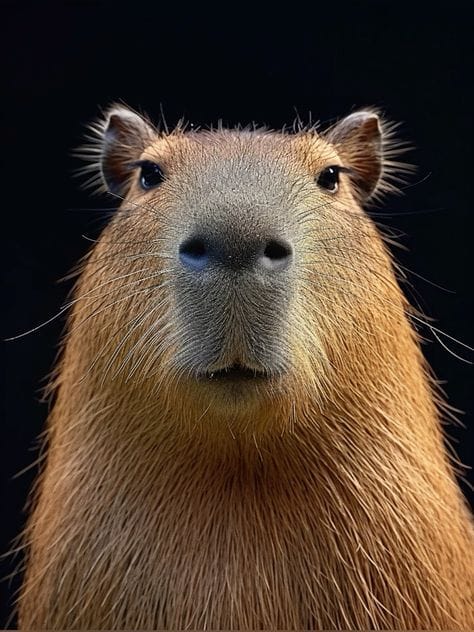
Appearance and Identification
Capybaras are the largest rodents in the world. Adult capybaras can weigh 35–66 kg (77–146 lbs) and reach lengths of 1.2 meters (4 ft). Their bodies are barrel-shaped with short, sturdy legs and webbed feet, ideal for swimming. The fur is coarse, brownish, and water-resistant, allowing them to stay wet without issue.
Behavior and Habitat
Capybaras are semi-aquatic and thrive in wetlands, riversides, and marshes across South America. They are highly social, living in groups of 10–20, sometimes up to 100 during the dry season. Their communication is fascinating—they squeak, bark, and whistle to warn of predators or maintain group cohesion.
Diet and Feeding
Capybaras are herbivores, grazing primarily on grasses and aquatic plants. Their diet helps manage vegetation and maintain healthy wetland ecosystems. They are also coprophagous, consuming their own feces to digest nutrients fully. Predators include jaguars, caimans, and anacondas, but their agility in water gives them a significant survival advantage.
2. Beaver (Castor canadensis)
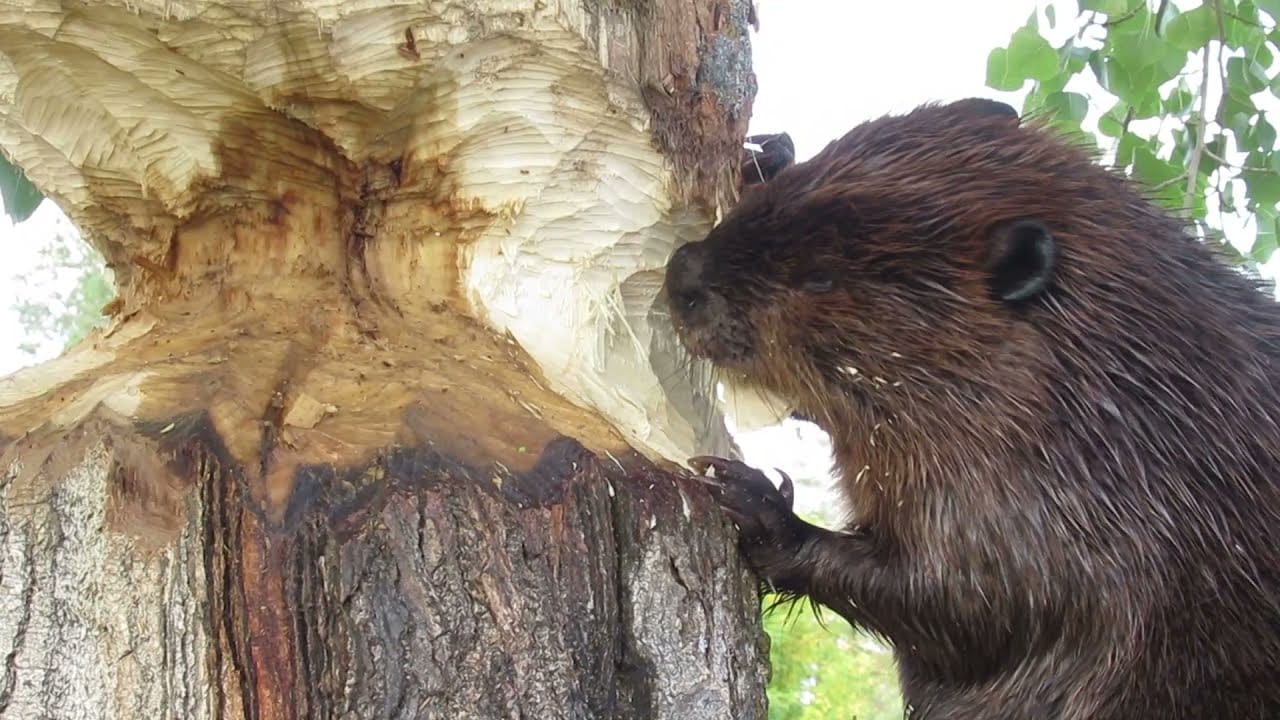
Appearance and Identification
Beavers are medium-sized rodents weighing 16–32 kg (35–70 lbs). They have flat, paddle-shaped tails, webbed hind feet, and dense, waterproof fur. Their large incisors grow continuously and are essential for gnawing wood. The tail also serves as a warning signal when slapped on water.
Behavior and Habitat
Beavers are known as “ecosystem engineers” because they build dams, lodges, and canals in freshwater habitats like rivers and lakes across North America. Their constructions create wetlands, supporting numerous species of plants, fish, amphibians, and birds. Beavers are mostly nocturnal and maintain family units, working cooperatively on engineering projects.
Diet and Feeding
Beavers are herbivorous, feeding on bark, leaves, roots, and aquatic vegetation. Their feeding and dam-building activities dramatically shape local ecosystems, benefiting biodiversity. Predators include wolves, bears, and humans, but beavers’ lodges offer excellent protection. They are slow on land but strong swimmers, making water their safe haven.
3. Muskrat (Ondatra zibethicus)
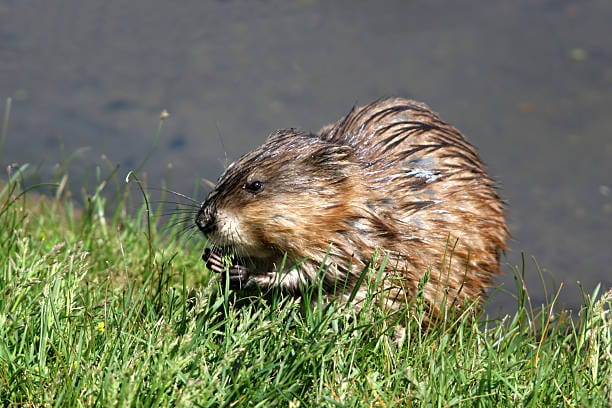
Appearance and Identification
Muskrats are smaller rodents, weighing 0.6–1.5 kg (1.3–3.3 lbs) and measuring about 40–70 cm (16–28 in) including the tail. They have dense brown fur, partially webbed hind feet, and laterally flattened tails, making them excellent swimmers. Their size and tail distinguish them from other semi-aquatic rodents.
Behavior and Habitat
Muskrats inhabit freshwater wetlands, rivers, and ponds across North America. They build lodges from mud and vegetation, similar to beavers but smaller. Muskrats are mostly nocturnal, foraging at night and swimming gracefully. They are territorial and may defend their burrows aggressively.
Diet and Feeding
Muskrats are omnivorous, feeding on aquatic plants, roots, and occasionally small animals like crayfish. Their activities affect water flow and plant distribution, influencing wetland ecosystems positively. Predators include mink, foxes, and owls. Muskrats are skilled diggers and swimmers, making them well-adapted to their habitats.
4. Brown Rat (Rattus norvegicus)
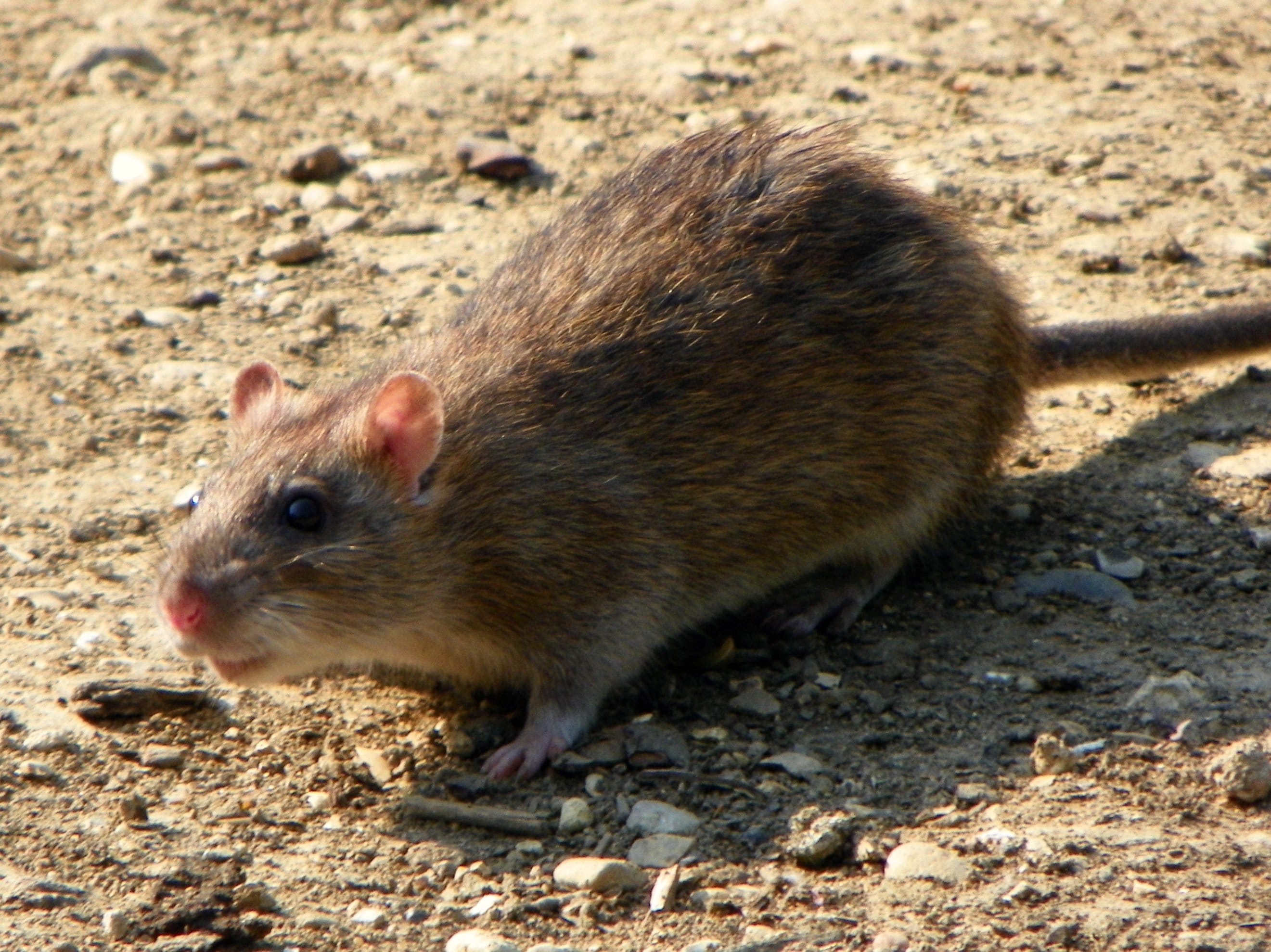
Appearance and Identification
The Brown Rat, also called the Norway Rat, is a medium-sized rodent, weighing 200–500 grams (0.44–1.1 lbs) and measuring 20–25 cm (8–10 in) in body length. Its fur is coarse and brown or grey, with a lighter underside. Its long, scaly tail helps with balance and thermoregulation.
Behavior and Habitat
Brown Rats are highly adaptable and live in urban, suburban, and rural areas worldwide. They are nocturnal, foraging primarily at night. They construct burrows or nest in buildings and are excellent climbers and swimmers. Social behavior includes hierarchical group living, often with dominant males.
Diet and Feeding
Omnivorous by nature, Brown Rats feed on grains, fruits, insects, and human scraps. They are opportunistic feeders, which is why they thrive near human settlements. Predators include owls, snakes, and cats, but their reproductive rate ensures population resilience.
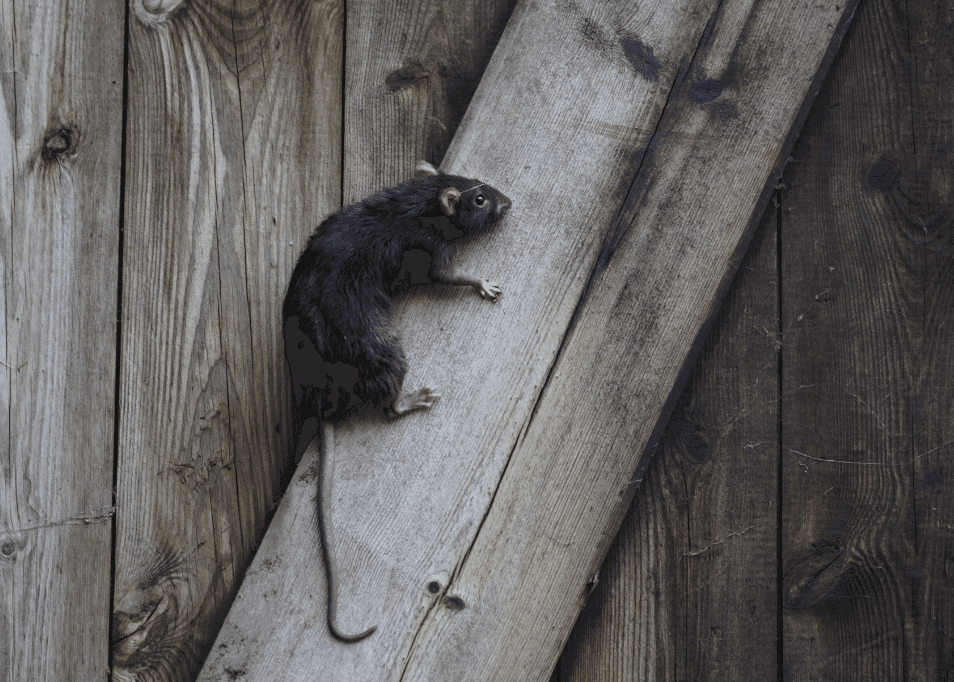
5. Black Rat (Rattus rattus)
Appearance and Identification
Smaller than the Brown Rat, Black Rats weigh 150–250 grams (0.33–0.55 lbs) and measure 16–22 cm (6–9 in) in body length. Their fur is usually black or dark brown, with a lighter underside. They have a long, slender tail that is often longer than the body.
Behavior and Habitat
Black Rats are agile climbers, often living in trees, roofs, and warehouses. They are nocturnal and shy, preferring elevated nesting sites. They communicate through squeaks and scent marking and exhibit strong territorial behavior.
Diet and Feeding
Omnivorous, Black Rats eat fruits, seeds, grains, and insects. They store food and can gnaw through tough materials due to strong incisors. Predators include snakes, birds of prey, and domestic cats.
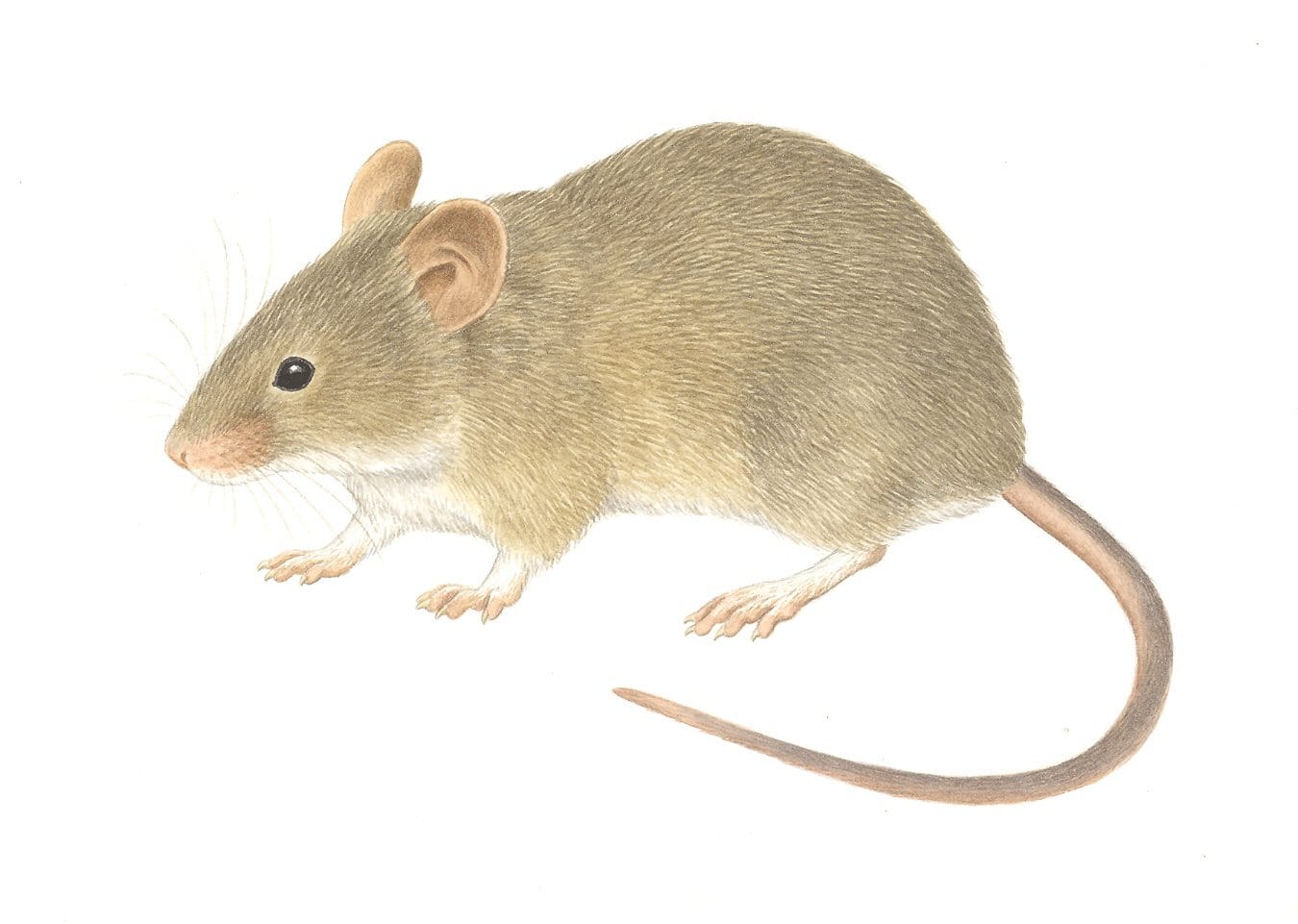
6. House Mouse (Mus musculus)
Appearance and Identification
House Mice are small rodents, weighing 12–30 grams (0.4–1 oz) with a body length of 7–10 cm (2.8–4 in). Their fur is usually light brown to gray, with large ears and a long, thin tail. They are often confused with wild mice but are closely associated with human habitats.
Behavior and Habitat
House Mice are highly social and can live in small groups in homes, barns, or fields. They are nocturnal, highly active, and skilled climbers. They can reproduce quickly, with females producing multiple litters per year.
Diet and Feeding
Omnivorous but mostly grain-eaters, they consume seeds, plants, and leftover human food. They are opportunistic and will adapt to almost any food source. Predators include owls, snakes, cats, and small carnivores.
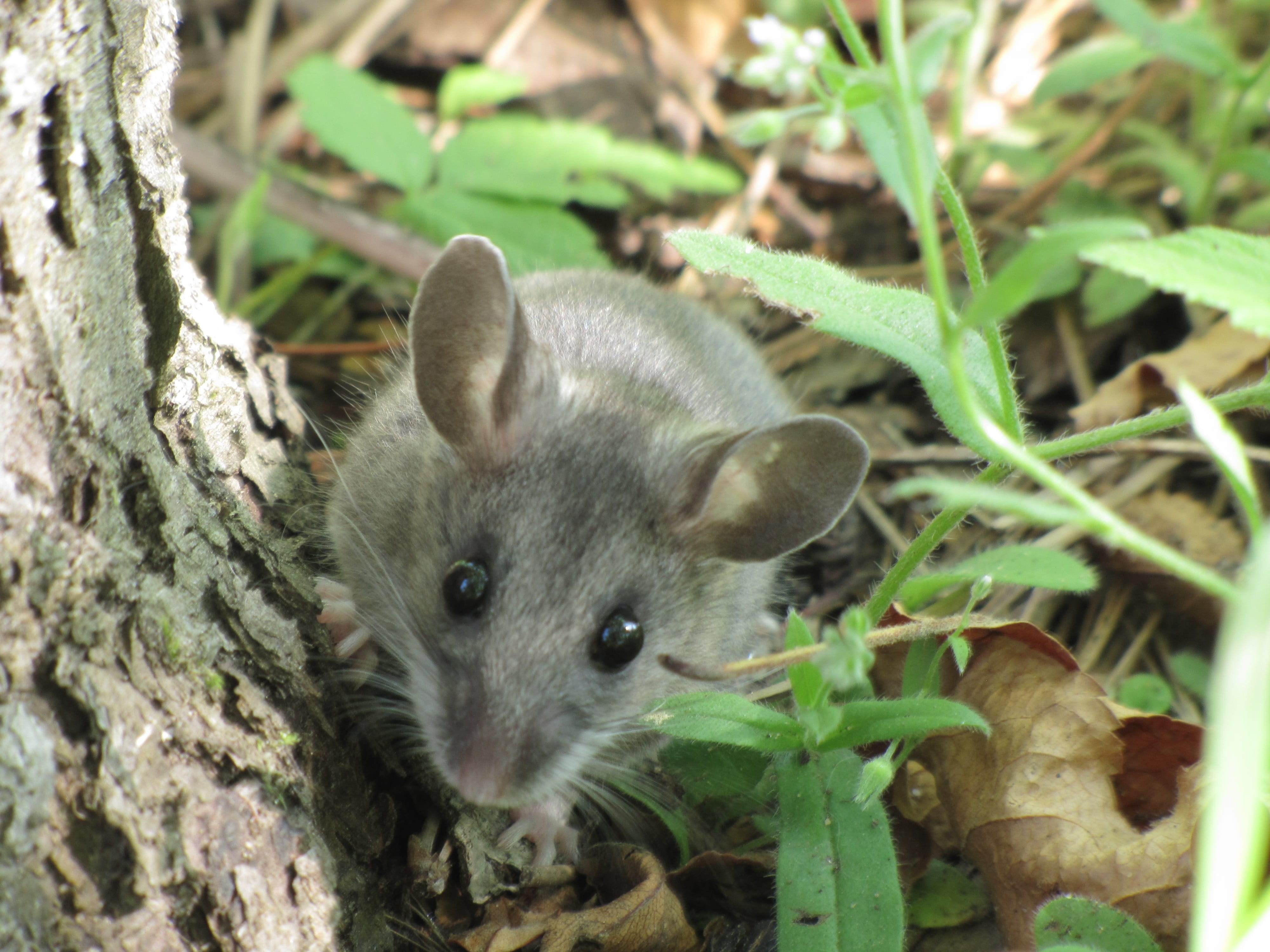
7. Deer Mouse (Peromyscus maniculatus)
Appearance and Identification
Deer Mice are small, weighing 10–24 grams (0.35–0.85 oz) with a 7–10 cm (2.8–4 in) body length. They have soft fur, usually brown on top and white underneath, with large, dark eyes and a bicolored tail.
Behavior and Habitat
They live in forests, grasslands, and human structures across North America. Deer Mice are nocturnal, excellent climbers, and build nests in burrows, tree hollows, or inside buildings. They are agile and capable of leaping between branches.
Diet and Feeding
Omnivorous, feeding on seeds, fruits, insects, and fungi. They hoard food in nests for winter. Predators include snakes, owls, foxes, and domestic pets.
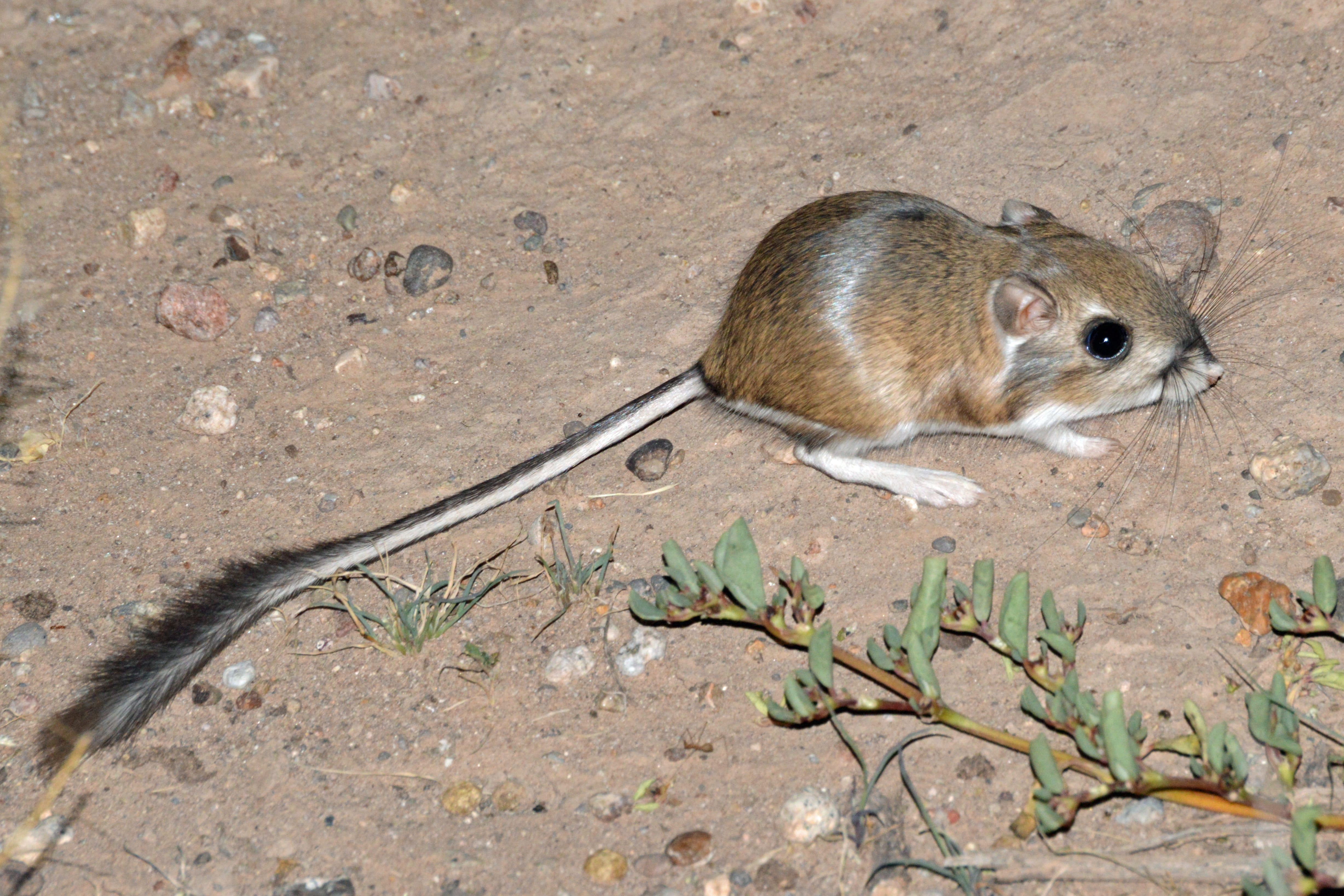
8. Kangaroo Rat (Dipodomys spp.)
Appearance and Identification
Kangaroo Rats are small desert rodents, weighing 35–60 grams (1.2–2.1 oz) with long hind legs adapted for hopping. They have large eyes, cheek pouches for carrying food, and long tails for balance.
Behavior and Habitat
They live in arid deserts of North America and are nocturnal. Kangaroo Rats dig burrows to escape heat and predators. They are solitary and highly territorial, hopping rapidly to avoid threats.
Diet and Feeding
Primarily seed-eaters, they store seeds in burrows. They rarely drink water, obtaining moisture from food. Predators include snakes, owls, and foxes.
9. Pocket Mouse (Perognathus spp.)
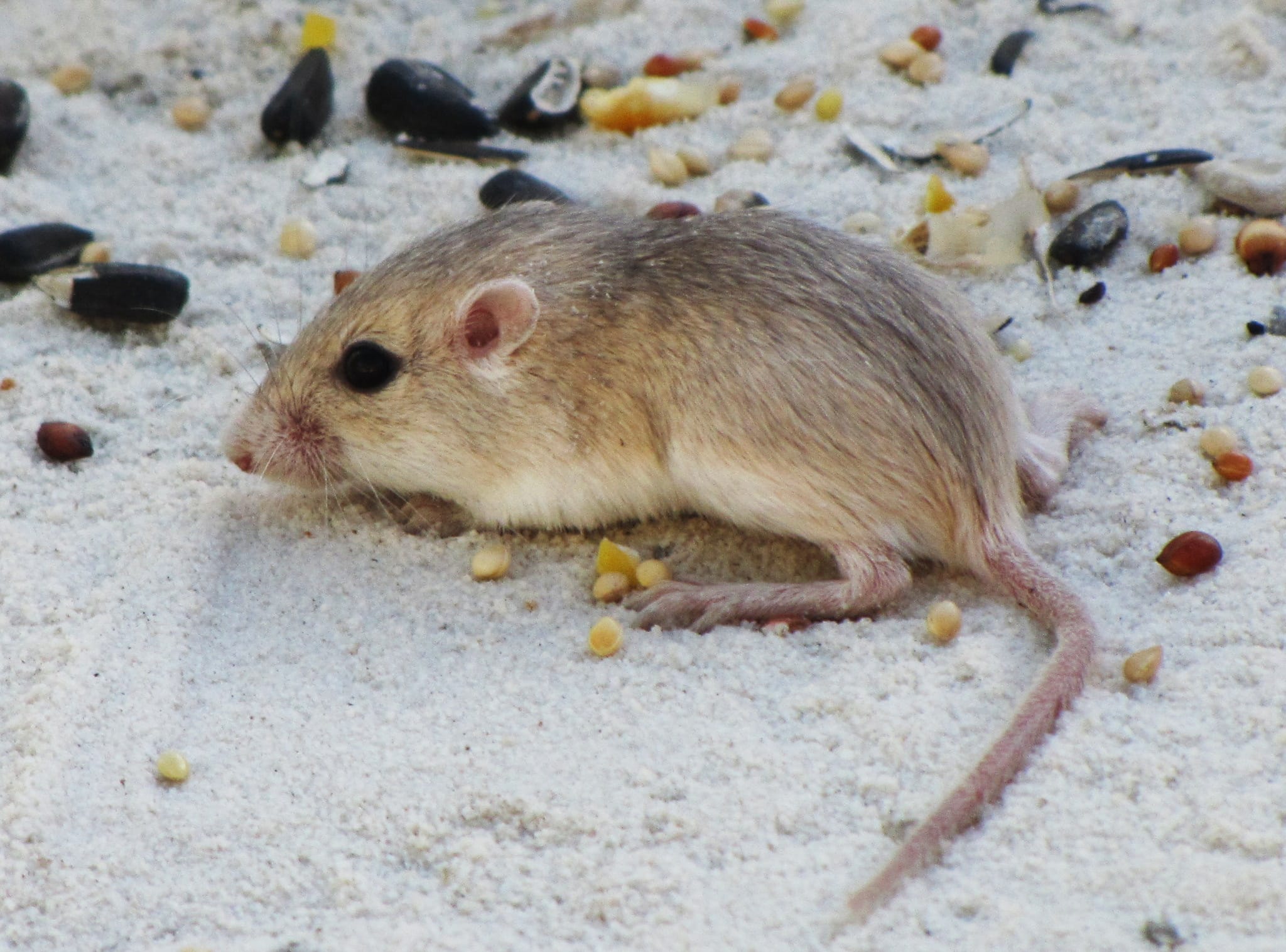
Appearance and Identification
Pocket Mice are tiny, weighing 10–15 grams (0.35–0.53 oz) with soft fur and external cheek pouches for storing seeds. They have slender bodies and tails covered in fur.
Behavior and Habitat
Found in deserts and grasslands of North America, they live in burrows and are nocturnal. They are solitary and rarely leave their burrows except for foraging.
Diet and Feeding
Seed-eaters primarily, storing food in burrows using cheek pouches. They also consume insects occasionally. Predators include owls, snakes, and small carnivores.
10. Meadow Vole (Microtus pennsylvanicus)
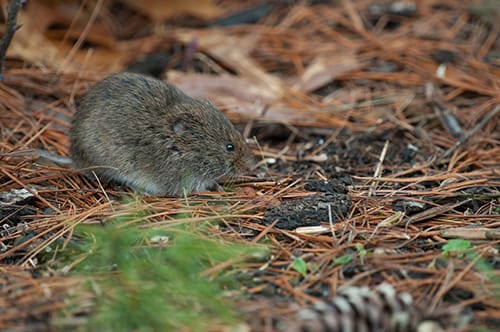
Appearance and Identification
Meadow Voles are small, stout rodents weighing 20–40 grams (0.7–1.4 oz) with short tails. Their fur is brownish, dense, and suited for living in grasses and meadows.
Behavior and Habitat
They inhabit meadows, grasslands, and wetlands in North America. Voles are active day and night, digging shallow burrows and creating surface runways through grass. They have high reproductive rates, which helps maintain population stability.
Diet and Feeding
Herbivorous, feeding on grasses, seeds, roots, and bark. Predators include hawks, owls, foxes, and snakes. They play an important role in soil aeration and as prey in food chains.
11. Bank Vole (Myodes glareolus)
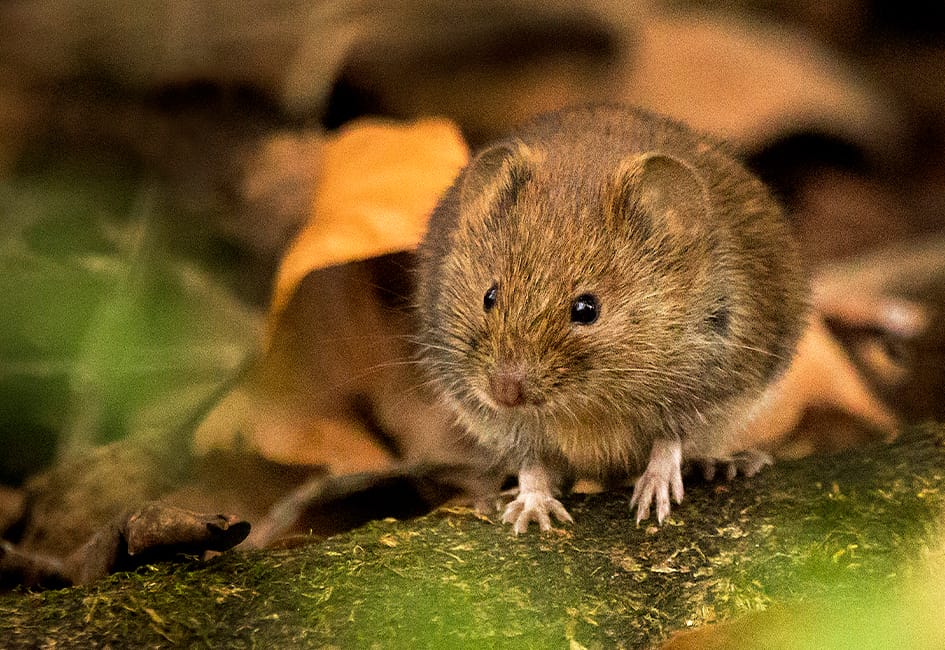
Appearance and Identification
Bank Voles are small rodents, weighing 15–40 grams (0.5–1.4 oz) with a body length of 10–14 cm (4–5.5 in). Their fur is reddish-brown on top and grey underneath, with a short tail and small ears.
Behavior and Habitat
They inhabit forests, hedgerows, and gardens across Europe and Asia. Bank Voles are mainly nocturnal but may forage during the day. They build shallow burrows or use natural cover such as roots and leaf litter.
Diet and Feeding
They feed on seeds, nuts, berries, fungi, and occasionally insects. Predators include owls, foxes, snakes, and domestic cats. Their activity helps spread seeds and fungi, contributing to forest ecosystems.
12. Field Vole (Microtus agrestis)
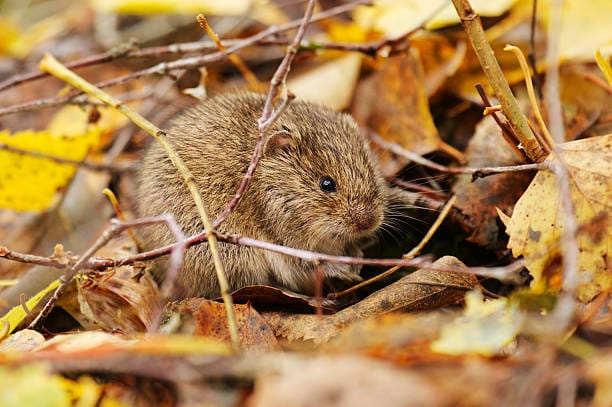
Appearance and Identification
Field Voles are small, stout rodents weighing 20–40 grams (0.7–1.4 oz) with a body length of 9–12 cm (3.5–4.7 in). Their fur is brownish-grey, dense, and soft, with a short, inconspicuous tail.
Behavior and Habitat
They live in meadows, grasslands, and marshes across Europe and Asia. Voles create surface runways through vegetation and shallow burrows underground. They are highly active and reproduce rapidly, ensuring population resilience.
Diet and Feeding
Primarily herbivorous, feeding on grasses, roots, and seeds. Predators include birds of prey, foxes, and snakes. Their feeding helps control vegetation growth and supports the food chain.
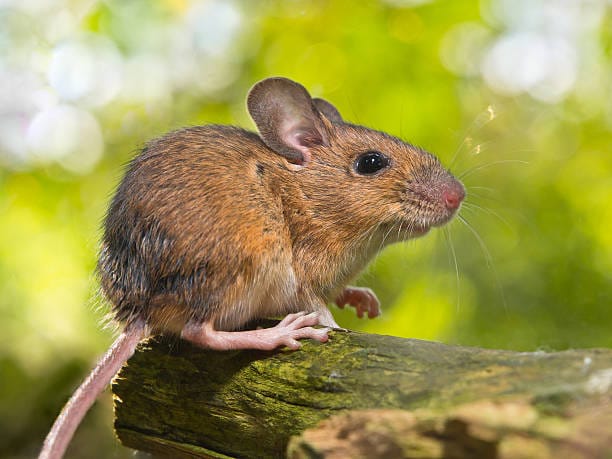
13. Wood Mouse (Apodemus sylvaticus)
Appearance and Identification
Wood Mice are small rodents weighing 20–25 grams (0.7–0.9 oz) with a body length of 8–10 cm (3–4 in). They have brown fur on top, white underparts, large eyes, and a long tail used for balance.
Behavior and Habitat
Found across Europe and parts of North Africa, Wood Mice live in forests, grasslands, and hedgerows. They are nocturnal and highly agile, often nesting in burrows, logs, or human structures.
Diet and Feeding
Omnivorous, feeding on seeds, fruits, insects, and fungi. Their food-storing behavior helps them survive harsh winters. Predators include owls, foxes, weasels, and snakes.
14. Dormouse (Gliridae family)

Appearance and Identification
Dormice are small, nocturnal rodents with soft fur, weighing 15–50 grams (0.5–1.8 oz). They have large eyes, bushy tails, and a rounded body. They are known for their long hibernation periods.
Behavior and Habitat
Dormice inhabit deciduous forests and dense shrubs in Europe, Asia, and Africa. They are arboreal, building nests in tree hollows, bushes, or burrows. Dormice hibernate for up to six months in colder regions.
Diet and Feeding
They feed on fruits, nuts, flowers, and insects. Dormice are essential for seed dispersal and pollination. Predators include owls, snakes, and small carnivores.
15. Giant Flying Squirrel (Petaurista spp.)

Appearance and Identification
Giant Flying Squirrels are large rodents, weighing 1–2 kg (2–4 lbs) with a body length of 40–60 cm (16–24 in). They have large eyes, a patagium (gliding membrane), and bushy tails for gliding between trees.
Behavior and Habitat
They are nocturnal and live in forests across Asia. These squirrels glide to forage or escape predators. They are arboreal and rarely descend to the ground.
Diet and Feeding
Omnivorous, feeding on fruits, nuts, leaves, and insects. Their gliding helps them reach scattered food sources efficiently. Predators include owls, eagles, and arboreal snakes.
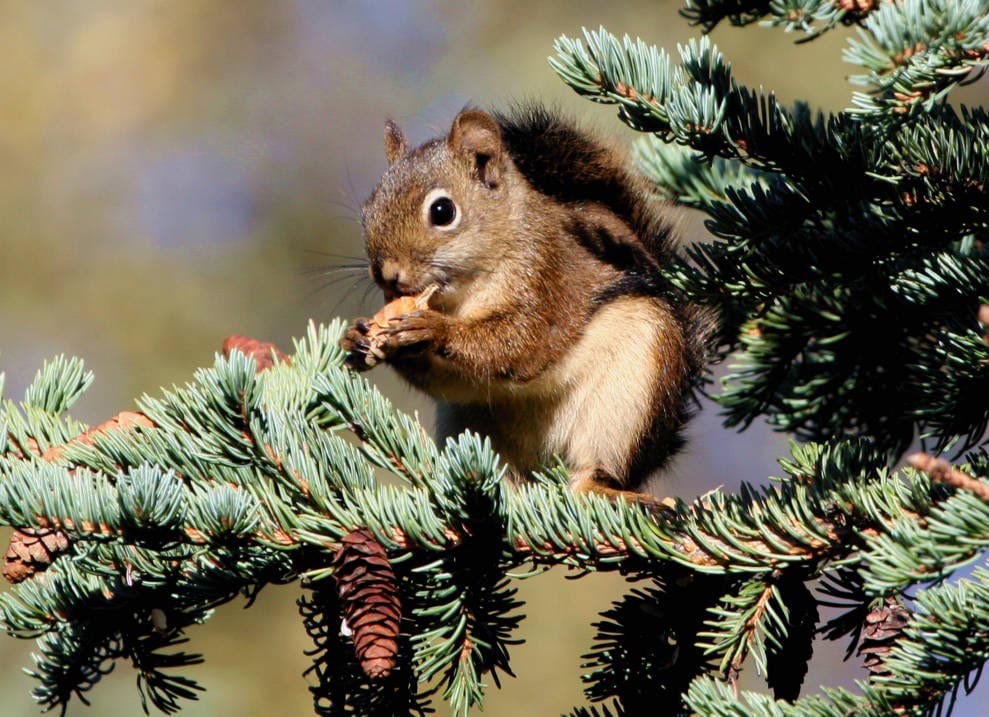
16. Red Squirrel (Sciurus vulgaris)
Appearance and Identification
Red Squirrels are small tree squirrels weighing 250–350 grams (0.55–0.77 lbs) with a body length of 19–23 cm (7.5–9 in). They have reddish fur, white underparts, and bushy tails.
Behavior and Habitat
They inhabit coniferous and mixed forests in Europe and Asia. Red Squirrels are diurnal, active during the day, and maintain territories. They build dreys (nests) in trees using twigs and leaves.
Diet and Feeding
Primarily herbivorous, feeding on seeds, nuts, cones, berries, and occasionally fungi or bird eggs. Predators include pine martens, owls, and domestic cats. Their seed-hoarding behavior aids forest regeneration.
17. Ground Squirrel (Spermophilus spp.)

Appearance and Identification
Ground Squirrels weigh 100–500 grams (0.22–1.1 lbs) and have short limbs, stout bodies, and bushy tails. Their fur is brownish-grey with faint stripes in some species.
Behavior and Habitat
They live in grasslands, deserts, and open forests across North America, Europe, and Asia. Ground Squirrels are diurnal and highly social, living in burrow systems that protect them from predators.
Diet and Feeding
Omnivorous, feeding on seeds, nuts, insects, and small vertebrates. Predators include hawks, foxes, and snakes. Their burrowing activity improves soil aeration and nutrient cycling.
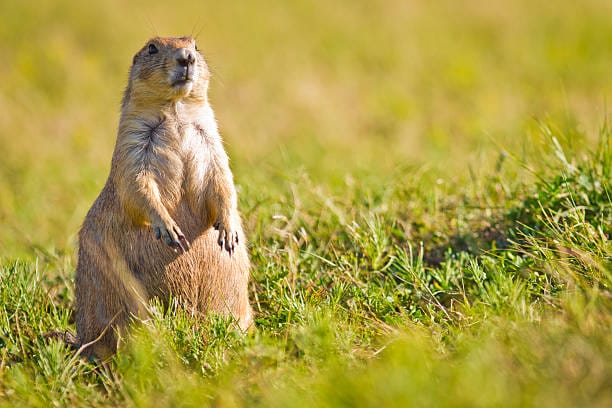
18. Prairie Dog (Cynomys spp.)
Appearance and Identification
Prairie Dogs are stout rodents weighing 0.5–1.5 kg (1–3 lbs) with short tails and light brown fur. They have strong claws for digging and small ears.
Behavior and Habitat
They inhabit grasslands and prairies of North America, living in extensive burrow systems called towns. Highly social, prairie dogs communicate with complex vocalizations to warn of predators.
Diet and Feeding
Herbivorous, feeding on grasses, seeds, and roots. Predators include coyotes, eagles, and snakes. Their burrows provide habitats for other species, enhancing ecosystem health.
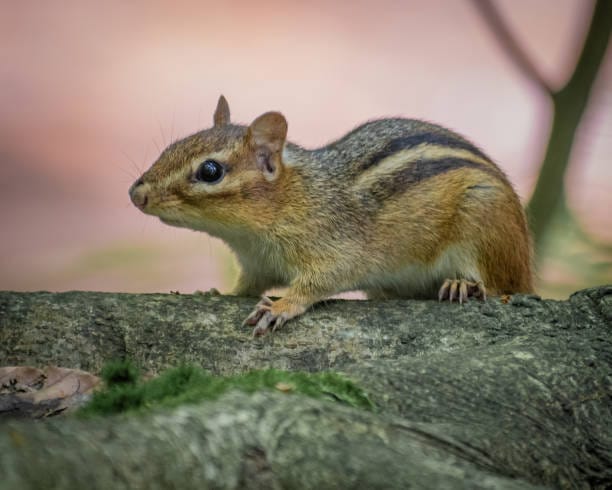
19. Chipmunk (Tamias spp.)
Appearance and Identification
Chipmunks are small rodents weighing 50–150 grams (1.8–5.3 oz) with distinctive stripes along their backs and cheeks. Their tails are bushy, and their small size allows agility in forests.
Behavior and Habitat
Found in North America and parts of Asia, chipmunks live in burrows or tree hollows. They are mostly diurnal and display food-storing behavior for winter survival.
Diet and Feeding
Omnivorous, eating seeds, fruits, nuts, insects, and fungi. Predators include hawks, foxes, and snakes. Their foraging and hoarding contribute to seed dispersal and forest growth.
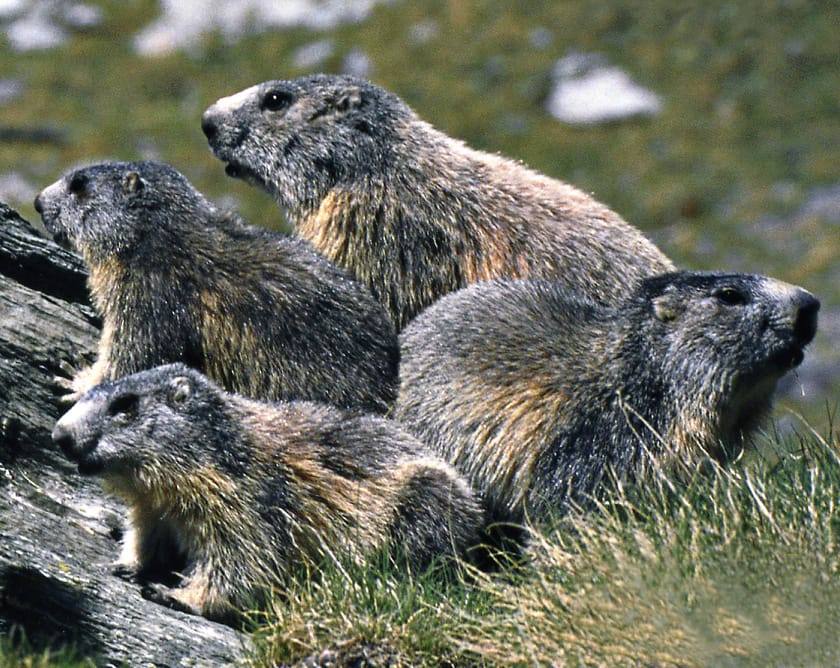
20. Marmot (Marmota spp.)
Appearance and Identification
Marmots are large ground squirrels, weighing 3–7 kg (6–15 lbs) with a body length of 40–70 cm (16–28 in). They have dense fur and short tails, often appearing stocky.
Behavior and Habitat
They live in mountainous regions of North America, Europe, and Asia. Marmots hibernate for long periods, usually in winter. They are social animals and often live in colonies.
Diet and Feeding
Herbivorous, feeding on grasses, flowers, and seeds. Predators include eagles, foxes, and bears. Their burrowing helps aerate soil and maintain meadow ecosystems.
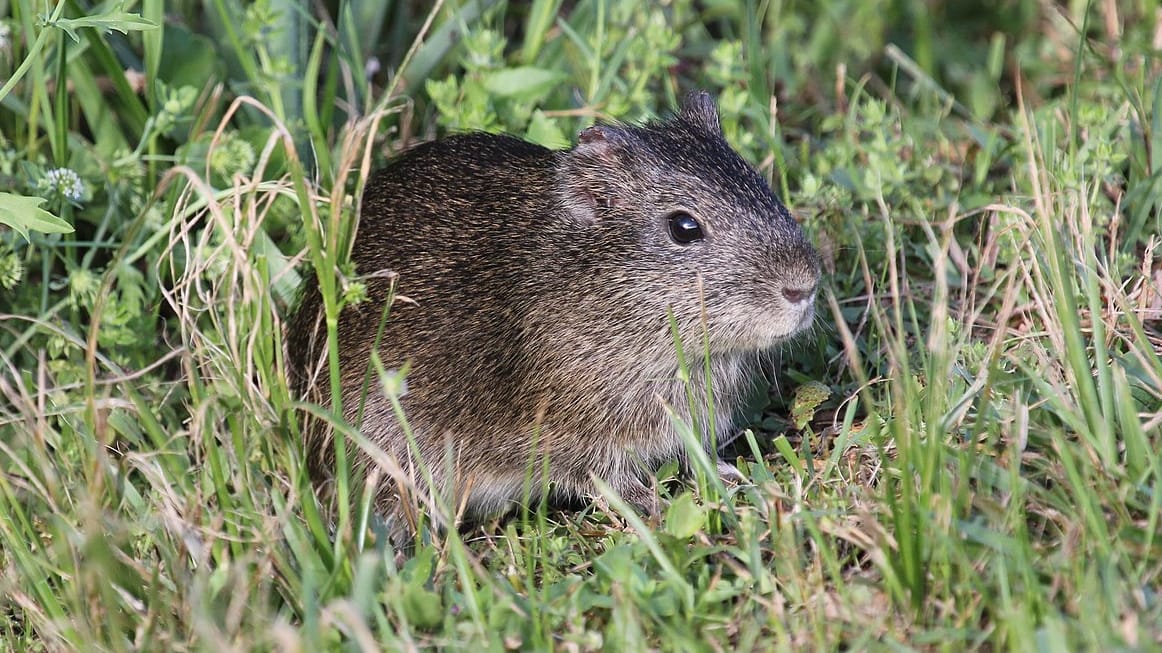
21. Guinea Pig (Cavia aperea – wild ancestor)
Appearance and Identification
Wild Guinea Pigs are small rodents, weighing 700–1200 grams (1.5–2.6 lbs) with a body length of 20–25 cm (8–10 in). They have coarse brown or grey fur, short legs, and no tail. Their rounded bodies make them look stout and friendly.
Behavior and Habitat
Native to South America, wild Guinea Pigs live in grasslands and rocky areas. They are social and form small colonies for protection. Mostly active during dawn and dusk, they communicate with squeaks and whistles.
Diet and Feeding
Herbivorous, feeding on grasses, leaves, and seeds. Predators include foxes, birds of prey, and snakes. Their grazing helps control vegetation growth and maintain healthy grassland ecosystems.
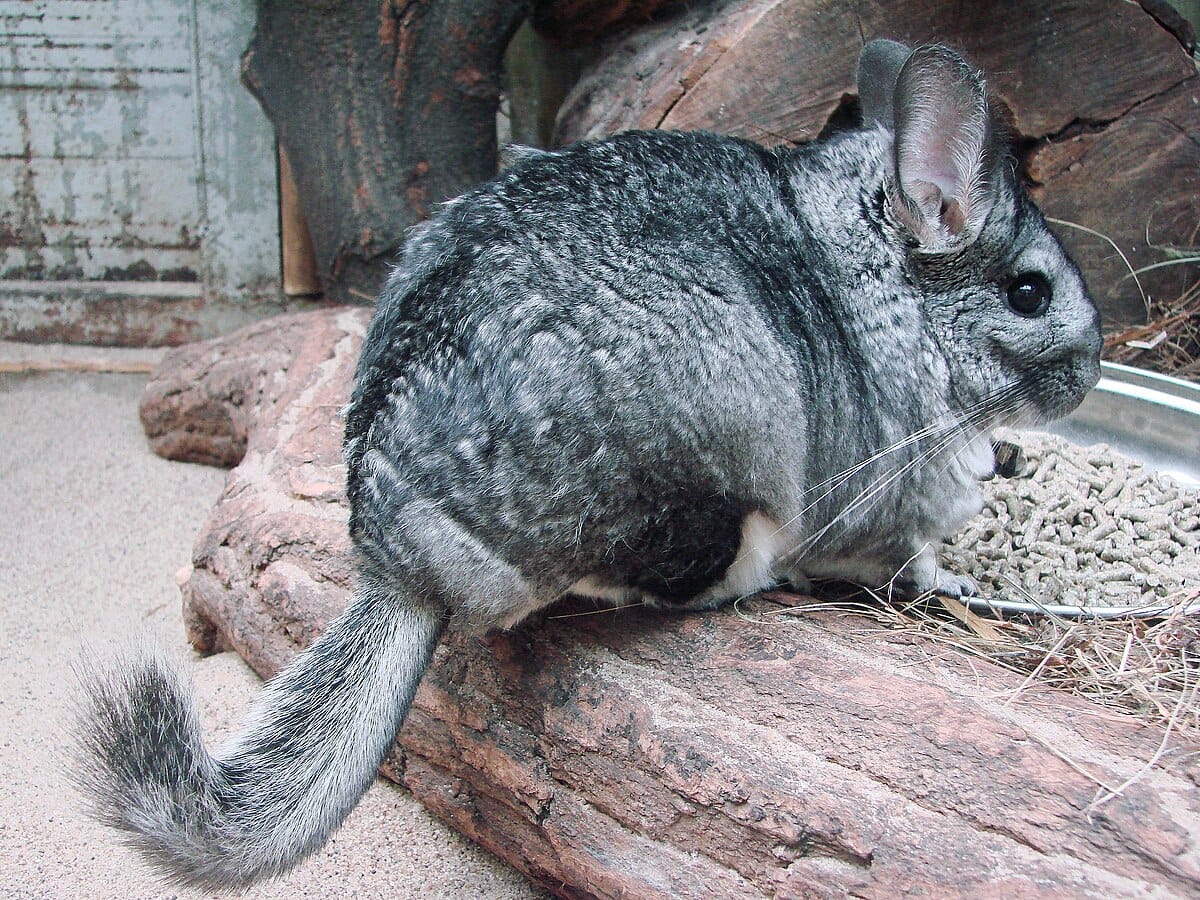
22. Chinchilla (Chinchilla lanigera)
Appearance and Identification
Chinchillas are small, dense-furred rodents weighing 400–800 grams (0.9–1.8 lbs) with a body length of 23–38 cm (9–15 in). Their fur is soft and grayish, adapted to cold mountain habitats. They have bushy tails and large ears.
Behavior and Habitat
Native to the Andes Mountains of South America, chinchillas are nocturnal and live in rocky crevices. They are agile jumpers and use dust baths to maintain fur cleanliness.
Diet and Feeding
Herbivorous, feeding on grasses, herbs, seeds, and bark. Predators include foxes, owls, and eagles. Their grazing and burrowing help maintain soil health in mountainous regions.
23. Porcupine (Erethizontidae / Hystricidae)

Appearance and Identification
Porcupines are medium to large rodents, weighing 5–18 kg (11–40 lbs) with a body length of 40–90 cm (16–35 in). They have sharp quills on their back for defense, short legs, and rounded bodies.
Behavior and Habitat
They live in forests, grasslands, and deserts worldwide. Porcupines are primarily nocturnal and solitary. They climb trees to feed or escape predators.
Diet and Feeding
Herbivorous, feeding on bark, leaves, and fruits. Predators include large cats, eagles, and humans. Their gnawing also helps manage vegetation growth.
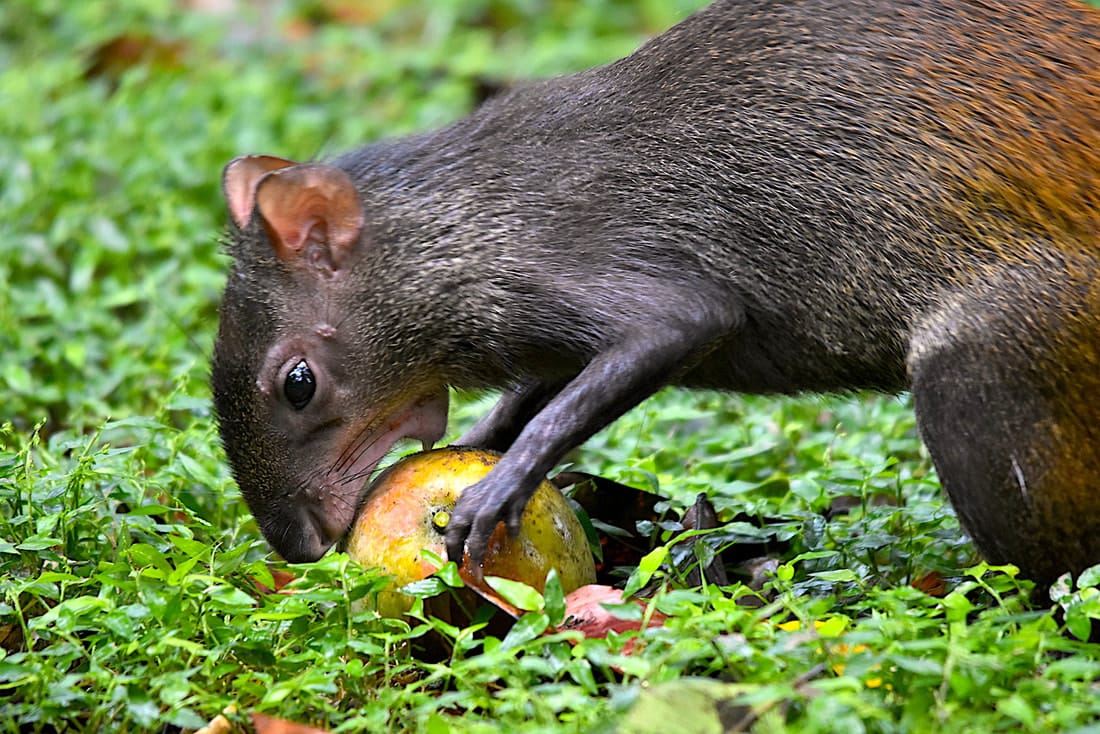
24. Agouti (Dasyprocta spp.)
Appearance and Identification
Agoutis are medium-sized rodents weighing 2–6 kg (4–13 lbs) with a body length of 40–60 cm (16–24 in). Their fur is usually brown or reddish, and they have slender limbs for running and digging.
Behavior and Habitat
Native to Central and South American forests, agoutis are diurnal and excellent runners. They dig burrows for shelter and sometimes hide food underground.
Diet and Feeding
Herbivorous, feeding on seeds, fruits, and nuts. They are important for seed dispersal, especially for large rainforest trees. Predators include jaguars, ocelots, and snakes.
25. Paca (Cuniculus paca)
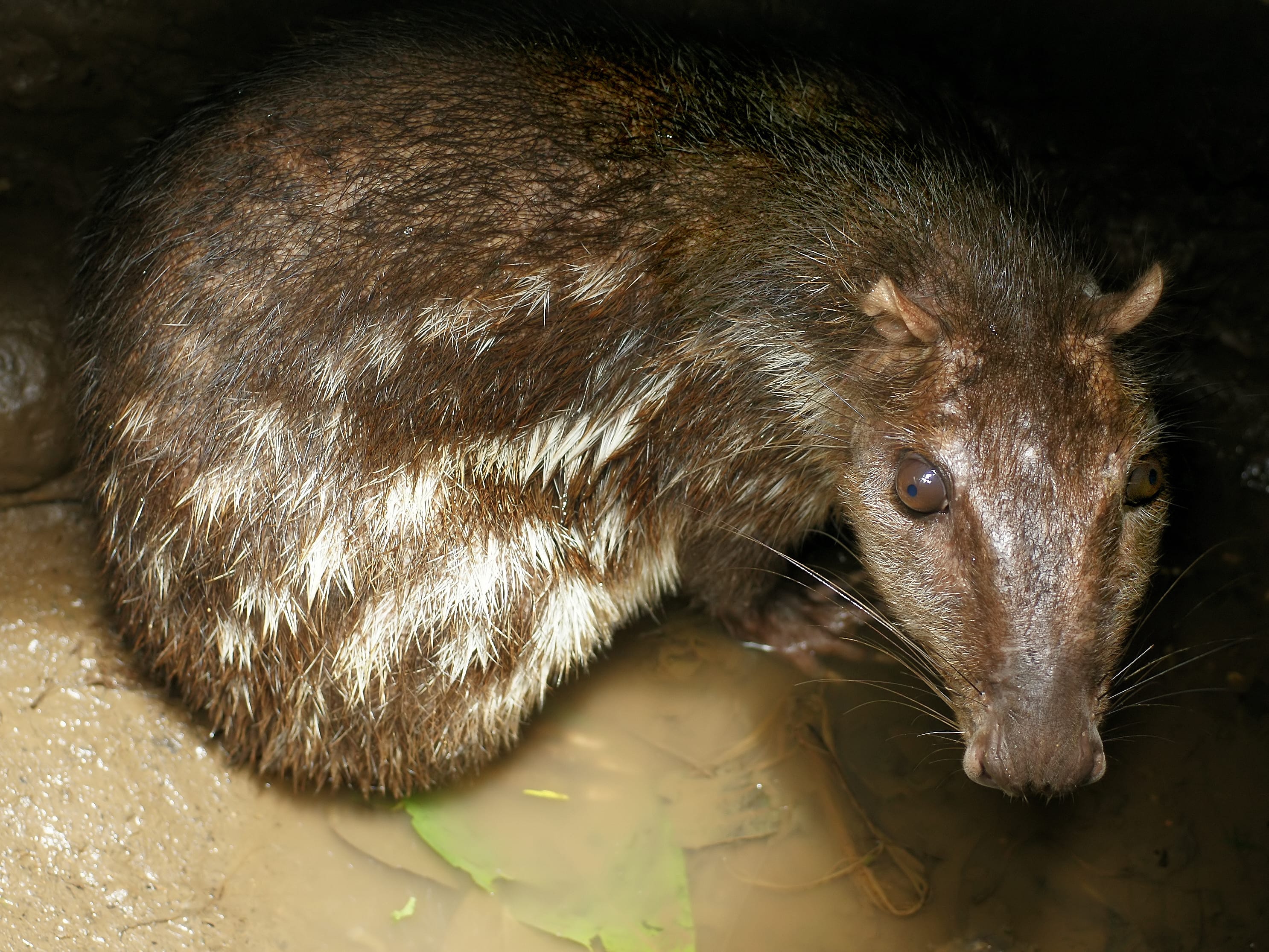
Appearance and Identification
Pacas are large, stout rodents weighing 6–12 kg (13–26 lbs) with a body length of 50–80 cm (20–31 in). They have dark brown fur with white spots and a rounded body. Short tails and strong legs help in swimming.
Behavior and Habitat
They inhabit rainforests and near rivers in Central and South America. Pacas are nocturnal and mostly solitary, hiding in burrows during the day.
Diet and Feeding
Herbivorous, feeding on fruits, seeds, and leaves. Predators include jaguars, ocelots, and humans. Their feeding contributes to seed dispersal and forest regeneration.
26. Nutria / Coypu (Myocastor coypus)
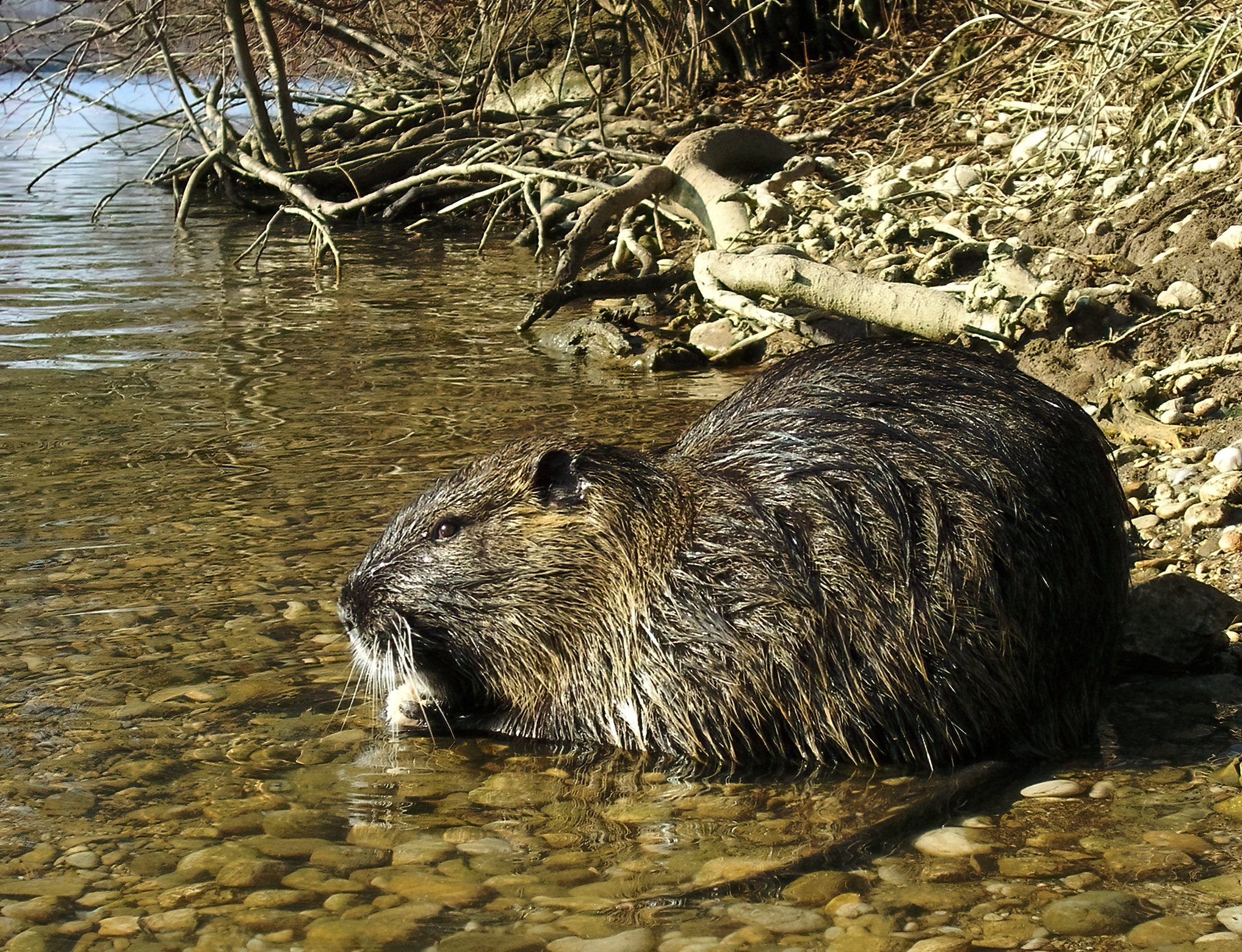
Appearance and Identification
Nutrias are semi-aquatic rodents weighing 4–9 kg (9–20 lbs) with a body length of 40–60 cm (16–24 in). They have coarse brown fur, webbed hind feet, and long, round tails.
Behavior and Habitat
Native to South America, nutrias live in wetlands, rivers, and lakes. They are mainly nocturnal and build burrows in riverbanks or dense vegetation. They are social and live in small groups.
Diet and Feeding
Herbivorous, feeding on aquatic plants, roots, and crops. Predators include alligators, foxes, and birds of prey. Their burrowing and feeding can impact wetland ecosystems.
27. Spiny Rat (Echimyidae family)
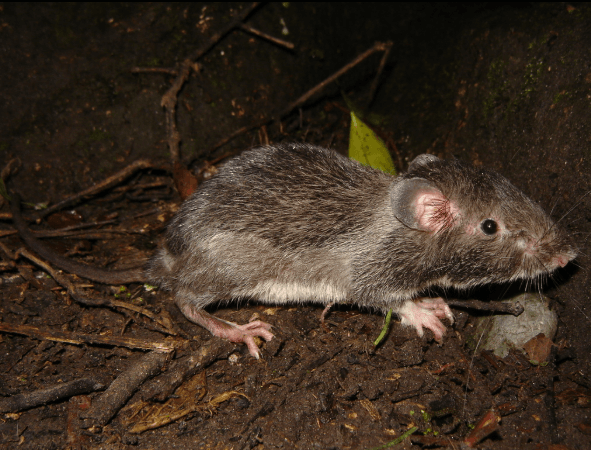
Appearance and Identification
Spiny Rats are medium-sized rodents weighing 100–600 grams (0.2–1.3 lbs). They have stiff, spiny fur on their backs, used for protection against predators.
Behavior and Habitat
Native to Central and South America, spiny rats inhabit forests and grasslands. They are mostly nocturnal and live in burrows or under logs. They are solitary and territorial.
Diet and Feeding
Omnivorous, feeding on seeds, fruits, and insects. Predators include owls, snakes, and small carnivores. Their foraging helps spread seeds and maintain forest floor diversity.
28. Bamboo Rat (Rhizomyinae family)
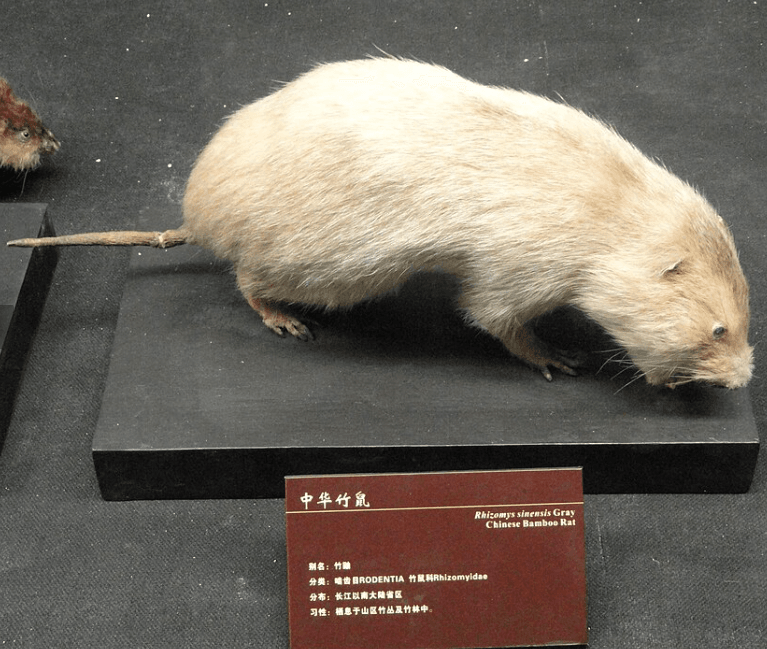
Appearance and Identification
Bamboo Rats are stout rodents weighing 1–4 kg (2–9 lbs) with a body length of 30–50 cm (12–20 in). They have short fur, strong forelimbs for digging, and small eyes and ears.
Behavior and Habitat
They live in bamboo forests and wetlands in Southeast Asia. Bamboo Rats are nocturnal and spend most of their time in burrows underground. They are solitary and rarely emerge during the day.
Diet and Feeding
Herbivorous, feeding primarily on bamboo roots, stems, and tubers. Predators include snakes, civets, and birds of prey. Their burrowing aerates soil and supports vegetation growth.
29. Pocket Gopher (Geomyidae family)
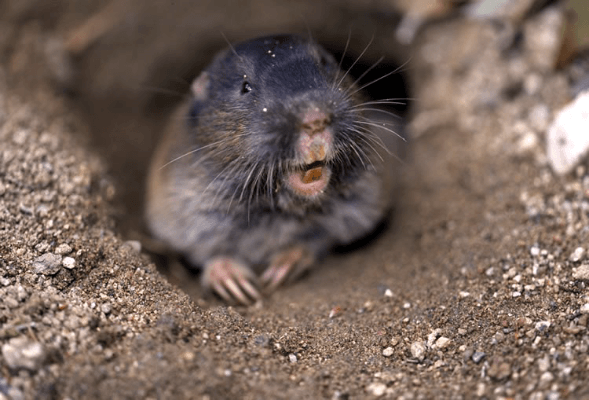
Appearance and Identification
Pocket Gophers are medium-sized burrowing rodents, weighing 100–500 grams (0.2–1.1 lbs) with strong forelimbs and large claws for digging. They have external cheek pouches for carrying food.
Behavior and Habitat
Found in North and Central America, they live in underground burrow systems in grasslands and farmlands. They are solitary and spend almost their entire lives underground.
Diet and Feeding
Herbivorous, feeding on roots, tubers, and bulbs. Predators include foxes, snakes, and owls. Their burrowing improves soil aeration and nutrient mixing.
30. Viscacha (Lagostomus spp.)
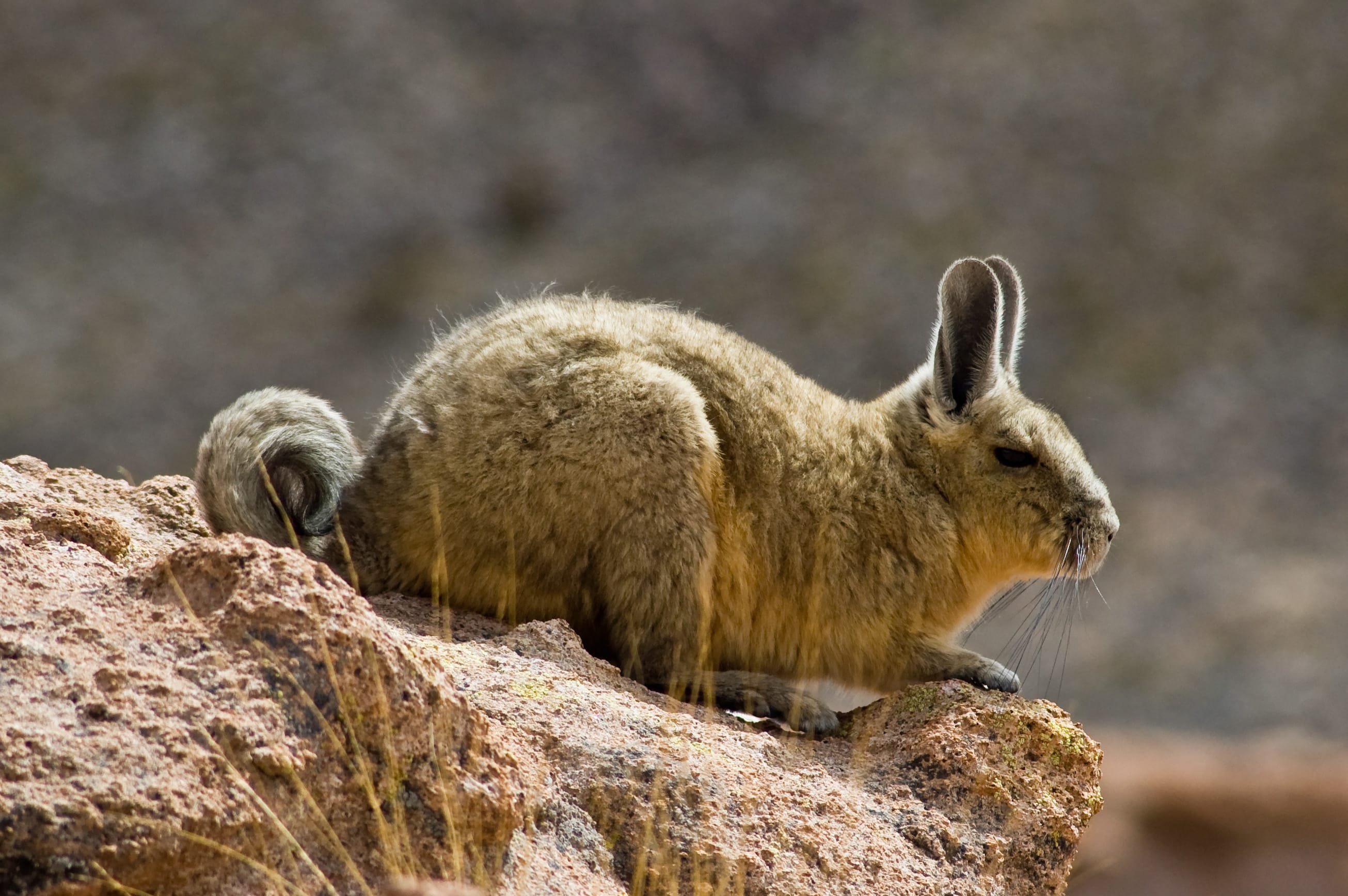
Appearance and Identification
Viscachas are rabbit-like rodents, weighing 2–4 kg (4–9 lbs) with a body length of 45–60 cm (18–24 in). They have long tails, dense fur, and strong hind legs for jumping.
Behavior and Habitat
Native to South America, viscachas inhabit rocky outcrops and grasslands. They are social, living in colonies, and are mostly active at dawn and dusk.
Diet and Feeding
Herbivorous, feeding on grasses, seeds, and roots. Predators include foxes, birds of prey, and pumas. Their grazing helps shape grassland ecosystems.
31. Gerbil (Gerbillinae family)
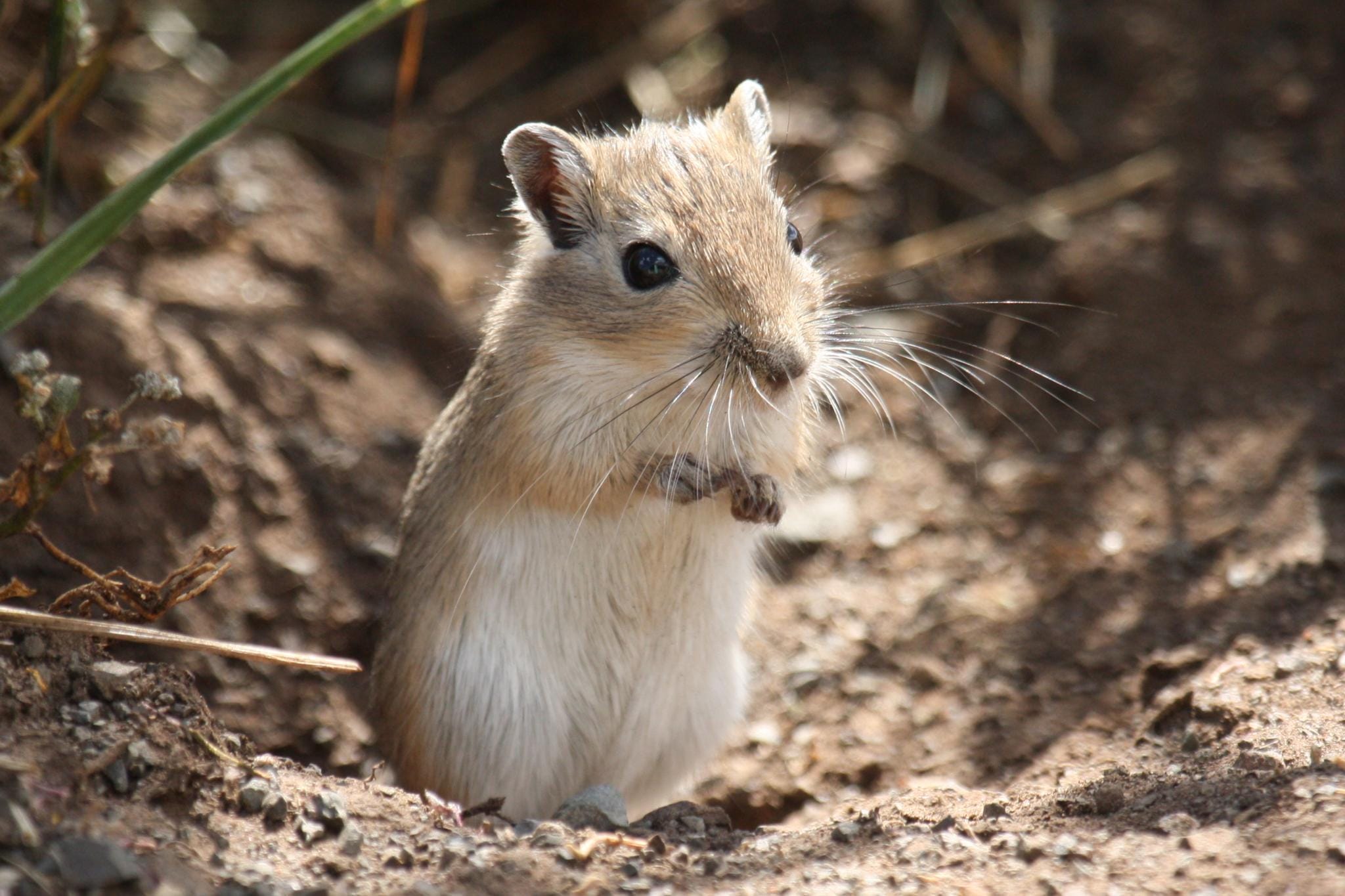
Appearance and Identification
Gerbils are small desert rodents, weighing 50–150 grams (1.8–5.3 oz) with a body length of 7–14 cm (2.8–5.5 in). They have long tails for balance, large eyes for night vision, and soft fur ranging from sandy to brown.
Behavior and Habitat
Native to arid regions of Africa and Asia, gerbils are burrowers and mostly nocturnal. They live in social groups and dig extensive tunnel systems to escape heat and predators.
Diet and Feeding
Omnivorous, feeding on seeds, grains, roots, and insects. Predators include owls, snakes, and foxes. Their burrowing improves soil aeration in desert habitats.
32. Jerboa (Dipodidae family)
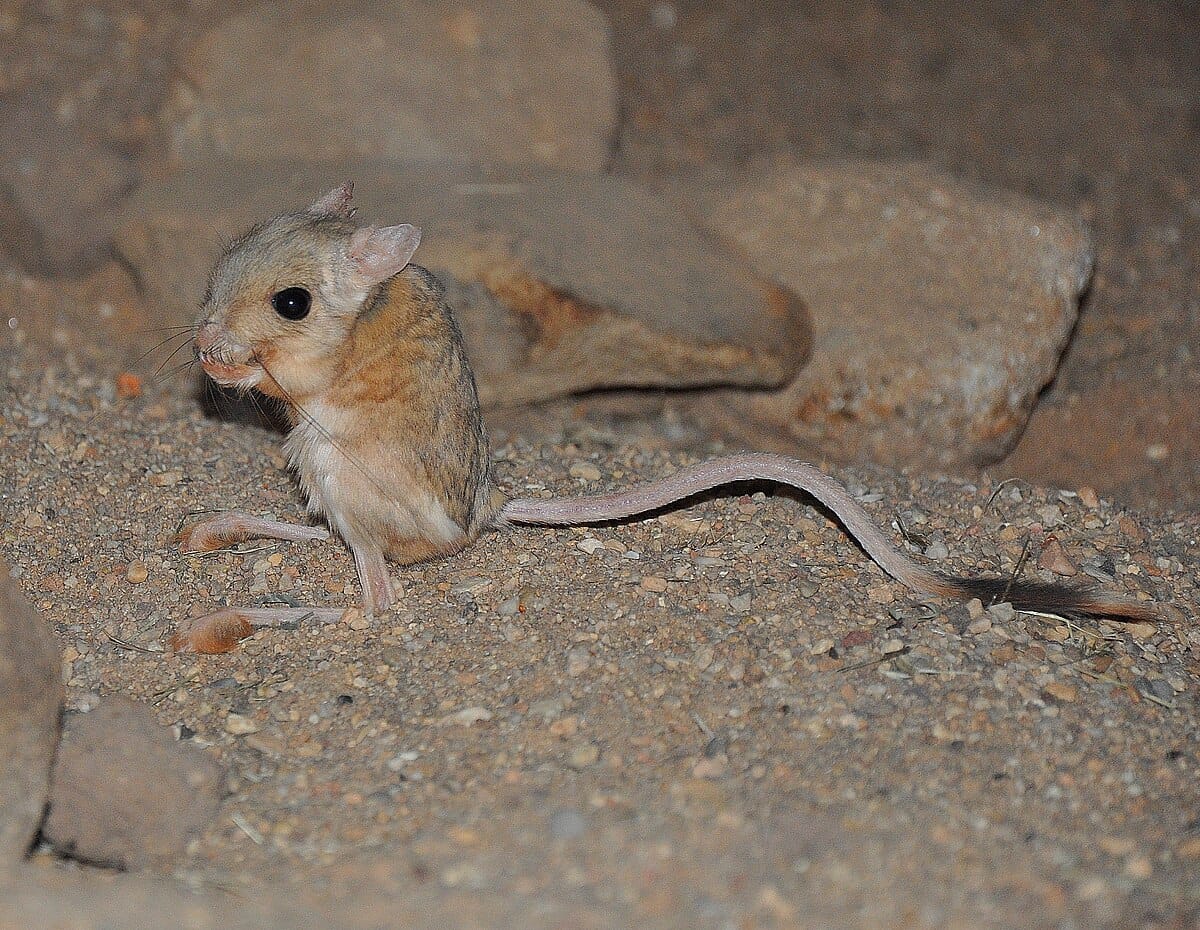
Appearance and Identification
Jerboas are small hopping rodents, weighing 25–100 grams (0.9–3.5 oz) with long hind legs and short forelimbs. Their fur is sandy-colored to blend with desert environments, and they have long tails for balance.
Behavior and Habitat
They inhabit deserts of North Africa and Asia. Jerboas are nocturnal, using their powerful legs to leap long distances and escape predators. They live in burrows underground.
Diet and Feeding
Omnivorous, eating seeds, plants, and insects. Predators include snakes, owls, and foxes. Their hopping and burrowing behavior helps disperse seeds.
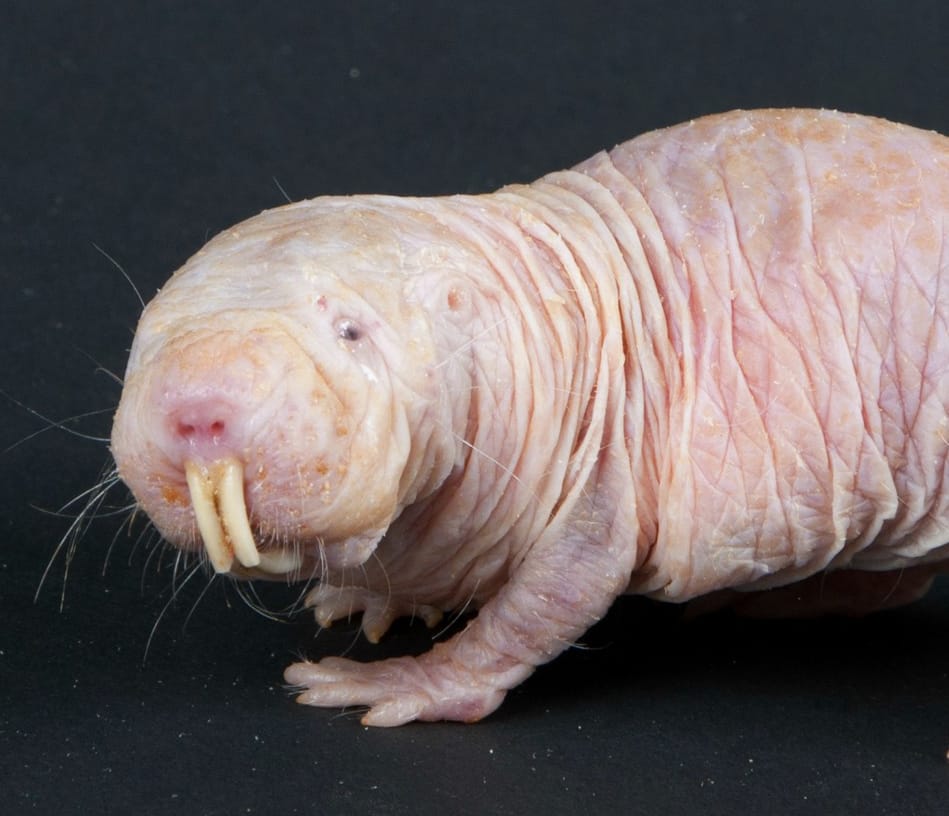
33. Mole-rat (Bathyergidae family)
Appearance and Identification
Mole-rats are medium-sized rodents, weighing 30–150 grams (1–5 oz) with cylindrical bodies, small eyes, and strong digging teeth. Their fur is dense and velvety.
Behavior and Habitat
Native to Africa, mole-rats are highly specialized burrowers, living underground in complex tunnel networks. They are eusocial in some species, with a queen and worker system.
Diet and Feeding
Herbivorous, feeding on roots, tubers, and bulbs. Predators are minimal due to underground living. Their burrowing aerates soil and aids nutrient cycling.
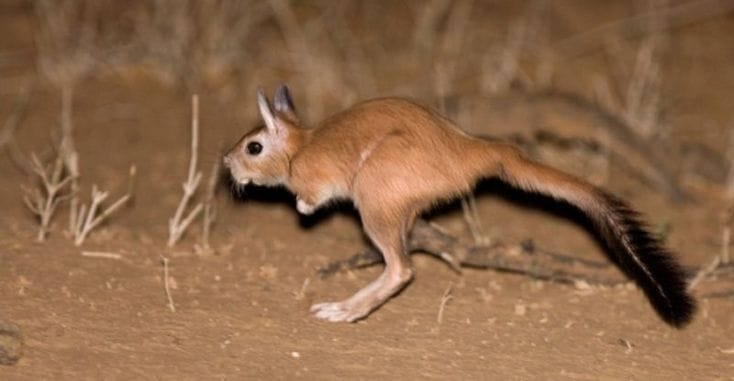
34. Spring Hare (Pedetidae family)
Appearance and Identification
Spring Hares are medium-sized rodents, weighing 3–5 kg (6–11 lbs) with long hind legs and short forelimbs. Their fur is reddish-brown, and they have bushy tails for balance while hopping.
Behavior and Habitat
They inhabit grasslands and savannas in southern Africa. Nocturnal and burrowing, spring hares use their powerful legs to leap long distances, avoiding predators.
Diet and Feeding
Herbivorous, feeding on grasses, roots, and seeds. Predators include owls, foxes, and snakes. Their burrows provide shelter for other small animals and maintain soil health.
35. Flying Squirrel (general – Pteromyini tribe)

Appearance and Identification
Flying Squirrels weigh 100–400 grams (0.2–0.9 lbs) with body lengths of 20–40 cm (8–16 in). They have a patagium (gliding membrane) between limbs and bushy tails for balance while gliding.
Behavior and Habitat
Found in forests across North America and Asia, they are nocturnal and arboreal. They glide between trees to forage or avoid predators and nest in hollows or leaf nests.
Diet and Feeding
Omnivorous, feeding on nuts, seeds, fruits, insects, and fungi. Predators include owls, snakes, and small carnivores. Their gliding assists in accessing dispersed food sources.
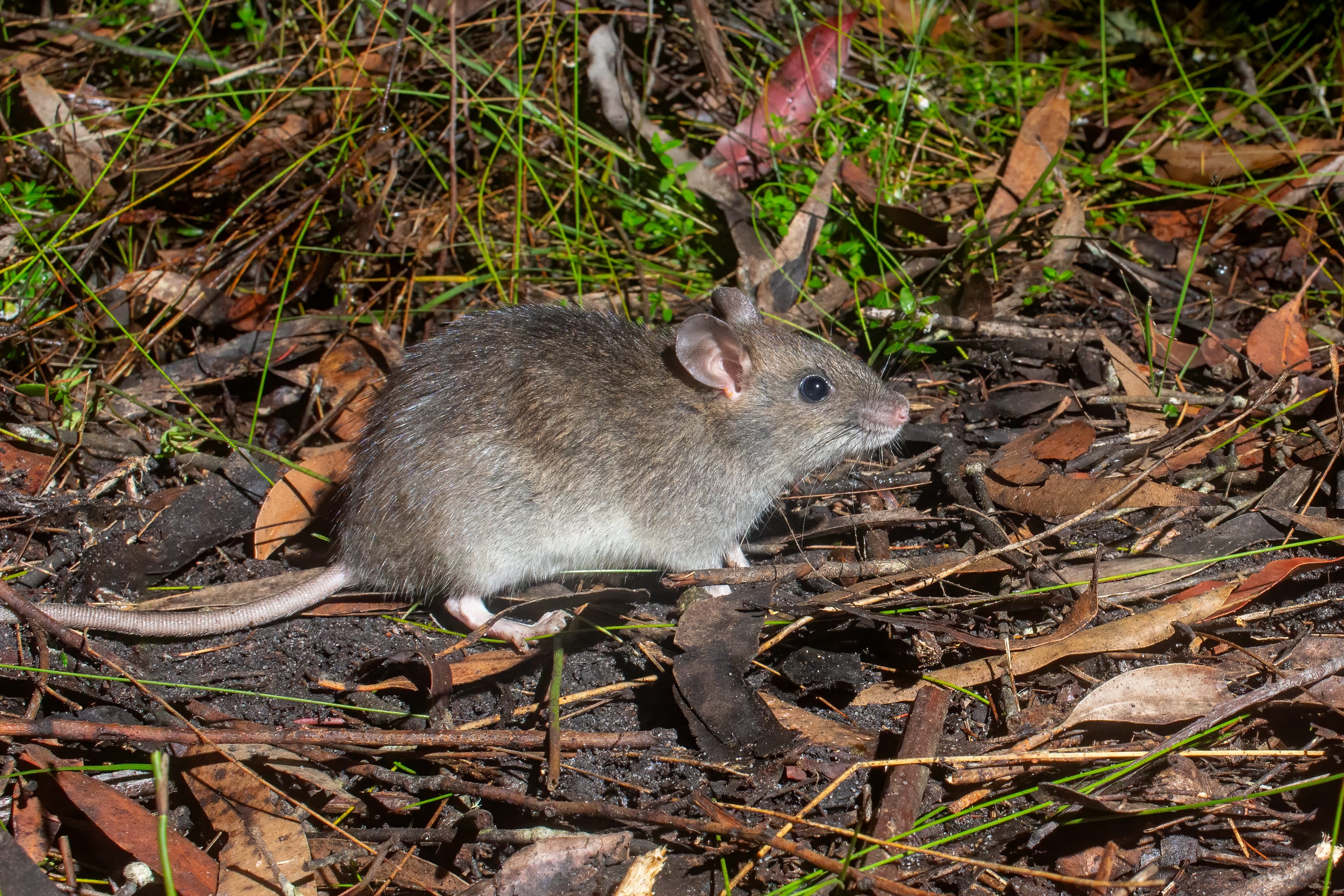
36. Bush Rat (Rattus fuscipes)
Appearance and Identification
Bush Rats are small rodents, weighing 60–120 grams (2–4 oz) with a body length of 12–20 cm (5–8 in). Their fur is brown to grey, with a lighter underside, and they have long, thin tails.
Behavior and Habitat
Native to Australia, they inhabit forests, grasslands, and coastal areas. Bush Rats are nocturnal and build burrows or nests under vegetation for protection.
Diet and Feeding
Omnivorous, feeding on seeds, fruits, insects, and fungi. Predators include snakes, owls, and foxes. Their foraging spreads seeds and supports ecosystem health.
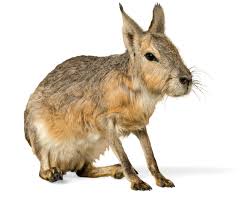
37. Cavy (Caviidae family – wild species)
Appearance and Identification
Wild cavies are medium-sized rodents, weighing 1–2 kg (2–4 lbs) with body lengths of 25–40 cm (10–16 in). They have rounded bodies, short limbs, and coarse brownish fur.
Behavior and Habitat
Native to South America, cavies inhabit grasslands and forests. They are social, living in small groups, and are active during the day or dusk.
Diet and Feeding
Herbivorous, feeding on grasses, leaves, and seeds. Predators include birds of prey, foxes, and humans. Their grazing influences grassland vegetation dynamics.
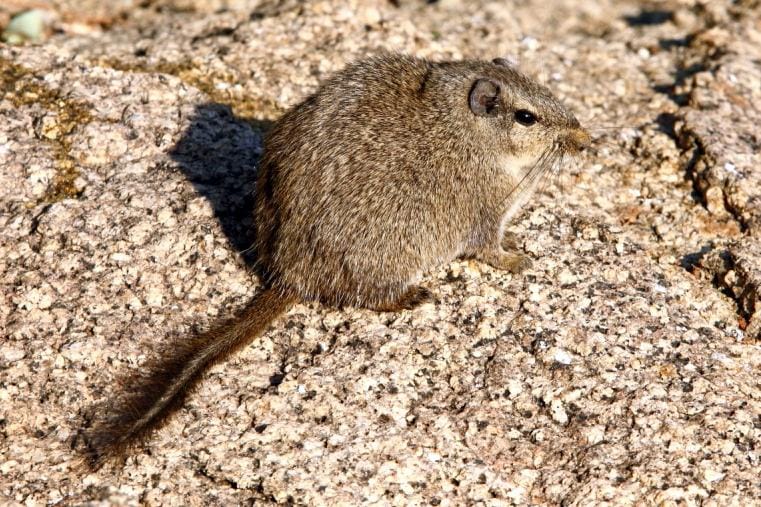
38. Rock Rat (Aethomys / other genera)
Appearance and Identification
Rock Rats are medium-sized rodents, weighing 80–200 grams (2.8–7 oz) with fur colors ranging from grey to brown. They have long tails and strong hind limbs for climbing rocky terrains.
Behavior and Habitat
They inhabit rocky outcrops, forests, and grasslands in Africa. Mostly nocturnal, they build nests in crevices and are excellent climbers to avoid predators.
Diet and Feeding
Omnivorous, feeding on seeds, fruits, insects, and small invertebrates. Predators include snakes, birds of prey, and small carnivores. Their feeding supports seed dispersal and insect control.
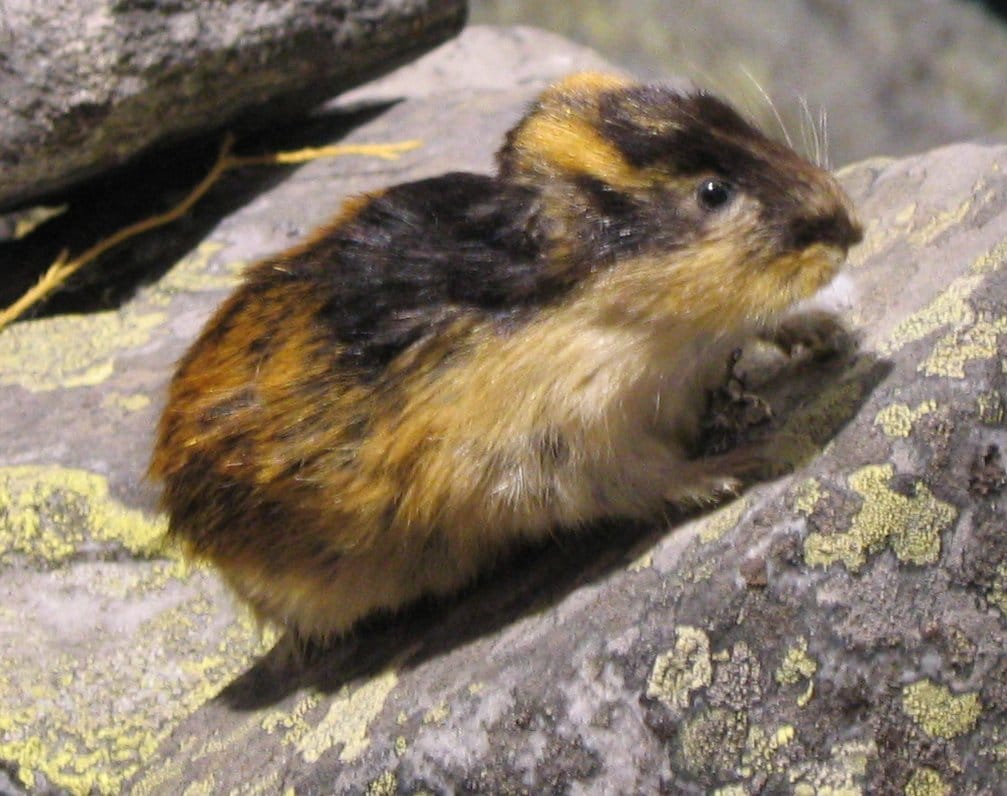
39. Lemming (Lemmus / Dicrostonyx spp.)
Appearance and Identification
Lemmings are small rodents, weighing 30–100 grams (1–3.5 oz) with short tails, rounded bodies, and dense fur that changes color seasonally for camouflage.
Behavior and Habitat
Native to Arctic tundras, lemmings live in burrows or under snow during winter. They are active year-round and can migrate in large numbers when populations peak.
Diet and Feeding
Herbivorous, feeding on grasses, mosses, and roots. Predators include foxes, owls, and stoats. Their burrowing and feeding help aerate soil and support tundra ecosystems.
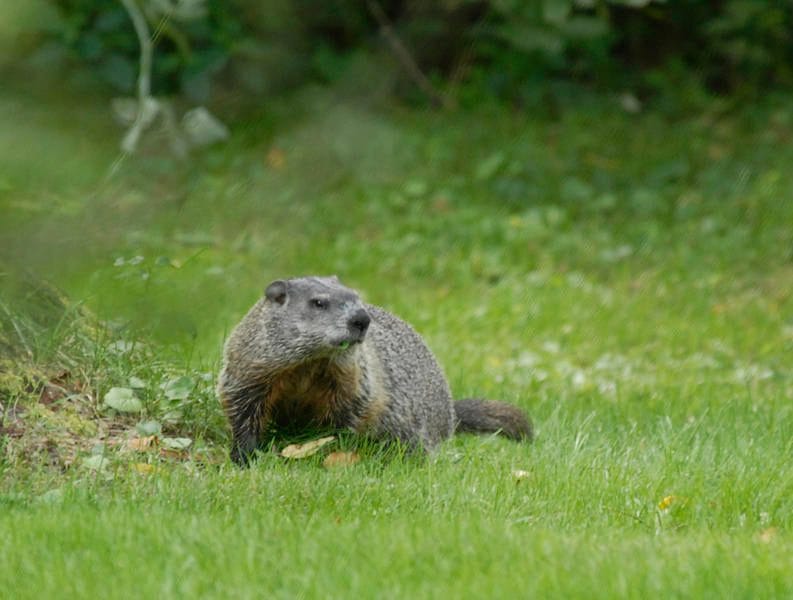
40. Woodchuck / Groundhog (Marmota monax)
Appearance and Identification
Woodchucks are large rodents, weighing 2–6 kg (4–13 lbs) with body lengths of 40–65 cm (16–26 in). They have dense brown fur, short tails, and strong forelimbs for digging.
Behavior and Habitat
Native to North America, woodchucks inhabit forests, fields, and open grasslands. They dig extensive burrows and hibernate during winter months. Woodchucks are mostly solitary except during mating season.
Diet and Feeding
Herbivorous, feeding on grasses, herbs, fruits, and garden crops. Predators include coyotes, foxes, and hawks. Their burrows provide shelter for other species and improve soil aeration.
41. Water Rat (Hydromys spp. – wild species)
Appearance and Identification
Water Rats are medium-sized semi-aquatic rodents, weighing 200–600 grams (0.4–1.3 lbs) with body lengths of 20–35 cm (8–14 in). They have dense, water-repellent fur, partially webbed feet, and long tails to aid swimming.
Behavior and Habitat
Native to Australia, New Guinea, and Southeast Asia, water rats live along rivers, lakes, and wetlands. They are mostly nocturnal, excellent swimmers, and build burrows near water bodies.
Diet and Feeding
Omnivorous, feeding on fish, insects, crustaceans, and plants. Predators include snakes, birds of prey, and crocodiles. Their feeding helps maintain wetland ecosystem balance.
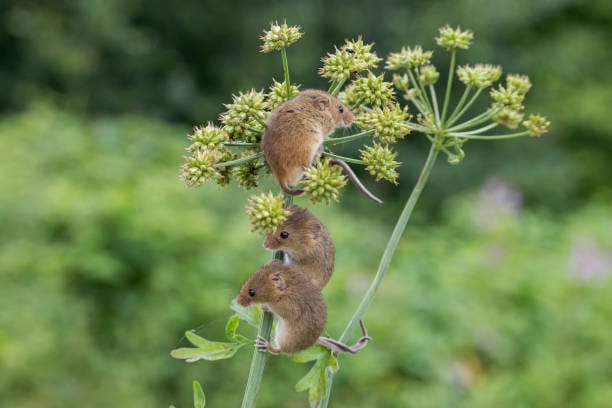
42. Harvest Mouse (Micromys minutus)
Appearance and Identification
Harvest Mice are tiny rodents, weighing 4–6 grams (0.14–0.21 oz) with body lengths of 5–7 cm (2–3 in). They have golden-brown fur, long prehensile tails, and small eyes adapted for climbing vegetation.
Behavior and Habitat
Native to Europe and Asia, they inhabit grasslands, reed beds, and crop fields. They are excellent climbers and build spherical nests above ground among tall grasses.
Diet and Feeding
Omnivorous, feeding on seeds, insects, and small fruits. Predators include owls, snakes, and foxes. Their feeding helps control insect populations and disperse seeds.
43. Cotton Rat (Sigmodon spp.)
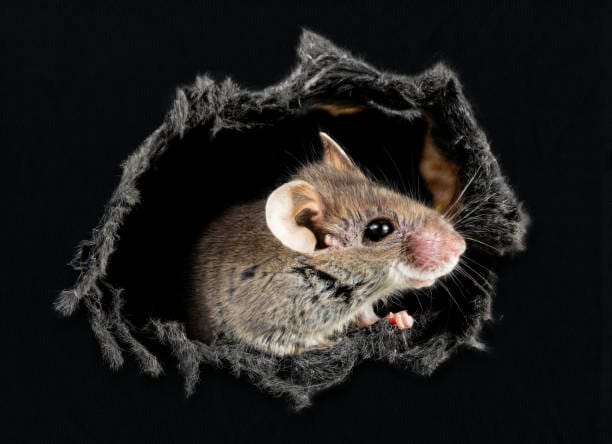
Appearance and Identification
Cotton Rats are medium-sized rodents, weighing 80–200 grams (2.8–7 oz) with body lengths of 15–20 cm (6–8 in). They have coarse brown fur and short tails.
Behavior and Habitat
Native to North and Central America, they live in grasslands, marshes, and agricultural areas. They build shallow burrows and are mainly nocturnal, forming small colonies.
Diet and Feeding
Herbivorous, feeding on seeds, grasses, and crops. Predators include snakes, owls, and foxes. Their burrowing can improve soil aeration and help seed dispersal.
44. Oldfield Mouse (Peromyscus polionotus)
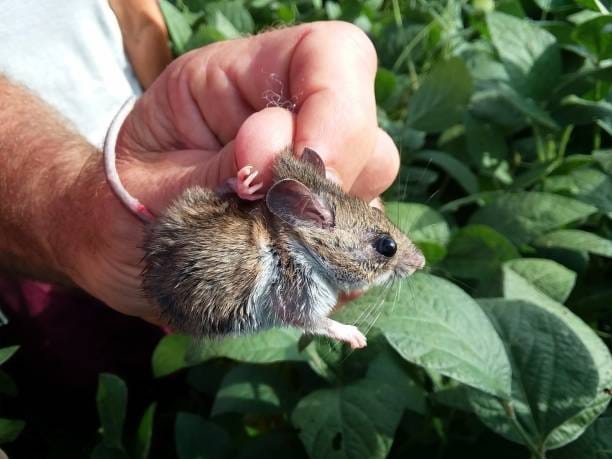
Appearance and Identification
Oldfield Mice are small rodents, weighing 15–25 grams (0.5–0.9 oz) with body lengths of 10–15 cm (4–6 in). They have sandy or greyish fur to blend with grasslands and short tails.
Behavior and Habitat
Native to the southeastern United States, they inhabit sandy fields and dunes. They are nocturnal, dig small burrows, and are solitary except during mating season.
Diet and Feeding
Omnivorous, feeding on seeds, insects, and plants. Predators include snakes, owls, and foxes. Their seed-eating contributes to plant dispersal in dune ecosystems.
45. Steppe Mouse (Mus spicilegus)
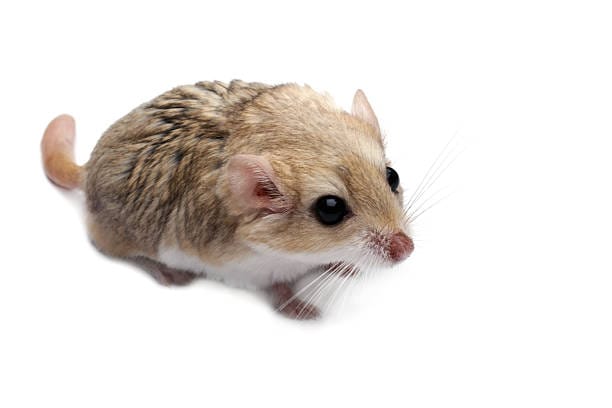
Appearance and Identification
Steppe Mice are small rodents, weighing 20–30 grams (0.7–1.1 oz) with body lengths of 8–12 cm (3–5 in). They have grey-brown fur and long tails for balance in open grasslands.
Behavior and Habitat
Native to Eastern Europe, they inhabit steppes, grasslands, and agricultural areas. Steppe Mice are nocturnal, forming colonies and storing food in burrows.
Diet and Feeding
Omnivorous, feeding on seeds, grains, and insects. Predators include owls, foxes, and snakes. Their burrowing and food storage help maintain soil structure and seed dispersal.
46. Grasshopper Mouse (Onychomys spp.)
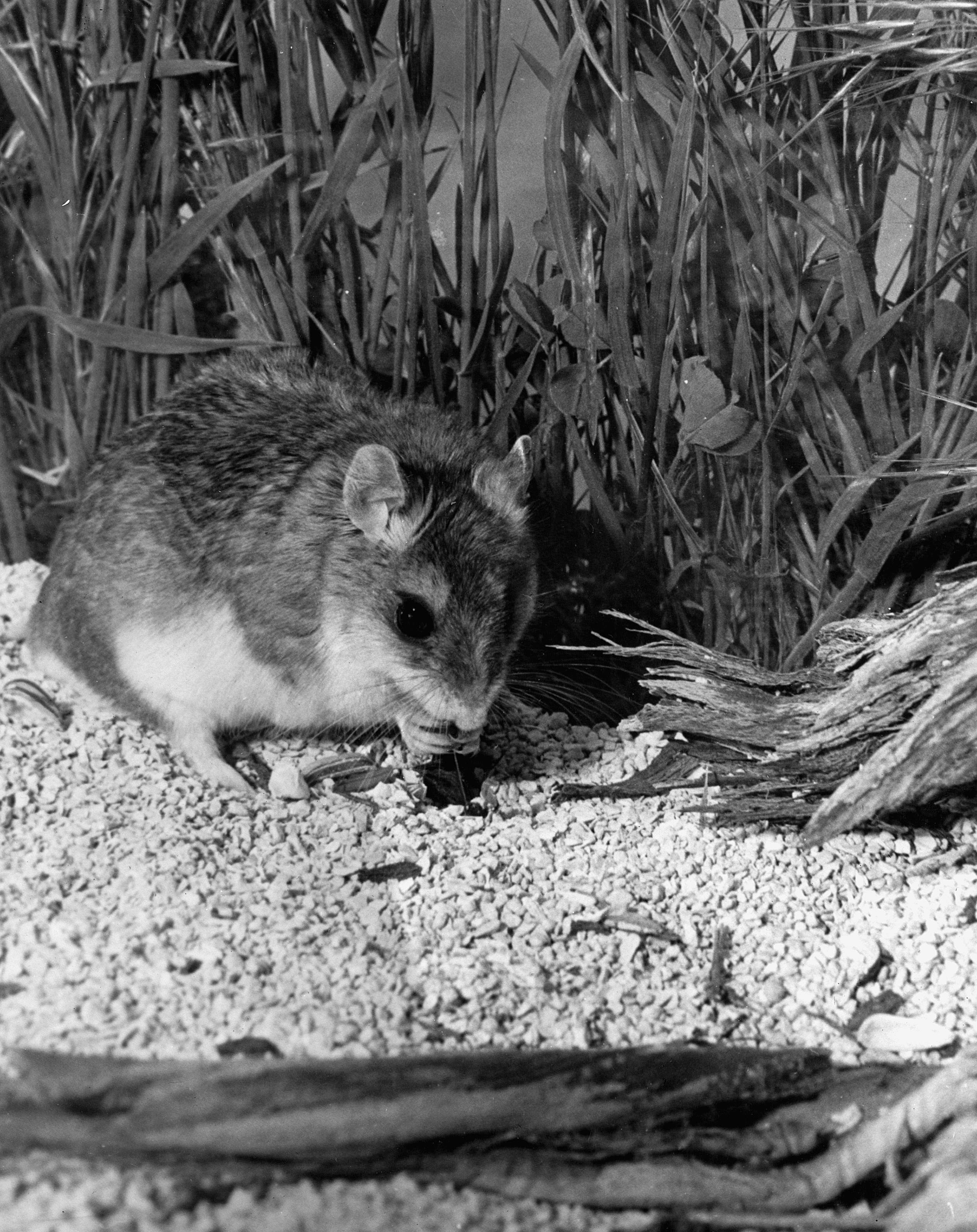
Appearance and Identification
Grasshopper Mice are small carnivorous rodents, weighing 25–40 grams (0.9–1.4 oz) with body lengths of 7–10 cm (2.8–4 in). They have greyish-brown fur and long tails.
Behavior and Habitat
Native to North America, they inhabit deserts and grasslands. Nocturnal and solitary, they are known for their aggressive hunting behavior and high-pitched calls.
Diet and Feeding
Carnivorous, feeding on insects, scorpions, and small rodents. Predators include snakes, owls, and coyotes. Their predation helps control insect and small rodent populations.
47. Spiny Mouse (Acomys spp.)
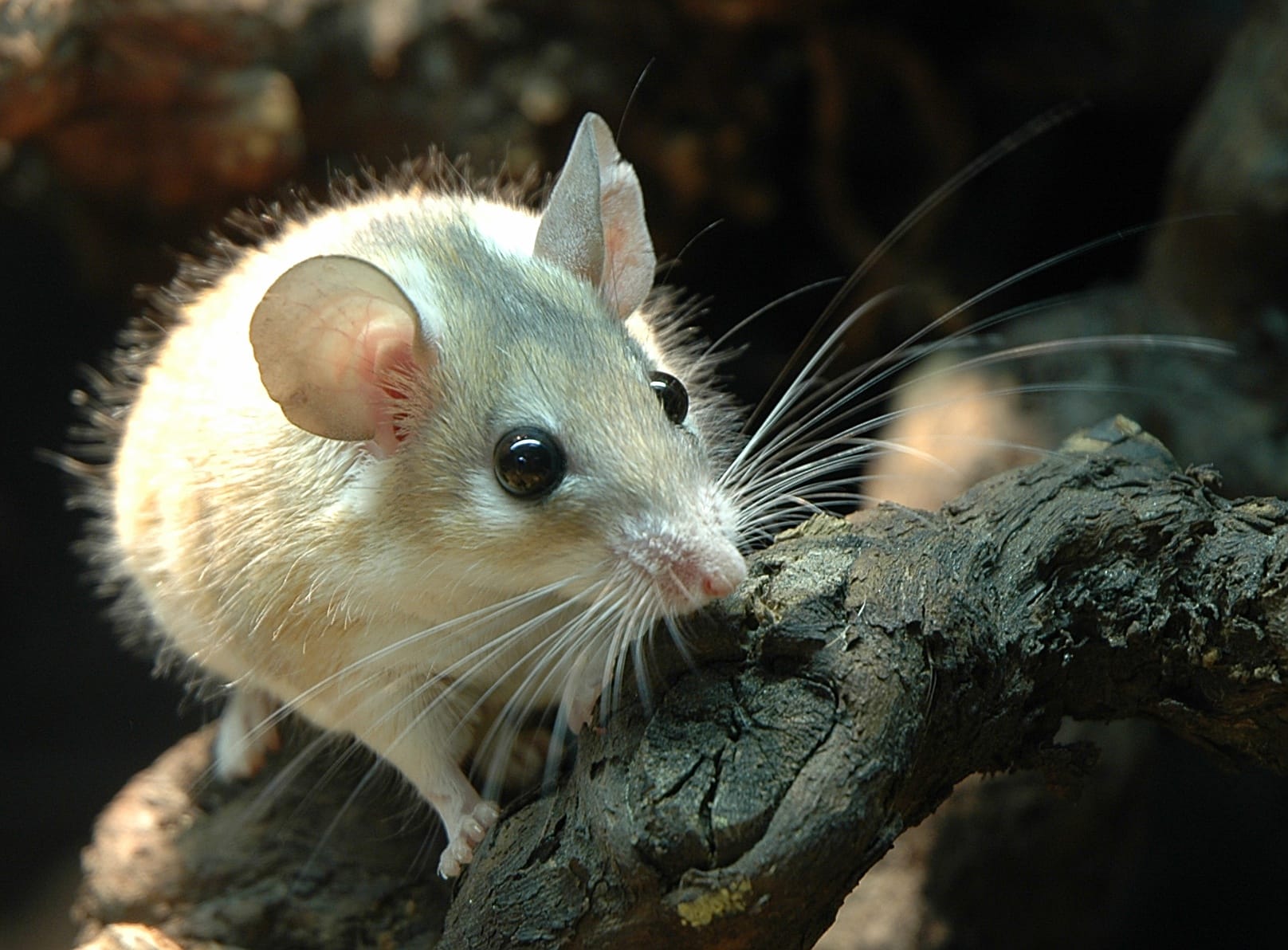
Appearance and Identification
Spiny Mice are small rodents, weighing 15–35 grams (0.5–1.2 oz) with body lengths of 7–12 cm (3–5 in). They have stiff spiny fur on their back and soft underbellies.
Behavior and Habitat
Native to Africa and the Middle East, they inhabit rocky areas, deserts, and grasslands. They are nocturnal, agile climbers, and burrow for shelter.
Diet and Feeding
Omnivorous, feeding on seeds, insects, and fruits. Predators include snakes, birds of prey, and small carnivores. Their feeding aids in seed dispersal and insect control.
48. Climbing Mouse (Dendromus spp.)
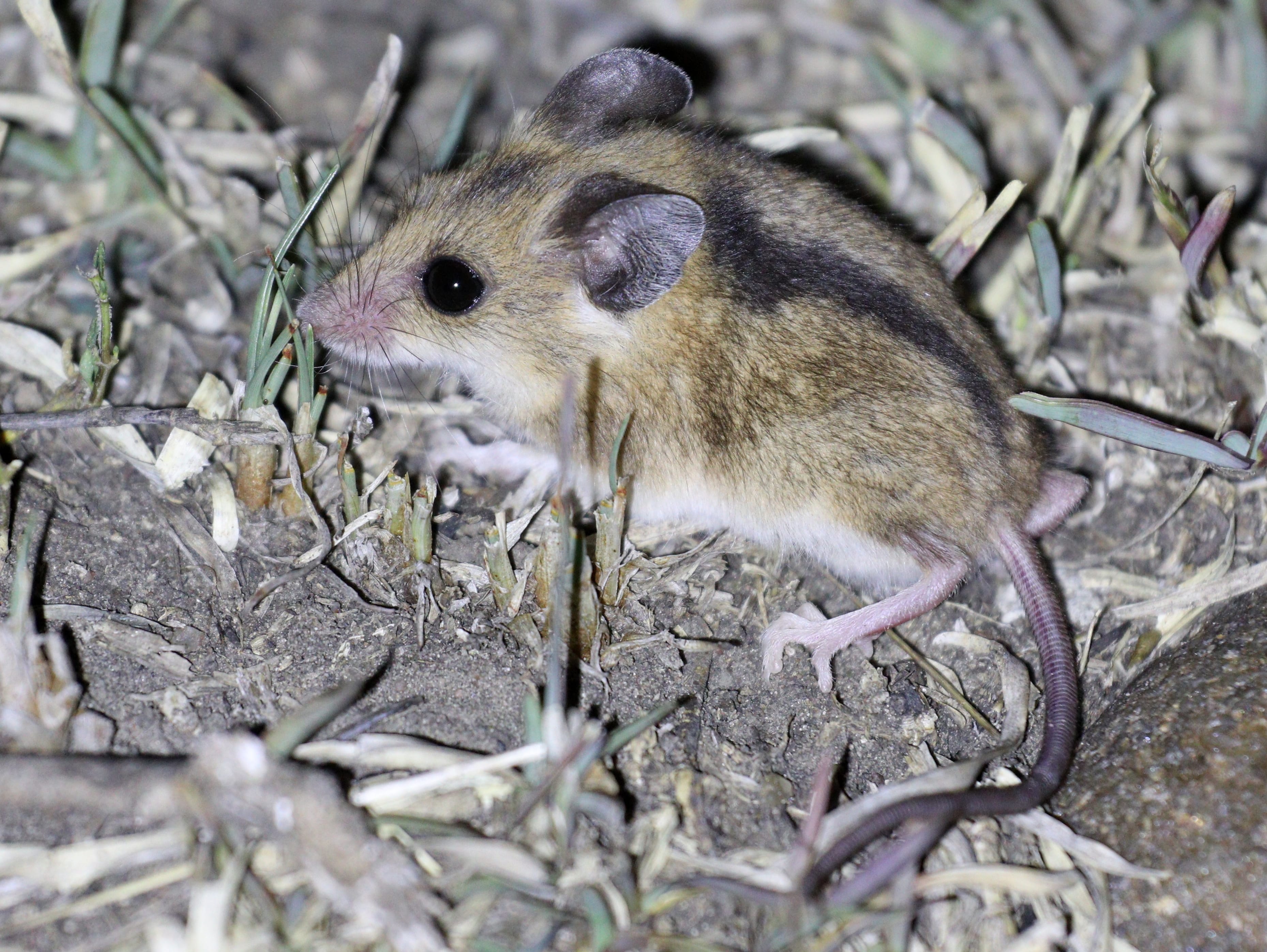
Appearance and Identification
Climbing Mice are small rodents, weighing 10–25 grams (0.35–0.9 oz) with body lengths of 6–10 cm (2.5–4 in). They have prehensile tails, large eyes, and soft fur for arboreal movement.
Behavior and Habitat
Found in sub-Saharan Africa, they inhabit forests, grasslands, and shrublands. Climbing Mice are nocturnal and build nests above ground or in tree hollows.
Diet and Feeding
Omnivorous, feeding on seeds, fruits, and insects. Predators include owls, snakes, and small carnivores. Their climbing helps access diverse food sources and disperse seeds.
49. Salt Marsh Harvest Mouse (Reithrodontomys raviventris)
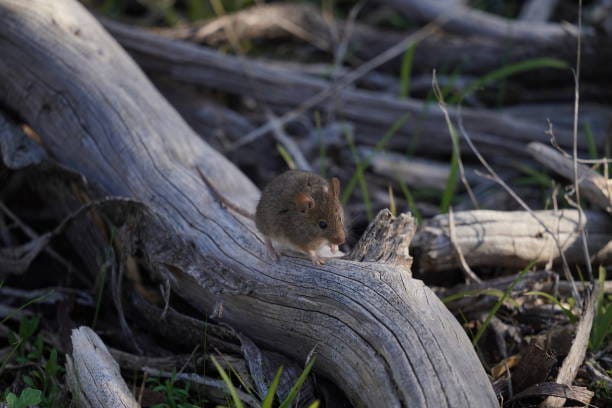
Appearance and Identification
Salt Marsh Harvest Mice are small rodents, weighing 8–15 grams (0.3–0.5 oz) with body lengths of 6–10 cm (2.4–4 in). They have grey-brown fur and prehensile tails for maneuvering through marsh vegetation.
Behavior and Habitat
Native to California, USA, they inhabit salt marshes and wetlands. They are nocturnal and build nests in grasses above tidal waters to avoid flooding.
Diet and Feeding
Herbivorous, feeding on seeds, grasses, and marsh plants. Predators include snakes, birds, and small mammals. Their feeding supports marsh plant dynamics and ecosystem balance.
50. African Pouched Rat (Cricetomys spp.)
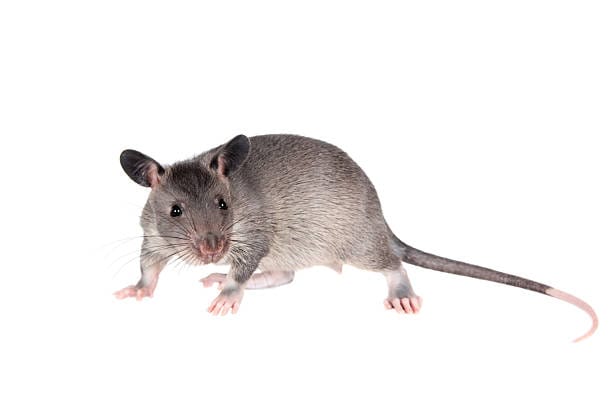
Appearance and Identification
African Pouched Rats are large rodents, weighing 1–1.5 kg (2–3 lbs) with body lengths of 35–45 cm (14–18 in). They have cheek pouches for storing food, coarse brownish fur, and long tails.
Behavior and Habitat
Native to sub-Saharan Africa, they inhabit forests and savannas. They are nocturnal, solitary, and dig burrows for shelter and food storage.
Diet and Feeding
Omnivorous, feeding on fruits, seeds, insects, and small animals. Predators include snakes, birds of prey, and small carnivores. Their burrowing and foraging help disperse seeds and control insect populations.
Conclusion
Wild rodents are a diverse and fascinating group of animals, ranging from tiny harvest mice to large African pouched rats. Each species plays a vital role in its ecosystem, whether it’s spreading seeds, controlling insect populations, or aerating soil through burrowing. Understanding the different types of wild rodents helps us appreciate their importance in nature and the delicate balance they maintain. Observing their unique behaviors, habitats, and diets gives insight into how adaptable and resilient these creatures are. Next time you spot a squirrel scampering up a tree or a mole-rat digging underground, remember that these small animals have a big impact on the environment. Explore, learn, and share the wonders of wild rodents to inspire conservation and curiosity.
Frequently Asked Questions About Wild Rodents
1. What are wild rodents?
Wild rodents are members of the rodent family that live in natural habitats rather than being domesticated. They include mice, rats, squirrels, and other species.
2. How many types of wild rodents exist?
There are hundreds of species worldwide. In this article, we reviewed 50 types of wild rodents, each with unique characteristics and habitats.
3. What is the difference between wild rodents and domestic rodents?
Domestic rodents, like pet mice or guinea pigs, are bred for captivity. Wild rodents live in forests, grasslands, wetlands, and deserts, and they survive on natural food sources.
4. Are all wild rodents harmful?
No. While some rodents can damage crops or carry diseases, most play vital roles in ecosystems, like spreading seeds and controlling insects.
5. What do wild rodents eat?
Diet varies by species. Most rodents are herbivorous or omnivorous, feeding on seeds, fruits, nuts, plants, and sometimes insects or small animals.
6. Where do wild rodents live?
Wild rodents inhabit a wide range of environments, including forests, grasslands, wetlands, deserts, and mountainous areas.
7. Are wild rodents nocturnal?
Many rodent species are nocturnal, meaning they are most active at night. However, some, like certain squirrels or cavies, are active during the day.
8. How do wild rodents reproduce?
Rodents typically have fast reproductive cycles. Most species breed multiple times a year, with litters ranging from a few to more than ten young.
9. Are all rodents small?
No. Rodents vary in size. Some, like harvest mice, are tiny, while others, like African pouched rats and capybaras, are much larger.
10. Do wild rodents hibernate?
Some rodents, like marmots and groundhogs, hibernate in winter, while others remain active year-round depending on climate and habitat.
11. How do wild rodents communicate?
Rodents use vocalizations, body language, and scent marking to communicate with each other, warn of danger, and establish territory.
12. Are wild rodents social animals?
Some species are highly social, like prairie dogs, while others, like harvest mice, are more solitary. Social behavior depends on species and environmental factors.
13. How do wild rodents protect themselves from predators?
Rodents use burrows, camouflage, agility, and rapid movements to avoid predators like snakes, owls, foxes, and larger mammals.
14. Can wild rodents swim?
Yes, certain species like water rats and nutria are excellent swimmers, while others avoid water entirely.
15. Do all wild rodents live underground?
No. While mole-rats and some mice live in burrows, many rodents, like squirrels and flying squirrels, are arboreal or surface-dwellers.
16. How long do wild rodents live?
Lifespan varies widely. Small rodents like mice may live 1–3 years, while larger species like capybaras can live 8–10 years in the wild.
17. Are wild rodents important for ecosystems?
Absolutely. They disperse seeds, control insect populations, aerate soil, and provide food for predators, supporting ecosystem health.
18. How do wild rodents affect agriculture?
Some species, like cotton rats or house mice, can damage crops. Others help by eating harmful insects and spreading plant seeds.
19. Are wild rodents found worldwide?
Yes. Rodents inhabit every continent except Antarctica, adapting to forests, deserts, wetlands, and urban areas.
20. What is the largest wild rodent?
The capybara is the largest wild rodent, weighing up to 65–70 kg (143–154 lbs) and living in South American wetlands.
21. What is the smallest wild rodent?
The harvest mouse is among the smallest, weighing only 4–6 grams (0.14–0.21 oz).
22. Can wild rodents climb trees?
Yes. Species like squirrels, flying squirrels, and climbing mice are excellent climbers using sharp claws and prehensile tails.
23. Do wild rodents carry diseases?
Some rodents can carry diseases such as hantavirus or leptospirosis, but many are harmless in natural settings.
24. How do wild rodents dig burrows?
Rodents use their strong forelimbs and teeth to dig tunnels for shelter, nesting, and food storage.
25. What adaptations help rodents survive in deserts?
Desert rodents, like jerboas and kangaroo rats, have long hind legs for jumping, nocturnal behavior, and water-efficient diets.
26. How do rodents affect soil health?
Burrowing rodents aerate soil, mix organic matter, and enhance water infiltration, benefiting plants and other animals.
27. Do wild rodents interact with humans?
Yes, in urban areas or farms, rodents may forage in human spaces, but in natural habitats, they generally avoid humans.
28. How fast can rodents reproduce?
Rodents are known for rapid reproduction. Some mice can have 5–10 litters per year, each with multiple pups.
29. Do rodents eat insects?
Many rodents are omnivorous. Grasshopper mice, spiny mice, and some rats feed on insects and small animals.
30. How do rodents communicate danger?
They use alarm calls, tail signals, and scent marking to warn others of predators.
31. Are flying squirrels actually capable of flight?
No. Flying squirrels glide using a membrane between their limbs to move from tree to tree safely.
32. Can rodents survive in wetlands?
Yes. Species like water rats, nutria, and marsh harvest mice are well-adapted to aquatic or semi-aquatic environments.
33. How do rodents store food?
Many rodents, such as chipmunks, gerbils, and pouched rats, use cheek pouches or burrows to store seeds and grains.
34. Are all rodents herbivores?
No. While many feed on plants, some, like grasshopper mice, are carnivorous or omnivorous.
35. How do rodents affect other wildlife?
They are prey for predators, help disperse seeds, control insect populations, and maintain soil health, influencing entire ecosystems.
36. Can rodents survive cold climates?
Yes. Species like lemmings, woodchucks, and marmots have thick fur, hibernate, or remain active under snow.
37. Are rodents endangered?
Some rodent species, like certain giant rats or island-specific mice, are threatened by habitat loss, invasive species, and hunting.
38. How do rodents affect gardens?
They may eat vegetables and fruits, but their burrowing and seed dispersal can also enhance garden soil and plant growth.
39. What is the lifespan of wild squirrels?
Wild squirrels live 5–10 years depending on species, predation, and environmental conditions.
40. How do rodents adapt to urban environments?
They exploit human food sources, nest in buildings or sewers, and adjust behavior to avoid humans and predators.
41. Why are rodents important for scientific research?
Rodents like mice and rats serve as model organisms in medicine and ecology due to their fast reproduction, adaptability, and similarity to humans in certain biological systems.
42. Can wild rodents swim?
Yes. Water rats, nutria, and some muskrats are strong swimmers and thrive in aquatic habitats.
43. How do rodents adapt to deserts?
Desert rodents, like jerboas and kangaroo rats, are nocturnal, conserve water efficiently, and dig burrows to escape heat.
Read more: 11 Types of Wild Zebra (Pictures And Identification)