

Wolves are among the most fascinating wild animals, known for their intelligence, teamwork, and striking appearance. In this guide, we explore the types of wild wolves that roam forests, tundras, mountains, and grasslands across the globe. From the common Gray Wolf to the endangered Red Wolf and Ethiopian Wolf, each species has its own behavior, appearance, and adaptations. Whether you are a wildlife enthusiast, photographer, or simply curious about wild wolves, this guide will help you understand how to identify them and appreciate their role in ecosystems.
1. Gray Wolf (Canis lupus)
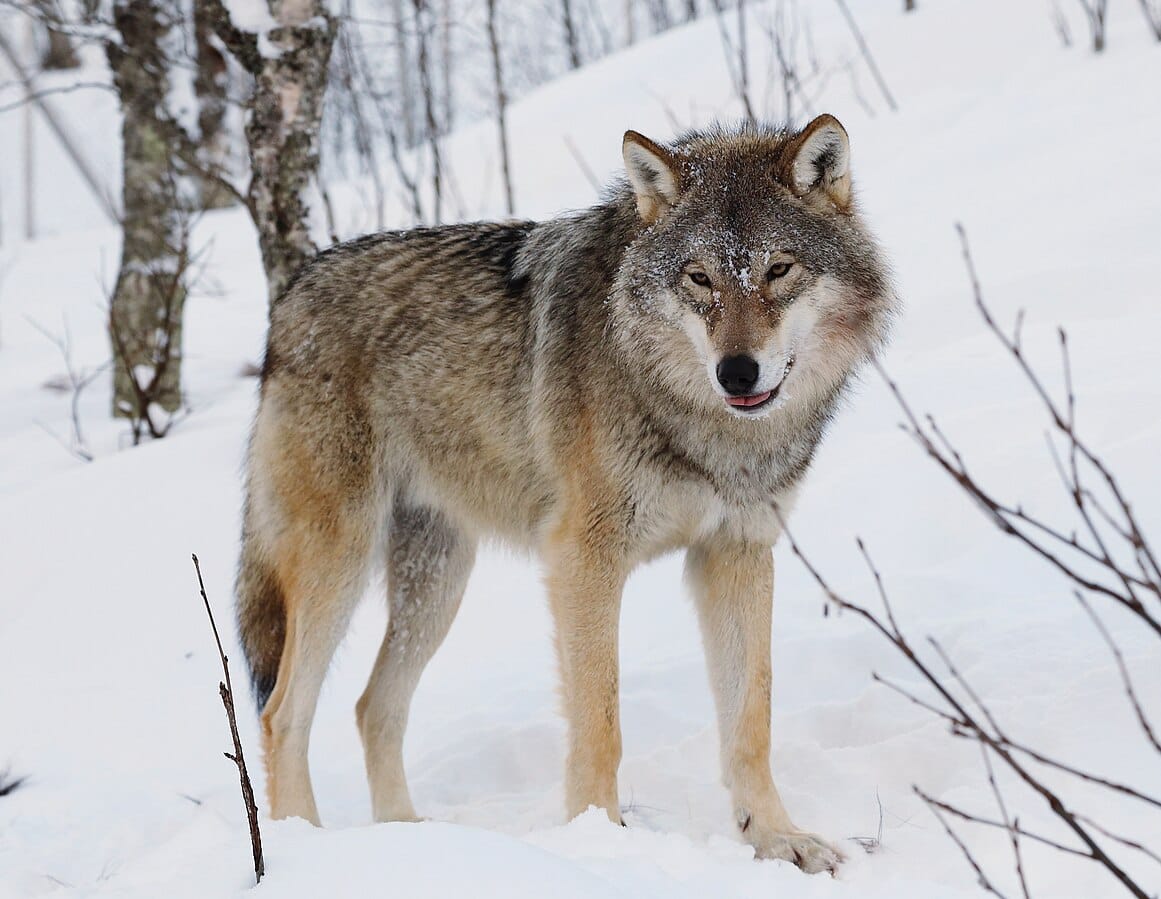
Appearance and Identification
The Gray Wolf is the most recognized wolf species worldwide. They typically have a grayish-brown coat, although color can range from white to black. Their sharp eyes, pointed ears, and bushy tails make them unmistakable. Adults weigh between 30–80 kg (66–176 lbs) and measure about 105–160 cm (41–63 in) in body length. They have long legs, strong jaws, and an alert posture, which helps them survive in diverse habitats from North America to Eurasia.
Behavior and Social Structure
Gray Wolves are highly social and live in packs usually composed of 6–10 individuals. Packs operate with a clear hierarchy led by an alpha male and female. Each member has a role, and cooperation is essential for hunting and survival. Communication involves howls, barks, growls, and body language. Howling helps maintain territory, locate pack members, and warn rivals. Gray Wolves are both strategic and adaptive hunters, often targeting large ungulates like deer, elk, and moose.
Diet and Feeding
Primarily carnivorous, Gray Wolves hunt in groups, taking advantage of strength in numbers. They can travel long distances for prey and sometimes scavenge if hunting is unsuccessful. Their diet varies based on habitat and availability, and they play a crucial role in controlling herbivore populations, maintaining ecological balance.
Reproduction and Lifespan
Gray Wolves breed once a year. After a gestation of around 63 days, females give birth to 4–6 pups. The pack helps raise the young, teaching them hunting and social skills. Wolves live 6–8 years in the wild, with some reaching 13 years. Human activity and habitat loss are major threats, but conservation efforts have helped stabilize some populations.
2. Eurasian Wolf (Canis lupus lupus)

Appearance and Identification
The Eurasian Wolf is a subspecies of Gray Wolf found across Europe and Asia. It has a slightly smaller frame than North American wolves, with a thick, often gray-brown coat. The Eurasian Wolf’s legs are long and slender, enabling swift movement across forests and plains. Unlike some wolves, its muzzle is narrow, and its ears are relatively small.
Behavior and Social Structure
Eurasian Wolves live in packs of 4–8, with strong family bonds. They are territorial and use scent markings to define boundaries. Their hunting is cooperative, and they target medium to large prey such as deer and wild boar. Vocal communication is important, with long-range howls used to coordinate pack activities and maintain group cohesion.
Diet and Feeding
While primarily carnivorous, Eurasian Wolves may occasionally eat berries or fruits when meat is scarce. Their hunting strategies vary with terrain and prey availability. They are known for endurance hunting, pursuing prey over long distances until it tires. This method requires teamwork and precise coordination.
Reproduction and Lifespan
Females give birth to 3–6 pups after a gestation of 63 days. Packs protect and feed the young, ensuring survival during the critical first weeks. Eurasian Wolves live around 7–10 years in the wild, but conflicts with humans and habitat fragmentation remain threats to their populations.
3. Arctic Wolf (Canis lupus arctos)

Appearance and Identification
Arctic Wolves inhabit the northernmost parts of North America and Greenland. Their fur is thick and white, helping them blend into snowy landscapes. They are slightly smaller than Gray Wolves, weighing 36–41 kg (79–91 lbs), but are strong and agile. Their short ears and muzzles reduce heat loss in freezing temperatures.
Behavior and Social Structure
These wolves live in small packs, often 5–10 members. Pack members rely heavily on cooperation to survive in harsh environments where food is scarce. Arctic Wolves are highly resilient, able to endure extreme cold and long periods without food. They communicate with howls and body signals, helping coordinate hunts and defend territory.
Diet and Feeding
Arctic Wolves primarily hunt muskoxen, Arctic hares, and caribou. In winter, when prey is scarce, they may scavenge frozen carcasses. Their ability to store energy and work together enables survival in some of the coldest habitats on Earth. Their presence is essential for controlling prey populations and maintaining ecological balance.
Reproduction and Lifespan
Breeding occurs in late winter. After a 63-day gestation, females give birth to 2–6 pups in dens. Both parents and pack members care for the pups, teaching survival skills. Arctic Wolves can live up to 7–10 years, though harsh conditions and scarcity of food affect longevity.
4. Eastern Wolf (Canis lycaon)

Appearance and Identification
The Eastern Wolf is native to the forests of eastern Canada and parts of the United States. It is slightly smaller than the Gray Wolf, weighing between 18–36 kg (40–79 lbs). Its fur is usually a reddish-brown mixed with gray, giving it a warm, earthy tone. Its ears are pointed, and the muzzle is narrower compared to other wolf species. Eastern Wolves are often confused with Red Wolves or hybrid populations, but careful observation of size, coat color, and behavior can help identify them.
Behavior and Social Structure
Eastern Wolves are social animals that live in packs of 3–7 members. Family bonds are strong, with alpha males and females leading hunts and raising pups. Packs establish and defend territories through scent marking, howling, and occasional physical displays. Eastern Wolves are skilled hunters, relying on stealth, strategy, and teamwork to take down prey such as deer, beavers, and smaller mammals.
Diet and Feeding
These wolves are carnivorous and opportunistic feeders. While deer are their primary prey, Eastern Wolves will also eat rabbits, rodents, and birds when larger prey is scarce. They sometimes scavenge from carcasses left by other predators. Hunting in packs allows them to tackle prey larger than an individual wolf could handle alone, demonstrating impressive coordination and patience.
Reproduction and Lifespan
Breeding occurs once a year, typically in late winter. Females give birth to 2–6 pups after a 63-day gestation. Pack members assist in feeding and protecting the young. Eastern Wolves live around 8–10 years in the wild, though human activity and habitat loss are ongoing threats.
5. Northwestern Wolf (Canis lupus occidentalis)

Appearance and Identification
The Northwestern Wolf, also called the Mackenzie Valley Wolf, is one of the largest wolf subspecies in North America. Adults weigh 45–68 kg (100–150 lbs) and have a sturdy, muscular build. Their fur is dense and can range from gray and black to cream-colored. The Northwestern Wolf has a broad head, powerful jaws, and long legs that allow it to traverse snow-covered landscapes efficiently.
Behavior and Social Structure
These wolves live in packs of 5–12 members. Pack structure is hierarchical, with alpha wolves making decisions about hunting and territory. They communicate with howls, growls, and visual signals. Northwestern Wolves are highly adaptable, able to hunt large prey like moose and caribou, and survive in extreme climates, from dense forests to tundra regions.
Diet and Feeding
They primarily feed on ungulates such as deer, elk, and moose, but will also eat smaller mammals and birds when necessary. Northwestern Wolves are endurance hunters, often tracking prey over long distances. By controlling herbivore populations, they help maintain healthy ecosystems and prevent overgrazing in forests and tundra.
Reproduction and Lifespan
Females give birth to 4–6 pups after a 63-day gestation period. Packs work together to protect and feed the young, teaching them hunting skills. Northwestern Wolves typically live 7–10 years in the wild, though some may reach 12 years. Hunting pressure and human activity are their main threats.
6. Himalayan Wolf (Canis lupus chanco)

Appearance and Identification
The Himalayan Wolf is a rare and mysterious subspecies that inhabits high-altitude regions of the Himalayas, including parts of India, Nepal, and Tibet. It has a slender frame with long legs, helping it move efficiently across rocky, mountainous terrain. Its fur is thick and grayish-brown, often lighter on the underside. The wolf’s long muzzle and pointed ears help it detect prey in rugged environments.
Behavior and Social Structure
Himalayan Wolves live in small packs of 3–6 members, with strong family bonds. They are highly territorial and mark their boundaries with scent. Communication includes howls and body language to coordinate hunting and maintain pack cohesion. Due to harsh terrain and low prey density, these wolves rely on strategy and endurance rather than strength alone.
Diet and Feeding
The Himalayan Wolf preys mainly on blue sheep, Himalayan tahr, marmots, and other small mammals. They are opportunistic hunters and sometimes scavenge. Their hunting strategy is adapted to steep cliffs and rocky slopes, requiring balance, agility, and patience. By controlling herbivore populations, they contribute to the ecological balance of high-altitude grasslands and forests.
Reproduction and Lifespan
Breeding occurs in late winter. Females give birth to 2–5 pups after approximately 63 days. Pack members assist in feeding and protecting the young. Himalayan Wolves are elusive and can live up to 8–10 years in the wild, although their numbers are threatened by human encroachment and habitat fragmentation.
7. Steppe Wolf (Canis lupus campestris)

Appearance and Identification
The Steppe Wolf inhabits the vast grasslands and steppes of Central Asia, including Kazakhstan, Mongolia, and parts of Russia. Slightly smaller than the Gray Wolf, it weighs between 25–45 kg (55–99 lbs). Its fur is usually gray-brown with lighter underparts, helping it blend into the dry grasslands. The Steppe Wolf has a narrow muzzle, pointed ears, and a lean, muscular body built for endurance hunting across open plains.
Behavior and Social Structure
Steppe Wolves live in small packs of 4–8 members. Packs have a clear hierarchy, with alpha wolves leading hunts and defending territory. They are highly territorial and communicate using howls, scent marking, and visual signals. Steppe Wolves are skilled hunters, often working together to chase down prey like saiga antelopes, wild boar, and small mammals over long distances.
Diet and Feeding
Their diet is primarily carnivorous, including antelopes, rodents, and occasionally birds. They are opportunistic and will scavenge when prey is scarce. Their hunting strategy relies on stamina rather than speed, often following prey until it tires. By controlling herbivore populations, they maintain the delicate balance of the steppe ecosystem.
Reproduction and Lifespan
Breeding occurs once a year, usually in late winter. Females give birth to 3–6 pups after a 63-day gestation. The pack collectively helps feed and protect the pups, ensuring their survival. Steppe Wolves live around 7–9 years in the wild, although harsh winters and human encroachment can reduce longevity.
8. Arabian Wolf (Canis lupus arabs)

Appearance and Identification
The Arabian Wolf is a small subspecies found in the Arabian Peninsula, including Saudi Arabia, Oman, and Yemen. Adults weigh between 13–20 kg (29–44 lbs), making them among the smallest wolves. Their coat is short, sandy-colored, and helps them blend into deserts. They have large ears for heat dissipation and keen eyesight for spotting prey across open terrain.
Behavior and Social Structure
Arabian Wolves live in small family groups of 2–6 individuals. They are territorial and mark boundaries with urine and feces. These wolves are mostly nocturnal, hunting at night to avoid extreme daytime heat. Their pack cooperation is essential for hunting desert gazelles, hares, and other small mammals. Arabian Wolves are adaptable, resourceful, and able to survive in harsh desert environments.
Diet and Feeding
Arabian Wolves are opportunistic hunters and scavengers. They primarily feed on small ungulates, rodents, and birds. Hunting is often done in pairs or small groups, relying on stealth and patience rather than brute strength. They play a critical role in controlling prey populations and preventing overgrazing in desert ecosystems.
Reproduction and Lifespan
Breeding occurs in late winter. Females give birth to 2–4 pups after about 63 days. Both parents and pack members help feed and protect the young. Arabian Wolves can live 7–9 years in the wild, although limited water and prey scarcity challenge their survival.
9. Mexican Wolf (Canis lupus baileyi)

Appearance and Identification
The Mexican Wolf is the smallest subspecies of Gray Wolf in North America. It inhabits the southwestern United States and northern Mexico. Adults weigh 23–45 kg (50–99 lbs) and have a grayish-brown coat with distinct markings on the face, legs, and underbelly. Their medium-sized ears and bushy tails are adapted for communication and balance in rugged terrain.
Behavior and Social Structure
Mexican Wolves live in small packs, typically 3–6 members. They have a strong social hierarchy led by an alpha pair. These wolves are territorial and communicate using howls, growls, and body signals. They are stealthy hunters, often targeting elk, deer, and smaller mammals. Pack cooperation is essential for survival, particularly in their fragmented habitat.
Diet and Feeding
Mexican Wolves are primarily carnivorous. They hunt medium-sized ungulates and sometimes smaller mammals when large prey is scarce. Their hunting involves strategy and endurance, with pack members coordinating movements to isolate prey. As apex predators, they help maintain ecological balance by controlling herbivore populations.
Reproduction and Lifespan
Breeding occurs once per year, usually in late winter. Females give birth to 2–6 pups after a gestation of 63 days. The entire pack helps feed and protect the young. Mexican Wolves can live 6–8 years in the wild, though conservation efforts are critical due to past population declines and habitat loss.
10. Tundra Wolf (Canis lupus albus)

Appearance and Identification
The Tundra Wolf inhabits the Arctic and sub-Arctic regions of northern Europe and Russia. It is large and robust, weighing 40–60 kg (88–132 lbs), with a thick, light-colored coat that blends into snowy landscapes. Its broad head, strong jaws, and powerful legs make it well-adapted for hunting in extreme cold. Short ears and a dense tail help conserve heat.
Behavior and Social Structure
Tundra Wolves live in packs of 6–12 members. They are territorial and communicate with long-distance howls and body language. Packs rely on cooperation to hunt migratory caribou, reindeer, and Arctic hares. Their ability to work together and endure harsh conditions is key to survival in this unforgiving environment.
Diet and Feeding
These wolves are primarily carnivorous, feeding on large herbivores and occasionally smaller mammals. They are endurance hunters, often tracking prey over vast distances. Tundra Wolves play a crucial role in regulating prey populations and maintaining the ecological balance of Arctic regions.
Reproduction and Lifespan
Breeding occurs in late winter, with females giving birth to 4–6 pups after approximately 63 days. Pack members help feed and protect the young. Tundra Wolves live 7–10 years in the wild, with some individuals reaching up to 12 years if conditions are favorable.
11. Indian Wolf (Canis lupus pallipes)

Appearance and Identification
The Indian Wolf is a small, slender subspecies found across India, Pakistan, and parts of Nepal. Adults weigh 20–30 kg (44–66 lbs) and have a short, sandy-gray coat. Their narrow muzzle, long legs, and large ears are adaptations for hot and semi-arid environments. The Indian Wolf is often mistaken for a jackal due to its smaller size and coloration.
Behavior and Social Structure
Indian Wolves live in small packs of 3–6 members. They are territorial and communicate using howls, yelps, and scent marking. These wolves are mostly nocturnal to avoid heat and human activity. Their hunting strategy involves stealth and coordination, targeting deer, hares, and smaller mammals.
Diet and Feeding
Primarily carnivorous, Indian Wolves rely on medium-sized ungulates, small mammals, and birds. They are adaptable hunters and will scavenge when food is limited. By regulating prey populations, they help maintain ecological balance in grasslands and scrub forests.
Reproduction and Lifespan
Breeding occurs in late winter. Females give birth to 2–5 pups after about 63 days. Pack members assist in raising the young. Indian Wolves can live up to 8–10 years in the wild, though habitat loss and human conflict pose serious threats.
12. Labrador Wolf (Gray Wolf subspecies)
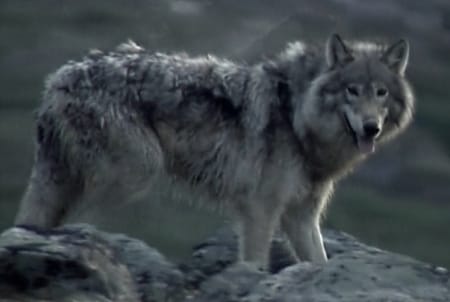
Appearance and Identification
The Labrador Wolf is a subspecies of Gray Wolf found in the forests and tundras of eastern Canada. Adults weigh 35–50 kg (77–110 lbs) and have a thick coat varying from gray to cream. Their broad muzzle, bushy tail, and strong legs make them effective hunters in snow-covered forests. They are often distinguished by their slightly larger size and darker markings compared to nearby subspecies.
Behavior and Social Structure
Labrador Wolves live in packs of 4–10 members. They maintain clear hierarchies and communicate through howls, growls, and scent marking. Hunting is cooperative, focusing on deer, moose, and small mammals. These wolves are resilient and adaptable, capable of surviving in challenging, cold environments.
Diet and Feeding
Labrador Wolves are primarily carnivorous. They track large prey over long distances and sometimes scavenge. By keeping prey populations in check, they play a crucial role in maintaining the balance of their forest and tundra ecosystems.
Reproduction and Lifespan
Breeding occurs once per year. Females give birth to 3–6 pups after a 63-day gestation. The pack helps feed and protect the young. Labrador Wolves live about 7–10 years in the wild, with survival largely dependent on food availability and minimal human interference.
13. Northern Rocky Mountain Wolf (Canis lupus irremotus)
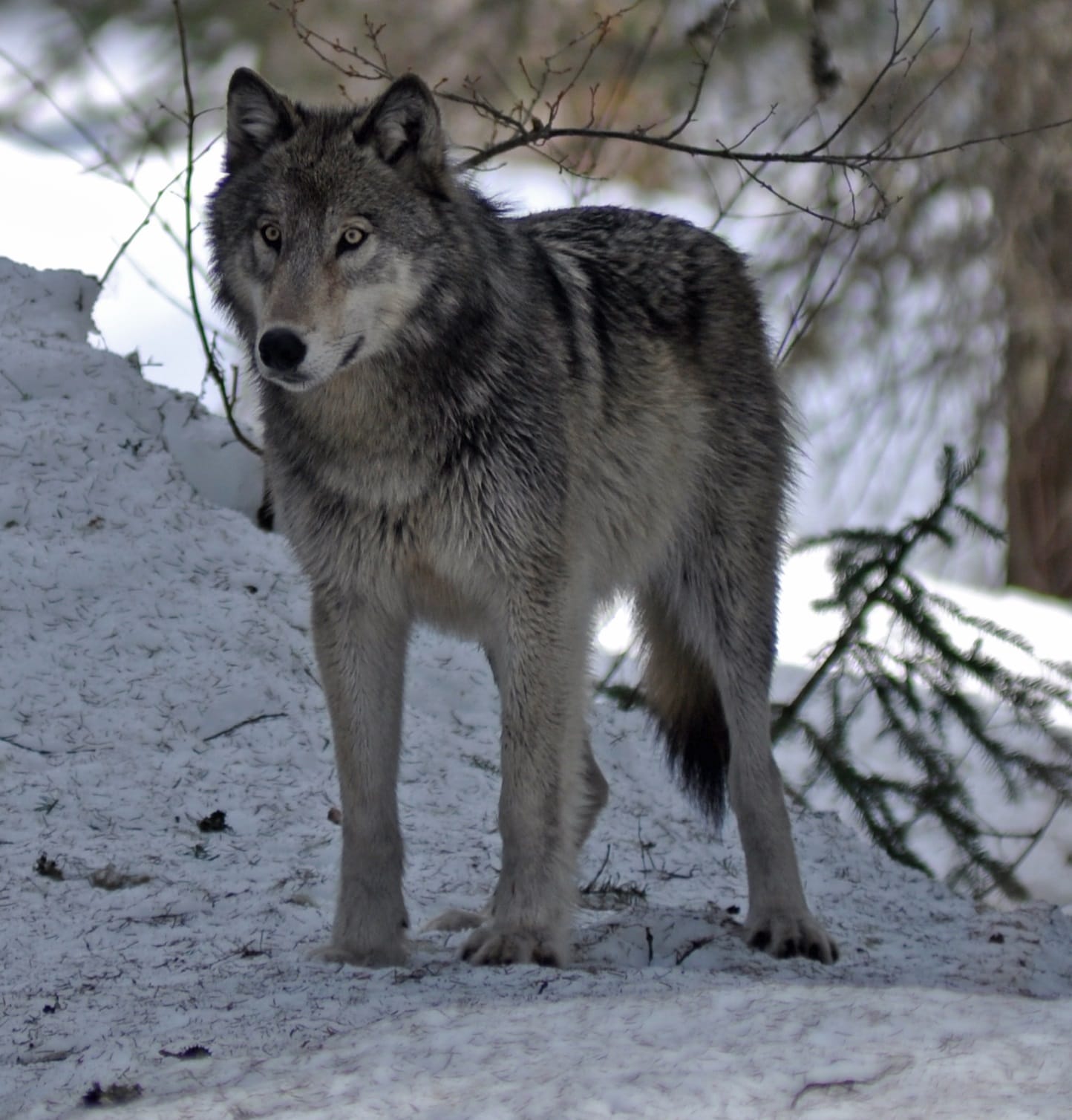
Appearance and Identification
The Northern Rocky Mountain Wolf is a subspecies of Gray Wolf native to the mountainous regions of the western United States and Canada. Adults weigh 40–65 kg (88–143 lbs) and have dense gray or brown coats. Their muscular build, broad head, and long legs allow them to navigate rugged terrain efficiently. Their sharp senses help them locate prey in forested and mountainous landscapes.
Behavior and Social Structure
These wolves live in packs of 5–12 members. Packs establish territories and communicate through howls, scent marking, and visual cues. Cooperative hunting is essential for capturing elk, deer, and other large prey in steep and forested regions. Northern Rocky Mountain Wolves are resilient and strategic hunters, adapting to seasonal changes in prey availability.
Diet and Feeding
Primarily carnivorous, they feed on ungulates such as elk, deer, and moose. Smaller mammals are eaten when larger prey is scarce. Hunting involves teamwork, endurance, and careful strategy. They help maintain ecological balance by preventing overpopulation of herbivores in mountainous ecosystems.
Reproduction and Lifespan
Breeding occurs in late winter. Females give birth to 4–6 pups after 63 days of gestation. Pack members assist with feeding and protection. Northern Rocky Mountain Wolves can live 7–10 years in the wild, with some reaching up to 12 years in protected areas.
14. Greenland Wolf (Canis lupus orion)

Appearance and Identification
The Greenland Wolf, also known as the Arctic Wolf of Greenland, inhabits the remote northern regions of Greenland. It is a large, white-coated wolf weighing 35–60 kg (77–132 lbs). Its dense fur, short ears, and broad paws help it survive extreme Arctic conditions. The Greenland Wolf is slightly smaller than other Arctic subspecies but highly resilient in freezing temperatures.
Behavior and Social Structure
Greenland Wolves live in small packs of 3–8 members. They are territorial and communicate through long-distance howls, scent marking, and visual cues. These wolves rely on cooperation to hunt migratory caribou and muskoxen. Survival in harsh Arctic environments depends on their social structure, endurance, and adaptability.
Diet and Feeding
They feed mainly on large ungulates such as caribou and muskoxen, but will also eat smaller mammals when available. Greenland Wolves are endurance hunters and sometimes scavenge frozen carcasses. Their presence regulates prey populations and contributes to Arctic ecosystem balance.
Reproduction and Lifespan
Breeding occurs in late winter. Females give birth to 2–6 pups after a gestation period of approximately 63 days. Pack members help raise the young, ensuring their survival in extreme conditions. Greenland Wolves can live 7–10 years in the wild, though harsh weather and limited prey pose constant challenges.
15. Dingo (Canis lupus dingo)

Appearance and Identification
The Dingo is a wild dog native to Australia. Adults weigh 13–20 kg (29–44 lbs) and have a lean, muscular build with short sandy or reddish fur. Their pointed ears, bushy tail, and sharp muzzle make them efficient hunters. Dingoes are often mistaken for domestic dogs, but they retain wild behaviors and instincts.
Behavior and Social Structure
Dingoes live in small packs or sometimes alone. Packs have hierarchical structures with dominant individuals leading hunts and territory defense. They are highly adaptable, able to survive in deserts, forests, and grasslands. Communication includes howls, barks, and body language.
Diet and Feeding
Dingoes are carnivorous and opportunistic feeders, hunting kangaroos, wallabies, rabbits, and small mammals. They also scavenge carrion. Hunting in packs allows them to take down larger prey and maintain ecological balance in Australian ecosystems.
Reproduction and Lifespan
Breeding occurs once per year, producing 4–6 pups after a 63-day gestation. Pack members help care for the young. Dingoes can live 5–10 years in the wild, although habitat loss and human conflict affect populations.
16. Mongolian Wolf (Canis lupus chanco)

Appearance and Identification
The Mongolian Wolf inhabits the steppes and deserts of Mongolia and northern China. Adults weigh 25–40 kg (55–88 lbs) and have a gray-brown coat, sometimes with reddish tinges. Their long legs, narrow muzzle, and pointed ears help them move quickly across open terrain.
Behavior and Social Structure
Mongolian Wolves live in packs of 4–8 members. Packs are highly territorial and communicate through howls and scent marking. Hunting is cooperative, targeting gazelles, marmots, and other small to medium-sized prey. Survival depends on stamina and strategy rather than brute force.
Diet and Feeding
These wolves primarily hunt ungulates but will eat small mammals and birds when necessary. They may scavenge when prey is scarce. By controlling prey populations, they maintain the health of steppe and desert ecosystems.
Reproduction and Lifespan
Breeding occurs in late winter. Females give birth to 2–6 pups after 63 days. Pack members assist in raising the young. Mongolian Wolves can live 7–9 years in the wild, though extreme weather and prey scarcity challenge their survival.
17. Red Wolf (Canis rufus)
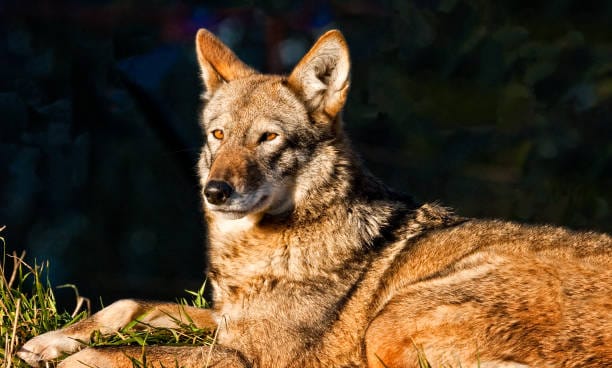
Appearance and Identification
The Red Wolf is native to the southeastern United States and is critically endangered. Adults weigh 20–30 kg (44–66 lbs) and have reddish-brown coats with gray or black markings. They have slender bodies, long legs, and pointed ears, distinguishing them from Coyotes or Gray Wolves.
Behavior and Social Structure
Red Wolves live in packs of 3–6 members. They are territorial, communicating with howls, barks, and scent markings. They hunt cooperatively and are mainly nocturnal to avoid human encounters. Social cohesion is vital for hunting and raising pups.
Diet and Feeding
Red Wolves primarily eat deer, raccoons, rabbits, and small mammals. They are opportunistic feeders and may scavenge carrion. By controlling prey populations, they play a critical role in maintaining ecosystem balance in their habitat.
Reproduction and Lifespan
Breeding occurs once a year. Females give birth to 2–6 pups after 63 days. Pack members help feed and protect the young. Red Wolves can live up to 8 years in the wild, but their survival depends on conservation efforts and habitat protection.
18. Ethiopian Wolf (Canis simensis)
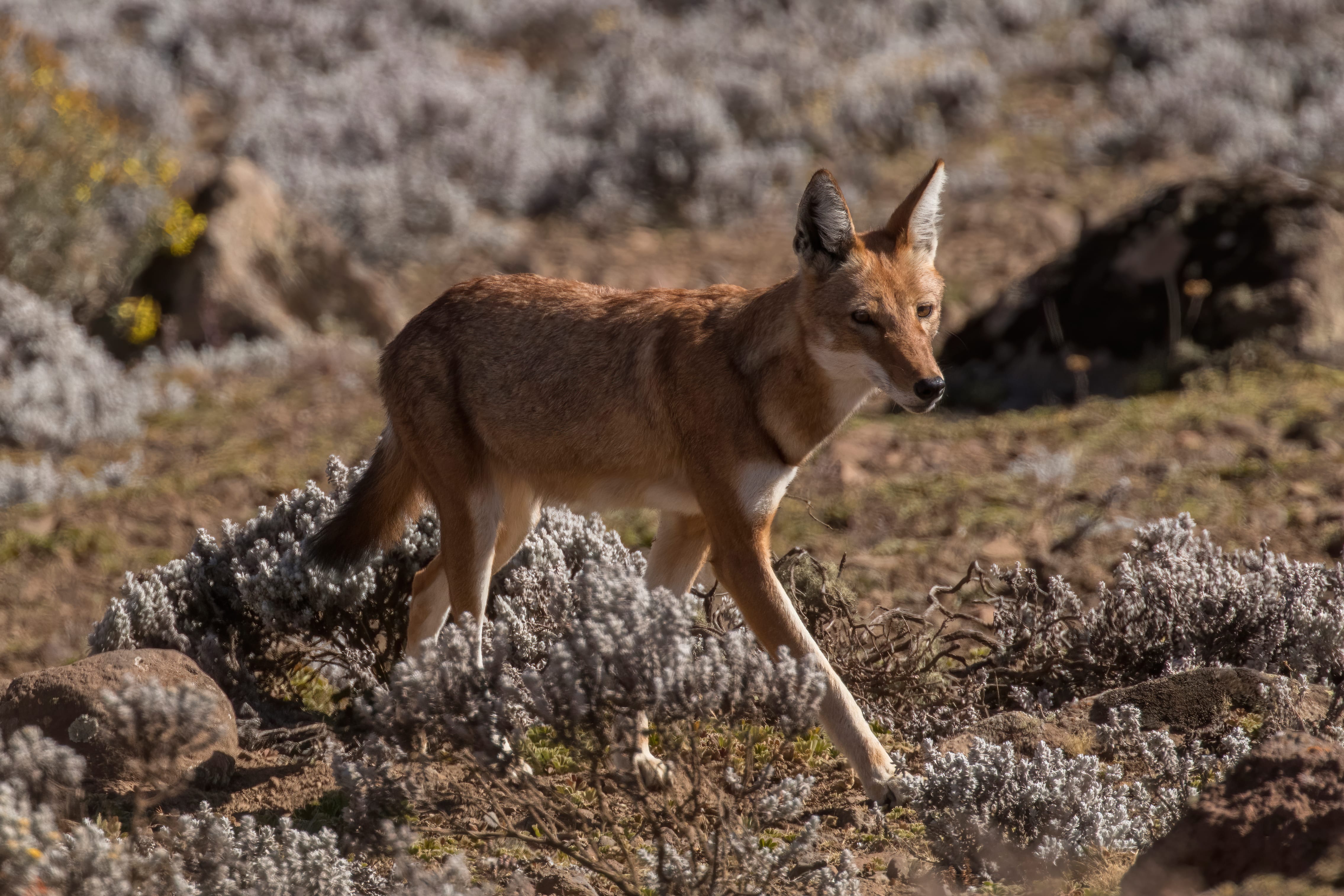
Appearance and Identification
The Ethiopian Wolf is a rare, highly endangered species native to Ethiopia’s highlands. Adults weigh 11–19 kg (24–42 lbs) and have slender bodies with reddish fur, white markings on the face and underbelly, and long legs for running on mountainous terrain.
Behavior and Social Structure
Ethiopian Wolves live in packs of 2–12 members. They are highly social, using vocalizations and body language for communication. They are territorial and maintain strict social hierarchies. Hunting is cooperative, often involving stalking and ambushing small prey.
Diet and Feeding
Primarily carnivorous, Ethiopian Wolves feed almost exclusively on rodents, especially mole rats. They may also hunt small birds and insects. Their predation helps regulate rodent populations, protecting highland crops and ecosystems.
Reproduction and Lifespan
Breeding occurs once a year. Females give birth to 2–6 pups after 63 days. Pack members help feed and protect pups. Ethiopian Wolves live 8–10 years in the wild, but habitat loss and disease threaten their populations.
19. Mackenzie River Wolf (Canis lupus occidentalis)

Appearance and Identification
The Mackenzie River Wolf is a subspecies of Gray Wolf found in Canada’s Mackenzie Valley and northern forests. Adults weigh 40–70 kg (88–154 lbs) and have thick, gray to cream-colored coats. They have large heads, powerful jaws, and long legs for hunting in snowy and forested habitats.
Behavior and Social Structure
Mackenzie River Wolves live in packs of 6–12 members. Packs are hierarchical and territorial. They communicate using howls, scent marking, and body language. Hunting is cooperative, targeting moose, deer, and smaller mammals.
Diet and Feeding
Primarily carnivorous, their diet consists of large ungulates and small mammals. Packs rely on teamwork to chase prey over long distances. They play a key role in maintaining forest ecosystem balance by regulating herbivore populations.
Reproduction and Lifespan
Breeding occurs once annually. Females give birth to 4–6 pups after a 63-day gestation. The pack helps raise the young. Mackenzie River Wolves live 7–10 years in the wild.
20. Baffin Island Wolf (Canis lupus manningi)

Appearance and Identification
The Baffin Island Wolf is native to Baffin Island in Canada’s Arctic. Adults weigh 36–50 kg (79–110 lbs) and have a thick white to gray coat. Their small ears and dense fur are adaptations for extreme cold, while long legs help them traverse snowy tundra efficiently.
Behavior and Social Structure
Baffin Island Wolves live in small packs of 3–8 individuals. They are territorial, using scent marking and howls to communicate. Hunting requires endurance, patience, and cooperation, often targeting Arctic hares and caribou.
Diet and Feeding
These wolves are primarily carnivorous, feeding on medium-sized Arctic mammals. They sometimes scavenge. By hunting and regulating prey populations, they maintain ecosystem balance in their Arctic habitat.
Reproduction and Lifespan
Breeding occurs in late winter. Females give birth to 2–5 pups after 63 days. Packs help raise the young. Baffin Island Wolves live 7–10 years in the wild.
21. Mexican Gray Wolf (Canis lupus baileyi)

Appearance and Identification
The Mexican Gray Wolf is native to the southwestern United States and northern Mexico. Adults weigh 23–45 kg (50–99 lbs) and have a grayish-brown coat with distinctive facial markings. They are medium-sized, with long legs, bushy tails, and pointed ears for sensing prey in rugged terrain.
Behavior and Social Structure
Mexican Gray Wolves live in small packs of 3–6 members. The pack has a clear social hierarchy led by an alpha pair. They communicate using howls, growls, and body language, coordinating hunting efforts and defending territory.
Diet and Feeding
These wolves primarily hunt medium-sized ungulates such as deer and elk. They also eat small mammals when larger prey is unavailable. Hunting is cooperative, and packs rely on endurance and strategy rather than brute strength.
Reproduction and Lifespan
Breeding occurs once a year, typically in late winter. Females give birth to 2–6 pups after a 63-day gestation. Packs help raise the pups, ensuring their survival. Mexican Gray Wolves live 6–8 years in the wild, with conservation programs helping stabilize populations.
22. Hudson Bay Wolf (Canis lupus hudsonicus)

Appearance and Identification
The Hudson Bay Wolf inhabits the boreal forests and tundra of northern Canada near Hudson Bay. Adults weigh 36–50 kg (79–110 lbs) and have a thick gray or cream-colored coat that provides insulation against cold winters. They have broad heads, long legs, and bushy tails adapted for long-distance travel in snow and ice.
Behavior and Social Structure
Hudson Bay Wolves live in packs of 5–10 members. They are territorial, using scent marking, visual cues, and howls for communication. Packs hunt cooperatively, mainly targeting caribou, moose, and smaller mammals. Their endurance and teamwork are critical for survival in harsh northern climates.
Diet and Feeding
Primarily carnivorous, their diet includes large ungulates and small mammals. Hudson Bay Wolves may scavenge when prey is scarce. By controlling herbivore populations, they play a key role in maintaining the balance of boreal forest ecosystems.
Reproduction and Lifespan
Breeding occurs once a year. Females give birth to 4–6 pups after a gestation period of about 63 days. Pack members help feed and protect the young. These wolves typically live 7–10 years in the wild.
23. Interior Alaskan Wolf (Canis lupus pambasileus)

Appearance and Identification
The Interior Alaskan Wolf is native to Alaska’s interior forests and tundra. Adults weigh 36–68 kg (79–150 lbs) and have thick gray or brown coats with lighter underbellies. Their large heads, long legs, and strong jaws enable them to hunt large ungulates across rugged and snowy terrain.
Behavior and Social Structure
These wolves live in packs of 6–12 members. They maintain territories and communicate with howls, scent marking, and body language. Packs are highly cooperative hunters, taking down moose, caribou, and smaller mammals.
Diet and Feeding
Interior Alaskan Wolves are carnivorous, relying on large ungulates for food. Hunting involves endurance and strategic coordination. They are vital for regulating prey populations and preventing overgrazing in Alaskan ecosystems.
Reproduction and Lifespan
Breeding occurs annually. Females give birth to 4–6 pups after 63 days. The pack collectively raises the young. These wolves typically live 7–10 years in the wild, depending on food availability and environmental conditions.
24. Labrador-Greenland Wolf (Canis lupus labradorius)
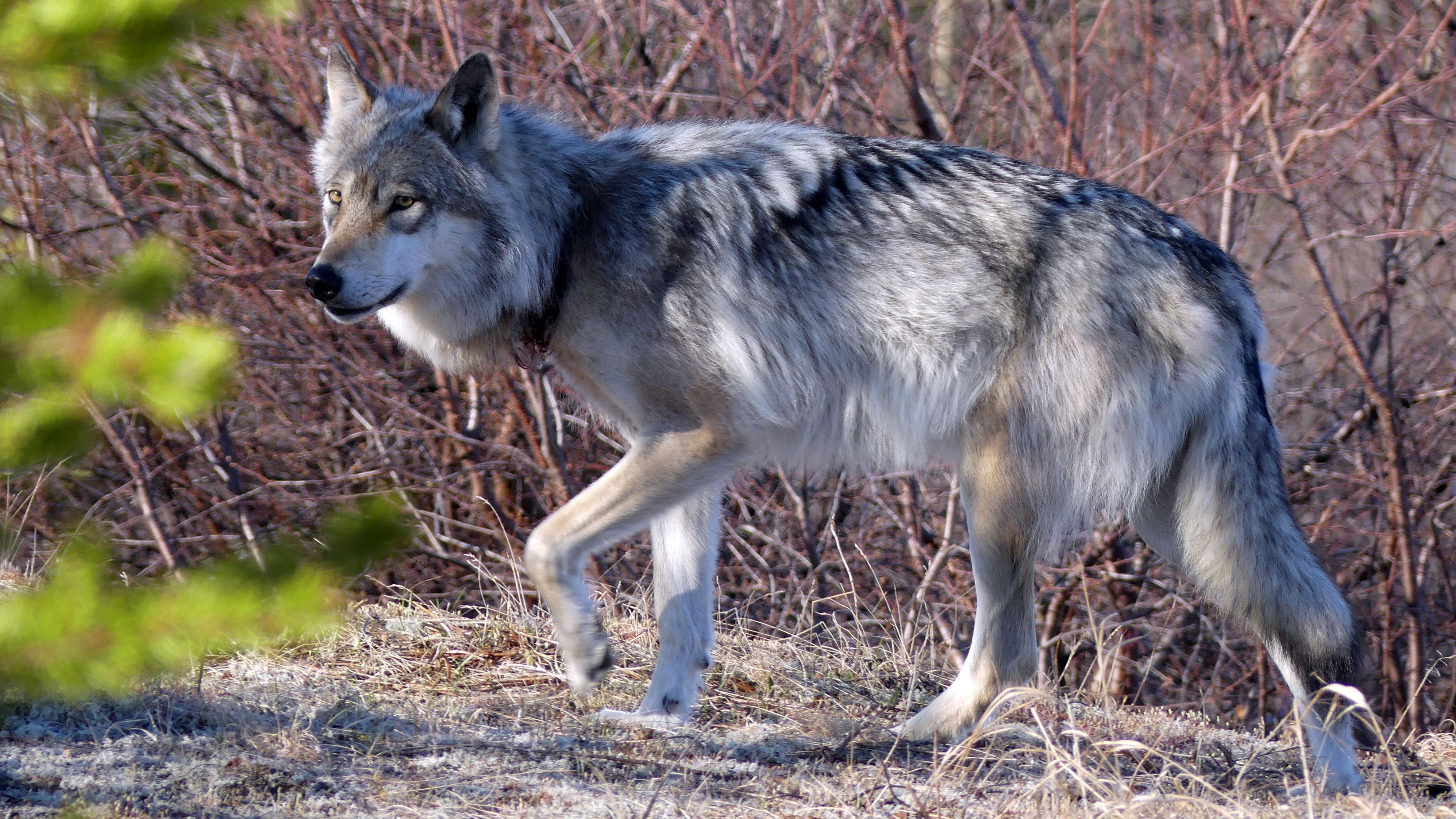
Appearance and Identification
The Labrador-Greenland Wolf inhabits Labrador and Greenland’s tundra regions. Adults weigh 35–60 kg (77–132 lbs) and have a dense coat ranging from white to gray. Their short ears, bushy tails, and powerful build help them withstand extreme cold and travel efficiently across snow and ice.
Behavior and Social Structure
These wolves live in packs of 3–8 members. They are territorial, marking areas with scent and using long-range howls to communicate. Cooperative hunting is essential for capturing caribou, muskox, and Arctic hares.
Diet and Feeding
They are primarily carnivorous, feeding on large and medium-sized mammals. Sometimes they scavenge frozen carcasses. By controlling herbivore populations, they maintain ecological balance in harsh tundra environments.
Reproduction and Lifespan
Breeding occurs once annually, with females giving birth to 2–6 pups after a gestation of 63 days. Packs help raise the young. Labrador-Greenland Wolves live 7–10 years in the wild.
25. Caucasian Wolf (Canis lupus cubanensis)

Appearance and Identification
The Caucasian Wolf inhabits the Caucasus Mountains of Eastern Europe and Western Asia. Adults weigh 35–55 kg (77–121 lbs) and have gray or reddish-brown coats with lighter underparts. They have long legs, strong jaws, and dense fur for surviving mountainous terrain and cold climates.
Behavior and Social Structure
Caucasian Wolves live in packs of 4–10 members. They are territorial and communicate with howls, scent marking, and visual signals. Hunting is cooperative, focusing on deer, wild goats, and smaller mammals. Packs rely on teamwork and endurance rather than sheer speed.
Diet and Feeding
Primarily carnivorous, Caucasian Wolves feed on large and medium-sized herbivores and occasionally smaller animals. Their hunting maintains prey populations and ecosystem balance in mountainous regions.
Reproduction and Lifespan
Breeding occurs once a year. Females give birth to 3–6 pups after 63 days. Pack members help protect and feed the young. Caucasian Wolves live 7–10 years in the wild.
26. Forest Wolf (Canis lupus lupus – Forest subspecies)
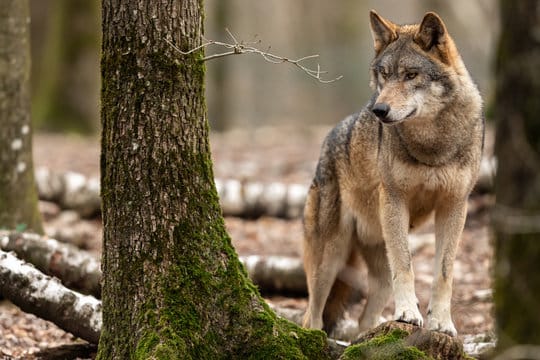
Appearance and Identification
The Forest Wolf inhabits dense temperate forests in Europe and Russia. Adults weigh 30–50 kg (66–110 lbs) and have gray-brown coats with dark markings along the back. Their body is adapted for agility and camouflage in thick undergrowth.
Behavior and Social Structure
Forest Wolves live in packs of 4–8 members. They are territorial, using scent markings and vocalizations. Hunting is cooperative, targeting deer, wild boar, and smaller mammals. Dense forest habitats require stealth and strategic hunting.
Diet and Feeding
Primarily carnivorous, Forest Wolves feed on ungulates and small mammals. Occasionally they scavenge. By controlling prey populations, they maintain healthy forest ecosystems.
Reproduction and Lifespan
Breeding occurs once annually. Females give birth to 3–6 pups after 63 days. The pack assists in raising the young. Forest Wolves live 7–10 years in the wild.
27. Tundra-Forest Wolf (Canis lupus tundrarum)

Appearance and Identification
The Tundra-Forest Wolf inhabits regions where boreal forests meet Arctic tundra, including parts of Canada and Russia. Adults weigh 35–55 kg (77–121 lbs) and have a thick coat of gray and cream fur. Their long legs and large paws help them navigate snow, ice, and mixed forest terrain efficiently.
Behavior and Social Structure
These wolves live in small to medium packs of 4–10 members. They are territorial and communicate through howls and scent marking. Cooperative hunting is essential for capturing caribou, moose, and smaller mammals in both forested and open tundra regions.
Diet and Feeding
Primarily carnivorous, they feed on large ungulates and occasionally small mammals. Endurance and strategy are key to hunting success. By controlling prey populations, Tundra-Forest Wolves help maintain ecological balance in transitional habitats.
Reproduction and Lifespan
Breeding occurs once per year. Females give birth to 3–6 pups after about 63 days. Pack members help raise the young. Tundra-Forest Wolves live 7–10 years in the wild.
28. Himalayan Plateau Wolf (Canis lupus himalayensis)

Appearance and Identification
The Himalayan Plateau Wolf inhabits high-altitude plateaus of the Himalayas. Adults weigh 25–45 kg (55–99 lbs) and have thick grayish-brown fur, often lighter underneath. Their long legs, narrow muzzle, and large ears are adapted for rocky and snowy terrain.
Behavior and Social Structure
These wolves live in small packs of 3–6 individuals. Packs are territorial and communicate through howls, scent marking, and body language. Hunting requires cooperation and endurance due to harsh terrain and scarce prey.
Diet and Feeding
Their diet includes blue sheep, Himalayan tahr, marmots, and occasionally birds. They may scavenge if necessary. By hunting herbivores, they maintain balance in high-altitude ecosystems.
Reproduction and Lifespan
Breeding occurs once per year. Females give birth to 2–5 pups after 63 days. Pack members help protect and feed the young. Himalayan Plateau Wolves live 8–10 years in the wild.
29. Southern-European Wolf (Canis lupus signatus)

Appearance and Identification
The Southern-European Wolf is native to the Iberian Peninsula. Adults weigh 30–45 kg (66–99 lbs) and have gray-brown coats with distinctive darker stripes on the back. They have slender bodies, long legs, and pointed ears.
Behavior and Social Structure
These wolves live in packs of 4–8 members. They are territorial and communicate using howls and scent marking. Hunting is cooperative, targeting deer, wild boar, and smaller mammals.
Diet and Feeding
Primarily carnivorous, they feed on ungulates and occasionally small mammals. By regulating prey populations, they help maintain healthy forest and scrubland ecosystems.
Reproduction and Lifespan
Breeding occurs once a year. Females give birth to 3–6 pups after 63 days. Packs help feed and protect pups. Southern-European Wolves live 7–10 years in the wild.
30. Desert Wolf (Canis lupus arabs – Desert variant)
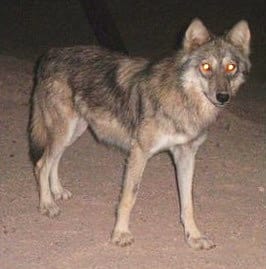
Appearance and Identification
The Desert Wolf inhabits deserts in the Middle East and North Africa. Adults weigh 13–20 kg (29–44 lbs) and have short sandy or light brown fur to blend into arid terrain. Large ears and long legs help dissipate heat and improve mobility.
Behavior and Social Structure
Desert Wolves live in small family groups of 2–6 members. They are nocturnal, hunting at night to avoid extreme heat. Packs cooperate to catch prey and defend territories using howls and scent marking.
Diet and Feeding
They hunt small ungulates, rodents, and birds. Opportunistic scavenging is also common. By controlling prey populations, Desert Wolves help preserve fragile desert ecosystems.
Reproduction and Lifespan
Breeding occurs once per year. Females give birth to 2–4 pups after 63 days. Pack members assist in raising the young. Desert Wolves live 7–9 years in the wild.
31. Arctic-Tundra Wolf (Canis lupus arctos)

Appearance and Identification
The Arctic-Tundra Wolf inhabits the extreme Arctic regions of Canada and Greenland. Adults weigh 35–60 kg (77–132 lbs) and have dense white or cream-colored fur. Their short ears and large paws help them conserve heat and traverse snow efficiently.
Behavior and Social Structure
These wolves live in packs of 4–10 members. They are highly social, territorial, and use howls, scent markings, and visual signals for communication. Hunting is cooperative and relies on endurance.
Diet and Feeding
Their diet includes caribou, muskox, Arctic hares, and occasionally scavenged carcasses. They maintain ecosystem balance by controlling prey populations.
Reproduction and Lifespan
Breeding occurs once a year. Females give birth to 2–6 pups after 63 days. Pack members help protect and feed the young. Arctic-Tundra Wolves live 7–10 years in the wild.
32. Mountain Wolf (Canis lupus montanus)
Appearance and Identification
The Mountain Wolf inhabits mountainous regions in Asia and Europe. Adults weigh 35–55 kg (77–121 lbs) and have thick gray or brown fur with lighter underparts. They have long legs and strong jaws for navigating rugged terrain and hunting large prey.
Behavior and Social Structure
Mountain Wolves live in packs of 5–10 members. They maintain territories and communicate with howls, scent markings, and visual cues. Hunting focuses on deer, wild goats, and other herbivores, often requiring teamwork and endurance.
Diet and Feeding
Primarily carnivorous, they feed on large and medium-sized herbivores, sometimes hunting smaller mammals opportunistically. They help regulate prey populations and maintain ecological balance.
Reproduction and Lifespan
Breeding occurs once per year. Females give birth to 3–6 pups after 63 days. Packs help raise the young. Mountain Wolves live 7–10 years in the wild.
33. Lowland Eurasian Wolf (Canis lupus lupus – Lowland variant)

Appearance and Identification
The Lowland Eurasian Wolf inhabits plains, forests, and steppe regions of Europe and western Russia. Adults weigh 30–50 kg (66–110 lbs) and have gray-brown coats with darker backs. Their slender build and long legs help them move quickly over open terrain.
Behavior and Social Structure
These wolves live in packs of 4–8 members. They are territorial and communicate through howls and scent marking. Hunting is cooperative and focused on deer, boar, and small mammals.
Diet and Feeding
Primarily carnivorous, they control prey populations and maintain ecosystem balance. Occasionally they scavenge carcasses when prey is scarce.
Reproduction and Lifespan
Breeding occurs once annually. Females give birth to 3–6 pups after 63 days. Packs help feed and protect the young. Lowland Eurasian Wolves live 7–10 years in the wild.
34. North-American Boreal Wolf (Canis lupus occidentalis – Boreal variant)

Appearance and Identification
The North-American Boreal Wolf inhabits boreal forests of Canada and Alaska. Adults weigh 40–65 kg (88–143 lbs) and have thick gray to cream-colored coats. Their broad heads, muscular bodies, and long legs allow them to hunt large ungulates efficiently.
Behavior and Social Structure
Boreal Wolves live in packs of 6–12 members. They are territorial and communicate with howls, scent marking, and body language. Hunting is cooperative, focusing on moose, deer, and smaller mammals.
Diet and Feeding
Primarily carnivorous, they maintain prey populations and ecosystem balance. Hunting often requires strategy and endurance.
Reproduction and Lifespan
Breeding occurs once a year. Females give birth to 4–6 pups after 63 days. Pack members assist in raising the young. Boreal Wolves live 7–10 years in the wild.
35. Central Asian Steppe-Edge Wolf (Canis lupus campestris – Edge variant)
Appearance and Identification
The Central Asian Steppe-Edge Wolf inhabits the transitional zones between deserts, steppes, and mountains in Central Asia. Adults weigh 25–45 kg (55–99 lbs) and have gray-brown coats with lighter underparts. They have long legs and narrow muzzles adapted for running across open terrain.
Behavior and Social Structure
They live in packs of 4–8 members. Packs are territorial and communicate via howls and scent markings. Hunting is cooperative and often targets gazelles, hares, and small ungulates.
Diet and Feeding
Primarily carnivorous, these wolves may scavenge when prey is scarce. They help regulate herbivore populations and maintain ecological balance in steppe-edge ecosystems.
Reproduction and Lifespan
Breeding occurs once per year. Females give birth to 2–6 pups after 63 days. Packs help feed and protect the young. They live 7–10 years in the wild.
Conclusion
Wild wolves are some of the most fascinating and adaptable predators on Earth. From the icy Arctic-Tundra Wolves to the desert-dwelling Desert Wolves, each subspecies has evolved unique traits to survive in its environment. Understanding these 35 types of wild wolves gives us a glimpse into their behaviors, diets, and social structures. Wolves play a crucial role in maintaining ecological balance by regulating prey populations and supporting biodiversity. Observing and studying them teaches us about cooperation, resilience, and adaptation in nature. Protecting their habitats and promoting conservation ensures these incredible animals continue to thrive in the wild. By learning about wild wolves, we gain not only knowledge but also appreciation for the diversity and complexity of the natural world. The next time you hear a distant howl, remember the extraordinary species behind that call—wild wolves are truly remarkable creatures worth our respect and protection.
FAQ’s
1. What are wild wolves?
Wild wolves are carnivorous mammals that live in natural habitats such as forests, tundras, mountains, and deserts. They hunt, roam, and live in packs without domestication.
2. How many types of wild wolves are there?
There are around 35 recognized types of wild wolves worldwide, each adapted to different climates and ecosystems.
3. What is the largest type of wild wolf?
The Mackenzie River Wolf and North-American Boreal Wolf are among the largest, weighing up to 70 kg (154 lbs).
4. Where do wild wolves live?
Wild wolves live across North America, Europe, Asia, and Africa, from Arctic tundras to deserts and mountain regions.
5. Are wild wolves endangered?
Some types, like the Red Wolf and Ethiopian Wolf, are critically endangered due to habitat loss and human conflict, while others are more stable.
6. What do wild wolves eat?
Wild wolves are carnivores. They primarily hunt ungulates like deer, elk, and caribou, but also eat rodents, birds, and occasionally scavenge.
7. How big are wild wolves?
Size varies by species. They can weigh anywhere from 13 kg (29 lbs) for Desert Wolves to 70 kg (154 lbs) for Mackenzie River Wolves.
8. How long do wild wolves live?
Most wild wolves live 7–10 years in their natural habitats, depending on food availability and environmental conditions.
9. Do all wild wolves howl?
Yes, howling is a primary form of communication for pack coordination, territory marking, and social bonding among wild wolves.
10. How do wild wolves hunt?
Wild wolves hunt in packs using strategy, endurance, and cooperation. They chase prey over long distances and take turns attacking.
11. What is a wolf pack?
A wolf pack is a social group of wolves, usually consisting of an alpha pair and their offspring. Packs work together for hunting, raising pups, and defending territory.
12. Are wild wolves dangerous to humans?
Wild wolves are generally shy and avoid humans. Attacks are rare and usually occur if they are cornered or threatened.
13. How do wild wolves communicate?
Wolves communicate through howls, growls, barks, scent marking, and body language like tail and ear positioning.
14. Do wild wolves mate for life?
Many wild wolves form monogamous pairs, typically the alpha male and female, which remain together for several years, often for life.
15. How often do wild wolves breed?
Most types of wild wolves breed once a year, usually in late winter, with females giving birth to 2–6 pups after about 63 days.
16. What is the difference between Gray Wolves and Red Wolves?
Gray Wolves are larger and found across North America, Europe, and Asia, while Red Wolves are smaller, native to the southeastern United States, and critically endangered.
17. Are all wolves gray?
No. Wolves come in various colors, including gray, white, red, brown, and sandy, depending on their subspecies and environment.
18. What is the rarest type of wild wolf?
The Ethiopian Wolf is considered the rarest, with fewer than 500 individuals remaining in the wild.
19. How do wolves adapt to different habitats?
Wolves adapt through fur color, body size, hunting strategies, and social behaviors to survive in forests, tundras, mountains, and deserts.
20. Can wild wolves survive alone?
While some wolves may roam alone temporarily, they usually thrive in packs for hunting, protection, and raising pups.
21. How fast can wild wolves run?
Wild wolves can run up to 50–60 km/h (31–37 mph) in short bursts when chasing prey.
22. Do wild wolves eat plants?
Wolves are primarily carnivores, but they may occasionally eat berries, grass, or other plant matter, mostly as supplements.
23. How do wild wolves survive in the Arctic?
Arctic Wolves have thick fur, small ears, and large paws for insulation and mobility. They hunt caribou, muskox, and Arctic hares to survive extreme cold.
24. What role do wild wolves play in ecosystems?
Wolves are apex predators. They control prey populations, maintain healthy ecosystems, and prevent overgrazing by herbivores.
25. Are wild wolves territorial?
Yes, wolves are highly territorial and use scent marking, howls, and patrols to defend their area from other packs.
26. How do pups learn to hunt?
Wolf pups learn hunting skills by observing adult pack members and participating in small, cooperative hunts as they grow.
27. Can wolves interbreed with domestic dogs?
Yes, wolves can interbreed with domestic dogs, producing wolf-dog hybrids, but this usually occurs near human settlements.
28. What is the difference between wolves and coyotes?
Wolves are generally larger, have longer legs and broader heads, and hunt in packs, while coyotes are smaller, more solitary, and have different vocalizations.
29. How do wolves survive in deserts?
Desert Wolves are nocturnal, have light-colored fur, and hunt smaller prey to conserve energy and avoid daytime heat.
30. Can wolves climb mountains?
Yes, Mountain Wolves and other highland species are excellent climbers and navigate steep, rocky terrain efficiently.
31. How do wolves survive in cold forests?
Forest Wolves have thick fur, camouflage coloring, and hunt strategically to survive cold, dense woodland habitats.
32. What is the average pack size?
Pack sizes vary, usually 4–12 wolves, depending on food availability and habitat conditions.
33. Do wolves migrate?
Wolves usually stay within territories, but some may disperse long distances to find mates or new territory.
34. How do wolves impact prey populations?
Wolves keep herbivore populations like deer and elk in check, preventing overgrazing and maintaining plant diversity.
35. Are wolves intelligent animals?
Yes, wolves are highly intelligent, showing problem-solving skills, social learning, and strategic hunting abilities.
36. How do wolves survive without human help?
Wolves rely on their pack, hunting skills, adaptability, and territorial knowledge to survive in the wild.
37. Do wolves live near humans?
Wolves generally avoid humans but may live near rural or wilderness areas where prey is abundant.
38. Can wolves swim?
Yes, most wolves are capable swimmers and can cross rivers or streams while hunting or dispersing.
39. What is the difference between Arctic and Tundra Wolves?
Arctic Wolves are adapted to extreme Arctic conditions with white fur, while Tundra Wolves inhabit transitional tundra-forest zones and may have grayer coats.
40. How do wolves raise their young?
Packs work together to protect, feed, and teach pups essential survival and hunting skills during their first year.
41. Can wolves be observed in the wild safely?
Yes, observing wolves from a safe distance using binoculars or guided tours allows people to study and appreciate them without disturbance.
42. Why are wolves important to nature?
Wolves maintain ecosystem balance, prevent overpopulation of prey, support biodiversity, and play a key role in healthy habitats.
43. Are all wild wolves the same species?
Most wolves belong to the species Canis lupus, but there are many subspecies with different adaptations to various environments.
Read more: 50 Types of Wild Rodents (Pictures And Identification)