

Types of Shrimp are found in nearly every saltwater and freshwater habitat on Earth, from shallow mangrove creeks to icy deep-sea trenches. Shrimp may look simple at first glance, but they are some of the most adaptable and fascinating crustaceans in the animal kingdom. They clean reefs, fuel marine food chains, support global fisheries, and even keep aquariums healthy. Understanding different types of shrimp helps with identification, conservation awareness, and smarter seafood choices. This guide breaks down shrimp species in a clear, friendly way that works for beginners and curious readers alike. By the end of this series, you will recognize shrimp by habitat, behavior, and physical traits—not just by name.
30 Types of Shrimp
1. Rock Shrimp

Rock Shrimp are the armored tanks of the shrimp family. Instead of a soft shell like most shrimp, they wear a thick, hard exoskeleton that feels closer to a lobster shell. This natural body armor protects them from predators that hunt along rocky seafloors, where Rock Shrimp spend most of their lives hiding in crevices and ledges.
These shrimp live mainly in deeper coastal waters, often far below where casual swimmers or snorkelers would ever spot them. Because of the pressure and darkness down there, Rock Shrimp have evolved powerful muscles and a compact build that lets them cling to rocks while strong currents pass overhead. Their colors usually range from reddish-brown to pink, helping them blend into the seabed like living camouflage.
Rock Shrimp play an important role in benthic ecosystems. They feed on small organisms, detritus, and organic debris, acting like underwater custodians. In turn, they become food for larger fish, rays, and bottom-dwelling predators. Nature runs on balance, and Rock Shrimp quietly keep that balance in motion.
From a human perspective, Rock Shrimp are best known in seafood markets for their sweet, lobster-like meat. Because their shells are so tough, processing them requires special equipment. That extra effort often makes them more expensive, but seafood lovers swear the flavor is worth it. If shrimp had a “blue-collar worker of the sea” award, Rock Shrimp would win it hands down.
2. Pink Shrimp

Pink Shrimp are among the most familiar Types of Shrimp found along warm coastlines, especially in the Atlantic and Gulf regions. Their soft pink hue becomes brighter when cooked, which explains why they appear so often on dinner plates and restaurant menus.
In the wild, Pink Shrimp prefer sandy or muddy bottoms near estuaries. These areas provide both shelter and food, making them ideal nurseries for young shrimp. During the day, they often bury themselves in sediment to avoid predators. At night, they emerge to feed, turning the seafloor into a busy shrimp highway.
Ecologically, Pink Shrimp serve as a critical link in the marine food web. They consume algae and organic matter while supporting fish, birds, and marine mammals that rely on them as prey. Without Pink Shrimp, many coastal ecosystems would feel the loss almost immediately.
Their popularity with humans has led to heavy fishing pressure in some areas. Sustainable management has become a priority to keep populations healthy. Pink Shrimp remind us that even common species deserve careful attention, because abundance today does not always guarantee abundance tomorrow.
3. Tiger Shrimp
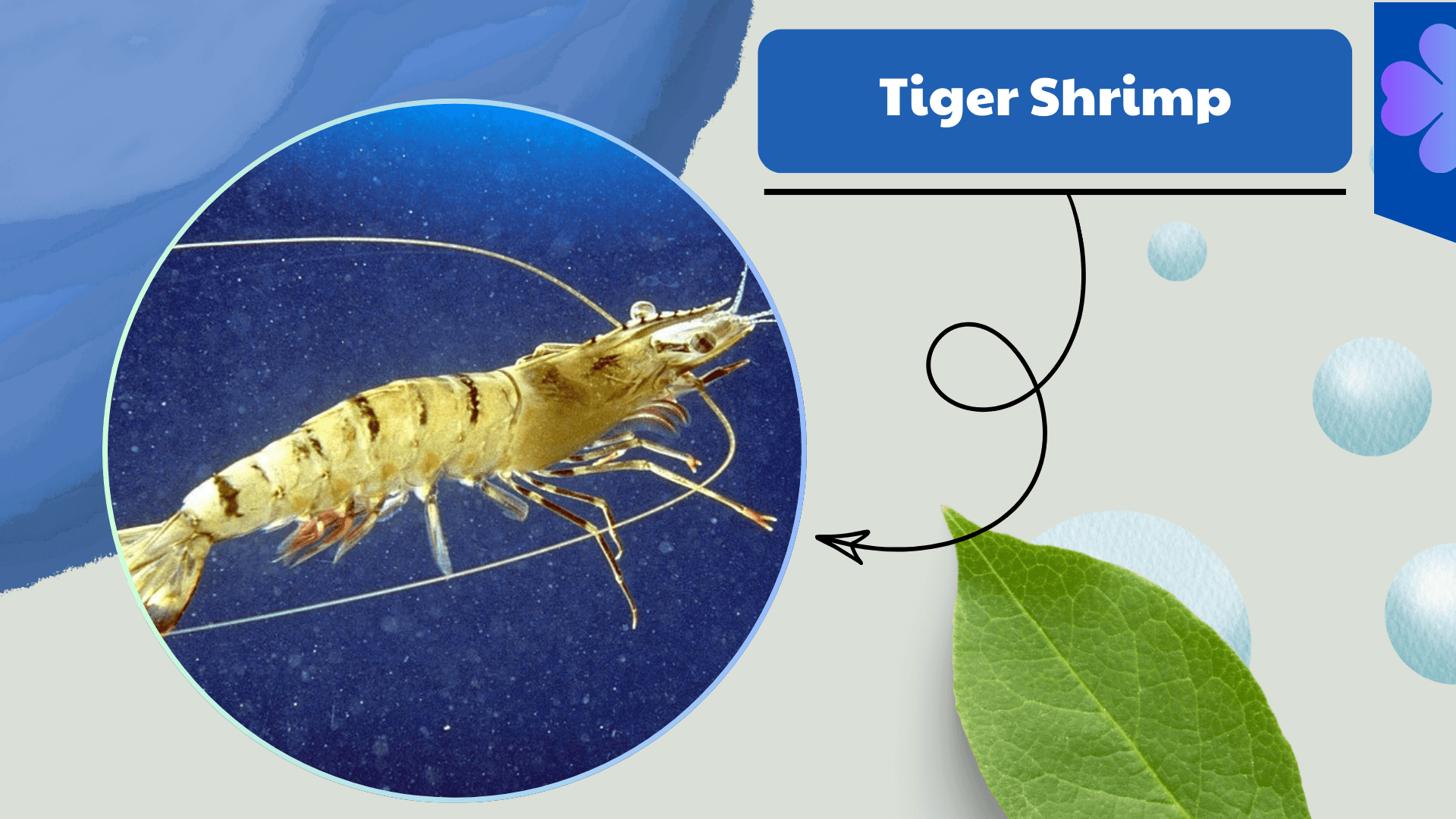
Tiger Shrimp are hard to miss. Their bold, dark stripes run across a light body, giving them a pattern that looks hand-painted by nature. These stripes help break up their outline in murky waters, making them less visible to predators.
Native to Indo-Pacific regions, Tiger Shrimp thrive in warm coastal waters, lagoons, and estuaries. They are strong swimmers and can grow quite large compared to many other shrimp species. Size matters in the ocean, and Tiger Shrimp use it well.
One interesting trait of Tiger Shrimp is their flexible diet. They eat algae, small invertebrates, and organic debris, adjusting their menu based on what is available. This adaptability allows them to survive in a wide range of environments.
In recent decades, Tiger Shrimp have gained attention outside their native range. Escaped farmed individuals have established populations in new regions, raising concerns about competition with local shrimp species. Their story is a reminder that human actions can shift natural balances in unexpected ways.
4. Chinese White Shrimp

Chinese White Shrimp are a cornerstone of shrimp aquaculture in Asia. They grow quickly, tolerate varying water conditions, and adapt well to farming environments. These traits have made them one of the most widely cultivated shrimp species in the world.
In the wild, Chinese White Shrimp inhabit coastal waters and estuaries where freshwater mixes with the sea. This ability to handle changing salinity gives them a survival advantage, especially in environments shaped by tides and seasonal rains.
Ecologically, they behave much like other coastal shrimp, feeding on plankton and organic matter while serving as prey for fish and birds. Their role may seem small, but multiply that role by millions, and the impact becomes massive.
Because they are so closely tied to human food systems, Chinese White Shrimp often spark debates about sustainability and environmental impact. Responsible farming practices are key to keeping this species beneficial rather than harmful to surrounding ecosystems.
5. Brown Shrimp
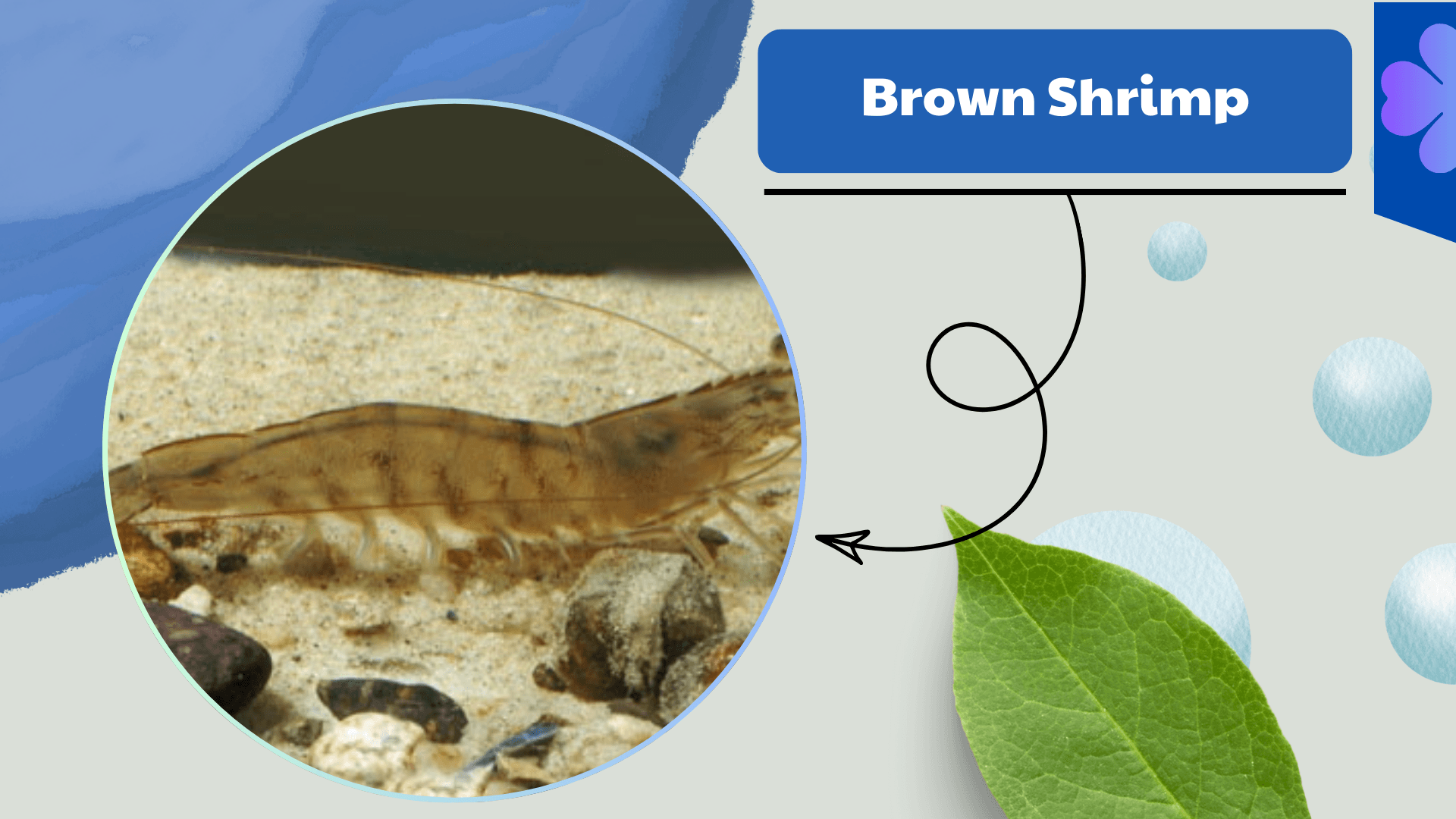
Brown Shrimp live up to their name with earthy tones that match muddy seafloors and estuarine bottoms. This natural coloring acts like a built-in invisibility cloak, helping them avoid predators while they forage.
They are commonly found along warm coastlines, especially in areas influenced by rivers. Juvenile Brown Shrimp rely heavily on estuaries as nursery grounds, where food is plentiful and predators are fewer.
Brown Shrimp are tireless recyclers. By feeding on decaying plant matter and small organisms, they help clean coastal waters. It is not glamorous work, but ecosystems depend on it.
In fisheries, Brown Shrimp are a major catch and an economic lifeline for many coastal communities. Their presence connects natural systems with human livelihoods, proving once again that shrimp punch far above their weight.
6. White Shrimp

White Shrimp are known for their pale, almost translucent bodies and subtle blue or green accents. They prefer warmer waters and often inhabit sandy coastal zones where they can bury themselves during daylight hours.
Behaviorally, White Shrimp are mostly nocturnal. Once the sun dips below the horizon, they emerge to feed and move, making nighttime a prime feeding window for predators.
White Shrimp support a wide variety of marine species, from fish to seabirds. Remove them, and the ripple effect would travel fast through the ecosystem.
For humans, White Shrimp are prized for their mild flavor and tender texture. Their popularity highlights the ongoing challenge of balancing harvest demands with long-term population health.
7. Atlantic Northern Shrimp

Atlantic Northern Shrimp are built for cold water. Found in deep, chilly North Atlantic environments, they thrive where many other shrimp species would struggle. Their pinkish coloration intensifies in colder temperatures, giving them a distinct appearance.
These shrimp often live in deeper waters during the day and migrate upward at night to feed. This daily movement plays a role in nutrient cycling, helping transport energy through different layers of the ocean.
Cold-water shrimp like this species grow slowly, which makes them more vulnerable to overfishing. Recovery takes time, and careful management is essential.
Atlantic Northern Shrimp remind us that not all shrimp come from warm, tropical seas. Some prefer icy depths and still manage to thrive.
8. Spot Shrimp

Spot Shrimp are named for the distinctive white spots on their reddish bodies. These markings make identification easier, even for beginners.
They live in deeper Pacific waters, often near rocky structures. Spot Shrimp grow larger than many shrimp species, and their long lifespan sets them apart.
Ecologically, they play a similar role to other bottom-dwelling shrimp, recycling nutrients and feeding larger predators.
Their size and flavor make them highly valued, which is why fishing limits are often strict. Spot Shrimp teach us that rarity can be both a blessing and a risk.
9. Aesop Shrimp

Aesop Shrimp are lesser-known but fascinating members of the shrimp family. They inhabit deeper waters and prefer cooler conditions, often staying out of sight for most of their lives.
Their body shape is streamlined, helping them move efficiently along the seafloor. Like many shrimp, they rely on camouflage rather than speed to survive.
Aesop Shrimp feed on small organisms and organic matter, quietly supporting the base of the marine food chain.
They may not be famous, but ecosystems do not run on fame. They run on workers like the Aesop Shrimp.
10. Banana Prawn

Banana Prawn get their name from their curved body shape and yellowish tone, which resembles a small banana. They are common in Indo-Pacific waters and often found near sandy bottoms.
These shrimp are active feeders, consuming algae, plankton, and organic debris. Their adaptability allows them to thrive in both coastal and offshore environments.
Banana Prawn are an important food source for many marine predators, including fish and cephalopods. Their role in energy transfer keeps food webs running smoothly.
For people, Banana Prawn are widely harvested and enjoyed around the globe. Their story highlights how a simple shrimp can connect oceans, ecosystems, and dinner tables.
11. Blue Shrimp

Blue Shrimp are named for their soft blue to bluish-green body tones, which shimmer slightly under natural light. This coloring helps them blend into coastal waters where sunlight filters through shallow depths. Blue Shrimp are usually found along warm shorelines, sandy bottoms, and near seagrass beds where food is easy to find.
In their daily routine, Blue Shrimp spend much of their time grazing. They feed on algae, plankton, and organic particles drifting through the water. Think of them as underwater vacuum cleaners—small, quiet, and constantly at work. This feeding behavior helps keep coastal ecosystems cleaner and healthier.
Blue Shrimp are also important prey for fish, seabirds, and larger crustaceans. Their presence supports a wide range of predators, which means fewer Blue Shrimp would quickly ripple through the food chain. Nature notices even the smallest absences.
For humans, Blue Shrimp are harvested in some regions and appreciated for their mild taste. They may not be flashy, but they play their role well, like background musicians keeping the rhythm steady.
12. Royal Red Shrimp

Royal Red Shrimp live far below the ocean surface, often at depths where sunlight barely reaches. Their deep red color is not just striking—it is practical. In deep water, red wavelengths disappear, making these shrimp nearly invisible to predators.
These shrimp prefer cooler, deeper habitats along continental slopes. Because of the pressure and cold, Royal Red Shrimp grow slowly and develop rich, dense meat. This slow pace of life shapes their entire biology.
Ecologically, Royal Red Shrimp contribute to deep-sea nutrient cycling. They feed on detritus and small organisms that drift down from above, helping recycle energy in places where life moves at a quieter tempo.
They are highly valued in seafood markets, often compared to lobster in flavor. Their story is proof that beauty and importance do not fade in the dark.
13. Ghost Shrimp

Ghost Shrimp look almost invisible at first glance. Their transparent bodies allow internal organs to be seen, giving them an eerie, glass-like appearance. This transparency acts as excellent camouflage, especially in sandy or muddy waters.
They are burrowers by nature. Ghost Shrimp dig tunnels in sediment, where they spend most of their time filtering food particles from the water. These tunnels improve oxygen flow in the seabed, benefiting other organisms.
Ghost Shrimp are common in estuaries and shallow coastal zones. Their ability to tolerate changing salinity makes them well suited for environments influenced by tides and freshwater runoff.
Though small and fragile-looking, Ghost Shrimp quietly shape their habitats. Sometimes the biggest changes come from creatures you barely notice.
14. Banded Coral Shrimp
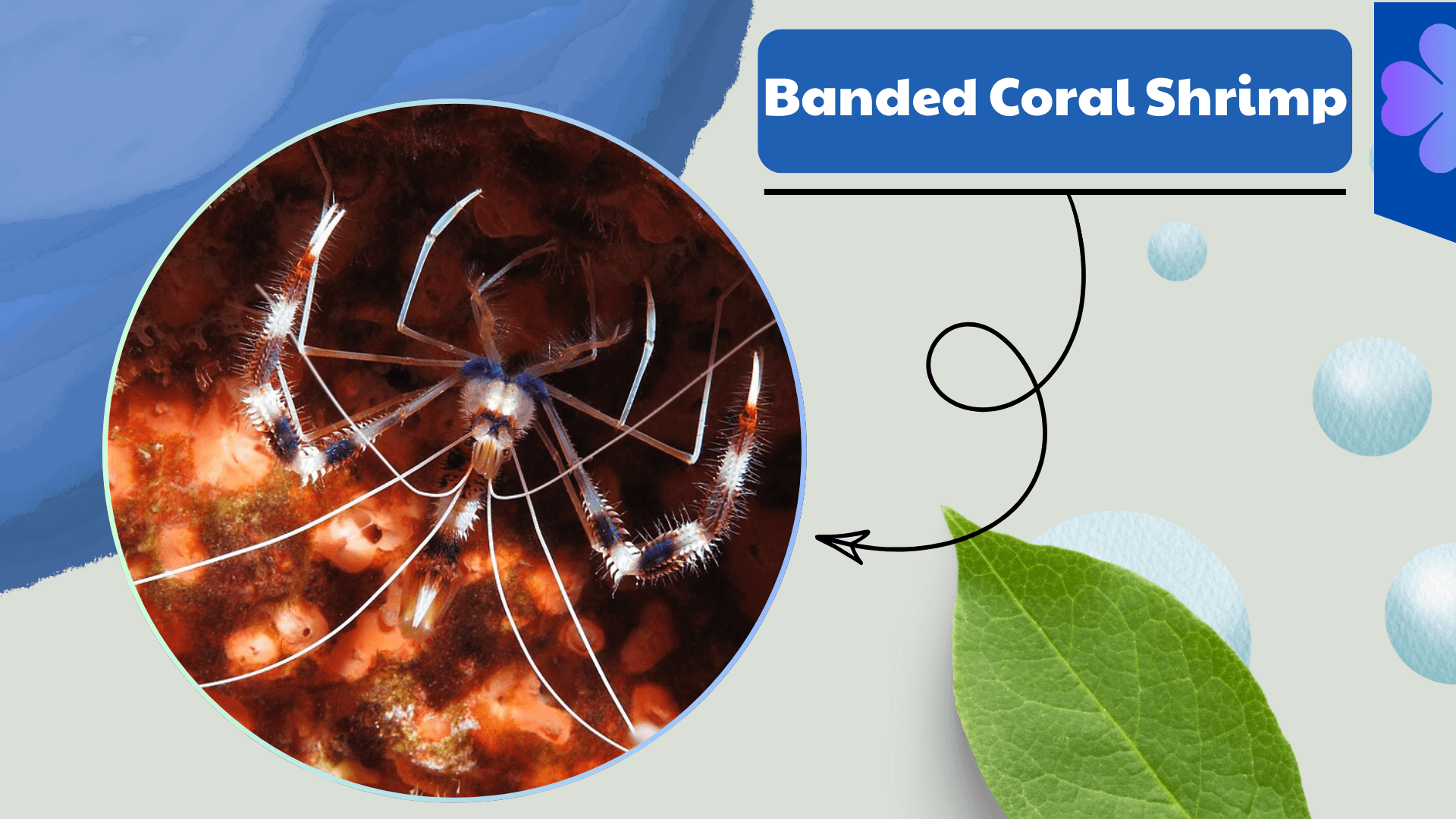
Banded Coral Shrimp are showstoppers. Their bright red-and-white stripes and long white antennae make them one of the most recognizable reef shrimp. They are often spotted perched on coral ledges, waving antennae like tiny flagpoles.
These shrimp form cleaning stations on coral reefs. Fish visit them to have parasites and dead skin removed, creating a cooperative relationship that benefits both sides. It is teamwork at its finest.
Banded Coral Shrimp are territorial and often live in pairs. They defend their chosen spot fiercely, proving that size does not always determine confidence.
Their presence is a sign of a healthy reef. Where they thrive, balance usually follows.
15. Harlequin Shrimp
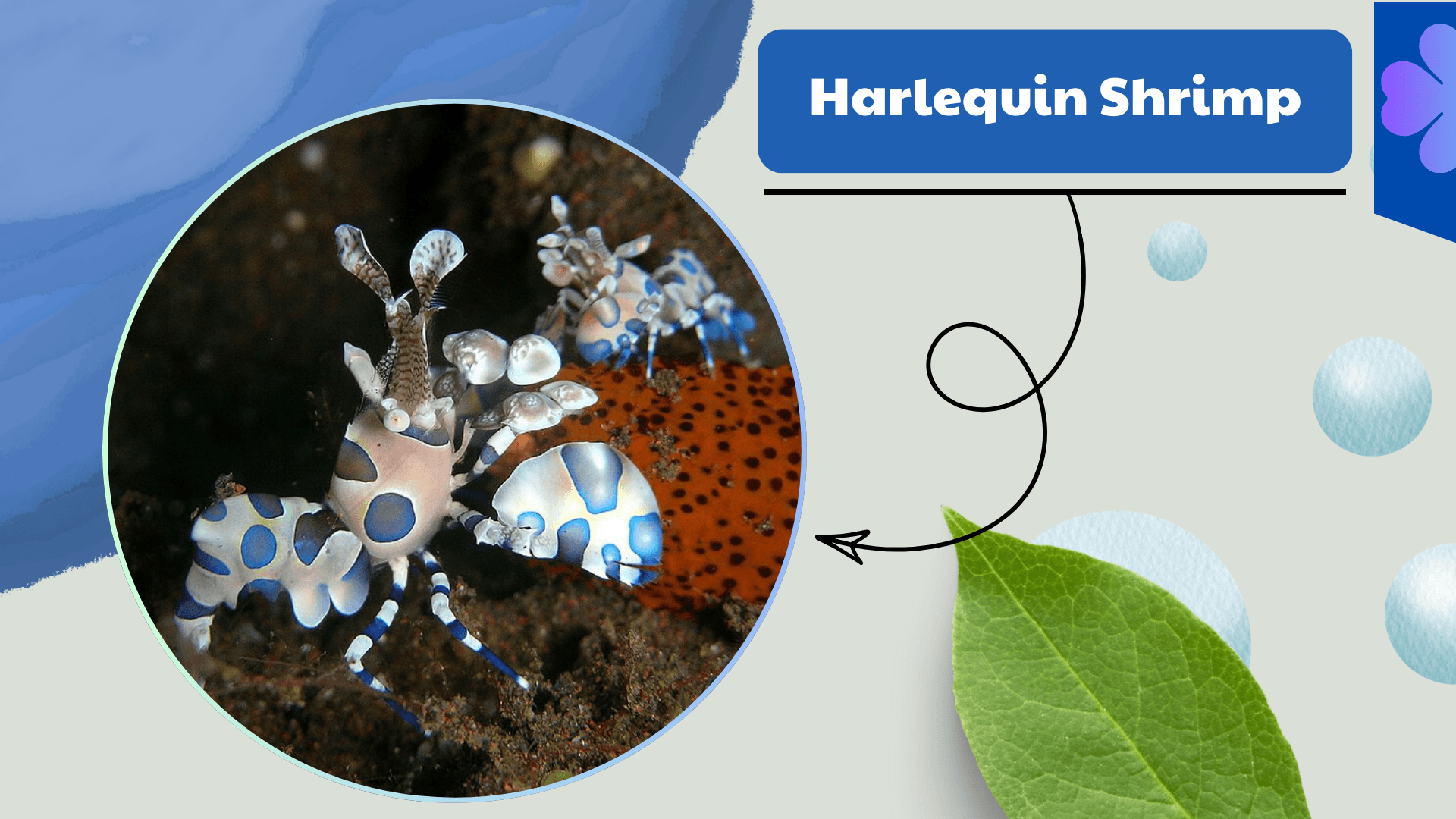
Harlequin Shrimp look like they stepped out of a painter’s dream. Their bodies display bold patches of blue, purple, and white, creating a pattern unlike any other shrimp species.
They are highly specialized feeders, dining almost exclusively on starfish. Using teamwork, pairs of Harlequin Shrimp flip starfish over and slowly consume them. It sounds dramatic, but it keeps starfish populations in check.
Harlequin Shrimp usually live in pairs and rely heavily on coral reef habitats. Because of their specific diet, they are sensitive to environmental changes.
They remind us that survival strategies can be strange, creative, and highly effective.
16. Mantis Shrimp
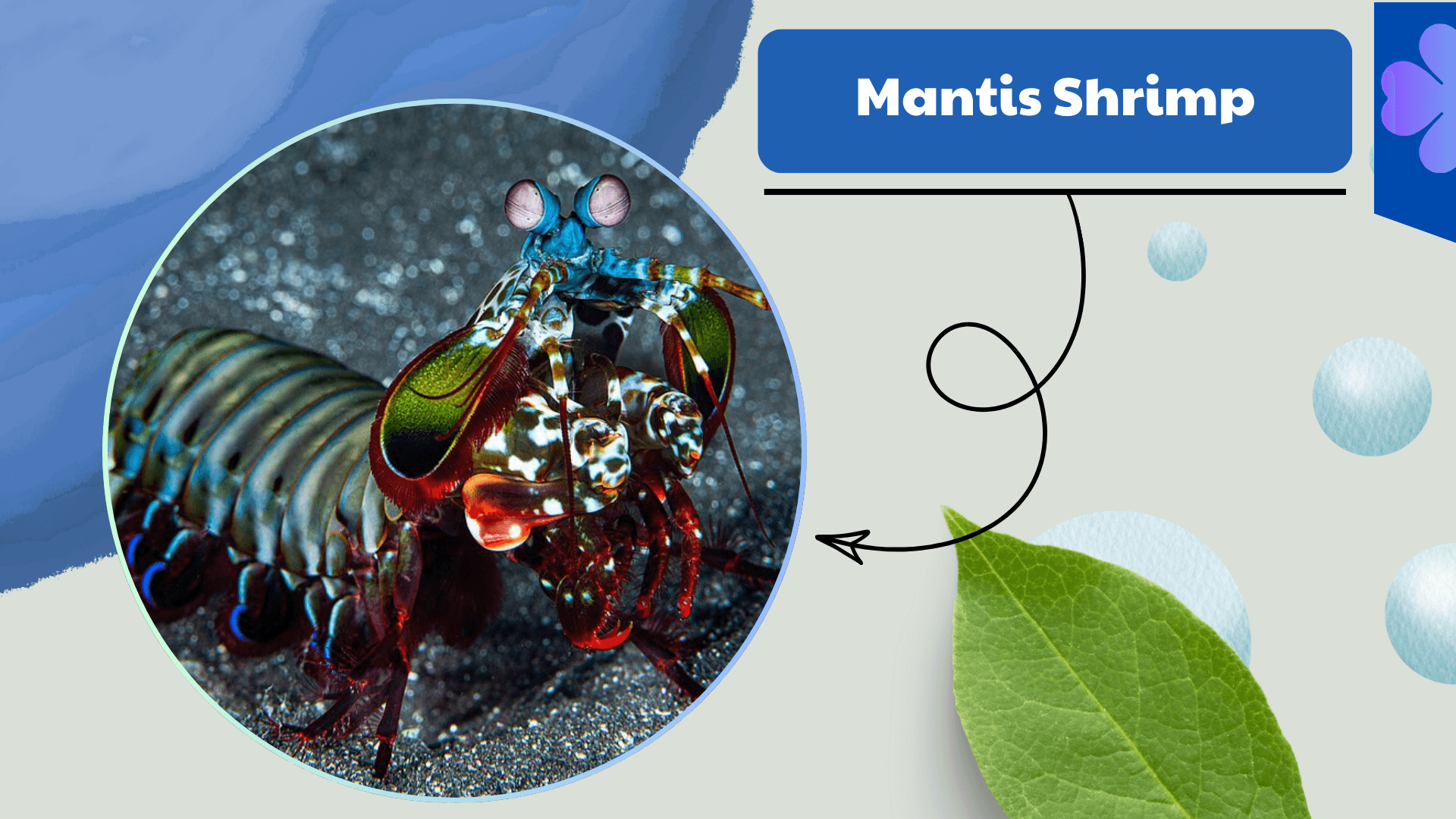
Despite the name, Mantis Shrimp are not true shrimp. Still, they earn their place among Types of Shrimp due to popular classification. These animals are famous for their powerful claws, capable of striking with incredible speed.
Some Mantis Shrimp smash shells, while others spear prey. Both hunting styles are equally impressive. Their vision is also advanced, allowing them to detect subtle movements in their surroundings.
Mantis Shrimp live in burrows within reefs or sandy bottoms. They are solitary and highly territorial, defending their homes with determination.
They are living proof that the ocean does not play by simple rules.
17. Cleaner Shrimp

Cleaner Shrimp are best known for their role as reef caretakers. They remove parasites, dead tissue, and debris from fish, offering a cleaning service that keeps reef communities healthier.
Fish often line up at cleaning stations, patiently waiting their turn. It is one of the ocean’s most peaceful scenes—no chasing, no fear, just cooperation.
Cleaner Shrimp rely on bright colors and dancing movements to signal their services. This communication reduces the risk of being eaten by larger fish.
Their work shows that cooperation can be just as powerful as strength in nature.
18. Peppermint Shrimp
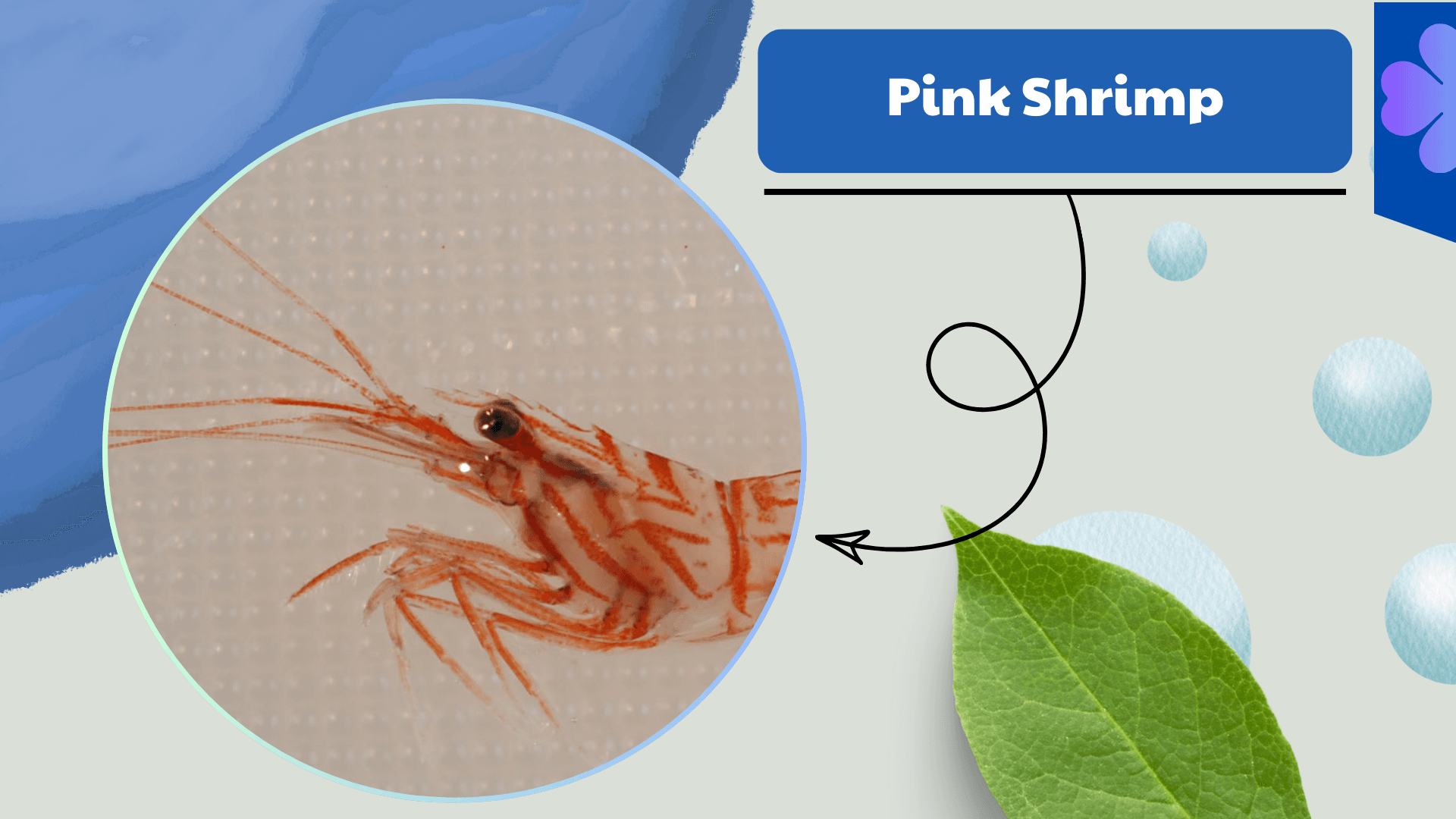
Peppermint Shrimp are small, reddish shrimp with thin white stripes running along their bodies. Their candy-cane appearance makes them easy to identify.
They are mostly nocturnal, hiding in rock crevices during the day and emerging at night to feed. This behavior helps them avoid predators.
Peppermint Shrimp consume algae, leftover food, and small pests, helping maintain reef cleanliness.
They are quiet helpers, rarely seen but always busy.
19. Pistol Shrimp

Pistol Shrimp are famous for their snapping claw, which creates a loud popping sound. This snap produces a shockwave used to stun prey and scare predators.
They often live in burrows shared with small fish, forming partnerships where both species benefit. One digs, the other keeps watch.
Pistol Shrimp thrive in sandy and reef environments, where shelter is easy to build.
Few creatures prove that sound can be a weapon quite like the Pistol Shrimp.
20. Pacific Pink Shrimp

Pacific Pink Shrimp inhabit cold-to-temperate waters along the Pacific coast. Their soft pink coloring helps them blend into deep-water environments.
They migrate vertically, staying deep during the day and moving upward at night to feed. This movement helps distribute nutrients through the water column.
Pacific Pink Shrimp are a vital food source for fish and marine mammals. Their population health reflects the condition of the wider ecosystem.
They close this section by reminding us that shrimp thrive from shallow reefs to cold depths.
21. Southern Rough Shrimp
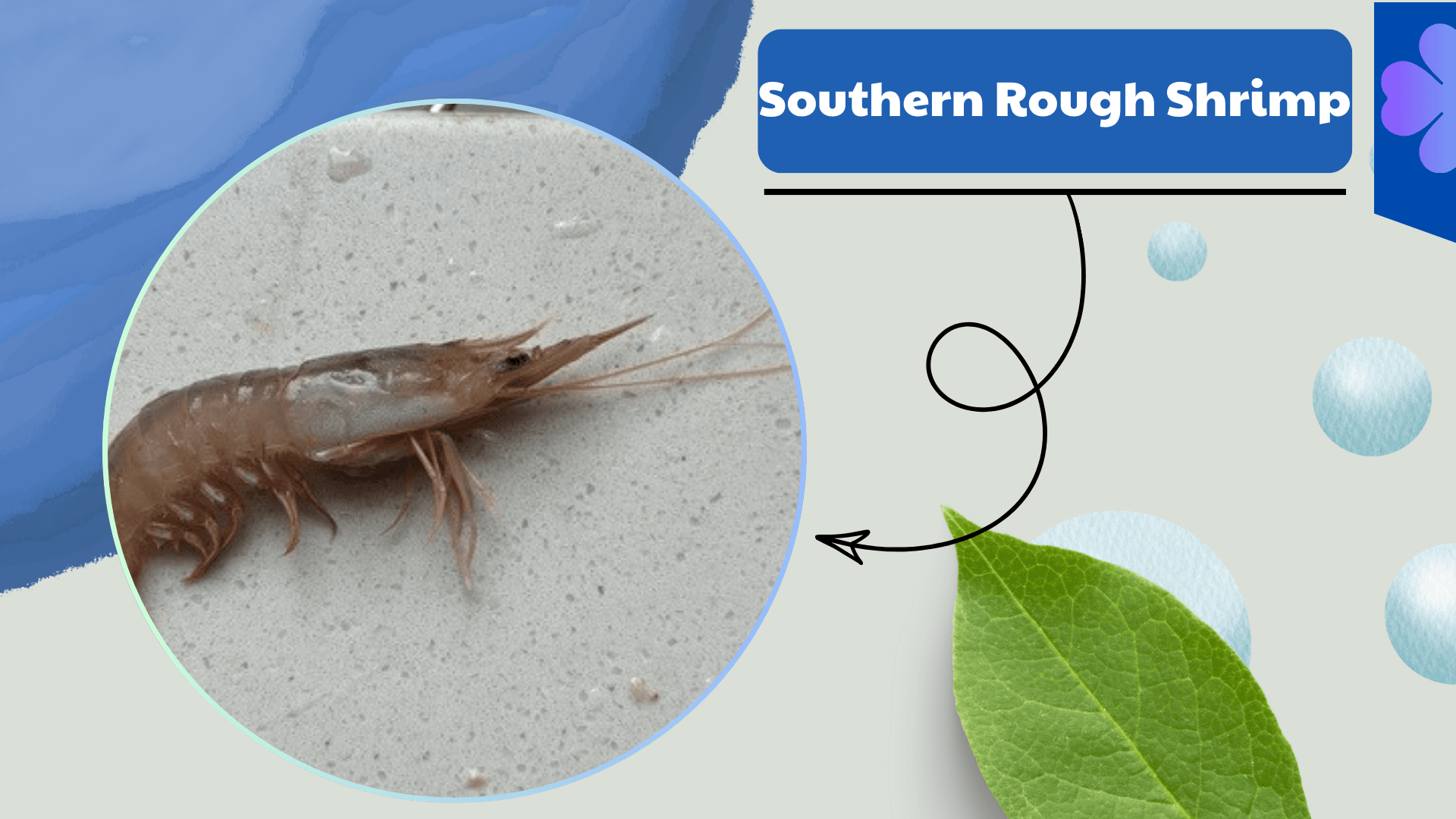
Southern Rough Shrimp live in deeper offshore waters where conditions are cooler and darker. Their name comes from the slightly coarse texture of their shell, which offers added protection against predators that patrol the seafloor.
These shrimp spend most of their lives near muddy or sandy bottoms, feeding on organic debris and small invertebrates. Their feeding habits help recycle nutrients that sink from upper layers of the ocean.
Southern Rough Shrimp tend to grow slowly, which means population recovery can take time if numbers drop. This slow pace of life makes careful management especially important.
They may never appear in tide pools or shallow bays, but far below the surface, they quietly keep ecosystems running.
22. Grass Shrimp
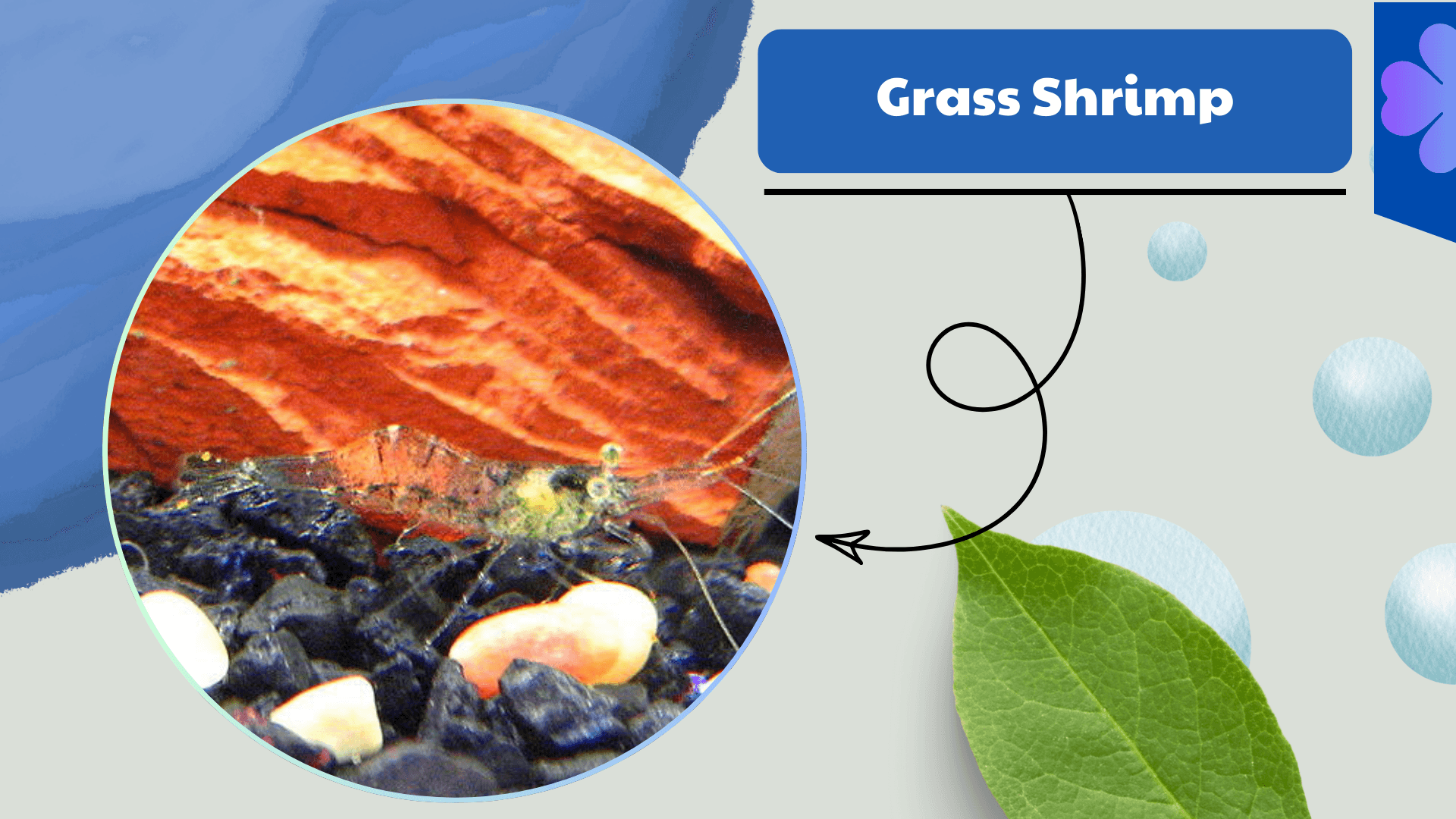
Grass Shrimp are small, slender shrimp commonly found in shallow coastal waters, marshes, and seagrass beds. Their bodies are often semi-transparent, helping them vanish among blades of grass and aquatic plants.
They are active swimmers and constant grazers, feeding on algae, tiny organisms, and organic particles. This makes them important cleaners in shallow-water habitats.
Grass Shrimp are a major food source for fish, crabs, and birds. Many species depend on them during early life stages.
Although tiny, Grass Shrimp form the foundation of many coastal food webs. Remove them, and the structure above starts to wobble.
23. Japanese Tiger Shrimp

Japanese Tiger Shrimp are known for their bold striped patterns, similar to other tiger shrimp but with regional traits that set them apart. These stripes provide camouflage in turbid coastal waters.
They inhabit warm, shallow seas and estuaries around East Asia, where conditions change with seasons and tides. This species adapts well to shifts in temperature and salinity.
Japanese Tiger Shrimp feed on a wide range of food sources, from algae to small animals. This flexible diet helps them thrive in competitive environments.
Their adaptability shows how shrimp can succeed even where conditions refuse to stay predictable.
24. Atlantic White Shrimp

Atlantic White Shrimp are among the most widespread shrimp along the western Atlantic coastline. Their pale bodies and long antennae make identification easier once you know what to look for.
They prefer sandy or muddy bottoms near estuaries, where young shrimp grow quickly thanks to abundant food. Adults often move offshore as they mature.
Atlantic White Shrimp support fisheries and wildlife alike. Fish, birds, and marine mammals rely on them as a steady food source.
They serve as a reminder that common species often carry the heaviest ecological workload.
25. Northern Shrimp

Northern Shrimp thrive in cold, deep waters of the northern oceans. Their pinkish color deepens with age and colder temperatures, offering camouflage in low-light environments.
They perform daily vertical migrations, feeding at night and retreating to deeper waters by day. This behavior helps move nutrients between ocean layers.
Northern Shrimp grow slowly and live longer than many warm-water species. This makes them sensitive to population pressure.
They prove that life can flourish even where the water bites back with cold.
26. Blue Leg Shrimp

Blue Leg Shrimp stand out thanks to their striking blue-colored legs, which contrast with their lighter bodies. These colors may help with communication or camouflage among reef structures.
They live in shallow marine environments, often near rocks or coral rubble. Blue Leg Shrimp are active during the day, constantly searching for food.
Their diet includes algae, detritus, and small organisms. By feeding this way, they help keep reef surfaces cleaner.
Sometimes a splash of color is all it takes to make a shrimp unforgettable.
27. Mexican Brown Shrimp
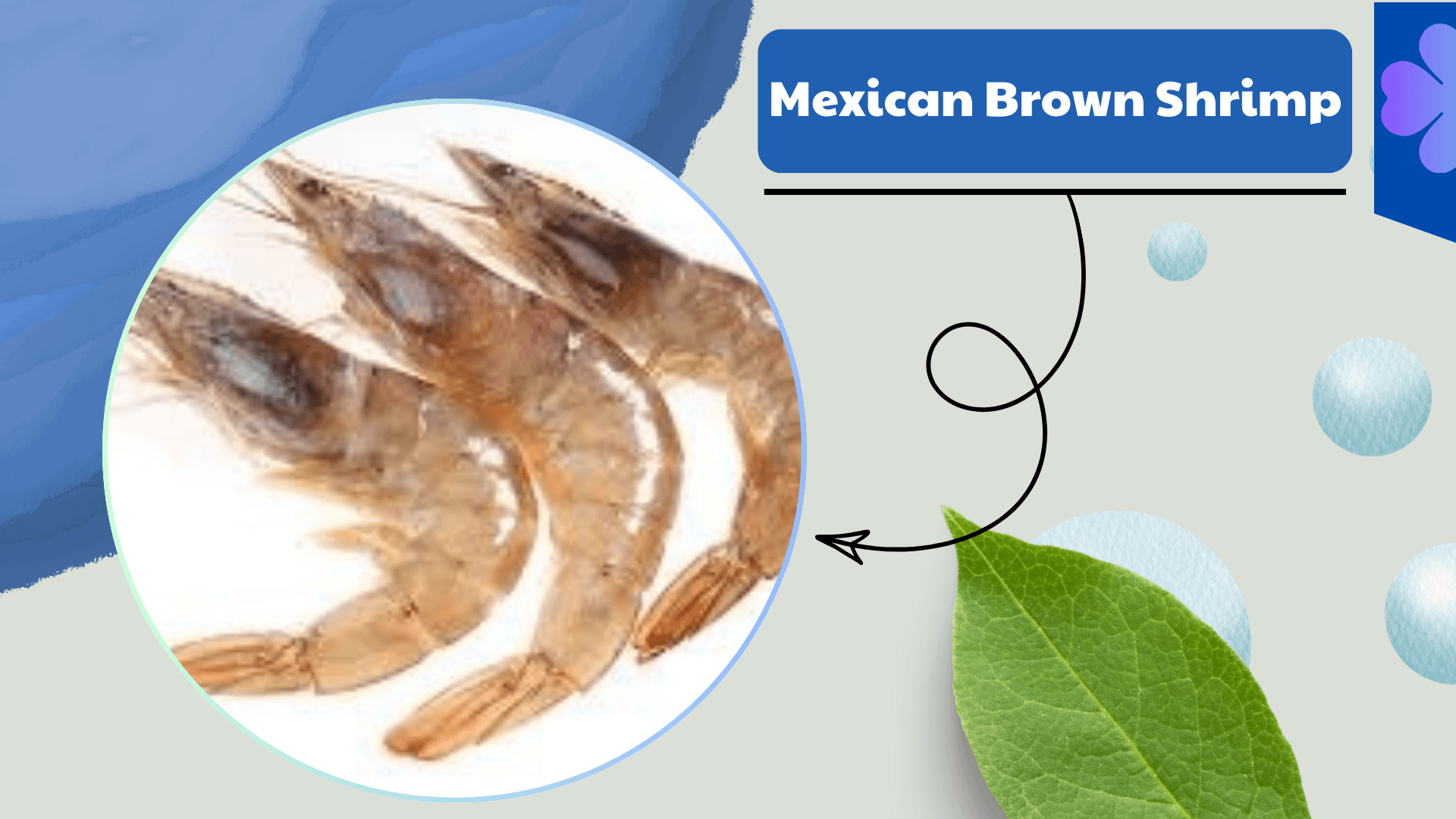
Mexican Brown Shrimp inhabit warm waters of the Gulf region and nearby coastal areas. Their brownish coloration blends well with muddy seafloors and estuarine habitats.
Juveniles rely heavily on estuaries for shelter and food, while adults often move offshore. This life cycle ties together coastal and open-water ecosystems.
Mexican Brown Shrimp feed on organic matter and small animals, helping recycle nutrients that would otherwise accumulate.
They play a quiet but steady role in keeping coastal systems balanced.
28. Gulf White Shrimp

Gulf White Shrimp are closely related to Atlantic White Shrimp but are adapted to conditions in the Gulf region. Their pale bodies reflect light, making them harder to spot against sandy bottoms.
They grow quickly in nutrient-rich waters influenced by river systems. This rapid growth supports large populations.
Gulf White Shrimp are a cornerstone species for both wildlife and fisheries. Many coastal economies depend on their presence.
Their success shows how geography can shape even familiar species in subtle ways.
29. Gulf Pink Shrimp

Gulf Pink Shrimp are known for their soft pink coloration and preference for warmer Gulf waters. They often bury themselves in sediment during daylight hours.
At night, they emerge to feed on algae and organic debris. This behavior reduces predation risk while allowing them to stay active.
Gulf Pink Shrimp support fish populations and commercial harvests alike.
They are a good example of how daily habits can shape survival.
30. Gulf Brown Shrimp

Gulf Brown Shrimp complete this guide as one of the most important regional shrimp species. Their coloration matches muddy bottoms, offering excellent camouflage.
They rely on estuaries as nurseries, where young shrimp grow quickly before moving offshore. This movement connects inland waters to the open sea.
Gulf Brown Shrimp feed on organic material and small prey, keeping sediments from becoming overloaded.
Their life cycle ties together rivers, coasts, and oceans into one living system.
Conclusion
Shrimp may be small, but after exploring these 30 Types of Shrimp, one thing becomes clear: they are quiet powerhouses of the ocean. From reef cleaners that act like underwater caretakers to deep-sea species thriving in cold, dark waters, shrimp support marine life in ways most people never notice. They recycle nutrients, feed countless animals, and connect coastal habitats with the open sea.
Understanding different Types of Shrimp also helps us make better choices—whether we are learning about wildlife, teaching others, or thinking about where our seafood comes from. Each shrimp species tells a story of adaptation, survival, and balance. When we pay attention to these small creatures, we gain a bigger picture of how oceans stay healthy.
If this guide sparked your curiosity, keep exploring marine life and share what you learn. The ocean’s smallest residents often carry the biggest lessons.
Frequently Asked Questions About Types of Shrimp
1. What are shrimp?
Shrimp are small crustaceans that live in marine and freshwater environments. They belong to a group called decapods, meaning they have ten legs.
2. How many types of shrimp are there?
There are thousands of shrimp species worldwide, but only a few dozen are commonly known, studied, or harvested.
3. Where do shrimp usually live?
Shrimp live in oceans, estuaries, rivers, lakes, coral reefs, mangroves, and even deep-sea environments.
4. Are all shrimp saltwater animals?
No, some shrimp live in freshwater, while many species move between fresh and saltwater during their life cycle.
5. What do shrimp eat?
Shrimp eat algae, plankton, organic debris, small animals, and leftover material on the seafloor.
6. Are shrimp important to marine ecosystems?
Yes, shrimp play a key role in food webs by recycling nutrients and serving as prey for fish, birds, and marine mammals.
7. What is the largest type of shrimp?
Some tiger shrimp and spot shrimp species grow much larger than average, reaching impressive sizes for shrimp.
8. What is the smallest type of shrimp?
Grass shrimp and some reef shrimp are very small, often only a few centimeters long.
9. How long do shrimp live?
Most shrimp live between one and six years, depending on species and environmental conditions.
10. Do shrimp have predators?
Yes, shrimp are eaten by fish, octopus, seabirds, crabs, and even other shrimp.
11. Why are some shrimp transparent?
Transparency helps shrimp avoid predators by making them harder to see in the water.
12. What is a cleaner shrimp?
Cleaner shrimp remove parasites and dead tissue from fish, forming mutual relationships on coral reefs.
13. Are mantis shrimp real shrimp?
Mantis shrimp are not true shrimp, but they are often grouped with shrimp due to their appearance.
14. Why do pistol shrimp make loud snapping sounds?
They snap their claws to stun prey and scare predators using a powerful shockwave.
15. Can shrimp see well?
Most shrimp have good vision adapted to their habitat, especially reef and deep-water species.
16. Do shrimp migrate?
Some shrimp migrate vertically, moving to shallow waters at night and deeper waters during the day.
17. Are shrimp social animals?
Many shrimp live alone, but some form pairs or small groups, especially reef species.
18. How do shrimp protect themselves?
Shrimp rely on camouflage, burrowing, quick movements, and in some cases sound or strong claws.
19. Why are shrimp different colors?
Color helps with camouflage, communication, and adapting to light conditions in different habitats.
20. What is the role of shrimp in coral reefs?
Shrimp clean fish, remove debris, recycle nutrients, and help keep reefs healthy.
21. Do shrimp molt?
Yes, shrimp shed their exoskeleton as they grow, a process called molting.
22. Are shrimp active at night?
Many shrimp are nocturnal, feeding and moving mostly after dark to avoid predators.
23. What is the difference between shrimp and prawns?
Shrimp and prawns differ in body structure and habitat, though the terms are often used interchangeably.
24. Can shrimp regenerate body parts?
Some shrimp can regrow lost legs or antennae over time.
25. How do shrimp reproduce?
Shrimp reproduce by laying eggs, which hatch into larvae before developing into adults.
26. Why are shrimp important for fisheries?
Shrimp support major fishing industries and provide food for millions of people worldwide.
27. Are shrimp sensitive to pollution?
Yes, shrimp are affected by water quality and can be indicators of environmental health.
28. What habitats do juvenile shrimp prefer?
Young shrimp often grow in estuaries and shallow waters where food is plentiful and predators are fewer.
29. Do shrimp live in deep oceans?
Some shrimp species live thousands of meters below the surface in cold, dark conditions.
30. How do shrimp breathe?
Shrimp breathe through gills that extract oxygen from the water.
31. Are shrimp intelligent?
Shrimp show problem-solving behaviors, especially species that form partnerships or defend territories.
32. Why are shrimp important to birds?
Many coastal birds rely on shrimp as a primary food source.
33. Do shrimp help clean water?
Yes, shrimp remove organic waste and algae, improving water quality.
34. Can shrimp survive in cold water?
Certain species thrive in cold oceans, especially in northern regions.
35. Why do shrimp bury themselves?
Burying helps shrimp hide from predators and regulate body temperature.
36. Are shrimp affected by climate change?
Changes in temperature and ocean chemistry can impact shrimp distribution and survival.
37. Do shrimp communicate?
Shrimp communicate through movement, color signals, and sometimes sound.
38. Why are shrimp important to food chains?
Shrimp transfer energy from plants and debris to larger animals.
39. Can shrimp live in aquariums?
Many shrimp species are popular in home aquariums for cleaning and visual interest.
40. Are shrimp fast swimmers?
Shrimp can move quickly in short bursts, especially when escaping danger.
41. What is planktonic shrimp larvae?
Shrimp larvae drift with currents before settling into adult habitats.
42. Why do shrimp have long antennae?
Antennae help shrimp sense food, danger, and their surroundings.
43. Do shrimp have hearts?
Yes, shrimp have a simple heart that pumps blood through their body.
44. Are shrimp cannibalistic?
Some shrimp may eat smaller or weaker shrimp if food is scarce.
45. How do shrimp affect sediments?
Burrowing shrimp improve oxygen flow and nutrient mixing in sediments.
46. Why are shrimp popular worldwide?
Shrimp are widely available, versatile, and play a major role in global cuisine.
47. Are shrimp active year-round?
Activity levels depend on species, temperature, and food availability.
48. What makes reef shrimp special?
Reef shrimp often form partnerships with fish and corals, creating balanced ecosystems.
49. Do shrimp feel pain?
Shrimp respond to stimuli, but their nervous systems differ greatly from mammals.
50. How do shrimp avoid predators?
They use camouflage, hiding, quick movements, and defensive behaviors.
51. Are shrimp endangered?
Some shrimp species face population pressure due to habitat loss and overfishing.
52. Why do shrimp change color when cooked?
Heat breaks down pigments in shrimp shells, revealing a pink or red color.
53. Do shrimp sleep?
Shrimp rest during inactive periods, especially during daylight for nocturnal species.
54. Can shrimp live alone?
Many shrimp species live solitary lives, except during breeding or cleaning interactions.
55. Why should we learn about types of shrimp?
Understanding shrimp helps us appreciate marine ecosystems and make informed environmental choices.