

Have you ever wondered what do hippos eat and how they sustain their enormous bodies? These fascinating creatures are often seen lounging in the water or grazing along riverbanks, but their dietary habits are more complex and intriguing than one might initially think. Exploring the feeding patterns of hippos not only reveals insights into their biology but also deepens our appreciation for their role in aquatic ecosystems.
The Hippo Diet: An Overview of Their Grazing and Feeding Habits
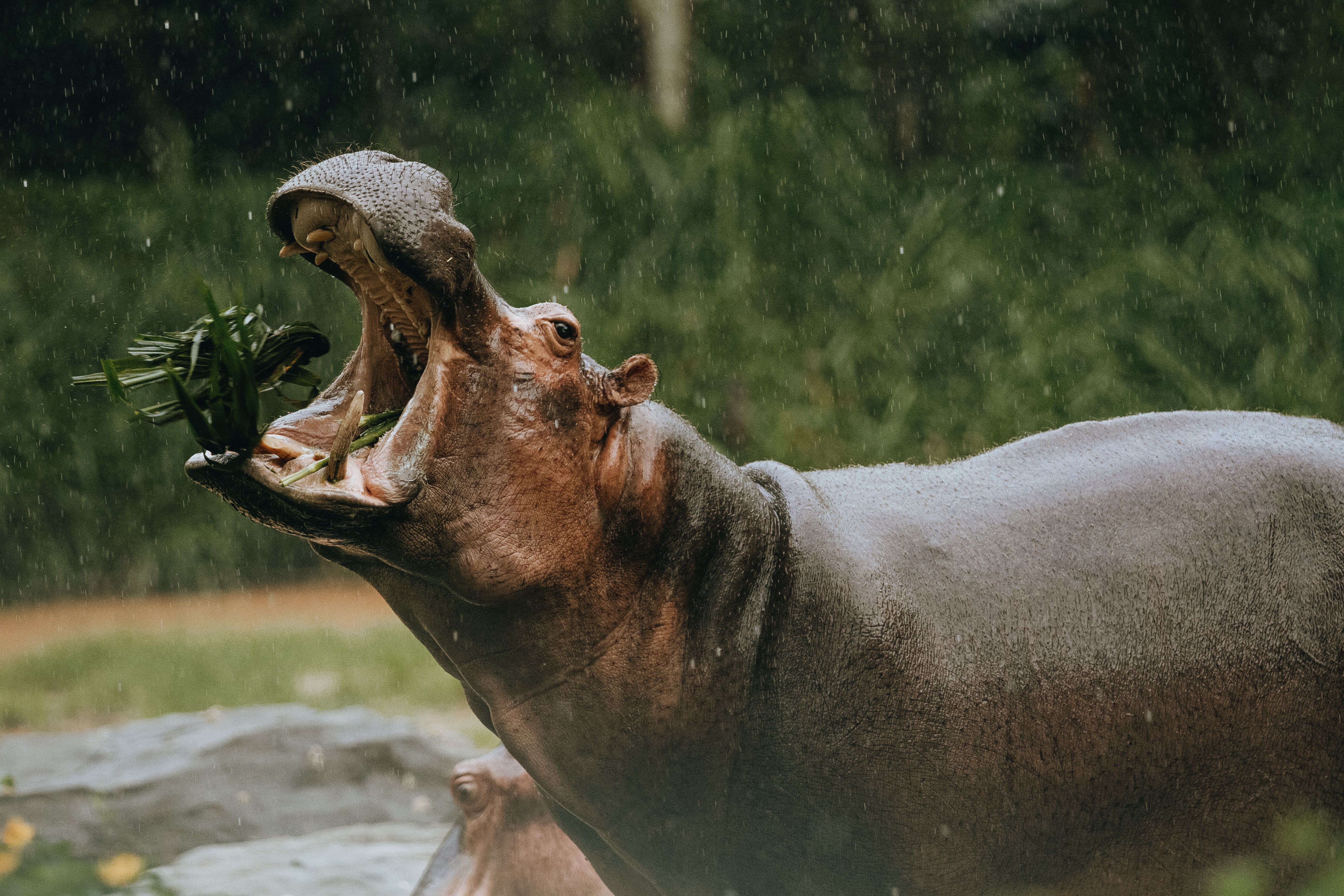
Hippos are primarily known for their herbivorous diet, which is surprisingly selective and adapted to their aquatic habitat. While their massive size might suggest a need for an enormous amount of food, they possess specialized behaviors that allow them to thrive on a relatively simple diet of grasses and aquatic plants. Understanding the what do hippos eat question requires a detailed look into their grazing routines, preferred food sources, and how their diet influences their ecological niche.
Despite their aquatic lifestyle, hippos spend the majority of their time on land, grazing as much as 16 hours daily. This extensive feeding activity is essential for maintaining their energy levels and supporting their large bodies. The diet mainly consists of grasses, although they have been known to occasionally consume aquatic vegetation and other plant materials. Their digestive system is specially adapted to process high-fiber plant matter efficiently, which allows them to subsist on a diet that would be insufficient for many other large herbivores.
Before diving into the specifics, it’s important to note that what do hippos eat forms a key aspect of their survival strategy and influences their interactions with other species within their habitat. This section explores the composition of their diet, feeding patterns, and how their dietary preferences adapt to seasonal and environmental changes.
Grazing Behavior and Dietary Preferences of Hippos
Hippos are predominantly nocturnal feeders, which means they do most of their grazing at night. This behavior reduces their exposure to daytime predators and makes use of the cooler, more humid conditions suitable for their activity. During these nighttime grazing sessions, hippos leave the water to feed on grasses and other terrestrial plants that grow near rivers and lakes.
Grazing behavior varies across different regions and seasons. During the dry season, what do hippos eat becomes focused on the availability of vegetation in their habitat. They often travel considerable distances on land—up to several kilometers—to reach fresh grazing grounds. Their diet remains consistent, mainly composed of grasses, but the specific plant species they consume can differ based on local flora and the seasonal growth cycle.
Hippos exhibit a remarkable preference for grasses such as Cynodon dactylon (bermudagrass), It is usually their primary source of nutrition because of its high fiber content and abundant availability during the wet season. Other grasses, such as Panicum and Echinochloa, are also part of their diet. Their selective feeding habits ensure they get the necessary nutrients without overharvesting any particular plant species.
The feeding mechanism of hippos is also adapted to their diet. They use their large, tusk-like incisors to grasp and clip grasses close to the ground. Their lips are tough but sensitive enough to select tender shoots, and their massive mouths can process large quantities of food rapidly. This efficient feeding strategy, combined with their excellent memory of grazing locations, makes them successful in maintaining their dietary needs even in environments with fluctuating plant availability.
Incorporating our understanding of what do hippos eat offers a window into their vital ecological role. By feeding primarily on grasses, they influence the composition and health of the vegetation around water bodies, contributing to nutrient cycling and habitat modification.
The Digestive System of Hippos and Nutritional Processing
A key aspect of what do hippos eat is understanding how their digestive system processes the high-fiber, low-nutrient diet they consume. Hippos are hindgut fermenters, meaning most of their fermentation of plant material occurs in their large intestines and cecum, allowing them to extract nutrients efficiently from their fibrous diet.
Their digestive anatomy is specially adapted for their herbivorous feeding habits. The large fermentation chambers within their intestines facilitate the breakdown of cellulose, an essential component of grasses and aquatic plants. Microbial populations within these chambers play a significant role in fermenting fibrous material, producing volatile fatty acids that serve as an important energy source for the hippo.
Despite the efficiency of their digestive system, hippos have a relatively slow metabolism and only digest about 50-60% of the plant material they consume. This relatively low digestibility means that they must consume vast quantities of food daily—up to 40 kilograms (around 88 pounds) of grass per night—to meet their energy needs. This substantial intake helps them maintain their large body mass and supports their daily activities.
Interestingly, studies show that hippos often swallow stones or grit along with their food, which aids in grinding and breaking down the tough plant fibers in their digestive tract. Such behavior parallels that seen in other hindgut fermenters and highlights an adaptation that enhances digestion efficiency.
Their diet, while seemingly simple, reflects a complex system of microbiological and physiological adaptations that enable these giants to thrive in nutrient-variable environments. It also emphasizes the importance of preserving healthy ecosystems, as the availability of nutritious grasses directly impacts hippo populations and, by extension, the balance of the aquatic ecosystems they inhabit.
FAQs on Hippos and Their Diets
What do hippos primarily eat?
Hippos mainly eat grasses such as bermudagrass, Panicum, and Echinochloa. They are herbivores that graze mostly at night, consuming large quantities of terrestrial vegetation to sustain their massive bodies.
Do hippos eat aquatic plants?
While their diet predominantly consists of land grasses, hippos do occasionally consume aquatic plants, especially during dry seasons when terrestrial food sources are scarce. However, these make up a small portion of their overall diet.
How much do hippos eat daily?
An adult hippo can consume between 40-50 kilograms (approximately 88-110 pounds) of grasses per night. This large intake is necessary to meet their energy and nutritional requirements due to the low digestibility of their fibrous diet.
Are hippos selective eaters?
Yes, hippos prefer certain types of grasses that are abundant, nutritious, and easily accessible in their habitat. Their selective grazing helps maintain healthy plant communities around water bodies and ensures they get the best nutritional value.
Do hippos ever eat meat?
No, hippos are strictly herbivores. Despite their aggressive nature and powerful jaws, they do not consume meat. Their diet is solely composed of plant materials, which they process through their specialized digestive system.
Conclusion
In understanding what do hippos eat, it becomes clear that these giants are highly adapted herbivores with a diet primarily consisting of grasses and aquatic plants. Their nocturnal grazing habits, specialized digestive system, and ecological role in maintaining healthy vegetation highlight their importance within aquatic and terrestrial ecosystems. Hippos’ dietary behaviors underscore the delicate balance between their survival and the health of their habitat, emphasizing the need for ongoing conservation efforts to protect these remarkable creatures and the environments they inhabit. Their feeding patterns are a testament to nature’s intricate design, showcasing how evolution has equipped them to flourish in their watery world.
Read more: What Do Grasshoppers Eat? Discover Their Diet and Feeding Habits