

Flying squirrels are some of the most fascinating tree-dwelling mammals in the world. Unlike birds or bats, these animals do not truly fly, but they can glide impressive distances between trees using a thin membrane of skin called a patagium. Their large eyes, soft fur, and unique ability to move silently through forests make them one of nature’s most interesting nocturnal creatures.
This guide explores the main types of flying squirrels, including their appearance, scientific names, habitats, diets, behaviors, geographic ranges, and identification features. Whether you are a wildlife enthusiast, nature photographer, student, or simply curious about these unusual mammals, learning about different flying squirrel species can help you better understand forest ecosystems around the world.
There are more than 50 recognized flying squirrel species belonging to the squirrel family Sciuridae. They are found across North America, Europe, and Asia, with the greatest diversity occurring in Asian forests. Some species are tiny enough to fit in your hand, while others are among the largest squirrels on Earth.
What Are the Main Types of Fly ing Squirrels?
The main types of flying squirrels are divided into two broad groups: New World flying squirrels and Old World flying squirrels. New World species mainly belong to the genus Glaucomys and are found in North and Central America. Old World species include many genera such as Pteromys, Petaurista, and Hylopetes, living throughout Europe and Asia.
Popular examples include the northern flying squirrel, southern flying squirrel, Siberian flying squirrel, Japanese flying squirrel, and giant flying squirrels. Each species has adapted to different forest environments, from cold northern woodlands to tropical mountain forests.
| Flying Squirrel Type | Scientific Name | Region | Main Feature |
|---|---|---|---|
| Northern Flying Squirrel | Glaucomys sabrinus | North America | Cold forest specialist with thick fur |
| Southern Flying Squirrel | Glaucomys volans | Eastern North America | Small, social, and highly adaptable |
| Siberian Flying Squirrel | Pteromys volans | Europe and Asia | Only flying squirrel native to Europe |
| Japanese Flying Squirrel | Pteromys momonga | Japan | Large eyes and attractive appearance |
| Indian Giant Flying Squirrel | Petaurista philippensis | South Asia | One of the largest flying squirrels |
1. Northern Flying Squirrel
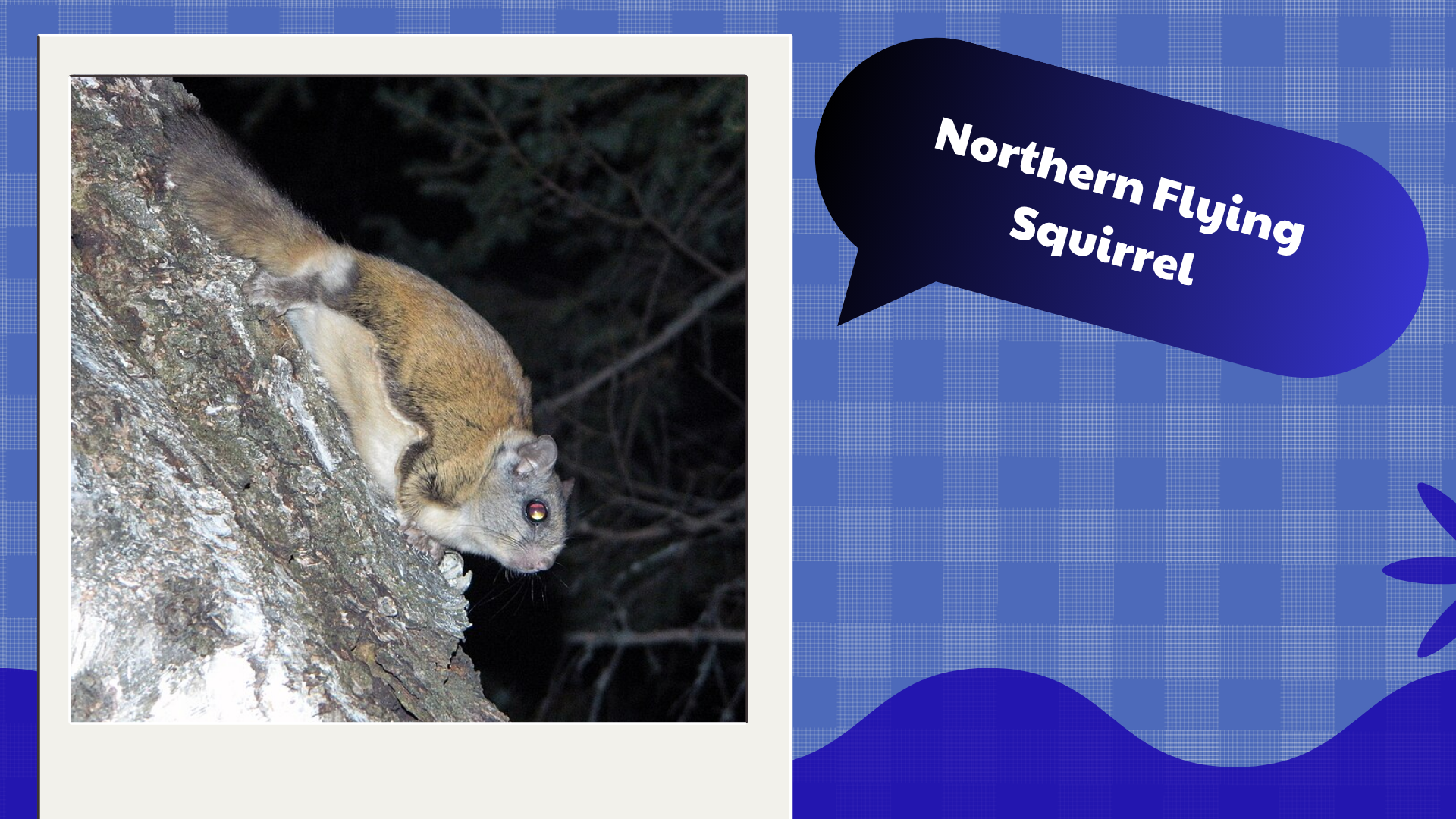
Scientific name: Glaucomys sabrinus
The northern flying squirrel is one of the best-known flying squirrel species in North America. It is recognized by its soft gray-brown fur, creamy white belly, large dark eyes, and broad gliding membrane. Compared with many other squirrels, it has a rounder body shape that helps it survive in colder environments.
This species is found throughout Canada, Alaska, and parts of the northern United States. It prefers mature coniferous forests and mixed woodlands where large trees provide nesting cavities and abundant food sources.
Northern flying squirrels mainly eat fungi, especially underground truffles, along with nuts, seeds, berries, tree buds, and occasionally insects. Their relationship with fungi is important because they help spread fungal spores throughout forest ecosystems.
These squirrels are nocturnal, meaning they are most active after sunset. During the day, they rest inside tree holes, abandoned bird nests, or natural cavities. Their thick fur provides insulation during cold winters.
Identification tips include:
- Gray or brown-gray upper fur
- White or cream-colored underside
- Large black eyes adapted for nighttime activity
- Long flattened tail used for steering while gliding
- Preference for mature forests
Northern flying squirrels are an excellent example of how wildlife can adapt to life high above the forest floor.
2. Southern Flying Squirrel
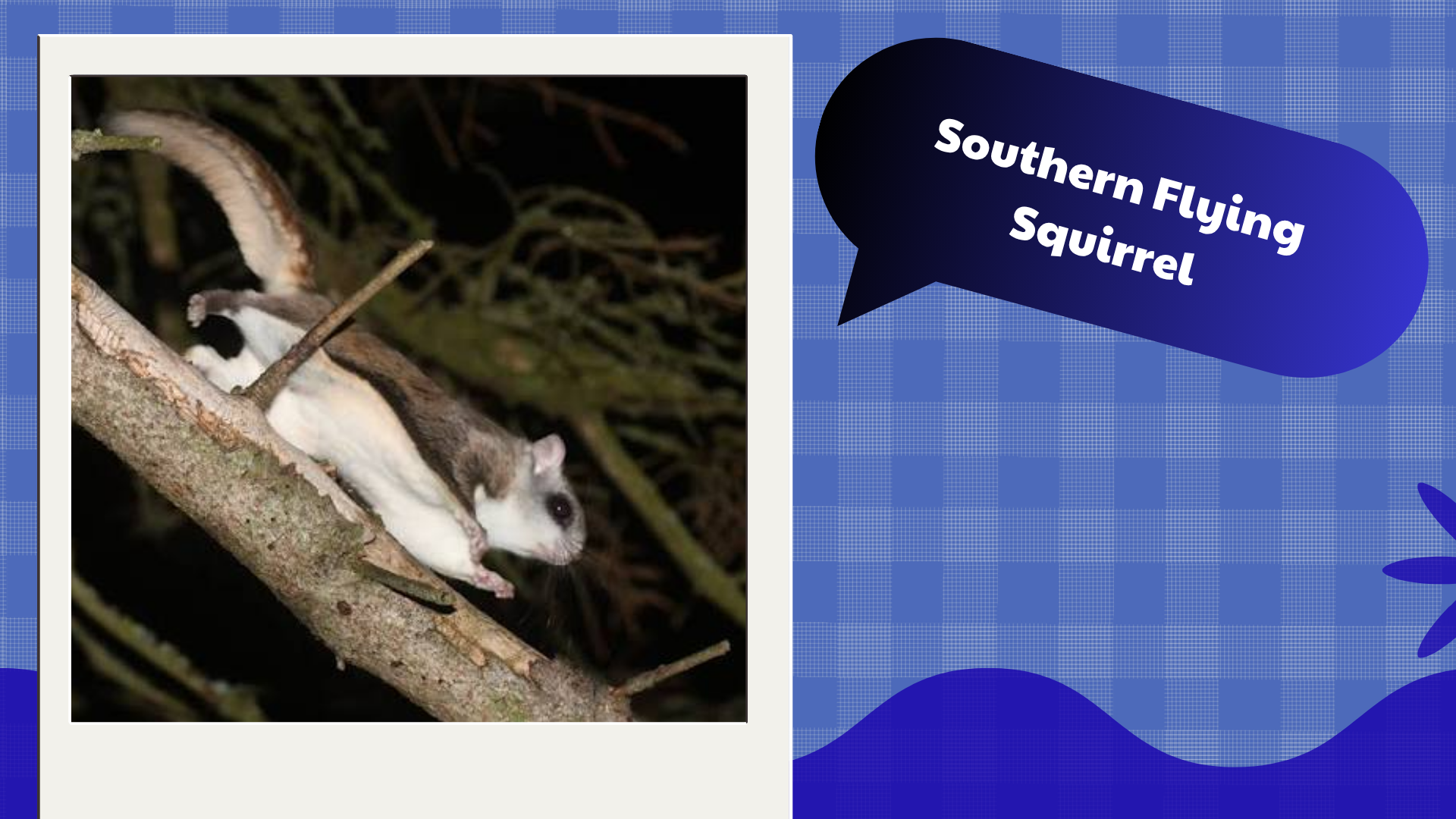
Scientific name: Glaucomys volans
The southern flying squirrel is a small flying squirrel species native to eastern North America. It has soft gray fur on the back, white fur underneath, and very large eyes that help it navigate through forests at night.
This species lives in deciduous forests, mixed forests, and wooded areas from southern Canada through the eastern United States and into parts of Central America. It is especially common in forests containing oak and hickory trees because these provide valuable food sources.
Southern flying squirrels eat a wide variety of foods, including acorns, nuts, seeds, fruits, fungi, tree bark, and insects. They are flexible feeders, which allows them to survive in different habitats.
Unlike many solitary squirrels, southern flying squirrels are often social. Several individuals may share nests during winter to conserve body heat. They communicate using high-pitched sounds that humans may not easily hear.
These squirrels are excellent gliders. They can adjust their body position, tail angle, and membrane tension to control direction and landing accuracy.
Key identification features include:
- Small body size compared with other flying squirrels
- Large round eyes
- Gray-brown fur with a pale belly
- Flat furry tail
- Active mainly at night
3. Siberian Flying Squirrel
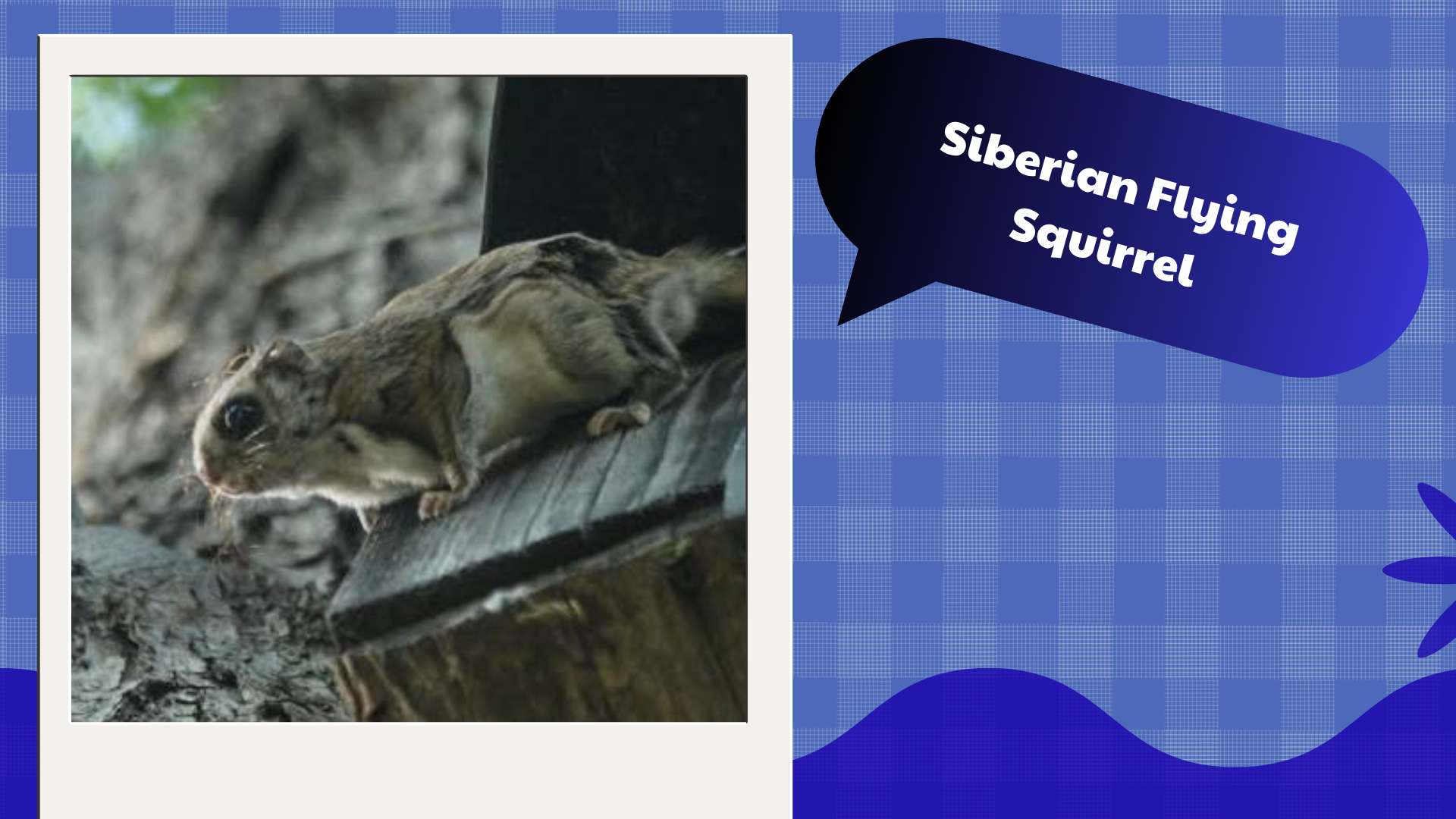
Scientific name: Pteromys volans
The Siberian flying squirrel is one of the most famous flying squirrel species because it is the only species naturally found in Europe. It has gray-brown fur, a white underside, and a compact body designed for movement among trees.
This species occurs across northern Europe and Asia, including Finland, Russia, Mongolia, Korea, and parts of China and Japan. It prefers old forests with a mixture of spruce, pine, birch, and deciduous trees.
Siberian flying squirrels usually nest in tree cavities or abandoned bird nests. They are nocturnal and spend most of their lives above ground, moving between trees by gliding.
Their diet includes leaves, buds, seeds, flowers, berries, and fungi. During summer, they take advantage of seasonal plant growth, while winter survival depends on stored food resources and available tree materials.
Important identification features:
- Gray-brown coat
- Large eyes for nighttime vision
- Light underside
- Broad gliding membrane
- Forest-dependent lifestyle
4. Japanese Flying Squirrel
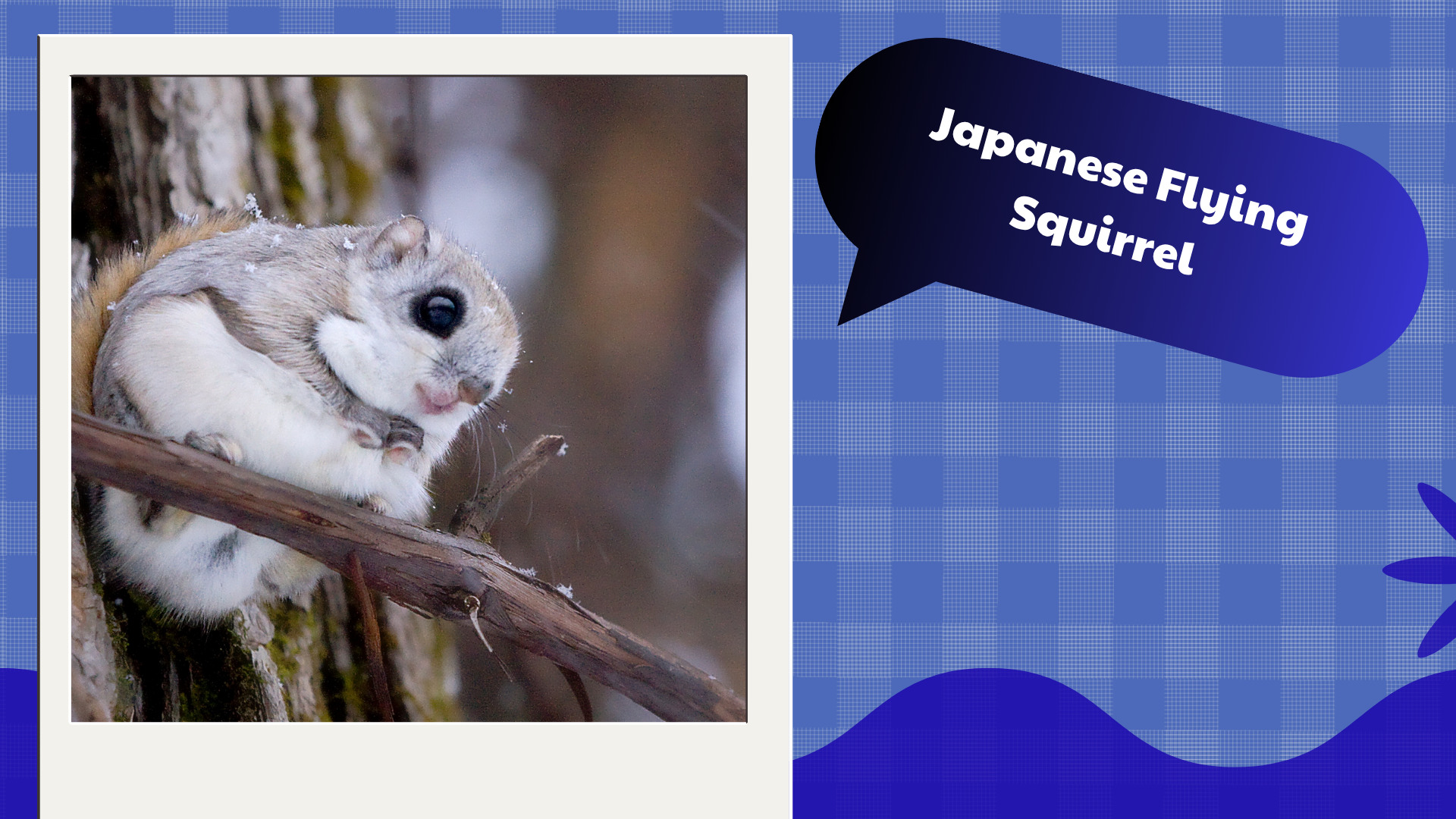
Scientific name: Pteromys momonga
The Japanese flying squirrel is one of the most recognizable small flying squirrels in Asia. Native to Japan, this species is admired for its large dark eyes, rounded face, soft gray fur, and fluffy tail. Its appearance has made it one of the most popular wildlife species associated with Japanese forests.
This flying squirrel lives mainly in mountainous forests across Japan, especially areas with mature trees that provide nesting holes and safe gliding routes. It spends most of its life in the canopy and rarely travels on the ground.
The Japanese flying squirrel feeds on leaves, buds, seeds, fruits, bark, and flowers. Because it is active at night, it relies heavily on its excellent vision and sensitive whiskers to move safely through dark forests.
During the daytime, it rests inside tree cavities or nests made from leaves and plant materials. At night, it emerges to search for food and travel between trees using controlled glides.
Identification features include:
- Small body with soft gray-brown fur
- Very large dark eyes
- Long fluffy tail
- White or pale underside
- Quiet nighttime behavior
The Japanese flying squirrel demonstrates how small mammals can specialize for life high above the forest floor. Its ability to glide helps it avoid predators while efficiently moving between feeding areas.
5. Indian Giant Flying Squirrel
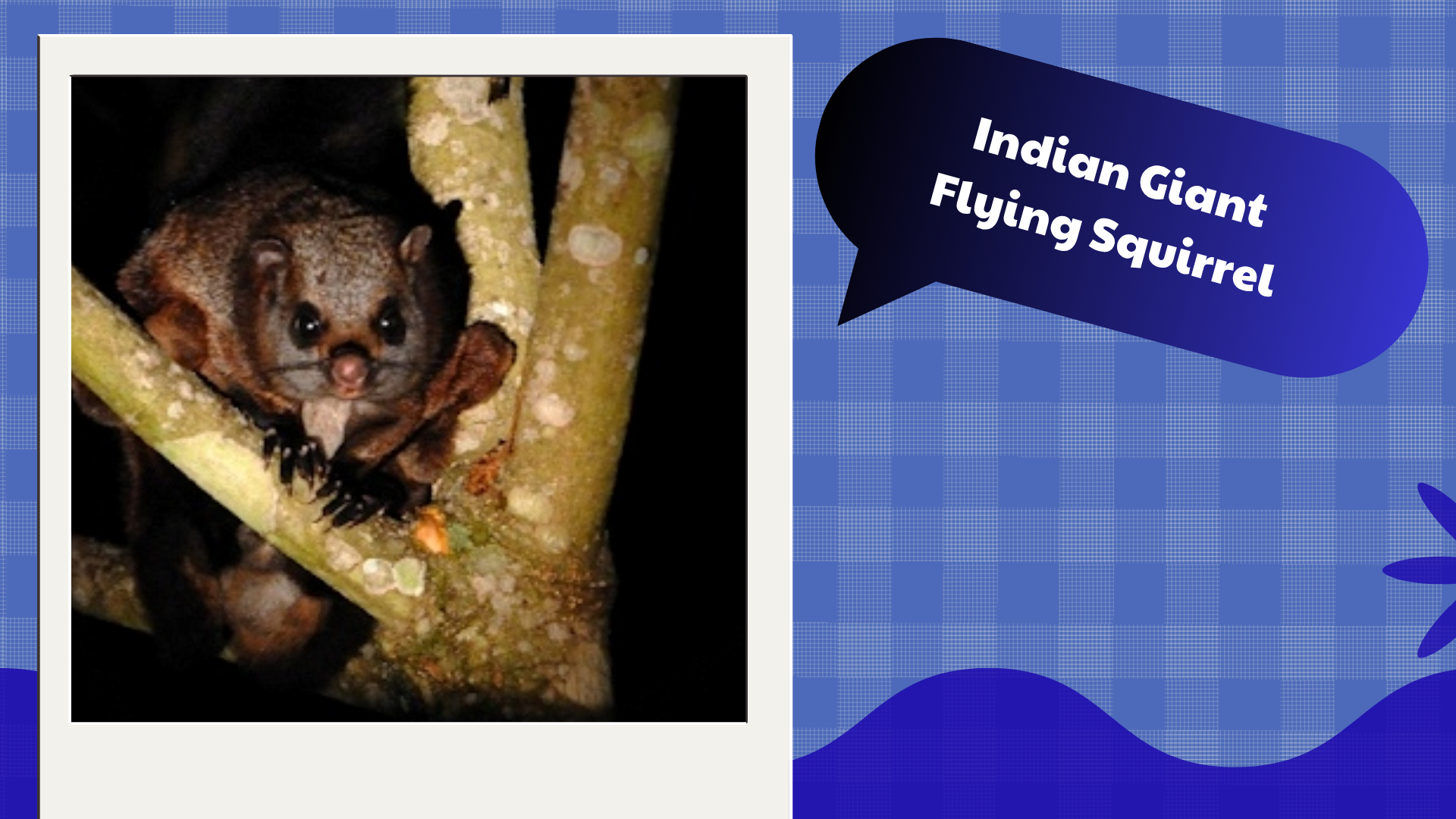
Scientific name: Petaurista philippensis
The Indian giant flying squirrel is one of the largest flying squirrel species in the world. Unlike the smaller flying squirrels commonly seen in North America, this species has a much larger body, strong limbs, and a wide gliding membrane that allows it to travel significant distances between trees.
It is found throughout parts of South Asia, including India, Sri Lanka, Nepal, and surrounding regions. The species prefers tropical and subtropical forests where tall trees provide shelter, food, and suitable launching points for gliding.
The Indian giant flying squirrel has reddish-brown, orange-brown, or dark brown fur depending on its location. Its large size and long bushy tail make it easier to distinguish from smaller flying squirrels.
This species is mostly nocturnal. It feeds on fruits, leaves, bark, flowers, seeds, and occasionally insects. Like many flying squirrels, it plays a role in forest ecosystems by spreading seeds and moving nutrients through the environment.
Identification characteristics:
- Large body size
- Reddish or brown fur
- Long bushy tail
- Wide gliding membrane
- Forest canopy lifestyle
6. Red Giant Flying Squirrel
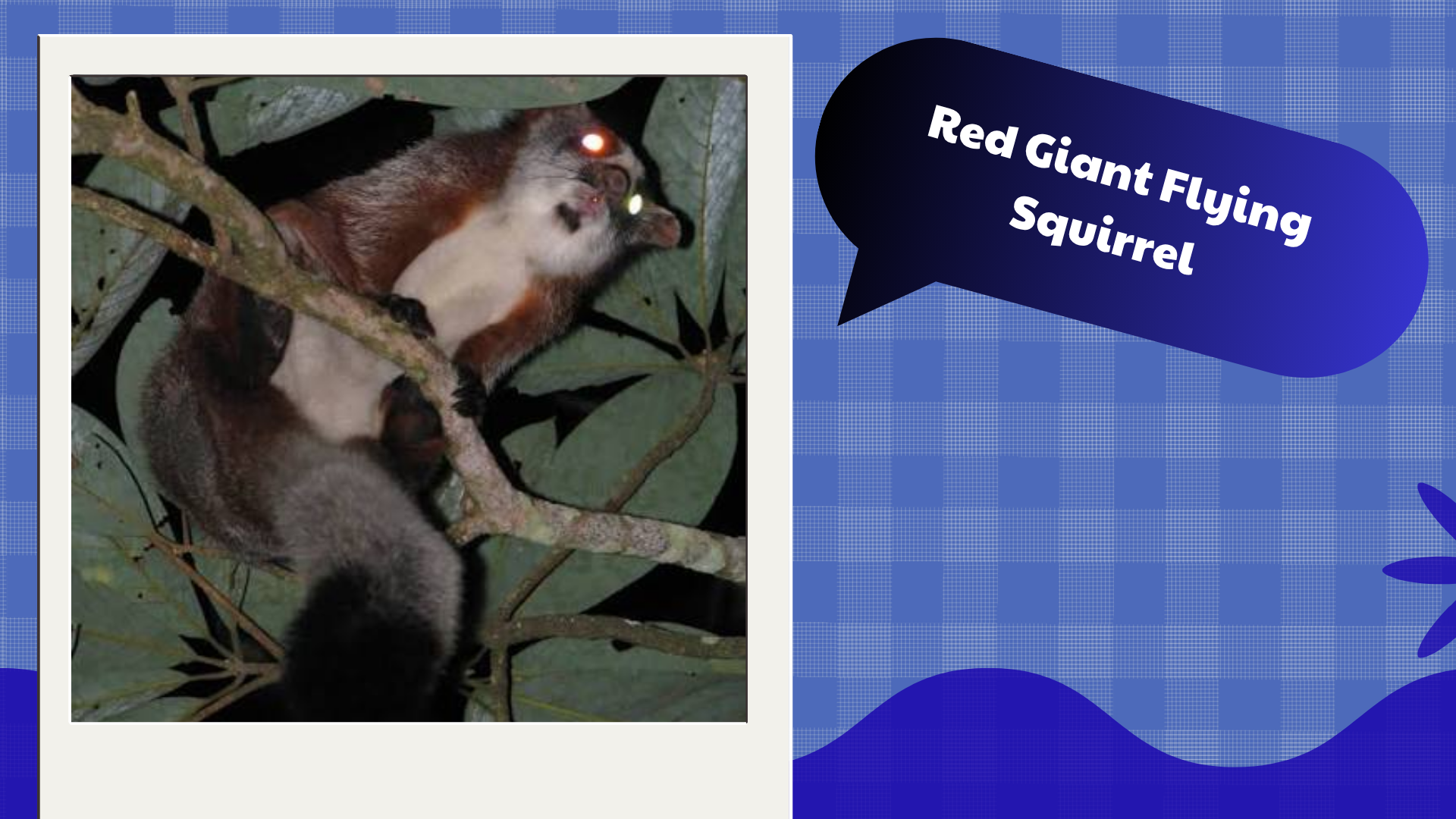
Scientific name: Petaurista petaurista
The red giant flying squirrel is another large flying squirrel species found across South and Southeast Asia. It is known for its reddish-brown coat, powerful body, and impressive gliding ability.
This species inhabits tropical forests, mountain forests, and wooded areas from the Himalayan region to Southeast Asia. It prefers areas with tall trees because its survival depends on connected forest canopies.
The red giant flying squirrel is primarily a plant eater. Its diet includes fruits, leaves, flowers, bark, and seeds. It usually searches for food after sunset and returns to its nest before sunrise.
Unlike smaller flying squirrels that may travel only short distances, giant flying squirrels can glide much farther because of their larger body size and stronger membranes.
Key identification points:
- Large squirrel body shape
- Red-orange or reddish-brown fur
- Very long tail
- Strong gliding ability
- Usually found in dense forests
7. Chinese Giant Flying Squirrel
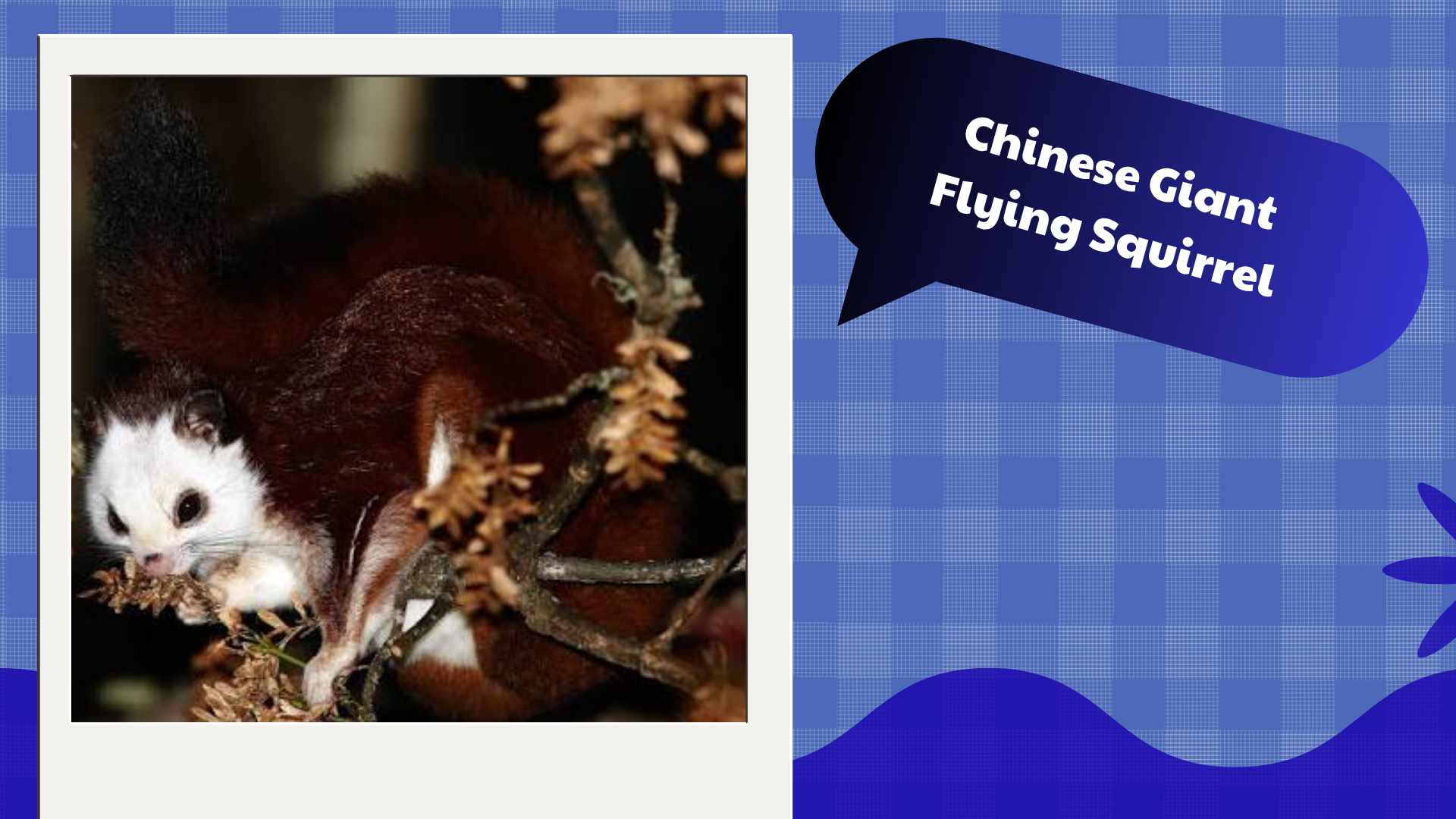
Scientific name: Petaurista alborufus
The Chinese giant flying squirrel is a large species native to forests of China and nearby regions. It is recognized by its impressive size, thick fur, and strong ability to glide between tall trees.
This species commonly lives in mountain forests where mature trees provide nesting locations. It prefers areas with dense vegetation because forest structure is essential for movement and protection.
The Chinese giant flying squirrel feeds mainly on plant materials such as leaves, fruits, seeds, flowers, and tree bark. Its strong teeth allow it to process a wide variety of forest foods.
Because it is nocturnal and spends most of its time high in trees, it can be difficult to observe in the wild. Wildlife researchers often rely on signs such as feeding marks, nests, and nighttime observations.
Identification features:
- Large size compared with common flying squirrels
- Dense fur adapted for mountain environments
- Long tail for balance and steering
- Strong climbing ability
- Nocturnal activity
8. Red and White Giant Flying Squirrel

Scientific name: Petaurista alborufus
The red and white giant flying squirrel is often recognized by its contrasting coat colors. It has reddish upper fur combined with lighter patches, creating a distinctive appearance among Asian flying squirrel species.
It lives in forest environments where large trees create natural pathways for gliding. These habitats provide food sources, nesting cavities, and protection from predators.
This flying squirrel feeds on fruits, leaves, seeds, and flowers. Like other members of the genus Petaurista, it is mainly active at night and uses gliding as its primary method of movement between trees.
Its large body and colorful coat make it an important species for wildlife observation in Asian forests.
9. Bhutan Giant Flying Squirrel

Scientific name: Petaurista nobilis
The Bhutan giant flying squirrel is a large flying squirrel found in Himalayan forest regions. It is adapted to mountainous environments where steep terrain makes gliding an efficient way to travel.
This species has thick fur, a powerful body, and a broad gliding membrane. It spends most of its time in trees and depends on forest habitats for survival.
The Bhutan giant flying squirrel eats plant-based foods including fruits, leaves, flowers, and seeds. Its nighttime activity helps reduce encounters with many daytime predators.
Important identification features:
- Large size
- Mountain forest habitat
- Thick coat
- Broad gliding membrane
- Nocturnal lifestyle
10. Woolly Flying Squirrel
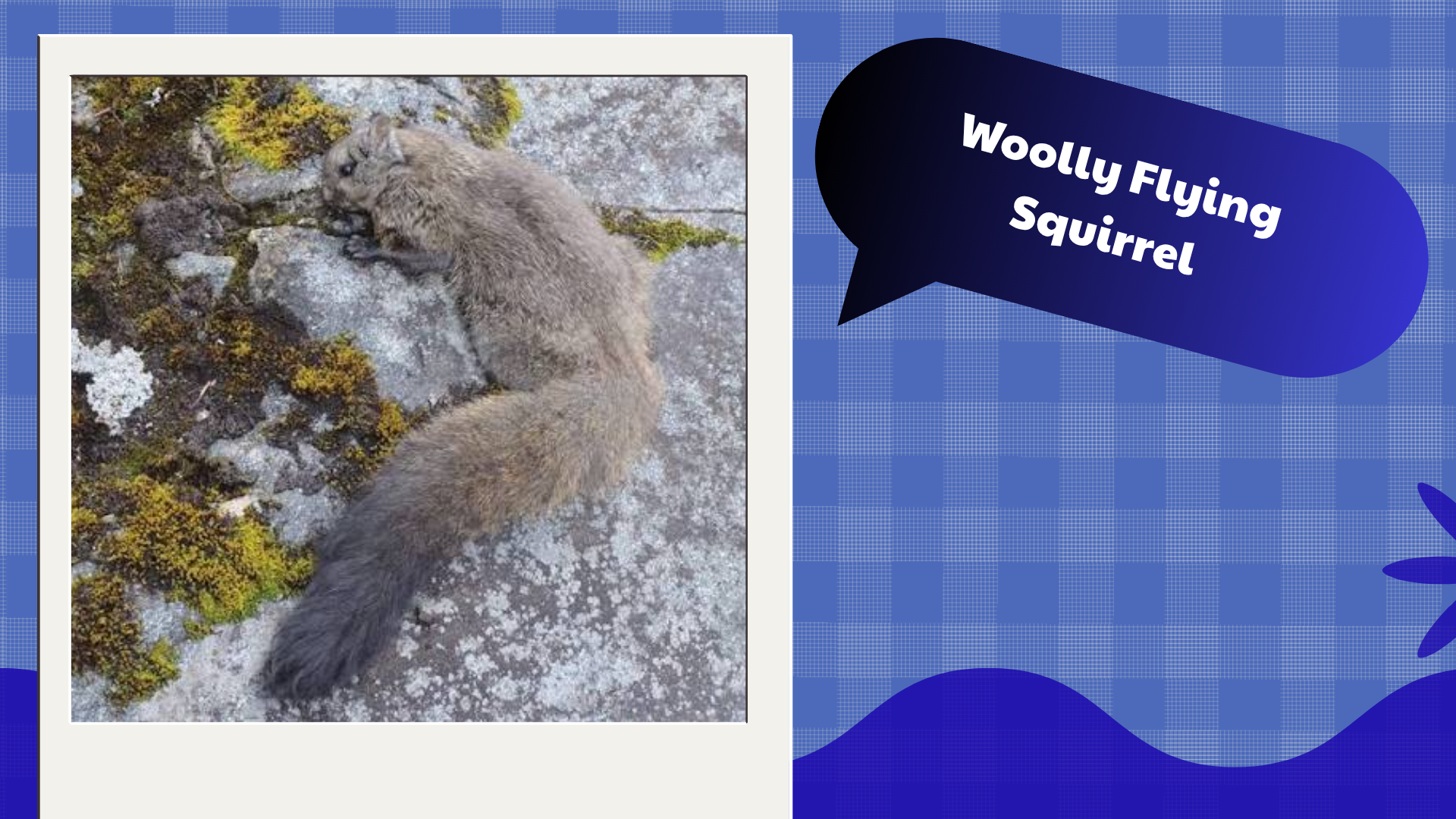
Scientific name: Eupetaurus cinereus
The woolly flying squirrel is one of the rarest and most unusual flying squirrels in the world. It is known for its thick wool-like fur and adaptation to high-altitude mountain environments.
This species is found in parts of the Himalayas and surrounding mountain regions. It lives in rocky forest habitats at high elevations where temperatures can be cold.
The woolly flying squirrel has a slower lifestyle compared with many other flying squirrels. Its dense fur helps protect it from harsh weather conditions.
Its diet consists mainly of pine needles, leaves, and other plant materials available in its mountain habitat.
Identification features:
- Extremely thick woolly fur
- Large body size
- Mountain habitat
- Grayish coloration
- Rare and difficult to observe
11. Malayan Flying Squirrel
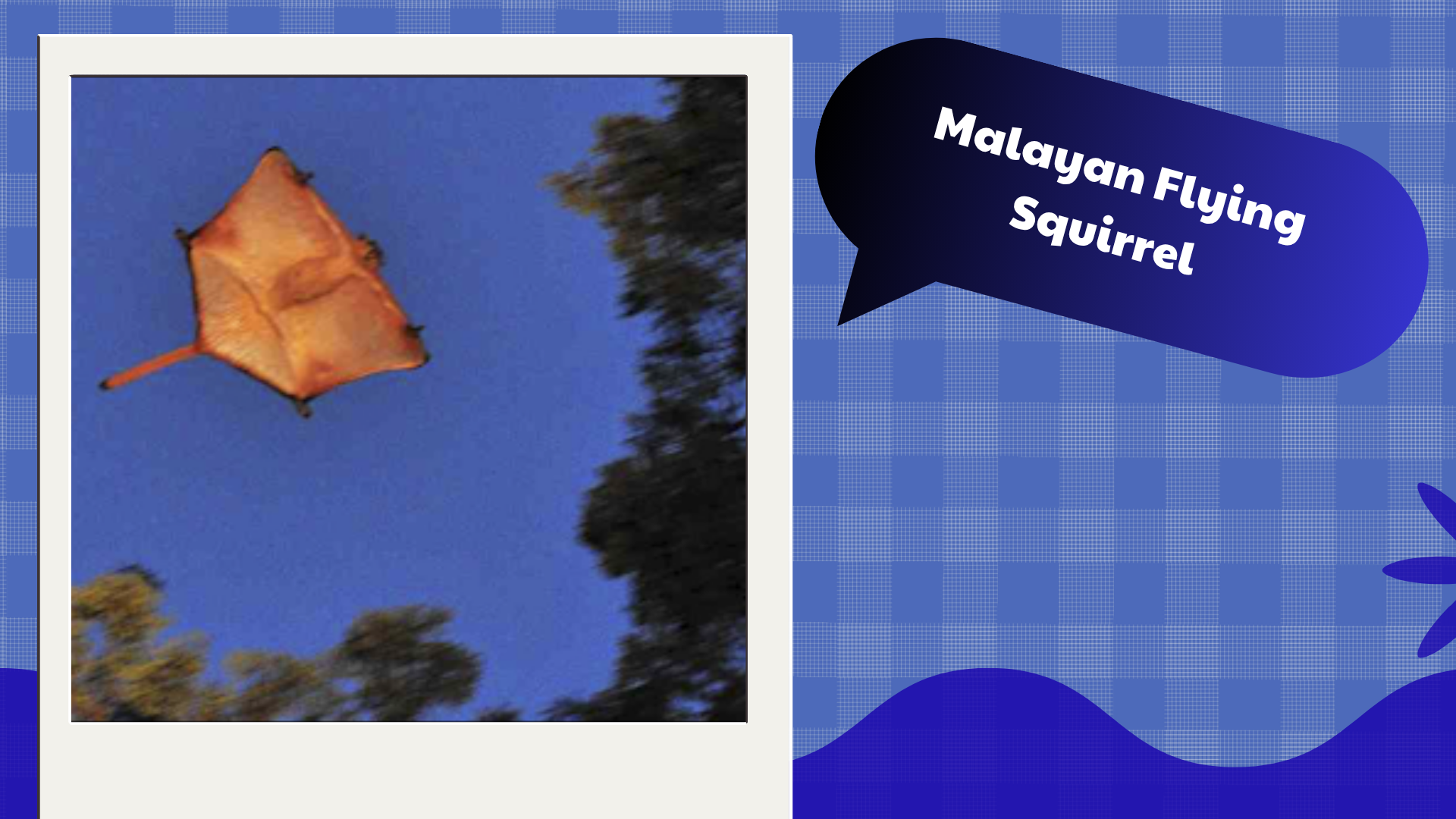
Scientific name: Hylopetes platyurus
The Malayan flying squirrel is a small to medium-sized flying squirrel found in Southeast Asia. It is known for its slim body, long tail, and excellent maneuverability while gliding through dense tropical forests.
This species occurs in countries such as Malaysia, Thailand, Indonesia, and nearby regions. It prefers lowland forests, hill forests, and areas with plenty of tree cover. The connected forest canopy allows it to travel efficiently without descending to the ground.
The Malayan flying squirrel has soft brown or grayish fur with a lighter underside. Its tail is long and helps stabilize its body during gliding. Like many other flying squirrels, it is mainly active at night.
Its diet consists mostly of fruits, seeds, flowers, leaves, and occasionally insects. It plays an important ecological role by helping spread seeds throughout forest environments.
Identification features:
- Small to medium body size
- Long tail used for steering
- Brown-gray fur
- Tropical forest habitat
- Nocturnal behavior
12. Red-cheeked Flying Squirrel
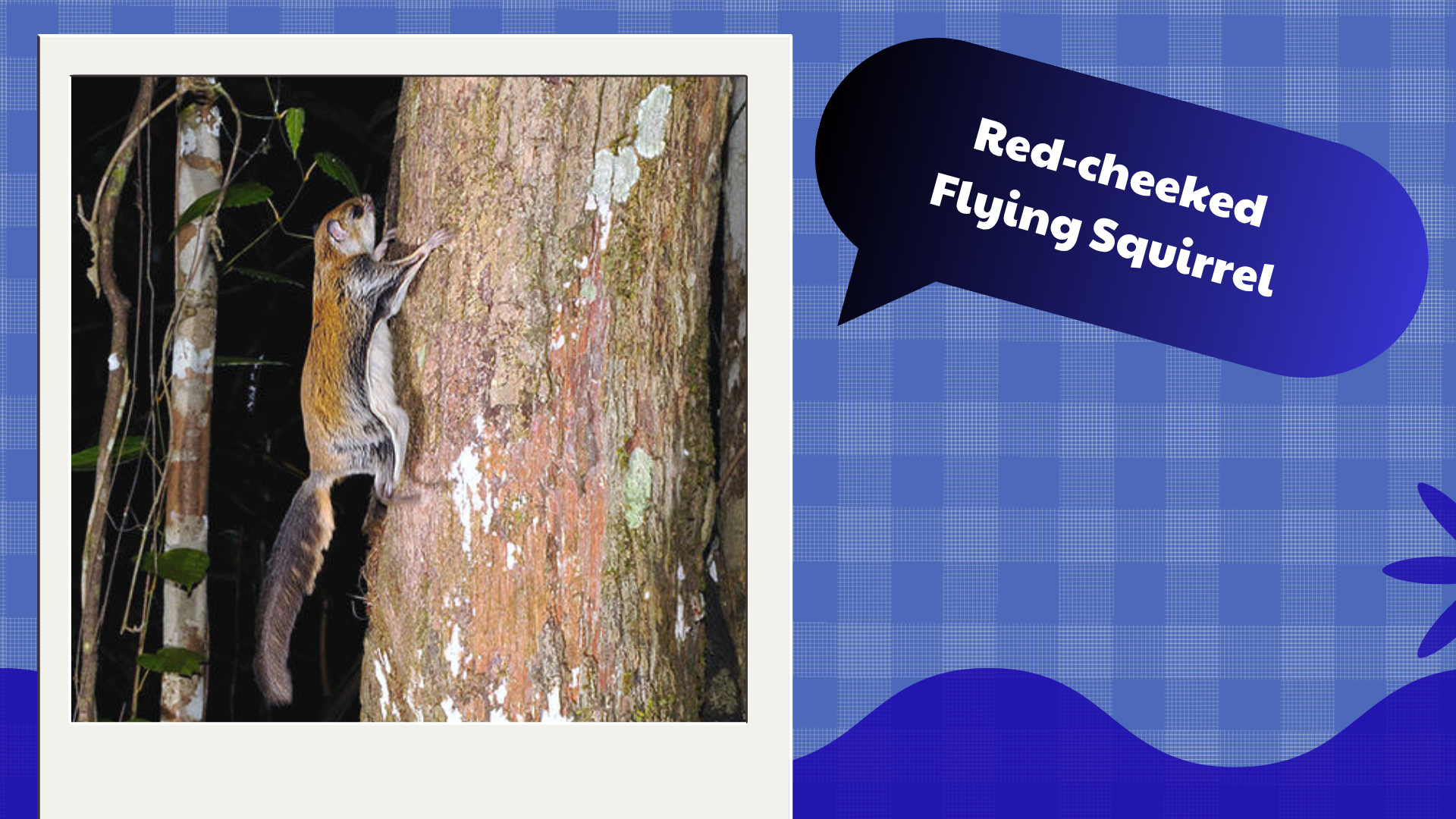
Scientific name: Hylopetes spadiceus
The red-cheeked flying squirrel is a Southeast Asian species recognized by the reddish coloration around its face and cheeks. It belongs to a group of smaller flying squirrels that are highly adapted to life in tropical forests.
This squirrel is found in parts of Southeast Asia, including Thailand, Malaysia, Indonesia, and surrounding areas. It prefers forest environments with dense vegetation and abundant food resources.
The species feeds mainly on fruits, seeds, flowers, and plant materials. It uses its gliding ability to move quickly between trees while avoiding predators and searching for food.
Unlike larger giant flying squirrels, the red-cheeked flying squirrel is lightweight and extremely agile. Its smaller body allows it to move through narrow spaces between branches.
Identification tips:
- Small body size
- Reddish facial markings
- Brown upper fur
- Long tail
- Active after dark
13. Javan Flying Squirrel
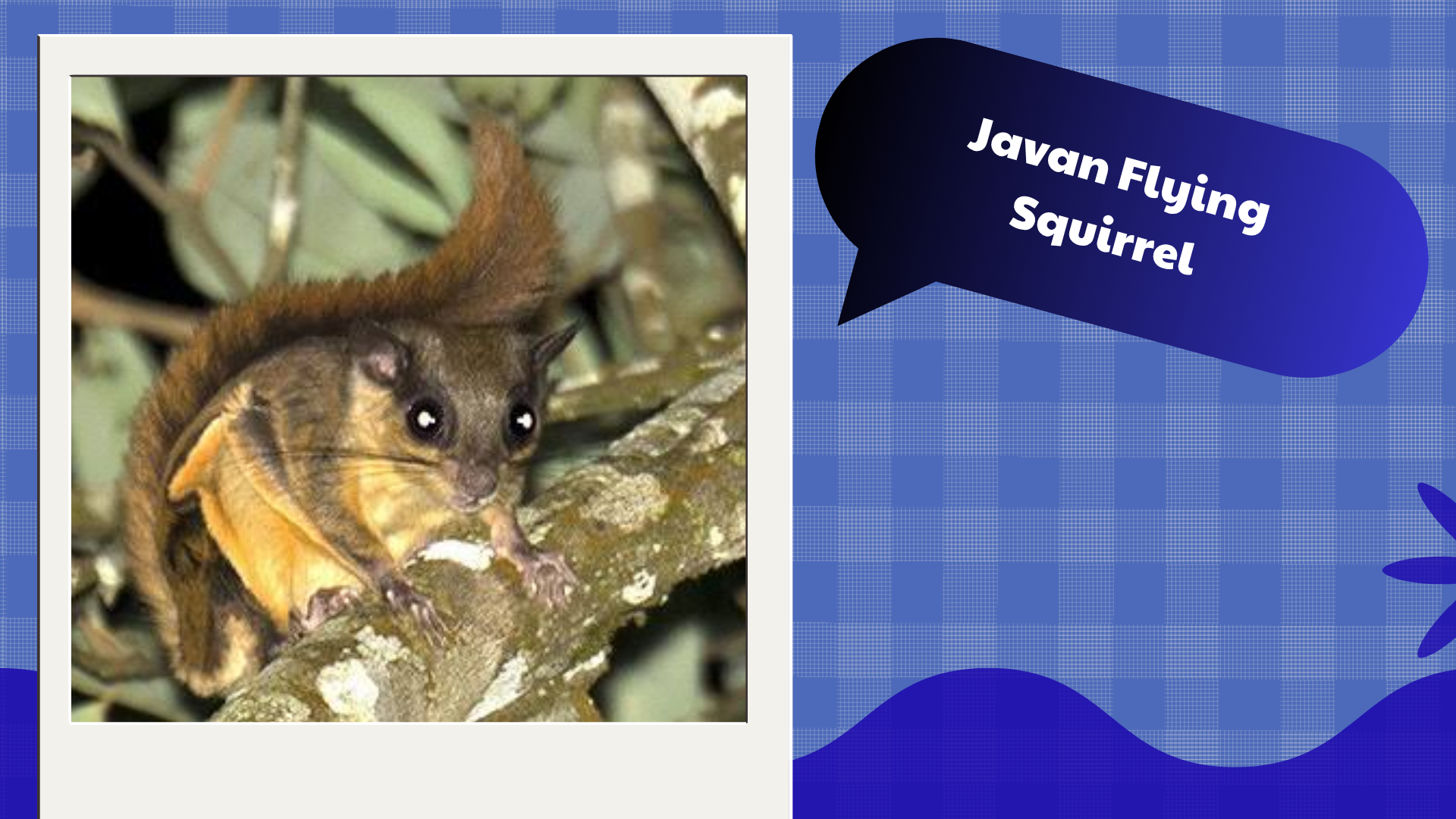
Scientific name: Iomys horsfieldii
The Javan flying squirrel is a small flying squirrel native to Southeast Asia. It is named after Java, one of the islands where it can be found, although its range extends to other nearby areas.
This species lives in tropical forests and woodland habitats. It depends on trees for shelter, feeding, and movement. Forest loss can affect populations because these squirrels require connected habitats for safe gliding.
The Javan flying squirrel has dark brown fur, a compact body, and a furry tail. It feeds on fruits, seeds, leaves, and other plant materials available in its environment.
Because it is nocturnal and quiet, it is rarely seen by casual visitors. Wildlife researchers often study it through nighttime surveys and habitat observations.
Identification features:
- Small compact body
- Dark brown coloration
- Tropical forest preference
- Large eyes for night activity
- Strong climbing ability
14. Red Giant Flying Squirrel
Scientific name: Petaurista petaurista
The red giant flying squirrel is one of the largest and most widespread giant flying squirrels in Asia. It has a powerful body, reddish fur, and a large gliding membrane that allows it to travel between distant trees.
This species is found in forests across South and Southeast Asia. It commonly inhabits tropical forests, mountain forests, and wooded landscapes where tall trees provide suitable nesting locations.
The red giant flying squirrel is primarily herbivorous. It eats fruits, leaves, flowers, bark, and seeds. Because it feeds on many plant parts, it can survive in habitats with seasonal food changes.
Its large size helps it glide long distances, sometimes crossing wide gaps between trees. This ability is especially useful in forests where moving along the ground would increase the risk of predators.
Identification features:
- Large squirrel body
- Red-orange or brown fur
- Very long tail
- Broad gliding membrane
- Mostly active at night
15. Formosan Giant Flying Squirrel
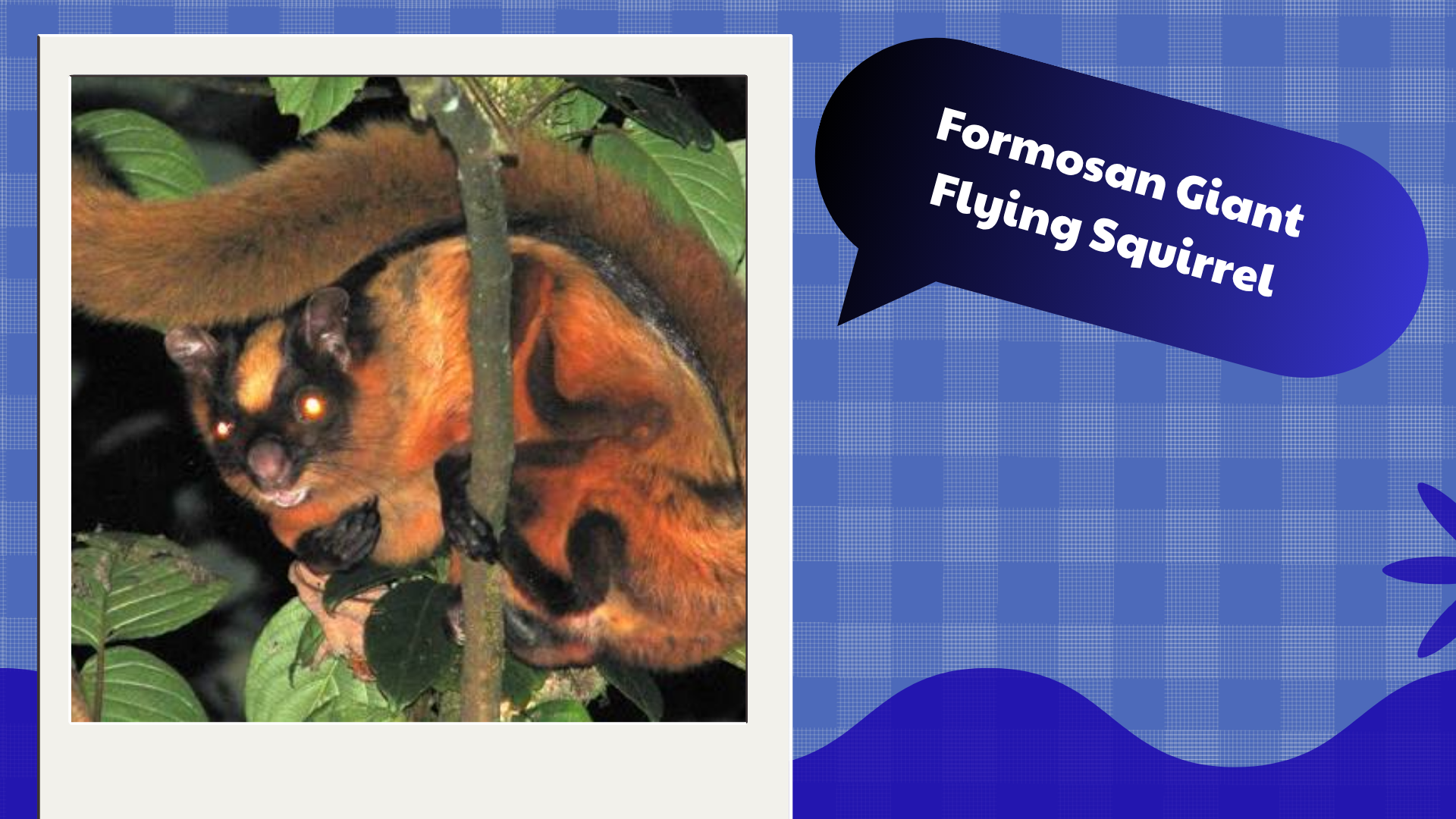
Scientific name: Petaurista grandis
The Formosan giant flying squirrel is a large flying squirrel species found in Taiwan. It is adapted to mountainous forests and spends most of its life among trees.
This species has thick fur, a large body, and strong limbs for climbing. Its gliding membrane allows it to travel between trees while searching for food or escaping danger.
The Formosan giant flying squirrel eats fruits, leaves, seeds, and flowers. It is most active at night when it moves through the forest canopy.
Because Taiwan contains diverse mountain forests, this squirrel occupies habitats ranging from low mountain woodlands to higher elevation forests.
Identification characteristics:
- Very large body size
- Dense fur
- Mountain forest habitat
- Long bushy tail
- Nocturnal activity
16. Japanese Giant Flying Squirrel
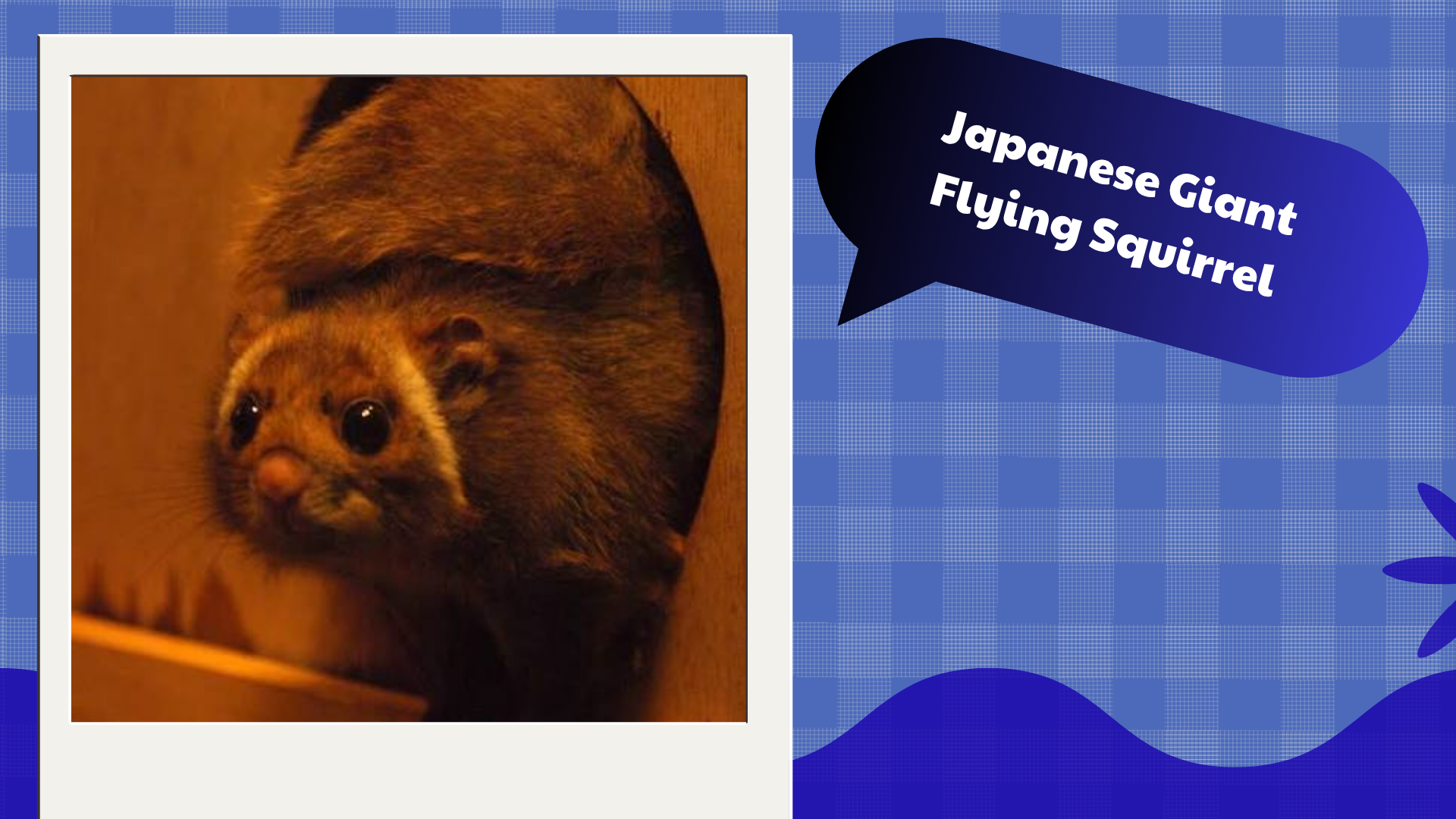
Scientific name: Petaurista leucogenys
The Japanese giant flying squirrel is a large species found in Japan. It is much bigger than the Japanese flying squirrel and is recognized by its impressive size and powerful gliding ability.
It inhabits forests with tall trees where it can build nests and move safely through the canopy. It often chooses areas with abundant vegetation and mature woodland.
This squirrel feeds on leaves, fruits, flowers, seeds, and tree bark. Its strong teeth allow it to access different food sources throughout the year.
The Japanese giant flying squirrel is a popular wildlife species because of its size and unique appearance. However, it is still mostly active during nighttime hours.
Identification tips:
- Large body compared with other Japanese squirrels
- Gray or brown fur
- Long fluffy tail
- Wide gliding membrane
- Forest canopy lifestyle
How Are These Flying Squirrels Classified?
Flying squirrels are classified as members of the family Sciuridae, the same family that includes tree squirrels, ground squirrels, and chipmunks. They belong to the subfamily Pteromyinae, which contains squirrels adapted for gliding through forest environments.
Although they are commonly called flying squirrels, they do not have powered flight like birds or bats. Instead, they use a specialized skin membrane called a patagium that stretches between their front and rear legs. This membrane works like a parachute wing, allowing them to glide from one tree to another.
Scientists generally divide flying squirrels into two major groups:
| Group | Main Genera | Distribution | Characteristics |
|---|---|---|---|
| New World Flying Squirrels | Glaucomys | North and Central America | Small to medium-sized species adapted to temperate forests |
| Old World Flying Squirrels | Pteromys, Petaurista, Hylopetes, Eupetaurus | Europe and Asia | Includes many species from small squirrels to giant flying squirrels |
Flying squirrels can also be classified by size. Small species such as the southern flying squirrel are lightweight and highly agile, while giant flying squirrels such as the red giant flying squirrel have powerful bodies designed for longer glides.
Where Do Flying Squirrels Live?
Flying squirrels are forest animals found throughout parts of North America, Europe, and Asia. Their distribution is closely connected to forests because they depend on trees for food, shelter, nesting sites, and movement.
Different species have adapted to many environments, including:
- Temperate forests: Northern flying squirrels and Siberian flying squirrels live in cooler forests with coniferous and mixed trees.
- Tropical forests: Many Asian flying squirrels inhabit warm forests with high biodiversity and abundant plant resources.
- Mountain forests: Giant flying squirrels and woolly flying squirrels survive in high-elevation habitats.
- Island forests: Species such as Japanese flying squirrels have evolved in isolated forest ecosystems.
Most flying squirrels prefer mature forests with tall trees because these environments provide natural highways for gliding. Tree cavities, abandoned bird nests, and dense vegetation provide safe places for resting and raising young.
The quality and connectivity of forests are extremely important for these animals. A forest with separated trees or large gaps may make movement more difficult because flying squirrels rely on gliding between connected areas.
How to Identify Different Types of Flying Squirrels
Identifying flying squirrel species can be challenging because many species look similar. However, several features can help distinguish them.
- Body size: Giant flying squirrels are much larger than species such as southern or Japanese flying squirrels.
- Fur color: Some species have gray fur, while others display reddish, brown, or mixed coloration.
- Tail shape: A long fluffy tail helps with balance and steering during gliding.
- Gliding membrane: All flying squirrels have a patagium, but its size and shape vary between species.
- Habitat: Location is one of the most useful identification clues because many species have limited geographic ranges.
- Activity time: Nearly all flying squirrels are nocturnal, becoming active after sunset.
Additional identification clues include:
- Forest type where the squirrel is observed
- Body proportions and ear size
- Nesting location
- Diet signs such as feeding marks on trees
- Sounds made during nighttime activity
For accurate identification, wildlife observers should combine appearance with geographic location rather than relying on color alone.
Safety, Sustainability, and Conservation Notes
Flying squirrels are important members of forest ecosystems. They contribute to forest health by spreading fungal spores, moving seeds, and supporting natural food chains.
However, many flying squirrel species face challenges caused by changes in their habitats. Common threats include:
- Forest loss: Removing mature trees reduces nesting areas and food availability.
- Habitat fragmentation: Broken forests can limit movement between feeding and nesting areas.
- Climate changes: Changing temperatures and forest conditions may affect species adapted to specific environments.
- Human disturbance: Noise, development, and nighttime activity can influence wildlife behavior.
Responsible wildlife observation is important. People should avoid disturbing nests, handling wild squirrels, or using artificial lights excessively during nighttime surveys.
Conservation efforts commonly focus on protecting old forests, maintaining wildlife corridors, and preserving native ecosystems. Protecting trees benefits not only flying squirrels but also many other forest animals.
Fun Facts About Flying Squirrels
- Flying squirrels do not actually fly; they glide using a skin membrane called a patagium.
- Some flying squirrels can glide longer distances than the length of several school buses.
- Most flying squirrels are active at night and have excellent low-light vision.
- The northern flying squirrel helps forests by spreading fungal spores.
- Giant flying squirrels are among the largest squirrels in the world.
- The Siberian flying squirrel is the only flying squirrel native to Europe.
- Flying squirrels use their tails like a steering tool while gliding.
- Some flying squirrels produce high-frequency sounds that humans cannot easily hear.
- Many species spend almost their entire lives above the forest floor.
- Flying squirrels can adjust their body position during a glide to change direction and landing speed.
Frequently Asked Questions
1. How many types of flying squirrels are there?
There are more than 50 recognized flying squirrel species worldwide. Most species are found in Asia, while others live in North America and Europe.
2. Are flying squirrels really able to fly?
No. Flying squirrels glide rather than fly. They use a skin membrane between their legs to move through the air between trees.
3. What is the largest type of flying squirrel?
Giant flying squirrels in the genus Petaurista are among the largest flying squirrels, with some species reaching much greater sizes than common North American species.
4. What is the smallest flying squirrel?
Several species of small flying squirrels are very lightweight, including some members of the genus Hylopetes.
5. Where are flying squirrels found?
Flying squirrels are found in forests across North America, Europe, and Asia.
6. What do flying squirrels eat?
Most flying squirrels eat plant materials such as fruits, seeds, nuts, leaves, buds, flowers, and fungi. Some also eat insects.
7. Are flying squirrels nocturnal?
Yes. Most flying squirrels are active at night and rest during the daytime.
8. Do flying squirrels live in trees?
Yes. They spend most of their lives in trees where they find food, shelter, and safe places to glide.
9. Can flying squirrels glide far?
Yes. Some species can glide impressive distances depending on their body size, habitat, and environmental conditions.
10. Do flying squirrels make good pets?
Flying squirrels are wild animals with specialized needs. They require specific diets, environments, and care that are difficult to provide outside their natural habitat.
11. What is the difference between a flying squirrel and a normal squirrel?
Flying squirrels have a gliding membrane between their legs, while typical tree squirrels do not.
12. Are flying squirrels dangerous?
Flying squirrels are generally shy and avoid humans. They are not considered dangerous when observed responsibly.
13. Why do flying squirrels have large eyes?
Their large eyes help them see in low-light conditions because most species are active at night.
14. What forests do flying squirrels prefer?
Many species prefer mature forests with tall trees, nesting cavities, and connected canopies.
15. Do flying squirrels hibernate?
Most flying squirrels do not fully hibernate, although some species reduce activity during cold periods.
16. How do flying squirrels avoid predators?
They avoid predators by staying in trees, moving silently, and gliding quickly between branches.
17. What predators eat flying squirrels?
Predators may include owls, hawks, snakes, and some mammals that hunt in forest environments.
18. How long do flying squirrels live?
Lifespan varies by species and environment. Wild individuals often face many natural challenges.
19. Are flying squirrels rare?
Some species are common, while others are rare because of limited habitats or declining forest areas.
20. What is the rarest flying squirrel?
The woolly flying squirrel is considered one of the rarest flying squirrel species because it has a limited mountain range and is difficult to observe.
21. Do flying squirrels live alone?
Many species are solitary, although some may share nests during colder seasons.
22. How do flying squirrels communicate?
They communicate through sounds, scent markings, and body movements.
23. Can flying squirrels swim?
They are capable of swimming if necessary, although they are primarily adapted for tree life.
24. Why are flying squirrels important?
They support forest ecosystems through seed movement, fungal spore distribution, and their role in food webs.
25. How can people help flying squirrels?
Protecting forests, preserving old trees, and supporting wildlife conservation programs can help protect flying squirrel populations.