

China is home to an extraordinary range of wildlife, from giant pandas and golden snub-nosed monkeys to snow leopards, takins, dolphins, and rare birds. This guide to the types of animals in China introduces 30 notable species found across the country’s forests, grasslands, deserts, mountains, rivers, wetlands, and coastal waters. You will learn how to recognize them, where they live, what they eat, how they behave, and why conservation matters.
What Are the Main Types of Animals in China?
The main types of animals in China include mammals, birds, reptiles, amphibians, fish, and marine animals. China’s varied geography supports species adapted to Himalayan peaks, tropical forests, temperate woodlands, dry deserts, open steppes, and large rivers. Some animals are widespread, while others have small ranges and are seriously threatened by habitat loss, hunting, pollution, or climate change.
1. Giant Panda

Scientific name: Ailuropoda melanoleuca
The giant panda is China’s best-known animal and a specialist of cool, forested mountain slopes. Its bold black-and-white coat, rounded ears, heavy body, and strong jaw make it easy to identify. Giant pandas mainly eat bamboo, although they may occasionally consume other plant material or small animals. They live primarily in fragmented mountain forests of central China, especially in Sichuan, Shaanxi, and Gansu. Adults commonly weigh about 70 to 120 kilograms. Although bamboo is low in energy, pandas spend many hours feeding each day. Conservation programs, protected reserves, and habitat corridors have helped the species recover, but it remains dependent on healthy bamboo forests.
2. Red Panda

Scientific name: Ailurus fulgens
The red panda is a small tree-dwelling mammal with reddish fur, a ringed tail, white facial markings, and curved claws. It is not a close relative of the giant panda, despite sharing a bamboo-based diet. Red pandas inhabit cool mountain forests and bamboo thickets in parts of southwestern China, often at high elevations. They eat bamboo leaves, fruit, acorns, insects, eggs, and other small foods. Mostly active around dawn, dusk, and nighttime, they spend much of their time in trees. Habitat fragmentation, forest loss, accidental trapping, and climate pressures threaten this shy species.
3. Snow Leopard
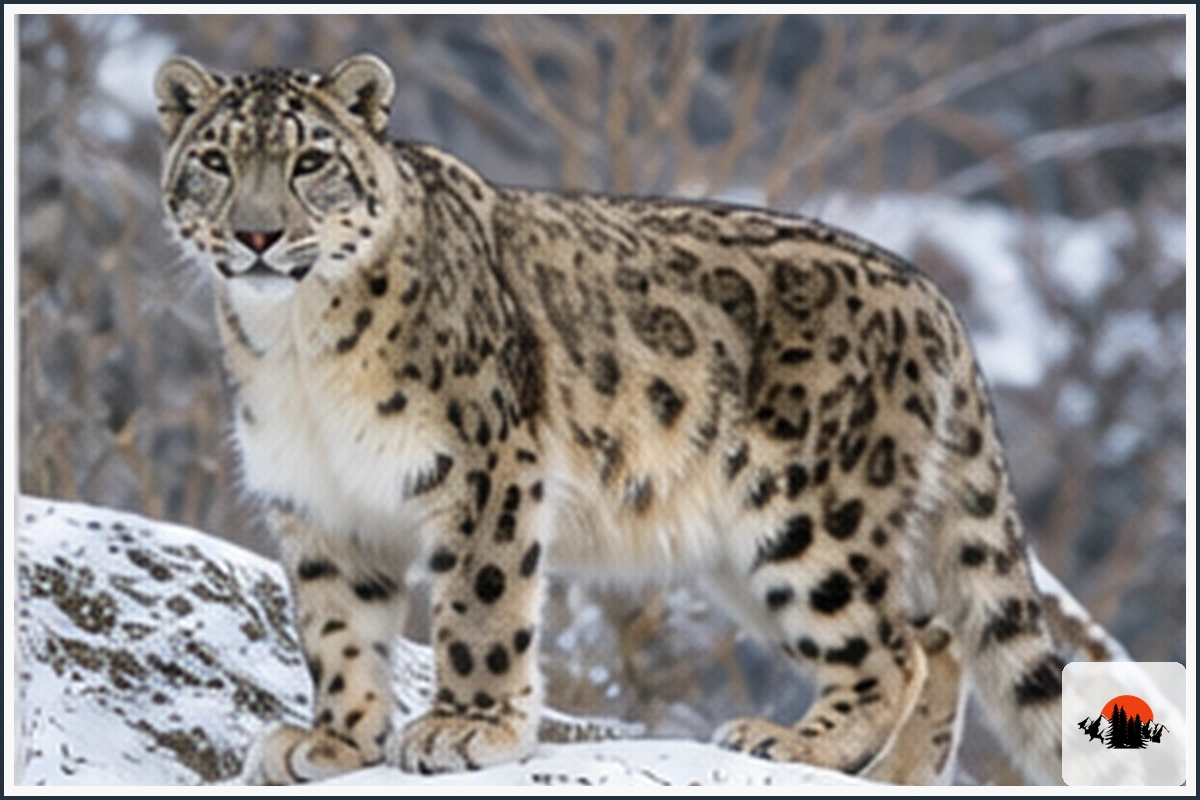
Scientific name: Panthera uncia
The snow leopard is a powerful mountain cat recognized by its pale gray coat, dark rosettes, long tail, and broad paws. It lives across high-elevation ranges in western China, including the Tibetan Plateau and parts of the Himalayas, Kunlun, and Tianshan mountains. Its thick fur and enlarged nasal passages help it cope with cold, thin air. Snow leopards hunt blue sheep, Himalayan tahr, wild goats, marmots, and smaller animals. They are solitary, elusive, and well camouflaged against rocky slopes. Livestock conflict, prey decline, infrastructure development, and habitat fragmentation are important conservation concerns.
4. Siberian Tiger

Scientific name: Panthera tigris altaica
The Siberian tiger, also called the Amur tiger, is the largest tiger subspecies and occurs in northeastern China near the Russian border. It has a heavily muscled body, orange coat, black stripes, and large paws suited to snowy terrain. Its habitat includes mixed forests, river valleys, and rugged woodland. Deer, wild boar, elk, and smaller mammals form much of its diet. Siberian tigers are solitary and require very large territories. Habitat protection, anti-poaching programs, and cooperation between neighboring countries are essential for maintaining this rare population.
5. Amur Leopard
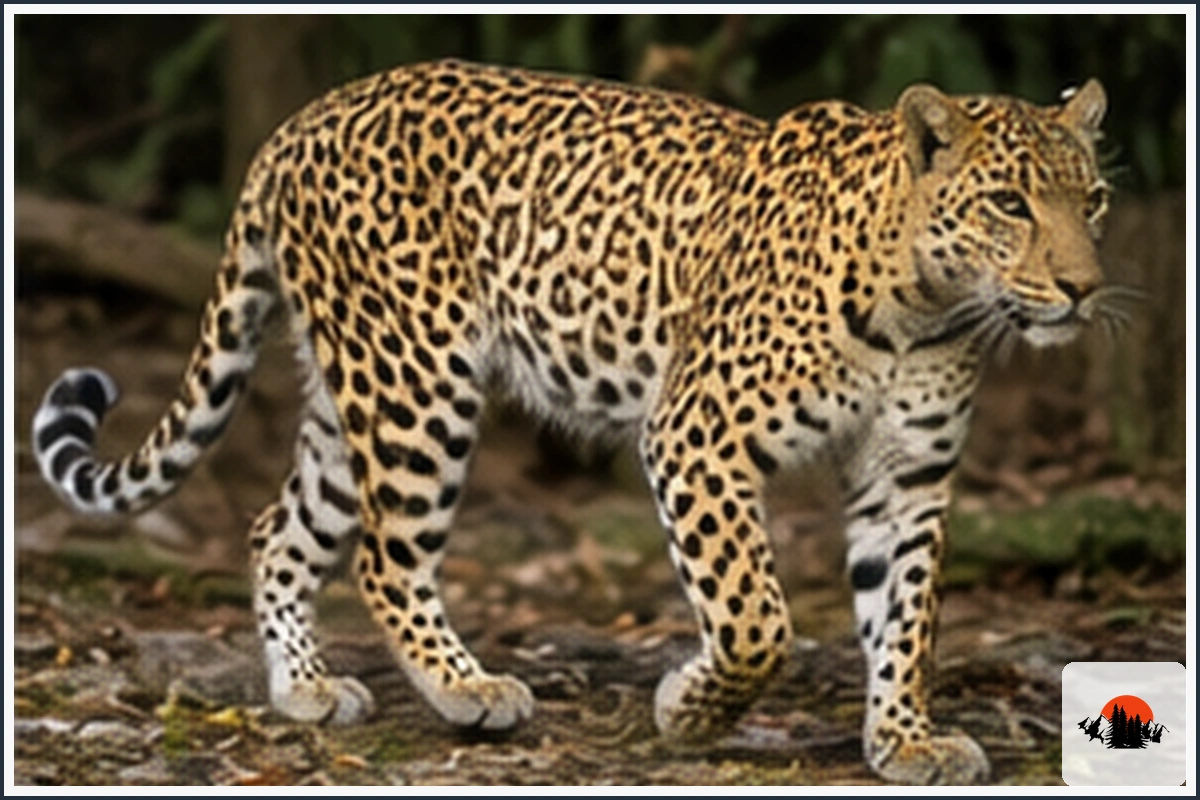
Scientific name: Panthera pardus orientalis
The Amur leopard is one of the world’s rarest big cats. It has a pale golden coat covered in widely spaced rosettes, with a thick winter coat that helps it survive cold northeastern forests. In China, it is associated mainly with the forested borderlands of Jilin Province. This leopard hunts roe deer, musk deer, hares, badgers, and other suitable prey. It is an excellent climber and usually avoids people. Small population size, habitat loss, prey shortages, and poaching have made intensive conservation work necessary.
6. Tibetan Antelope
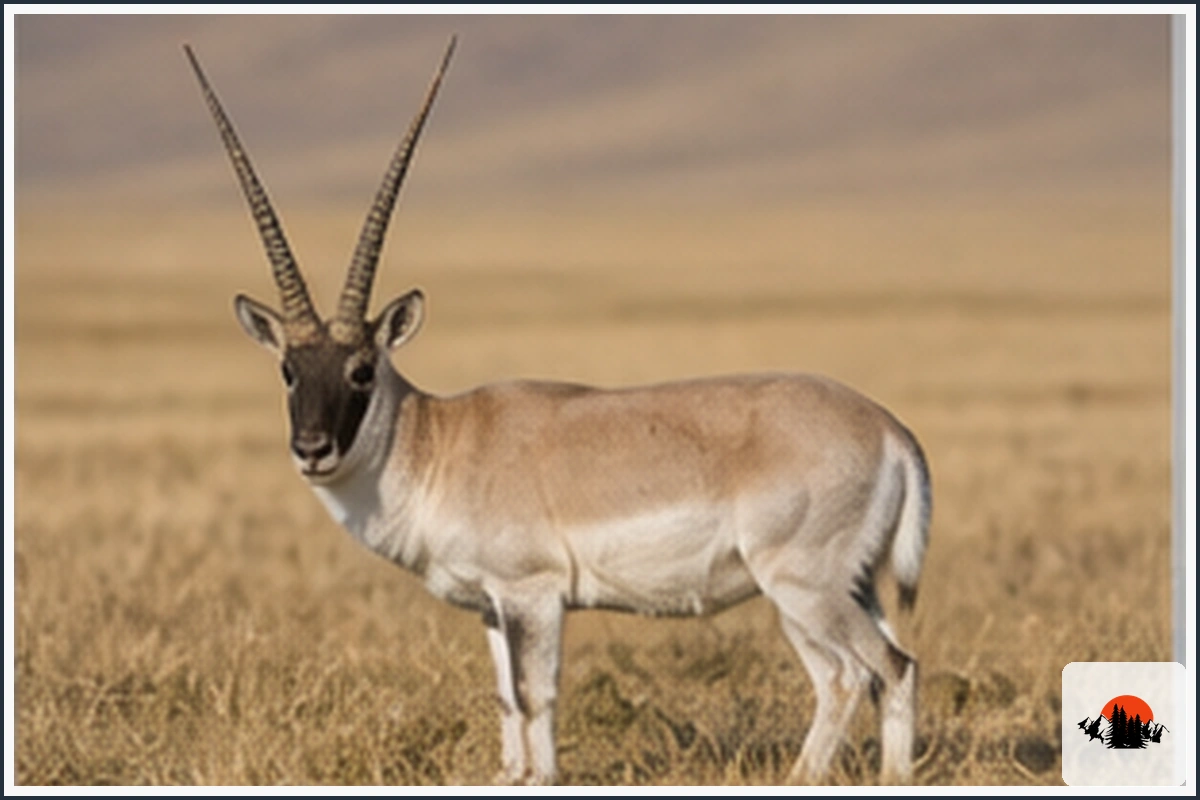
Scientific name: Pantholops hodgsonii
The Tibetan antelope, or chiru, is a slender grassland mammal native to the high Tibetan Plateau. Males have long, ridged horns, while females generally lack horns. Its dense underfur protects it from bitter wind and cold at elevations often above 4,000 meters. Tibetan antelopes graze on grasses and low alpine plants and can travel long distances across open plateau landscapes. Seasonal migrations are an important part of their ecology. Illegal hunting for their fine wool once caused severe declines, but stronger protection has helped populations improve.
7. Tibetan Wild Ass
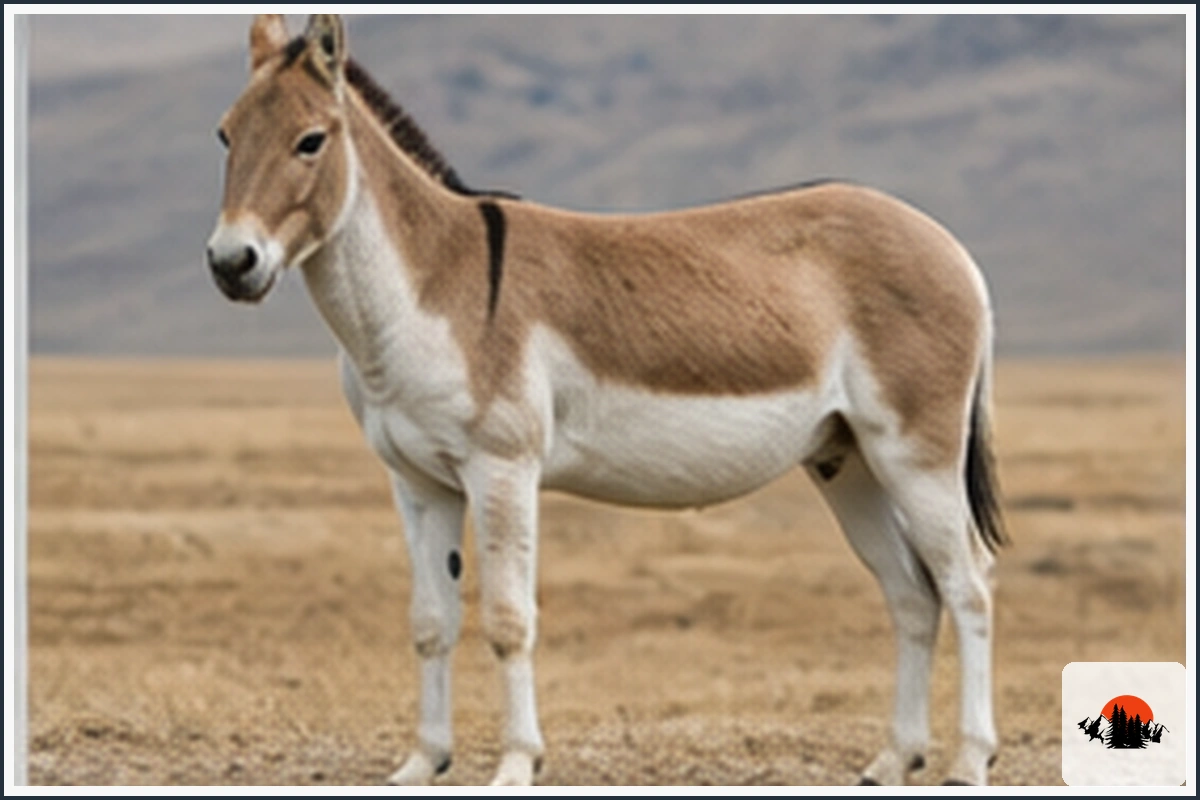
Scientific name: Equus kiang
The Tibetan wild ass, or kiang, is the largest wild ass. It has a sturdy body, reddish-brown upperparts, white lowerparts, and a dark stripe along its back. This hardy herbivore lives in dry alpine meadows, steppes, and deserts across western China. It feeds mainly on grasses, sedges, and other low vegetation. Kiangs often live in small groups, although larger gatherings may form where food and water are available. Their strong legs and efficient digestion help them survive cold, high-altitude environments.
8. Takin
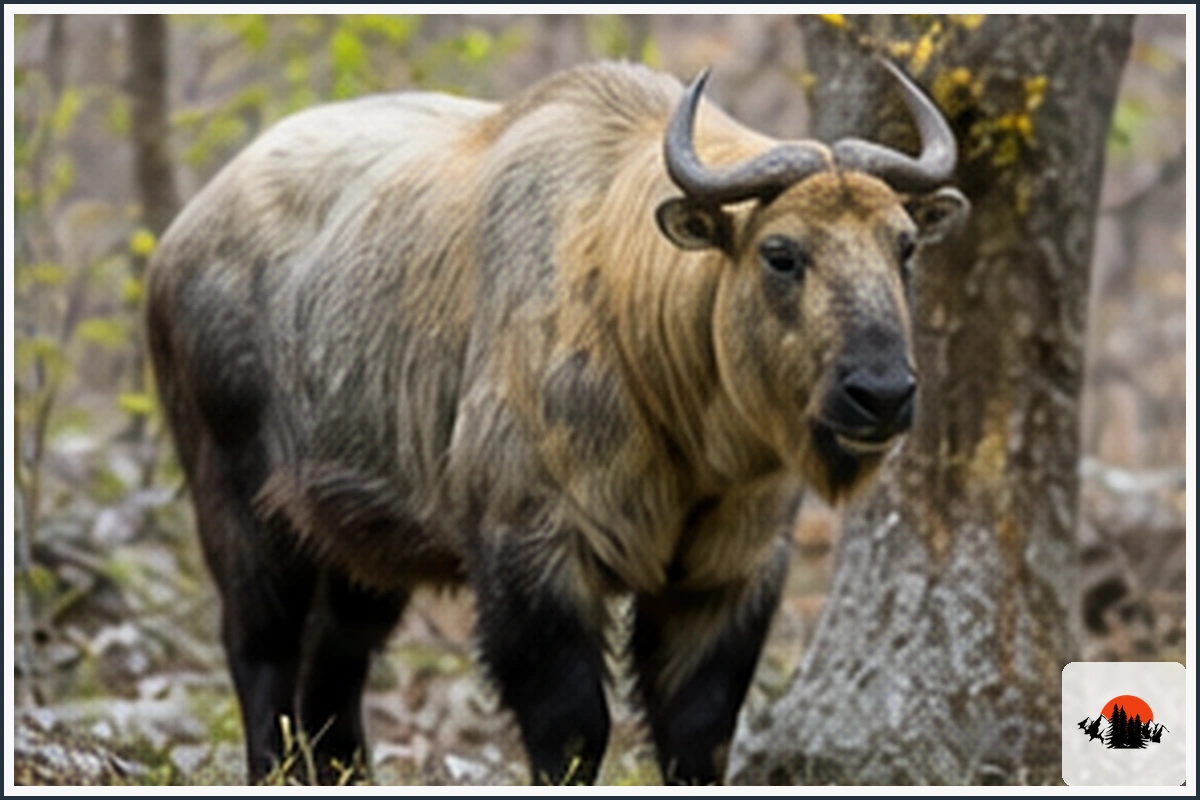
Scientific name: Budorcas taxicolor
The takin is a large, heavily built ungulate with a shaggy coat, short tail, and curved horns in both sexes. Several takin populations occur in mountainous parts of China, especially along forest edges and alpine slopes. It feeds on leaves, grasses, shoots, and shrubs, sometimes standing on its hind legs to reach vegetation. Takins are social and may gather in herds, especially during colder seasons. Their unusual appearance has led to comparisons with both goats and cattle, but they belong to their own distinctive evolutionary group.
9. Golden Snub-Nosed Monkey
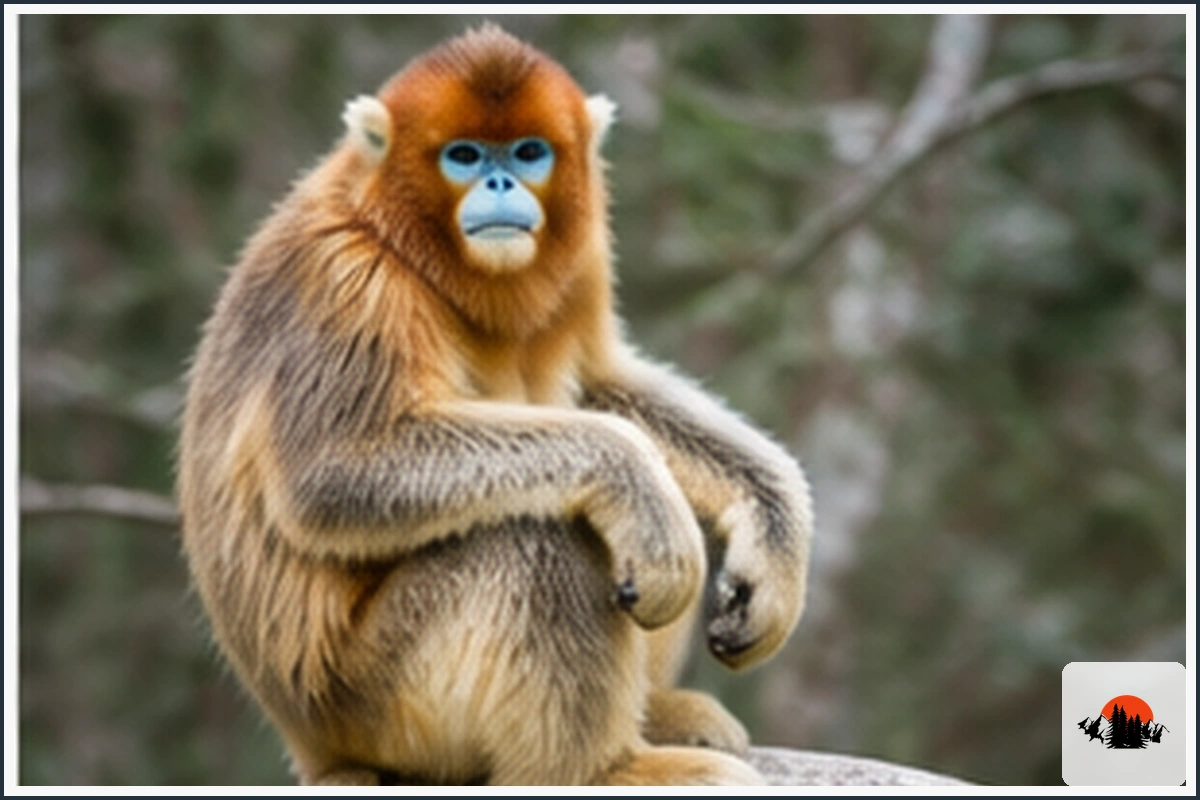
Scientific name: Rhinopithecus roxellana
The golden snub-nosed monkey has golden-orange fur, a blue-tinged face, and an upturned nose. It lives in temperate mountain forests of central and southwestern China, often at elevations where winters are snowy. Its diet includes leaves, buds, bark, fruits, lichens, and seeds. These monkeys are highly social and can form large groups with complex relationships. Their thick fur protects them from cold weather. Logging, agricultural expansion, and disturbance have reduced their available habitat, although protected forests provide important refuge.
10. Sichuan Takin
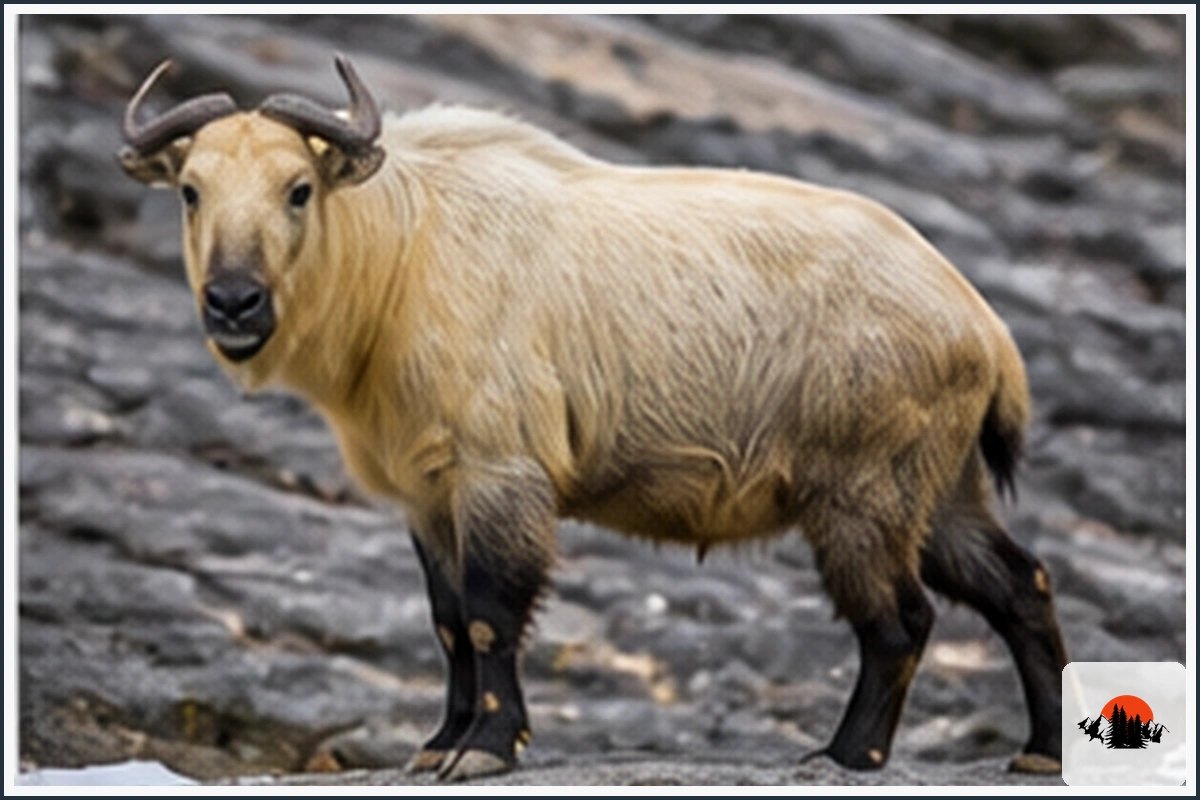
Scientific name: Budorcas taxicolor tibetana
The Sichuan takin is a distinctive takin population found in mountainous southwestern China. It is recognized by its massive body, golden or yellow-brown coat, powerful shoulders, and crescent-shaped horns. These animals browse on shrubs and woody plants as well as grazing on grasses. They move through steep forested slopes, alpine meadows, and rugged valleys. Herds may use established trails and mineral-rich areas. Their size and ability to navigate difficult terrain make them important large herbivores in mountain ecosystems.
11. Chinese Pangolin

Scientific name: Manis pentadactyla
The Chinese pangolin is a nocturnal mammal covered in overlapping protective scales. It has a long tail, strong claws, and a narrow snout used to locate ants and termites. It occurs in parts of southern and central China in forests, grasslands, agricultural edges, and rocky habitats. Pangolins dig burrows and use their sticky tongues to collect insects. When threatened, they curl into a tight armored ball. Illegal wildlife trafficking has caused severe declines, making the Chinese pangolin one of China’s most conservation-dependent mammals.
12. Chinese River Dolphin

Scientific name: Lipotes vexillifer
The Chinese river dolphin, or baiji, was a freshwater dolphin of the Yangtze River. It had a long, narrow beak, small eyes, and a pale bluish-gray body adapted to murky river water. The species relied heavily on echolocation to navigate and find fish. Intensive shipping, fishing pressure, pollution, habitat alteration, and river engineering contributed to its dramatic decline. It is generally considered functionally extinct, meaning that even if a few individuals survived, the population would no longer be viable. The baiji is a powerful reminder of the importance of protecting freshwater ecosystems.
13. Yangtze Finless Porpoise

Scientific name: Neophocaena asiaeorientalis
The Yangtze finless porpoise is a small freshwater cetacean with a rounded head, streamlined body, and no dorsal fin. It lives in parts of the Yangtze River and connected lakes. The porpoise eats fish, shrimp, and other aquatic animals, using echolocation in cloudy water. Its playful-looking smile is actually the shape of its mouth rather than an expression. It faces threats from vessel traffic, fishing gear, pollution, reduced fish stocks, and changing river conditions. Conservation breeding and river protection are important tools for its survival.
14. Chinese Alligator

Scientific name: Alligator sinensis
The Chinese alligator is a small, broad-snouted crocodilian found in wetlands and slow-moving waters of the lower Yangtze region. It has heavily armored skin, a rounded snout, and a generally dark body. It eats fish, frogs, insects, crustaceans, and small vertebrates. Chinese alligators spend time in water and on land and dig burrows that help protect them from temperature extremes. Habitat loss, wetland conversion, and historical persecution caused major declines. Captive breeding and protected wetlands now support recovery efforts.
15. Chinese Giant Salamander
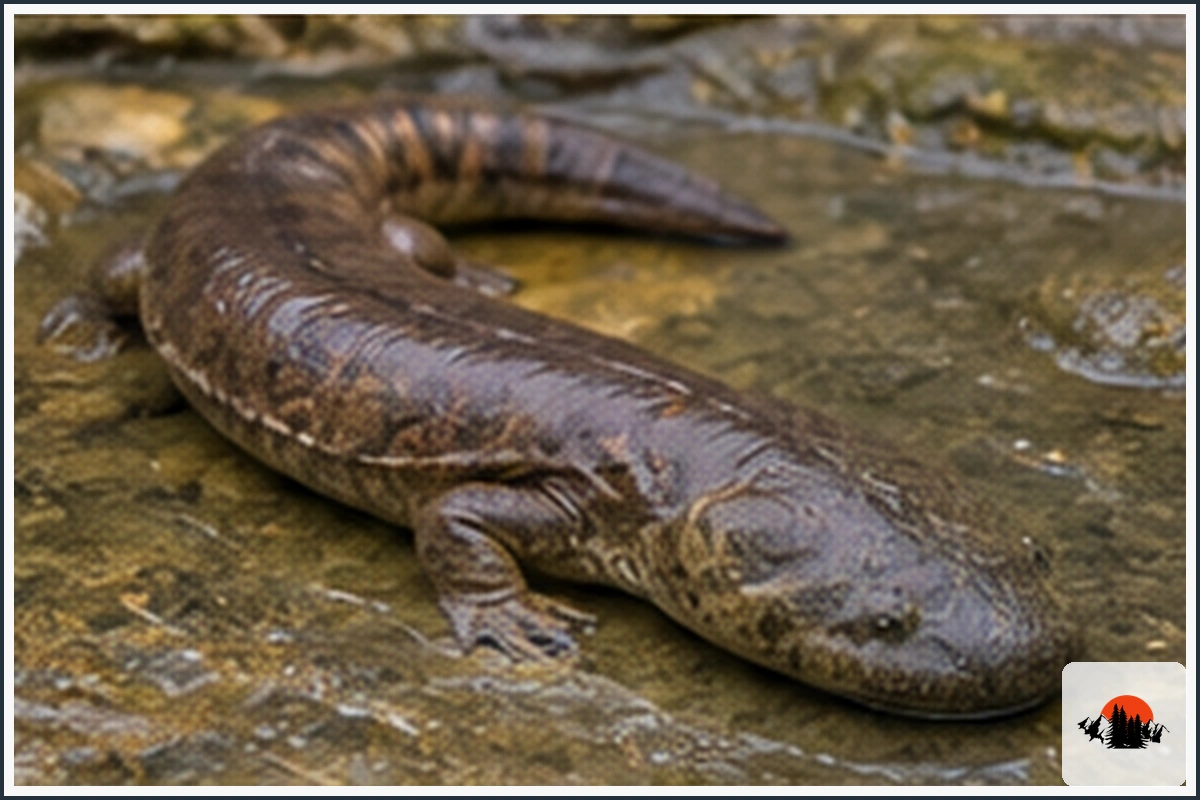
Scientific name: Andrias davidianus
The Chinese giant salamander is a large aquatic amphibian with wrinkled skin, a flattened head, tiny eyes, and a powerful tail. It inhabits cool, clear mountain streams and rocky waterways. This nocturnal predator eats fish, crayfish, frogs, insects, and other animals it can capture. Adults may reach impressive lengths, although wild individuals are often smaller than historic reports suggest. Several distinct lineages are now recognized within what was once treated as one species, making careful identification and conservation management especially important.
16. Chinese Giant Salamander Relatives
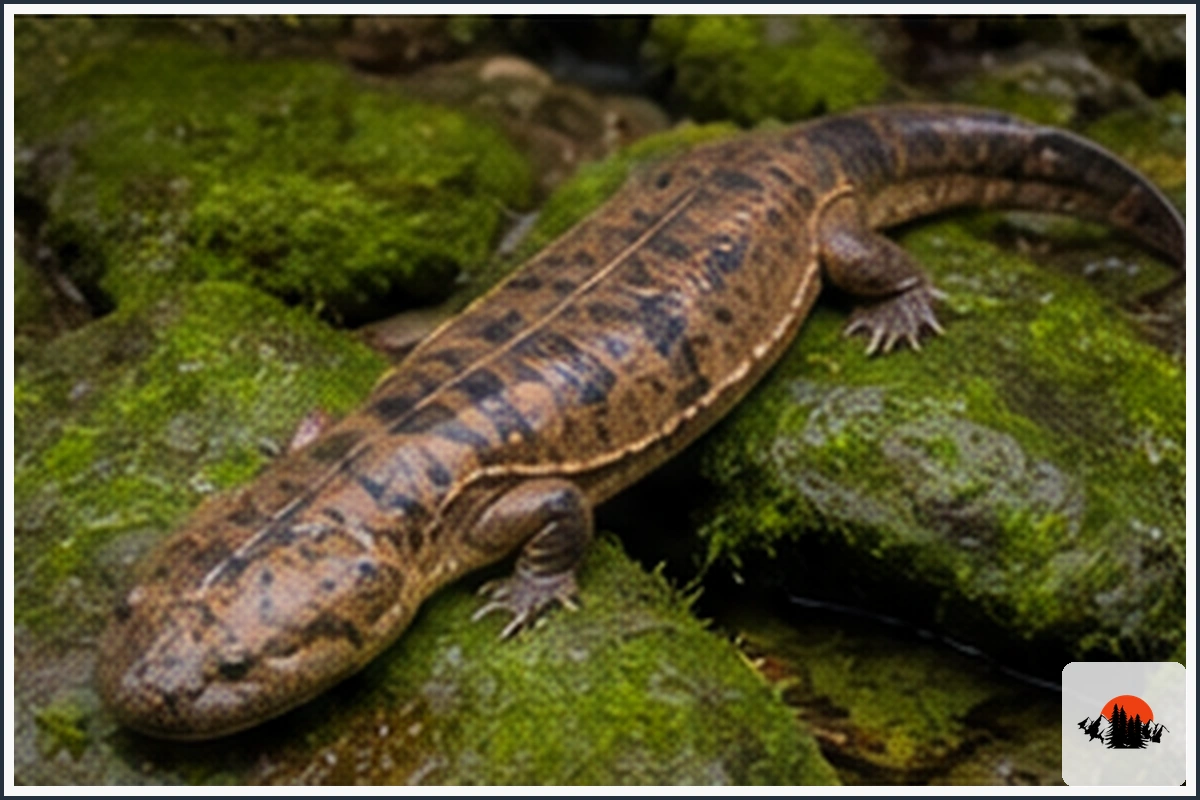
Scientific group: Andrias
Research has shown that Chinese giant salamanders include multiple genetically distinct lineages and related forms. These animals resemble one another, with broad heads, dark wrinkled skin, and long muscular tails, but their ranges and evolutionary histories can differ. They depend on clean, cool freshwater streams and spend much of their lives underwater or in streamside shelters. Their diet consists mainly of aquatic animals. Pollution, dams, collection, disease, and the movement of captive-bred animals between regions complicate conservation efforts.
17. Crested Ibis
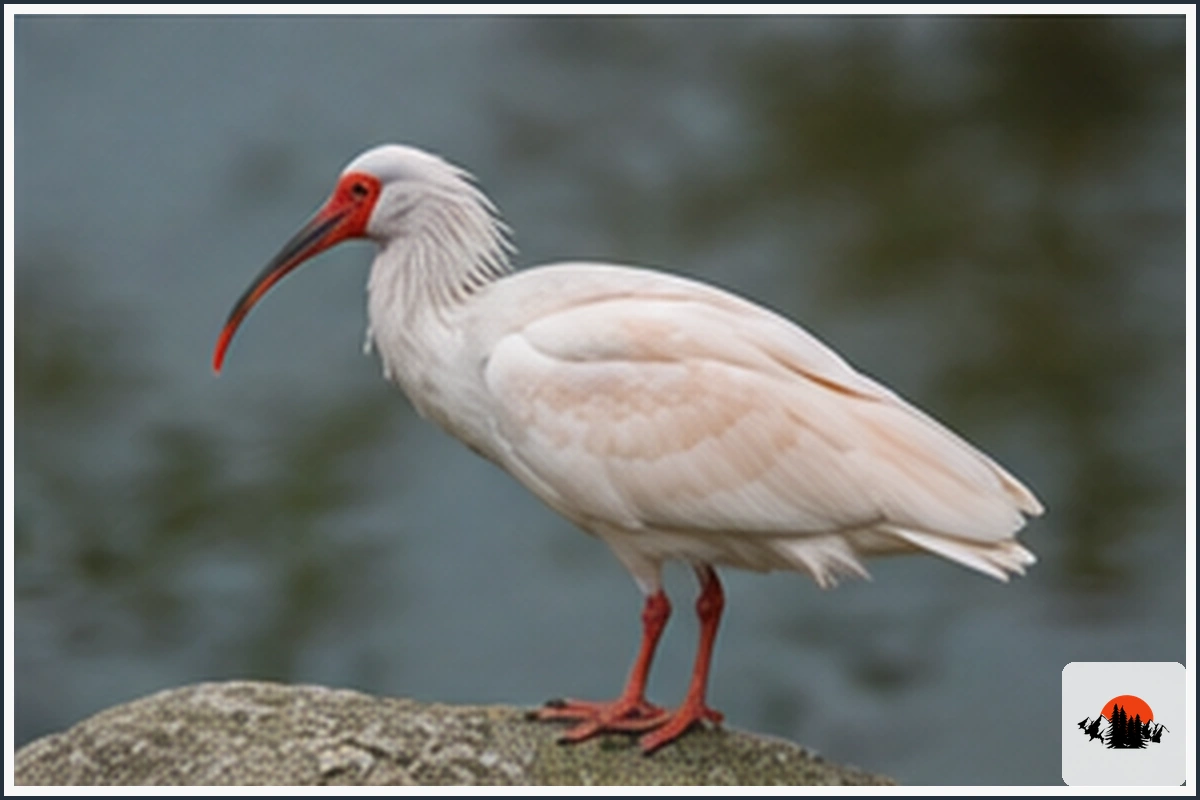
Scientific name: Nipponia nippon
The crested ibis is a graceful bird with white plumage, a long curved bill, a reddish face, and dark ornamental feathers during the breeding season. It feeds in wetlands, rice fields, shallow water, and wet grasslands, searching for insects, frogs, small fish, and other prey. Once widespread in East Asia, it became extremely rare because of habitat loss, pesticide use, and disturbance. A small surviving population in China became the foundation for successful conservation and reintroduction programs.
18. Black-Necked Crane

Scientific name: Grus nigricollis
The black-necked crane is a high-altitude crane with a pale gray body, black head and neck, and red crown patch. It breeds on wetlands and grasslands of the Tibetan Plateau and surrounding regions before moving seasonally to lower valleys and agricultural landscapes. Its diet includes roots, grains, insects, small vertebrates, and aquatic foods. Wetland drainage, power lines, disturbance, and changes in water availability can affect its migration and breeding success. It is one of the most important bird symbols of the Himalayan plateau.
19. Chinese Monal
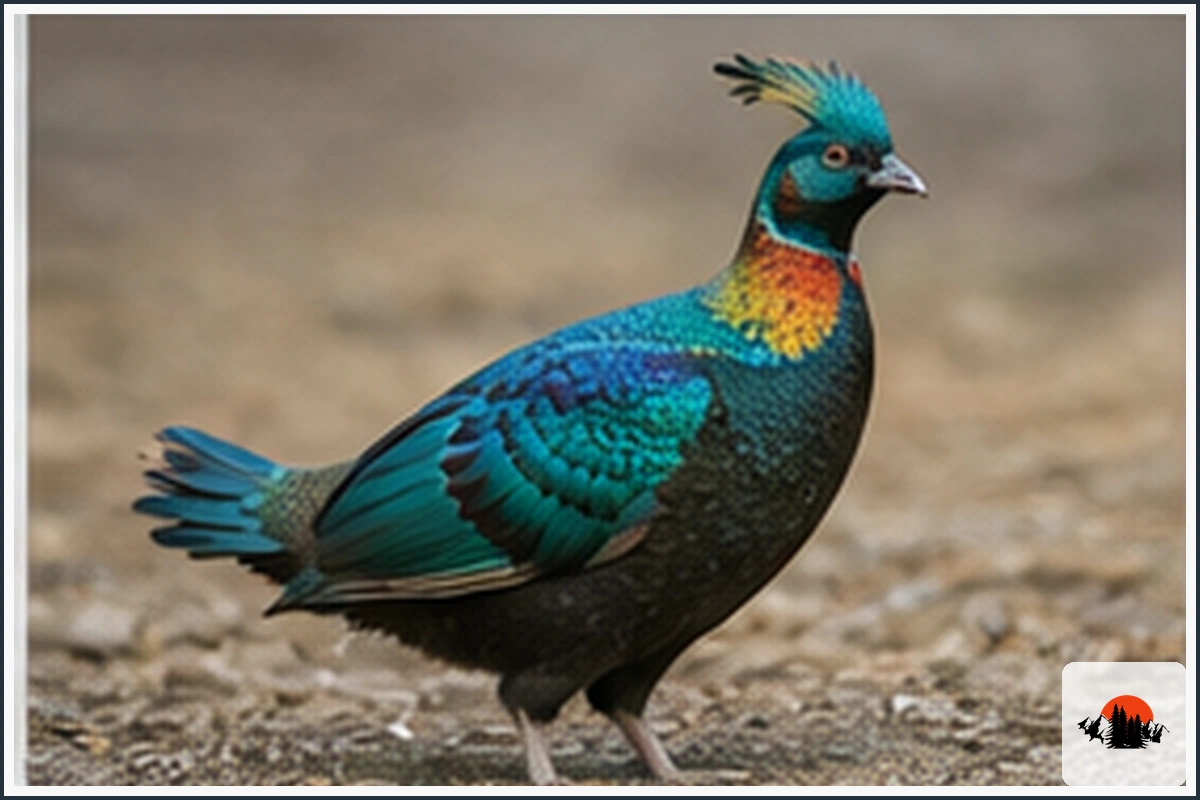
Scientific name: Lophophorus lhuysii
The Chinese monal is a striking pheasant with iridescent plumage, a metallic head, and a strong bill. It inhabits high mountain forests, shrublands, and alpine meadows in central China. The bird searches through soil and leaf litter for roots, bulbs, seeds, insects, and other small foods. Males are especially colorful, while females are more subdued and better camouflaged. Steep terrain and dense vegetation can make this species difficult to observe, even where it remains present.
20. Chinese Grouse

Scientific name: Bonasa sewerzowi
The Chinese grouse is a secretive forest bird associated with mature conifer and mixed forests in central China. It has mottled brown plumage that blends into branches, bark, and leaf litter. It feeds on buds, leaves, seeds, berries, and small invertebrates. The species is generally solitary or found in small groups outside the breeding period. Logging and the loss of old-growth forest have reduced its habitat. Protecting connected mountain forests is essential for maintaining viable populations.
21. Brown Eared Pheasant
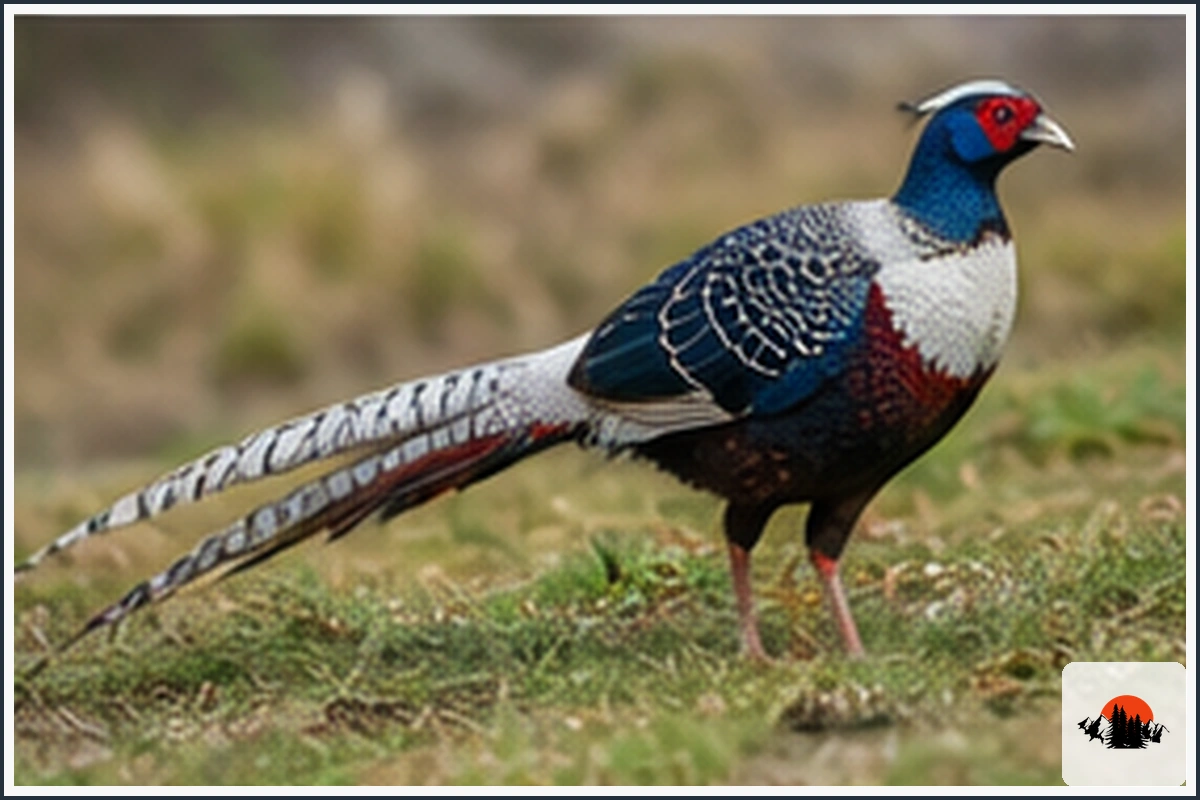
Scientific name: Crossoptilon mantchuricum
The brown eared pheasant is a large pheasant with a brown body, white ear tufts, a black face, and a long tail. It lives in forested mountains and shrublands of northern China. Its diet includes roots, bulbs, seeds, berries, grains, and small invertebrates found by scratching through soil. These pheasants often move in groups and may gather in open areas to feed. Habitat fragmentation and hunting pressure have affected some populations, while protected forests offer important shelter.
22. Pallas’s Fish Eagle
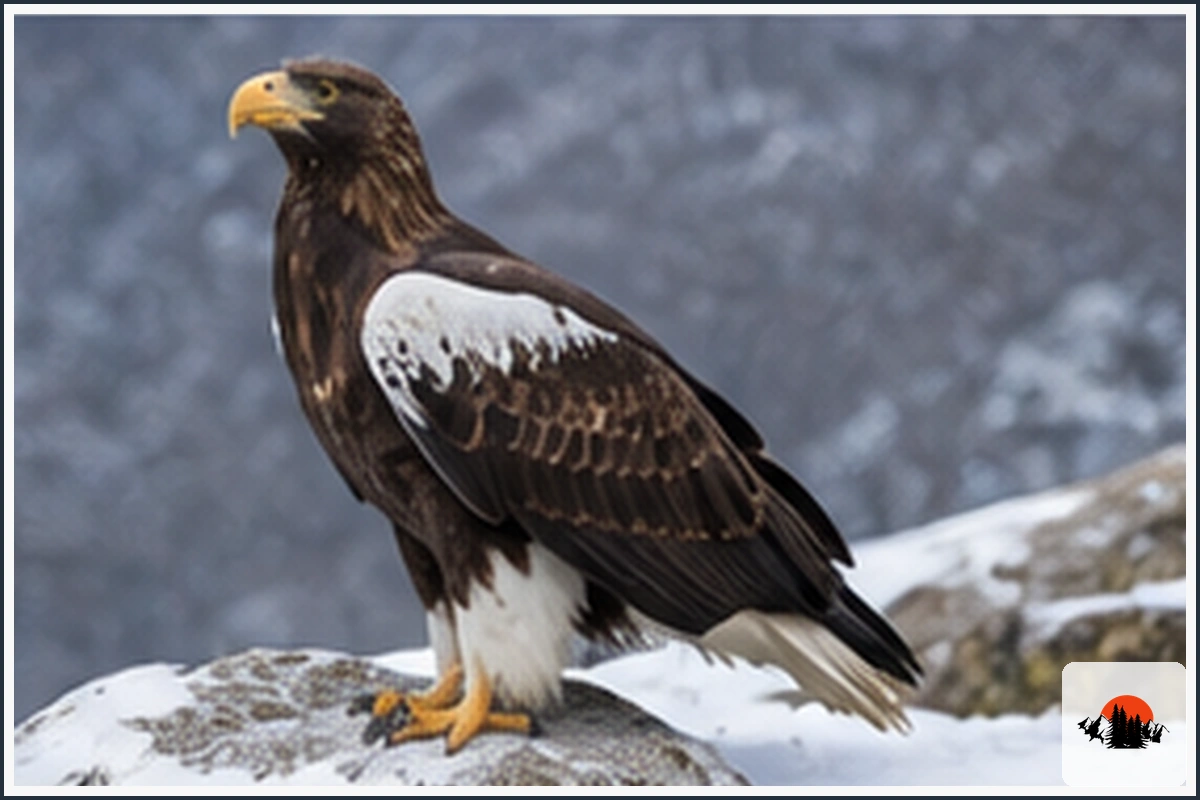
Scientific name: Haliaeetus leucoryphus
Pallas’s fish eagle is a large raptor associated with rivers, lakes, marshes, and wetlands. It has a dark brown body, pale head and neck, broad wings, and a powerful hooked bill. Fish make up much of its diet, but it may also take waterbirds and other prey. In China, it is found mainly in suitable wetland regions, sometimes as a resident and sometimes as a seasonal visitor. Wetland loss, disturbance, pollution, and declining fish populations threaten this impressive eagle.
23. Chinese Softshell Turtle

Scientific name: Pelodiscus sinensis
The Chinese softshell turtle has a flexible leathery shell, a long neck, webbed feet, and a pointed snout. It lives in ponds, rivers, marshes, rice fields, and other slow or still waters. The turtle eats fish, crustaceans, insects, amphibians, carrion, and plant material. Unlike hard-shelled turtles, it can move quickly through mud and water. It is also widely used in aquaculture, so wild populations should not be confused with farmed animals. Habitat alteration and overharvesting remain concerns in some areas.
24. Chinese Cobra

Scientific name: Naja atra
The Chinese cobra is a venomous snake found in southern and eastern China, including forests, farmland, grassland, wetlands, and village edges. It may display a hood when threatened and often has dark coloration with distinctive markings on the hood. It feeds on frogs, rodents, lizards, birds, and other small animals. This adaptable predator helps control prey populations, but people should never handle or corner it. Identification from a distance is safer than relying on photographs alone, because color can vary.
25. King Cobra
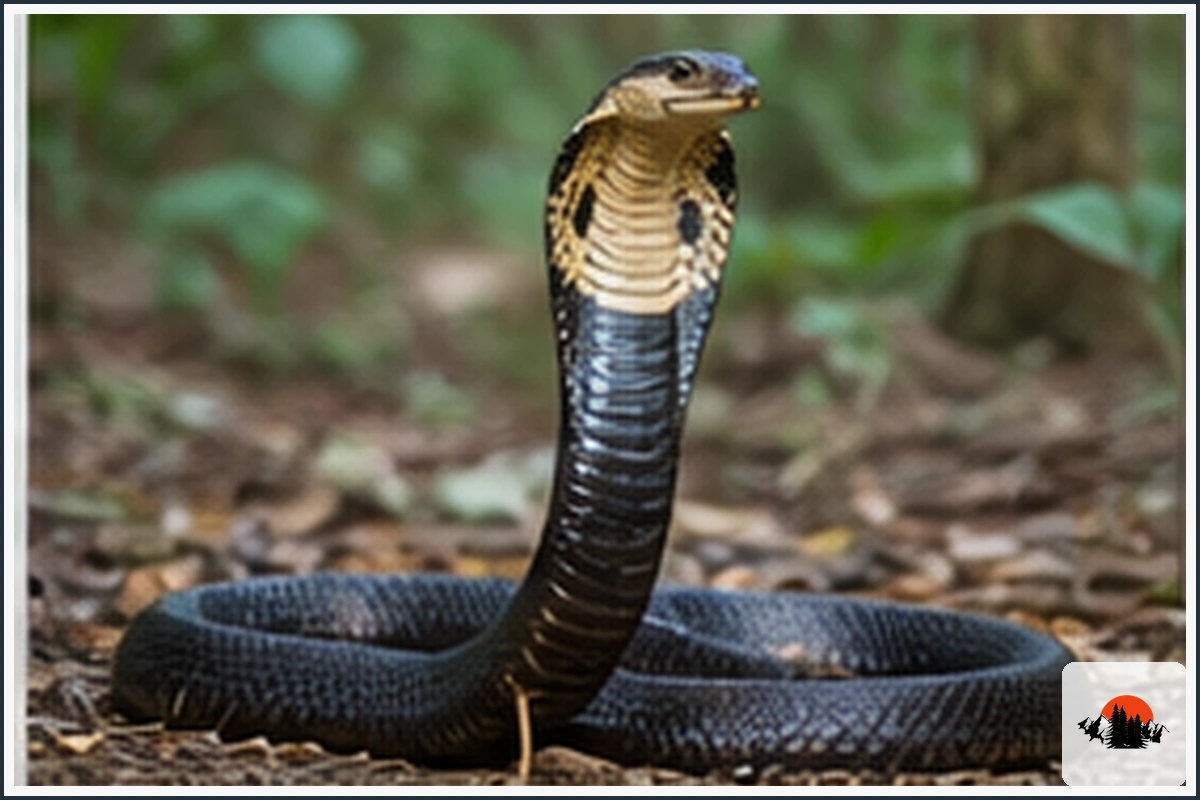
Scientific name: Ophiophagus hannah
The king cobra is the world’s longest venomous snake and occurs in southern China in forest, bamboo, wetland, and agricultural-edge habitats. It has a narrow hood, long body, and generally olive, brown, or black coloration with pale banding that can vary by region. Unlike many snakes, it specializes heavily in eating other snakes, including venomous species. King cobras are alert and defensive but usually try to avoid people. Habitat loss and persecution affect populations, while their venom makes safe distance essential.
26. Chinese Water Deer

Scientific name: Hydropotes inermis
The Chinese water deer is a small deer with a rounded body, reddish-brown coat, and prominent canine teeth in males instead of antlers. It favors reed beds, marshes, riverbanks, and wet grasslands in parts of eastern China. It feeds on grasses, aquatic vegetation, leaves, and agricultural plants. Its name reflects its preference for wet habitats rather than a fully aquatic lifestyle. The species is shy and often hides in dense vegetation, where its tusks and lack of antlers provide useful identification clues.
27. Père David’s Deer
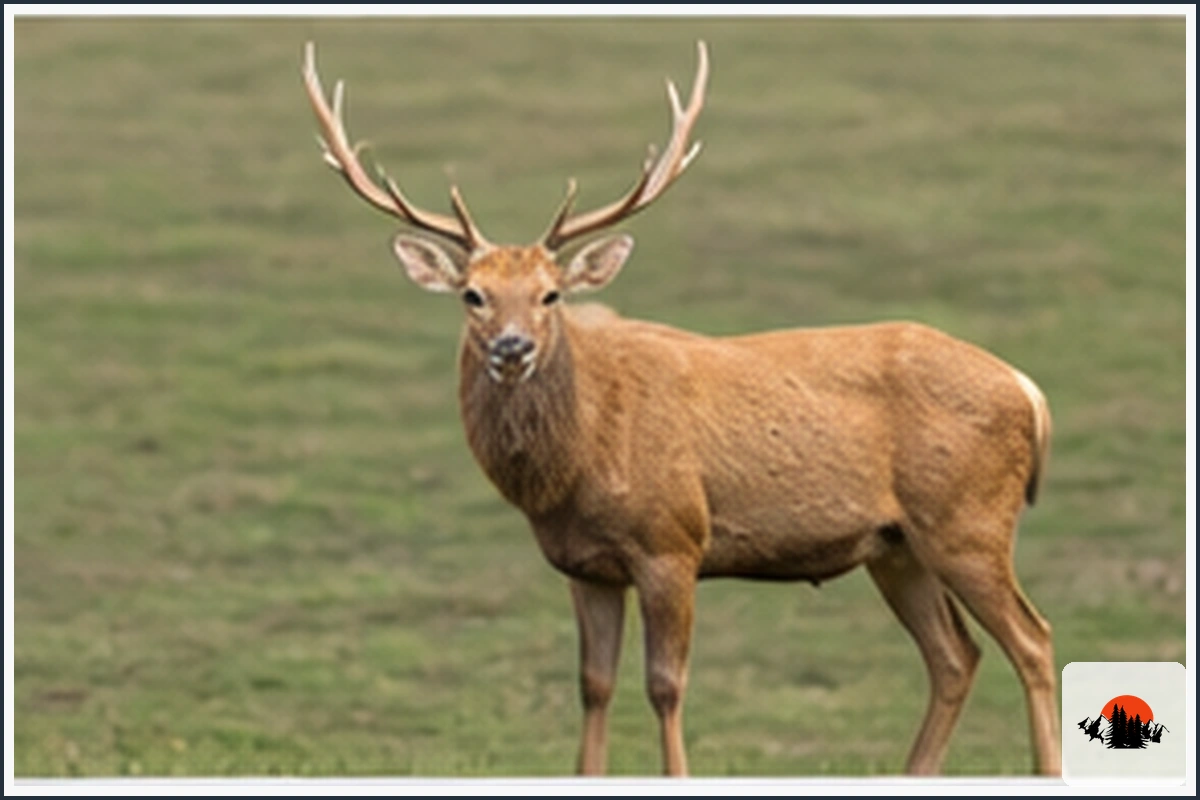
Scientific name: Elaphurus davidianus
Père David’s deer, known in China as milu, has an unusual combination of features: deer-like antlers, broad hooves, a long tail, and a somewhat horse-shaped head. It was once native to wetlands and floodplains of China but disappeared from the wild during the late nineteenth century. A small population survived in captivity overseas and was later returned to China. Today, managed reserves and reintroduction sites support the species. Its history is one of the world’s notable wildlife conservation successes.
28. Himalayan Marmot
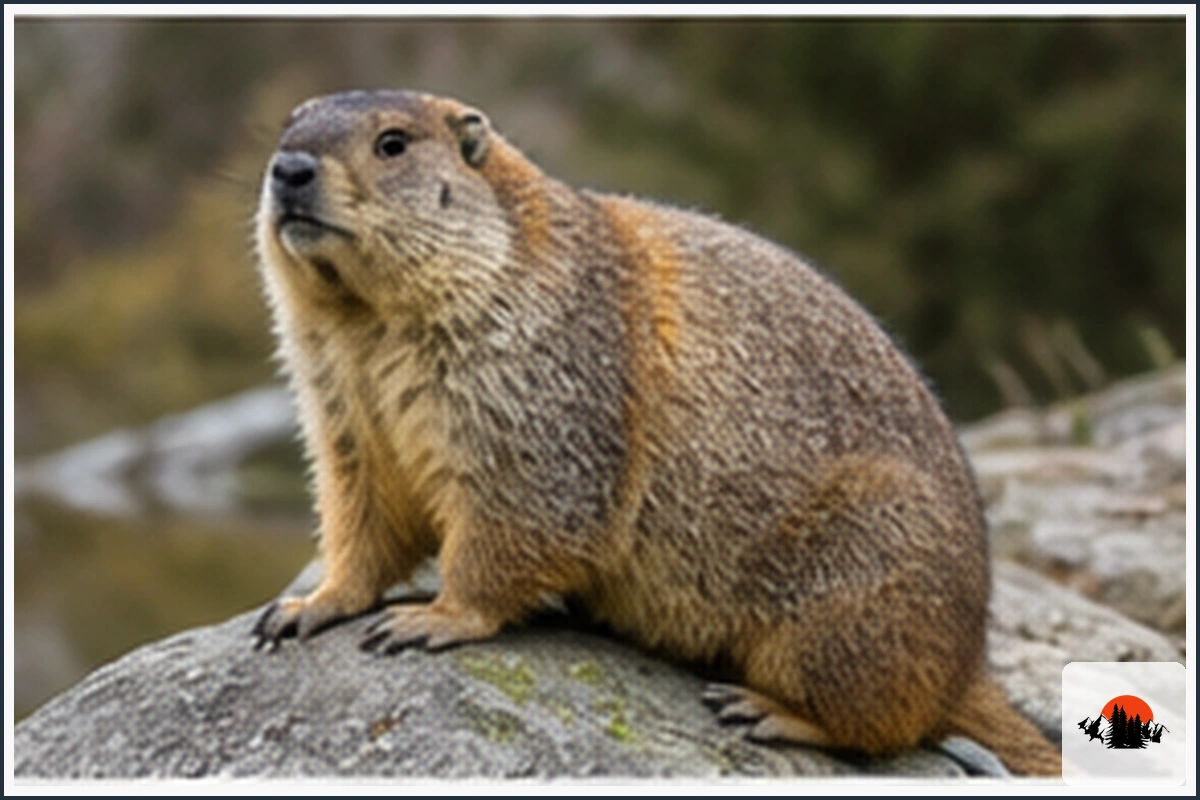
Scientific name: Marmota himalayana
The Himalayan marmot is a robust burrowing rodent found across high grasslands and rocky slopes of western China. It has thick brown or golden-brown fur, short ears, and strong claws for digging. It eats grasses, herbs, roots, and other alpine vegetation. Himalayan marmots spend the coldest months in underground hibernation and emerge during the brief mountain growing season. Their burrows provide shelter for other animals and their grazing helps influence alpine plant communities.
29. Przewalski’s Horse
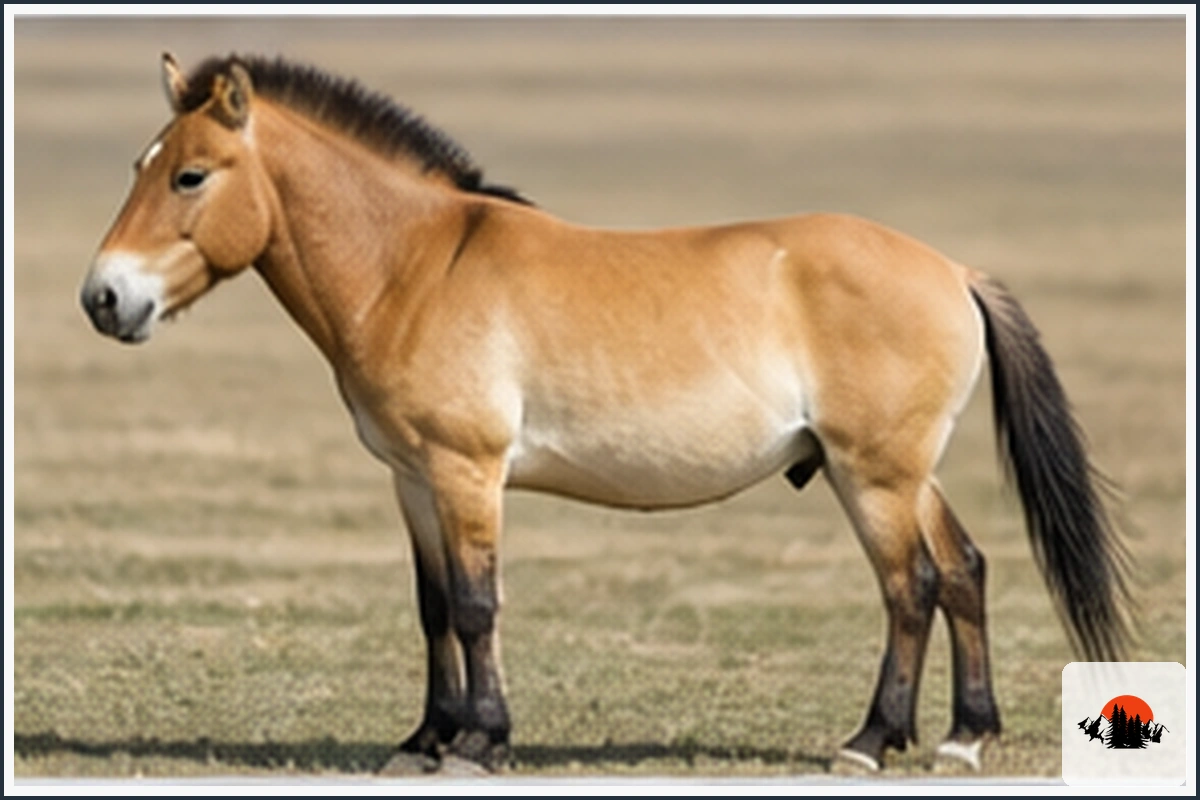
Scientific name: Equus przewalskii
Przewalski’s horse is a stocky wild horse with a dun-colored coat, dark mane, pale muzzle, and sturdy legs. It once ranged widely across Central Asia, including areas of China, and disappeared from the wild before conservation releases began. Reintroduction programs in northwestern China have helped establish managed and semi-wild populations. These horses graze on grasses and other vegetation and live in family groups or larger herds. Genetic management and habitat protection remain important because the species descended from a very limited captive population.
30. Indo-Pacific Humpback Dolphin

Scientific name: Sousa chinensis
The Indo-Pacific humpback dolphin, often called the Chinese white dolphin in southern China, lives in coastal waters, estuaries, bays, and river mouths. Adults may appear pale gray, pinkish, or white depending on age and population, with a distinctive hump and dorsal fin. They eat fish, squid, and other marine animals. These dolphins are social and use sound to communicate and locate prey. Coastal construction, shipping, fishing gear, pollution, and reduced prey availability place pressure on local populations.
How Are These Types of Animals Classified?
The animals in this guide belong to several major biological groups:
- Mammals: Giant pandas, snow leopards, takins, pangolins, deer, horses, dolphins, and marmots.
- Birds: Crested ibises, cranes, pheasants, grouse, and fish eagles.
- Reptiles: Chinese alligators, turtles, cobras, and king cobras.
- Amphibians: Chinese giant salamanders and their close relatives.
- Fish and aquatic animals: River dolphins and porpoises are mammals, but they depend on freshwater or marine ecosystems.
Scientists also classify animals by evolutionary relationships, body structure, genetics, habitat, diet, and behavior. A common name may describe several related forms, so scientific names and regional information are useful when accurate identification matters.
Where Do These Animals Live?
China contains one of the world’s widest ranges of habitats. The Himalayas and Tibetan Plateau support snow leopards, Tibetan antelopes, wild asses, marmots, and black-necked cranes. Temperate mountain forests shelter giant pandas, red pandas, takins, pheasants, and snub-nosed monkeys. Rivers, lakes, and wetlands provide habitat for Chinese alligators, softshell turtles, porpoises, ibises, and eagles. Southern forests support king cobras, Chinese cobras, pangolins, and humpback dolphins along coastal waters.
What Do Animals in China Eat?
- Herbivores: Takins, Tibetan antelopes, wild asses, horses, marmots, and water deer eat grasses, leaves, shoots, roots, or other plants.
- Specialists: Giant pandas depend heavily on bamboo, while pangolins specialize in ants and termites.
- Carnivores: Snow leopards, tigers, leopards, and king cobras hunt other animals.
- Omnivores: Many bears, birds, turtles, and smaller mammals use both plant and animal foods.
- Aquatic feeders: Porpoises, dolphins, fish eagles, and softshell turtles take fish, crustaceans, or other aquatic prey.
How Do These Animals Behave?
Behavior varies greatly among China’s wildlife. Pandas spend much of the day feeding, while snow leopards are solitary and secretive. Cranes and antelopes migrate or move seasonally to find food and suitable breeding areas. Dolphins and porpoises use sound to navigate underwater. Pangolins are mostly nocturnal, and marmots hibernate during cold months. Social species such as golden snub-nosed monkeys and takins depend on group living for protection, communication, or access to food.
How to Identify Different Animals in China
- Start with habitat: Note whether the animal is in a mountain forest, wetland, desert, grassland, river, or coast.
- Check body shape: Look for features such as horns, antlers, scales, a long tail, a broad bill, or a distinctive snout.
- Observe color and markings: Stripes, rosettes, facial patches, ear tufts, and black-and-white patterns can be useful.
- Estimate size carefully: Use nearby vegetation or familiar objects for scale, but avoid approaching wildlife.
- Watch behavior: Burrowing, climbing, grazing, flying, swimming, or traveling in groups can narrow identification.
- Consider season: Breeding plumage, winter coats, migration, and hibernation may change what you see.
- Use location: Province, elevation, and habitat range are often as important as appearance.
Outdoor Tips for Finding and Observing These Species
- Use protected areas, official reserves, and experienced local guides whenever possible.
- Keep a generous distance from large mammals, snakes, nesting birds, and marine animals.
- Use binoculars or a telephoto lens instead of approaching wildlife.
- Stay on marked trails and never block an animal’s path to food, water, shelter, or young.
- Avoid loud sounds, flash photography, feeding, baiting, and playback near sensitive species.
- Record the date, habitat, location, behavior, and identifying features in a field notebook.
Safety, Sustainability, and Conservation Notes
Wild animals should be observed without touching, feeding, chasing, trapping, or collecting them. Venomous snakes and large predators require especially careful distance. Do not purchase products made from pangolin scales, rare animal parts, or illegally sourced wildlife. Responsible tourism supports protected areas and local conservation programs. Visitors should follow Chinese wildlife laws, park rules, seasonal closures, and photography restrictions. Healthy forests, rivers, wetlands, grasslands, and coastal habitats are essential for the survival of these species.
Why Are China’s Animals Important?
Animals in China support ecosystem health in many ways. Predators regulate prey populations, herbivores shape plant communities, birds disperse seeds, and aquatic animals reflect the condition of rivers and coastal waters. Many species also have cultural, scientific, educational, and economic importance. Protecting them helps preserve biodiversity while maintaining the natural systems that provide clean water, healthy soils, flood protection, and opportunities for responsible nature tourism.
Fun Facts About Animals in China
- Giant pandas have a modified wrist bone that helps them grip bamboo.
- Snow leopards use their long tails for balance and warmth.
- Red pandas are more closely related to their own unique family than to giant pandas.
- Chinese pangolins can curl into a protective armored ball.
- King cobras mainly eat other snakes.
- Chinese alligators are much smaller than American alligators.
- The crested ibis was brought back from the edge of extinction through focused conservation.
- Père David’s deer survived because captive animals were later returned to China.
- Black-necked cranes breed on one of the world’s highest major plateaus.
- Chinese water deer males grow canine teeth instead of antlers.
Final Thoughts on Types of Animals in China
The types of animals in China reflect the country’s remarkable variety of mountains, forests, wetlands, grasslands, rivers, and seas. From bamboo-eating pandas to high-altitude antelopes and rare river mammals, each species has specialized adaptations and an important role in nature. Learning to identify wildlife responsibly is a valuable first step toward appreciating and protecting it.
Frequently Asked Questions
1. What is the most famous animal in China?
The giant panda is the most famous animal in China and is widely recognized as a national conservation symbol.
2. How many types of animals are found in China?
China has thousands of animal species, including mammals, birds, reptiles, amphibians, fish, and marine animals. The 30 species in this guide are representative examples, not a complete inventory.
3. What animals are native to China?
Giant pandas, Chinese alligators, Chinese pangolins, takins, golden snub-nosed monkeys, crested ibises, Chinese giant salamanders, and Chinese water deer are among the animals native to China.
4. What is China’s national animal?
China does not have one universally designated official national animal in the same way some countries do, but the giant panda is widely regarded as the country’s national animal symbol.
5. Are tigers found in China?
Yes. Small populations of Siberian tigers occur in northeastern China, close to the Russian border.
6. Are leopards found in China?
Yes. China supports several leopard populations, including the extremely rare Amur leopard in the northeast and other leopard populations in suitable regions.
7. What is the rarest animal in China?
Several species are extremely rare, including the Amur leopard, Chinese river dolphin, Chinese pangolin, and Yangtze finless porpoise. Rarity can change as surveys improve.
8. Are there wild pandas outside protected reserves?
Most wild giant pandas live within protected areas, but some may move through forest corridors or suitable habitat outside reserve boundaries.
9. What do giant pandas eat?
Giant pandas mainly eat bamboo. They may occasionally consume other plant material or small animal foods, but bamboo makes up the great majority of their diet.
10. Where do snow leopards live in China?
Snow leopards live mainly in high mountain regions of western China, including parts of the Tibetan Plateau and surrounding ranges.
11. What animals live in the Tibetan Plateau?
Examples include Tibetan antelopes, Tibetan wild asses, snow leopards, Himalayan marmots, black-necked cranes, and wild yaks.
12. Are there wild elephants in China?
Asian elephants still occur in southern Yunnan Province, where they use tropical and subtropical forests, grasslands, and agricultural landscapes.
13. Does China have crocodiles?
Yes. The Chinese alligator is a native crocodilian found historically and currently in parts of the lower Yangtze region.
14. Are Chinese giant salamanders dangerous?
Chinese giant salamanders are not generally considered dangerous to people, but they should never be handled because handling can injure the animal and spread disease.
15. What is the largest animal in China?
Large marine animals, including whales that visit or pass through Chinese waters, are larger than China’s land mammals. Among familiar land animals, elephants and large wild cattle can be especially massive.
16. What animals live in Chinese rivers?
Chinese rivers support fish, turtles, alligators, otters, porpoises, waterbirds, and many invertebrates. The Yangtze finless porpoise is one of the best-known river mammals.
17. Is the Chinese river dolphin extinct?
The Chinese river dolphin, or baiji, is generally considered functionally extinct. A confirmed surviving population has not been found despite survey efforts.
18. What is the difference between a panda and a red panda?
Giant pandas are much larger and bear-like, while red pandas are small, reddish tree climbers with long ringed tails. They are not close relatives.
19. What animals in China hibernate?
Himalayan marmots hibernate, and some reptiles, amphibians, and small mammals enter winter dormancy or reduce activity during cold periods.
20. Are there poisonous snakes in China?
Yes. China has venomous snakes including Chinese cobras, king cobras, kraits, vipers, and pit vipers. Never handle an unidentified snake.
21. What should I do if I see a snake in China?
Stop, move away slowly, and give the snake a clear escape route. Do not corner, touch, photograph from close range, or attempt to kill it.
22. What birds are unique or strongly associated with China?
The crested ibis, black-necked crane, Chinese monal, Chinese grouse, and brown eared pheasant are notable birds associated with China and nearby regions.
23. Are Chinese water deer real deer?
Yes. They are true deer, but males lack antlers and instead have long upper canine teeth.
24. What is Père David’s deer known for?
Père David’s deer is known for its unusual appearance and its successful return to China after disappearing from the wild.
25. What animals live in China’s deserts?
Desert and dry-region wildlife includes wild asses, gazelles, camels, jerboas, foxes, reptiles, and numerous specialized birds and insects.
26. Can tourists see wild pandas?
Seeing a wild panda is difficult because pandas are shy and live in rugged forests. Visitors are more likely to see them in conservation centers, while responsible reserve tourism may provide limited wild viewing opportunities.
27. Why are pangolins endangered?
Pangolins have suffered from illegal hunting and trafficking, habitat loss, and accidental capture. Strong law enforcement and habitat protection are essential.
28. How can visitors help China’s wildlife?
Follow park rules, choose responsible guides, avoid wildlife products, do not feed animals, reduce litter, and support legitimate conservation organizations or protected areas.
29. Are all animals in China protected?
Protection varies by species and region. Many rare animals receive national or local protection, while hunting, trade, habitat use, and wildlife handling are regulated by law.
30. What is the best way to identify an animal in China?
Record its location, habitat, size, body shape, markings, behavior, and season. Compare those details with a reliable regional field guide or consult a qualified local naturalist.