

Africa is home to one of the richest collections of wildlife on Earth, from enormous elephants and powerful lions to tiny meerkats, colorful birds, and unusual desert mammals. This guide to the types of animals in Africa introduces 40 iconic species and explains how to recognize them, where they live, what they eat, and why they matter. It includes mammals, reptiles, birds, and other wildlife found across Africa’s savannas, forests, deserts, wetlands, mountains, and coasts.
What Are the Main Types of Animals in Africa?
The main types of animals in Africa include large mammals such as elephants, lions, rhinoceroses, giraffes, zebras, and hippos; predators such as cheetahs, leopards, hyenas, and wild dogs; primates such as gorillas and chimpanzees; and reptiles such as crocodiles and Nile monitors. Africa also supports remarkable birds, amphibians, marine animals, and smaller mammals. Their habitats range from the Sahara Desert and East African grasslands to tropical rainforests, wetlands, and southern African coastlines.
1. African Elephant
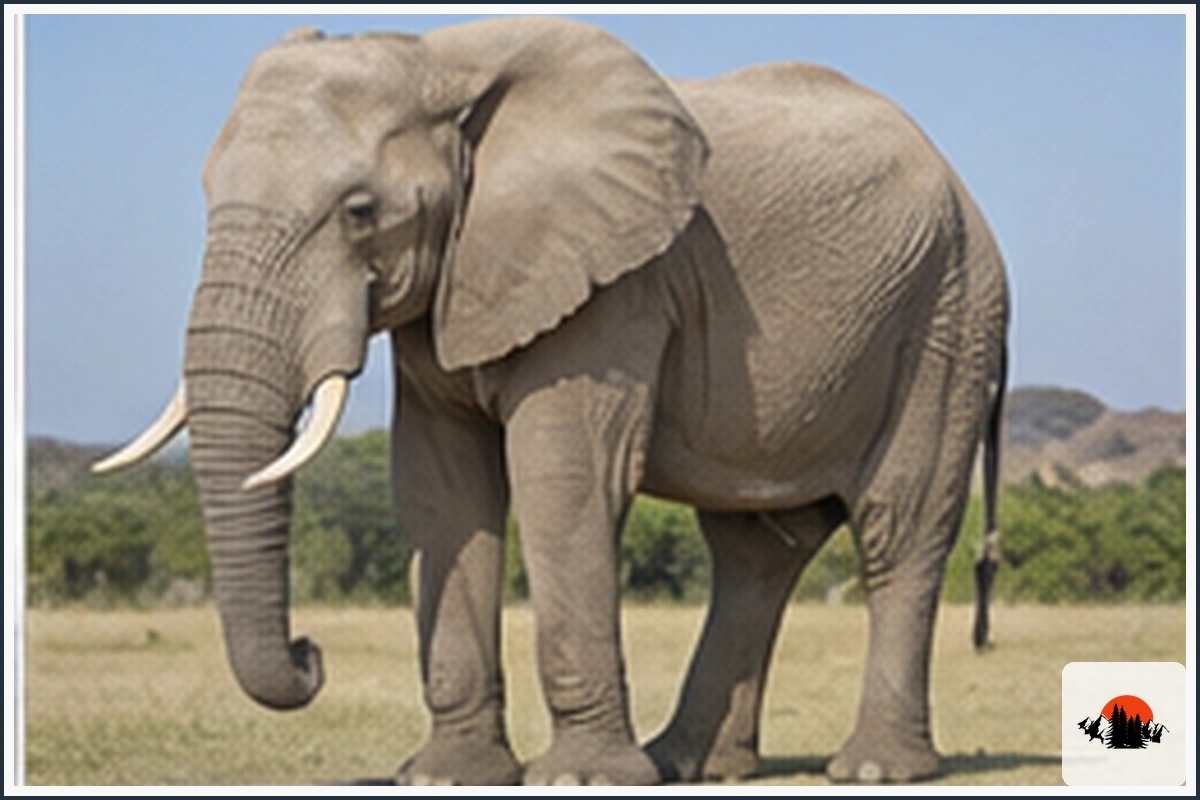
Scientific name: Loxodonta africana and Loxodonta cyclotis
African elephants are the largest land animals alive today. The African bush elephant has broad ears, a long trunk, thick legs, and curved tusks, while the smaller African forest elephant has rounder ears and straighter tusks. Bush elephants live mainly in savannas, woodlands, and wetlands, whereas forest elephants inhabit Central and West African rainforests.
They eat grasses, leaves, bark, fruit, roots, and branches. Elephants live in family groups led by older females and communicate through calls, touch, and low-frequency sounds that can travel long distances. They are important ecosystem engineers because their feeding and movements create trails, open vegetation, and spread seeds.
2. Lion
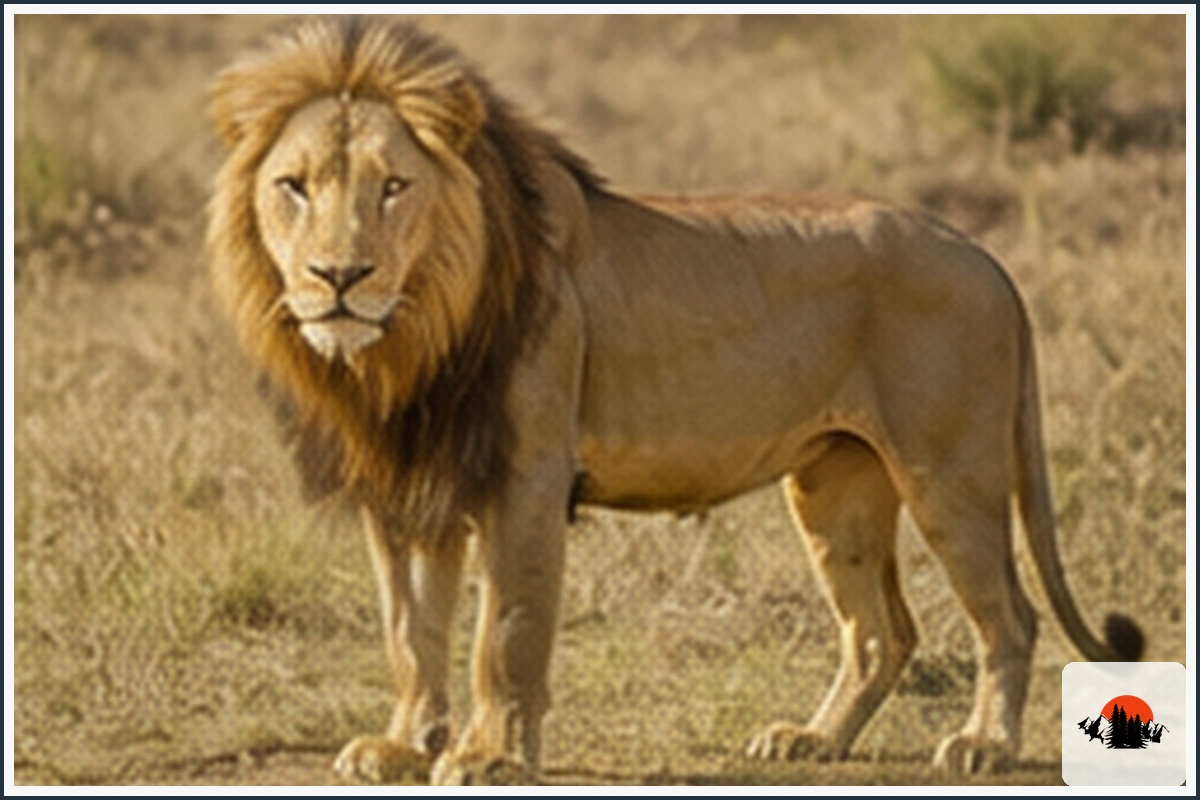
Scientific name: Panthera leo
Lions are Africa’s best-known big cats and the only cats that commonly live in social groups called prides. Adult males usually have prominent manes, while females are generally smaller and do most of the hunting. Their tawny coats help them blend into dry grasslands and open woodland.
Lions prey on antelope, zebra, wildebeest, buffalo, and other large animals. They spend much of the day resting and become more active during cooler periods or at night. African lions are mainly found in sub-Saharan grasslands and savannas, with a small population also living in India.
3. African Leopard
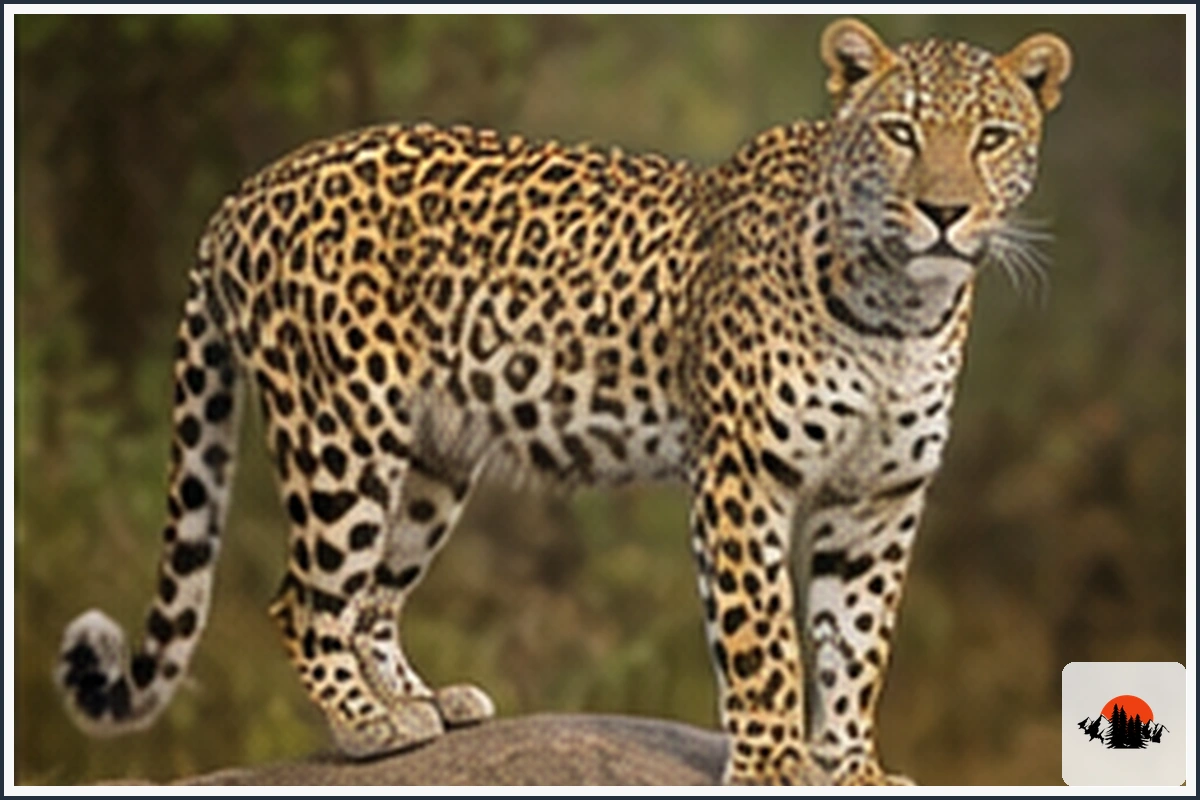
Scientific name: Panthera pardus pardus
The African leopard is a powerful, adaptable cat recognized by its golden coat and dark rosette markings. Some leopards appear almost black because of melanism, although their pattern can often still be seen in good light. They live in forests, savannas, mountains, and even dry areas where cover and prey are available.
Leopards hunt antelope, monkeys, rodents, birds, and reptiles. They are solitary and excellent climbers, often dragging prey into trees to protect it from hyenas and lions. Their secretive behavior makes them harder to see than many other African predators.
4. Cheetah
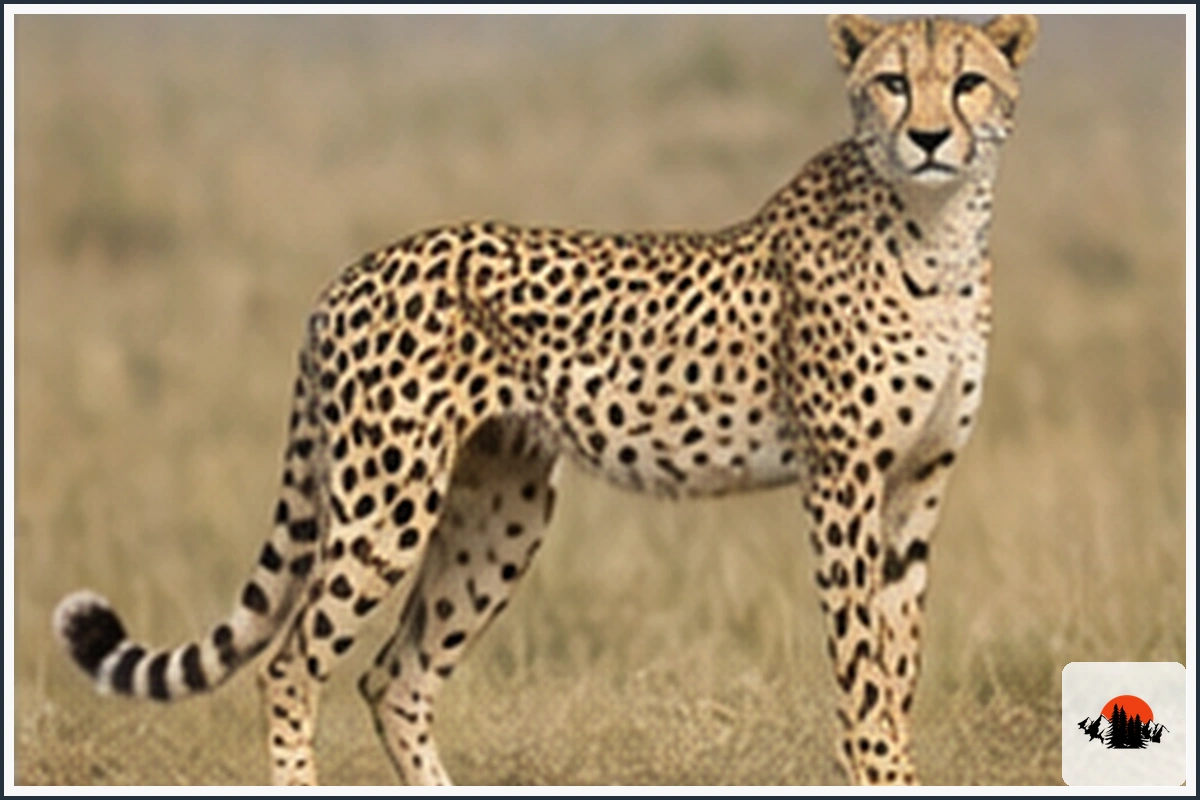
Scientific name: Acinonyx jubatus
Cheetahs are built for speed, with long legs, a flexible spine, a deep chest, and black tear-like markings below the eyes. They are considered the fastest land animals over short distances, using rapid acceleration to chase prey across open ground.
Cheetahs mainly hunt smaller antelope such as gazelles, along with hares and birds. Unlike lions and leopards, they cannot defend kills easily, so larger predators may steal their food. They favor open savannas, grasslands, and semi-desert areas with enough visibility for high-speed pursuits.
5. African Wild Dog
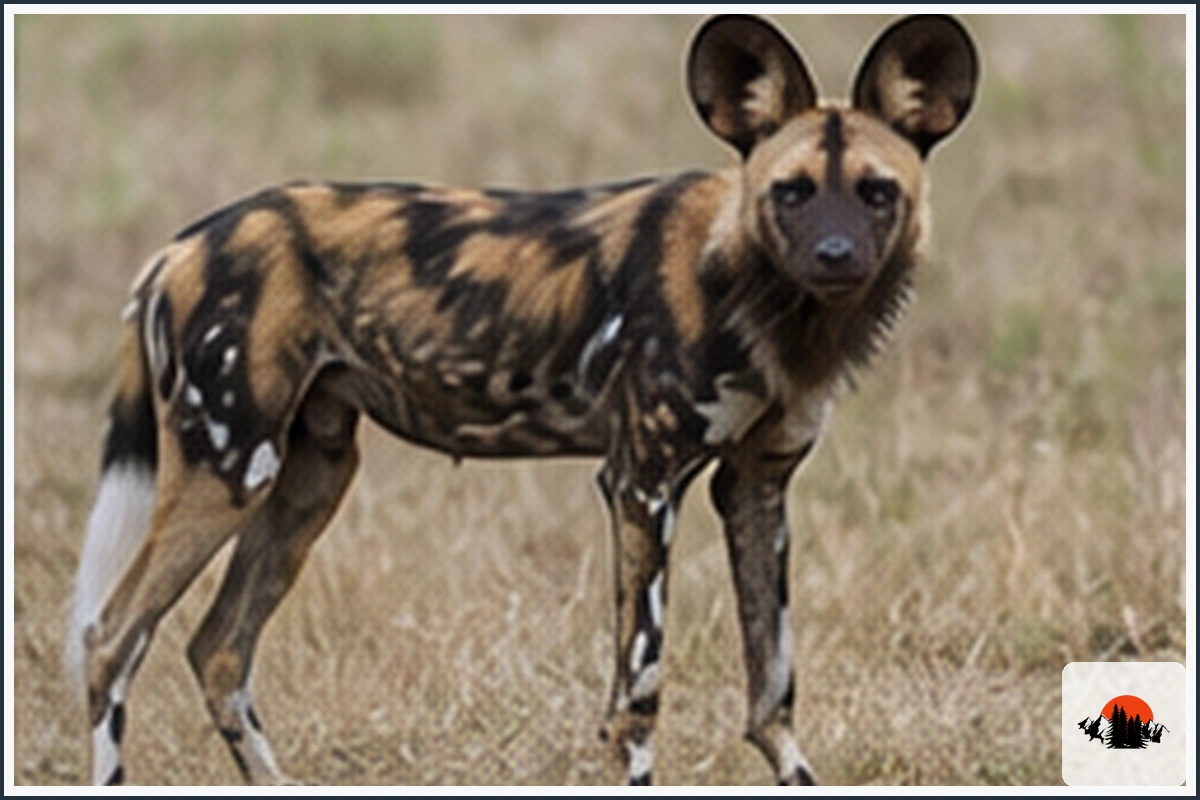
Scientific name: Lycaon pictus
The African wild dog has a distinctive patchwork coat of black, brown, white, and yellow. Its large rounded ears and slender body help distinguish it from domestic dogs, wolves, and jackals. It is one of Africa’s most social predators, living in cooperative packs.
Wild dogs hunt antelope and other medium-sized prey by working together and exhausting animals through teamwork. Pack members care for pups and share food. They occupy grasslands, woodlands, and open forests, but habitat loss, disease, and conflict with people have reduced their range.
6. Spotted Hyena
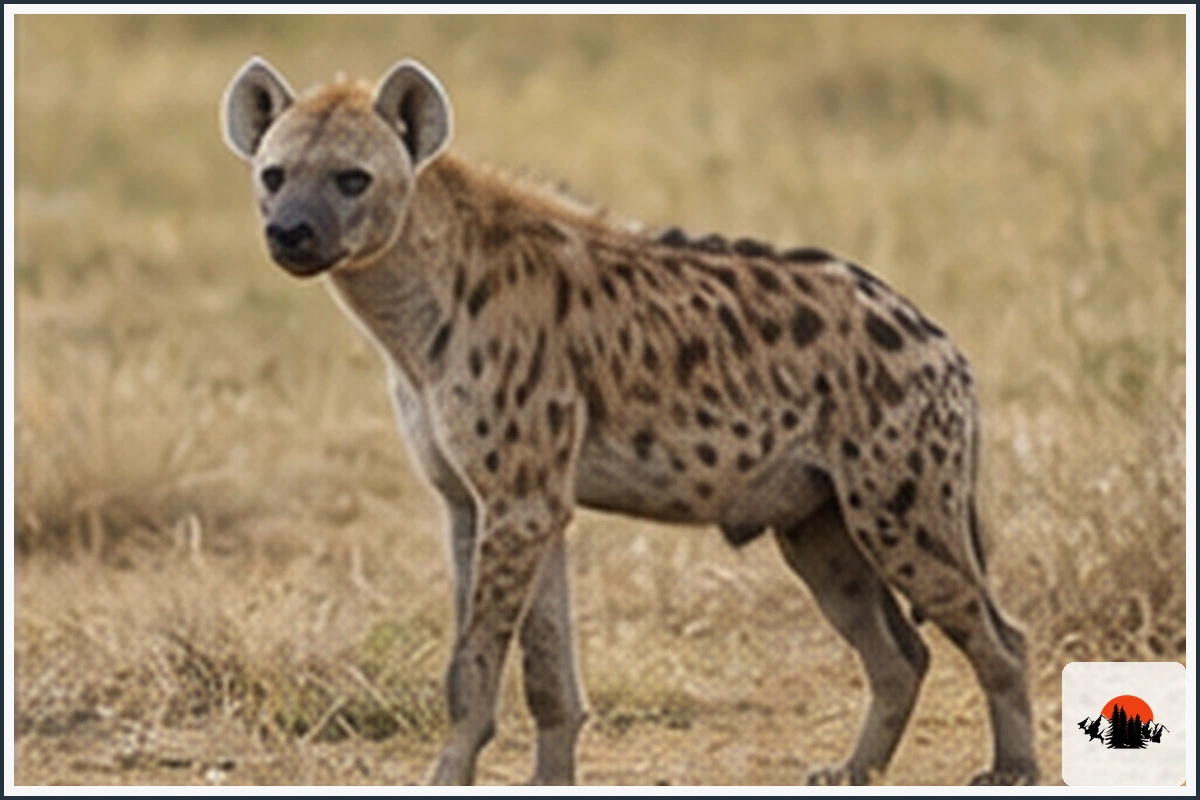
Scientific name: Crocuta crocuta
The spotted hyena has a sloping back, powerful jaws, rounded ears, and a coat covered with dark spots. It is both a skilled hunter and an opportunistic scavenger. Although often portrayed only as a scavenger, spotted hyenas can successfully hunt wildebeest, zebra, antelope, and other prey.
They live in clans led by females and communicate with calls, body postures, and the famous high-pitched “laugh.” Hyenas are essential to healthy ecosystems because their strong digestive systems and feeding habits help remove carcass remains.
7. Giraffe
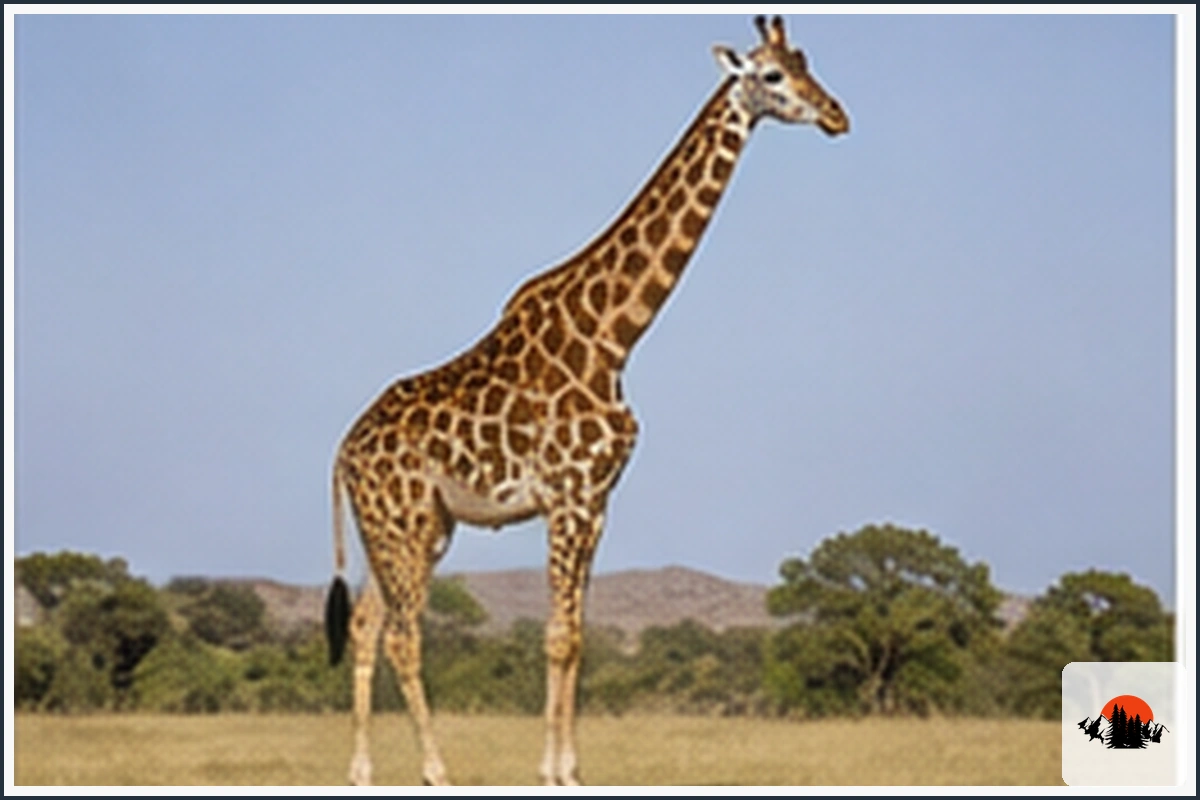
Scientific name: Giraffa camelopardalis and related species
Giraffes are the tallest land animals, recognized by their extremely long necks, long legs, patterned coats, and small horn-like ossicones. Different populations have distinct coat patterns, and scientists recognize several giraffe species and subspecies.
Giraffes browse on leaves, especially from acacia and other thorny trees. Their long tongues and tough mouths help them feed among sharp branches. They commonly inhabit savannas, shrublands, and open woodlands. Despite their height, giraffes can run quickly when threatened and use powerful kicks for defense.
8. Plains Zebra
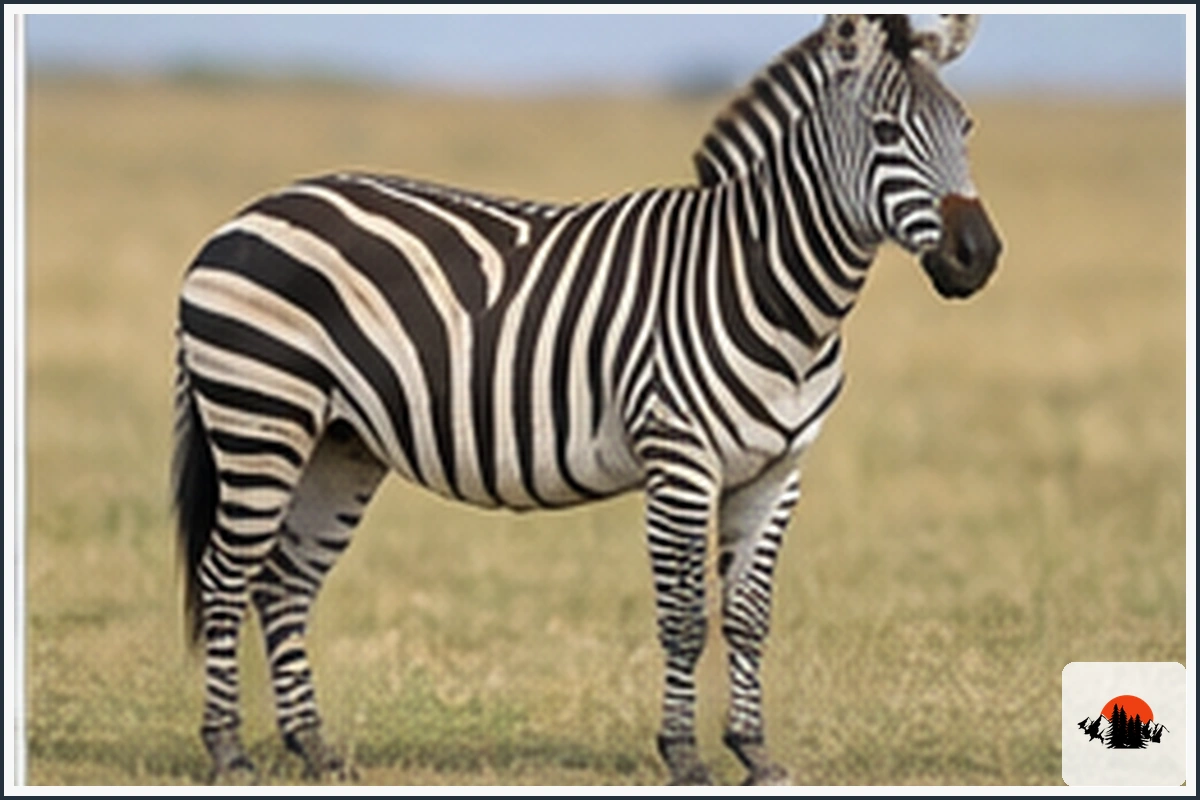
Scientific name: Equus quagga
The plains zebra is recognized by its bold black-and-white stripes, upright mane, and sturdy horse-like body. Stripe patterns vary between individuals, and each zebra has a unique arrangement. Plains zebras are common in East and southern Africa.
They are grazing animals that feed mainly on grasses. Herds often travel with wildebeest and other herbivores during seasonal movements. Zebras are social, alert, and fast runners. Their stripes may help with individual recognition, visual confusion during group movement, and insect deterrence, although scientists continue to study their full purpose.
9. Hippopotamus
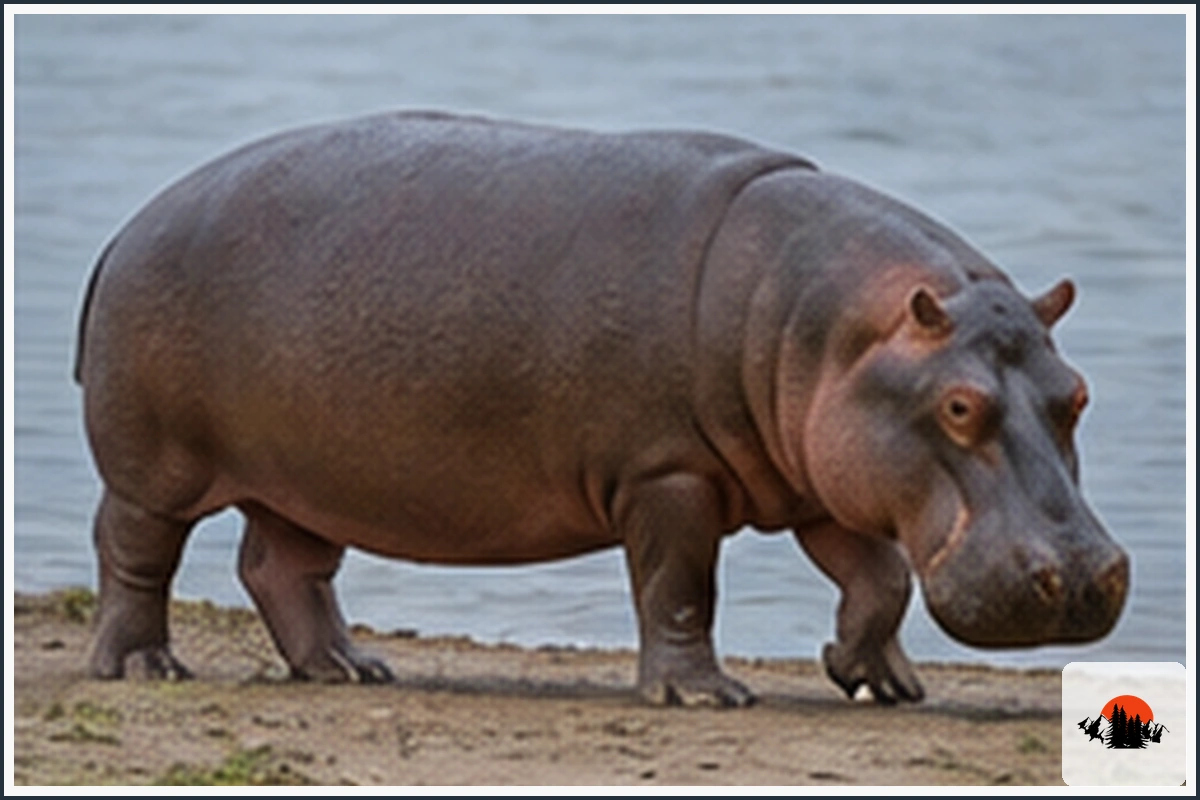
Scientific name: Hippopotamus amphibius
Hippopotamuses have enormous barrel-shaped bodies, short legs, large mouths, and nearly hairless skin. They spend much of the day in rivers, lakes, and pools to stay cool, emerging at night to graze on grass.
Hippos are powerful and potentially dangerous when approached. They defend territories in water and can run surprisingly fast on land. Their dung adds nutrients to aquatic ecosystems, although large concentrations of hippos can also reduce oxygen levels in confined water bodies.
10. Black Rhinoceros
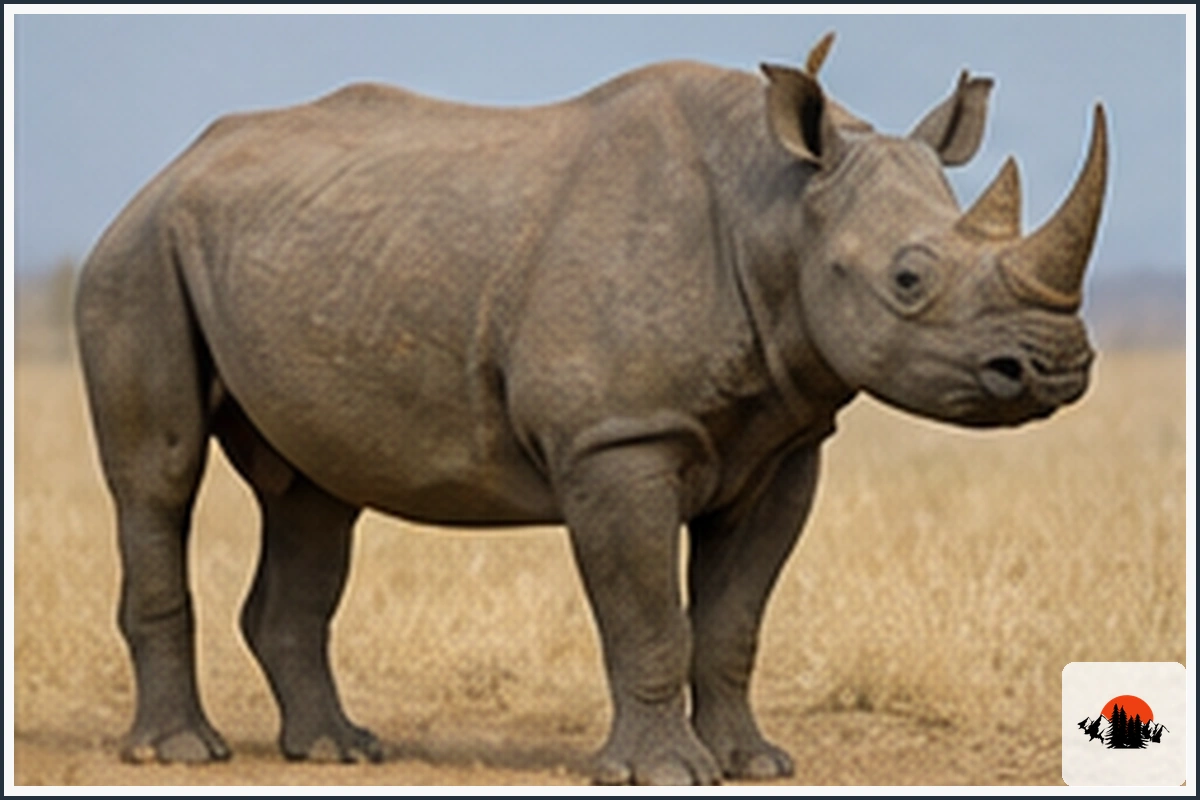
Scientific name: Diceros bicornis
The black rhinoceros has two horns, thick skin, and a pointed upper lip adapted for browsing shrubs and branches. Despite its name, its color may range from gray to brown. It is generally smaller and more browser-oriented than the white rhinoceros.
Black rhinos live in savannas, shrublands, deserts, and wooded areas. They are usually solitary and can be aggressive when startled. Habitat protection and anti-poaching efforts are vital because illegal hunting has severely affected populations.
11. White Rhinoceros
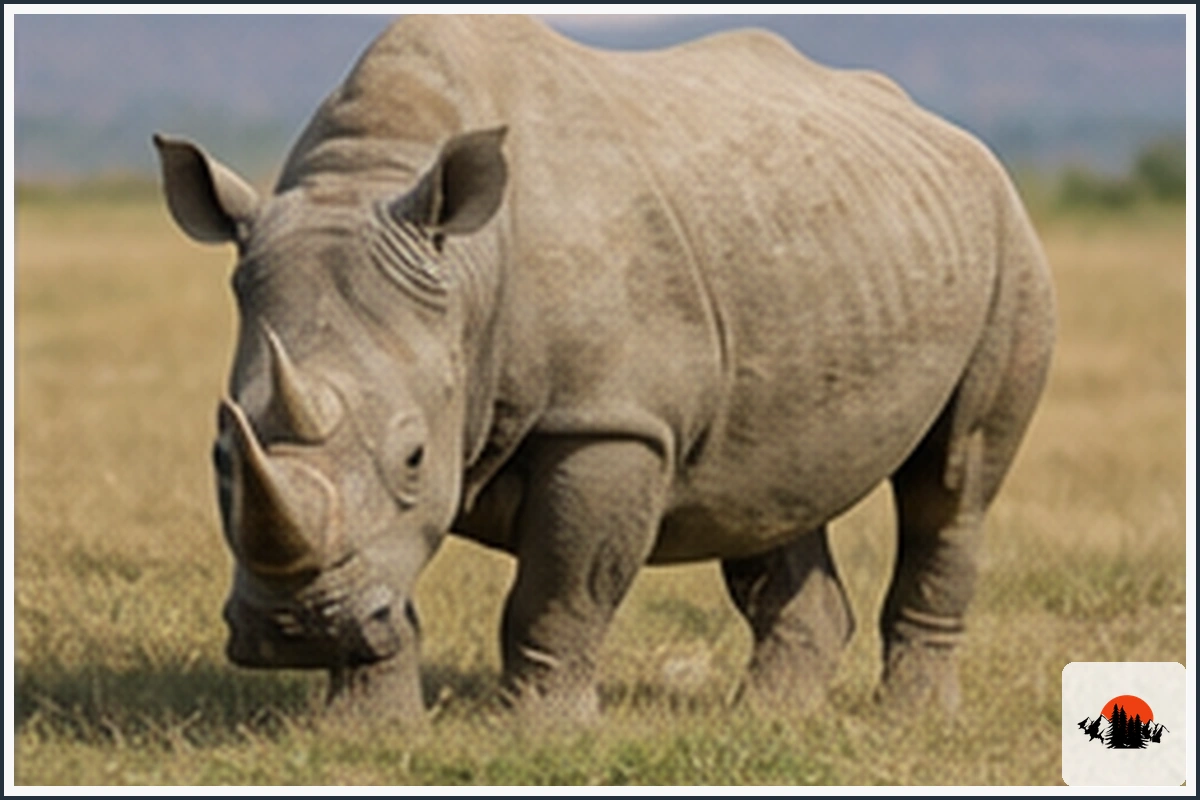
Scientific name: Ceratotherium simum
The white rhinoceros is the largest rhino species and has a broad, square-shaped mouth designed for grazing. Its name likely comes from a historical interpretation of a word meaning “wide,” rather than from its actual color.
White rhinos prefer open grasslands and savannas where they can graze. They may live in loose groups, especially females and young animals. Although massive, they can move quickly over short distances. Their survival depends on protected habitat, strong law enforcement, and responsible conservation programs.
12. Cape Buffalo
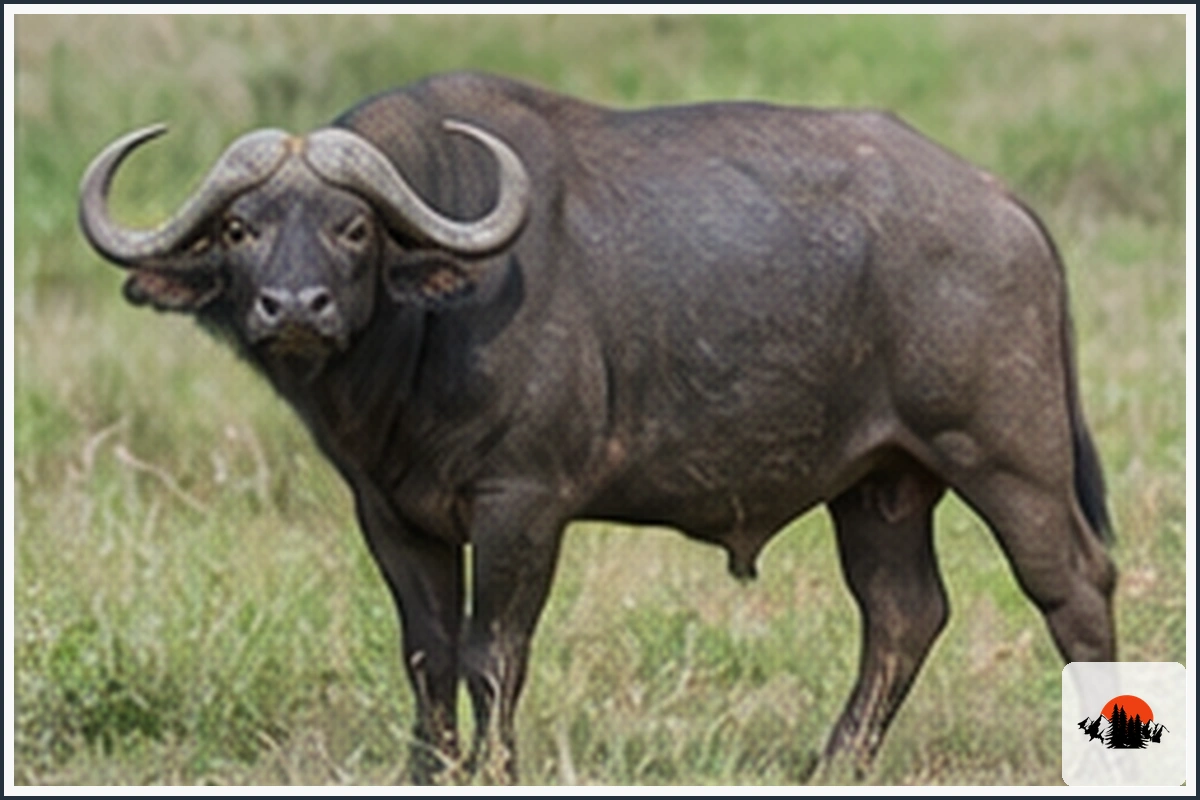
Scientific name: Syncerus caffer
The Cape buffalo is a large, heavily built bovine with dark fur and broad horns. In mature males, the horn bases form a thick shield across the forehead. Cape buffalo are found in grasslands, woodlands, floodplains, and forests across much of sub-Saharan Africa.
They graze on grasses and other vegetation and often gather in large herds. Buffalo are highly social but can be unpredictable when threatened. Lions sometimes hunt them, yet healthy adults are formidable animals capable of defending themselves collectively.
13. Wildebeest
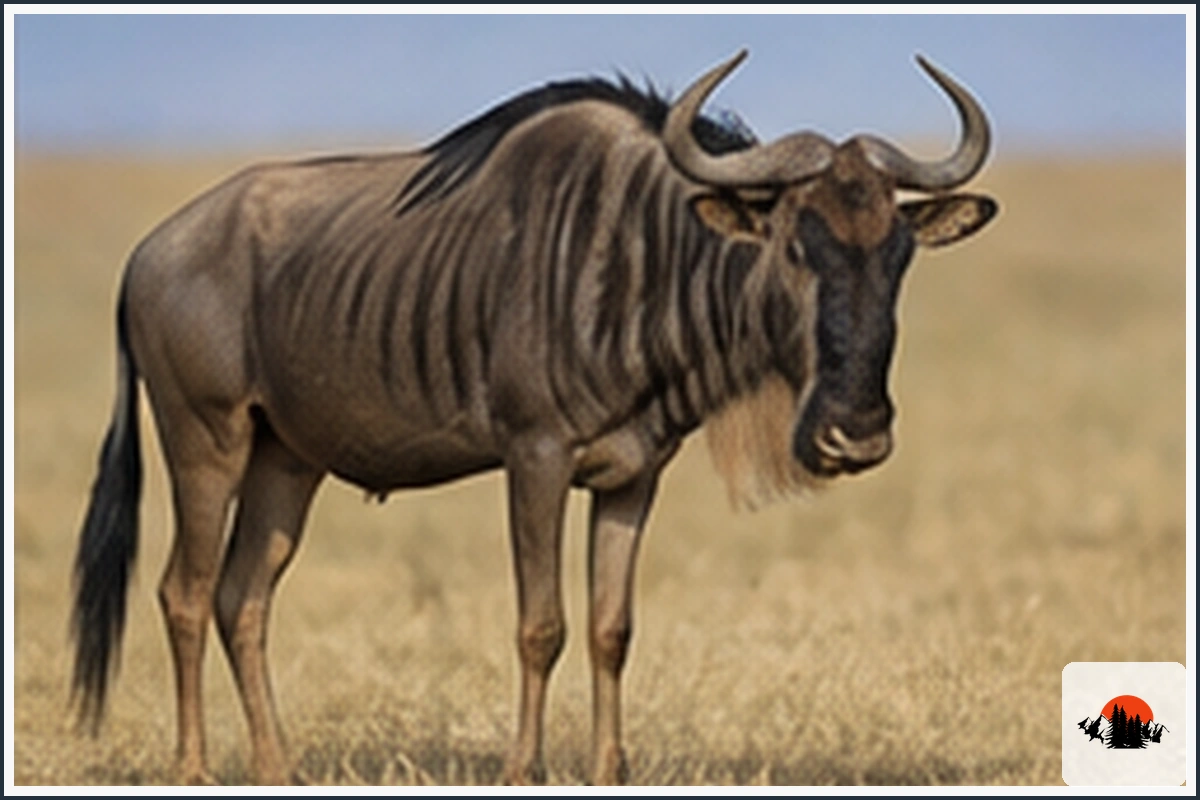
Scientific name: Connochaetes taurinus and Connochaetes gnou
Wildebeest have heavy shoulders, sloping backs, curved horns, and shaggy beards. The blue wildebeest is especially famous for its large seasonal migration across parts of Kenya and Tanzania, where it moves with zebras and other grazers.
They feed mainly on grasses and depend on rainfall for fresh pasture and water. Wildebeest migrations support predators and scavengers, while calving seasons provide food for lions, hyenas, crocodiles, and wild dogs.
14. Common Eland
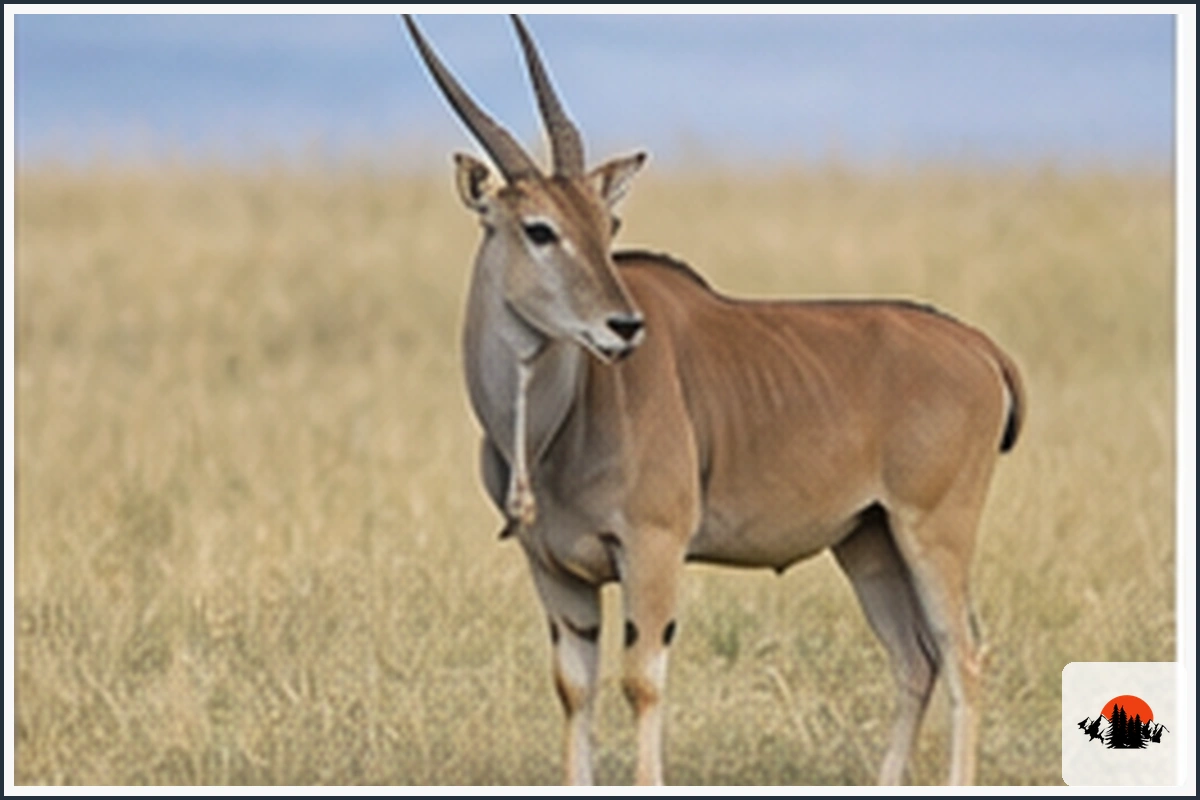
Scientific name: Tragelaphus oryx
The common eland is one of Africa’s largest antelopes. It has a tan or reddish-brown coat, a noticeable dewlap, and spiral horns in both sexes. Adult males may develop darker coloring and a thicker neck.
Elands browse and graze, eating leaves, grasses, fruits, and other plant material. They can live in savannas, open woodland, and rocky country. Despite their size, elands can jump high and move efficiently across uneven terrain.
15. Impala
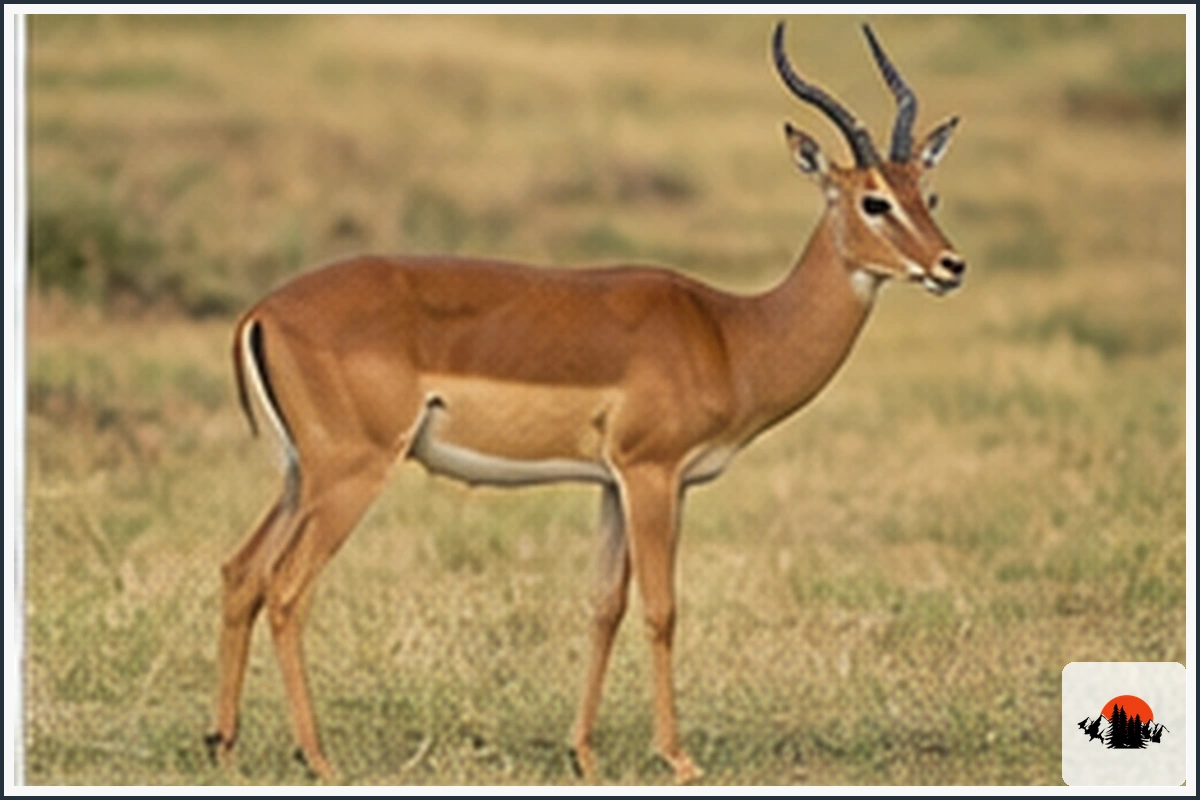
Scientific name: Aepyceros melampus
Impala are medium-sized antelope with reddish-brown backs, pale undersides, slender legs, and black markings near the tail and hind legs. Only males have long, lyre-shaped horns.
They eat grasses, leaves, shoots, and fruit depending on the season. Impalas live in herds and are famous for powerful leaps that can carry them over obstacles and help them escape predators. They are common in savannas and woodland habitats across eastern and southern Africa.
16. Springbok
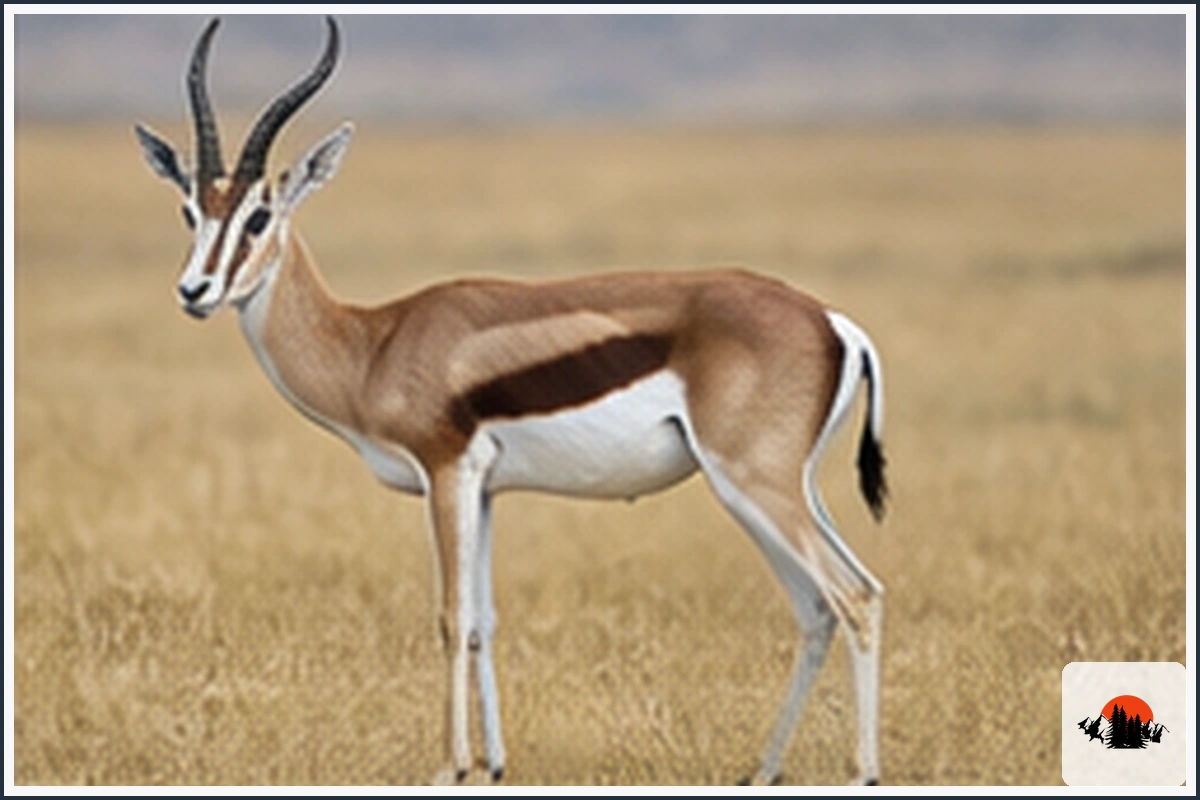
Scientific name: Antidorcas marsupialis
The springbok is a slender antelope with a white face, brown upper body, dark side stripe, and white underparts. Its name refers to its remarkable jumping behavior, called pronking, in which it springs high with its back arched and legs stiff.
Springbok live in dry grasslands, scrublands, and semi-desert regions of southern Africa. They graze during wetter periods and browse on shrubs when conditions are dry. Their ability to survive with limited water makes them well suited to arid habitats.
17. Grant’s Gazelle
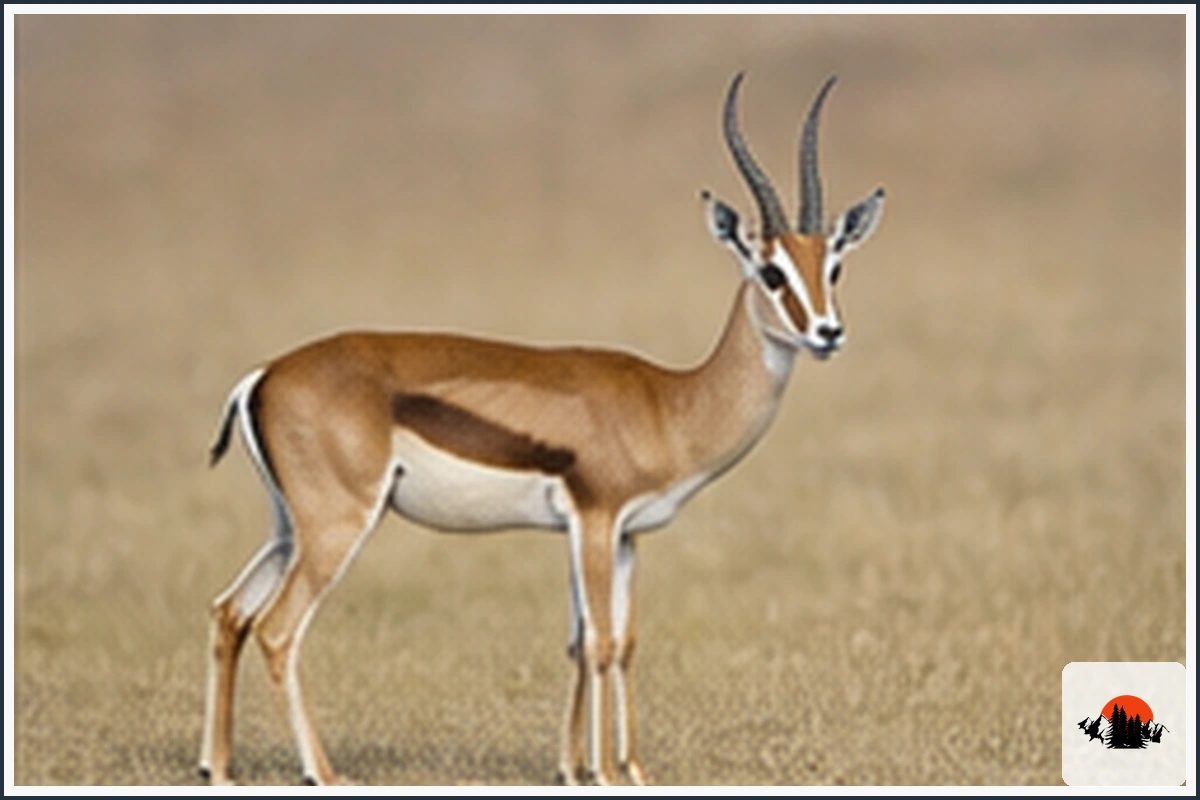
Scientific name: Nanger granti
Grant’s gazelle is a graceful antelope with a pale coat, dark side markings, long legs, and ringed horns in both sexes. It is larger than many other gazelles and is especially associated with the open plains of East Africa.
Grant’s gazelles eat grasses, leaves, and shoots. They can obtain much of their moisture from food, helping them survive in dry landscapes. They often form herds and remain alert for cheetahs, lions, hyenas, and wild dogs.
18. Meerkat
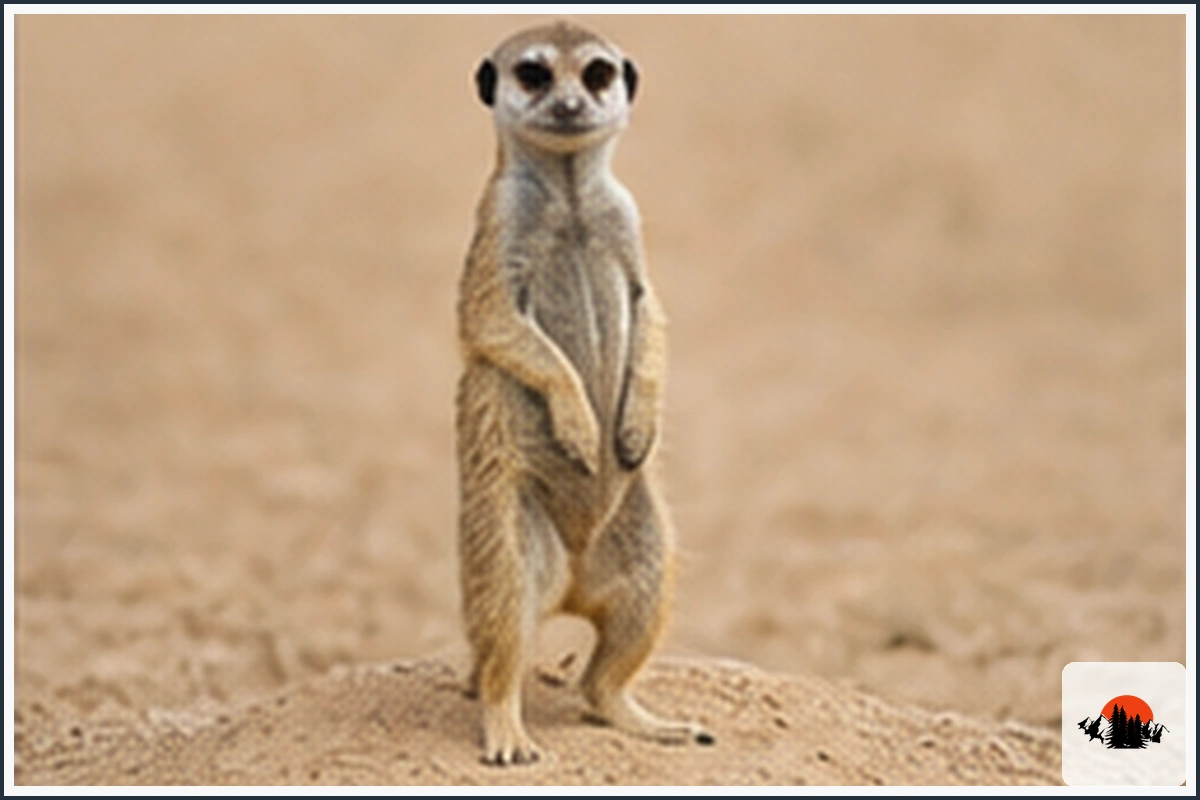
Scientific name: Suricata suricatta
Meerkats are small mongooses with slender bodies, dark eye patches, pointed snouts, and banded tails. They live in cooperative family groups in the deserts and dry plains of southern Africa.
Meerkats eat insects, spiders, scorpions, lizards, eggs, and small vertebrates. One animal may stand upright as a lookout while others forage. Their burrows provide shelter from heat, predators, and cold nights. Family members cooperate in raising young and defending the group.
19. Aardvark
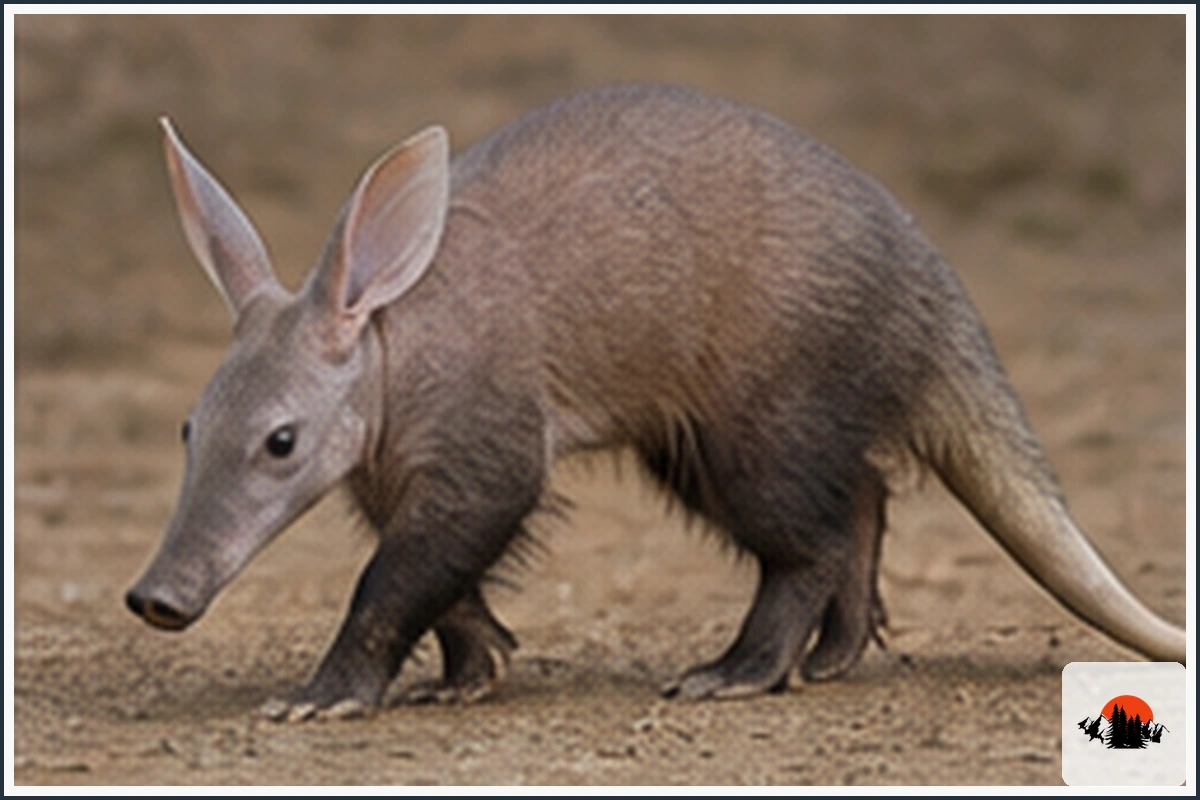
Scientific name: Orycteropus afer
The aardvark is a nocturnal mammal with a long snout, large ears, powerful claws, and a thick tail. Although it resembles several unrelated animals, it belongs to its own distinctive mammalian order.
Aardvarks use their claws and strong digging ability to break into termite and ant nests, then use long sticky tongues to collect insects. They live in savannas, grasslands, woodland, and bush country. Their abandoned burrows later provide shelter for reptiles, birds, and other mammals.
20. Pangolin
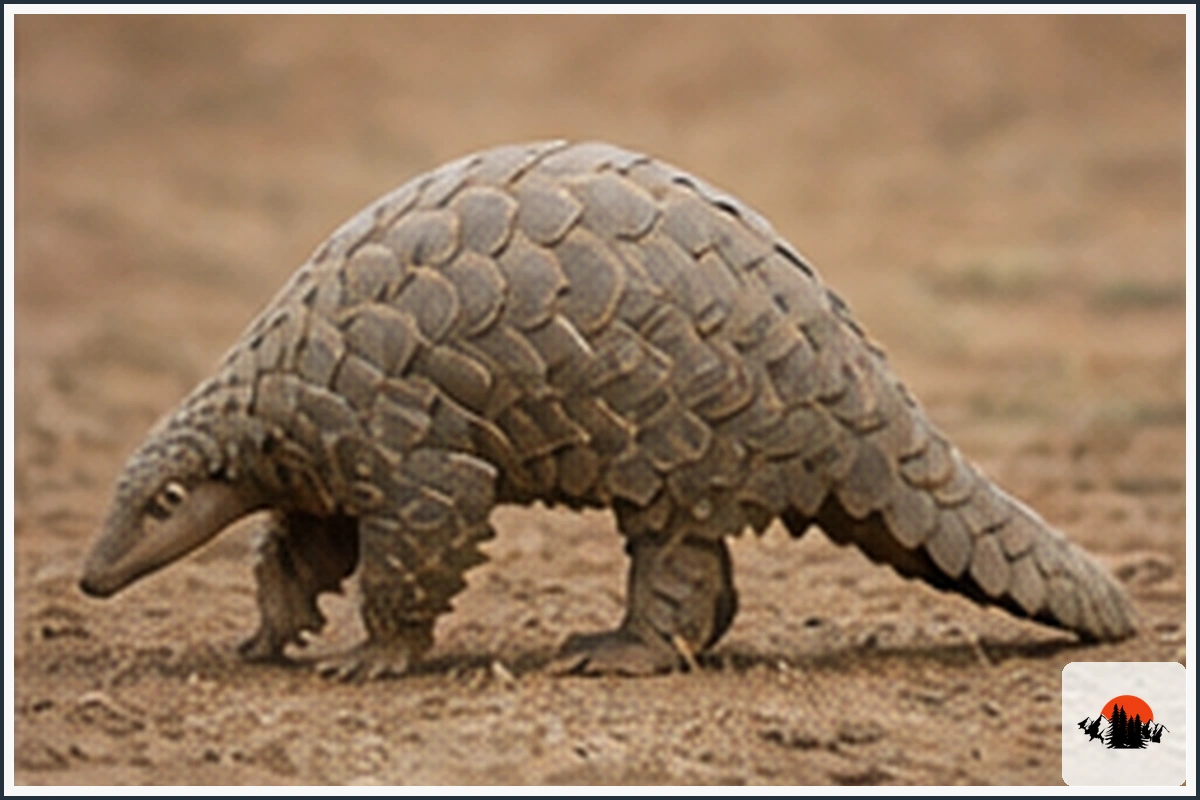
Scientific name: Several African species in the family Manidae
Pangolins are unusual mammals covered in overlapping protective scales made of keratin. When threatened, they curl into a tight ball, shielding their soft underside. African species include ground, tree, and giant ground pangolins.
Pangolins eat ants and termites with long tongues and have strong claws for opening nests. Most are nocturnal and difficult to observe. Illegal wildlife trafficking is a major threat, making pangolins among the most heavily trafficked mammals in the world.
21. Gorilla
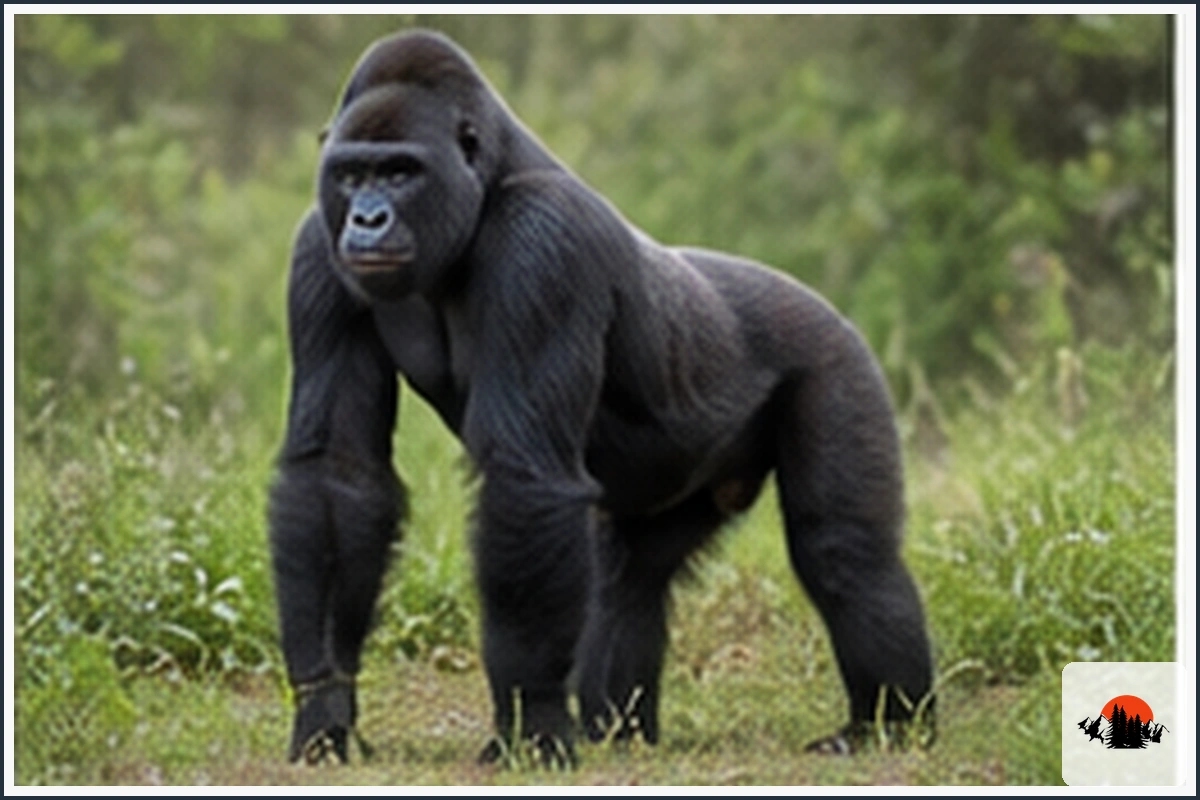
Scientific name: Gorilla gorilla and Gorilla beringei
Gorillas are powerful great apes with broad chests, long arms, dark hair, and expressive faces. Western gorillas live mainly in Central and West African forests, while eastern and mountain gorillas occupy forests and highland habitats farther east.
They eat leaves, stems, shoots, fruit, and other plant material. Gorilla groups are usually led by a dominant silverback that protects the troop and helps direct its movements. Habitat loss, disease, and illegal hunting threaten several gorilla populations.
22. Chimpanzee
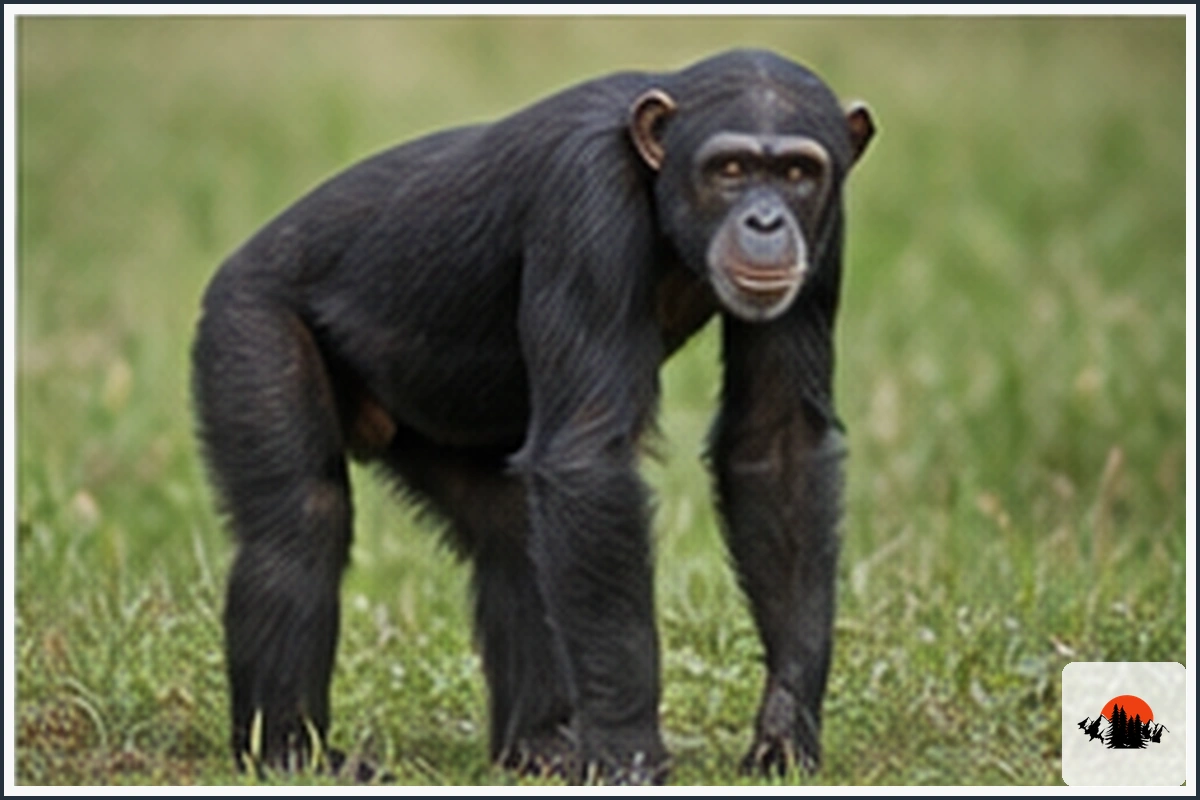
Scientific name: Pan troglodytes
Chimpanzees are intelligent great apes with dark hair, expressive faces, long arms, and opposable thumbs. They live in the tropical forests and woodland mosaics of Central and West Africa.
Chimpanzees eat fruit, leaves, seeds, insects, and occasionally meat. They use tools, form complex social relationships, communicate with many sounds and gestures, and build sleeping nests in trees. Their flexible behavior helps them adapt to different forest environments.
23. Olive Baboon
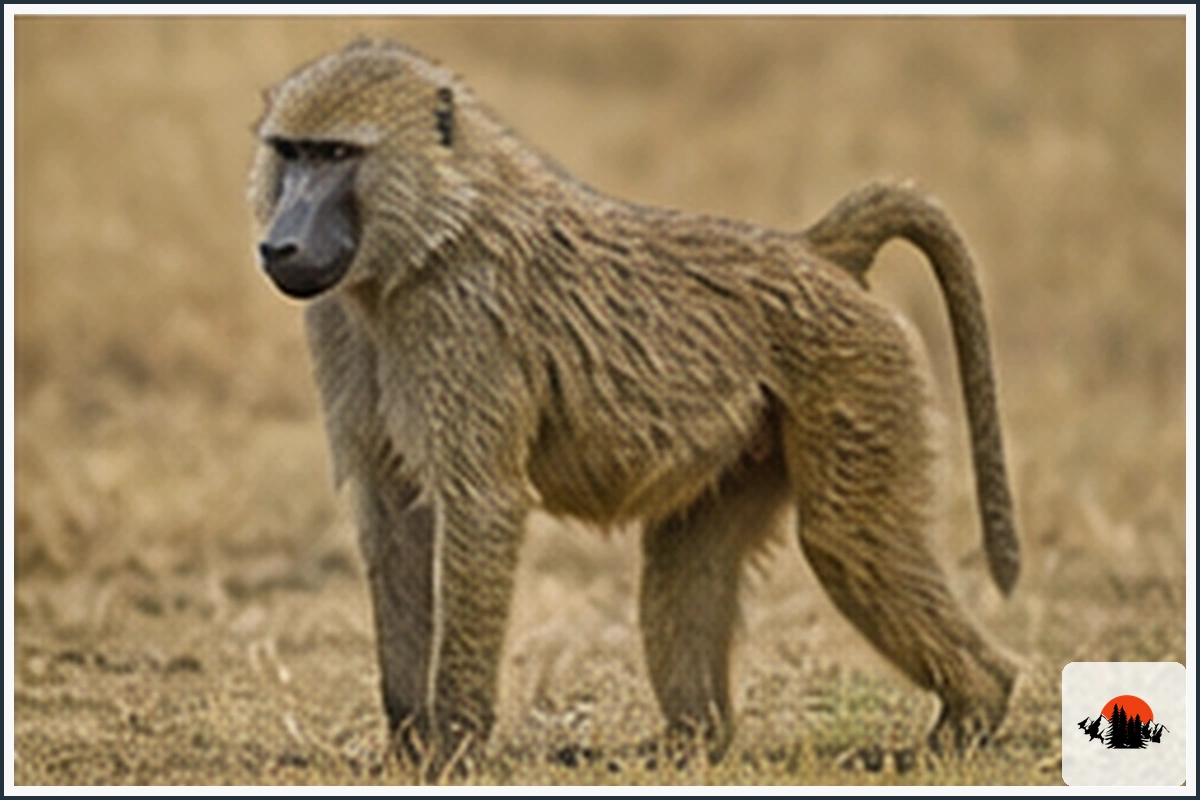
Scientific name: Papio anubis
The olive baboon has coarse olive-gray fur, a long muzzle, a dog-like face, and a long tail. It is one of Africa’s most widely distributed baboons, living in savannas, woodland, forest edges, and rocky areas.
Olive baboons are omnivores that eat fruit, seeds, roots, insects, eggs, and small animals. They live in large troops with complex social hierarchies. Their adaptability allows them to use both natural habitats and landscapes near people, although conflict can occur.
24. Nile Crocodile
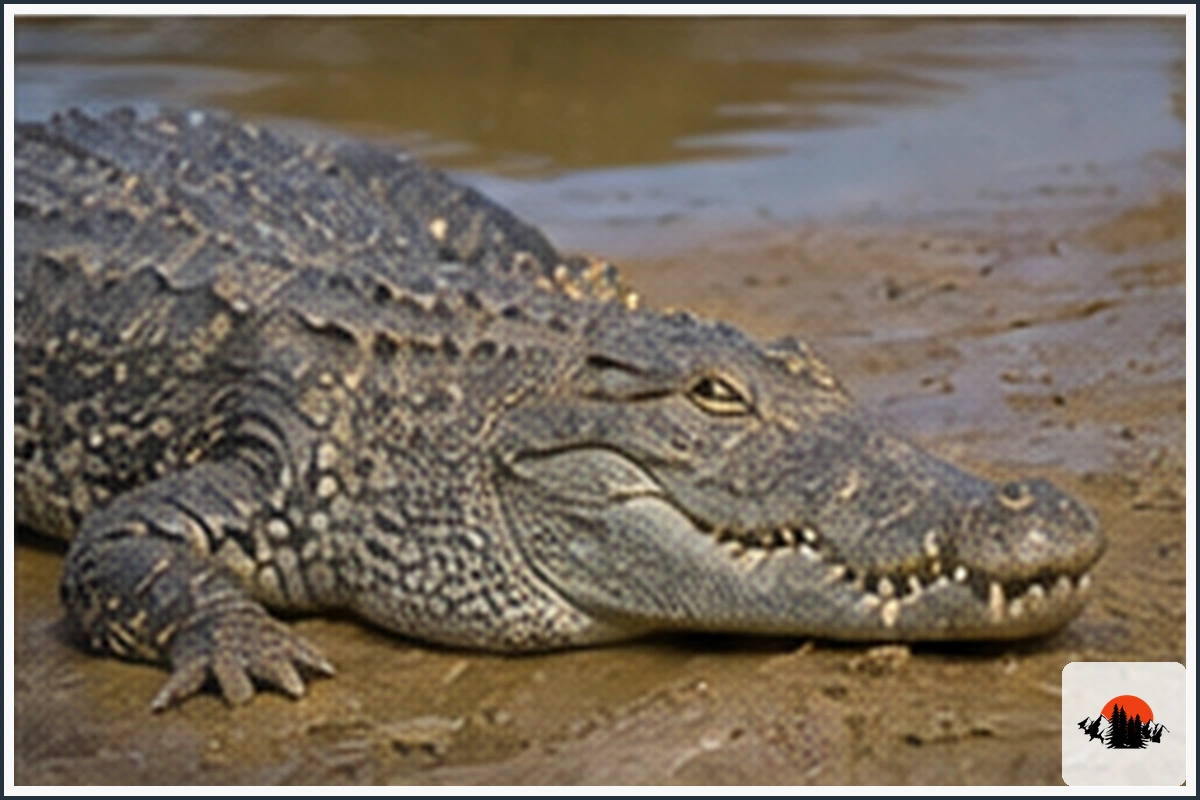
Scientific name: Crocodylus niloticus
The Nile crocodile is a large aquatic reptile with armored skin, a long snout, powerful jaws, and a muscular tail. It inhabits rivers, lakes, marshes, dams, and seasonal waterways across much of sub-Saharan Africa.
Nile crocodiles eat fish, birds, mammals, and carrion. They often wait motionless near the water’s edge before lunging at prey. Females guard nests and young, and hatchlings communicate with calls while still inside their eggs.
25. Nile Monitor
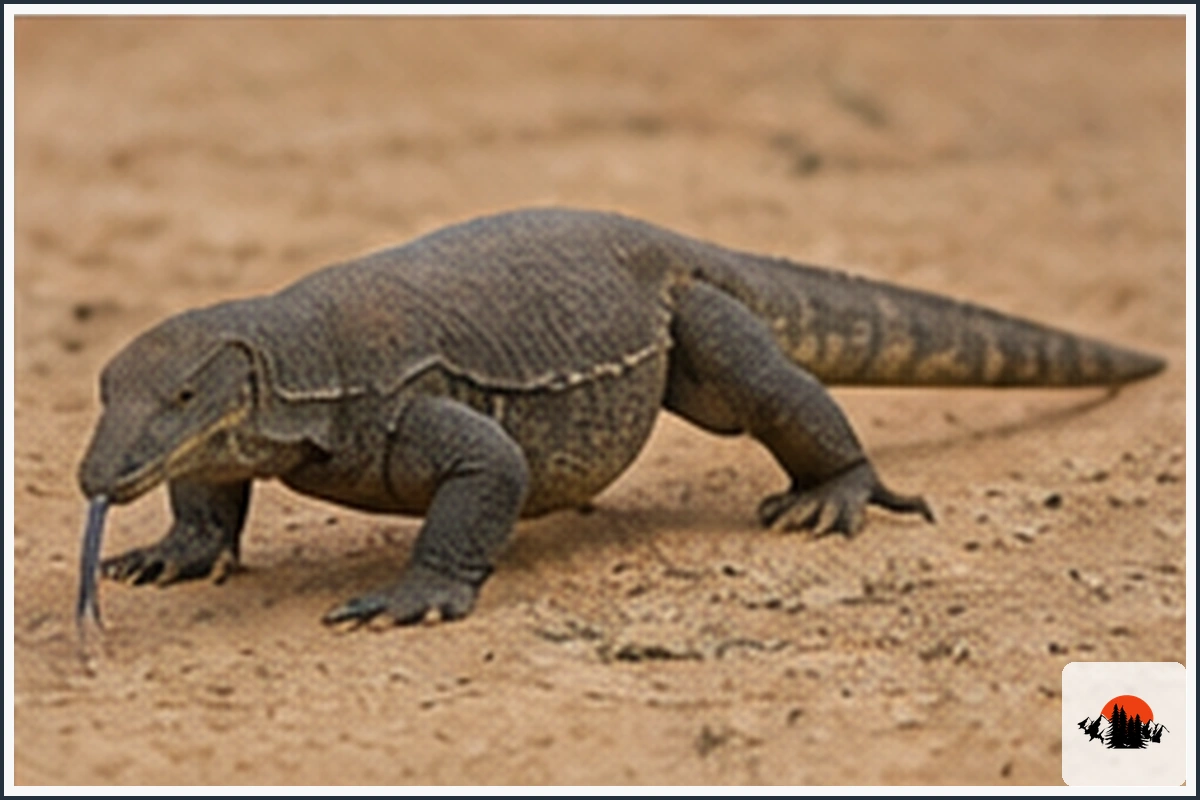
Scientific name: Varanus niloticus
The Nile monitor is a large lizard with a long body, strong legs, a laterally flattened tail, and dark markings with yellow or cream bands. It is commonly found near rivers, lakes, wetlands, and coastal areas.
It eats fish, frogs, birds, eggs, insects, crabs, and small mammals. Nile monitors are strong swimmers and can climb when needed. Their flexible diet and ability to use many habitats make them widespread across Africa.
26. African Rock Python
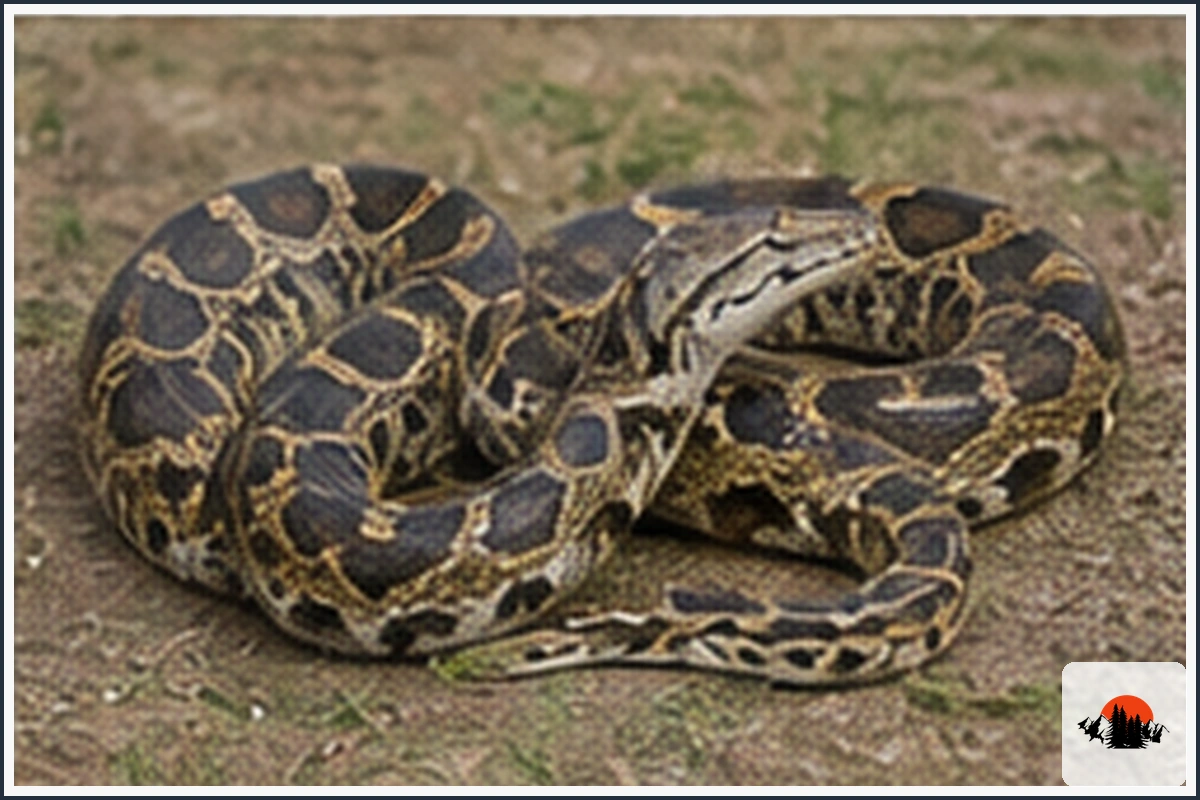
Scientific name: Python sebae
The African rock python is one of Africa’s largest snakes. It has a thick muscular body patterned with dark blotches, lighter markings, and a broad head. It lives in grasslands, forests, rocky areas, and places near water.
This constrictor ambushes and coils around prey such as antelope, monkeys, birds, rodents, and other animals. It is not venomous. African rock pythons are powerful predators but generally avoid people when given space.
27. African Grey Parrot
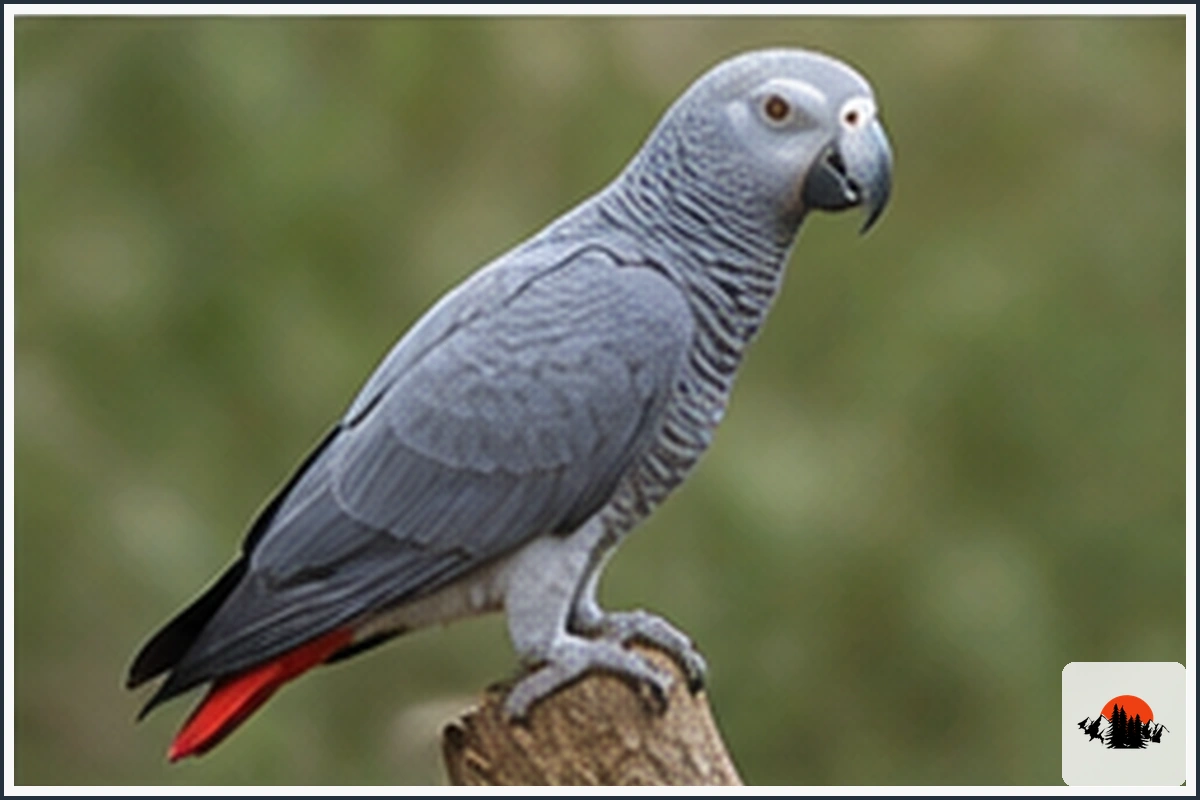
Scientific name: Psittacus erithacus
The African grey parrot has mostly gray feathers, a dark bill, and a vivid red tail. It lives in forests, woodland, mangroves, and cultivated areas across parts of Central and West Africa.
These parrots eat fruit, seeds, nuts, flowers, and bark. They are known for intelligence, problem-solving, and complex vocal behavior. Wild populations have been harmed by habitat loss and capture for the illegal or poorly regulated pet trade.
28. Ostrich
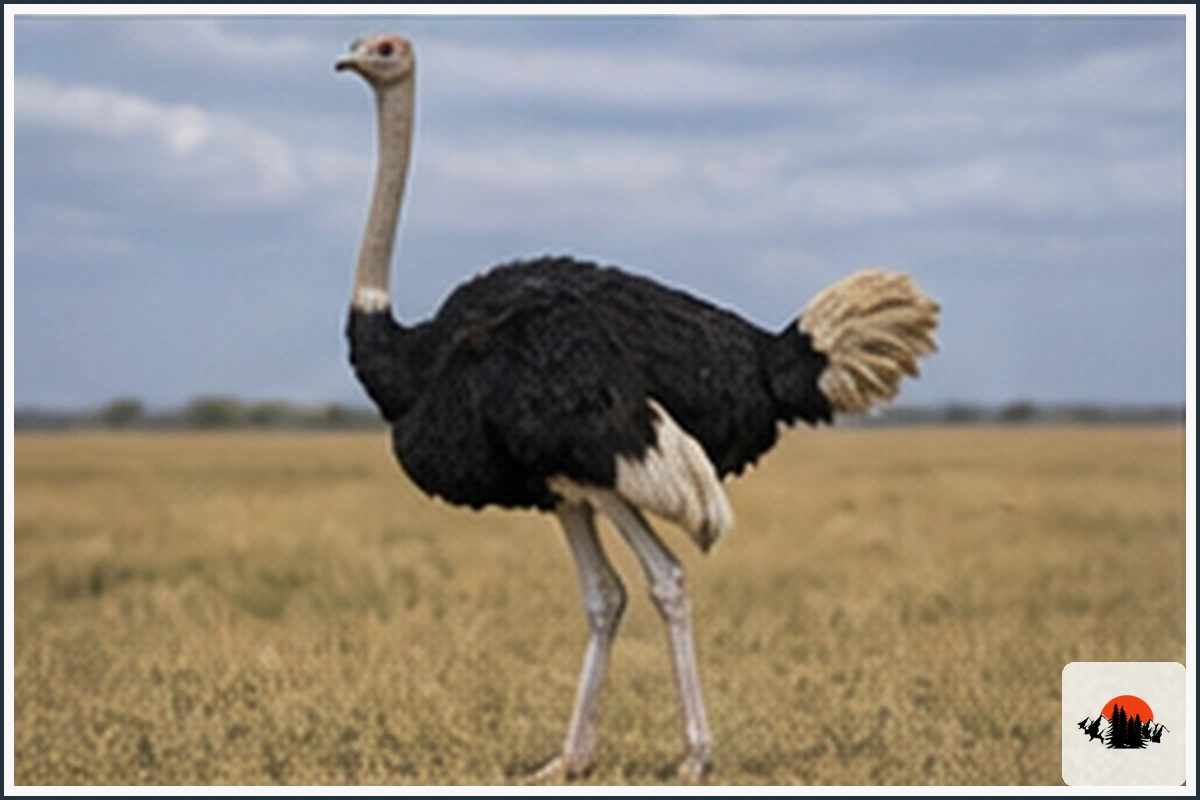
Scientific name: Struthio camelus
The ostrich is the world’s largest living bird. It has a long neck, powerful legs, a small head, and soft feathers. Males are mostly black and white, while females are generally brown and gray.
Ostriches eat seeds, plants, flowers, and insects. Their long legs allow them to run quickly across open ground, and their strong kicks provide defense. They live in savannas, grasslands, and semi-desert landscapes across Africa.
29. Secretarybird
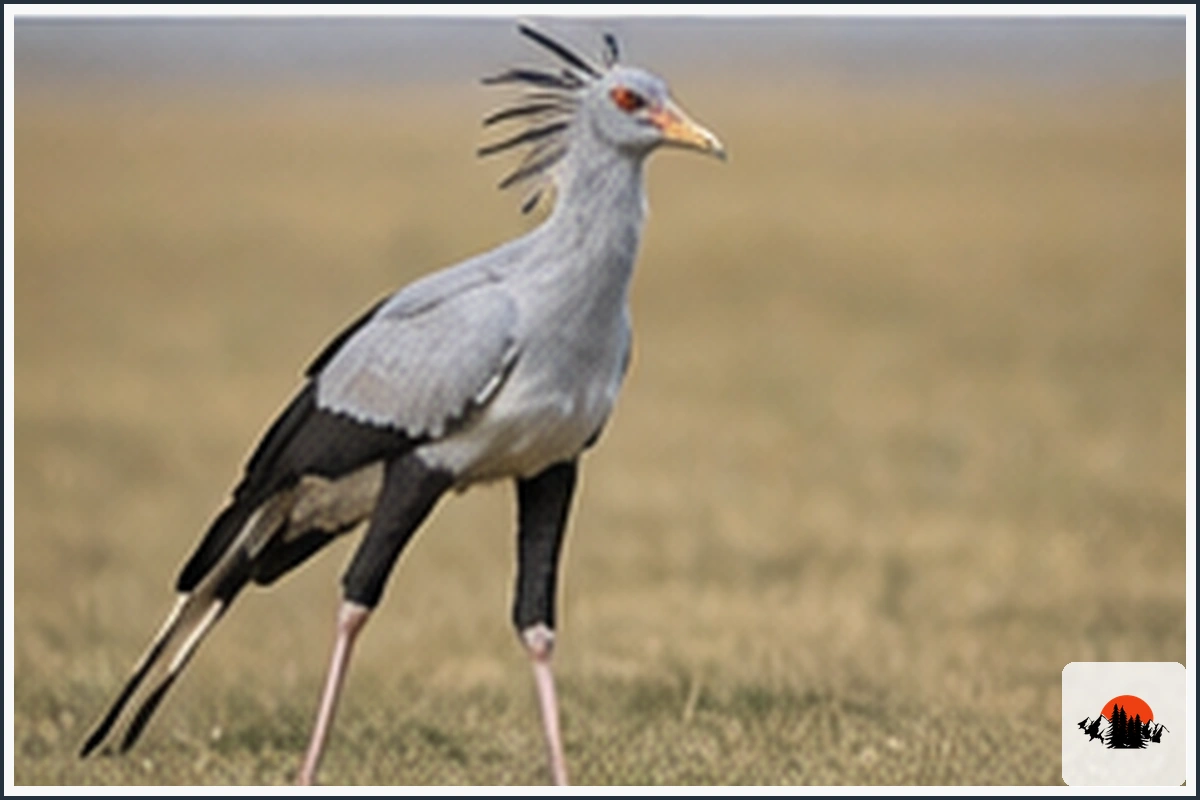
Scientific name: Sagittarius serpentarius
The secretarybird is a tall terrestrial bird with long legs, a crest of feathers, gray wings, and black flight feathers. It is often seen walking through grasslands rather than soaring constantly like many other birds of prey.
Secretarybirds hunt snakes, lizards, insects, and small mammals. They use rapid stomping kicks to subdue prey. Their grassland habitat is increasingly affected by agriculture, development, and changes in fire management.
30. Marabou Stork
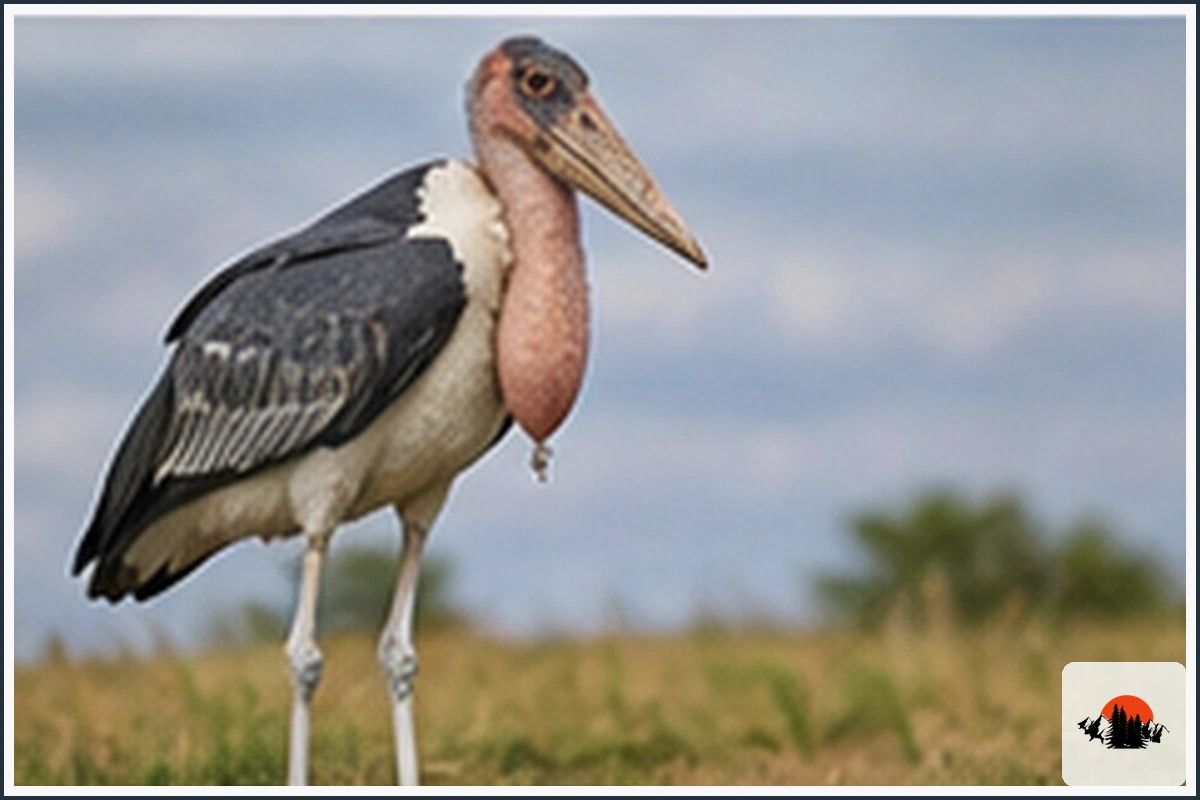
Scientific name: Leptoptilos crumenifer
The marabou stork is a very large wading bird with long legs, broad wings, a bald head, and a prominent throat pouch. Its appearance is unusual, but its role as a scavenger is valuable.
Marabou storks eat carrion, fish, insects, frogs, and small animals. They often gather near wetlands, grasslands, rubbish sites, and large animal herds. Their bald heads help keep feathers cleaner while feeding on carcasses.
31. Shoebill
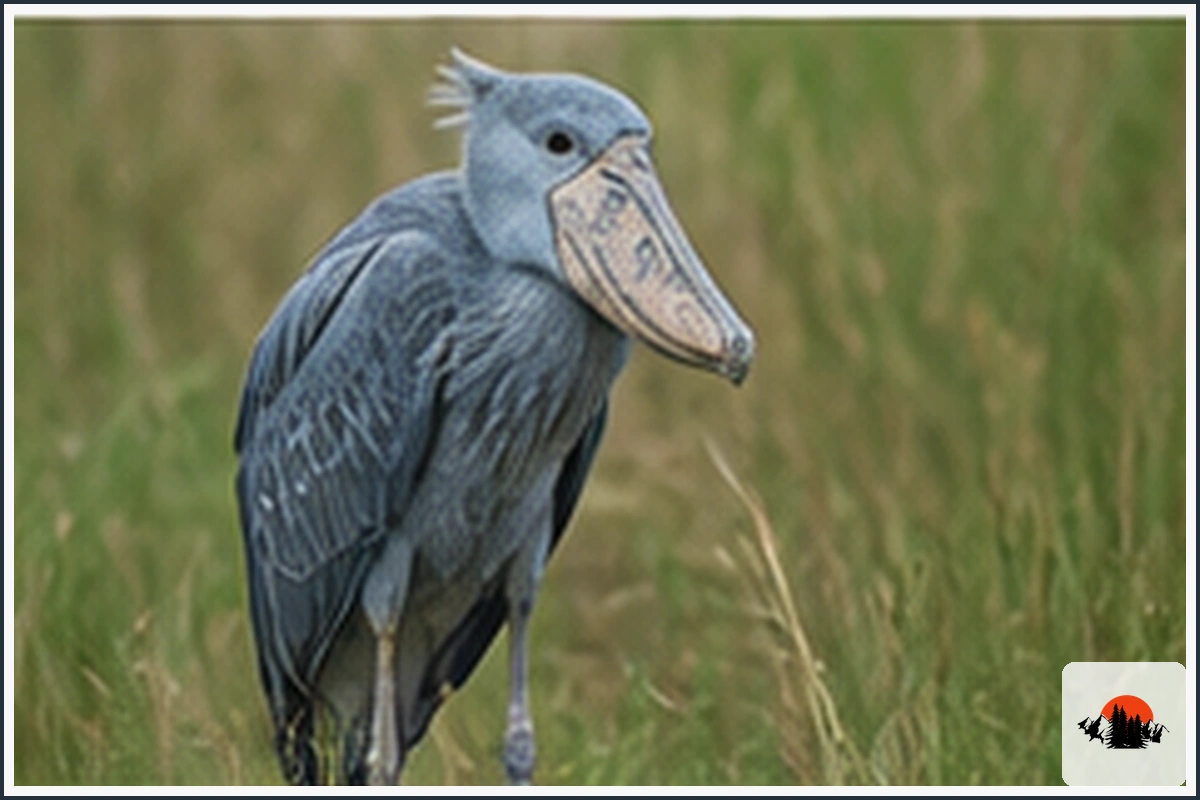
Scientific name: Balaeniceps rex
The shoebill is a tall wetland bird named for its enormous shoe-shaped bill. It has gray plumage, long legs, broad wings, and a slow, deliberate hunting style. Shoebills live mainly in freshwater swamps and marshes of tropical East and Central Africa.
They eat fish, lungfish, frogs, reptiles, and small mammals. Shoebills often stand motionless before striking suddenly. Wetland drainage and disturbance threaten their specialized habitat.
32. African Penguin
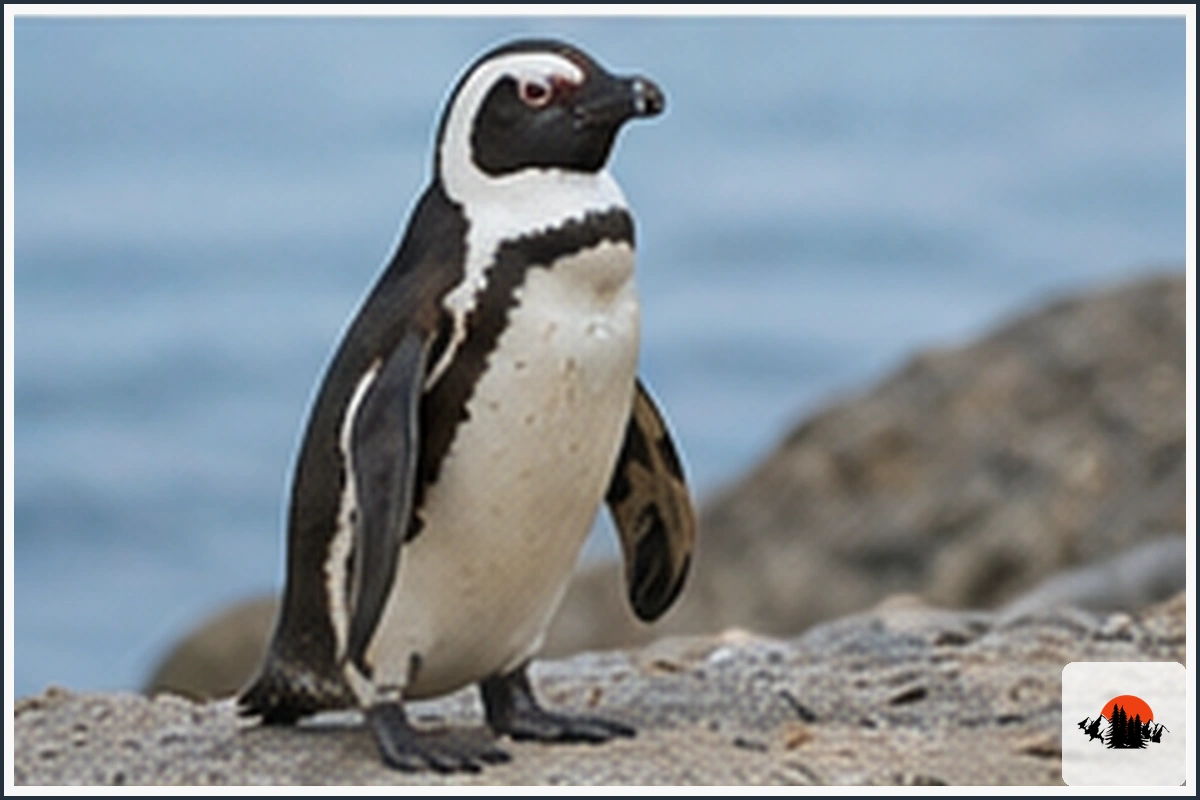
Scientific name: Spheniscus demersus
The African penguin is the only penguin species that breeds in Africa. It has black-and-white plumage, a pink patch around the eyes, and a chest band with individual spotting patterns.
These penguins live along the coast and offshore islands of southwestern Africa. They feed on small fish and marine organisms. Declining fish supplies, oil pollution, climate pressures, and disturbance at breeding sites have contributed to population losses.
33. Flamingo
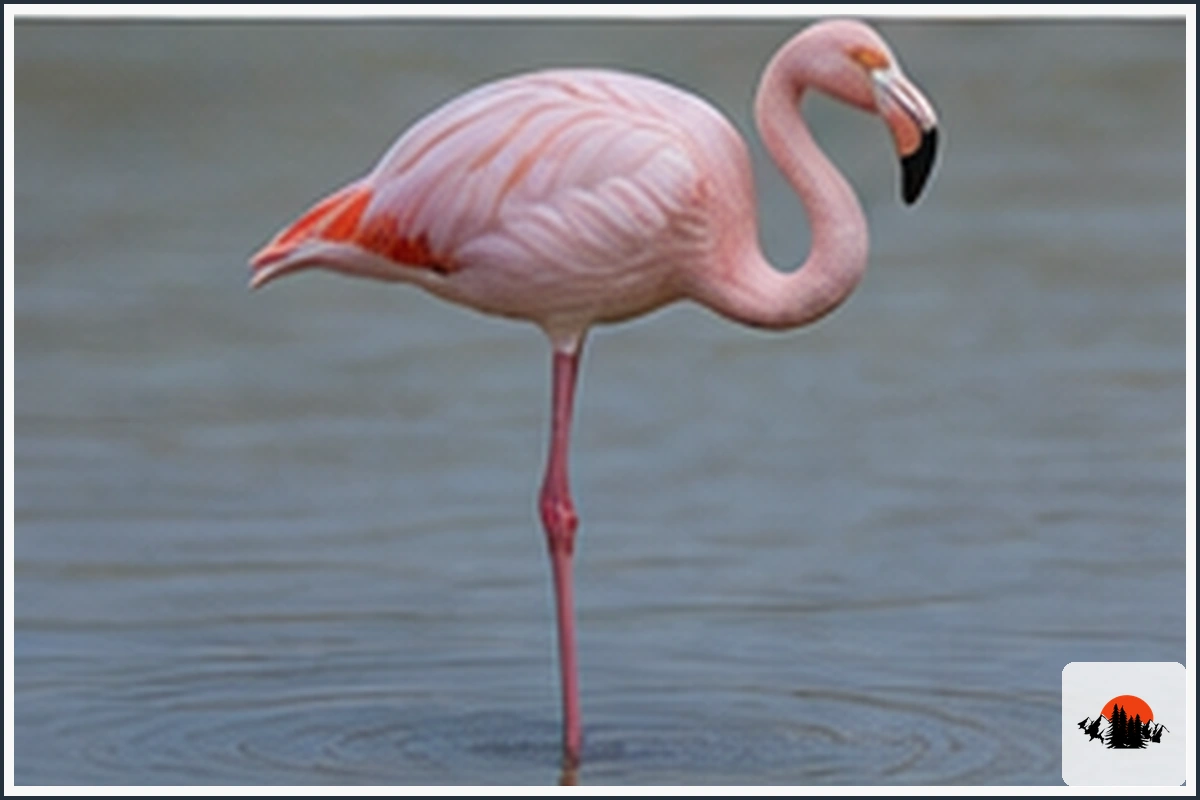
Scientific name: Several species, including Phoenicopterus minor and Phoenicopterus roseus
Flamingos are recognizable by their long legs, curved bills, long necks, and pink or rose-colored feathers. Lesser flamingos are especially associated with alkaline lakes in the East African Rift Valley, where enormous gatherings may occur.
They filter-feed on algae and tiny aquatic organisms. Their color comes partly from pigments in their diet. Flamingos depend on suitable water levels, food supplies, and undisturbed breeding sites.
34. Whale Shark
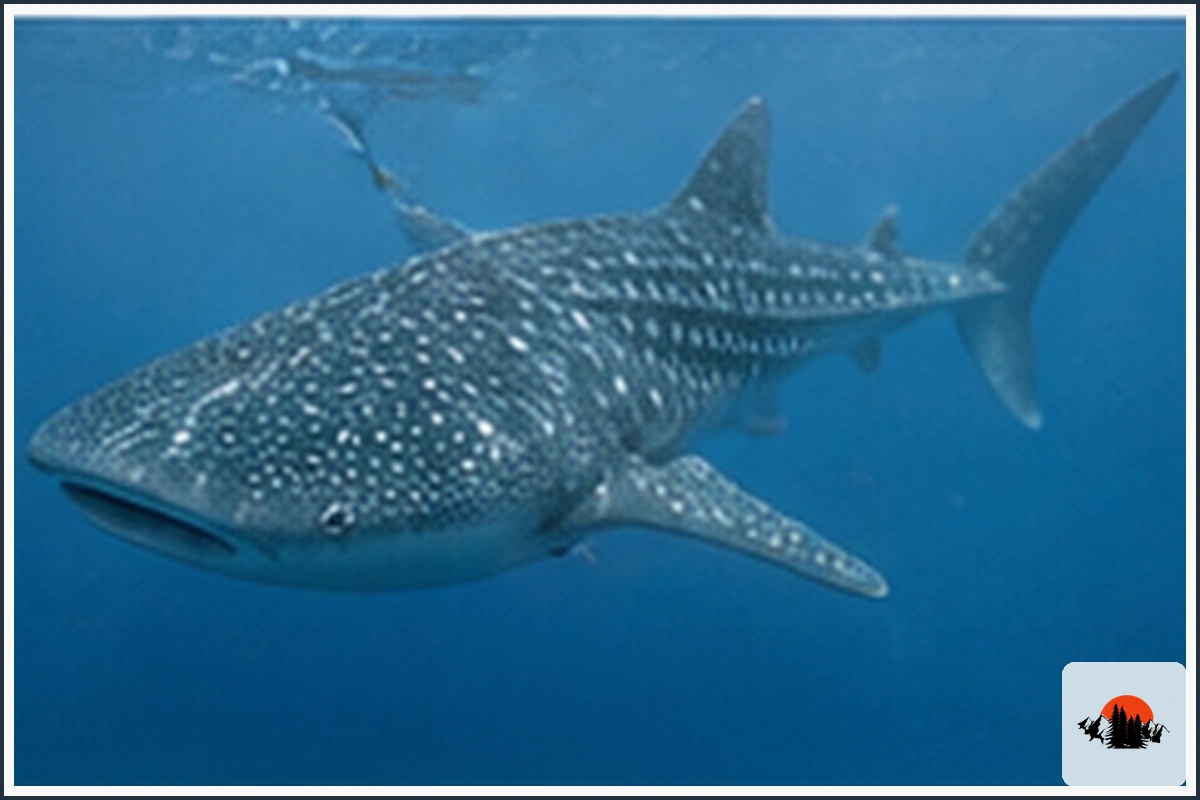
Scientific name: Rhincodon typus
The whale shark is the largest fish in the world, identified by its enormous size, broad mouth, flattened head, and pattern of pale spots and lines. It occurs in warm tropical and subtropical waters near parts of Africa’s Atlantic and Indian Ocean coasts.
Despite its size, the whale shark is a filter feeder that consumes plankton, small fish, and other tiny organisms. It is generally gentle, but wildlife watchers should keep a respectful distance and follow local marine-tourism rules.
35. Great White Shark
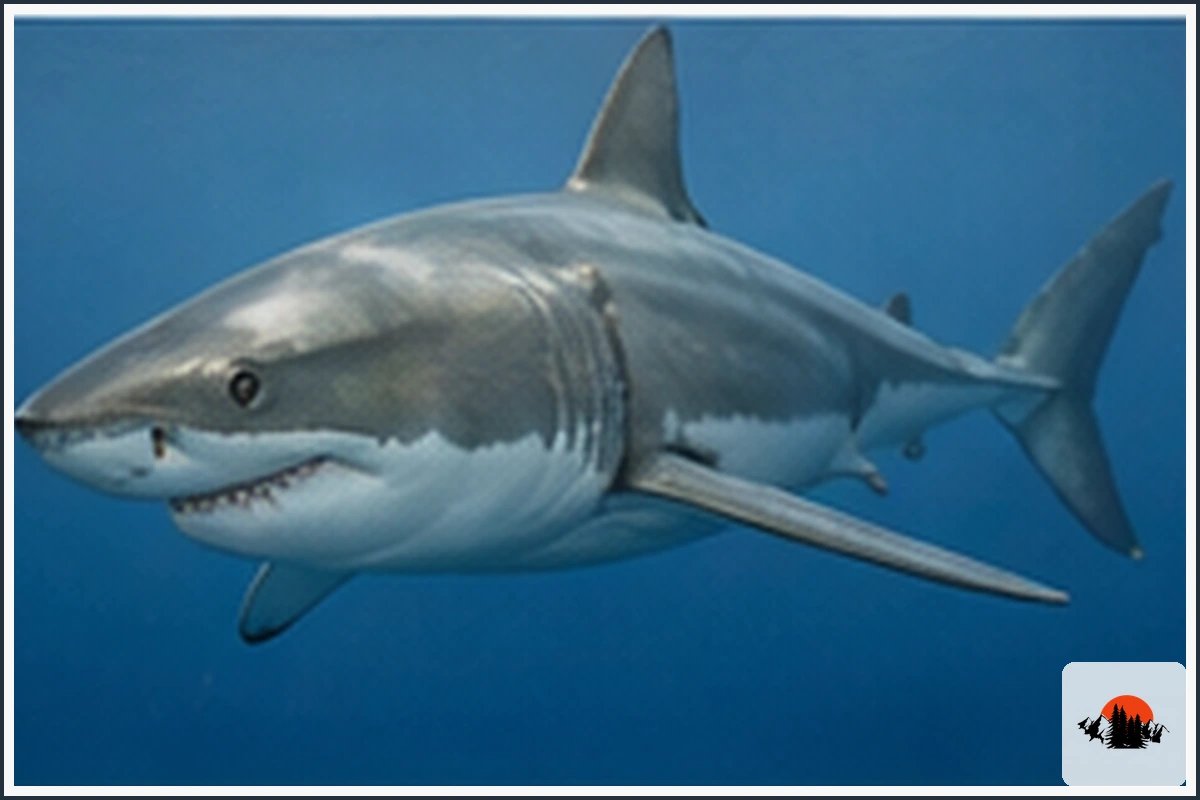
Scientific name: Carcharodon carcharias
The great white shark has a torpedo-shaped body, gray upper surface, white underside, pointed snout, and triangular serrated teeth. It is found in productive coastal waters, including areas off southern Africa.
Great whites eat fish, rays, seals, and carrion. They are important marine predators that help influence food-web balance. Their behavior is often misunderstood, and responsible observation should never involve feeding or provoking them.
36. Humpback Whale
Scientific name: Megaptera novaeangliae
Humpback whales are large baleen whales with long pectoral fins, knobby heads, and distinctive tail patterns. Populations migrate through African coastal waters, moving between feeding areas and warmer breeding grounds.
They filter small fish and krill through baleen plates. Humpbacks are famous for complex songs, breaching, and cooperative feeding behaviors. Ship strikes, entanglement, noise, and historical hunting remain important conservation concerns.
37. Common Dwarf Mongoose
Scientific name: Helogale parvula
The common dwarf mongoose is Africa’s smallest mongoose. It has a compact body, short legs, pointed face, and brown or gray-brown coat. It lives in dry woodland, savanna, and open scrubland.
Dwarf mongooses eat insects, spiders, scorpions, small reptiles, and fruit. They live in cooperative groups and often use abandoned termite mounds as shelters. Group members take turns watching for predators while others forage.
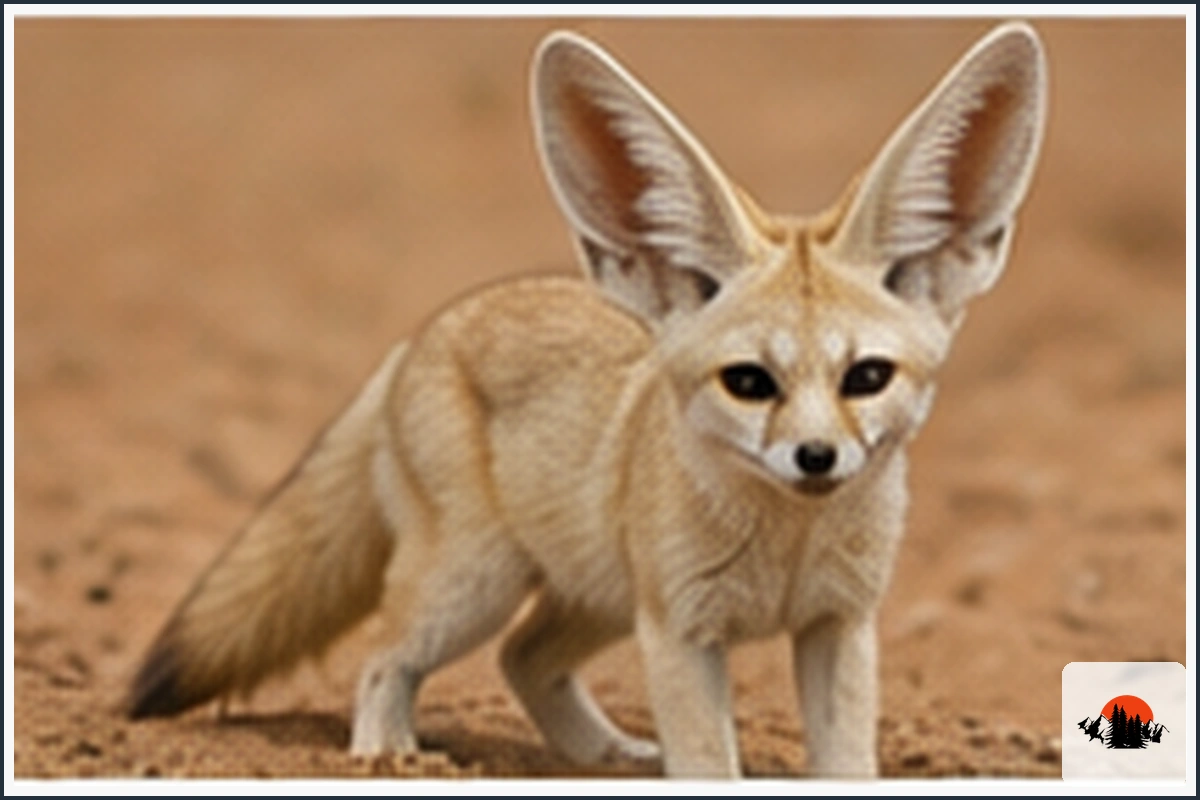
38. Fennec Fox
Scientific name: Vulpes zerda
The fennec fox is a tiny desert fox with exceptionally large ears, a pale coat, and furry feet. Its large ears help release heat and detect prey beneath sand, while its pale fur reflects sunlight.
Fennec foxes eat insects, rodents, lizards, birds, eggs, and fruit. They are mainly nocturnal and spend hot daytime hours in underground burrows. They are associated with the Sahara and other North African desert environments.
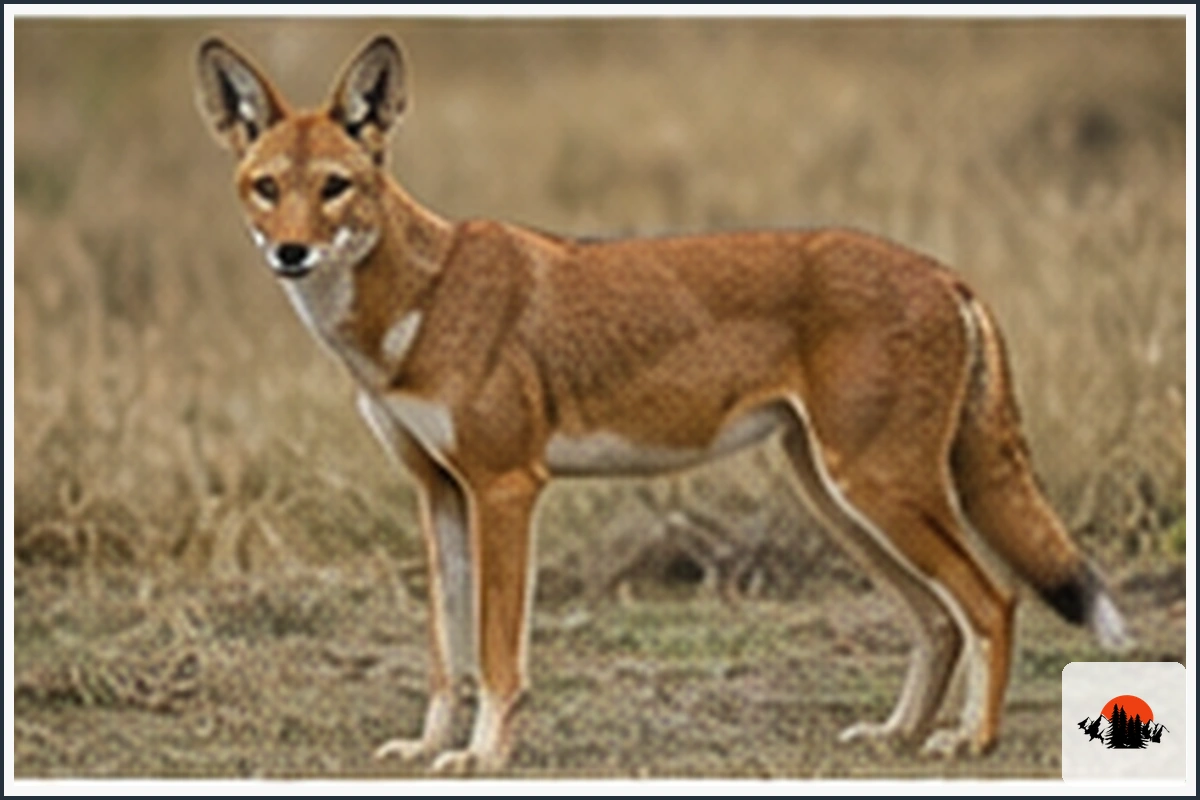
39. Ethiopian Wolf
Scientific name: Canis simensis
The Ethiopian wolf is a slender reddish-brown canid with a white throat and chest and a bushy tail. It lives in high-altitude grasslands and heathlands of the Ethiopian Highlands.
Unlike many larger African predators, Ethiopian wolves mainly hunt rodents, especially giant mole-rats and grass rats. They may live in social groups but often forage alone. Habitat conversion, disease from domestic dogs, and shrinking highland ecosystems threaten the species.
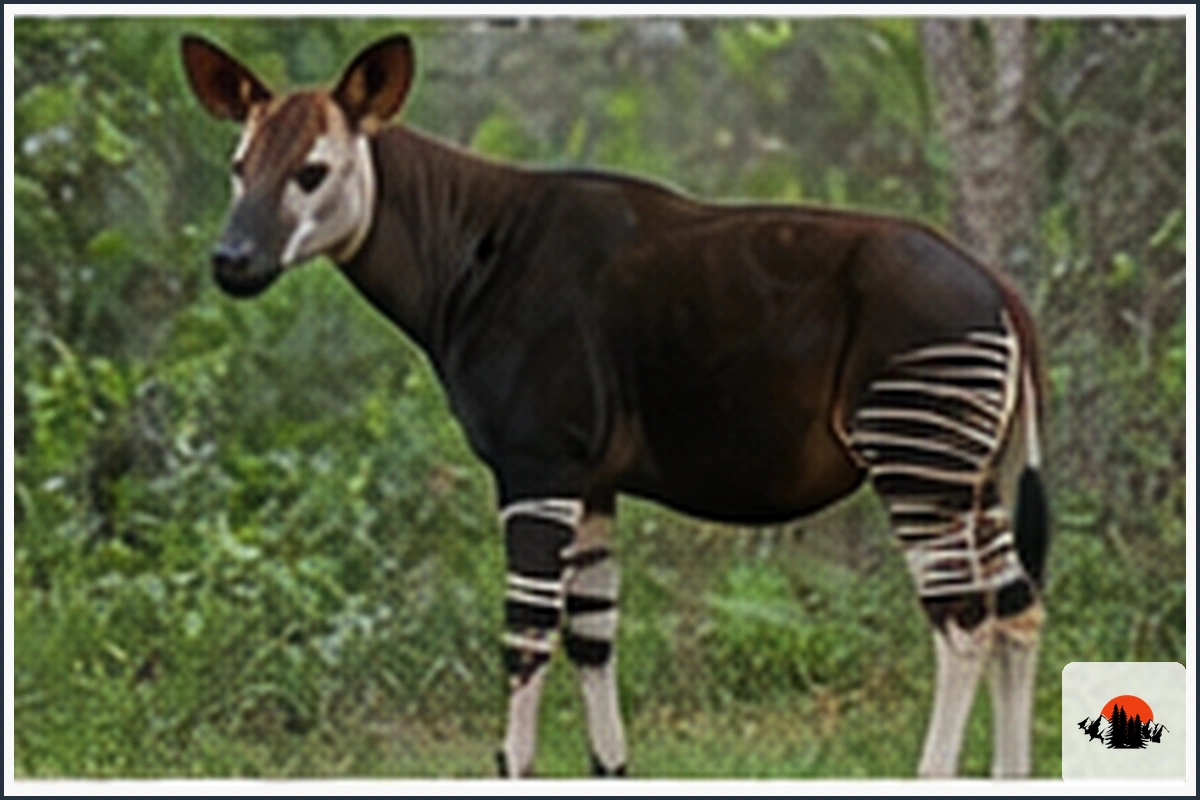
40. Okapi

Scientific name: Okapia johnstoni
The okapi has a dark reddish-brown body, zebra-like stripes on its legs and hindquarters, large ears, and a long flexible tongue. It is related to the giraffe but is shorter and adapted to dense rainforest.
Okapis live mainly in the forests of the Democratic Republic of the Congo. They browse on leaves, ferns, fungi, fruit, and other vegetation. Their shy behavior and remote habitat make them difficult to observe in the wild.
How Are These Wild Animals Classified?
African wildlife can be classified in several practical ways:
- Mammals: Elephants, lions, giraffes, zebras, hippos, rhinos, antelopes, primates, and many smaller animals.
- Birds: Ostriches, flamingos, secretarybirds, shoebills, parrots, storks, penguins, and many other species.
- Reptiles: Nile crocodiles, monitor lizards, pythons, tortoises, chameleons, and numerous snakes.
- Marine animals: Whale sharks, great white sharks, humpback whales, seals, dolphins, and sea turtles.
- Herbivores: Animals that mainly eat plants, including elephants, giraffes, zebras, rhinos, and wildebeest.
- Carnivores: Predators such as lions, leopards, cheetahs, wild dogs, crocodiles, and Ethiopian wolves.
- Omnivores and scavengers: Animals such as baboons, hyenas, marabou storks, and some mongooses that use varied food sources.
Where Do These Wild Animals Live?
Africa contains many habitats, and different animals are adapted to specific environmental conditions.
| Habitat | Typical Animals |
|---|---|
| Grasslands and savannas | Lions, zebras, giraffes, wildebeest, cheetahs, and ostriches |
| Rainforests | Gorillas, chimpanzees, okapis, forest elephants, and parrots |
| Deserts and drylands | Fennec foxes, springbok, aardvarks, meerkats, and addax-like desert wildlife |
| Rivers and wetlands | Hippos, Nile crocodiles, shoebills, flamingos, and monitor lizards |
| Mountains and highlands | Mountain gorillas, Ethiopian wolves, and specialized highland birds |
| Coastal and marine waters | African penguins, whale sharks, great white sharks, and humpback whales |
What Do African Animals Eat?
African animals use nearly every food source available in their habitats.
- Grazers: Zebras, wildebeest, buffalo, white rhinos, and springbok mainly eat grasses.
- Browsers: Giraffes, black rhinos, and elands feed on leaves, shoots, and woody plants.
- Predators: Lions, leopards, cheetahs, wild dogs, and Ethiopian wolves hunt other animals.
- Scavengers: Spotted hyenas and marabou storks consume carrion and help recycle nutrients.
- Insect specialists: Aardvarks, pangolins, and dwarf mongooses rely heavily on ants, termites, or other invertebrates.
- Filter feeders: Whale sharks, flamingos, and humpback whales collect tiny organisms from water.
How to Identify Different Types of Animals in Africa
- Look at body shape: Long necks suggest giraffes, while heavy shoulders and horns may indicate buffalo or rhinos.
- Study coat patterns: Leopard rosettes, zebra stripes, cheetah spots, and giraffe patches are useful clues.
- Note the habitat: A wetland sighting may suggest a hippo, crocodile, shoebill, or flamingo.
- Observe movement: Cheetahs sprint, zebras gallop, monkeys climb, and crocodiles often remain nearly motionless.
- Check size carefully: A small striped mammal may be a mongoose, while a much larger striped animal may be a zebra or okapi.
- Watch behavior from a distance: Herding, solitary hunting, burrowing, and tree climbing can help narrow identification.
- Use tracks and signs: Footprints, dung, feeding marks, burrows, feathers, and calls are valuable field clues.
Outdoor Tips for Finding and Observing African Wildlife
- Use a local guide who understands animal behavior, tracks, seasons, and park regulations.
- Keep a safe distance and never approach young animals, nesting sites, feeding predators, or resting wildlife.
- Use binoculars or a camera with a long lens rather than moving closer.
- Stay inside authorized vehicles or viewing areas where required.
- Visit waterholes early or late in the day, when many animals are more active.
- Avoid loud sounds, sudden movements, and flash photography near sensitive animals.
- Carry water, sun protection, sturdy footwear, and appropriate clothing for the habitat.
Safety, Sustainability, and Conservation Notes
African wildlife should always be observed responsibly. Do not feed wild animals, attempt to touch them, or leave the vehicle without permission. Respect protected-area rules and local communities. Never buy products made from illegal wildlife parts, including ivory, rhino horn, pangolin scales, or protected bird feathers. Choose ethical wildlife tours that prioritize animal welfare, habitat protection, and conservation education.
Many species face threats from habitat loss, illegal hunting, climate change, pollution, disease, and conflict with people. Supporting credible conservation organizations, responsible tourism, and protected landscapes can help preserve Africa’s remarkable biodiversity.
Fun Facts About Animals in Africa
- African elephants communicate using very low sounds that can travel long distances.
- Every zebra has a unique stripe pattern.
- Cheetahs use their tails like rudders during high-speed turns.
- Giraffes have the same number of neck vertebrae as humans, but each bone is much longer.
- Spotted hyenas can crack and digest large bones.
- Aardvarks create burrows used by many other animals.
- Ostrich eggs are the largest eggs laid by any living bird.
- Flamingo feathers become pinker when their diet contains more carotenoid pigments.
- Pangolin scales are made from keratin, the same material found in human fingernails.
- The okapi’s striped legs help it blend into the shadowy rainforest.
Final Thoughts on Types of Animals in Africa
The types of animals in Africa range from massive elephants and hippos to tiny fennec foxes, specialized pangolins, soaring birds, and marine giants. Learning their appearance, habitats, diets, and behavior makes wildlife observation safer and more rewarding. Whether you explore a national park, visit a wildlife center, or study African species from home, responsible curiosity helps support the conservation of these extraordinary animals.
Frequently Asked Questions
1. How many types of animals live in Africa?
Africa has thousands of animal species, including mammals, birds, reptiles, amphibians, fish, insects, and marine animals. No short list can include them all.
2. What is the most famous animal in Africa?
The African elephant, lion, giraffe, zebra, and rhinoceros are among the continent’s most famous animals. The best-known choice depends on the region and personal interest.
3. What is the largest land animal in Africa?
The African bush elephant is the largest land animal in Africa and the largest living land animal overall.
4. What is the fastest animal in Africa?
The cheetah is the fastest land animal over short distances, using acceleration and agility to catch prey.
5. Which African animals live in herds?
Zebras, wildebeest, buffalo, elephants, impalas, springbok, and many antelope species commonly live in herds or groups.
6. Which African animals are predators?
Major African predators include lions, leopards, cheetahs, African wild dogs, spotted hyenas, crocodiles, pythons, and Ethiopian wolves.
7. Which African animals are herbivores?
Elephants, giraffes, zebras, rhinos, hippos, wildebeest, buffalo, elands, impalas, and springbok mainly eat plants.
8. Are all African animals found in savannas?
No. Africa also has rainforests, deserts, mountains, wetlands, rivers, coastal habitats, and oceans. Many species are specially adapted to one or more of these environments.
9. What animals live in the African rainforest?
Rainforest animals include gorillas, chimpanzees, okapis, forest elephants, African grey parrots, monkeys, forest antelopes, snakes, and many insects.
10. What animals live in the Sahara Desert?
Desert wildlife includes fennec foxes, desert-adapted antelopes, jerboas, reptiles, scorpions, insects, and migratory birds. Water availability strongly affects where animals can survive.
11. What animals live in African wetlands?
Hippos, Nile crocodiles, shoebills, flamingos, storks, frogs, fish, monitor lizards, and many insects live in or around African wetlands.
12. Are African elephants dangerous?
Elephants can be dangerous when threatened, surprised, injured, or protecting calves. Observe them from a safe distance and follow guide instructions.
13. Are lions social animals?
Yes. Lions commonly live in prides, although males may also form temporary coalitions and some individuals may live alone.
14. What do lions eat?
Lions mainly eat large mammals such as wildebeest, zebra, buffalo, and antelope. They may also take smaller prey when available.
15. What is the difference between a cheetah and a leopard?
Cheetahs have solid spots, black tear marks, a slender body, and a speed-focused build. Leopards have rosettes, a more muscular body, and strong climbing ability.
16. What is the difference between a black rhino and a white rhino?
Black rhinos have a pointed upper lip and commonly browse shrubs. White rhinos have a broad square lip and mainly graze grasses. Their names do not accurately describe their colors.
17. Why do zebras have stripes?
Stripe functions may include helping individuals recognize one another, confusing predators during group movement, and reducing biting flies. Scientists continue to study the exact benefits.
18. Do giraffes sleep?
Yes, but giraffes often sleep for short periods and may rest standing or lying down. Their total sleep time is generally low compared with humans.
19. Are hyenas dogs?
No. Hyenas are not dogs. They belong to their own mammalian family and are more closely related to cats and other feliform carnivores than to dogs.
20. What do meerkats eat?
Meerkats eat insects, spiders, scorpions, lizards, eggs, small vertebrates, and occasional plant foods.
21. Are pangolins reptiles?
No. Pangolins are mammals. Their scales are made of keratin, but they nurse their young with milk.
22. Which African animal has the longest neck?
The giraffe has the longest neck among living animals. Its neck contains seven vertebrae, as does the human neck.
23. Which African animal has the largest ears?
The African elephant has enormous ears that help release heat. The fennec fox also has exceptionally large ears relative to its body.
24. What is Africa’s largest bird?
The ostrich is Africa’s largest bird and the world’s largest living bird.
25. Which African bird has a giant bill?
The shoebill has one of the most distinctive bills in Africa. Its broad bill resembles a large wooden shoe.
26. Are African penguins found in warm places?
Yes. African penguins live along the cooler southwestern African coast, where ocean currents provide suitable marine conditions and food.
27. What is the biggest fish near Africa?
The whale shark is the largest fish species and occurs in warm waters near parts of Africa’s Atlantic and Indian Ocean coasts.
28. Are whale sharks dangerous?
Whale sharks are generally gentle filter feeders, but they are still enormous wild animals. Swimmers should follow local rules and maintain a respectful distance.
29. What should I do if I see a wild animal on safari?
Remain calm, stay quiet, keep your distance, and follow your guide’s instructions. Never approach, feed, or attempt to attract the animal.
30. Can tourists touch African wildlife?
Wild animals should not be touched. Even animals that appear calm can react suddenly, and physical contact can spread disease or create stressful dependence on people.
31. What is the best time to see African animals?
Early morning and late afternoon are often productive because temperatures are cooler and many animals are active. Seasonal conditions also influence sightings.
32. Why are some African animals endangered?
Major threats include habitat loss, illegal hunting, wildlife trafficking, climate change, pollution, disease, and conflict between wildlife and people.
33. How can people help African wildlife?
Support reputable conservation programs, choose responsible tourism, avoid illegal wildlife products, reduce environmental impacts, and learn about habitat protection.
34. Are African wild dogs related to domestic dogs?
African wild dogs are canids, like domestic dogs, but they are a distinct wild species with different anatomy, behavior, and social structure.
35. What is Africa’s most unusual animal?
Many species could qualify, including the okapi, aardvark, pangolin, shoebill, and secretarybird. The okapi is especially unusual because it combines a giraffe relationship with zebra-like leg stripes.
36. Which African animals are nocturnal?
Aardvarks, fennec foxes, pangolins, many mongooses, some big cats, and numerous reptiles and amphibians are active mainly at night.
37. Do African animals migrate?
Yes. Wildebeest, zebras, some antelope, birds, whales, and other animals migrate in response to rainfall, food, breeding conditions, or temperature.
38. What is the difference between African and Asian elephants?
African elephants generally have larger ears, different head shapes, and two finger-like tips on the trunk. African bush and forest elephants are also distinct species.
39. Are all African animals wild?
No. Africa also has domesticated animals such as cattle, goats, sheep, donkeys, camels, dogs, and cats. This guide focuses mainly on wild species.
40. Why is Africa important for wildlife conservation?
Africa contains globally important habitats and supports species found nowhere else. Protecting its wildlife also protects ecosystems, water resources, local livelihoods, and natural heritage.