

Africa is home to some of the world’s most remarkable wild cats, from powerful lions and stealthy leopards to tiny sand cats and rare African wildcats. This guide to the types of wild cats in Africa explains how to recognize each species, where it lives, what it eats, and why conservation matters. It includes Africa’s native small and large cat species, along with practical identification tips for wildlife enthusiasts.
What Are the Main Types of Wild Cats in Africa?
Africa has 10 living native wild cat species recognized in modern classifications. They range from the massive lion and leopard to the small black-footed cat and serval. These cats occupy habitats including savannas, deserts, forests, wetlands, mountains, and semi-arid grasslands. Although they share a carnivorous ancestry, each species has specialized physical features and hunting behaviors.
1. Lion
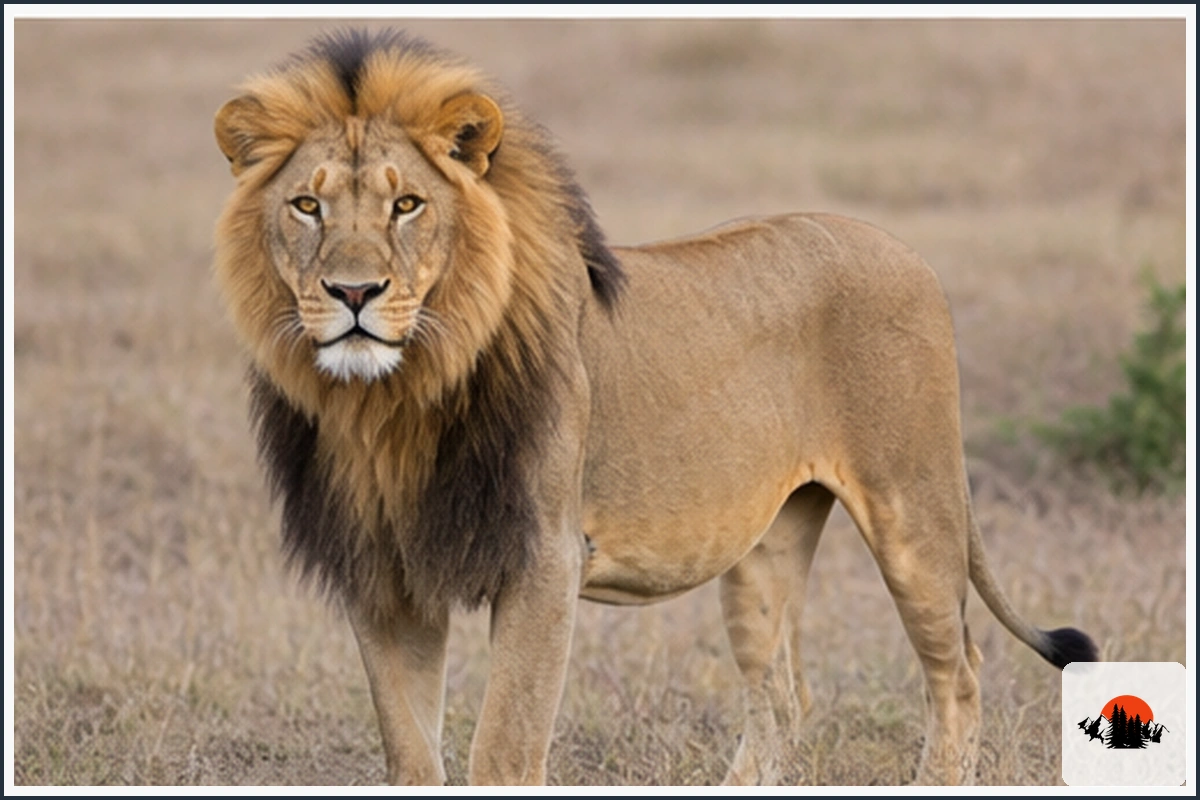
Scientific name: Panthera leo
The lion is Africa’s largest wild cat and the only cat that commonly lives in social family groups called prides. Adult males are recognizable by their manes, although mane color and size vary with age, health, and location. Females usually do most of the hunting, working together to pursue antelope, zebra, wildebeest, and other large prey.
African lions mainly live in savannas, open woodlands, scrublands, and semi-arid landscapes. They are powerful rather than endurance-based hunters and often rest during the hottest part of the day. Lions once occupied much of Africa, but habitat loss, conflict with livestock owners, and declining prey have reduced their range.
2. Leopard
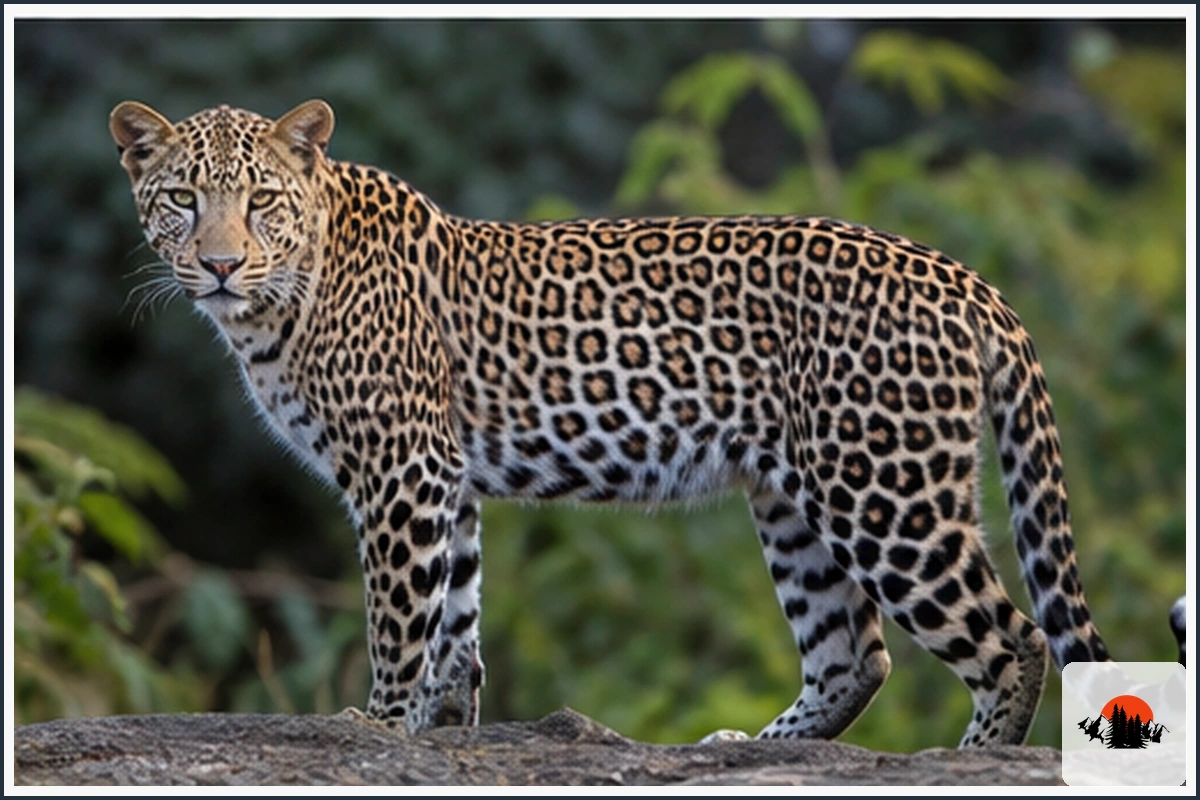
Scientific name: Panthera pardus
The leopard is a highly adaptable cat with a golden or pale coat covered in dark rosettes. Its muscular body, long tail, and strong limbs help it climb trees and move quietly through dense vegetation. Leopards are solitary and generally most active at night, dawn, or dusk.
They occur in many African habitats, including forests, mountains, savannas, deserts, and coastal bushland. Their diet includes rodents, birds, monkeys, antelope, reptiles, and other animals. Leopards often drag kills into trees to protect them from hyenas, lions, and other competitors.
3. Cheetah
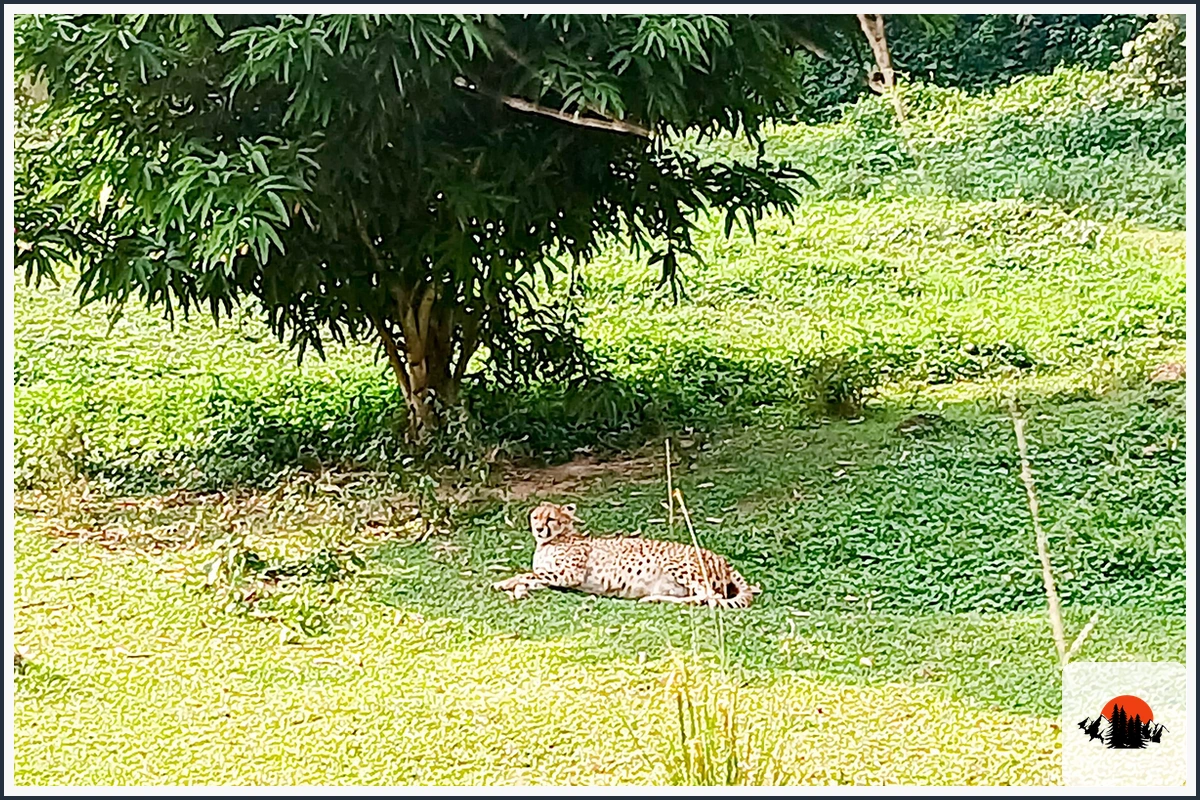
Scientific name: Acinonyx jubatus
The cheetah is the world’s fastest land mammal, built for short bursts of speed rather than prolonged chases. Its slim body, long legs, flexible spine, deep chest, and enlarged nasal passages support rapid acceleration. Black tear markings running from the eyes toward the mouth help reduce glare and are a useful identification feature.
Cheetahs favor open grasslands, savannas, and semi-deserts where they can see and chase prey. They commonly hunt small to medium-sized antelope, especially gazelles, along with hares and birds. Unlike lions and leopards, cheetahs usually avoid direct fights with larger predators and may lose their kills to them.
4. African Wildcat
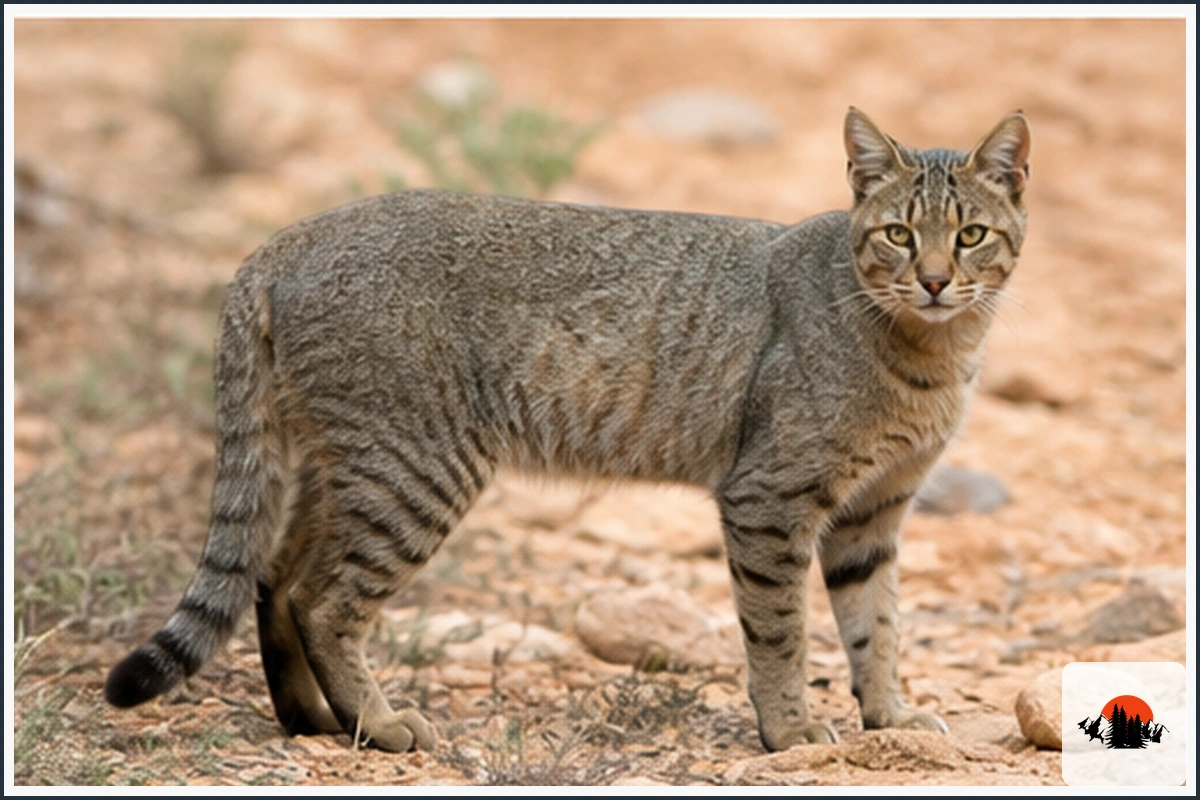
Scientific name: Felis lybica
The African wildcat looks similar to a domestic tabby cat but usually has longer legs, a more slender body, and a distinctly banded tail with a dark tip. Its coat ranges from sandy gray to reddish brown, helping it blend into dry grasslands and rocky landscapes.
This species lives across much of Africa in savannas, scrub, deserts, farmland, and woodland edges. African wildcats mainly hunt rodents, small birds, reptiles, insects, and other small animals. They are mostly solitary and often active at night. Domestic cats descended from populations related to the African wildcat, making this species especially important in the history of cat domestication.
5. Serval
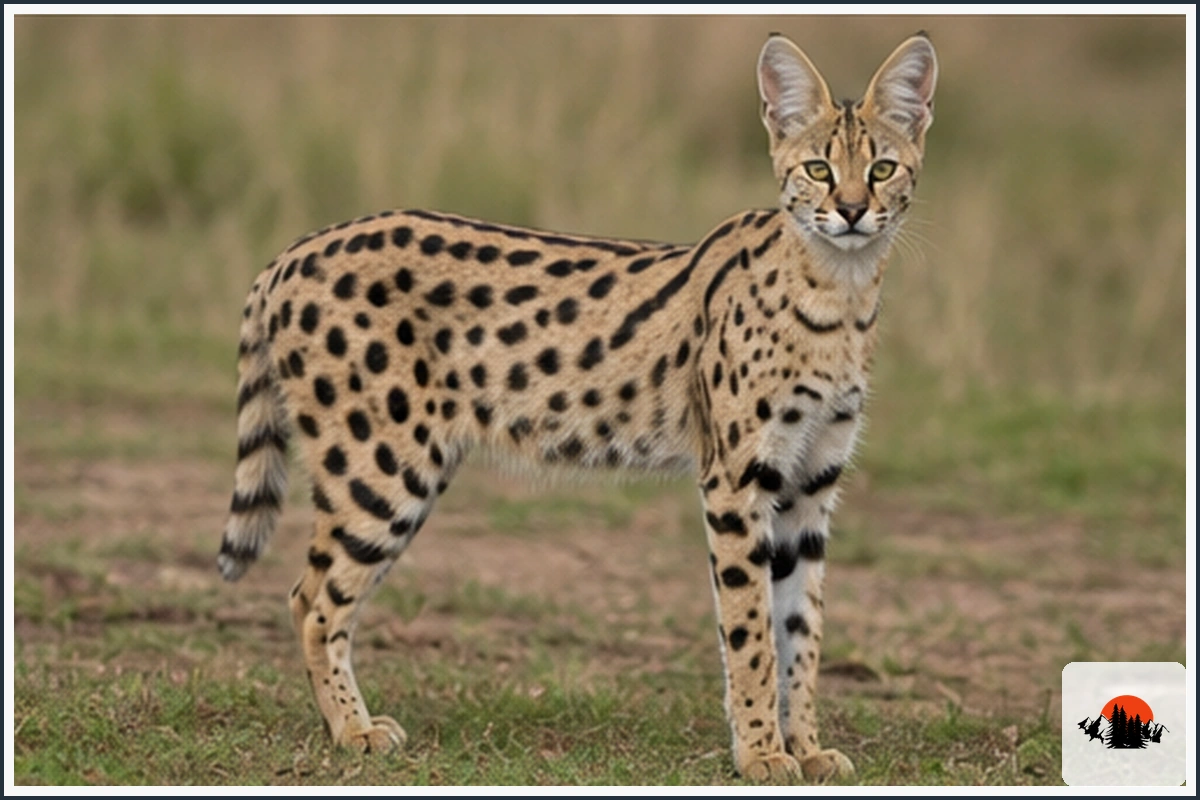
Scientific name: Leptailurus serval
The serval is a slender, long-legged cat with a small head, large ears, and a golden coat marked with black spots and stripes. Its unusually long legs help it see above tall grass and move through wet vegetation. Large ears allow it to locate rodents hidden beneath leaves or underground.
Servals are strongly associated with wetlands, reed beds, floodplains, and grasslands near reliable water. They eat rodents, frogs, birds, reptiles, and insects. A serval can leap high into the air to catch birds or pounce through grass to capture small mammals. Habitat drainage and the loss of wetland areas are important threats in some parts of its range.
6. Caracal
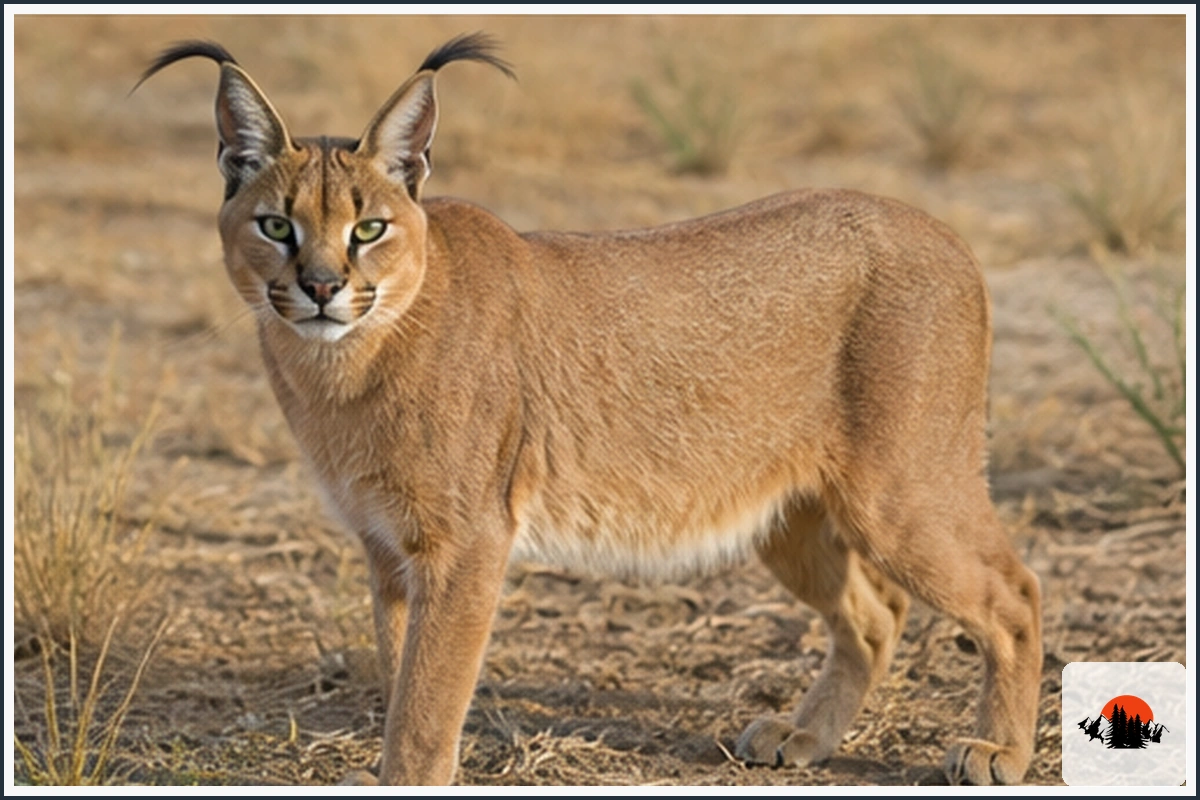
Scientific name: Caracal caracal
The caracal is a medium-sized cat recognized by its reddish or tawny coat, black facial markings, and tall ears tipped with long black tufts. It is sometimes called the desert lynx, although it is not a true lynx. Its compact body and powerful hind legs make it an excellent jumper.
Caracals occupy a wide range of habitats, including savannas, scrublands, dry woodlands, and semi-deserts. They hunt rodents, hares, birds, and small antelope. Caracals are capable of leaping several feet into the air to strike flying birds. They are usually solitary and most active at night or during cooler hours.
7. African Golden Cat
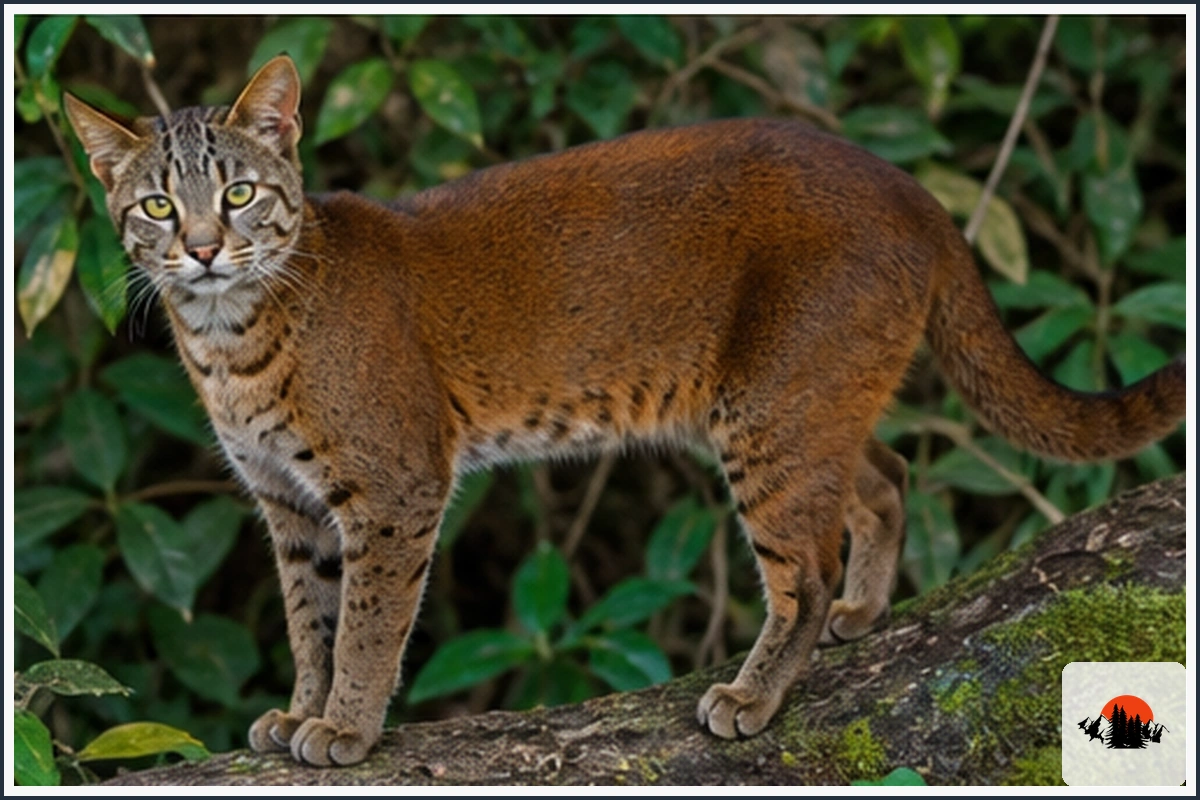
Scientific name: Caracal aurata
The African golden cat is a secretive forest specialist with a compact body and a coat that may be reddish gold, gray, brown, or marked with darker patterns. Its appearance varies considerably, and some individuals have prominent spots while others are nearly plain.
This rare cat lives mainly in the tropical forests of Central and West Africa, often near rivers, clearings, and dense undergrowth. It hunts rodents, small antelope, monkeys, birds, reptiles, and other forest animals. Because it avoids people and lives in thick vegetation, it is difficult to study. Deforestation, hunting, and the decline of forest prey threaten its survival.
8. Black-Footed Cat
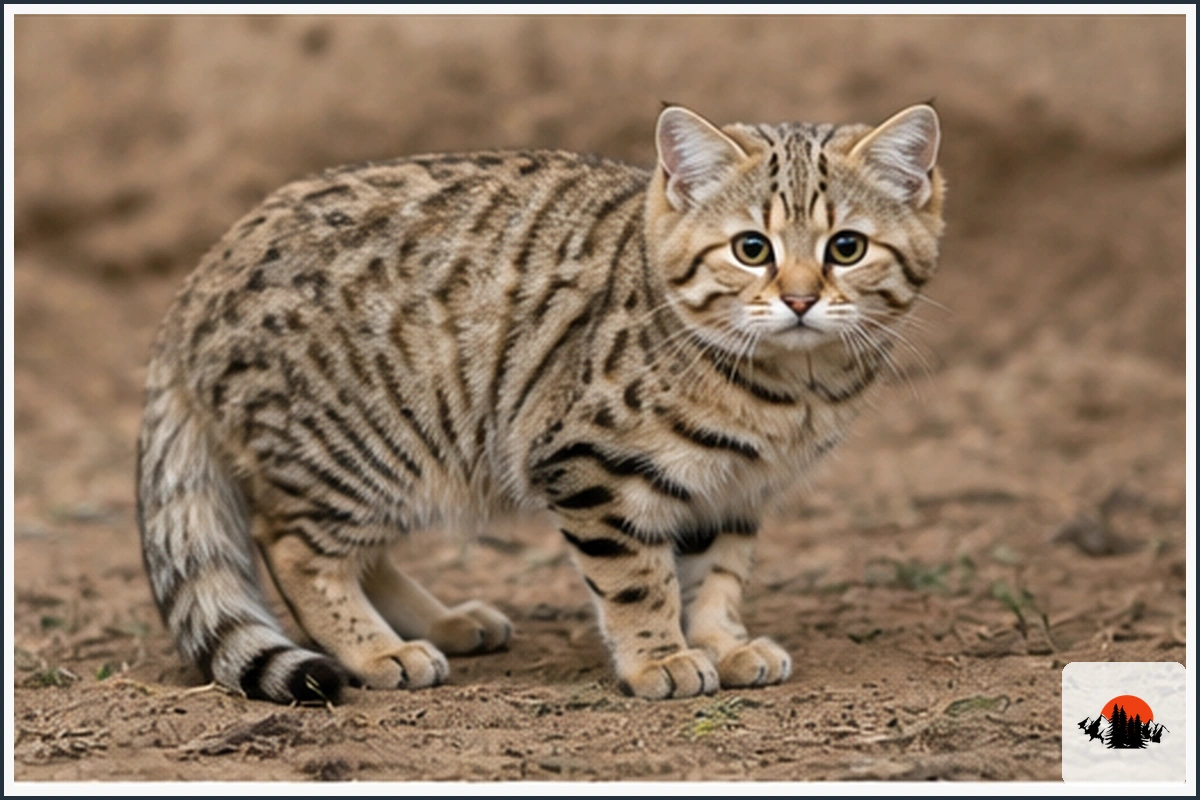
Scientific name: Felis nigripes
The black-footed cat is one of Africa’s smallest wild cats. Its pale, spotted coat, dark soles, rounded head, and short tail help distinguish it from the African wildcat. Despite its tiny size, it is an active and effective hunter.
Black-footed cats live primarily in dry grasslands, scrub, and semi-desert regions of southern Africa. They feed on rodents, birds, insects, reptiles, and small mammals. They are mainly nocturnal and may travel considerable distances during a single night while searching for prey. Their populations are affected by habitat changes, poisoning intended for other predators, and declining prey availability.
9. Jungle Cat
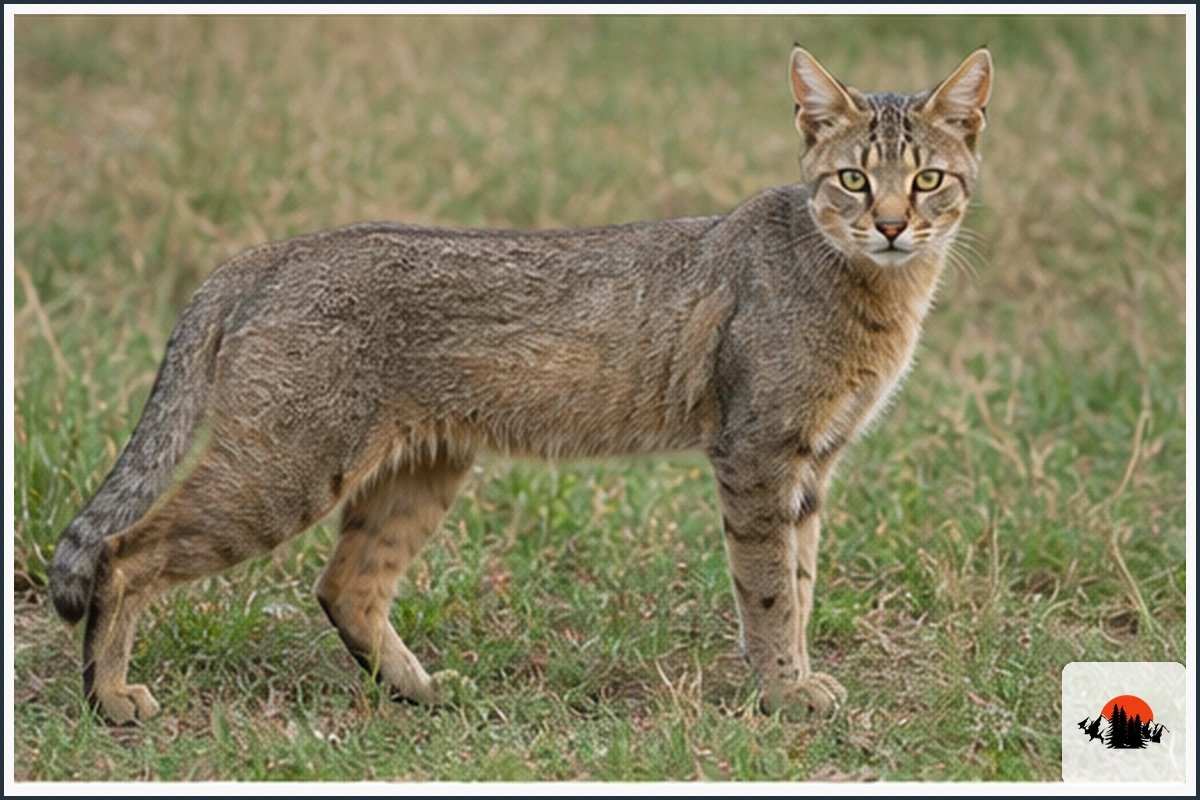
Scientific name: Felis chaus
The jungle cat is a medium-sized cat with a long-legged appearance, a relatively short tail, and a plain sandy, gray, or brown coat. Despite its common name, it does not require tropical jungle. In Africa, it is especially associated with wetlands, river margins, reed beds, and dense vegetation.
Jungle cats hunt rodents, birds, frogs, fish, reptiles, and young mammals. They can swim and often live near water, although they also use dry grasslands and agricultural areas. Their broad distribution extends beyond Africa into parts of Asia, making them one of the more geographically widespread small cats.
10. Wildcat
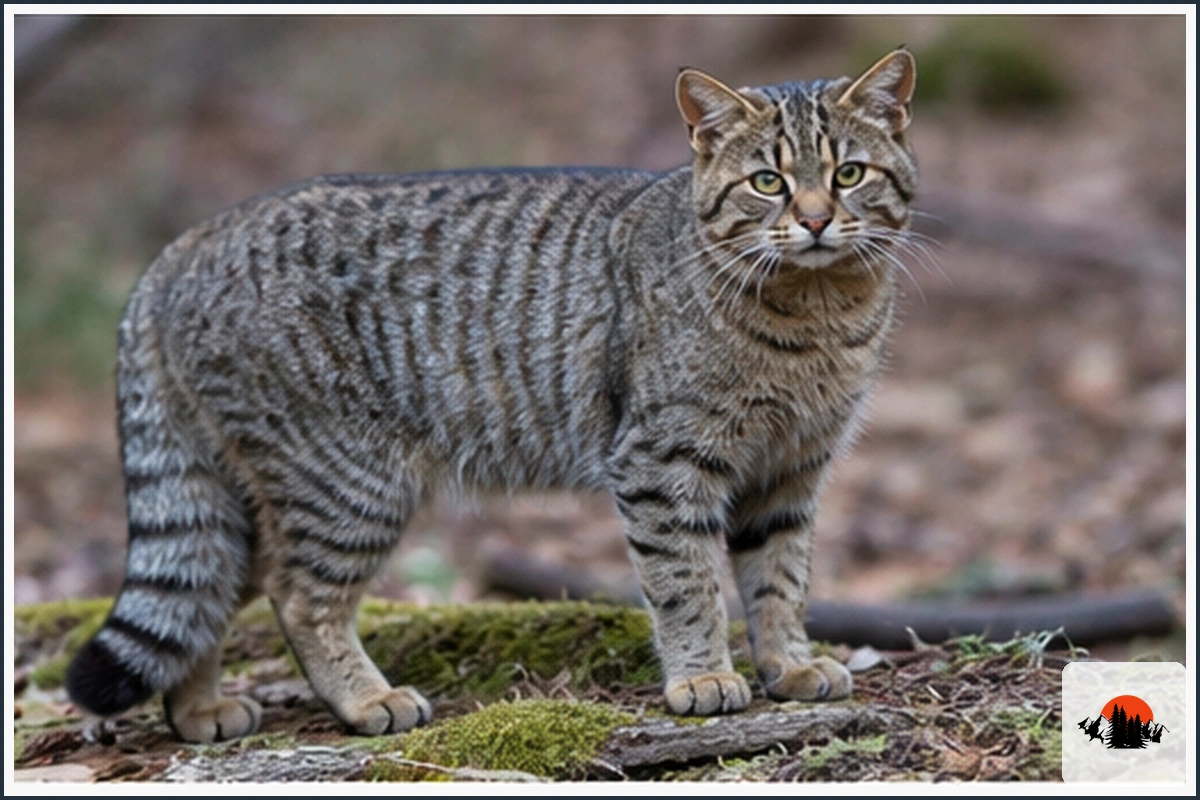
Scientific name: Felis silvestris
The wildcat is native to parts of North Africa and is closely related to several regional wildcat populations. It generally has a gray-brown coat with darker stripes, a bushy tail, and a sturdier appearance than many domestic cats. In North Africa, separating true wildcats from domestic cats and hybrids can be challenging.
Wildcats use rocky areas, dry woodland, scrub, and semi-arid habitats. They mainly eat rodents, birds, reptiles, and insects. They are solitary and cautious, typically avoiding human activity when possible. Hybridization with free-ranging domestic cats can make conservation and identification more complicated.
How Are These Wild Cats Classified?
African wild cats belong to the cat family, Felidae. The large cats are generally placed in the genus Panthera, which includes lions and leopards. Smaller cats belong to several other genera, including Acinonyx, Caracal, Leptailurus, and Felis.
- Large cats: Lions and leopards are powerful predators with different social systems and hunting strategies.
- Fast specialists: Cheetahs are built for speed and open-country pursuits.
- Medium-sized cats: Servals and caracals have long legs and excellent jumping ability.
- Forest cats: African golden cats are adapted to dense tropical vegetation.
- Small cats: African wildcats, black-footed cats, jungle cats, and wildcats mainly hunt smaller prey.
Where Do These Wild Cats Live?
African wild cats occupy an impressive range of environments. Lions and cheetahs are strongly associated with open savannas and grasslands, while leopards can survive in forests, mountains, deserts, and farmland. Servals prefer wetlands and tall grass. Caracals use dry scrub and semi-desert habitats, while African golden cats depend on tropical forests.
The black-footed cat is found in dry regions of southern Africa, and several Felis species use rocky, scrubby, or semi-arid landscapes. Water availability, prey abundance, vegetation cover, and human disturbance all influence where each species can survive.
What Do African Wild Cats Eat?
All African wild cats are carnivores, but their prey varies greatly with body size and habitat. Lions may hunt large ungulates, while cheetahs often pursue gazelles. Leopards are flexible hunters that take everything from rodents to antelope. Small cats commonly feed on mice, rats, birds, frogs, insects, reptiles, and hares.
- Large prey: Lions and leopards may kill antelope, zebra, wildebeest, and other substantial animals.
- Medium prey: Cheetahs and caracals often take gazelles, hares, and birds.
- Wetland prey: Servals and jungle cats eat frogs, fish, birds, and rodents.
- Small prey: Black-footed cats and African wildcats specialize in rodents, insects, reptiles, and small birds.
How to Identify Different Wild Cats in Africa
- Look at body size: Lions are massive, while black-footed cats are very small.
- Check coat patterns: Leopards have rosettes, cheetahs have solid spots, and servals have bold spots and stripes.
- Study the ears: Caracals have black ear tufts, while servals have very large rounded ears.
- Notice the legs: Servals have exceptionally long legs, whereas leopards have a more muscular, compact build.
- Look for facial markings: Cheetahs usually have obvious black tear lines.
- Consider the habitat: Wetlands suggest servals or jungle cats; dense forests may indicate an African golden cat.
- Observe the tail: African wildcats often show a banded tail, while leopards have a long, spotted tail.
- Use behavior carefully: Lions are social, but most other African wild cats are generally solitary.
Outdoor Tips for Finding and Observing These Species
- Use an experienced local guide when visiting African wildlife areas.
- Keep a respectful distance and never approach, feed, or corner a wild cat.
- Use binoculars or a telephoto lens instead of moving closer.
- Early morning and late afternoon are often productive wildlife-viewing periods.
- Watch tracks, prey remains, scratch marks, and alarm calls rather than searching only for the animal itself.
- Stay inside designated vehicles or viewing areas where required.
- Do not use flash photography near nocturnal animals unless park rules specifically permit it.
Safety, Sustainability, and Conservation Notes
Many African wild cats face pressure from habitat loss, illegal hunting, declining prey, road collisions, and conflict with livestock owners. Lions and cheetahs are especially affected by shrinking connected habitat, while forest loss is a major concern for African golden cats.
Responsible tourism supports protected areas and local communities. Visitors should follow park rules, avoid wildlife harassment, and choose conservation-minded operators. Never buy products made from protected wildlife. Domestic cats should also be kept from roaming in sensitive areas because hybridization, disease transmission, and predation can affect wildcat populations.
Fun Facts About Wild Cats in Africa
- Lions are the only wild cats in Africa that routinely live in large family groups.
- Cheetah claws are less retractable than those of most cats, helping provide traction during fast chases.
- Leopards can carry heavy prey into trees.
- Servals use their large ears to detect prey hidden in grass.
- Caracals can leap high enough to catch birds in flight.
- The black-footed cat is small but may kill several prey animals during one night.
- African wildcats are close relatives of the ancestors of domestic cats.
- African golden cats are among Africa’s least understood wild cats.
- Jungle cats can swim and often hunt near wetlands.
- Many small African wild cats are most active after dark.
Final Thoughts on Types of Wild Cats in Africa
The types of wild cats in Africa range from social lions and adaptable leopards to specialized forest, wetland, desert, and grassland hunters. Learning their body shapes, coat patterns, habitats, and behaviors makes wildlife identification more rewarding. Protecting prey populations, habitat corridors, and natural ecosystems is essential for keeping Africa’s remarkable cat diversity alive.
Frequently Asked Questions
1. How many types of wild cats live in Africa?
Africa has 10 living native wild cat species commonly recognized in modern classifications, although regional taxonomy and classification details can vary.
2. What is the largest wild cat in Africa?
The lion is Africa’s largest wild cat species. Adult males are usually larger and heavier than females.
3. What is the smallest wild cat in Africa?
The black-footed cat is generally considered Africa’s smallest wild cat.
4. Which African wild cat is the fastest?
The cheetah is the fastest African wild cat and the fastest land mammal over short distances.
5. Which African wild cats live in groups?
Lions commonly live in prides. Most other African wild cats are solitary, except for temporary family groups involving mothers and young.
6. Are leopards found throughout Africa?
Leopards have historically occupied much of sub-Saharan Africa, but their current distribution is more fragmented because of habitat loss and human pressure.
7. Where do African lions live?
African lions mainly live in savannas, grasslands, open woodlands, scrub, and semi-arid areas where sufficient prey is available.
8. What is the difference between a leopard and a cheetah?
Leopards have rosette markings and a muscular build, while cheetahs have solid spots, black tear lines, a slimmer body, and long legs adapted for speed.
9. What is the difference between a lion and a leopard?
Lions are larger and usually social, while leopards are smaller, solitary, highly secretive, and excellent climbers.
10. Are cheetahs dangerous to people?
Cheetahs generally avoid people and are not known for routinely attacking humans. They should still be treated as wild predators and observed from a safe distance.
11. Do African wild cats eat only meat?
African wild cats are carnivores and depend mainly on animal prey. Their diets may include mammals, birds, reptiles, amphibians, fish, and insects depending on the species.
12. Which African wild cat lives in wetlands?
The serval is especially associated with wetlands, reed beds, floodplains, and tall grass near water. Jungle cats also use wetland habitats.
13. Which African wild cat has ear tufts?
The caracal is recognized by its long black ear tufts.
14. Which African wild cat has tear marks?
The cheetah has distinctive black lines running from the inner corners of its eyes toward its mouth.
15. Are African wildcats related to domestic cats?
Yes. Domestic cats descended from wildcat populations closely related to the African wildcat.
16. Are African wildcats dangerous?
African wildcats are small, cautious predators that usually avoid people. They should not be approached, handled, or kept as pets.
17. Can leopards climb trees?
Yes. Leopards are powerful climbers and may carry prey into trees to protect it from competitors.
18. Can caracals climb trees?
Caracals can climb when necessary, although their most notable skill is their powerful vertical jumping ability.
19. Do cheetahs climb trees?
Cheetahs can climb some low or accessible trees, but they are not specialized climbers like leopards.
20. Are lions nocturnal?
Lions can be active at any time, but they often hunt and travel during cooler nighttime, early morning, or evening periods.
21. What do black-footed cats eat?
Black-footed cats eat rodents, birds, insects, reptiles, and other small animals found in dry grassland and semi-desert habitats.
22. Why are African golden cats difficult to study?
They live in dense tropical forests, are secretive, and are usually active away from people. Researchers often depend on camera traps and indirect evidence.
23. Do jungle cats live in Africa?
Yes. Jungle cats occur in parts of North Africa and are commonly associated with wetland and river-edge habitats.
24. What habitats do African wild cats use?
African wild cats use savannas, grasslands, forests, wetlands, deserts, scrublands, mountains, and semi-arid regions.
25. Which African wild cat is best adapted to speed?
The cheetah is the strongest speed specialist, with a lightweight body, flexible spine, long legs, and enlarged breathing passages.
26. Which African wild cats are forest species?
The African golden cat is the strongest forest specialist. Leopards may also live in tropical and montane forests.
27. Are all African wild cats endangered?
No. Conservation status differs by species and region, but many face habitat loss, prey declines, hunting, disease, or conflict with people.
28. How can tourists help African wild cats?
Visitors can follow wildlife rules, maintain distance, support responsible protected-area tourism, avoid wildlife products, and choose operators that benefit local communities and conservation.
29. Can wild cats in Africa be kept as pets?
No. Wild cats have specialized needs, natural hunting behaviors, and legal protections. They are not suitable pets.
30. What is the best way to identify an African wild cat?
Compare its size, coat pattern, face, ears, tail, leg length, habitat, and behavior. A field guide or experienced guide can help confirm identification.
31. What is the rarest African wild cat?
The African golden cat is among the least frequently observed because it is secretive and lives in dense forests.
32. Do African wild cats compete with one another?
Yes. Larger predators may steal kills from smaller cats, and several species compete for overlapping prey. Different activity times and habitats can reduce direct competition.
33. Why do leopards have rosettes?
Rosette patterns help break up the leopard’s outline in vegetation and dappled light, providing useful camouflage.
34. Why do servals have long legs?
Long legs help servals move through tall grass, see over vegetation, and pounce on prey hidden below the surface.
35. Are lions the only social cats in Africa?
Lions are the only African wild cats that routinely form stable, large social groups. Other species may form temporary family groups.
36. What threatens African wild cats most?
Major threats include habitat fragmentation, prey loss, illegal hunting, livestock conflict, road traffic, disease, and human disturbance.