

Asia is the largest continent on Earth and contains an extraordinary range of wildlife. From Siberian forests and Himalayan peaks to tropical rainforests, deserts, wetlands, and coral seas, the continent supports thousands of animal species. This guide to the types of animals in Asia highlights 30 remarkable mammals, birds, reptiles, and marine animals, with practical facts about their appearance, habitat, diet, behavior, and conservation.
What Are the Main Types of Animals in Asia?
The main types of animals in Asia include large mammals such as Asian elephants, tigers, pandas, rhinos, and orangutans, along with birds, reptiles, primates, and marine species. Asian wildlife lives in environments ranging from Arctic tundra and high mountains to grasslands, deserts, mangroves, and tropical forests. Many species are well known, while others are rare, threatened, or found only in specific parts of the continent.
1. Asian Elephant
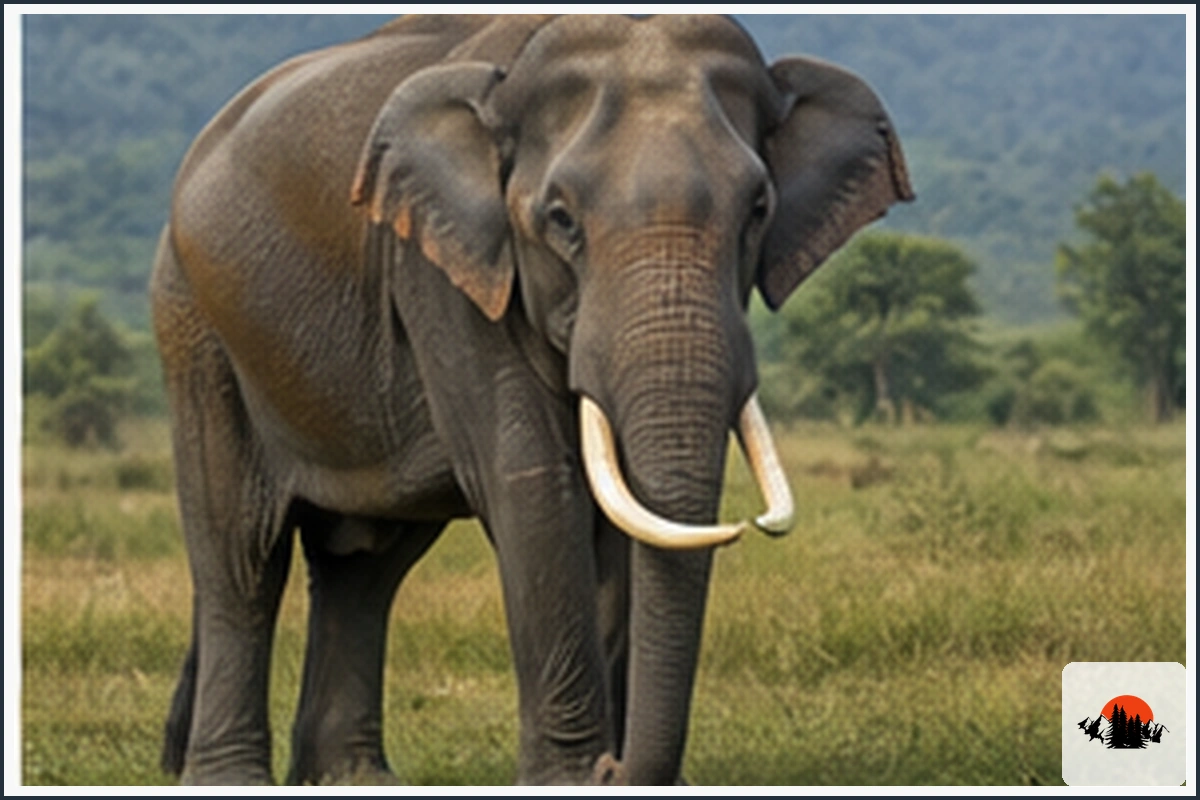
Scientific name: Elephas maximus. The Asian elephant is smaller than its African relatives and usually has smaller, rounded ears. It lives in forests, grasslands, and scrublands across South and Southeast Asia. Asian elephants eat grasses, leaves, bark, roots, fruit, and agricultural crops. They are highly social, intelligent animals that travel in family groups led by females. Habitat loss, human-wildlife conflict, and illegal capture remain serious threats. Adult males may weigh several tons and can be identified by their domed heads and, in some populations, small or absent tusks.
2. Bengal Tiger
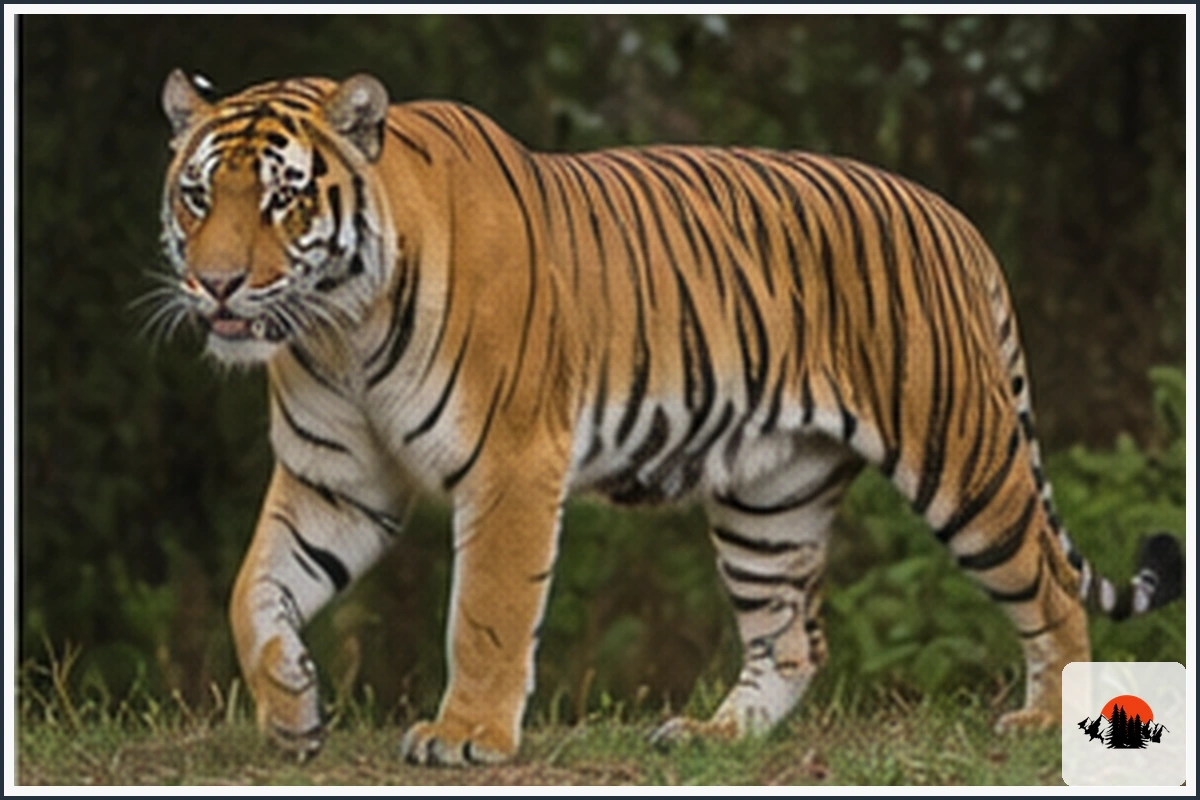
Scientific name: Panthera tigris tigris. The Bengal tiger is one of Asia’s most recognizable predators. Its orange coat, black stripes, white cheeks, and muscular body help it remain concealed in forests and tall grass. It ranges across parts of India, Bangladesh, Nepal, and Bhutan. Bengal tigers hunt deer, wild pigs, buffalo, and other medium to large animals. They are generally solitary and defend large territories. Protected reserves have helped some populations, but habitat fragmentation, poaching, and prey loss continue to threaten the species.
3. Giant Panda
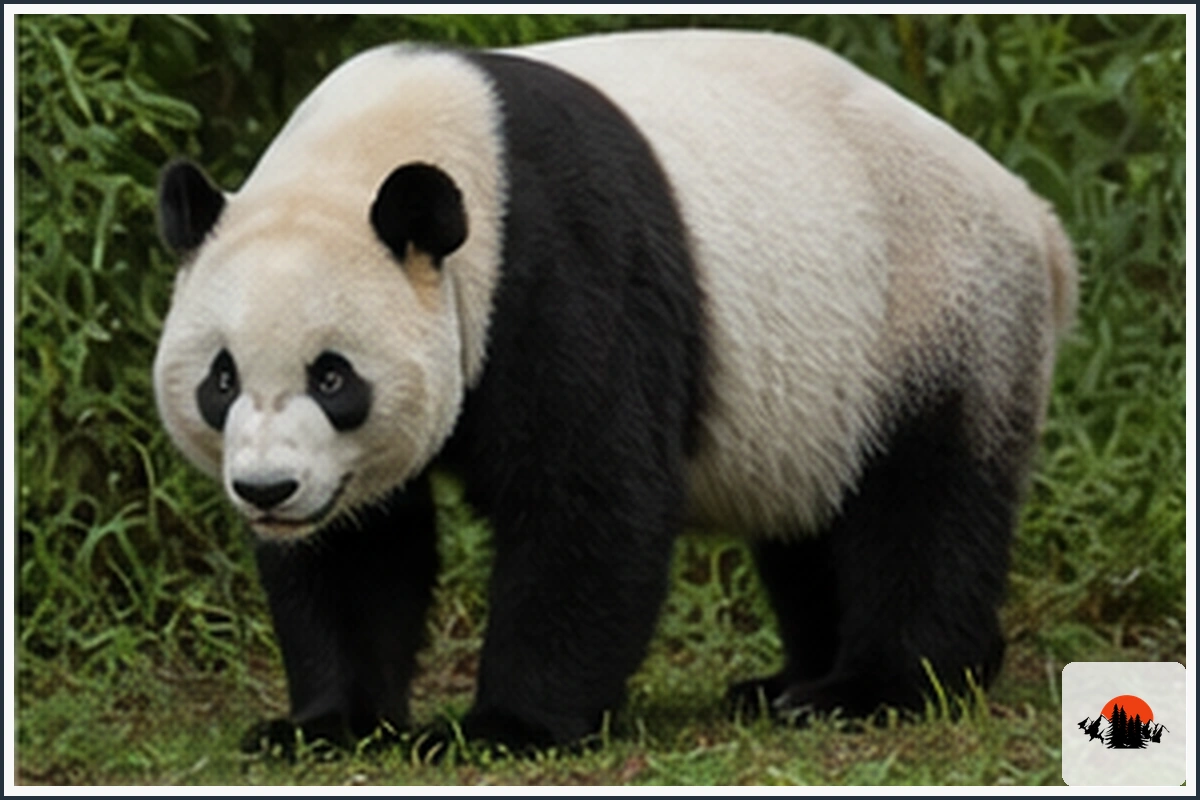
Scientific name: Ailuropoda melanoleuca. The giant panda is native to mountain forests of central China. Its distinctive black-and-white coat, round face, and powerful jaw make it easy to recognize. Although classified as a carnivoran, the panda’s diet consists mostly of bamboo. It spends many hours feeding because bamboo is relatively low in nutrients. Pandas are usually solitary outside the breeding season. Conservation programs and protected forests have improved their outlook, although habitat connectivity remains important.
4. Snow Leopard
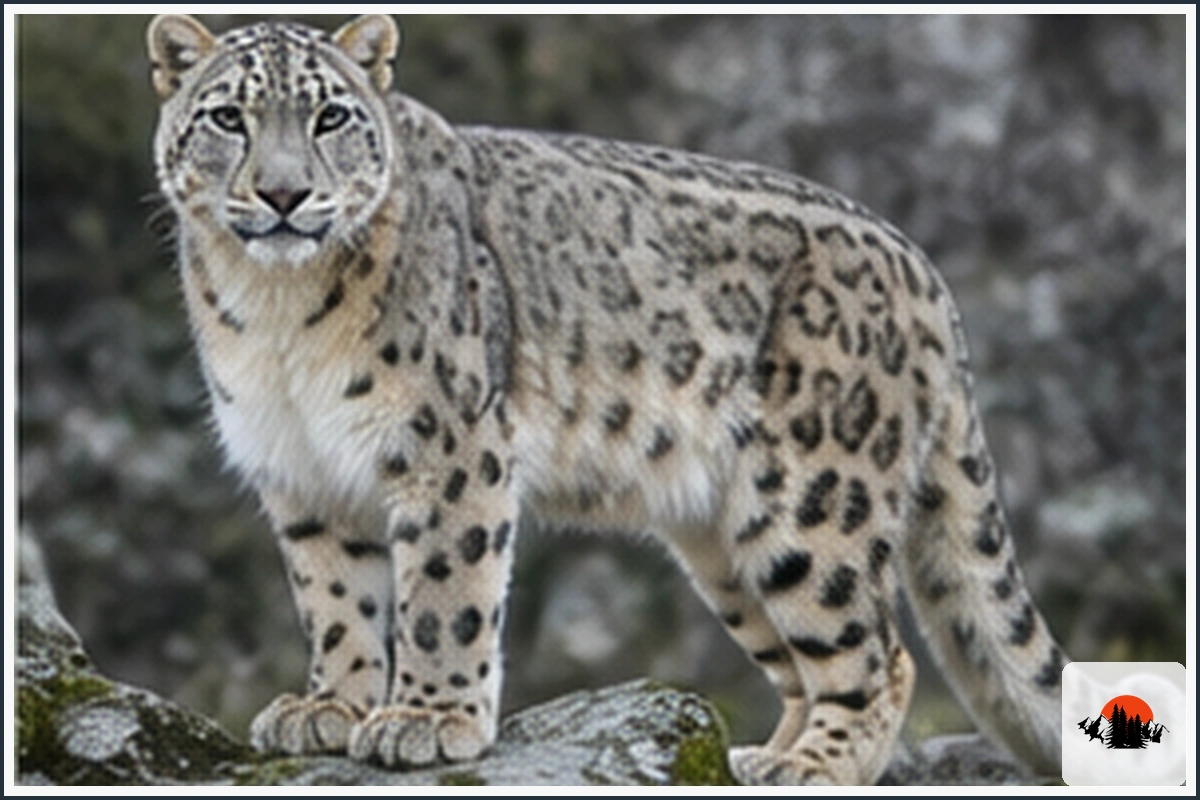
Scientific name: Panthera uncia. Snow leopards inhabit rocky mountain ranges across Central and South Asia, including the Himalayas. Their pale gray fur, dark rosettes, long tail, and large paws provide excellent camouflage and balance on steep slopes. They prey on wild sheep, goats, marmots, and smaller mammals. Snow leopards are secretive and difficult to observe. Threats include prey decline, habitat disturbance, livestock conflict, and illegal wildlife trade.
5. Red Panda

Scientific name: Ailurus fulgens. The red panda is a small tree-dwelling mammal of the eastern Himalayas and southwestern China. It has reddish fur, a ringed tail, white facial markings, and curved claws suited to climbing. Bamboo forms much of its diet, but it also eats fruit, insects, eggs, and small animals. Red pandas are mostly solitary and active during the cooler parts of the day. Forest loss and fragmentation are major concerns for this endangered species.
6. Indian Rhinoceros
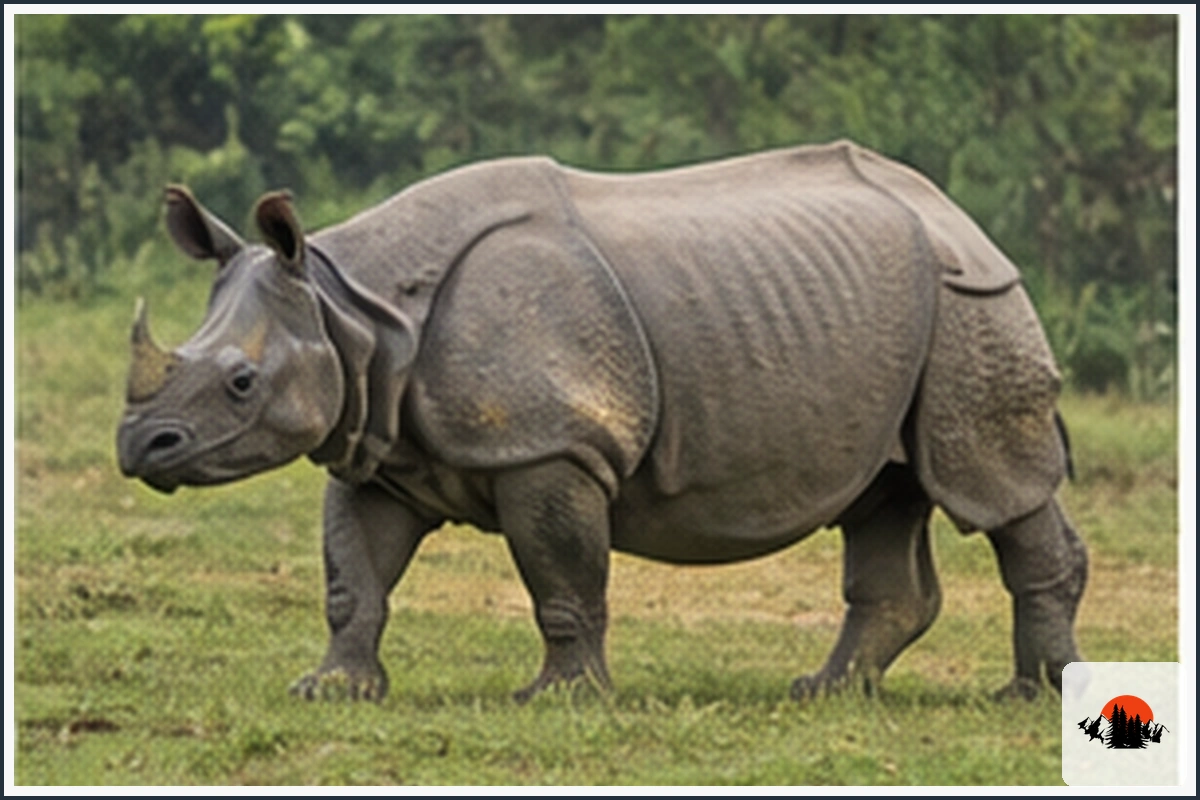
Scientific name: Rhinoceros unicornis. Also called the greater one-horned rhinoceros, this large herbivore lives mainly in floodplain grasslands, wetlands, and river forests of northern India and Nepal. Its thick, folded skin resembles armor, and it has one prominent horn. Indian rhinos graze on grasses and browse on leaves, branches, and aquatic plants. They are powerful swimmers and often spend time in mud or water to cool themselves. Conservation areas have helped populations recover, but poaching and habitat loss remain dangers.
7. Orangutan
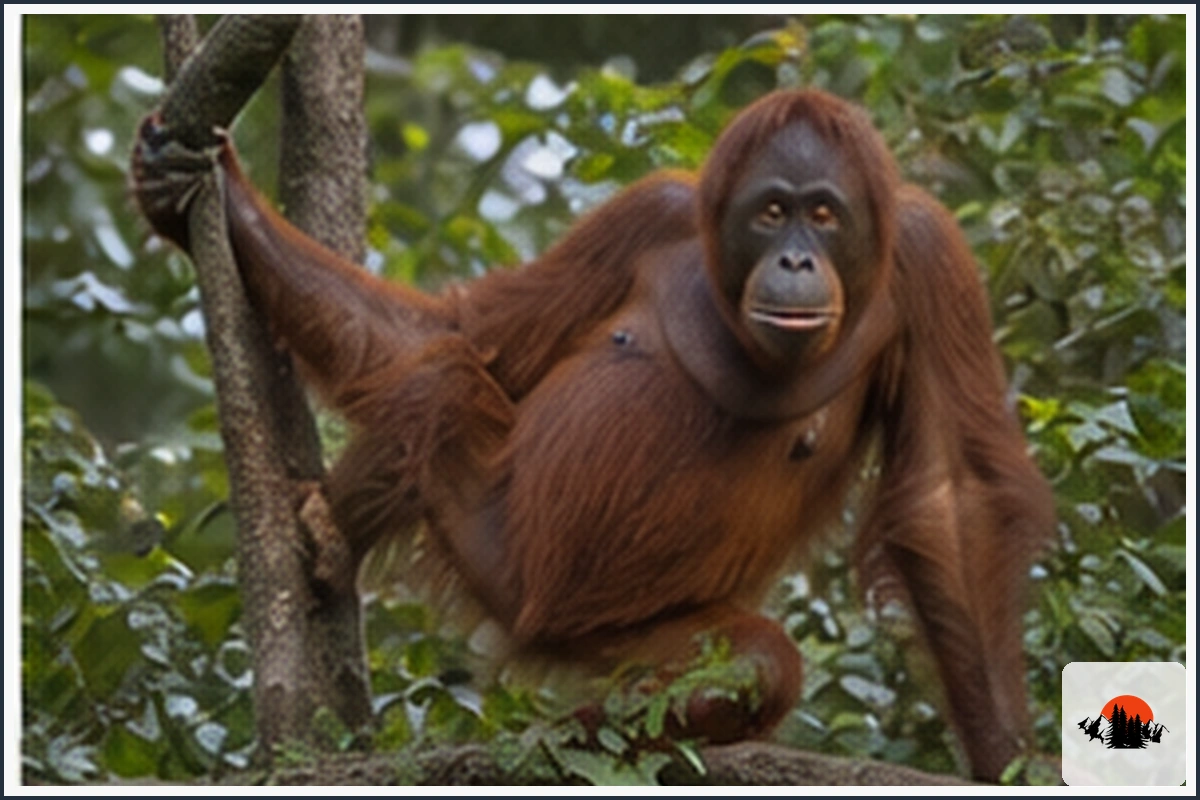
Scientific names: Pongo pygmaeus, Pongo abelii, and Pongo tapanuliensis. Orangutans are great apes native to the islands of Borneo and Sumatra. Their long arms, reddish hair, and highly intelligent behavior are distinctive. They spend much of their lives in trees, eating fruit, leaves, bark, and insects. Orangutans usually live more solitary lives than many other great apes. Deforestation, fires, hunting, and the conversion of forests for agriculture threaten all species.
8. Asiatic Lion
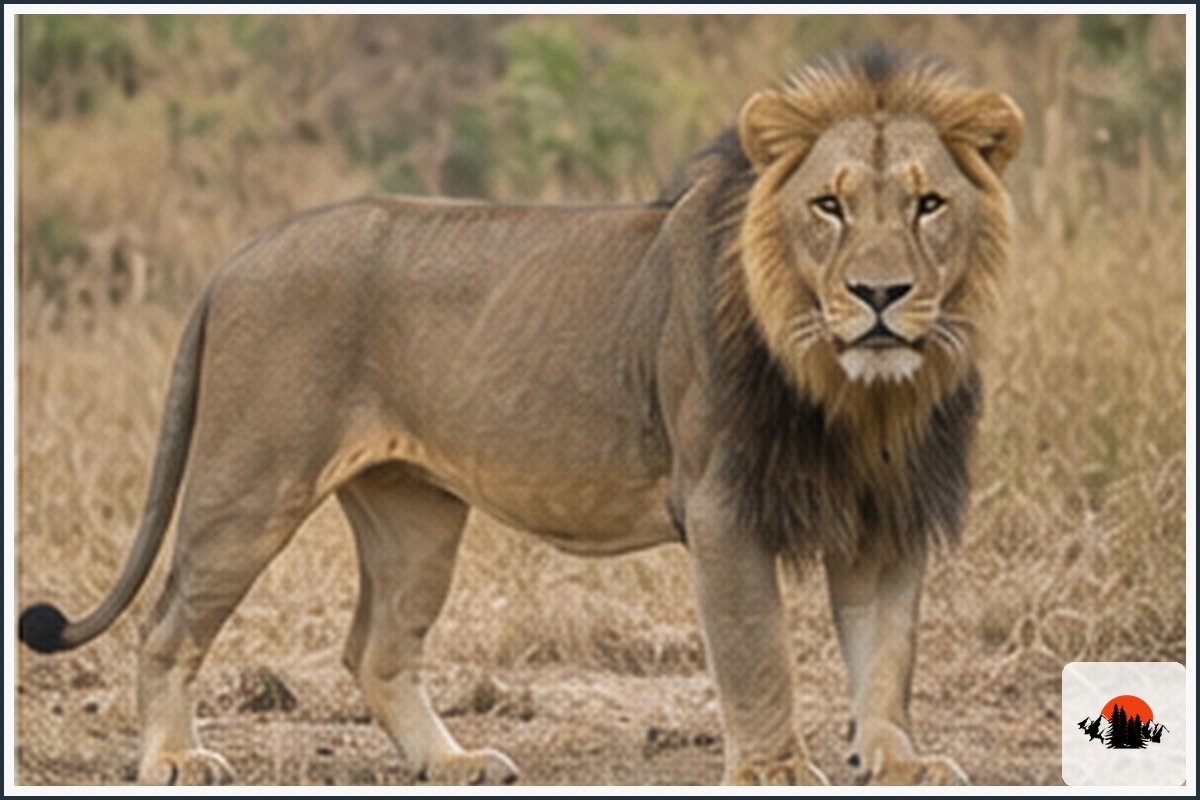
Scientific name: Panthera leo persica. The Asiatic lion survives in and around Gir Forest in the Indian state of Gujarat. Compared with many African lions, it typically has a less extensive mane and a noticeable fold of skin along the belly. Asiatic lions live in dry forests, scrub, and grasslands. They hunt deer, antelope, wild pigs, and livestock when natural prey is scarce. Their extremely limited range makes disease outbreaks, genetic vulnerability, and human conflict important conservation concerns.
9. Gaur
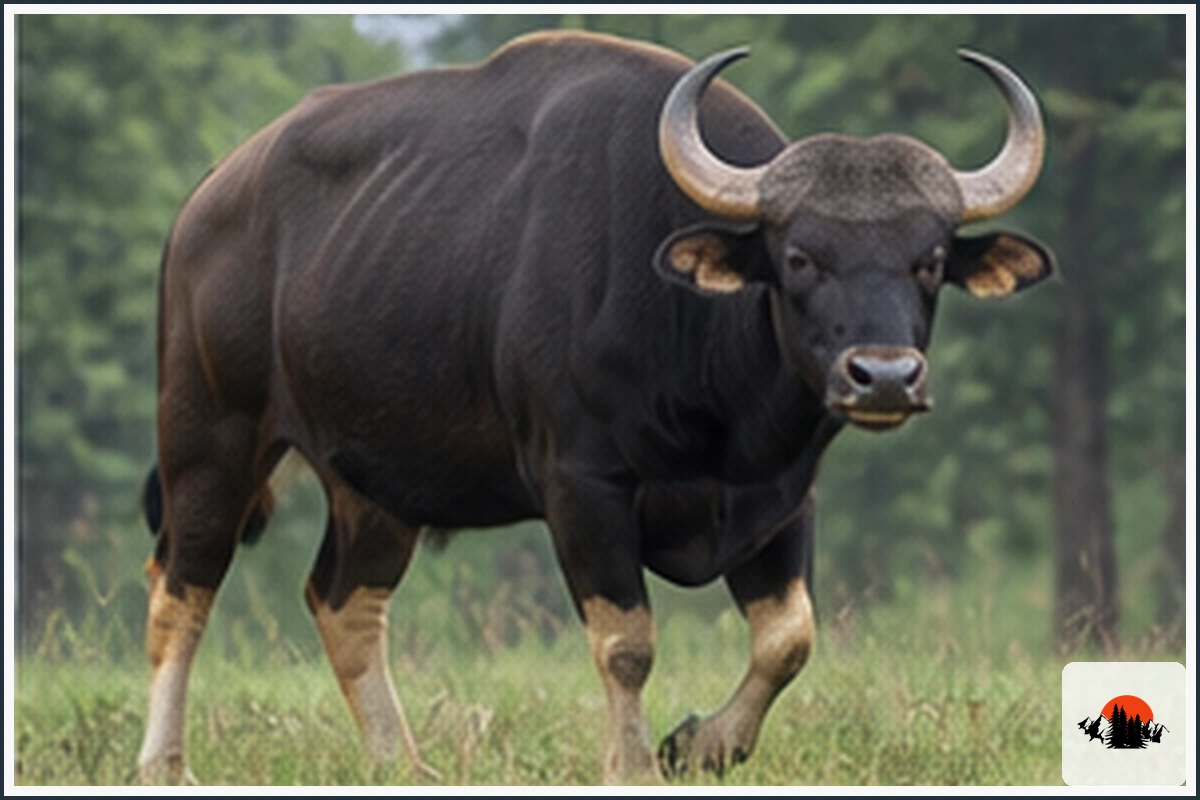
Scientific name: Bos gaurus. The gaur is one of the largest wild cattle species in the world. It lives in forests and grasslands across South and Southeast Asia. Adults have powerful shoulders, dark coats, pale lower legs, and curved horns. Gaurs mainly eat grasses, leaves, and young shoots. They usually form herds, although older males may be solitary. Their size makes them formidable, but habitat loss, hunting, disease from domestic cattle, and disturbance affect many populations.
10. Malayan Tapir
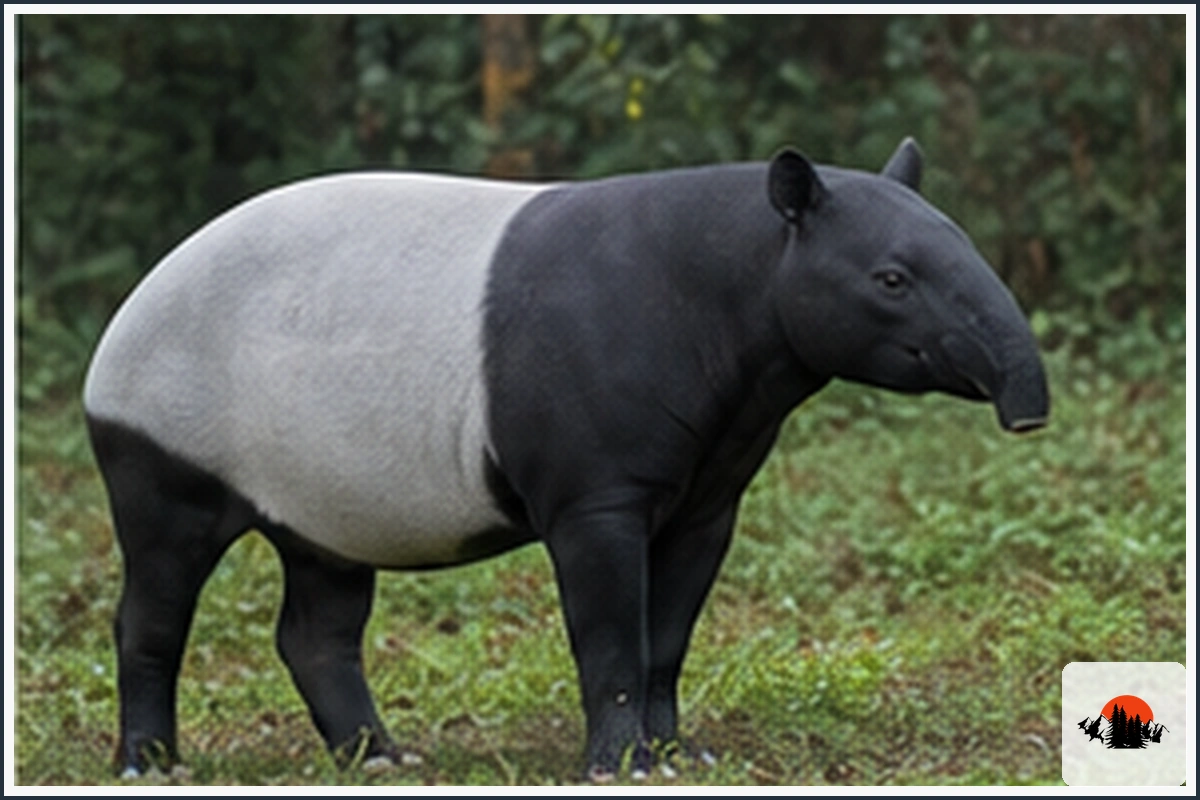
Scientific name: Tapirus indicus. The Malayan tapir is the largest tapir species and the only tapir native to Asia. Its black-and-white body pattern helps break up its outline in dim forest light. It inhabits tropical forests, swamps, and areas near water in the Malay Peninsula and Sumatra. Tapirs eat leaves, shoots, fruit, and aquatic vegetation. They are generally solitary and excellent swimmers. Forest clearing, roads, and accidental snaring threaten this unusual mammal.
11. Japanese Macaque
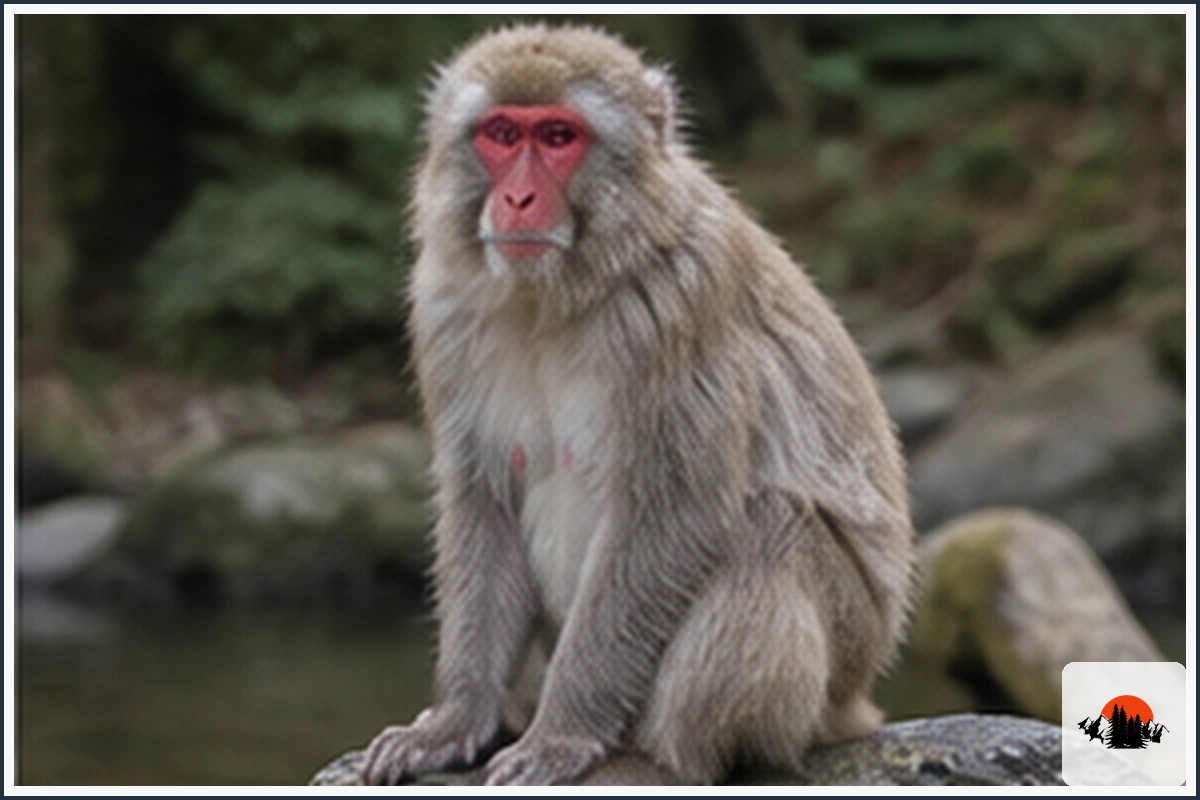
Scientific name: Macaca fuscata. Japanese macaques, often called snow monkeys, live in forests and mountains of Japan. They have thick coats that help them survive cold winters, and some groups are famous for bathing in natural hot springs. These intelligent primates eat fruit, seeds, leaves, insects, and other available foods. They live in troops with complex social relationships. Their adaptable nature allows them to occupy varied habitats, although local conflicts can occur near farms and towns.
12. Proboscis Monkey
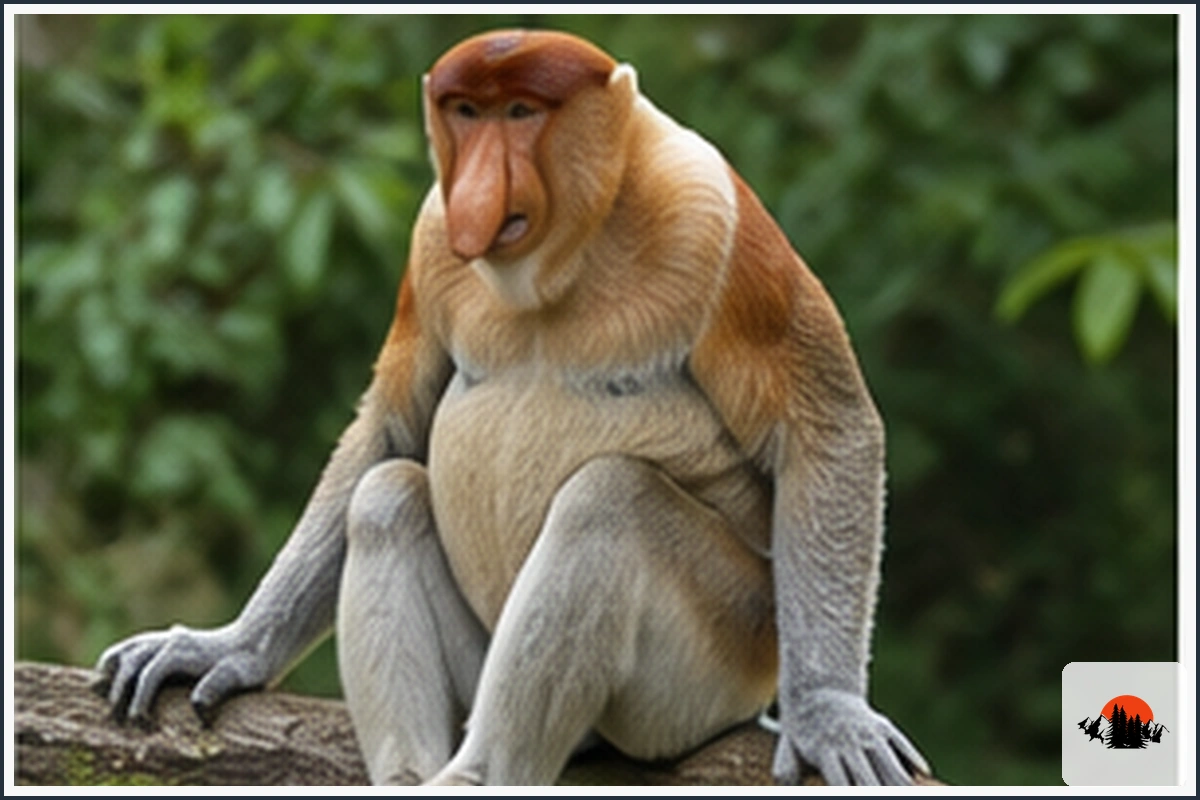
Scientific name: Nasalis larvatus. The proboscis monkey is found only on the island of Borneo. Males have an unusually long, pendulous nose, while females have smaller noses. These monkeys live near rivers, mangroves, and coastal forests, where they eat leaves, fruit, and seeds. They are capable swimmers and may leap into water to escape predators. Habitat loss from logging, drainage, and agricultural development has reduced their range.
13. Sloth Bear
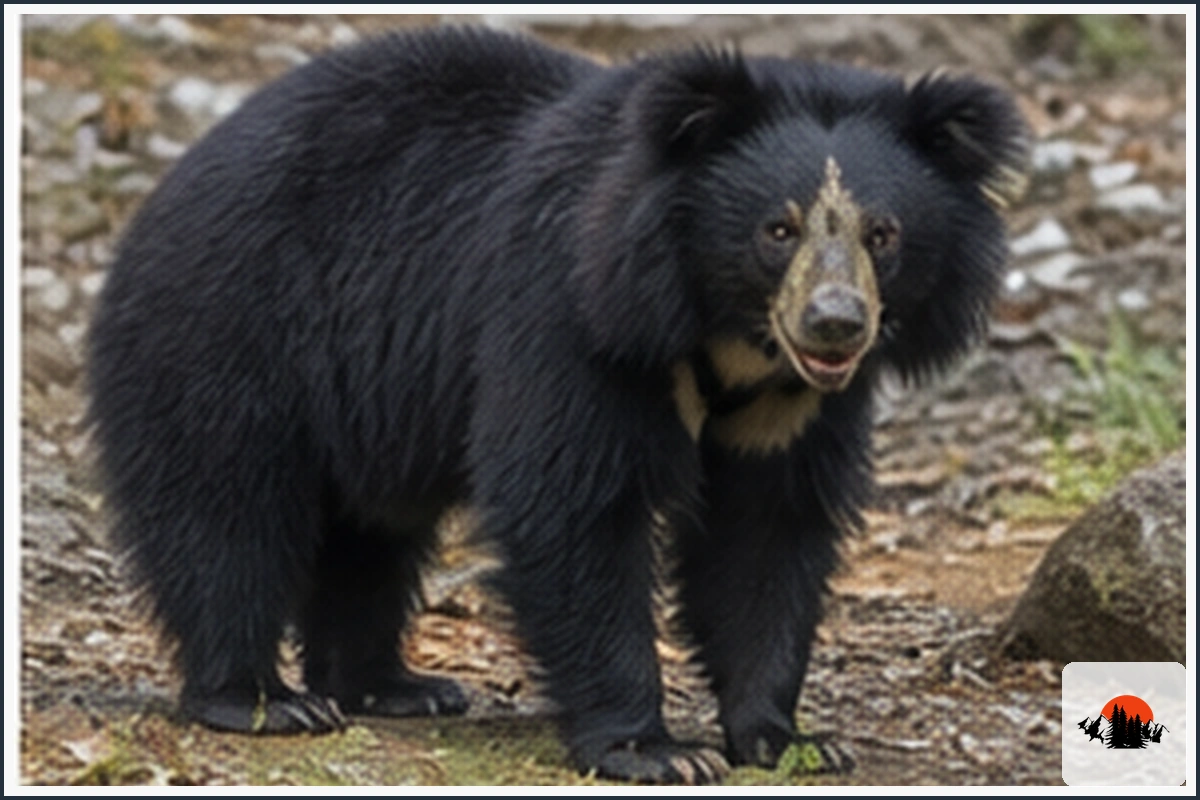
Scientific name: Melursus ursinus. The sloth bear is native to the Indian subcontinent. It has shaggy black fur, a pale muzzle, long claws, and a flexible lower lip adapted for sucking up termites and ants. It also eats fruit, honey, roots, and flowers. Sloth bears are mostly nocturnal and can be defensive when surprised. Forest loss, agricultural expansion, road development, and human conflict affect populations.
14. Dhole
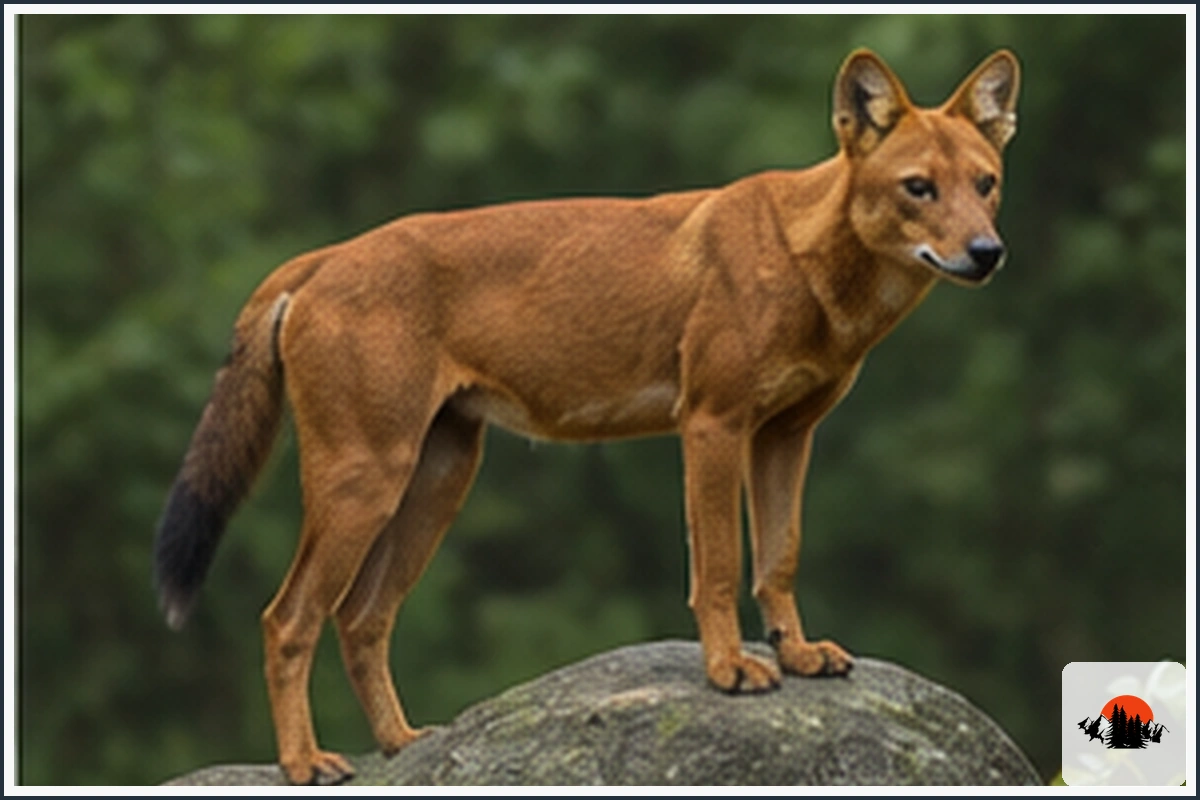
Scientific name: Cuon alpinus. The dhole is a wild canid found in scattered areas of South, Central, and Southeast Asia. It has reddish or golden-brown fur, a bushy tail, and rounded ears. Dholes hunt cooperatively in packs and can bring down prey much larger than an individual. Their diet includes deer, wild pigs, and smaller mammals. They need large connected habitats and healthy prey populations, both of which are threatened by development, disease, and persecution.
15. Bactrian Camel
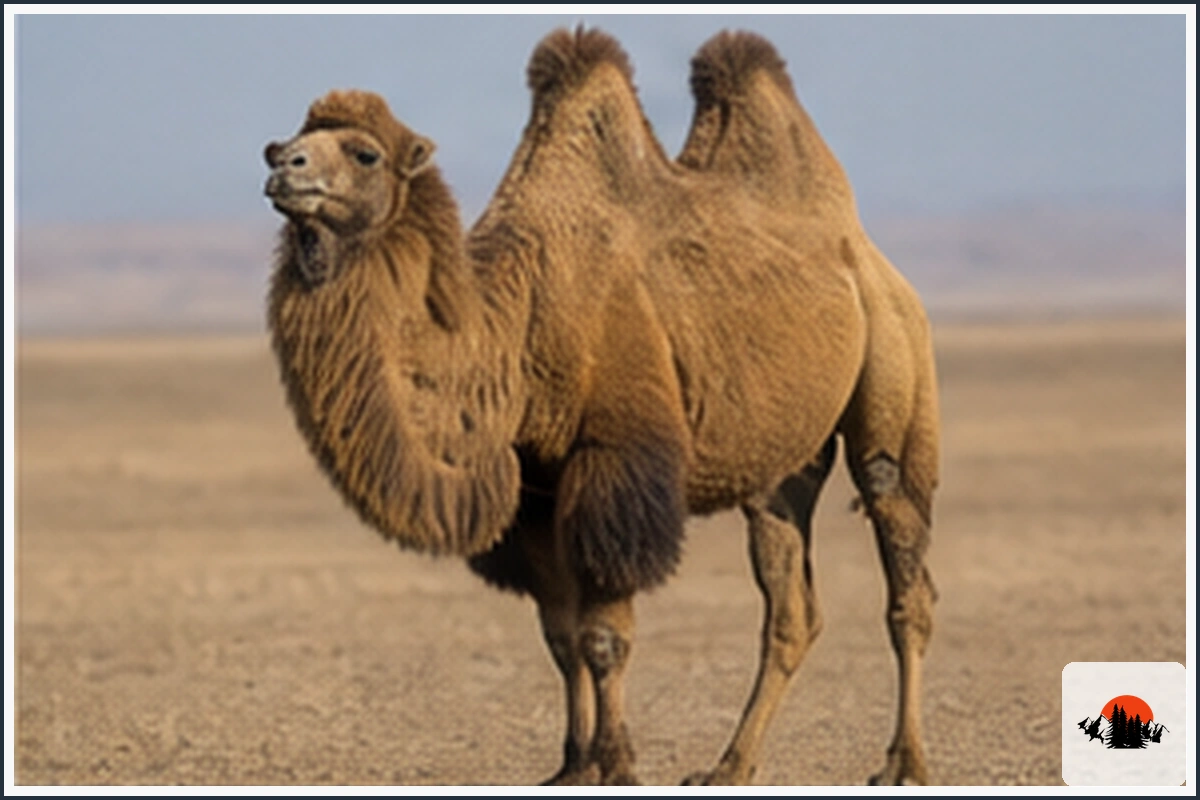
Scientific name: Camelus ferus for the wild species. The wild Bactrian camel survives in remote deserts of China and Mongolia. It has two humps, a thick coat, and remarkable tolerance for cold, drought, and salty water. These camels browse on sparse desert plants and can travel long distances between water sources. They are critically endangered because of habitat pressure, hunting, competition with livestock, and limited remaining populations.
16. Saiga Antelope
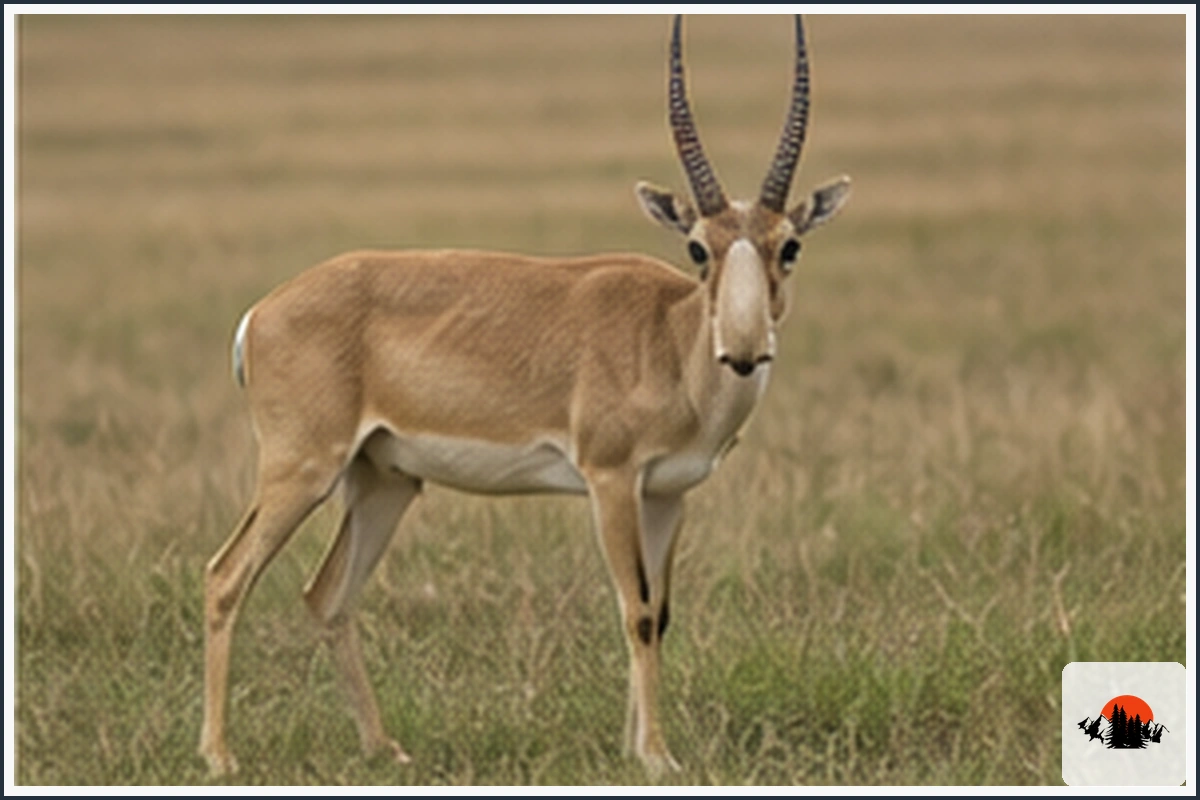
Scientific name: Saiga tatarica. The saiga is a steppe antelope recognized by its large, flexible nose. This unusual nose helps filter dust and may warm cold air before it reaches the lungs. Saigas live across parts of Central Asia and feed mainly on grasses, herbs, and shrubs. They gather in large herds and undertake seasonal movements. Disease outbreaks, illegal hunting, harsh weather, and habitat disruption can cause major population losses.
17. Markhor
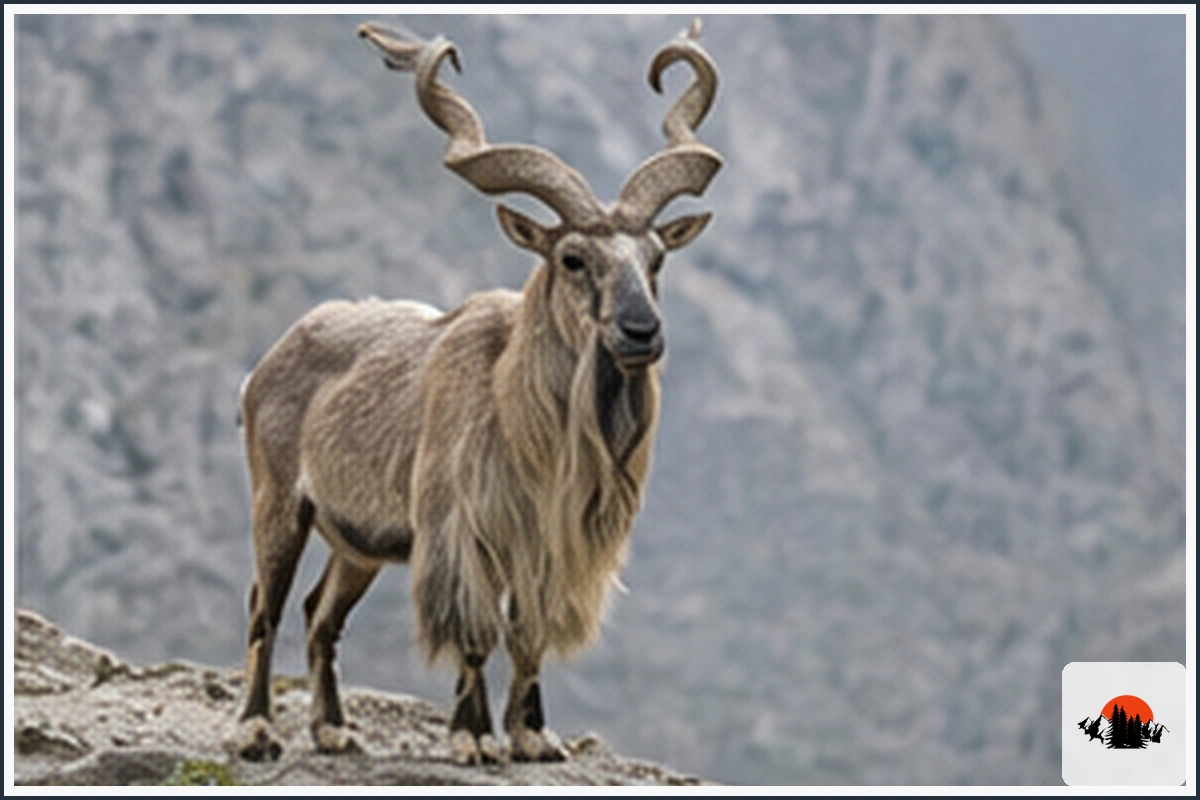
Scientific name: Capra falconeri. The markhor is a large wild goat of the mountains of Central and South Asia. Its most striking feature is the male’s long, spiraling horns. Markhors climb steep rocky slopes and feed on grasses, leaves, and shrubs. They often live in small groups, while older males may remain alone outside the breeding season. Conservation programs and protected areas have supported recovery in some regions, although hunting and habitat disturbance remain concerns.
18. Yak
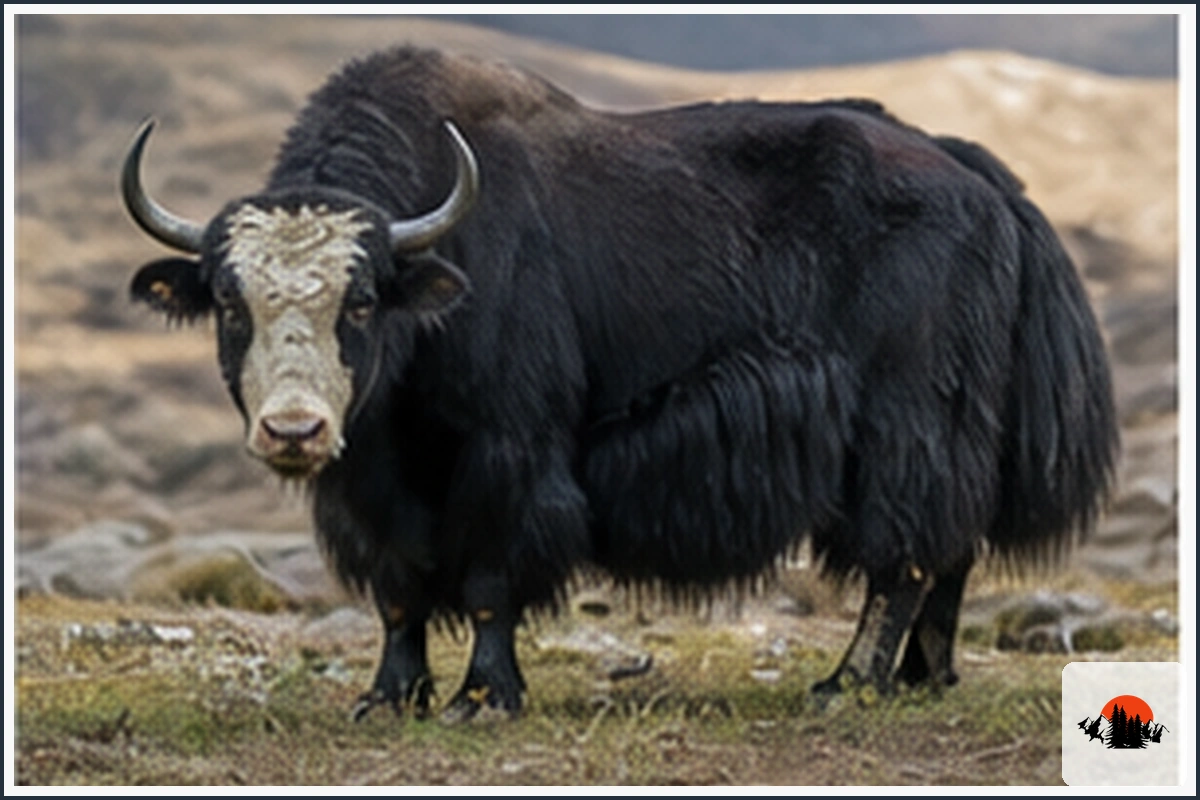
Scientific name: Bos mutus for the wild yak. Wild yaks live on high plateaus and mountain slopes of Tibet and surrounding regions. Their long hair, compact bodies, and large lungs help them survive cold, windy conditions at high elevations. Yaks graze on grasses, sedges, and other alpine plants. Wild herds may be wary and powerful, while domesticated yaks are important for transport, milk, meat, and fiber. Competition with livestock and habitat changes affect wild populations.
19. Great Hornbill
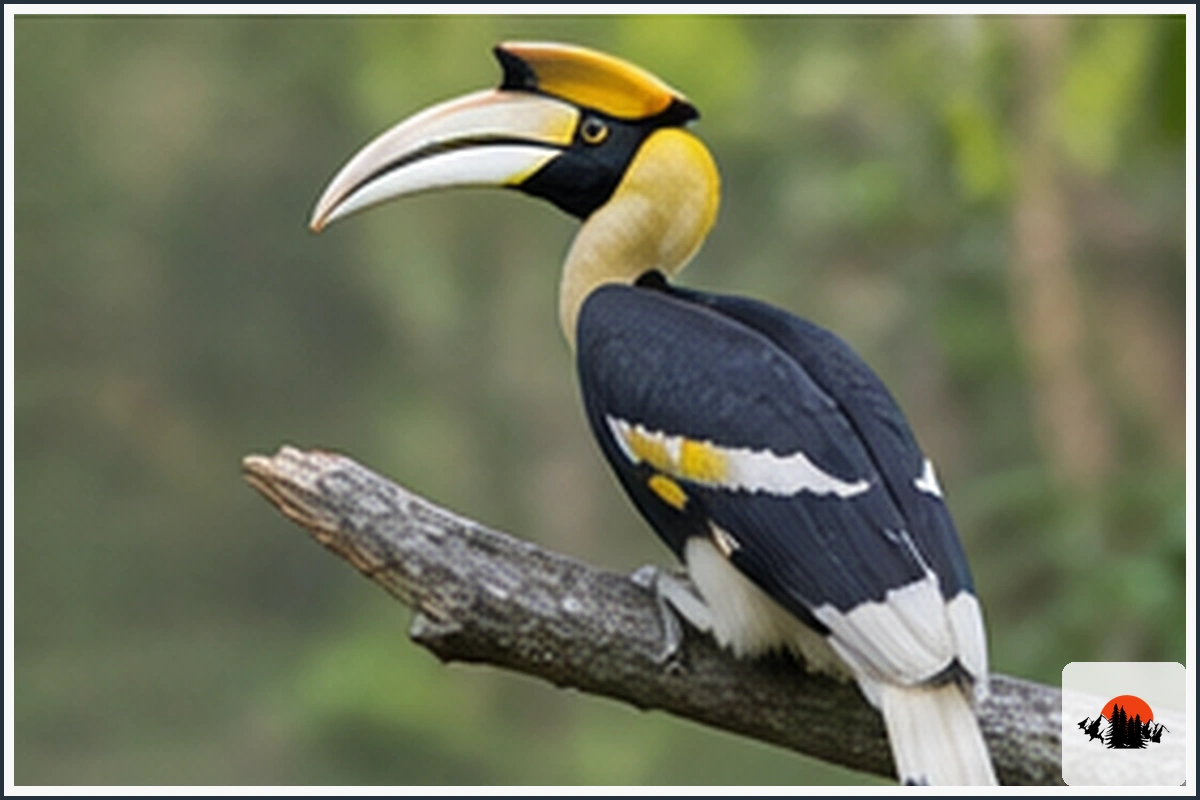
Scientific name: Buceros bicornis. The great hornbill is a large forest bird of South and Southeast Asia. It has black-and-white wings, a yellow-and-black bill, and a prominent casque above the bill. It eats fruit, insects, reptiles, and small animals. Hornbills are important seed dispersers because they carry and swallow fruit from many forest trees. They nest in tree cavities, so the loss of large old trees can seriously reduce breeding opportunities.
20. Painted Stork
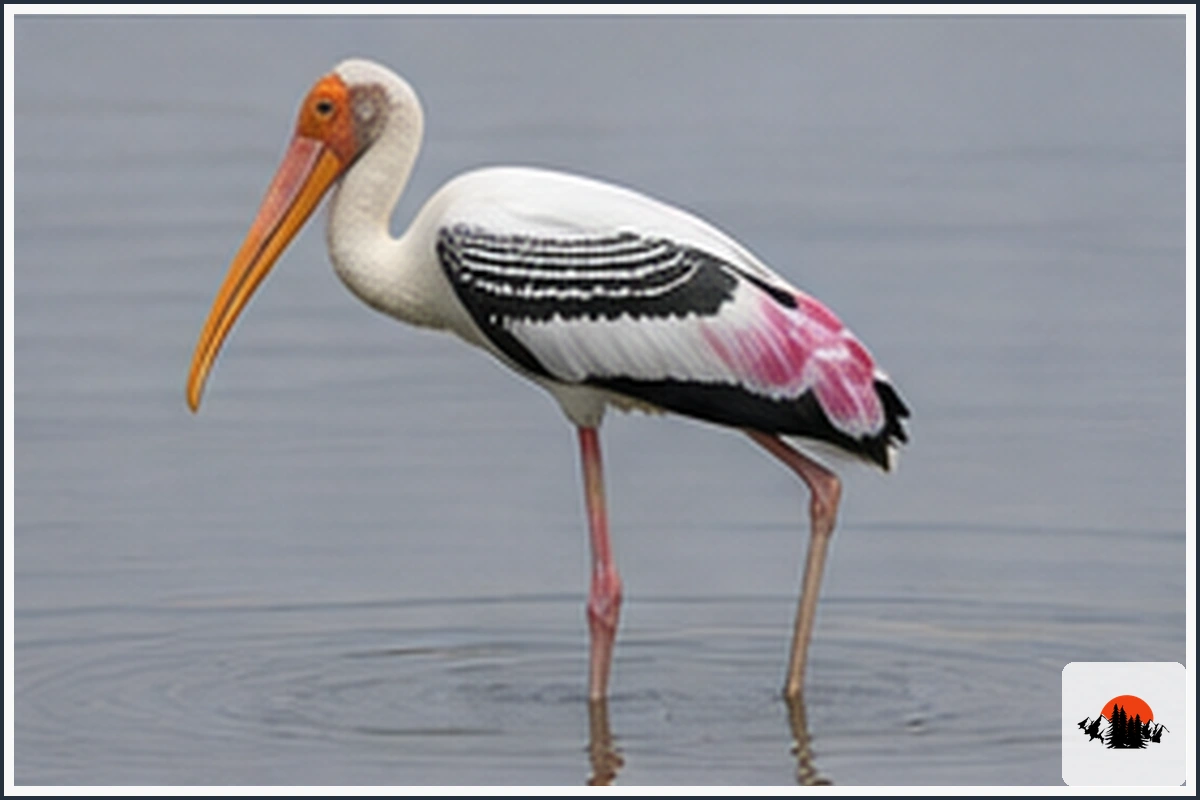
Scientific name: Mycteria leucocephala. The painted stork is a large wading bird found around wetlands, rivers, lakes, and coastal areas of South Asia. Its pink, black, and white plumage makes it distinctive. It feeds by sweeping its partly open bill through shallow water to catch fish, frogs, and aquatic invertebrates. Painted storks often breed in colonies. Wetland drainage, pollution, reduced water flow, and disturbance near nesting sites can affect them.
21. Green Peafowl
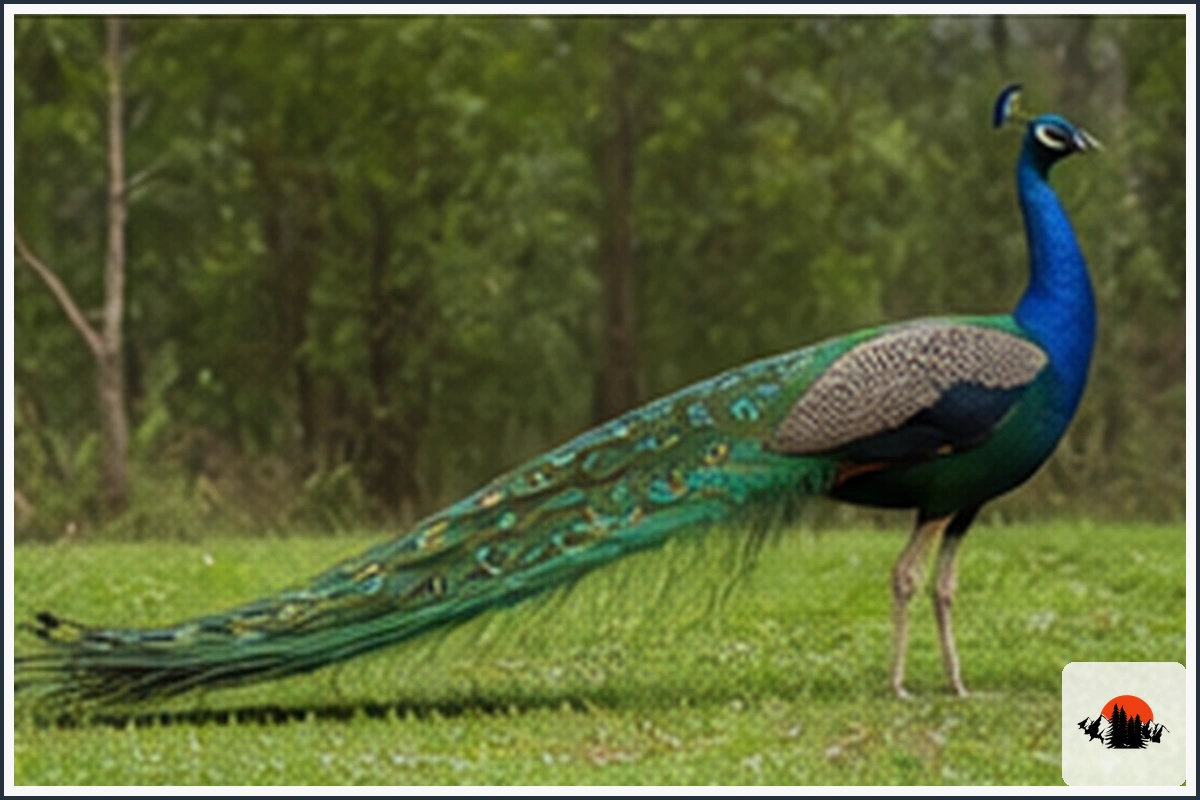
Scientific name: Pavo muticus. The green peafowl is native to Southeast Asia and is different from the more familiar Indian peafowl. Males have metallic green plumage and long upper-tail coverts marked with eye-like patterns. They live in forests, grasslands, and areas near water, eating seeds, fruit, insects, and small animals. Habitat loss and hunting have caused serious declines. Males display their ornate feathers during courtship.
22. King Cobra
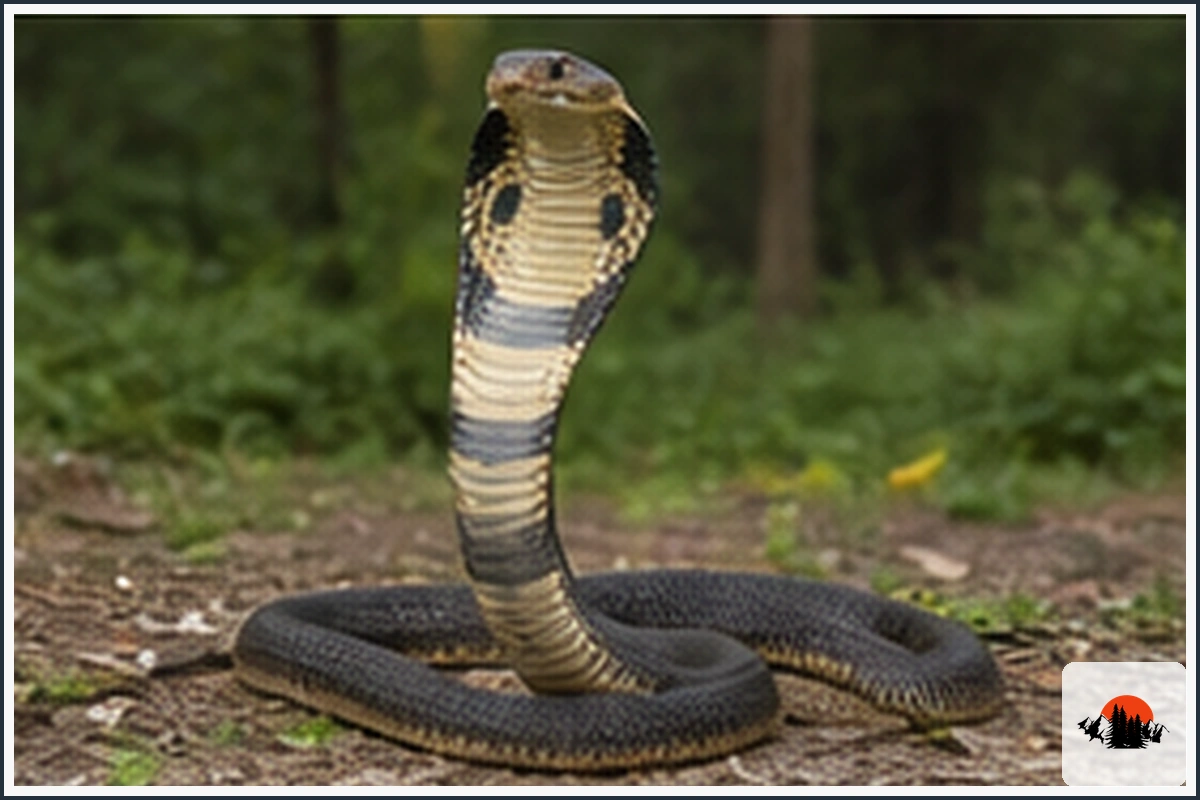
Scientific name: Ophiophagus hannah. The king cobra is the world’s longest venomous snake and occurs across forests, wetlands, bamboo stands, and agricultural landscapes of South and Southeast Asia. It can raise the front of its body and spread a narrow hood when threatened. Its diet consists mainly of other snakes. King cobras generally avoid people, but they should never be approached or handled. Forest loss, persecution, and illegal collection threaten some populations.
23. Komodo Dragon
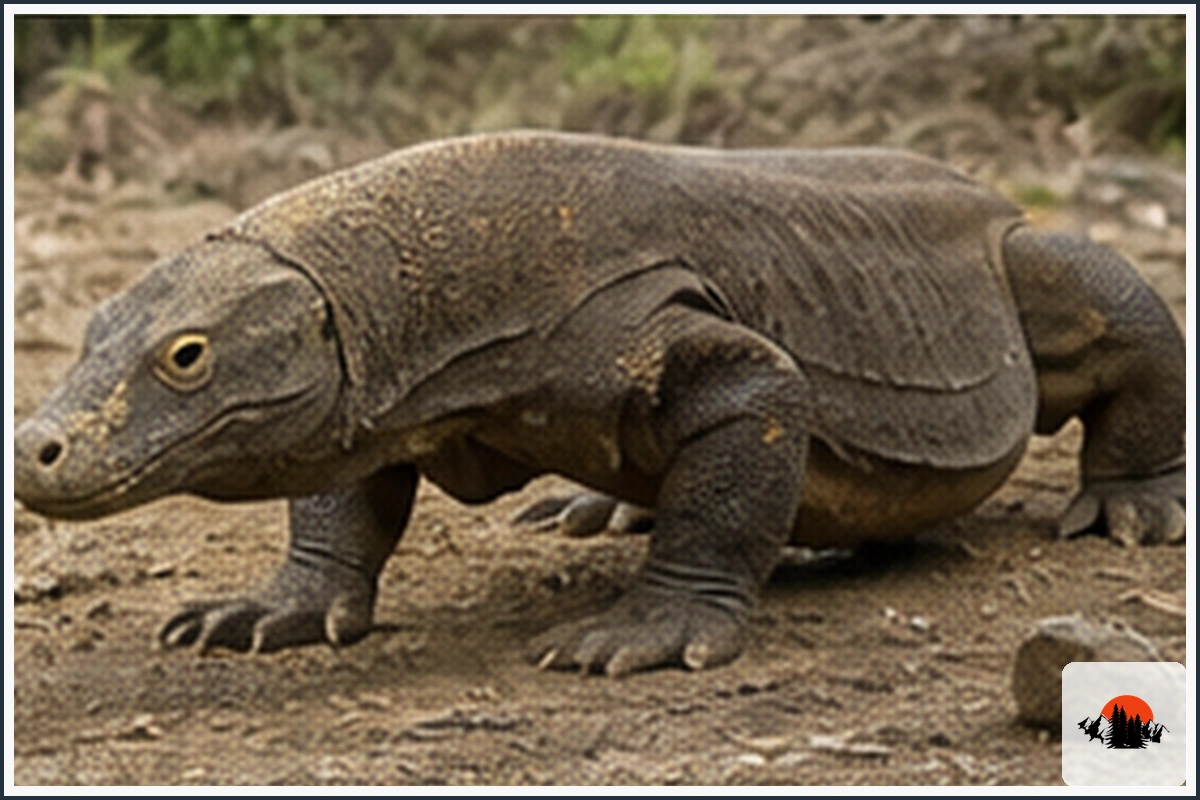
Scientific name: Varanus komodoensis. The Komodo dragon is the largest living lizard and is found on several Indonesian islands, including Komodo, Rinca, and parts of Flores. It has a heavy body, strong legs, a forked tongue, and a powerful bite. Komodo dragons eat deer, pigs, smaller animals, and carrion. They are capable swimmers and use scent to locate food. Their restricted island range makes habitat protection and careful tourism management essential.
24. Indian Cobra
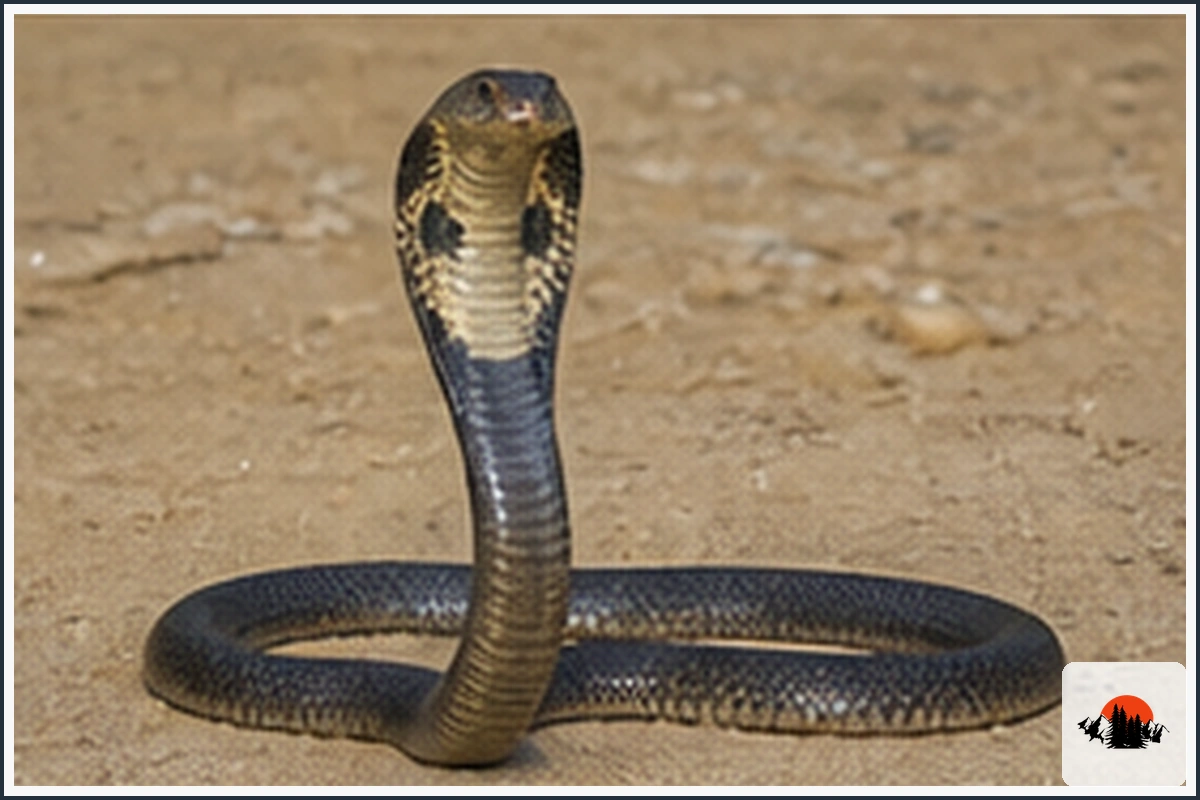
Scientific name: Naja naja. The Indian cobra is widely distributed across the Indian subcontinent and can live in forests, fields, villages, and city edges. When threatened, it raises its head and spreads a broad hood, often showing a distinctive marking on the back. It eats rodents, frogs, lizards, and other small animals. Cobras are venomous and should be observed only from a safe distance. Habitat changes and conflict with people are ongoing concerns.
25. Chinese Softshell Turtle

Scientific name: Pelodiscus sinensis. The Chinese softshell turtle lives in freshwater ponds, rivers, marshes, and rice-growing regions of East Asia. Its flexible, leathery shell and long neck distinguish it from hard-shelled turtles. It eats fish, crustaceans, insects, mollusks, and other aquatic prey. The species is also used in aquaculture, but wild populations can be affected by harvesting, water pollution, wetland loss, and accidental capture.
26. Irrawaddy Dolphin
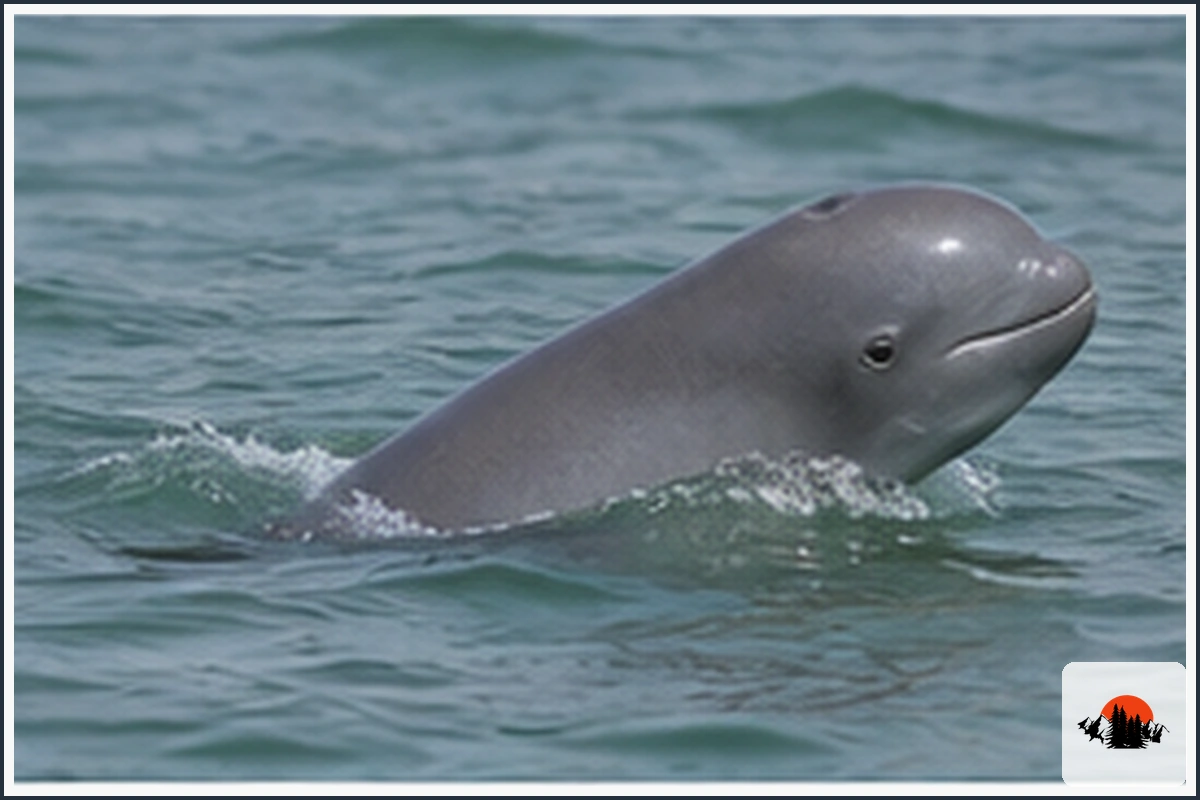
Scientific name: Orcaella brevirostris. The Irrawaddy dolphin is a rounded-headed dolphin found in coastal waters and a few freshwater river systems of South and Southeast Asia. It has a smooth forehead, short beak, and flexible neck. It eats fish, crustaceans, and other aquatic animals. These dolphins often live in small groups and may cooperate with local fishers in some areas. Boat traffic, fishing nets, pollution, and river modification are major threats.
27. Dugong

Scientific name: Dugong dugon. The dugong is a marine mammal found in warm coastal waters of the Indian and western Pacific oceans. Its rounded body, paddle-like flippers, and whale-like tail are adapted to life in the sea. Dugongs graze mainly on seagrass, making healthy shallow-water meadows essential. They are generally slow-moving and may travel long distances between feeding areas. Boat strikes, fishing gear, coastal development, and seagrass loss threaten populations.
28. Whale Shark
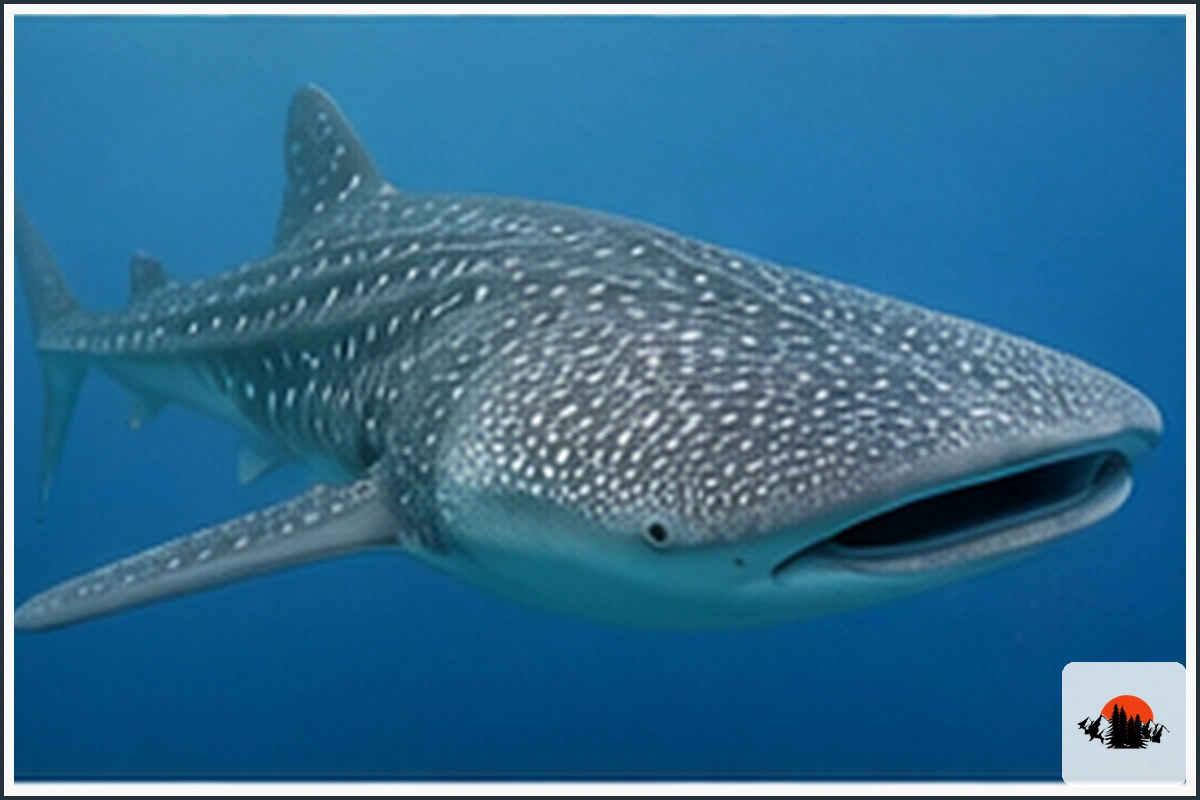
Scientific name: Rhincodon typus. The whale shark is the largest living fish and occurs in warm and tropical seas around Asia. Its broad head, enormous mouth, pale spots, and checkerboard pattern make it unmistakable. Despite its size, it feeds mainly by filtering plankton, small fish, and other tiny organisms from the water. Whale sharks are usually gentle, but responsible wildlife tourism requires keeping distance and never touching or feeding them.
29. Binturong
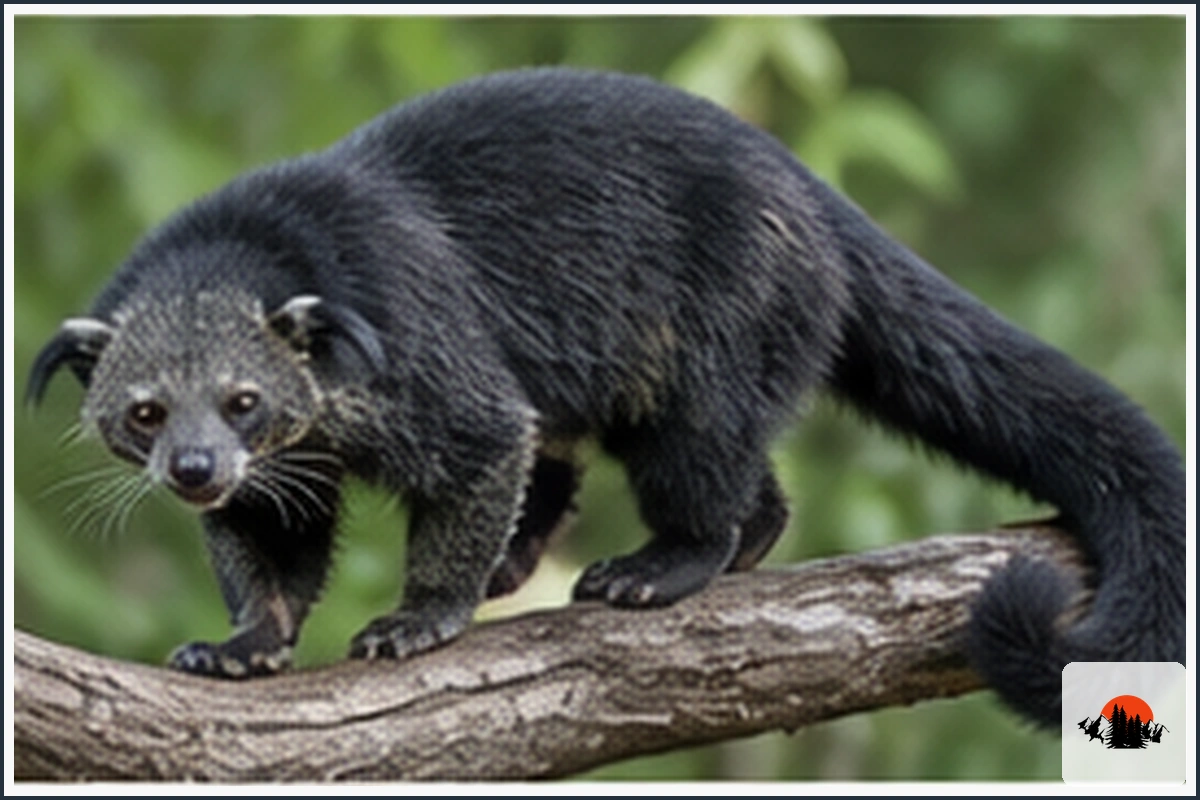
Scientific name: Arctictis binturong. The binturong is an arboreal mammal of South and Southeast Asian forests. It has shaggy black fur, small rounded ears, whiskers, and a long prehensile tail that helps it move through trees. Binturongs eat fruit, leaves, insects, eggs, and small animals. They are mostly nocturnal and often move slowly through the canopy. Forest loss and illegal capture for the pet and wildlife trade are significant threats.
30. Clouded Leopard
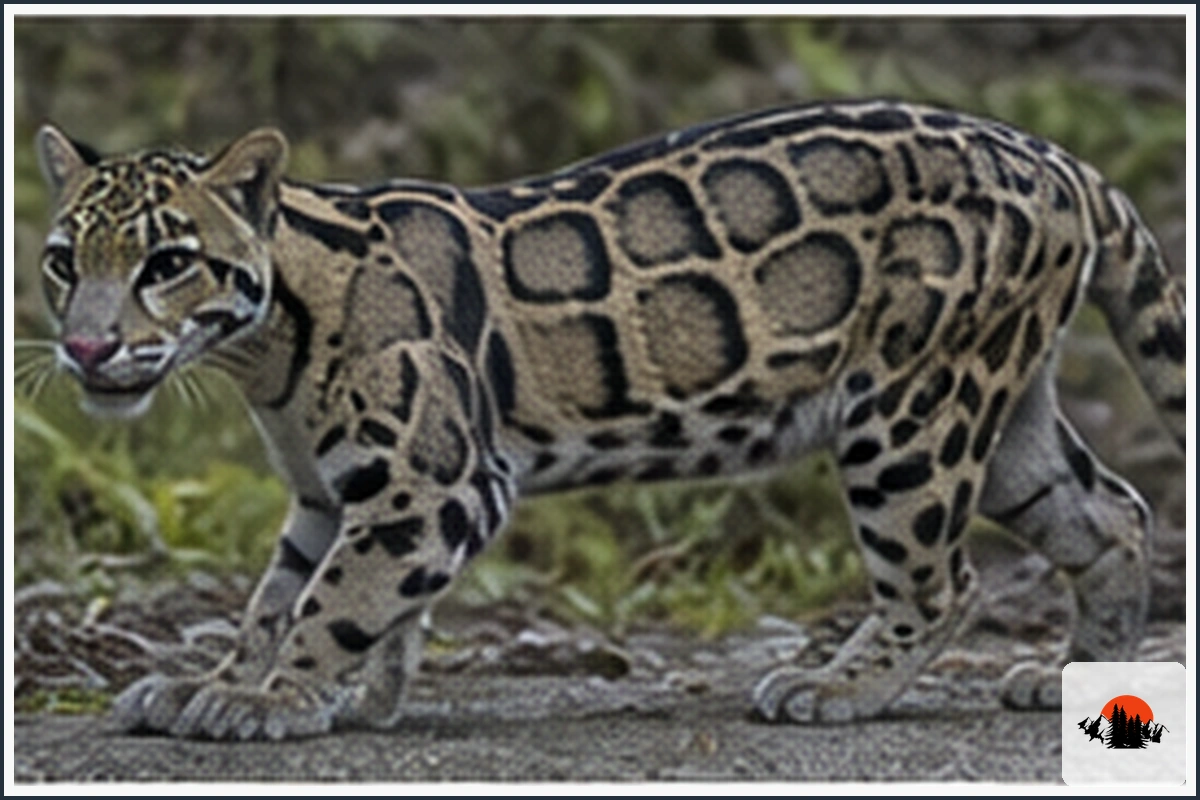
Scientific name: Neofelis nebulosa. The clouded leopard lives in forest habitats across parts of South and Southeast Asia. Its large cloud-shaped markings, long tail, short legs, and unusually flexible ankles help it climb. It hunts monkeys, deer, birds, rodents, and other animals, often using trees and dense vegetation for cover. Clouded leopards are elusive and usually solitary. Deforestation, hunting, and illegal trade have reduced populations in many areas.
How Are These Asian Animals Classified?
These animals can be grouped in several useful ways:
- Mammals: elephants, tigers, pandas, rhinos, primates, bears, wild cattle, and marine mammals.
- Birds: great hornbills, painted storks, and green peafowl.
- Reptiles: king cobras, Indian cobras, Komodo dragons, and softshell turtles.
- Fish: whale sharks and many other freshwater and marine species.
- Herbivores: elephants, rhinos, yaks, gaurs, saigas, and dugongs.
- Carnivores and omnivores: tigers, leopards, dholes, bears, snakes, and binturongs.
Where Do These Animals Live?
Asian wildlife occupies nearly every major habitat. Siberia and northern Asia support species adapted to snow and extreme cold. Central Asia includes deserts, steppes, and high plateaus. The Himalayas provide habitat for snow leopards, red pandas, yaks, and markhors. South and Southeast Asia contain monsoon forests, grasslands, mangroves, rivers, and tropical rainforests. Coastal waters and seagrass meadows support dugongs, dolphins, whale sharks, and many fish.
What Do Asian Animals Eat?
- Plant eaters: pandas, elephants, rhinos, yaks, gaurs, saigas, and dugongs feed mainly on vegetation.
- Predators: tigers, clouded leopards, dholes, king cobras, and Indian cobras hunt other animals.
- Omnivores: sloth bears, orangutans, binturongs, macaques, and Komodo dragons eat both plant and animal foods.
- Filter feeders: whale sharks consume plankton and small aquatic organisms.
- Wetland feeders: painted storks capture fish, frogs, and aquatic invertebrates in shallow water.
How Do Asian Animals Behave?
Behavior varies widely across the continent. Tigers and snow leopards are usually solitary hunters, while elephants, dholes, macaques, and some hoofed mammals live in social groups. Many animals are nocturnal or most active at dawn and dusk to avoid heat and predators. Mountain species use steep terrain for safety, and rainforest animals often rely on climbing, camouflage, or specialized diets. Seasonal migration, breeding displays, and cooperative hunting are also common survival strategies.
How to Identify Different Animals in Asia
- Start with habitat: note whether the animal is in a desert, mountain, forest, wetland, grassland, coast, or river.
- Check body shape: horns, tusks, claws, tails, bills, shells, and body size can quickly narrow identification.
- Observe markings: tiger stripes, panda patches, leopard rosettes, and whale shark spots are distinctive.
- Watch behavior: climbing, swimming, grazing, troop living, or solitary hunting provides useful clues.
- Consider scale: compare the animal with nearby trees, rocks, vehicles, or people from a safe distance.
- Use location: country and habitat range can distinguish similar species.
- Never rely on one feature alone: confirm identification using several characteristics and a reliable field guide.
Outdoor Tips for Finding and Observing Asian Wildlife
- Use a local guide in unfamiliar reserves, forests, mountains, or wetlands.
- Keep a generous distance from elephants, bears, big cats, crocodilians, snakes, and other powerful animals.
- Use binoculars, a camera with a zoom lens, and muted clothing rather than approaching wildlife.
- Stay on marked trails and follow park rules, especially around nesting sites and breeding areas.
- Never feed wild animals or imitate their calls.
- Record location, habitat, time, and behavior without disturbing the animal.
- Check local regulations before photographing, fishing, camping, or entering protected areas.
Safety, Sustainability, and Conservation Notes
Many Asian species face habitat loss, illegal hunting, pollution, invasive species, wildlife trafficking, and conflict with expanding human communities. Visitors can help by supporting ethical wildlife tourism, avoiding products made from protected animals, choosing responsible seafood, reducing plastic waste, and respecting protected areas. Never touch wild animals, approach nests, or handle venomous snakes. Conservation is most effective when local communities, governments, researchers, and visitors work together to protect habitat and reduce conflict.
Why Asian Wildlife Matters
Asian animals play important ecological roles. Elephants and hornbills disperse seeds, predators regulate prey populations, dugongs influence seagrass ecosystems, and scavengers recycle nutrients. Wildlife also supports cultural traditions, scientific research, tourism, education, and local livelihoods. Protecting animals therefore helps maintain healthy forests, rivers, grasslands, wetlands, and coastal ecosystems.
Fun Facts About Animals in Asia
- The Asian elephant has a single finger-like projection at the tip of its trunk.
- Snow leopards use their long tails for balance and warmth.
- Giant pandas have an enlarged wrist bone that works like a thumb.
- Japanese macaques are among the northernmost nonhuman primates.
- King cobras mainly specialize in eating other snakes.
- The whale shark is the largest fish, not a whale.
- Proboscis monkeys are strong swimmers.
- Wild Bactrian camels can tolerate harsh desert conditions and salty water.
- Great hornbills help spread seeds through tropical forests.
- Dugongs depend heavily on healthy seagrass meadows.
Final Thoughts on Types of Animals in Asia
The types of animals in Asia reflect the continent’s remarkable variety of habitats, climates, and ecosystems. From tigers and elephants to mountain goats, rainforest primates, venomous snakes, and marine giants, each species has special adaptations that help it survive. Learning to identify and observe Asian wildlife responsibly is an excellent way to appreciate nature while supporting conservation.
Frequently Asked Questions
1. How many types of animals live in Asia?
Asia contains thousands of animal species, including mammals, birds, reptiles, amphibians, fish, and invertebrates. The exact number changes as scientists describe new species and revise classifications.
2. What is the most famous animal in Asia?
The tiger is one of the most famous animals associated with Asia, although Asian elephants, giant pandas, snow leopards, and orangutans are also widely recognized.
3. What is the largest land animal in Asia?
The Asian elephant is the largest living land animal native to Asia.
4. What is the largest fish found in Asian waters?
The whale shark is the largest fish found in tropical and warm-temperate seas around Asia.
5. Which Asian animals are endangered?
Several species face serious conservation threats, including orangutans, snow leopards, red pandas, tigers, Asian elephants, clouded leopards, and Irrawaddy dolphins.
6. Which Asian animals live in the Himalayas?
Himalayan wildlife includes snow leopards, red pandas, yaks, markhors, Himalayan bears, bharal, and many high-altitude birds.
7. Which animals live in Asian deserts?
Asian deserts support Bactrian camels, saiga antelopes, goitered gazelles, jerboas, sand cats, reptiles, and many specialized rodents.
8. What animals live in Asian rainforests?
Rainforest species include orangutans, clouded leopards, binturongs, Malayan tapirs, proboscis monkeys, hornbills, snakes, and many insects.
9. Are there wild lions in Asia?
Yes. The Asiatic lion survives mainly in and around Gir Forest in Gujarat, India.
10. Are tigers found throughout Asia?
No. Tigers now occupy scattered habitats in parts of South, Southeast, and eastern Asia rather than their former continent-wide range.
11. What do Asian elephants eat?
Asian elephants eat grasses, leaves, bark, roots, fruit, and other vegetation. They may also raid crops when natural food is limited.
12. Are Asian animals dangerous?
Some can be dangerous if threatened, including tigers, elephants, bears, venomous snakes, rhinos, and Komodo dragons. Most avoid people when given space.
13. What is the rarest animal in Asia?
Rarity varies by region, but species such as the wild Bactrian camel, Javan rhinoceros, saola, and several river dolphins are among Asia’s most threatened animals.
14. Which Asian animals are good swimmers?
Proboscis monkeys, elephants, Malayan tapirs, Komodo dragons, dugongs, dolphins, and many Asian reptiles are capable swimmers.
15. What is the smallest animal on this list?
The red panda is among the smallest mammals listed here, although exact body size varies by individual and species.
16. Which Asian animals live in groups?
Asian elephants, dholes, macaques, gaurs, some antelopes, and many bird species live in family groups, herds, troops, or colonies.
17. Which Asian animals are nocturnal?
Binturongs, sloth bears, clouded leopards, many small mammals, and some snakes are often active at night or during twilight.
18. Which Asian animal has the longest nose?
The proboscis monkey has a remarkably long nose, especially adult males.
19. What is the largest venomous snake in Asia?
The king cobra is the longest venomous snake in Asia and the world.
20. Can Asian animals be kept as pets?
Most wild Asian animals should not be kept as pets. They have complex needs, may be legally protected, and can pose serious welfare and safety challenges.
21. How can I identify an Asian animal?
Study its body shape, markings, size, behavior, habitat, geographic location, and activity time. Use a regional field guide or consult a qualified naturalist.
22. Where can I see Asian wildlife safely?
National parks, wildlife sanctuaries, accredited conservation centers, and responsible guided tours are safer choices than approaching animals in the wild without local knowledge.
23. Why are Asian animals losing habitat?
Major causes include agriculture, roads, dams, mining, logging, urban growth, pollution, and climate-related changes.
24. How does climate change affect Asian wildlife?
Climate change can alter water availability, food supplies, breeding seasons, migration routes, snow cover, sea temperatures, and the location of suitable habitat.
25. What should I do if I encounter an elephant?
Stay calm, keep a large distance, do not block its path, avoid sudden movements, and follow instructions from local guides or park officials.
26. Are Asian snakes aggressive?
Most snakes prefer to escape rather than confront people. Defensive bites are more likely when a snake is cornered, stepped on, handled, or surprised.
27. Why are hornbills important?
Hornbills disperse seeds across forests, helping trees regenerate and maintaining plant diversity.
28. What is the difference between a wild yak and a domestic yak?
Wild yaks are generally larger and more powerful, while domestic yaks have been selectively bred for use by people. Both are adapted to high-altitude environments.
29. Can I feed animals during wildlife tours?
No. Feeding can change natural behavior, spread disease, create aggression, and make animals dependent on people.
30. How can people help Asian wildlife?
Support habitat conservation, choose ethical tourism, avoid illegal wildlife products, reduce pollution, respect park rules, and learn about conservation efforts in your region.