

North America is home to several fascinating fox species, each adapted to a different environment. This guide to the types of foxes in North America explains how to recognize them, where they live, what they eat, and how their behavior differs. It covers the red fox, gray fox, Arctic fox, kit fox, swift fox, and island fox, including practical identification and conservation notes.
What Are the Main Types of Foxes in North America?
The six widely recognized fox species native to North America are the red fox, gray fox, Arctic fox, kit fox, swift fox, and island fox. Some species have broad ranges, while others are limited to deserts, Arctic regions, or specific islands. Coat color, body size, tail shape, habitat, and geographic range are useful clues when identifying them.
1. Red Fox
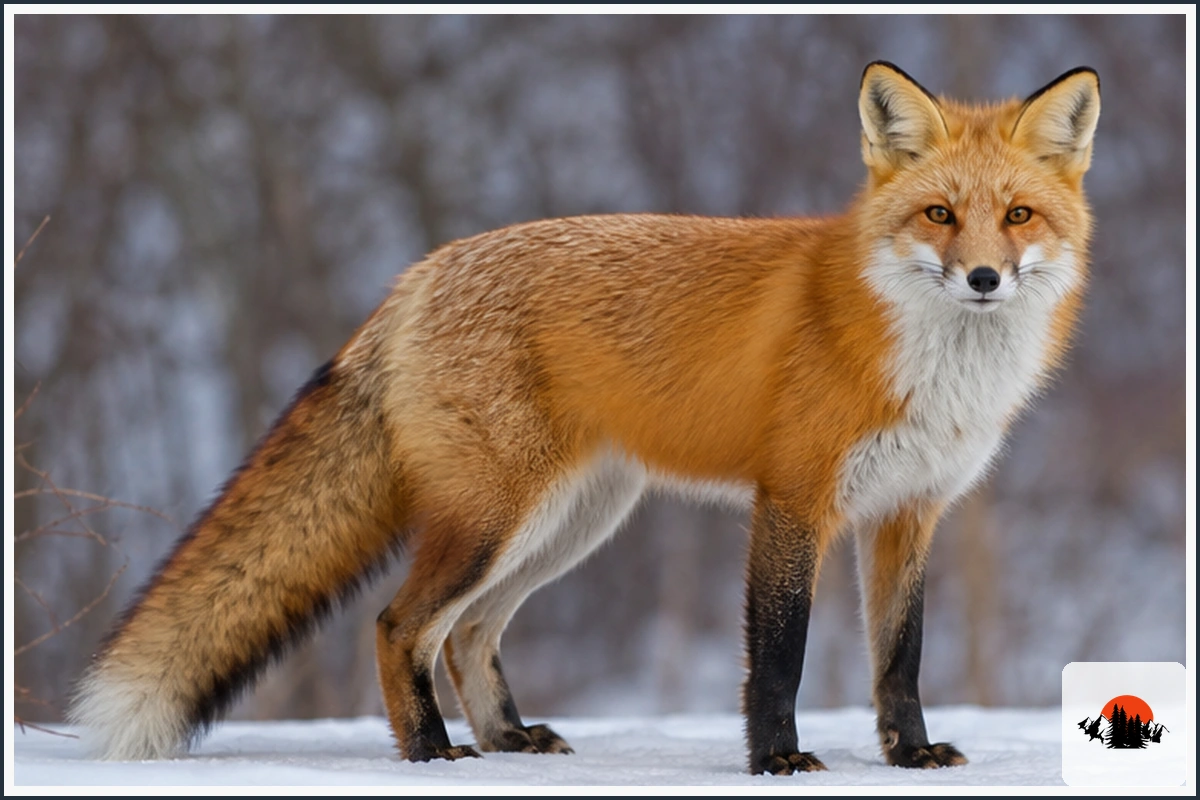
Scientific name: Vulpes vulpes
The red fox is the most widespread fox in North America and is also found across Europe and Asia. Its familiar appearance includes reddish fur, a white throat and chest, dark legs, pointed ears, and a long bushy tail often tipped with white.
Red foxes occur in forests, grasslands, farmland, suburbs, mountains, and coastal areas. They are highly adaptable and may live close to people when food and shelter are available. Adults commonly weigh about 7 to 15 pounds, although size varies by region.
These foxes are opportunistic hunters. Their diet includes mice, voles, rabbits, birds, insects, fruit, and carrion. A red fox may listen for small prey beneath snow or vegetation before pouncing. It usually lives alone outside the breeding season and uses dens for raising kits rather than spending every night underground.
2. Gray Fox
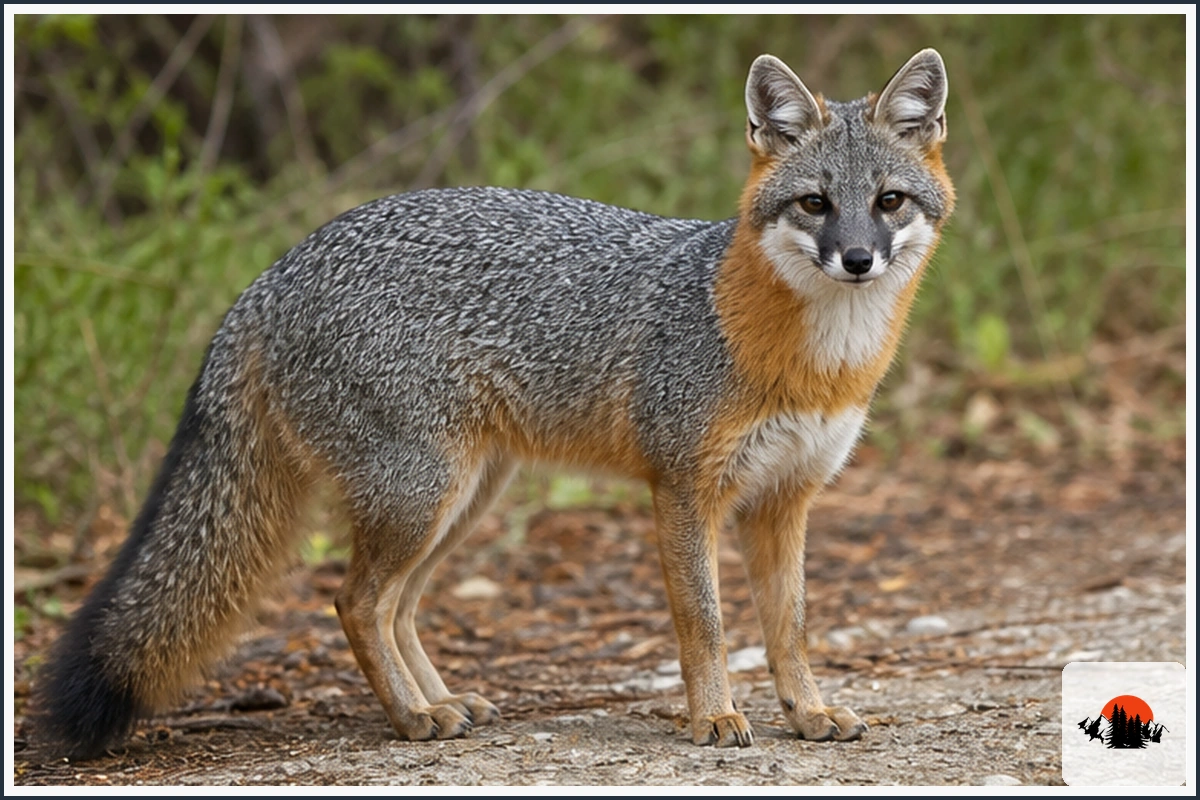
Scientific name: Urocyon cinereoargenteus
The gray fox has a grizzled gray coat, reddish sides and legs, a dark stripe along the back, and a tail with a black tip. It is smaller and more compact than many red foxes, with a relatively shorter muzzle.
Gray foxes live in wooded habitats, brushy areas, rocky hillsides, and parts of the southern and eastern United States. Unlike most members of the dog family, gray foxes can climb trees. They may use leaning trunks or rough-barked trees to escape danger, rest, or reach food.
Their diet includes rodents, rabbits, birds, insects, reptiles, amphibians, fruit, and occasionally plant material. Gray foxes are generally secretive and most active at night, although they may move during daylight in quiet areas.
3. Arctic Fox
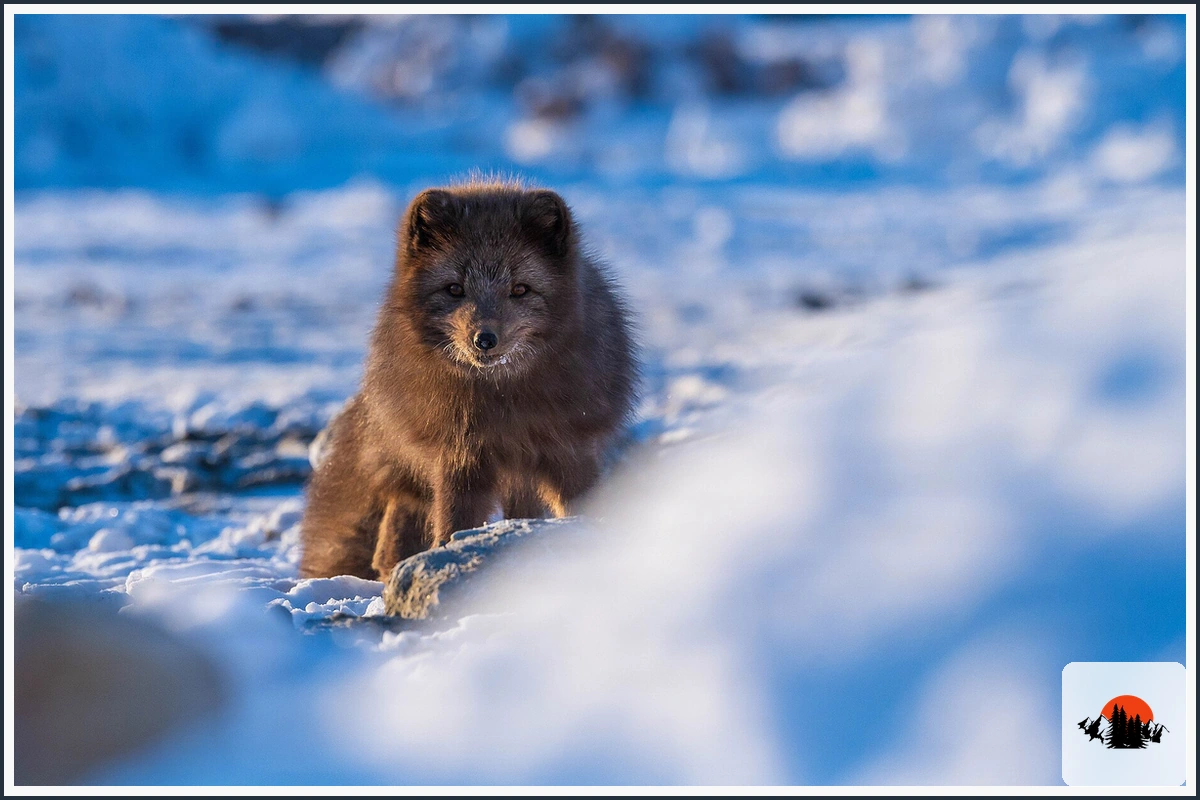
Scientific name: Vulpes lagopus
The Arctic fox is built for severe northern climates. It has short ears, a compact body, furry footpads, and a thick coat that changes seasonally. Winter fur is commonly white, while summer fur may be brown, gray, or bluish depending on the color phase.
In North America, Arctic foxes live mainly across Arctic tundra and coastal regions of Alaska and northern Canada. Their compact shape helps reduce heat loss, and their dense fur provides insulation in freezing weather.
Arctic foxes eat lemmings, voles, birds, eggs, fish, marine invertebrates, carrion, and leftovers from larger predators. They may follow polar bears to feed on scraps. Population conditions often change with the abundance of small rodents.
4. Kit Fox
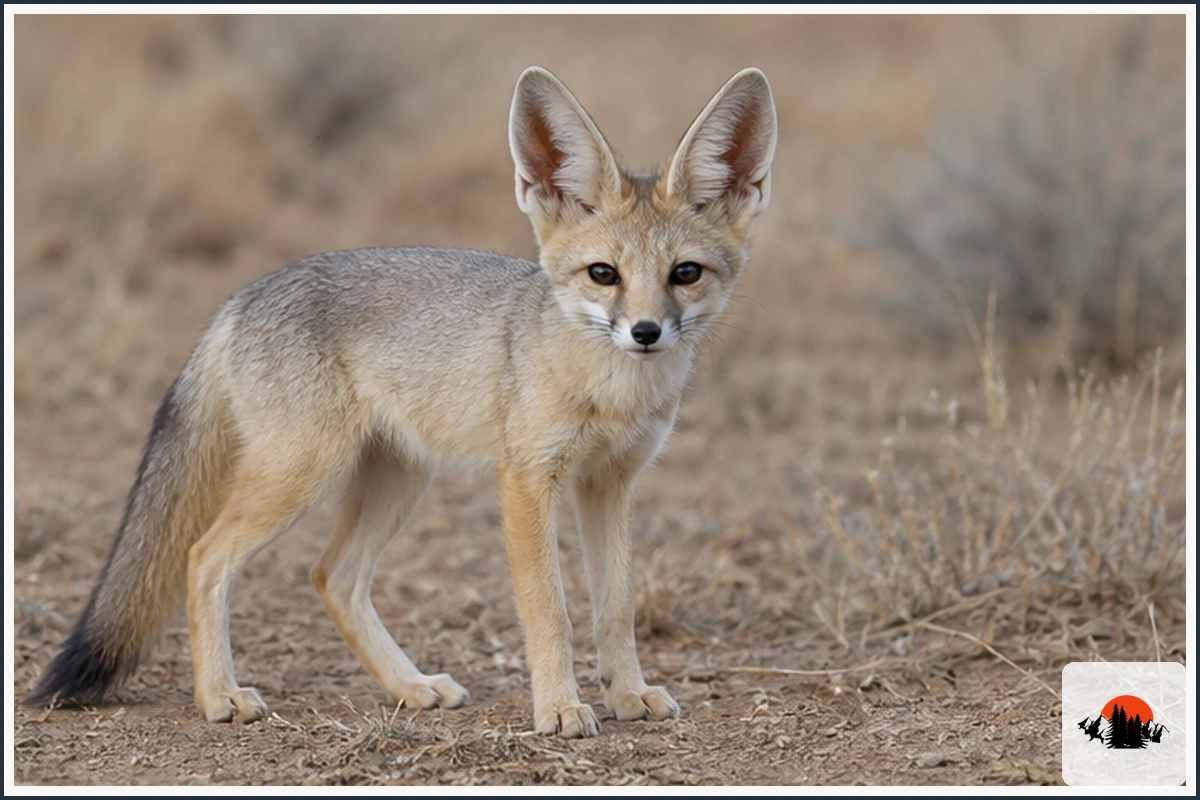
Scientific name: Vulpes macrotis
The kit fox is one of North America’s smallest foxes. It has large ears, a narrow muzzle, a pale gray or sandy coat, and a long tail with a dark tip. Its oversized ears help release heat and detect sounds from prey.
Kit foxes are associated with deserts, dry grasslands, and shrublands of the southwestern United States and northern Mexico. They spend much of the hottest part of the day in underground dens, which provide shade and protection from temperature extremes.
Their main foods include kangaroo rats, mice, rabbits, insects, lizards, and birds. Kit foxes can obtain much of their moisture from prey and may survive in very dry landscapes. Habitat conversion, roads, disease, and reduced prey availability can affect local populations.
5. Swift Fox
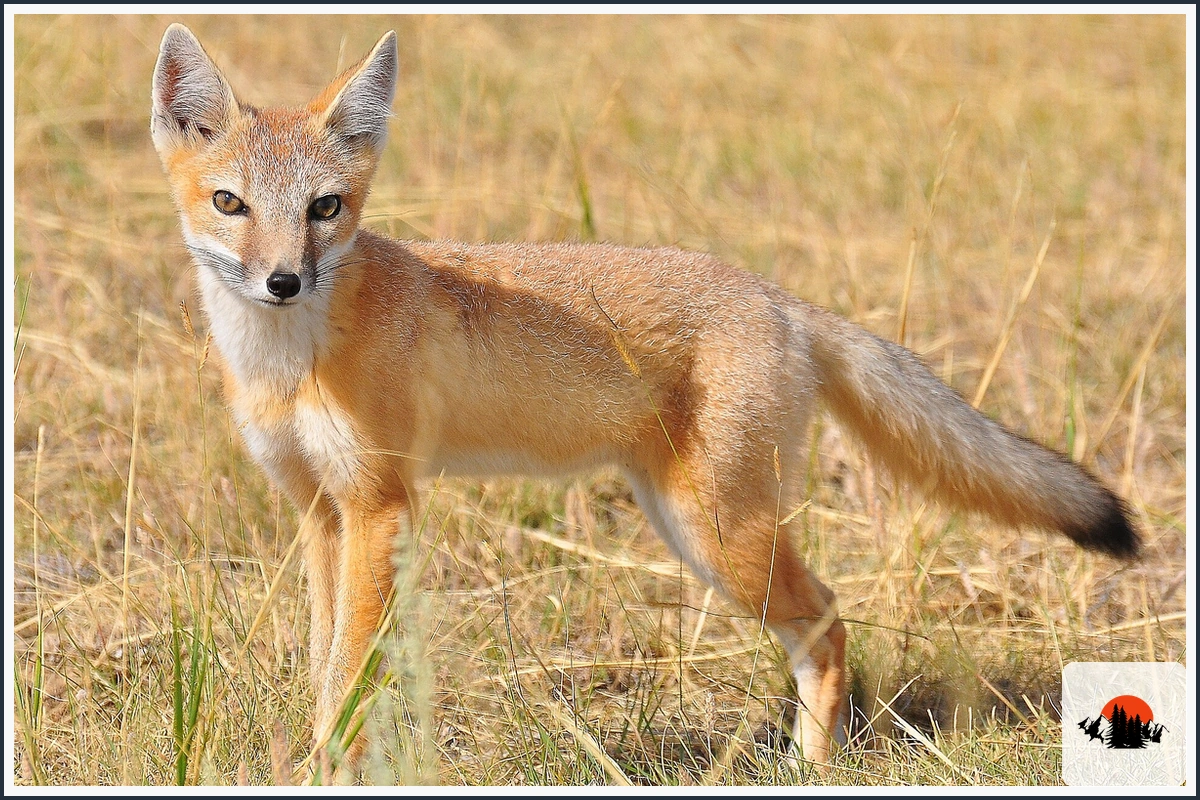
Scientific name: Vulpes velox
The swift fox is a small prairie fox with a tan, gray, or buff coat, dark markings near the muzzle, and a black-tipped tail. It is closely related to the kit fox and is sometimes confused with it, but range and habitat provide important identification clues.
Swift foxes are native to open grasslands and prairie landscapes of the Great Plains. They rely on underground burrows for shelter, raising young, and escaping predators or severe weather. They are usually active at night but can appear above ground during the day.
Their diet includes prairie dogs, mice, ground squirrels, rabbits, insects, birds, and reptiles. Loss of native prairie, disease, predator pressure, and changes in grassland management have contributed to historical declines. Reintroduction and habitat protection have helped restore them in parts of their former range.
6. Island Fox
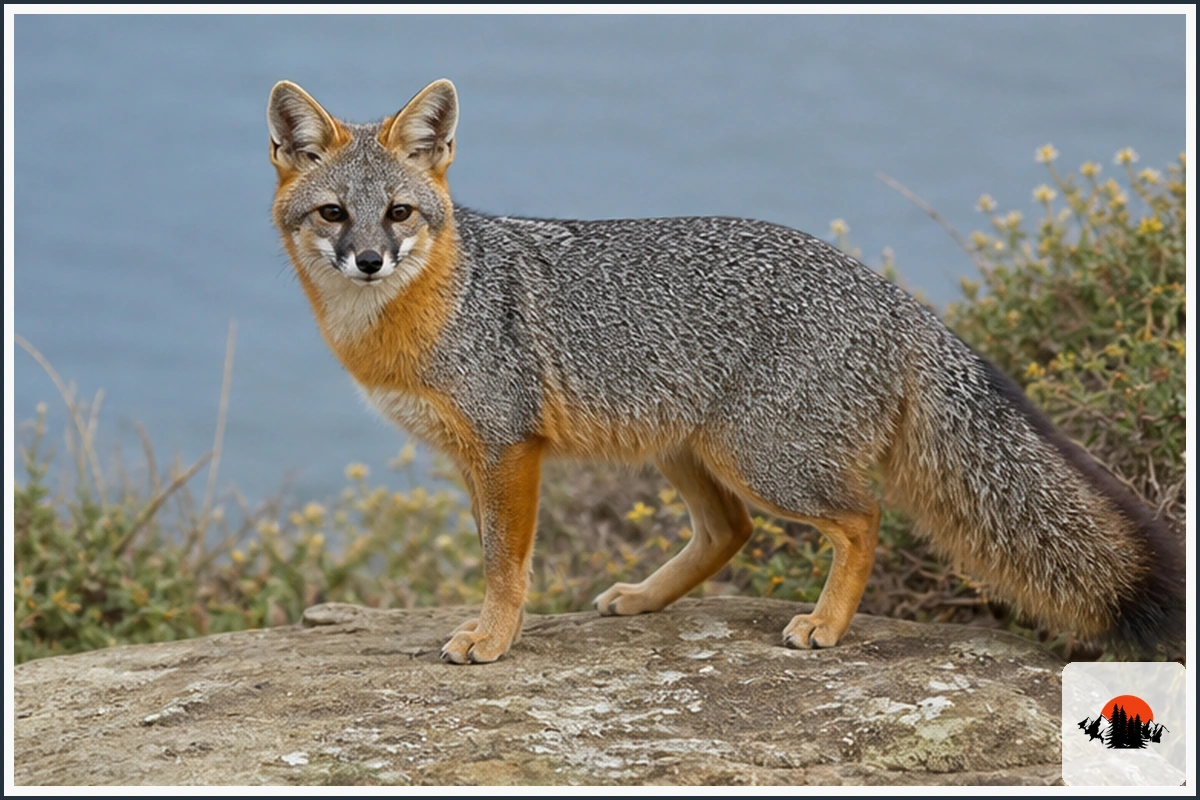
Scientific name: Urocyon littoralis
The island fox is a small gray fox found only on several Channel Islands off Southern California. It is closely related to the mainland gray fox but has evolved into distinct island populations, often recognized as subspecies.
Island foxes vary in coat color from gray and brown to reddish tones. They have relatively short legs, compact bodies, and bushy tails. Their small size is an example of island dwarfism, a pattern in which some mammals evolve smaller bodies where resources are limited.
They eat insects, mice, birds, lizards, fruits, and other available foods. Populations declined sharply on some islands because of disease and changes in predator communities, but conservation programs have helped several populations recover. The species remains an important example of successful island wildlife conservation.
How Are These Foxes Classified?
Foxes belong to the family Canidae, which also includes wolves, coyotes, domestic dogs, and jackals. The six North American species in this guide belong mainly to the genera Vulpes and Urocyon.
- Vulpes foxes: Red, Arctic, kit, and swift foxes.
- Urocyon foxes: Gray and island foxes.
- True foxes: Most Vulpes species have narrow faces, upright ears, and bushy tails.
- Gray fox relatives: Gray and island foxes are distinctive members of the dog family and retain unusual climbing abilities.
Where Do These Foxes Live?
| Fox | Typical North American Habitat |
|---|---|
| Red fox | Forests, farms, grasslands, mountains, suburbs, and coasts |
| Gray fox | Woodlands, brush, rocky areas, and mixed habitats |
| Arctic fox | Arctic tundra, sea ice edges, and northern coasts |
| Kit fox | Deserts, dry shrublands, and southwestern grasslands |
| Swift fox | Open prairie and Great Plains grasslands |
| Island fox | Coastal scrub, grasslands, oak woodland, and chaparral on Channel Islands |
What Do North American Foxes Eat?
Most foxes are omnivores that adjust their diets to local conditions. Small mammals are important prey, but foxes may also eat birds, eggs, insects, reptiles, amphibians, fruit, berries, fish, and carrion. Arctic foxes often depend on seasonal tundra prey and marine food sources, while desert foxes rely heavily on rodents and other small animals.
How to Identify Different Types of Foxes
- Check the habitat: Arctic tundra suggests an Arctic fox, while open prairie suggests a swift fox.
- Look at the coat: Red foxes often have orange-red fur; gray foxes show a grizzled gray pattern.
- Notice the ears: Kit foxes have especially large ears compared with their small bodies.
- Examine the tail: Tail color and dark or white tips can help separate similar species.
- Estimate body size: Kit, swift, and island foxes are generally smaller than most adult red foxes.
- Consider behavior: A fox climbing a tree is most likely a gray fox.
- Use geographic range: Island foxes occur only on specific Channel Islands.
Outdoor Tips for Finding and Observing These Species
- Watch open edges, trails, fields, and quiet roadsides around dawn or dusk.
- Use binoculars and keep a respectful distance.
- Look for tracks, scat, dens, and areas where small prey are abundant.
- Never approach, chase, feed, or corner a fox.
- Keep dogs leashed in areas where foxes raise young.
- Record the location, habitat, appearance, and behavior without disturbing the animal.
Safety, Sustainability, and Conservation Notes
Foxes are wild animals and should not be treated as pets. Do not feed them, attempt to touch them, or handle young animals. A fox seen during daylight is not automatically sick or dangerous, but unusual aggression, disorientation, or paralysis should be reported to local wildlife authorities.
Protecting grasslands, forests, tundra, deserts, and island habitats benefits foxes and the prey species they depend on. Avoid disturbing dens, follow local wildlife laws, and support responsible land management. Never release a captive or nonnative fox into the wild.
Fun Facts About Types of Foxes in North America
- Gray foxes can climb trees, an unusual ability among canids.
- Arctic foxes grow a thick winter coat and have furry footpads.
- Red foxes have one of the broadest geographic ranges of any land mammal.
- Kit foxes use large ears to hear prey and release body heat.
- Swift foxes are closely associated with North American prairie ecosystems.
- Island foxes are found only on California’s Channel Islands.
- Foxes often bury extra food for later use.
- Many foxes use dens but spend much of their time above ground.
- Foxes communicate with scent marks, body language, and vocal sounds.
- Healthy foxes can help limit populations of rodents and other small prey.
Final Thoughts on Types of Foxes in North America
The types of foxes in North America range from Arctic specialists and desert hunters to adaptable woodland and island species. Learning their coat patterns, body shapes, habitats, and behaviors makes wildlife identification more accurate and enjoyable. Observe foxes responsibly, protect their habitats, and allow these resourceful animals to remain wild.
Frequently Asked Questions
1. How many types of foxes live in North America?
Six widely recognized native species are commonly included: red, gray, Arctic, kit, swift, and island foxes.
2. What is the most common fox in North America?
The red fox is generally the most widespread and adaptable fox species in North America.
3. Are foxes related to dogs?
Yes. Foxes and dogs are members of the Canidae family, although they belong to different genera and have distinct behaviors.
4. What is the largest fox in North America?
Red foxes are generally the largest and most widely distributed foxes in North America, although size varies by region.
5. What is the smallest North American fox?
The kit fox, swift fox, and island fox are all small species, with body size varying among individuals and populations.
6. Where do red foxes live?
Red foxes live in forests, farms, grasslands, mountains, coastal areas, and suburban environments.
7. Where do gray foxes live?
Gray foxes are commonly found in wooded, brushy, and rocky habitats, especially in parts of the eastern, southern, and western United States.
8. Can gray foxes climb trees?
Yes. Gray foxes have strong, curved claws and can climb rough-barked trees and leaning trunks.
9. Where do Arctic foxes live in North America?
They live mainly in Arctic tundra and coastal areas of Alaska and northern Canada.
10. Where are kit foxes found?
Kit foxes occur primarily in deserts, dry shrublands, and grasslands of the southwestern United States and northern Mexico.
11. Where do swift foxes live?
Swift foxes are associated with open prairie and Great Plains grasslands.
12. Where do island foxes live?
Island foxes live only on several Channel Islands off the coast of Southern California.
13. What do foxes eat?
Foxes eat small mammals, birds, insects, reptiles, eggs, fruit, carrion, and other foods available in their habitat.
14. Are foxes dangerous to people?
Foxes usually avoid people. Risk is low, but people should never approach, feed, or handle a wild fox.
15. Do foxes hunt at night?
Many foxes are most active at night or during twilight, although they may also move during the day.
16. Do foxes live alone?
Most foxes are largely solitary outside the breeding season, while parents may live with and care for their young.
17. Do foxes hibernate?
No. Foxes remain active throughout winter and rely on thick fur, stored food, and sheltered dens.
18. How can you tell a red fox from a gray fox?
Red foxes often have orange-red fur, black lower legs, and a white-tipped tail. Gray foxes have grizzled gray fur, reddish sides, and a black-tipped tail.
19. How can you tell a kit fox from a swift fox?
Range is one of the best clues. Kit foxes are strongly associated with dry southwestern habitats, while swift foxes are primarily prairie animals.
20. Do foxes bark?
Foxes can bark, yelp, scream, whine, growl, and make other vocal sounds used for warning, contact, or territorial communication.
21. Do foxes dig dens?
Foxes may dig their own dens or use abandoned burrows made by other animals. Dens are especially important for raising kits.
22. How many babies do foxes have?
Litter sizes vary by species, food supply, age, and local conditions. A litter commonly contains several kits.
23. What is a fox baby called?
A young fox is called a kit, cub, or pup.
24. Are foxes good for ecosystems?
Yes. Foxes help regulate populations of rodents and other small animals and also participate in seed dispersal when they eat fruit.
25. Are foxes protected?
Protection varies by species, state, province, territory, and location. Local wildlife agencies provide the most accurate regulations.
26. Which North American fox is adapted to the coldest climate?
The Arctic fox is the specialist for Arctic conditions, with dense fur, small ears, and furry feet.
27. Which fox has the largest ears?
Kit foxes are especially notable for their large ears relative to body size.
28. Can foxes swim?
Foxes can swim when necessary, although swimming is not usually their primary method of travel.
29. Should people feed foxes?
No. Feeding can make foxes dependent on people, increase conflict, and create safety problems for both wildlife and neighbors.
30. What should I do if I find a fox den?
Leave the area quietly, keep pets away, and avoid blocking the entrance. Contact wildlife authorities if the den is threatened or an animal appears injured.
31. Are foxes active in winter?
Yes. Foxes remain active year-round and continue hunting beneath snow or in cold weather.
32. What tracks do foxes leave?
Fox tracks usually show four toes and a compact, oval footprint. Track size and shape vary among species and terrain.
33. Do foxes carry diseases?
Foxes can carry diseases and parasites, as can many wild mammals. Avoid contact and report abnormal behavior to local authorities.
34. Can foxes be kept as pets?
Foxes are wild animals with specialized needs, strong instincts, and legal restrictions in many places. They are not suitable substitutes for domestic dogs.
35. What is the rarest fox in North America?
Rarity depends on the population considered. Some island fox populations and localized prairie or desert populations have faced serious conservation challenges.
36. Are Arctic foxes always white?
No. Arctic foxes may have white, blue-gray, or brownish coats depending on season and color phase.
37. Why do foxes have bushy tails?
The tail helps with balance, communication, warmth, and sometimes covering the body while resting.
38. Do foxes eat cats or dogs?
Foxes usually prefer small prey and avoid larger animals. Very small pets may face risks, so supervision and secure housing are wise.
39. What is the best way to photograph a fox?
Use a long lens, remain quiet and distant, avoid baiting the animal, and never block its route or approach its den.
40. Why are island foxes important?
Island foxes are unique island mammals and important parts of Channel Island ecosystems. Their recovery demonstrates the value of targeted conservation.