

Bass fish are among the most popular and fascinating freshwater and saltwater species for anglers, wildlife enthusiasts, and aquatic researchers alike. From the mighty Largemouth Bass to the colorful Peacock Bass, these fish exhibit incredible diversity in size, habitat, behavior, and appearance. In this guide, we explore 35 Types of Bass Fish, providing detailed identification, ecological insights, and beginner-friendly information that will help you recognize, appreciate, and even conserve these remarkable species. Whether you are fishing, studying aquatic wildlife, or just curious, this article offers a comprehensive overview of the world of bass fish.
35 Types of Bass Fish
1. Largemouth Bass
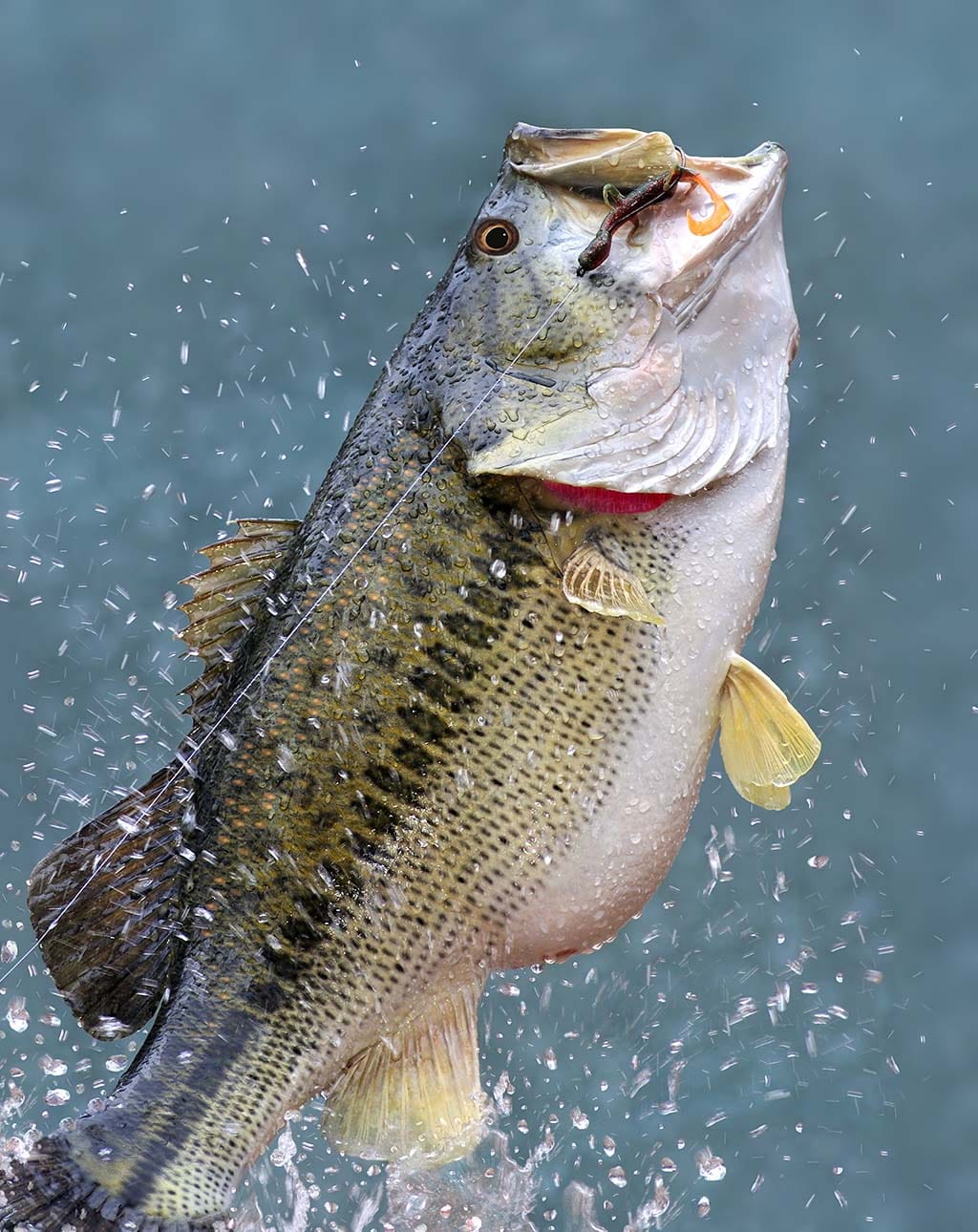
The Largemouth Bass (Micropterus salmoides) is arguably the most iconic bass species in North America. Renowned for its size, fighting ability, and adaptability, it inhabits freshwater lakes, rivers, and reservoirs across the continent. The species has a greenish body with dark horizontal stripes along the lateral line and a notably large mouth that extends past its eyes. Its distinctive features make it easily recognizable even to novice anglers.
Largemouth Bass are opportunistic predators, feeding on small fish, crayfish, insects, and even amphibians. They are ambush hunters, preferring vegetated areas, submerged logs, and rocky structures to hide and strike prey. Their behavior contributes significantly to regulating prey populations in freshwater ecosystems. Additionally, Largemouth Bass are considered an indicator species for water quality and habitat health due to their sensitivity to pollution and temperature changes.
Spawning occurs in late spring and early summer when water temperatures reach around 60–75°F (15–24°C). Males construct shallow nests in sandy or gravel substrates and guard the eggs until they hatch, demonstrating unique parental care. Juveniles grow rapidly under nutrient-rich conditions, making them ideal for sport fishing and aquaculture in managed habitats.
Ecologically, Largemouth Bass help maintain balanced fish communities, control invasive prey species, and contribute to nutrient cycling. Their widespread popularity has also made them a central species in recreational fisheries, educational programs, and conservation studies, highlighting why they are a cornerstone of the Types of Bass Fish.
2. Smallmouth Bass
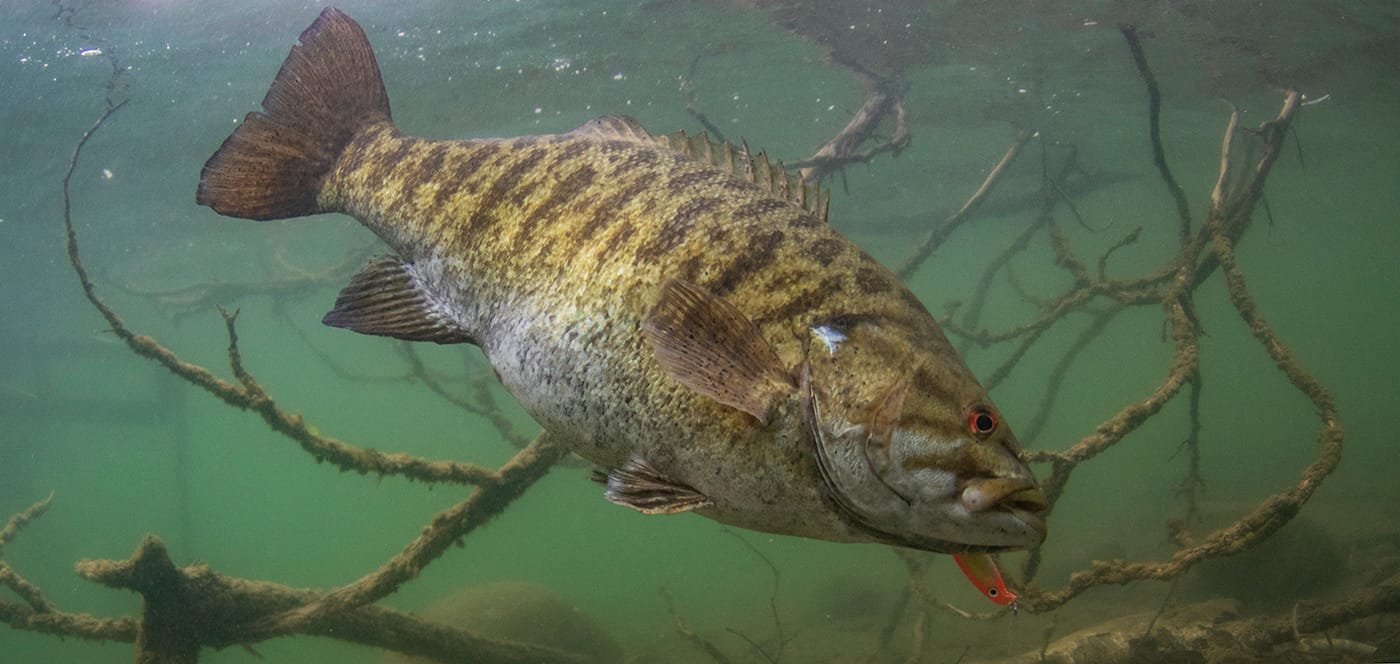
Smallmouth Bass (Micropterus dolomieu) is another highly admired bass species, particularly among freshwater anglers who enjoy its spirited fight. Typically found in clear, rocky rivers and cool lakes, Smallmouth Bass has a bronze to brownish body with vertical stripes and a smaller mouth that does not extend beyond the eye, distinguishing it from the Largemouth Bass.
Smallmouth Bass are carnivorous, primarily feeding on crayfish, minnows, insects, and other invertebrates. They are adaptable hunters, capable of feeding in flowing streams as well as still water. Their preference for rocky bottoms and underwater structures makes them an important ecological component in shaping prey behavior and distribution.
Reproduction occurs from late spring to early summer, with males building nests in rocky substrates. Parental care involves guarding eggs and fry until juveniles become independent. Growth rates depend on water temperature, food availability, and habitat complexity. These traits make Smallmouth Bass a highly valued species for sport fishing, with anglers often targeting them for their aggressive strikes and tactical challenges.
Smallmouth Bass contribute to freshwater biodiversity, prey regulation, and recreational angling economies. Their ecological role and popularity among anglers ensure they remain an integral species within the Types of Bass Fish framework.
3. Spotted Bass
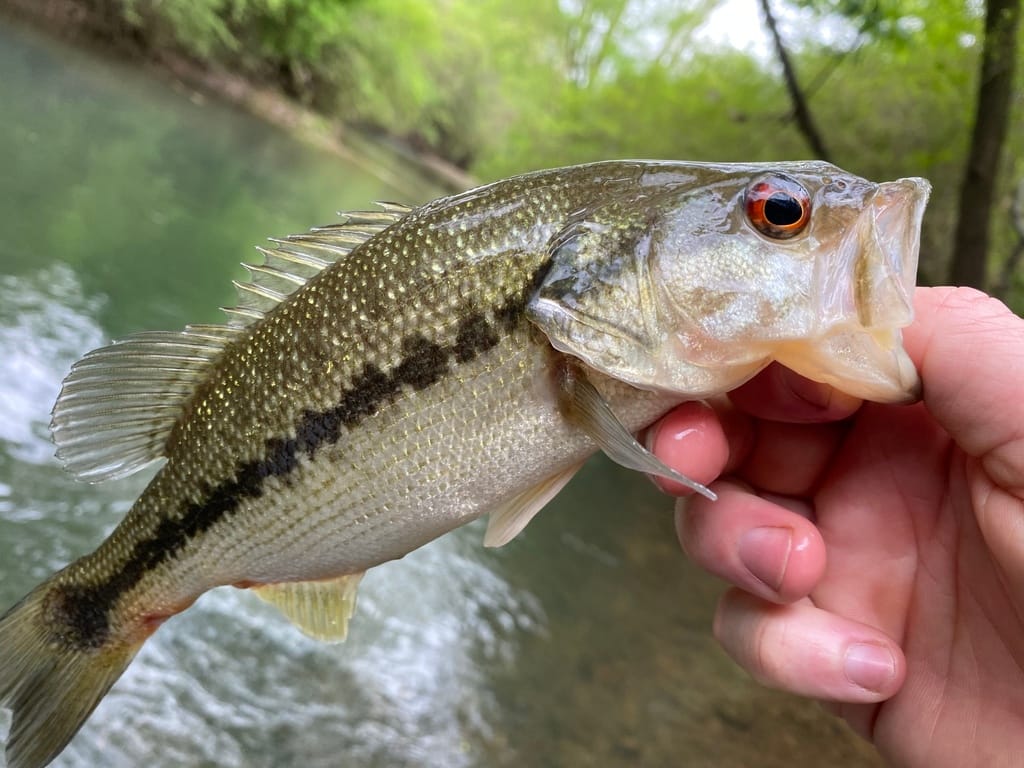
Spotted Bass (Micropterus punctulatus) is a closely related species to Largemouth and Smallmouth Bass but possesses unique features that make it stand out. Native to the central and southern United States, Spotted Bass displays dark spots along its lower body, a moderately large mouth, and a slightly more streamlined shape. This species prefers flowing waters with rocky or sandy substrates but can also thrive in reservoirs and lakes.
Dietarily, Spotted Bass are opportunistic predators, feeding on insects, crayfish, small fish, and amphibians. Their preference for mid-water and near-structure habitats allows them to exploit ecological niches that differ slightly from their largemouth and smallmouth relatives. This dietary flexibility enhances ecosystem stability by preventing overpopulation of specific prey species.
Spawning occurs in spring and early summer, with males constructing nests in sandy or gravel bottoms. Males fiercely guard eggs and fry, demonstrating parental investment that increases juvenile survival. The growth potential of Spotted Bass varies, but adults can reach impressive sizes, making them a target for anglers seeking both quantity and quality in their catch.
Spotted Bass are ecologically important in controlling invertebrate populations, maintaining balanced fish communities, and supporting freshwater biodiversity. As such, they are a vital member of the Types of Bass Fish.
4. Guadalupe Bass
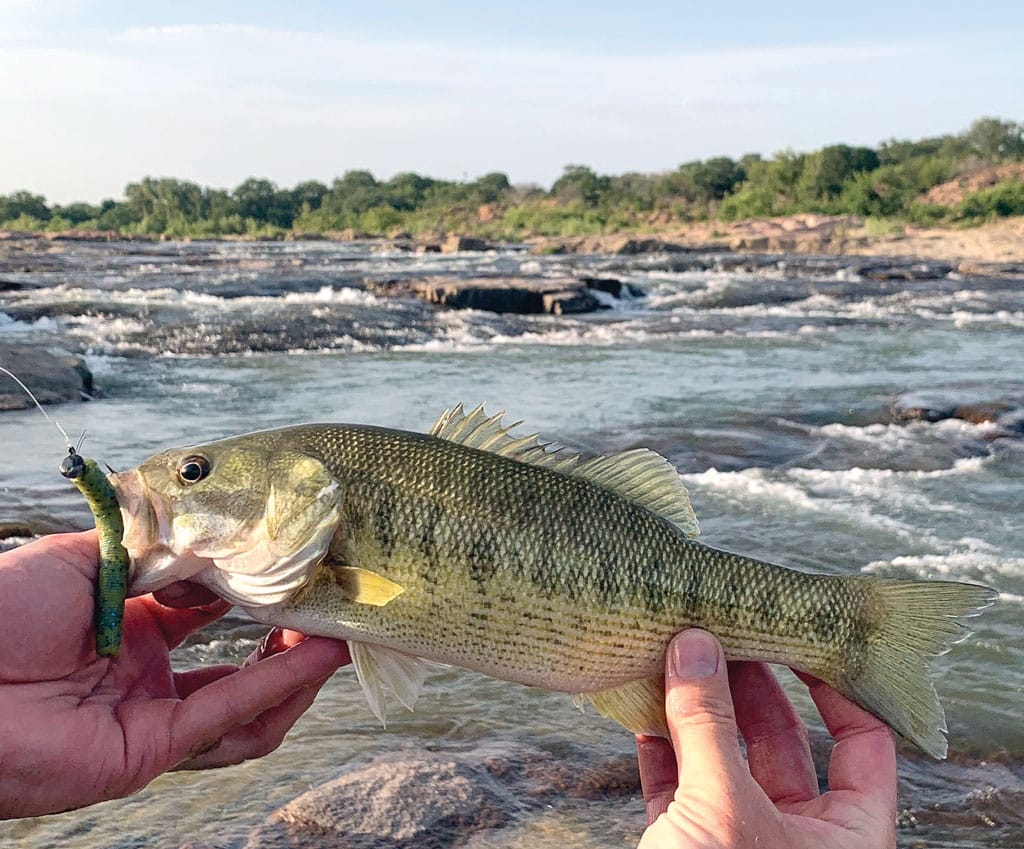
Guadalupe Bass (Micropterus treculii) is a freshwater species endemic to Texas, USA, primarily found in the Guadalupe River and its tributaries. Known for its olive-green coloration, dark mottling, and slender body, this bass is highly prized by anglers for both its fighting ability and rarity.
These bass prefer flowing streams and rivers with rocky substrates and clear water. They are primarily insectivorous, feeding on aquatic insects, small crustaceans, and occasionally small fish. Their ecological role includes controlling insect populations, supporting riverine food webs, and maintaining balanced freshwater ecosystems.
Reproduction occurs in spring, with males constructing nests in rocky bottoms and providing parental care until juveniles are free-swimming. Adult Guadalupe Bass rarely exceed 20 inches, but their aggressive strikes and sport-fishing challenge make them highly sought after. Conservation programs focus on habitat preservation and hybridization prevention with Smallmouth Bass to protect their genetic integrity.
The Guadalupe Bass’s ecological and recreational importance underscores why it is considered a key species among the Types of Bass Fish, representing the unique biodiversity of Texas rivers.
5. Alabama Bass
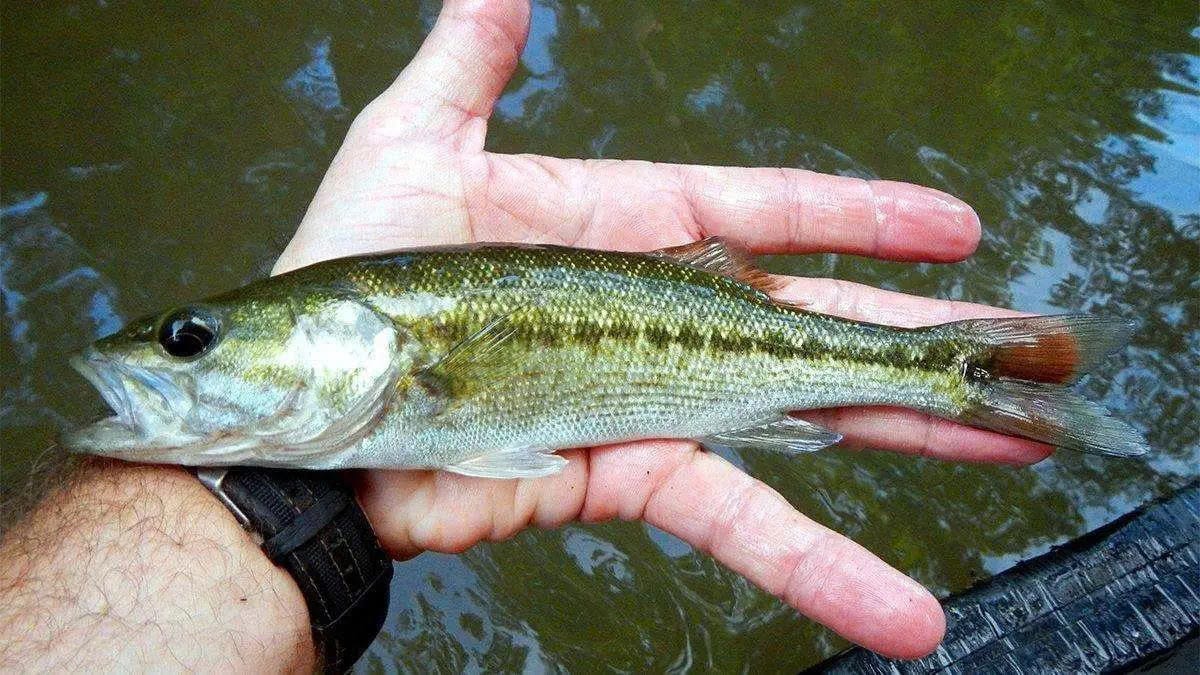
Alabama Bass (Micropterus henshalli) is native to the southeastern United States, primarily in Alabama, Georgia, and nearby states. It exhibits a robust body with dark vertical bars and a large mouth similar to Largemouth Bass but with subtle differences in fin structure and scale patterns. Alabama Bass has been increasingly introduced into reservoirs and lakes, often coexisting with other black bass species.
These bass are opportunistic feeders, consuming insects, small fish, and crayfish. They inhabit clear to slightly turbid waters, favoring rocky or vegetated areas for hunting and spawning. By preying on smaller fish and invertebrates, Alabama Bass plays a key role in maintaining balanced ecosystems and regulating prey populations.
Spawning occurs in late spring when water temperatures rise. Males build nests in shallow areas and guard eggs and fry aggressively. Juveniles grow quickly, allowing populations to establish in suitable habitats. Alabama Bass also contribute to local fisheries, sport fishing, and ecological studies, highlighting their importance.
Overall, Alabama Bass is a vital component of freshwater ecosystems and recreational angling, reinforcing its place among the Types of Bass Fish.
6. Florida Bass
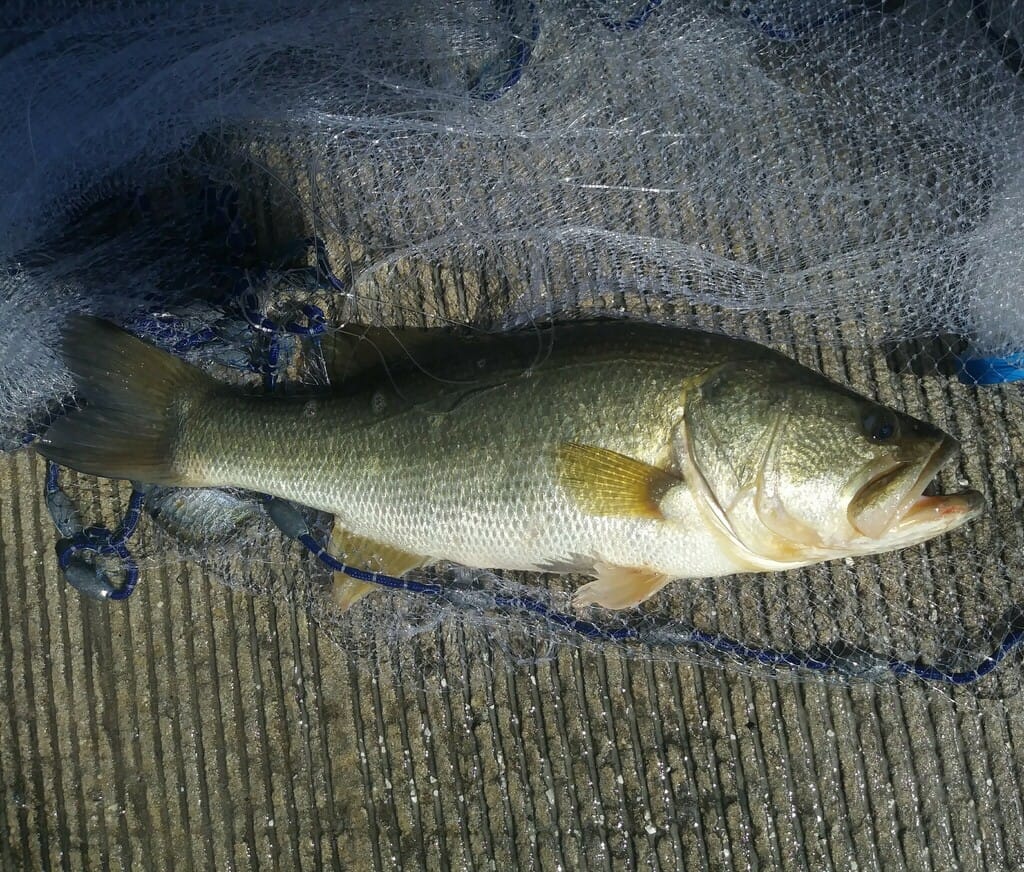
Florida Bass (Micropterus floridanus) is a subspecies of the Largemouth Bass, primarily native to the freshwater lakes, rivers, and reservoirs of Florida and the southeastern United States. Distinguished by its slightly smaller size and more pronounced lateral line patterns, Florida Bass is often confused with Largemouth Bass but prefers warmer, slow-moving waters and deeper habitats with abundant vegetation.
Florida Bass are opportunistic predators, feeding on minnows, crayfish, aquatic insects, and smaller amphibians. Their hunting strategy involves ambushing prey from submerged vegetation or fallen logs, making them an integral species in maintaining prey population balance in freshwater ecosystems.
Spawning occurs in spring and early summer when water temperatures reach about 68–80°F (20–27°C). Males build shallow nests in sandy or muddy bottoms, and they guard the eggs and fry until juveniles are capable of independent survival. Florida Bass are popular among anglers for their aggressive strikes, excellent fight, and accessibility in lakes and ponds throughout the southeast.
Florida Bass play an important ecological role in controlling small fish and invertebrate populations, and their popularity in sport fishing contributes to both conservation awareness and local recreational economies. Their presence highlights the diversity within the Types of Bass Fish.
7. Redeye Bass
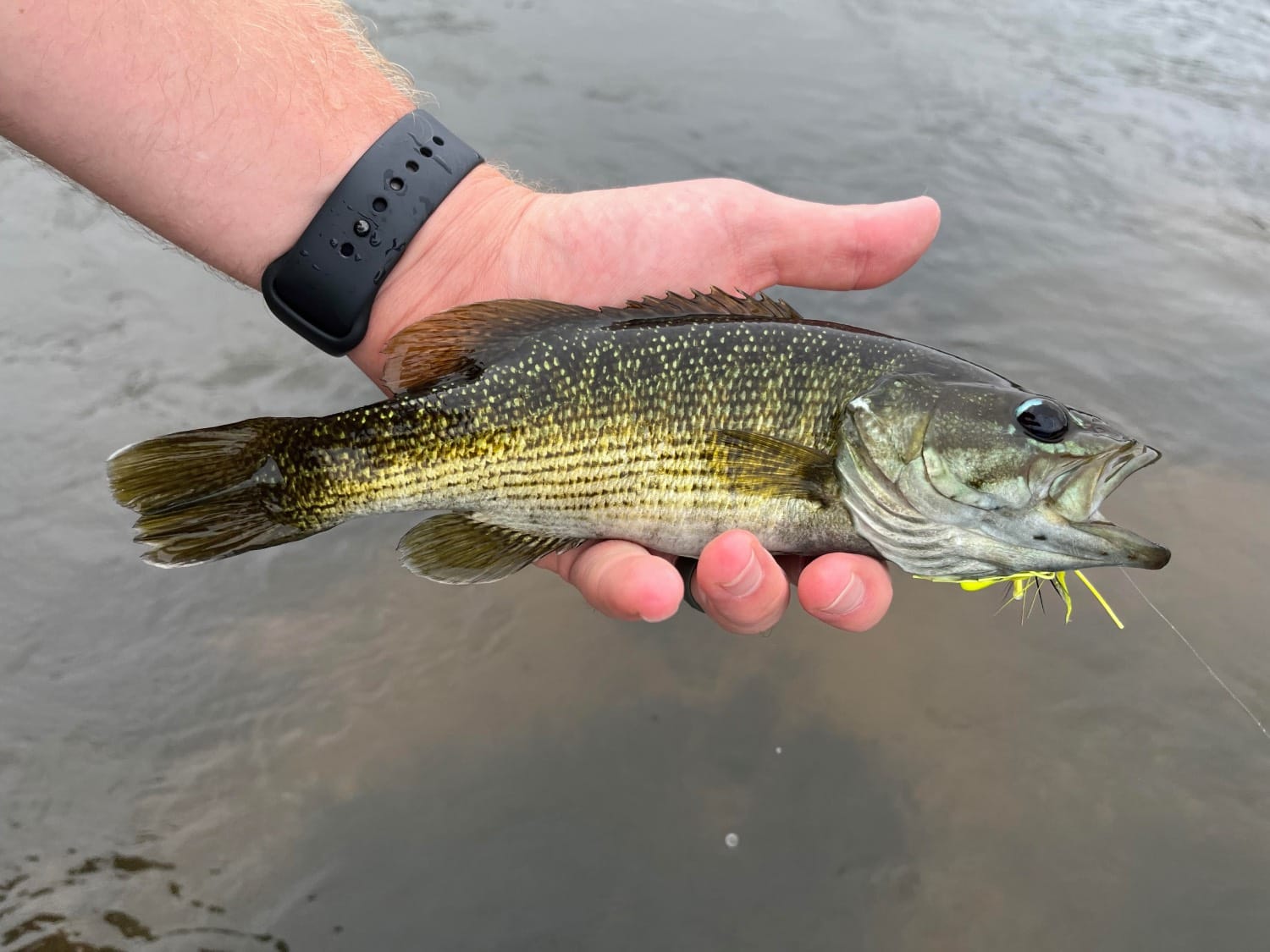
Redeye Bass (Micropterus coosae) is a freshwater species native to rivers and streams in Alabama, Georgia, and Tennessee. It is named for its distinctive reddish eyes and dark, olive-green body with subtle vertical markings. Redeye Bass prefer flowing, clear, and well-oxygenated waters with rocky or gravelly substrates.
This bass species is carnivorous, feeding primarily on aquatic insects, crustaceans, and small fish. By preying on these organisms, Redeye Bass plays a critical role in controlling populations of smaller aquatic animals and maintaining ecological balance in river systems.
Spawning occurs in late spring, with males constructing nests under rocks or in shallow gravel areas. They exhibit parental care, guarding eggs and young fry until they become free-swimming. Redeye Bass grows slower than Largemouth Bass but offers anglers challenging fishing opportunities due to its fighting behavior and habitat in fast-flowing streams.
Redeye Bass is ecologically significant as a predator in small river systems, helping regulate insect and fish populations. Its unique physical features and restricted habitat make it a fascinating member of the Types of Bass Fish.
8. Suwannee Bass
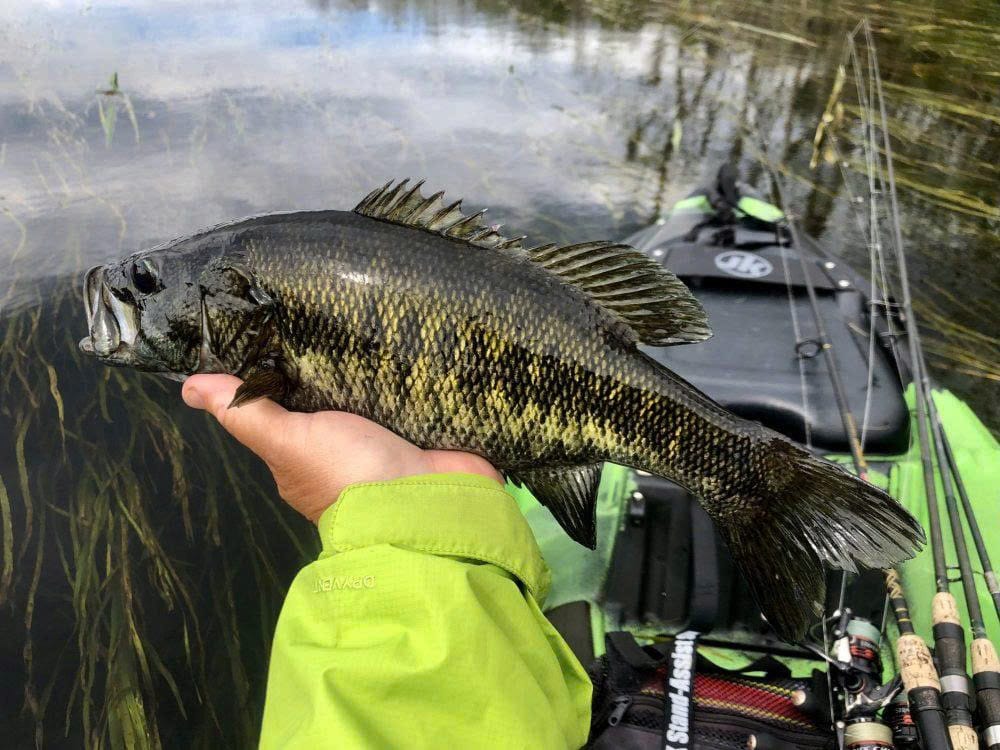
Suwannee Bass (Micropterus notius) is a small, endemic bass species found exclusively in the Suwannee River system in northern Florida and southern Georgia. Recognizable by its compact body, dark green coloration, and distinct lateral line pattern, Suwannee Bass is adapted to flowing river habitats with clear, rocky, or sandy substrates.
Suwannee Bass feed primarily on aquatic insects, small crayfish, and juvenile fish. They play an essential ecological role in river systems by regulating prey populations and maintaining balanced food webs. Their presence indicates healthy river ecosystems due to their sensitivity to pollution and habitat changes.
Spawning occurs in spring when males construct nests in shallow areas, carefully guarding eggs and fry. Although Suwannee Bass rarely reach large sizes, they are prized by anglers for their fight and rarity. Conservation programs monitor their populations to prevent hybridization with introduced Largemouth or Spotted Bass species.
As a river-endemic species, Suwannee Bass is vital for biodiversity conservation and represents the localized diversity of the Types of Bass Fish.
9. Shoal Bass
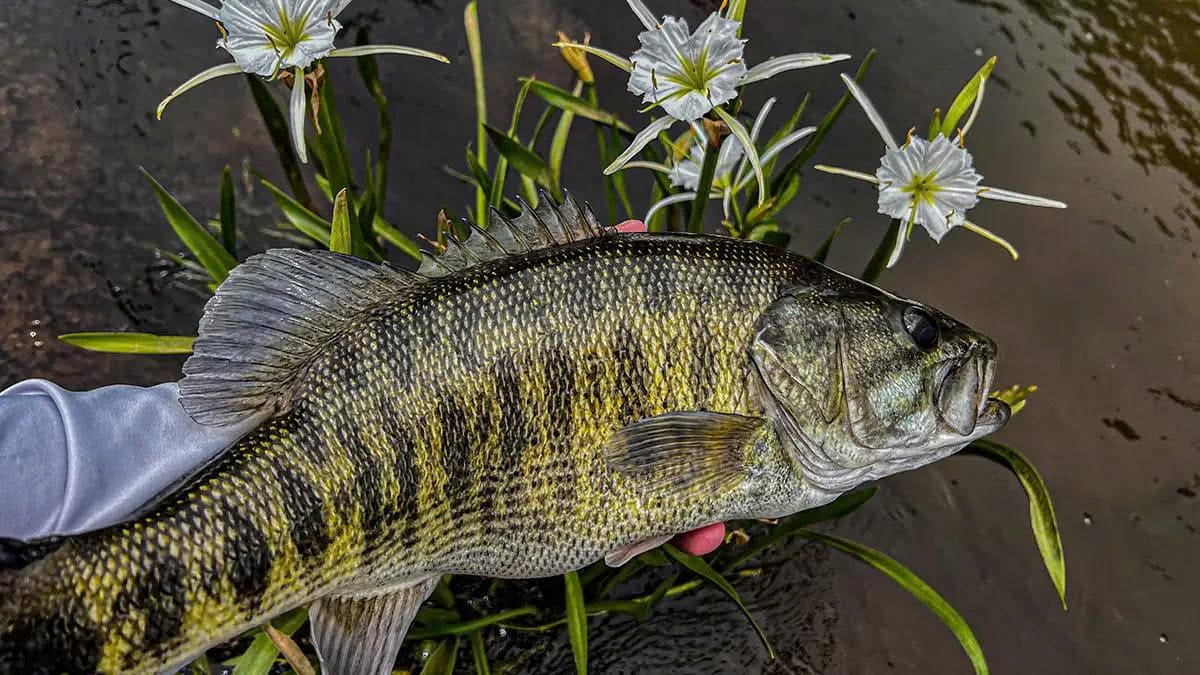
Shoal Bass (Micropterus cataractae) is a rare freshwater bass found in the Apalachicola River basin and other southern U.S. river systems. Characterized by a dark olive-green body, prominent lateral lines, and a small to medium-sized mouth, Shoal Bass inhabits rocky shoals and swift currents, preferring clean, flowing water.
This bass species primarily feeds on insects, small crayfish, and baitfish, making it a critical predator for controlling aquatic invertebrate populations. Shoal Bass thrives in habitats that are free from heavy sedimentation or pollution, making its presence a good indicator of river health.
Spawning occurs in spring when males construct nests in shallow gravel or rocky substrates, exhibiting parental care for eggs and juveniles. Shoal Bass grows slower than Largemouth or Smallmouth Bass but is highly sought after by anglers due to its fighting ability and restricted range.
Ecologically, Shoal Bass contributes to biodiversity conservation, nutrient cycling, and predator-prey balance in rivers, highlighting its importance among the Types of Bass Fish.
10. Choctaw Bass
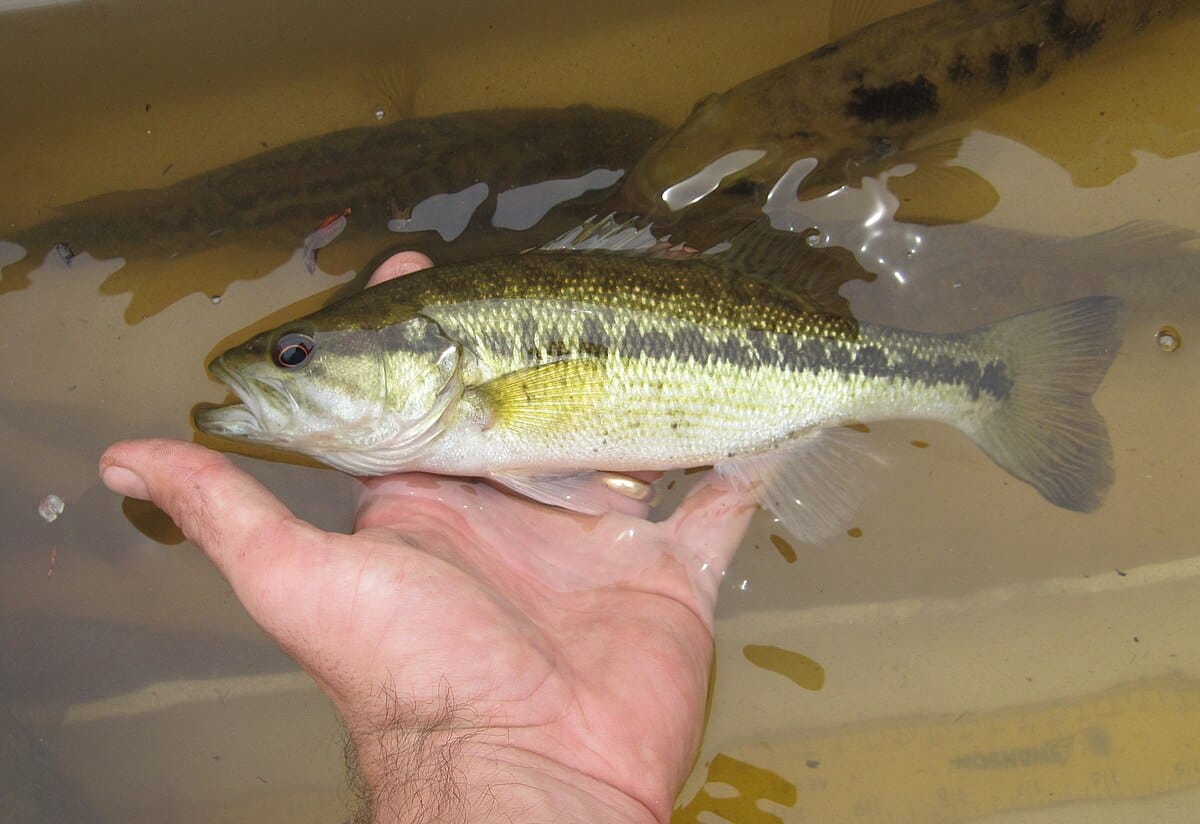
Choctaw Bass (Micropterus haiaka) is a recently recognized freshwater bass species native to select river systems in Alabama and Mississippi. Known for its medium size, olive-green coloration, and small mouth, Choctaw Bass prefers flowing waters with rocky or sandy bottoms and moderate currents.
Diet consists mainly of aquatic insects, crustaceans, and small fish. Choctaw Bass helps regulate prey populations in its native river systems and contributes to the stability of freshwater ecosystems. Its feeding behavior and habitat preferences are similar to other small- to medium-sized black bass species.
Spawning occurs during late spring to early summer, with males creating shallow nests and guarding eggs and fry. Choctaw Bass grows moderately and provides a challenging target for anglers seeking unique species in localized river systems.
As a localized species with specific habitat needs, Choctaw Bass emphasizes the ecological diversity and conservation importance of the Types of Bass Fish across southern U.S. rivers.
11. Striped Bass

Striped Bass (Morone saxatilis) is a highly prized freshwater and saltwater game fish native to the Atlantic coast of North America. Recognizable by its silvery body with seven to eight horizontal dark stripes running from gills to tail, Striped Bass is a large, migratory species that inhabits rivers, estuaries, and coastal waters. Its powerful swimming ability and aggressive feeding make it a popular target for anglers and an important predator in aquatic ecosystems.
Dietarily, Striped Bass is a carnivorous predator, feeding on small fish, shrimp, and other crustaceans. Juveniles primarily feed on zooplankton, while adults consume baitfish such as herring, shad, and menhaden. This predatory role helps regulate prey populations and maintain ecological balance in rivers, estuaries, and coastal habitats.
Spawning occurs in freshwater rivers during spring when water temperatures reach approximately 58–68°F (14–20°C). Adults migrate upstream to deposit eggs in flowing waters, often in areas with moderate currents. The eggs are semi-buoyant and drift with the flow until hatching. Striped Bass can grow over 50 pounds in length and live for more than 20 years, making them a long-lived, top predator.
Ecologically and economically, Striped Bass supports recreational and commercial fisheries while serving as an indicator of water quality. Its prominence highlights why it is a key species among the Types of Bass Fish.
12. White Bass
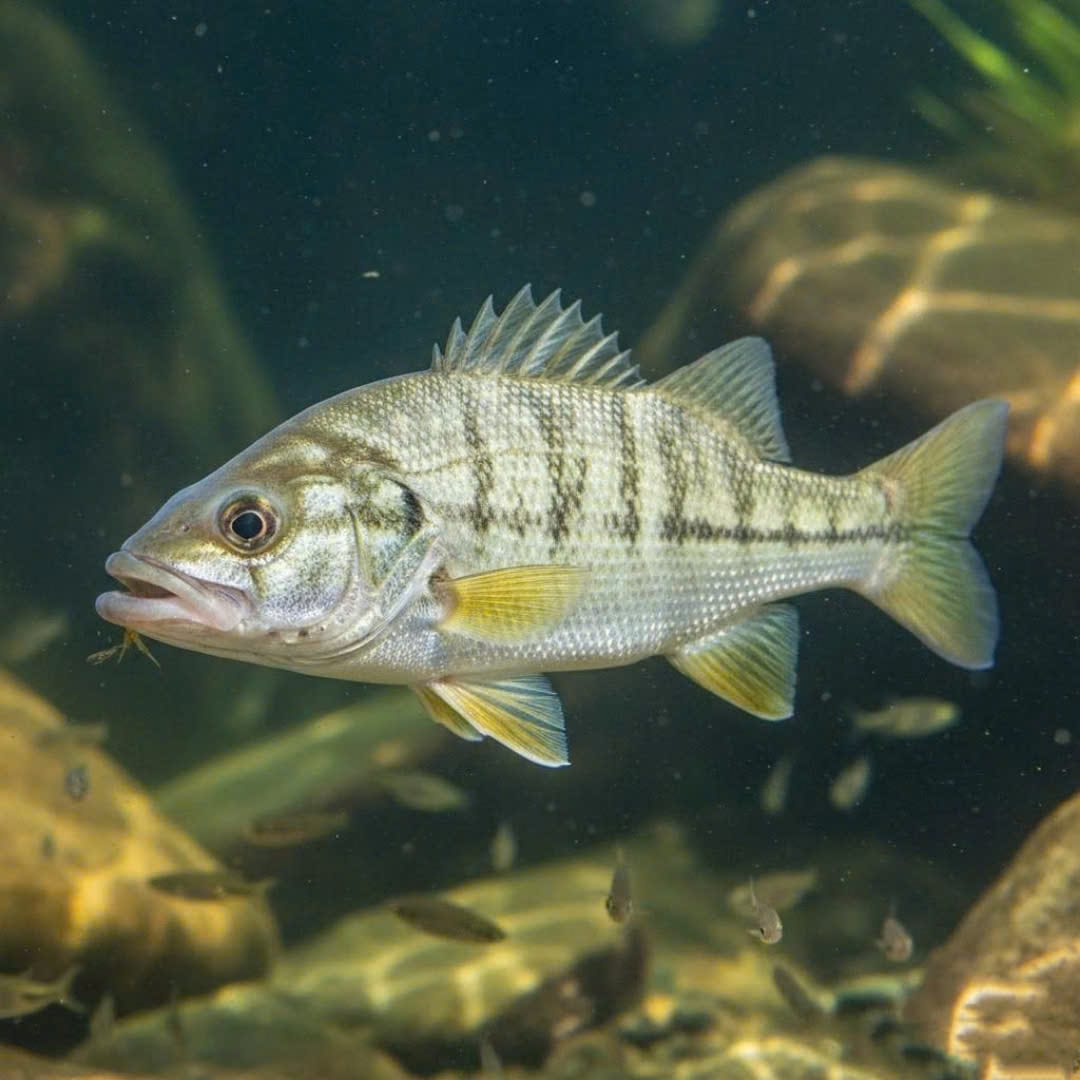
White Bass (Morone chrysops) is a freshwater species widespread across North America, often found in rivers, lakes, and reservoirs. It has a silvery body with faint horizontal stripes and a moderately deep body shape, making it easily distinguishable from other bass species. White Bass are schooling fish, often traveling in large groups that provide both protection from predators and efficiency in hunting prey.
White Bass are opportunistic feeders, consuming small fish, insects, and crustaceans. Their feeding behavior helps control populations of baitfish and insect larvae in freshwater ecosystems. They are also a critical food source for larger predatory fish, including Largemouth and Striped Bass.
Spawning occurs in spring when water temperatures reach 55–65°F (13–18°C). White Bass migrate into rivers or tributaries to spawn over gravel or sandy bottoms. Eggs are deposited in shallow areas, and males may guard them briefly. Growth rates vary depending on food availability and water quality, with adults typically reaching 12–15 inches in length.
White Bass play an important ecological role by connecting lower trophic levels with higher predators and supporting recreational fisheries. Their schooling behavior and adaptability make them a fascinating member of the Types of Bass Fish.
13. Yellow Bass
Yellow Bass (Morone mississippiensis) is a smaller freshwater bass native to the Mississippi River and adjacent river systems. It has a yellowish-silver body with narrow, dark horizontal stripes along the sides. Yellow Bass are often mistaken for White Bass, but their more vivid coloration and slightly smaller size distinguish them.
Yellow Bass are omnivorous, feeding on insects, small crustaceans, and tiny fish. Their role in ecosystems is to regulate populations of smaller aquatic organisms and serve as prey for larger predatory fish, contributing to the health and stability of river and lake food webs.
Spawning occurs in spring, often in tributaries or shallow river areas, where males construct small nests. Eggs hatch quickly, and juveniles grow rapidly under favorable conditions. While they are smaller than Striped or Largemouth Bass, Yellow Bass are highly valued by anglers for their abundance, fight, and schooling behavior.
Ecologically, Yellow Bass help maintain balanced aquatic ecosystems and provide opportunities for sport fishing, emphasizing their significance among the Types of Bass Fish.
14. Hybrid Bass (Hybrid Striped Bass / Wiper)
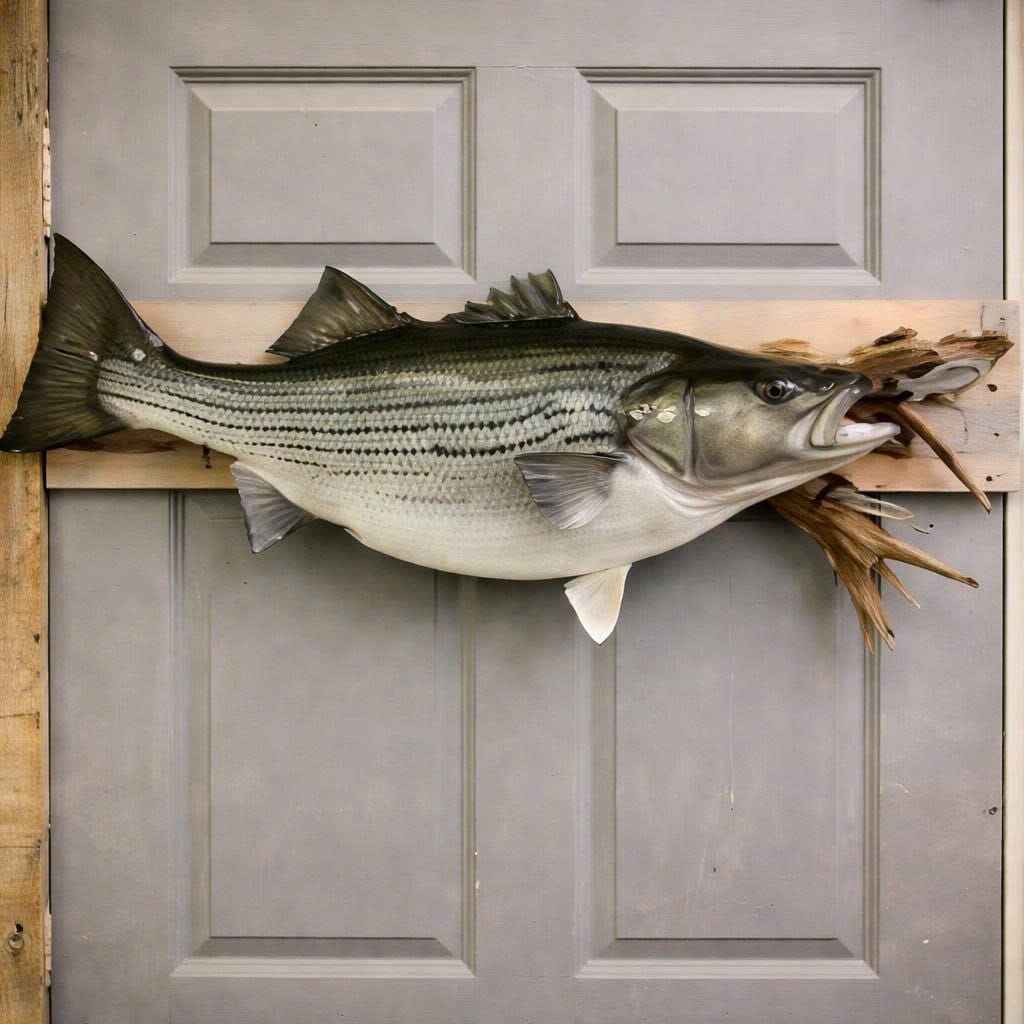
Hybrid Bass, commonly known as Wipers, are the result of crossing Striped Bass (Morone saxatilis) with White Bass (Morone chrysops). This hybrid species exhibits traits of both parents, including rapid growth, aggressive feeding behavior, and adaptability to a variety of freshwater habitats. They are stocked extensively in reservoirs and lakes for sport fishing due to their challenging fight and size potential.
Hybrid Bass are opportunistic feeders, preying on small fish, insects, and crustaceans. Their predatory behavior helps control baitfish populations, reducing overpopulation and maintaining ecological balance in lakes and reservoirs. They are highly adaptable, tolerating a wide range of water temperatures, turbidity levels, and oxygen concentrations.
Spawning in hybrid bass is often facilitated artificially in aquaculture and stocking programs, as natural reproduction may be limited. These fish can grow quickly, often exceeding 20 pounds under optimal conditions, making them a premier target for recreational anglers.
Hybrid Bass exemplify human-assisted conservation and sport-fishing enhancement while still contributing ecologically by regulating prey populations. They are a significant member of the Types of Bass Fish due to their hybrid vigor and recreational importance.
15. Rock Bass
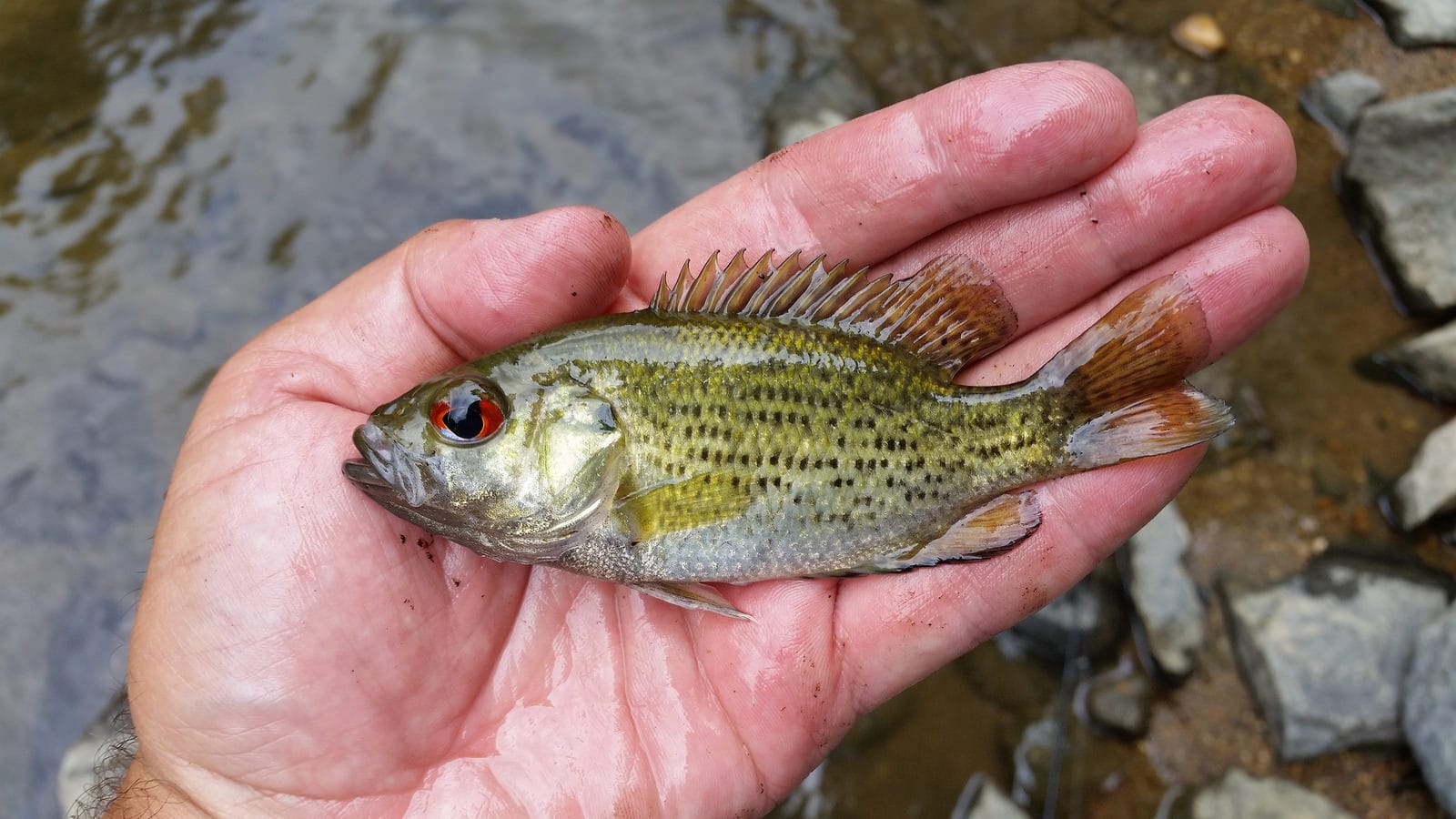
Rock Bass (Ambloplites rupestris) is a freshwater bass species commonly found in lakes, rivers, and streams across the eastern United States and parts of Canada. Recognizable by its round, stocky body, large red eyes, and dark spotted patterns, Rock Bass prefers rocky or gravelly substrates and submerged structures such as logs and stumps.
Dietarily, Rock Bass are opportunistic feeders, consuming insects, crayfish, small fish, and other aquatic invertebrates. Their feeding behavior helps maintain balanced populations of prey species in freshwater systems, making them an essential predator despite their smaller size relative to Largemouth or Striped Bass.
Spawning occurs in spring when water temperatures reach 58–68°F (14–20°C). Males construct shallow nests in gravel or rocky areas and guard eggs and fry diligently. Rock Bass are slower-growing than larger bass species but are popular among anglers for their aggressive strikes and availability in accessible habitats.
Ecologically, Rock Bass contribute to prey population regulation, nutrient cycling, and food web stability in rivers and lakes. Their adaptability and sport-fishing appeal make them a key species in the Types of Bass Fish.
16. Peacock Bass
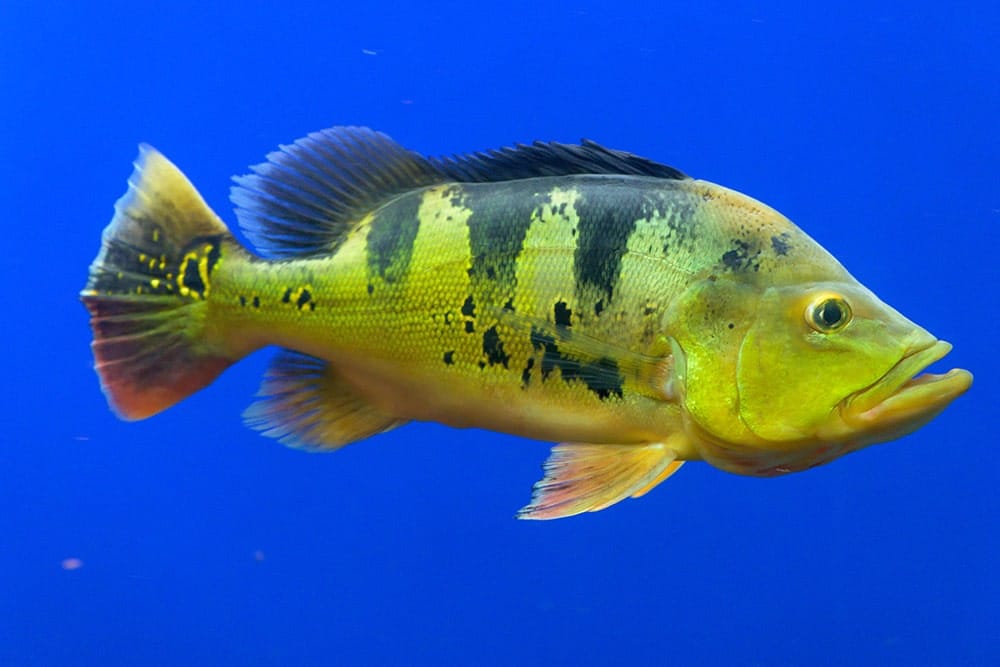
Peacock Bass (Cichla spp.) are tropical freshwater bass native to South America, particularly the Amazon, Orinoco, and other river systems. Known for their vibrant colors, including yellow, green, and orange hues with black vertical bars, Peacock Bass are among the most visually striking members of the Types of Bass Fish. They are prized by anglers worldwide for their aggressive strikes, size, and fighting ability.
Dietarily, Peacock Bass are apex predators in their habitats, feeding on smaller fish, insects, and crustaceans. Their predatory behavior shapes prey populations and contributes to the ecological balance of tropical river ecosystems. Juveniles primarily consume zooplankton before shifting to larger prey as they grow.
Spawning occurs in warm tropical waters, usually in shallow, vegetated areas. Males and females exhibit parental care, guarding eggs and young fry from predators. Adult Peacock Bass can exceed 20 pounds and over 30 inches in length, making them both a sporting challenge and an ecological powerhouse in their native habitats.
Peacock Bass play a dual role in recreational fishing and ecosystem regulation. Their bright coloration, predatory behavior, and large size make them an iconic species among the Types of Bass Fish.
17. Butterfly Peacock Bass
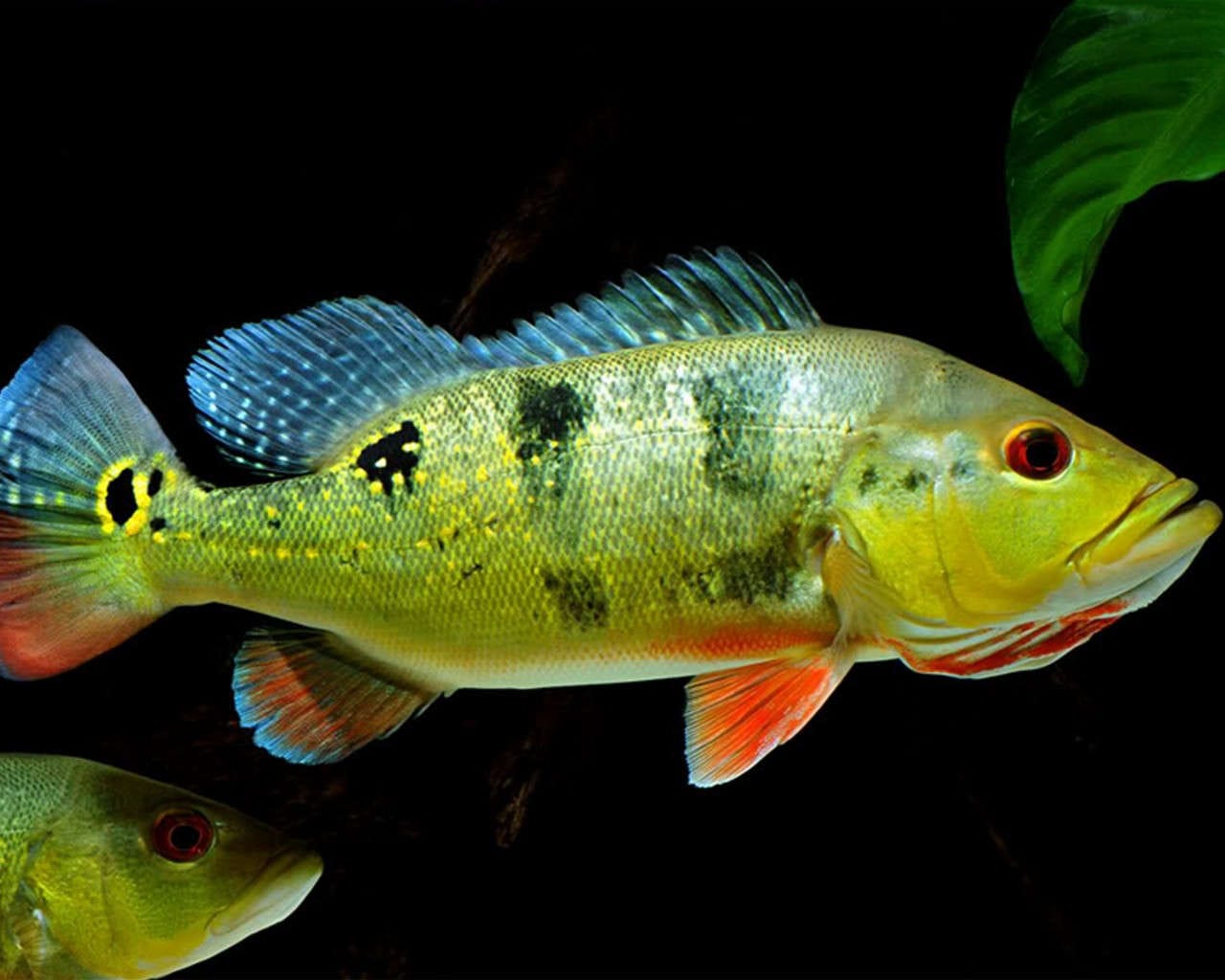
Butterfly Peacock Bass (Cichla ocellaris) is a specific species of Peacock Bass, native to the Orinoco and Amazon basins. It is named for the distinctive butterfly-shaped black spot on its tail fin. Butterfly Peacock Bass are highly territorial and known for their vibrant yellow and green coloration, making them a visual favorite for aquarists and anglers alike.
These bass feed aggressively on small fish, insects, and crustaceans. Their feeding strategy involves ambushing prey near submerged structures, helping regulate the populations of smaller fish and maintain the ecological balance of tropical river systems.
Breeding occurs in shallow waters during the wet season. Both parents participate in guarding the eggs and fry. Butterfly Peacock Bass grows moderately, with adults typically reaching 15–20 inches in length, making them a challenging catch in sport fishing.
Ecologically, Butterfly Peacock Bass contributes to predator-prey balance in tropical rivers while providing recreational and conservation value. Their striking appearance emphasizes the diversity within the Types of Bass Fish.
18. Orinoco Peacock Bass
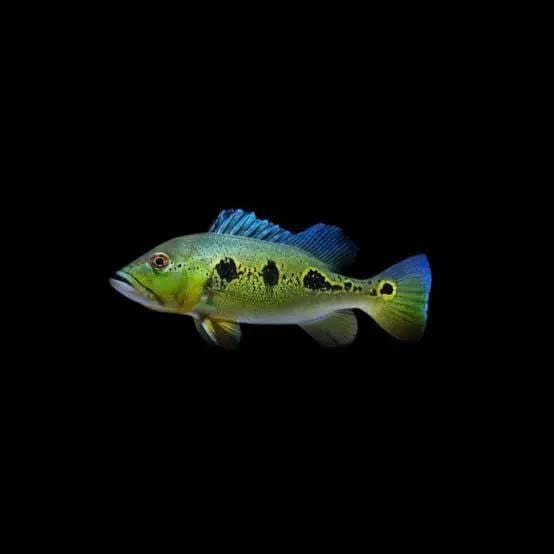
Orinoco Peacock Bass (Cichla orinocensis) is endemic to the Orinoco River system in South America. Recognizable by its elongated body, greenish-gold coloration, and unique vertical bars, this bass thrives in warm, slow-moving waters with abundant vegetation and submerged structures.
Diet consists primarily of smaller fish, crustaceans, and aquatic insects. Orinoco Peacock Bass plays a critical role in controlling prey populations in its native rivers, contributing to the balance of aquatic ecosystems. Juveniles feed on planktonic organisms before transitioning to larger prey.
Reproduction occurs in shallow, vegetated areas during the wet season. Adults guard eggs and fry to ensure higher survival rates. With proper habitat, Orinoco Peacock Bass can grow over 20 inches, making them a popular sport fish and a key apex predator.
Their ecological role and aesthetic appeal reinforce the importance of Orinoco Peacock Bass within the Types of Bass Fish, both for conservation and recreational fishing purposes.
19. Speckled Peacock Bass
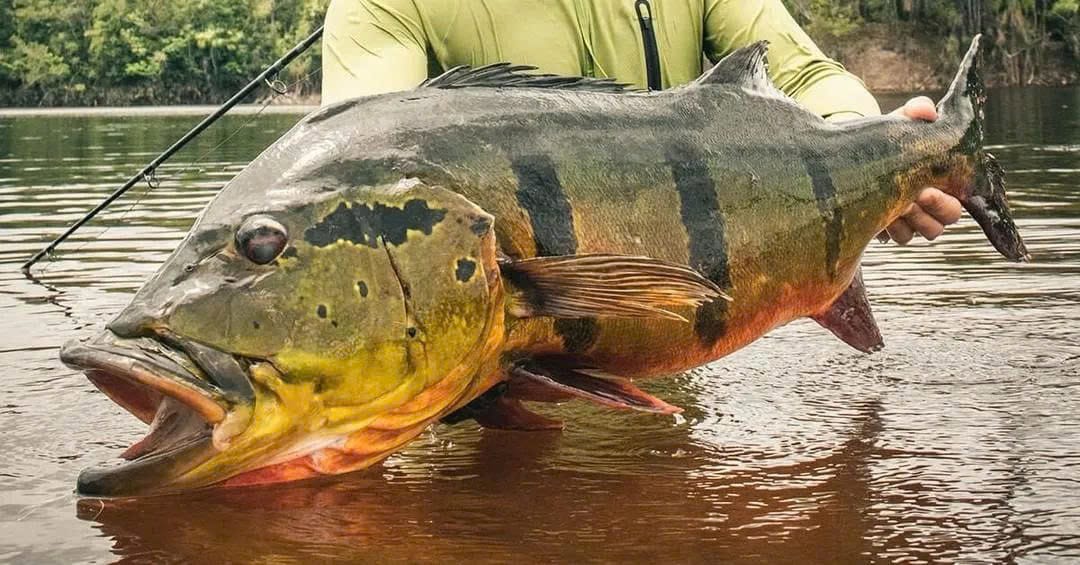
Speckled Peacock Bass (Cichla temensis) is the largest and one of the most aggressive Peacock Bass species. Native to the Amazon basin, it is easily identified by its large size, speckled body pattern, and dark tail spot. This species is known for extreme strength and aggressive predatory behavior, making it a top target for sport fishing enthusiasts.
Speckled Peacock Bass feeds on fish, insects, and small crustaceans, serving as a top predator in Amazonian rivers. Their hunting behavior significantly influences prey species distribution and population dynamics, helping maintain ecological equilibrium.
Spawning occurs in flooded forests and shallow river channels during the wet season. Both male and female participate in guarding the eggs and juveniles. Adult Speckled Peacock Bass can exceed 30 inches and 20 pounds, demonstrating its dominance in tropical freshwater ecosystems.
Ecologically and recreationally, Speckled Peacock Bass is highly significant. Its striking appearance, size, and predatory behavior make it a standout among the Types of Bass Fish.
20. White Perch
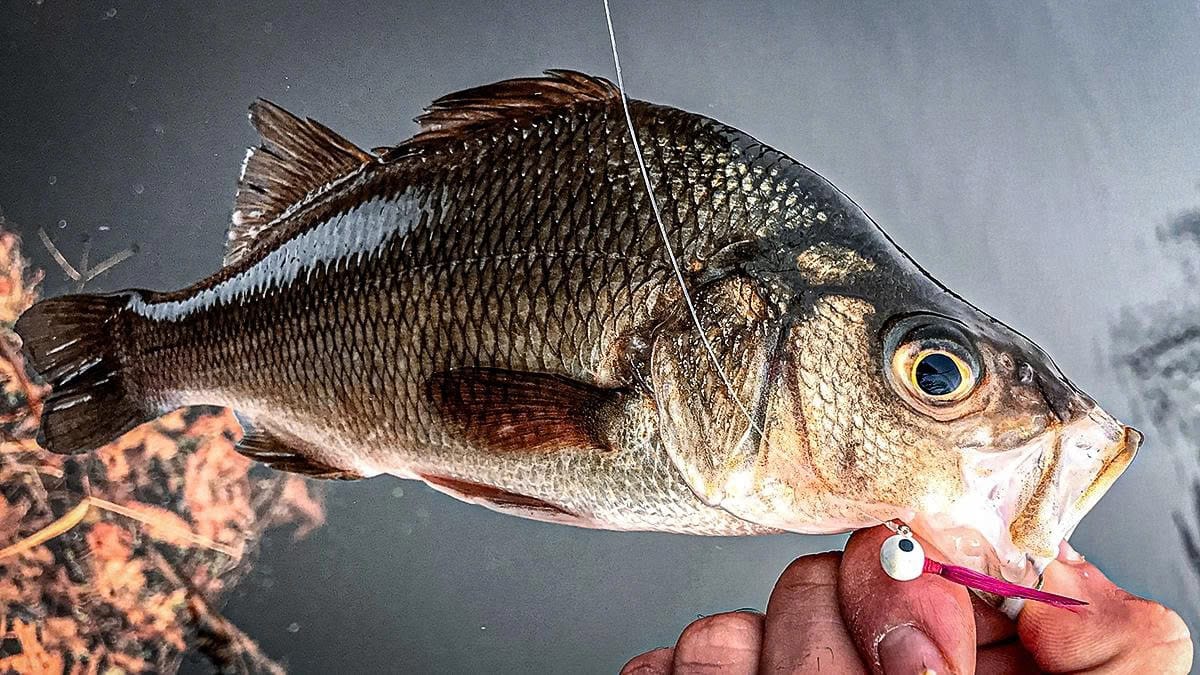
White Perch (Morone americana) is a small, silvery freshwater and brackish water bass species native to the Atlantic coast of North America. Often confused with White Bass, White Perch has a more slender body and occupies rivers, estuaries, and coastal bays. It is an important prey species for larger predatory fish while also supporting recreational fisheries.
Dietarily, White Perch consumes insects, small crustaceans, and juvenile fish. Their role as both predator and prey ensures the stability of aquatic food webs. White Perch often school in large groups, enhancing feeding efficiency and providing protection against predators.
Spawning occurs in spring when water temperatures rise. They deposit eggs on submerged structures or vegetation, with juveniles developing quickly. White Perch rarely exceed 12 inches in length but are highly prolific, sustaining both natural populations and fishing opportunities.
White Perch demonstrates the ecological significance of smaller bass species, bridging food chains while contributing to the diversity of the Types of Bass Fish.
21. Temperate Bass (Group)
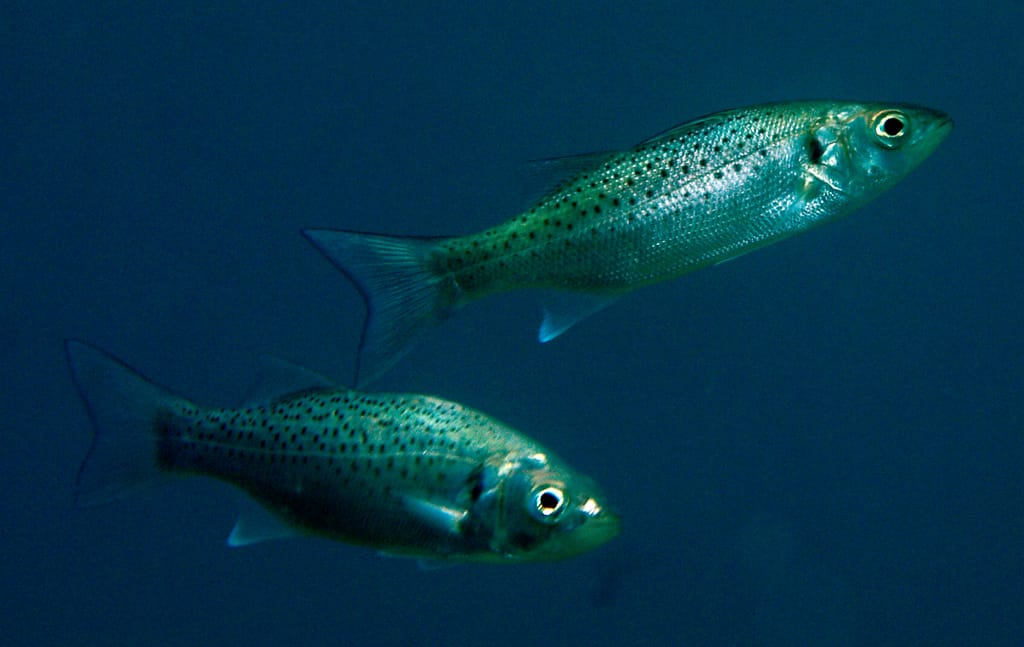
Temperate Bass refers to a group of bass species that inhabit freshwater and brackish waters in temperate regions, primarily across North America. This group includes White Bass, Yellow Bass, and their hybrids, among others. They are generally medium-sized, silvery, and schooling fish, often forming dense groups in lakes, rivers, and reservoirs.
These bass are opportunistic feeders, consuming small fish, insects, and crustaceans. By preying on abundant smaller species, Temperate Bass help regulate prey populations and maintain ecosystem balance. Their schooling behavior also provides an essential food source for larger predatory fish like Largemouth and Striped Bass.
Spawning occurs in spring, often in rivers or shallow tributaries. Eggs are deposited on gravel or submerged vegetation, with juveniles developing rapidly under favorable conditions. Growth rates depend on water quality, temperature, and food availability. Anglers value Temperate Bass for their fight, abundance, and cooperative schooling behavior.
As an ecological and recreational species group, Temperate Bass contributes to healthy aquatic food webs and supports sport fishing, highlighting their importance within the Types of Bass Fish.
22. Spotted Sand Bass
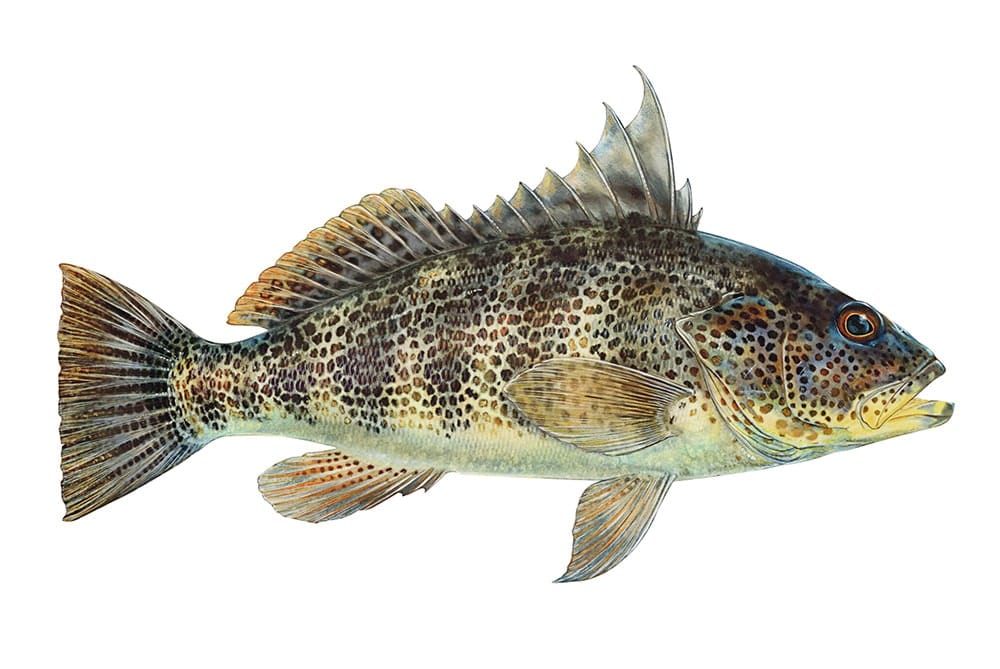
Spotted Sand Bass (Paralabrax maculatofasciatus) is a saltwater bass species found along the Pacific coast, particularly in California and Mexico. It has a golden-brown body with dark vertical spots and bands, giving it excellent camouflage among rocky reefs and sandy bottoms. Spotted Sand Bass is a favorite among coastal anglers due to its fighting ability and taste.
Dietarily, Spotted Sand Bass feeds on small fish, crustaceans, and squid. By hunting prey along reefs and sand flats, they help maintain the balance of coastal ecosystems. They often form small groups, which enhances their feeding efficiency and predator avoidance.
Spawning occurs in late spring to summer in shallow coastal areas. Juveniles grow quickly, reaching maturity within 2–3 years. Spotted Sand Bass is highly valued in recreational fishing and local fisheries, demonstrating the ecological and economic importance of saltwater bass species.
Their role as both predator and prey highlights their ecological significance and makes them a key member of the Types of Bass Fish.
23. Calico Bass
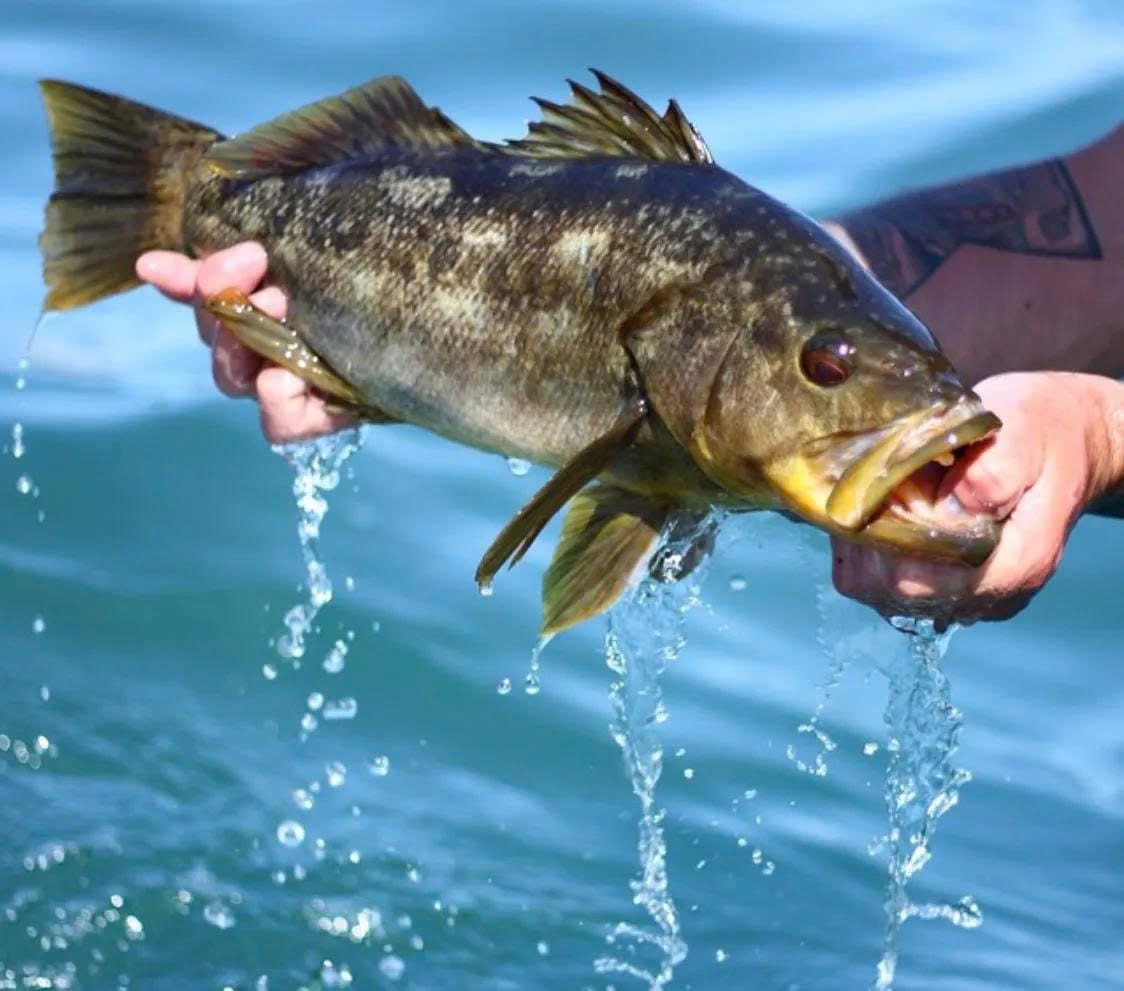
Calico Bass (Paralabrax clathratus), also known as Kelp Bass, inhabits kelp forests and rocky reefs along the Pacific coast of North America. Named for its mottled pattern resembling calico fabric, this species is highly adaptable and thrives in nearshore environments with abundant cover.
Calico Bass feeds on small fish, crustaceans, and cephalopods. Its predation helps regulate prey species within the kelp forest ecosystem, contributing to biodiversity and ecological stability. Juveniles often use kelp canopies for shelter, while adults patrol reef structures for food.
Spawning occurs in spring and early summer, with eggs released in open water. Juveniles develop rapidly in sheltered areas. Adult Calico Bass can reach up to 24 inches and are sought after for recreational fishing, emphasizing their dual ecological and recreational significance.
Calico Bass demonstrates the diversity of saltwater bass species and their roles in coastal ecosystems, solidifying their place among the Types of Bass Fish.
24. Barred Sand Bass
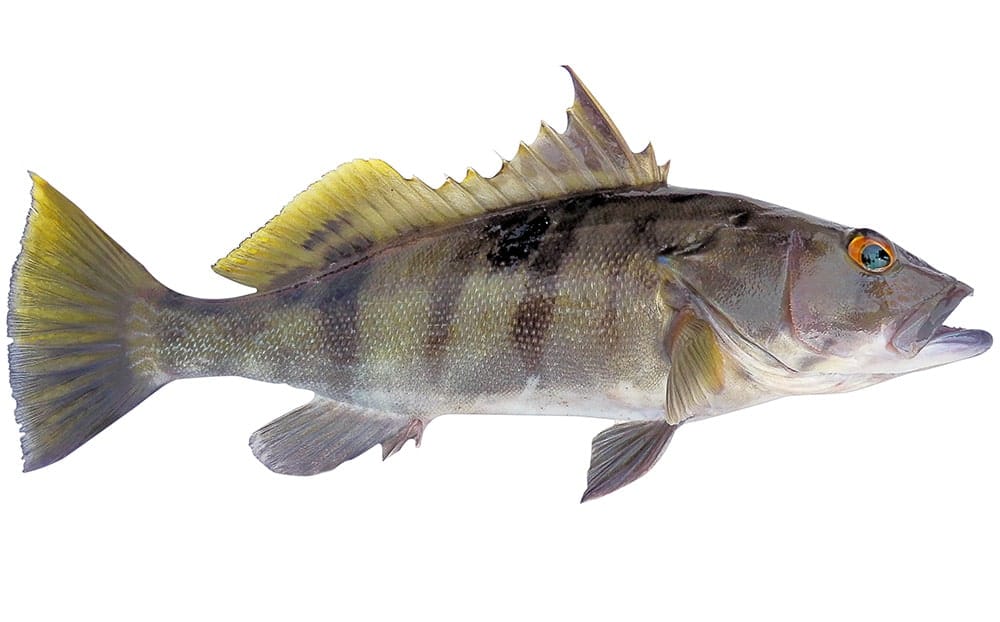
Barred Sand Bass (Paralabrax nebulifer) is a Pacific coastal bass found from California to Baja California. It is named for its distinct vertical bars along the body, providing camouflage against sandy or rocky substrates. Barred Sand Bass thrives in shallow nearshore waters, including bays, estuaries, and coastal reefs.
Diet consists mainly of small fish, shrimp, crabs, and other crustaceans. As a mid-level predator, Barred Sand Bass helps maintain healthy populations of prey species and contributes to the overall balance of nearshore ecosystems. Juveniles often inhabit estuaries before moving into open coastal waters as adults.
Spawning occurs in late spring and summer, with adults releasing eggs into the water column. Juveniles grow rapidly and are subject to predation from larger fish and seabirds. Their abundance and aggressive feeding make them a popular species among recreational anglers.
Barred Sand Bass is ecologically and economically significant, serving as both a predator in coastal ecosystems and a recreational fishery resource, highlighting its importance within the Types of Bass Fish.
25. Black Sea Bass
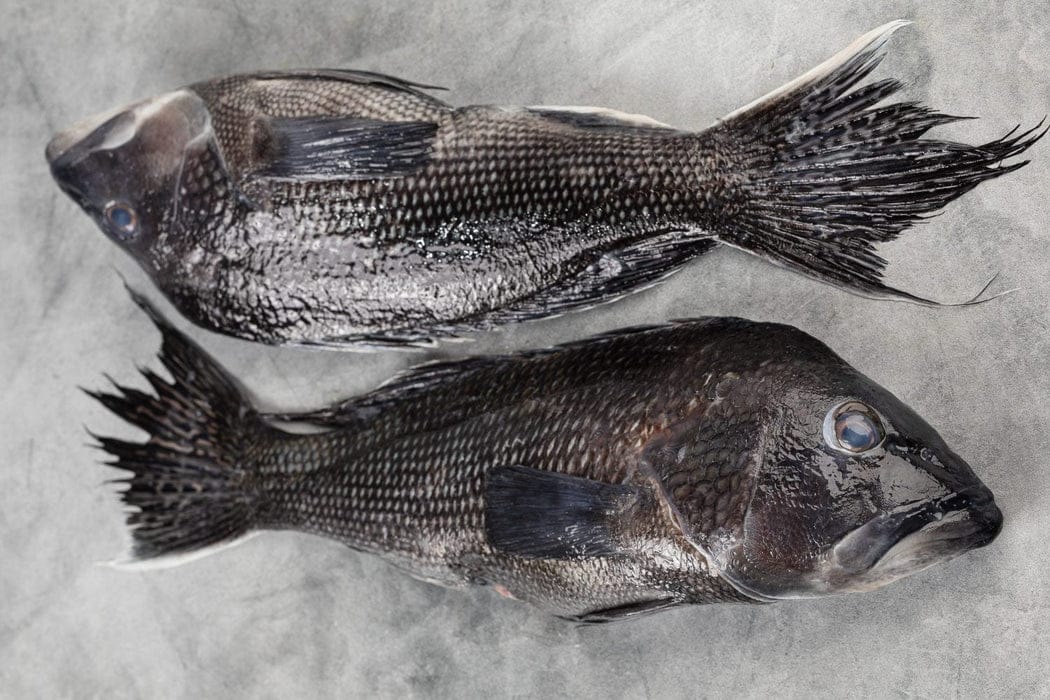
Black Sea Bass (Centropristis striata) is a marine bass species native to the western Atlantic, ranging from Maine to Florida. Recognizable by its dark blue-black body with subtle horizontal lines and a spiny dorsal fin, Black Sea Bass inhabits rocky bottoms, reefs, and wrecks in coastal waters.
These bass are opportunistic predators, feeding on small fish, crabs, shrimp, and other invertebrates. By regulating prey populations, Black Sea Bass plays a critical role in maintaining the health and stability of nearshore marine ecosystems.
Spawning occurs offshore during spring and early summer, with adults forming spawning aggregations. Juveniles settle in shallow coastal waters before migrating to deeper reefs. Black Sea Bass are valued for their culinary quality and recreational fishing, contributing to both coastal ecology and human economies.
Ecologically, Black Sea Bass connects prey and predator populations in marine food webs, making it an essential member of the Types of Bass Fish.
26. Calico Seabass
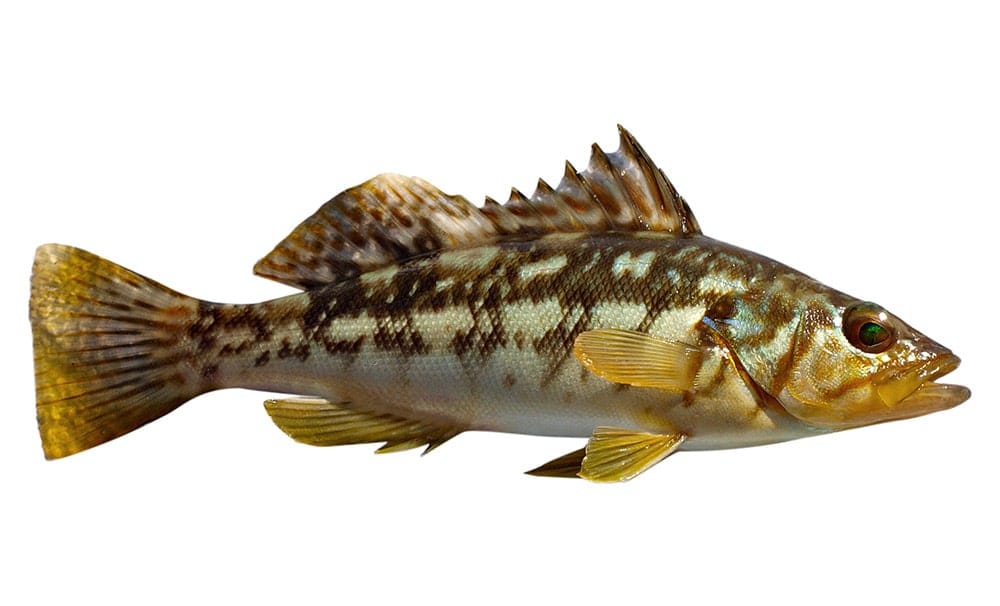
Calico Seabass (Paralabrax clathratus), also known as Kelp Bass, is a marine bass species commonly found along the Pacific coast of North America, particularly in kelp forests and rocky reefs. It is easily recognized by its mottled calico-like coloration, which provides excellent camouflage against kelp and rocky substrates. Calico Seabass is a popular target for recreational anglers due to its abundance and strong fighting behavior.
Dietarily, Calico Seabass feeds on small fish, squid, and crustaceans. Its role as a mid-level predator helps control prey populations within kelp forest ecosystems, contributing to ecological stability. Juveniles use kelp canopies for protection, while adults hunt along reef structures.
Spawning occurs in spring and early summer, with eggs released in open water. Juveniles grow quickly and gradually move from sheltered kelp areas to deeper reef habitats. Adult Calico Seabass can reach up to 24 inches, making them a significant species for recreational fisheries.
Ecologically, Calico Seabass helps maintain predator-prey balance in coastal ecosystems while supporting local fishing communities. Its striking coloration and widespread presence make it an iconic member of the Types of Bass Fish.
27. Barred Bass
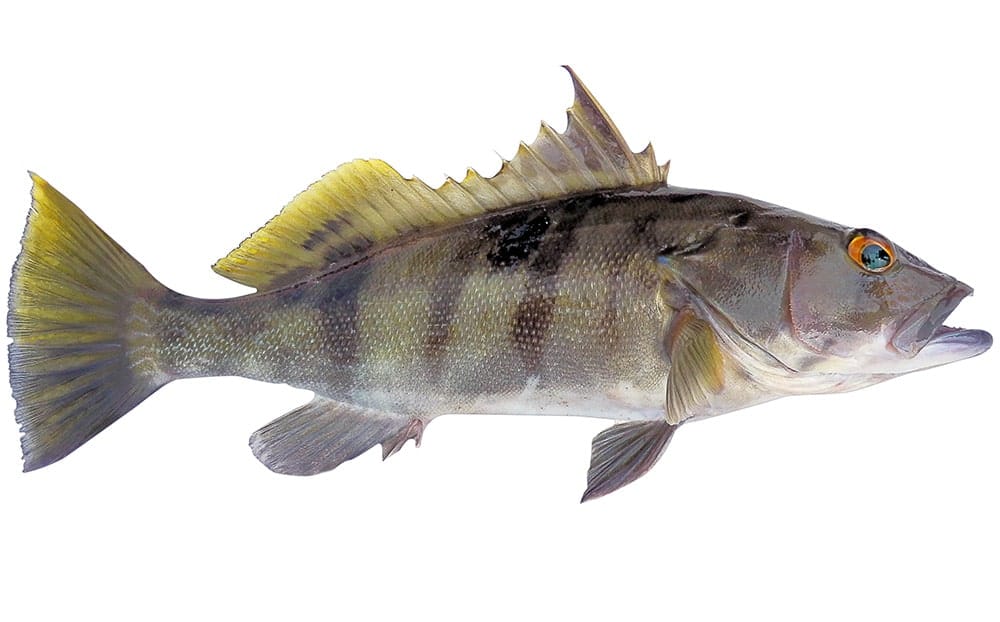
Barred Bass (Morone saxatilis var.) is a marine and estuarine species recognized by its distinctive vertical bars across a silvery body. Found along the Atlantic coast, Barred Bass inhabits estuaries, bays, and coastal waters, often near submerged structures and reefs. Its adaptability allows it to thrive in a variety of salinity levels.
This bass feeds on small fish, crustaceans, and invertebrates, making it an important predator in estuarine ecosystems. By regulating prey populations, Barred Bass contributes to balanced food webs and supports biodiversity in coastal waters.
Spawning occurs in spring and early summer, with adults forming offshore spawning aggregations. Juveniles migrate into estuaries and shallow bays, where they grow before returning to open waters. Barred Bass is sought after in recreational fishing, offering both ecological and economic significance.
Barred Bass exemplifies the adaptability and ecological importance of coastal bass species, reinforcing its role within the Types of Bass Fish.
28. Black-striped Bass
Black-striped Bass (Morone saxatilis var.) is a subspecies of Striped Bass, distinguished by dark, prominent stripes running along its silvery body. It inhabits coastal and estuarine waters along the Atlantic, often migrating between freshwater rivers and brackish estuaries. Black-striped Bass is highly valued in sport fishing due to its size and fighting ability.
Diet consists mainly of small fish, shrimp, and crabs. As a top predator, Black-striped Bass helps regulate prey populations in both estuarine and coastal ecosystems. Juveniles often remain in sheltered estuaries before joining adults in open waters.
Spawning occurs in spring, with adults migrating into freshwater rivers to lay eggs in flowing waters. Eggs are semi-buoyant and drift with currents until hatching. Growth rates vary with habitat quality, and adults can reach over 40 inches, making them a premier game fish.
Black-striped Bass is ecologically and economically significant, providing both predator control and recreational opportunities, securing its place among the Types of Bass Fish.
29. Coastal Bass
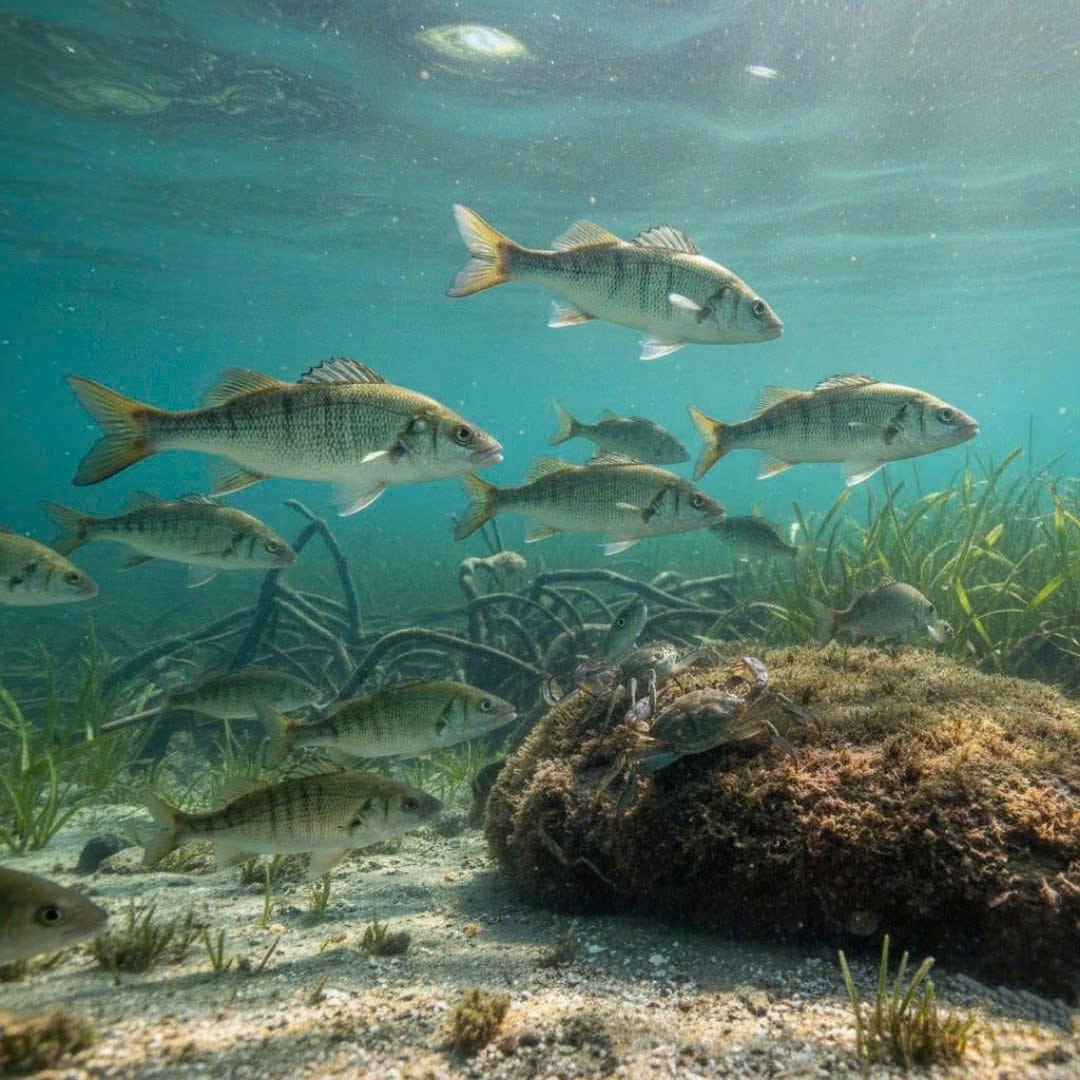
Coastal Bass is a term used for bass species that inhabit nearshore marine environments, including bays, estuaries, and reefs. These fish are typically medium-sized, predatory, and adaptable to varying salinity levels. Coastal Bass species include members such as White Perch and certain Sand Bass variants.
Diet consists of small fish, crustaceans, and marine invertebrates. Their predatory role ensures prey populations remain balanced, contributing to healthy coastal ecosystems. Juveniles often use sheltered estuaries for protection before moving to deeper coastal habitats.
Reproduction varies by species but generally occurs in spring or early summer, with eggs deposited in open water or near structures. Coastal Bass species are sought after for recreational fishing due to their aggressive strikes and accessibility.
Ecologically, Coastal Bass help maintain nearshore biodiversity and contribute to local fisheries, highlighting their role in the broader classification of the Types of Bass Fish.
30. River Bass
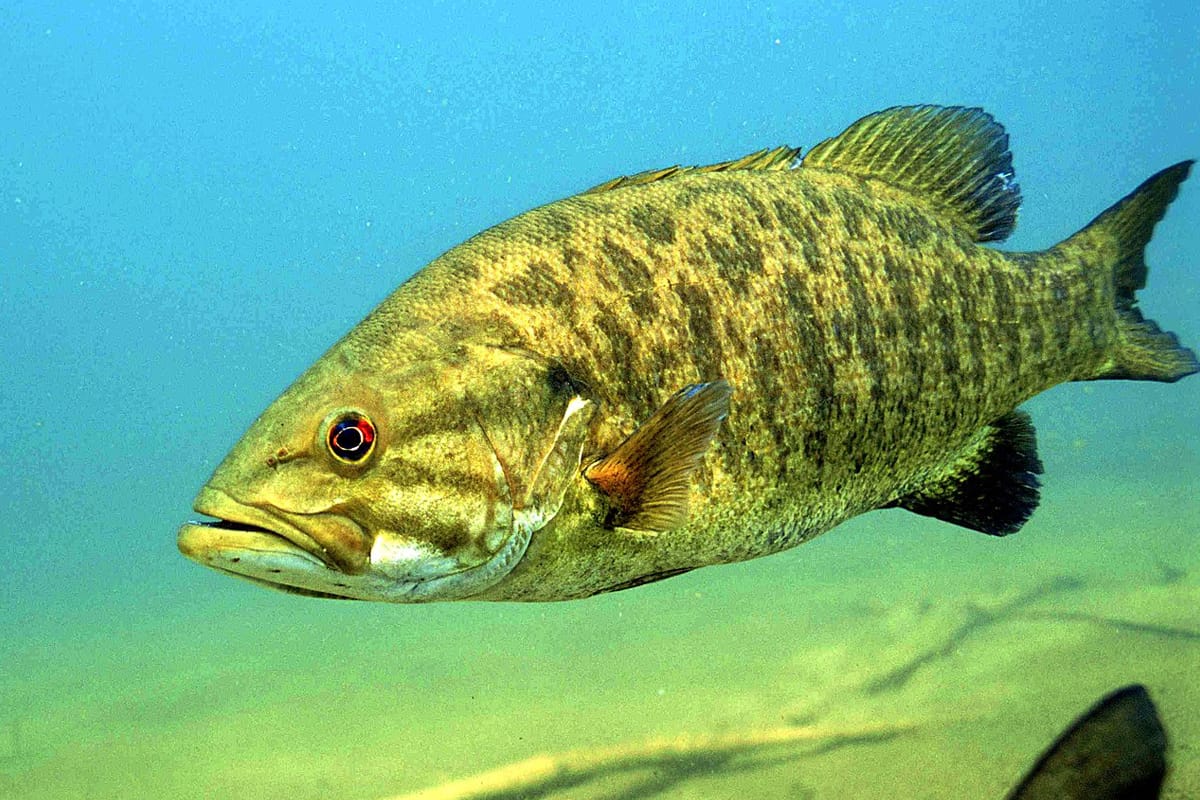
River Bass refers to bass species that primarily inhabit freshwater rivers and streams, including Smallmouth Bass, Guadalupe Bass, and Shoal Bass. These species are adapted to flowing water environments, exhibiting streamlined bodies and strong swimming capabilities.
River Bass are carnivorous, feeding on aquatic insects, small fish, and crustaceans. By regulating prey populations, they play a critical ecological role in riverine ecosystems. Juveniles often find shelter among rocks, submerged logs, and vegetation.
Spawning typically occurs in spring when water temperatures rise, with males constructing nests and guarding eggs and fry. River Bass species are popular among anglers for their fighting ability and accessibility, contributing both ecologically and recreationally.
Overall, River Bass represents the diversity and adaptability of freshwater bass species, emphasizing their ecological and recreational importance in the Types of Bass Fish.
31. Japanese Sea Bass
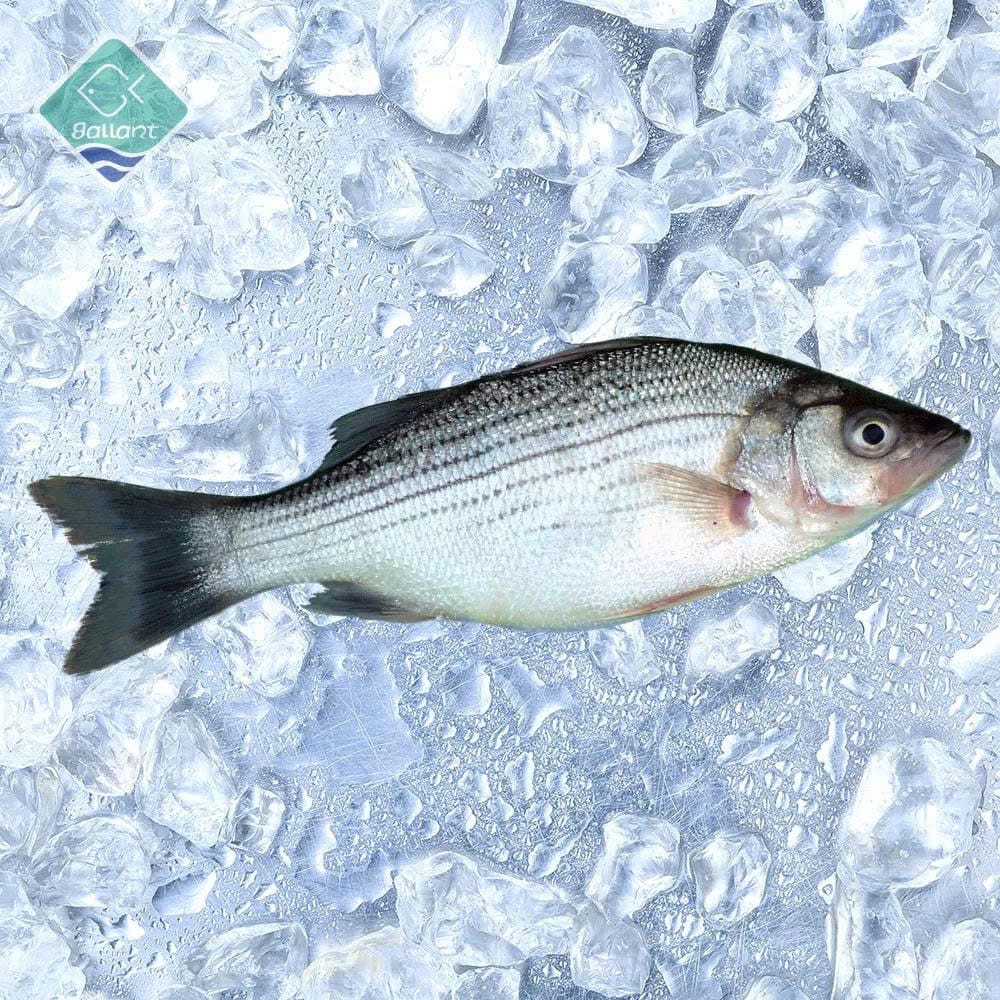
Japanese Sea Bass (Lateolabrax japonicus) is a marine and brackish water bass species native to coastal waters of Japan, Korea, and China. It is recognized for its elongated silvery body with faint horizontal stripes and a slightly forked tail. Japanese Sea Bass inhabits estuaries, coastal bays, and nearshore waters, often near submerged structures and reefs.
Dietarily, Japanese Sea Bass is a carnivorous predator feeding on small fish, shrimp, and crustaceans. Their predation helps regulate prey populations, maintaining ecological balance in estuarine and coastal ecosystems. Juveniles use sheltered estuaries as nursery habitats before migrating to deeper waters as adults.
Spawning occurs in late winter to early spring, with adults migrating to estuaries or shallow bays to reproduce. Eggs develop in open water, and juveniles grow rapidly in sheltered areas. Japanese Sea Bass is highly prized by anglers and supports commercial fisheries, highlighting both its ecological and economic importance within the Types of Bass Fish.
32. European Sea Bass
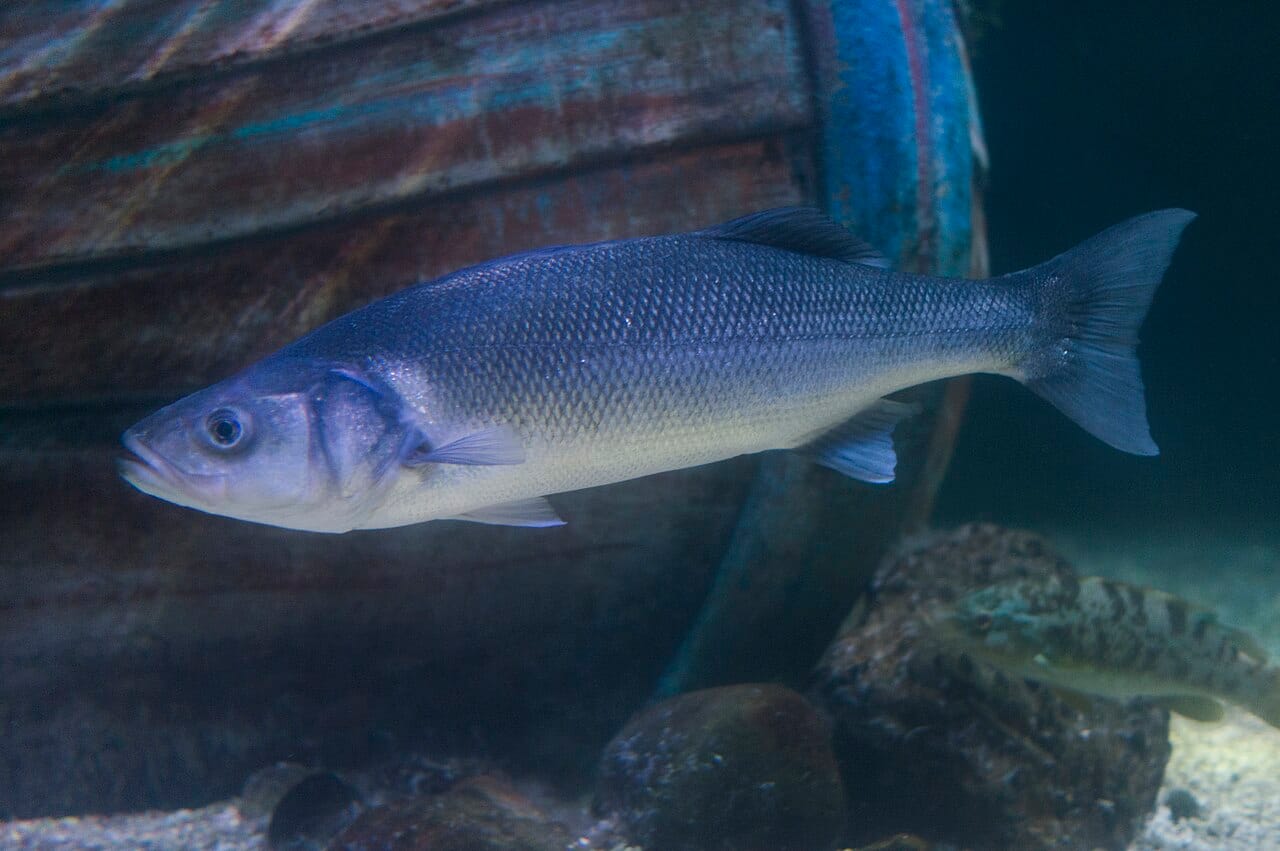
European Sea Bass (Dicentrarchus labrax) is a marine species widely distributed across the eastern Atlantic, Mediterranean Sea, and Black Sea. Known for its silvery body and prominent lateral line, this bass inhabits coastal waters, estuaries, and lagoons, often near rocky reefs and sandy bottoms.
European Sea Bass feeds on small fish, crustaceans, and cephalopods, playing a critical role as a mid-level predator in coastal ecosystems. Their feeding helps regulate prey populations and contributes to healthy marine food webs.
Spawning occurs in late winter and early spring in shallow coastal waters. Eggs are pelagic, and juveniles use estuaries and lagoons as nursery habitats. European Sea Bass is a commercially and recreationally important species due to its taste, fighting ability, and ecological role.
Ecologically and economically, European Sea Bass demonstrates the importance of marine bass species in coastal ecosystems, emphasizing their place in the Types of Bass Fish.
33. Striped Bass (Atlantic/Chesapeake)
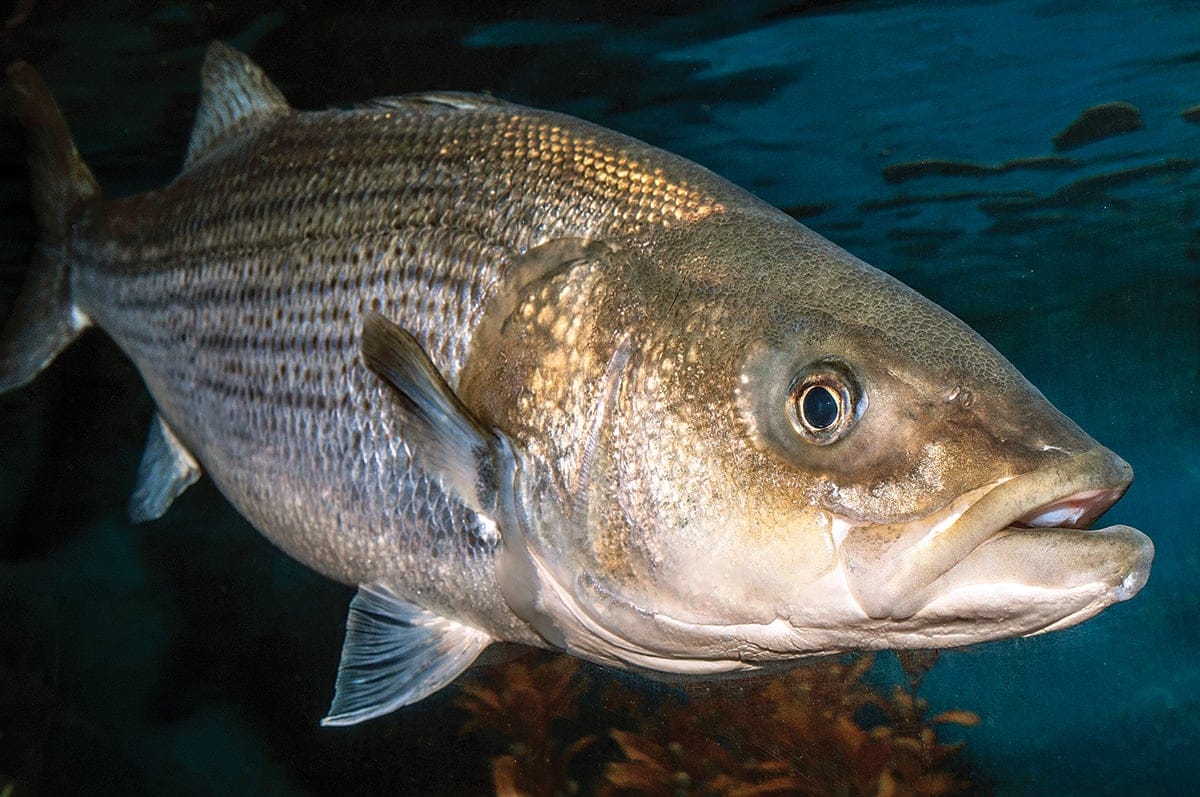
The Atlantic Striped Bass (Morone saxatilis), particularly from the Chesapeake Bay, is a highly migratory bass species native to the Atlantic coast of North America. Known for its elongated silver body with 7–8 dark horizontal stripes, it is both a freshwater and saltwater species, inhabiting rivers, estuaries, and coastal waters.
Diet consists mainly of small fish, crustaceans, and shrimp. As a top predator, Atlantic Striped Bass helps maintain prey populations and ensures balance in riverine and coastal ecosystems. Juveniles remain in estuaries until they are large enough to migrate to the ocean.
Spawning occurs in freshwater rivers in spring, where adults migrate upstream to deposit eggs in flowing water. Atlantic Striped Bass can reach over 40 inches and are highly sought after by anglers for their fight, size, and accessibility.
The Atlantic Striped Bass highlights the ecological and recreational value of bass species, reinforcing its significance in the broader Types of Bass Fish.
34. Hybrid White × Yellow Bass
Hybrid White × Yellow Bass is a man-made cross between White Bass (Morone chrysops) and Yellow Bass (Morone mississippiensis). This hybrid exhibits traits from both parents, including rapid growth, adaptability, and aggressive feeding, making it an ideal species for recreational stocking in lakes and reservoirs.
Dietarily, these hybrids feed on small fish, insects, and crustaceans. Their predatory behavior helps control prey populations in freshwater ecosystems, while their hybrid vigor makes them robust and adaptable to varying water conditions.
Spawning is often assisted by humans in hatcheries, as natural reproduction may be limited. Hybrids grow quickly, reaching substantial sizes for sport fishing. They are widely stocked to enhance recreational fishing opportunities and sustain freshwater ecosystems.
Hybrid White × Yellow Bass demonstrates the potential of human-assisted fisheries management while maintaining ecological balance, securing its place in the Types of Bass Fish.
35. Spotted Bay Bass
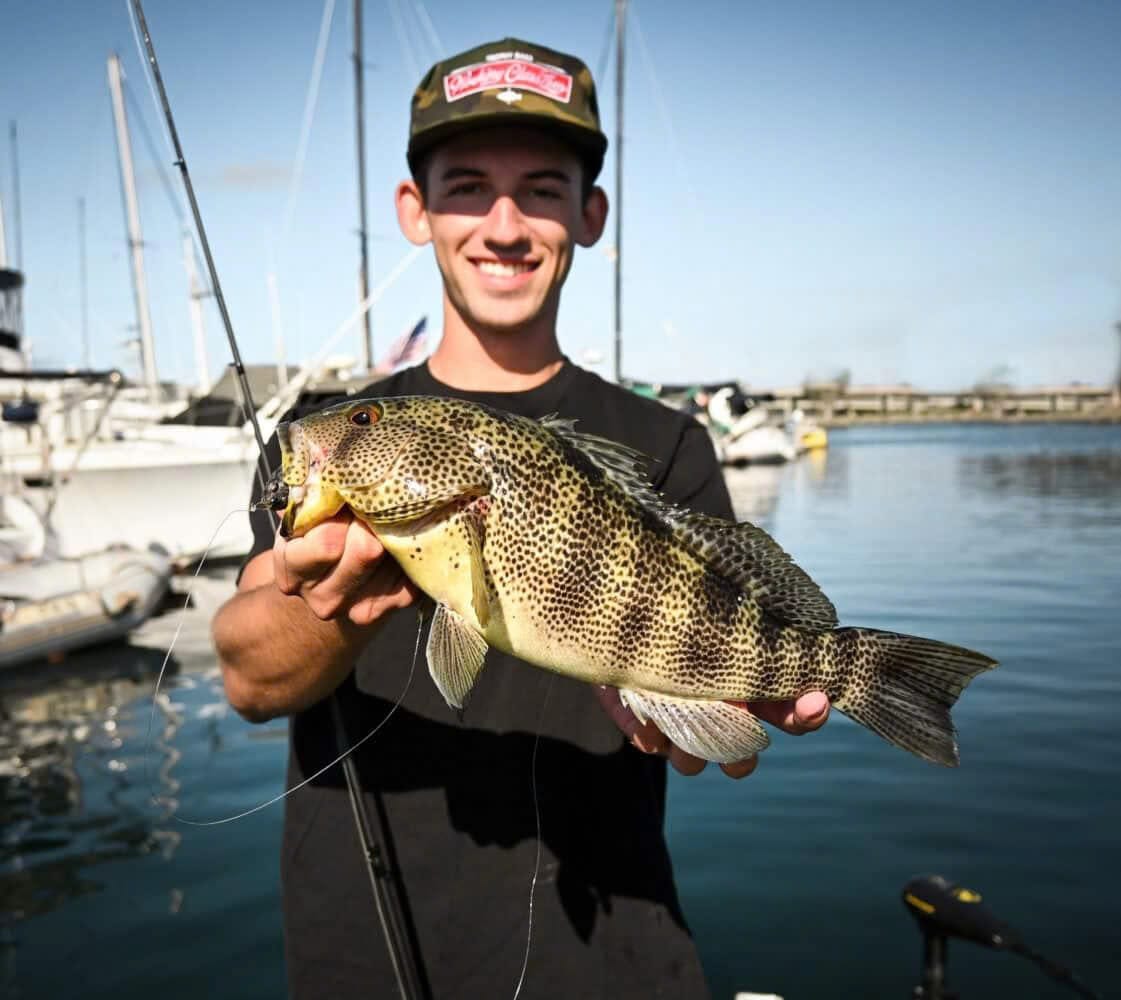
Spotted Bay Bass (Paralabrax maculatofasciatus) is a small to medium-sized marine bass species found along the Pacific coast, especially in bays, estuaries, and nearshore reefs. It is easily identified by its olive-green to brownish body with dark spots and vertical bars, providing effective camouflage in sandy and rocky habitats.
Spotted Bay Bass feeds on small fish, shrimp, and crustaceans, helping regulate prey populations in nearshore ecosystems. Juveniles often occupy sheltered areas such as eelgrass beds before transitioning to open bays and reefs as adults.
Spawning occurs in spring and early summer, with eggs deposited in open water or near structures. Adults can reach 12–18 inches and are popular among anglers due to their accessibility and aggressive strikes.
Ecologically, Spotted Bay Bass maintains nearshore food web stability while providing recreational and economic benefits. Its presence completes the diverse spectrum of the Types of Bass Fish.
Conclusion
The world of Types of Bass Fish is vast, diverse, and fascinating, ranging from freshwater species like Largemouth, Smallmouth, and Suwannee Bass to marine species such as Calico Seabass, European Sea Bass, and Spotted Bay Bass. Each species has its unique habitat preferences, feeding behaviors, reproductive strategies, and ecological roles, making them crucial components of aquatic ecosystems across the globe.
Freshwater bass often serve as top predators in rivers, lakes, and reservoirs, regulating prey populations and maintaining balanced food webs. Marine and estuarine bass, meanwhile, contribute to the health of coastal ecosystems by preying on small fish, crustaceans, and other invertebrates. Many bass species are also highly prized by recreational anglers due to their fighting ability, size, and accessibility, bridging ecological significance with economic and cultural value.
Understanding the diversity and characteristics of these 35 bass species provides insights into freshwater and marine biodiversity, highlighting the importance of conservation, habitat protection, and responsible fishing practices. Whether you are an angler, aquarist, or wildlife enthusiast, exploring the Types of Bass Fish offers endless opportunities to appreciate their beauty, behavior, and ecological importance.
In summary, the 35 species reviewed in this article demonstrate the incredible diversity of bass, their adaptability across freshwater and marine ecosystems, and their significance both ecologically and recreationally. By learning about these species, we gain a deeper understanding of aquatic ecosystems and the vital role bass play in sustaining healthy aquatic environments worldwide.
Frequently Asked Questions (FAQs) About Types of Bass Fish
1. What are bass fish?
Bass fish are a group of freshwater and marine fish known for their strong fighting ability, predatory behavior, and popularity among anglers. They include species like Largemouth Bass, Smallmouth Bass, and Striped Bass.
2. How many types of bass fish are there?
There are over 35 recognized types of bass fish worldwide, including freshwater, estuarine, and marine species.
3. What is the most popular bass for anglers?
Largemouth Bass is the most popular among anglers due to its widespread distribution, aggressive strikes, and recreational challenge.
4. Where do bass fish live?
Bass fish inhabit a variety of habitats, including freshwater rivers, lakes, reservoirs, estuaries, and coastal marine waters.
5. What do bass fish eat?
Bass are carnivorous or omnivorous, feeding on small fish, insects, crustaceans, and other invertebrates depending on the species and habitat.
6. Are all bass fish freshwater species?
No. While many bass fish are freshwater species, others like European Sea Bass, Calico Seabass, and Spotted Bay Bass inhabit saltwater or brackish environments.
7. How can you identify different types of bass fish?
Identification depends on body shape, coloration, stripes or spots, fin structure, and size. For example, Striped Bass has horizontal stripes, while Peacock Bass is brightly colored with vertical bars.
8. What is the difference between Largemouth and Smallmouth Bass?
Largemouth Bass has a larger jaw that extends beyond the eye and prefers warmer, vegetated waters. Smallmouth Bass has a smaller jaw, prefers cooler rivers and lakes, and has a bronze-brown body with vertical stripes.
9. Can bass fish live in both freshwater and saltwater?
Some species, like Striped Bass, are anadromous and can live in both freshwater rivers and saltwater coastal areas.
10. What is the fastest-growing bass species?
Hybrid species like the White × Yellow Bass and some Peacock Bass species grow rapidly, making them popular for stocking and recreational fishing.
11. Are bass fish good for eating?
Yes. Many bass species, such as Striped Bass, European Sea Bass, and Calico Seabass, are prized for their taste and are commercially fished for human consumption.
12. How big can bass fish get?
Size varies by species. Largemouth Bass can exceed 20 pounds, Striped Bass can reach over 40 inches, and some Peacock Bass species can exceed 20 pounds.
13. Do bass fish migrate?
Yes. Many species, like Striped Bass and Japanese Sea Bass, migrate between freshwater and saltwater for spawning or seasonal feeding.
14. When do bass fish spawn?
Most bass spawn in spring when water temperatures rise, although tropical species like Peacock Bass may spawn during wet seasons.
15. How do bass fish reproduce?
Male bass usually create nests or guard eggs, while females lay eggs in shallow water or submerged vegetation. Some species show parental care.
16. Are bass fish aggressive?
Yes. Bass are generally predatory and aggressive feeders, which is why they are highly sought after by anglers.
17. Can bass fish live in ponds?
Yes. Many bass species, including Largemouth and Smallmouth Bass, can thrive in stocked ponds with proper habitat and food availability.
18. What is the lifespan of a bass fish?
Lifespan varies by species. Largemouth Bass can live 10–16 years, Striped Bass over 20 years, and smaller species like Yellow Bass around 5–6 years.
19. What is the difference between freshwater and saltwater bass?
Freshwater bass live in lakes, rivers, and reservoirs, while saltwater or marine bass inhabit coastal waters and estuaries. Their diet, salinity tolerance, and size can differ.
20. Are bass fish endangered?
Most bass species are not endangered, but some, like Narcondam Bass or localized populations, may be vulnerable due to habitat loss or overfishing.
21. How do you catch bass fish?
Bass are caught using lures, live bait, or fly fishing techniques. Techniques vary by species, habitat, and water conditions.
22. What is a Peacock Bass?
Peacock Bass is a tropical freshwater species native to South America, known for its bright colors, vertical bars, and aggressive predatory behavior.
23. Can bass fish live in cold water?
Some species, like Smallmouth Bass, are cold-tolerant and thrive in cooler rivers and lakes, while others prefer warmer waters.
24. What is hybrid bass?
Hybrid bass, such as White × Yellow Bass or Wiper (Striped × White Bass), are crossbred species designed for rapid growth, adaptability, and sport fishing.
25. Are bass fish schooling fish?
Many bass species, like White Bass and Yellow Bass, school in large groups for feeding efficiency and protection, while larger predators like Largemouth Bass are more solitary.
26. What do juvenile bass eat?
Juvenile bass feed on plankton, insects, and small invertebrates before transitioning to larger prey as they grow.
27. What is the fastest fighting bass?
Peacock Bass and Striped Bass are among the fastest and most aggressive fighters, making them prized by sport anglers.
28. Can bass be kept in aquariums?
Small species like juvenile Peacock Bass can be kept in large aquariums with proper care, but most bass require large tanks or ponds due to size and activity level.
29. What habitats do bass prefer?
Bass prefer habitats with structure such as rocks, vegetation, submerged logs, reefs, or kelp forests to hide, hunt, and spawn.
30. Are all bass carnivorous?
Most bass are carnivorous, feeding on fish, insects, and crustaceans, but some may consume plant material occasionally.
31. What is Striped Bass?
Striped Bass is a large, migratory species found in freshwater and coastal Atlantic waters, known for horizontal stripes and recreational value.
32. What is Largemouth Bass?
Largemouth Bass is a freshwater species with a large jaw and greenish body, widespread in lakes and rivers, and a favorite among anglers.
33. What is Smallmouth Bass?
Smallmouth Bass is a freshwater species with bronze coloring and vertical stripes, preferring cooler rivers and clear lakes.
34. Are bass fish schooling or solitary?
It depends on the species. White and Yellow Bass school, while Largemouth and Smallmouth Bass are mostly solitary.
35. What is the difference between freshwater and marine bass?
Freshwater bass live in lakes and rivers; marine bass inhabit estuaries and coastal waters. Diet, growth rate, and habitat preferences differ.
36. How do bass impact the ecosystem?
Bass regulate prey populations, serve as prey for larger predators, and maintain balanced food webs in freshwater and marine ecosystems.
37. What is the largest bass fish?
The Striped Bass and Peacock Bass species can reach over 40 pounds in size, making them among the largest bass fish.
38. Are bass good for sport fishing?
Yes. Bass are prized for their aggressive strikes, strength, and fighting ability, making them top targets for recreational anglers worldwide.
39. What is the average lifespan of bass?
Largemouth and Smallmouth Bass can live 10–16 years; Striped Bass can live more than 20 years. Smaller species have shorter lifespans.
40. Can bass survive in low oxygen?
Some species, like Largemouth Bass, can tolerate moderate low oxygen conditions, but most require well-oxygenated waters for optimal health.
41. What is Shoal Bass?
Shoal Bass is a freshwater species found in rivers with fast currents, known for strong fighting behavior and preference for shallow rocky habitats.
42. Can bass fish be farmed?
Yes. Hybrid Bass, Striped Bass, and Peacock Bass are often raised in aquaculture for sport fishing, stocking programs, and commercial consumption.
43. Do bass migrate for spawning?
Many species, like Striped Bass and Japanese Sea Bass, migrate between freshwater and marine environments to spawn.
44. How do bass communicate?
Bass use visual signals, body movements, and sometimes vibrations to communicate during spawning and territorial behaviors.
45. What predators eat bass fish?
Larger predatory fish, birds, and humans are primary predators of bass, while juveniles are more vulnerable to small fish and aquatic birds.
46. Are all bass aggressive hunters?
Most bass are aggressive predators, feeding actively on smaller fish, insects, and crustaceans, with some species exhibiting ambush hunting tactics.
47. Can bass adapt to different habitats?
Yes. Bass species are highly adaptable, inhabiting rivers, lakes, estuaries, bays, and even reservoirs with varying salinity levels.
48. What is the role of bass in recreational fishing?
Bass are key targets for sport fishing due to their fighting ability, abundance, and availability, supporting local economies and fishing communities.
49. Do bass fish hybridize naturally?
Some hybridization occurs naturally, but many hybrids like White × Yellow Bass are human-assisted for stocking and recreational purposes.
50. What is the significance of bass in ecosystems?
Bass regulate prey populations, maintain food web balance, and serve as indicators of water quality, highlighting their ecological importance.
51. Can bass be kept in backyard ponds?
Yes. Species like Largemouth and Smallmouth Bass thrive in properly stocked and maintained backyard ponds with adequate habitat and food sources.
52. Why are bass called “bass”?
The term “bass” comes from the Old English word for perch-like fish, and it broadly refers to a variety of freshwater and marine species with similar body shapes and predatory behavior.
Read more: 30 Types of Carp Fish (Pictures And Identification)