

Carp fish are among the most diverse and fascinating freshwater fish in the world. From ornamental koi in serene ponds to large, wild carp thriving in rivers and lakes, the Types of Carp Fish showcase an incredible range of colors, sizes, and behaviors. Understanding these species is essential not only for fish enthusiasts but also for conservationists and ecologists, as many carp play key roles in freshwater ecosystems. In this guide, we’ll explore 30 of the most popular and unique carp species, highlighting their identifying features, habitats, diets, and ecological importance.
30 Types of Carp Fish
1. Common Carp
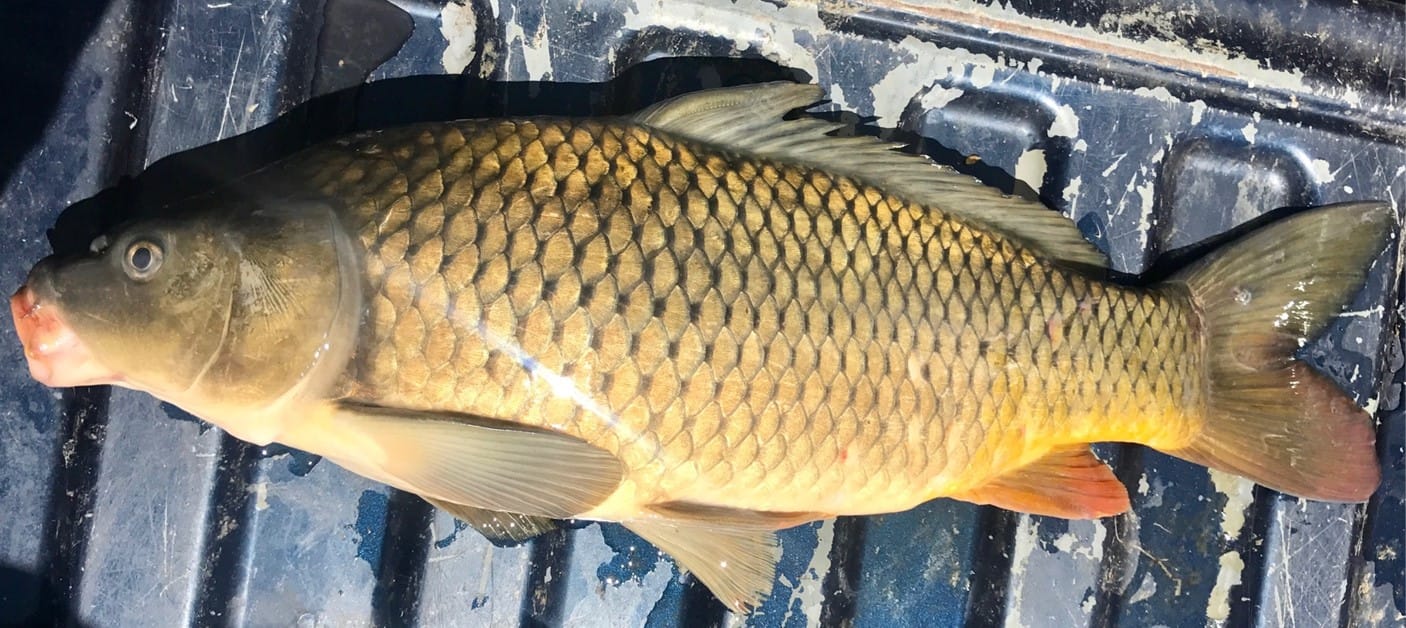
The Common Carp (Cyprinus carpio) is arguably the most well-known carp species in the world. Native to Eastern Europe and Asia, this fish has become widespread globally due to its adaptability and popularity in aquaculture. Characterized by a deep, robust body, golden-brown coloration, and large, rounded scales, the Common Carp can reach impressive sizes, sometimes exceeding 30 kilograms (66 pounds) in wild habitats.
Common Carp thrive in a wide variety of freshwater habitats, including rivers, lakes, ponds, and reservoirs. Their adaptability to different water conditions — from clear lakes to murky rivers — is one of the reasons they are so widespread. They are bottom feeders, using their sensitive barbels to detect food in muddy substrates. Their diet includes aquatic plants, insects, crustaceans, and detritus, making them vital for nutrient cycling in freshwater ecosystems.
Reproduction in Common Carp involves large spawning events in spring and early summer when water temperatures rise above 17°C. Females can lay hundreds of thousands of eggs, which stick to aquatic vegetation. While highly resilient, Common Carp populations can be impacted by overfishing, habitat degradation, and competition from invasive species.
The Common Carp also has a long history in human culture, particularly in Europe and Asia, where it is farmed for food and sport. Its ecological importance, resilience, and cultural significance make it a key representative of the Types of Carp Fish.
2. Mirror Carp
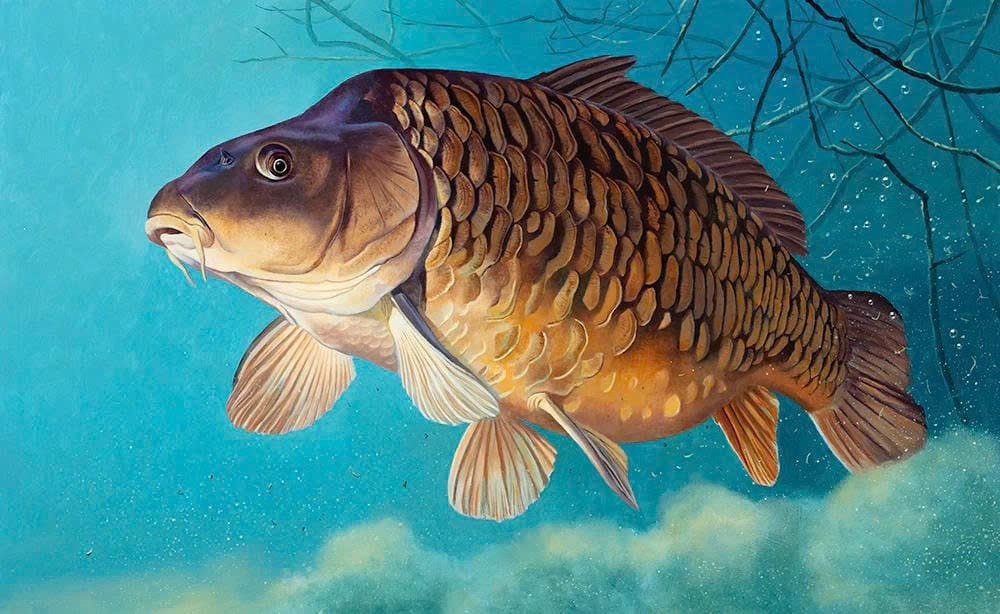
Mirror Carp are a striking variation of the Common Carp, named for their irregular, mirror-like scale patterns. Unlike fully scaled Common Carp, Mirror Carp have large, reflective scales scattered across their bodies, giving them a unique appearance that is highly prized among anglers and ornamental fish hobbyists.
Native to Europe, Mirror Carp are widely introduced in freshwater lakes and ponds worldwide. They prefer still or slow-flowing waters with abundant vegetation and soft substrates for foraging. Their diet closely resembles that of Common Carp, consuming detritus, insects, crustaceans, and plant material. Mirror Carp are known for their intelligence and strong survival instincts, which make them challenging targets for sport fishing.
Breeding occurs similarly to Common Carp, with females laying eggs in submerged vegetation. Due to selective breeding by anglers, Mirror Carp exhibit tremendous size variability, with some individuals reaching over 25 kilograms (55 pounds). Their unique scale patterns also make them popular for photographic documentation and ornamental pond displays.
Mirror Carp are ecologically significant, contributing to sediment mixing and seed dispersal in freshwater habitats. Their aesthetic appeal, combined with ecological roles, ensures that Mirror Carp remain a favorite among both hobbyists and researchers studying freshwater ecosystems.
3. Leather Carp
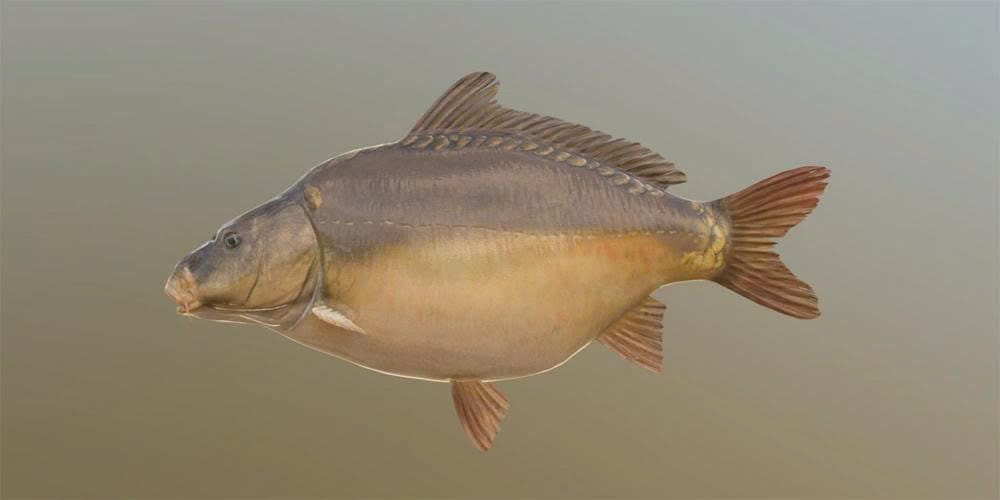
Leather Carp are a rare and highly valued variety of carp known for their smooth, scaleless bodies. Unlike Common or Mirror Carp, Leather Carp appear almost “leathery,” with only a few scattered scales along the dorsal line. This distinct appearance makes them particularly sought after in the sport fishing and ornamental fish communities.
Originating from Europe, Leather Carp are now found in ponds and lakes across Asia and North America. They thrive in slow-moving freshwater environments with ample food sources. Leather Carp are omnivorous bottom feeders, consuming detritus, plant matter, small invertebrates, and insect larvae. Their robust size and adaptability make them resilient in a variety of freshwater conditions.
The reproductive cycle of Leather Carp mirrors that of other carp species. Females lay thousands of eggs in submerged vegetation, and their smooth bodies help them maneuver easily through thick aquatic plants. Leather Carp have become a symbol of selective breeding, as their unique scaleless bodies are highly prized by anglers seeking rare and aesthetically distinctive specimens.
Conservation-wise, Leather Carp do not face immediate threats but rely on healthy pond and lake ecosystems. Their role in maintaining ecological balance by consuming detritus and small organisms makes them an integral part of freshwater habitats and one of the most fascinating Types of Carp Fish to study and appreciate.
4. Ghost Carp
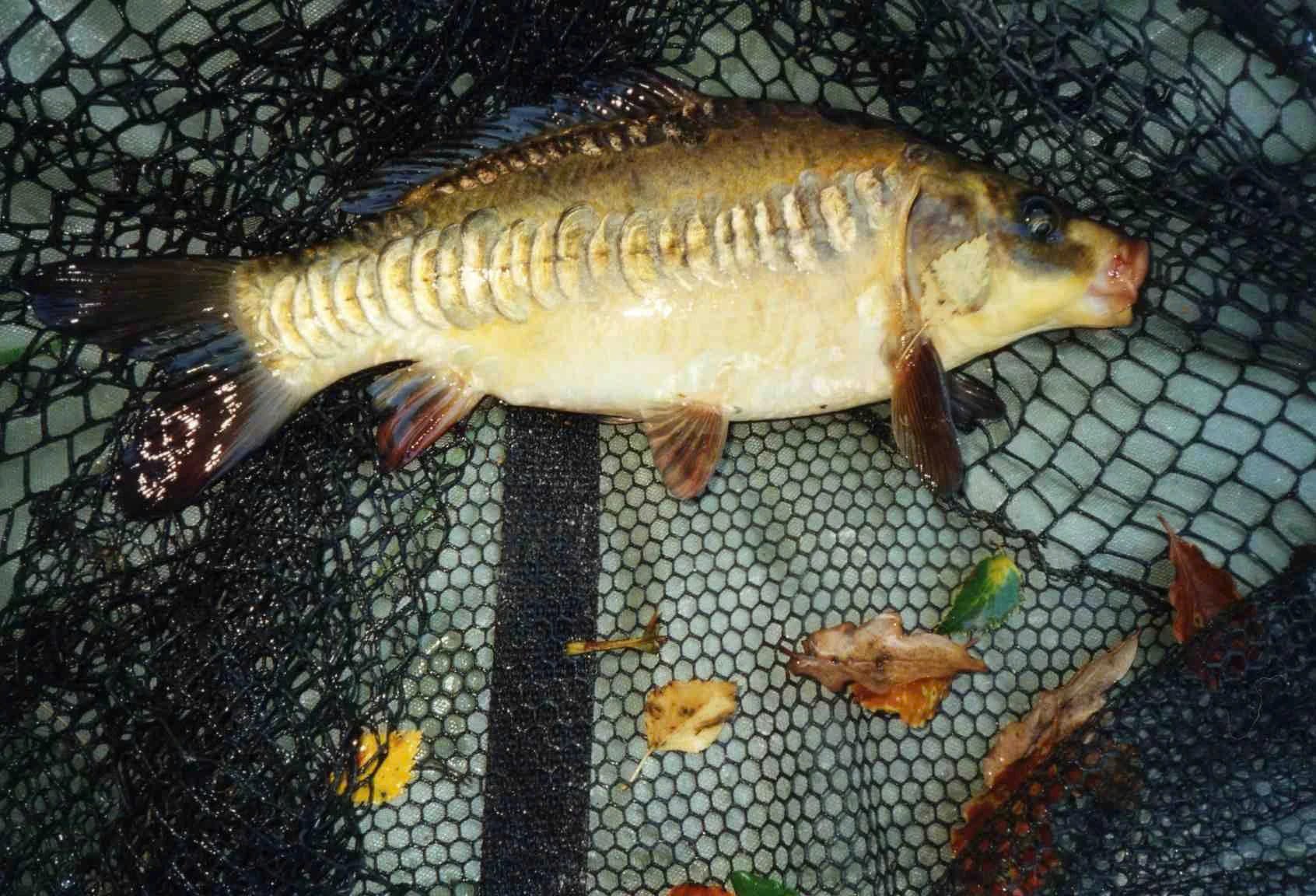
Ghost Carp are a visually stunning variant of ornamental carp, often displaying pale, almost translucent skin with subtle scale patterns. This ethereal appearance gives them their name and makes them a popular choice for decorative ponds and aquaculture enthusiasts seeking visually striking fish.
Ghost Carp are primarily bred from Common and Mirror Carp lines, selectively developed for their unique coloration. They thrive in still or slow-flowing waters, requiring clean, oxygen-rich conditions to maintain their delicate skin. Ghost Carp are omnivorous, feeding on plant material, small invertebrates, and commercial fish food in controlled pond environments.
In terms of breeding, Ghost Carp follow typical carp reproductive patterns. Females lay thousands of adhesive eggs on aquatic vegetation, while juveniles grow rapidly under favorable conditions. Maintaining optimal water quality is crucial for their survival, as their pale skin is more sensitive to environmental stressors compared to fully scaled carp.
Beyond their ornamental value, Ghost Carp contribute to pond ecosystem health by controlling algae and insect populations. Their gentle nature, unique appearance, and ecological benefits make Ghost Carp a captivating example of selective breeding within the Types of Carp Fish.
5. F1 Carp
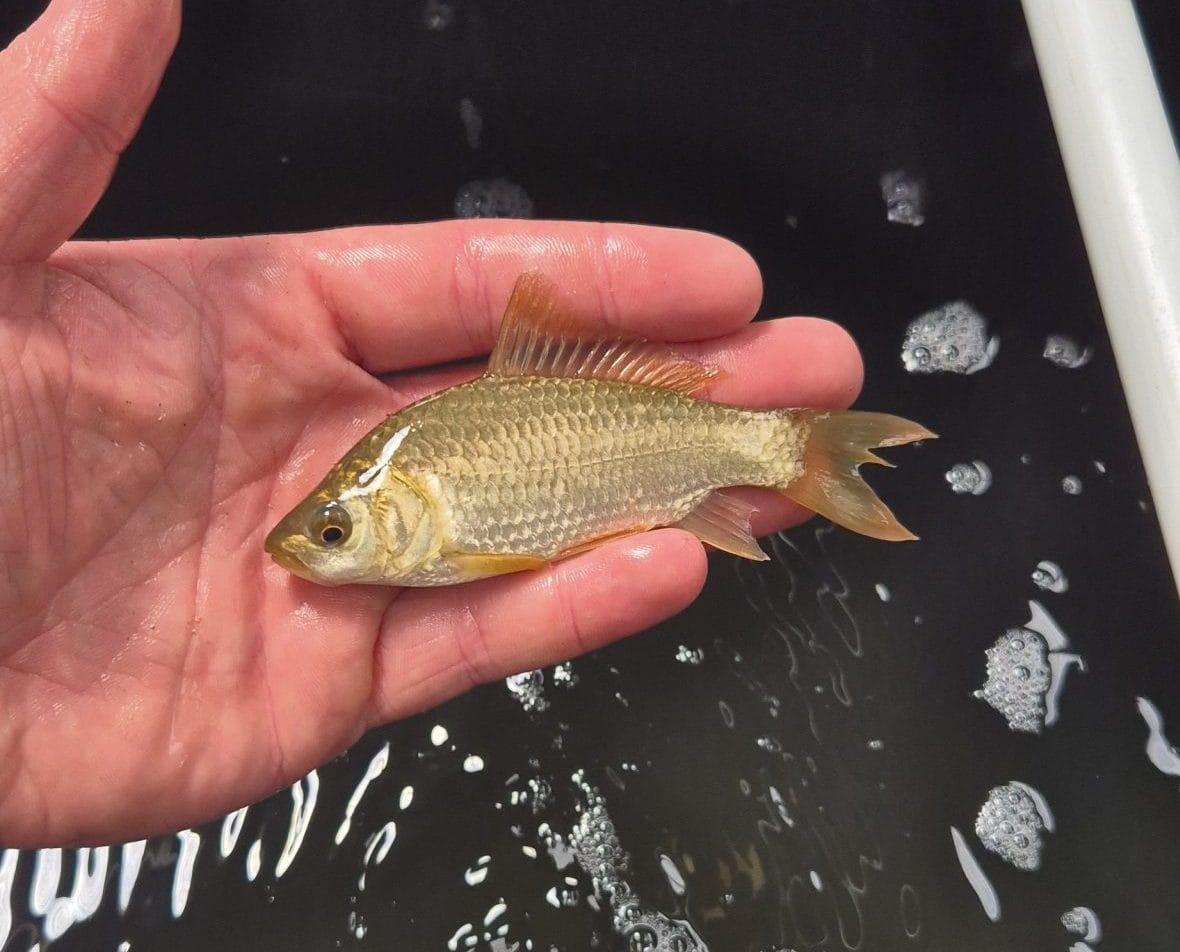
F1 Carp, often referred to as “first-generation hybrid carp,” are produced by crossbreeding two different carp species, such as Common Carp and Mirror Carp. The F1 hybrids combine desirable traits from both parents, including rapid growth, disease resistance, and unique scale patterns.
F1 Carp are widely used in aquaculture and sport fishing due to their exceptional adaptability and growth rates. They can thrive in ponds, lakes, and controlled aquaculture systems, consuming a diet rich in plant material, small invertebrates, and formulated fish feeds. Their hybrid vigor makes them particularly resilient in varying environmental conditions.
Breeding F1 Carp involves carefully managed spawning programs to ensure genetic diversity and desired traits. They typically follow standard carp reproductive behavior, laying large numbers of eggs on aquatic vegetation during warm seasons. F1 Carp often display enhanced growth and disease resistance, making them an ideal species for both research and commercial purposes.
Ecologically, F1 Carp help maintain pond balance by consuming detritus and controlling invertebrate populations. Their combination of aesthetic appeal, ecological contribution, and rapid growth ensures they remain one of the most significant and widely studied Types of Carp Fish in freshwater habitats.
6. Linear Carp
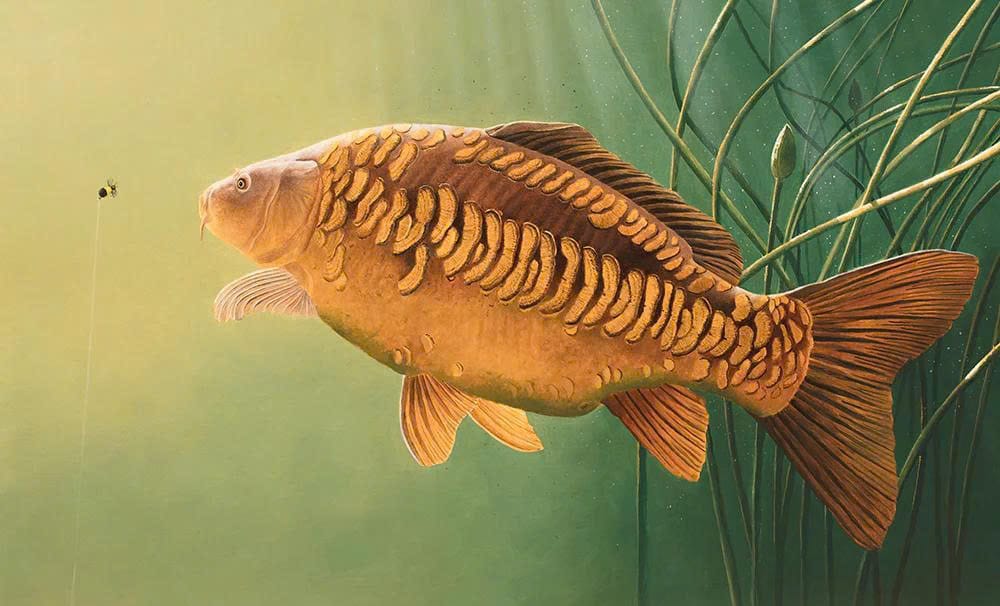
Linear Carp are a unique variant of ornamental carp, characterized by a straight, elongated body and a linear arrangement of scales along the dorsal line. This distinct physical feature sets them apart from the fully scaled Common Carp and Mirror Carp varieties, making them a popular choice among anglers and ornamental pond enthusiasts.
Native to Europe, Linear Carp have been selectively bred for both aesthetics and growth performance. They thrive in calm or slow-moving freshwater habitats such as lakes, ponds, and reservoirs. Their diet primarily consists of detritus, aquatic plants, insect larvae, and small invertebrates. As bottom feeders, Linear Carp play an important ecological role by recycling nutrients and controlling insect populations in their habitats.
Reproduction in Linear Carp follows the classic carp pattern, with females laying thousands of eggs on submerged vegetation during warm months. The juveniles grow rapidly under favorable conditions, and selective breeding often emphasizes linear scale patterns and body conformation.
Linear Carp are not only prized for their unique appearance but also for their ecological contributions. Their role in sediment mixing, seed dispersal, and ecosystem maintenance highlights why they are a significant member of the Types of Carp Fish.
7. Koi Carp
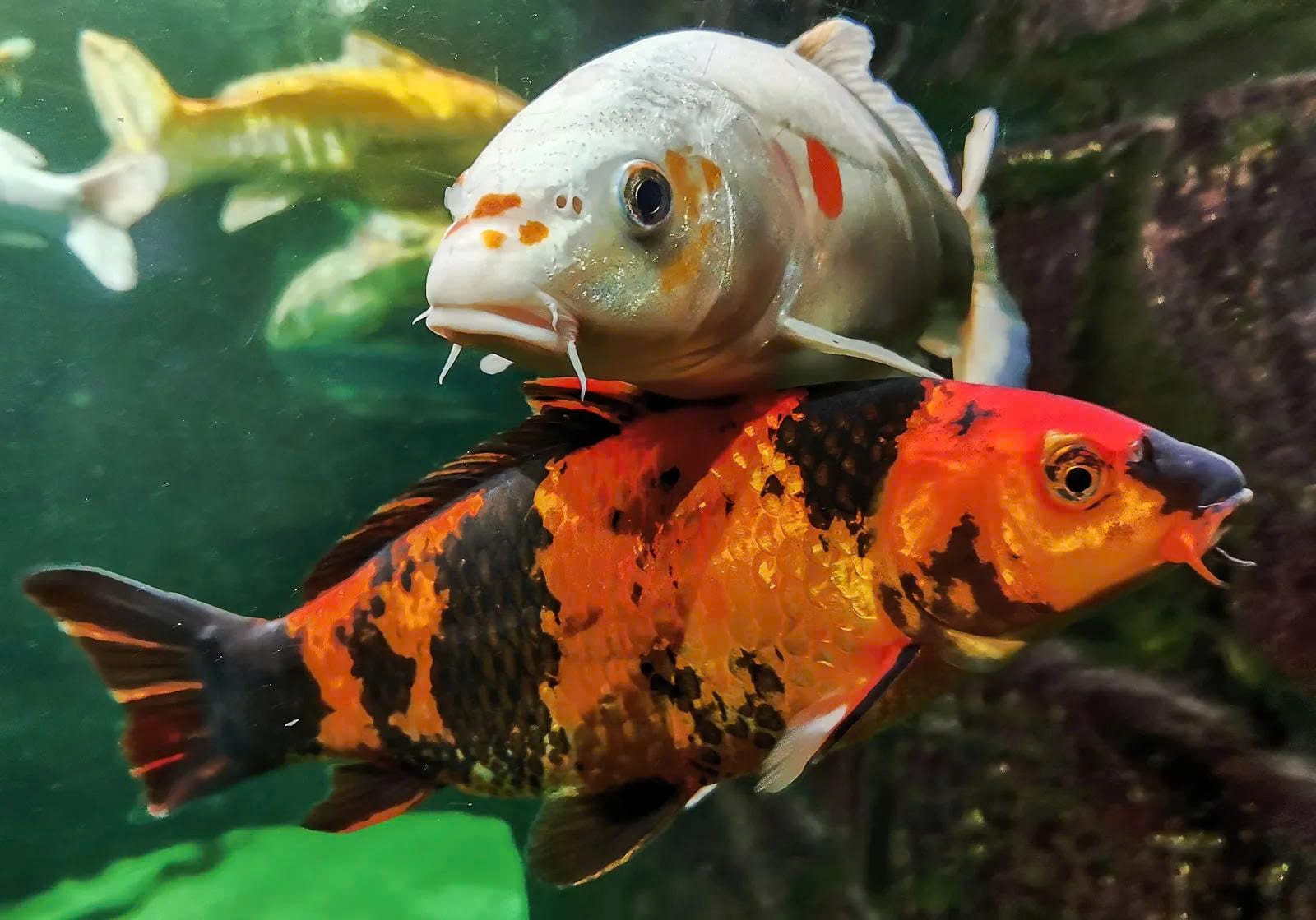
Koi Carp (Cyprinus rubrofuscus) are perhaps the most famous ornamental carp in the world. Known for their vibrant colors—ranging from red, white, yellow, black, and blue—Koi Carp are the centerpiece of ornamental ponds and water gardens globally. Originating in Japan through centuries of selective breeding, Koi are celebrated for their beauty, longevity, and cultural symbolism.
Koi Carp thrive in well-maintained ponds with clean, oxygenated water. Their diet includes commercial Koi pellets, vegetables, fruits, and occasional insects. Unlike wild carp, Koi are less reliant on natural food sources, making them highly manageable in controlled aquatic environments.
Breeding Koi Carp involves selecting parents with desirable coloration and scale patterns. Females lay adhesive eggs on pond plants or spawning mats, and careful management ensures high survival rates of fry. Koi Carp are also known for their intelligence and can recognize caretakers, adding to their popularity among hobbyists.
Ecologically, Koi Carp contribute to pond health by consuming algae and detritus, although in wild settings, their introduction can disrupt local ecosystems. Despite this, their aesthetic appeal and cultural significance make Koi Carp a key species within the Types of Carp Fish.
8. Grass Carp
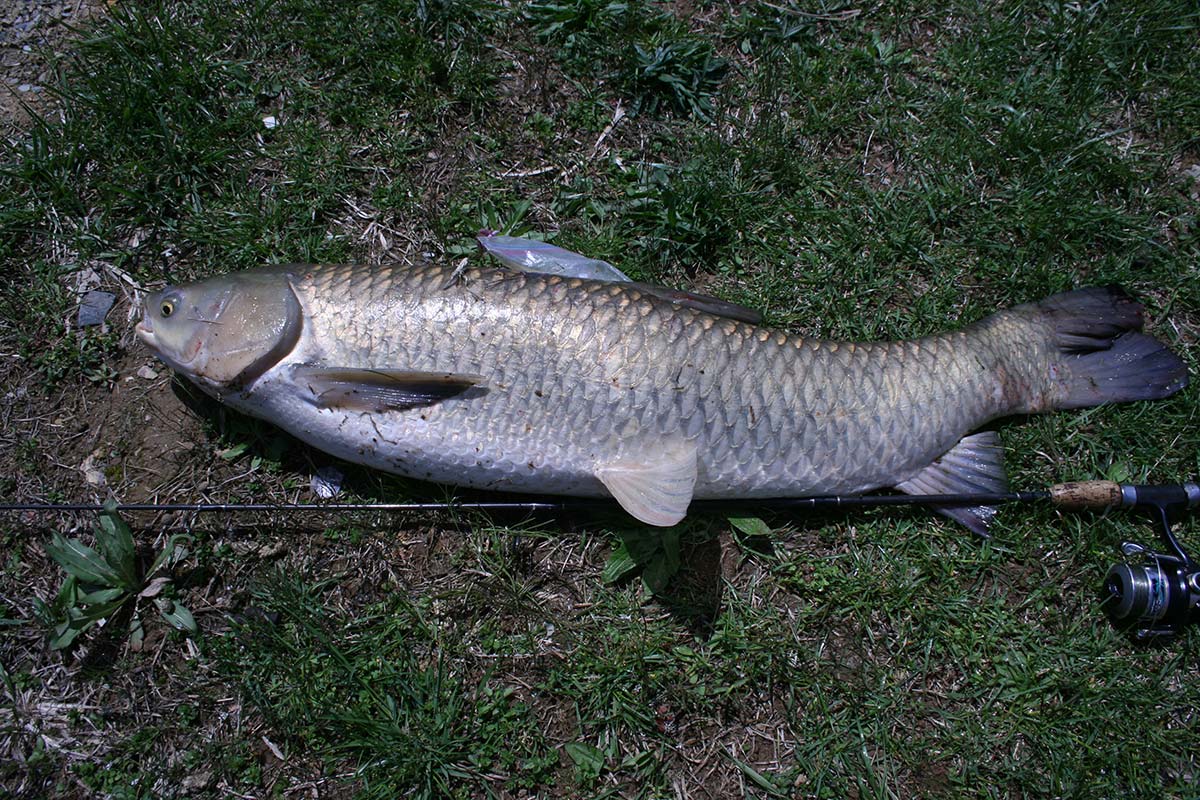
Grass Carp (Ctenopharyngodon idella) are large, herbivorous carp native to East Asia. Recognizable by their elongated silver bodies and broad, flattened heads, Grass Carp are often used in aquaculture and aquatic weed management due to their voracious appetite for submerged vegetation.
Grass Carp inhabit rivers, lakes, and ponds with abundant aquatic plants. In managed ecosystems, they help control excessive vegetation growth, preventing eutrophication and maintaining water flow. In the wild, their diet includes aquatic plants, algae, and occasionally detritus, which contributes to nutrient cycling in freshwater habitats.
Breeding occurs naturally in large river systems, where females release tens of thousands of eggs that drift downstream. In aquaculture, artificial spawning and careful stock management ensure sustainable populations. Grass Carp can grow rapidly, reaching lengths of over 1 meter (3.3 feet) and weights exceeding 40 kilograms (88 pounds), making them an economically and ecologically valuable carp species.
By controlling plant overgrowth and contributing to nutrient balance, Grass Carp play a critical role in freshwater ecosystems, highlighting their importance as a functional and visually impressive member of the Types of Carp Fish.
9. Crucian Carp
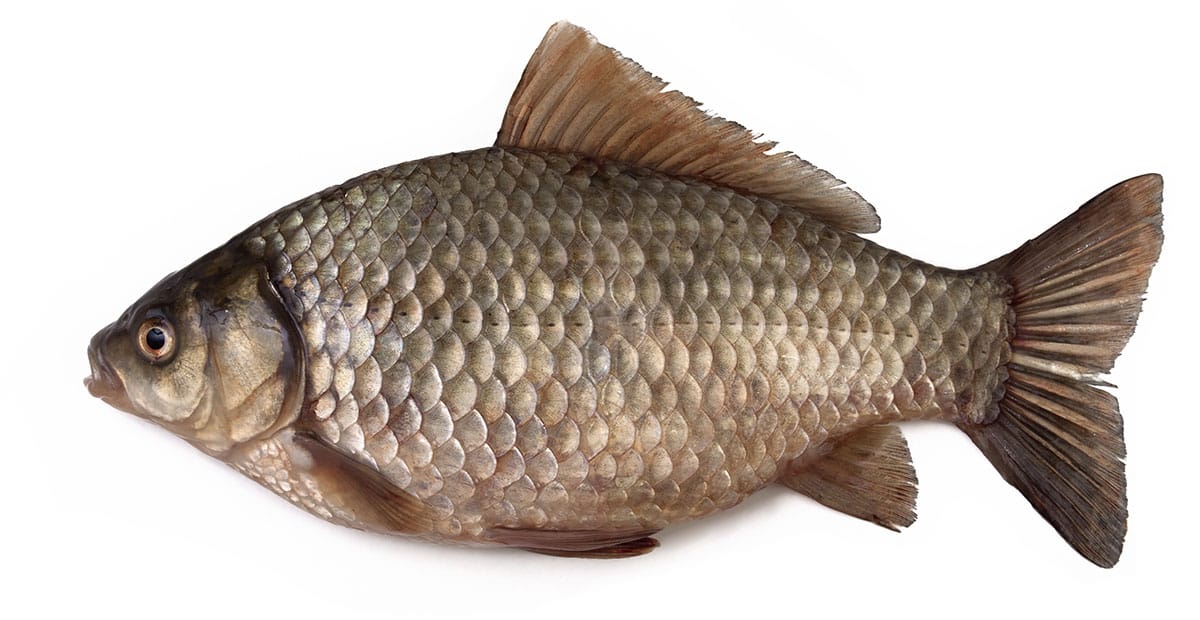
Crucian Carp (Carassius carassius) are small to medium-sized freshwater carp native to Europe and Asia. They are renowned for their adaptability, resilience, and distinctive bronze-golden coloration. Crucian Carp are a staple species in many natural ponds, lakes, and rivers due to their hardiness and ability to survive in low-oxygen environments.
Crucian Carp prefer calm waters with abundant vegetation, which provides shelter and spawning sites. They are omnivorous, feeding on plant matter, insects, larvae, and small crustaceans. Their bottom-feeding behavior helps maintain ecosystem health by controlling insect populations and recycling organic matter.
Reproduction occurs in spring and summer when water temperatures rise. Females deposit eggs among aquatic plants, and the juveniles grow quickly under favorable conditions. Crucian Carp exhibit remarkable adaptability, able to survive cold winters under ice and in oxygen-depleted waters, making them a resilient and ecologically significant member of the Types of Carp Fish.
Beyond their ecological role, Crucian Carp are valued for recreational fishing and as a food source in several regions. Their hardiness, adaptability, and cultural significance make them a widely appreciated species in freshwater habitats.
10. Goldfish
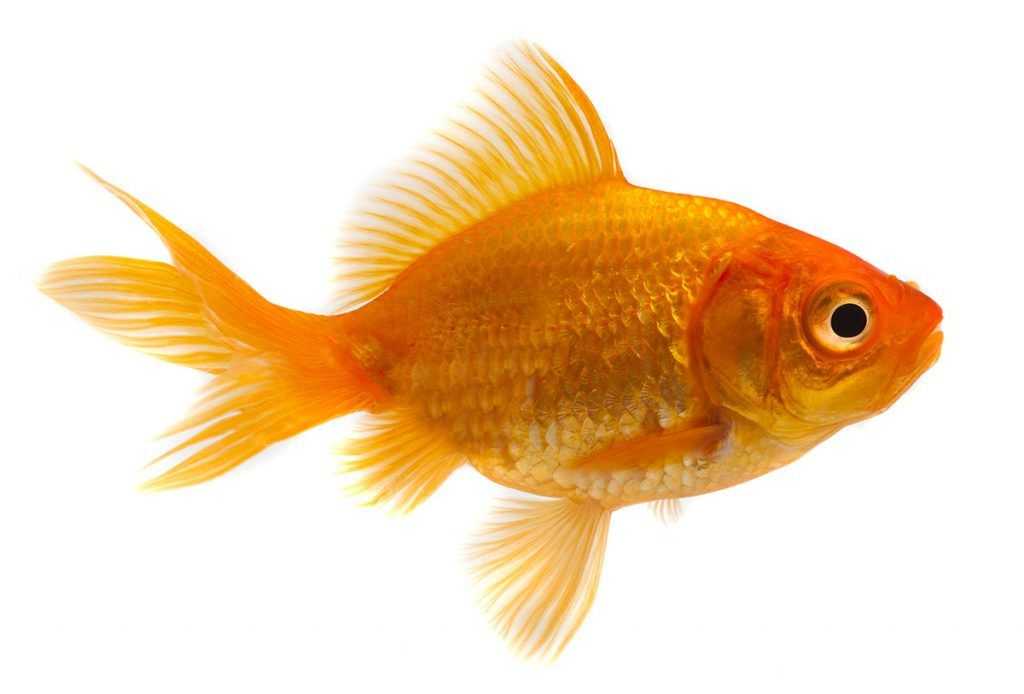
Goldfish (Carassius auratus) are one of the most recognizable carp species worldwide, famous for their bright orange coloration and ornamental use in ponds, aquariums, and decorative water gardens. Originating from wild Crucian Carp in China over a thousand years ago, Goldfish have been selectively bred for color, size, and fin shape, producing hundreds of varieties today.
Goldfish thrive in well-maintained freshwater environments with clean water and moderate temperatures. Their diet includes commercial fish food, vegetables, and small aquatic invertebrates. In controlled pond environments, Goldfish help control algae and insect populations, although in wild ecosystems they may become invasive.
Breeding Goldfish involves placing males and females together during the spawning season, where females lay adhesive eggs on submerged plants or spawning mats. Juveniles are carefully reared to ensure healthy development and desired color traits. Goldfish can live for decades under optimal care, and their visual appeal makes them a cultural icon in many societies.
Goldfish are a prime example of the intersection between human culture and natural biodiversity, illustrating how selective breeding can create aesthetic, ecological, and educational value. They remain a foundational species among the Types of Carp Fish in both ornamental and ecological contexts.
11. Bighead Carp
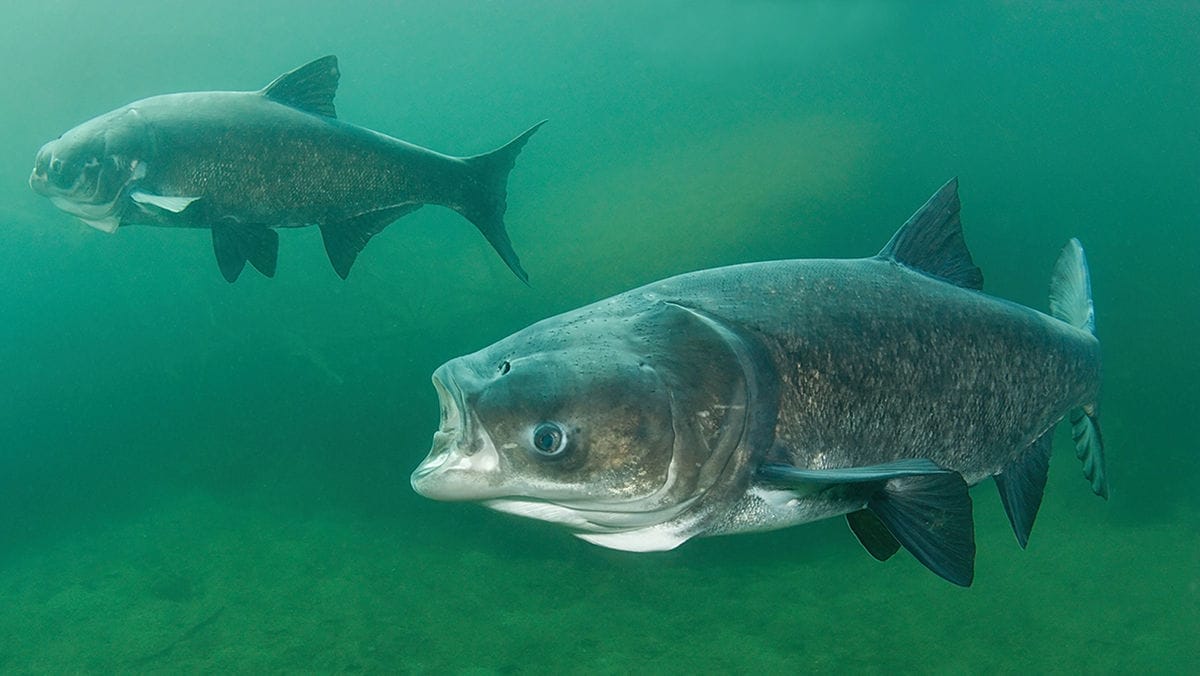
Bighead Carp (Hypophthalmichthys nobilis) are large freshwater carp native to East Asia, recognized for their massive heads, wide mouths, and silver-gray bodies. Unlike other carp, their eyes are positioned low on the head, giving them a distinctive appearance. Bighead Carp are highly efficient filter feeders, consuming plankton from the water column, which has made them a vital species in aquaculture and ecosystem management.
They thrive in large rivers, lakes, and reservoirs, often forming dense schools. Their diet consists mainly of phytoplankton and zooplankton, helping control algal blooms and maintain water quality. However, in areas where they are introduced, they can outcompete native species, altering the ecosystem balance.
Reproduction occurs in warm water, where females can lay millions of eggs that drift with currents. Bighead Carp are fast-growing, capable of reaching lengths over 1.2 meters (4 feet) and weights exceeding 40 kilograms (88 pounds), making them economically valuable in aquaculture.
Ecologically, Bighead Carp regulate plankton populations and contribute to nutrient cycling. However, careful management is necessary to prevent ecological disruption. Their unique feeding habits and impressive size make them a fascinating member of the Types of Carp Fish.
12. Silver Carp
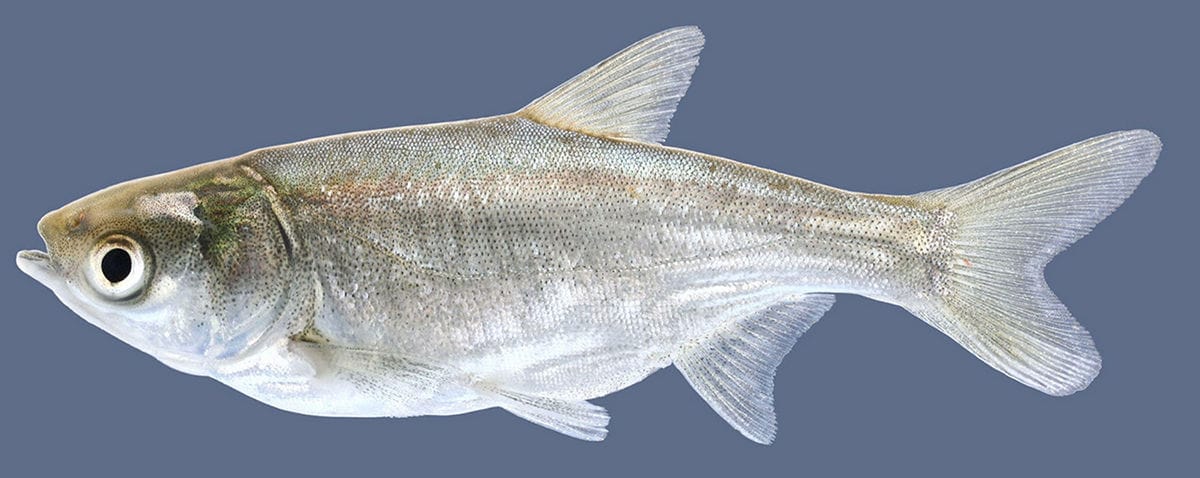
Silver Carp (Hypophthalmichthys molitrix) are closely related to Bighead Carp, native to freshwater systems in China. Known for their silvery sheen and leaping behavior when startled, Silver Carp are popular in aquaculture but can become invasive in non-native habitats.
Silver Carp feed primarily on phytoplankton and microscopic organisms, filtering water through specialized gill rakers. They inhabit large rivers, reservoirs, and lakes, often forming dense schools that impact water clarity and compete with native species in introduced regions.
Spawning occurs in fast-flowing waters, where eggs float downstream before hatching. They grow quickly, reaching lengths of 1 meter (3.3 feet) and weights up to 20 kilograms (44 pounds). Their leaping behavior has made them famous (and sometimes dangerous) in rivers where human activity is frequent.
Silver Carp play a vital role in aquaculture for controlling plankton and providing a high-protein food source. Their ecological impact, combined with their unique behavior and silvery appearance, makes them an essential species within the Types of Carp Fish.
13. Black Carp
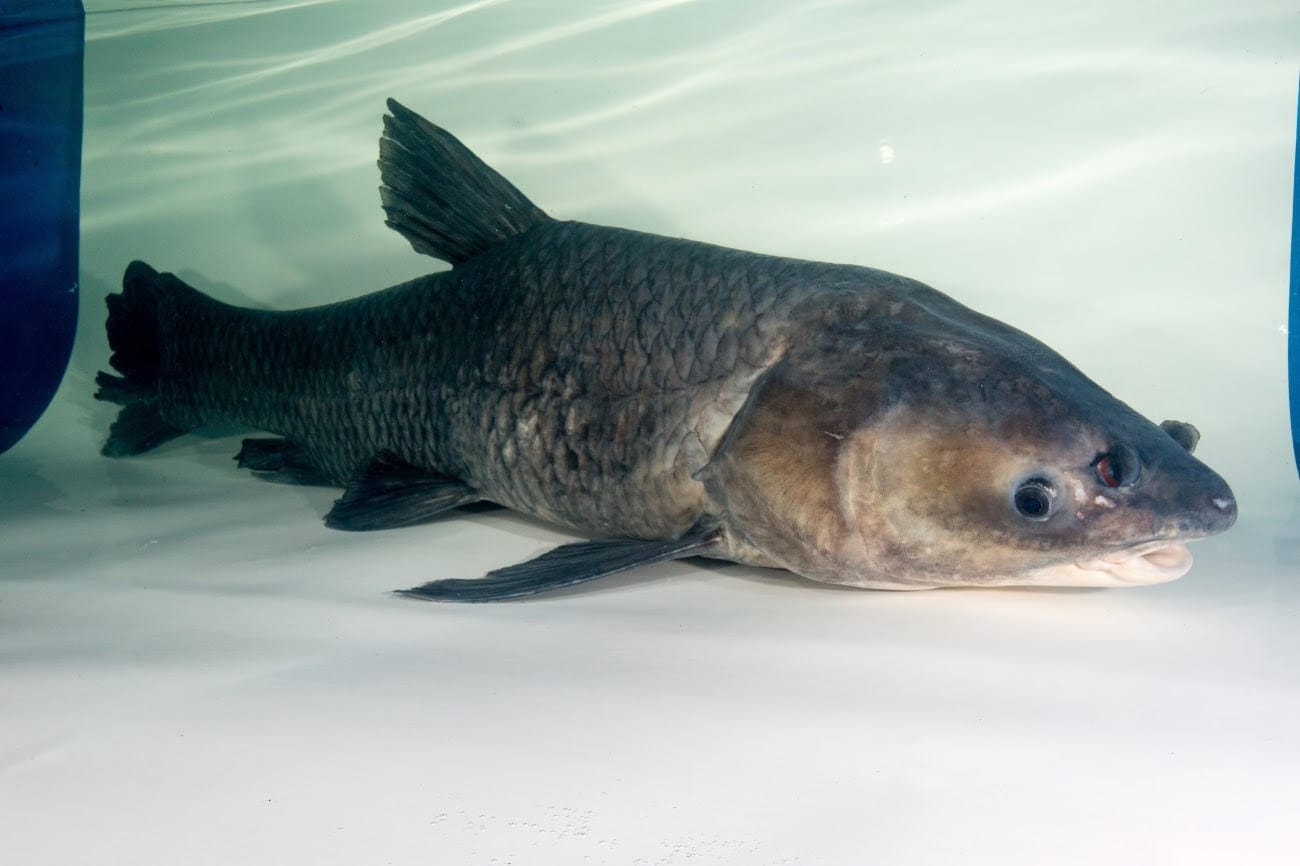
Black Carp (Mylopharyngodon piceus) are a specialized species of carp native to rivers in East Asia. They are large, elongated fish with dark, almost black scales and a strong jaw adapted for crushing mollusks and snails. This makes them unique among carp species as primarily molluscivorous feeders.
Black Carp inhabit rivers, lakes, and reservoirs with abundant freshwater mollusks. Their diet consists almost entirely of snails, mussels, and clams, which positions them as natural biological control agents for invasive mollusk populations. Their robust size allows them to dominate food resources in their habitats.
Reproduction occurs in flowing rivers, with females releasing thousands of eggs that drift downstream. Black Carp can grow over 1 meter (3.3 feet) long and weigh up to 30 kilograms (66 pounds). Their specialized diet, size, and unique feeding behavior distinguish them from other carp species.
Ecologically, Black Carp help manage mollusk populations, contributing to a balanced ecosystem. They are valued in aquaculture for their niche feeding habits and remain a critical member of the Types of Carp Fish.
14. Mud Carp
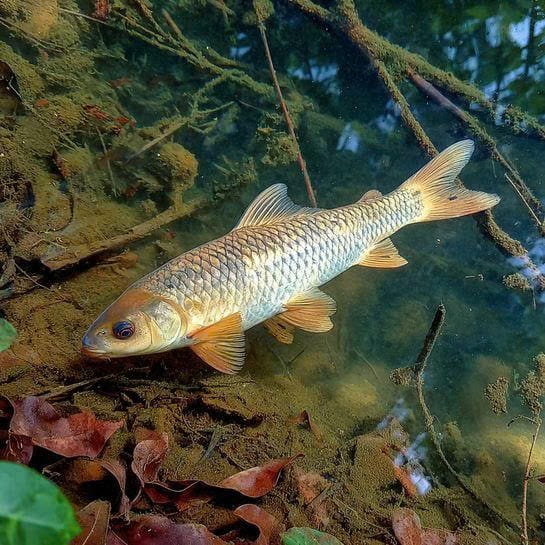
Mud Carp (Cirrhinus molitorella) are small to medium-sized carp native to Southeast Asia. Recognized for their adaptability to shallow, muddy waters, Mud Carp are a common species in rivers, ponds, and rice paddies. They are essential both ecologically and economically in local aquaculture.
Mud Carp are omnivorous, feeding on detritus, algae, insect larvae, and small crustaceans. Their bottom-feeding behavior helps recycle nutrients and maintain water quality in freshwater ecosystems. They are highly resilient and can survive in low-oxygen or turbid environments, which makes them ideal for aquaculture.
Reproduction occurs in warm months when females lay thousands of adhesive eggs in vegetation-rich areas. Mud Carp reach sizes of up to 30 centimeters (1 foot) in length and are often harvested for food and aquaculture markets due to their fast growth rate.
Mud Carp contribute significantly to ecosystem health by controlling algae and recycling organic matter. Their adaptability, resilience, and ecological role make them a widely recognized species among the Types of Carp Fish.
15. Smallscale Mud Carp
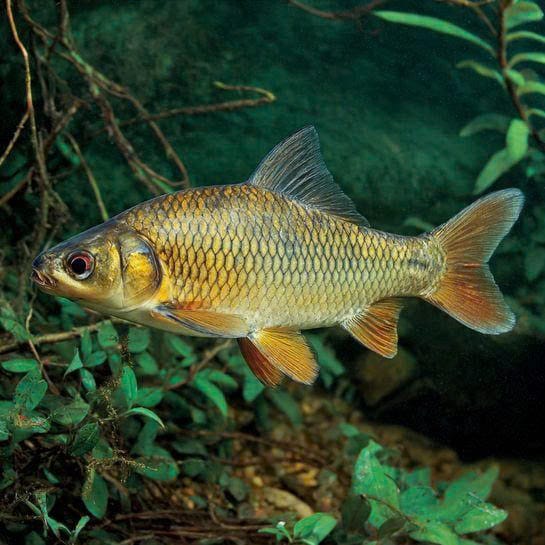
Smallscale Mud Carp (Cirrhinus microlepis) are a variation of Mud Carp, distinguished by their smaller, more compact scales and streamlined body. Native to Southeast Asian rivers, they are valued both as food fish and for maintaining ecological balance in freshwater habitats.
Smallscale Mud Carp inhabit slow-flowing rivers, ponds, and reservoirs with muddy or vegetated bottoms. Their diet is similar to Mud Carp, including detritus, plant matter, and small aquatic invertebrates. As efficient bottom feeders, they contribute to sediment mixing and nutrient cycling.
Breeding occurs in the wet season, with females releasing thousands of eggs in shallow waters among submerged plants. Juveniles grow rapidly under favorable conditions, often reaching harvestable sizes within a year in aquaculture settings.
Ecologically, Smallscale Mud Carp help maintain water quality and support biodiversity in freshwater systems. Their compact size, resilience, and adaptability make them a notable member of the Types of Carp Fish.
16. Fully-Scaled Mirror Carp
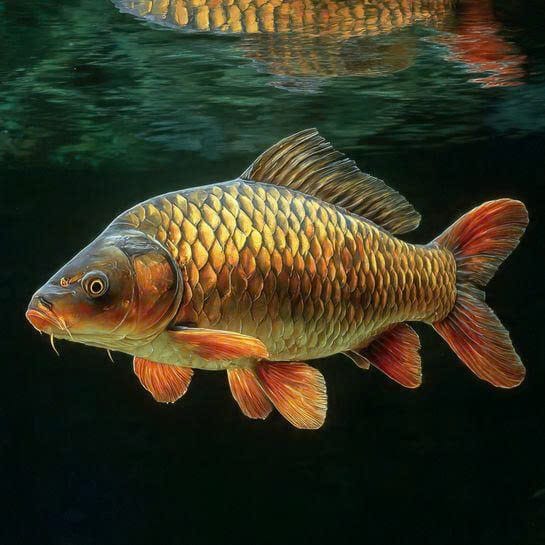
Fully-Scaled Mirror Carp are a rare variant of the Mirror Carp family, notable for their extensive reflective scales covering most of their body. Unlike standard Mirror Carp, which have irregular and patchy scales, Fully-Scaled Mirror Carp display a near-complete pattern, combining beauty and resilience. Their shimmering appearance makes them a prized species for ornamental ponds and sport fishing.
Native to Europe, Fully-Scaled Mirror Carp thrive in slow-flowing lakes, ponds, and reservoirs with rich vegetation. Their diet includes plant material, detritus, small insects, and crustaceans, making them key contributors to nutrient cycling in freshwater ecosystems. They are strong bottom feeders and excellent for maintaining ecological balance in ponds.
Spawning occurs in spring and early summer when water temperatures rise. Females deposit thousands of eggs on aquatic plants, which hatch into juvenile carp within days. These fish grow quickly under suitable conditions and can reach impressive sizes of up to 25–30 kilograms (55–66 pounds).
Fully-Scaled Mirror Carp are appreciated not only for their aesthetic qualities but also for their ecological role. By controlling invertebrate populations and mixing sediment, they remain an essential species among the Types of Carp Fish for both hobbyists and freshwater ecologists.
17. Prussian Carp
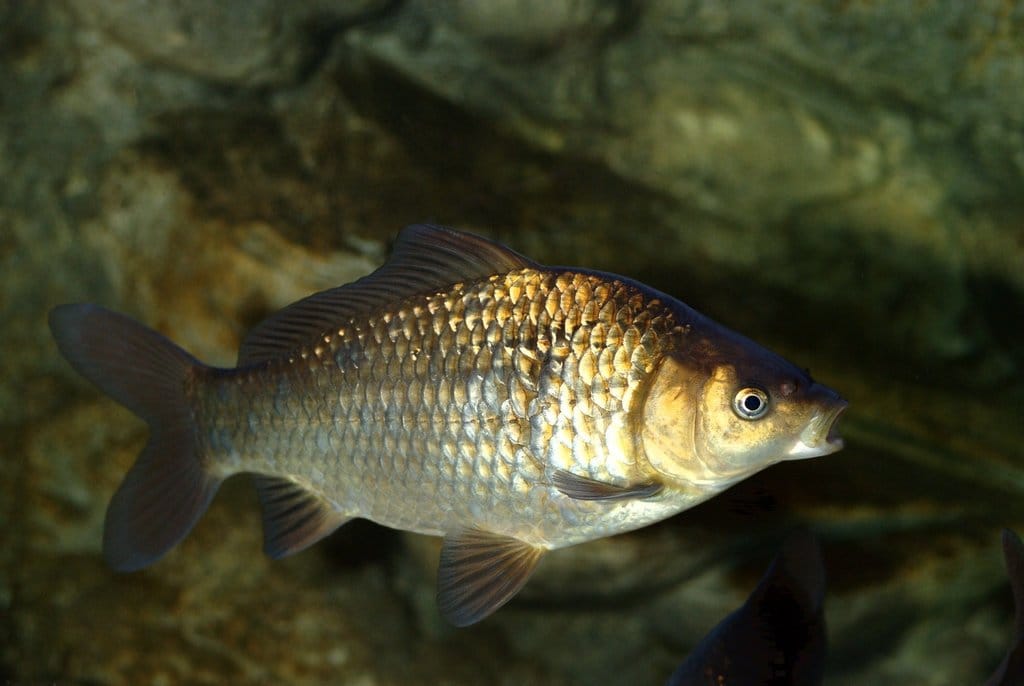
Prussian Carp (Carassius gibelio) are small, hardy freshwater carp native to Eastern Europe and Asia. They resemble Crucian Carp but are slightly more robust and adaptable. Their olive-golden coloration and rounded body make them easily recognizable in rivers, lakes, and ponds.
Prussian Carp are omnivorous, feeding on plant material, detritus, insect larvae, and small crustaceans. Their bottom-feeding habits help recycle nutrients and support aquatic ecosystem health. They are highly resilient, able to survive in low-oxygen waters and tolerate seasonal environmental fluctuations.
Reproduction occurs in late spring and summer, with females laying thousands of adhesive eggs among aquatic plants. Juveniles grow rapidly in nutrient-rich environments, making Prussian Carp a valuable species in both aquaculture and natural ecosystems.
Ecologically, Prussian Carp contribute to maintaining biodiversity, controlling small invertebrates, and enhancing sediment mixing. Their adaptability, resilience, and ecological impact make them an important member of the Types of Carp Fish.
18. Catla Carp
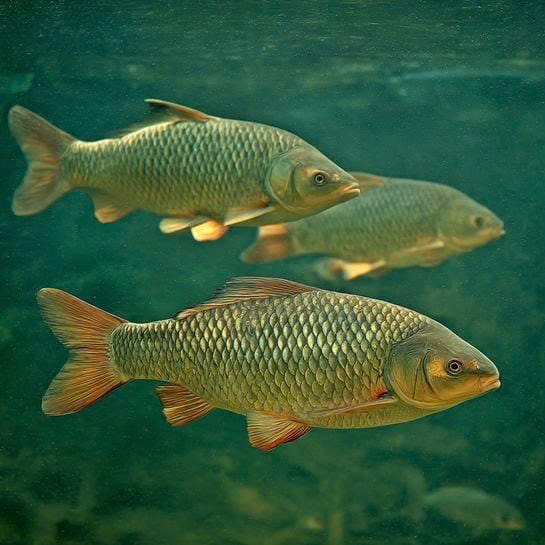
Catla Carp (Catla catla) is one of the largest Indian freshwater carp species, renowned for its deep body, broad head, and large eyes. Native to rivers and lakes in South Asia, Catla Carp are a staple in aquaculture due to their rapid growth, high market value, and ecological benefits.
Catla Carp are surface and mid-water feeders, consuming plankton, small invertebrates, and organic detritus. They inhabit large rivers, reservoirs, and ponds, often swimming in shoals. Their diet helps control plankton populations and maintain water clarity, playing a vital role in ecosystem balance.
Breeding occurs in the monsoon season, when females release eggs in flowing waters. Juveniles grow rapidly under optimal conditions, reaching lengths of 1–1.5 meters (3–5 feet) and weights of 20–30 kilograms (44–66 pounds) in aquaculture systems.
Catla Carp are economically and ecologically significant, supporting sustainable fisheries and aquaculture industries. Their unique feeding behavior, rapid growth, and importance in South Asian rivers make them a key representative of the Types of Carp Fish.
19. Mrigal Carp
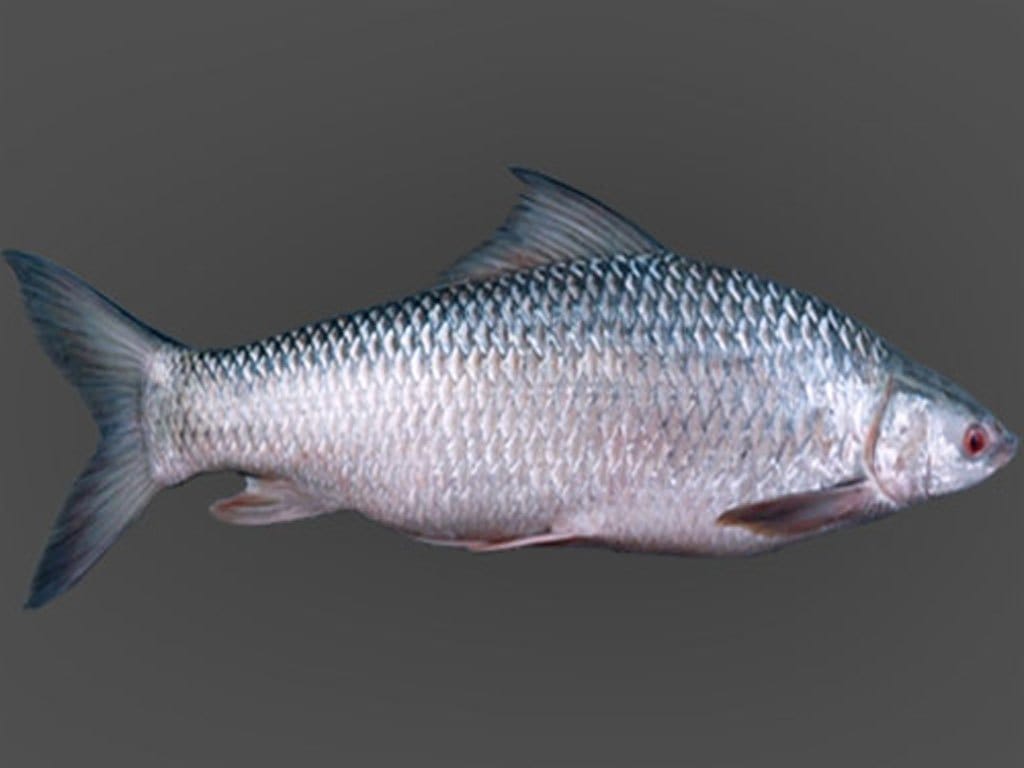
Mrigal Carp (Cirrhinus mrigala) is a South Asian freshwater carp recognized for its elongated body, silvery-gray color, and smooth scales. Native to rivers in India, Pakistan, and Bangladesh, Mrigal Carp is a vital species in aquaculture and natural river ecosystems.
Mrigal Carp are bottom feeders, primarily consuming detritus, algae, and small invertebrates. They inhabit rivers, lakes, and ponds with soft substrates and moderate vegetation. Their feeding behavior contributes to sediment mixing, nutrient cycling, and ecological balance in freshwater habitats.
Breeding occurs in warm, flowing waters during monsoon months. Females can lay hundreds of thousands of eggs, which adhere to aquatic vegetation. Juveniles grow rapidly, and adults may reach over 1 meter (3.3 feet) in length, making them a key species for aquaculture and food production.
Mrigal Carp’s adaptability, ecological contributions, and economic value make it a prominent member of the Types of Carp Fish, widely appreciated by both fish farmers and ecologists.
20. Deccan White Carp
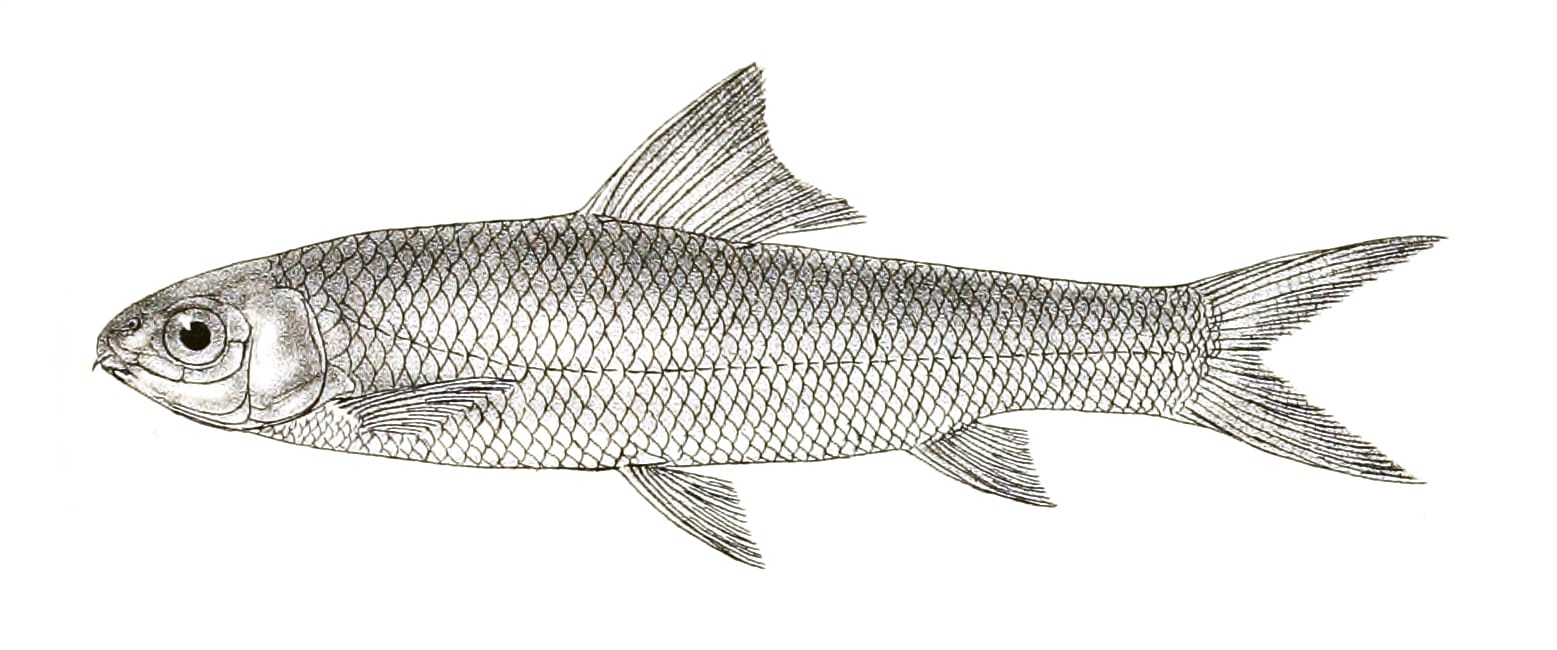
Deccan White Carp (Cirrhinus fulungee), also known as White Carp, is a freshwater species native to rivers in southern India. Recognizable by its light-colored body and elongated shape, Deccan White Carp is valued in aquaculture and as a food fish due to its rapid growth and high adaptability.
They inhabit rivers, reservoirs, and ponds with slow to moderate flow. Their diet includes plant material, algae, detritus, and small invertebrates. As bottom feeders, they play a crucial role in nutrient cycling and maintaining ecosystem health.
Breeding occurs during the monsoon season, with females laying large numbers of eggs in flowing waters. Juveniles grow quickly under suitable conditions, and adults can reach lengths of 60–80 centimeters (2–2.5 feet), making them suitable for both food production and ecological studies.
Deccan White Carp contribute to freshwater ecosystem stability by consuming detritus, controlling invertebrate populations, and supporting sediment turnover. Their adaptability and ecological significance ensure they remain an essential species among the Types of Carp Fish.
21. Chinese Mud Carp
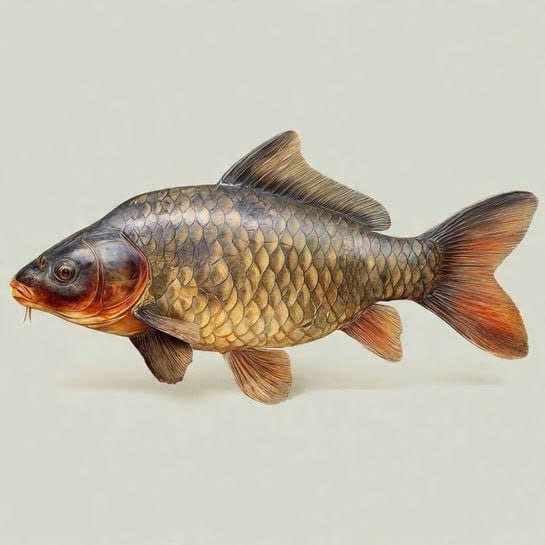
Chinese Mud Carp (Cirrhinus chinensis) is a medium-sized freshwater carp native to China’s rivers and lakes. Known for its silvery-gray body and slightly elongated shape, it is highly valued in aquaculture for its fast growth and adaptability. This species plays an important role in local fisheries and aquaculture production systems.
Chinese Mud Carp thrive in slow-flowing rivers, ponds, and reservoirs with muddy or vegetated bottoms. Their diet is omnivorous, consisting of detritus, algae, plant matter, and small aquatic invertebrates. As bottom feeders, they help recycle nutrients, contributing to a healthier aquatic ecosystem.
Breeding occurs during warm months in vegetated or shallow river sections. Females lay thousands of adhesive eggs, which hatch into juveniles in a matter of days. Juveniles grow rapidly under optimal conditions, making this species ideal for commercial aquaculture.
Ecologically, Chinese Mud Carp support sediment turnover, control invertebrate populations, and contribute to nutrient cycling. Their adaptability, resilience, and economic importance make them a key member of the Types of Carp Fish.
22. Hora White Carp
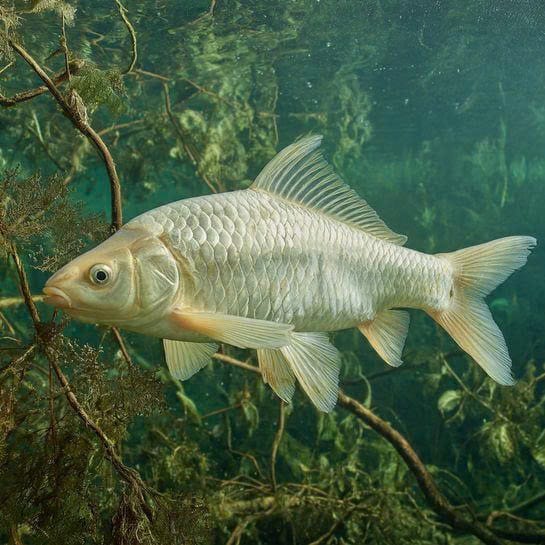
Hora White Carp (Cirrhinus hora) is a freshwater species native to rivers in India and Bangladesh. It has a slender body, silver-white coloration, and smooth scales, making it easily distinguishable from other regional carp species. Hora White Carp is valued for both food production and ecological maintenance in freshwater systems.
They inhabit rivers, ponds, and reservoirs with moderate flow and abundant aquatic vegetation. As omnivorous bottom feeders, their diet includes plant material, algae, detritus, and small invertebrates. This feeding behavior helps maintain ecosystem health by controlling excessive algae and detritus buildup.
Breeding occurs during the monsoon season when water levels rise. Females deposit thousands of eggs in shallow, vegetated areas, and juveniles grow quickly under nutrient-rich conditions. Adults can reach lengths of 60–80 centimeters (2–2.5 feet), making them suitable for both fisheries and ecological studies.
Hora White Carp plays a crucial role in nutrient cycling, sediment mixing, and supporting biodiversity, highlighting its importance among the Types of Carp Fish.
23. Siamese Mud Carp
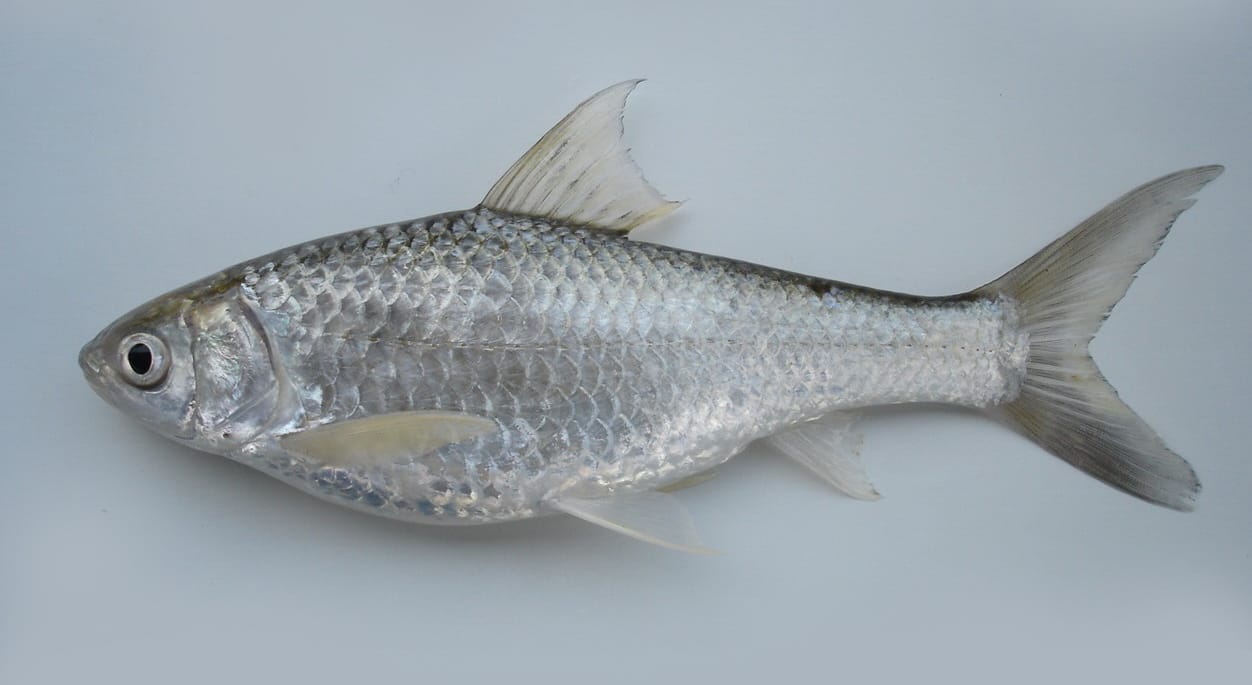
Siamese Mud Carp (Cirrhinus siamensis) is a medium-sized freshwater carp native to Southeast Asia, particularly Thailand, Cambodia, and Vietnam. Recognized for its silvery body and moderately deep shape, it is commonly found in rivers, ponds, and floodplains. Siamese Mud Carp are an integral species in regional aquaculture and ecosystem management.
Their diet is omnivorous, including detritus, algae, plant matter, and small aquatic invertebrates. As bottom feeders, they recycle nutrients and support the ecological balance in freshwater habitats. Their adaptability allows them to survive seasonal floods and variable water quality.
Spawning occurs during the wet season, with females laying large numbers of eggs on submerged vegetation. Juveniles grow rapidly and are an important food source for local communities. Siamese Mud Carp contribute to controlling algae and detritus, making them essential for freshwater ecosystem health.
Ecologically and economically, Siamese Mud Carp support fisheries, aquaculture, and biodiversity, cementing their status as a vital member of the Types of Carp Fish.
24. African Carp
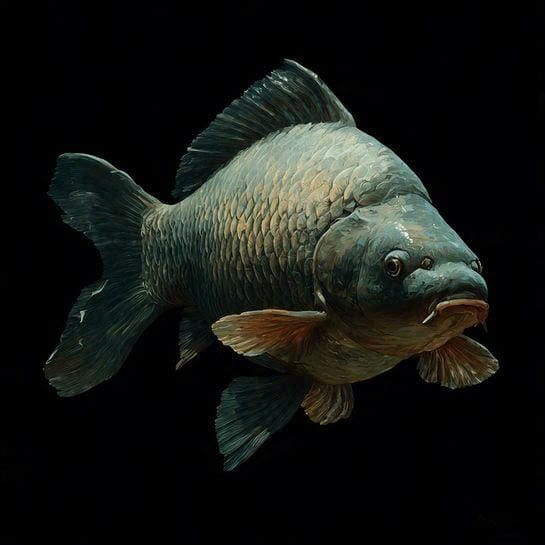
African Carp refers to several freshwater carp species found across Africa, including species within the Cyprinidae family. These carp are typically medium-sized, silver or bronze-colored, and highly adaptable to rivers, lakes, and ponds throughout the continent. They are valued for food production, recreational fishing, and ecological balance.
African Carp feed on detritus, algae, small invertebrates, and plant material, functioning as bottom feeders in freshwater ecosystems. Their diet helps maintain nutrient cycling and supports sediment mixing, contributing to overall ecosystem health.
Breeding occurs seasonally, often in response to rising water levels during rainy seasons. Females lay numerous adhesive eggs in shallow, vegetated areas. Juveniles grow quickly under favorable conditions, providing a sustainable food source for local communities and fisheries.
Ecologically, African Carp are important in controlling invertebrate populations, supporting biodiversity, and maintaining water quality. Their adaptability and significance in local economies make them an essential species among the Types of Carp Fish.
25. Fringed-lipped Peninsula Carp
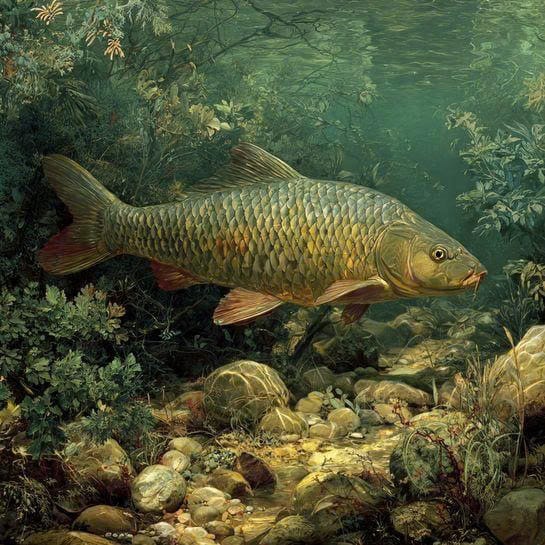
Fringed-lipped Peninsula Carp (Labeo fimbriatus) is a freshwater species native to rivers and lakes in South and Southeast Asia. Known for its distinctive fringed lips and elongated body, it is a popular species in aquaculture and recreational fishing. This carp is valued for its ecological role as a benthic feeder.
They inhabit rivers, ponds, and reservoirs with moderate flow and muddy or sandy substrates. Their diet consists mainly of detritus, algae, and small invertebrates. By feeding on the bottom, they help recycle nutrients and maintain ecosystem balance.
Reproduction occurs during the monsoon season, with females laying thousands of eggs in vegetated areas or shallow riverbeds. Juveniles grow rapidly and are often harvested for aquaculture or local food markets.
The Fringed-lipped Peninsula Carp’s ecological contributions, including sediment mixing and invertebrate control, make it a notable member of the Types of Carp Fish. Its unique morphology and feeding behavior also make it an interesting species for freshwater research and ornamental purposes.
26. Bigmouth Carp
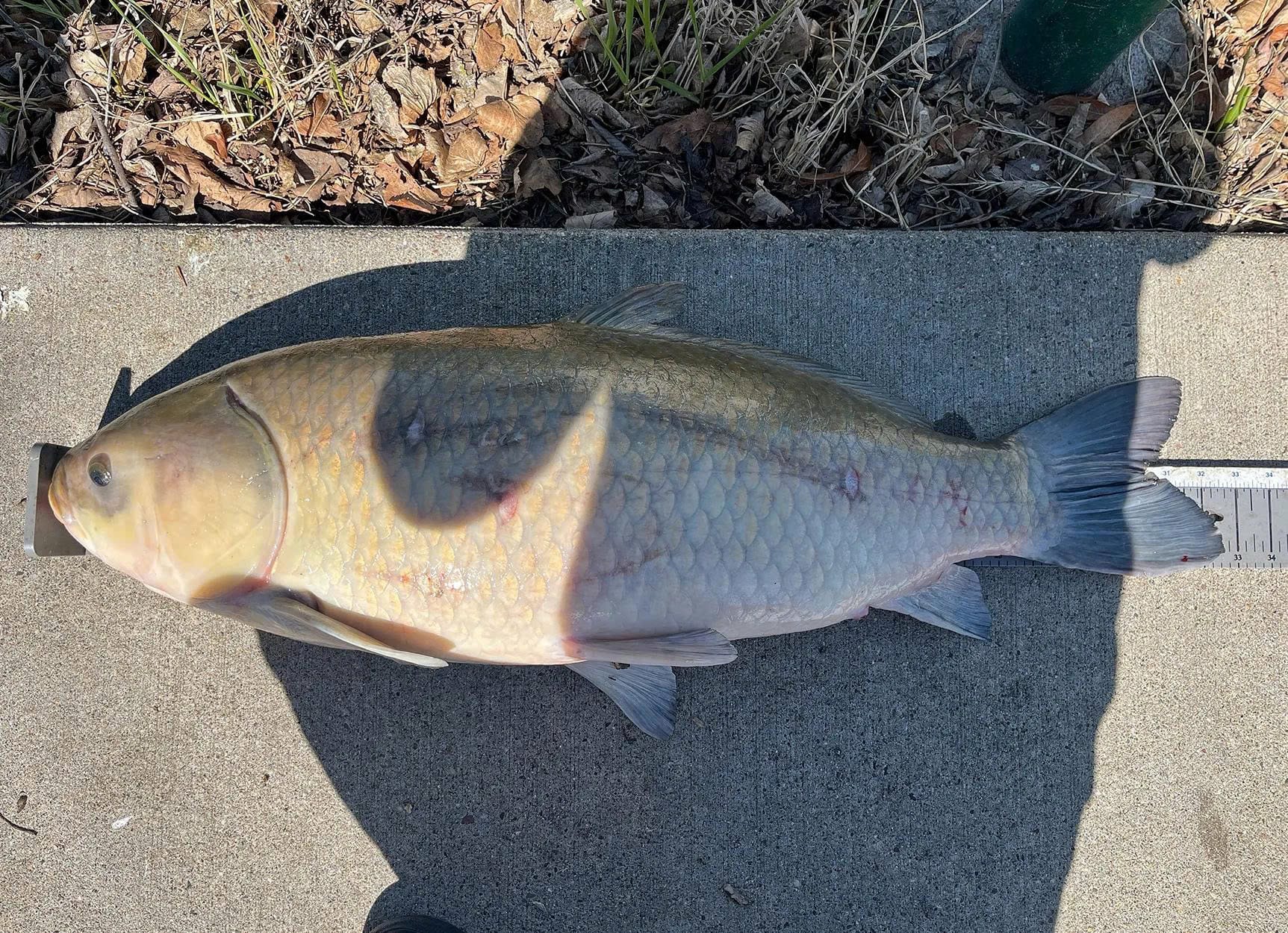
Bigmouth Carp (Hypophthalmichthys harmandi) is a freshwater species native to Southeast Asia. As the name suggests, this carp is recognized for its exceptionally large mouth, which allows it to filter feed efficiently on plankton and microscopic organisms in rivers and lakes. Their streamlined bodies and silver-gray coloration make them easily distinguishable from other carp species.
Bigmouth Carp thrive in slow-flowing rivers, reservoirs, and ponds with abundant plankton. Their diet consists almost exclusively of phytoplankton and zooplankton, which positions them as key players in controlling algal populations and maintaining water quality. Their filter-feeding habits make them valuable for both ecological studies and aquaculture programs.
Reproduction occurs in river systems during warm seasons, with females releasing thousands of eggs that drift downstream. Juveniles grow quickly under nutrient-rich conditions, and adults can reach lengths of over 80 centimeters (2.6 feet). Bigmouth Carp are both ecologically and economically significant in their native regions.
Ecologically, Bigmouth Carp help regulate plankton abundance, reduce eutrophication risks, and contribute to nutrient cycling. Their unique feeding habits and size make them a fascinating species among the Types of Carp Fish.
27. Carp Bream
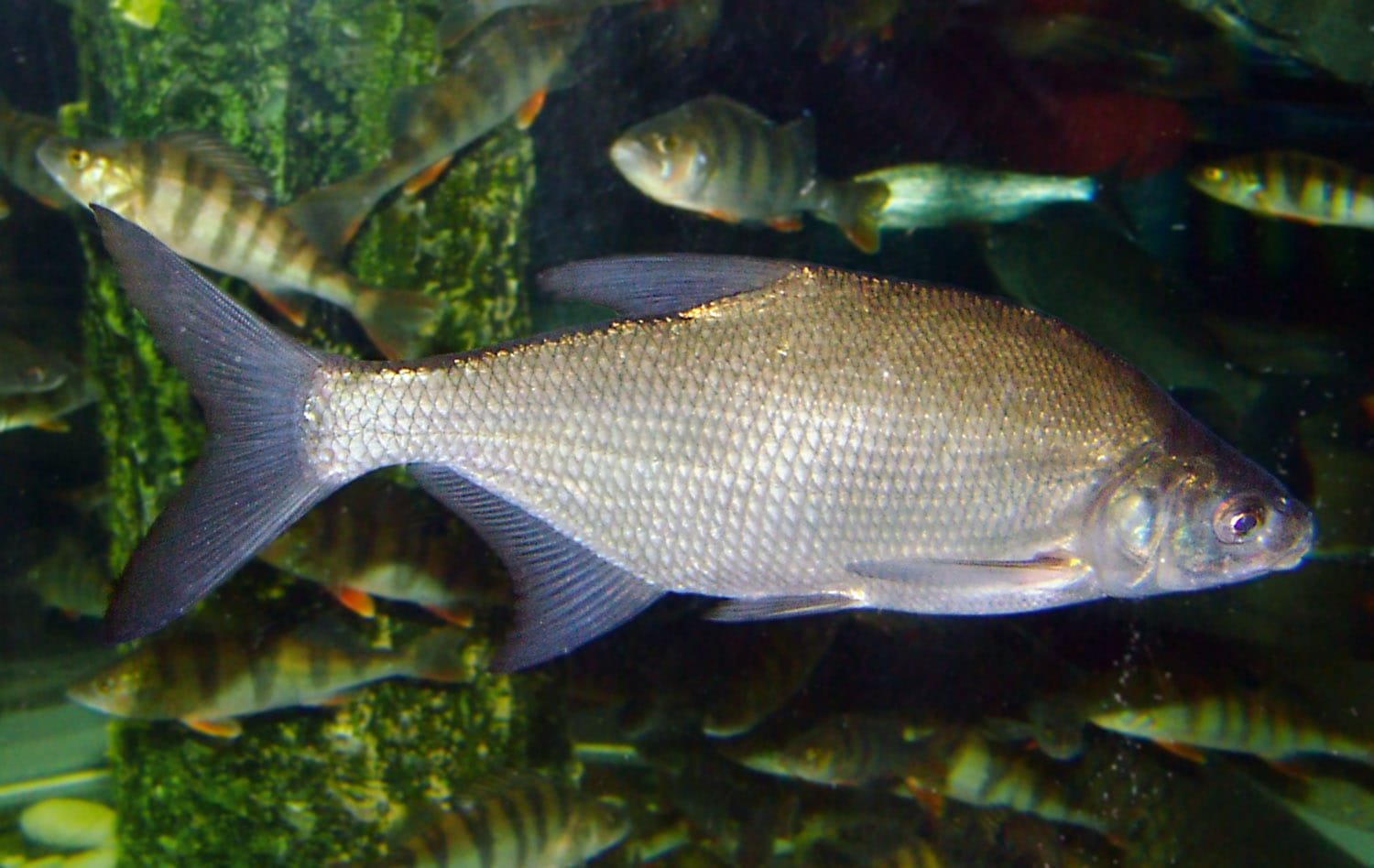
Carp Bream (Abramis brama) is a freshwater carp species native to Europe, commonly found in rivers, lakes, and reservoirs. This species has a deep, laterally compressed body, silvery coloration, and small scales, making it easily distinguishable from other carp varieties. Carp Bream are highly valued by anglers and ecologists alike for their ecological contributions.
Carp Bream are omnivorous, feeding on detritus, plant material, insects, and small crustaceans. As bottom feeders, they play a vital role in recycling nutrients and maintaining sediment balance in freshwater ecosystems. They thrive in slow-moving waters with abundant vegetation, which provides food and spawning habitats.
Breeding occurs during spring and early summer, with females laying thousands of eggs on submerged vegetation. Juveniles grow rapidly under favorable conditions and contribute to the local fishery as both food and sport fish.
Ecologically, Carp Bream help control invertebrate populations and maintain water quality. Their adaptability, ecological importance, and cultural value make them an important member of the Types of Carp Fish.
28. Jullien’s Golden Carp
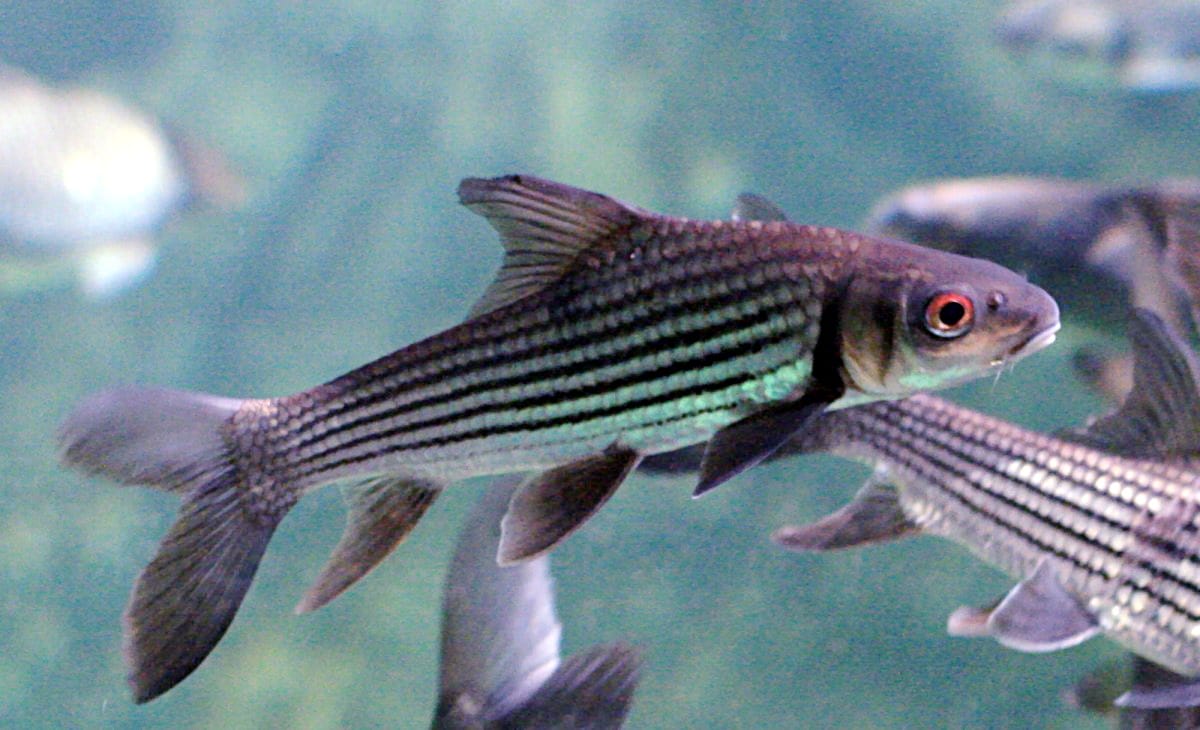
Jullien’s Golden Carp (Probarbus jullieni) is a large, rare freshwater carp native to Southeast Asia, particularly in the Mekong and Chao Phraya river systems. Known for its golden hue, elongated body, and prominent dorsal hump, this carp is one of the most visually striking and ecologically significant species in the region.
Jullien’s Golden Carp inhabits large rivers, floodplains, and reservoirs. They are omnivorous, feeding on insects, crustaceans, and plant material. As a migratory species, they play an important role in seed dispersal and nutrient cycling across freshwater ecosystems.
Spawning occurs in flowing rivers during the rainy season, with females releasing thousands of eggs. Juveniles grow rapidly under nutrient-rich conditions. Due to overfishing and habitat fragmentation, Jullien’s Golden Carp is considered vulnerable, making conservation efforts critical.
Ecologically and culturally, Jullien’s Golden Carp is invaluable, helping maintain biodiversity, supporting local fisheries, and serving as an indicator species for river health. It remains one of the most iconic members of the Types of Carp Fish.
29. Wild Common Carp
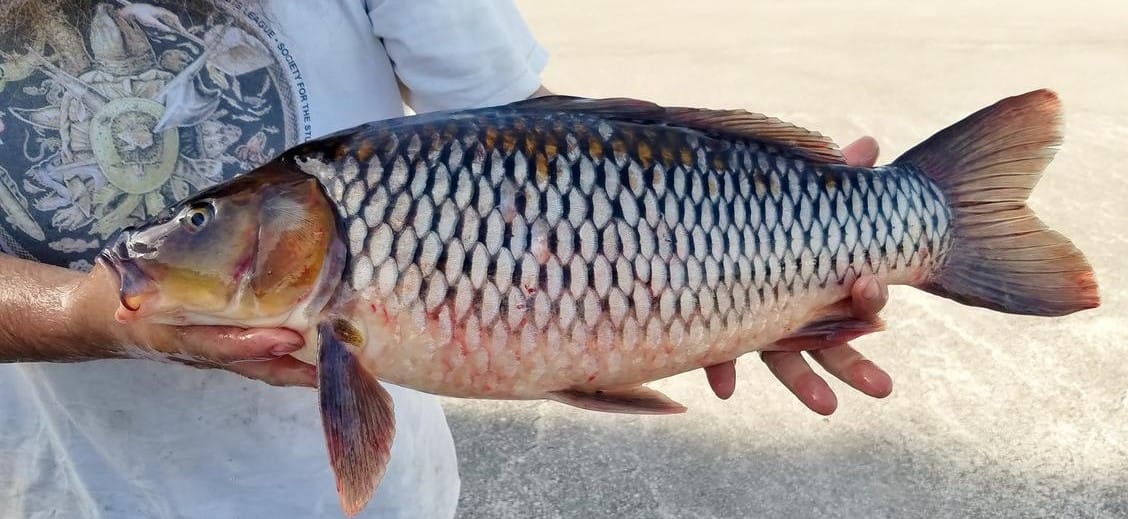
Wild Common Carp (Cyprinus carpio) refers to natural, non-domesticated populations of the Common Carp. Found across Europe and Asia, these carp retain their natural golden-brown coloration, full scale coverage, and robust body. Unlike ornamental or hybrid varieties, Wild Common Carp have adapted to survive in diverse riverine and lake ecosystems.
Wild Common Carp inhabit slow-flowing rivers, lakes, and ponds with soft substrates. They are omnivorous bottom feeders, consuming aquatic plants, detritus, insect larvae, and small crustaceans. Their feeding behavior contributes to sediment turnover and nutrient cycling, which supports overall ecosystem health.
Reproduction occurs during spring and early summer, with females laying thousands of eggs in vegetated areas. Juveniles grow quickly under suitable conditions and eventually mature into large adults, some exceeding 30 kilograms (66 pounds). Wild Common Carp populations are essential for genetic diversity in both aquaculture and natural ecosystems.
By maintaining sediment health, recycling nutrients, and supporting aquatic biodiversity, Wild Common Carp remain a cornerstone of the Types of Carp Fish, appreciated for their ecological resilience and natural heritage.
30. Giant Salmon Carp
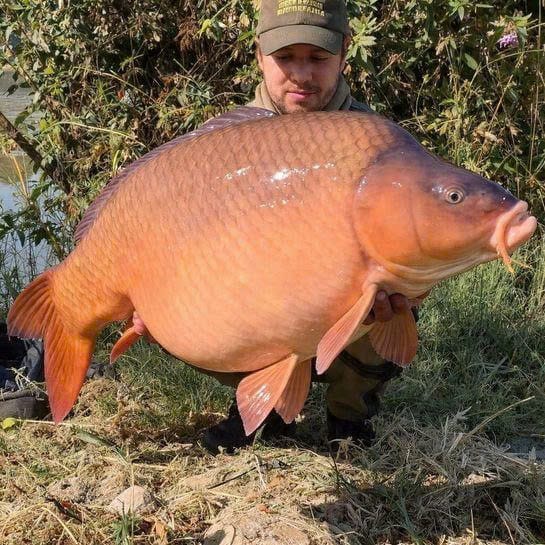
Giant Salmon Carp (Cyprinus rubrofuscus var. “Giant Salmon”) is a large, ornamental variant of the Common Carp, distinguished by its salmon-pink coloration and robust size. Native to Asia, this species has been selectively bred for both aesthetic appeal and rapid growth, making it highly sought after in ornamental ponds and aquaculture.
They inhabit large ponds, reservoirs, and slow-flowing rivers, thriving in well-oxygenated waters. Giant Salmon Carp are omnivorous, feeding on detritus, algae, aquatic plants, and small invertebrates. Their feeding behavior contributes to nutrient cycling and sediment mixing, supporting the health of their aquatic habitats.
Reproduction occurs during the warm season, with females laying thousands of eggs on submerged vegetation. Juveniles grow rapidly under optimal conditions, and adults can reach over 1 meter (3.3 feet) in length. The combination of vibrant coloration, size, and ecological function makes them a favorite for both hobbyists and researchers.
Giant Salmon Carp exemplify the intersection of ornamental beauty and ecological importance, highlighting why they are a remarkable member of the Types of Carp Fish. Their presence in ponds and aquaculture systems enhances biodiversity, nutrient cycling, and aesthetic enjoyment.
Conclusion
Exploring the diverse world of carp fish reveals just how fascinating and ecologically significant this group of freshwater species can be. From the widely recognized Common Carp and the ornamental beauty of Koi Carp, to specialized species like Black Carp and the rare Jullien’s Golden Carp, each member of the Types of Carp Fish brings its own unique characteristics, feeding behaviors, and ecological contributions. Whether it is controlling algae, recycling nutrients, supporting sediment turnover, or adding aesthetic value to ponds and aquaculture systems, carp play indispensable roles in freshwater habitats around the world.
Understanding these species—covering all 30 varieties from Linear Carp and Grass Carp to Giant Salmon Carp—not only enhances our appreciation for their beauty and diversity but also underscores the importance of conserving their natural habitats. By recognizing their ecological roles and carefully managing their populations, we can ensure that these remarkable fish continue to thrive for generations to come.
In summary, the Types of Carp Fish demonstrate incredible adaptability, resilience, and ecological value, making them an essential part of global freshwater ecosystems. Whether for aquaculture, ornamental purposes, or natural ecosystem studies, these species deserve both admiration and protection.
Frequently Asked Questions About Types of Carp Fish
1. What are carp fish?
Carp fish are freshwater fish species belonging to the family Cyprinidae. They are known for their adaptability, diverse body shapes, and importance in aquaculture, ornamental ponds, and freshwater ecosystems.
2. How many types of carp fish are there?
There are hundreds of carp species worldwide, but this guide covers 30 of the most popular and significant Types of Carp Fish.
3. What is the most common carp fish?
The Common Carp (Cyprinus carpio) is the most widespread and recognizable carp species globally, valued for both aquaculture and recreational fishing.
4. What is the difference between Common Carp and Mirror Carp?
Mirror Carp are a variant of Common Carp, characterized by irregular, reflective scales, while Common Carp have full, uniform scale coverage.
5. What is Leather Carp?
Leather Carp is a unique carp variety with a smooth, scaleless body and only a few scales along the dorsal line, prized in sport fishing and ornamental ponds.
6. What is a Ghost Carp?
Ghost Carp are ornamental carp with pale, almost translucent skin and subtle scale patterns, making them visually striking for decorative ponds.
7. What is F1 Carp?
F1 Carp refers to first-generation hybrid carp, usually bred from two different species like Common Carp and Mirror Carp, combining growth, resilience, and scale pattern traits.
8. What is Linear Carp?
Linear Carp are a carp variant with a straight, elongated body and linear scale arrangement along the dorsal line, distinct from standard carp varieties.
9. What is the difference between Koi and Common Carp?
Koi are selectively bred ornamental carp known for vibrant colors, while Common Carp are wild-type or farmed carp with golden-brown coloration, often used for food or sport.
10. What is Grass Carp?
Grass Carp are herbivorous carp that consume large amounts of aquatic vegetation, often used to control weed growth in lakes, ponds, and reservoirs.
11. What is Crucian Carp?
Crucian Carp is a small to medium-sized carp native to Europe and Asia, known for its resilience and ability to survive in low-oxygen or winter conditions.
12. What is Goldfish?
Goldfish (Carassius auratus) are ornamental carp derived from wild Crucian Carp, famous for bright orange or mixed colors and commonly kept in ponds and aquariums.
13. What is Bighead Carp?
Bighead Carp are large freshwater carp that feed on plankton using specialized filter-feeding mechanisms, important in aquaculture and ecosystem management.
14. What is Silver Carp?
Silver Carp are related to Bighead Carp, known for their silvery appearance and jumping behavior, feeding primarily on phytoplankton in rivers and reservoirs.
15. What is Black Carp?
Black Carp are mollusc-eating carp species with dark coloration, using strong jaws to crush snails and mussels, helping control mollusk populations in freshwater systems.
16. What is Mud Carp?
Mud Carp are medium-sized carp adapted to shallow, muddy rivers and ponds, feeding on detritus, algae, and small invertebrates, often used in aquaculture.
17. What is Smallscale Mud Carp?
Smallscale Mud Carp is a variant of Mud Carp with smaller scales and streamlined bodies, valued for aquaculture and maintaining freshwater ecosystem health.
18. What is Fully-Scaled Mirror Carp?
Fully-Scaled Mirror Carp are a Mirror Carp variant with nearly complete reflective scale coverage, prized for ornamental and sport fishing purposes.
19. What is Prussian Carp?
Prussian Carp are small, hardy carp native to Eastern Europe and Asia, closely related to Crucian Carp, and often used in aquaculture and freshwater fisheries.
20. What is Catla Carp?
Catla Carp is a large South Asian carp, feeding primarily in surface and mid-water zones on plankton and detritus, important in aquaculture and river ecosystems.
21. What is Mrigal Carp?
Mrigal Carp is a bottom-feeding freshwater carp native to South Asia, valued for aquaculture, fast growth, and contribution to sediment turnover in rivers and ponds.
22. What is Deccan White Carp?
Deccan White Carp is a medium-sized carp native to southern India, recognized for light coloration, adaptability, and importance in aquaculture.
23. What is Chinese Mud Carp?
Chinese Mud Carp is a silvery carp species from China, omnivorous and used extensively in aquaculture, known for rapid growth and adaptability to various water conditions.
24. What is Hora White Carp?
Hora White Carp is a slender, silver-white carp from rivers in India and Bangladesh, feeding on detritus and algae, and contributing to ecosystem balance.
25. What is Siamese Mud Carp?
Siamese Mud Carp is a medium-sized Southeast Asian carp, feeding on detritus and plant material, often used in aquaculture and river ecosystem management.
26. What is African Carp?
African Carp refers to several freshwater species across Africa, medium-sized, feeding on detritus, algae, and small invertebrates, important in local fisheries.
27. What is Fringed-lipped Peninsula Carp?
Fringed-lipped Peninsula Carp is a South and Southeast Asian species with distinctive fringed lips, feeding on detritus and algae, often used in aquaculture.
28. What is Bigmouth Carp?
Bigmouth Carp is a filter-feeding carp from Southeast Asia with a large mouth for consuming plankton, crucial in nutrient cycling and aquaculture systems.
29. What is Carp Bream?
Carp Bream is a European freshwater carp with deep body and silvery scales, feeding on detritus, insects, and small crustaceans, maintaining sediment and nutrient balance.
30. What is Jullien’s Golden Carp?
Jullien’s Golden Carp is a large, rare Southeast Asian carp with golden coloration, feeding on insects, crustaceans, and plants, and contributing to river biodiversity.
31. What is Wild Common Carp?
Wild Common Carp are natural populations of Common Carp found in rivers and lakes, contributing to genetic diversity, sediment turnover, and nutrient cycling.
32. What is Giant Salmon Carp?
Giant Salmon Carp is a large, ornamental variant with salmon-pink coloration, feeding on detritus and plants, valued for ponds, aquaculture, and ecosystem health.
33. Are carp fish omnivorous?
Yes, most carp fish are omnivorous, feeding on plant material, algae, detritus, insect larvae, and small invertebrates.
34. Which carp are used for ornamental ponds?
Koi Carp, Ghost Carp, Mirror Carp, and Giant Salmon Carp are commonly used in ornamental ponds due to their vibrant colors and unique appearances.
35. Which carp are used in aquaculture?
Common Carp, Grass Carp, Catla Carp, Mrigal Carp, and Chinese Mud Carp are widely used in aquaculture for their fast growth and adaptability.
36. Can carp live in low-oxygen water?
Yes, species like Crucian Carp and Mud Carp are highly resilient and can survive in low-oxygen or turbid waters.
37. Which carp feed on plankton?
Bighead Carp, Silver Carp, and Bigmouth Carp are specialized plankton feeders, filtering microscopic organisms from rivers and lakes.
38. Which carp eat mollusks?
Black Carp are primarily molluscivorous, feeding on snails, mussels, and clams in freshwater ecosystems.
39. How big can carp grow?
Size varies by species. Common Carp and Catla Carp can exceed 30 kg (66 lbs), while ornamental Koi typically grow to 1 meter (3.3 feet) in well-maintained ponds.
40. Do carp reproduce quickly?
Yes, most carp species lay thousands of eggs during spawning, allowing rapid population growth under favorable conditions.
41. Are carp native worldwide?
Carp are native to Europe and Asia but have been introduced globally for aquaculture, sport fishing, and ornamental purposes.
42. What is the ecological role of carp?
Carp recycle nutrients, control algae and invertebrate populations, mix sediment, and support freshwater biodiversity.
43. Can carp be invasive?
Yes, species like Common Carp, Silver Carp, and Bighead Carp can become invasive in non-native habitats, impacting local ecosystems.
44. Which carp are herbivorous?
Grass Carp primarily feed on aquatic plants, controlling vegetation growth in ponds, lakes, and rivers.
45. Are all carp edible?
Most carp species are edible, including Common Carp, Catla Carp, Mrigal Carp, and Mud Carp, and are important food fish in many countries.
46. How long do carp live?
Lifespan varies: Common Carp and Koi can live over 20–30 years in optimal conditions, while smaller species like Mud Carp may live 5–10 years.
47. Do carp recognize humans?
Ornamental species like Koi Carp can recognize caretakers and may respond to feeding routines, demonstrating intelligence and learning ability.
48. Which carp are rare or endangered?
Jullien’s Golden Carp, Narcondam Carp, and some wild populations of Giant Salmon Carp are considered rare or vulnerable due to overfishing and habitat loss.
49. Can carp live in ponds?
Yes, many species, especially Koi, Ghost Carp, and Mirror Carp, thrive in well-maintained ornamental or aquaculture ponds.
50. What is the best diet for carp?
Carp diets vary by species but generally include algae, plant matter, detritus, insects, plankton, and small invertebrates. Ornamental carp may also consume formulated fish feed for optimal growth and color.
51. Why are carp important for ecosystems?
Carp play vital ecological roles, including nutrient cycling, sediment mixing, controlling algae and invertebrate populations, and supporting biodiversity in freshwater habitats.
52. Can carp live in cold climates?
Yes, species like Crucian Carp and Common Carp can survive cold winters under ice, demonstrating remarkable adaptability.
Read more: 50 Types of Cichlid Fish (Pictures And Identification)