

Fish come in more shapes, colors, and sizes than almost any child expects. This guide to types of fish for kids introduces 80 familiar and surprising examples from coral reefs, rivers, lakes, ponds, the open ocean, and the deep sea. Each entry gives a simple identification clue, habitat, diet, and observation idea for school projects, drawing, nature study, or family learning.
What Are the Main Types of Fish for Kids?
Fish can be grouped by where they live, how their bodies are built, and how they feed. Major groups in this guide include reef fish, open-ocean fish, schooling food fish, flatfish, freshwater game fish, aquarium fish, unusual air-breathing fish, sharks, and rays. Sharks and rays are cartilaginous fish, while most other examples are bony fish.
| Fish Group | Examples | Easy Clue |
|---|---|---|
| Reef fish | Clownfish, parrotfish, butterflyfish | Bright colors and reef habitat |
| Open-ocean fish | Tuna, swordfish, sailfish | Streamlined bodies for speed |
| Freshwater fish | Trout, catfish, pike, carp | Rivers, lakes, and ponds |
| Aquarium favorites | Betta, guppy, tetra, gourami | Small size and colorful forms |
| Unusual fish | Mudskipper, lungfish, electric eel | Special movement, breathing, or electricity |
| Sharks and rays | Whale shark, hammerhead, manta ray | Cartilage instead of bony skeleton |
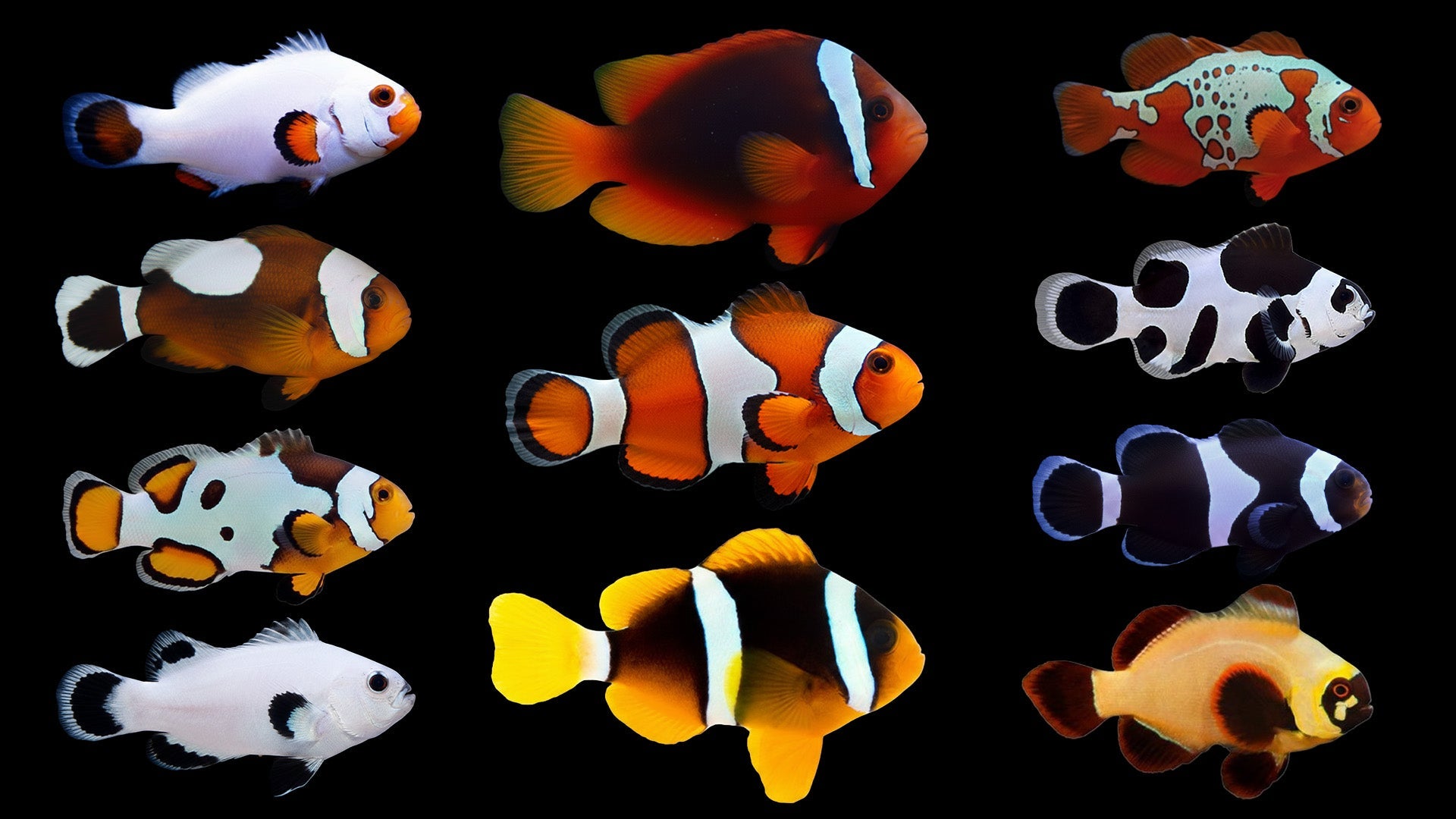
1. Clownfish
The Clownfish is easy to remember because it has orange-and-white bands. It lives in coral reefs and eats small animals and algae. When observing one, watch quietly and never touch or chase wild fish.
2. Blue Tang
Kids can identify the Blue Tang by looking for bright blue body and yellow tail. Its home is usually coral reefs, where it finds algae and tiny drifting food. A drawing activity can focus on its body outline, fins, colors, and habitat.
3. Yellow Tang
One of the most interesting things about the Yellow Tang is its solid yellow body. You may learn about it in coral reefs; its food includes algae. Compare its mouth and tail with other fish to guess how it moves and feeds.
4. Marine Angelfish
The Marine Angelfish shows how fish can adapt to different habitats, especially with its tall body and colorful stripes. In coral reefs, it survives by finding sponges, algae, and small animals. This fish is a good reminder that “fish” includes many body shapes, not only the classic oval shape.
5. Butterflyfish
The Butterflyfish is easy to remember because it has thin body with bold eye stripes. It lives in coral reefs and eats coral polyps and small invertebrates. When observing one, watch quietly and never touch or chase wild fish.
6. Parrotfish
Kids can identify the Parrotfish by looking for beak-like teeth. Its home is usually coral reefs, where it finds algae scraped from rock. A drawing activity can focus on its body outline, fins, colors, and habitat.
7. Pufferfish
One of the most interesting things about the Pufferfish is its inflatable body. You may learn about it in reefs and coastal water; its food includes hard-shelled animals. Compare its mouth and tail with other fish to guess how it moves and feeds.
8. Seahorse
The Seahorse shows how fish can adapt to different habitats, especially with its horse-shaped head and curled tail. In seagrass and reefs, it survives by finding tiny crustaceans. This fish is a good reminder that “fish” includes many body shapes, not only the classic oval shape.
9. Lionfish
The Lionfish is easy to remember because it has striped body and long venomous spines. It lives in coral and rocky reefs and eats small fish and shrimp. When observing one, watch quietly and never touch or chase wild fish.
10. Triggerfish
Kids can identify the Triggerfish by looking for strong jaws and locking dorsal spine. Its home is usually reefs, where it finds crabs, urchins, and mollusks. A drawing activity can focus on its body outline, fins, colors, and habitat.
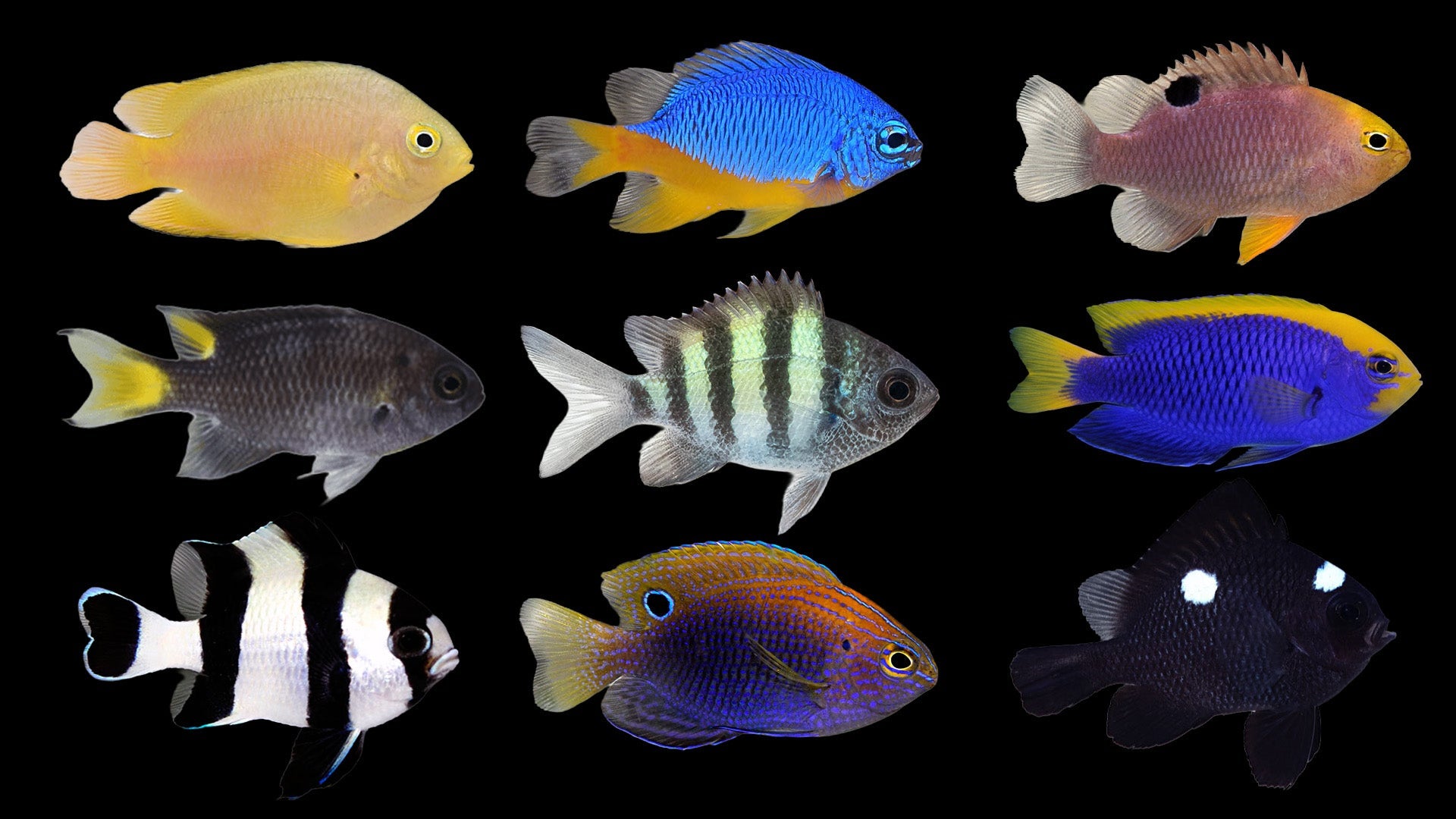
11. Damselfish
One of the most interesting things about the Damselfish is its small colorful body. You may learn about it in coral reefs; its food includes plankton and algae. Compare its mouth and tail with other fish to guess how it moves and feeds.
12. Wrasse
The Wrasse shows how fish can adapt to different habitats, especially with its many colors and active swimming. In reefs and rocky coasts, it survives by finding small animals and parasites. This fish is a good reminder that “fish” includes many body shapes, not only the classic oval shape.
13. Goby
The Goby is easy to remember because it has small bottom-resting body. It lives in reefs, rivers, and tide pools and eats tiny animals and algae. When observing one, watch quietly and never touch or chase wild fish.
14. Blenny
Kids can identify the Blenny by looking for long body and expressive face. Its home is usually rocky reefs and tide pools, where it finds algae or tiny animals. A drawing activity can focus on its body outline, fins, colors, and habitat.
15. Cardinalfish
One of the most interesting things about the Cardinalfish is its large eyes for low light. You may learn about it in reefs and caves; its food includes small crustaceans. Compare its mouth and tail with other fish to guess how it moves and feeds.
16. Surgeonfish
The Surgeonfish shows how fish can adapt to different habitats, especially with its sharp tail-base spine. In coral reefs, it survives by finding algae. This fish is a good reminder that “fish” includes many body shapes, not only the classic oval shape.
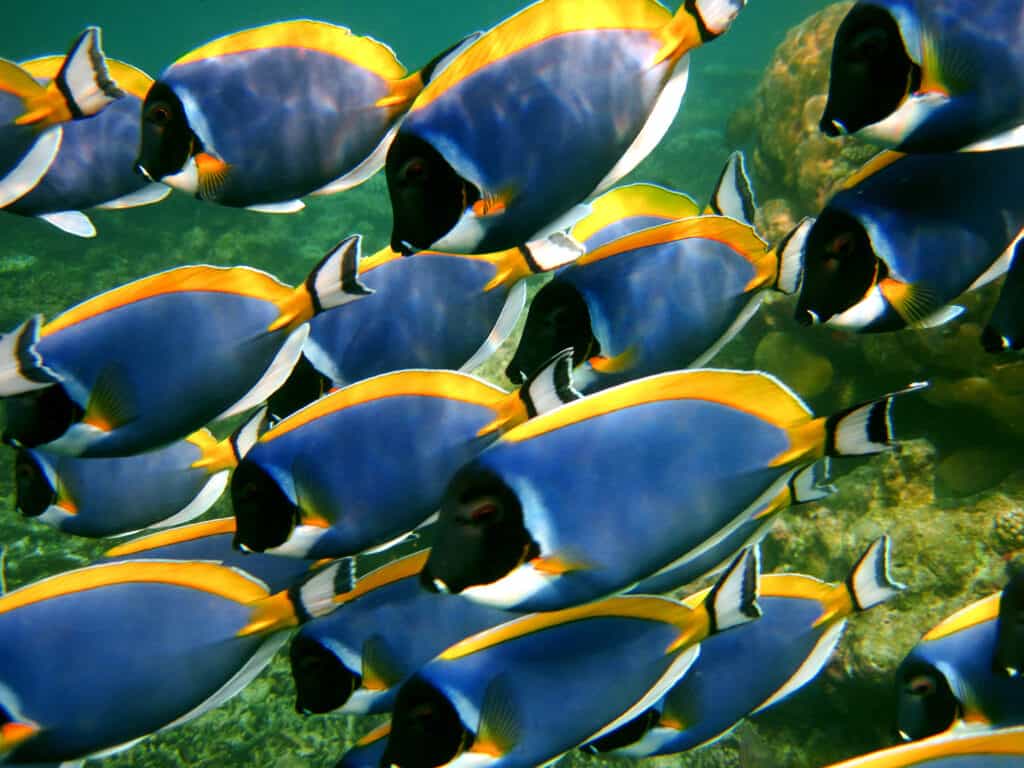
17. Moorish Idol
The Moorish Idol is easy to remember because it has black, white, and yellow bands with a long fin streamer. It lives in coral reefs and eats sponges and small invertebrates. When observing one, watch quietly and never touch or chase wild fish.
18. Boxfish
Kids can identify the Boxfish by looking for box-shaped armored body. Its home is usually reefs, where it finds small invertebrates and algae. A drawing activity can focus on its body outline, fins, colors, and habitat.
19. Cowfish
One of the most interesting things about the Cowfish is its horn-like projections. You may learn about it in reefs and lagoons; its food includes bottom invertebrates. Compare its mouth and tail with other fish to guess how it moves and feeds.
20. Flying Fish
The Flying Fish shows how fish can adapt to different habitats, especially with its large wing-like pectoral fins. In open ocean, it survives by finding plankton. This fish is a good reminder that “fish” includes many body shapes, not only the classic oval shape.
21. Ocean Sunfish
The Ocean Sunfish is easy to remember because it has huge round body with no normal tail. It lives in open ocean and eats jellyfish and other soft prey. When observing one, watch quietly and never touch or chase wild fish.

22. Swordfish
Kids can identify the Swordfish by looking for long sword-like bill. Its home is usually open ocean, where it finds fish and squid. A drawing activity can focus on its body outline, fins, colors, and habitat.
23. Sailfish
One of the most interesting things about the Sailfish is its giant sail-like dorsal fin. You may learn about it in warm open ocean; its food includes schooling fish. Compare its mouth and tail with other fish to guess how it moves and feeds.
24. Blue Marlin
The Blue Marlin shows how fish can adapt to different habitats, especially with its long bill and powerful body. In tropical open ocean, it survives by finding tuna and other fish. This fish is a good reminder that “fish” includes many body shapes, not only the classic oval shape.
25. Tuna
The Tuna is easy to remember because it has torpedo-shaped body. It lives in open ocean and eats fish and squid. When observing one, watch quietly and never touch or chase wild fish.
26. Mackerel
Kids can identify the Mackerel by looking for striped fast-swimming body. Its home is usually coastal and open ocean, where it finds plankton and small fish. A drawing activity can focus on its body outline, fins, colors, and habitat.
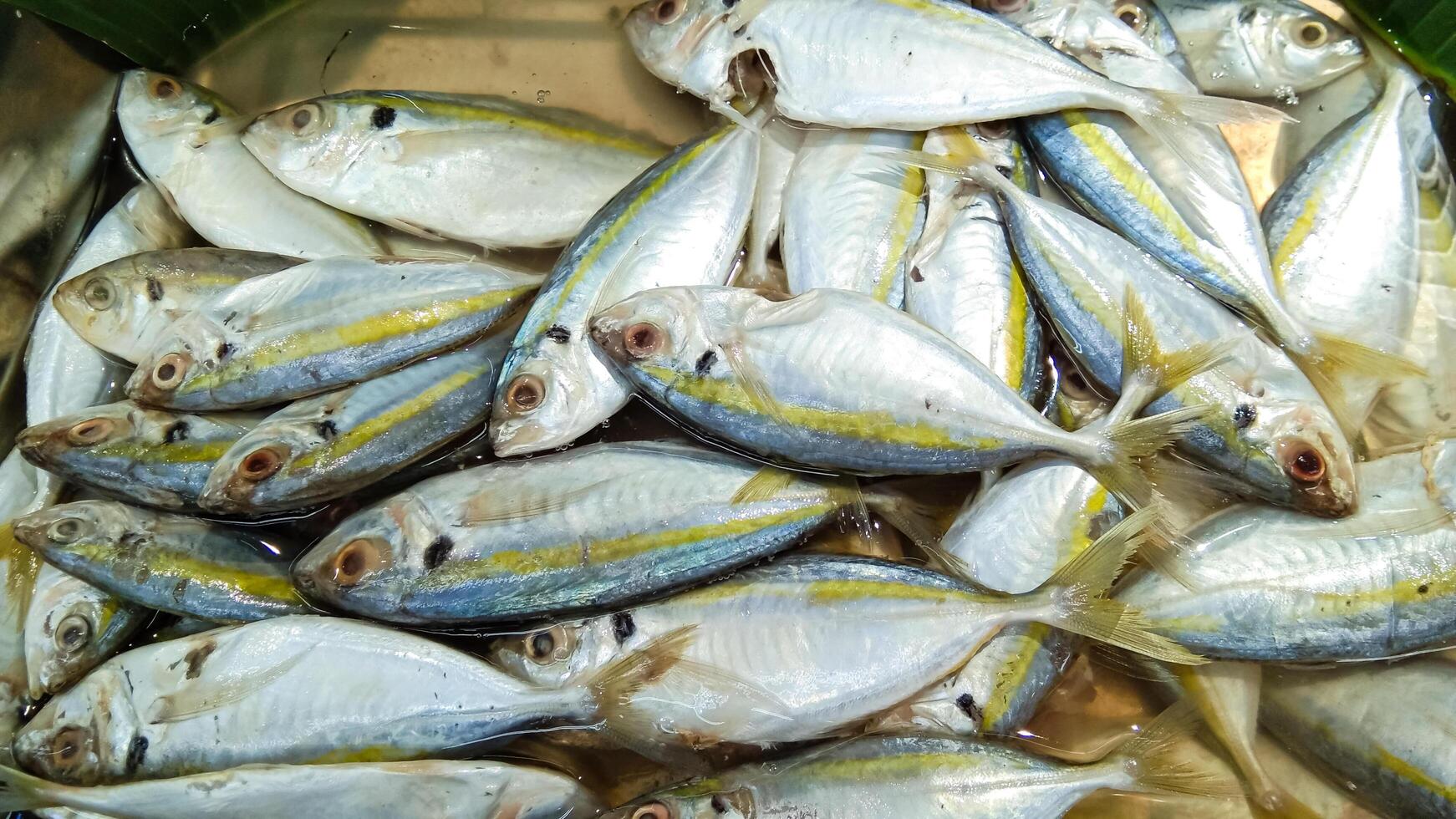
27. Sardine
One of the most interesting things about the Sardine is its small silver schooling body. You may learn about it in coastal ocean; its food includes plankton. Compare its mouth and tail with other fish to guess how it moves and feeds.
28. Anchovy
The Anchovy shows how fish can adapt to different habitats, especially with its tiny silver body and large mouth. In coastal ocean, it survives by finding plankton. This fish is a good reminder that “fish” includes many body shapes, not only the classic oval shape.
29. Herring
The Herring is easy to remember because it has silver schooling body. It lives in cool coastal ocean and eats plankton. When observing one, watch quietly and never touch or chase wild fish.
30. Cod
Kids can identify the Cod by looking for chin barbel and pale spots. Its home is usually cold ocean, where it finds fish and bottom animals. A drawing activity can focus on its body outline, fins, colors, and habitat.
31. Haddock
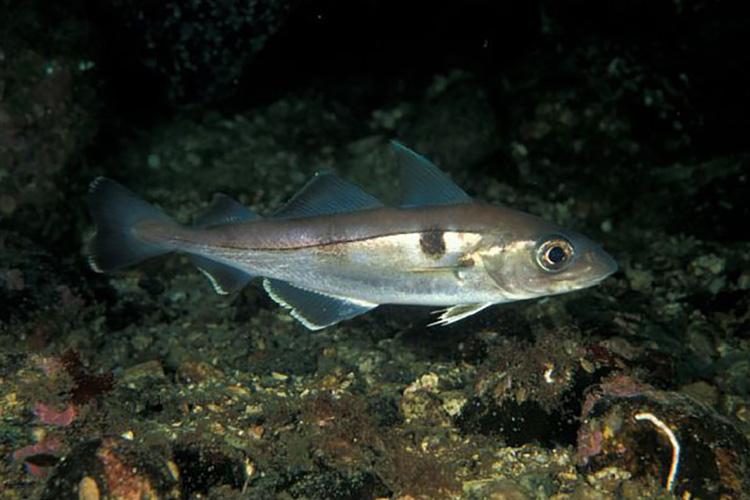
One of the most interesting things about the Haddock is its dark thumbprint mark. You may learn about it in North Atlantic; its food includes bottom animals. Compare its mouth and tail with other fish to guess how it moves and feeds.
32. Halibut
The Halibut shows how fish can adapt to different habitats, especially with its both eyes on one side. In cold seafloor, it survives by finding fish and crustaceans. This fish is a good reminder that “fish” includes many body shapes, not only the classic oval shape.
33. Flounder
The Flounder is easy to remember because it has flat body with both eyes on one side. It lives in sandy and muddy bottoms and eats small fish and crustaceans. When observing one, watch quietly and never touch or chase wild fish.
34. Sole
Kids can identify the Sole by looking for thin oval flatfish body. Its home is usually seafloor, where it finds worms and tiny animals. A drawing activity can focus on its body outline, fins, colors, and habitat.
35. Salmon
One of the most interesting things about the Salmon is its long migration and pink flesh. You may learn about it in rivers and ocean; its food includes insects, fish, and crustaceans. Compare its mouth and tail with other fish to guess how it moves and feeds.
36. Trout
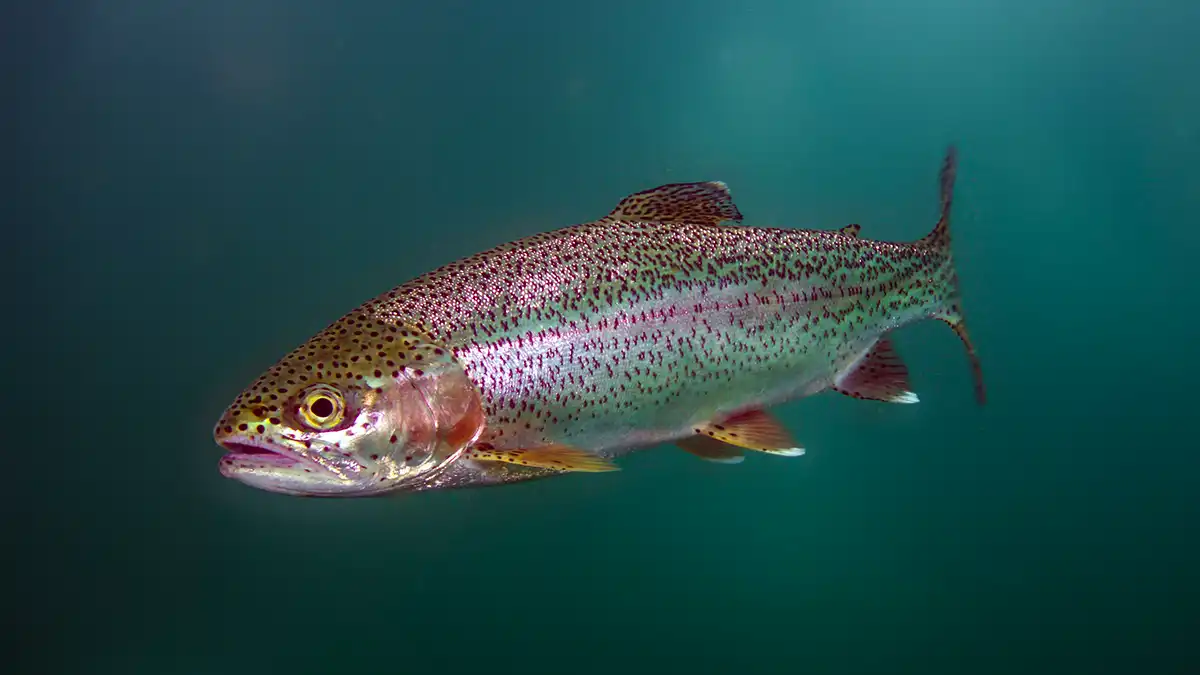
The Trout shows how fish can adapt to different habitats, especially with its spotted streamlined body. In cool rivers and lakes, it survives by finding insects and small fish. This fish is a good reminder that “fish” includes many body shapes, not only the classic oval shape.
37. Arctic Char
The Arctic Char is easy to remember because it has salmon-like body with pale spots. It lives in cold lakes and Arctic coasts and eats insects, crustaceans, and fish. When observing one, watch quietly and never touch or chase wild fish.
38. Largemouth Bass
Kids can identify the Largemouth Bass by looking for very large mouth. Its home is usually lakes and rivers, where it finds fish, frogs, and crayfish. A drawing activity can focus on its body outline, fins, colors, and habitat.
39. Bluegill
One of the most interesting things about the Bluegill is its deep body and blue cheek. You may learn about it in ponds and lakes; its food includes insects and small animals. Compare its mouth and tail with other fish to guess how it moves and feeds.
40. Crappie
The Crappie shows how fish can adapt to different habitats, especially with its speckled deep body. In lakes and reservoirs, it survives by finding small fish and insects. This fish is a good reminder that “fish” includes many body shapes, not only the classic oval shape.
41. Perch
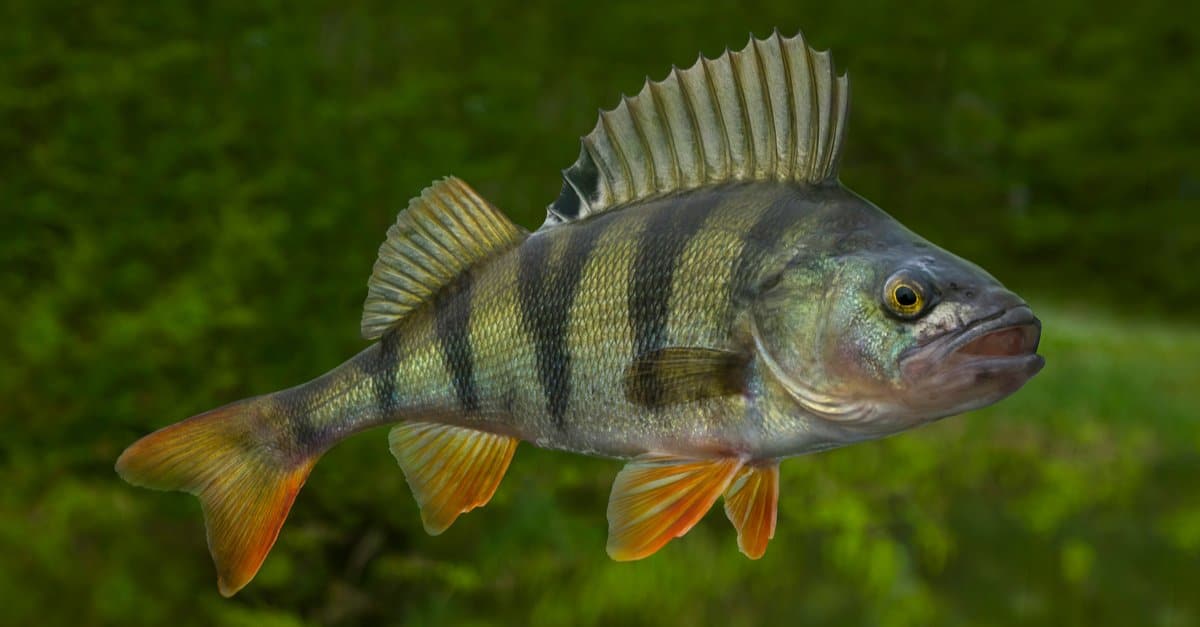
The Perch is easy to remember because it has yellow body with dark bars. It lives in lakes and rivers and eats insects and small fish. When observing one, watch quietly and never touch or chase wild fish.
42. Walleye
Kids can identify the Walleye by looking for large glassy eyes. Its home is usually lakes and rivers, where it finds fish. A drawing activity can focus on its body outline, fins, colors, and habitat.
43. Northern Pike
One of the most interesting things about the Northern Pike is its long body and duckbill-like snout. You may learn about it in weedy lakes and rivers; its food includes fish and frogs. Compare its mouth and tail with other fish to guess how it moves and feeds.
44. Muskellunge
The Muskellunge shows how fish can adapt to different habitats, especially with its very large pike-like body. In large lakes and rivers, it survives by finding fish. This fish is a good reminder that “fish” includes many body shapes, not only the classic oval shape.
45. Catfish
The Catfish is easy to remember because it has whisker-like barbels. It lives in rivers and lakes and eats insects, fish, plants, and bottom food. When observing one, watch quietly and never touch or chase wild fish.
46. Carp
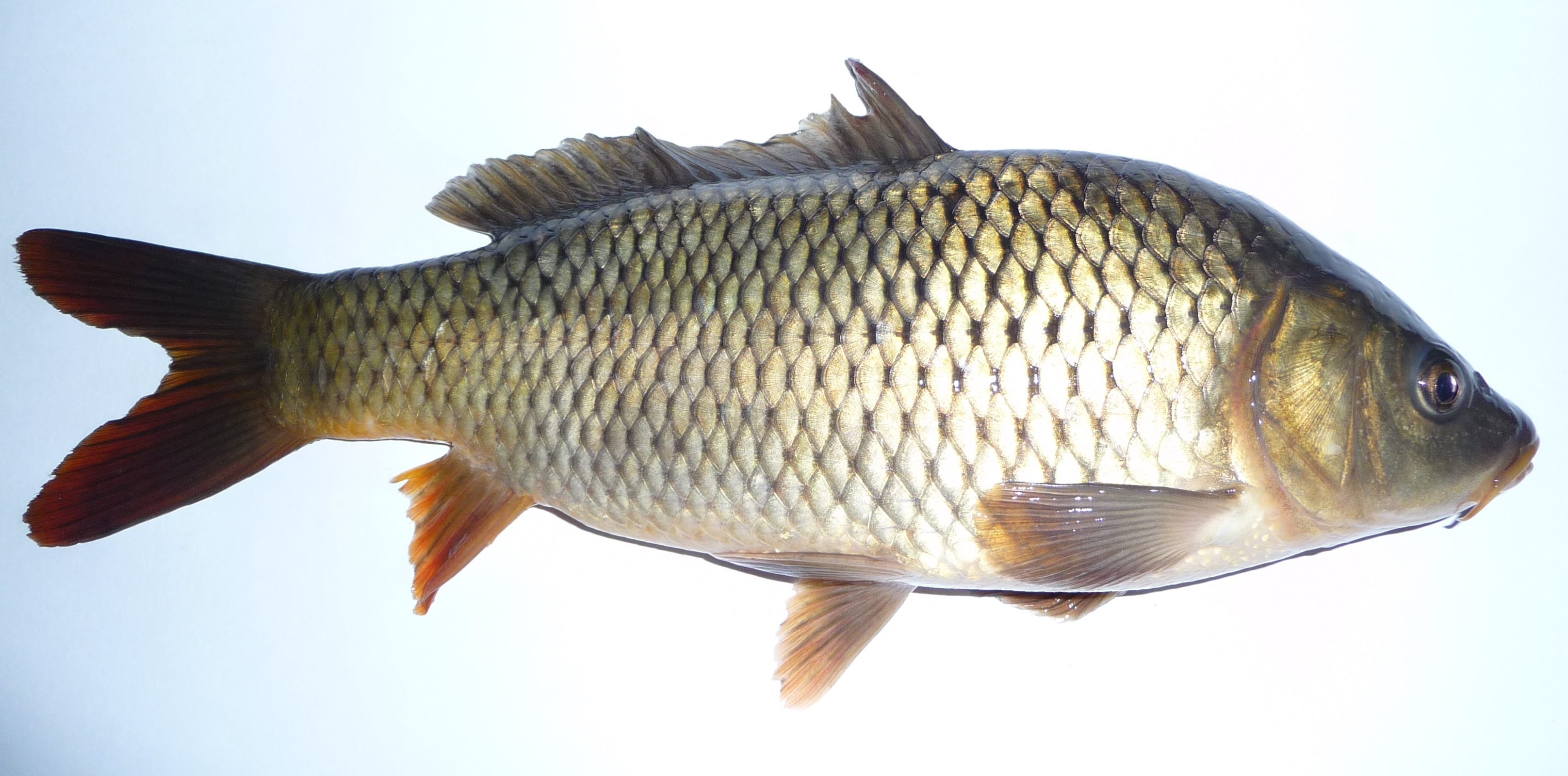
Kids can identify the Carp by looking for large scales and barbels. Its home is usually lakes and slow rivers, where it finds plants, insects, and bottom food. A drawing activity can focus on its body outline, fins, colors, and habitat.
47. Koi
One of the most interesting things about the Koi is its bright ornamental colors. You may learn about it in ponds; its food includes pellets, plants, insects, and small animals. Compare its mouth and tail with other fish to guess how it moves and feeds.
48. Goldfish
The Goldfish shows how fish can adapt to different habitats, especially with its gold, orange, white, or patterned body. In ponds and aquariums, it survives by finding plants and small animals. This fish is a good reminder that “fish” includes many body shapes, not only the classic oval shape.
49. Betta
The Betta is easy to remember because it has flowing fins and bright colors. It lives in slow tropical freshwater and eats insects and small animals. When observing one, watch quietly and never touch or chase wild fish.
50. Guppy
Kids can identify the Guppy by looking for colorful fan-shaped tail. Its home is usually tropical freshwater, where it finds algae and tiny foods. A drawing activity can focus on its body outline, fins, colors, and habitat.
51. Molly
One of the most interesting things about the Molly is its sturdy livebearing body. You may learn about it in warm freshwater and brackish water; its food includes algae and small foods. Compare its mouth and tail with other fish to guess how it moves and feeds.

52. Platy
The Platy shows how fish can adapt to different habitats, especially with its short colorful body. In Central American freshwater, it survives by finding algae and tiny animals. This fish is a good reminder that “fish” includes many body shapes, not only the classic oval shape.
53. Swordtail
The Swordtail is easy to remember because it has male tail with a sword-like extension. It lives in Central American freshwater and eats algae and small foods. When observing one, watch quietly and never touch or chase wild fish.
54. Tetra
Kids can identify the Tetra by looking for small schooling body. Its home is usually South American and African rivers, where it finds tiny insects and plankton. A drawing activity can focus on its body outline, fins, colors, and habitat.
55. Rasbora
One of the most interesting things about the Rasbora is its small schooling body. You may learn about it in Asian streams and swamps; its food includes insects and plankton. Compare its mouth and tail with other fish to guess how it moves and feeds.
56. Danio
The Danio shows how fish can adapt to different habitats, especially with its slim, very active body. In Asian streams, it survives by finding tiny animals and plant matter. This fish is a good reminder that “fish” includes many body shapes, not only the classic oval shape.
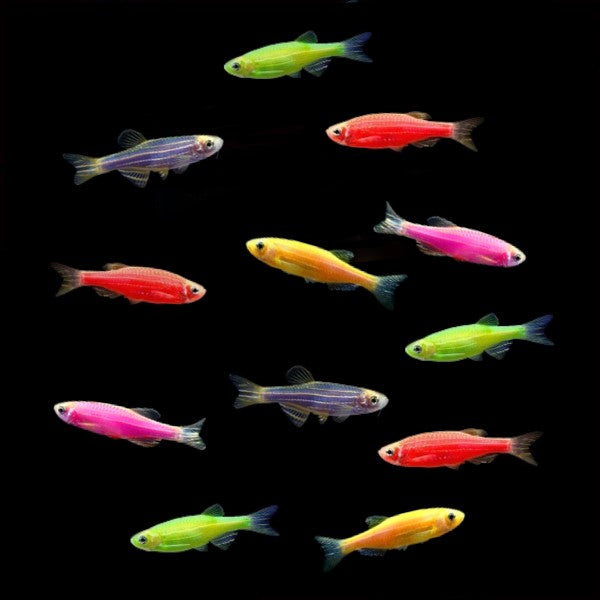
57. Cichlid
The Cichlid is easy to remember because it has many shapes and strong family behavior. It lives in freshwater worldwide in tropics and eats varied diets. When observing one, watch quietly and never touch or chase wild fish.
58. Discus
Kids can identify the Discus by looking for round disk-shaped body. Its home is usually Amazon basin, where it finds small animals and prepared foods. A drawing activity can focus on its body outline, fins, colors, and habitat.
59. Gourami
One of the most interesting things about the Gourami is its feelers and air-breathing labyrinth organ. You may learn about it in Asian freshwater; its food includes insects and plant matter. Compare its mouth and tail with other fish to guess how it moves and feeds.
60. Loach
The Loach shows how fish can adapt to different habitats, especially with its bottom-dwelling body with barbels. In Asian and European freshwater, it survives by finding worms, snails, and small food. This fish is a good reminder that “fish” includes many body shapes, not only the classic oval shape.
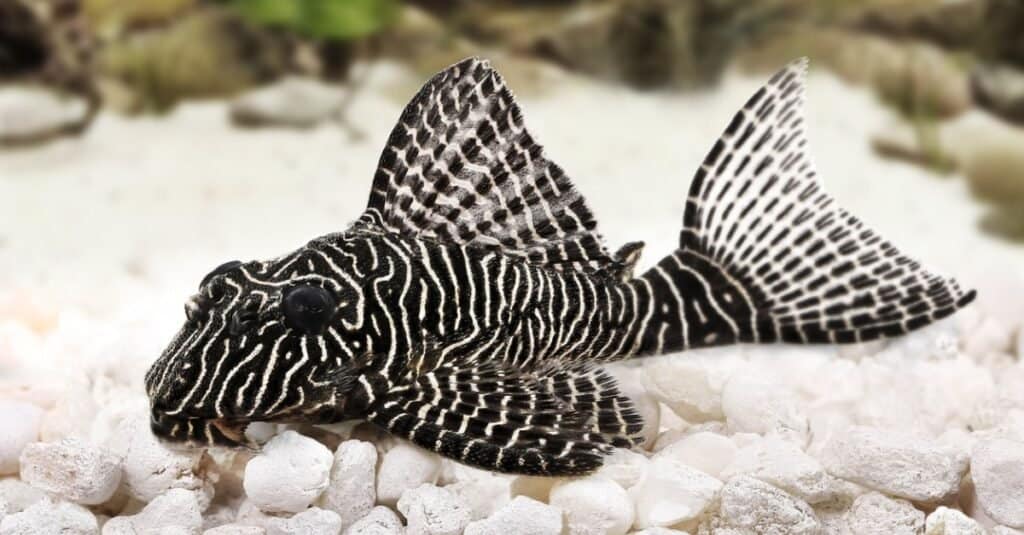
61. Pleco
The Pleco is easy to remember because it has sucker-like mouth and armored plates. It lives in South American rivers and eats algae, wood, and prepared food. When observing one, watch quietly and never touch or chase wild fish.
62. Killifish
Kids can identify the Killifish by looking for small colorful body. Its home is usually freshwater pools and streams, where it finds insects and tiny animals. A drawing activity can focus on its body outline, fins, colors, and habitat.
63. Mudskipper
One of the most interesting things about the Mudskipper is its eyes on top and fin-assisted walking. You may learn about it in mangroves and mudflats; its food includes insects and small animals. Compare its mouth and tail with other fish to guess how it moves and feeds.
64. Archerfish
The Archerfish shows how fish can adapt to different habitats, especially with its shoots water at insects. In mangroves and estuaries, it survives by finding insects and small fish. This fish is a good reminder that “fish” includes many body shapes, not only the classic oval shape.
65. Lungfish
The Lungfish is easy to remember because it has can breathe air with lungs. It lives in African, South American, and Australian freshwater and eats fish, snails, and plants. When observing one, watch quietly and never touch or chase wild fish.
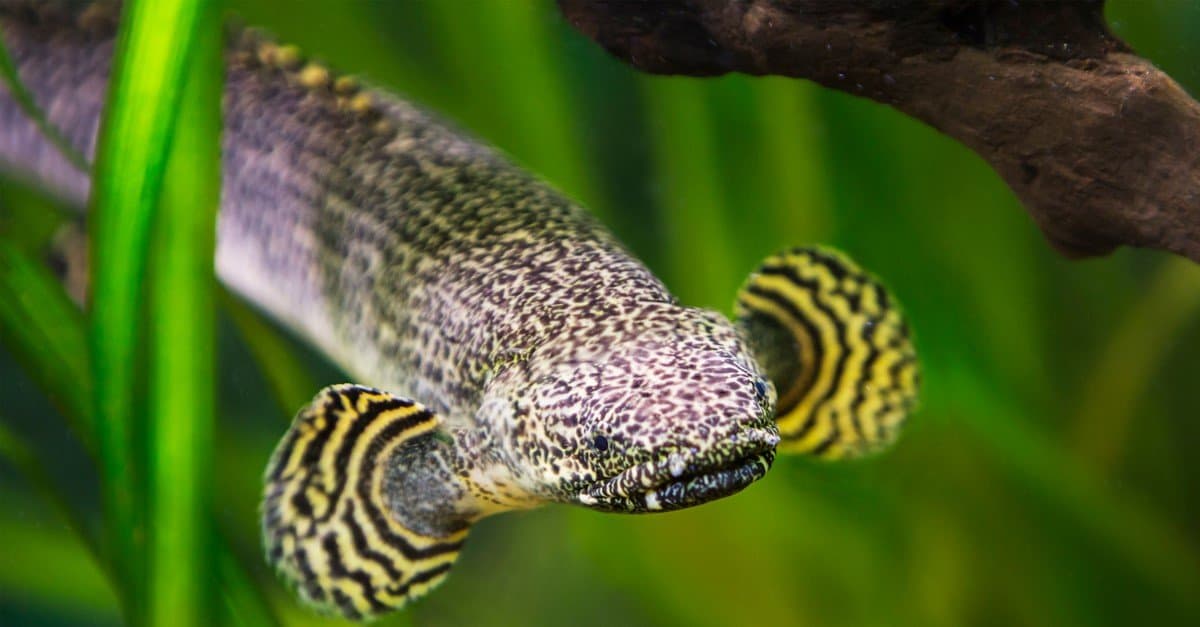
66. Bichir
Kids can identify the Bichir by looking for armored scales and many dorsal finlets. Its home is usually African rivers, where it finds fish and crustaceans. A drawing activity can focus on its body outline, fins, colors, and habitat.
67. Gar
One of the most interesting things about the Gar is its long jaws and hard diamond scales. You may learn about it in North and Central American freshwater; its food includes fish. Compare its mouth and tail with other fish to guess how it moves and feeds.
68. Sturgeon
The Sturgeon shows how fish can adapt to different habitats, especially with its bony plates and bottom mouth. In rivers, lakes, and coasts, it survives by finding bottom animals. This fish is a good reminder that “fish” includes many body shapes, not only the classic oval shape.
69. Eel
The Eel is easy to remember because it has long snake-like body. It lives in freshwater and ocean and eats fish and invertebrates. When observing one, watch quietly and never touch or chase wild fish.
70. Moray Eel
Kids can identify the Moray Eel by looking for long body and open-looking mouth. Its home is usually coral and rocky reefs, where it finds fish and octopus. A drawing activity can focus on its body outline, fins, colors, and habitat.
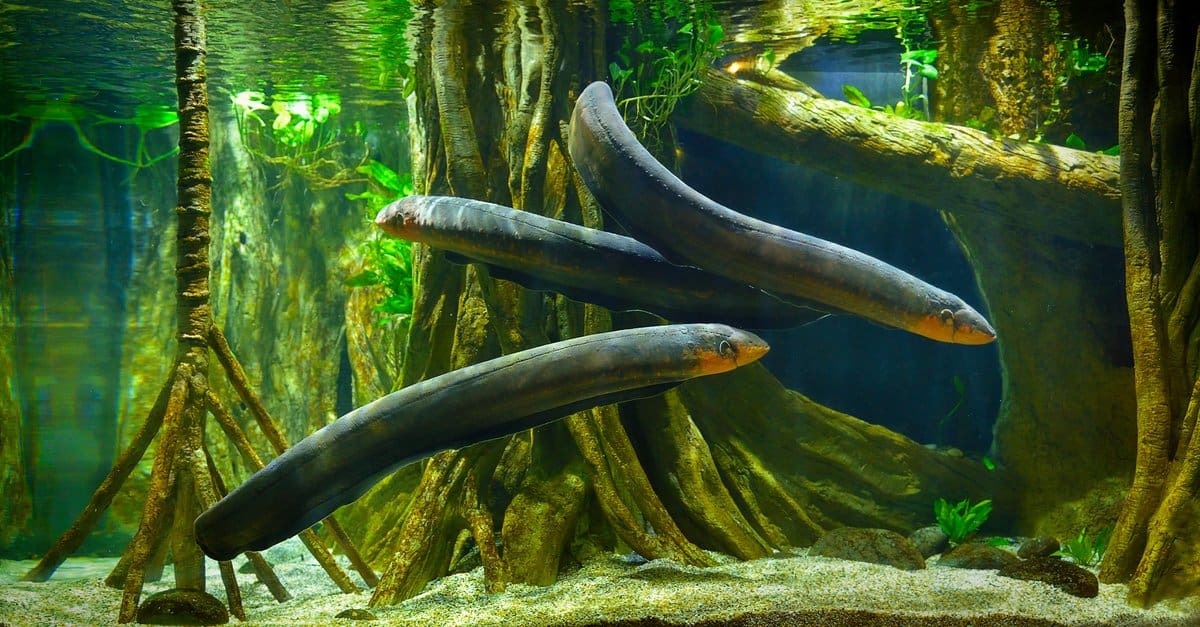
71. Electric Eel
One of the most interesting things about the Electric Eel is its makes strong electric discharges. You may learn about it in South American freshwater; its food includes fish and small animals. Compare its mouth and tail with other fish to guess how it moves and feeds.
72. Knifefish
The Knifefish shows how fish can adapt to different habitats, especially with its long ribbon-like anal fin. In tropical freshwater, it survives by finding insects and fish. This fish is a good reminder that “fish” includes many body shapes, not only the classic oval shape.
73. Arapaima
The Arapaima is easy to remember because it has giant air-breathing body. It lives in Amazon basin and eats fish. When observing one, watch quietly and never touch or chase wild fish.
74. Piranha
Kids can identify the Piranha by looking for sharp triangular teeth. Its home is usually South American rivers, where it finds fish, insects, seeds, and carrion. A drawing activity can focus on its body outline, fins, colors, and habitat.
75. Pacu
One of the most interesting things about the Pacu is its flat crushing teeth. You may learn about it in South American rivers; its food includes fruit, seeds, plants, and small animals. Compare its mouth and tail with other fish to guess how it moves and feeds.
76. Whale Shark
The Whale Shark shows how fish can adapt to different habitats, especially with its huge spotted body. In warm oceans, it survives by finding plankton. This fish is a good reminder that “fish” includes many body shapes, not only the classic oval shape.

77. Great White Shark
The Great White Shark is easy to remember because it has large gray body and triangular teeth. It lives in temperate oceans and eats fish and marine mammals. When observing one, watch quietly and never touch or chase wild fish.
78. Hammerhead Shark
Kids can identify the Hammerhead Shark by looking for hammer-shaped head. Its home is usually warm oceans, where it finds fish, squid, and rays. A drawing activity can focus on its body outline, fins, colors, and habitat.
79. Manta Ray
One of the most interesting things about the Manta Ray is its wide wing-like fins. You may learn about it in tropical and subtropical oceans; its food includes plankton. Compare its mouth and tail with other fish to guess how it moves and feeds.
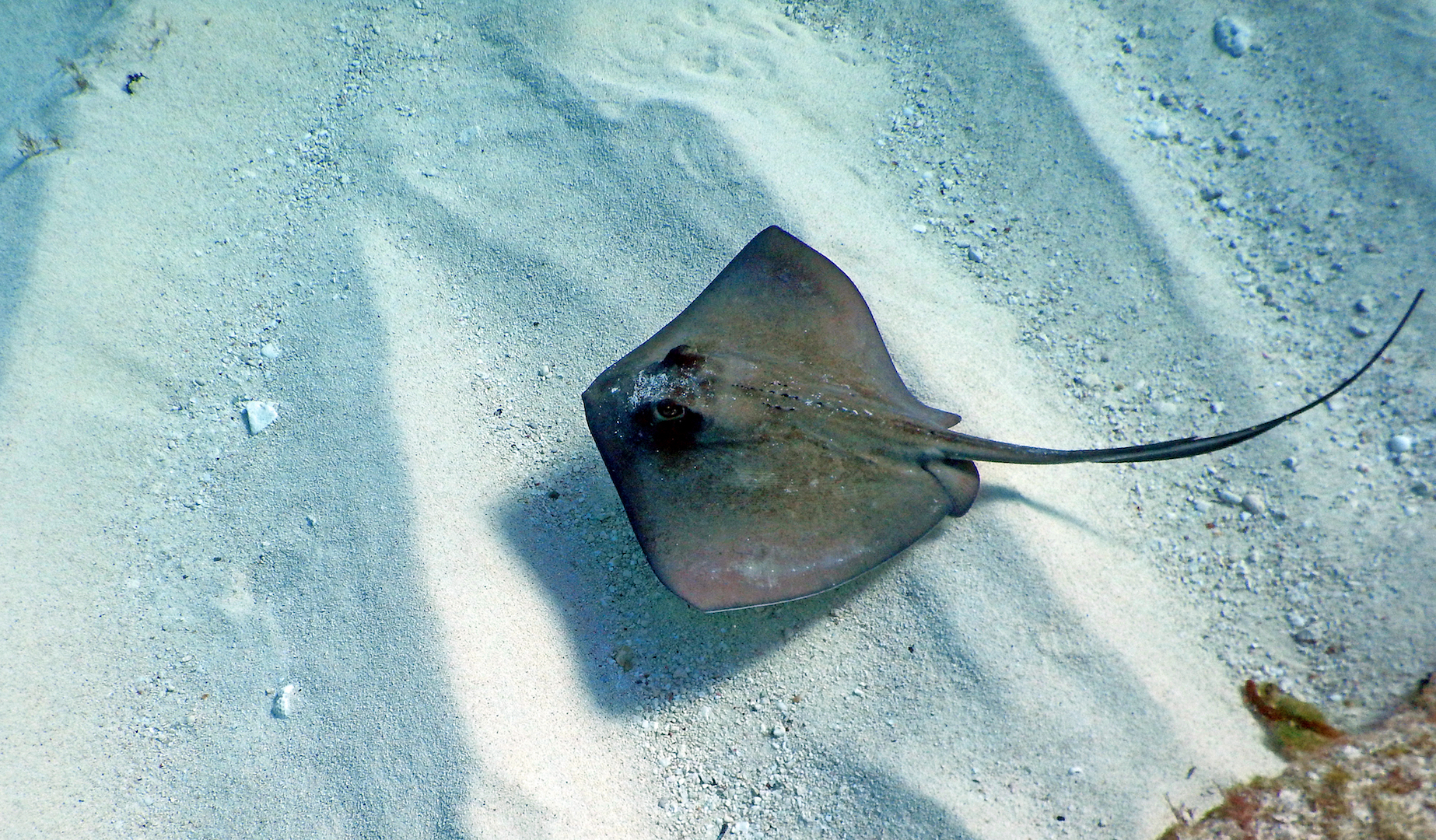
80. Stingray
The Stingray shows how fish can adapt to different habitats, especially with its flat disk and defensive tail spine. In seafloor in oceans and rivers, it survives by finding shellfish and small animals. This fish is a good reminder that “fish” includes many body shapes, not only the classic oval shape.
How Are These Types of Fish Classified?
Scientists classify fish by anatomy and evolutionary relationships. Most familiar fish are ray-finned bony fish. Sharks, rays, and chimaeras have skeletons made mainly of cartilage. Lungfish and coelacanth relatives are lobe-finned fish. For younger learners, habitat groups—freshwater, saltwater, reef, open ocean, and seafloor—are an easy place to start before learning scientific families.
Where Do These Fish Live?
Fish live in nearly every aquatic habitat: tiny streams, cold lakes, muddy rivers, mangrove forests, coral reefs, seagrass beds, polar seas, and the open ocean. A fish’s body often tells you something about its home. Flatfish rest on the bottom, tuna are shaped for fast swimming, and gobies use fins to hold position near rocks or sand.
How to Identify Different Types of Fish
- Look at body shape: round, long, flat, box-shaped, or shark-like.
- Count or compare fins, including dorsal, pectoral, pelvic, anal, and tail fins.
- Notice the mouth: upward, forward, downward, beak-like, or sucker-shaped.
- Record colors, stripes, spots, bars, and eye marks.
- Observe where the fish swims: surface, middle, bottom, reef, or open water.
- Never identify a dangerous species by color alone.
- Use a field guide, aquarium sign, or teacher-approved source to confirm the name.
Outdoor Tips for Finding and Observing Fish
Watch from docks, clear stream banks, tide pools, snorkeling areas, or public aquariums. Move slowly so fish do not flee. Use polarized sunglasses near freshwater, keep hands out of unknown tide pools, and follow local wildlife rules. Children should always be supervised around water. Photograph fish without removing them from their habitat whenever possible.
Safety, Sustainability, and Conservation Notes
Some fish have venomous spines, sharp teeth, electric defenses, or tail spines. Never touch a wild fish unless a trained adult is handling a legal catch. Protect habitat by leaving coral, rocks, plants, and shells in place, reducing plastic waste, and choosing responsibly sourced aquarium animals and seafood. Never release pets into rivers, ponds, or the ocean.
Fun Facts About Fish for Kids
- Whale sharks are the largest living fish and eat tiny plankton.
- Seahorse fathers carry developing babies.
- Flatfish begin life with eyes on both sides of the head.
- Archerfish knock insects down with jets of water.
- Mudskippers spend time out of water on mudflats.
- Electric eels are knifefish, not true eels.
- Parrotfish use beak-like teeth to scrape algae.
- Tuna must keep moving water across their gills.
- Lungfish can breathe air.
- Manta rays are gentle plankton feeders.
Final Thoughts on Types of Fish for Kids
These 80 types of fish for kids reveal how body shape, habitat, feeding, and behavior fit together. A child who learns to notice fins, mouths, tails, patterns, and swimming zones can begin identifying fish rather than only memorizing names. The best next step is careful observation—at a pond, beach, aquarium, or through a trusted nature book—while treating every animal and habitat with respect.
Frequently Asked Questions
1. What is a fish?
A fish is an aquatic vertebrate that usually has gills, fins, and a streamlined body, although fish shapes vary widely.
2. Are sharks fish?
Yes. Sharks are cartilaginous fish with skeletons made mainly of cartilage.
3. Are rays fish?
Yes. Rays are close relatives of sharks and also have cartilaginous skeletons.
4. Are whales fish?
No. Whales are mammals that breathe air, give birth to live young, and nurse them with milk.
5. Is a seahorse a fish?
Yes. Seahorses have gills, fins, and a bony skeleton.
6. Is a starfish a fish?
No. A sea star is an echinoderm, not a vertebrate fish.
7. What is the largest fish?
The whale shark is the largest living fish.
8. What is the fastest fish?
Sailfish are often described as among the fastest fish, although exact maximum-speed measurements are difficult.
9. What is the smallest fish?
Several tiny gobies and cyprinids compete for the title depending on how adulthood and length are measured.
10. Do fish sleep?
Fish rest and reduce activity, but most do not close their eyes because they lack eyelids.
11. Can fish breathe air?
Some can. Bettas, gouramis, lungfish, arapaima, and mudskippers have special ways to use air.
12. Can fish walk?
Mudskippers and some bottom fish use fins to move over mud or the seafloor, but it is not walking like a land animal.
13. Can fish fly?
Flying fish glide above the water with enlarged fins; they do not flap like birds.
14. Why do fish have scales?
Scales protect the body, reduce injury, and help water flow smoothly over the fish.
15. Why do fish have fins?
Fins help with steering, balance, braking, lift, and forward movement.
16. What do fish eat?
Fish diets include algae, plants, plankton, insects, worms, crustaceans, mollusks, other fish, and many combinations.
17. Do fish drink water?
Saltwater fish actively drink seawater and remove extra salt. Freshwater fish absorb water and produce dilute urine.
18. Do fish feel pain?
Fish have sensory systems and show responses consistent with pain and stress, so they should be handled carefully and humanely.
19. How do fish find food?
They use sight, smell, taste, vibration detection, touch, and sometimes electricity.
20. Why do fish swim in schools?
Schools can reduce predation risk, improve feeding, and help fish move efficiently.
21. What is camouflage?
Camouflage is coloring, pattern, or body shape that helps an animal blend into its surroundings.
22. Why are reef fish colorful?
Colors can help with species recognition, courtship, warning, camouflage, and communication.
23. How do flatfish become flat?
Young flatfish begin upright; as they grow, one eye moves to the other side and the body settles on the seafloor.
24. What fish can make electricity?
Electric eels, electric rays, and several electric catfish and knifefish can produce electrical signals.
25. Which fish are dangerous to touch?
Lionfish, stonefish, some catfish, stingrays, and other species may have venomous or sharp spines.
26. Can children keep a pet fish?
Yes, with adult help. The tank must be cycled, correctly sized, filtered, and maintained for the chosen species.
27. Is a fish bowl a good home?
Usually not. Most fish need more water, filtration, oxygen, stable temperature, and swimming room than a bowl provides.
28. What is the easiest pet fish?
There is no zero-care fish, but a properly housed betta or a well-planned group of hardy small community fish can be manageable with adult guidance.
29. Why should pet fish never be released?
Released fish can spread disease, become invasive, or die because the habitat is unsuitable.
30. How can kids help fish?
Reduce plastic, conserve water, protect stream banks, avoid littering, and learn about sustainable seafood and responsible pet ownership.
31. What is a freshwater fish?
A freshwater fish lives in rivers, lakes, ponds, streams, or wetlands with very little dissolved salt.
32. What is a saltwater fish?
A saltwater or marine fish lives in seas and oceans.
33. What is a brackish fish?
A brackish fish lives where freshwater and seawater mix, such as estuaries and mangroves.
34. How can I identify a fish I saw?
Write down location, size, shape, color, fins, mouth position, and behavior, then compare a regional guide.
35. Why do scientific names help?
They give each species a standardized name even when common names differ between places.
36. Can fish change color?
Many fish change color with age, mood, breeding condition, background, health, or light.
37. Do all fish lay eggs?
Most do, but livebearers such as guppies and some sharks give birth to live young.
38. What fish migrate?
Salmon, eels, tuna, sharks, and many other fish travel long distances for feeding or reproduction.
39. What should kids do near wild fish?
Watch quietly, keep a safe distance, follow local rules, and never touch an unfamiliar species.
40. What is the best way to learn fish names?
Group them by habitat or body shape, then use drawings, matching cards, aquarium visits, and repeated observation.