

Manta rays are among the most fascinating and majestic creatures in the world’s oceans. Known for their graceful, wing-like fins and impressive size, manta rays glide effortlessly through tropical and subtropical waters. In this guide, we explore 20 Types of Manta Ray, highlighting their unique features, habitats, and behaviors. From the coastal reefs to the open ocean, each species contributes to marine ecosystems in distinctive ways. Whether you are a wildlife enthusiast, diver, or simply curious about marine life, this article provides a comprehensive, beginner-friendly overview of manta rays, ensuring you understand their importance, diversity, and conservation status.
1. Oceanic Manta Ray (Mobula birostris)
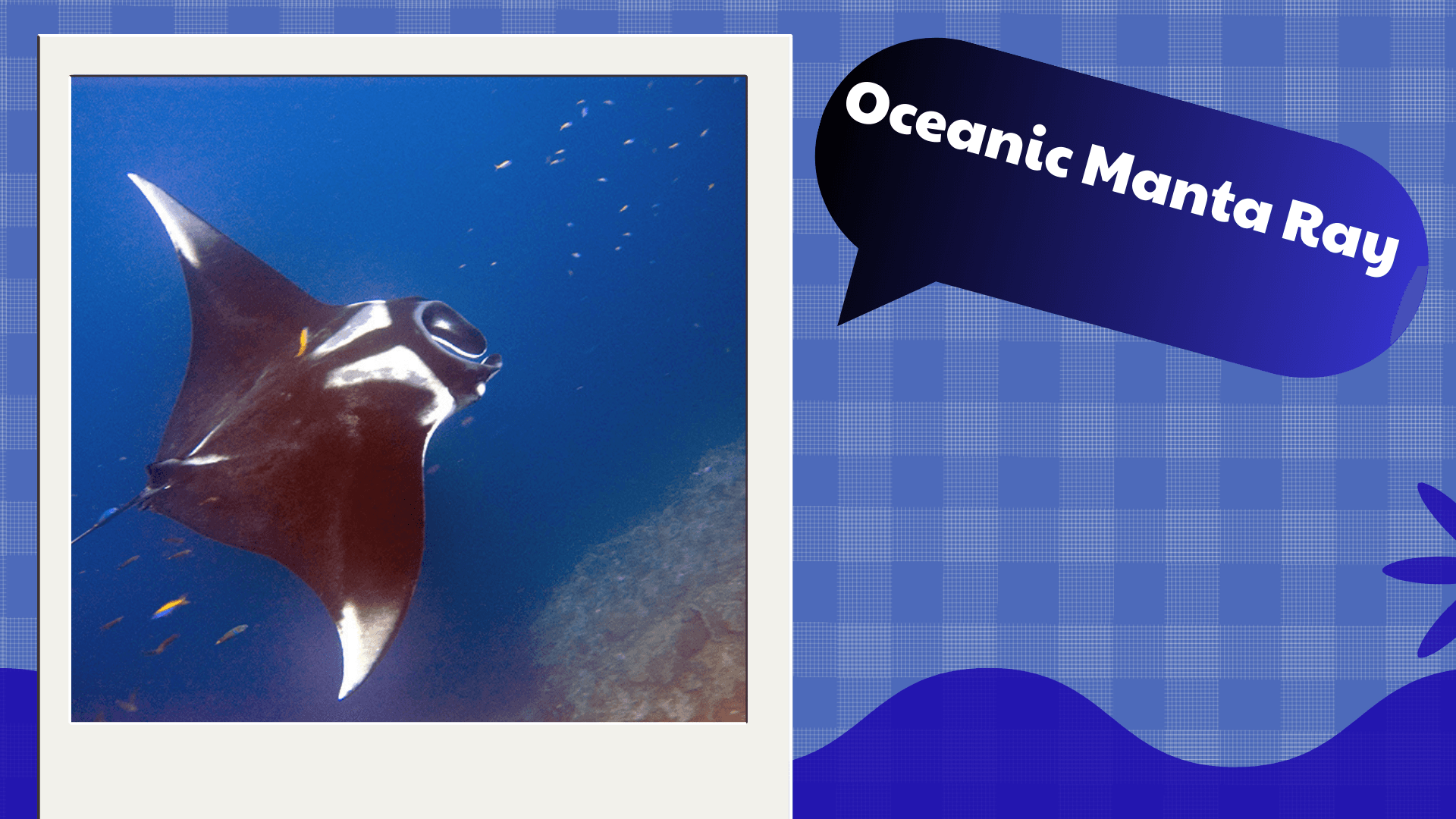
The Oceanic Manta Ray, also known as the Giant Manta, is the largest species of manta ray, with wingspans reaching up to 7 meters (23 feet). These pelagic giants are found across tropical and subtropical oceans worldwide, from the Indian Ocean to the Pacific and Atlantic. Oceanic mantas are known for their long migrations, often traveling thousands of kilometers in search of plankton-rich waters. Unlike reef mantas, they prefer deeper, offshore environments and are often observed near seamounts and oceanic ridges.
Behaviorally, the Oceanic Manta Ray is a filter feeder, consuming plankton and small fish using its gill rakers. They are highly social and have been observed performing aerial breaches, which may be related to mating, communication, or parasite removal. These mantas have distinctive dorsal patterns and ventral markings, which allow researchers to identify individual rays and monitor populations. Conservation-wise, the species is classified as Vulnerable by the IUCN due to bycatch, overfishing, and habitat degradation.
2. Reef Manta Ray (Mobula alfredi)
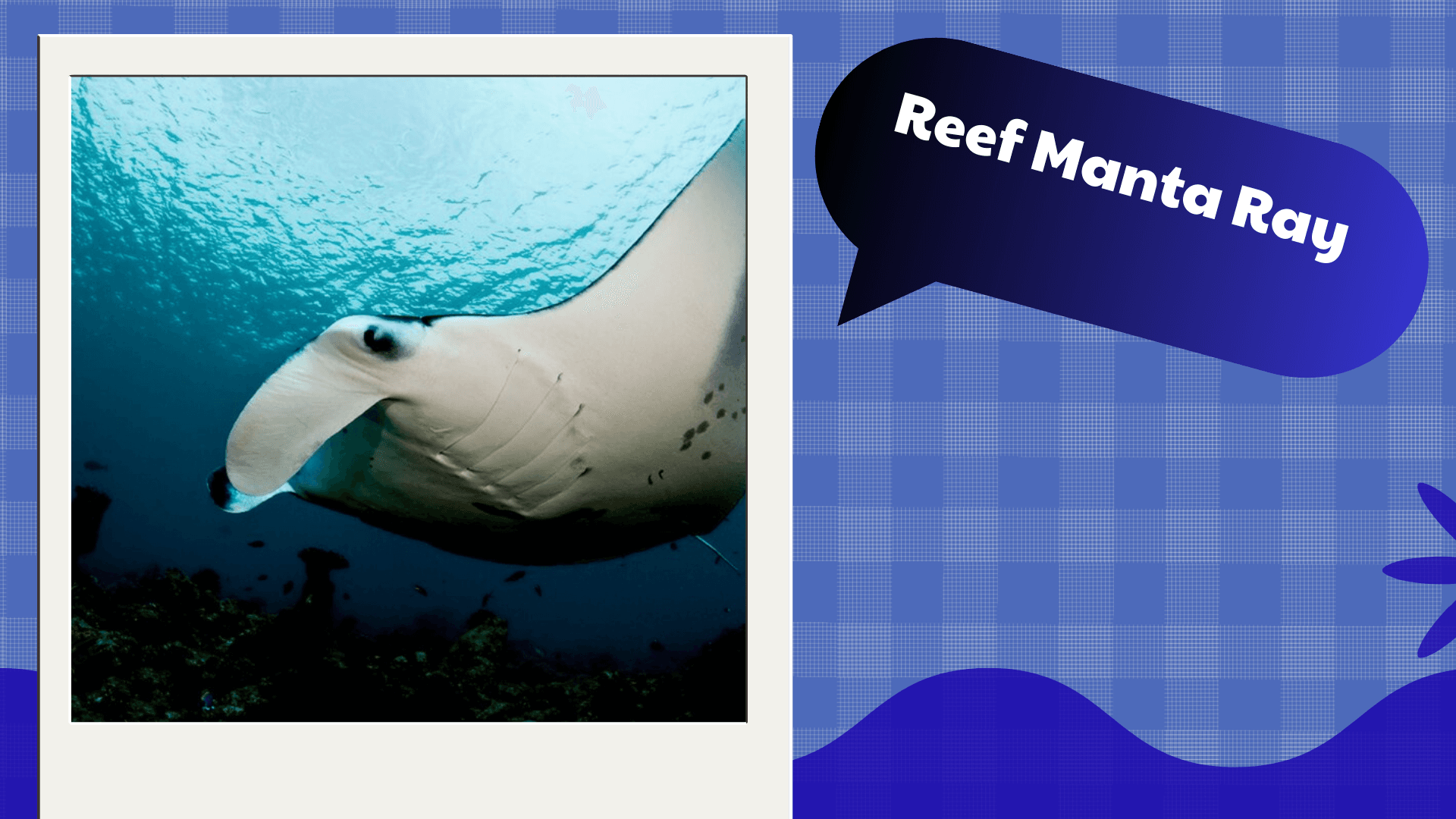
The Reef Manta Ray is smaller than its oceanic cousin, with a wingspan typically around 5 meters (16 feet). As its name suggests, it is commonly found around coastal reefs in the Indo-Pacific region, including places like the Maldives, Indonesia, and the Great Barrier Reef. Reef mantas are site-faithful, often returning to specific cleaning stations where cleaner fish remove parasites from their bodies. This behavior is critical for their health and a fascinating example of symbiosis in marine ecosystems.
These mantas have distinctive black-and-white coloration, which varies individually, allowing researchers to identify them through photographic records. Reef manta rays are known for their curious and interactive nature, often approaching divers and snorkelers without fear. They feed on plankton, particularly during upwelling seasons when food is abundant. Threats to Reef Manta Rays include fishing pressures, tourism disturbances, and climate change affecting reef habitats.
3. Atlantic Manta Ray (Mobula birostris / Mobula yarae)
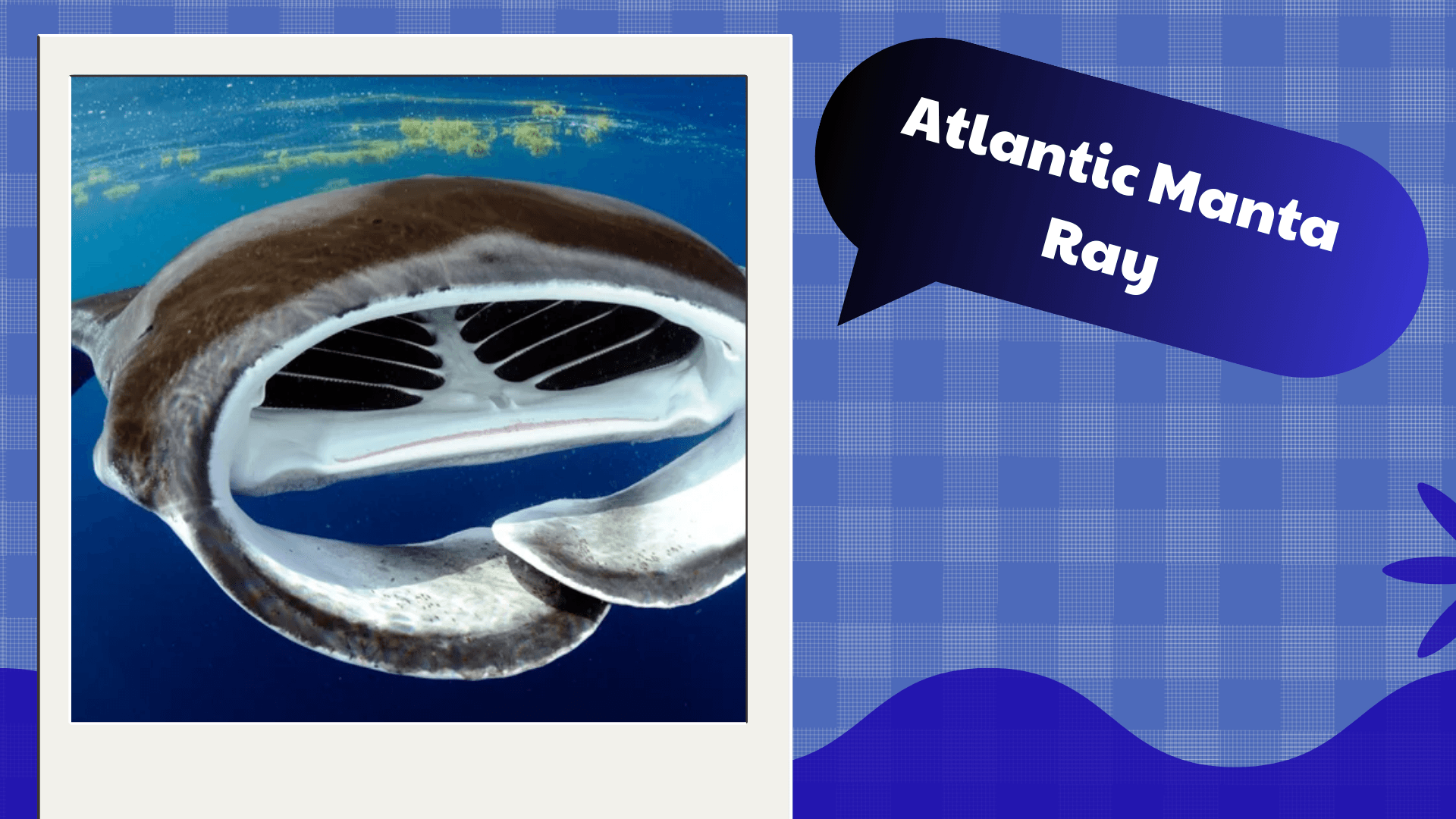
Recently recognized as a distinct species in the Atlantic, the Atlantic Manta Ray is similar in appearance to the Oceanic Manta Ray but exhibits some genetic and morphological differences. These rays inhabit the western and eastern Atlantic, including regions around the Caribbean and West Africa. The species tends to stay in warmer waters and shows seasonal migrations aligned with plankton blooms.
Like other mantas, the Atlantic Manta Ray is a filter feeder and engages in cleaning behaviors at reef stations when available. Researchers have used tagging and satellite tracking to study their migratory patterns, revealing that some individuals undertake impressive long-distance movements. Conservation is critical, as the Atlantic Manta Ray faces bycatch in fisheries, and its populations are considered vulnerable. Understanding and protecting this species is vital for maintaining healthy ocean ecosystems.
4. Sicklefin Devil Ray (Mobula tarapacana)
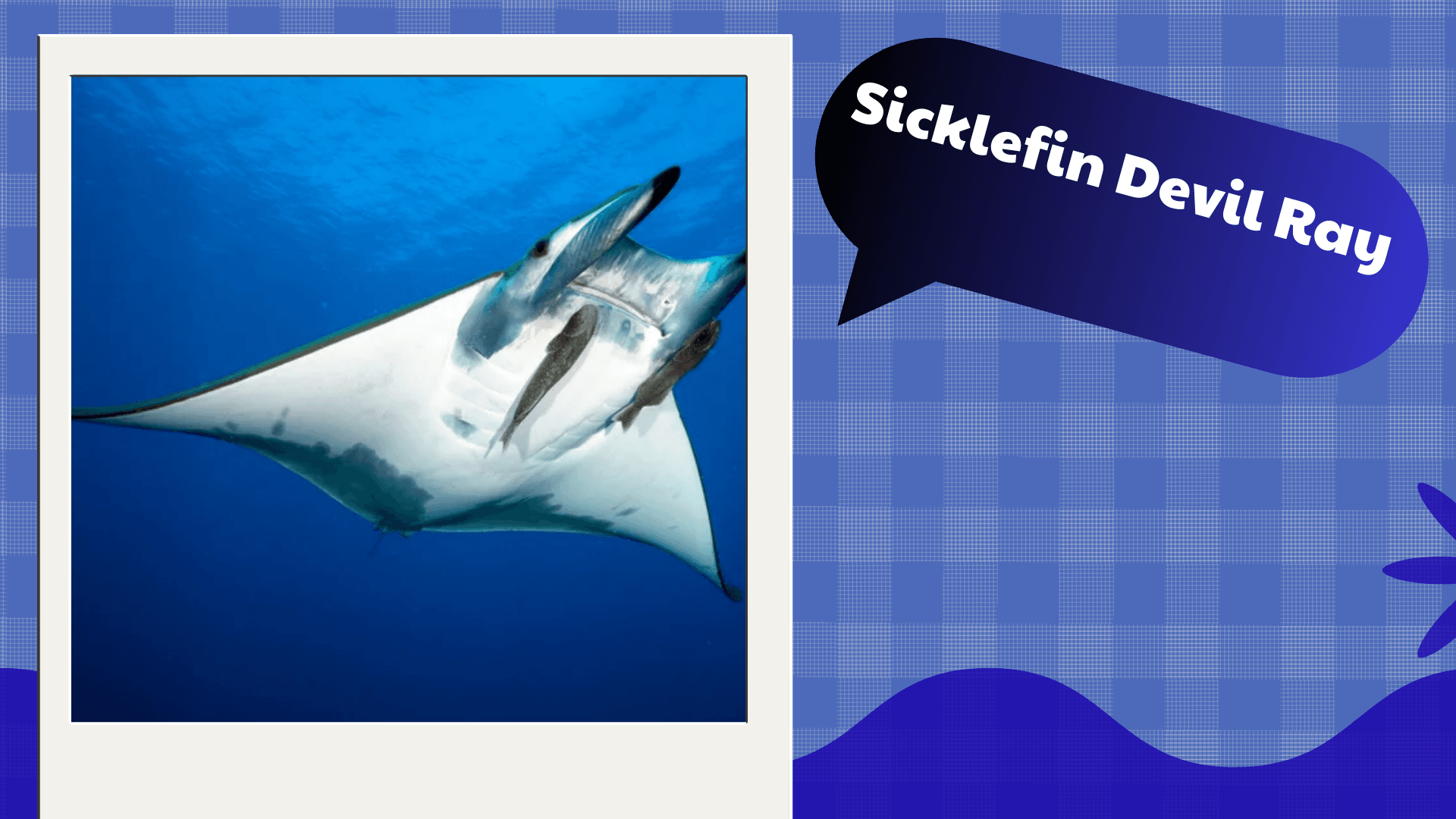
The Sicklefin Devil Ray is a large, oceanic species of mobula closely related to manta rays. It is named for its distinctive, sickle-shaped fins that enable it to glide efficiently through deep waters. Found in tropical and warm temperate oceans, this species is more pelagic than reef mantas, often observed far from shore. The Sicklefin Devil Ray feeds on plankton and small fish, sometimes diving hundreds of meters to follow prey.
Unlike mantas, Sicklefin Devil Rays are less frequently seen near cleaning stations or coastal reefs, making them harder to study. Their wing morphology allows for powerful bursts of speed, aiding in both feeding and predator avoidance. Threats include bycatch and entanglement in fishing gear. Conservation efforts focus on monitoring populations and protecting critical feeding and breeding areas. Observing Sicklefin Devil Rays offers a rare glimpse into the life of large pelagic filter feeders in the open ocean.
5. Spinetail Devil Ray (Mobula mobular)

The Spinetail Devil Ray is notable for its long, pointed tail and large, wing-like pectoral fins. This species prefers deep offshore waters, particularly around seamounts and continental shelves. Like other mobulids, the Spinetail Devil Ray is a filter feeder, consuming vast quantities of plankton. It is often observed in small groups, gliding gracefully near the ocean surface or occasionally performing acrobatic jumps.
Spinetail Devil Rays have been studied for their unique migratory behavior, sometimes traveling across entire ocean basins. Their conservation status is of concern, with the species listed as Endangered due to targeted fisheries and bycatch. Understanding the ecology of Spinetail Devil Rays is crucial, as they play a significant role in marine food webs by controlling plankton populations. Observations of these rays highlight the incredible diversity and adaptability of mobulid species in our oceans.
6. Bentfin Devil Ray (Mobula thurstoni)
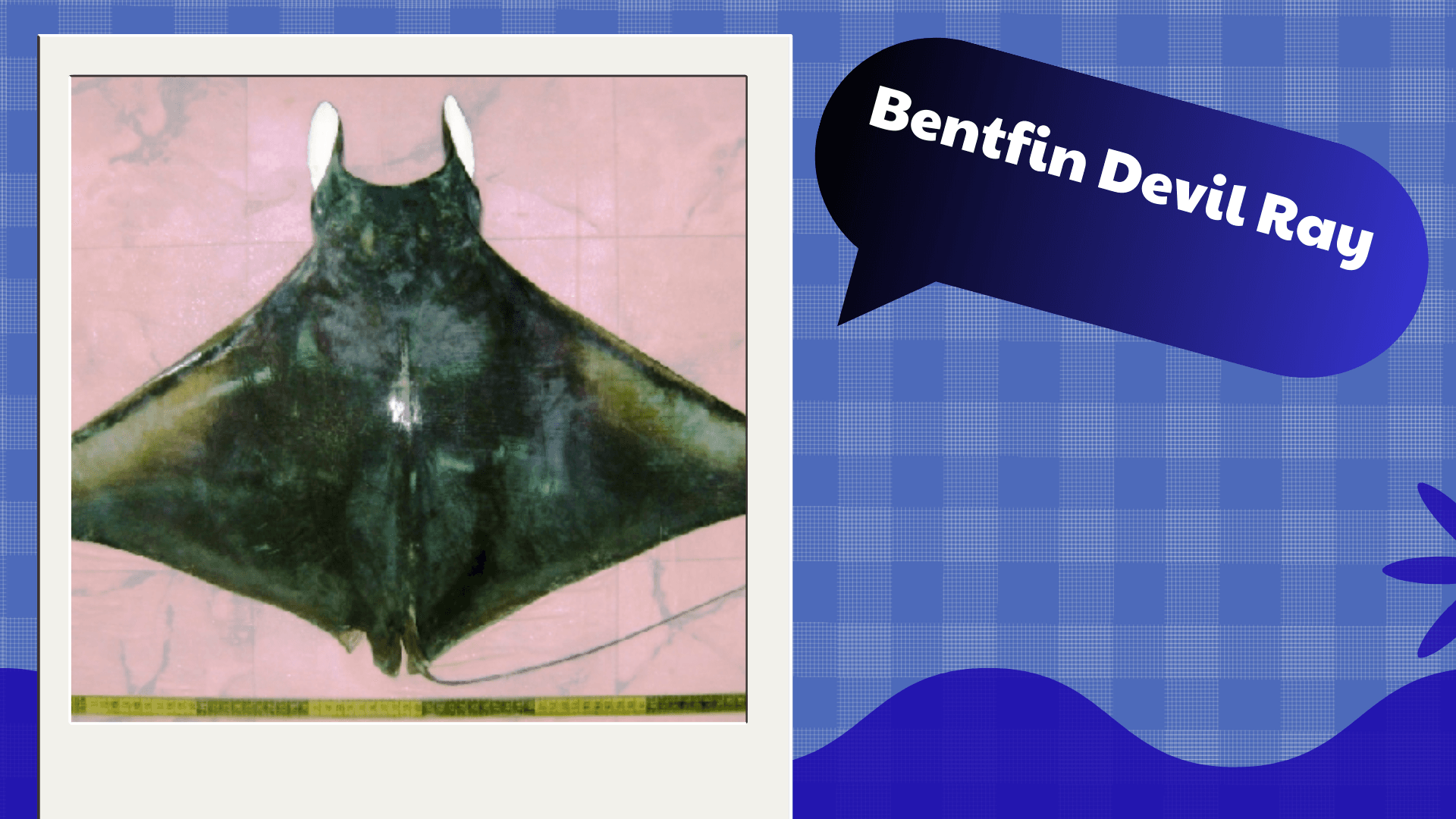
The Bentfin Devil Ray, scientifically known as Mobula thurstoni, is a medium-sized species of mobulid closely related to manta rays. This species inhabits tropical and subtropical waters across the Indian and Pacific Oceans. Bentfin Devil Rays are known for their distinctive bent fins, which curve elegantly and give them the ability to glide effortlessly through open water. They typically reach a wingspan of 2 to 3 meters, making them smaller than the giant manta rays but still impressive in their grace and size.
Bentfin Devil Rays are filter feeders, consuming plankton and small schooling fish. They often feed near the surface, taking advantage of plankton blooms caused by upwelling currents. Unlike reef manta rays, Bentfin Devil Rays are less commonly observed near cleaning stations or coastal areas, preferring open water habitats. Researchers have noted that these rays occasionally form small groups or aggregations, especially in regions with abundant food resources.
Behaviorally, Bentfin Devil Rays exhibit remarkable acrobatics, frequently leaping out of the water. These breaches may serve multiple purposes: removing parasites, communicating with other rays, or as a display during mating. Their reproductive strategy is similar to other mobulids, with females giving birth to one pup at a time after a gestation period of up to a year. The limited reproductive rate, coupled with threats from bycatch and targeted fishing, has raised conservation concerns.
Conservation efforts for the Bentfin Devil Ray include monitoring populations through satellite tagging and promoting the protection of critical habitats. Organizations and marine researchers aim to increase awareness of this species, highlighting its ecological role as a pelagic filter feeder. Bentfin Devil Rays contribute to the balance of marine ecosystems by controlling plankton populations and serving as indicators of ocean health. As with other types of manta ray relatives, understanding their biology, behavior, and environmental needs is essential for preserving these magnificent creatures for future generations.
7. Shorthorned Pygmy Devil Ray (Mobula kuhlii)
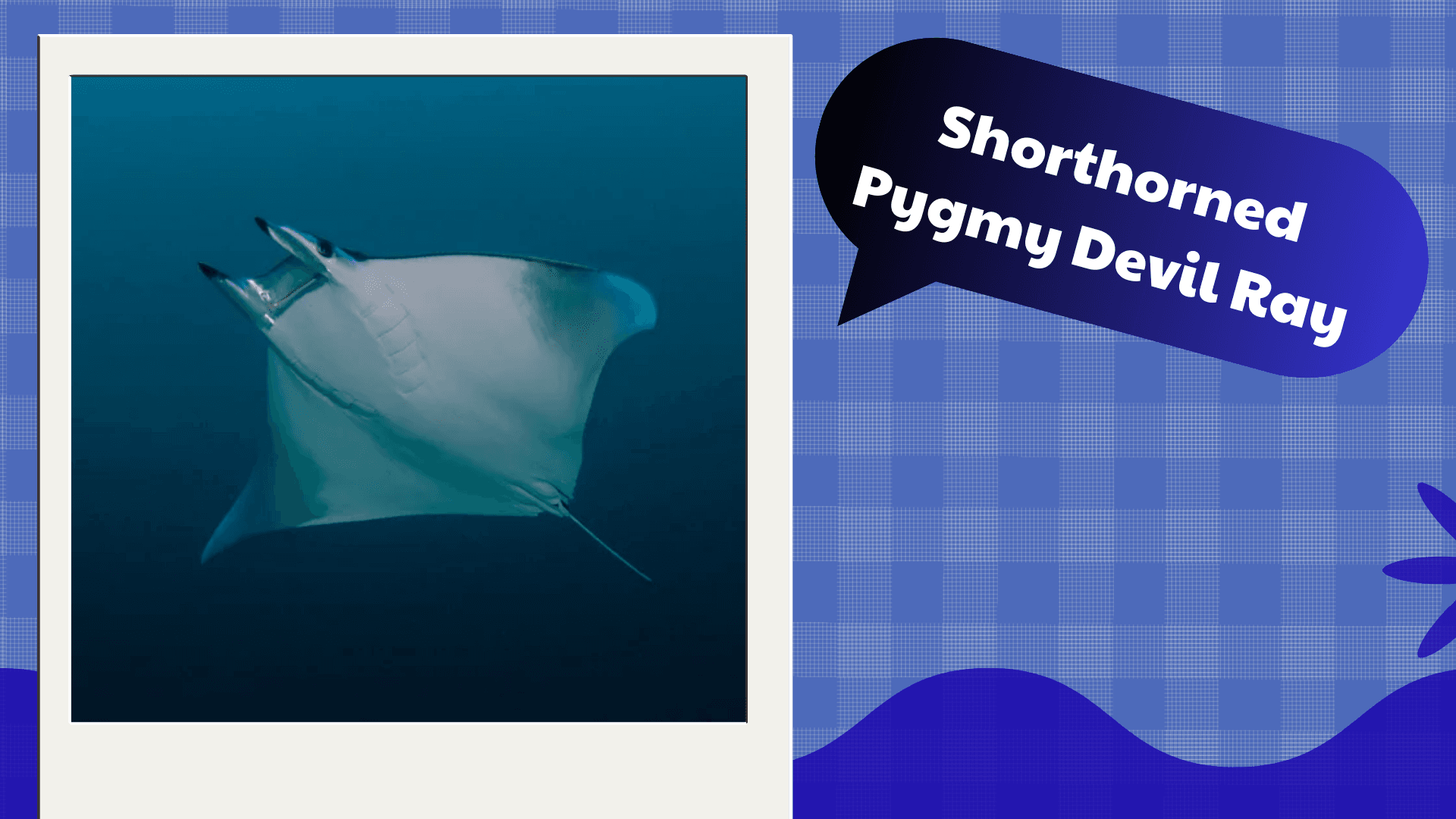
The Shorthorned Pygmy Devil Ray, Mobula kuhlii, is one of the smaller members of the mobulid family, yet it is a remarkable example of evolutionary adaptation in rays. Found predominantly in coastal waters of the Indo-Pacific, including regions around Indonesia, the Philippines, and northern Australia, this species thrives in shallow and semi-enclosed marine environments. The Shorthorned Pygmy Devil Ray typically reaches wingspans of 1.5 to 2 meters, making it agile and well-suited for navigating complex reef structures.
These rays are filter feeders, primarily consuming plankton and tiny crustaceans. Unlike the larger oceanic manta rays, the Shorthorned Pygmy Devil Ray often feeds near the surface and can exploit localized food concentrations in bays and lagoons. They are highly social, sometimes forming small aggregations during feeding events. Their compact body size, combined with strong pectoral fins, allows for quick, graceful movements that help them evade predators and efficiently capture prey.
One fascinating aspect of Shorthorned Pygmy Devil Ray behavior is their nocturnal activity. Researchers have observed that these rays are more active at dawn and dusk, possibly to reduce competition with other filter-feeding species and avoid larger predators. Reproductive biology mirrors other mobulids, with females giving birth to a single pup after an extended gestation period. Due to their slow reproduction and localized populations, they are vulnerable to fishing pressures and habitat degradation.
Efforts to conserve the Shorthorned Pygmy Devil Ray include marine protected areas and bycatch reduction strategies. These rays play a critical role in coastal marine ecosystems, acting as natural plankton regulators. Studying their behavior and migratory patterns helps scientists understand broader oceanic processes and the health of reef and lagoon ecosystems. As a lesser-known type of manta ray relative, the Shorthorned Pygmy Devil Ray reminds us of the incredible diversity and complexity within the mobulid family.
8. Longhorned Pygmy Devil Ray (Mobula eregoodootenkee)
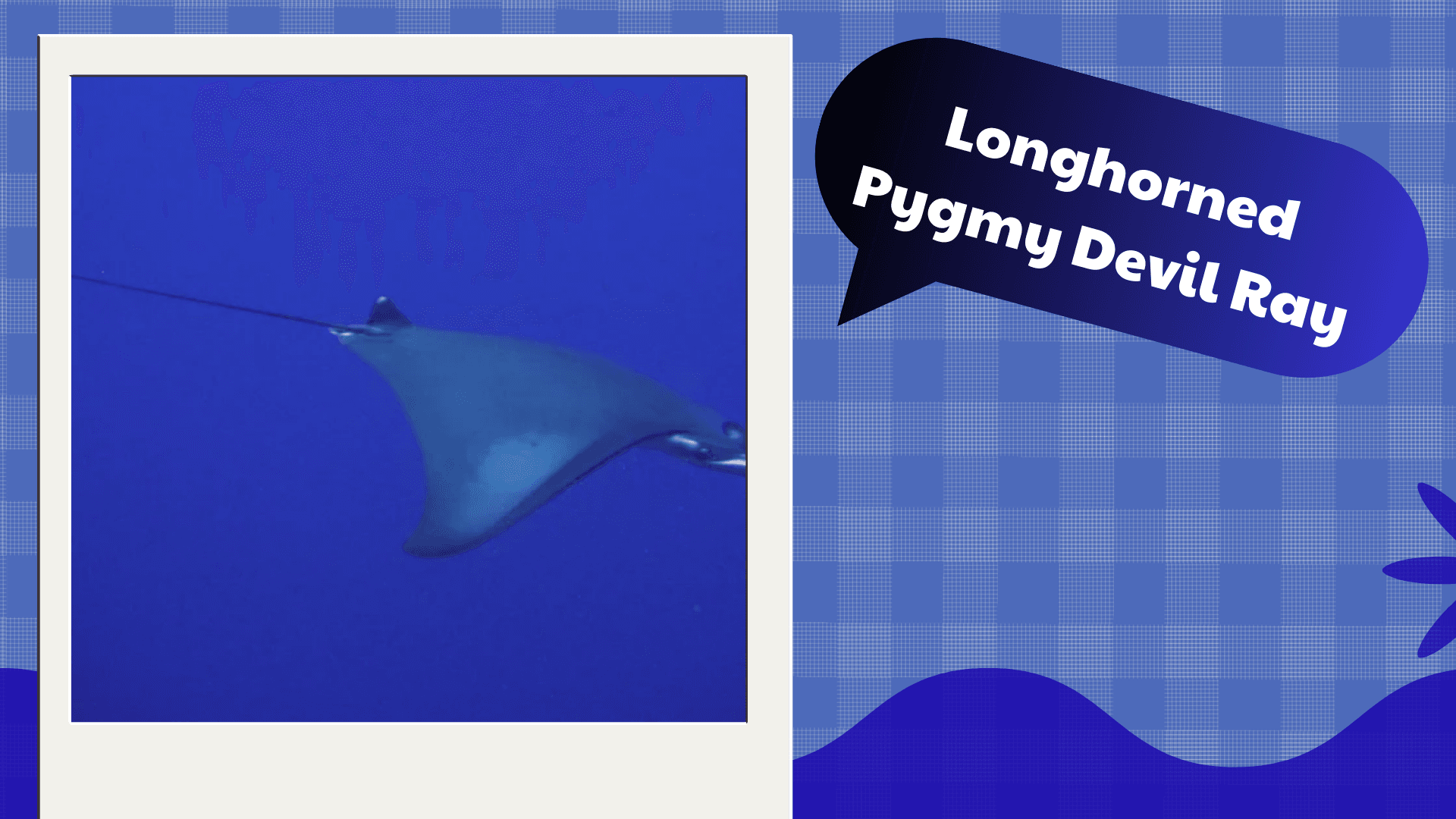
The Longhorned Pygmy Devil Ray, Mobula eregoodootenkee, is a recently revalidated species of mobulid, notable for its elongated fins resembling long horns. These fins allow the ray to navigate efficiently through both shallow coastal waters and open seas. This species inhabits the Indo-Pacific region, often near coral reefs, estuaries, and offshore islands. Their wingspan typically ranges between 1.5 to 2 meters, giving them a striking appearance when gliding near the water surface.
Dietarily, the Longhorned Pygmy Devil Ray is a filter feeder, consuming plankton, small fish, and shrimp. They are known for performing coordinated feeding behaviors in groups, creating spirals and sweeping motions that concentrate food. Their social interactions extend to mating rituals, with intricate courtship displays observed in some populations. This species’ long fins are not only functional for swimming but also play a role in visual signaling between individuals.
Despite their relatively small size, Longhorned Pygmy Devil Rays are vulnerable to threats such as bycatch, overfishing, and habitat loss due to coastal development. Conservationists emphasize the need for marine sanctuaries and stricter fishing regulations to protect these rays. Studies on Mobula eregoodootenkee contribute valuable insights into mobulid ecology and behavior, particularly in understanding how smaller rays coexist with larger oceanic species like manta rays. Their presence highlights the biodiversity within types of manta ray relatives and their critical role in maintaining healthy marine ecosystems.
9. Munk’s Pygmy Devil Ray (Mobula munkiana)
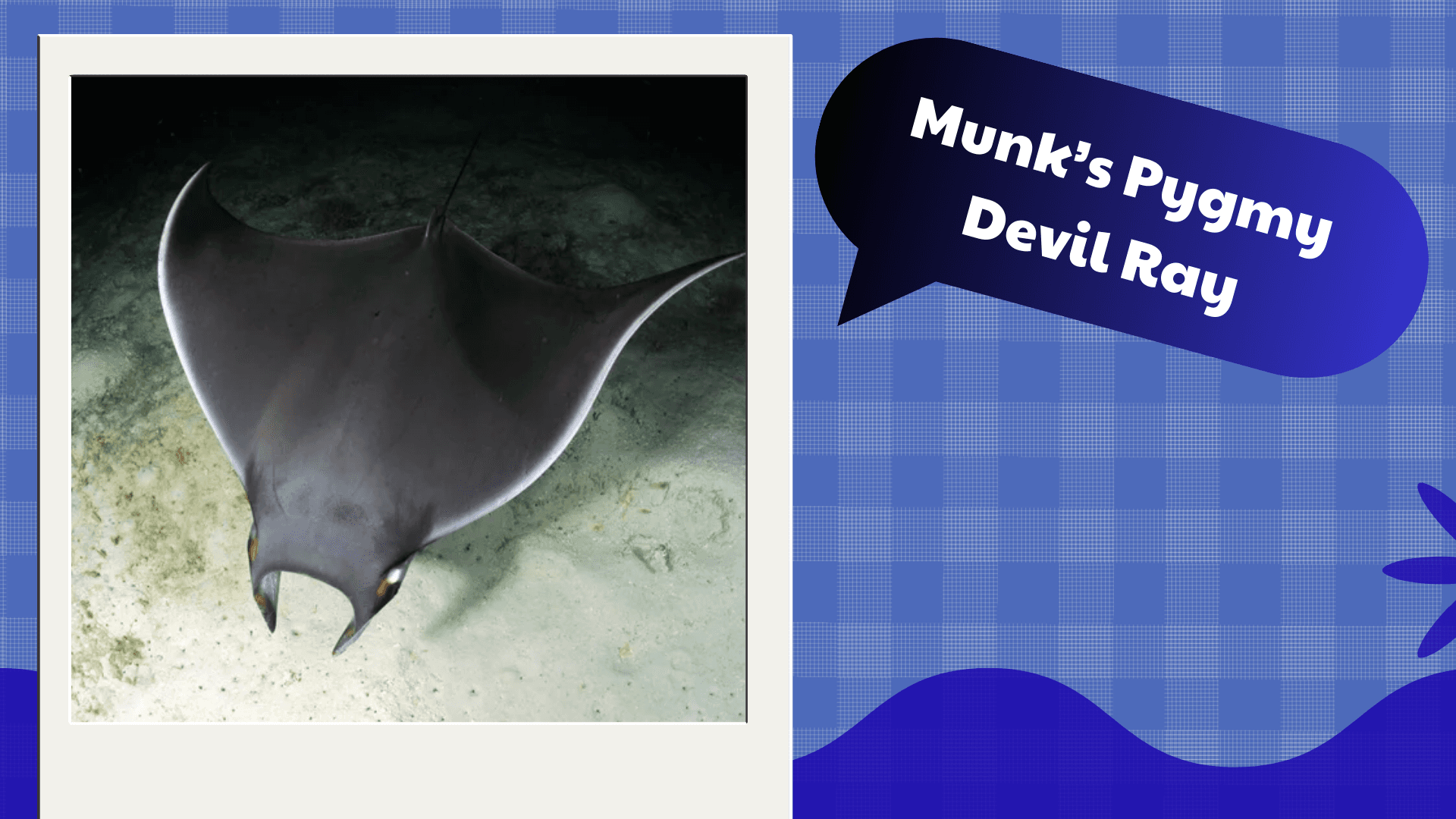
Munk’s Pygmy Devil Ray, Mobula munkiana, is a small but highly dynamic member of the mobulid family, endemic to the Eastern Pacific, including the Gulf of California and coastal waters off Mexico. With a wingspan of 1.5 to 2 meters, this species is notable for its acrobatic leaps and social behavior. Munk’s Pygmy Devil Rays are often observed in large groups, especially during feeding frenzies when plankton density is high.
These rays are filter feeders, consuming copepods and other tiny planktonic organisms. Unlike larger oceanic manta rays, they are more coastal, inhabiting bays and shallow waters where plankton concentrations fluctuate with tides and currents. Munk’s Pygmy Devil Rays display a fascinating social structure, forming groups of dozens or even hundreds of individuals, which may serve as protection against predators and increase feeding efficiency.
Conservation concerns for Munk’s Pygmy Devil Ray revolve around gill-net bycatch and habitat disturbance from coastal development. Research efforts include tagging and monitoring populations to understand movement patterns, breeding sites, and population dynamics. Observing their behavior provides valuable insight into the ecology of smaller mobulids and demonstrates the complex relationships between different types of manta ray relatives in coastal ecosystems. Their playful leaps and tight-knit social groups make them a favorite among marine researchers and wildlife enthusiasts alike.
10. Atlantic Pygmy Devil Ray (Mobula hypostoma)
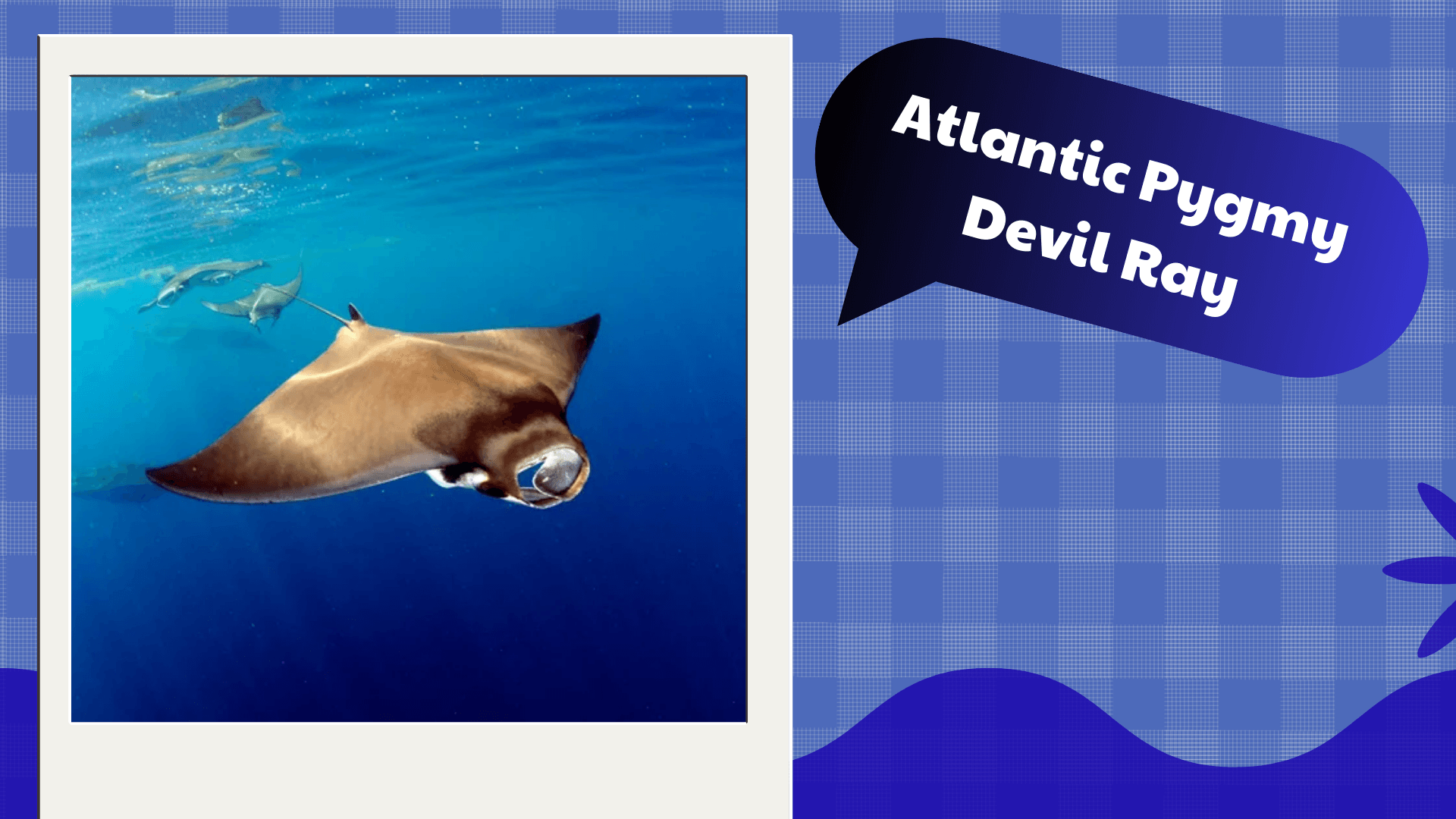
The Atlantic Pygmy Devil Ray, Mobula hypostoma, inhabits the western Atlantic Ocean, including the Caribbean Sea and coastal waters off Brazil. It is a small mobulid species, typically achieving a wingspan of 1.5 to 2 meters, characterized by its compact body and shorter fins relative to other devil rays. These rays are generally found in shallow coastal waters, estuaries, and nearshore habitats where plankton is abundant.
Like other mobulids, the Atlantic Pygmy Devil Ray is a filter feeder, relying on its gill rakers to strain tiny planktonic organisms from the water. They often feed in groups, swimming in coordinated patterns to maximize food intake. Behavioral studies have noted that this species exhibits aerial breaches and surface jumps, likely for parasite removal or social signaling. Reproduction is similar to other devil rays, with females giving birth to one pup after a lengthy gestation period, making population recovery slow if numbers decline.
Conservation efforts for the Atlantic Pygmy Devil Ray include monitoring bycatch levels and protecting key habitats. As one of the lesser-known types of manta ray relatives, this species highlights the ecological diversity within the mobulid family and underscores the importance of comprehensive conservation strategies. Maintaining healthy populations of Atlantic Pygmy Devil Rays ensures the balance of plankton populations and the broader health of coastal marine ecosystems.
11. Japanese Mobula Ray (Mobula japanica)
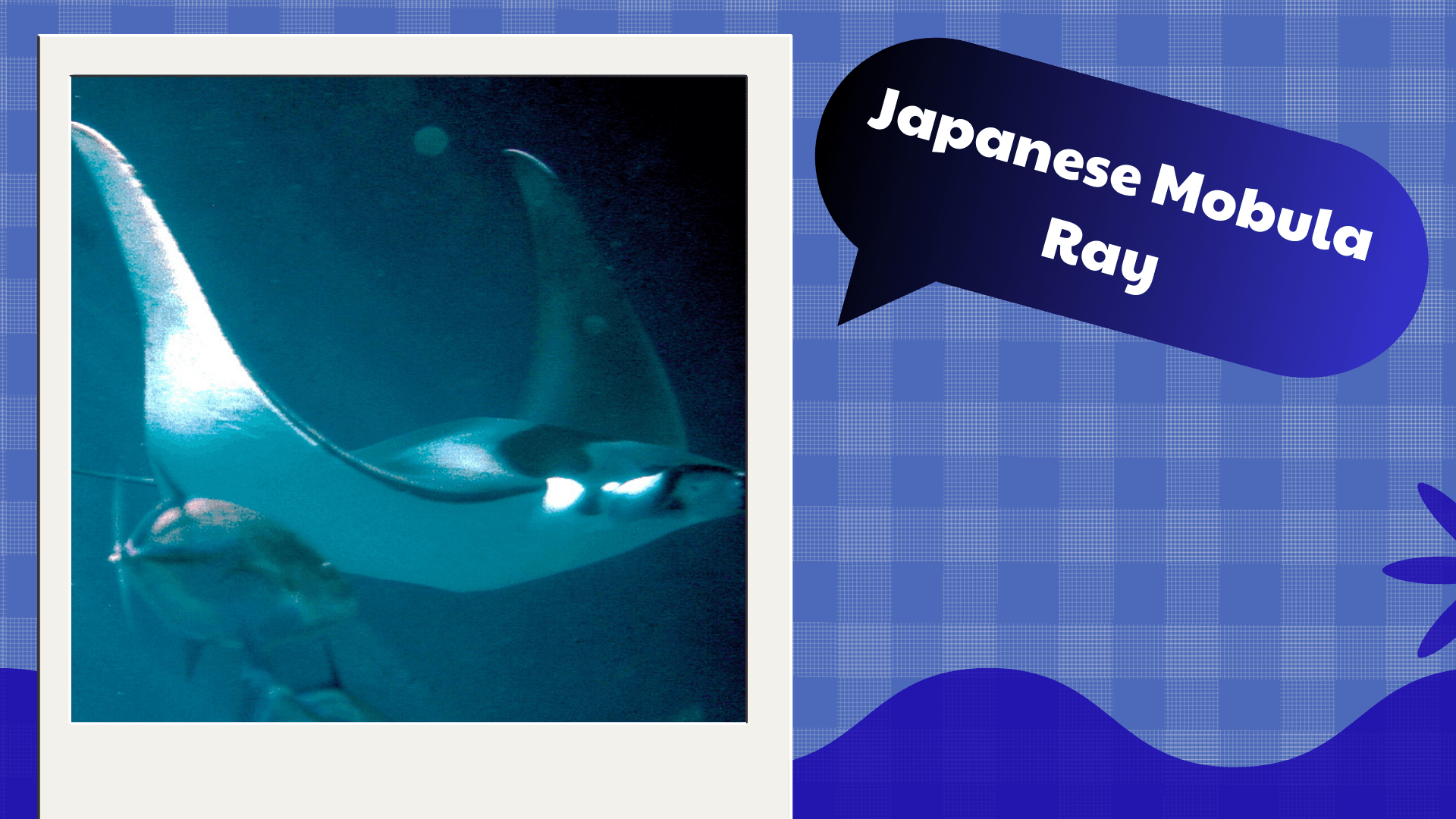
The Japanese Mobula Ray, scientifically known as Mobula japanica, is a widespread species of mobulid found across the eastern Atlantic and Indo-Pacific regions. Often referred to as the Spinetail Mobula due to the long, pointed tail extending beyond its body, this species exhibits graceful, sweeping movements in the open ocean. It is considered a close relative of manta rays and shares many ecological and behavioral traits with larger mobulids.
Japanese Mobula Rays are filter feeders, consuming plankton and small schooling fish. They are often observed in midwater aggregations where plankton density is highest, and they may travel long distances to exploit seasonal food availability. These rays are capable of remarkable acrobatic jumps, which are thought to serve multiple purposes, including parasite removal, courtship displays, and social signaling.
Reproductive patterns are similar to other mobulids: females typically give birth to one pup after an extended gestation period of 10–12 months. Due to their slow reproduction and high susceptibility to fishing pressures, Japanese Mobula Rays are vulnerable to population declines. Conservation efforts include the establishment of marine protected areas, sustainable fisheries management, and increased public awareness of mobulid species. Observing this species provides a glimpse into the diversity and adaptability of types of manta ray relatives in both coastal and pelagic habitats.
12. Lesser Guinean Devil Ray (Mobula rochebrunei)

The Lesser Guinean Devil Ray, Mobula rochebrunei, is a West African species that inhabits the tropical waters along the coast of West Africa. Historically, it has sometimes been treated as a junior synonym of other mobulids, but recent studies confirm its distinctiveness. This species is smaller than giant oceanic mantas, typically reaching a wingspan of 2 to 3 meters, but it is equally graceful in its movements.
These rays feed primarily on plankton and small crustaceans, filtering water through their specialized gill rakers. They are often found near upwelling zones, where nutrient-rich waters create plankton blooms. Lesser Guinean Devil Rays may be solitary or form small feeding aggregations. Their long, whip-like tails serve as both stabilizers in open water and as a signaling device during social interactions.
Conservation concerns are significant for this species. Due to limited population data and fishing pressures in West African waters, the Lesser Guinean Devil Ray is susceptible to overexploitation. Scientists advocate for careful monitoring and protection of critical habitats to ensure population stability. Studying this species adds valuable knowledge about the diversity within types of manta ray relatives and highlights the ecological importance of smaller mobulid species in West African marine ecosystems.
13. Caribbean Manta Ray (Mobula cf. birostris)
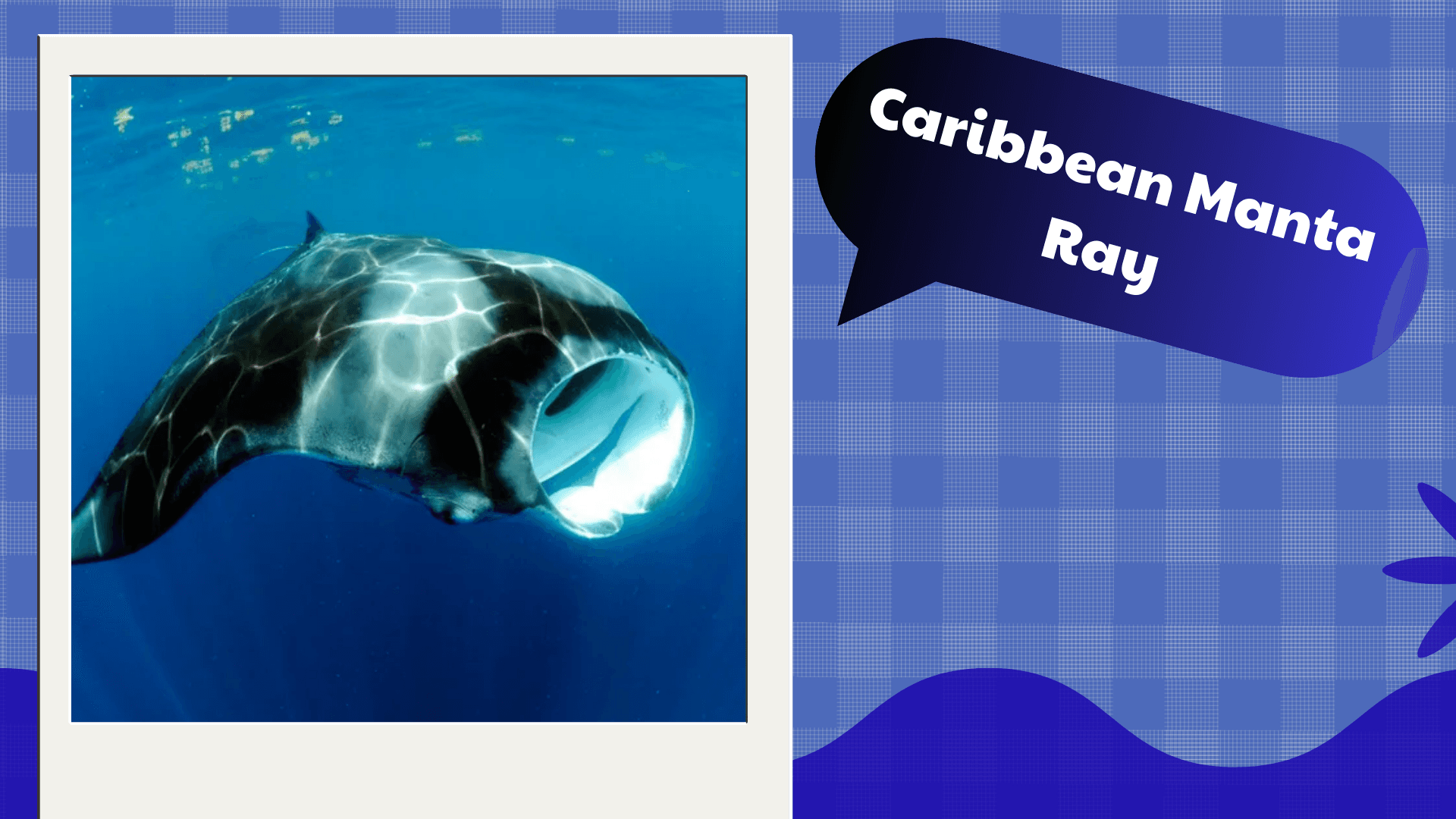
The Caribbean Manta Ray, tentatively referred to as Mobula cf. birostris, is a putative distinct manta species found in the Caribbean Sea. While closely related to the giant Oceanic Manta Ray, this population exhibits slight genetic and morphological differences that may indicate it is a separate species. Caribbean mantas inhabit warm tropical waters, often around coral reefs, seamounts, and coastal upwellings, where plankton is abundant.
These rays are filter feeders, consuming plankton and occasionally small fish. They are highly social, sometimes forming aggregations of dozens of individuals during feeding events. Their large, triangular pectoral fins allow them to glide effortlessly, often performing acrobatic breaches above the water surface. Reproduction mirrors that of other large mobulids, with low reproductive rates and a single pup per gestation period.
Conservation is critical for the Caribbean Manta Ray, as they face threats from bycatch, habitat degradation, and unregulated tourism. Efforts include marine sanctuaries, educational programs, and population monitoring using photo-identification. Understanding this potential distinct species helps scientists assess the biodiversity of types of manta ray relatives and develop region-specific conservation strategies to preserve these magnificent oceanic creatures for future generations.
14. Giant Devil Ray (Mobula mobular)

The Giant Devil Ray, Mobula mobular, is one of the largest mobulid rays, often reaching wingspans of 5–6 meters. Found in the Mediterranean Sea and parts of the Eastern Atlantic, this species exhibits many characteristics shared with manta rays, including filter feeding and large migratory patterns. The Giant Devil Ray is often referred to as an oceanic mobula due to its preference for offshore habitats.
These rays feed primarily on plankton, employing their large mouths and gill rakers to filter water efficiently. Giant Devil Rays may form temporary feeding aggregations but are less social than some smaller mobulids. They are known to leap spectacularly from the water, a behavior thought to remove parasites, communicate, or court mates. Reproductive biology follows the slow reproductive strategy of mobulids, with a single pup born after a lengthy gestation.
Due to its size and slow reproduction, the Giant Devil Ray is vulnerable to overfishing and bycatch. Conservation efforts focus on monitoring population trends, protecting key migratory corridors, and regulating fisheries. As a member of the mobulid family, it represents an important part of marine ecosystems, helping regulate plankton populations and contributing to biodiversity. Studying the Giant Devil Ray provides insights into the evolution and ecological roles of types of manta ray relatives in oceanic environments.
15. Pygmy Devil Ray (Small Mobula Species Group)
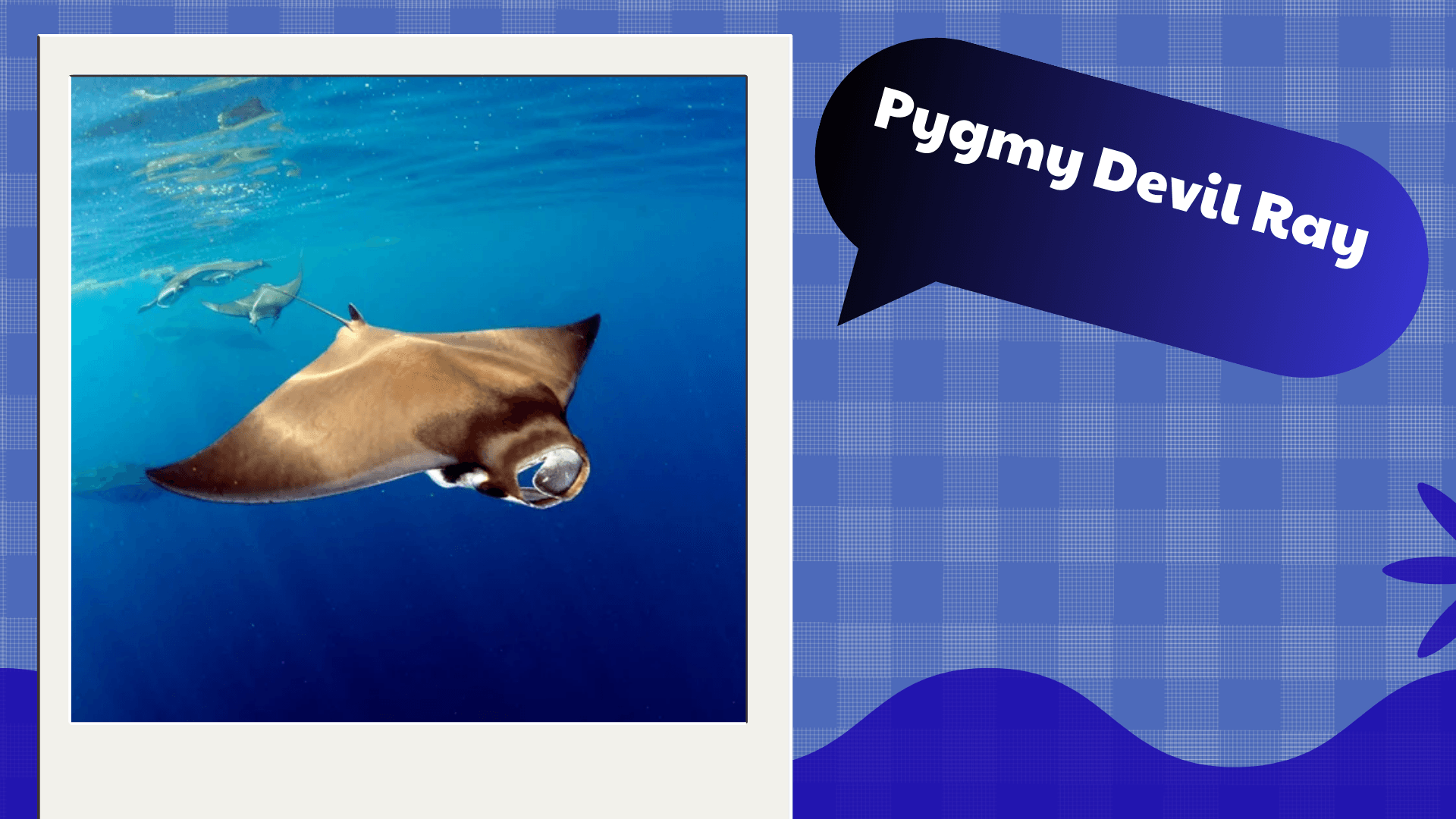
The term “Pygmy Devil Ray” collectively refers to several smaller mobulid species, including Mobula eregoodootenkee and Mobula munkiana. These rays are generally more agile and compact than larger manta rays, with wingspans typically ranging from 1.5 to 2 meters. Pygmy Devil Rays are found in tropical and subtropical waters worldwide, often in coastal areas and shallow seas, feeding on abundant plankton.
Behaviorally, Pygmy Devil Rays are highly social and may form schools of dozens to hundreds of individuals during feeding events. Their smaller size and maneuverability allow them to navigate complex environments, avoid predators, and exploit food-rich areas efficiently. Like other mobulids, they perform impressive breaches, leaping out of the water for parasite removal, communication, or courtship. Reproduction follows the typical mobulid pattern, with low birth rates and extended gestation periods, making populations sensitive to fishing pressures.
Conservation measures for Pygmy Devil Rays include protecting nursery grounds, reducing bycatch in fisheries, and raising awareness of their ecological importance. Despite their smaller size, they play a crucial role in regulating plankton populations and maintaining the balance of coastal ecosystems. By studying Pygmy Devil Rays, researchers gain a broader understanding of mobulid diversity, behavior, and the interconnectedness of oceanic species within types of manta ray relatives.
16. Spinetail Mobula (Mobula japanica — Alternate Name)
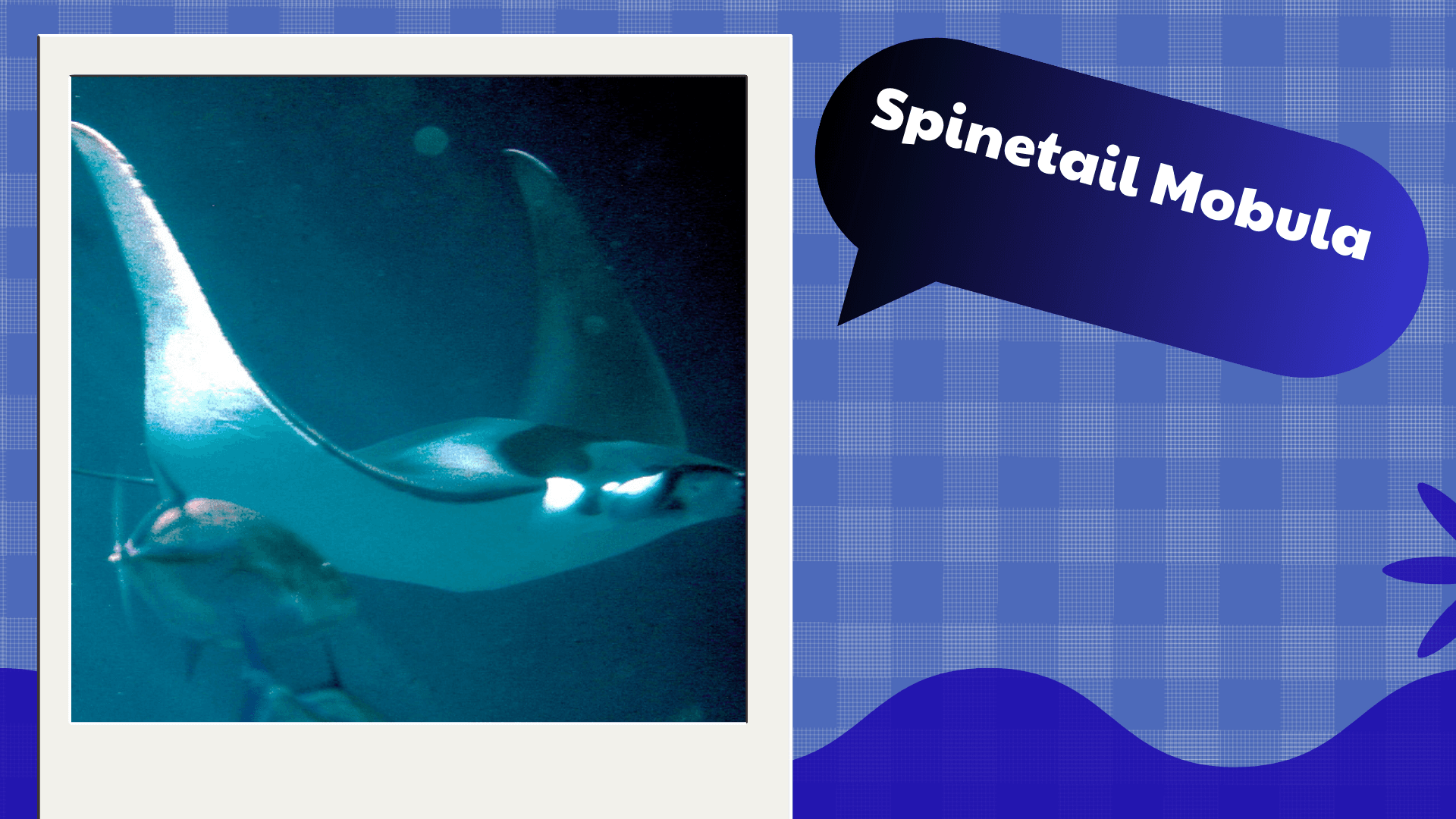
The Spinetail Mobula, another name for Mobula japanica, is recognized for its distinctive long, pointed tail that sets it apart from other mobulid rays. Found in the Indo-Pacific and eastern Atlantic, Spinetail Mobulas are mid-sized rays, typically with wingspans of 2 to 3 meters. They occupy both coastal and open ocean environments, often seen gliding effortlessly through tropical waters or near continental shelves.
These rays are filter feeders, consuming plankton, small crustaceans, and tiny schooling fish. Their acrobatic jumps and coordinated swimming behavior make them visually striking and ecologically important. Socially, Spinetail Mobulas can form small aggregations, particularly around food-rich areas or seasonal plankton blooms. These gatherings provide protection from predators and improve foraging efficiency.
Reproduction follows the classic mobulid pattern: a single pup per gestation period, which may last up to a year. Due to their slow reproductive rate and human-induced threats such as bycatch, Spinetail Mobulas are considered vulnerable in some regions. Conservation initiatives focus on habitat protection, fisheries management, and research on migratory patterns. Studying this species adds to our understanding of the diversity among types of manta ray relatives and their role in marine ecosystems.
17. Shortfin Devil Ray (Mobula kuhlii — Alternate Name)

The Shortfin Devil Ray, an alternate name for Mobula kuhlii, is a small, agile mobulid inhabiting coastal waters of the Indo-Pacific. With a wingspan of 1.5 to 2 meters, these rays are known for their short, rounded fins and nimble swimming abilities. They prefer shallow areas near reefs, estuaries, and lagoons where plankton is abundant, making them key players in coastal food webs.
Diet consists primarily of plankton and tiny fish, captured using specialized gill rakers. Shortfin Devil Rays are highly social, often forming small groups while feeding. Their energetic leaps and swift movements help them evade predators and signal to other individuals. Reproductive biology is consistent with other mobulids, with a single pup born after a lengthy gestation period.
Conservation efforts include regulating fisheries that may inadvertently capture these rays, protecting nursery areas, and monitoring populations to prevent declines. Understanding the behavior and ecology of Shortfin Devil Rays provides insight into the functional diversity of types of manta ray relatives and emphasizes the importance of preserving coastal ecosystems.
18. Pygmy Ray (Informal Grouping of Small Mobulas)
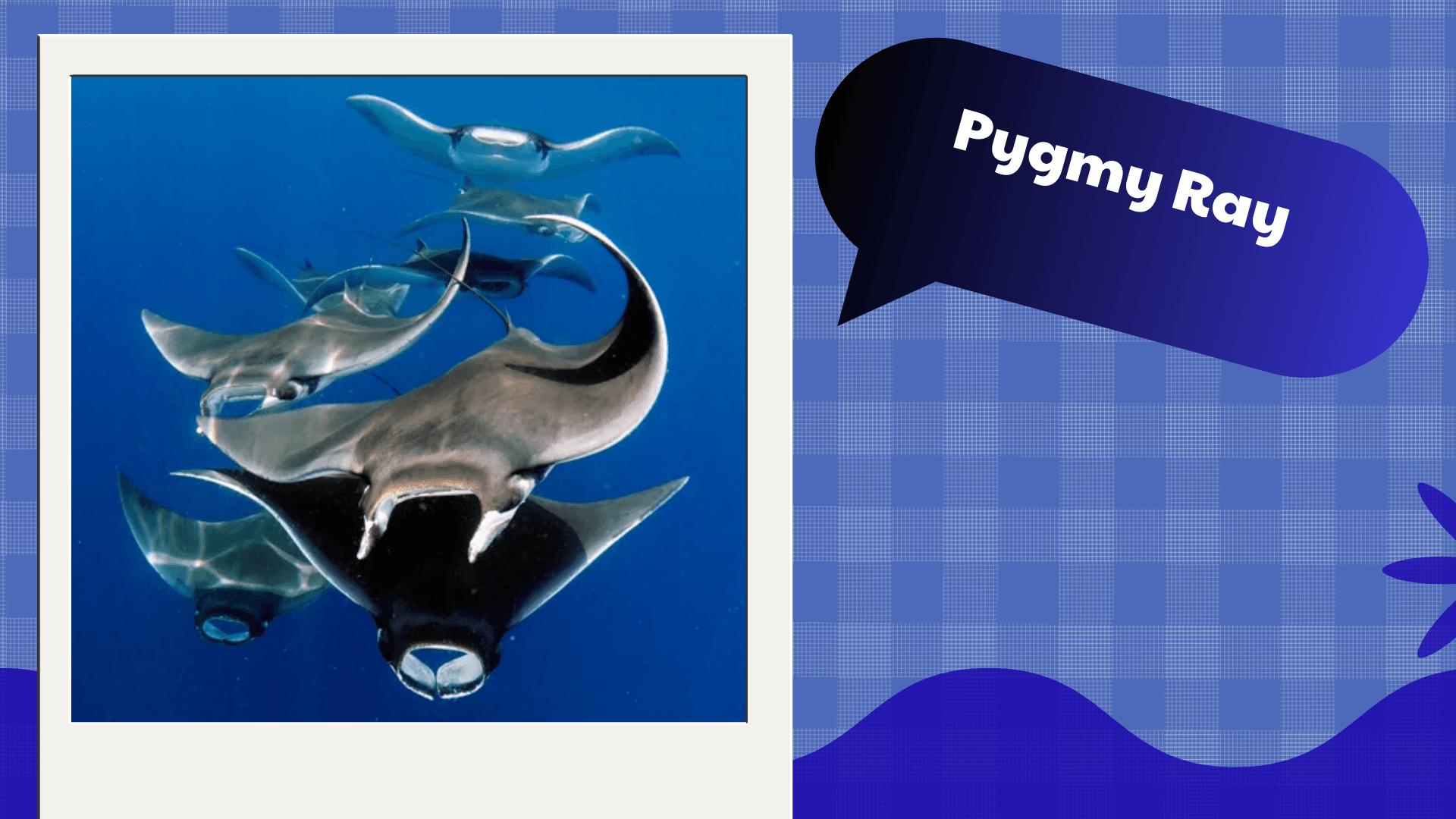
Pygmy Rays collectively refer to several small mobulid species, including Mobula eregoodootenkee and Mobula munkiana. Typically, these rays have wingspans of 1.5 to 2 meters and inhabit warm coastal waters worldwide. Despite their modest size, they exhibit remarkable agility and complex social behaviors, often forming large feeding aggregations that allow them to exploit dense plankton concentrations efficiently.
Pygmy Rays filter-feed on plankton and other microscopic organisms, using their highly specialized gill rakers. Their acrobatic leaps and surface breaches serve multiple purposes: parasite removal, courtship displays, and communication within groups. Reproduction is slow, with females giving birth to a single pup after an extended gestation period, making population recovery sensitive to anthropogenic threats.
Conservation measures for Pygmy Rays focus on habitat protection, reducing bycatch in fisheries, and population monitoring. Studying these rays provides insight into the diversity of types of manta ray relatives and highlights their ecological importance in regulating plankton populations and maintaining coastal marine ecosystem health.
19. Tropical Devil Ray (Mobula tarapacana — Informal Name)
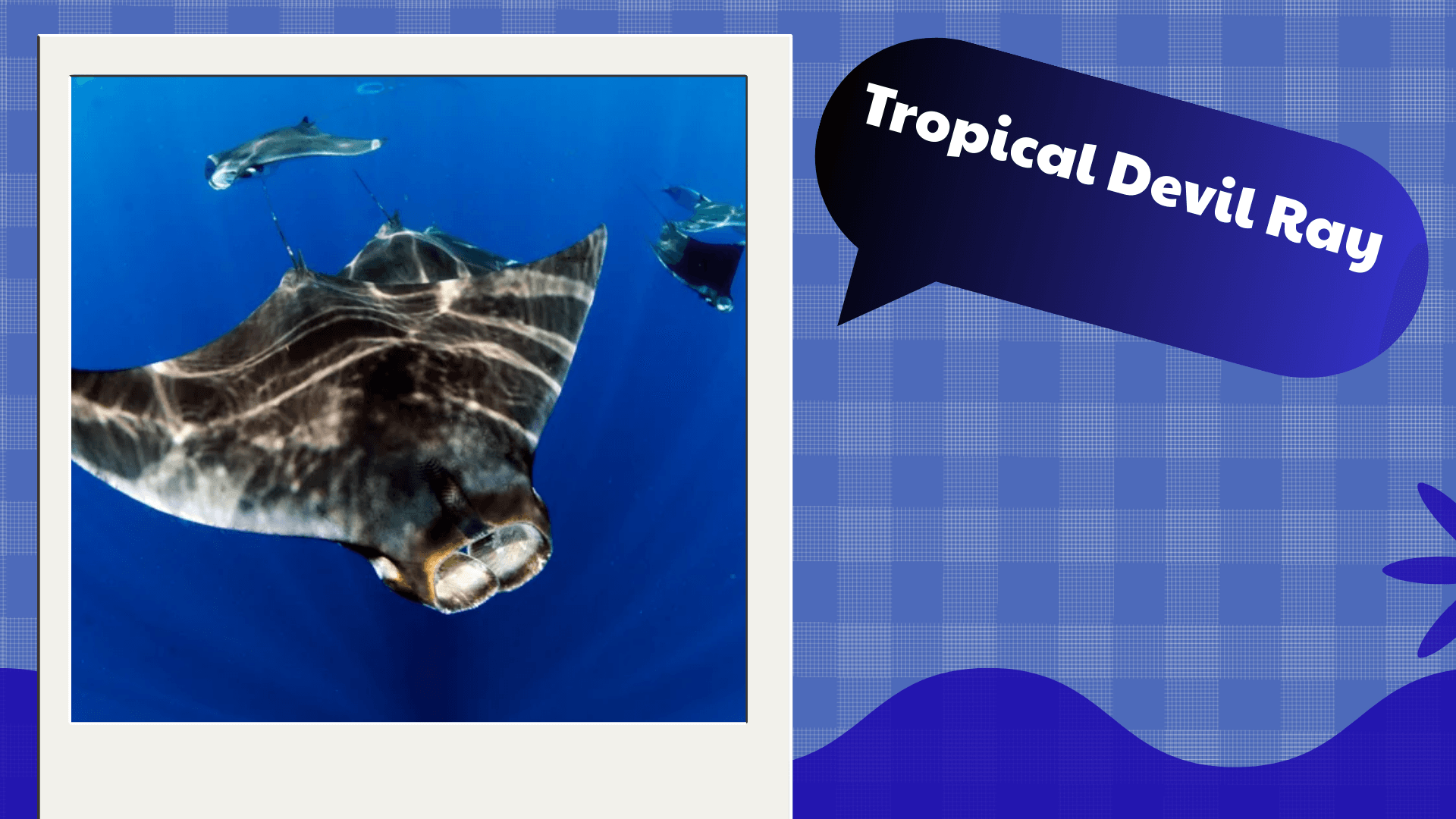
The Tropical Devil Ray, commonly referred to as Mobula tarapacana, is a large oceanic mobulid inhabiting tropical and subtropical waters worldwide. With wingspans reaching up to 5 meters, these rays are among the largest members of the mobulid family, rivaling giant manta rays in size. Tropical Devil Rays are primarily pelagic, often traveling vast distances across open oceans in search of abundant planktonic prey.
These rays feed by filtering plankton and small schooling fish through their gill rakers. Observations reveal dynamic feeding behavior, with large groups creating swirling patterns to maximize food intake. They are capable of impressive leaps and surface breaches, sometimes propelling their entire bodies out of the water. Reproduction is consistent with other mobulids, with slow growth and low birth rates increasing their vulnerability to overfishing and habitat disturbance.
Conservation strategies for Tropical Devil Rays include establishing marine protected areas, implementing bycatch reduction measures, and conducting satellite tracking to study migratory routes. Protecting these rays is crucial for maintaining the balance of plankton populations and overall ocean health. As a representative of types of manta ray relatives, the Tropical Devil Ray showcases the ecological importance of large pelagic filter feeders.
20. Pelagic Devil Ray (Informal Grouping of Offshore Mobulas)
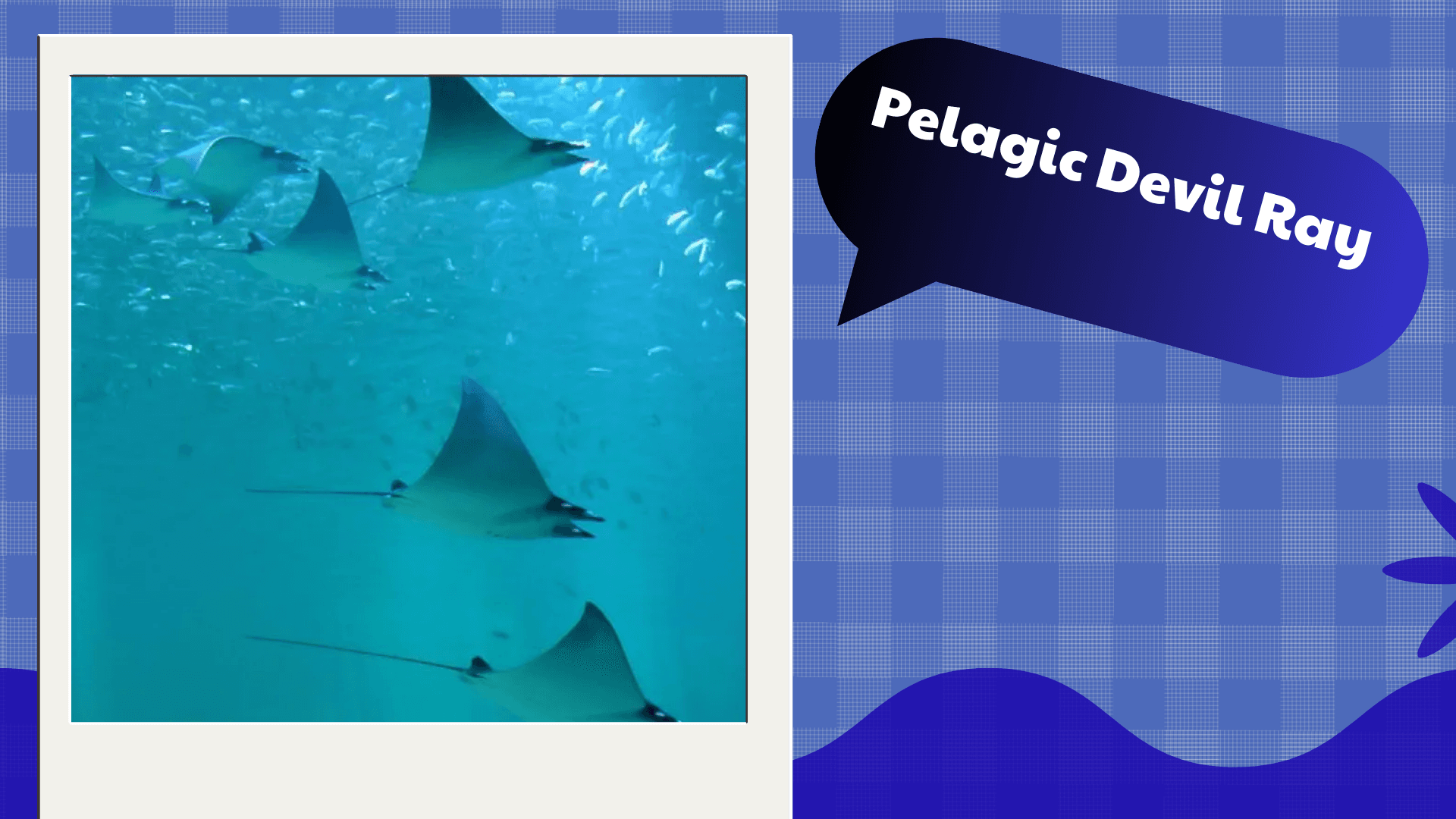
The Pelagic Devil Ray is an informal term encompassing several wide-ranging Mobula species that inhabit open ocean environments. These rays, including species such as Mobula mobular and Mobula birostris, are characterized by large wingspans, strong migratory behavior, and a preference for offshore waters. Pelagic Devil Rays are adapted to traverse vast distances in search of food, often diving to deeper waters to exploit plankton-rich layers.
As filter feeders, Pelagic Devil Rays consume plankton and small fish, playing a critical role in oceanic ecosystems by regulating plankton populations and transferring nutrients through vertical migrations. They are often observed in small groups or alone, with acrobatic leaps and surface breaches signaling social interactions or parasite removal. Reproduction is slow, with a single pup born after a prolonged gestation period.
Conservation of Pelagic Devil Rays is challenging due to their vast range and susceptibility to bycatch in commercial fisheries. Efforts include global monitoring programs, international fishing regulations, and awareness campaigns. Studying these offshore mobulas enhances understanding of the diversity within types of manta ray relatives and underscores the importance of protecting oceanic megafauna for healthy marine ecosystems worldwide.
Conclusion
Manta rays and their close relatives, the mobulas or devil rays, are among the most majestic and ecologically important marine creatures. From the enormous Giant Devil Ray to the agile Pygmy Rays, each species exhibits unique adaptations that allow them to thrive in diverse ocean environments. These rays play a crucial role in maintaining healthy marine ecosystems by regulating plankton populations, supporting nutrient cycles, and even inspiring scientific curiosity about ocean biodiversity.
Understanding the diversity of types of manta ray not only deepens our appreciation for these incredible animals but also highlights the importance of conservation efforts. Many species face threats from overfishing, bycatch, and habitat degradation. Protecting their habitats, monitoring populations, and promoting sustainable practices are essential to ensure these gentle giants continue to grace the oceans. By learning more about these remarkable rays, we can help safeguard the future of manta rays and their relatives for generations to come.
FAQs About Types of Manta Ray
1. What are manta rays?
Manta rays are large, flat-bodied rays known for their triangular pectoral fins and filter-feeding behavior, closely related to devil rays (mobulas).
2. How many types of manta ray are there?
There are two widely recognized species of manta rays—Reef Manta Ray (Manta alfredi) and Giant Oceanic Manta Ray (Manta birostris)—plus many closely related mobula species often called types of manta ray relatives.
3. What do manta rays eat?
Manta rays are filter feeders that consume plankton, tiny fish, and other microscopic organisms by filtering seawater through their gill rakers.
4. Where do manta rays live?
They are found in tropical and subtropical waters worldwide, inhabiting coastal areas, coral reefs, and open oceans depending on the species.
5. How big can manta rays get?
Giant Oceanic Manta Rays can reach wingspans of up to 7 meters (23 feet), while smaller species like Pygmy Rays and Spinetail Mobulas are 1.5–3 meters wide.
6. How do manta rays reproduce?
They are ovoviviparous, giving birth to one pup per gestation period, which can last 10–12 months. Low birth rates make them vulnerable to population declines.
7. Are manta rays dangerous to humans?
No, manta rays are gentle giants and are not aggressive. They lack stingers, unlike some other rays, making them harmless to divers and snorkelers.
8. What is the difference between a manta ray and a devil ray?
Manta rays are generally larger and more pelagic, while devil rays (mobulas) are smaller, have a more pointed tail, and may inhabit shallower or coastal waters.
9. How do manta rays breathe?
Manta rays breathe by forcing water over their gills as they swim. They must keep moving to maintain oxygen flow through their gill slits.
10. Can manta rays jump out of water?
Yes, many species, including Giant Oceanic and Spinetail Mobulas, are known for acrobatic breaches above the water surface, possibly for parasite removal, communication, or courtship.
11. How long do manta rays live?
Manta rays can live up to 50 years in the wild, though lifespans vary by species and environmental conditions.
12. Why are manta rays endangered?
Threats include overfishing, bycatch, habitat loss, and pollution. Their slow reproduction makes population recovery challenging.
13. Do manta rays migrate?
Yes, many species migrate seasonally following plankton blooms or reproductive cycles, sometimes crossing thousands of kilometers in the open ocean.
14. What is a mobula ray?
Mobula rays, also called devil rays, are close relatives of manta rays. They are smaller, have pointed tails, and share similar filter-feeding behaviors.
15. Can you dive with manta rays?
Yes, many tropical destinations offer guided scuba and snorkeling experiences with manta rays in their natural habitat.
16. What is the wingspan of a Reef Manta Ray?
Reef Manta Rays typically reach wingspans of 3–5 meters (10–16 feet).
17. How do manta rays communicate?
Manta rays communicate mainly through body movements, breaches, and tail motions, often in social and mating contexts.
18. Do manta rays have predators?
Sharks and orcas are the main predators, but adult manta rays have few natural threats due to their large size.
19. Are all manta rays filter feeders?
Yes, all manta rays and mobulas feed primarily on plankton using specialized gill rakers to filter water efficiently.
20. How can you identify different types of manta rays?
Identification is based on size, body markings, coloration, tail length, and geographic location.
21. What is a Japanese Mobula Ray?
A species found in the Indo-Pacific and eastern Atlantic, often called Spinetail Mobula, recognizable by its long tail and graceful movements.
22. What is a Lesser Guinean Devil Ray?
A West African mobula species, smaller than giant manta rays, feeding on plankton and small crustaceans in coastal waters.
23. What is unique about the Caribbean Manta Ray?
It is a putative distinct species in the Caribbean Sea with unique genetic and morphological traits compared to the Giant Oceanic Manta Ray.
24. What is the Giant Devil Ray?
Also known as Mobula mobular, this is one of the largest mobulid rays with a wingspan of 5–6 meters, inhabiting offshore waters.
25. What are Pygmy Devil Rays?
Small mobula species, including Mobula eregoodootenkee and Mobula munkiana, highly agile and social, usually found in coastal waters.
26. What is a Tropical Devil Ray?
A large pelagic mobula, Mobula tarapacana, inhabiting tropical oceans, capable of long migrations and filter-feeding on plankton.
27. How do mobulas differ from manta rays?
Mobulas are generally smaller, have shorter or pointed tails, and are more coastal compared to giant manta rays.
28. Do manta rays have teeth?
Yes, but they are tiny and not used for feeding; manta rays rely on gill rakers to filter plankton.
29. How fast can manta rays swim?
Manta rays typically swim at 3–5 km/h but can accelerate quickly during courtship or when evading predators.
30. How do manta rays reproduce?
They are ovoviviparous, giving birth to a single pup after a gestation of 10–12 months, making populations slow to recover from declines.
31. What is a Spinetail Mobula?
Alternate name for Mobula japanica, recognized by its long tail and agile swimming behavior.
32. What is a Shortfin Devil Ray?
A small mobula species with short, rounded fins, found in Indo-Pacific coastal waters and known for acrobatic leaps.
33. What are Pelagic Devil Rays?
Informal grouping for offshore mobula species that inhabit open oceans and migrate long distances.
34. Why are manta rays important to marine ecosystems?
They regulate plankton populations, transfer nutrients through vertical movements, and serve as indicators of ocean health.
35. Can manta rays be kept in aquariums?
Due to their size, migratory behavior, and dietary needs, manta rays are extremely difficult to keep in captivity and are rarely housed in aquariums.
36. How do scientists study manta rays?
Researchers use satellite tagging, photo-identification, genetic analysis, and direct observation to monitor populations and behavior.
37. Are manta rays social animals?
Yes, many species gather in feeding aggregations or cleaning stations, showing complex social interactions.
38. What is a gill raker?
A gill raker is a comb-like structure that filters plankton from seawater, essential for manta and mobula feeding.
39. How high can manta rays leap out of water?
Manta rays have been observed leaping several meters above the water surface, particularly during courtship or parasite removal.
40. Do all manta rays migrate?
Not all species, but giant and oceanic manta rays often migrate seasonally following plankton blooms or for reproduction.
41. What is the lifespan of manta rays?
They can live up to 50 years, although exact lifespan varies by species and environmental factors.
42. How do manta rays avoid predators?
Their large size, speed, and schooling behavior help protect them from predators such as sharks and orcas.
43. Are manta rays endangered?
Some species, especially the Giant Oceanic Manta Ray, are classified as vulnerable due to fishing pressures, bycatch, and habitat loss.
44. What is a Reef Manta Ray?
Manta alfredi, smaller than the giant oceanic species, often found near coral reefs and coastal habitats.
45. Can manta rays communicate?
Yes, primarily through body postures, breaches, and tail movements, often for social and reproductive signaling.
46. How do conservationists protect manta rays?
By establishing marine protected areas, regulating fisheries, monitoring populations, and promoting sustainable tourism.
47. What is a Gooty Sapphire Ornamental Tarantula (Bonus)
Just as an example of diversity like manta rays, some species of other marine or exotic wildlife also require conservation awareness.
48. Are mobula rays the same as manta rays?
No, while closely related, mobulas are generally smaller, more coastal, and differ in tail and fin structure.
49. How do manta rays filter food?
They open their wide mouths while swimming, water passes over gill rakers, and plankton is trapped for consumption.
50. Why study manta rays?
Studying manta rays helps understand ocean health, biodiversity, and the ecological roles of large filter-feeding species.
51. What threats do manta rays face?
Key threats include overfishing, bycatch, habitat degradation, and climate change affecting plankton availability.
52. Can manta rays be ecotourism attractions?
Yes, responsible ecotourism allows people to observe manta rays in the wild without harming them, supporting conservation efforts.
Read more: 20 Types of Mantis Shrimp (Pictures And Identification)