

Choosing among the many types of goldfish for aquariums requires more than selecting a color. Body shape, vision, tail length, swimming speed, head growth, feeding ability, filtration, and adult size determine whether a variety can thrive in an indoor tank. This guide focuses on 20 fancy goldfish that are commonly considered for aquariums and explains how to match them responsibly.
What Are the Best Types of Goldfish for Aquariums?
Fantails and moderately built ryukins are among the most practical aquarium varieties. Orandas, ranchus, telescopes, pearlscales, bubble eyes, and celestials can also live indoors, but increasingly specialized features require gentler flow, safer décor, slower companions, and closer feeding observation. No goldfish belongs in a bowl or tiny desktop tank.
Aquarium Goldfish Comparison
| Variety | Body feature | Care level | Key aquarium concern |
|---|---|---|---|
| Fantail Goldfish | egg-shaped body with a divided double tail | Moderate | it is one of the more practical fancy goldfish for beginners |
| Ryukin Goldfish | deep body with a pronounced shoulder hump | Moderate | stronger swimming ability than extreme fancies does not eliminate buoyancy risks |
| Oranda Goldfish | double tail and fleshy head growth called a wen | Moderate | the wen must remain clean and the fish needs gentle compatible tankmates |
| Redcap Oranda | white body with red head growth | Specialized | the color pattern is a variety of oranda rather than a separate species |
| Ranchu Goldfish | rounded dorsal-less body with a curved back | Specialized | slow swimming and body shape require easy feeding and low-risk décor |
| Lionhead Goldfish | dorsal-less body with prominent head growth | Specialized | it is often confused with ranchu but differs in back and tail-set standards |
| Pearlscale Goldfish | very round body with raised pearl-like scales | Specialized | damaged pearl scales may not regrow with the original appearance |
| Crown Pearlscale | pearlscale body combined with head growth | Specialized | extreme body shape and head tissue make it unsuitable for careless stocking |
| Telescope Goldfish | projecting eyes and a double tail | Specialized | limited vision requires calm tankmates and predictable feeding |
| Black Moor | dark telescope-eyed form | Specialized | black color may change with age, light, genetics, and environment |
| Panda Telescope | black-and-white telescope pattern | Specialized | the panda pattern can be unstable as pigmentation changes |
| Butterfly Telescope | telescope eyes with a butterfly-shaped tail viewed from above | Specialized | its tail shape is best appreciated from above and should not be cramped |
How Are Aquarium Goldfish Grouped?
Aquarium goldfish are commonly grouped by swimming ability and delicate features. Moderately built fancies include fantails, ryukins, and many orandas. Slow or visually impaired types include telescopes, ranchus, lionheads, bubble eyes, and celestials. Matching fish within similar functional groups reduces competition and injury.
1. Fantail Goldfish
The Fantail Goldfish (Carassius auratus) egg-shaped body with a divided double tail. It is most closely associated with spacious indoor aquarium. Identification should combine body shape, fin placement, markings, and geographic origin rather than relying on color alone.
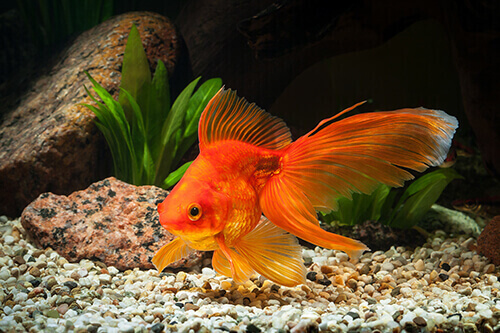
For readers interested in indoor goldfish aquarium planning, the most useful practical point is that it is one of the more practical fancy goldfish for beginners. A responsible decision starts with the scientific name, adult size, natural behavior, and any legal or welfare considerations.
2. Ryukin Goldfish
Ryukin Goldfish, scientifically known as Carassius auratus, deep body with a pronounced shoulder hump. In the wild it is linked with spacious indoor aquarium, although local conditions and life stage may influence where it is observed.
This fish matters to indoor goldfish aquarium planning because stronger swimming ability than extreme fancies does not eliminate buoyancy risks. When comparing similar species, look for repeatable features such as stripe direction, spot arrangement, tail shape, mouth position, and the proportions of the dorsal and anal fins.
3. Oranda Goldfish
The common name Oranda Goldfish refers here to Carassius auratus. It double tail and fleshy head growth called a wen. Its typical setting includes spacious indoor aquarium, where food availability, current, cover, temperature, and predators shape its behavior.
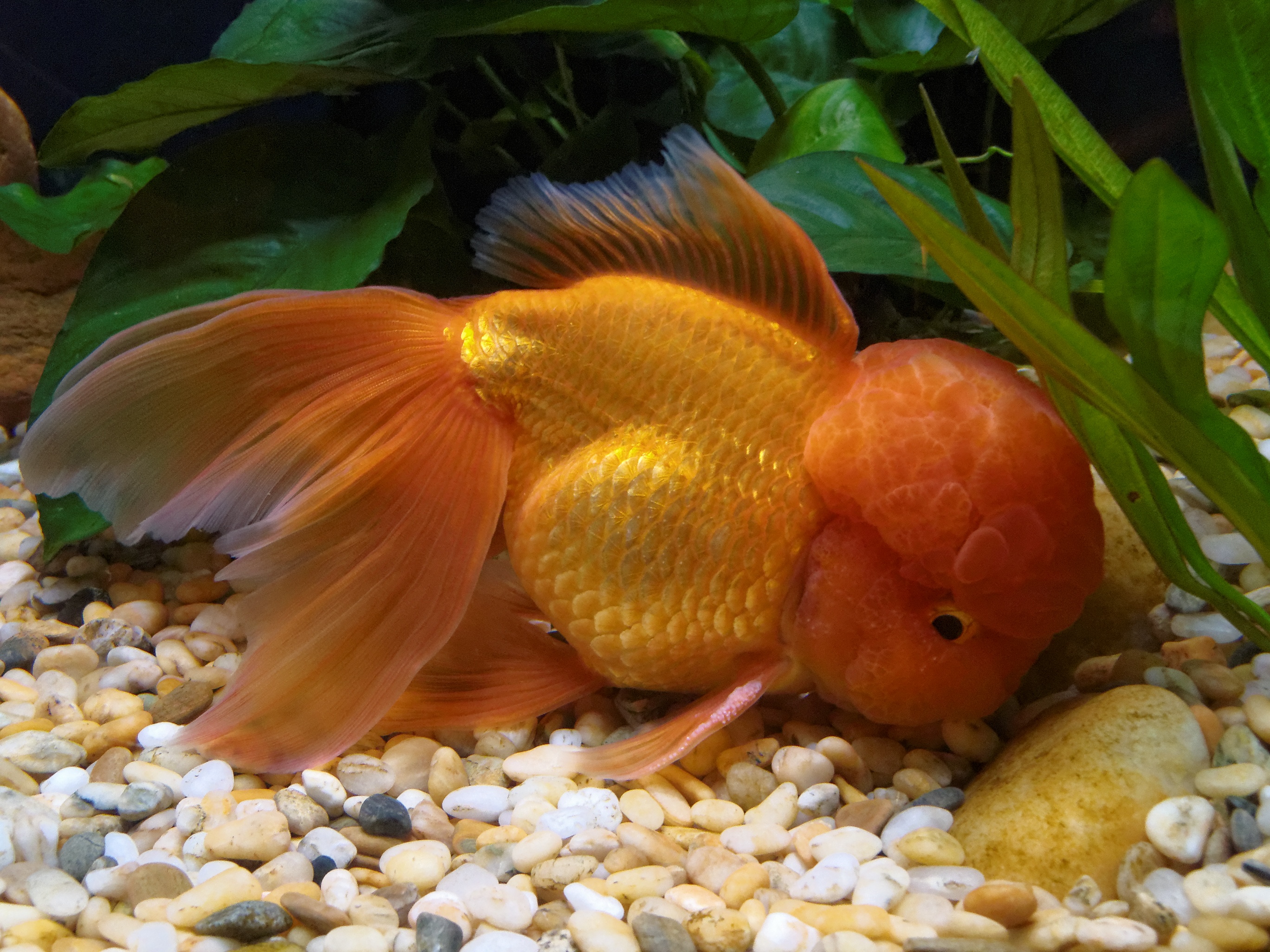
A practical note for indoor goldfish aquarium planning is that the wen must remain clean and the fish needs gentle compatible tankmates. Avoid assuming that two fish with similar trade names have identical care, harvest rules, or conservation status.
4. Redcap Oranda
Redcap Oranda (Carassius auratus) is notable because it white body with red head growth. Most observations come from spacious indoor aquarium. Juveniles, breeding adults, and stressed individuals may show different colors or patterns.

In indoor goldfish aquarium planning, remember that the color pattern is a variety of oranda rather than a separate species. Good identification photographs should show the full side profile, head, tail, and fins, with the location and approximate size recorded.
5. Ranchu Goldfish
The Ranchu Goldfish (Carassius auratus) rounded dorsal-less body with a curved back. It is most closely associated with specialized indoor aquarium. Identification should combine body shape, fin placement, markings, and geographic origin rather than relying on color alone.

For readers interested in indoor goldfish aquarium planning, the most useful practical point is that slow swimming and body shape require easy feeding and low-risk décor. A responsible decision starts with the scientific name, adult size, natural behavior, and any legal or welfare considerations.
6. Lionhead Goldfish
Lionhead Goldfish, scientifically known as Carassius auratus, dorsal-less body with prominent head growth. In the wild it is linked with specialized indoor aquarium, although local conditions and life stage may influence where it is observed.
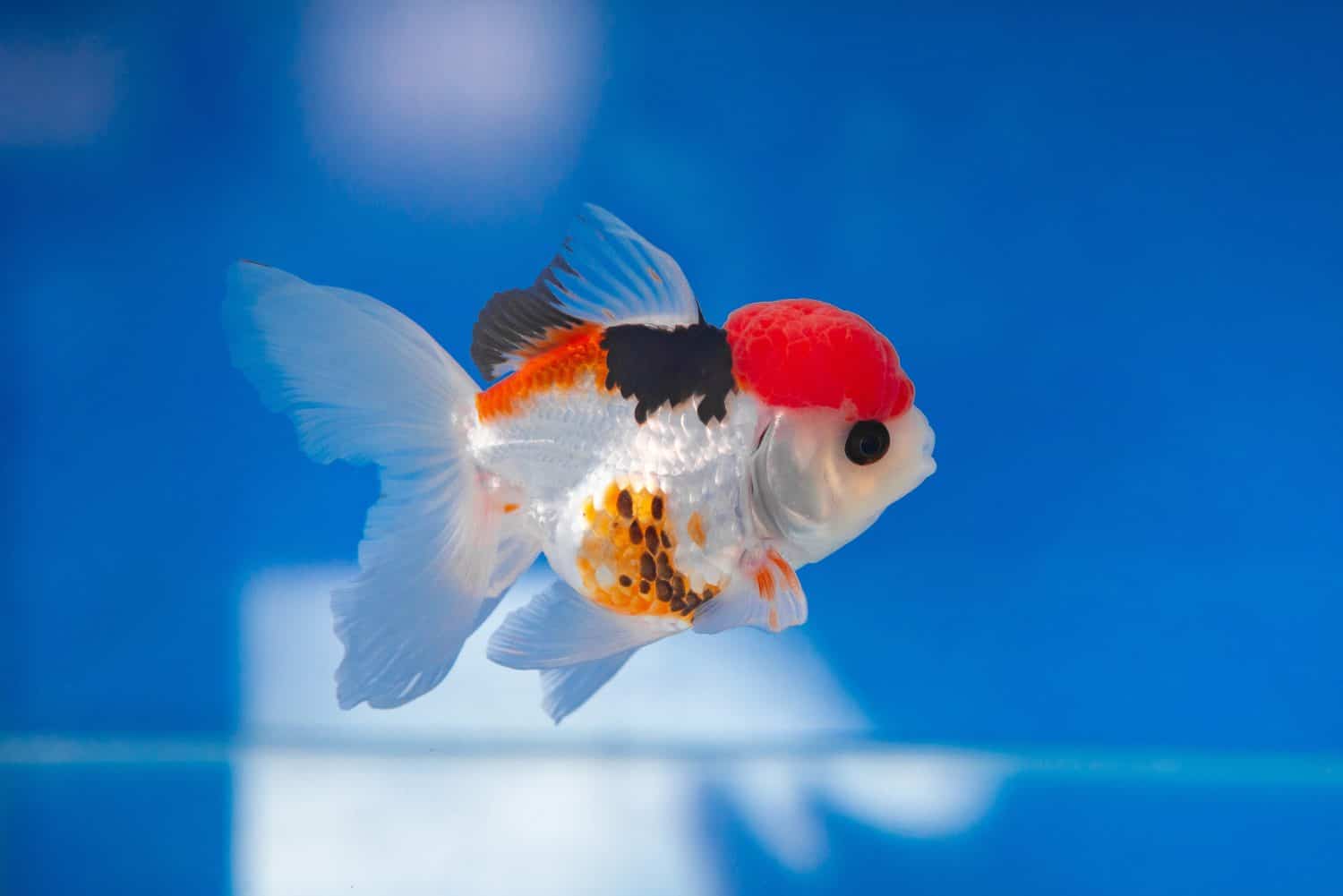
This fish matters to indoor goldfish aquarium planning because it is often confused with ranchu but differs in back and tail-set standards. When comparing similar species, look for repeatable features such as stripe direction, spot arrangement, tail shape, mouth position, and the proportions of the dorsal and anal fins.
7. Pearlscale Goldfish
The common name Pearlscale Goldfish refers here to Carassius auratus. It very round body with raised pearl-like scales. Its typical setting includes specialized indoor aquarium, where food availability, current, cover, temperature, and predators shape its behavior.
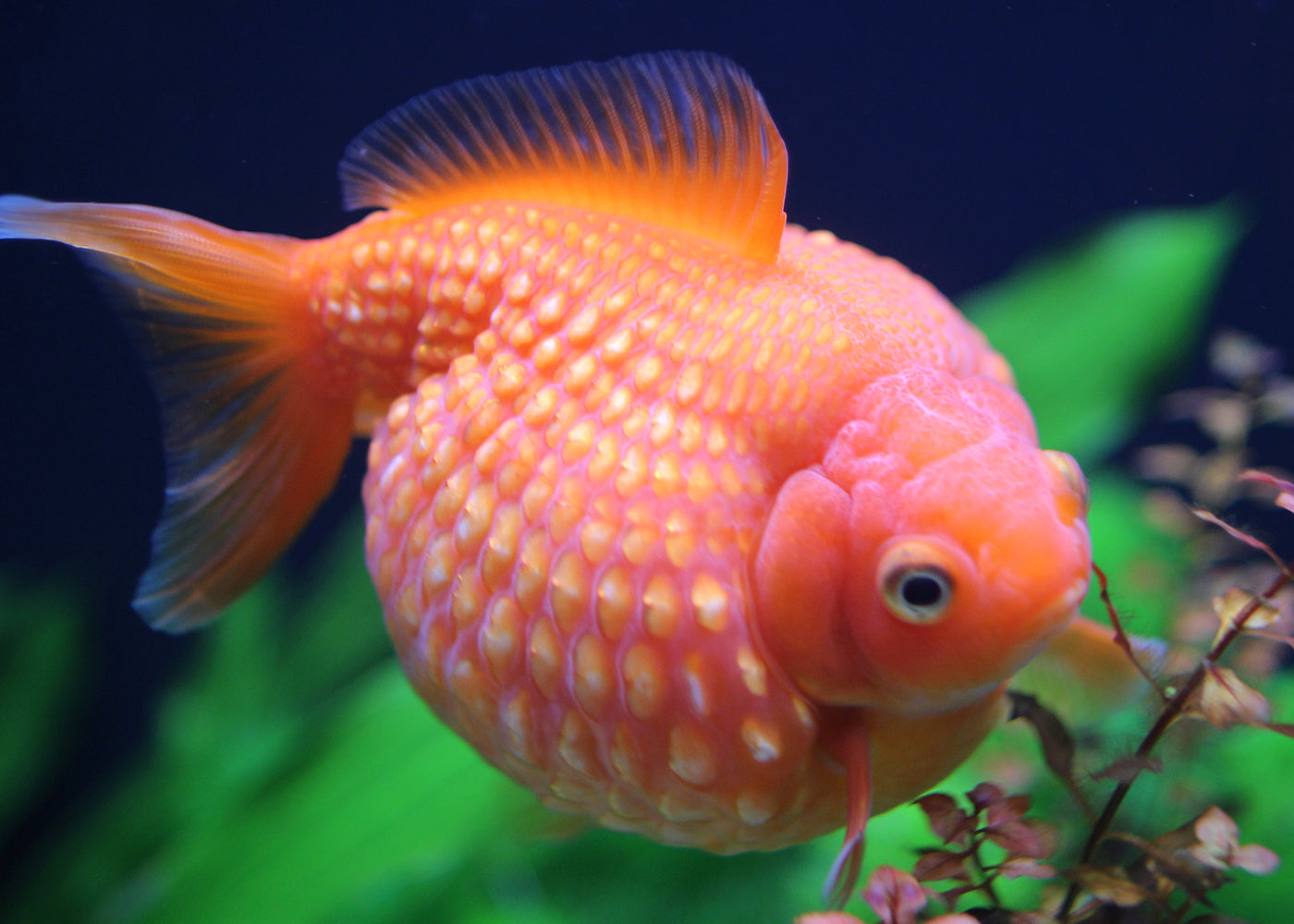
A practical note for indoor goldfish aquarium planning is that damaged pearl scales may not regrow with the original appearance. Avoid assuming that two fish with similar trade names have identical care, harvest rules, or conservation status.
8. Crown Pearlscale
Crown Pearlscale (Carassius auratus) is notable because it pearlscale body combined with head growth. Most observations come from specialized indoor aquarium. Juveniles, breeding adults, and stressed individuals may show different colors or patterns.

In indoor goldfish aquarium planning, remember that extreme body shape and head tissue make it unsuitable for careless stocking. Good identification photographs should show the full side profile, head, tail, and fins, with the location and approximate size recorded.
9. Telescope Goldfish
The Telescope Goldfish (Carassius auratus) projecting eyes and a double tail. It is most closely associated with smoothly decorated indoor aquarium. Identification should combine body shape, fin placement, markings, and geographic origin rather than relying on color alone.

For readers interested in indoor goldfish aquarium planning, the most useful practical point is that limited vision requires calm tankmates and predictable feeding. A responsible decision starts with the scientific name, adult size, natural behavior, and any legal or welfare considerations.
10. Black Moor
Black Moor, scientifically known as Carassius auratus, dark telescope-eyed form. In the wild it is linked with smoothly decorated indoor aquarium, although local conditions and life stage may influence where it is observed.
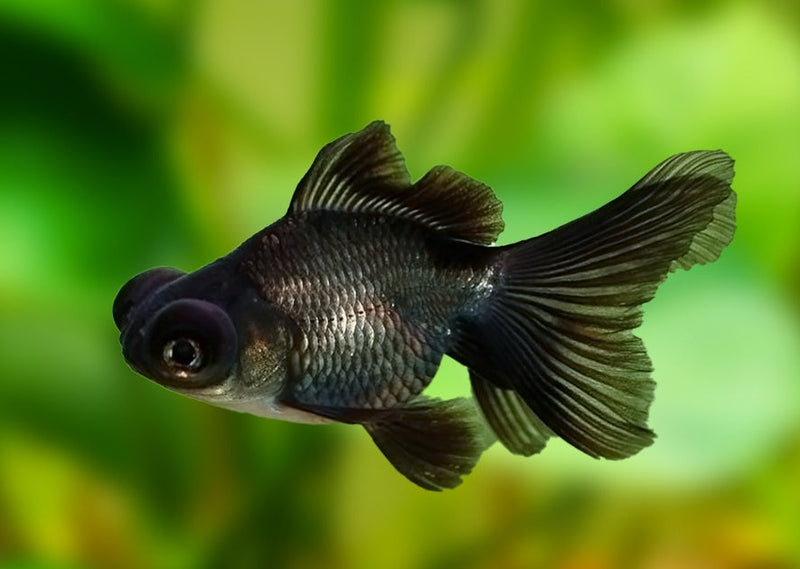
This fish matters to indoor goldfish aquarium planning because black color may change with age, light, genetics, and environment. When comparing similar species, look for repeatable features such as stripe direction, spot arrangement, tail shape, mouth position, and the proportions of the dorsal and anal fins.
11. Panda Telescope
The common name Panda Telescope refers here to Carassius auratus. It black-and-white telescope pattern. Its typical setting includes smoothly decorated indoor aquarium, where food availability, current, cover, temperature, and predators shape its behavior.
A practical note for indoor goldfish aquarium planning is that the panda pattern can be unstable as pigmentation changes. Avoid assuming that two fish with similar trade names have identical care, harvest rules, or conservation status.
12. Butterfly Telescope
Butterfly Telescope (Carassius auratus) is notable because it telescope eyes with a butterfly-shaped tail viewed from above. Most observations come from top-view or spacious indoor aquarium. Juveniles, breeding adults, and stressed individuals may show different colors or patterns.

In indoor goldfish aquarium planning, remember that its tail shape is best appreciated from above and should not be cramped. Good identification photographs should show the full side profile, head, tail, and fins, with the location and approximate size recorded.
13. Bubble Eye Goldfish
The Bubble Eye Goldfish (Carassius auratus) fluid-filled sacs beneath upward-facing eyes. It is most closely associated with specialized gentle-flow aquarium. Identification should combine body shape, fin placement, markings, and geographic origin rather than relying on color alone.
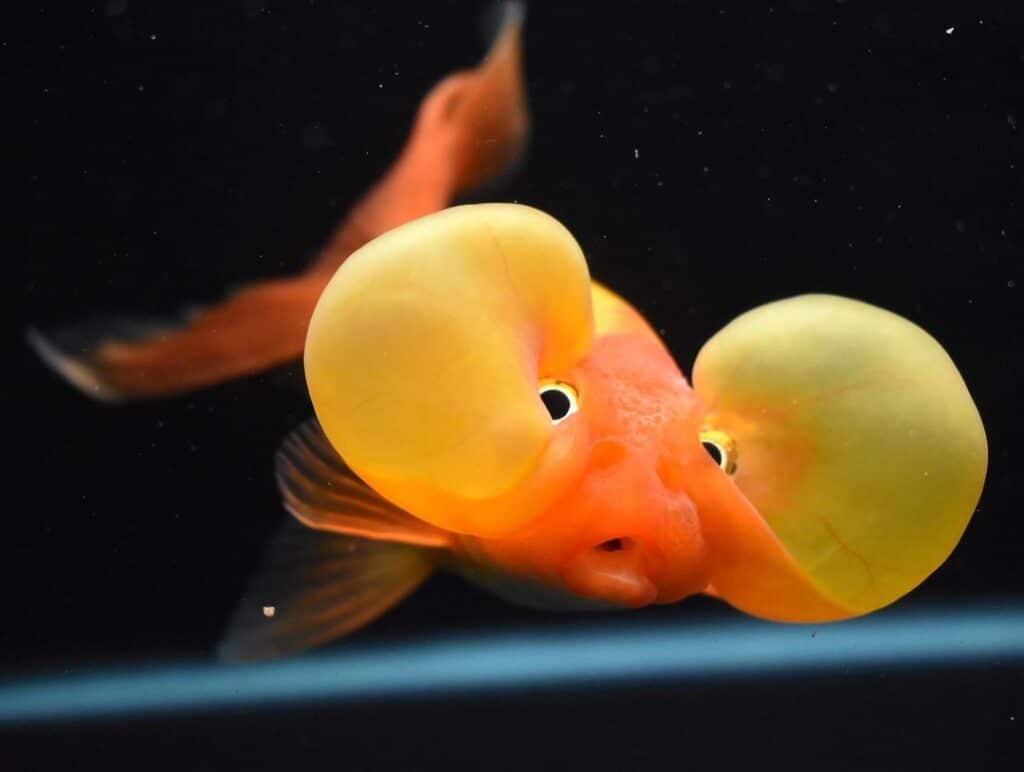
For readers interested in indoor goldfish aquarium planning, the most useful practical point is that eye sacs are vulnerable to injury and intake suction. A responsible decision starts with the scientific name, adult size, natural behavior, and any legal or welfare considerations.
14. Celestial Eye Goldfish
Celestial Eye Goldfish, scientifically known as Carassius auratus, upward-facing protruding eyes and no dorsal fin. In the wild it is linked with specialized indoor aquarium, although local conditions and life stage may influence where it is observed.
This fish matters to indoor goldfish aquarium planning because vision and swimming limitations demand calm housing. When comparing similar species, look for repeatable features such as stripe direction, spot arrangement, tail shape, mouth position, and the proportions of the dorsal and anal fins.
15. Veiltail Goldfish
The common name Veiltail Goldfish refers here to Carassius auratus. It deep body with long flowing un-forked-looking tail lobes. Its typical setting includes spacious indoor aquarium, where food availability, current, cover, temperature, and predators shape its behavior.
A practical note for indoor goldfish aquarium planning is that delicate fins require excellent water and non-nipping companions. Avoid assuming that two fish with similar trade names have identical care, harvest rules, or conservation status.
16. Tosakin Goldfish
Tosakin Goldfish (Carassius auratus) is notable because it horizontally spread, joined double tail. Most observations come from specialist top-view aquarium. Juveniles, breeding adults, and stressed individuals may show different colors or patterns.

In indoor goldfish aquarium planning, remember that tail development can be damaged by unsuitable flow or cramped conditions. Good identification photographs should show the full side profile, head, tail, and fins, with the location and approximate size recorded.
17. Eggfish Goldfish
The Eggfish Goldfish (Carassius auratus) dorsal-less egg-shaped body without heavy head growth. It is most closely associated with specialized indoor aquarium. Identification should combine body shape, fin placement, markings, and geographic origin rather than relying on color alone.
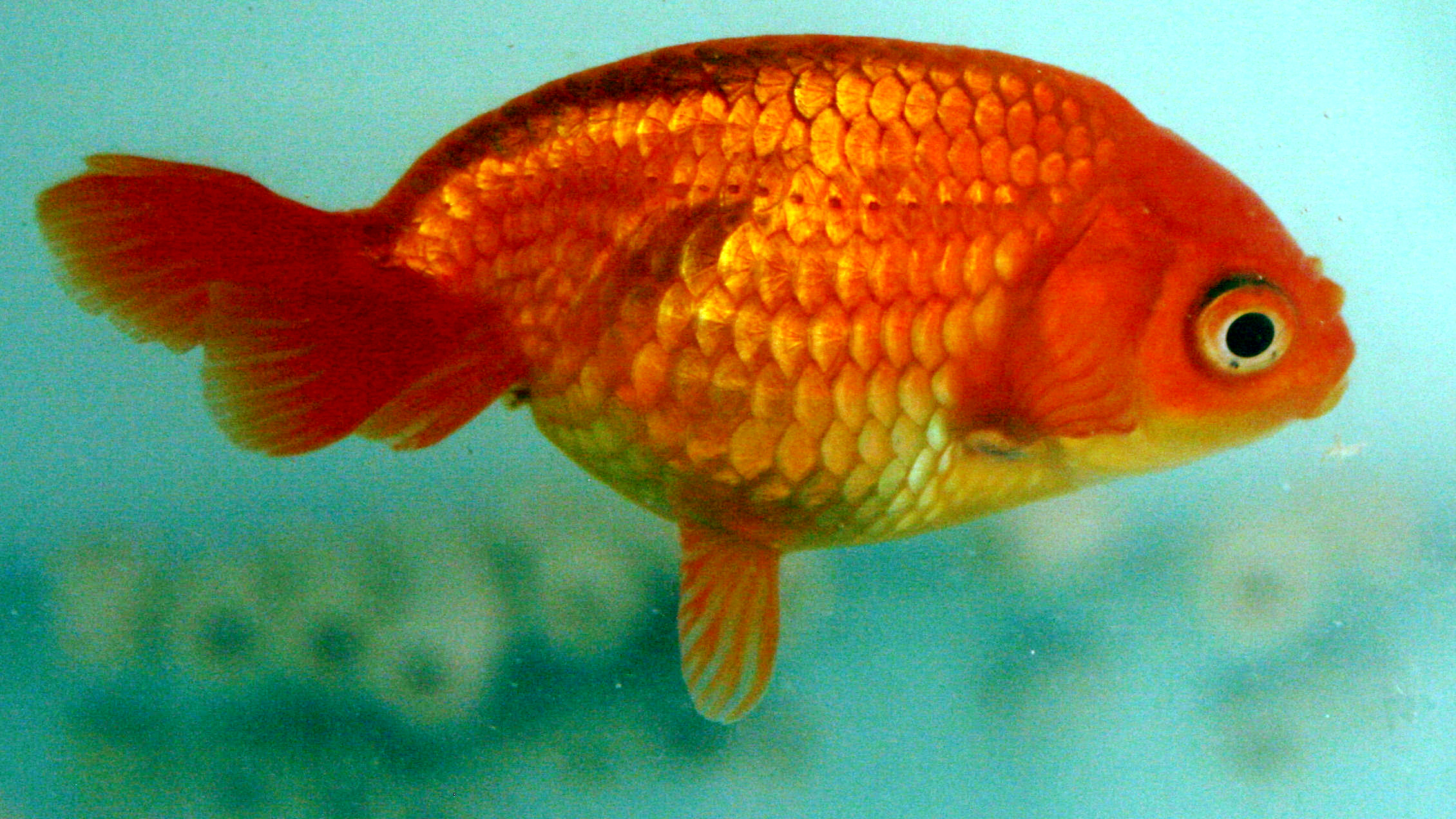
For readers interested in indoor goldfish aquarium planning, the most useful practical point is that its smooth back separates it from dorsal-finned fancies. A responsible decision starts with the scientific name, adult size, natural behavior, and any legal or welfare considerations.
18. Phoenix Eggfish
Phoenix Eggfish, scientifically known as Carassius auratus, eggfish body with long flowing fins. In the wild it is linked with specialized indoor aquarium, although local conditions and life stage may influence where it is observed.

This fish matters to indoor goldfish aquarium planning because extended fins reduce speed and increase snagging risk. When comparing similar species, look for repeatable features such as stripe direction, spot arrangement, tail shape, mouth position, and the proportions of the dorsal and anal fins.
19. Pompom Goldfish
The common name Pompom Goldfish refers here to Carassius auratus. It enlarged nasal growths resembling pom-poms. Its typical setting includes specialized indoor aquarium, where food availability, current, cover, temperature, and predators shape its behavior.

A practical note for indoor goldfish aquarium planning is that nasal tissue can be damaged by sharp décor or aggressive tankmates. Avoid assuming that two fish with similar trade names have identical care, harvest rules, or conservation status.
20. Azuma Nishiki
Azuma Nishiki (Carassius auratus) is notable because it calico oranda-type body and head growth. Most observations come from spacious indoor aquarium. Juveniles, breeding adults, and stressed individuals may show different colors or patterns.
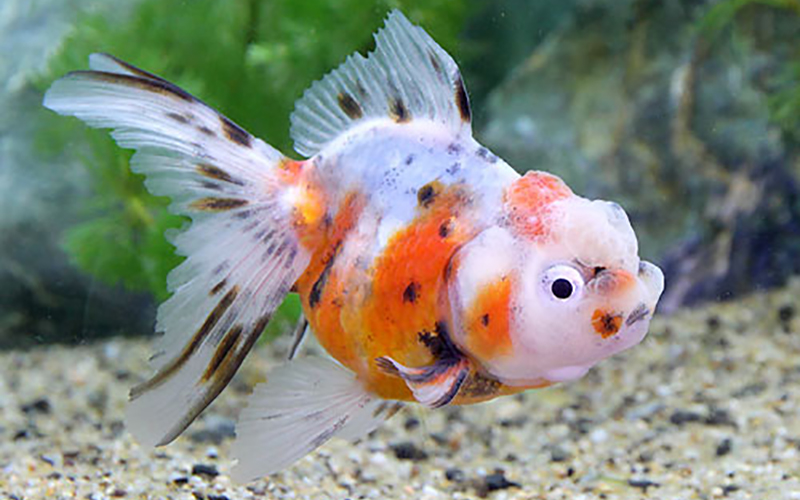
In indoor goldfish aquarium planning, remember that it combines shubunkin-like color with oranda structure and care needs. Good identification photographs should show the full side profile, head, tail, and fins, with the location and approximate size recorded.
How to Choose the Right Goldfish Aquarium
Choose the aquarium by adult fish, not the juvenile in the store. Prioritize a long footprint, mature filtration, oxygen, maintenance access, and room for compatible companions. More water volume gives greater stability but does not replace water changes.
Best Tankmates for Fancy Goldfish
The safest tankmate is usually another healthy fancy goldfish with similar speed, vision, body form, and feeding ability. Avoid tropical fish, fin nippers, tiny prey-sized fish, aggressive species, and powerful single-tail goldfish.
Aquarium Setup Checklist
- Fully cycled filtration
- Long, spacious footprint
- Secure, protected filter intakes
- Smooth décor
- Appropriate substrate
- Moderate current
- Regular water testing
- Quarantine system
- Sinking food
- Emergency aeration
Common Goldfish Aquarium Mistakes
- Using a bowl or nano tank
- Buying incompatible body types
- Overfeeding
- Replacing all filter media at once
- Ignoring adult size
- Using sharp décor
- Allowing ammonia or nitrite
- Treating every buoyancy issue with peas or salt
- Skipping quarantine
- Releasing unwanted fish outdoors
Safety and Welfare Notes
Some fancy traits create permanent functional limitations. A responsible keeper selects fish that swim, see, and feed effectively, and avoids exaggerating traits through poor breeding choices. Veterinary help is appropriate for persistent buoyancy, ulcers, eye injury, abnormal growth, or repeated loss of appetite.
Final Thoughts on Types of Goldfish for Aquariums
The best types of goldfish for aquariums are those whose adult needs match the tank you can maintain. Fantails and moderate fancies are usually more forgiving, while extreme eye, scale, and dorsal-less varieties demand specialized systems and close observation.
Frequently Asked Questions
1. What types of goldfish are best for aquariums?
Fantails, ryukins, orandas, ranchus, and selected telescopes can suit spacious aquariums when matched by swimming ability.
2. Are common goldfish good aquarium fish?
Only in very large, long aquariums. Their adult size and activity often make ponds more practical.
3. Are comet goldfish good for indoor tanks?
They can be kept indoors only in very large systems with strong filtration and swimming length.
4. What is the easiest fancy goldfish for an aquarium?
A healthy fantail is often a practical starting choice because it is less extreme than many specialized varieties.
5. How large should a goldfish aquarium be?
There is no responsible universal minimum. Use adult size, number of fish, filtration, footprint, and maintenance capacity.
6. Is a 10-gallon tank enough for goldfish?
No. It becomes unstable and cramped quickly.
7. Is a 20-gallon tank enough for one goldfish?
It may be a temporary starting point for a juvenile fancy, but long-term planning should be more generous.
8. Do goldfish need a long tank?
Yes. Horizontal floor area and swimming length are more useful than a tall narrow tank.
9. What filter is best for goldfish?
Use strong, mature biological filtration with enough mechanical capacity for heavy waste, while controlling current for slow fancies.
10. Canister or hang-on-back filter for goldfish?
Both can work when correctly sized and maintained. Intake safety and flow distribution are especially important for delicate varieties.
11. Do goldfish need an air pump?
Not always, but visible surface movement and adequate oxygen are essential. Air stones can provide useful backup aeration.
12. Can fancy goldfish live with single-tail goldfish?
Usually not. Single-tails are faster and often outcompete or stress fancies.
13. Which fancy goldfish can live together?
Match similar body shape, vision, swimming speed, feeding ability, and adult size.
14. Can bubble eyes live with orandas?
This may be risky because bubble eyes are slower and more injury-prone. Similar delicate varieties are safer companions.
15. Can black moors live with fantails?
Often yes in a spacious, smooth aquarium if feeding is monitored and the fantails are not overly competitive.
16. Do aquarium goldfish need a heater?
They usually need stable temperate water. A heater can be useful to prevent fluctuations, not to create tropical temperatures.
17. What temperature is best for fancy goldfish?
A stable moderate range appropriate to the strain is better than sudden seasonal swings.
18. What substrate is safest?
Fine sand, very large smooth stones, or a managed bare bottom can work. Avoid mouth-sized gravel that can become lodged.
19. Can goldfish have live plants?
Yes, but they may uproot or eat soft plants. Hardy attached plants and protected roots are practical.
20. What decorations are safe?
Use smooth objects with wide openings and no sharp edges, especially for telescope and bubble-eye fish.
21. How often should aquarium water be changed?
Frequency depends on stocking and filtration, but goldfish usually need substantial regular changes guided by water tests.
22. What should ammonia and nitrite be?
Both should remain at zero in a cycled aquarium.
23. How should goldfish be fed?
Offer quality sinking food in measured portions, supplemented appropriately, and remove leftovers.
24. Why are sinking pellets recommended?
They reduce surface gulping and make feeding easier to control for many fancy goldfish.
25. Do goldfish need vegetables?
Plant matter can be part of a balanced diet, but it should not replace a complete formulated food.
26. Why is my goldfish floating?
Possible causes include water-quality problems, overeating, constipation, infection, organ issues, or body-shape-related buoyancy disorders.
27. Can aquarium salt cure goldfish disease?
Salt has limited specific uses but is not a universal cure. Diagnosis and correct concentration matter.
28. How many goldfish can share an aquarium?
Use adult biomass, footprint, filtration, oxygen, and social compatibility, not a simple inch-per-gallon formula.
29. Do goldfish need another goldfish?
They are social and may benefit from compatible companions when the system can support them.
30. Can goldfish live with snails?
Some snails may work, but goldfish may harass or eat small ones and the combined waste load must be considered.
31. Can goldfish live with plecos?
This is often unsuitable due to temperature, size, waste, competition, and the risk of plecos rasping slime coats.
32. How do I cycle a goldfish aquarium?
Establish beneficial bacteria before stocking and verify that ammonia and nitrite are processed reliably.
33. How long should new goldfish be quarantined?
Use a separate observation period long enough to detect common disease, guided by experienced aquatic-veterinary advice.
34. Why do goldfish need so much space?
They grow large, produce heavy waste, require oxygen, and need room to swim and interact normally.
35. What is the biggest aquarium mistake with goldfish?
Buying a tiny juvenile without planning for adult size, filtration, maintenance, and a long lifespan.
Read more:
80 Types of Atlantic Fish: Species Guide