

Koalas are one of the most iconic and beloved marsupials in the world, instantly recognized for their round, fuzzy ears, black noses, and tree-hugging lifestyle. While many people think of koalas as a single species, wildlife experts recognize subtle differences across regions, giving rise to distinct types of Koala. These differences are mainly in size, fur color, and behavior, reflecting adaptations to their local environments. Understanding the variations among koalas not only deepens our appreciation for these unique creatures but also highlights the importance of conservation efforts to protect their dwindling habitats.
In this article, we will explore the 5 main types of Koala, offering detailed identification tips, insights into their behaviors, and information about their regional habitats. Whether you are a wildlife enthusiast, a student, or simply curious about nature, this guide will help you recognize and understand each type of koala in the wild. By the end, you will see why these gentle marsupials are both fascinating and essential to Australia’s ecosystem.
1. Northern Koala (Phascolarctos cinereus adustus)
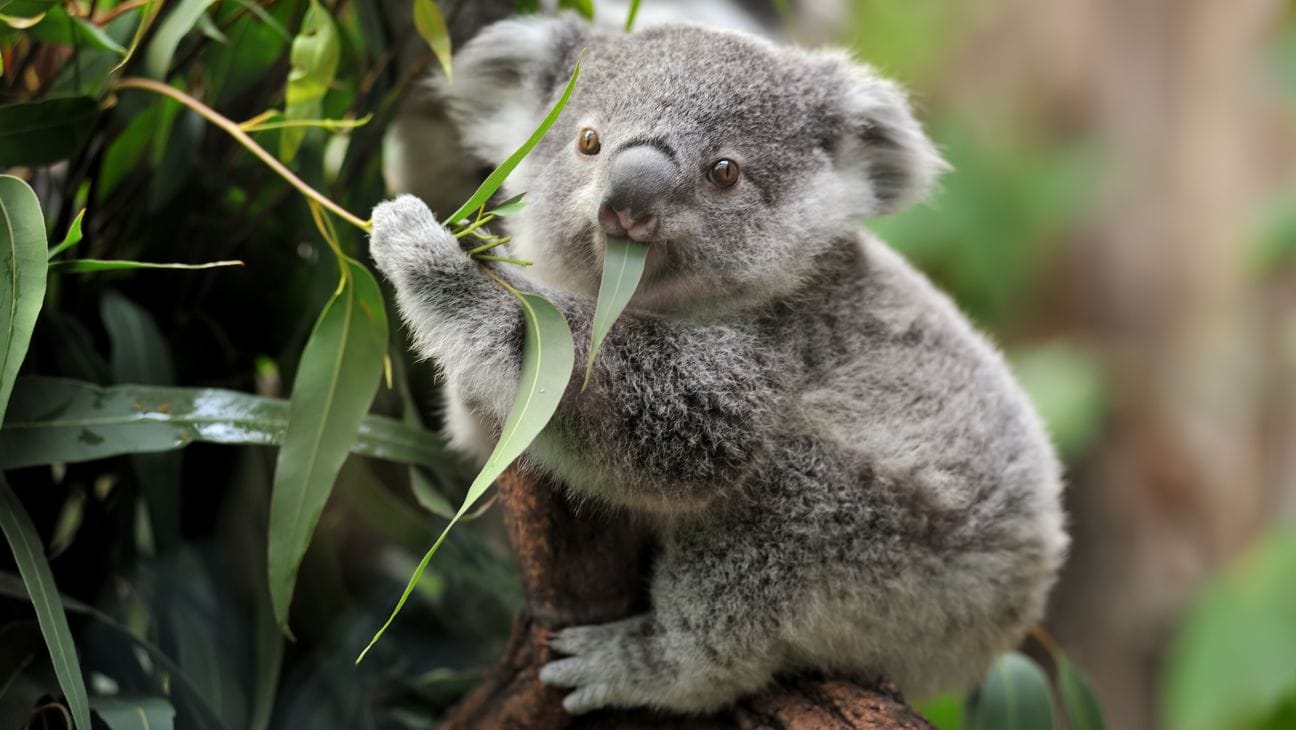
The Northern Koala is native to the northern regions of Queensland, Australia. This type is easily distinguished by its darker, almost smoky gray fur, which is thicker compared to other koala populations. The denser coat is an adaptation to the cooler nights in the more tropical, yet fluctuating climate of northern Australia. Northern Koalas also tend to have smaller, more compact bodies and slightly larger ears, giving them an alert and inquisitive appearance.
In terms of behavior, Northern Koalas are highly arboreal, spending most of their time in eucalyptus trees. They are selective eaters, preferring certain eucalyptus species that are abundant in northern Queensland. Their diet primarily consists of eucalyptus leaves, which provide both hydration and nutrition. Like other koalas, they have a slow metabolism, often resting for up to 20 hours a day to conserve energy.
Socially, Northern Koalas are mostly solitary. Males establish territories and use deep vocalizations to warn rivals and attract mates. Females tend to have smaller ranges, focusing on food-rich areas. The breeding season generally occurs from September to February, with females giving birth to a single joey that stays in the pouch for about six months before gradually transitioning to tree climbing and independent feeding.
Despite their relatively stable numbers, Northern Koalas face threats from habitat destruction, bushfires, and disease. Conservation programs in Queensland aim to protect critical eucalyptus forests, monitor populations, and mitigate the effects of human activity.
2. Southern Koala (Phascolarctos cinereus victor)
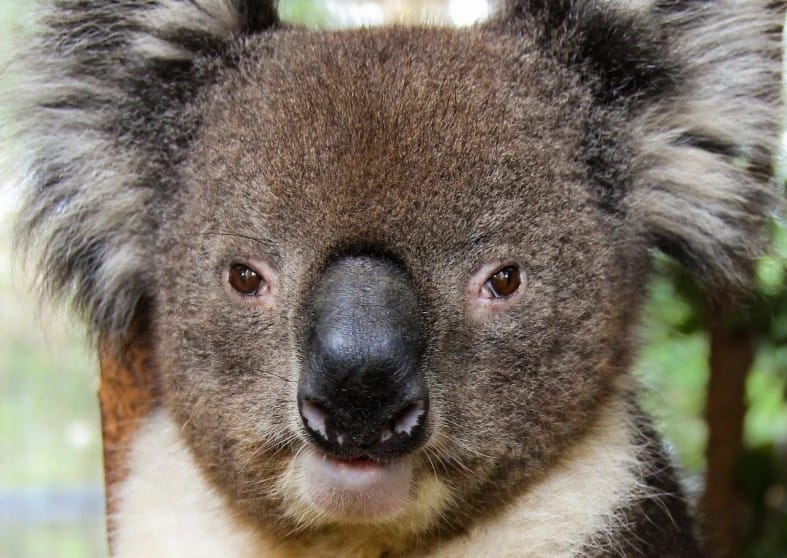
Southern Koalas inhabit the southeastern regions of Queensland, New South Wales, and Victoria. Unlike their northern counterparts, Southern Koalas have lighter, silver-gray fur and a larger, more robust body structure. This type is well-adapted to the cooler, temperate forests of southeastern Australia. Their thicker, softer coat provides insulation during colder months, while their larger body size allows them to store more energy for the lean winter months when eucalyptus leaves are less nutritious.
Southern Koalas are known for their calm and slower behavior. They maintain well-defined territories and are highly selective about the eucalyptus trees they inhabit. These koalas feed on a variety of eucalyptus species, with some preference for certain leaves that contain less toxins, which their digestive system is specially adapted to process.
Breeding behaviors in Southern Koalas are similar to those of the Northern Koala, but the cooler climate influences timing and the length of gestation slightly. Males are particularly vocal during the breeding season, using low-pitched bellows to communicate dominance. Conservation efforts in Victoria focus on reducing habitat fragmentation, particularly along roads and urban developments, to prevent collisions and maintain genetic diversity.
3. Victorian Koala (Phascolarctos cinereus cinereus)
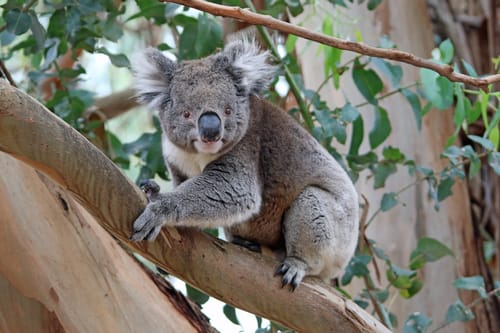
The Victorian Koala is primarily found in central and western Victoria. It is considered a distinct type due to its unique combination of body size, fur color, and subtle behavioral differences. Their fur is generally lighter than Northern Koalas but darker than some Southern populations, often appearing as a mix of silver and gray tones. Victorian Koalas are slightly smaller in body size than the Southern Koala but have proportionally longer limbs, which help them maneuver through the dense woodlands of Victoria.
Dietary habits are similar to other koala types, with a strong preference for native eucalyptus trees. Victorian Koalas display heightened territoriality, possibly due to the fragmented nature of their habitat. Males use tree scratches and vocalizations to communicate presence and dominance, while females focus on foraging efficiency.
Breeding season in Victorian Koalas aligns with the warmer months, generally October to February. Joeys are carried in the mother’s pouch for around six months, after which they begin venturing out onto nearby branches under supervision. Conservation in Victoria emphasizes connecting fragmented habitats through wildlife corridors, helping koalas maintain access to essential eucalyptus species and avoid road hazards.
4. Brown Koala (Regional Type)
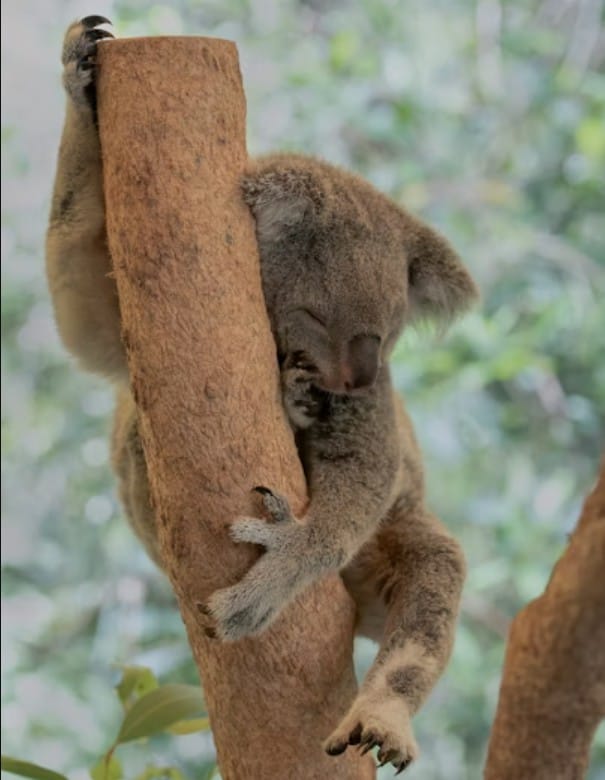
Brown Koalas are generally found in parts of southern Australia, including areas of South Australia and southwestern Victoria. This type is named for its distinctive brownish fur, which can range from light caramel to deep chocolate tones. The Brown Koala’s coloration is an adaptation to the more arid and sun-exposed environments it inhabits, providing camouflage among tree bark and dry foliage.
Behaviorally, Brown Koalas are highly resilient, able to survive in regions with less dense tree cover. They are selective feeders but can occasionally switch to secondary eucalyptus species when preferred leaves are scarce. Males maintain territories that overlap with several females, using bellowing calls and scent marking to communicate.
Reproduction follows similar patterns to other koalas, with one joey born per female per year. Survival of young depends heavily on the availability of high-quality eucalyptus leaves and suitable tree hollows for protection. Conservation initiatives for Brown Koalas focus on protecting dry forest habitats, reducing bushfire risks, and ensuring that critical water sources are preserved.
5. Gray Koala (Regional Type)
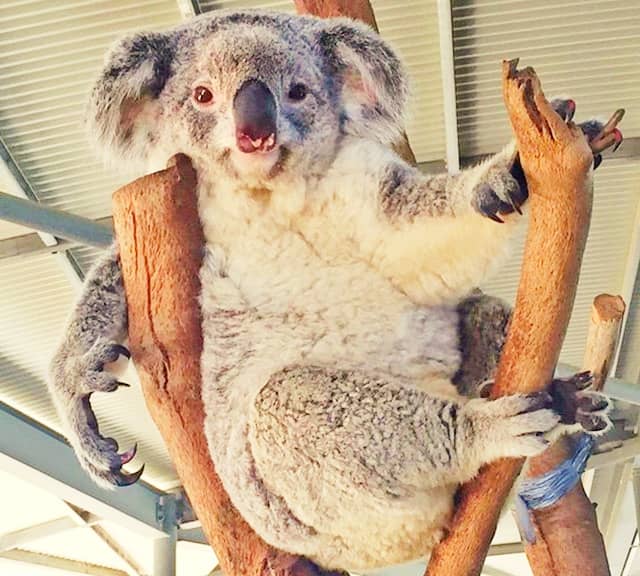
The Gray Koala is widespread across northern and central regions of Australia and is often considered the “classic” koala appearance by most people. Its light gray fur, smaller body size, and round, fluffy ears make it the most familiar to visitors and wildlife enthusiasts. Gray Koalas are highly adaptable, capable of thriving in both coastal and inland eucalyptus forests.
Gray Koalas are highly arboreal and spend most of their time in trees, feeding primarily on eucalyptus leaves. They are solitary, with adult males establishing and defending territories that encompass multiple females. Breeding behavior includes vocal bellows from males to attract mates, and joeys remain in the mother’s pouch for approximately six months before gradually transitioning to independent life.
Although Gray Koalas are among the most commonly seen, they still face threats from urbanization, deforestation, and climate change. Conservation programs often emphasize habitat restoration, wildlife crossings, and public education to ensure that these iconic marsupials continue to thrive across Australia.
Conclusion
Koalas are more than just a cute face in the trees—they are fascinating, highly specialized marsupials that play a crucial role in Australia’s forest ecosystems. The five types of koala highlighted in this guide—Northern Koala, Southern Koala, Victorian Koala, Brown Koala, and Gray Koala—each showcase unique adaptations in fur color, body size, and behavior that allow them to thrive in their specific regional habitats.
Understanding the differences among these types of koala not only helps wildlife enthusiasts and researchers identify them more accurately in the wild but also underscores the importance of protecting their habitats from threats such as deforestation, bushfires, and climate change. Conservation efforts, including habitat restoration, wildlife corridors, and public awareness campaigns, are essential to ensure that these iconic marsupials continue to flourish for generations to come.
Whether it’s observing the dark, thick-furred Northern Koala in Queensland or the light gray, adaptable Gray Koala across central Australia, each type offers a glimpse into the diversity and resilience of this remarkable species. By learning about the types of koala, we deepen our appreciation for their unique lifestyles and reinforce the need to safeguard their survival in the wild.
Frequently Asked Questions about Types of Koala
1. What are the different types of koala?
The main types of koala include the Northern Koala, Southern Koala, Victorian Koala, Brown Koala, and Gray Koala. Each type differs in fur color, body size, and regional habitat.
2. Where do Northern Koalas live?
Northern Koalas are primarily found in northern Queensland, Australia. They have darker fur and smaller bodies adapted to tropical and subtropical climates.
3. How is the Southern Koala different from the Northern Koala?
Southern Koalas are lighter in color, larger, and live in southeastern Queensland, New South Wales, and Victoria. Their adaptations suit cooler temperate forests.
4. What is a Victorian Koala?
Victorian Koalas are a regional type found mainly in central and western Victoria. They have a mix of gray and silver fur and unique behavioral traits suited to local woodlands.
5. Why is there a Brown Koala?
Brown Koalas are named for their brownish fur and are typically found in parts of southern Australia. Their coloring helps them camouflage in drier, sun-exposed habitats.
6. What does a Gray Koala look like?
Gray Koalas have light gray fur, round ears, and are generally smaller in size. They are widespread across northern and central Australia.
7. Are koalas all the same species?
Yes, all koalas belong to a single species, Phascolarctos cinereus. The types are regional variants with slight differences in appearance and behavior.
8. What do koalas eat?
Koalas primarily eat eucalyptus leaves. They are selective feeders and rely on specific eucalyptus species depending on their region.
9. How much time do koalas spend sleeping?
Koalas sleep 18–20 hours a day due to their low-energy diet of eucalyptus leaves, which are tough to digest and low in calories.
10. How do Northern Koalas communicate?
Male Northern Koalas use deep bellows to establish territory and attract mates. Females communicate mainly through body language and scent.
11. Are koalas solitary animals?
Yes, koalas are mostly solitary. Adult males have overlapping territories with several females, but generally avoid other males except during breeding season.
12. How long do koalas live?
In the wild, koalas typically live 10–12 years. In captivity, they can live up to 15 years due to controlled environments and absence of predators.
13. What is a koala joey?
A joey is a baby koala. It spends around six months in the mother’s pouch before slowly transitioning to climbing trees and feeding on eucalyptus leaves.
14. When do koalas breed?
Breeding season varies by region but usually occurs between September and February. Males call to attract mates during this period.
15. How big is a Northern Koala?
Northern Koalas are smaller than southern populations, usually weighing between 4–7 kilograms, with a compact body and thick fur.
16. What is the diet difference among koala types?
All koalas eat eucalyptus, but Northern Koalas prefer fewer species with higher moisture content, while Southern and Victorian types eat a wider variety.
17. Can koalas swim?
Yes, koalas are capable swimmers. They can cross rivers if needed but generally stay within their arboreal habitat.
18. Do koalas drink water?
Koalas get most of their hydration from eucalyptus leaves but will drink water during extreme heat or drought.
19. What threats do koalas face?
Major threats include habitat loss, bushfires, disease (like chlamydia), predation by dogs, and climate change.
20. Are koalas endangered?
Koalas are listed as vulnerable in several Australian states. Populations are declining due to habitat destruction and climate-related impacts.
21. How do koalas stay warm?
Koalas have thick fur for insulation. Northern Koalas have darker, denser fur, while Southern Koalas have softer coats to retain heat in cooler climates.
22. Do koalas have natural predators?
Natural predators include large birds of prey and snakes. Humans and introduced species like dogs also pose risks.
23. How far do koalas travel each day?
Koalas are mostly sedentary but may travel a few hundred meters to find food or during mating season.
24. Can koalas survive bushfires?
Bushfires are a serious threat. Some koalas survive by moving to less affected areas, but fire can destroy food sources and habitat.
25. Do koalas have scent glands?
Yes, male koalas have scent glands on their chest used to mark territory by rubbing against trees.
26. What is the lifespan of a joey?
Joeys leave the pouch at about six months and continue to stay with the mother until roughly 12 months before independence.
27. How do koalas choose trees?
Koalas select trees based on eucalyptus species, leaf moisture, and shelter. They prefer older trees with abundant leaves.
28. Are koalas noisy?
Yes, males bellow loudly during breeding season. Females and joeys communicate with softer grunts and squeaks.
29. Do koalas get along with each other?
Generally, koalas are solitary. Males may fight over territory, while females focus on foraging and raising joeys.
30. How do koalas digest eucalyptus leaves?
Koalas have a specialized cecum in their digestive system to break down tough eucalyptus leaves and detoxify the chemicals in the leaves.
31. What is the Northern Koala’s fur color?
It is typically dark gray, almost smoky, with thick fur adapted to cooler nights in the tropical north.
32. How is the Southern Koala’s behavior different?
Southern Koalas are calmer, slower, and more tolerant of cooler temperatures, reflecting adaptation to temperate forests.
33. Why are Victorian Koalas considered unique?
Victorian Koalas combine traits of Northern and Southern types and display regional behaviors suited to fragmented forests in central Victoria.
34. Are Brown and Gray Koalas official subspecies?
No, they are regional types describing physical differences but are part of the single koala species.
35. How do koalas sleep?
Koalas sleep in tree forks or branches, curled up to conserve heat, for 18–20 hours per day.
36. Can koalas adapt to urban areas?
Some koalas live near urban areas but face higher risks from cars, dogs, and habitat fragmentation.
37. How do koalas drink water during droughts?
They will drink from streams or water sources if eucalyptus leaves are too dry to provide sufficient hydration.
38. Are koalas active at night?
Yes, they are primarily nocturnal, feeding and moving mostly during the evening and night hours.
39. How do koalas defend themselves?
Koalas rely on climbing high in trees to escape threats and use their sharp claws for climbing and defense.
40. Do koalas interact with humans?
Wild koalas are generally shy and avoid humans, but rescued or rehabilitated koalas can become accustomed to human care.
41. What role do koalas play in the ecosystem?
Koalas help maintain eucalyptus forests by selective feeding, which promotes tree health and biodiversity.
42. Are koalas threatened by disease?
Yes, chlamydia is common in wild populations, causing reproductive and eye issues.
43. How long does it take a joey to climb trees?
After leaving the pouch around six months, joeys gradually learn to climb over several weeks under the mother’s supervision.
44. Can koalas survive without eucalyptus?
No, koalas are highly specialized feeders and rely almost exclusively on eucalyptus leaves for food and water.
45. How do koalas reproduce?
Females usually have one joey per year, which remains in the pouch for six months before gradually gaining independence.
46. Do koalas migrate?
Koalas are not migratory but may move locally to find food or during breeding season.
47. Are koalas intelligent?
Koalas have adapted to complex arboreal environments and display problem-solving abilities for climbing and feeding.
48. How do koalas cope with heat?
They rest in shaded areas, hug tree trunks to stay cool, and may drink water if extremely hot.
49. Can koalas be kept as pets?
No, koalas are wild, protected marsupials in Australia and cannot be legally kept as pets.
50. How can I help koalas?
Support koala conservation programs, plant native eucalyptus trees, avoid habitat destruction, and raise awareness about threats like bushfires and urbanization.
51. Do all koalas have the same lifespan?
Lifespan varies slightly by region and environmental conditions, but wild koalas generally live 10–12 years, while captive koalas can live up to 15 years.
Read more: 10 Types of Mongoose (Pictures And Identification)